




-
Underwater Object Recovery Using a Hybrid-Controlled ROV with Deep Learning-Based Perception -
Deep Learning-Based Prediction of Ship Roll Motion with Monte Carlo Dropout -
Past and Future Changes in Sea Ice in the Sea of Okhotsk: Analysis Using the Future Ocean Regional Projection Dataset -
When Citizen Science Becomes Speculation: Evaluating the Reliability of Lamnid Shark Identification from Photographic Records in the Mediterranean
Journal Description
Journal of Marine Science and Engineering
is an international, peer-reviewed, open access journal on marine science and engineering, published semimonthly online by MDPI. The Australia New Zealand Marine Biotechnology Society (ANZMBS) is affiliated with JMSE and its members receive discounts on the article processing charges.
- Open Access— free for readers, with article processing charges (APC) paid by authors or their institutions.
- High Visibility: indexed with Scopus, SCIE (Web of Science), Ei Compendex, GeoRef, Inspec, AGRIS, and other databases.
- Journal Rank: JCR - Q2 (Engineering, Marine) / CiteScore - Q2 (Ocean Engineering)
- Rapid Publication: manuscripts are peer-reviewed and a first decision is provided to authors approximately 16.5 days after submission; acceptance to publication is undertaken in 2.5 days (median values for papers published in this journal in the second half of 2025).
- Recognition of Reviewers: reviewers who provide timely, thorough peer-review reports receive vouchers entitling them to a discount on the APC of their next publication in any MDPI journal, in appreciation of the work done.
- Journal Clusters of Water Resources: Water, Journal of Marine Science and Engineering, Hydrology, Resources, Oceans, Limnological Review, Coasts.
Impact Factor:
2.8 (2024);
5-Year Impact Factor:
2.8 (2024)
Latest Articles
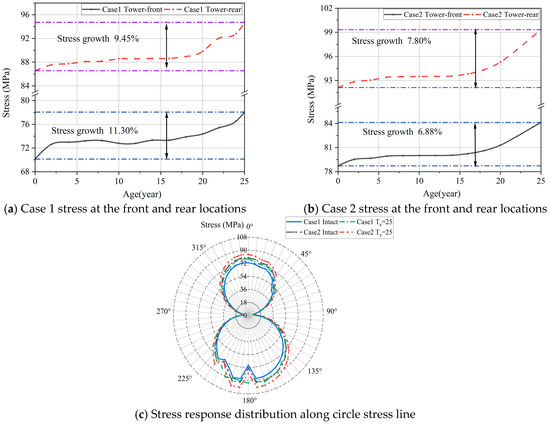
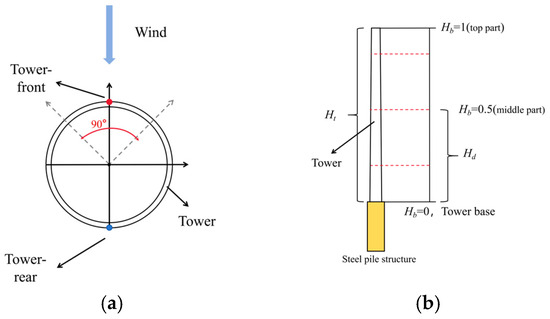
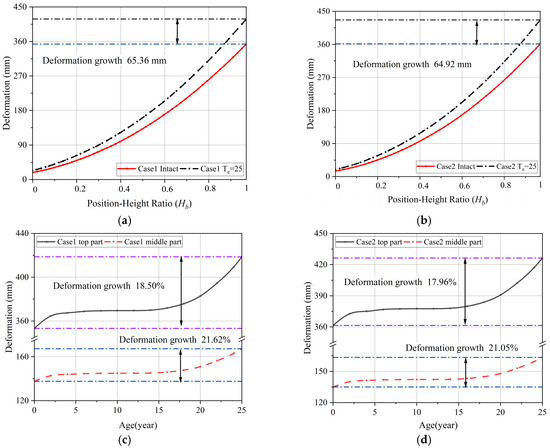
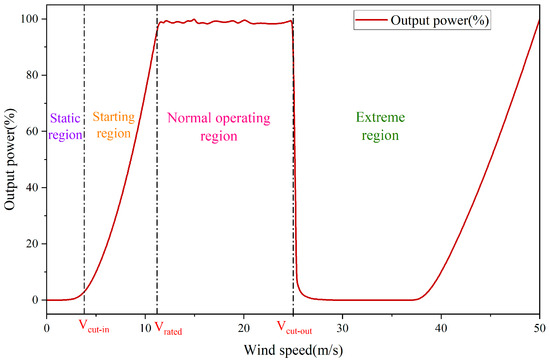
A Structural Response Prediction Method Based on Data-Driven for Offshore Wind Turbines Considering Time-Dependent Corrosion Damage
J. Mar. Sci. Eng. 2026, 14(9), 864; https://doi.org/10.3390/jmse14090864 - 5 May 2026
Abstract
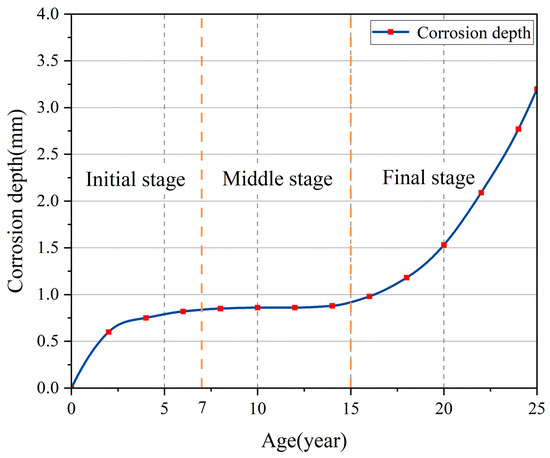
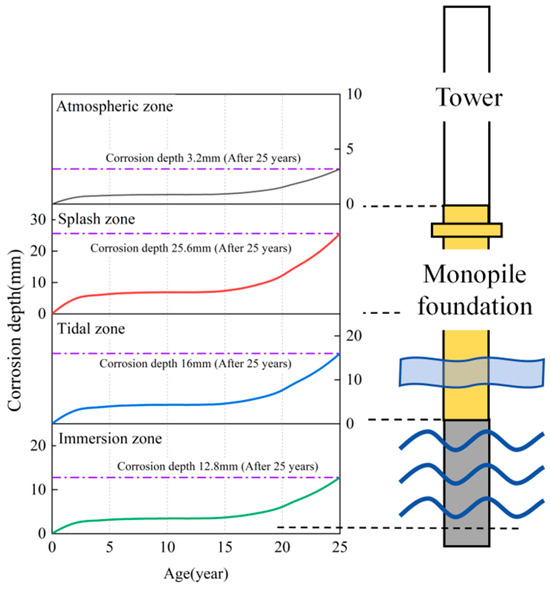
The reliability of structural safety assessments for offshore wind turbines is often compromised by time-dependent corrosion effects and the high computational cost of fluid–structure interaction analysis. This study proposes a data-driven framework for predicting the degradation of offshore wind turbine support structures under
[...] Read more.
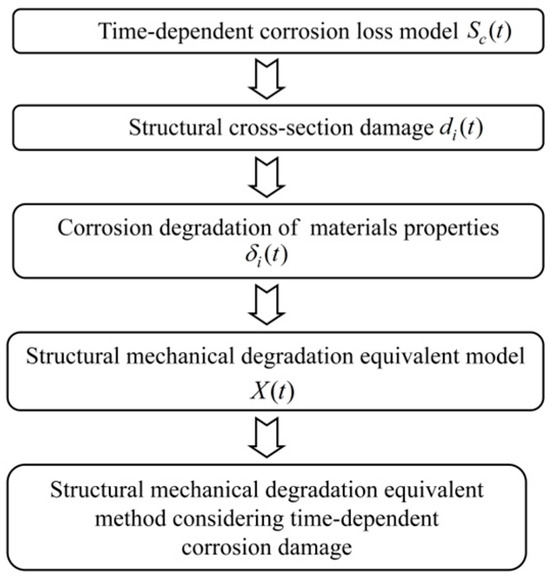
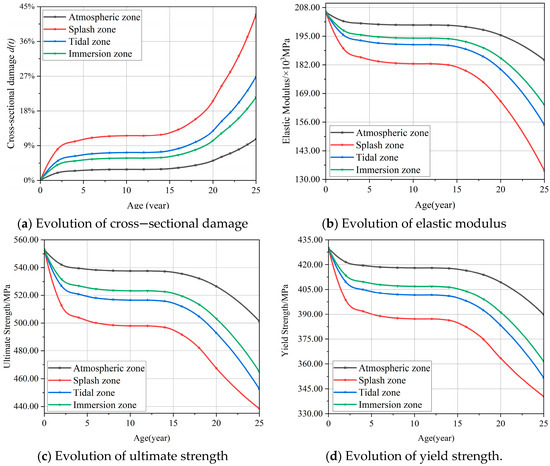
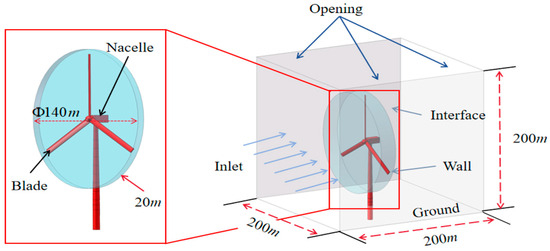
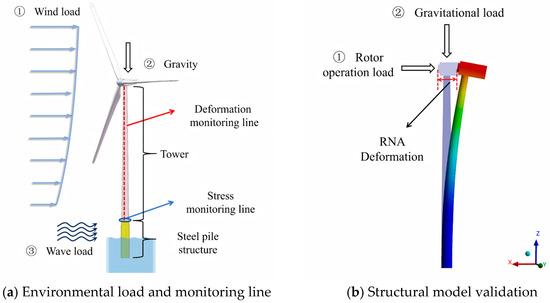
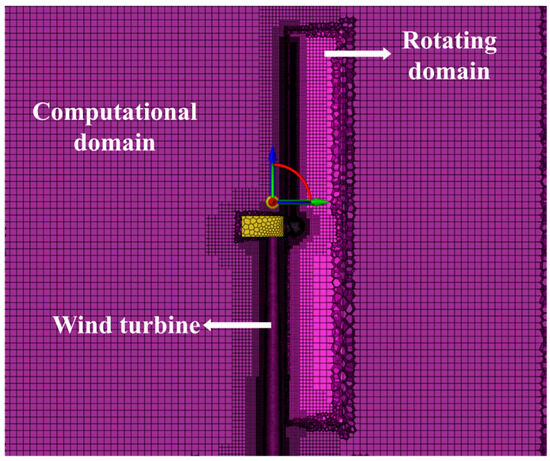
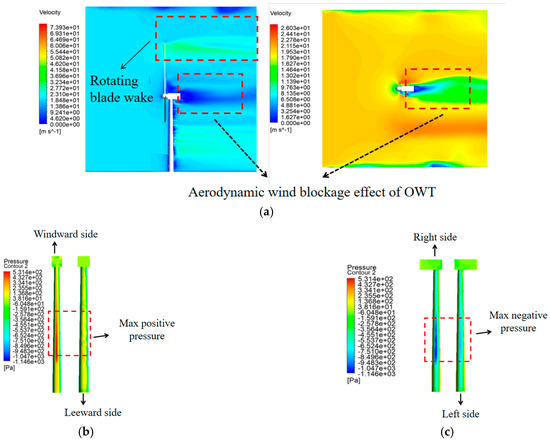
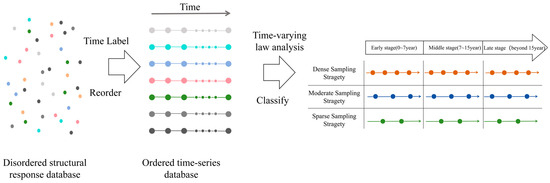
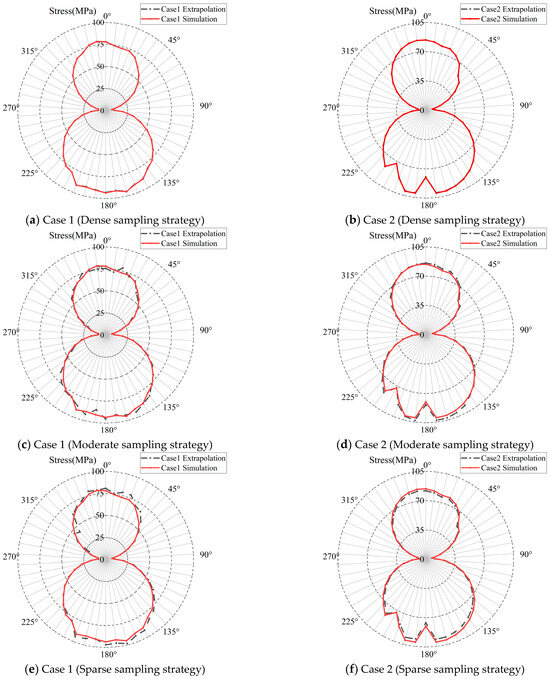
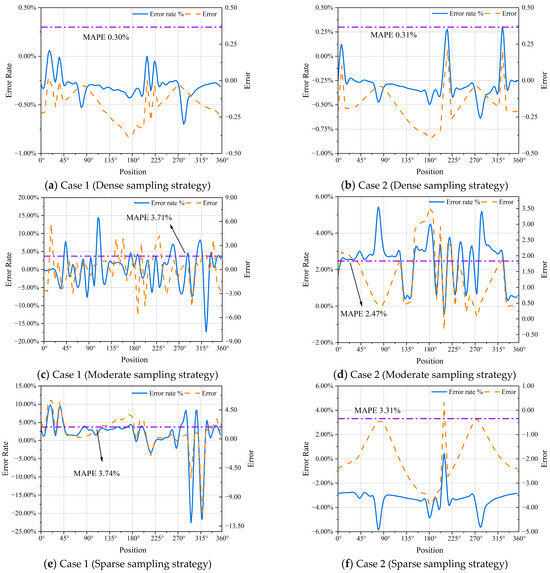
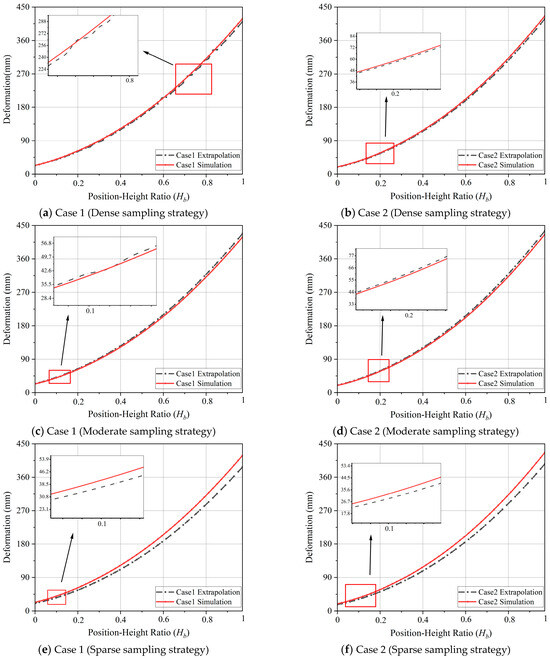
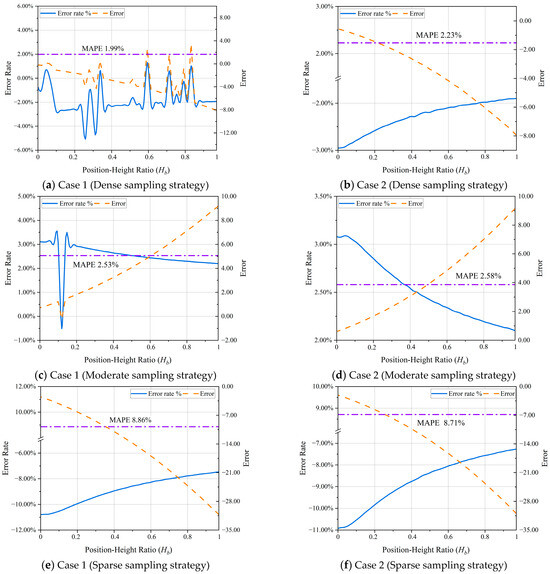
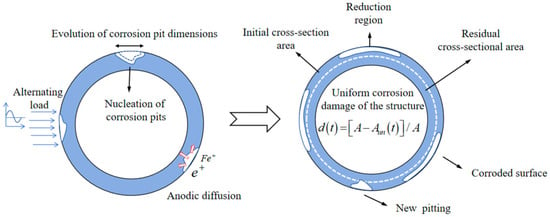
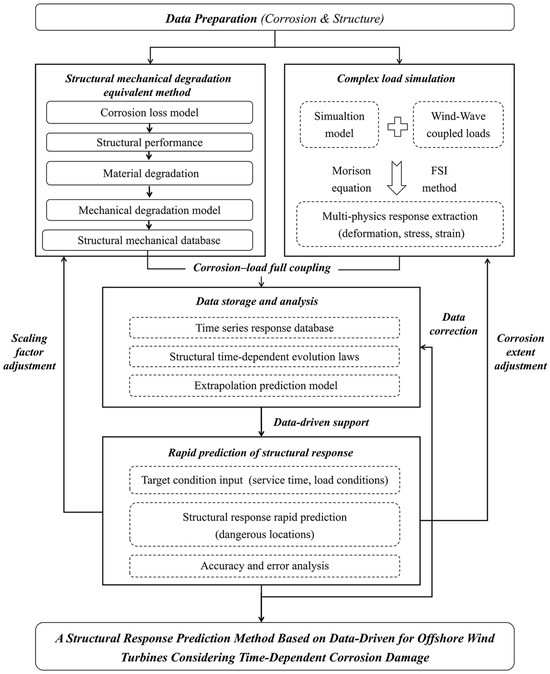
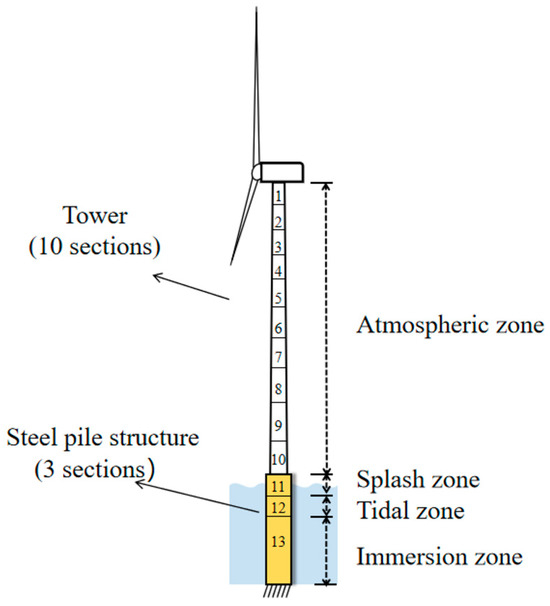
The reliability of structural safety assessments for offshore wind turbines is often compromised by time-dependent corrosion effects and the high computational cost of fluid–structure interaction analysis. This study proposes a data-driven framework for predicting the degradation of offshore wind turbine support structures under time-dependent corrosion. First, the multi-faceted mechanisms of corrosion progression were analyzed to quantitatively evaluate the evolution of structural cross-sectional damage and residual load-bearing capacity. A structural mechanical equivalent method was then proposed and integrated with a high-fidelity fluid–structure coupled model that takes into account corrosion effects, and a corresponding time-dependent structural response database was established. Then, the data extrapolation techniques were applied to unsimulated response samples, enabling comprehensive assessment and accurate forecasting of structural states. Validation under different data sampling strategies shows that the dense strategy achieves the highest accuracy, with stress and deformation errors of 0.31% and 2.23%, the moderate strategy yields errors of 2.47% and 2.58%, while the sparse strategy results in larger errors of 3.31% and 8.71%, but still captures the overall evolution trend. It demonstrates that the proposed approach provides a reliable and efficient predictive tool for service-life assessment and structural response evaluation of offshore wind turbine support structures.
Full article
(This article belongs to the Special Issue Offshore Renewable Energy: Waves, Tides, and Wind)
►
Show Figures
Open AccessArticle
Simulations of Wave–Structure Interactions in Incompressible SPH Using Modified Dynamic Boundary Conditions
by
Marco Simone, Giovanni Cannata and Georgios Fourtakas
J. Mar. Sci. Eng. 2026, 14(9), 863; https://doi.org/10.3390/jmse14090863 - 5 May 2026
Abstract
The simulation of free-surface flows in hydraulic engineering presents several challenges due to the intrinsic complexity of modeling a fluid that continuously deforms and evolves over time. In this context, the Smoothed Particle Hydrodynamics (SPH) method, a Lagrangian approach that represents the fluid
[...] Read more.
The simulation of free-surface flows in hydraulic engineering presents several challenges due to the intrinsic complexity of modeling a fluid that continuously deforms and evolves over time. In this context, the Smoothed Particle Hydrodynamics (SPH) method, a Lagrangian approach that represents the fluid as a set of moving particles, is better suited than traditional grid-based methods. However, compared to the latter, the SPH method also exhibits certain drawbacks, including increased difficulty in handling wall boundary conditions and a higher computational cost. This work proposes an original wall boundary treatment technique that, to the best of our knowledge, is applied in the Incompressible SPH (ISPH) approach for the first time. The proposed treatment relies on boundary particles external to the fluid and internal extrapolation points, where pressure is computed to enforce Neumann boundary conditions in a consistent manner. During the development of this technique, several intrinsic advantages over existing methods in the literature are identified. A series of numerical benchmarks are conducted to verify the validity of the proposed ISPH model. Numerical results show good agreement with experimental data reported in the literature, confirming the effectiveness of the proposed numerical model in reproducing free-surface flow hydraulic phenomena.
Full article
(This article belongs to the Special Issue Numerical Simulation of Fluid-Structure Interactions by CFD (2nd Edition))
Open AccessArticle
HF Radar Observations of Sea–Land Breeze Forcing on Surface Currents in the Southwestern Taiwan Strait During the Winter Monsoon
by
Xiaolin Peng, Yi Shen, Li Wang and Xiongbin Wu
J. Mar. Sci. Eng. 2026, 14(9), 862; https://doi.org/10.3390/jmse14090862 - 5 May 2026
Abstract
High-Frequency (HF) radar remote sensing offers a unique capability to detect mesoscale air-sea interactions under strong monsoon conditions. This study leveraged HF radar-derived surface currents, buoy observations, and reanalysis data to systematically investigate the driving mechanism of the sea–land breeze (SLB) on surface
[...] Read more.
High-Frequency (HF) radar remote sensing offers a unique capability to detect mesoscale air-sea interactions under strong monsoon conditions. This study leveraged HF radar-derived surface currents, buoy observations, and reanalysis data to systematically investigate the driving mechanism of the sea–land breeze (SLB) on surface currents in the Taiwan Strait during the strong winter monsoon. To address the challenge of extracting weak signals from a dominant background flow, we employed the Separation of the Regional Wind Field (SRWF) method and the complex demodulation spectrum shifting technique. The results demonstrate that HF radar observations confirm the presence of regular SLB activity even under the strong monsoon, with its intensity modulated by the land–sea temperature difference influenced by cloud cover. Spatial correlation analysis reveals that the SLB significantly drives diurnal variations in the surface current, with its impact extending up to 110 km offshore and a maximum amplitude of approximately 2.2 cm/s. Additionally, the analysis reveals that the duration of SLB events critically influences the current response: events lasting 7 days produce a stronger and more spatially coherent correlation with the diurnal currents than shorter 5-day events. Furthermore, harmonic analysis indicates that the SLB’s energy primarily affects the non-tidal residual current, with no significant impact on the principal diurnal tidal constituents ( , ). This work not only quantifies the SLB-current coupling during sustained SLB events in a strong monsoon regime but, more importantly, demonstrates the capability of HF radar remote sensing for resolving weak signals in complex, high-energy environments, providing a robust methodological framework and valuable insights for regional marine environmental forecasting.
Full article
(This article belongs to the Section Physical Oceanography)
Open AccessArticle
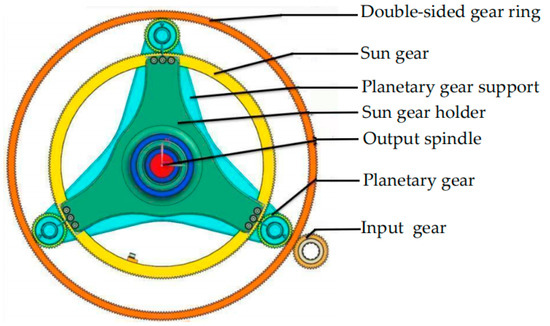
Overall Design and Performance Testing of a New Type of Marine Energy Storage Winch
by
Jingbo Jiang, Qingkui Liu, Zuotao Ni, Yonghua Chen and Fei Yu
J. Mar. Sci. Eng. 2026, 14(9), 861; https://doi.org/10.3390/jmse14090861 - 3 May 2026
Abstract
High-resolution vertical profile observations of ocean environmental parameters are essential for investigating mesoscale ocean dynamic phenomena, such as internal waves, mesoscale eddies, and oceanic fronts. At present, vertical profile measurement in marine surveys mainly relies on shipborne winches to deploy and recover marine
[...] Read more.
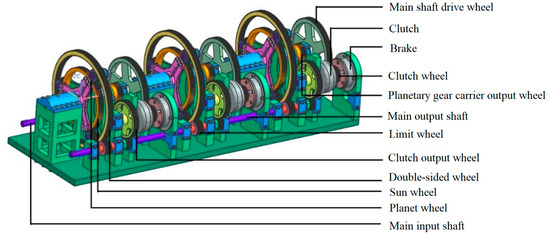
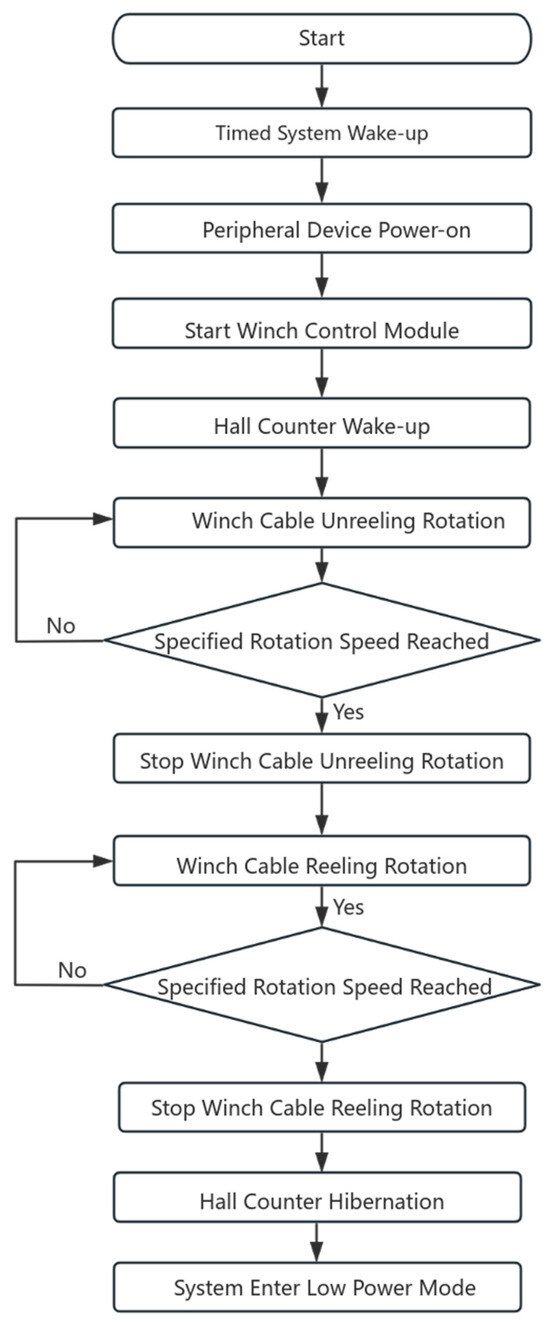
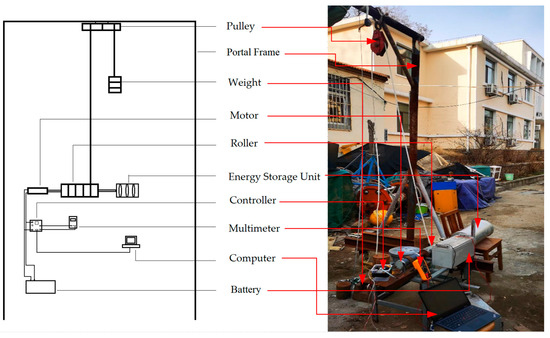
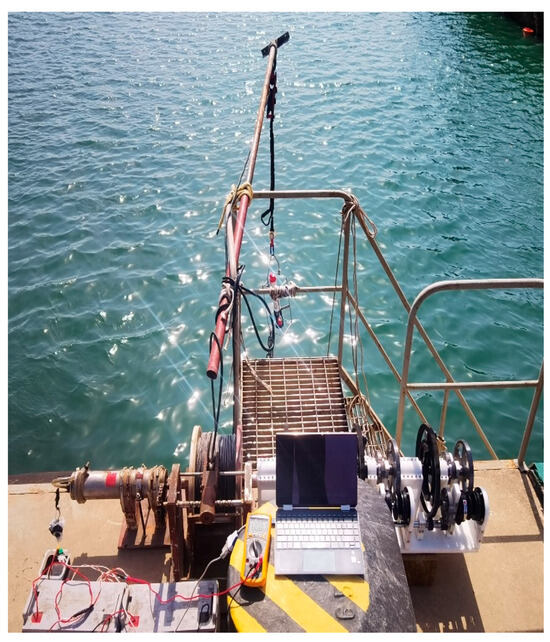
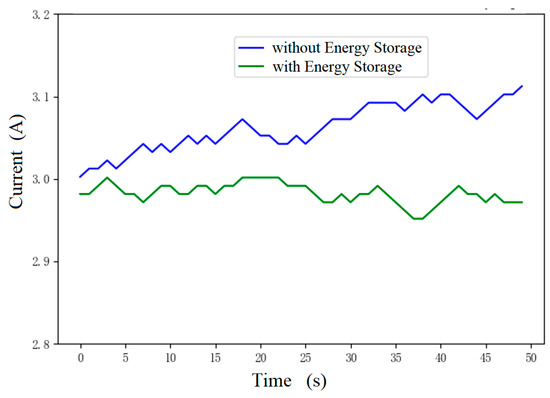
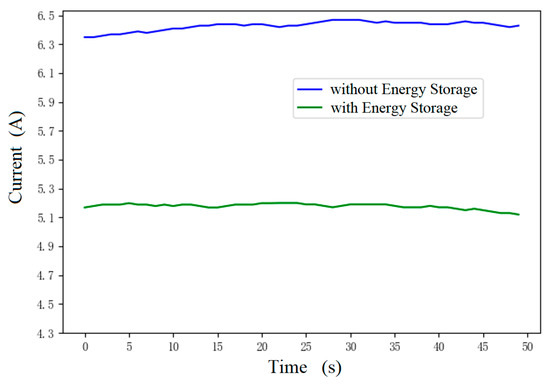
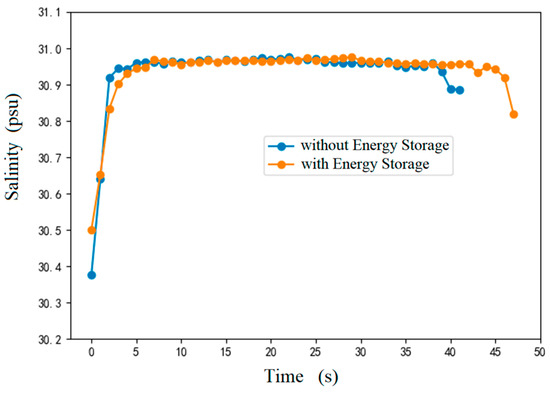
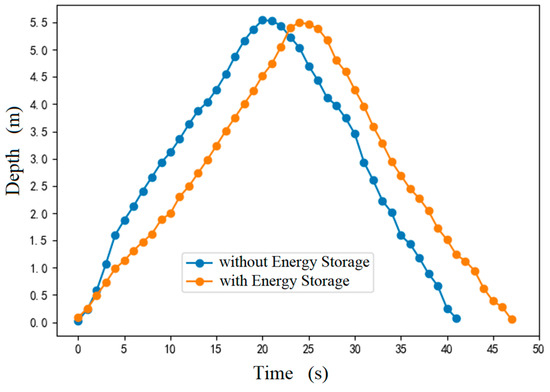
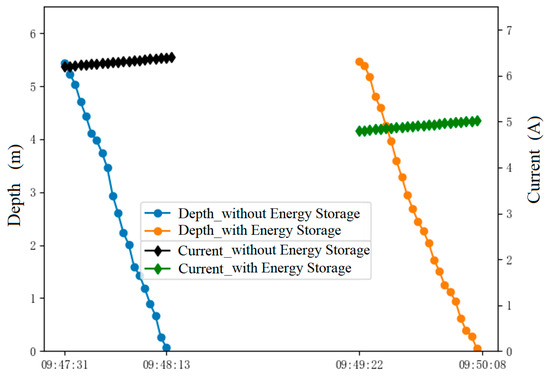
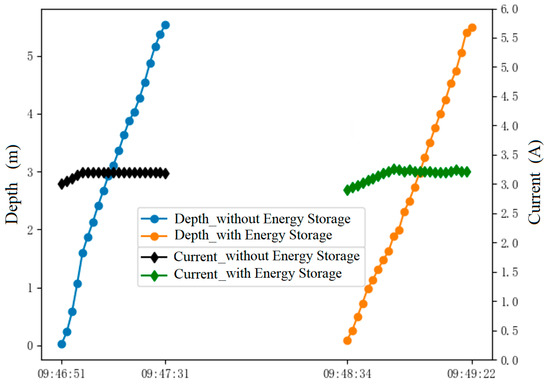
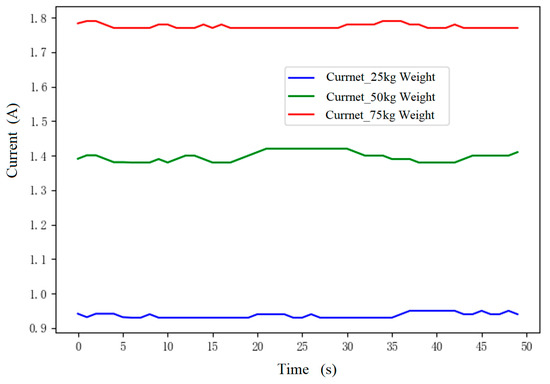
High-resolution vertical profile observations of ocean environmental parameters are essential for investigating mesoscale ocean dynamic phenomena, such as internal waves, mesoscale eddies, and oceanic fronts. At present, vertical profile measurement in marine surveys mainly relies on shipborne winches to deploy and recover marine sensors, which entails high labor costs and considerable energy consumption. Unmanned observation platforms integrated with winch systems enable automatic sensor deployment and recovery, offering a viable approach to cutting observation costs. Nevertheless, inadequate energy supply remains a critical bottleneck restricting the large-scale popularization and application of such equipment. Accordingly, the development of high-efficiency winch systems tailored for unmanned autonomous observation platforms is of great engineering significance for facilitating long-term, continuous, and low-energy marine profile observation. This paper proposes a novel energy-saving winch with an embedded three-stage parallel nested energy storage structure for unmanned marine observation platforms. During operation, the coil spring energy storage system is charged during cable payout, and the stored elastic potential energy is released to assist motor driving in the cable retraction process. This auxiliary driving mode reduces motor power demand and improves the overall energy utilization efficiency of the platform. Experimental results demonstrate that, neglecting ocean current resistance, the proposed winch reduces energy consumption by 5% during cable payout and 21% during cable retraction. The overall energy consumption is decreased by 13% throughout a complete vertical profile measurement cycle. Under constrained and fixed energy supply conditions, this technology substantially enhances the sampling capability of unmanned marine platforms for ocean environmental monitoring. It further improves operational efficiency and extends continuous service time, providing key technical support for revealing ocean dynamic evolution and clarifying the formation and driving mechanisms of marine environmental phenomena.
Full article
(This article belongs to the Special Issue Advances in Ocean Observing Technology and System)
►▼
Show Figures

Figure 1
Open AccessArticle
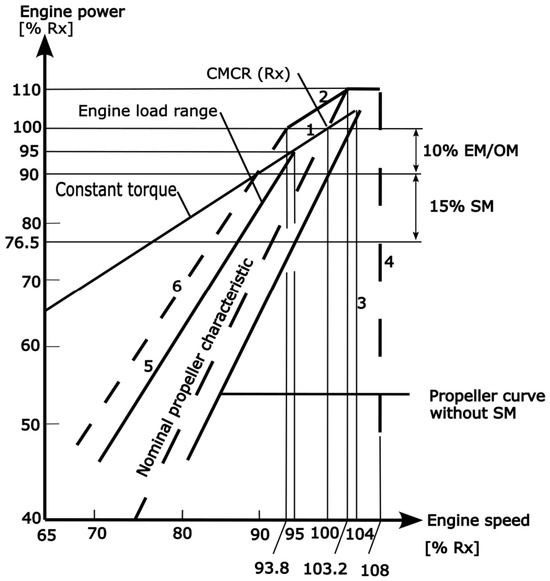
Quantitative Regime Comparison and Engine Performance Assessment: Regime-Dependent Baselining and Comparison for In-Service Propulsion Evaluation
by
Nicoleta Acomi and Mykyta Chervinskyi
J. Mar. Sci. Eng. 2026, 14(9), 860; https://doi.org/10.3390/jmse14090860 - 3 May 2026
Abstract
The in-service assessment of marine propulsion engines requires more than nominal rating comparison because operating severity is shaped by propeller demand, resistance growth, air-path response, and thermal state. This study develops a quantitative benchmarking method for the regime-dependent performance assessment of a low-speed
[...] Read more.
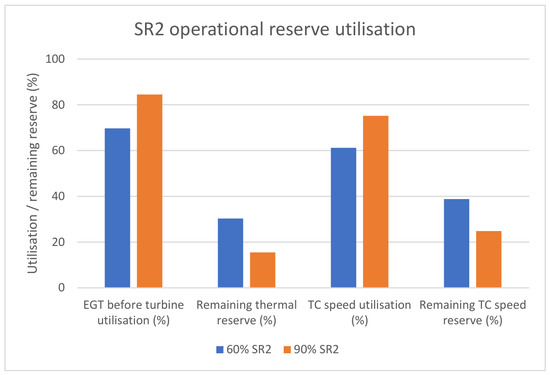
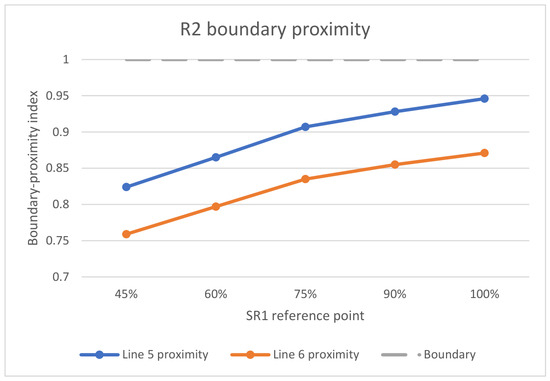
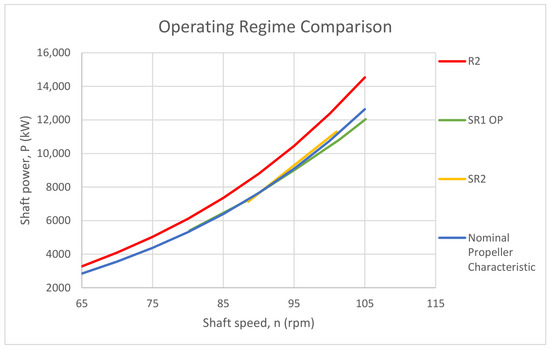
The in-service assessment of marine propulsion engines requires more than nominal rating comparison because operating severity is shaped by propeller demand, resistance growth, air-path response, and thermal state. This study develops a quantitative benchmarking method for the regime-dependent performance assessment of a low-speed two-stroke Wärtsilä 6RT-flex58T-D engine installed on a 31,000 DWT multi-purpose container vessel. The method integrates certified sea-trial measurements, endurance-test records, manufacturer load-diagram constraints, and a 15% service-margin projection within one reference framework. Three representative regimes are evaluated: a measured light-running baseline (SR1), a measured thermally stabilised sustained regime (SR2), and a projected heavy-running regime derived from the baseline using a 15% sea-margin assumption (R2). Comparison is performed using indicators of operating-point position, shaft torque, propeller-law consistency, selected air-path and thermal variables, load-diagram proximity, and corrected specific fuel oil consumption where available. The SR1 baseline followed the fitted propeller law with deviations not exceeding 1.18%, confirming a coherent light-running reference. In SR2, corrected SFOC decreased from 174.4 to 172.0 g/kWh, while the exhaust temperature before turbine increased from 359 °C to 435 °C, and the corresponding thermal margin decreased from 156 °C to 80 °C. Under the +15% service-margin projection, the required shaft power at the 100% trial point increased from 12,046.0 to 13,852.9 kW, exceeding the 13,560 kW installation MCR by 2.2%, with corresponding 15% increases in torque and BMEP. These results demonstrate that measured baseline operation, sustained-load severity, and projected heavy-running demand can be distinguished quantitatively within one installation-specific load-diagram-based benchmarking framework.
Full article
(This article belongs to the Section Ocean Engineering)
►▼
Show Figures

Figure 1
Open AccessArticle
CD-HSSRL: Cross-Domain Hierarchical Safe Switching Reinforcement Learning Framework for Autonomous Amphibious Robot Navigation
by
Shuang Liu, Lei Wei and Xiaoqing Li
J. Mar. Sci. Eng. 2026, 14(9), 859; https://doi.org/10.3390/jmse14090859 - 3 May 2026
Abstract
Autonomous tracked amphibious robotic systems operating across water and land environments are essential for coastal inspection, disaster response, environmental monitoring, and complex terrain exploration. However, discontinuous water–land dynamics, unstable medium switching, and safety-critical control under environmental uncertainty pose significant challenges to existing amphibious
[...] Read more.
Autonomous tracked amphibious robotic systems operating across water and land environments are essential for coastal inspection, disaster response, environmental monitoring, and complex terrain exploration. However, discontinuous water–land dynamics, unstable medium switching, and safety-critical control under environmental uncertainty pose significant challenges to existing amphibious navigation and path planning methods, where global reachability and adaptive decision-making are difficult to unify. Motivated by these challenges, this paper proposes CD-HSSRL, a Cross-Domain Hierarchical Safe-Switching Reinforcement Learning framework for autonomous tracked amphibious navigation. Specifically, a Cross-Domain Global Reachability Planner is developed to construct unified cost representations across heterogeneous water–land environments, a Hierarchical Safe Switching Policy enables stable medium-transition decision-making through option-based policy decomposition with switching regularization, and a Safety-Constrained Continuous Controller integrates action safety projection and risk-sensitive reward shaping to ensure collision-free control during complex shoreline interactions. These components are jointly optimized to achieve robust cross-domain navigation. The experimental results in the Gazebo + UUV simulation environment show that the proposed method demonstrates competitive performance compared with baseline approaches, achieving higher success rates and lower collision rates across water, land, and transition environments. In particular, in cross-domain scenarios, the proposed method improves success rates by approximately 20% compared to conventional RL methods while maintaining stable performance under environmental disturbances. Robustness and ablation studies further verify the effectiveness of hierarchical switching and safety-constrained control mechanisms. Overall, this work establishes an integrated framework for safe and robust cross-domain navigation of tracked amphibious robotic systems, providing new insights into hierarchical safe-switching architectures for multi-medium autonomous robots.
Full article
(This article belongs to the Special Issue Advances in Modelling, Navigation, and Intelligent Control of Marine Vehicles and Robotics)
Open AccessArticle
Start–Stop Cycle-Induced Failure-Mode Transition in SOFC-Powered Northern Sea Route Shipping: A Hierarchical Bayesian Competing-Risk Analysis
by
EunJoo Park, Hyochan Kwon and Jinkwang Lee
J. Mar. Sci. Eng. 2026, 14(9), 858; https://doi.org/10.3390/jmse14090858 - 3 May 2026
Abstract
Solid oxide fuel cells (SOFCs) are a promising near-zero-emission propulsion source for Northern Sea Route (NSR) vessels, but their yttria-stabilized zirconia (YSZ) electrolyte and Ni-cermet anode are susceptible to thermomechanical degradation under repetitive start–stop thermal cycling. We develop a hierarchical Bayesian competing-risk framework
[...] Read more.
Solid oxide fuel cells (SOFCs) are a promising near-zero-emission propulsion source for Northern Sea Route (NSR) vessels, but their yttria-stabilized zirconia (YSZ) electrolyte and Ni-cermet anode are susceptible to thermomechanical degradation under repetitive start–stop thermal cycling. We develop a hierarchical Bayesian competing-risk framework built on a dual degradation model that decomposes area-specific resistance (ASR) growth into cycle-induced fatigue and time-dependent electrochemical aging and apply it across six NSR duty-cycle scenarios spanning f = 1–27 cycles/month. Posterior inference via the No-U-Turn Sampler (NUTS) yields 17 estimated parameters meeting standard convergence criteria (R̂ ≤ 1.01, ESSbulk ≥ 479, zero divergent transitions). The analysis identifies a failure-mode transition at f ≈ 3–6 cycles/month: high-frequency routes are crack-dominated (S1a: 10/15 cells fail by crack within the 600-cycle window with 5/15 right-censored), whereas low-frequency routes are ASR-dominated (S3b: 100% ASR). Global sensitivity analysis indicates the time-dependent rate coefficient ktime as the primary remaining-useful-life driver (ST = 0.37–0.46). Cycle-based maintenance thresholds span 160 cycles (S3b) to ≥600 cycles (S2b), bracketed by S1a (270 cycles, 10.0 months, crack-dominant) and S3a (480 cycles, 160 months, transition regime); qualitative consistency with published experimental data supports physical plausibility.
Full article
(This article belongs to the Special Issue Sustainable Design and Structural Integrity of Eco-Friendly Ships and Offshore Structures)
Open AccessArticle
Exhaust Gas Temperature Prediction of a Marine Gas Turbine Engine Using a Thermodynamic Knowledge-Driven Graph Attention Network Model
by
Jinwei Chen, Jinxian Wei, Weiqiang Gao, Yifan Chen and Huisheng Zhang
J. Mar. Sci. Eng. 2026, 14(9), 857; https://doi.org/10.3390/jmse14090857 - 3 May 2026
Abstract
The exhaust gas temperature (EGT) of the gas generator is a critical indicator for the health management system of a marine gas turbine engine. Therefore, EGT prediction can not only support predictive maintenance decision-making but also serves as a reliable virtual sensor for
[...] Read more.
The exhaust gas temperature (EGT) of the gas generator is a critical indicator for the health management system of a marine gas turbine engine. Therefore, EGT prediction can not only support predictive maintenance decision-making but also serves as a reliable virtual sensor for EGT measurement. However, the engine EGT exhibits strongly nonlinear coupling relationships with other gas path variables, which causes challenges for data-driven prediction. Graph neural networks (GNNs) are particularly effective in capturing the coupling relationships among gas path sensor variables. However, conventional static graph structures fail to characterize the varying coupling strengths under different operating conditions. In this study, a thermodynamic knowledge-driven graph attention network (TKD-GAT) method is proposed for accurate and robust EGT prediction. First, a physics-guided graph topology is constructed based on the gas turbine thermodynamic equations. Subsequently, a multi-head attention mechanism is introduced to generate edge weights that capture the varying thermodynamic coupling strengths under different operation conditions. The proposed model is evaluated on a real-world LM2500 gas turbine, which is widely used in modern propulsion systems of commercial and military ships. The ablation study confirms that the thermodynamic knowledge-driven graph topology and the attention mechanism-based edge weights are both necessary to enhance the EGT prediction performance. The TKD-GAT model shows the best performance with an RMSE of 0.446% and an R2 of 0.971 compared with state-of-the-art models. The paired t-test and effect size measurement (Cohen’s d) statistically confirm the significance of performance improvements. The statistical results from multiple independent experiments prove the stability of the TKD-GAT model. Additionally, the model achieves a competitive computational cost despite the integration of a physics-guided graph topology and attention mechanisms. Crucially, an interpretability analysis confirms that the learned attention weights adhere to thermodynamic principles under different operation conditions. The proposed TKD-GAT model provides an effective solution for EGT prediction in health management systems.
Full article
(This article belongs to the Section Ocean Engineering)
Open AccessArticle
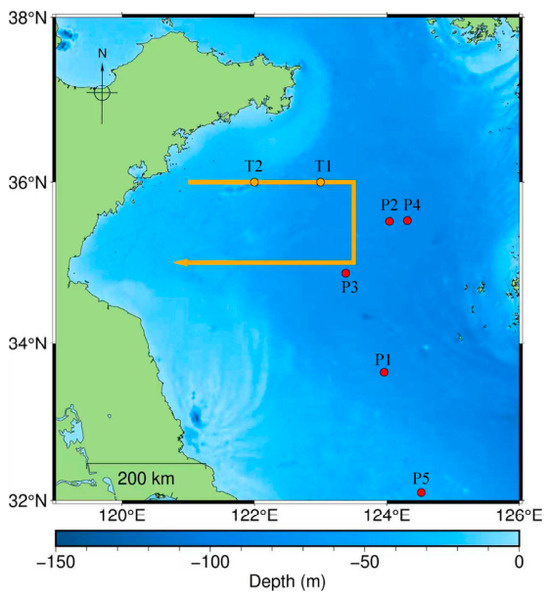
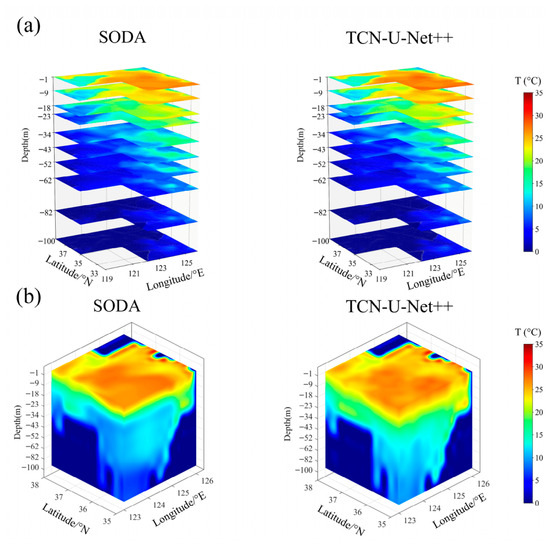
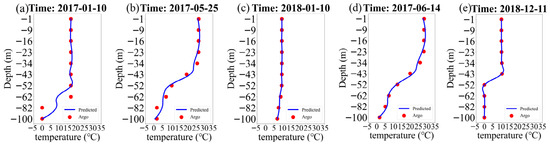
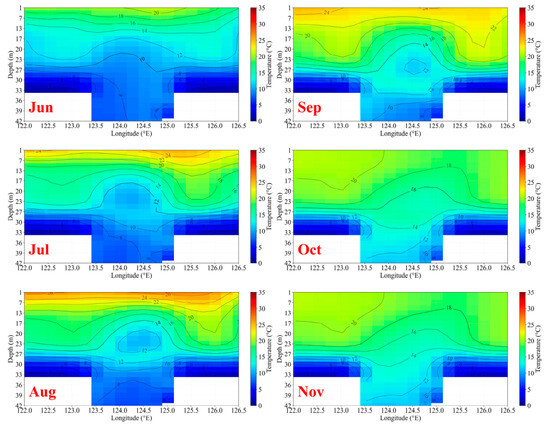
Reconstructing the Seawater Temperature Field of the Yellow Sea Using TCN-U-Net++
by
Jiapeng Bu, Zi Guo, Junqi Cui, Shuyi Zhou, Lei Lin, Shaolei Lu, Xiaodong Liu and Xiaoqian Gao
J. Mar. Sci. Eng. 2026, 14(9), 856; https://doi.org/10.3390/jmse14090856 - 2 May 2026
Abstract
►▼
Show Figures
The Yellow Sea is an important offshore area in China, and the accurate prediction of its seawater temperature is of great significance for marine environmental monitoring and climate adaptation management. However, existing research on predicting the three-dimensional (3D) temperature field in the Yellow
[...] Read more.
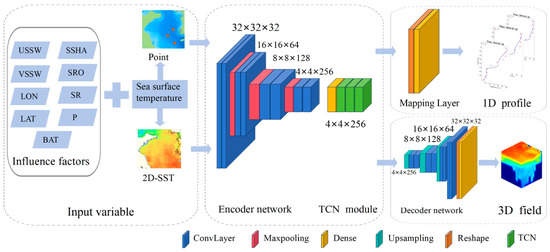
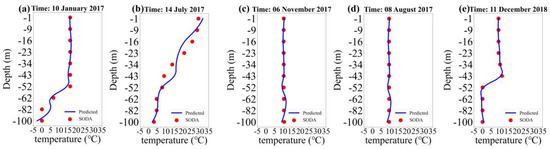
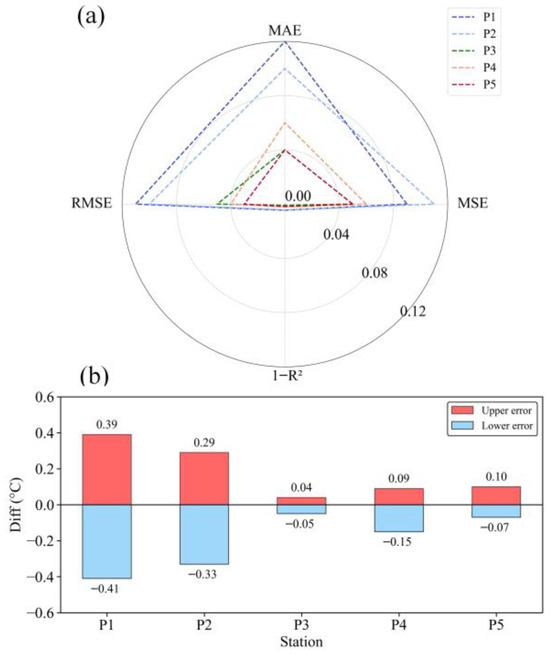
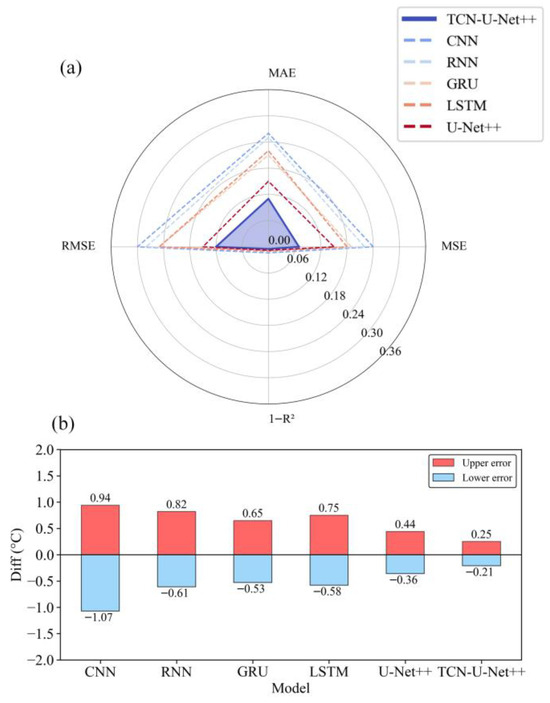
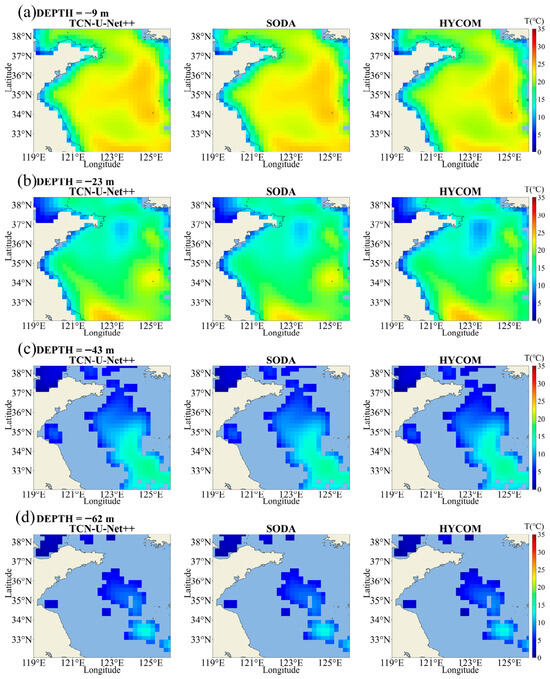
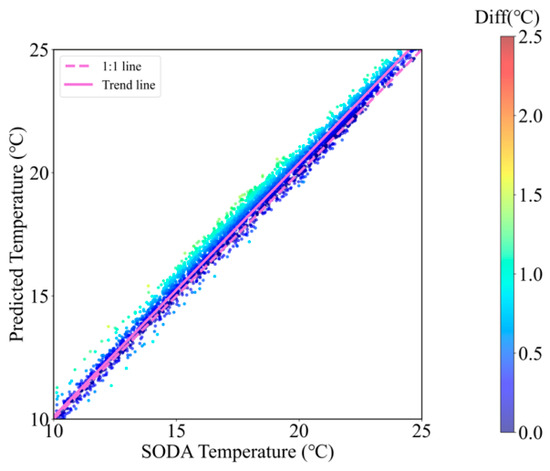
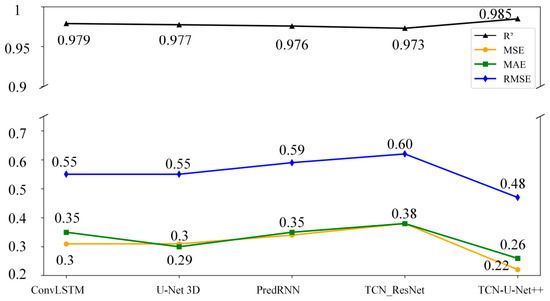
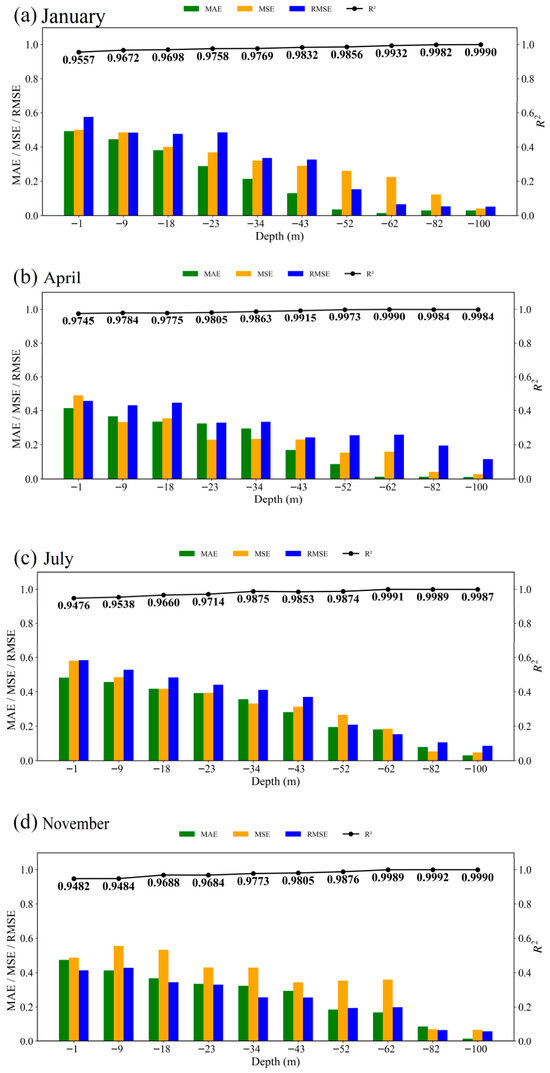
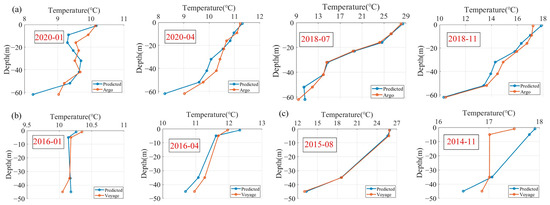
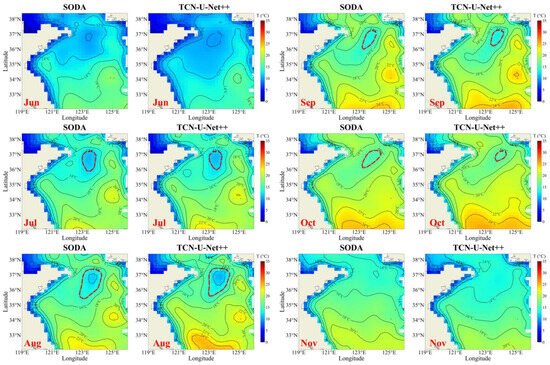
The Yellow Sea is an important offshore area in China, and the accurate prediction of its seawater temperature is of great significance for marine environmental monitoring and climate adaptation management. However, existing research on predicting the three-dimensional (3D) temperature field in the Yellow Sea is scarce and insufficiently accurate. This study proposes a TCN-U-Net++ fusion model to reconstruct the Yellow Sea temperature field using remote sensing satellite data and SODA reanalysis data, while considering the influence of a series of factors, including wind (USSW and VSSW), absolute bathymetric data (BAT), sea surface height anomaly (SSHA), latitude (LAT), longitude (LON), solar radiation (SR), surface runoff (SRO), and precipitation (P). The results show that the model can accurately capture the temporal and spatial distribution characteristics of the temperature field in the Yellow Sea. The results indicate that the deviations from SODA are generally within 2 °C, with errors being approximately 45% lower than those of other models, while the prediction errors relative to Argo and voyage observations are mostly within 1 °C, further demonstrating the accuracy and robustness of the proposed model. In addition, the predictions of the Yellow Sea Cold Water Mass (CWM) are highly consistent with SODA in terms of their evolution and key characteristic parameters. Specifically, the maximum deviation in core temperature is only 0.3 °C, and the difference in its spatial extent is less than 1%. The results demonstrate that TCN-U-Net++ effectively enhances the accuracy of 3D sea temperature prediction in the Yellow Sea, providing technical support for temperature monitoring, ecological early warning, and climate change research.
Full article

Figure 1
Open AccessArticle
Collaborative Detection Capability Evaluation and Resilience Enhancement for Maritime Cross-Domain Unmanned System-of-Systems
by
Yuan Yuan, Tingdi Zhao, Kaixuan Wang, Zhenkai Hao, Zongcheng Wu and Jian Jiao
J. Mar. Sci. Eng. 2026, 14(9), 855; https://doi.org/10.3390/jmse14090855 - 2 May 2026
Abstract
Maritime cross-domain unmanned system-of-systems (MCUSoS), featuring multi-domain collaboration, wide-area coverage, and flexible deployment, plays a vital role in missions such as maritime search and rescue, marine environmental monitoring, and terrain reconnaissance. MCUSoS enables collaborative detection by coordinating heterogeneous unmanned clusters across the aerial,
[...] Read more.
Maritime cross-domain unmanned system-of-systems (MCUSoS), featuring multi-domain collaboration, wide-area coverage, and flexible deployment, plays a vital role in missions such as maritime search and rescue, marine environmental monitoring, and terrain reconnaissance. MCUSoS enables collaborative detection by coordinating heterogeneous unmanned clusters across the aerial, surface, and underwater domains. However, this capability is vulnerable to degradation under cross-domain heterogeneity, communication constraints, and external disturbances such as node failures, link disruptions and malicious interference. To address these challenges, this paper proposes an integrated framework for collaborative detection capability evaluation and resilience enhancement of MCUSoS in multi-disturbance environments. Firstly, a system-of-systems architecture is established by incorporating formation detection modes and multi-level collaborative relationships to characterize its collaborative detection capabilities. Second, a capability evaluation model is developed from the capabilities of collaboration and detection. Based on this, a multi-stage resilience evaluation mechanism is proposed to quantify MCUSoS resilience under three disturbance modes. Additionally, a resilience enhancement strategy combining internal reconfiguration with the external deployment of supplementary detection nodes is designed to recover MCUSoS performance in multi-disturbance environments. Finally, a case study involving 12 clusters of MCUSoS is conducted to validate the effectiveness of the proposed methods. The results demonstrate that the proposed resilience enhancement strategy achieves a recovery rate of up to 74% in the disintegration circle attack scenario and consistently improves the resilience of the MCUSoS under targeted attacks, with the resilience value under low-frequency attacks being 148% higher than that under high-frequency attacks. These findings provide a quantitative basis for resilience evaluation and enhancement in dynamic scenarios.
Full article
(This article belongs to the Section Ocean Engineering)
Open AccessArticle
A Reliable and Data-Efficient Magnetic Field Prediction Method for Seafloor Exploration Platforms via Prior-Constrained Boundary Integrals
by
Yong Yang, Weijie Wang, Yongkai Liu, Zhaoyang Yuan, Changsong Cai and Xiaobing Zhang
J. Mar. Sci. Eng. 2026, 14(9), 854; https://doi.org/10.3390/jmse14090854 - 1 May 2026
Abstract
The static magnetic field from large seafloor exploration platforms severely interferes with weak geological signals. Accurately predicting and compensating for this interference is critical for deep-sea surveys. However, traditional inversion methods using limited spatial measurements have severely ill-posed coefficient matrices, amplifying near-field noise
[...] Read more.
The static magnetic field from large seafloor exploration platforms severely interferes with weak geological signals. Accurately predicting and compensating for this interference is critical for deep-sea surveys. However, traditional inversion methods using limited spatial measurements have severely ill-posed coefficient matrices, amplifying near-field noise and causing massive divergence during far-field extrapolation. To address this, we propose a reliable and data-efficient magnetic field prediction method utilizing prior-constrained boundary integrals. First, a virtual plane is constructed between the platform and the measurement plane. A differential recursive algorithm extracts the local magnetic field on this plane from limited measurements to serve as physical prior information. Incorporating this knowledge to structurally constrain the boundary integral inversion fundamentally mitigates the ill-posed problem. Simulations and scaled physical experiments demonstrate that this method prevents near-field noise overfitting, achieving enhanced far-field reliability. By maximizing the utility of limited spatial data, the maximum relative error on the far-field prediction plane is reduced from 10.5% to 8.3% in simulations, and from 13.2% to 9.8% in physical experiments. This provides a highly reliable approach for marine magnetic interference compensation.
Full article
(This article belongs to the Special Issue Underwater Wireless Power Transfer Systems)
Open AccessArticle
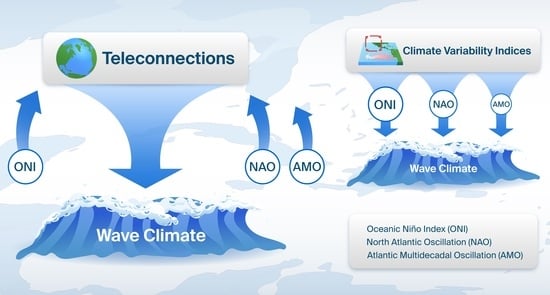
Wave Climate Trends and Teleconnections in the Gulf of Mexico and the Caribbean Sea
by
Miqueas Diaz-Maya, Marco Ulloa and Rodolfo Silva
J. Mar. Sci. Eng. 2026, 14(9), 853; https://doi.org/10.3390/jmse14090853 - 1 May 2026
Abstract
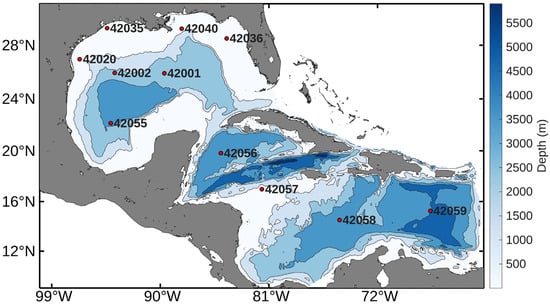
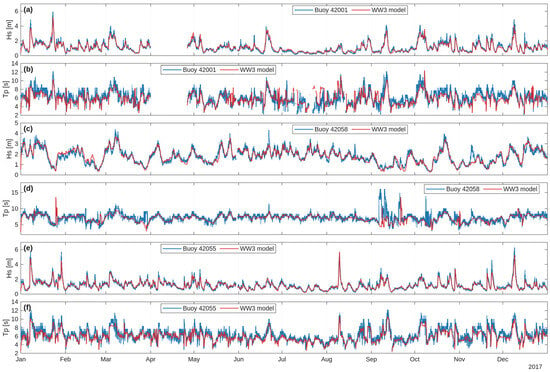
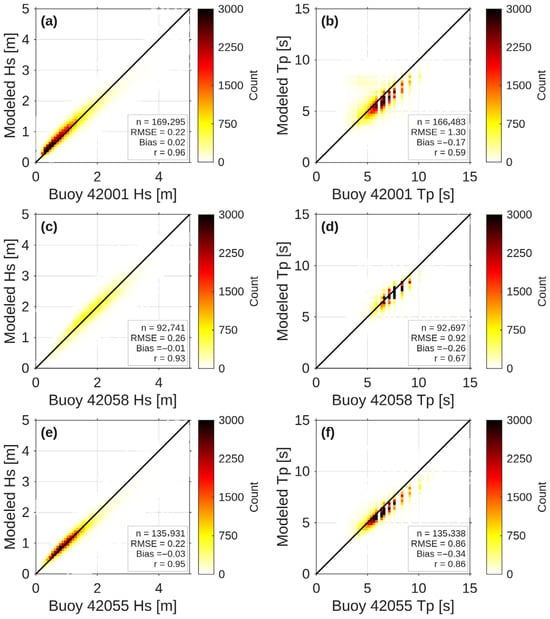
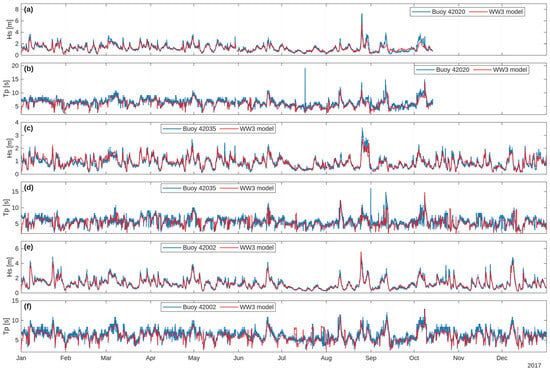
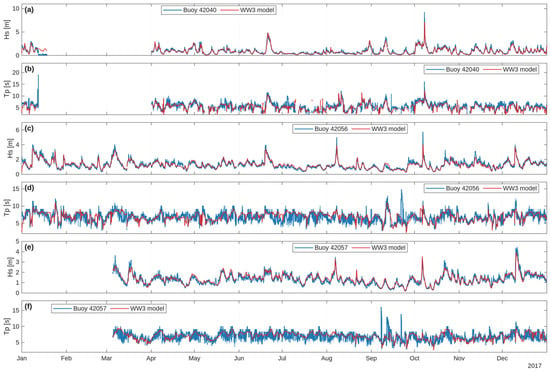
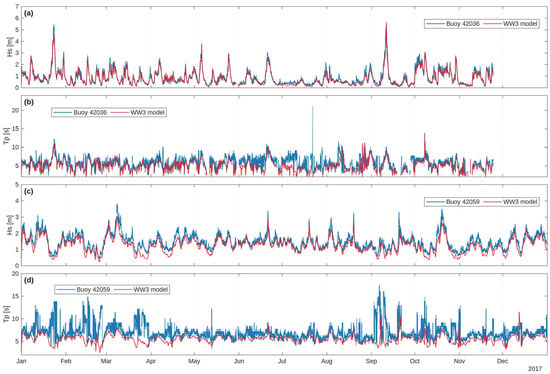
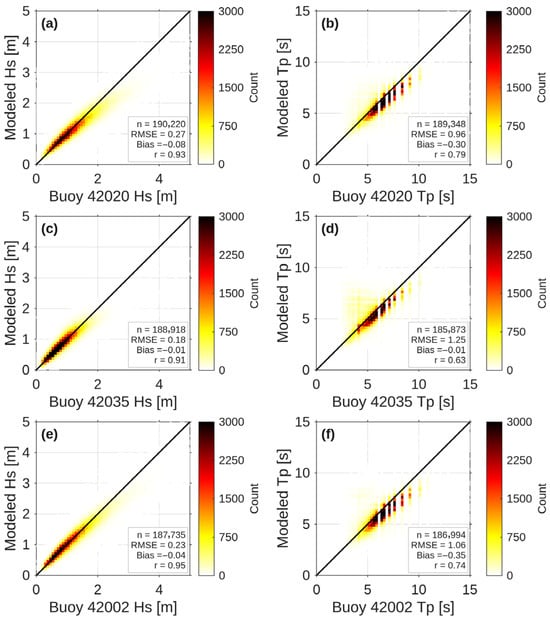
The Gulf of Mexico and the Caribbean Sea are key regions of the western Atlantic, where sea-state conditions are critical for coastal safety and offshore operations. This study analyzes wave climate trends (1981–2022) using WAVEWATCH III simulations validated against buoy observations. The Mann–Kendall
[...] Read more.
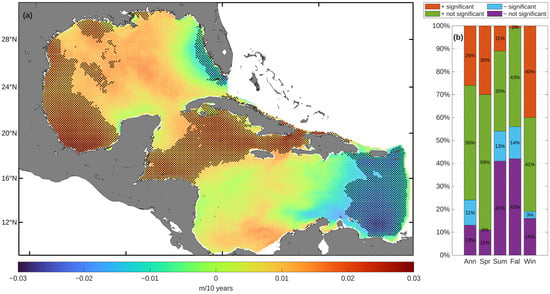
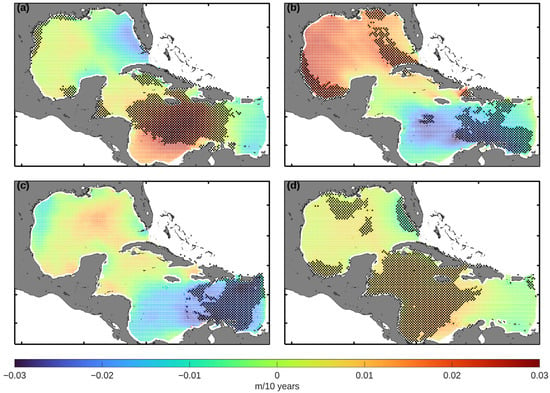
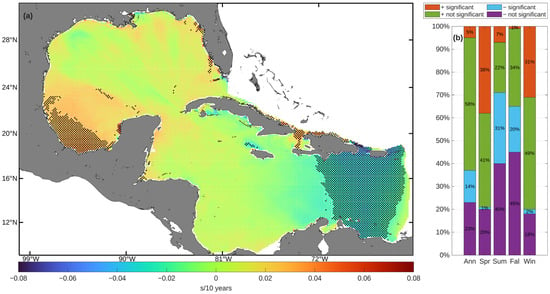
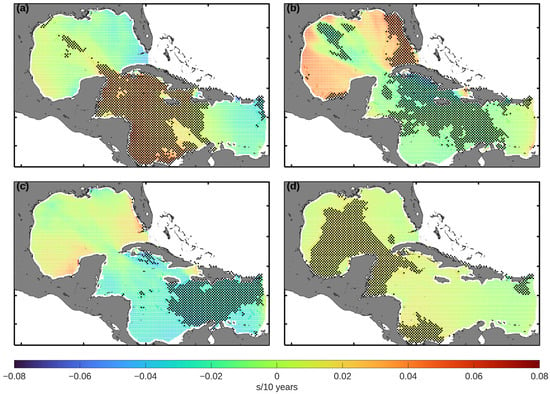
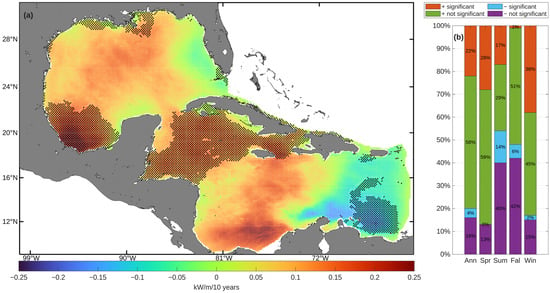
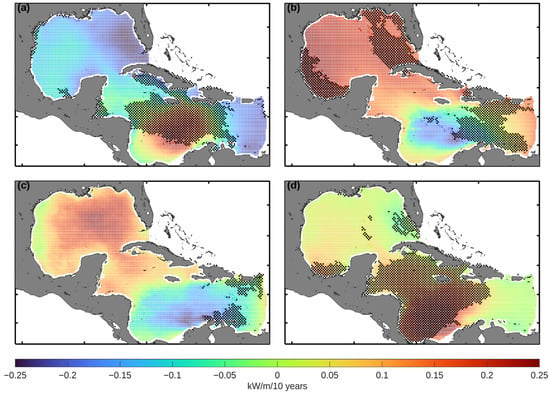
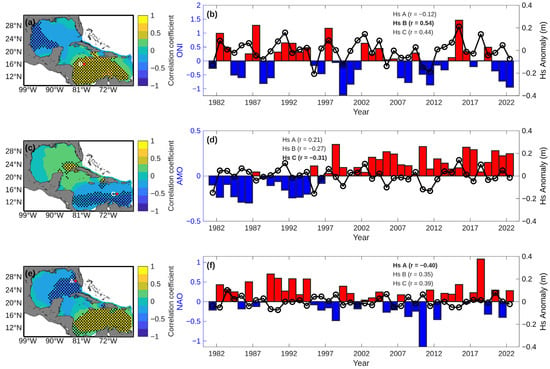
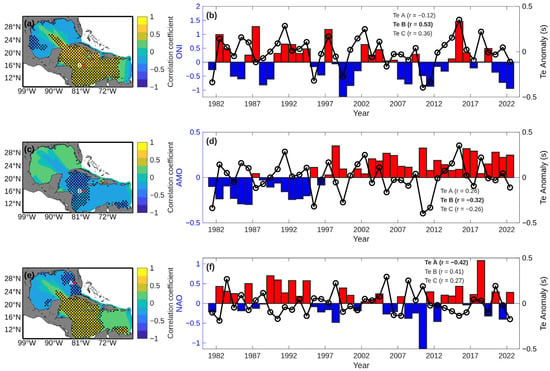
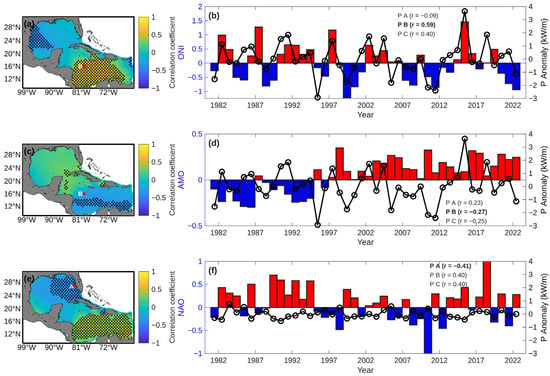
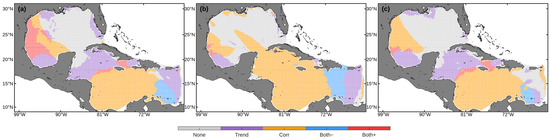
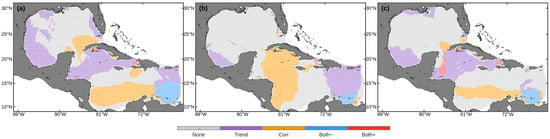
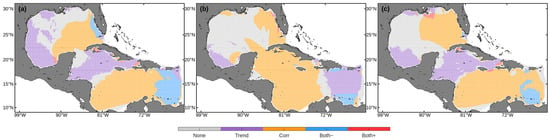
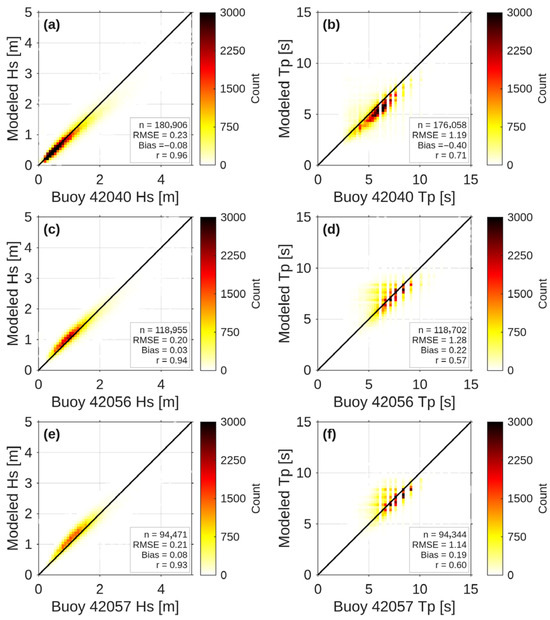
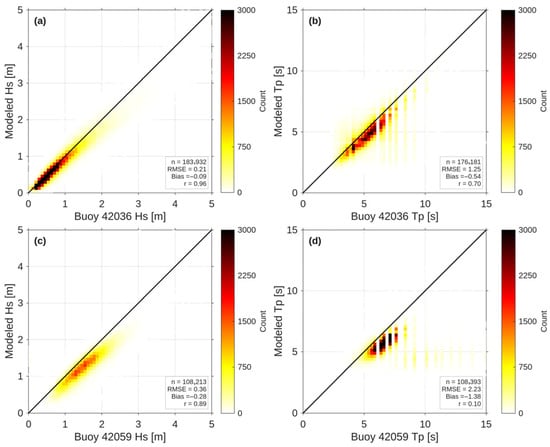
The Gulf of Mexico and the Caribbean Sea are key regions of the western Atlantic, where sea-state conditions are critical for coastal safety and offshore operations. This study analyzes wave climate trends (1981–2022) using WAVEWATCH III simulations validated against buoy observations. The Mann–Kendall test and Theil–Sen estimator were employed to quantify trends in significant wave height (Hs), energy period (Te), and wave power (P), while correlation analysis was performed to explore teleconnections with the Oceanic Niño Index (ONI), Atlantic Multidecadal Oscillation (AMO), and North Atlantic Oscillation (NAO). The results reveal basin-wide increases in mean Hs and P, characterized by pronounced spatial and seasonal heterogeneity. The most robust positive trends occur during winter and spring; in summer and fall, the weaker or negative tendencies, particularly in Te, suggest an intensification of seasonal contrasts rather than uniform change. Teleconnection analysis demonstrates that, among the climate indices considered in this study, ENSO is the primary driver of interannual wave variability in the Caribbean, particularly modulating wave power through remotely generated swell. While the NAO exerts regionally dependent control associated with storm-track modulation, the AMO plays a secondary role, affecting swell-dominated sectors. In contrast, the Gulf of Mexico shows limited sensitivity to large-scale climate modes, with wave variability largely governed by local wind–sea processes. These findings highlight the contrasting wave dynamics between these two basins, providing critical insights for coastal hazard assessments, maritime traffic along major shipping routes, oil spill management, and regional wave energy planning.
Full article
(This article belongs to the Section Ocean and Global Climate)
►▼
Show Figures

Graphical abstract
Open AccessArticle
Coastal Water and Land Classification by Fusion of Satellite Imagery and Lidar Point Clouds
by
Lihong Su, Jessica Magolan and James Gibeaut
J. Mar. Sci. Eng. 2026, 14(9), 852; https://doi.org/10.3390/jmse14090852 - 1 May 2026
Abstract
The water–land classification is fundamental for shoreline extraction and coastal habitat mapping, which is the basis of a comprehensive assessment and ecosystem-based coastal zone management. This study aims to separate water and land for coastal zones by taking advantage of both high-resolution satellite
[...] Read more.
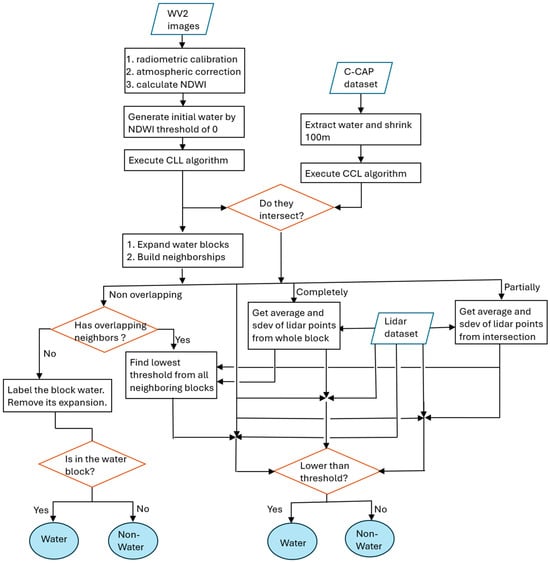
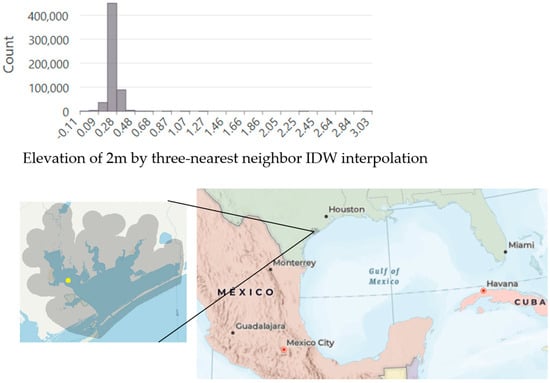
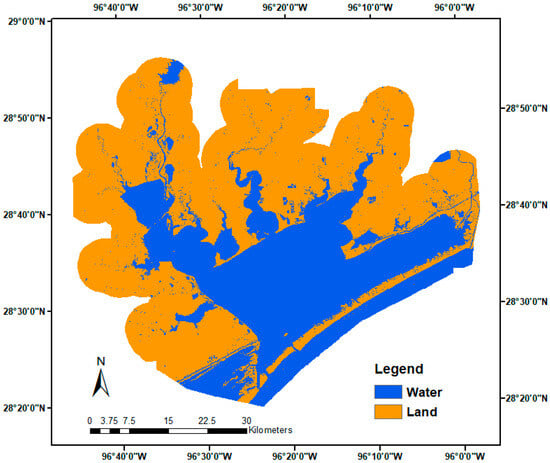
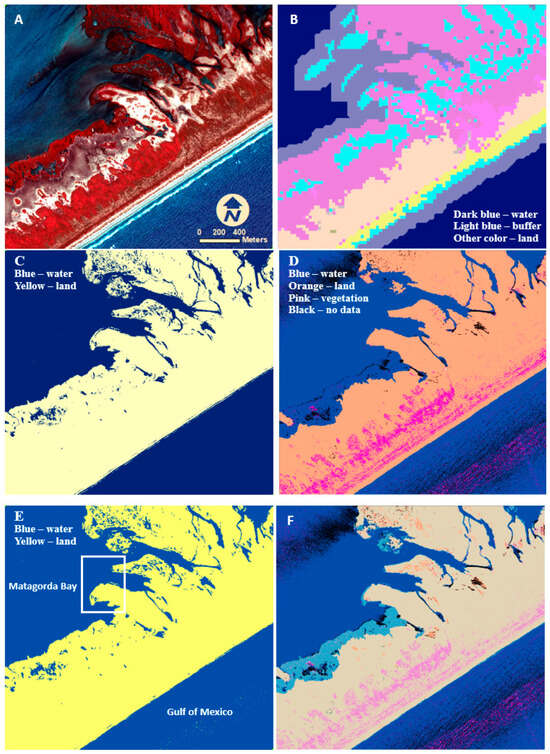
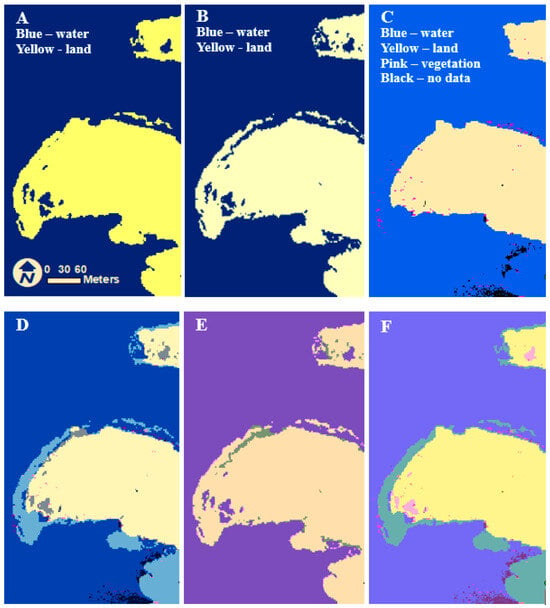
The water–land classification is fundamental for shoreline extraction and coastal habitat mapping, which is the basis of a comprehensive assessment and ecosystem-based coastal zone management. This study aims to separate water and land for coastal zones by taking advantage of both high-resolution satellite imagery and airborne lidar point clouds. Considering physical principles of optical remote sensing and lidar, we developed a prior knowledge-based localization classification approach that eliminates the need for collecting training sets and handling temporal differences across multiple data sources. Our approach first created the initial classification using the WorldView-2 (WV2) Normalized Difference Water Index. Then, the Connected Components Labeling algorithm was used to create a non-overlapping partition of the working area. The third step involved processing the water blocks using prior land cover knowledge. Finally, we used lidar point clouds to refine the initial water blocks and their neighboring areas. This classification approach showed promising results along Matagorda Bay, Texas, an approximately 2449 km2 area that is covered by 26 WV2 images and 1568 lidar tiles.
Full article
(This article belongs to the Special Issue Application of Remote Sensing Technology in Marine and Water Resources Observation)
►▼
Show Figures

Figure 1
Open AccessArticle
Global Path Planning for UUVs in Nearshore Environments Using an IAPF-RRT* Method
by
Xiaojing Fan, Fang Kong, Zhenhao Cui and Yinjing Guo
J. Mar. Sci. Eng. 2026, 14(9), 851; https://doi.org/10.3390/jmse14090851 - 30 Apr 2026
Abstract
Nearshore environments, characterized by complex obstacle distributions and dynamic disturbances, pose significant challenges to global path planning for unmanned underwater vehicles (UUVs). To address these challenges, this paper proposes an improved artificial potential field-guided RRT* (IAPF-RRT*) method for efficient and robust path planning
[...] Read more.
Nearshore environments, characterized by complex obstacle distributions and dynamic disturbances, pose significant challenges to global path planning for unmanned underwater vehicles (UUVs). To address these challenges, this paper proposes an improved artificial potential field-guided RRT* (IAPF-RRT*) method for efficient and robust path planning in coastal environments. The proposed approach integrates an improved artificial potential field into the sampling and node expansion processes to enhance goal-directed exploration and obstacle avoidance capability. In addition, a target-biased sampling strategy and an adaptive attraction mechanism are introduced to accelerate convergence, while a NURBS-based refinement scheme is employed to improve trajectory continuity and smoothness. Extensive simulations in representative scenarios demonstrate that the proposed method significantly improves planning efficiency, reducing planning time by up to 80% compared with conventional RRT-based methods, while substantially decreasing redundant node expansion and improving trajectory smoothness. A consistently high success rate is maintained across all scenarios. Field experiments in nearshore environments further validate the robustness and practical applicability of the proposed method. These results indicate that the proposed IAPF-RRT* method achieves a favorable balance between efficiency, robustness, and path quality, making it well-suited for real-world UUV operations in complex nearshore environments.
Full article
(This article belongs to the Section Ocean Engineering)
Open AccessArticle
Optimized Control for Underactuated Surface Vessels Trajectory Tracking: Combining Radial Basis Neural Network with Minimum Learning Parameters and Adaptive Nonlinear Feedback Technique to Address FDIAs
by
Yang Liu, Yonghong Zhang, Qiang Zhang and Xiangfei Meng
J. Mar. Sci. Eng. 2026, 14(9), 850; https://doi.org/10.3390/jmse14090850 - 30 Apr 2026
Abstract
This research examines how false data injection attacks (FDIAs) impact the trajectory tracking control of underactuated surface vessels (USVs). The internal uncertain dynamics of the system are reconstructed using radial basis function neural networks (RBFNNs). In order to avoid the computational pressure of
[...] Read more.
This research examines how false data injection attacks (FDIAs) impact the trajectory tracking control of underactuated surface vessels (USVs). The internal uncertain dynamics of the system are reconstructed using radial basis function neural networks (RBFNNs). In order to avoid the computational pressure of the RBFNNs on the system, the neural network weights, external disturbances, and FDIAs are converted into a single parameter learning form using the minimum learning parameters (MLPs). Next, a nonlinear feedback function is constructed and introduced into the controller design process, thereby avoiding the controller accuracy loss caused by MLPs. Within the backstepping method framework, the adaptive laws leverage deep information robust adaptive technology to estimate the upper limits of the uncertainty term. The closed-loop system is provided with a rigorous theoretical analysis by combining the Lyapunov stability theory. Finally, the effectiveness of the control scheme is verified by simulation. The results show that the proposed controller guarantees boundedness of all closed-loop signals and drives the tracking errors into a small neighborhood of the reference trajectory even under the attack of FDIAs and the influence of internal and external uncertainties.
Full article
(This article belongs to the Section Ocean Engineering)
Open AccessArticle
Hydraulic Transport Characteristics and Parametric Effects in a Deep-Sea Mining Vertical Lifting Pipeline Based on CFD-DEM Coupling
by
Chenxi Fang, Mingtao Shi, Jiangmin Xu and Ming Xu
J. Mar. Sci. Eng. 2026, 14(9), 849; https://doi.org/10.3390/jmse14090849 - 30 Apr 2026
Abstract
To elucidate the hydraulic transport characteristics of coarse-particle slurry in deep-sea mining vertical lifting pipelines and the governing effects of key operating parameters, a bidirectionally coupled CFD-DEM model was established, in which seawater was treated as the continuous phase and ore particles were
[...] Read more.
To elucidate the hydraulic transport characteristics of coarse-particle slurry in deep-sea mining vertical lifting pipelines and the governing effects of key operating parameters, a bidirectionally coupled CFD-DEM model was established, in which seawater was treated as the continuous phase and ore particles were treated as the discrete phase, while particle–fluid momentum exchange and particle–particle/particle–wall collisions were explicitly accounted for. The effects of inlet velocity, feed concentration, particle size, and particle shape on local particle concentration, local particle flow rate, and particle volume fraction distribution were systematically investigated. The results show that increasing the inlet velocity markedly reduces local particle concentration, increases the local particle flow rate, and promotes a faster transition of the solid–liquid two-phase flow toward a uniformly mixed state. Increasing the feed concentration enhances the conveying capacity, but simultaneously increases the risk of particle aggregation. The effect of particle size on local concentration is non-monotonic: the local concentration is relatively high at approximately 20 mm, whereas smaller particles exhibit better flow uniformity. The effect of particle shape is mainly manifested under low-velocity and high-concentration conditions, and gradually weakens with increasing inlet velocity. The present results provide a theoretical basis for parameter optimization of deep-sea mining vertical lifting systems.
Full article
(This article belongs to the Special Issue Advances of Multiphase Flow in Hydraulic and Marine Engineering)
Open AccessArticle
Q-Learning-Based Sailing Speed Optimization for Ocean-Going Liners Under the EU ETS: Considering Shipper Satisfaction
by
Tong Zhou, Tiantian Bao, Yifan Liu and Chuanqiu Zhang
J. Mar. Sci. Eng. 2026, 14(9), 848; https://doi.org/10.3390/jmse14090848 - 30 Apr 2026
Abstract
With the formal inclusion of the shipping industry in the European Union Emissions Trading System (EU ETS), the speed optimization of ocean-going container ships must simultaneously balance operating costs, incorporating carbon emission costs and shipper satisfaction with transportation timeliness. Taking ocean-going container liner
[...] Read more.
With the formal inclusion of the shipping industry in the European Union Emissions Trading System (EU ETS), the speed optimization of ocean-going container ships must simultaneously balance operating costs, incorporating carbon emission costs and shipper satisfaction with transportation timeliness. Taking ocean-going container liner routes as the research object, this paper establishes a ship navigation resistance model based on meteorological and hydrological conditions, and constructs a route segmentation mechanism and a ship fuel consumption model on this basis. The spatially differentiated carbon accounting rules of the EU ETS are introduced, a fuzzy membership function is adopted to quantify shipper satisfaction, and a Q-learning-based solution algorithm for ship speed optimization that balances operating costs and shipper satisfaction is designed. Numerical experiments on a 20,150 Twenty-foot Equivalent Unit (TEU) container ship demonstrate that the proposed framework reduces total operating costs by 5.56%, EU ETS carbon compliance costs by 18.72%, and total voyage carbon emissions by 11.01% compared with the conventional constant-speed strategy. Meanwhile, the algorithm can spontaneously form an optimal speed strategy adapted to meteorological conditions and policy rules. Through parameter sensitivity analysis, this paper further extracts management implications for liner-operating companies.
Full article
(This article belongs to the Special Issue Sustainable Maritime Transport, Ports, Supply Chain Intelligence, and Marine Environmental Engineering)
Open AccessArticle
RT-qPCR Detection of CsRV1 in Blue Crabs from Delaware Inland Bays and Its Ecological Context Within Local Water Quality Conditions
by
Juan Ramos, Tahera Attarwala, Ali Parsaeimehr and Gulnihal Ozbay
J. Mar. Sci. Eng. 2026, 14(9), 847; https://doi.org/10.3390/jmse14090847 - 30 Apr 2026
Abstract
Blue crab (Callinectes sapidus) populations are of substantial ecological and economic importance. As a keystone species, C. sapidus plays a critical role in maintaining estuarine food webs while also supporting one of the most consumed and economically valuable seafood industries in
[...] Read more.
Blue crab (Callinectes sapidus) populations are of substantial ecological and economic importance. As a keystone species, C. sapidus plays a critical role in maintaining estuarine food webs while also supporting one of the most consumed and economically valuable seafood industries in Delaware and Maryland. This study investigated the presence of Callinectes sapidus reovirus 1 (CsRV1) in C. sapidus collected from Rehoboth Bay, Delaware, USA, using reverse transcription–quantitative polymerase chain reaction (RT-qPCR), and evaluated potential associations between viral occurrence and physicochemical parameters, including temperature, salinity, pH, turbidity, alkalinity, calcium hardness, nitrite, and chlorophyll-a. A total of eighteen traps were deployed across six study sites encompassing oyster aquaculture areas, artificial oyster reefs, and control sites with minimal structural habitat. CsRV1 was detected in blue crabs from Rehoboth Bay, confirming the presence of the virus within the Delaware Inland Bays; however, detections were limited to a small subset of sampled individuals. Among the environmental parameters examined, salinity exhibited the greatest interannual variability, while other physicochemical conditions remained relatively consistent across site types and sampling periods. Overall, environmental conditions during the study period were within ranges considered suitable for C. sapidus, indicating that the population is likely to experience limited environmental stress and minimal disease-related impacts under current conditions.
Full article
(This article belongs to the Special Issue Sustainable Marine Aquaculture and Fishery)
Open AccessArticle
Collision Avoidance Path Optimization for Unmanned Surface Vessels Integrating Velocity Obstacle Method and Improved CVaR Under Uncertainty Modeling
by
Bo Wu, Hao Guo and Weihao Ma
J. Mar. Sci. Eng. 2026, 14(9), 846; https://doi.org/10.3390/jmse14090846 - 30 Apr 2026
Abstract
Planning effective collision avoidance routes is a crucial measure for ensuring ship safety. However, position uncertainty caused by sensor noise, communication delays, and sudden changes in the maneuvering of target vessels severely restricts the reliability of traditional collision avoidance methods. To address this,
[...] Read more.
Planning effective collision avoidance routes is a crucial measure for ensuring ship safety. However, position uncertainty caused by sensor noise, communication delays, and sudden changes in the maneuvering of target vessels severely restricts the reliability of traditional collision avoidance methods. To address this, this study integrates the velocity obstacle method and conditional value at risk theory to design a ship collision avoidance framework under position uncertainty. The position uncertainty of the target vessel is modeled using a Gaussian distribution. By fusing multi-source sensor data from radars and the Automatic Identification System through Bayesian inference, the posterior estimate of the vessel’s position is dynamically updated, thereby constructing an uncertainty velocity obstacle region. The Gaussian posterior distribution of the position is incorporated into a stochastic loss function to formulate a stochastic optimization model that balances navigation efficiency and collision risk. The model is solved using the sample mean approximation method and strictly complies with the International Regulations for Preventing Collisions at Sea. The results of two sets of multi-vessel encounter simulations demonstrate that, compared with traditional methods, the proposed method achieves superior performance in terms of total path length and algorithm runtime. It is capable of generating compliant collision avoidance strategies in complex dynamic crossing scenarios, attaining optimal comprehensive performance with respect to safety, economy, and regulatory compliance.
Full article
(This article belongs to the Section Ocean Engineering)
Open AccessArticle
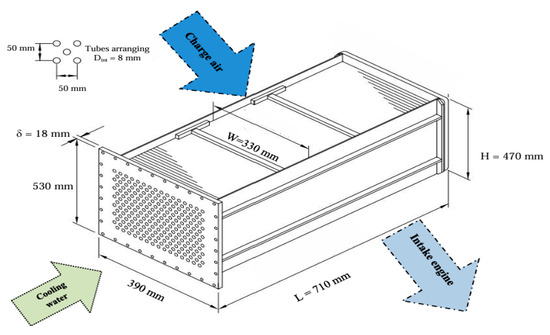
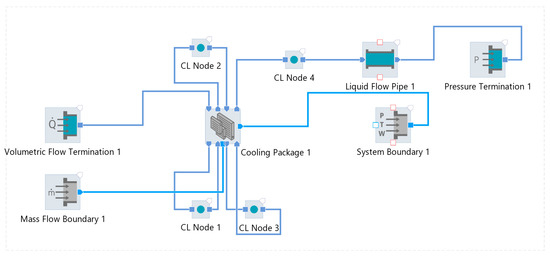
An Assessment of the Operation Under Different Ambient Conditions of the Charge–Air Cooler for a Large Marine Diesel Engine
by
Tanase Arava, Radu Ionescu, Lucian Miron and Radu Chiriac
J. Mar. Sci. Eng. 2026, 14(9), 845; https://doi.org/10.3390/jmse14090845 - 30 Apr 2026
Abstract
This study investigates the effect of ambient conditions, particularly the humidity of the intake air, on the operation of an ALCO V16 251F (USA) diesel engine. It evaluates the temperature at which air is delivered to the combustion chamber, after the cooling process
[...] Read more.
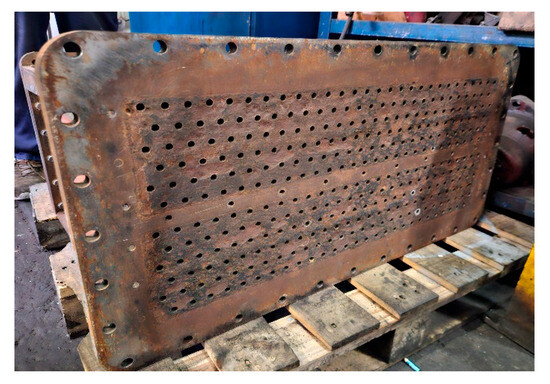
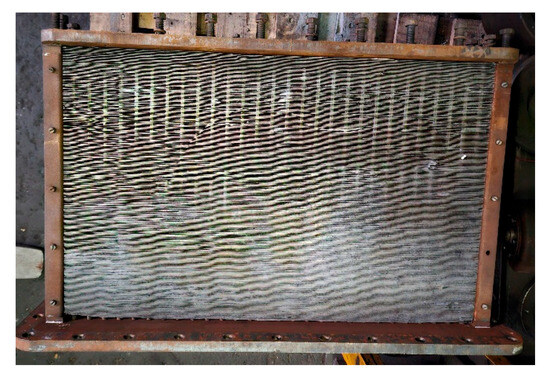
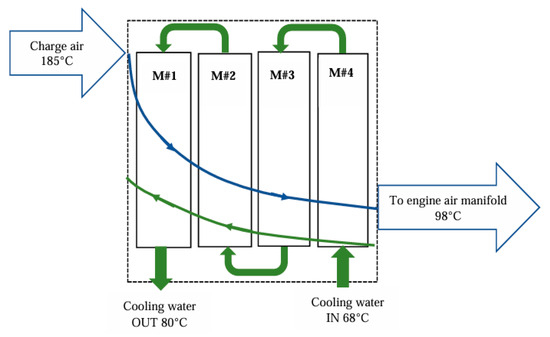
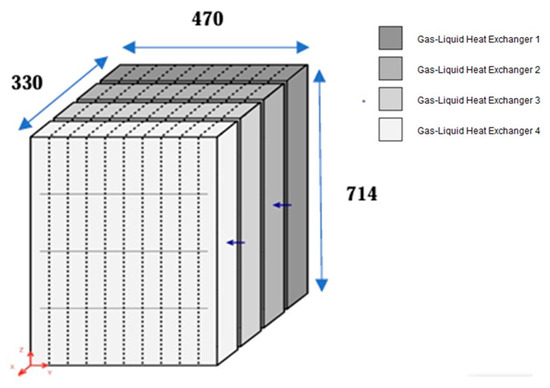
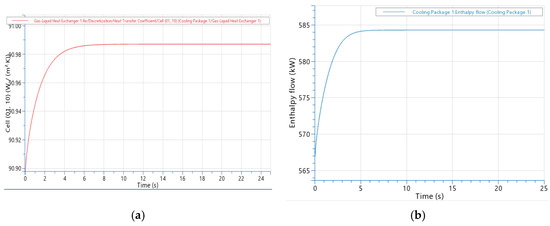
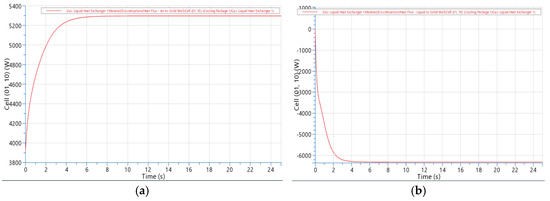
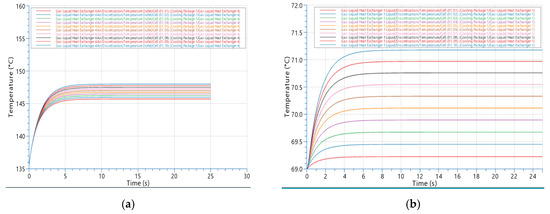
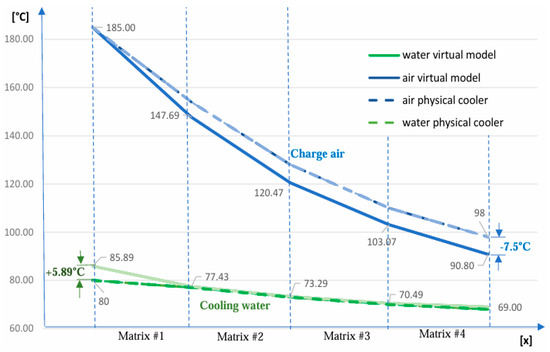
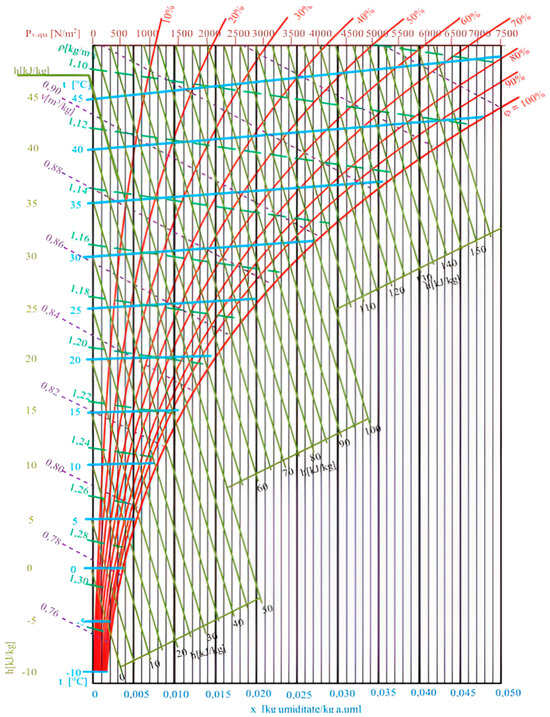
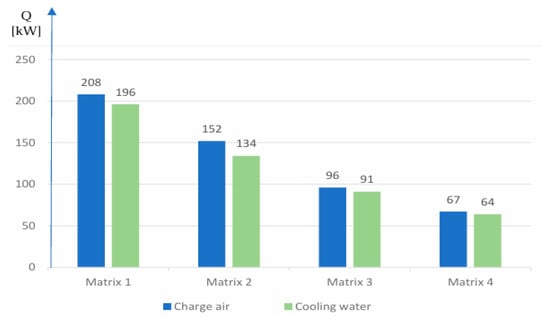
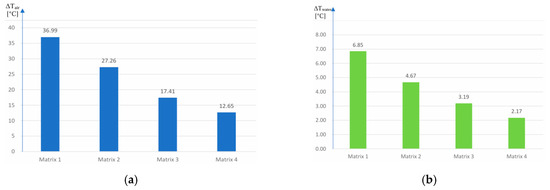
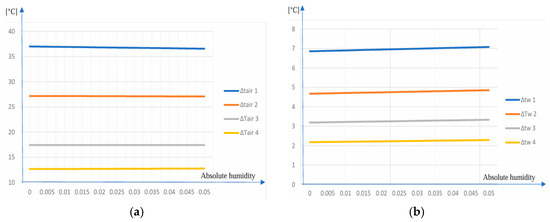
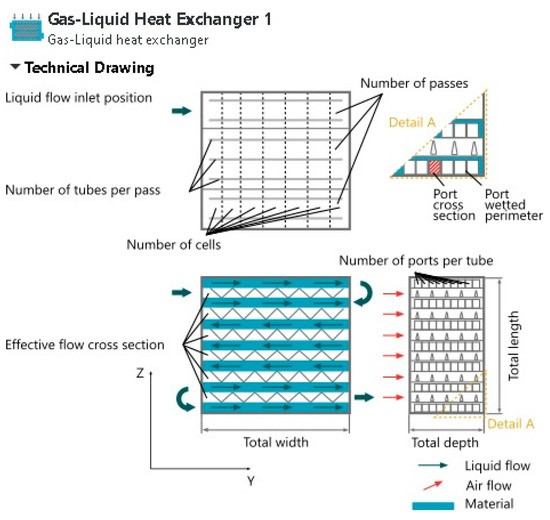
This study investigates the effect of ambient conditions, particularly the humidity of the intake air, on the operation of an ALCO V16 251F (USA) diesel engine. It evaluates the temperature at which air is delivered to the combustion chamber, after the cooling process is accomplished within the aftercooler heat exchanger. A theoretical analysis was conducted using AVL CRUISE software, a specialized computational tool developed by AVL that facilitates the simulation and virtual integration of engine subsystems. An experimental investigation on the operation of air coolers is difficult to perform on a test bench, due to the overall dimensions of heat exchangers used in large marine diesel engines. The simulation results show that the AVL CRUISE virtual cooler reproduces the temperature range of the ALCO aftercooler with small deviations of approximately 7% at the fluid outlets. In these conditions, simulation outcomes demonstrate that the engine’s original charge-air cooler can maintain a stable and controlled air temperature at the intake manifold inlet. For an absolute air humidity of 5%, only minor variations (less than 1%) were registered in the outlet air temperature from the aftercooler, accompanied by 0.7% decrease in cooling effectiveness and 0.6% decrease in heat-exchanger efficiency. These findings confirm that the charge-air cooler operates reliably under humid marine conditions and that the virtual model is suitable for further optimization studies.
Full article
(This article belongs to the Section Marine Energy)
►▼
Show Figures

Figure 1
Journal Menu
► ▼ Journal Menu-
- JMSE Home
- Aims & Scope
- Editorial Board
- Reviewer Board
- Topical Advisory Panel
- Instructions for Authors
- Special Issues
- Topics
- Sections
- Article Processing Charge
- Indexing & Archiving
- Editor’s Choice Articles
- Most Cited & Viewed
- Journal Statistics
- Journal History
- Journal Awards
- Society Collaborations
- Conferences
- Editorial Office
Journal Browser
► ▼ Journal BrowserHighly Accessed Articles
Latest Books
E-Mail Alert
News
Topics
Topic in
Energies, Geosciences, Hydrology, Sustainability, Water, JMSE
Advances in Groundwater Science and Engineering
Topic Editors: Michele Lancia, C. Radu GoguDeadline: 31 May 2026
Topic in
Diversity, JMSE, Sustainability, Taxonomy, Water
Taxonomy and Ecology of Zooplankton
Topic Editors: Manuel Elias-Gutierrez, Alexey A. KotovDeadline: 30 June 2026
Topic in
Drones, Electronics, Eng, JMSE, Robotics, Sensors, Vehicles
Advanced Technologies and Applications for Unmanned Systems
Topic Editors: Jinchao Chen, Chao Chen, Yingjie ZhangDeadline: 31 July 2026
Topic in
Coasts, Energies, JMSE, Sustainability, Future Transportation
Maritime Transportation in the Blue Economy and Green Shipping Technology
Topic Editors: Chungkuk Jin, Junghwan Choi, Won-Ju Lee, Hokeun KangDeadline: 15 September 2026
Conferences
Special Issues
Special Issue in
JMSE
Microplastics in Aquaculture and Fisheries Systems
Guest Editor: Ana Marta GonçalvesDeadline: 10 May 2026
Special Issue in
JMSE
Coastal Morphodynamics and Dune Ecosystems
Guest Editor: Quentin Laporte-FauretDeadline: 10 May 2026
Special Issue in
JMSE
Monitoring of Polar Coastal Erosion Processes
Guest Editor: Dustin WhalenDeadline: 10 May 2026
Special Issue in
JMSE
New Advances in the Analysis and Design of Marine Structures
Guest Editor: Jae Hoon SeoDeadline: 10 May 2026