
Journal Description
Journal of Composites Science
is an international, peer-reviewed, open access journal on the science and technology of composites, published monthly online by MDPI.
- Open Access— free for readers, with article processing charges (APC) paid by authors or their institutions.
- High Visibility: indexed within Scopus, ESCI (Web of Science), Inspec, CAPlus / SciFinder, and other databases.
- Journal Rank: JCR - Q2 (Materials Science, Composites) / CiteScore - Q1 (Engineering (miscellaneous))
- Rapid Publication: manuscripts are peer-reviewed and a first decision is provided to authors approximately 15.9 days after submission; acceptance to publication is undertaken in 3.9 days (median values for papers published in this journal in the second half of 2025).
- Recognition of Reviewers: reviewers who provide timely, thorough peer-review reports receive vouchers entitling them to a discount on the APC of their next publication in any MDPI journal, in appreciation of the work done.
Impact Factor:
3.7 (2024);
5-Year Impact Factor:
3.9 (2024)
Latest Articles
Unveiling the Photocatalytic Efficiency of SnO2-TiO2 Nanocomposites Under UV and Solar Irradiations for Malachite Green Dye Pollutant Water Degradation
J. Compos. Sci. 2026, 10(5), 250; https://doi.org/10.3390/jcs10050250 - 4 May 2026
Abstract
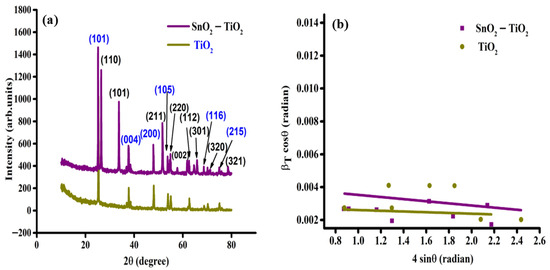
The SnO2-TiO2 binary nanocomposites’ metal oxide was synthesized by a co-precipitation method and potentially utilized for wastewater treatment applications. The average crystallite size, dislocation density, and micro strain of the synthesized nanocomposites were calculated by the Debye–Scherrer, modified Debye–Scherrer, and
[...] Read more.
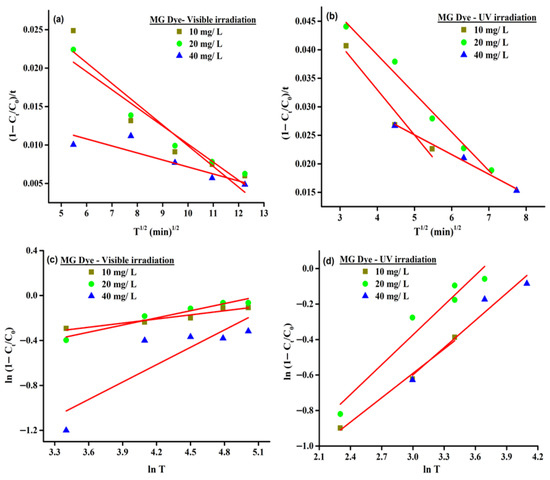
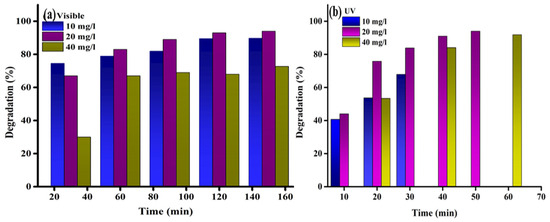
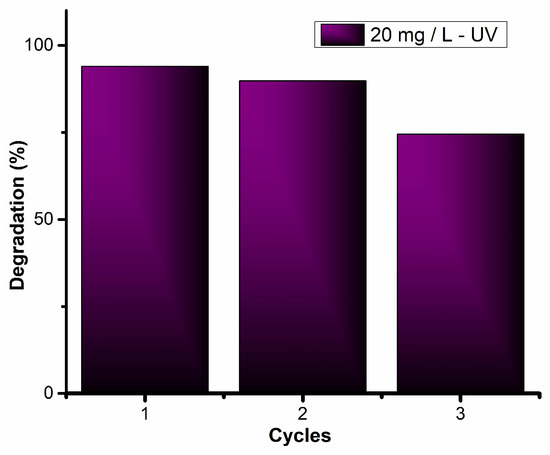
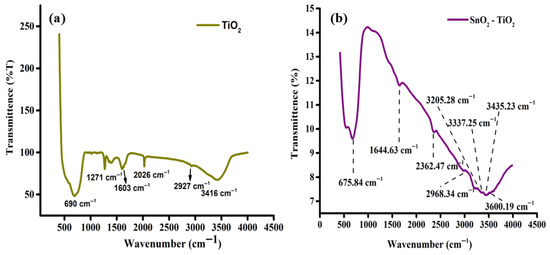
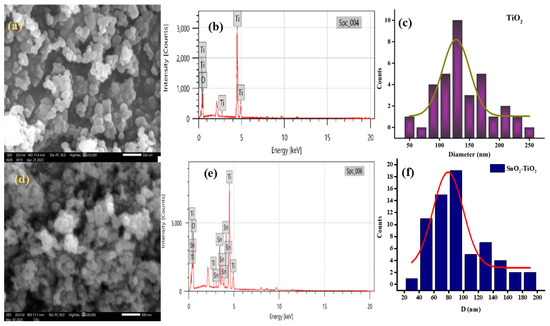
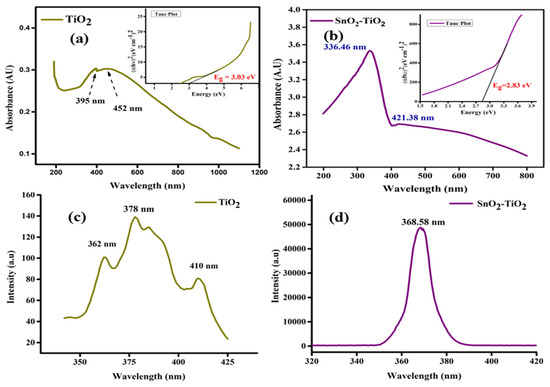
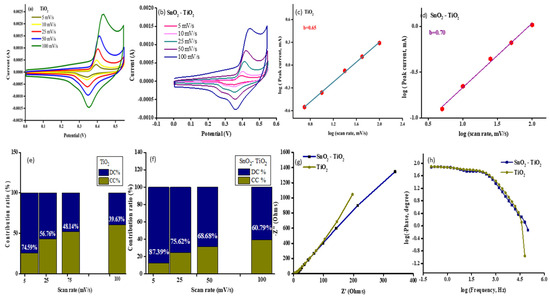
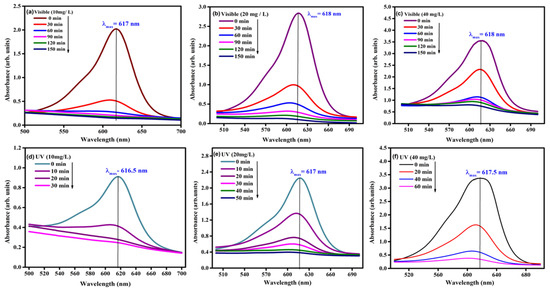
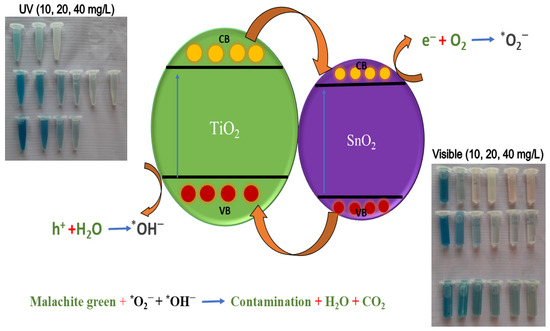
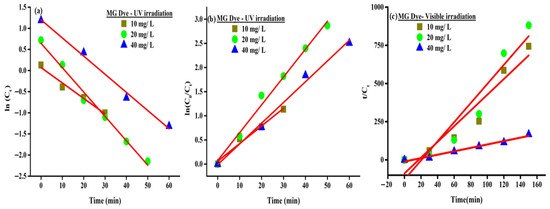
The SnO2-TiO2 binary nanocomposites’ metal oxide was synthesized by a co-precipitation method and potentially utilized for wastewater treatment applications. The average crystallite size, dislocation density, and micro strain of the synthesized nanocomposites were calculated by the Debye–Scherrer, modified Debye–Scherrer, and W–H methods. The nanocomposites exhibit a tetragonal crystal structure with 62% crystallinity. The presence of Ti–O–Ti and Sn–O–Sn bonds was identified using the FTIR technique. The surface morphology was examined during SEM and EDAX analyses. The optical properties were interpreted with the help of UV–Vis and PL spectroscopy, and the bandgap energy was ascertained. From the CV and EIS studies, the behavior of the diffusive and capacitive natures was determined. Photocatalytic studies were carried out under sunlight and UV light by degrading (cationic) malachite dye at concentrations of 10, 20, and 40 mg/L. When analyzed with seven kinetic models, it was inferred that a pseudo-second and first-order were followed under visible and UV light. The maximum degradation efficiency of 94% was achieved for the 20 mg/L dye concentration within 50 min under UV and 150 min under solar irradiation. Complete decolorization was observed for both 10 mg/L and 20 mg/L dye concentrations under both irradiations.
Full article
(This article belongs to the Special Issue Functional Composites: Fabrication, Properties and Applications)
►
Show Figures
Open AccessArticle
Effect of Carbonaceous Reductant Type on Thermal Stability and Microstructure Formation in Microsilica-Based Briquettes
by
Askar Chekimbayev, Talgat Zhuniskaliyev, Yerbol Kuatbay, Almas Yerzhanov, Nurbek Aitkenov, Dauren Yessengaliyev, Azamat Mukhambetkaliyev and Yesmurat Mynzhassar
J. Compos. Sci. 2026, 10(5), 249; https://doi.org/10.3390/jcs10050249 - 3 May 2026
Abstract
Along with the growth in the production of metallurgical grade silicon and high-silicon ferrous alloys, there is a significant increase in the formation of microsilica, which is an ultra-fine technogenic waste. The direct application of microsilica in ore-thermal furnaces is hindered by low
[...] Read more.
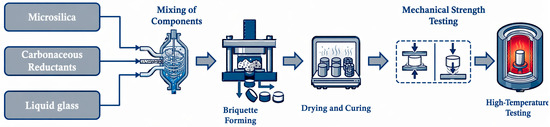
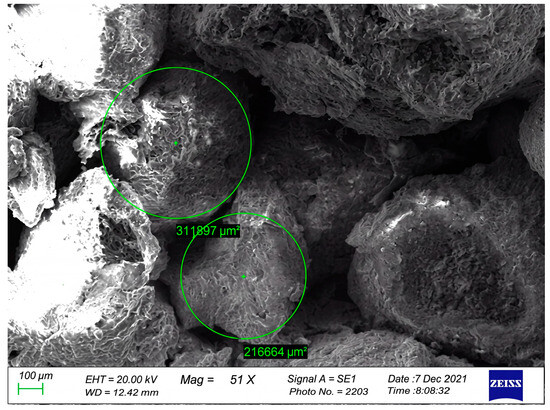
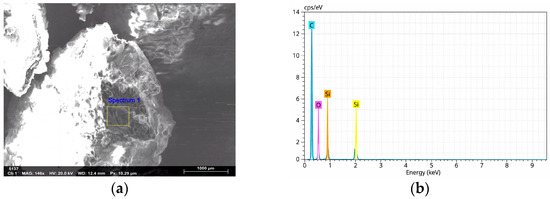
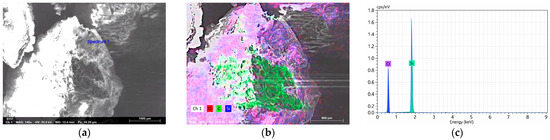
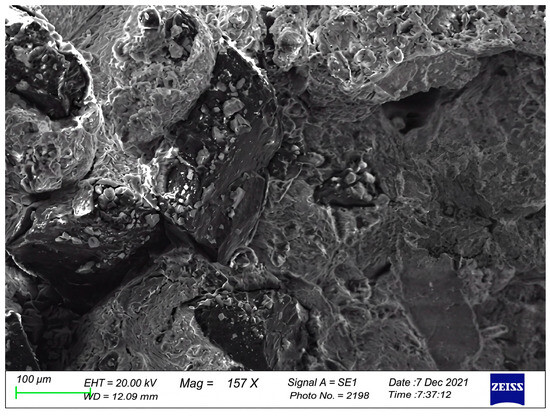
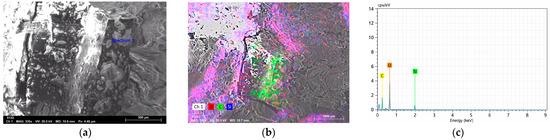
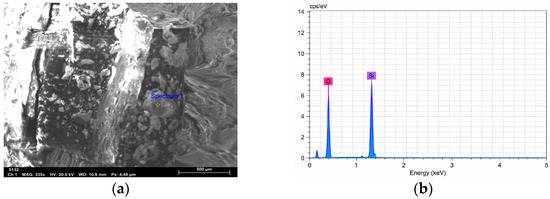
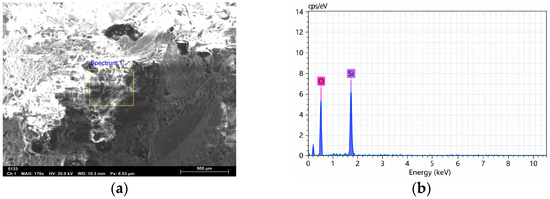
Along with the growth in the production of metallurgical grade silicon and high-silicon ferrous alloys, there is a significant increase in the formation of microsilica, which is an ultra-fine technogenic waste. The direct application of microsilica in ore-thermal furnaces is hindered by low bulk density, poor gas permeability, and high dusting. This paper explores the thermophysical and microstructure properties of briquettes based on microsilica, which includes various types of carbonaceous reducing agents such as semi-coke and coal. For manufacturing, the liquid glass was used as the inorganic binder for the preparation of microsilica briquettes. The best variants were chosen based on strength tests carried out during preliminary studies. In the laboratory tests, the stability of the briquettes at elevated temperatures was evaluated. Samples were heated to 1000–1500 °C and subjected to impact testing. Scanning Electron Microscopy with Energy Dispersive Spectroscopy (SEM/EDS) was used to investigate the microstructure and local elemental distribution. It was revealed that the calcinated briquettes of the microsilica–semi-coke mixture have better thermal stability compared to the samples with coal and withstand the temperature range up to 1500 °C. The microstructure of the briquette from the microsilica-semi-coke mixture is characterized by the formation of a more uniform silicate matrix with the presence of a homogeneously distributed carbonaceous component. Coal-based samples show higher heterogeneity and porosity. Therefore, it can be stated that the selection of carbonaceous reductants is one of the key factors influencing the thermal stability of microsilica briquettes.
Full article
(This article belongs to the Section Carbon Composites)
►▼
Show Figures

Figure 1
Open AccessArticle
Microstructural Reconstruction and Interfacial Regulation in a CaCl2–Sodium Polyacrylate Organic–Inorganic Composite System for High-Liquid-Limit Clay
by
Lu Zhang, Pengbin Gao, Yongjian Wu, Fabo Liu, Wenyue Huang, Haiyan Mou and Wenqing Chen
J. Compos. Sci. 2026, 10(5), 248; https://doi.org/10.3390/jcs10050248 - 30 Apr 2026
Abstract
High-liquid-limit clay exhibits pronounced water sensitivity due to the strong electrostatic repulsion and weak interparticle bonding within its microstructure, which often limits its direct engineering uses and complicates the reuse of excavated clayey soils generated during the construction of transportation infrastructure. In this
[...] Read more.
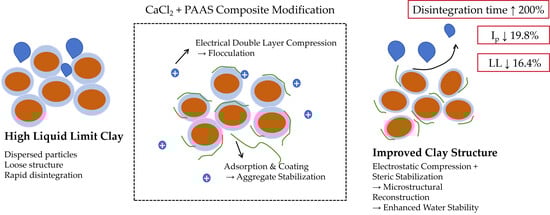
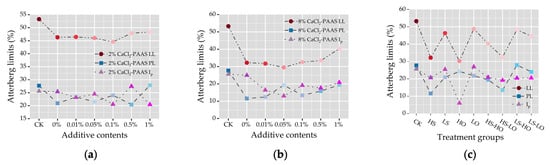
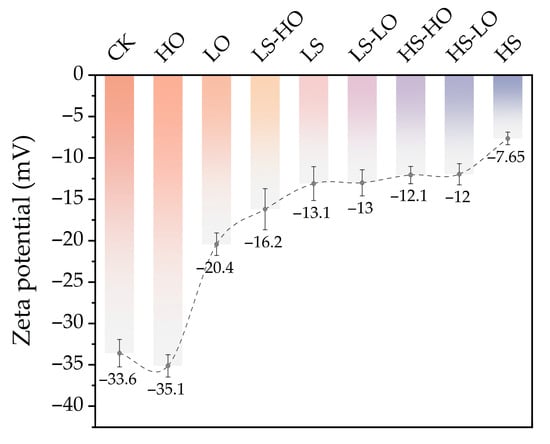
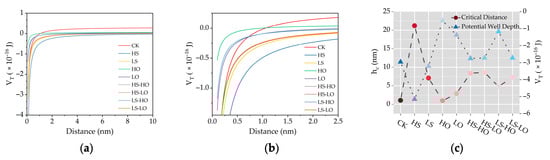
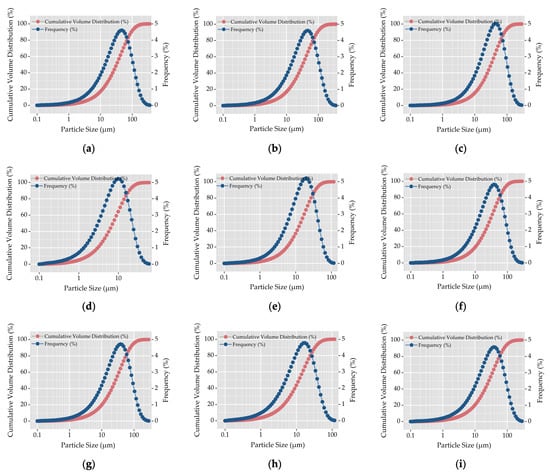
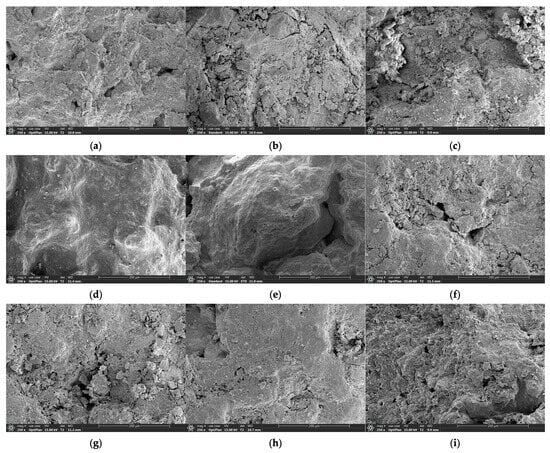
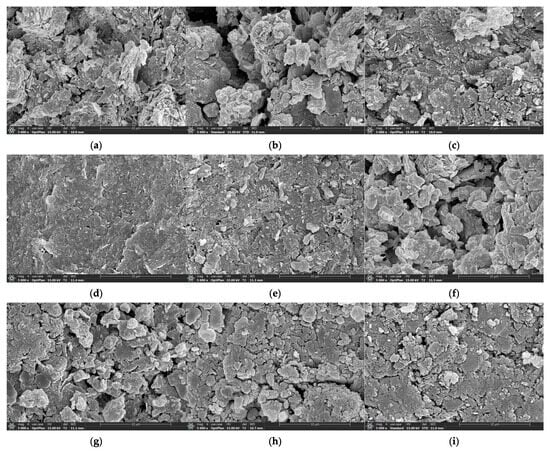
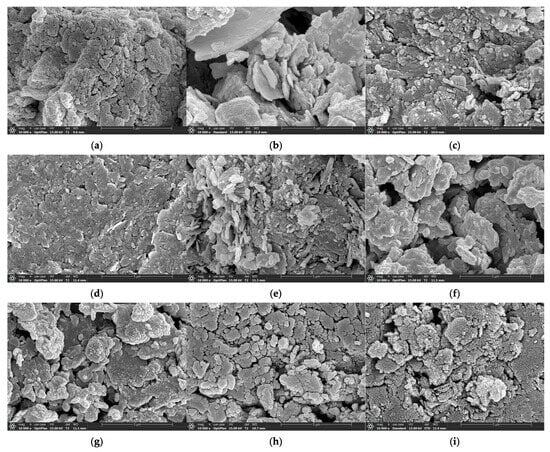
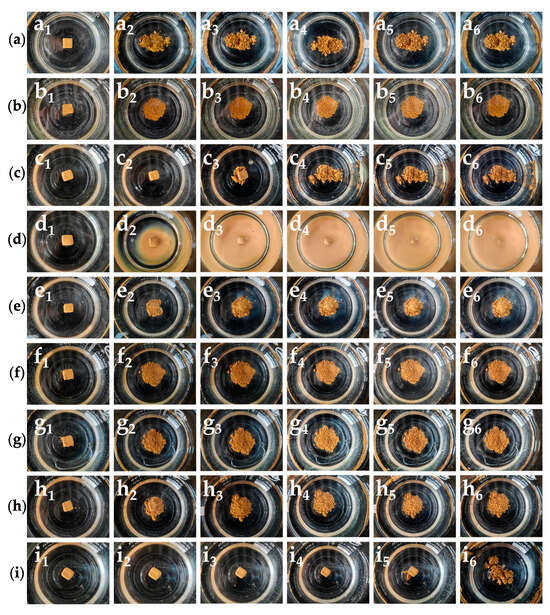
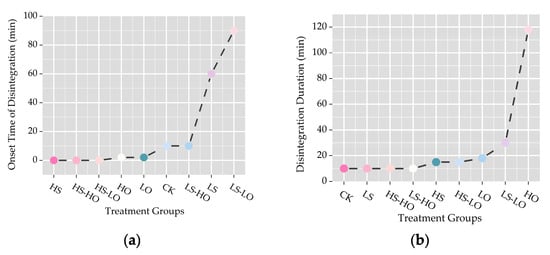
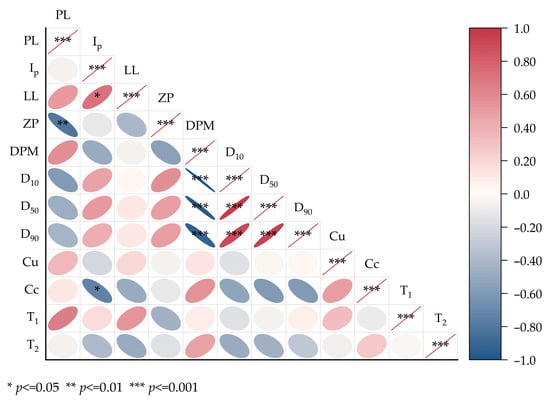
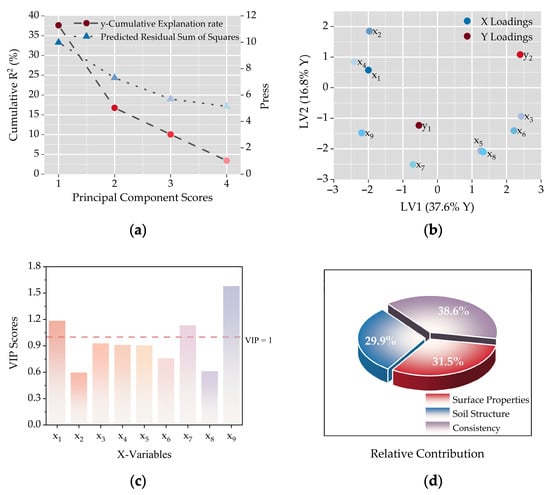
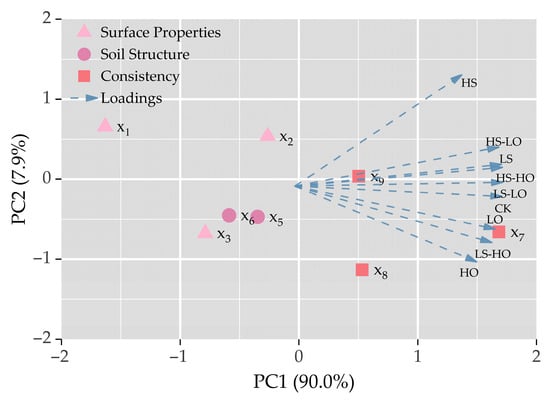
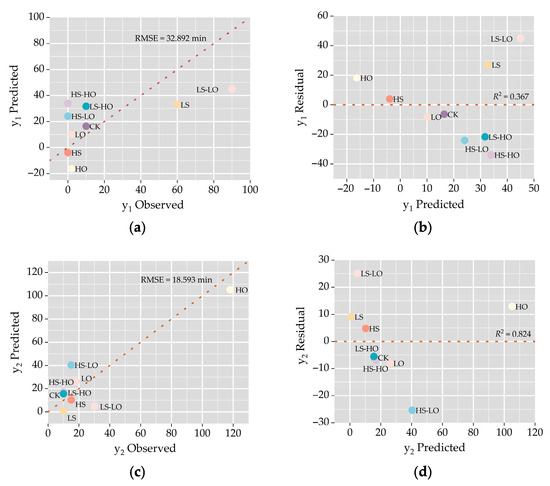
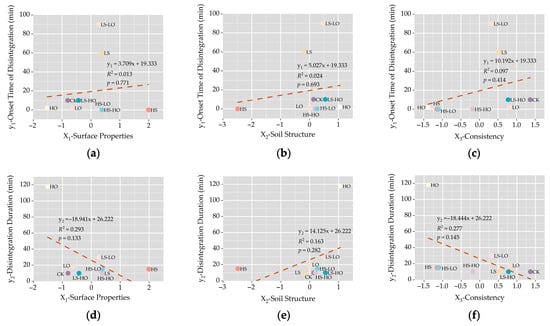
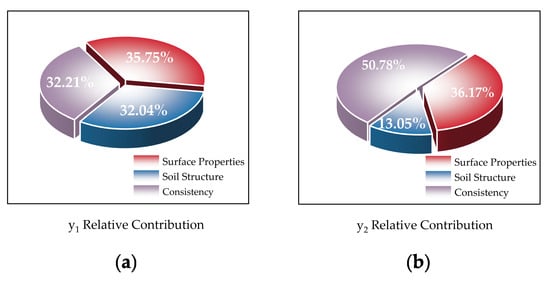
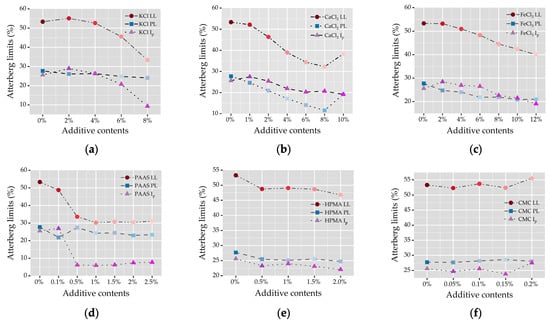
High-liquid-limit clay exhibits pronounced water sensitivity due to the strong electrostatic repulsion and weak interparticle bonding within its microstructure, which often limits its direct engineering uses and complicates the reuse of excavated clayey soils generated during the construction of transportation infrastructure. In this study, inorganic salts (KCl, CaCl2 and FeCl3) and carboxyl-containing polymers (PAAS, HPMA and CMC) were screened to construct organic–inorganic composite stabilization systems. Based on the screening results, an organic–inorganic composite system composed of CaCl2 and sodium polyacrylate (PAAS) was developed to regulate interfacial interactions and induce microstructural reconstruction in clay. The synergistic mechanisms governing particle aggregation and dispersion were systematically investigated through Atterberg limit tests, zeta potential measurements, DLVO theoretical calculations, particle size analysis, scanning electron microscopy (SEM) and immersion disintegration experiments, combined with multivariate statistical modeling. Among the tested salt–polymer formulations, a composite system with 2% CaCl2 and 0.1% PAAS showed the most favorable overall performance, achieving an optimal balance between electrostatic compression and steric stabilization, leading to enhanced structural integrity and delayed water-induced disintegration. Ca2+ ions compress the diffuse double layer and promote particle flocculation, whereas adsorbed PAAS chains introduce steric hindrance and interfacial modification. Their synergistic interaction reconstructs the pore–aggregate framework and regulates the interparticle potential energy landscape. DLVO analysis indicates that the optimized system attains a moderate critical interaction distance (hc = 7.31 nm) and primary minimum depth (DPM = −2.72 × 10⁻¹⁶ J), reflecting a balanced interfacial bonding state. Multivariate statistical analyses further reveal a dual control pathway, in which consistency primarily governs disintegration duration, with additional contributions from surface electrochemical properties, while surface properties, soil structure and consistency collectively influence disintegration initiation. These findings elucidate the interfacial regulation and structural evolution mechanisms in organic–inorganic composite systems and provide insights into the design of composite modifiers for water-sensitive particulate materials, particularly for the resource reuse of high-liquid-limit clay excavated during the construction of transportation infrastructure and related geotechnical engineering applications.
Full article
(This article belongs to the Section Composites Applications)
►▼
Show Figures

Graphical abstract
Open AccessArticle
Microstructure-Sensitive Analysis of Fatigue Delamination in Notched Woven Composites via High-Resolution X-Ray Computed Tomography and Statistical Visualisation Mapping
by
Sanjay M. Sisodia, Daniel J. Bull, Andrew R. George, Mark N. Mavrogordato, S. Mark Spearing and David T. Fullwood
J. Compos. Sci. 2026, 10(5), 247; https://doi.org/10.3390/jcs10050247 - 30 Apr 2026
Abstract
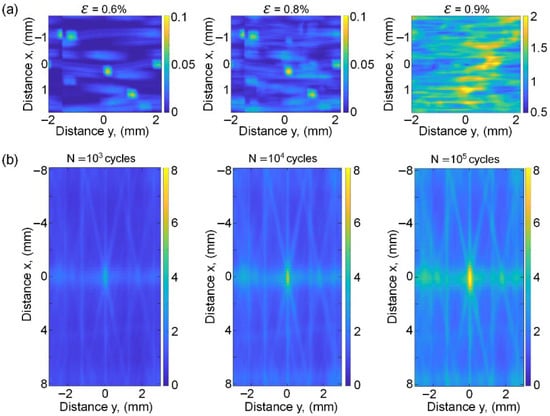
This study presents a novel methodology integrating high-resolution X-ray computed tomography, digital volume correlation and statistical visualisation mapping, to perform microscale observations and correlate delamination fracture mechanisms in heterogeneous materials. To demonstrate the utility of this integrated approach, it is applied to study
[...] Read more.
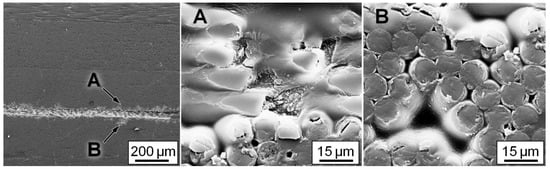
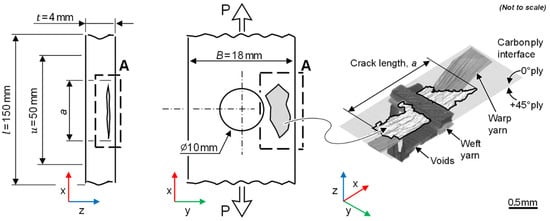
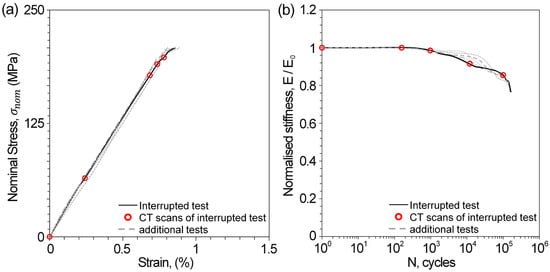
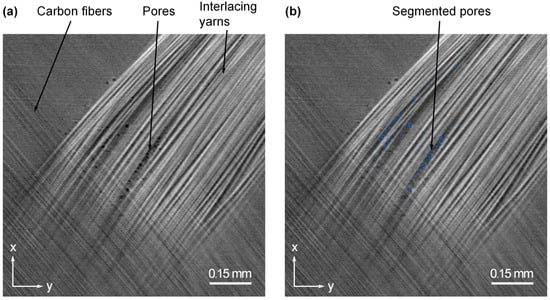
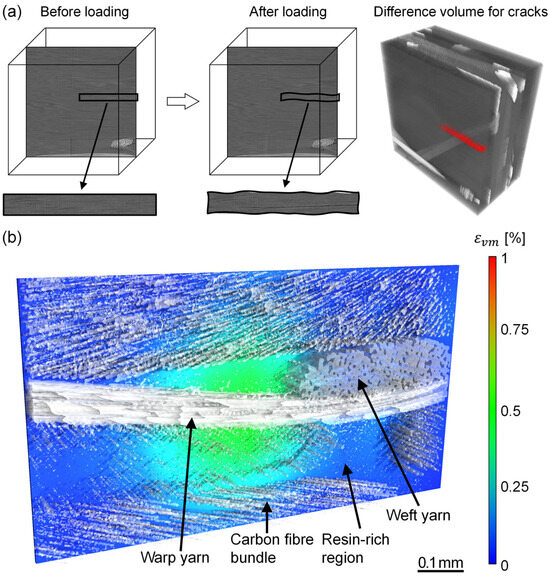
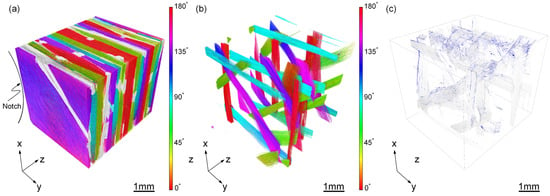
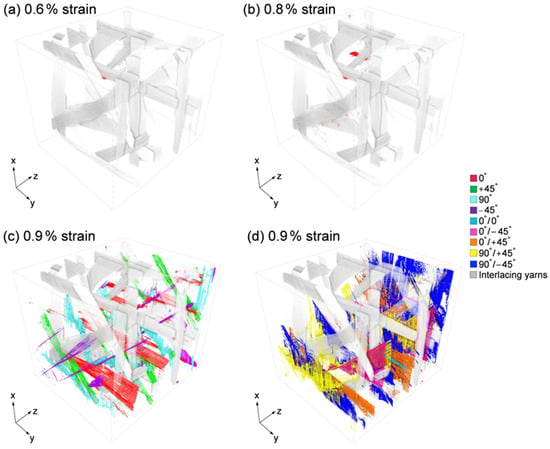
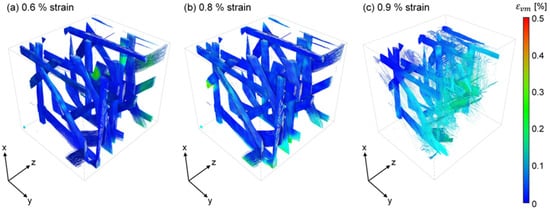
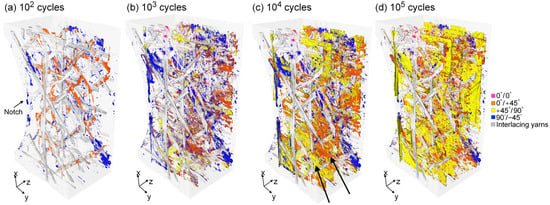
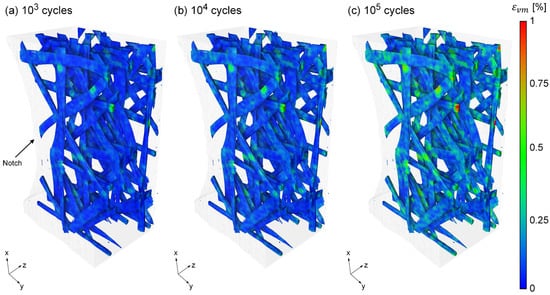
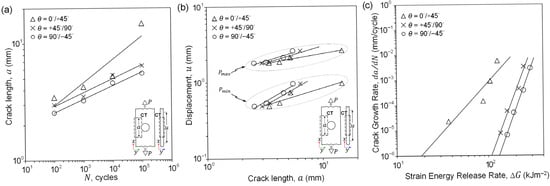
This study presents a novel methodology integrating high-resolution X-ray computed tomography, digital volume correlation and statistical visualisation mapping, to perform microscale observations and correlate delamination fracture mechanisms in heterogeneous materials. To demonstrate the utility of this integrated approach, it is applied to study the damage behaviour of aerospace carbon/epoxy composite laminates with an open hole, subjected to quasi-static tension and fatigue at a load ratio of 1:10. The study also explores the applicability of a Paris law type relationship to determine effective macroscopic fatigue delamination resistance in the load-bearing plies. The X-ray imaging for both load cases revealed extensive formation of delaminated fracture surfaces surrounding both glass fibre interlacing weaves and entrained voids within them, acting as preferential sites for localised strain hot spots. It is demonstrated that local energy dissipation is governed by the recurring weave pattern and topological order, which can help explain the typical damage state in quasi-static behaviour, establishing a direct link between microstructural features and macrostructural material response.
Full article
(This article belongs to the Special Issue Functional Composites: Fabrication, Properties and Applications)
►▼
Show Figures

Figure 1
Open AccessArticle
Engineering Flow Anisotropy in Additively Manufactured Lattices via Patterned Unit Cell Symmetry
by
Ian R. Woodward, Dominic J. Hoffman and Catherine A. Fromen
J. Compos. Sci. 2026, 10(5), 246; https://doi.org/10.3390/jcs10050246 - 30 Apr 2026
Abstract
Additively manufactured lattice structures have become a staple of optimized structural parts and are increasingly common in biomedical and chemical applications that require consideration of flow through porous architectures. However, design principles governing transport performance trail those established for mechanical optimization. Here, we
[...] Read more.
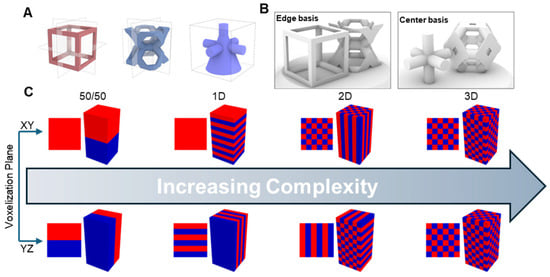
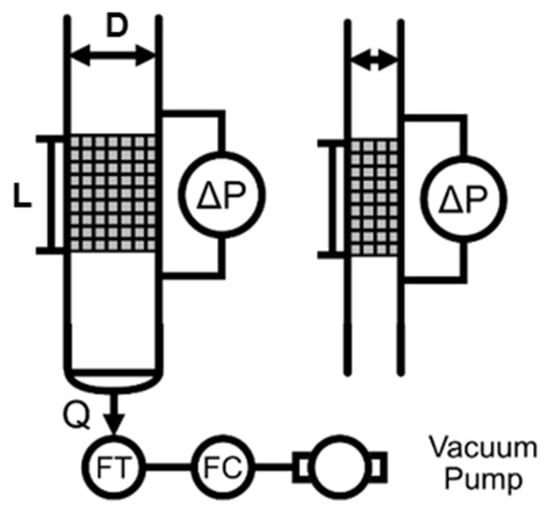
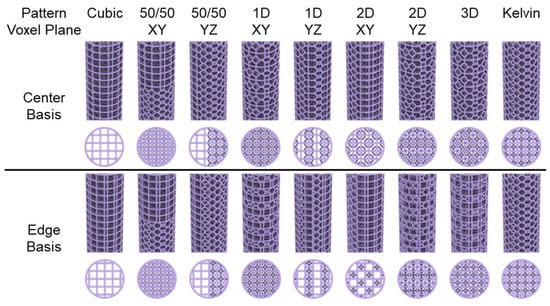
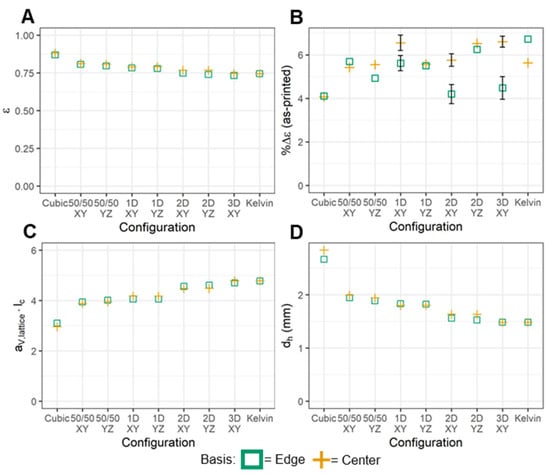
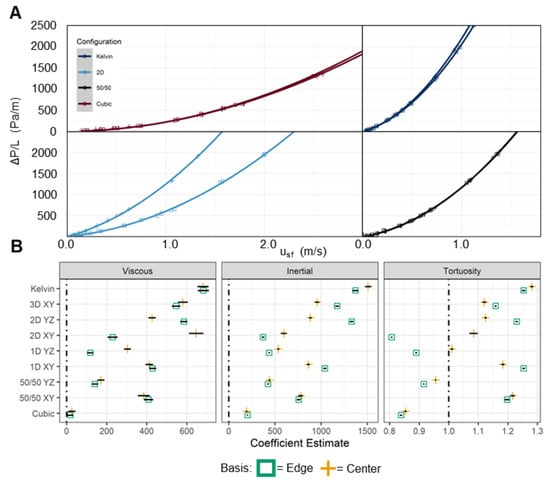
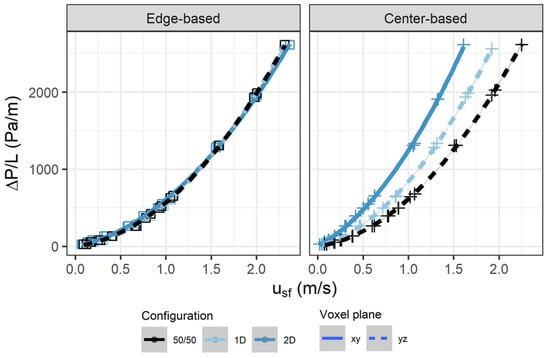
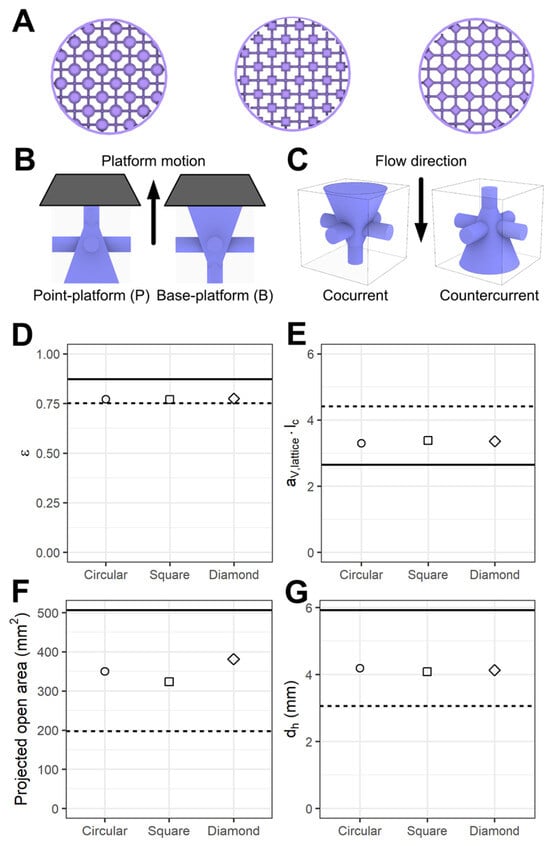
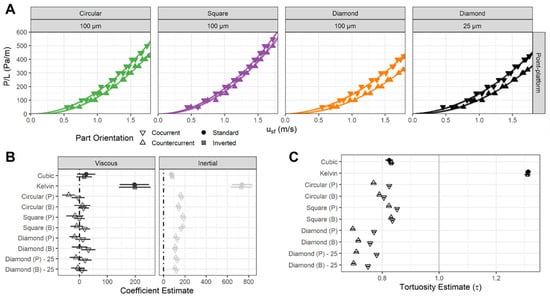
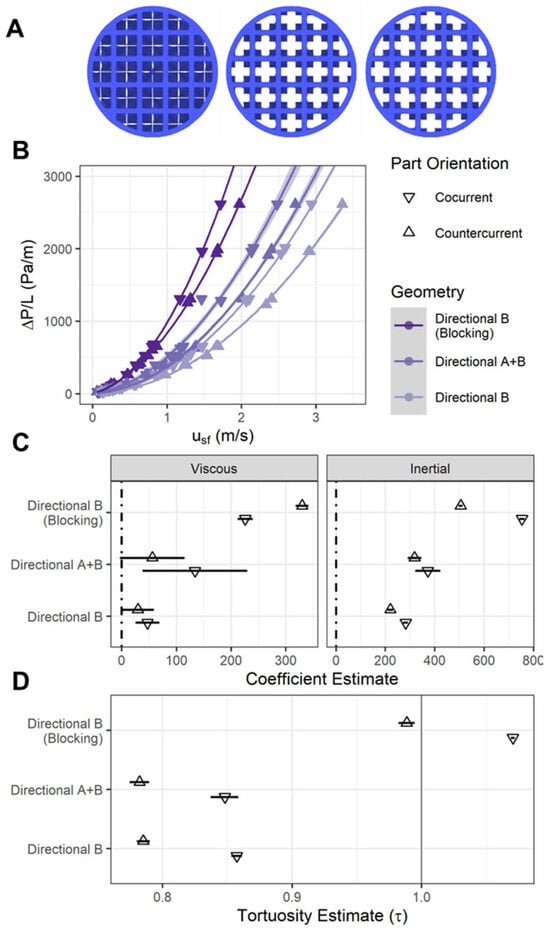
Additively manufactured lattice structures have become a staple of optimized structural parts and are increasingly common in biomedical and chemical applications that require consideration of flow through porous architectures. However, design principles governing transport performance trail those established for mechanical optimization. Here, we introduce two complementary design frameworks that modify symmetry at both the unit cell and part scales to systematically tune internal transport. These approaches are further extended into patterned lattice structures, where multiple unit cell designs can be combined in one, two, or three dimensions to further regulate the internal flow. We find that identical global lattice geometries can arise from different unit cell basis and voxel plane orientations, with minimal changes in bulk geometric properties. Yet in parts with diameters of 12–35 mm, hydraulic diameters of 1–4 mm, and porosities ~80%, these design selections significantly affect the hydraulic tortuosity and fluid transport behavior. We further demonstrate performance from select designs that yield a new class of anisotropic lattices with strong sensitivity to flow direction that is tuned by the projected area perpendicular to flow. Collectively, these symmetry-informed, multi-order combinatorial design approaches enable predictable, direction-dependent transport design and expand the functional potential of lattice architectures across disciplines.
Full article
(This article belongs to the Special Issue Lattice Structures)
►▼
Show Figures

Figure 1

Open AccessArticle
Surface-Gradient Design of PDC Cutter Chamfers with a SiC Interlayer, Nanodiamond Topcoat, and Shallow Cobalt Leaching: Effects on Residual Stress, Wear, Impact Spalling, and Bench-Scale Signal Separability
by
Xuecheng Dong, Liangzhu Yan, Lingyun Wang, Zhiyuan Zhou, Youyan Jian and Yahang Zhou
J. Compos. Sci. 2026, 10(5), 245; https://doi.org/10.3390/jcs10050245 - 30 Apr 2026
Abstract
Deep hard-rock and geothermal drilling expose polycrystalline diamond compact (PDC) cutter chamfers to coupled thermal shock, abrasive wear, and intermittent impact, which accelerates edge spalling and degrades the quality of on-bit monitoring signals. This bench-scale proof-of-concept study evaluates a surface-gradient architecture that combines
[...] Read more.
Deep hard-rock and geothermal drilling expose polycrystalline diamond compact (PDC) cutter chamfers to coupled thermal shock, abrasive wear, and intermittent impact, which accelerates edge spalling and degrades the quality of on-bit monitoring signals. This bench-scale proof-of-concept study evaluates a surface-gradient architecture that combines shallow cobalt leaching in the chamfer region with a thin silicon carbide (SiC) interlayer and a nanocrystalline diamond topcoat. Commercial 13 mm PDC cutters were treated within a surface-gradient design window of –1.0 m and –200 m, and were examined by cross-sectional microscopy, XPS/ToF-SIMS, Raman stress mapping, scratch adhesion, apparent fracture toughness, laser-flash thermal transport, thermal-shock cycling, 400 C pin-on-disc wear, instrumented impact loading, bench granite-drilling signal acquisition, and finite-element correlation. The optimized configuration ( , , and ) reduced the 95th-percentile tensile residual stress at the chamfer from about 0.48 to 0.26 GPa, reached a scratch critical load of about 28 N, compared with about 16 N for the topcoat-only condition and about 25 N for the SiC-plus-topcoat condition, cut high-temperature wear volume by about 40%, and shifted the characteristic spalling energy from about 0.8 to 1.3 J. In bench-scale granite drilling, the same design stabilized frictional response and improved simple pre-spall discrimination metrics, raising ROC-AUC from about 0.65 to 0.87. These bench-scale results provide proof-of-concept evidence that surface-gradient design can improve PDC chamfer durability and signal discriminability, while the proposed signal metrics have yet to be validated under field-scale downhole conditions.
Full article
(This article belongs to the Section Composites Applications)
Open AccessArticle
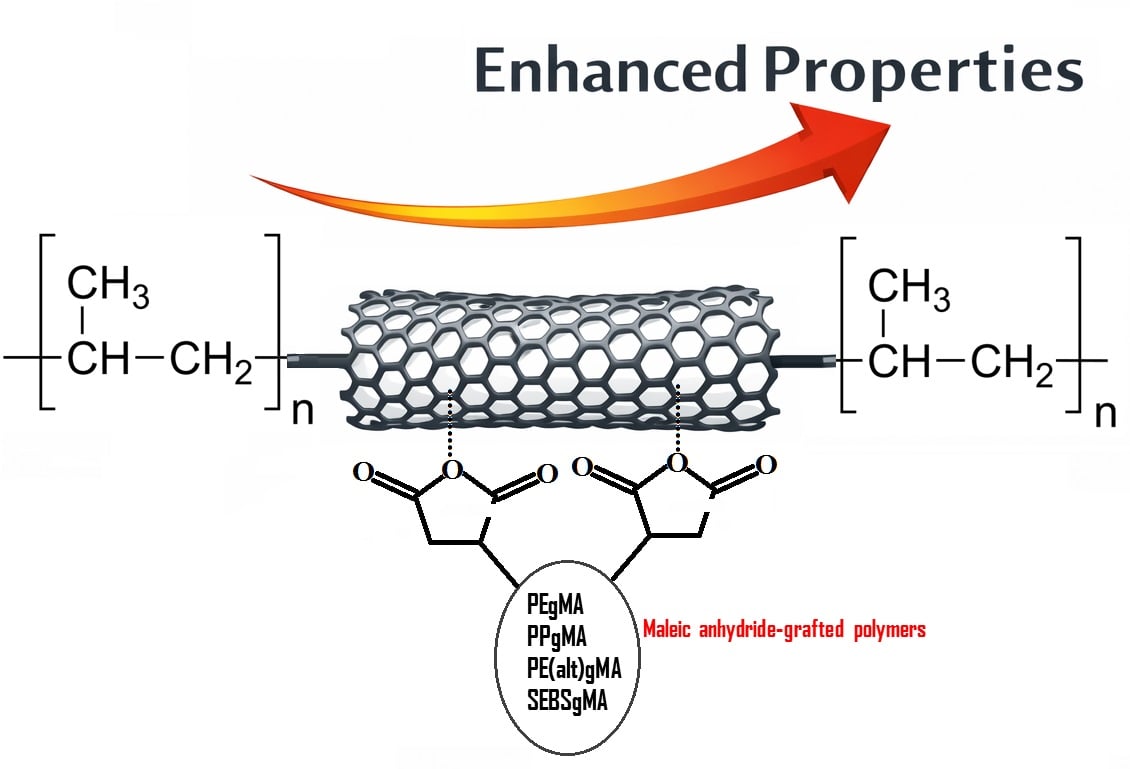
Comparative Study of Polypropylene/Carbon Nanotube Nanocomposites with Various Compatibilizers and Influence on Mechanical, Thermal, Rheological and Morphological Properties
by
Jacob Samuel, Abdirahman A. Yussuf, Mohammad Al-Saleh, Tahani Al-Shammary, Rashed Al-Zufairi and Aseel Al-Banna
J. Compos. Sci. 2026, 10(5), 244; https://doi.org/10.3390/jcs10050244 - 30 Apr 2026
Abstract
This study investigated the comparative effects of various maleic anhydride-grafted polymeric compatibilizers such as polyethylene-graft-maleic anhydride, polypropylene-graft-maleic anhydride, polyethylene(alt)-graft-maleic anhydride and poly(styrene-ethylene/butylene-styrene)-graft-maleic anhydride on the final properties of polypropylene (PP) carbon nanotube (CNT) composites. Polypropylene nanocomposites (PP-CNT) were prepared by melt mixing using
[...] Read more.
This study investigated the comparative effects of various maleic anhydride-grafted polymeric compatibilizers such as polyethylene-graft-maleic anhydride, polypropylene-graft-maleic anhydride, polyethylene(alt)-graft-maleic anhydride and poly(styrene-ethylene/butylene-styrene)-graft-maleic anhydride on the final properties of polypropylene (PP) carbon nanotube (CNT) composites. Polypropylene nanocomposites (PP-CNT) were prepared by melt mixing using a laboratory scale twin-screw extruder. The mechanical test results showed that the incorporation of CNTs along with various compatibilizers increased the tensile strength (10.3%) and tensile modulus (24.2%). The tensile modulus and yield stress of the PP-CNT nanocomposites were significantly higher than those of the pristine PP. Differential Scanning Calorimetry (DSC) analysis revealed that the addition of CNTs slightly increased the melting temperature of the crystallization peaks. In the compatibilized PP-CNT composites, the CNTs were well dispersed to enhance the onset of degradation and maximum decomposition temperatures. The frequency-dependent rheological behaviors of PP-CNT nanocomposites indicated that the storage modulus (G’), loss modulus (G”), and complex viscosity (η*) PP increased for the compatibilized system. The XRD results indicated that the addition of CNTs and compatibilizers slightly affected the crystalline nature of PP. Scanning electron microscopic images of the fractured surfaces presented in the micrographs showed the brittle nature of the surface morphology of PP-CNT nanocomposites.
Full article
(This article belongs to the Section Nanocomposites)
►▼
Show Figures

Graphical abstract
Open AccessReview
Photocatalytic Composite Membranes for Textile Wastewater Treatment
by
Jéssica Mulinari, Afonso Henrique da Silva Júnior, Ellen Francine Rodrigues, Carolina Elisa Demaman Oro, Rodrigo Schlindwein and Carlos Rafael Silva de Oliveira
J. Compos. Sci. 2026, 10(5), 243; https://doi.org/10.3390/jcs10050243 - 30 Apr 2026
Abstract
Textile wastewater is among the most challenging industrial effluents due to its complex composition, high pollutant load, and low biodegradability. Conventional treatment methods often fall short in achieving complete removal of dyes and emerging contaminants. Photocatalytic composite membranes have emerged as a promising
[...] Read more.
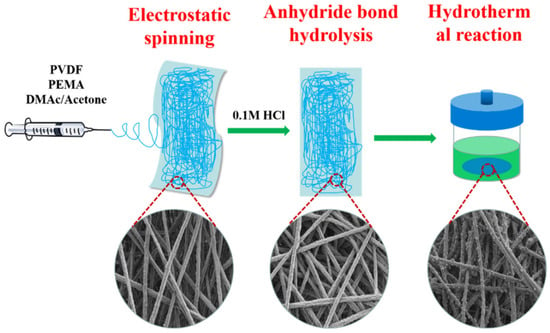
Textile wastewater is among the most challenging industrial effluents due to its complex composition, high pollutant load, and low biodegradability. Conventional treatment methods often fall short in achieving complete removal of dyes and emerging contaminants. Photocatalytic composite membranes have emerged as a promising solution by integrating membrane separation and advanced oxidation processes. This review provides a comprehensive overview of the design, fabrication, and performance of photocatalytic composite membranes for textile wastewater treatment. Key aspects include the types of photocatalysts employed, methods of incorporation into membranes, and their synergistic role in pollutant removal and membrane fouling mitigation. Recent advancements in materials science, such as visible-light-responsive catalysts, carbon-based nanocomposites, and self-cleaning surfaces, are discussed, along with current limitations related to catalyst stability, operational scalability, and cost. This review underscores the potential of photocatalytic composite membranes as a next-generation platform for sustainable and effective textile wastewater treatment.
Full article
(This article belongs to the Special Issue Composite Materials in Water Treatment Applications)
►▼
Show Figures

Figure 1

Open AccessArticle
Flexural Behaviour of Carbon/Glass Intralayer Hybrid Composites: Effects of Hybrid Ratio and Fibre Dispersion
by
Chensong Dong
J. Compos. Sci. 2026, 10(5), 242; https://doi.org/10.3390/jcs10050242 - 29 Apr 2026
Abstract
Intralayer hybridisation provides a powerful strategy for tailoring the stiffness–strength–ductility balance of fibre-reinforced composites through architecture control. This study investigates the flexural behaviour of carbon/glass intralayer hybrid composites with varying carbon-to-glass (C:G) ratios and degrees of dispersion using a finite element modelling framework
[...] Read more.
Intralayer hybridisation provides a powerful strategy for tailoring the stiffness–strength–ductility balance of fibre-reinforced composites through architecture control. This study investigates the flexural behaviour of carbon/glass intralayer hybrid composites with varying carbon-to-glass (C:G) ratios and degrees of dispersion using a finite element modelling framework supported by experimental validation against published flexural test data. Four hybrid ratios (C:G = 2:1, 1:1, 1:2, and 1:4) and multiple dispersion levels were examined under three-point bending to quantify the effects of intralayer architecture on flexural strength, modulus, and strain to failure. The results show that carbon-rich hybrids retain high flexural stiffness and strength while achieving substantial improvements in failure strain and damage tolerance compared with pure carbon laminates. In these systems, flexural strength is strongly influenced by dispersion, with moderate-to-high dispersion improving strain compatibility, delaying tensile-side carbon fibre fracture, and enhancing strength. In contrast, glass-dominated hybrids exhibit flexural behaviour that is largely insensitive to dispersion, with strength and modulus following near rule-of-mixtures trends and failure governed by progressive glass fibre and matrix damage. Across all hybrid ratios, flexural modulus is controlled primarily by fibre volume fraction, whereas flexural strength and failure strain depend sensitively on intralayer architecture when carbon fibres remain the dominant load-bearing phase. These findings clarify the respective roles of hybrid ratio and dispersion in governing flexural performance and extend recent studies by demonstrating a systematic transition from dispersion-dominated to ratio-dominated behaviour as glass content increases. The results provide mechanistic insight and practical design guidance for optimising intralayer hybrid composites for lightweight, damage-tolerant structural applications.
Full article
(This article belongs to the Special Issue Hybrid Composites—from Fundamental Studies to Intelligent and Sustainable Solutions)
Open AccessArticle
Experimental Evaluation of Induction- and Conduction-Welded Thermoplastic Composite Single-Lap Shear Joints
by
Arne Schiller and Chiara Bisagni
J. Compos. Sci. 2026, 10(5), 241; https://doi.org/10.3390/jcs10050241 - 29 Apr 2026
Abstract
Single-lap shear joints made from fabric T300/polyphenylene sulfide (T300/PPS) and unidirectional T700/low-melt polyaryletherketone (T700/LM-PAEK) laminates are joined via induction and conduction welding at different processing temperatures. The joints are tested experimentally to investigate the influence of the processing temperature on the damage evolution
[...] Read more.
Single-lap shear joints made from fabric T300/polyphenylene sulfide (T300/PPS) and unidirectional T700/low-melt polyaryletherketone (T700/LM-PAEK) laminates are joined via induction and conduction welding at different processing temperatures. The joints are tested experimentally to investigate the influence of the processing temperature on the damage evolution in the specimens which is tracked using digital image correlation. Cracks grow rapidly in the unwelded parts of the joint interface but assume a stable steady-state propagation rate when reaching the fully welded overlap region. It is found that higher welding temperatures lead to longer weld lengths, which improve the strength and stiffness of the specimens and delay damage initiation. An accelerated crack growth rate indicates that the structure is close to its ultimate load after which the joint fails abruptly as the crack growth becomes unstable. Induction welding temperatures at the upper end of the recommended processing window (330 C for T300/PPS and 385 C for T700/LM-PAEK) result in the joints with the highest load-carrying capacity and slowest crack propagation, but also the least damage tolerance.
Full article
(This article belongs to the Special Issue Functional Composites: Fabrication, Properties and Applications)
Open AccessArticle
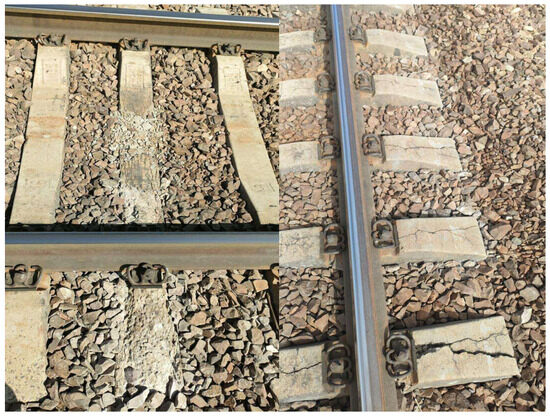
A Study of the Effect of Activated Waste from Ferroalloy Production on the Performance Properties of Concrete for Reinforced Concrete Sleepers
by
Arailym Imankulova, Murat Alimkulov, Baitak Apshikur, Medetbek Kambarov, Tolebi Myrzaliyev, Daniyar Akhmetov and Yelbek Utepov
J. Compos. Sci. 2026, 10(5), 240; https://doi.org/10.3390/jcs10050240 - 29 Apr 2026
Abstract
Improving the durability of reinforced concrete sleepers is essential for railway infrastructure exposed to dynamic loading, moisture, and repeated freeze–thaw action. This study proposes a material-level modification approach for heavy concrete for type 2 reinforced concrete sleepers based on the combined use of
[...] Read more.
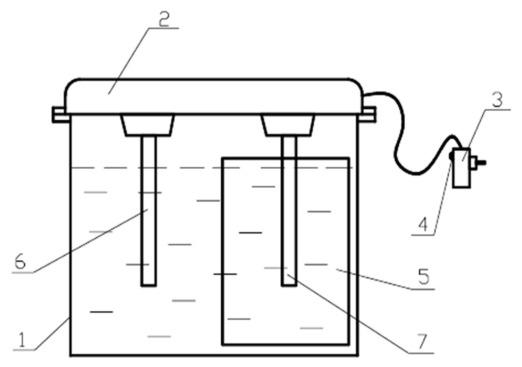
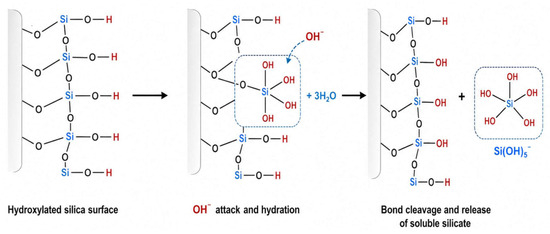
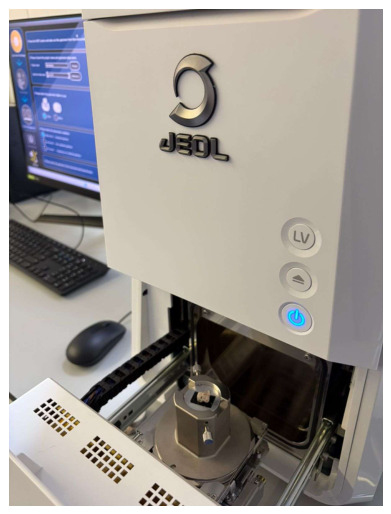
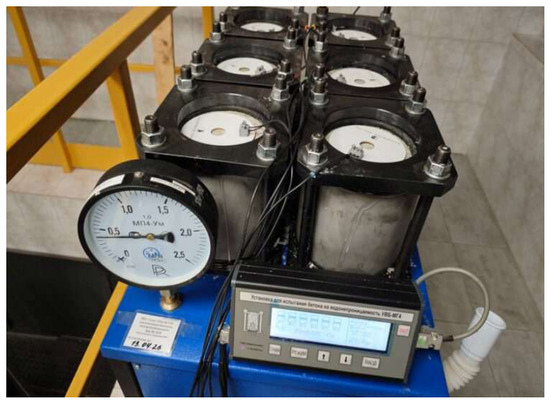
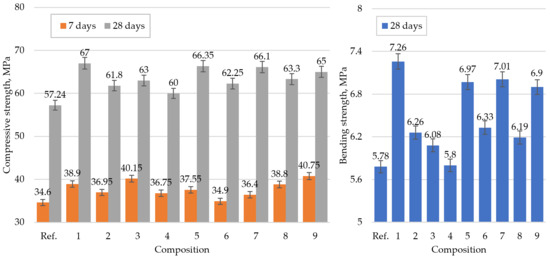
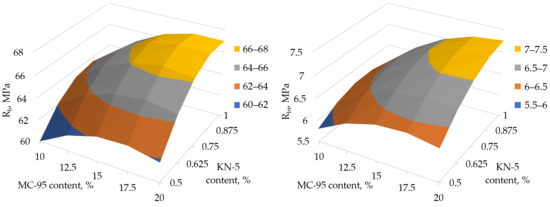
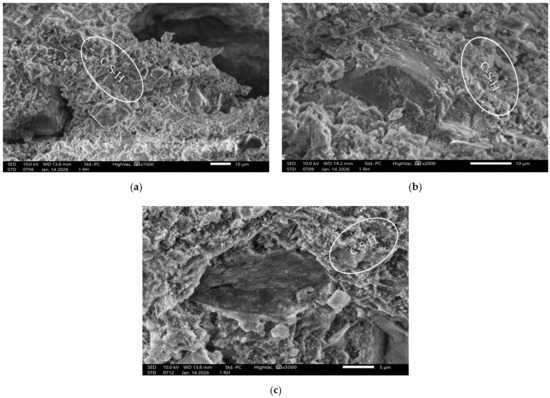
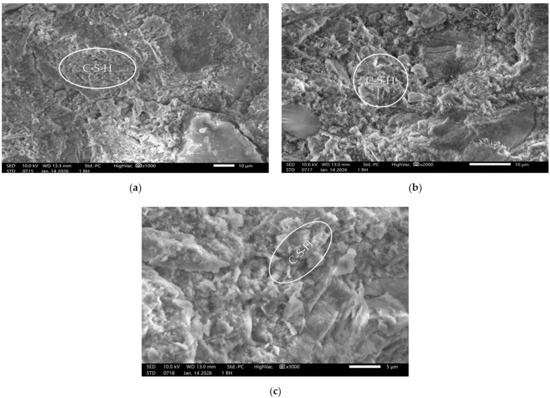
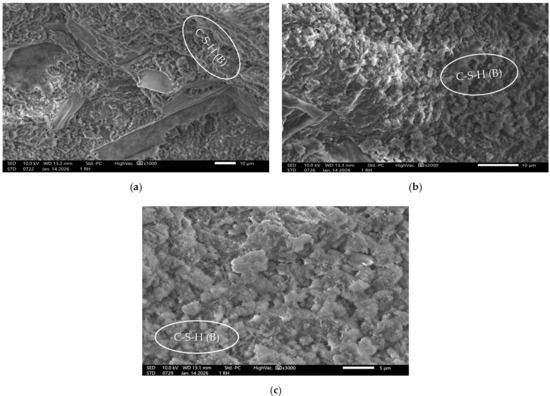
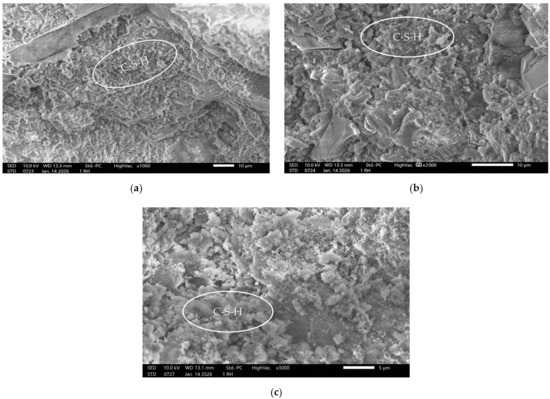
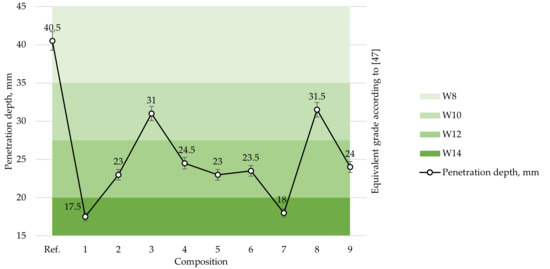
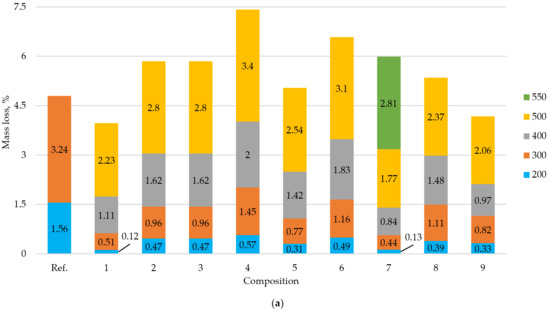
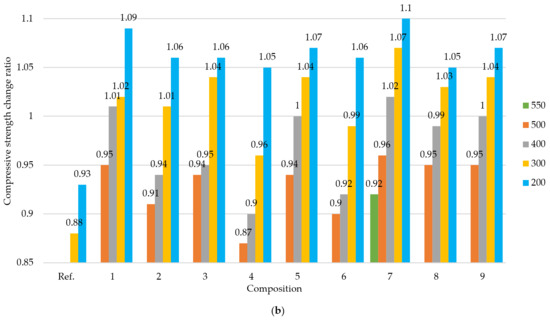
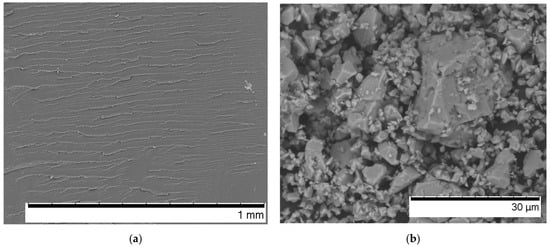
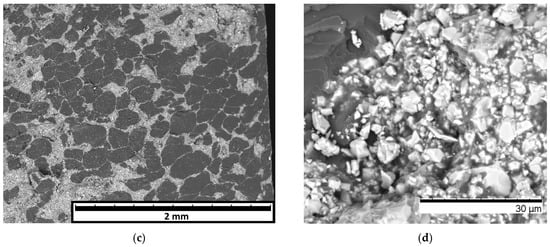
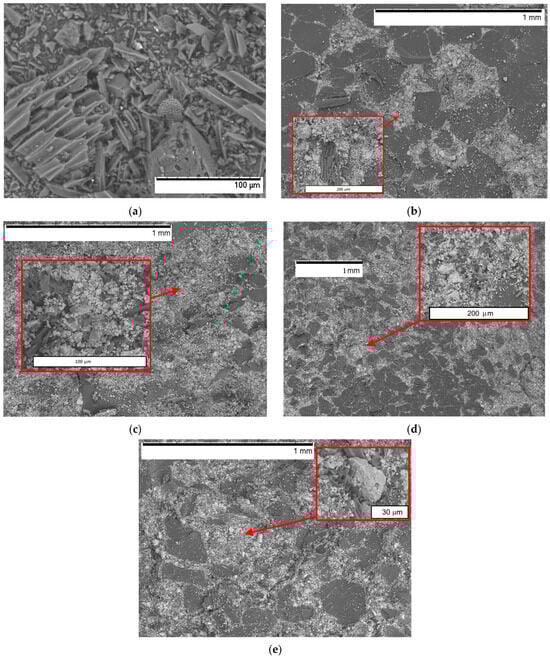
Improving the durability of reinforced concrete sleepers is essential for railway infrastructure exposed to dynamic loading, moisture, and repeated freeze–thaw action. This study proposes a material-level modification approach for heavy concrete for type 2 reinforced concrete sleepers based on the combined use of activated microsilica, a ferroalloy-production byproduct, electrolyzed mixing water, and a polycarboxylate superplasticizer. The novelty of the work lies in the preliminary electrochemical activation of microsilica in an alkaline medium and in the optimization of its joint use with KN-5 by means of second-order experimental design. The concrete was evaluated by compressive and bending strength tests, scanning electron microscopy (SEM), water-penetration testing, and freeze–thaw resistance testing. All modified mixtures outperformed the reference concrete. The highest 28-day compressive strength reached 67.0 MPa, while bending strength reached 7.26 MPa. SEM observations showed a denser and more homogeneous cement matrix with reduced capillary porosity and improved interfacial transition zones. Water resistance improved from W8 for the reference mixture to W10–W14 for the modified concretes. Most modified mixtures achieved a frost resistance grade of F500, and the composition containing 15% activated microsilica and 1.0% superplasticizer reached F550. The proposed approach is effective at the material level for producing heavy concrete with enhanced strength and durability characteristics for reinforced concrete sleeper applications.
Full article
(This article belongs to the Special Issue From Waste to Advance Composite Materials, 2nd Edition)
►▼
Show Figures

Figure 1
Open AccessArticle
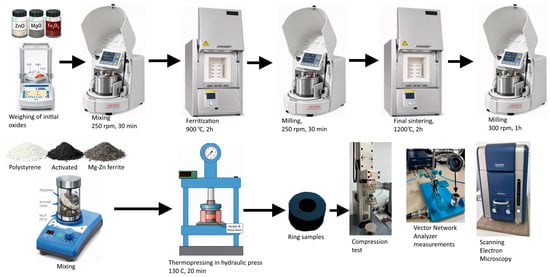
Study of Microwave Characteristics and Compressive Strength of Mg0.5Zn0.5Fe2O4/Polystyrene/Activated Carbon Composites with Core-Shell Structure
by
Dauren B. Kadyrzhanov, Rafael I. Shakirzyanov, Kanat M. Makhanov, Sofiya A. Maznykh and Dilnaz K. Zhamikhanova
J. Compos. Sci. 2026, 10(5), 239; https://doi.org/10.3390/jcs10050239 - 29 Apr 2026
Abstract
Due to the widespread use of microwave electromagnetic radiation, this study examines the microwave electromagnetic properties and compressive strength of composites made from inexpensive components such as Mg0.5Zn0.5Fe2O4, polystyrene, and activated carbon. Experimental samples were
[...] Read more.
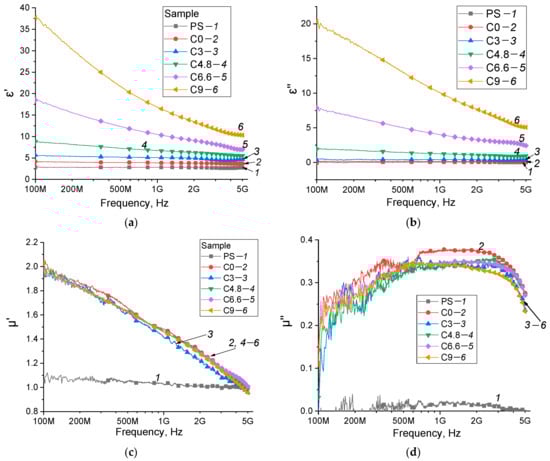
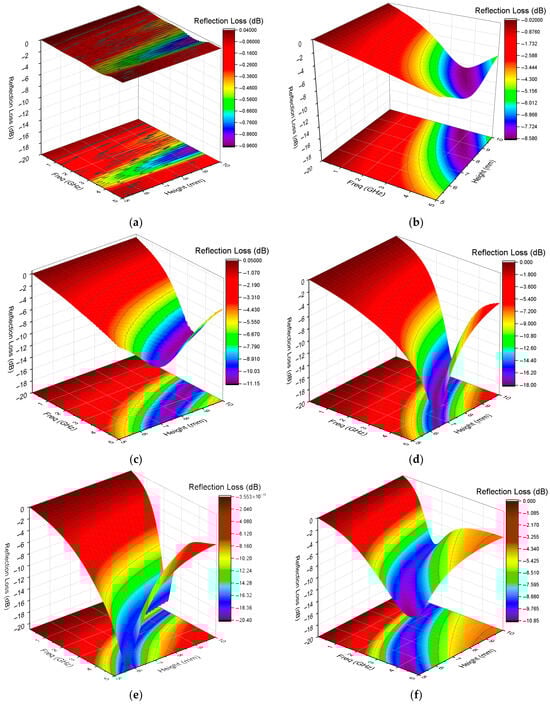
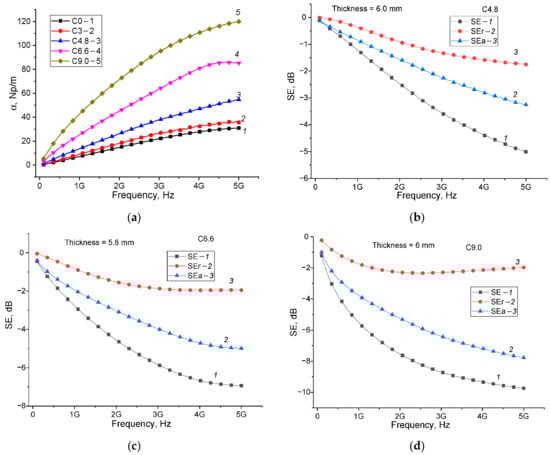
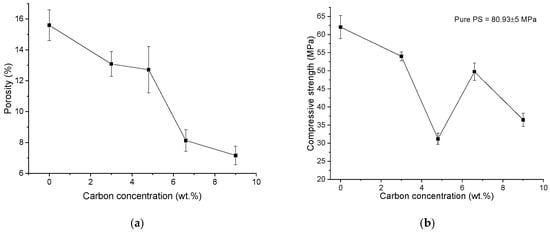
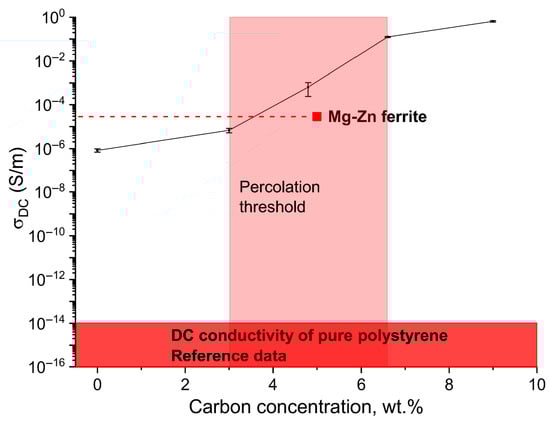
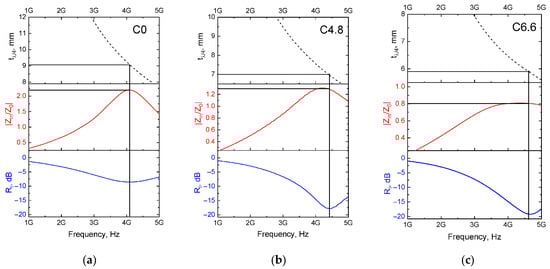
Due to the widespread use of microwave electromagnetic radiation, this study examines the microwave electromagnetic properties and compressive strength of composites made from inexpensive components such as Mg0.5Zn0.5Fe2O4, polystyrene, and activated carbon. Experimental samples were fabricated using thermopressing. The formation of the dielectric core/shell structure for Mg-Zn/polystyrene composites (1:1) and composites with activated carbon additives at weight concentrations of 3, 6.6, and 9.0% was determined using SEM image analysis. Microwave properties were investigated by analyzing the frequency dependences of complex permittivity and magnetic permeability in the frequency range of 100 MHz–5 GHz. As shown by the simulation and experimental measurements of scattering parameters obtained, the compost shows improved microwave absorption properties in the frequency range of 1–5 GHz. Reflection loss spectra showed peaks with values of −17.8 and −18 dB in the frequency range of 2.5–5 GHz for samples with 4.8 wt. % and 6.6 wt. % carbon loading, respectively. The absorption bandwidths of −10 dB in the range of 1.7–2.13 GHz were observed in the best samples. Studies have shown that samples containing 9.0 wt. % of carbon material with thicknesses of 6–10 mm can be considered as an electromagnetic shielding material in the microwave range 1–5 GHz. It was shown that, despite a decrease in porosity from 15.59 to 7.17%, with an increase in the concentration of carbon material in the composites, the compressive strength also decreases from 62.05 to 36.45 MPa. The developed composites are potentially suitable as microwave absorbers for civil applications.
Full article
(This article belongs to the Special Issue Feature Papers in Journal of Composites Science in 2026)
►▼
Show Figures

Figure 1
Open AccessArticle
Mechanical Strength Analysis of Silt-Filled, NaOH-KOH Activated Metakaolin-Based Geopolymers
by
Francesca Ranellucci, Gianfranco Ulian, Daniele Moro, Cesare Sangiorgi and Giovanni Valdrè
J. Compos. Sci. 2026, 10(5), 238; https://doi.org/10.3390/jcs10050238 - 29 Apr 2026
Abstract
The present study reports the variation of the mechanical properties of engineered metakaolin-based geopolymers synthetized using NaOH-KOH alkali activators and sodium disilicate, investigated after 7 and 28 days of aging by means of unconfined compression tests for mechanical strength analysis. The geopolymers were
[...] Read more.
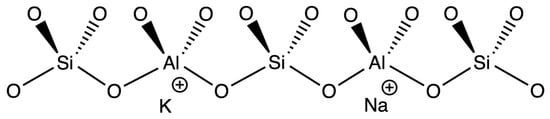
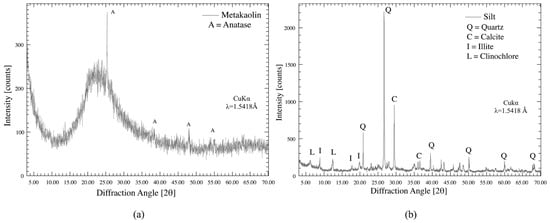
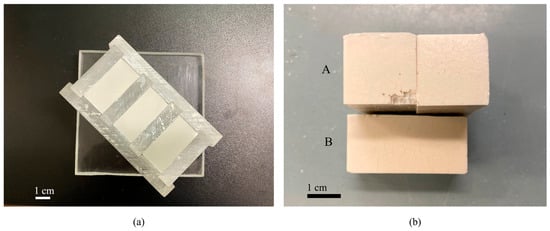
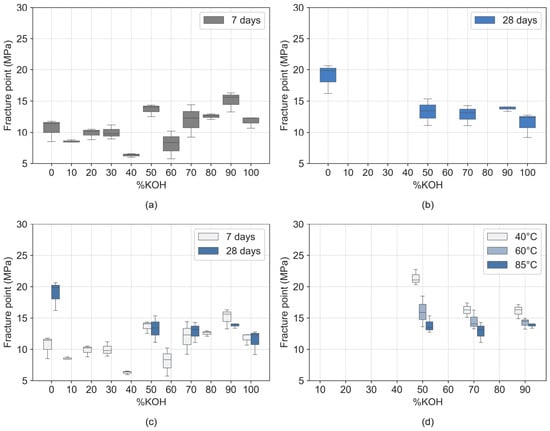
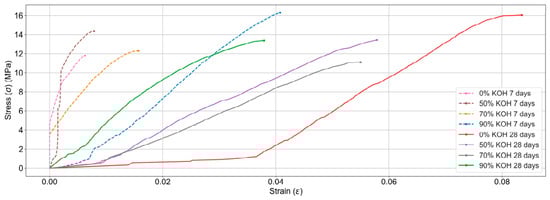
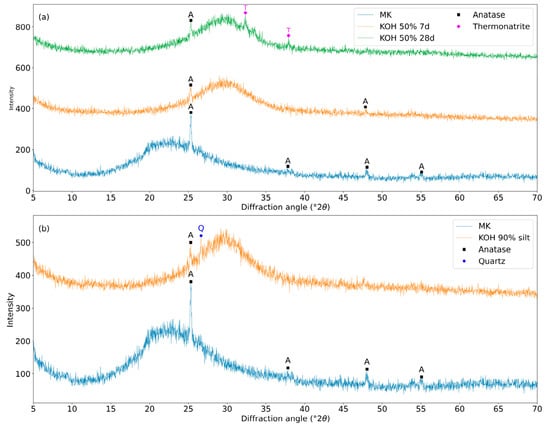
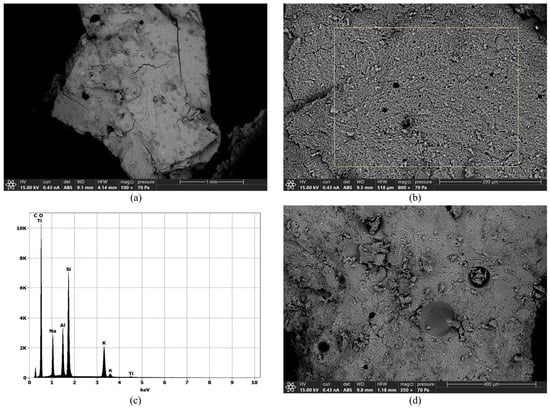
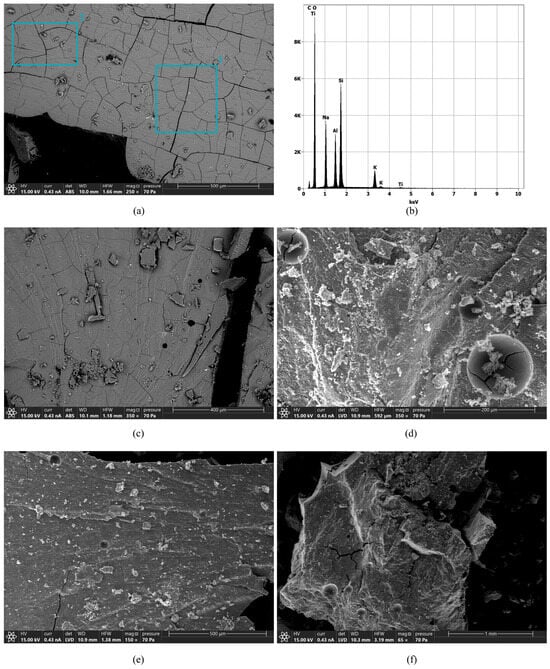
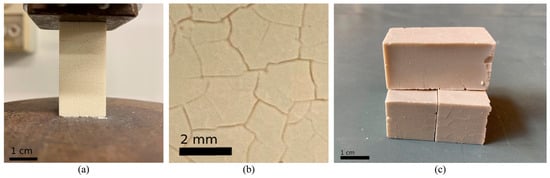
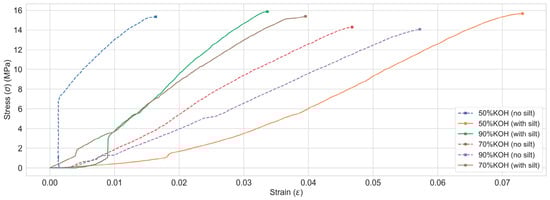
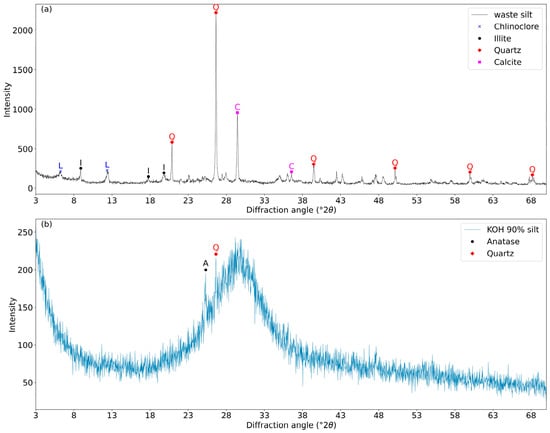
The present study reports the variation of the mechanical properties of engineered metakaolin-based geopolymers synthetized using NaOH-KOH alkali activators and sodium disilicate, investigated after 7 and 28 days of aging by means of unconfined compression tests for mechanical strength analysis. The geopolymers were synthetized by mixing KOH and NaOH in different proportions in the alkaline activating solution, from 0% to 100% of KOH addition, fixing the Si/Al ratio and water content. The binders were synthetized with different curing temperatures. A novel composition using quarry-derived materials (silt from sedimentation lakes) was developed to realize an innovative composite. The materials were characterized by XRD, ESEM-EDS and unconfined compression tests. The mechanical results underlined that the addition of the filler tends to preserve the mechanical properties of the composite. Generally, curing at 40 °C followed by a 28-day aging period for the mixed Na-K geopolymers demonstrated the highest mechanical strength of all the synthesized products, with a maximum strength of 21 MPa. Mixed NaOH-KOH composites generally exhibited lower performances compared to sample consisting solely of 100% NaOH when cured at a temperature of 85 °C. Nonetheless, the synthetized composites reported in this study can have diverse applications across various technological fields requiring low-strength materials.
Full article
(This article belongs to the Special Issue Recent Advancements in Mechanical Properties of Composites)
►▼
Show Figures

Figure 1
Open AccessArticle
Synergistic and Antagonistic Interactions of Zinc Oxide/Magnesium Oxide Activation Systems and Ground Tire Rubber on the Properties of Styrene–Butadiene Rubber-Based Composites
by
Samara Araújo Kawall, Nuelson Carlitos Gomes, Diego Silva de Melo, Dener da Silva Souza, Ricardo Henrique dos Santos, Naiara Lima Costa, Camila Liendra Rausis Hiranobe, Elmer Mateus Gennaro, Flávio Camargo Cabrera, Michael Jones da Silva, Leandro Ferreira Pinto, Erivaldo Antonio da Silva, Carlos Toshiyuki Hiranobe and Renivaldo José dos Santos
J. Compos. Sci. 2026, 10(5), 237; https://doi.org/10.3390/jcs10050237 - 29 Apr 2026
Abstract
This study evaluated the partial and total replacement of zinc oxide (ZnO) with magnesium oxide (MgO) in styrene–butadiene rubber (SBR) composites, as well as the incorporation of ground tire rubber (GTR), aiming to develop more sustainable elastomer formulations. Ten formulations were prepared with
[...] Read more.
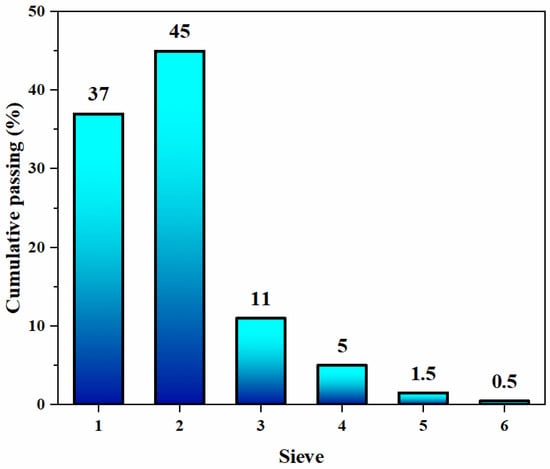
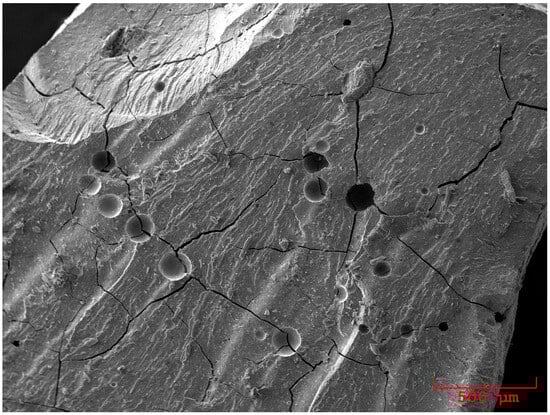
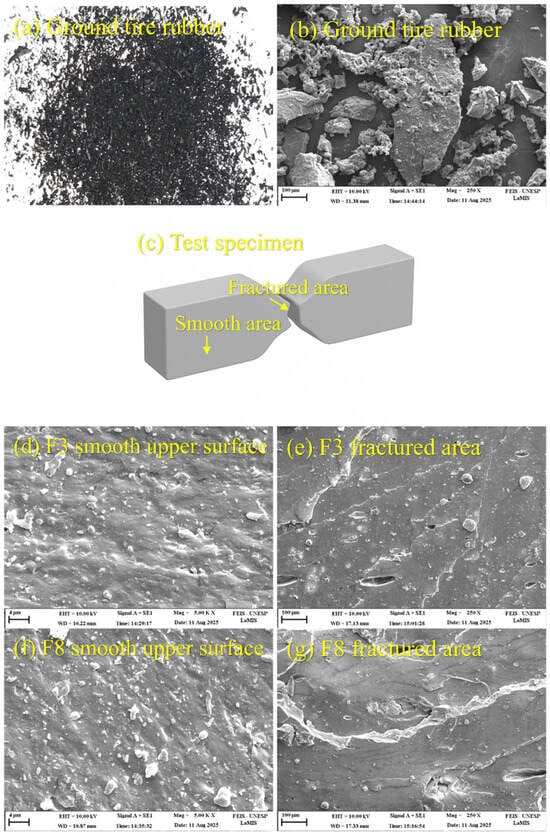
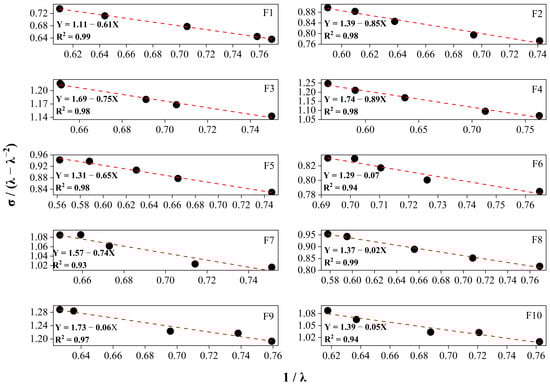
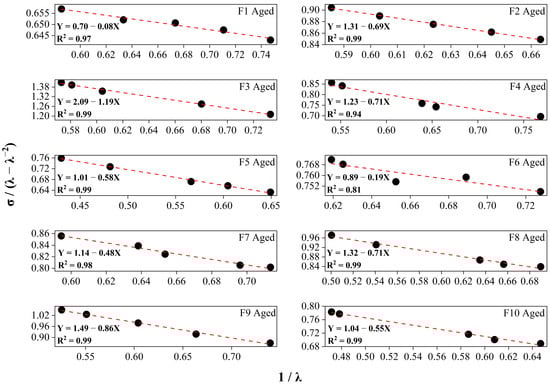
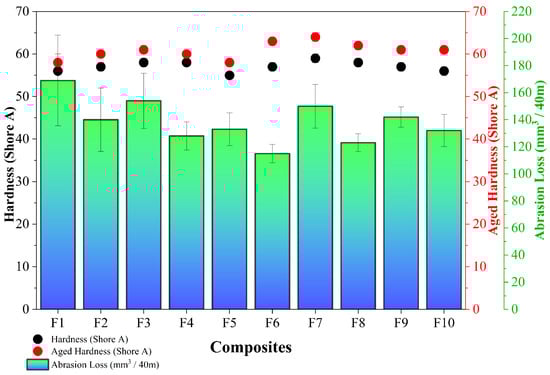
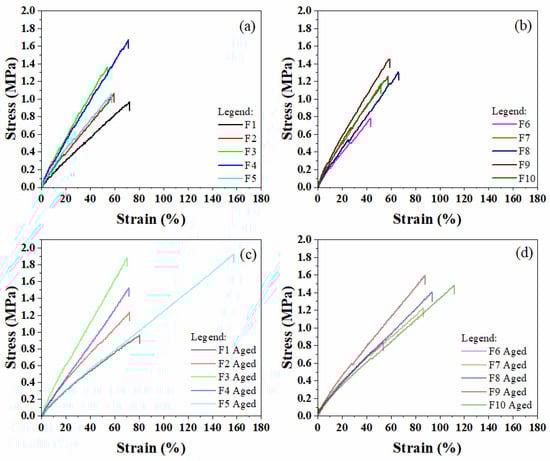
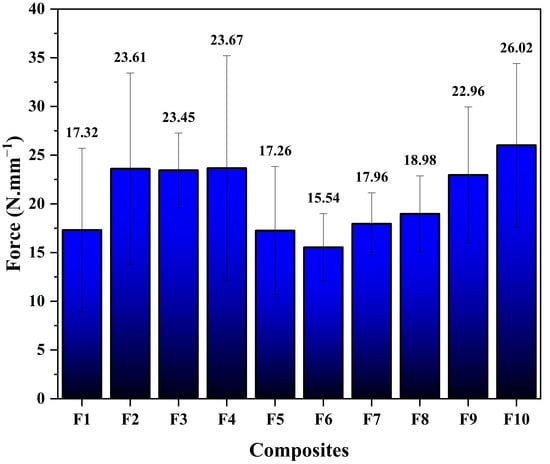
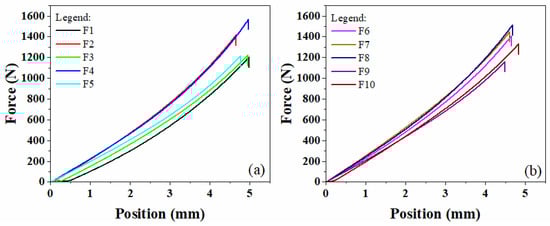
This study evaluated the partial and total replacement of zinc oxide (ZnO) with magnesium oxide (MgO) in styrene–butadiene rubber (SBR) composites, as well as the incorporation of ground tire rubber (GTR), aiming to develop more sustainable elastomer formulations. Ten formulations were prepared with varying ZnO/MgO ratios (100/0 to 0/100), with and without 20 phr of GTR. The composites were characterized by particle size distribution, morphology, rheometric behavior, density, crosslink density, mechanical properties, abrasion resistance, compression behavior, and thermo-oxidative aging. The results showed that hybrid ZnO/MgO activation systems exhibited a synergistic effect, enhancing vulcanization kinetics and mechanical performance compared to single-activator systems. Total replacement of ZnO by MgO was less effective, leading to reduced crosslink density and inferior properties. The addition of GTR increased compound viscosity and altered morphology but improved abrasion and compression resistance without significantly affecting tensile strength. Aging tests indicated good thermal stability, with maintenance or improvement of tensile properties due to post-curing effects. Overall, the combination of reduced ZnO content with MgO and GTR represents a viable approach for producing SBR composites with adequate performance and lower environmental impact.
Full article
(This article belongs to the Section Polymer Composites)
►▼
Show Figures

Figure 1
Open AccessArticle
A Scripting-Based Finite Element Framework for Parametric Analysis of Concrete-Filled Tubes Under Cyclic Bending
by
Angelo Angrisani, Paolo Todisco, Alessandro Pisapia and Francesco Fabbrocino
J. Compos. Sci. 2026, 10(5), 236; https://doi.org/10.3390/jcs10050236 - 28 Apr 2026
Abstract
This paper investigates the low-cycle behaviour of Concrete-Filled steel Tubes (CFTs) subjected to cyclic pure bending, a loading condition representative of large bridge and building girders. A 3D finite element model is developed in Abaqus/Explicit, combining a ductile damage law for the steel
[...] Read more.
This paper investigates the low-cycle behaviour of Concrete-Filled steel Tubes (CFTs) subjected to cyclic pure bending, a loading condition representative of large bridge and building girders. A 3D finite element model is developed in Abaqus/Explicit, combining a ductile damage law for the steel tube and Concrete-Damaged Plasticity for the infilled concrete, and is calibrated against large-scale cyclic bending tests on circular and square CFT beams. An automated Python scripting framework is then used to perform a systematic parametric study on members made of standard code-based materials, varying diameter-to-thickness ratio and span length over a wide range of practical configurations. Constant-amplitude chord rotations are imposed, and the nonlinear response is tracked in the plastic range while material damage evolves. The hysteretic behaviour is quantified in terms of cumulative plastic strains, dissipated energy and the degradation of reaction force and bending moment after 25 cycles. The results show that geometric parameters strongly affect the cyclic response: within the investigated loading layer, configurations with De = 100 mm generally exhibit strength degradation values between about 10% and 60%, whereas for De = 400 mm the degradation typically ranges between 50% and 100%, with most cases falling in the moderate-to-severe degradation domain. At the same time, larger diameters and thicker tubes generally lead to an increase in dissipated energy, while longer members tend to show lower energy dissipation but also reduced degradation. The study therefore provides a reproducible computational framework and comparative performance trends for the assessment of low-cycle cyclic response in CFT beams under a prescribed loading protocol.
Full article
(This article belongs to the Special Issue Concrete Composites in Hybrid Structures)
Open AccessArticle
Experimental and RSM-Based Investigation of the Crashworthiness Characteristics of Aluminium/Carbon Hybrid Composites Under Axial Loading
by
Tabrej Khan, Rahul Chamola, Harri Junaedi and Tamer A. Sebaey
J. Compos. Sci. 2026, 10(5), 235; https://doi.org/10.3390/jcs10050235 - 28 Apr 2026
Abstract
Metal–polymer hybrid composites blend the high strength and stiffness of metals with the low weight and corrosion resistance of polymers. This synergy is expected to provide better crashworthiness, energy absorption, and design flexibility compared to traditional single-material structures. The present research intended to
[...] Read more.
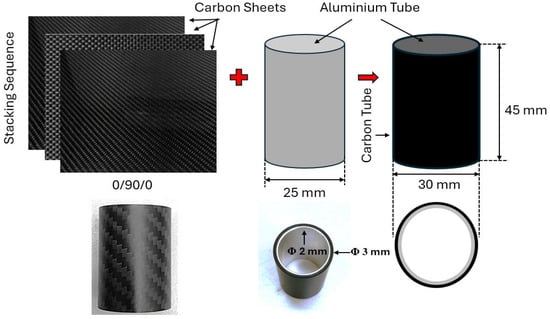
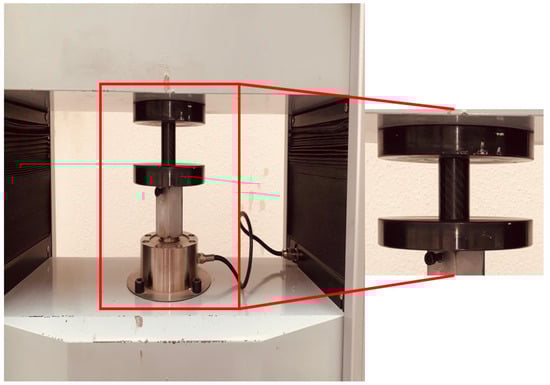
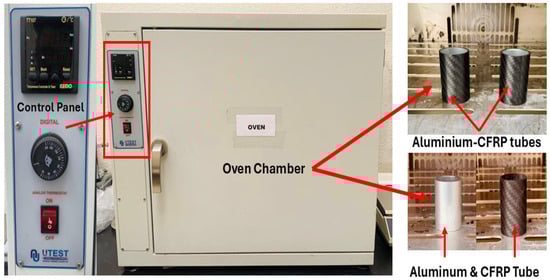
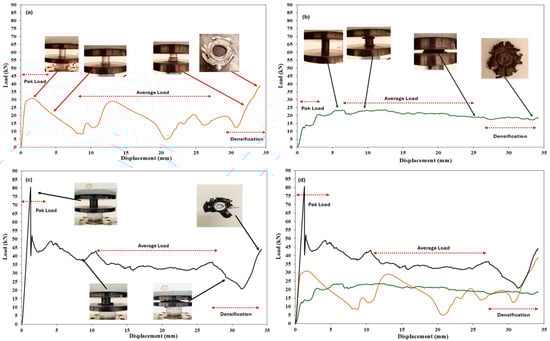
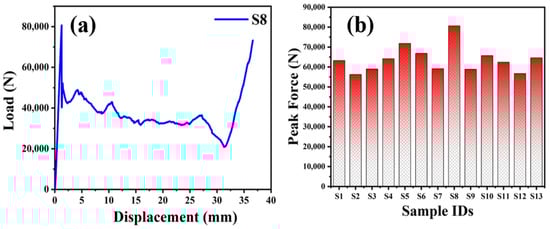
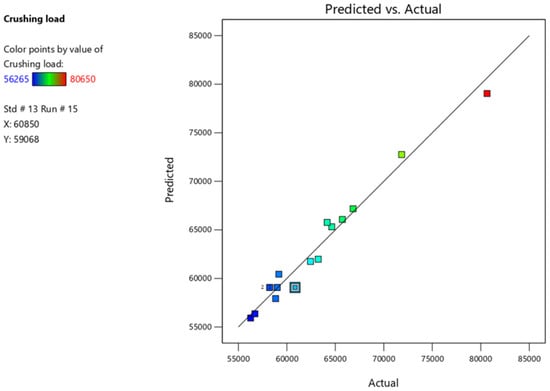
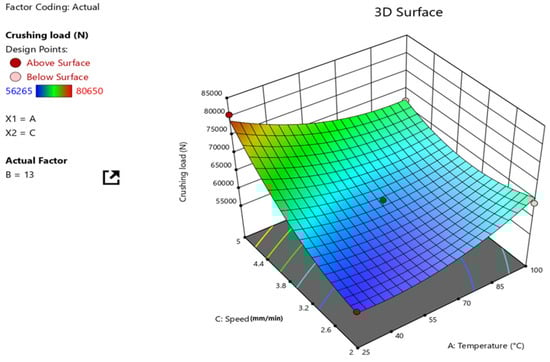
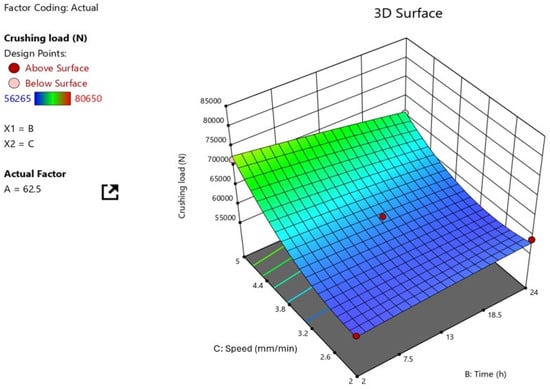
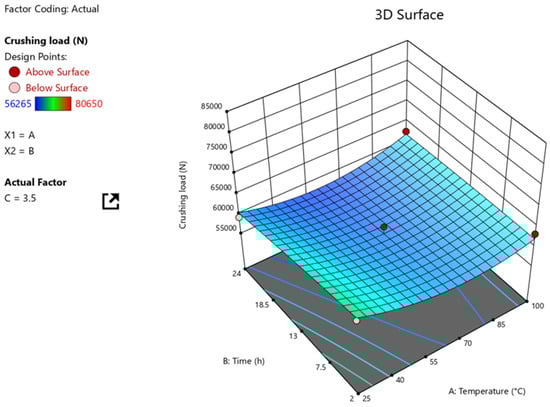
Metal–polymer hybrid composites blend the high strength and stiffness of metals with the low weight and corrosion resistance of polymers. This synergy is expected to provide better crashworthiness, energy absorption, and design flexibility compared to traditional single-material structures. The present research intended to examine the crashworthiness features of an aluminium/CFRP structure under various operating conditions by optimizing process parameters through Design Expert software and experimental investigation. The design of the experiment was carried out using Design Expert software version 13 with response surface methodology (RSM) where working temperature, isothermal holding time, and crushing speed are taken as process variables. The test results demonstrate that the peak load, energy absorption (EA), and specific energy absorption (SEA) are significantly higher for the sample with working temperature, isothermal holding time, and crushing speed set at 25 °C, 13 h, and 5 mm/min, respectively. Moreover, EA and SEA are also relatively higher for this sample compared to the other samples. The test results showcased that temperature is a decisive factor for the mechanical properties of the tube, which is clearly reflected in experimental results. The higher peak force and EA indicate greater strength and a more energy-dissipative system. Moreover, a close correlation was observed between the experimentally measured and RSM-based optimization. Hence, RSM was found to be suitable for designing the experiments and for understanding the failure modes of the CFRP/aluminium structure.
Full article
(This article belongs to the Section Fiber Composites)
►▼
Show Figures

Figure 1
Open AccessArticle
Rhombic Bistable Composites with Integrated Pneumatic Actuation and Cylindrical Curved Shapes
by
Zefeng Xu, Shi Liu, Qicai Ren, Yi Yang, Tao Tao, Xinran Guo, Yitong Zhou, Jiaqiao Liang and Peiyu Liu
J. Compos. Sci. 2026, 10(5), 234; https://doi.org/10.3390/jcs10050234 - 27 Apr 2026
Abstract
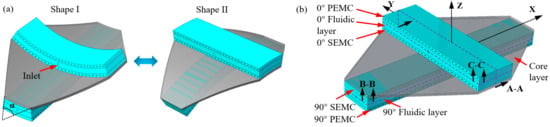
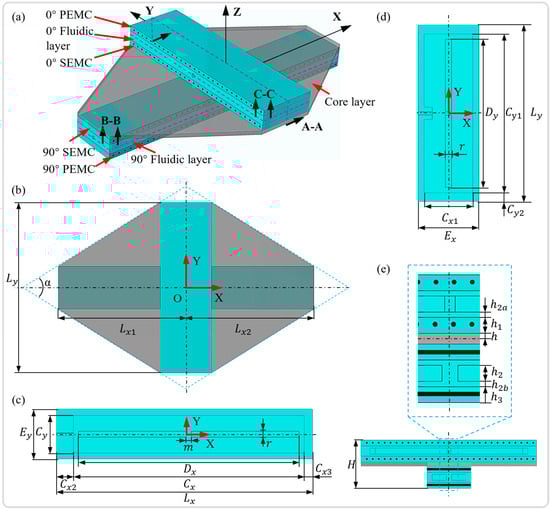
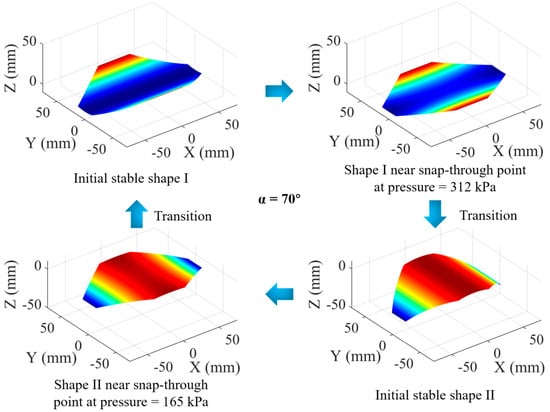
This study proposes a novel pneumatically driven mechanically prestressed rhombic bistable composite laminate with asymmetric cylindrical curvature, which exhibits two weakly-coupled cylindrical shapes where each shape is influenced by planform and geometry parameters. A reduced-order analytical model is developed to predict the laminate’s
[...] Read more.
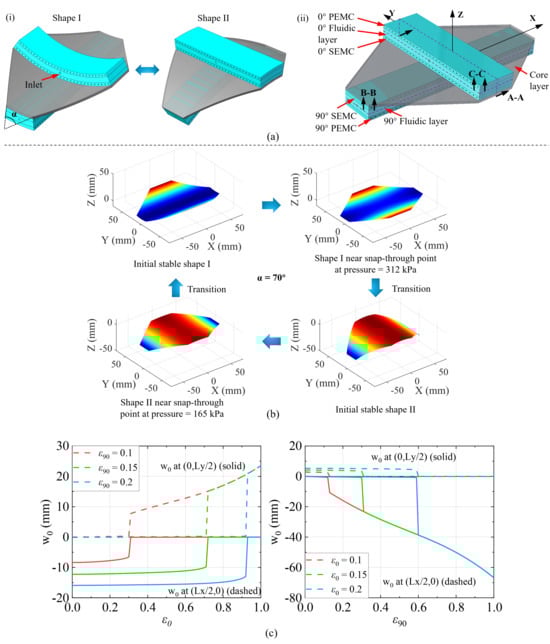
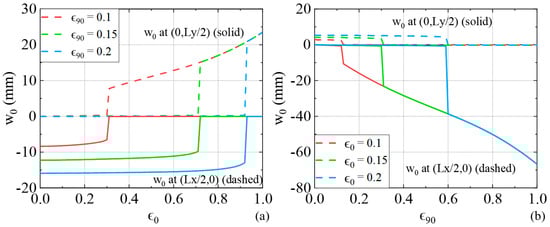
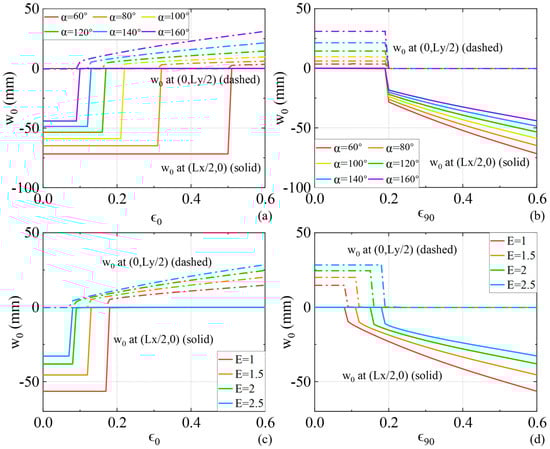
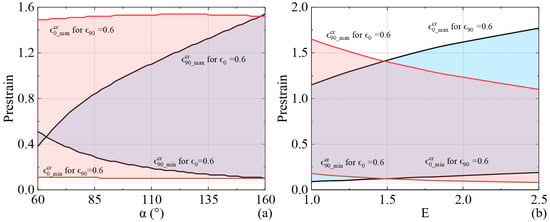
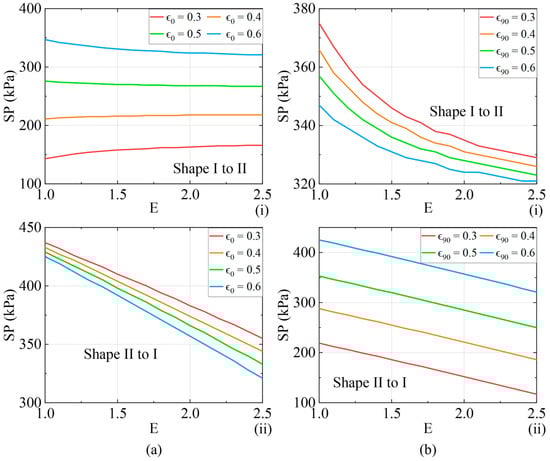
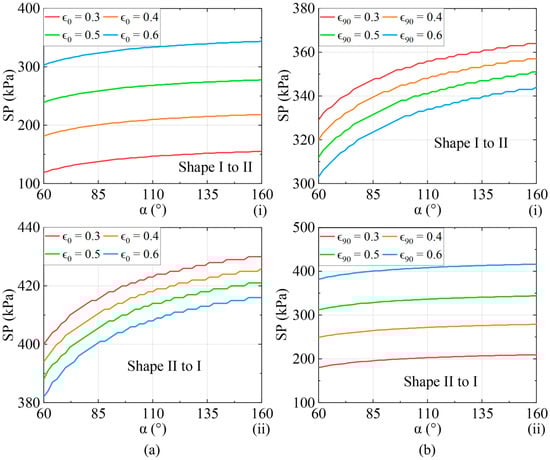
This study proposes a novel pneumatically driven mechanically prestressed rhombic bistable composite laminate with asymmetric cylindrical curvature, which exhibits two weakly-coupled cylindrical shapes where each shape is influenced by planform and geometry parameters. A reduced-order analytical model is developed to predict the laminate’s quasi-static equilibrium shapes and snap-through transitions of the laminate under pneumatic work loading, which is triggered by the internal pressure applied to the fluidic channels. A sensitivity study based on the model investigates the influence of key planform and geometric parameters (the internal angle α and aspect ratio E) on the laminate’s out-of-plane deflection and snap-through pressure. The results show that increasing α reduces the critical prestrain required to achieve bistability and amplifies the out-of-plane deflection, while excessive α may lead to monostable curvature. Variations in aspect ratio modify the coupling stiffness between orthogonal PEMC layers, thereby influencing the bistable domain and critical snap-through pressure. These findings provide methods for the design of bistable composite structures.
Full article
(This article belongs to the Section Composites Modelling and Characterization)
►▼
Show Figures

Graphical abstract
Open AccessArticle
Study on Low-Velocity Impact Resistance of SMA-CFRP U-Shaped Structure Considering Curing Residual Stress
by
Liangdi Wang, Yingjie Xu, Jun Wang and Shengnan Zhang
J. Compos. Sci. 2026, 10(5), 233; https://doi.org/10.3390/jcs10050233 - 27 Apr 2026
Abstract
While carbon fiber-reinforced polymer (CFRP) composites are widely utilized in aerospace applications due to their exceptional specific strength and stiffness, they are inevitably subjected to impact loads during service, which can easily induce internal damage such as delamination. To mitigate these issues, this
[...] Read more.
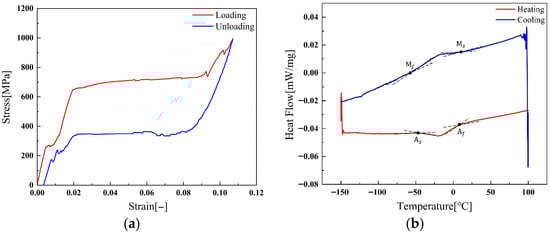
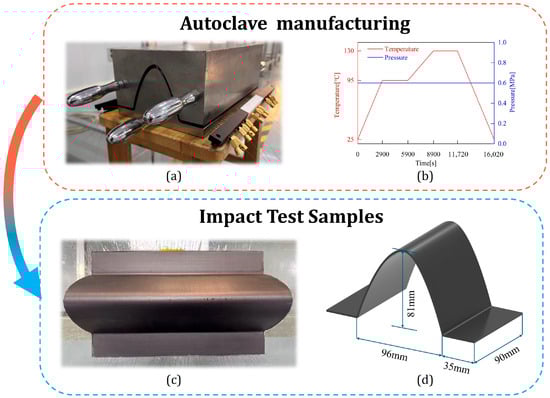
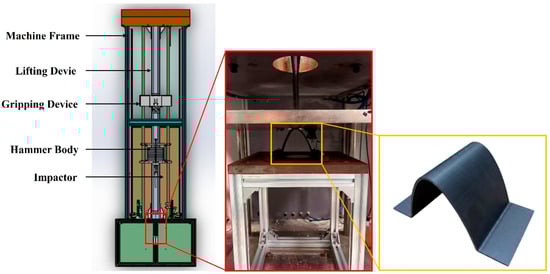
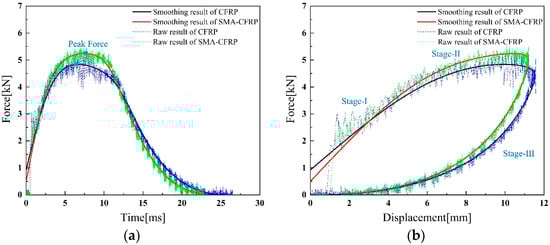
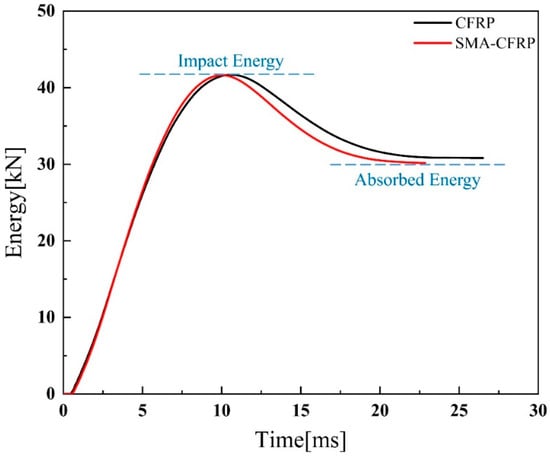
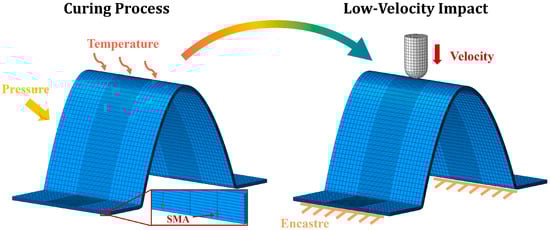
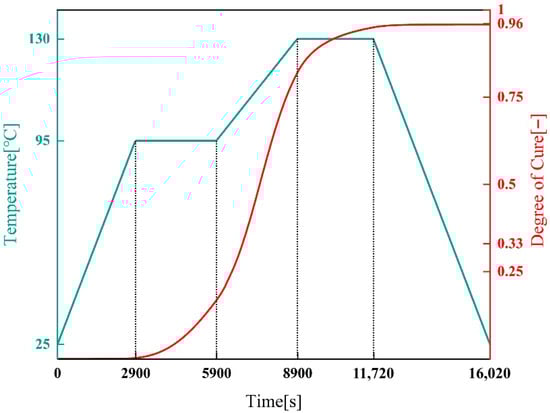
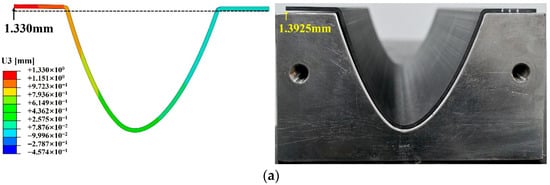
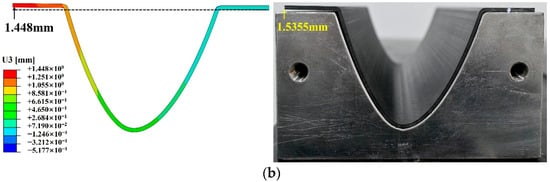
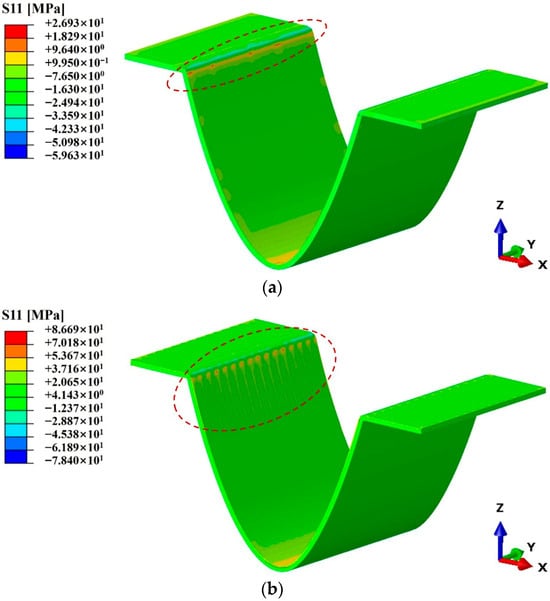
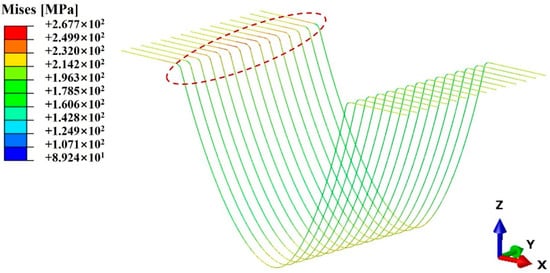
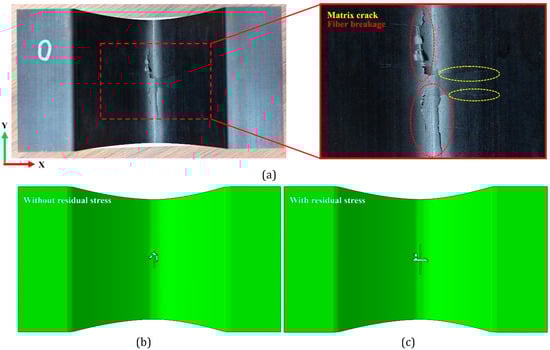
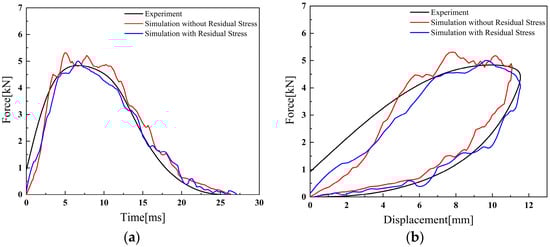
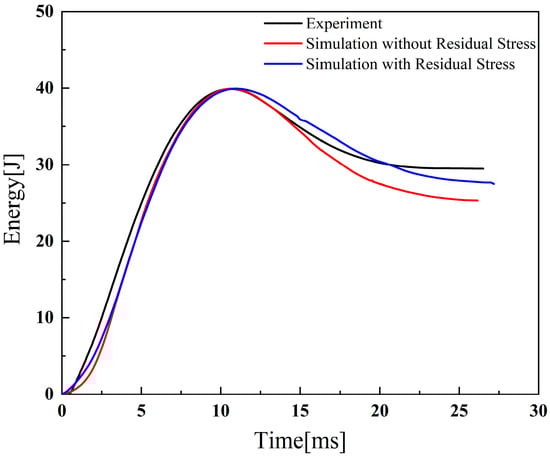
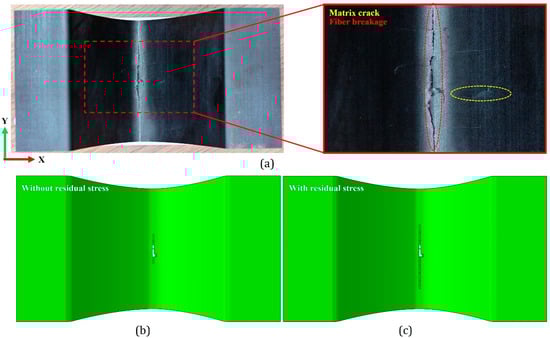
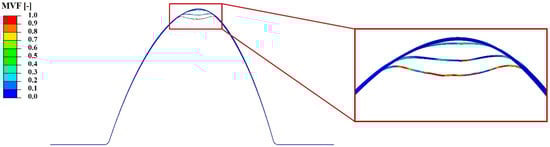
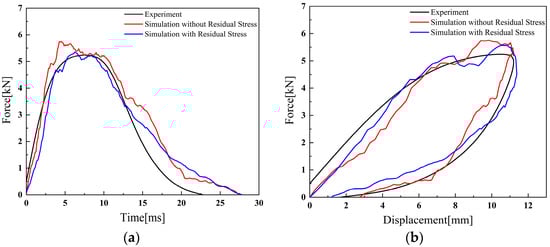
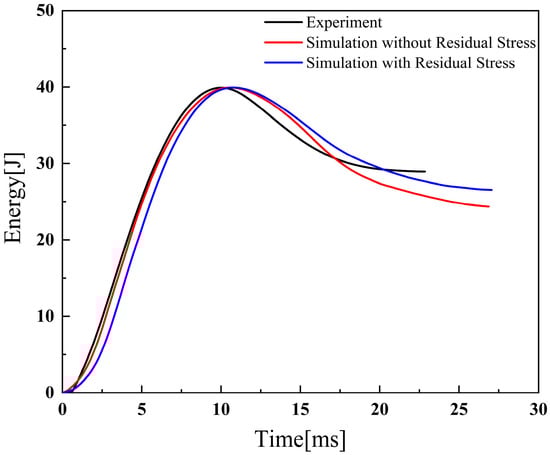
While carbon fiber-reinforced polymer (CFRP) composites are widely utilized in aerospace applications due to their exceptional specific strength and stiffness, they are inevitably subjected to impact loads during service, which can easily induce internal damage such as delamination. To mitigate these issues, this study investigates the low-velocity impact behavior of an SMA-reinforced CFRP U-shaped structure, emphasizing the critical role of curing-induced residual stresses. A numerical model incorporating the thermal-mechanical manufacturing history was developed and validated against experimental data. Results indicate that while embedded superelastic SMA wires effectively suppress crack propagation and enhance energy absorption, neglecting residual stresses leads to a significant overestimation of structural rigidity and peak loads. Due to the coefficient of thermal expansion mismatch between the SMA wires and the resin matrix, the SMA-CFRP system exhibits higher sensitivity to initial internal stresses than pure CFRP. By accounting for the residual stress field, the relative error in predicted peak force and absorbed energy for the SMA-CFRP model was reduced from 9.3% to 3.5% and 18.9% to 7.8%, respectively. These findings demonstrate that residual stress lowers the failure threshold and is essential for capturing the synergistic effects of SMA phase transformation and matrix damage, providing a more accurate reconstruction of the structural energy balance.
Full article
(This article belongs to the Special Issue Structural Design, Health Monitoring and Performance Evaluation of Composite Materials)
►▼
Show Figures

Figure 1
Open AccessArticle
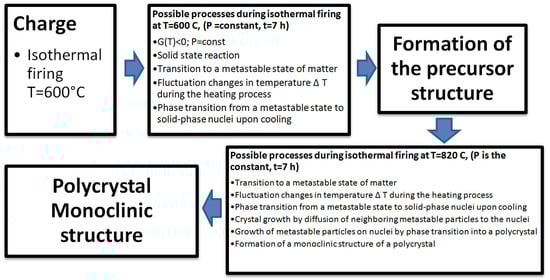
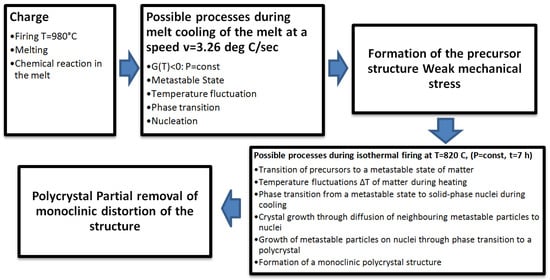
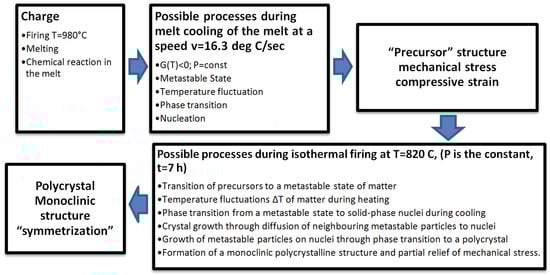
The Effect of Solid-Phase and Melt Synthesis Methods on Dipole Ordering and Ion Conductivity of the Polar α-Phase of Na3Fe2(PO4)3 Polycrystals
by
A. S. Nogai, A. A. Nogai, E. A. Nogai, N. F. Zikrillaev, D. E. Uskenbaev, A. B. Utegulov and K. U. Muhamedrahimov
J. Compos. Sci. 2026, 10(5), 232; https://doi.org/10.3390/jcs10050232 - 27 Apr 2026
Abstract
The article investigates the dielectric and conductive properties of the polar α-phase of Na3Fe2(PO4)3 polycrystals synthesized by solid-phase (sample type 1), melt (type 2), and melt-quenching (type 3) methods. To enable a rapid assessment of the
[...] Read more.
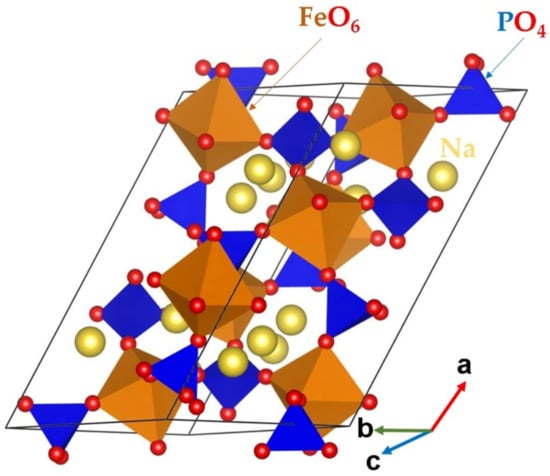
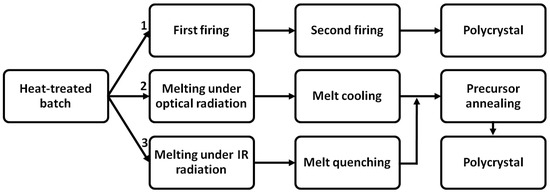
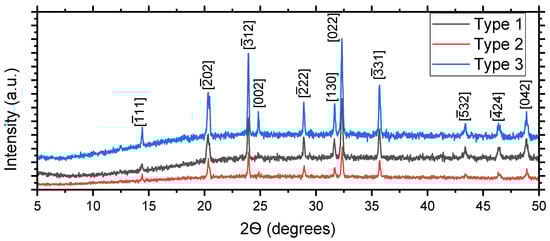
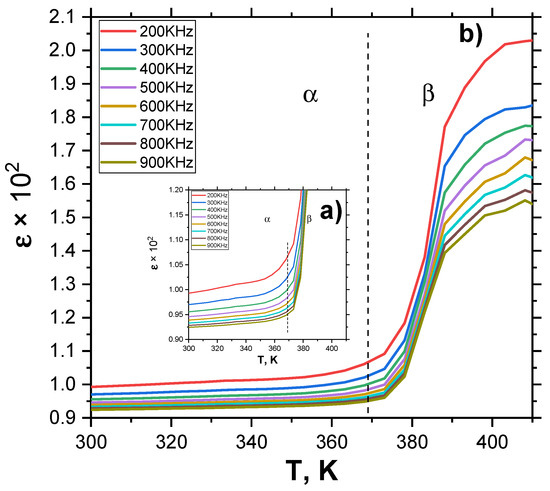
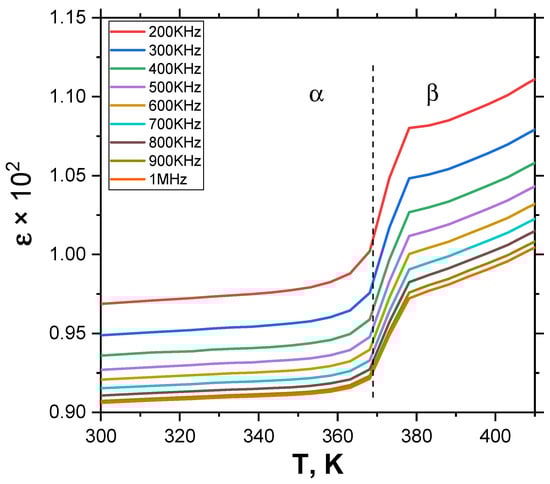
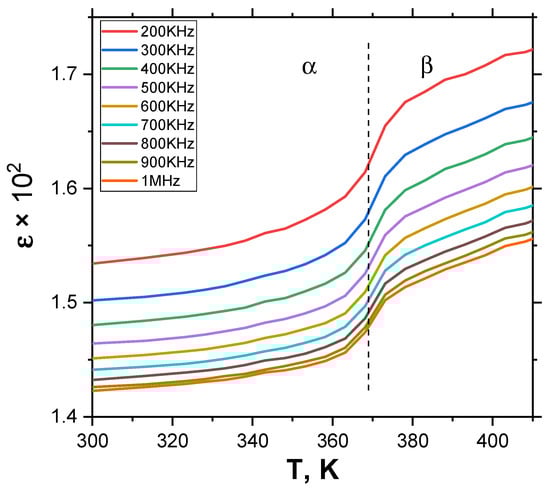
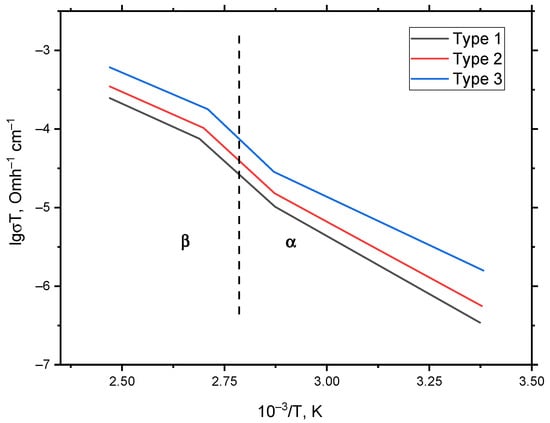
The article investigates the dielectric and conductive properties of the polar α-phase of Na3Fe2(PO4)3 polycrystals synthesized by solid-phase (sample type 1), melt (type 2), and melt-quenching (type 3) methods. To enable a rapid assessment of the dielectric properties of the polar α-phase of Na3Fe2(PO4)3, the thermo-polarization mobility parameter μTp(T, E(ω)) was introduced. By studying the dielectric properties, it was concluded that the polar α-phase of type 1 samples consists of large and small dipoles and ordered sodium cations, which possess low values of μTp(T, E(ω)), indicating the presence of strong interaction forces between the crystal lattice and the cationic part of the polycrystal. Additional studies of the samples’ conductivity confirm this conclusion. Studies of the polar α-phase of Na3Fe2(PO4)3 in type 2 samples have established that their structure contains dipoles and sodium cations with higher values of μTr(T, E(ω)), and also exhibits higher conductivity than Type 1 samples. These data indicate a weakening of the interaction forces between the cationic and anionic components in type 2 polycrystals due to a partial increase in crystal symmetry. The results of studies of the polar α-phase of type 3 samples show that their structure contains dipoles and sodium cations with higher values of μTr(T, E(ω)), and also exhibits higher conductivity than type 2 samples. It is concluded that the structure of type 3 samples is characterized by weak interaction forces between the cationic and anionic parts as a result of an increase in the symmetry of the polar α-phase of Na3Fe2(PO4)3, caused by sharply graded temperature conditions during the synthesis of polycrystals. By studying the dielectric properties of cathode materials, it is possible to obtain information on the extent of interactions between the cationic and anionic components in polycrystals. It is, therefore, appropriate to use this approach when investigating a wide range of new dielectric and ion-conducting materials.
Full article
(This article belongs to the Section Composites Applications)
►▼
Show Figures

Figure 1
Open AccessArticle
Parameter-Free Metaheuristic-Based Method for Reinforced Concrete Frame Cost Optimization
by
Elmas Rakıcı Güldal, Sinan Melih Nigdeli, Gebrail Bekdaş and Zong Woo Geem
J. Compos. Sci. 2026, 10(5), 231; https://doi.org/10.3390/jcs10050231 - 26 Apr 2026
Abstract
This study proposes a parameter-free metaheuristic optimization framework using the Jaya and Rao algorithms for the cost-based design of reinforced concrete (RC) frames in accordance with ACI 318-25. Beam and column dimensions are treated as design variables within predefined bounds, and the objective
[...] Read more.
This study proposes a parameter-free metaheuristic optimization framework using the Jaya and Rao algorithms for the cost-based design of reinforced concrete (RC) frames in accordance with ACI 318-25. Beam and column dimensions are treated as design variables within predefined bounds, and the objective was to minimize the total construction cost including concrete and reinforcing steel. Structural analysis was performed using the matrix displacement method. The performance of the Jaya, Rao-1, Rao-2, and Rao-3 algorithms was evaluated through multiple independent runs. All methods achieved optimal or near-optimal solutions; however, Rao-2 demonstrated competitive performance with low mean values and favorable statistical performance. The results confirm the effectiveness of parameter-free metaheuristic methods for RC structural cost optimization. Unlike previous studies, this study explicitly focuses on parameter-free metaheuristic algorithms and evaluates their robustness through statistical analysis on reinforced concrete frame systems. The main contribution lies in demonstrating the comparative performance and practical applicability of parameter-free algorithms without the need for algorithm-specific parameter tuning.
Full article
(This article belongs to the Special Issue Automated and Digital Construction of Low-Carbon and High-Performance Steel-Concrete Composite Systems)
Journal Menu
► ▼ Journal Menu-
- J. Compos. Sci. Home
- Aims & Scope
- Editorial Board
- Reviewer Board
- Topical Advisory Panel
- Instructions for Authors
- Special Issues
- Topics
- Sections & Collections
- Article Processing Charge
- Indexing & Archiving
- Editor’s Choice Articles
- Most Cited & Viewed
- Journal Statistics
- Journal History
- Journal Awards
- Conferences
- Editorial Office
Journal Browser
► ▼ Journal BrowserHighly Accessed Articles
Latest Books
E-Mail Alert
News
Topics
Topic in
Alloys, Applied Mechanics, Crystals, J. Compos. Sci., Powders, Nanomaterials
Multiscale Characterization, Mechanical Behavior and Computational Simulation of Bulk Materials, Metallic Powders and/or Nanoparticles
Topic Editors: Xiangnan Pan, Qing Peng, Hui Qi, Raj DasDeadline: 30 June 2026
Topic in
Fibers, J. Compos. Sci., JMMP, Materials, Polymers, Recycling
Advanced Composites Manufacturing and Plastics Processing, 2nd Volume
Topic Editors: Patricia Krawczak, Ludwig Cardon, Frederik DesplentereDeadline: 1 September 2026
Topic in
Aerospace, Applied Sciences, Astronautics, Coatings, J. Compos. Sci., JMMP, Materials, Polymers
Advanced Materials and Manufacturing for Extreme Environments in Energy and Aerospace
Topic Editors: Richard E. Wirz, Chih-Hung (Alex) Chang, Tianyi Chen, Somayeh Pasebani, Dong Lin, Devin J. Roach, Jesse A. RodriguezDeadline: 31 October 2026
Topic in
IJMS, JFB, Macromol, Materials, J. Compos. Sci., Polymers
Recent Advances in Composite Biomaterials
Topic Editors: Diego Romano Perinelli, Florentina LupascuDeadline: 30 November 2026
Conferences
Special Issues
Special Issue in
J. Compos. Sci.
Composite Materials for Energy Management, Storage or Transportation
Guest Editor: Anka Trajkovska PetkoskaDeadline: 10 May 2026
Special Issue in
J. Compos. Sci.
Carbon-Based Composites in Construction Materials
Guest Editors: Behzad Zahabizadeh, Vítor Cunha, Eduardo Pereira, Ali Dalalbashi, Iran Rocha SegundoDeadline: 20 May 2026
Special Issue in
J. Compos. Sci.
Lattice Structures
Guest Editor: Christian MittelstedtDeadline: 5 June 2026
Special Issue in
J. Compos. Sci.
Composite Thin-Walled Structures: Stability and Damage
Guest Editor: Navid KharghaniDeadline: 10 June 2026
Topical Collections
Topical Collection in
J. Compos. Sci.
Editorial Board Members’ Collection Series: Fibre Composite Materials
Collection Editors: Hom Nath Dhakal, Mazeyar Parvinzadeh Gashti, Esfandiar Pakdel