

-
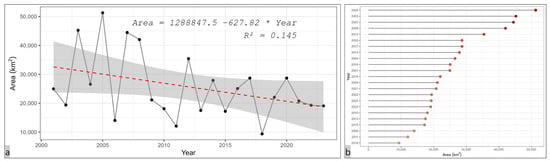
Leveraging Soil Geography for Land Use Planning: Assessing and Mapping Soil Ecosystem Services Indicators in Emilia-Romagna, NE Italy -
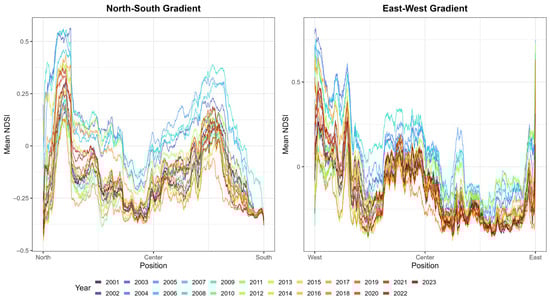
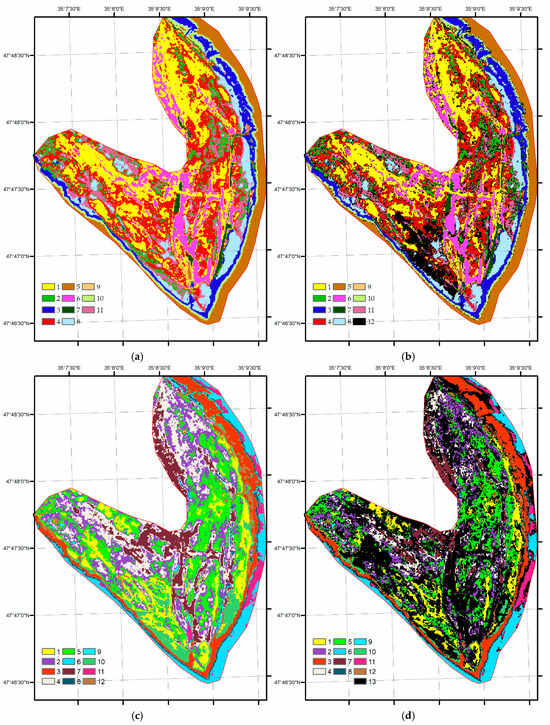
Quantifying Forest Structural and Functional Responses to Fire Severity Using Multi-Source Remotely Sensed Data -
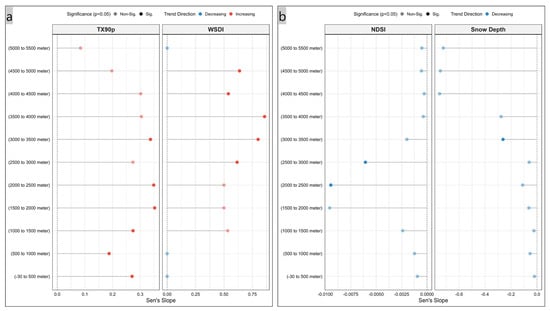
The Nucleation and Degradation of Pothole Wetlands by Human-Driven Activities and Climate During the Quaternary in a Semi-Arid Region (Southern Iberian Peninsula) -
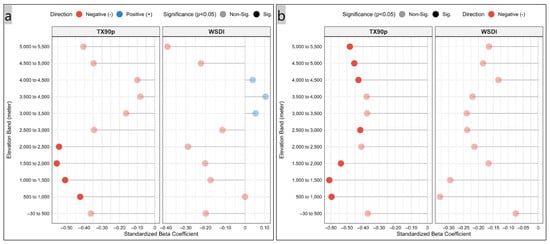
Geographical Storytelling: Towards Digital Landscapes in the Footsteps of Cuchlaine King
Journal Description
Geographies
Geographies
is an international, peer-reviewed, open access journal on geography published quarterly online by MDPI.
- Open Access— free for readers, with article processing charges (APC) paid by authors or their institutions.
- High Visibility: indexed within ESCI (Web of Science), Scopus, AGRIS, RePEc, and other databases.
- Journal Rank: JCR - Q2 (Geography) / CiteScore - Q2 (Social Sciences (miscellaneous))
- Rapid Publication: manuscripts are peer-reviewed and a first decision is provided to authors approximately 17.4 days after submission; acceptance to publication is undertaken in 2.9 days (median values for papers published in this journal in the first half of 2025).
- Recognition of Reviewers: APC discount vouchers, optional signed peer review, and reviewer names published annually in the journal.
- Journal Cluster of Geospatial and Earth Sciences: Remote Sensing, Geosciences, Quaternary, Earth, Geographies, Geomatics and Fossil Studies.
Impact Factor:
1.7 (2024);
5-Year Impact Factor:
1.6 (2024)
Latest Articles
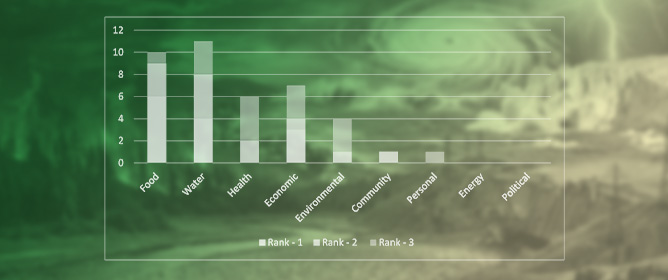
Climate Change as a Threat Multiplier: Expert Perspectives on Human Security in Bangladesh
Geographies 2025, 5(4), 77; https://doi.org/10.3390/geographies5040077 - 12 Dec 2025
Abstract
►
Show Figures
Bangladesh is at the forefront of climate change impacts because of its geographical location, high population density, and constrained socio-economic infrastructure. Our objective is to explore the impacts of climate change on human security components and conflict constellation, and identify adaptation actors through
[...] Read more.
Bangladesh is at the forefront of climate change impacts because of its geographical location, high population density, and constrained socio-economic infrastructure. Our objective is to explore the impacts of climate change on human security components and conflict constellation, and identify adaptation actors through the lens of experts in Bangladesh. We conducted 12 semi-structured qualitative interviews with lead experts using the Problem-centred Interview (PCI) methodology and inductively applied content analysis to analyse the data, complemented with descriptive statistics. Experts see a shift in baseline risk due to the increase in frequency and severity of natural hazards. It exacerbates existing vulnerabilities by declining agricultural productivity, undermining water security and increasing migration. Food, economic, and water security are predominantly impacted, where women and the poor suffer disproportionately. Impacts on urban areas, energy and community security are under-researched. Experts agreed that climate change is a “threat multiplier” and could aggravate political insecurity, leading to conflicts. Individuals and households are primary adaptation actors, followed by governmental and non-governmental organisations. This research contributes to the broader understanding of the complex nexus of climate change impacts, human security, and conflict constellation, complements climate models and provides policy-relevant insights for inclusive, long-term adaptation grounded in local realities in Bangladesh.
Full article
Open AccessArticle
Contrasting Futures in the Alps: Causal Layered Analysis of the Discourses Guiding Territorial Development
by
Rocco Scolozzi and Marta Villa
Geographies 2025, 5(4), 76; https://doi.org/10.3390/geographies5040076 - 6 Dec 2025
Abstract
►▼
Show Figures
This article applies Causal Layered Analysis (CLA) to four Italian Alpine contexts to examine how narratives and metaphors can shape territorial development. We combined long-term ethnography (approximately 128 days of participant observation) with analysis of documents and media (2010–2025) relating to the four
[...] Read more.
This article applies Causal Layered Analysis (CLA) to four Italian Alpine contexts to examine how narratives and metaphors can shape territorial development. We combined long-term ethnography (approximately 128 days of participant observation) with analysis of documents and media (2010–2025) relating to the four territories and interpreted the results through the four levels of CLA: litanies, systems, worldviews, and myths/metaphors. Two dominant metaphors, “mountain-as-playground” (exogenous) and “mountain-as-heritage” (endogenous), seem to underpin the discourses about tourism and local development. We identify signals of a third metaphor, the “open-hybrid-village”, where multiple forms of belonging and contribution (resident collective ownerships, returnees, extended stay visitors) sustain the local economy and stewardship. The approach is interpretative, and the transferability of results is limited by the selection of cases and the availability of data; however, triangulation and distinct levels support the internal consistency and replicability of the method in other contexts. We conclude that making imaginaries explicit can broaden the variety of thinkable futures and the space of options before investments become dependent on the path taken. We suggest integrating CLA into participatory foresight to enrich and share forward-looking visions on which to negotiate long-term landscape planning and thresholds for tourism carrying capacity.
Full article

Figure 1
Open AccessArticle
Satellite-Derived Spectral Index Analysis for Drought and Groundwater Monitoring in Doñana Wetlands: A Tool for Informed Conservation Strategies
by
Emilio Ramírez-Juidias, Paula Romero-Beltrán and Clara-Isabel González-López
Geographies 2025, 5(4), 75; https://doi.org/10.3390/geographies5040075 - 3 Dec 2025
Abstract
►▼
Show Figures
Climate change and increased human activity are causing the Doñana wetlands, an important ecological reserve in southern Europe, to lose water more quickly. This research presents the Water Inference Moisture Index (WIMI), a spectral index designed to evaluate surface water dynamics utilizing Sentinel-2
[...] Read more.
Climate change and increased human activity are causing the Doñana wetlands, an important ecological reserve in southern Europe, to lose water more quickly. This research presents the Water Inference Moisture Index (WIMI), a spectral index designed to evaluate surface water dynamics utilizing Sentinel-2 L2A imagery from 2016 to 2024. The index, carried out using a machine learning approach, uses near-infrared (B08) and red (B04) bands to find wetland water with a high level of sensitivity, even when there is a lot of vegetation. We looked at how water availability changed over time and space by combining WIMI with long-term records of precipitation and climate data. The results show that surface water is slowly disappearing across the study area, even in years with normal rainfall. This suggests that the water retention capacity is changing and the stress on groundwater is rising. The annual WIMI values were somewhat related to rainfall, but they have been becoming less and less related in recent years. Comparing this to the IPCC Sixth Assessment Report shows that the local effects of climate change are part of a larger trend toward aridification. The study shows that WIMI is a useful, low-cost, and scalable tool for monitoring wetlands and helping with climate adaptation and conservation efforts. The results call for immediate policy actions to protect groundwater resources and support the Sustainable Development Goals for climate action and water security.
Full article

Figure 1
Open AccessArticle
An Integrated QGIS-Based Evacuation Route Optimization Approach for Disaster Preparedness Against Urban Flood in Japan
by
Wenliang Pan, Shijun Pan, Junko Kaneto, Keisuke Yoshida and Satoshi Nishiyama
Geographies 2025, 5(4), 74; https://doi.org/10.3390/geographies5040074 - 1 Dec 2025
Abstract
►▼
Show Figures
Urban inland flooding has become a serious problem in many cities because heavy rain often exceeds the capacity of drainage systems. In Japan, GIS-based evacuation maps are commonly used to support disaster preparedness, but they still have several limitations. In particular, they do
[...] Read more.
Urban inland flooding has become a serious problem in many cities because heavy rain often exceeds the capacity of drainage systems. In Japan, GIS-based evacuation maps are commonly used to support disaster preparedness, but they still have several limitations. In particular, they do not avoid flooded road segments and cannot generate multiple evacuation options at the same time. This study proposes an improved evacuation route method using the free and open-source software QGIS. The method combines flood-depth data with road network processing to remove roads where the predicted water depth is higher than 0.5 m. It also provides several evacuation paths to different shelters at the same time. A case study in Kurashiki City, Okayama Prefecture, demonstrates that about 1.37% of the road network becomes unusable during an inland-flood scenario. Several existing evacuation routes also pass through hazardous areas, but the QGIS-based method avoids these areas in most cases. Since the workflow uses only built-in QGIS functions and does not require programming or plug-ins, it is easy to reproduce and apply in other regions. This study offers a practical and low-cost method to support inland-flood evacuation planning for local governments.
Full article

Figure 1
Open AccessArticle
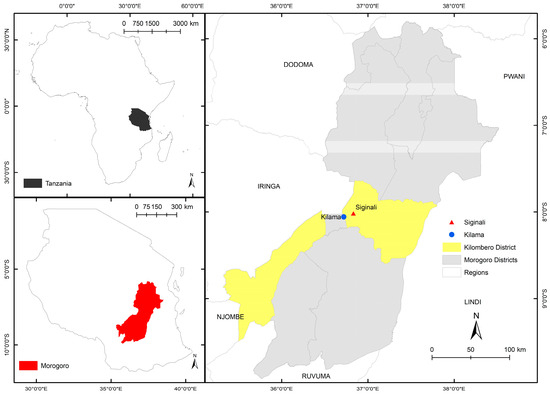
Water, Food and Ecosystem Nexus in the Coastal Zone of Northeast Pará, Eastern Amazon, Brazil
by
Vitor Abner Borges Dutra, Aline Maria Meiguins de Lima, Peter Man de Toledo and Yuri Antonio da Silva Rocha
Geographies 2025, 5(4), 73; https://doi.org/10.3390/geographies5040073 - 1 Dec 2025
Abstract
►▼
Show Figures
The aim of this research was to identify the challenges and opportunities associated with the Water-Food-Ecosystem (WFE) Nexus approach in coastal river basins in Northeastern Pará and Eastern Amazonia. The methodology considered Sustainable Development Goals (SDGs) axes 2, 6, 8, 10 and 13
[...] Read more.
The aim of this research was to identify the challenges and opportunities associated with the Water-Food-Ecosystem (WFE) Nexus approach in coastal river basins in Northeastern Pará and Eastern Amazonia. The methodology considered Sustainable Development Goals (SDGs) axes 2, 6, 8, 10 and 13 through a Nexus indicator matrix. It involved a statistical analysis of distribution and correlation coefficients. The coefficient indicates the strength of the relationship and the presence of positive or negative correlations. The final distribution of the variables discussed was to zone the region into areas of higher and lower potential for water sustainability. The results showed significant variability in consumptive use along the water axis. Castanhal had the highest level of consumptive use due to its public water supply, which increased in line with population growth between 2000 and 2022 (r = 0.76), in accordance with SDG 6. In the food axis, fishing and aquaculture activities were prevalent in the coastal municipalities of Maracanã and São Caetano de Odivelas (SDGs 2 and 8). In the ecosystem axis, significant deforestation was observed (39.45% to 86.88%), accompanied by low environmental compliance. Regarding the relationship between water and food, only the proportion of rural properties with irrigation and temporary crops showed a significant negative correlation (r = −0.62). The results indicate the consolidation of measures pertaining to water security in the region, exerting a direct influence on food security and strategies employed for the administration of ecosystems imperative for the sustenance of multiple extractive communities in the region. The Nexus approach highlighted various challenges in the region, including poor environmental compliance, overuse of water and forest resources, degraded pastures, and underdeveloped socioeconomic indicators.
Full article

Figure 1
Open AccessArticle
Geospatial Decision Support for Forest Trail Constructions Allocation Using GIS-Network Analysis and Hybrid MADM Methods (AHP–PROMETHEE II)
by
Georgios Kolkos
Geographies 2025, 5(4), 72; https://doi.org/10.3390/geographies5040072 - 1 Dec 2025
Abstract
►▼
Show Figures
Effective forest trail planning requires objective and transparent tools to balance user accessibility, recreation quality, and environmental protection. This research explores how geospatial analysis and multi-criteria decision-making can be integrated to optimize the allocation of rest and recreation facilities within forest trail networks,
[...] Read more.
Effective forest trail planning requires objective and transparent tools to balance user accessibility, recreation quality, and environmental protection. This research explores how geospatial analysis and multi-criteria decision-making can be integrated to optimize the allocation of rest and recreation facilities within forest trail networks, where limited resources and ecological constraints often restrict development. The Mount Paiko trail system in northern Greece was analyzed using a hybrid GIS–AHP–PROMETHEE II framework. Five evaluation criteria—trail difficulty, trail class, scenic attractiveness, distance from the trailhead, and traversal time from the nearest facility—were assessed to represent both physical effort and spatial accessibility. Stakeholder-based AHP weighting identified traversal time (C5) and trail difficulty (C1) as the most influential criteria, emphasizing the importance of user fatigue and service gaps. PROMETHEE II produced a clear hierarchy of forty candidate sites, prioritizing medium-difficulty and visually appealing routes located over 10 km from the starting point. Net flow values ranged from −0.228 to +0.309, with the highest-ranked location (PTF 12) highlighting a medium-difficulty, scenic segment with one of the longest traversal times from the nearest facility. By merging quantitative network analysis with structured expert judgment, the proposed framework offers a reproducible and evidence-based decision-support tool for forest planners and policymakers, promoting sustainable trail development that maximizes accessibility while minimizing environmental disturbance.
Full article

Figure 1
Open AccessArticle
Multi-Criteria Analysis for Optimal Siting of Reservoirs in Crete
by
Konstantinos Kostopoulos, Apollon Bournas and Evangelos Baltas
Geographies 2025, 5(4), 71; https://doi.org/10.3390/geographies5040071 - 25 Nov 2025
Abstract
►▼
Show Figures
Water scarcity, driven by climate change, spatial and temporal variations in precipitation, and seasonal water demands, is becoming an increasingly pressing issue for Mediterranean islands such as Crete. Strategically placed dams could offer a sustainable solution to these challenges. To identify optimal sites,
[...] Read more.
Water scarcity, driven by climate change, spatial and temporal variations in precipitation, and seasonal water demands, is becoming an increasingly pressing issue for Mediterranean islands such as Crete. Strategically placed dams could offer a sustainable solution to these challenges. To identify optimal sites, we employed a multi-criteria decision-making (MCDM) framework, integrating Analytic Hierarchy Process (AHP) and fuzzy AHP methodologies with remote sensing data using Geographical Information Systems (GIS). This process generated two different suitability maps for dam construction across the island of Crete. The following analyses were also performed on the results: (1) validation; (2) sensitivity; and (3) 3D analysis of three highly suitable locations. The findings are promising, showing a widespread distribution of numerous highly suitable locations. Validation revealed satisfactory predictive performance, while the sensitivity analysis indicates stability of the top locations. Subsequent 3D analysis revealed favorable morphological characteristics for two locations but severe limitations for the third. This study can serve as a starting point for further investigation into dam construction as a viable mitigation strategy for Crete’s water crisis.
Full article

Figure 1
Open AccessArticle
Assessment of Variation in Land Use/Land Cover (LULC) and Greening Through the Expansion of Algaroba (Neltuma juliflora) in the Semi-Arid Brazilian Coast
by
Marcelo Alves de Souza, Vanderli Alves dos Santos, Marco Túlio Mendonça Diniz, Daví do Vale Lopes, José Yure Gomes dos Santos and Paulo Victor do Nascimento Araújo
Geographies 2025, 5(4), 70; https://doi.org/10.3390/geographies5040070 - 24 Nov 2025
Abstract
►▼
Show Figures
The expansion of algaroba (Neltuma juliflora), an invasive exotic species widely adapted to arid and semi-arid environments, has caused significant ecological and geomorphological changes on the northern coast of Rio Grande do Norte in Brazil. This study aimed to analyze the
[...] Read more.
The expansion of algaroba (Neltuma juliflora), an invasive exotic species widely adapted to arid and semi-arid environments, has caused significant ecological and geomorphological changes on the northern coast of Rio Grande do Norte in Brazil. This study aimed to analyze the greening process associated with the expansion of algaroba in the Rosado Dunes Environmental Protection Area (APADR) between 2004 and 2024. Images from the SPOT 5PSM, CBERS 4, and CBERS 4A satellites were used, processed by supervised classification in QGIS software version 3.38. The multitemporal analysis revealed a significant change in the landscape, with a reduction in areas of native vegetation (caatinga and restinga) and an increase in dunes and beaches, urban areas, and invasive species. The area occupied by algaroba expanded from 70 ha (0.5%) in 2004 to 435 ha (3.1%) in 2024, representing an increase of more than six times in two decades. This expansion has had direct impacts on biodiversity, sediment dynamics, and groundwater availability, in addition to compromising connectivity between the dunes and the beach environment. The results point to the need for public policies aimed at controlling invasive species and sustainably managing native vegetation, with a view to conserving biodiversity and the integrity of the coastal and semi-arid geosystems of APADR.
Full article

Figure 1

Open AccessArticle
Urban Rivers Under Pressure: Human-Induced Modifications, Pollution, and Prospects for Restoration—A Case Study of the Assi River, Varanasi
by
Anurag Mishra, Anurag Ohri, Prabhat Kumar Singh, Nikhilesh Singh and Rajnish Kaur Calay
Geographies 2025, 5(4), 69; https://doi.org/10.3390/geographies5040069 - 20 Nov 2025
Abstract
►▼
Show Figures
Small urban rivers are crucial to global freshwater ecosystems, yet they are disproportionately impacted by human-induced modifications. Existing restoration approaches have primarily focused on large river systems. This study aims to provide a comprehensive, high-resolution assessment of the urban stretch of the Assi
[...] Read more.
Small urban rivers are crucial to global freshwater ecosystems, yet they are disproportionately impacted by human-induced modifications. Existing restoration approaches have primarily focused on large river systems. This study aims to provide a comprehensive, high-resolution assessment of the urban stretch of the Assi River (~7 km) in Varanasi, India, to inform restoration strategies as a representative case study of the challenges faced by small rivers. We used high-resolution unmanned aerial vehicle (UAV) imagery to map the river and collected water quality data from seven sampling sites in October 2022. Our findings reveal a severe loss of multidimensional connectivity. Geospatial analysis revealed extensive encroachment, with built-up areas occupying 137,580 m2 along a 100 m length within the 30 m buffer zone, and channel widths constricted to as narrow as 1 m in some sections. Water quality is severely impaired, with dissolved oxygen (DO) levels dropping to a minimum of 0.2 mg/L and faecal coliform levels reaching up to 2.1 × 10⁸ MPN/100 mL. We propose a UAV-based restoration framework that integrates geospatial data with policy recommendations to reconnect the river. However, a limitation of this work is that it is based on single-season sampling and temporal variations; multi-seasonal campaigns will likely improve the framework. The proposed model for urban river management directly addresses SDG 6.3 and 6.6, which target the reduction of water pollution and protecting water-related ecosystems, respectively, and SDG 11.7, which aims to provide access to green spaces.
Full article

Figure 1
Open AccessReview
Urban Monitoring from the Cloud: A Review of Google Earth Engine (GEE)-Based Approaches for Assessing Urban Environmental Indices
by
Aikaterini Stamou and Efstratios Stylianidis
Geographies 2025, 5(4), 68; https://doi.org/10.3390/geographies5040068 - 19 Nov 2025
Abstract
►▼
Show Figures
Over the last fifteen years, the Google Earth Engine (GEE) has become a pivotal tool for large-scale geospatial analysis, with growing applications in urban environmental monitoring. This review examines the peer-reviewed literature, published between 2015 and 2024, that utilizes GEE to evaluate urban
[...] Read more.
Over the last fifteen years, the Google Earth Engine (GEE) has become a pivotal tool for large-scale geospatial analysis, with growing applications in urban environmental monitoring. This review examines the peer-reviewed literature, published between 2015 and 2024, that utilizes GEE to evaluate urban environments through remote sensing-derived indices. The literature search strategy was guided by predefined search terms, which were applied to online databases including Scopus and Google Scholar. The inclusion criteria for this review comprised English-language publications, limited to articles only from journals, while book series, books, and conference articles were excluded. The eligibility criteria applied aimed to identify peer-reviewed studies that applied GEE to urban contexts using vegetation, thermal, greenness, or density indices. Studies without a clear urban focus or not employing GEE as a primary tool were excluded. The selection process followed a structured methodological flow, where a total of 291 studies were identified that fulfilled the applied criteria. This review indicates that key methodological trends encompass both conventional techniques, such as Random Forests (RFs), Support Vector Machines (SVMs), and classification/regression trees, as well as emerging machine learning algorithms, with Landsat, Sentinel, and MODIS as the most commonly used satellite datasets. The articles included in this review show a geographic focus, with over 44% of publications from China, 11% from the United States, and 9% from India, while the rest of the countries identified in this review contribute fewer than 5% each, suggesting that there is a significant opportunity for research in underrepresented regions. The main result of this review is that GEE proves to be an effective, scalable, and reproducible platform for urban environmental analysis, with most studies focusing on vegetation and thermal indices using Landsat, Sentinel, and MODIS data. As GEE has become one of the most widely used platforms for urban environmental monitoring, future research should focus on addressing challenges such as the standardization of indices, the consistency of methodological approaches, and the expansion of global coverage through advanced cloud-based geospatial frameworks.
Full article

Figure 1

Open AccessArticle
Total Cloud Cover Variability over the Last 150 Years in Padua, Italy
by
Claudio Stefanini, Francesca Becherini, Antonio della Valle, Fabio Zecchini and Dario Camuffo
Geographies 2025, 5(4), 67; https://doi.org/10.3390/geographies5040067 - 12 Nov 2025
Abstract
►▼
Show Figures
Understanding long-term cloud cover variability is essential for assessing past climate dynamics and human influences on atmospheric conditions. In Padua, instrumental weather records (temperature, precipitation, pressure) and descriptive sky observations date back to 1725, but quantitative cloud cover data, expressed as tenths of
[...] Read more.
Understanding long-term cloud cover variability is essential for assessing past climate dynamics and human influences on atmospheric conditions. In Padua, instrumental weather records (temperature, precipitation, pressure) and descriptive sky observations date back to 1725, but quantitative cloud cover data, expressed as tenths of the sky covered by clouds, began in 1872 at the Astronomical Observatory. From 1920 to 1989, observations continued under the authority of the Meteorological Observatory of the Water Magistrate, and from 1951 to 1990, additional records by the Italian Air Force expressed in eighths of sky are available. These visual datasets—based on multiple daily observations—are complemented by satellite records (from 1983) and reanalysis such as ERA5 (from 1940) and NOAA 20CRv3 (from 1872 to 2015). The aim of this study is to reconstruct a homogenized, long-term total cloud cover (TCC) time series for Padua from 1872 to 2024, integrating all available observational sources. By comparing overlapping periods across different subseries and nearby ground-based stations, the analysis not only investigates consistency and potential discontinuities across datasets but also quantifies the reliability and limitations of historical visual observations. This work provides one of the few centennial-scale reconstructions of cloud cover in Europe, offering a valuable contribution to historical climatology and climate change studies.
Full article

Figure 1

Open AccessArticle
Characterization and GIS Mapping of the Physicochemical Quality of Soils in the Irrigated Area of Tafrata (Eastern Morocco): Implications for Sustainable Agricultural Management
by
Soufiane Oubdil, Smail Souiri, Sara Ajmani, Abderrahmane Nazih, Rachid Mentag, Fatima Benradi and Mounaim Halim El Jalil
Geographies 2025, 5(4), 66; https://doi.org/10.3390/geographies5040066 - 7 Nov 2025
Cited by 1
Abstract
►▼
Show Figures
The Tafrata Irrigated Perimeter (TIP) in Taourirt province, located in a semi-arid environment, faces pressures from intensive agriculture and unsustainable resource use, leading to soil degradation, low organic matter, salinity risks, and nutrient imbalances. Despite the need for effective management, limited studies have
[...] Read more.
The Tafrata Irrigated Perimeter (TIP) in Taourirt province, located in a semi-arid environment, faces pressures from intensive agriculture and unsustainable resource use, leading to soil degradation, low organic matter, salinity risks, and nutrient imbalances. Despite the need for effective management, limited studies have used spatial and geostatistical tools to assess soil quality in the region. This study aims to evaluate the physico-chemical quality of TIP soils and to identify management priorities for sustainable agricultural development. To achieve this, 84 soil samples analyzed for particle size, density, electrical conductivity, pH, organic matter, total carbonate content, potassium, and phosphorus. GIS was used to generate thematic maps. Findings show that 55% of the area consists of balanced sandy loam soils, with 76% of samples having slightly alkaline pH. Phosphorus and potassium concentrations average 35.23 (mg∙kg−1) and 166.06 (mg∙kg−1), respectively. While 76% of soils are non-saline, 87% have moderate carbonate content. Organic matter is critically low at 1.46%, raising concerns about soil fertility and water retention. The study emphasizes the need for sustainable agricultural practices to manage soil variability and improve fertility, offering actionable insights to support long-term soil health and resource sustainability in the TIP.
Full article

Figure 1
Open AccessArticle
Between Home and Investment: Airbnb Dynamics in the Latin American Heritage City of Valparaíso
by
César Cáceres-Seguel and Adriana Marín-Toro
Geographies 2025, 5(4), 65; https://doi.org/10.3390/geographies5040065 - 3 Nov 2025
Abstract
►▼
Show Figures
This article examines the expansion of short-term rentals in Valparaíso, Chile, through the Airbnb platform. The study addresses the broader context of digital platforms transforming housing markets, with a focus on Latin American cities, where the implications of short-term rental growth remain understudied.
[...] Read more.
This article examines the expansion of short-term rentals in Valparaíso, Chile, through the Airbnb platform. The study addresses the broader context of digital platforms transforming housing markets, with a focus on Latin American cities, where the implications of short-term rental growth remain understudied. The main objective is to understand how Airbnb is reshaping the spatial, economic, and social dimensions of rental housing in Valparaíso. Methodologically, the article employs quantitative methods, combining spatial analysis techniques (using ArcGIS) and descriptive statistical analysis. The results reveal that entire homes cluster in heritage-tourism hills (Concepción and Alegre) and coastal zones with panoramic views, where nightly rates can exceed the citywide average threefold, while shared rooms are dispersed in lower-income hills. Likewise, the study identifies a heterogeneous host profile; half of the hosts are owners who have another residence to live in, while the other half offers rooms within their own homes, indicating that platform usage is a complementary income strategy. These dynamics reflect asset-based welfare logics, repositioning housing as a hybrid asset for income generation rather than solely a domestic space. Even in the absence of large-scale corporate landlords, this fragmented market contributes to housing commodification and intensifies spatial inequalities. The study highlights the need for regulatory frameworks tailored to the socio-territorial specificities of heritage Latin American cities, which face both housing deficits and tourism pressures.
Full article

Figure 1
Open AccessArticle
WeedNet-ViT: A Vision Transformer Approach for Robust Weed Classification in Smart Farming
by
Ahmad Hasasneh, Rawan Ghannam and Sari Masri
Geographies 2025, 5(4), 64; https://doi.org/10.3390/geographies5040064 - 1 Nov 2025
Abstract
►▼
Show Figures
Weeds continue to pose a serious challenge to agriculture, reducing both the productivity and quality of crops. In this paper, we explore how modern deep learning, specifically Vision Transformers (ViTs), can help address this issue through fast and accurate weed classification. We developed
[...] Read more.
Weeds continue to pose a serious challenge to agriculture, reducing both the productivity and quality of crops. In this paper, we explore how modern deep learning, specifically Vision Transformers (ViTs), can help address this issue through fast and accurate weed classification. We developed a transformer-based model trained on the DeepWeeds dataset, which contains images of nine different weed species collected under various environmental conditions, such as changes in lighting and weather. By leveraging the ViT architecture, the model is able to capture complex patterns and spatial details in high-resolution images, leading to improved prediction accuracy. We also examined the effects of model optimization techniques, including fine-tuning and the use of pre-trained weights, along with different strategies for handling class imbalance. While traditional oversampling actually hurt performance, dropping accuracy to 94%, using class weights alongside strong data augmentation boosted accuracy to 96.9%. Overall, our ViT model outperformed standard Convolutional Neural Networks, achieving 96.9% accuracy on the held-out test set. Attention-based saliency maps were inspected to confirm that predictions were driven by weed regions, and model consistency under location shift and capture perturbations was assessed using the diverse acquisition sites in DeepWeeds. These findings show that with the right combination of model architecture and training strategies, Vision Transformers can offer a powerful solution for smarter weed detection and more efficient farming practices.
Full article

Figure 1

Open AccessArticle
A Comprehensive Assessment of Rangeland Suitability for Grazing Using Time-Series Remote Sensing and Field Data: A Case Study of a Steppe Reserve in Jordan
by
Rana N. Jawarneh, Zeyad Makhamreh, Nizar Obeidat and Ahmed Al-Taani
Geographies 2025, 5(4), 63; https://doi.org/10.3390/geographies5040063 - 1 Nov 2025
Abstract
►▼
Show Figures
This study employs an integrated framework that combines field-based measurements, remote sensing, and Geographic Information Systems (GISs) to monitor vegetation dynamics and assess the suitability of a steppe range reserve for livestock grazing. Forty-three surface and subsurface soil samples were collected in April
[...] Read more.
This study employs an integrated framework that combines field-based measurements, remote sensing, and Geographic Information Systems (GISs) to monitor vegetation dynamics and assess the suitability of a steppe range reserve for livestock grazing. Forty-three surface and subsurface soil samples were collected in April and November 2021 to capture seasonal variations. Above-ground biomass (AGB) measurements were recorded at five sampling locations across the reserve. Six Sentinel-2 satellite imageries, acquired around mid-March 2016–2021, were processed to derive time-series Normalized Difference Vegetation Index (NDVI) data, capturing temporal shifts in vegetation cover and density. The GIS-based Multi-Criteria Decision Analysis (MCDA) was employed to model the suitability of the reserve for livestock grazing. The results showed higher salinity, total dissolved solids (TDSs), and nitrate (NO3) values in April. However, the percentage of organic matter increased from approximately 7% in April to over 15% in November. The dry forage productivity ranged from 111 to 964 kg/ha/year. On average, the reserve’s dry yield was 395 kg/ha/year, suggesting moderate productivity typical of steppe rangelands in this region. The time-series NDVI analyses showed significant fluctuations in vegetation cover, with lower NDVI values prevailing in 2016 and 2018, and higher values estimated in 2019 and 2020. The grazing suitability analysis showed that 13.8% of the range reserve was highly suitable, while 24.4% was moderately suitable. These findings underscore the importance of tailoring grazing practices to enhance forage availability and ecological resilience in steppe rangelands. By integrating satellite-derived metrics with in situ vegetation and soil measurements, this study provides a replicable methodological framework for assessing and monitoring rangelands in semi-arid regions.
Full article

Figure 1
Open AccessArticle
Longitudinal Assessment of Land Use Change Impacts on Carbon Services in the Southeast Region, Vietnam
by
Nguyen Tran Tuan
Geographies 2025, 5(4), 62; https://doi.org/10.3390/geographies5040062 - 21 Oct 2025
Abstract
►▼
Show Figures
Land use change strongly influences ecosystem carbon services. This study evaluates long-term variations in carbon storage resulting from land use transitions in the Southeast region of Vietnam during 1990–2020. The analysis uses ALOS (JAXA) land use data in combination with QGIS-based spatial analysis
[...] Read more.
Land use change strongly influences ecosystem carbon services. This study evaluates long-term variations in carbon storage resulting from land use transitions in the Southeast region of Vietnam during 1990–2020. The analysis uses ALOS (JAXA) land use data in combination with QGIS-based spatial analysis to estimate carbon stocks. Land use trajectories were classified according to their dominant driving processes (urbanization, restoration, succession, reclamation, and reverse succession) to assess how each process affects carbon storage. The results indicate that total carbon stock increased from 475 million tons in 1990 to 502 million tons in 2010, before declining to 462 million tons in 2020. Carbon loss was mainly caused by urban expansion and ecological degradation, while ecological succession and forest restoration only partially compensated for these losses. This study develops a spatial framework for analyzing land use trajectories based on natural and anthropogenic dynamics, reflecting the region’s current administrative boundaries to improve management relevance. These findings underscore the need for sustainable land management, controlled urbanization, and ecosystem restoration to maintain carbon sequestration capacity and support Vietnam’s net-zero emission goals.
Full article

Figure 1
Open AccessArticle
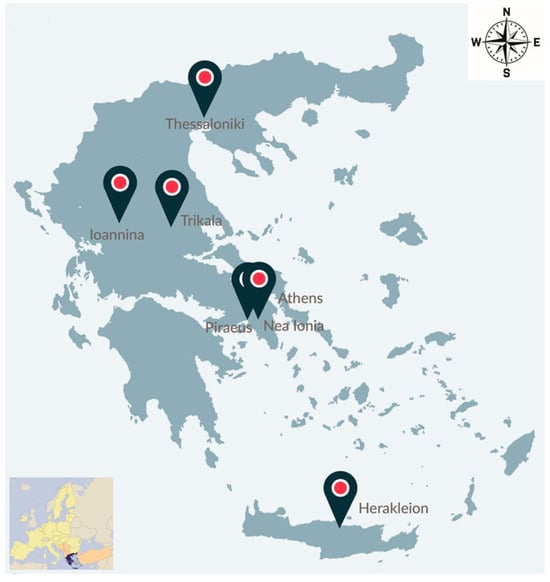
Rural Greece in Transition: Digitalisation, Demographic Dynamics, and Migrant Labour
by
Apostolos G. Papadopoulos, Loukia-Maria Fratsea, Pavlos Baltas and Alexandra Theofili
Geographies 2025, 5(4), 61; https://doi.org/10.3390/geographies5040061 - 19 Oct 2025
Abstract
►▼
Show Figures
The paper examines the current landscape, as well as the promises and pitfalls, of the digital transition in agricultural production and rural areas in Greece. It questions whether digitalisation is a viable option given the demographic dynamics, gaps in digital infrastructure, and heavy
[...] Read more.
The paper examines the current landscape, as well as the promises and pitfalls, of the digital transition in agricultural production and rural areas in Greece. It questions whether digitalisation is a viable option given the demographic dynamics, gaps in digital infrastructure, and heavy reliance on migrant labour in rural Greece. The methodological approach employs a mixed-methods design, integrating statistical and cartographic analyses of available census data with qualitative methods (semi-structured interviews, ethnographic observations, and a focus group). The main research question is grounded in a brief theoretical framework that addresses critiques of the inevitability of technological innovation and highlights the need to understand the complex dynamics of digital change. The paper analyses the dynamics and challenges of digital change in rural Greece, examining how demographic change and ageing, the structure and size of farms, and dependence on migrant labour relate to gaps and inequalities in digital infrastructure and skills. A critique of the prevailing discourse on digital transformation is supported by a discussion of the recently collected qualitative empirical material. The concluding section highlights the key findings and provides policy recommendations.
Full article

Figure 1
Open AccessArticle
Optimal Temporal Windows for Mapping Fynbos Seep Wetlands Using Unmanned Aerial Vehicle Data
by
Kevin Musungu, Moreblessings Shoko and Julian Smit
Geographies 2025, 5(4), 60; https://doi.org/10.3390/geographies5040060 - 19 Oct 2025
Abstract
►▼
Show Figures
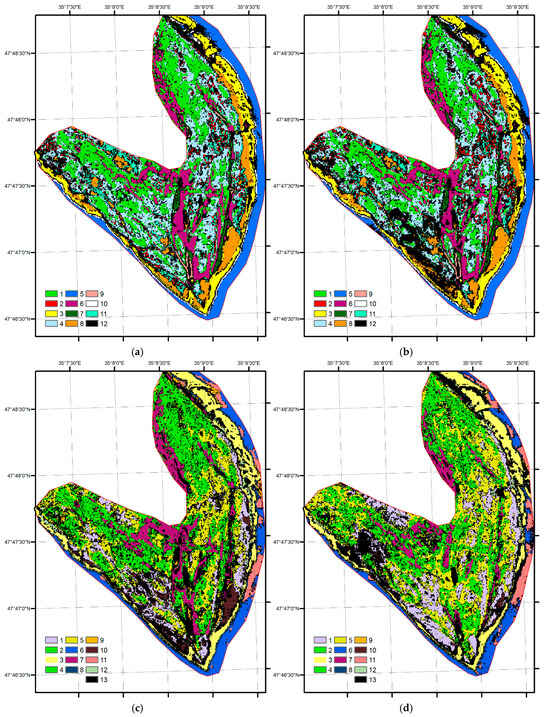
Despite growing international interest in seasonal effects on wetland vegetation mapping, there is a notable lack of research focused on South Africa’s unique fynbos wetlands, leaving a critical gap in understanding the spatiotemporal dynamics of fynbos ecosystems. This study aimed to assess the
[...] Read more.
Despite growing international interest in seasonal effects on wetland vegetation mapping, there is a notable lack of research focused on South Africa’s unique fynbos wetlands, leaving a critical gap in understanding the spatiotemporal dynamics of fynbos ecosystems. This study aimed to assess the ability of Parrot Sequoia and MicaSense RedEdge-M UAV data collected during six seasonal periods between 2018 and 2020 to discriminate between fynbos wetland vegetation species. It also identifies the most suitable time of year for accurate species-level classification. The highest classification accuracy (OA = 98.0%) was achieved in late winter and early summer (OA = 90.1%), while the lowest (OA = 57.2%) occurred in mid-autumn. Most species attained high user and producer accuracies, though Erica serrata and Tetraria thermalis were more inconsistently classified. A Kruskal–Wallis test revealed a significant effect of seasonality on user and producer accuracy as well as kappa (p < 0.05). A Wilcoxon rank-sum test indicated that the accuracy metrics were not significantly different (p > 0.05) when different sensors were used within the same season. The results suggest that conservation agencies and researchers should collect remote sensing data at the end of winter to take advantage of phenological differences between plant species.
Full article

Graphical abstract
Open AccessArticle
Strategic Ground Data Planning for Efficient Crop Classification Using Remote Sensing and Mobile-Based Survey Tools
by
Ramavenkata Mahesh Nukala, Pranay Panjala, Vazeer Mahammood and Murali Krishna Gumma
Geographies 2025, 5(4), 59; https://doi.org/10.3390/geographies5040059 - 15 Oct 2025
Abstract
►▼
Show Figures
Reliable and representative ground data is fundamental for accurate crop classification using satellite imagery. This study demonstrates a structured approach to ground truth planning in the Bareilly district, Uttar Pradesh, where wheat is the dominant crop. Pre-season spectral clustering of Sentinel-2 Level-2A NDVI
[...] Read more.
Reliable and representative ground data is fundamental for accurate crop classification using satellite imagery. This study demonstrates a structured approach to ground truth planning in the Bareilly district, Uttar Pradesh, where wheat is the dominant crop. Pre-season spectral clustering of Sentinel-2 Level-2A NDVI time-series data (November–March) was applied to identify ten spectrally distinct zones across the district, capturing phenological and land cover variability. These clusters were used at the village level to guide spatially stratified and optimized field sampling, ensuring coverage of heterogeneous and agriculturally significant areas. A total of 197 ground truth points were collected using the iCrops mobile application, enabling standardized and photo-validated data collection with offline functionality. The collected ground observations formed the basis for random forest supervised classification, enabling clear differentiation between major land use and land cover (LULC) classes with an overall accuracy of 91.6% and a Kappa coefficient of 0.886. The findings highlight that systematic ground data collection significantly enhances the reliability of remote sensing-based crop mapping. The outputs serve as a valuable resource for agricultural planners, policymakers, and local stakeholders by supporting crop monitoring, land use planning, and informed decision-making in the context of sustainable agricultural development.
Full article

Figure 1
Open AccessArticle
Composite Index of Poverty Based on Sustainable Rural Livelihood Framework: A Case from Manggarai Barat, Indonesia
by
Ardiyanto Maksimilianus Gai, Rustiadi Ernan, Baba Barus and Akhmad Fauzi
Geographies 2025, 5(4), 58; https://doi.org/10.3390/geographies5040058 - 10 Oct 2025
Abstract
►▼
Show Figures
Rural poverty in Indonesia remains a complex issue involving various aspects. West Manggarai, East Nusa Tenggara, is a national tourist destination and a significant focus of national development, yet poverty rates remain very high. Therefore, this study developed a Composite Poverty Index (CPI)
[...] Read more.
Rural poverty in Indonesia remains a complex issue involving various aspects. West Manggarai, East Nusa Tenggara, is a national tourist destination and a significant focus of national development, yet poverty rates remain very high. Therefore, this study developed a Composite Poverty Index (CPI) using the Sustainable Rural Livelihoods Approach (SRLA) to illustrate the complexity of rural deprivation in West Manggarai Regency. The CPI was developed by normalizing eighteen validated indicators across five livelihood capitals—human, social, natural, physical, and financial. These indicators were then classified using a Likert-type scale, and their weights were determined through the Analytic Hierarchy Process (AHP) to produce village-level CIP scores. The results show that most villages fall into the “Moderate” category (CIP: 0.40–0.60), reflecting chronic but not extreme deprivation. Spatial inequalities are evident, particularly in access to education, infrastructure, clean water, financial services, and ecological resources. Remote villages recorded higher CIP scores. Natural and economic capital were weakest, while human and social capital performed relatively well. Therefore, poverty alleviation in West Manggarai requires an integrated strategy tailored to local spatial conditions and livelihood capital.
Full article

Figure 1
Highly Accessed Articles
Latest Books
E-Mail Alert
News
Topics
Topic in
Applied Sciences, Geographies, GeoHazards, Geosciences, Remote Sensing, Water
Earth Observation Systems in Geology Mass Identification, Investigation and Inventory Mapping
Topic Editors: Shibiao Bai, Jinghui FanDeadline: 31 December 2025
Topic in
Land, IJGI, Urban Science, Geographies, Geomatics, Environments
Innovative Approaches in Geospatial Analysis and Modeling of Urban Environments
Topic Editors: Shivanand Balram, Eric Vaz, Suzana DragicevicDeadline: 31 March 2027
Topic in
IJERPH, IJGI, Remote Sensing, Informatics, Geographies, Sustainability
Applications of Spatial Science and Technology in Health Research, 2nd Edition
Topic Editors: Peng Jia, Yansong BaoDeadline: 31 May 2027
Conferences
Special Issues
Special Issue in
Geographies
Geography as a Transdisciplinary Science in a Changing World
Guest Editor: Karoly NemethDeadline: 15 July 2026
Special Issue in
Geographies
Large Language Models in Geographic Information
Guest Editors: Eliseo Clementini, Reinhard MoratzDeadline: 31 July 2026
Special Issue in
Geographies
Reimagining Cultural and Educational Spaces: Land, Learning and Sustainability in the Digital–Intelligent Age
Guest Editors: Xu Huang, Chun ChenDeadline: 30 September 2026