Article

An Integrated QGIS-Based Evacuation Route Optimization Approach for Disaster Preparedness Against Urban Flood in Japan

Graduate School of Environmental and Life Science, Okayama University, Okayama 700-8530, Japan
*
Authors to whom correspondence should be addressed.
Geographies 2025, 5(4), 74; https://doi.org/10.3390/geographies5040074 (registering DOI)
Submission received: 30 September 2025 / Revised: 23 November 2025 / Accepted: 25 November 2025 / Published: 1 December 2025

Abstract

Urban inland flooding has become a serious problem in many cities because heavy rain often exceeds the capacity of drainage systems. In Japan, GIS-based evacuation maps are commonly used to support disaster preparedness, but they still have several limitations. In particular, they do not avoid flooded road segments and cannot generate multiple evacuation options at the same time. This study proposes an improved evacuation route method using the free and open-source software QGIS. The method combines flood-depth data with road network processing to remove roads where the predicted water depth is higher than 0.5 m. It also provides several evacuation paths to different shelters at the same time. A case study in Kurashiki City, Okayama Prefecture, demonstrates that about 1.37% of the road network becomes unusable during an inland-flood scenario. Several existing evacuation routes also pass through hazardous areas, but the QGIS-based method avoids these areas in most cases. Since the workflow uses only built-in QGIS functions and does not require programming or plug-ins, it is easy to reproduce and apply in other regions. This study offers a practical and low-cost method to support inland-flood evacuation planning for local governments.

1. Introduction

1.1. Background

In recent decades, with the ongoing process of global urbanization, urban flooding has increasingly been recognized as one of the most pressing risks faced by modern cities worldwide [1,2,3]. Rapid urbanization, together with climate change, has increased the likelihood of flooding, particularly in densely populated metropolitan areas, where low-permeability road surfaces, drainage systems operating near capacity, and complex social dynamics all contribute to the heightened risk of urban floods.
Based on the evacuation conditions, flood disasters can be categorized into two types: “river flooding” (external flooding), caused by water overflowing from large rivers and destroying embankments; and “inland flooding” (internal flooding), which occurs when rainfall exceeds the capacity of drainage facilities [4]. Statistics released by the Ministry of Land, Infrastructure, Transport and Tourism of Japan indicate that, in recent years, losses caused by inland flooding have been increasing year by year. In some large cities, they have even surpassed the damage caused by traditional riverine floods (Figure 1). Several international studies have also highlighted that the risks and impacts of urban flooding are steadily increasing, emphasizing the need to address this issue to respond to the environmental challenges posed by urban and societal development [5,6,7].
Regarding public evacuation behavior, the proportion of people who do not actually seek shelter when floods occur is relatively high (nearly half), and the proportion of the elderly population is even higher [9]. However, surveys of those who did not evacuate show that it is difficult for the general public to make a good estimate of the future disaster situation (believing that their place is safe) or to make a timely judgment that they need to evacuate [10,11,12]. This phenomenon is particularly pronounced in inland flooding disasters:
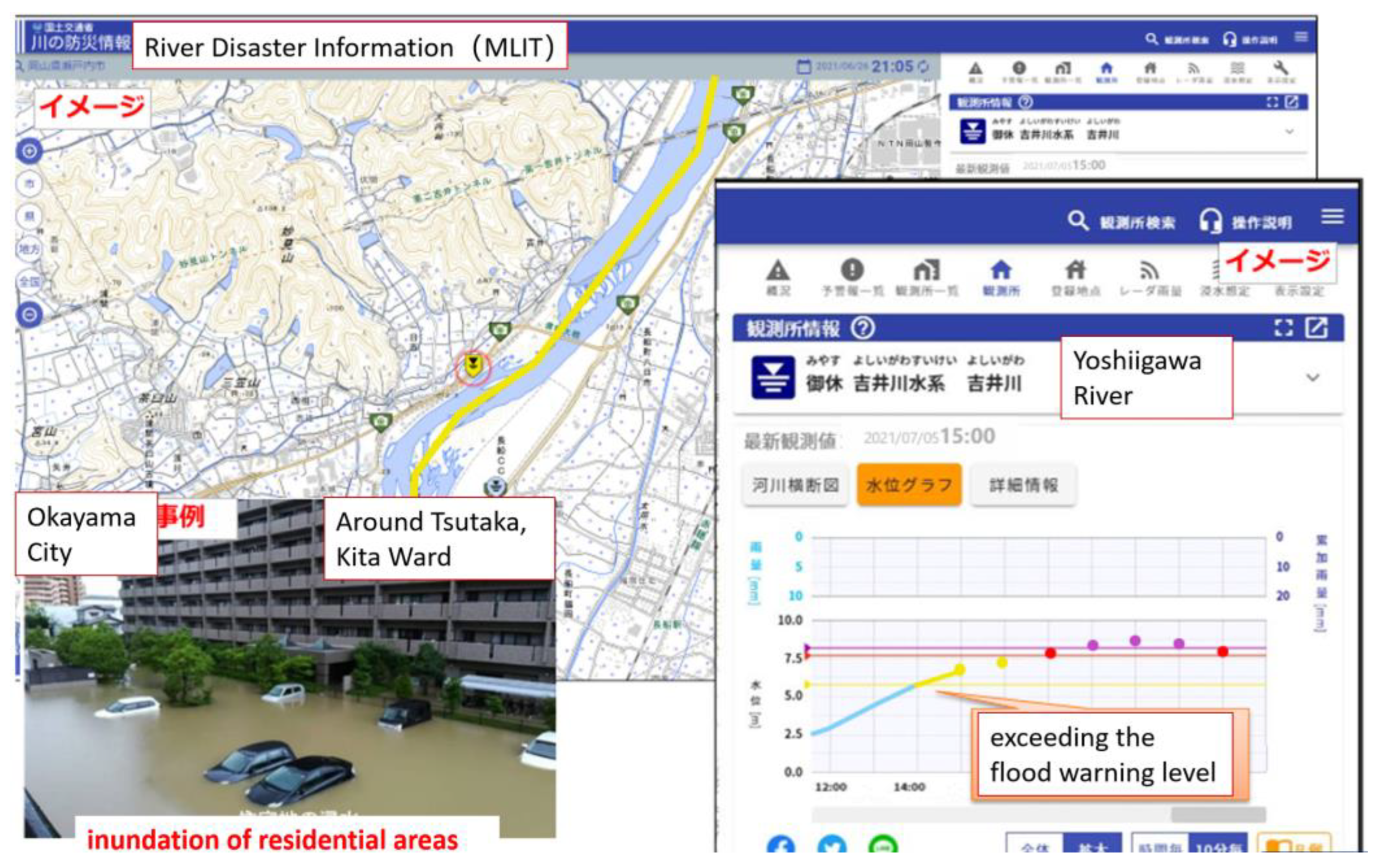
  • Figure 2 showed the damage caused by the 2018 Western Japan Flood in Okayama City. Before the government issued flood evacuation directives (i.e., alert level 2 in Table 1), the inland flooding in urban areas had already reached a level where it was difficult to evacuate on foot;
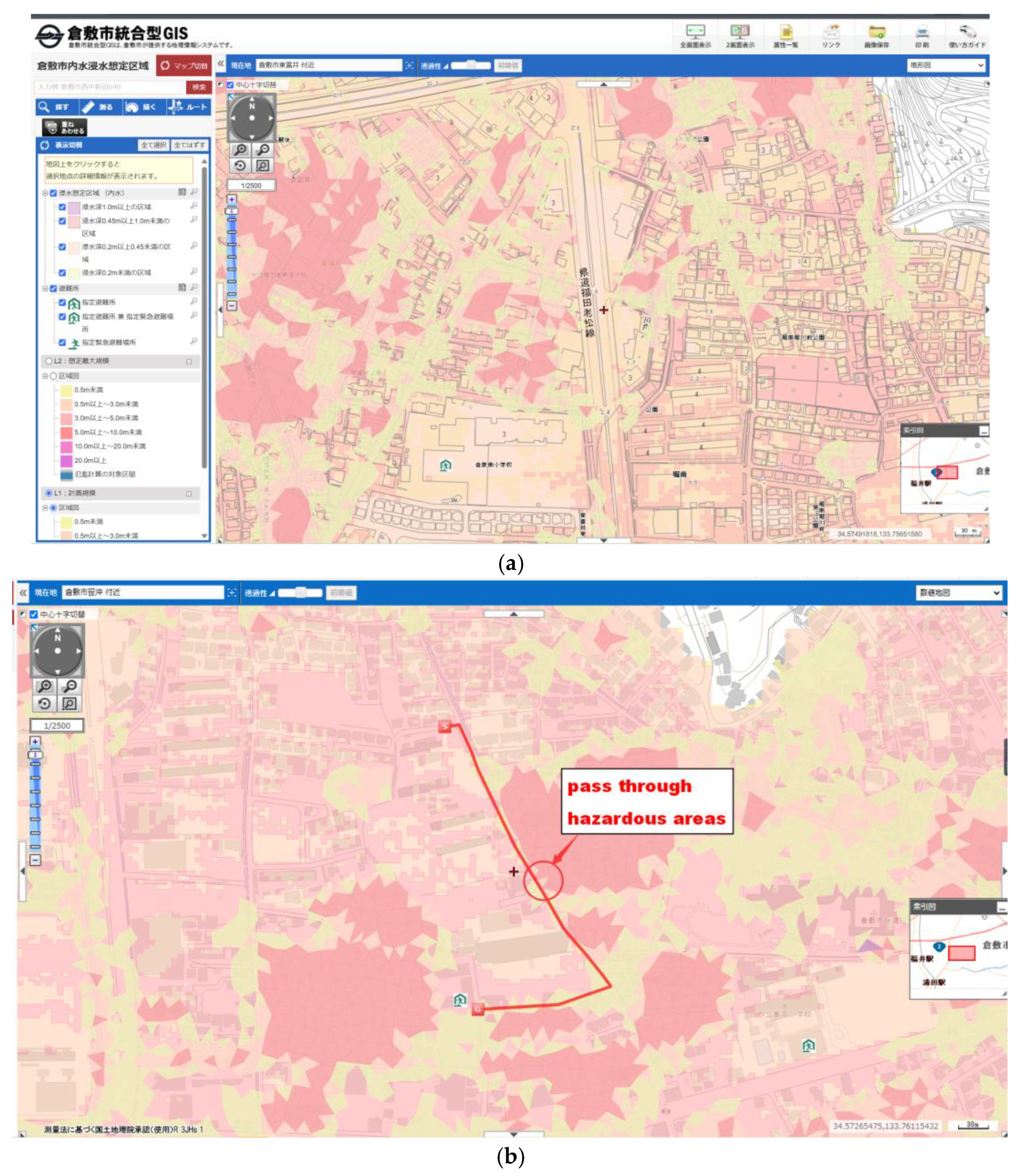
  • As shown in Figure 3, the disaster prevention GIS map provided by Okayama City for the general public did not avoid dangerous areas where waterlogging may have occurred.
These cases demonstrate that urban waterlogging (internal flooding depth) can be a more serious problem than river flooding in urban floods. However, most flood prevention maps published in Japan are mainly based on river flooding (external water level) and tsunami, and there is a relatively insufficient number of evacuation maps for waterlogging [13]. In fact, in Japanese cities, internal flooding often occurs earlier than the impact of external flooding arrives, which may lead to difficulties in evacuation. Therefore, in order to discuss evacuation and early warning in urban areas, the consideration of internal flooding depth issues must be included in the discussion and analysis.

1.2. Research Status

Globally, extensive research has been conducted on flood risk assessment and evacuation planning. For instance, Lee et al. designed evacuation routes for Seoul based on spatiotemporal flood risk [14]. Park et al. applied a time–distance mapping approach to visualize evacuation routes under reduced pedestrian speeds [15]. Parajuli et al. combined GIS-AHP and network analysis to develop evacuation routes in Nepal [16]. Studies in Indonesia also explored how road network structures influence route choices under flood conditions [17]. Taken together, these studies indicate that efficient evacuation requires consideration of multiple factors. However, such information is often fragmented, and effective integration remains a major challenge.
In Japan, previous risk assessment methods mainly relied on static maps and manual empirical judgment, with limited spatial analysis capabilities. Table 1 includes the Evacuation Information derived from the risk assessment [18]. Currently, the Japanese government provides GIS-based maps, such as the urban GIS map of Kurashiki City [19]. Private companies have also developed software for flood analysis, such as the 3D-WebGIS model by Fukuyamaconsul Co. [20]. However, existing research and practical applications face significant limitations:
  • Scope Limitation: While river flooding is well-studied, models specifically addressing urban inland flooding remain insufficient. Applying river flood models directly to inland scenarios often leads to prediction inaccuracies due to differing flood mechanisms.
  • Tool Accessibility: Most existing commercial software is expensive and closed-source, making it difficult for local communities to adopt or customize.
To address these issues, open-source Geographic Information Systems (specifically QGIS) offer distinct advantages. Compared to commercial software, QGIS is cost-effective and highly interoperable, allowing for the integration of multi-source spatial data. This provides a reproducible technical foundation for creating customized evacuation plans tailored to inland flooding.

1.3. Objectives and Innovation

Based on the aforementioned gaps, this study aims to establish an integrated QGIS-based analytical method. The core scientific problem this study seeks to solve is how to effectively fuse inland flood depth data with the road network topology to avoid flood risks.
The main innovations of this study are characterized by the following two aspects:
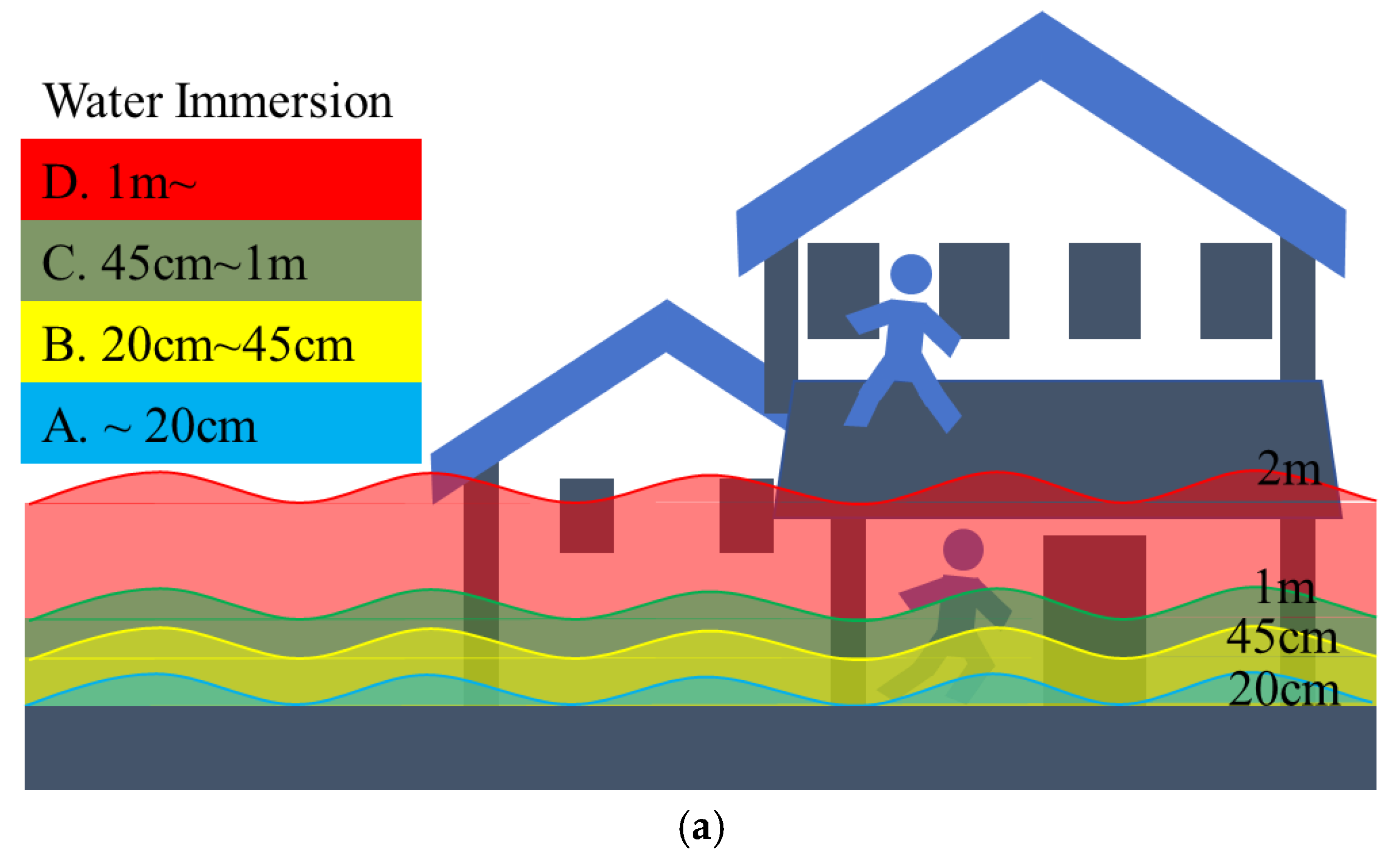
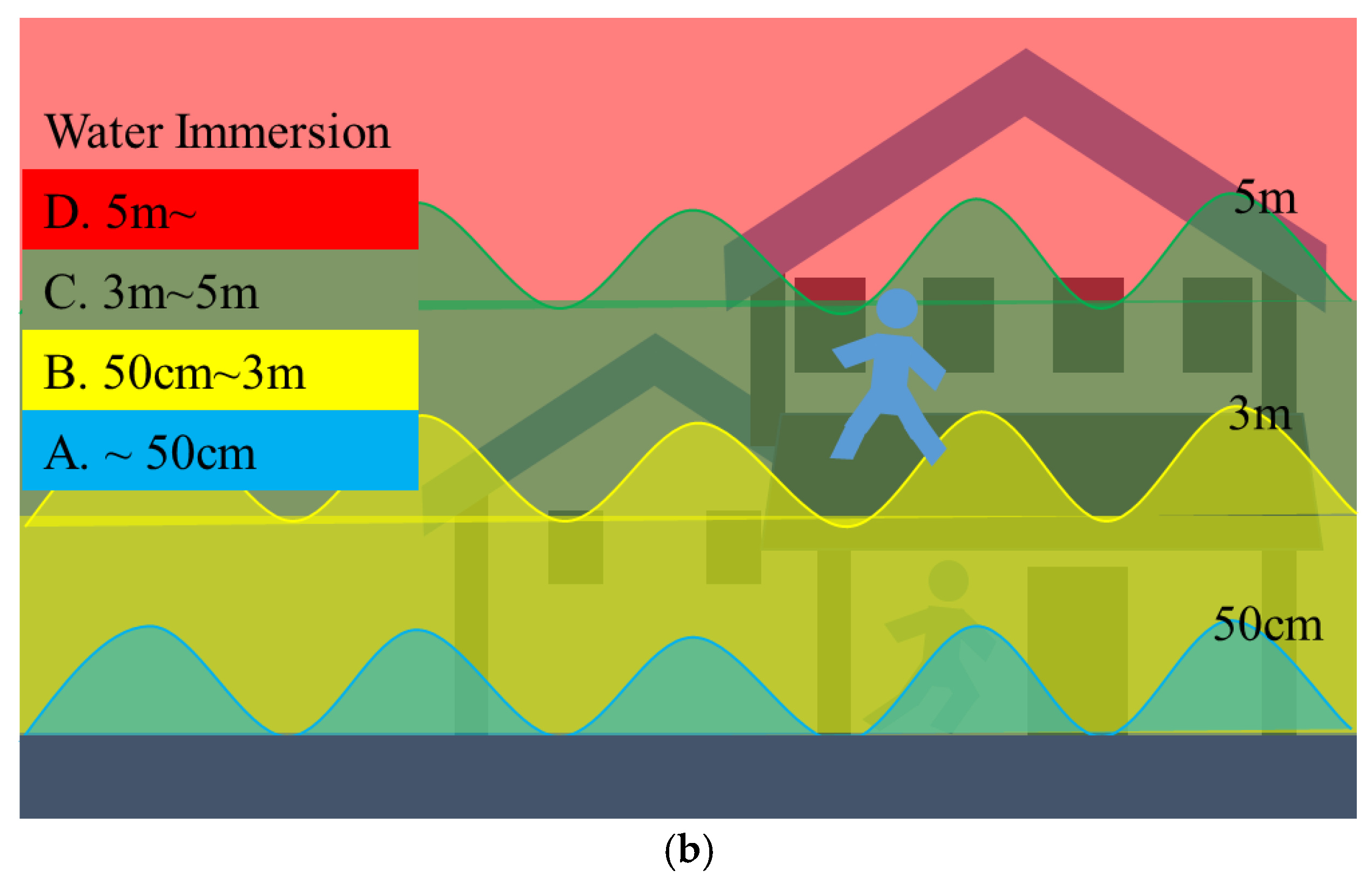
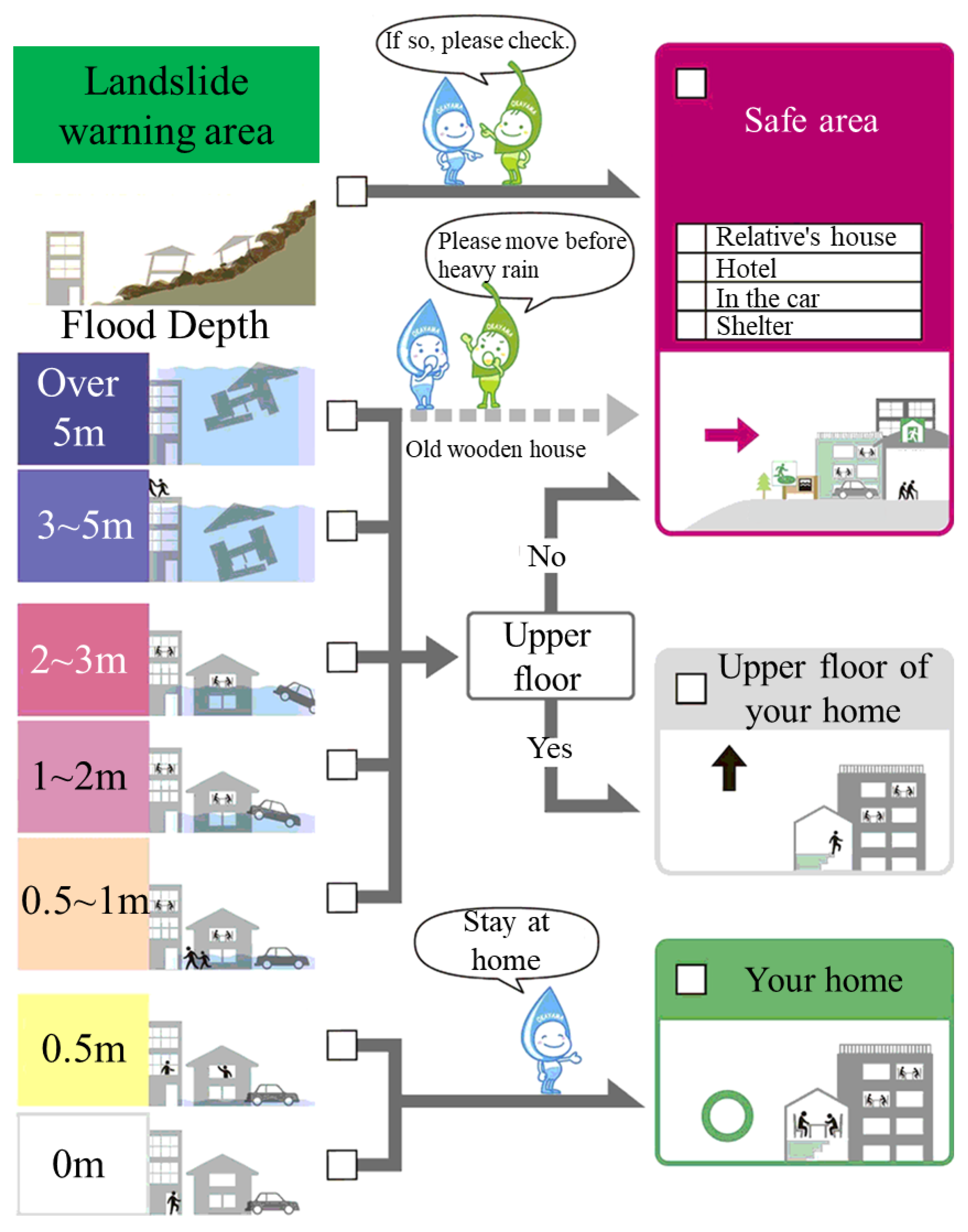
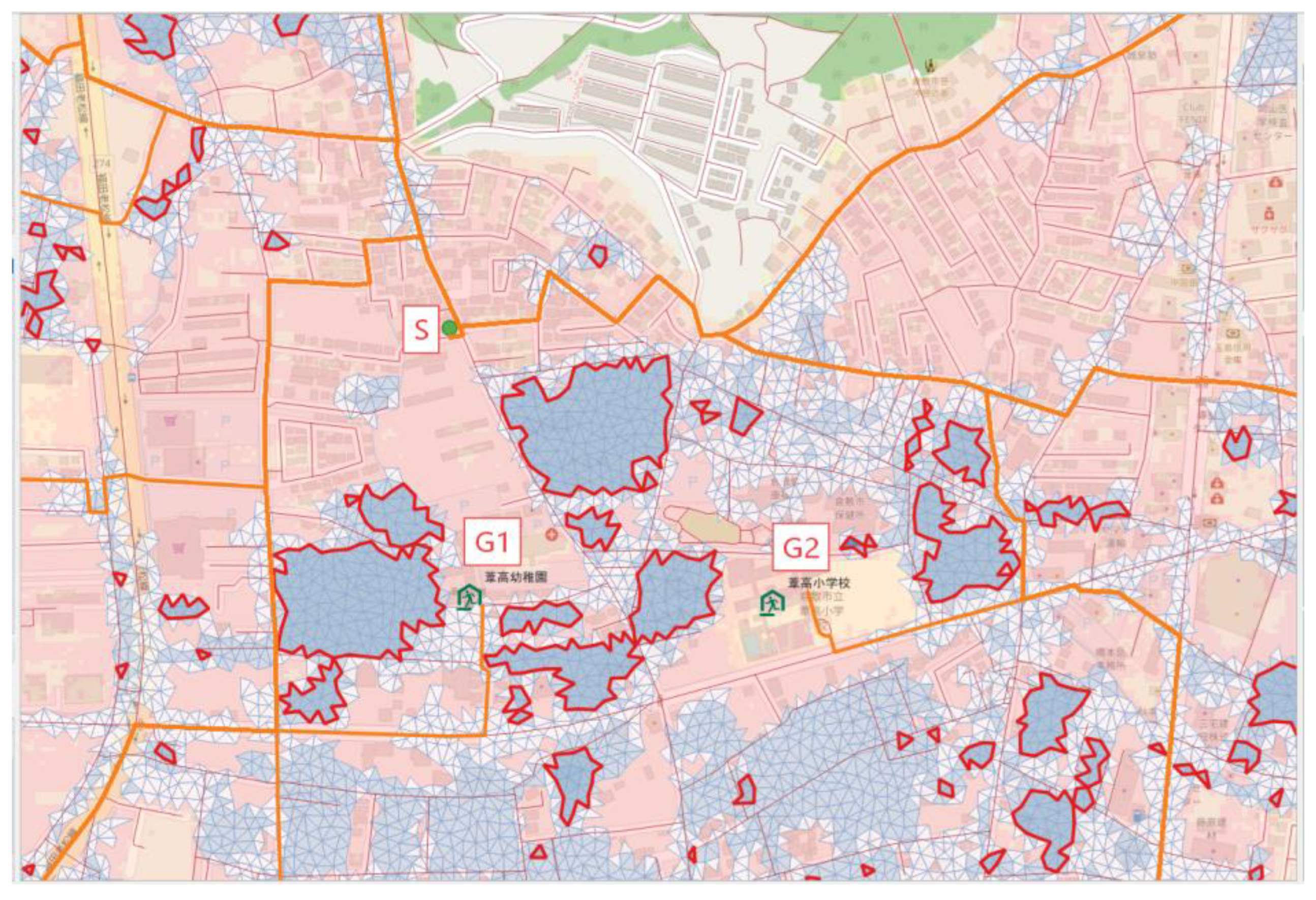
  • Establishment of a Safety-Threshold-Based Network: The proposed method integrates inland flooding depth data (as illustrated in Figure 4 and Figure 5 [8]) with road networks. Figure 4 defines the danger levels based on water depth, indicating that a depth of 0.5 m (Danger-level B) is sufficient to compromise the stability of an adult. Based on this physical limit, we set a 0.5 m safety threshold to construct a “Safe Road Network” topology that automatically filters out hazardous road segments.
  • Simultaneous Multi-Destination Optimization: Unlike traditional methods, our workflow enables the simultaneous generation of optimal evacuation routes for multiple residential origins to multiple shelters, significantly improving planning efficiency.
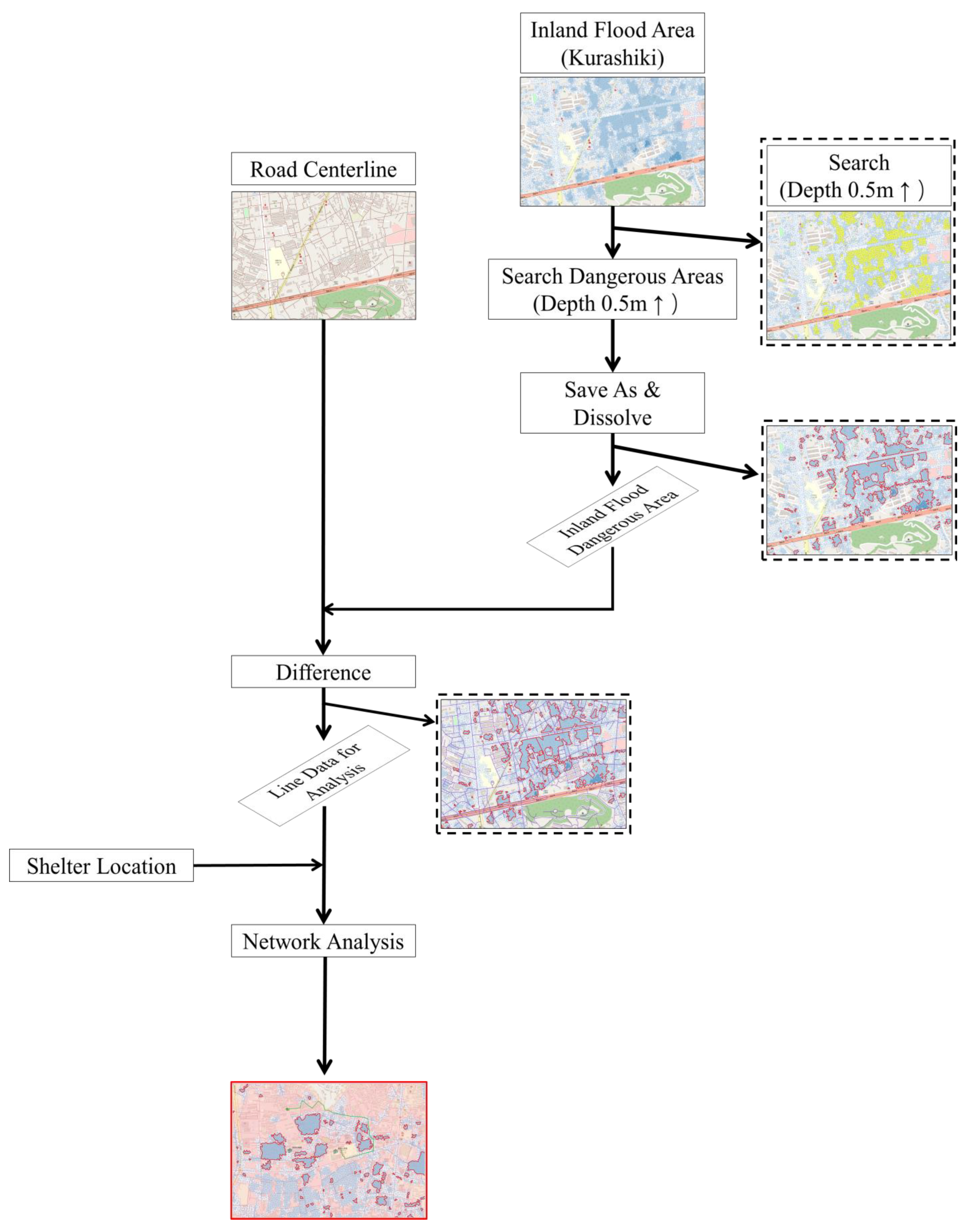
Figure 6 shows the flowchart illustrating the proposed methodology.

2. Materials and Methods

2.1. Study Site

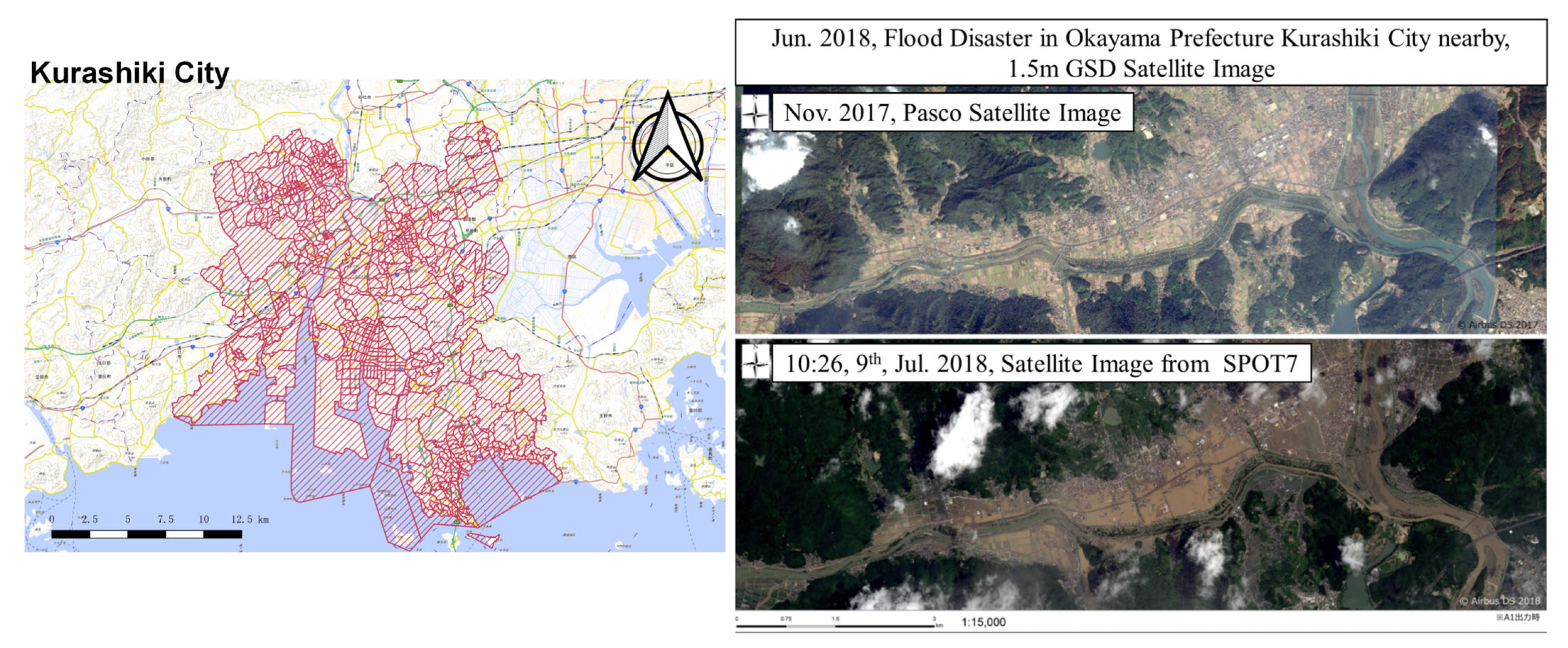
The authors chose Kurashiki City, Okayama Prefecture, Japan as the study site in this research (Figure 7). Kurashiki City is located at approximately 34.58° N latitude and 133.77° E longitude in the south-central part of Okayama Prefecture, Japan. The city experiences a humid subtropical climate, with average annual rainfall around 1350 mm and concentrated rainfall during the rainy season in July [21,22]. As of the 2020 census, the population was about 474,592 people, with approximately 125,532 aged 65 or older (about 26.5%) [23]. In July 2018 during the torrential rains, the Mabi-cho area of Kurashiki suffered thousands of damaged houses and dozens of fatalities [24], underscoring its value as a key study site for urban inland flooding and evacuation research.

2.2. Software Framework

To ensure analytical accessibility for local governments and researchers without high-cost software, this study employed the open-source Geographic Information System (GIS) software QGIS. All analyses were completed solely with built-in functions of QGIS (Version 3.28), without any secondary programming or plugin development. QGIS provides standard tools for vector processing, spatial querying, overlay operations, and network modeling, enabling a fully reproducible workflow without professional programming knowledge [25].
This research specifically utilizes QGIS’s network analysis capabilities to optimize evacuation routes under inland flood constraints. While 3D modeling systems and commercial flood-simulation platforms offer advanced visualization, they often rely on expensive licenses and complex code modules. In contrast, QGIS provides a low-cost yet sufficiently robust analytical environment for integrating multi-source spatial data for evacuation planning.

2.2.1. Network Analysis

The evacuation route analysis was conducted using the Shortest Path tool in QGIS 3.28. This function is included in the standard QGIS network analysis toolbox and applies the Dijkstra algorithm to find the path with the minimum cost between two points. According to the official QGIS User Guide [26], the main parameters include Path type, Cost, and Speed field.Since the method proposed in this study is implemented entirely using the existing functions of QGIS without creating new plugins or algorithms, the algorithmic principles are not described in detail here. Readers who are interested in the internal algorithm are referred to the official QGIS Developer Cookbook [27].
Since this study focuses on demonstrating a practical evacuation-planning workflow rather than simulating travel dynamics, two configurations were considered:
  • Distance-based analysis (used in this study)
Analyses the road with the shortest distance from the start point to the end point based on a specified road network. Has three modes: point-to-point, layer-to-point, and point-to-layer.
Advantage: With point-to-layer analysis, it is possible to generate paths to multiple shelters at the same time, with more optionality in case of an actual disaster. At the same time, this feature is not available in currently released GIS maps.
Disadvantage: It is not possible to select the shortest or optimal path among the multiple paths generated at the same time. It is currently planned to introduce AI analysis to achieve this in future research.
2.
Time-based analysis (future work)
Based on a specified road network, the shortest route from the starting point to the end point is analyzed.
Advantage: By using walking speed (walking time) as a segmentation index, independent analyses can be done for special needs groups such as children and senior citizens.
Disadvantage: QGIS is unable to analyze speed and time independently and requires additional processing and importing of data.
In this study, the parameter Path type was set to “Shortest” and the cost was defined as geometric distance in meters. No additional speed or time parameters were applied, because this research focuses on the generation process of evacuation routes rather than on travel time simulation. Before running the analysis, the road segments located within inundated polygons (depth > 0.5 m) were removed from the network dataset to avoid flooded areas.
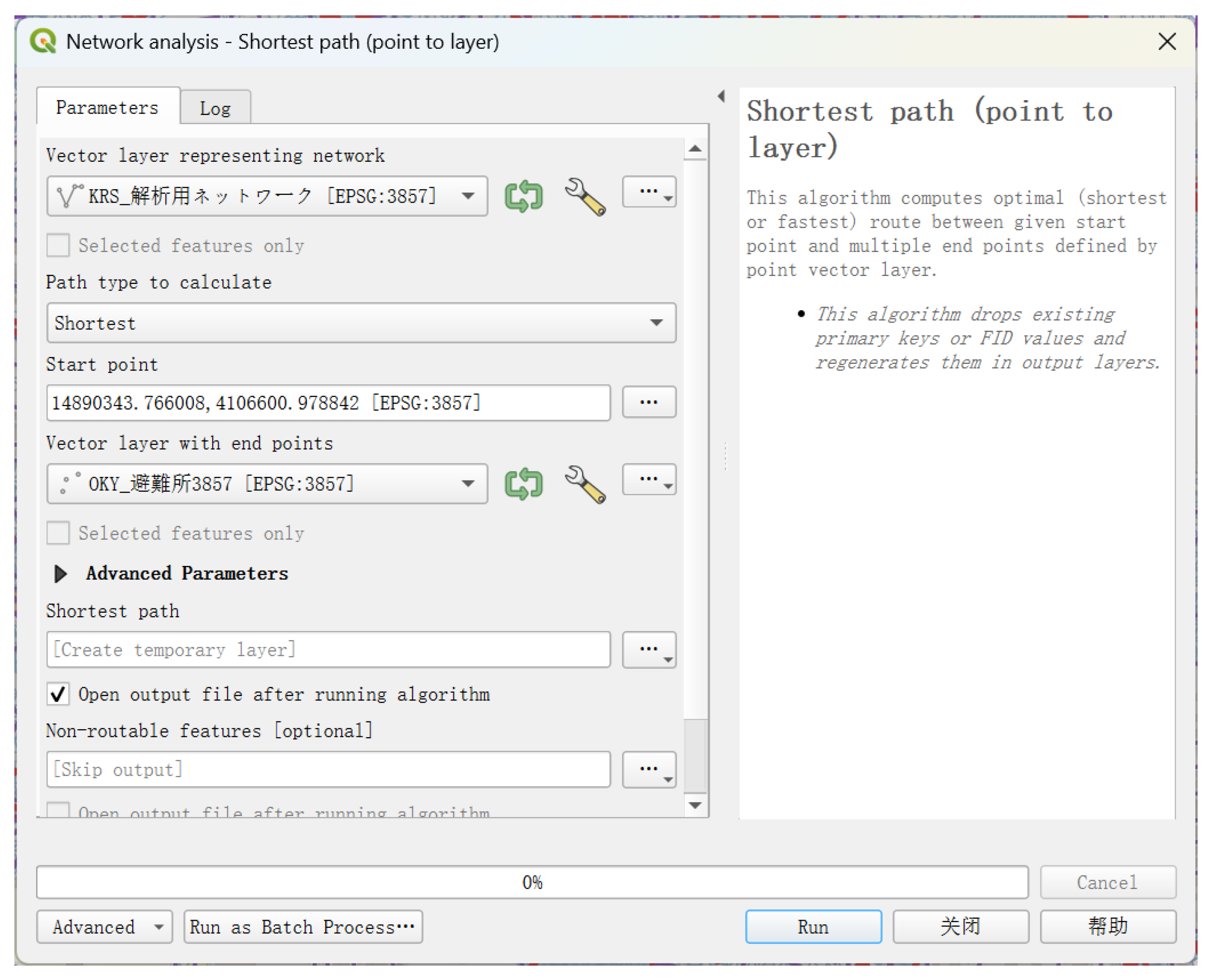
Figure 8 illustrates the parameter settings used in QGIS, taking the “Point to Layer” analysis as an example. This configuration is essentially identical to the point-to-point mode, with the only distinction being that the destination is defined as a single fixed coordinate rather than a layer containing multiple shelter candidates. In this process, the Vector layer representing network corresponds to the processed urban road centerline data. The Start point indicates the [x, y] coordinates of the origin point, and the Vector layer with end points represents the destination coordinates; when multiple destinations are available, this layer contains several point features. Although the internal algorithm of the tool was not modified, the proposed method achieves a practical improvement by combining the built-in QGIS network analysis with a flood-area exclusion process and a multi-destination routing framework.

2.2.2. Definition of the 0.5 m Safety Threshold

The rationale for selecting 0.5 m as the critical safety threshold is grounded in the hydrodynamic mechanisms affecting pedestrian stability. Previous hydrological studies indicate that evacuation safety is determined by the combined effect of water depth and flow velocity [28].
To establish a robust safety standard, this study references extreme urban flooding scenarios, such as the 2021 Zhengzhou extreme rainstorm analyzed by Li et al., where flow velocities on urban roads reached approximately 1.0 m/s [29]. Using this as a reference velocity for severe inundation, experimental assessments by Chen et al. [30] demonstrate that within the velocity range of 0.5–1.5 m/s, pedestrian stability is significantly compromised when water depth exceeds 0.5 m.
Furthermore, hydrological literature widely recognizes “knee height” (approx. 0.5 m for an average adult) as a physical tipping point where walking speed and balance are drastically reduced due to buoyancy and drag forces [31,32]. This physical limit aligns with the Japanese official flood risk classification (as shown in Figure 2), which designates 0.5 m as the boundary between passable and hazardous conditions (Danger Level A to B). Consequently, to maximize evacuee safety under uncertain hydrodynamic conditions, 0.5 m is adopted as the cutoff threshold for the “Safe Road Network.”

2.3. Data Collection (Making Plan of Evacuation Route)

The spatial data used in this study were categorized into three main types:
  • Road Network Data: The road centerline vector data (Figure 9) were acquired from the Geospatial Information Authority of Japan (GSI). To ensure topological connectivity for network analysis, the raw tile-based data were merged and geometrically corrected to eliminate gaps between road segments.
  • Inland Inundation Depth Data: Raster data representing predicted inundation depths under heavy rainfall scenarios were obtained from Kurashiki City’s open data portal. These data provide the basis for risk classification.
  • Evacuation Shelter Locations: Point data representing designated emergency shelters were sourced from the official disaster prevention database of Japan.

2.4. Method (Making Plan of Evacuation Route)

2.4.1. Implementation Environment

All analyses in this study were conducted using the built-in functions of QGIS (Version 3.28). No secondary development or customized plugins were created. The procedures—such as the integration of flood-inundation layers, extraction of flooded road segments, and generation of evacuation paths—were performed using standard QGIS tools (Vector Overlay, Select by Expression, and Network Analysis). This approach demonstrates that complex urban flood evacuation analyses can be achieved entirely within an open-source GIS environment, ensuring reproducibility and accessibility for local governments.

2.4.2. Construction of Safety-Threshold-Based Road Network

A core innovation of this methodology is the preprocessing of the road network to physically exclude hazardous paths before route calculation. The key step of this process is Topological Subtraction.
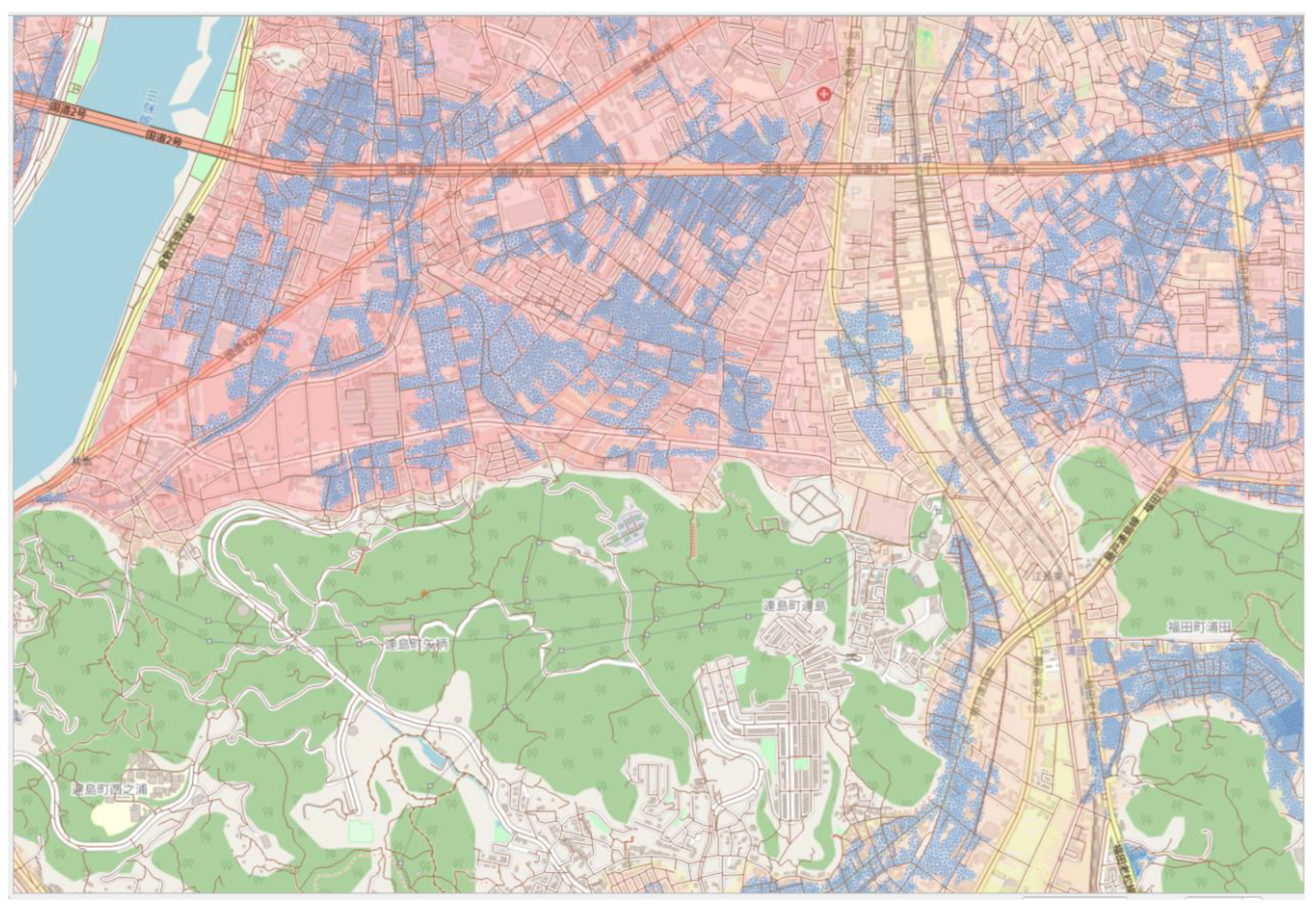
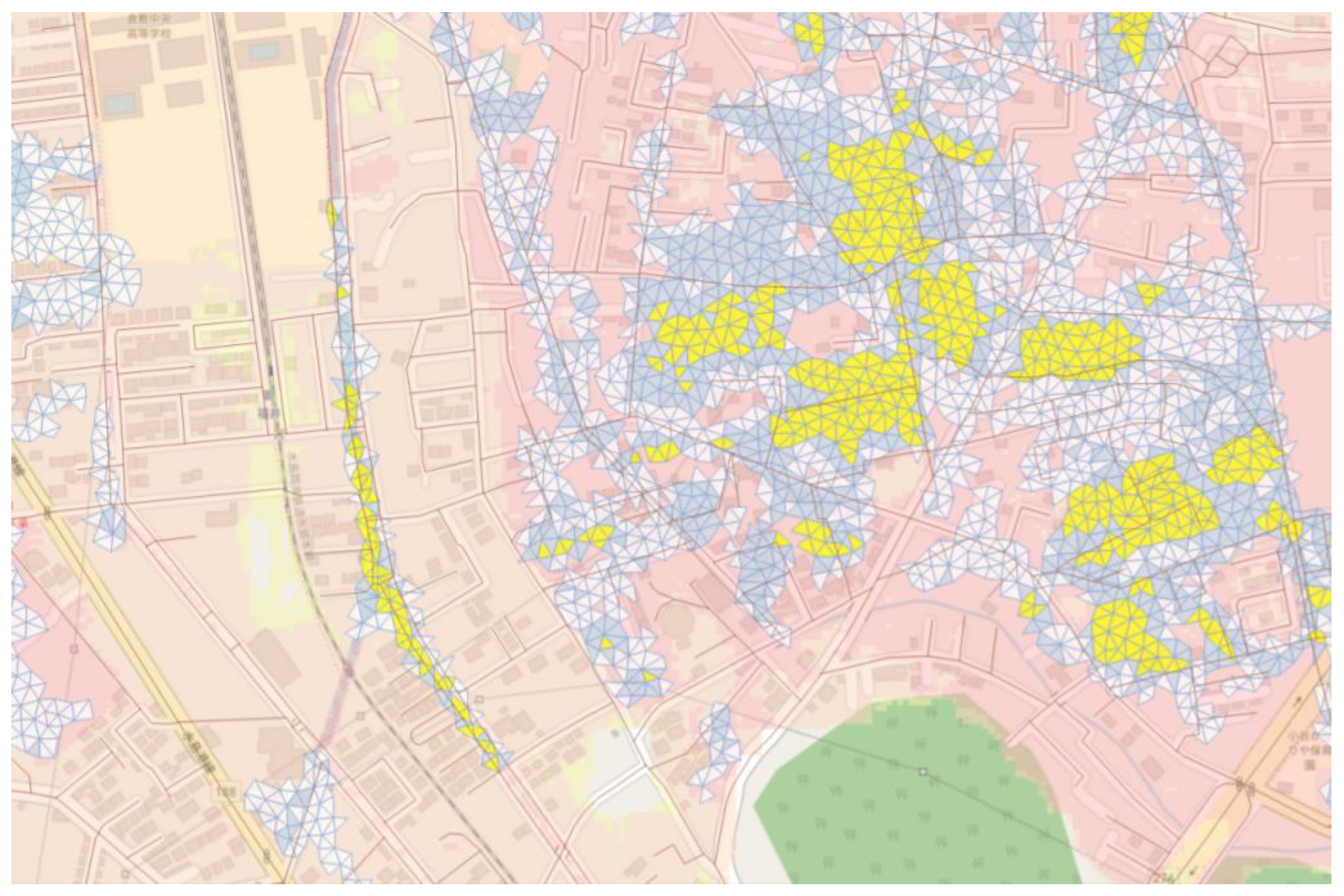
To implement this threshold spatially, a “Difference” geoprocessing operation was performed. The polygon layer of predicted hazard zones (depth ≥ 0.5 m) was spatially subtracted from the original road centerline network. The extraction of predicted danger areas was likewise executed via QGIS native functions, eliminating the need for custom scripting (Figure 10).
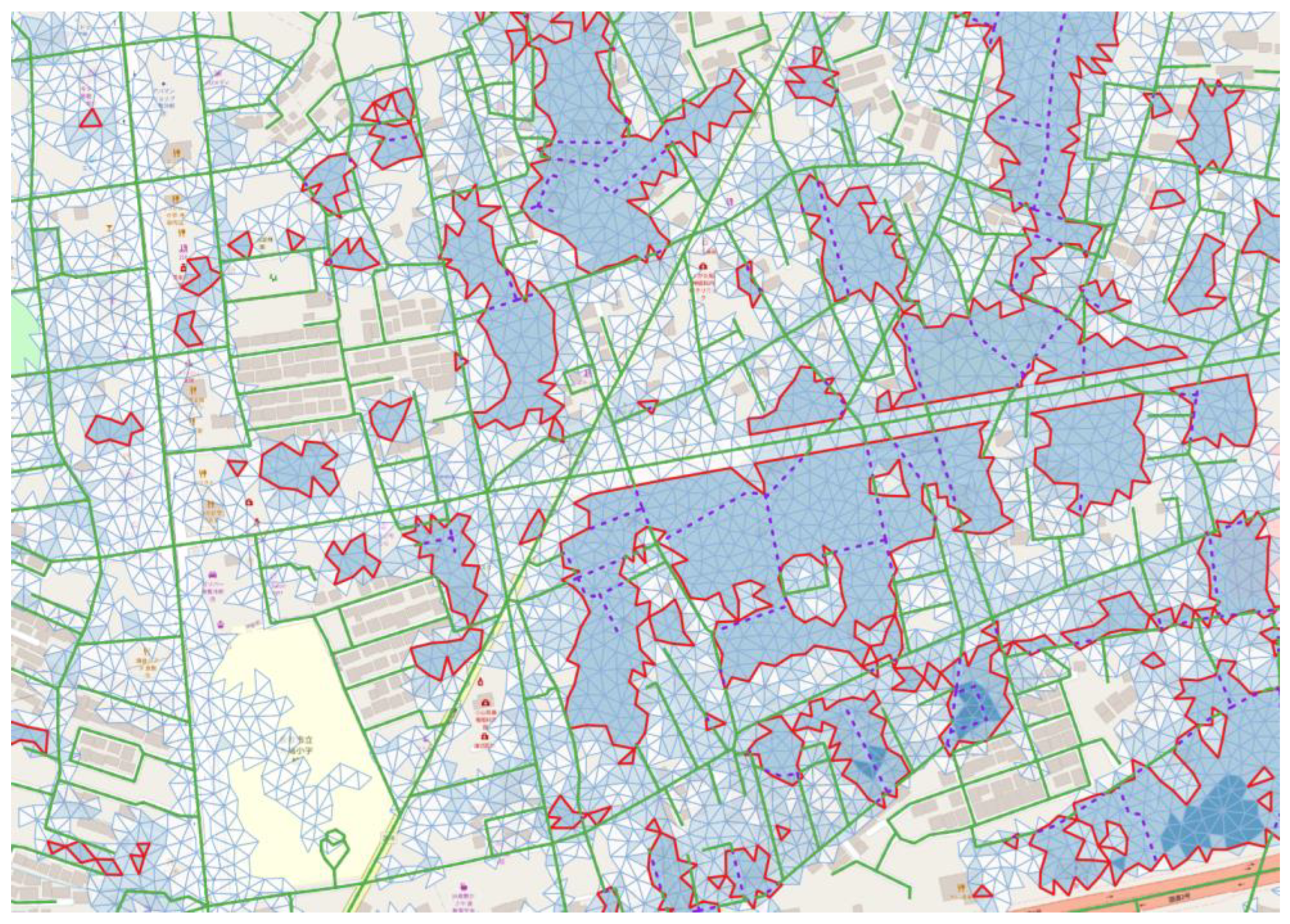
This operation modifies the network topology by physically severing the connectivity of road links that traverse flooded areas. The resulting “Safe Road Network” retains only those segments where water depth is predicted to be safe (<0.5 m), forcing the subsequent pathfinding algorithm to bypass hazards regardless of the geometric distance. The result is like the image in Figure 11.

2.4.3. Evacuation Route Making

Evacuation routes were generated using the “Shortest Path” algorithm provided in the QGIS Network Analysis library. This tool utilizes the Dijkstra algorithm to calculate the optimal path between origin points (residential locations) and the destination points (shelters).
The relevant parameter settings are shown in Figure 8. Since the meanings of these parameters have already been explained in detail in Section 2.2.1, they are not repeated here, and only the resulting output is presented.
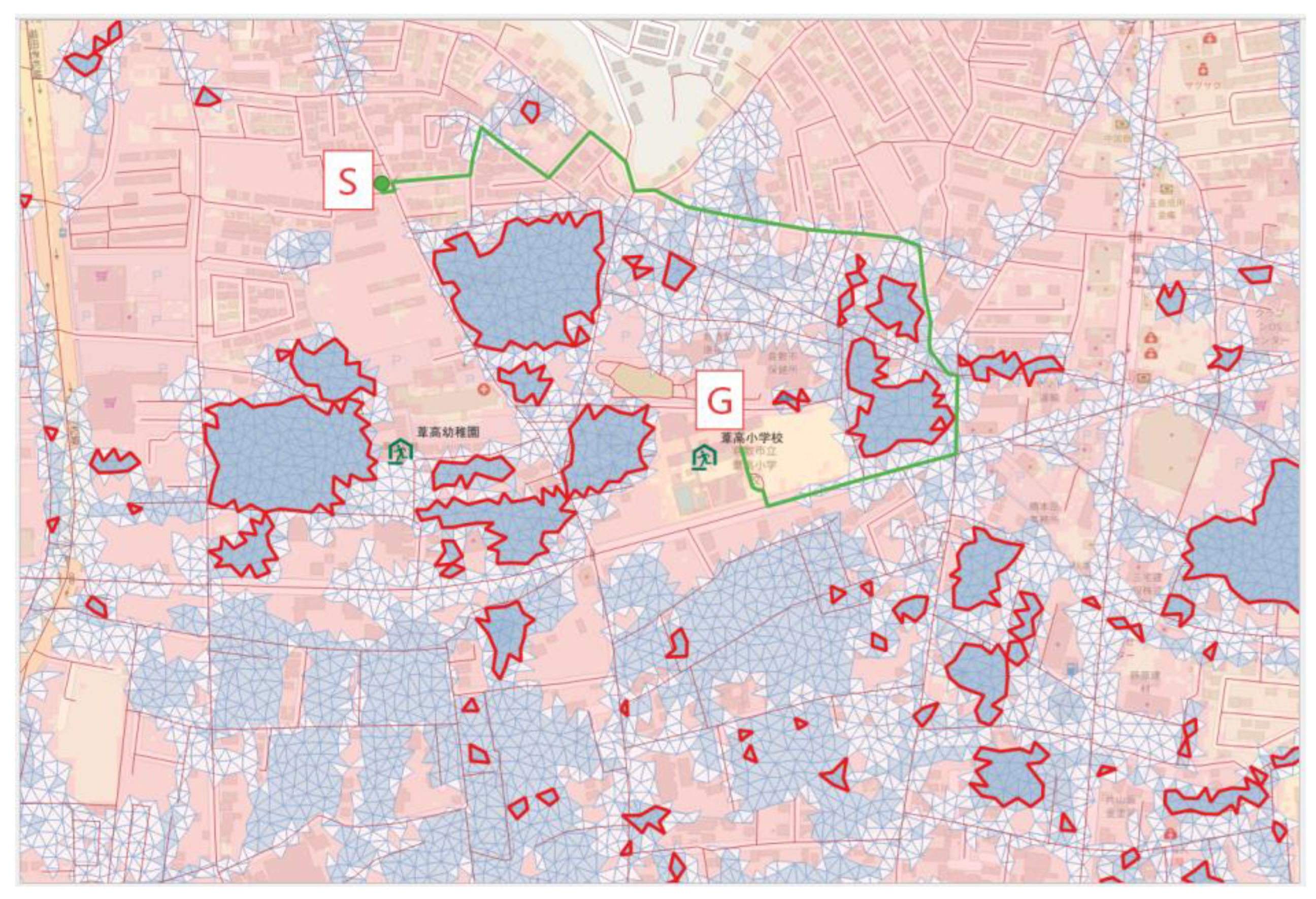
  • Figure 12 is the result of the point-to-point analysis. It is possible to perform a route analysis from a specific evacuation source (residential locations) to a specific evacuation center by this method.
  • Figure 13 is the result of the point-to-layer analysis. It is possible to analyze the route from a specific evacuation source (residential locations) to multiple evacuation centers by this method.

2.4.4. Evaluation of Practical Applicability

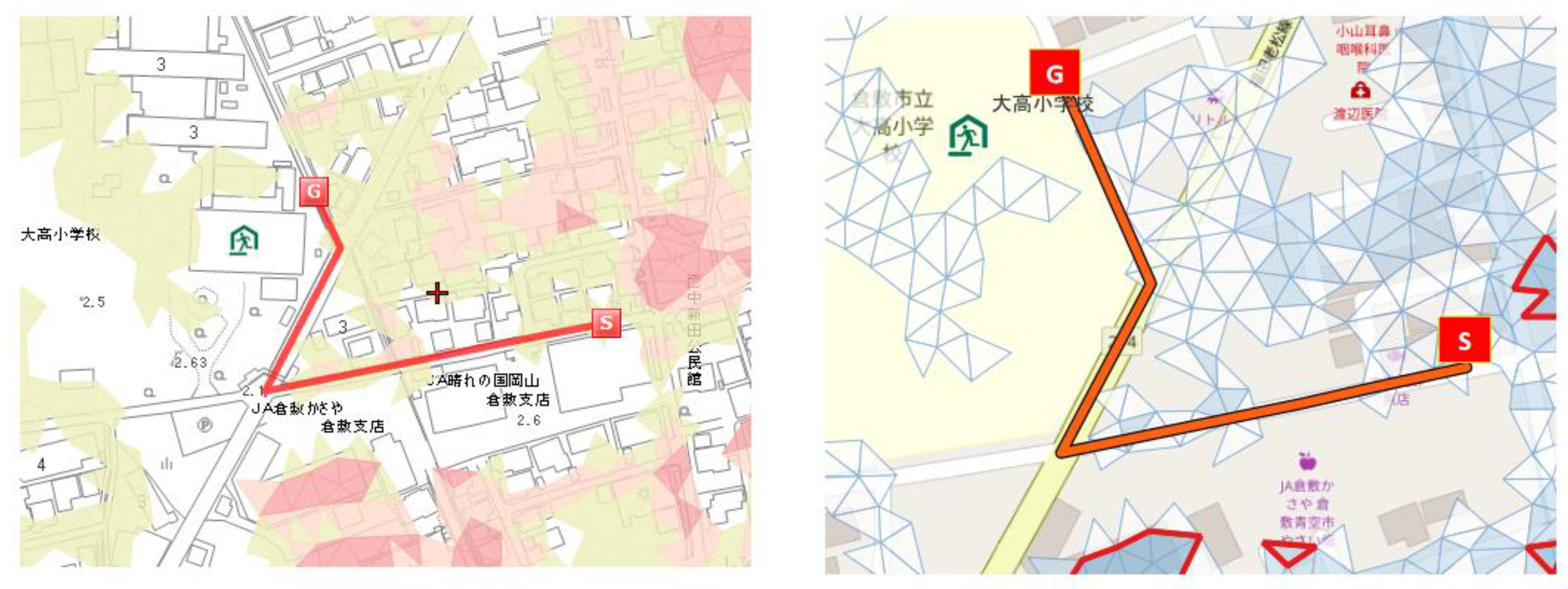
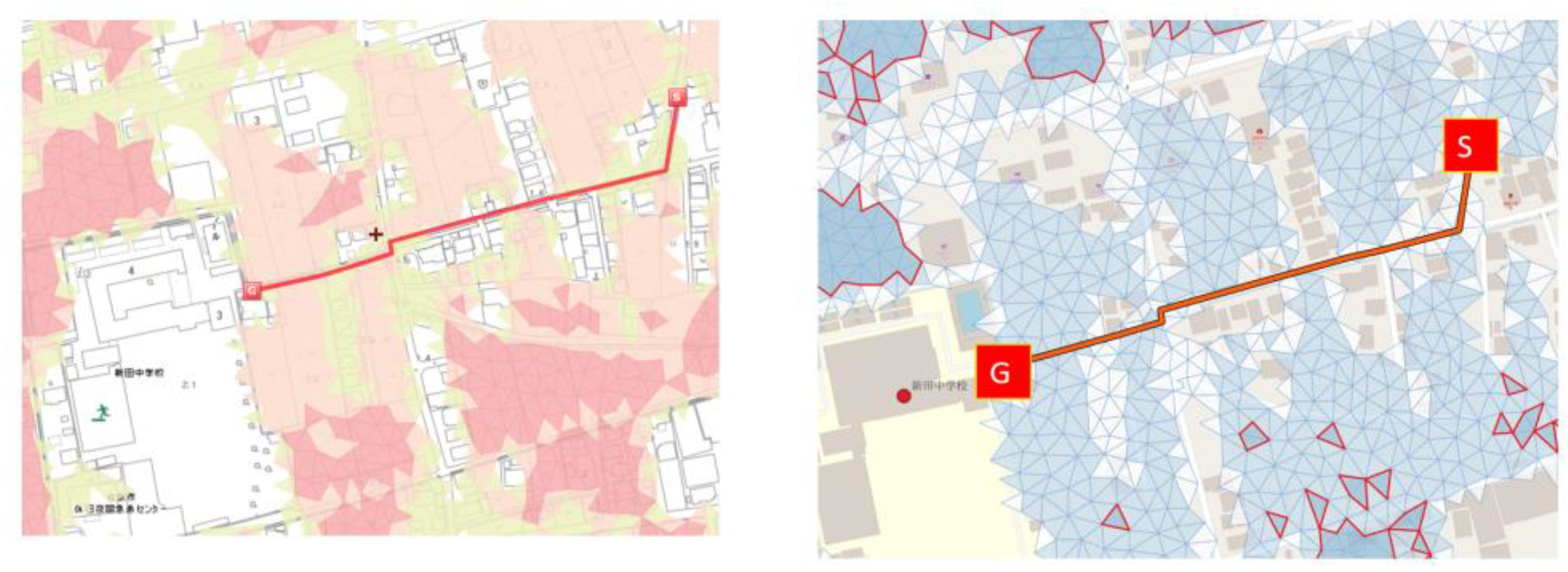
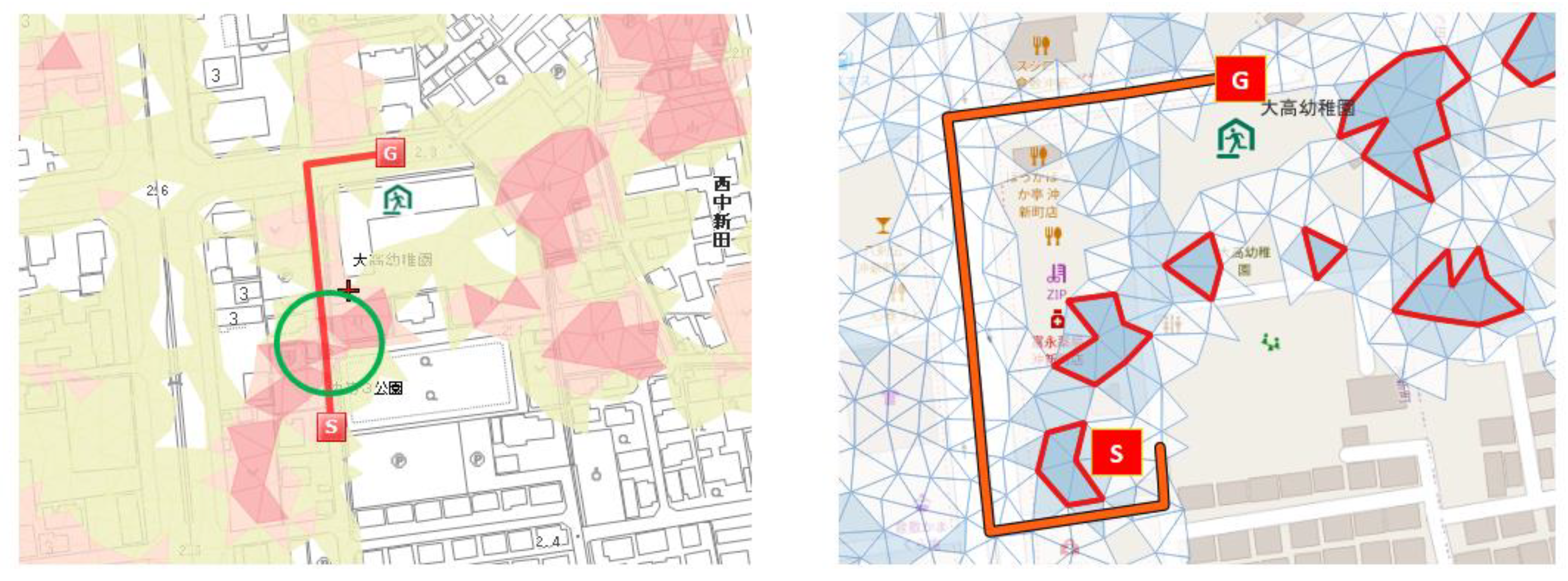
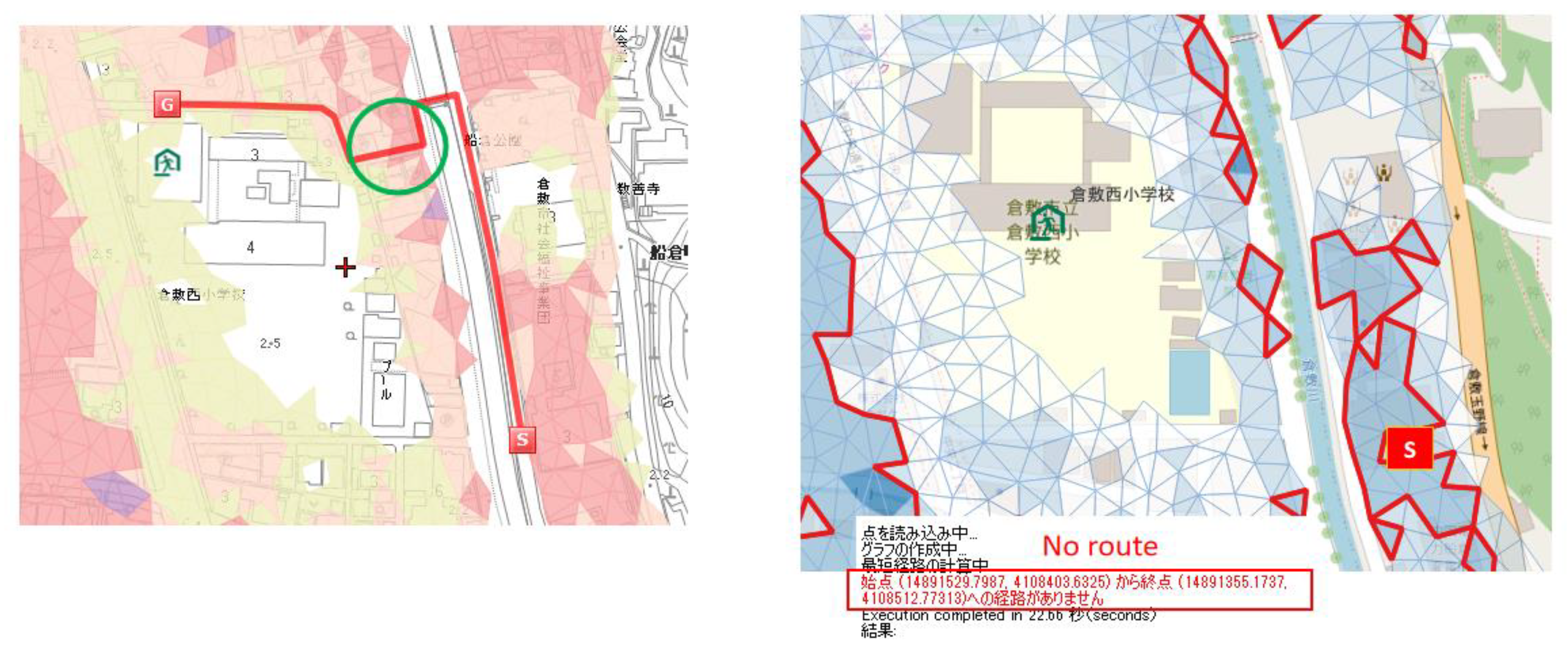
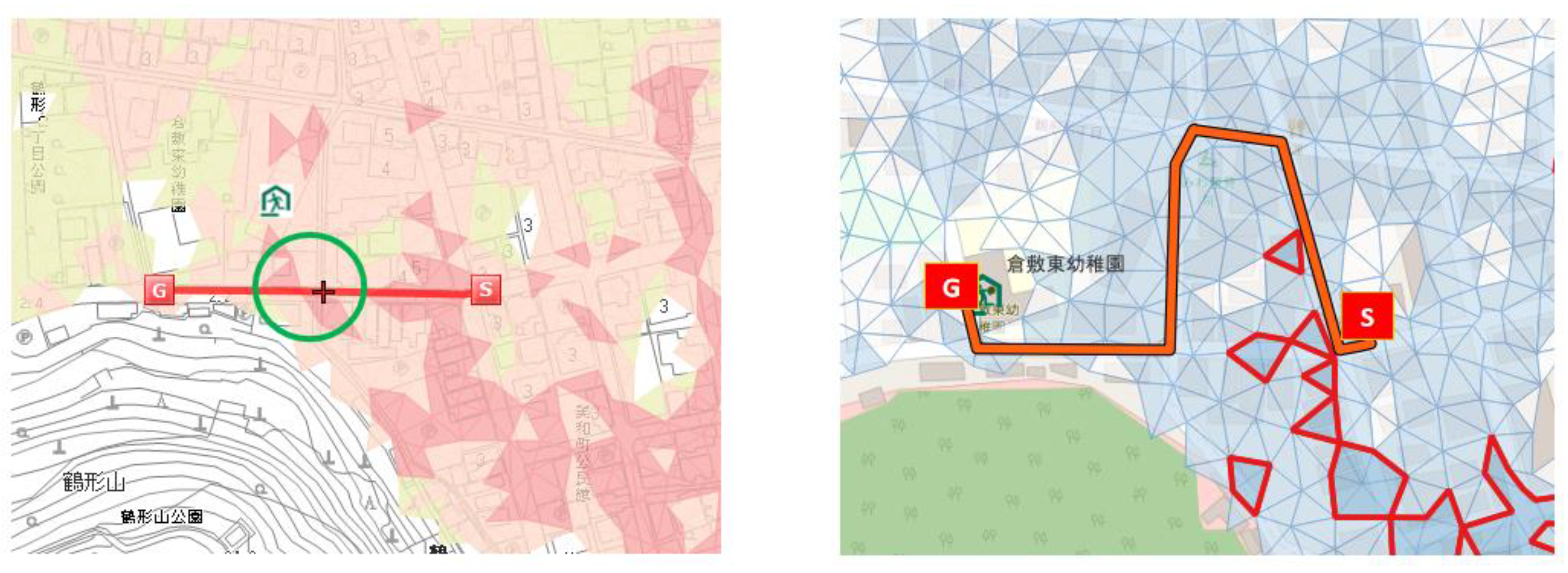
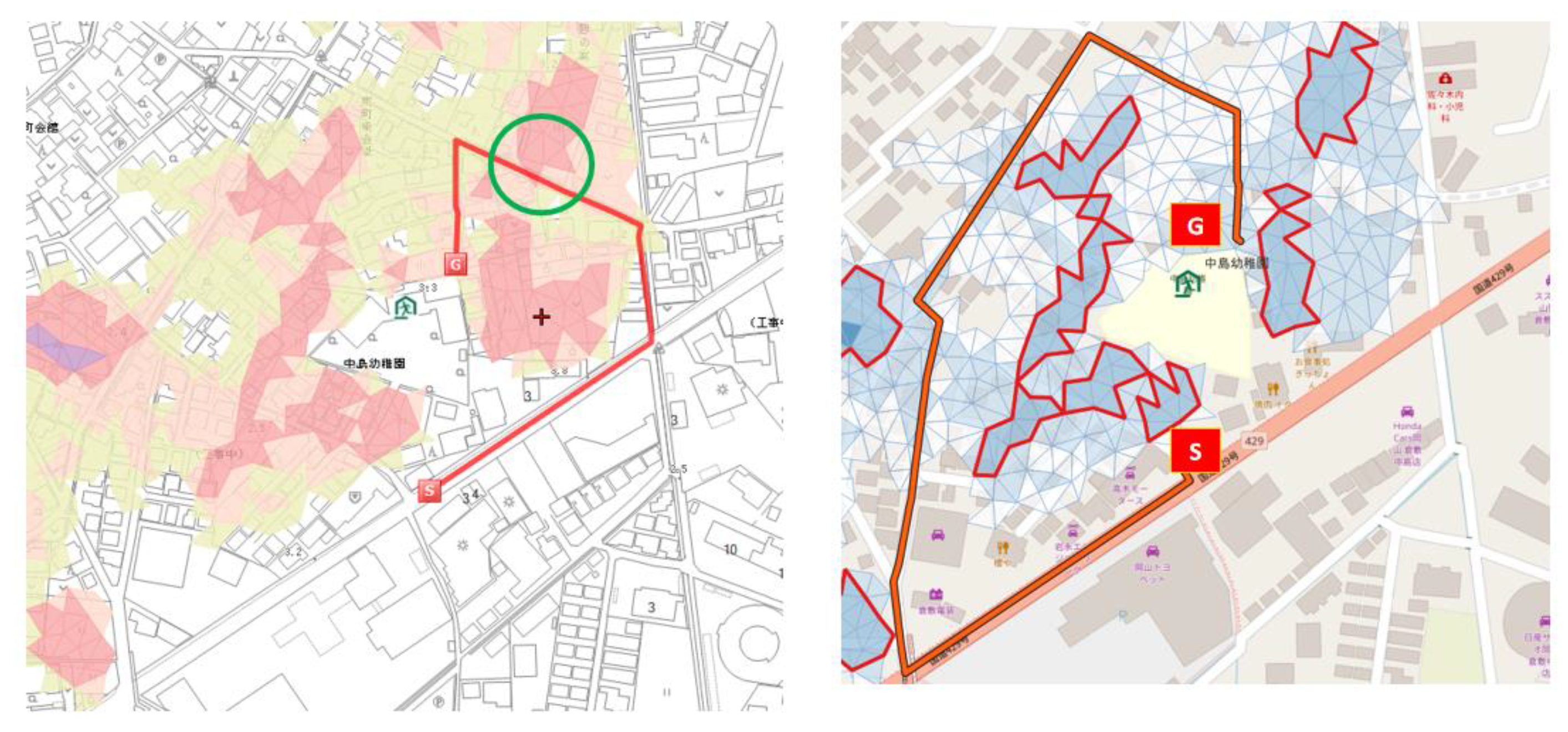
Since the QGIS-based routing workflow relies entirely on deterministic algorithms, repeated computation using identical inputs leads to identical outputs and therefore does not provide additional information about method robustness. Instead of verifying reproducibility through repeated trials, this study evaluates the practical safety and applicability of the proposed method by comparing its output to conventional evacuation maps. To implement this evaluation, six representative origin points were selected, comprising two “safe” origins located far from predicted inundation risks and four “high-risk” origins situated near hazardous zones. For each origin, routes to the geometrically nearest shelter were generated. By comparing the trajectories produced by the proposed method against those derived from conventional GIS techniques, this study verifies the comparative advantages and safety benefits of the new approach. Figure 14, Figure 15, Figure 16, Figure 17, Figure 18 and Figure 19 illustrate the comparative results of the evacuation routes generated for the selected cases.
In Figure 14, Figure 15, Figure 16, Figure 17, Figure 18 and Figure 19, the left panel shows the GIS routes, where areas with predicted water depth of 0.45–1.0 m are marked in red and areas exceeding 1.0 m are marked in purple. The right panel shows the QGIS routes, where areas with predicted water depth greater than 0.5 m are outlined in red. Green circles indicate route segments passing through hazardous areas. Japanese labels shown in the background indicate place names as they appear in the original map and do not affect the scientific interpretation of the figure.
The comparison reveals three distinct patterns based on the spatial relationship between evacuation routes and hazard zones:
  • Scenario 1 (No hazardous areas): The routes generated by the conventional method and the proposed method are identical, confirming that the new algorithm maintains efficiency when no risks are present.
  • Scenario 2 (Hazardous areas present): The proposed method successfully generates alternative routes that detour around dangerous segments (depth ≥ 0.5 m), whereas the conventional method directs evacuees through these high-risk zones.
  • Scenario 3 (Unavoidable hazards): The conventional method still generates a path crossing the hazard, while the proposed method returns no result (pathfinding failure). In such extreme cases, this failure signal serves as a critical warning that vertical evacuation (sheltering in place) or early evacuation is the only viable option.
These results confirm that the proposed method can effectively identify and avoid inland flood risk areas independent of the specific origin-destination pairs selected.

3. Results

3.1. Flood-Affected Road Network Overview

Through the calculation, it was found that the total length of walkable roads (including alleys) in Kurashiki City, Japan, is 6435.044 km. Among them, 88.166 km are located within areas predicted to experience inland flooding of more than 0.5 m, accounting for 1.37% of the total road length. This indicates that approximately 1.4% of the urban road network becomes non-functional under the simulated inland flooding scenario. These sections are highly likely to become impassable during actual evacuation and therefore should be avoided in evacuation route planning.

3.2. Comparison Between Conventional and QGIS-Based Routes

Evacuation routes were generated using both the conventional method (without inland flood consideration) and the proposed QGIS-based method (considering inland flood-affected areas). In the conventional scenario, some evacuation paths passed through inundated zones, resulting in potentially unsafe routes. In contrast, the proposed method successfully avoided flooded road segments by excluding inundated links from the network prior to route generation.
The computational efficiency of route analysis is influenced by the complexity of the imported road network. In this study, when the straight-line distance between the origin and destination was within 500 m, the analysis typically required no more than 10 s. When calculating routes from a single origin to all evacuation shelters within Kurashiki City, the initial response time of the software was approximately 50 s.
Among the five randomly selected test cases, four conventional routes passed through areas with potential inland flood risks, while three of them were successfully avoided in the QGIS-based analysis. These results confirm that the QGIS-based approach improves the reliability of evacuation routes, especially in low-lying residential areas where inland flooding tends to occur earlier than river flooding.

3.3. Visualization of Evacuation Routes

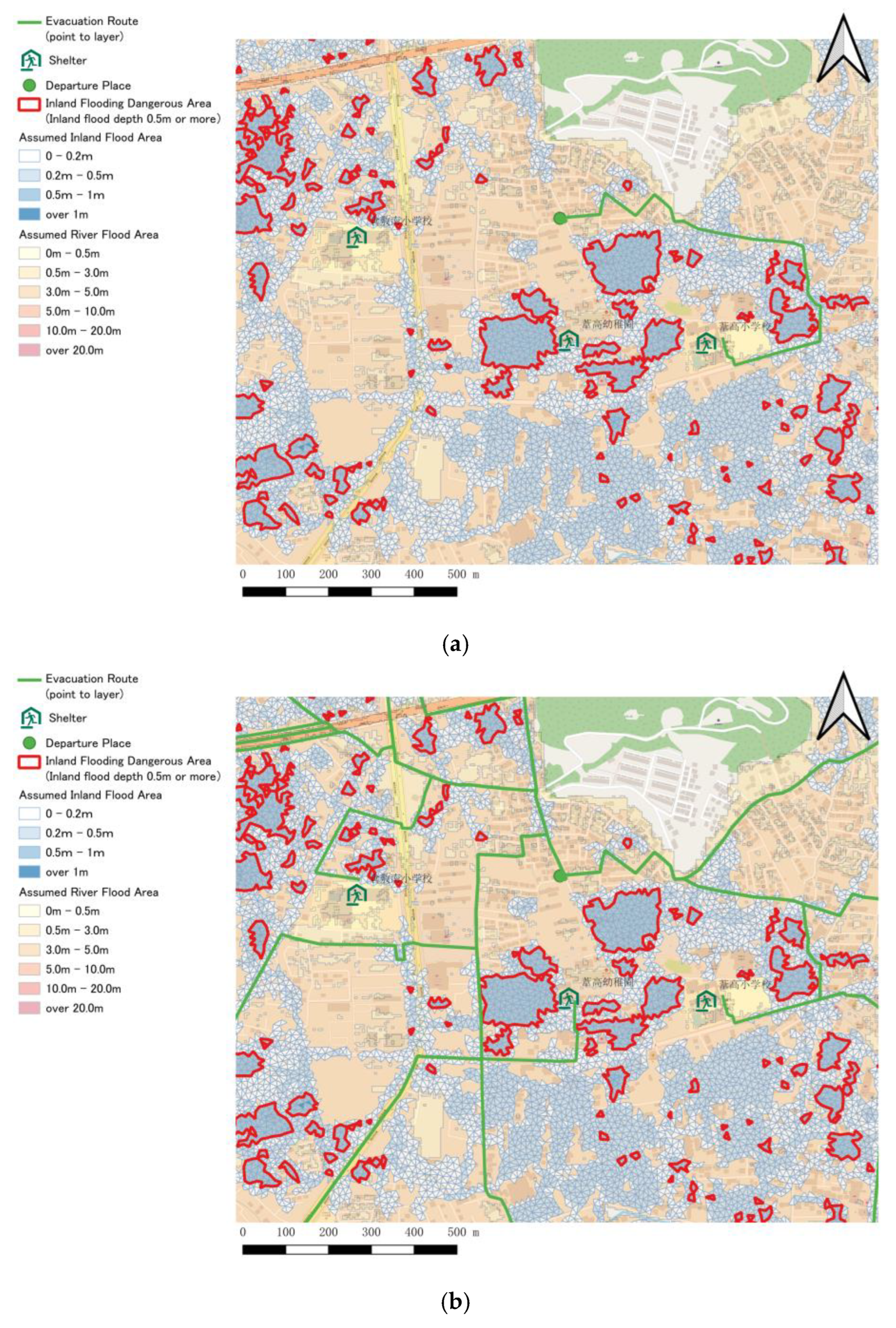
As illustrated in Figure 20a,b, the generated routes show clear differences between the conventional and proposed approaches. The proposed method provides alternative and safer paths that do not cross inundated areas, and it can generate multiple routes from various residential clusters to multiple designated shelters simultaneously. The output routes were saved as vector layers for visualization and further analysis in QGIS. This visualization allows decision-makers to quickly identify safe and unsafe corridors within the urban network.

4. Discussion

4.1. Practical Significance of the Method

In this study, we proposed a novel approach for evacuating people during inland flood disasters caused by heavy rainfall. By utilizing the open-source software QGIS, evacuation routes were generated through the integration of inland flood prediction data and road networks, enabling the avoidance of flood-prone areas. The effectiveness of this method was demonstrated by comparing it with the conventional approach adopted in Japan, namely the government-issued GIS evacuation maps. Furthermore, reproducibility was verified through multiple tests using randomly selected starting and ending points. The proposed method successfully demonstrates that flood-risk avoidance and multi-destination route generation can be achieved entirely using built-in QGIS functions. This contributes to the improvement of disaster preparedness in local governments without requiring costly software or complex programming.
And in this study, evacuation shelters near the starting points were used as destinations for the routes. However, in practical applications, other destinations such as elevated areas could also be flexibly designated. QGIS additionally allows for the overlay of evacuation routes, inland flood prediction areas, river flood prediction areas, and shelter locations to create maps that provide a comprehensive and intuitive representation of disaster conditions. Such maps can help non-expert citizens identify hazardous areas more easily during disasters and support their decision-making in evacuation actions.

4.2. Comparison with Existing Approaches

A comparison between the evacuation maps generated with QGIS and those produced by the existing method is presented in Table 2.
It can be seen that QGIS offers several advantages, including being free, allowing the overlay of multiple types of information, and generating evacuation routes that can avoid hazardous areas. A unique feature of QGIS is its ability to simultaneously generate multiple routes from the same starting point to different destinations, or from different starting points to the same destination, which provides greater flexibility in formulating evacuation strategies.

4.3. Limitations and Future Improvements

Although the proposed method provides a simple and practical solution, several limitations remain. For example, QGIS cannot update routes in real time based on ongoing rainfall, and its route analysis functions are highly dependent on the accuracy of inland flood prediction data. In addition, pedestrian speed, evacuation time, and population characteristics were not considered in the current model. Future work will integrate time-based simulation and demographic data to further improve the precision of evacuation planning under inland flood scenarios.

4.4. Summary

In summary, the proposed QGIS-based method effectively addresses two main limitations of conventional approaches: (1) the inability to avoid potential inland flood risks, and (2) the lack of multi-destination evacuation route generation. The method demonstrates that reliable and easily reproducible evacuation analysis can be conducted within an open-source GIS environment, providing valuable insights for flood disaster prevention in Japan and similar urban contexts worldwide.

5. Conclusions

This study developed an innovative approach, using QGIS to evaluate flood risks and formulate customized evacuation plans by integrating and standardizing spatial data from multiple sources. The proposed method addresses a key limitation of existing approaches by enabling the avoidance of potential inland flood hazard areas. Additionally, it can simultaneously generate different routes to multiple evacuation shelters, a capability that current GISs lack. In practical evacuation scenarios, this feature provides more route options for complex situations. Moreover, since QGIS is open-source and free, tools developed based on it can offer low-cost disaster response solutions for local governments.
Kurashiki City in Japan was used as the case study, and all data employed were sourced from publicly available official datasets. Therefore, the method can be applied across Japan beyond Kurashiki City. The underlying principles of the method are simple and not region-specific. If corresponding flood or inland flood prediction data are available, we anticipate that the method could also be applicable internationally, which will be explored in future research. However, as noted earlier, a limitation of this approach is its strong reliance on existing prediction data, which cannot adjust dynamically to real-time conditions. In the event of unforeseen circumstances, such as an extreme rainfall event exceeding the maximum predicted level, the actual hazard areas may change, potentially rendering the analyzed routes unsafe. Addressing this limitation will be the focus of our future research.

6. Future Work

QGIS is a powerful free software, but it still needs to be improved based on personalized purposes. By utilizing the various functions of QGIS, the authors identified several topics and activities that can improve the functions of the disaster prevention map, and may be discussed in future research:
  • Collecting more detailed shelter data (such as usable floor heights, facilities, size, capacity, etc.) and displaying them on a map.
  • The capacity of the evacuation shelter can be evaluated by analyzing it in conjunction with the statistics of the surrounding population; it can also be compiled into a map for easy reference when taking evacuation actions.
  • Cataloging places that can be used as temporary shelters (e.g., shopping malls, etc.) when nearby shelters exceed capacity or when there are no shelters nearby that can be safely accessed.
  • The reliability of evacuation routes has not been verified in this study. We plan to evaluate the performance of evacuation routes in the future through simulations using past flood data.
  • We will select more countries and regions to verify the generalizability of the proposed method.
  • For people with special needs, such as children, the elderly, and the disabled, we will provide more detailed route planning and evacuation indicators by further considering comprehensive factors such as movement speed, difficulty of movement, and shelter capacity.
  • In parallel, a real-time road water depth detection system using radar and other sensing technologies is being developed, aiming to incorporate real-time analysis capabilities into the existing method to make the results safer and more reliable. Furthermore, there are plans to integrate AI to enhance the efficiency of data processing and computation.

Author Contributions

Conceptualization, W.P., J.K. and S.N.; methodology, W.P., S.P. and S.N.; software, W.P.; validation, W.P. and S.P.; formal analysis, W.P. and S.P.; investigation, W.P. and S.P.; resources, S.N.; data curation, W.P. and S.P.; writing—original draft preparation, W.P. and S.P.; writing—review and editing, W.P., S.P., K.Y. and S.N.; visualization, W.P. and S.P.; supervision, S.P., K.Y. and S.N.; project administration, S.N.; funding acquisition, S.N. All authors have read and agreed to the published version of the manuscript.

Funding

This research received no external funding.

Data Availability Statement

All datasets used in this study are openly available from official Japanese government sources. Road network and Shelter location data were obtained from the Ministry of Land, Infrastructure, Transport and Tourism (MLIT)(https://nlftp.mlit.go.jp/ksj/ accessed on 20 December 2024). Inundation depth data were downloaded from the Okayama Open Data Portal (https://www.okayama-opendata.jp accessed on 20 December 2024).No new datasets were generated in this study.

Acknowledgments

The author acknowledges the use of ChatGPT-4-Turbo, an AI language model, for language improvement and idea explanation. ChatGPT-4-Turbo was employed to enhance the clarity and coherence of the manuscript while assisting in articulating complex concepts. However, all intellectual contributions, interpretations, and conclusions remain the sole responsibility of the author.

Conflicts of Interest

The authors declare no conflict of interest.

References

  1. Morisaki, Y.; Fujiu, M.; Takayama, J. Analysis of Flood Risk for Vulnerable People Using Assumed Flood Area Data Focused on Aged People and Infants. Sustainability 2023, 15, 16282. [Google Scholar] [CrossRef]
  2. Kundzewicz, Z.W.; Pińskwar, I. Are Pluvial and Fluvial Floods on the Rise? Water 2022, 14, 2612. [Google Scholar] [CrossRef]
  3. European Court of Auditors. Special Report No 25 2018–Floods Directive: Progress in Assessing Risks, While Planning and Implementation Need to Improve; European Court of Auditors: Luxembourg, 2018; Available online: https://op.europa.eu/webpub/eca/special-reports/floods-directive-25-2018/en/ (accessed on 4 November 2025).
  4. AFREL-SR. What Are Internal Water Flooding & External Water Flooding? Countermeasures for Heavy Rain Disasters and Actions to Take When They Occur. AFREL-SR Knowledge Base. 30 November 2022 (Updated 13 March 2023). Available online: https://afrel-s.jp/knowledge/naisuigaisui/ (accessed on 7 November 2025).
  5. Guo, K.; Guan, M.; Yu, D. Urban surface water flood modelling—A comprehensive review of current models and future challenges. Hydrol. Earth Syst. Sci. 2021, 25, 2843–2860. [Google Scholar] [CrossRef]
  6. Zhou, Z.; Qu, L.; Zou, T. Quantitative Analysis of Urban Pluvial Flood Alleviation by Open Surface Water Systems in New Towns: Comparing Almere and Tianjin Eco-City. Sustainability 2015, 7, 13378–13398. [Google Scholar] [CrossRef]
  7. Vojtek, M.; Moradi, S.; De Luca, D.L.; Petroselli, A.; Vojteková, J. Fluvial and pluvial flood hazard mapping: Combining basin and municipal scale assessment. Geomat. Nat. Hazards Risk 2024, 15, 2432377. [Google Scholar] [CrossRef]
  8. OKAYAMA Soudan Shitsu. Disaster Prevention 03. OKAYAMA Soudan Shitsu Website. Available online: https://www.okayamasoudan.com/disaster_prevention03.html (accessed on 7 November 2025).
  9. Weathernews Inc. Survey on Evacuation During Heavy Rainfall: Older People Tend Not to Move to Shelters. Weathernews–Otenki News. Published 1 September 2020. Available online: https://weathernews.jp/s/topics/202008/310215/ (accessed on 7 November 2025).
  10. Weathernews Inc. Disaster Risk Reduction Survey 2018—West Japan Heavy Rainfall: ‘I’ll be Fine’ and More… 84% Did Not Evacuate. Weathernews–Otenki News. 31 August 2020. Available online: https://jp.weathernews.com/news/24579/ (accessed on 7 November 2025).
  11. JBpress; Asano, K.; Nishizaki, R.; Tanaka, W. Why is Evacuation Delay Repeatedly Occurring During Heavy-Rain Disasters? JBpress/Japan Innovation Review. Published 5 January 2022. Available online: https://jbpress.ismedia.jp/articles/-/68251/ (accessed on 7 November 2025).
  12. Toyo Keizai Online; Hirofumi, T. Why People Fail to Evacuate Even After Evacuation Orders Are Issued: Four Guidelines Needed to Protect Oneself Against Heavy-Rain Disasters. Toyo Keizai Online. Published 15 July 2019. Available online: https://toyokeizai.net/articles/-/290914/ (accessed on 7 November 2025).
  13. Ministry of Land, Infrastructure, Transport and Tourism (MLIT). Implementation Status of Urban Pluvial Flooding Countermeasures after Guideline Formulation; Water Management and National Land Conservation Bureau, Sewerage Department, MLIT: Tokyo, Japan, 2019. Available online: https://www.mlit.go.jp/mizukokudo/sewerage/content/001378231.pdf (accessed on 4 November 2025).
  14. Lee, Y.H.; Kim, H.I.; Han, K.Y.; Hong, W.H. Flood Evacuation Routes Based on Spatiotemporal Inundation Risk Assessment. Water 2020, 12, 2271. [Google Scholar] [CrossRef]
  15. Park, S.; Lee, G.; Kim, J.O. Flood Evacuation Mapping Using a Time–Distance cartogram. ISPRS Int. J. Geo-Inf. 2020, 9, 207. [Google Scholar] [CrossRef]
  16. Parajuli, G.; Neupane, S.; Kunwar, S.; Adhikari, R.; Acharya, T.D. A GIS-Based Evacuation Route Planning in Flood-Susceptible Area of Siraha Municipality, Nepal. ISPRS Int. J. Geo-Inf. 2023, 12, 286. [Google Scholar] [CrossRef]
  17. Irsyad, H.A.W.; Hitoshi, N. Flood disaster evacuation route choice in Indonesian urban riverbank kampong: Exploring the role of individual characteristics, path risk elements, and path network configuration. Int. J. Disaster Risk Reduct. 2022, 81, 103275. [Google Scholar] [CrossRef]
  18. Cabinet Office, Government of Japan. Guideline on Evacuation Information (Revised May 2021). Guideline on Evacuation Information Under the Disaster Countermeasures Basic Law. Available online: https://www.bousai.go.jp/oukyu/hinanjouhou/r3_hinanjouhou_guideline/ (accessed on 7 November 2025).
  19. Kurashiki City & Okayama Prefecture. Kurashiki City Integrated GIS Portal. Okayama Prefecture Al Prefecture Integrated GIS Website. Available online: http://www.gis.pref.okayama.jp/kurashiki/Portal (accessed on 7 November 2025).
  20. Ministry of Land, Infrastructure, Transport and Tourism (MLIT). Use Case UC22-041. Project PLATEAU–Use Case Examples. Available online: https://www.mlit.go.jp/plateau/use-case/uc22-041/ (accessed on 7 November 2025).
  21. Nomad Season. Climate of Okayama (July)–Kurashiki & Okayama, Japan/Monthly Climate Data. Nomad Season Website. Available online: https://nomadseason.com/weather/japan/okayama/kurashiki-july.html (accessed on 7 November 2025).
  22. Climate-Data.org. Weather Kurashiki & Temperature By Month–Japan/Okayama Prefecture/Kurashiki. Climate-Data.org. Available online: https://en.climate-data.org/asia/japan/okayama-prefecture/kurashiki-5325/ (accessed on 7 November 2025).
  23. CityPopulation.de. Kurashiki City (Okayama Prefecture)–Population Statistics, Charts & Map. CityPopulation.de. Available online: https://www.citypopulation.de/en/japan/okayama/_/33202__kurashik (accessed on 7 November 2025).
  24. Peace Boat Disaster Relief Volunteer Center. Emergency Response: Japan Floods 2018 [Update]. Peace Boat Disaster Relief–News. Published 18 July 2018. Available online: https://pbv.or.jp/en/news/emergency-response-japan-floods-2018/ (accessed on 7 November 2025).
  25. Introduction of QGIS. Available online: https://blog.csdn.net/qq_35662333/article/details/136150624 (accessed on 7 November 2025).
  26. QGIS Development Team. QGIS User Guide: Network Analysis (Version 3.40). QGIS Documentation. 2025. Available online: https://docs.qgis.org/3.40/en/docs/user_manual/processing_algs/qgis/networkanalysis.html (accessed on 4 November 2025).
  27. QGIS Development Team. QGIS PyQGIS Developer Cookbook: Network Analysis (Version 3.40). QGIS Documentation. 2025. Available online: https://docs.qgis.org/3.40/en/docs/pyqgis_developer_cookbook/network_analysis.html (accessed on 4 November 2025).
  28. Arrighi, C.; Oumeraci, H.; Castelli, F. Hydrodynamics of pedestrians’ instability in floodwaters. Hydrol. Earth Syst. Sci. 2017, 21, 515–531. [Google Scholar] [CrossRef]
  29. Dong, B.; Xia, J.; Li, Q.; Zhou, M. Risk assessment for people and vehicles in an extreme urban flood: Case study of the ‘7.20’ flood event in Zhengzhou, China. Int. J. Disaster Risk Reduct. 2022, 80, 103205. [Google Scholar] [CrossRef]
  30. Chen, P.; Zhang, S.; Bao, J.; Zhao, H. Evaluation of evacuation difficulty of urban resident during storm water-logging based on walking experiment. J. Flood Risk Manag. 2022, 15, e12850. [Google Scholar] [CrossRef]
  31. Bernardini, G.; Quagliarini, E. How to Account for the Human Motion to Improve Flood Risk Assessment in Urban Areas. Water 2020, 12, 1316. [Google Scholar] [CrossRef]
  32. Aparicio Uribe, C.H.; Russo, B.; Téllez-Álvarez, J.; Martínez-Gomariz, E. Flood-Related Hazard Criteria During the Human Evacuation of Underground Spaces Through Stairs: A State-of-the-Art Review. Nat. Hazards 2025, 121, 5035–5073. [Google Scholar] [CrossRef]
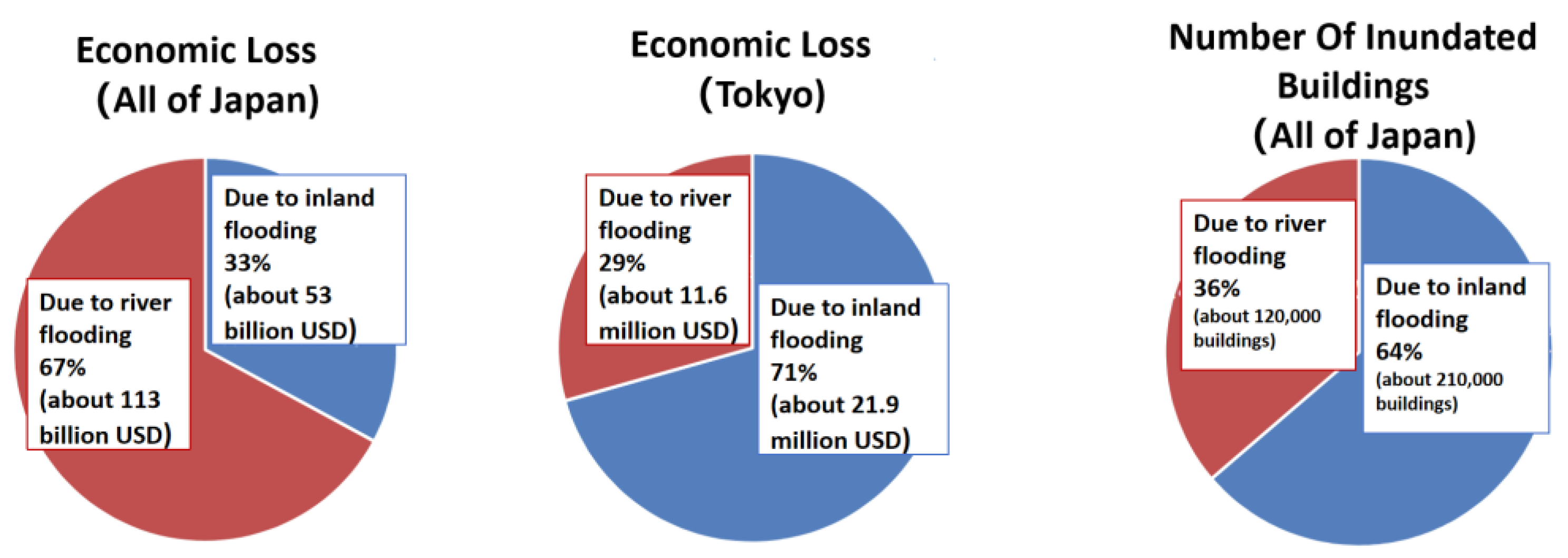
Figure 1. Damages caused by river floods and inland floods, 1 USD = 150 JPY [8].
Geographies 05 00074 g001
Figure 2. The damage caused by the 2018 western Japanese flood in Okayama City. Before the government issued flood evacuation directives (alert level 2), the extent of inland flooding in urban areas had reached the level that it was difficult to evacuate on foot in some areas. Some labels in Japanese remain in the figure because they are part of the original official map. Key terms relevant to scientific understanding are translated, while other labels do not affect interpretation.
Geographies 05 00074 g002
Figure 3. (a) A GIS map of disaster prevention provided by Kurashiki City for the general public. Some labels in Japanese remain in the figure because they are part of the original official map. The left sidebar shows the overlaid geographic information layers. From top to bottom, these layers include: (1) Predicted inland flood depth (≥1.0 m; ≥0.45 m and <1.0 m; ≥0.2 m and <0.45 m; <0.2 m); (2) Evacuation facilities (evacuation shelters; combined evacuation shelter and evacuation area; evacuation area); (3) Assumed maximum-scale river flooding depth (<0.5 m; ≥0.5 m and <3.0 m; ≥3.0 m and <5.0 m; ≥5.0 m and <10.0 m; ≥10.0 m and <20.0 m; ≥20.0 m; areas subject to inundation calculation); and (4) Assumed design-scale river flooding. (b) The evacuation routes provided on the map do not avoid dangerous areas where waterlogging may have occurred.
Geographies 05 00074 g003
Figure 4. (a) This is a figure that showed danger-level derived from the internal flooding depth situation: Danger-level A, flooding depth to 20 cm, most sidewalks begin to be flooded; Danger-level B, flooding depth to 45 cm, near the boundary between inundation under the floor and inundation above the floor, flooding depth to 50 cm is enough to bring adults to their knees; Danger-level C, flooding depth to 1 m. At 1 m, adults may be knee-deep in water; Danger-level D, flooding depth from 1 m to 2 m, up to the eaves of the first floor. (b) This is a figure that showed danger-level derived from the external flooding depth situation: Danger-level A, flooding depth to 50 cm, up to the floor level of the first floor, or up to the knees of an adult at 50 cm; Danger-level B, flooding depth from 50 cm to 3 m, up to the floor level of the second floor; Danger-level C, flooding depth from 3 m to 5 m, up to the eaves of the second floor; Danger-level D, flooding depth over 5 m, to the degree of inundation above the eaves of the second floor.
Geographies 05 00074 g004aGeographies 05 00074 g004b
Figure 5. This is an evacuation route derived from the hazard level of current situation.
Geographies 05 00074 g005
Figure 6. Workflow of how to make plan of evacuation route.
Geographies 05 00074 g006
Figure 7. Study site and comparison of satellite image before/after 2018 flood disaster. The area outlined in red parts indicates the boundary of Kurashiki City.
Geographies 05 00074 g007
Figure 8. A parameter settings about Network Analysis (Shortest path, point to layer) in QGIS. The Japanese labels in the figure correspond to layer names that can be modified.
Geographies 05 00074 g008
Figure 9. Visualization of downloaded road centerline data in QGIS (Brown line). Japanese labels shown in the background indicate place names as they appear in the original map and do not affect the scientific interpretation of the figure.
Geographies 05 00074 g009
Figure 10. Searched results (yellow part).
Geographies 05 00074 g010
Figure 11. Schematic diagram of the processed road network topology. Green lines: Safe road network; Purple lines: Hazardous road network (subtracted topology); Red frame: Inland flood hazard zone.
Geographies 05 00074 g011
Figure 12. Shortest evacuation route result (point to point).
Geographies 05 00074 g012
Figure 13. Shortest evacuation route result (point to layer).
Geographies 05 00074 g013
Figure 14. Group1:No hazardous areas (safe).
Geographies 05 00074 g014
Figure 15. Group2:No hazardous areas (safe).
Geographies 05 00074 g015
Figure 16. Group3:Hazardous areas present (high-risk).
Geographies 05 00074 g016
Figure 17. Group4:Unavoidable hazards (high-risk).
Geographies 05 00074 g017
Figure 18. Group5:Hazardous areas present (high-risk).
Geographies 05 00074 g018
Figure 19. Group6:Hazardous areas present (high-risk).
Geographies 05 00074 g019
Figure 20. (a) This is a GIS map example of a disaster prevention map provided by Kurashiki City created using the method proposed in this study. It provides an alternative evacuation route that is different from the one provided by the GIS currently in use. The evacuation route does not pass through areas where waterlogging of more than 0.5 m may occur, which is safer than the original route. (b) Different routes can be offered at the same time, leading to different shelters.
Geographies 05 00074 g020
Table 1. This is a table include the Evacuation Information (Japanese Regulations).
Alert Level New Evacuation InformationPrevious System of Evacuation Information
5Disaster occurrenceEmergency Safety MeasuresDisaster occurrence information
(Issued once occurrence is confirmed)
<Be sure to evacuate by Alert Level 4!>
4High risk Evacuation Instruction-Evacuation Instruction (emergency)
-Evacuation
Recommendation
3Risk of disasterEvacuation of the Elderly, Etc.Advisory to prepare for evacuation and start evacuating elderly and other persons requiring special care.
2Weather worseningHeavy Rain, Flood, or
Storm Surge Advisories
(Japan Meteorological Agency)
Heavy Rain, Flood, or Storm Surge Advisories
(Japan Meteorological Agency)
1Risk of weather worseningProbability of Warnings
(Japan Meteorological Agency)
Probability of Warnings
(Japan Meteorological Agency)
Note 1: Alert Level 5 is rarely issued due to a number of reasons, such as municipal authorities being unable to accurately grasp the severity of a disaster. Note 2: Evacuation Recommendations will no longer be issued. Instead, Evacuation Instructions will be issued. Note 3: An Alert Level 3 indicates that everyone living in the evacuating area should prepare to evacuate if the Alert Level is raised. People who may have difficulty evacuating quickly or who feel that they are already in danger should proceed to evacuate themselves. The background colors of the table are consistent with the disaster classification system used in Japan.
Table 2. Comparison between QGIS and existing approaches in Japan.
MethodFree SoftwareDisaster Types DisplayedHazard Avoidance3D/2DReal-Time Data UpdateMulti-Destination Route Planning
QGISYesFlood & Inland floodYes2DNoYes
GIS Maps (Government)YesFlood & Inland floodNo2DNoNo
Disclaimer/Publisher’s Note: The statements, opinions and data contained in all publications are solely those of the individual author(s) and contributor(s) and not of MDPI and/or the editor(s). MDPI and/or the editor(s) disclaim responsibility for any injury to people or property resulting from any ideas, methods, instructions or products referred to in the content.