
Journal Description
Fluids
Fluids
is an international, peer-reviewed, open access journal on all aspects of fluids, published monthly online by MDPI. The Portuguese Society of Rheology (SPR) is affiliated with Fluids and its members receive discounts on the article processing charges.
- Open Access— free for readers, with article processing charges (APC) paid by authors or their institutions.
- High Visibility: indexed within Scopus, ESCI (Web of Science), Inspec, CAPlus / SciFinder, and other databases.
- Journal Rank: CiteScore - Q2 (Mechanical Engineering)
- Rapid Publication: manuscripts are peer-reviewed and a first decision is provided to authors approximately 21.7 days after submission; acceptance to publication is undertaken in 3.6 days (median values for papers published in this journal in the first half of 2025).
- Recognition of Reviewers: reviewers who provide timely, thorough peer-review reports receive vouchers entitling them to a discount on the APC of their next publication in any MDPI journal, in appreciation of the work done.
Impact Factor:
1.8 (2024);
5-Year Impact Factor:
1.9 (2024)
Latest Articles
CFD-Based Hydraulic Performance Improvement of a Chlorine Contact Tank: The Case Study of a Southern Italy Plant
Fluids 2025, 10(12), 328; https://doi.org/10.3390/fluids10120328 - 12 Dec 2025
Abstract
Chlorine contact tanks are crucial for wastewater disinfection, with performance strongly influenced by internal hydraulic characteristics. This study applies Computational Fluid Dynamics (CFD) to analyze and improve the hydraulics of the chlorination contact tank in a Wastewater Treatment Plant in the Southern Italy.
[...] Read more.
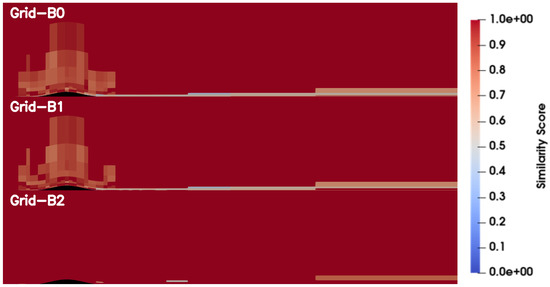
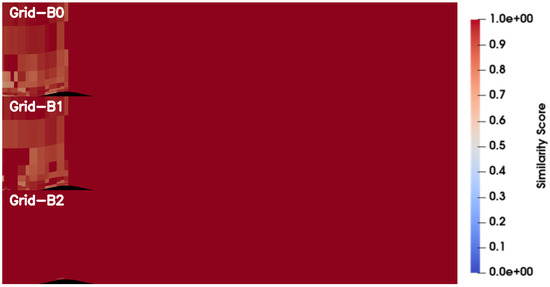
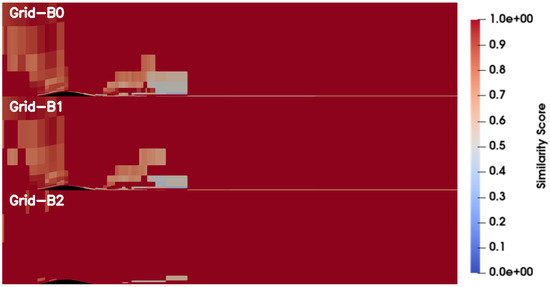
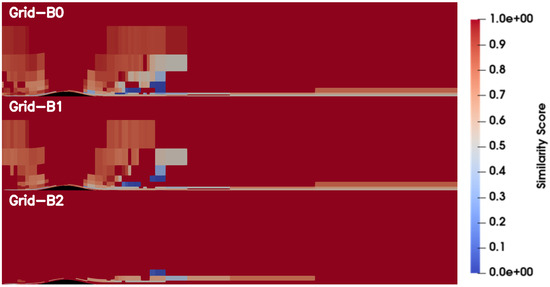
Chlorine contact tanks are crucial for wastewater disinfection, with performance strongly influenced by internal hydraulic characteristics. This study applies Computational Fluid Dynamics (CFD) to analyze and improve the hydraulics of the chlorination contact tank in a Wastewater Treatment Plant in the Southern Italy. A three-dimensional transient CFD model was developed using the Reynolds-Averaged Navier–Stokes (RANS) equations with the Renormalized Group (RNG) turbulence closure. The model simulated flow patterns, tracer transport, and chlorine decay kinetics under the existing configuration and two alternative configurations. Conservative tracer pulse simulations enabled the calculation of Residence Time Distributions (RTDs) and hydraulic efficiency indicators, including the Baffling Factor (θ10), Morrill index (Mo), and Aral–Demirel index (AD). A typical contact tanks geometry exhibits specific hydraulic characteristics, including recirculation behind baffles and stagnant zones in sharp corners, which inevitably affects the contact time. The first alternative, namely featuring rounded corners, moderately reduced dead zones, but did not substantially mitigate recirculation. The second alternative, herein called combining rounded corners with perforated baffle walls, substantially improved hydraulic performance, yielding flow patterns closer to plug-flow. RTD peaks were higher and narrower for the modified designs, and hydraulic indices improved, with Mo decreasing by approximately 5%. These hydraulic enhancements are expected to increase disinfection efficiency by providing more uniform chlorine exposure. The results demonstrate that geometric modifications effectively optimize contact tank hydraulics and highlight the role of CFD as a design and retrofit tool for water and wastewater disinfection systems.
Full article
(This article belongs to the Section Mathematical and Computational Fluid Mechanics)
►
Show Figures
Open AccessArticle
A Statistical Model of Turbulent Flow and Dispersion Based on General Principles of Physics
by
J. J. H. Brouwers
Fluids 2025, 10(12), 327; https://doi.org/10.3390/fluids10120327 - 11 Dec 2025
Abstract
The traditional way to model the statistics of turbulent flow and dispersion is through averaged conservation equations, in which the turbulent transport terms are described by semi-empirical expressions. A new development has been reported by Brouwers in a number of consecutive papers published
[...] Read more.
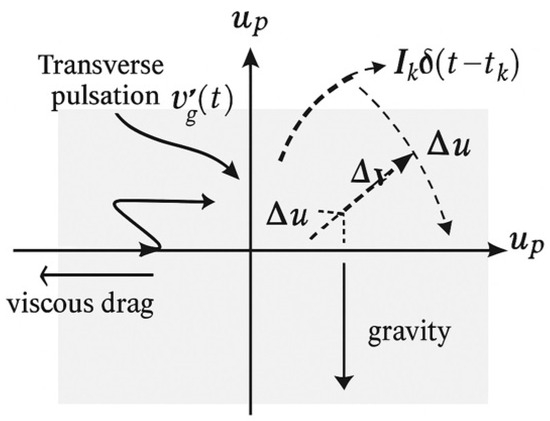
The traditional way to model the statistics of turbulent flow and dispersion is through averaged conservation equations, in which the turbulent transport terms are described by semi-empirical expressions. A new development has been reported by Brouwers in a number of consecutive papers published over the last 15 years. The new development is that presented descriptions can be obtained through the application of fundamental principles of statistical physics and making use of the asymptotic structure of turbulence at a high Reynolds number. They no longer rely on empirical constructions, minimise calibration factors, and are not limited to specific flow situations. This article updates the contents of these works and presents them in coherent manner. The first derivations are presented as expressions for turbulent diffusion. These are subsequently implemented in a closed set of equations expressing the conservation of mean momentum, mean fluctuating energy, and energy dissipation rate. Predictions from these equations are shown to compare favourably with the results of direct numerical simulations (DNS) of the Navier–Stokes equations of highly anisotropic and inhomogeneous channel flow. The presented model equations provide a solid basis to calculate the main statistical parameters of turbulent flow and dispersion in engineering praxis and environmental analysis.
Full article
(This article belongs to the Section Turbulence)
►▼
Show Figures

Figure 1
Open AccessArticle
Heat Transfer Prediction for Internal Flow Condensation in Inclined Tubes
by
Mateus Henrique Corrêa, Victor Gouveia Ferrares, Alexandre Garcia Costa, Matheus Medeiros Donatoni, Maurício Mani Marinheiro, Daniel Borba Marchetto and Cristiano Bigonha Tibiriçá
Fluids 2025, 10(12), 326; https://doi.org/10.3390/fluids10120326 - 9 Dec 2025
Abstract
This study investigates the heat transfer coefficient (HTC) during flow condensation inside smooth inclined tubes, analyzing the combined effects of flow orientation, fluid properties and flow characteristics on the thermal performance. The literature review indicates that the channel inclination effect on the HTC
[...] Read more.
This study investigates the heat transfer coefficient (HTC) during flow condensation inside smooth inclined tubes, analyzing the combined effects of flow orientation, fluid properties and flow characteristics on the thermal performance. The literature review indicates that the channel inclination effect on the HTC remains insufficiently understood, highlighting the need for further investigation. Thus, a comprehensive experimental database comprising 4944 data points was compiled from 24 studies, including all flow directions, from upward, to horizontal, downward, and intermediate orientations. The study reveals that the influence of flow inclination on the HTC can be ruled by a criterion based on the liquid film thickness Froude number, . At > 4.75, the effect of flow inclination becomes negligible, while under < 4.75, the inclination can have a considerable effect on the HTC. The experimental data show that at low Froude numbers, upward flow typically exhibits higher HTC compared to downward flow, attributed to enhanced interfacial turbulence caused by opposing gravitational and shear forces. In contrast, under vertical downward flow, the annular pattern is more prominent, with reduced interfacial disturbances, limiting HTC performance. The compiled experimental database for inclined channels was compared against an update list of prediction methods, including seven correlations incorporating the inclination angle as an input parameter. Additionally, a new simple correction factor including the effect of inclined tubes was proposed based on the flow inclination angle and on the liquid film thickness Froude number. The proposed correction factor improved the prediction of well-ranked correlations in the literature by over 20% for stratified flow pattern conditions and by more than 5% for low Froude number values. These findings present new insights into how tube inclination can affect heat transfer in a two-phase flow.
Full article
(This article belongs to the Special Issue Numerical Modeling and Experimental Studies of Two-Phase Flows, 2nd Edition)
►▼
Show Figures

Figure 1

Open AccessArticle
Numerical Analysis of Influence of Different Anti-Vortex Devices on Submerged Vortices and on Overall Performance of Vertical Mixed-Flow Pump
by
Milan Sedlář, Prokop Moravec, Vít Doubrava and Martin Komárek
Fluids 2025, 10(12), 325; https://doi.org/10.3390/fluids10120325 - 6 Dec 2025
Abstract
►▼
Show Figures
The aim of this study is to compare submerged vortical structures for a pump mounted in a pump intake without any anti-vortex devices (AVDs), with a trident-like AVD or with a cone AVD. Another aim is to compare the pump characteristics (head, efficiency,
[...] Read more.
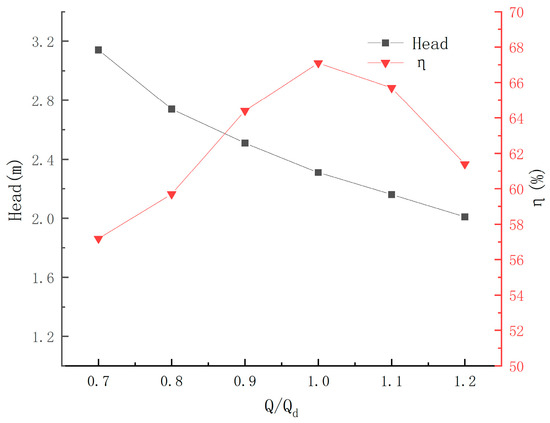
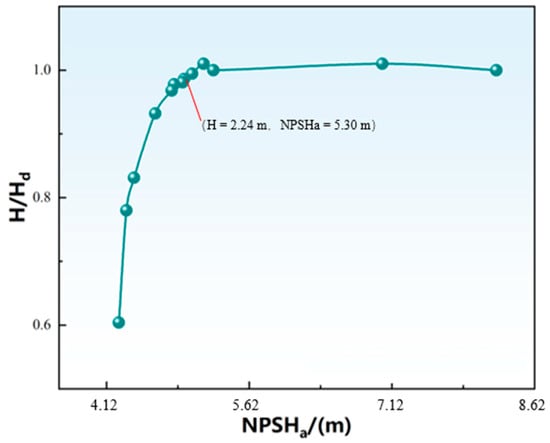
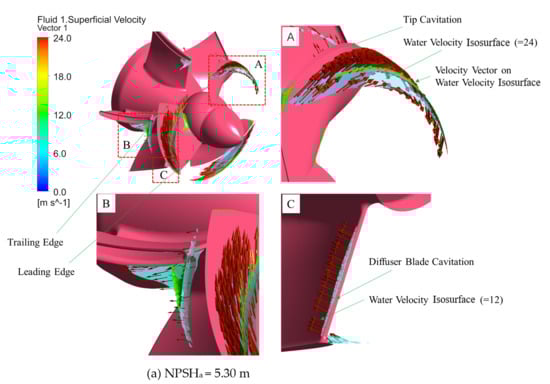
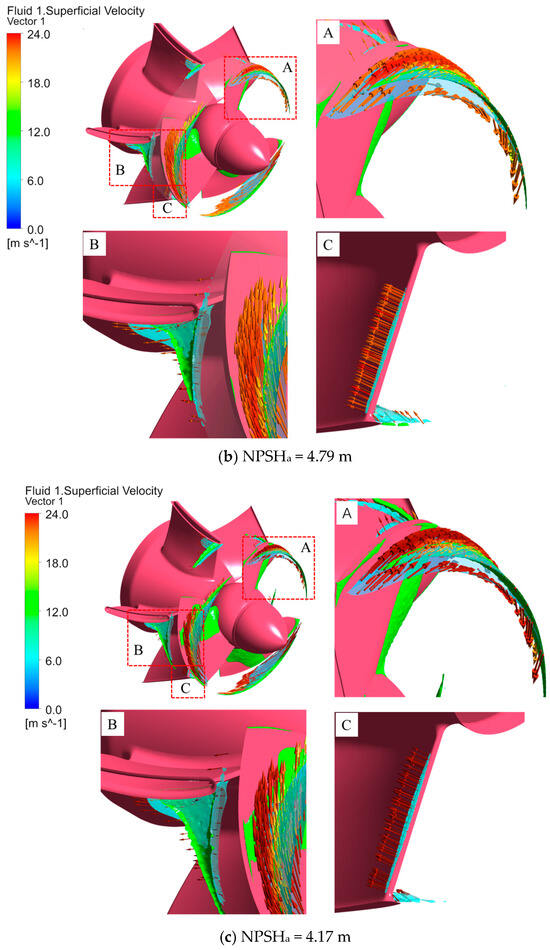
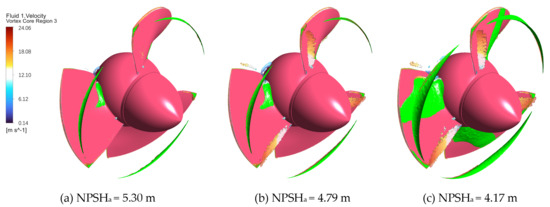
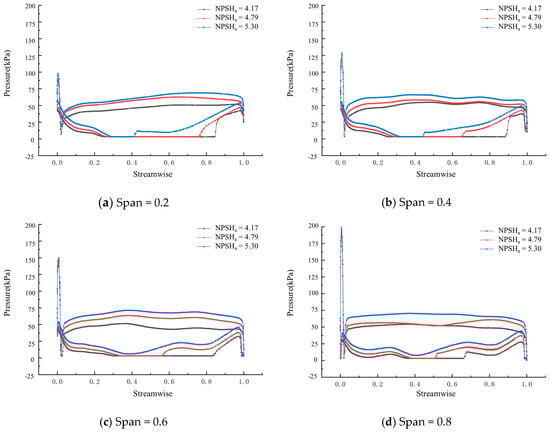
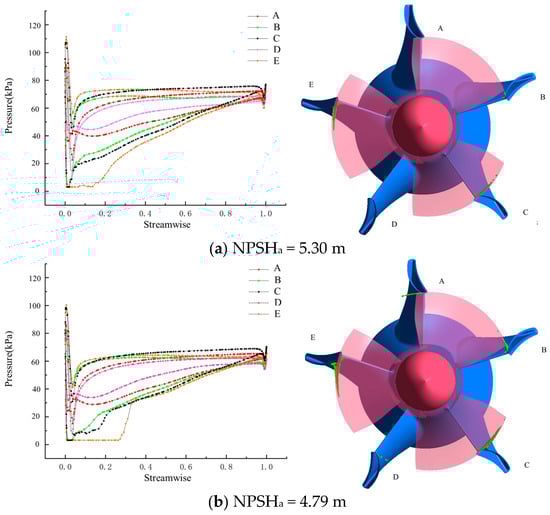
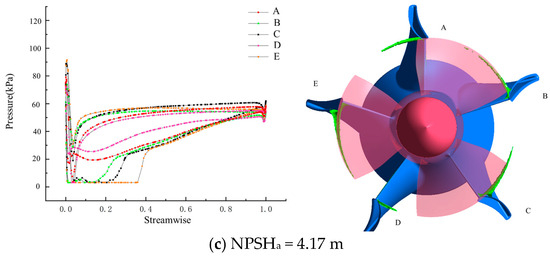
The aim of this study is to compare submerged vortical structures for a pump mounted in a pump intake without any anti-vortex devices (AVDs), with a trident-like AVD or with a cone AVD. Another aim is to compare the pump characteristics (head, efficiency, power input and radial forces) of these pump arrangements via CFD simulation along with experimental measurements in a closed circuit. The numerical simulation of unsteady multiphase flow is established by means of computational fluid dynamics (CFD) and the volume of fluid (VOF) method. To predict vortical structures in the vicinity of the pump suction bell, the unsteady Reynolds-averaged Navier–Stokes equations (URANS) are solved together with the scale-adaptive simulation (SAS) turbulence model. For each AVD configuration, integral characteristics like the head, power input, efficiency and forces acting on the pump rotor are also evaluated. The numerical results show that the configuration with the cone AVD exhibits the best performance (from the point of view of both hydraulic efficiency and vorticity strength), but it requires a larger distance between the intake bottom wall and the pump bellmouth. The submerged vortices are quite stable when using an AVD, but rather unsteady without any anti-vortex tool.
Full article

Figure 1
Open AccessArticle
Pressure Transient Analysis for Vertical Well Drilled in Filled-Cave in Fractured Reservoirs
by
Wenyang Shi, Gerui Wang, Shaokai Rong, Jiazheng Qin, Juan Chen, Lei Tao, Jiajia Bai, Zhengxiao Xu and Qingjie Zhu
Fluids 2025, 10(12), 324; https://doi.org/10.3390/fluids10120324 - 5 Dec 2025
Abstract
►▼
Show Figures
For capturing dynamic information about a filled-cave in the fractured reservoir, a novel Pressure Transient Analysis (PTA) analytical model for a well located at the filled-cave is established. In this new model, we consider the stress-sensitivity of the filled-cave and the inter-porosity flow
[...] Read more.
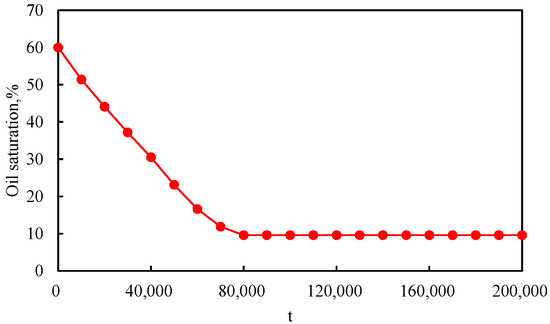
For capturing dynamic information about a filled-cave in the fractured reservoir, a novel Pressure Transient Analysis (PTA) analytical model for a well located at the filled-cave is established. In this new model, we consider the stress-sensitivity of the filled-cave and the inter-porosity flow of fracture. First, Perturbation transformation was used to obtain the pressure distribution in the filled-cave zone. Then, the Warren–Root model was applied to establish the pressure solution in the fractured reservoir. Next, the pressure and its derivative are obtained by the Laplace transformation and Steftest inversion. Lastly, the Bottomhole Pressure (BHP) and Bottomhole Pressure Derivative (BHPD) combined curve reveals the flow regimes of this novel model. The results show the composite model can be used to characterize the fractured reservoir with the filled-caves, and its flow follows the composite flow regimes. The spherical flow has an obvious slope of 0.5 on the BHPD curve, which can identify the size of the filled-caves. The boundary flow can be used to identify stress-sensitivity. Affected by the stress-sensitivity of the filled-cave, the BHPD’s slope of the boundary flow will be greater than 1. This research work provides technical support for capturing cave and fracture parameters in the fractured reservoir.
Full article

Figure 1
Open AccessArticle
Particle Tracking Velocimetry Measurements and Simulations of Internal Flow with Induced Swirl
by
Ryan Boldt, David R. Hanson, Lulin Jiang and Stephen T. McClain
Fluids 2025, 10(12), 323; https://doi.org/10.3390/fluids10120323 - 4 Dec 2025
Abstract
The downstream decay of induced swirling flow within an internal passage has implications for heat transfer enhancement, species mixing, and combustion processes. For this paper, swirling flow in an internal passage was investigated using both experimental and computational techniques. Two staggered rows of
[...] Read more.
The downstream decay of induced swirling flow within an internal passage has implications for heat transfer enhancement, species mixing, and combustion processes. For this paper, swirling flow in an internal passage was investigated using both experimental and computational techniques. Two staggered rows of 8 vanes each with an NACA 0015 profile, intended to turn the near-wall flow 45° to the flow direction, were installed on the top and bottom surfaces of the Roughness Internal Flow Tunnel (RIFT) wind tunnel. The vanes induced opposite lateral components in—the flow near the upper and lower surfaces of the rectangular test section of the RIFT and induced a swirling flow pattern within the passage. A 4-camera tomographic particle tracking velocimetry (PTV) system was used to evaluate airflow within a 40 mm × 40 mm × 60 mm measurement volume at the tunnel midline 0.5 m downstream of the induced swirl. Mean flow velocity measurements were collected at hydraulic diameter-based Reynolds numbers of 10,000, 20,000, and 30,000. To validate PTV measurements, particularly the camera-plane normal component of velocity, traces across the measurement volume were taken using a five-hole probe. The results of both measurement methods were compared to a computational simulation of the entire RIFT test section using a shear stress transport (SST) k-ω, Improved Delayed Detached Eddy Simulation (IDDES) turbulence model. The combined particle tracking measurements and five-hole probe measurements provide a method of investigating the turbulent flow model and simulation results, which are needed for future simulations of flows found inside swirl-inducing combustor nozzles.
Full article
(This article belongs to the Special Issue Flow Visualization: Experiments and Techniques, 2nd Edition)
►▼
Show Figures

Figure 1
Open AccessArticle
Deep Physics-Informed Neural Networks for Stratified Forced Convection Heat Transfer in Plane Couette Flow: Toward Sustainable Climate Projections in Atmospheric and Oceanic Boundary Layers
by
Youssef Haddout and Soufiane Haddout
Fluids 2025, 10(12), 322; https://doi.org/10.3390/fluids10120322 - 4 Dec 2025
Abstract
►▼
Show Figures
We use deep Physics-Informed Neural Networks (PINNs) to simulate stratified forced convection in plane Couette flow. This process is critical for atmospheric boundary layers (ABLs) and oceanic thermoclines under global warming. The buoyancy-augmented energy equation is solved under two boundary conditions: Isolated-Flux (single-wall
[...] Read more.
We use deep Physics-Informed Neural Networks (PINNs) to simulate stratified forced convection in plane Couette flow. This process is critical for atmospheric boundary layers (ABLs) and oceanic thermoclines under global warming. The buoyancy-augmented energy equation is solved under two boundary conditions: Isolated-Flux (single-wall heating) and Flux–Flux (symmetric dual-wall heating). Stratification is parameterized by the Richardson number representing thermal perturbations. We employ a decoupled model (linear velocity profile) valid for low-Re, shear-dominated flow. Consequently, this approach does not capture the full coupled dynamics where buoyancy modifies the velocity field, limiting the results to the laminar regime. Novel contribution: This is the first deep PINN to robustly converge in stiff, buoyancy-coupled flows ( ) using residual connections, adaptive collocation, and curriculum learning—overcoming standard PINN divergence (errors ). The model is validated against analytical ( ) and RK4 numerical ( ) solutions, achieving errors and errors . Results show that stable stratification suppresses convective transport, significantly reduces local Nusselt number ( ) by up to (driving towards zero at both boundaries), and induces sign reversals and gradient inversions in thermally developing regions. Conversely, destabilizing buoyancy enhances vertical mixing, resulting in an asymmetric response: increases markedly (by up to ) at the lower wall but decreases at the upper wall compared to neutral forced convection. At lower computational cost than DNS or RK4, this mesh-free PINN framework offers a scalable and energy-efficient tool for subgrid-scale parameterization in general circulation models (GCMs), supporting SDG 13 (Climate Action).
Full article

Figure 1
Open AccessArticle
Thermal and Hydraulic Performance of Single-Stage Swirling Impinging Jet Array for Cooling of the Liner of Industrial Gas Turbine Combustor
by
Muhammad Ikhlaq, Farzaneh Hafezi and Mehdi H. Biroun
Fluids 2025, 10(12), 321; https://doi.org/10.3390/fluids10120321 - 3 Dec 2025
Abstract
Stringent global regulations increasingly demand significant reductions in emissions from industrial gas turbines, underscoring the need for optimized combustor liner cooling to achieve lower emissions and enhanced thermal efficiency. Uniform liner temperature is crucial, as it minimizes thermal stresses, reduces fuel consumption, and
[...] Read more.
Stringent global regulations increasingly demand significant reductions in emissions from industrial gas turbines, underscoring the need for optimized combustor liner cooling to achieve lower emissions and enhanced thermal efficiency. Uniform liner temperature is crucial, as it minimizes thermal stresses, reduces fuel consumption, and improves component reliability. Although impinging jet arrays with flow passages are widely utilized for cooling, cross-flow effects can diminish heat removal efficiency from the target surface. In contrast, the induction of swirl has the potential to improve heat transfer and its distribution uniformity. This study investigates the impact of varying swirl intensities, induced by incorporating a cross-twisted tape into the nozzle, on the flow and heat transfer characteristics of the jet array. Six twisted angles (0°, 15°, 30°, 45°, 60°, and 75°) were evaluated, where the introduction of the twisted tape divided the jet into four streams, leading to complex interactions that alter the cooling performance at the target surface. The results show that moderate swirl angles (15° and 30°) enhance temperature uniformity and provide more consistent heat transfer across the surface compared to higher swirl or no swirl. However, excessive swirl (60° and 75°) can hinder jet penetration and reduce cooling effectiveness in downstream regions. Overall, the introduction of swirl improves temperature uniformity but also increases pressure drop due to heightened turbulence.
Full article
(This article belongs to the Special Issue Heat Transfer in the Industry)
►▼
Show Figures

Figure 1

Open AccessArticle
The Dirichlet Problem for the Nonstationary Stokes System in a Domain with Angular or Conical Points
by
Jürgen Rossmann
Fluids 2025, 10(12), 320; https://doi.org/10.3390/fluids10120320 - 2 Dec 2025
Abstract
The paper deals with the Dirichlet problem for the nonstationary Stokes system in a bounded two- or three-dimensional domain with angular or conical points on the boundary. The author proves the existence and uniqueness of solutions in weighted Sobolev spaces. The main result
[...] Read more.
The paper deals with the Dirichlet problem for the nonstationary Stokes system in a bounded two- or three-dimensional domain with angular or conical points on the boundary. The author proves the existence and uniqueness of solutions in weighted Sobolev spaces. The main result can also be used to obtain existence and uniqueness results in non-weighted spaces.
Full article
Open AccessArticle
Flow Evolution in Magmatic Conduits: A Constructal Law Analysis of Stochastic Basaltic and Felsic Lava Dynamics
by
Antonio F. Miguel, Vinícius R. Pepe and Luiz A. O. Rocha
Fluids 2025, 10(12), 319; https://doi.org/10.3390/fluids10120319 - 2 Dec 2025
Abstract
►▼
Show Figures
This study probabilistically assesses magma ascent by modeling dike propagation as a fully coupled fluid-flow, thermo-mechanical problem, explicitly accounting for the stochastic heterogeneity of the crustal host rock. We study felsic (rhyolite) lava flow and two distinct basaltic feeding regimes that correspond to
[...] Read more.
This study probabilistically assesses magma ascent by modeling dike propagation as a fully coupled fluid-flow, thermo-mechanical problem, explicitly accounting for the stochastic heterogeneity of the crustal host rock. We study felsic (rhyolite) lava flow and two distinct basaltic feeding regimes that correspond to the conditions necessary to produce the contrasting pāhoehoe and ʻaʻā surface morphologies. Basaltic dikes demonstrate high propagation efficiency to the surface (pāhoehoe-feeding regime 99.5%; ʻaʻā-feeding regime 97.5%), whereas rhyolite dikes have an 89% failure rate, attributed to significant friction. Both regimes represent distinct constructal approaches aimed at maximizing flow persistence. The pāhoehoe-feeding regime is a thermally regulated, stable design characterized by low-velocity, cooling-dominated dynamics. Its slow, persistent flow allows for significant conductive heating of the surrounding rock wall, creating an efficient, pre-heated thermal conduit. In contrast, the ʻaʻā-feeding regime is a mechanically dominated design governed by high-velocity, stochastic dynamics. This morphology is driven by forceful flow, and its thermal budget is supplemented by intense viscous dissipation (internal friction). Rhyolite magma flow fails upon losing constructal viability, driven by a coupled mechanical–thermal cascade. The sequence begins when a mechanical barrier halts the magma velocity, which triggers a freezing event and leads to permanent arrest.
Full article

Figure 1
Open AccessArticle
Transient Simulation and Analysis of Runaway Conditions in Pumped Storage Power Station Turbines Using 1D–3D Coupling
by
Xiaowen Yang, Zhicheng Zhang, Chenyang Hang, Kechengqi Ding, Yuxi Du, Dian Sun and Chunxia Yang
Fluids 2025, 10(12), 318; https://doi.org/10.3390/fluids10120318 - 1 Dec 2025
Abstract
Pumped-storage power plants play a vital role in power systems by providing peak load regulation, frequency control, and phase modulation services. The safety and stability of these plants critically depend on understanding transient processes during frequent unit start–stop cycles and operational transitions. This
[...] Read more.
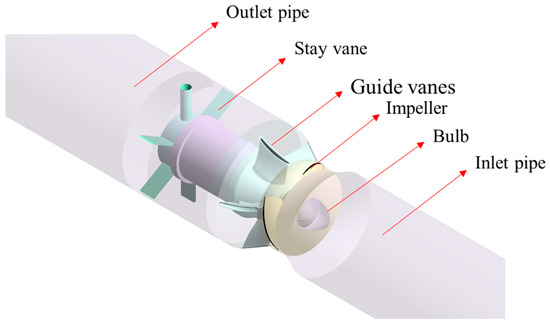
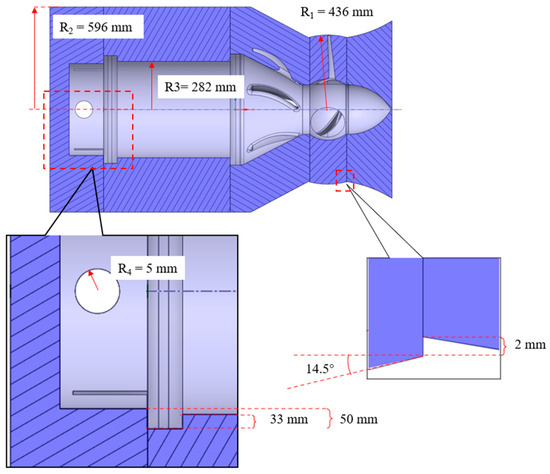
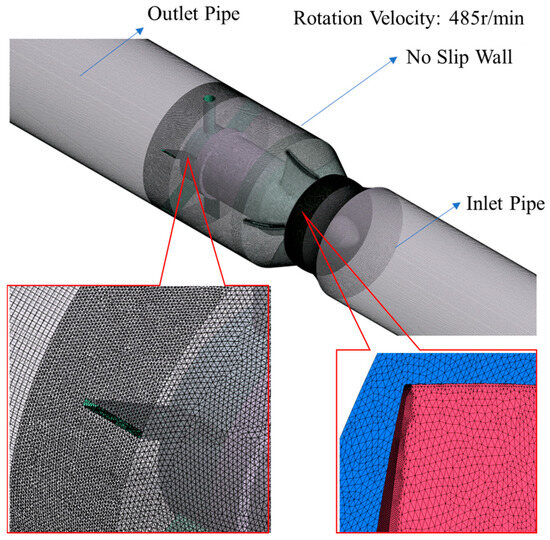
Pumped-storage power plants play a vital role in power systems by providing peak load regulation, frequency control, and phase modulation services. The safety and stability of these plants critically depend on understanding transient processes during frequent unit start–stop cycles and operational transitions. This study employs 1D–3D coupled numerical simulations to investigate a pump–turbine unit’s external characteristics, pressure pulsations, and internal flow dynamics under turbine runaway conditions. At the runaway rotational speed of 650.9 r/min, large-scale vortices with intensities exceeding 500 s−1 form at the inlet of specific runner blade passages, severely obstructing flow. Concurrently, the tailwater pipe vortex structure transitions from a central spiral pattern to a wall-attached configuration. The concurrent occurrence of these phenomena induces abrupt runner force variations and significant pressure pulsations, primarily comprising high-frequency high-amplitude pulsations at 1× and 2× blade frequency attributable to runner dynamic-static interference; broad-spectrum high-amplitude pulsations resulting from operational transitions; and low-frequency high-amplitude pulsations induced by the tailwater pipe vortex belt.
Full article
(This article belongs to the Topic Depth Averaged Models in Hydraulics: Modeling, Numerics and Applications)
►▼
Show Figures

Figure 1

Open AccessArticle
On the Relaxation Technique Applied to Linearly Implicit Rosenbrock Schemes for a Fully-Discrete Entropy Conserving/Stable dG Method
by
Alessandra Nigro and Emanuele Cammalleri
Fluids 2025, 10(12), 317; https://doi.org/10.3390/fluids10120317 - 1 Dec 2025
Abstract
►▼
Show Figures
In this work, a high-order modal discontinuous Galerkin (dG) method is employed to solve the Euler equations using entropy variables. Entropy conservation and stability are ensured at the spatial semi-discrete level through entropy-conserving/stable numerical fluxes and the over-integration technique. For time integration, linearly
[...] Read more.
In this work, a high-order modal discontinuous Galerkin (dG) method is employed to solve the Euler equations using entropy variables. Entropy conservation and stability are ensured at the spatial semi-discrete level through entropy-conserving/stable numerical fluxes and the over-integration technique. For time integration, linearly implicit Rosenbrock-type Runge–Kutta schemes are used. However, since these schemes are not provably entropy-conserving/stable, their use to predict unsteady flows may lead to solutions that lack the desired entropy properties. To address this issue, a relaxation technique is applied to enforce entropy conservation or stability at the fully discrete level. The accuracy, conservation/stability properties and robustness of the fully-discrete scheme equipped with the relaxation technique are assessed through the following numerical experiments: (1) the isentropic vortex, (2) the Kelvin-Helmholtz instability, (3) the Taylor–Green vortex.
Full article

Figure 1
Open AccessArticle
Study of Stability, Viscosity, and Thermal Diffusivity of SiC-HfC Hybrid Nanofluids in 50EG-50H2O Mixture
by
Caree A. García-Maro, Carmen S. Rochín-Wong, Laura G. Ceballos-Mendivil, José L. Jiménez-Pérez, Ruben Gutiérrez-Fuentes, Carlos A. Pérez-Rábago and Judith C. Tánori-Córdova
Fluids 2025, 10(12), 316; https://doi.org/10.3390/fluids10120316 - 30 Nov 2025
Abstract
►▼
Show Figures
The growing global population has resulted in a higher demand for energy, leading researchers to prioritize the development of alternative energy sources and the improvement of current technologies. Nanofluids (NFs) are a promising method for enhancing heat transfer and efficiently utilizing solar thermal
[...] Read more.
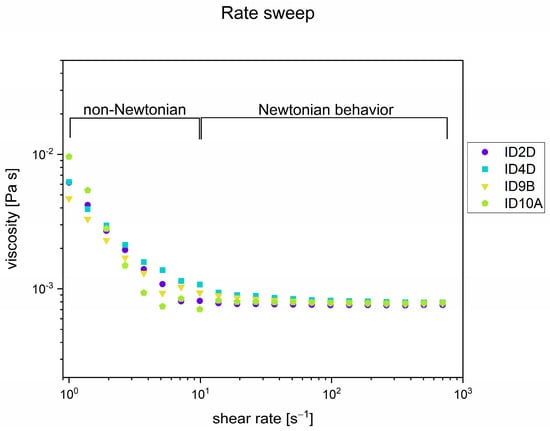
The growing global population has resulted in a higher demand for energy, leading researchers to prioritize the development of alternative energy sources and the improvement of current technologies. Nanofluids (NFs) are a promising method for enhancing heat transfer and efficiently utilizing solar thermal energy. This study describes the preparation of four NFs: two mono NFs of SiC and HfC containing nanoparticle concentrations ranging from 0.10–1.0 wt.%. Moreover, two hybrid NFs were synthesized within the same concentration range (0.10–1.0 wt.%) of SiC-HfC nanocomposites in proportions of 60 wt.% SiC-40 wt.% HfC and 40 wt.% SiC-60 wt.% HfC, all dispersed in a mixture of ethylene glycol (EG) and distilled water (50EG-50H2O). The materials were synthesized by carbothermal reduction, and the NFs were prepared using the two-step method. The NFs showed stable dispersion, with HfC and 40SiC-60HfC systems exhibiting the higher zeta potential (ζ) values. Viscosity remained largely unaffected by particle addition. The thermal diffusivity of the NFs was measured by the thermal lens spectroscopy (TLS) technique using 1:20 diluted samples. The hybrid nanofluid 40SiC-60HfC improved diffusivity by 66.93%, presenting a synergistic effect in its performance, highlighting its potential in clean energy systems.
Full article

Figure 1
Open AccessArticle
Enhancement of PEMFC Performance Using Symmetric V-Tapered Flow Channels
by
Mohamed El Amine Guerbazi, Adel Chine, Fouad Khaldi, Abdallah Mohammedi, Alaeddine Zereg and Nadhir Lebaal
Fluids 2025, 10(12), 315; https://doi.org/10.3390/fluids10120315 - 30 Nov 2025
Abstract
►▼
Show Figures
This study presents an optimized symmetric V-tapered cross-section (SVTC) flow-field geometry for a single-channel Proton Exchange Membrane Fuel Cell (PEMFC). Its performance is evaluated through three-dimensional Computational Fluid Dynamics (CFD) simulations conducted using ANSYS FLUENT 18.1. The SVTC architecture incorporates angled sidewalls that
[...] Read more.
This study presents an optimized symmetric V-tapered cross-section (SVTC) flow-field geometry for a single-channel Proton Exchange Membrane Fuel Cell (PEMFC). Its performance is evaluated through three-dimensional Computational Fluid Dynamics (CFD) simulations conducted using ANSYS FLUENT 18.1. The SVTC architecture incorporates angled sidewalls that progressively taper the channel width, aiming to accelerate mass diffusion and increase reactant effectiveness in the cell. Performance metrics including current density, pressure drop, and net power output were analyzed across six SVTC configurations with varying taper ratios. Comparative evaluation with a conventional rectangular channel indicates that the SVTC design enhances the hydrogen and oxygen distribution, improves water management, and reduces mass transport losses. Specifically, the R5 configuration exhibited the most favorable results, achieving a peak net power density of 0.297031 W/cm2 while reducing the pressure drop by approximately 21% relative to the R1 configuration. Furthermore, the SVTC configuration enhance both current density and power density, demonstrating its effectiveness in improving mass transport and overall cell performance. The design also demonstrated improved reactant distribution uniformity and operational stability across varying load conditions. These findings underscore the critical role of channel geometry in PEMFC performance and highlight the potential of SVTC designs to enable more efficient and scalable fuel cell systems through targeted geometric optimization.
Full article

Figure 1
Open AccessArticle
Evaluation Model of Microhemodynamics in Finger Skin at Arterial Occlusion and Post-Occlusive Hyperemia
by
Andrey P. Tarasov, Vasily N. Karpov and Dmitry A. Rogatkin
Fluids 2025, 10(12), 314; https://doi.org/10.3390/fluids10120314 - 30 Nov 2025
Abstract
The development of optical noninvasive methods for assessing the functional state of peripheral vessels, including the microcirculatory vascular bed, requires advances in modeling peripheral hemodynamics in order to interpret diagnostic data in terms of vascular tone, wall stiffness, and other related parameters. This
[...] Read more.
The development of optical noninvasive methods for assessing the functional state of peripheral vessels, including the microcirculatory vascular bed, requires advances in modeling peripheral hemodynamics in order to interpret diagnostic data in terms of vascular tone, wall stiffness, and other related parameters. This study proposes a simple theoretical evaluation model of the dynamics of skin perfusion by blood during a functional test with brachial artery occlusion. As a development of conventional volume-chamber and pressure-volume approaches, this study introduces a problem-oriented three-chamber hemodynamic model of an arm, which allows simulating blood circulation during occlusion of major brachial veins and arteries. The model describes the Poiseuille flow of incompressible viscous blood in vessels with compliant walls, the lumen area of which is regulated by internal blood pressure and vascular tone. The initial diagnostic data for model validation were obtained in clinical trials with the use of the incoherent optical fluctuation flowmetry technique. Comparison of clinical and theoretical results revealed a fundamental qualitative agreement. In this field of medical diagnostics, for the first time, the dynamics of optical signals during the occlusion were successfully interpreted and substantiated as a response to changes in blood pressure and vascular tone in the microcirculatory system.
Full article
(This article belongs to the Special Issue Recent Advances in Cardiovascular Flows)
►▼
Show Figures

Figure 1
Open AccessArticle
Multi-Field Coupling and Data-Driven Based Optimization of Elliptical Nozzle Cooling
by
Fengli Yue, Yang Shao, Hongyun Sun, Jinsong Liu, Dayong Chen, Haitao Cui and Yan Jia
Fluids 2025, 10(12), 313; https://doi.org/10.3390/fluids10120313 - 29 Nov 2025
Abstract
►▼
Show Figures
During the three-roll planetary rolling process, the cooling efficiency of conventional nozzle structures is insufficient, which can easily lead to copper adhesion on the roll surface, product quality degradation, and shortened roll lifespan, thereby limiting both the quality of copper tubes and overall
[...] Read more.
During the three-roll planetary rolling process, the cooling efficiency of conventional nozzle structures is insufficient, which can easily lead to copper adhesion on the roll surface, product quality degradation, and shortened roll lifespan, thereby limiting both the quality of copper tubes and overall production efficiency. To enhance the performance of the cooling system, this study proposes a novel elliptical nozzle structure and develops a multiphysics coupled model to reveal the effects of nozzle inclination angle and gas–liquid pressure ratio on cooling behavior. An independently constructed experimental platform was used to measure jet flow patterns and the surface temperature of alloy steel plates under various parameter conditions, thereby validating the accuracy and reliability of the numerical model. The results indicate that, under the same effective outlet area, the elliptical nozzle significantly increases jet exit velocity and overall cooling efficiency. To address the issues of high computational cost and low efficiency during optimization using finite element simulations, a high-accuracy surrogate model based on a Random Forest (RF) algorithm was introduced, and the geometric parameters of the nozzle were globally optimized using a Particle Swarm Optimization (PSO) algorithm. Ultimately, the combined RF-PSO strategy improved the average heat transfer coefficient by 55.57%, markedly enhancing the roll cooling performance and providing a solid theoretical basis and methodological reference for high-performance cooling system design and precision copper tube manufacturing.
Full article

Figure 1
Open AccessArticle
Computational and Experimental Characterization of Flow in an Intubated Human Trachea
by
Aarthi Sekaran and Ahmed Abdelaal
Fluids 2025, 10(12), 312; https://doi.org/10.3390/fluids10120312 - 28 Nov 2025
Abstract
The increased incidence of respiratory diseases in the recent past has resulted in a growing number of respiratory failures and dependence on mechanical ventilation. The death rates in patients under long-term ventilator therapy are seen to be as high as 62%, with mortality
[...] Read more.
The increased incidence of respiratory diseases in the recent past has resulted in a growing number of respiratory failures and dependence on mechanical ventilation. The death rates in patients under long-term ventilator therapy are seen to be as high as 62%, with mortality often attributed to secondary bacterial infections originating in endotracheal tube (ETT) assemblies. The ETT connects the ventilator to the trachea, and the parameters selected by the clinician play important roles in determining the airflow dynamics and mucus transport. This study considers the influence of ETT cuff geometry and ventilator cycling on tracheal airflow behavior, comparing Taperguard- and Microcuff-type designs with respect to Pressure-Controlled Ventilation (PCV) and Assisted Volume-Controlled Ventilation (VCV) modes. Three-dimensional Unsteady Reynolds Averaged Navier–Stokes (URANS) simulations in an idealized intubated trachea were performed and complemented by flow visualization and flow rate measurements for model validation. The simulation results show that both the cuff geometry and ventilation mode affect flow asymmetry of air flow in the trachea and consequently the wall shear stresses and secondary flow development. Specifically, the Taperguard-style cuff under PCV conditions generated substantially elevated wall shear stress values—nearly twice those observed for the same cuff operating in VCV mode. In contrast, the Microcuff configuration paired with VCV produced lower gas flow velocities and reduced shear stress levels, reaching only about 80% of the peak values associated with the Taperguard case. These differences highlight the combined influence of cuff geometry and ventilation strategy on local airway loading. These findings highlight the coupled impact of cuff design and ventilatory mode, and provide a pathway for understanding flow physics in intubated trachea towards improved respiratory care and mechanical ventilation practices.
Full article
(This article belongs to the Special Issue Respiratory Flows)
►▼
Show Figures

Figure 1

Open AccessArticle
Numerical and Parametric Investigation of the Influence of Rectangular and Elliptical Phase Change Material Geometries on the Thermal Performance of a Ground-Air Heat Exchanger
by
Giovanni Antonio Vielma Vivas, Zurisaday Colonico Reyes, Andre Luis Razera, Luiz Alberto Oliveira Rocha, Elizaldo Domingues dos Santos, Ruth da Silva Brum and Liércio André Isoldi
Fluids 2025, 10(12), 311; https://doi.org/10.3390/fluids10120311 - 28 Nov 2025
Abstract
This study evaluates the impact of integrating Phase Change Materials (PCMs) in the efficiency of Ground-Air Heat Exchangers (GAHEs). A three-dimensional computational model for the GAHE system with an integrated annular PCM (GAHE-PCM) was implemented in ANSYS Fluent using the Finite Volume Method,
[...] Read more.
This study evaluates the impact of integrating Phase Change Materials (PCMs) in the efficiency of Ground-Air Heat Exchangers (GAHEs). A three-dimensional computational model for the GAHE system with an integrated annular PCM (GAHE-PCM) was implemented in ANSYS Fluent using the Finite Volume Method, accounting for the meteorological conditions and ground properties of Viamão, Brazil. A parametric evaluation with fifteen rectangular and fifteen elliptical PCM container configurations were analyzed by varying their geometric ratios. Results indicate that the inclusion of PCM may enhance the yearly thermal potential as high as 69.31% in heating and 27.92% in cooling. Geometries, such as square or circular cross-sections, maximize heat exchange with the airflow, whereas elongated shapes reduce PCM efficiency. Furthermore, placing most of the PCM in deeper, thermally stable soil layers reduces the overall performance. For near-optimal designs, the differences between rectangular and elliptical containers are minimal, providing flexibility for system implementation.
Full article
(This article belongs to the Special Issue Computational Fluid Dynamics Applied to Transport Phenomena)
►▼
Show Figures

Figure 1

Open AccessArticle
Refining CO2 Infiltration Models for Pipeline Release Scenarios
by
Ben Wetenhall, Richard S. Graham, Julia M. Race, Batuhan Aktas, Chris J. Lyons and Nikolaos Reppas
Fluids 2025, 10(12), 310; https://doi.org/10.3390/fluids10120310 - 28 Nov 2025
Abstract
Accurate modelling of carbon dioxide (CO2) dispersion and infiltration into buildings is essential for assessing the risks associated with accidental releases from carbon capture, utilisation, and storage (CCUS) infrastructure. This study presents an integrated analytical and computational framework for evaluating CO
[...] Read more.
Accurate modelling of carbon dioxide (CO2) dispersion and infiltration into buildings is essential for assessing the risks associated with accidental releases from carbon capture, utilisation, and storage (CCUS) infrastructure. This study presents an integrated analytical and computational framework for evaluating CO2 infiltration, incorporating a modified equation of state (EOS) to account for non-ideal gas behaviour. The original infiltration model, based on wind- and buoyancy-driven ventilation, is extended using a virial EOS. Key performance metrics are used to validate the model against experimental data and computational fluid dynamics (CFD) simulations. A comprehensive set of 30 case studies is used to assess model performance across a range of building geometries and environmental conditions. Results show that the modified EOS has minimal impact on far-field predictions, confirming the robustness of the ideal gas assumption under ambient conditions. Importantly, the study finds that CO2 impurities do not significantly affect far-field dispersion once ambient pressure is reached, though they may influence near-field behaviour at the release point.
Full article
(This article belongs to the Section Mathematical and Computational Fluid Mechanics)
►▼
Show Figures

Figure 1

Open AccessArticle
Hydrodynamics in a Both-Side-Heated Square Enclosure in Laminar Regime Under Constant Heat Flux Using Computational Fluid Dynamics and Deep Learning Methodology
by
Arijit A. Ganguli, Sagar S. Deshpande and Mehul S. Raval
Fluids 2025, 10(12), 309; https://doi.org/10.3390/fluids10120309 - 27 Nov 2025
Abstract
Natural convection in enclosures heated from both sides is a topic of interest in various space and safety applications in nuclear power reactors. The transient dynamics during natural convection in enclosures is critically dependent on micro-scaled boundary layers and also the timescales of
[...] Read more.
Natural convection in enclosures heated from both sides is a topic of interest in various space and safety applications in nuclear power reactors. The transient dynamics during natural convection in enclosures is critically dependent on micro-scaled boundary layers and also the timescales of micromixing. In the present work, a square enclosure operating at two high Rayleigh numbers (Ra = 3.27 × 10¹⁰ and Ra = 6.55 × 10¹⁰, with water as the working fluid) have been chosen for study. First, the velocity and timescales were found using Computational Fluid Dynamic (CFD) simulations for the square enclosure with Ra 3.27 × 10¹⁰ and compared with scaling laws that presently define them. An empirical correlation for heat transfer is then developed for the Ra range (1.3 × 10¹⁰ < Ra < 6.55 × 10¹⁰). Then, an existing DL framework (Proper Orthogonal Decomposition and Long Short-Term Memory (POD-LSTM)) network) is compared qualitatively and quantitatively with the CFD data. The transient data Ra = 6.55 × 10¹⁰ was chosen for this purpose. The scaling laws show a 30% deviation for the predictions of the transient length and time scales as compared to CFD and DL model predictions. Further, accurate results up to 99.6% have been obtained by the DL model when compared with the CFD model. The DL model is also found to require an order of magnitude less time than the one required for a CFD simulation.
Full article
(This article belongs to the Section Heat and Mass Transfer)
►▼
Show Figures

Figure 1
Journal Menu
► ▼ Journal Menu-
- Fluids Home
- Aims & Scope
- Editorial Board
- Topical Advisory Panel
- Instructions for Authors
- Special Issues
- Topics
- Sections & Collections
- Article Processing Charge
- Indexing & Archiving
- Editor’s Choice Articles
- Most Cited & Viewed
- Journal Statistics
- Journal History
- Journal Awards
- Society Collaborations
- Conferences
- Editorial Office
Journal Browser
► ▼ Journal BrowserHighly Accessed Articles
Latest Books
E-Mail Alert
News
Topics
Topic in
Applied Sciences, Energies, Fluids, Materials, Mathematics, Micromachines
Fluid Mechanics, 2nd Edition
Topic Editors: Sihui Hong, Chaobin Dang, Shuangfeng WangDeadline: 31 December 2025
Topic in
Entropy, Fluids, Mathematics, Dynamics, Applied Sciences, Physics
Advanced Multiscale Techniques and Wavelet Analysis in Turbulent Flow Studies
Topic Editors: Xiaojing Zheng, Youhe Zhou, Jizeng WangDeadline: 31 March 2026
Topic in
Applied Sciences, Energies, Fluids, Mathematics, Processes
Heat and Mass Transfer in Engineering
Topic Editors: Vasily Novozhilov, Xiaohu YangDeadline: 30 September 2026
Topic in
Electronics, Fluids, Machines, Micromachines, Applied Sciences
Micro-Mechatronic Engineering, 2nd Edition
Topic Editors: Teng Zhou, Antonio F. MiguelDeadline: 31 October 2026
Conferences
Special Issues
Special Issue in
Fluids
Stochastic Equations in Fluid Dynamics, 2nd Edition
Guest Editor: Artur V. DmitrenkoDeadline: 31 December 2025
Special Issue in
Fluids
IBERHEO 2024—Iberian Rheology
Guest Editors: José M. Franco, Catarina R. LealDeadline: 31 December 2025
Special Issue in
Fluids
Recent Advances in Cardiovascular Flows
Guest Editors: Eduardo Divo, Alain Kassab, Arka Das, Ray PratherDeadline: 31 December 2025
Special Issue in
Fluids
Flow Control Techniques: Advances in Flow System Analysis, Modeling and Applications, Second Edition
Guest Editor: Michele FerlautoDeadline: 31 December 2025
Topical Collections
Topical Collection in
Fluids
Advances in Flow of Multiphase Fluids and Granular Materials
Collection Editors: Goodarz Ahmadi, Pouyan Talebizadeh Sardari
Topical Collection in
Fluids
Challenges and Advances in Heat and Mass Transfer
Collection Editor: D. Andrew S. Rees
Topical Collection in
Fluids
Advances in Geophysical Fluid Dynamics
Collection Editors: Jean Reinaud, Pavel Berloff