Journal Description
Current Oncology
Current Oncology
is an international, peer-reviewed, open access journal that since 1994 represents a multidisciplinary medium for clinical oncologists to report and review progress in the management of this disease, and published monthly online by MDPI (from Volume 28, Issue 1 - 2021). The Canadian Association of Medical Oncologists (CAMO), Canadian Association of Psychosocial Oncology (CAPO), Canadian Association of General Practitioners in Oncology (CAGPO), Cell Therapy Transplant Canada (CTTC) and others are affiliated with Current Oncology and their members receive discounts on the article processing charges.
- Open Access— free for readers, with article processing charges (APC) paid by authors or their institutions.
- High Visibility: indexed within Scopus, SCIE (Web of Science), PubMed, MEDLINE, PMC, Embase, and other databases.
- Journal Rank: JCR - Q2 (Oncology)
- Rapid Publication: manuscripts are peer-reviewed and a first decision is provided to authors approximately 22.8 days after submission; acceptance to publication is undertaken in 2.6 days (median values for papers published in this journal in the second half of 2025).
- Recognition of Reviewers: APC discount vouchers, optional signed peer review, and reviewer names published annually in the journal.
- Journal Clusters of Oncology: Cancers, Current Oncology, Onco and Targets.
Impact Factor:
3.4 (2024);
5-Year Impact Factor:
3.3 (2024)
Latest Articles
Clinical Predictors of Survival After Palliative Radiotherapy for Glioblastoma in a Real-World Cohort Study
Curr. Oncol. 2026, 33(6), 305; https://doi.org/10.3390/curroncol33060305 (registering DOI) - 23 May 2026
Abstract
Background: This study sought to evaluate overall survival (OS) following palliative radiotherapy in glioblastoma and to identify clinically applicable predictors supporting patient-centred treatment decisions, with exploration of early mortality. Methods: This retrospective single-centre study analysed 169 glioblastoma patients treated with palliative radiotherapy between
[...] Read more.
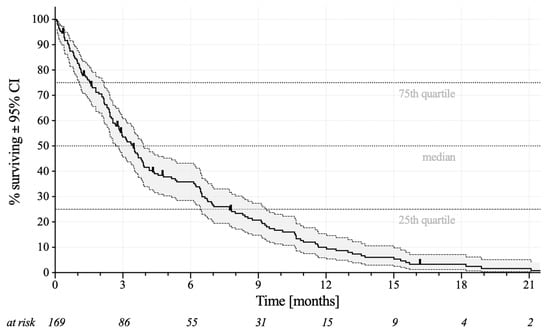
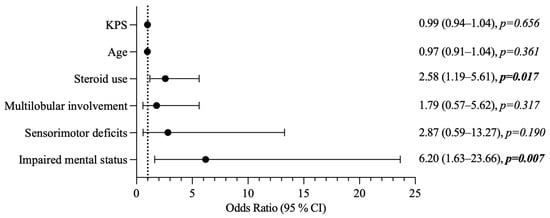
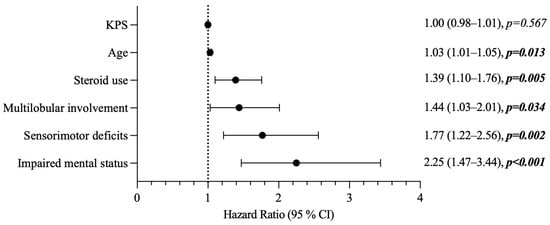
Background: This study sought to evaluate overall survival (OS) following palliative radiotherapy in glioblastoma and to identify clinically applicable predictors supporting patient-centred treatment decisions, with exploration of early mortality. Methods: This retrospective single-centre study analysed 169 glioblastoma patients treated with palliative radiotherapy between 2010 and 2025. Baseline clinical and treatment variables were assessed. OS calculated from the last day of radiotherapy was estimated using Kaplan–Meier analysis; predictors were analysed using Cox regression. Early mortality (≤30 and ≤60 days) was evaluated using logistic regression. Results: Median age at diagnosis was 75 years, median Karnofsky Performance Status (KPS) was 60%, with 63% of patients < 70%. Impaired mental status, sensorimotor deficits, and steroid use were observed in 47%, 68%, and 86% of patients, respectively. Median OS was 3.5 months. Impaired mental status (HR 2.25), sensorimotor deficits (HR 1.77), steroid use (HR 1.39), multilobar involvement (HR 1.44), and age (HR 1.03) were independently associated with OS, whereas KPS was not. The rate of early mortality at 30 and 60 days was 18% and 31%. Early mortality analysis indicated impaired mental status and steroid use as indicators of very limited survival. Conclusions: Impaired mental status and steroid use identify patients with limited survival, whereas KPS lacks independent prognostic value in this setting.
Full article
(This article belongs to the Special Issue Innovations in Patient-Centred Palliative Radiotherapy in Oncology: From Clinical Trials to Real-World Practice)
►
Show Figures
Open AccessArticle
Molecular Tumor Board-Directed Treatment for Patients with Advanced-Stage Solid Tumors: A Case–Control Real-World Study
by
Ben Ponvilawan, Dhruv Bansal, Karnav Modi, Beth Gustafson, Lindsey Douglass, Blake Buzard, Marc Roth, Christopher Ward, Timothy Pluard and Janakiraman Subramanian
Curr. Oncol. 2026, 33(6), 304; https://doi.org/10.3390/curroncol33060304 - 22 May 2026
Abstract
Interpreting and directing treatment based on comprehensive genomic testing for patients with cancer can be challenging. Molecular tumor boards (MTBs) can help by establishing collaborative frameworks to deliver patient care plans with the appropriate incorporation of genomic data. Our retrospective observational study evaluates
[...] Read more.
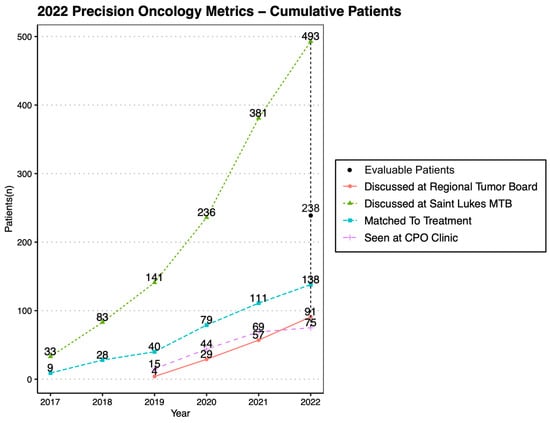
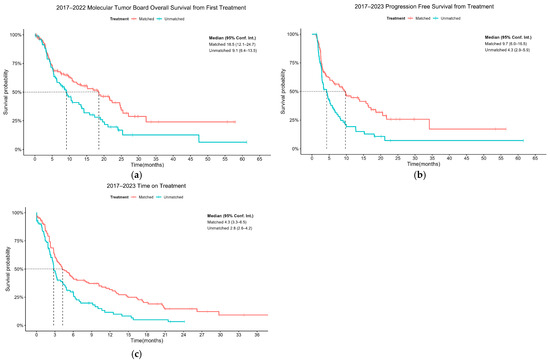
Interpreting and directing treatment based on comprehensive genomic testing for patients with cancer can be challenging. Molecular tumor boards (MTBs) can help by establishing collaborative frameworks to deliver patient care plans with the appropriate incorporation of genomic data. Our retrospective observational study evaluates the impact of MTB on the outcomes of adult patients diagnosed with advanced-stage cancer. Patients between 1 September 2017 and 1 January 2023 were grouped into those who received at least one treatment recommended by the MTB and those who did not. Hazard ratios (HR) for overall survival (OS), progression-free survival (PFS), and time on treatment (ToT) were determined using Kaplan–Meier analysis and multivariate Cox proportional hazards model adjusted for age, stage, line of therapy, and primary site of diagnosis. Of 238 evaluable patients, 138 (58%) received at least one treatment recommended by the MTB. Patient characteristics were well-balanced between the cohorts, except for higher proportions of lung adenocarcinoma, melanoma, and a lower proportion of glioblastoma in the matched cohort. Median OS, PFS, and ToT were all increased in patients on matched treatment compared to those who did not (18.5 months vs. 9.1 months, HR 0.64, 95% confidence interval (CI) 0.43–0.96, p = 0.030); 9.7 months vs. 4.3 months, HR 0.64, 95% CI 0.42–0.97, p = 0.035; and 4.3 months vs. 2.8 months, HR 0.58, 95% CI 0.41–0.83, p = 0.0027, respectively). Our findings show that MTB at a community cancer center is feasible and improves survival among patients with cancer, even after adjusting for confounding variables.
Full article
(This article belongs to the Special Issue Molecular Integrative Genomics in Cancer)
►▼
Show Figures

Figure 1
Open AccessArticle
Incidence and Short- to Intermediate-Term Oncological Outcomes of Pathological T0 Prostate Cancer After Robot-Assisted Radical Prostatectomy: A Multicenter, Retrospective Cohort Study in Japan (MSUG94 Group)
by
Risa Tomioka-Inagawa, Masayuki Tomioka, Tomoyuki Tatenuma, Takeshi Sasaki, Yoshinori Ikehata, Akinori Nakayama, Masahiro Toide, Tatsuaki Yoneda, Kazushige Sakaguchi, Kazuhide Makiyama, Takahiro Inoue, Hiroshi Kitamura, Kazutaka Saito, Fumitaka Koga, Shinji Urakami and Takuya Koie
Curr. Oncol. 2026, 33(6), 303; https://doi.org/10.3390/curroncol33060303 - 22 May 2026
Abstract
Background: Pathological T0 (pT0) prostate cancer following radical prostatectomy is uncommon, and its prognostic significance remains unclear, particularly after neoadjuvant hormonal therapy (NHT). We investigated the incidence of pT0 disease in a multicenter Japanese cohort and described postoperative biochemical recurrence (BCR) outcomes. Methods:
[...] Read more.
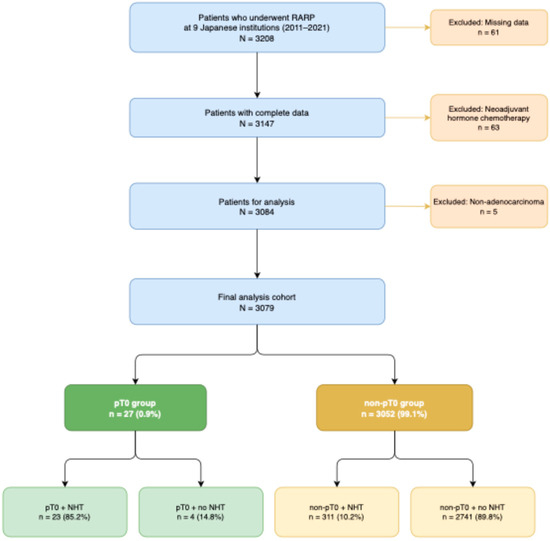
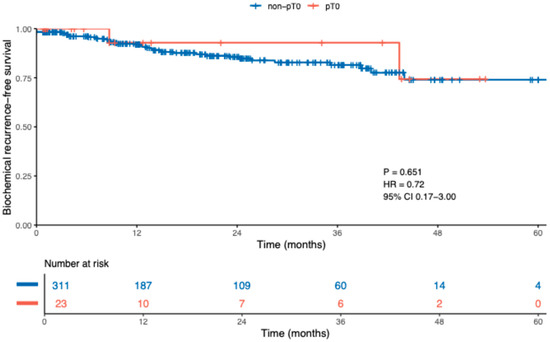
Background: Pathological T0 (pT0) prostate cancer following radical prostatectomy is uncommon, and its prognostic significance remains unclear, particularly after neoadjuvant hormonal therapy (NHT). We investigated the incidence of pT0 disease in a multicenter Japanese cohort and described postoperative biochemical recurrence (BCR) outcomes. Methods: This retrospective study analyzed 3079 patients who underwent robot-assisted radical prostatectomy at nine Japanese centers between 2011 and 2021. Patients were classified as having pT0 or non-pT0 disease. Because only four pT0 cases occurred without NHT, these are summarized descriptively. Exploratory Kaplan–Meier and log-rank analyses of biochemical recurrence-free survival (BRFS) were performed for the NHT subgroup. Results: Twenty-seven pT0 cases (0.9%) were identified, and 85.2% were identified after NHT. Overall, 399 patients (13.0%) developed BCR. Among patients who did not undergo NHT, the 1- and 2-year BRFS rates were 100% and 100%, respectively, in the pT0 group and 92.4% and 88.1%, respectively, in the non-pT0 group. In the NHT subgroup, the corresponding rates were 92.9% and 92.7%, versus 91.8% and 85.5%, respectively (p = 0.651). Conclusions: pT0 disease after robot-assisted radical prostatectomy is rare and occurs predominantly after NHT. Given the possibility that late-onset recurrences may have been overlooked, the results of this trial should be understood as providing evidence from the short- to intermediate-term perspective.
Full article
(This article belongs to the Section Genitourinary Oncology)
Open AccessArticle
Prognostic Value of Neutrophil Percentage–Albumin Ratio in Patients with Advanced Melanoma Treated with Immune Checkpoint Inhibitors
by
Emre Eken, Emel Ayvaz Güneyin, Elif Büyükkurt, Faruk Yıldız, Mehmet Bilici and Canan Dinar Ayman
Curr. Oncol. 2026, 33(6), 302; https://doi.org/10.3390/curroncol33060302 - 22 May 2026
Abstract
Background: Although immune checkpoint inhibitors (ICIs) have improved survival in advanced melanoma, predicting individual responses remains challenging; thus, practical and inexpensive biomarkers are needed. In this study, we investigated the prognostic value of the neutrophil percentage–albumin ratio (NPAR) in patients with advanced melanoma
[...] Read more.
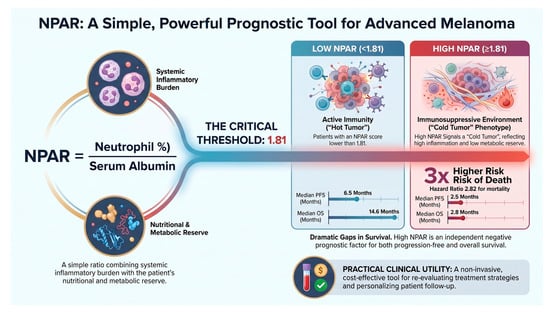
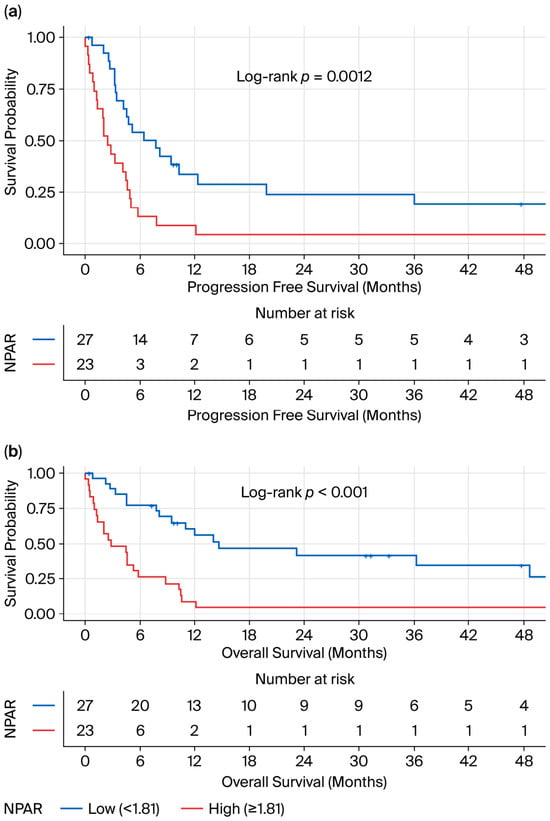
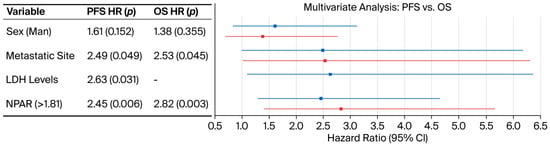
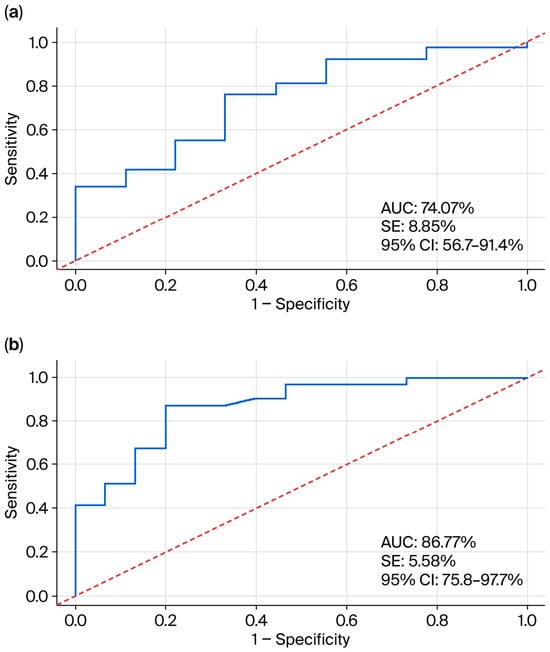
Background: Although immune checkpoint inhibitors (ICIs) have improved survival in advanced melanoma, predicting individual responses remains challenging; thus, practical and inexpensive biomarkers are needed. In this study, we investigated the prognostic value of the neutrophil percentage–albumin ratio (NPAR) in patients with advanced melanoma receiving ICI therapy. Methods: Fifty patients treated in our clinic were included, with a mean age of 53.3 years and 66% being male. Visceral metastases were present in 76% of the cohort. Through conducting Receiver Operating Characteristic (ROC) analysis, we determined an NPAR cut-off value of 1.81, with patients categorized into low (<1.81, n = 27)- and high (≥1.81, n = 23)-NPAR groups. The progression-free survival (PFS) and overall survival (OS) were evaluated using Kaplan–Meier and Cox regression analyses. Results: High NPAR (≥1.81) significantly shortened both PFS and OS. In the univariate analysis, high NPAR emerged as a strong risk factor for PFS (HR: 2.68, p = 0.002) and OS (HR: 3.70, p < 0.001), while multivariate analysis confirmed NPAR as an independent negative prognostic factor for PFS (HR: 2.45, p = 0.006) and OS (HR: 2.82, p = 0.003), regardless of clinical variables. Additionally, visceral metastasis was an independent negative predictor of survival. Conclusions: Pre-treatment NPAR levels may be an independent and potential predictor of survival in advanced melanoma patients receiving ICIs. This easily calculable ratio could provide a practical guide for risk stratification.
Full article
(This article belongs to the Section Dermato-Oncology)
►▼
Show Figures

Graphical abstract
Open AccessArticle
Family Relationships as Modifiable Targets for Caregiver Quality of Life in Hospice Care: A Multicenter Study
by
In Cheol Hwang, Youn Seon Choi, Hong Yup Ahn, So-Jung Park and Yoo Jeong Lee
Curr. Oncol. 2026, 33(5), 301; https://doi.org/10.3390/curroncol33050301 - 21 May 2026
Abstract
Family caregivers play a critical role in supporting patients with advanced cancer, yet their quality of life (QoL) is often adversely affected and remains insufficiently addressed in routine care. Although family relationships have been widely recognized as important in the caregiving context, their
[...] Read more.
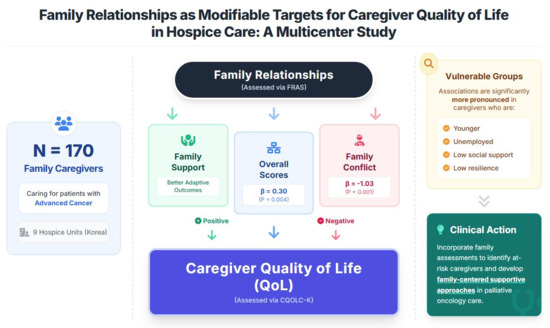
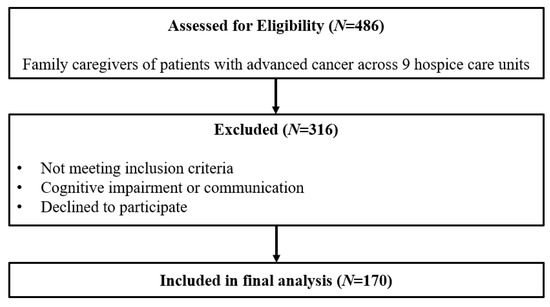
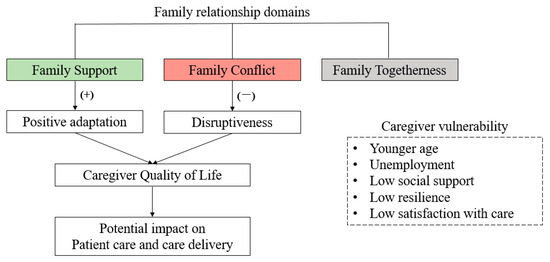
Family caregivers play a critical role in supporting patients with advanced cancer, yet their quality of life (QoL) is often adversely affected and remains insufficiently addressed in routine care. Although family relationships have been widely recognized as important in the caregiving context, their specific domains have rarely been examined in relation to caregiver outcomes. This study aimed to examine the associations between distinct domains of family relationships and caregiver QoL. A total of 170 caregivers were recruited from nine hospice units in Korea between September 2021 and March 2024. for this multicenter study. The Family Relationship Assessment Scale (FRAS) and the Korean version of the Caregiver QOL Index-Cancer (CQOLC-K) were used to assess family relationships and caregiver QoL, respectively. Multivariate regression analyses were performed to evaluate the associations between specific domains of family relationships and caregiver QoL. Family relationship domains were differentially associated with caregiver QoL. Overall family relationship scores were positively associated with QoL (β = 0.30, p = 0.004), while family conflict showed the strongest negative association (β = −1.03, p = 0.001). In contrast, family support was associated with better positive adaptation (β = 0.24, p = 0.027). The associations between family relationships and QoL were more pronounced among vulnerable caregivers, including those who were younger, unemployed, had lower social support or resilience, or were dissatisfied with care. Family relationships, particularly conflict and support, are important correlates of caregiver QoL. Incorporating the assessment of family relationship domains helps identify caregivers at increased risk and informs the development of more family-centered supportive approaches in palliative oncology care.
Full article
(This article belongs to the Special Issue Palliative Care in Oncology: Current Advances)
►▼
Show Figures

Graphical abstract
Open AccessArticle
Management of Facial Immune Checkpoint Inhibitor-Induced Vitiligo with Topical Ruxolitinib: Quantitative Assessment Using a Semi-Automatic Tool
by
Thomas Breakell, Paolo Neri, Léonie A. N. Staats, Rafaela Kramer, Carola Berking, Michael Erdmann and Anke Hartmann
Curr. Oncol. 2026, 33(5), 300; https://doi.org/10.3390/curroncol33050300 - 21 May 2026
Abstract
Immune checkpoint inhibitors (ICIs) have substantially improved outcomes in advanced melanoma but are frequently linked to immune-related adverse events (irAEs). Vitiligo is a common cutaneous irAE and has been consistently associated with improved patient outcome, including prolonged progression-free and overall survival. It also
[...] Read more.
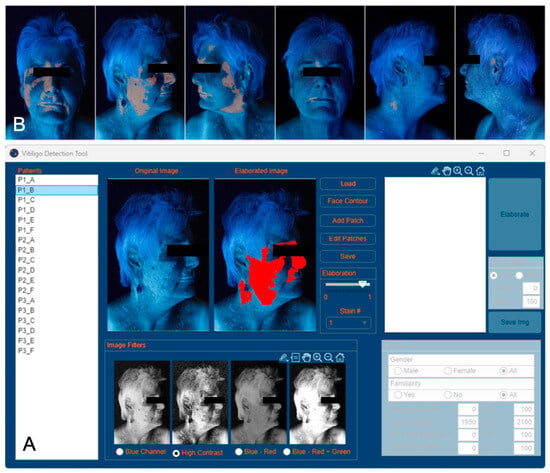
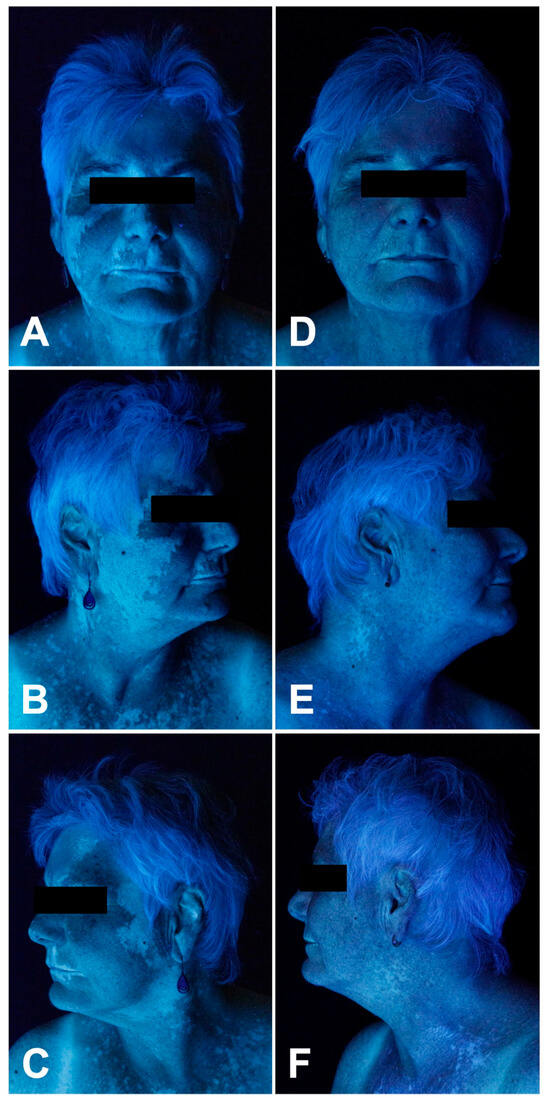
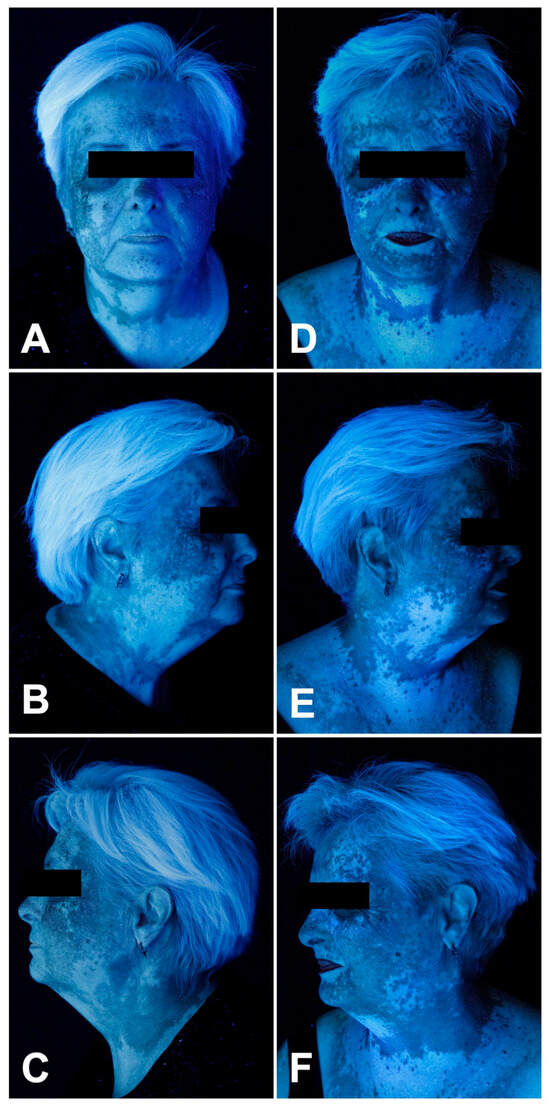
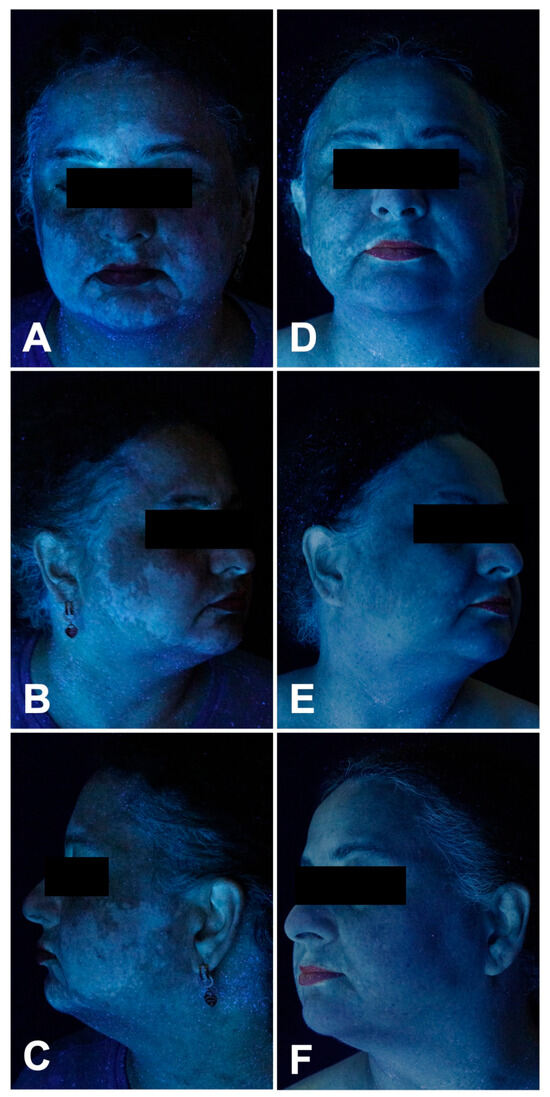
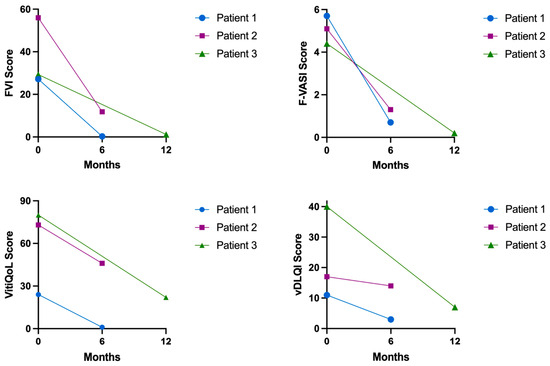
Immune checkpoint inhibitors (ICIs) have substantially improved outcomes in advanced melanoma but are frequently linked to immune-related adverse events (irAEs). Vitiligo is a common cutaneous irAE and has been consistently associated with improved patient outcome, including prolonged progression-free and overall survival. It also represents significant visual stigma, particularly when the face is involved. Traditional treatment comprises topical steroids, calcineurin inhibitors, laser, and phototherapy which often have insufficient effects. Since 2023, the first approved drug for non-segmental vitiligo (NSV) with facial involvement, the topical Janus kinase inhibitor ruxolitinib, has been available. However, experience with its use in ICI-induced vitiligo remains limited. In this exploratory analysis, three patients who developed facial vitiligo following ICI therapy applied 1.5% ruxolitinib cream to affected facial areas twice daily. After six (two patients), and twelve months (one patient), extensive repigmentation was observed, quantified at 95.7%, 78.9%, and 99.1% using a novel semi-automatic tool. Quality-of-life questionnaires showed mean reductions of 57.6% (Vitiligo DLQI) and 68.2% (Vitiligo-specific Quality of Life) in disease burden. Treatment was associated with substantial repigmentation without observed side effects. Further evaluation in larger, prospective cohorts is warranted to better define treatment effects, clinical applicability, and long-term safety.
Full article
(This article belongs to the Special Issue Immunotherapy for Melanoma: Systemic and Locoregional Approaches, Mechanisms, and Future Directions)
►▼
Show Figures

Figure 1

Open AccessArticle
Early Neurological Improvement and Ambulation Recovery After Delayed Surgery in Surgically Selected Nonambulatory Metastatic Epidural Spinal Cord Compression: A Retrospective Cohort Study
by
Aydin Talat Baydar, Baran Taskala, Bahadir Topal, Muhammed Bayindir, Yunus Emre Batman, Ilhan Yilmaz and Ali Dalgic
Curr. Oncol. 2026, 33(5), 299; https://doi.org/10.3390/curroncol33050299 - 20 May 2026
Abstract
Delayed decompression for metastatic epidural spinal cord compression (MESCC) is a common real-world problem, yet short-interval recovery after patients have already remained nonambulatory for at least 48 h is poorly defined. We retrospectively evaluated 41 surgically selected patients with MRI-confirmed epidural MESCC (Bilsky
[...] Read more.
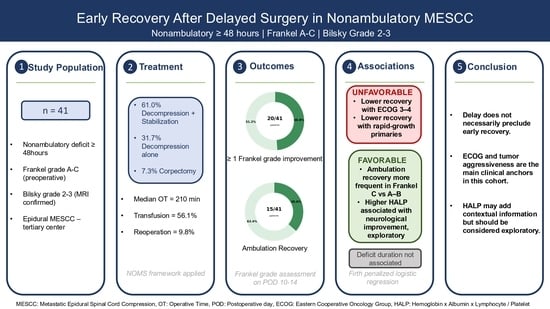
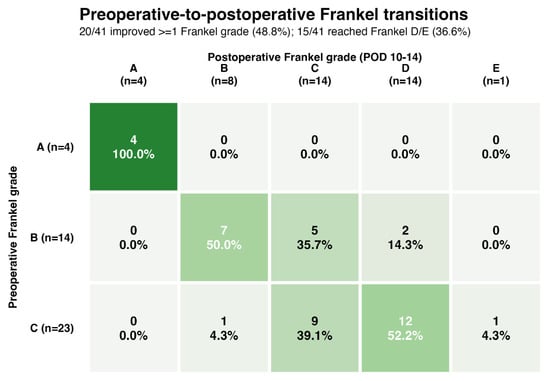
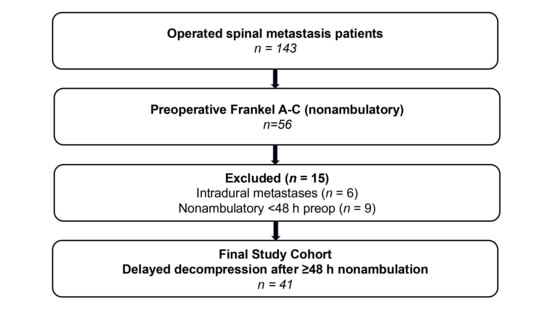
Delayed decompression for metastatic epidural spinal cord compression (MESCC) is a common real-world problem, yet short-interval recovery after patients have already remained nonambulatory for at least 48 h is poorly defined. We retrospectively evaluated 41 surgically selected patients with MRI-confirmed epidural MESCC (Bilsky grade 2–3) and preoperative nonambulatory neurological deficit (Frankel grades A–C) lasting at least 48 h. The primary outcome was early neurological improvement, defined as a gain of at least one Frankel grade by postoperative days 10–14. The secondary outcome was early ambulation recovery, defined as postoperative Frankel grade D or E at the same interval. Early neurological improvement occurred in 20/41 patients (48.8%), and early ambulation recovery occurred in 15/41 (36.6%). No patient received postoperative index-level radiotherapy before the POD10–14 neurological assessment. Recovery was most common among patients with baseline Frankel grade C. In exploratory adjusted Firth-penalized models, ECOG performance status 3–4 was associated with lower odds of both outcomes. Rapid-growth tumors, classified using a pragmatic adapted growth-category framework, were associated with lower odds of early neurological improvement. Baseline Frankel grade C favored early ambulation recovery. Higher standardized HALP showed an exploratory association with early neurological improvement but did not alter the main clinical interpretation. Meaningful early recovery was observed in a subset of surgically selected MESCC patients despite delayed surgery, although these findings do not establish equivalence to earlier surgery or isolate the effect of surgery from multimodal oncologic care.
Full article
(This article belongs to the Section Surgical Oncology)
►▼
Show Figures

Graphical abstract
Open AccessReview
Optimizing the Efficacy–Toxicity Paradigm in Pediatric Oncology: A Narrative Review of Immunotherapy and Survivorship Outcomes
by
Zaure Dushimova, Timur Saliev, Aigul Bazarbayeva, Kymbat Karimova, Abay Kussainov and Ildar Fakhradiyev
Curr. Oncol. 2026, 33(5), 298; https://doi.org/10.3390/curroncol33050298 - 20 May 2026
Abstract
Background: Childhood cancer survival now approaches 80% in high-income countries, yet most survivors face lifelong toxicity. This review examines the interplay between treatment efficacy, relapse prevention, and therapy-related complications. Methods: Narrative synthesis of landmark pediatric oncology trials (2000–2026), including AALL1731 (blinatumomab), ELIANA/PLAT-02 (CAR
[...] Read more.
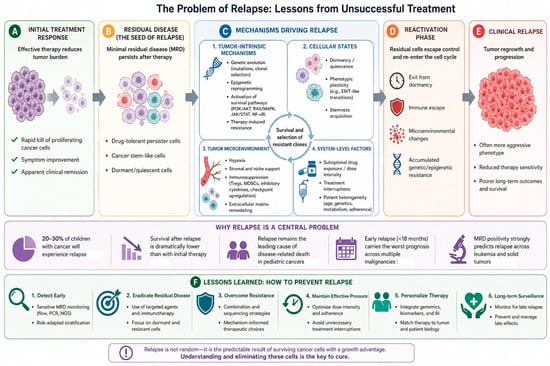
Background: Childhood cancer survival now approaches 80% in high-income countries, yet most survivors face lifelong toxicity. This review examines the interplay between treatment efficacy, relapse prevention, and therapy-related complications. Methods: Narrative synthesis of landmark pediatric oncology trials (2000–2026), including AALL1731 (blinatumomab), ELIANA/PLAT-02 (CAR T-cell), and GD2-CART01 (neuroblastoma), with comparative analysis of efficacy and toxicity. Results: In AALL1731, adding blinatumomab to chemotherapy improved 3-year disease-free survival from 87.9% to 96.0% (HR = 0.39, 95% CI: 0.27–0.56, p < 0.001), but increased sepsis from 5.1% to 14.8%. Comparison between AALL1731 (front-line blinatumomab) and ELIANA (CAR T-cell in relapsed disease) reveals that earlier immunotherapy deployment yields better outcomes: 96% DFS vs. 48% 3-year EFS, respectively. In GD2-CART01, early use (after 1–2 prior lines) achieved 89% 5-year survival vs. 43% with delayed use (HR = 0.31). Approximately 95% of survivors experience ≥1 late effect, with 60–90% carrying chronic conditions into adulthood. Conclusions: Immunotherapy transforms outcomes, but timing is critical, as earlier deployment dramatically improves survival. Toxicity remains pervasive, requiring systematic mitigation strategies.
Full article
(This article belongs to the Special Issue Quality of Life and Management of Pediatric Cancer)
►▼
Show Figures

Figure 1
Open AccessArticle
Factors Associated with Autopsy Consent in Pediatric Oncology: A 10-Year Review
by
Meaghann S. Weaver, Jia Liang, Rachel Jalfon, Yimei Li, Abagail D. Cohen and Liza-Marie Johnson
Curr. Oncol. 2026, 33(5), 297; https://doi.org/10.3390/curroncol33050297 - 20 May 2026
Abstract
Purpose: Autopsy remains an important diagnostic and research modality in pediatric oncology. This study examined demographic and clinical factors associated with parental acceptance or decline of autopsy in childhood cancer. Patients and Methods: This study was a retrospective chart review of autopsy consent
[...] Read more.
Purpose: Autopsy remains an important diagnostic and research modality in pediatric oncology. This study examined demographic and clinical factors associated with parental acceptance or decline of autopsy in childhood cancer. Patients and Methods: This study was a retrospective chart review of autopsy consent acceptance or decline patterns between 2007 and 2017 for inpatient pediatric oncology deaths in a large single-site oncology hospital. Demographic factors (age, race, gender), diagnostic factors (primary cancer, transplant history, and neurologic status 24 h prior to death), interventions (intensive care unit location, dialysis, ventilator, chemotherapy, medically administered nutrition), and code status in the 24 h prior to death were obtained. Analysis included descriptive and statistical correlations. Results: Among 344 inpatient decedents, 34% of families consented to autopsy. There was a difference in consent rate according to race (p = 0.015). Diagnosis, transplant status, age, and neurologic status showed no association. Use of dialysis (p < 0.001), ventilation (p < 0.001), and intensive care unit (ICU) location (p < 0.001) correlated with higher consent rates. Chemotherapy and assisted nutrition were not associated with decisions. Presence of a Do Not Resuscitate (DNR) order predicted lower consent (p < 0.001), while receipt of cardiopulmonary resuscitation (CPR) at death predicted higher consent (p < 0.001). Conclusion: One-third of families of inpatient pediatric oncology decedents with cancer agreed to autopsy. Demographic and diagnostic factors were not universally strong predictors, underscoring the personal nature of autopsy decisions. Further research should include multisite prospective designs and direct engagement with bereaved families.
Full article
(This article belongs to the Section Childhood, Adolescent and Young Adult Oncology)
Open AccessPerspective
Cancer During Pregnancy: Navigating Clinical and Research Challenges
by
Mackenzie K. Callaway, Lizelle Comfort, Dhivyaa Anandan, Ruby Sharma, Narjust Florez, Traci R. Lyons, Doris Germain, Kathleen R. Cho, Burton L. Rochelson, Clarissa Bonanno, Kutluk Oktay, Sudarshana Roychoudhury, Eileen O’donnell, Richard Barakat, Joanne Marquardt, Diana W. Bianchi, Elyce Cardonick, Larry Norton, Ann H. Partridge, Susan M. Domchek, Virginia F. Borges, Frédéric Amant and Camila O. Dos Santosadd
Show full author list
remove
Hide full author list
Curr. Oncol. 2026, 33(5), 296; https://doi.org/10.3390/curroncol33050296 - 19 May 2026
Abstract
The incidence of cancer during pregnancy is rising, yet scientific understanding and clinical management remain underdeveloped. Delayed diagnoses, limited therapeutic options, and lack of safety data exacerbate the clinical challenges of treating cancer during pregnancy. Further, the biology of gestational cancers is poorly
[...] Read more.
The incidence of cancer during pregnancy is rising, yet scientific understanding and clinical management remain underdeveloped. Delayed diagnoses, limited therapeutic options, and lack of safety data exacerbate the clinical challenges of treating cancer during pregnancy. Further, the biology of gestational cancers is poorly understood due to the scarcity of model systems and mechanistic studies. This manuscript presents a multidisciplinary perspective from a group of researchers and clinicians to evaluate the current state of pregnancy-associated cancers, identify unmet clinical and biological questions, and propose strategies to improve diagnosis, treatment, and maternal–fetal outcomes.
Full article
Open AccessArticle
SHCBP1 Is Upregulated in Colon Adenocarcinoma and Promotes Tumor Cell Proliferation and Growth
by
Yiren He, Qian Zhang, Xinyang He and Wenyong Wu
Curr. Oncol. 2026, 33(5), 295; https://doi.org/10.3390/curroncol33050295 - 19 May 2026
Abstract
Colon adenocarcinoma (COAD) is a common malignancy with substantial morbidity and mortality, and the identification of new therapeutic targets remains essential for improving patient outcomes. In this study, we investigated SHC SH2-domain binding protein 1 (SHCBP1) in COAD through two complementary components with
[...] Read more.
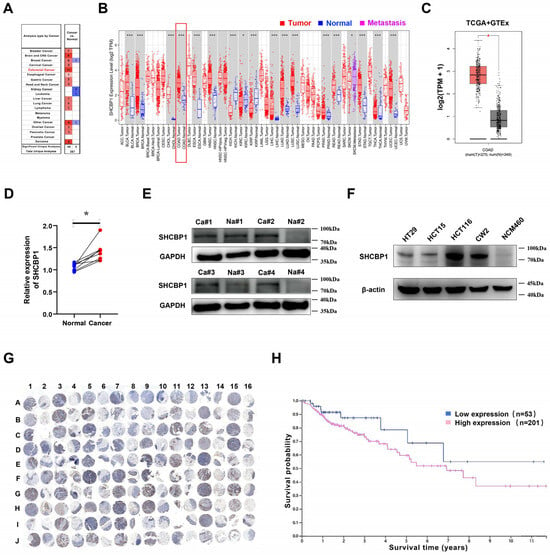
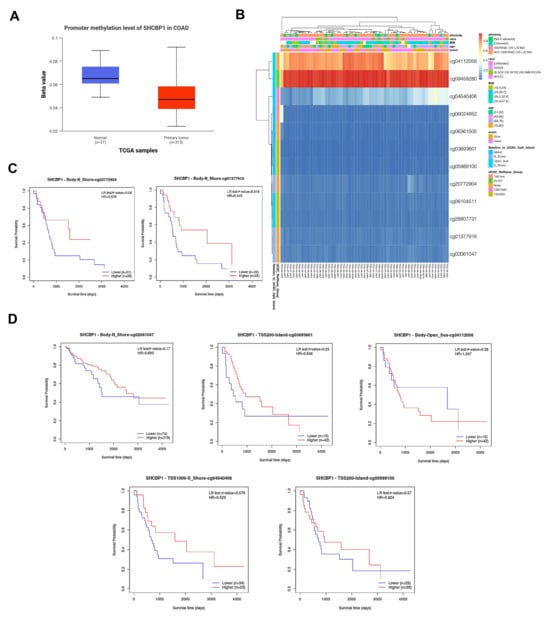
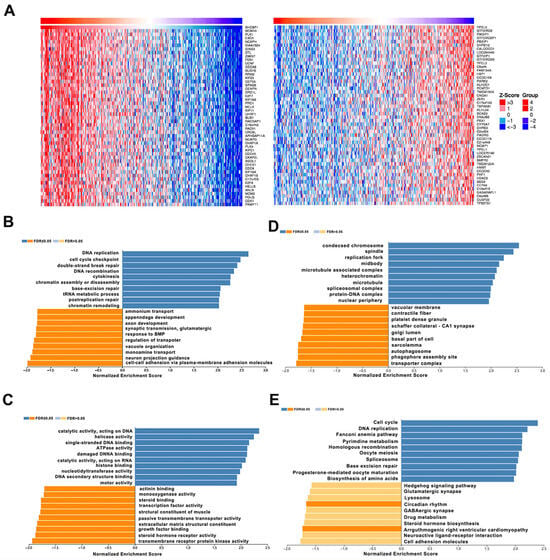
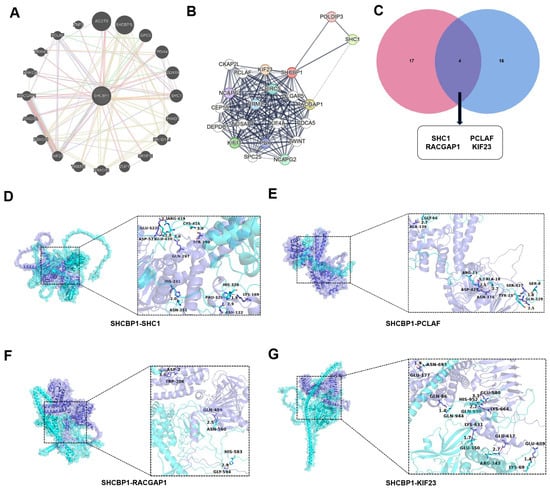
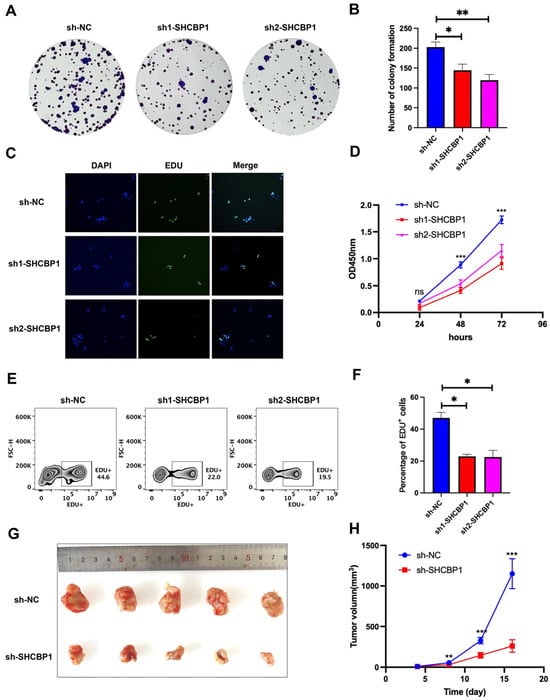
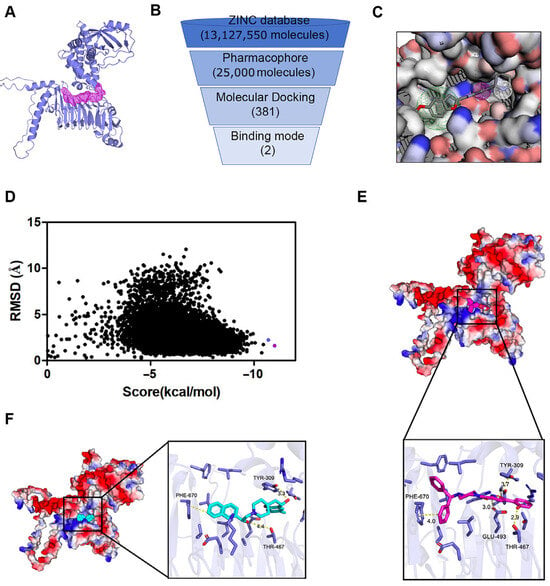
Colon adenocarcinoma (COAD) is a common malignancy with substantial morbidity and mortality, and the identification of new therapeutic targets remains essential for improving patient outcomes. In this study, we investigated SHC SH2-domain binding protein 1 (SHCBP1) in COAD through two complementary components with distinct evidentiary scopes. The first component comprised expression profiling, prognostic and methylation analyzes, bioinformatic characterization, and functional validation in vitro and in vivo. The second component comprised exploratory computational analyses, including predicted interaction network analysis and structure-based virtual screening. Public databases were used to analyze SHCBP1 expression, prognosis, and promoter methylation status. Co-expression and functional enrichment analyses were performed to explore the biological context of SHCBP1. In vitro and in vivo experiments were then conducted to evaluate the effects of SHCBP1 knockdown on tumor growth. SHCBP1 was significantly upregulated in COAD and was associated with poor patient prognosis. Promoter hypomethylation may contribute to its increased expression. Bioinformatic analyses suggested that SHCBP1 is associated with DNA replication and cell-cycle-related pathways. Experimental studies demonstrated that SHCBP1 knockdown suppressed cell proliferation and tumor growth. In the exploratory computational component, predicted interaction network analysis and virtual screening prioritized several in silico candidate interactions and two compounds with favorable predicted binding scores. These computational findings require independent biochemical and cellular validation. Overall, our findings suggest that SHCBP1 may represent a candidate biomarker associated with COAD proliferation and unfavorable prognosis, as well as a putative molecular target that warrants further validation.
Full article
(This article belongs to the Special Issue Innovative Therapeutic Strategies, Biomarkers, and Molecular Pathways in Gastrointestinal and Hepatobiliary Cancers)
►▼
Show Figures

Figure 1
Open AccessComment
Toward Individualized Management: A Commentary on Perioperative Systemic Therapy Guidelines in Breast Cancer Surgery and Reconstruction. Comment on Galuia et al. Perioperative Drug Management of Systemic Therapies in Breast Cancer: A Literature Review and Treatment Recommendations. Curr. Oncol. 2025, 32, 154
by
Emily E. Zona and Jacqueline S. Israel
Curr. Oncol. 2026, 33(5), 294; https://doi.org/10.3390/curroncol33050294 - 19 May 2026
Abstract
The perioperative management of systemic breast cancer therapies is an increasingly important aspect of planning for breast cancer surgery and reconstruction. This commentary compares two recent sets of recommendations and explains why treatment decisions often need to be tailored to the individual patient.
[...] Read more.
The perioperative management of systemic breast cancer therapies is an increasingly important aspect of planning for breast cancer surgery and reconstruction. This commentary compares two recent sets of recommendations and explains why treatment decisions often need to be tailored to the individual patient. By highlighting differences in methodology and clinical considerations, we emphasize the importance of individualized perioperative planning and close collaboration between surgeons and oncologists. Continued research will help refine these strategies and improve care for patients undergoing breast reconstruction.
Full article
(This article belongs to the Section Breast Cancer)
Open AccessArticle
Ruptured Wilms Tumor: Clinical Features, Diagnostic Challenges, and Survival Outcomes
by
Hiba Emadeldeen, Khalil Ghandour, Tamador Al-Shamaileh, Ahmad Kh. Ibrahimi, Nasim Sarhan, Iyad Sultan and Hadeel Halalsheh
Curr. Oncol. 2026, 33(5), 293; https://doi.org/10.3390/curroncol33050293 - 19 May 2026
Abstract
Background: Wilms tumor (WT) rupture is a serious complication that upstages the disease and requires treatment intensification. This study evaluates clinical characteristics, radiological-pathological concordance, and survival outcomes of ruptured versus non-ruptured WT at a major Middle Eastern tertiary center. Methods: We conducted a
[...] Read more.
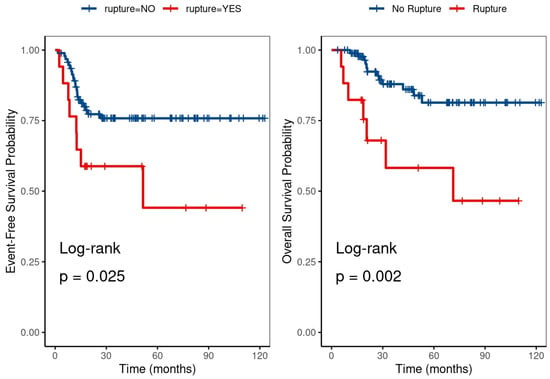
Background: Wilms tumor (WT) rupture is a serious complication that upstages the disease and requires treatment intensification. This study evaluates clinical characteristics, radiological-pathological concordance, and survival outcomes of ruptured versus non-ruptured WT at a major Middle Eastern tertiary center. Methods: We conducted a retrospective cohort study of 111 pediatric patients with unilateral WT treated at King Hussein Cancer Center, Jordan, between October 2014 and December 2023 (follow-up to December 2025). Tumor rupture was defined by preoperative CT findings (peritumoral effusion, hemorrhage, or peritoneal nodules), intraoperative capsular breach/spillage, or pathological confirmation. Event-free survival (EFS) and overall survival (OS) were estimated using Kaplan–Meier methods and compared with the log-rank test. Multivariable Cox regression identified independent prognostic factors. Results: Tumor rupture occurred in 17 patients (15.3%). Ruptured cases were older (median 4.2 vs. 3.5 years, p = 0.03), had larger tumors (13.7 vs. 11.7 cm, p = 0.01), and presented with lower hemoglobin (7.9 vs. 10.4 g/dL, p < 0.001). All ruptured cases were stage III/IV, with 41% having distant metastases at diagnosis. Five-year EFS was 44.1% vs. 75.8% (p = 0.025) and OS was 58.2% vs. 81.4% (p = 0.002) for ruptured vs. non-ruptured groups. On multivariable analysis, rupture independently predicted death (HR 17.62, 95% CI 2.69–115.48, p = 0.003) and relapse (HR 8.1, 95% CI 1.66–39.57, p = 0.01). Conclusion: WT rupture is associated with advanced disease at presentation and significantly inferior survival. Substantial discordance between preoperative radiological/intraoperative findings and post-chemotherapy pathology highlights the “masking effect” of neoadjuvant chemotherapy. A multidisciplinary approach integrating initial imaging, surgical notes, and histology is essential to avoid undertreatment in SIOP-based protocols.
Full article
(This article belongs to the Section Surgical Oncology)
►▼
Show Figures

Figure 1
Open AccessArticle
SLC39A13 Defines Myofibroblastic Activation and Immunosuppressive Tumor Microenvironment in Head and Neck Squamous Cell Carcinoma
by
Hideyuki Takahashi, Hiroyuki Hagiwara, Hiroe Tada, Miho Uchida, Toshiyuki Matsuyama and Kazuaki Chikamatsu
Curr. Oncol. 2026, 33(5), 292; https://doi.org/10.3390/curroncol33050292 - 18 May 2026
Abstract
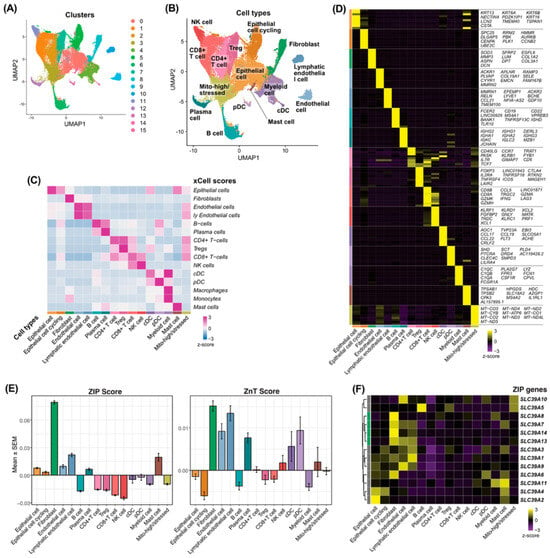
Zinc transport plays a critical role in cellular signaling, but its function in the tumor microenvironment remains poorly understood. We aimed to investigate the role of zinc transporters in cancer-associated fibroblasts in head and neck squamous cell carcinoma. Single-cell RNA sequencing data were
[...] Read more.
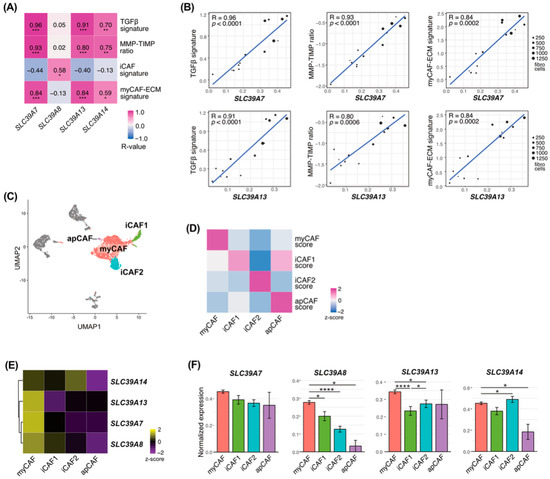
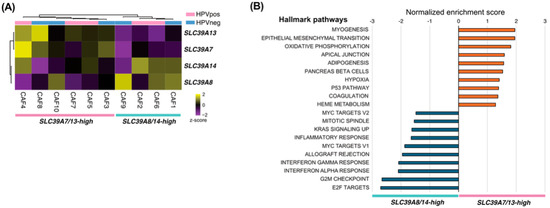
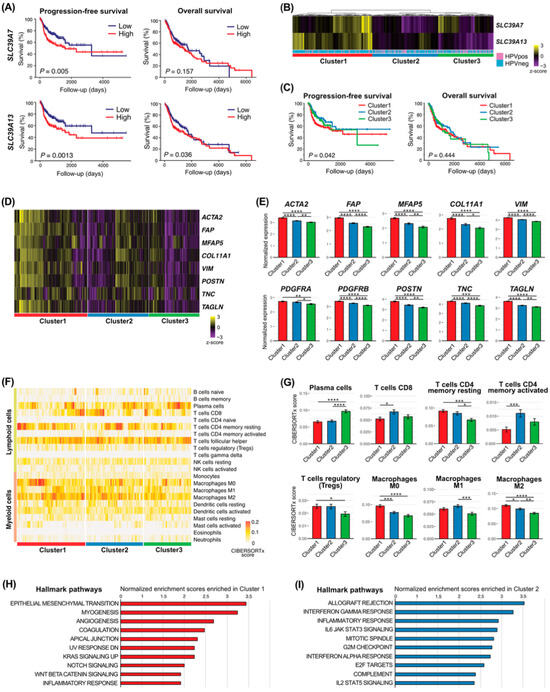
Zinc transport plays a critical role in cellular signaling, but its function in the tumor microenvironment remains poorly understood. We aimed to investigate the role of zinc transporters in cancer-associated fibroblasts in head and neck squamous cell carcinoma. Single-cell RNA sequencing data were analyzed to evaluate zinc transporter expression across tumor cell populations, and bulk RNA sequencing of primary fibroblast cultures was used for validation. Clinical relevance was assessed using transcriptomic and survival data from a large patient cohort. We found that zinc transporter expression, particularly SLC39A13, was enriched in fibroblasts and strongly associated with myofibroblastic activation signatures, including extracellular matrix remodeling and TGFβ signaling. Fibroblasts with high SLC39A13 expression were linked to immunosuppressive tumor environments characterized by reduced cytotoxic T-cell infiltration and increased immunosuppressive cells. Clinically, SLC39A13 expression was associated with poor progression-free survival and remained an independent prognostic factor. These findings suggest that zinc transporter-mediated pathways play a key role in stromal activation and immune regulation, highlighting SLC39A13 as a potential therapeutic target in head and neck squamous cell carcinoma.
Full article
(This article belongs to the Section Head and Neck Oncology)
►▼
Show Figures

Figure 1
Open AccessArticle
Incidence and Management Trends in Advanced Head and Neck Non-Melanoma Skin Cancer in Ontario
by
Ka-Kit David Yeung, Gregory Pond, Isaac Kong, Han Zhang, Michael Gupta, Zejia Chen and Justin Lee
Curr. Oncol. 2026, 33(5), 291; https://doi.org/10.3390/curroncol33050291 - 17 May 2026
Abstract
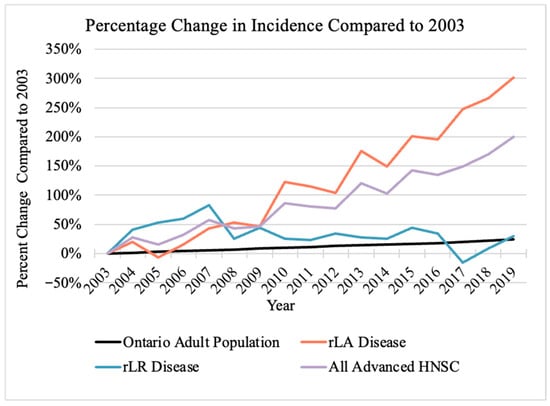
Head and neck non-melanoma skin cancers (H&N NMSCs) account for most head and neck malignancies. While primary treatment comprises surgery, adjuvant radiation is recommended in advanced tumors. Radiation oncology practice patterns for resected locally advanced (rLA) and locoregional (rLR) H&N NMSCs have not
[...] Read more.
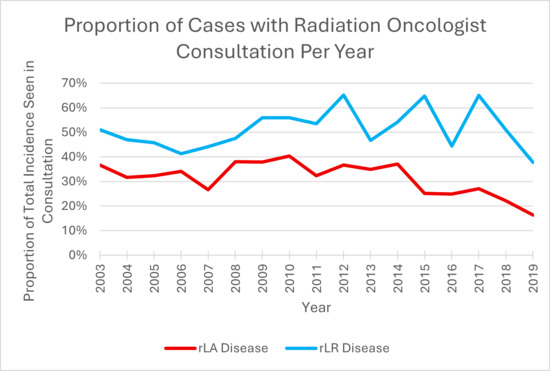
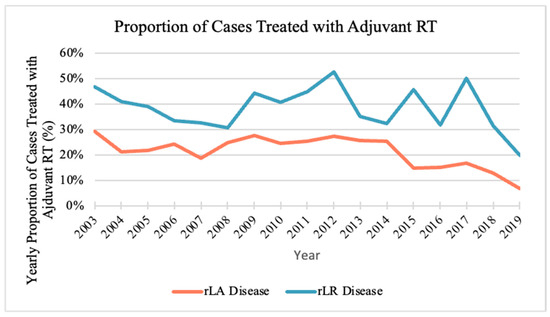
Head and neck non-melanoma skin cancers (H&N NMSCs) account for most head and neck malignancies. While primary treatment comprises surgery, adjuvant radiation is recommended in advanced tumors. Radiation oncology practice patterns for resected locally advanced (rLA) and locoregional (rLR) H&N NMSCs have not been well characterized. Using data from the Institute for Clinical Evaluative Sciences (ICES) between 2003 and 2019, we conducted a longitudinal, population-based study characterizing disease incidence, survival outcomes, and radiation utilization patterns. Among 2962 rLA and 1055 rLR cases, rLA incidence rose more than tenfold compared to population growth; however rLR incidence remained stable. Radiation oncology consultations occurred in 29.6% of rLA and 50.7% of rLR patients. Increased age, multiple cancers at diagnosis, non-rural demographic, and higher SES were observed to be correlated to receipt of adjuvant radiation treatment. Only 19.4% of rLA and 37.95 of rLR disease received adjuvant RT, which is much lower than expected based on international guidelines. Five-year overall survival (OS) was 69% (95% confidence interval (CI): 67–71%) for rLA and 68% (95% CI: 65–71%) for rLR disease. These findings highlight the burden of advanced H&N NMSC, low rates of radiation utilization and the need for improving referral pathways and guideline adherence.
Full article
(This article belongs to the Section Head and Neck Oncology)
►▼
Show Figures

Figure 1

Open AccessArticle
Forward Planning: A Staffing Framework and Ratios for Psychosocial Oncology and Supportive Care Hiring Practices as Cancer Care Models Evolve
by
Carole Mayer, Marianne Arab, Kimberley Thibodeau and Celestina Martopullo
Curr. Oncol. 2026, 33(5), 290; https://doi.org/10.3390/curroncol33050290 - 14 May 2026
Abstract
Innovative models of cancer care have emerged in response to advances in cancer treatment, expanding technologies that bring care closer to home and address COVID-19-related challenges and concerns about a shrinking healthcare workforce. Despite the advancements made, the psychosocial impact on people affected
[...] Read more.
Innovative models of cancer care have emerged in response to advances in cancer treatment, expanding technologies that bring care closer to home and address COVID-19-related challenges and concerns about a shrinking healthcare workforce. Despite the advancements made, the psychosocial impact on people affected by cancer persists. The psychosocial burden of cancer underlines the need for patient access to evidence-based psychosocial oncology (PSO) and supportive care (SC) interventions. As models of care evolve, hiring practices of PSO professionals must also evolve for cancer patients to access properly staffed PSO programs that deliver high-quality and efficient services. In 2019, the Canadian Association of Psychosocial Oncology (CAPO)–Clinical Advisory Committee consulted administrators and clinicians across Canada to understand caseload volumes of PSO professionals with a goal to set staffing ratios. The engagement process revealed that there is no consistency in staffing PSO programs across Canada, let alone staffing ratios for PSO disciplines. In 2022, CAPO introduced a 10-point staffing framework and formula to calculate staffing ratios for hiring PSO professionals, beginning with the social work discipline. The goal of this paper is to provide updates to the existing framework and demonstrate how the formula can be adapted to other PSO disciplines. To our knowledge, this is the first published paper in Canada outlining the calculations for a PSO staff framework and formula. The authors advocate for greater transparency when reporting PSO staffing ratios across Canada, using this framework as a reference point. Organizations reporting on the cancer system performance are encouraged to develop PSO indicators, starting with tracking patient access to PSO services.
Full article
(This article belongs to the Special Issue Building Hope for the Next Decade of Psychosocial Oncology: Optimizing the Integration of Supportive Care into Oncology Care)
Open AccessArticle
Real-World Effectiveness of Capecitabine and Temozolomide Across Endocrine and Neuroendocrine Neoplasm Subtypes (ENENs): A Population-Based Cohort Study from Alberta, Canada (2011–2021)
by
Alda Aleksi, Kaiden D. Jobin, Malek B. Hannouf, Patrik Husi, Heather Halperin, Chris White-Gloria, Tasnima Abedin and Dean Ruether
Curr. Oncol. 2026, 33(5), 289; https://doi.org/10.3390/curroncol33050289 - 14 May 2026
Abstract
►▼
Show Figures
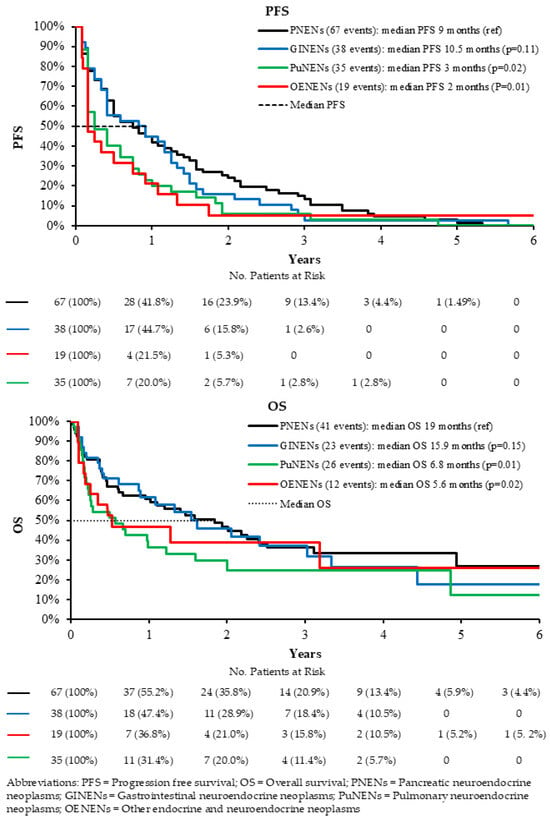
Capecitabine plus temozolomide (CAPTEM) improves progression-free survival (PFS) in pancreatic endocrine and neuroendocrine neoplasms (PNENs), yet its real-world effectiveness across other endocrine and neuroendocrine neoplasm (ENEN) subtypes remains uncertain. We conducted a retrospective population-based cohort study including 159 adults with ENENs treated with
[...] Read more.
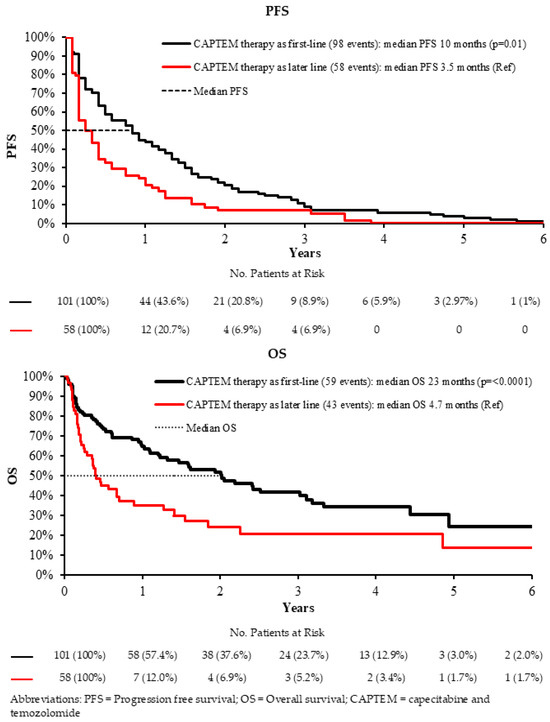
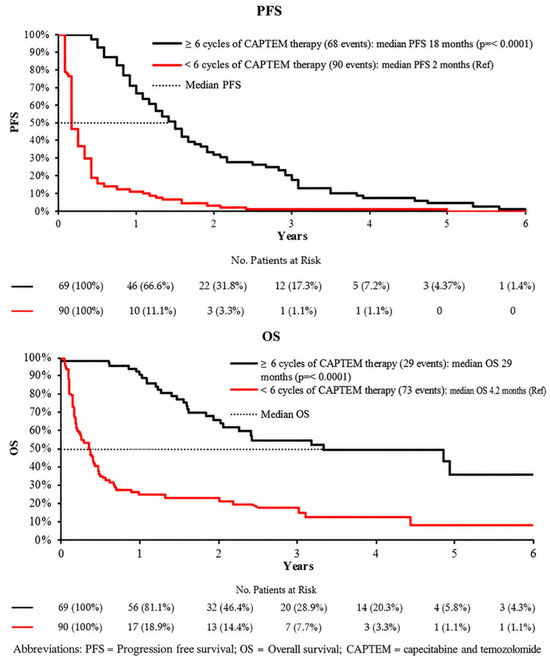
Capecitabine plus temozolomide (CAPTEM) improves progression-free survival (PFS) in pancreatic endocrine and neuroendocrine neoplasms (PNENs), yet its real-world effectiveness across other endocrine and neuroendocrine neoplasm (ENEN) subtypes remains uncertain. We conducted a retrospective population-based cohort study including 159 adults with ENENs treated with CAPTEM in Alberta, Canada (2011–2021). Patients were stratified by primary tumor site, treatment line, and number of CAPTEM cycles received. Kaplan–Meier methods and Cox proportional hazards models adjusted for age and sex were used to evaluate PFS and overall survival (OS). Compared with pancreatic neuroendocrine neoplasms PNENs, gastrointestinal neuroendocrine neoplasms (GINENs) demonstrated similar PFS and OS. In contrast, pulmonary neuroendocrine neoplasms (PuNENs) and other ENENs (OENENs) were associated with significantly shorter PFS and OS. Use of CAPTEM in the first-line setting was associated with improved PFS (HR 0.56, 95% CI 0.40–0.78, p < 0.001) and OS (HR 0.42, 95% CI 0.29–0.62, p < 0.001). Receipt of ≥6 treatment cycles was also strongly associated with superior PFS (HR 0.22, 95% CI 0.16–0.32, p < 0.001) and OS (HR 0.22, 95% CI 0.14–0.34, p < 0.001). CAPTEM shows comparable real-world effectiveness in GINENs and PNENs but appears less effective in PuNENs and other OENEN subtypes. Early initiation and adequate treatment duration are key factors associated with improved survival outcomes.
Full article

Figure 1
Open AccessArticle
Supporting Advance Care Planning Among Mandarin and Cantonese Speaking Communities: A Qualitative Exploratory Study
by
Upma Chitkara, Ashfaq Chauhan, Ramya Walsan, Mary Li, Eric Yeung, Ursula M. Sansom-Daly and Reema Harrison
Curr. Oncol. 2026, 33(5), 288; https://doi.org/10.3390/curroncol33050288 - 14 May 2026
Abstract
Whilst advance care planning (ACP) is important to ensure person-centred end of life care, there is sparse evidence about factors contributing towards engagement for people from Mandarin and Cantonese speaking backgrounds (MCSB) affected by cancer. This study aimed to establish barriers and facilitators
[...] Read more.
Whilst advance care planning (ACP) is important to ensure person-centred end of life care, there is sparse evidence about factors contributing towards engagement for people from Mandarin and Cantonese speaking backgrounds (MCSB) affected by cancer. This study aimed to establish barriers and facilitators for quality ACP among people from MCSB with cancer and carers. A qualitative study utilising semi-structured interviews and focus groups was conducted. Participants included adult community members from MCSB in New South Wales who had accessed cancer care services in Australia as a support person or a patient in the last five years with recruitment done purposefully. Data collected from eligible consenting participants were audio/video recorded, transcribed verbatim and analysed using the Framework Method applying the Theoretical Domains Framework. Eighteen people participated (11 in two focus groups, seven individual interviews). Key barriers to engagement with ACP were unclear understanding of process and conduct, poor quality communication by healthcare staff, resource constraints and cultural misalignment of ACP concepts. The main facilitators were openness of participants to discussions, culturally informed community resources and dedicated ACP services. Co-design provides a useful approach to address varied identified factors. At the system and service level, co-design with these communities and healthcare providers could potentially develop resources to assist these communities in engaging with ACP, including preparing for ACP communication. Understanding and acknowledging cultural factors that impact ACP and integrating this knowledge in ACP communication may enhance engagement.
Full article
(This article belongs to the Section Palliative and Supportive Care)
Open AccessReview
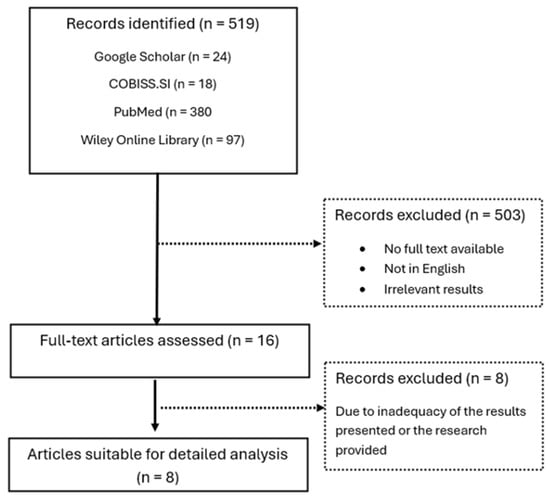
Applications of Artificial Intelligence in Endobronchial Ultrasound for Lung Cancer Diagnosis and Staging: A Scoping Review
by
Jacobo Echeverri-Hoyos, Jaime A. Echeverri-Franco, Nicole Bonilla, Gustavo Monsalve-Morales and Eduardo Tuta-Quintero
Curr. Oncol. 2026, 33(5), 287; https://doi.org/10.3390/curroncol33050287 - 13 May 2026
Abstract
Introduction: Lung cancer remains highly lethal. Endobronchial ultrasound (EBUS) enables minimally invasive diagnosis and staging. Artificial intelligence (AI) improves image analysis and diagnostic accuracy, though current evidence is limited by retrospective, small, single center studies. Methods: A scoping review following Arksey–O’Malley,
[...] Read more.
Introduction: Lung cancer remains highly lethal. Endobronchial ultrasound (EBUS) enables minimally invasive diagnosis and staging. Artificial intelligence (AI) improves image analysis and diagnostic accuracy, though current evidence is limited by retrospective, small, single center studies. Methods: A scoping review following Arksey–O’Malley, Levac, and JBI frameworks, was reported as per PRISMA-ScR. Databases were searched for studies (2015–2026) on AI in EBUS. Two reviewers screened, extracted standardized data, and performed narrative synthesis grouped by algorithm type, application, and performance metrics. Results: A total of 26 studies were included. Of these, 73.1% (19/26) employed deep learning-based models, while 26.9% (7/26) used traditional or hybrid machine learning approaches. The most frequent clinical objective was diagnostic classification of malignancy (14/26; 53.8%), followed by segmentation or cytological analysis (5/26; 19.2%), anatomical navigation or lymph node station classification (3/26; 11.5%), and multimodal predictive or staging support models (4/26; 15.4%). Most studies were based on EBUS-derived images or videos (18/26; 69.2%), including both convex-probe and radial-probe applications. Studies were distributed among Convex Probe-EBUS for mediastinal staging, Radial Probe-EBUS for peripheral lesion assessment, and rapid on-site evaluation-based cytology analysis, reflecting diverse clinical contexts. Most models were developed using static images. Conclusions: AI applications in EBUS are predominantly based on deep learning and mainly focused on diagnostic classification, with growing but still limited exploration of segmentation, navigation, and multimodal approaches. The evidence reflects diverse clinical contexts and data sources, particularly image-based inputs, but remains unevenly distributed across applications.
Full article
(This article belongs to the Topic Advanced Endoscopic Ultrasound (EUS) Techniques: Current and Future Directions)
►▼
Show Figures

Figure 1
Open AccessArticle
Lenvatinib Combined with New FP Hepatic Arterial Infusion Chemotherapy for Unresectable Hepatocellular Carcinoma: Clinical Efficacy, Vascular Remodeling, and Implications for Immuno-Oncology–Systemic Combination Therapy
by
Susumu Maruta, Yohei Koshima, Yuji Debari, Chihei Sugihara, Gou Takahata, Ryo Tamura, Tadashi Ohshima, Yuji Ono, Yuho Morita, Tomoki Chiba, Satoru Ishida, Hideto Imai, Keisuke Watanabe, Ryo Chinzei, Masanori Takahashi and Yoshihiko Ooka
Curr. Oncol. 2026, 33(5), 286; https://doi.org/10.3390/curroncol33050286 - 13 May 2026
Abstract
►▼
Show Figures
Background/Objectives: Patients with unresectable hepatocellular carcinoma (uHCC) refractory or intolerant to immune checkpoint inhibitor (ICI)-based regimens represent a growing yet therapeutically underserved population with limited treatment options. We investigated the efficacy, safety, and mechanistic underpinnings of lenvatinib combined with New FP hepatic arterial
[...] Read more.
Background/Objectives: Patients with unresectable hepatocellular carcinoma (uHCC) refractory or intolerant to immune checkpoint inhibitor (ICI)-based regimens represent a growing yet therapeutically underserved population with limited treatment options. We investigated the efficacy, safety, and mechanistic underpinnings of lenvatinib combined with New FP hepatic arterial infusion chemotherapy (LEN–New FP) in this challenging clinical setting. Methods: We retrospectively analyzed 14 consecutive patients with uHCC treated with LEN–New FP between April 2022 and March 2025. Tumor response was assessed by the modified Response Evaluation Criteria in Solid Tumors (mRECIST). Proper hepatic artery (PHA) diameter was serially measured on angiography as an exploratory assessment of vascular remodeling, and tumor vascularity was semi-quantitatively evaluated using a 4-point angiographic scoring system (Tumor Vascularity Score [TVS]). Results: The cohort comprised BCLC stage B/C (7/7), mALBI grade 1–2b, and 13 of 14 patients with prior ICI-containing therapy. The objective response rate and disease control rate were 85.7% and 100%, including two complete responses. Median overall survival was 22.8 months from LEN–New FP initiation (median follow-up: 15.1 months) and 36.2 months from first-line initiation; median intrahepatic progression-free survival was 10.4 months. A total of 11 of 14 patients (78.6%) transitioned to subsequent therapies, including four curative-intent conversions. PHA narrowing was observed in 10 of 13 evaluable patients (76.9%), with no clear association with hepatic function deterioration. TVS decreased in 10 of 12 evaluable patients (83.3%), with reduction observed in 90.0% of PR/CR cases. Conclusions: LEN–New FP achieved sustained intrahepatic tumor control and encouraging survival in aggressive uHCC, including ICI-refractory or -intolerant disease. The concordant reduction in PHA diameter and tumor vascularity score provides angiographic evidence of VEGFR inhibition-mediated vascular remodeling, offering mechanistic insight into the synergistic antitumor effects of this regimen and supporting LEN–New FP as a promising multimodal strategy within the evolving landscape of HCC treatment.
Full article

Graphical abstract
Journal Menu
► ▼ Journal Menu-
- Current Oncology Home
- Aims & Scope
- Editorial Board
- Reviewer Board
- Topical Advisory Panel
- Instructions for Authors
- Special Issues
- Topics
- Sections & Collections
- Article Processing Charge
- Indexing & Archiving
- Editor’s Choice Articles
- Most Cited & Viewed
- Journal Statistics
- Journal History
- Journal Awards
- Society Collaborations
- Conferences
- Editorial Office
Journal Browser
► ▼ Journal Browser-
arrow_forward_ios
Forthcoming issue
arrow_forward_ios Current issue - Volumes not published by MDPI
Highly Accessed Articles
Latest Books
E-Mail Alert
News
21 May 2026
Interview with Dr. Silvia Belloni—Winner of the Current Oncology Outstanding Reviewer Award
15 May 2026
Meet Us at the European Hematology Association 2026 Congress, 11–14 June 2026, Stockholm, Sweden
Topics
Topic in
Cancers, IJMS, Pharmaceuticals, Pharmaceutics, Sci. Pharm., Current Oncology, Molecules
Recent Advances in Anticancer Strategies, 2nd Edition
Topic Editors: Hassan Bousbaa, Zhiwei HuDeadline: 31 May 2026
Topic in
Cancers, Diagnostics, Medicina, Current Oncology
Prostate Cancer: Symptoms, Diagnosis & Treatment—3rd Edition
Topic Editors: Ana Faustino, Lúcio Lara Santos, Paula OliveiraDeadline: 30 June 2026
Topic in
Cancers, Current Oncology, JCM, Medicina, Onco
Cancer Biology and Radiation Therapy: 2nd Edition
Topic Editors: Chang Ming Charlie Ma, Ka Yu Tse, Ming-Yii Huang, Mukund SeshadriDeadline: 25 July 2026
Topic in
Cancers, Diagnostics, Gastrointestinal Disorders, JCM, Current Oncology
Metastatic Colorectal Cancer: From Laboratory to Clinical Studies, 2nd Edition
Topic Editors: Ioannis Ntanasis-Stathopoulos, Diamantis I. TsilimigrasDeadline: 20 August 2026
Conferences
Special Issues
Special Issue in
Current Oncology
Feature Advancements in Section "Childhood, Adolescent and Young Adult Oncology"
Guest Editors: Katrin Scheinemann, Maria OtthDeadline: 31 May 2026
Special Issue in
Current Oncology
Innovative Therapeutic Strategies, Biomarkers, and Molecular Pathways in Gastrointestinal and Hepatobiliary Cancers
Guest Editors: Anwaar Saeed, Azhar SaeedDeadline: 31 May 2026
Special Issue in
Current Oncology
Surgical and Medical Management of Pancreatic Tumors: Indication, Techniques, and Prognostic Factors
Guest Editors: Michele Tedeschi, Antonella Delvecchio, Riccardo MemeoDeadline: 31 May 2026
Special Issue in
Current Oncology
Hypofractionated Radiotherapy for Prostate Cancer: Emerging Evidence and Clinical Practice
Guest Editor: Hiromichi IshiyamaDeadline: 31 May 2026
Topical Collections
Topical Collection in
Current Oncology
New Insights into Prostate Cancer Diagnosis and Treatment
Collection Editor: Sazan Rasul
Topical Collection in
Current Oncology
New Insights into Breast Cancer Diagnosis and Treatment
Collection Editors: Filippo Pesapane, Matteo Suter
Topical Collection in
Current Oncology
Editorial Board Members’ Collection Series: Contemporary Perioperative Concepts in Cancer Surgery
Collection Editors: Vijaya Gottumukkala, Jörg Kleeff