



-
Snail Slime vs. Glycolic Acid: Cell Insights into Skin and Endothelial Effects -
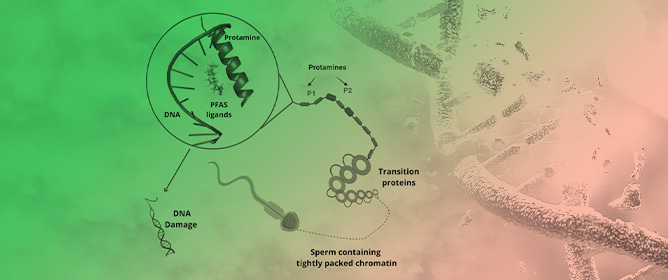
PFAS Impair Protamine/DNA Binding and May Promote Sperm DNA Damage -
Zinc Therapy in Mild Cognitive Impairment: Cognitive Stabilization in Pharmacodynamically Responsive Patients in the ZINCAiD Trial -
Deciphering the Fasciola hepatica Glycocode in Host–Parasite Interactions -
Loss of Mucin-Type O-Glycans Leads to Synaptic Defects in SLC35A2-CDG Fly Model
Journal Description
Biomolecules
Biomolecules
is an international, peer-reviewed, open access journal on structures and functions of bioactive and biogenic substances, molecular mechanisms with biological and medical implications as well as biomaterials and their applications, published monthly online by MDPI.
- Open Access— free for readers, with article processing charges (APC) paid by authors or their institutions.
- High Visibility: indexed within Scopus, SCIE (Web of Science), PubMed, MEDLINE, PMC, Embase, CAPlus / SciFinder, and other databases.
- Journal Rank: JCR - Q1 (Biochemistry and Molecular Biology) / CiteScore - Q1 (Biochemistry)
- Rapid Publication: manuscripts are peer-reviewed and a first decision is provided to authors approximately 17.9 days after submission; acceptance to publication is undertaken in 2.9 days (median values for papers published in this journal in the second half of 2025).
- Recognition of Reviewers: reviewers who provide timely, thorough peer-review reports receive vouchers entitling them to a discount on the APC of their next publication in any MDPI journal, in appreciation of the work done.
- Sections: published in 15 topical sections.
- Testimonials: See what our editors and authors say about Biomolecules.
- Companion journal: Receptors.
Impact Factor:
4.8 (2024);
5-Year Impact Factor:
5.6 (2024)
Latest Articles
Upregulation of GnT-IVa and Its Critical Roles in ATRA-Induced Differentiation of Acute Promyelocytic Leukemia Cells
Biomolecules 2026, 16(5), 756; https://doi.org/10.3390/biom16050756 (registering DOI) - 21 May 2026
Abstract
Glycosylation is essential for hematopoietic cell homeostasis and malignant transformation. Dysregulated expression of glycosylation genes in leukemia cells accelerates disease progression and fosters drug resistance. Therefore, targeting these genes offers a promising avenue for anti-leukemic therapy. In this study, we explore the roles
[...] Read more.
Glycosylation is essential for hematopoietic cell homeostasis and malignant transformation. Dysregulated expression of glycosylation genes in leukemia cells accelerates disease progression and fosters drug resistance. Therefore, targeting these genes offers a promising avenue for anti-leukemic therapy. In this study, we explore the roles of N-glycans in acute promyelocytic leukemia (APL) differentiation using the ATRA-induced wild-type NB4 (WT/ATRA) or HL-60 cell model. We found that expression of N-acetylglucosaminyltransferase IVa (GnT-IVa, encoded by the MGAT4A gene) and its product (β1,4-GlcNAc-branched N-glycan) increased significantly during differentiation, as evaluated by lectin blot, real-time PCR, and flow cytometry. Interestingly, analysis of the Gene Expression Omnibus (GEO) public data showed that MGAT4A expression is significantly lower in APL patients, and higher MGAT4A expression was associated with favorable survival in AML cohorts. To address the role of GnT-IVa in differentiation, we established MGAT4A- and MGAT4B-knockout (KO) NB4 cell lines using CRISPR/Cas9. Compared to WT/ATRA cells, MGAT4A KO, but not MGAT4B KO, markedly suppressed ATRA-induced differentiation, as evidenced by reduced expression of CD11b and CD11c. We found that CD11b is a major glycoprotein carrying β1,4-GlcNAc-branched N-glycans. This modification enhanced CD11b stability, as CD11b expression declined more rapidly in MGAT4A KO cells in the presence of cycloheximide. In addition, MGAT4A KO suppressed ERK/MAPK signaling, which contributed to differentiation. Our study highlights the critical role of GnT-IVa in regulating APL differentiation, which may provide a basis for developing new differentiation therapies for APL.
Full article
(This article belongs to the Special Issue Insights from the Editorial Board Members)
Open AccessArticle
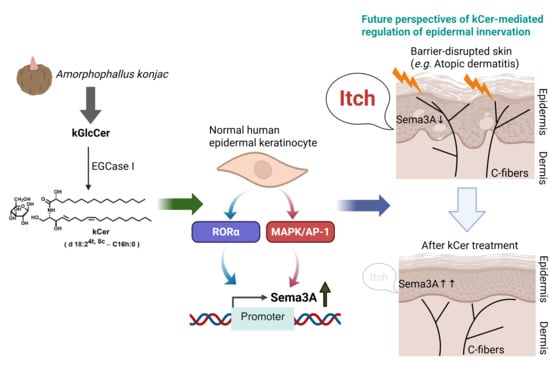
Konjac Ceramide Induces Semaphorin 3A Expression via the MAPK/AP-1 Signaling Axis and RORα in Normal Human Epidermal Keratinocytes
by
Mirei Fujita, Yayoi Kamata, Nanami Tanemoto, Nobuaki Takahashi, Mitsutoshi Tominaga and Kenji Takamori
Biomolecules 2026, 16(5), 755; https://doi.org/10.3390/biom16050755 (registering DOI) - 21 May 2026
Abstract
Epidermal hyperinnervation is a major cause of intractable itch in barrier dysfunction conditions such as atopic dermatitis. Keratinocyte-derived semaphorin 3A (Sema3A) suppresses epidermal hyperinnervation, but its expression is markedly reduced in barrier-disrupted skin. Although konjac ceramide (kCer) has been reported to act as
[...] Read more.
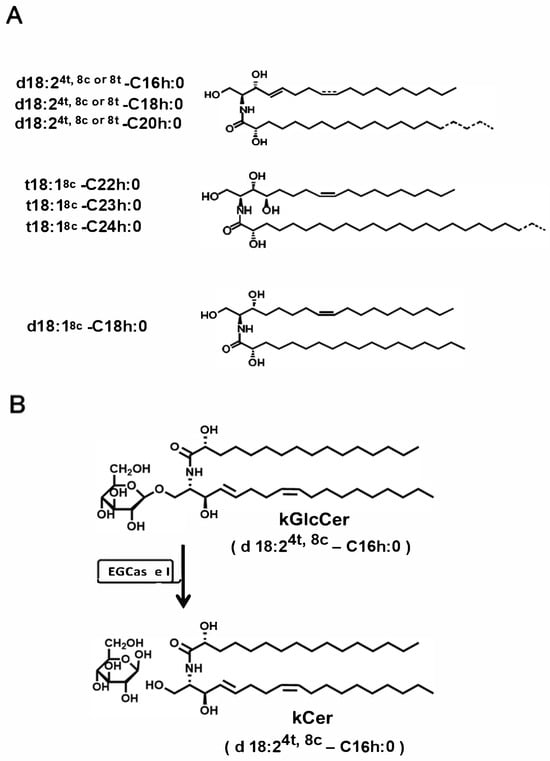
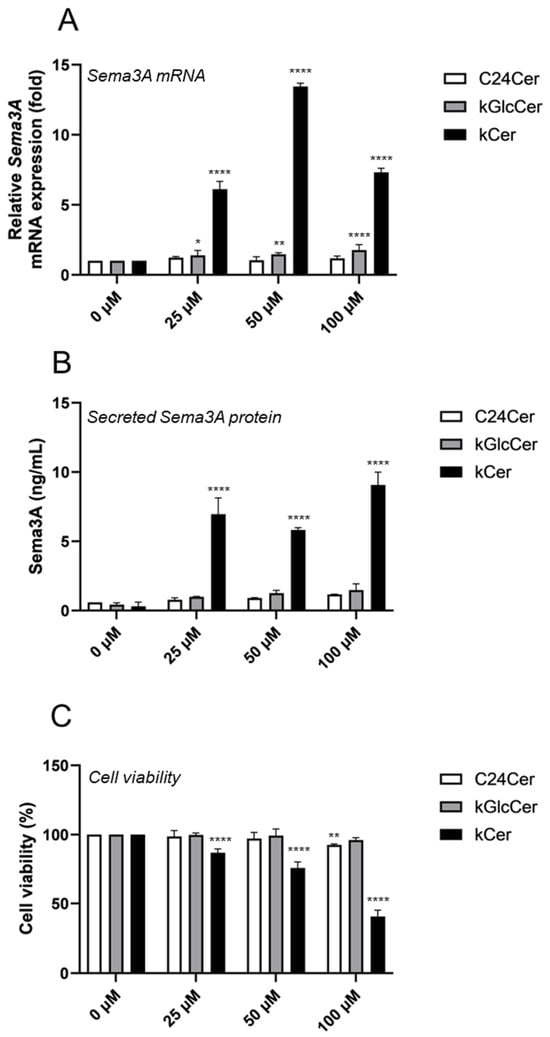
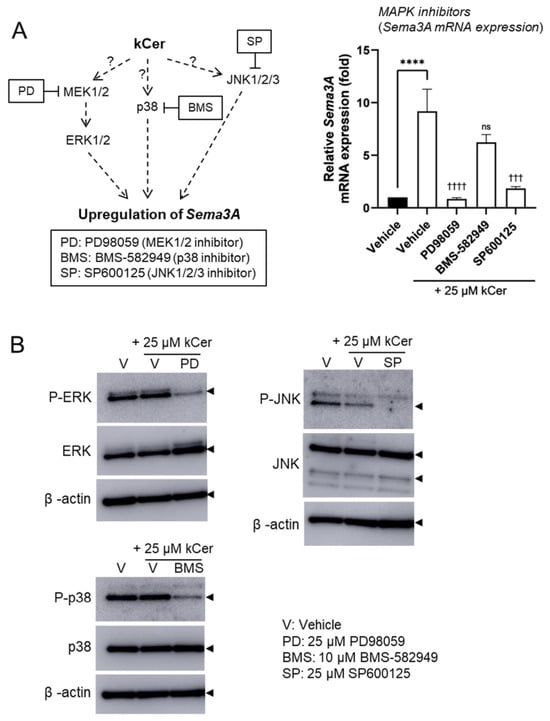
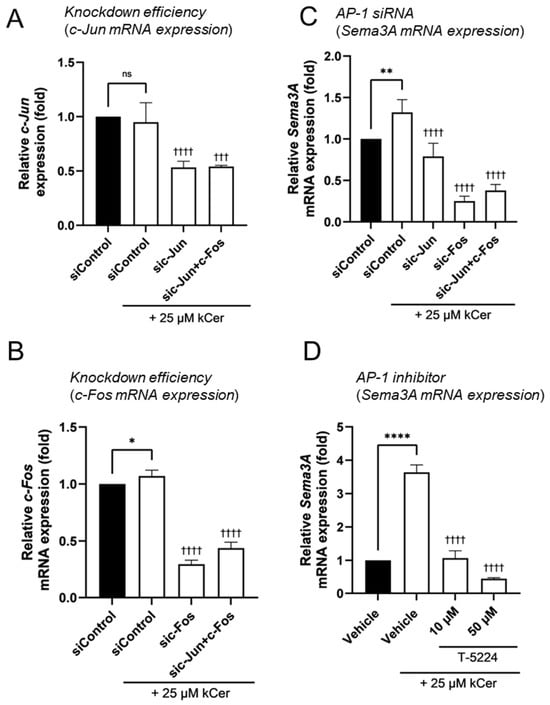
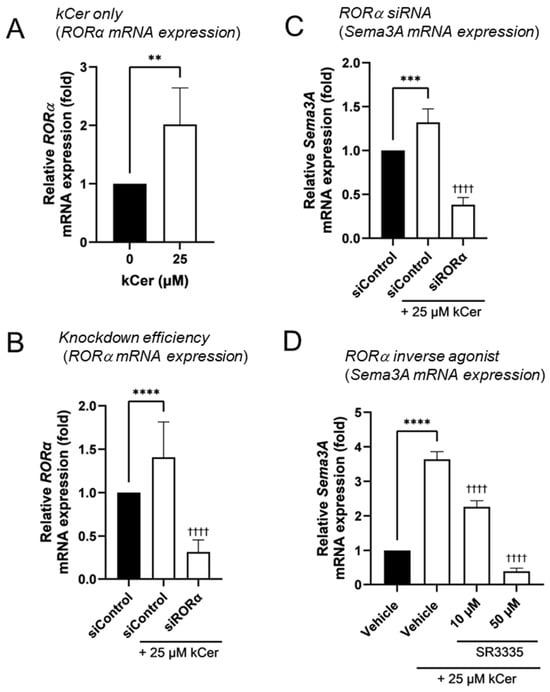
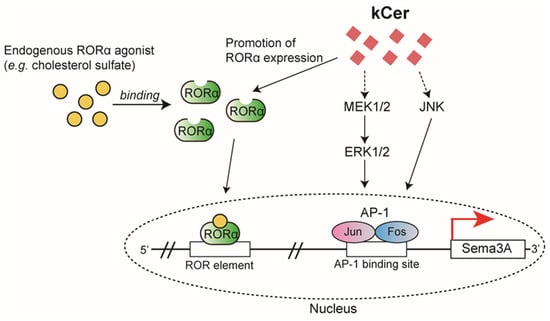
Epidermal hyperinnervation is a major cause of intractable itch in barrier dysfunction conditions such as atopic dermatitis. Keratinocyte-derived semaphorin 3A (Sema3A) suppresses epidermal hyperinnervation, but its expression is markedly reduced in barrier-disrupted skin. Although konjac ceramide (kCer) has been reported to act as a Sema3A-like ligand, the mechanisms by which it regulates Sema3A expression in keratinocytes remain unclear. Normal human epidermal keratinocytes (NHEKs) were treated with kCer, konjac glucosylceramide (kGlcCer), or C24 ceramide. Sema3A mRNA and protein levels were assessed by quantitative real-time PCR and enzyme-linked immunosorbent assay, respectively. The involvement of intracellular signaling was examined using mitogen-activated protein kinase (MAPK) inhibitors, activator protein-1 (AP-1) inhibitors, retinoic acid-related orphan receptor alpha (RORα) inverse agonists, and siRNAs targeting c-Jun, c-Fos, and RORα. kCer induced Sema3A expression in NHEKs more potently than kGlcCer or C24 ceramide and promoted Sema3A protein secretion. Pharmacological inhibition or genetic knockdown of MEK1/2, JNK, AP-1 components, or RORα significantly attenuated kCer-induced Sema3A expression, indicating involvement of the MAPK/AP-1 signaling axis and RORα. kCer upregulates Sema3A expression in human keratinocytes through MAPK/AP-1 signaling and RORα, suggesting it may represent a promising antipruritic agent for epidermal hyperinnervation associated with skin barrier dysfunction.
Full article
(This article belongs to the Special Issue Skin Diseases: Molecular Pathogenesis and Therapeutic Approaches)
►▼
Show Figures

Graphical abstract
Open AccessReview
Current Progress and Future Outlook for Synthetic Gene Circuits in Cardiovascular Therapy
by
Mohammadali Khalilitousi, Arshaan Dhingra, Leili Rohani and Ron Weiss
Biomolecules 2026, 16(5), 754; https://doi.org/10.3390/biom16050754 (registering DOI) - 21 May 2026
Abstract
Despite decades of therapeutic advances, cardiovascular diseases remain the leading cause of global mortality, underscoring the need for strategies that move beyond untargeted systemic pharmacotherapy. Synthetic biology introduces a programmable therapeutic paradigm in which engineered gene circuits can sense, compute, and respond to
[...] Read more.
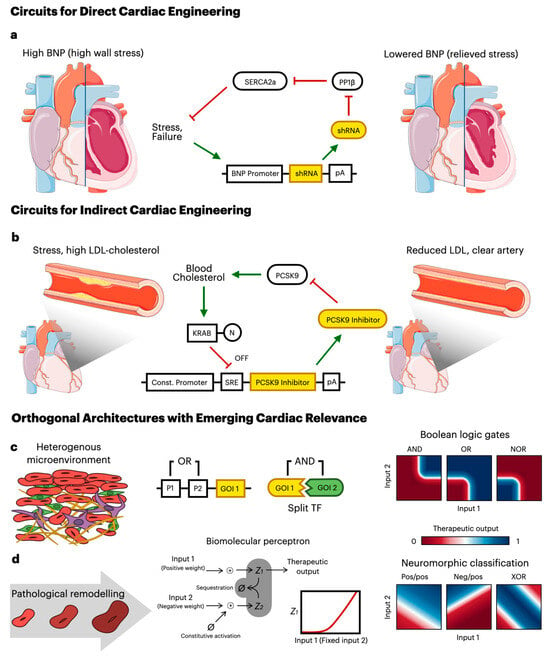
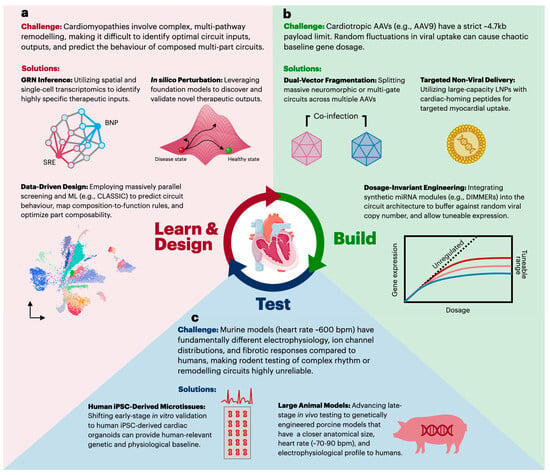
Despite decades of therapeutic advances, cardiovascular diseases remain the leading cause of global mortality, underscoring the need for strategies that move beyond untargeted systemic pharmacotherapy. Synthetic biology introduces a programmable therapeutic paradigm in which engineered gene circuits can sense, compute, and respond to pathological signals with spatiotemporal precision. This review examines the current progress of synthetic gene circuits for cardiovascular therapy, organized across three domains of clinical relevance. The first domain comprises circuits engineered for direct cardiac applications, from inducible switches to classifier systems. This discussion is further expanded by exploring circuits that indirectly target cardiovascular disease; these circuits address upstream risk factors such as cholesterol dysregulation and chronic inflammation. Looking ahead, the focus shifts to orthogonal architectures pioneered in other therapeutic contexts that hold promise for future cardiac applications. This review further discusses the emerging role of computational tools, including gene regulatory network inference and foundation models, in accelerating target discovery. Finally, a modified Design-Build-Test-Learn framework is proposed to overcome translational bottlenecks, thus paving the way for next-generation cardiac therapeutics.
Full article
(This article belongs to the Section Bioinformatics and Systems Biology)
►▼
Show Figures

Figure 1
Open AccessArticle
Compound Augmentation of Myocardial Injury in a Rat Model of Coronary Heart Disease Induced by Ischemia/Reperfusion, Rheumatoid Arthritis, and High-Fat Diet: A Molecular Mechanistic Study
by
Qixiang Xu, Jin Zhang, Lvming Li, Zhen Zhang, Zui Pan and Yongqiu Zheng
Biomolecules 2026, 16(5), 753; https://doi.org/10.3390/biom16050753 (registering DOI) - 21 May 2026
Abstract
Aims: Coronary heart disease (CHD) associated with rheumatoid arthritis (RA) is a primary driver of mortality in RA patients. In this study, we sought to establish a combined rat model of CHD and RA by integrating cardiac ischemia/reperfusion (I/R), high-fat diet (HFD), and
[...] Read more.
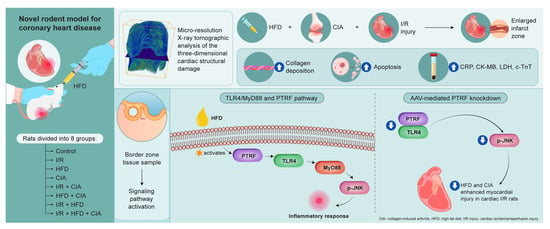
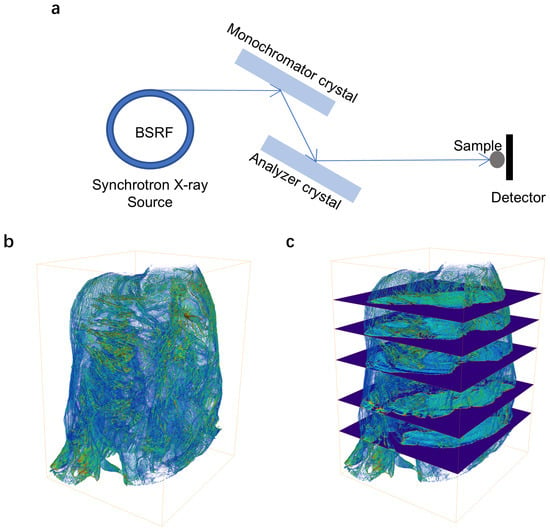
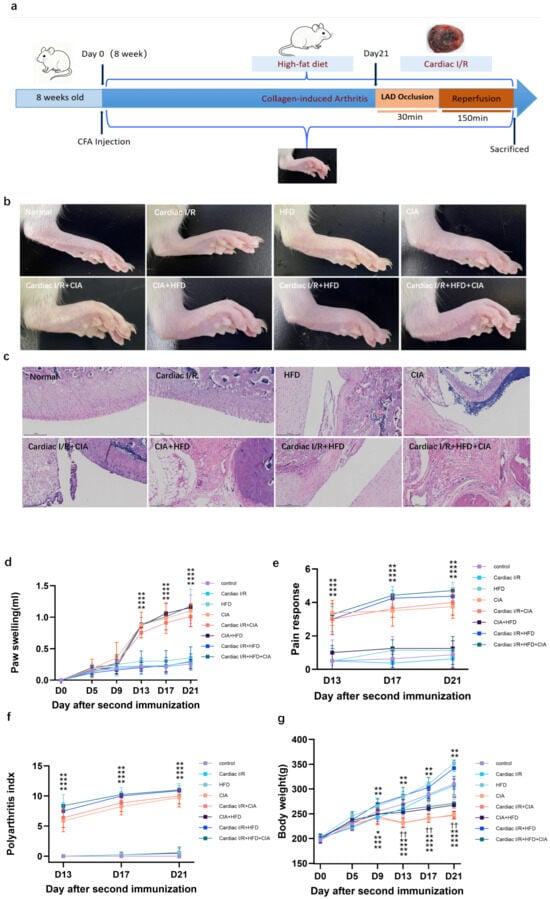
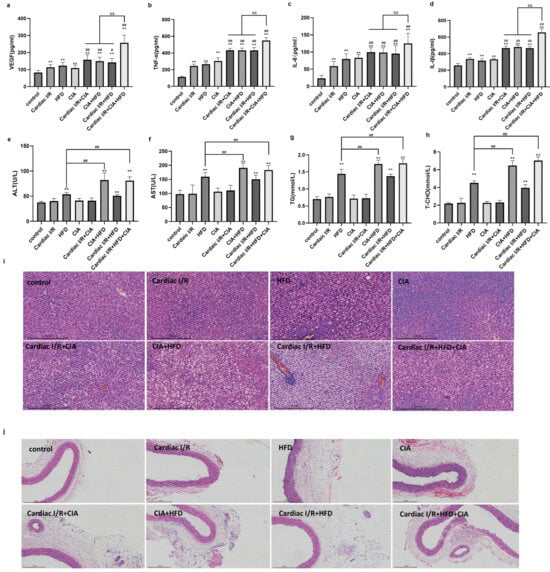
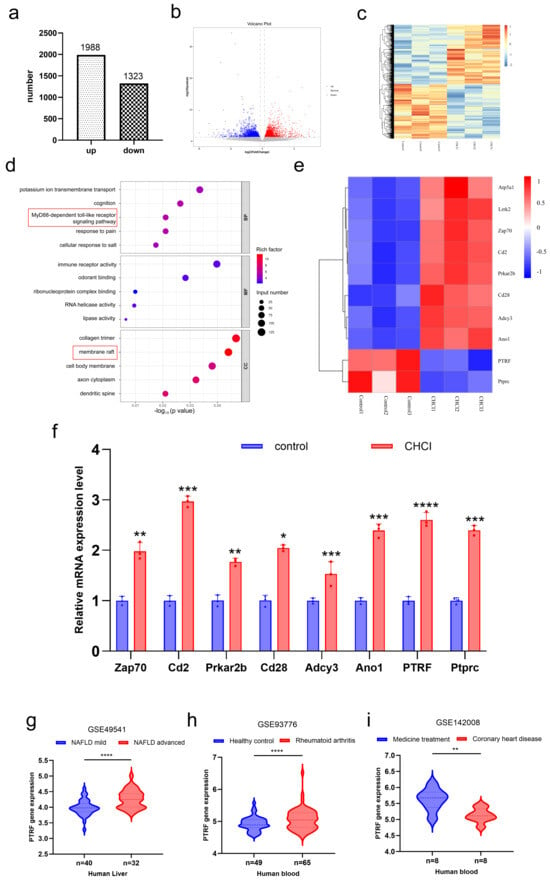
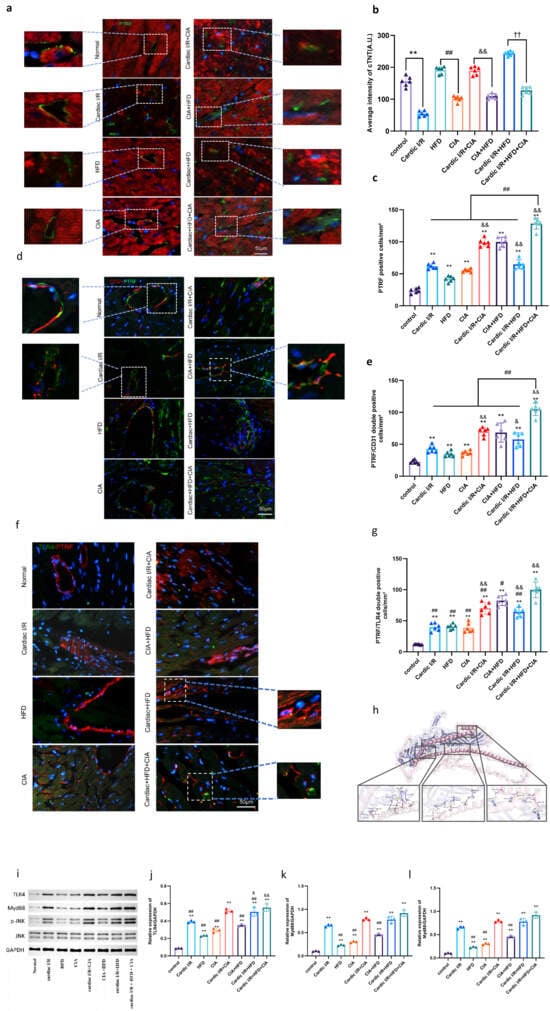
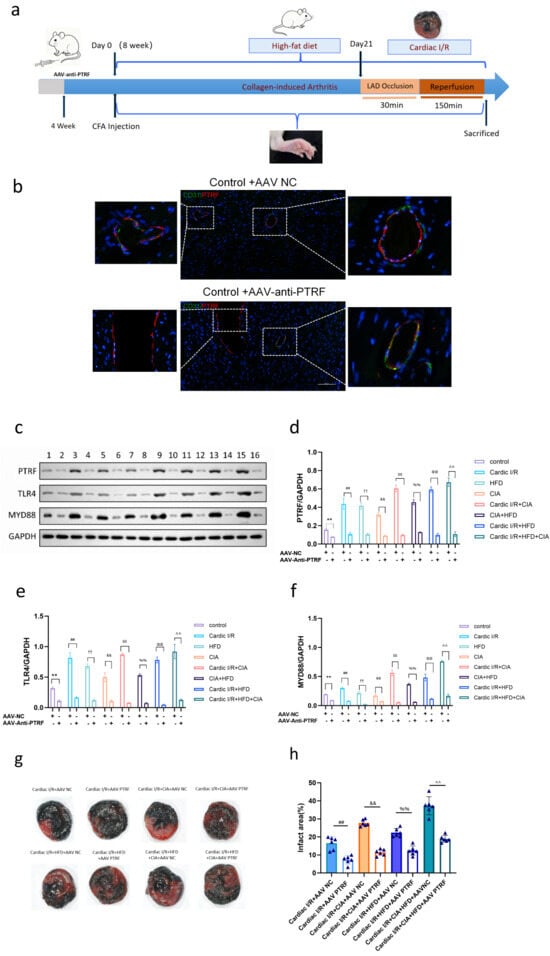
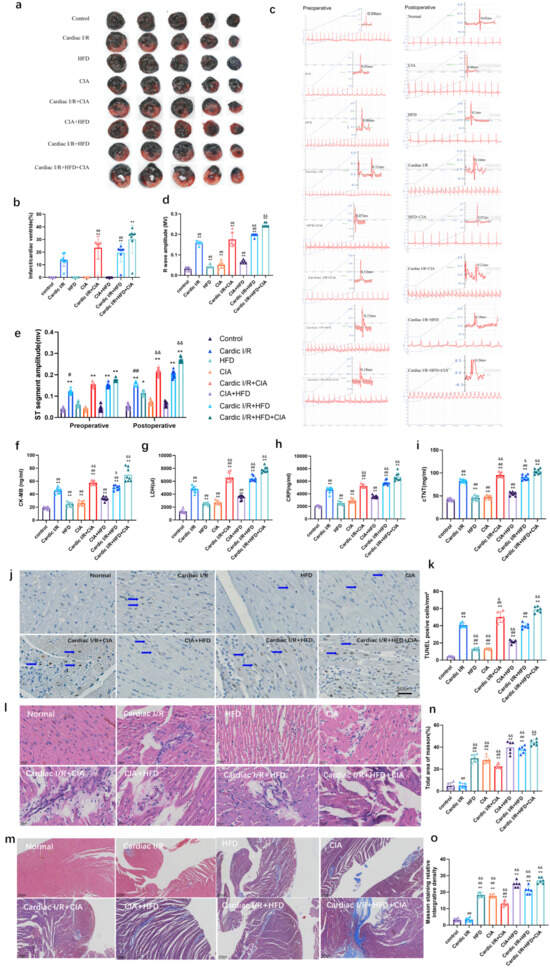
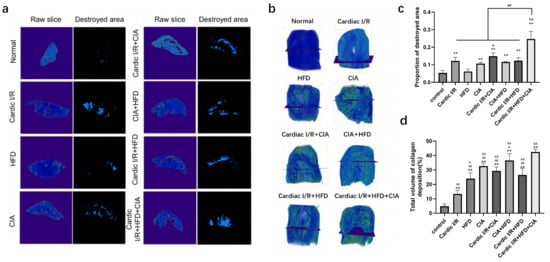
Aims: Coronary heart disease (CHD) associated with rheumatoid arthritis (RA) is a primary driver of mortality in RA patients. In this study, we sought to establish a combined rat model of CHD and RA by integrating cardiac ischemia/reperfusion (I/R), high-fat diet (HFD), and intradermal administration of bovine type II collagen emulsified in complete Freund’s adjuvant. The aim of constructing this model is to investigate and analyze the pathogenesis of RA-induced CHD under the modulation of HFD and cardiac I/R exposure. Methods and Results: Sixty-four male Sprague–Dawley rats were randomly categorized into eight groups (n = 8 per group): control, I/R, HFD, collagen-induced arthritis (CIA), I/R + CIA, HFD + CIA, I/R + HFD, and I/R + HFD + CIA groups (n = 8 per group). We applied Synchrotron radiation-based X-ray micro-computed tomography (micro-CT) to observe the structural changes within the model over time. To further elucidate molecular mechanisms, transcriptome RNA-seq analysis was carried out to identify key signaling pathways, with particular emphasis on the homeostasis of Toll-like receptor 4 (TLR4)/Myd88 signaling in the ischemic myocardium. Furthermore, we conducted in vivo shRNA-mediated knockdown of polymerase I and transcription release factor (PTRF) and evaluated the co-localization of PTRF and TLR4 through immunofluorescence experiments. It is worth mentioning that our rat model of RA-induced (CHD) under a high-fat diet effectively manifested the relevant pathological features that align with the Traditional Chinese Medicine (TCM) definition of “bi” syndrome. The results indicate that the combined stimulation of HFD and CIA significantly elevated cardiac injury markers (CK-MB, LDH, CRP, and c-TNT) and was accompanied by a more severe expansion of the infarct area and increased cardiomyocyte apoptosis compared to the I/R group alone. In addition, the histopathological evaluation revealed significantly aggravated myocardial inflammation and fibrosis deposition, accompanied by extensive areas of tissue damage, further indicating a state of heightened inflammation and severe cardiac degenerative changes. Consistently, myocardial tissues from rats in the I/R + CIA + HFD group exhibited robust activation of the TLR4/MyD88 signaling pathway and a pronounced elevation in the p-JNK/JNK ratio. Moreover, pronounced co-localization between PTRF and TLR4 was evident in small vessels surrounding the infarcted myocardium. Importantly, AAV-mediated knockdown of PTRF attenuated the HFD- and CIA-induced exacerbation of myocardial injury in I/R rats. Conclusions: We successfully established a rat model of CHD with rheumatic syndrome using I/R in combination with RA and HFD. The present findings suggest that the PTRF-related TLR4/MyD88-JNK signaling pathway may act as an important regulatory mechanism underlying myocardial injury aggravated by combined HFD and CIA stimulation.
Full article
(This article belongs to the Section Molecular Medicine)
►▼
Show Figures

Graphical abstract
Open AccessArticle
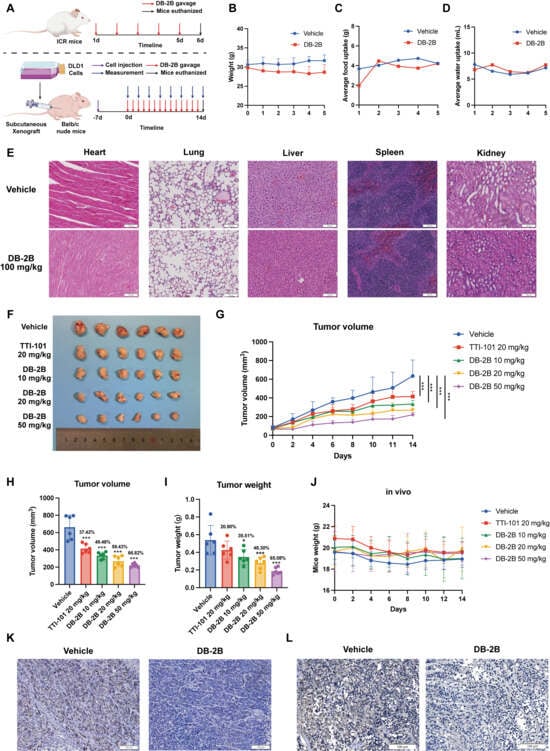
DB-2B, a Novel and Selective STAT3 Inhibitor Inhibits Colorectal Cancer Progression In Vitro and In Vivo
by
Yuting Chen, Dianyang Li, Mengdi Zhang, Zhixia Qiu, Honghe Zhang, Wenying Yu, Zhiyong Liang and Maode Lai
Biomolecules 2026, 16(5), 752; https://doi.org/10.3390/biom16050752 (registering DOI) - 20 May 2026
Abstract
Activation of signal transducer and activator of transcription 3 (STAT3) is implicated in tumor progression and correlates with poor prognosis and reduced survival. In colorectal cancer (CRC), STAT3 activation serves as a key indicator of unfavorable outcomes. However, the scarcity of clinically available
[...] Read more.
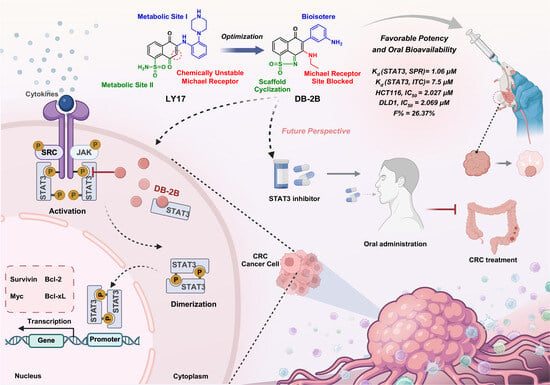
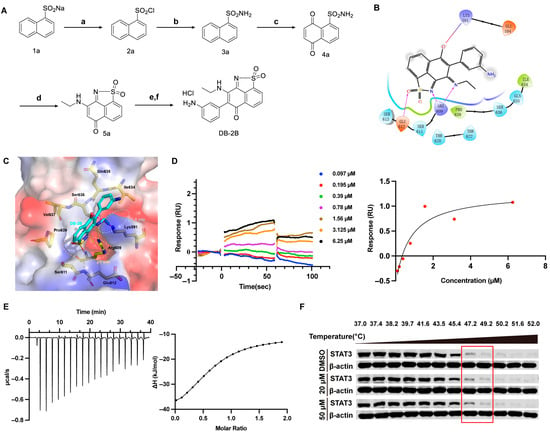
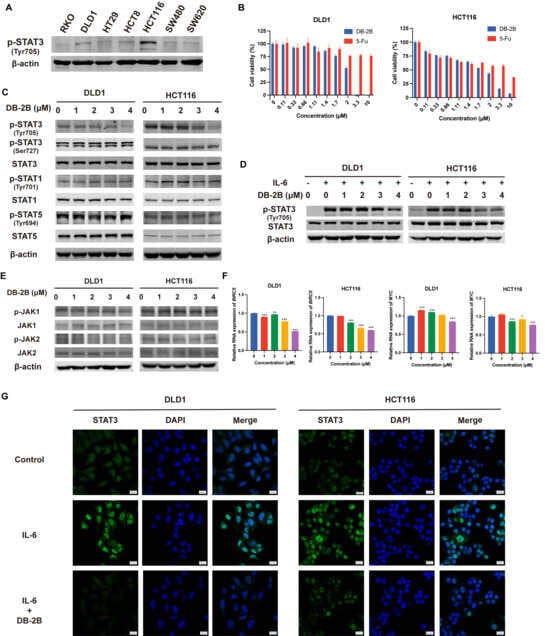
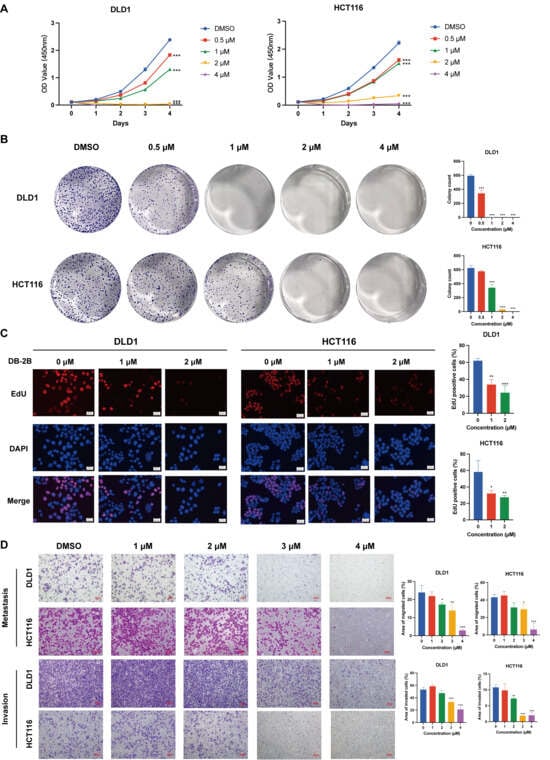
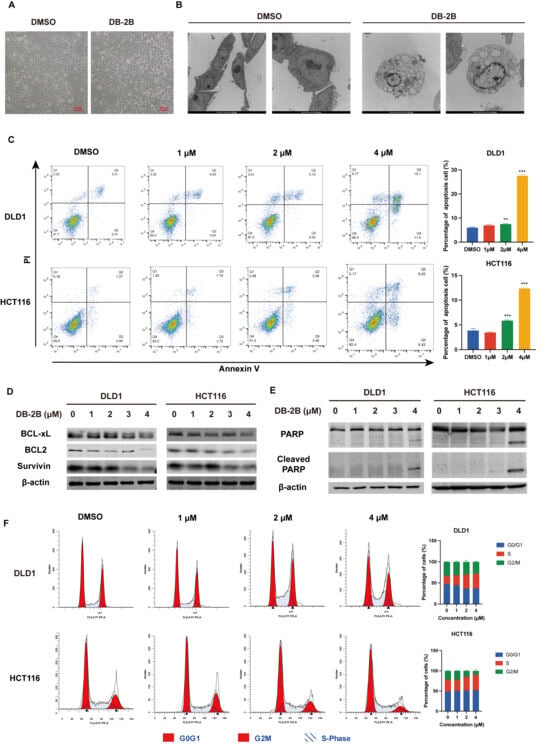
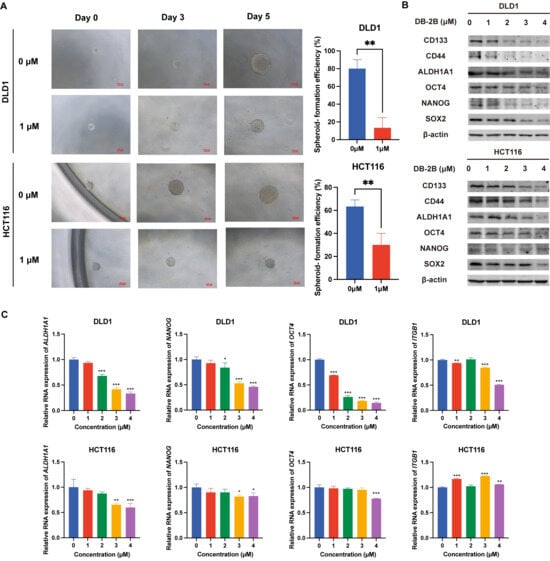
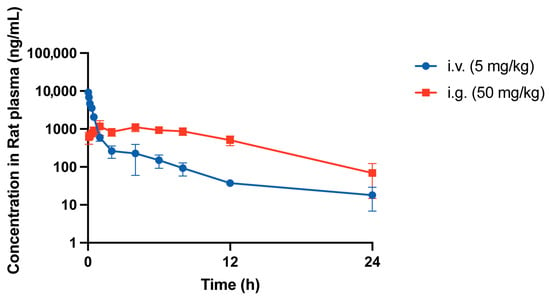
Activation of signal transducer and activator of transcription 3 (STAT3) is implicated in tumor progression and correlates with poor prognosis and reduced survival. In colorectal cancer (CRC), STAT3 activation serves as a key indicator of unfavorable outcomes. However, the scarcity of clinically available STAT3 inhibitors hinders the development of personalized treatment strategies targeting STAT3. Therefore, we aimed to develop a novel STAT3 inhibitor based on the molecular structure of STAT3 and our previously reported STAT3 inhibitor LY17 to inhibit the progression of CRC. The binding of the novel STAT3 inhibitor DB-2B to STAT3 was confirmed by computational docking, surface plasmon resonance, isothermal titration calorimetry, and cellular thermal shift assays. Western blotting and immunofluorescent staining demonstrated that DB-2B specifically inhibited STAT3 activation and nuclear translocation. In vitro studies revealed that DB-2B significantly suppressed proliferation, induced apoptosis, arrested cell cycle progression, and attenuated stemness by inhibiting STAT3 activation and its downstream signaling pathways. In vivo, DB-2B exhibited favorable oral bioavailability and safety, while significantly inhibiting the progression of CRC. Collectively, this study presents DB-2B as a promising small-molecule STAT3 inhibitor for the targeted treatment of CRC.
Full article
(This article belongs to the Section Chemical Biology)
►▼
Show Figures

Graphical abstract
Open AccessArticle
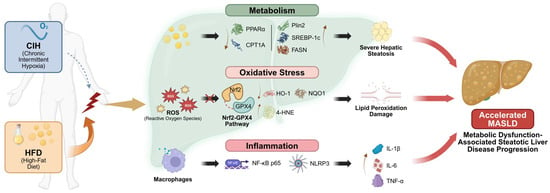
Chronic Intermittent Hypoxia Exacerbates High-Fat Diet-Induced MASLD Through Lipid Metabolic Reprogramming, Impaired Antioxidant Defense, and NF-κB/NLRP3 Activation
by
Lisong Ye, Jihang Le, Xiaofei Lei, Fujie Song, Yichan Guo, Jun Gao and Yuehua Liu
Biomolecules 2026, 16(5), 751; https://doi.org/10.3390/biom16050751 (registering DOI) - 20 May 2026
Abstract
►▼
Show Figures
Chronic intermittent hypoxia (CIH), the cardinal pathophysiological feature of obstructive sleep apnea, is increasingly recognized as an important modifier of metabolic dysfunction-associated steatotic liver disease (MASLD), but the underlying mechanisms remain incompletely understood. In this study, male C57BL/6 mice were fed a standard
[...] Read more.
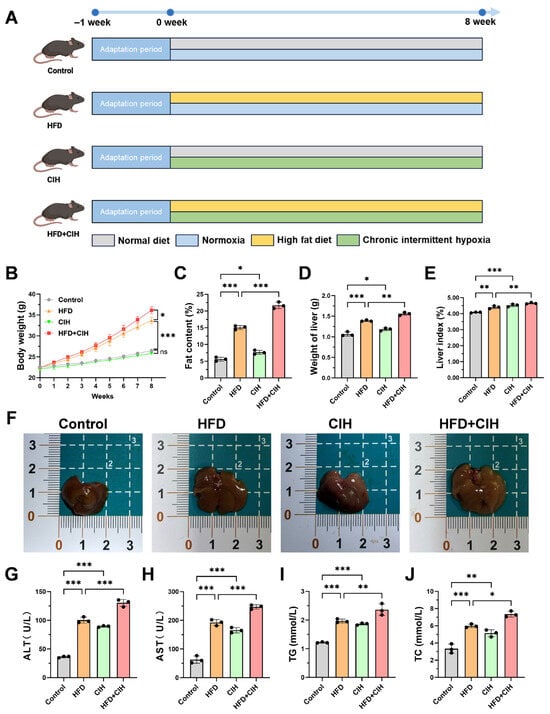
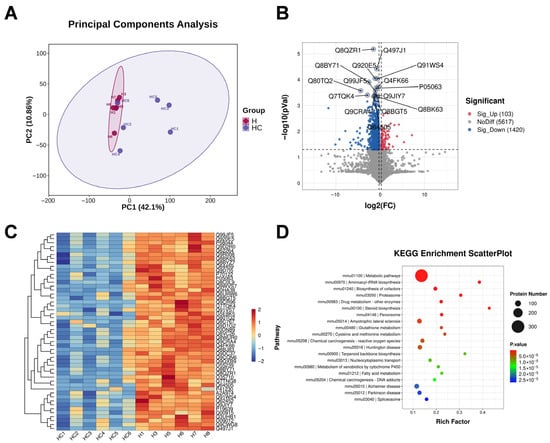
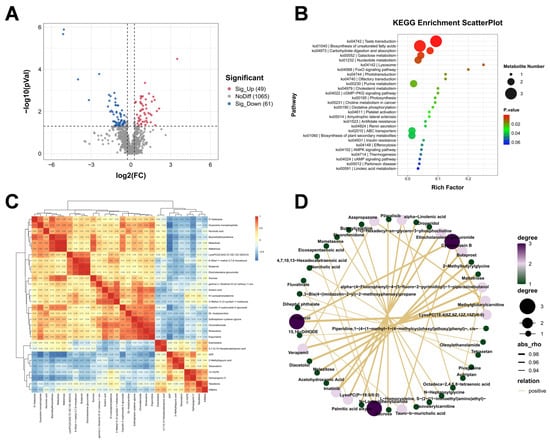
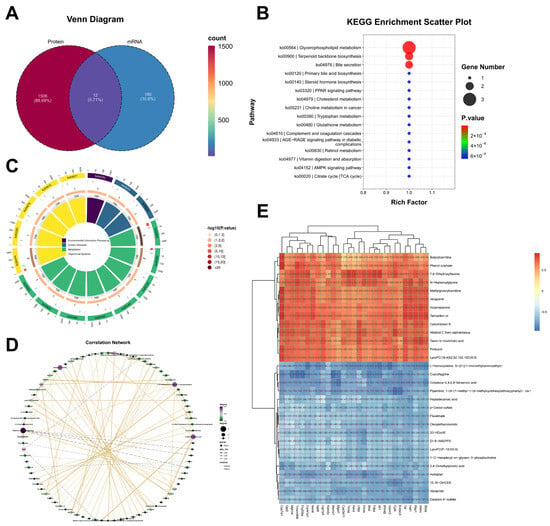
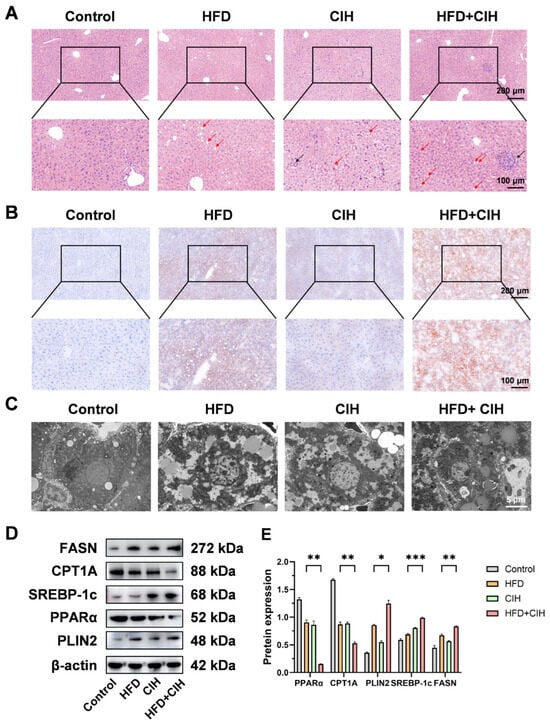
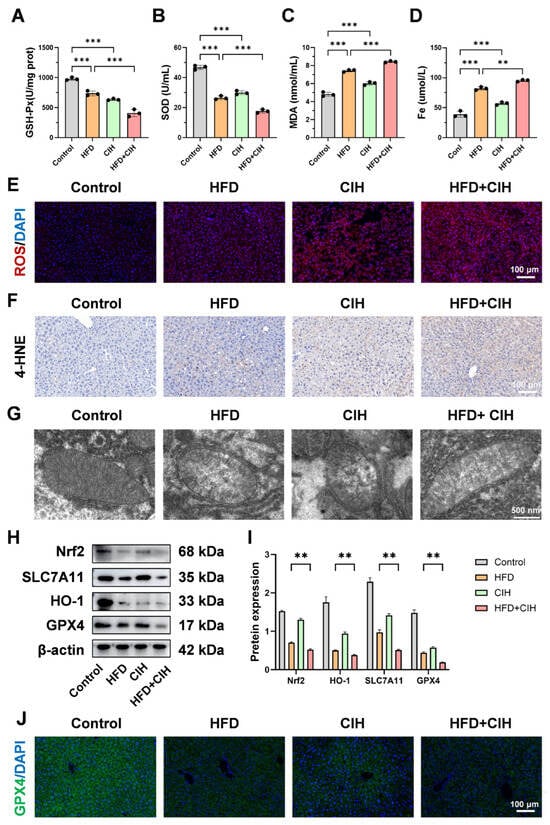
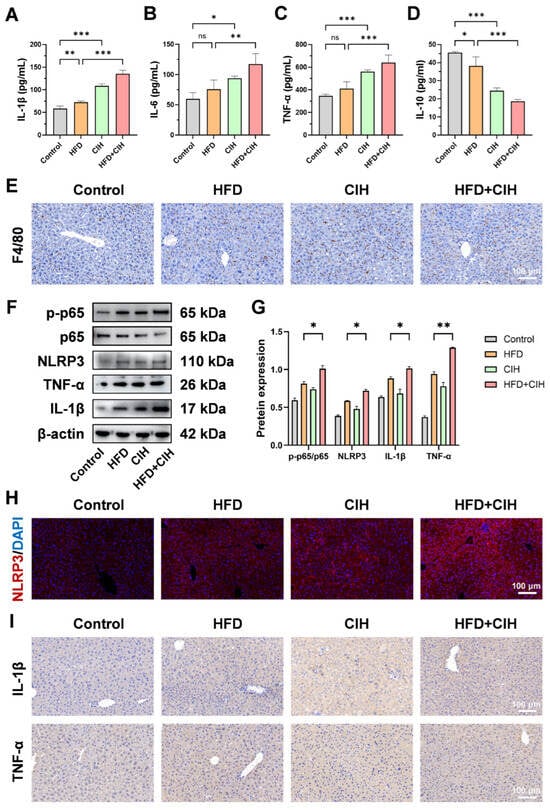
Chronic intermittent hypoxia (CIH), the cardinal pathophysiological feature of obstructive sleep apnea, is increasingly recognized as an important modifier of metabolic dysfunction-associated steatotic liver disease (MASLD), but the underlying mechanisms remain incompletely understood. In this study, male C57BL/6 mice were fed a standard diet or a high-fat diet (HFD) and exposed to normoxia or CIH for 8 weeks. Histological, ultrastructural, biochemical, transcriptomic, proteomic, and metabolomic analyses were integrated to characterize hepatic alterations induced by CIH under metabolic stress. CIH markedly aggravated HFD-induced liver injury, as evidenced by increased body fat, hepatomegaly, serum transaminases, steatosis, mitochondrial ultrastructural alterations, and inflammatory infiltration. Mechanistically, CIH promoted hepatic lipid metabolic reprogramming by suppressing the PPARα/CPT1A fatty acid β-oxidation axis while enhancing the SREBP-1c/FASN/PLIN2 lipogenic pathway, impaired the Nrf2/HO-1/SLC7A11/GPX4 antioxidant defense system, increased lipid peroxidation and iron accumulation, and activated NF-κB/NLRP3 signaling. These findings support a multifactorial model in which CIH functions as an additional hypoxic stressor that exacerbates HFD-induced MASLD-like liver injury through coordinated metabolic, oxidative, and inflammatory dysregulation.
Full article

Figure 1
Open AccessArticle
Uridine Improves Locomotor Activity and Sciatic Nerve Integrity in a Mouse Model of Diabetes Mellitus
by
Anca-Maria Țucă, Smaranda Ioana Mitran, Emilia Burada, Alexandra Nicoleta Preda, Alexandra Oltea Dan, Elena-Anca Târtea, Andrei Greșiță, Răzvan-Cosmin Pană, Diana-Ruxandra Hădăreanu, Veronica Sfredel and Georgică Târtea
Biomolecules 2026, 16(5), 750; https://doi.org/10.3390/biom16050750 (registering DOI) - 20 May 2026
Abstract
Diabetic peripheral neuropathy is an important cause of functional disability, and current therapies have limited ability to halt its progression. Uridine, a pyrimidine nucleoside essential for the synthesis of membrane phospholipids and neuronal metabolism, appears to be a potential neuroprotective agent, but its
[...] Read more.
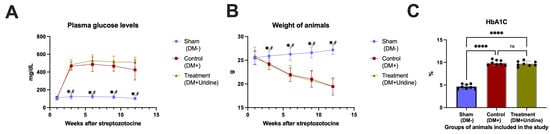
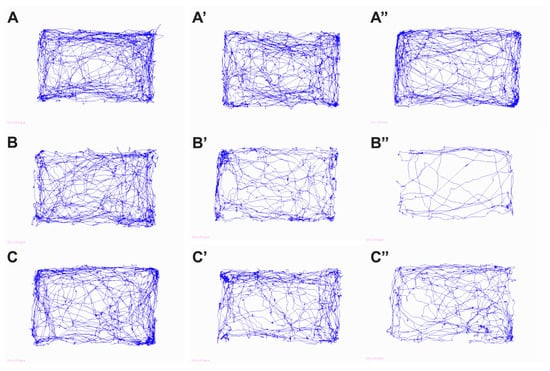
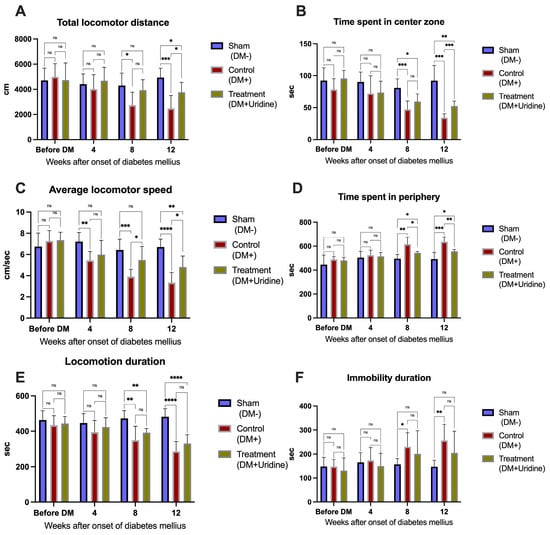
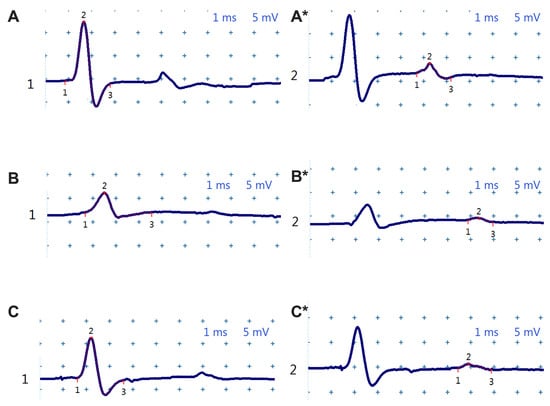
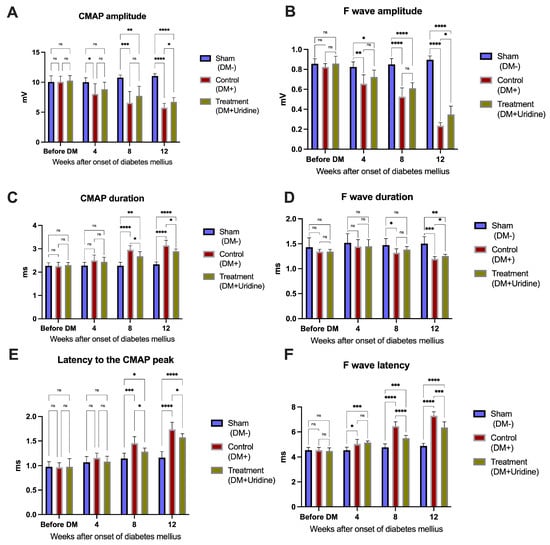
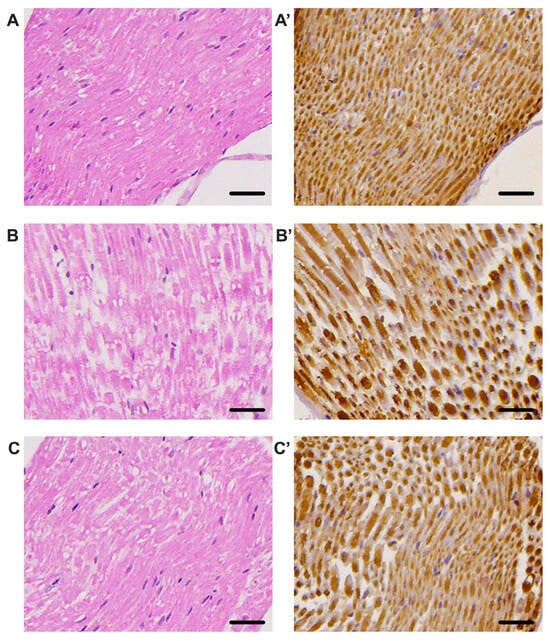
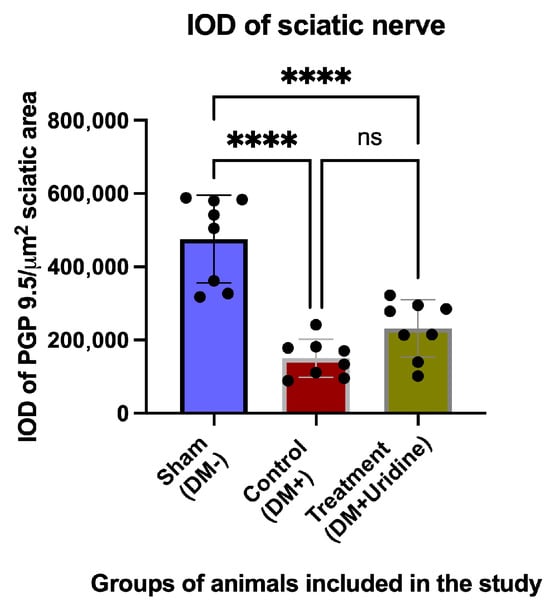
Diabetic peripheral neuropathy is an important cause of functional disability, and current therapies have limited ability to halt its progression. Uridine, a pyrimidine nucleoside essential for the synthesis of membrane phospholipids and neuronal metabolism, appears to be a potential neuroprotective agent, but its impact on motor behavior and peripheral nerve integrity in diabetes remains insufficiently investigated. Our study investigated the effects of chronic uridine supplementation on locomotor performance, neuromuscular electrophysiological manifestations, and morphological changes in the sciatic nerve in a murine model of streptozotocin-induced diabetes. We used male C57BL/6 mice (n = 8/group) that were assigned to three groups: sham (no diabetes), diabetic (streptozotocin-induced, diabetes mellitus, DM+), and diabetic treated with uridine (DM+U). We observed that uridine did not alter the metabolic status, as the HbA1c values remained comparable between diabetic groups (9.93 ± 0.57% DM+ vs. 9.71 ± 0.55% DM+U; p = 0.72), suggesting effects independent of glycemic control. The open field test revealed that diabetic mice showed a marked reduction in spontaneous locomotion, while uridine-treated mice maintained a significantly higher level of activity (longer total distance traveled 3761.7 ± 789.1 cm vs. 2477.5 ± 1017.6 cm in DM+; p = 0.023). Electrophysiological evaluation revealed near-normal sciatic nerve function in DM+U mice, including higher compound motor action potential (CMAP) amplitudes (10.21 ± 0.64 mV vs. 5.75 ± 0.72 mV; p < 0.0001) and reduced F-wave latency (6.35 ± 0.45 ms vs. 7.29 ± 0.31 ms; p < 0.0001). Histological and immunohistochemical analyses (PGP 9.5) further confirmed reduced nerve degeneration in DM+U mice. Our data suggest that chronic uridine administration may confer both functional and structural neuroprotection in diabetic neuropathy, even in the absence of improved glycemic control.
Full article
(This article belongs to the Special Issue Metabolic Syndrome and Type 2 Diabetes: From Molecular Pathogenesis to Novel Therapies)
►▼
Show Figures

Figure 1
Open AccessArticle
Natural Killer T Cell Function in Lymphoma Patients
by
Roshanak Derakhshandeh, Michael S. Lee, Yuyi Zhu, Emmanuel B. Asiedu, Jocelyn Reader, Rania H. Younis, Amy S. Kimball, Nicole Glynn, Michael Kallen and Tonya J. Webb
Biomolecules 2026, 16(5), 749; https://doi.org/10.3390/biom16050749 (registering DOI) - 20 May 2026
Abstract
Natural killer T (NKT) cells bridge innate and adaptive immune responses and play a critical role in anti-tumor immunity. The goal of the study was to assess NKT cell and T cell function in lymphoma patients and to investigate whether specific cytokines correlate
[...] Read more.
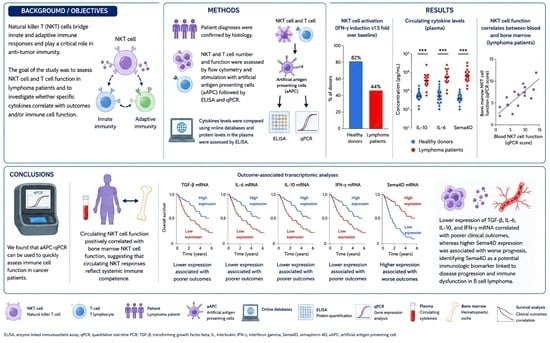
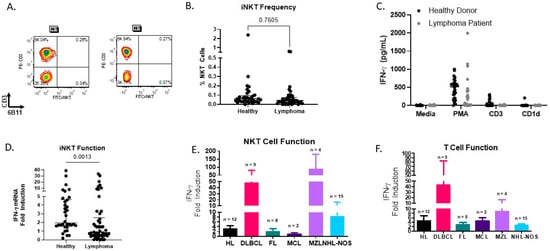
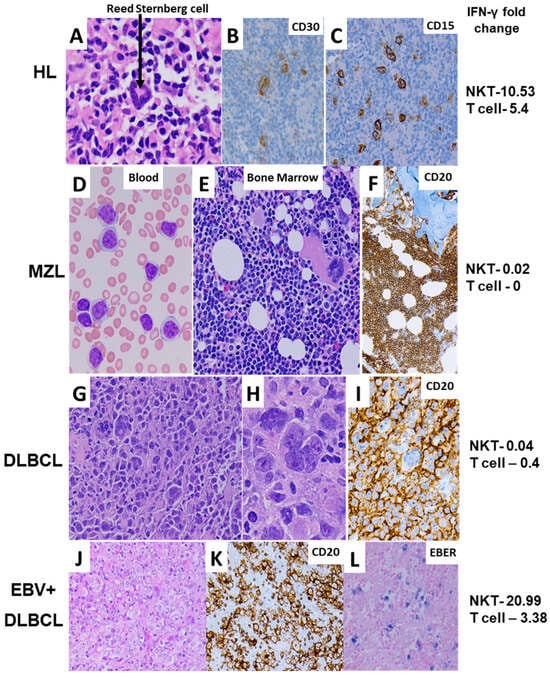
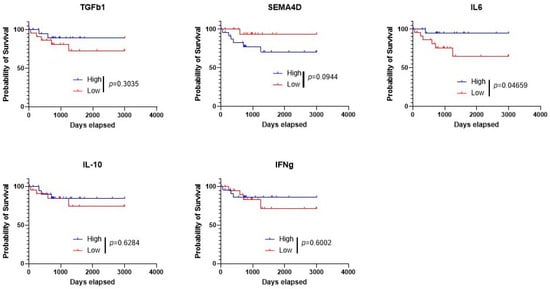
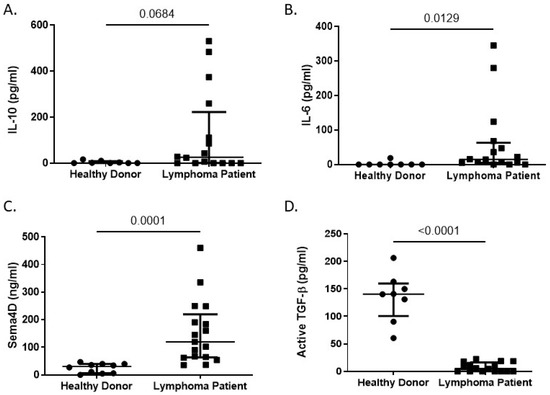
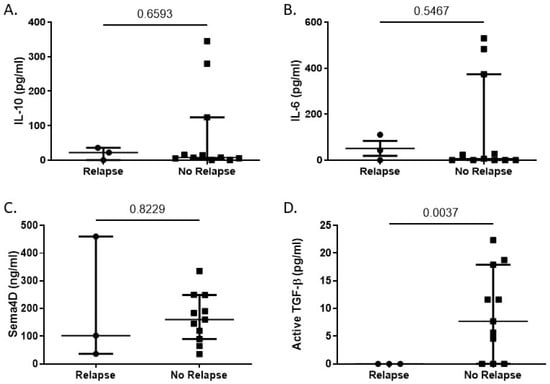
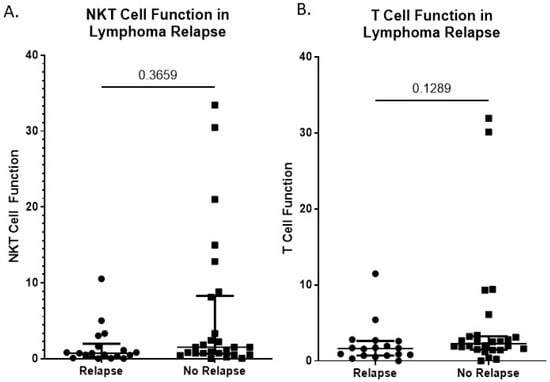
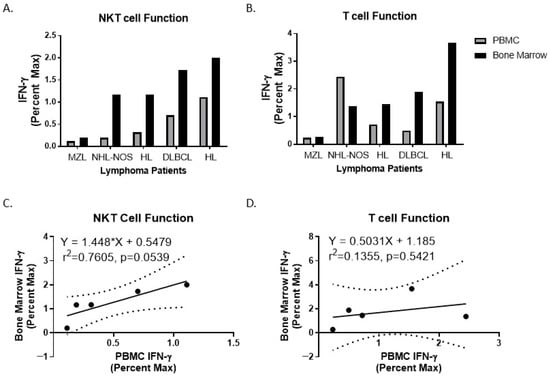
Natural killer T (NKT) cells bridge innate and adaptive immune responses and play a critical role in anti-tumor immunity. The goal of the study was to assess NKT cell and T cell function in lymphoma patients and to investigate whether specific cytokines correlate with outcomes and/or immune cell function. Patient diagnoses were confirmed by histology. NKT and T cell number and function were assessed by flow cytometry and stimulation with artificial antigen-presenting cells (aAPCs) followed by ELISA and quantitative RT-PCR (qPCR). Cytokine expression levels were compared using online databases, and protein levels in the plasma were assessed by ELISA. NKT cell activation, indicated by at least 1.5-fold IFN-γ induction over baseline following stimulation, was detected in 82% of healthy donors, compared to 44% of lymphoma patients. Lymphoma patients have significantly higher levels of circulating pro- and anti-inflammatory cytokines IL-10, IL-6, and Sema4D as compared to healthy donors. In addition, NKT cell function in the blood correlated with NKT cell function in the bone marrow in lymphoma patients. We found that aAPC-qPCR can be used to quickly assess immune cell function in cancer patients. Circulating NKT cell function positively correlated with bone marrow NKT cell function, suggesting that circulating NKT responses reflect systemic immune competence. Outcome-associated transcriptomic analyses showed that lower expression of TGF-β, IL-6, IL-10, and IFN-γ mRNA correlated with poorer clinical outcomes, whereas higher Sema4D expression was associated with worse prognosis, identifying Sema4D as a potential immunologic biomarker linked to disease progression and immune dysfunction in B cell lymphoma.
Full article
(This article belongs to the Special Issue Advances in Molecular Mechanisms and Predictive Biomarkers in Cancer Immunotherapy)
►▼
Show Figures

Graphical abstract
Open AccessArticle
An RNF4-Based Tool for Tracking Subcellular Localization of PolySUMOylation During Cellular Stress
by
Joseph S. Floramo, Yaguang Zhao, Lorna Cohen, Kristin Gallik, David Brass and Tao Yang
Biomolecules 2026, 16(5), 748; https://doi.org/10.3390/biom16050748 (registering DOI) - 20 May 2026
Abstract
SUMOylation is a rapid and dynamic process that orchestrates the switch between complex assembly and disassembly and between protein stabilization and turnover, making it particularly suitable for regulating stress responses. While proteomic methodologies exist for analyzing SUMOylated proteins under stress conditions, methods/tools for
[...] Read more.
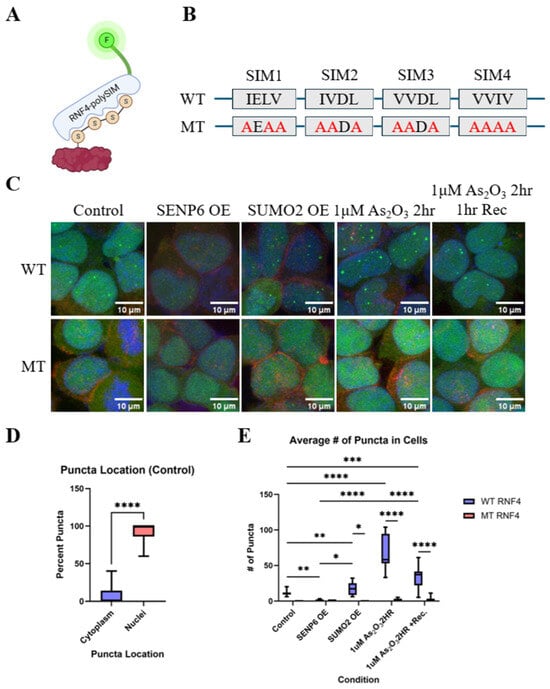
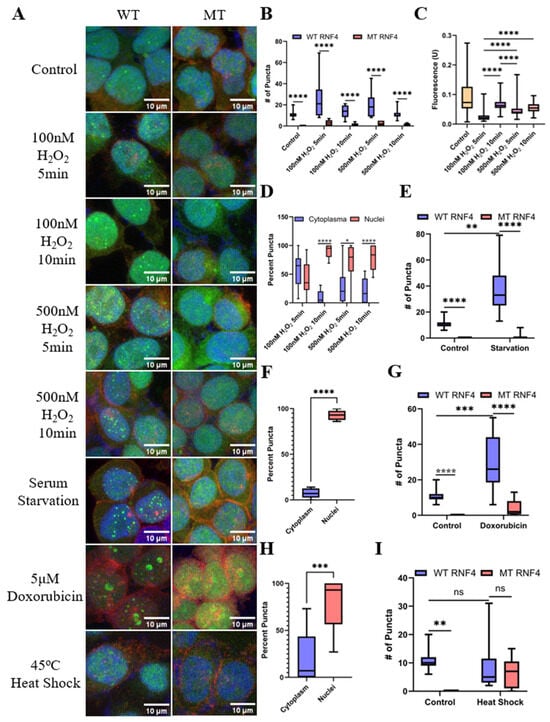
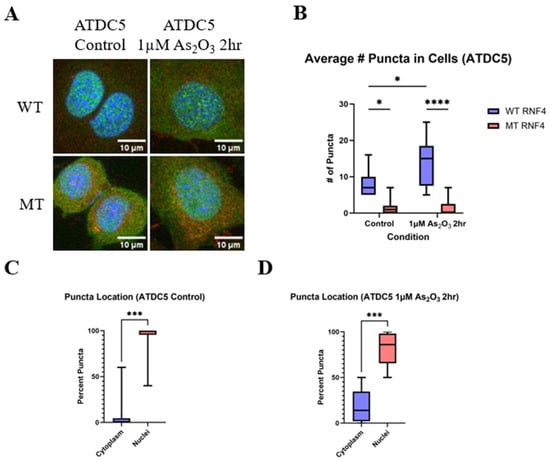
SUMOylation is a rapid and dynamic process that orchestrates the switch between complex assembly and disassembly and between protein stabilization and turnover, making it particularly suitable for regulating stress responses. While proteomic methodologies exist for analyzing SUMOylated proteins under stress conditions, methods/tools for visualizing polySUMOylation dynamics have not been established. Here, we develop a polySUMOylation tracking tool by fluorescently labeling the polySIM domains derived from RNF4, which can reliably track polySUMO location and relate polySUMOylation levels to puncta number and intensity under various stress conditions, such as serum starvation, oxidative stress, and genotoxic stress. Furthermore, we extend its utility for tracking polySUMOylation across multiple cellular contexts in both control and stressed states. Collectively, this tracking tool enables deeper investigation of polySUMOylation dynamics and advances our understanding of how polySUMOylation regulates cellular processes in stress responses and disease pathogenesis.
Full article
(This article belongs to the Section Cellular Biochemistry)
►▼
Show Figures

Figure 1
Open AccessArticle
Common Medical Comorbidities, Demographic Factors and Levels of Plasma Biomarkers of Alzheimer’s Disease and Neurodegeneration in Black/African American Older Adults
by
Rosie E. Curiel Cid, Alexandra Ortega, Kirsten Crenshaw, Juan Pablo de Rivero Vaccari, Minerva M. Carrasquillo, David Vaillancourt, D. Diane Zheng, Dylan Hinton, Efrosyni Sfakianaki, Elizabeth A. Crocco, Heidi Casellas, Lindsey A. Kuchenbecker, Sofia Ramirez, Tan Abascal, Triana Abel, Wei-En Wang, Ranjan Duara, Nilüfer Ertekin-Taner and David A. Loewenstein
Biomolecules 2026, 16(5), 747; https://doi.org/10.3390/biom16050747 (registering DOI) - 19 May 2026
Abstract
Emerging evidence suggests that systemic physiological factors may influence plasma biomarker concentrations of Alzheimer’s disease (AD) and related neurodegenerative processes, potentially affecting their specificity for central nervous system pathology. This study examined the relationship of demographic factors and medical comorbidities with plasma biomarkers
[...] Read more.
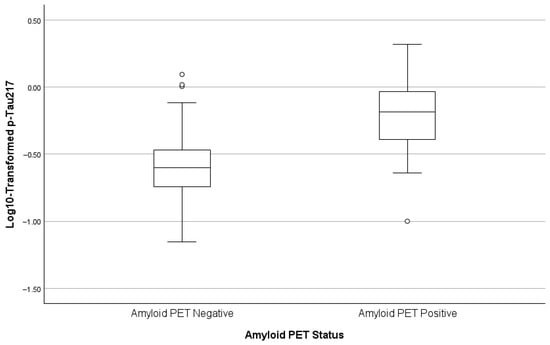
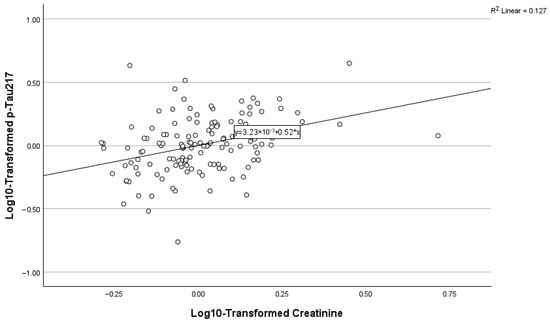
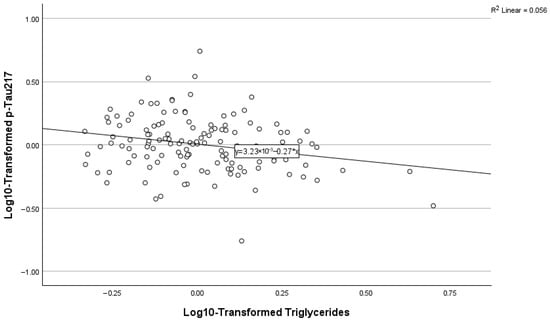
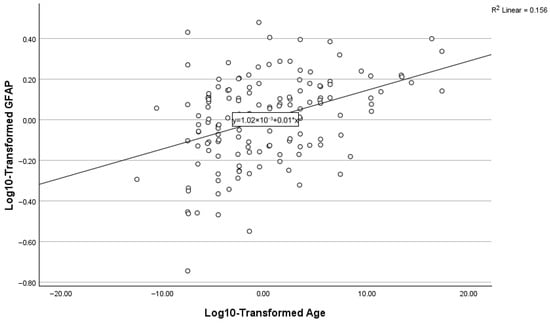
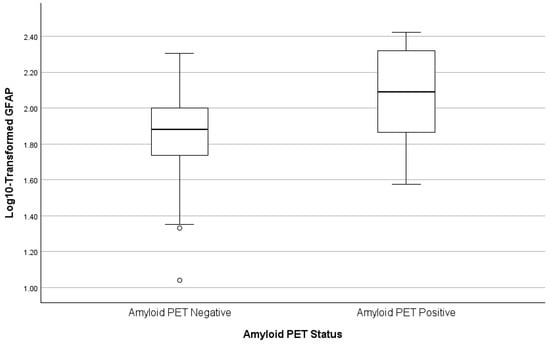
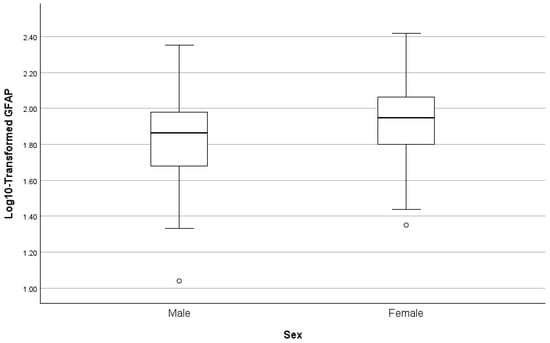
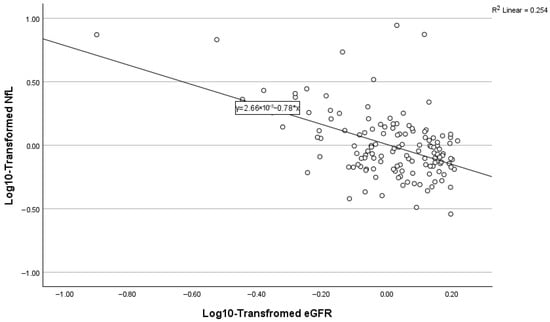
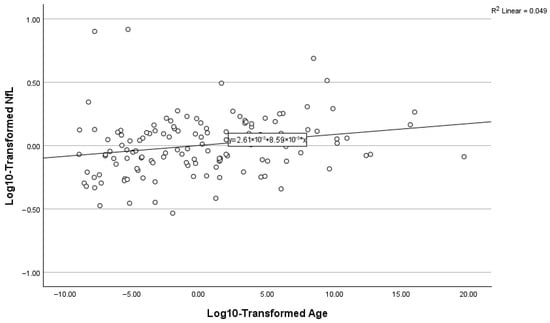
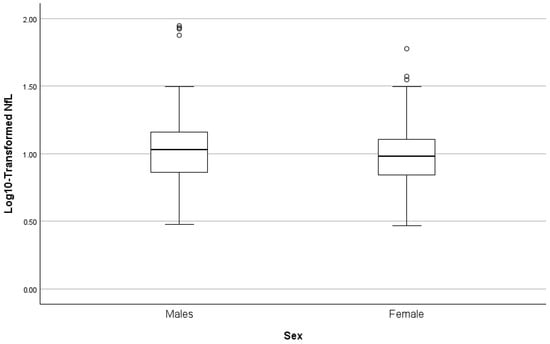
Emerging evidence suggests that systemic physiological factors may influence plasma biomarker concentrations of Alzheimer’s disease (AD) and related neurodegenerative processes, potentially affecting their specificity for central nervous system pathology. This study examined the relationship of demographic factors and medical comorbidities with plasma biomarkers of AD and neurodegeneration in a community-dwelling cohort of Black/African American (B/AA) older adults (N = 141). Participants underwent plasma assessment of phosphorylated tau at threonine 217 (p-Tau217), glial fibrillary acidic protein (GFAP), and neurofilament light chain (NfL). Results showed associations between plasma p-Tau217 and amyloid PET positivity, and significant intercorrelations among p-Tau217, GFAP, and NfL. Stepwise regression models incorporated demographics, amyloid PET status, and laboratory measures of renal, metabolic, and lipid function as predictors for each biomarker. p-Tau217 was primarily predicted by amyloid PET and renal function; GFAP by age and sex; and NfL by renal function, age, and sex. Findings indicate plasma biomarker concentrations in B/AA older adults reflect both central AD-related pathology and systemic physiological factors, particularly renal function, and demographic influences. Results underscore the importance of accounting for comorbid medical conditions and demographic characteristics when interpreting blood-based biomarkers and highlight the need for comprehensive medical phenotyping to improve diagnostic specificity and clinical utility.
Full article
(This article belongs to the Special Issue Biomarkers in Neurodegenerative Diseases: Shaping the Future of Diagnosis and Treatment)
►▼
Show Figures

Figure 1
Open AccessArticle
Palmitic Acid Alters Longitudinal Bone Growth While Enhancing Matrix Maturation in an Organotypic Bone Model
by
Lukas Poskevicius, Victor Martin, João Gabriel Cardoso, Gintaras Juodžbalys and Pedro Sousa Gomes
Biomolecules 2026, 16(5), 746; https://doi.org/10.3390/biom16050746 (registering DOI) - 19 May 2026
Abstract
Palmitic acid (PA), the most abundant saturated fatty acid in the human body, is implicated in lipotoxicity under hyperlipidemic conditions, with potential consequences for bone metabolism. To investigate its impact on developing bone tissue, this study used an ex vivo organotypic embryonic chick
[...] Read more.
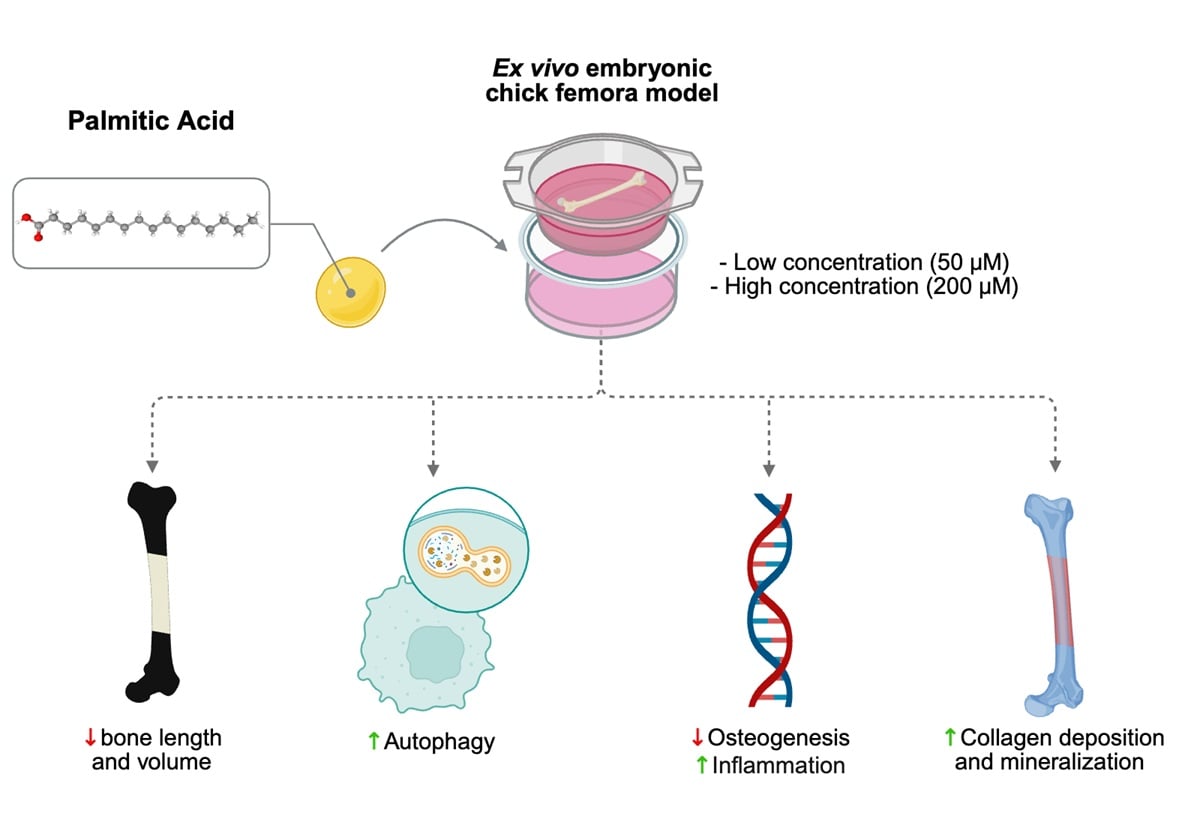
Palmitic acid (PA), the most abundant saturated fatty acid in the human body, is implicated in lipotoxicity under hyperlipidemic conditions, with potential consequences for bone metabolism. To investigate its impact on developing bone tissue, this study used an ex vivo organotypic embryonic chick femur model, exposing femora to control (0 µM), low (50 µM), and high (200 µM) PA concentrations. A multimodal approach, integrating microtomographic, histochemical, ultrastructural, and gene expression analyses, was used to assess tissue architecture, matrix composition, mineralization, and molecular adaptations. PA exposure significantly reduced longitudinal femoral growth, as evidenced by decreased femoral length and tissue volume. Gene expression analysis revealed reduced expression of selected osteogenic differentiation-related markers, including RUNX2, BMP2, and SPP1. However, COL1A2 expression was upregulated, correlating with increased collagenous matrix deposition and enhanced mineralization in PA-treated groups. Alcian blue staining further suggested reduced proteoglycan-rich cartilage matrix, particularly at 200 µM PA. Additionally, PA modulated the expression of both pro-inflammatory and anti-inflammatory mediators, along with increased autophagy-associated responses, as suggested by the upregulation of autophagy-related genes and the presence of autophagosomes and autolysosomes. These findings indicate that PA does not simply exert a deleterious effect on bone tissue but rather redirects the developmental trajectory of the organotypic femur by reducing longitudinal growth while promoting collagen-rich matrix maturation and mineral compaction. This response may involve altered cartilage-associated endochondral processes, fatty-acid-driven metabolic adaptation, osteoblast/osteocyte maturation, and autophagy-associated matrix processing under lipid-enriched conditions.
Full article
(This article belongs to the Section Lipids)
►▼
Show Figures

Graphical abstract
Open AccessArticle
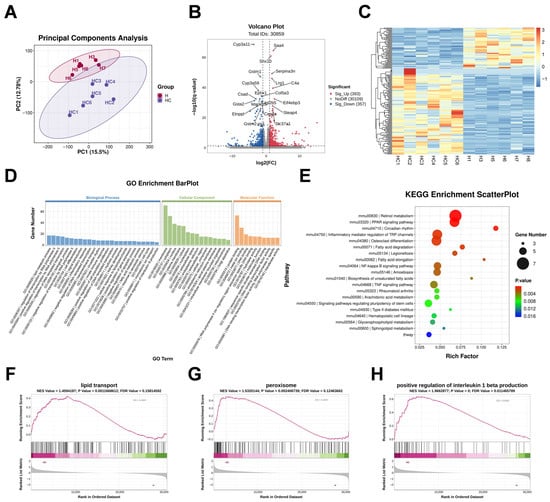
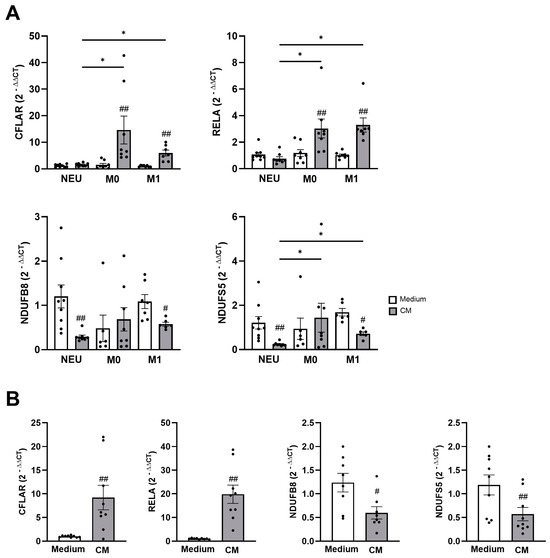
Transcriptome Profiling of Induced Sputum Identified Upregulated TNF-α/NF-κB Signalling and Downregulated Mitochondrial Respiratory Chain Function in Post-Infectious Bronchiolitis Obliterans
by
Silvija P. Jerkic, Karen Naegele, Lucia Gronau, Annika Detring, Jordis Trischler, Katharina Blümchen, Björn Rotter, Mohammed Alkhatib, Margarete Mijatovic, Andreas Weigert, Andreas G. Chiocchetti, Stefan Zielen and Ralf Schubert
Biomolecules 2026, 16(5), 745; https://doi.org/10.3390/biom16050745 (registering DOI) - 19 May 2026
Abstract
Post-infectious bronchiolitis obliterans (PiBO) is a chronic lung disease that develops after severe lower respiratory infections and leads to persistent inflammation and fibrotic changes in the small airways. In the present study, gene expression analysis was used to identify differentially expressed genes (DEGs)
[...] Read more.
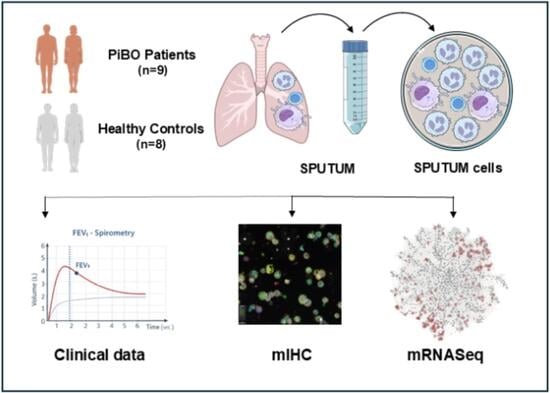
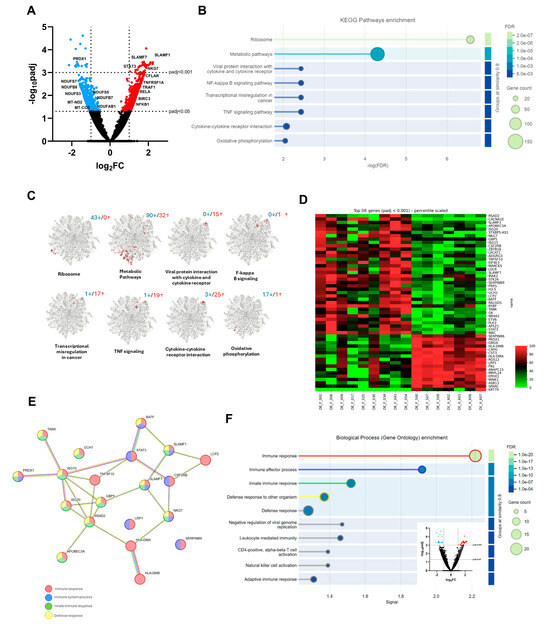
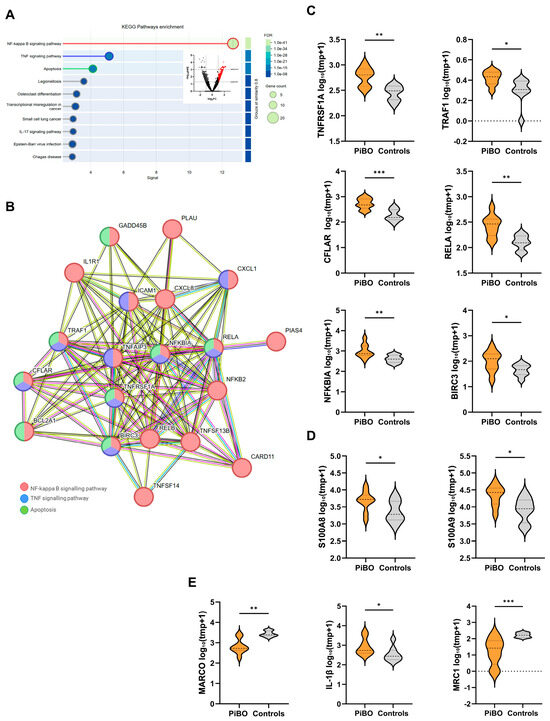
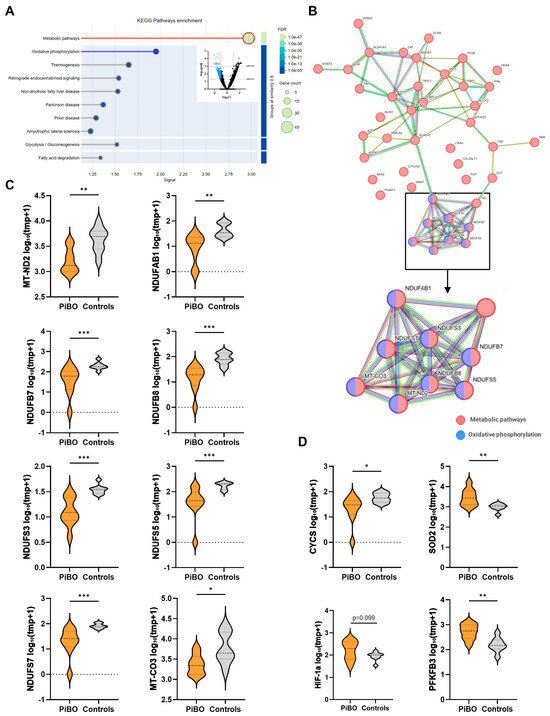
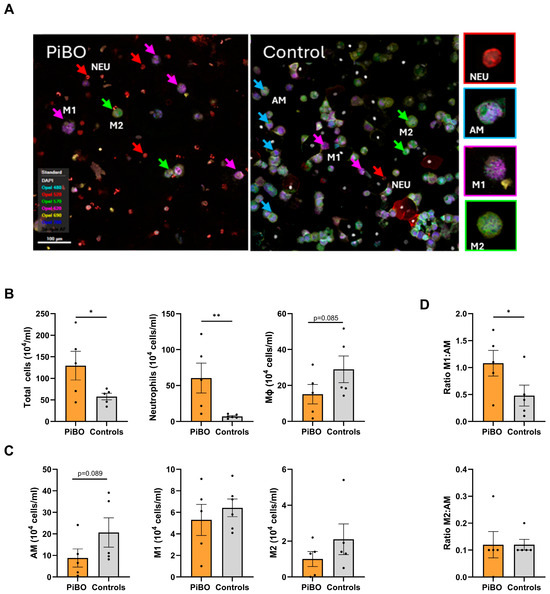
Post-infectious bronchiolitis obliterans (PiBO) is a chronic lung disease that develops after severe lower respiratory infections and leads to persistent inflammation and fibrotic changes in the small airways. In the present study, gene expression analysis was used to identify differentially expressed genes (DEGs) in sputum cells derived from PiBO patients and compare them to healthy controls. Clinical history, lung function parameters, and induced sputum samples were collected from nine patients with PiBO and eight healthy controls. Multiplex immunohistochemistry (mIHC) as well as mRNA sequencing (MACE-Seq) were performed. Evaluation of the biological targets was done by KEGG pathway enrichment analysis. PiBO patients showed significantly reduced lung function parameters, an increased neutrophil count, and an altered macrophage profile in sputum. Transcriptome analysis revealed significant upregulation of the TNFα-dependent NFκB signalling pathway, as well as significant downregulation of the oxidative phosphorylation (OXPHOS). Linear regression analyses and mIHC indicated a shift in macrophage polarisation that may contribute to the dysregulated gene expression. Notably, expression of these DEGs significantly correlated with FEV1 lung function. These findings indicate a central role of macrophages in the immunopathology of PiBO and contribute to our understanding of the molecular mechanisms involved in the disease process.
Full article
(This article belongs to the Special Issue Molecular Insights into Bronchiolitis Obliterans)
►▼
Show Figures

Graphical abstract
Open AccessArticle
Establishment of the H8T-MG Meningioma Cell Line and Integrated Transcriptomics Reveal a Metabolic–Immune Signature in Diploid Transitional WHO Grade 1 Tumours
by
Esther Mancheño-Maciá, Marina Leal-Clavel and Vanesa Escudero-Ortiz
Biomolecules 2026, 16(5), 744; https://doi.org/10.3390/biom16050744 (registering DOI) - 19 May 2026
Abstract
Meningiomas are the most common intracranial tumours, yet the molecular programs underlying WHO grade 1 subtypes—particularly transitional diploid tumours—remain insufficiently defined, partly due to the scarcity of biologically faithful in vitro models. Here, we report the establishment of a long-term, genetically unmanipulated grade
[...] Read more.
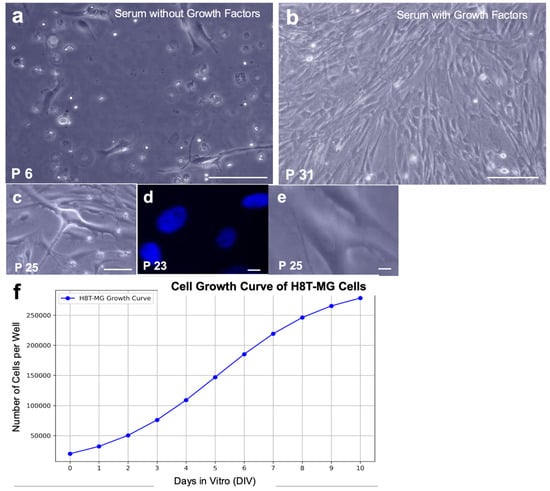
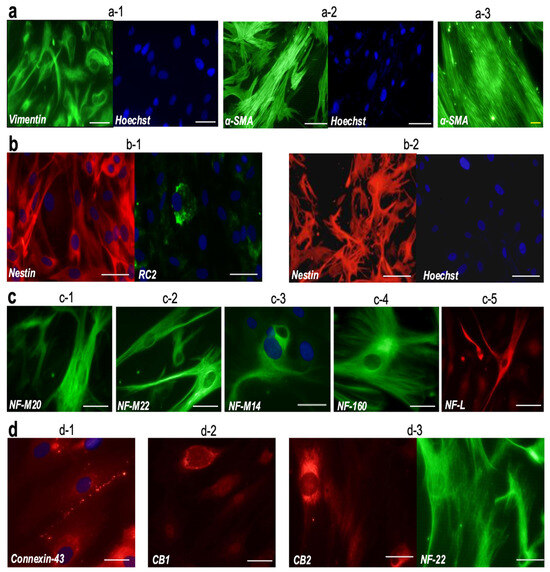
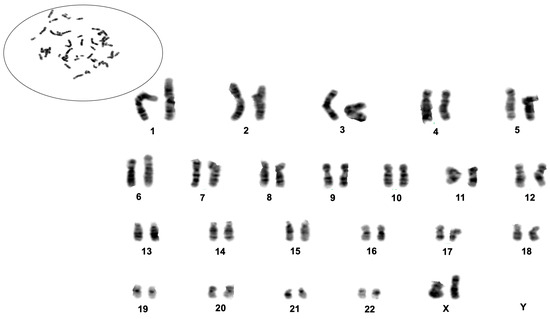
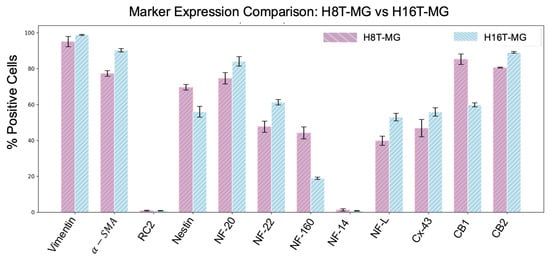
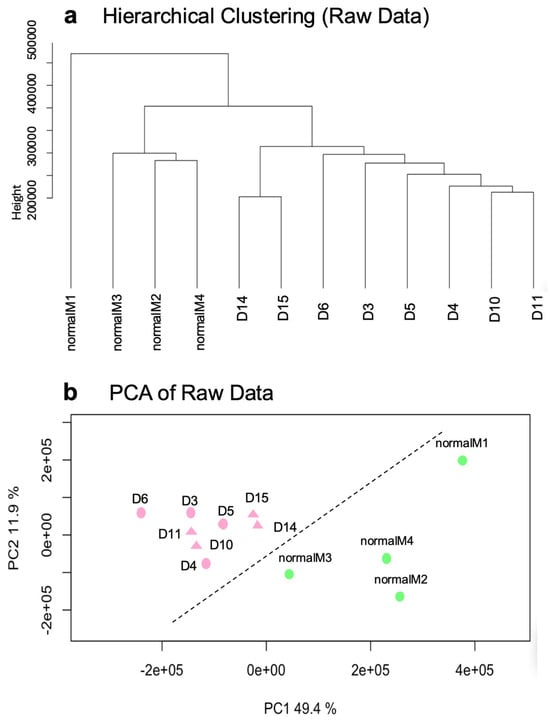
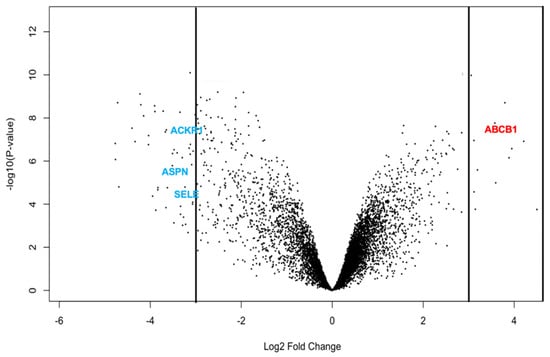
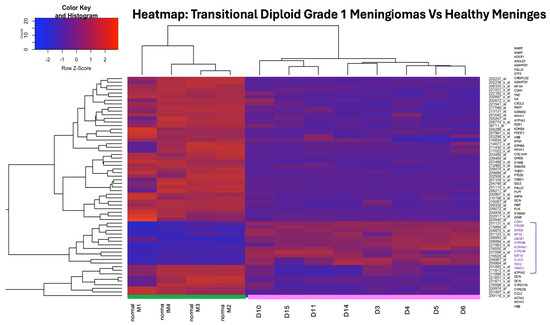
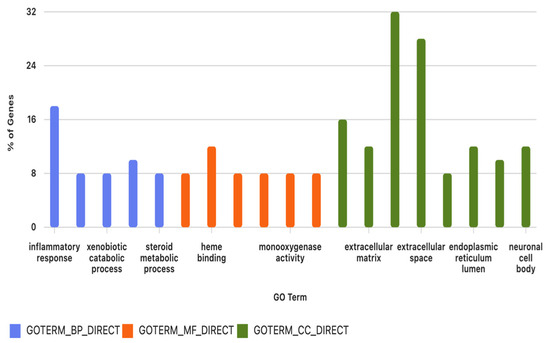
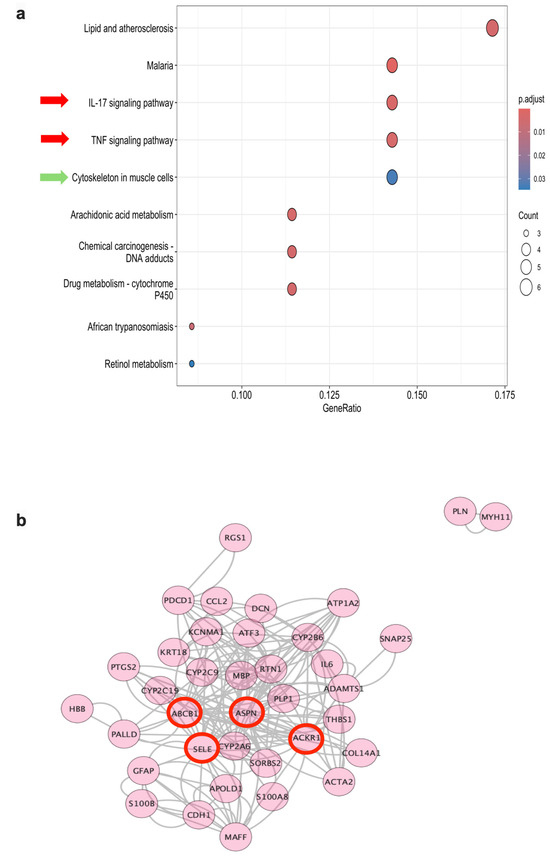
Meningiomas are the most common intracranial tumours, yet the molecular programs underlying WHO grade 1 subtypes—particularly transitional diploid tumours—remain insufficiently defined, partly due to the scarcity of biologically faithful in vitro models. Here, we report the establishment of a long-term, genetically unmanipulated grade 1 meningioma cell line (H8T-MG) maintained under normoxic conditions in serum-containing, growth-factor-supplemented medium, together with a complementary long-term primary culture (H16T-MG), and provide an integrated descriptive and functional characterization of these models, combined with a subtype-restricted transcriptomic analysis of diploid transitional grade 1 tumours versus normal meninges. Both cultures preserved the dual meso-neuroectodermal identity characteristic of meningothelial cells, exhibiting stable adherent growth, preserved contact inhibition and a coherent immunocytochemical profile, expressing vimentin, α-SMA, nestin, connexin-43 and cannabinoid receptors—reported here for the first time in grade 1 meningioma cultures—highlighting cannabinoid-related pathways as potential targets for exploration. Transcriptomic analysis identified 51 differentially expressed genes, revealing a coherent inflammatory–metabolic programme characterised by downregulation of IL-17 and TNF signalling, cytokines and chemokines (IL6, CCL2, SELE, S100A8), together with reduced extracellular-matrix and cytoskeletal activity. In parallel, the enrichment of arachidonic acid metabolism, cytochrome-P450/xenobiotic pathways, retinol metabolism and oxidative/epoxygenase activity indicated a lipid/xenobiotic-oriented metabolic shift distinctive of this subtype. Protein–protein interaction analysis identified four hub genes—ASPN, SELE, ACKR1 and ABCB1—integrating ECM remodelling, endothelial–immune modulation and xenobiotic transport, reinforcing an immune-attenuated, metabolically adapted tumour landscape. Collectively, these findings provide the first integrated in vitro and transcriptomic characterisation of diploid transitional meningiomas, underscore the value of biologically stable models for early-stage meningioma research, and support the value of histological and ploidy stratification in grade 1 meningioma biology.
Full article
(This article belongs to the Special Issue Deciphering Disease Progression Through Multi-Omics Integration)
►▼
Show Figures

Figure 1
Open AccessArticle
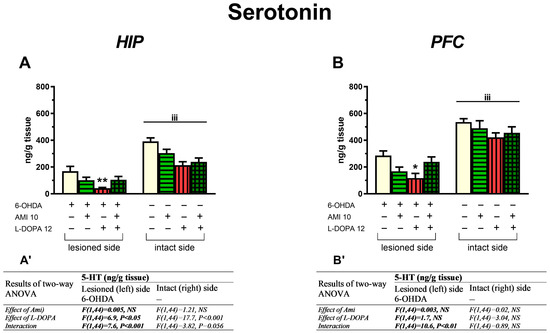
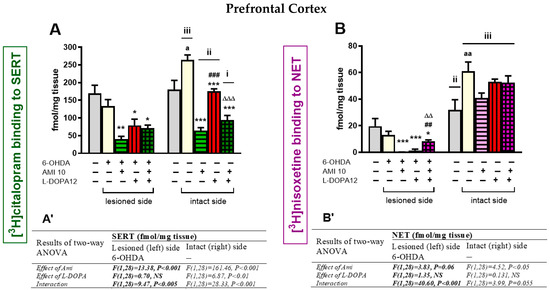
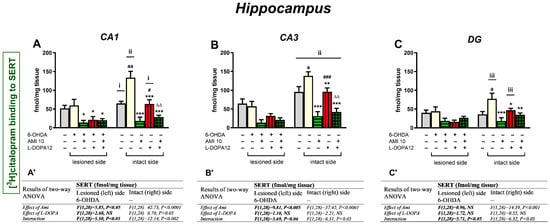
Interactions of the Tricyclic Antidepressant Drug Amitriptyline with L-DOPA in the Nucleus Accumbens, Prefrontal Cortex and Hippocampus of Unilaterally 6-OHDA-Lesioned Rats: Relevance to Depression in Parkinson’s Disease
by
Kinga Kamińska, Tomasz Lenda, Jolanta Konieczny and Elżbieta Lorenc-Koci
Biomolecules 2026, 16(5), 743; https://doi.org/10.3390/biom16050743 (registering DOI) - 19 May 2026
Abstract
The effects of antidepressants on limbic structures, important in the context of the treatment of Parkinson’s disease (PD)-associated depression, are relatively poorly explored in animal models. The present study investigated the impact of the tricyclic antidepressant amitriptyline (AMI), administered chronically alone or in
[...] Read more.
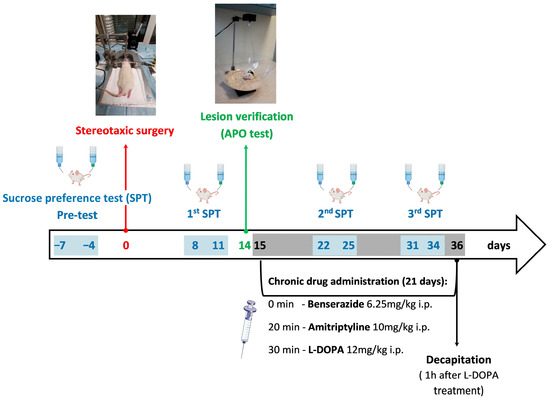
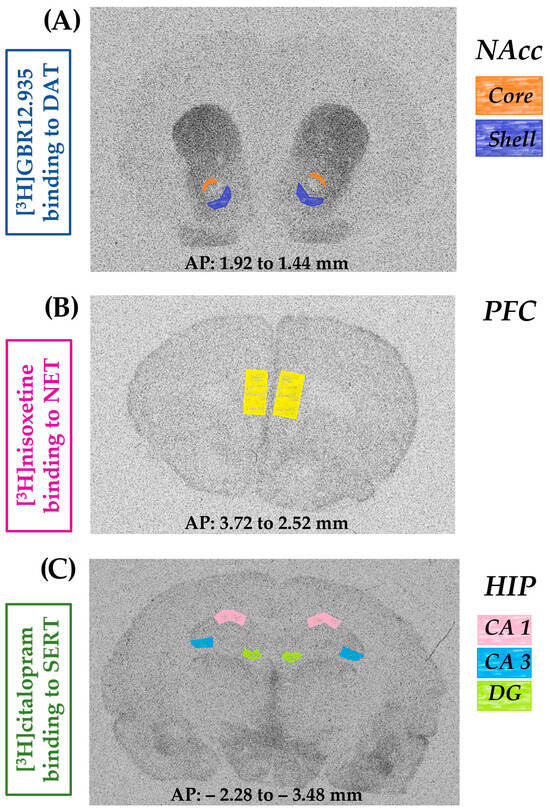
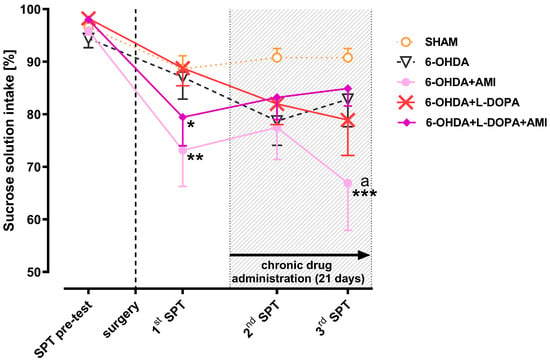
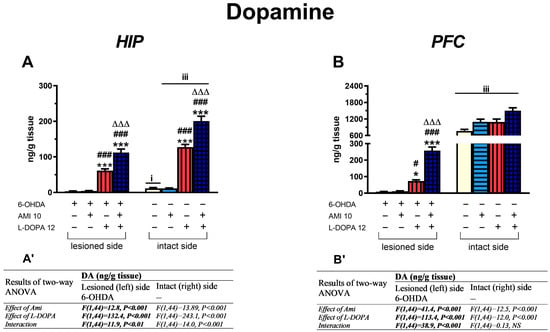
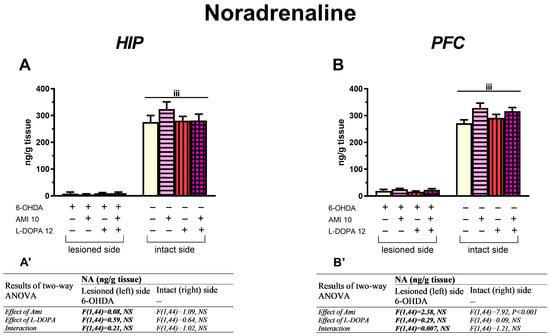
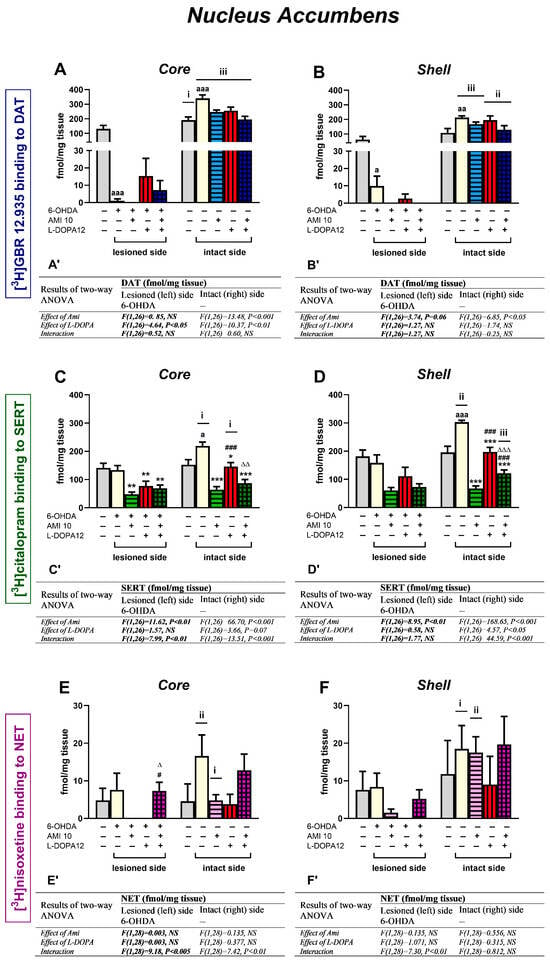
The effects of antidepressants on limbic structures, important in the context of the treatment of Parkinson’s disease (PD)-associated depression, are relatively poorly explored in animal models. The present study investigated the impact of the tricyclic antidepressant amitriptyline (AMI), administered chronically alone or in combination with L-DOPA, on anhedonia, monoamine levels, and the binding of radioligands to their transporters in the limbic structures of unilaterally 6-OHDA-lesioned rats. Anhedonia, as a core symptom of depression, was evaluated using the sucrose preference test. Tissue concentrations of noradrenaline (NA), dopamine (DA) and serotonin (5-HT) and their metabolites in the prefrontal cortex (PFC) and hippocampus (HIP) were assayed by HPLC method. Bindings of [3H]nisoxetine to noradrenaline transporter (NET), [3H]GBR 12,935 to dopamine transporter (DAT), and [3H]citalopram to serotonin transporter (SERT) in the nucleus accumbens (NAcc), PFC, and HIP were analyzed by autoradiography. Three weeks of treatment of unilaterally 6-OHDA-lesioned rats with AMI alone significantly reduced the intake of sucrose solution compared to the sham-operated control, but the combined administration of AMI+L-DOPA enhanced sucrose consumption. Administration of AMI+L-DOPA increased tissue DA concentrations in the lesioned and intact PFC and HIP more distinctly than L-DOPA alone. L-DOPA alone significantly decreased tissue 5-HT content in the lesioned PFC and HIP, while the addition of AMI reversed this effect. 6-OHDA administered unilaterally into the MFB drastically decreased DAT binding in the lesioned NAcc while increasing it on the intact side. Neither AMI nor L-DOPA, given alone or jointly, affected DAT binding in the lesioned NAcc. SERT binding was significantly reduced in the PFC, NAcc and HIP on both sides of the brain in the AMI- or AMI+L-DOPA-treated groups. NET binding decreased in the PFC and NAcc in the AMI-treated group, but no such effect was observed in the AMI+L-DOPA-treated group. The obtained results are discussed in relation to the impaired psychiatric functions in PD.
Full article
(This article belongs to the Special Issue Biogenic Amines, Their Receptors and Transporters in Health and Disease: Commemorative Issue in Honor of Professor Marc G. Caron (1946–2022))
►▼
Show Figures

Figure 1
Open AccessReview
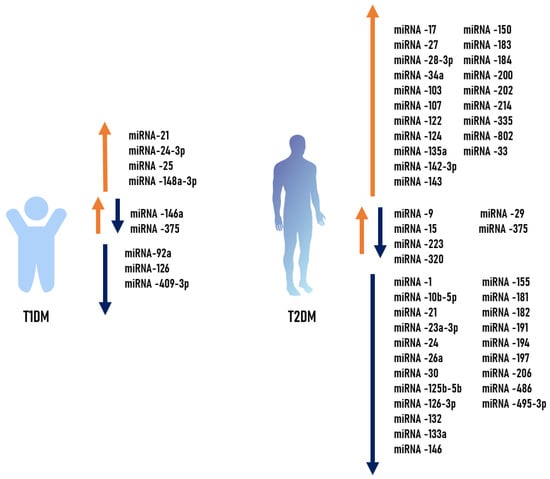
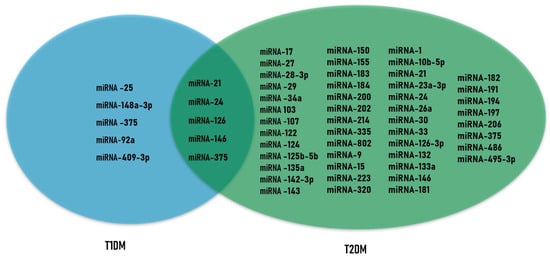
Epigenetic Regulation Involving microRNAs in Diabetes
by
Dmitriy Ivanov, Anna Drobintseva, Andrey Ivanov, Yulia Belova, Lilya Ditkovskaya, Olga Maryina, Igor Kvetnoy, Ruslan Nasyrov and Elena Semenova
Biomolecules 2026, 16(5), 742; https://doi.org/10.3390/biom16050742 (registering DOI) - 19 May 2026
Abstract
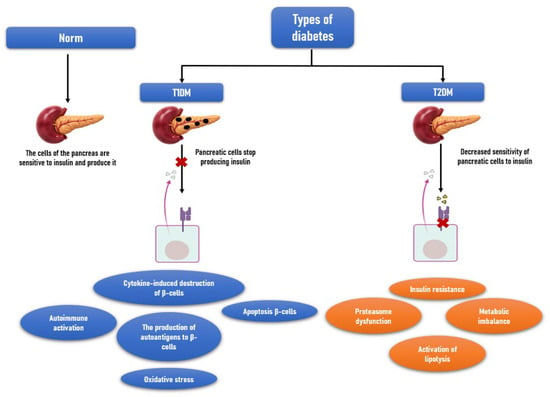
Diabetes mellitus (DM) is a group of metabolic diseases characterized by chronic hyperglycemia resulting from defects in insulin secretion, insulin action, or both. The most common types—type 1 and type 2 diabetes—have different etiologies and pathophysiological mechanisms. Type 1 diabetes (T1DM) results from
[...] Read more.
Diabetes mellitus (DM) is a group of metabolic diseases characterized by chronic hyperglycemia resulting from defects in insulin secretion, insulin action, or both. The most common types—type 1 and type 2 diabetes—have different etiologies and pathophysiological mechanisms. Type 1 diabetes (T1DM) results from autoimmune destruction of the insulin-producing pancreatic β-cells, leading to the development of absolute insulin deficiency, whereas in type 2 diabetes (T2DM), impaired carbohydrate metabolism is primarily caused by insulin resistance and relative insulin deficiency. Current diagnostic criteria do not allow for the detection of the disease at the preclinical stage. MicroRNA (miRNA) influences post-translational regulation of gene expression by inhibiting mRNA translation and also promotes mRNA degradation. The aim of this review is to summarize current evidence on the role of microRNAs in the pathogenesis of T1DM and T2DM and to evaluate their potential as early diagnostic biomarkers and therapeutic targets. It is demonstrated that T1DM and T2DM exhibit altered expression of specific microRNAs involved in β-cell apoptosis, autoimmune inflammation, and insulin signaling. In T1DM, key miRNAs include miR-21, miR-25, miR-146a, and miR-375, which reflect β-cell destruction and the autoimmune process. In T2DM, critical roles are played by miR-9, miR-29, miR-34a, miR-103/107, miR-126, miR-143, and miR-375, which regulate insulin secretion, lipid metabolism, and tissue insulin sensitivity. Particular attention is given to microRNAs whose expression changes several years before clinical disease onset (miR-15a, miR-126, miR-375), offering opportunities for early diagnosis. Data are presented on circulating miRNAs in stable biological fluids (blood, urine). It should be emphasized, however, that the proposed microRNA panel currently represents only a potential diagnostic tool. This panel requires further validation and confirmation by clinicians in large-scale prospective studies and does not yet claim to be ready for routine clinical use. Nevertheless, the development of such a universal microRNA panel, followed by thorough clinical evaluation, has promising biomedical potential, which will not only allow for the diagnosis of diabetes at an early stage but also identify new therapeutic targets for personalized medicine.
Full article
(This article belongs to the Special Issue Biomarkers in Metabolic Diseases, 2nd Edition)
►▼
Show Figures

Figure 1
Open AccessArticle
Up-Regulation of the TRPM8 Channel Attenuates TRPC1-Mediated Store-Operated Calcium Entry in Abdominal Aortic Aneurysm
by
Yi-Qian Wang, Min Pan, Yi-Chen Lin, Si-Yi Zheng, Qin-Ye Chen, Long-Xin Gui, Mo-Jun Lin and Da-Cen Lin
Biomolecules 2026, 16(5), 741; https://doi.org/10.3390/biom16050741 (registering DOI) - 19 May 2026
Abstract
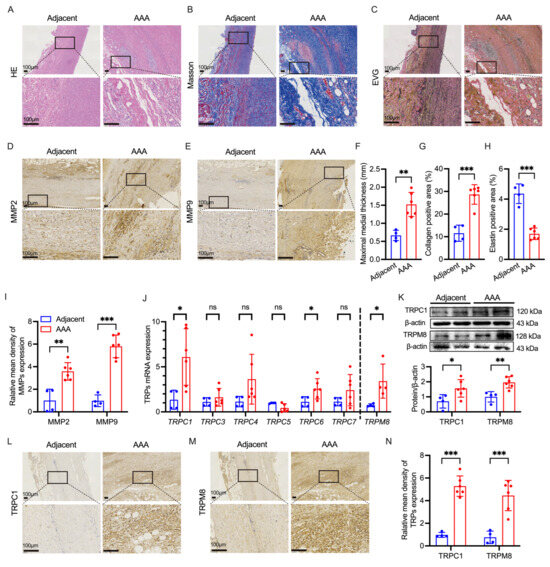
Abdominal aortic aneurysm (AAA) is a life-threatening vascular disease characterized by vascular smooth muscle cell (VSMC) dysfunction and disrupted calcium homeostasis. While transient receptor potential canonical 6 (TRPC6) and transient receptor potential canonical 1 (TRPC1) are known to mediate receptor-operated calcium entry (ROCE)
[...] Read more.
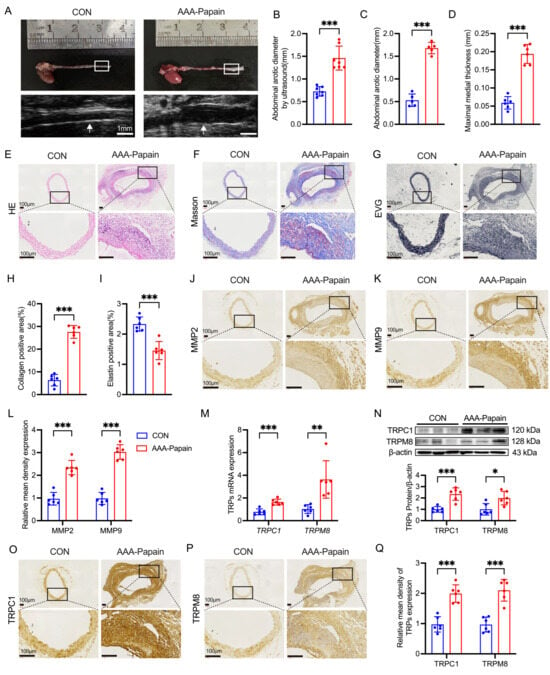
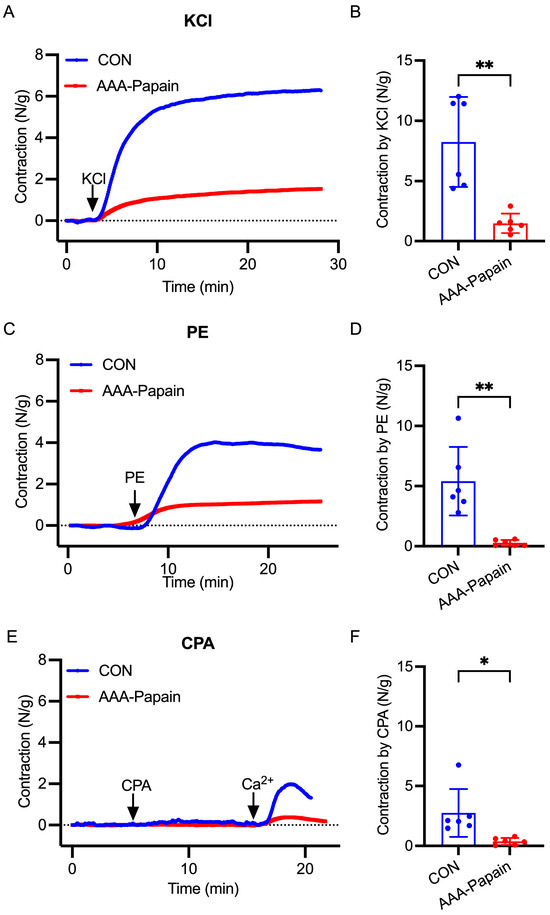
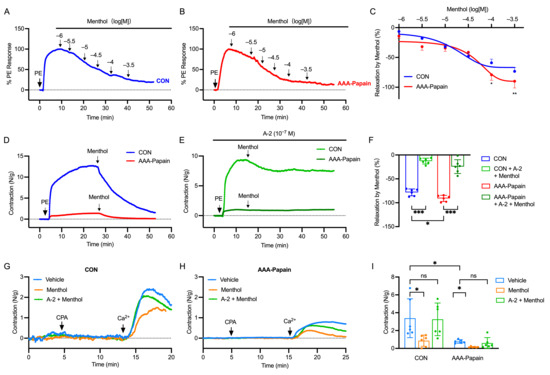
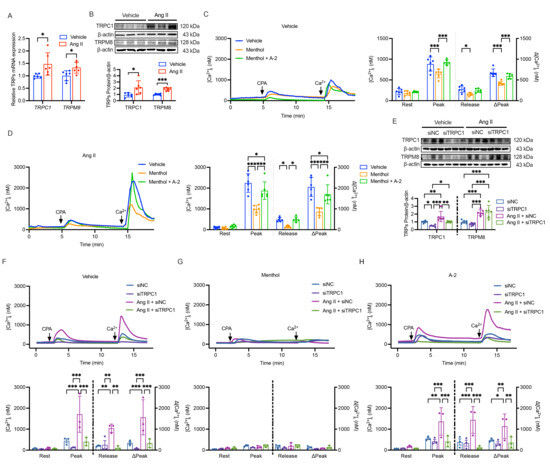
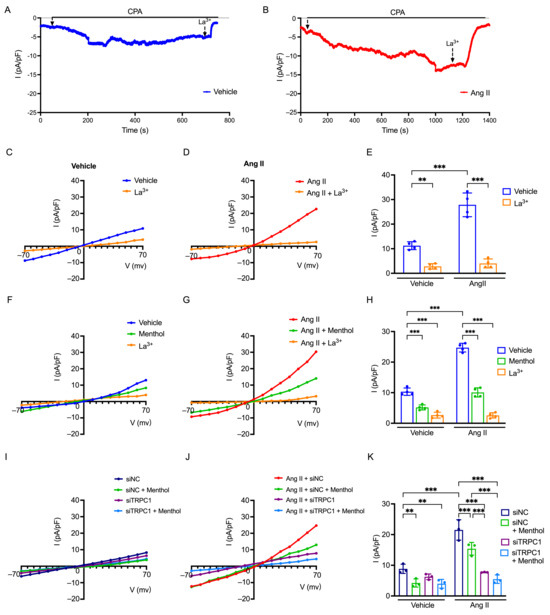
Abdominal aortic aneurysm (AAA) is a life-threatening vascular disease characterized by vascular smooth muscle cell (VSMC) dysfunction and disrupted calcium homeostasis. While transient receptor potential canonical 6 (TRPC6) and transient receptor potential canonical 1 (TRPC1) are known to mediate receptor-operated calcium entry (ROCE) and store-operated calcium entry (SOCE), respectively, the specific contributions of SOCE and ROCE to AAA pathogenesis, and the regulatory interaction between transient receptor potential melastatin 8 (TRPM8) and TRPC1 remain unexplored. In this study, we analyzed human AAA tissues, a papain-induced mouse model, and angiotensin II (Ang II)-treated human aortic smooth muscle cells using histology, wire myography, calcium imaging, and patch-clamp electrophysiology. We observed significant upregulation of TRPM8, TRPC1, and TRPC6 in both human and experimental AAA, with TRPC1 identified as a key mediator of SOCE under pathological conditions. Pharmacological activation of TRPM8 by menthol attenuated TRPC1-mediated SOCE and associated vasoconstriction, effects that were partially reversed by the TRPM8 antagonist A-2. In Ang II-treated cells, TRPM8 activation reduced SOCE and store-operated calcium currents (ISOCC), effects that were largely abolished by TRPC1 knockdown. These findings suggest that TRPM8 may limit excessive calcium ion (Ca2+) influx and vascular remodeling in AAA, pointing to a potential endogenous mechanism to counteract maladaptive calcium signaling in AAA progression.
Full article
(This article belongs to the Special Issue TRP Channels in Cardiovascular and Inflammatory Disease, 2nd Edition)
►▼
Show Figures

Figure 1
Open AccessArticle
The Effect of Caffeine on Various Forms of Synaptic Plasticity in the CA1 Region of Mouse Hippocampal Slices
by
Margarita A. Novikova, Irina A. Korneeva, Rodion V. Kondratenko, Georgii M. Nikolaev, Olga A. Averina, Irina N. Sharonova and Alexander V. Latanov
Biomolecules 2026, 16(5), 740; https://doi.org/10.3390/biom16050740 (registering DOI) - 19 May 2026
Abstract
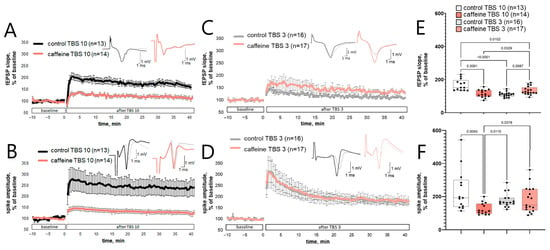
Caffeine is the most widely used psychoactive compound. In the brain, caffeine acts as a competitive, non-selective adenosine receptor antagonist of A1 and A2A, both known to modulate long-term potentiation (LTP), the cellular basis of learning and memory. But the
[...] Read more.
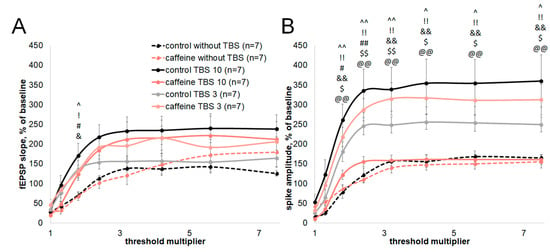
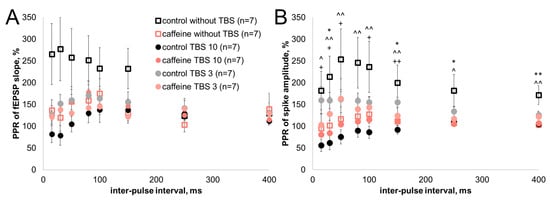
Caffeine is the most widely used psychoactive compound. In the brain, caffeine acts as a competitive, non-selective adenosine receptor antagonist of A1 and A2A, both known to modulate long-term potentiation (LTP), the cellular basis of learning and memory. But the effects of caffeine on synaptic function and plasticity cannot be reduced to a single inhibitory or facilitatory action. In the CA1 area of the hippocampus, low-micromolar caffeine has been reported to attenuate LTP, yet it remains unclear whether this action extends equally to other plasticity-related responses, including EPSP–spike coupling and paired-pulse responses. Here, we studied the effect of 30 μM caffeine on the field excitatory postsynaptic potentials (fEPSPs) and LTP evoked by Schaffer collateral stimulation in the CA1 region in mouse hippocampal slices. We compared theta-burst-induced long-term fEPSP potentiation, EPSP–spike (E-S) potentiation, input–output relationships, and paired-pulse responses after short (three burst-TBS3) and long (ten burst-TBS10) theta-burst stimulation. Caffeine attenuated long-term fEPSP potentiation induced by the longer theta-burst protocol and reduced the accompanying increase in population spike amplitude. In contrast, E-S potentiation induced by the shorter theta-burst protocol was preserved under caffeine exposure. Input–output analysis further showed that caffeine prevented the increase in population spike amplitude accompanying the development of long-term fEPSP potentiation, but did not prevent the population spike response changes associated with E-S potentiation. Caffeine also reduced paired-pulse deviations from 100%, most clearly for population spike amplitude, and this effect persisted after both the theta-burst protocols. Thus, 30 μM caffeine did not simply suppress CA1 plasticity-related responses, but distinguished TBS10-induced synaptic fEPSP potentiation from TBS3-induced EPSP–spike potentiation. These findings identify EPSP–spike coupling as a caffeine-preserved CA1 plasticity-related response and provide a basis for future receptor-selective and behavioral testing.
Full article
(This article belongs to the Section Cellular Biochemistry)
►▼
Show Figures

Figure 1
Open AccessFeature PaperArticle
Simulated Mars Gravity Impairs Intestinal Epithelial Barrier Integrity via Selective Modulation of Tight Junction Components
by
Laura Benvenuti, Chiara Bertini, Gemma Marcelli, Chiara Ippolito, Valentina Citi, Roberto Giovannoni, Paola Iacopetti, Gaetana Gambino, Leonardo Rossi, Debora Angeloni, Diego Manzoni and Alessandra Salvetti
Biomolecules 2026, 16(5), 739; https://doi.org/10.3390/biom16050739 (registering DOI) - 18 May 2026
Abstract
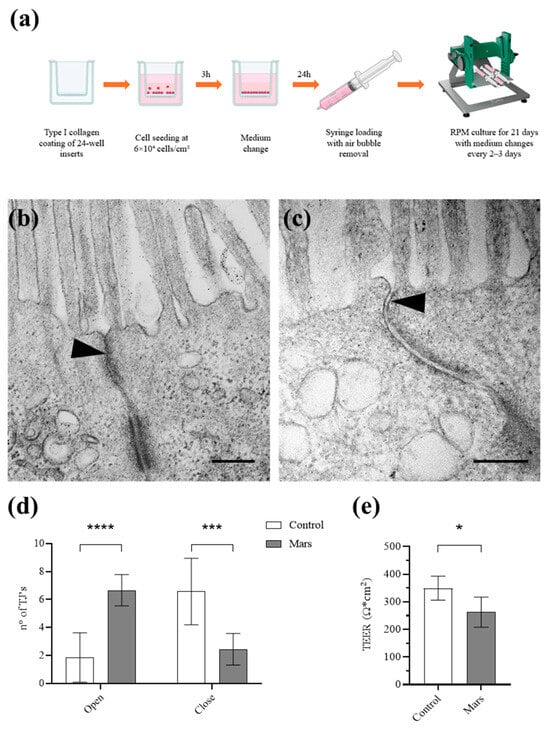
Future long-duration human space missions will expose astronauts to chronically reduced gravitational loading, a condition associated with oxidative stress and epithelial barrier dysfunction. The intestinal epithelial barrier depends on tight junctions (TJs), yet the impact of partial gravity on TJ composition, assembly, and
[...] Read more.
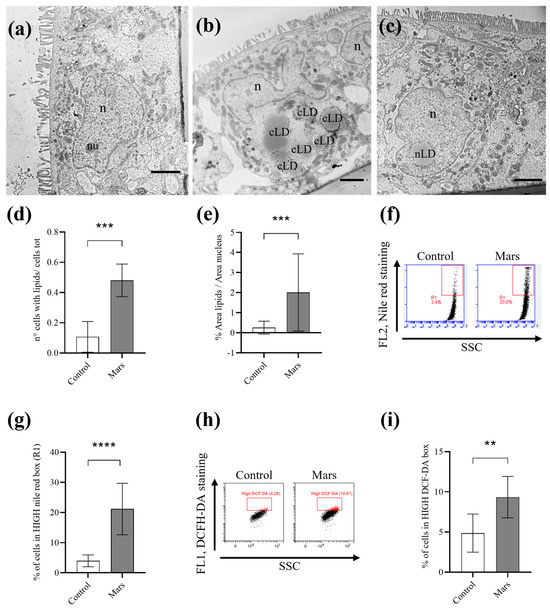
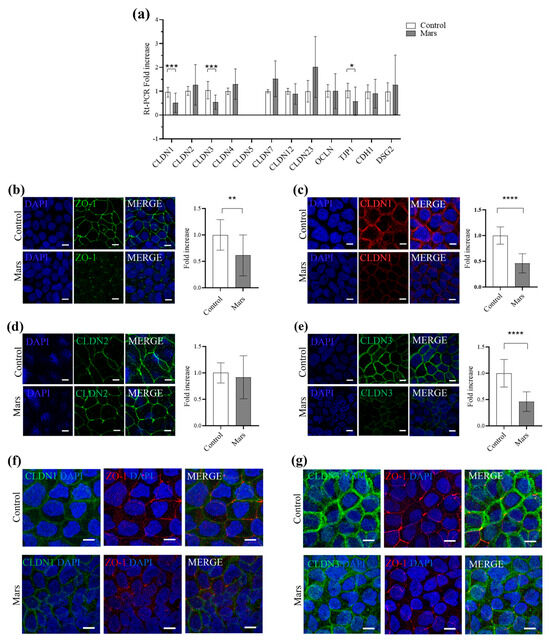
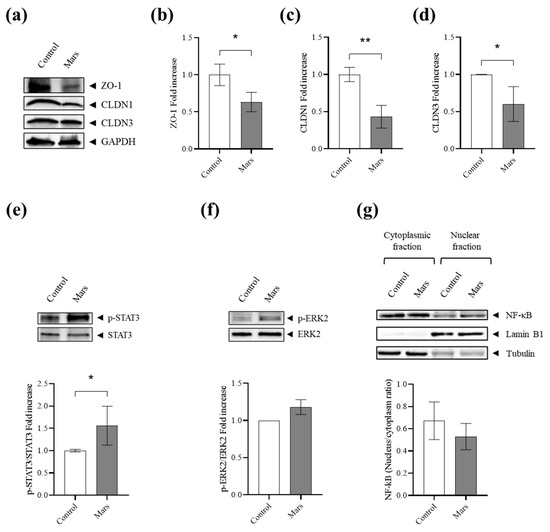
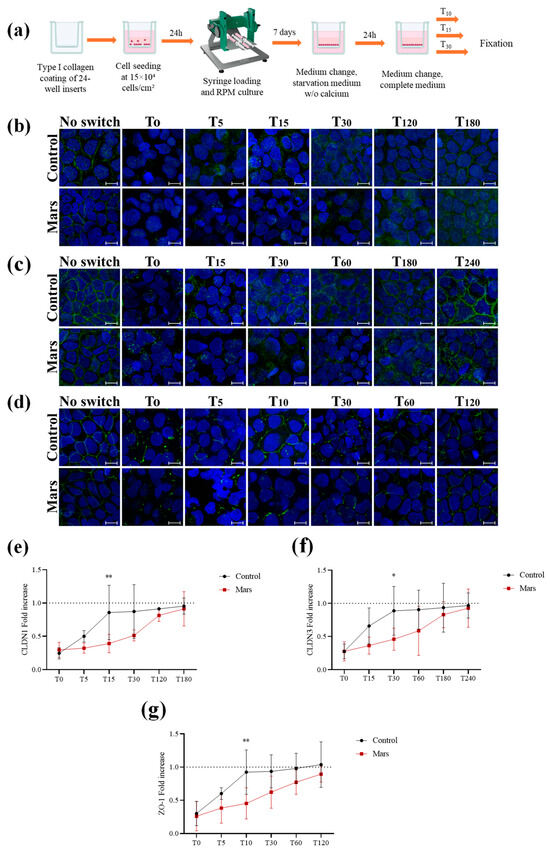
Future long-duration human space missions will expose astronauts to chronically reduced gravitational loading, a condition associated with oxidative stress and epithelial barrier dysfunction. The intestinal epithelial barrier depends on tight junctions (TJs), yet the impact of partial gravity on TJ composition, assembly, and claudin organization remains poorly defined. Here, we show that differentiated intestinal epithelial monolayers exposed to simulated Mars gravity undergo TJ ultrastructural remodeling, characterized by loss of apical membrane “kissing points” and widening of the paracellular space, accompanied by impaired barrier function. Simulated Mars gravity also induces oxidative stress and accumulation of cytoplasmic and nuclear lipid droplets, consistent with altered membrane and lipid homeostasis. At the molecular level, simulated Mars gravity promotes selective TJ changes, with significant downregulation—but not mislocalization—of barrier-forming claudins CLDN1 and CLDN3 and the scaffolding protein ZO-1, while CLDN2, CLDN4, CLDN7, CLDN12, CLDN23, and OCLN remain unchanged. STAT3 activation, but not ERK or NF-κB signaling, may be associated with these alterations and is consistent with a stress-adaptive remodeling response to oxidative stress under simulated Mars gravity. Overall, these findings identify simulated Mars gravity as a disruptor of intestinal barrier homeostasis and highlight TJ remodeling as a target for countermeasures to preserve gut integrity during deep-space missions.
Full article
(This article belongs to the Section Cellular Biochemistry)
►▼
Show Figures

Figure 1
Open AccessReview
The Production and Purification of Therapeutic Antibodies: A Comprehensive Analysis of Process- and Product-Related Contaminants
by
Kevin James, Andrej Kovac and Petra Majerova
Biomolecules 2026, 16(5), 738; https://doi.org/10.3390/biom16050738 (registering DOI) - 18 May 2026
Abstract
The pharmaceutical industry has seen significant growth in the development of antibody-based therapeutics, especially monoclonal antibodies (mAbs) and bispecific antibodies (bsAbs), used in the treatment of cancer and neurodegenerative diseases. However, their production and purification remain challenging. It is difficult to achieve both
[...] Read more.
The pharmaceutical industry has seen significant growth in the development of antibody-based therapeutics, especially monoclonal antibodies (mAbs) and bispecific antibodies (bsAbs), used in the treatment of cancer and neurodegenerative diseases. However, their production and purification remain challenging. It is difficult to achieve both high product yield and the strict purity required for clinical use. Downstream processing is expensive and often involves trade-offs between efficiency and product quality. In addition, current purification methods do not fully remove contaminants, especially host cell proteins, residual DNA, and protein aggregates, affecting the safety and effectiveness of the final product. Recent advances in purification technologies, such as improved chromatography techniques and alternative separation methods, have shown promise in addressing some of these limitations. Process optimization and the integration of continuous manufacturing approaches are being explored to enhance efficiency and scalability. Furthermore, increased regulatory expectations are driving the need for more robust and reproducible purification strategies. As the antibody therapeutics market continues to expand, optimizing manufacturing and purification processes is crucial to achieve cost efficiency and large-scale production. This article discusses the main challenges in antibody production and downstream purification, focusing on monoclonal and bispecific antibodies, and compares current strategies to increase yield, improve purity, and reduce contaminants.
Full article
(This article belongs to the Special Issue Biotherapeutic Analysis: Precision Characterization and Quality Control)
Open AccessArticle
Potential Efficacy of Luteolin in Cutaneous Squamous Cell Carcinoma: A Combined In Vitro and In Vivo Study
by
Yuyang Guo, Xin Wang, Yuan Gao, Yan Xu, Zesen Fang, Silin Liu, Haonan Dong, Jianghan Luo and Lijun Yan
Biomolecules 2026, 16(5), 737; https://doi.org/10.3390/biom16050737 (registering DOI) - 18 May 2026
Abstract
Cutaneous squamous cell carcinoma (cSCC) is a common malignant skin tumor with invasive potential and risk of recurrence. This study investigated the anti-cSCC effects of luteolin in vitro and in vivo and explored the associated molecular mechanisms. The effects of luteolin on A431
[...] Read more.
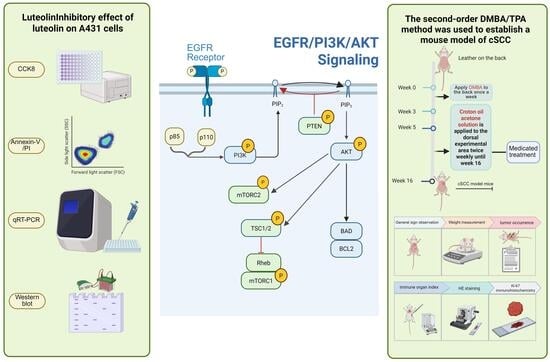
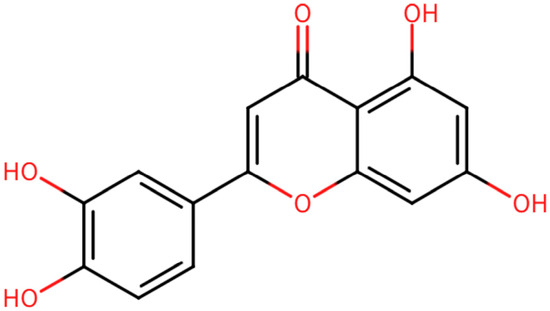
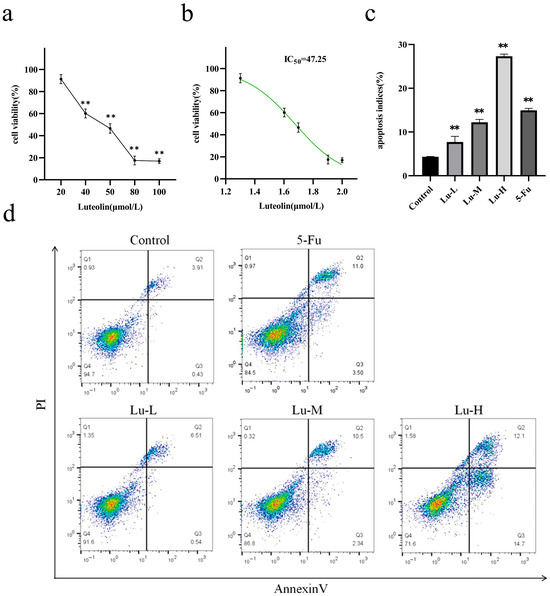
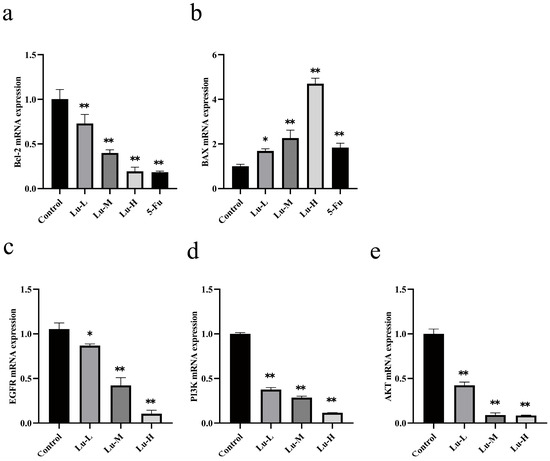
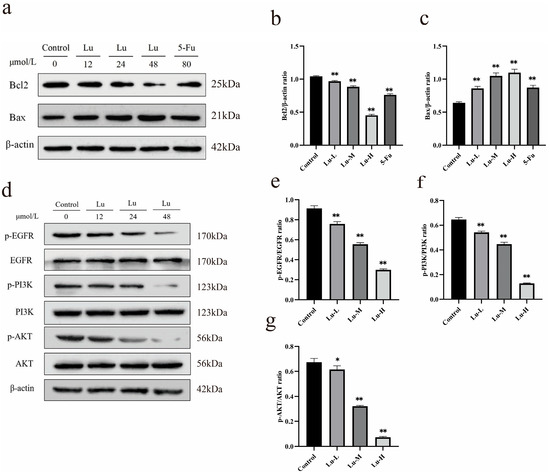
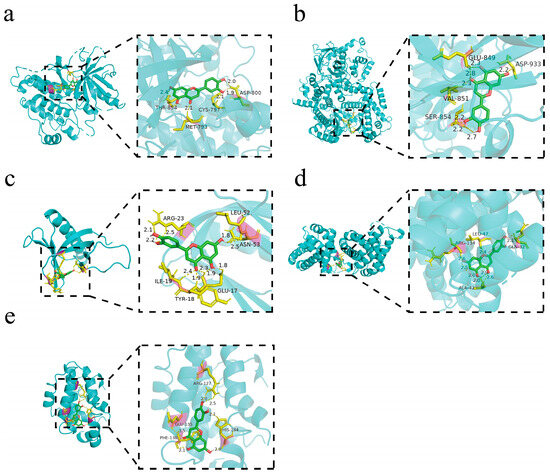
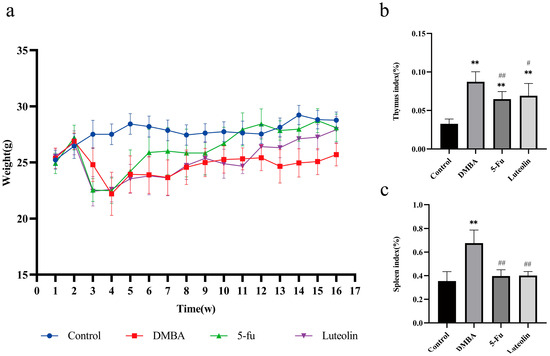
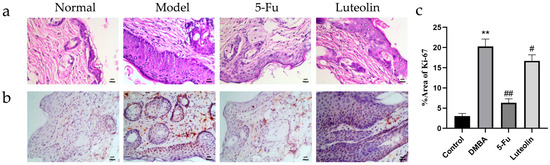
Cutaneous squamous cell carcinoma (cSCC) is a common malignant skin tumor with invasive potential and risk of recurrence. This study investigated the anti-cSCC effects of luteolin in vitro and in vivo and explored the associated molecular mechanisms. The effects of luteolin on A431 cell viability were assessed by CCK-8 assay, and apoptosis was analyzed by Annexin V-FITC/propidium iodide (PI) double staining. qRT-PCR and Western blot analyses were performed to evaluate apoptosis-related factors and the EGFR/PI3K/AKT signaling pathway. Molecular docking was further conducted to explore the potential interactions of luteolin with EGFR/PI3K/AKT signaling-related proteins and apoptosis-associated proteins. In vivo, a two-stage skin carcinogenesis model induced by 7,12-dimethylbenz[a]anthracene (DMBA) and croton oil was used to evaluate the antitumor activity of luteolin. Luteolin significantly inhibited A431 cell viability and promoted apoptosis in a concentration-dependent manner. Moreover, luteolin increased Bax expression and decreased Bcl-2 expression at both the mRNA and protein levels. Mechanistically, luteolin suppressed the phosphorylation of EGFR, PI3K, and AKT. Molecular docking suggested that luteolin could interact with EGFR, PIK3CA, AKT, Bax, and Bcl-2, providing supportive in silico evidence for its potential modulation of EGFR/PI3K/AKT signaling and apoptosis-related proteins. In vivo, luteolin alleviated body weight loss, achieved a tumor nodule inhibition rate of 45.28%, significantly improved spleen and thymus indices (p < 0.05), and ameliorated histopathological damage in skin tissues. In addition, immunohistochemical analysis showed that luteolin reduced Ki-67 expression. These results indicate that luteolin exerts anti-cSCC effects in vitro and in vivo, possibly through modulation of the EGFR/PI3K/AKT signaling pathway and apoptosis-related proteins.
Full article
(This article belongs to the Section Natural and Bio-derived Molecules)
►▼
Show Figures

Graphical abstract
Journal Menu
► ▼ Journal Menu-
- Biomolecules Home
- Aims & Scope
- Editorial Board
- Reviewer Board
- Topical Advisory Panel
- Instructions for Authors
- Special Issues
- Topics
- Sections & Collections
- Article Processing Charge
- Indexing & Archiving
- Editor’s Choice Articles
- Most Cited & Viewed
- Journal Statistics
- Journal History
- Journal Awards
- Conferences
- Editorial Office
Journal Browser
► ▼ Journal BrowserHighly Accessed Articles
Latest Books
E-Mail Alert
News
Topics
Topic in
Chemistry, Molecules, IJMS, Biomolecules, Inorganics
Metal Ions in Health and Diseases: Current Progress and Future Challenges
Topic Editors: Massimiliano F. Peana, Carlo Santini, Maura PelleiDeadline: 31 May 2026
Topic in
Biomedicines, Biomolecules, Cancers, Cells, Hematology Reports, IJMS
Advances in Molecular Pathogenesis and Targeted Therapies for Multiple Myeloma
Topic Editors: Chung Hoow Kok, Cindy H. S. Lee, Claudio CerchioneDeadline: 3 August 2026
Topic in
Biomolecules, Chemistry, IJMS, Molecules, Pharmaceuticals
Enzymes and Enzyme Inhibitors in Drug Research
Topic Editors: Athina Geronikaki, Cosimo D. Altomare, Maria Stefania SinicropiDeadline: 11 September 2026
Topic in
Biomedicines, IJMS, Sci. Pharm., Molecules, Future Pharmacology, Biomolecules
Natural Products and Drug Discovery—2nd Edition
Topic Editors: Sonia Piacente, Marta MenegazziDeadline: 30 September 2026
Conferences
Special Issues
Special Issue in
Biomolecules
Helicases in DNA Repair: From Molecular Mechanisms to Medical and Biotechnological Applications
Guest Editor: Li FanDeadline: 23 May 2026
Special Issue in
Biomolecules
Bioactive Molecules in the Control of Oxidative Stress and Oxidative Stress-Related Diseases
Guest Editor: Jian YaoDeadline: 31 May 2026
Special Issue in
Biomolecules
Liver Damage and Associated Metabolic Disorders
Guest Editor: Lin JiaDeadline: 31 May 2026
Special Issue in
Biomolecules
Metabolic and Signal Transduction Pathways Controlling Platelet and Megakaryocyte Activity
Guest Editors: Ana Kasirer-Friede, Deepa GautamDeadline: 31 May 2026
Topical Collections
Topical Collection in
Biomolecules
Feature Papers in Section 'Molecular Medicine'
Collection Editors: Fabio Di Domenico, Chiara Lanzillotta
Topical Collection in
Biomolecules
Feature Papers in Bioinformatics and Systems Biology Section
Collection Editor: Lukasz Kurgan
Topical Collection in
Biomolecules
Cellular and Molecular Mechanisms Governing Stress Response in Plants
Collection Editors: Giovanna Serino, Daisuke Todaka