




Biology 2026, 15(7), 554; https://doi.org/10.3390/biology15070554 - 30 Mar 2026
Abstract
Boule is the ancestral member of the Deleted in Azoospermia (DAZ) family and is pivotal for gametogenesis and male fertility in most animals. However, there is a dearth of information on molluscan boule. Here, we identified a counterpart (Pcbol
[...] Read more.
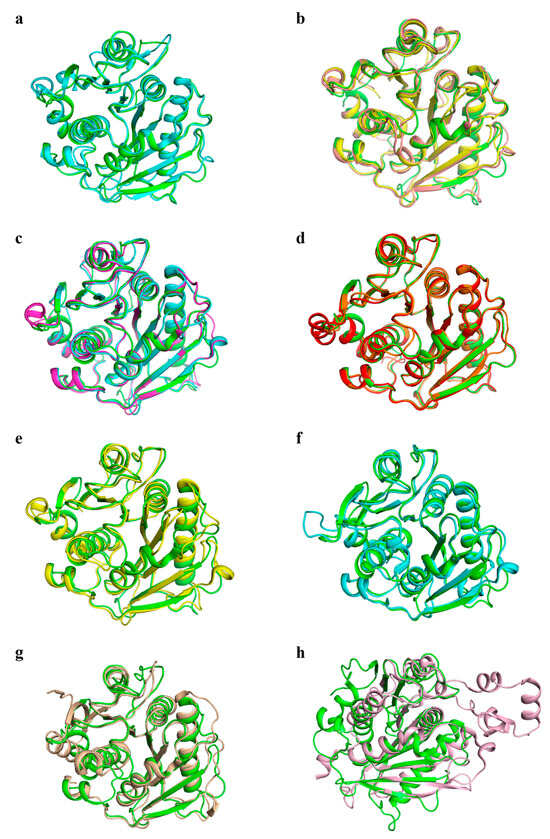
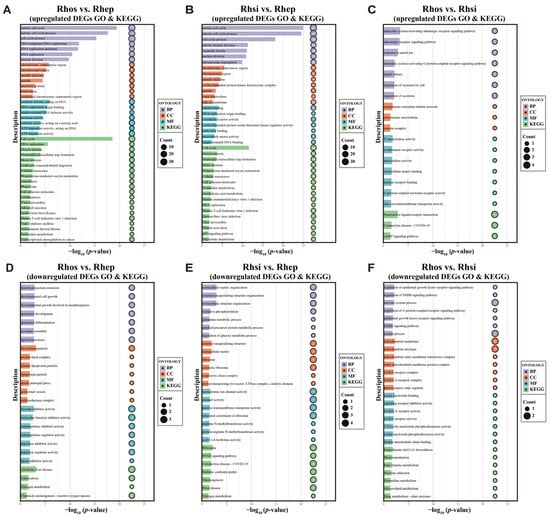
Boule is the ancestral member of the Deleted in Azoospermia (DAZ) family and is pivotal for gametogenesis and male fertility in most animals. However, there is a dearth of information on molluscan boule. Here, we identified a counterpart (Pcbol) from the genome of Pomacea canaliculata, which has emerged as a cosmopolitan alien species and notorious pest that causes devastating damage to aquatic biodiversity, freshwater ecosystems and crop production in invaded ranges. This study aimed to investigate the biological roles of Pcbol in male reproduction and to decipher the molecular mechanisms underpinning its modulation via dsRNA-delivered RNA interference (RNAi). The bioinformatic analysis showed that the Pcbol genomic sequence is 12,934 nt in length, harboring an open reading frame of 294 nt that encodes 97 aa residues, with an RRM domain evolutionarily conserved among molluscan orthologues. Spatiotemporal expression profiling indicated the predominant abundance of Pcbol in adult males and testis tissues. dsPcbol, injected at a dose of 4 μg/per snail for 5 days, yielded optimal silencing at both transcript and translation levels of Pcbol, as revealed by qRT-PCR and Western blotting. Immunofluorescence echoed a pronounced reduction in Pcbol signal intensity following RNAi. In addition to the arrested reproductive gland phenotype, the number of sperm cells substantially dwindled upon dsPcbol treatment relative to the dsGFP control. In biochemical and fecundity assays, Pcbol depletion triggered a significant decrease in Te/SP/Arg content and suppressed the number of deposited eggs and hatchability. Furthermore, spermatogenic genes like CDC25/TSSK1/SPATA17/DDX4/Dmrt2/Sox2/Kelch10/SPO11 displayed considerable downregulation post Pcbol silencing, with molecular docking predicting a strong affinity between CDC25 and Pcbol. These molecular modules may interact with Pcbol to mediate knockdown effects on spermatogenesis dysfunction. Collectively, our findings not only confirmed that boule was indispensable for spermatogenesis and male fertility in a mollusk, but also highlighted the Pcbol-based male sterile technique (MST), which can be incorporated into precision pest management (PPM) strategies for sustainable control of P. canaliculata.
Full article