
Journal Description
Applied Mechanics
Applied Mechanics
is an international, peer-reviewed, open access journal on applied mechanics, published quarterly online by MDPI. The South African Association for Theoretical and Applied Mechanics (SAAM) is affiliated with Applied Mechanics and its members receive discounts on the article processing charges.
- Open Access— free for readers, with article processing charges (APC) paid by authors or their institutions.
- High Visibility: indexed within ESCI (Web of Science), Scopus and other databases.
- Journal Rank: CiteScore - Q2 (Engineering (miscellaneous))
- Rapid Publication: manuscripts are peer-reviewed and a first decision is provided to authors approximately 25.6 days after submission; acceptance to publication is undertaken in 5.5 days (median values for papers published in this journal in the first half of 2026).
- Recognition of Reviewers: APC discount vouchers, optional signed peer review, and reviewer names published annually in the journal.
Impact Factor:
1.8 (2025);
5-Year Impact Factor:
2.0 (2025)
Latest Articles
Micropolar Prismatic Body in the First Approximation: Field Reconstruction, Cutoff Resonances, and a Spectroscopic Damage Indicator
Appl. Mech. 2026, 7(3), 57; https://doi.org/10.3390/applmech7030057 - 8 Jul 2026
Abstract
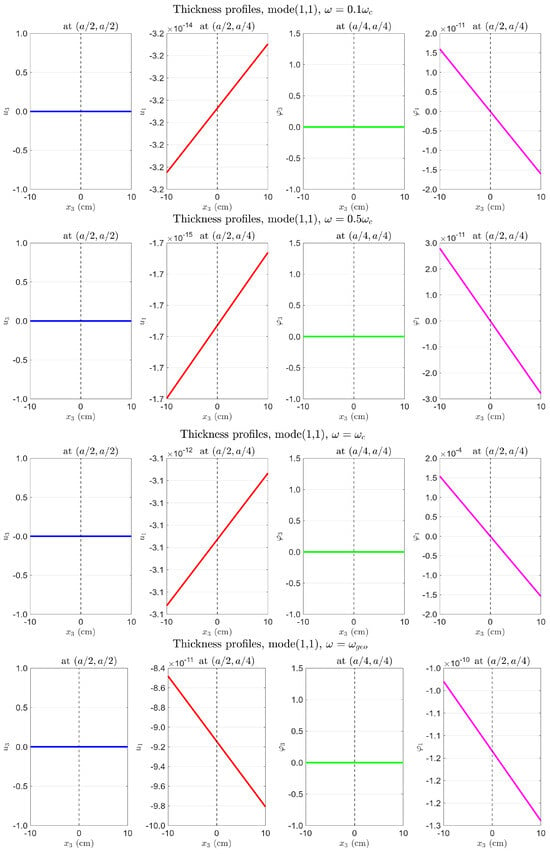
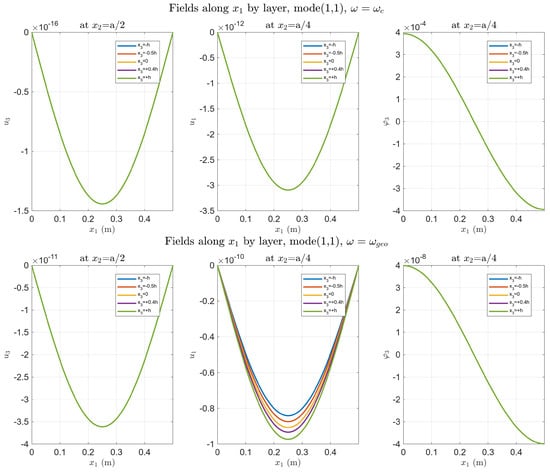
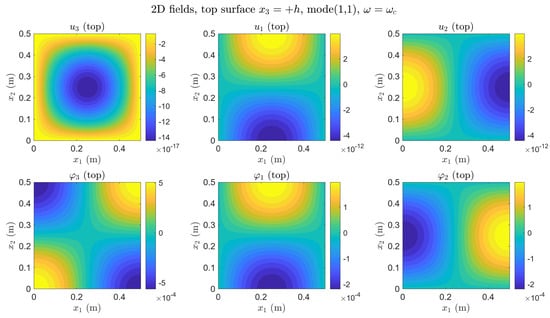
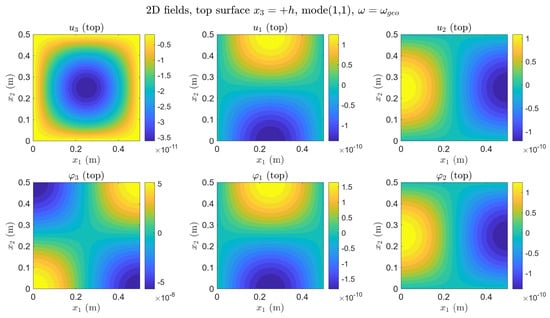
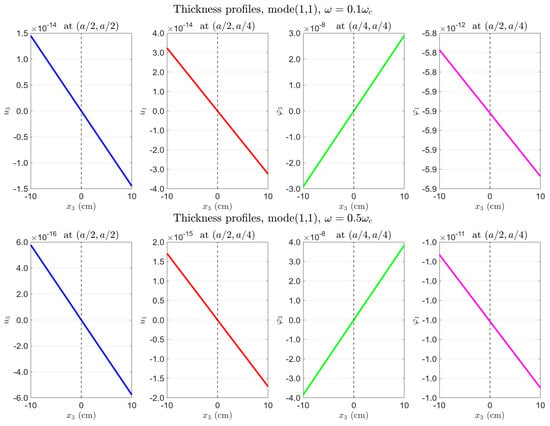
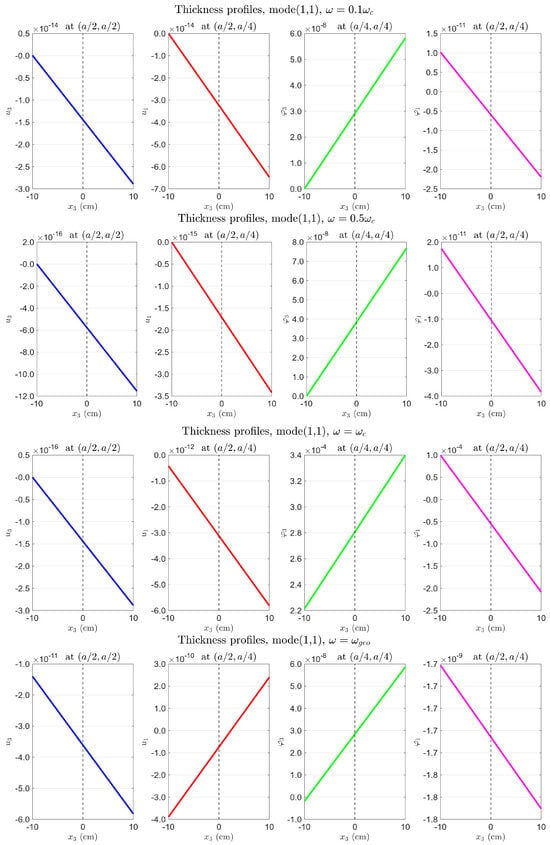
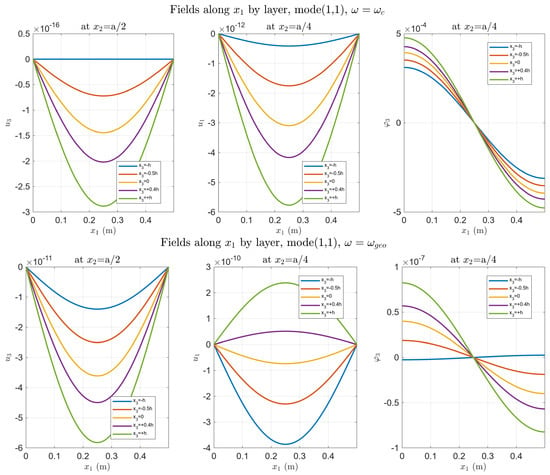
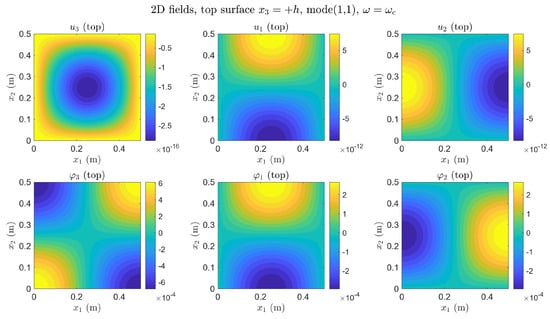
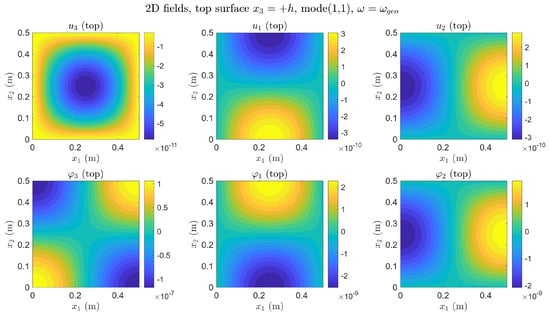
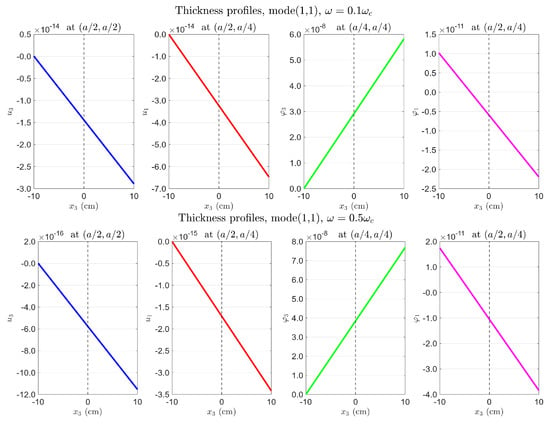
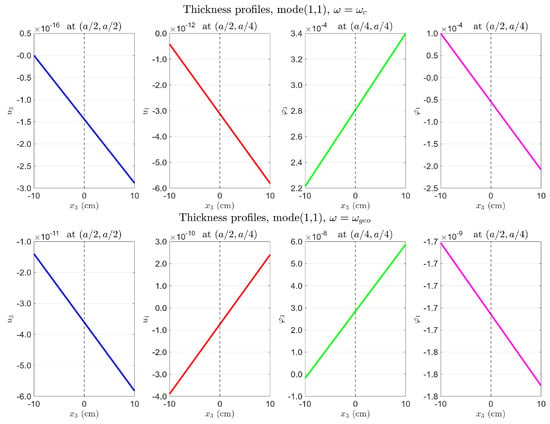
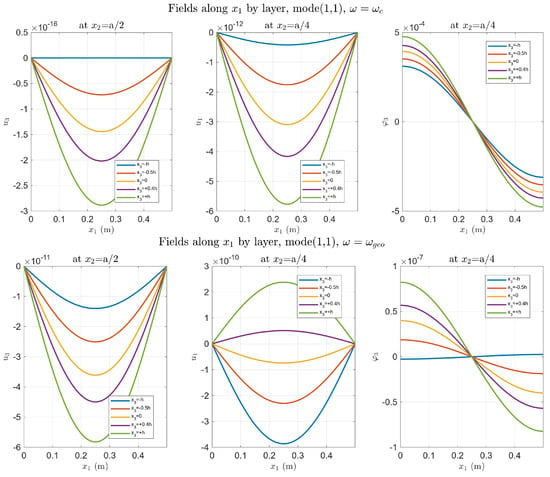
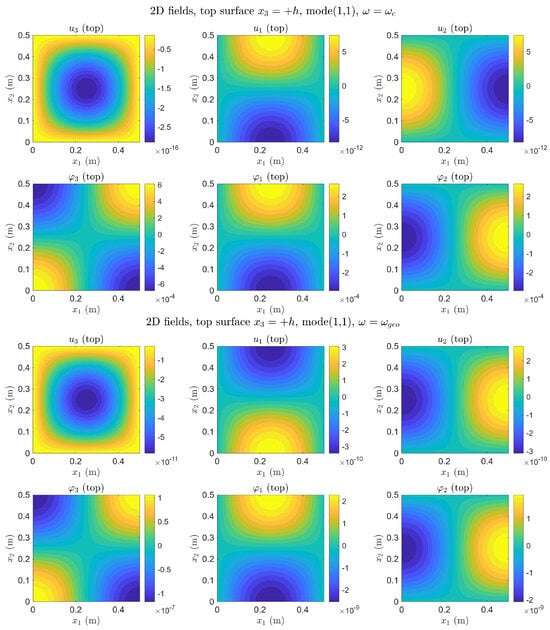
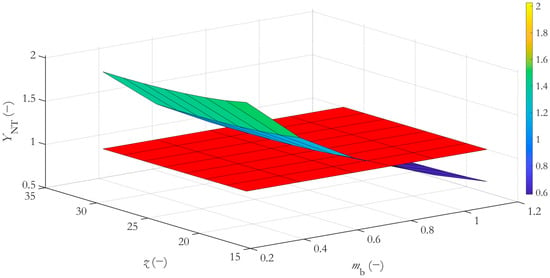
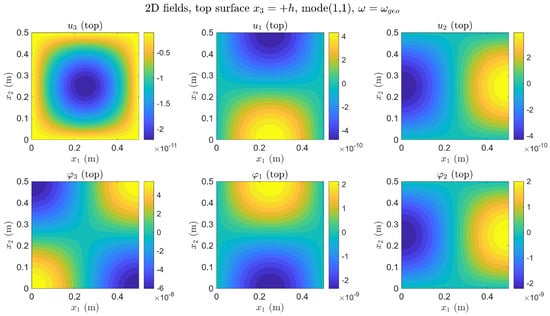
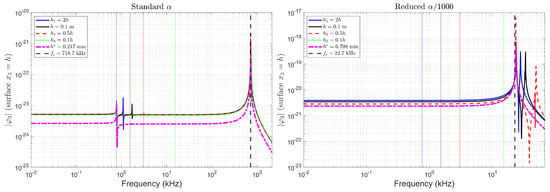
The first approximation ( ) of a three-dimensional micropolar elastic prismatic body in moments of displacement and rotation, obtained via Legendre polynomial expansion, is applied to two related problems: field reconstruction and damage identification. In the first problem, two- and
[...] Read more.
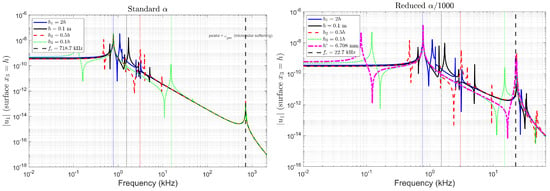
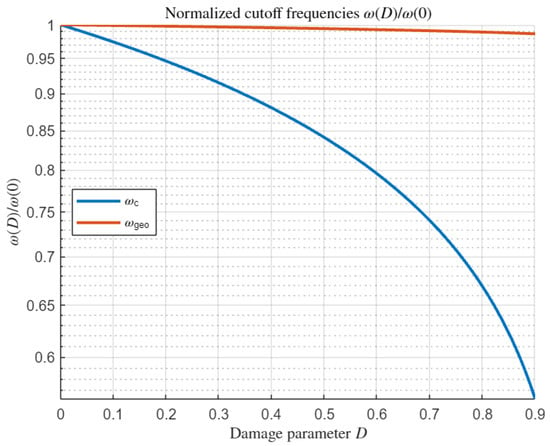
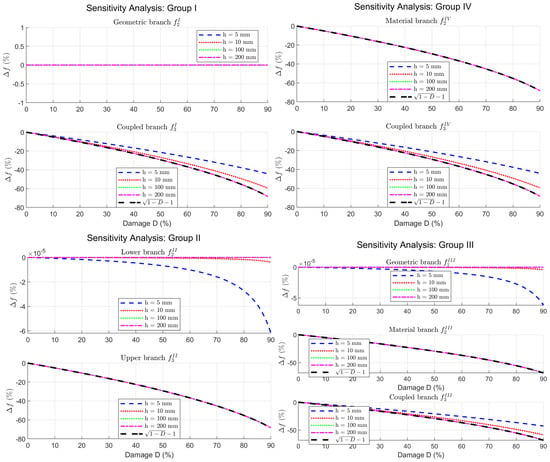
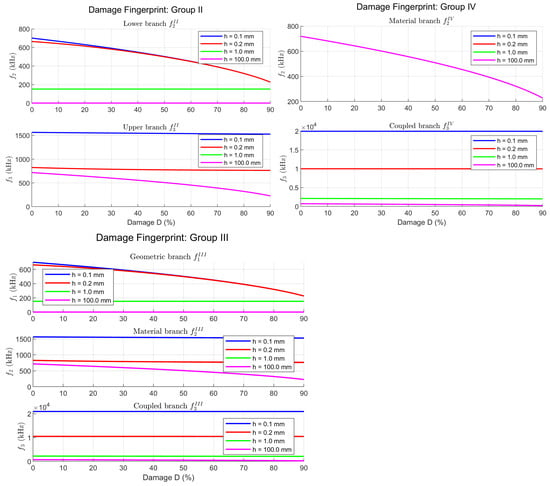
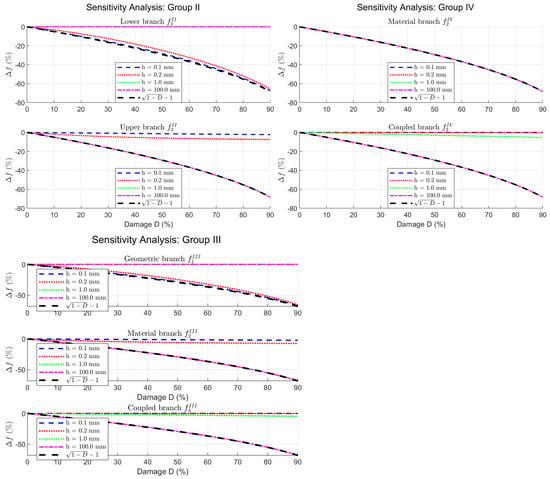
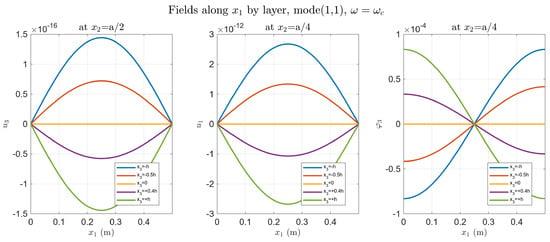
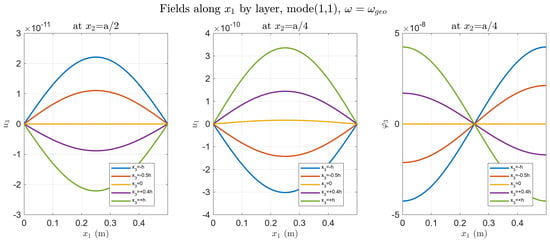
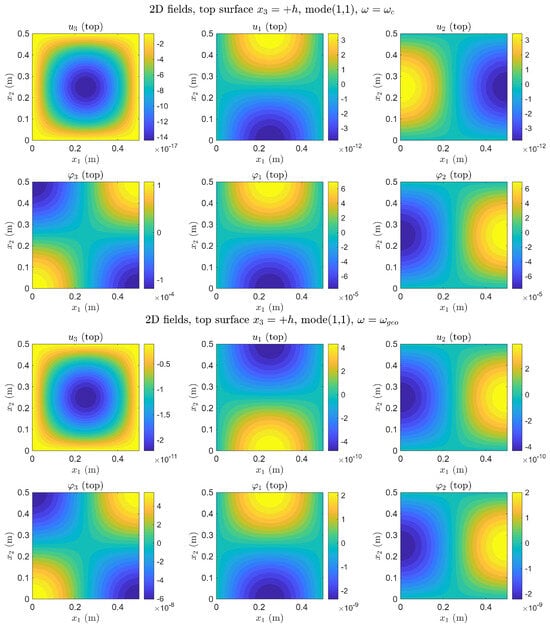
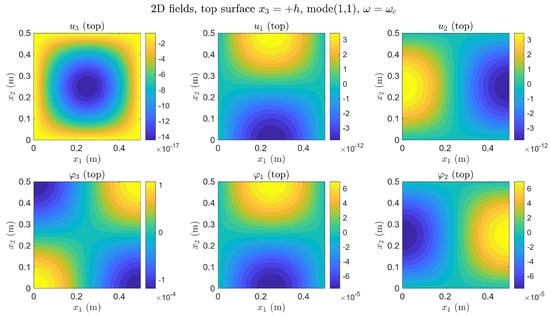
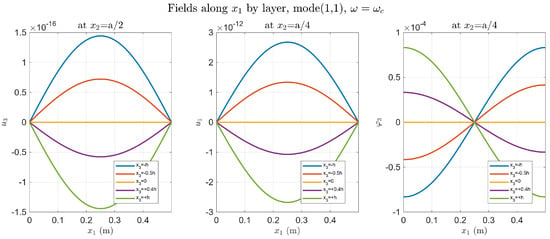
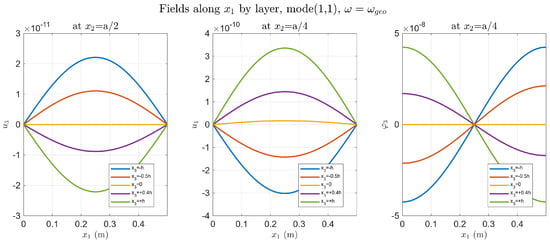
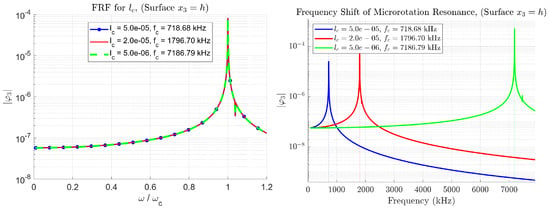
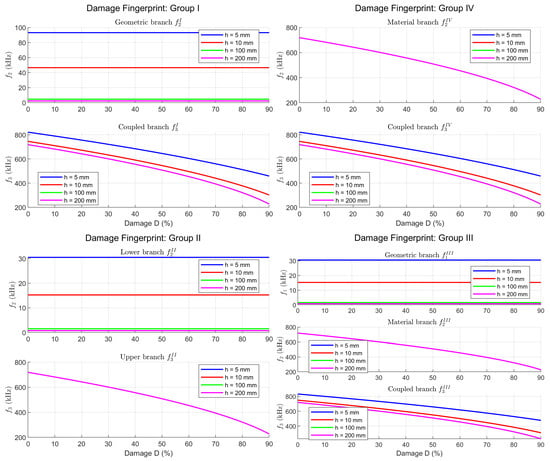
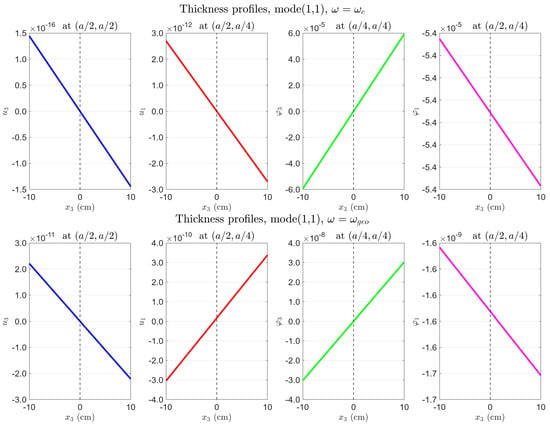
The first approximation ( ) of a three-dimensional micropolar elastic prismatic body in moments of displacement and rotation, obtained via Legendre polynomial expansion, is applied to two related problems: field reconstruction and damage identification. In the first problem, two- and three-dimensional field distributions are reconstructed for a simply supported square prismatic body under three loading configurations, with first-order moment loading as the primary case. Two distinct resonances are identified within the framework. At the material cutoff , micro-rotation amplitudes are amplified while translational amplitudes are suppressed (displacement locking). At the geometric cutoff , the bending mode is resonantly excited while micro-rotation remains near its quasi-static level. In the second problem, a scalar damage model is introduced. The material cutoff follows , confirmed numerically for all four decoupled subsystems and different prismatic body thicknesses. Geometric branches remain insensitive to damage, producing a spectral separation that may serve as a damage indicator. A critical thickness is identified where , leading to role reversal between material and geometric branches. Numerical results are presented for the polyurethane foam of Lakes.
Full article
(This article belongs to the Special Issue Mechanical Design Technologies for Beam, Plate and Shell Structures (4th Edition))
►
Show Figures
Open AccessArticle
Numerical Investigation of Low-Velocity Impact Response of Nomex Honeycomb Sandwich Structures: Effects of Core Density, Face-Sheet Thickness, and Impactor Geometry
by
Tarik Zarrouk, Mohammed Jeyar, Jamal-Eddine Salhi and Mohammed Barboucha
Appl. Mech. 2026, 7(3), 56; https://doi.org/10.3390/applmech7030056 - 6 Jul 2026
Abstract
This study examines the low-speed impact response of Nomex honeycomb-core sandwich structures using an approach combining experimental tests and three-dimensional numerical modeling. A finite element model was developed using Abaqus/Explicit to predict contact force, displacement, damage evolution, and absorbed energy under different impact
[...] Read more.
This study examines the low-speed impact response of Nomex honeycomb-core sandwich structures using an approach combining experimental tests and three-dimensional numerical modeling. A finite element model was developed using Abaqus/Explicit to predict contact force, displacement, damage evolution, and absorbed energy under different impact configurations. The influence of core density, skin thickness, and impactor geometry was analyzed to identify the parameters governing impact resistance and energy dissipation mechanisms. The numerical results show good agreement with experimental measurements, with maximum relative differences between 7.3% and 8.3% for the maximum force and between 1.8% and 4.3% for the absorbed energy. Core density appears to be a determining factor: the D144 configuration reaches a maximum force of approximately 4400 N, compared to 2600 N for the D80 configuration, representing an increase of approximately 69%. However, sensitivity analysis indicates that skin thickness exerts the most dominant overall influence on load-bearing capacity; increasing this thickness from 0.2 mm to 1.2 mm leads to a fivefold increase in maximum force (from 1800 N to over 10,000 N) and a significant rise in absorbed energy (from 20 J to 105 J). The geometry of the impactor strongly controls the damage modes and stress distribution. A 60° conical impactor promotes localized deformation and rapid perforation, while a 70° angle offers a better compromise between local resistance and progressive energy absorption. At 80°, the stresses are distributed over a larger surface area, which delays perforation. The geometry of the impactor strongly controls the spatial distribution of damage modes. A sharper 60° conical impactor induces highly localized core crushing and rapid skin perforation, while a 70° angle offers a better compromise between local resistance and progressive energy absorption. At 80°, the stresses are distributed over a wider area, promoting diffuse damage and delaying perforation. These results show that the combined optimization of core density, skin thickness, and the impactor–structure interaction is an effective way to improve the impact tolerance of lightweight sandwich structures intended for aerospace, automotive, and marine applications.
Full article
Open AccessArticle
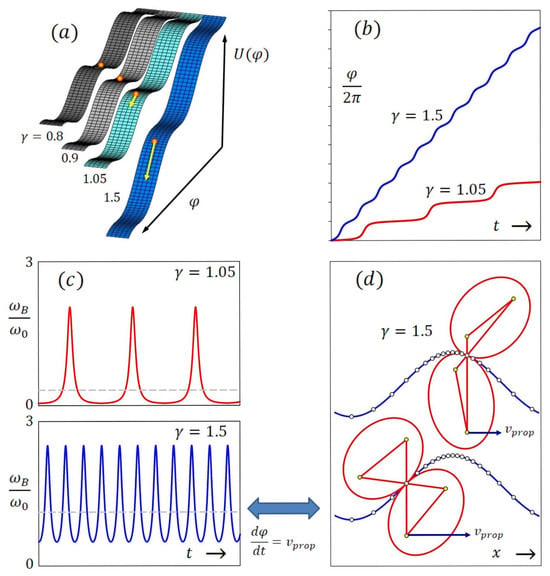
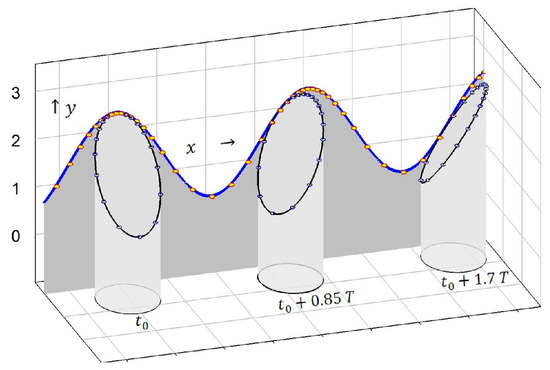
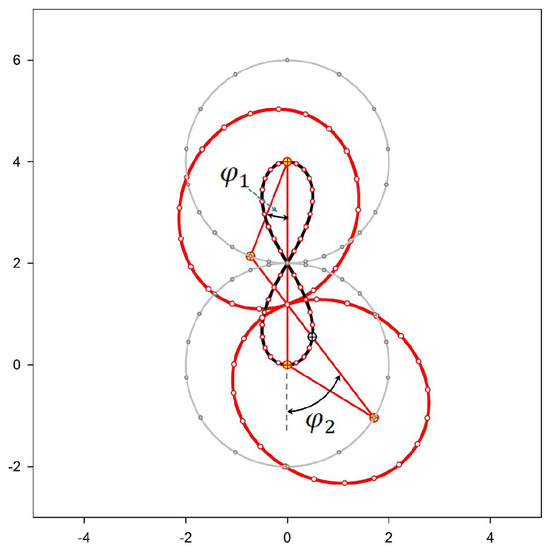
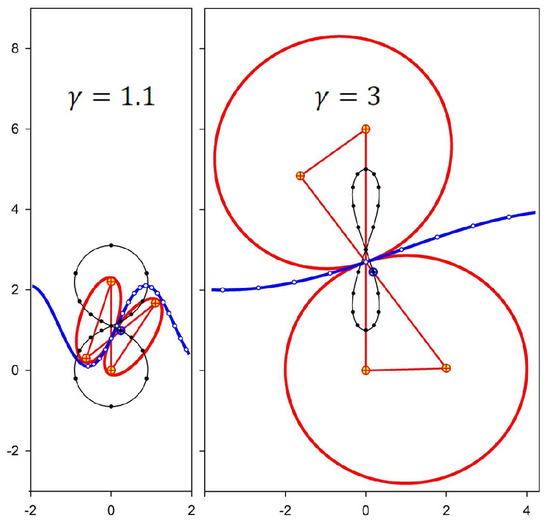
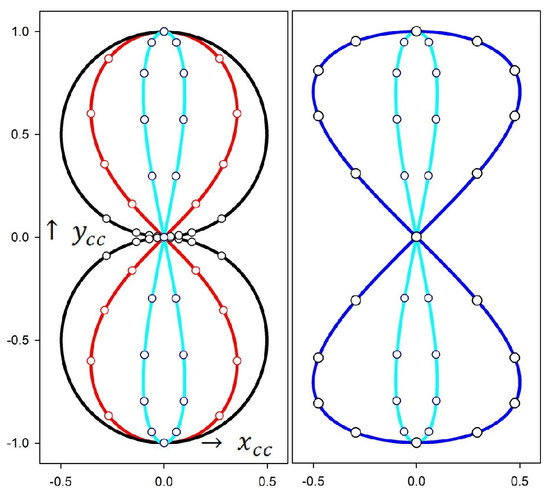
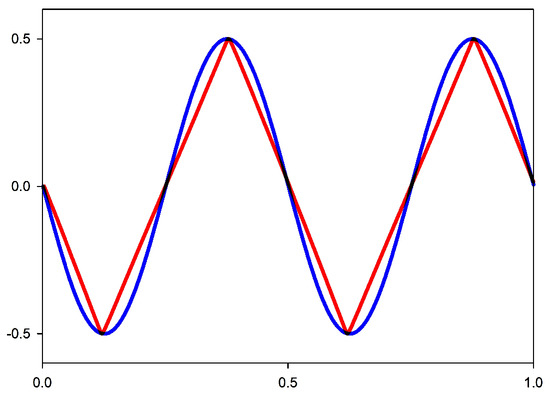
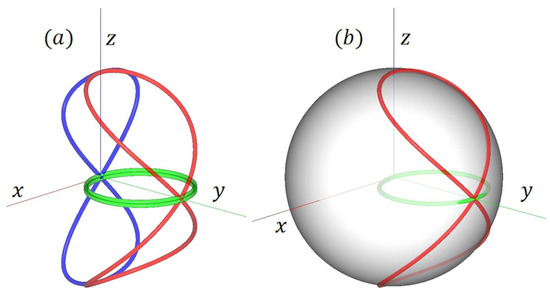
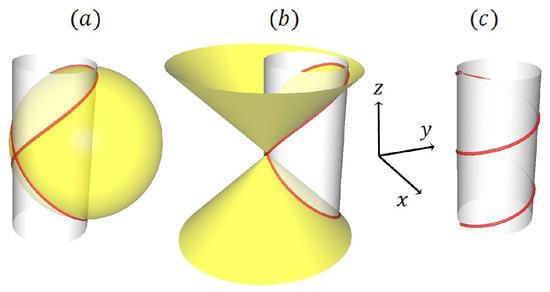
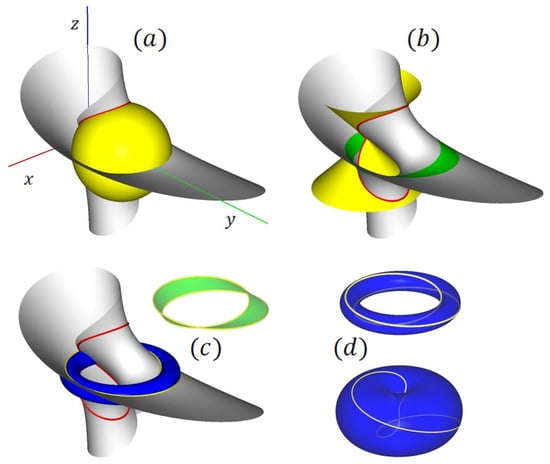
From the Phase Dynamics of Synchronization and Elliptical Gears to a Semiclassical Model of Zitterbewegung with Spin-like Properties
by
Manfred Euler
Appl. Mech. 2026, 7(3), 55; https://doi.org/10.3390/applmech7030055 - 28 Jun 2026
Abstract
►▼
Show Figures
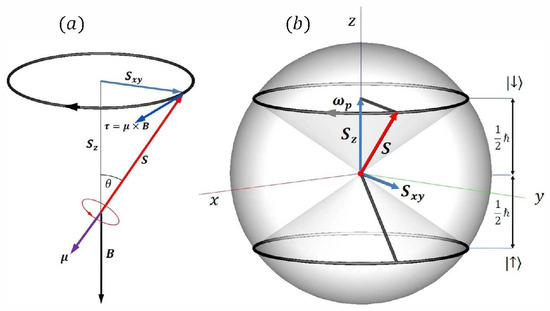
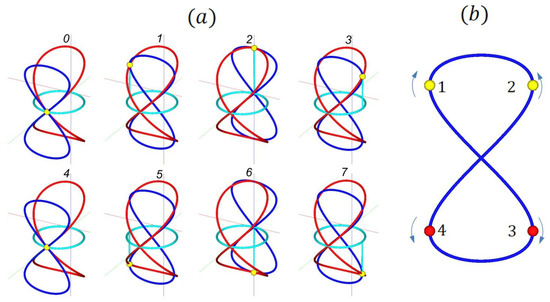
The spin of an electron is an intrinsic quantum property that cannot be explained using classical mechanics. Nevertheless, it is possible to conceive semiclassical systems with internal degrees of freedom that exhibit spin-like properties. Building on the analysis of phase modulation by elliptical
[...] Read more.
The spin of an electron is an intrinsic quantum property that cannot be explained using classical mechanics. Nevertheless, it is possible to conceive semiclassical systems with internal degrees of freedom that exhibit spin-like properties. Building on the analysis of phase modulation by elliptical gears and kinematically equivalent antiparallelogram linkages, we present a novel semiclassical model of Zitterbewegung, a rapid oscillatory motion closely connected with spin. The kinematical analog is based on including the internal rotation of the linkage represented in spacetime. The system’s dynamics is related to two-center electron models, which describe the constant momentum of the center of mass and the lightlike oscillation of the center of charge at twice the Compton frequency for a particle at rest. A two-dimensional extension provides an intuitive illustration of topological spin properties and can be used to calculate the spin and magnetic moment of an electron.
Full article

Figure 1
Open AccessArticle
Axisymmetric Adaptive ES-FEM-SPH Coupling Algorithm for Simulating Impact Problems
by
Yide Bu and Ting Long
Appl. Mech. 2026, 7(3), 54; https://doi.org/10.3390/applmech7030054 - 25 Jun 2026
Abstract
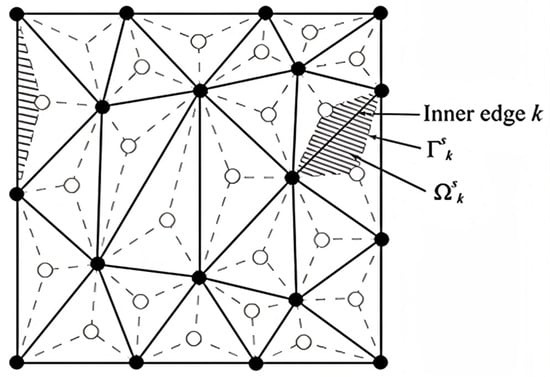
Impact dynamics problems are ubiquitous in various engineering applications, often involving nonlinear phenomena such as material fracture, damage, and fragmentation. It poses significant challenges to numerical simulation methods. To deal with these challenges, this paper develops an adaptive axisymmetric coupling method that combines
[...] Read more.
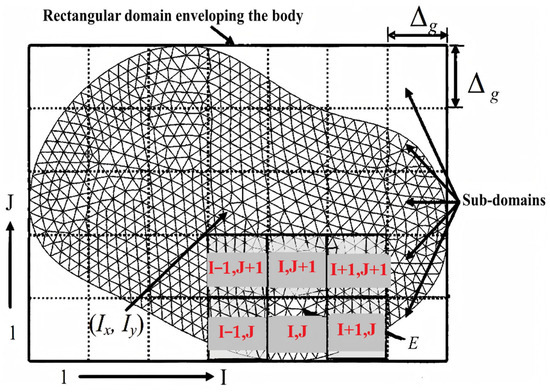
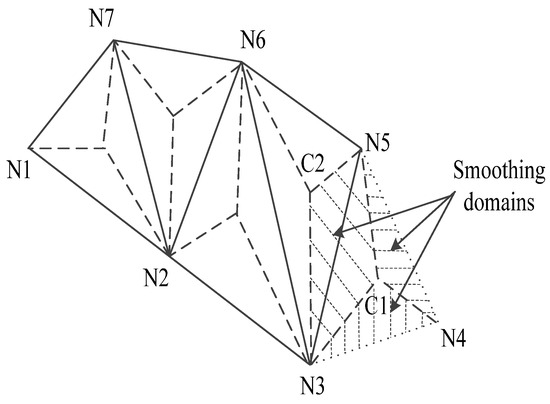
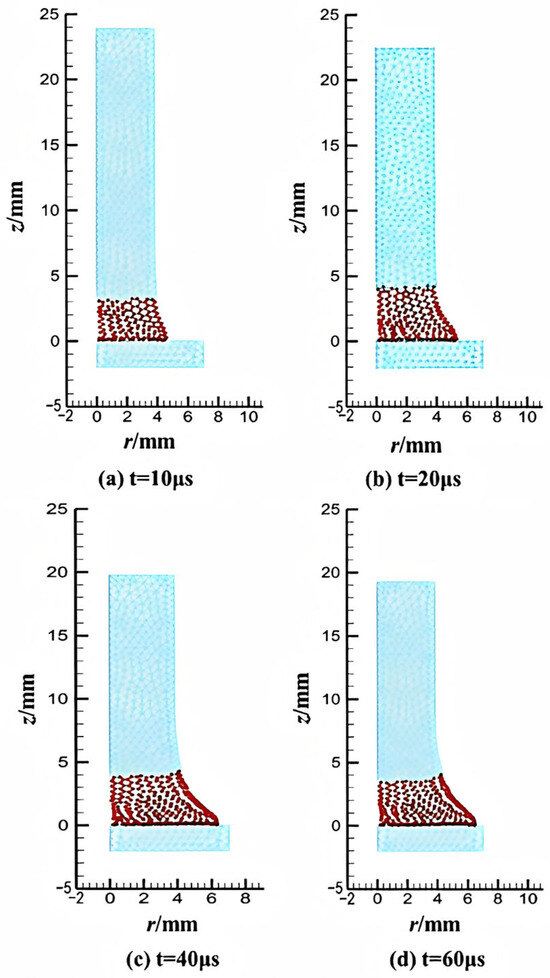
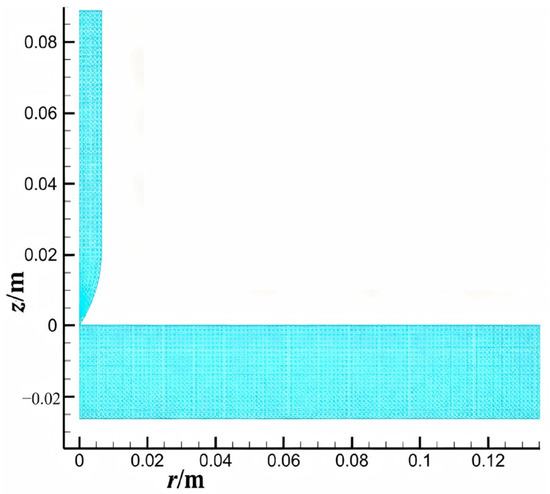
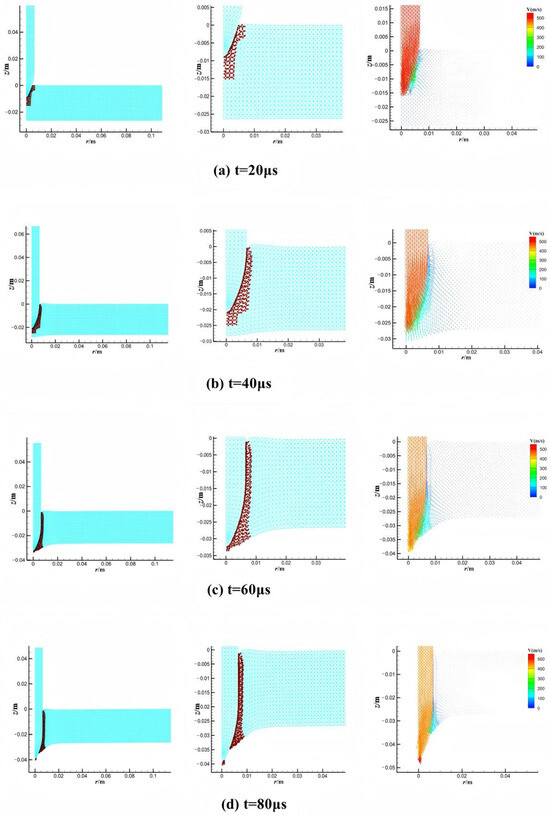
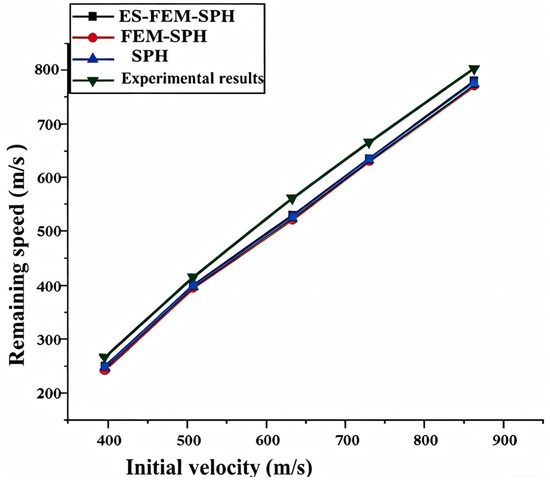
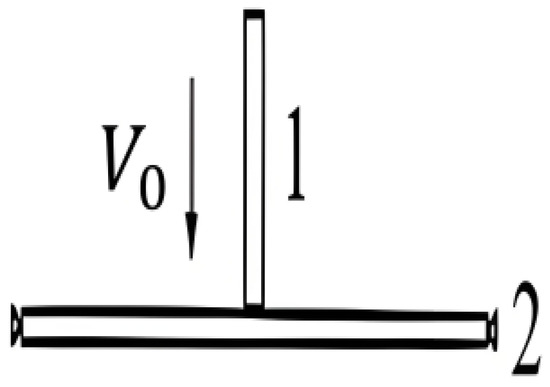
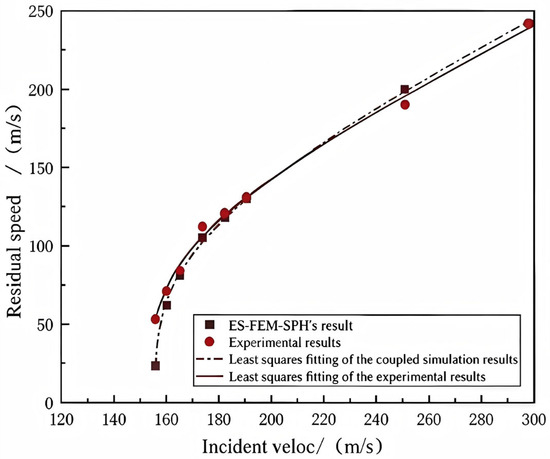
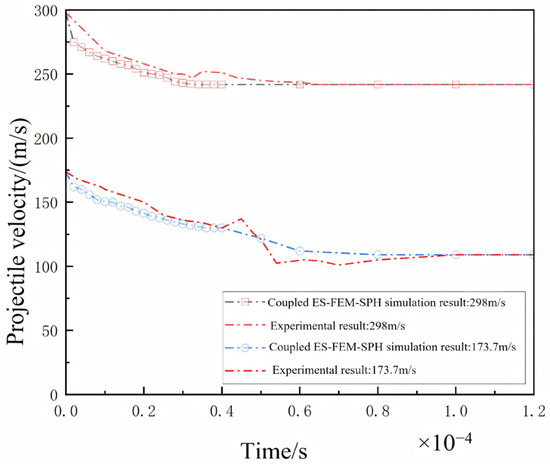
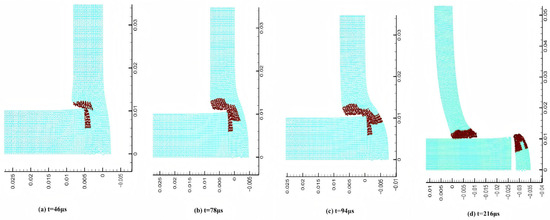
Impact dynamics problems are ubiquitous in various engineering applications, often involving nonlinear phenomena such as material fracture, damage, and fragmentation. It poses significant challenges to numerical simulation methods. To deal with these challenges, this paper develops an adaptive axisymmetric coupling method that combines the edge-based smoothed finite element method (ES-FEM) with smoothed particle hydrodynamics (SPH), referred to as the ES-FEM-SPH method. Initially, the entire computation employs ES-FEM, which effectively alleviates the excessive stiffness inherent in conventional FEM while maintaining high accuracy, particularly when using linear triangular elements. During the simulation, if any element undergoes severe distortion, the algorithm converts it into an SPH particle and continues the computation with SPH automatically. Thus, it can effectively address issues such as large deformation. To validate the efficacy and reliability of the proposed method, this study performs numerical simulations on several representative cases, including Taylor bar impact, projectile penetration into aluminum plates, and flat-nosed projectile impact on metal target plates. The results demonstrate that the adaptive axisymmetric ES-FEM-SPH coupling method exhibits good performance in both computational accuracy and efficiency, making it well suited for numerical simulations of impact-related problems and holding substantial promise for engineering applications.
Full article
(This article belongs to the Special Issue Cutting-Edge Developments in Computational and Experimental Mechanics)
►▼
Show Figures

Figure 1
Open AccessArticle
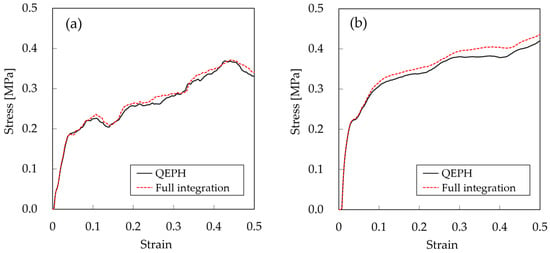
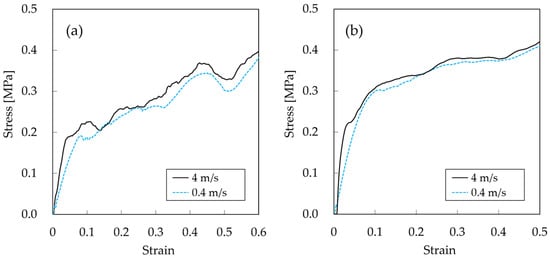
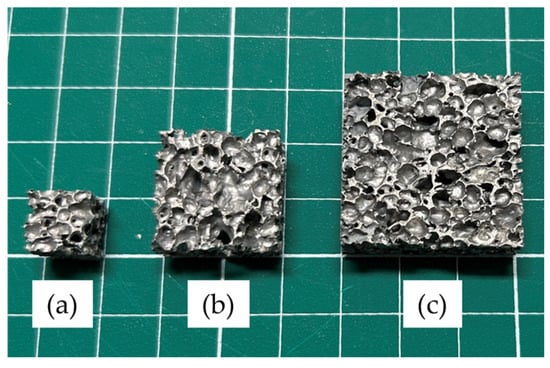
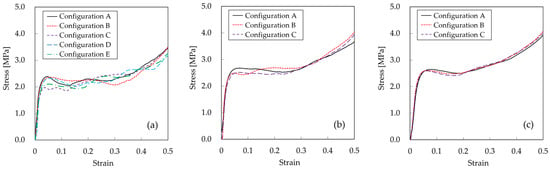
Effect of Cell Number and Arrangement on the Compressive Behavior of Cellular Structures
by
Kohei Tateyama, Kentaro Ishioka and Hiroyuki Fujiki
Appl. Mech. 2026, 7(2), 53; https://doi.org/10.3390/applmech7020053 - 21 Jun 2026
Abstract
►▼
Show Figures
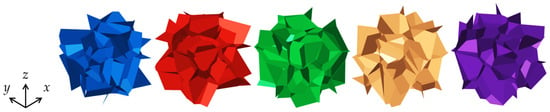
The mechanical response of cellular structures is governed not only by relative density and average cell geometry but also by the spatial arrangement of cells. However, the manner in which arrangement-dependent effects evolve with increasing cell number has not been systematically clarified. In
[...] Read more.
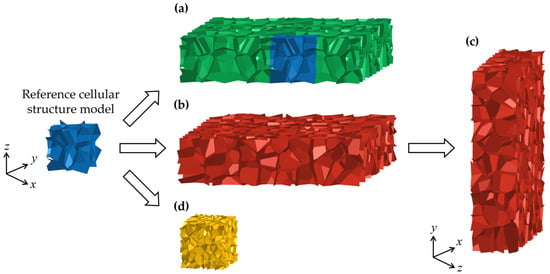
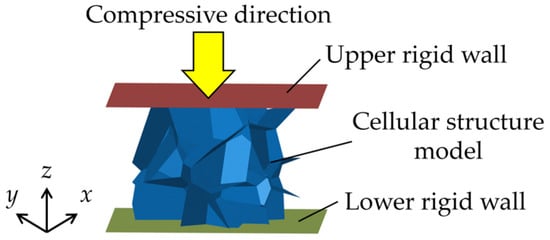
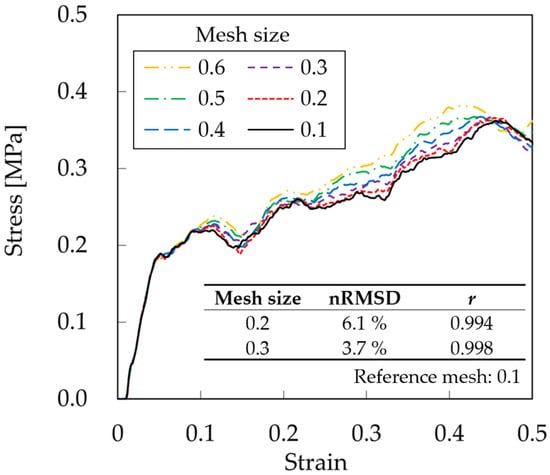
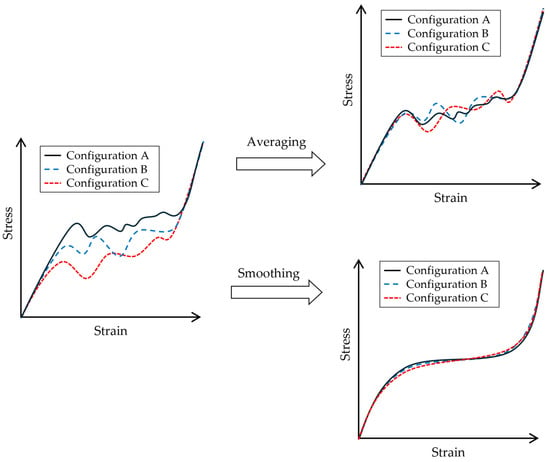
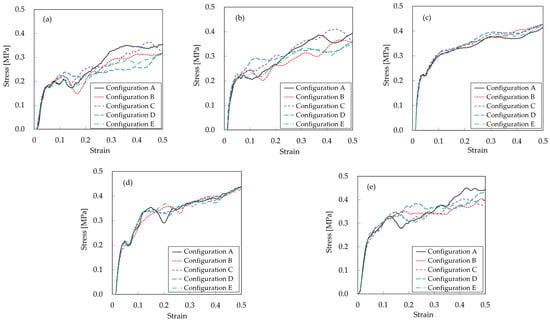
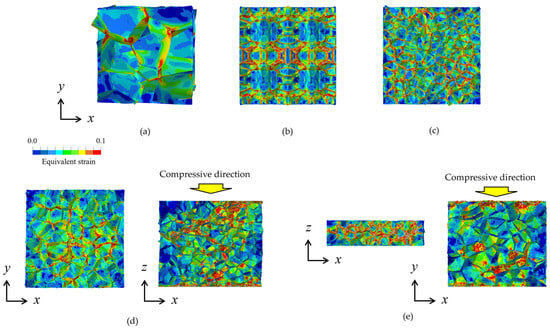
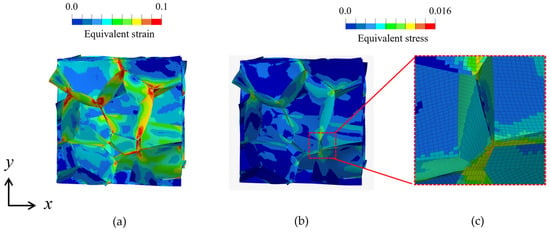
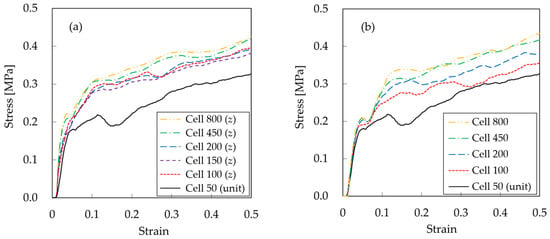
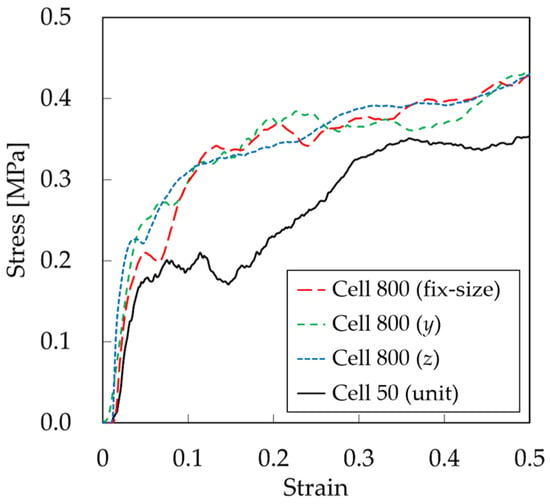
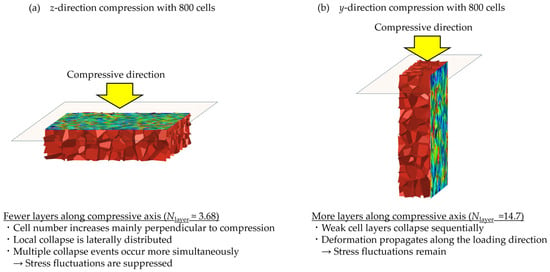
The mechanical response of cellular structures is governed not only by relative density and average cell geometry but also by the spatial arrangement of cells. However, the manner in which arrangement-dependent effects evolve with increasing cell number has not been systematically clarified. In this study, the compressive behavior of closed-cell structures with varying cell numbers was investigated using finite element analysis under dynamically equilibrated compression conditions while maintaining constant relative density and identical material parameters. Cellular models were generated using hierarchical Poisson disk sampling combined with Voronoi tessellation. The number of cells was increased through three distinct approaches: mirror replication of a reference structure, enlargement of the overall specimen size, and refinement of cell size under fixed external dimensions. To characterize arrangement-dependent effects, two distinct features of the compressive response were introduced: averaging, defined as a reduction in variability across responses from different initial cell arrangements, and smoothing, defined as the suppression of abrupt stress fluctuations within an individual response. Quantitative metrics were employed to evaluate both effects. Averaging was observed in plate-type models compressed in the z-direction and in fixed-size models, whereas mirror-connected models retained strong arrangement dependence despite large cell numbers. Smoothing occurred predominantly in plate-type models compressed in the z-direction and was strongly correlated with the number of cell layers aligned along the compression direction rather than with total cell number alone. The simulations were conducted in a dynamically equilibrated regime in which internal stress equilibrium was achieved during deformation. These results demonstrate that compressive behavior is governed not only by cell number but also by structural arrangement and directional cell-layer alignment, providing mechanistic insight into the transition from arrangement-dependent variability to stable macroscopic response under dynamic compression.
Full article

Figure 1
Open AccessArticle
A Simplified Mechanical Model for Rocking Structures on Compliant Foundations
by
Baojun Yuan, Mirjam Kloos and Hamid Sadegh-Azar
Appl. Mech. 2026, 7(2), 52; https://doi.org/10.3390/applmech7020052 - 17 Jun 2026
Abstract
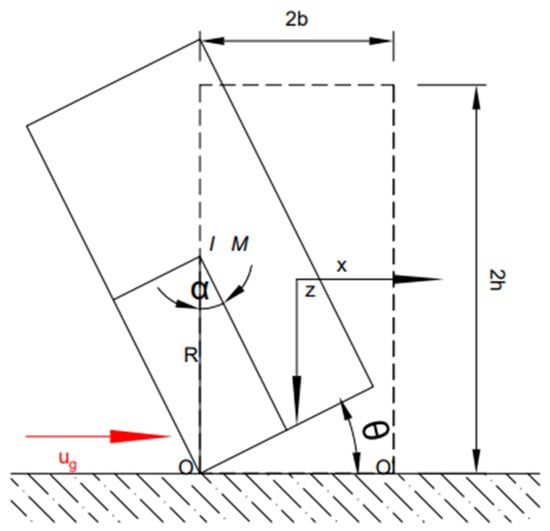
Housner’s classical rocking model assumes a rigid base, which often leads to inaccurate seismic assessments under real–world soil conditions. This study quantitatively establishes the applicability limits of the rigid–base assumption and defines a reference range for its validity. To address these limitations, a
[...] Read more.
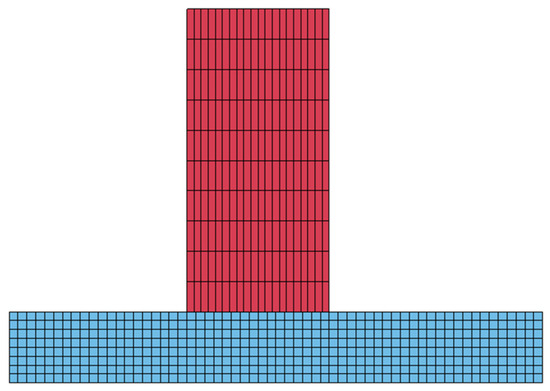
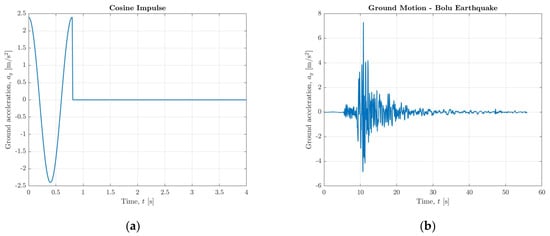
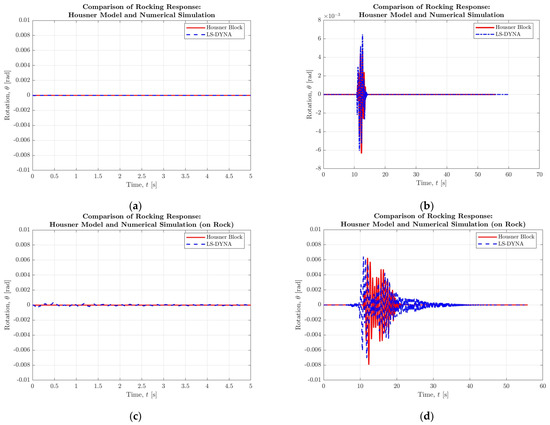
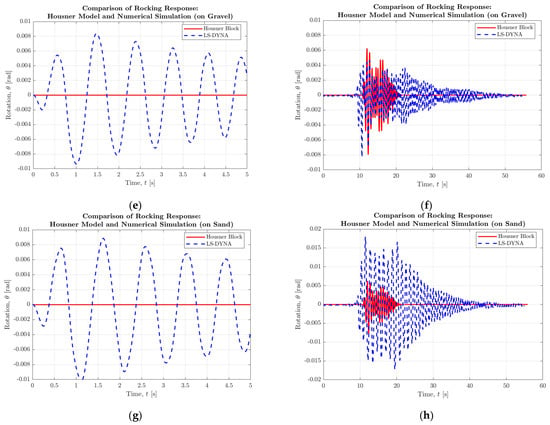
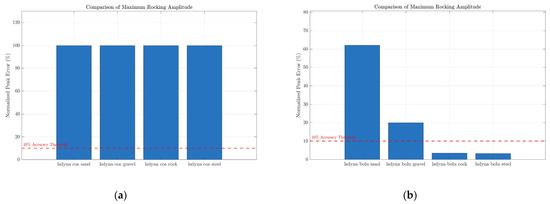
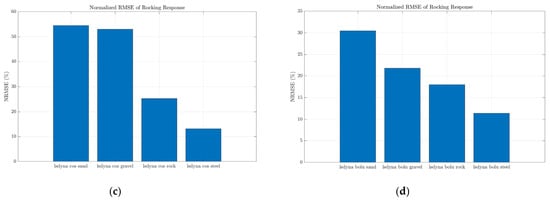
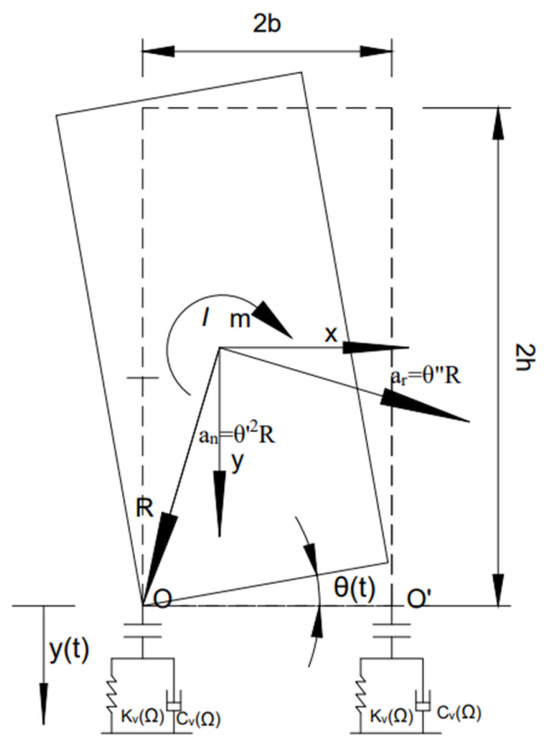
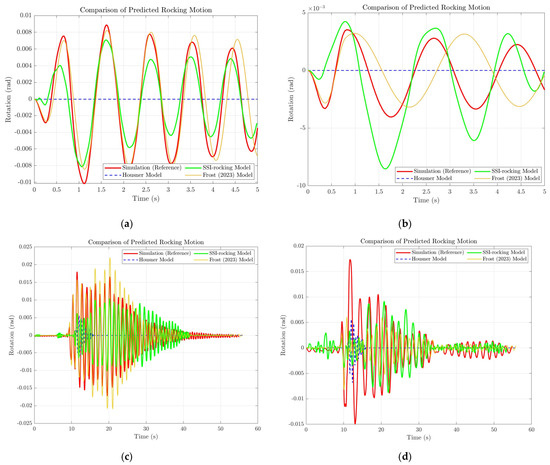
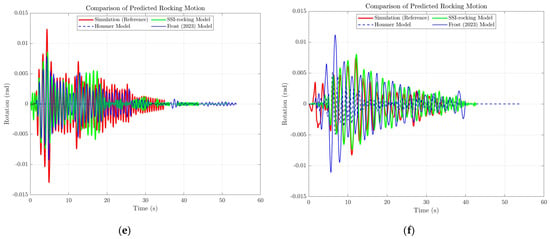
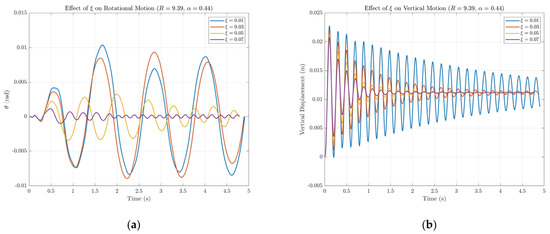
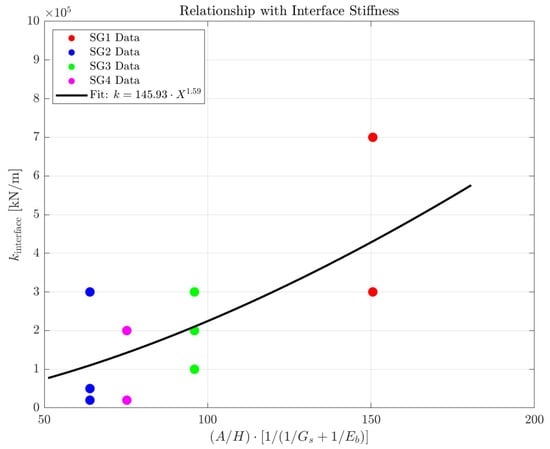
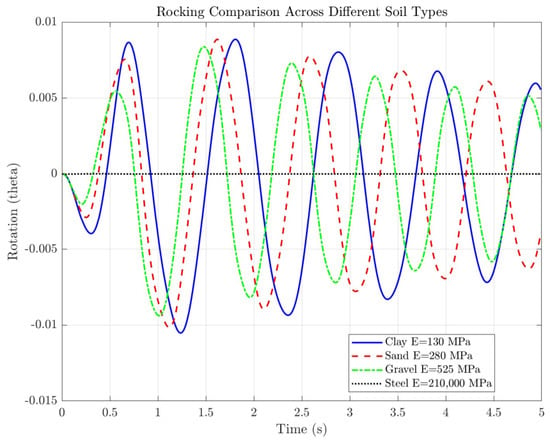
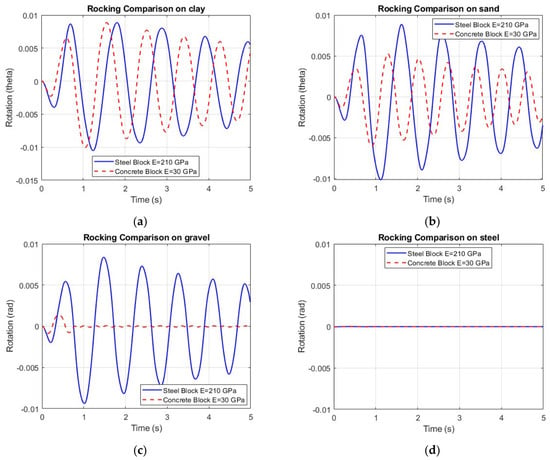
Housner’s classical rocking model assumes a rigid base, which often leads to inaccurate seismic assessments under real–world soil conditions. This study quantitatively establishes the applicability limits of the rigid–base assumption and defines a reference range for its validity. To address these limitations, a novel soil–structure interaction (SSI) rocking model was developed using Lagrange’s formulation, incorporating an event–driven spring–dashpot mechanism to characterize contact forces. Validation against LS–DYNA simulations and existing compliant base models confirms high predictive accuracy across diverse geometries and ground motions. Crucially, an empirical formulation for the interface stiffness of rocking structures was derived to ensure the alignment of the proposed analytical model with numerical observations, thereby enhancing its practical utility in industrial design. Our findings reveal that rocking behavior depends not only on soil stiffness but also on the inherent stiffness of the structure. Specifically, soft soils significantly alter rocking initiation thresholds and amplify peak angles. The proposed SSI–rocking model provides a computationally efficient and FE–compatible tool for optimizing the seismic stability of unanchored structures on flexible foundations.
Full article
(This article belongs to the Topic Advances on Structural Engineering, 3rd Edition)
►▼
Show Figures

Figure 1
Open AccessArticle
Optimizing Process Parameters for Plasma Nitriding of Super Duplex Stainless Steel in a Custom PIII System
by
Bruna Corina Emanuely Schibicheski Kurelo, Gelson Biscaia de Souza, Francisco Carlos Serbena and Gabriel Ossovisck
Appl. Mech. 2026, 7(2), 51; https://doi.org/10.3390/applmech7020051 - 9 Jun 2026
Abstract
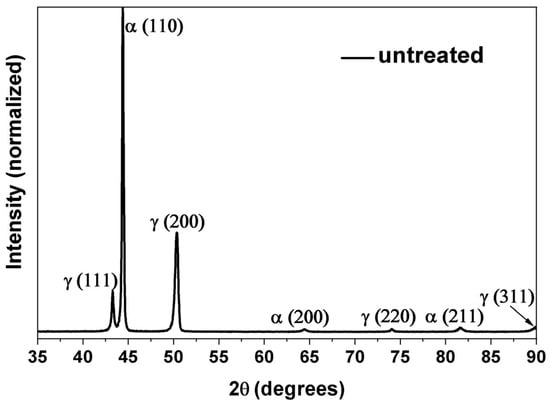
This study aimed to optimize the nitriding parameters for Plasma Immersion Ion Implantation (PIII) of stainless steels. UNS S32750 super duplex stainless steel, widely employed in the petrochemical industry, was subjected to PIII under varying nitriding atmospheres (mixtures of H2 and N
[...] Read more.
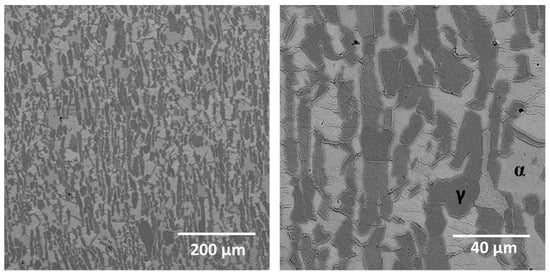
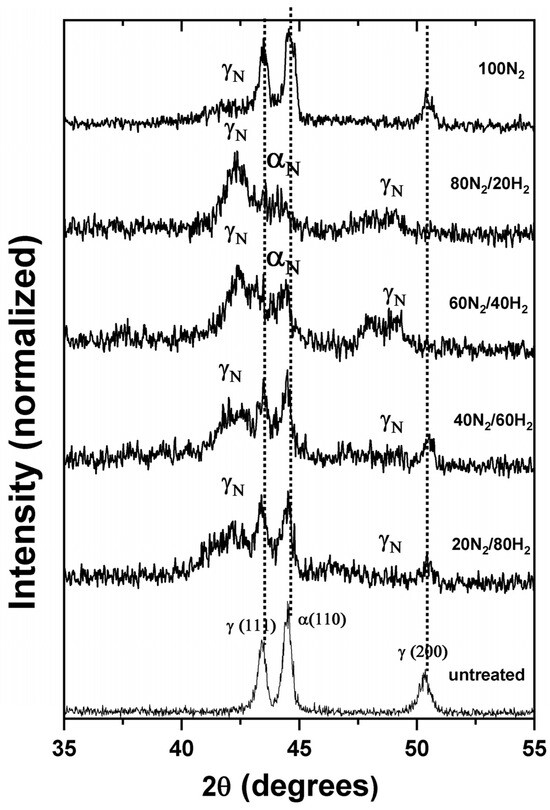
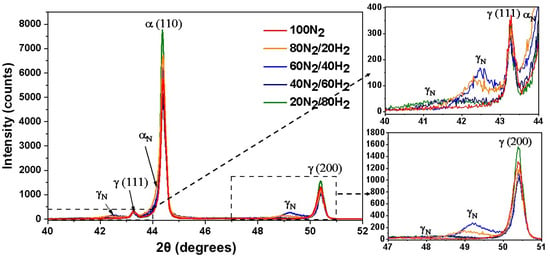
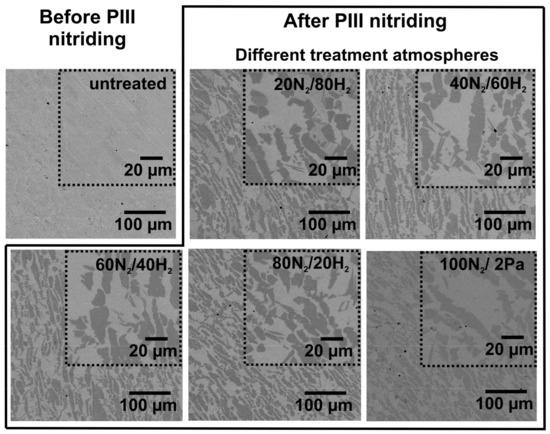
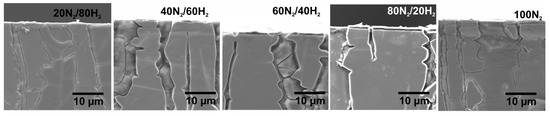
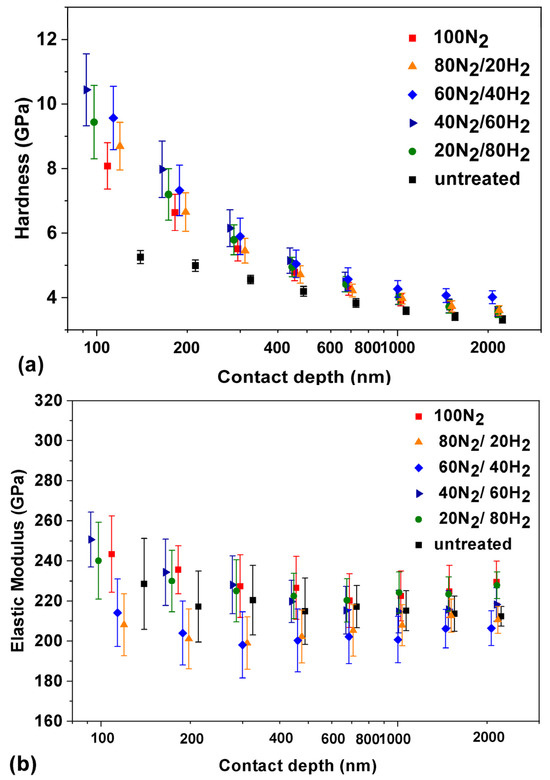
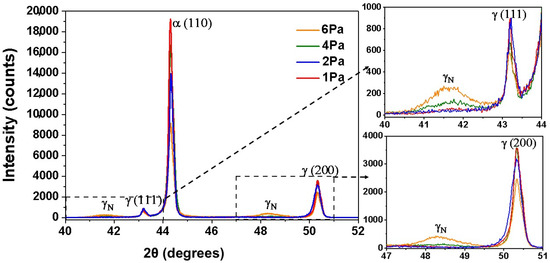
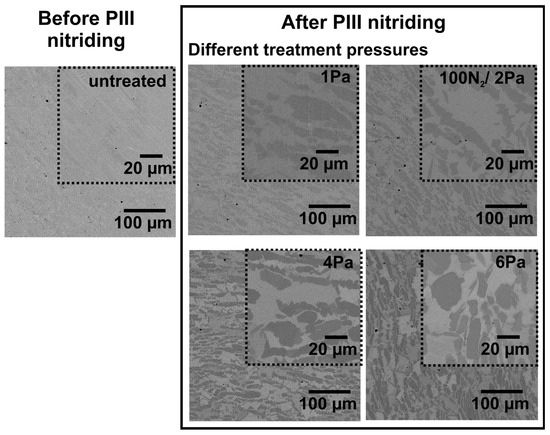
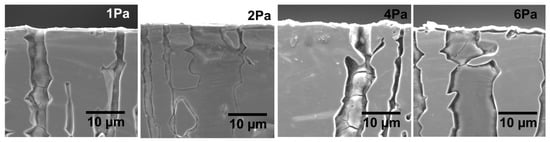
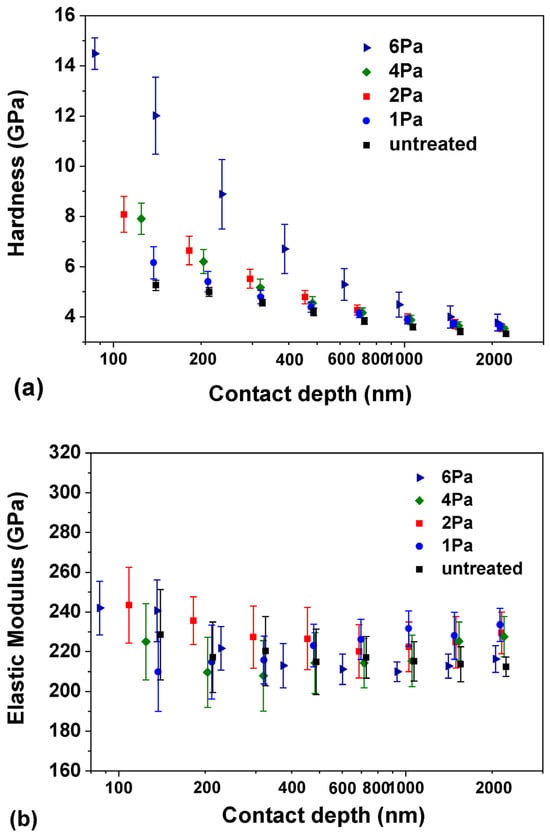
This study aimed to optimize the nitriding parameters for Plasma Immersion Ion Implantation (PIII) of stainless steels. UNS S32750 super duplex stainless steel, widely employed in the petrochemical industry, was subjected to PIII under varying nitriding atmospheres (mixtures of H2 and N2) and treatment pressures. The fixed PIII nitriding parameters included a temperature of 300 °C, a duration of 3 h, a bias voltage of approximately −10 kV, a frequency of 500 Hz, and a pulse width of 30 μs. Following the treatments, the phases were characterized by X-ray diffraction (XRD), while the hardness and elastic modulus of the modified surfaces were evaluated via nanoindentation. Regarding the nitriding atmosphere, gas mixtures approaching a 60% N2/40% H2 (vol.) ratio yielded a higher volume fraction of nitrogen-rich expanded phases in solid solution. Furthermore, higher treatment pressures promoted the formation of these expanded phases, consequently enhancing the surface hardness up to 2.7 times the hardness value of the untreated sample. These findings stand in contrast to those found for low-energy plasma nitriding (PN) processes.
Full article
(This article belongs to the Special Issue Service Behaviour and Applied Mechanics of Mechanical Equipment Surfaces and Interfaces)
►▼
Show Figures

Figure 1

Open AccessArticle
Robust Active Disturbance Rejection Fractional-Order Control for Regenerative Chatter Suppression in Milling
by
Sami Soufi, Amina Mseddi, Riadh Chaari, Mohamed Haddar and Imed Bouzida
Appl. Mech. 2026, 7(2), 50; https://doi.org/10.3390/applmech7020050 - 8 Jun 2026
Abstract
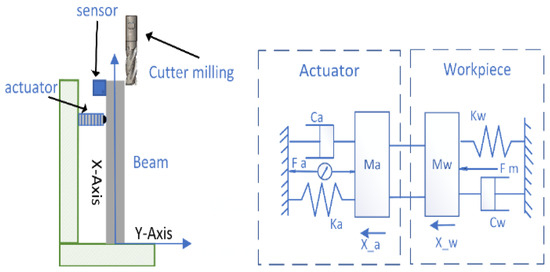
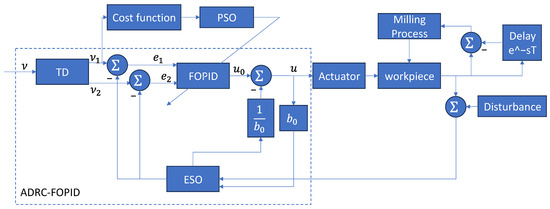
End milling productivity is reduced by regenerative chatter. In this paper, a hybrid Fractional-Order PID with Active Disturbance Rejection Control (ADRC-FOPID) is proposed to suppress chatter in half-immersion milling. A Timoshenko cantilever flexible workpiece is modeled together with a delay-dependent regenerative cutting-force model.
[...] Read more.
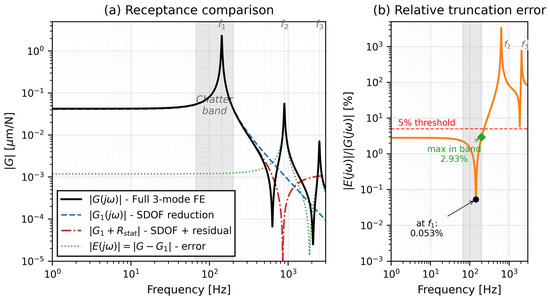
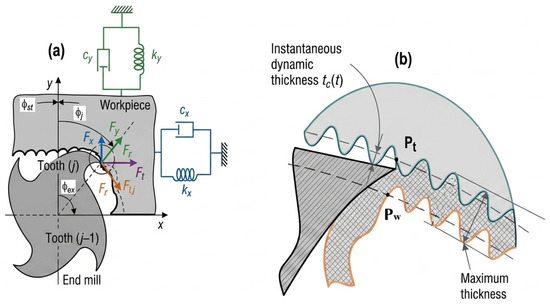
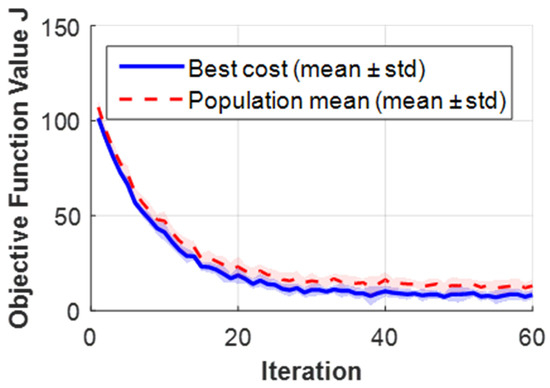
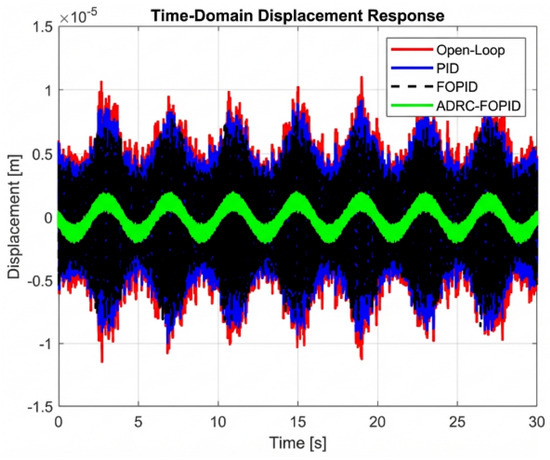
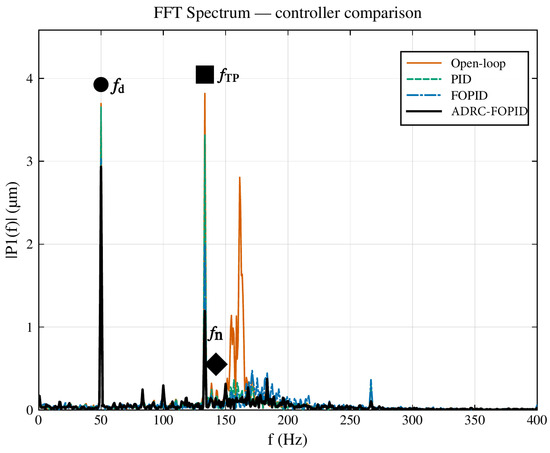
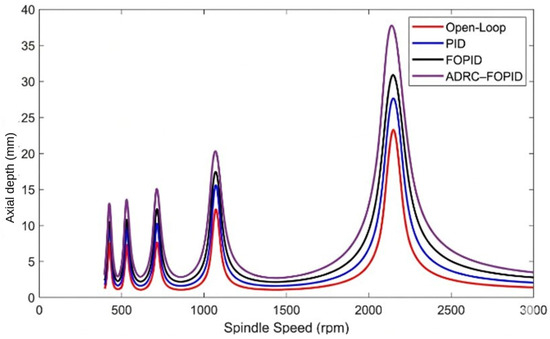
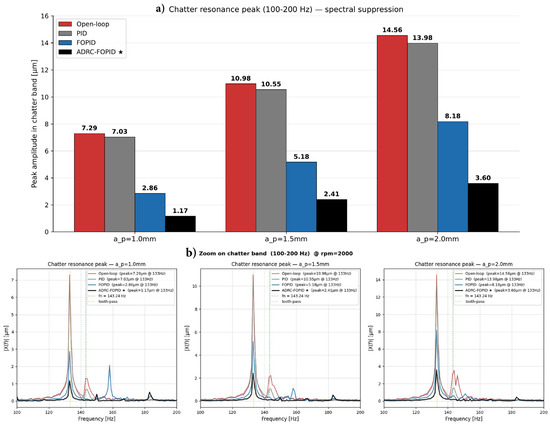
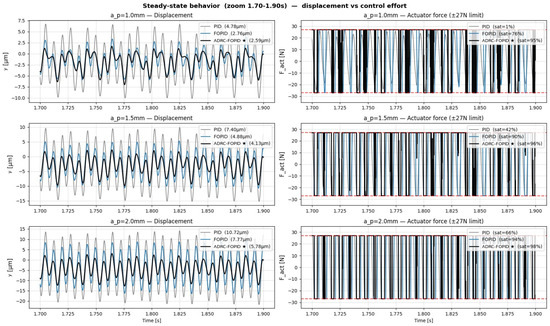
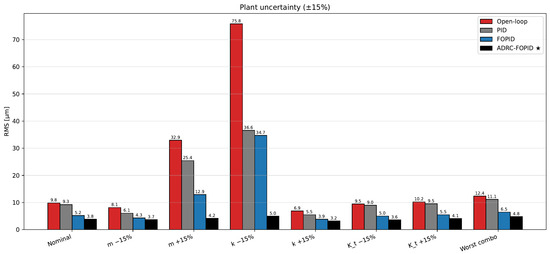
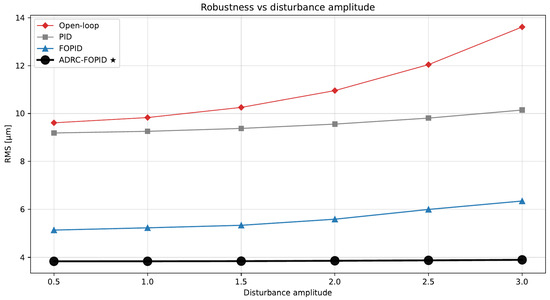
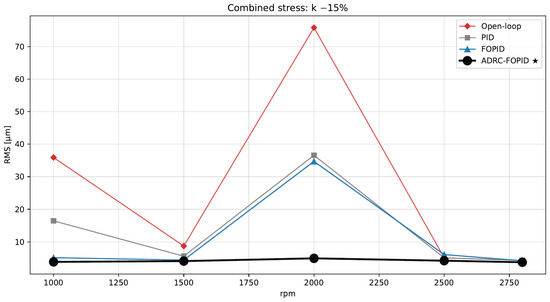
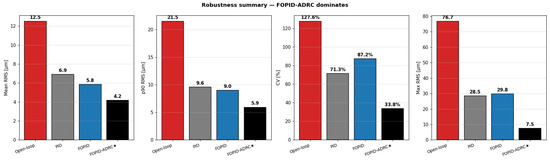
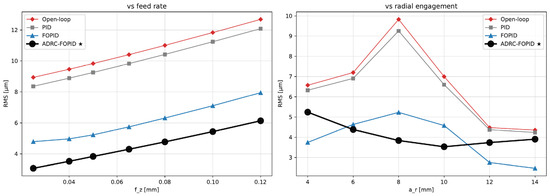
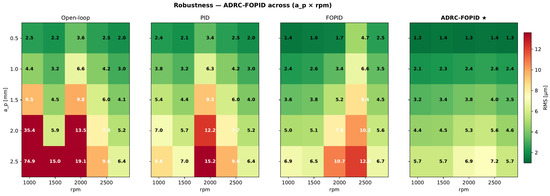
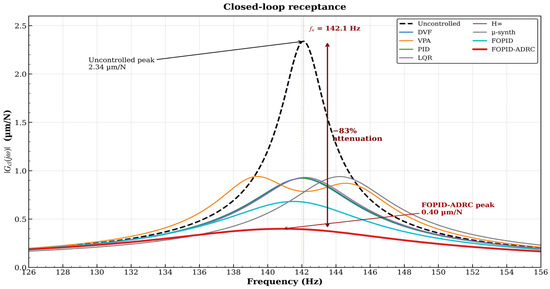
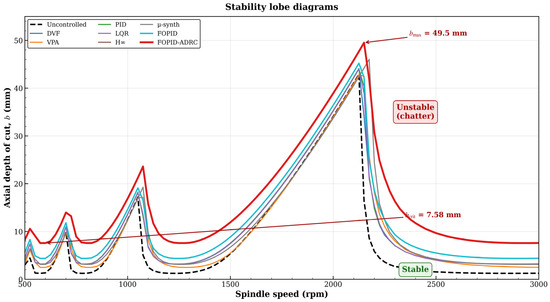
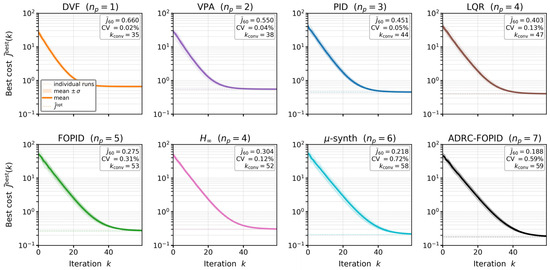
End milling productivity is reduced by regenerative chatter. In this paper, a hybrid Fractional-Order PID with Active Disturbance Rejection Control (ADRC-FOPID) is proposed to suppress chatter in half-immersion milling. A Timoshenko cantilever flexible workpiece is modeled together with a delay-dependent regenerative cutting-force model. The lumped disturbance is canceled on-line by an Extended State Observer, and the five FOPID gains are tuned off-line using Particle Swarm Optimization with a ±27 N actuator-saturation constraint. The RMS tip displacement is reduced by 68.5% by the ADRC-FOPID controller. Moreover, it increases the minimum and maximum stable depth of cut from 1.00 mm to 2.67 mm and from 23.17 mm to 37.67 mm, respectively. A robustness analysis over plant uncertainties and the operating window, with 38 points, results in a low mean RMS of 4.2 µm. Compared with classical controllers and robust controllers such as PID, LQR, H∞, and μ-synthesis, ADRC-FOPID achieves the highest critical limiting depth (7.58 mm) and peak stable depth (49.52 mm) on the same benchmark. Thus, the proposed strategy is an effective, robust candidate strategy for chatter suppression in milling.
Full article
(This article belongs to the Special Issue 2026 Early Career Scientists' Contributions to Applied Mechanics (ECS 2026))
►▼
Show Figures

Figure 1
Open AccessArticle
External RC Knee Joints Reinforced with a Rebar Truss System Under Closing Moments
by
Ahmed Yaseen Al-Tuhami, Ahmed Ghallab and Soliman Ali El-din
Appl. Mech. 2026, 7(2), 49; https://doi.org/10.3390/applmech7020049 - 7 Jun 2026
Abstract
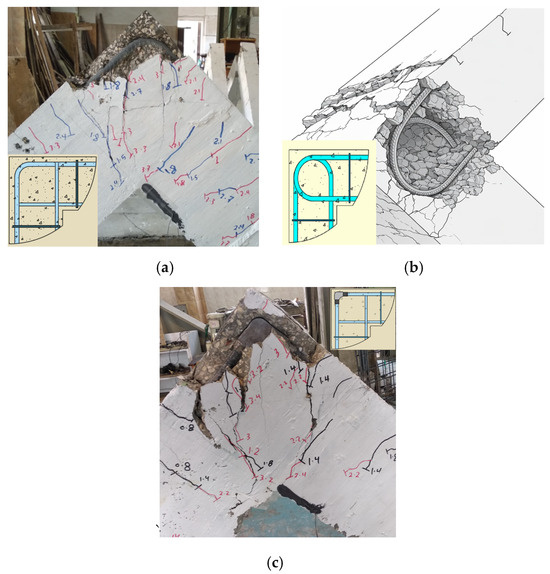
Achieving adequate load capacity and ensuring ductile behavior are crucial for reinforced-concrete knee joints to prevent a complete structural collapse if an adjacent member fails. The reinforcement detailing plays a critical role in achieving these factors. In this study, the performance of a
[...] Read more.
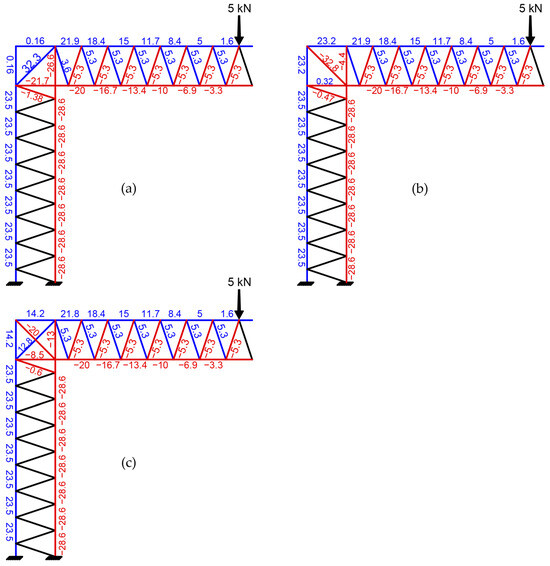
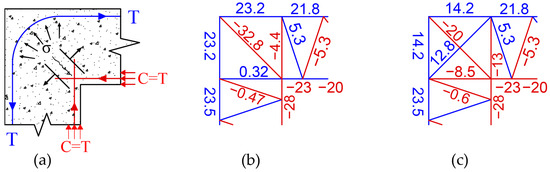
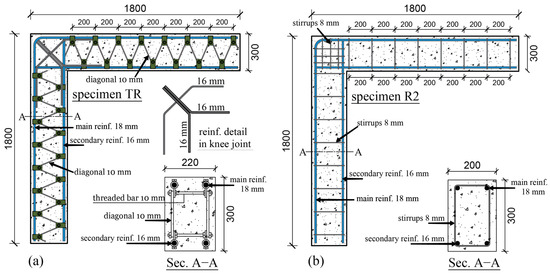
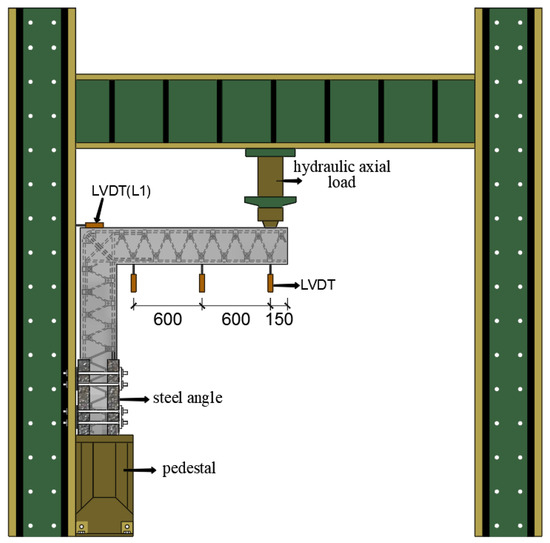
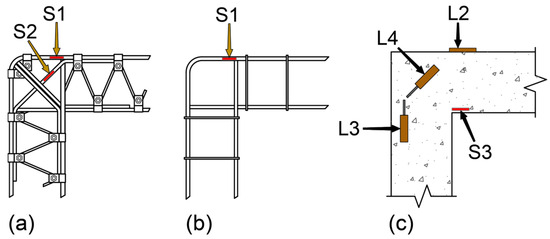
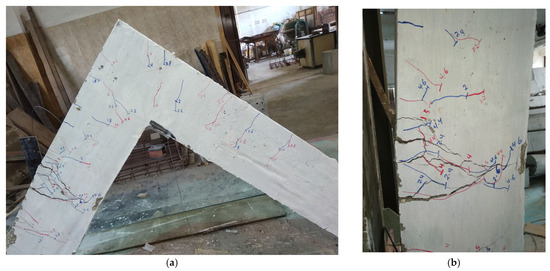
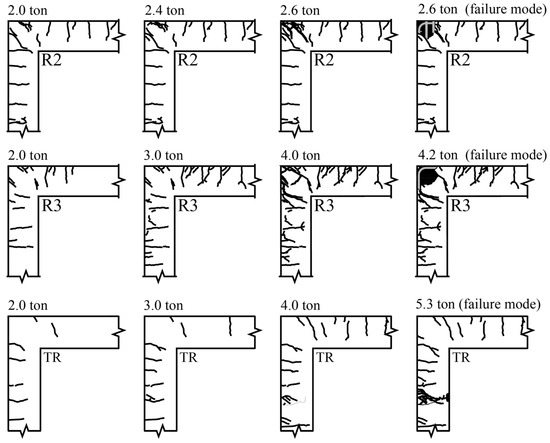
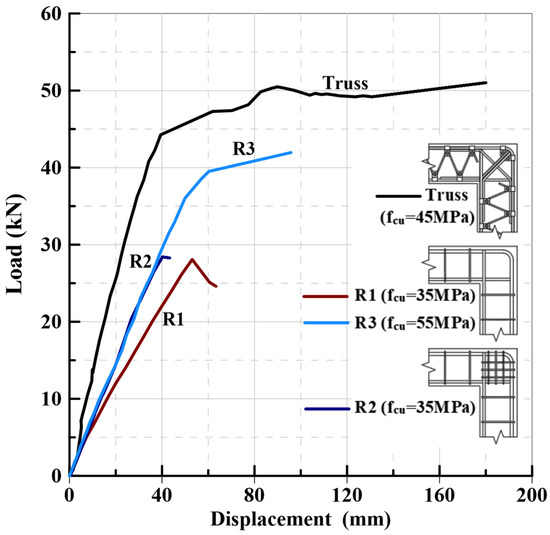
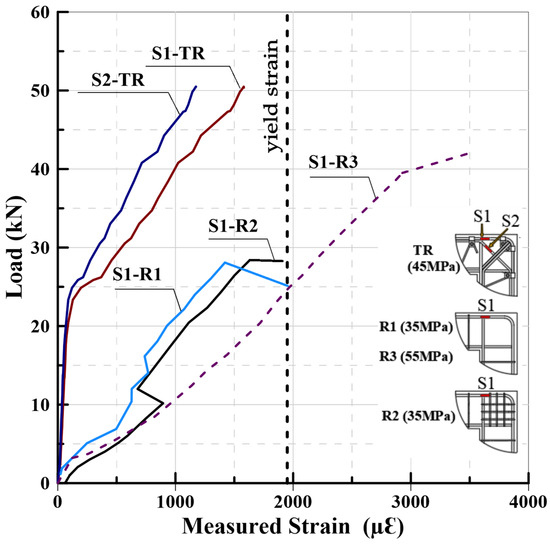
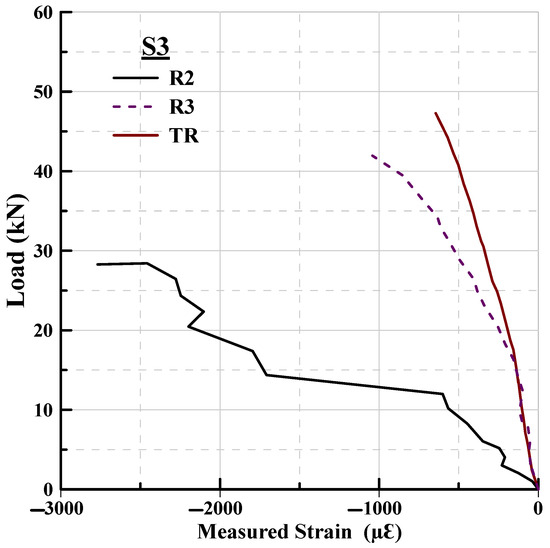
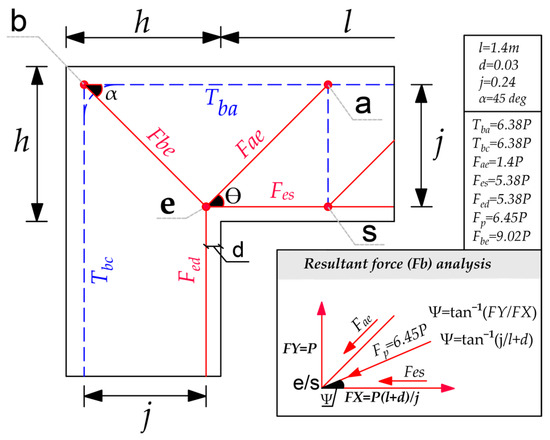
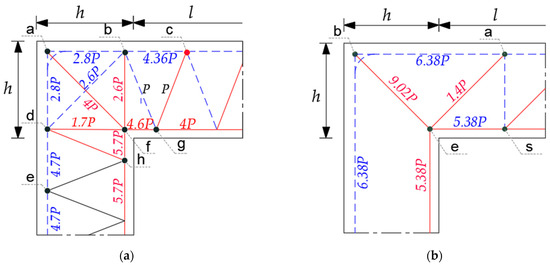
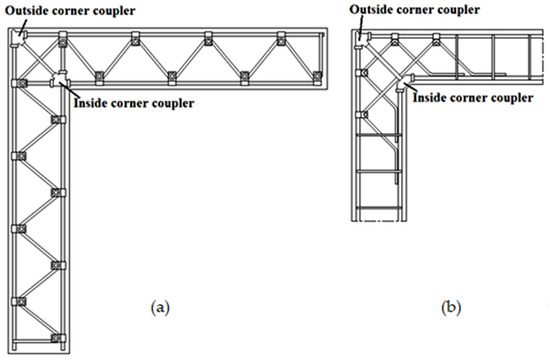
Achieving adequate load capacity and ensuring ductile behavior are crucial for reinforced-concrete knee joints to prevent a complete structural collapse if an adjacent member fails. The reinforcement detailing plays a critical role in achieving these factors. In this study, the performance of a knee joint under closing moments was analyzed using innovative truss-shaped reinforcement and simplified mechanical joints, in comparison to traditional reinforcement detailing, through four large-scale specimens. The findings showed that incorporating a truss-shaped reinforcement system with the suggested detailing effectively redistributed stresses in the knee-joint area and decreased stress concentration at the bent-bar zone, thus helping to prevent premature joint failure when compared to conventional specimens. Overall, the proposed system shifted the failure mode towards a highly ductile response. Furthermore, the suggested specimen experienced significant increases in both the yield load and the ultimate load, with the yield-load boost ranging from around 29.5% to 70.5%, and the ultimate-load increase ranging from 20% to 81%. Additionally, the proposed reinforcement system exhibited notably higher displacement capacity, with increases ranging from 88% to 347%. The proposed specimen also showed a considerable enhancement in displacement ductility, with an increase of roughly 160% to 382% relative to traditional specimens. The results matched well with the created analytical models confirming the effectiveness of the proposed load-transfer system.
Full article
(This article belongs to the Special Issue 2026 Early Career Scientists' Contributions to Applied Mechanics (ECS 2026))
►▼
Show Figures

Figure 1
Open AccessArticle
Enhanced Wear Resistance of HVOF-Sprayed Cr3C2-25NiCr/NiCr Coatings for Steam Turbine Valve Components: The Role of Vacuum Heat Treatment
by
Jian Chen, Wei Wang, Kun He, Xiufang Gong, Xiaoying Cao, Yuhui Peng, Chunmei Tang, Juanqiang Ding, Xin Cao and Zhenbing Cai
Appl. Mech. 2026, 7(2), 48; https://doi.org/10.3390/applmech7020048 - 1 Jun 2026
Abstract
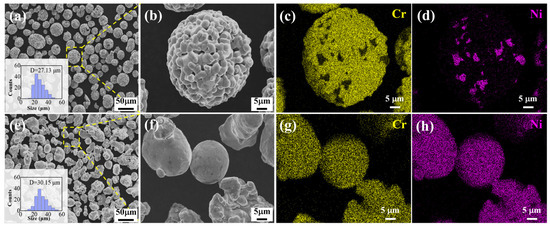
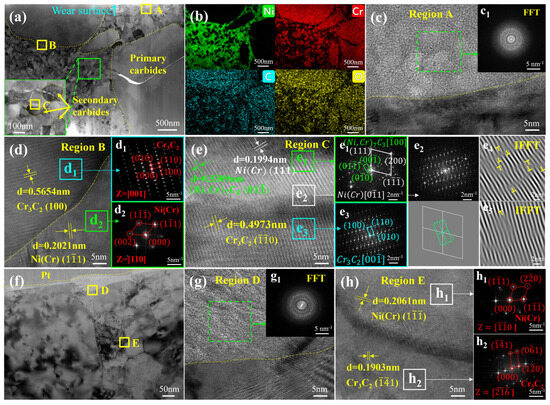
This study presents the fabrication of a Cr3C2-25NiCr/NiCr coating on Co3W3 steel utilizing high-velocity oxygen fuel (HVOF) spraying. The effects of the vacuum heat treatment process on the microstructures, mechanical properties, and wear mechanisms of the
[...] Read more.
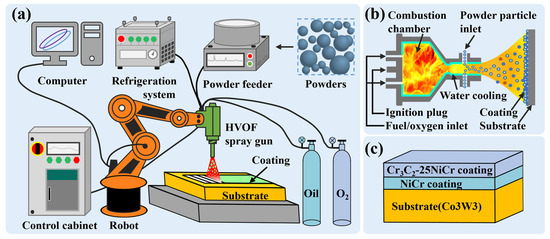
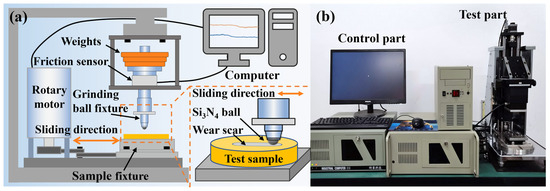
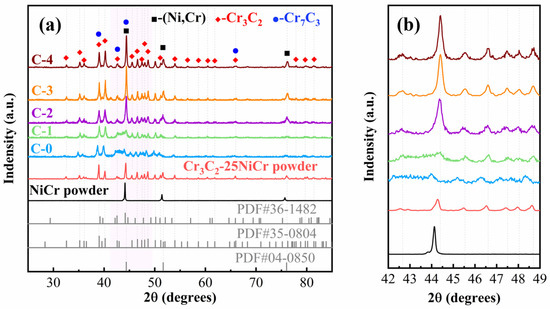
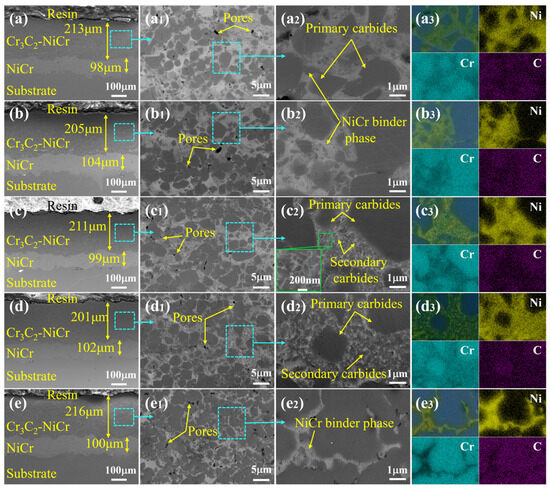
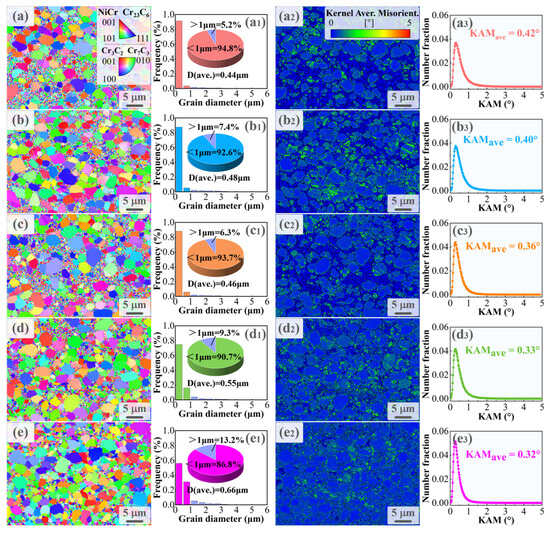
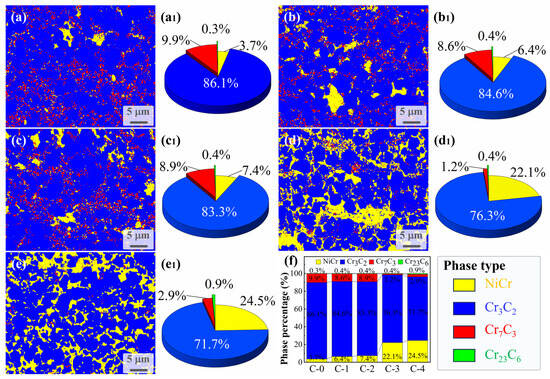
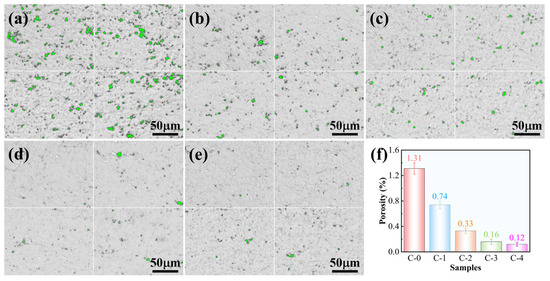
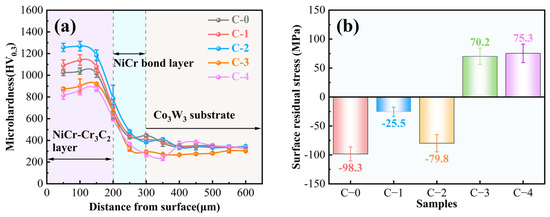
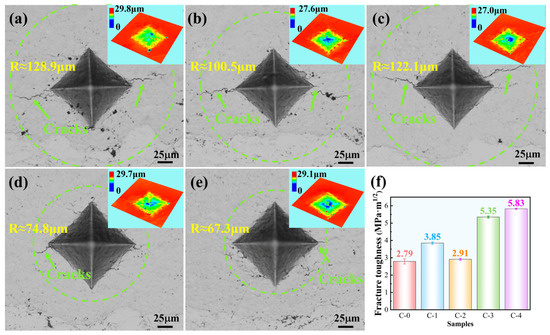
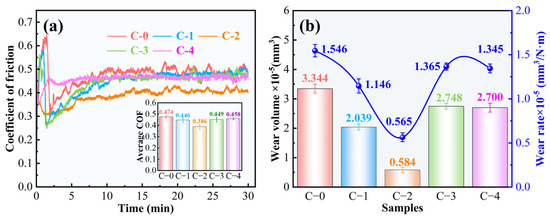
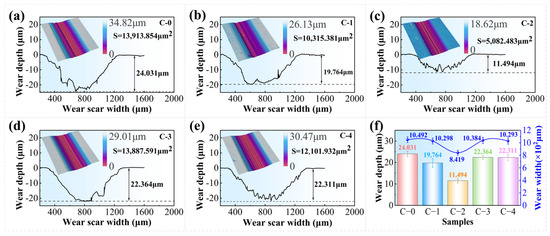
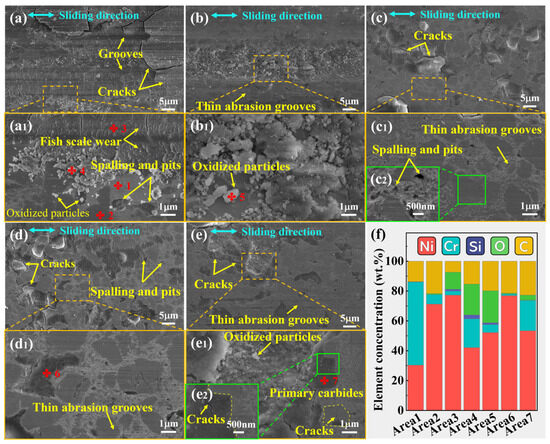
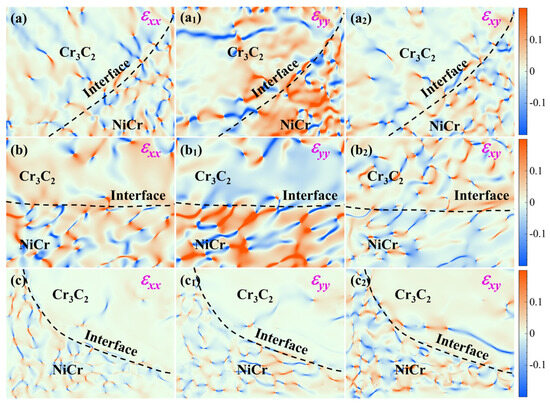
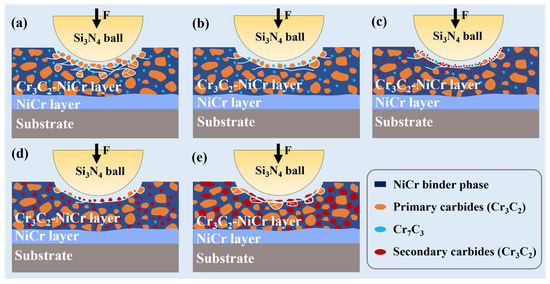
This study presents the fabrication of a Cr3C2-25NiCr/NiCr coating on Co3W3 steel utilizing high-velocity oxygen fuel (HVOF) spraying. The effects of the vacuum heat treatment process on the microstructures, mechanical properties, and wear mechanisms of the coating were systematically analyzed. The results indicated that the microstructure became denser following heat treatment. During the spraying procedure, decarburization resulted in transformation of the metastable phase structure into a stable one. In comparison to the sprayed coating, there was a 93.8% reduction in porosity. The precipitation of nano-secondary carbides shifted the mechanism of solid-solution strengthening to precipitation strengthening, resulting in a 29.1% increase in microhardness. Meanwhile, the thermal softening effect led to a 114.3% increase in fracture toughness. Wear experiments demonstrated that the friction-induced amorphous structure effectively mitigated stress concentration and inhibited crack initiation. The polycrystalline interface transition region between the nano-secondary carbides and the matrix facilitated the shedding of nano-secondary carbides, forming abrasive particles that generated a rolling effect, which significantly reduced the coefficient of friction. The semi-coherent interface between secondary carbides and NiCr decreased the interfacial energy and enhanced the bonding strength, effectively preventing the shedding of carbides during the wear process. Consequently, a dense microstructure, the type of interface, and high hardness and toughness were critical factors in enhancing its wear resistance.
Full article
(This article belongs to the Special Issue Service Behaviour and Applied Mechanics of Mechanical Equipment Surfaces and Interfaces)
►▼
Show Figures

Figure 1

Open AccessArticle
A Flux-Guided Shape-Refinement Framework for Freeform Shells Toward Improved Directional Compatibility Under Gravity Loading
by
Abtin Baghdadi and Harald Kloft
Appl. Mech. 2026, 7(2), 47; https://doi.org/10.3390/applmech7020047 - 31 May 2026
Abstract
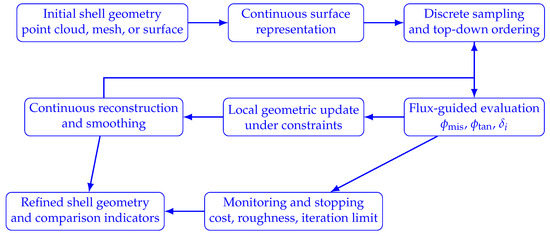
This study presents a discrete–continuous flux-guided shape-refinement framework for freeform shell geometries under self-weight. The method evaluates the directional relation between a prescribed support-directed transmission field and the shell surface normal, identifies locally underperforming regions, applies top-down geometric updates, and reconstructs a continuous
[...] Read more.
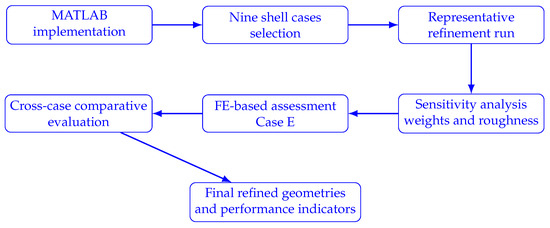
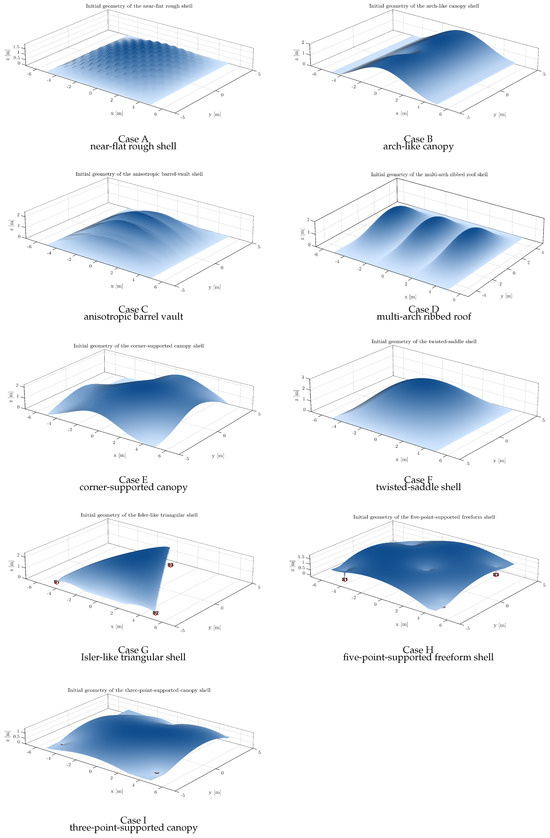
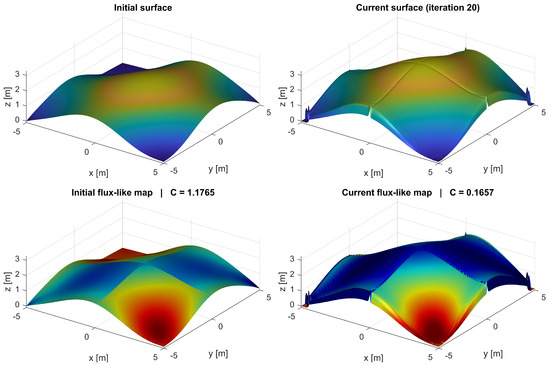
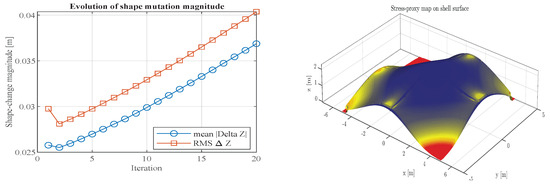
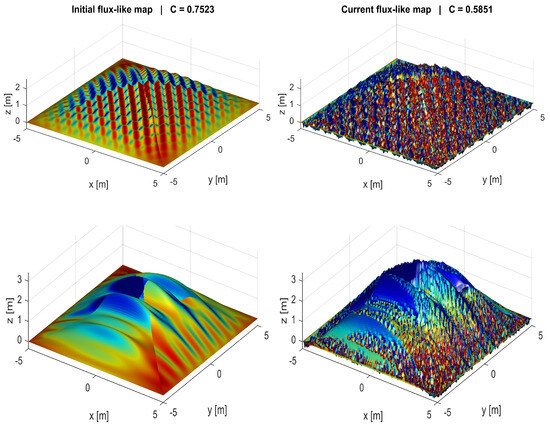
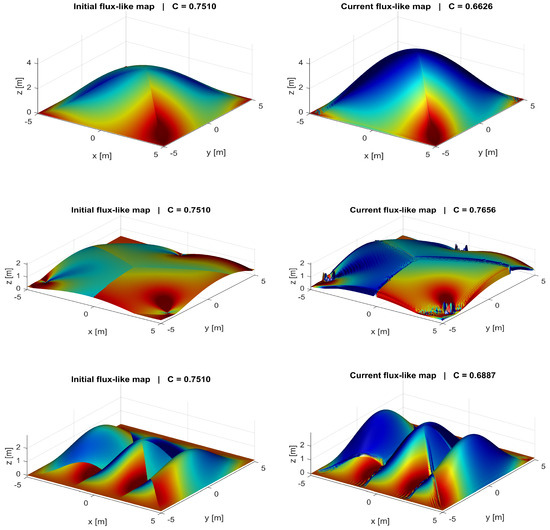
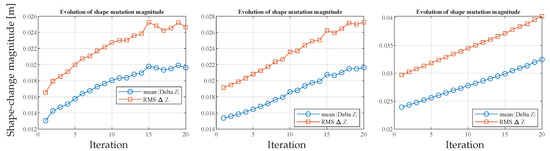
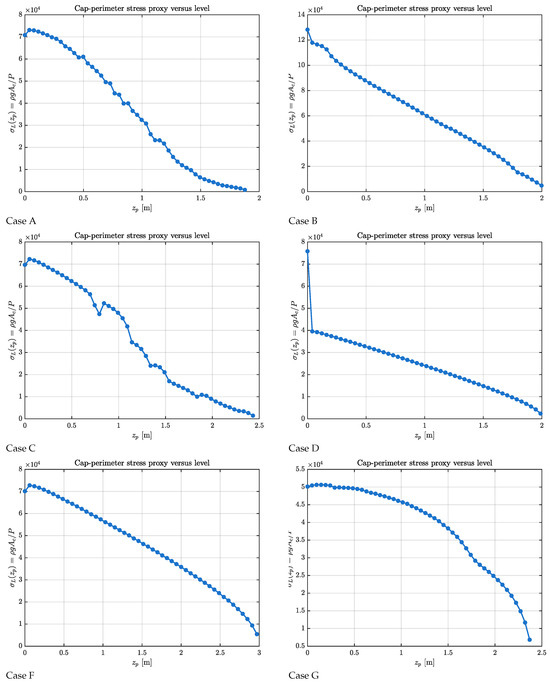
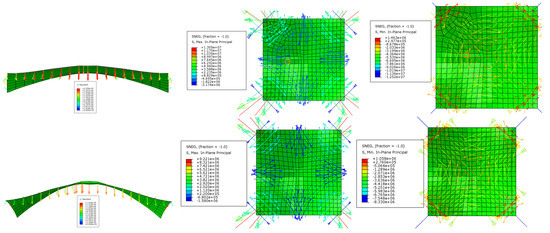
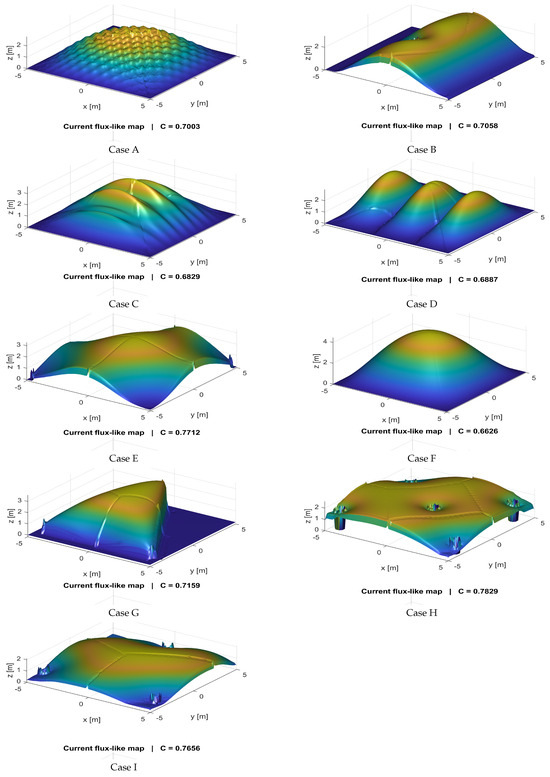
This study presents a discrete–continuous flux-guided shape-refinement framework for freeform shell geometries under self-weight. The method evaluates the directional relation between a prescribed support-directed transmission field and the shell surface normal, identifies locally underperforming regions, applies top-down geometric updates, and reconstructs a continuous surface at each step. It is intended as a transparent intermediate stage between intuitive freeform design and high-fidelity structural verification. The framework is demonstrated on nine shell cases with different geometries, support conditions, height ranges, and surface irregularities. Across all the cases, the results show reduced normal-component misalignment and increased tangential alignment relative to the prescribed transmission field. A representative finite-element comparison provides case-specific supporting evidence that under a linear-elastic gravity-load model the refined geometry can reduce deformation and stress levels over large surface regions; however, it does not prove general structural optimality or fully membrane-dominated behavior. Geometric roughness remains a key limitation requiring explicit regularization in future work. The approach is positioned as a lightweight geometric pre-optimization tool for conceptual shell design, rather than as a substitute for equilibrium-based form-finding or detailed structural optimization.
Full article
(This article belongs to the Special Issue Mechanical Design Technologies for Beam, Plate and Shell Structures (4th Edition))
►▼
Show Figures

Figure 1
Open AccessArticle
Wind-Resistant Adaptive Robust Control of Vector–Rotor Unmanned Aerial Vehicles for Omnidirectional Orchard Crop Inspection
by
Ziheng Zhou, Liujie Li, Xinfeng Zhang, Jie Bai, Bing Rao, Jiawen Dai, Bangji Zhang and Zheshuo Zhang
Appl. Mech. 2026, 7(2), 46; https://doi.org/10.3390/applmech7020046 - 30 May 2026
Abstract
This paper investigates the flight-control problem of a vector–rotor UAV (VR-UAV) for orchard crop-inspection tasks, where wind acts as the dominant external disturbance source. In such tasks, the UAV is required to maintain position while adjusting its attitude for flexible sensor pointing. For
[...] Read more.
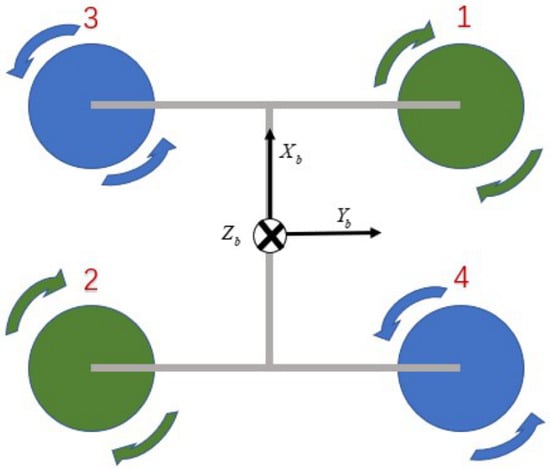
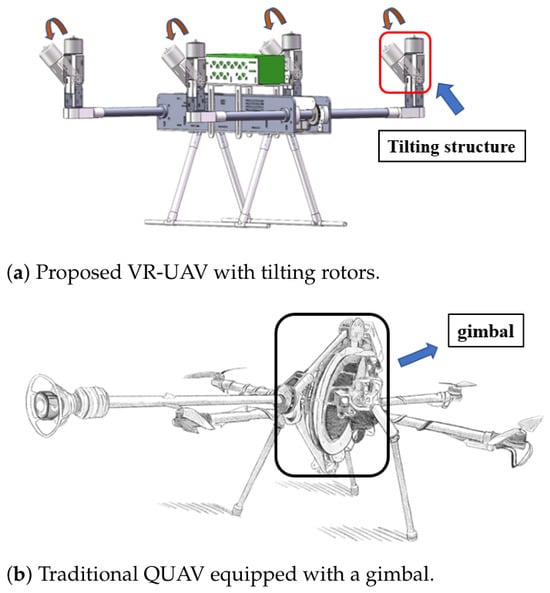
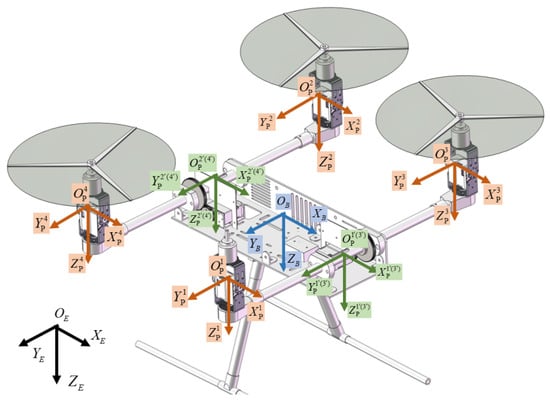
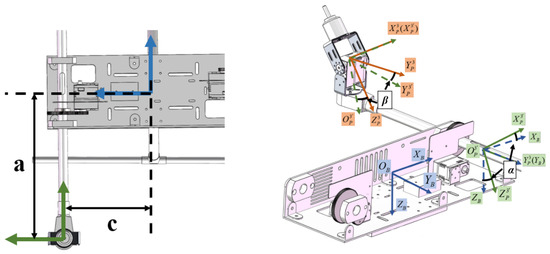
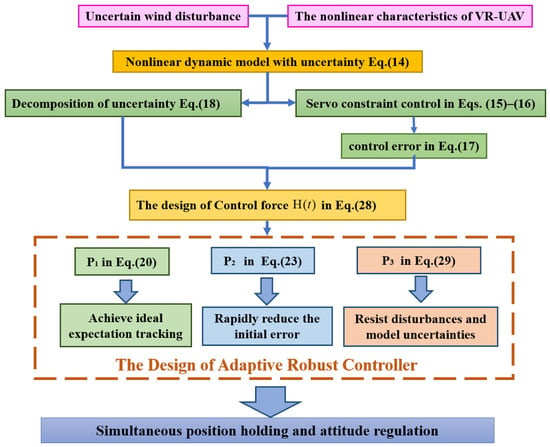
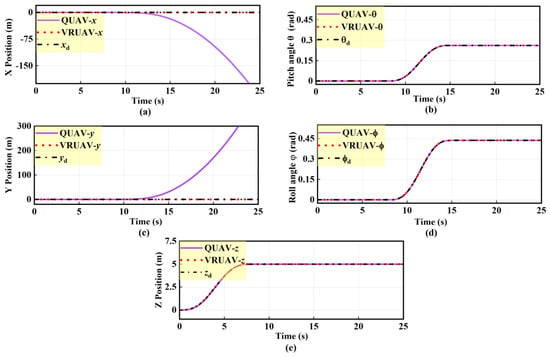
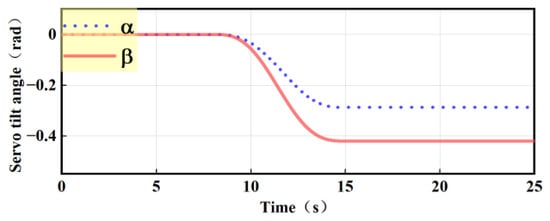
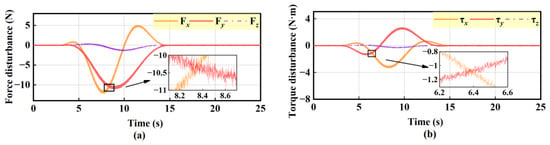
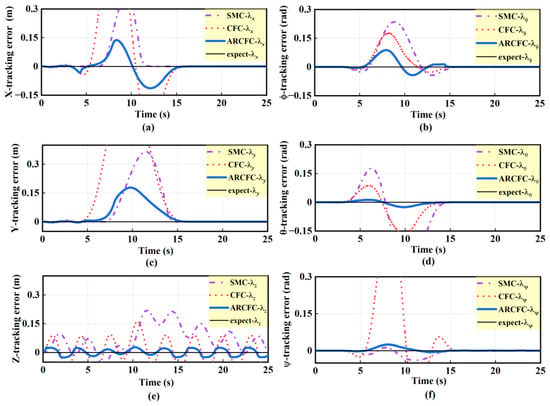
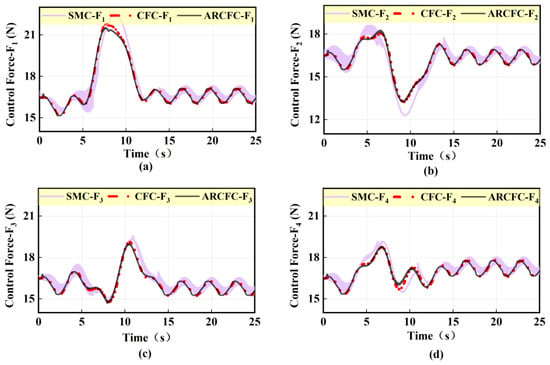
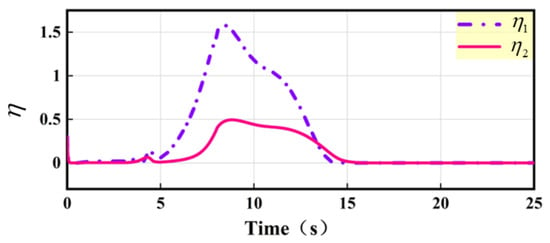
This paper investigates the flight-control problem of a vector–rotor UAV (VR-UAV) for orchard crop-inspection tasks, where wind acts as the dominant external disturbance source. In such tasks, the UAV is required to maintain position while adjusting its attitude for flexible sensor pointing. For a conventional quadrotor UAV (QUAV), however, position and attitude are strongly coupled because the thrust directions are fixed relative to the fuselage, which limits its ability to perform stable hovering and directional sensing simultaneously. Although gimbal-based solutions can provide sensing-direction adjustment, they may become less suitable for wind-affected low-altitude inspection tasks involving large, elongated, or multi-sensor payloads, due to the added mass, inertia, structural compliance, and vibration sensitivity introduced by the additional mechanism. To address these limitations, this paper proposes a compact VR-UAV platform together with an adaptive robust constraint-following control (ARCFC) method. By incorporating tilting motors for thrust-vector adjustment, the proposed VR-UAV enables decoupled regulation of position and attitude, thereby improving fixed-point hovering capability and flexible sensor pointing. From the control perspective, the thrust-vectoring mechanism introduces strongly nonlinear coupled dynamics, while wind-induced disturbances and modeling uncertainties further complicate the control problem. To address these challenges, a constraint-following control framework is developed to handle the nonlinear dynamics, and an adaptive robust compensation mechanism is introduced to estimate the uncertainty bound online and compensate for unknown but bounded disturbances. The closed-loop stability and robustness of the proposed method are rigorously established by theoretical analysis. Comparative simulation results demonstrate that, relative to a conventional QUAV, the proposed VR-UAV with ARCFC achieves superior flight stability, stronger wind-disturbance rejection, and better trajectory-tracking performance in wind-affected orchard inspection scenarios.
Full article
(This article belongs to the Topic Energy Power, Mechanical Engineering and Their Applications)
►▼
Show Figures

Figure 1
Open AccessArticle
Effect of Tooth Count and Rim Thickness on the Operational Durability of Cylindrical Involute Gears
by
Milan Perkušić, Stipe Pleština, Vjekoslav Tvrdić and Karlo Dvornik
Appl. Mech. 2026, 7(2), 45; https://doi.org/10.3390/applmech7020045 - 21 May 2026
Abstract
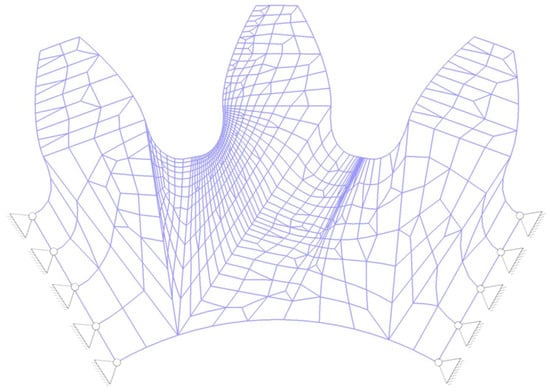
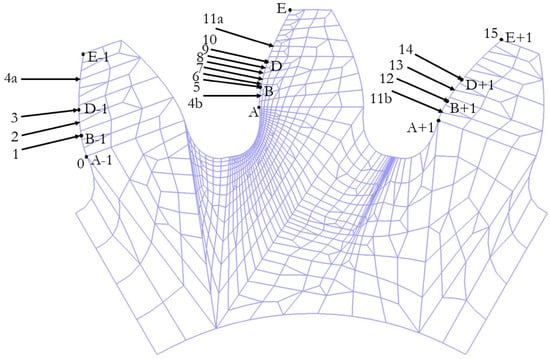
This paper presents a numerical assessment of bending-fatigue durability in the tooth root region of cylindrical involute gears. Multiple gear pairs were modelled with different numbers of teeth and varying gear rim thicknesses. The generated geometry was implemented in the ANSYS 2025 R2
[...] Read more.
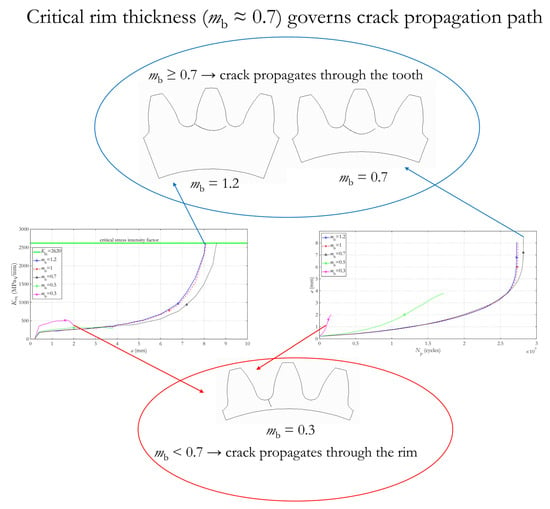
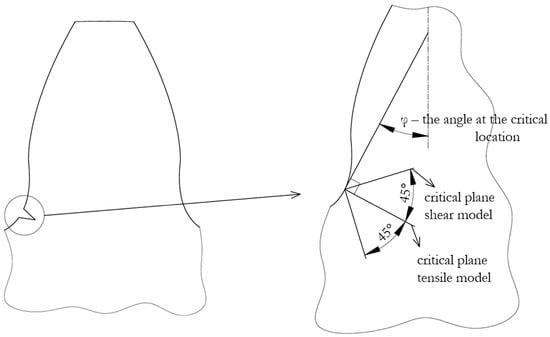
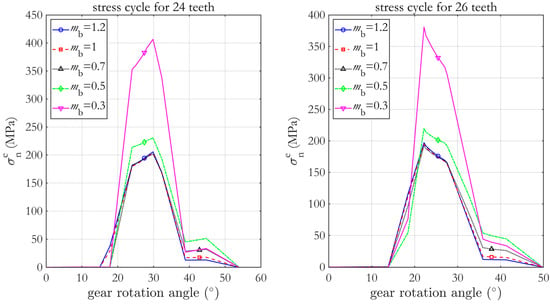
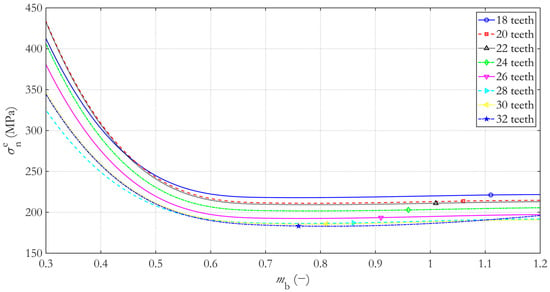
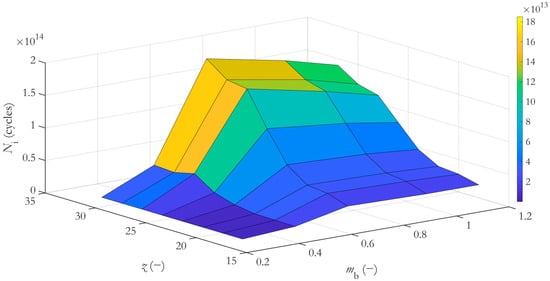
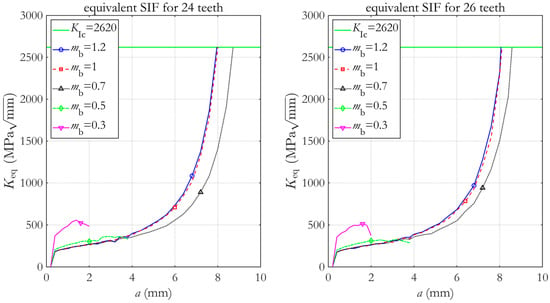
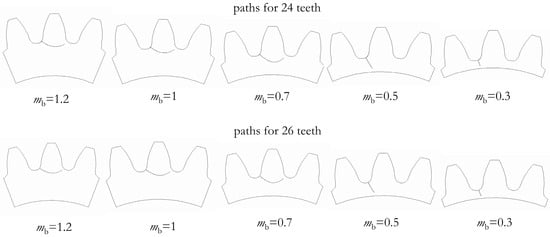
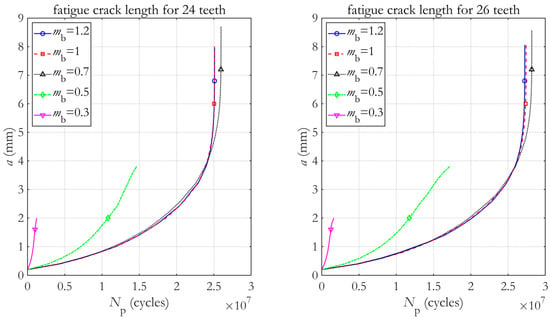
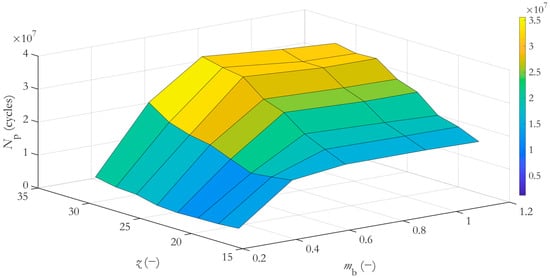
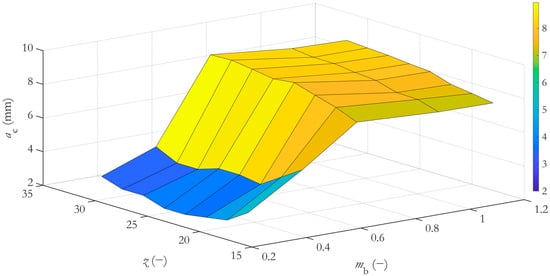
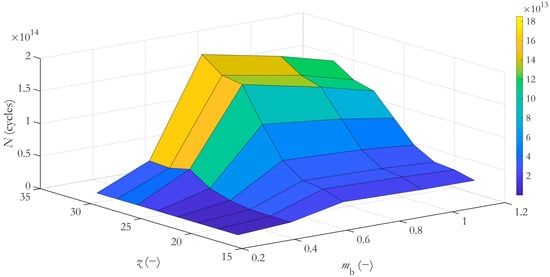
This paper presents a numerical assessment of bending-fatigue durability in the tooth root region of cylindrical involute gears. Multiple gear pairs were modelled with different numbers of teeth and varying gear rim thicknesses. The generated geometry was implemented in the ANSYS 2025 R2 software suite, where the maximum normal stresses at critical locations in the tooth root region were determined through numerical simulation. A deformation-based method derived from Socie’s models was applied to estimate the duration of the phase leading up to fatigue crack formation in terms of load cycle accumulation. The gear geometry, together with the generated finite element mesh, was transferred to the FRANC2D/L version 4 software suite, where fatigue crack propagation was numerically simulated. Numerical analysis provided effective stress intensity factors, which then enabled an estimation of the number of load cycles required for an initiated crack to grow to the critical length associated with tooth failure. The total fatigue life in the tooth root region was evaluated as the sum of load cycles in the crack initiation phase and the crack propagation phase up to the critical crack length. The results show that all analysed factors exhibit very high resistance to fatigue fractures in the tooth root region. Furthermore, for gears with a rim thickness ratio greater than 0.7, the fatigue crack propagates through the tooth and reaches the fracture toughness limit of the material (KIc), whereas for lower rim thickness ratios, crack propagation occurs through the gear rim itself.
Full article
(This article belongs to the Special Issue Service Behaviour and Applied Mechanics of Mechanical Equipment Surfaces and Interfaces)
►▼
Show Figures

Graphical abstract
Open AccessArticle
A Semi-Analytical Finite Layer Method for Analyzing the 3D Coupled Electro-Mechanical Behavior of Exponentially Graded Piezoelectric Circular Hollow Microscale Cylinders
by
Chih-Ping Wu and Hao-Ting Hsu
Appl. Mech. 2026, 7(2), 44; https://doi.org/10.3390/applmech7020044 - 19 May 2026
Abstract
►▼
Show Figures
Within the framework of consistent couple-stress theory (CCST), we develop a semi-analytical finite layer method (FLM) to investigate the three-dimensional (3D) coupled electro-mechanical behavior of an exponentially graded (EG) piezoelectric circular hollow microscale cylinder under simply supported boundary conditions. The microscale cylinder is
[...] Read more.
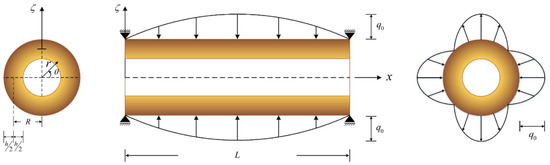
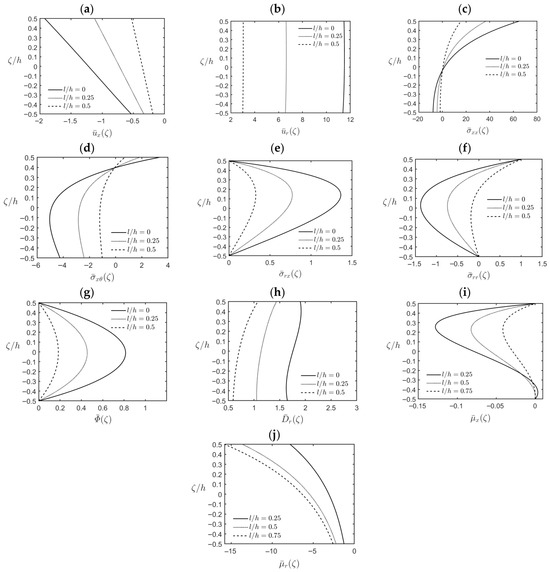
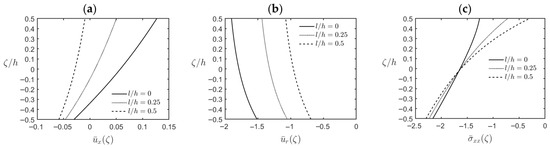
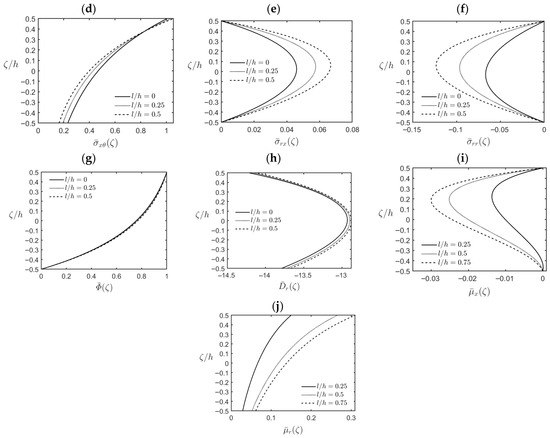
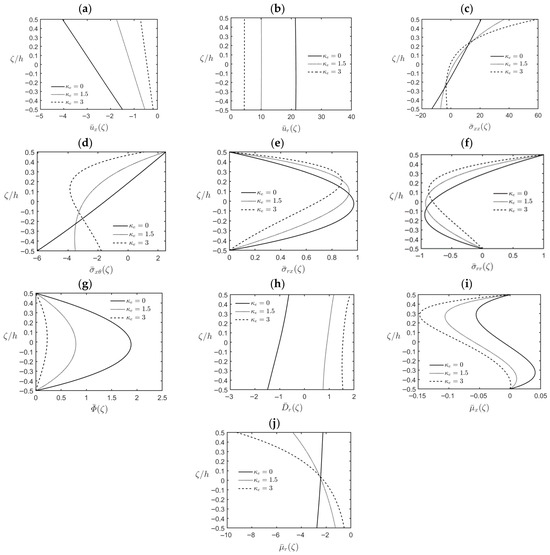
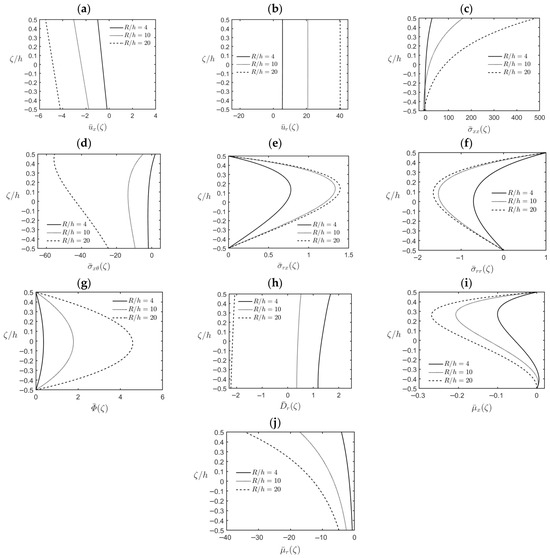
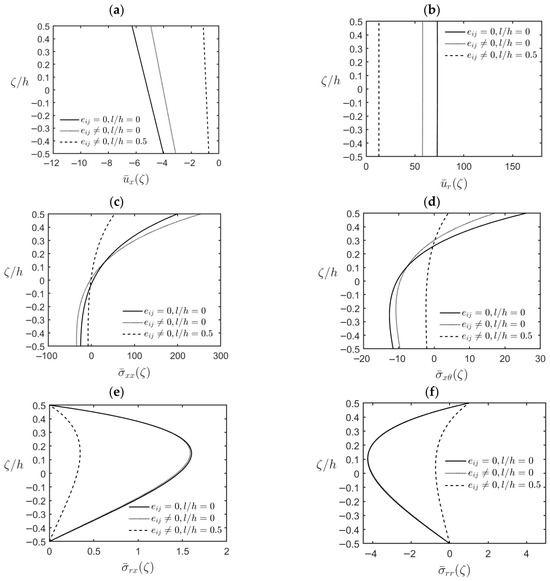
Within the framework of consistent couple-stress theory (CCST), we develop a semi-analytical finite layer method (FLM) to investigate the three-dimensional (3D) coupled electro-mechanical behavior of an exponentially graded (EG) piezoelectric circular hollow microscale cylinder under simply supported boundary conditions. The microscale cylinder is subjected to mechanical loads and electric voltages and is placed under closed-circuit surface conditions on its outer and inner surfaces. Using the principle of stationary potential energy, we first derive a 3D Galerkin weak formulation for this study. We divide the microscale cylinder into nl layers and select each layer’s elastic displacements and electric potential as the primary variables. We then incorporate a layer-wise generalized displacement model into the weak formulation to develop the semi-analytical FLM. The novelty of our method lies in its ability to accurately determine the electric and elastic field variables induced in the microscale cylinder. This feature has not been explored in previous research. We rigorously validate our method’s accuracy by comparing its solutions for EG piezoelectric circular hollow macroscale cylinders with the corresponding 3D solutions reported in the literature, with the material length-scale parameter set to zero. We also examine the impact of several key factors on the coupled electro-mechanical behavior of the microscale cylinder, including the radius-to-thickness ratio, inhomogeneity index, piezoelectricity, and material length-scale parameter, which appear to be significant.
Full article

Figure 1
Open AccessArticle
Decoding Processing Effects in Al Alloys: A Data-Driven Approach Using Explainable Artificial Intelligence
by
Mihail Kolev and Tatiana Simeonova
Appl. Mech. 2026, 7(2), 43; https://doi.org/10.3390/applmech7020043 - 17 May 2026
Abstract
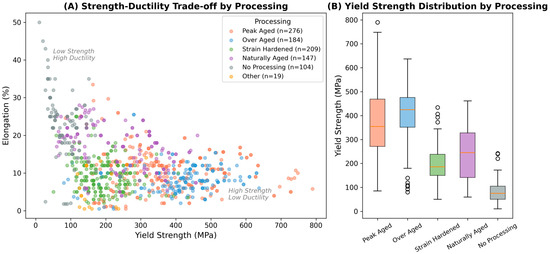
Understanding the complex relationships between processing conditions and mechanical properties in aluminum alloys remains a critical challenge in materials science. This study presents a data-driven framework using explainable artificial intelligence to quantify and interpret how different processing routes influence the strength–ductility trade-off in
[...] Read more.
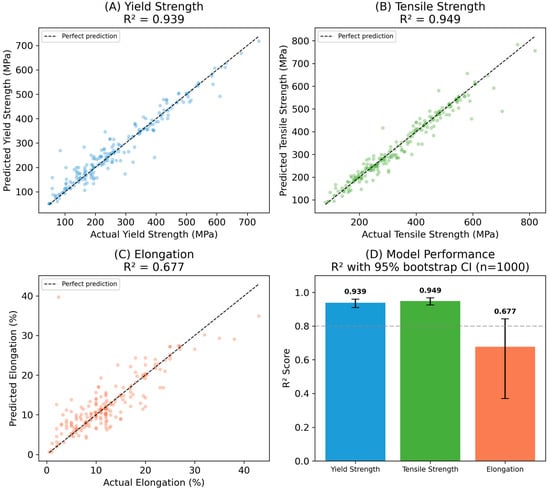
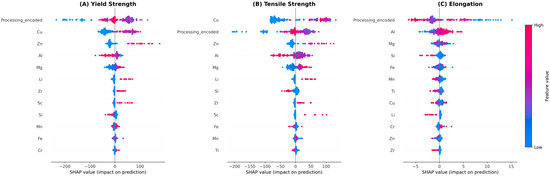
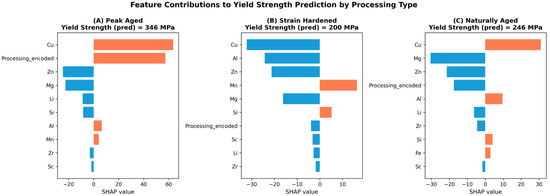
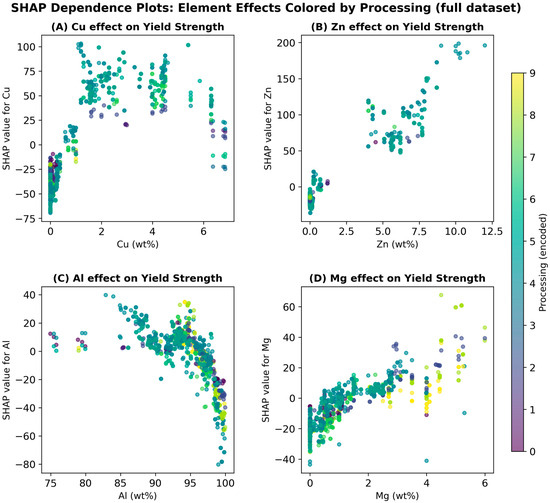
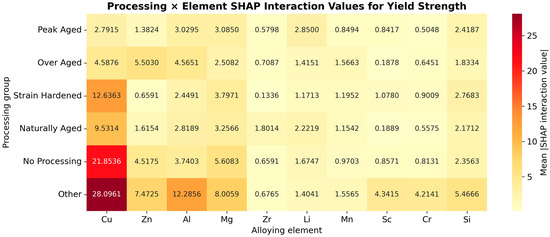
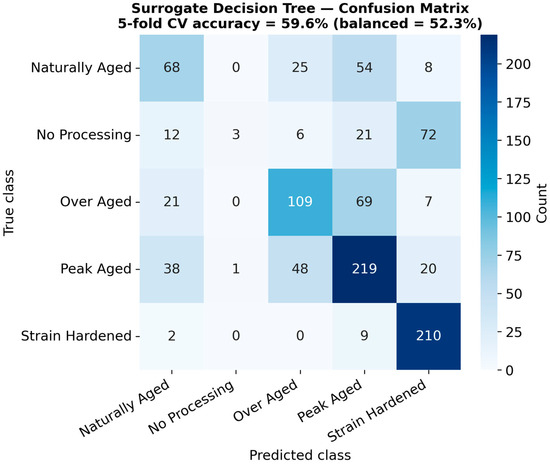
Understanding the complex relationships between processing conditions and mechanical properties in aluminum alloys remains a critical challenge in materials science. This study presents a data-driven framework using explainable artificial intelligence to quantify and interpret how different processing routes influence the strength–ductility trade-off in aluminum alloys. Using a comprehensive dataset of 1154 aluminum alloy samples with 10 distinct processing conditions, optimized XGBoost models were developed via Bayesian hyperparameter tuning to predict yield strength (R2 = 0.9392), tensile strength (R2 = 0.9491), and elongation (R2 = 0.6767). The strength models showed high predictive accuracy, whereas elongation showed lower and less uniform reliability, with the largest relative errors in the 0–5% elongation regime. SHAP (SHapley Additive exPlanations) analysis revealed that processing condition is the most influential feature for yield strength prediction, while Cu dominates tensile strength prediction. True SHAP interaction analysis identified Processing_encoded interactions with Cu as the strongest processing-coupled contribution, followed by Mg and Al, with Zn, Si, and Li showing smaller but non-negligible interaction contributions. The decision-tree surrogate is presented as an exploratory rule-extraction tool rather than as a standalone processing-selection classifier. These findings demonstrate that explainable Machine Learning (ML) can support interpretation of processing–property relationships in aluminum alloys when predictive limitations, class imbalance, and the associative nature of SHAP explanations are explicitly considered.
Full article
(This article belongs to the Special Issue Cutting-Edge Developments in Computational and Experimental Mechanics)
►▼
Show Figures

Figure 1
Open AccessArticle
Mathematically Compensating for the Barrelling Effect Occurring During Compression Testing of Additive-Manufactured A20X Samples and Describing Friction with Validated Finite Element Models
by
Konstantin Manuel Prabitz, Alexander Walzl and Martin Stockinger
Appl. Mech. 2026, 7(2), 42; https://doi.org/10.3390/applmech7020042 - 12 May 2026
Abstract
This study examines the deformation behaviour of laser powder bed fusion-produced A20X aluminium alloy and its accurate representation using flow curve models that account for die–specimen friction. Tests across multiple strain rates at room temperature were conducted on a Gleeble 3800; force–displacement data
[...] Read more.
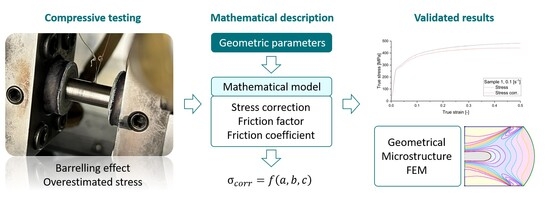
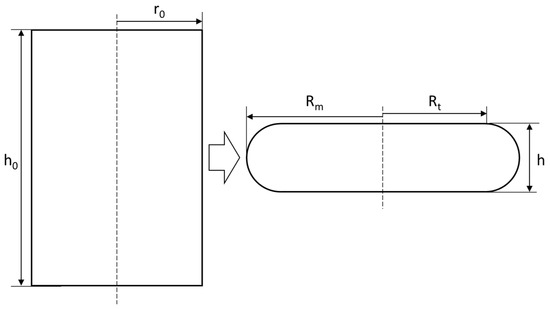
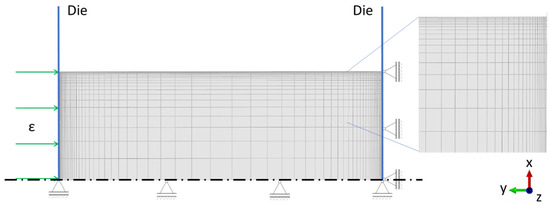
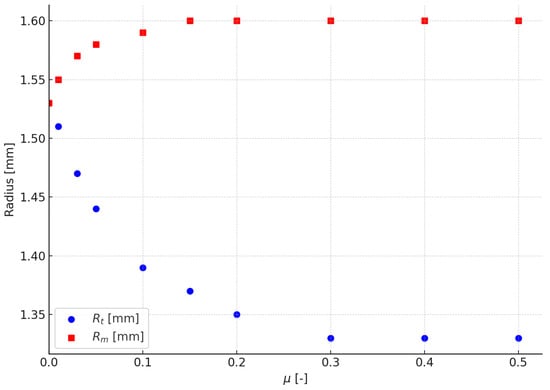
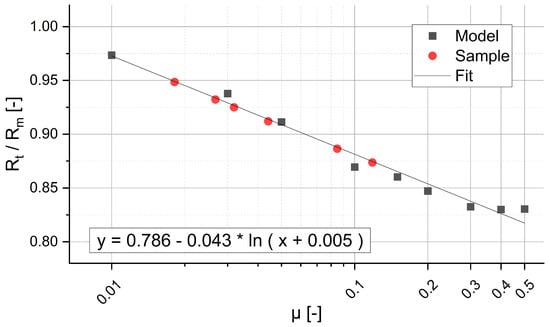
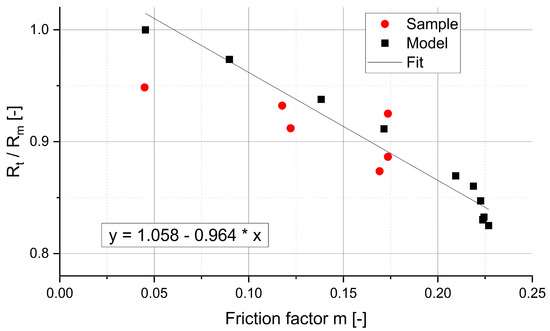
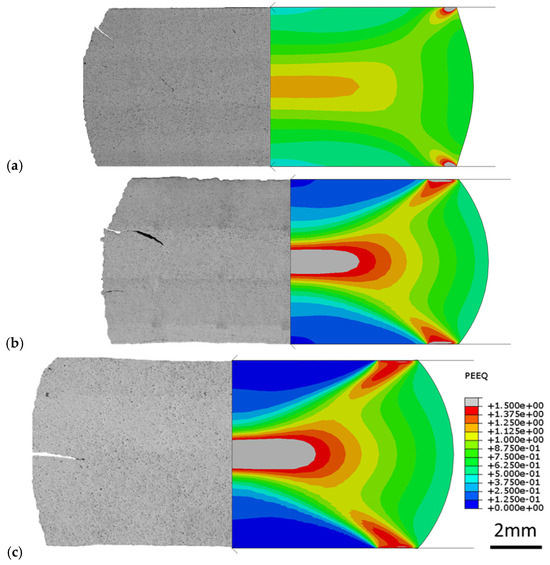
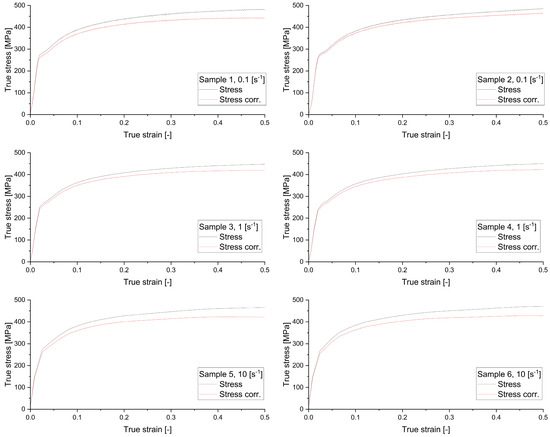
This study examines the deformation behaviour of laser powder bed fusion-produced A20X aluminium alloy and its accurate representation using flow curve models that account for die–specimen friction. Tests across multiple strain rates at room temperature were conducted on a Gleeble 3800; force–displacement data were friction-corrected to derive constitutive flow curves. A mathematical model was developed to capture barrelling and its impact on the stress–strain response, yielding corrected stresses significantly lower than measured values and validating the correction. An equation linking key post-deformation geometric parameters to their mathematical representation correlated well with a calibrated 2D finite element model, which reliably predicted plastic strain and deformation. The model’s friction factors agreed with experimental data, enabling efficient determination of the friction coefficient. Microstructural analysis and micrographs supported the predicted plastic strain distributions. Together, the corrected experiments and validated simulations provide a robust description of A20X’s response and inform performance and application potential.
Full article
(This article belongs to the Special Issue Cutting-Edge Developments in Computational and Experimental Mechanics)
►▼
Show Figures

Graphical abstract
Open AccessArticle
Mechanical and Chemical Durability of a Fly Ash–Epoxy Composite Cement for Extreme Oil and Gas Well Conditions
by
Sherif Fakher
Appl. Mech. 2026, 7(2), 41; https://doi.org/10.3390/applmech7020041 - 11 May 2026
Abstract
Oil and gas well cement is routinely exposed to aggressive chemical and mechanical environments that can compromise long-term zonal isolation. Conventional Portland cement systems, which rely on hydration products such as calcium silicate hydrate (C–S–H), are particularly vulnerable to acid attack, carbonation, high
[...] Read more.
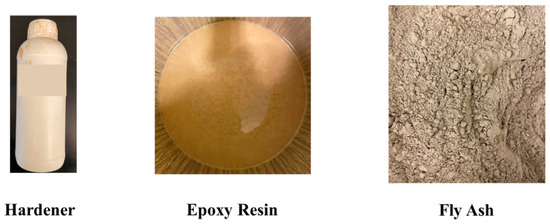
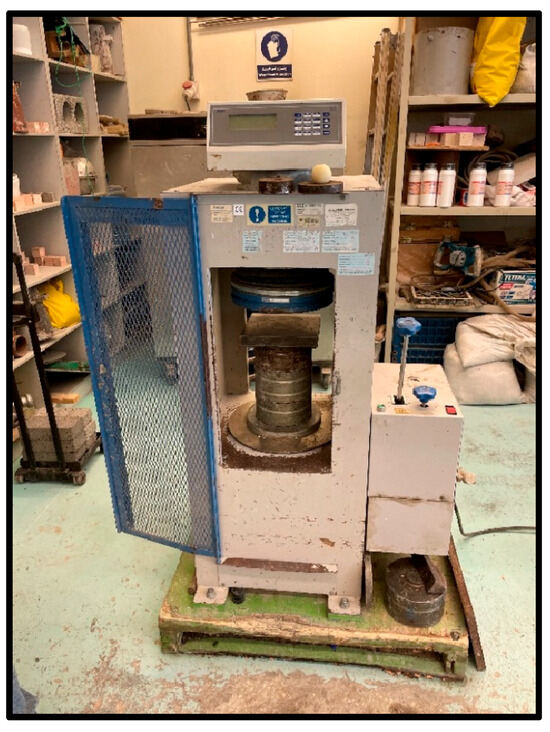
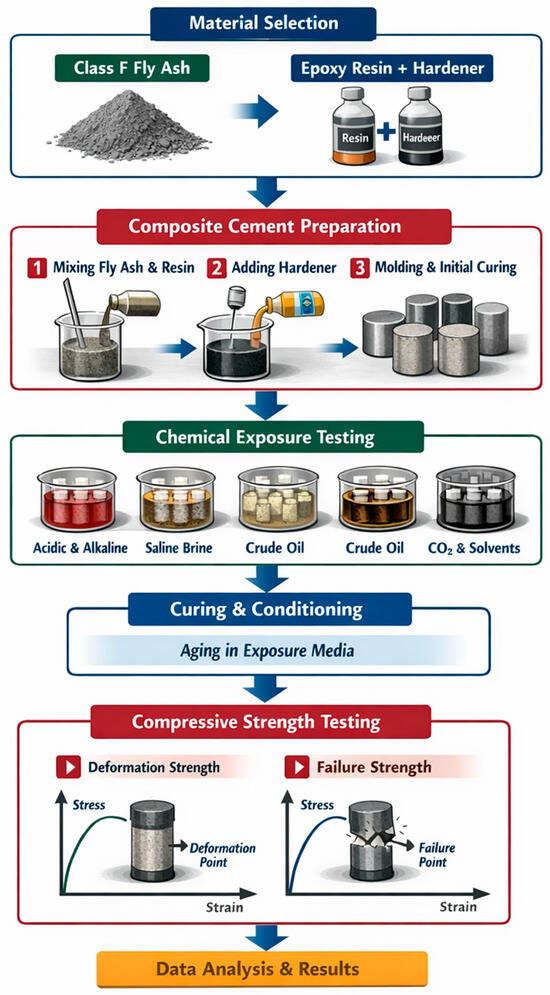
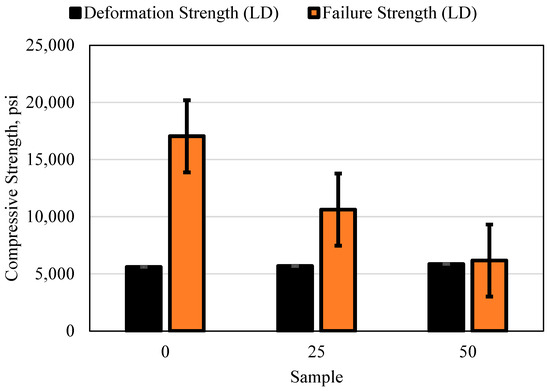
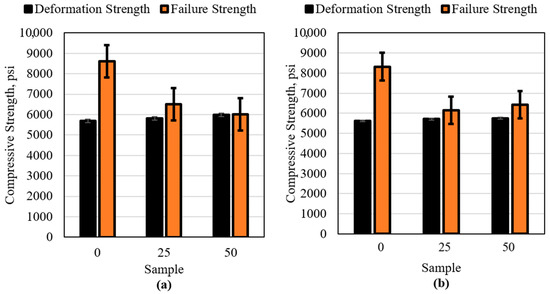
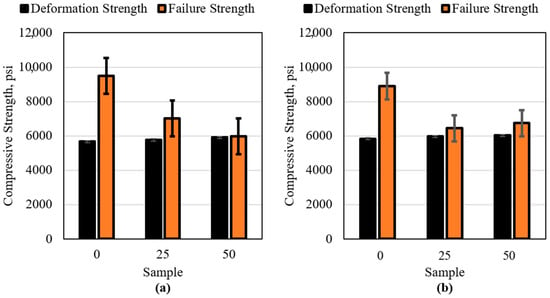
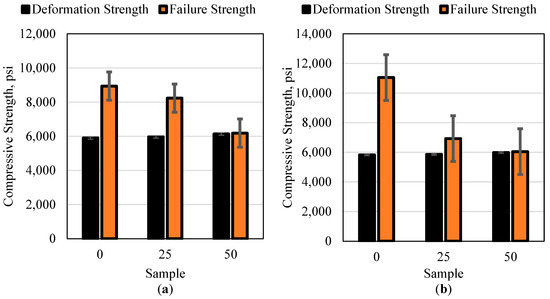
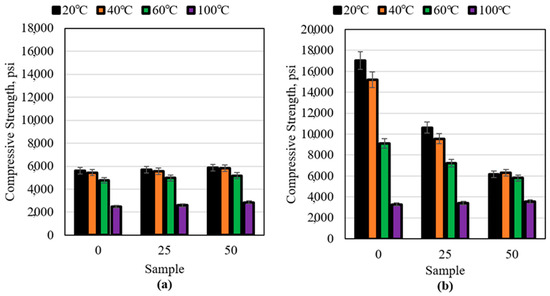
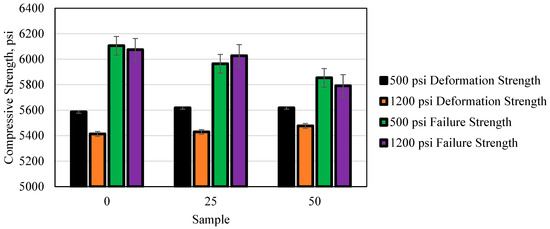
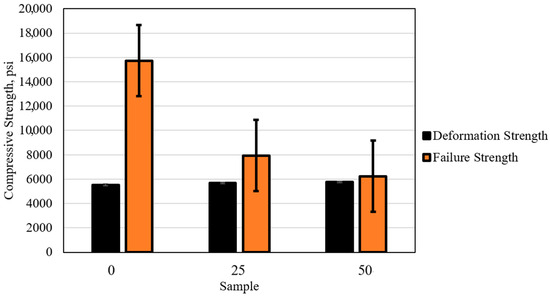
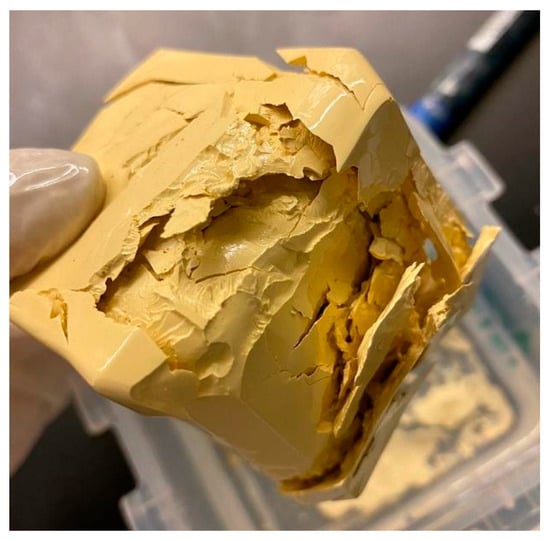
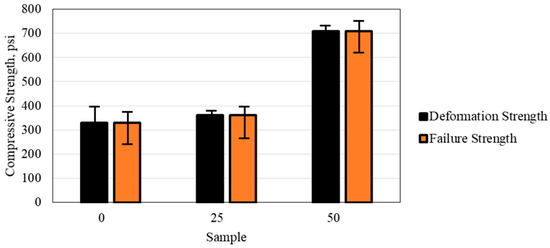
Oil and gas well cement is routinely exposed to aggressive chemical and mechanical environments that can compromise long-term zonal isolation. Conventional Portland cement systems, which rely on hydration products such as calcium silicate hydrate (C–S–H), are particularly vulnerable to acid attack, carbonation, high salinity, and thermal stress. This study investigates a polymer–mineral composite cement in which Class F fly ash is incorporated into an epoxy resin matrix at 0, 25, and 50 weight percent (wt%) loading. The composite samples were exposed for ten days to harsh downhole-representative environments, including hydrochloric acid (HCl, 15–28 wt%), sodium hydroxide (NaOH, 15–28 wt%), sodium chloride (NaCl) brines (20 wt%), crude oil, elevated temperatures up to 100 °C, and high-pressure carbon dioxide (CO2). Compressive strength was evaluated using a universal testing machine, capturing both deformation strength and ultimate failure strength to assess elastic and structural performance. Across most conditions, the composite maintained strengths exceeding 5000 psi, demonstrating strong chemical resistance. Acidic and CO2 exposures primarily reduced elastic deformation rather than ultimate strength, suggesting localized interaction with the polymer matrix. Elevated temperature reduced strength to ~2800 psi and diminished elasticity, marking the material’s upper thermal limit. Acetone exposure progressively degraded the polymer network, highlighting potential controlled removability. These findings indicate that embedding industrial fly ash in a polymer matrix produces a mechanically resilient and chemically robust cement alternative with up to 50 wt% industrial waste incorporation. This hybrid system offers a promising approach for wells exposed to acidic, CO2-rich, or high-salinity environments, where conventional Portland cement may fail.
Full article
(This article belongs to the Special Issue Thermal Mechanisms in Solids and Interfaces 2nd Edition)
►▼
Show Figures

Figure 1
Open AccessArticle
A Data-Driven Sequential Adaptive Optimization Method for Lightweight Design of Complex Vehicle Structures
by
Yuxuan Wang, Chenlin Zhang, Hao Liu and Zhaohui Hu
Appl. Mech. 2026, 7(2), 40; https://doi.org/10.3390/applmech7020040 - 4 May 2026
Abstract
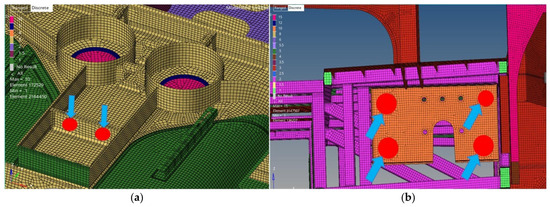
To address high-dimensional coupling and extrapolation errors in vehicle lightweighting, this paper proposes a “Macroscopic Topology—Microscopic Data-Driven Size Synergy” methodology. Macroscopically, strain-energy-driven topology optimization on a simplified skeleton reduces mass by 9.4% (2835.8 kg to 2566.9 kg). Microscopically, a global ANOVA mechanism compresses
[...] Read more.
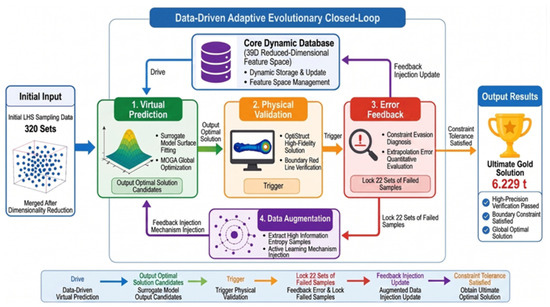
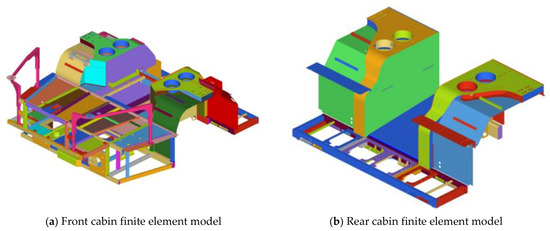
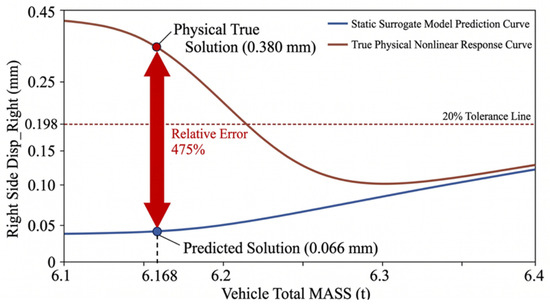
To address high-dimensional coupling and extrapolation errors in vehicle lightweighting, this paper proposes a “Macroscopic Topology—Microscopic Data-Driven Size Synergy” methodology. Macroscopically, strain-energy-driven topology optimization on a simplified skeleton reduces mass by 9.4% (2835.8 kg to 2566.9 kg). Microscopically, a global ANOVA mechanism compresses 169 thickness variables to 39 core dimensions, mitigating the curse of dimensionality. Crucially, an active learning-based sequential approximate optimization (SAO) framework rectifies severe static model extrapolation errors (up to 475%) by injecting high-entropy boundary samples, boosting the accuracy to near 0.90. Consequently, this approach secures the true Pareto solution, reducing full vehicle mass by 2.59% (to 6229.4 kg) while strictly adhering to EN12663 and EN15227 standards. This paradigm effectively resolves epistemic uncertainties, unlocking extreme lightweighting potential in complex systems.
Full article
(This article belongs to the Special Issue Mechanical Design Technologies for Beam, Plate and Shell Structures (4th Edition))
►▼
Show Figures

Figure 1
Open AccessArticle
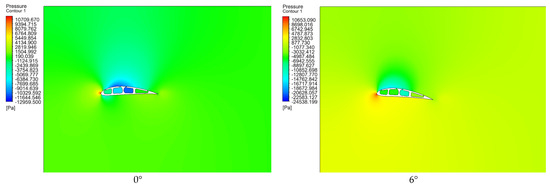
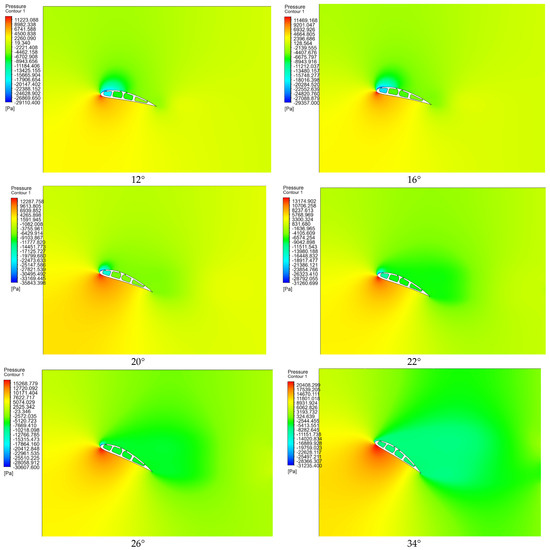
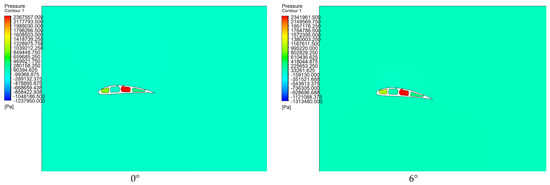
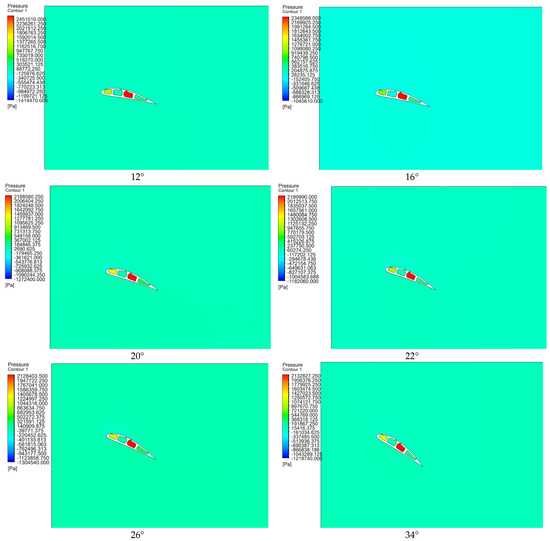
Energy-Tuned Airfoil Control via Twain Co-Flow Jet System
by
Muhammad Umer Sohail, Anees Waqar and Muhammad Hammad Ajmal
Appl. Mech. 2026, 7(2), 39; https://doi.org/10.3390/applmech7020039 - 28 Apr 2026
Abstract
►▼
Show Figures
This study presents a computational investigation of an ingenious Twain co-flow jet (CFJ) airfoil system featuring independently controlled micro-compressors for active flow control. Unlike conventional single-point or synchronously controlled CFJ configurations, the proposed system enables independent tuning of jet momentum coefficients at multiple
[...] Read more.
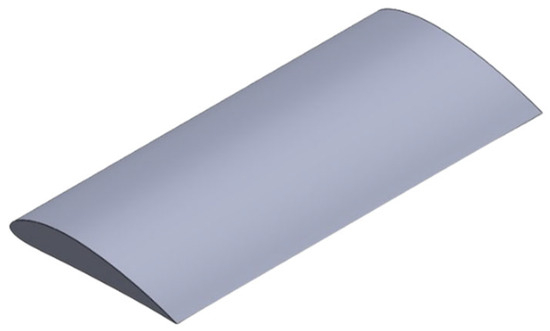
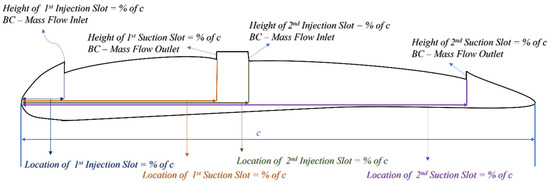
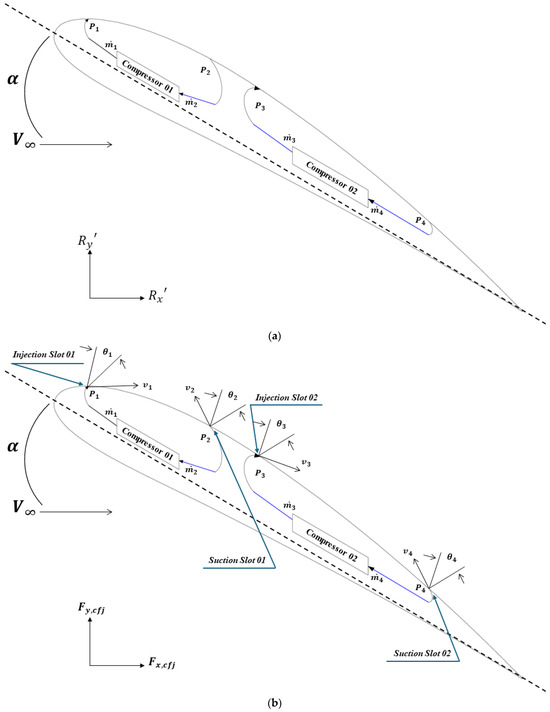
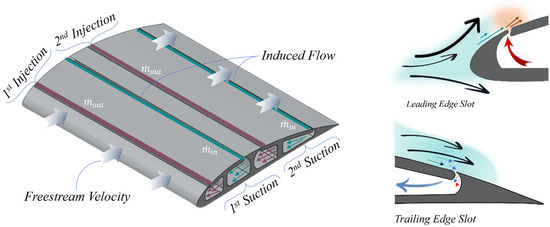
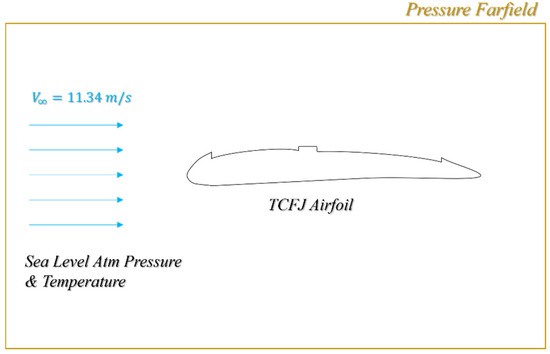
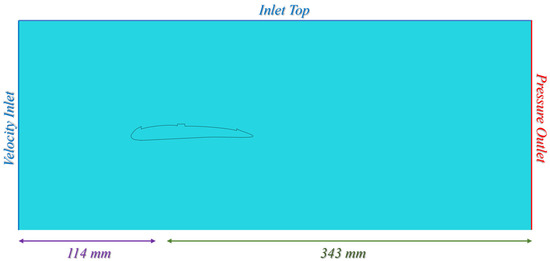
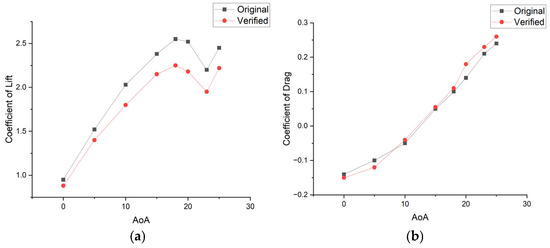
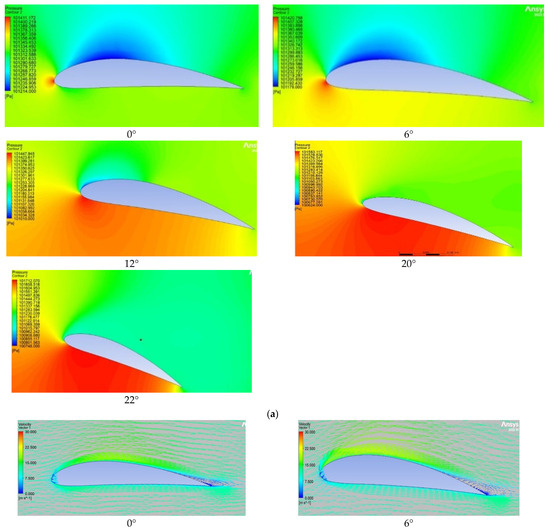
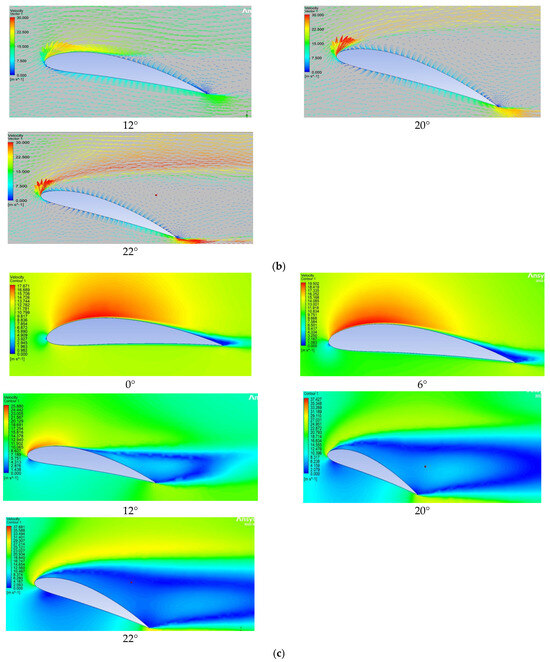
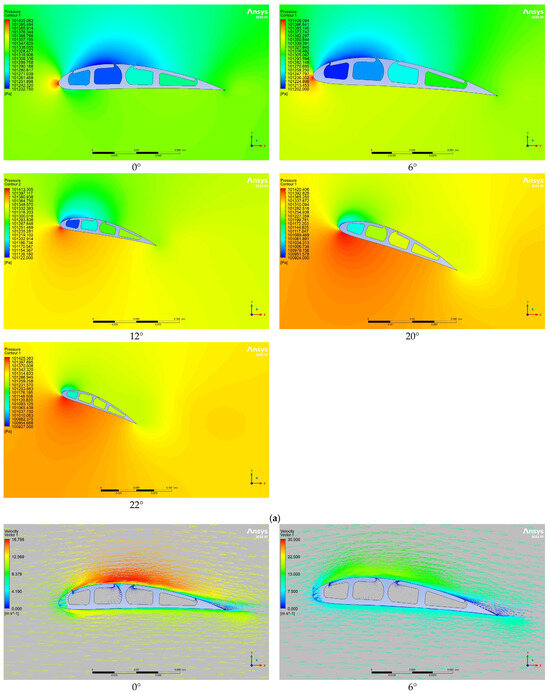
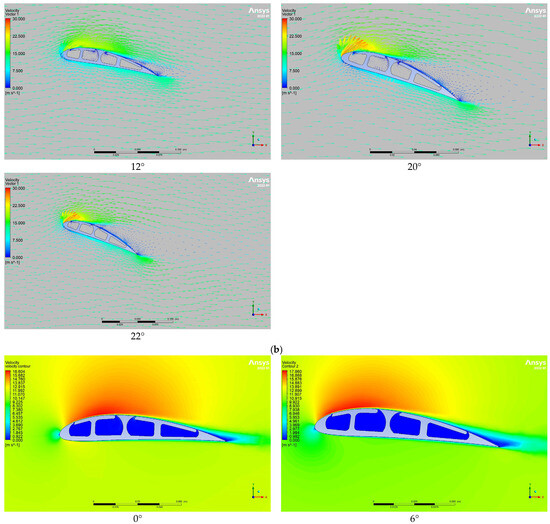
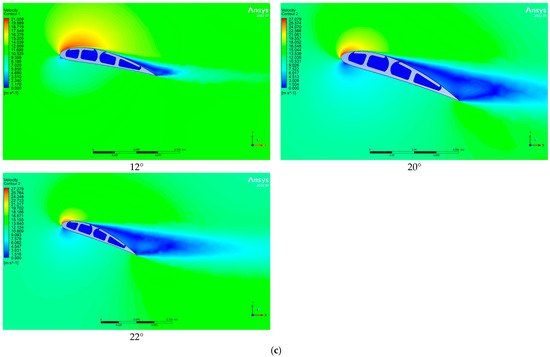
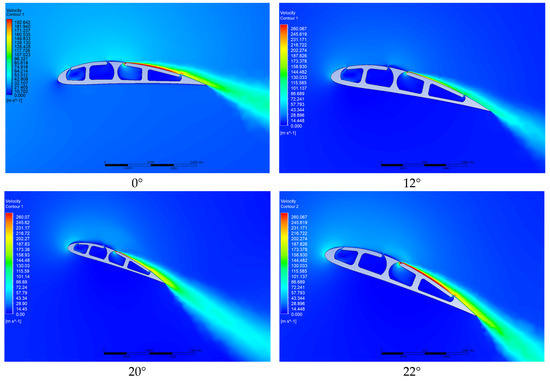
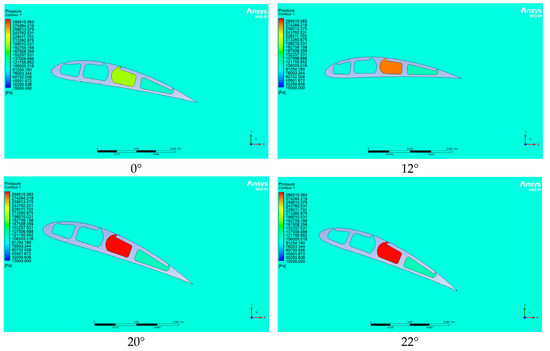
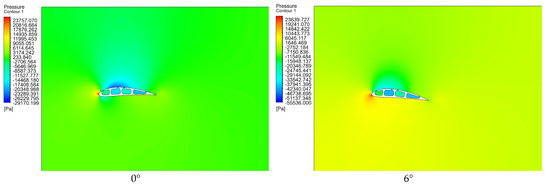
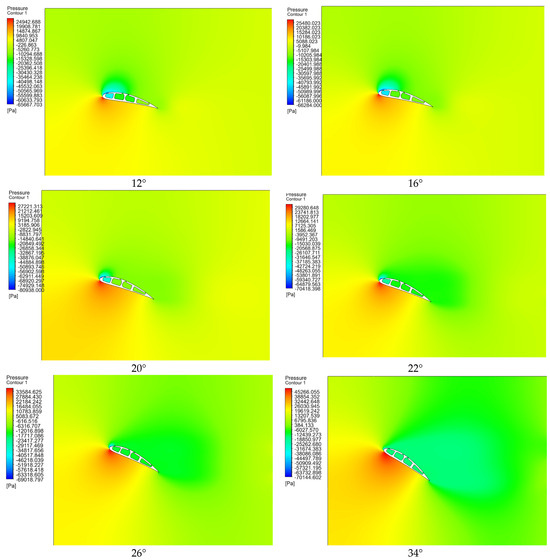
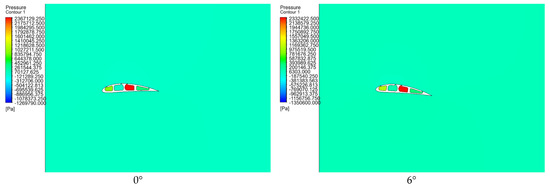
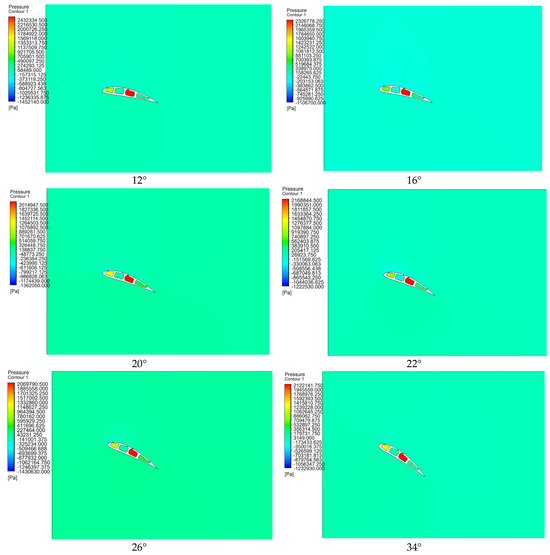
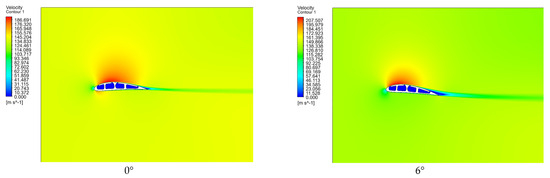
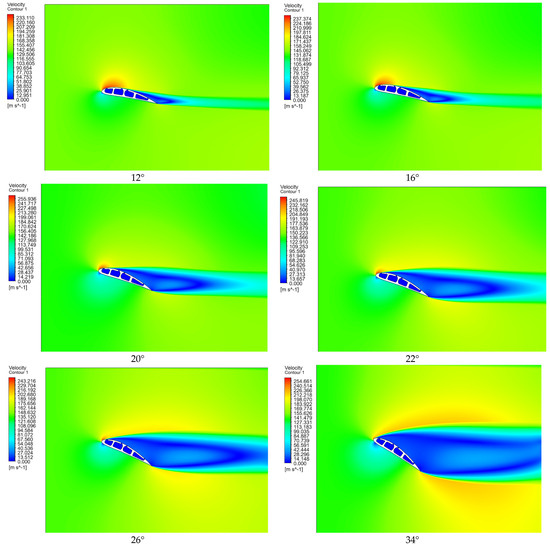
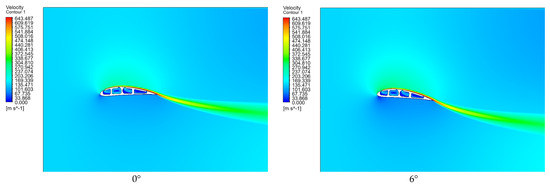
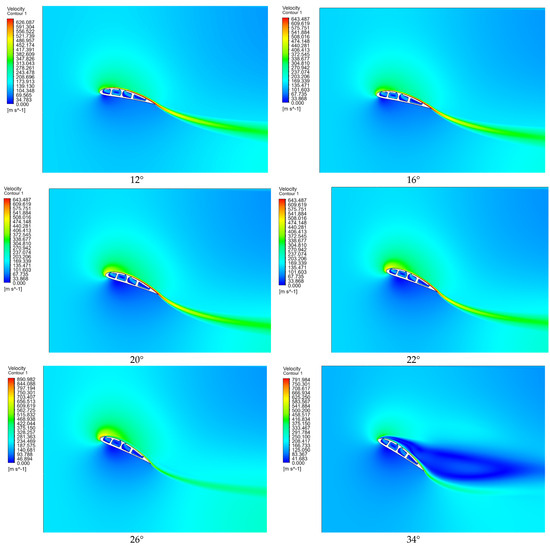
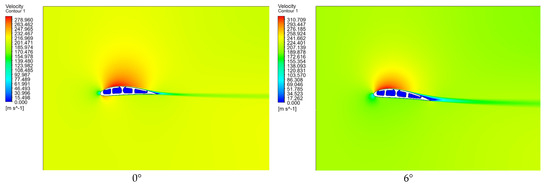
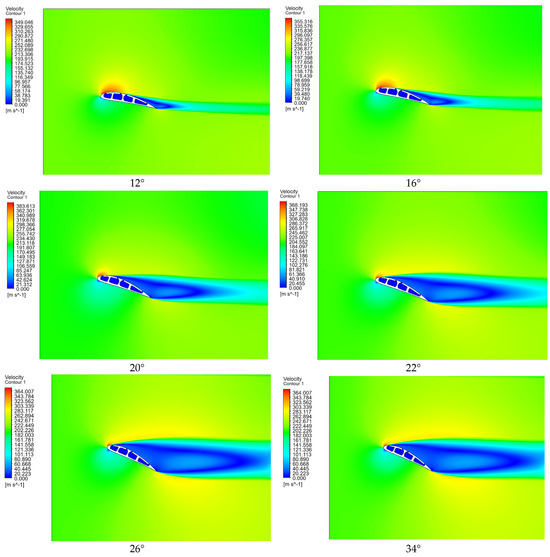
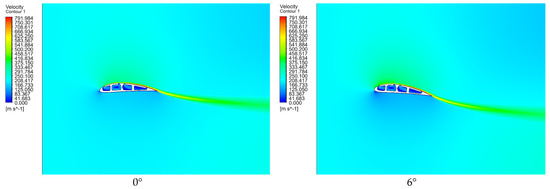
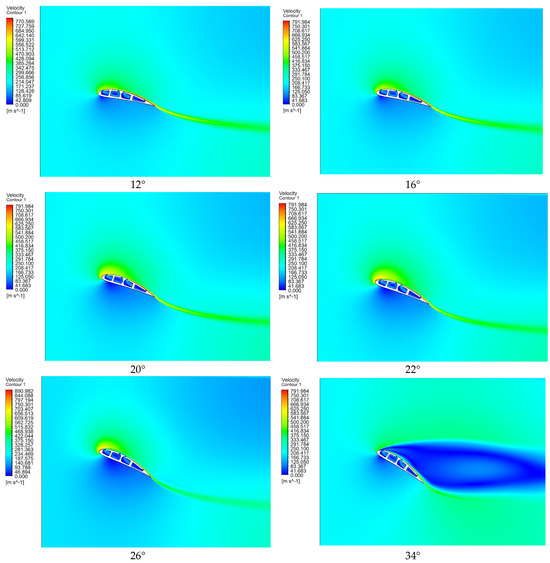
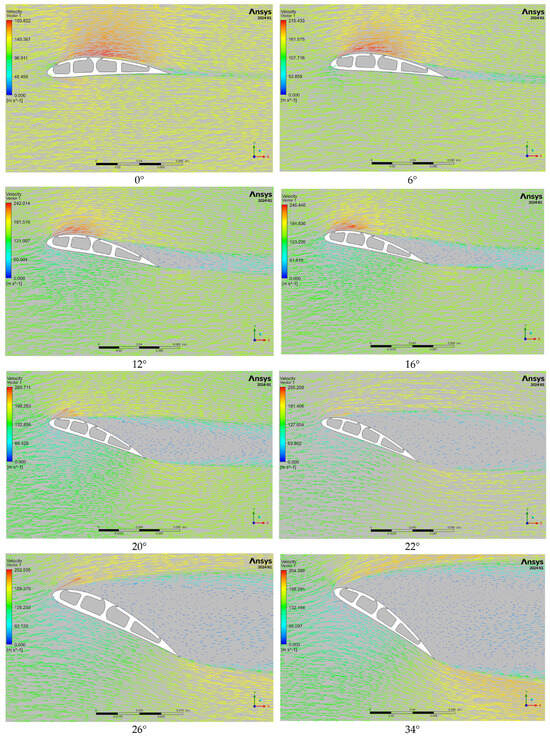
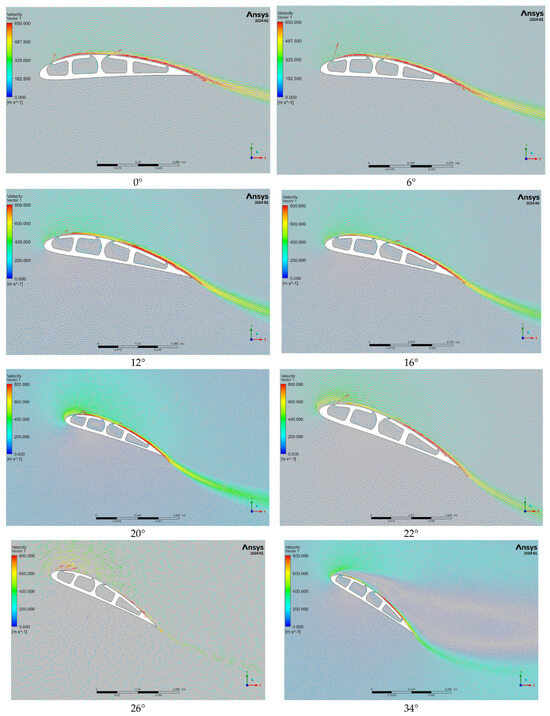
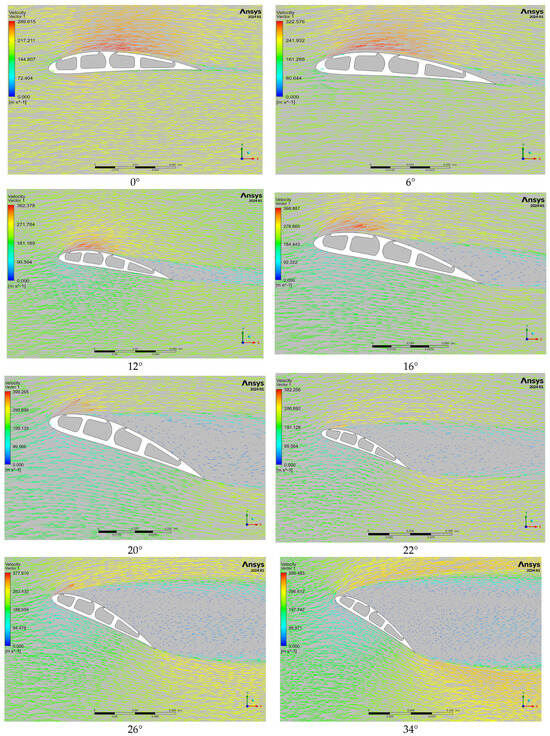
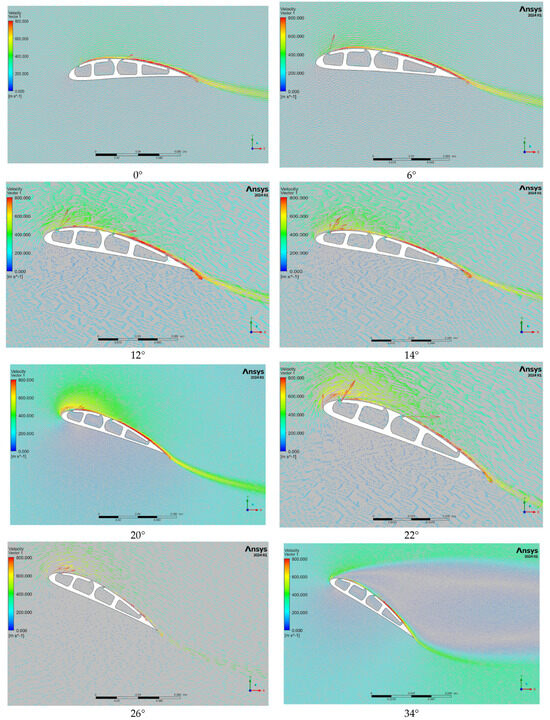
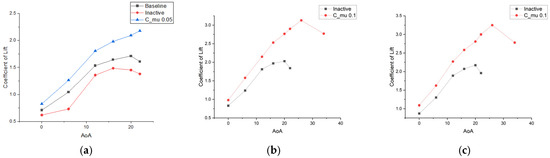
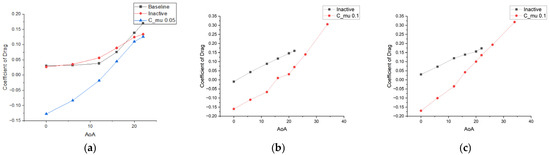
This study presents a computational investigation of an ingenious Twain co-flow jet (CFJ) airfoil system featuring independently controlled micro-compressors for active flow control. Unlike conventional single-point or synchronously controlled CFJ configurations, the proposed system enables independent tuning of jet momentum coefficients at multiple locations along the airfoil surface. Reynolds-averaged Navier–Stokes (RANS) simulations are employed to analyze the impact of this independent control strategy on boundary layer behavior, lift enhancement, stall delay, and aerodynamic efficiency. The objective of this work is to establish a quantitative relationship between jet momentum distribution and aerodynamic performance, while also evaluating the associated energy consumption characteristics of the system. This technology works incredibly well at low speeds, significantly increasing stall angles and lift coefficients; at higher speeds, it uses less energy and improves the lift-to-drag ratio. Twain configuration offers more accurate control over pressure gradients, enabling adaptive performance during all flight phases. In this work, a Twain-compressor-integrated CFJ system is presented, in which jet momentum coefficients (Cμ = 0.05 and 0.1) are dynamically controlled by two independently controlled micro-compressors across various flight conditions (11.34 m/s, 138 m/s, 208 m/s). By optimizing injection at the leading edge and mid-chord—paired with synchronized suction at strategic withdrawal points—the system achieves precise boundary layer control with near-zero net mass flux. Modulating Cμ improves aerodynamic efficiency while limiting the total propulsion energy expenditure, allowing a smooth transition from high-lift takeoff to low-drag cruise, according to computational fluid dynamics (CFD) analysis. Due to these developments, Twain-compressor CFJ systems are now a scalable option for aircraft that need to be extremely aerodynamically versatile without sacrificing efficiency.
Full article

Graphical abstract
Open AccessArticle
Tool Geometry for the Modular Manufacturing of Hypotrochoidal Profiles Standardized According to DIN 3689 by Means of Rolling Processes
by
Masoud Ziaei
Appl. Mech. 2026, 7(2), 38; https://doi.org/10.3390/applmech7020038 - 24 Apr 2026
Abstract
►▼
Show Figures
Despite their excellent torsional and bending strength, the economical production of hypotrochoidal profiles (H-profiles) remains an obstacle to their use. Due to the tool clearance angle, the commercially available twin-spindle turning process has limited ability to manufacture many of the profiles standardized according
[...] Read more.
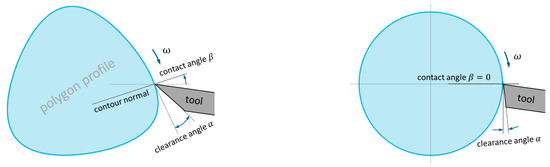
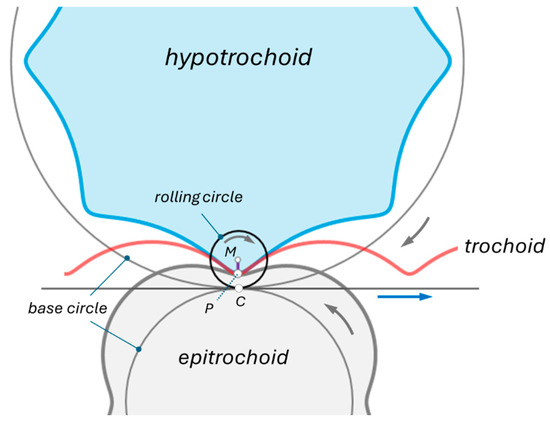
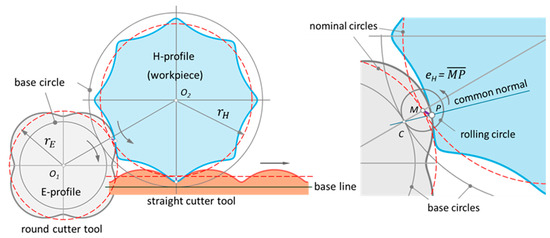
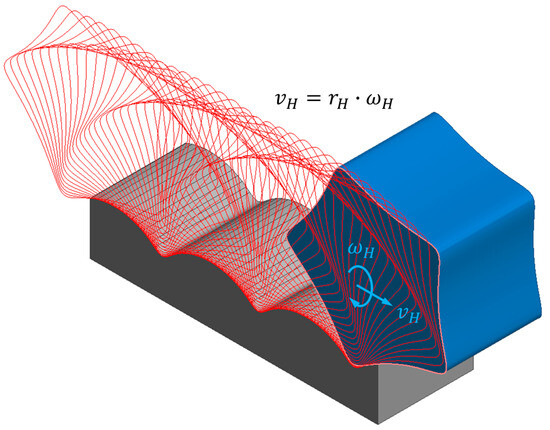
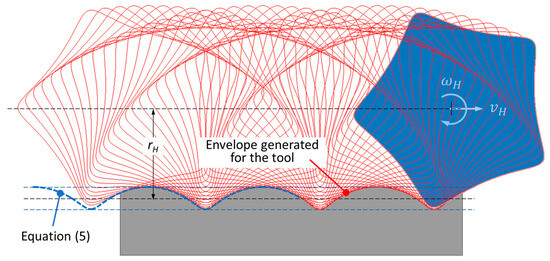
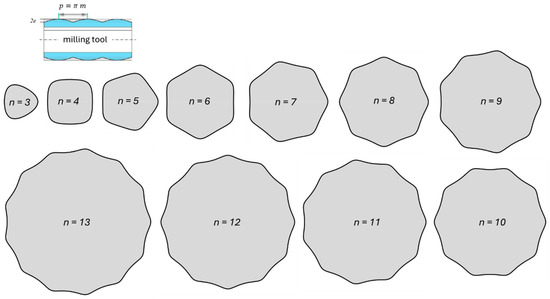
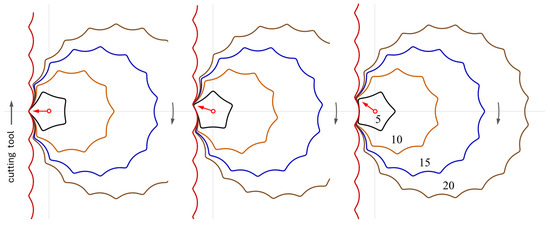
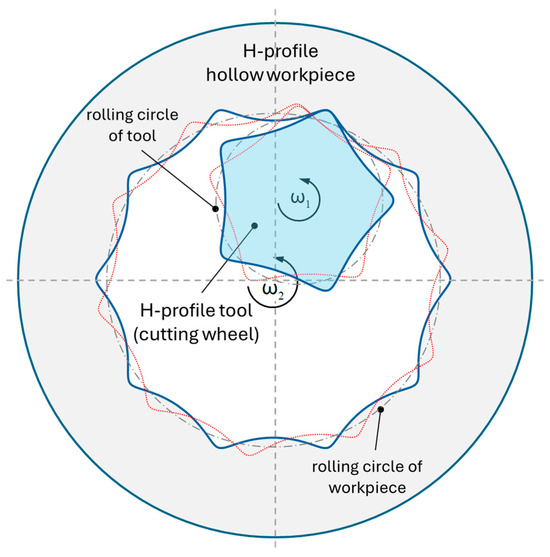
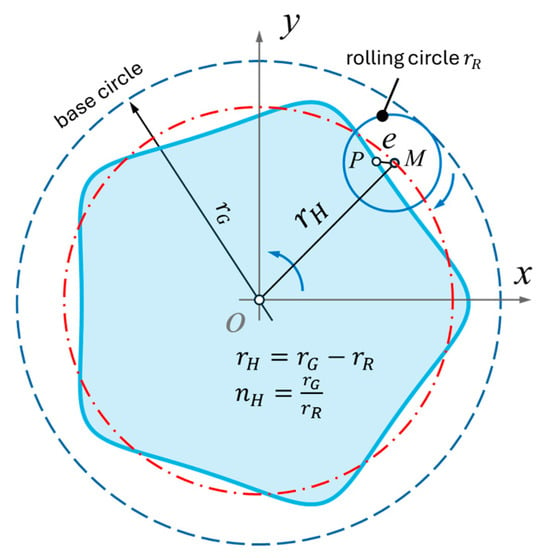
Despite their excellent torsional and bending strength, the economical production of hypotrochoidal profiles (H-profiles) remains an obstacle to their use. Due to the tool clearance angle, the commercially available twin-spindle turning process has limited ability to manufacture many of the profiles standardized according to DIN 3689 (Deutsches Institut für Normung). On the other hand, the manufacturing of cycloidal as a non-involute special geometry using generating processes (hobbing or continuous generating grinding) depends critically on the accuracy of the tool geometry—whether a hobbing cutter or a grinding worm. Conventional tool design methods—based on approximations, involute-derived profiles, or iterative trial-and-error corrections—face fundamental limitations: unpredictable cutting force variations, elevated surface roughness, and limited process capability. However, if the exact tool geometry has been determined analytically, the same machine achieves significantly better performance. In this work, the exact tool geometry conjugated to the H-profile for profile manufacturing is determined based on the gearing law. This provides modular H-profile manufacturing without deviations. Consequently, a design concept that enables the implementation of all existing rolling processes—including gear hobbing, gear shaping, gear planning, and other variants such as gear grinding—is presented. For profile shaping of hollow contours, the transfer ratio is considered and a curve conjugated to the profile contour is determined for the tool. A CAD-based simulation shows very good consistency with the analytically determined tool geometry.
Full article

Figure 1
Journal Menu
► ▼ Journal Menu-
- Applied Mechanics Home
- Aims & Scope
- Editorial Board
- Topical Advisory Panel
- Early Career Editorial Board
- Instructions for Authors
- Special Issues
- Topics
- Topical Collections
- Article Processing Charge
- Indexing & Archiving
- Most Cited & Viewed
- Journal Statistics
- Journal History
- Journal Awards
- Society Collaborations
- Editorial Office
Journal Browser
► ▼ Journal BrowserHighly Accessed Articles
Latest Books
E-Mail Alert
News
Topics
Topic in
Applied Mechanics, Applied Sciences, Materials, Polymers, Solids, Metals
Multi-scale Modeling and Optimisation of Materials
Topic Editors: Mustafa Awd, Frank WaltherDeadline: 31 August 2026
Topic in
Applied Mechanics, Applied Sciences, JMMP, Materials, Metals, Nanomanufacturing
Advances in Manufacturing and Mechanics of Materials
Topic Editors: Young-Min Kim, Minjung Kang, Duck Bong KimDeadline: 30 September 2026
Topic in
Alloys, JETA, Materials, Metals, Sci, Applied Mechanics, Buildings
Advanced Failure Analysis of Materials
Topic Editors: Franco Concli, Isaac J. HongDeadline: 31 December 2026
Topic in
Applied Sciences, Buildings, JETA, Materials, CivilEng, NDT, Applied Mechanics
Structural Health Monitoring Applied to Civil and Mechanical Engineering
Topic Editors: Yang Yang, Lijun Liu, Ning YangDeadline: 31 March 2027
Special Issues
Special Issue in
Applied Mechanics
The Advances in Sustainable Infrastructure Engineering
Guest Editor: Seyed Morteza DavarpanahDeadline: 31 July 2026
Special Issue in
Applied Mechanics
Mechanical Design Technologies for Beam, Plate and Shell Structures (4th Edition)
Guest Editor: César M. A. VasquesDeadline: 30 November 2026
Special Issue in
Applied Mechanics
Feature Review Papers in Applied Mechanics
Guest Editors: Magd Abdel Wahab, Can WangDeadline: 15 December 2026
Special Issue in
Applied Mechanics
Service Behaviour and Applied Mechanics of Mechanical Equipment Surfaces and Interfaces
Guest Editors: Zhenbing Cai, Guoxin XieDeadline: 15 December 2026
Topical Collections
Topical Collection in
Applied Mechanics
Fracture, Fatigue, and Wear
Collection Editor: Magd Abdel Wahab