
-
The Neglected Dimension in Pesticide Residues: Emerging Green and Enantioselective Strategies for the Analysis and Removal of Chiral Pesticides -
Phospholipid Profiling: A Computationally Assisted LC-HRMS Approach in Lecithin -
Pharmaceuticals in Food and Water: Monitoring, Analytical Methods of Detection and Quantification, and Removal Strategies
Journal Description
Separations
Separations
- formerly Chromatography - is an international, peer-reviewed, open access journal on separation and purification science and technology in all areas of chemical, biological, physical science, and separation performance, published monthly online by MDPI. The Central European Group of Separation Sciences (CEGSS) is affiliated with Separations and its members receive discounts on the article processing charges.
- Open Access— free for readers, with article processing charges (APC) paid by authors or their institutions.
- High Visibility: indexed within Scopus, SCIE (Web of Science), CAPlus / SciFinder, and other databases.
- Rapid Publication: manuscripts are peer-reviewed and a first decision is provided to authors approximately 16 days after submission; acceptance to publication is undertaken in 2.8 days (median values for papers published in this journal in the second half of 2025).
- Recognition of Reviewers: reviewers who provide timely, thorough peer-review reports receive vouchers entitling them to a discount on the APC of their next publication in any MDPI journal, in appreciation of the work done.
- Companion journal: Purification.
- Journal Cluster of Analysis and Sensing Technologies: Analytica, Biosensors, Chemosensors, Purification, Separations and Spectroscopy Journal.
Impact Factor:
2.7 (2024);
5-Year Impact Factor:
2.7 (2024)
Latest Articles
Mechanical Model and Kinematic Characteristics of the Particle Impacting Screen Plate During Flip-Flow Screening Process
Separations 2026, 13(4), 113; https://doi.org/10.3390/separations13040113 - 5 Apr 2026
Abstract
►
Show Figures
Flip-flow screens are widely used for the efficient separations of wet fine materials. To explore the separation characteristics of the particle and screen plate in the flip-flow screening process, a flip-flow plate impact experimental system was built. The experimental system was based on
[...] Read more.
Flip-flow screens are widely used for the efficient separations of wet fine materials. To explore the separation characteristics of the particle and screen plate in the flip-flow screening process, a flip-flow plate impact experimental system was built. The experimental system was based on a spherical inertial measurement device and a semi-industrial flip-flow screen system. In this study, we first derive the impact mechanics equation of the flip-flow screen plate on the particle and analyze the influence of the main parameters on the maximum impact force. Subsequently, we investigated the kinematic characteristics of the particle impacted by the screen plate at different moving positions, the variation of the centerline acceleration mechanism, and determined the angular velocity in the collision process. Additionally, we further clarified the alteration in the rules of translational and rotational kinetic energy of the particles in the collision process. This study addresses a research gap in the phenomenological modelling of particulate screening process. At the same time, it provides theoretical support for the accurate control of the flip-flow screening process.
Full article
Open AccessArticle
Upcycling Coal Gangue and Phosphate Tailings into Layered Double Hydroxides for Simultaneous Remediation of Cr (VI), Cd (II) and Ni (II) in Contaminated Soils
by
Qinhan Ye, Pei Zhao, Xuan Xia, Yang Xiao and Xinhong Qiu
Separations 2026, 13(4), 112; https://doi.org/10.3390/separations13040112 - 4 Apr 2026
Abstract
Two mineral-based solid residues, namely coal gangue (CG) and phosphorus tailings (PT), two of the largest solid waste streams in the mining industry, were used as the sole metal feedstocks to fabricate a novel MgCaFeAl layered double hydroxide (LDH-GT) via a 700 °C
[...] Read more.
Two mineral-based solid residues, namely coal gangue (CG) and phosphorus tailings (PT), two of the largest solid waste streams in the mining industry, were used as the sole metal feedstocks to fabricate a novel MgCaFeAl layered double hydroxide (LDH-GT) via a 700 °C calcination, acid leaching and hydrothermal coprecipitation route, with simultaneous synthesis of white carbon black from the reaction byproducts. Under optimized conditions (total metal load is 150 mg kg−1, LDH-GT dose is 0.09 g, pH from 6 to 7), the synthesized material achieved concurrent immobilization efficiencies of 76.28%, 99.96%, and 99.95% for Cr (VI), Cd (II) and Ni (II), respectively, within a 24 h reaction period. TCLP leachability decreased by 82 to 91% relative to the untreated soil. After three wetting, drying and freeze–thaw cycles, the leached concentrations of all three metals remained below 0.3 mg L−1, confirming excellent long-term stability. Mechanistic analyses revealed that Cr (VI) was mainly sequestered through interlayer anion exchange and surface complexation, whereas Cd (II) and Ni (II) were immobilized via isomorphic substitution into the LDH lattice, precipitation as carbonates, and incorporation into Fe/Mn oxides. A 7-day mung bean bioassay showed that LDH-GT amendment increased seed germination from 50% to 73%, enhanced root and shoot biomass by 1.1- to 1.6-fold, and decreased plant Cr, Cd, and Ni contents by over 80%. The 16S rRNA sequencing further demonstrated that LDH-GT reversed the decline in microbial α diversity induced by heavy metal stress, restored aerobic chemoheterotrophic and sulfur cycling functional guilds, and reduced pathogenic signatures. This study provides the demonstration of a waste-to-resource LDH that achieves efficient, durable remediation of multi-metal-contaminated soils, offering a scalable route for coupling solid waste valorization with in situ site restoration.
Full article
(This article belongs to the Special Issue Separation Technology for Metal Extraction and Removal)
►▼
Show Figures

Figure 1
Open AccessArticle
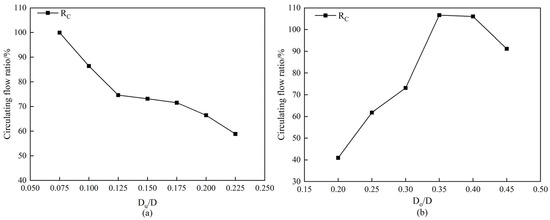
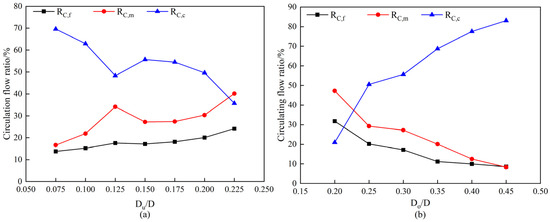
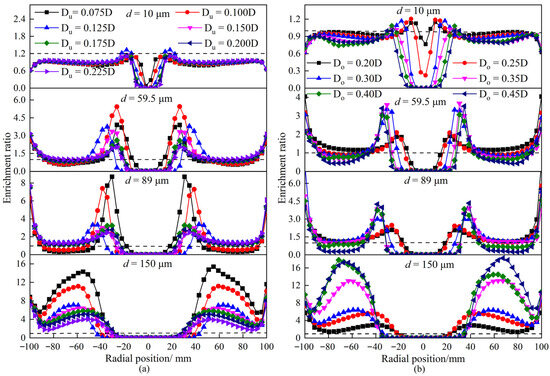
Effects of Cone Segment Configuration on the Classification Performance of Hydrocyclones
by
Xiaoxiao Cai and Hao Lu
Separations 2026, 13(4), 111; https://doi.org/10.3390/separations13040111 - 3 Apr 2026
Abstract
As an efficient solid–liquid separation device, the hydrocyclone is widely applied in various industrial fields such as coal preparation and oil impurity removal, and its classification performance directly determines the efficiency of industrial separation operations., As the core separation zone of the hydrocyclone,
[...] Read more.
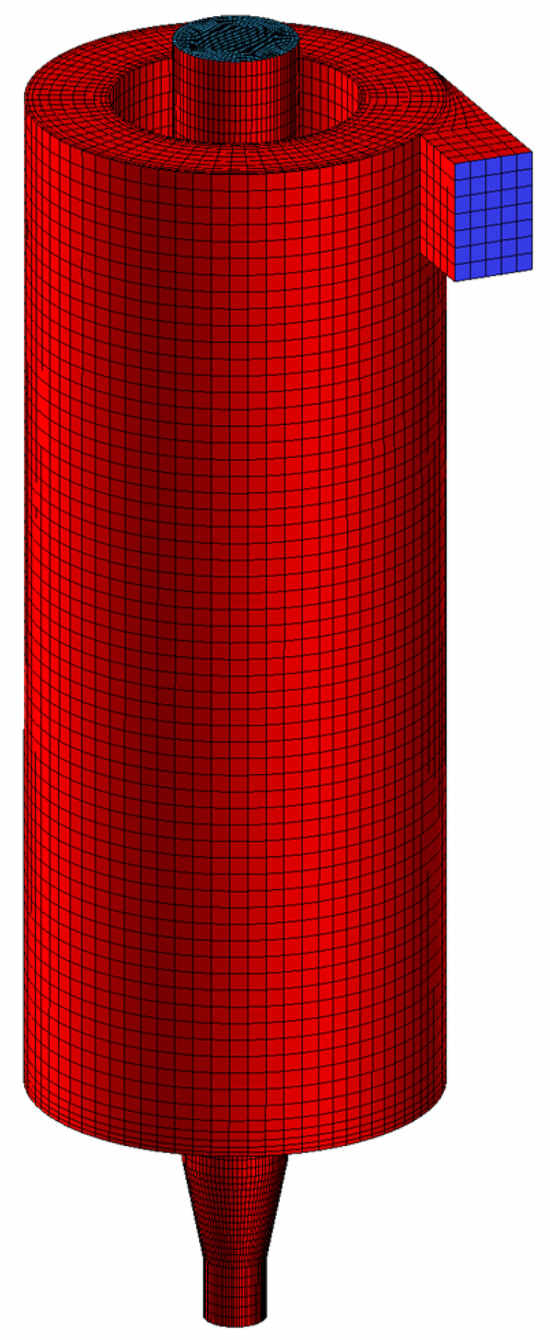
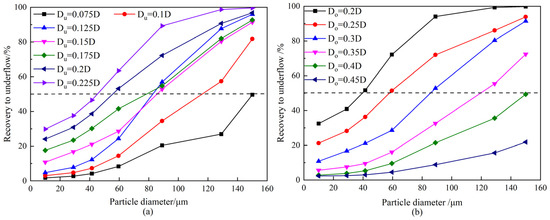
As an efficient solid–liquid separation device, the hydrocyclone is widely applied in various industrial fields such as coal preparation and oil impurity removal, and its classification performance directly determines the efficiency of industrial separation operations., As the core separation zone of the hydrocyclone, the cone segment, its structure and the number of cone angles directly affect the flow field distribution characteristics and particle classification performance of the hydrocyclone. To reveal the regulation mechanism of the combined cone angles on the classification performance of hydrocyclones, numerical analysis and experimental verification methods were adopted to investigate the internal flow field and classification performance of hydrocyclones under different cone angle combinations. The evolution laws of velocity field, pressure field, turbulence characteristics, and particle classification effect under different configurations were systematically explored. The results show that the basic characteristics of the core flow field of the hydrocyclone do not change essentially with the increase in the number of cone segments, but the amplitude, distribution, and stability of flow field parameters are significantly regulated. The three-cone configuration achieves the optimal flow field synergy effect: the amplitude of the high turbulence intensity zone is lower and concentrated near the central axis; the zero-velocity envelope surface is stably maintained at approximately 8 mm in the core separation zone; and the full axial fluctuation of the air core is gentle, which effectively inhibits random particle diffusion and flow pattern mixing. In terms of separation performance, the three-cone configuration exhibits the highest classification efficiency in the core range of sub-coarse particles (10~30 μm), with the cut size (approximately 17.5 μm) in a reasonable range, the steepness index reaching a peak value (approximately 0.55), and the pressure drop (approximately 1.8 × 10⁵ Pa) and split ratio (2.8%) achieving synergistic optimization, balancing separation accuracy and energy consumption control. The single-cone configuration causes flow field disturbance due to the one-time contraction of the flow channel, while the four-cone configuration falls into the dilemma of “high pressure drop–marginal performance gain”, and neither achieves optimal performance. The regulation law of the number of cone segments revealed in this study provides a scientific basis for the structural optimization and engineering application of multi-cone hydrocyclones, and is of great significance for improving the particle classification efficiency in fields such as wastewater treatment and mineral processing.
Full article
(This article belongs to the Section Separation Engineering)
►▼
Show Figures

Figure 1
Open AccessArticle
Comprehensive Discovery and Characterization of Chemical Constituents in Huangqintang Decoction Using Off-Line Two-Dimensional Liquid Chromatography and High-Resolution Mass Spectrometry
by
Yan Fang, Yi Nan, Xijie Tian, Junyu Zhang, Xiaojuan Chen, Juan Song, Haizhen Liang and Baiping Ma
Separations 2026, 13(4), 110; https://doi.org/10.3390/separations13040110 - 1 Apr 2026
Abstract
Traditional Chinese prescriptions are characterized by complex chemical constituents and wide variations in constituent content, which pose a substantial challenge to their comprehensive characterization. As a classic traditional Chinese prescription known for its heat-clearing and detoxifying properties, Huangqintang Decoction (HQD) is composed of
[...] Read more.
Traditional Chinese prescriptions are characterized by complex chemical constituents and wide variations in constituent content, which pose a substantial challenge to their comprehensive characterization. As a classic traditional Chinese prescription known for its heat-clearing and detoxifying properties, Huangqintang Decoction (HQD) is composed of Scutellariae Radix, Paeoniae Radix Rubra, Glycyrrhizae Radix et Rhizoma, and Jujubae Fructus. In this study, we developed an off-line two-dimensional liquid chromatography that addressed the limitations of traditional analysis of unfractionated extracts, such as restricted peak capacity, which often obscured trace components. By coupling with ultra-high performance liquid chromatography-quadrupole time-of-flight mass spectrometry (UHPLC-Q-TOF/MS), this study successfully performed rapid identification or characterization of the complete chemical profile of HQD. Notably, beyond high-throughput identification, this approach leveraged characteristic fragment ions and reversed-phase chromatographic behaviors to differentiate some isomers of flavonoid glycosides and triterpenoid saponins, demonstrating its depth in structural identification. Flavonoid glycoside isomers were distinguished by diagnostic neutral losses, while flavanones and chalcones were characterized by retro-Diels–Alder (RDA) and β-rearrangement, respectively. Isomers of triterpenoid saponins were inferred from aglycone-specific pathways alongside RDA cleavages. Ultimately, a total of 192 compounds were identified, including 88 flavonoids, 80 triterpenoids, 7 monoterpene glycosides, 3 fatty acid amides, 3 phenylethanoid glycosides, 4 coumarins, 3 saccharides, 1 organic acid, and 3 others. This study demonstrated that the off-line two-dimensional liquid chromatography analysis strategy significantly enhanced chromatographic resolution and expanded the coverage of trace components. It presented an effective strategy for comprehensive compound identification in complex traditional Chinese medicine prescriptions.
Full article
(This article belongs to the Topic Application of Chromatography-Mass Spectrometry and Related Techniques, 2nd Edition)
►▼
Show Figures

Graphical abstract
Open AccessArticle
Selective HCl Separation from HCl/SiF4 Mixtures via Glycerol-Based Absorption and Staged Vacuum Desorption
by
Panpan Chu, Qihan Wang, Fan Yang, Guangpeng Chen, Wangzhiyuan He, Hao Pan, Liting Fan, Xiaojian Yang, Jinpeng Shi and Shaolong Wan
Separations 2026, 13(4), 109; https://doi.org/10.3390/separations13040109 - 31 Mar 2026
Abstract
The selective removal of HCl from industrial HCl/SiF4 mixtures was investigated using a series of alcohol-based and deep eutectic solvents (DESs). Among them, glycerol (GL) exhibited superior selectivity for HCl despite a moderate total capacity. Absorption at 60 °C ensured stable operation
[...] Read more.
The selective removal of HCl from industrial HCl/SiF4 mixtures was investigated using a series of alcohol-based and deep eutectic solvents (DESs). Among them, glycerol (GL) exhibited superior selectivity for HCl despite a moderate total capacity. Absorption at 60 °C ensured stable operation with minimal foaming. Desorption analysis revealed that both HCl and SiF4 underwent partial irreversible absorption under N2 stripping, while staged vacuum desorption enabled efficient and selective recovery—SiF4 was fully removed at 70 °C and 6 kPa, followed by nearly complete HCl desorption at 90 °C. Cyclic tests confirmed excellent solvent stability and rapid regeneration, with complete desorption achieved within 10–15 min. A conceptual process was proposed based on these findings, demonstrating a practical and energy-efficient route for selective HCl recovery from acid–gas mixtures.
Full article
(This article belongs to the Section Separation Engineering)
►▼
Show Figures

Figure 1

Open AccessArticle
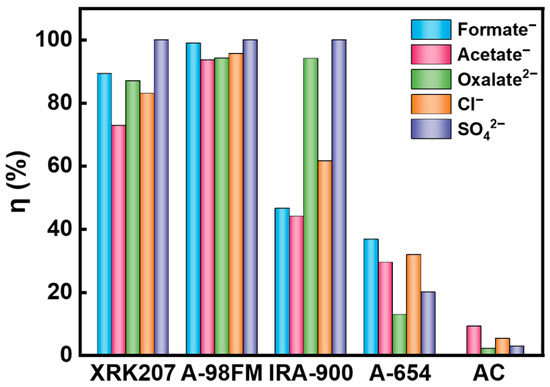
Integrated High-Purity Sialic Acid Production Process Using Multi-Stage Membrane Filtration Coupled with Resin Adsorption
by
Xue Yu, Zihan Zhai, Qiangcheng Zeng, Jiajia Chen, Jiayi Wang, Wei Zhao, Jinling Liang and Guoxiu Han
Separations 2026, 13(4), 108; https://doi.org/10.3390/separations13040108 - 31 Mar 2026
Abstract
This study presents a novel, integrated membrane–resin hybrid platform for the high-efficiency purification of N-acetylneuraminic acid (sialic acid, NANA) from complex microbial fermentation broths. By synergistically combining four sequential stages—ceramic microfiltration (50 nm), ultrafiltration (3 kDa), nanofiltration (150 Da), and dual-resin purification (macroporous
[...] Read more.
This study presents a novel, integrated membrane–resin hybrid platform for the high-efficiency purification of N-acetylneuraminic acid (sialic acid, NANA) from complex microbial fermentation broths. By synergistically combining four sequential stages—ceramic microfiltration (50 nm), ultrafiltration (3 kDa), nanofiltration (150 Da), and dual-resin purification (macroporous adsorption + cation-exchange)—the process achieves stepwise removal of cells, proteins, pigments, monovalent salts, and divalent metal ions without using organic solvents or high-salt buffers. Critically, each stage demonstrates high target recovery: 76.2% (CM), 67.3% (UF), and 77.5% (NF), with near-quantitative retention (>95%) during resin treatment due to NANA’s low hydrophobicity and electrostatic repulsion at pH 6.8. Following optimised acidification crystallisation (acetic acid dosage = 3 × concentrate volume; sialic acid concentrate concentration = 333.49 g/L), the final product reaches 97.9% purity with a crystalline yield of 78.6%. This scalable, green purification strategy eliminates major bottlenecks in downstream processing and enables industrial-scale production of pharmaceutical-grade sialic acid, with broad applicability to other high-value acidic biomolecules.
Full article
(This article belongs to the Special Issue Recognition Materials and Separation Applications)
►▼
Show Figures

Figure 1
Open AccessReview
A Review of Research Progress on Intelligent Cyclone–Filtration-Integrated Equipment for High-Suspended-Solids Mine Water Treatment
by
Shengbing Xiao and Lixin Li
Separations 2026, 13(4), 107; https://doi.org/10.3390/separations13040107 - 30 Mar 2026
Abstract
►▼
Show Figures
Mine water treatment remains a long-term challenge due to high suspended solids, wide particle size distributions, and inflow variability, all of which stress solid–liquid separation systems. Hydrocyclones and filtration often fail not from insufficient capacity, but from the inability to handle dynamic influent
[...] Read more.
Mine water treatment remains a long-term challenge due to high suspended solids, wide particle size distributions, and inflow variability, all of which stress solid–liquid separation systems. Hydrocyclones and filtration often fail not from insufficient capacity, but from the inability to handle dynamic influent behavior. This review integrates existing studies and reinterprets mine water treatment as a system performance issue, focusing on maintaining operability under fluctuating conditions. Evidence shows that high-solids mine water behaves as a concentrated multiphase flow, where particle interactions and flow changes lead to gradual shifts in separation behavior. For example, hydrocyclone efficiency ranges from 85 to 95%, and pressure drop increases by 0.5–5 kPa/h under continuous operation. Wear, clogging, and flow redistribution develop together, impacting the operational window of integrated treatment units. Key gaps remain in system performance under fluctuating loads and reliable performance under high-solids loading. The complexity of these interactions often leads to significant operational risk and performance variability in real-world conditions. Future research should focus on dynamic control strategies, multi-stage pre-separation, and advanced filtration designs to enhance system performance, long-term stability, and adaptability in real mining environments. Emerging technologies and new system configurations may further improve efficiency and reduce operational failure risks under extreme conditions.
Full article

Figure 1
Open AccessArticle
Recovery of Phenolic Compounds and Proteins from Spent Coffee Grounds Using Eutectic Solvents
by
Cristiane Nunes da Silva, Camilla Ribeiro Ferreira, Bernardo Dias Ribeiro and Filipe Smith Buarque
Separations 2026, 13(4), 106; https://doi.org/10.3390/separations13040106 - 28 Mar 2026
Abstract
►▼
Show Figures
Spent coffee grounds (SCGs) are an abundant agro-industrial residue with high potential as a source of phenolic compounds and proteins. This study evaluated the extraction of these value-added fractions using hydrophilic and hydrophobic eutectic solvents, applied either alone or combined with enzyme-assisted extraction.
[...] Read more.
Spent coffee grounds (SCGs) are an abundant agro-industrial residue with high potential as a source of phenolic compounds and proteins. This study evaluated the extraction of these value-added fractions using hydrophilic and hydrophobic eutectic solvents, applied either alone or combined with enzyme-assisted extraction. A total of 31 hydrophobic eutectic solvents (HESs), nine hydrophilic deep eutectic solvents (DESs), and five conventional solvents were screened for phenolic recovery. Extraction performance was strongly formulation-dependent, with hydrophobic systems showing the highest phenolic yields. HES 4 (camphor:oleic acid) was the best-performing solvent, reaching 1279.49 ± 2.31 mg GAE L−1, followed by borneol:oleic acid (1133.92 ± 5.29 mg GAE L−1). Enzyme addition did not enhance phenolic extraction; the highest values under enzymatic conditions were 896.12 ± 4.80 mg GAE L−1 for HES 4 + Cellic® CTec2 and 819.84 ± 2.66 mg GAE L−1 for HES 4 + Viscozyme®. In contrast, protein extraction increased remarkably with enzyme supplementation, particularly with Cellic® CTec2. The highest protein recovery was obtained with HES 4 + Cellic® CTec2 (1608.74 ± 3.32 mg·L−1), compared with 506.37 ± 5.20 mg·L−1 for neat HES 4. In general, neat HESs were more suitable for phenolic recovery, whereas HESs combined with Cellic® CTec2 were more effective for protein extraction.
Full article

Graphical abstract
Open AccessArticle
Four New Terpenoids from Fufang Yinhua Jiedu Granules and Their Anti-Influenza A Virus Activity
by
Xiu Wang, Xiao-Juan Chen, Qing Sun, Juan Song, Hai-Zhen Liang and Bai-Ping Ma
Separations 2026, 13(4), 105; https://doi.org/10.3390/separations13040105 - 26 Mar 2026
Abstract
Fufang Yinhua Jiedu Granules (FFYHG) is usually applied to treat influenza and the common cold. However, there is no available report concerning the effects of chemical constituents in FFYHG on antiviral activity. In our study, four new terpenoid derivatives (1–4
[...] Read more.
Fufang Yinhua Jiedu Granules (FFYHG) is usually applied to treat influenza and the common cold. However, there is no available report concerning the effects of chemical constituents in FFYHG on antiviral activity. In our study, four new terpenoid derivatives (1–4) and seventeen known compounds were isolated from FFYHG. Their structures and absolute configurations were determined by various techniques, including high-resolution mass spectrometry analysis, 1/2-dimensional (1D/2D) nuclear magnetic resonance (NMR) analysis, comparative electronic circular dichroism (ECD) studies (experiment vs. calculation), and acid hydrolysis. In addition, the inhibitory effects of twenty-one isolated compounds against influenza A viruses (H1N1) including A/California/07/2009 (CA07) and A/WSN/1933 (WSN) strains were evaluated in vitro, and compound 4 exhibited a moderate inhibitory effect on CA07 strain, with a half maximal inhibitory concentration (IC50) value of 37.10 ± 1.35 μM. This study enhanced the understanding of the active ingredients in FFYHG against influenza virus, providing a foundation for further research on the material basis and quality control of FFYHG.
Full article
(This article belongs to the Special Issue Extraction, Purification and Functional Substances of Natural Products and Plants)
►▼
Show Figures

Graphical abstract
Open AccessArticle
Removal Performance and Mechanism of Iron–Phosphorus-Based Composite Biochar for Pb(II) and Sb(III) from Water
by
Tingting Ren, Hongxiang Zhu, Zongqiang Zhu, Jian Tan and Qiqi Qin
Separations 2026, 13(4), 104; https://doi.org/10.3390/separations13040104 - 25 Mar 2026
Abstract
In this work, iron–phosphorus-based composite biochar (FPBC) was prepared by modification with the leachate of spent LiFePO4 batteries. The effects of solution pH, dosage, adsorption time, initial concentration, and temperature on the adsorption performance of FPBC were investigated by batch adsorption experiments
[...] Read more.
In this work, iron–phosphorus-based composite biochar (FPBC) was prepared by modification with the leachate of spent LiFePO4 batteries. The effects of solution pH, dosage, adsorption time, initial concentration, and temperature on the adsorption performance of FPBC were investigated by batch adsorption experiments with Pb(II) and Sb(III) as the target pollutants, and the adsorption mechanism was explored using SEM, BET, XPS, FTIR and XRD characterization. The results indicated that as the initial pH of the solution increased, the removal efficiency of FPBC for Pb(II) gradually increased, while the removal efficiency for Sb(III) remained largely unchanged. The removal of Pb(II) and Sb(III) by FPBC fitted the pseudo-second-order kinetic model and the three-step intraparticle diffusion model, indicating that their removal was primarily controlled by chemical adsorption. Isothermal adsorption studies revealed that FPBC adsorption of Pb(II) better fitted the Langmuir and D-R models, suggesting a monolayer-dominated adsorption process. In contrast, adsorption of Sb(III) fitted the Langmuir, Freundlich, and Temkin models, suggesting a combination of monolayer and multilayer adsorption characteristics. The maximum adsorption capacities of FPBC for Pb(II) and Sb(III) were 312.54 mg·g−1 and 219.20 mg·g−1 at 30 °C, which were approximately 12.85 and 3.37 times those of commercial corn stalk biochar (BC). Thermodynamic analysis confirmed that the removal of Pb(II) and Sb(III) by FPBC was a spontaneous and endothermic process. In addition, FPBC demonstrated strong selective adsorption of Pb(II) in the binary co-adsorption system of Pb(II) and Sb(III). Mechanism studies indicated that Pb(II) removal primarily occurred through co-precipitation, complexation, ion exchange, and electrostatic adsorption, while Sb(III) was mainly adsorbed by FPBC via redox reactions and complexation. Therefore, this work not only provides a low-cost, high-performance adsorbent for the remediation of water contaminated with Pb(II) and Sb(III), but also opens up new avenues for the resource recovery of the leachate of spent LiFePO4 batteries.
Full article
(This article belongs to the Special Issue Environmental Functional Materials for Pollutant Separation and Remediation)
►▼
Show Figures

Figure 1

Open AccessArticle
Schinus terebinthifolia Raddi: Compounds Isolated by Countercurrent Chromatography and Biological Activities
by
Mara Junqueira Carneiro, Alexandre Augusto Borghi, Guilherme Perez Pinheiro, Ana Lucia Tasca Gois Ruiz, Daniela Mizobutti, Elaine Minatel, Lisieux Santana Juliao, Svetlana Ignatova, Peter Hewitson and Alexandra Christine Helena Frankland Sawaya
Separations 2026, 13(4), 103; https://doi.org/10.3390/separations13040103 - 25 Mar 2026
Abstract
The chemical composition of natural products is complex and the investigation of bioactivities of compounds of interest demands their isolation. S. terebinthifolia Raddi is a tree belonging to the Anacardiaceae family and is used in Brazilian folk medicine; its fruit (pink peppers) are
[...] Read more.
The chemical composition of natural products is complex and the investigation of bioactivities of compounds of interest demands their isolation. S. terebinthifolia Raddi is a tree belonging to the Anacardiaceae family and is used in Brazilian folk medicine; its fruit (pink peppers) are used in cooking and its bark in phytomedicine. Extracts of other parts of this plant contain a plethora of components and merit further studies. Countercurrent chromatography (CCC) is frequently employed with natural products due to the high sample recovery rate. The objective of this work was to determine the best solvent system (SS) to fraction the ethanol extracts of leaves, flowers and fruit of Schinus terebinthifolia by CCC and isolate compounds of interest and elucidate their structures through nuclear magnetic resonance (NMR) and mass spectrometry (MS). In addition, antiproliferative, potential cell regeneration and antioxidant activities of the fractions of interest were evaluated. In the present work, three compounds were isolated; two were identified as anacardic acids [(6-(8′, 11′-heptadecadienyl)-salicylic acid and 6-(8′-heptadecenyl)-salicylic acid], as well as (Z)-masticadienoic acid. These compounds showed antiproliferative and potential cell regeneration activities as well as varying degrees of antioxidant capacity. Although these compounds present potential therapeutic activity, more studies are necessary to confirm their safety.
Full article
(This article belongs to the Special Issue Extraction, Purification and Functional Substances of Natural Products and Plants)
►▼
Show Figures

Figure 1

Open AccessArticle
Experimental Analysis of PEGs Separation at Mono–Channel Ceramic Membranes in DEMO Plasma Exhaust Processing
by
Luca Farina, Gessica Cortese, Daniela Pietrogiacomi, Maria Cristina Campa and Silvano Tosti
Separations 2026, 13(4), 102; https://doi.org/10.3390/separations13040102 - 24 Mar 2026
Abstract
Plasma Enhancement Gases (PEGs) are a set of gaseous elements studied for converting plasma thermal energy and mitigating the heat load on the plasma-facing components of a tokamak fusion power plant. In particular, PEG separation is part of the Plasma Exhaust Processing System
[...] Read more.
Plasma Enhancement Gases (PEGs) are a set of gaseous elements studied for converting plasma thermal energy and mitigating the heat load on the plasma-facing components of a tokamak fusion power plant. In particular, PEG separation is part of the Plasma Exhaust Processing System of EU-DEMO. This work addresses issues related to the purification of Deuterium-Tritium fusion fuel, introducing ceramic membranes having a low specific area to process and purify unburned streams throughout the fuel cycle. A commercial microporous mono-channel α-Alumina membrane was considered for the evaluation of its efficacy in separating binary mixtures of H2 with a PEG (Ar and N2), D2, or He. Several tests were carried out, feeding equimolar streams of H2-Ar, H2-N2, D2-Ar, and He-Ar, and the separation factor (SF) of the aforementioned binary mixtures was experimentally assessed. Finally, based on the results from the experimental campaign, the separation factors of several gas mixtures that had not been experimentally investigated were theoretically calculated and proposed.
Full article
(This article belongs to the Special Issue Advanced Separation Membranes in Environmental and Energy Fields)
►▼
Show Figures

Figure 1

Open AccessArticle
A Cleaner Phosphoric Acid Production Path: Simultaneous P Extraction and REE Enrichment via Controlled HCl Leaching
by
Jiawei Lin, Jue Kou, Chunbao Sun, Xiaojin Wen and Hongda Xu
Separations 2026, 13(3), 101; https://doi.org/10.3390/separations13030101 - 23 Mar 2026
Abstract
►▼
Show Figures
Rare earth elements (REEs), as significant associated resources in sedimentary phosphate deposits, are commonly processed via the conventional hydrochloric acid wet-process phosphoric acid route (IMI process). In this method, phosphate and rare earth elements are typically leached simultaneously, which subsequently complicates their separation.
[...] Read more.
Rare earth elements (REEs), as significant associated resources in sedimentary phosphate deposits, are commonly processed via the conventional hydrochloric acid wet-process phosphoric acid route (IMI process). In this method, phosphate and rare earth elements are typically leached simultaneously, which subsequently complicates their separation. In this study, a dolomitic rare earth-bearing phosphate concentrate from the Zhijin region of Guizhou Province was selected as the research subject. A stepwise phosphorus-prioritized leaching process was proposed, whereby precise regulation of hydrochloric acid dosage and reaction temperature enabled the preferential leaching of phosphorus (91.27%) and the directed enrichment of rare earth elements in the leaching residue (enrichment ratio of 4.7), thereby achieving efficient phosphorus–rare earth separation at the source. Subsequent process mineralogical analyses of the phosphate concentrate and the leaching residue revealed that rare earth elements occur in fluorapatite predominantly through isomorphic substitution. Following preferential phosphorus leaching, the residual Ca combines with F to form CaF2, while rare earth elements become concentrated within the leaching residue. Finally, kinetic investigations and response surface analyses demonstrated that the preferential phosphorus leaching process is governed by diffusion through the solid product layer. Among the influencing factors, hydrochloric acid dosage (A), leaching temperature (C), and the interactions between leaching time and the solid–liquid ratio (B, D) were identified as the most significant parameters affecting phosphorus leaching efficiency. This study elucidates, from a mechanistic perspective, the governing principles of phosphorus dissolution and rare earth enrichment within the hydrochloric acid preferential leaching system, thereby providing important theoretical support and technical guidance for simultaneously achieving efficient phosphorus extraction and targeted rare earth enrichment within the hydrochloric acid wet-process phosphoric acid production route.
Full article

Figure 1
Open AccessArticle
Modelling Adsorption Breakthrough Curves
by
Xin Shen and Jules Thibault
Separations 2026, 13(3), 100; https://doi.org/10.3390/separations13030100 - 20 Mar 2026
Abstract
Adsorption is a widely employed separation technique valued for its low energy requirements and its applicability to diverse processes, including air separation, water purification, chromatographic analysis, wastewater treatment, and protein immobilization on biomaterials. Industrial adsorption–desorption cycles are typically carried out in parallel packed-bed
[...] Read more.
Adsorption is a widely employed separation technique valued for its low energy requirements and its applicability to diverse processes, including air separation, water purification, chromatographic analysis, wastewater treatment, and protein immobilization on biomaterials. Industrial adsorption–desorption cycles are typically carried out in parallel packed-bed columns. The accurate design and optimization of these columns rely on experimental breakthrough curves. These curves provide essential information on adsorption capacity and mass-transfer kinetics. In this study, five modelling approaches, based on instantaneous adsorption, non-instantaneous adsorption, Fickian diffusion, and anomalous diffusion, were evaluated for their ability to predict breakthrough behaviour during the adsorption of butanol on activated carbon. The first four models were formulated using conventional partial differential equations of varying complexity, whereas the fifth model incorporated anomalous diffusion through fractional-order differential equations. The results indicate that model performance depended strongly on the adsorbent type: certain models provided superior predictions for one activated carbon, while different models were more accurate for the other.
Full article
(This article belongs to the Special Issue Numerical Modeling and Computation in Separation and Adsorption)
►▼
Show Figures

Graphical abstract
Open AccessArticle
Inorganic–Organic Hybrid Polymer for Fine-Rich Coal Slime Water Treatment: Performance and Interfacial Adsorption Mechanism on Kaolinite Aluminol Surface
by
Jing Chang, Hang Zhao, Shizhen Liang, Xihao Feng, Jia Xue and Wei Zhao
Separations 2026, 13(3), 99; https://doi.org/10.3390/separations13030099 - 19 Mar 2026
Abstract
High-ash coal slime water, characterized by its stable colloidal suspension of fine kaolinite particles, poses a significant challenge in the coal preparation industry because it is hard to achieve efficient solid–liquid separation. While traditional coagulants and flocculants often suffer from limited bridging capabilities
[...] Read more.
High-ash coal slime water, characterized by its stable colloidal suspension of fine kaolinite particles, poses a significant challenge in the coal preparation industry because it is hard to achieve efficient solid–liquid separation. While traditional coagulants and flocculants often suffer from limited bridging capabilities and distinct pH sensitivity, novel molecular architectures offer potential solutions. In this study, a star-shaped inorganic–organic hybrid flocculant (Al-PAM) was synthesized via in situ polymerization. Its flocculation performance and interfacial adsorption mechanism on the specifically targeted aluminol basal plane of kaolinite were systematically investigated and compared with Polyaluminum Chloride (PAC), Non-ionic Polyacrylamide (NPAM), and their combination (PAC + NPAM). Settling tests revealed that Al-PAM exhibited superior performance at a significantly lower dosage (10 mg∙L−1) compared to the PAC + NPAM binary reagent system. It achieved a rapid initial settling velocity and reduced the supernatant turbidity to 48.45 NTU, while maintaining a near-neutral pH favorable for water recycling. Furthermore, Quartz Crystal Microbalance with Dissipation (QCM-D) monitoring confirmed that Al-PAM forms a thick, viscoelastic, and irreversible adsorption layer on the Al2O3 substrate. The dissipation shifts (ΔD) revealed that the star-shaped architecture promotes distinct bridging and electrostatic adsorption, overcoming the limitation of linear polymers. This work elucidates the specific contribution of the alumina-surface interaction with flocculants and proposes an efficient strategy for treating refractory coal slime water.
Full article
(This article belongs to the Special Issue Separation Technology in Mineral Processing)
►▼
Show Figures

Figure 1
Open AccessReview
Macroporous Resin-Based Purification of Flavonoids: Quantitative Structure–Adsorption Relationships and a Preliminarily Validated Selection Framework
by
Gang Tian, Yihang Tian, Shiping Cheng, Cong Yang and Guoxu He
Separations 2026, 13(3), 98; https://doi.org/10.3390/separations13030098 - 19 Mar 2026
Abstract
►▼
Show Figures
Macroporous adsorption resins (MARs) are widely used for preparative-scale flavonoid purification, yet rational resin selection remains difficult because flavonoids differ substantially in hydrophobicity, hydrogen-bonding capacity, molecular size, and planarity. This review reorganizes the available literature into a structure-guided and data-supported selection aid rather
[...] Read more.
Macroporous adsorption resins (MARs) are widely used for preparative-scale flavonoid purification, yet rational resin selection remains difficult because flavonoids differ substantially in hydrophobicity, hydrogen-bonding capacity, molecular size, and planarity. This review reorganizes the available literature into a structure-guided and data-supported selection aid rather than a fully predictive model. A systematic search of Web of Science, Scopus, PubMed, and CNKI (January 2000 to February 2026) identified 55 studies for qualitative synthesis. Because many reports describe total flavonoids or mixed extracts rather than explicit single-compound adsorption data, only the subset with sufficiently clear compound-level or narrowly interpretable adsorption information was used for cautious comparative interpretation. Across the compiled evidence, non-polar resins generally favored less polar aglycones and methoxylated flavonoids, whereas medium-polar and polar resins more often performed well for glycosylated or more hydrophilic targets. On this basis, flavonoids were organized into four operational classes linked to recommended resin polarity, indicative adsorption capacity ranges, and typical ethanol-elution windows. A retrospective comparison with independent literature cases suggests practical value for initial resin prioritization, but the framework should be interpreted primarily as a heuristic, trend-based guide rather than as a strictly predictive model, because mixed-matrix effects, pore accessibility, and competitive adsorption can override simple polarity matching. A generalized operating window for adsorption and desorption is also summarized. Overall, this review provides a mechanism-informed starting point for resin screening while making explicit the conditions under which case-specific experiments remain necessary.
Full article

Figure 1
Open AccessArticle
Parametric Study of Flow Uniformity for Mitigating Ammonium Bisulfate Fouling in Air Preheaters Based on CFD Simulations
by
Li Yao, Kuan Xu, Linfang Zhang and Xiaodong Wu
Separations 2026, 13(3), 97; https://doi.org/10.3390/separations13030097 - 19 Mar 2026
Abstract
Ammonium bisulfate (ABS) fouling in air preheaters has become a critical challenge restricting the safe and efficient operation of coal-fired units. Optimizing the flow field of the outlet of the upstream SCR system is a potentially effective path to mitigate ABS fouling. In
[...] Read more.
Ammonium bisulfate (ABS) fouling in air preheaters has become a critical challenge restricting the safe and efficient operation of coal-fired units. Optimizing the flow field of the outlet of the upstream SCR system is a potentially effective path to mitigate ABS fouling. In this work, CFD simulations were conducted on the SCR De-NOx system and its succeeding flue ducts connected to the air preheater. The simulation results of the original design show that a significant velocity deviation exists at the inlet of the air preheater (with the CV1 up to 53.2%), with a portion of the flue gas adhering to the walls, which could induce ABS fouling in the low-temperature region. By adding flow guide plates into the flue duct, the flow uniformity before the air preheater was expected to be effectively improved. Notably, considering the deposition characteristics of ABS and the operating characteristics of the rotary air preheater, this study proposed a novel evaluation indicator, radial variance coefficient (CV2), which focuses on the velocity uniformity based on the annular sector unit, to indicate the risk of ABS deposition. The influence on velocity uniformity of different flow guide plate layouts was analyzed. Based on the multiple evaluation metrics including pressure drop and flow uniformity, the optimal layout scheme was then selected. After optimization, the radial variance coefficient decreased from 30.7% to 11.7%, with the pressure drop slightly increased from 50 Pa to 80 Pa. This study could help to reduce unit failure frequency and support efficient operation of coal-fired power plants.
Full article
(This article belongs to the Special Issue Numerical Modeling and Computation in Separation and Adsorption)
►▼
Show Figures

Figure 1

Open AccessArticle
Efficient Removal of Oxytetracycline by Fe/N Co-Doped Biochar Derived from Fava Bean Straw: Performance and Mechanisms
by
Xinyu Dong, Yu Zhang, Xinyi Zhang, Yaping Xu, Haitao Zhao, Nan Jiang, Lijun Meng and Shengyang Zheng
Separations 2026, 13(3), 96; https://doi.org/10.3390/separations13030096 - 18 Mar 2026
Abstract
To efficiently remove oxytetracycline (OTC) pollution from water bodies, this study utilized fava bean straw as a precursor to synthesize iron-nitrogen (Fe/N) co-doped biochar via pyrolysis. By regulating the synthesis ratio of iron and nitrogen, the material’s adsorption performance was optimized. The adsorption
[...] Read more.
To efficiently remove oxytetracycline (OTC) pollution from water bodies, this study utilized fava bean straw as a precursor to synthesize iron-nitrogen (Fe/N) co-doped biochar via pyrolysis. By regulating the synthesis ratio of iron and nitrogen, the material’s adsorption performance was optimized. The adsorption characteristics and mechanisms of OTC were systematically investigated. The findings reveal that when the proportion of iron to nitrogen is set at 1:3, the adsorption efficacy reaches its peak. Moreover, this material demonstrates outstanding reusability characteristics. The outcomes of kinetic fitting suggest that the adsorption procedure adheres to the pseudo-second-order kinetic model (R2 = 0.967), primarily characterized by chemisorption. The isothermal adsorption data better fit the Langmuir model (R2 = 0.9984), with a theoretically attainable upper-limit adsorption capacity reaching 666.13 mg/g. This signifies the occurrence of monolayer adsorption, while the adsorption procedure constitutes an endothermic reaction. Based on characterization and mechanistic analysis, it can be concluded that the adsorption mechanism of Fe1N3KBC on OTC mainly involves π-π stacking interactions and chelation reactions. The Fe/N co-doped biochar prepared in this present research features readily available raw materials and a simple preparation process, combining high adsorption efficiency with excellent stability. It provides a novel technical paradigm for developing environmentally friendly adsorbents to address antibiotic pollution in water bodies.
Full article
(This article belongs to the Special Issue Adsorption/Degradation for Environmental Pollutants)
►▼
Show Figures

Graphical abstract
Open AccessArticle
Development of the VARICOL Process for the Resolution of Racemic Menthol
by
Linhe Sun, Ying Yang and Jianguo Yu
Separations 2026, 13(3), 95; https://doi.org/10.3390/separations13030095 - 17 Mar 2026
Abstract
This paper reports the chiral separation of menthol enantiomers using the VARICOL process to improve productivity. Amylose 3,5-dimethylphenylcarbamate coated on silica gel was employed as the chiral stationary phase, and n-hexane/2-propanol (95/5, v/v) was used as the eluent. To design
[...] Read more.
This paper reports the chiral separation of menthol enantiomers using the VARICOL process to improve productivity. Amylose 3,5-dimethylphenylcarbamate coated on silica gel was employed as the chiral stationary phase, and n-hexane/2-propanol (95/5, v/v) was used as the eluent. To design and optimize the VARICOL process, a linear driving-force model was developed to predict the separation performance. Separation regions of the conventional simulated moving bed (SMB) and VARICOL processes were evaluated and compared. It was found that, under an outlet purity requirement of 95.0%, the five-column VARICOL process has a separation region comparable to that of the six-column conventional SMB process. As an illustrative example, a five-column VARICOL unit and a six-column conventional SMB unit, both operating under the same conditions, were employed to resolve the menthol racemate. Purities for both the extract and raffinate were above 95.0%, and a productivity of 0.400 gracemate/(LCSP∙min) and a solvent consumption of 0.355 L/gracemate were achieved in the VARICOL process. Productivity increased by 20% while solvent consumption maintained relative to the conventional SMB process, though product purities decreased slightly.
Full article
(This article belongs to the Topic Processing Design and Intensification in Chemical Engineering)
►▼
Show Figures

Graphical abstract
Open AccessArticle
HPLC-DAD Determination of Hydroquinone, Salicylic Acid, and Niacinamide in Skin-Whitening Products: Method Validation and Safety Evaluation
by
Khadejah D. Otaif
Separations 2026, 13(3), 94; https://doi.org/10.3390/separations13030094 - 14 Mar 2026
Abstract
Skin-whitening products (SWPs) are widely used, yet many contain prohibited or misdeclared depigmenting agents posing safety concerns. This study developed and validated a sensitive and reliable HPLC-DAD method for the simultaneous determination of hydroquinone (HQ), salicylic acid (SAL), and niacinamide (NIC) in commercial
[...] Read more.
Skin-whitening products (SWPs) are widely used, yet many contain prohibited or misdeclared depigmenting agents posing safety concerns. This study developed and validated a sensitive and reliable HPLC-DAD method for the simultaneous determination of hydroquinone (HQ), salicylic acid (SAL), and niacinamide (NIC) in commercial and homemade SWPs. Validation followed ICH Q2(R1), demonstrating good specificity, linearity (R2 > 0.9999), method precision (%RSD < 2%), and LOD/LOQ values of 0.2 and 0.7 µg/mL for all analytes. Recoveries of 97.48–99.83% for HQ, 99.37–101.26% for NIC, and 83.04–95.38% for SAL were also obtained. Analysis of 51 products revealed major discrepancies between declared and measured contents. HQ was detected in 18.60% of commercial samples despite its prohibition in OTC cosmetic formulations; none of the SAL-containing products matched their labels, and NIC appeared in 25.58% of samples, with only one sample compliant with its declared content. Homemade products showed undeclared HQ in 62.50% of samples, 25% of samples exceeded the 2% permitted SAL limit, and unregulated multi-ingredient combinations. Risk assessment showed all HQ-containing commercial products and several homemade formulations posed unacceptable systemic exposure risks (MoS < 100). Overall, the proposed method provides a practical and accessible approach for routine quality control and market surveillance of cosmetic products.
Full article
(This article belongs to the Section Chromatographic Separations)
►▼
Show Figures

Graphical abstract
Journal Menu
► ▼ Journal Menu-
- Separations Home
- Aims & Scope
- Editorial Board
- Reviewer Board
- Topical Advisory Panel
- Instructions for Authors
- Special Issues
- Topics
- Sections & Collections
- Article Processing Charge
- Indexing & Archiving
- Editor’s Choice Articles
- Most Cited & Viewed
- Journal Statistics
- Journal History
- Journal Awards
- Society Collaborations
- Editorial Office
Journal Browser
► ▼ Journal BrowserHighly Accessed Articles
Latest Books
E-Mail Alert
News
Topics
Topic in
Analytica, Foods, Molecules, Processes, Separations, Chemosensors
Application of Chromatography-Mass Spectrometry and Related Techniques, 2nd Edition
Topic Editors: Chao Kang, Ronald BeckettDeadline: 30 April 2026
Topic in
ChemEngineering, Materials, Molecules, Nanomaterials, Separations
Porous Materials for Energy and Environment Applications, 2nd Edition
Topic Editors: Yi-Nan Wu, Fei KeDeadline: 31 May 2026
Topic in
Applied Sciences, ChemEngineering, Membranes, Pollutants, Processes, Separations, Clean Technol.
Membrane Preparation and Its Application in Lithium Ions Extraction
Topic Editors: Lei Zhang, Xianhui LiDeadline: 20 June 2026
Topic in
Fermentation, Membranes, Recycling, Sustainability, Separations, ChemEngineering
Separation Techniques and Circular Economy
Topic Editors: Da-Qi Cao, Qunhui Wang, Yuanyuan Ren, Yangmo ZhuDeadline: 30 June 2026
Special Issues
Special Issue in
Separations
Research on New Technology and Equipment of Multiphase Flow Separation
Guest Editors: Chencan Du, Yubin WangDeadline: 10 April 2026
Special Issue in
Separations
Research Progress of Gas–Solid Fluidized Dry Separation
Guest Editor: Chenyang ZhouDeadline: 10 April 2026
Special Issue in
Separations
Novel Solvents and Methods for Extraction of Chemicals
Guest Editors: Silvia Fraterrigo Garofalo, Giuseppe PipitoneDeadline: 10 April 2026
Special Issue in
Separations
Absorption, Adsorption Technologies and Materials of Industrial Exhaust
Guest Editors: Zhi Qian, Le Sang, Guojie ZhangDeadline: 10 April 2026
Topical Collections
Topical Collection in
Separations
State of the Art in Plant Omics Analysis in Separations
Collection Editors: Ivana Tomaz, Darko Preiner
Topical Collection in
Separations
CEGSS Yesterday, Today and Tomorrow
Collection Editors: Bogusław Buszewski, Erwin Rosenberg
Topical Collection in
Separations
Feature Paper Collection in Section 'Environmental Separations'
Collection Editors: Maria Elizabeth Tiritan, Cláudia Maria Rosa Ribeiro
Topical Collection in
Separations
Feature Paper Collection in Section ‘Chromatographic Separations’
Collection Editors: Victoria Samanidou, Evroula Hapeshi