Journal Description
Healthcare
Healthcare
is an international, scientific, peer-reviewed, open access journal on health care systems, industry, technology, policy, and regulation, and is published semimonthly online by MDPI. The European Medical Association (EMA), Ocular Wellness & Nutrition Society (OWNS) and Italian Society of Nephrology Nurses (SIAN) are affiliated with Healthcare and their members receive discounts on the article processing charges.
- Open Access— free for readers, with article processing charges (APC) paid by authors or their institutions.
- High Visibility: indexed within Scopus, SCIE and SSCI (Web of Science), PubMed, PMC, and other databases.
- Journal Rank: JCR - Q1 (Health Policy and Services) / CiteScore - Q1 (Leadership and Management)
- Rapid Publication: manuscripts are peer-reviewed and a first decision is provided to authors approximately 21.5 days after submission; acceptance to publication is undertaken in 2.9 days (median values for papers published in this journal in the first half of 2026).
- Recognition of Reviewers: Reviewers whose reports are timely and of high quality receive an APC discount voucher for a future publication in an MDPI journal. Become a reviewer.
- Companion journals for Healthcare include: Trauma Care, European Burn Journal, Digital Health and Innovation (DHI), Green Health and Preventive Healthcare.
- Journal Cluster of Healthcare Sciences and Services: Geriatrics, Journal of Ageing and Longevity, Healthcare, Hospitals, Nursing Reports, Women, Journal of Gerontology and Geriatrics and Primary and Hospital Care.
Impact Factor:
3.4 (2025);
5-Year Impact Factor:
3.3 (2025)
Latest Articles
Institutional Variation in MRI Utilization After Prostatectomy for Prostate Cancer: A Multicenter Study
Healthcare 2026, 14(19), 3131; https://doi.org/10.3390/healthcare14193131 (registering DOI) - 22 Sep 2026
Abstract
Background/Objectives: Healthcare utilization may vary because of institutional practice patterns and policy context. This study aimed to evaluate institutional variation and clinical factors associated with repeated MRI examinations after prostatectomy and to explore whether cumulative MRI use was associated with overall survival. Methods:
[...] Read more.
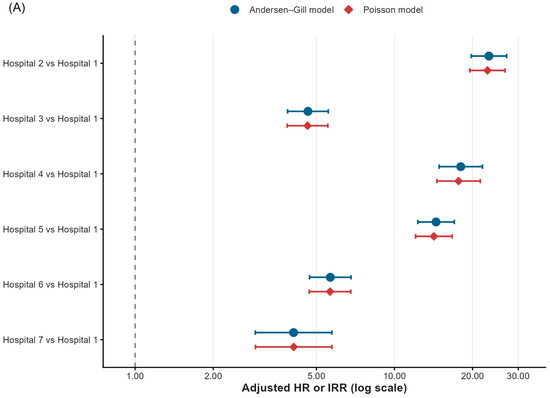
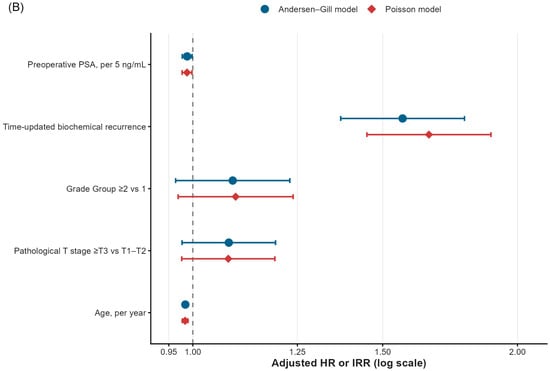
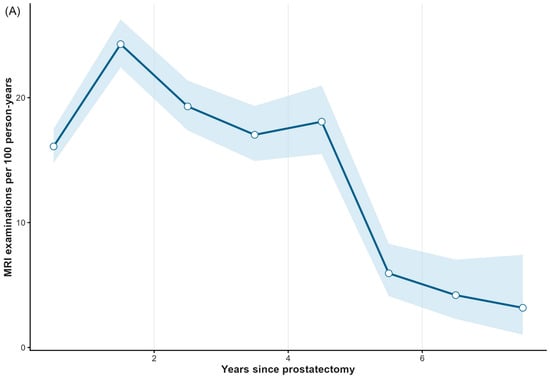
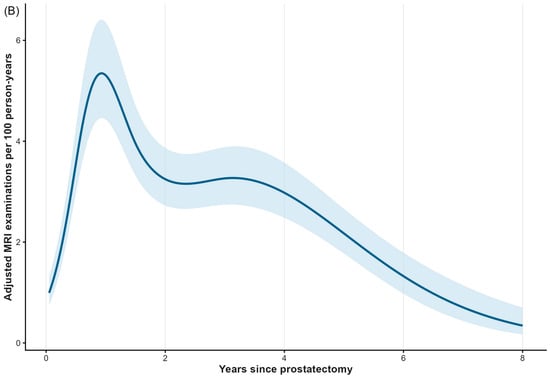
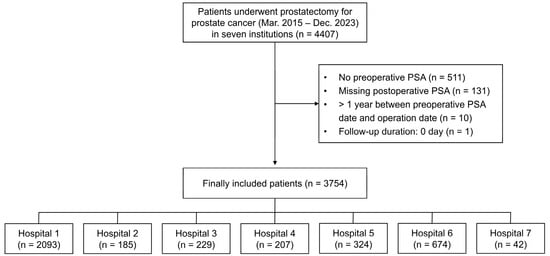
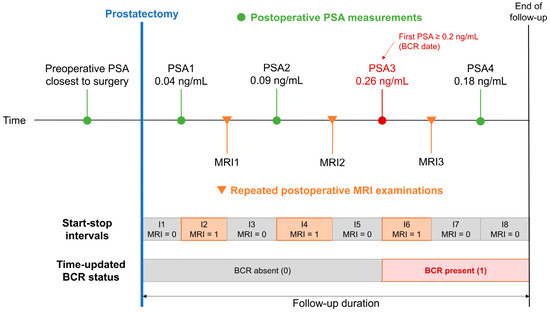
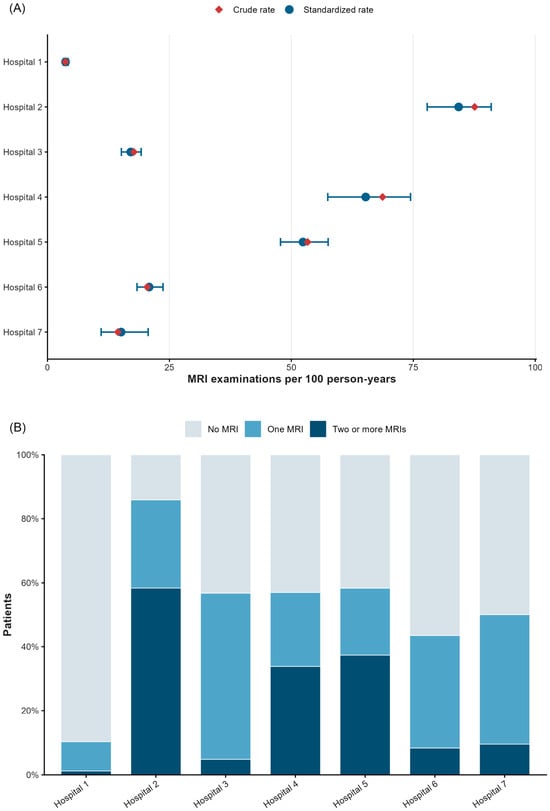
Background/Objectives: Healthcare utilization may vary because of institutional practice patterns and policy context. This study aimed to evaluate institutional variation and clinical factors associated with repeated MRI examinations after prostatectomy and to explore whether cumulative MRI use was associated with overall survival. Methods: This retrospective multicenter study included 3754 patients who underwent prostatectomy for prostate cancer at seven hospitals. Repeated MRI examinations were analyzed using an Andersen–Gill counting-process Cox model with patient-clustered robust variance, and a complementary Poisson model was used to evaluate postoperative temporal patterns and the robustness of the institutional associations. Biochemical recurrence (BCR; postoperative prostate-specific antigen ≥ 0.2 ng/mL) was treated as a time-updated covariate. A separate exploratory Cox model evaluated overall survival. Results: During a median follow-up of 936 days (interquartile range, 432–1687 days), 2027 postoperative MRI examinations were recorded. Repeated postoperative MRI examinations were more frequent at Hospitals 2–7 than at Hospital 1 (average hazard ratios [HRs] over follow-up, 4.083–23.136; all p < 0.001), although the magnitude of these institutional associations varied over postoperative time (joint hospital-by-time interaction, p < 0.001). MRI examinations were also more frequent after BCR (HR, 1.565; 95% confidence interval [CI], 1.371–1.786; p < 0.001). Grade group and pathological T stage were not significantly associated with repeated MRI use. The annual MRI rate decreased from 18.08 per 100 person-years in postoperative year 5 to 5.94 in year 6. In the exploratory survival analysis, cumulative MRI use was not significantly associated with overall survival (HR, 0.782; 95% CI, 0.564–1.086; p = 0.142). Conclusions: MRI utilization after prostatectomy varied substantially across institutions and over postoperative time, with a marked decline after postoperative year 5. Although MRI examinations were more frequent after BCR, the large institutional differences were not fully explained by the measured clinical factors. These findings highlight the need for more standardized and evidence-based criteria for MRI use after prostatectomy.
Full article
(This article belongs to the Special Issue Healthcare Disparities in Screening, Detection and Treatment of Cancer)
►
Show Figures
Open AccessArticle
Perceived Stress and Subjective Auditory Sensitivity in Autistic and Non-Autistic University Students: A Cross-Sectional Comparative Study
by
Miguel Fuentes-Contreras, Francisca Galindo-Veroiza, Cristian Núñez-Espinosa, Nicolás Gómez-Ampuero, Carlos Alcayaga-Palazón and Bárbara Correa-Toledo
Healthcare 2026, 14(19), 3130; https://doi.org/10.3390/healthcare14193130 (registering DOI) - 22 Sep 2026
Abstract
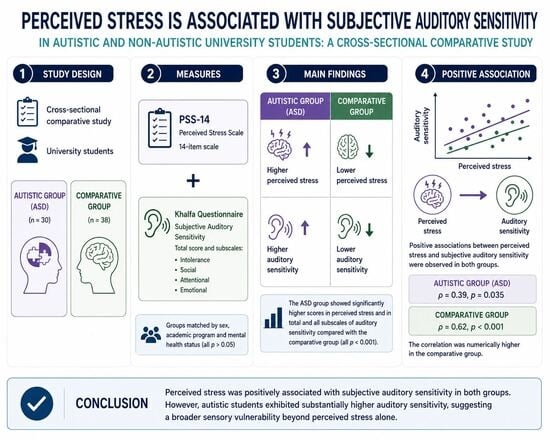
Autistic individuals frequently report auditory hypersensitivity, which may affect academic participation, social functioning, and well-being. However, the association between perceived stress and subjective auditory sensitivity remains insufficiently explored in autistic university students, a population exposed to high cognitive, social, and sensory demands. Objective:
[...] Read more.
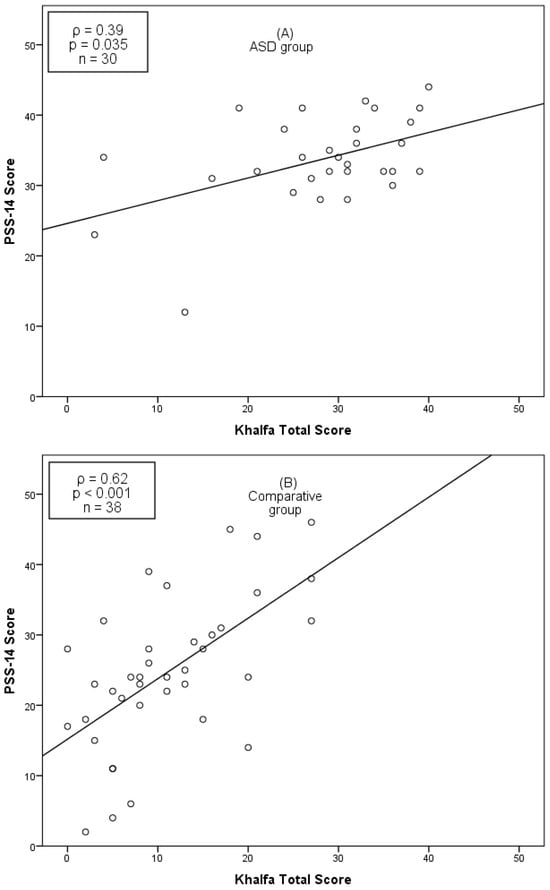
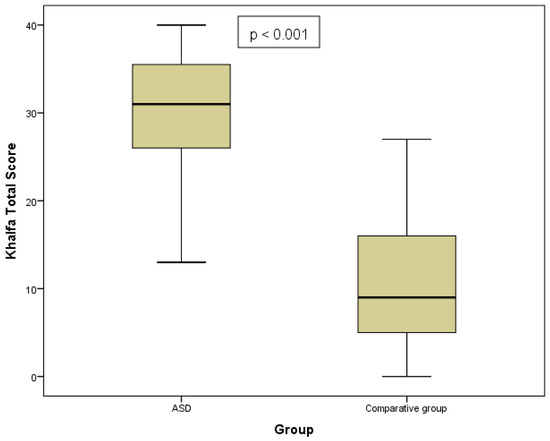
Autistic individuals frequently report auditory hypersensitivity, which may affect academic participation, social functioning, and well-being. However, the association between perceived stress and subjective auditory sensitivity remains insufficiently explored in autistic university students, a population exposed to high cognitive, social, and sensory demands. Objective: This study examined the association between perceived stress and subjective auditory sensitivity in autistic and non-autistic university students. Methods: This cross-sectional comparative study included 68 university students: 30 with a formally documented ASD diagnosis and 38 without self-reported ASD, neurological, or auditory disorders. Participants completed the Perceived Stress Scale-14 and the Khalfa Auditory Sensitivity Questionnaire. Between-group comparisons were performed using Mann–Whitney U tests, and associations were examined using Spearman’s rho correlations. Results: The ASD group showed significantly higher scores in perceived stress and total subjective auditory sensitivity than the comparative group (p < 0.001). Likewise, significantly higher scores were observed in all Khalfa questionnaire subscales among participants with ASD (p < 0.001). In the ASD group, moderate positive correlations were identified between perceived stress and total subjective auditory sensitivity (rho = 0.39; p = 0.035), as well as the attentional dimension (rho = 0.39; p = 0.034). In the comparative group, significant positive correlations were observed between perceived stress and total subjective auditory sensitivity (rho = 0.62; p < 0.001), as well as all Khalfa subscales. Although auditory sensitivity scores were markedly higher in the ASD group, the association between perceived stress and auditory sensitivity was stronger and more consistent across subscales in the comparative group. Conclusions: Perceived stress is associated with subjective auditory sensitivity in university students, regardless of diagnostic status. However, the markedly higher auditory sensitivity observed among autistic students may reflect a broader sensory vulnerability not fully explained by perceived stress alone.
Full article
(This article belongs to the Section Mental Health and Psychosocial Well-being)
►▼
Show Figures

Graphical abstract
Open AccessArticle
Factors Associated with e-Health Literacy Among Older Adults in Klang Valley, Malaysia: A Cross-Sectional Survey
by
Lubna Samer Allawi, Thet Htoo Pan, Myo Nyein Aung and Lwin Mie Aye
Healthcare 2026, 14(18), 3129; https://doi.org/10.3390/healthcare14183129 - 21 Sep 2026
Abstract
Background: In recent years, artificial intelligence (AI)-integrated platforms have emerged, providing access to health information and extending beyond information retrieval to include personalized health monitoring and decision support. However, many older adults still have limited digital health literacy, placing them at risk
[...] Read more.
Background: In recent years, artificial intelligence (AI)-integrated platforms have emerged, providing access to health information and extending beyond information retrieval to include personalized health monitoring and decision support. However, many older adults still have limited digital health literacy, placing them at risk of increased health inequalities and missing opportunities for better health outcomes. Despite the growing importance of digital health information, evidence on eHealth literacy among older adults in Malaysia remains limited, particularly regarding the sociodemographic factors associated with differences in eHealth literacy. Understanding these associations is important for identifying population groups that may be more vulnerable to disparities in accessing, understanding, and evaluating online health information. Therefore, this study aimed to assess the association between eHealth literacy levels and sociodemographic factors among older adults in Klang Valley, Malaysia. Methods: A community survey recruited older adult participants in Klang Valley, Malaysia. An internationally validated instrument, the eHealth Literacy Scale (eHEALS), was used to measure the current eHealth literacy level of older adults. Chi-square tests and bivariate and multivariable logistic regression analyses were conducted to identify factors associated with eHealth literacy. Results: The mean eHEALS score was 27.29 ± 7.61 (range: 8–40), with the majority of participants demonstrating moderate or high perceived eHealth literacy. The bivariate analysis showed that age, ethnicity, education level, pre-retirement occupation, household income, language ability, and English proficiency were significantly associated with eHealth literacy. The multivariable analysis revealed that participants aged 70 years and above and those with a lower income had higher odds of low eHealth literacy (p < 0.05). Conclusions: This study demonstrates that eHealth literacy among older adults in Klang Valley is at a moderate level and is significantly associated with key sociodemographic factors. These findings underscore the need for targeted interventions and inclusive digital health strategies to improve eHealth literacy and reduce health inequalities among older adults in Malaysia.
Full article
(This article belongs to the Special Issue Transforming Healthcare with Artificial Intelligence: From Algorithms to Patient Impact)
Open AccessSystematic Review
Non-Pharmacological Interventions for Return to Work and Multidimensional Health-Related Quality of Life in Adults with Cancer: A Systematic Review and Meta-Analysis of Randomised Trials
by
Yaning Chen, Yawen Ju, Jiaying Lin, Yuanqing Han, Xinyang Wang, Xintong Luo, Peizhong Peter Wang and Yun Zhu
Healthcare 2026, 14(18), 3128; https://doi.org/10.3390/healthcare14183128 - 21 Sep 2026
Abstract
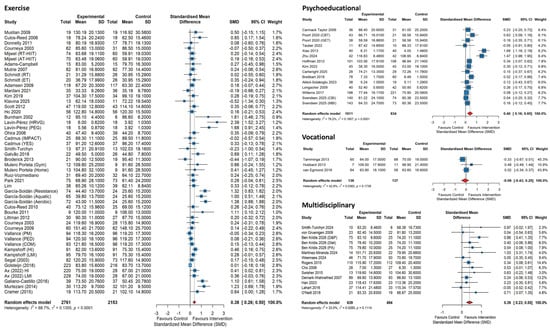
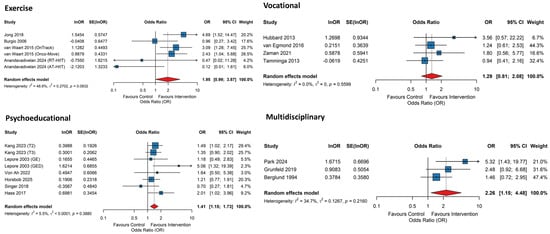
Background: Improving health-related quality of life (HRQoL) and return to work (RTW) among adults with cancer are central to cancer survivorship care, but the effects of different non-pharmacological interventions remain unclear. We evaluated exercise, psychoeducational, vocational, and multidisciplinary interventions across RTW and overall
[...] Read more.
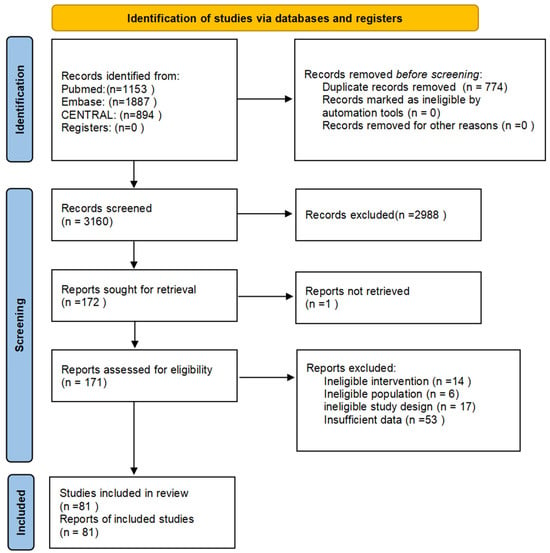
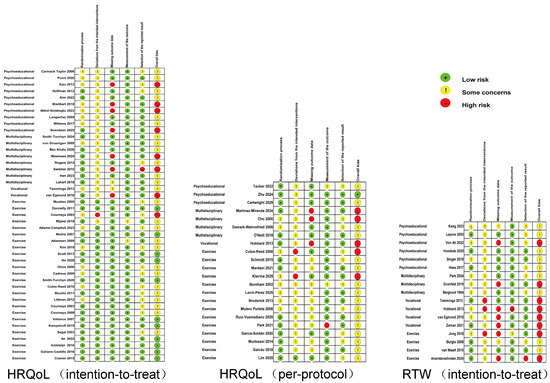
Background: Improving health-related quality of life (HRQoL) and return to work (RTW) among adults with cancer are central to cancer survivorship care, but the effects of different non-pharmacological interventions remain unclear. We evaluated exercise, psychoeducational, vocational, and multidisciplinary interventions across RTW and overall and domain-specific HRQoL. Methods: PubMed/MEDLINE, Embase, and CENTRAL were searched from inception to 3 June 2026 for randomised controlled trials reporting HRQoL or RTW. Random-effects models were used to pool standardised mean differences (SMDs) for HRQoL and odds ratios (ORs) for RTW. Risk of bias and evidence certainty were assessed using RoB 2 and GRADE. The protocol was registered in PROSPERO (CRD420261432617). Results: Eighty-one randomised controlled trials involving 11,257 participants were included; 67 assessed HRQoL, 17 assessed RTW, and 3 included both outcomes. Of the 67 HRQoL trials, 39 (58%) enrolled exclusively female participants. Compared with usual care, overall HRQoL improved with psychoeducational (SMD, 0.40; 95% CI, 0.16–0.65), exercise (SMD, 0.38; 95% CI, 0.26–0.50), and multidisciplinary interventions (SMD, 0.39; 95% CI, 0.23–0.55), whereas vocational interventions showed no clear benefit (SMD, −0.09; 95% CI, −0.43–0.25). Exercise was associated with improvements across all six evaluable HRQoL domains. Psychoeducational interventions improved emotional and physical functioning, while multidisciplinary interventions produced a small improvement in physical functioning. For RTW, psychoeducational interventions were associated with higher odds of returning to work (OR, 1.41; 95% CI, 1.15–1.73), as were multidisciplinary interventions (OR, 2.26; 95% CI, 1.15–4.48), although the latter estimate was based on only three trials. Exercise interventions also showed a favourable estimate, although the confidence interval included the null (OR, 1.95; 95% CI, 0.99–3.87), whereas vocational interventions showed no clear benefit (OR, 1.29; 95% CI, 0.81--2.08). Conclusions: The effects of non-pharmacological rehabilitation differed by intervention type and recovery outcome. Exercise provided the broadest HRQoL benefits, whereas psychoeducational interventions showed the clearest benefits for emotional functioning and RTW. These findings support goal-directed, needs-based rehabilitation and may inform clinical and policy decisions on the delivery of psychological, physical, and workplace support in cancer survivorship care.
Full article
(This article belongs to the Special Issue Advancing Quality of Life Research in Cancer Survivors: Methodologies, Instruments, and Practical Applications)
►▼
Show Figures

Figure 1

Open AccessArticle
Observed Trough-Based Vancomycin Dosing Decisions Versus Model-Predicted Bayesian AUC-Guided Recommendations
by
Wael A. Alghamdi
Healthcare 2026, 14(18), 3127; https://doi.org/10.3390/healthcare14183127 - 21 Sep 2026
Abstract
Background: Vancomycin monitoring has traditionally relied on trough concentrations; however, recent guidelines recommend AUC-guided monitoring to optimize exposure while minimizing nephrotoxicity risk. This study compared trough-based clinical dosing decisions with predicted Bayesian AUC-guided recommendations. Methods: A retrospective study was conducted in
[...] Read more.
Background: Vancomycin monitoring has traditionally relied on trough concentrations; however, recent guidelines recommend AUC-guided monitoring to optimize exposure while minimizing nephrotoxicity risk. This study compared trough-based clinical dosing decisions with predicted Bayesian AUC-guided recommendations. Methods: A retrospective study was conducted in adult patients receiving intravenous vancomycin between January and December 2025. Observed trough-based dose adjustments were compared with model-predicted Bayesian AUC-guided recommendations derived from steady-state trough concentrations. Agreement was evaluated using Cohen’s kappa and Bowker’s test. Results: Fifty-two patients were included. Agreement between trough-based and AUC-guided recommendations occurred in 26 cases (50%) with fair concordance (κ = 0.24). Among patients whose dose was maintained based on trough monitoring (n = 29), model-predicted AUC-guided recommendations indicated dose reduction in 48.3%. Among patients with acute kidney injury (n = 12), model-predicted AUC-guided recommendations suggested dose reduction in 58.3%, compared with 16.7% using trough-based decisions. Conclusions: Trough-based dosing showed limited agreement with model-predicted Bayesian AUC-guided recommendations, with frequent differences in the classification of vancomycin exposure and corresponding dosing recommendations.
Full article
(This article belongs to the Special Issue Technological Advances, Precision Medicine and Regulatory Improvements in Drug Safety and Pharmacy Support)
Open AccessArticle
From Decision to Delivery: A Qualitative Study of Non-Institutional Birth Pathways in Northern India
by
Meghna Singh, Neeraj Sharma, Catherine Arsenault, Wen-Chien Yang, Sasha G. Baumann, Soumya Ranjan Nayak, Emily R. Smith and Sarmila Mazumder
Healthcare 2026, 14(18), 3126; https://doi.org/10.3390/healthcare14183126 - 21 Sep 2026
Abstract
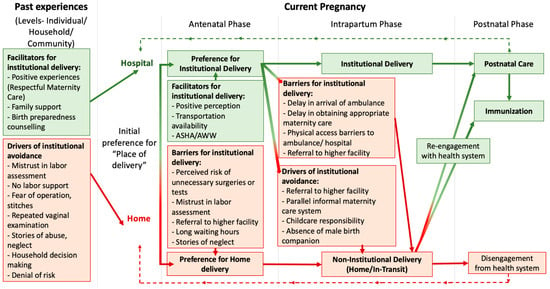
Background: Determinants of non-institutional delivery, particularly in the antenatal period, have been described previously, but less is known about the sequence of events during pregnancy and decision-making processes occurring between labour onset and birth. Aim: We explored reasons for non-institutional births and pathways
[...] Read more.
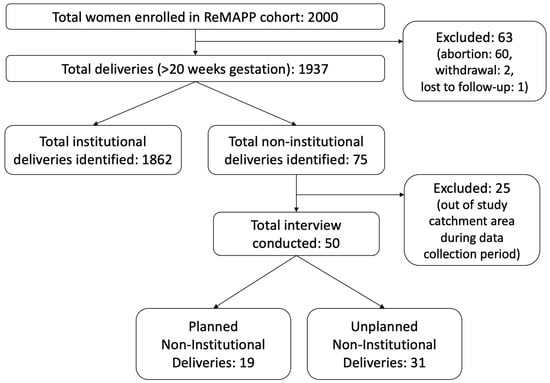
Background: Determinants of non-institutional delivery, particularly in the antenatal period, have been described previously, but less is known about the sequence of events during pregnancy and decision-making processes occurring between labour onset and birth. Aim: We explored reasons for non-institutional births and pathways leading to home and in-transit deliveries in a north Indian setting, with the aim of identifying context-specific, actionable recommendations. Methods: Participants were women from the north Indian site of the Redefining Maternal Anemia in Pregnancy and Postpartum (ReMAPP) cohort who experienced non-institutional delivery. We conducted an exploratory qualitative study using a semi-structured in-depth interview guide. An a priori conceptual framework was developed based on existing continuum-of-care literature and structured around the antenatal, intrapartum, and postnatal phases of care. The framework focused on the “decision-to-delivery pathway” and was subsequently iteratively refined and elaborated based on the thematic findings. Findings: Of the 2000 women enrolled at the north Indian site of the ReMAPP study, 75 (3.8%) experienced non-institutional delivery; among these, 50 participants were interviewed. Among those interviewed, 19 had planned, and 31 had unplanned non-institutional deliveries. Themes identified for planned non-institutional deliveries included perceived mistrust in healthcare, institutional avoidance, reliance on informal maternity care systems, and decision-making uncertainty. For unplanned non-institutional deliveries, themes included intention to institutional delivery, delay in obtaining appropriate maternity care, physical access barriers, reliance on informal birth assistance, and opportunities to avail health system services for post-delivery or newborn care. Conclusions: Our findings suggest that improving institutional delivery coverage requires more than physical access to facilities. Trust, respectful maternity care, timely responsiveness during labour, and birth preparedness appear to strongly influence whether women are able to reach and utilise institutional delivery services.
Full article
(This article belongs to the Special Issue Strengthening Midwifery Care for Maternal and Newborn Health)
►▼
Show Figures

Figure 1

Open AccessArticle
Association of Estimated Pulse Wave Velocity with Chronic Kidney Disease Risk: A Machine Learning Analysis Based on NHANES and CHARLS
by
Yunxiu Wu, Ye Yuan, Yaoyao Li, Ruizhao Li and Juan Pang
Healthcare 2026, 14(18), 3125; https://doi.org/10.3390/healthcare14183125 - 21 Sep 2026
Abstract
Background: Estimated pulse wave velocity (ePWV) is a non-invasive marker of arterial stiffness with potential relevance for chronic kidney disease (CKD) risk assessment. This study aimed to investigate the association between ePWV and CKD risk in the US and Chinese populations and to
[...] Read more.
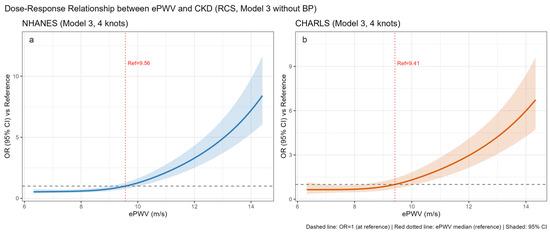
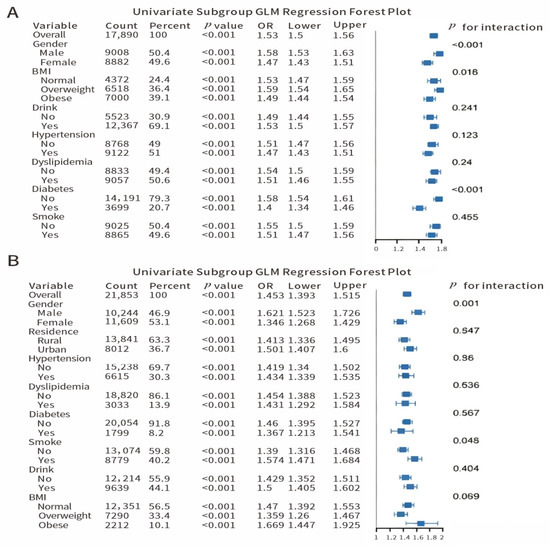
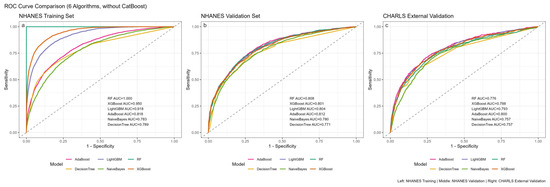
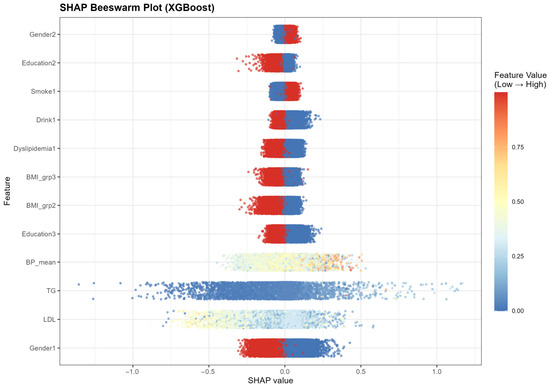
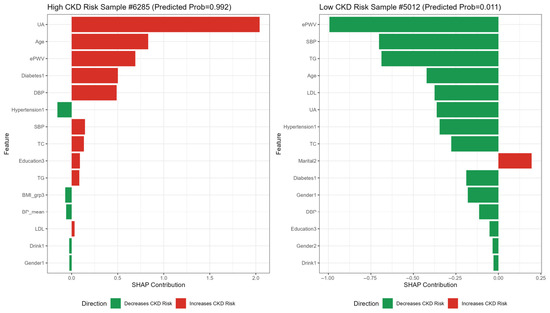
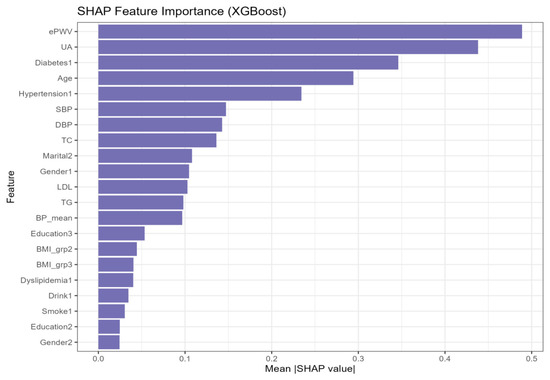
Background: Estimated pulse wave velocity (ePWV) is a non-invasive marker of arterial stiffness with potential relevance for chronic kidney disease (CKD) risk assessment. This study aimed to investigate the association between ePWV and CKD risk in the US and Chinese populations and to evaluate its discriminative performance using machine learning approaches. Methods: Data were obtained from the National Health and Nutrition Examination Survey (NHANES, 2005–2018, weighted n ≈ 100.9 million) and the China Health and Retirement Longitudinal Study (CHARLS, 2011–2015, n = 21,853). In NHANES, CKD was defined according to the 2021 KDIGO criteria as estimated glomerular filtration rate (eGFR) < 60 mL/min/1.73 m2 or a urinary albumin-to-creatinine ratio (ACR) ≥ 30 mg/g; in CHARLS, where urinary albumin was not measured, CKD was defined by the eGFR criterion alone, and this difference in case definition was taken into account when interpreting the results. Logistic regression and restricted cubic spline models were used to examine the association between ePWV and CKD, with subgroup analyses stratified by demographic and clinical characteristics. Multiple machine learning models were developed in NHANES and externally validated in CHARLS; model discrimination was assessed using the area under the receiver operating characteristic curve (AUROC), and feature importance was interpreted using SHapley Additive exPlanations (SHAP) values. Results: Higher ePWV was consistently associated with higher odds of CKD in both cohorts (NHANES: odds ratio [OR] = 1.505 per 1 m/s, 95% confidence interval [CI] = 1.459–1.552; CHARLS: OR = 1.434 per 1 m/s, 95% CI = 1.368–1.503; both p < 0.0001), with dose–response relationships observed. Formal interaction tests confirmed significant effect modification by sex (both cohorts) and by BMI and diabetes (NHANES only). Point estimates were higher in men and in NHANES obese and diabetic subgroups, but interactions across smoking and alcohol strata were not statistically significant. Among the machine learning models evaluated, discrimination was moderate and comparable across algorithms (LightGBM: AUROC = 0.804 in internal validation and 0.793 in external validation), and DeLong tests showed no significant difference between LightGBM and XGBoost (p = 0.0655 and 0.0684, respectively). SHAP analysis identified ePWV as the highest-ranking feature, surpassing uric acid, lipid levels, and diabetes history. Using the Youden index, the optimal ePWV cutoff for identifying CKD was 10.15 m/s in NHANES (sensitivity 0.658, specificity 0.695) and 10.568 m/s in CHARLS (sensitivity 0.658, specificity 0.718). Conclusions: Elevated ePWV is significantly associated with eGFR-defined CKD across the US and Chinese populations studied. These findings support ePWV as a potentially useful marker for CKD risk stratification; however, given the cross-sectional design of both cohorts, its predictive value requires confirmation in prospective studies. It is important to emphasize that no non-invasive calculated metric can replace direct measurement of serum creatinine and urinalysis for identifying individuals at risk of CKD in routine clinical practice.
Full article
(This article belongs to the Section Public Health and Preventive Medicine)
►▼
Show Figures

Figure 1

Open AccessArticle
Perceived Competence in Nutrition Care Among Hospital Nurses and Its Associated Factors: A Cross-Sectional Study
by
Sung-Yoon Jo, Kyung-Sook Bang and Eunjung Kim
Healthcare 2026, 14(18), 3124; https://doi.org/10.3390/healthcare14183124 - 21 Sep 2026
Abstract
Background/Objectives: Hospital malnutrition is a prevalent and clinically significant issue associated with prolonged hospital stays, increased complications, and mortality. Although nurses play a key role in monitoring nutritional status and delivering nutrition care, many lack confidence and do not perceive nutrition care as
[...] Read more.
Background/Objectives: Hospital malnutrition is a prevalent and clinically significant issue associated with prolonged hospital stays, increased complications, and mortality. Although nurses play a key role in monitoring nutritional status and delivering nutrition care, many lack confidence and do not perceive nutrition care as part of their primary responsibilities. This study assessed nurses’ self-perceived nutrition care competence, identified associated factors, and examined their objectively scored nutrition knowledge alongside self-reported nutrition care competence. Methods: A cross-sectional study was conducted among unit nurses providing direct patient care at a tertiary hospital in Korea. Data were collected using a structured questionnaire assessing participant characteristics, nutrition education–related characteristics, nutrition knowledge, and self-perceived nutrition care competence. Data were analyzed using descriptive statistics, group comparisons, correlation analyses, and multiple linear regression analyses. Results: Among 206 recruited nurses, data from 185 were analyzed. The mean self-perceived nutrition care competence score was 72.24 ± 12.48 (possible range: 24–120). Greater clinical experience, pediatric unit practice, previous nutrition-related education, and higher nutrition knowledge were independently associated with self-perceive nutrition care competence. The mean nutrition knowledge score was 13.81 ± 2.69 (69.1% correct). Notably, although nurses recognized the importance of nutrition care and expressed willingness to receive education, participation in nutrition-related training was limited. Conclusions: Self-perceived nutrition care competence was associated with both individual and practice environment factors. Despite the high perceived need for and willingness to participate in nutrition education, previous participation in nutrition-related education was limited. These findings support consideration of educational and organizational strategies to facilitate nutrition care in nursing practice.
Full article
(This article belongs to the Section Clinical Care)
Open AccessArticle
Social Media Disorder, Mental Health, and Physical Activity
by
Abeer F. Almarzouki, Fisal Rajkhan, Khalid A. Alsulami, Ahmad R. Alnoiqy, Mohammed Aljihani, Mohamad Hetta, Omer Shawosh, Yousef Almuqbil, Ibraheem Al Rezqi, Hasan Banaweer and Albasil H. Badawi
Healthcare 2026, 14(18), 3123; https://doi.org/10.3390/healthcare14183123 - 21 Sep 2026
Abstract
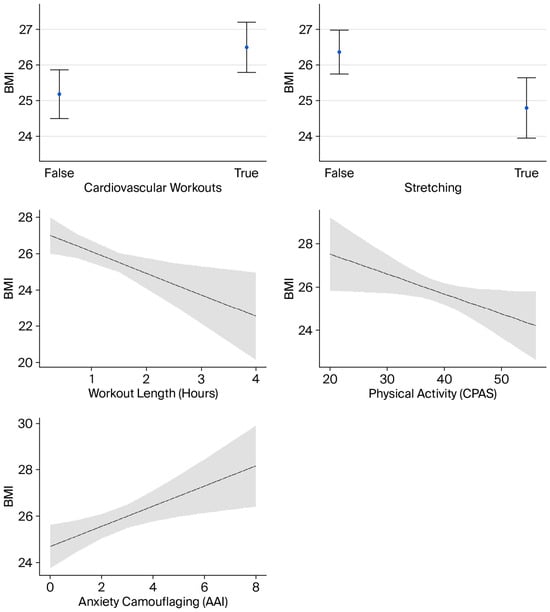
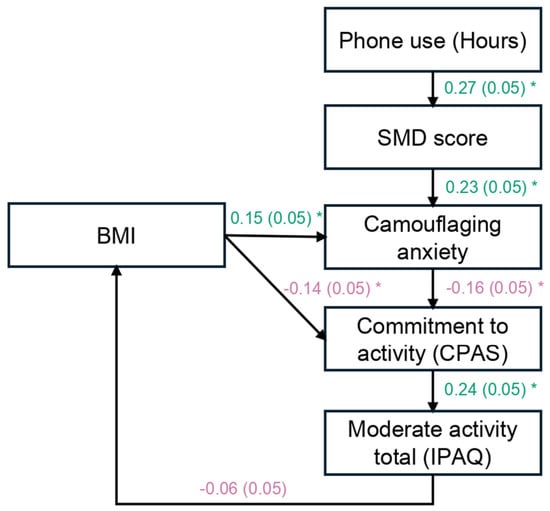
Background: Problematic social media use has been associated with effects on mental health, such as greater appearance-related anxiety, which may lead to reduced engagement in physical activity. However, the directions, magnitudes, and mechanisms of the relationships that link social media disorder (SMD), appearance-related
[...] Read more.
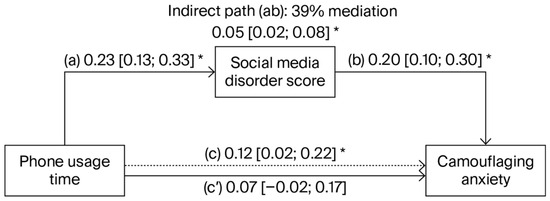
Background: Problematic social media use has been associated with effects on mental health, such as greater appearance-related anxiety, which may lead to reduced engagement in physical activity. However, the directions, magnitudes, and mechanisms of the relationships that link social media disorder (SMD), appearance-related anxiety, depressive symptoms, and physical activity remain unclear. This study explored these associations in relation to physical activity and body weight in healthy adults, considering the potential mediating roles of SMD and appearance-related anxiety. Methods: Healthy adults completed self-report measures assessing their phone screen time, SMD, appearance-related anxiety (AAI), depressive symptoms, commitment to physical activity (CPAS), physical activity (PA), and body mass index (BMI). We tested the associations among these variables using regression-based models. Results: Higher levels of SMD mediated the association between greater phone use and higher levels of appearance-related anxiety, as well as depressive symptoms. A higher BMI and higher levels of camouflaging anxiety were both associated with lower CPAS, which was associated with lower levels of moderate PA. Structural equation modelling revealed that these associations remained significant when adjusting for each variable. Conclusions: Overall, the findings of this study support the existence of a network of interconnected relationships between maladaptive social media use, mental health, physical activity, and weight-related outcomes.
Full article
(This article belongs to the Special Issue The Influence of Social Media on Health Behavior)
►▼
Show Figures

Figure 1
Open AccessArticle
Cross-Cultural Adaptation and Preliminary Psychometric Evaluation of the Romanian Version of the Revised MISSCARE Survey: A Single-Centre Pilot Study
by
Claudia Raluca Balasa Virzob, Camelia Fizedean, Norberth-Istvan Varga, Adelina-Marioara Gherman, Mircea Iurciuc, Daian-Ionel Popa and Stela Iurciuc
Healthcare 2026, 14(18), 3122; https://doi.org/10.3390/healthcare14183122 - 21 Sep 2026
Abstract
Background/Objectives: Missed nursing care is a patient-safety concern shaped by organizational resources, workload, and care prioritization. No Romanian version of the Revised MISSCARE Survey has previously undergone published cross-cultural and psychometric evaluation. This study translated and culturally adapted the instrument and examined its
[...] Read more.
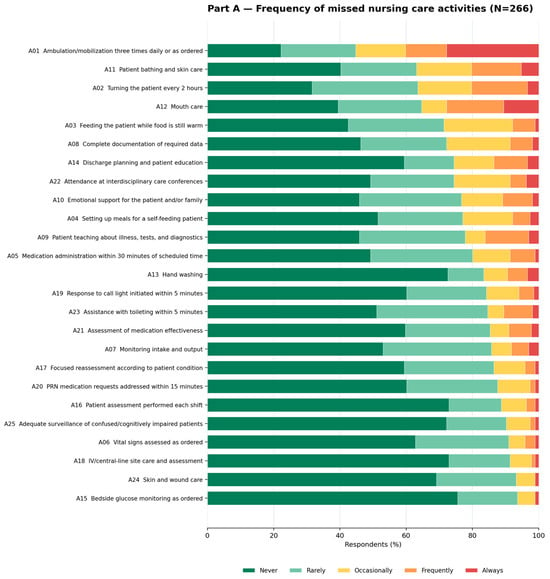
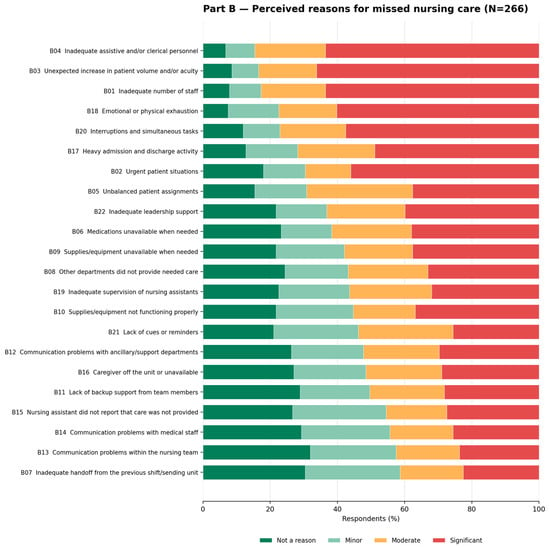
Background/Objectives: Missed nursing care is a patient-safety concern shaped by organizational resources, workload, and care prioritization. No Romanian version of the Revised MISSCARE Survey has previously undergone published cross-cultural and psychometric evaluation. This study translated and culturally adapted the instrument and examined its preliminary measurement properties and item-level findings in a Romanian hospital. Methods: A methodological, cross-sectional, single-centre pilot study invited all 487 nurses employed at a large university-affiliated hospital in western Romania. Translation and back-translation, expert review, and pretesting preceded electronic administration. Part A activities and Part B reasons were summarized descriptively. The Part B structure was investigated using polychoric correlations, parallel analysis, minimum-residual extraction, and promax rotation. McDonald’s omega and ordinal alpha assessed internal consistency. A unique-response-pattern sensitivity analysis evaluated stability. Results: Overall, 266 nurses participated (response proportion, 54.6%). Ambulation or mobilization was the most frequently missed activity, reported as missed at least occasionally by 55.3% of respondents, followed by bathing and skin care (36.8%), turning every two hours (36.5%), and mouth care (35.3%). The leading moderate or significant reasons were inadequate assistive or clerical personnel (84.6%), unexpected patient volume or acuity (83.5%), and inadequate staffing (82.7%). Parallel analysis supported two correlated Part B factors: organizational resources, coordination, and support; and staffing and workload pressure (r = 0.658). Omega was 0.968 and 0.943, respectively. The two-factor solution and item rankings remained stable in sensitivity analyses. Conclusions: The Romanian Revised MISSCARE Survey produced interpretable item-level findings and preliminary evidence of a two-factor structure for Part B, with high internal consistency within each factor.
Full article
(This article belongs to the Special Issue Global Perspectives on Patient Safety: The Pivotal Role of Nursing Management)
►▼
Show Figures

Figure 1
Open AccessArticle
Quality of Life, Self-Esteem, and Social Integration in Cochlear Implant Recipients: A Cross-Sectional Study from a Tertiary Center in Romania
by
Cristian Mircea Neagoș, Eugenia Maria Domuța, Adriana Neagoș and Ileana Anca Sin
Healthcare 2026, 14(18), 3121; https://doi.org/10.3390/healthcare14183121 - 21 Sep 2026
Abstract
Background and Objectives: Outcomes after cochlear implantation are usually judged using audiological measures, although recipients’ everyday benefit also depends on psychological and social functioning. This study characterized post-implant quality of life (QoL) across six patient-reported domains in cochlear implant recipients followed at a
[...] Read more.
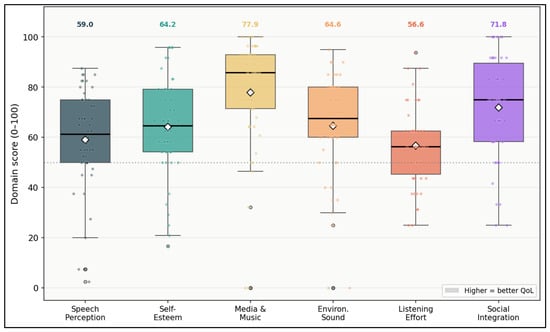
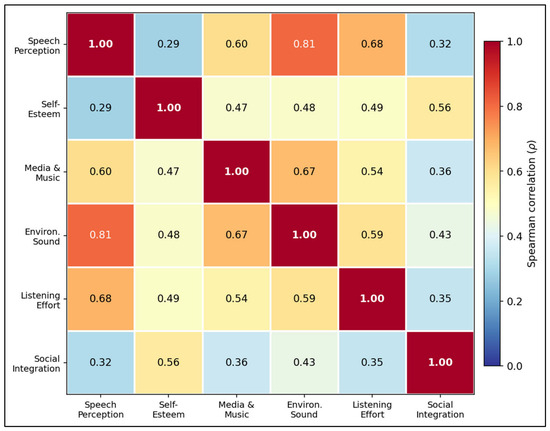
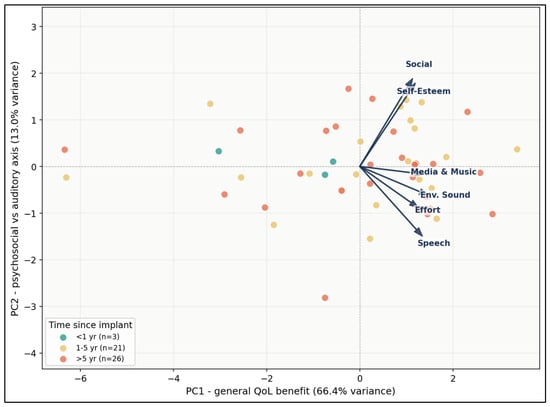
Background and Objectives: Outcomes after cochlear implantation are usually judged using audiological measures, although recipients’ everyday benefit also depends on psychological and social functioning. This study characterized post-implant quality of life (QoL) across six patient-reported domains in cochlear implant recipients followed at a tertiary center in Romania and explored factors associated with social integration. Methods: In this cross-sectional study, 50 consecutive cochlear implant recipients (24 children and adolescents, 26 adults) completed a validated 35-item Romanian-language questionnaire covering speech perception, psychological self-esteem, media and music, environmental sound, listening effort, and social integration, with parent-proxy completion for the youngest children. Domain scores were transformed to a 0–100 scale. Subgroup comparisons used rank-based tests, and associations with social integration were examined with Spearman correlations and an exploratory multivariable regression. Results: The median overall QoL score was 67.1 (interquartile range, 53.6–77.9). Media and music scored highest (median 85.7) and listening effort lowest (median 56.2); psychological self-esteem had a median of 66.7 (interquartile range, 50.0–79.2). QoL scores did not differ significantly by sex, age group, time since implantation, surgical approach, or SMART NAV use, although several subgroup analyses were underpowered. Psychological self-esteem showed the strongest correlation with social integration (rho = 0.56, p < 0.001) and was the only predictor with p < 0.05 in the exploratory multivariable model (B = 0.456, 95% CI, 0.117–0.795; p = 0.010; R2 = 0.428). Conclusions: In this cohort, post-implant QoL varied across functional domains, with listening effort remaining a relative challenge. Social integration was more closely associated with psychological self-esteem than with individual auditory domains. These findings are exploratory and require confirmation in larger longitudinal studies with pre-implant measurements.
Full article
(This article belongs to the Special Issue Research on Hearing and Balance Healthcare)
►▼
Show Figures

Figure 1
Open AccessRetraction
RETRACTED: Zanza et al. Ketamine in Acute Brain Injury: Current Opinion Following Cerebral Circulation and Electrical Activity. Healthcare 2022, 10, 566
by
Christian Zanza, Fabio Piccolella, Fabrizio Racca, Tatsiana Romenskaya, Yaroslava Longhitano, Francesco Franceschi, Gabriele Savioli, Giuseppe Bertozzi, Stefania De Simone, Luigi Cipolloni and Raffaele La Russa
Healthcare 2026, 14(18), 3120; https://doi.org/10.3390/healthcare14183120 - 21 Sep 2026
Abstract
The journal retracts the article titled “Ketamine in acute brain injury: current opinion following cerebral circulation and electrical activity” [...]
Full article
Open AccessArticle
Quality and Readability of Four AI Chatbots Answering Search-Derived Patient Questions About Primary Aldosteronism: A Cross-Sectional Comparative Study
by
Jianyu Chen, Zaihang Zhao, Shangyu Han, Jie Qin, Chenxia Wang, Yuxia Ma and Jianxun Cao
Healthcare 2026, 14(18), 3119; https://doi.org/10.3390/healthcare14183119 - 21 Sep 2026
Abstract
►▼
Show Figures
Background/Objectives: Patients use artificial intelligence (AI) chatbots for medical information, but response quality, source transparency, and readability for primary aldosteronism (PA) remain uncertain. This study compared four chatbot configurations and assessed whether their responses met patient-education reading levels. Methods: During a single-time-point snapshot
[...] Read more.
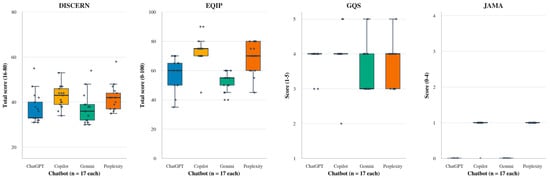
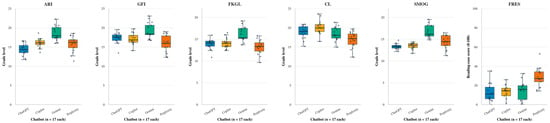
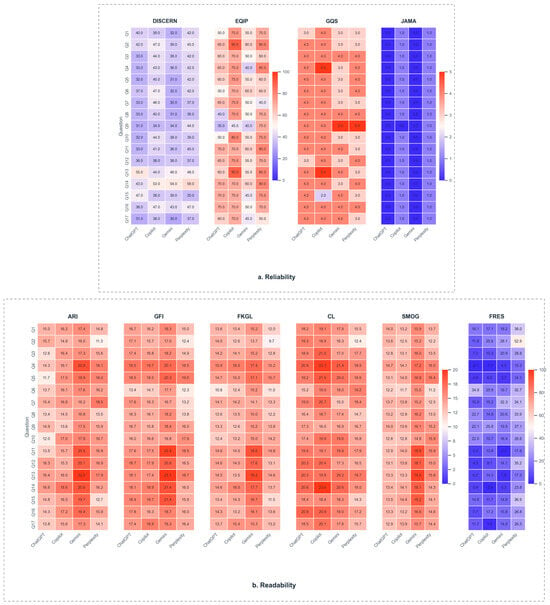
Background/Objectives: Patients use artificial intelligence (AI) chatbots for medical information, but response quality, source transparency, and readability for primary aldosteronism (PA) remain uncertain. This study compared four chatbot configurations and assessed whether their responses met patient-education reading levels. Methods: During a single-time-point snapshot on 27 July 2026, 17 questions derived from Medical Subject Headings and five-year worldwide Google Trends data were submitted once to GPT-5.5 through ChatGPT Plus, Copilot in Smart mode, Gemini 3.5 Flash, and the default Perplexity model, yielding 68 responses. DISCERN, the Ensuring Quality Information for Patients (EQIP) instrument, the Journal of the American Medical Association (JAMA) benchmarks, and the Global Quality Score (GQS) assessed structural information quality; six formulas assessed readability. These instruments did not assess statement-level factual accuracy. Differences were examined using Friedman tests and paired Wilcoxon signed-rank tests with Holm adjustment. Results: Scores differed for DISCERN (χ2 = 16.717, p < 0.001), EQIP (χ2 = 31.125, p < 0.001), JAMA (χ2 = 48.851, p < 0.001), and GQS (χ2 = 9.874, p = 0.020). Copilot had the highest median DISCERN and EQIP scores (43.00 and 75.00), followed by Perplexity (42.00 and 70.00). Median JAMA scores were 0 for ChatGPT and Gemini and 1 for Copilot and Perplexity. These instrument-based differences do not establish greater factual accuracy, guideline concordance, or clinical superiority; moreover, the full-set DISCERN comparison has limited interpretability because only two questions were explicitly treatment-related. Item-level kappa values ranged from 0.844 to 0.924, and total-score ICC(2,1) values ranged from 0.846 to 0.883. No readability measure met the sixth-grade benchmark. Conclusions: In these configurations, chatbots produced PA information. However, source transparency remained low, and language was overly complex. Relative score differences should not be interpreted as factual superiority. Patient-facing use requires verified sources, scope limits, human oversight, and routes to care.
Full article

Figure 1
Open AccessArticle
Coping Strategies Among Psychiatric Nurses in a Mental Health Setting in Riyadh, Saudi Arabia: A Cross-Sectional Study
by
Ahmed Hassan Shujaa and Ahmad M. Rayani
Healthcare 2026, 14(18), 3118; https://doi.org/10.3390/healthcare14183118 - 21 Sep 2026
Abstract
►▼
Show Figures
Background and Aim: Psychiatric nurses are frequently exposed to emotionally demanding situations that may increase their risk of occupational stress. Coping strategies are relevant to how psychiatric nurses respond to demanding occupational situations, although their effectiveness and relationships with psychological or professional outcomes
[...] Read more.
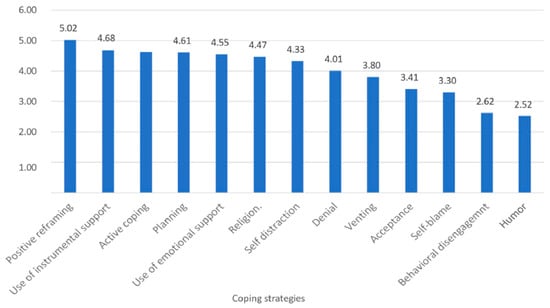
Background and Aim: Psychiatric nurses are frequently exposed to emotionally demanding situations that may increase their risk of occupational stress. Coping strategies are relevant to how psychiatric nurses respond to demanding occupational situations, although their effectiveness and relationships with psychological or professional outcomes were not assessed in this study. This study aimed to assess coping strategies among psychiatric nurses and examine their associations with selected demographic and professional characteristics. Methods: A descriptive cross-sectional study was conducted among 225 psychiatric nurses working in Riyadh, Saudi Arabia. Data were collected in person using a structured questionnaire over a period of four months from April to July 2024, comprising demographic and professional characteristics and the Brief COPE inventory. Descriptive statistics, independent-samples t-tests, and one-way analysis of variance (ANOVA) were used to examine coping strategies and their differences according to demographic and professional characteristics. Because multiple comparisons were conducted across coping domains, the Benjamini–Hochberg false-discovery-rate procedure was applied. Results: Psychiatric nurses reported the highest mean scores among the assessed coping domains for positive reframing (5.02 ± 1.21), instrumental support (4.68 ± 1.65), active coping (4.62 ± 1.55), and planning (4.62 ± 1.54), based on their mean domain scores. In contrast, behavioral disengagement (2.62 ± 1.69) and humor (2.52 ± 1.30) had the lowest mean domain scores. In the unadjusted analyses, self-blame differed significantly by nationality (p = 0.001), with Saudi nurses reporting higher scores (3.65 ± 1.85) than non-Saudi nurses (2.20 ± 2.05). Venting also differed by years of experience (p = 0.013), with the highest scores among nurses with <5 years of experience (4.24 ± 1.74). However, after Benjamini–Hochberg false-discovery-rate adjustment for multiple comparisons, neither the difference in self-blame by nationality (adjusted p = 0.065) nor the difference in venting by years of experience (adjusted p = 0.423) remained statistically significant. No statistically significant differences were observed across coping domains according to gender, educational qualification, or department after adjustment. Conclusions: Psychiatric nurses reported greater use of positive reframing, instrumental support, active coping, and planning, while behavioral disengagement and humor had the lowest mean scores. Although unadjusted analyses identified differences in self-blame by nationality and venting years of experience, these differences were no longer statistically significant after adjustment for multiple comparisons. These findings provide descriptive information on coping patterns among psychiatric nurses and may help identify areas for supportive initiatives and future research within psychiatric nursing settings.
Full article

Figure 1
Open AccessArticle
Multidimensional Symptom Burden Among Institutionalised Older Adults: Associations with Functional Status, Psychological Factors and Quality of Life
by
Lucinda Marques, Lara Guedes de Pinho, Elisabete Alves, Isabel Bico and Manuel José Lopes
Healthcare 2026, 14(18), 3117; https://doi.org/10.3390/healthcare14183117 - 21 Sep 2026
Abstract
Background/Objectives: Population ageing has increased the number of institutionalised older adults with multimorbidity, frailty, a high symptom burden, and complex care needs. However, data on symptom burden in residential care facilities remains limited. This study aimed to characterise the epidemiological profile of
[...] Read more.
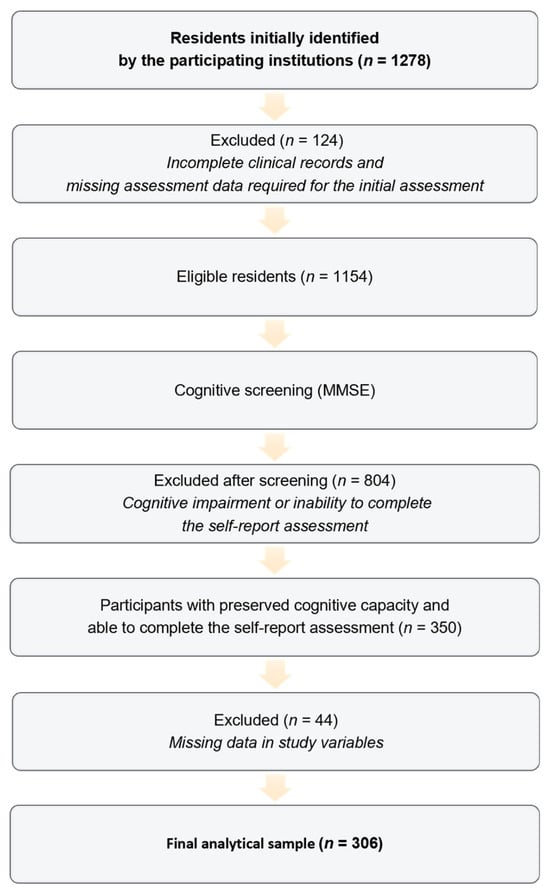
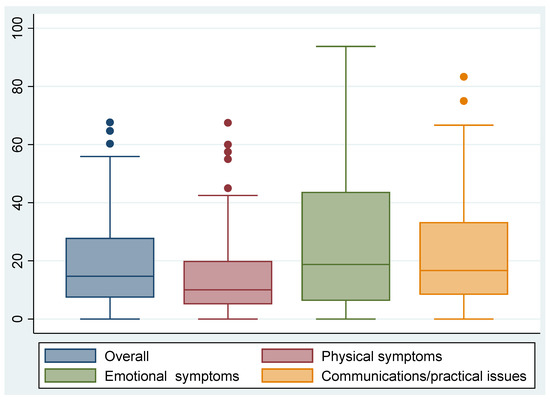
Background/Objectives: Population ageing has increased the number of institutionalised older adults with multimorbidity, frailty, a high symptom burden, and complex care needs. However, data on symptom burden in residential care facilities remains limited. This study aimed to characterise the epidemiological profile of institutionalised older adults and examine the associations between symptom burden assessed using the Integrated Palliative Care Outcome Scale (IPOS) and sociodemographic characteristics, functional status, multimorbidity, depressive symptoms, loneliness, and quality of life. Methods: A cross-sectional correlational study was conducted between March and October 2023 in 19 residential care facilities in Portugal. Residents with preserved cognitive capacity according to education-adjusted MMSE cut-off scores completed validated instruments assessing symptom burden, functional status, depressive symptoms, loneliness, and quality of life. Results: The final sample comprised 306 institutionalised older adults (mean age: 85.1 years; 68.6% women). Participants had a moderate symptom burden (mean IPOS score: 18.0 ± 14.0). Depressive symptoms showed the most consistent associations with symptom burden across IPOS outcomes, while functional status showed domain-specific associations. Other associations were less robust after correction for multiple testing. Multimorbidity was not independently associated with IPOS score. Conclusions: These findings highlight the importance of comprehensive multidimensional assessment and support the integration of palliative care principles into long-term residential care to better address the complex needs of institutionalised older adults.
Full article
(This article belongs to the Special Issue Mental Health in Later Life: Psychosocial Determinants, Care Needs and Intervention Strategies)
►▼
Show Figures

Figure 1
Open AccessReview
Preventive Care for Non-Communicable Diseases in Greece: A Situational Analysis of Disease Burden, Service Delivery, Financing, Screening and Quality Governance
by
Christos Triantafyllou, Anastasia Ntikoudi, Anastasia Papachristou, Vion Psiakis, Valter R. Fonseca and Joao Breda
Healthcare 2026, 14(18), 3116; https://doi.org/10.3390/healthcare14183116 - 21 Sep 2026
Abstract
►▼
Show Figures
Background: Non-communicable diseases (NCDs) account for a substantial share of morbidity and mortality in Greece and create increasing demands on prevention, primary care, and long-term disease management. This study assessed the current national situation in NCD prevention, focusing on disease burden, service organization,
[...] Read more.
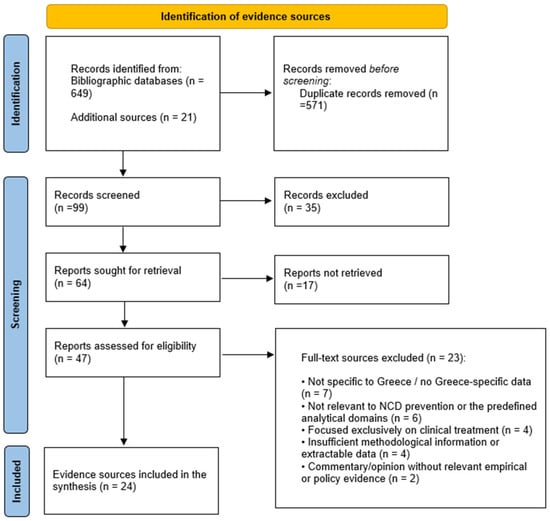
Background: Non-communicable diseases (NCDs) account for a substantial share of morbidity and mortality in Greece and create increasing demands on prevention, primary care, and long-term disease management. This study assessed the current national situation in NCD prevention, focusing on disease burden, service organization, financing, screening, surveillance, quality governance, and recent policy reforms. Methods: A structured narrative situational analysis was conducted using peer-reviewed literature, national statistics, administrative and policy documents, and reports from Greek and international organizations. Evidence available up to 10 August 2026 was synthesized across six domains: epidemiological burden, preventive-service delivery, financing, screening and early detection, surveillance and information infrastructure, and quality governance. No meta-analysis was undertaken. Results: In 2019, 41.7% of people aged ≥15 years reported a chronic illness or health problem. In 2023, circulatory diseases accounted for 31.9% of deaths and neoplasms for 23.5%. Cancer, cardiovascular diseases, diabetes, and chronic obstructive pulmonary disease account for an estimated 52% of premature deaths before age 75. Preventive expenditure represented 3.1% of health expenditure in 2023, while private payments accounted for 34.2% of total health expenditure in 2024. In 2019, reported screening participation was 66% for breast cancer, 73% for cervical cancer, and 28% for colorectal cancer. Organized prevention has subsequently expanded through the National Public Health Prevention Programme “PROLAMVANO,” with more than 5.2 million citizens participating in preventive examinations by February 2026. However, primary-care capacity, continuity, financial protection, follow-up after abnormal screening results, and longitudinal outcome measurement remain important challenges. Conclusions: Recent reforms indicate an expansion of organized and digitally enabled NCD prevention infrastructure in Greece, although their impact on primary-care integration, continuity of care, and population health outcomes remains uncertain. Future priorities include equitable completion of diagnostic and treatment pathways, sustainable financing, interoperable information systems, and routine measurement of population and patient-reported outcomes.
Full article

Figure 1
Open AccessArticle
Exploring Priority Intrapartum Services Associated with Childbirth Experience During Vaginal Birth: A Multicenter Cross-Sectional Study
by
Jiasi Yao, Jinbing An, Xian Zhang, Jiahe Li, Hongxiao He, Junying Li, Hong Lu, Xiaona Huang, Xiaobo Tian, Junxiao Liang, Qiong Luo and Xiu Zhu
Healthcare 2026, 14(18), 3115; https://doi.org/10.3390/healthcare14183115 - 21 Sep 2026
Abstract
Background: A woman’s childbirth experience is important to her health and family well-being. Evidence-based intrapartum care may support a positive experience. When resources are constrained, identifying services that are most strongly associated with childbirth experience may help inform quality-improvement priorities. This study
[...] Read more.
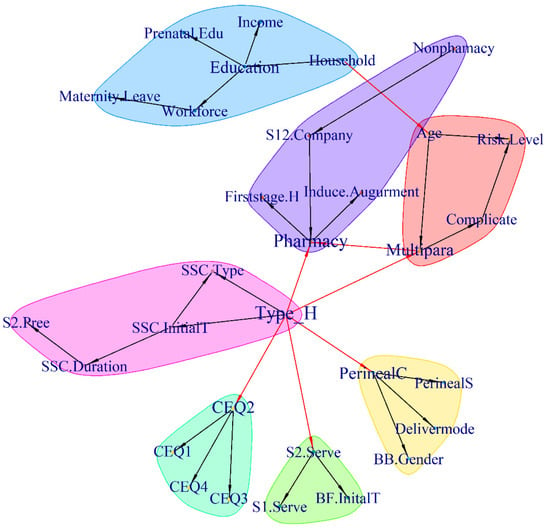
Background: A woman’s childbirth experience is important to her health and family well-being. Evidence-based intrapartum care may support a positive experience. When resources are constrained, identifying services that are most strongly associated with childbirth experience may help inform quality-improvement priorities. This study aimed to explore priority intrapartum services associated with women’s experience following vaginal birth. Methods: A multicenter cross-sectional study was conducted in mainland China. A total of 498 postpartum women from ten tertiary facilities were involved. Data were collected through retrospective review of medical records and self-administered questionnaires completed by postpartum women. A self-designed questionnaire was used to collect general information and information on intrapartum services, and the Childbirth Experience Questionnaire was used to assess childbirth experiences. Random forest and Bayesian network analysis were used to examine associations and identify potentially high-priority services. Results: Childbirth experience scores ranged from 27 to 76, with a mean of 61.29. In bootstrap analyses of the random forest model, coefficient of variation for variable-importance estimates ranged from 5.1% to 32.3%. The Bayesian network contained seven structurally compact communities, five of which were closely associated with childbirth-experience outcomes; hospital type was an important connecting node between intrapartum services and childbirth experience. Among the top ten factors associated with the overall childbirth experience, several intrapartum services stood out. These included the type, initiation time, and duration of skin-to-skin contact; the number of evidence-based services received during the first and second stages of labour; and the use of pain-relief methods. Conclusions: Receiving a broader range of evidence-based intrapartum services, longer uninterrupted skin-to-skin contact and access to pain-relief options were associated with more positive childbirth experience scores.
Full article
(This article belongs to the Section Women’s and Children’s Health)
►▼
Show Figures

Figure 1

Open AccessArticle
Patient Expectations, Satisfaction and Perceptions of Specialization in Family Medicine: A Cross-Sectional Study from a Health Literacy Perspective in Türkiye
by
Egemen Tural and Seyfullah Emre Alkan
Healthcare 2026, 14(18), 3114; https://doi.org/10.3390/healthcare14183114 - 21 Sep 2026
Abstract
Background/Objectives: Patient expectations, satisfaction, and perceptions of specialization in family medicine are critical to improving primary care, and health literacy (HL) shapes patients’ engagement with health information. This study assessed these domains and their relationship with HL using a validated scale. Methods: In
[...] Read more.
Background/Objectives: Patient expectations, satisfaction, and perceptions of specialization in family medicine are critical to improving primary care, and health literacy (HL) shapes patients’ engagement with health information. This study assessed these domains and their relationship with HL using a validated scale. Methods: In this single-center, prospective, cross-sectional survey, 370 adult patients visiting a Family Health Center in Eskişehir, Türkiye, between March and May 2025 were randomly selected after providing informed consent under ethical approval. Expectations, satisfaction, and perceptions of family medicine specialization were assessed using a study-specific structured questionnaire, while HL was measured with the validated Turkish Health Literacy Scale-32 (THLS-32). Results: Participants had a mean age of 39.35 ± 12.83 years, and 51.9% were female. The mean THLS-32 score was 31.03 ± 10.94, with 60.3% being classified as having inadequate or problematic–limited HL. In unadjusted analyses, HL differed significantly by sex (p = 0.004), education (p < 0.001), marital status (p = 0.022), occupation (p = 0.001, omnibus test across groups), and medication use (p = 0.026) and correlated negatively with age (rho = −0.315, p < 0.001); in the adjusted model, sex, education, age, and worker occupation remained independently associated with HL, while marital status and medication use did not. Higher HL was associated with a lower likelihood of viewing hospital physicians as superior to primary care doctors (p < 0.001), fewer unnecessary antibiotic requests (p = 0.030), and a greater preference for comprehensive examinations (p = 0.001). Conclusions: HL was significantly associated with patient expectations, satisfaction, and perceptions of specialization in family medicine. Enhancing HL through educational interventions and patient-centered communication could improve primary care effectiveness and physician–patient relationships.
Full article
(This article belongs to the Section Healthcare Organizations, Systems, and Providers)
Open AccessArticle
Exhaustion, Not Low Engagement, Differentiates Work-Related and Non-Work-Related Depression in Korean Wage Workers: A Negative-Control Analysis
by
Yangwook Kim, Byung-Yoon Yun, Won-Tae Lee, Hee-Joo Park, Ju-Yeon Oh, Jong-Min Lee, Jian Lee and Jin-Ha Yoon
Healthcare 2026, 14(18), 3113; https://doi.org/10.3390/healthcare14183113 - 21 Sep 2026
Abstract
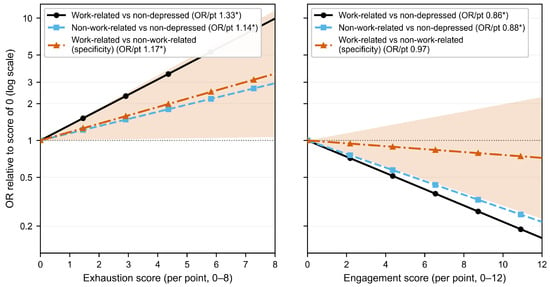
Background/Objectives: Workplace mental health surveys routinely measure exhaustion and work engagement, but whether either distinguishes work-attributed depression from depression in general remains unclear. We examined this question among Korean wage workers using a negative control outcome design. Methods: We analyzed the
[...] Read more.
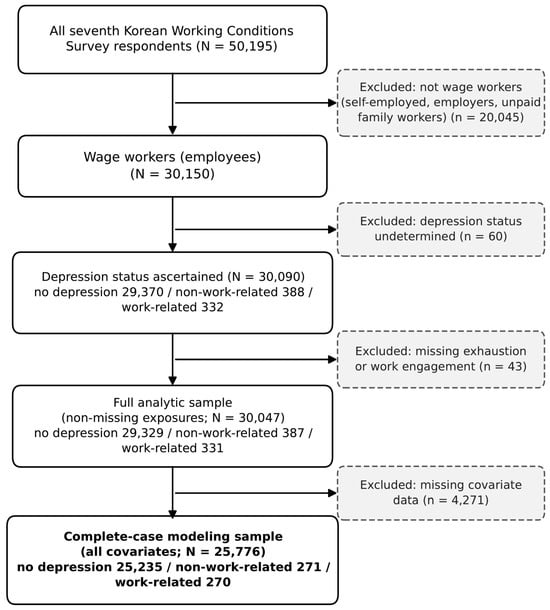
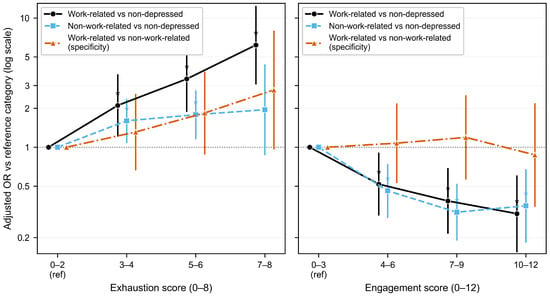
Background/Objectives: Workplace mental health surveys routinely measure exhaustion and work engagement, but whether either distinguishes work-attributed depression from depression in general remains unclear. We examined this question among Korean wage workers using a negative control outcome design. Methods: We analyzed the seventh Korean Working Conditions Survey (2023), a nationally representative sample of wage workers (complete-case N = 25,776; 270 work-related and 271 non-work-related depression cases). Past-year depression was classified by workers’ attribution, with non-work-related depression as the negative control outcome. This control shares the respondent, instrument, and reporting occasion—and thus the principal reporting biases—but is presumed not to be reachable through an occupational pathway. For each exposure, we estimated the specificity contrast and assessed robustness across adjustment models, propensity-score matching, and stratification. Results: The exposures showed a double dissociation. Exhaustion was associated with both depression types, but was more strongly with work-related depression (fully adjusted specificity odds ratio, 1.17 per point; 95% confidence interval, 1.01–1.36), increasing monotonically with severity. Engagement was inversely associated with both, but did not distinguish them (0.97; 0.88–1.07). The dissociation persisted across all adjustment and sensitivity models and under propensity-score matching, where exhaustion did not distinguish between non-work-related depression and no depression—the expected negative-control behavior. Conclusions: Exhaustion, but not low engagement, distinguished work-attributed from non-work-attributed depression and may serve as a discriminating surveillance indicator. These cross-sectional associations are consistent with occupational specificity, but cannot establish causality, and they rely on single-item self-reported measures in small subgroups. Thus, replication with validated instruments and longitudinal data is required.
Full article
(This article belongs to the Special Issue Exploring the Burden on the Healthcare Service Sector Arising from Occupational Injury and Psychological Distress Caused by Poor Work Environments)
►▼
Show Figures

Figure 1
Open AccessArticle
Development and Internal Validation of a Multivariable Prognostic Model for Sustained Remission of Depressive Symptoms in Middle-Aged and Older Adults: An Analysis of the CHARLS Cohort
by
Alex Pak Lik Tsang and Patrick Pui Kin Kor
Healthcare 2026, 14(18), 3112; https://doi.org/10.3390/healthcare14183112 - 21 Sep 2026
Abstract
Background: Depressive symptoms are common among middle-aged and older adults in China, and formal treatment is uncommon, so the course of symptoms often unfolds without intervention. Prognostic research has concentrated on who develops depression and who relapses after treatment, whereas remission from an
[...] Read more.
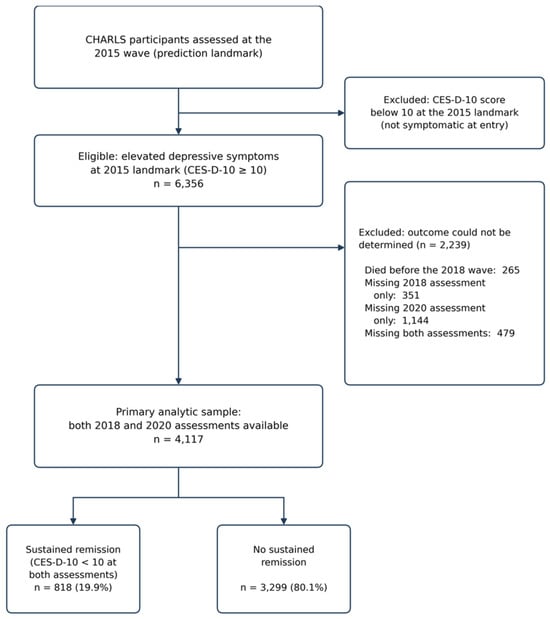
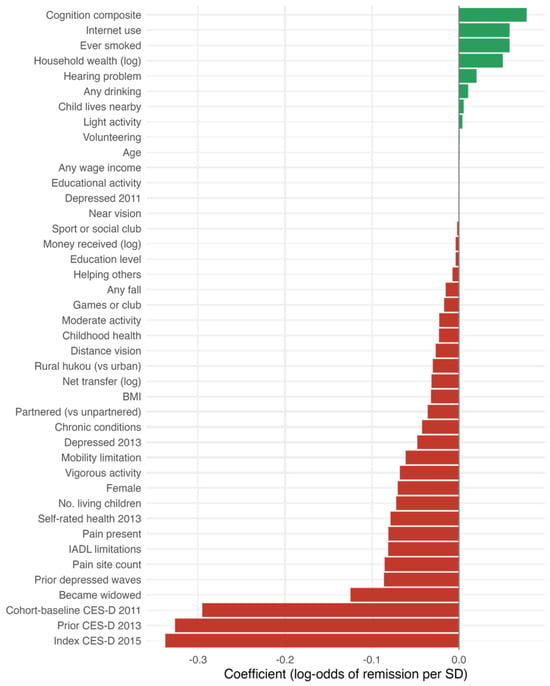
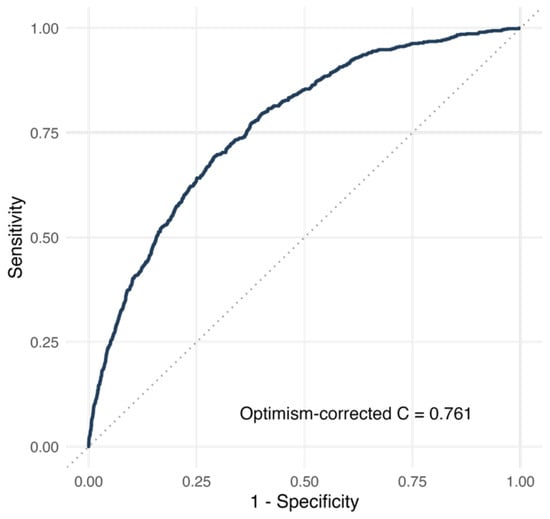
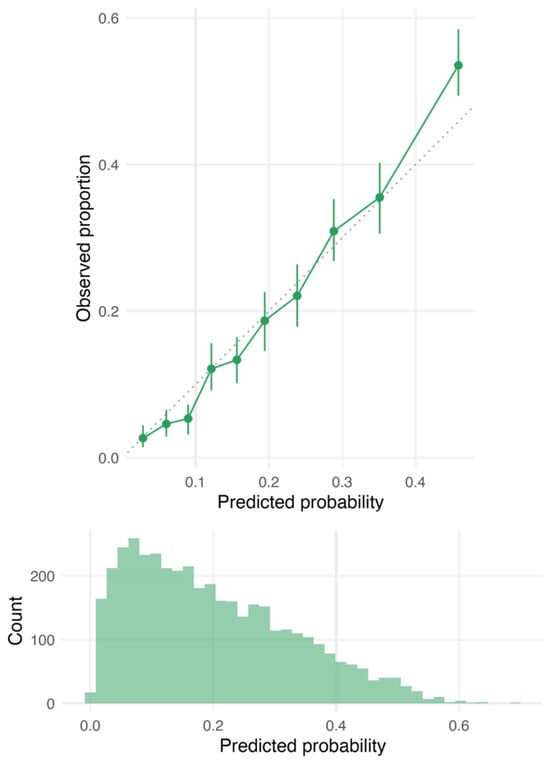
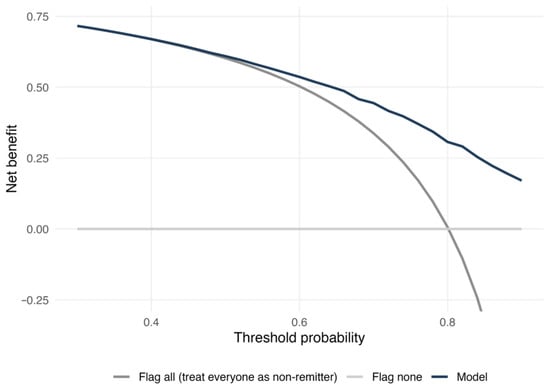
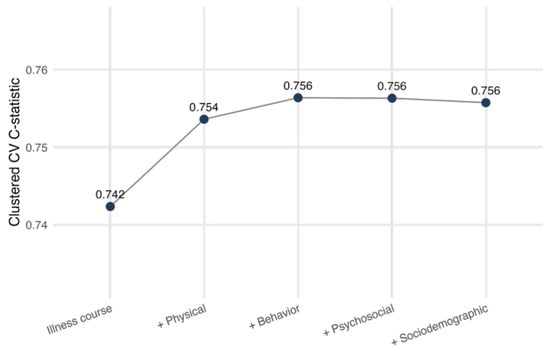
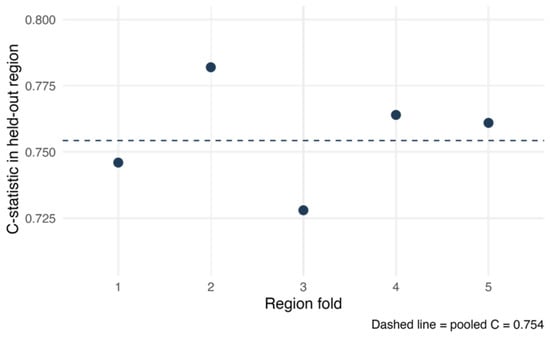
Background: Depressive symptoms are common among middle-aged and older adults in China, and formal treatment is uncommon, so the course of symptoms often unfolds without intervention. Prognostic research has concentrated on who develops depression and who relapses after treatment, whereas remission from an already-symptomatic state has rarely been modeled. We developed and internally validated a model to predict sustained remission of depressive symptoms in a large community cohort. Methods: Using the China Health and Retirement Longitudinal Study (CHARLS), we identified adults aged 45 years and older with elevated depressive symptoms, defined as a score of 10 or higher on the 10-item Center for Epidemiologic Studies Depression Scale (CES-D-10), at a 2015 landmark. The outcome was sustained remission, defined as a score below 10 at both the 2018 and 2020 assessments. Fifty-four candidate predictors measured at or before the landmark were entered into a penalized logistic regression, with selection performed by the penalty within household-clustered cross-validation. Missing data were multiply imputed, discrimination was corrected for optimism using a household-cluster bootstrap, and geographic transportability was examined using internal–external validation. Results: Of 4117 participants, 818 (19.9%) achieved sustained remission. The model discriminated moderately, with an optimism-corrected C-statistic of 0.761, and was well calibrated, with a calibration slope of 1.06 and calibration-in-the-large of 0.00. Discrimination was carried principally by the recent symptom trajectory and, to a smaller degree, by pain. Behavioral, psychosocial, and sociodemographic predictors added little independent information. Performance was maintained when whole geographic regions were held out, with a pooled C-statistic of 0.754. A model restricted to information obtainable at a single assessment discriminated less well, with a C-statistic of 0.698, and discrimination was lower among participants with more persistent symptoms. Conclusions: Sustained remission was moderately and consistently predictable from routinely collected information, principally from the recent symptom trajectory and secondarily from pain. The findings support cautious prognostic stratification rather than individual prediction, with pain as a common and readily measured marker of reduced remission.
Full article
(This article belongs to the Special Issue Depression Prevention and Management Among Older Adults)
►▼
Show Figures

Figure 1
Journal Menu
► ▼ Journal Menu-
- Healthcare Home
- Aims & Scope
- Editorial Board
- Reviewer Board
- Topical Advisory Panel
- Early Career Editorial Board
- Instructions for Authors
- Special Issues
- Topics
- Sections & Collections
- Article Processing Charge
- Indexing & Archiving
- Editor’s Choice Articles
- Most Cited & Viewed
- Journal Statistics
- Journal History
- Journal Awards
- Society Collaborations
- Conferences
- Editorial Office
Journal Browser
► ▼ Journal BrowserHighly Accessed Articles
Latest Books
E-Mail Alert
News
Topics
Topic in
Nutrients, Metabolites, Healthcare, Children, Obesities, Life
Non-Communicable Diseases Silent Killer: Metabolic and Obesity Risks of Sedentary Behaviors
Topic Editors: Kotsedi Daniel Monyeki, Machoene Derrick SekgalaDeadline: 30 September 2026
Topic in
JCM, Pharmaceuticals, Pharmaceutics, Pharmacy, Healthcare
Optimization of Drug Utilization and Medication Adherence
Topic Editors: Enrica Menditto, Sara Mucherino, Ignacio Aznar-LouDeadline: 30 October 2026
Topic in
Behavioral Sciences, Healthcare, IJERPH, Social Sciences, EJIHPE
Mental Health in Trauma Survivors
Topic Editors: Hyojin Im, Asli Cennet Yalim, Gashaye Melaku Tefera, Isok KimDeadline: 30 November 2026
Topic in
JCM, JPM, Medicina, Healthcare
New Advances in Physical Therapy and Occupational Therapy, 2nd Edition
Topic Editors: Hye-Rim Suh, Suk-Chan Hahm, Hwi-Young Cho, Ki-Hun ChoDeadline: 15 December 2026
Conferences
14–16 June 2027
The 2nd International Online Conference on Healthcare—Safe, Equitable, and Scalable Healthcare: From Innovation to Clinical Implementation

10–11 February 2027
The 6th International Online Conference on Nutrients—Innovations in Neonatal and Early Childhood Nutrition

Special Issues
Special Issue in
Healthcare
Advances in Chronic Disease Management, Rehabilitation, and Health Outcomes
Guest Editors: Konstantinos Giakoumidakis, Athina E. PatelarouDeadline: 22 September 2026
Special Issue in
Healthcare
The Role of Mediation in Healthcare: A Path to Conflict Resolution and Improved Outcomes
Guest Editor: Tsonka Miteva-KatrandzhievaDeadline: 27 September 2026
Special Issue in
Healthcare
The Role of Psychological, Environmental, and Social Factors in the Promotion of Older Adults’ Health and Well-Being
Guest Editors: Fabio Lucidi, James DaweDeadline: 30 September 2026
Special Issue in
Healthcare
Advancing Health Practice and Education Through Digital Health and Artificial Intelligence
Guest Editor: Taehwan ParkDeadline: 30 September 2026
Topical Collections
Topical Collection in
Healthcare
Health Care and Services for Elderly Population
Collection Editor: Hideki Nakano
Topical Collection in
Healthcare
Healthcare Strategy and Community Care
Collection Editors: Munjae Lee, Kyu-sung Lee
Topical Collection in
Healthcare
Clinical Simulation in Health Sciences
Collection Editors: César Leal-Costa, José Luis Díaz Agea
Topical Collection in
Healthcare
Integrative, Complementary and Alternative Medicine (CAM) in Healthcare
Collection Editors: Manoj Sharma, Kavita Batra