
Journal Description
Agronomy
Agronomy
is an international, peer-reviewed, open access journal on agronomy and agroecology published semimonthly online by MDPI. The Spanish Society of Plant Biology (SEBP) is affiliated with Agronomy and their members receive discounts on the article processing charges.
- Open Access— free for readers, with article processing charges (APC) paid by authors or their institutions.
- High Visibility: indexed within Scopus, SCIE (Web of Science), PubAg, AGRIS, and other databases.
- Journal Rank: JCR - Q1 (Agronomy) / CiteScore - Q1 (Agronomy and Crop Science)
- Rapid Publication: manuscripts are peer-reviewed and a first decision is provided to authors approximately 17 days after submission; acceptance to publication is undertaken in 1.8 days (median values for papers published in this journal in the second half of 2025).
- Recognition of Reviewers: reviewers who provide timely, thorough peer-review reports receive vouchers entitling them to a discount on the APC of their next publication in any MDPI journal, in appreciation of the work done.
- Companion journals for Agronomy include: Seeds, Agrochemicals, Grasses and Crops.
Impact Factor:
3.4 (2024);
5-Year Impact Factor:
3.8 (2024)
Latest Articles
Farm-Scale Variability of Soil Organic Carbon Pools in Tilled and No-Tilled Chernozems
Agronomy 2026, 16(4), 412; https://doi.org/10.3390/agronomy16040412 (registering DOI) - 8 Feb 2026
Abstract
Understanding the spatial variability of soil organic carbon (SOC) content and its functional pools under current farming practices is crucial for developing targeted C management. This study quantified and predicted the farm-scale variability of SOC pools across conventional tillage (CT) and no-tillage (NT;
[...] Read more.
Understanding the spatial variability of soil organic carbon (SOC) content and its functional pools under current farming practices is crucial for developing targeted C management. This study quantified and predicted the farm-scale variability of SOC pools across conventional tillage (CT) and no-tillage (NT; 8–14 years) practices at two sites (Rostov and Krasnodar) in Russia. The soil types at Rostov and Krasnodar farms were Calcic Chernozem (sunflower–wheat rotation) and Stagnic Chernozem (maize–wheat rotation), respectively. The average SOC content at the Rostov site was higher than the Krasnodar site by 41% and 28% in 0–10 and 10–30 cm, respectively. For both sites, there was no clear trend in SOC variability between NT and CT practices. However, topsoil microbial-available C pool (mineralized for 180 days) was most sensitive to tillage systems, unlike unchanged particle-size C pools. Specifically, it increased from CT to NT at the Rostov site (by 7–16%), but it showed a decreased trend at the Krasnodar site (by 11–29%). Gradient boosting machines statistical models with remote sensing data based explanatory variables (spectral, topography) accurately predicted the spatial distributions of topsoil C content (R2 = 0.99) and its microbial-available pool (R2 = 0.78%) across the farmland areas. The main explanatory variables included topography, vegetation distribution, moisture and thermal regimes. For both sites, DNDC modeling showed that applying NT versus CT for 30 years could potentially increase SOC in the topsoil by 27–28% and decrease it in the subsoil by 6–9% (sunflower–wheat–maize–wheat rotation; annual N and P rates of 41–80 and 0–52 kg ha–1). This study provides insights into current agricultural challenges and the developing site-specific strategies for managing soil C accrual in the Chernozem region.
Full article
(This article belongs to the Section Farming Sustainability)
Open AccessArticle
Effects of Cultivation–Substrate System on Growth, Flowering, Carotenoid Accumulation, and Substrate Microbiology of Three Tagetes patula Cultivars Under Greenhouse and Field Conditions
by
Gabriella Antal, Erika Kurucz, Anikó Zsiláné André, Magdolna Tállai, Áron Béni, Miklós G. Fári and Imre J. Holb
Agronomy 2026, 16(4), 411; https://doi.org/10.3390/agronomy16040411 (registering DOI) - 8 Feb 2026
Abstract
Tagetes patula is a widely cultivated ornamental plant and a natural source of bioactive compounds. This study evaluated the effects of cultivation–substrate systems on growth, flowering, lutein and zeaxanthin accumulation, substrate microbiological properties, and pest and disease occurrence in three T. patula cultivars
[...] Read more.
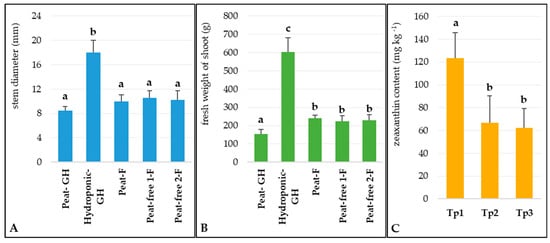
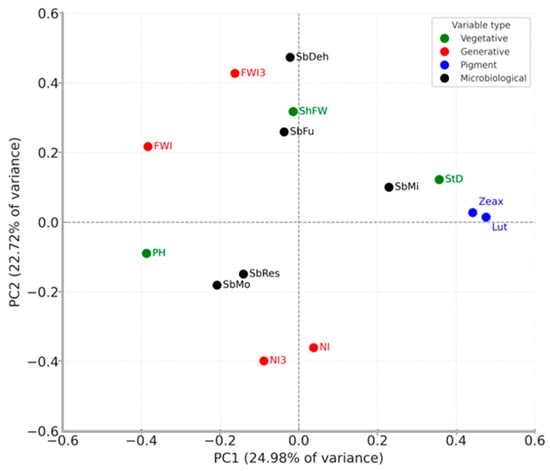
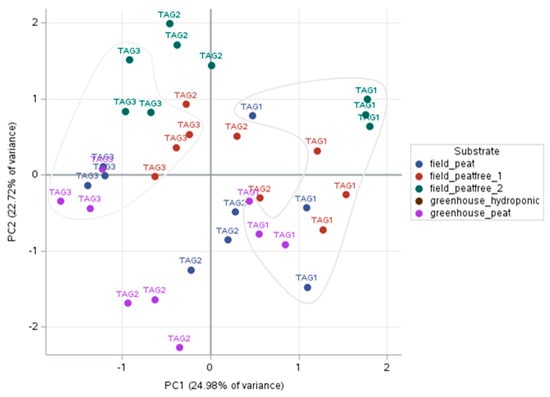
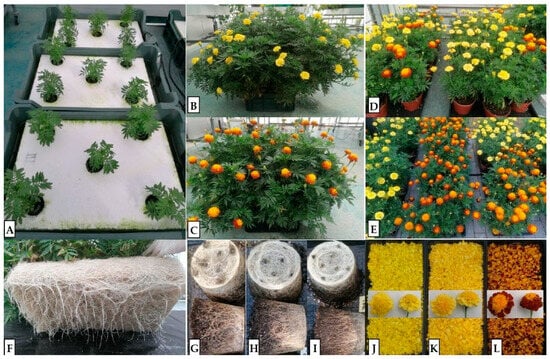
Tagetes patula is a widely cultivated ornamental plant and a natural source of bioactive compounds. This study evaluated the effects of cultivation–substrate systems on growth, flowering, lutein and zeaxanthin accumulation, substrate microbiological properties, and pest and disease occurrence in three T. patula cultivars (‘Csemő’, ‘Robusta kénsárga’, and ‘Orion’) grown under two greenhouse (peat-based substrate and hydroponics) and three field conditions (peat-based and two peat-free substrates). Greenhouse hydroponics markedly enhanced vegetative growth, resulting in the highest plant height, stem diameter, and shoot biomass, whereas peat-based greenhouse substrates produced the lowest vegetative performance. Flowering responses were more moderate and largely cultivar-dependent: peat-based field conditions supported the highest inflorescence numbers, cv. ‘Orion’ produced the greatest inflorescence biomass, and cv. ‘Robuszta kénsárga’ showed the strongest flowering intensity in peat-based systems. Cultivar ‘Csemő’ consistently accumulated the highest lutein and zeaxanthin concentrations among cultivars. Substrate moisture and microbial activity differed substantially among systems, with peat-free substrates frequently exhibiting elevated enzymatic activity. No fungal diseases were detected; thrips occurred only in greenhouse systems, and spider mites were restricted to cv. ‘Orion’ under hydroponic conditions. Overall, hydroponic and peat-free systems enhanced vegetative growth and microbial activity, whereas flowering and carotenoid accumulation were primarily cultivar-specific, as further supported by correlation analysis and PCA. These findings demonstrate that sustainable peat alternatives and hydroponic systems can effectively support high-quality T. patula production and carotenoid yield.
Full article
(This article belongs to the Section Horticultural and Floricultural Crops)
►▼
Show Figures

Figure 1
Open AccessArticle
Synergistic Interaction Between Phosphorus and Biochar Enhances Cadmium Immobilization via Increased P and Fe Availability in Neutral Soil
by
Fengfeng Sui, Jianjun Ma, Chenyang Qiang, Zhang Gao, Wei Zhang, Liqiang Cui, Guixiang Quan and Jinlong Yan
Agronomy 2026, 16(4), 410; https://doi.org/10.3390/agronomy16040410 (registering DOI) - 8 Feb 2026
Abstract
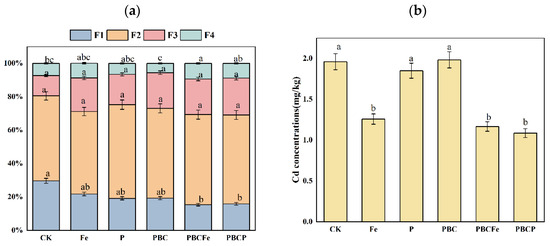
To explore the effects of Fe/P-loaded biochar on neutral Cd-contaminated paddy soils and the potential synergistic effects between biochar and modifying materials, a pot experiment was conducted using neutral paddy soil with a total Cd concentration of 1.10 mg/kg. Ball milling was employed
[...] Read more.
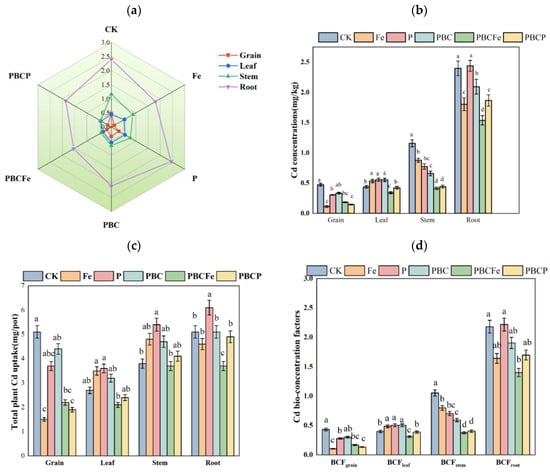
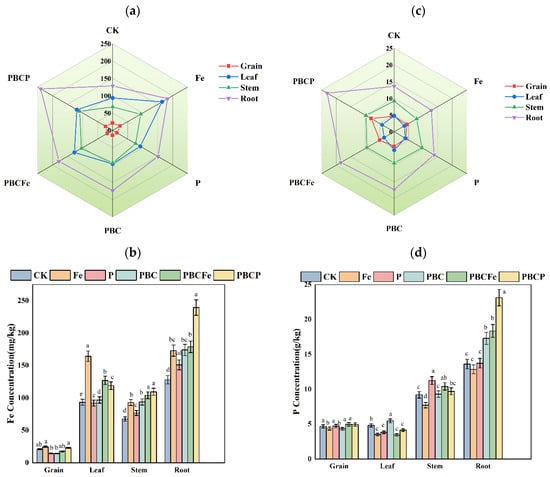
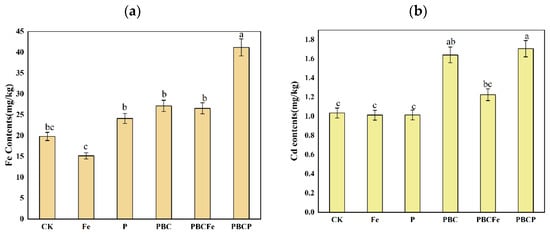
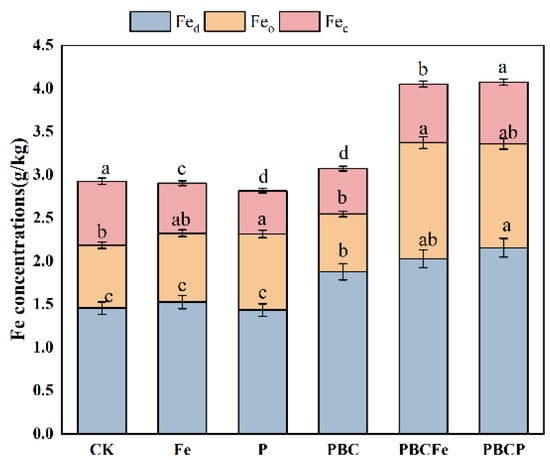
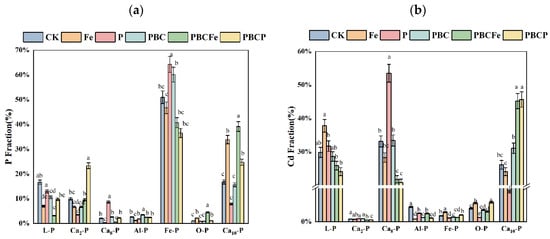
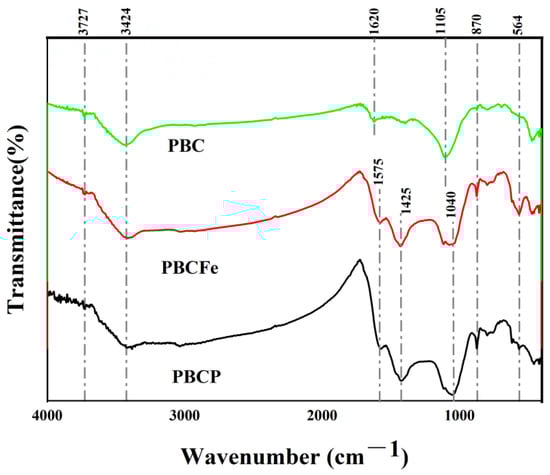
To explore the effects of Fe/P-loaded biochar on neutral Cd-contaminated paddy soils and the potential synergistic effects between biochar and modifying materials, a pot experiment was conducted using neutral paddy soil with a total Cd concentration of 1.10 mg/kg. Ball milling was employed for modified biochar production. Specifically, iron-loaded biochar (PBCFe) and phosphorus-loaded biochar (PBCP) were prepared using Fe2O3 and K3PO4, respectively. Results showed that PBCP significantly increased rice biomass while effectively inhibiting Cd uptake and accumulation in rice grains. Compared to the control (CK), P (K3PO4), and PBC treatments, the Cd content in rice grains under PBCP treatment decreased by 69.20%, 52.13%, and 56.06%, respectively. Moreover, compared with the treatments using single modifiers, PBCP and PBCFe effectively reduced Cd uptake and accumulation in rice tissues, especially in leaves and stems. In contrast, PBCP was more effective than PBCFe in enhancing iron plaque formation and Cd adsorption onto iron plaque. This promoted Fe uptake in rice roots, which might inhibit the upward translocation of Cd from roots to stems. Further analysis with FTIR and XPS results indicated that PBCP might be more compatible in immobilizing Cd in soil by inducing Cd-P co-deposition. Therefore, phosphorus-loaded biochar (PBCP) could be a more promising amendment for remediating Cd-contaminated alkaline rice paddy soils and improving rice quality.
Full article
(This article belongs to the Special Issue Heavy Metal Pollution and Prevention in Agricultural Soils)
►▼
Show Figures

Figure 1
Open AccessArticle
Effect of NaCl Stress on Proline Metabolism in Two Varieties of Habanero Pepper
by
Camilo Escalante-Magaña, Marta Lizama-Gasca, Fatima Medina-Lara, Isaac Zepeda-Jazo, Ileana Echevarria-Machado and Manuel Martinez-Estevez
Agronomy 2026, 16(4), 409; https://doi.org/10.3390/agronomy16040409 (registering DOI) - 8 Feb 2026
Abstract
Although the role of proline (Pro) as an important osmolyte has been extensively studied, there are few comprehensive studies on their metabolism under salinity conditions. We investigated Pro metabolism in two habanero pepper varieties with contrasting salinity responses: Mayan Chan (tolerant) and Mayan
[...] Read more.
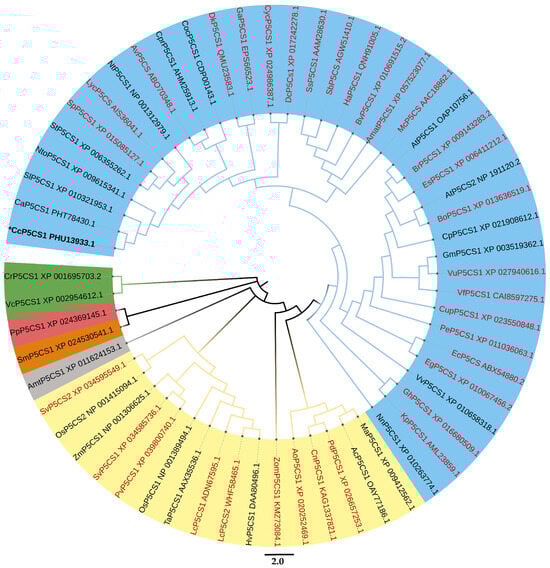
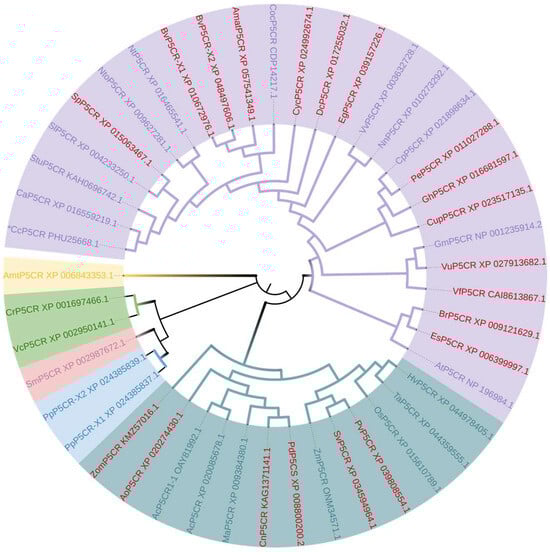
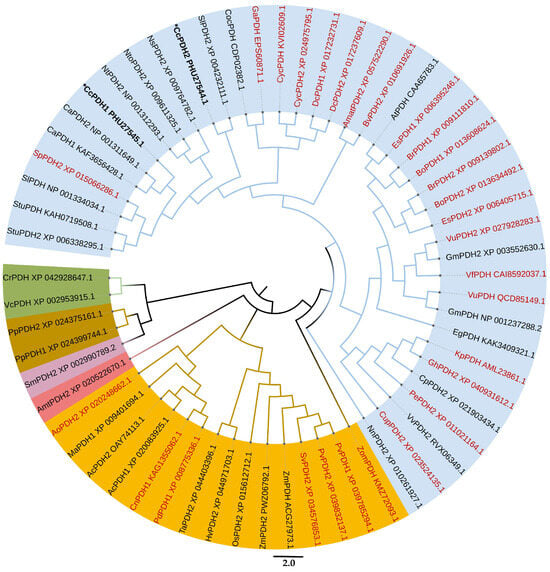
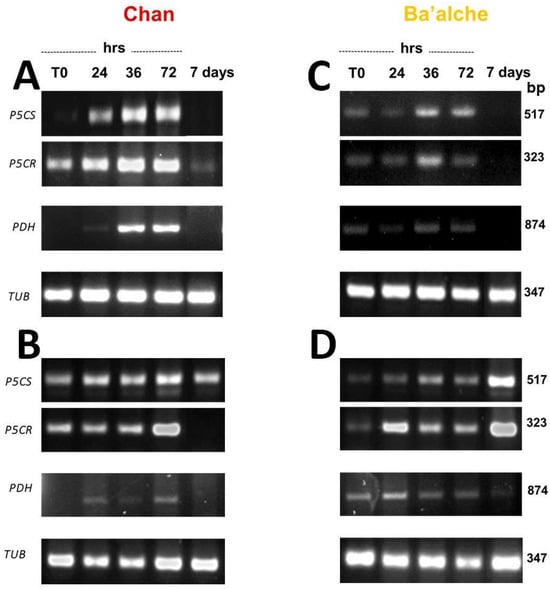
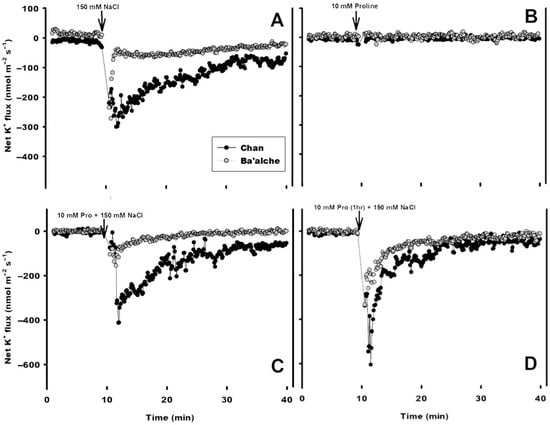
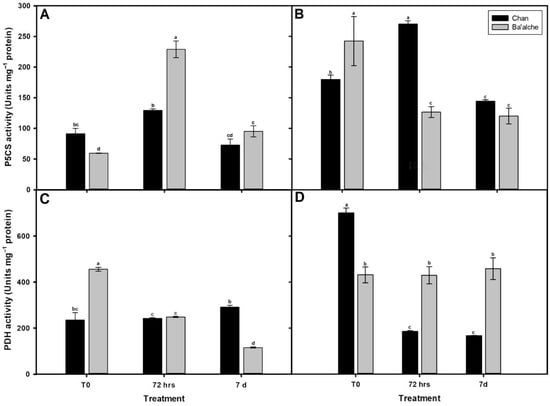
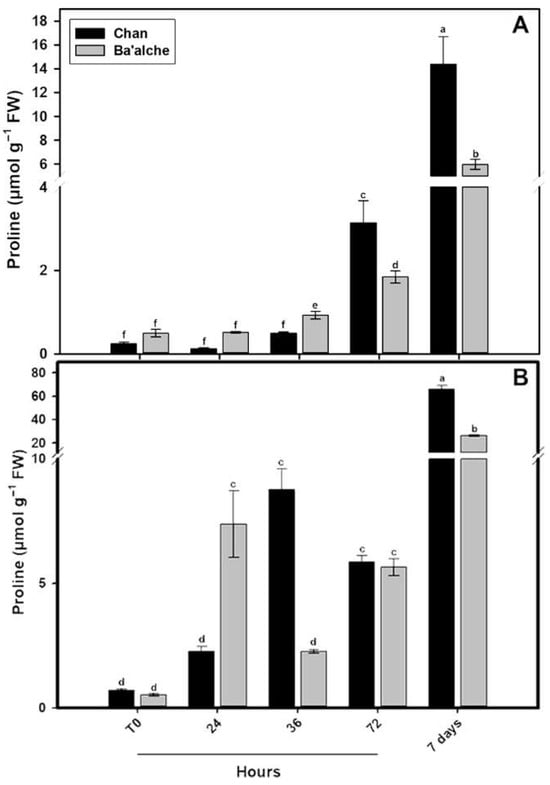
Although the role of proline (Pro) as an important osmolyte has been extensively studied, there are few comprehensive studies on their metabolism under salinity conditions. We investigated Pro metabolism in two habanero pepper varieties with contrasting salinity responses: Mayan Chan (tolerant) and Mayan Ba’alche (sensitive). First, a phylogenetic analysis of enzymes participating in their biosynthesis, P5CS and P5CR, and in its degradation, PDH, was performed. Additionally, the levels of their transcripts, the enzymatic activity, and Pro content were determined in plants subjected to 150 mM NaCl by short (0, 24, 48 and 72 h) and long (seven days) periods. Potassium flux in roots exposed to NaCl, in the absence or presence of Pro, was also measured. Phylogenetic analysis showed that the sequences were grouped according to their taxonomic family and not by salt tolerance of the species. Molecular and biochemical analyses showed significant differences between organs and varieties; the tolerant variety showed highest levels of transcripts, biosynthesis enzymes activities and accumulation of Pro. The results suggested that Pro metabolism in habanero pepper is a complex process, that is regulated at different levels and differentially between organs and varieties. Exogenous Pro only reduced potassium efflux in the sensitive variety exposed to NaCl, suggesting that a precise threshold of this amino acid is required to perform this function.
Full article
(This article belongs to the Section Horticultural and Floricultural Crops)
►▼
Show Figures

Figure 1
Open AccessArticle
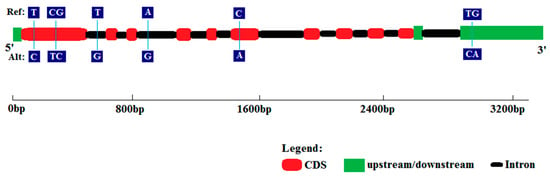
Genome-Wide Identification of the HD-ZIP Genes in Sweet Potato and Functional Role of IbHD-ZIP61 in Anthocyanin Accumulation and Salt Stress Tolerance
by
Chen Chen, Qing Zhang, Ying Peng, Chao Liu, Tayachew Admas, Lianjun Wang, Xinsun Yang and Wenying Zhang
Agronomy 2026, 16(4), 408; https://doi.org/10.3390/agronomy16040408 (registering DOI) - 8 Feb 2026
Abstract
Sweet potato (Ipomoea batatas L.) is a vital dual-use crop, with some varieties being used as leafy vegetables that are rich in anthocyanins. Nevertheless, salinity stress is a challenge to their production. Homeodomain-leucine zipper (HD-ZIP) gene family members encode proteins participating in
[...] Read more.
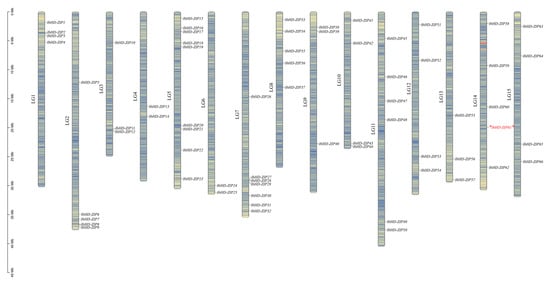
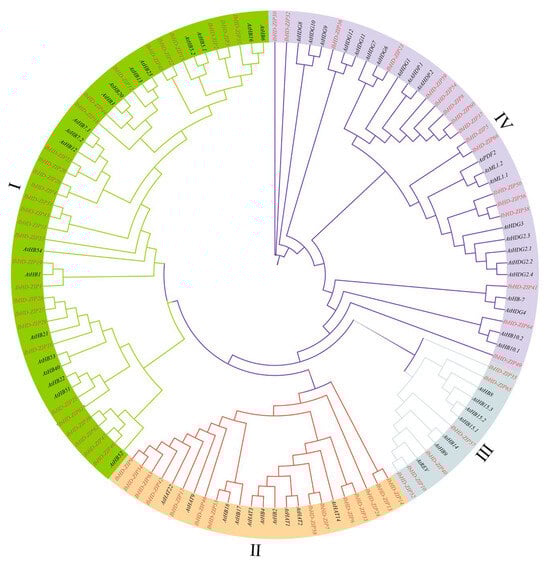
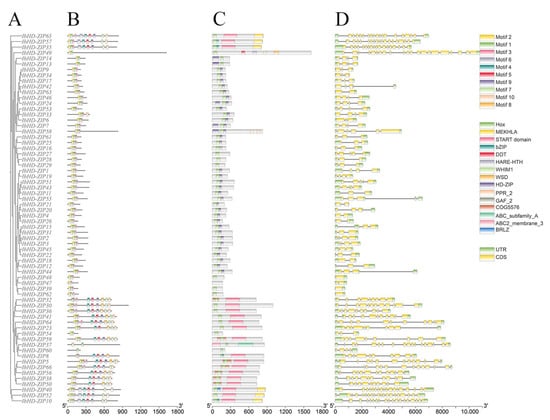
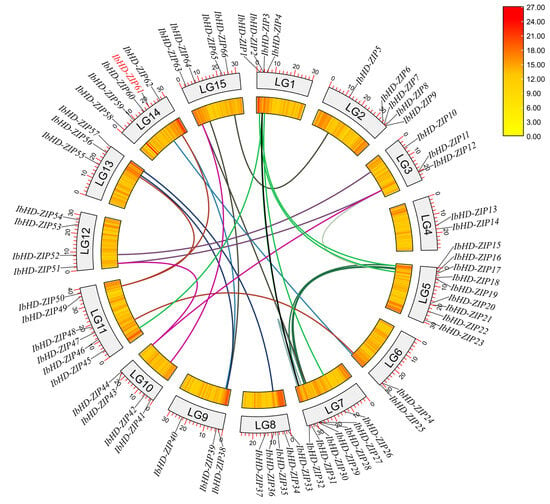
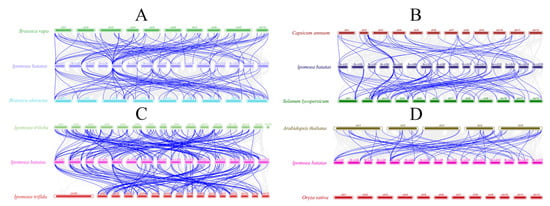
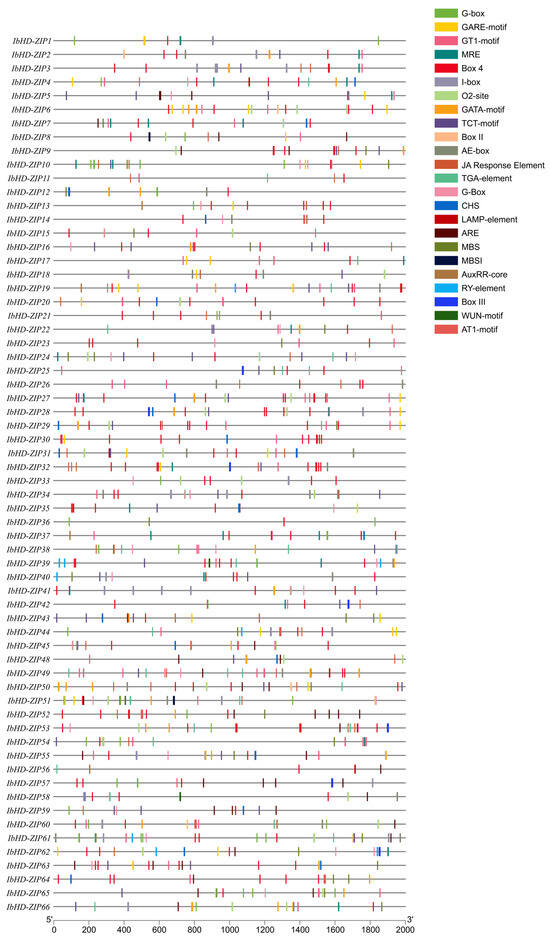
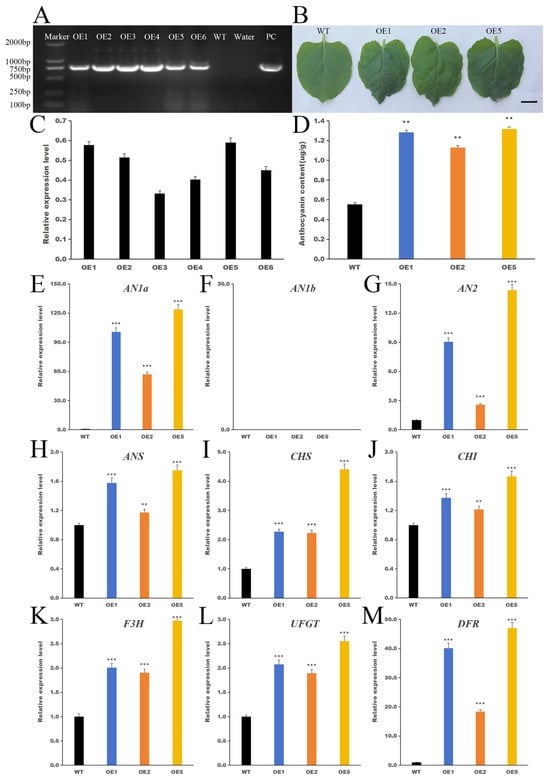
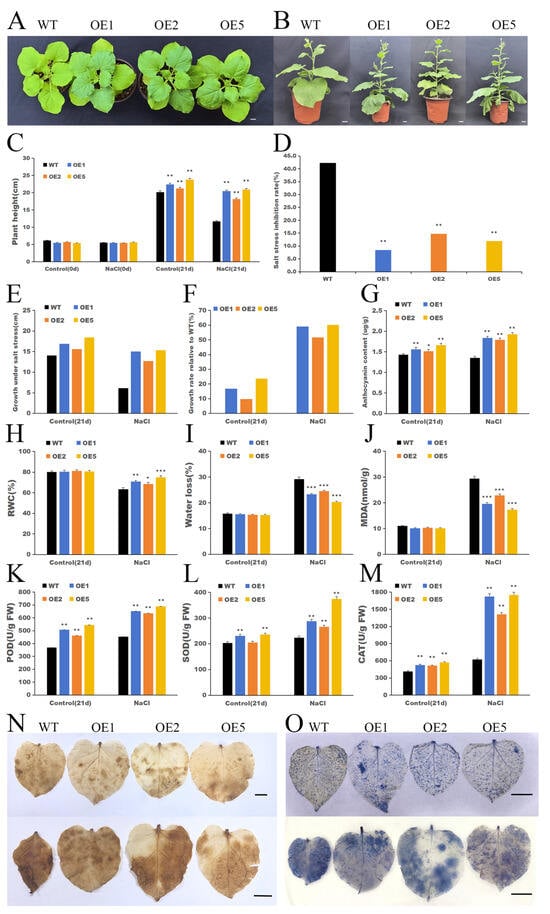
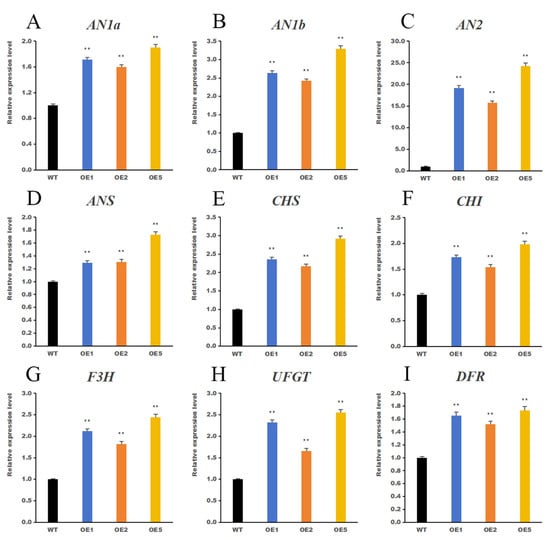
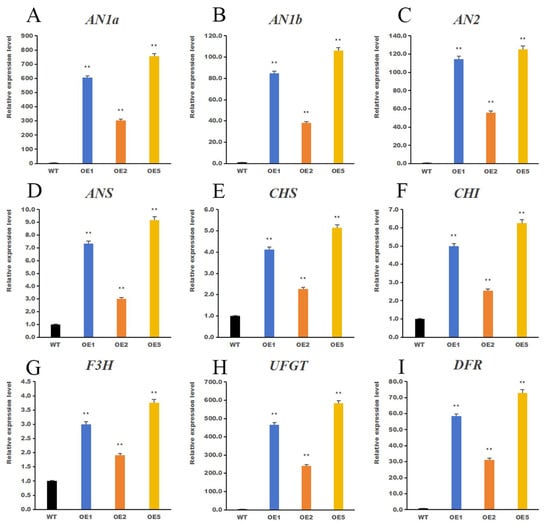
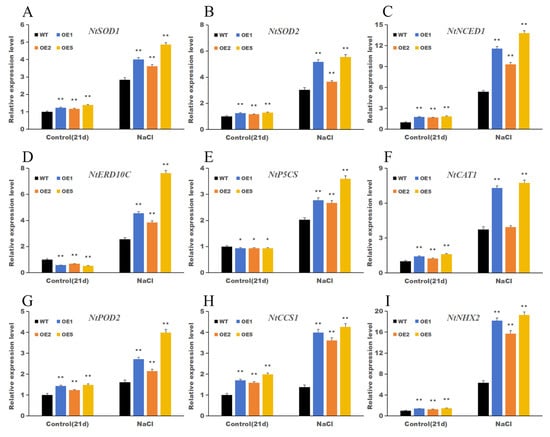
Sweet potato (Ipomoea batatas L.) is a vital dual-use crop, with some varieties being used as leafy vegetables that are rich in anthocyanins. Nevertheless, salinity stress is a challenge to their production. Homeodomain-leucine zipper (HD-ZIP) gene family members encode proteins participating in the regulation of plant defense and secondary metabolism, while the functional study of HD-ZIP genes in sweet potato is still limited. Herein, a total of 66 IbHD-ZIP genes were identified, which were expanded by segmental duplication. Based upon promoter cis-element information and precedent evidence, IbHD-ZIP61, belonging to subfamily I, was selected for functional studies. Functional characterization was conducted via ectopic expression in transgenic Nicotiana benthamiana. The overexpression of IbHD-ZIP61 significantly increased anthocyanin production under normal growth conditions by promoting anthocyanin biosynthetic genes AN1a, AN2, and DFR. Furthermore, transgenic plants displayed better salinity tolerance, which exhibited reduced growth inhibition, increased water status, decreased oxidative injury, as well as elevated activity of antioxidant enzymes. This study validated the coordinated regulation of anthocyanin pathway genes as well as pivotal pathways (NHX2, NCED1, P5CS) during salinity adaptation. These findings demonstrate that IbHD-ZIP61 is a transcription factor linking anthocyanin synthesis and salinity adaptation, thus making it a potential candidate for improving breeding in nutritionally superior and salinity-adapted edible crops such as sweet potato.
Full article
(This article belongs to the Collection Crop Breeding for Stress Tolerance)
►▼
Show Figures

Figure 1
Open AccessArticle
Effects of Flaxseed Meal on Water Movement in Sandy Soil
by
Yue Liu, Xiaohong Dang, Limin Yuan and Wei Sun
Agronomy 2026, 16(4), 407; https://doi.org/10.3390/agronomy16040407 (registering DOI) - 8 Feb 2026
Abstract
To clarify the effects and mechanisms of the solution formed by mixing flaxseed meal powder with water on soil water movement in sandy land, this study conducted laboratory simulation experiments using three extraction forms of flaxseed meal solution (supernatant, suspension, and precipitate) and
[...] Read more.
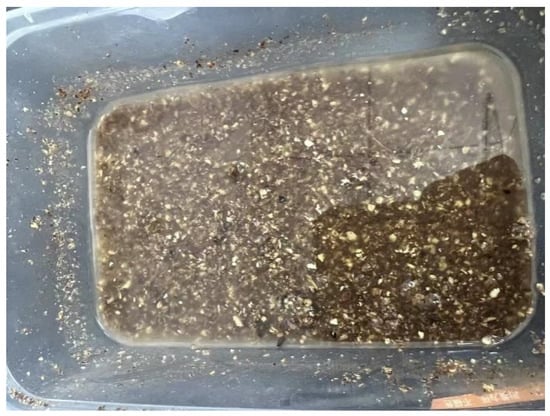
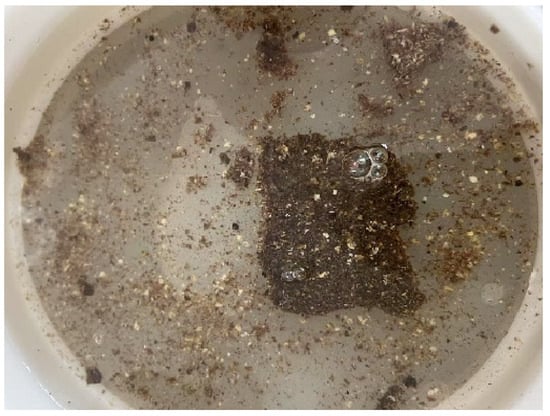
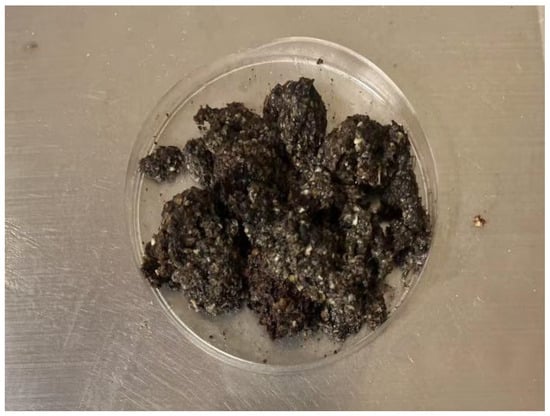
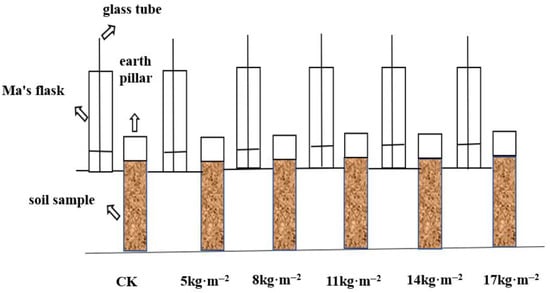
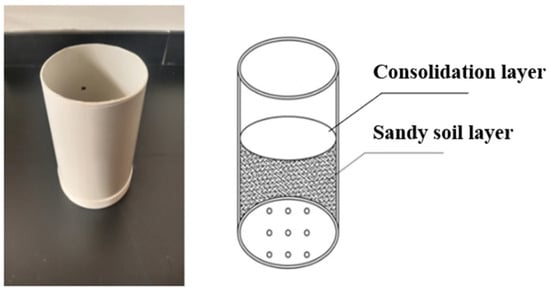
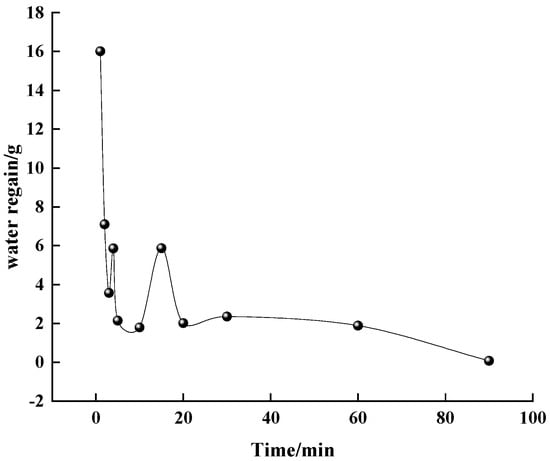
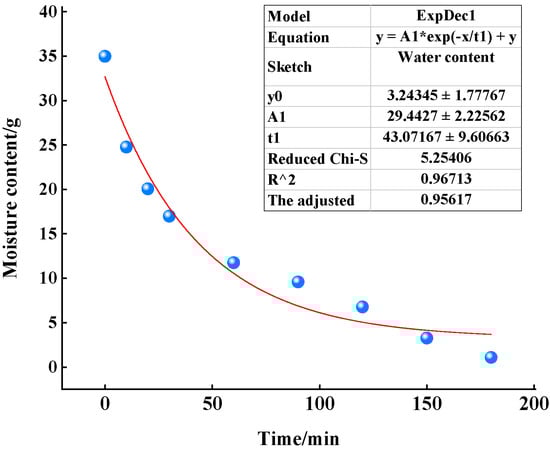
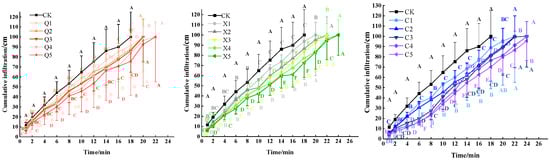
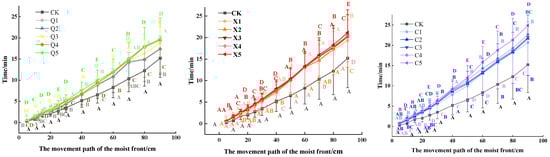
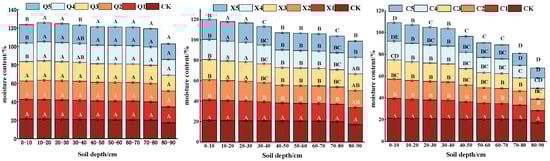
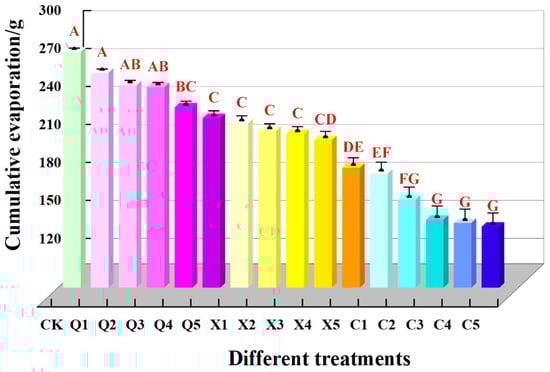
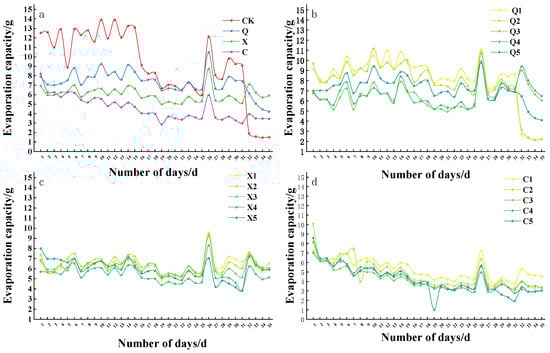
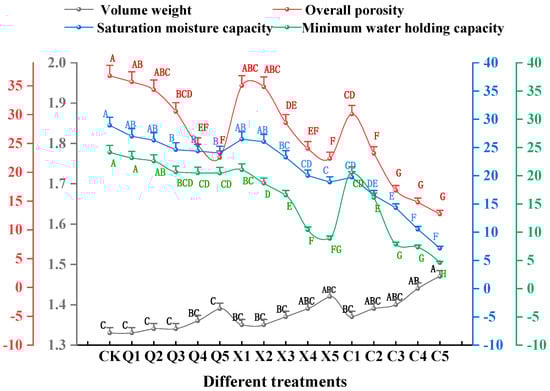
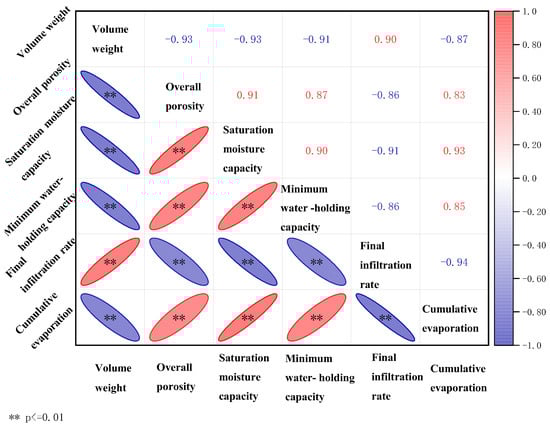
To clarify the effects and mechanisms of the solution formed by mixing flaxseed meal powder with water on soil water movement in sandy land, this study conducted laboratory simulation experiments using three extraction forms of flaxseed meal solution (supernatant, suspension, and precipitate) and five application rates (5 kg·m−2, 8 kg·m−2, 11 kg·m−2, 14 kg·m−2, and 17 kg·m−2), with untreated aeolian sandy soil set as the control (CK). The results showed that: (1) Flaxseed meal can significantly reduce the soil water infiltration rate, with the sediment treatment group exhibiting the optimal effect. After the application of the three flaxseed meal treatments, soil infiltration indices decreased significantly, and the magnitude of the reduction became more pronounced with the increase in flaxseed meal application rate. (2) Flaxseed meal exhibited a significant effect on water retention and evaporation inhibition; after continuous evaporation for 35 days following the spraying of different flaxseed meal treatments, the cumulative evaporation of CK was significantly higher than that of the other treatments. Compared with CK, the cumulative evaporation of the groups treated with the supernatant, suspension, and precipitate of flaxseed meal solution decreased by 11.69%, 24.13%, and 43.22%, respectively. The sediment group achieved the optimal effect, and the evaporation inhibition effect was enhanced with the increase in application rate. (3) All three flaxseed meal mixture treatments increased soil bulk density and decreased soil total porosity, and saturated water-holding capacity and minimum water-holding capacity, with the sediment treatment exerting the most significant effect. The efficacy of all treatments became more notable as the application rate increased. There was a highly significant correlation between soil physical properties and water movement rate. Flaxseed meal affects soil water movement by altering soil physical properties. In conclusion, spraying flaxseed meal on the surface of sandy soil can effectively reduce infiltration and inhibit evaporation, with the sediment treatment group achieving the optimal improvement effect. The soil crust formed by flaxseed meal has a strong water-binding capacity, which can maintain water supply for plant growth over a long period, making it highly suitable for popularization and application in sandy farmland.
Full article
(This article belongs to the Section Water Use and Irrigation)
►▼
Show Figures

Figure 1
Open AccessArticle
Contrasting Effects of Desulfurization Gypsum and Aluminum Sulfate Application in Rice Cultivation on Soil Salinity and Sodicity on the Songnen Plain of Northeast China
by
Yang Li, Jiaqi Xu, Linlin Fu, Jiaming Fan, Junhua Zhang, Juan Zhang and Qingfeng Meng
Agronomy 2026, 16(4), 406; https://doi.org/10.3390/agronomy16040406 (registering DOI) - 8 Feb 2026
Abstract
Soil salinization has become a major threat affecting global arable productivity. Rice cultivation with amendment application is considered an important approach for saline–sodic soil reclamation. Saline–sodic soil without vegetation was selected as the study subject to investigate the effects of amendments in rice
[...] Read more.
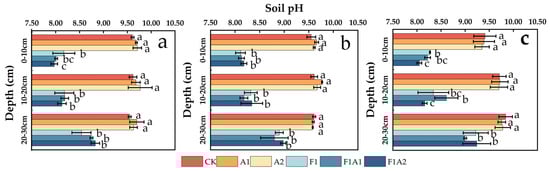
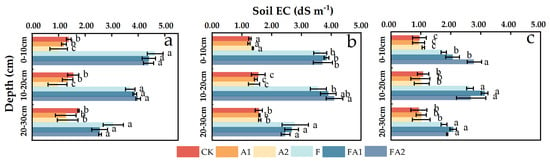
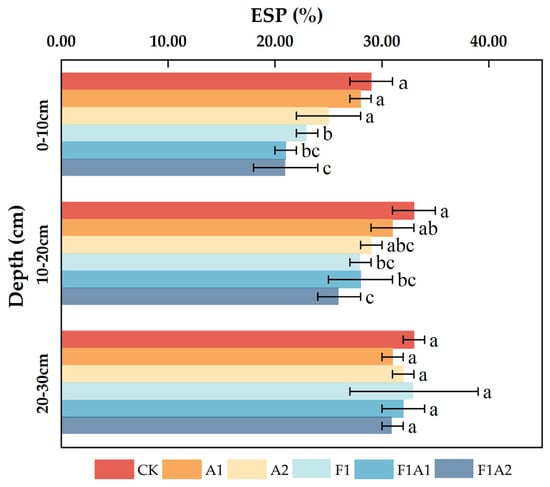
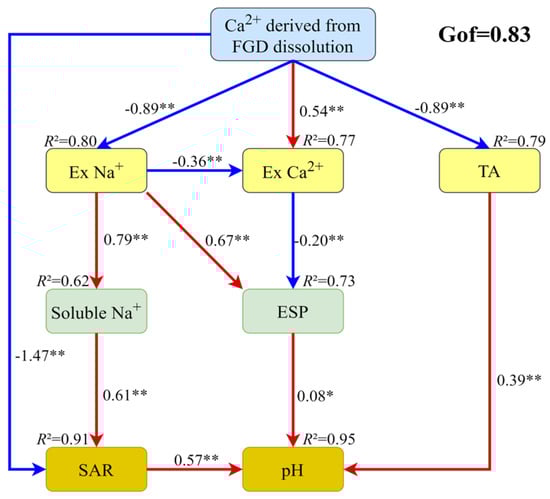
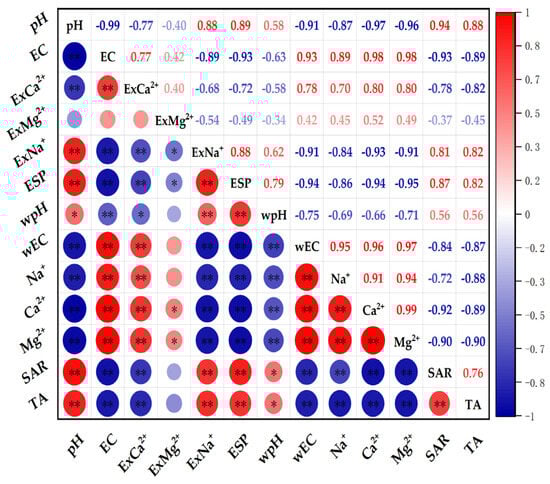
Soil salinization has become a major threat affecting global arable productivity. Rice cultivation with amendment application is considered an important approach for saline–sodic soil reclamation. Saline–sodic soil without vegetation was selected as the study subject to investigate the effects of amendments in rice cultivation on salinity and sodicity through a pot experiment. The results revealed that the application of desulfurization gypsum combined with aluminum sulfate to saline–sodic soil significantly contributed to decreases in soil salinity and sodicity. The soil pH in the 0–10 cm, 10–20 cm and 20–30 cm soil layers decreased from 9.41–9.84 to 8.06–9.24, whereas the exchangeable sodium percentage (ESP) decreased from 28.98–33.24% to 19.76–30.82%, respectively. The increase in soil exchangeable Ca2+ was accompanied by a decrease in soil exchangeable Na+. Additionally, the application of desulfurization gypsum combined with aluminum sulfate to saline–sodic soil resulted in significant decreases in total alkalinity (TA) and the sodium adsorption ratio (SAR) and an increase in soluble Ca2+. The analysis indicated that soluble Ca2+ derived from desulfurization gypsum is the predominant factor affecting the variation in the soil pH, ESP, SAR, and exchangeable Na+ and Ca2+. The reductions in salinity and sodicity are attributed to the replacement of Ca2+ derived from desulfurization gypsum with Na+ on soil collides. Simultaneously, H+ formed by the hydrolysis of aluminum sulfate neutralizes HCO3− and CO32− in the water layer.
Full article
(This article belongs to the Special Issue Advances in Soil Remediation Techniques for Degraded Land)
►▼
Show Figures

Figure 1
Open AccessArticle
Oxalic Acid Enhances Soil Microbial Phosphorus Mobilization Under Phosphorus Deficiency: Evidence from a Soil Microcosm Experiment
by
Haibin Chen, Lixin Lin, Huang Li, Bangyu Huang, Peng Cui, Ruqin Fan and Jianjun Du
Agronomy 2026, 16(4), 405; https://doi.org/10.3390/agronomy16040405 (registering DOI) - 7 Feb 2026
Abstract
Oxalic acid is a key root exudate released by plants under phosphorus (P) deficiency and plays a direct role in solubilizing fixed soil P. However, its specific effects on soil microbial community assembly and ecological functions remain less clear. In this study, based
[...] Read more.
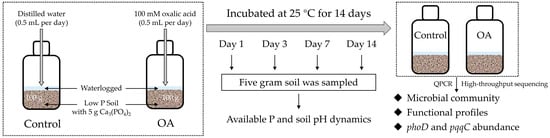
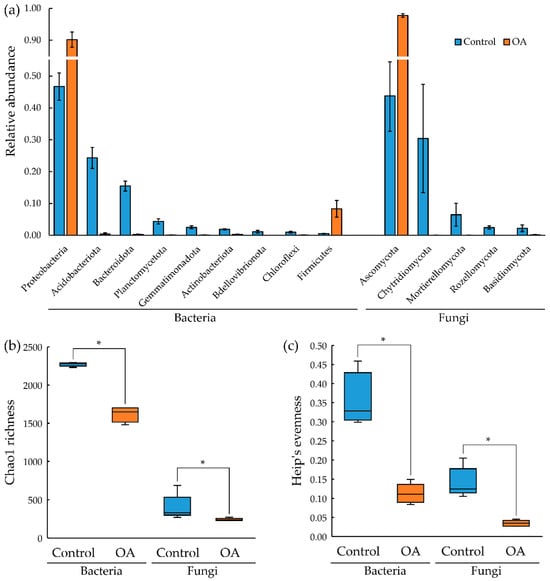
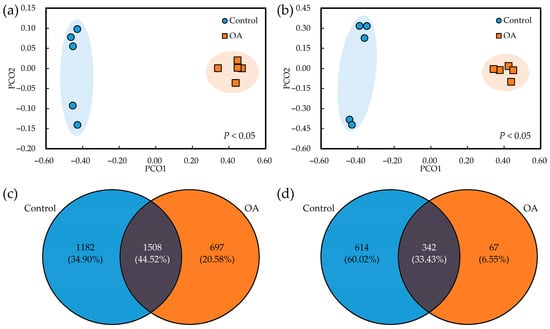
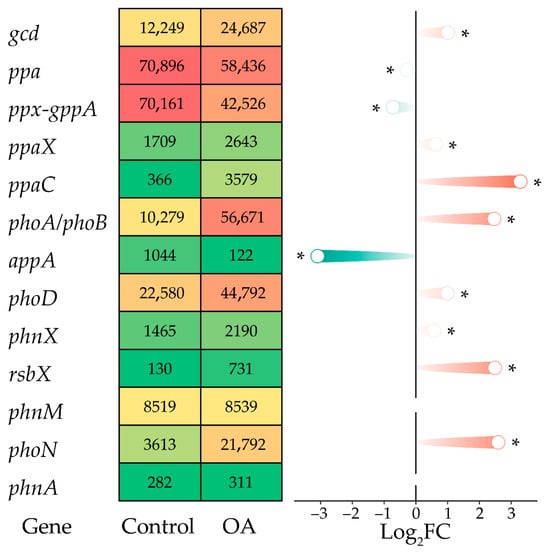
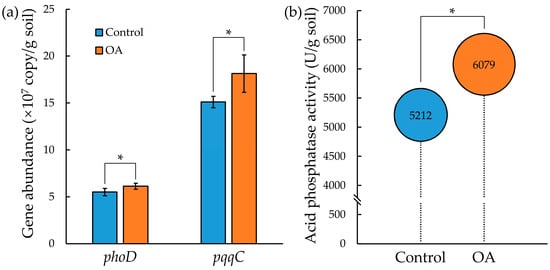
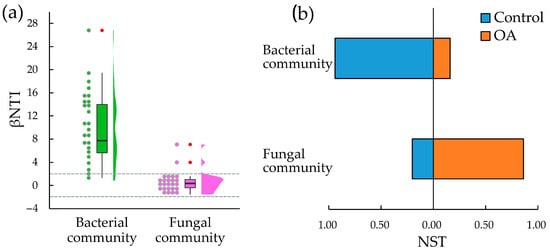
Oxalic acid is a key root exudate released by plants under phosphorus (P) deficiency and plays a direct role in solubilizing fixed soil P. However, its specific effects on soil microbial community assembly and ecological functions remain less clear. In this study, based on an ex planta soil microcosm incubation experiment, the impacts of oxalic acid input on soil bacterial and fungal community assemblage and functional profiles involved in P mobilization were explored. The results showed that oxalic acid input significantly changed soil bacterial and fungal community composition, decreased their diversity, and enriched bacterial taxa involved in P mobilization and fungal taxa associated with plants, showing the selective effects of oxalic acid on soil microorganisms. Further community assembly analyses (βNTI and NST) showed that oxalic acid input promoted a shift in bacterial community from a stochastic-process-dominated community to a deterministic-process-dominated community, while the fungal community exhibited a converse pattern. These findings reveal the important role of oxalic acid in shaping soil microbial community assembly and ecological functions under P deficiency, broadening our understanding of the role of oxalic acid in plant responses to low-P stress.
Full article
(This article belongs to the Section Soil and Plant Nutrition)
►▼
Show Figures

Figure 1
Open AccessArticle
Impact of Soil Management Practices on Olive Orchard Soil Health and Arthropod Diversity in Messenia, Greece
by
Kodie Chontos, Christos Pantazis and Håkan Berg
Agronomy 2026, 16(4), 404; https://doi.org/10.3390/agronomy16040404 (registering DOI) - 7 Feb 2026
Abstract
Soil degradation driven by intensive management practices has become of increasing concern for olive cultivation, as trends for desertification and loss of arable land have emerged across the Mediterranean basin. Agroecological management practices, such as mulching made from olive tree pruning remains, have
[...] Read more.
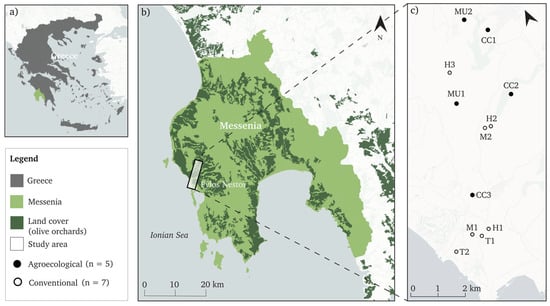
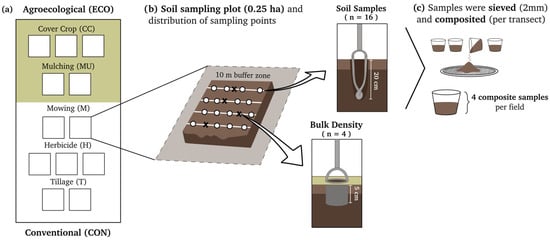
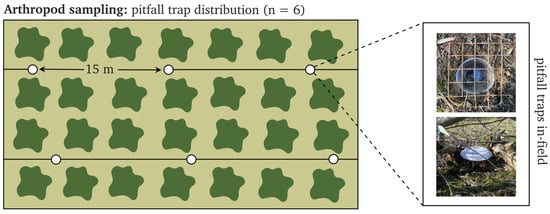
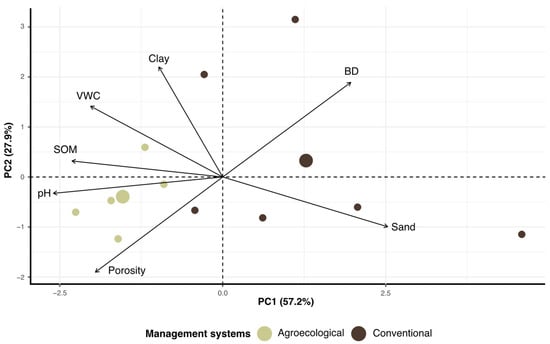
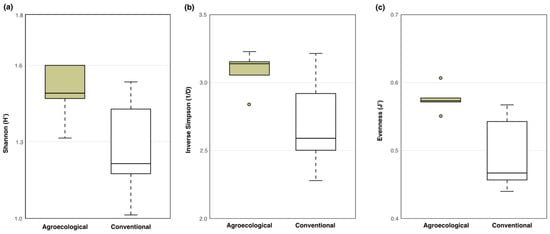
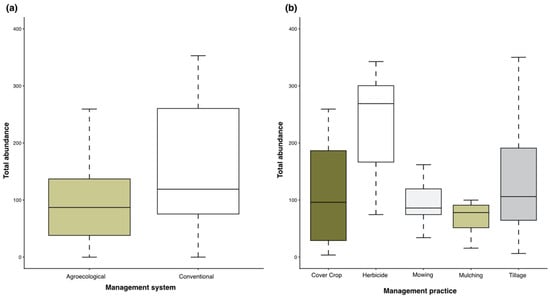
Soil degradation driven by intensive management practices has become of increasing concern for olive cultivation, as trends for desertification and loss of arable land have emerged across the Mediterranean basin. Agroecological management practices, such as mulching made from olive tree pruning remains, have shown potential for improving soil structure, nutrient retention and biodiversity. This study aimed to enhance the understanding of how soil management influences soil properties and arthropod diversity in small-scale olive orchards in a heterogeneous landscape in south-west Greece. Soil was sampled from 11 orchards managed under one of two systems: conventional (herbicide use, tillage, mowing) and agroecological (cover cropping, mulching), encompassing a diversity of management practices. Physicochemical properties were measured alongside soil arthropod abundance and diversity, allowing for comparisons at two levels: between management systems and among practices nested within each system. When compared across broader systems, the agroecological orchards, compared to conventional orchards, had greater porosity (56.38% and 48.75%), and soil organic matter (8.99% and 6.87%), though differences in soil composition likely accounted for some of the variation. Additionally, metrics for arthropod diversity were improved under agroecological management, with 21% higher Shannon diversity and 16.8% greater evenness compared to conventional management. Ordination analysis and generalized linear models further supported these findings illustrating the relationship between agroecological management, soil health and arthropod diversity. These results support a growing body of research which illustrate the potential of agroecological management in enhancing soil health and biodiversity in olive orchards and contributing to the development of more resilient agroecosystems within the Mediterranean basin.
Full article
(This article belongs to the Topic Soil Fertility and Plant Nutrition for Sustainable Agriculture—2nd Edition)
►▼
Show Figures

Figure 1
Open AccessArticle
Foliar Applications of Calcium, Magnesium, and Seaweed Mixture to Mitigate Chronic and Apoplectic Forms of Esca Disease and Improve Yield in Vineyards
by
Francesco Calzarano, Fabio Osti, Giancarlo Pagnani, Leonardo Seghetti and Stefano Di Marco
Agronomy 2026, 16(4), 403; https://doi.org/10.3390/agronomy16040403 (registering DOI) - 7 Feb 2026
Abstract
Esca disease, the most widespread grapevine trunk disease in Europe, is characterized by both chronic and acute forms. In both cases, alterations in the plant’s physiological processes are significant and lead to yield losses and/or plant death. Studies have highlighted the effects of
[...] Read more.
Esca disease, the most widespread grapevine trunk disease in Europe, is characterized by both chronic and acute forms. In both cases, alterations in the plant’s physiological processes are significant and lead to yield losses and/or plant death. Studies have highlighted the effects of a mixture of foliar fertilizers and seaweeds in reducing foliar symptoms and improving both the quantity and quality of yield. These effects have now been evaluated on additional cultivars and in other vineyard areas. Furthermore, for the first time, the activity of the fertilizer mixture in reducing apoplexy and the resulting vine mortality has been assessed. During the 2022–2023 biennium, in four vineyards of the Lambrusco cultivar in the Province of Reggio Emilia, Northern Italy, affected by both chronic and acute forms of the disease, foliar applications of the mixture were carried out at 10-day intervals starting from the “nine leaves unfolded” BBCH (Biologische Bundesanstalt, Bundessortenamt and Chemical industry) stage 19 up to the “berries developing color” BBCH stage 83. The results confirmed the activity of the fertilizer mixture in reducing chronic symptoms, which appeared particularly pronounced in 2022, when rainfall quantity and distribution allowed regular development of phenological stages. In that year, in all vineyards, a reduction of approximately 50% and 60% in the incidence and severity of chronic leaf symptoms was recorded. Under these optimal growth conditions, treated vines generally showed superior yield and quality. Conversely, in 2023, characterized by heavy rains, smaller effects on foliar symptoms and no improvements in yield were observed. Applications of the mixture resulted in a significant reduction in apoplexy and, consequently, vine mortality, as verified in 2024. This effect did not appear to be influenced by climatic conditions. This study confirms that applications of the mixture aimed at reducing symptom expression and yield damage are a valid addition to the few available control practices. The positive effects observed on the acute form for the first time require further investigation.
Full article
(This article belongs to the Section Pest and Disease Management)
Open AccessArticle
Divergent Dynamics and Drivers of Soil Organic Carbon in Mulberry Plantations Across Contrasting Calcisols and Chromic Luvisols in a Karst Region of Southwest China
by
Yanjin Shi, Mei Lu, Junfang Cui, Shiqing Peng, Fang Zhang, Xiaohong Wang, Zhanfeng Ye, Wenzhong Yu and Dan Xing
Agronomy 2026, 16(4), 402; https://doi.org/10.3390/agronomy16040402 (registering DOI) - 7 Feb 2026
Abstract
The fragile Karst landscapes of southwest China face persistent challenges of soil degradation and rocky desertification. While sustainable land use such as mulberry plantation can support ecological restoration, the dynamics of soil organic carbon (SOC) and its driving mechanisms across contrasting soil types
[...] Read more.
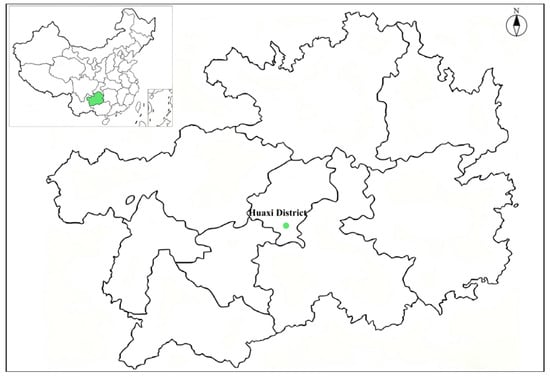
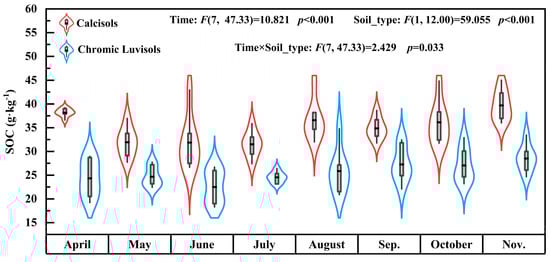
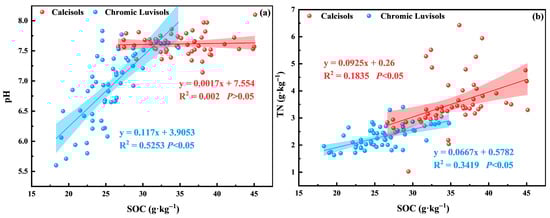
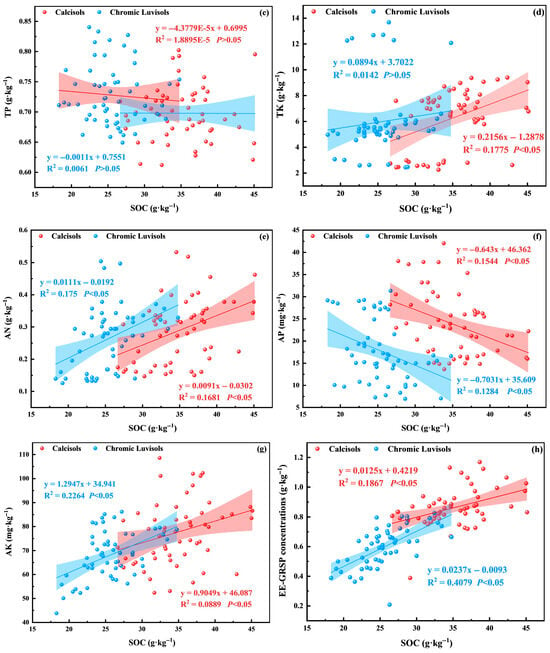
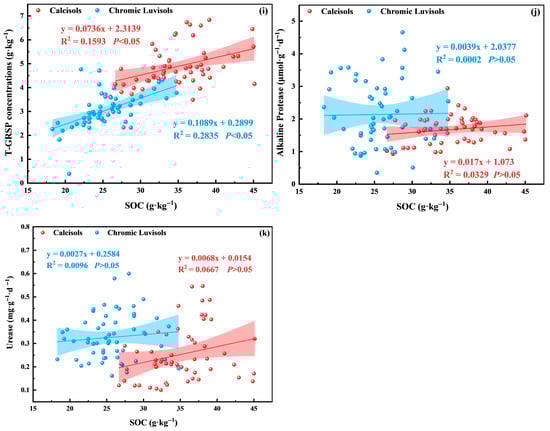
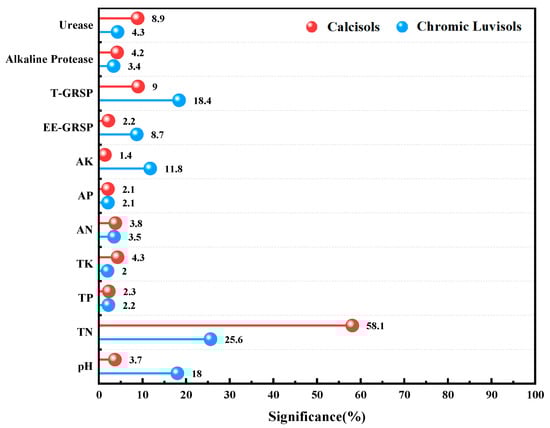
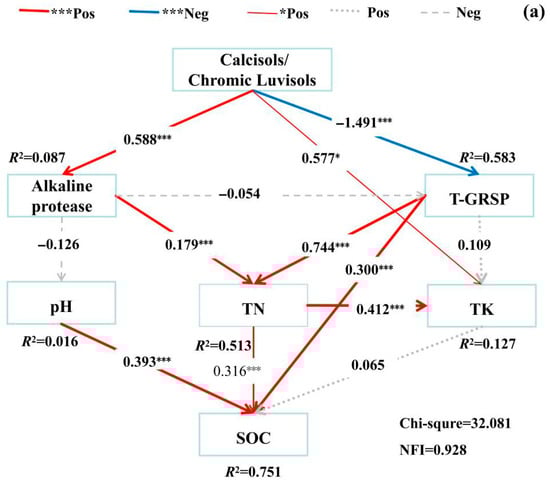
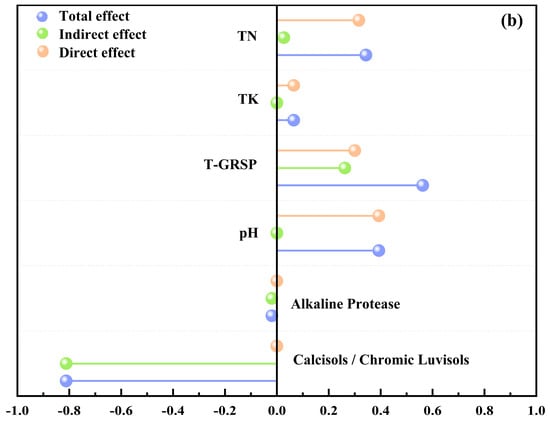
The fragile Karst landscapes of southwest China face persistent challenges of soil degradation and rocky desertification. While sustainable land use such as mulberry plantation can support ecological restoration, the dynamics of soil organic carbon (SOC) and its driving mechanisms across contrasting soil types remain poorly understood, limiting the development of targeted pedogenically aware carbon management strategies. A comparative field study was conducted in central Guizhou, China, over an eight-month mulberry growing season (April to November). We monitored SOC, physicochemical properties, GRSP, and enzyme activities in plantations established on two contrasting limestone-derived soils (Calcisols and Chromic Luvisols). This study aimed to clarify the relationships between SOC and key soil parameters within each soil type and to identify their dominant driving factors. Soil type significantly influenced SOC concentration, dynamics, and its regulatory mechanisms. SOC was significantly higher and exhibited greater seasonal variability in Calcisols (31.51–39.71 g·kg−1) than in Chromic Luvisols (22.50–28.51 g·kg−1), with Calcisols maintaining 1.28–1.57 times the SOC concentration of Chromic Luvisols. Regression analysis revealed that SOC was significantly positively correlated with TN, AN, AK, and GRSP, but significantly negatively correlated with AP. Random forest modeling further identified distinct key correlated factors in each soil type as follows: TN, T-GRSP, and Urease were primary in Calcisols, whereas TN, T-GRSP, and pH dominated in Chromic Luvisols. Partial least squares path modeling confirmed that soil type does not directly associate with SOC but exerts an indirect effect by modulating core biochemical mediators specifically (Alkaline protease, T-GRSP, and TN); The model also indicated that pH and TN exert direct positive effects on SOC accumulation. In Karst mulberry systems, pedogenically distinct soils (Calcisols vs. Chromic Luvisols) shape SOC storage, stability, and regulatory mechanisms through divergent biogeochemical pathways. SOC management should therefore be soil-type-specific, prioritizing nitrogen synergy in Calcisols and pH-mediated stabilization in Chromic Luvisols, rather than applying uniform strategies. This study thereby establishes a mechanistic framework for understanding and managing SOC in heterogeneous Karst landscapes, providing a critical foundation for developing targeted, soil-specific carbon sequestration practices in ecologically vulnerable regions.
Full article
(This article belongs to the Section Soil and Plant Nutrition)
►▼
Show Figures

Figure 1
Open AccessArticle
Auto3DPheno: Automated 3D Maize Seedling Phenotyping via Topologically-Constrained Laplacian Contraction with NeRF
by
Yi Gou, Xin Tan, Mingyu Yang, Xin Zhang, Liang Xu, Qingbin Jiao, Sijia Jiang, Ding Ma and Junbo Zang
Agronomy 2026, 16(4), 401; https://doi.org/10.3390/agronomy16040401 (registering DOI) - 7 Feb 2026
Abstract
Analyzing three-dimensional (3D) phenotypic parameters of maize seedlings is of significant importance for maize cultivation and selection. However, existing methods often struggle to balance cost, efficiency, and accuracy, particularly when capturing the complex morphology of seedlings characterized by slender stems. To address these
[...] Read more.
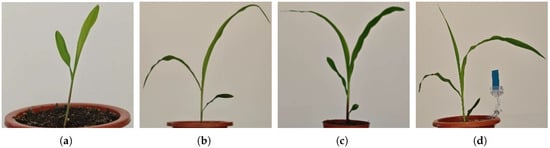
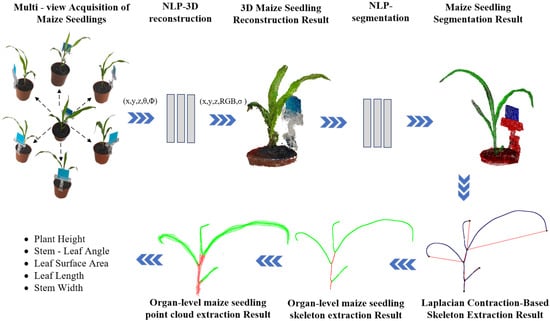
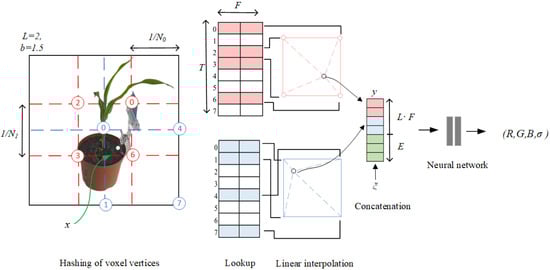
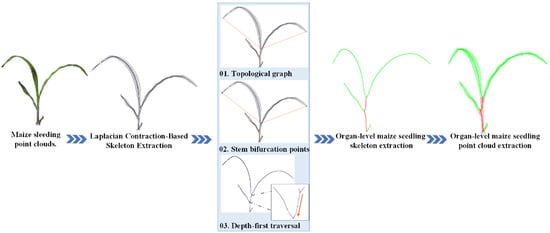
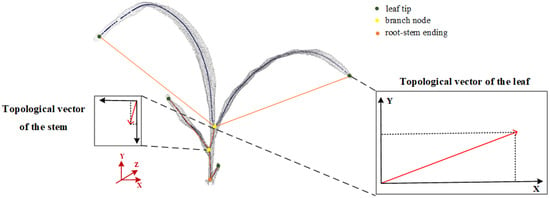
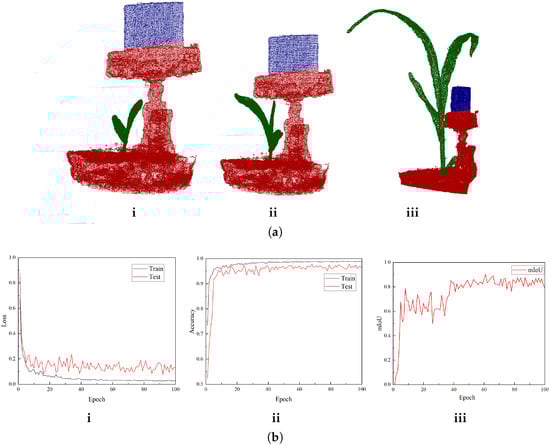
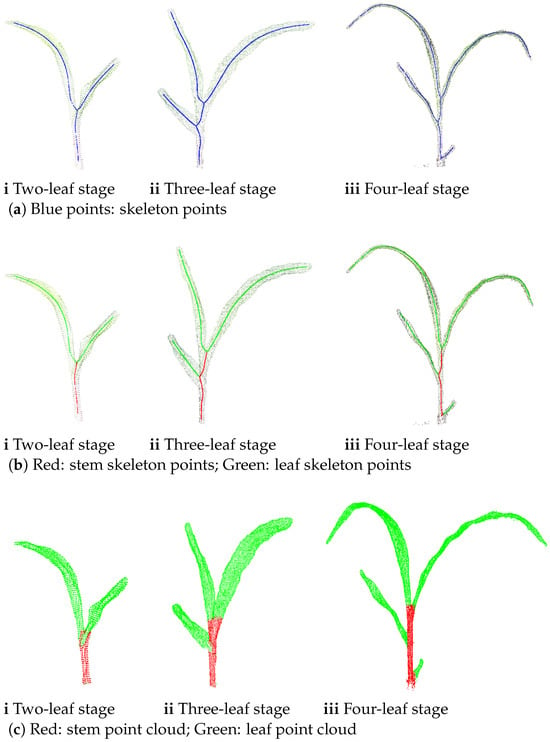
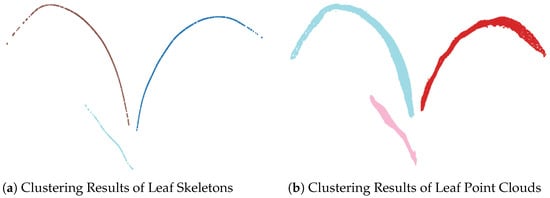
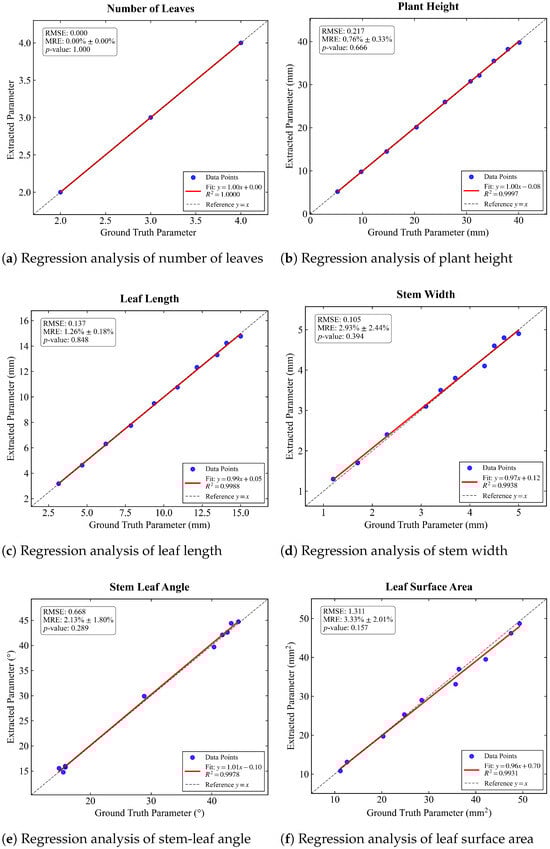
Analyzing three-dimensional (3D) phenotypic parameters of maize seedlings is of significant importance for maize cultivation and selection. However, existing methods often struggle to balance cost, efficiency, and accuracy, particularly when capturing the complex morphology of seedlings characterized by slender stems. To address these issues, this study proposes a novel end-to-end automated framework for extracting phenotypes using only consumer-grade RGB cameras. The pipeline initiates with Instant-NGP to rapidly reconstruct dense point clouds, establishing the 3D data foundation for phenotypic extraction. Subsequently, we formulate a directed topological graph-based mechanism. By mathematically defining bifurcation constraints via vector analysis, this mechanism guides a depth-first traversal strategy to explicitly disentangle stem and leaf skeletons. Building upon these decoupled skeletons, organ-level point cloud segmentation is achieved through constraint-based expansion, followed by density-based spatial clustering (DBSCAN) to detect individual leaves. Algorithms combining point cloud geometry with 3D Euclidean distance are also implemented to calculate key phenotypes including plant height and stem width. Finally, single-leaf skeleton fitting is used to estimate leaf length, and principal component analysis (PCA) is adopted to determine the stem–leaf angle, realizing the comprehensive automatic extraction of maize seedling phenotypes. Experiments show that the proposed method achieves high accuracy in extracting key phenotypic parameters. The mean relative errors for plant height, stem width, leaf length, stem-leaf angle, and leaf area are 0.76%, 2.93%, 1.26%, 2.13%, and 3.33%, respectively. Compared with existing methods as far as we know, the proposed method significantly improves extraction efficiency by reducing the processing time per plant to within 5 min while maintaining such high accuracy.
Full article
(This article belongs to the Topic Digital Agriculture, Smart Farming and Crop Monitoring)
►▼
Show Figures

Figure 1
Open AccessArticle
Effect of Biostimulants Containing Rhizobacteria on the Growth of Wheat, Barley, and Oilseed Rape Under Various Soil Moisture Conditions
by
Arkadiusz Filipczak, Łukasz Sobiech, Agnieszka Wita, Roman Marecik, Wojciech Białas, Monika Grzanka, Robert Idziak and Piotr Szulc
Agronomy 2026, 16(3), 400; https://doi.org/10.3390/agronomy16030400 - 6 Feb 2026
Abstract
Preparations containing appropriate microorganisms stimulate plant growth and are increasingly used to alleviate plant stress, including water deficit stress. Despite the growing interest in PGPR, little is known about the post-emergence efficacy of formulations based on native strains under water stress. In this
[...] Read more.
Preparations containing appropriate microorganisms stimulate plant growth and are increasingly used to alleviate plant stress, including water deficit stress. Despite the growing interest in PGPR, little is known about the post-emergence efficacy of formulations based on native strains under water stress. In this study, we tested the post-emergence efficacy of preparations based on Bacillus velezensis_KT27 and Bacillus subtilis + Pseudomonas simiae + Bacillus velezensis_S103 at doses of half a liter and one liter × 200 L × ha−1 in culture fluid or oil dispersion each at a final microbial cell concentration of 5 × 10⁸ (CFU/mL) for the tested strains. Our hypothesis was that the different biostimulants may positively affect plants’ tolerance to water stress. To this end, analyses of plant height, fresh weight, dry weight, chlorophyll, flavonol and anthocyanin content, and chlorophyll fluorescence were conducted under greenhouse conditions for winter wheat, winter barley, and winter oilseed rape. The preparations promoted the growth and water-stress tolerance of the selected plants, with effectiveness depending on strain, plant, dose, and formulation. B. velezensis_KT27 (0.5 L in oil dispersion) increased the dry weight of winter wheat by 17% (optimal) and 14% (water deficit stress) and of winter barley by 17% and 28%. Bacillus spp. + Pseudomonas spp. (0.5 L in oil dispersion) increased winter oilseed rape dry weight by 13% in both conditions. These findings highlight the potential of Bacillus spp. and Pseudomonas spp. for post-emergence biostimulation under variable soil levels of moisture.
Full article
(This article belongs to the Section Pest and Disease Management)
Open AccessArticle
Influence of the Use of Double Roof with Increased Ventilation on the Development of Fungal Diseases in a Mediterranean Greenhouse
by
María Ángeles Moreno-Teruel, Alejandro López-Martínez, Eugenio Ávalos-Sánchez, Francisco Domingo Molina-Aiz, Diego Luis Valera-Martínez, Kristoff Proost, Frederic Peilleron and Fátima Baptista
Agronomy 2026, 16(3), 399; https://doi.org/10.3390/agronomy16030399 - 6 Feb 2026
Abstract
Mediterranean greenhouses commonly rely on passive climate control techniques to reduce dependence on energy-intensive systems. This study was conducted in Almería (Spain) in a multi-span greenhouse divided into two sectors: a West sector equipped with a double-roof system using a pink sunlight spectrum
[...] Read more.
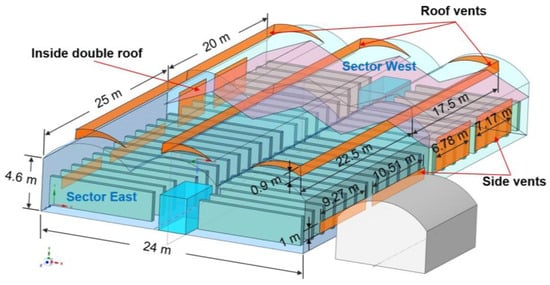
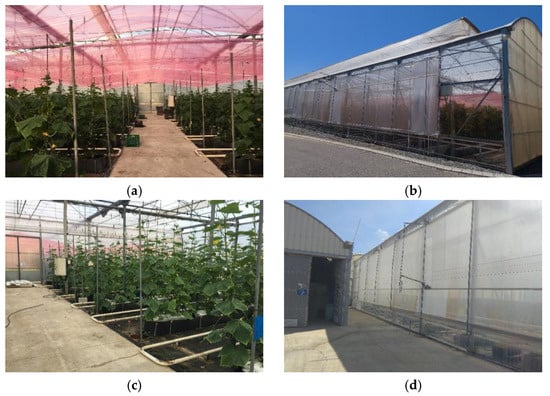
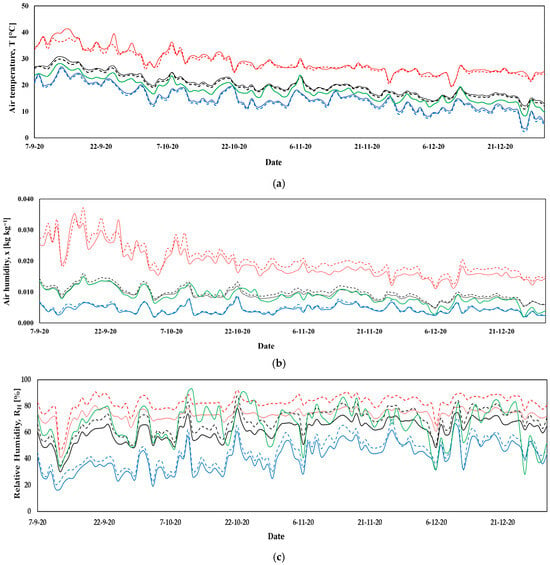
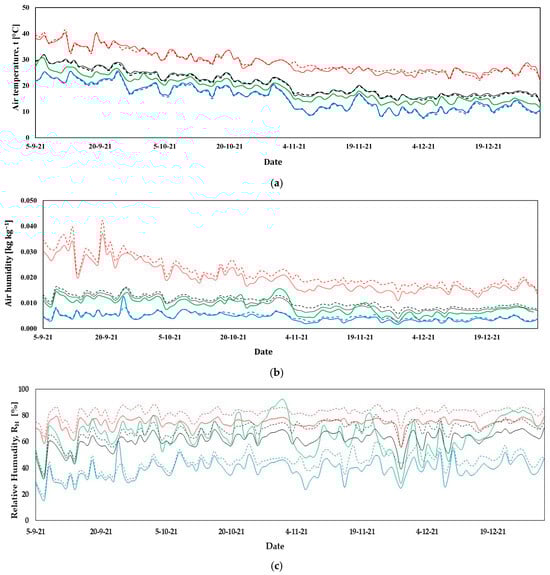
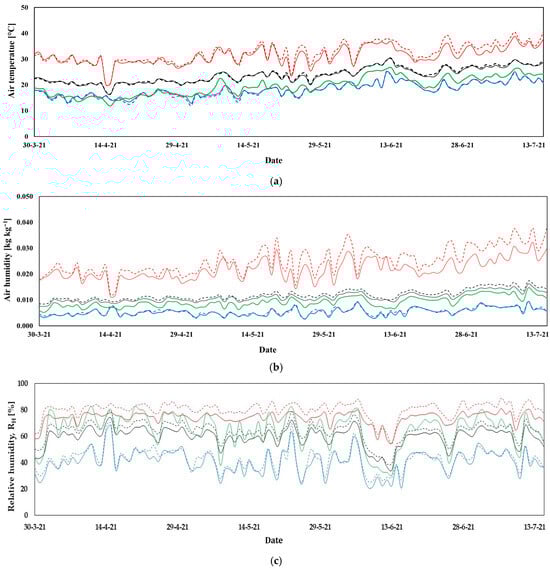
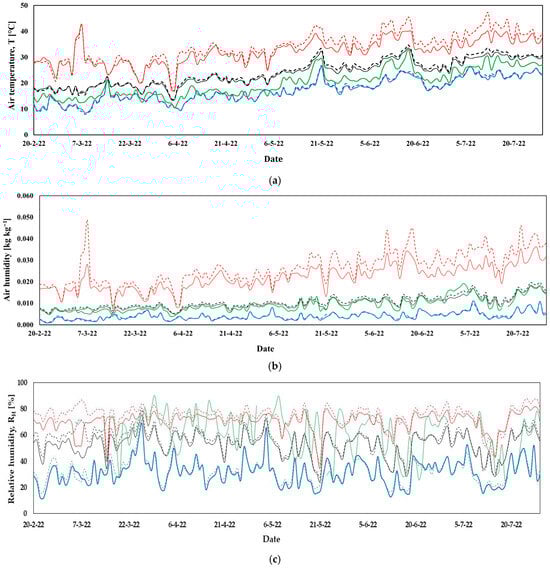
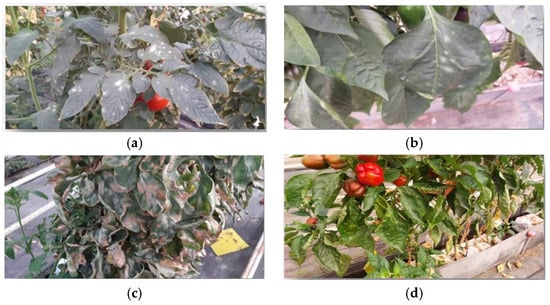
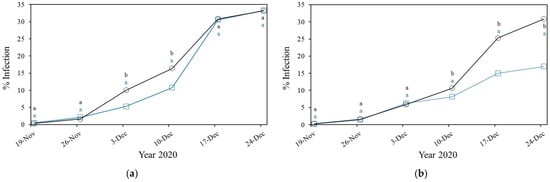
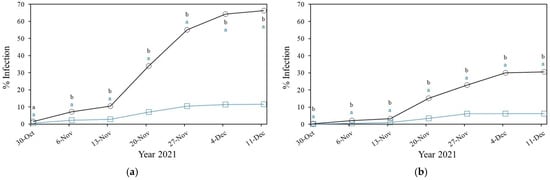
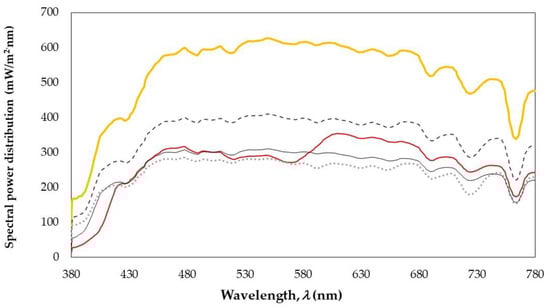
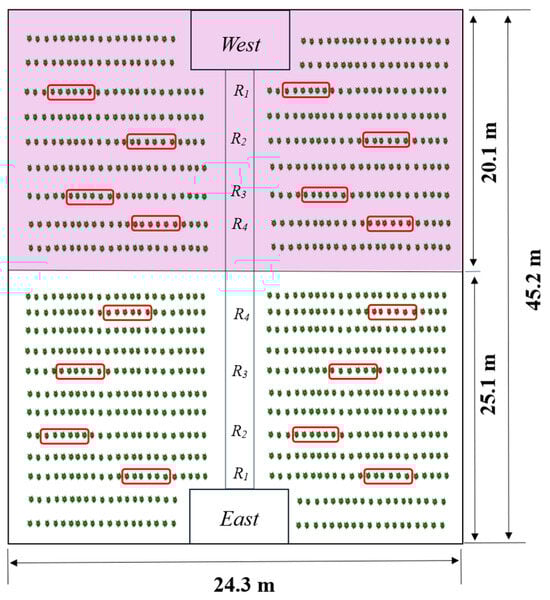
Mediterranean greenhouses commonly rely on passive climate control techniques to reduce dependence on energy-intensive systems. This study was conducted in Almería (Spain) in a multi-span greenhouse divided into two sectors: a West sector equipped with a double-roof system using a pink sunlight spectrum photoconverter film combined with an increased natural ventilation surface, and an East control sector with standard ventilation and a calcium carbonate-whitened roof. The effects of this integrated passive climate management configuration on the development of naturally occurring fungal diseases were evaluated in tomato (Solanum lycopersicum L.), pepper (Capsicum annuum L.), and cucumber (Cucumis sativus L.). Powdery mildew (Leveillula taurica) and early blight (Alternaria linariae) were observed in tomato; powdery mildew in pepper; and downy mildew (Pseudoperonospora cubensis), powdery mildew (Podosphaera xanthii), and gummy stem blight (Stagonosporopsis spp.) in cucumber. Across crop cycles, the sector combining double roofing and enhanced ventilation consistently exhibited lower disease severity for powdery mildew, downy mildew, and gummy stem blight compared with the control sector. In contrast, early blight did not show a clear or consistent response to the greenhouse configuration. Overall, the results indicate that the combined use of a double-roof system with a sunlight spectrum photoconverter film and increased natural ventilation can contribute to improved microclimate regulation and reduced fungal disease pressure under Mediterranean greenhouse conditions. This integrated passive approach may therefore represent a useful complementary component of sustainable disease management strategies in protected horticulture.
Full article
(This article belongs to the Special Issue Agricultural Innovation in Sustainable and Organic Vegetable Crops Production)
►▼
Show Figures

Figure 1
Open AccessEditorial
Recycling of Organic Wastes in Agriculture: Serving for Sustainable Agriculture
by
Halyna Kominko and Grzegorz Izydorczyk
Agronomy 2026, 16(3), 398; https://doi.org/10.3390/agronomy16030398 - 6 Feb 2026
Abstract
The transition toward sustainable agriculture is increasingly shaped by two converging pressures: the need to secure food production under climate and resource constraints and the imperative to reduce environmental burdens associated with linear “take–make–dispose” systems [...]
Full article
(This article belongs to the Special Issue Recycling of Organic Wastes in Agriculture: Serving for Sustainable Agriculture)
Open AccessArticle
Molecular Mapping of a Stripe Rust Resistance Locus on Chromosome 4A in Wheat
by
Xin Bai, Xue Li, Liujie Wang, Xiaojun Zhang, Tianling Cheng, Zhijian Chang, Juqing Jia and Xin Li
Agronomy 2026, 16(3), 397; https://doi.org/10.3390/agronomy16030397 - 6 Feb 2026
Abstract
Wheat is among the most important staple crops worldwide; however, its yield and quality are severely threatened by stripe rust caused by Puccinia striiformis f. sp. tritici (Pst). CH806 is a Thinopyrum intermedium-derived resistant breeding line developed in our laboratory
[...] Read more.
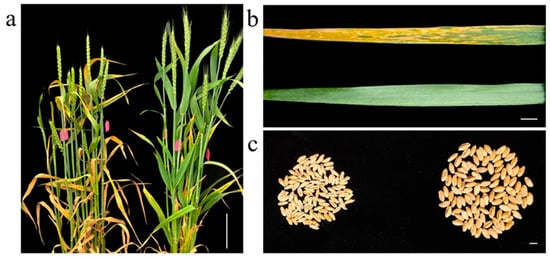
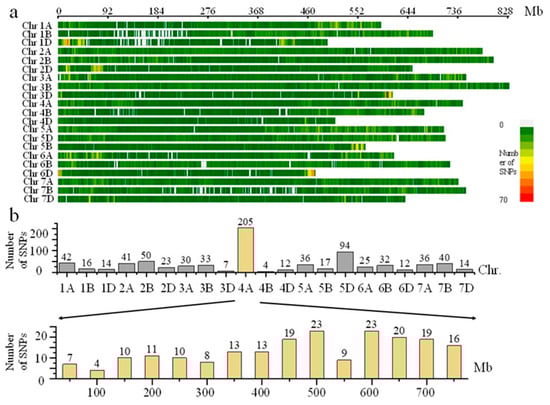
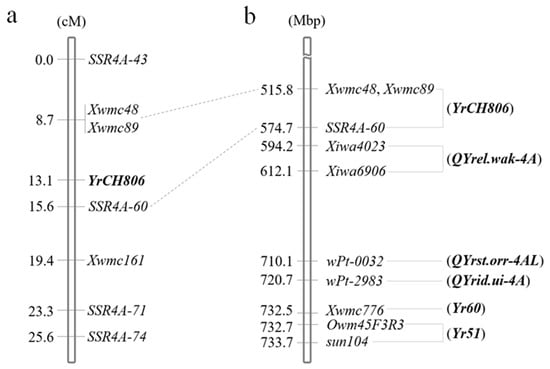
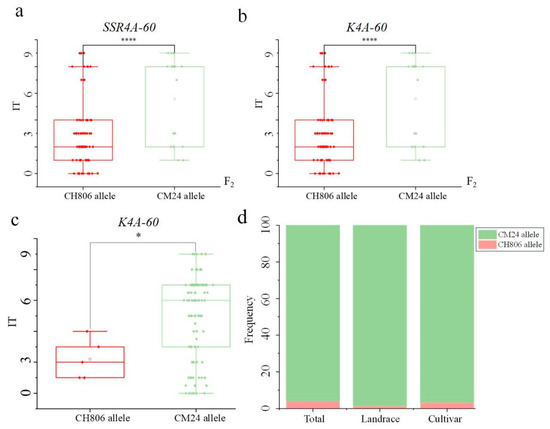
Wheat is among the most important staple crops worldwide; however, its yield and quality are severely threatened by stripe rust caused by Puccinia striiformis f. sp. tritici (Pst). CH806 is a Thinopyrum intermedium-derived resistant breeding line developed in our laboratory that is highly resistant to the prevalent Chinese Pst races CYR32, CYR33, and CYR34 in field trials. A genetic population was developed by crossing CH806 with the susceptible cultivar Chuanmai 24. Phenotypic evaluation of the progeny under field conditions revealed segregation for stripe rust resistance in the F2 generation. On the basis of the resistance phenotypes of the F2 and F2:3 populations, homozygous resistant and homozygous susceptible F2 individuals were selected to construct resistant and susceptible DNA bulks, respectively, for genotyping using the Wheat 120K SNP array. Bulked segregant analysis indicated that the most significant SNPs were predominantly clustered on chromosome 4A. Subsequently, publicly available simple sequence repeat (SSR) markers on chromosome 4A and newly developed SSR markers within the candidate region that were enriched for polymorphic SNPs were used for linkage analysis. The resistance locus, temporarily designated YrCH806, was mapped to an interval flanked by markers Xwmc48/Xwmc89 and SSR4A-60, with genetic distances of 4.4 cM and 2.5 cM, respectively, corresponding to a physical position of 515.8–574.7 Mb on the wheat reference genome. The closest flanking marker, SSR4A-60, was successfully converted into a Kompetitive Allele-Specific PCR (KASP) marker. This high-throughput marker was subsequently utilized to screen a panel of wheat germplasms for the distribution of YrCH806. This study provides a novel resistance source and associated molecular markers for improving stripe rust resistance in wheat breeding programs.
Full article
(This article belongs to the Section Crop Breeding and Genetics)
►▼
Show Figures

Figure 1
Open AccessArticle
Legume Intercropping Can Boost Early-Stage Carob Plantation Establishment
by
Sofia Matsi, Stella Pempetsiou, Emmanouela Christofi, Irene Nikolaou and Dimitrios Sarris
Agronomy 2026, 16(3), 396; https://doi.org/10.3390/agronomy16030396 - 6 Feb 2026
Abstract
Tree intercropping systems with leguminous cover crops and aromatic plants may provide sustainable yields, which could be improved by beneficial microbes (BMs) and zeolite, while their effects on young tree growth remain unclear. We tested whether such systems enhance early growth in young
[...] Read more.
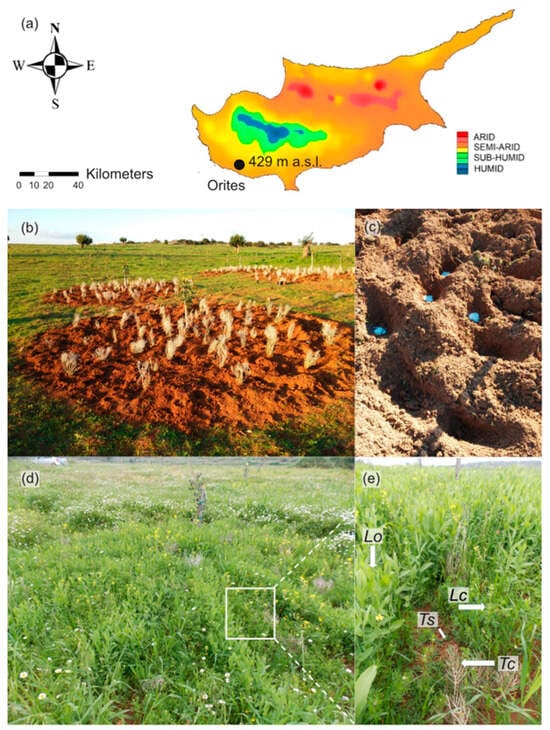
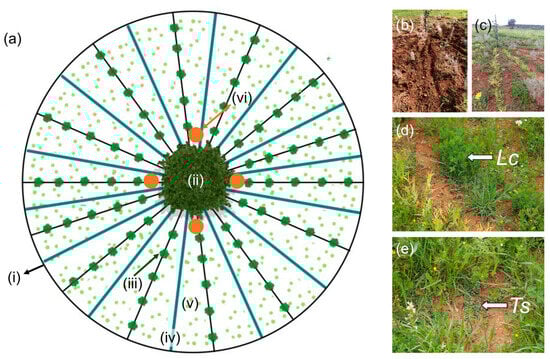
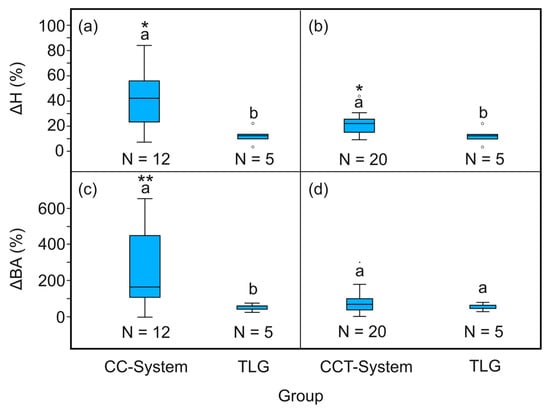
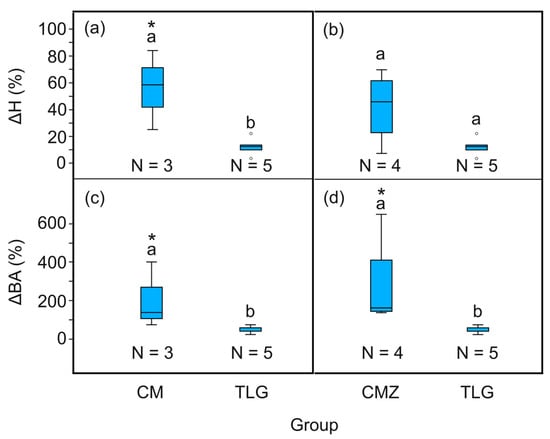
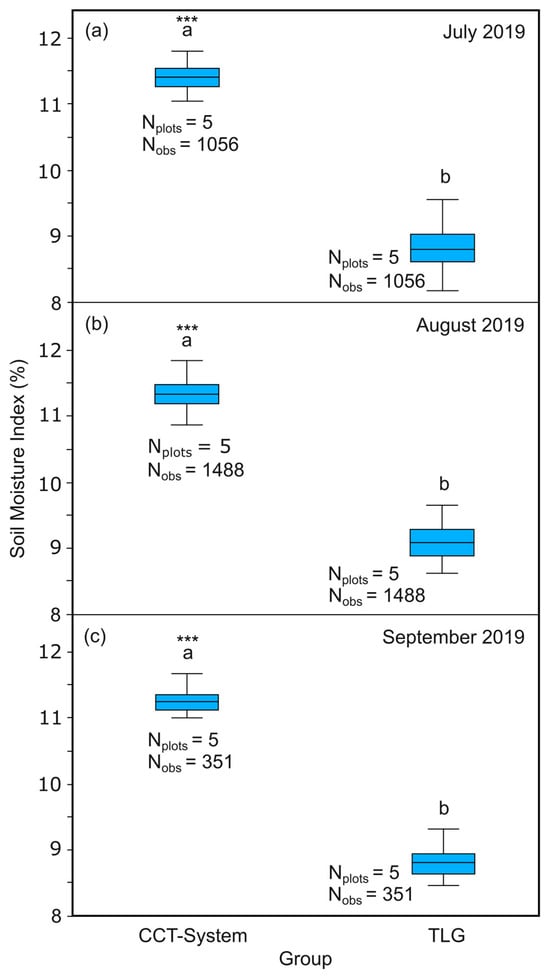
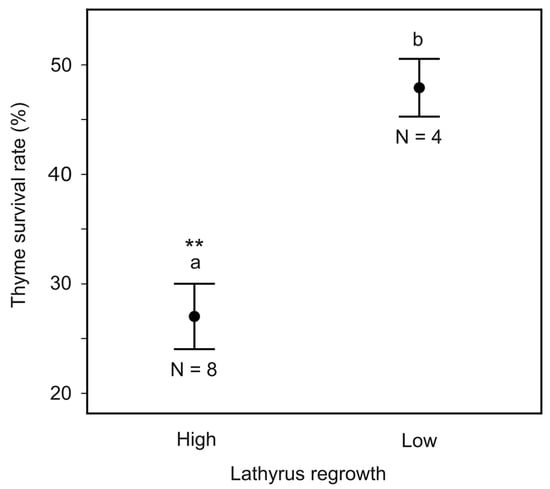
Tree intercropping systems with leguminous cover crops and aromatic plants may provide sustainable yields, which could be improved by beneficial microbes (BMs) and zeolite, while their effects on young tree growth remain unclear. We tested whether such systems enhance early growth in young carob trees compared with conservation tillage (TLG) trees growing under rainfed semi-arid conditions. Intercropping included carobs with (i) Lathyrus ochrus, Trifolium squarrosum, and Lens culinaris combined (CC-System), (ii) Thymbra capitata planted between legumes (CCT-System), and soil amended with (iii) BM (Micosat-F-Olivo) and zeolite. All systems outperformed TLG in annual tree height increase with the CC-System excelling (TLG +13%, CC-System +42%; p < 0.05). The CC-System also significantly outpaced TLG in stem thickening (TLG 62%, CC-System 167%; p < 0.01) with BM and/or zeolite also appearing as beneficial. Improved performance was related to significantly higher dry season soil moisture, while a high L. ochrus abundance reduced thyme survival (p < 0.01). The CCT-System was also found to be less capable in weed suppression during a wet year. Thus, applying our legume intercropping system (with BM/zeolite) represents an effective nature-based solution for enhancing young carob tree growth under rainfed conditions, while adding thyme may somewhat trade productivity for biodiversity and associated ecosystem services.
Full article
(This article belongs to the Special Issue Promoting Intercropping Systems in Sustainable Agriculture—2nd Edition)
►▼
Show Figures

Figure 1
Open AccessArticle
Enhancing Carbon–Nitrogen Metabolism and Productivity of Smooth Bromegrass Through Alfalfa Incorporation and Nitrogen Application
by
Feng Hao, Jiabing Yu, Tiefeng Yu, Haibo An and Kai Gao
Agronomy 2026, 16(3), 395; https://doi.org/10.3390/agronomy16030395 - 6 Feb 2026
Abstract
The incorporation of alfalfa into grass systems reduces reliance on nitrogen fertilizer application. Over two consecutive years, we investigated the regulation of carbon and nitrogen metabolism in grasses and productivity enhancement under four nitrogen application rates (0, 105, 210, and 315 kg·ha−1
[...] Read more.
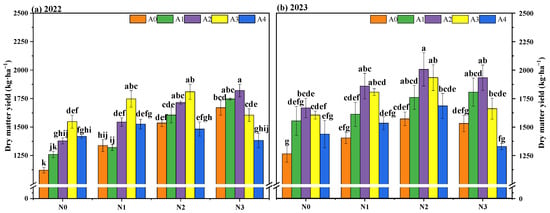
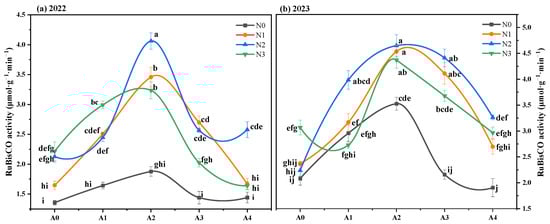
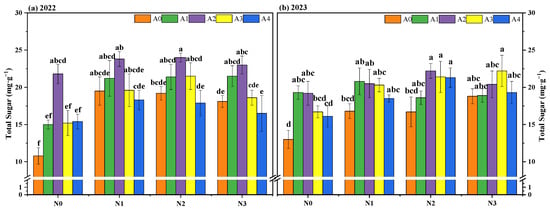
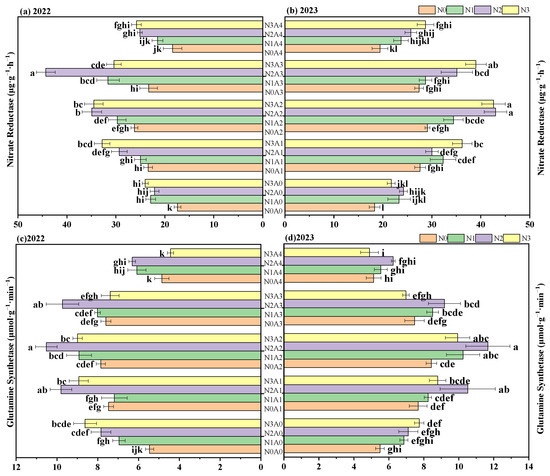
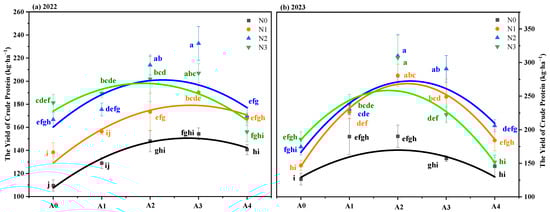
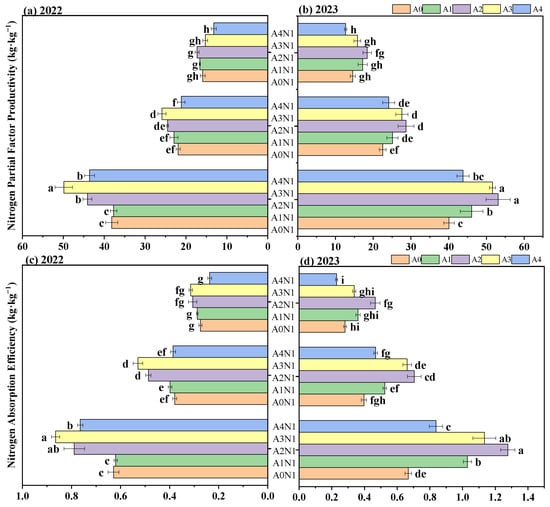
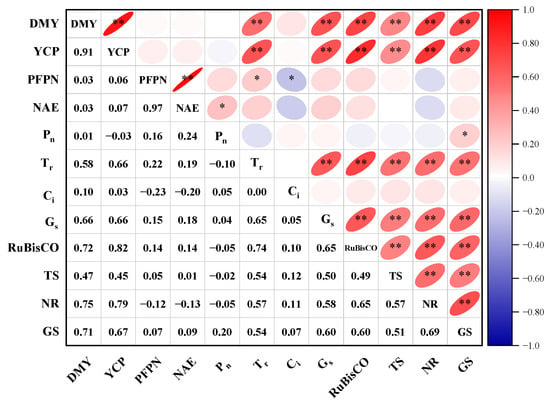
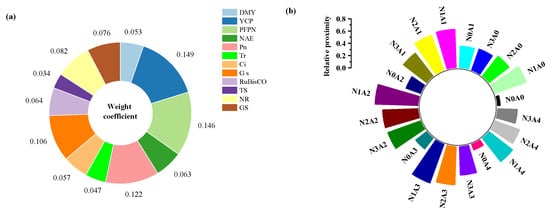
The incorporation of alfalfa into grass systems reduces reliance on nitrogen fertilizer application. Over two consecutive years, we investigated the regulation of carbon and nitrogen metabolism in grasses and productivity enhancement under four nitrogen application rates (0, 105, 210, and 315 kg·ha−1) and five alfalfa incorporation levels (0%, 10%, 20%, 30%, and 40%); incorporation (%) refers strictly to seeding proportion (% of the monoculture seeding rate). Within the range of 20–30% alfalfa incorporation and 105–210 kg·ha−1 nitrogen application, key physiological and biochemical parameters, except the net photosynthetic rate (Pn), reached their peak values compared to the N0A0 (no nitrogen and no alfalfa) treatment. Transpiration rate (Tr), intercellular CO2 concentration (Ci), and stomatal conductance (Gs) increased by 43.64%, 40%, and 48.09%, respectively. Pn peaked under the N2A0 treatment (210 kg·ha−1 nitrogen application and no alfalfa), increased by 65.63%. Nitrate reductase (NR), glutamine synthetase (GS), and ribulose-1,5-bisphosphate carboxylase (RuBisCO) activity increased by 154.60%, 112.39%, and 199.19%, respectively. Total sugar (TS) and protein production (YCP) increased by 122.22% and 145.17%, respectively. The entropy-weighted TOPSIS evaluation based on multi-objective assessment showed that the combination of 20% alfalfa incorporation with 105 kg N·ha−1 application is an efficient model for enhancing forage productivity in the Horqin Sandy Land.
Full article
(This article belongs to the Section Grassland and Pasture Science)
►▼
Show Figures

Figure 1
Open AccessEditorial
Intelligent Information Systems for Agriculture Based onVision Technology
by
Arjun Neupane, Tej Bahadur Shahi and Richard Koech
Agronomy 2026, 16(3), 394; https://doi.org/10.3390/agronomy16030394 - 6 Feb 2026
Abstract
The traditional approach to agriculture is changing due to rapid advances in technologies such as unmanned aerial vehicles (UAVs), proximal and remote sensors, and the Internet of Things (IoT) [...]
Full article
(This article belongs to the Special Issue Intelligent Information System for Agriculture Based on Vision Technology)
Open AccessArticle
Fine-Mapping and Candidate Gene Analysis of qAT3 for Alkalinity Tolerance in Rice
by
Lei Lei, Jinsong Zhou, Guohua Ding, Liangzi Cao, Yu Luo, Lei Chen, Yang Ren, Jiangxu Wang, Kai Liu, Qingjun Lei, Yusong Miao, Tingting Xie, Wei Zheng and Shichen Sun
Agronomy 2026, 16(3), 393; https://doi.org/10.3390/agronomy16030393 - 6 Feb 2026
Abstract
Salinity–alkalinity stress is one of the major abiotic stresses that limit rice production in the world. The salinity–alkalinity tolerance of rice at the germination stage has a direct effect on the survival and final yield of seedlings in direct sowing. However, there are
[...] Read more.
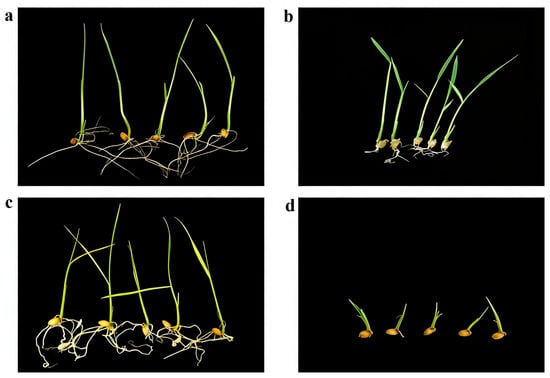
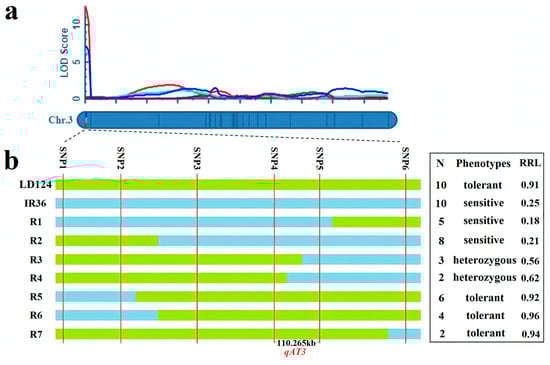
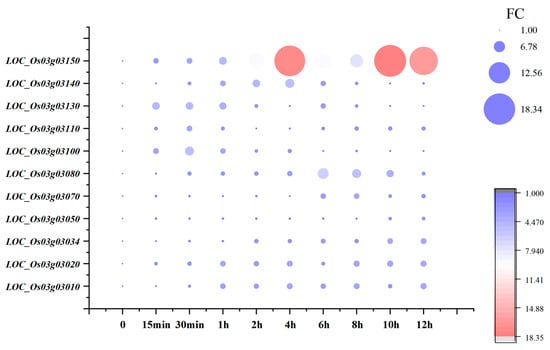
Salinity–alkalinity stress is one of the major abiotic stresses that limit rice production in the world. The salinity–alkalinity tolerance of rice at the germination stage has a direct effect on the survival and final yield of seedlings in direct sowing. However, there are few reports of quantitative trait locus (QTL) mapping and mapping-based cloning of alkaline tolerance at the bud burst stage. Here, new alkaline tolerance loci were constructed for F2:3 and BC3F4 by using IR36 and Long-Dao124 (LD124) rice varieties with significant differences in alkaline tolerance. Through linkage analysis and a fine-mapping strategy, qAT3 was identified as the major QTL for alkaline tolerance at the bud burst stage, which could explain 14.79% of the phenotypic variation on average. Then the interval was fine-mapped to 110.265 kb, and the candidate gene LOC_Os03g03150 was predicted by quantitative real-time polymerase chain reaction (qRT-PCR) analysis and sequencing analysis. This provides a key theory for the molecular breeding of alkali-tolerant genes and the study of the molecular mechanism of alkali tolerance in LD124.
Full article
(This article belongs to the Section Crop Breeding and Genetics)
►▼
Show Figures

Figure 1
Journal Menu
► ▼ Journal Menu-
- Agronomy Home
- Aims & Scope
- Editorial Board
- Reviewer Board
- Topical Advisory Panel
- Instructions for Authors
- Special Issues
- Topics
- Sections & Collections
- Article Processing Charge
- Indexing & Archiving
- Editor’s Choice Articles
- Most Cited & Viewed
- Journal Statistics
- Journal History
- Journal Awards
- Society Collaborations
- Conferences
- Editorial Office
Journal Browser
► ▼ Journal BrowserHighly Accessed Articles
Latest Books
E-Mail Alert
News
Topics
Topic in
Agrochemicals, Agronomy, Insects, IJMS, Marine Drugs, Toxins, Agriculture, Biology
Research on Natural Bioactive Product-Based Pesticidal Agents—2nd Edition
Topic Editors: Min Lv, Hui XuDeadline: 28 February 2026
Topic in
Agriculture, Agronomy, Forests, Plants, Stresses
Effect of Heavy Metals on Plants, 2nd Volume
Topic Editors: Yinbo Gan, Martin BackorDeadline: 31 March 2026
Topic in
Agriculture, AgriEngineering, Agronomy, Applied Sciences, Automation, Crops, Robotics, Sensors
Digital Agriculture, Smart Farming and Crop Monitoring
Topic Editors: Qingting Liu, Tao Wu, Zhigang ZhangDeadline: 30 April 2026
Topic in
Agronomy, Crops, Plants
Abiotic Stress Responses in Wheat: Perspectives on Productivity and Sustainability
Topic Editors: Wenshan Guo, Jinfeng Ding, Min ZhuDeadline: 22 May 2026
Conferences
14–16 September 2026
The 5th International Electronic Conference on Forests–Forests at the Crossroads: Integrating Ecology, Technological Innovation, and Governance

21–23 October 2026
The 2026 International Conference on Agriculture Sciences: Agroecology and Sustainable Systems

Special Issues
Special Issue in
Agronomy
Food Security in the Face of Drought: Challenges and Prospects for the Future
Guest Editor: Weilu WangDeadline: 10 February 2026
Special Issue in
Agronomy
Soil Pollution and Remediation in Sustainable Agriculture
Guest Editor: Cledimar Rogério LourenziDeadline: 15 February 2026
Special Issue in
Agronomy
Qualitative and Quantitative Plant Screening Measurements for Yield and Quality Enhancement—2nd Edition
Guest Editors: Antonela Markulj Kulundžić, Domagoj ŠimićDeadline: 15 February 2026
Special Issue in
Agronomy
Next-Generation Pesticide Application Technologies: Precision, Safety and Environmental Sustainability
Guest Editors: Eric Mozzanini, Mohammod Ali, Hongyoung Jeon, Marco GrellaDeadline: 15 February 2026
Topical Collections
Topical Collection in
Agronomy
Nutrition Management of Hydroponic Vegetable Crops
Collection Editors: Georgia Ntatsi, Damianos Neocleous
Topical Collection in
Agronomy
Towards Sustainable Intensification of Crop Production—Yield Gaps and Water Use Efficiency in Farming Systems
Collection Editors: Anita Ierna, Paula Paredes
Topical Collection in
Agronomy
Agricultural Water Conservation: Tools, Strategies, and Practices
Collection Editor: Aliasghar Montazar
Topical Collection in
Agronomy
Scion-Rootstock Interaction in Horticultural Crops: Physiological and Agronomic Implications
Collection Editors: Youssef Rouphael, Giuseppe Colla, Marios Kyriacou