Journal Description
Remote Sensing
Remote Sensing
is an international, peer-reviewed, open access journal about the science and application of remote sensing technology, published semimonthly online by MDPI. The Remote Sensing Society of Japan (RSSJ) and Japan Society of Photogrammetry and Remote Sensing (JSPRS) are affiliated with Remote Sensing and their members receive discounts on the article processing charge.
- Open Access— free for readers, with article processing charges (APC) paid by authors or their institutions.
- High Visibility: indexed within Scopus, SCIE (Web of Science), Ei Compendex, PubAg, GeoRef, Astrophysics Data System, Inspec, dblp, and other databases.
- Journal Rank: JCR - Q1 (Geosciences, Multidisciplinary) / CiteScore - Q1 (General Earth and Planetary Sciences)
- Rapid Publication: manuscripts are peer-reviewed and a first decision is provided to authors approximately 24.3 days after submission; acceptance to publication is undertaken in 2.6 days (median values for papers published in this journal in the second half of 2025).
- Recognition of Reviewers: reviewers who provide timely, thorough peer-review reports receive vouchers entitling them to a discount on the APC of their next publication in any MDPI journal, in appreciation of the work done.
- Companion journal: Geomatics.
- Journal Cluster of Geospatial and Earth Sciences: Remote Sensing, Geosciences, Quaternary, Earth, Geographies, Geomatics and Fossil Studies.
Impact Factor:
4.1 (2024);
5-Year Impact Factor:
4.8 (2024)
Latest Articles
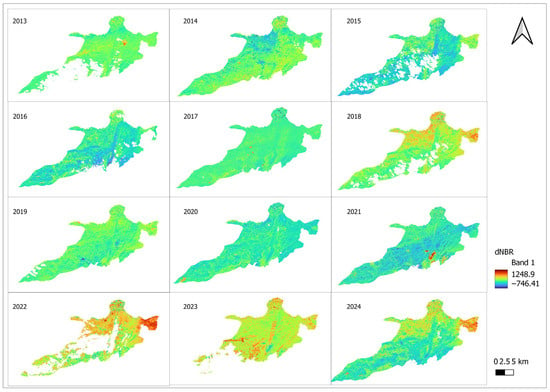
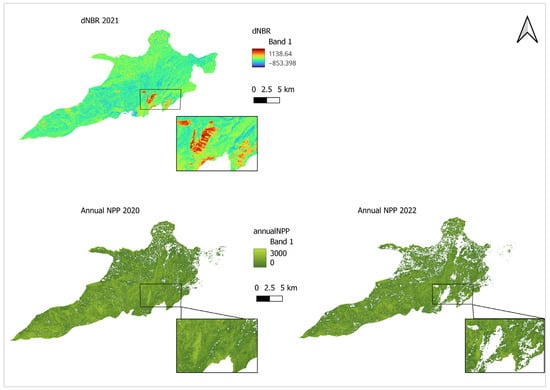
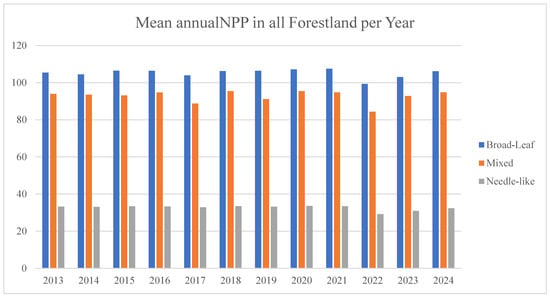
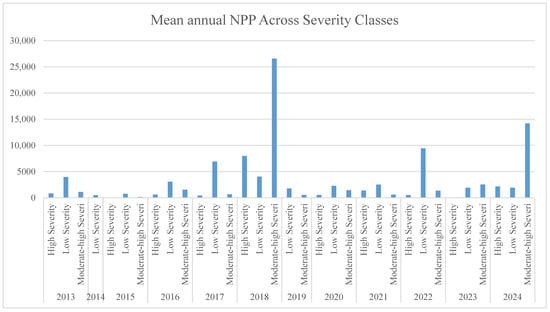
Digital Landscapes: Assessing Fire Severity and Its Drivers Using Remote Sensing and Google Earth Engine Based on dNBR and NPP Indicators
Remote Sens. 2026, 18(10), 1654; https://doi.org/10.3390/rs18101654 - 20 May 2026
Abstract
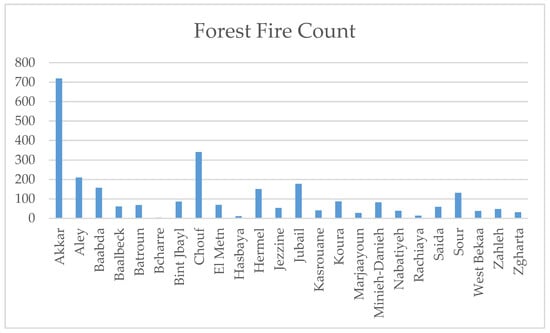
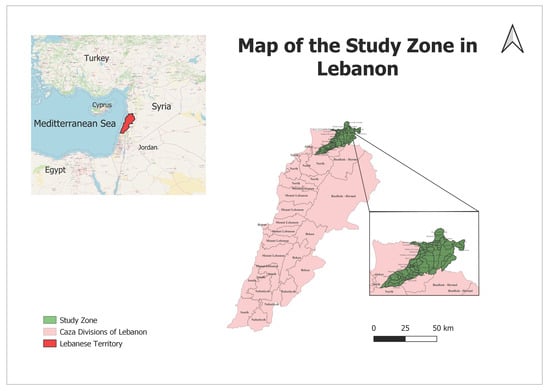
Wildfires are an increasingly recurrent disturbance in Mediterranean forest landscapes, yet fire severity assessment remains limited in data-scarce regions such as Lebanon. This study aims to assess wildfire severity patterns and identify the main environmental drivers influencing fire severity across the forests of
[...] Read more.
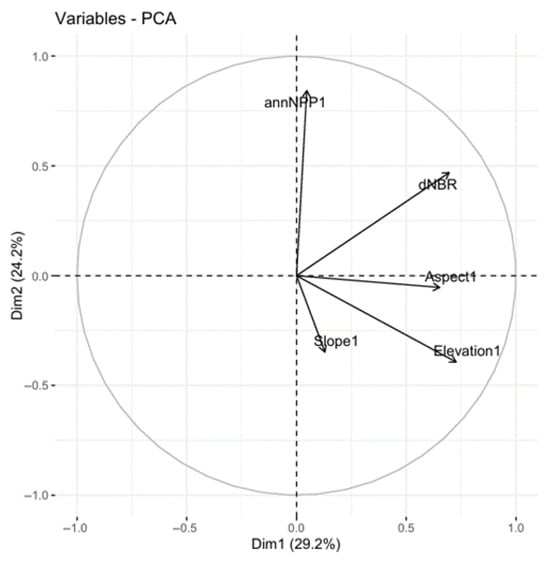
Wildfires are an increasingly recurrent disturbance in Mediterranean forest landscapes, yet fire severity assessment remains limited in data-scarce regions such as Lebanon. This study aims to assess wildfire severity patterns and identify the main environmental drivers influencing fire severity across the forests of Akkar, northern Lebanon, within a Digital Landscapes framework. Fire severity was mapped using the Differenced Normalized Burn Ratio (dNBR) derived from multi-temporal Landsat-8 imagery (2013–2024) processed in Google Earth Engine. Vegetation productivity was assessed through annual Net Primary Productivity (NPP), while topographic variables (elevation, slope, and aspect) were derived from a Digital Elevation Model. The results reveal heterogeneous fire severity patterns over the study period and pronounced spatial variability in NPP, with no consistent linear relationship between productivity and fire severity. Principal Component Analysis (PCA) was applied to explore multivariate relationships between fire severity, productivity, and terrain. PCA results show that the first two components explain 77.4% of the total variance, indicating that fire severity is primarily structured by topographic factors, particularly elevation and solar exposure, while vegetation productivity plays a secondary role. These findings highlight the dominant influence of terrain on wildfire severity in Mediterranean mountainous landscapes, and demonstrate the value of integrating remote sensing, cloud-based platforms, and multivariate analysis for fire assessment in data-scarce regions. The study contributes to the advancement of Digital Landscapes approaches by providing a scalable and data-driven framework for understanding fire dynamics and supporting future landscape management and risk assessment strategies.
Full article
(This article belongs to the Special Issue Advances in Remote Sensing for Burned Area Mapping)
►
Show Figures
Open AccessArticle
Temporal Sensitivity of In-Season Crop Classification: An Explainable Multi-Year Sentinel-2 Analysis in Western Australia
by
Sneha Sharma, Harry Eslick, Rodrigo Pires, Balwinder Singh and Hasnein Tareque
Remote Sens. 2026, 18(10), 1653; https://doi.org/10.3390/rs18101653 - 20 May 2026
Abstract
Accurate in-season crop type mapping is critical for agricultural monitoring and yield assessment, yet most operational products remain proprietary, post-seasonal or insufficiently tested across contrasting seasons. This study presents an open and transferable framework that quantifies how in-season crop classification skills evolve through
[...] Read more.
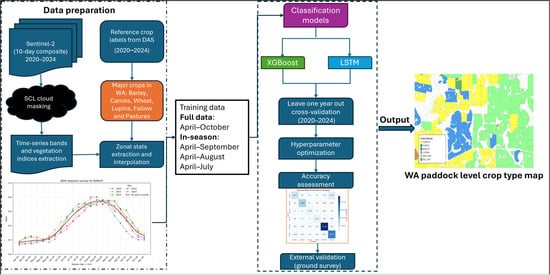
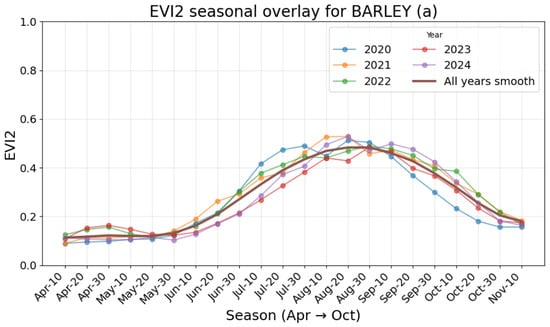
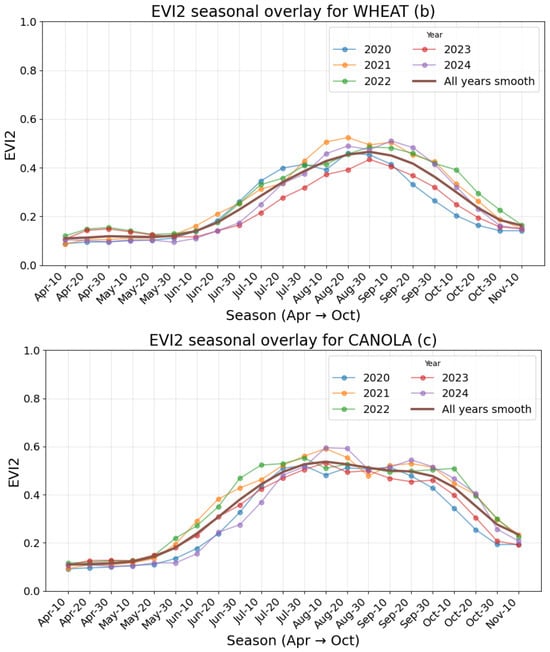
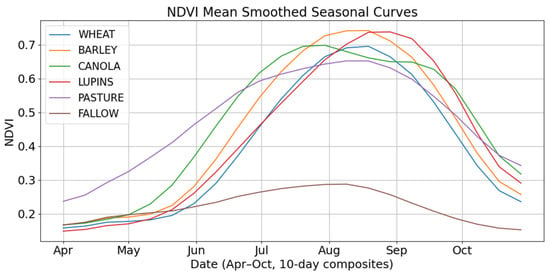
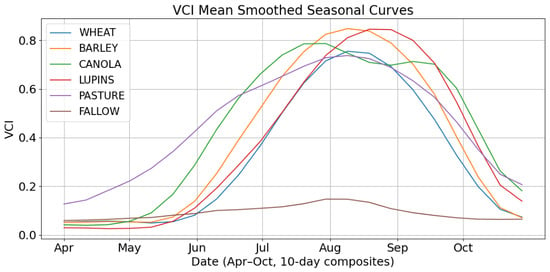
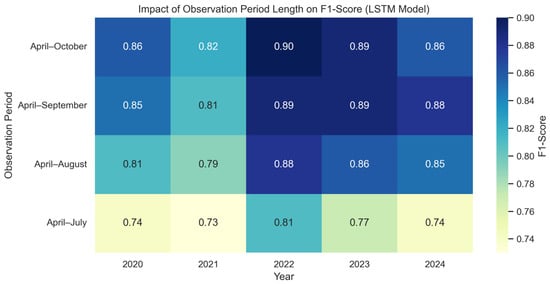
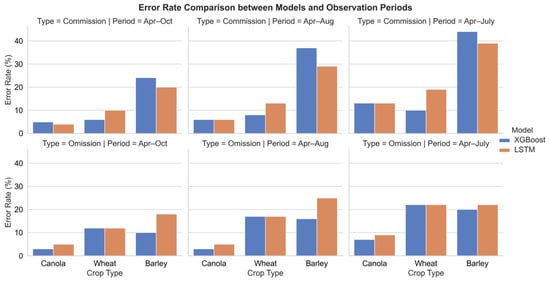
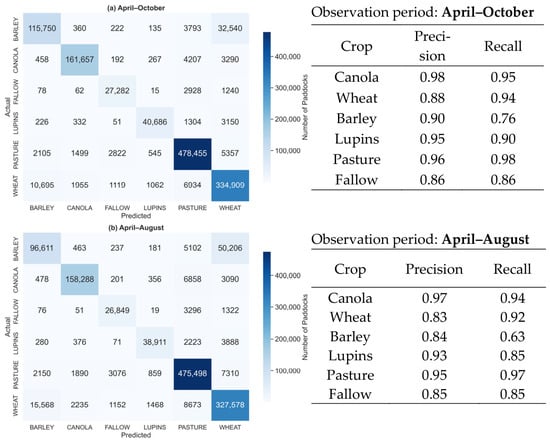
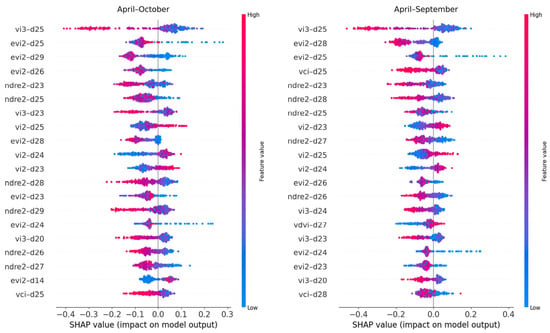
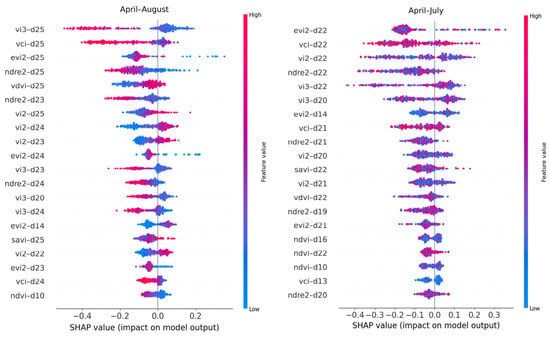
Accurate in-season crop type mapping is critical for agricultural monitoring and yield assessment, yet most operational products remain proprietary, post-seasonal or insufficiently tested across contrasting seasons. This study presents an open and transferable framework that quantifies how in-season crop classification skills evolve through the growing season across the southwest agricultural region of Western Australia (WA) using a multi-temporal (2020–2024) Sentinel-2 derived vegetation indices (VIs) time-series. Six crop classes (i.e., wheat, barley, canola, lupins, pasture, and fallow) were evaluated using extreme gradient boosting (XGBoost) and long short-term memory (LSTM) models under a leave-one-year-out cross-validation (LOYOCV) design. Classification performance increased progressively through the season, with a marked improvement in late winter (late August to early September). In LOYOCV, overall agreement with the reference dataset exceeded 90% once vegetation-index observations through August were included, indicating that reliable in-season mapping was achievable before harvest. Canola was separated consistently from mid-season onwards, whereas reliable discrimination between wheat and barley required later phenological information. Independent field-based testing was used to assess true crop identification accuracy for the three externally observed classes: wheat, barley, and canola. In this test set, precision was highest for canola (0.93), followed by wheat (0.82) and barley (0.71). These field-based results supported the main temporal pattern observed in the LOYOCV analysis, particularly the strong mid-season separability of canola and the persistent confusion between wheat and barley. SHapley Additive exPlanations (SHAP) showed thatVIs centred on late winter contributed most strongly to model predictions, consistent with peak phenological divergence among crop types. These results identify a phenologically meaningful decision window for in-season crop mapping and provide a multi-year benchmark for evaluating temporal transferability in Mediterranean broadacre systems.
Full article
(This article belongs to the Special Issue Advances in the Remote Sensing of Crop Phenology and Production Monitoring Under Environmental Constraints)
►▼
Show Figures

Figure 1
Open AccessArticle
SARM: Scene-Aware Retinex Mamba for Underwater Image Enhancement
by
Zhanbo Fu, Shuang Yang, Aiguo Sun, Rongjun Xiong and Nengcheng Chen
Remote Sens. 2026, 18(10), 1652; https://doi.org/10.3390/rs18101652 - 20 May 2026
Abstract
Underwater image enhancement is essential for marine visual perception tasks. However, the highly heterogeneous optical degradations in real-world waters, the scarcity of paired training data, and the inherent dilemma for existing models in balancing long-range dependency modeling with computational overhead pose significant challenges.
[...] Read more.
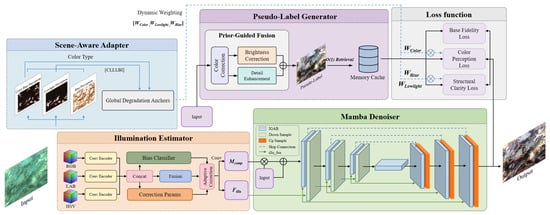
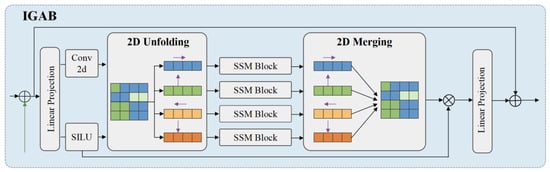
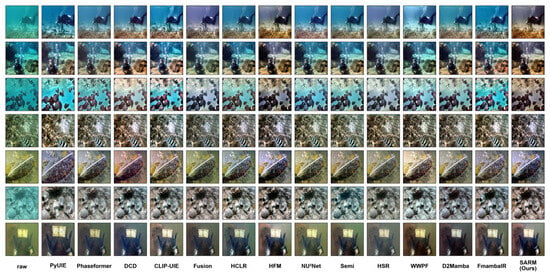
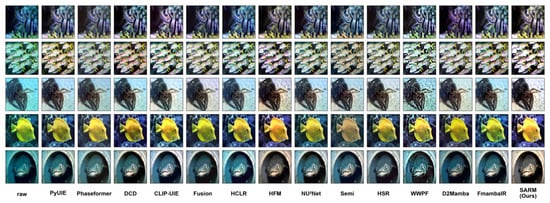
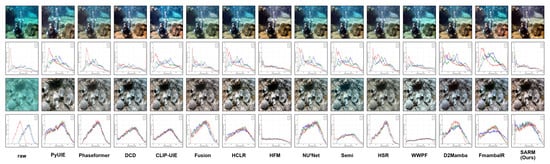
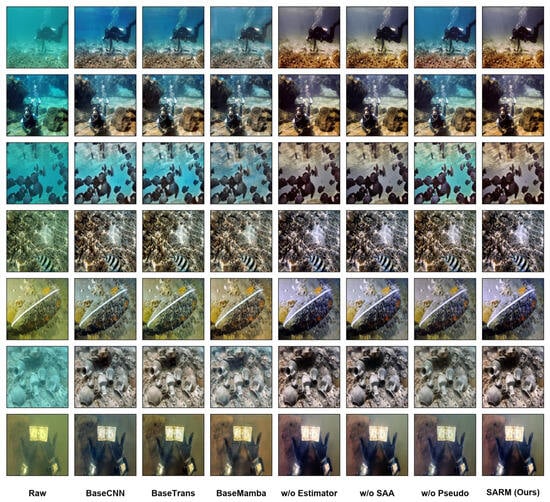
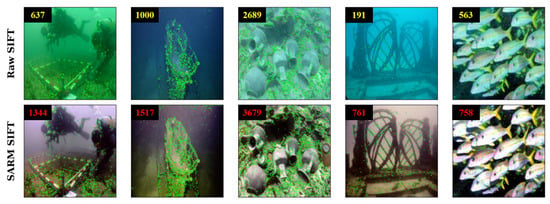
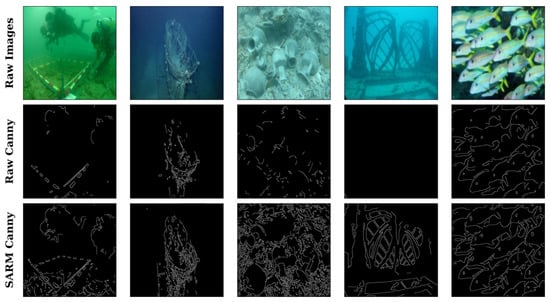
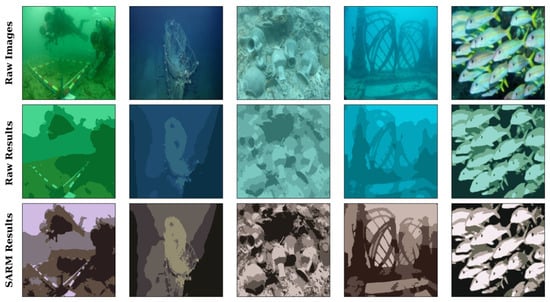
Underwater image enhancement is essential for marine visual perception tasks. However, the highly heterogeneous optical degradations in real-world waters, the scarcity of paired training data, and the inherent dilemma for existing models in balancing long-range dependency modeling with computational overhead pose significant challenges. To address these issues, this paper proposes a prior-guided, self-supervised underwater image enhancement framework called Scene-Aware Retinex Mamba (SARM). This framework seamlessly integrates Retinex theoretical priors with state space models (SSMs) and operates without paired supervision by employing a prior-guided pseudo-labeling strategy to guide network optimization. Architecturally, SARM deeply couples the physical Retinex prior with SSM. Its core module integrates multi-color space features and leverages a 2D selective scan mechanism to achieve global context modeling with linear complexity , effectively removing complex color casts and suppressing non-uniform scattering noise. To further overcome the generalization bottlenecks in cross-domain underwater testing, this paper introduces a Scene-Aware Adapter (SAA), which facilitates dynamic loss scheduling and adaptive feature gating by quantifying scene-specific degradation characteristics. Comprehensive evaluations on multiple benchmark datasets, including UIEB, EUVP, and UCCS, demonstrate that SARM achieves state-of-the-art subjective and objective enhancement quality (e.g., yielding a URanker score of 2.491 and a CCF score of 35.76), while maintaining an ultra-fast inference speed of 136.52 FPS on the UIEB dataset. Furthermore, extended experiments reveal that SARM can significantly boost the performance of downstream vision tasks, validating its potential as a robust preprocessing module for various practical marine vision applications.
Full article
(This article belongs to the Section AI Remote Sensing)
►▼
Show Figures

Figure 1

Open AccessArticle
A Single-Transformation Model for Fisheye Image Orthorectification
by
Qingyang Wang, Guoqing Zhou, Tao Yue, Bo Song, Jianwu Jiang, Zhen Cao and Xing Zhang
Remote Sens. 2026, 18(10), 1651; https://doi.org/10.3390/rs18101651 - 20 May 2026
Abstract
Fisheye lenses can capture surrounding spatial information at once, making them widely applied in various fields. However, the imaging principle of fisheye lenses does not satisfy the collinearity equation, so the theory of orthorectification using traditional differential orthorectification is no longer applicable for
[...] Read more.
Fisheye lenses can capture surrounding spatial information at once, making them widely applied in various fields. However, the imaging principle of fisheye lenses does not satisfy the collinearity equation, so the theory of orthorectification using traditional differential orthorectification is no longer applicable for a fisheye image in practice. Therefore, this paper develops a single-spherical-geometry-transformation model for fisheye image orthorectification. This model directly establishes the relationship between spatial ground points and image plane coordinates through spherical geometry, and then combines the digital surface model (DSM) to correct points in the fisheye image to their correct positions on a pixel-by-pixel basis, thereby achieving fisheye image orthorectification. To validate the feasibility of the proposed orthorectification model, an indoor calibration field was established. Experimental validation was then conducted using two fisheye image datasets: an indoor dataset acquired in the calibration field with a digital single-lens reflex (DSLR) camera and an outdoor dataset acquired with an unmanned aerial vehicle (UAV). The results of the two groups of experiments demonstrate that the proposed model can effectively orthorectify fisheye images with ground accuracies of 0.055 m and 0.097 m in x and y direction, respectively.
Full article
Open AccessArticle
Fire Radiative Power Correction and Spatiotemporal Fusion Based on MYD14 and VNP14IMG
by
Yang Zheng, Ke Ding, Lian Xue, Zilin Wang, Guanjie Jiao, Yifan Zhu, Jinying Zhang and Qianyu Ren
Remote Sens. 2026, 18(10), 1650; https://doi.org/10.3390/rs18101650 - 20 May 2026
Abstract
Moderate Resolution Imaging Spectroradiometer (MODIS) and Visible Infrared Imaging Radiometer Suite (VIIRS) active fire products are widely used for global fire monitoring, but single-sensor records are limited by differences in observation geometry, spatial resolution, detection sensitivity, and swath coverage. To combine the long-term
[...] Read more.
Moderate Resolution Imaging Spectroradiometer (MODIS) and Visible Infrared Imaging Radiometer Suite (VIIRS) active fire products are widely used for global fire monitoring, but single-sensor records are limited by differences in observation geometry, spatial resolution, detection sensitivity, and swath coverage. To combine the long-term continuity of Aqua MODIS with the higher sensitivity of Suomi NPP VIIRS, this study developed a correction-before-fusion framework for MYD14 and VNP14IMG and generated a daily fused fire radiative power (FRP) dataset at the native MODIS footprint scale. MYD14 and VNP14IMG observations from 2012 to 2024 were processed using duplicate-detection correction, footprint-scale near-synchronous matching, area-based VIIRS cloud correction, and anomalous-sample screening. Cloud-corrected VIIRS FRP was then used as the reference to develop an empirical viewing zenith angle (VZA)-dependent correction model for MODIS FRP. Finally, VZA-corrected MODIS FRP and cloud-corrected VIIRS FRP were integrated using a quality-prioritized fusion strategy. The correction model achieved high fitting accuracy (R2 ≥ 98.18%) and reduced MODIS underestimation under large-VZA conditions. Compared with the original MODIS product, the fused product increased detected fire pixels by approximately 3.82-fold, improved spatial continuity, and reduced temporal data gaps. Landsat-based validation showed improved low-intensity fire detection while maintaining low commission error. This framework provides a harmonized long-term FRP dataset for fire monitoring, emission estimation, and fire-climate studies.
Full article
(This article belongs to the Section Remote Sensing Image Processing)
Open AccessArticle
Application of LiDAR-Based Technology to Construction Material Volume Estimation
by
Yu-Wen Chen, Chi-Feng Chen, Lih-Jen Kau and Jen-Yang Lin
Remote Sens. 2026, 18(10), 1649; https://doi.org/10.3390/rs18101649 - 20 May 2026
Abstract
Accurate stockpile volume estimation is crucial for material quantification and inventory management in civil engineering, directly affecting cost assessment and on-site decision-making. Traditional manual methods suffer from subjective bias and limitations in handling irregular geometries, resulting in reduced accuracy and efficiency. This study
[...] Read more.
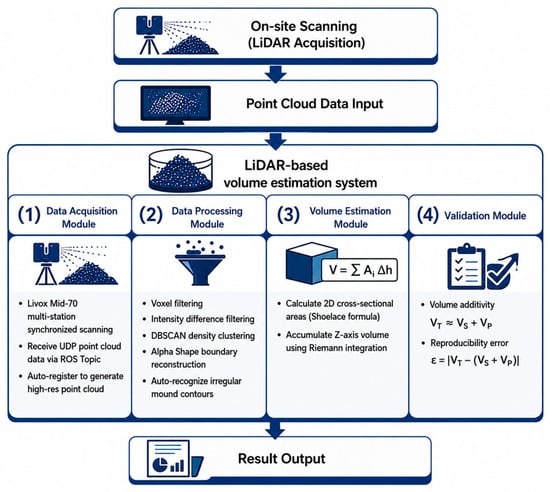
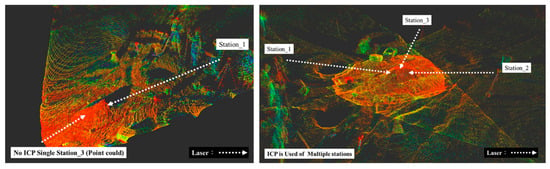
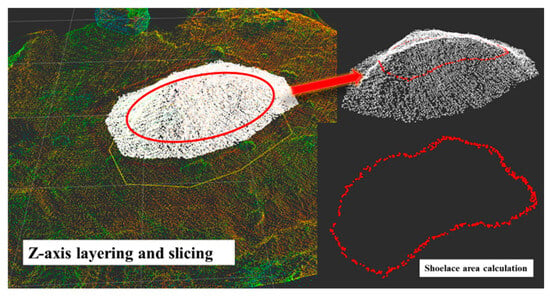
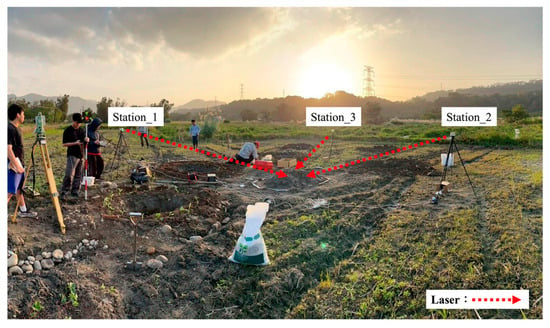
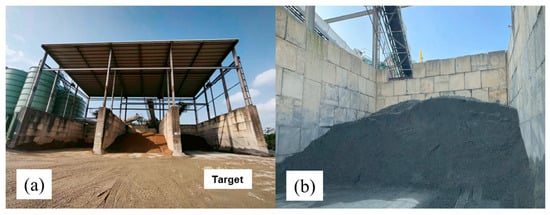
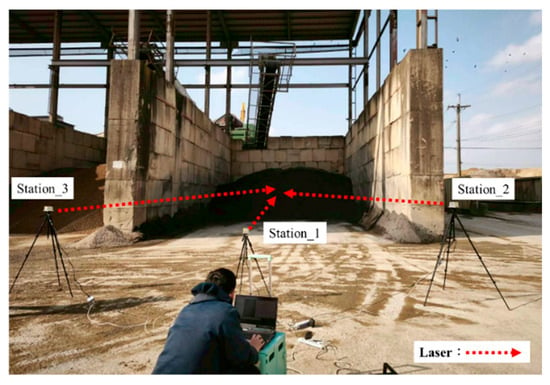
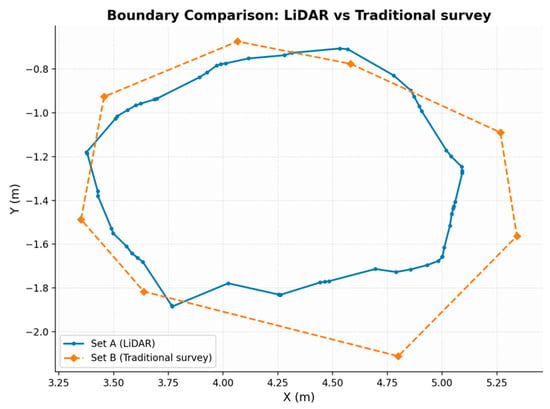
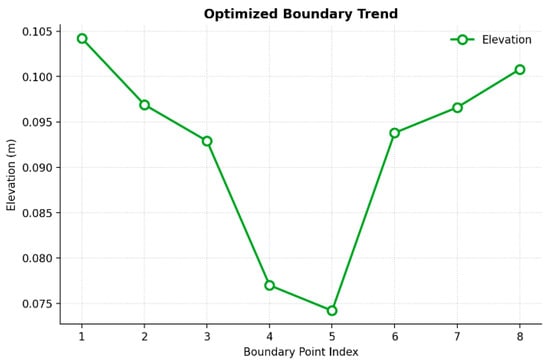
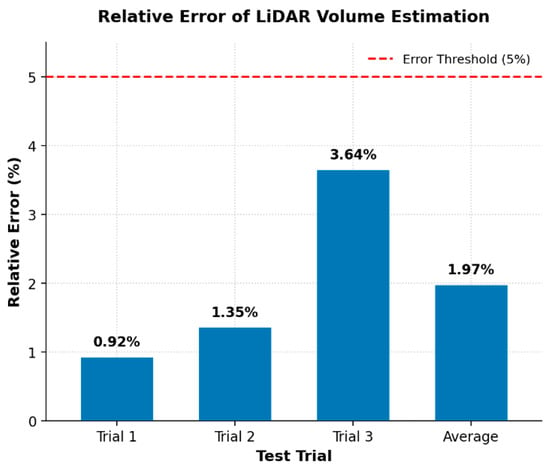
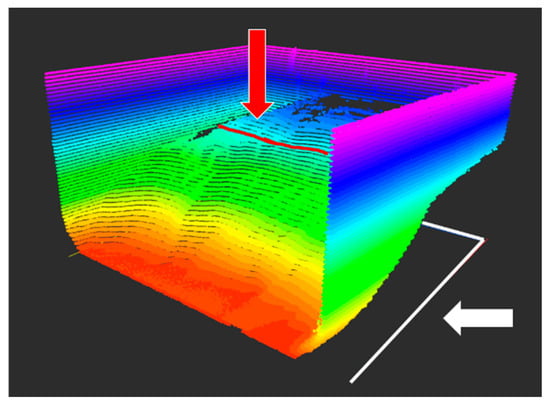
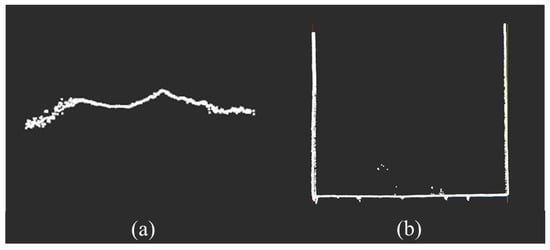
Accurate stockpile volume estimation is crucial for material quantification and inventory management in civil engineering, directly affecting cost assessment and on-site decision-making. Traditional manual methods suffer from subjective bias and limitations in handling irregular geometries, resulting in reduced accuracy and efficiency. This study presents a Light Detection and Ranging (LiDAR)-based workflow integrated with Robot Operating System (ROS) for point cloud processing, enabling accurate volume estimation of irregular stockpiles. The core innovation lies in the integration of multi-station scanning, point cloud registration, boundary extraction, layered slicing, and numerical integration using the trapezoidal rule, thereby enabling geometrically precise volume estimation of irregular stockpiles. The proposed system was validated through three experimental scenarios: (1) controlled experiments, showing strong agreement with theoretical volumes; (2) verification experiments, demonstrating high stability and consistency; and (3) field experiments, yielding a volume of 124.93 m3 compared to 130–135 m3 obtained by manual measurement. The results indicate that the proposed approach reduces processing time by over 80% while significantly decreasing labor requirements and improving operational safety. Overall, the proposed method provides a reliable and efficient solution for volume estimation in practical engineering applications.
Full article
(This article belongs to the Section Engineering Remote Sensing)
►▼
Show Figures

Figure 1
Open AccessArticle
BGE-ICMER: Bare-Ground-Echo-Based Iterative Correction of Multi-Echo Reflectance for Hyperspectral LiDAR
by
Xinyi Pan, Binhui Wang, Jiahang Wan, Shalei Song and Shuo Shi
Remote Sens. 2026, 18(10), 1648; https://doi.org/10.3390/rs18101648 - 20 May 2026
Abstract
Full-waveform hyperspectral LiDAR offers a new approach for precise forest ecological monitoring by simultaneously acquiring the three-dimensional structure and continuous spectral information of targets. However, uncertainty in the backscattering cross-section and the inseparability of the reflectance coefficient lead to systematic underestimation of multi-echo
[...] Read more.
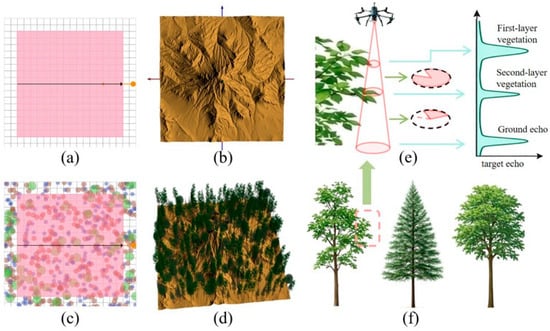
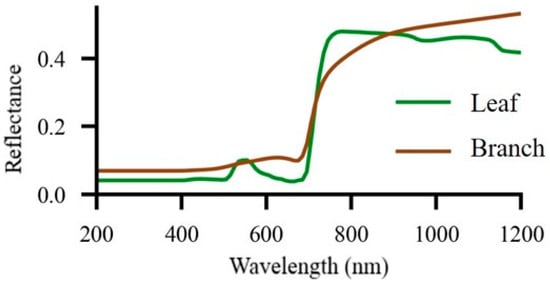
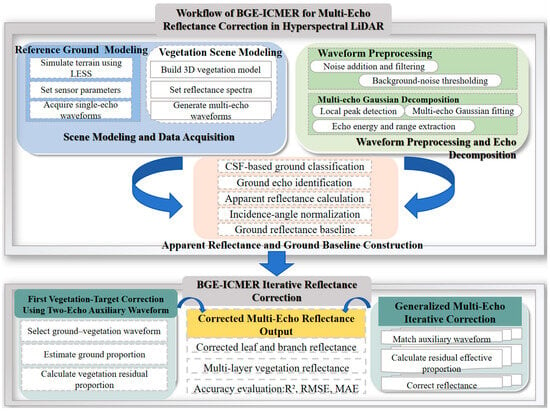
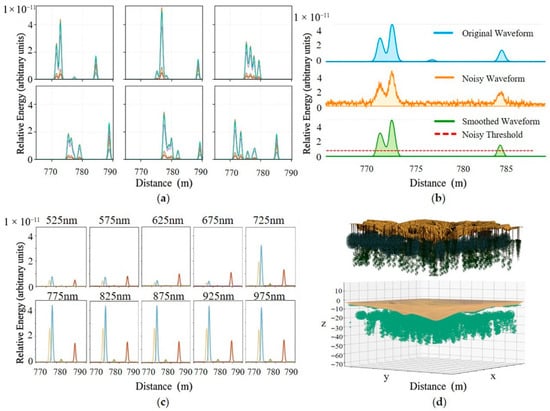
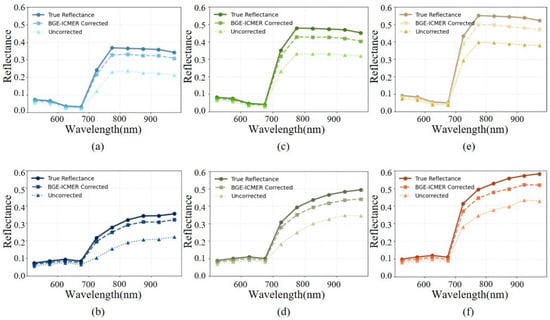
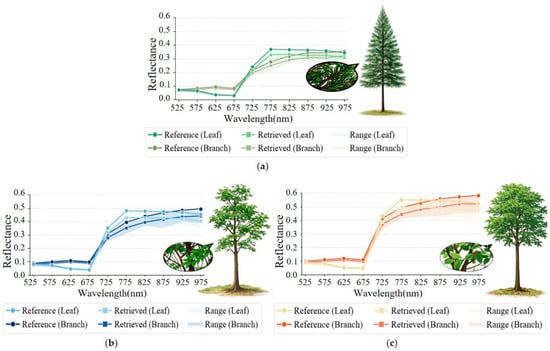
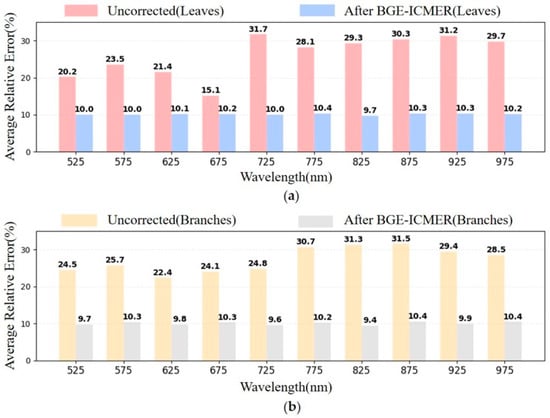
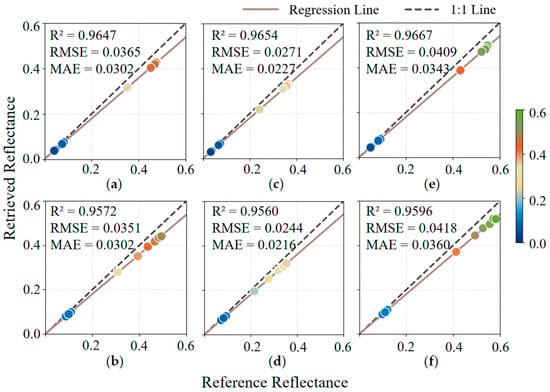
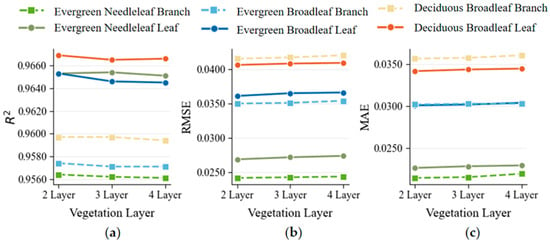
Full-waveform hyperspectral LiDAR offers a new approach for precise forest ecological monitoring by simultaneously acquiring the three-dimensional structure and continuous spectral information of targets. However, uncertainty in the backscattering cross-section and the inseparability of the reflectance coefficient lead to systematic underestimation of multi-echo reflectance retrieved using traditional methods. This limitation significantly hinders quantitative applications. The existing multi-echo reflectance correction using neighborhood single-echo reflectance (MCNS) method provides an effective solution by establishing proportional models between similar targets, laying an important foundation for the extraction of multi-echo reflectance. However, its applicability in complex forest scenes is limited due to its dependence on specific vegetation single-echo samples. To address this, an iterative correction method based on ground reflectance baseline, namely Bare-Ground-Echo-Based Iterative Correction of Multi-Echo Reflectance for Hyperspectral LiDAR (BGE-ICMER), is proposed. Using ground single-echo reflectance as a stable baseline, a multi-target energy distribution model is constructed based on energy conservation, and backscattering cross-section proportions for each echo are iteratively solved to recover true reflectance. Validation using a high-fidelity dataset generated by the Large-Scale remote sensing data and image Simulation framework (LESS) confirmed the effectiveness of the proposed method. This dataset encompasses three typical tree species with vegetation layers ranging from two to four, incorporates micro-topographic ground surfaces and ten spectral channels from 500 to 1000 nm, thereby capturing the structural and spectral complexity of real forests. The results showed that coefficients of determination (R2) between the corrected and true reflectance exceeded 0.9560, with an RMSE below 0.0418 and MAE below 0.0360. The average relative error was reduced from 26.66% to 10.07%, representing a 62.22% improvement in accuracy. Even in the most challenging scenarios with four-layer vegetation occlusion within this dataset, no significant error accumulation occurred. These results demonstrate the robustness and effectiveness of the proposed method for multi-echo reflectance extraction. This study lays a foundation for more accurate forest biochemical attribute assessment and enables the vertical characterization of multiple targets using high-resolution spectral reflectance.
Full article
(This article belongs to the Special Issue Vegetation Biophysical Variables and Remote Sensing Applications (Second Edition))
►▼
Show Figures

Figure 1

Open AccessArticle
Learning Structured Distance Mappings for Spacecraft Pose Estimation with Feature Degradation
by
Chuan Yan, Hongfeng Long, Zifei Cao, Yuebo Ma, Jiayu Suo, Xiangying Lu, Rujin Zhao and Zhenming Peng
Remote Sens. 2026, 18(10), 1647; https://doi.org/10.3390/rs18101647 - 20 May 2026
Abstract
Pose estimation of non-cooperative spacecraft remains challenging under feature degradation. Motion blur, self-occlusion, and weak texture can cause structural line disappearance, correspondence ambiguity, and localization drift, which destabilize conventional point- and line-based analytic pose estimation pipelines relying on discrete feature detection and post-hoc
[...] Read more.
Pose estimation of non-cooperative spacecraft remains challenging under feature degradation. Motion blur, self-occlusion, and weak texture can cause structural line disappearance, correspondence ambiguity, and localization drift, which destabilize conventional point- and line-based analytic pose estimation pipelines relying on discrete feature detection and post-hoc 2-D-to-3-D association. To address these issues, we propose a two-stage framework for line-based 6-DoF pose estimation built upon a structure-bound multi-channel spatial distance mapping (SDM), where each SDM channel is uniquely associated with one predefined 3-D model line. By explicitly binding each SDM channel to a predefined 3-D model line, the proposed representation encodes 2-D-to-3-D line correspondence directly in the network output, thereby avoiding unstable line matching after prediction and providing solver-consistent geometric constraints for Perspective-n-Line (PnL) estimation. To reduce localization blur around the SDM zero-level set, a cross-scale self-attention (CSSA) mechanism is introduced to couple high-resolution localization features with low-resolution structural context through window-level cross-scale attention. Based on the predicted SDMs, explicit 2-D structural lines are recovered through weighted robust fitting in narrow bands around the zero-level sets, enabling the completion of partially or fully occluded lines and yielding solver-ready observations for PnL pose recovery. Experiments on a close-range non-cooperative spacecraft dataset with simulated observation distances of 10–30 m show that SDMNet achieves translation/rotation errors of 0.8%/0.0372 rad, 0.91%/0.0394 rad, and 1.38%/0.0579 rad under original, motion-blur, and occlusion conditions, respectively. These results indicate that the proposed framework can robustly recover correspondence-aware structural observations from degraded images and improve the accuracy and stability of spacecraft pose estimation.
Full article
(This article belongs to the Special Issue Advances in the Study of Intelligent Aerospace)
Open AccessArticle
Adaptive Sliding-Window Filtering for GNSS SPP-Aided Orbit Determination in Earth–Moon Space
by
Jinru Lin, Ying Xu, Ran Li, Ming Gao, Chao Yuan, Ye Feng and Xiang Li
Remote Sens. 2026, 18(10), 1646; https://doi.org/10.3390/rs18101646 - 20 May 2026
Abstract
Orbit determination in Earth–Moon space is challenged by dynamic-model mismatch and unstable GNSS observation conditions, especially under weak and intermittent signals. To address this issue, this paper proposes a GNSS single-point positioning (SPP)-aided orbit determination method based on adaptive sliding-window filtering. A tightly
[...] Read more.
Orbit determination in Earth–Moon space is challenged by dynamic-model mismatch and unstable GNSS observation conditions, especially under weak and intermittent signals. To address this issue, this paper proposes a GNSS single-point positioning (SPP)-aided orbit determination method based on adaptive sliding-window filtering. A tightly coupled framework is constructed by integrating orbital dynamics propagation with SPP pseudo-range observations, allowing propagation errors to be corrected in real time through measurement updates. To enhance adaptability under time-varying observation conditions, a dynamic sliding-window strategy is introduced, in which the observation-noise covariance is adjusted according to carrier-to-noise ratio (C/N0) variations. Simulations for three representative Earth–Moon trajectories, including a near-rectilinear halo orbit (NRHO), a distant retrograde orbit (DRO), and a Halo orbit, show that the proposed method significantly outperforms the conventional tightly coupled solution. The three-dimensional RMS position error is reduced from 6.65 m to 1.27 m for NRHO, from 6.57 m to 1.27 m for DRO, and from 5.91 m to 1.44 m for Halo, corresponding to improvements of 80.9%, 80.4%, and 75.4%, respectively. Under a simulated 200-epoch GNSS interruption in the Halo case, the method also improves outage robustness and post-recovery performance, reducing the three-dimensional RMS error by 23.2% in the interruption-centered interval and by 26.1% over the full arc.
Full article
Open AccessArticle
Spatial–Frequency Inductive Bias-Guided Cross-Domain Representation Learning for Infrared Small Object Detection
by
Quanrun Cheng, Cao Zeng, Qi He, Yuhong Zhang and Hailong Ning
Remote Sens. 2026, 18(10), 1645; https://doi.org/10.3390/rs18101645 - 20 May 2026
Abstract
Infrared small object detection (ISOD) plays a crucial role in military reconnaissance, security surveillance, and remote sensing monitoring, where weak thermal responses and complex backgrounds impose significant challenges. The recent self-supervised vision foundation model DINOv3 has demonstrated remarkable generalization ability across various visual
[...] Read more.
Infrared small object detection (ISOD) plays a crucial role in military reconnaissance, security surveillance, and remote sensing monitoring, where weak thermal responses and complex backgrounds impose significant challenges. The recent self-supervised vision foundation model DINOv3 has demonstrated remarkable generalization ability across various visual tasks. However, directly transferring it to ISOD still remains challenging due to substantial cross-domain discrepancy between visible and infrared imagery, as well as the limited granularity of foundation features in capturing subtle thermal variations. To address these issues, this study proposes a spatial–frequency inductive bias-guided network (SFI-Net) based on DINOv3 for cross-domain representation learning in infrared small object detection. Instead of conventional domain adaptation strategies, SFI-Net explicitly models infrared-specific inductive biases in both spatial and frequency domains to enhance transferred representations. First, a spatio-frequency hybrid adapter (SFHA) is designed and embedded across multiple layers of the frozen backbone to learn infrared-specific inductive biases within distinct subspaces. Second, a feature compensation strategy with an auxiliary convolutional branch is devised to compensate for the limitation of DINOv3 in capturing multi-scale fine-grained features. Extensive experiments on the IRSTD-1K and NUDT-SIRST datasets demonstrate that the proposed SFI-Net outperforms state-of-the-art methods in both detection accuracy and computational efficiency while exhibiting strong cross-scenario generalization capability.
Full article
Open AccessArticle
Physics Informed Time–Frequency Dual Branch Target Detection Method for Early-Warning Radar
by
Yao Ni, Shengbo Ma, Kai Jing, Biyang Wen and Dongxiao Yang
Remote Sens. 2026, 18(10), 1644; https://doi.org/10.3390/rs18101644 - 20 May 2026
Abstract
Early-Warning Radar (EWR) is an advanced detection system capable of monitoring aerial targets over long distances with high precision, providing critical information support for defense security. However, EWR faces challenges such as a limited number of pulses, low coherent integration gain, small target
[...] Read more.
Early-Warning Radar (EWR) is an advanced detection system capable of monitoring aerial targets over long distances with high precision, providing critical information support for defense security. However, EWR faces challenges such as a limited number of pulses, low coherent integration gain, small target Radar Cross Section (RCS), and complex clutter and electromagnetic interference environments. Conventional Constant False Alarm Rate (CFAR) detection algorithms struggle to effectively detect weak targets while maintaining an acceptable false alarm rate . To address these issues, this paper introduces a deep learning approach. A high target-clutter/interference/noise discriminative feature spectrum is obtained through phase difference transformation, upon which a dual-branch collaborative architecture network is constructed. In this architecture, the main network focuses on extracting spatiotemporal amplitude–phase characteristics, while the auxiliary branch implicitly mines the target’s physical boundary features from frequency-domain echoes. Through a self-attention mechanism, the features from both branches are semantically aligned and fused. This method significantly enhances the weak target detection capability of EWR under the constraint of a controlled false alarm rate. Test results show that under the false alarm rate ranging from to , the SNR gain of the proposed algorithm is about 2∼5 dB, which is equivalent to increasing the radar detection range by 10%∼30%.
Full article
Open AccessArticle
TCF-VQGAN: Two-Stage Codebook Fusion Vector-Quantized GAN for Multimodal Remote Sensing Image Cloud Removal
by
Chunyang Wang, Hanyu Feng, Yanmei Zheng, Wei Yang, Xian Zhang, Gaige Wang and Yihan Wang
Remote Sens. 2026, 18(10), 1643; https://doi.org/10.3390/rs18101643 - 20 May 2026
Abstract
With the advancement of remote sensing technology, image acquisition has become more convenient and the amount of information captured has significantly increased, playing a vital role in numerous fields. However, cloud cover often results in missing image data, severely affecting data usability. In
[...] Read more.
With the advancement of remote sensing technology, image acquisition has become more convenient and the amount of information captured has significantly increased, playing a vital role in numerous fields. However, cloud cover often results in missing image data, severely affecting data usability. In recent years, although deep learning methods have made progress in cloud removal tasks, the complexity of modeling multispectral band relationships and the scarcity of paired data remain major challenges. To address this, this paper proposes a two-stage codebook fusion vector-quantized generative adversarial network (TCF-VQ GAN) and a training framework. The first stage employs synthetic aperture radar (SAR), MODIS, and cloud-free data for unsupervised training; the second stage performs fusion fine-tuning using SAR and MODIS on paired cloudy/cloud-free data. The model incorporates a space-channel jointed gated convolution (SCGC) module to model irregular cloud cover and combines channel attention for band selection, while a dynamically weighted wavelet alignment loss function (DW2A) is designed to enhance multiscale feature representation. Experiments on the SEN12MS-CR and SMILE-CR datasets demonstrate that the proposed method outperforms existing methods across all metrics: on SEN12MS-CR, PSNR is 31.0397 and SAM is 4.7243; they are 33.5191 and 2.1663, respectively, on SMILE-CR. Furthermore, under fixed paired data conditions, simply adding auxiliary and cloud-free data further improves performance, validating the method’s effectiveness in data-scarce scenarios.
Full article
(This article belongs to the Special Issue The Recent Progression of Machine Learning in Remote Sensing: Theory and Modelling (Second Edition))
Open AccessArticle
Evolution of Atmospheric Water Vapor and Cloud Liquid Water During Non- and Pre-Precipitation Conditions over the Middle Yangtze River Basin in the Warm Season
by
Wengang Zhang, Bin Wang, Xiaokang Wang, Jiajia Mao, Chunguang Cui and Jing Sun
Remote Sens. 2026, 18(10), 1642; https://doi.org/10.3390/rs18101642 - 20 May 2026
Abstract
Quantifying the distribution and spatiotemporal variation of water vapor and liquid water is of great significance for understanding the atmospheric thermodynamic processes during extreme meteorological events. The water vapor and liquid water data obtained from ground-based measurements by three MP-3000A microwave radiometers (MWRs)
[...] Read more.
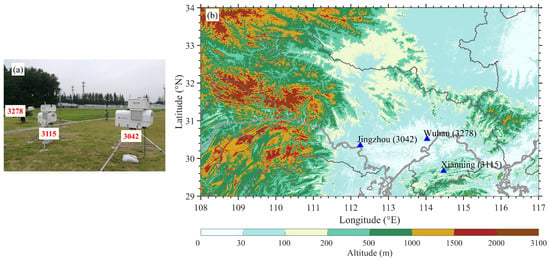
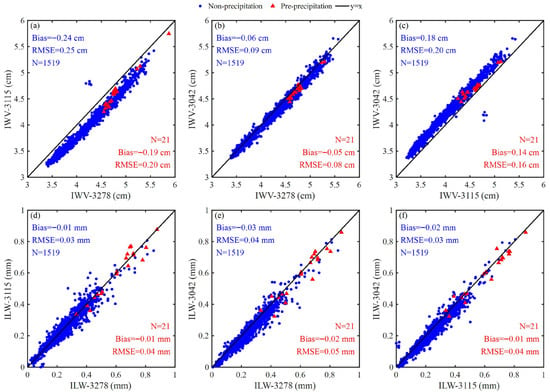
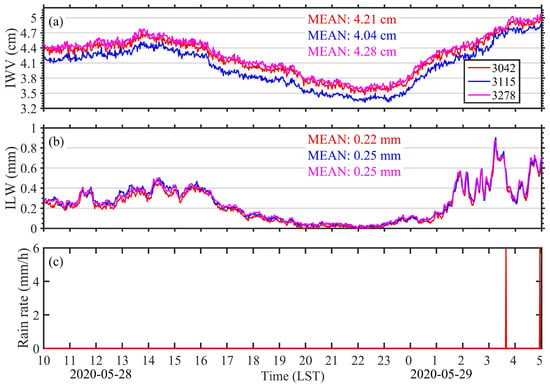
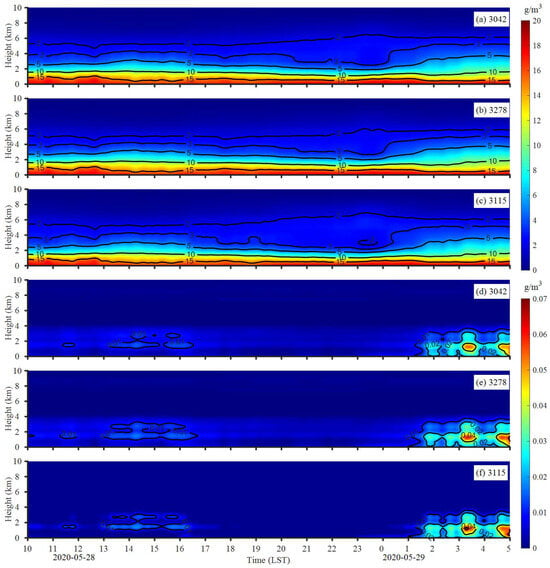
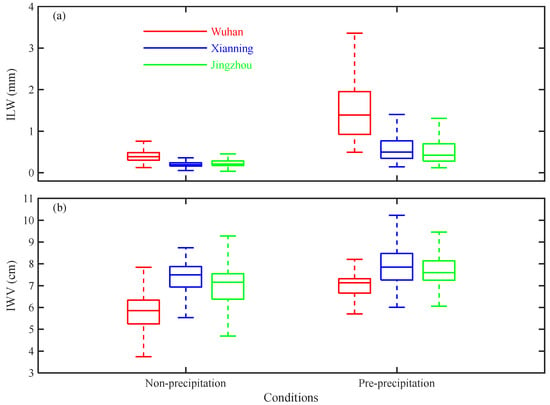
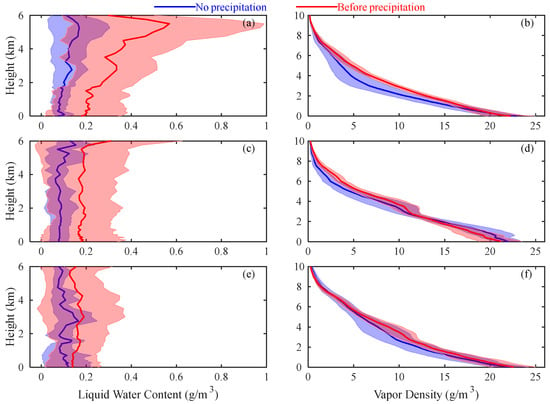
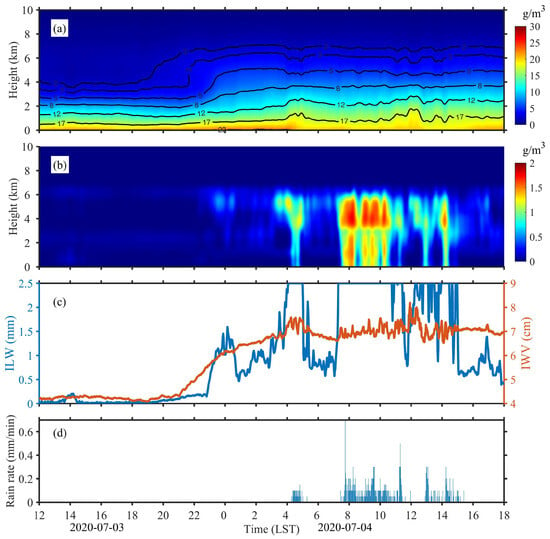
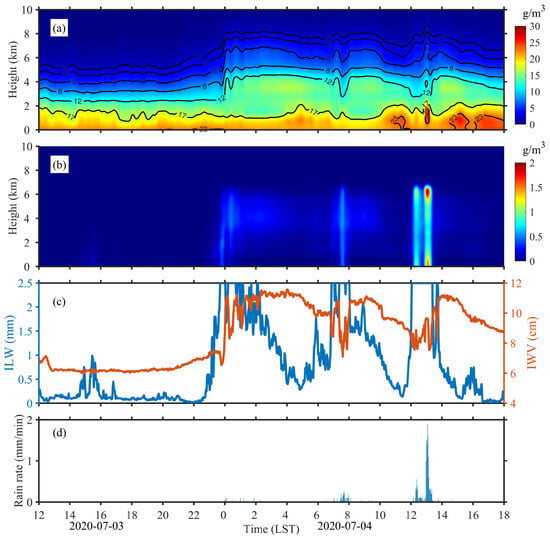
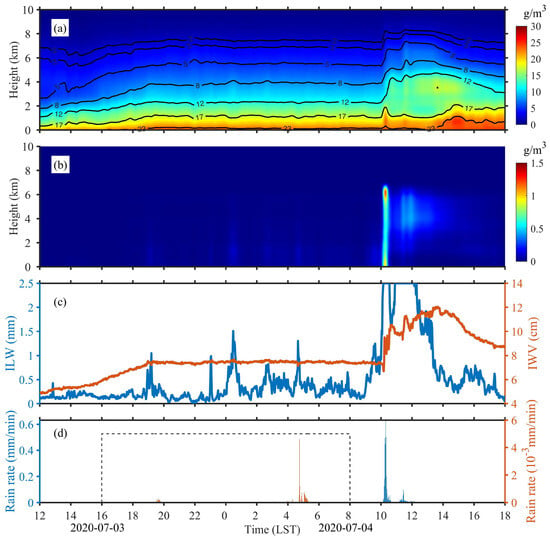
Quantifying the distribution and spatiotemporal variation of water vapor and liquid water is of great significance for understanding the atmospheric thermodynamic processes during extreme meteorological events. The water vapor and liquid water data obtained from ground-based measurements by three MP-3000A microwave radiometers (MWRs) over the middle reaches of the Yangtze River Basin were analyzed. Firstly, a comparison between MWRs and radiosonde was conducted, and the co-located observation results indicated that MWRs used in this study feature high detection accuracy and favorable consistency. The integrated water vapor (IWV) measured by one of MWRs (Serial No. 3115) was with the best performance for IWV observation, and the bias and RMSE were 0.22 cm and 0.18 cm. In addition, the detection biases of integrated liquid water (ILW) between three MWRs in pre-precipitation were smaller than those in non-precipitation. All three instruments captured the diurnal variation characteristics of vapor density (VD) and liquid water content (LWC) profiles. The variation in ILW and IWV in different stations showed that ILW maintained low values before precipitation and increased sharply during the pre-precipitation stage, indicating strong indicative significance for rainfall occurrence. The ILW increment was more remarkable in Wuhan station, where mostly covered with urban and water body underlying surfaces. However, the magnitude of IWV variation before precipitation was smaller than that of ILW, especially in Jingzhou station. Under non-precipitation condition, VD and LWC vertical profiles at the three stations were relatively stable. Before precipitation, they exhibited substantial increases with obvious spatial discrepancies: sharp growth in Wuhan, moderate enhancement in Xianning, and slight increment in Jingzhou. Overall, atmospheric water vapor and liquid water increase significantly before precipitation, and their distribution spatiotemporal differences are closely related to local underlying surfaces and precipitation characteristics, which can provide meaningful references for short-term precipitation forecasting.
Full article
(This article belongs to the Special Issue Multi-Source Atmospheric Remote Sensing: Enabling High-Precision Meteorological Monitoring and Forecasting)
►▼
Show Figures

Figure 1
Open AccessArticle
Using Aerial LiDAR Data to Map Vegetation Structural Types in Arid and Semi-Arid Rangelands
by
Jaume Ruscalleda-Alvarez, Gerald F. M. Page, Katherine Zdunic and Suzanne M. Prober
Remote Sens. 2026, 18(10), 1641; https://doi.org/10.3390/rs18101641 - 20 May 2026
Abstract
Rangelands occupy over half of the Earth’s terrestrial surface and play an important role in supporting biodiversity and livelihoods. However, widespread degradation—particularly in arid and semi-arid regions—has compromised their ecological function. Traditional monitoring approaches that rely on vegetation cover metrics from optical satellite
[...] Read more.
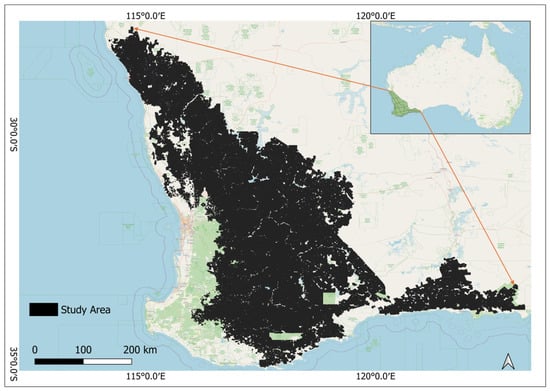
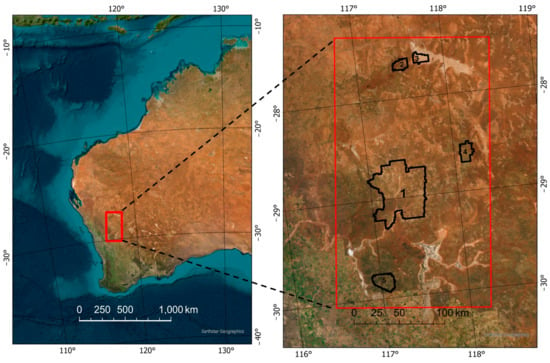
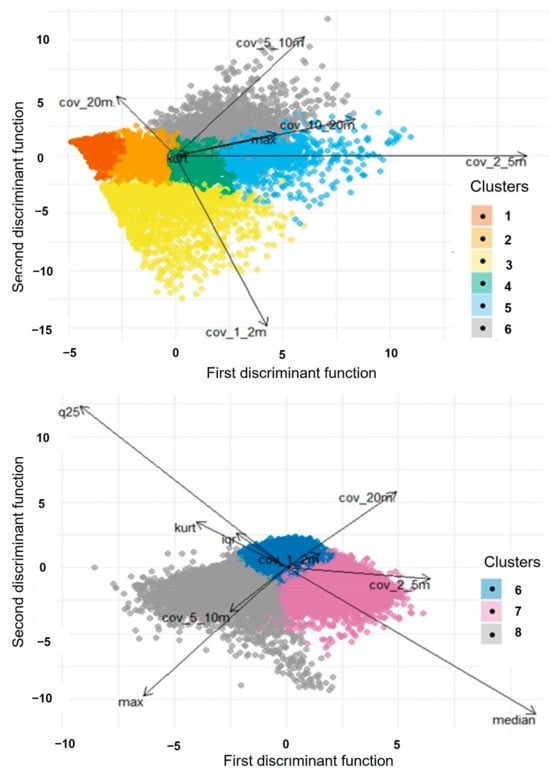
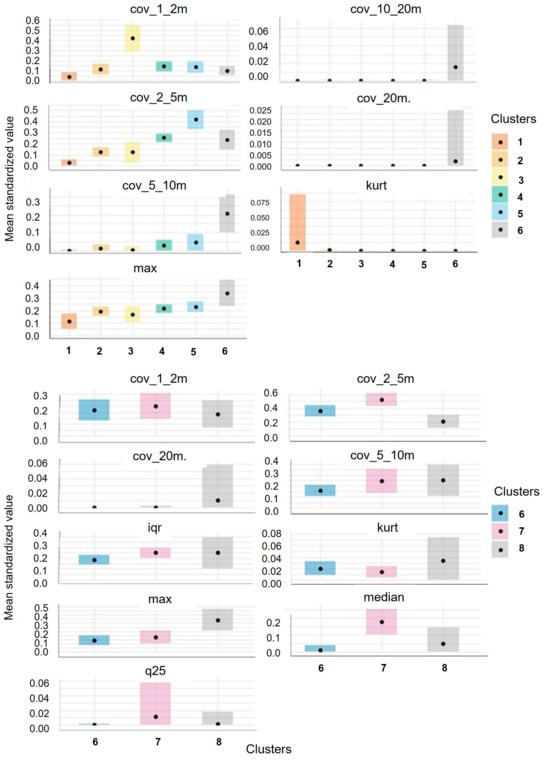
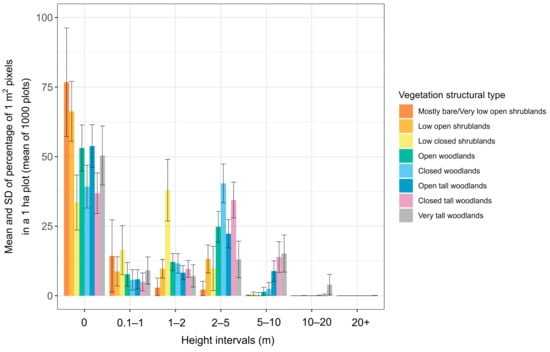
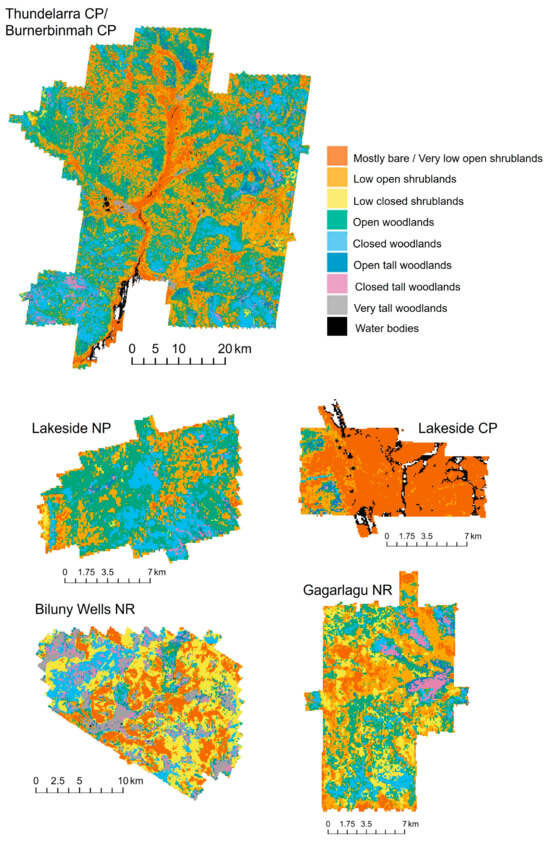
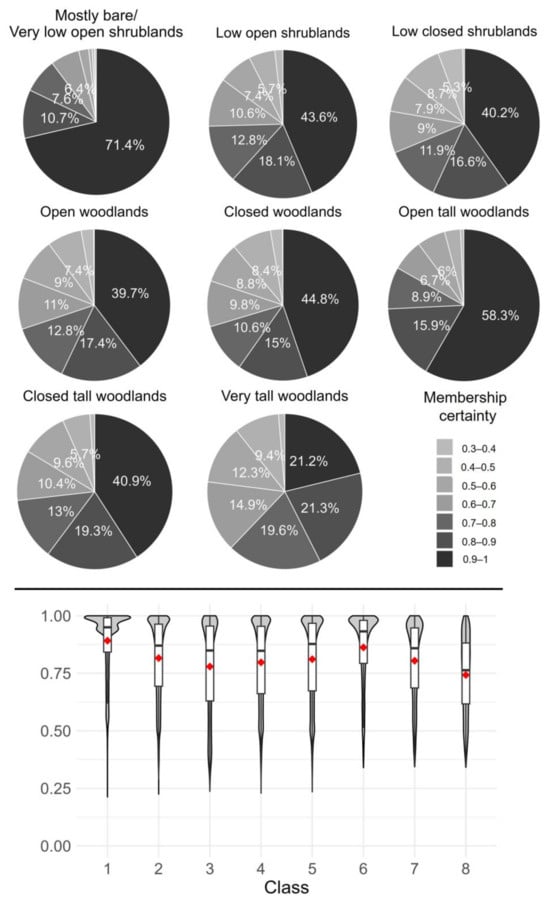
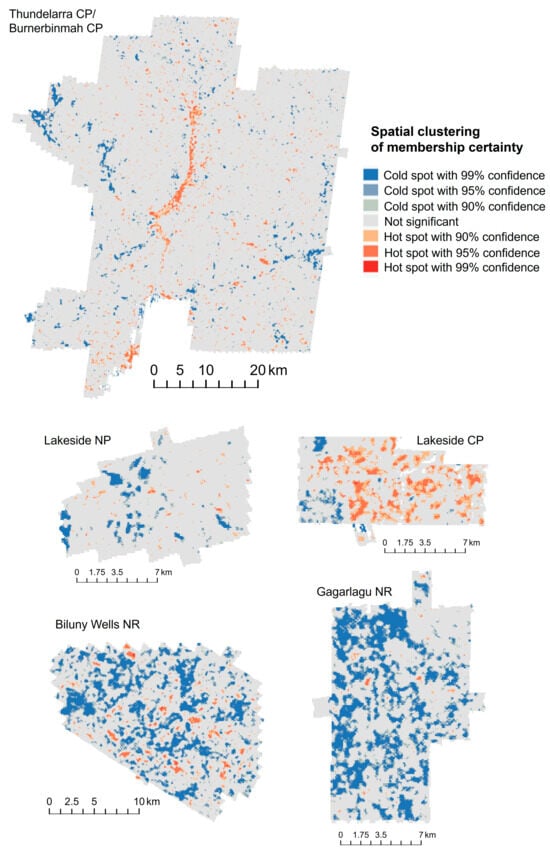
Rangelands occupy over half of the Earth’s terrestrial surface and play an important role in supporting biodiversity and livelihoods. However, widespread degradation—particularly in arid and semi-arid regions—has compromised their ecological function. Traditional monitoring approaches that rely on vegetation cover metrics from optical satellite imagery fail to capture the three-dimensional structure of vegetation, which is critical for assessing ecosystem condition and guiding restoration and management efforts. This study demonstrates the application of high-density airborne LiDAR (ALS) data (~15–20 points/m2) to identify and map vegetation structural types across 370,000 hectares of semi-arid rangelands in Western Australia. Using an unsupervised fuzzy c-means clustering algorithm on seven minimally correlated ALS-derived structural metrics, we identified eight statistically distinct vegetation structural classes. The resulting structural map revealed spatial heterogeneity in vegetation structure, including in areas with similar vegetation cover, with high confidence in structural attribution in 74.5% of the study area. The rangeland-specific structural classes developed in this study, which incorporate measures of classification certainty, offer a robust framework for vegetation structural mapping in field data-scarce environments. This framework can support ecological condition assessments and provide a basis for rangeland management and restoration planning.
Full article
(This article belongs to the Special Issue Vegetation Mapping through Multiscale Remote Sensing)
►▼
Show Figures

Figure 1
Open AccessArticle
Field Validation of Hyperspectral Imaging for Ballast Fouling Assessment
by
Boshra Besharatian and Sattar Dorafshan
Remote Sens. 2026, 18(10), 1640; https://doi.org/10.3390/rs18101640 - 20 May 2026
Abstract
►▼
Show Figures
This study evaluates the performance of hyperspectral imaging (HSI) as a non-contact method for assessing railroad ballast fouling. A severely degraded ballast sample was collected from a derailment site. Conventional fouling indices were measured, indicating extreme ballast deterioration and fouling. To establish a
[...] Read more.
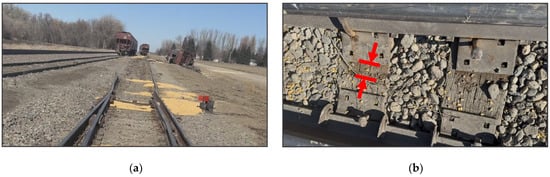
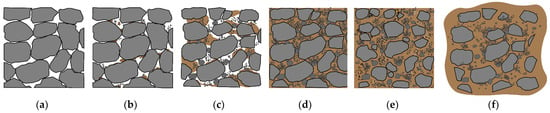
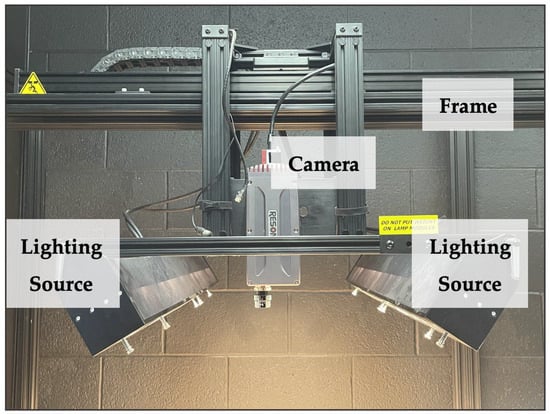
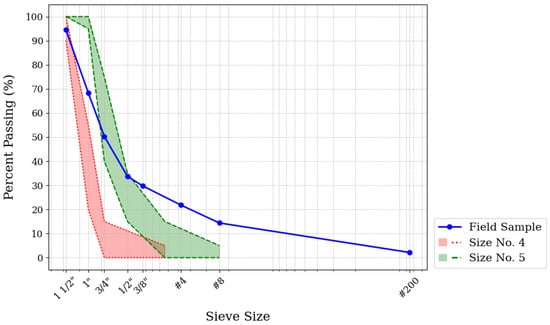
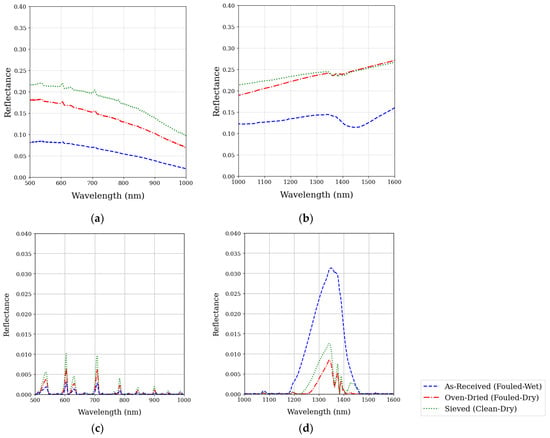
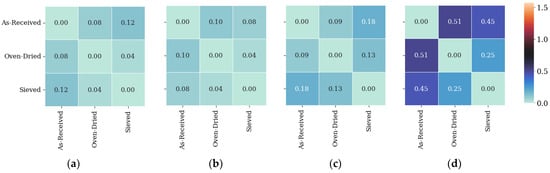
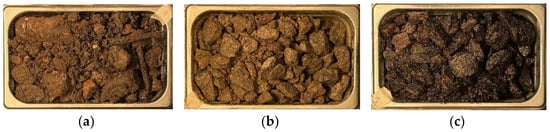
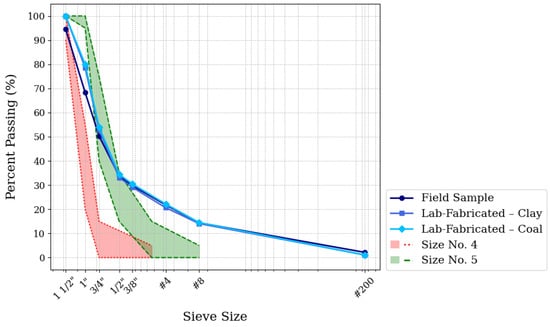
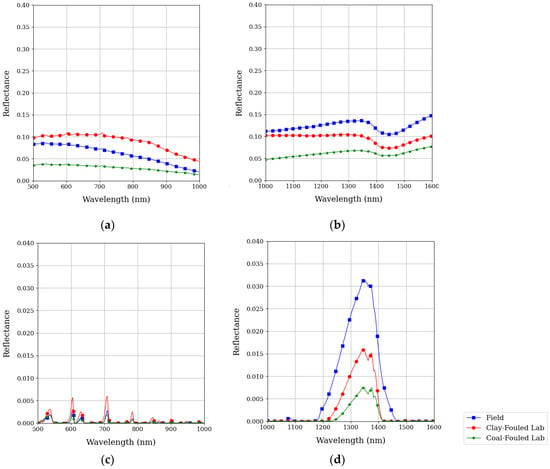
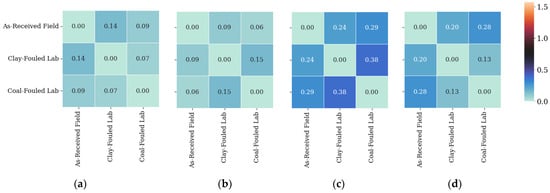
This study evaluates the performance of hyperspectral imaging (HSI) as a non-contact method for assessing railroad ballast fouling. A severely degraded ballast sample was collected from a derailment site. Conventional fouling indices were measured, indicating extreme ballast deterioration and fouling. To establish a quantitative baseline for degradation severity, hyperspectral reflectance data in the Visible–Near Infrared (VNIR) and Near Infrared (NIR) ranges were acquired for field samples under fouled-wet (as-received), fouled-dry (oven-dried), and clean-dry (oven-dried and sieved) conditions. Field spectra were compared with laboratory-fabricated ballast mixtures containing clay and coal fouling agents to ensure the results were not skewed due to the sampling procedure. Spectral similarity analysis using the Spectral Angle Mapper (SAM) was employed to quantify differences across ballast conditions. The maximum SAM angle reached approximately 0.45 radians between the as-received and clean-dry states in the NIR range, reflecting the combined effects of fouling and moisture. Comparisons between field and laboratory-fabricated samples showed moderate similarity, with SAM angles below 0.30 radians, indicating general agreement between field and laboratory spectra while capturing differences related to fouling agents, moisture retention, and compositional variability.
Full article

Figure 1
Open AccessTechnical Note
LMRD: A Large-Scale Multi-Source Rotated Dataset for SAR Ship Detection
by
Yujia Cheng, Zhaocheng Wang, Yu Chen, Yu Zhang, Yong Chen and Hongdong Zhao
Remote Sens. 2026, 18(10), 1639; https://doi.org/10.3390/rs18101639 - 20 May 2026
Abstract
The rapid development of synthetic aperture radar (SAR) imaging technology has significantly enhanced maritime monitoring capabilities; however, SAR ship detection remains constrained by the limited scale and representation capacity of existing rotated bounding box datasets. Most publicly available datasets rely on horizontal annotations,
[...] Read more.
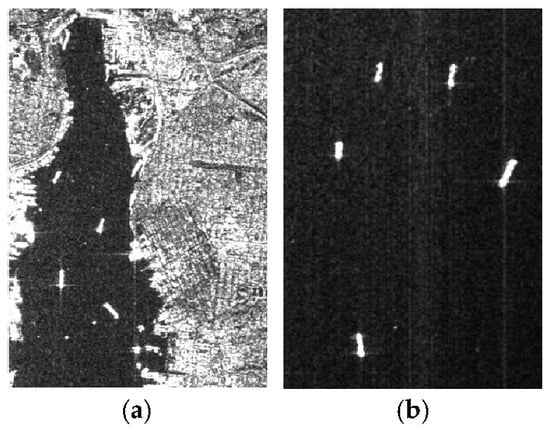
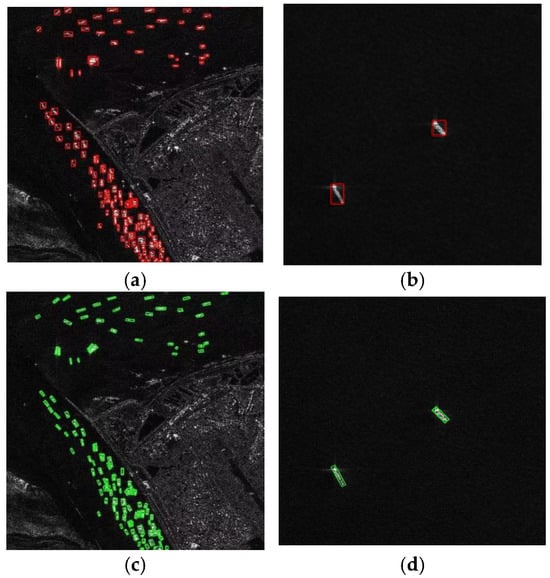
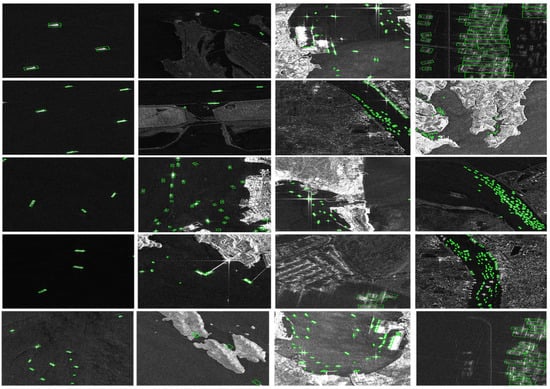
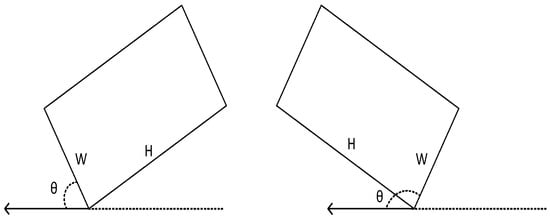
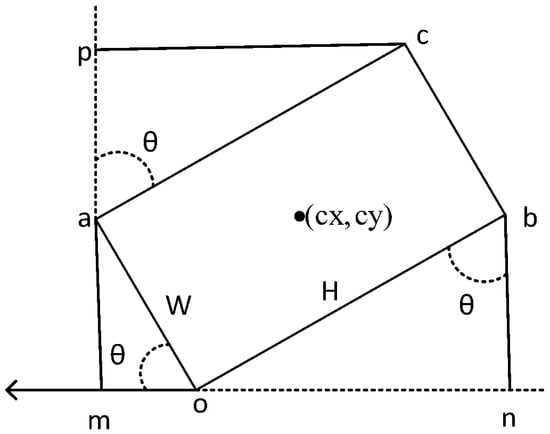
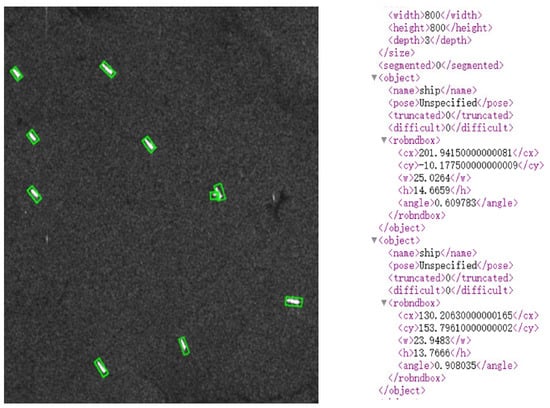
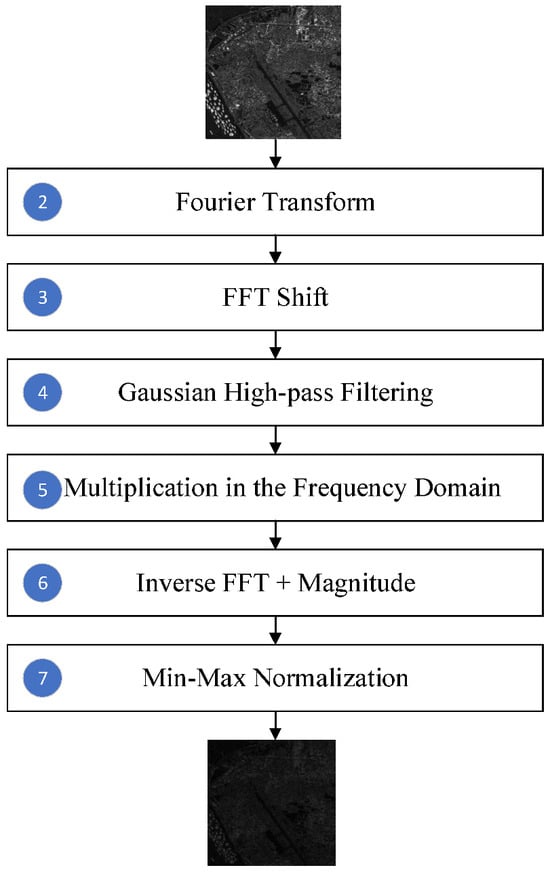
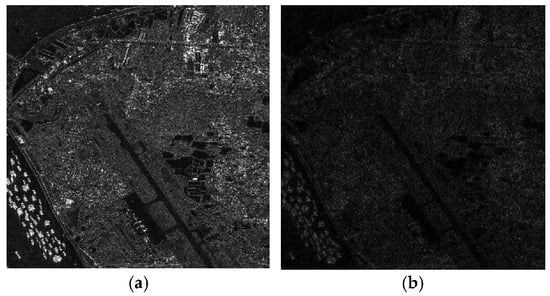
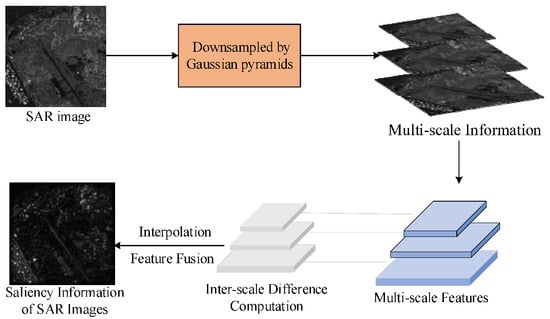
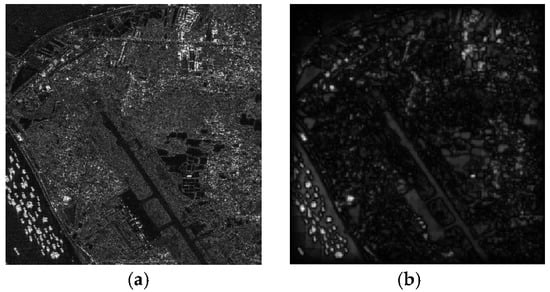
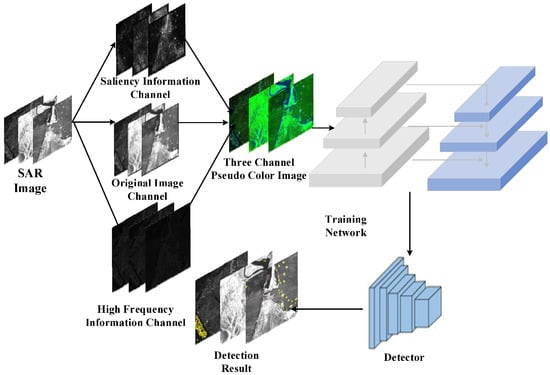
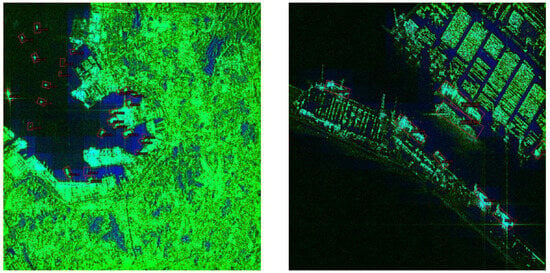
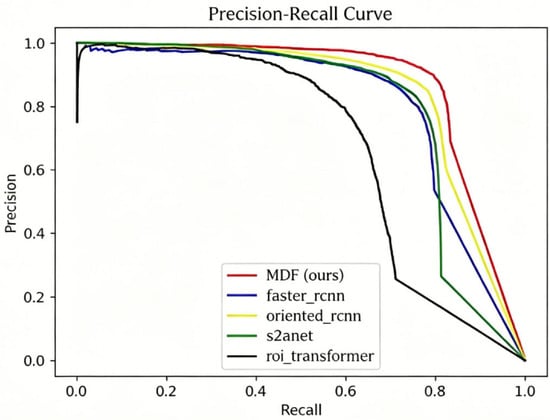
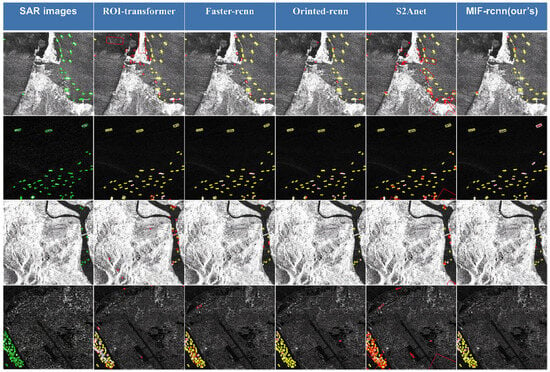
The rapid development of synthetic aperture radar (SAR) imaging technology has significantly enhanced maritime monitoring capabilities; however, SAR ship detection remains constrained by the limited scale and representation capacity of existing rotated bounding box datasets. Most publicly available datasets rely on horizontal annotations, which introduce redundancy and localization ambiguity in densely distributed and nearshore scenarios. Although rotated bounding boxes provide more precise geometric representation, large-scale multi-source rotated SAR datasets are still insufficient to support robust model training. To address this limitation, we construct a large-scale multi-source rotated SAR ship dataset (LMRD) consisting of 13,024 high-resolution image chips with over 38,000 annotated ship instances, covering multiple satellite sources, polarization modes, and diverse maritime environments, including offshore, nearshore, complex coastal, and densely distributed port scenes, thereby enhancing scene diversity and annotation precision. Furthermore, independent of the dataset construction, we propose a multi-domain feature fusion (MDF) framework built upon Oriented RCNN, which integrates high-frequency information and visual saliency cues to improve feature representation under complex backgrounds. Experimental results on the LMRD demonstrate that, compared with the baseline Oriented RCNN, the proposed MDF framework achieves a 2.7% improvement in average precision. Additional analysis indicates that the dataset characteristics and the multi-domain fusion strategy contribute to performance enhancement at different stages of the detection pipeline, validating the effectiveness of the proposed dataset for rotated ship detection while demonstrating the complementary role of multi-domain feature enhancement.
Full article
(This article belongs to the Special Issue SAR Monitoring of Marine and Coastal Environments)
►▼
Show Figures

Figure 1
Open AccessArticle
GeoHybridGNN: A Hybrid Intelligent Mapping Framework for Porphyry Copper Prospectivity Mapping Integrating Remote Sensing, Geology, and Geochemistry
by
Muhammad Atif Bilal, Yongzhi Wang, Kateryna Hlyniana and Zubair Nabi
Remote Sens. 2026, 18(10), 1638; https://doi.org/10.3390/rs18101638 - 19 May 2026
Abstract
The Western Chagai Belt of Pakistan hosts major porphyry Cu-Au systems, but prospectivity mapping in this arc remains difficult because favorable lithology, intrusive bodies, fault corridors, hydrothermal alteration, and Cu geochemical anomalies are spatially heterogeneous across a structurally complex and arid terrain. These
[...] Read more.
The Western Chagai Belt of Pakistan hosts major porphyry Cu-Au systems, but prospectivity mapping in this arc remains difficult because favorable lithology, intrusive bodies, fault corridors, hydrothermal alteration, and Cu geochemical anomalies are spatially heterogeneous across a structurally complex and arid terrain. These conditions create a scientific need for an integrated mapping framework that can combine remote sensing alteration evidence, geology, structure, and geochemistry within a unified and reproducible workflow. This study presents GeoHybridGNN, a hybrid deep learning framework for porphyry copper prospectivity mapping in the Western Chagai Belt. The framework integrates multi-source raster evidence, including remote sensing-derived spectral alteration indices, a Cu geochemical raster, and distance-to-fault information, with graph-based node representations that combine regular neighborhood adjacency on retained grid cells with node attributes derived from lithology and aligned geoscientific raster summaries. All predictors were harmonized to a common 30 m reference raster grid and evaluated using five-fold spatial block cross-validation to provide a more spatially realistic assessment than ordinary random splitting. The implemented model combines a CNN-based raster patch encoder with a GraphSAGE-based graph classifier. Raster patches extracted around graph nodes are encoded into 64-dimensional embeddings, and these embeddings are concatenated with node-level graph features before full-batch graph learning and prediction. Copper occurrences were used only for supervised label assignment and evaluation and were not used as predictive inputs. The results show that GeoHybridGNN produces spatially coherent prospectivity maps, stable fold-wise prediction patterns, and improved target delineation relative to the tested comparison models. Cu geochemical integration produces only a limited change in global discrimination but provides modest local target sharpening in selected zones. These results indicate that GeoHybridGNN can serve as an uncertainty-aware and geologically constrained decision support workflow for porphyry copper targeting. More broadly, the framework provides a transparent strategy for exploration screening in structurally complex and data-heterogeneous metallogenic belts where remote sensing, geological, structural, and geochemical evidence must be integrated consistently.
Full article
(This article belongs to the Special Issue Machine Learning for Remote-Sensing Data Processing and Analysis)
Open AccessArticle
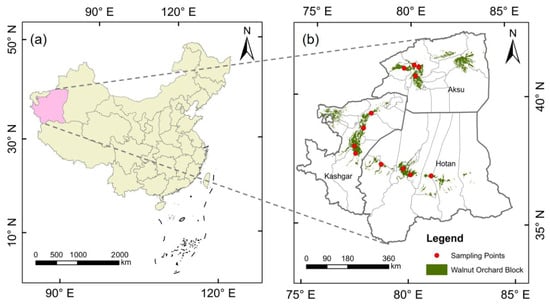
Classification of Walnut Leaf Necrosis Stages Based on Diagnostic Hyperspectral Bands
by
Hengshan Si, Zhipeng Li, Sen Lu and Jinsong Zhang
Remote Sens. 2026, 18(10), 1637; https://doi.org/10.3390/rs18101637 - 19 May 2026
Abstract
Walnut leaf necrosis causes leaf desiccation and premature abscission, substantially reducing photosynthetic efficiency, impairing fruit development, and ultimately leading to yield loss and quality deterioration. In severe cases, it accelerates branch senescence or even whole-tree mortality, resulting in considerable economic damage to the
[...] Read more.
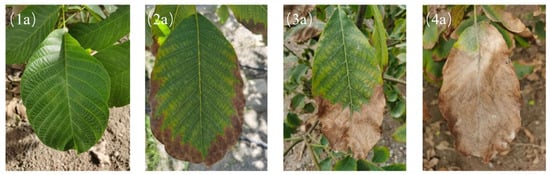
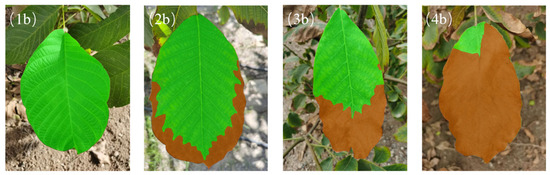
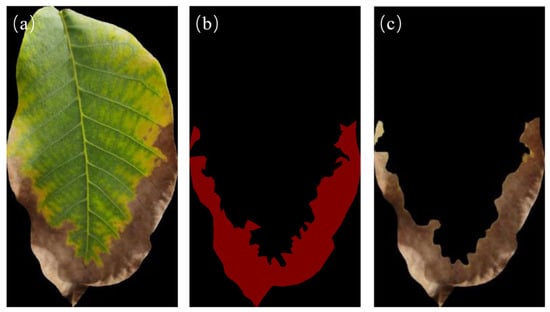
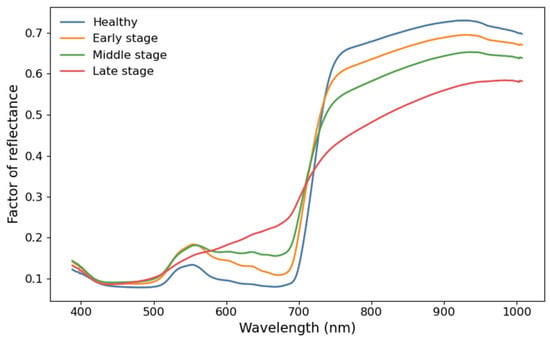
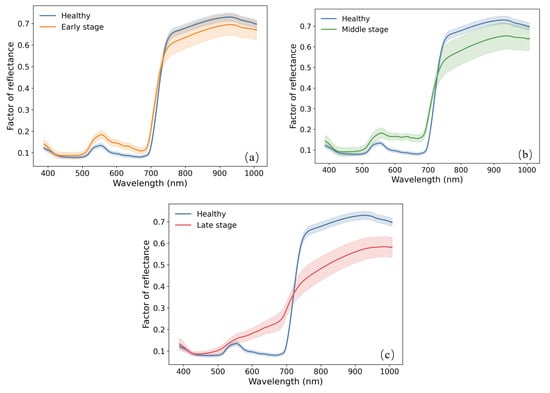
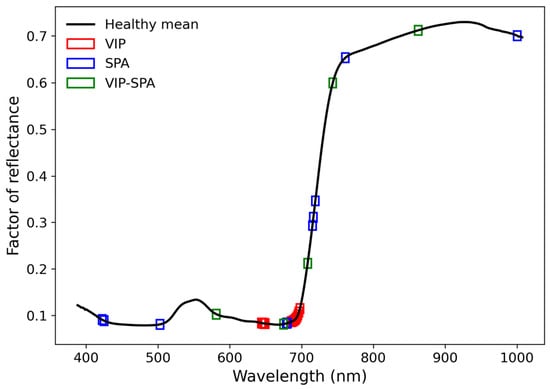
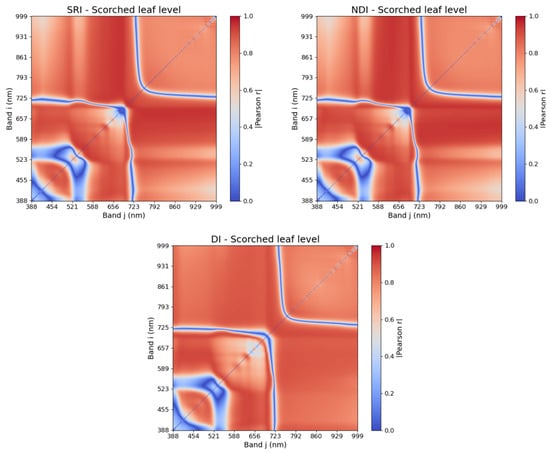
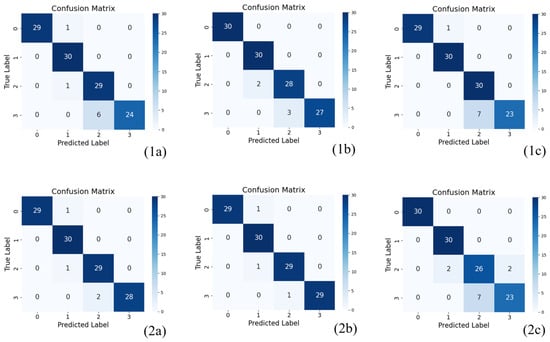
Walnut leaf necrosis causes leaf desiccation and premature abscission, substantially reducing photosynthetic efficiency, impairing fruit development, and ultimately leading to yield loss and quality deterioration. In severe cases, it accelerates branch senescence or even whole-tree mortality, resulting in considerable economic damage to the walnut industry. Rapid and accurate monitoring of this disease is therefore essential for sustainable production. This study aimed to characterize the different stages of walnut leaf necrosis using spectral analysis and develop classification models for stage-specific identification. Leaf samples representing healthy leaves and the early, middle, and late stages of necrosis were analyzed for spectral responses. Sensitive bands were identified using the variable importance in projection (VIP), successive projections algorithm (SPA), and the combined VIP-SPA method, and corresponding vegetation indices were constructed. The selected features were incorporated into classification models based on random forest (RF), extreme gradient boosting (XGBoost), and convolutional neural networks (CNNs). Results revealed that the red-edge (640–700 nm) and near-infrared (720–1000 nm) regions were identified as key diagnostic spectral ranges. Among the vegetation indices evaluated, the Simple Ratio Index (SRI) calculated from reflectance at 705.7 nm and 707.1 nm, the Normalized Difference Index (NDI) using the same band pair, and the Difference Index (DI) derived from 417.1 nm and 638.7 nm emerged as the most sensitive indicators of disease severity. Classification accuracies for different necrosis stages reached 0.9583, 0.9583, and 0.9333, respectively. These findings demonstrate that the identified spectral bands and vegetation indices provide robust tools for monitoring the progression of walnut leaf necrosis.
Full article
(This article belongs to the Special Issue Plant Disease Detection and Recognition Using Remotely Sensed Data)
►▼
Show Figures

Figure 1
Open AccessArticle
Long-Tailed Remote Sensing Image Classification via Multi-Scale Data, Pre-Trained Model, and Efficient Inference Strategy
by
Song Han, Xing Han, Yibo Xu, Yongqin Tian, Weidong Zhang and Wenyi Zhao
Remote Sens. 2026, 18(10), 1636; https://doi.org/10.3390/rs18101636 - 19 May 2026
Abstract
Remote sensing image classification is one of the fundamental tasks in the field of remote sensing and plays a critical role in Earth observation applications. However, the inherent multi-scale characteristics of this task pose significant challenges to scene classification. To address these issues,
[...] Read more.
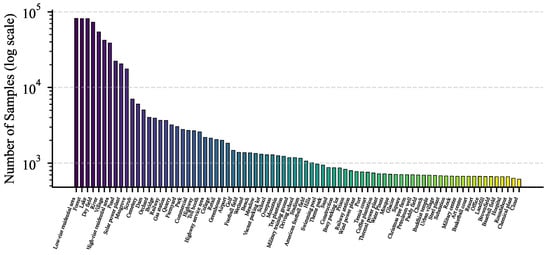
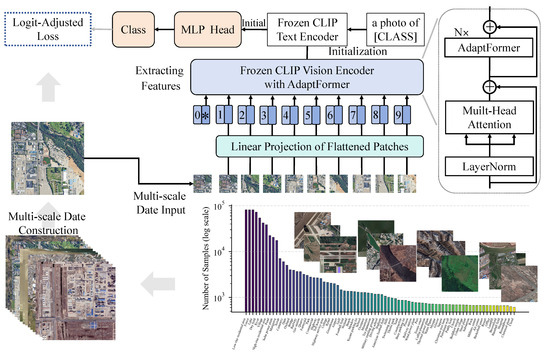
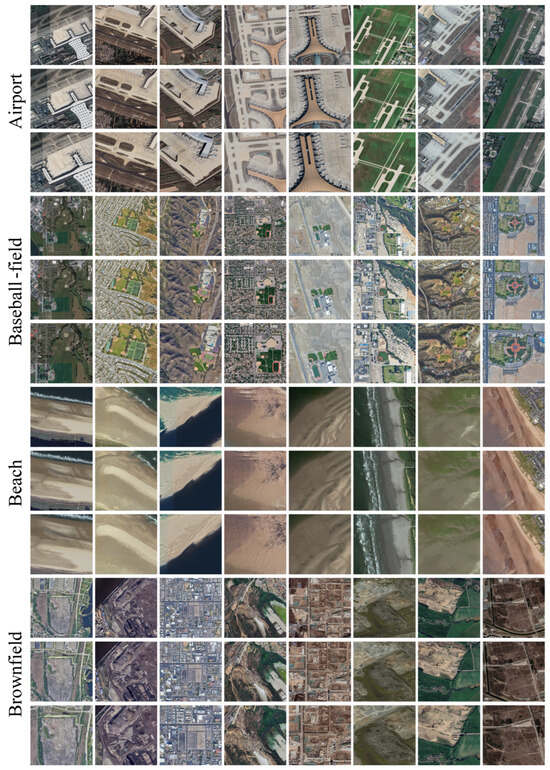
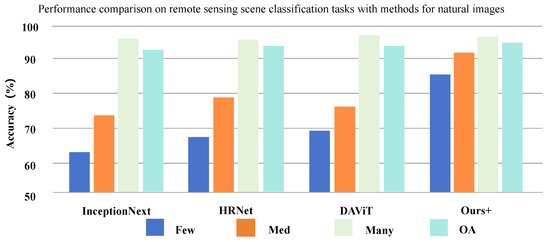
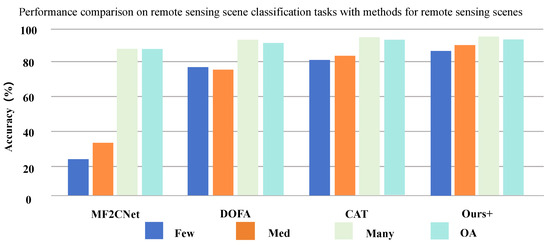
Remote sensing image classification is one of the fundamental tasks in the field of remote sensing and plays a critical role in Earth observation applications. However, the inherent multi-scale characteristics of this task pose significant challenges to scene classification. To address these issues, we propose a novel framework that integrates the Contrastive Language–Image Pre-training (CLIP) model, multi-scale data, and efficient inference strategy. The proposed framework transfers general-purpose features learnt from natural images to remote sensing image classification. Specifically, this framework leverages the rich feature representations learnt by the CLIP model in the contrastive learning procedure and adopts it as the backbone network of the model to extract fine-grained and multi-scale features for remote sensing images. That is, the model can learn local fine-grained details but also encode global contextual information useful for the classification of visually similar scene categories. Afterwards, AdapterFormer module is inserted into the few selected layers of CLIP model, which can effectively enhance model performance and have low computational overhead. This helps efficient knowledge sharing and introduces new features at the model level. Furthermore, to alleviate possible performance deterioration brought about by multi-scale feature variation, a multi-scale training set is constructed at data level, providing complementary multi-scale information. Through the synergy of all these strategies above, the proposed method greatly improves the classification performance of multi-scale remote sensing images. Extensive experiments on the MEET dataset (it includes 80 fine categories and more than 800,000 samples) show that the proposed method greatly improves the performance. Compared with general-purpose classification networks and remote sensing-related models, the proposed method always gets state-of-the-art results.
Full article
(This article belongs to the Special Issue Hyperspectral Remote Sensing Image Analysis via Advanced Deep Learning and Computer Vision)
►▼
Show Figures

Figure 1
Open AccessArticle
A Scanline-Based Sliding Window Filtering Method for UAV-Borne LiDAR Bathymetry Point Clouds
by
Jiayong Yu, Jing Zhang, Jiangchao Mu, Jiachun Guo, Deliang Lv, Xiaoxue Du and Peng Lin
Remote Sens. 2026, 18(10), 1635; https://doi.org/10.3390/rs18101635 - 19 May 2026
Abstract
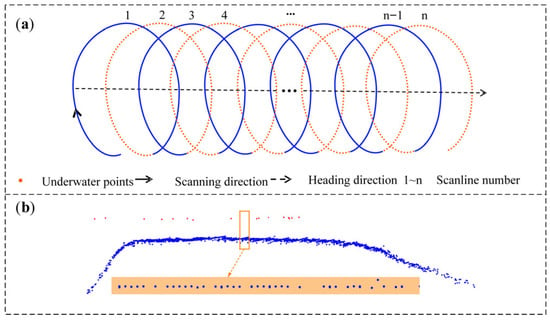
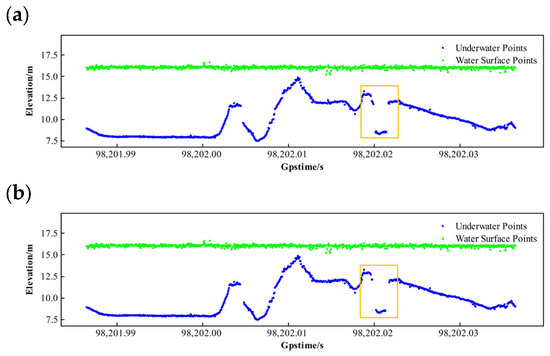
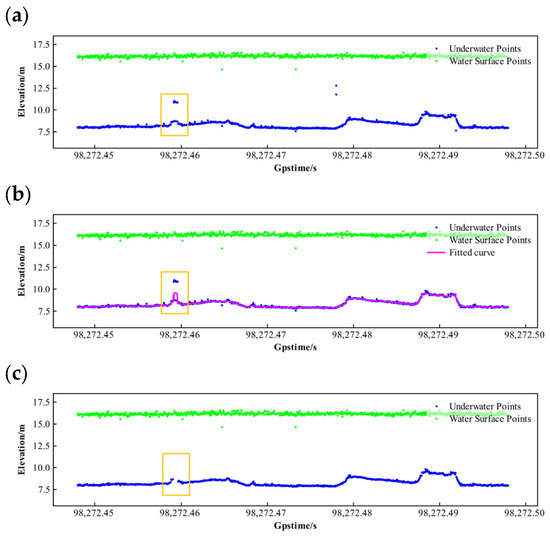
To improve the data quality of underwater point clouds acquired by UAV-borne LiDAR bathymetry, a scanline-based sliding window filtering method is proposed based on an analysis of scanline data characteristics. Scanline data of underwater point clouds are first extracted from raw point clouds,
[...] Read more.
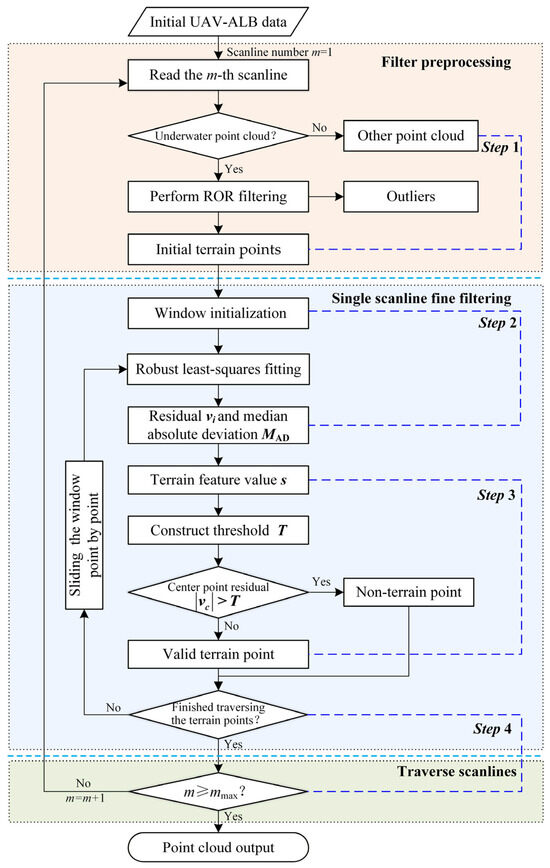
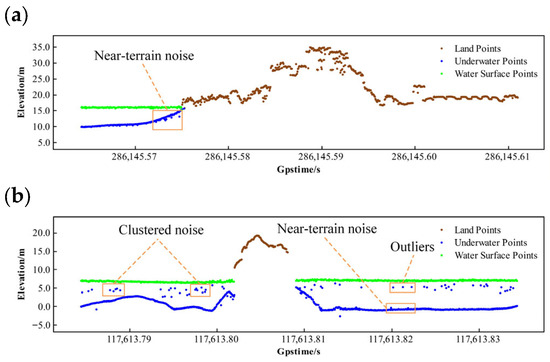
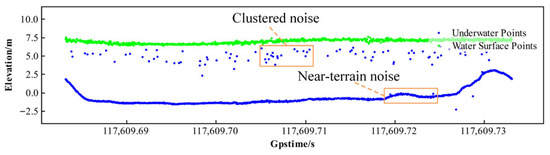
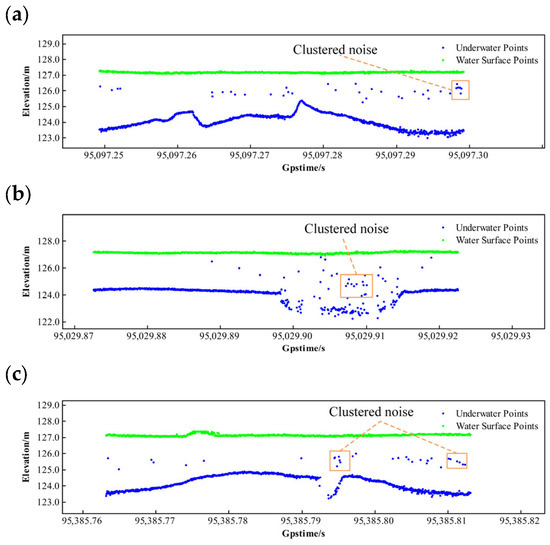
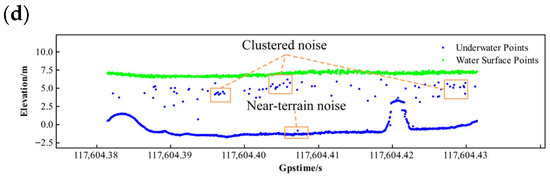
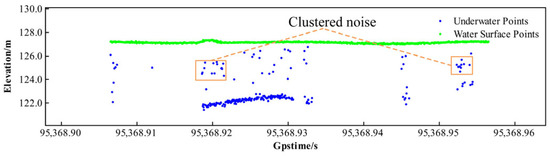
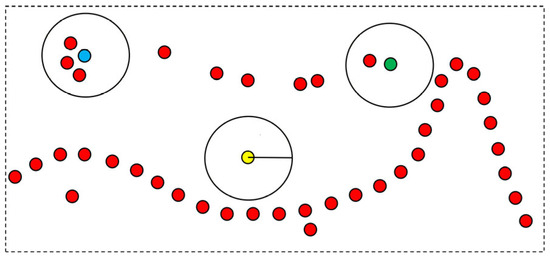
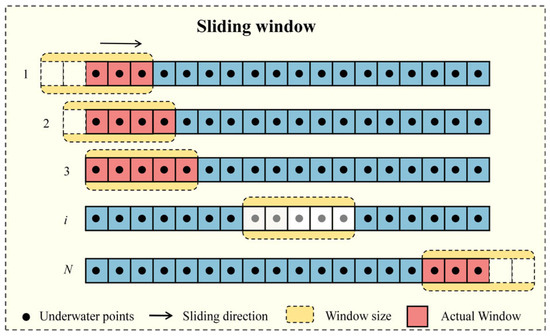
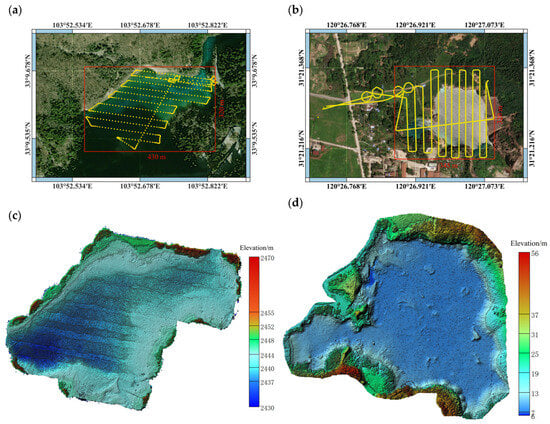
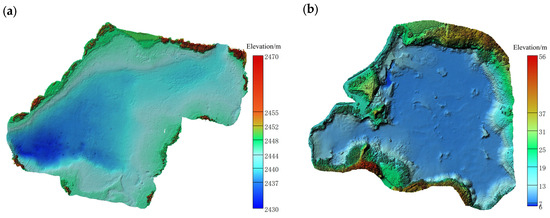
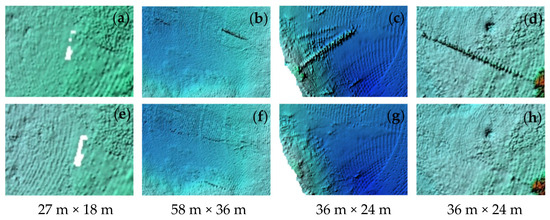
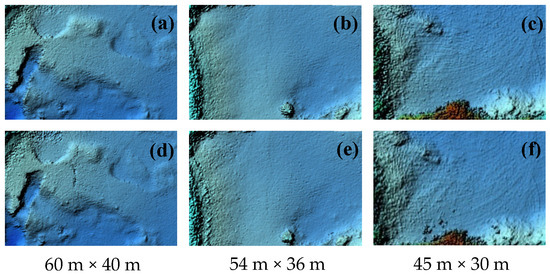
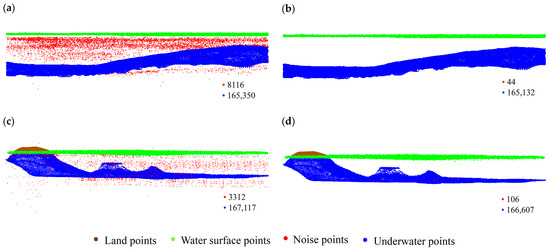
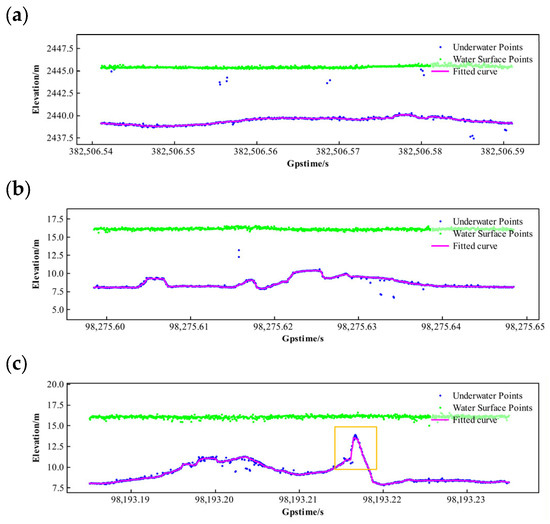
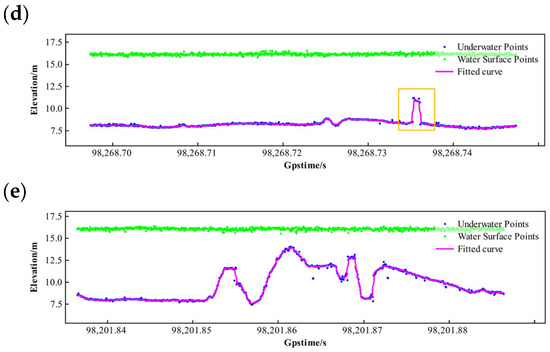
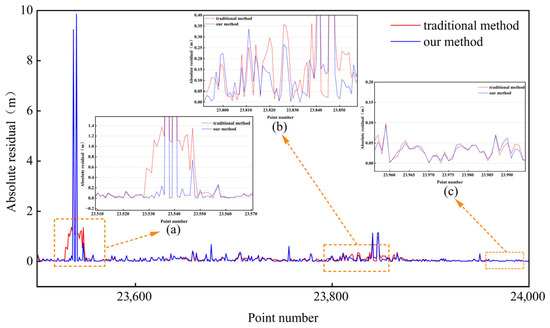
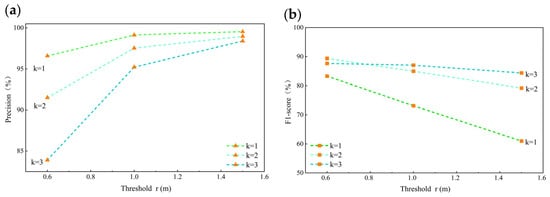
To improve the data quality of underwater point clouds acquired by UAV-borne LiDAR bathymetry, a scanline-based sliding window filtering method is proposed based on an analysis of scanline data characteristics. Scanline data of underwater point clouds are first extracted from raw point clouds, and the radius outlier removal algorithm is employed to eliminate outliers. Taking the acquisition time of scanline points as the X-axis and elevation as the Y-axis, a 3D problem is simplified into a 2D representation, and a sliding window is constructed along the scanline. Robust least-squares fitting is applied within the window. The median absolute deviation of the fitting residuals is adopted to calculate the terrain feature values for quantifying the terrain complexity, followed by an adaptive filtering threshold determination according to terrain feature values. Fine filtering of the individual scanlines is performed using a point-by-point sliding window. Experimental results demonstrate that the proposed method is adaptable to various terrain conditions, achieving a noise recall rate ≥ 96%, an overall filtering accuracy ≥99%, and an F1-score ≥ 0.9. Particularly, the precision rate in flat-water areas reached 97.37%. Overall, the proposed filtering method effectively separates noise points while preserving detailed terrain features and supports UAV-borne LiDAR bathymetry for mapping complex shallow-water regions.
Full article
(This article belongs to the Special Issue Combination of LiDAR and UAS Data for Geological and Environmental Applications)
►▼
Show Figures

Figure 1
Journal Menu
► ▼ Journal Menu-
- Remote Sensing Home
- Aims & Scope
- Editorial Board
- Reviewer Board
- Topical Advisory Panel
- Photography Exhibition
- Instructions for Authors
- Special Issues
- Topics
- Sections & Collections
- Article Processing Charge
- Indexing & Archiving
- Editor’s Choice Articles
- Most Cited & Viewed
- Journal Statistics
- Journal History
- Journal Awards
- Society Collaborations
- Conferences
- Editorial Office
Journal Browser
► ▼ Journal BrowserHighly Accessed Articles
Latest Books
E-Mail Alert
News
Topics
Topic in
Sustainability, Buildings, Sensors, Remote Sensing, Land, Climate, Atmosphere
Advances in Low-Carbon, Climate-Resilient, and Sustainable Built Environment
Topic Editors: Baojie He, Stephen Siu Yu Lau, Deshun Zhang, Andreas Matzarakis, Fei GuoDeadline: 25 May 2026
Topic in
Atmosphere, Forests, Geosciences, Hydrology, Land, Remote Sensing, Sustainability
Karst Environment and Global Change—Second Edition
Topic Editors: Xiaoyong Bai, Yongjun Jiang, Jian Ni, Xubo Gao, Yuemin Yue, Jiangbo Gao, Junbing Pu, Hu Ding, Qiong Xiao, Zhicai ZhangDeadline: 16 June 2026
Topic in
Aerospace, Drones, Electronics, Remote Sensing, Sensors, Signals
Civil and Public Domain Applications of Unmanned Aviation 2025
Topic Editors: Kimon P. Valavanis, Nikolaos VitzilaiosDeadline: 30 June 2026
Topic in
Applied Sciences, Information, Remote Sensing, Signals, Symmetry, J. Imaging
Image Processing, Signal Processing and Their Applications
Topic Editors: Jun Xu, Lianbo MaDeadline: 16 July 2026
Conferences
Special Issues
Special Issue in
Remote Sensing
Advances in Estimating Aboveground Biomass Based on Multi-source Remote Sensing Data
Guest Editors: Shaobo Sun, Xufeng Wang, Kai LiuDeadline: 25 May 2026
Special Issue in
Remote Sensing
Multisource Remote Sensing Data Fusion and Applications in Vegetation Monitoring (Second Edition)
Guest Editors: Dong Liu, Jiakui Tang, Qing ZhangDeadline: 28 May 2026
Special Issue in
Remote Sensing
Monitoring and Restoration of Mining-Impacted Ecosystems Using Remote Sensing Technology
Guest Editors: Qiang Yu, Huaguo Huang, Jianbo QiDeadline: 28 May 2026
Special Issue in
Remote Sensing
Recent Advances in Remote Sensing of Soil Moisture
Guest Editors: Indishe Senanayake, Natthachet Tangdamrongsub, Bin FangDeadline: 28 May 2026
Topical Collections
Topical Collection in
Remote Sensing
Feature Papers for Section Environmental Remote Sensing
Collection Editor: Magaly Koch
Topical Collection in
Remote Sensing
The VIIRS Collection: Calibration, Validation, and Application
Collection Editors: Xi Shao, Xiaoxiong Xiong, Changyong Cao
Topical Collection in
Remote Sensing
Feature Paper Collection on Remote Sensing in Geology, Geomorphology and Hydrology Section
Collection Editors: Francesca Ardizzone, Giuseppe Casula
Topical Collection in
Remote Sensing
Sentinel-2: Science and Applications
Collection Editors: Clement Atzberger, Jadu Dash, Olivier Hagolle, Jochem Verrelst, Quinten Vanhellemont, Jordi Inglada, Tuomas Häme