

Journal Description
Microorganisms
Microorganisms
is a scientific, peer-reviewed, open access journal of microbiology, published monthly online by MDPI. The Hellenic Society Mikrobiokosmos (MBK), the Spanish Society for Nitrogen Fixation (SEFIN) and the Society for Microbial Ecology and Disease (SOMED) are affiliated with Microorganisms, and their members receive a discount on the article processing charges.
- Open Access— free for readers, with article processing charges (APC) paid by authors or their institutions.
- High Visibility: indexed within Scopus, SCIE (Web of Science), PubMed, PMC, PubAg, CAPlus / SciFinder, AGRIS, and other databases.
- Journal Rank: JCR - Q2 (Microbiology) / CiteScore - Q1 (Microbiology (medical))
- Rapid Publication: manuscripts are peer-reviewed and a first decision is provided to authors approximately 20 days after submission; acceptance to publication is undertaken in 2.9 days (median values for papers published in this journal in the second half of 2025).
- Recognition of Reviewers: reviewers who provide timely, thorough peer-review reports receive vouchers entitling them to a discount on the APC of their next publication in any MDPI journal, in appreciation of the work done.
- Testimonials: See what our editors and authors say about Microorganisms.
- Companion journal for Microorganisms include: Applied Microbiology and Bacteria.
- Journal Cluster of Microbiology: Acta Microbiologica Hellenica, Applied Microbiology, Bacteria, Journal of Fungi, Microorganisms, Microbiology Research, Pathogens and Viruses.
Impact Factor:
4.2 (2024);
5-Year Impact Factor:
4.6 (2024)
Latest Articles
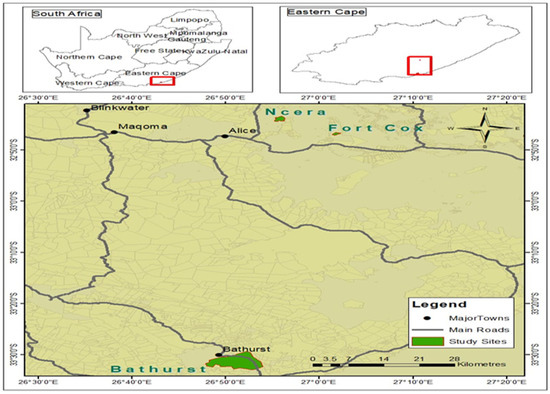
Ecological Variation in Species Composition and Attachment Preferences of Ixodid Ticks Infesting Bos taurus in the Eastern Cape Province, South Africa
Microorganisms 2026, 14(5), 1046; https://doi.org/10.3390/microorganisms14051046 (registering DOI) - 6 May 2026
Abstract
Generally, ixodid ticks are important ectoparasites of cattle, including those in smallholder production systems in the Eastern Cape Province, where varying environmental conditions influence their distribution and feeding behaviour. This study investigated ecological variation in tick species composition and attachment site preferences in
[...] Read more.
Generally, ixodid ticks are important ectoparasites of cattle, including those in smallholder production systems in the Eastern Cape Province, where varying environmental conditions influence their distribution and feeding behaviour. This study investigated ecological variation in tick species composition and attachment site preferences in Bos taurus cattle across coastal and inland areas of the Eastern Cape Province, South Africa. Ticks were collected from cattle of different ages, sexes, breeds, and body condition scores. Sampling was conducted prior to acaricide treatment, and ticks were manually removed from standard predilection sites on each animal. Specimens were preserved in 70% ethanol and later identified morphologically at the Döhne Agricultural Development Institute Laboratory. Data were analysed using generalized linear mixed models with a negative binomial distribution to assess the effects of host and environmental factors on tick burden. Descriptive statistics were used to summarise species composition, while inferential statistics were applied to evaluate differences in infestation levels across host-related and spatial variables. A total of 3250 adult ixodid ticks were collected from cattle. The most prevalent species was Rhipicephalus (Boophilus) decoloratus (39.7%), followed by Rhipicephalus evertsi evertsi (21.0%), Amblyomma hebraeum (17.7%), Hyalomma rufipes (5.8%), Ixodes pilosus (5.8%), Rhipicephalus (Boophilus) microplus (4.5%), R. appendiculatus (3.0%), and R. simus (2.5%). Tick burdens were significantly higher in the coastal zone (85 ± 7.5) than in semi-arid inland areas (62 ± 5.9). Attachment site analysis showed significantly higher infestation levels (p < 0.05) on the udder/scrotum compared to other body regions. This study provides baseline information on tick species composition and attachment site ecology in cattle, contributing to improved understanding of host–parasite interactions and supporting the development of targeted, region-specific tick control strategies.
Full article
(This article belongs to the Section Veterinary Microbiology)
►
Show Figures
Open AccessArticle
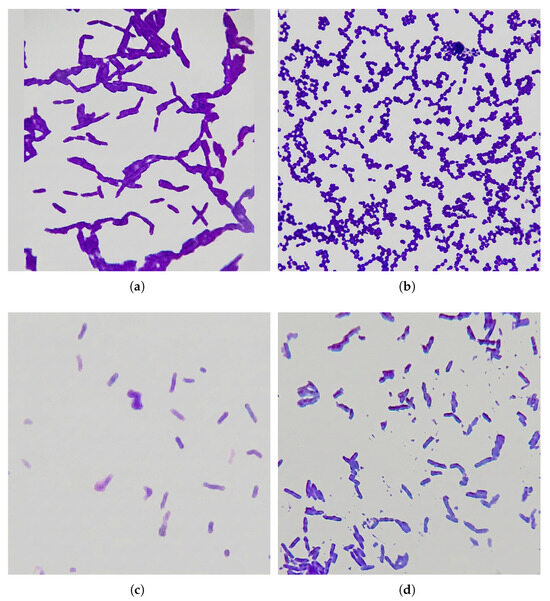
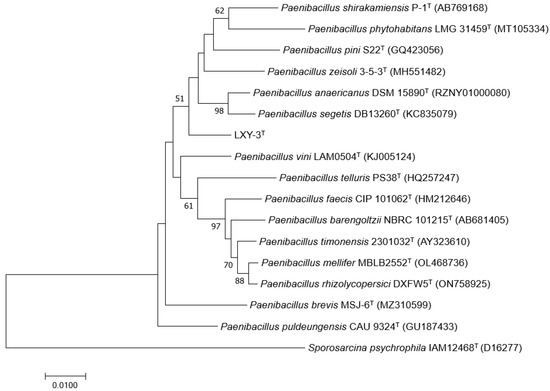
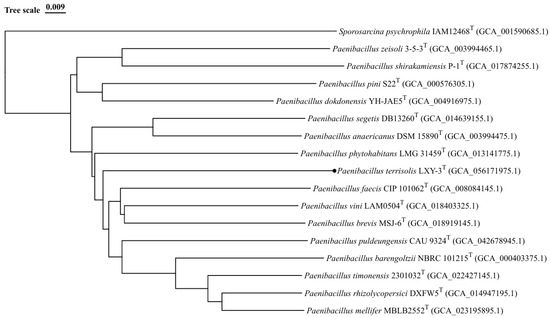
Paenibacillus terrisolis sp. nov.: A Novel Strain Isolated from Heavy Metal Polluted Soil
by
Haoyu Wu, Congguo Ran, Supattra Kitikhun, Nan Zhou, Xingyu Liu and Chengying Jiang
Microorganisms 2026, 14(5), 1044; https://doi.org/10.3390/microorganisms14051044 - 5 May 2026
Abstract
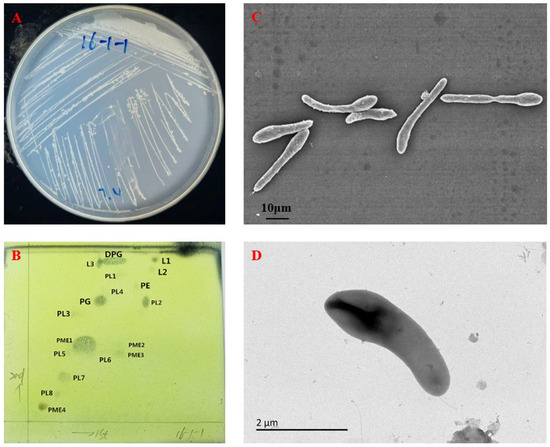
A newly discovered facultative anaerobic strain, designated as LXY-3T, was obtained from a soil sample collected at an industrial site in Guangxi, China, known for heavy metal processing. An investigation including phenotypic, chemotaxonomic, and genomic traits was conducted. Phylogenetic analysis based
[...] Read more.
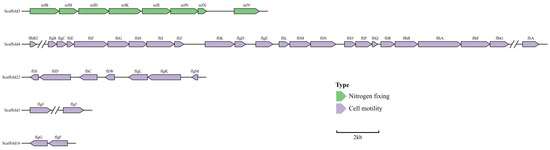
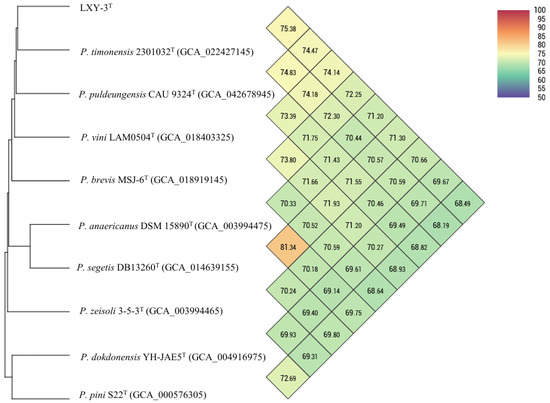
A newly discovered facultative anaerobic strain, designated as LXY-3T, was obtained from a soil sample collected at an industrial site in Guangxi, China, known for heavy metal processing. An investigation including phenotypic, chemotaxonomic, and genomic traits was conducted. Phylogenetic analysis based on 16S rRNA showed that LXY-3T belonged to the genus Paenibacillus. The closest phylogenetic relative of this strain was Paenibacillus anaericanus MH21T with the similarity of 97.03%. Iso-C15:0, antéiso-C15:0, and C16:1 ω7c alcohol were the major cellular fatty acids. The predominant polar lipids comprised diphosphatidylglycerol (DPG), phosphatidylethanolamine (PE), phosphatidylglycerol (PG), unidentified phospholipids (PL1-PL8), unidentified resistant material (RM1–RM4), and lipids (L1–L3). For genome sequencing, the genomic DNA G+C content of the strain is 51.2 mol%. Comparative genomic analysis revealed that the average nucleotide identity (ANI) values between strain LXY-3T and its closest phylogenetic relatives within the genus Paenibacillus (represented by type strains) were consistently below the 95% species demarcation threshold. Nitrogen fixation gene cluster (nifB, nifE, nifK, nifN, nifV, nifX, nifD, and nifH) was conserved in the strain. Correspondingly, digital DNA–DNA hybridization (dDDH) values remained below the 70% cutoff for species delineation. These genomic metrics provide compelling evidence that strain LXY-3T represents a novel species within the genus Paenibacillus. The type strain LXY-3T (=CGMCC 1.64949T = JCM 37600T) is proposed.
Full article
(This article belongs to the Section Molecular Microbiology and Immunology)
►▼
Show Figures

Figure 1
Open AccessArticle
Sand Quality on Portuguese Blue Flagged Beaches: Fungal and Faecal Contamination Across Two Bathing Seasons
by
Ana Margarida Silva, Konstantina Sarioglou, Susana Silva, Carla Viegas, Edna Ribeiro, Maria Teresa Rebelo and João Brandão
Microorganisms 2026, 14(5), 1043; https://doi.org/10.3390/microorganisms14051043 - 5 May 2026
Abstract
There is growing concern about the quality of sand on beaches, as users tend to spend most of their time on the sand rather than in the water. Numerous pathogenic agents have reportedly been isolated from sand, including bacteria, nematodes and opportunistic fungi.
[...] Read more.
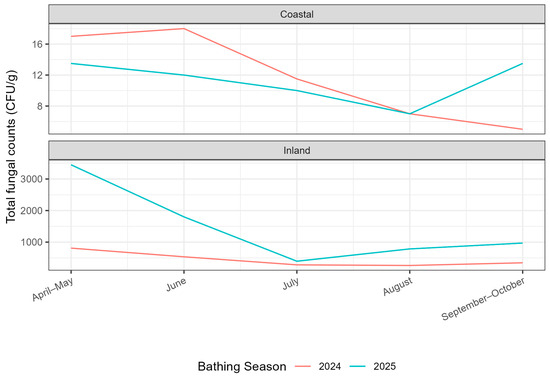
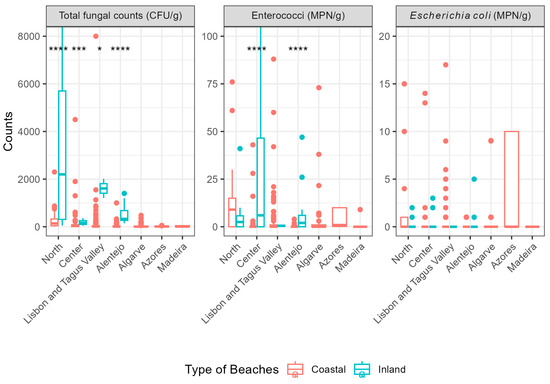
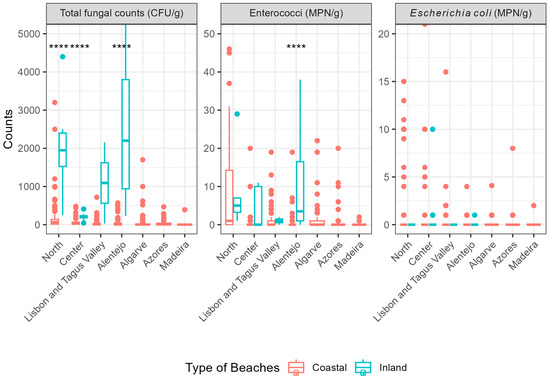
There is growing concern about the quality of sand on beaches, as users tend to spend most of their time on the sand rather than in the water. Numerous pathogenic agents have reportedly been isolated from sand, including bacteria, nematodes and opportunistic fungi. The ability of sand to retain pollutants and facilitate the transmission of pathogens raises public health concerns. We analysed sand-monitoring data from the 2024 and 2025 bathing seasons on Blue Flag beaches to find trends and patterns in total fungal counts, enterococci, and E. coli. The values recorded for microorganisms showed considerable variability, which may reflect the possible combined influence of multiple climatic, environmental, and anthropogenic factors contributing to their presence in beach sand. Our findings suggest that the total fungal count on coastal beaches may be influenced by periods of rainfall, which increases the fungal load in the sand. Values recorded from inland beaches vary considerably between beaches which may reflect the influence of local environmental characteristics, particularly vegetation and beach morphology, although the smaller number of inland samples also makes it difficult to define clear patterns and consistent reference values for this parameter. Bacterial indicators may be particularly influenced by occasional anthropogenic disturbances and contamination events. This study adds significantly to the understanding of the microbiological quality of beach sand, encouraging the integration of sand monitoring into environmental surveillance and management programmes.
Full article
(This article belongs to the Topic Microbiota Diversity and Its Broader Biological Implications Across Human and Animal Health)
►▼
Show Figures

Figure 1
Open AccessArticle
Validation of a Pseudovirus Neutralization Assay for Severe Acute Respiratory Syndrome Coronavirus 2 Omicron JN.1 and LP.8.1 Subvariant Lineage Strains with Homologous and Heterologous Matched Sera in Clinically Relevant Samples
by
Zhaohui Cai, Raj Kalkeri, Benjamin Haner, Mi Wang, Paul Skonieczny, Bahar Osman, Dominic Dent, David Silva, Kevin Auerbach, Emmanuel Faust, Sheau-Line Feng, Miranda R. Cai, Mingzhu Zhu, Shane Cloney-Clark and Joyce S. Plested
Microorganisms 2026, 14(5), 1042; https://doi.org/10.3390/microorganisms14051042 - 5 May 2026
Abstract
The pseudovirus neutralization (PNT) assay is an established high-throughput, robust, and efficient BSL-2 method for detecting neutralizing antibodies (NAbs) against SARS-CoV-2 with the correlates of protection previously established for the ancestral (Wuhan) strain. The PNT assay was validated using nonmatched ancestral sera with
[...] Read more.
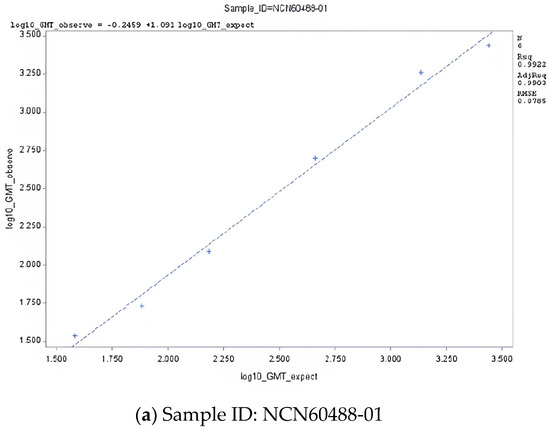
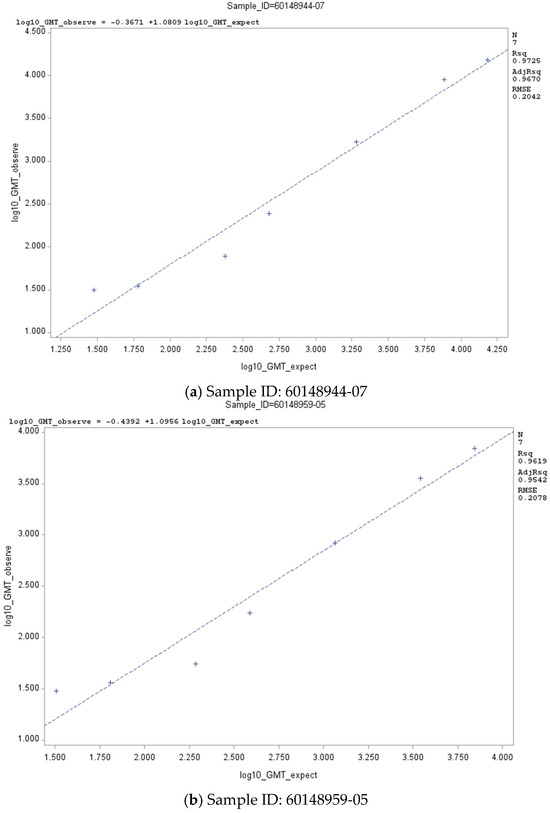
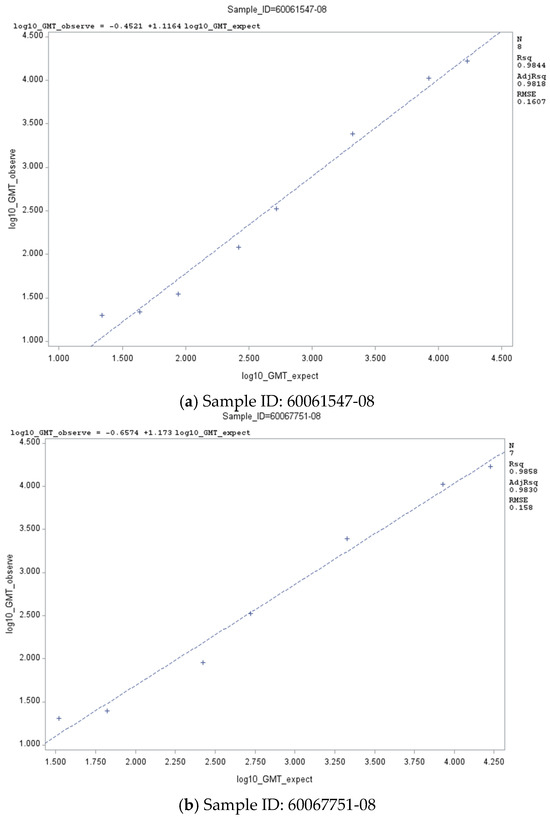
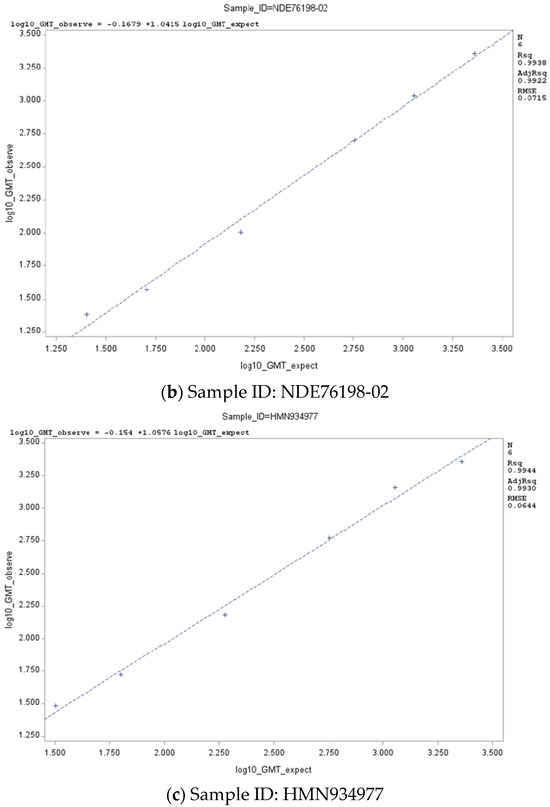
The pseudovirus neutralization (PNT) assay is an established high-throughput, robust, and efficient BSL-2 method for detecting neutralizing antibodies (NAbs) against SARS-CoV-2 with the correlates of protection previously established for the ancestral (Wuhan) strain. The PNT assay was validated using nonmatched ancestral sera with anti-JN.1 cross-NAbs, clinically matched JN.1 sera with anti-JN.1 NAbs, or nonmatched JN.1 sera with anti-LP.8.1, KP.2, or KP.3 cross-reacting NAbs. In line with predefined validation acceptance criteria, the PNT assay was precise, with %GCV ≤ 50 in ~90–100%/200 results (40 samples/strain). The acceptance criteria were met for linearity (slope ranged from 1.041 for ancestral sera with anti-JN.1 NAbs to 1.213 for JN.1 sera with anti-KP.2 NAbs), R2 (0.9619–0.9944 for ancestral sera with anti–JN.1 NAbs), % relative bias, and total %GCV < 50 for almost all of the 15 serum samples tested for four virus strains. Human sera collected pre–COVID-19 had no detectable titer for tested Omicron JN.1 subvariants (<LLOQ) and all influenza and RSV clinical samples tested negative (<LLOQ) for SARS-CoV-2 and highly immunogenic for seasonal influenza or RSV post-vaccination, demonstrating the PNT assay specificity. Our data suggest this assay is suitable for assessing immune responses to ancestral and current SARS-CoV-2 strains and has potential for evaluating cross-reacting NAbs against emerging Omicron JN.1 subvariants.
Full article
(This article belongs to the Section Virology)
►▼
Show Figures

Figure 1

Open AccessArticle
Occurrence of Escherichia coli Pathotypes and Antimicrobial Resistance in Wastewater Effluent and Receiving Surface Waters in the Vhembe District, South Africa
by
Tshedza Mashamba, Johannes N. T. Mthembu, Vhukhudo Makhomu, Damien Jacobs, Mpumelelo Rikhotso, Leonard Kachienga, Natasha Potgieter and Afsatou N. Traore
Microorganisms 2026, 14(5), 1041; https://doi.org/10.3390/microorganisms14051041 - 4 May 2026
Abstract
Wastewater treatment plants (WWTPs) are identified as contributors to faecal pollution and the spread of antimicrobial resistance (AMR) in water ecosystems. This research examined the prevalence, profiles of antimicrobial resistance, and pathogenic types of Escherichia coli in effluent from WWTPs and nearby river
[...] Read more.
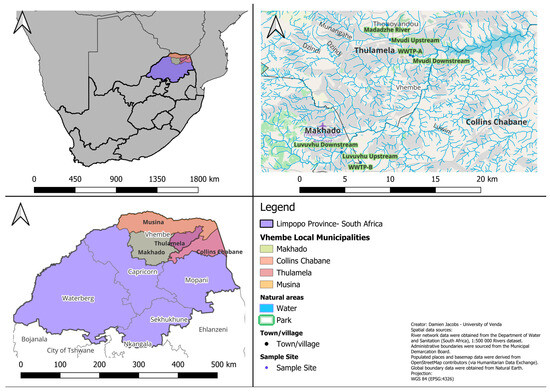
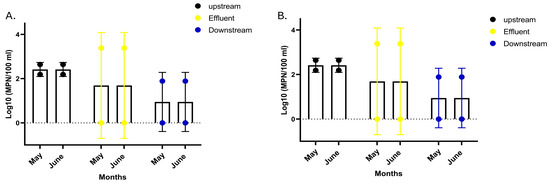
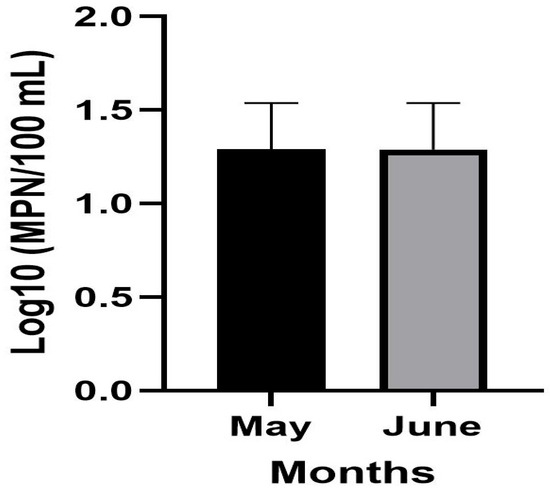
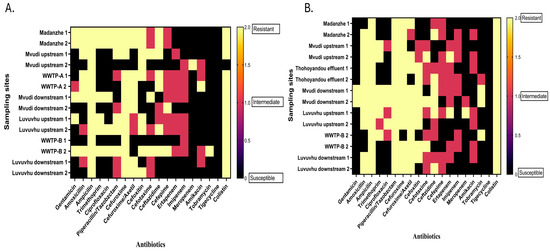
Wastewater treatment plants (WWTPs) are identified as contributors to faecal pollution and the spread of antimicrobial resistance (AMR) in water ecosystems. This research examined the prevalence, profiles of antimicrobial resistance, and pathogenic types of Escherichia coli in effluent from WWTPs and nearby river systems in the Vhembe District. Between May and June 2025, 28 water samples were collected from two WWTP discharge points as well as upstream and downstream locations along the Mvudi, Luvuvhu, and Madadzhe Rivers. The enumeration of E. coli was conducted using Colilert Quanti-Tray method, with isolates obtained via membrane filtration and confirmed using API 20E and VITEK®2 systems. Antimicrobial susceptibility was assessed using VITEK®2, while pathotypes were detected through multiplex PCR. E. coli was found at all sampling locations; however, differences in concentrations across sampling sites and sampling periods were not statistically significant (p > 0.05). Out of 26 confirmed isolates, a significant resistance to β-lactam antibiotics was noted, especially ampicillin (100%). Pathotype analysis revealed strains such as ETEC, EAEC, and EPEC. These results underline extensive contamination by antimicrobial-resistant E. coli in rivers affected by WWTP discharge, which poses potential public health concerns and underscores the necessity for enhanced monitoring efforts. Additional research is needed to validate these findings.
Full article
(This article belongs to the Special Issue Pathogen Surveillance in Wastewater)
►▼
Show Figures

Figure 1
Open AccessArticle
Variant-Independent Association Between Clinical Symptoms and IgM/IgG Responses During the Transition from Pre-Omicron to Omicron SARS-CoV-2 Infections
by
Naim Che-Kamaruddin, Jefree Johari, Hasmawati Yahaya, Nurhafiza Zainal and Sazaly AbuBakar
Microorganisms 2026, 14(5), 1040; https://doi.org/10.3390/microorganisms14051040 - 4 May 2026
Abstract
Understanding how clinical symptoms relate to immune responses during major variant transitions remains important for informing post-pandemic surveillance and vaccination strategies. This study compared symptom patterns and SARS-CoV-2-specific anti-RBD IgM and anti-S1 IgG antibody responses among vaccinated individuals infected during the pre-Omicron and
[...] Read more.
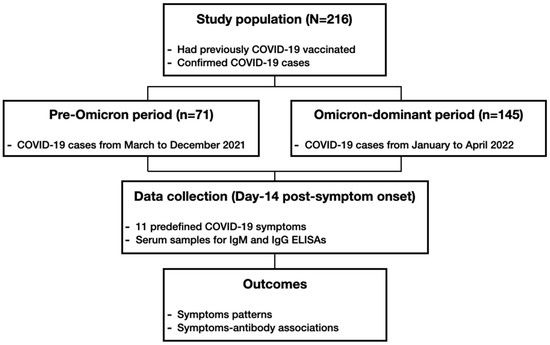
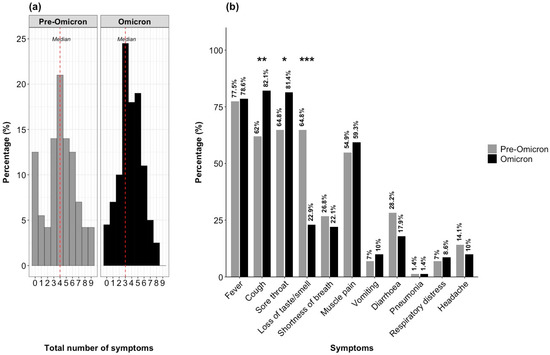
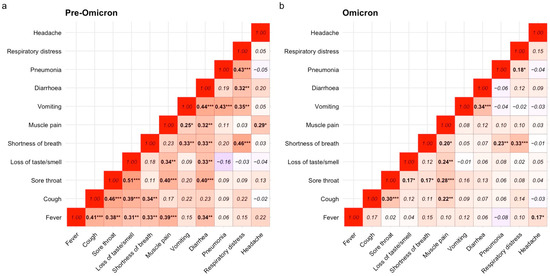
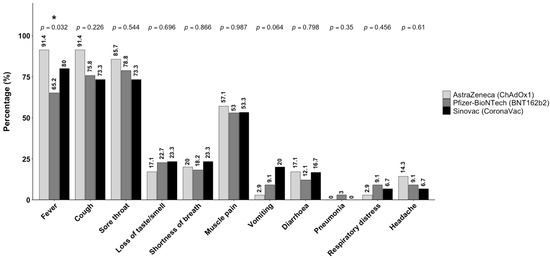
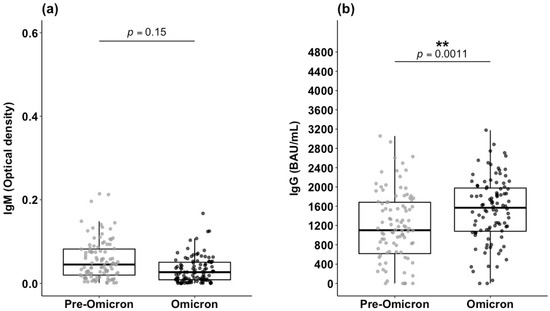
Understanding how clinical symptoms relate to immune responses during major variant transitions remains important for informing post-pandemic surveillance and vaccination strategies. This study compared symptom patterns and SARS-CoV-2-specific anti-RBD IgM and anti-S1 IgG antibody responses among vaccinated individuals infected during the pre-Omicron and Omicron-dominant periods, representing a key phase in the evolution of SARS-CoV-2 population immunity. A retrospective analysis of 216 confirmed COVID-19 cases was performed by evaluating 11 predefined symptoms together with anti-RBD IgM and anti-S1 IgG levels measured at Day-14 after symptom onset, corresponding to the period when humoral antibody responses are detectable following SARS-CoV-2 infection. Participants with breakthrough infection during the Omicron-dominant period reported fewer symptoms overall compared to the pre-Omicron period, with a median of three versus four symptoms, respectively. Cough was the most common symptom during the Omicron period (82.1%), followed by sore throat (81.4%) and fever (78.6%). In contrast, loss of taste or smell was significantly more frequent in the pre-Omicron period (64.8% versus 22.9%, p < 0.05). IgG levels were significantly higher during the Omicron period than during the pre-Omicron period, increasing by 42.3%, reflecting enhanced antibody responses likely driven by repeated exposure. A consistent association between cough and elevated IgG levels was observed in both periods (p < 0.05), suggesting an association between symptom presentation and the magnitude of the early humoral response. These findings suggest that while clinical symptom profiles evolved across a major SARS-CoV-2 variant transition, certain symptom–antibody relationships remained consistent. Such associations may provide insight into how clinical manifestations relate to immune responses in populations with pre-existing immunity and may support interpretation of symptomatic infection during ongoing SARS-CoV-2 circulation.
Full article
(This article belongs to the Special Issue Post-COVID Era: Epidemiologic, Virologic and Clinical Studies)
►▼
Show Figures

Figure 1

Open AccessArticle
Transcriptomics and Metabolomics Reveal the Antagonistic Mechanism of Bacillus velezensis 20507 Fermentation Broth Against Fusarium Head Blight Pathogen
by
Siqi Yang, Ying Yang, Shihan Feng, Jianfeng Liu and Yunqing Cheng
Microorganisms 2026, 14(5), 1039; https://doi.org/10.3390/microorganisms14051039 - 3 May 2026
Abstract
Fusarium head blight (FHB), caused by Fusarium graminearum, is a devastating wheat disease leading to significant yield loss and mycotoxin contamination. This study elucidated the biocontrol mechanism of Bacillus velezensis 20507 fermentation broth against FHB during wheat infection. The broth exhibited strong,
[...] Read more.
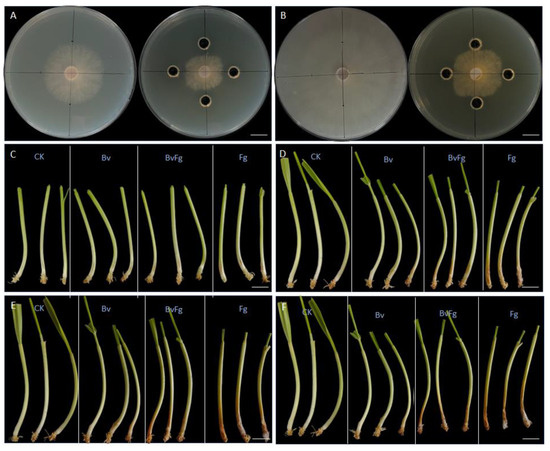
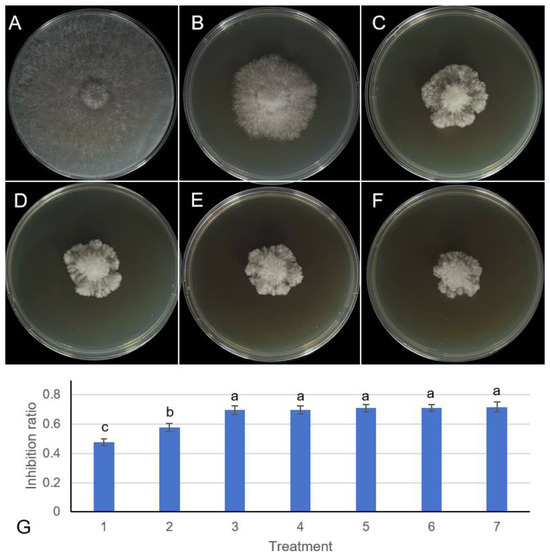
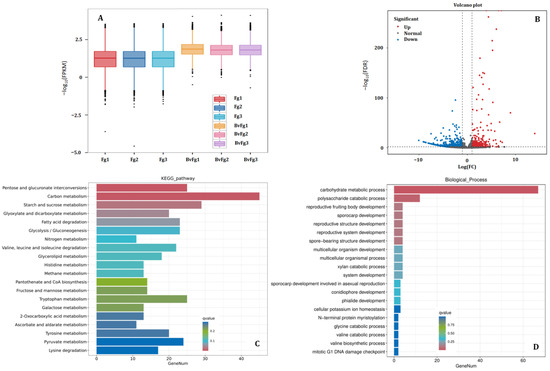
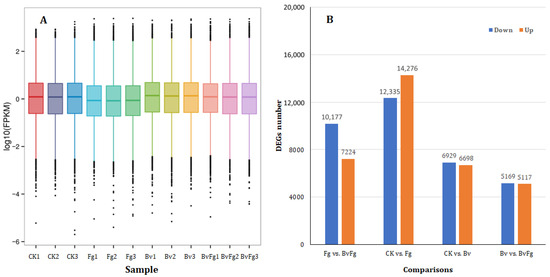
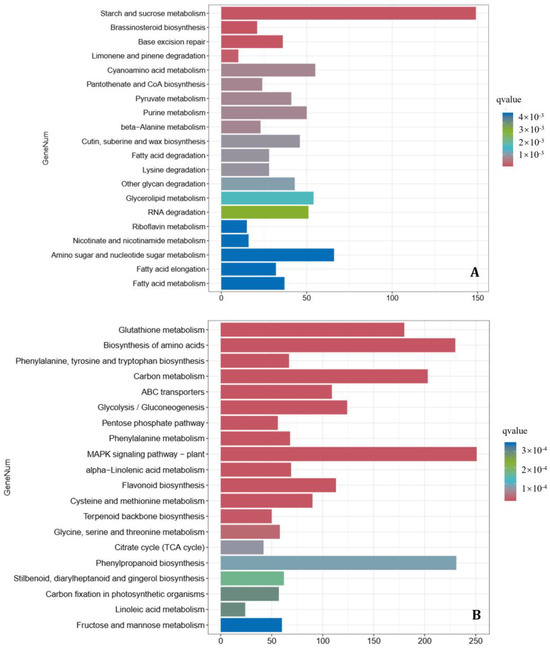
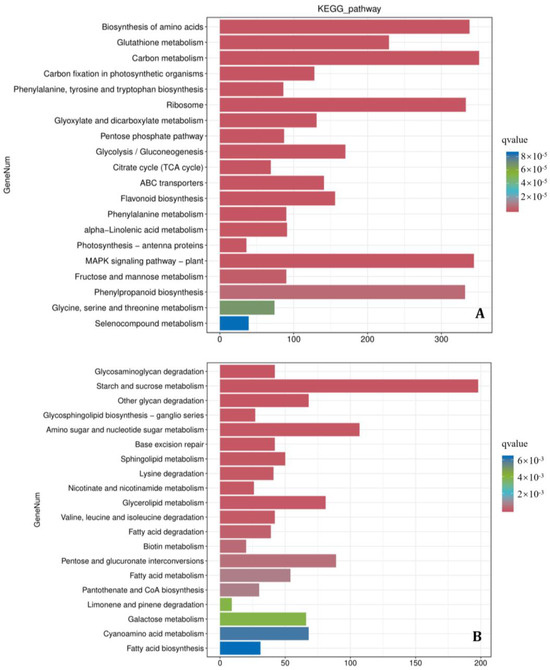
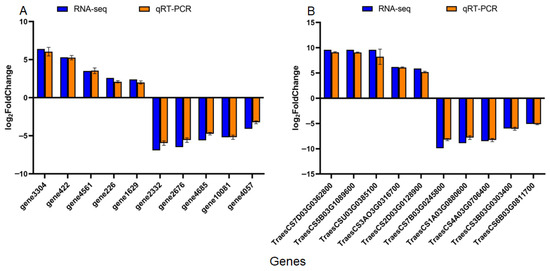
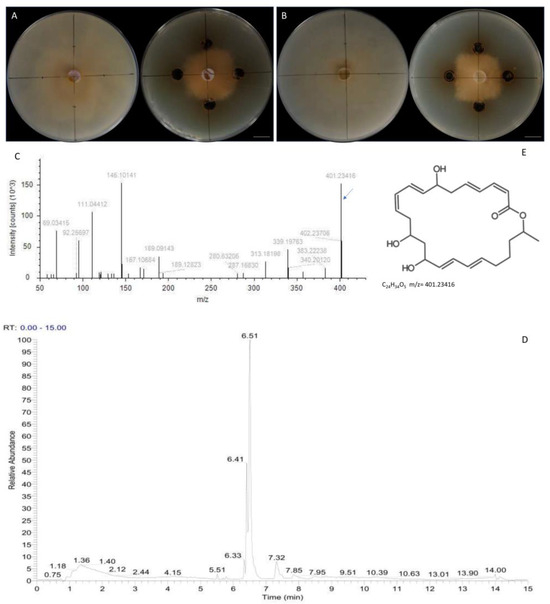
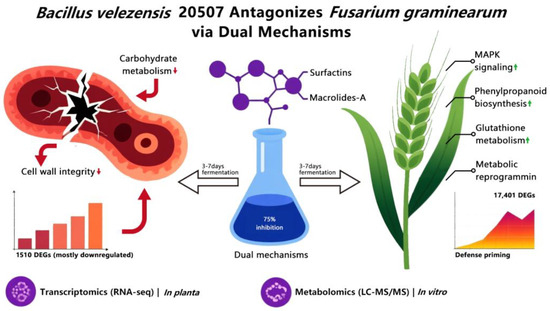
Fusarium head blight (FHB), caused by Fusarium graminearum, is a devastating wheat disease leading to significant yield loss and mycotoxin contamination. This study elucidated the biocontrol mechanism of Bacillus velezensis 20507 fermentation broth against FHB during wheat infection. The broth exhibited strong, time-dependent antifungal activity in vitro, with optimal growth suppression (inhibition rates up to 75%) achieved using broth fermented for 3–7 days. In planta experiments confirmed its efficacy in alleviating disease symptoms. Employing a dual RNA-seq strategy, we analyzed the tripartite interaction between the biocontrol agent, pathogen, and wheat host. Transcriptomic analysis revealed that the broth directly suppressed the pathogen, causing 1510 differentially expressed genes (DEGs, predominantly down-regulated) and disrupting pathways related to carbohydrate metabolism and cell wall integrity. In wheat, the fermentation broth of B. velezensis 20507 counteracted F. graminearum infection by reprogramming the host transcriptome. KEGG analysis during co-inoculation showed that the broth up-regulated defense-related pathways involved in energy, hormone signaling, and cellular maintenance, while down-regulating primary metabolic pathways, indicating a resource reallocation strategy. Furthermore, transcriptomic analysis revealed that the broth alone primed the wheat defense system, and this primed state significantly enhanced the defense response upon pathogen challenge. Untargeted metabolomics identified key antimicrobial compounds, including lipopeptides and the macrolide Macrolactin A. Bioassay-guided fractionation isolated two active fractions (Fr A and Fr B) with potent antifungal activity. This integrated multi-omics study demonstrates that B. velezensis 20507 combats FHB through a coordinated dual mechanism: direct inhibition of the fungus via specific metabolites like Macrolactin A, and simultaneous reprogramming of the host defense and metabolic landscape. These findings provide a scientific foundation for developing this strain as an effective biocontrol agent.
Full article
(This article belongs to the Section Molecular Microbiology and Immunology)
►▼
Show Figures

Figure 1

Open AccessArticle
Listeria monocytogenes-Derived Membrane Vesicles Suppress Melanoma Growth via Macrophage Activation Involving NF-κB Signaling
by
Jiahui Liang, Mi Li and Shengxia Chen
Microorganisms 2026, 14(5), 1038; https://doi.org/10.3390/microorganisms14051038 - 3 May 2026
Abstract
Melanoma is an aggressive skin cancer with rapid progression and high metastatic potential, and resistance to current therapies remains a major clinical challenge. In this study, Listeria monocytogenes-derived membrane vesicles (LM MVs) were isolated, characterized, and evaluated for their immunomodulatory and antitumor
[...] Read more.
Melanoma is an aggressive skin cancer with rapid progression and high metastatic potential, and resistance to current therapies remains a major clinical challenge. In this study, Listeria monocytogenes-derived membrane vesicles (LM MVs) were isolated, characterized, and evaluated for their immunomodulatory and antitumor activities. LM MVs showed an average diameter of approximately 160 nm and contained multiple bacterial proteins, including listeriolysin O. In vitro, LM MVs promoted pro-inflammatory activation of RAW264.7 macrophages, as indicated by increased CD80/CD86 expression and enhanced transcription of inflammatory mediators. LM MV treatment was accompanied by IκB-α degradation and NF-κB p65 nuclear translocation, whereas pharmacological inhibition of NF-κB attenuated macrophage activation. In a macrophage–melanoma co-culture system, LM MVs-activated macrophages reduced the viability, migration, and invasion of B16 melanoma cells and increased tumor cell apoptosis. Additional inhibition and immunofluorescence analyses suggested that iNOS and TNF-α-associated mechanisms contributed to these tumor-suppressive effects. In a murine melanoma model, LM MVs significantly inhibited tumor growth without overt systemic toxicity, whereas macrophage depletion markedly weakened this effect. These findings indicate that LM MVs exert antitumor activity against melanoma, at least in part through macrophage activation involving NF-κB signaling.
Full article
(This article belongs to the Collection Feature Papers in Medical Microbiology)
Open AccessArticle
A Comprehensive Visual Detection Strategy: Versatile LAMP Assay with Phenol Red and Lateral Flow Dipstick for On-Site Detection of Riemerella anatipestifer
by
Jiafeng Wu, Nansong Jiang, Qizhang Liang, Hongmei Chen, Rongchang Liu, Qiuling Fu, Guanghua Fu, Chunhe Wan, Ping Wei, Longfei Cheng, Yu Huang, Tianchao Wei and Weiwei Wang
Microorganisms 2026, 14(5), 1037; https://doi.org/10.3390/microorganisms14051037 - 2 May 2026
Abstract
Riemerella anatipestifer (RA) is the primary causative agent of infectious serositis in ducks, causing significant economic losses. In this study, a rapid and visual loop-mediated isothermal amplification (LAMP) assay targeting the conserved region of the ompA gene was developed. Specific primers and a
[...] Read more.
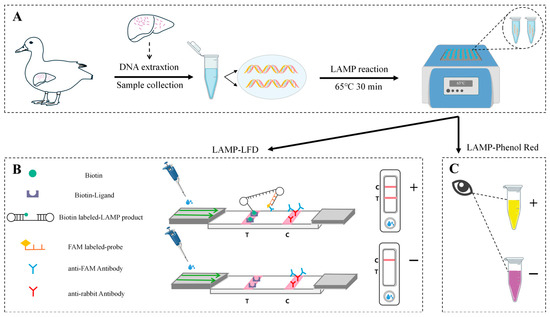
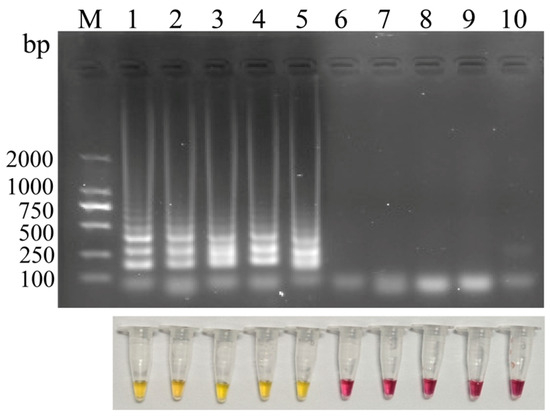
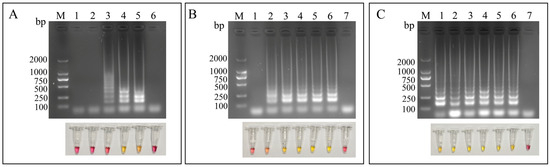
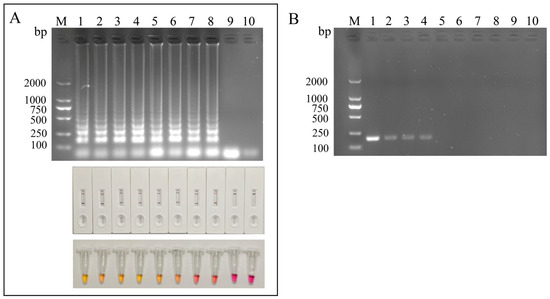
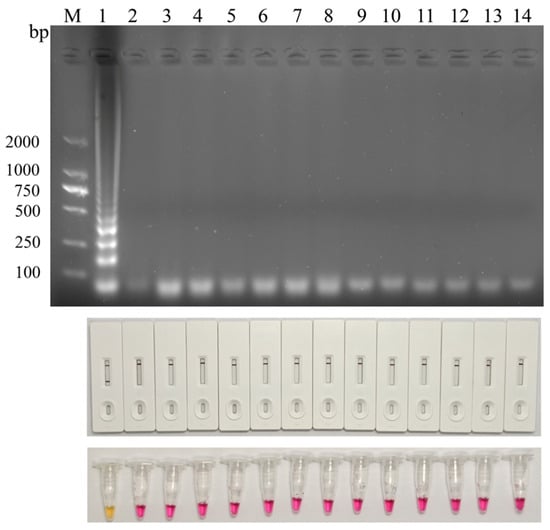
Riemerella anatipestifer (RA) is the primary causative agent of infectious serositis in ducks, causing significant economic losses. In this study, a rapid and visual loop-mediated isothermal amplification (LAMP) assay targeting the conserved region of the ompA gene was developed. Specific primers and a FAM-labeled probe were designed, and amplification products were visualized using phenol red-based colorimetric detection and a lateral flow dipstick (LFD) system. Among the five candidate primer sets, primer set 2 was selected because it showed the highest amplification efficiency and specificity, with no cross-reactivity detected against 12 common waterfowl pathogens. Under optimal conditions, the phenol red-based LAMP assay yielded visible results after incubation at 65 °C for 30 min, while the LAMP-LFD assay required an additional 3~5 min probe hybridization step, with detection limits of 7.76 × 10² copies/μL for the phenol red-based method and 7.76 × 100 copies/μL for the LAMP-LFD method. Thirty clinical samples suspected of RA infection were analyzed using conventional PCR and the developed visual LAMP assays. The positive detection rates obtained with the LAMP-LFD and phenol red-based LAMP methods were 63.3% and 60%, respectively, showing high concordance with conventional PCR (56.7%). In conclusion, the LAMP assay integrating phenol red visualization and lateral flow dipstick detection is rapid, sensitive, and easy to perform, and both detection formats show potential for point-of-care or on-site applications, and can be used for the early diagnosis and detection of RA.
Full article
(This article belongs to the Special Issue Viral Diseases of Poultry and Waterfowl)
►▼
Show Figures

Figure 1
Open AccessArticle
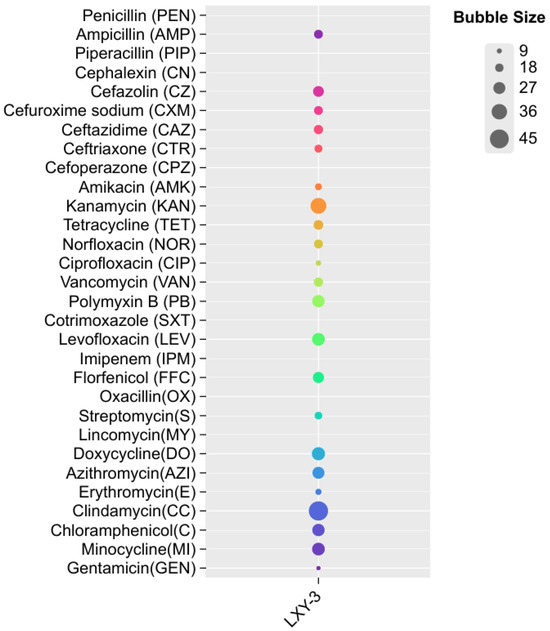
Functional Shifts in Gut Microbiota and Associated Metabolites Suggest Gut–Brain Axis Dysregulation in Pediatric Autoimmune Neuropsychiatric Disorders Associated with Streptococcal Infections (PANDAS)
by
Shabana M. Shaik, Gabriele Schiro, Daniel Laubitz, Juliette C. Madan, Connor P. Kelley, Michael Daines, Sydney A. Rice, Fayez K. Ghishan and Pawel R. Kiela
Microorganisms 2026, 14(5), 1036; https://doi.org/10.3390/microorganisms14051036 - 2 May 2026
Abstract
Background: Pediatric Autoimmune Neuropsychiatric Disorders Associated with Streptococcal infections (PANDAS) are characterized by neuropsychiatric symptoms linked to immune dysregulation. Emerging evidence highlights the role of host–microbiome interactions in modulating neuro-immune functions via gut–brain axis signaling; however, its contribution to PANDAS pathophysiology remains poorly
[...] Read more.
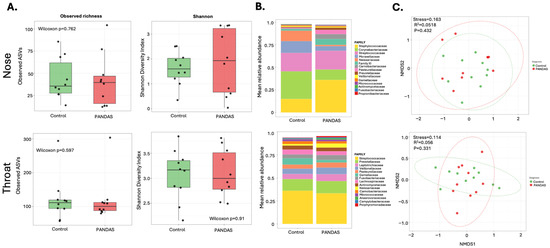
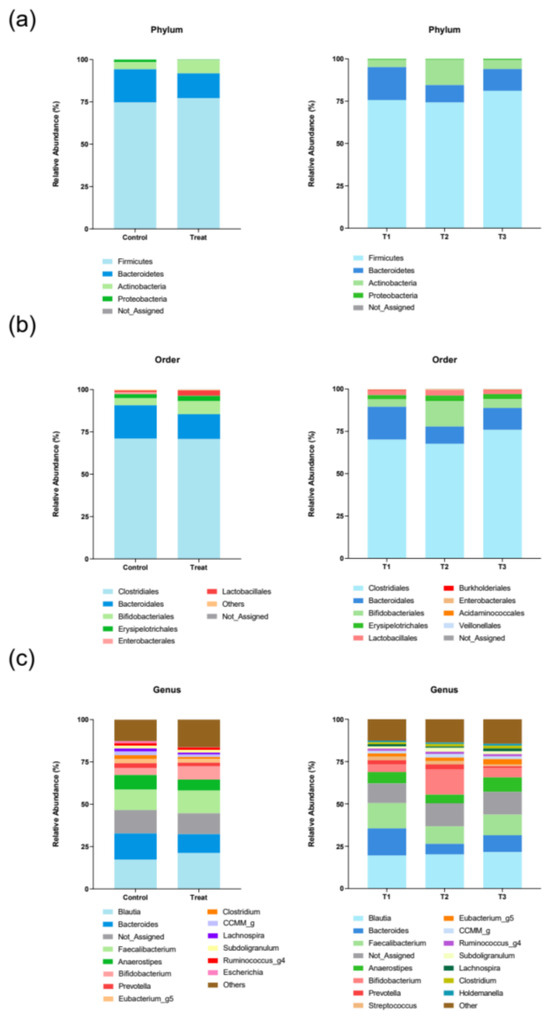
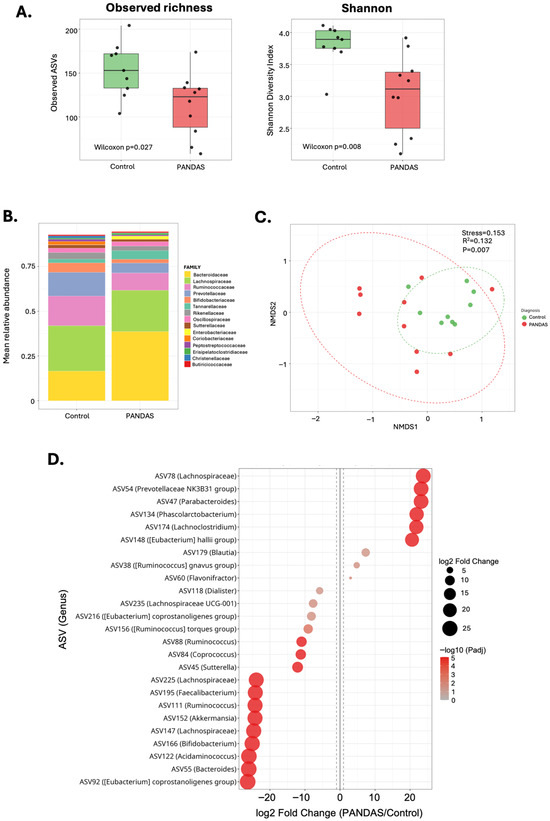
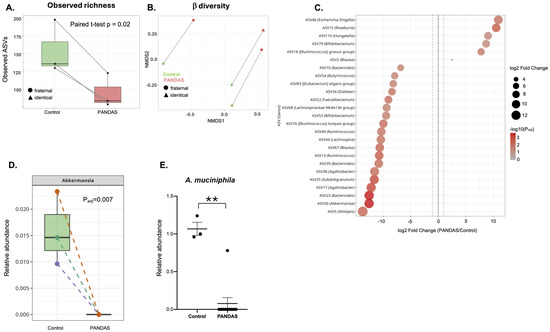
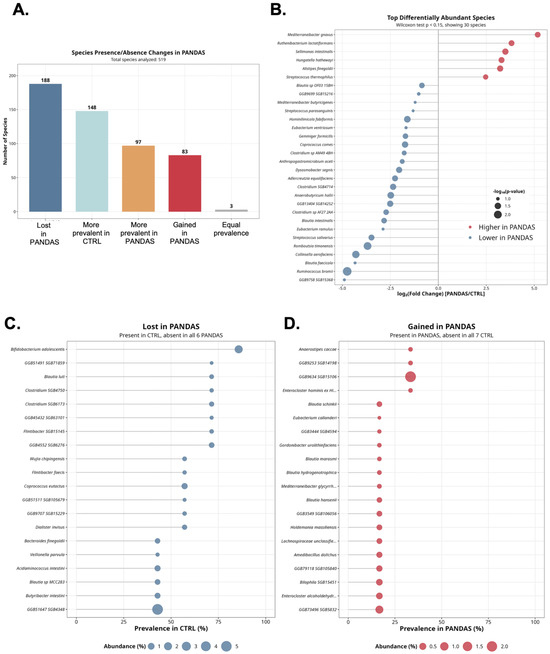
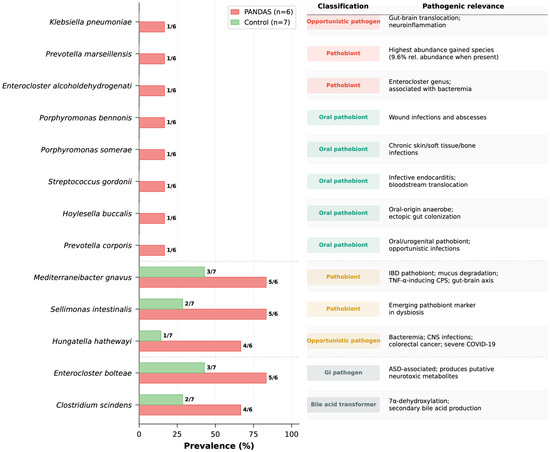
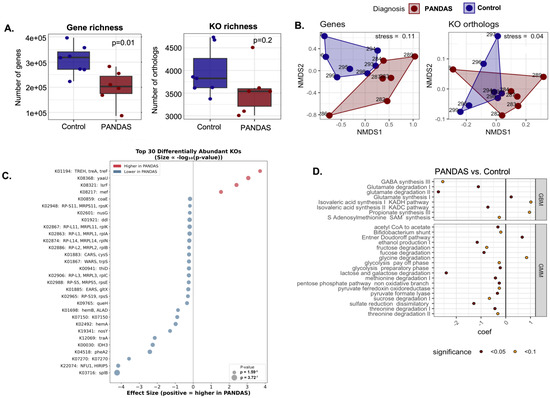
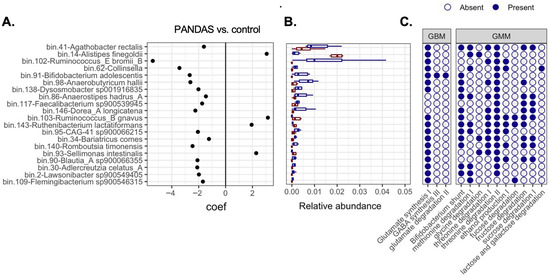
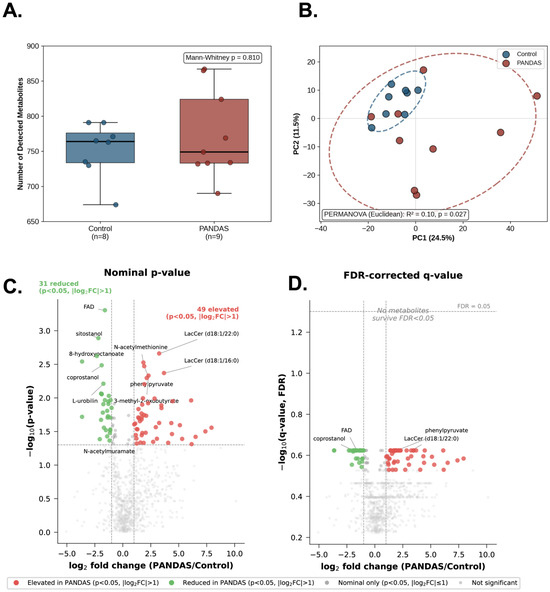
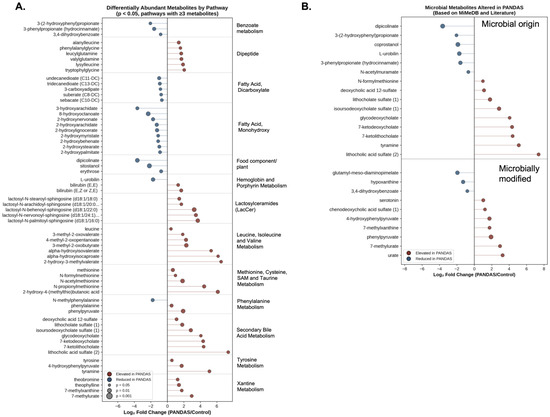
Background: Pediatric Autoimmune Neuropsychiatric Disorders Associated with Streptococcal infections (PANDAS) are characterized by neuropsychiatric symptoms linked to immune dysregulation. Emerging evidence highlights the role of host–microbiome interactions in modulating neuro-immune functions via gut–brain axis signaling; however, its contribution to PANDAS pathophysiology remains poorly understood. Methods: We conducted microbiome analysis from samples collected across multiple sites of PANDAS patients including nasal, throat and stool. We performed an integrated multi-omics analysis of stool samples from pediatric PANDAS cases and healthy controls, including discordant twin pairs. Microbial composition and function were assessed using 16S rRNA gene sequencing, shotgun metagenomics, while untargeted metabolomic profiling was performed using ultra-performance liquid chromatography-mass spectrometry (UPLC-MS/MS). Results: PANDAS cases exhibited reduced alpha diversity and significantly altered beta diversity compared to controls, indicating shifts in gut microbial composition. Shotgun metagenomic analysis revealed differential enrichment of functional pathways, including diminished quorum sensing, altered gamma-aminobutyric acid (GABA) biosynthesis, and microbial degradation processes. Multiple gut–brain modules (GBMs) and gut metabolic modules (GMMs) associated with neurotransmission, transport activities and metabolism were significantly perturbed in PANDAS. Metabolomic profiling showed reduced functional diversity and distinct clustering of metabolic profiles, with differential abundance of amino acids, bile acids, and neuroactive compounds. Integrative analysis further identified disrupted microbe–metabolite networks allied to gut–brain signaling. Conclusions: Our findings reveal significant functional shifts in gut microbiota composition, functional capacity and metabolite profile in PANDAS, suggesting dysregulation of the gut–brain axis signaling. This study provides a foundation for development of microbiome-based biomarkers and therapeutic strategies for pediatric neuropsychiatric disorders.
Full article
(This article belongs to the Special Issue Advances in Gut Microbiota–Host Interactions: Microbial Mechanisms, Modulators, and Translational Perspectives)
►▼
Show Figures

Figure 1
Open AccessArticle
Probiotic-Induced Gut Microbiota Modulation: A Comparative Analysis Using 16S rRNA V3–V4 and Targeted Sequencing
by
Han Lee, Gaeun Kim, Jungeun Kim, OneZoong Kim, Sung-Hee Jung, Sunghee Hyun and Chang Seok Oh
Microorganisms 2026, 14(5), 1035; https://doi.org/10.3390/microorganisms14051035 - 1 May 2026
Abstract
Standard 16S rRNA V3–V4 sequencing encounters primer mismatch issues and insufficient taxonomic resolution, hindering the accurate quantification of specific, low-abundance taxa, such as administered probiotic strains. Therefore, we empirically compared outcomes between the standard V3–V4 method and high-resolution targeted species sequencing (TSS) to
[...] Read more.
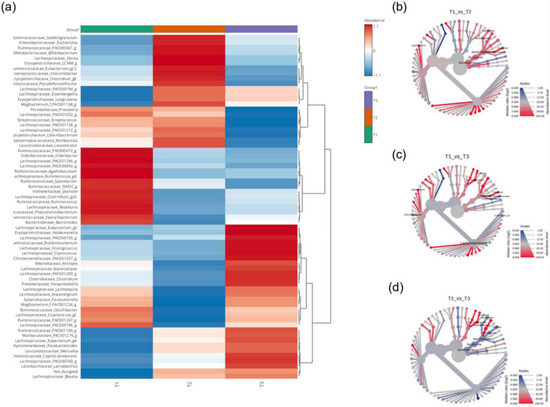
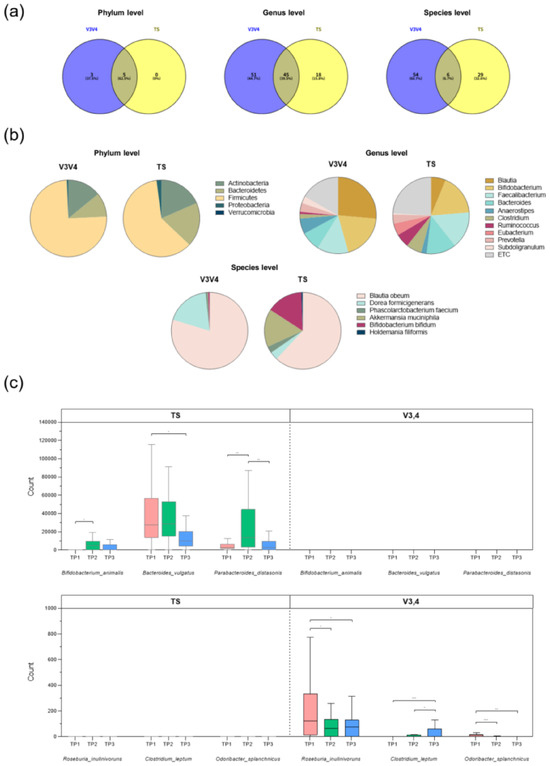
Standard 16S rRNA V3–V4 sequencing encounters primer mismatch issues and insufficient taxonomic resolution, hindering the accurate quantification of specific, low-abundance taxa, such as administered probiotic strains. Therefore, we empirically compared outcomes between the standard V3–V4 method and high-resolution targeted species sequencing (TSS) to assess bias and establish reliability metrics for probiotic efficacy assessments. A longitudinal pilot study was conducted over nine weeks in older participants receiving synbiotic supplementation; their fecal samples were collected and analyzed. V3–V4 analysis successfully captured a significant transient reduction in alpha-diversity with multidirectional genus-level fluctuations. However, taxonomic overlap between these two methods was high at the phylum level and sharply declined to 6.7% at the species level. Notably, compared with V3–V4 sequencing, TSS could successfully quantify the abundance of administered Bifidobacterium animalis. This study empirically demonstrated that 16S rRNA V3–V4 sequencing introduces substantial quantitative bias, limiting its suitability for monitoring specific probiotic strains and compromising the reliability of clinical efficacy assessments. Therefore, we recommend a dual-sequencing framework that integrates the broad ecological screening capabilities of V3–V4 with the precise species-level quantification of TSS to establish the necessary scientific rigor for assessing probiotic efficacy.
Full article
(This article belongs to the Collection Feature Papers in Gut Microbiota Research)
►▼
Show Figures

Figure 1
Open AccessArticle
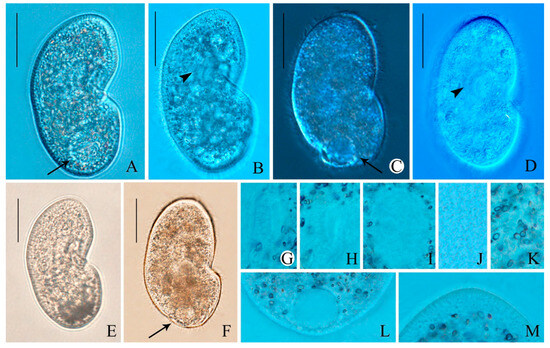
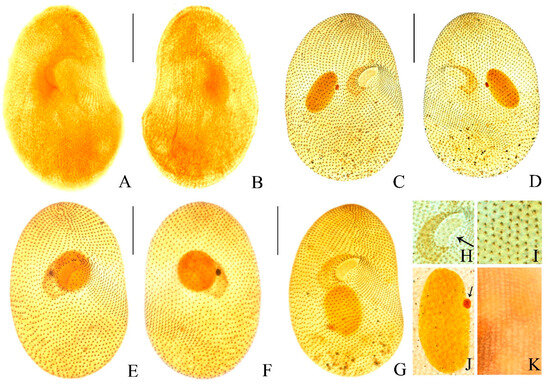
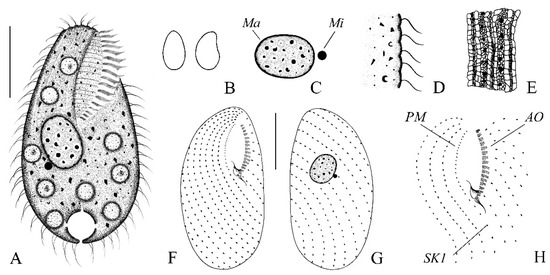
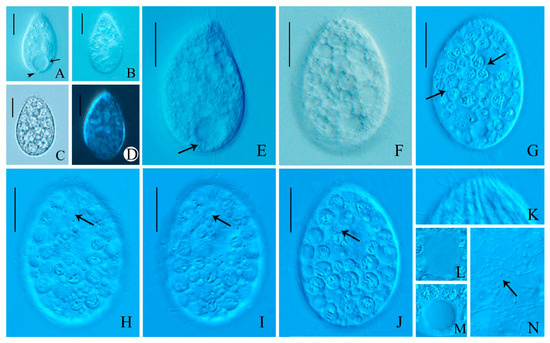
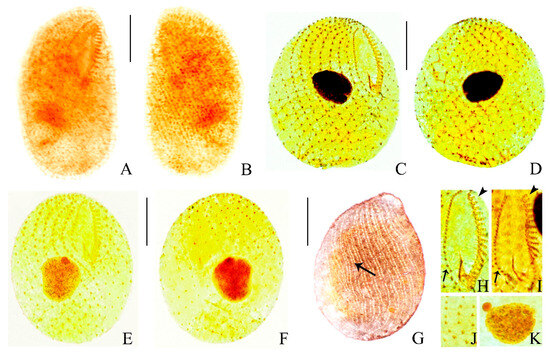
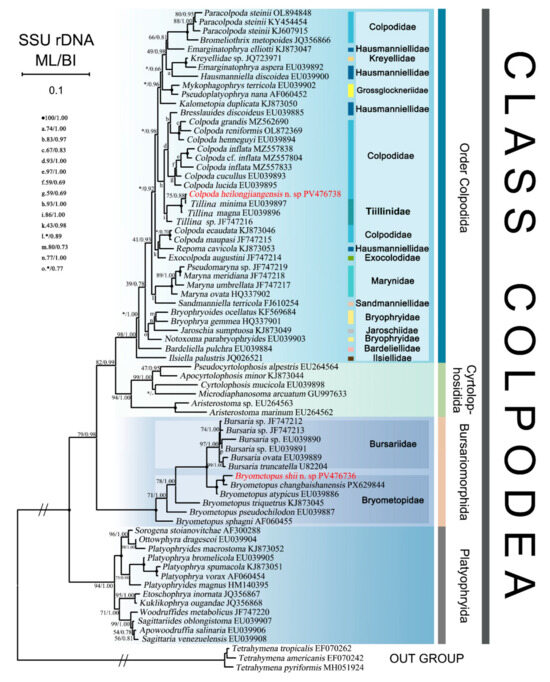
Morphological and Molecular Phylogeny of Two New Ciliate Species, Colpoda heilongjiangensis n. sp. and Bryometopus shii n. sp. (Protozoa, Ciliophora, Colpodea), from Northeastern China
by
Qiyue Zhao, Jiatong Guo, Menghan Liu, Bojie Yin, Bailin Li, Yumeng Song and Xuming Pan
Microorganisms 2026, 14(5), 1034; https://doi.org/10.3390/microorganisms14051034 - 1 May 2026
Abstract
This study describes two new species of ciliates, Colpoda heilongjiangensis n. sp. and Bryometopus shii n. sp., discovered in northeastern China. Colpoda heilongjiangensis n. sp. was collected from a sewage outlet in Harbin, characterized by its large size, broadly to slenderly reniform body
[...] Read more.
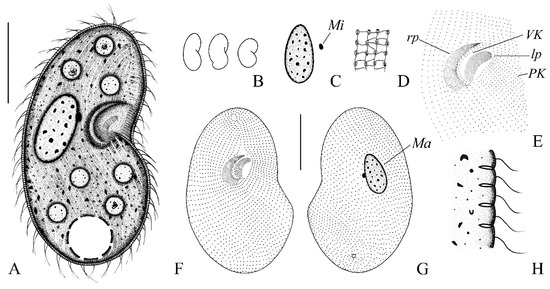
This study describes two new species of ciliates, Colpoda heilongjiangensis n. sp. and Bryometopus shii n. sp., discovered in northeastern China. Colpoda heilongjiangensis n. sp. was collected from a sewage outlet in Harbin, characterized by its large size, broadly to slenderly reniform body shape, and unique ciliary patterns. Bryometopus shii n. sp. was found in a puddle near a waste disposal station, featuring a droplet-shaped or oval and distinct oral apparatus. The morphology of both species was investigated through live observation, protargol staining, and silver carbonate and dry silver nitrate impregnation. DNA extraction and SSU-rRNA gene sequencing were performed to determine their evolutionary relationships. Phylogenetic analyses based on SSU-rRNA gene data revealed that Colpoda heilongjiangensis n. sp. clusters with C. minima, while Bryometopus shii n. sp. has a close relationship with B. atypicus. This study also discussed the non-monophyletic status of the genus Bryometopus and proposed a revision to the family Tillinidae based on morphological and molecular evidence. These findings highlight the remarkable diversity of Colpodea and contribute to the understanding of their evolutionary relationships.
Full article
(This article belongs to the Special Issue Microbial Taxonomy and Environmental Metagenomics: Diversity, Dynamics, and Functional Genes)
►▼
Show Figures

Figure 1
Open AccessReview
Magnesium Transporters as Crucial Regulators of Bacterial Survival and Pathogenicity
by
Seungjun Hur, Youngki Yoo and Jeong Min Chung
Microorganisms 2026, 14(5), 1033; https://doi.org/10.3390/microorganisms14051033 - 1 May 2026
Abstract
Magnesium is an essential divalent cation required for adenosine triphosphate (ATP)-dependent reactions, nucleic acid metabolism, and ribosomal stability. Bacteria depend on specialized transport systems to maintain intracellular Mg2+ homeostasis as it cannot freely cross the phospholipid bilayer. During infection, host nutritional immunity
[...] Read more.
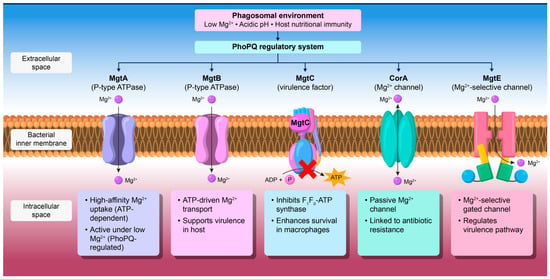
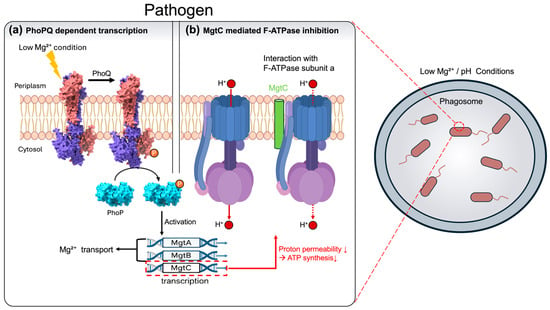
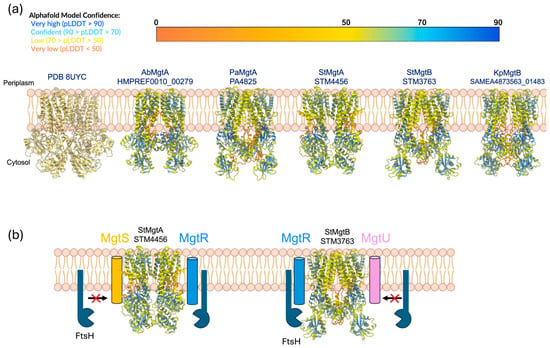
Magnesium is an essential divalent cation required for adenosine triphosphate (ATP)-dependent reactions, nucleic acid metabolism, and ribosomal stability. Bacteria depend on specialized transport systems to maintain intracellular Mg2+ homeostasis as it cannot freely cross the phospholipid bilayer. During infection, host nutritional immunity restricts metal availability, and magnesium limitation within the phagosome compromises bacterial metabolism and stability. This review summarizes the major bacterial magnesium transport systems and their roles in survival and pathogenicity, with an emphasis on Salmonella and extension to clinically relevant ESKAPE pathogens. We focus on the PhoPQ-regulated MgtA, MgtB, and MgtC system, in which low magnesium, acidic pH, and other host-derived signals activate PhoPQ to induce mgt gene expression. MgtA and MgtB act as high-affinity P-type ATPases, whereas MgtC promotes bacterial survival within the intramacrophage environment by inhibiting bacterial F-type ATP synthase through specific interactions with subunit a. We also discuss CorA as a conserved channel for basal Mg2+ uptake and MgtE as a Mg2+-selective channel whose gating responds to intracellular Mg2+ and ATP. Finally, we consider the conservation and variation in these systems across pathogenic bacteria and their potential as therapeutic targets for antimicrobial development.
Full article
(This article belongs to the Special Issue Bacterial Cell Biology and Development: Ionic Homeostasis, Nutritional Immunity, and Pathogenesis)
►▼
Show Figures

Figure 1
Open AccessEditorial
Editorial for Special Issue “Microbial Safety and Beneficial Microorganisms in Foods”
by
Theodoros Varzakas
Microorganisms 2026, 14(5), 1032; https://doi.org/10.3390/microorganisms14051032 - 1 May 2026
Abstract
The role of microorganisms in food was first acknowledged a long time ago [...]
Full article
(This article belongs to the Special Issue Microbial Safety and Beneficial Microorganisms in Foods)
Open AccessArticle
Functional Characterization of the Histidine Kinase BaeS Reveals Critical Residues for BaeSR-Dependent Stress Signaling in Escherichia coli
by
Shurong Chen, Zhengfei Qi, Lina Wang, Lian Wu, Jiayi Xie, Rui Ma, Kexin Zhang, Tong Ji, Min Zhou, Lingli Zheng and Qingshan Bill Fu
Microorganisms 2026, 14(5), 1031; https://doi.org/10.3390/microorganisms14051031 - 1 May 2026
Abstract
Escherichia coli, a facultative anaerobic Gram-negative member of the Enterobacteriaceae, is an increasingly important opportunistic pathogen driven in part by rising resistance to clinically important antibiotics. Regulation of multidrug efflux systems by two-component signal transduction pathways, particularly the BaeSR system, plays a
[...] Read more.
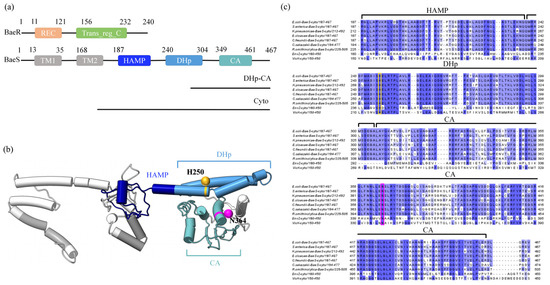
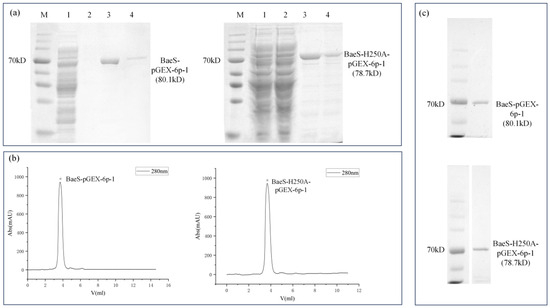
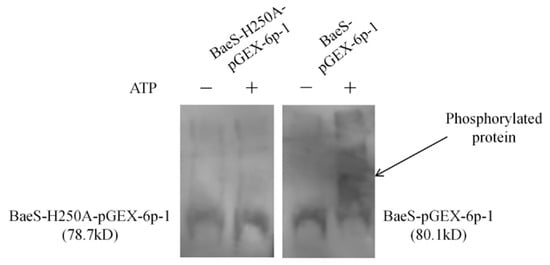
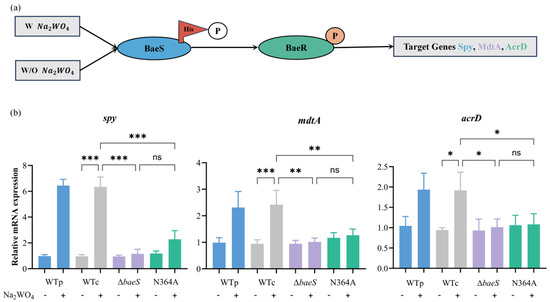
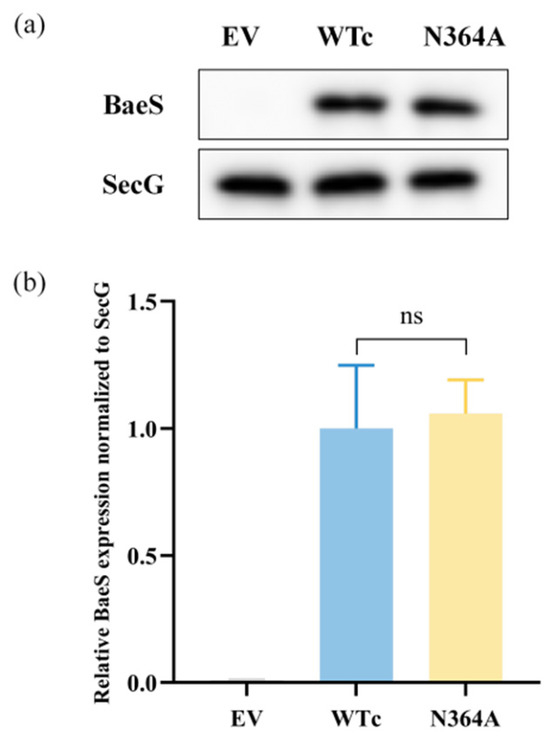
Escherichia coli, a facultative anaerobic Gram-negative member of the Enterobacteriaceae, is an increasingly important opportunistic pathogen driven in part by rising resistance to clinically important antibiotics. Regulation of multidrug efflux systems by two-component signal transduction pathways, particularly the BaeSR system, plays a central role in this process. However, the functional residues governing signal transduction through the sensor kinase BaeS remain incompletely defined. In this study, we integrated domain prediction, homology-guided site-directed mutagenesis, in vitro protein purification, autophosphorylation assays, and reverse-transcription quantitative polymerase chain reaction (RT-qPCR)-based transcriptional analysis of selected BaeSR-regulated genes to delineate key residues required for BaeS function. Sequence analysis identified His250 as a candidate autophosphorylation site and Asn364 as a conserved residue within the catalytic domain. Biochemical characterization of purified wild-type BaeS and an H250A mutant demonstrated that His250 is indispensable for autophosphorylation. Consistently, RT-qPCR analysis showed that BaeS activation markedly induced the transcription of BaeSR-regulated efflux-associated genes, whereas genetic deletion of baeS or selective disruption of kinase activity by the N364A mutation abolished this response. Together, these findings establish His250 as a key residue for BaeS autophosphorylation and identify Asn364 as essential for inducible BaeSR signaling and activation of resistance-associated target genes, thereby establishing an experimental framework for elucidating BaeSR-mediated efflux regulation and informing future studies of resistance regulatory networks and potential intervention strategies centered on key signaling nodes.
Full article
(This article belongs to the Special Issue The Molecular Mechanisms Regulating Stress-Adaptive Responses in Bacteria)
►▼
Show Figures

Figure 1
Open AccessArticle
Extraction, Purification, and Characterization of a Bacteriocin from Marine Lactococcus lactis NAN6399: Evaluating Antioxidant and Antimicrobial Activities
by
Fatma A. Ameen, Mahmoud E. Soliman, Amira M. Hamdan and Sherif F. Hammad
Microorganisms 2026, 14(5), 1030; https://doi.org/10.3390/microorganisms14051030 - 1 May 2026
Abstract
We evaluated the antimicrobial and antioxidant capabilities of a bacteriocin purified from a recently identified marine Lactococcus lactis (L. lactis) NAN6399 strain, a lactic acid bacterium recovered from Mediterranean coastal waters near Alexandria, Egypt, and identified by combined API 50 CHL
[...] Read more.
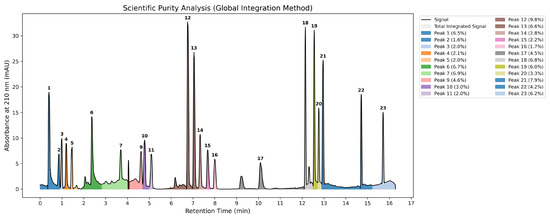
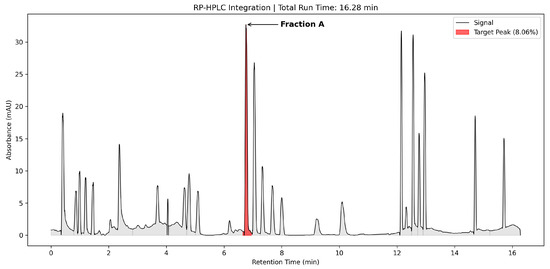
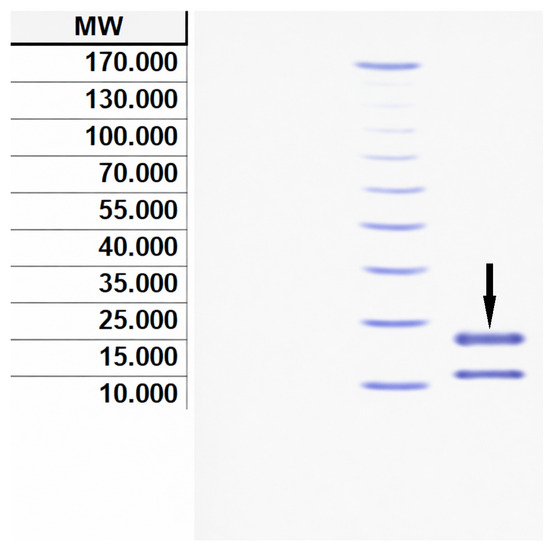
We evaluated the antimicrobial and antioxidant capabilities of a bacteriocin purified from a recently identified marine Lactococcus lactis (L. lactis) NAN6399 strain, a lactic acid bacterium recovered from Mediterranean coastal waters near Alexandria, Egypt, and identified by combined API 50 CHL phenotypic profiling and 16S rRNA gene sequencing. Bacteriocin purification was achieved by sequential ammonium sulfate precipitation and reverse-phase high-performance liquid chromatography (RP-HPLC). The purified bioactive fraction had an approximate molecular weight of 20 kDa by SDS-PAGE and a 106-amino-acid N-terminal sequence that, upon BLAST alignment, returned 98.1% overall identity to the Lactococcin 972 family bacteriocin AAK06118.1 from L. lactis IL1403, with divergence confined exclusively to the terminal two C-terminal residues. This sequence is structurally and functionally distinct from canonical Lcn972 (L. lactis IPLA 972): the two peptides share an identical 25-residue signal peptide but diverge entirely in their mature bioactive domains, which exhibit only 9.1% sequence identity. Canonical Lcn972 operates through Lipid II-mediated septum disruption and inhibits only Lactococcus species; the NAN6399 peptide, correctly designated as a novel member of the Lcn972-like peptide family, demonstrated broad-spectrum antimicrobial efficacy against multiple indicator organisms (Staphylococcus aureus, Salmonella typhimurium, Escherichia coli, Klebsiella pneumoniae, Pseudomonas aeruginosa, and Enterococcus faecalis), producing inhibition zones of up to 30 mm and minimum inhibitory concentration (MIC) values as low as 1.25 μg/mL against S. aureus. Antioxidant capacity was assessed using the DPPH radical scavenging assay, with the purified preparation achieving 73.14 ± 0.34% inhibition. Collectively, these data establish L. lactis NAN6399 as the producer of a bifunctional Lcn972-family bacteriocin with both antimicrobial and antioxidant potential, provide the first experimental characterization of the antimicrobial activity of this Lcn972-family branch, and highlight marine LAB as a productive reservoir for novel bioactive peptide discovery.
Full article
(This article belongs to the Section Microbial Biotechnology)
►▼
Show Figures

Figure 1
Open AccessArticle
CRISPR-Mediated Metabolic Engineering of Escherichia coli W for Selective Biopurification of Stachyose from Soybean Molasses
by
Haotian Wang, Guoyu Liu, Jia Liu, Yifei Zhu, Jingmei Huang, Shiwei Liu, Huaping Pan, Yafang Li, Yan Zou, Xueying Zeng, Guankai Hao, Haizhi Li, Shufan Yang, Shenglin Duan, Juxiu Li and Peng Yuan
Microorganisms 2026, 14(5), 1029; https://doi.org/10.3390/microorganisms14051029 - 1 May 2026
Abstract
Soybean molasses, a by-product of alcohol-based soy protein concentrate production, is rich in stachyose and other functional oligosaccharides, but its high sucrose content and other fermentable non-target sugars hinder the efficient purification of stachyose. In this study, the sugar-utilization patterns of four commonly
[...] Read more.
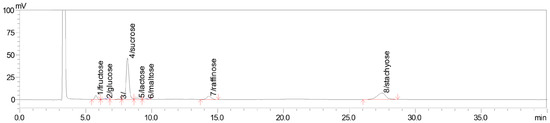
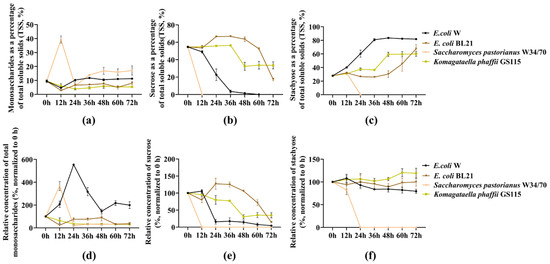
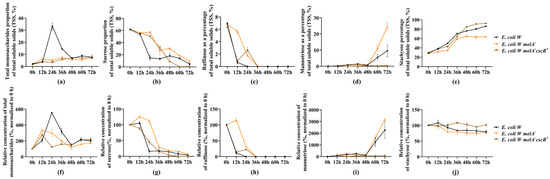
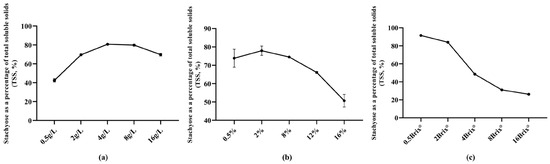
Soybean molasses, a by-product of alcohol-based soy protein concentrate production, is rich in stachyose and other functional oligosaccharides, but its high sucrose content and other fermentable non-target sugars hinder the efficient purification of stachyose. In this study, the sugar-utilization patterns of four commonly used microbial chassis or production strains, Escherichia coli W, E. coli BL21, Saccharomyces pastorianus Weihenstephan 34/70, and Komagataella phaffii (formerly Pichia pastoris) GS115, were systematically compared to identify a suitable host for selective stachyose enrichment. Among them, E. coli W showed the best performance in rapidly consuming non-target sugars while retaining stachyose. Based on this strain, a CRISPR–Cas9 engineering strategy was applied by deleting the endogenous α-galactosidase gene melA and overexpressing the sucrose permease gene cscB. The resulting strain selectively and nearly completely removed sucrose and other non-target sugars from soybean molasses, increasing the proportion of stachyose from <30% to >90% of total soluble solids. Further optimization of nitrogen source level, inoculum size, and initial °Brix improved fermentation performance. These results demonstrate an effective biological pre-purification strategy for selective stachyose enrichment from soybean molasses.
Full article
(This article belongs to the Section Microbial Biotechnology)
►▼
Show Figures

Figure 1
Open AccessArticle
Engineered Phage Modulates Quorum Sensing and Biofilm Formation in Pseudomonas aeruginosa
by
Domenico Franco, Salvatore Papasergi, Francesco Mediati, Salvatore P. P. Guglielmino and Laura Maria De Plano
Microorganisms 2026, 14(5), 1028; https://doi.org/10.3390/microorganisms14051028 - 30 Apr 2026
Abstract
Pseudomonas aeruginosa is an opportunistic Gram-negative pathogen frequently associated with chronic and biofilm-related infections, largely driven by quorum sensing (QS)-related genes/phenotypes. In this study, we investigated the antivirulence activity of an engineered M13-derived phage-display particle (P9b), selected for specific binding to P. aeruginosa,
[...] Read more.
Pseudomonas aeruginosa is an opportunistic Gram-negative pathogen frequently associated with chronic and biofilm-related infections, largely driven by quorum sensing (QS)-related genes/phenotypes. In this study, we investigated the antivirulence activity of an engineered M13-derived phage-display particle (P9b), selected for specific binding to P. aeruginosa, which acts as a non-lytic modulator of QS through specific binding to a bacterial surface target. P9b induced a transient delay in early planktonic growth, without affecting long-term proliferation. In contrast, P9b significantly reduced biofilm-associated metabolic activity and pyocyanin production, consistent with an effect on QS-regulated pathways. Transcriptional analysis revealed significant downregulation of key QS regulators (lasI, lasR, rhlI, and rhlR) and modulation of phenazine biosynthesis genes (phzM downregulation and phzS upregulation), suggesting interference with QS-dependent regulatory circuits. Notably, P9b retained binding capacity and antibiofilm activity across clinically relevant P. aeruginosa isolates. Overall, these findings indicate that P9b acts as a selective, non-lytic modulator of virulence-associated traits, attenuating QS-regulated phenotypes without bactericidal effects. This study supports the potential of engineered filamentous phages as targeted antivirulence platforms for the development of innovative strategies against persistent and biofilm-associated infections.
Full article
(This article belongs to the Special Issue Bacterial Pathogens: Biofilm Formation and Eradication)
Open AccessArticle
A New Endolysin Lys59: A Broad-Spectrum Phage Endolysin Targeting Both Gram-Negative and Gram-Positive Bacteria
by
Yunhan Zhang, Chenwei Deng, Yanni Liu, Weiqing Lan, Yong Zhao and Xiaohong Sun
Microorganisms 2026, 14(5), 1027; https://doi.org/10.3390/microorganisms14051027 - 30 Apr 2026
Abstract
To address the emerging multidrug-resistance crisis caused by Klebsiella pneumoniae, we expressed the endolysin Lys59 derived from phage VB_KpP_HS106 and performed a comprehensive analysis of its antibacterial activity and structural features. Molecular modeling revealed that Lys59 carries a highly positively charged N-terminus
[...] Read more.
To address the emerging multidrug-resistance crisis caused by Klebsiella pneumoniae, we expressed the endolysin Lys59 derived from phage VB_KpP_HS106 and performed a comprehensive analysis of its antibacterial activity and structural features. Molecular modeling revealed that Lys59 carries a highly positively charged N-terminus and an amphipathic helix at the C-terminus. In vitro antibacterial assays showed that Lys59 exhibited significant bactericidal activity against K. pneumoniae with an approximately 4 log reduction at 50 µg/mL in 2 h. Meanwhile, Lys59 exhibited potent, broad-spectrum activity against both Gram-negative and Gram-positive bacteria. Stability analysis indicated that Lys59 retained high activity over a pH range of 3–9 and a temperature range of 4–55 °C. Notably, the antibacterial activity of Lys59 was found to be regulated by metal ions. Molecular docking indicated that K+ can enhance binding stability by interacting with ASN35 and VAL57. In contrast, Mg2+ and Ca2+ suppressed catalytic function by binding to the essential GLU17 residue. Furthermore, treatment with 200 µg/mL of Lys59 resulted in a 44.6% reduction in K. pneumoniae biofilm biomass. Overall, this study identified a phage-derived endolysin with broad-spectrum antimicrobial activity and demonstrated its potential as an antibacterial agent against multidrug-resistant K. pneumoniae.
Full article
(This article belongs to the Special Issue New Strategies for Antimicrobial Treatment)
Open AccessArticle
Skin Microbiota Diversity Is Associated with Biophysical Properties Across Healthy Human Skin Types
by
Ryosuke Kadoya, Ayano Kondo, Ayaka Matsukawa, Aoi Kuribayashi, Emi Uemura and Haruna Tanaka
Microorganisms 2026, 14(5), 1026; https://doi.org/10.3390/microorganisms14051026 - 30 Apr 2026
Abstract
The skin microbiota plays a key role in maintaining cutaneous homeostasis; however, microbial differences among physiological skin types within healthy individuals remain unclear. In this study, we investigated the association between skin microbiota diversity and four skin types (normal, oily, dry, and combination)
[...] Read more.
The skin microbiota plays a key role in maintaining cutaneous homeostasis; however, microbial differences among physiological skin types within healthy individuals remain unclear. In this study, we investigated the association between skin microbiota diversity and four skin types (normal, oily, dry, and combination) in healthy young women (n = 43), with samples collected from the nasal region. Skin moisture and sebum levels were quantitatively measured, and microbiota profiles were analyzed using 16S rRNA gene amplicon sequencing targeting the V3–V4 regions. Normal skin exhibited higher alpha diversity, including Chao1 richness and Faith’s phylogenetic diversity, compared with other skin types (median Chao1 values were higher in normal skin than in other groups). Correlation analyses showed that skin moisture was positively associated with microbial richness (ρ = 0.397, p = 0.008), whereas sebum levels were negatively associated with phylogenetic diversity (ρ = −0.455, p = 0.002). Beta diversity analysis revealed that normal skin harbored a distinct microbial community structure. In addition, several bacterial genera were enriched in normal skin, whereas Enterobacterales were observed to be more abundant in non-normal skin types. These findings suggest that skin biophysical properties are associated with microbial community structure and diversity within healthy individuals, although the functional implications of these differences remain to be elucidated.
Full article
(This article belongs to the Special Issue Skin Microbiome)
Journal Menu
► ▼ Journal Menu-
- Microorganisms Home
- Aims & Scope
- Editorial Board
- Reviewer Board
- Topical Advisory Panel
- Instructions for Authors
- Special Issues
- Topics
- Sections & Collections
- Article Processing Charge
- Indexing & Archiving
- Editor’s Choice Articles
- Most Cited & Viewed
- Journal Statistics
- Journal History
- Journal Awards
- Society Collaborations
- Conferences
- Editorial Office
Journal Browser
► ▼ Journal BrowserHighly Accessed Articles
Latest Books
E-Mail Alert
News
Topics
Topic in
Microorganisms, Pollutants, Processes, Sustainability, Recycling, Waste, Microbiology Research
The Role of Microorganisms in Waste Treatment
Topic Editors: Zuotao Zhang, Tan Chen, Bing ZhangDeadline: 31 May 2026
Topic in
Energies, Geosciences, Hydrology, Plants, Microorganisms, Sustainability, Agriculture
Transport, Transformation and Cycling of Elements in Water and Soil and Their Response to Human Activities
Topic Editors: Jiutan Liu, Junfu DongDeadline: 30 June 2026
Topic in
Dairy, Foods, Microorganisms, Nutrients, Metabolites
The Efficacy of Probiotics and Their Functional Metabolites in Fermented Foods
Topic Editors: Rina Wu, Wenjun Liu, Zhen Wu, Feiyu AnDeadline: 31 July 2026
Topic in
Microorganisms, JCM, Biomedicines, Oral, Clinics and Practice
Periodontal and Peri-Implant Disease: Contemporary Perspectives on Pathogenesis and Precision Management
Topic Editors: Giuseppe Troiano, Vito Carlo Alberto Caponio, Mario DioguardiDeadline: 31 August 2026
Conferences
Special Issues
Special Issue in
Microorganisms
Pathobiology, Infection Biology and Control of Protozoan Parasites—the ONE HEALTH Approach
Guest Editors: Cláudia Marques, Maria João Gouveia, Susana R. SousaDeadline: 15 May 2026
Special Issue in
Microorganisms
The Biology of Host–Candida Interactions
Guest Editors: Luca Spaggiari, Eva PericoliniDeadline: 15 May 2026
Special Issue in
Microorganisms
Role of Soil Microorganisms in Agricultural Production and Environmental Biotechnologies
Guest Editor: Gianluigi CardinaliDeadline: 20 May 2026
Special Issue in
Microorganisms
Borreliosis and Other Tick-Borne Diseases in the Northern and Southern Hemispheres, Second Edition
Guest Editor: Giusto TrevisanDeadline: 30 May 2026
Topical Collections
Topical Collection in
Microorganisms
Microbial Life in Extreme Environments
Collection Editor: Ricardo Amils
Topical Collection in
Microorganisms
Trends in Yeast Biochemistry and Biotechnology
Collection Editors: Seiji Shibasaki, Mitsuyoshi Ueda
Topical Collection in
Microorganisms
Epidemiology and Pathogenicity of Animal-Adapted Streptococci
Collection Editors: Peter Valentin-Weigand, Marcus Fulde