-
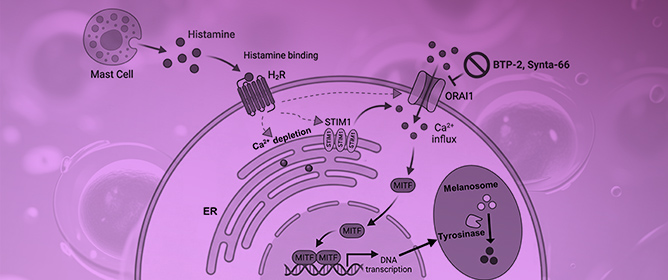
Chronic Histamine Exposure Promotes Melanogenesis via ORAI1-STIM1-Mediated Calcium Signaling Remodeling -
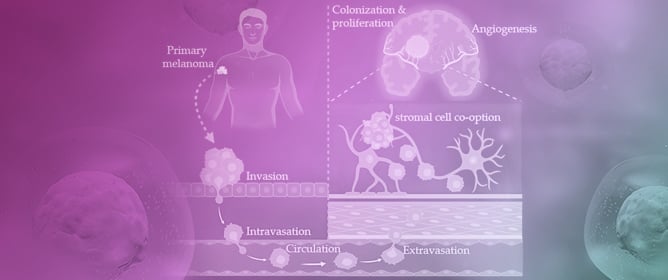
Unraveling the Enigma of Melanoma Brain Metastasis: New Molecular Insights and Therapeutic Directions -
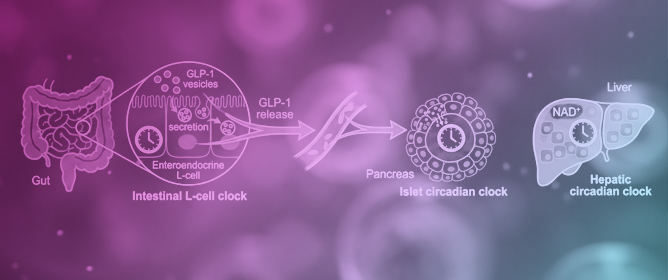
GLP-1 Receptor Agonists at the Crossroads of Circadian Biology, Sleep, and Metabolic Disease -
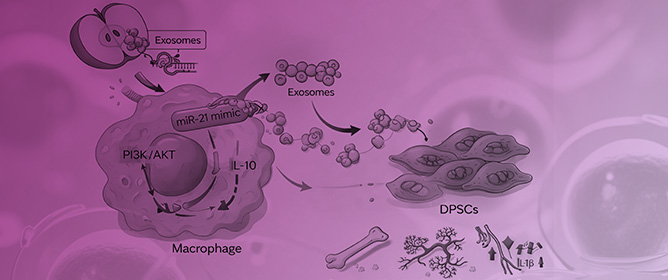
Apple-Derived Vesicles Orchestrate Bone Regeneration: In Vitro Proof of Concept -
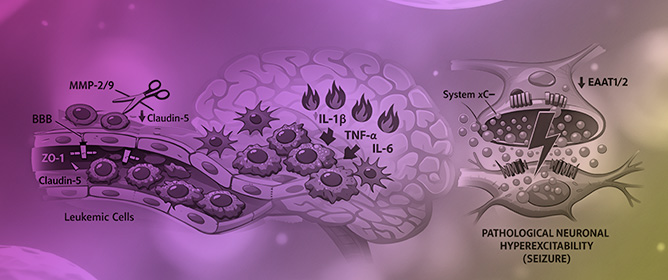
Molecular and Mechanistic Divergence of Seizures in Pediatric Acute Lymphoblastic Leukemia: CNS Infiltration Versus Chemotherapy-Induced Neurotoxicity
Journal Description
International Journal of Molecular Sciences
is an international, peer-reviewed, open access journal providing an advanced forum for biochemistry, molecular and cell biology, molecular biophysics, molecular medicine, and all aspects of molecular research in chemistry, and published semimonthly online by MDPI. The Epigenetics Society, European Chitin Society (EUCHIS), Spanish Society for Cell Biology (SEBC) and others are affiliated with IJMS and their members receive a discount on the article processing charges.
- Open Access— free for readers, with article processing charges (APC) paid by authors or their institutions.
- High Visibility: indexed within Scopus, SCIE (Web of Science), PubMed, PMC, MEDLINE, Embase, CAPlus / SciFinder, and other databases.
- Journal Rank: JCR - Q1 (Biochemistry and Molecular Biology) / CiteScore - Q1 (Organic Chemistry)
- Rapid Publication: manuscripts are peer-reviewed and a first decision is provided to authors approximately 17.8 days after submission; acceptance to publication is undertaken in 2.6 days (median values for papers published in this journal in the second half of 2025).
- Recognition of Reviewers: reviewers who provide timely, thorough peer-review reports receive vouchers entitling them to a discount on the APC of their next publication in any MDPI journal, in appreciation of the work done.
- Testimonials: See what our editors and authors say about IJMS.
- Companion journals for IJMS include: Biophysica, Stresses, Lymphatics, SynBio and Inflammation Journal.
Impact Factor:
4.9 (2024);
5-Year Impact Factor:
5.7 (2024)
Latest Articles
Retrospective Comparative Study of Oral Versus Subcutaneous Semaglutide in Patients with Type 2 Diabetes Mellitus
Int. J. Mol. Sci. 2026, 27(11), 4694; https://doi.org/10.3390/ijms27114694 - 22 May 2026
Abstract
Semaglutide represents a unique therapeutic option for patients with type 2 diabetes mellitus (T2DM), being the first and currently only glucagon-like peptide-1 receptor agonist (GLP-1RA) available in both subcutaneous and oral formulations. This study aimed to compare the effectiveness of oral versus subcutaneous
[...] Read more.
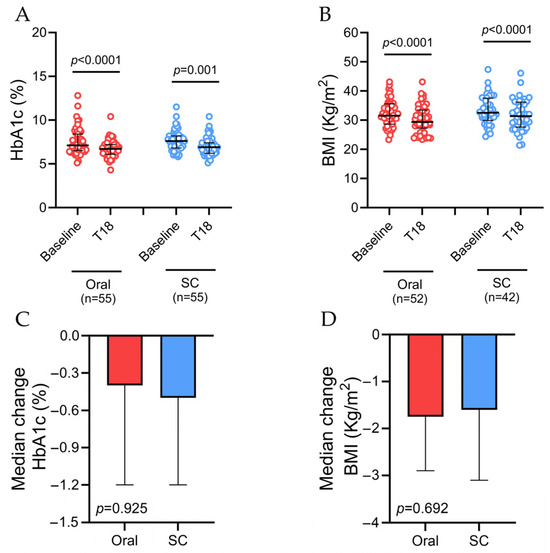
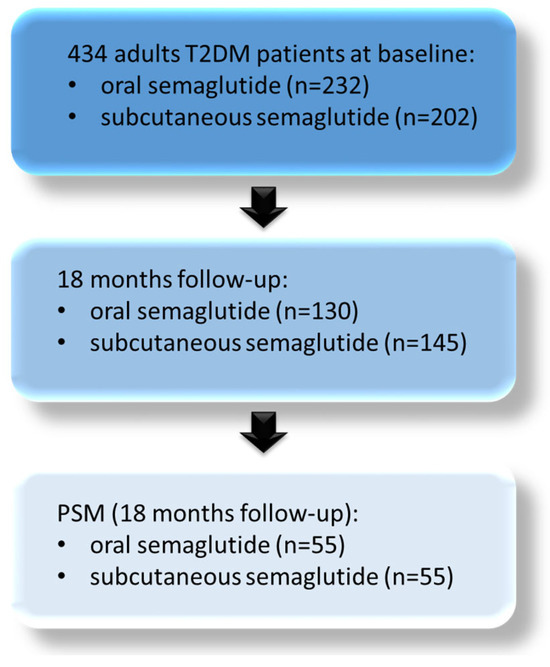
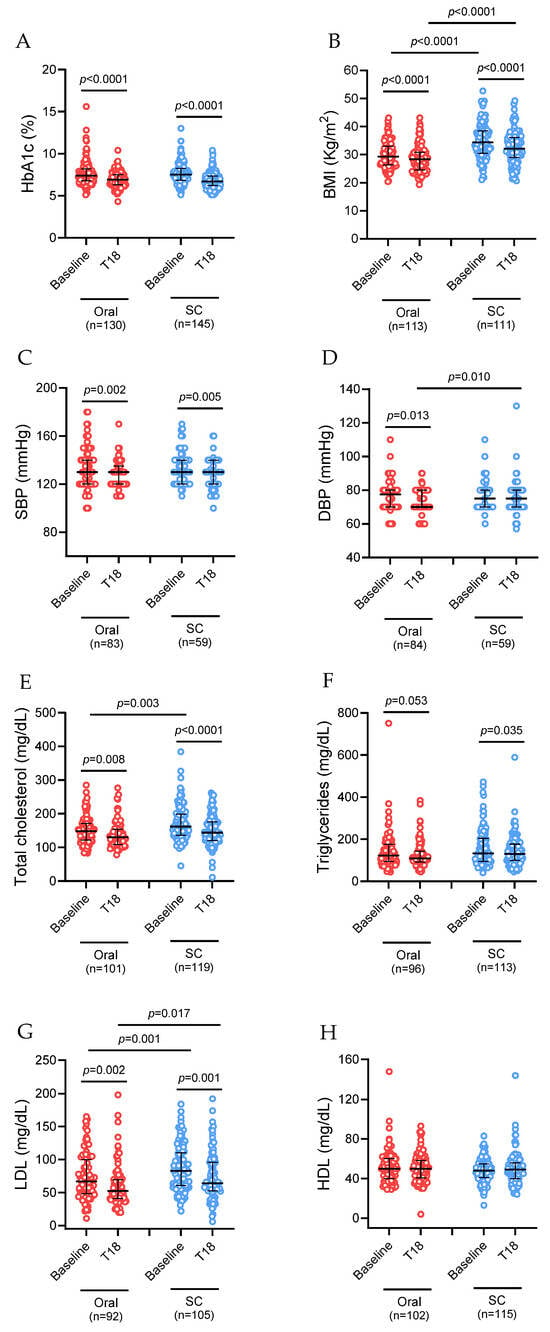
Semaglutide represents a unique therapeutic option for patients with type 2 diabetes mellitus (T2DM), being the first and currently only glucagon-like peptide-1 receptor agonist (GLP-1RA) available in both subcutaneous and oral formulations. This study aimed to compare the effectiveness of oral versus subcutaneous (sc) semaglutide on metabolic parameters and cardiovascular risk factors in T2DM patients. This is a retrospective real-world study including adult patients with T2DM taking oral or sc semaglutide followed at the ASUGI Diabetes Center. We analyzed data from 434 patients (median age 70 years, diabetes duration 13 years), treated with oral (n = 232) or sc (n = 202) semaglutide. The oral formulation had a higher discontinuation rate. Among these patients, 130 patients in the oral group and 145 in the sc group had an 18-month follow-up. When comparing these groups, patients taking sc semaglutide had a significantly higher baseline BMI. However, multivariate linear regression models suggested that both formulations were comparably effective in reducing HbA1c and BMI, with baseline values being the primary predictors of response. To address BMI imbalances, propensity score matching was performed, identifying 55 matched pairs. Both oral and sc semaglutide reduced HbA1c and BMI and there were no significant differences in the median change in HbA1c and BMI between groups. Interestingly, oral semaglutide was associated with a significantly greater reduction in diastolic blood pressure compared to the sc formulation. Furthermore, concomitant therapy with SGLT2 inhibitors significantly enhanced the reduction in total and LDL cholesterol. Oral and subcutaneous semaglutide show comparable effectiveness in lowering HbA1c and BMI in a real-world setting.
Full article
(This article belongs to the Special Issue Diabetes and Metabolic Dysfunction)
►
Show Figures
Open AccessArticle
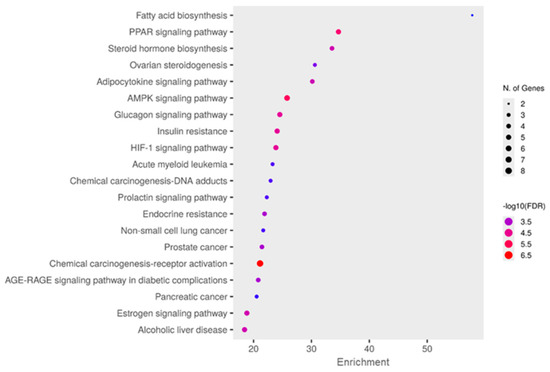
Primula nutans Georgi Extract Inhibits Early Adipogenesis Through CHOP-Associated Regulation and Ameliorates Obesity and Insulin Resistance
by
Nayoung Roh, Kyeoungtae Park, Ducdat Le, Eunbin Kim, Thinhulinh Dang, Thientam Dinh, Badamtsetseg Bazarragchaa, Soo-Yong Kim, Sung-Suk Suh, Jung Jin Kim, Mina Lee and Jong Bae Seo
Int. J. Mol. Sci. 2026, 27(11), 4693; https://doi.org/10.3390/ijms27114693 (registering DOI) - 22 May 2026
Abstract
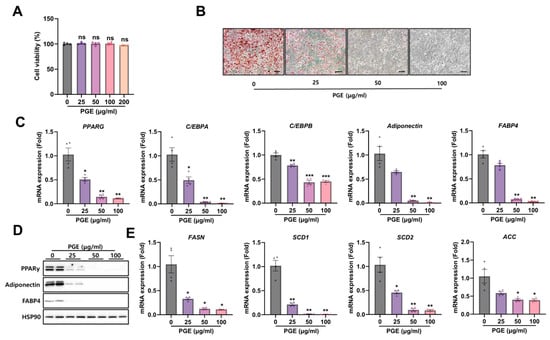
Primula nutans Georgi, a medicinal herb used in Mongolian and Tibetan medicine for treating respiratory ailments, is a natural agent with antiobesity potential. We investigated the antiobesity and insulin-sensitizing effects of P. nutans Georgi extract (PGE) using in vitro and in vivo models.
[...] Read more.
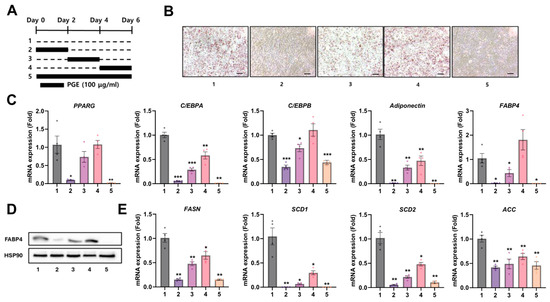
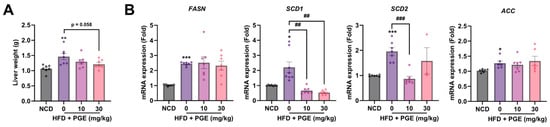
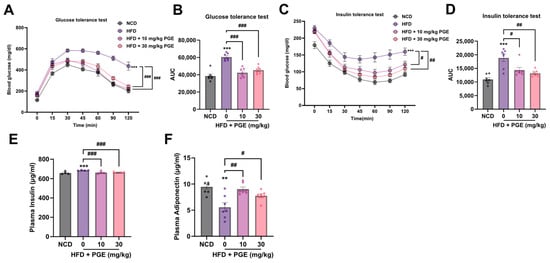
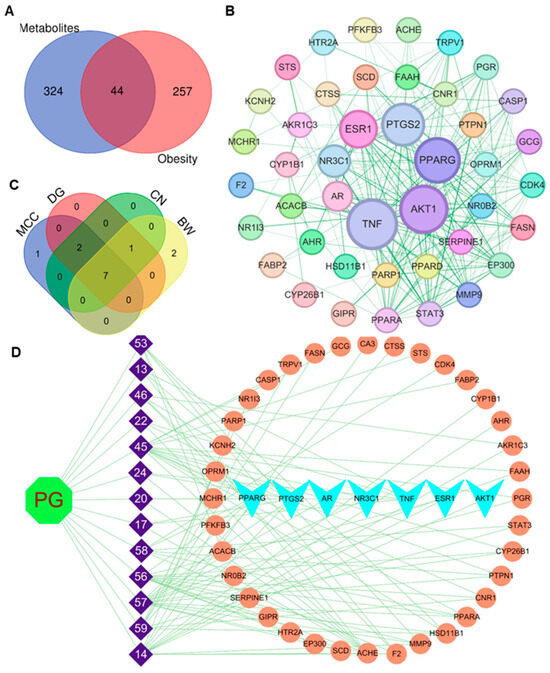
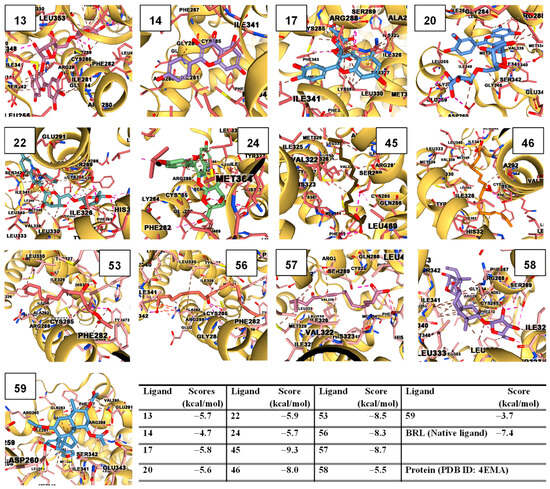
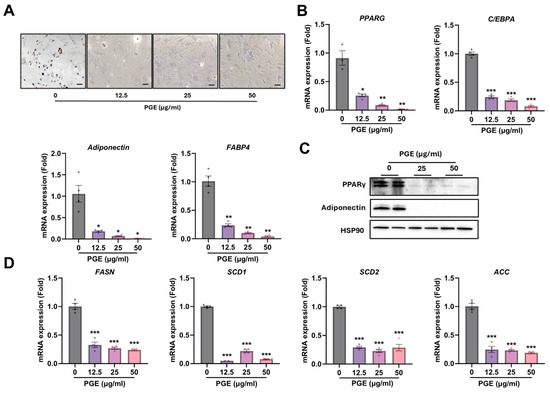
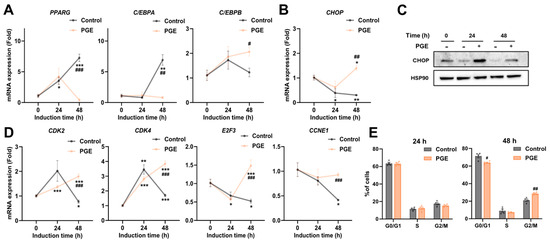
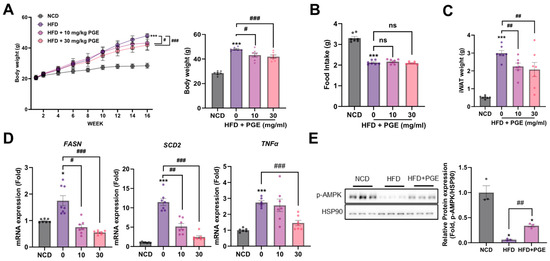
Primula nutans Georgi, a medicinal herb used in Mongolian and Tibetan medicine for treating respiratory ailments, is a natural agent with antiobesity potential. We investigated the antiobesity and insulin-sensitizing effects of P. nutans Georgi extract (PGE) using in vitro and in vivo models. In 3T3-L1 preadipocytes, PGE inhibited adipocyte differentiation and lipid accumulation without cytotoxicity, accompanied by the reduced expression of adipogenic transcription factors (PPARG, C/EBPA, and adiponectin) and lipogenic genes (FASN, SCD1, and ACC), particularly during the early stages of adipogenesis. Similar effects were observed in primary stromal vascular cells derived from mouse inguinal white adipose tissue. PGE upregulated C/EBP homologous protein and C/EBPB and was associated with altered cell cycle progression, increased G2/M phase distribution, and the potential disruption of mitotic clonal expansion during early adipogenesis. In HFD-induced obese mice, intraperitoneal administration of PGE (10 or 30 mg/kg) significantly reduced body weight gain, white adipose tissue mass, and hepatic steatosis, independent of food intake. PGE downregulated lipogenic and proinflammatory gene expression in adipose and hepatic tissues and increased AMPK phosphorylation in white adipose tissue. PGE improved glucose tolerance and was associated with enhanced insulin sensitivity, as evidenced by reduced areas under the curve in the glucose tolerance and insulin tolerance tests and increased circulating adiponectin levels. Feature-based molecular networking identified 61 compounds from PGE. Network pharmacology analysis revealed several antiobesity targets, including PPARG and AKT1. Molecular docking analyses suggested favorable binding affinities between major compounds and metabolic regulators. Collectively, these findings suggest that PGE may suppress adipogenesis and improve metabolic parameters in obese mice, supporting its potential as a natural candidate for obesity and related metabolic disorders.
Full article
(This article belongs to the Special Issue The Interactions Between Nutrients and Adipose Tissue)
►▼
Show Figures

Figure 1
Open AccessReview
State-Aware RNA Biomarkers in Triple-Negative Breast Cancer (TNBC): Integrating Tumor Plasticity, Spatial Architecture, and Temporal Monitoring
by
Amal Qattan
Int. J. Mol. Sci. 2026, 27(11), 4692; https://doi.org/10.3390/ijms27114692 - 22 May 2026
Abstract
Triple-negative breast cancer is defined by the absence of druggable receptor targets and by a biologically dynamic phenotype that renders static, single-timepoint biomarker strategies fundamentally inadequate. Current predictive markers, including PD-L1 expression, tumor mutational burden, and genomic profiling, fail to capture the therapy-induced
[...] Read more.
Triple-negative breast cancer is defined by the absence of druggable receptor targets and by a biologically dynamic phenotype that renders static, single-timepoint biomarker strategies fundamentally inadequate. Current predictive markers, including PD-L1 expression, tumor mutational burden, and genomic profiling, fail to capture the therapy-induced transcriptional reprogramming, spatial heterogeneity, and drug-tolerant persister states that drive resistance and relapse. In this review, we argue that RNA, particularly non-coding RNA (ncRNA), represents a complementary and state-aware platform for biomarker development in TNBC, capable of capturing transcriptional adaptation, regulatory threshold dynamics, and cell state transitions that static genomic markers cannot fully detect. Unlike messenger RNAs, which reflect active transcriptional programs, long non-coding RNAs and circular RNAs modulate the stability of state transitions and are specifically induced under conditions of therapeutic stress, immune exclusion, and drug tolerance, which are properties that make them suitable as potential early and sensitive indicators of adaptive reprogramming. We review the biological rationale for RNA as a state-aware readout across five dimensions: tumor plasticity, immune context, stress response, therapy adaptation, and microenvironment composition. An examination is conducted regarding how spatial transcriptomics can map RNA-defined resistant niches within TNBC, how serial liquid biopsy RNA measurements, including extracellular vesicle RNA and circulating tumor RNA, enable temporal monitoring of transcriptional state shifts before radiologic progression, and what analytical and clinical standards deployable RNA assays must meet. Finally, a state-guided adaptive management framework is proposed in which RNA signatures function as iteratively updated measurement layers informing therapy selection, on-treatment monitoring, and early resistance detection. This review outlines trial design models and defines the validation standards required before RNA-guided adaptation can enter clinical practice.
Full article
(This article belongs to the Special Issue The Role of RNAs in Cancers: Recent Advances)
Open AccessReview
Essential Oils: Chemistry and Mechanisms of Anticonvulsant Action
by
Lígia Salgueiro, Mónica Zuzarte, Jeremias Justo Emídio, Diogo Vilar da Fonsêca and Damião Pergentino de Sousa
Int. J. Mol. Sci. 2026, 27(11), 4691; https://doi.org/10.3390/ijms27114691 - 22 May 2026
Abstract
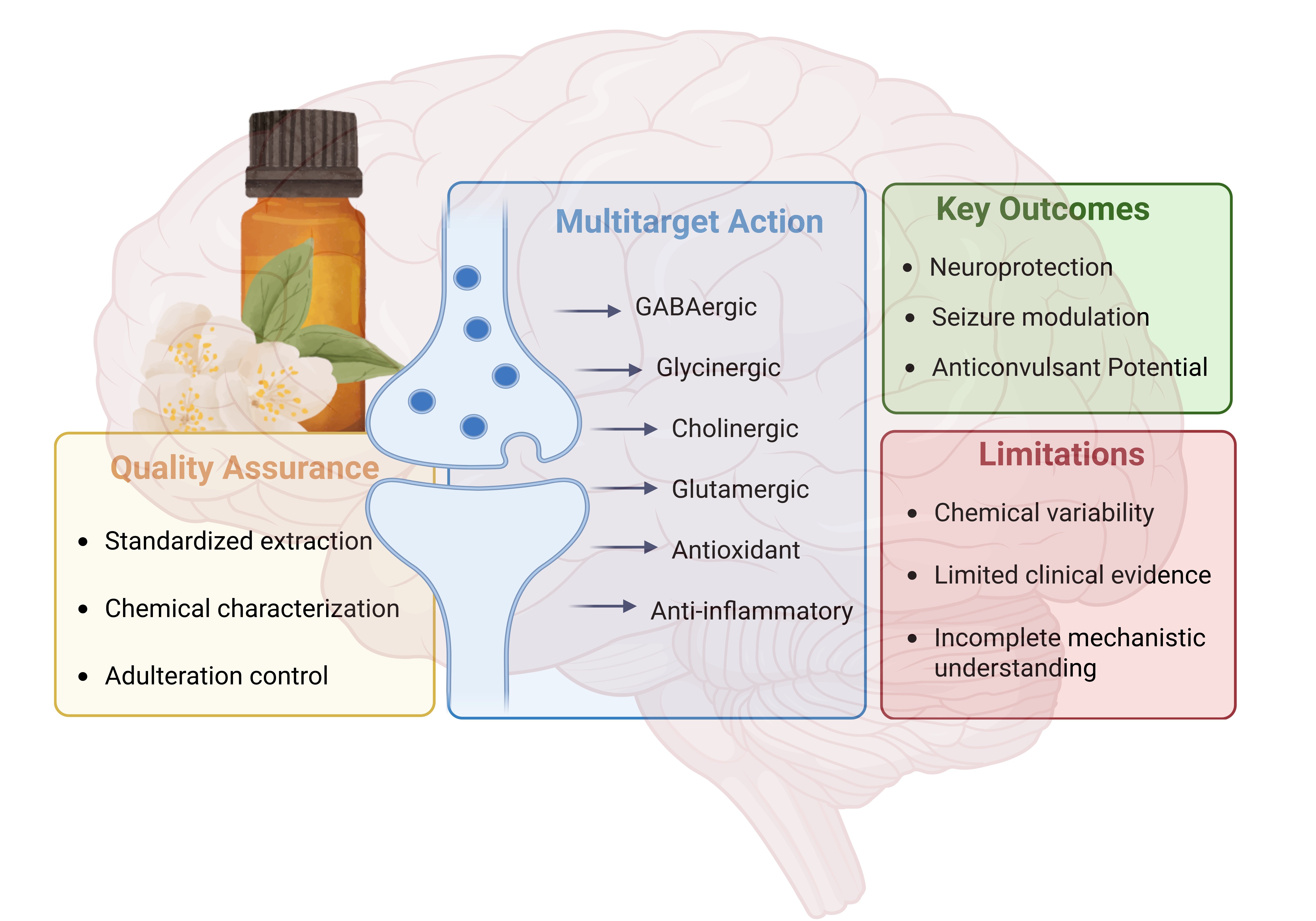
Essential oils have attracted increasing attention due to their bioactive properties. This review focuses on their anticonvulsant potential by exploring the relation between the chemical composition of essential oils and the mechanism of action underlying this effect. Evidence from in vivo and ex
[...] Read more.
Essential oils have attracted increasing attention due to their bioactive properties. This review focuses on their anticonvulsant potential by exploring the relation between the chemical composition of essential oils and the mechanism of action underlying this effect. Evidence from in vivo and ex vivo studies is presented to identify structure–activity relations and to distinguish well-supported effects from preliminary findings. Moreover, as essential oil’s quality is vital to ensure safety and efficacy in pharmacotherapeutic approaches. For this reason, factors including extraction and analytical methods as well as authenticity assessment are discussed due to their impact on pharmacological consistency and reproducibility. Overall, this review highlights key compounds and mechanisms contributing to anticonvulsant activity, identifies current limitations in the literature, and outlines priorities for future research aimed at validating essential oils as potential complementary therapeutic agents in seizure management.
Full article
(This article belongs to the Special Issue Neurological Mechanisms of Action of Natural Products)
►▼
Show Figures

Graphical abstract
Open AccessArticle
Temperature Dominates Light in Regulating Lycopene During a Critical Period in Postharvest Tomato Fruit
by
Jinyan Chen, Chenyang He, Qu Luo, Yujuan Zhong, Yingchao Xu, Jiayu Luo, Huaiyuan Li and Xuelian Zhang
Int. J. Mol. Sci. 2026, 27(11), 4690; https://doi.org/10.3390/ijms27114690 - 22 May 2026
Abstract
Fruit coloration is a key determinant of tomato quality, yet how light and temperature interact to regulate pigmentation during ripening remains unclear. Using a semi-in-fruit experimental system, we demonstrate that while high light accelerates chlorophyll degradation and lycopene accumulation at 25 °C, supra-optimal
[...] Read more.
Fruit coloration is a key determinant of tomato quality, yet how light and temperature interact to regulate pigmentation during ripening remains unclear. Using a semi-in-fruit experimental system, we demonstrate that while high light accelerates chlorophyll degradation and lycopene accumulation at 25 °C, supra-optimal temperature (40 °C) completely abolishes lycopene biosynthesis irrespective of light conditions, primarily through transcriptional suppression of SlPSY1 and SlGGPS2. Elevated postharvest temperatures (≥30 °C) not only change the carotenoid composition but also reduce the antioxidant capacity and vitamin C content in fruit. Temperature-switch experiments revealed a critical developmental window, days 2–4 after ethylene treatment, during which temperature exerts dominant control over carotenoid metabolism. Exposure to high temperature within this window irreversibly shifts pigment accumulation from lycopene to yellow/orange carotenoids. These findings identify a temporally precise regulatory nexus integrating environmental signals with the ripening program, offering a framework for targeted temperature management to optimize tomato color and nutritional quality.
Full article
(This article belongs to the Section Molecular Plant Sciences)
Open AccessArticle
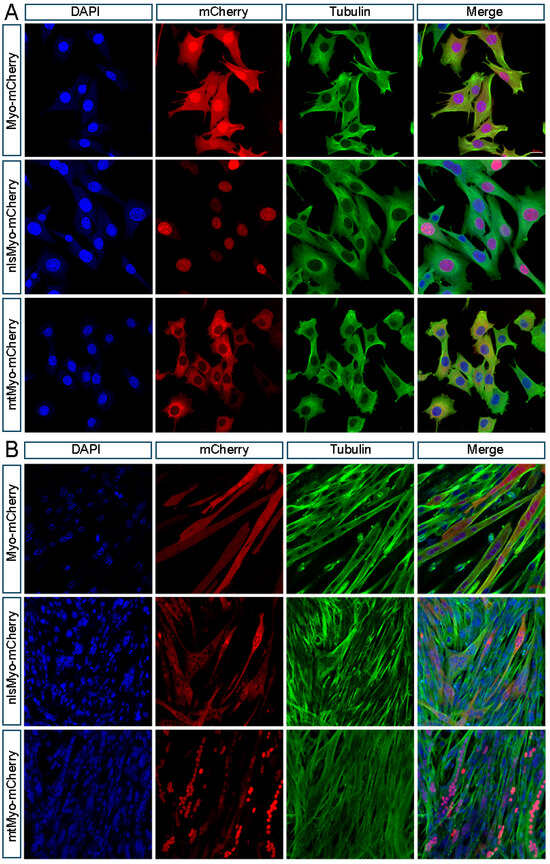
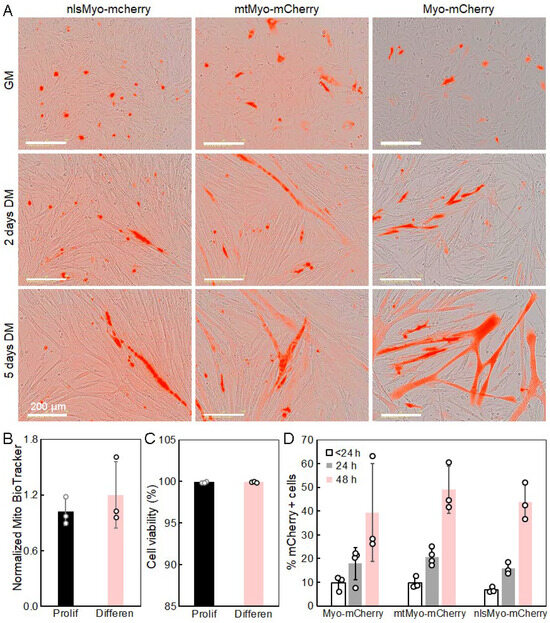
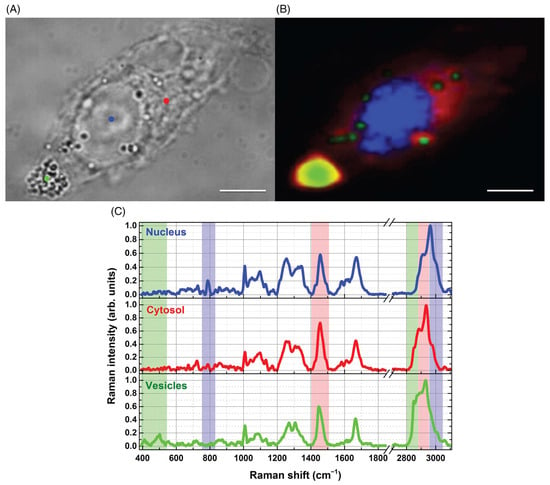
Single-Cell Imaging of Mitochondrial Metabolism and Remodeling in C2C12 Murine Skeletal Muscle Cells upon Differentiation
by
Rozhin Penjweini, Alessandra Pasut, Branden Roarke, Katie A. Link, Dan L. Sackett and Jay R. Knutson
Int. J. Mol. Sci. 2026, 27(11), 4689; https://doi.org/10.3390/ijms27114689 - 22 May 2026
Abstract
As primary sites for oxygen consumption and energy production via oxidative phosphorylation (OXPHOS), mitochondria play a central role in the regulation of bioenergetics and generation of key metabolic intermediates for myogenic cell growth. Common methods to study mitochondria and their metabolism typically rely
[...] Read more.
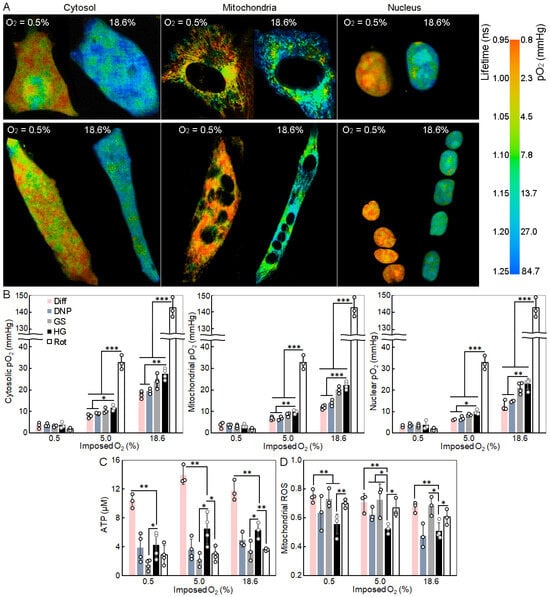
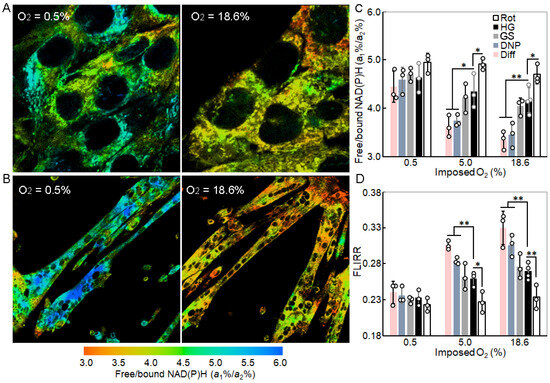
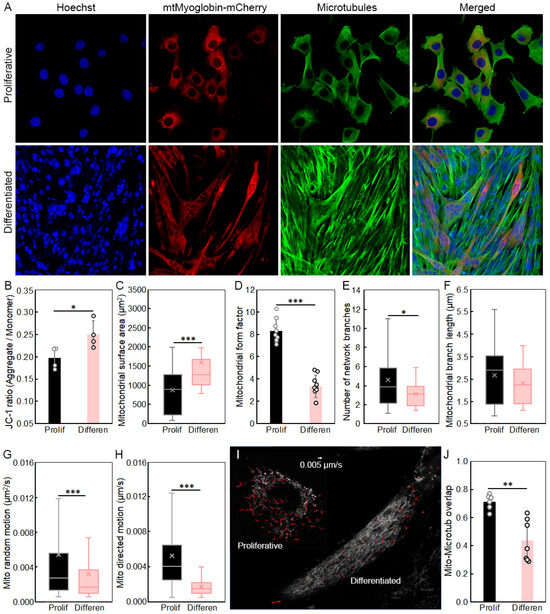
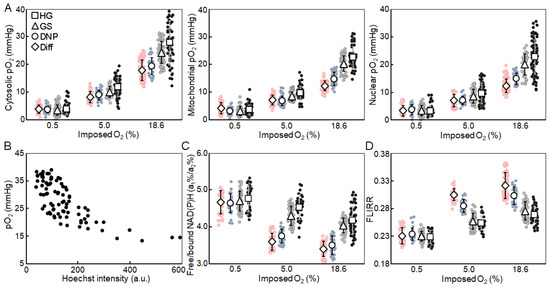
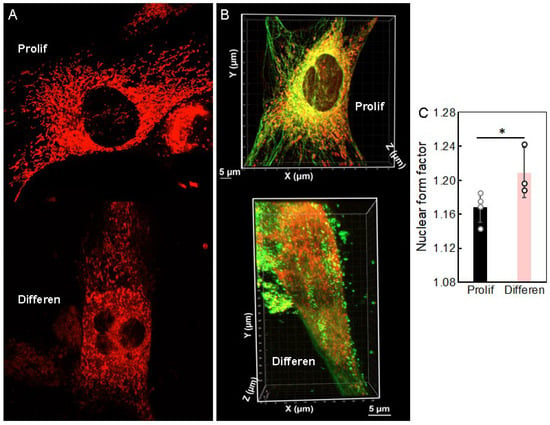
As primary sites for oxygen consumption and energy production via oxidative phosphorylation (OXPHOS), mitochondria play a central role in the regulation of bioenergetics and generation of key metabolic intermediates for myogenic cell growth. Common methods to study mitochondria and their metabolism typically rely on population-level analyses, which can mask potential differences in individual cells. In this study, we used various imaging approaches to investigate the interplay between intracellular oxygenation, mitochondrial metabolism and dynamics in a model of myogenic differentiation. Fluorescence imaging of intracellular oxygen revealed that myogenic differentiation is accompanied by progressive shifts in intracellular oxygenation that depend upon and reflect changes in mitochondrial metabolism (i.e., higher oxygen consumption and adenosine triphosphate (ATP) production). By measuring intracellular oxygenation, we showed that mitochondrial metabolism reduces oxygen availability in the cytosol and the nucleus. Real-time redox imaging at the single-cell level further highlighted substantial metabolic heterogeneity and a shift toward OXPHOS as differentiation progressed. Morphological analyses revealed that during myogenic differentiation, mitochondria increase in size while becoming less mobile and overlapping less with microtubules. Overall, this study illustrates the value of combining complementary imaging approaches to provide a comprehensive single-cell perspective on mitochondrial metabolism, remodeling and spatial organization during myogenesis.
Full article
(This article belongs to the Special Issue The Impact of Mitochondria on Human Disease and Health)
►▼
Show Figures

Figure 1
Open AccessArticle
Potential Association of BRAF and PIK3CA Copy Number Alterations with Long-Term Survival in IDH-Wildtype Glioblastoma: A Pilot Study
by
Silvia Tomoszková, Denisa Drozdková, Jana Vaculová, Patricie Delongová, Martin Palička, Jozef Škarda and Radim Lipina
Int. J. Mol. Sci. 2026, 27(11), 4688; https://doi.org/10.3390/ijms27114688 - 22 May 2026
Abstract
IDH-wildtype glioblastoma remains the most aggressive primary brain tumor, with a median overall survival (OS) of 14–16 months despite maximal treatment. A small subset of patients, however, survive beyond 30 months, suggesting distinct underlying biological features. The aim of this pilot study was
[...] Read more.
IDH-wildtype glioblastoma remains the most aggressive primary brain tumor, with a median overall survival (OS) of 14–16 months despite maximal treatment. A small subset of patients, however, survive beyond 30 months, suggesting distinct underlying biological features. The aim of this pilot study was to explore whether selected molecular alterations detectable by FISH show differing distribution patterns between patients with prolonged and poor survival in IDH-wildtype glioblastoma. We retrospectively analyzed 20 patients with newly diagnosed primary IDH-wildtype glioblastoma who underwent gross-total resection followed by standard radiotherapy and temozolomide treatment between 2016 and 2022. Patients were categorized into two predefined groups according to survival outcomes: long-term survivors (OS > 30 months) and short-term survivors (OS < 10 months). Fluorescence in situ hybridization (FISH) was used to evaluate alterations in ATRX, BRAF, and PIK3CA. MGMT promoter methylation, EGFR amplification, and TERT promoter mutation status were obtained from routine diagnostic reports. Because survival groups were intentionally pre-selected as extreme phenotypes, time-to-event analysis was not appropriate. Therefore, statistical comparisons were performed using Fisher’s exact test and multivariable logistic regression with long-term versus short-term survival as a binary outcome. Short-term survivors had a significantly higher median age (57.5 vs. 46.5 years, p = 0.043) and a higher rate of EGFR amplification (100% vs. 50%, p = 0.033). Strikingly, combined BRAF and PIK3CA alterations (predominantly polysomy) were detected in 8 out of 10 (80%) long-term survivors, compared to 0 out of 10 (0%) short-term survivors (p = 0.0007). In multivariable logistic regression adjusted for age and MGMT promoter methylation, BRAF/PIK3CA alteration remained strongly associated with long-term survival, though the effect size was mathematically inflated due to perfect separation (0 events in Group B). BRAF and PIK3CA copy number alterations were observed exclusively in long-term survivors in this small exploratory cohort, suggesting a possible association with prolonged survival. However, given the limited sample size, the selection of extreme survival groups, and the predominance of chromosomal polysomy detected by FISH, these findings should be interpreted as hypothesis-generating only. Further validation in larger cohorts using high-resolution genomic methods is warranted.
Full article
(This article belongs to the Special Issue Molecular Insights into Glioblastoma Pathogenesis and Therapeutics)
Open AccessArticle
Comparative Genomics Analysis Reveals the Genomic Basis of S8 Proteases, CAZymes, and Secondary Metabolism Associated with Nematode Biocontrol in Purpureocillium lilacinum
by
Xiaoxi Cheng, Li Liu, Zhimin Zhu, Minghao Chen, Wenbo Wang, Jialin Li, Ramon Santos Bermudez, Xiujun Zhang and Wenxing He
Int. J. Mol. Sci. 2026, 27(11), 4687; https://doi.org/10.3390/ijms27114687 - 22 May 2026
Abstract
Biological control fungi play an important role in the management of plant-parasitic nematodes; however, the molecular basis underlying their diverse biocontrol strategies remains incompletely understood. In this study, a comparative genomic analysis was performed on four representative biocontrol fungi: Purpureocillium lilacinum PLFJ-1, Trichoderma
[...] Read more.
Biological control fungi play an important role in the management of plant-parasitic nematodes; however, the molecular basis underlying their diverse biocontrol strategies remains incompletely understood. In this study, a comparative genomic analysis was performed on four representative biocontrol fungi: Purpureocillium lilacinum PLFJ-1, Trichoderma harzianum CBS 226.95, Pochonia chlamydosporia 170, and Aspergillus niger CBS 513.88. Genome comparison revealed substantial variation: genome size ranged from 34.0 Mb (A. niger) to 44.2 Mb (P. chlamydosporia), GC content from 47.5% (T. harzianum) to 58.5% (P. lilacinum), and predicted gene models also differed markedly among the four fungi. Phylogenetic analysis based on the Internal Transcribed Spacer divided these fungi into two major clades corresponding to distinct evolutionary lineages. Orthogroup analysis identified both a conserved core gene set and species-specific gene repertoires. Functional annotation using KEGG, KOG, and GO indicated a high degree of conservation across core metabolic processes, catalytic activities, and cellular components, with distinct differences within specific functional categories. Further comparative analyses demonstrated pronounced variation in the composition and abundance of carbohydrate-active enzymes (CAZymes) and peptidases, as well as a notable expansion and enrichment of S8 subtilisin-like serine peptidases in the nematode-parasitic fungi P. lilacinum and P. chlamydosporia. Secondary metabolite analysis revealed lineage-specific biosynthetic gene clusters (BGCs). Notably, P. lilacinum and P. chlamydosporia carried PKS/NRPS clusters potentially linked to nematicidal activity, while A. niger and T. harzianum displayed broader but less infection-specific metabolic profiles. Together, these findings suggest that distinct enzymatic and metabolic gene repertoires, particularly expansions of S8 serine peptidases and specific CAZyme families, may contribute to the biocontrol potential of these fungi.
Full article
(This article belongs to the Special Issue Fungal Genetics and Functional Genomics Research)
Open AccessReview
Acetylcholine in Brain–Body Communication: Biological Mechanisms and Physiological Roles
by
Yuan Gao, Tian Zhou, Xinsheng Lai and Erkang Fei
Int. J. Mol. Sci. 2026, 27(11), 4686; https://doi.org/10.3390/ijms27114686 - 22 May 2026
Abstract
Acetylcholine (ACh) is an evolutionarily conserved neurotransmitter that is widely distributed in the central and peripheral nervous systems and plays essential roles in multiple physiological processes. This review summarizes the full biological cycle of ACh, including its synthesis, vesicular storage, release, degradation, and
[...] Read more.
Acetylcholine (ACh) is an evolutionarily conserved neurotransmitter that is widely distributed in the central and peripheral nervous systems and plays essential roles in multiple physiological processes. This review summarizes the full biological cycle of ACh, including its synthesis, vesicular storage, release, degradation, and reuptake, and discusses the regulatory mechanisms underlying its functions in the nervous system and peripheral organs. Through nicotinic acetylcholine receptors (nAChRs) and muscarinic acetylcholine receptors (mAChRs), ACh is involved in central nervous system functions such as cognition, learning and memory, attention, arousal, reward, and decision-making, as well as peripheral processes including motor control, autonomic regulation, and immune modulation. In addition, ACh plays a pivotal role in the brain–body axis. At the central level, the nervous system regulates peripheral organ function through autonomic and neuroendocrine pathways. At the peripheral level, cholinergic signals derived from the enteric nervous system and immune cells convey information about the body’s internal state to the central nervous system through vagal and other afferent pathways, forming an important bottom-up regulatory network. Collectively, these findings indicate that ACh is not only a classical neurotransmitter but also a key molecular mediator of brain–body communication. A more comprehensive understanding of cholinergic signaling may provide new insights into physiological regulation and the pathogenesis of neurological, psychiatric, cardiovascular, and inflammatory diseases.
Full article
(This article belongs to the Topic Applications of Biomedical Technology and Molecular Biological Approach in Brain Diseases, 2nd Edition)
Open AccessArticle
Liver Matrix Stiffening Modulates Tumor-Associated Hepatocyte Polyploid Homeostasis via Piezo1/RUNX2/Anillin Mechanosensitive Axis
by
Xinyi Luo, Yifan Zhang, Yiquan Lu, Nan Wang, Fengjie Hao, Yongjun Chen, Xiaochun Fei and Junqing Wang
Int. J. Mol. Sci. 2026, 27(11), 4685; https://doi.org/10.3390/ijms27114685 - 22 May 2026
Abstract
The human liver is a polyploid organ, dominantly featured by a high proportion of binuclear polyploid hepatocytes. Our recent study demonstrates that decline of the abundance of binuclear hepatocytes (ABH) plays a critical role in contributing to Hepatocellular carcinoma (HCC) formation, involving the
[...] Read more.
The human liver is a polyploid organ, dominantly featured by a high proportion of binuclear polyploid hepatocytes. Our recent study demonstrates that decline of the abundance of binuclear hepatocytes (ABH) plays a critical role in contributing to Hepatocellular carcinoma (HCC) formation, involving the cytokinesis regulator Anillin. However, the relevance between liver stiffness and the acquired ABH attenuation remains unclear. In this study, we set a mechanical environment gel with different gradients to simulate different liver stiffness environments, combined with the paired paracancerous liver tissues from real-world patients with HCC who underwent radical surgery. A mechanosensitive Piezo1/RUNX2/Anillin axis was discovered. As observed, the decline of ABH in paracancerous liver tissues is a noteworthy measurable value for tumor formation, correlated with the extent of liver matrix stiffness and dismal phenotypes. A stiffened culture environment may promote quick polyploid attenuation of hepatocytes, accompanied by high expression of Piezo1, a critical mechanosensitive ion channel, and a consequential nuclear translocation of RUNX2. Importantly, RUNX2 functions as an upstream transcription factor of Anillin. Regulating Piezo1/RUNX2 or using Piezo1 agonist remarkably affected Anillin expression and hepatocyte polyploidy homeostasis. Thus, we propose that the Piezo1/RUNX2/Anillin axis transduces the microenvironment mechanical signal from liver stiffening and impairs hepatocyte polyploidy homeostasis in HCC formation.
Full article
(This article belongs to the Section Molecular Oncology)
Open AccessArticle
Integrative Multi-Omics Analysis Prioritizes Candidate Therapeutic Targets for Primary Open-Angle Glaucoma
by
Hao Kan, Lei Wen, Yuan Liu, Ka Zhang, Aiqin Mao, Li Geng, Fan Yu and Lei Feng
Int. J. Mol. Sci. 2026, 27(11), 4684; https://doi.org/10.3390/ijms27114684 - 22 May 2026
Abstract
Primary open-angle glaucoma (POAG) is a leading cause of irreversible blindness driven by elevated intraocular pressure from compromised aqueous outflow. While genome-wide association studies have identified numerous risk loci, specific candidate proteins and their cellular mechanisms remain elusive. We employed a multi-omics framework
[...] Read more.
Primary open-angle glaucoma (POAG) is a leading cause of irreversible blindness driven by elevated intraocular pressure from compromised aqueous outflow. While genome-wide association studies have identified numerous risk loci, specific candidate proteins and their cellular mechanisms remain elusive. We employed a multi-omics framework integrating UK Biobank plasma proteomics (N = 53,022) and large-scale POAG GWAS summary statistics. We performed a Proteome-Wide Association Study, Mendelian Randomization, and Bayesian colocalization to infer causality. Identified candidates were mapped to human and mouse ocular scRNA-seq atlases to characterize cell-type specificity, followed by druggability assessments. We prioritized five putative causal proteins, with SEL1L and TFPI demonstrating the strongest evidence. Cross-species scRNA-seq revealed that SEL1L and SERPINF1 are robustly expressed in the trabecular meshwork (TM), particularly the juxtacanalicular tissue, implicating them in outflow resistance. Conversely, TFPI and SLC9A3R2 localize to Schlemm’s canal endothelium, suggesting a role in modulating barrier function. Pathway analyses highlighted endoplasmic reticulum protein processing and coagulation cascades. This study maps putative causal POAG proteins to conventional outflow pathway cells, highlighting SEL1L as a novel target for TM homeostasis and TFPI for drug repurposing, thereby providing data-driven hypotheses to facilitate precision glaucoma therapeutics.
Full article
(This article belongs to the Special Issue New Advances in Protein Analysis in Disease)
Open AccessArticle
Downregulating Nrl Expression and Rod Photoreceptor Protection
by
Yiwen Li, Shuliang Jiao, Weng Tao and Rong Wen
Int. J. Mol. Sci. 2026, 27(11), 4683; https://doi.org/10.3390/ijms27114683 - 22 May 2026
Abstract
Retinitis pigmentosa (RP) is a genetically heterogeneous group of inherited retinal degenerations with primary degeneration of rod photoreceptors followed by secondary cone loss. We investigated whether downregulating Nrl (neural retina leucine zipper), a key transcription factor specifying rod fate, can reprogram rods into
[...] Read more.
Retinitis pigmentosa (RP) is a genetically heterogeneous group of inherited retinal degenerations with primary degeneration of rod photoreceptors followed by secondary cone loss. We investigated whether downregulating Nrl (neural retina leucine zipper), a key transcription factor specifying rod fate, can reprogram rods into a more resilient state. In a transgenic NrlN/N mouse in which Nrl was markedly downregulated, the rod phenotype became more like a rod precursor, particularly in the inferior retina. Crossing NrlN/N mice with two rod degeneration models, rd1 (Pde6brd1/rd1) and rhodopsin P23H knock-in (RhoP23H/P23H) mice, showed significantly improved photoreceptor survival in double-mutant mice. In addition, AAV-mediated delivery of shRNA targeting Nrl mRNA substantially enhanced photoreceptor survival in rd10 (Pde6brd10/rd10) mice. These findings demonstrate that downregulation of Nrl reprograms rods and confers broad resistance to degeneration across multiple RP models. AAV-mediated Nrl knockdown represents a promising mutation-independent therapeutic strategy for autosomal recessive and dominant forms of RP.
Full article
(This article belongs to the Special Issue Retinal Degeneration: From Pathophysiology to Therapeutic Approaches—4th Edition)
Open AccessArticle
Coevolution of NK and Tumor Cell States Along Multiple Myeloma Progression from Precursor Conditions
by
Cristina Aquilina, Andrea Romano, Anna Maria Corsale, Marta Biondo, Maria Speciale, Elena Tofacchi, Marta Di Simone, Emilia Gigliotta, Costanza Dieli, Claudia Avellone, Angelo Toscano, Lawrence Camarda, Alessandra Romano, Daniela Cambria, Gianluca Giavaresi, Lavinia Raimondi, Antonino Neri, Stefania Campana, Nadia Caccamo, Francesco Dieli, Sergio Siragusa, Serena Meraviglia and Cirino Bottaadd
Show full author list
remove
Hide full author list
Int. J. Mol. Sci. 2026, 27(11), 4682; https://doi.org/10.3390/ijms27114682 - 22 May 2026
Abstract
Multiple myeloma (MM) develops through asymptomatic precursor stages characterized by progressive remodeling of the bone marrow (BM) immune microenvironment and disruption of bone homeostasis. To delineate changes in natural killer (NK) cell states during disease evolution, we investigated coordinated immune-tumor remodeling by integrating
[...] Read more.
Multiple myeloma (MM) develops through asymptomatic precursor stages characterized by progressive remodeling of the bone marrow (BM) immune microenvironment and disruption of bone homeostasis. To delineate changes in natural killer (NK) cell states during disease evolution, we investigated coordinated immune-tumor remodeling by integrating NK cell functional states with plasma cell-intrinsic susceptibility programs derived from CRISPR-based screens across healthy donors (HD), monoclonal gammopathy of undetermined significance (MGUS), smoldering MM (SMM), and newly diagnosed MM patients. The integration of NK cell state-associated gene signatures with plasma cell transcriptional programs revealed stage-specific co-variation between immune and tumor compartments. Public single-cell RNA sequencing datasets were interrogated to resolve NK cell heterogeneity, identifying cytotoxic CD56dim and regulatory CD56bright subsets. NK cell dynamics displayed stage-dependent changes, with early expansion followed by the contraction of CD56dim cells in BM, whereas CD56bright cells showed predominantly compositional remodeling. Within the CD56bright subset, transcriptional changes included an increased expression of KLRC1 (encoding NKG2A), subsequently validated by multiparametric flow cytometry. In parallel, plasma cell programs associated with NK sensitivity progressively decreased along disease stages, supporting tumor adaptation to immune pressure. The NKG2A ligand HLA-E displayed selective expression within CD16+ monocytes and followed a distinct variable pattern across disease stages, highlighting a microenvironmental contribution to NK cell regulation. Collectively, these findings indicate a coordinated process of immune-tumor co-evolution, characterized by dynamic remodeling of NK cell states and plasma cell susceptibility, with the NKG2A–HLA-E axis emerging as a central interface during MM progression.
Full article
(This article belongs to the Special Issue Insights into Immunodeficiency and Immunotherapy in Multiple Myeloma)
Open AccessCommunication
Inflammasome Gene Polymorphisms (NLRP3 and NLRC4) and Vitamin D Status in Patients with Multiple Sclerosis
by
Concetta Scazzone, Luisa Agnello, Caterina Maria Gambino, Chiara Bellia, Giuseppe Salemi, Anna Masucci, Sabrina Novara and Marcello Ciaccio
Int. J. Mol. Sci. 2026, 27(11), 4681; https://doi.org/10.3390/ijms27114681 - 22 May 2026
Abstract
Multiple Sclerosis (MS) is a neuroinflammatory disorder in which genetic and environmental factors contribute to disease onset. Evidence implicates the inflammasome pathway in MS pathophysiology. However, the interaction between inflammasome-related genetic variants and 25-OH-vitamin D3 (25(OH)D3) levels remains unclear. 105
[...] Read more.
Multiple Sclerosis (MS) is a neuroinflammatory disorder in which genetic and environmental factors contribute to disease onset. Evidence implicates the inflammasome pathway in MS pathophysiology. However, the interaction between inflammasome-related genetic variants and 25-OH-vitamin D3 (25(OH)D3) levels remains unclear. 105 MS patients and 109 healthy controls were enrolled. Genotyping of NLRP3 (rs10754558, rs3806265) and NLRC4 (rs479333) polymorphisms was performed using real-time PCR. Serum 25(OH)D3 levels were measured by high-performance liquid chromatography. Clinical severity was assessed using the Expanded Disability Status Scale (EDSS), Multiple Sclerosis Severity Score (MSSS), annualized relapse rate (ARR), and age at onset. MS patients showed significantly lower serum 25(OH)D3 levels than controls. Genotype distributions did not differ significantly under an additive model; however, the NLRP3 rs10754558 GG genotype was more frequent in MS patients under a recessive model and was significantly associated with disease status after adjustment for sex. Subjects carrying the GG genotype also had significantly lower serum 25(OH)D3 levels than CC/CG carriers, independently of sex. No significant associations were observed for NLRP3 rs3806265 or NLRC4 rs479333, and none of the investigated variants was associated with EDSS, MSSS, ARR, or age at onset. The NLRP3 rs10754558 polymorphism may be associated with MS susceptibility and reduced circulating vitamin D levels, suggesting a potential link between inflammasome-related genetic variability and immunometabolic regulation in MS.
Full article
(This article belongs to the Section Molecular Immunology)
Open AccessReview
Resolving Sub-Nuclear Architecture from Compartments to Functional Domains
by
Margherita Cavallo, Adel Diaf, Gloria Milanesi, Marco Biggiogera and Claudio Casali
Int. J. Mol. Sci. 2026, 27(11), 4680; https://doi.org/10.3390/ijms27114680 - 22 May 2026
Abstract
The cell nucleus is a highly dynamic and complex organelle that orchestrates fundamental cellular processes through its spatial organization. Far from being merely the repository of genetic information, it acts as a regulatory hub whose architecture profoundly influences transcription, RNA maturation and genome
[...] Read more.
The cell nucleus is a highly dynamic and complex organelle that orchestrates fundamental cellular processes through its spatial organization. Far from being merely the repository of genetic information, it acts as a regulatory hub whose architecture profoundly influences transcription, RNA maturation and genome maintenance. Dissecting such a multilayered organization requires approaches that integrate molecular profiling with spatially resolved technologies capable of capturing nuclear architecture in situ. In this Review, we discuss classical and emerging imaging strategies that are transforming our understanding of nuclear organization across scales, from multiplexed and super-resolution light microscopy to barcoding-based spatial methods, live-cell imaging, and ultrastructural electron microscopy. Together, these methods are providing crucial insights into the localization and dynamics of RNAs and genomic regions within distinct compartments revealing how nuclear architecture governs genome function.
Full article
(This article belongs to the Special Issue DNA, Chromatin and Genome Structure)
Open AccessArticle
Molecular Evolution of the Archaeal DNA-Dependent RNA Polymerase: Cooperative Changes in Subunit Composition and Specific Domains of Small Subunits
by
Elena K. Shematorova and George V. Shpakovski
Int. J. Mol. Sci. 2026, 27(11), 4679; https://doi.org/10.3390/ijms27114679 - 22 May 2026
Abstract
The subunit composition and tertiary structure of DNA-dependent RNA polymerases in archaea, bacteria, and eukaryotes are currently well understood. The single RNA polymerase of archaea resembles the nuclear RNA polymerase II of eukaryotes in its composition and consists of 10–12 subunits. Perhaps the
[...] Read more.
The subunit composition and tertiary structure of DNA-dependent RNA polymerases in archaea, bacteria, and eukaryotes are currently well understood. The single RNA polymerase of archaea resembles the nuclear RNA polymerase II of eukaryotes in its composition and consists of 10–12 subunits. Perhaps the only exception that seems to confirm this rule is the Rpo8 subunit (homologue of the eukaryotic Rpb8), which only some classes of archaea have. The development of metagenomic sequencing has led to a significant revision of the classification system of prokaryotes, in particular to the identification of a number of new Archaea evolutionary lineages. This makes it possible to analyze the subunit composition and structure of RNA polymerase of all currently isolated archaeal phyla. Our analysis shows that the Rpo8 subunit is present only in the RNA polymerase of Archaea species from the Thermoproteota of the Thermoproteati superphylum and from the whole superphylum Promethearchaeati, formerly known as the Asgard. After analyzing the changes in the small Rpo6 subunit (homologue of eukaryotic Rpb6), functionally interacting with Rpo8, we noticed that the largest number of changes in the primary and domain structures of this small subunit occurred in archaeal phyla that lack Rpo8. Shortened forms of Rpo6 without N- or C-terminal regions were observed only in representatives of archaea with an RNA polymerase that does not contain the Rpo8 subunit. Our analysis shows that the changes in Rpo6 are an adaptation of a multisubunit transcription complex to the disappearance of Rpo8. Most likely, the Rpo8 subunit was present in the RNA polymerase of the Last Common Ancestor of Archaea (LCAA) and, in the course of evolution, disappeared in the superphyla Euryarchaeota and Nanobdellati and two divisions of the Thermoproteati superphylum: Bathyarchaeota and Thaumarchaeota.
Full article
(This article belongs to the Special Issue Cell and Molecular Biology of Archaea)
Open AccessArticle
The Proteomics-Based Stratification of Obese Subjects Allows for a Second Selective Level Beyond Gender Classification
by
Raffaello Viganò, Jonica Campolo, Francesca Brambilla, Dario Di Silvestre, Ettore Corradi, Marina Parolini, Cinzia Dellanoce, Patrizia Tarlarini, Paolo Iadarola, Francesco Scaglione and Pierluigi Mauri
Int. J. Mol. Sci. 2026, 27(11), 4678; https://doi.org/10.3390/ijms27114678 - 22 May 2026
Abstract
Obesity is a major global health challenge characterized by chronic low-grade inflammation, oxidative stress, and an increased risk of cardiometabolic disorders. Although sex-related differences in inflammatory and redox biomarkers have been reported in obese populations, the molecular mechanisms underlying this heterogeneity remain incompletely
[...] Read more.
Obesity is a major global health challenge characterized by chronic low-grade inflammation, oxidative stress, and an increased risk of cardiometabolic disorders. Although sex-related differences in inflammatory and redox biomarkers have been reported in obese populations, the molecular mechanisms underlying this heterogeneity remain incompletely understood. In this study, we applied a proteomics-based approach to investigate urinary extracellular vesicles from 45 obese individuals (BMI 30–40 kg/m2; age 50–70 years) in order to identify molecular signatures associated with metabolic dysregulation. Shotgun proteomics analysis performed by nanoLC–MS/MS enabled the identification of 3822 proteins. Hierarchical clustering of proteomic profiles revealed two distinct molecular groups, predominantly enriched in males (Group I) and females (Group II). Label-free quantitative analysis identified 466 differentially abundant proteins between the two clusters. Functional enrichment analysis highlighted pathways associated with immune response, metabolic regulation, and redox homeostasis, including glycolysis/gluconeogenesis, lysosome activity, leukocyte transendothelial migration, and glutathione, cysteine and methionine metabolism. Notably, proteins related to ferroptosis were enriched, suggesting the involvement of iron-dependent oxidative cell death mechanisms in the metabolic imbalance observed in a subset of subjects. Furthermore, the non-enzymatic glycosylation of urinary proteins was significantly higher in Group I compared with Group II (p = 0.0002), indicating increased formation of advanced glycation products in individuals with a more pronounced pro-oxidant state. Preliminary follow-up data suggested a higher incidence of pathological events, including cardiovascular complications, among individuals belonging to Group I. Overall, these findings demonstrate that urinary proteomic profiling can identify distinct molecular phenotypes among obese individuals and highlight oxidative stress, ferroptosis, and protein glycation as potential determinants of metabolic vulnerability, supporting the use of non-invasive proteomic approaches for improved risk stratification in obesity.
Full article
(This article belongs to the Special Issue Obesity and Obesity-Associated Co-Morbidities: From Mechanisms to Mechanism-Based Therapies)
Open AccessReview
Paraneoplastic Endocrine Changes in Gastrointestinal Tumors: A Clinical and Mechanistic Review
by
Dragoș Forțofoiu, Victor-Mihai Sacerdoțianu, Robert-Emmanuel Șerban, Petrică Popa, Ioana-Gabriela Dragne, Ion Rogoveanu, Mihail Virgil Boldeanu, Dragoș-Marian Popescu and Cristin-Constantin Vere
Int. J. Mol. Sci. 2026, 27(11), 4677; https://doi.org/10.3390/ijms27114677 - 22 May 2026
Abstract
Paraneoplastic endocrine syndromes (PESs) are hormonal disturbances associated with malignancies that result from tumor-related production of hormone-like substances, immune-mediated mechanisms, or dysregulated signaling pathways. While they are well recognized in lung and neuroendocrine cancers, their relevance in gastrointestinal tumors remains less clearly defined.
[...] Read more.
Paraneoplastic endocrine syndromes (PESs) are hormonal disturbances associated with malignancies that result from tumor-related production of hormone-like substances, immune-mediated mechanisms, or dysregulated signaling pathways. While they are well recognized in lung and neuroendocrine cancers, their relevance in gastrointestinal tumors remains less clearly defined. This narrative review synthesizes current knowledge on paraneoplastic endocrine manifestations in gastrointestinal malignancies, based on a structured search of the literature in major databases, including PubMed, Scopus, and Web of Science. The analysis focuses on clinically relevant syndromes such as hypercalcemia, Cushing-like manifestations, disorders of water balance, hypoglycemia, and acromegaly, with emphasis on underlying mechanisms, associated tumor types, diagnostic approaches, and therapeutic considerations. Available evidence indicates that gastrointestinal tumors can produce a range of biologically active substances, leading to diverse endocrine manifestations that may precede tumor detection and influence disease course. Among these, hypercalcemia and Syndrome of Inappropriate Antidiuretic Hormone Secretion (SIADH) are among the most frequently reported, while other syndromes, such as ectopic Cushing syndrome or tumor-related hypoglycemia, are less common but often associated with more severe clinical outcomes. Recognition of these manifestations has direct clinical implications, as they may support earlier diagnosis, contribute to prognostic assessment, and guide therapeutic management. Improved awareness and a multidisciplinary approach remain essential for optimizing outcomes in patients with gastrointestinal malignancies.
Full article
(This article belongs to the Special Issue Recent Advances in Gastrointestinal Cancer, 3rd Edition)
Open AccessPerspective
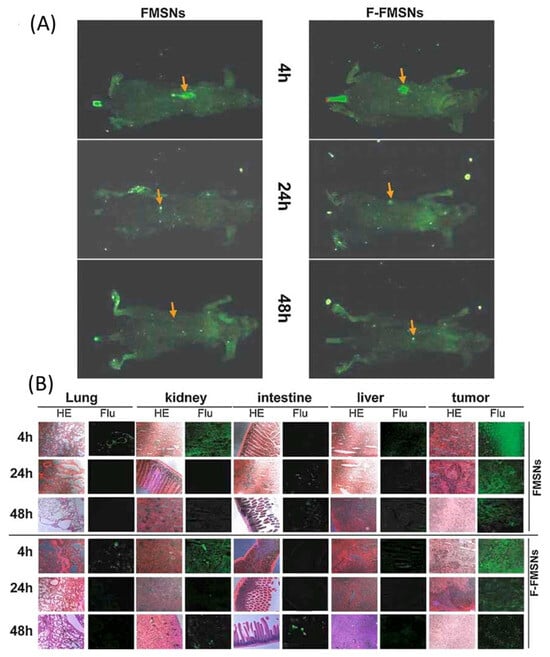
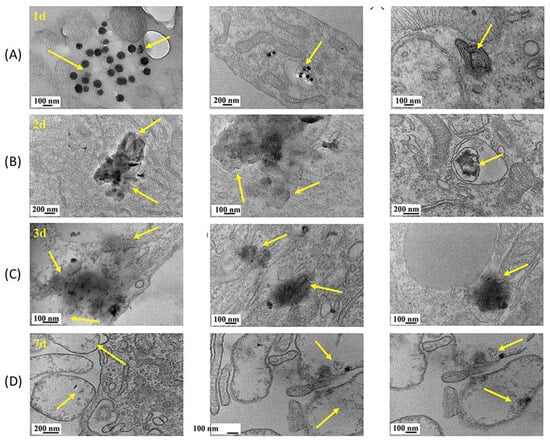
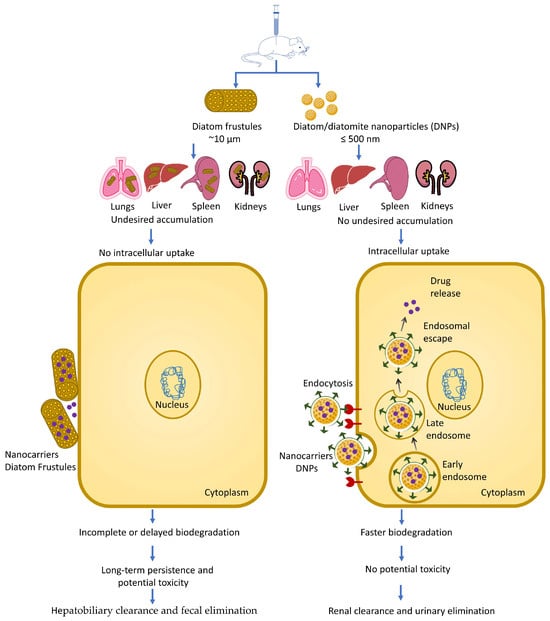
In Vivo Fate of Diatom-Based Nanocarriers: Advances, Challenges, and Future Perspectives
by
Kshipra Naik, Luca De Stefano and Ilaria Rea
Int. J. Mol. Sci. 2026, 27(11), 4676; https://doi.org/10.3390/ijms27114676 - 22 May 2026
Abstract
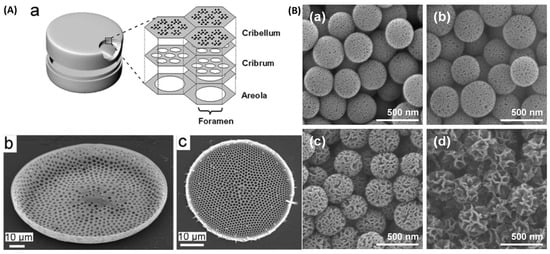
Diatom nanotechnology offers significant potential for the development of innovative diatom-based nanocarriers for drug delivery and bioimaging, with promising implications for the treatment and diagnosis of diverse diseases. However, clinical translation of these nanocarriers remains limited due to an incomplete understanding of their
[...] Read more.
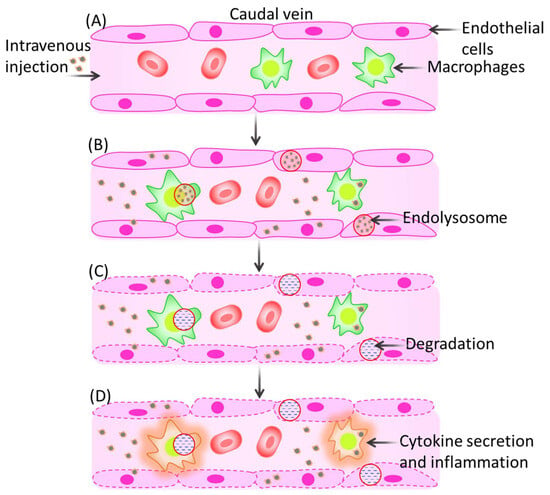
Diatom nanotechnology offers significant potential for the development of innovative diatom-based nanocarriers for drug delivery and bioimaging, with promising implications for the treatment and diagnosis of diverse diseases. However, clinical translation of these nanocarriers remains limited due to an incomplete understanding of their in vivo fate. Current studies on the biodistribution, intracellular behavior, biodegradation, and clearance of diatom-based nanocarriers are inadequate and often lack systematic evaluation, leaving critical knowledge gaps. A comprehensive understanding of how these nanocarriers traverse biological barriers, interact with cellular components, and are ultimately eliminated from the body is essential for their rational design and safe clinical implementation. This perspective critically examines the in vivo fate of diatom-based nanocarriers, highlighting recent advances while identifying key challenges and unresolved questions. By integrating insights into their biodistribution, intracellular interactions, toxicological profile, biodegradation, and clearance mechanisms, this article provides a framework to guide the development of more effective and clinically relevant diatom-based nanoplatforms. Furthermore, it outlines future research directions and design strategies for next-generation nanoformulations, aiming to accelerate their translation from bench to the bedside.
Full article
(This article belongs to the Special Issue Molecular Advancements in Functional Materials)
►▼
Show Figures

Figure 1
Open AccessReview
Chloroplasts and Plant Sustainability: Key Roles and Emerging Insights
by
Nunzia Scotti and Rachele Tamburino
Int. J. Mol. Sci. 2026, 27(11), 4675; https://doi.org/10.3390/ijms27114675 - 22 May 2026
Abstract
Chloroplasts are the primary sites of photosynthesis, but growing evidence highlights their broader role as central hubs that coordinate plant responses to environmental challenges. They retain a semi-autonomous genetic system and communicate extensively with the nucleus through anterograde and retrograde signalling pathways, enabling
[...] Read more.
Chloroplasts are the primary sites of photosynthesis, but growing evidence highlights their broader role as central hubs that coordinate plant responses to environmental challenges. They retain a semi-autonomous genetic system and communicate extensively with the nucleus through anterograde and retrograde signalling pathways, enabling coordinated cellular regulation. Beyond energy conversion, chloroplasts host key biosynthetic pathways and dynamically adjust their metabolic and redox states in response to developmental and environmental cues. This review summarizes the current knowledge of chloroplast functions in response to abiotic and biotic stresses, emphasizing their contribution to plant resilience, productivity and sustainability. Under abiotic stress, chloroplasts undergo structural, metabolic and redox reprogramming to maintain photosynthetic efficiency and metabolic homeostasis. During biotic stress, they act as a powerful signalling platform that integrates immune responses with metabolic and redox regulation. These functions rely on overlapping signalling pathways that are differentially tuned to support acclimation or defence. By coordinating stress responses with photosynthetic activity and metabolic efficiency, chloroplasts play a central role in sustaining plant productivity and represent promising targets for enhancing crop resilience and agricultural sustainability under climate change and increasing pathogen pressure.
Full article
(This article belongs to the Special Issue Plant Chloroplasts and Mitochondria: Key Organelles for Sustainable Agriculture)
Journal Menu
► ▼ Journal Menu-
- IJMS Home
- Aims & Scope
- Editorial Board
- Reviewer Board
- Topical Advisory Panel
- Instructions for Authors
- Special Issues
- Topics
- Sections & Collections
- Article Processing Charge
- Indexing & Archiving
- Most Cited & Viewed
- Journal Statistics
- Journal History
- Journal Awards
- Society Collaborations
- Conferences
- Editorial Office
Journal Browser
► ▼ Journal Browser-
arrow_forward_ios
Forthcoming issue
arrow_forward_ios Current issue - Vol. 27 (2026)
- Vol. 26 (2025)
- Vol. 25 (2024)
- Vol. 24 (2023)
- Vol. 23 (2022)
- Vol. 22 (2021)
- Vol. 21 (2020)
- Vol. 20 (2019)
- Vol. 19 (2018)
- Vol. 18 (2017)
- Vol. 17 (2016)
- Vol. 16 (2015)
- Vol. 15 (2014)
- Vol. 14 (2013)
- Vol. 13 (2012)
- Vol. 12 (2011)
- Vol. 11 (2010)
- Vol. 10 (2009)
- Vol. 9 (2008)
- Vol. 8 (2007)
- Vol. 7 (2006)
- Vol. 6 (2005)
- Vol. 5 (2004)
- Vol. 4 (2003)
- Vol. 3 (2002)
- Vol. 2 (2001)
- Vol. 1 (2000)
Highly Accessed Articles
Latest Books
E-Mail Alert
News
27 January 2026
Meet Us at the 5th Molecules Medicinal Chemistry Symposium, 14–17 May 2026, Beijing, China
22 January 2026
“Do Not Be Afraid of New Things”: Prof. Michele Parrinello on Scientific Curiosity and the Importance of Fundamental Research
Topics
Topic in
Cancers, IJMS, Pharmaceuticals, Pharmaceutics, Sci. Pharm., Current Oncology, Molecules
Recent Advances in Anticancer Strategies, 2nd Edition
Topic Editors: Hassan Bousbaa, Zhiwei HuDeadline: 31 May 2026
Topic in
Biomedicines, IJMS, JCM, Medicina, Neurology International
Advances in Exercise-Induced Neurogenesis, Neuronal and Functional Adaptations in Neurorehabilitation
Topic Editors: Carlos Bernal-Utrera, Cleofas Rodriguez-Blanco, Maria Livia Carrascal MorenoDeadline: 29 June 2026
Topic in
Dentistry Journal, IJMS, JCM, Medicina, Applied Sciences
Oral Health Management and Disease Treatment
Topic Editors: Christos Rahiotis, Felice Lorusso, Sergio Rexhep TariDeadline: 31 July 2026
Topic in
Biomedicines, Biomolecules, Cancers, Cells, Hematology Reports, IJMS
Advances in Molecular Pathogenesis and Targeted Therapies for Multiple Myeloma
Topic Editors: Chung Hoow Kok, Cindy H. S. Lee, Claudio CerchioneDeadline: 3 August 2026
Conferences
Special Issues
Special Issue in
IJMS
Molecular Mechanisms in Mucosal Immunity
Guest Editor: Mónica VermeulenDeadline: 25 May 2026
Special Issue in
IJMS
Biogenic and Bioinspired Nanomaterials: Sustainable Strategies for Biomedical Applications
Guest Editor: Cláudia BotelhoDeadline: 25 May 2026
Special Issue in
IJMS
Cutting-Edge Research and Advancements in Neurodegenerative Diseases
Guest Editor: Meera SoundararajanDeadline: 25 May 2026
Special Issue in
IJMS
Cross-Kingdom Conversations: Deciphering Molecular Interactions in Microorganisms and Plants
Guest Editor: Eun-Hae KwonDeadline: 25 May 2026
Topical Collections
Topical Collection in
IJMS
Latest Review Papers in Molecular Pathology, Diagnostics, and Therapeutics
Collection Editor: Abdelkrim Hmadcha
Topical Collection in
IJMS
Feature Papers Collection in Biochemistry
Collection Editor: Clemente Capasso
Topical Collection in
IJMS
Molecular Research on Hematologic Diseases
Collection Editor: Kazuya Sato
Topical Collection in
IJMS
State-of-the-Art Materials Science in China
Collection Editors: Yujiang Fan, Yin Wang