
Skip Content
You are currently on the new version of our website. Access the old version .

Fluids

Fluids is an international, peer-reviewed, open access journal on all aspects of fluids, published monthly online by MDPI.
The Portuguese Society of Rheology (SPR) is affiliated with Fluids and its members receive discounts on the article processing charges.

All Articles (2,525)

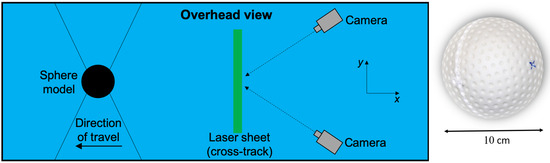
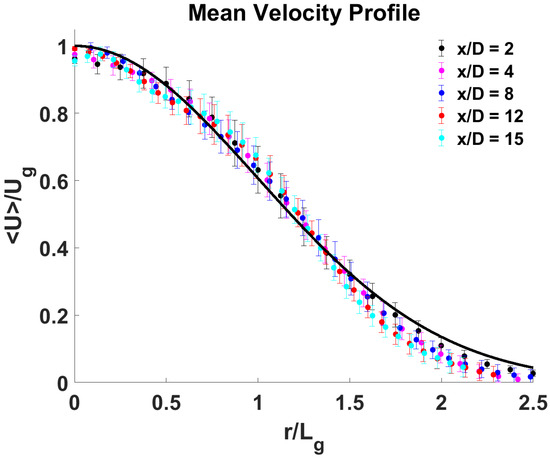
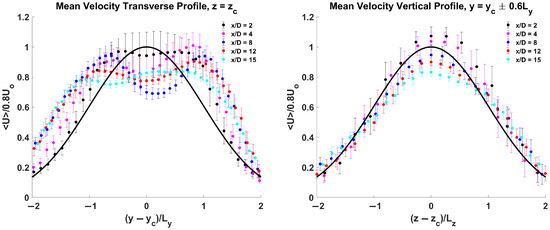
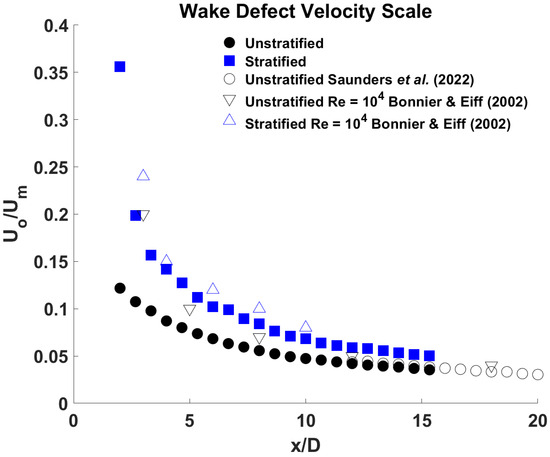
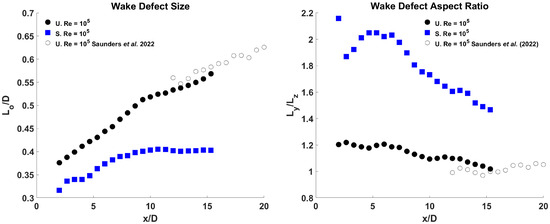
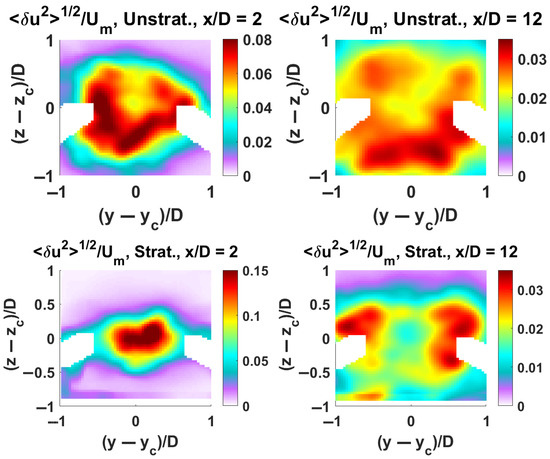
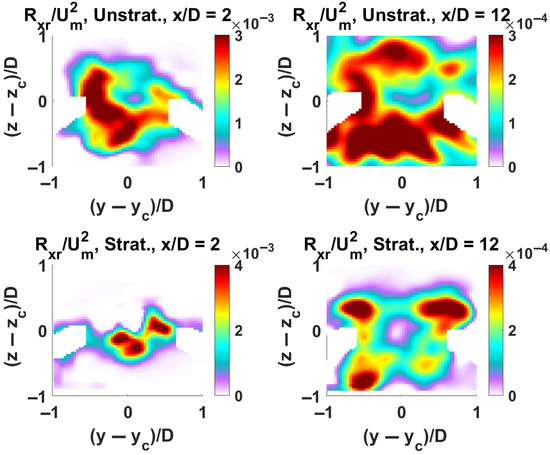
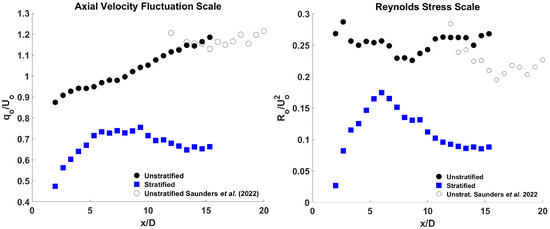
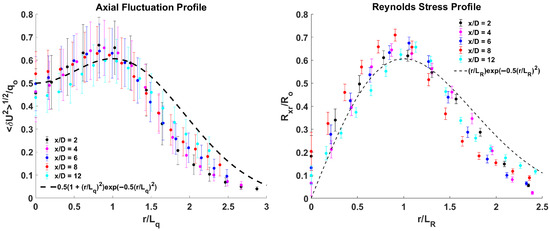
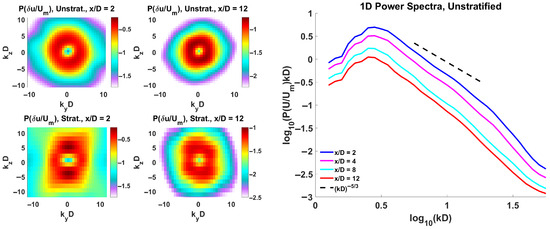
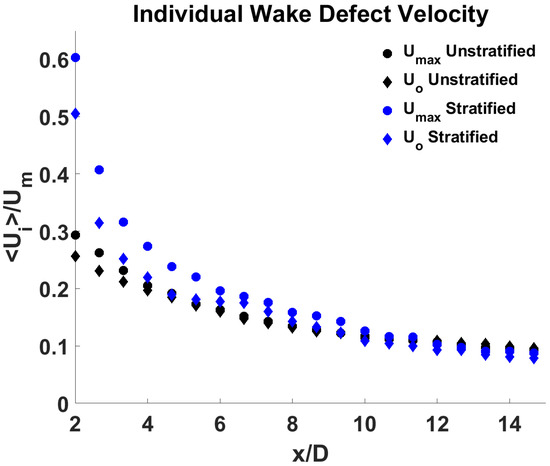
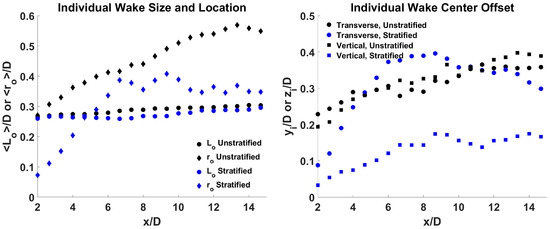
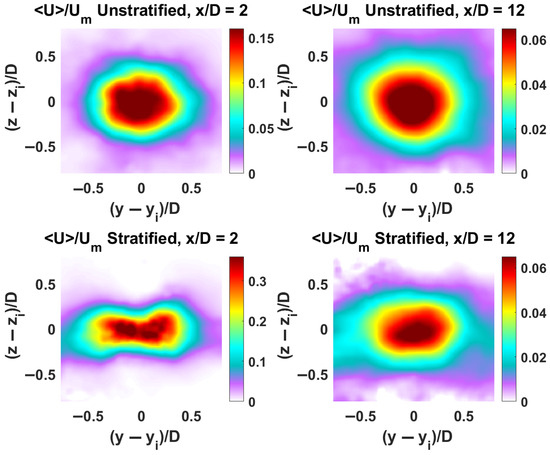
The drag wake of a dimpled sphere is studied experimentally using stereo particle image velocimetry at a Reynolds number of 105 in both unstratified and stratified (Froude number 80) fluids at downstream distances of . More than eighty experiments were conducted, and both analyses of ensemble-mean wakes and statistics of individual experiment wake data are presented. Stratification is found to qualitatively change the ensemble-mean wake axial velocity defect immediately behind the sphere, taking a Gaussian shape without stratification and an oval shape with stratification. As x/D increases, the impact of stratification decreases up to the limit of the data at . Analysis of individual experiment wakes indicates that most of the difference between unstratified and stratified ensemble-mean wakes at is because stratification reduces wake meandering in the vertical direction.

6 February 2026

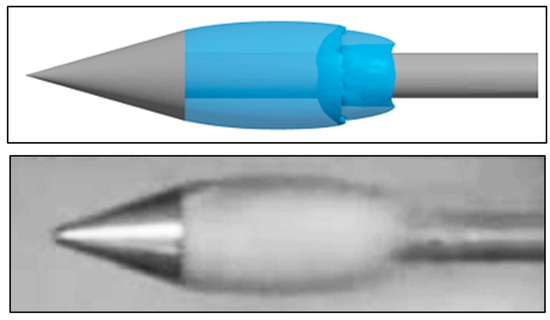
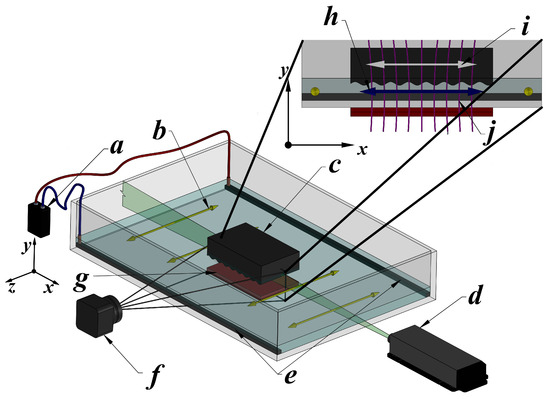
(Left): A schematic of the experimental layout, illustrating the location of the towed sphere, stereo particle image velocimetry (SPIV) cameras, and orientation of the laser illumination sheet. (Right): The dimpled sphere used to generate the wake.

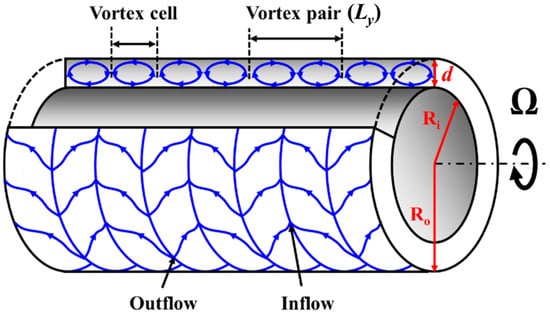
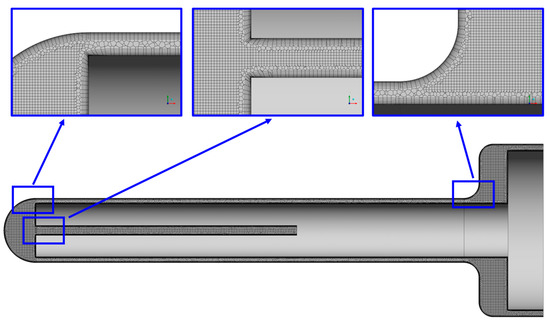
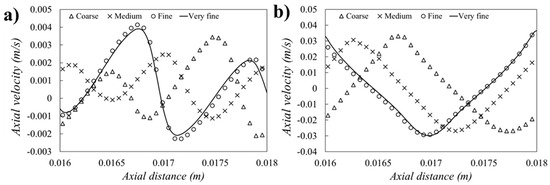
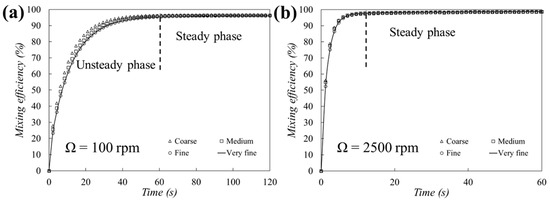
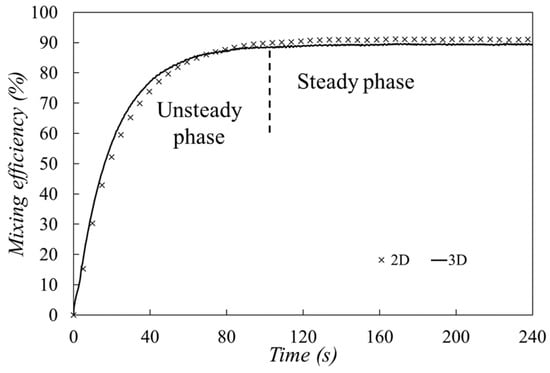
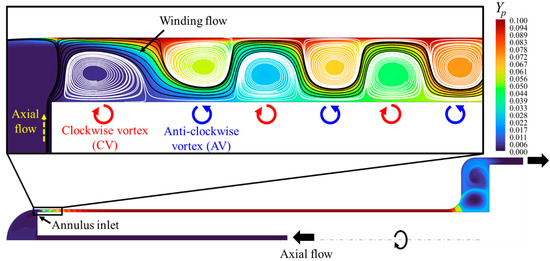
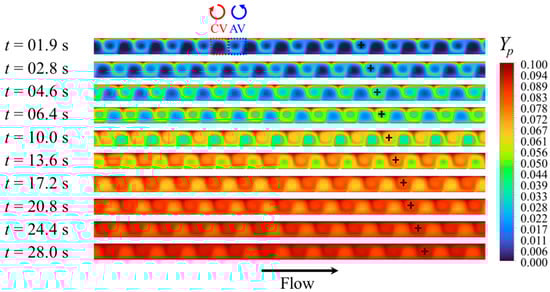
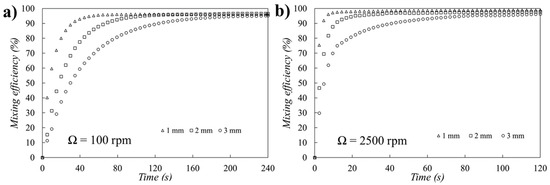
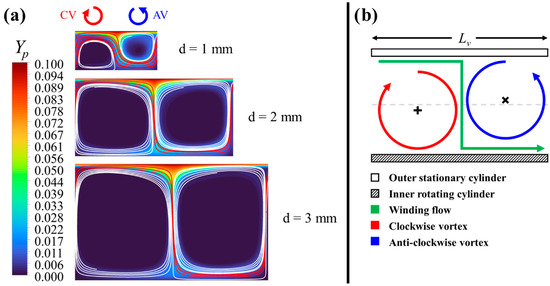
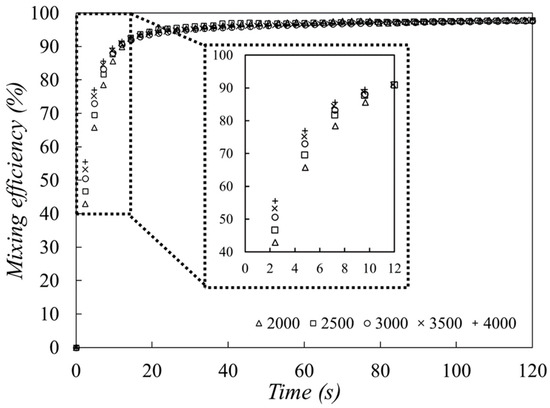
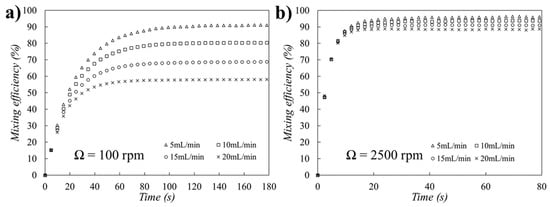
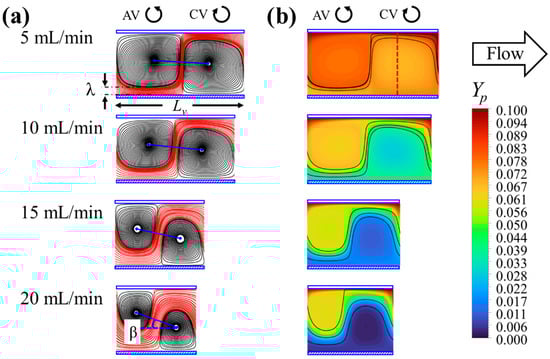
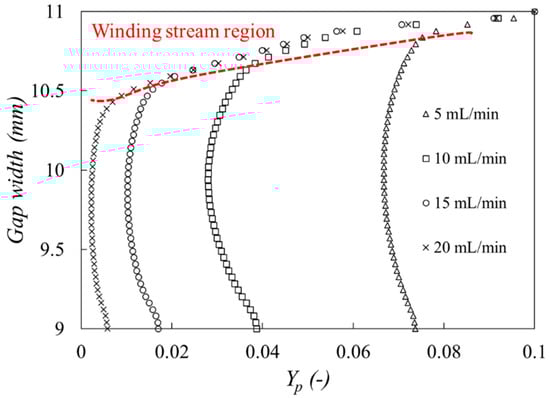
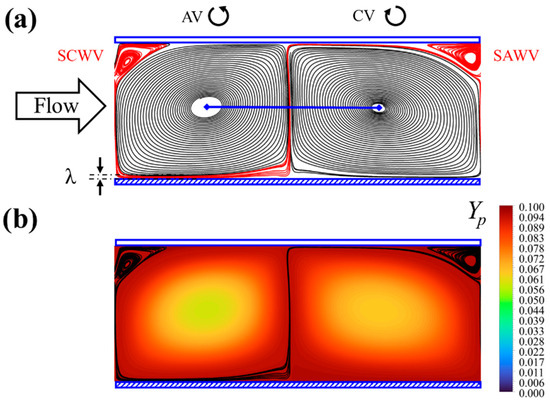
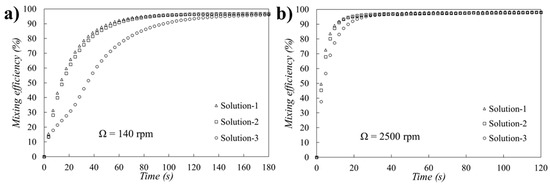
This paper deals with computational fluid dynamics (CFD) to improve the design of a new scalable photochemical reactor which uses the Taylor–Couette flow principle. This study aims to investigate the ways to improve the mixing efficiency (Meff) within the reactor, as it is a key parameter to increase the productivity and inform the future scale-up of the novel reactor. The investigated design parameters are the gap size (d) between the reactor cylinders, the rotational speed (Ω) of the inner cylinder, the flow rate of the reagent (V˙), and the dynamic viscosity of the mixture (μ). For all the investigated cases, the results show that the temporal evolution of the Meff increases and then becomes steady after a maximum level is reached. The point of the maximum Meff is called the equilibration time. It is revealed that the Meff is mainly affected by the flow rate increase as it contracts the Taylor vortices and consequently the mixing deteriorates.

5 February 2026

Schematic of the vortex structure of Taylor–Couette flow.

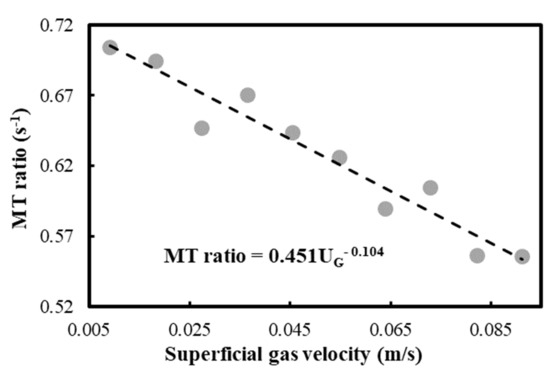
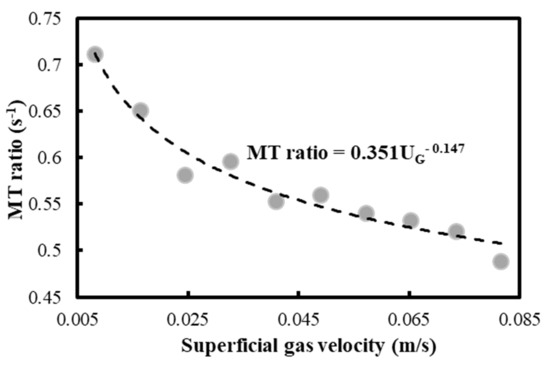
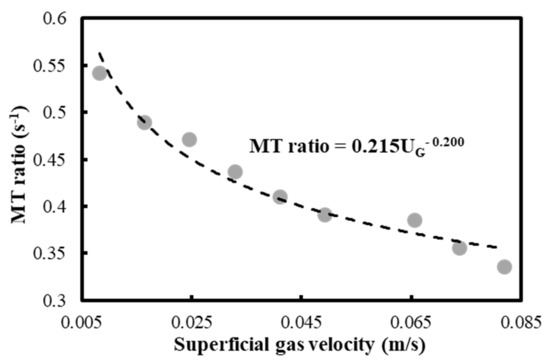
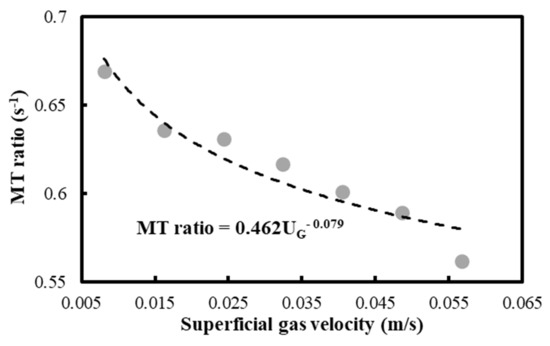
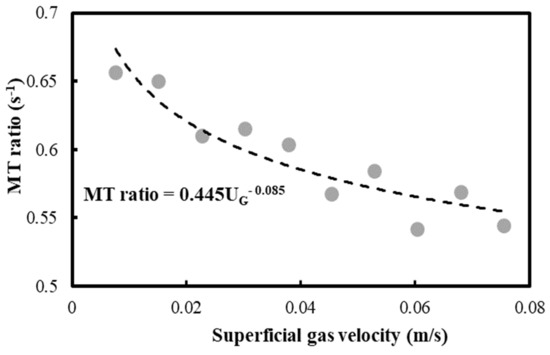
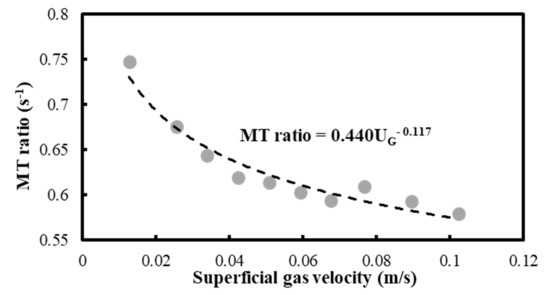
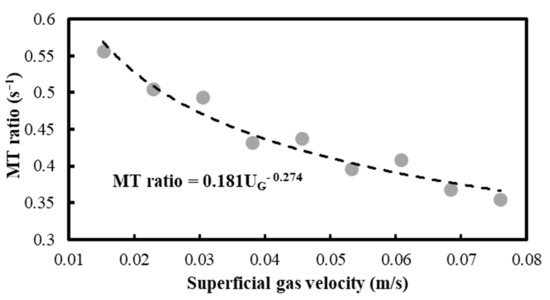
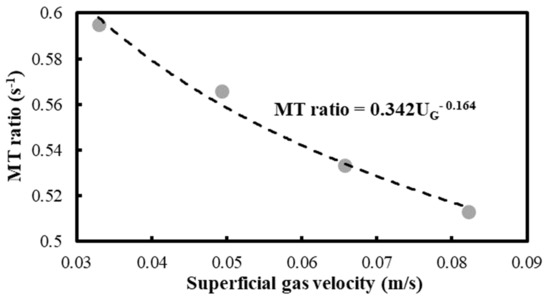
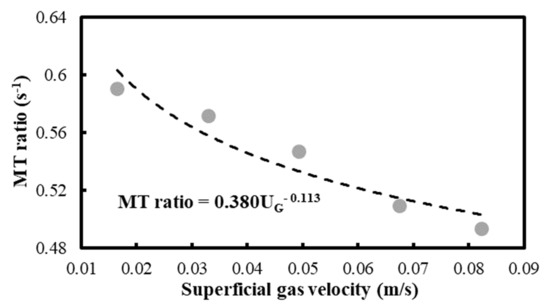
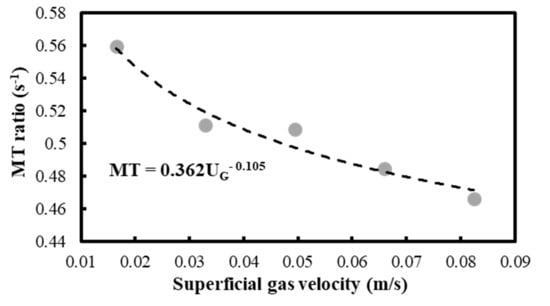
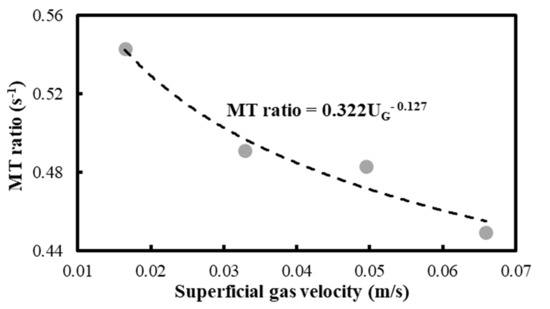
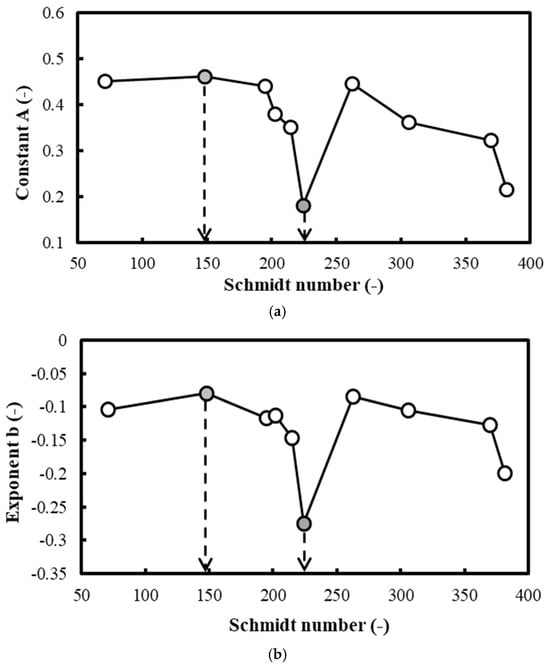
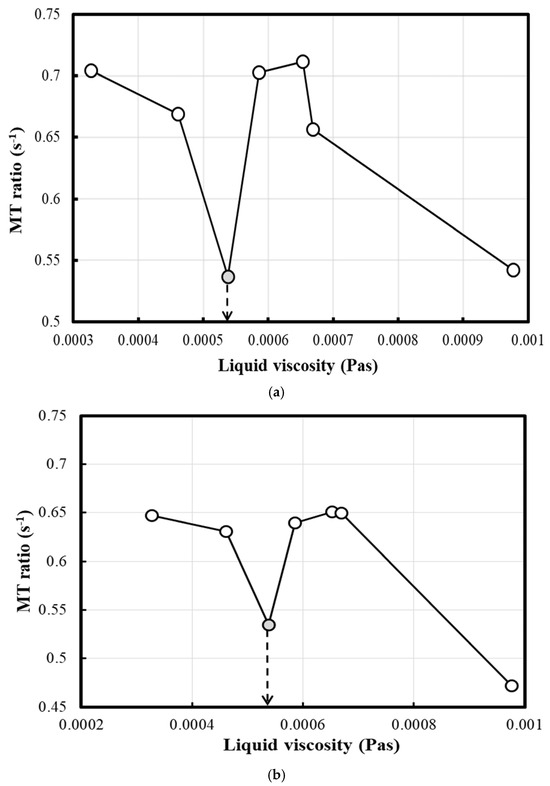
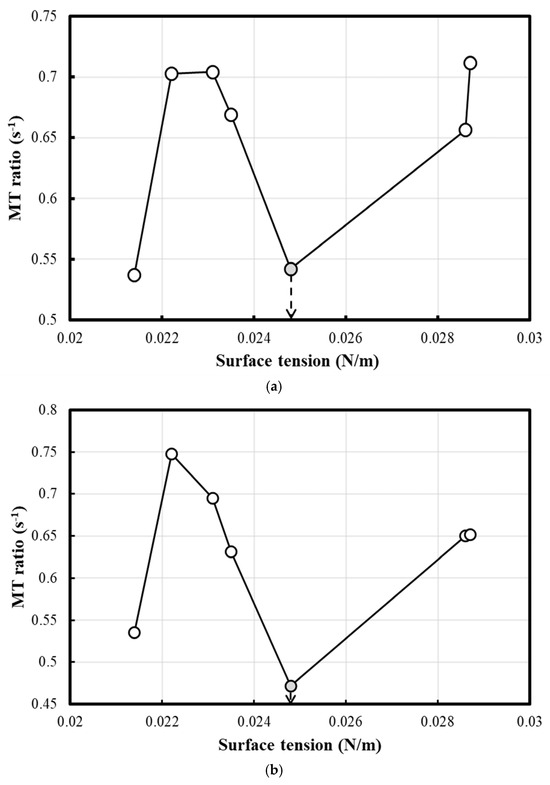
In this work, for the first time, the dependence of the mass transfer (MT) ratio (kLa coefficient to overall gas holdup) as a function of the superficial gas velocity UG in seven organic liquids was studied. The volumetric liquid-phase MT coefficients kLa were recorded (by means of a polarographic oxygen electrode) in a bubble column (0.095 m in ID) equipped with a single tube (∅3.0 mm in ID) as a gas sparger. It was found that the MT ratio decreases monotonically through all main flow regimes. Both the constant and the exponent of the empirical correlation between the MT ratio and UG were analyzed, and it was found that they depended in a complicated fashion on the Schmidt number, Sc. In three different regions of the Sc number, potential new correlations were discussed. The main conclusion from this work is that the MT ratio is not constant in the heterogeneous regime as reported previously by other researchers. In the case of four binary mixtures between benzene and cyclohexane, it was also found that the MT ratio decreased monotonically as a function of the superficial gas velocity, UG. The effects of both liquid viscosity and surface tension on the MT ratio were also investigated.

4 February 2026

Profile of the MT ratio as a function of UG in the air–acetone system.

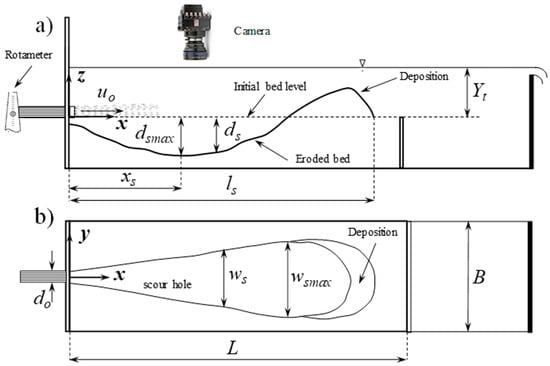
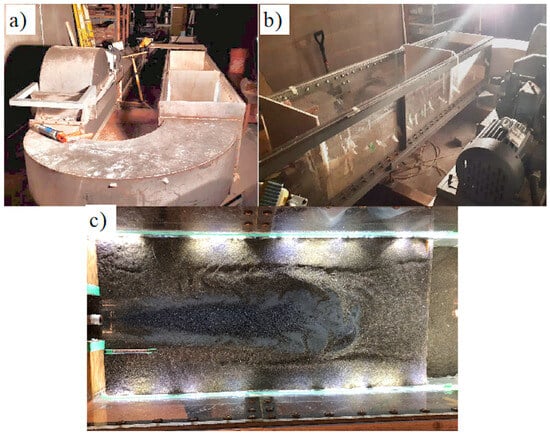
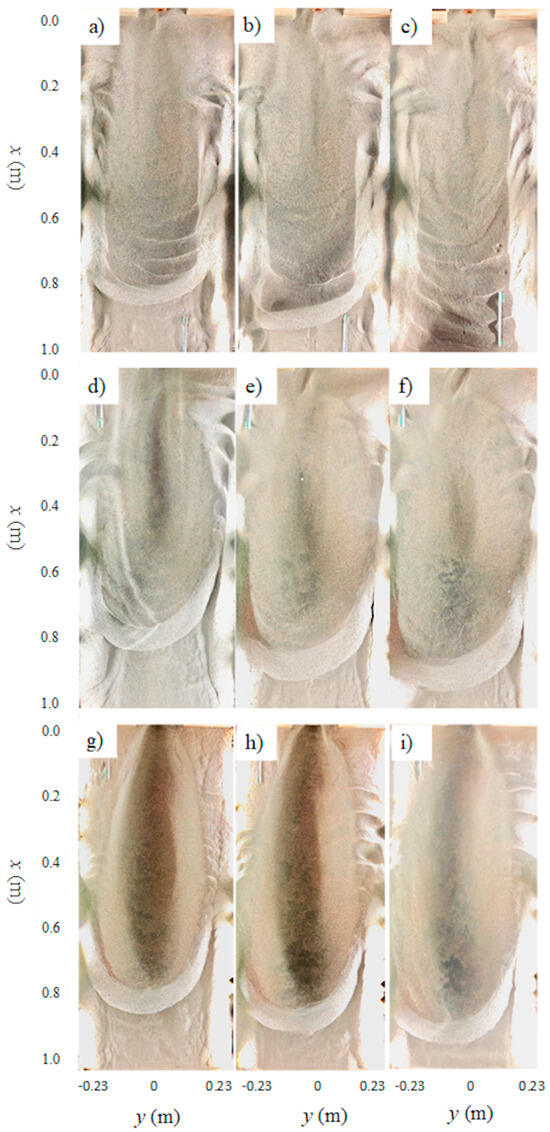
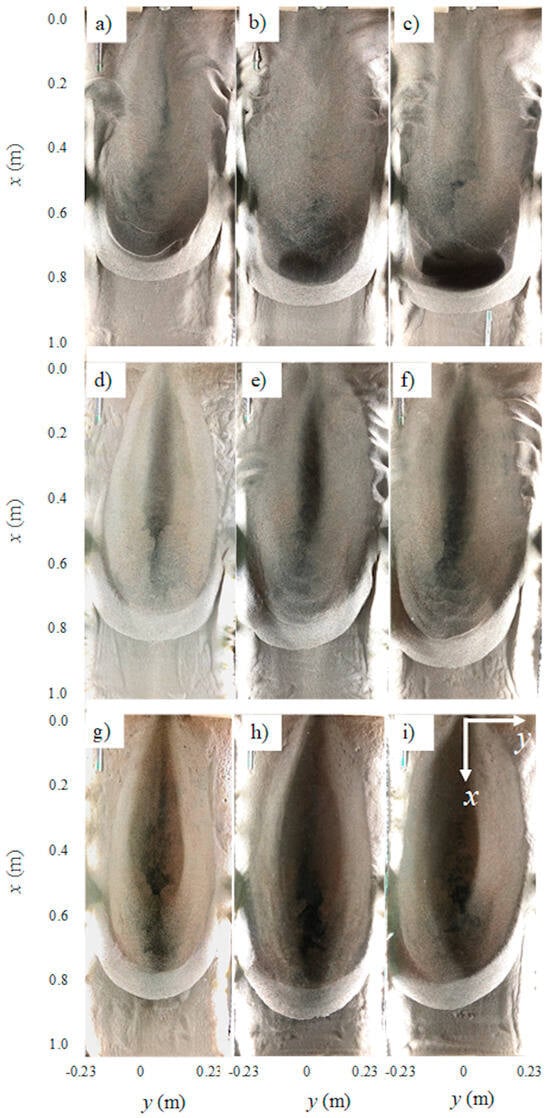
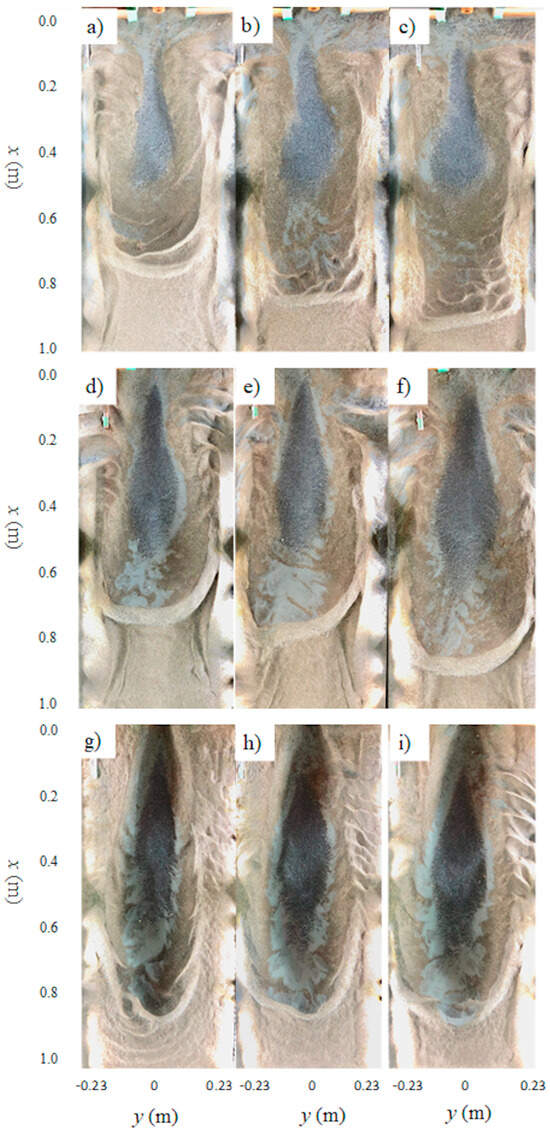
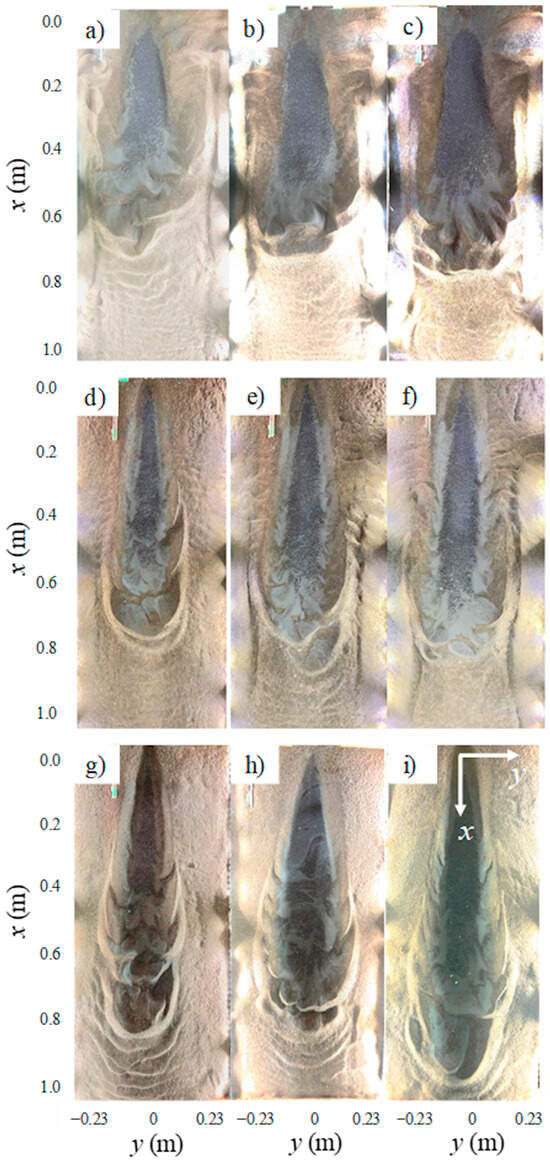
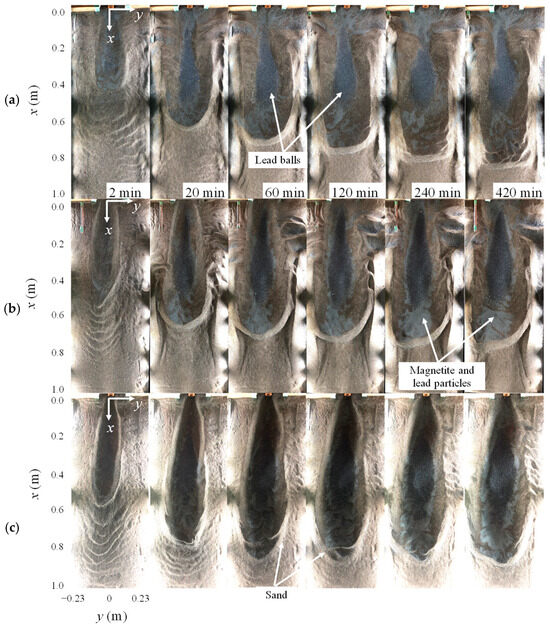
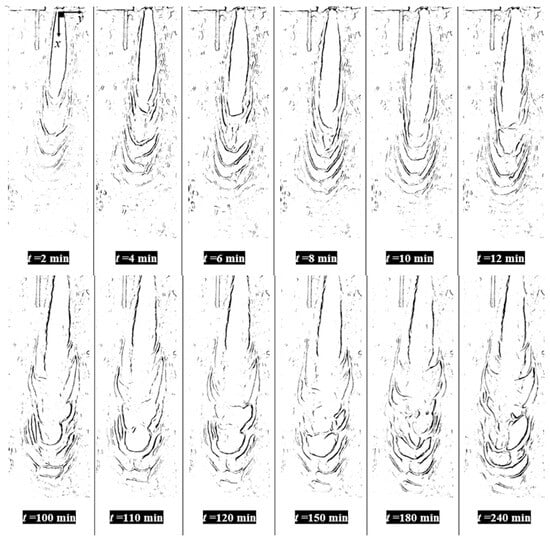
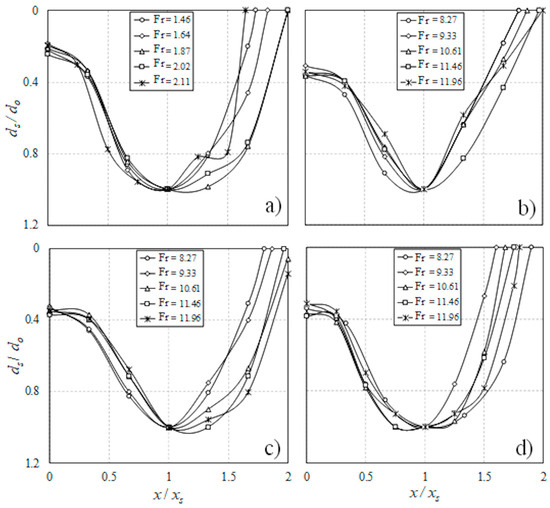
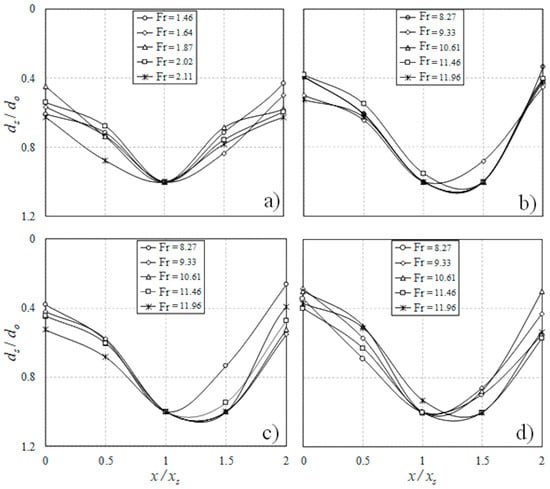
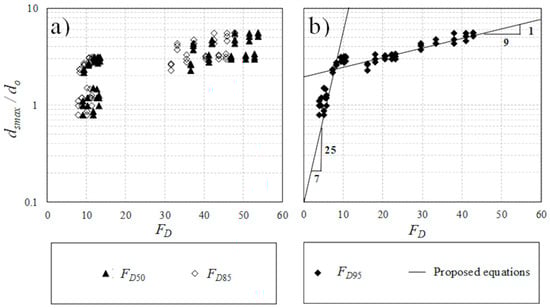
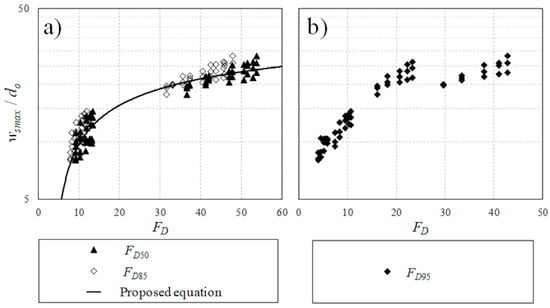
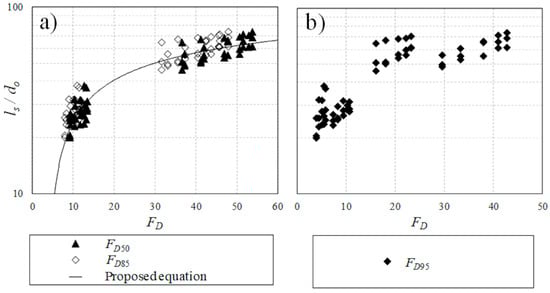
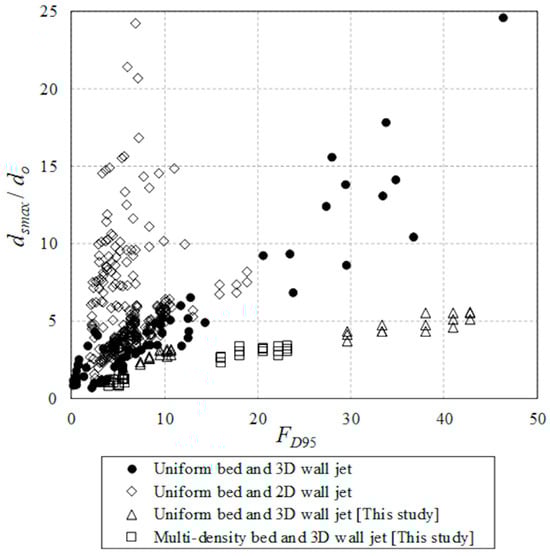
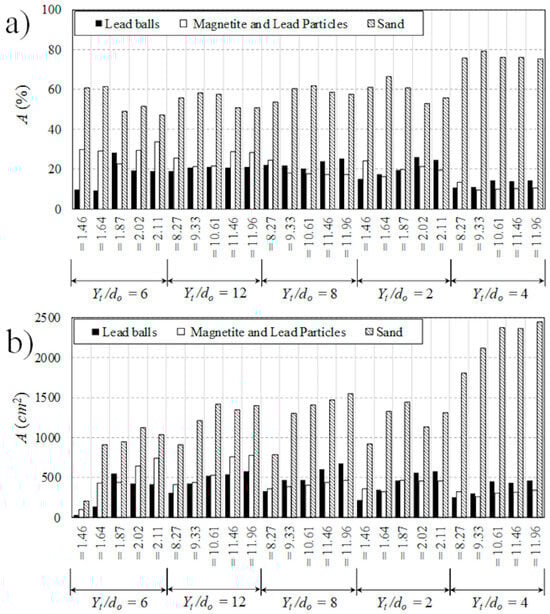
The scour process of sand particles and multi-grain size and density particles were studied to investigate the segregation process of different particles in a confined channel. The effects of jet intensity and submergence as two controlling parameters were studied, and scour characteristics and profiles were measured. The time history of the scouring process was measured and the results were compared with the scour process in a uniform sand bed as benchmark tests. Experimental data revealed that the eroded area of different particle types increased with the jet intensity, but the erosion of relatively heavier particles was limited due to jet diffusion. The local erosion was affected by the level of submergence and more erosion occurred near the nozzle at low submergence. Increasing the jet Froude number increased the area of deposition, while submergence reduced the overall area of deposition. As submergence increased from 4 to 12, the area of sand particles reduced by more than 50% while the jet intensity was constant. In shallow submergence, increasing jet intensity from 1.46 to 2.11 increased the area of lead balls by 120%, whereas in relatively deep submergence, incrementing jet intensity increased the area of lead balls by more than five times. The effect of flow intensity on variations of scour dimensions was quantified by the densimetric Froude number. While a densimetric Froude number based on mean particle size, D50, was found to be suitable to estimate maximum scour bed in uniform sand beds, experimental data indicated that the best fit is achievable to predict maximum scour depth in multi-grain size and density once D95 is used. Semi-empirical models were proposed to predict scour dimensions as a function of the densimetric Froude number.
30 January 2026

Schematics of the experimental setup and coordinate system: (a) side view; (b) top view.

News & Conferences

Issues

Open for Submission

Editor's Choice

Reprints of Collections

Contact Line Dynamics and Droplet Spreading
Reprint

Contact Line Dynamics and Droplet Spreading

Editors: Alireza Mohammad Karim, Koji Hasegawa, Maurizio Santini

Get Alerted

Add your email address to receive forthcoming issues of this journal.

XFacebookLinkedIn
Fluids - ISSN 2311-5521