

-
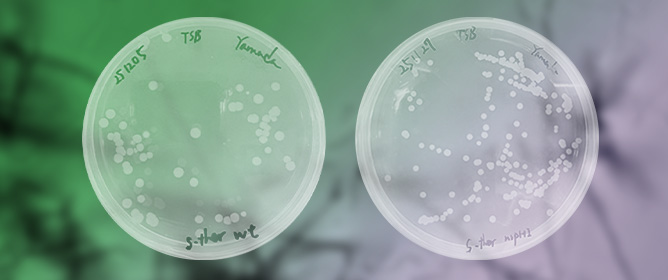
Genome-Scale Modeling-Guided Metabolic Engineering Enables Heterologous Production of 3-Amino-4-hydroxybenzoic Acid in Streptomyces thermoviolaceus -
Isolation and Reassembly of Cultivable Bacteria and Yeasts for Kombucha Tea Fermentation -
Promoting Smithella Enrichment, Syntrophic Interaction and Metabolism for Efficient Anaerobic Conversion of Propionate to Methane: The Role of Lys@Fe3O4
Journal Description
Fermentation
Fermentation
is an international, peer-reviewed, open access journal on fermentation process and technology, published monthly online by MDPI.
- Open Access— free for readers, with article processing charges (APC) paid by authors or their institutions.
- High Visibility: indexed within Scopus, SCIE (Web of Science), PubAg, FSTA, Inspec, CAPlus / SciFinder, and other databases.
- Journal Rank: JCR - Q2 (Biotechnology and Applied Microbiology) / CiteScore - Q1 (Plant Science)
- Rapid Publication: manuscripts are peer-reviewed and a first decision is provided to authors approximately 19.5 days after submission; acceptance to publication is undertaken in 2.9 days (median values for papers published in this journal in the second half of 2025).
- Recognition of Reviewers: reviewers who provide timely, thorough peer-review reports receive vouchers entitling them to a discount on the APC of their next publication in any MDPI journal, in appreciation of the work done.
Impact Factor:
3.3 (2024);
5-Year Impact Factor:
3.5 (2024)
Latest Articles
Saccharomyces boulardii CNCM I-745 as a Probiotic Adjunct in Kefir: A Proof-of-Concept Study Comparing Traditional Grain and Industrial Starter Cultures
Fermentation 2026, 12(5), 249; https://doi.org/10.3390/fermentation12050249 - 20 May 2026
Abstract
Probiotic yeasts are increasingly proposed as adjuncts in fermented dairy products, but their behavior in kefir is still poorly described. This proof-of-concept study examined the effect of Saccharomyces boulardii CNCM I-745 supplementation on kefir produced with two traditional grain cultures and two industrial
[...] Read more.
Probiotic yeasts are increasingly proposed as adjuncts in fermented dairy products, but their behavior in kefir is still poorly described. This proof-of-concept study examined the effect of Saccharomyces boulardii CNCM I-745 supplementation on kefir produced with two traditional grain cultures and two industrial direct-vat-inoculation cultures during 21 days of cold storage at 4 C. Microbiological, physicochemical, and sensory parameters were monitored on days 1, 7, 14, and 21. The starter culture type was the main source of variation, with traditional grain kefirs showing higher microbial counts and better sensory scores than industrial cultures. S. boulardii did not change pH, titratable acidity, Lactococcus spp., or total mesophilic aerobic bacteria, indicating that it can be added without disturbing the established kefir microbiota or its acidification pattern. The probiotic yeast increased the total yeast count, slightly modulated Lactobacillus spp., and gave a small improvement in taste–aroma scores. In the yeast-free industrial culture, S. boulardii maintained viable counts above 6 log CFU/g throughout storage, showing that it can act as the sole yeast source in kefir matrices that lack indigenous yeast. Traditional grain kefirs kept a more stable overall sensory quality across 21 days than industrial cultures. The multivariate analysis confirmed two largely independent quality dimensions, one related to lactic acid bacteria and acidity and another to sensory perception. The study supports the use of S. boulardii as a probiotic adjunct in kefir and provides preliminary effect-size information for future, adequately replicated trials.
Full article
(This article belongs to the Section Probiotic Strains and Fermentation)
Open AccessArticle
A Blend of Essential Oils (Blend of Eugenol, Linalool, Anethole, and Cinnamaldehyde) Increases Ruminal Propionate and Improves Total Tract Starch Digestibility in Steers Fed a Dry-Rolled Corn-Based Finishing Diet
by
Federico Podversich, Jorge Bonilla Urbina, Callie Coble, Zachary K. F. Smith, Warren C. Rusche, Rebecca O’Sullivan, Mark J. Leggett, Sophie L. Parker-Norman and Ana Clara B. Menezes
Fermentation 2026, 12(5), 248; https://doi.org/10.3390/fermentation12050248 - 20 May 2026
Abstract
Feed additives based on essential oils (EOs) have emerged as a potential alternative to ionophores for diets with elevated grain inclusion. Also, on some occasions, EOs have been used in combination with monensin, with variable results. A metabolism trial was conducted using a
[...] Read more.
Feed additives based on essential oils (EOs) have emerged as a potential alternative to ionophores for diets with elevated grain inclusion. Also, on some occasions, EOs have been used in combination with monensin, with variable results. A metabolism trial was conducted using a 2 × 2 factorial arrangement of treatments, evaluating supplementation with (A) monensin sodium (0 mg/steer daily vs. 400 mg. steer daily) and (B) a blend of EOs (eugenol, linalool, anethole, and cinnamaldehyde, 0 g/d vs. 14 g/d). Four Red Angus steers (BW = 435 ± 9.0 kg) with ruminal and duodenal cannulas were used, and the study was conducted as a Latin square with four periods of 28 days each. Ruminal fermentation and nutrient digestibility at different levels (ruminal, intestinal, and total tract) were determined. The EOs increased total tract starch digestibility (p = 0.05) by 4.5% and propionate concentration (p = 0.03) by 30.9%. Furthermore, EOs decreased acetate (p = 0.04) by 7.4% as well as the acetate to propionate ratio (p = 0.03). In conclusion, our results suggest that it is safe to combine this EO blend with monensin for feedlot diets. The EO blend improved starch digestibility and increased efficiency of the ruminal fermentation end-products, which suggests it could be beneficial in diets based upon grain.
Full article
(This article belongs to the Special Issue Ruminal Fermentation: 2nd Edition)
Open AccessArticle
Ruminal Microbe Consortia for Biogas Production from Lignocellulosic Substrate
by
Annabella Juhász-Erdélyi, Márta Huszár, Attila Farkas, Gergely Maróti, Roland Wirth, Márk Szuhaj, Zoltán Bagi, Kornél L. Kovács and Etelka Kovács
Fermentation 2026, 12(5), 247; https://doi.org/10.3390/fermentation12050247 - 19 May 2026
Abstract
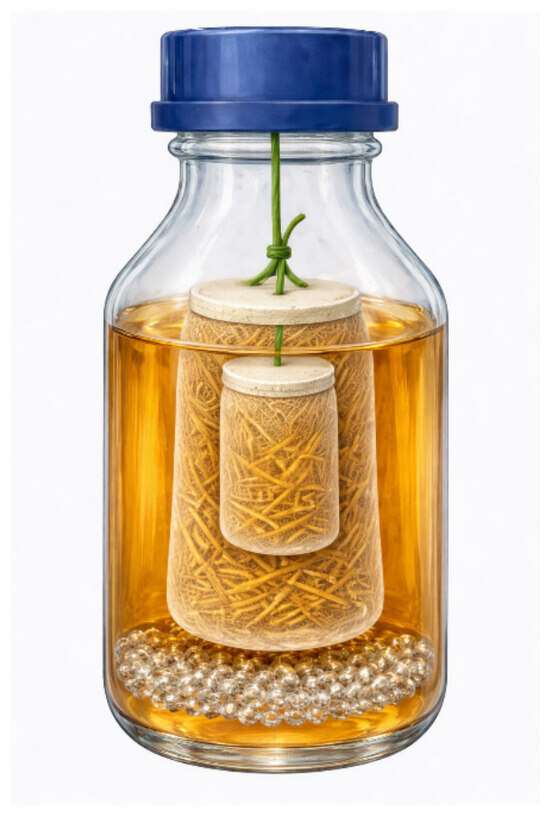
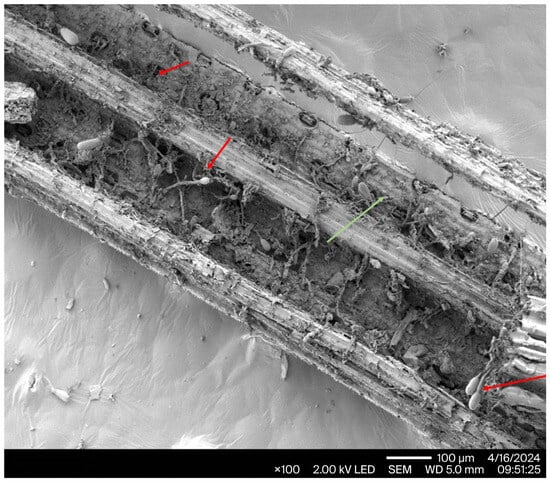
Lignocellulose is degraded in the rumen by diverse microorganisms. This study aimed to select the top ruminal microbes associated with an anaerobic fungus (AF) capable of forming consortia that facilitate biogas production from wheat straw. The workflow included the following steps: (1) batch
[...] Read more.
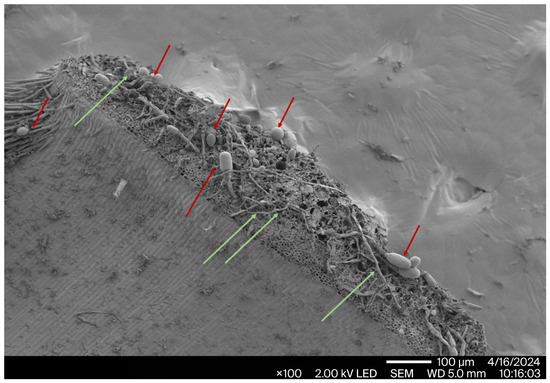
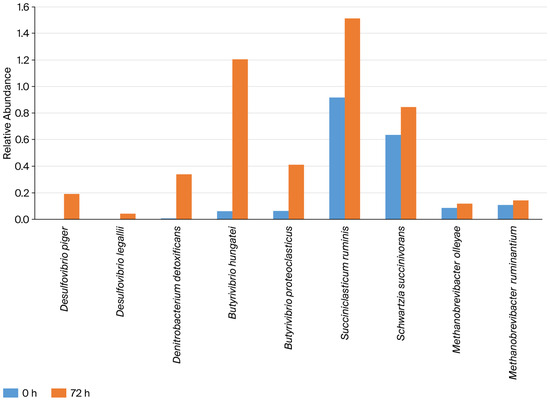
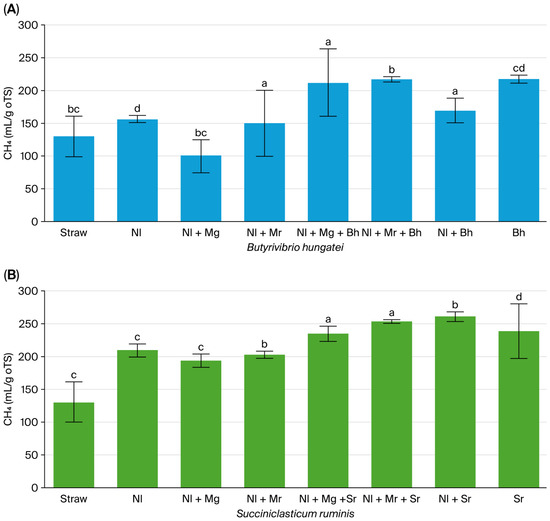
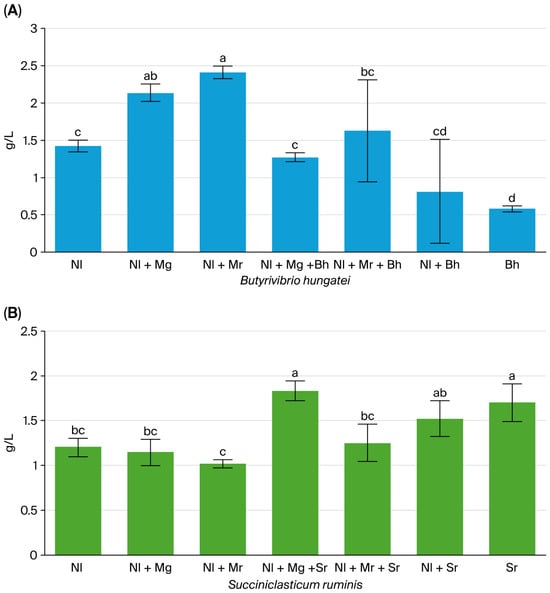
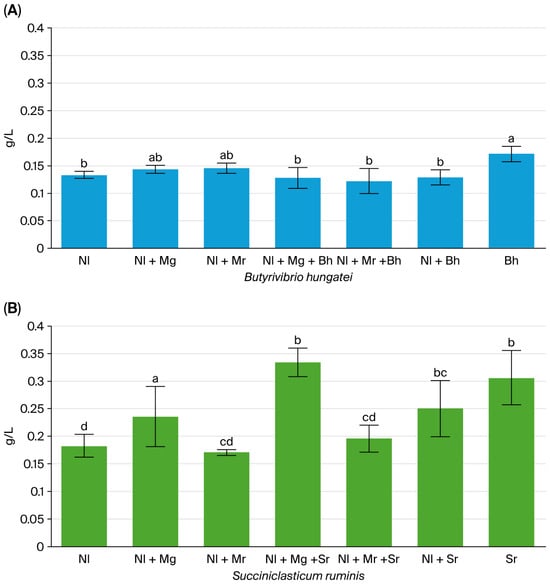
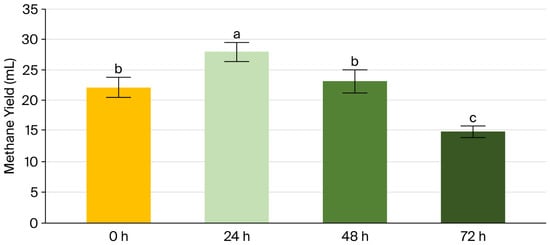
Lignocellulose is degraded in the rumen by diverse microorganisms. This study aimed to select the top ruminal microbes associated with an anaerobic fungus (AF) capable of forming consortia that facilitate biogas production from wheat straw. The workflow included the following steps: (1) batch reactors, divided into three compartments with porous membrane bags containing wheat straw, were assembled. The outermost compartment was inoculated with freshly collected rumen content. The first microbes colonizing the wheat straw in the innermost compartment within 72 h were identified. (2) Synthetic consortia were assembled comprising the following identified microbes: an anaerobic fungus (AF) (Neocallimastix lanati); methanogenic archaea (M) (Methanobrevibacter ruminantium or Methanobrevibacter gottschalkii); bacteria (B) (Butyrivibrio hungatei or Succinoclasticum ruminis). (3) Wheat straw was subjected to 7-day pretreatments with these synthetic consortia. (4) The pretreated straw served as substrate in biochemical methane potential (BMP) tests that used a biogas reactor digestate as the inoculum. The pretreated straw produced elevated biomethane yields; nonetheless, this process needs further optimization. The cross-kingdom AF + M + B consortia increased methane production by 35–70%, and superior volatile fatty acid production was confirmed via HPLC. The results suggest novel strategies for advanced practical biogas/biomethane technologies.
Full article
(This article belongs to the Section Industrial Fermentation)
►▼
Show Figures

Figure 1
Open AccessArticle
Valorization of Grape Seed By-Products by Lactiplantibacillus plantarum FBL002 Fermentation: Multi-Omics Insights into β-Glucosidase-Mediated Polyphenol Biotransformation and Antioxidant Enhancement
by
Yuan Shi, Jianhua Cheng, Litao Hu, Jialiang Lin, Yan Wang, Hao Huang, Zihao Yu, Chunlu He, Wenjie Xu, Wuxia Chen, Yichen Fan, Weikang Cui, Yuan Ban, Shaonian Chang, Haiyang Ye and Haifeng Huang
Fermentation 2026, 12(5), 246; https://doi.org/10.3390/fermentation12050246 - 19 May 2026
Abstract
Grape seeds are a major by-product of grape processing and a rich source of polyphenolic compounds, yet their value remains underutilized. In this study, 12 lactic acid bacteria (LAB) strains were evaluated in a grape seed-based fermentation system to compare their tolerance, metabolic
[...] Read more.
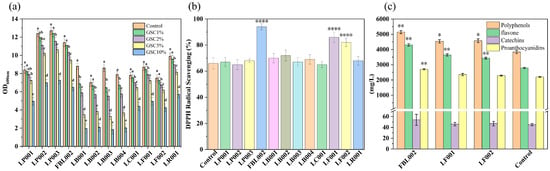
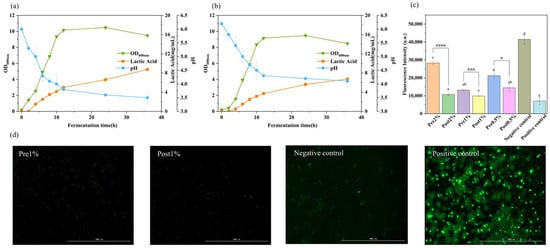
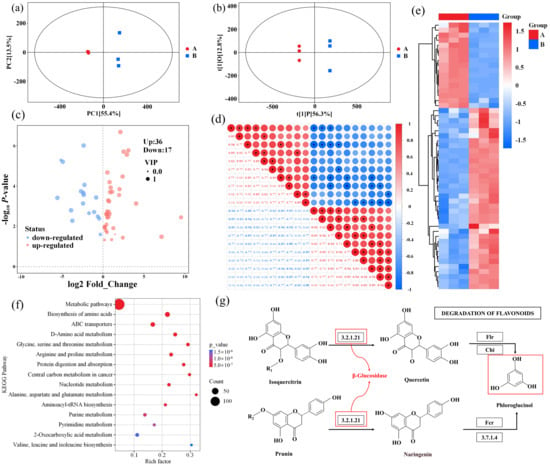
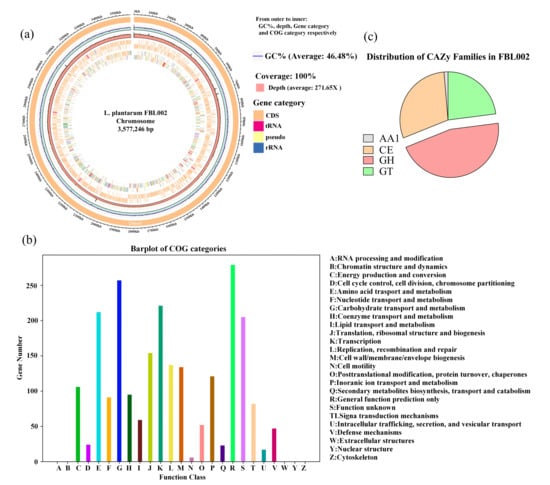
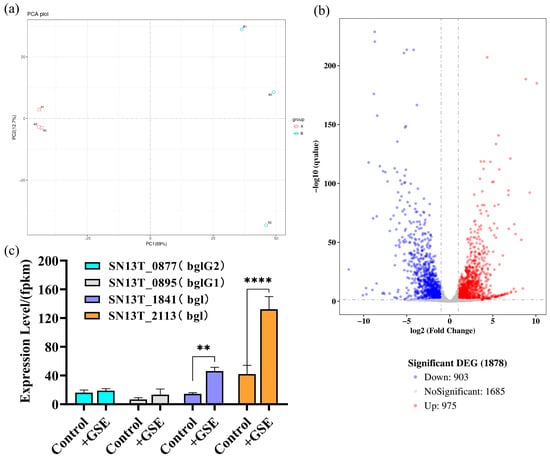
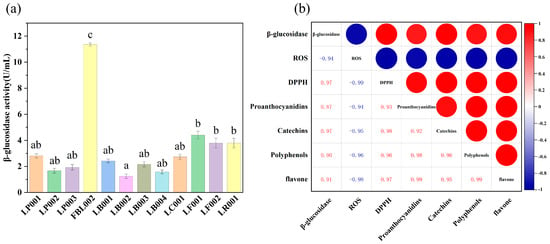
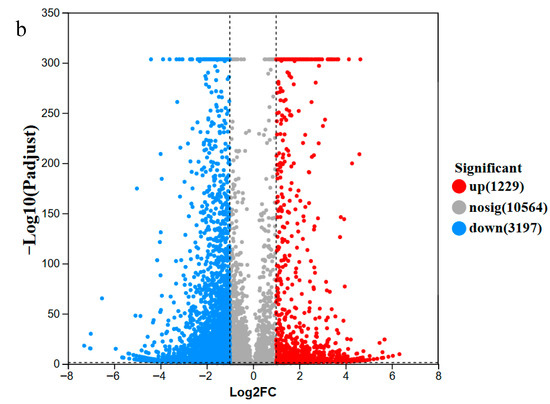
Grape seeds are a major by-product of grape processing and a rich source of polyphenolic compounds, yet their value remains underutilized. In this study, 12 lactic acid bacteria (LAB) strains were evaluated in a grape seed-based fermentation system to compare their tolerance, metabolic performance, and ability to promote polyphenol release. Among them, Lactiplantibacillus plantarum FBL002 showed the best overall performance. The strain maintained strong viability and metabolic activity at 5% grape seed concentration and released polyphenols more effectively than the other tested strains. The resulting fermentation broth also showed pronounced intracellular antioxidant activity. To clarify the basis of this phenotype, we further combined metabolomic, genomic, and transcriptomic analyses. Fermentation caused substantial shifts in phenolic metabolites, characterized by a decrease in glycosylated forms and an increase in more bioactive aglycones. Genome annotation revealed an enrichment of β-glucosidase-related genes in FBL002, and transcriptomic analysis showed that these genes were markedly upregulated during fermentation. This pattern was closely associated with the enhanced release of polyphenols. Together, these findings identify β-glucosidase as a key driver of grape seed polyphenol biotransformation by FBL002 and support the sustainable, high-value use of grape seeds in functional foods and cosmetic applications.
Full article
(This article belongs to the Section Microbial Metabolism, Physiology & Genetics)
►▼
Show Figures

Figure 1
Open AccessReview
Lactic Acid Bacteria Exopolysaccharides as Next-Generation Clean-Label Texturizers and Prebiotics in Dairy Systems
by
Yang Qiu, Tongyi Wang, Qiao Yang, Xiaoxue Liu, Chen Song and Renpeng Du
Fermentation 2026, 12(5), 245; https://doi.org/10.3390/fermentation12050245 - 19 May 2026
Abstract
Exopolysaccharides (EPSs) produced by lactic acid bacteria (LAB) are natural high-molecular-weight polymers secreted extracellularly during growth. They possess unique rheological properties and emulsifying stability and may exhibit prebiotic-related functionalities. In food systems, EPSs exhibit multiple functional values. In recent years, driven by the
[...] Read more.
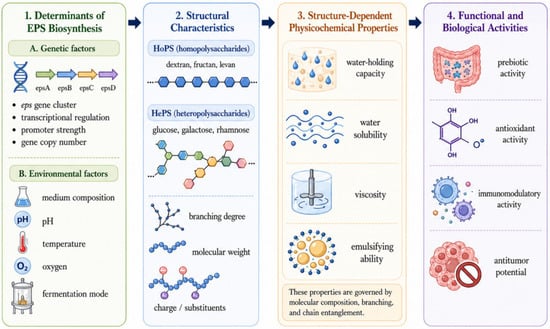
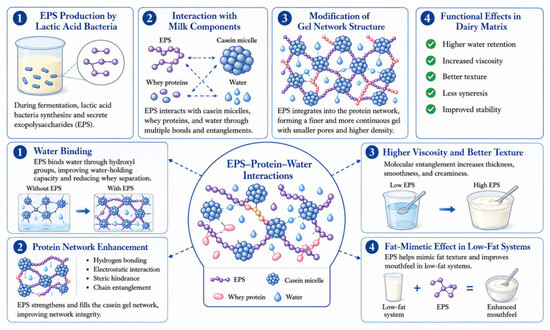
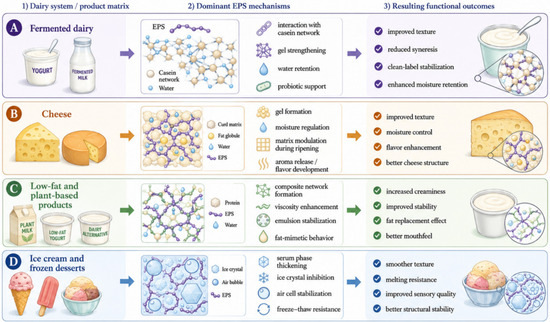
Exopolysaccharides (EPSs) produced by lactic acid bacteria (LAB) are natural high-molecular-weight polymers secreted extracellularly during growth. They possess unique rheological properties and emulsifying stability and may exhibit prebiotic-related functionalities. In food systems, EPSs exhibit multiple functional values. In recent years, driven by the global “Clean Label” movement and increasing consumer demand for natural and healthy foods, EPSs, as safe and traceable natural food-grade prebiotics, have attracted extensive attention in the dairy industry. This review summarizes EPSs’ structure, properties, and mechanisms in dairy systems. It focuses on their functional effects and mechanisms in typical dairy products such as yogurt, cheese, and ice cream, and analyzes the technical bottlenecks limiting large-scale production, including low yield, high cost, and challenges in separation and purification. This review further outlines several promising research directions for EPS research. These include strain modification via synthetic biology strategies, fermentation optimization using high-throughput screening technologies, and targeted application based on structure–function relationships. It aims to provide systematic theoretical references and practical guidance for the efficient development and innovative application of EPSs in the food industry.
Full article
(This article belongs to the Special Issue The Roles of Lactic Acid Bacteria in Food Fermentation)
►▼
Show Figures

Figure 1
Open AccessArticle
Exploring the Microbiota of Palm Wine, a Restricted Traditional Fermented Beverage from the Colombian Andes
by
Johannes Delgado-Ospina, Carlos David Grande-Tovar, Maria del Pilar Garcia-Mendoza, Luis Gabriel Poveda-Perdomo, Fabián Felipe Fernández-Daza and Clemencia Chaves-López
Fermentation 2026, 12(5), 244; https://doi.org/10.3390/fermentation12050244 - 19 May 2026
Abstract
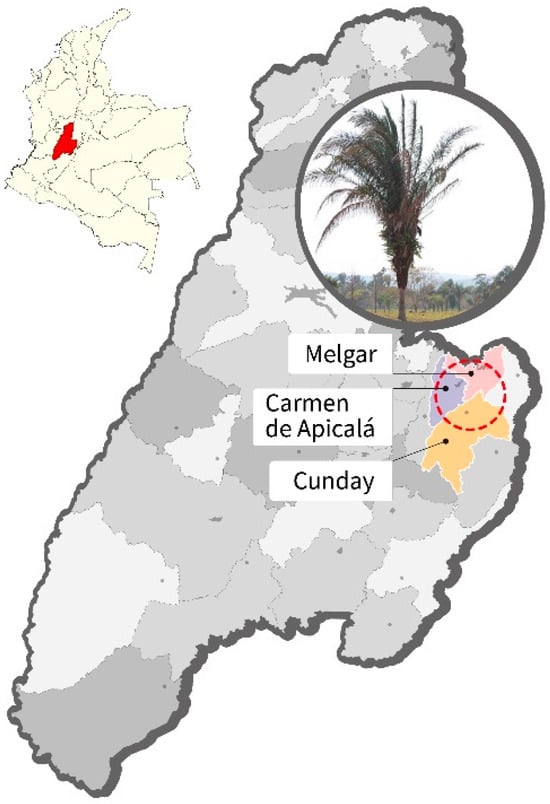
Colombian palm wine is a traditional fermented beverage produced from the sap of Attalea butyracea, whose microbiota and biochemical features remain poorly characterized. A comprehensive analytical framework was applied to palm wine samples from three Andean producers. This included the determination of
[...] Read more.
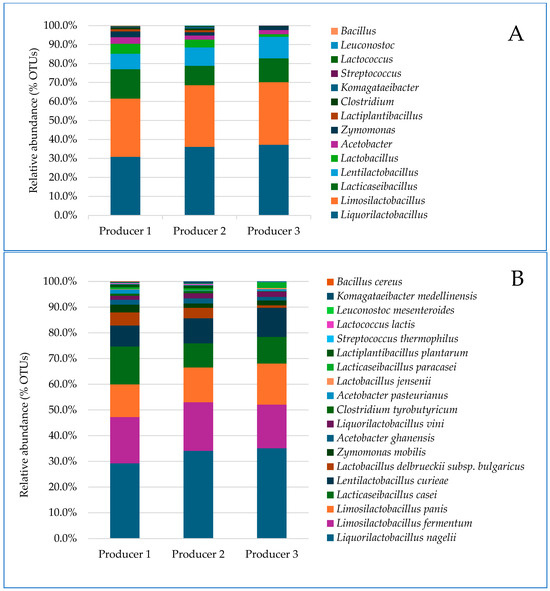
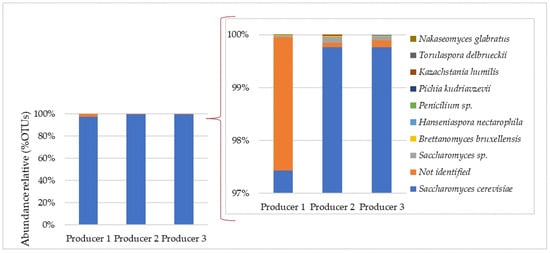
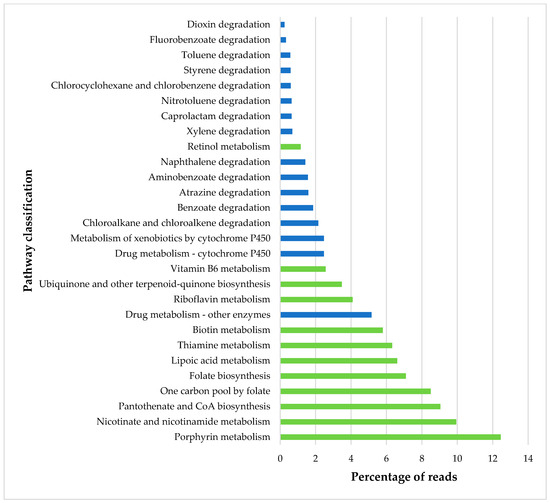
Colombian palm wine is a traditional fermented beverage produced from the sap of Attalea butyracea, whose microbiota and biochemical features remain poorly characterized. A comprehensive analytical framework was applied to palm wine samples from three Andean producers. This included the determination of proximate composition, total phenolic content, and antioxidant activity, alongside a dual microbiological approach: traditional plate counting and high-throughput 16S rRNA/ITS metabarcoding. PICRUSt2 was employed to predict KEGG-based metabolic pathways to elucidate the microbial functional potential. The wines exhibited a low pH (3.35–3.65), a variable ethanol content (1.62–8.40 g/L), high residual sugars, moderate microbial loads, and limited antioxidant activity (as measured using the ABTS and DPPH assays). Analysis using high-throughput sequencing revealed high bacterial community diversity, dominated by Liquorilactobacillus nagelii, Limosilactobacillus fermentum, Limosilactobacillus panis, Lacticaseibacillus casei, and Zymomonas mobilis alongside the yeast Saccharomyces cerevisiae. Functional profiling revealed a significant enrichment in metabolic pathways related to carbohydrates, amino acids, and cofactors/vitamins, as well as xenobiotic biodegradation and metabolism. These findings provide the first integrated microbiological and physicochemical characterization of Colombian palm wine and highlight its biotechnological potential.
Full article
(This article belongs to the Special Issue Microbial Ecosystems in Fermented Foods)
►▼
Show Figures

Figure 1
Open AccessArticle
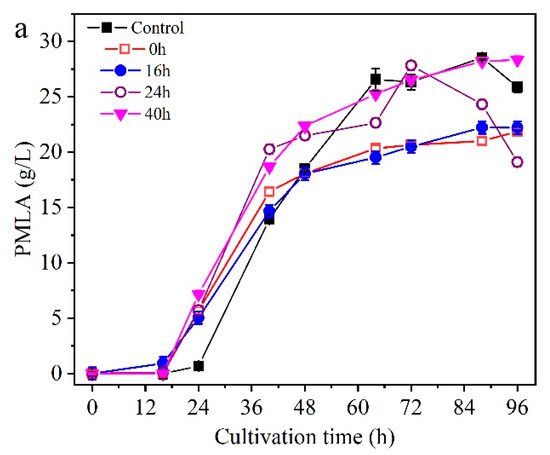
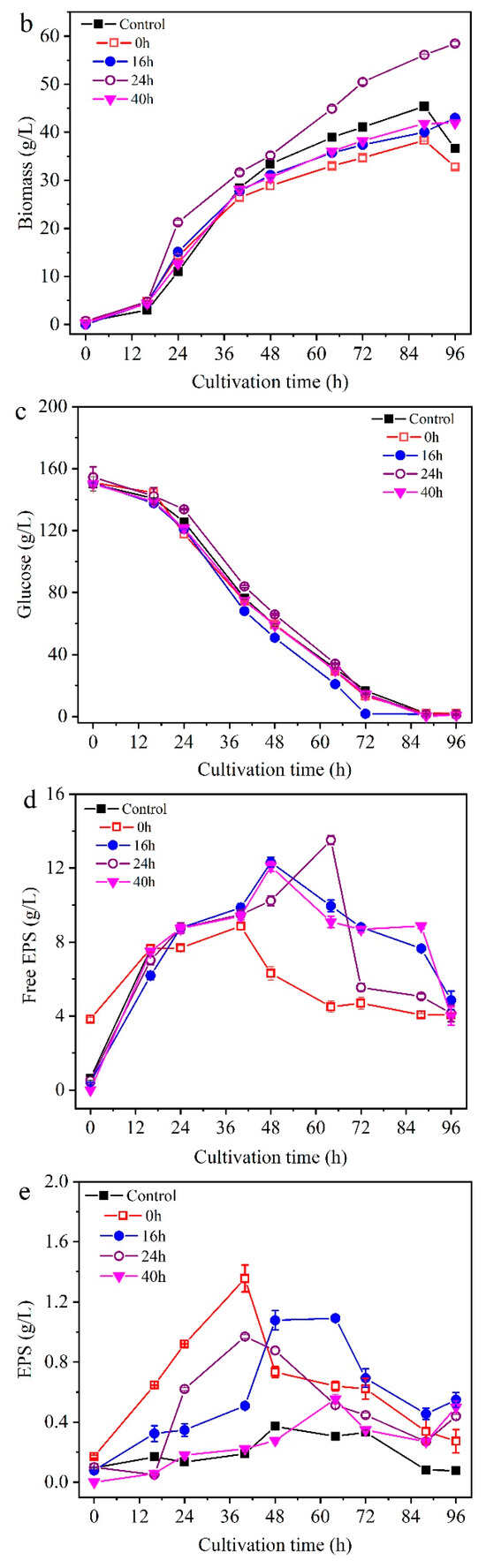
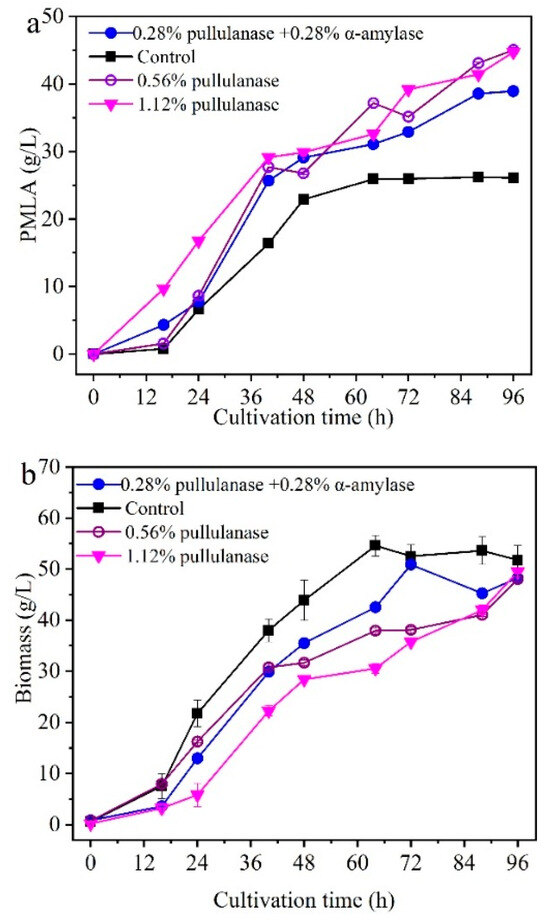
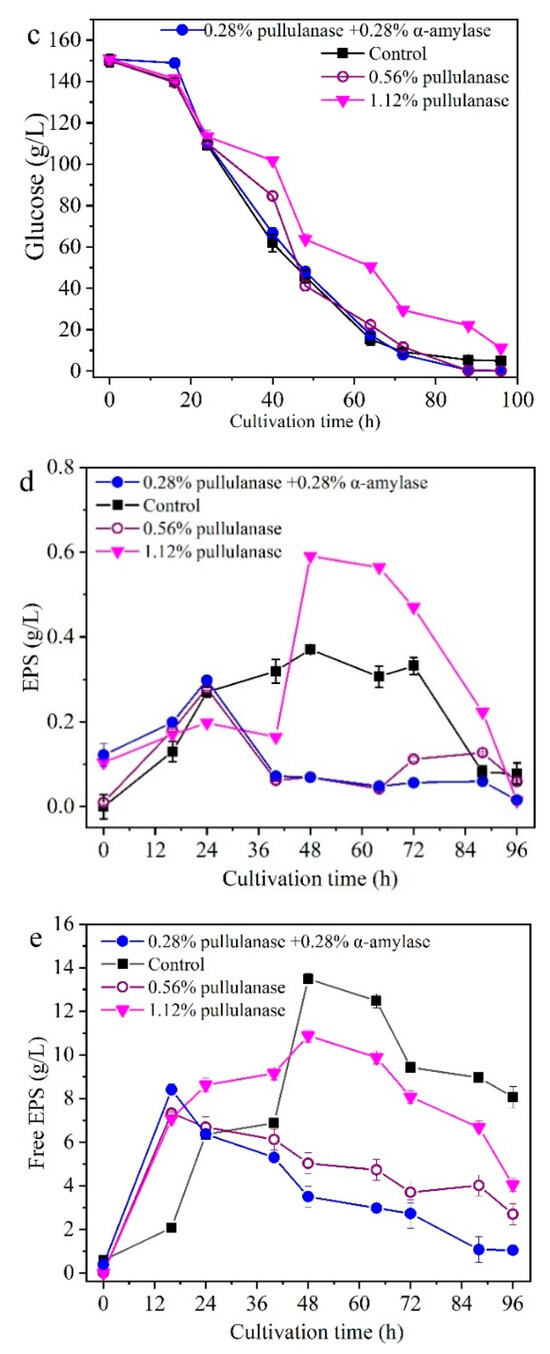
Intensification of Poly(β-L-malic Acid) Production in Aureobasidium melanogenum via ARTP Mutagenesis Through Suppression of Pullulan Biosynthesis
by
Qian Li, Jianjian Niu, Shanquan Wang and Xiao Wang
Fermentation 2026, 12(5), 243; https://doi.org/10.3390/fermentation12050243 - 17 May 2026
Abstract
Poly(β-L-malic acid) (PMLA) has attracted considerable industrial attention due to its promising applications in biomedicine, bioplastics, and environmental fields. However, its biosynthesis is highly dependent on elevated dissolved oxygen (DO) levels, while the simultaneous production of pullulan represents a major obstacle. This study
[...] Read more.
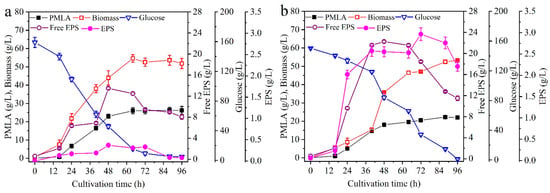
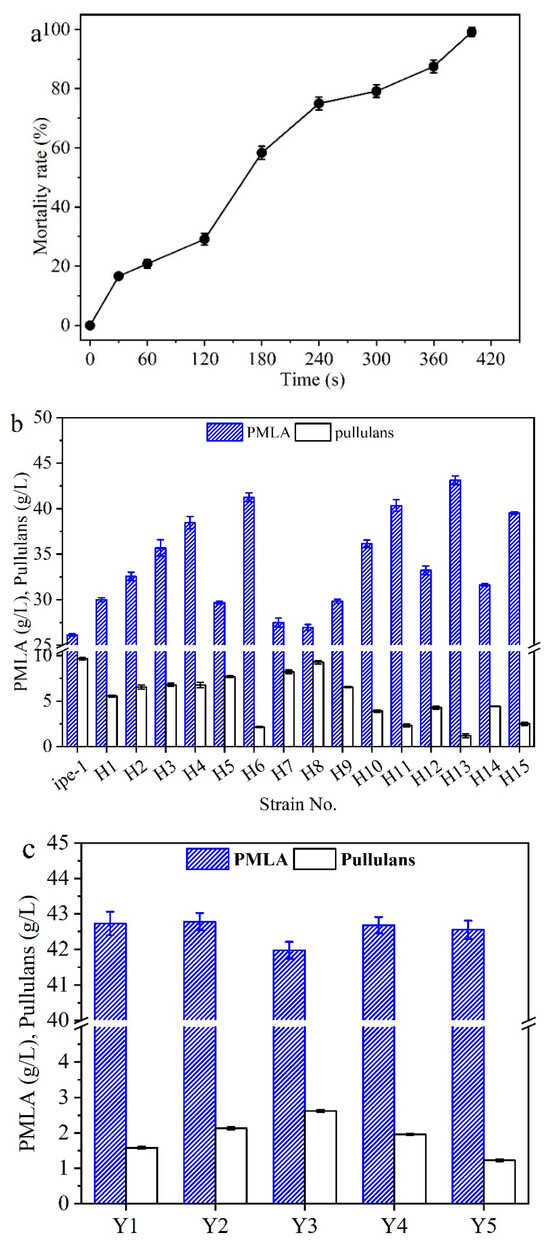
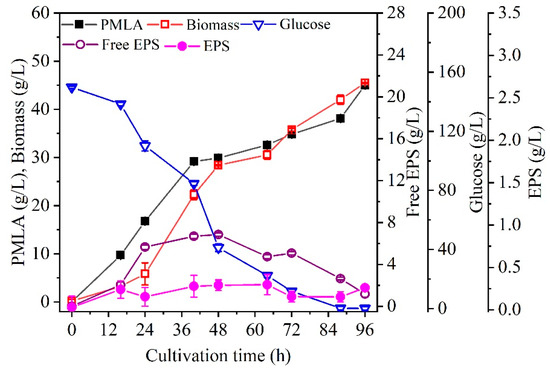
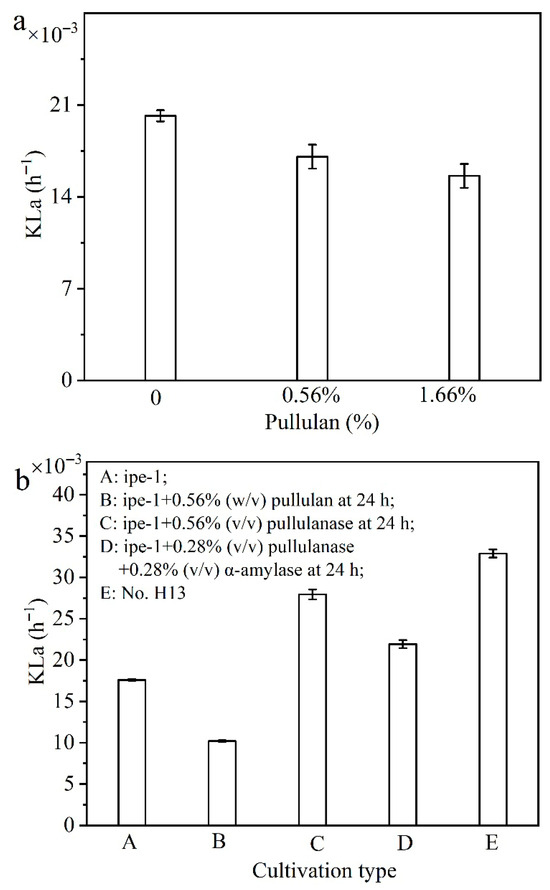
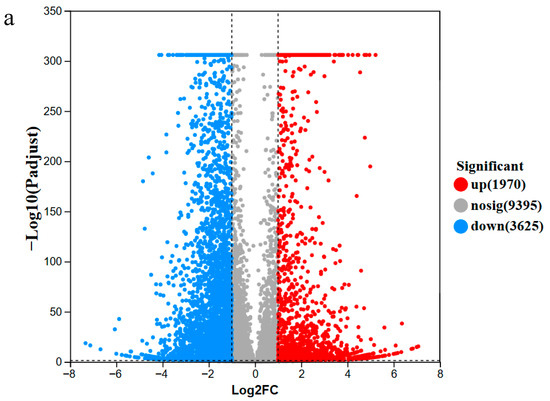
Poly(β-L-malic acid) (PMLA) has attracted considerable industrial attention due to its promising applications in biomedicine, bioplastics, and environmental fields. However, its biosynthesis is highly dependent on elevated dissolved oxygen (DO) levels, while the simultaneous production of pullulan represents a major obstacle. This study introduces a novel strategy to enhance PMLA production in Aureobasidium melanogenum by selectively inhibiting pullulan biosynthesis. We demonstrate that excessive pullulan accumulation severely impairs fermentation performance by significantly reducing oxygen transfer efficiency—an uncharacterized bottleneck in PMLA production. To address this, an ARTP-induced mutant, designated No. H13, was generated, exhibiting an 82.1% reduction in pullulan synthesis. This metabolic shift led to an 86.93% increase in the oxygen mass transfer coefficient (KLa), ultimately enhancing PMLA yield by 72.1% to 45.0 g/L with a specific production of 1.09 g/g. Transcriptomic analysis suggested a potential redirection of carbon flux toward PMLA biosynthesis through coordinated up-regulation of glycolysis and TCA cycle genes, alongside down-regulation of gluconeogenesis and pullulan-exporting ABC transporters. This work presents an alternative to enzymatic approaches by employing a consolidated mutagenesis strategy to reconfigure metabolic networks, offering a strategy for PMLA overproduction.
Full article
(This article belongs to the Section Fermentation Process Design)
►▼
Show Figures

Figure 1
Open AccessArticle
Production of Polyhydroxybutyrate from Lignocellulosic Hydrolysates Using Mixed Microbial Cultures
by
Huanjun Yuan, Fen Yin, Bingxin Liu, Jingjing Yang and Jieru Nan
Fermentation 2026, 12(5), 242; https://doi.org/10.3390/fermentation12050242 - 16 May 2026
Abstract
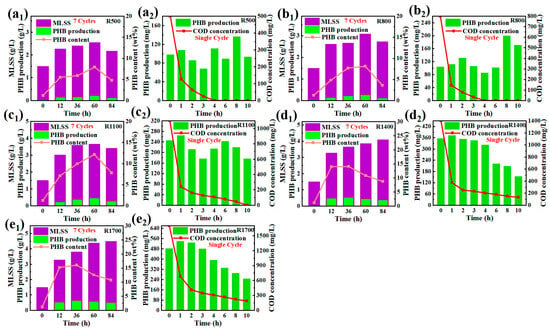
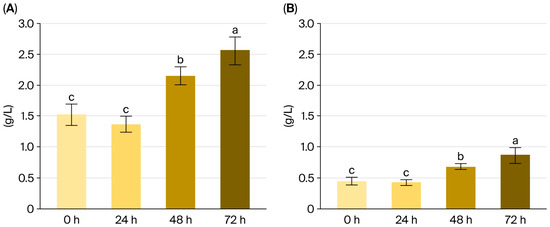
This study investigated the production of poly(3-hydroxybutyrate) (PHB) using mixed microbial cultures (MMCs) with lignocellulosic hydrolysates as a carbon source. Single-factor experiments were conducted to examine the effects of substrate concentration, C/N ratio, and pH on PHB synthesis. The highest PHB yield (612.35
[...] Read more.
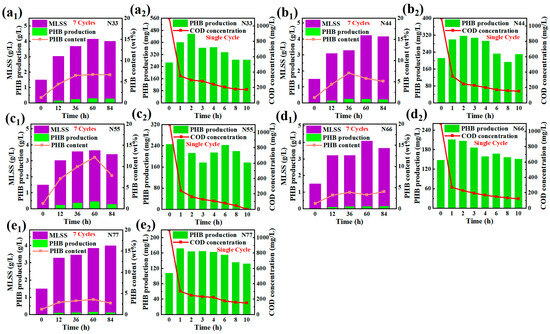
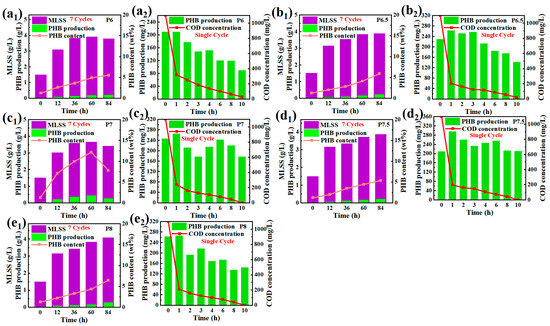
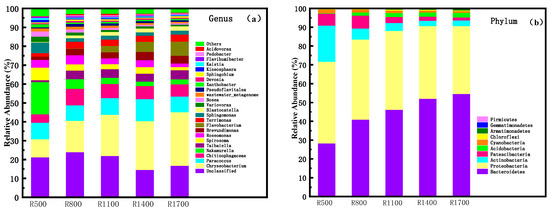
This study investigated the production of poly(3-hydroxybutyrate) (PHB) using mixed microbial cultures (MMCs) with lignocellulosic hydrolysates as a carbon source. Single-factor experiments were conducted to examine the effects of substrate concentration, C/N ratio, and pH on PHB synthesis. The highest PHB yield (612.35 mg/L) was achieved at a substrate concentration of 1700 mg/L (R1700), with an effective C/N ratio of approximately 31 and pH 7.0. Nitrogen limitation and neutral pH were favorable for PHB production. Microbial community analysis via 16S rDNA sequencing revealed Chryseobacterium as the dominant genus in all reactors. These findings provide insights into the efficient conversion of waste lignocellulose into biodegradable PHB using MMCs.
Full article
(This article belongs to the Special Issue Production of Added-Value Metabolites Through Microbial Fermentation)
►▼
Show Figures

Figure 1
Open AccessArticle
Effects of a Defined Blend of Phytochemicals on Growth Performance, Rumen Fermentation, Bacterial Diversity, and Blood Biochemical and Physiological Parameters in Altay Sheep
by
Mingyue Di, Mengjian Liu, Wenshuai Zeng, Mei Xu, Zhanlin Ma, Dong Xu and Yong Chen
Fermentation 2026, 12(5), 241; https://doi.org/10.3390/fermentation12050241 - 15 May 2026
Abstract
This study aimed to evaluate the effects of dietary supplementation with a defined blend of phytochemicals (DBP) composed of carvacrol, thymol, and cinnamaldehyde on the growth performance, slaughter performance, rumen fermentation, microbial diversity, and blood physiological and biochemical parameters of sheep. Twenty-four healthy
[...] Read more.
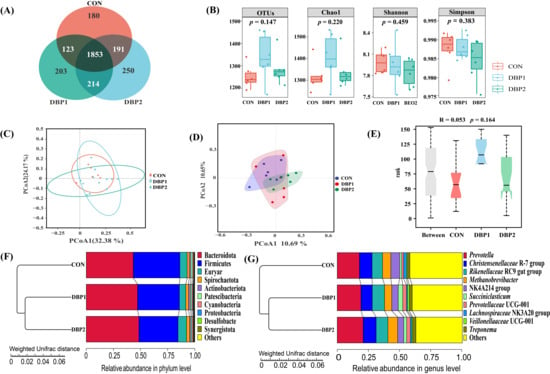
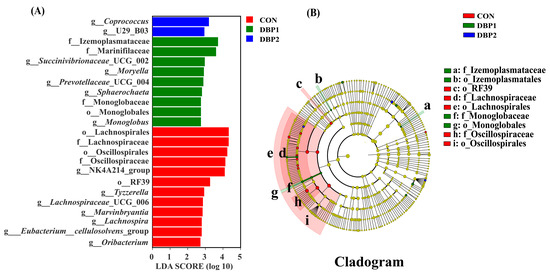
This study aimed to evaluate the effects of dietary supplementation with a defined blend of phytochemicals (DBP) composed of carvacrol, thymol, and cinnamaldehyde on the growth performance, slaughter performance, rumen fermentation, microbial diversity, and blood physiological and biochemical parameters of sheep. Twenty-four healthy male Altay lambs, aged six months, were randomly assigned to three groups: (1) fed a basal diet (CON), (2) basal diet with 400 mg/kg DM of DBP (DBP1), and (3) basal diet with 800 mg/kg DM of DBP (DBP2). Results show that DBP supplementation had no significant effect on growth or slaughter performance (p > 0.05). The molar proportion of acetate and the acetate-to-propionate ratio increased linearly, and the molar proportions of propionate and valerate decreased linearly (p < 0.05). DBP supplementation had no significant effect on rumen bacterial α-diversity; however, in the DBP1 group, the relative abundances of Succinivibrionaceae UCG-002, Prevotellaceae UCG-004, Sphaerochaeta, Monoglobus, and Moryella were significantly increased, whereas in the DBP2 group, the relative abundances of Coprococcus and U29-B03 were significantly increased (p < 0.05). DBP exhibited a significant quadratic effect on interleukin-2 and superoxide dismutase activity (p < 0.05). In conclusion, although the DBP altered the rumen microbial community structure and rumen fermentation pattern in sheep to some extent, it showed minimal efficacy in improving growth performance, slaughter performance, immune function, and antioxidant status. Further large-scale studies are warranted to determine the optimal inclusion level and timing of this phytochemical blend in sheep diets.
Full article
(This article belongs to the Section Animal and Feed Fermentation)
►▼
Show Figures

Figure 1
Open AccessArticle
Efficient Bioconversion of γ-Butyrobetaine to L-Carnitine by a Newly Identified Ensifer Strain: Process Optimization and Multi-Omics Elucidation
by
Qi Wei, Pengcheng Chen, Dan Wu and Pu Zheng
Fermentation 2026, 12(5), 240; https://doi.org/10.3390/fermentation12050240 - 15 May 2026
Abstract
L-carnitine is a crucial quaternary ammonium compound widely used in the pharmaceutical, food, and feed industries. Microbial biosynthesis of L-carnitine, compared with chemical synthesis, offers milder conditions, higher stereoselectivity, and a lower environmental impact. However, highly efficient strains and mechanistic insights into the
[...] Read more.
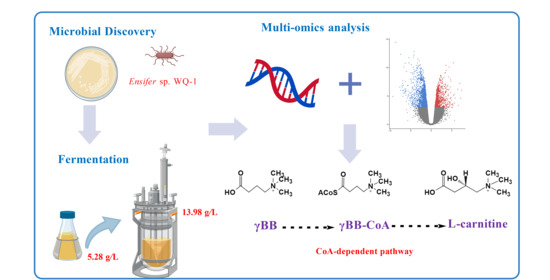
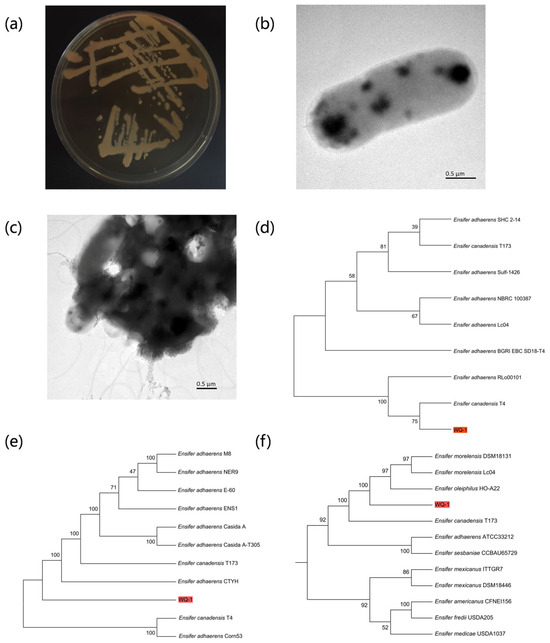
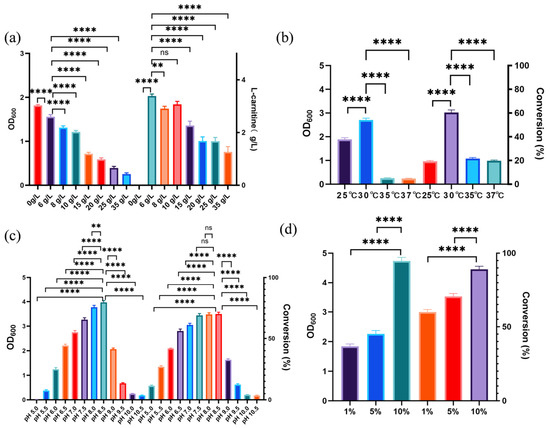
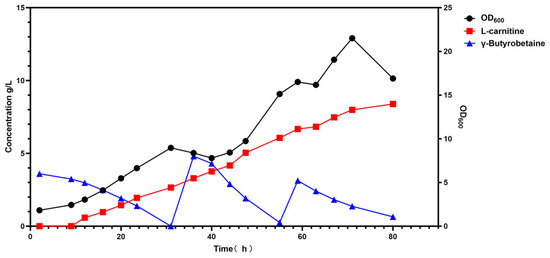
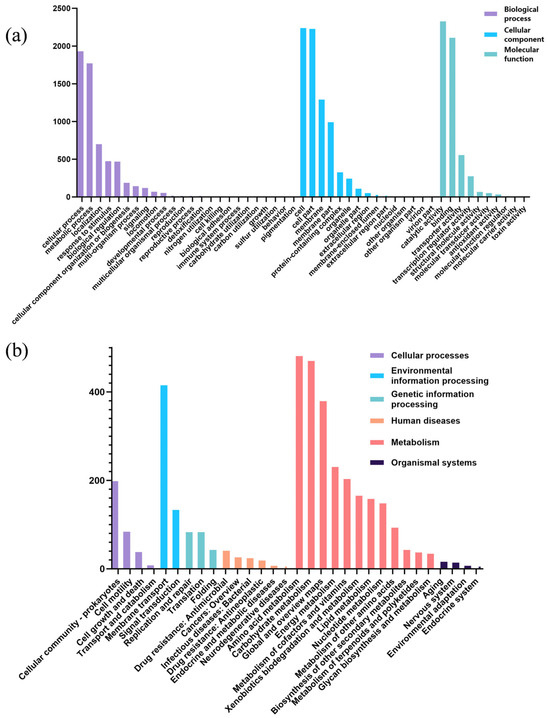
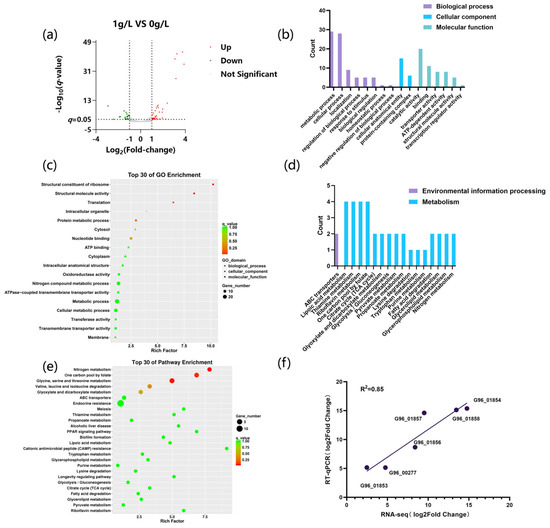
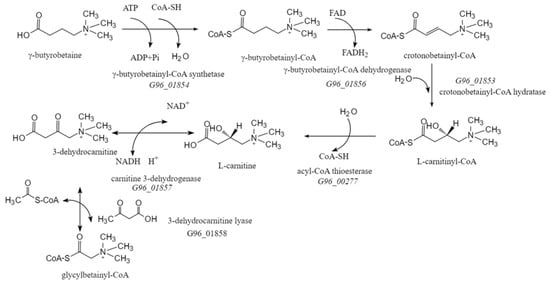
L-carnitine is a crucial quaternary ammonium compound widely used in the pharmaceutical, food, and feed industries. Microbial biosynthesis of L-carnitine, compared with chemical synthesis, offers milder conditions, higher stereoselectivity, and a lower environmental impact. However, highly efficient strains and mechanistic insights into the bioconversion of γ-butyrobetaine (γBB) to L-carnitine remain limited. This study focuses on strain WQ-1, a newly screened strain capable of converting γBB to L-carnitine. Based on morphological, physiological, and phylogenetic analyses of 16S rRNA and housekeeping genes, the strain was identified as Ensifer sp. WQ-1. Under the condition of 30 °C, initial pH 8.5, 10% inoculum, 6 g/L initial γBB, shake-flask fermentation reached molar conversion rate of 88%. In a 5 L bioreactor fed-batch fermentation, the L-carnitine titer achieved 13.98 g/L with a 78.7% molar conversion rate. Genomic analysis revealed a 6.97 Mb genome harboring 6568 protein-coding genes, including candidates for quaternary ammonium transport, CoA-dependent transformation, and transcriptional regulation. Comparative transcriptomics identified 58 differentially expressed genes, highlighting the significant upregulation of genes related to acyl-CoA activation, dehydrogenation, carnitine metabolism, and thioester hydrolysis in the presence of γBB. Multi-omics analyses support a putative CoA-dependent metabolic pathway for conversion of γBB to L-carnitine in Ensifer sp. WQ-1.
Full article
(This article belongs to the Special Issue Sustainable Production of Biomaterials and Innovations in Fermentation Processes)
►▼
Show Figures

Graphical abstract
Open AccessReview
Probiotics and Prebiotics in Dairy: Enhancing Health, Quality, and Sensorial Properties
by
Alan Portal D’Almeida, Aida Aguilera Infante-Neta, Maria Rosiene Antunes Arcanjo and Tiago Lima de Albuquerque
Fermentation 2026, 12(5), 239; https://doi.org/10.3390/fermentation12050239 - 14 May 2026
Abstract
Probiotics and prebiotics in dairy products have gained increasing attention due to their potential health benefits and functional properties. Probiotics are beneficial microorganisms that help maintain intestinal microbiota balance, while prebiotics are non-digestible compounds that stimulate the growth of beneficial gut bacteria. Their
[...] Read more.
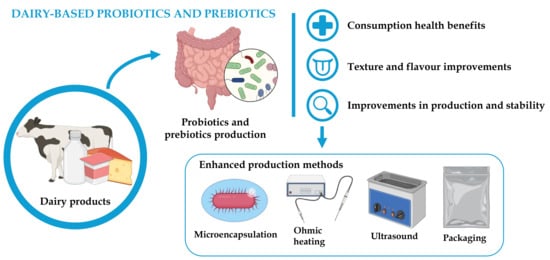
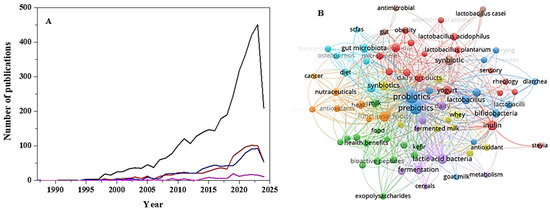
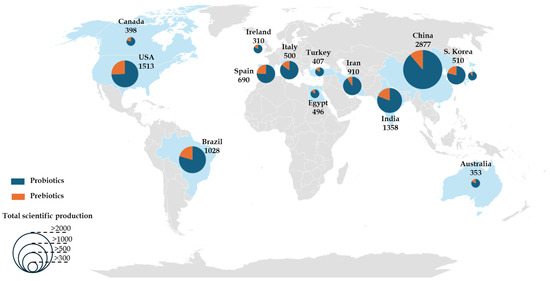
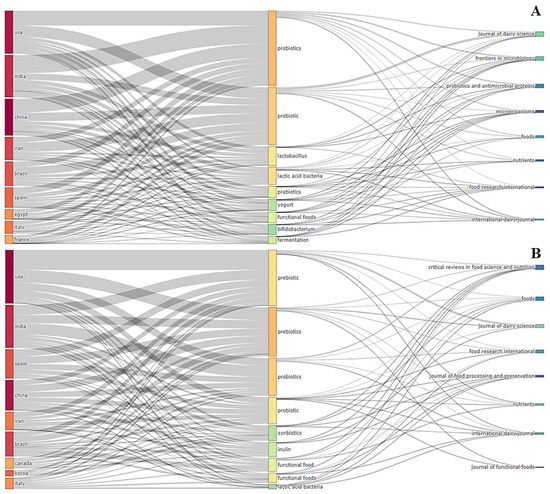
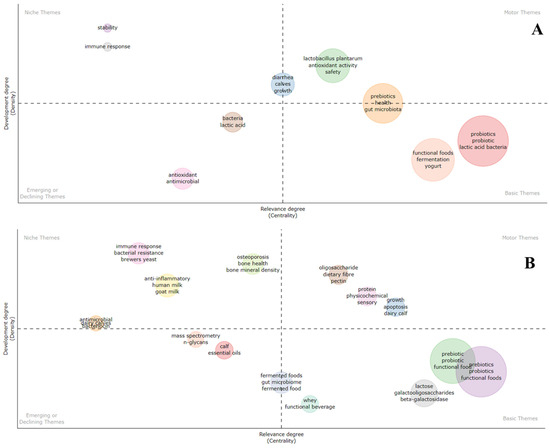
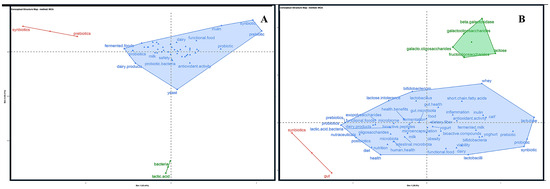
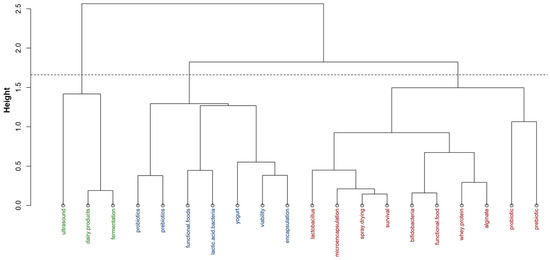
Probiotics and prebiotics in dairy products have gained increasing attention due to their potential health benefits and functional properties. Probiotics are beneficial microorganisms that help maintain intestinal microbiota balance, while prebiotics are non-digestible compounds that stimulate the growth of beneficial gut bacteria. Their incorporation into dairy foods has been associated with improved digestive health, nutrient absorption, and product functionality. However, challenges related to microbial survival during processing and storage, interactions with the dairy matrix, and strain-specific limitations remain significant. This review presents a bibliometric analysis of recent scientific advances involving probiotics and prebiotics in dairy products. The bibliometric analysis revealed a marked increase in publications over the last decade, with research concentrated on gut microbiota modulation, functional dairy foods, fermentation technologies, and health-promoting effects. The results also indicate the relevance of bacterial groups such as lactic acid bacilli and Bifidobacterium, as well as the growing interest in synbiotics and bioactive compounds. Additionally, emerging technologies, including microencapsulation, ohmic heating, and ultrasound, are discussed as promising strategies to improve probiotic stability, functionality, and industrial application in dairy systems. Overall, the findings highlight that the successful development of probiotic and prebiotic dairy products depends on the integration of strain selection, matrix compatibility, and emerging technologies to ensure stability, functionality, and industrial applicability.
Full article
(This article belongs to the Special Issue Probiotics in Food Fermentation: Recent Advances and Future Perspectives)
►▼
Show Figures

Graphical abstract
Open AccessArticle
Fermented Navy Bean (Phaseolus vulgaris) Products with Improved Nutritional, Antioxidant, and Antihypertensive Potential
by
Franco Van de Velde, Micaela Albarracín, Raúl E. Cian and Silvina R. Drago
Fermentation 2026, 12(5), 238; https://doi.org/10.3390/fermentation12050238 - 13 May 2026
Abstract
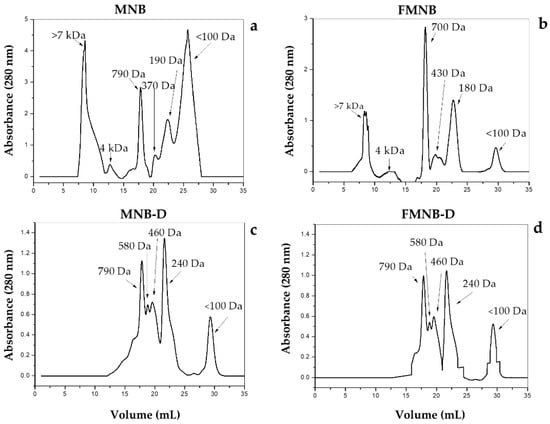
This study evaluated the impact of lactic acid fermentation on microbiological and nutritional quality, bioactive compound profile, and bioactive properties of mashed navy beans (MNB). Lactic Acid Bacteria (LAB) viability and microbiological quality of fermented mashed navy beans (FMNBs) were maintained for up
[...] Read more.
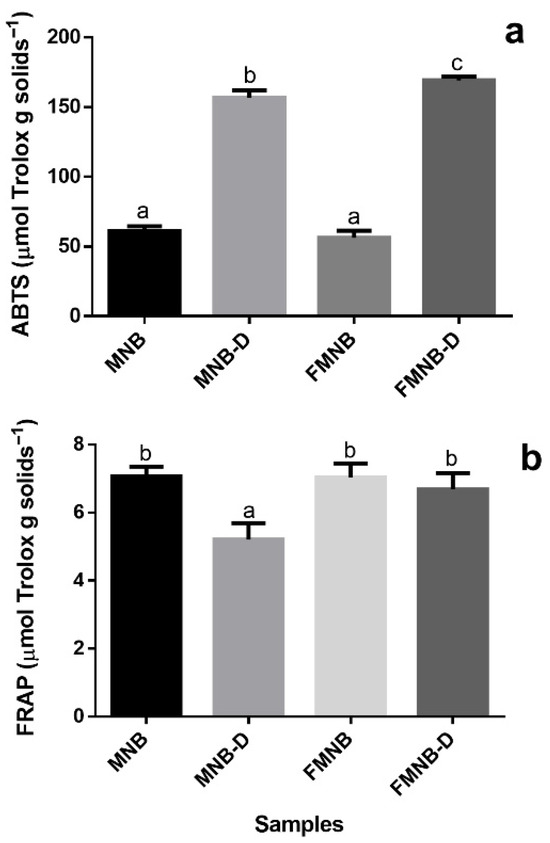
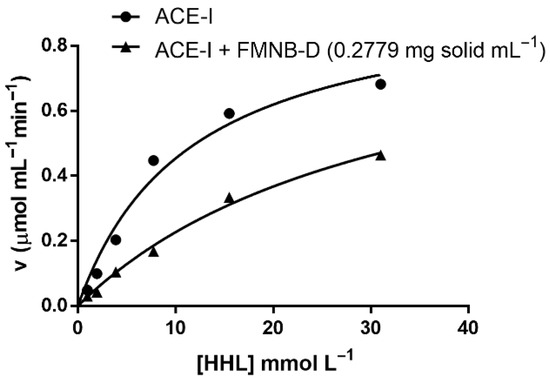
This study evaluated the impact of lactic acid fermentation on microbiological and nutritional quality, bioactive compound profile, and bioactive properties of mashed navy beans (MNB). Lactic Acid Bacteria (LAB) viability and microbiological quality of fermented mashed navy beans (FMNBs) were maintained for up to 28 days at 4 °C. Fermentation improved protein quality while reducing trypsin inhibitor activity. Additionally, fermentation enhanced the extractability of phenolic compounds, especially of bound forms. Proteolytic activity during fermentation generated low-molecular-weight peptides enriched in hydrophobic residues. Although antioxidant capacity remained comparable between samples, fermented samples exhibited higher angiotensin-converting enzyme inhibitory (ACE-I) activity (IC50 ACE-I = 0.635 ± 0.043 and 0.413 ± 0.002 mg solids mL−1 for MNBs and FMNBs, respectively). Simulated gastrointestinal digestion enhanced both antioxidant (ABTS•+) and antihypertensive potential. ECA-I inhibition was higher in the fermented sample dialysates (D), with IC50 values of 0.160 ± 0.005 and 0.117 ± 0.003 mg solids mL−1 for MNB-D and FMNB-D, respectively, due to the increased dialyzability of phenolic compounds and the presence of hydrophobic low-molecular-weight peptides in FMNB-D. Furthermore, FMNB-D exhibited competitive ACE-I inhibition. These findings demonstrate that lactic fermentation is an effective strategy to enhance the nutritional and health-promoting properties of legume-based foods.
Full article
(This article belongs to the Special Issue Fermented Cereals and Legumes: Innovation for the Development and Characterization of Functional Foods)
►▼
Show Figures

Figure 1
Open AccessArticle
Bioprospecting Fungi in Mediterranean Fermentations: Functional Insights and Antibacterial Potential
by
David Willian Bertan, Eliana Setsuko Kamimura and Célia Quintas
Fermentation 2026, 12(5), 237; https://doi.org/10.3390/fermentation12050237 - 13 May 2026
Abstract
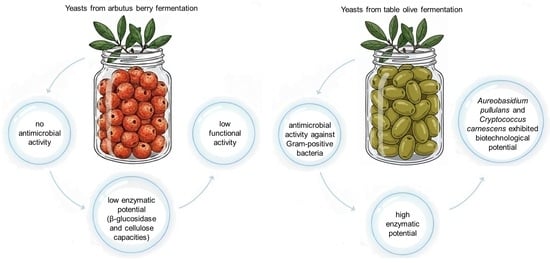
Table olives, particularly traditionally fermented cracked-style green olives, rely on natural microbial activity without chemical debittering, with fungi playing key roles; in contrast, arbutus berry fermentation remains less characterized in terms of microbial functionality. This study investigated the enzymatic and antibacterial potential of
[...] Read more.
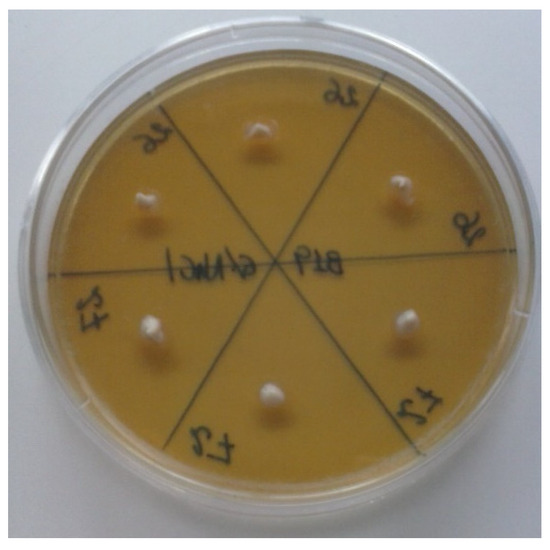
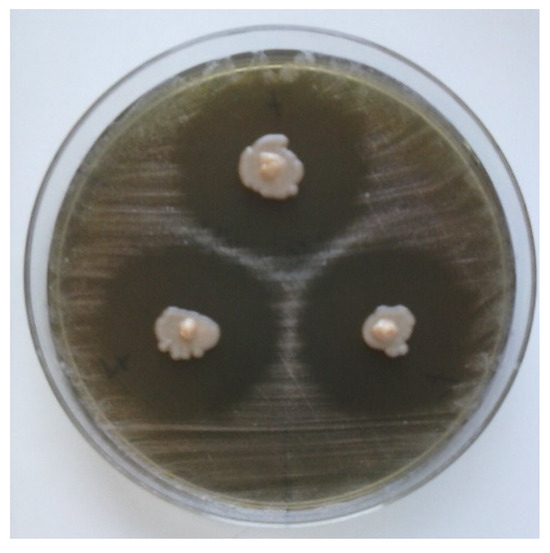
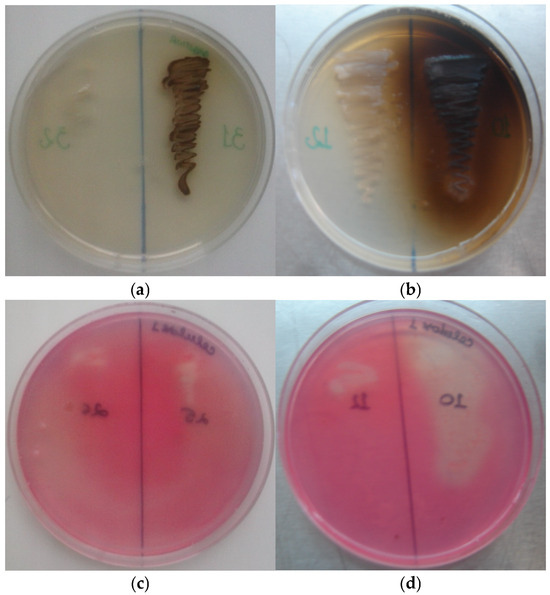
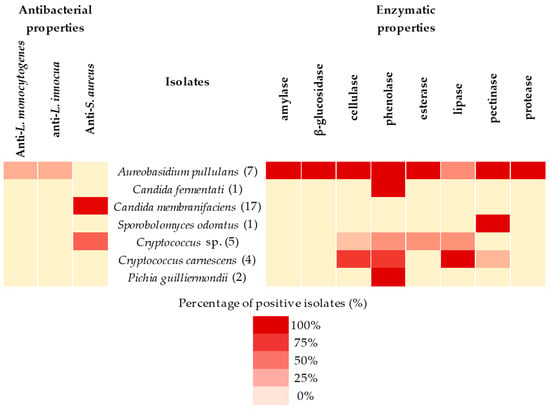
Table olives, particularly traditionally fermented cracked-style green olives, rely on natural microbial activity without chemical debittering, with fungi playing key roles; in contrast, arbutus berry fermentation remains less characterized in terms of microbial functionality. This study investigated the enzymatic and antibacterial potential of fungal isolates from both systems. A total of 84 isolates belonging to Aureobasidium, Candida, Cryptococcus, Saccharomyces, Pichia, Issatchenkia, Torulaspora, and Sporobolomyces were screened for hydrolytic enzymes (pectinases, amylases, cellulases, xylanases, lipases, proteases, tannases, and β-glucosidases) using selective media, and for antibacterial activity against major foodborne pathogens. Isolates from arbutus fermentation showed no relevant enzymatic or antibacterial ability. In contrast, several isolates from olive fermentation exhibited significant functional traits. Aureobasidium pullulans demonstrated broad enzymatic capacity, producing amylases, esterases, and tannases, along with lipid hydrolysis, but also expressed cellulase, pectinase, and protease abilities. Cryptococcus spp. displayed interesting profiles, with low cellulolytic and pectinolytic capacity and higher phenolase, esterase, and lipase capacities. Antibacterial activity was observed exclusively against Gram-positive bacteria, particularly Staphylococcus aureus and Listeria monocytogenes, mainly among Candida membranifaciens, Cryptococcus spp., and A. pullulans. Overall, table olive fermentation isolates showed promising biotechnological potential for food preservation and quality enhancement, whereas arbutus isolates appeared to have limited functional relevance.
Full article
(This article belongs to the Special Issue New Research on Fungal Secondary Metabolites, 3rd Edition)
►▼
Show Figures

Graphical abstract
Open AccessArticle
Comparative Evaluation of Artificial Neural Networks and Response Surface Methodology for Nitrogen Source Optimization in Xylitol Production
by
Jonas P. Souza, Miquéias G. dos Santos, Henrique M. Fogarin, Sâmilla G. C. Almeida, Gisele C. A. Santos, Débora D. V. Silva, Érica R. Filletti and Kelly J. Dussán
Fermentation 2026, 12(5), 236; https://doi.org/10.3390/fermentation12050236 - 13 May 2026
Abstract
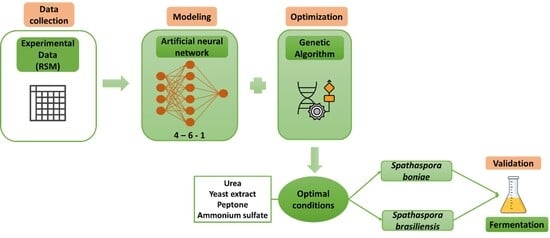
Xylitol is a five-carbon sugar alcohol of industrial interest due to its applications as a food sweetener and sugar substitute. In this study, artificial neural networks combined with a genetic algorithm were evaluated as a data-driven approach for modeling and exploring xylitol production
[...] Read more.
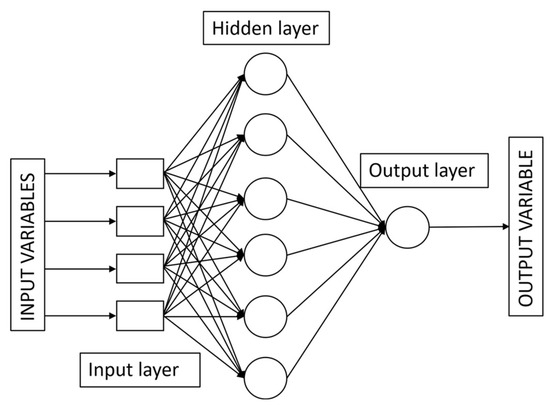
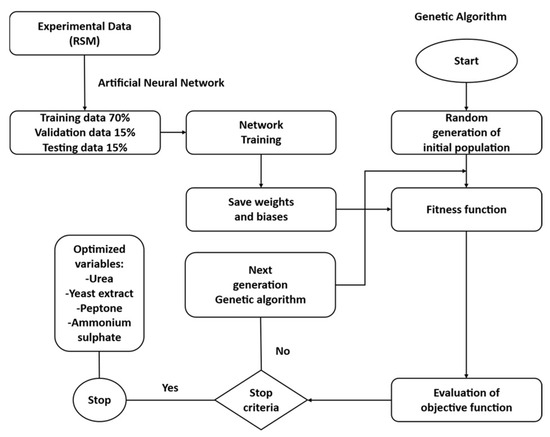
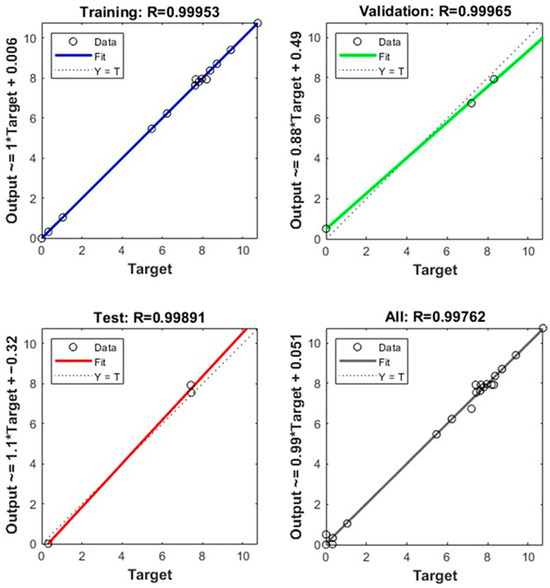
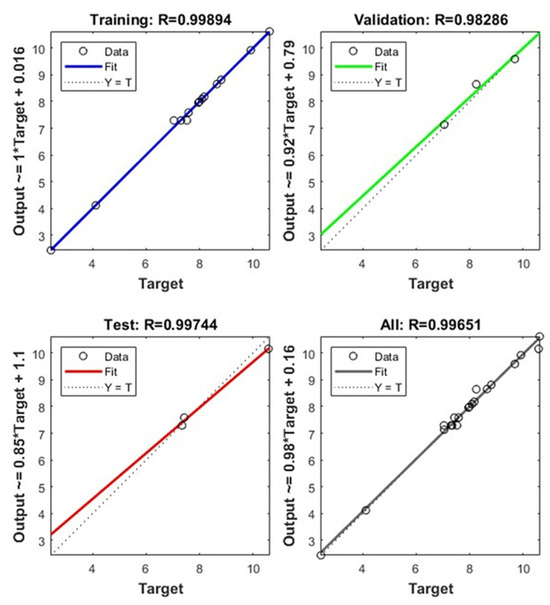
Xylitol is a five-carbon sugar alcohol of industrial interest due to its applications as a food sweetener and sugar substitute. In this study, artificial neural networks combined with a genetic algorithm were evaluated as a data-driven approach for modeling and exploring xylitol production by Spathaspora boniae and Spathaspora brasiliensis during fermentation of sugarcane bagasse hemicellulosic hydrolysate. The dataset comprised 20 experimental points obtained from a face-centered central composite design, using urea, yeast extract, peptone, and ammonium sulfate as input variables. The neural network models showed high goodness-of-fit, with R2 values of 0.9952 for S. boniae and 0.9930 for S. brasiliensis. Experimental validation of the optimized conditions resulted in xylitol production of 11.54 ± 0.52 g L−1 for S. boniae and 9.29 ± 0.24 g L−1 for S. brasiliensis. Comparison with response surface methodology showed that both approaches provided strong predictive performance, although the statistical model predicted the optimum conditions more accurately. For S. boniae, however, the ANN-GA approach identified an alternative condition associated with lower nitrogen supplementation and higher experimental xylitol production. Given the limited dataset, this study should be regarded as a proof-of-concept for the application of data-driven optimization tools to xylitol fermentation. The results indicate that ANN-GA can complement classical statistical methods by helping to identify alternative operating conditions in bioprocess optimization.
Full article
(This article belongs to the Special Issue From Waste to Value: Microbial Fermentation for the Sustainable Valorization of Agri-Food Residues)
►▼
Show Figures

Graphical abstract
Open AccessArticle
Metagenomic and Metabolomic Insights into Microbial Community Dynamics and Flavor Metabolite Formation in Novel Versus Traditional Strong-Flavor Daqu
by
Guanhua Jiao, Haoyu Tian, Junqing Wang, Nan Li, Kaiquan Liu, Piwu Li, Fengyong Lu, Qi Wang, Ruiming Wang and Peng Du
Fermentation 2026, 12(5), 235; https://doi.org/10.3390/fermentation12050235 - 11 May 2026
Abstract
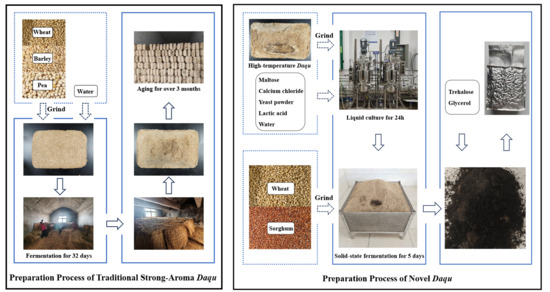
Daqu is the core saccharifying and fermenting agent in Baijiu production and a pivotal factor in flavor formation. Challenges that often hinder traditional strong-flavor Daqu brewing include low enzymatic activity and insufficient aroma. Therefore, we have developed a novel Daqu brewing system. Furthermore,
[...] Read more.
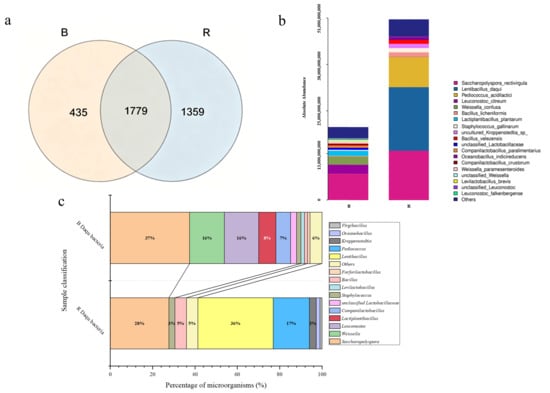
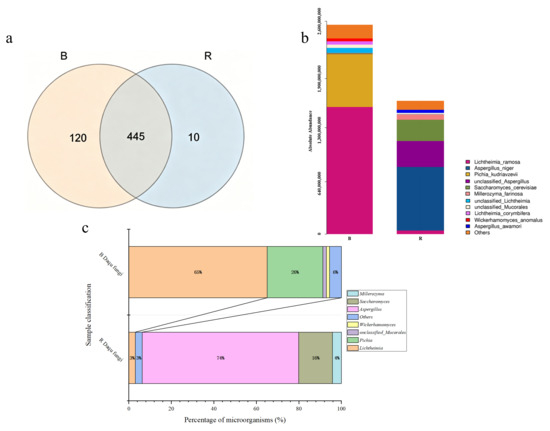
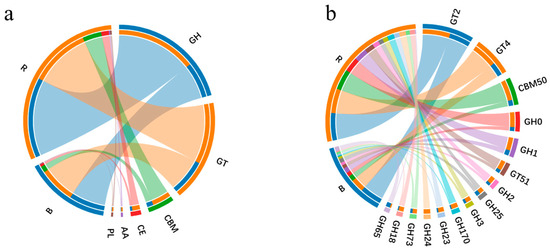
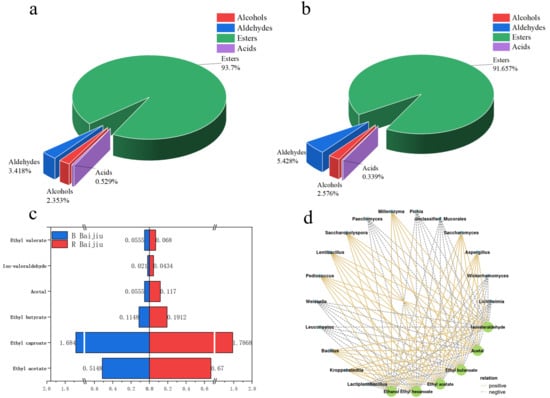
Daqu is the core saccharifying and fermenting agent in Baijiu production and a pivotal factor in flavor formation. Challenges that often hinder traditional strong-flavor Daqu brewing include low enzymatic activity and insufficient aroma. Therefore, we have developed a novel Daqu brewing system. Furthermore, we investigated the differences in flavor profiles between traditional and novel Daqu by performing headspace solid-phase microextraction gas chromatography-mass spectrometry (HS-SPME-GC-MS). We comparatively analyzed the microbial communities, metabolic functions, and flavor compositions in the two Daqu types via absolute quantitative metagenomics. Functional microorganisms were significantly enriched in the novel Daqu, which exhibited enhanced carbohydrate metabolism and a highly robust acidic environment owing to the fostering of core functional genera such as Aspergillus, Saccharomyces, and Pediococcus. This significantly increased the aldehyde and organic acid levels, which resulted in pronounced aldehydic and acidic sensory characteristics. Carbohydrate-Active EnZyme (CAZy) profiling confirmed the significantly elevated abundance of glycoside hydrolases (GHs) and glycosyltransferases (GTs) in novel Daqu, which improved starch bioconversion and synthesis of flavor precursors. Thus, this study shows that novel Daqu promotes ethanol accumulation and the synthesis of flavor compounds like acetals by strengthening the core microbiota and metabolic networks. These findings provide a theoretical foundation for enriching the aromatic complexity of Baijiu.
Full article
(This article belongs to the Special Issue Perspectives on Microbiota of Fermented Foods, 2nd Edition)
►▼
Show Figures

Figure 1
Open AccessArticle
Anti-Inflammatory Effects of Sword Bean (Canavalia gladiata) and Its Lacticaseibacillus paracasei SKH 003-Fermented Extracts in LPS-Stimulated RAW 264.7 Macrophages
by
Gyoo Taik Kwon, So Mi Kim, Jae In Jung, Cho Yeon Park, Hyeji Hwang and Il-Jun Kang
Fermentation 2026, 12(5), 234; https://doi.org/10.3390/fermentation12050234 - 11 May 2026
Abstract
Chronic inflammation contributes to various metabolic and immune disorders. Plant-derived phytochemicals and fermented foods have attracted attention as dietary modulators of inflammation. This study evaluated the anti-inflammatory potential of sword bean (Canavalia gladiata) extract (CG) and its Lacticaseibacillus paracasei SKH 003-fermented
[...] Read more.
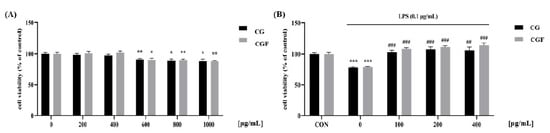
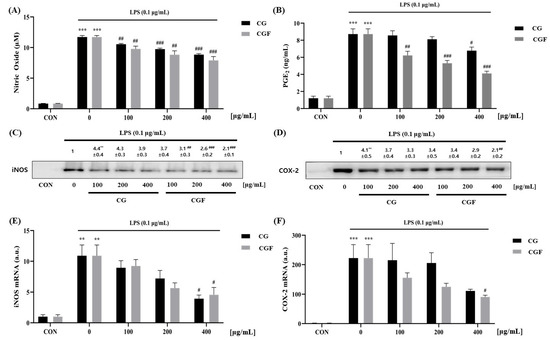
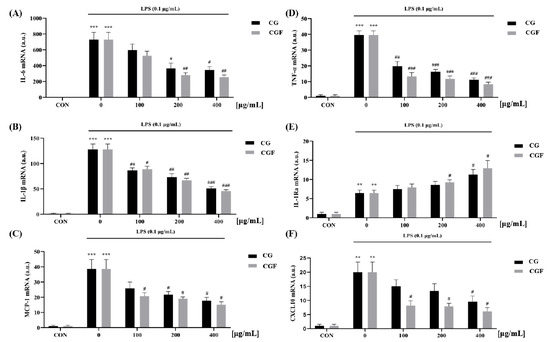
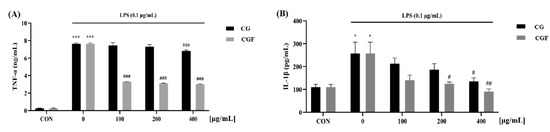
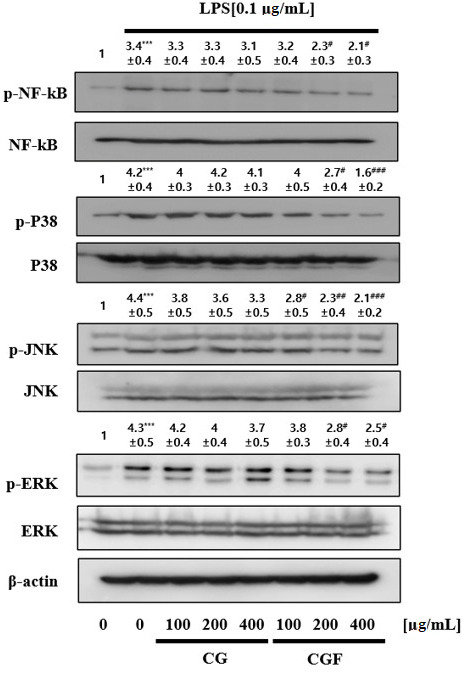
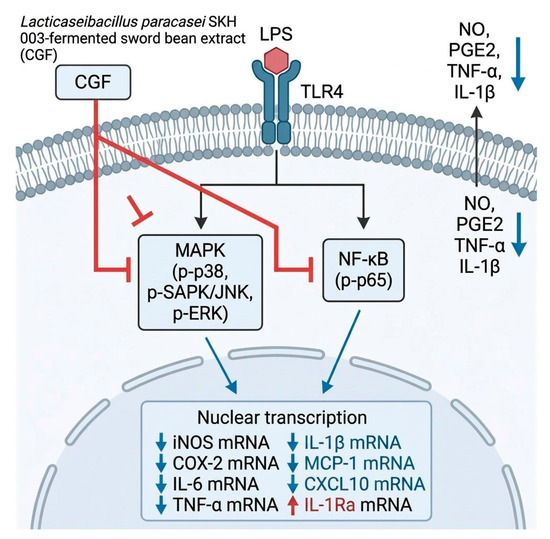
Chronic inflammation contributes to various metabolic and immune disorders. Plant-derived phytochemicals and fermented foods have attracted attention as dietary modulators of inflammation. This study evaluated the anti-inflammatory potential of sword bean (Canavalia gladiata) extract (CG) and its Lacticaseibacillus paracasei SKH 003-fermented derivative (CGF) in lipopolysaccharide (LPS)-stimulated RAW 264.7 macrophages. Cells were treated with CG or CGF (0–400 µg/mL) with or without LPS (0.1 µg/mL). Both CG and CGF significantly attenuated LPS-induced inflammatory responses while maintaining high cell viability. The extracts reduced nitric oxide (NO) and prostaglandin E2 (PGE2) production, suppressed mRNA expression of iNOS, COX-2, TNF-α, IL-6, IL-1β, MCP-1, and CXCL10, and upregulated IL-1Ra. Notably, CGF showed broader and stronger suppressive effects on most pro-inflammatory mediators, cytokines, and chemokines than unfermented CG, whereas IL-1Ra induction was comparable between the two extracts. Western blot analysis revealed that CGF inhibited the phosphorylation of NF-κB p65 and all three major MAPKs (p38, JNK, ERK), whereas CG showed limited effects on MAPK activation. These findings demonstrate that fermentation with the specific strain L. paracasei SKH 003 enhances the anti-inflammatory activity of sword bean extract by simultaneously targeting NF-κB and MAPK signaling pathways. Consequently, CGF holds significant potential as a functional food ingredient for managing macrophage-mediated inflammatory responses.
Full article
(This article belongs to the Special Issue Probiotics, Prebiotics and Their Use as Innovative Ingredients in Food Technology, 2nd Edition)
►▼
Show Figures

Figure 1
Open AccessReview
A Review of Artificial Intelligence Applications in Baijiu Research: From Experience to Data
by
Hai Huang, Jinsong Zhao, Yue Deng, Jingcheng Liu, Liping Xu and Hui Lv
Fermentation 2026, 12(5), 233; https://doi.org/10.3390/fermentation12050233 - 9 May 2026
Abstract
Baijiu, a traditional Chinese distilled spirit with profound cultural and economic significance, faces long-standing challenges in standardization, quality consistency, and skill inheritance due to its empirical production model. The rapid advancement of artificial intelligence (AI) and multi-omics technologies is driving a paradigm shift
[...] Read more.
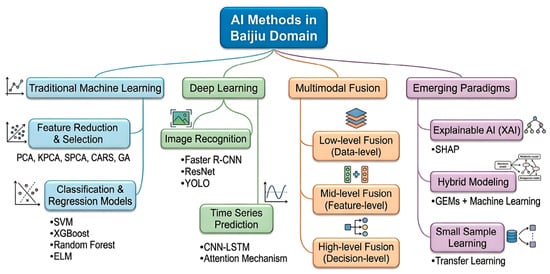
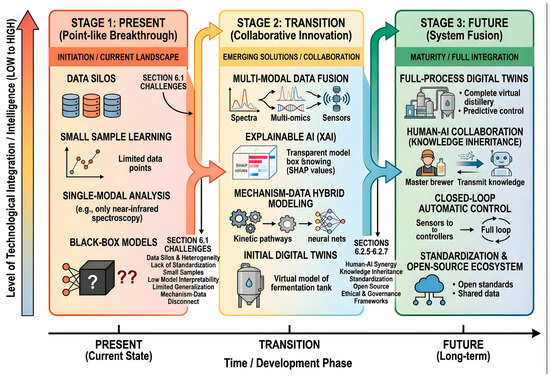
Baijiu, a traditional Chinese distilled spirit with profound cultural and economic significance, faces long-standing challenges in standardization, quality consistency, and skill inheritance due to its empirical production model. The rapid advancement of artificial intelligence (AI) and multi-omics technologies is driving a paradigm shift in Baijiu research from experience-driven to data-driven approaches. This review systematically summarizes the current state of AI applications across the entire Baijiu industry chain. Common AI methods including traditional machine learning, deep learning, multimodal data fusion, and emerging paradigms such as explainable AI (XAI), genome-scale metabolic models (GEMs), and few-shot learning are critically examined. Key bottlenecks—data silos, small sample sizes, model interpretability, and the tension between technology and tradition—are discussed in depth. Future directions are proposed, including multimodal fusion, digital twins, hybrid mechanistic–data modeling, closed-loop control, human–machine collaboration, standardization, and ethical governance. This review provides a comprehensive framework for integrating AI into Baijiu research and offers references for intelligent transformation in other fermented food systems.
Full article
(This article belongs to the Section Fermentation for Food and Beverages)
►▼
Show Figures

Figure 1
Open AccessReview
Research Progress in the Mechanisms of Microbial Furfural Tolerance and Future Research Prospects for Its Biotechnological Exploitation
by
Jiaying Xiong, Meixia Chen, Laiping Zhang, Qi Zhou, Zhenyu Huang, Xiaobin Lin, Xiaomin Fang, Xiangdong Ye, Weiping Zhu, Wei Liu and Aiqin Shi
Fermentation 2026, 12(5), 232; https://doi.org/10.3390/fermentation12050232 - 8 May 2026
Abstract
Lignocellulose is the most abundant renewable biomass on Earth, and its efficient bioconversion is critical for achieving carbon neutrality, substituting fossil resources, and advancing sustainable biomanufacturing. However, furfural, a dominant inhibitor generated during lignocellulosic pretreatment, severely compromises microbial metabolism and fermentation performance. To
[...] Read more.
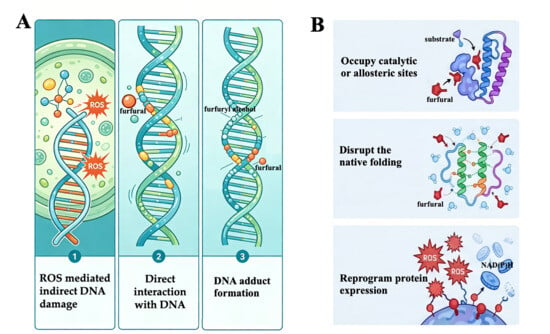
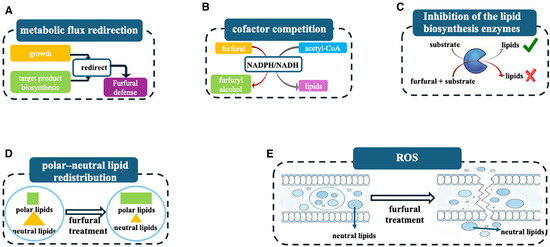
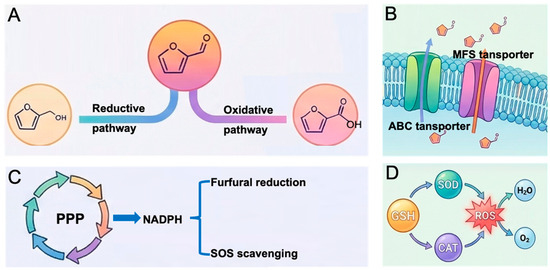
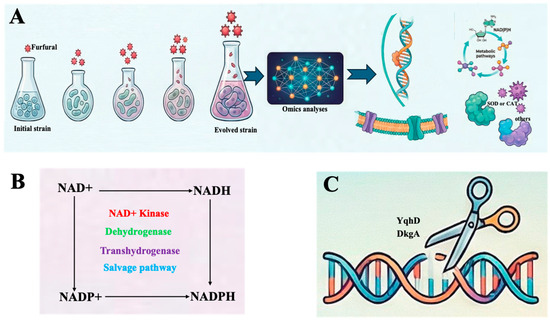
Lignocellulose is the most abundant renewable biomass on Earth, and its efficient bioconversion is critical for achieving carbon neutrality, substituting fossil resources, and advancing sustainable biomanufacturing. However, furfural, a dominant inhibitor generated during lignocellulosic pretreatment, severely compromises microbial metabolism and fermentation performance. To date, no systematic review has comprehensively integrated the mechanisms of furfural-induced microbial toxicity with corresponding stress tolerance strategies. This review elaborates on three core themes: the multi-pathway toxic effects of furfural, intrinsic microbial tolerance mechanisms, and advanced strategies for constructing a high-tolerance microbial chassis. Despite considerable progress, several research gaps persist, including poorly understood synergistic or antagonistic interactions between furfural and other hydrolysate inhibitors, insufficient integration of adaptive laboratory evolution, rational design, and random mutagenesis in anti-inhibitor research, and limited understanding of trade-offs between furfural tolerance and industrial fermentation robustness. Future efforts should address these gaps through combinatorial stress simulation, multi-omics profiling, and the “evolve–elucidate–engineer” paradigm, thereby enabling the scalable and stable application of lignocellulosic biomanufacturing.
Full article
(This article belongs to the Special Issue Lignocellulosic Biomass in Biorefinery Processes)
►▼
Show Figures

Figure 1
Open AccessArticle
Microbial Succession, Fermentative Profile and Aerobic Stability in Sorghum Silage Inoculated with Lentilactobacillus buchneri Alone or Combined with Lentilactobacillus hilgardii in Drylands
by
Luana Milena Pinheiro Rodrigues, Alberto Jefferson da Silva Macêdo, Edson Mauro Santos, Daniele de Jesus Ferreira, Juliana Silva de Oliveira, Paulo da Cunha Tôrres, Júnior, Mateus Lacerda Pereira Lemos, Guilherme Medeiros Leite, Chrislanne Barreira de Macêdo Carvalho, Arthur Herculano Araújo, Geovergue Rodrigues de Medeiros, João Paulo de Farias Ramos and Anderson de Moura Zanine
Fermentation 2026, 12(5), 231; https://doi.org/10.3390/fermentation12050231 - 7 May 2026
Abstract
Microbial inoculants are widely used to improve the fermentation and aerobic stability of silages, particularly in sorghum, which is susceptible to deterioration; therefore, this study evaluated the effects of Lentilactobacillus buchneri (Lb), alone or combined with Lentilactobacillus hilgardii (Lb + Lh), on the
[...] Read more.
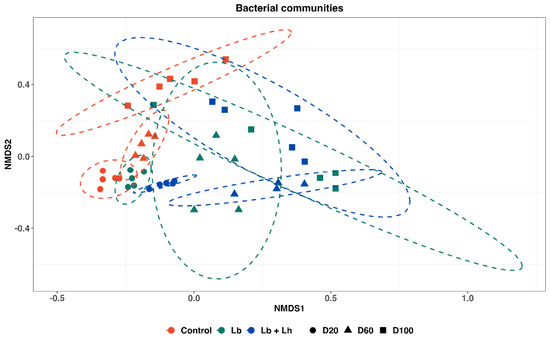
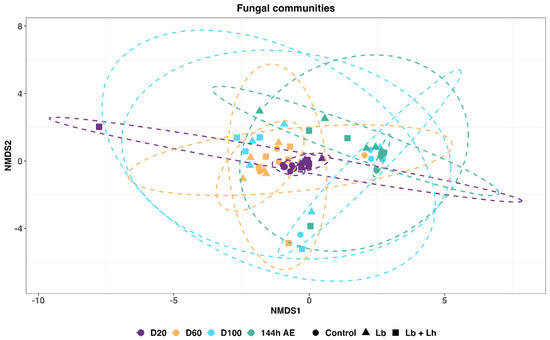
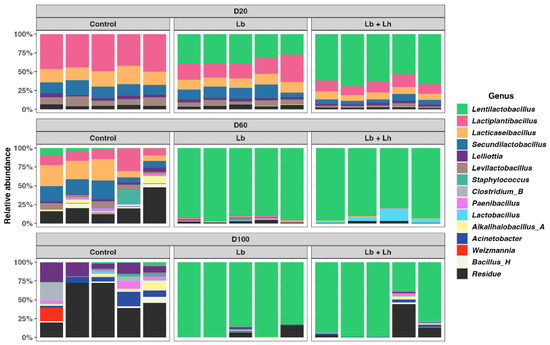
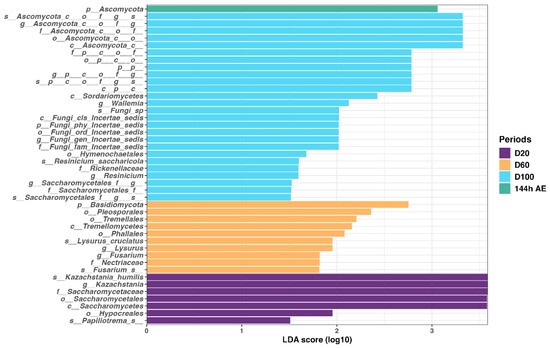
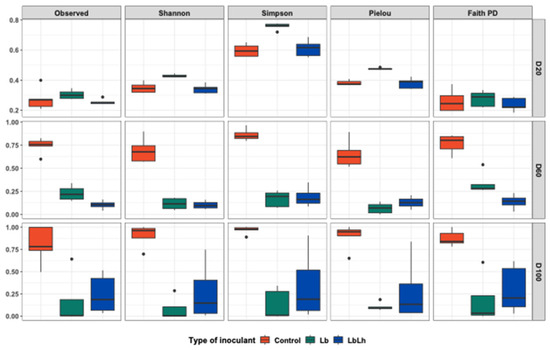
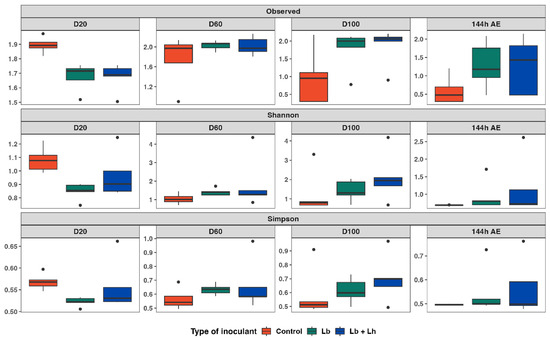
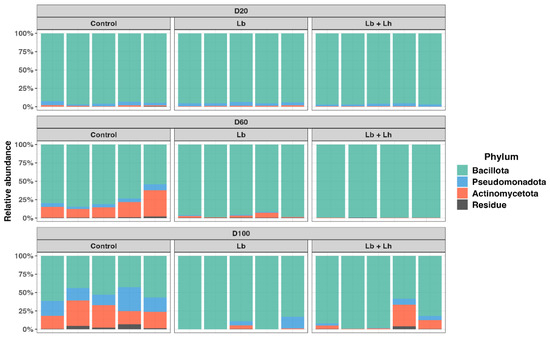
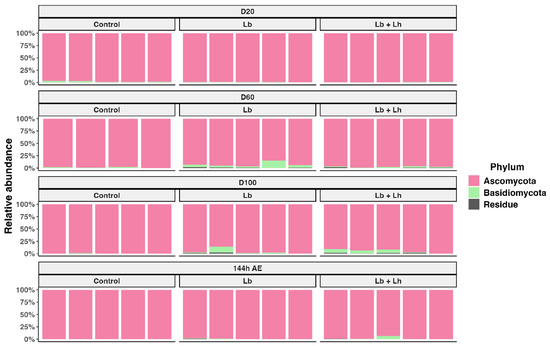
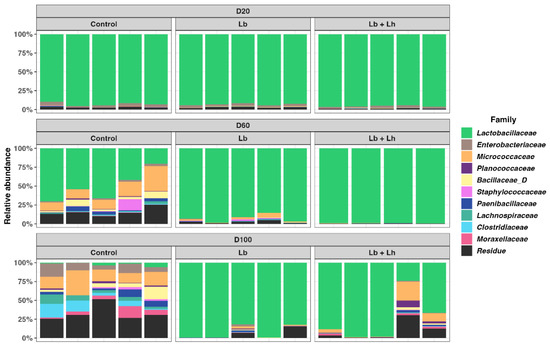
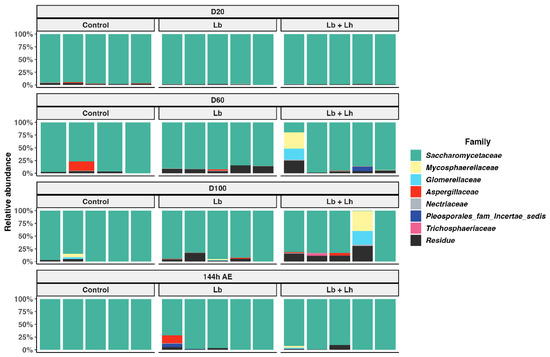
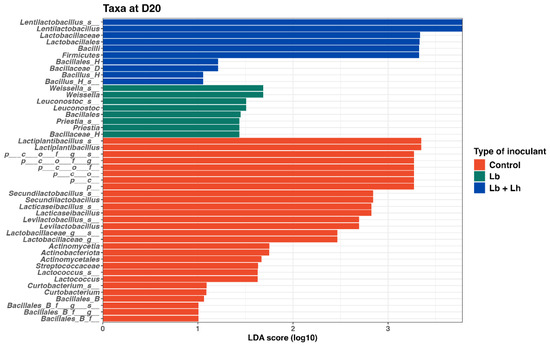
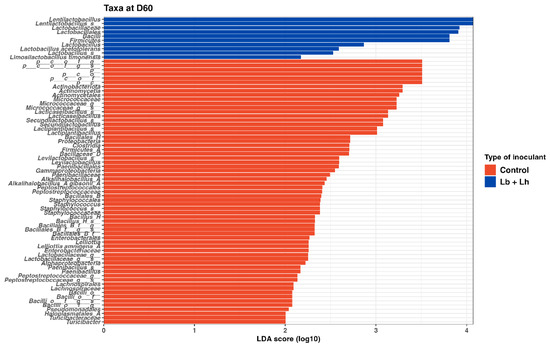
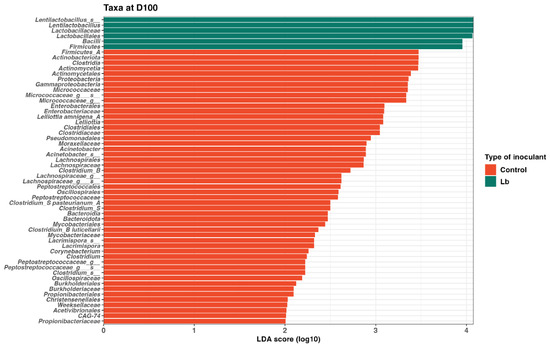
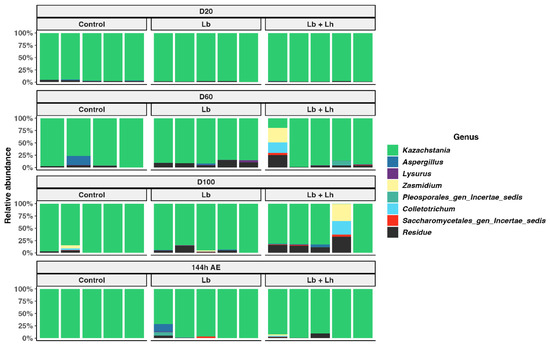
Microbial inoculants are widely used to improve the fermentation and aerobic stability of silages, particularly in sorghum, which is susceptible to deterioration; therefore, this study evaluated the effects of Lentilactobacillus buchneri (Lb), alone or combined with Lentilactobacillus hilgardii (Lb + Lh), on the fermentation profile, microbial stability, chemical composition, and aerobic stability of whole-plant sorghum silage. A completely randomized design was adopted in a 3 × 3 factorial scheme, with three fermentation periods (20, 60 and 100 days) and three microbial inoculants (control, Lb and Lb + Lh), with five replicates per factorial treatment; the fermentation parameters, chemical composition, microbial populations, and aerobic stability were evaluated. A interaction (p < 0.05) between inoculants and fermentation periods was observed for pH, organic acids, microbial counts, and aerobic stability; inoculated silages showed increased lactic acid bacteria, higher acetic and propionic acid production, and inhibition of yeasts and molds, especially at 100 days, resulting in improved aerobic stability at 60 and 100 days. The microbial diversity was lower in inoculated factorial treatments, with predominance of Lentilactobacillus, while the control showed a higher abundance of undesirable microorganisms; Kazachstania was the predominant fungal genus. In conclusion, inoculation improves the fermentation quality, microbial stability, and aerobic stability of sorghum silage, reducing losses.
Full article
(This article belongs to the Section Animal and Feed Fermentation)
►▼
Show Figures

Figure 1
Open AccessArticle
Effect of Straw Domestication on Fermentation Microenvironment Homeostasis and Flavor Formation in Jiang-Flavor Daqu
by
Yuzhang Wu, Jingjing Zhao, Shiqiao Zhang, Xiaoli Fu, Changfeng Gong, Yingdong Pan, Lele Li, Muxi Xia, Manjin Wang, Xiangyong Wang and Zhiyu Zhu
Fermentation 2026, 12(5), 230; https://doi.org/10.3390/fermentation12050230 - 7 May 2026
Abstract
►▼
Show Figures
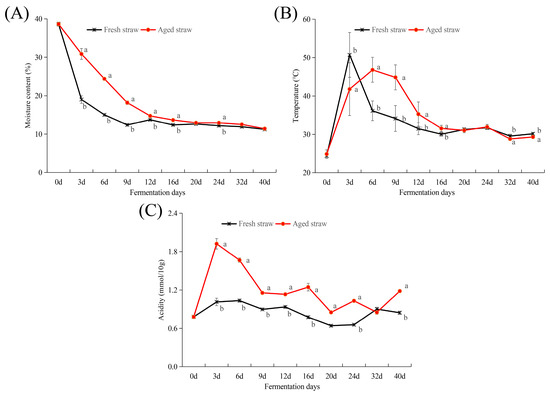
To elucidate the regulatory mechanism of straw domestication on Jiang-flavor Daqu quality, this study systematically tracked variations in physicochemical properties and flavor compounds between Daqu fermented with aged versus fresh straw. Results showed that moisture content in aged-straw Daqu remained above 18.2% during
[...] Read more.
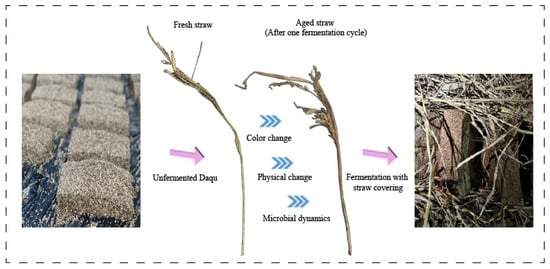
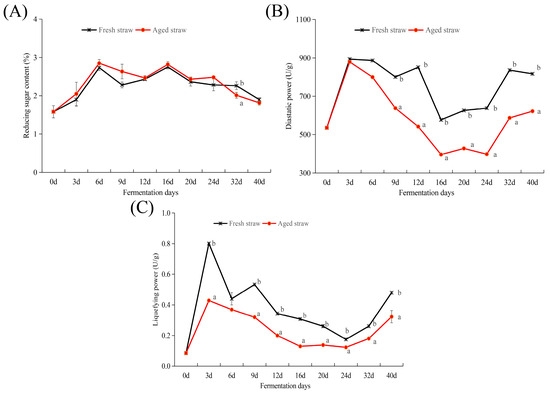
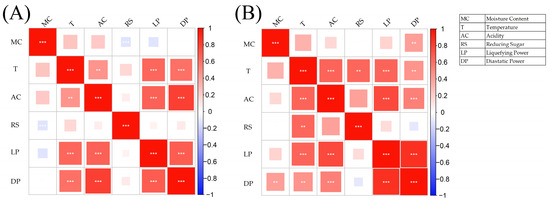
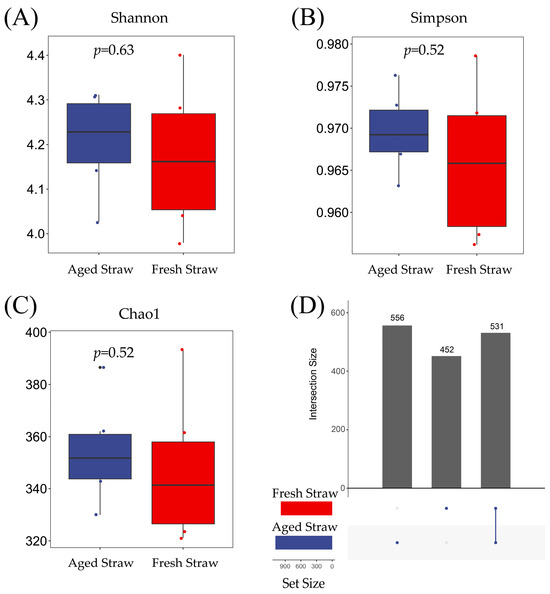
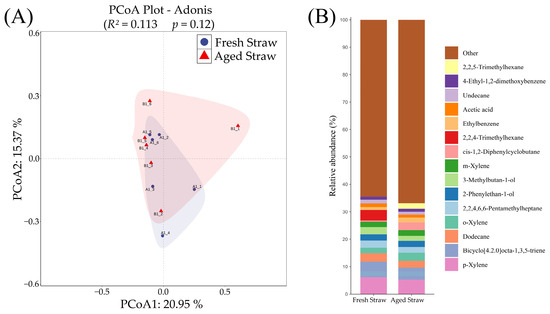
To elucidate the regulatory mechanism of straw domestication on Jiang-flavor Daqu quality, this study systematically tracked variations in physicochemical properties and flavor compounds between Daqu fermented with aged versus fresh straw. Results showed that moisture content in aged-straw Daqu remained above 18.2% during the early fermentation stage (days 0–9), significantly higher than the fresh-straw group. This moisture retention was accompanied by thermodynamic differentiation: aged-straw Daqu exhibited a “delayed peak with gradual decline” pattern (peak temperature 46.8 °C on day 6, maintaining a high-temperature plateau from days 3 to 9), whereas fresh-straw Daqu followed an “early peak with rapid decline” trajectory (peaking at 50.7 °C on day 3 before deteriorating quickly). Total acidity was significantly elevated in the aged-straw group (1.9 vs. 1.0 mmol/10 g, p < 0.05). However, this acidic environment was associated with lower activities of starch-hydrolyzing enzymes, resulting in comparatively lower diastatic and liquefying powers. Flavor profiling identified 1539 volatile compounds. Redundancy analysis revealed moisture, temperature, and liquefying power as key driving factors, explaining 44.24% of variance (p = 0.002). Although the overall flavor architecture remained similar between groups, characteristic compounds differed markedly. Aged-straw Daqu was enriched with derivatives from Maillard reactions and lipid oxidation, contributing to a more substantial flavor foundation. In contrast, fresh-straw Daqu tended to accumulate primary alcohols and exogenous residues. Collectively, aged straw was associated with greater flavor complexity and typicality of Jiang-flavor Daqu, likely through optimization of microenvironmental homeostasis, without altering the fundamental flavor framework.
Full article

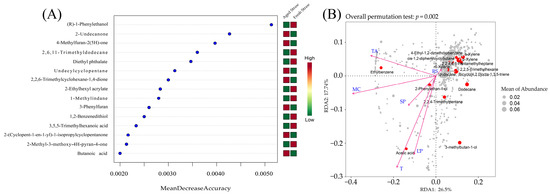
Figure 1
Highly Accessed Articles
Latest Books
E-Mail Alert
News
Topics
Topic in
Applied Biosciences, Applied Microbiology, Fermentation, Marine Drugs, Microorganisms
Microbial Cell Factories for Natural Products
Topic Editors: Carlos Barreiro, Ana Ibáñez, José L. BarredoDeadline: 31 May 2026
Topic in
Fermentation, Membranes, Recycling, Sustainability, Separations, ChemEngineering
Separation Techniques and Circular Economy
Topic Editors: Da-Qi Cao, Qunhui Wang, Yuanyuan Ren, Yangmo ZhuDeadline: 30 June 2026
Topic in
Applied Microbiology, Fermentation, Foods, Microbiology Research, Microorganisms, Nutrients
News and Updates on Probiotics
Topic Editors: Alessandra Pino, Mutamed AyyashDeadline: 30 September 2026
Topic in
Biomass, Fermentation, Microbiology Research, Microorganisms
The Utilization of Non-Grain Biomass Resources
Topic Editors: Shilei Wang, Yafan CaiDeadline: 31 October 2026
Special Issues
Special Issue in
Fermentation
Wastewater and Industrial By-Products as Inputs for the Production of Microbial Exopolysaccharides and Surfactants
Guest Editors: Paulo Fernando De Almeida, Igor SampaioDeadline: 28 May 2026
Special Issue in
Fermentation
Research Progress of Rumen Fermentation, 2nd Edition
Guest Editor: Aleksandro Da SilvaDeadline: 30 May 2026
Special Issue in
Fermentation
Next-Generation Biotics in Fermented and Functional Foods
Guest Editors: Olja Šovljanski, Ana TomićDeadline: 30 May 2026
Special Issue in
Fermentation
Waste as Feedstock for Fermentation, 2nd Edition
Guest Editors: Fernanda Cortez Lopes, Marilene Henning Henning VainsteinDeadline: 31 May 2026
Topical Collections
Topical Collection in
Fermentation
Bioconversion of Lignocellulosic Materials to Value-Added Products
Collection Editors: Alexander Rapoport, Pietro Buzzini