


Abstract
Kombucha tea fermentation is driven by microbial consortia composed of yeasts, acetic acid bacteria (AAB) and lactic acid bacteria (LAB), whose metabolic interactions determine the product’s functional and sensory characteristics. This study focused on the isolation and characterization of cultivable microorganisms from kombucha tea and the reassembly of four defined communities to evaluate their contribution to the chemical composition of the beverage based on the physicochemical parameters and multivariate analysis (PCA) of sugars, organic acids and ethanol. Microbial isolates, identified in this study, belonged to yeast (Saccharomyces cerevisiae and Brettanomyces bruxellensis), AAB (Novacetimonas hansenii, Komagataeibacter europaeus, Komagataeibacter intermedius and Acetobacter pasteurianus) and LAB (Liquorilactobacillus nagelii). Selected strains were combined to reassemble simplified communities. Fermentation trials demonstrated that community composition markedly influenced metabolite production and acidification (acetic acid and ethanol concentration ranged from 0.30 ± 0.08 and 2.29 ± 0.03 g/L, and from not determined to 27.31 ± 3.41 g/L, respectively). Consortia combining yeasts, AAB and LAB most closely reproduced the chemical composition of the original Kombucha tea, whereas simpler yeast–bacteria consortia produced chemically distinct beverages. Overall, these findings enhance our understanding of the ecological roles of kombucha-associated microorganisms and demonstrate that community composition is a key factor in shaping the chemical profile of the beverage. Moreover, the reassembly of defined microbial communities represents a promising strategy for selecting and applying functional microorganisms to valorize agri-food by-products through sustainable fermentation processes. Kombucha-derived communities, due to their ability to grow under acidic conditions, tolerate osmotic stress and metabolize complex sugar mixtures, could be versatile biofactories for the development of new fermented beverages or functional ingredients from low-value agri-food residues, contributing to circular bioeconomy strategies and waste reduction.
1. Introduction
Kombucha tea is a traditional fermented beverage from China that has gained global popularity due to its potential health benefits [1,2]. The fermentation of sweetened tea (Camellia sinensis) is carried out for a variable period (typically 7–14 days or longer) by a symbiotic culture of yeasts and bacteria (SCOBY), that includes acetic acid bacteria (AAB) and lactic acid bacteria (LAB) [3,4]. Kombucha tea consists of two principal fractions: a liquid phase and a cellulosic pellicle forming an active ecosystem due to dynamic microbial activity [5].
The liquid phase contains organic acids and other metabolic products that contribute to distinctive taste and functional properties of kombucha tea [6,7]. The biofilm at the air–liquid interface, is composed of exopolysaccharides, mainly bacterial cellulose produced by AAB [8,9]. The whole concentration of metabolites is influenced by several variables, including the fermentation length, SCOBY composition and temperature [10,11].
Kombucha tea preparation follows the back-slopping practice, which requires the use of a preceding batch as an inoculum for further fermentations. This production practice favors the persistence of well adapted microbial consortia and contributes to the development of desirable sensorial and functional properties. This is particularly evident for AAB, which requires an adaptation cycle to grow under defined carbon sources pressure. Specifically, in kombucha tea systems, microorganisms having high tolerance to low pH and organic acids, efficient ethanol oxidation, ability to produce extracellular polymeric substances such as bacterial cellulose, and broad sugar utilization capacity are favored. These traits contribute to microbial persistence, biofilm formation at the air–liquid interface, and stabilization of the metabolic network within the community [12].
However, both the microbial community structure and the chemical composition of kombucha tea are strongly influenced by factors such as the origin of starter and the back-slopping practice substrate, the type of substrate, and environmental conditions of fermentation [13].
Microbial composition of Kombucha tea, investigated by culture-dependent and independent methods, reveals that the bacterial fraction is mainly composed by Acetobacter [14], Komagataeibacter, Lactobacillus, Lactiplantibacillus and Lacticaseibacillus [5,15,16,17,18,19,20,21]. Yeast diversity is also reported, which commonly includes members of the Zygosaccharomyces, Candida, Kloeckera/Hanseniaspora, Brettanomyces/Dekkera and Saccharomyces genera [22].
The symbiotic relationship is established due to the production of ethanol by yeasts from the breakdown of sucrose into glucose and fructose; ethanol is oxidized by AAB to acetic acid. AAB, particularly by Komagataeibacter members, also use glucose to produce gluconic acid and to synthesize bacterial cellulose [23]. Lactic acid and other metabolites derived from the occurrence of LAB can be also present.
Microbial cultures of kombucha tea have been used as inocula in innovative starter cultures for the production of fermented dairy beverages, fresh cheese, and fruit-based beverages [24,25,26,27].
In addition, recent studies have highlighted the potential of kombucha-derived microbial consortia to ferment agri-food by-products [28,29,30,31,32]. Thus, these applications highlight the importance of accurately identifying the microorganisms present in kombucha tea, characterizing their functional properties, and determining the metabolites they produce to improve the control of large-scale industrial fermentations and ensure the production of safe, high-quality products [33,34].
This study aimed to isolate and characterize the cultivable bacteria and yeasts from three kombucha tea samples, two sourced from homemade fermentations and one from a commercial product. The bacterial and yeast isolates were first characterized phenotypically and then analyzed through molecular techniques, including (GTG)5-rep-PCR fingerprinting. Bacteria and yeasts were identified by 16S rRNA gene and ITS region sequencing, respectively. Furthermore, selected AAB, LAB and yeast strains were reassembled to assay metabolite production during fermentation and identify microbial combinations capable of reproducing the characteristics of the original kombucha tea. The hypothesis that reassembled microbial consortia composed by yeasts, AAB and LAB would reproduce the chemical and metabolic profiles of the original samples, compared to simplified consortia lacking one or more microbial groups, was confirmed.
This study provided qualitative and quantitative evidence to support the comprehensive knowledge base required by regulatory bodies, including the FDA and EFSA, for the pre-assessment of QPS/GRAS status.
2. Materials and Methods
2.1. Preparation of Kombucha Tea
Three kombucha starter cultures of different origins were collected. Kombucha tea A and B (KA, KB) were obtained from homemade fermentations occurred in Parma, Emilia Romagna, Italy; kombucha tea C (KC) was purchased from Freshly Fermented (Organic & Vegan Certified Egyptian Kombucha Scoby Culture, Freshly Fermented, Friendly Fungi Ltd., Lee-on-the-Solent, UK) [35]. All kombucha tea was prepared as previously reported with minor modifications [36,37,38]. In detail, one liter of water was brought to boil, and 25 g of white tea naturally flavored with mango and lemon taste (Winston Tea Company Ltd., London, UK) was added for samples KA and KB, while Hibiscus infusion (Pompadour Tè S.r.l., Bolzano, Italy) was used for sample KC. The infusion was allowed to steep for 3–5 min. Subsequently, 10% (w/v) of sucrose was added and stirred until dissolved. The resulting solution was filtered under vacuum using a membrane filtration system equipped with sequential 0.45 µm and 0.2 µm pore-size polyethersulfone (PES) filters (Nalgene™ Rapid-Flow™, Thermo Scientific, Waltham, MA, USA) and sterility conditions were verified by plating on different culture media (see Section 2.3.1). Then, the sterile tea was transferred into an Erlenmeyer flask, and 10% (v/v) of liquid fraction of starter culture was added. The flask was covered with sterile gauze, and the cultures were incubated at 28 °C for 10 days.
2.2. Physicochemical Analysis
The pH of all samples was measured using a pHmeter (XSPH 80 PRO STIRRER, Securlab, Roma, Italy). Titratable acidity (TA) was determined by acid-base titration with 0.1 N NaOH up to a pH of 7.0 and expressed as a percentage (%) of acetic acid equivalents per 100 mL of sample. The total soluble solids (TSS) were measured with a refractometer (2WAJ, Optika S.r.l., Ponteranica, Italy). Sugars, organic acids, and ethanol were quantified simultaneously by HPLC (Jasco LC-Net II/ADC, Pfungstadt, Germany) equipped with an RI detector (Jasco RI-2031 Plus, Tokyo, Japan) and UV detector (Jasco UV-2070 Plus, Tokyo, Japan) according to Signorello et al. [39]. The mobile phase was composed of 0.005 N sulfuric acid (PanReacAppliChem ITW Reagents, Milan, Italy) and 5% (v/v) of acetonitrile (Carlo Erba Reagents (DasitGroup, Milan, Italy) using a flow of 0.6 mL/min. Samples (20 μL), filtered through a 0.45 μm cellulose acetate membrane, were injected for isocratic separation using a Bio-Rad Aminex HPX-87H column (300 mm × 7.8 mm, Bio-Rad, Hercules, CA, USA) heated to 40 °C with an Eldex CH-150 oven. Peaks were identified using ChromNAV 1.0 software (Jasco, Tokyo, Japan). The detection limit (LOD) and quantification limit (LOQ) were determined based on the signal-to-noise ratio, where LOD and LOQ correspond to analyte amounts with a signal-to-noise ratio of 3 and 10, respectively [40,41]. All LOD and LOQ of the HPLC detected compounds can be found in a previous work by Musi et al. [42]. All samples were run in triplicate.
2.3. Microbiological Analysis
2.3.1. Microbial Counts and Isolation of Bacteria and Yeast from Kombucha Tea
Kombucha tea samples, i.e., the liquid phase, were serially diluted, from 10−3 to 10−5 in 0.1% (w/v) peptone solution and inoculated in triplicate by spreading on specific solid media. Isolation and differential media were used to count and isolate bacteria and yeasts. The viable mesophilic bacteria were counted on plate count agar (PCA) (tryptone 5 g/L, yeast extract 2.5 g/L, glucose 1 g/L, and agar 15 g/L); acetic acid bacteria (AAB) were enumerated on glucose yeast extract peptone mannitol (GYPM) (glucose 2 g/L, d-mannitol 25 g/L, yeast extract 5 g/L, peptone 3 g/L, agar 9 g/L) as previously described by Gomes et al. [43]. For AAB isolation, glucose yeast extract calcium carbonate agar (GYC) (glucose 100 g/L, yeast extract 10 g/L, calcium carbonate (CaCO3) 20 g/L, agar 9 g/L) was used. On GYC medium, organic acid production was qualitatively assessed by observing the halo due to dissolution of CaCO3. Colonies displaying clear halos were subsequently tested for catalase activity. Yeasts were counted on yeast extract peptone dextrose (YPDA) (glucose 20 g/L, peptone 20 g/L, yeast extract 10 g/L, agar 20 g/L); while lactic acid bacteria (LAB) were grown on De Man-Rogosa-Sharpe (MRS) agar. All chemicals were purchased from Sigma–Aldrich (St. Louis, MO, USA). Incubation was carried out under optimal growth conditions in order to maximize microbial recovery during the isolation phase, even if it differs from the temperature used during kombucha tea fermentation: at 28 °C for 2 days for mesophilic bacteria and yeasts, 5 days for AAB, under aerobic conditions; LAB were incubated at 37 °C for 2 days under anaerobic conditions. Colonies were enumerated, then colonies exhibiting different morphology were picked up and purified by repeated streaking on the same isolation media. All pure cultures were preserved at −80 °C in liquid media supplemented with 25% (v/v) glycerol (Carlo Erba, Milan, Italy).
2.3.2. Phenotypic Characterization of Bacteria
Purified isolates were examined by colony and cell morphology. For bacteria isolates, gram staining, catalase and potassium hydroxide (KOH) tests were performed as described by Wu et al. [44]. The KOH test was carried out emulsifying cell cultures on a microscope slide containing a 10% (w/v) KOH solution (Sigma–Aldrich, St. Louis, MO, USA).
2.3.3. Differentiation of Isolates via (GTG)5-rep-PCR Fingerprinting
Genomic DNA from pure cultures of bacteria and yeasts were extracted according to Gullo et al. [45] and Hoffman & Winston [46], respectively, with some modifications. Bacterial cells were harvested by centrifugation (12,000× g, 5 min) and resuspended in saline EDTA buffer (0.15 M NaCl, 1M EDTA, pH 8.0). The lysis of cells was performed with lysozyme (10 mg mL−1), followed by RNAse treatment (10 mg mL−1, at 37 °C for 30 min) and proteinase K digestion (20 mg mL−1, at 37 °C for 60 min). Afterwards, 40 µL of 25% sodium dodecyl sulphate (SDS) solution was added and incubated at 65 °C for 10 min. Then 180 µL of sodium acetate solution (5 M) was added and the cell polysaccharides were removed by the addition of 100 µL cetyltrimethylammonium bromide (CTAB) (2%) and centrifuged (10,000× g; 10 min). Genomic DNA was purified by two extractions with chloroform/isoamylic alcohol (25:1 v/v) precipitated with cold absolute ethanol and finally resuspended in 100 µL of ultrapure water. Moreover, yeast cells were harvested by centrifugation (8000 rpm, for 5 min at +4 °C) and lysed using 600 mg of glass beads (d = 0.45–0.50 mm), with 400 µL of lysis buffer (Triton X-100 2%, SDS 1%, NaCl 0.1M, Tris pH 8.0 (0.01M), 0.5M EDTA (1mM)) and 400 µL of phenol:chloroform:isoamyl alcohol (25:24:1, v/v). After vortexing and centrifugation, 200 µL of TE buffer (10 mM Tris, pH 8.0, 1 mM EDTA) were added and the aqueous phase was recovered after centrifugation (14,000 rpm for 5 min at +4 °C) and further mixed with 400 µL chloroform:isoamyl alcohol (24:1, v/v). Genomic DNA was precipitated with cold isopropanol at −20 °C for 30 min and washed with 500 µL of ethanol (70% v/v), air-died, and resuspended in sterile water. RNA was removed by RNAse treatment (10 mg mL−1 at 37 °C for 1 h). Glass beads were purchased from Sigma–Aldrich (St. Louis, MO, USA), all other chemicals and reagents were purchased from PanReac AppliChem (ITW Reagents, Monza, Italy).
The quality and concentration of the extracted DNA were checked by NanoDrop™ One spectrophotometer (Thermo Fisher Scientific, Waltham, MA, USA). (GTG)5-rep-PCR was performed with primer GTG5 (5′-GTGGTGGTGGTGGTG-3′) according to Foti et al. [47]. Amplified PCR products were separated on a 2.0% w/v agarose gel for 2 h at 90 V. Amplicon size was determined using GeneRuler 100 bp Plus DNA Ladder (Invitrogen, Carlsbad, CA, USA). Gel images were captured using a ChemiDoc™ MP Imaging System (Bio-Rad Laboratories, Hercules, CA, USA). For each isolate, (GTG)5-PCR fingerprinting was performed in technical triplicates, and only reproducible banding patterns were considered for subsequent analysis.
Fingerprinting data were then analyzed using Biolomics software ver. 25.11.7.1 (BioAware, Hannut, Belgium), with the Pearson’s correlation coefficient and the unweighted pair group method with arithmetical average (UPGMA) clustering method.
2.3.4. Identification of Bacteria and Yeasts
Bacteria were identified by 16S rRNA gene sequencing [48,49]. The amplification of the 16S rRNA gene was performed using primers 27F (5′-CTGGGATCCATTTACTCGAGAGTTTGATCCTGGCTCAG-3′) and 1492R (5′-GGTTCCCCTAAGCTTACCTTGTTACGACTTC-3′). Each PCR mixture (final volume, 100 μL) contained 10X reaction buffer, 0.25 μL (5.0 U) of Taq DNA polymerase, 4.0 μL of dNTP (2.5 mM each), 1.0 μL of each primer (10 μM), 1.0 μL of DNA template (5 ng/μL). The following PCR conditions were used: 95 °C for 5 min, 30 cycles of 94 °C for 1 min, 58 °C for 2.5 min, 72 °C for 2.5 min, and final extension at 72 °C for 5 min. The PCR products were sequenced using also two internal primers 16SR (5′-GTCTCGTGGGCTCGGAGATGTGTATAAGAGACAGGACTACHVGGGTATCTAATCC-3′) and 515Y-F (5′-GTGYCAGCMGCCGCGGTAA-3′). Only sequences with a minimum length of 1000 bp and showing clear, unambiguous chromatograms were retained for taxonomic identification and subsequent analysis.
Yeasts were assayed by ITS region genes [50]. PCR and sequencing were performed using the following primers: ITS1 (5′-TCCGTAGGTGAACCTGCGG-3′) and ITS4 (5′-TCCTCCGCTTATTGATATGC-3′) [51]. Each PCR mixture (final volume, 50 μL) contained 10X reaction buffer, 0.25 μL (5.0 U) of Taq DNA polymerase, 4.0 μL of dNTP (2.5 mM each), 3.0 μL of each primer (5 μM), 1.0 μL of DNA template (250 ng/μL). The following PCR conditions were used: 95 °C for 5 min, followed by 35 cycles at 95 °C for 1 min, 55 °C for 2 min, 72 °C for 2 min. A final extension was carried out at 72 °C for 10 min. Sequencing was performed using the Sanger method by the Bio-Fab Research Laboratory (Roma, Italy). Sequence data were analyzed using SnapGene software version 8.1.1 (GSL Biotech, Pune, India, available at https://www.snapgene.com [52]). The obtained sequences were compared with those in the NCBI database using the NCBI BLAST nucleotide alignment tool (version BLAST+ 2.17.0, available at http://blast.ncbi.nlm.nih.gov/Blast.cgi, accessed on 21 December 2025 [53]). The strains were deposited in the University of Modena and Reggio Emilia (UNIMORE) Microbial Culture Collection (UMCC, www.umcc.unimore.it [54]) under the accession code UMCC 3074, UMCC 3076, UMCC 3086, UMCC 3087, from UMCC 3094 to UMCC 3097, UMCC 3099, UMCC 3100, from UMCC 3102 to UMCC 3106, UMCC 3108. All isolated strains are available in compliance with due diligence procedures under the Nagoya Protocol on Access and Benefit-Sharing.
2.4. Reassembling Simplified Community and Fermentation Trials
Simplified communities (SCs) were reassembled using strains isolated from the same original kombucha tea (KA, KB and KC). All strains were recovered from −80 °C glycerol stocks, yeasts were cultivated in YPD broth, AAB in GY broth and LAB in MRS broth. All strains were incubated at 28 °C, yeast for 1 day, AAB for 3 days and LAB for 2 days. All strain cultures were inoculated at 106 CFU/mL, with bacteria:yeast in a 1:1 inoculum ratio. The fermentation trials were carried out in triplicate in 100 mL volume of sweetened sterile tea, white tea (SC-KA, SC-KB and SC-KC), and hibiscus infusion (SC-KC-I). The preparation of tea infusions and the incubation conditions for fermentation were reported in Section 2.1. For each sample, after 10 days of fermentation physicochemical analysis were performed (see Section 2.2).
2.5. Statistical Analysis
Statistical analyses were performed using SPSS software (version 20.0, IBM Statistics, Armonk, NY, USA). Results are expressed as the mean of the triplicate ± standard deviation (SD). Significant differences among samples were determined using one-way factor analysis of variance (ANOVA) followed by Tukey’s post-hoc test, with a significance level set at p < 0.05. The comparison of chemical composition of products was achieved by principal component analysis (PCA) using RStudio software, version 4.2.2 (R Core Team, Vienna, Austria, 2022). Prior to PCA, all numeric variables were centered and scaled to unit variance using the scale function in R.
3. Results and Discussion
In this study, three kombucha tea samples were studied with respect to their cultivable microbial fraction, highlighting the role of metabolically active microorganisms on available carbon sources. Moreover, defined microbial communities from kombucha tea isolates were reassembled to assess their ability to reproduce the main biochemical features of the original microbial community. The assessment of different combinations of yeasts, AAB and LAB influenced metabolite production and shaped the overall chemical profile of the fermented beverage.
3.1. Physicochemical Characterization of Kombucha Tea Samples
The pH, titratable acidity and concentrations of sugars and organic acids were selected as key indicators of fermentation performance, as they represent characteristic parameters of kombucha tea, reflecting the metabolic activity of the microbial consortium [55]. In our study, the values of these parameters, measured after 10 days of fermentation, are reported in Table 1. The pH values ranged from 2.69 to 3.26, consistent with values reported by other authors and remained within the safety pH range of 2.5–4.2 [38,56]. However, it is equally important not to exceed pH values of 4.2 because of microbial risks [57,58]. Titratable acidity (TA), commonly found ~0.4% [16,59,60], was highest in KA (0.74% w/v), followed by KC (0.72% w/v) and KB (0.53% w/v). In contrast, total soluble solids (TSS) showed the opposite trend, with the highest concentration in KB (10.33 °Brix) and lowest in KA (8.60 °Brix).
Table 1.
Physicochemical composition of kombucha tea samples (KA, KB and KC) and quantification of metabolites by HPLC after 10 days of fermentation. Data are expressed as mean ± SD (n = 3). Different letters in row mean significant differences among the samples (ANOVA, p < 0.05) (TA = titratable acidity; TSS = total soluble solids).
To further investigate and validate the differences observed in the physicochemical parameters, HPLC analysis was carried out. The acetic acid concentrations measured by HPLC were consistent with the TA values, with the highest levels detected in KC (4.98 g/L), followed by KA (4.60 g/L) and KB (4.51 g/L). Acetic acid is the predominant organic acid in kombucha tea characterizing the taste of the product. Previous studies reported average values ranged from 0.3 to 6.4 g/L [37,61,62].
In general, in commercial kombucha tea, ethanol concentrations ranged from 0 to around 26 g/L [63,64]. For low-alcohol and non-alcoholic beverages, the allowed ethanol concentration limits vary among countries. In Europe, there is implicit EU regulation for alcoholic beverages that are defined as such when they exceed 1.2% (v/v) of ethanol; however, there is no precise definition for low-alcohol or non-alcoholic beverages [65]. In addition, pH values below 2.50 can represent a potential health risk to consumers, so that in some countries, such as Argentina, a lower limit has been imposed, beyond which it is not possible to market the products [66]. As regards the residual sugar content, there are different values found on the market which range from approximately 30 g/L to >60 g/L, depending on various factors, including fermentation time, amount of added sugars, and the composition of the microbial consortium [67,68]. In this study, ethanol was detected in KA and KB (3.13 and 3.02 g/L, respectively), but was not detected in KC, presumably related to its transformation into acetic acid in accordance with its lower pH and higher organic acid content. Additionally, KB exhibited a high concentration of residual sucrose (75.50 g/L) along with low concentrations of glucose (6.39 g/L) and fructose (4.09 g/L) and organic acids. The high residual sucrose levels observed in some fermentations may reflect differences in yeast invertase activity, which controls the hydrolysis of sucrose into glucose and fructose. When invertase activity is limited or delayed, sucrose tends to accumulate, whereas glucose and fructose, once released, are rapidly metabolized by the microbial community [69]. In contrast, KA showed higher levels of glucose and fructose (15.87 and 18.40 g/L, respectively), and ethanol and acetic acid content of 3.13 g/L and 4.60 g/L, respectively. Sample KC contained lower concentrations of residual monosaccharides (glucose 8.37 g/L, fructose 11.57 g/L) and undetectable ethanol but exhibited the highest content of acetic acid (4.98 g/L) and a detectable amount of gluconic acid (1.47 g/L). The higher levels of acetic acid and gluconic acid in samples KA and KC, accompanied by low ethanol concentrations, were indicative of a more advanced fermentation stage, in which oxidative microbial activity was dominant. Similar trends were reported by Wang et al. [70], with acetic acid identified as the major organic acid and residual sugars progressively declining over fermentation time, reflecting the metabolic shift from sugar utilization and ethanol production to organic acid accumulation during the advanced stages of kombucha tea fermentation.
3.2. Microbiological Characterization of Kombucha Tea Samples
3.2.1. Microbial Counts and Isolation of Bacteria and Yeast
The cell counts of bacteria and yeast in sample KA, KB and KC ranged from 6.56 to 7.23 log CFU/mL (Table 2). The highest number of bacteria cells on GYPM medium were observed in sample KC (7.08 log CFU/mL), followed by KA (6.70 log CFU/mL), with sample KB having the lowest (6.63 log CFU/mL). Yeast concentrations on YPDA medium exhibited the highest value in sample KA (7.10 log CFU/mL) followed by KB (6.66 log CFU/mL) and KC (6.61 log CFU/mL). Yeast counts in samples was within the range previously reported for kombucha tea after fermentation, although differences in fermentation stage and storage conditions may influence cell concentrations [71].
Table 2.
Microbial counts after 10 days of kombucha tea fermentation (samples KA, KB and KC), are expressed as log CFU/mL for total mesophilic bacteria on PCA, yeasts on YPDA, LAB on MRS, AAB on GYPM. Data are reported as mean ± SD (n = 3).
In total, 16 morphologically different colonies were selected (n = 10 bacteria, n = 6 yeasts). Bacterial and yeast strains were isolated from KA (n = 1 and n = 1, respectively), KB (n = 1 and n = 4, respectively) and KC (n = 8 and n = 1, respectively). The uneven distribution of isolates among the three kombucha samples may reflect differences in the origin and propagation history of the samples. In particular, industrially propagated starters are often subjected to repeated back-slopping cycles under controlled conditions, which may select highly adapted strains [16,22]. In fact, back-slopping favors the establishment of a suitable environment for the stable coexistence of different microbial members. In a homemade production, however, environmental fluctuations (temperature, oxygenation, hygiene) occur, and standardization of production parameters is not guaranteed. Therefore, homemade kombucha tea has a more variable ecosystem and almost always lower microbial diversity due to an ecological bottleneck, meaning only the most adapted strains survive, while others rapidly become extinct or could more easily enter VBNC (viable but non-culturable) status [72,73].
In our study, the bacterial colony morphology, recovered on the GYC medium, showed variability, including differences in size (small to punctiform), color (ranging from white and beige to yellow and brown), and margin (entire or lobate). Most colonies were circular with smooth surfaces and a mucous consistency, while a few isolates exhibited filamentous forms (Table S1). These characteristics are consistent with previous observations for AAB. For instance, Acetobacter strains are typically circular and cream to beige [74], whereas members of the genus Komagataeibacter usually produce light to dark brown colonies, often accompanied by water-soluble brownish pigments [75] and are responsible for bacterial cellulose production [76,77,78]. Yeast colonies selected (n = 6) from the three kombucha tea samples (KA, KB and KC) predominantly exhibited a white to cream coloration, circular morphology and entire margins.
3.2.2. Phenotypic Characteristics of Bacteria
The isolates (n = 10) included 9 g negative and 1 g positive strains. Cell morphology varied between bacilli and cocci. Most bacilli were observed as single cells, whereas cocci appeared singly or diplococci. Colony characteristics exhibited variation in size (small to punctiform), shape (circular or filamentous), and color (ranging from white and beige to yellow and brown). KOH and catalase tests were positive among gram-negative isolates, whereas gram-positive strains displayed variable catalase activity (Table S2).
3.2.3. Differentiation via (GTG)5-rep-PCR Fingerprinting and Molecular Identification of Bacteria Isolates by Sequencing 16S rRNA Gene
(GTG)5-rep-PCR, a technique based on the amplification of repetitive sequences (GTG)5 occurring in the genome, is widely used for strains discrimination [79,80,81,82]. In this study, (GTG)5-rep-PCR was performed on bacterial and yeast gDNA and a cluster analysis, illustrating the genetic relationships among the isolates, was performed (Figure 1 and Figure 2). Overall, the analysis revealed a structured clustering of isolates, highlighting both closely related genotypes and genetically distant strains isolated from kombucha tea samples.
Figure 1.
Dendrogram resulting from the clustering of bacterial (GTG)5-PCR fingerprinting profiles. Band pattern analysis was carried out using Biolomics with the Pearson’s correlation coefficient and the unweighted pair group method with arithmetical average (UPGMA) clustering method.
Figure 2.
Dendrogram resulting from the clustering of yeasts (GTG)5-PCR fingerprinting profiles. Band pattern analysis was carried out using Biolomics with the Pearson’s correlation coefficient and the unweighted pair group method with arithmetical average (UPGMA) clustering method.
Bacterial isolates were grouped into several major clusters, indicating substantial genotypic heterogeneity within the community. UMCC 3074 and UMCC 3099 isolates clustered at a lower distance (>0.7), suggesting they represent closely related strains. In contrast, other isolates showed higher distance values (>0.8), reflecting genetic divergence. As shown in Figure 1, certain clusters consisted of two or more isolates sharing similar (GTG)5-PCR profiles, whereas several isolates appeared as single branches, indicating unique genotypes. It was possible distinguished the following groups: Group I (UMCC 3074, the only isolate from KA, and UMCC 3099) closely related to Group II (UMCC 3076, the only isolate from KB); Group III (UMCC 3094 and UMCC 3102) closely related to Group IV (UMCC 3097); Group V (UMCC 3095); Group VI (UMCC 3096 and UMCC 3100), closely related to Group VII (UMCC 3103).
The overall distribution of similarity values demonstrates that the kombucha-associated bacterial community is not dominated by a single genotype but instead comprises multiple genetically distinct members.
Subsequently, isolates were selected for full-length 16S rRNA gene sequencing. The isolates were assigned to bacterial species commonly reported in kombucha tea fermentations, including members of Novacetimonas, Komagataeibacter, Acetobacter, Gluconobacter and Liquorilactobacillus (Table 3).
Table 3.
Identification of bacterial isolates carried out through comparison of 16S rRNA gene sequences with the GenBank database using the NCBI BLAST tool (http://www.ncbi.nlm.nih.gov/BLAST/Blast.cgi, accessed on 21 December 2025) and clusters of (GTG)5-PCR profiles. a The number of 16S rRNA nucleotides used for alignment; b the percentage of identity with the 16S rRNA sequence of the nearest phylogenetic neighbor. Species-level identification was considered reliable only for sequence identities equal to or higher than 99%, whereas identifications below this threshold were interpreted as tentative and reported as putative species assignments.
Within the cultivable fraction, strains belonging to the genus Komagataeibacter were predominantly recovered, as also previously reported for kombucha tea communities [83]. Notably, sample KC showed a higher strain-level diversity within this genus, while samples KA and KB yielded only one bacterial isolate each, likely reflecting differences in starter origin and propagation history. Isolates 150_KC (UMCC 3095) and 193_KC (UMCC 3103) showed high similarity to K. rhaeticus (100% and 97.96% identity, respectively), whereas 160_KC (UMCC 3096) was identified as K. europaeus (99.93%). Additionally, isolates 189_KC (UMCC 3099) and 190_KC (UMCC 3100) were closely related to K. saccharivorans (98.67% and 99.72%, respectively). In contrast, a single strain from sample KB (8_KB, UMCC 3076) was identified as K. intermedius. Acetobacter species were also recovered from sample KC, including A. pasteurianus (166_KC, UMCC 3097, 99.72%), and Acetobacter sp. LMG 32670 (192_KC, UMCC 3102, 99.79%). Acetobacter species are typically associated with kombucha tea fermentation [84], as evidenced by the chemical profile of sample KC, which showed the highest acetic acid concentration (4.98 g/L) and an absence of ethanol. In addition, strains of K. rhaeticus originating from kombucha tea were recognized as promising candidates for cellulose production, distinguished by their ability to produce high cellulose yields under low-nutrient conditions [85,86]. Moreover, Novacetimonas hansenii, a cellulose-producing AAB frequently associated with kombucha tea was found, in sample KA. Finally, regarding to LAB, Harrison and Curtin [87] have highlighted Liquorilactobacillus nagelii as the main representative of lactobacilli in kombucha tea communities. Consistently, in our study, only L. nagelii was isolated from sample KC (148_KC, UMCC 3094).
In this study, a high degree of genetic diversity among bacterial isolates has been highlighted. Notably, some isolates sharing nearly identical 16S rRNA gene sequences (>99%) were separated into different (GTG)5-PCR clusters, indicating the presence of intraspecific, strain-level diversity not resolved by 16S rRNA analysis alone, e.g., K. saccharivorans UMCC 3099 and K. saccharivorans UMCC 3100 belonging to Group I and Group VI, respectively. Although by (GTG)5-rep-PCR fingerprinting some limitation in detecting intra-species variability arises, we used it as a rapid fingerprinting tool to highlight genetic heterogeneity among culturable isolates. The obtained clustering pattern was consistent with previous studies on AAB associated with kombucha tea, particularly species belonging to the genus Komagataeibacter, which are known to exhibit both interspecific and intraspecific genomic variability [88].
3.2.4. Differentiation via (GTG)5-rep-PCR Fingerprinting and Molecular Identification of Yeast Isolates by Sequencing the ITS Region
The (GTG)5-PCR fingerprinting analysis generated reproducible banding patterns for all seven yeast isolates recovered from kombucha tea fermentation. Cluster analysis revealed the presence of three major clusters at a similarity threshold higher than 0.80, as indicated by the scale distance in the dendrogram (Figure 2).
The I cluster grouped isolates UMCC 3086, UMCC 3104, UMCC 3105 and UMCC 3106, showing high genetic similarity. This suggests that these isolates likely belong to the same or to closely related species. The II cluster included the isolate UMCC 3087, and the III cluster included the isolate UMCC 3108, indicating a genetically coherent group.
The clear separation between the three clusters supports the existence of intraspecific or interspecific diversity among the yeast population associated with kombucha tea.
Subsequently, sequencing of the ITS1–5.8S–ITS2 region allowed reliable taxonomic identification of the isolates (Table 4) [89]. Isolates belonging to the first (GTG)5-PCR cluster were identified as Saccharomyces cerevisiae (UMCC 3086, UMCC 3104 and UMCC 3105, ITS sequence similarity 99.36–99.86%) and Brettanomyces (Dekkera) bruxellensis (UMCC 3106, ITS sequence similarity 100%), while isolate from the second cluster showed high similarity (99.37%) to S. cerevisiae, and isolates UMCC 3087 from the third cluster showed similarity to Brettanomyces (Dekkera) bruxellensis (UMCC 3108, 100%).
Table 4.
Identification of yeasts isolates carried out through comparison of ITS sequences with the GenBank database using the NCBI BLAST tool (http://www.ncbi.nlm.nih.gov/BLAST/Blast.cgi) and clusters of (GTG)5-PCR profiles. a The number of sequenced nucleotides used for alignment; b the percentage of identity with the ITS sequence of the nearest phylogenetic neighbor. Species-level identification was considered reliable only for sequence identities equal to or higher than 99%.
The ethanol concentrations observed in KA (3.13 g/L) and KB (3.02 g/L) were consistent with the isolation of S. cerevisiae from these samples (24_KA, 44_KB, 47_KB, 48_KB). In contrast, ethanol was undetectable in KC despite the isolation of B. bruxellensis (154_KC), where ethanol has been largely oxidized into organic acids, as indicated by the low pH (2.69) and high value of acetic acid (4.98 g/L). The coexistence of S. cerevisiae, B. bruxellensis and B. anomalus in sample KB reflects the dynamic nature of yeast populations during intermediate fermentation stages. Notably, B. anomalus is reported to tolerate acidic environments and contribute to flavor development through the production of volatile compounds and esters which may contribute to the aroma characteristic in kombucha tea [90].
The observed glycerol production can be linked to the metabolic activity of specific yeast species present in the simplified communities, particularly S. cerevisiae and B. bruxellensis, which are known to produce glycerol as a by-product of redox balance during alcoholic fermentation. Differences in glycerol concentration among samples may therefore reflect strain-specific metabolic traits and variable fermentative activity of these yeasts. S. cerevisiae strains are generally associated with higher glycerol production compared to B. bruxellensis, due to its stronger reliance to glycerol synthesis as a redox-balancing mechanism during alcoholic fermentation [91].
The combined use of (GTG)5-PCR fingerprinting and ITS sequencing provided complementary information on yeast diversity in kombucha tea samples. While ITS sequencing enabled species-level identification, (GTG)5-PCR highlighted strain-level diversity within the same species [92].
The presence of Brettanomyces and Saccharomyces species is consistent with previous studies on kombucha tea, which report these yeasts as key contributors to ethanol production, organic acid formation and flavor development [71]. The observed genetic heterogeneity within clusters may reflect adaptation to fermentation conditions such as low pH (≈2.5–3.5), high sugar concentrations and the presence of organic acids [93,94].
Overall, these findings confirm that kombucha tea harbors a genetically diverse yeast community, structured into distinct species and strain groups, and underline the importance of combining molecular fingerprinting and sequencing approaches for an accurate characterization of fermentation associated microbial community. However, results obtained in this study could be integrated with whole genome sequencing (WGS) to further map the genetic diversity of the microbial community.
3.3. Fermentation Trials of Kombucha Tea from Reassembled Simplified Communities
To test if cultivable microorganisms from kombucha tea, namely yeasts, AAB and LAB could be responsible for fermentation, simplified communities were reassembled and monitored for 10 days. Each isolate selected for build-up the simplified community was previously identified as representative of the cultivable fraction from the respective kombucha tea samples (KA, KB and KC) (Table 5). Strain selection was driven by functional diversity, aiming to include yeasts, AAB and LAB within a simplified and experimentally manageable system. Nevertheless, not all simplified communities contained representatives of all three guilds, due to limitations inherent to culture-dependent isolation methods. Thus, it is important to note that the chosen simplified communities only partially reproduce the original fermentation profiles and that this divergence reflects the absence of non-cultivable members and long-term adaptation cycles.
Table 5.
Composition of the simplified communities (SCs) assembled from bacteria and yeasts isolated from the kombucha teas (KA, KB and KC).
Different substrates (white tea and hibiscus infusion) were initially used in order to preserve the original fermentation conditions of the three kombucha starters employed in this study. During the first isolation phase, maintaining the original substrate was considered essential to ensure optimal microbial recovery and ecological representativeness. In the second phase, to reduce substrate-related variability and allow direct comparison among simplified communities, white tea was selected as a standardized fermentation substrate. For this reason, the SC-KC-I was fermented in hibiscus infusion (original substrate) and SC-KC in white tea, enabling the evaluation of substrate effects on fermentation performance.
S. cerevisiae and B. bruxellensis are primarily responsible for initiating the fermentation process, hydrolyzing sucrose and metabolizing the resulting glucose and fructose into ethanol and carbon dioxide via glycolytic pathways. According to Tran et al. [95], among yeast genera isolated from kombucha tea, B. bruxellensis exhibited higher invertase activity than S. cerevisiae, suggesting a strong contribution to sucrose hydrolysis and the release of fermentable monosaccharides. Moreover, it produces ethanol through glycolysis and generally displays a preference for glucose over fructose as the primary carbon source [96].
N. hansenii, K. intermedius, K. europaeus and A. pasteurianus were selected for their known ability to oxidize ethanol into acetic acid and to produce bacterial cellulose, at different yields [97,98,99,100]. However, some authors have also highlighted acetic acid production in the absence of ethanol consumption, which can be attributed to the glycolytic and pyruvate metabolic pathways of AAB [1,69]. In addition, AAB are capable of converting glucose to gluconic acid through the pentose phosphate pathway, while fructose is preferentially converted into acetic acid [101].
The presence of L. nagelii, a species previously identified in kombucha tea consortia [84], enhanced the metabolic diversity of the community and contributed to system acidification through lactic acid production from glucose.
After 10 days of fermentation, distinct metabolic patterns were observed, highlighting the contribution of the selected microorganisms and their interactions in shaping the chemical composition of kombucha tea (Table 6). The SC-KA, containing N. hansenii (1_KA) and S. cerevisiae (24_KA), as reported by Ferremi Leali et al. [102], represented a minimal consortium designed to reproduce a simple yeast–AAB interaction in kombucha tea fermentation. This consortium showed an active fermentative metabolism dominated by yeast activity, as evidenced by the complete depletion of the initially added sucrose (100 g/L), high residual monosaccharides (glucose 13.44 g/L; fructose 36.94 g/L), and the highest ethanol concentration among all samples (27.31 g/L). In the literature, acetic acid concentrations in kombucha tea after 10 days of fermentation range from 1.16 to 5.72 g/L [36,61,103]. In contrast, in SC-KA the TA (0.15% w/v) and the produced acetic acid (0.30 g/L), indicated limited oxidation of ethanol into organic acids by N. hansenii. Probably, the fermentation process was predominantly driven by yeast metabolism rather than by AAB. Consistently, ethanol concentration, a key parameter for classifying kombucha tea as a non-alcoholic beverage, exceeded the maximum level allowed by the European Union, 1.2% (v/v) ethanol [104]. This indicates that, under the tested conditions, SC-KA fermentation may shift toward a more alcoholic profile compared to original kombucha tea.
Table 6.
Chemical composition of kombucha tea produced from SC-KA, SC-KB, SC-KC and SC-KC-I. Data are reported as mean ± SD (n = 3). Different letters in row means significant differences among the samples (ANOVA, p < 0.05) (TA = titratable acidity; TSS = total soluble solids).
The SC-KB community, which included K. intermedius (8_KB), B. bruxellensis (49_KB) and S. cerevisiae (48_KB), was assembled to explore functional features of kombucha fermentation consortium previously reported by Huang et al. [105]. SC-KB showed the highest pH and lowest acidity (pH 4.41; TA 0.04% w/v) with a high concentration of residual sucrose (73.12 g/L). The ethanol concentration (3.72 g/L) confirmed yeast fermentative activity; however, its limited conversion into acetic acid (0.43 g/L) and gluconic acid (0.71 g/L) suggested that the oxidative metabolism of K. intermedius was weak, resulting in poor organic acids production. Consistently, microbial enumeration revealed the lowest cell densities across all samples (6 log CFU/mL) (Figure 3). This low viability supported the weak acidification and incomplete sugar utilization observed in the chemical profile. In addition to the factors discussed above, oxygen limitation may also contribute to the low cell densities observed in some simplified communities. Limited oxygen availability can constrain the growth of AAB, reduce ethanol oxidation and cellulose production, and ultimately affect overall microbial proliferation within the system [106].
Figure 3.
Microbial counts of SCs (SC-KA, SC-KB, SC-KC and SC-KC-I) are expressed as log CFU/mL for yeasts on YPDA, AAB on GYPM and LAB on MRS. Microbial counts refer to values measured at the final day of fermentation (10 days). Data are reported as mean ± SD (n = 3). Different letters indicate significant differences among the samples (ANOVA, p < 0.05).
Finally, the SC-KC and SC-KC-I consortia contained L. nagelii (148_KC), K. europaeus (160_KC), A. pasteurianus (166_KC) and B. bruxellensis (154_KC), combining four microbial genera typically associated with kombucha tea fermentation [107]. As reported by Landis et al. [108], B. bruxellensis can establish synergistic relationships with Komagataeibacter species, enhancing oxidative metabolism and cellulose-associated activity. In this consortium, L. nagelii represented the LAB fraction, which in original kombucha tea contributes to lactic acid accumulation and overall acid balance. SC-KC and SC-KC-I showed the most advanced fermentation and acidification, with the lowest pH values (3.21 and 3.03, respectively) and highest titratable acidity (0.54% and 0.40% w/v). The accumulation of lactic acid (1.73 g/L in SC-KC; 0.58 g/L in SC-KC-I) reflected the activity of L. nagelii, while the production of acetic acid (2.29 g/L and 1.83 g/L, respectively) confirmed the oxidative metabolism by AAB.
The concentrations of lactic, acetic, and gluconic acids measured in SC-KC and SC-KC-I were consistent with those typically reported for kombucha tea. Andreson et al. [60] reported acetic acid levels ranging from 0.35 to 3.54 g/L and lactic acid concentrations between 0.21 and 3.01 g/L. In comparison, the gluconic acid content observed in this study was slightly higher than previously reported values, exceeding 0.4 g/L. Microbial counts in Figure 3 showed the viable populations among all samples. Both SC-KC and SC-KC-I exhibited high yeast and AAB counts (7.5–8 log CFU/mL), while LAB counts were high (≈8.0 log CFU/mL), confirming the establishment of an active L. nagelii population.
It should be noted that in this study the reassembling of the simplified kombucha tea community was not implemented by repeated propagation cycles, which contribute to create an optimal environment for microbial cell adaptation and growth. Overall, these results highlight that repeated propagation cycles are crucial to allow microbial adaptation and stabilization of simplified communities, which is essential to achieve cell densities and metabolic performances comparable to traditional kombucha tea fermentation.
The PCA was performed on the concentrations of compounds detected by HPLC together with physicochemical parameters to compare the chemical profiles of the simplified communities’ products with those of the original kombucha tea (Figure 4). The first two components explained 67.78% of the total variance (PC1: 41.89%; PC2: 25.89%). The kombucha teas produced by SC-KC and SC-KC-I, both obtained from synthetic communities containing L. nagelii, K. europaeus, A. pasteurianus, and B. bruxellensis, were located in the second quadrant of the PCA score plot, an area characterized by high concentrations of organic acids. Specifically, the beverages from SC-KC and SC-KC-I showed high concentration of acetic, lactic, and gluconic acids and no detectable ethanol, indicating a more advanced and complete fermentation process [103]. In contrast, SC-KA and SC-KB were located in the third and fourth quadrants, associated with high ethanol and glucose and fructose contents, reflecting incomplete fermentation and limited organic acid production [109]. In more detail, high sucrose contents were detected in SC-KB, SC-KC and SK-KC-I samples, likely reflecting limited or delayed invertase activity by yeasts, resulting in incomplete hydrolysis of sucrose into glucose and fructose. Consequently, despite high sucrose concentrations, low levels (for SC-KB) or no trace (for SC-KC and SC-KC-I) of glucose and fructose may be detected, as these monosaccharides are rapidly consumed by both yeasts and bacteria once released. However, for the SC-KA sample, sucrose was completely split, but the microorganisms were unable to complete the catabolization of the resulting compounds, and residues of glucose, fructose and ethanol were detected. Therefore, sucrose acts as a driver of sample separation in the PCA, while ethanol, glucose and fructose concentrations mainly reflect dynamic consumption rather than initial substrate availability.
Figure 4.
Two-dimensional PCA performed with the data obtained by the HPLC and physicochemical analysis of the simplified communities (SCs) products and the original kombucha tea (K).
Overall, the PCA confirmed that the inclusion of both AAB and LAB in SC-KC and SC-KC-I resulted in chemical profiles most similar to those of the original kombucha tea beverages, supporting the pivotal role of microbial diversity in shaping fermentation dynamics and metabolite composition.
The obtained chemical profiles reflect the metabolic activity of the cultivable fraction of the kombucha tea used to assemble the simplified communities. The observed divergence from the original beverages likely results from the absence of non-cultivable microorganisms that contribute to the original microbial community. Nevertheless, focusing on cultivable microorganisms represents a fundamental step toward the development of defined and reproducible starter cultures for controlled fermentations.
In fact, cultivable-based reassembly of microbial communities, allowing direct linkage between individual strains and fermentation outcomes, represents a promising strategy for selecting and applying functional microorganisms in fermented food and beverages production. This approach can be also exploited to valorize agri-food by-products through sustainable fermentation processes. Kombucha-associated consortia are particularly suitable for this purpose due to their ability to grow under acidic conditions, tolerate osmotic stress and metabolize complex sugar matrices. Several studies have already demonstrated the feasibility of converting food processing residues into value-added fermented beverages. For example, date fruits, which are often underutilized or discarded due to market quality standards, have been successfully exploited as raw material for the production of vinegar and non-alcoholic fermented beverages through controlled microbial fermentation [110]. Moreover, in another study, the same authors investigated the valorization of olive mill wastewater by selective sequential fermentation, screening yeasts and AAB strains able to successfully convert the by-product into value-added products, while preserving phenolic content and enhancing functional properties [39].
In this perspective, the use of defined kombucha-derived consortia may represent a flexible and reproducible microbial approach that can be tailored for different agri-food residues, such as fruit processing wastes (e.g., apple pomace, grape pomace, citrus peels), or dairy by-products (e.g., whey) [111,112,113]. The controlled reassembly of microbial communities allows better process predictability, scalability and safety, thus facilitating the industrial exploitation of heterogeneous by-products within a circular bioeconomy framework.
4. Conclusions
Kombucha tea represents a valuable model system for studying interspecies interactions and metabolic cooperation within complex microbial ecosystems. Although this study was limited to the cultivable microbial fraction, it provides new insights into the selection of microbial strains and the reassembling of simplified communities for reproducing the main biochemical features of kombucha tea. Among the tested consortia, SC-KC and SC-KC-I, composed of Liquorilactobacillus nagelii (148_KC) (UMCC 3094), Brettanomyces bruxellensis (154_KC) (UMCC 3108), K. europaeus (160_KC) (UMCC 3096) and A. pasteurianus (166_KC) (UMCC 3097), exhibited the better fermentation performance. This combination achieved efficient sugar conversion, balanced organic acid production, and generated a chemical profile closely resembling that of original kombucha tea. The coexistence of yeasts, AAB and LAB in this system proved essential for maintaining functional stability and metabolic complementarity.
These findings highlight the potential of selected isolates as functional starter cultures for controlled and reproducible fermentations. This approach also opens perspectives for the bio-valorization of agri-food by-products through sustainable fermentation processes that exploit the metabolic versatility of kombucha-associated microorganisms, enabling the production of kombucha-like fermented beverages within a circular bioeconomy framework. In fact, by isolating and functionally reassembling individual strains, this work highlights the importance of strain-specific traits in shaping fermentation outcomes, providing a practical framework for the rational design of defined microbial consortia with a particular emphasis on strain-level diversity within the culturable kombucha-associated microorganisms.
Finally, this study contributes to the body of knowledge required for the pre-assessment of QPS/GRAS status. Additional studies should also assess the scalability of these defined consortia in pilot fermentations and investigate their functional interactions through metabolomic and transcriptomic analyses, to better elucidate the mechanisms underlying product quality and functionality.
Supplementary Materials
The following supporting information can be downloaded at: https://www.mdpi.com/article/10.3390/fermentation12020100/s1, Table S1: Description of bacteria colonies morphology from kombucha tea samples (KA, KB, and KC); Table S2: Gram stain, KOH, catalase reactions and cell morphology of bacterial isolates from kombucha tea samples (KA, KB, and KC).
Author Contributions
Conceptualization, M.P.A.; methodology, M.P.A. and M.G.; investigation, L.S.; formal analysis, M.B.; resources, M.G.; writing—original draft preparation, L.S.; data curation, M.G.; writing—review and editing, M.B. and M.P.A.; supervision, M.G.; funding acquisition, M.G. All authors have read and agreed to the published version of the manuscript.
Funding
This research was funded by the European Commission—NextGenerationEU, Project “Strengthening the MIRRI Italian Research Infrastructure for Sustainable Bioscience and Bioeconomy” (SUS-MIRRI.IT), code n. IR0000005 and by the European Union’s NextGenerationEU Grant, CN_00000033, Project “National Biodiversity Future Center-NBFC”, CUP E93C22001090001.
Institutional Review Board Statement
Not applicable.
Informed Consent Statement
Not applicable.
Data Availability Statement
The original contributions presented in this study are included in the article and Supplementary Materials. Further inquiries can be directed to the corresponding author.
Acknowledgments
We acknowledge the contribution and support from the SUS-MIRRI.IT.
Conflicts of Interest
The authors declare no conflicts of interest.
References
- Jayabalan, R.; Malbaša, R.V.; Lončar, E.S.; Vitas, J.S.; Sathishkumar, M. A review on kombucha tea—Microbiology, composition, fermentation, beneficial effects, toxicity, and tea fungus. Compr. Rev. Food Sci. Food Saf. 2014, 13, 538–550. [Google Scholar] [CrossRef] [Scilit]
- Martínez-Leal, J.; Ponce-García, N.; Escalante-Aburto, A. Recent evidence of the beneficial effects associated with glucuronic acid contained in kombucha beverages. Curr. Nutr. Rep. 2020, 9, 163–170. [Google Scholar] [CrossRef] [Scilit]
- Villarreal-Soto, S.A.; Beaufort, S.; Bouajila, J.; Souchard, J.P.; Taillandier, P. Understanding kombucha tea fermentation: A review. J. Food Sci. 2018, 83, 580–588. [Google Scholar] [CrossRef] [Scilit]
- Chen, C.; Liu, B.Y. Changes in major components of tea fungus metabolites during prolonged fermentation. J. Appl. Microbiol. 2000, 89, 834–839. [Google Scholar] [CrossRef] [Scilit] [PubMed]
- La China, S.; De Vero, L.; Anguluri, K.; Brugnoli, M.; Mamlouk, D.; Gullo, M. Kombucha tea as a reservoir of cellulose producing bacteria: Assessing diversity among Komagataeibacter isolates. Appl. Sci. 2021, 11, 1595. [Google Scholar] [CrossRef] [Scilit]
- Cvetković, D.; Ranitović, A.; Savić, D.; Joković, N.; Vidaković, A.; Pezo, L.; Markov, S. Survival of wild strains of lactobacilli during kombucha fermentation and their contribution to functional characteristics of beverage. Pol. J. Food Nutr. Sci. 2019, 69, 407–415. [Google Scholar] [CrossRef] [Scilit]
- Jayabalan, R.; Malini, K.; Sathishkumar, M.; Swaminathan, K.; Yun, S.-E. Biochemical characteristics of tea fungus produced during kombucha fermentation. Food Sci. Biotechnol. 2010, 19, 843–847. [Google Scholar] [CrossRef] [Scilit]
- Soares, M.G.; De Lima, M.; Reolon Schmidt, V.C. Technological aspects of kombucha, its applications and the symbiotic culture (SCOBY), and extraction of compounds of interest: A literature review. Trends Food Sci. Technol. 2021, 110, 539–550. [Google Scholar] [CrossRef] [Scilit]
- Anguluri, K.; La China, S.; Brugnoli, M.; De Vero, L.; Pulvirenti, A.; Cassanelli, S.; Gullo, M. Candidate acetic acid bacteria strains for levan production. Polymers 2022, 14, 2000. [Google Scholar] [CrossRef] [Scilit] [PubMed]
- Meng, Y.; Wang, X.; Li, Y.; Chen, J.; Chen, X. Microbial interactions and dynamic changes of volatile flavor compounds during the fermentation of traditional kombucha. Food Chem. 2024, 430, 137060. [Google Scholar] [CrossRef] [Scilit]
- Tandhanskul, A.; Krungkaew, S.; Li, L.; Kham, S.A.; Yonekura, L. Kombucha as a sustainable source of metabiotics: Potential, applications, and future perspectives. Beverages 2025, 11, 173. [Google Scholar] [CrossRef] [Scilit]
- Anguluri, K.; La China, S.; Brugnoli, M.; Cassanelli, S.; Gullo, M. Better under stress: Improving bacterial cellulose production by Komagataeibacter xylinus K2G30 (UMCC 2756) using adaptive laboratory evolution. Front. Microbiol. 2022, 13, 994097. [Google Scholar] [CrossRef] [Scilit] [PubMed]
- Martínez Leal, J.; Valenzuela Suárez, L.; Jayabalan, R.; Huerta Oros, J.; Escalante-Aburto, A. A review on health benefits of kombucha nutritional compounds and metabolites. CyTA-J. Food 2018, 16, 390–399. [Google Scholar] [CrossRef] [Scilit]
- Dutta, D.; Gachhui, R. Nitrogen-fixing and cellulose-producing Gluconacetobacter kombuchae sp. nov., isolated from kombucha tea. Int. J. Syst. Evol. Microbiol. 2007, 57, 353–357. [Google Scholar] [CrossRef] [Scilit]
- Wang, B.; Rutherfurd-Markwick, K.; Zhang, X.-X.; Mutukumira, A.N. Kombucha: Production and microbiological research. Foods 2022, 11, 3456. [Google Scholar] [CrossRef] [Scilit]
- Nyhan, L.M.; Lynch, K.M.; Sahin, A.W.; Arendt, E.K. Advances in kombucha tea fermentation: A review. Appl. Microbiol. 2022, 2, 73–103. [Google Scholar] [CrossRef] [Scilit]
- Ferrocino, I.; Ferrara, M.; Garello, M.; Turchetti, B.; Andreolli, M.; Arena, M.P.; Alduina, R.; Aloi, F.; Bevivino, A.; Bruno, E.; et al. Standardizing microbiome research: Interlaboratory validation of SOPs for sample preparation and DNA extraction from food and environmental ecosystems. Environ. Microbiome 2025, 21, 14. [Google Scholar] [CrossRef] [Scilit] [PubMed]
- Li, S.; Wang, S.; Wang, L.; Liu, X.; Wang, X.; Cai, R.; Yuan, Y.; Yue, T.; Wang, Z. Unraveling symbiotic microbial communities, metabolomics and volatilomics profiles of kombucha from diverse regions in China. Food Res. Int. 2023, 174, 113652. [Google Scholar] [CrossRef] [Scilit]
- Leech, J.; Cabrera-Rubio, R.; Walsh, A.M.; Macori, G.; Walsh, C.J.; Barton, W.; Finnegan, L.; Crispie, F.; O’Sullivan, O.; Claesson, M.J.; et al. Fermented-food metagenomics reveals substrate-associated differences in taxonomy and health-associated and antibiotic resistance determinants. mSystems 2020, 5, e00522-20. [Google Scholar] [CrossRef] [Scilit]
- Villarreal-Soto, S.A.; Bouajila, J.; Pace, M.; Leech, J.; Cotter, P.D.; Souchard, J.P.; Taillandier, P.; Beaufort, S. Metabolome-microbiome signatures in the fermented beverage, Kombucha. Int. J. Food Microbiol. 2020, 333, 108778. [Google Scholar] [CrossRef] [Scilit]
- Liao, T.; Li, L.; Yang, J.R.; Shao, S.T.; Zheng, W.M.; Cheng, L.H.; Fan, L. Reconstitution of dominant kombucha strains to enhance functional properties and product quality. Front. Nutr. 2025, 12, 1687776. [Google Scholar] [CrossRef] [Scilit]
- Andrade, D.K.A.; Wang, B.; Lima, E.M.F.; Shebeko, S.K.; Ermakov, A.M.; Khramova, V.N.; Ivanova, I.V.; Rocha, R.d.S.; Vaz-Velho, M.; Mutukumira, A.N.; et al. Kombucha: An old tradition into a new concept of a beneficial, health-promoting beverage. Foods 2025, 14, 1547. [Google Scholar] [CrossRef] [Scilit]
- Brugnoli, M.; Cantadori, E.; Arena, M.P.; Gullo, M. Oxidative fermentation of glucose and ethanol in designed media and cooked grape must by acetic acid bacteria. J. Agric. Food Res. 2024, 15, 101028. [Google Scholar] [CrossRef] [Scilit]
- Li, S.; Liu, R.; Jing, Z.; Guo, Y.; Wang, Z. Enhancing functional metabolites and antioxidant activity of a novel alternative kombucha-like beverage: Tailor-made symbiotic microbial consortium for apple juice fermentation. Food Biosci. 2025, 68, 106615. [Google Scholar] [CrossRef] [Scilit]
- Sarkaya, P.; Akan, E.; Kinik, O. Use of kombucha culture in the production of fermented dairy beverages. LWT 2021, 137, 110326. [Google Scholar] [CrossRef] [Scilit]
- Sharifudin, S.A.; Ho, W.Y.; Yeap, S.K.; Abdullah, R.; Koh, S.P. Fermentation and characterisation of potential kombucha cultures on papaya-based substrates. LWT 2021, 151, 112060. [Google Scholar] [CrossRef] [Scilit]
- Vukić, V.; Iličić, M.; Vukić, D.; Kocić-Tanackov, S.; Pavlić, B.; Bjekić, M.; Kanurić, K.; Degenek, J.; Zeković, Z. The Application of kombucha inoculum as an innovative starter culture in fresh cheese production. LWT 2021, 151, 112142. [Google Scholar] [CrossRef] [Scilit]
- Kitwetcharoen, H.; Chamnipa, N.; Thanonkeo, S.; Klanrit, P.; Tippayawat, P.; Klanrit, P.; Klanrit, P.; Yamada, M.; Thanonkeo, P. Enhancing kombucha functionality: Utilizing dried pineapple peels and cores as an alternative ingredient for improved antioxidant and antimicrobial properties. LWT 2025, 216, 117358. [Google Scholar] [CrossRef] [Scilit]
- Sabatini, F.; Maresca, E.; Aulitto, M.; Termopoli, V.; De Risi, A.; Correggia, M.; Fiorentino, G.; Consonni, V.; Gosetti, F.; Orlandi, M.; et al. Exploiting agri-food residues for kombucha tea and bacterial cellulose production. Int. J. Biol. Macromol. 2025, 302, 140293. [Google Scholar] [CrossRef] [Scilit]
- Bueno-Rojas, D.A.; Bueno-Rojas, J.A.; Rodríguez-Aguayo, C.; Calderón-Santoyo, M.; Zamora-Gasga, V.M.; Montalvo-González, E.; de Lourdes García-Magaña, M. Development of kombucha beverage with jackfruit leaves (Artocarpus heterophyllus lam) and/or soursop leaves (Annona muricata). Food Chem. 2025, 469, 142348. [Google Scholar] [CrossRef] [Scilit]
- Sfoglia, N.M.; Rossi, D.M.; Sant’Anna, V.; Fabricio, M.F.; Ayub, M.A.Z.; Hickert, L.R. Milk whey fermented by kombucha SCOBY: Effect of sugar on the physicochemical and microbiological properties of the new beverage. Waste Biomass Valor. 2025, 16, 1795–1803, Erratum in Waste Biomass Valor. 2025, 16, 2315. [Google Scholar] [CrossRef] [Scilit]
- Leonarski, E.; Guimarães, A.C.; Cesca, K.; Poletto, P. Production process and characteristics of kombucha fermented from alternative raw materials. Food Biosci. 2022, 49, 101841. [Google Scholar] [CrossRef] [Scilit]
- Johansen, E. Use of natural selection and evolution to develop new starter cultures for fermented foods. Annu. Rev. Food Sci. Technol. 2018, 9, 411–428. [Google Scholar] [CrossRef] [Scilit]
- Gänzle, M.G.; Monnin, L.; Zheng, J.; Zhang, L.; Coton, M.; Sicard, D.; Walter, J. Starter culture development and innovation for novel fermented foods. Annu. Rev. Food Sci. Technol. 2024, 15, 211–239. [Google Scholar] [CrossRef] [Scilit] [PubMed]
- Freshly Fermented Certified Food Cultures. Available online: https://freshlyfermented.co.uk/ (accessed on 6 January 2026).
- Sievers, M.; Lanini, C.; Weber, A.; Schuler-Schmid, U.; Teuber, M. Microbiology and fermentation balance in a kombucha beverage obtained from a tea fungus fermentation. System. Appl. Microbiol. 1995, 18, 590–594. [Google Scholar] [CrossRef] [Scilit]
- Jayabalan, R.; Marimuthu, S.; Swaminathan, K. Changes in content of organic acids and tea polyphenols during kombucha tea fermentation. Food Chem. 2007, 102, 392–398. [Google Scholar] [CrossRef] [Scilit]
- Cardoso, R.R.; Neto, R.O.; dos Santos D’Almeida, C.T.; do Nascimento, T.P.; Pressete, C.G.; Azevedo, L.; Martino, H.S.D.; Cameron, L.C.; Ferreira, M.S.L.; de Barros, F.A.R. Kombuchas from green and black teas have different phenolic profile, which impacts their antioxidant capacities, antibacterial and antiproliferative activities. Food Res. Int. 2020, 128, 108782. [Google Scholar] [CrossRef] [Scilit]
- Signorello, L.; Arena, M.P.; Brugnoli, M.; Romeo, F.V.; Gullo, M. Valorization of olive mill wastewater by selective sequential fermentation. Foods 2025, 14, 2170. [Google Scholar] [CrossRef] [Scilit]
- Vial, J.; Jardy, A. Experimental comparison of the different approaches to estimate LOD and LOQ of an HPLC method. Anal. Chem. 1999, 71, 2672–2677. [Google Scholar] [CrossRef] [Scilit]
- Zhang, Q.Z.; Li, H.; Zheng, R.; Cao, L.; Zhang, S.; Zhang, S.; Sheng, H.; Jiang, Y.; Wang, Y.; Fu, L. Comprehensive analysis of advanced glycation end-products in commonly consumed foods: Presenting a database for dietary ages and associated exposure assessment. Food Sci. Hum. Wellness 2024, 13, 1917–1928. [Google Scholar] [CrossRef] [Scilit]
- Musi, V.; Aiello, E.; Arena, M.P.; De Vero, L.; Pulvirenti, A.; Gullo, M. Freeze-drying effects on viability and cellular stability in a subset of sourdough lactic acid bacteria strains. Curr. Microbiol. 2025, 83, 76. [Google Scholar] [CrossRef] [Scilit]
- Gomes, R.J.; Borges, M.d.F.; Rosa, M.d.F.; Castro-Gómez, R.J.H.; Spinosa, W.A. Acetic acid bacteria in the food industry: Systematics, characteristics and applications. Food Technol. Biotechnol. 2018, 56, 139–151. [Google Scholar] [CrossRef] [Scilit]
- Wu, J.; Gullo, M.; Chen, F.; Giudici, P. Diversity of Acetobacter pasteurianus strains isolated from solid-state fermentation of cereal vinegars. Curr. Microbiol. 2010, 60, 280–286. [Google Scholar] [CrossRef] [Scilit]
- Gullo, M.; Caggia, C.; De Vero, L.; Giudici, P. Characterization of acetic acid bacteria in “Traditional Balsamic Vinegar”. Int. J. Food Microbiol. 2006, 106, 209–212. [Google Scholar] [CrossRef] [Scilit] [PubMed]
- Hoffman, C.S.; Winston, F. A ten-minute DNA preparation from yeast efficiently releases autonomous plasmids for transformation of Escherichia coli. Gene 1987, 57, 267–272. [Google Scholar] [CrossRef] [Scilit]
- Foti, P.; Signorello, L.; Gullo, M.; Arena, M.P.; Timpanaro, N.; Benincasa, C.; Muzzalupo, I.; Romeo, F.V. Selection of starter cultures from olive skin to improve the quality of fermented table olives. J. Agric. Food Res. 2025, 21, 101972. [Google Scholar] [CrossRef] [Scilit]
- Sato, H.; Yanagida, F.; Shinohara, T.; Yokotsuka, K. Restriction fragment length polymorphism analysis of 16S rRNA genes in lactic acid bacteria isolated from red wine. J. Biosci. Bioeng. 2000, 90, 335–337. [Google Scholar] [CrossRef]
- Belleggia, L.; Ferrocino, I.; Reale, A.; Franciosa, I.; Milanović, V.; Garofalo, C.; Cardinali, F.; Boscaino, F.; Cesaro, C.; Rampanti, G.; et al. Spotlight on autochthonous microbiota, morpho-textural characteristics, and volatilome of a traditional polish cold-smoked raw sausage. Food Res. Int. 2024, 175, 113754. [Google Scholar] [CrossRef] [Scilit] [PubMed]
- Esteve-Zarzoso, B.; Belloch, C.; Uruburu, F.; Querol, A. Identification of yeasts by RFLP analysis of the 5.8S rRNA gene and the two ribosomal Internal Transcribed Spacers. Int. J. Syst. Evol. Micr. 1999, 49, 329–337. [Google Scholar] [CrossRef] [Scilit]
- Ramos, C.L.; de Almeida, E.G.; Freire, A.L.; Freitas Schwan, R. Diversity of bacteria and yeast in the naturally fermented cotton seed and rice beverage produced by brazilian amerindians. Food Microbiol. 2011, 28, 1380–1386. [Google Scholar] [CrossRef] [Scilit] [PubMed]
- SnapGene|Software for Everyday Molecular Biology. Available online: https://www.snapgene.com/ (accessed on 6 January 2026).
- BLAST: Basic Local Alignment Search Tool. Available online: https://blast.ncbi.nlm.nih.gov/Blast.cgi (accessed on 6 January 2026).
- UMCC: Unimore Microbial Culture Collection. Available online: https://www.umcc.unimore.it (accessed on 6 January 2026).
- Trivunović, Z.; Vitas, J.; Puškaš, V.; Zahović, I.; Zeljko, M.; Malbaša, R.; Dodić, J. Herbal kombucha vinegar: Biotechnological perspective, biological potential and sensory evaluation. Innov. Food Sci. Emerg. Technol. 2025, 101, 103955. [Google Scholar] [CrossRef] [Scilit]
- Onsun, B.; Toprak, K.; Sanlier, N. Kombucha tea: A functional beverage and all its aspects. Curr. Nutr. Rep. 2025, 14, 69. [Google Scholar] [CrossRef] [Scilit]
- Yang, J.; Lagishetty, V.; Kurnia, P.; Henning, S.M.; Ahdoot, A.I.; Jacobs, J.P. Microbial and chemical profiles of commercial kombucha products. Nutrients 2022, 14, 670. [Google Scholar] [CrossRef] [Scilit] [PubMed]
- Suhre, T.; Mann, M.B.; Kothe, C.I.; Rocha, A.L.G.; Celso, P.G.; Varela, A.P.M.; Frazzon, A.P.G.; Frazzon, J. Microbial community and physicochemical characterization of kombuchas produced and marketed in Brazil. J. Food Sci. Nut. Res. 2021, 4, 302–316. [Google Scholar] [CrossRef] [Scilit]
- Greenwalt, C.J.; Steinkraus, K.H.; Ledford, R.A. Kombucha the fermented tea: Microbiology, composition, and claimed health effects. J. Food Prot. 2000, 63, 976–981. [Google Scholar] [CrossRef] [Scilit] [PubMed]
- Andreson, M.; Kazantseva, J.; Kuldjärv, R.; Malv, E.; Vaikma, H.; Kaleda, A.; Kütt, M.-L.; Vilu, R. Characterisation of chemical, microbial and sensory profiles of commercial kombuchas. Int. J. Food Microbiol. 2022, 373, 109715. [Google Scholar] [CrossRef] [Scilit] [PubMed]
- Neffe-Skocińska, K.; Sionek, B.; Ścibisz, I.; Kołożyn-Krajewska, D. Acid contents and the effect of fermentation condition of kombucha tea beverages on physicochemical, microbiological and sensory properties. CyTA-J. Food 2017, 15, 601–607. [Google Scholar] [CrossRef] [Scilit]
- Ivanišová, E.; Meňhartová, K.; Terentjeva, M.; Harangozo, Ľ.; Kántor, A.; Kačániová, M. The evaluation of chemical, antioxidant, antimicrobial and sensory properties of kombucha tea beverage. J. Food Sci. Technol. 2020, 57, 1840–1846. [Google Scholar] [CrossRef] [Scilit]
- Jang, S.S.; McIntyre, L.; Chan, M.; Brown, P.N.; Finley, J.; Chen, S.X. Ethanol concentration of kombucha teas in British Columbia, Canada. J. Food Prot. 2021, 84, 1878–1883. [Google Scholar] [CrossRef] [Scilit]
- Tarhan Kuzu, K.; Aykut, G.; Tek, S.; Yatmaz, E.; Germec, M.; Yavuz, I.; Turhan, I. Production and characterization of kombucha tea from different sources of tea and its kinetic modeling. Processes 2023, 11, 2100. [Google Scholar] [CrossRef] [Scilit]
- Okaru, A.O.; Lachenmeier, D.W. Defining no and low (nolo) alcohol products. Nutrients 2022, 14, 3873. [Google Scholar] [CrossRef] [Scilit]
- Moccia, T.; Antuña, C.; Bruzone, C.; Burini, J.A.; Libkind, D.; Alvarez, L.P. First characterization of kombucha beverages brewed in Argentina: Flavors, off-flavors, and chemical profiles. Int. J. Food Sci. 2024, 2024, 8677090. [Google Scholar] [CrossRef] [Scilit]
- Njieukam, J.A.; Ciccone, M.; Gottardi, D.; Ricci, A.; Parpinello, G.P.; Siroli, L.; Lanciotti, R.; Patrignani, F. Microbiological, functional, and chemico-physical characterization of artisanal kombucha: An interesting reservoir of microbial diversity. Foods 2024, 13, 1947. [Google Scholar] [CrossRef] [Scilit]
- Cohen, G.; Sela, D.A.; Nolden, A.A. Sucrose concentration and fermentation temperature impact the sensory characteristics and liking of kombucha. Foods 2023, 12, 3116. [Google Scholar] [CrossRef] [Scilit] [PubMed]
- Villarreal-Soto, S.A.; Beaufort, S.; Bouajila, J.; Souchard, J.P.; Renard, T.; Rollan, S.; Taillandier, P. Impact of fermentation conditions on the production of bioactive compounds with anticancer, anti-inflammatory and antioxidant properties in kombucha tea extracts. Process Biochem. 2019, 83, 44–54. [Google Scholar] [CrossRef] [Scilit]
- Wang, S.; Li, C.; Xu, Q.; Wang, Y.; Wang, S.; Zou, Y.; Yang, Z.; Yuan, L. Addition of lactic acid bacteria modulates microbial community and promotes the flavor profiles of kombucha. Food Biosci. 2024, 60, 104340. [Google Scholar] [CrossRef] [Scilit]
- Teoh, A.L.; Heard, G.; Cox, J. Yeast ecology of kombucha fermentation. Int. J. Food Microbiol. 2004, 95, 119–126. [Google Scholar] [CrossRef] [Scilit] [PubMed]
- Shangguan, Y.; Yang, D.; Zhao, L.; Rao, L.; Liao, X. High-pressure-induced viable but non-culturable lactic acid bacteria inhibit its post-acidification. Bioresour. Technol. 2025, 422, 132221. [Google Scholar] [CrossRef] [Scilit] [PubMed]
- Al-Kharousi, Z.S. Highlighting lactic acid bacteria in beverages: Diversity, fermentation, challenges, and future perspectives. Foods 2025, 14, 2043. [Google Scholar] [CrossRef] [Scilit]
- Gullo, M.; Giudici, P. Acetic acid bacteria in Traditional Balsamic Vinegar: Phenotypic traits relevant for starter cultures selection. Int. J. Food Microbiol. 2008, 125, 46–53. [Google Scholar] [CrossRef] [Scilit]
- Mamlouk, D.; Gullo, M. Acetic acid bacteria: Physiology and carbon sources oxidation. Indian J. Microbiol. 2013, 53, 377. [Google Scholar] [CrossRef] [Scilit]
- Volova, T.G.; Prudnikova, S.V.; Sukovatyi, A.G.; Shishatskaya, E.I. Production and properties of bacterial cellulose by the strain Komagataeibacter xylinus B-12068. Appl. Microbiol. Biotechnol. 2018, 102, 7417–7428. [Google Scholar] [CrossRef] [Scilit]
- Sumini, M.; Andrade, G.J.S.; Tischer, C.A.; Kobayashi, R.K.T.; Nakazato, G. Production of bacterial cellulose by Komagataeibacter xylinus: Biochemistry, synthesis and applications. Cellulose 2025, 32, 81–94, Erratum in Cellulose 2025, 32, 95–96. [Google Scholar] [CrossRef] [Scilit]
- Chen, S.Q.; Lopez-Sanchez, P.; Wang, D.; Mikkelsen, D.; Gidley, M.J. Mechanical properties of bacterial cellulose synthesised by diverse strains of the genus Komagataeibacter. Food Hydrocoll. 2018, 81, 87–95. [Google Scholar] [CrossRef] [Scilit]
- Versalovic, J.; Schneider, M.; Bruijn, F.J.D.; Lupski, J.R. Genomic fingerprinting of bacteria using repetitive sequence-based polymerase chain reaction. Methods Mol. Cell. Biol. 1994, 5, 25–40. [Google Scholar]
- Gevers, D.; Huys, G.; Swings, J. Applicability of rep-PCR fingerprinting for identification of Lactobacillus species. FEMS Microbiol. Lett. 2001, 205, 31–36. [Google Scholar] [CrossRef] [Scilit]
- Ramírez-Castrillón, M.; Mendes, S.D.C.; Inostroza-Ponta, M.; Valente, P. (GTG)5 MSP-PCR fingerprinting as a technique for discrimination of wine associated yeasts? PLoS ONE 2014, 9, e105870. [Google Scholar] [CrossRef] [Scilit] [PubMed]
- Gullo, M.; Zanichelli, G.; Verzelloni, E.; Lemmetti, F.; Giudici, P. Feasible acetic acid fermentations of alcoholic and sugary substrates in combined operation mode. Process Biochem. 2016, 51, 1129–1139. [Google Scholar] [CrossRef] [Scilit]
- Chakravorty, S.; Bhattacharya, S.; Chatzinotas, A.; Chakraborty, W.; Bhattacharya, D.; Gachhui, R. Kombucha tea fermentation: Microbial and biochemical dynamics. Int. J. Food Microbiol. 2016, 220, 63–72. [Google Scholar] [CrossRef] [Scilit]
- Coton, M.; Pawtowski, A.; Taminiau, B.; Burgaud, G.; Deniel, F.; Coulloumme-Labarthe, L.; Fall, A.; Daube, G.; Coton, E. Unraveling microbial ecology of industrial-scale kombucha fermentations by metabarcoding and culture-based methods. FEMS Microbiol. Ecol. 2017, 93, fix048. [Google Scholar] [CrossRef] [Scilit]
- Florea, M.; Hagemann, H.; Santosa, G.; Abbott, J.; Micklem, C.N.; Spencer-Milnes, X.; de Arroyo Garcia, L.; Paschou, D.; Lazenbatt, C.; Kong, D.; et al. Engineering control of bacterial cellulose production using a genetic toolkit and a new cellulose-producing strain. Proc. Natl. Acad. Sci. USA 2016, 113, E3431–E3440. [Google Scholar] [CrossRef] [Scilit] [PubMed]
- Machado, R.T.A.; Gutierrez, J.; Tercjak, A.; Trovatti, E.; Uahib, F.G.M.; Moreno, G.d.P.; Nascimento, A.P.; Berreta, A.A.; Ribeiro, S.J.L.; Barud, H.S. Komagataeibacter rhaeticus as an alternative bacteria for cellulose production. Carbohydr. Polym. 2016, 152, 841–849. [Google Scholar] [CrossRef] [Scilit] [PubMed]
- Harrison, K.; Curtin, C. Microbial composition of SCOBY starter cultures used by commercial kombucha brewers in North America. Microorganisms 2021, 9, 1060. [Google Scholar] [CrossRef] [Scilit]
- De Roos, J.; De Vuyst, L. Acetic acid bacteria in fermented foods and beverages. Curr. Opin. Biotechnol. 2018, 49, 115–119. [Google Scholar] [CrossRef] [Scilit]
- Martin, K.J.; Rygiewicz, P.T. Fungal-specific PCR primers developed for analysis of the ITS region of environmental DNA extracts. BMC Microbiol. 2005, 5, 28. [Google Scholar] [CrossRef] [Scilit]
- Fadda, M.E.; Cosentino, S.; Deplano, M.; Palmas, F. Yeast populations in sardinian feta cheese. Int. J. Food Microbiol. 2001, 69, 153–156. [Google Scholar] [CrossRef] [Scilit]
- Schifferdecker, A.J.; Dashko, S.; Ishchuk, O.P.; Piškur, J. The wine and beer yeast Dekkera bruxellensis. Yeast 2014, 31, 323–332. [Google Scholar] [CrossRef] [Scilit]
- Hutzler, M.; Čmielová, J.; Frank, T.; Brandl, A.; Jacob, F.; Michel, M. Identification of microflora in a biological brewer’s wort acidification process run continuously for 20 years. Fermentation 2018, 4, 51. [Google Scholar] [CrossRef] [Scilit]
- Sumner, E.R.; Avery, S.V. Phenotypic heterogeneity: Differential stress resistance among individual cells of the yeast Saccharomyces cerevisiae. Microbiology 2002, 148, 345–351. [Google Scholar] [CrossRef] [Scilit]
- Legras, J.L.; Galeote, V.; Bigey, F.; Camarasa, C.; Marsit, S.; Nidelet, T.; Sanchez, I.; Couloux, A.; Guy, J.; Franco-Duarte, R.; et al. Adaptation of S. cerevisiae to fermented food environments reveals remarkable genome plasticity and the footprints of domestication. Mol. Biol. Evol. 2018, 35, 1712–1727. [Google Scholar] [CrossRef] [Scilit] [PubMed]
- Tran, T.; Grandvalet, C.; Verdier, F.; Martin, A.; Alexandre, H.; Tourdot-Maréchal, R. Microbial dynamics between yeasts and acetic acid bacteria in kombucha: Impacts on the chemical composition of the beverage. Foods 2020, 9, 963. [Google Scholar] [CrossRef] [Scilit]
- Leonarski, E.; Cesca, K.; Borges, O.M.A.; de Oliveira, D.; Poletto, P. Typical kombucha fermentation: Kinetic evaluation of beverage and morphological characterization of bacterial cellulose. J. Food Process. Preserv. 2021, 45, e16100. [Google Scholar] [CrossRef] [Scilit]
- Drysdale, G.S.; Fleet, G.H. Acetic acid bacteria in winemaking: A review. Am. J. Enol. Vitic. 1988, 39, 143–154. [Google Scholar] [CrossRef] [Scilit]
- Yamada, Y.; Yukphan, P. Genera and species in acetic acid bacteria. Int. J. Food Microbiol. 2008, 125, 15–24. [Google Scholar] [CrossRef] [Scilit] [PubMed]
- Vandamme, E.J.; De Baets, S.; Vanbaelen, A.; Joris, K.; De Wulf, P. Improved production of bacterial cellulose and its application potential. Polym. Degrad. Stab. 1998, 59, 93–99. [Google Scholar] [CrossRef] [Scilit]
- Gullo, M.; La China, S.; Falcone, P.M.; Giudici, P. Biotechnological production of cellulose by acetic acid bacteria: Current state and perspectives. Appl. Microbiol. Biotechnol. 2018, 102, 6885–6898. [Google Scholar] [CrossRef] [Scilit]
- Laavanya, D.; Shirkole, S.; Balasubramanian, P. Current challenges, applications and future perspectives of SCOBY cellulose of kombucha fermentation. J. Clean. Prod. 2021, 295, 126454. [Google Scholar] [CrossRef] [Scilit]
- Ferremi Leali, N.; Binati, R.L.; Martelli, F.; Gatto, V.; Luzzini, G.; Salini, A.; Slaghenaufi, D.; Fusco, S.; Ugliano, M.; Torriani, S.; et al. Reconstruction of simplified microbial consortia to modulate sensory quality of kombucha tea. Foods 2022, 11, 3045. [Google Scholar] [CrossRef] [Scilit]
- Gaggìa, F.; Baffoni, L.; Galiano, M.; Nielsen, D.S.; Jakobsen, R.R.; Castro-Mejía, J.L.; Bosi, S.; Truzzi, F.; Musumeci, F.; Dinelli, G.; et al. Kombucha beverage from green, black and rooibos teas: A comparative study looking at microbiology, chemistry and antioxidant activity. Nutrients 2019, 11, 1. [Google Scholar] [CrossRef] [Scilit] [PubMed]
- Rossini, D.; Bogsan, C. Is It possible to brew non-alcoholic kombucha? brazilian scenario after restrictive legislation. Fermentation 2023, 9, 810. [Google Scholar] [CrossRef] [Scilit]
- Huang, X.; Xin, Y.; Lu, T. A systematic, complexity-reduction approach to dissect the kombucha tea microbiome. eLife 2022, 11, e76401. [Google Scholar] [CrossRef] [Scilit]
- Tran, T.; Verdier, F.; Martin, A.; Alexandre, H.; Grandvalet, C.; Tourdot-Maréchal, R. Oxygen management during kombucha production: Roles of the matrix, microbial activity, and process parameters. Food Microbiol. 2022, 105, 104024. [Google Scholar] [CrossRef] [Scilit] [PubMed]
- Ben Saad, E.; Friedrich, A.; Fischer, F.; Courot, O.; Schacherer, J.; Bleykasten, C. Comprehensive survey of kombucha microbial communities of diverse origins and fermentation practices. FEMS Yeast Res. 2025, 25, foaf005. [Google Scholar] [CrossRef] [Scilit] [PubMed]
- Landis, E.A.; Fogarty, E.; Edwards, J.C.; Popa, O.; Eren, A.M.; Wolfe, B.E. Microbial diversity and interaction specificity in kombucha tea fermentations. mSystems 2022, 7, e00157-22. [Google Scholar] [CrossRef] [Scilit]
- Chen, F.I.; Chang, Y.T.; Khoirunnida, F.L.; Pan, H.Y.; Chuang, P.Y.; Lu, Y.C. The Effect of different yeast and bacterial strain combinations on the physicochemical and metabolic profile of kombucha fermentation. Int. J. Gastron. Food Sci. 2025, 42, 101296. [Google Scholar] [CrossRef] [Scilit]
- Cantadori, E.; Brugnoli, M.; Centola, M.; Uffredi, E.; Colonello, A.; Gullo, M. Date fruits as raw material for vinegar and non-alcoholic fermented beverages. Foods 2022, 11, 1972. [Google Scholar] [CrossRef] [Scilit]
- Salas-Millán, J.Á.; Aguayo, E. Fermentation for revalorisation of fruit and vegetable by-products: A sustainable approach towards minimising food loss and waste. Foods 2024, 13, 3680. [Google Scholar] [CrossRef] [Scilit] [PubMed]
- Ayed, L.; Ben Abid, S.; Hamdi, M. Development of a beverage from red grape juice fermented with the kombucha consortium. Ann. Microbiol. 2017, 67, 111–121. [Google Scholar] [CrossRef] [Scilit]
- Pescuma, M.; Hébert, E.M.; Mozzi, F.; De Valdez, G.F. Functional fermented whey-based beverage using lactic acid bacteria. Int. J. Food Microbiol. 2010, 141, 73–81. [Google Scholar] [CrossRef] [Scilit]
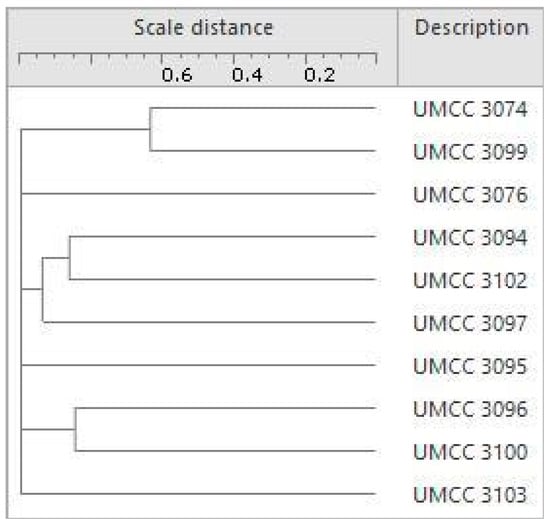
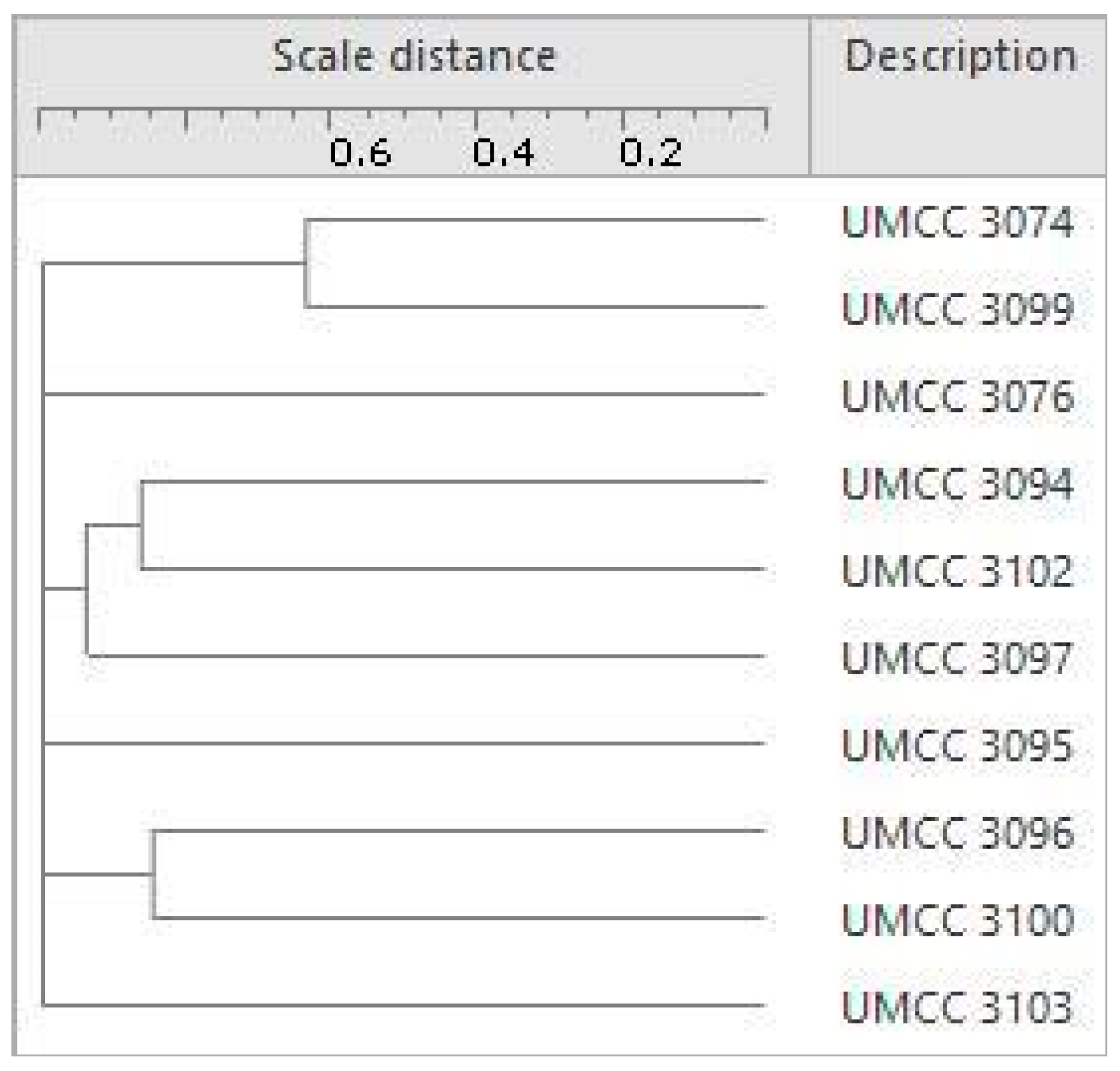
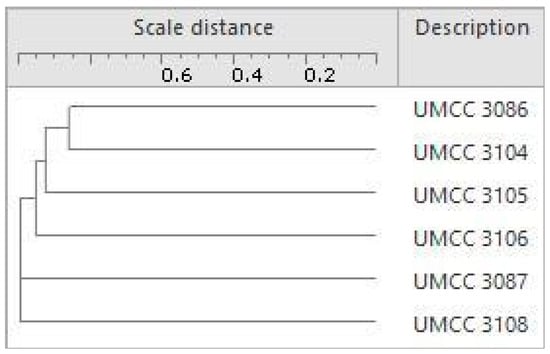
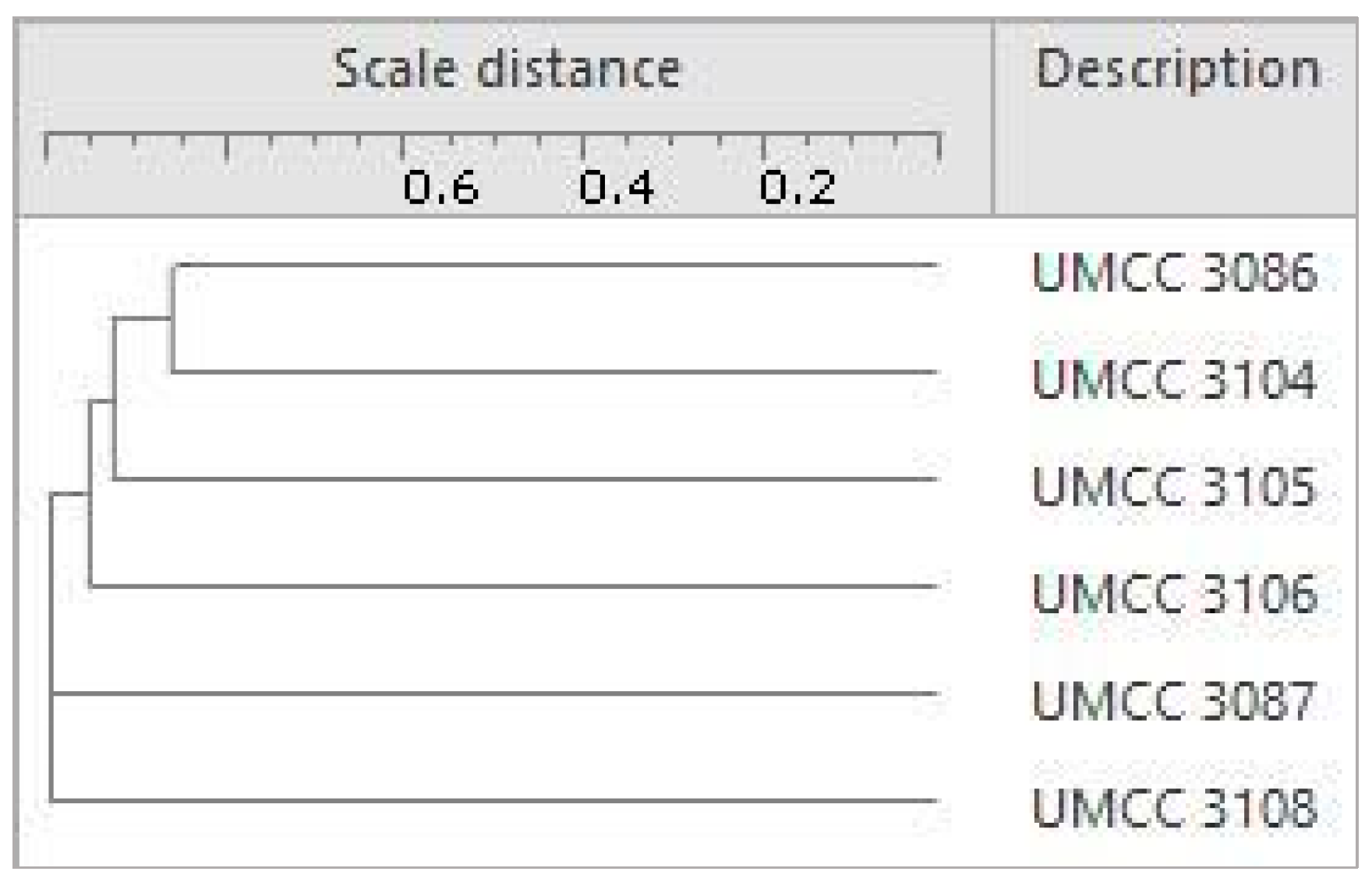
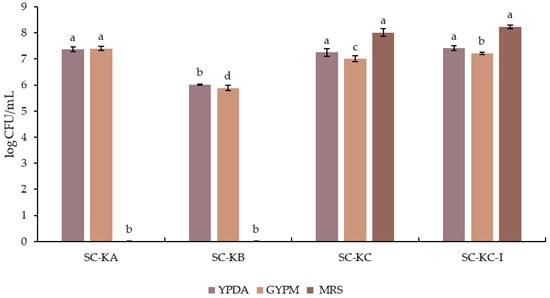
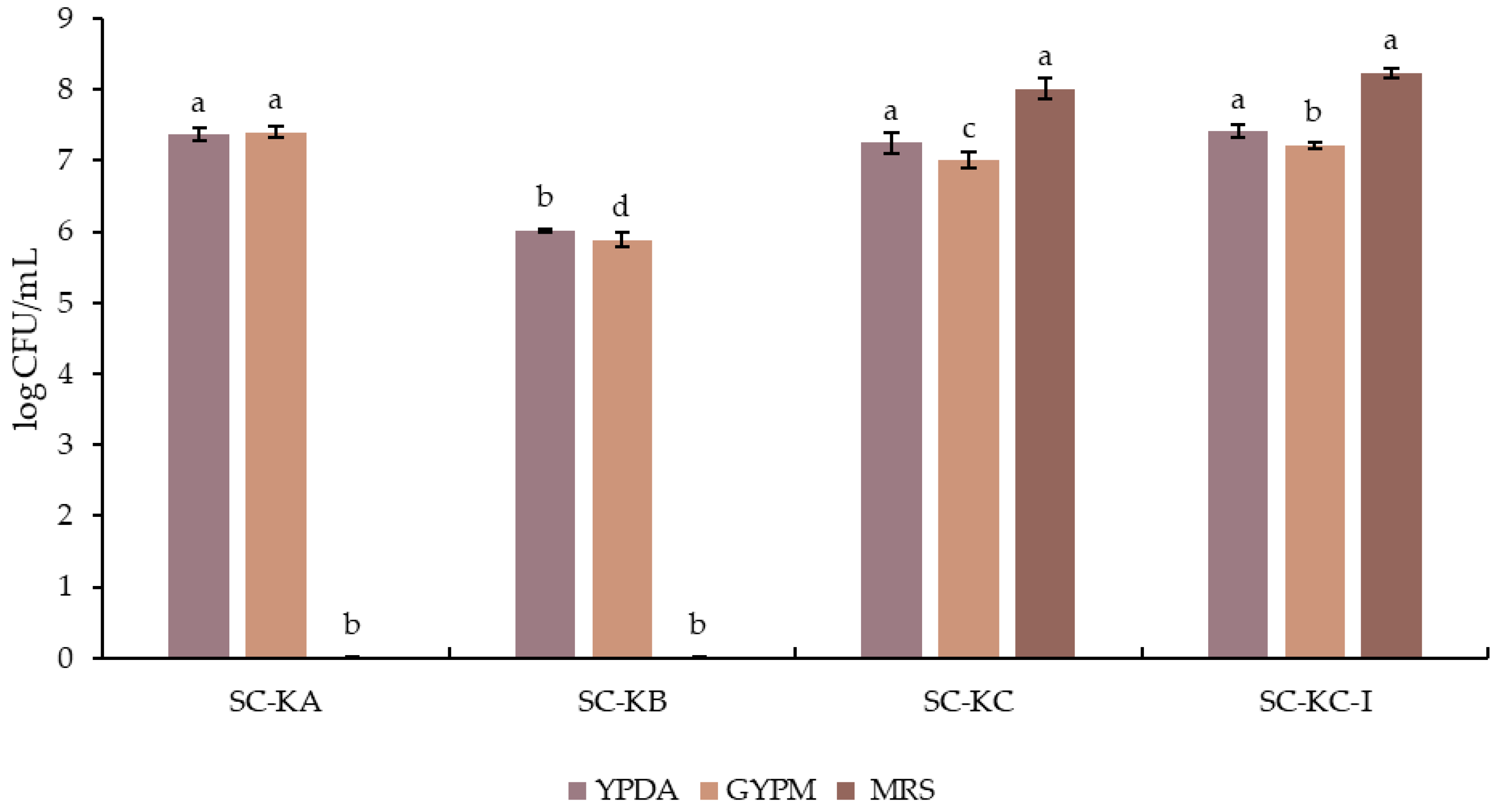
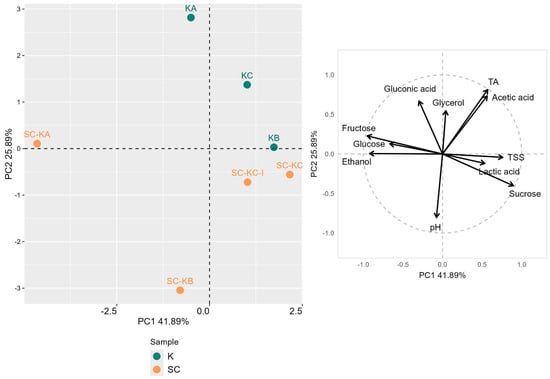
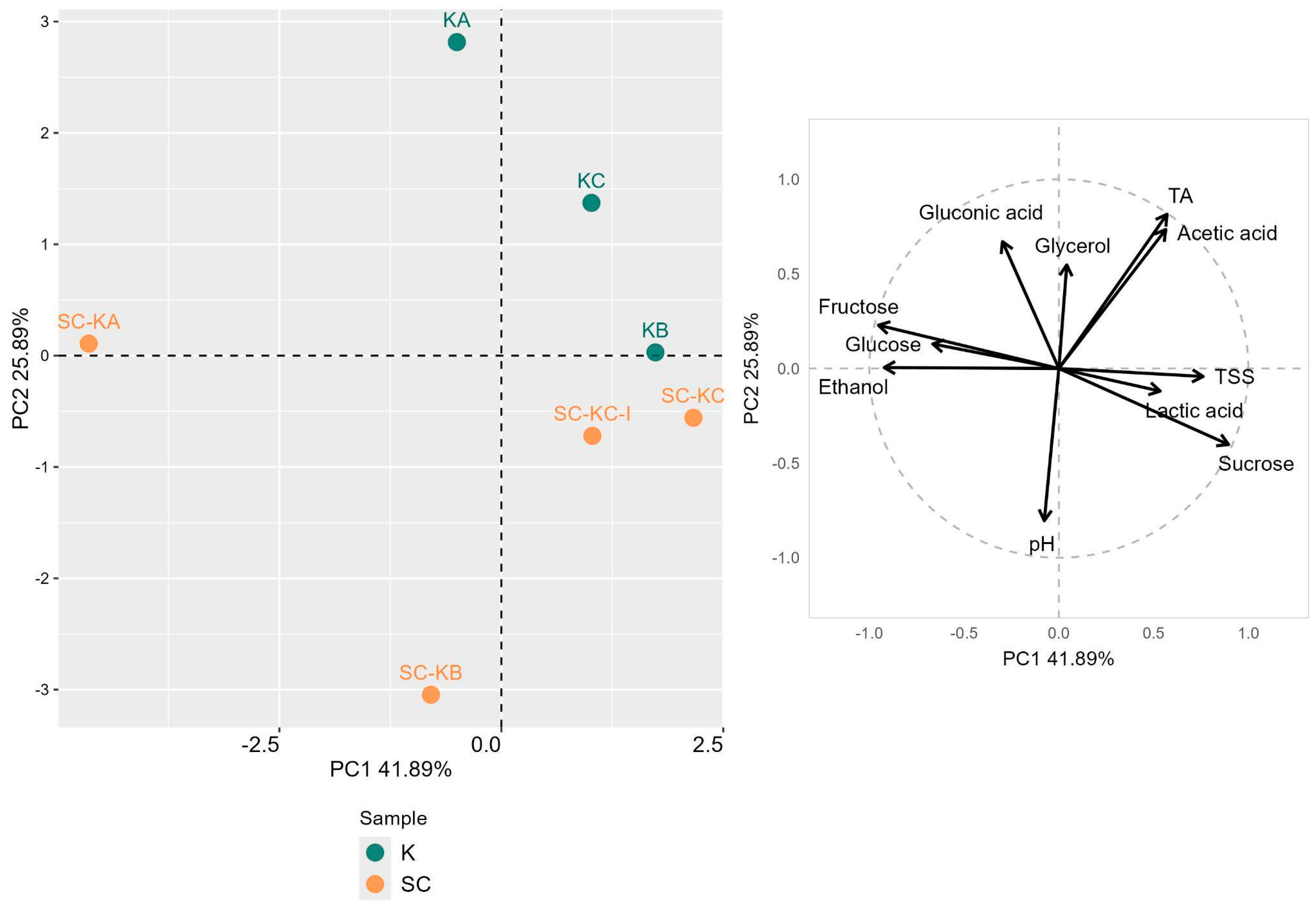

Disclaimer/Publisher’s Note: The statements, opinions and data contained in all publications are solely those of the individual author(s) and contributor(s) and not of MDPI and/or the editor(s). MDPI and/or the editor(s) disclaim responsibility for any injury to people or property resulting from any ideas, methods, instructions or products referred to in the content. |
© 2026 by the authors. Licensee MDPI, Basel, Switzerland. This article is an open access article distributed under the terms and conditions of the Creative Commons Attribution (CC BY) license.