


Topical Advisory Panel applications are now closed. Please contact the Editorial Office with any queries.
-
Ocular Effects of GLP-1 Receptor Agonists: A Review of Current Evidence and Safety Concerns -
A Randomized Controlled Trial in a 14-Month Longitudinal Design to Analyze the Effects of a Peer Support Instant Messaging Service Intervention to Improve Diabetes Self-Management and Support -
Exploring the Epidemiologic Burden, Pathogenetic Features, and Clinical Outcomes of Primary Liver Cancer in Patients with Type 2 Diabetes Mellitus (T2DM) and Metabolic Dysfunction-Associated Steatotic Liver Disease (MASLD): A Scoping Review -
Youth-Onset Type 2 Diabetes: Update on Epidemiology, Pathophysiology, Diagnosis, and Management Strategies -
Glycemia Risk Index: A New Metric to Rule Them All?
Journal Description
Diabetology
Diabetology
is an international, peer-reviewed, open access journal on diabetes research published monthly online by MDPI.
- Open Access— free for readers, with article processing charges (APC) paid by authors or their institutions.
- High Visibility: indexed within ESCI (Web of Science), Scopus, EBSCO, and other databases.
- Rapid Publication: manuscripts are peer-reviewed and a first decision is provided to authors approximately 24.4 days after submission; acceptance to publication is undertaken in 8.9 days (median values for papers published in this journal in the second half of 2025).
- Journal Rank: CiteScore - Q2 (Medicine (miscellaneous))
- Recognition of Reviewers: APC discount vouchers, optional signed peer review, and reviewer names published annually in the journal.
Impact Factor:
2.2 (2024);
5-Year Impact Factor:
2.5 (2024)
Latest Articles
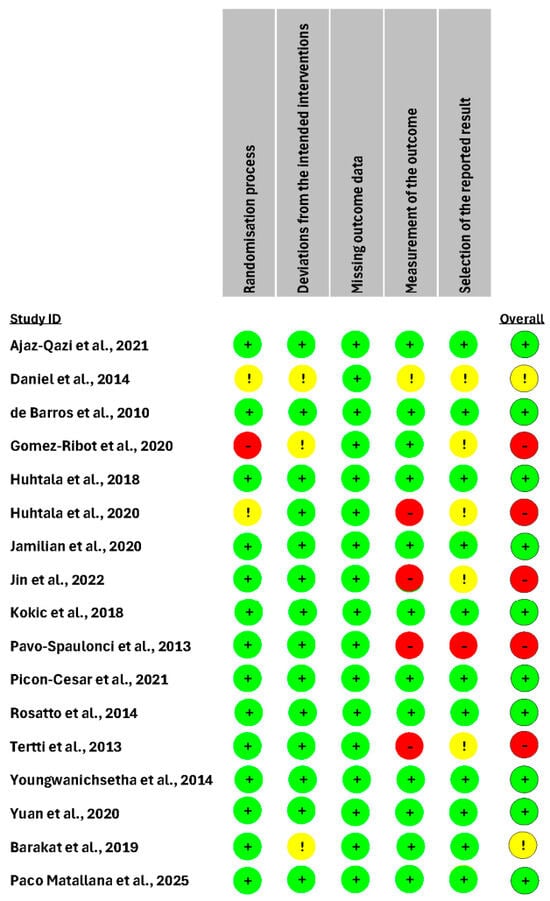
Comparative Effectiveness of Treatment Options for Gestational Diabetes: A Systematic Review and Meta-Analysis
Diabetology 2026, 7(6), 103; https://doi.org/10.3390/diabetology7060103 - 28 May 2026
Abstract
►
Show Figures
Background: The prevalence of GDM is increasing and is associated with maternal health and neonatal complications. Therapeutic intervention for this condition is important for the health of both mothers and their unborn children. Objective: The present meta-analysis evaluates the effects of pharmacological, nutritional,
[...] Read more.
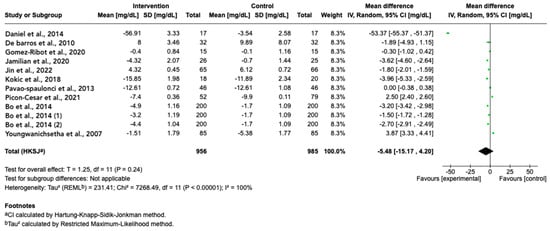
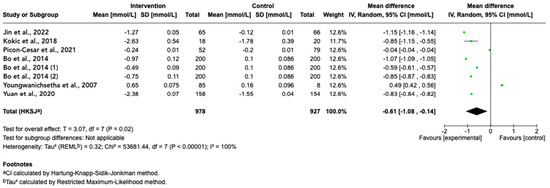
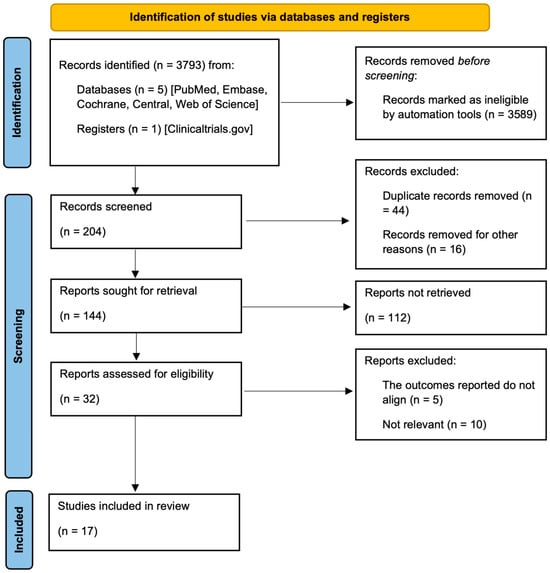
Background: The prevalence of GDM is increasing and is associated with maternal health and neonatal complications. Therapeutic intervention for this condition is important for the health of both mothers and their unborn children. Objective: The present meta-analysis evaluates the effects of pharmacological, nutritional, and physical activity interventions on maternal and neonatal outcomes in women with GDM, including glucometabolic control, weight gain, blood pressure, lipid profiles, and pregnancy complications. Methods: Multiple databases were systematically searched for studies investigating GDM interventions and their effects on maternal and neonatal outcomes, including at least one of the following endpoints: 2 h postprandial glycemia, FBG, HbA1c, triglycerides, cholesterol, weight gain, blood pressure, cesarean delivery, preeclampsia, gestational age at delivery, neonatal hypoglycemia, neonatal complications, birth weight, preterm birth, Apgar score at 5 min, macrosomia, and NICU admission. Initial screening identified 204 records, which were narrowed to 17 studies meeting the eligibility criteria for inclusion in the meta-analysis following multi-author relevance review. Six reviewers independently extracted data and resolved discrepancies through consensus. Study quality was appraised by two reviewers using the Cochrane Risk of Bias tool, and data were analyzed using the RevMan Web software with random-effects models. Results: Pharmacological, nutritional, and physical activity interventions in women with gestational diabetes mellitus demonstrated statistically significant reductions in gestational weight gain and cesarean delivery rates. No statistically significant effects were observed for HbA1c, fasting blood glucose, 2 h postprandial glucose, lipid profiles, or blood pressure. Several outcomes, including preeclampsia, neonatal hypoglycemia, neonatal complications, and NICU admission, showed non-significant trends toward benefit, but these findings were based on limited data and should be interpreted cautiously. No meaningful effects were observed for gestational age at delivery, neonatal birth weight, preterm birth, Apgar score, or macrosomia. Substantial heterogeneity was present across metabolic outcomes, limiting the interpretability of pooled estimates. Conclusions: Nutritional and physical activity interventions significantly reduce HbA1c, gestational weight gain, and cesarean delivery in women with GDM, with protective trends for preeclampsia and neonatal complications. However, effects on lipid profiles and blood pressure remain inconsistent. Personalized, multimodal strategies integrating pharmacological, nutritional, and lifestyle modifications are necessary for optimal GDM management.
Full article
Open AccessArticle
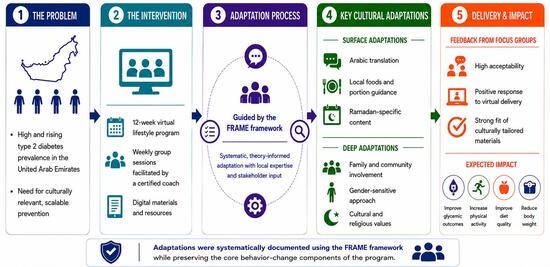
Evidence-Based Intervention for Diabetes Prevention (EID) in the United Arab Emirates: Review of Adaptations Using the FRAME Framework
by
Jeannette M. Beasley, Andrea Leinberger-Jabari, Emily A. Johnston, Tamather Al Ameri, Maryam Almarri, Habiba Gaber, Maheen Eatazaz, Omar El Shahawy and Scott E. Sherman
Diabetology 2026, 7(6), 102; https://doi.org/10.3390/diabetology7060102 - 25 May 2026
Abstract
Background: Diabetes is a growing public health crisis across the Arab region, where rapid urbanization, dietary transitions, and physical inactivity have contributed to some of the highest diabetes rates globally. Despite a growing recognition of the problem, most diabetes prevention efforts in the
[...] Read more.
Background: Diabetes is a growing public health crisis across the Arab region, where rapid urbanization, dietary transitions, and physical inactivity have contributed to some of the highest diabetes rates globally. Despite a growing recognition of the problem, most diabetes prevention efforts in the region remain small-scale or insufficiently adapted to the sociocultural realities of adults living in the UAE. Evidence-based diabetes prevention strategies, such as the United States’ Centers for Disease Control Diabetes Prevention Program (DPP), reduce the risk of developing diabetes but remain underutilized. Methods: The objectives of this study were to (1) describe the systematic cultural adaptation of the Evidence-based Intervention for Diabetes Prevention (EID) using the Framework for Reporting Adaptations and Modifications–Expanded (FRAME), and (2) assess the preliminary acceptability of the adapted materials through formative focus groups. Results: Materials were culturally tailored to address both deep and surface structures. Deep structure adaptations incorporated Arab cultural values, social norms, and religious practices, including Ramadan-specific content. The original 26-session curriculum was condensed to 12 weekly sessions based on prior research and stakeholder input. Surface-level adaptations included translation into Arabic and development of culturally relevant educational videos. Three formative focus groups (n = 7 total participants) provided preliminary findings of strong acceptability of simplified, culturally relevant, and digitally supported materials. Conclusions: This work will inform the adaptation of an evidence-based lifestyle change program aimed at preventing type 2 diabetes in high-risk individuals to better meet the needs of adults living in the UAE. While some countries have created their own national diabetes prevention efforts, like the United Kingdom, there is notably no similar program in the Arab world.
Full article
(This article belongs to the Special Issue Healthy Habits of Diabetes: Prevention, Intervention and Management Strategies)
►▼
Show Figures

Graphical abstract
Open AccessArticle
Understanding Oral Self-Care Practices Among People with Diabetes—A Qualitative Study
by
Yuqing Zhang, Suzanne G. Leveille, Kimberly Berger, Robert M. Cohen and Tamilyn Bakas
Diabetology 2026, 7(6), 101; https://doi.org/10.3390/diabetology7060101 - 22 May 2026
Abstract
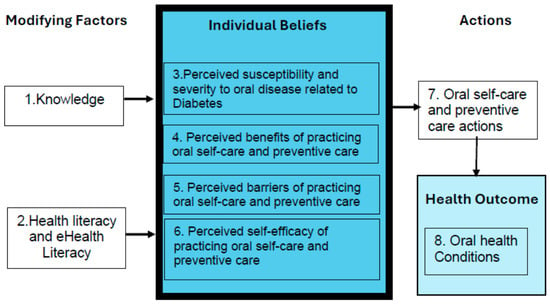
Background: A bidirectional association between diabetes and oral health is well established, yet oral self-care is overlooked in diabetes management. Health Belief Model (HBM)-guided oral care interventions have exhibited promising outcomes in the literature but have not been used to guide oral self-care
[...] Read more.
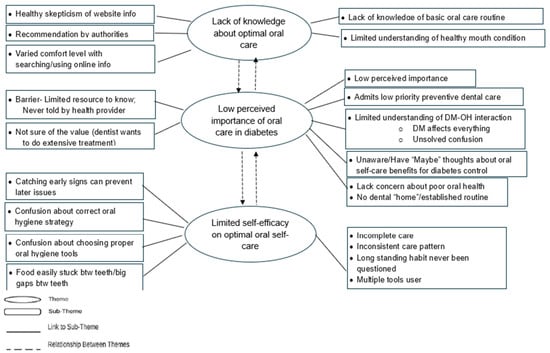
Background: A bidirectional association between diabetes and oral health is well established, yet oral self-care is overlooked in diabetes management. Health Belief Model (HBM)-guided oral care interventions have exhibited promising outcomes in the literature but have not been used to guide oral self-care interventions designed for people with diabetes (PWD). Positioned at the early conceptualization and design stage of such a program, this developmental study was to identify self-perceived needs in oral self-care practices and to obtain preliminary feedback among PWD about the blueprint of a new program—DiaOral©. Methods: We conducted semi-structured interviews with 15 PWD recruited from a large healthcare system, with a goal to recruit patients from racially/ethnically diverse urban/suburban zip codes. Interviews explored participants’ oral self-care practices in relation to diabetes. Sample DiaOral© content and images on a blueprint were presented and feedback was solicited. Braun and Clarke’s reflexive thematic analysis was used to code and interpret transcripts, aligning emerging themes with HBM constructs through team-based consensus. Results: Three major themes and 27 sub-themes emerged: (1) lack of knowledge on optimal oral care, (2) low perceived importance of preventive care and oral health in diabetes, and (3) low self-efficacy for performing effective oral self-care. Participants expressed satisfaction with the content and their perceived confidence and interest potentially in using the DiaOral© program based on their preliminary review of the blueprint. Conclusions: Findings support the relevance of HBM constructs in shaping oral self-care among PWD. This developmental study suggests that the DiaOral© blueprint is ready to move forward to website prototype development. Future work will finalize the program and evaluate its efficacy among PWD.
Full article
(This article belongs to the Special Issue Healthy Habits of Diabetes: Prevention, Intervention and Management Strategies)
►▼
Show Figures

Figure 1
Open AccessArticle
Identifying Pre-Existing Diabetes at ICU Admission with Machine Learning on Public GOSSIS Data
by
Lily Popova Zhuhadar
Diabetology 2026, 7(5), 100; https://doi.org/10.3390/diabetology7050100 - 21 May 2026
Abstract
►▼
Show Figures
Background: Pre-existing diabetes mellitus is prevalent among critically ill adults and can influence initial glycemic targets, therapeutic decisions, and early risk stratification in the intensive care unit (ICU). However, diabetes status may be distributed across heterogeneous electronic health record (EHR) sources and may
[...] Read more.
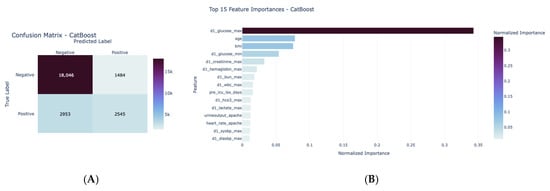
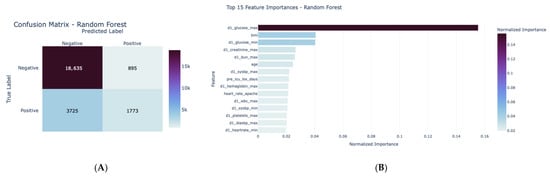
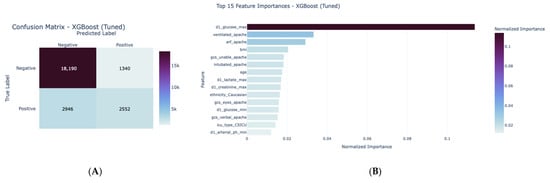
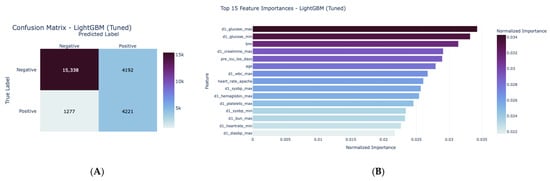
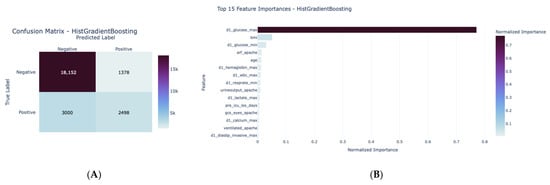
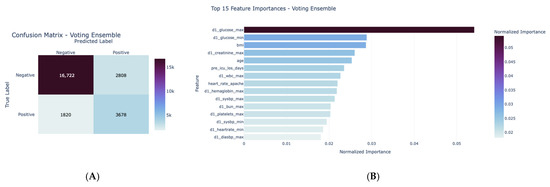
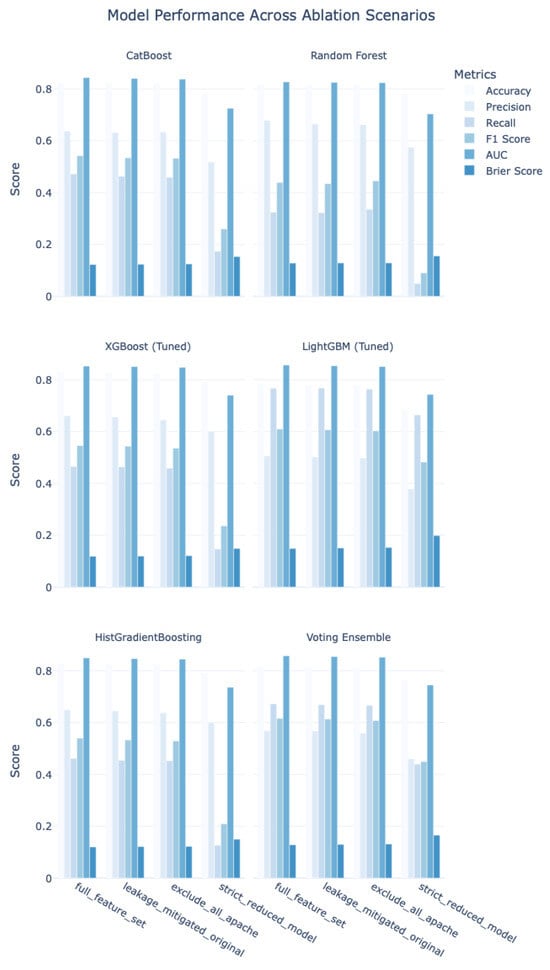
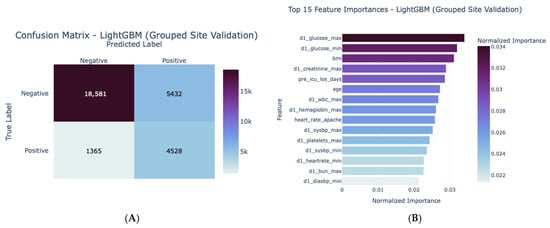
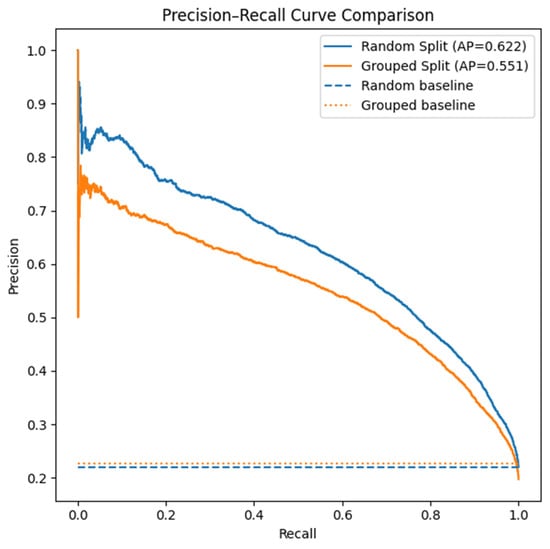
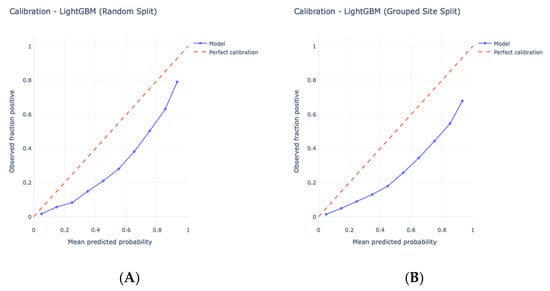
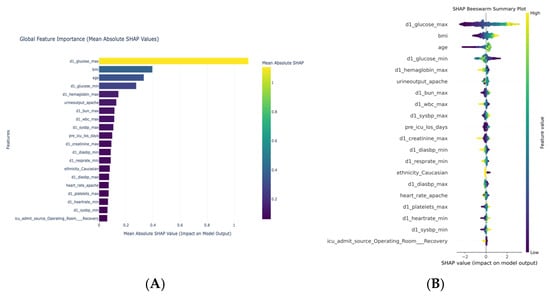
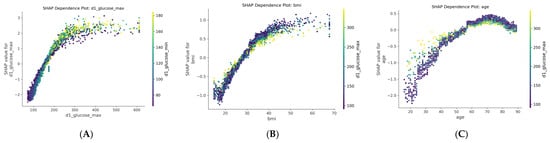
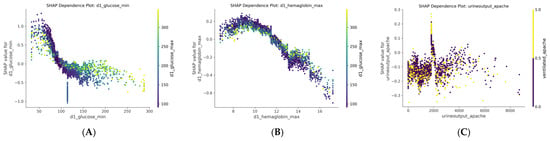
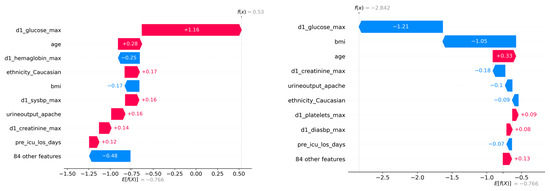
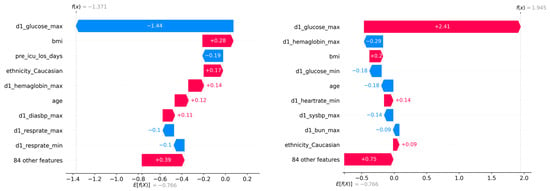
Background: Pre-existing diabetes mellitus is prevalent among critically ill adults and can influence initial glycemic targets, therapeutic decisions, and early risk stratification in the intensive care unit (ICU). However, diabetes status may be distributed across heterogeneous electronic health record (EHR) sources and may be incomplete at the time of ICU admission, particularly for inter-facility transfers. Methods: Using the public WiDS Datathon 2021 tabular release derived from the Global Open-Source Severity of Illness Score (GOSSIS) initiative, we conducted a retrospective machine-learning benchmarking study for admission-time identification of documented diabetes status in ICU patients. Candidate predictors included demographics, admission characteristics, anthropometrics, day-1 physiologic and laboratory summaries, APACHE-related variables, comorbidity indicators, and site descriptors. We compared CatBoost, random forest, tuned XGBoost, tuned LightGBM, histogram-based gradient boosting, and a soft-voting ensemble combining XGBoost, LightGBM, and histogram-based gradient boosting. Because class imbalance was a central concern, the final workflow emphasized model-intrinsic class weighting and threshold-aware evaluation rather than synthetic oversampling. Results: In the primary leakage-mitigated random validation split, the voting ensemble achieved the highest overall balance, with AUROC 0.8539, precision 0.5671, recall 0.6690, and F1-score 0.6138. Tuned LightGBM was the most sensitivity-oriented individual model, achieving recall 0.7677 and AUROC 0.8537, although with lower precision and a less favorable Brier score. Ablation analyses clarified the source of this performance: removing leakage-prone and APACHE-related variables caused only modest decreases in discrimination, whereas the strict reduced model that also excluded glucose-like predictors produced a marked decline, with LightGBM AUROC falling to 0.7432 and the voting ensemble AUROC falling to 0.7448. These findings, together with SHAP analyses identifying day-1 glucose maximum, day-1 glucose minimum, BMI, age, hemoglobin, and related clinical variables as major contributors, indicate that glucose-related admission variables remained the dominant predictive signal. In grouped hospital validation, tuned LightGBM maintained recall of 0.7684 while AUROC decreased modestly to 0.8443, indicating preserved case detection under stricter site separation but reduced precision. Precision–recall analysis further showed that average precision decreased from 0.622 under random validation to 0.551 under grouped validation; at a high-sensitivity grouped-site operating point, a probability threshold of 0.4537 achieved recall of 0.8001 with precision of 0.4314. Calibration curves and Brier scores showed that predicted probabilities were imperfectly calibrated. Conclusions: Although the dominance of glucose-related predictors is clinically plausible for identifying documented diabetes status, early glycemic measurements in critically ill patients may also partly capture acute stress physiology, treatment-related effects, monitoring intensity, or other forms of acute dysglycemia rather than chronic diabetes status alone. Therefore, these findings support gradient-boosted and ensemble models as reproducible tools for ICU admission-time phenotyping of documented diabetes status, but the proposed system should be interpreted primarily as a screening-oriented phenotyping aid for chart review, cohort enrichment, or workflow support, not as a stand-alone diagnostic tool. Further external validation, recalibration, threshold selection matched to intended use, and clinical review are needed before deployment.
Full article

Figure 1
Open AccessCommentary
From Device Data to Trusted Decision Support: Building the Foundation for AI in Hospital Insulin Management
by
Mandy M. Shao, Agatha F. Scheideman, Casey Rand, David C. Klonoff and Juan Espinoza
Diabetology 2026, 7(5), 99; https://doi.org/10.3390/diabetology7050099 - 20 May 2026
Abstract
The adoption of artificial intelligence (AI) tools for hospital insulin management is currently limited by data fragmentation and difficult integration into clinical workflows. This commentary examines the data infrastructure requirements for safe AI deployment in clinical settings. Device-mediated and clinician-administered dosing are the
[...] Read more.
The adoption of artificial intelligence (AI) tools for hospital insulin management is currently limited by data fragmentation and difficult integration into clinical workflows. This commentary examines the data infrastructure requirements for safe AI deployment in clinical settings. Device-mediated and clinician-administered dosing are the two methods by which insulin is managed in hospitals. In device-mediated dosing, glucose and insulin data often remain siloed within proprietary device ecosystems outside the electronic health record (EHR). In clinician-administered dosing, relevant data elements typically exist within the EHR but are distributed across workflows in ways that limit their usefulness for decision support. The Integration of Connected Diabetes Device Data into the Electronic Health Record (iCoDE) initiative is a standard for integrating device-generated diabetes data into clinical systems, which can lay the foundation for organizing hospital data in support of the development of trustworthy AI. A staged roadmap for hospitals building towards AI-ready insulin management infrastructure is presented along with governance requirements for trustworthy deployment. The value of iCoDE is that it helps define the conditions under which such AI can become clinically meaningful, trustworthy, and scalable.
Full article
(This article belongs to the Special Issue Diabetes Management in the Hospital: Applications of Artificial Intelligence)
Open AccessArticle
Diabetes in Secondary Care in The Netherlands: The Study Design of a Comprehensive Analysis of Claims and Demographic Data—DUDE (DUtch Diabetes Estimates)—10
by
Peter R. van Dijk, Marije van Zanten, Mireille A. Edens, Frank Ardesch, Arianne M. J. Elissen, Jan Westerink, Dirk Ruwaard and Henk J. G. Bilo
Diabetology 2026, 7(5), 98; https://doi.org/10.3390/diabetology7050098 - 18 May 2026
Abstract
Background: Obtaining reliable and detailed information about the population of individuals with diabetes mellitus (DM) in The Netherlands remains a persistent challenge. Previous studies used primary care coding and extrapolations to estimate the countrywide population of individuals with type 1 diabetes mellitus (T1DM)
[...] Read more.
Background: Obtaining reliable and detailed information about the population of individuals with diabetes mellitus (DM) in The Netherlands remains a persistent challenge. Previous studies used primary care coding and extrapolations to estimate the countrywide population of individuals with type 1 diabetes mellitus (T1DM) and type 2 diabetes mellitus (T2DM). In this article, we present a design that aims to define and identify the population receiving treatment for DM in secondary care facilities in The Netherlands, encompassing both persons with T1DM and those with T2DM. Methods: We obtain information using reimbursement data accessible through the Vektis database, which contains information on 99.9% of the Dutch population, and combine these data with Statistics Netherlands data. The identification of subjects considered to have either T1DM or T2DM will be based on definitions derived from reimbursement details and the use of DM-associated medication (based on Anatomical Therapeutic Chemical codes) targeting both pediatric and adult populations over the years 2014–2024. Results: This combined approach will enable a more detailed characterization of the populations with DM treated in secondary care in The Netherlands using data on the total population. Ultimately, the data derived supports healthcare planning and policy making. Conclusions: This paper presents the design, search strategy and research questions related to this project.
Full article
Open AccessReview
High Diabetes Prevalence and Implications for Progress Toward SDG 3: An Umbrella Review of Four African Countries
by
Addisu Tadesse Sahile, Mussie Wubshet Teka and Azwihangwisi Helen Mavhandu-Mudzusi
Diabetology 2026, 7(5), 97; https://doi.org/10.3390/diabetology7050097 - 18 May 2026
Abstract
Background: Diabetes mellitus (DM) is an emerging public health challenge in Africa, driven by rapid urbanisation, changing lifestyles and socio-economic transitions. As the global prevalence rises, evidence on the burden and determinants of DM across African countries remains fragmented and inconsistent. Objective:
[...] Read more.
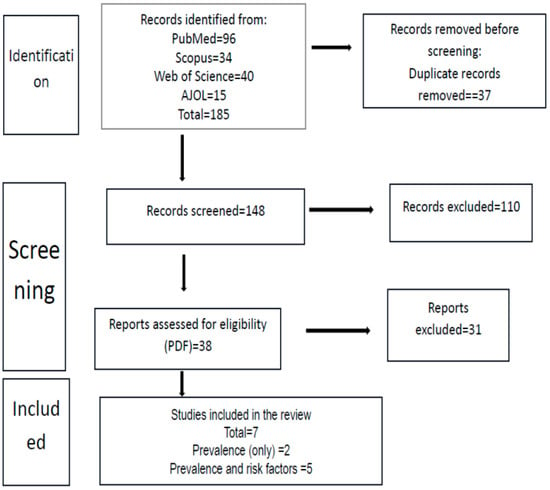
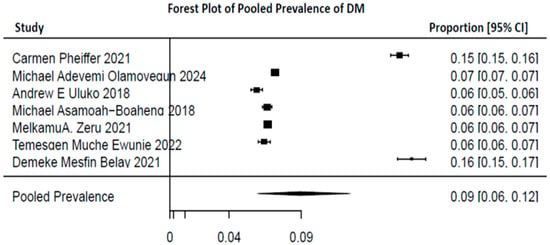
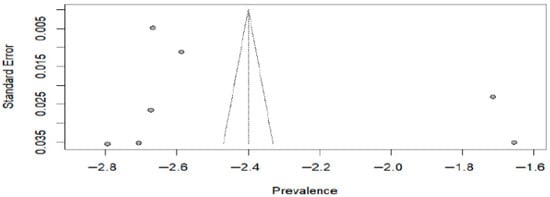
Background: Diabetes mellitus (DM) is an emerging public health challenge in Africa, driven by rapid urbanisation, changing lifestyles and socio-economic transitions. As the global prevalence rises, evidence on the burden and determinants of DM across African countries remains fragmented and inconsistent. Objective: We aimed to synthesize evidence from existing systematic reviews and meta-analyses on the prevalence and determinants of diabetes mellitus across African populations, thereby informing targeted interventions and policy actions. Methods: This umbrella review followed the PRISMA guidelines and included systematic reviews and meta-analyses of studies, published up to December 2024, that reported on DM prevalence and/or risk factors for DM in adults across four African countries. The literature was retrieved from PubMed, Scopus, Web of Science and African Journals Online (AJOL). Quality assessment was conducted using the AMSTAR 2 (A Measurement Tool to Assess Systematic Reviews, version 2) tool, and only moderate- to high-quality reviews were retained. Random-effects models were used to estimate the pooled prevalence and odds ratios (ORs), while heterogeneity, publication bias and sensitivity analyses were also conducted. Findings: Seven reviews were included, covering four countries: Ethiopia, South Africa, Nigeria and Ghana. The pooled prevalence of diabetes mellitus was 9.0% (95% CI: 6.0–12.0%), with significant heterogeneity (I2 = 99.8%). Among the determinants, only family history of DM (OR:5.11, 95% CI: 2.96–8.85), hypertension (OR: 2.52; 95% CI: 1.65–3.83), obesity (OR: 3.04; 95% CI: 1.92–4.82), physical inactivity (OR: 3.32; 95% CI: 1.99–5.54), smoking (OR: 2.59; 95% CI: 1.23–5.47), unhealthy diet (OR: 4.77; 95% CI: 1.73–13.18) and urban residence (OR: 5.81; 95%CI: 4.41–7.65), showed a statistically significant association. Sensitivity analysis confirmed the robustness of pooled prevalence, and no significant publication bias was detected. Conclusions: Diabetes mellitus prevalence in Africa is rising and approaching the global averages. The heterogeneity in risk factors underscores the need for localised, context-specific strategies.
Full article
(This article belongs to the Special Issue Advances in Diabetes: Prevalence, Risk Factors, Complications, Costs and Disparities)
►▼
Show Figures

Figure 1
Open AccessArticle
Can a Chatbot Help Heal a Wound? Context-Aware Prompts for Boosting Adherence in Diabetic Foot Ulcers
by
Aria Rabet, Aminreza Khandan, Arian Rabet, Mohammad Dehghan Rouzi, Fabiola Rodriguez, Adriana Garibay, David G. Armstrong and Bijan Najafi
Diabetology 2026, 7(5), 96; https://doi.org/10.3390/diabetology7050096 - 12 May 2026
Abstract
Background: Smart offloading technologies enable the real-time, objective monitoring of adherence in patients with diabetic foot ulcers (DFUs). Although remote tracking may reinforce adherence and improve wound healing, effectiveness depends on sustained device use, particularly as devices are often removed during rest periods.
[...] Read more.
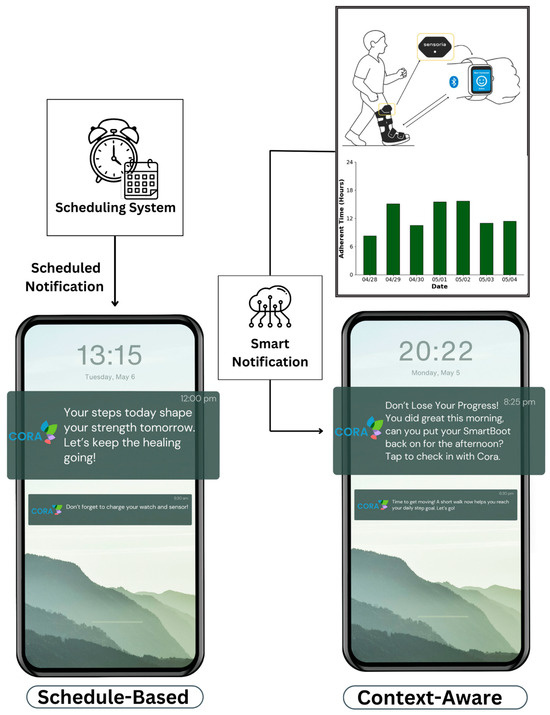
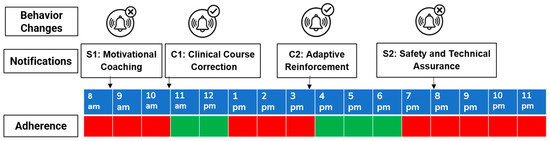
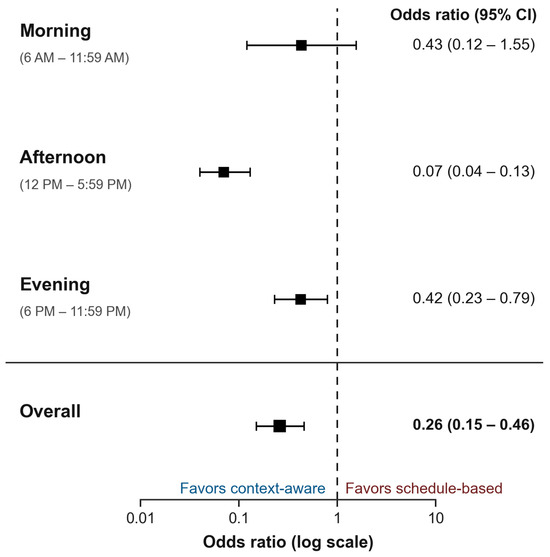
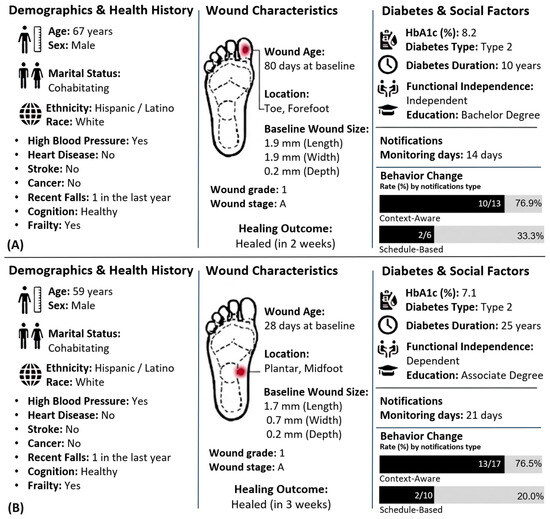
Background: Smart offloading technologies enable the real-time, objective monitoring of adherence in patients with diabetic foot ulcers (DFUs). Although remote tracking may reinforce adherence and improve wound healing, effectiveness depends on sustained device use, particularly as devices are often removed during rest periods. Real-time, behavior-contingent feedback informed by sensor data, including AI-supported messaging capable of detecting nonadherence, may enhance reinforcement. However, the feasibility and behavioral impact of such strategies remain unclear. Methods: We conducted a prospective feasibility case series nested within a larger DFU cohort of 210 participants, enrolling eight adults with active DFUs. Participants used a sensor-integrated offloading device paired with a smartwatch (SmartBoot) and a mobile application (CORA) that delivered notifications to their smartphones. Notifications were either schedule-based or context-aware, using real-time SmartBoot data to generate personalized messages. The primary outcome was a sensor-detected transition from nonadherent to adherent offloading within 60 min. Results: A total of 130 notifications were delivered, with 125 included in the behavioral response analysis. Context-aware notifications demonstrated higher transition rates than schedule-based notifications. Adaptive Reinforcement yielded the highest response rate (77.4%, 24/31), followed by Clinical Course Correction (71.4%, 20/28), whereas Safety and Technical Assurance (40.7%, 11/27) and Motivational Coaching (30.8%, 12/39) showed lower response rates. Conclusions: Real-time, context-aware feedback is feasible and associated with improved short-term adherence, supporting evaluation in larger trials.
Full article
(This article belongs to the Special Issue Advances in Diabetic Wound Healing: From Mechanisms to Therapies)
►▼
Show Figures

Figure 1
Open AccessArticle
Monitoring Diabetic Foot Using Images and Generative AI
by
Afonso Nobre and João Silva Sequeira
Diabetology 2026, 7(5), 95; https://doi.org/10.3390/diabetology7050095 - 12 May 2026
Abstract
Background: Diabetic Foot Ulcers (DFU) are a common complication of diabetes, often leading to infections, amputations and even death if left untreated. Effective management of the Diabetic Foot (DF) requires timely detection and frequent monitoring. Current DF assessment methods, by healthcare professionals,
[...] Read more.
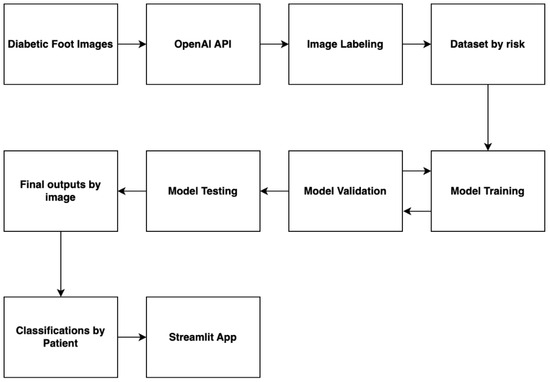
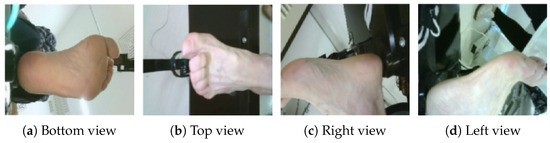
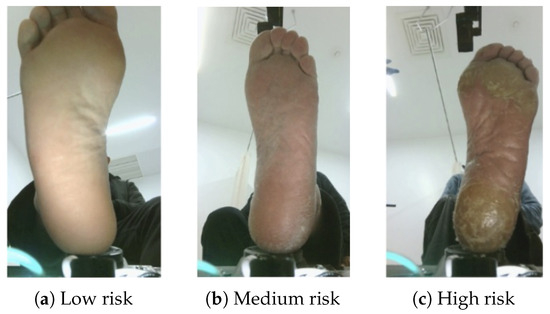
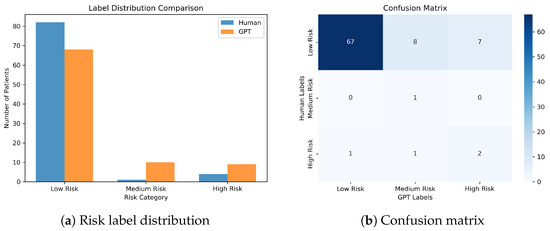
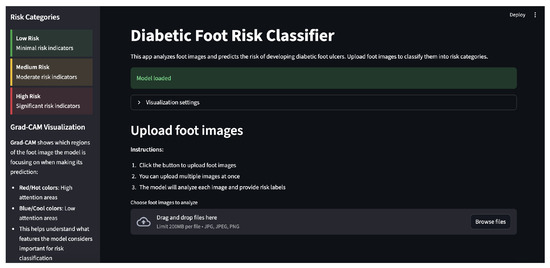
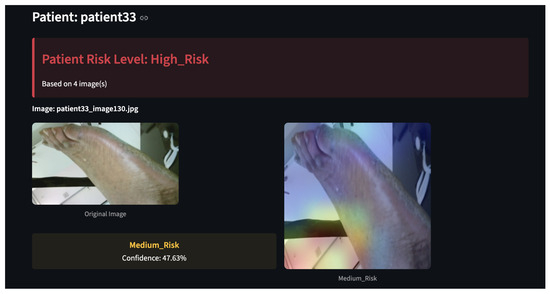
Background: Diabetic Foot Ulcers (DFU) are a common complication of diabetes, often leading to infections, amputations and even death if left untreated. Effective management of the Diabetic Foot (DF) requires timely detection and frequent monitoring. Current DF assessment methods, by healthcare professionals, are largely based on visual inspection of feet, together with touch, temperature, and vibration sensitivity, and pedal pulse. Methods: The paper describes a machine-learning approach for the assessment of DF from feet images, combining pre-trained convolutional neural networks (CNN) with Generative AI for dataset annotation. Specifically, the GPT-4o-mini model was used to assign risk labels (Low, Medium or High Risk) to individual foot images, following a structured designed prompt for this task. The labeled dataset was used to train and evaluate two pre-trained CNN architectures, namely, ResNet50 and VGG16. Output predictions are obtained by aggregating the prediction for each of the images of a patient. Results: The results obtained show that both ResNet50 and VGG16 achieved good overall performance, with ResNet50 showing superior results. The High Risk class achieved the highest performance. The Low and Medium Risk classes also showed good performance but were prone to confusion due to the similar features of the images belonging to those classes. Conclusions: The technical contribution of the paper is a Streamlit App, available online for public use, showcases the work. The primary scientific contribution is the demonstration of how Generative AI can be used to train common CNN and automate a highly relevant healthcare process.
Full article
(This article belongs to the Special Issue All Toes Considered for Diabetic Foot: Prevention, Treatment, and Healthcare Policy)
►▼
Show Figures

Figure 1
Open AccessArticle
A Pragmatic Cluster-Randomized Trial of Insulin Therapy for Dexamethasone-Induced Hyperglycemia Amongst Diabetes Patients with COVID-19
by
Ngai Wah Cheung, Amanda Hor, Simone Marschner, Christopher Chan, Haeri Min, Lauren Lee, Tien-Ming Hng, Yoon Ji Jina Rhou, Yu-Fang Wu, Mawson Wang and David R. Chipps
Diabetology 2026, 7(5), 94; https://doi.org/10.3390/diabetology7050094 - 9 May 2026
Abstract
Background: Glucocorticoid-induced hyperglycemia is common amongst hospitalized patients. Isophane insulin has been proposed as part of the optimal insulin regimen for managing this, but there are few randomized controlled trials to support this. Our aim was to determine if the addition of a
[...] Read more.
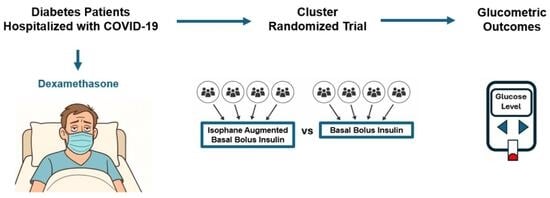
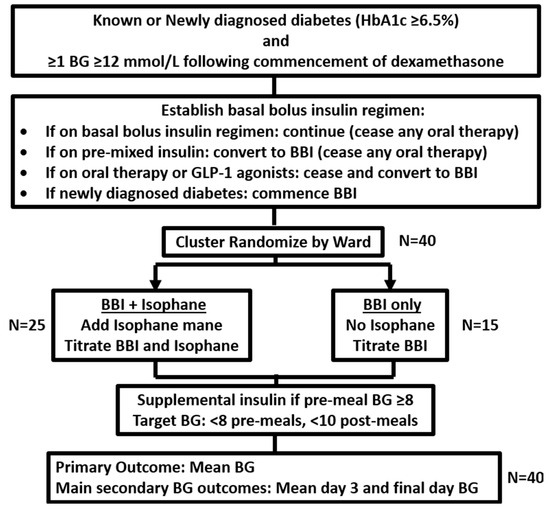
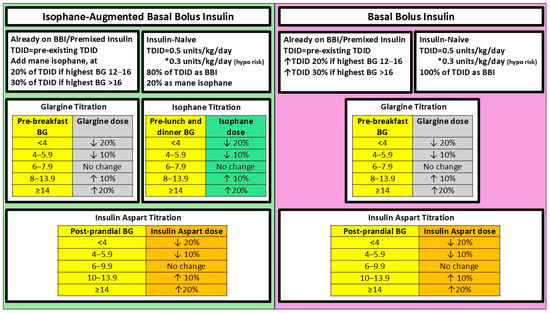
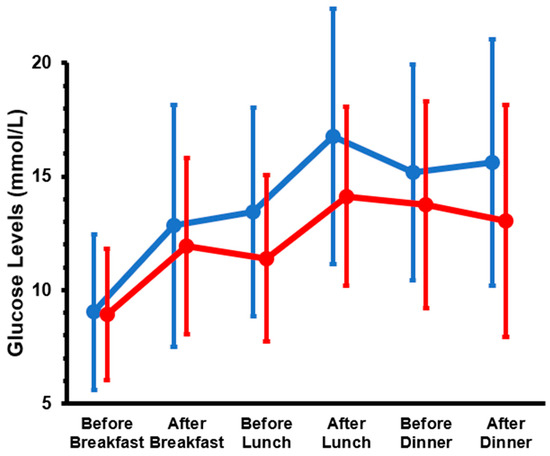
Background: Glucocorticoid-induced hyperglycemia is common amongst hospitalized patients. Isophane insulin has been proposed as part of the optimal insulin regimen for managing this, but there are few randomized controlled trials to support this. Our aim was to determine if the addition of a morning dose of isophane insulin would improve glycemic control amongst patients with COVID-19 who had dexamethasone-induced hyperglycemia (DIH) in hospital. Methods: Patients with diabetes admitted to hospital with COVID-19 respiratory infection and treated with dexamethasone were cluster-randomized by ward to receive either basal bolus insulin (BBI) or isophane-augmented BBI (IaBBI) in equipotent doses. Insulin commencement and titration were guided by standardized protocols. The primary outcome was overall finger-prick blood glucose (BG) levels, with predefined secondary outcomes of BGs on day 3 and the final day of admission. Results: A total of 40 patients were included, 25 in the IaBBI group and 15 in the BBI only group, for a duration of 5.4 ± 2.2 days. Both recruitment and the trial were terminated early because of a rapid decline in COVID-19 admissions. There were no differences in overall mean BG levels (IaBBI 11.9 ± 2.5 mmol/L vs. BBI 12.6 ± 2.4 mmol/L, p = 0.193) between the groups. Mean day 3 BGs were lower in the IaBBI group than in the BBI group (11.1 ± 3.5 mmol/L vs. 12.7 ± 3.5 mmol/L, p = 0.029) and on the final day (9.6 ± 2.8 mmol/L vs. 10.7 ± 2.5 mmol/L, respectively, p = 0.011). Conclusions: The restricted sample size in this study limits any conclusions that can be made regarding the effectiveness of the addition of isophane insulin to a BBI insulin regimen for diabetes patients with COVID-19 infection and DIH. However, some improvements in glycemic control were observed, suggesting that this is a glucose management strategy that warrants further evaluation.
Full article
(This article belongs to the Special Issue Advances in Inpatient Diabetes Care)
►▼
Show Figures

Graphical abstract
Open AccessReview
Diabetes and Gastroparesis: New Concepts and Insights
by
Gaetano Leto, Pietro Crispino, Antonello Viceconti and Valentina Camardo
Diabetology 2026, 7(5), 93; https://doi.org/10.3390/diabetology7050093 - 7 May 2026
Abstract
Diabetic gastroparesis (DGp) is a chronic complication of diabetes characterized by delayed gastric emptying with nausea, vomiting, early satiety, bloating, and poor glycemic control. Diagnosis requires objective testing, preferably a 4-h gastric emptying scan, along with assessment of symptom severity and quality of
[...] Read more.
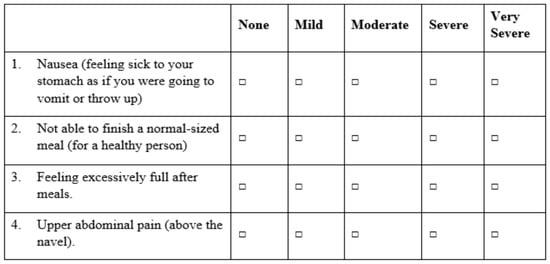
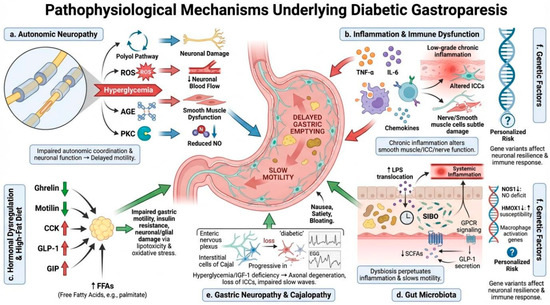
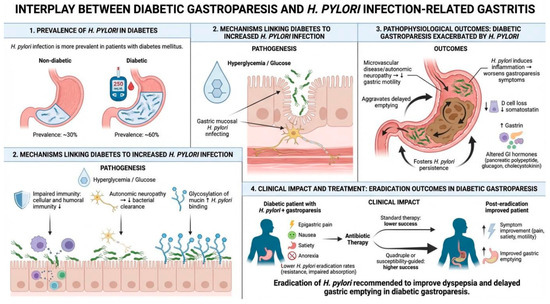
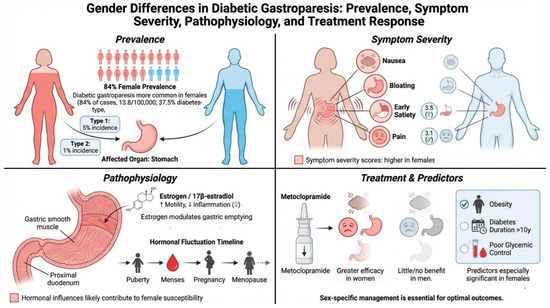
Diabetic gastroparesis (DGp) is a chronic complication of diabetes characterized by delayed gastric emptying with nausea, vomiting, early satiety, bloating, and poor glycemic control. Diagnosis requires objective testing, preferably a 4-h gastric emptying scan, along with assessment of symptom severity and quality of life for affected patients. Diabetic gastroparesis is the result of complex and overlapping mechanisms: autonomic (vagal) neuropathy, loss/dysfunction of interstitial cells of Cajal (ICC), enteric neuropathy, pyloric dysfunction (increased pyloric tone), and altered gut–brain signaling. Chronic hyperglycemia precipitates and worsens gastric dysmotility. Management remains multimodal: optimize glycemic control and nutrition, use evidence-based prokinetics and antiemetics, and consider targeted procedural/device therapies (G-POEM, gastric electrical stimulation) for refractory cases. The present is characterized by renewed drug development (ghrelin agonists such as relamorelin, with promising efficacy but a not-yet-well-established commercial pathway) and growing evidence for selective prokinetics already in use for other indications (prucalopride). Neuromodulation (Enterra GES) remains an option for selected refractory patients. Recent guidelines and studies define when and how to use these options, but no randomized head-to-head comparisons of the various therapeutic options are yet available, nor are long-term, real-world safety/efficacy registries for drugs and minimally invasive surgical procedures. There is still unsatisfactory evidence on how to safely manage GLP-1 receptor agonist therapy in diabetic patients predisposed to gastroparesis (balancing cardiorenal glycemic benefits versus gastrointestinal adverse effects), considering that these drugs can worsen gastric emptying and symptoms, requiring careful clinical judgment. This review aims to analyze and update clinicians on new evidence in the diagnosis and treatment of these conditions, starting from earlier recognition to achieving more rational treatment that balances the need for good glycemic control, control of gastrointestinal symptoms related to these complications, and an acceptable quality of life for the diabetic patient.
Full article
(This article belongs to the Special Issue Cognitive Impairment and Diabetes: Risk Factors and Preventive Strategies)
►▼
Show Figures

Figure 1
Open AccessArticle
Life’s Essential 8 and Risk of Type 2 Diabetes in the Women’s Health Initiative
by
Andrea J. Glenn, Joseph C. Larson, Ellie Hsu, Hind A. Beydoun, Michael J. LaMonte, Lisa Warsinger Martin, Anna C. Rivara, Jean Wactawski-Wende, Thomas E. Rohan, Phyllis A. Richey, Aladdin H. Shadyab, Lauren Hale, Su Yon Jung, Cassandra N. Spracklen, Mace Coday, Thanh-Huyen T. Vu, Eric T. Hyde, Simin Liu, JoAnn E. Manson and Lesley F. Tinker
Diabetology 2026, 7(5), 92; https://doi.org/10.3390/diabetology7050092 - 6 May 2026
Abstract
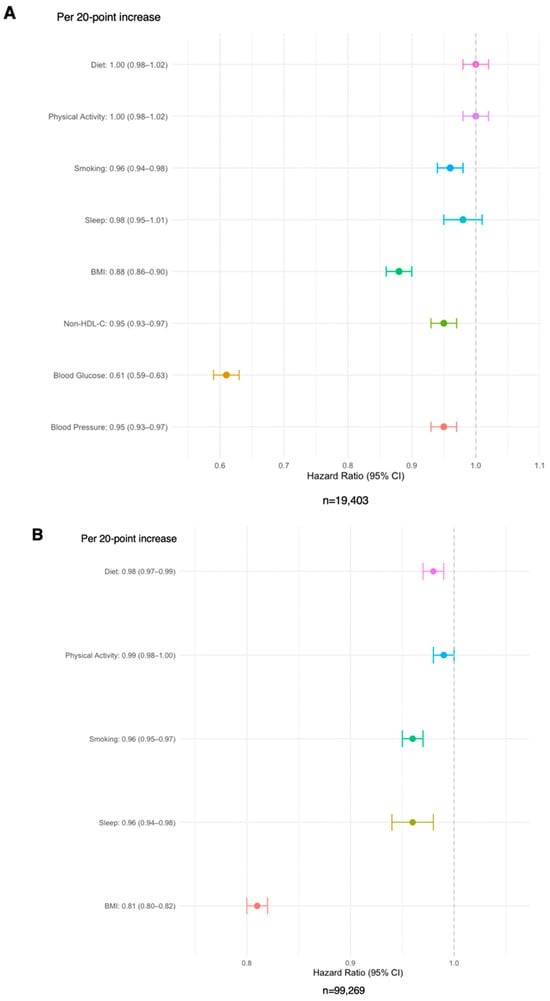
Objective: To examine the association between Life Essential 8 (LE8) and incident T2D in the Women’s Health Initiative (WHI), and to assess whether associations varied by race and ethnicity. Research Design and Methods: Prospective cohort study of 19,403 postmenopausal women enrolled in the
[...] Read more.
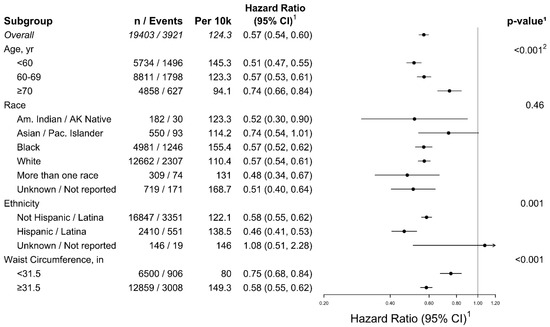
Objective: To examine the association between Life Essential 8 (LE8) and incident T2D in the Women’s Health Initiative (WHI), and to assess whether associations varied by race and ethnicity. Research Design and Methods: Prospective cohort study of 19,403 postmenopausal women enrolled in the WHI without T2D at baseline. Data were analyzed from 1993 through 2024. The LE8 score (range, 0–100), comprising blood glucose, blood lipids, blood pressure, smoking, physical activity, diet, sleep, and body mass index (BMI), categorized as high (80–100), moderate (50–79), and low (0–49) according to AHA definitions. Incident treated T2D was self-reported during follow-up. Cox proportional hazards models estimated hazard ratios (HRs) and 95% CIs for LE8 categories and continuous scores. Results: During a mean follow-up of 16.3 years, 3921 women developed T2D. Compared with the lowest category, women in the highest LE8 category had a 57% lower risk of T2D (HR, 0.43; 95% CI, 0.38–0.49). A 20-point increase in LE8 score was associated with a 43% lower risk (HR, 0.57; 95% CI, 0.54–0.60). Among individual domains, BMI and glucose were most strongly associated with T2D. Subgroup analyses by 20-point increase in LE8 showed greater risk reduction among Hispanic/Latina women (HR, 0.46; 95% CI, 0.41–0.53) compared with non-Hispanic women (HR, 0.58; 95% CI, 0.55–0.62), but no significant association with race was observed. Conclusions: Higher LE8 scores are associated with a reduced risk of T2D in postmenopausal women, supporting LE8 as a useful framework for lifestyle-based diabetes prevention strategies.
Full article
(This article belongs to the Special Issue Diabetes Prevention and Management: Diet, Physical Activity and Lifestyle Behaviors)
►▼
Show Figures

Figure 1
Open AccessReview
Screening and Monitoring of Risk for Type 1 Diabetes: Evolving Field and Challenges Ahead—A Narrative Review
by
Tanja Milicic, Nebojsa M. Lalic and Aleksandra Jotic
Diabetology 2026, 7(5), 91; https://doi.org/10.3390/diabetology7050091 - 6 May 2026
Abstract
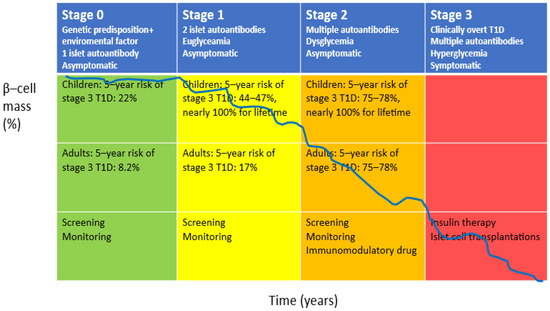
This review aims to present an updated, comprehensive analysis of data on the diversity and challenges of current approaches to the screening and monitoring of subjects at risk of T1D, as the earliest interventions during the course of the disease. Previously, screening for
[...] Read more.
This review aims to present an updated, comprehensive analysis of data on the diversity and challenges of current approaches to the screening and monitoring of subjects at risk of T1D, as the earliest interventions during the course of the disease. Previously, screening for T1D was justified only for research purposes. A major turning point occurred when teplizumab, an immunomodulatory drug that delays the onset of overt T1D, was approved. Nowadays, there is a growing number of screening initiatives, and this trend is spreading fast across the world. In this context, novel recommendations emphasize the need for the wider identification of subjects at risk of T1D, suggesting that screening should not include only first-degree relatives of persons with T1D. Furthermore, current experts’ opinions have shifted the detection of T1D risk in the direction of ultimate goal-screening in the general population. Also, subjects at risk should be monitored, undergo metabolic testing, be informed about their risk, and be educated about the disease. Currently, there is a diversity in approaches to the screening and monitoring of subjects at risk of T1D, predominantly in the pediatric population. Several knowledge gaps persist in this area of investigation, especially in recommendations and potential benefits for the adult population. However, the scientific community is focusing on developing and adapting screening and monitoring strategies to suit particular countries, aiming to make them more universal while refining the definition of individual risk for T1D. Nevertheless, the screening and monitoring of subjects at risk should be the earliest interventions focused on delaying T1D.
Full article
(This article belongs to the Special Issue Early Intervention and Treatment Strategies for Diabetes)
►▼
Show Figures

Figure 1
Open AccessReview
Simplifying Treatment for Type 2 Diabetes: Egyptian Consensus Recommendations on Fixed-Ratio Combinations
by
Samir H. Assaad-Khalil, Talaat Abdelaaty, Mary N. Rizk, Magdy Helmy Megallaa, Mohamed Elsayed, Alaa M. Wafa, Azza Ismail, Bahaa Sharafeldeen and Noha G. Amin
Diabetology 2026, 7(5), 90; https://doi.org/10.3390/diabetology7050090 - 6 May 2026
Abstract
Background/Objectives: Egypt ranks among the top ten countries globally with the highest burden of type 2 diabetes mellitus (T2DM), with prevalence projected to rise significantly by 2050. Despite multiple therapeutic options, glycemic control remains suboptimal due to therapeutic inertia, treatment complexity, and healthcare
[...] Read more.
Background/Objectives: Egypt ranks among the top ten countries globally with the highest burden of type 2 diabetes mellitus (T2DM), with prevalence projected to rise significantly by 2050. Despite multiple therapeutic options, glycemic control remains suboptimal due to therapeutic inertia, treatment complexity, and healthcare system limitations. Fixed-ratio combinations (FRCs) of basal insulin and glucagon-like peptide-1 receptor agonists (GLP-1 RAs) offer a simplified injectable strategy addressing complementary pathophysiological defects in T2DM. This study aims to develop expert consensus recommendations for the use of FRCs in Egyptian adults with T2DM, integrating international evidence with local practice. Methods: A modified Delphi technique was employed to achieve consensus among 9 diabetes experts across Egypt. Statements were formulated based on a targeted literature review and voted on using a structured Likert scale. Consensus was defined as ≥70% agreement. Results: Twenty-nine statements were endorsed with strong to very strong consensus. Recommendations covered patient selection, initiation after oral therapy or GLP-1 RA, switching from premixed or complex insulin regimens, dosing strategies, safety considerations, and intensification options. FRCs were favored for early injectable use, regimen simplification, and improved adherence, with liraglutide-based FRCs preferred for cardiovascular and renal benefits. Digital health integration was strongly recommended to enhance glycemic control and patient engagement. Conclusions: FRCs offer a simple and effective treatment simplification option for patients with uncontrolled T2DM on premix insulin, complex insulin regimens, or oral therapy. FRCs may improve glycemic control with generally favorable effects on hypoglycemia risk and body weight across many randomized and real-world studies, while reducing injection burden, simplifying the treatment regimen, and supporting patient adherence and satisfaction.
Full article
Open AccessArticle
Adherence to the 24 h Movement Guidelines and Type 2 Diabetes Risk in the SUN Project: A Prospective Cohort Study
by
Alejandro Fernandez-Montero, Alexander Finnemore, Anne Gribble, María Llavero-Valero, Francisco J. Basterra-Gortari, Maira Bes-Rastrollo and Miguel Ángel Martínez-Gonzalez
Diabetology 2026, 7(5), 89; https://doi.org/10.3390/diabetology7050089 - 6 May 2026
Abstract
Background: Type 2 diabetes (T2D) is a leading chronic disease worldwide. Physical activity, sedentary time and sleep are modifiable risk factors for T2D that share the same 24 h time budget. The 24 h Movement Guidelines propose an integrated approach to these daily
[...] Read more.
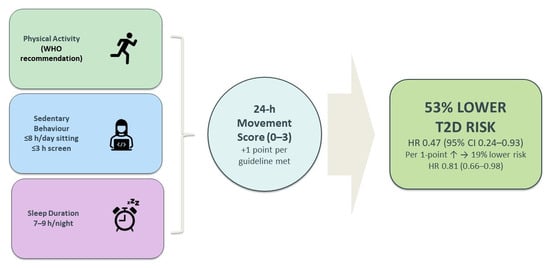
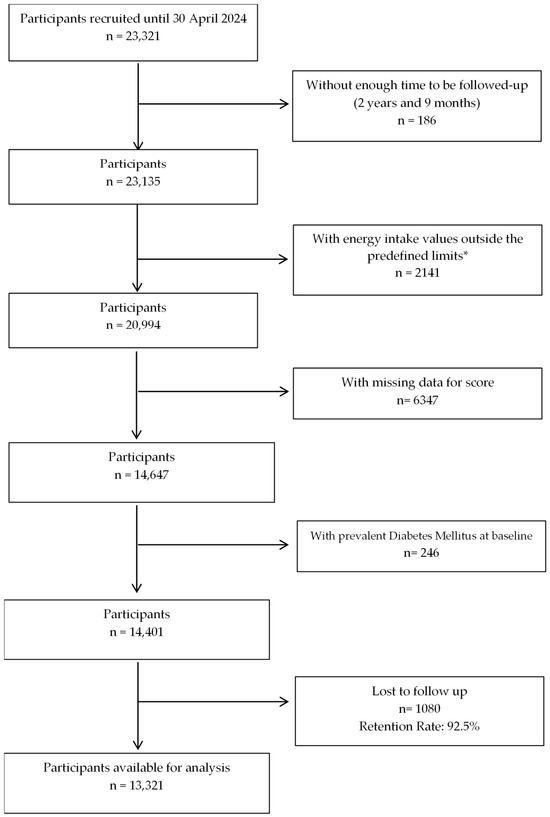
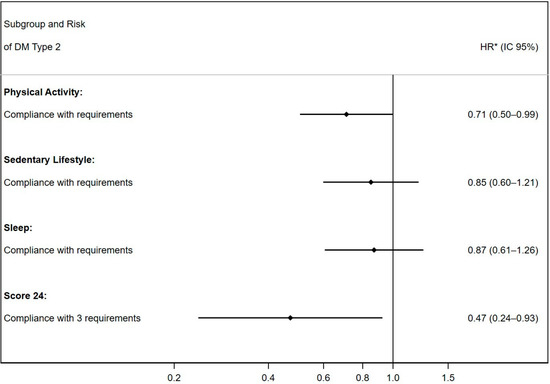
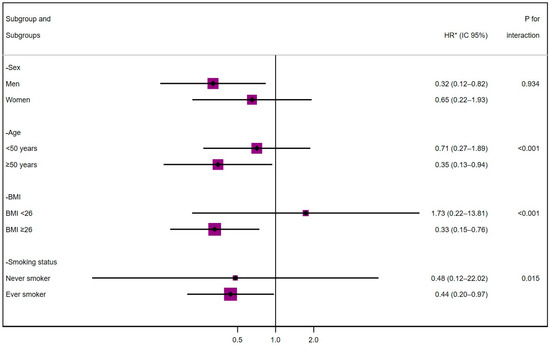
Background: Type 2 diabetes (T2D) is a leading chronic disease worldwide. Physical activity, sedentary time and sleep are modifiable risk factors for T2D that share the same 24 h time budget. The 24 h Movement Guidelines propose an integrated approach to these daily movement behaviors. Objective: To evaluate the association between adherence to the 24 h Movement Guidelines and incident T2D in the ‘Seguimiento Universidad de Navarra’ (SUN) cohort. Methods: We included 13,321 university graduates free of diabetes at baseline (1999–2024). A 24 h movement score (0–3) was computed at baseline by awarding one point for meeting each guideline component (physical activity, sedentary behavior and sleep). Incident T2D was identified in biennial questionnaires and confirmed using additional information. Hazard ratios (HRs) and 95% confidence intervals (CIs) were estimated with Cox models using age as the underlying time scale. Results: During follow-up (approximately 192,000 person-years), 141 incident T2D cases were confirmed. In multivariable models, participants meeting all three guidelines had a 53% lower risk of T2D compared with those meeting none (HR 0.47; 95% CI 0.24–0.93). Each additional guideline met was associated with a reduction in risk (HR per 1-point increase 0.81; 95% CI 0.66–0.98). Conclusions: Higher adherence to the integrated 24 h Movement Guidelines was associated with a lower incidence of T2D in this cohort.
Full article
(This article belongs to the Special Issue Exercise as Medicine: Exploring the Prevention and Management of Diabetes)
►▼
Show Figures

Graphical abstract
Open AccessArticle
Photodynamic Therapy as an Adjunctive Approach for Diabetic Foot Osteomyelitis: A Prospective Case Series
by
João Antonio Correa, Sofia Torres Velloso, Luciene do Nascimento Lima, Patricia Paola Cagol, Julia Yamanaka Agnelo, Gustavo Lolli, João Paulo Tardivo, Rafael Carvalho de Vilhena Furst, Gabriela Tessaro Cremoneis and Rodrigo Daminello Raimundo
Diabetology 2026, 7(5), 88; https://doi.org/10.3390/diabetology7050088 - 2 May 2026
Abstract
Introduction: Type 2 diabetes mellitus predisposes patients to neuropathy, peripheral arterial disease, and diabetic foot ulcers, which may become infected and progress to osteomyelitis, increasing the risk of amputation. The growing prevalence of multidrug-resistant organisms complicates management. Photodynamic therapy (PDT), which combines a
[...] Read more.
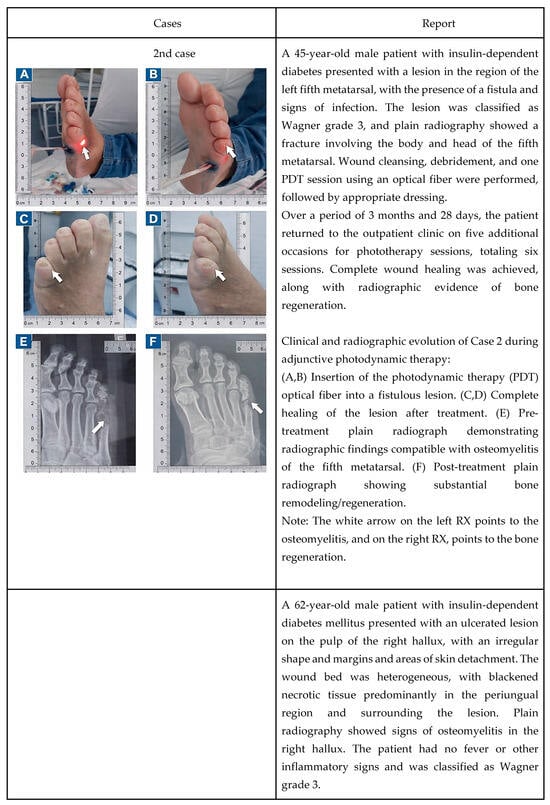
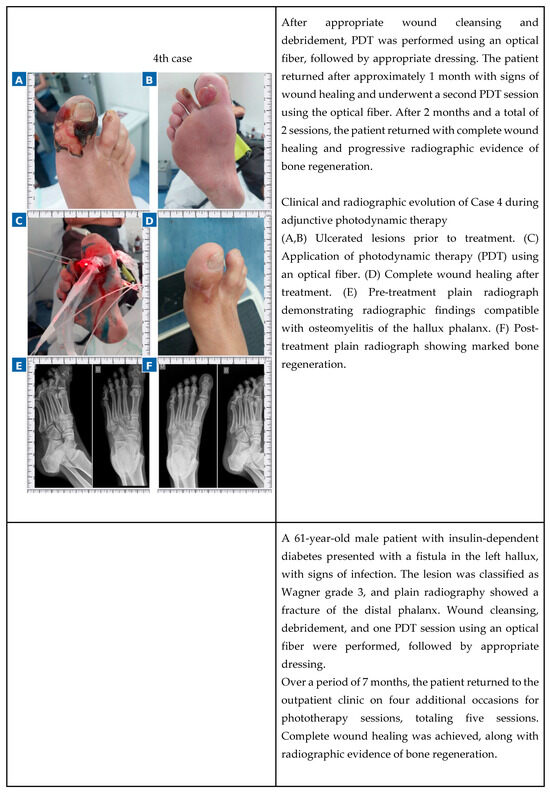
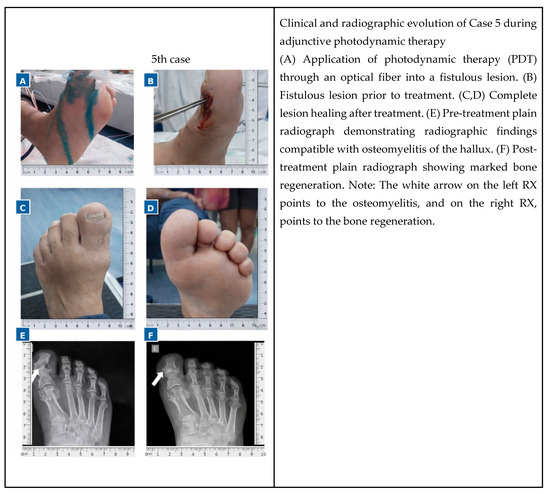
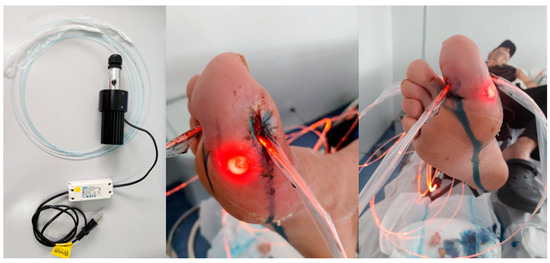
Introduction: Type 2 diabetes mellitus predisposes patients to neuropathy, peripheral arterial disease, and diabetic foot ulcers, which may become infected and progress to osteomyelitis, increasing the risk of amputation. The growing prevalence of multidrug-resistant organisms complicates management. Photodynamic therapy (PDT), which combines a photosensitizer with light-emitting diode irradiation to generate reactive oxygen species, has emerged as a potential adjunctive antimicrobial strategy without inducing resistance. Objective: To describe clinical outcomes observed in patients with diabetic foot osteomyelitis treated with adjunctive photodynamic therapy (PDT), with emphasis on wound evolution, limb preservation, and healing time. Methods: This prospective case series included patients with osteomyelitis secondary to infected diabetic foot ulcers treated at a university hospital. Demographic and clinical data were collected from medical records. Serial photographic documentation was used to monitor wound progression and tissue response during therapy. Results: Sixteen patients with diabetic foot osteomyelitis were included. Complete healing was achieved in 13 patients (81.25%), while 2 patients (12.5%) remained under treatment with partial healing and 1 (6.25%) underwent major amputation. Among healed patients, healing time ranged from 19 to 546 days, with a median of 118 days. The number of photodynamic therapy sessions ranged from 2 to 12, depending on the clinical course of each case. Healing time varied among patients, and the hallux was the most frequent site of osteomyelitis. During follow-up, only one patient underwent major amputation, whereas the remaining patients either achieved complete healing or were still under treatment at the time of analysis. Healing time was comparable between insulin-dependent and non-insulin-dependent diabetes, although numerically shorter in the latter. Longer healing periods were associated with more treatment sessions. Conclusions: In this prospective uncontrolled case series, adjunctive PDT was associated with favorable clinical evolution in a subset of patients with diabetic foot osteomyelitis. However, because of the small sample size and the absence of a control group, these findings should be considered preliminary and hypothesis-generating.
Full article
(This article belongs to the Special Issue Advances in Diabetic Wound Healing: From Mechanisms to Therapies)
►▼
Show Figures

Figure 1
Open AccessArticle
Longitudinal Adherence Patterns of Oral Antidiabetics Among Older Adults with Diabetes and Concomitant Hypertension and Hyperlipidemia Using Group-Based Trajectory Modeling
by
Isaiah Olumeko, Sai S. Cheruvu, Samuel C. Ofili and Susan Abughosh
Diabetology 2026, 7(5), 87; https://doi.org/10.3390/diabetology7050087 - 2 May 2026
Abstract
Background/Objectives: Diabetes is a prevalent chronic condition and a major contributor to morbidity, mortality, and healthcare costs in the U.S., particularly among older adults with comorbidities such as hypertension and dyslipidemia. Complex medication regimens increase the risk of nonadherence, which can worsen
[...] Read more.
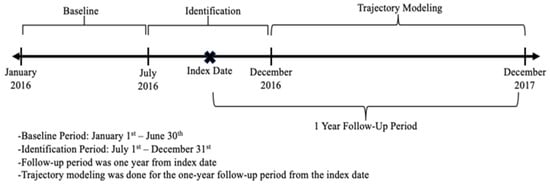
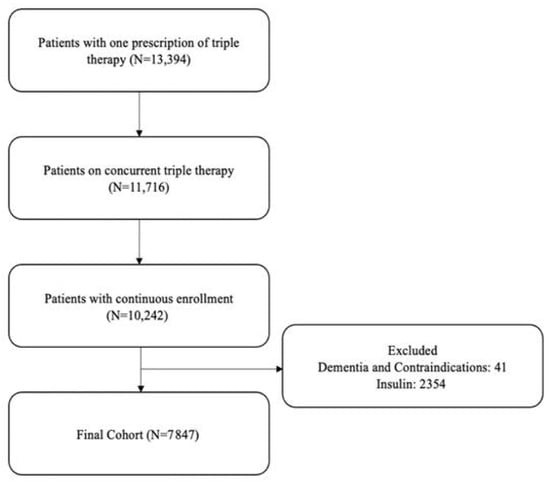
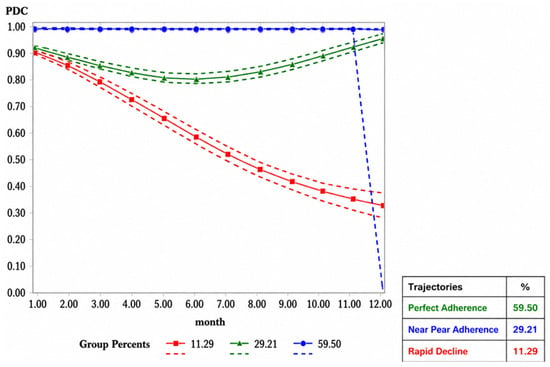
Background/Objectives: Diabetes is a prevalent chronic condition and a major contributor to morbidity, mortality, and healthcare costs in the U.S., particularly among older adults with comorbidities such as hypertension and dyslipidemia. Complex medication regimens increase the risk of nonadherence, which can worsen glycemic control, cardiovascular outcomes, and healthcare utilization. This study assessed longitudinal adherence patterns to oral antidiabetic medications among high-risk older adults and identified predictors using group-based trajectory modeling (GBTM). Methods: This retrospective cohort study used 2016–2017 Texas Medicare Advantage claims. Participants were older adults with diagnoses of diabetes, hypertension, and hyperlipidemia who had continuous plan coverage throughout the study period and at least one prescription fill for an oral antidiabetic, a statin, and a renin–angiotensin system (RAS) antagonist. Adherence was measured monthly over 12 months using the proportion of days covered (PDC). GBTM identified adherence trajectories, and multinomial logistic regression, based on the Andersen Behavioral Model, evaluated predictors using perfect adherence as the reference. Results: Among 7847 patients, three trajectories were observed: perfect adherence (59.50%), near-perfect adherence (29.21%), and rapid decline (11.29%). Female sex (OR, 1.38; 95% CI, 1.19–1.60) and absence of health plan subsidy (OR, 0.79; 95% CI, 0.68–0.92) were associated with rapid decline. Female sex (OR, 1.13; 95% CI, 1.02–1.25) and age ≥ 75 years (OR, 1.20; 95% CI, 1.00–1.43) were associated with near-perfect adherence. Conclusions: Older adults with diabetes and comorbidities exhibit distinct medication adherence patterns. Trajectory-based methods can identify those at risk for declining adherence and guide interventions to improve outcomes.
Full article
(This article belongs to the Special Issue Efficacy, Safety and Real-World Evidence of Hypoglycemic Drugs)
►▼
Show Figures

Figure 1
Open AccessArticle
Association of Social Determinants of Health with Primary and Cost-Related Medication Nonadherence Among Adult Patients with Diabetes
by
Yamini Mallisetty, Shruti Chaudhary, Ashley W. Ellis, Rushin Shah and Satya Surbhi
Diabetology 2026, 7(5), 86; https://doi.org/10.3390/diabetology7050086 - 2 May 2026
Abstract
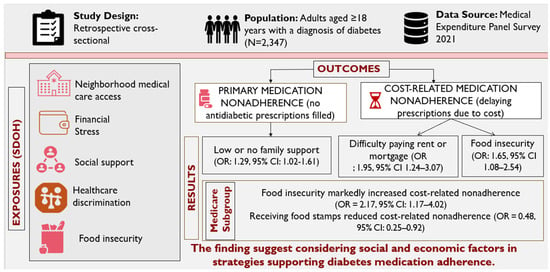
Background/Objectives: To examine the association of social determinants of health (SDOHs) with primary and cost-related medication nonadherence among adults with diabetes. Methods: A retrospective cross-sectional analysis was conducted using 2021 data from the Medical Expenditure Panel Survey (MEPS), a nationally representative sample of
[...] Read more.
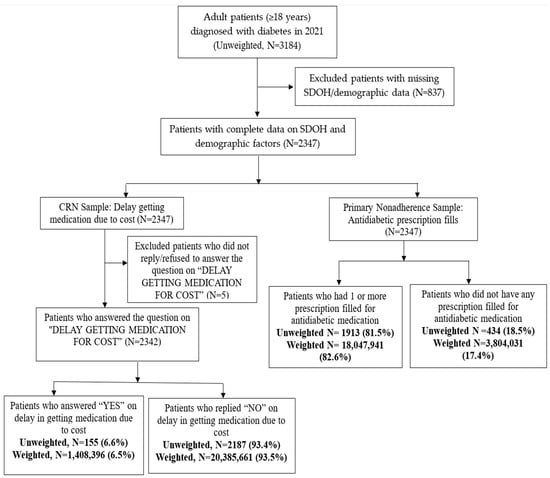
Background/Objectives: To examine the association of social determinants of health (SDOHs) with primary and cost-related medication nonadherence among adults with diabetes. Methods: A retrospective cross-sectional analysis was conducted using 2021 data from the Medical Expenditure Panel Survey (MEPS), a nationally representative sample of the United States civilian noninstitutionalized population. Adults aged ≥ 18 years with a diagnosis of diabetes in 2021 were included. The outcomes include primary medication nonadherence (no antidiabetic prescriptions filled) and cost-related medication nonadherence (delaying prescriptions due to cost). The exposure variables include SDOHs such as financial stress, food insecurity, transportation barriers, social support, access to medical care in the neighborhood, and healthcare discrimination. Weighted multivariable logistic regression analyses were conducted to assess the association between SDOHs and medication nonadherence. Results: Among 21.9 million patients with diabetes, 6.5% reported cost-related nonadherence and 17.4% exhibited primary nonadherence. Difficulty paying rent or mortgage (OR 2.32, 95% CI: 1.27–4.23), food insecurity (OR 2.13, 95% CI: 1.27–3.58), and transportation barriers (OR = 2.15; 95% CI: 1.20–3.63) were significantly associated with cost-related nonadherence. In the Medicare subgroup, both difficulty paying rent or mortgage (OR = 2.41, 95% CI: 1.03–5.64) and food insecurity (OR = 2.16, 95% CI: 1.18–3.96) significantly increased cost-related nonadherence. Conclusions: Financial strain, food insecurity, and transportation barriers are associated with cost-related nonadherence. These findings suggest considering social and economic factors in strategies supporting diabetes medication adherence across populations, including Medicare beneficiaries.
Full article
(This article belongs to the Special Issue Advances in Diabetes: Prevalence, Risk Factors, Complications, Costs and Disparities)
►▼
Show Figures

Graphical abstract
Open AccessArticle
Waist Circumference and Handgrip Strength as Potential Nursing Vital Signs in Type 2 Diabetes: A Preliminary Assessment
by
Barbara Gómez-Taylor, Jorge Casaña Mohedo, Alma María Palau-Ferrè, Rocío Práxedes Gómez, Aáron Quesada Hernández, Ernesto Navarro Escobar, Elena Sandri and Sara Morales Palomares
Diabetology 2026, 7(5), 85; https://doi.org/10.3390/diabetology7050085 - 1 May 2026
Abstract
►▼
Show Figures
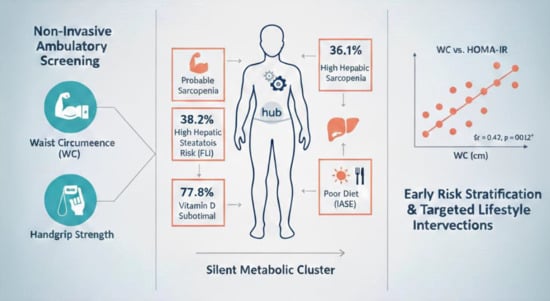
Background and aims: The aim of this study was to examine the relationships between muscle function, dietary quality, body composition markers, and metabolic status in ambulatory patients with type 2 diabetes. The study sought to validate low-cost tools, such as handgrip strength
[...] Read more.
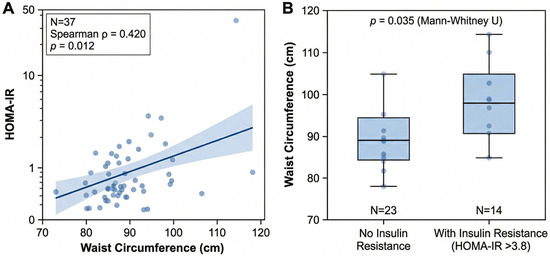
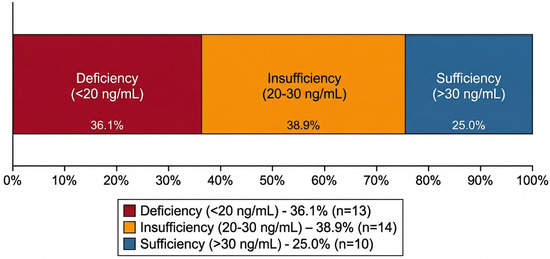
Background and aims: The aim of this study was to examine the relationships between muscle function, dietary quality, body composition markers, and metabolic status in ambulatory patients with type 2 diabetes. The study sought to validate low-cost tools, such as handgrip strength and waist circumference, as potential “nursing vital signs” for metabolic risk stratification. Methods: A cross-sectional observational study was conducted with adult patients with type 2 diabetes. Muscle function was assessed through handgrip strength (dynamometry) and metabolic status via the HOMA-IR index. Visceral adiposity was estimated using waist circumference and the Lipid Accumulation Product (LAP); dietary quality was evaluated with the Spanish Healthy Eating Index (IASE), and cellular health through the phase angle (PhA) obtained by electrical bioimpedance. Non-parametric tests and Spearman correlations were applied due to the non-normal distribution of the data. Conclusions: In this ambulatory diabetic population, waist circumference emerged as a practical and potent surrogate for insulin resistance burden. Although metabolic dysfunction was not directly associated with dietary quality or phase angle, a high prevalence of probable sarcopenia (36.1%) and poor dietary quality (77.8%) were detected. The implementation of non-invasive tools like waist circumference and handgrip strength in nursing consultations could optimize early risk stratification and allow for more targeted lifestyle interventions.
Full article

Graphical abstract
Open AccessReview
Mineralocorticoid Receptor Antagonism in Diabetic Kidney Disease: From Pathophysiological Mechanisms to Clinical Paradigm Shifts
by
Gui-Hwa Jeong
Diabetology 2026, 7(5), 84; https://doi.org/10.3390/diabetology7050084 - 1 May 2026
Abstract
Diabetic kidney disease (DKD) remains a primary driver of end-stage kidney disease and cardiovascular morbidity despite the optimized use of renin–angiotensin system (RAS) inhibitors and sodium-glucose cotransporter-2 (SGLT2) inhibitors. Recent evidence identifies the overactivation of the mineralocorticoid receptor (MR) as a critical, independent
[...] Read more.
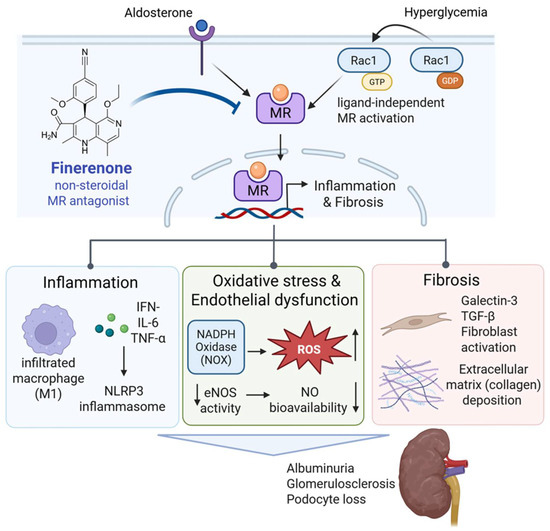
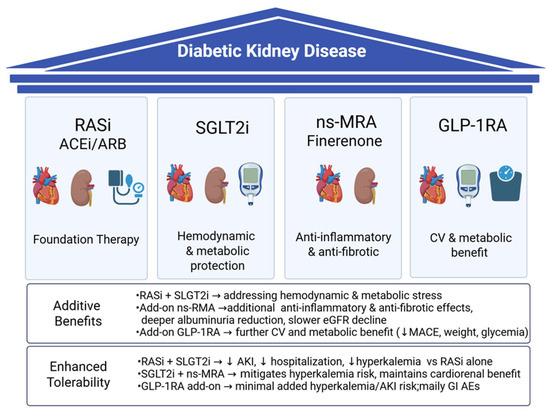
Diabetic kidney disease (DKD) remains a primary driver of end-stage kidney disease and cardiovascular morbidity despite the optimized use of renin–angiotensin system (RAS) inhibitors and sodium-glucose cotransporter-2 (SGLT2) inhibitors. Recent evidence identifies the overactivation of the mineralocorticoid receptor (MR) as a critical, independent pathway leading to persistent renal inflammation and fibrosis. In the diabetic milieu, MR overactivation—driven by both aldosterone and ligand-independent factors such as Rac1 GTPase and oxidative stress—triggers pro-inflammatory and pro-fibrotic gene networks. Unlike traditional steroidal mineralocorticoid receptor antagonists (MRAs), the novel non-steroidal MRA finerenone exhibits a distinct binding mode that more effectively blocks the recruitment of transcriptional co-activators, thereby silencing detrimental downstream signaling in podocytes, fibroblasts, and myeloid cells. Preclinical models have demonstrated that MR blockade significantly reduces albuminuria and preserves podocyte integrity independent of systemic blood pressure. These findings translated into landmark clinical trials; the FIDELIO-DKD and FIGARO-DKD trials established that finerenone significantly reduces the risk of kidney disease progression and cardiovascular events across a broad spectrum of chronic kidney disease stages in type 2 diabetes. Furthermore, recent data from the FINEARTS-HF and CONFIDENCE trials suggest a synergetic benefit when combined with SGLT2 inhibitors, offering more robust cardiorenal protection with a manageable risk of hyperkalemia. This review synthesizes the current understanding of MR pathophysiology and clinical evidence, providing a comprehensive framework for the integration of MRAs into the evolving standard of care for patients with diabetic kidney disease.
Full article
(This article belongs to the Special Issue New Insights into the Diagnosis, Prevention and Treatment of Diabetic Complications)
►▼
Show Figures

Figure 1
Highly Accessed Articles
Latest Books
E-Mail Alert
News
Topics
Topic in
Biomolecules, Diabetology, IJMS, JCM, Metabolites, Nutrients
Diabetes and Obesity Under Environmental Stressors: Mechanisms and Clinical Implications
Topic Editors: Ioanna Eleftheriadou, Dimitris KounatidisDeadline: 31 March 2027
Topic in
Antibiotics, Diabetology, JAPMA, JCM, Medicina
Diabetic Foot Disease: Current Challenges, Emerging Concepts and Future Directions
Topic Editors: José Luis Lázaro-Martínez, Marco Meloni, Prashanth VasDeadline: 31 March 2028
Conferences
Special Issues
Special Issue in
Diabetology
All Toes Considered for Diabetic Foot: Prevention, Treatment, and Healthcare Policy
Guest Editors: Chia-Ding Shih, Miguel Manzur, Sofia Sakellaridi, David G. ArmstrongDeadline: 10 June 2026
Special Issue in
Diabetology
Current Understanding of Gender Differences in Diabetes and Rheumatological Diseases
Guest Editors: Giancarlo Tonolo, Daniela MarottoDeadline: 15 June 2026
Special Issue in
Diabetology
Regulatory Networks of Pancreatic Beta-Cell Function and Insulin Secretion: Intrinsic Mechanisms and Extrinsic Modulators
Guest Editors: Chiara Saponaro, Mara SuleimanDeadline: 15 June 2026
Special Issue in
Diabetology
Animal Models for Diabetes Mellitus and Its Complications: Advantages and Limitations
Guest Editor: Emilia SokolowskaDeadline: 20 June 2026