
Journal Description
Architecture
Architecture
is an international, peer-reviewed, open access journal on studies related to architectural research published quarterly online by MDPI.
- Open Access— free for readers, with article processing charges (APC) paid by authors or their institutions.
- High Visibility: indexed within ESCI (Web of Science), Scopus, and other databases.
- Rapid Publication: manuscripts are peer-reviewed and a first decision is provided to authors approximately 18.9 days after submission; acceptance to publication is undertaken in 5.8 days (median values for papers published in this journal in the second half of 2025).
- Recognition of Reviewers: APC discount vouchers, optional signed peer review, and reviewer names published annually in the journal.
- Architecture is a companion journal of Buildings and Sustainability.
- Journal Cluster of Civil Engineering and Built Environment: Architecture, Buildings, CivilEng, Construction Materials, Infrastructures, Intelligent Infrastructure and Construction, NDT and Vibration.
Impact Factor:
1.4 (2024);
5-Year Impact Factor:
1.6 (2024)
Latest Articles
A Suitable Scan-to-BIM Process Using OS Software and Low-Cost Sensors: Trend, Solutions and Experimental Validation
Architecture 2026, 6(1), 24; https://doi.org/10.3390/architecture6010024 - 5 Feb 2026
Abstract
►
Show Figures
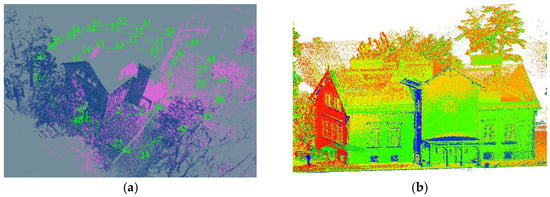
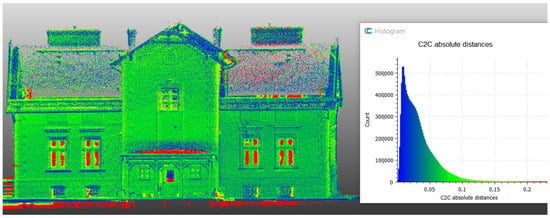
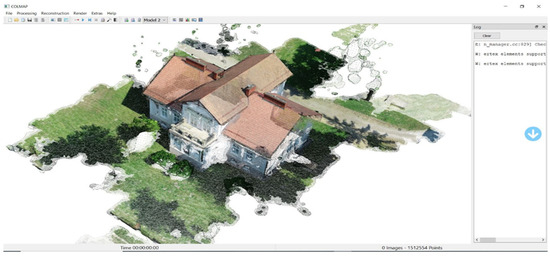
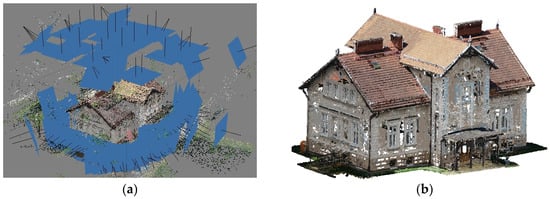
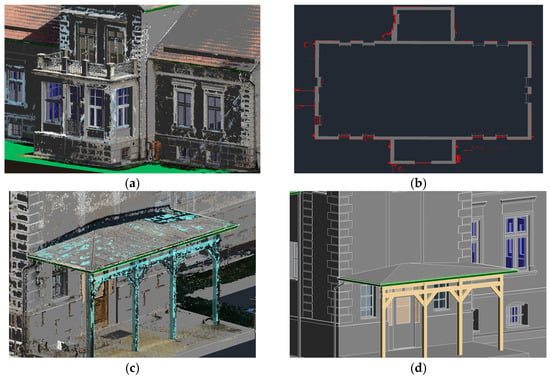
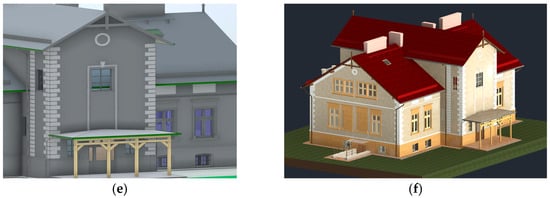
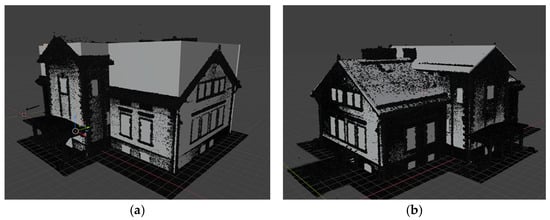
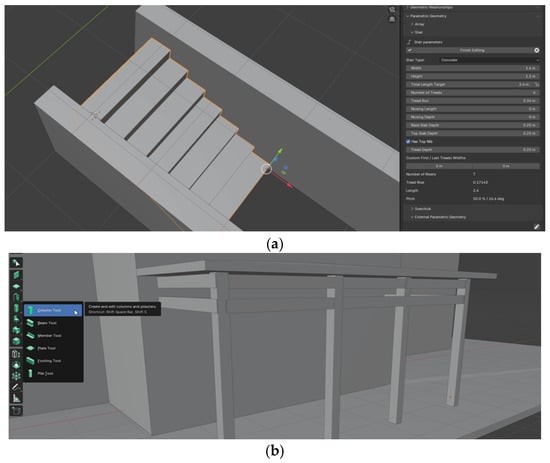
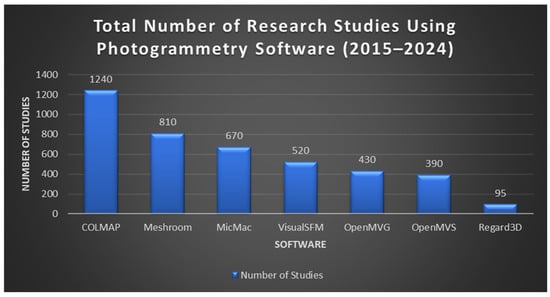
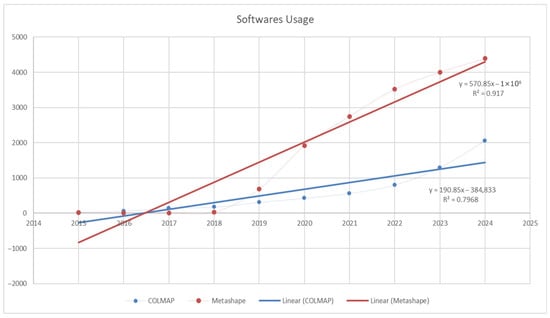
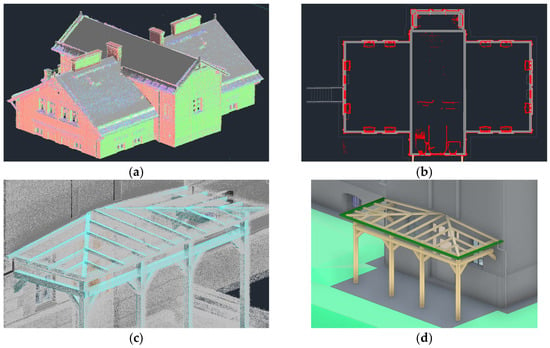
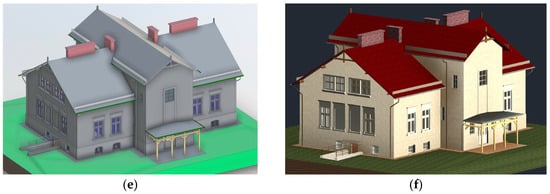
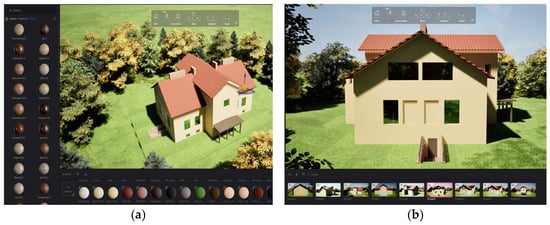
Open-source software is transforming visualization-oriented digital documentation and conceptual BIM by lowering financial and technical barriers, enabling broader participation in the digitalization of the AEC sector. This study develops and validates a cost-effective Scan-to-BIM workflow that combines low-cost hardware with freely available software
[...] Read more.
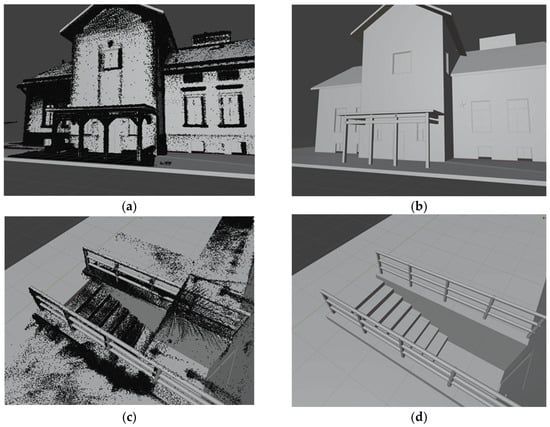
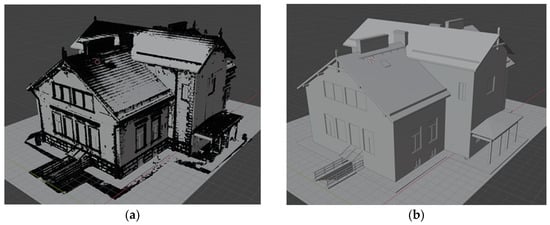
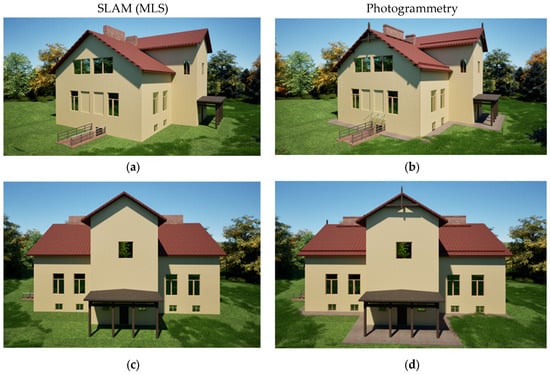
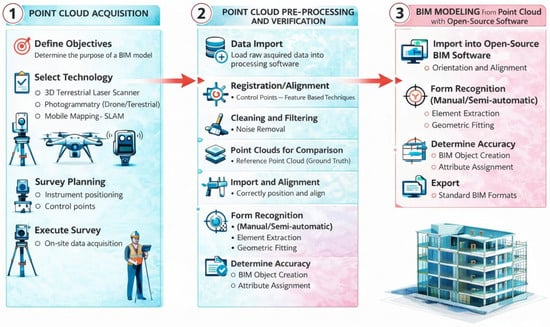
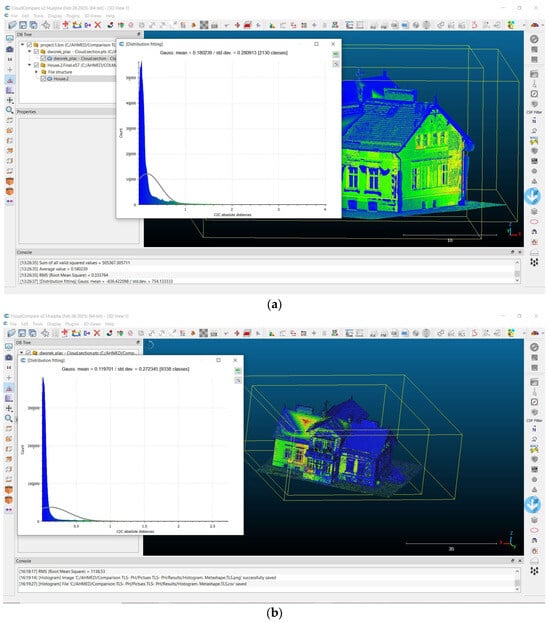
Open-source software is transforming visualization-oriented digital documentation and conceptual BIM by lowering financial and technical barriers, enabling broader participation in the digitalization of the AEC sector. This study develops and validates a cost-effective Scan-to-BIM workflow that combines low-cost hardware with freely available software for 3D data acquisition, processing, and modeling. Photogrammetry and SLAM-based techniques generate accurate point clouds, which, once verified against terrestrial laser scanning data, can be integrated into open-source BIM environments. The workflow leverages COLMAP for 3D reconstruction and BlenderBIM for parametric modeling, combining geometric and semantic information to produce fully interoperable models. While open-source tools offer accessibility and transparency, they require supplementary validation in precision-critical applications and may involve trade-offs in accuracy, stability, and automation compared to commercial solutions. Application to a case study shows how efficient and rapid the process is, representing the trend for the scientific community.
Full article
Open AccessArticle
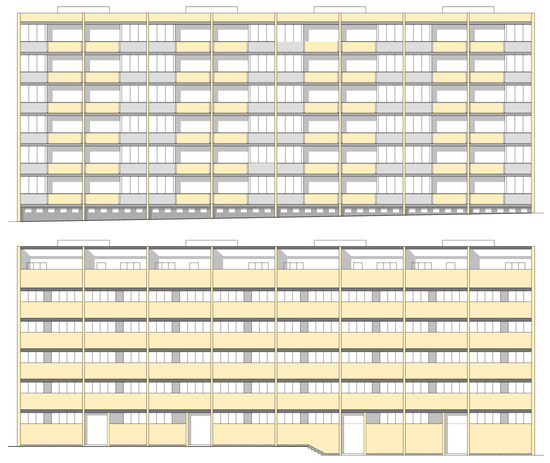
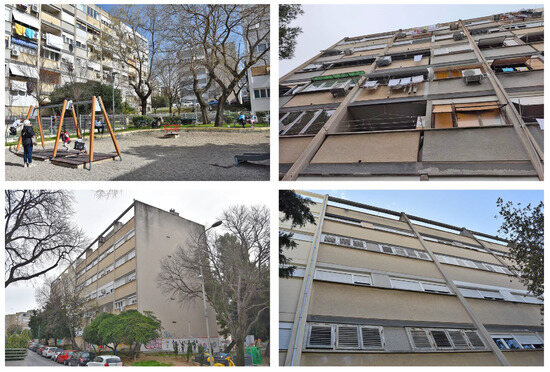
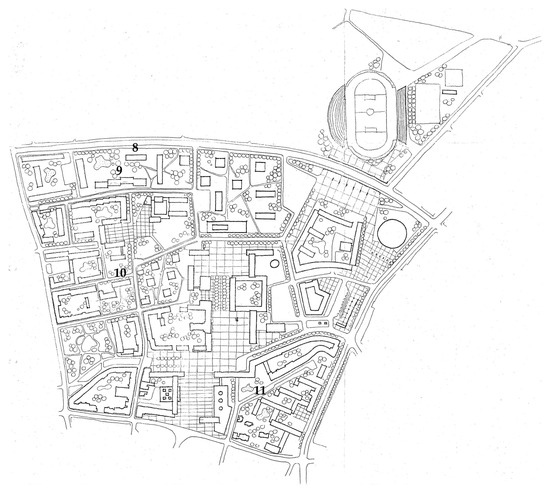
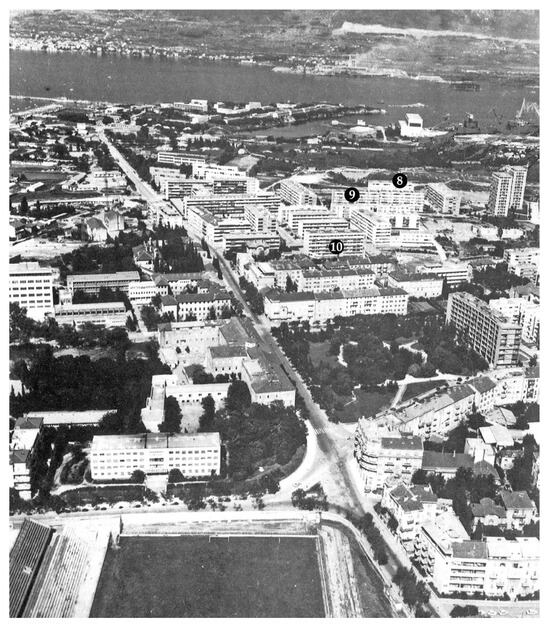
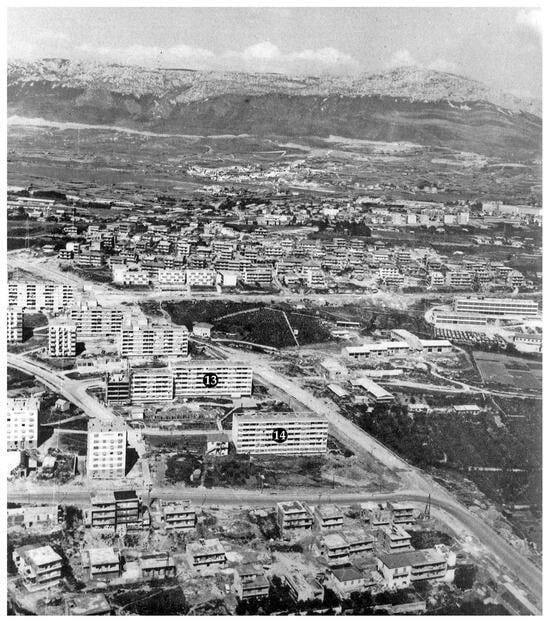
Architect Josip Vojnović: URBS 1 Standard Residential Buildings from the 1960s in Split, Croatia
by
Vesna Perković, Neda Mrinjek Kliska and Ivan Mlinar
Architecture 2026, 6(1), 23; https://doi.org/10.3390/architecture6010023 - 3 Feb 2026
Abstract
►▼
Show Figures
Josip Vojnović (Omiš, 1929–Split, 2008) is a prominent Croatian architect, primarily known in professional circles for organising the construction of Split 3, the expansion of Split during the 1970s. His professional career began with the design of primarily residential buildings and concluded with
[...] Read more.
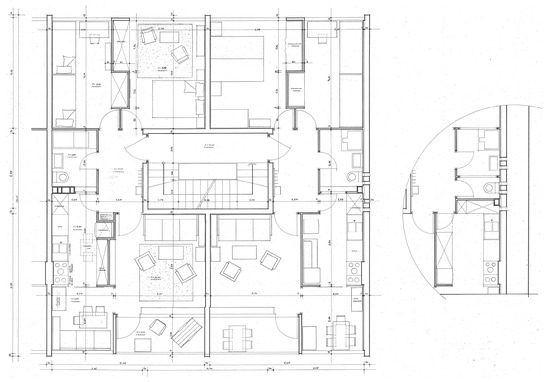
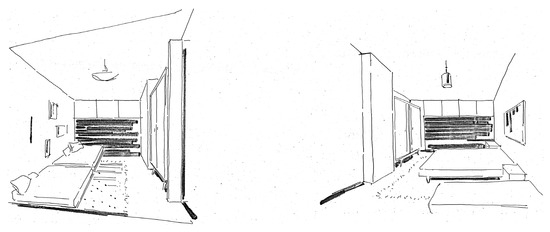
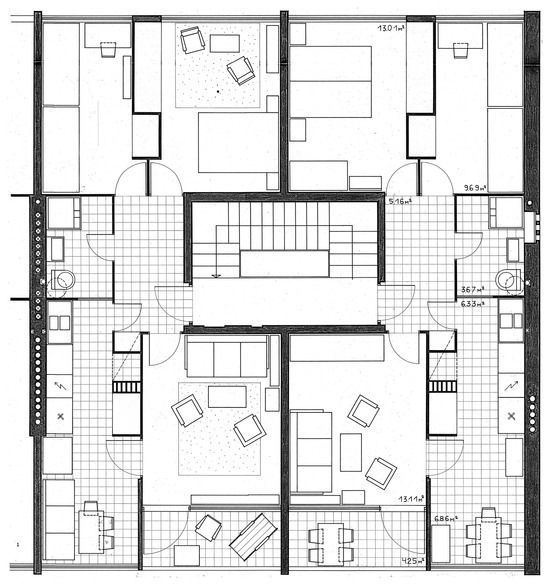
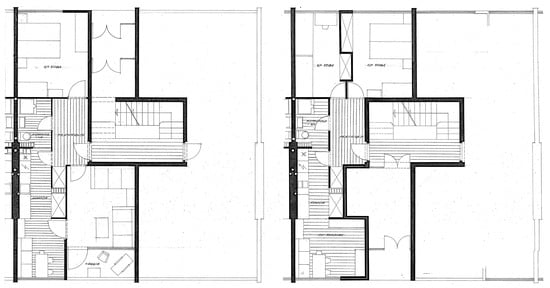
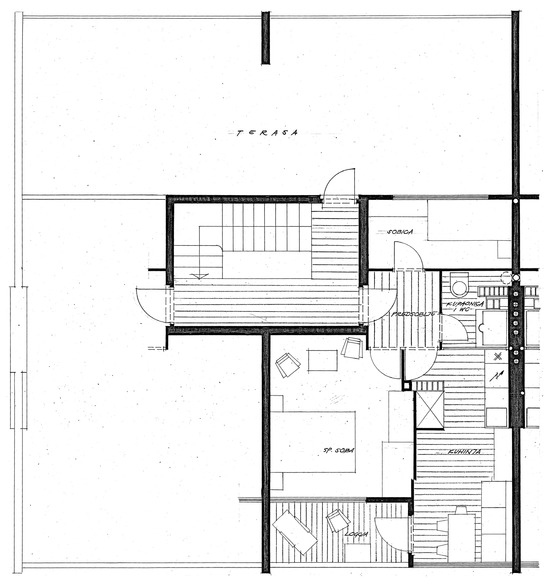
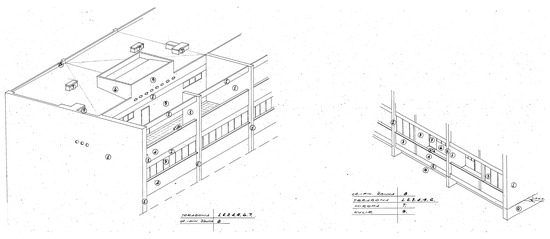
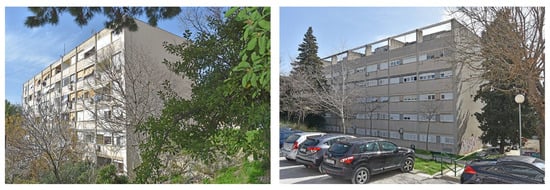
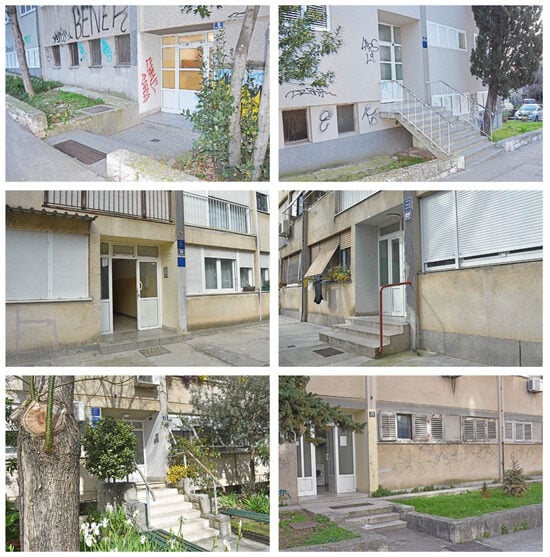
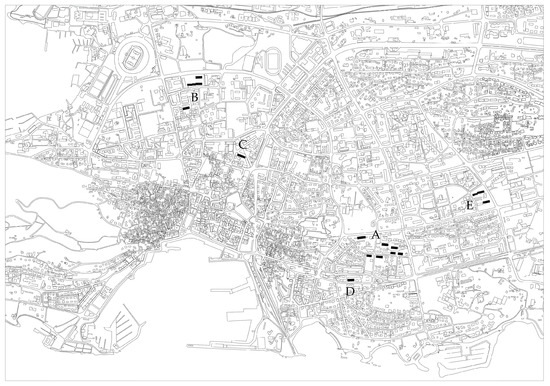
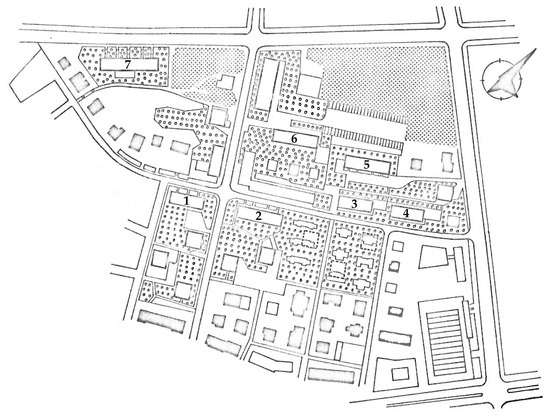
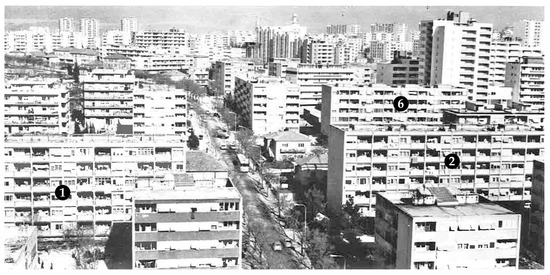
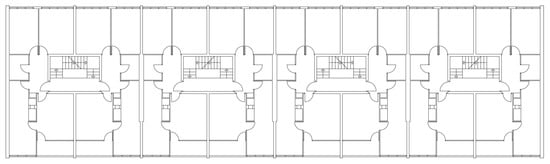
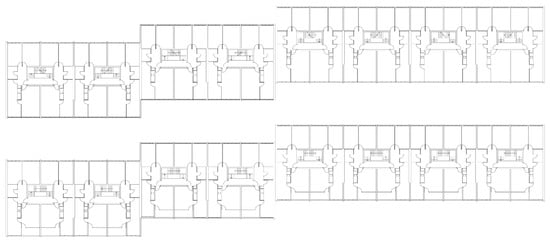
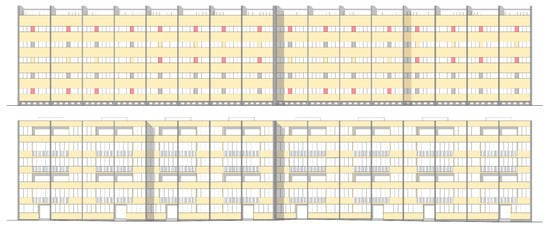
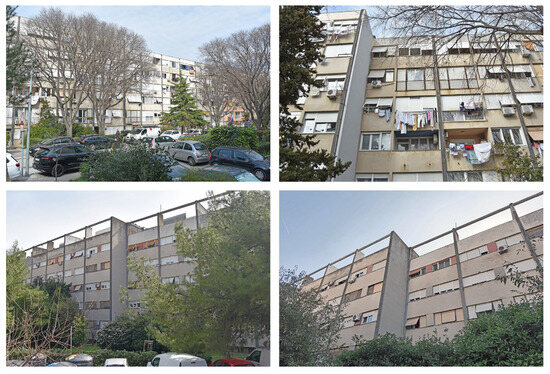
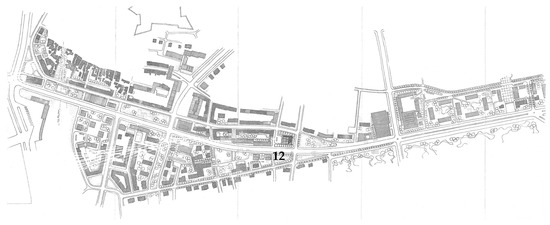
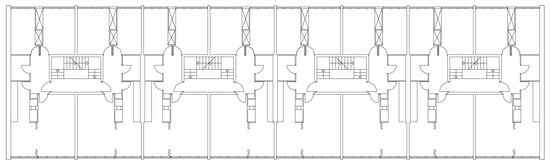
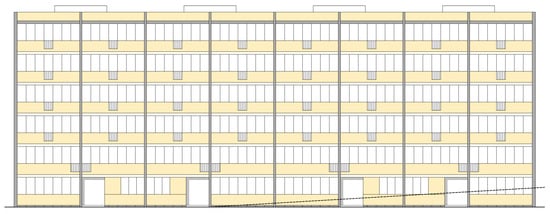
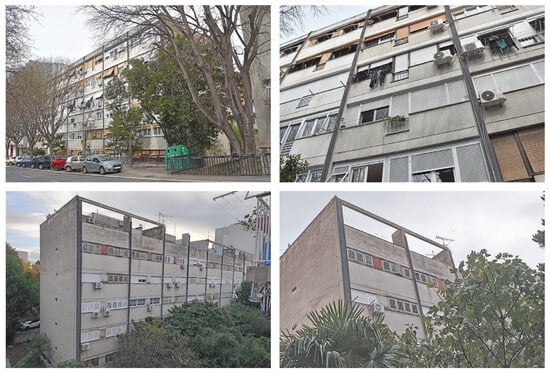
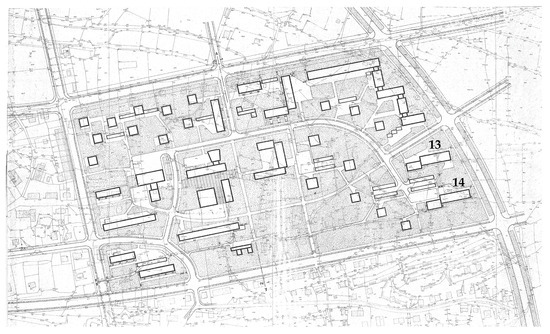
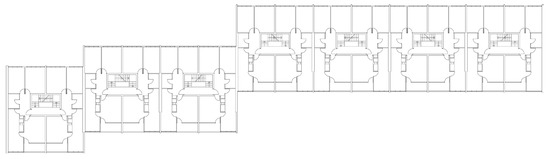
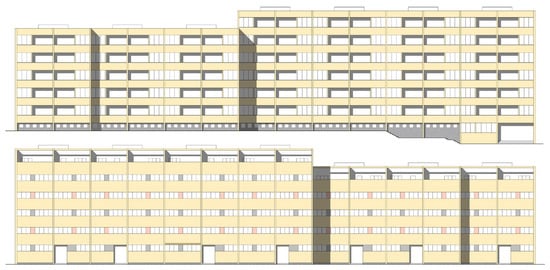
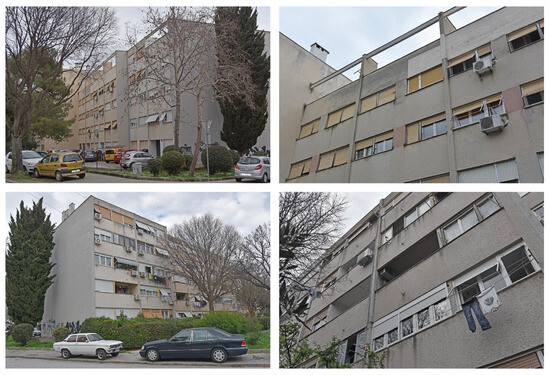
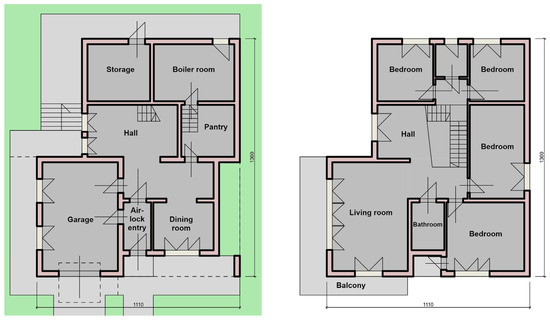
Josip Vojnović (Omiš, 1929–Split, 2008) is a prominent Croatian architect, primarily known in professional circles for organising the construction of Split 3, the expansion of Split during the 1970s. His professional career began with the design of primarily residential buildings and concluded with his position as a university professor. This article analyses the URBS 1 standard residential buildings constructed during the 1960s, which were intended to address the housing shortage in post-war Split. These buildings—the most notable part of Vojnović’s design work—were built in several locations throughout Dalmatia. Even at the time of their construction, they were recognised as a significant example of designed and executed standardised residential architecture. This research is based on archival materials from the State Archives in Split, the Archive of the Urban Planning Institute of Dalmatia–Split, as well as research in situ. The article examines the design of the standard building, including a functional analysis of the residential unit and all the floors, as well as a formal and compositional analysis of the façade. The URBS-1 buildings are an illustrative example of housing construction, due to their number, distribution and architectural features shaped by the economic, technological, social and cultural context of the time.
Full article

Figure 1
Open AccessArticle
Everyday Streets, Everyday Spatial Justice: A Bottom-Up Approach to Urbanism in Belfast
by
Agustina Martire, Aoife McGee and Aisling Madden
Architecture 2026, 6(1), 22; https://doi.org/10.3390/architecture6010022 - 2 Feb 2026
Abstract
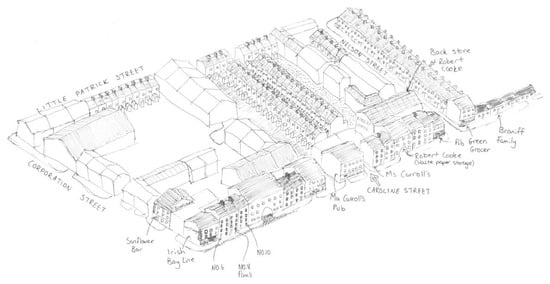
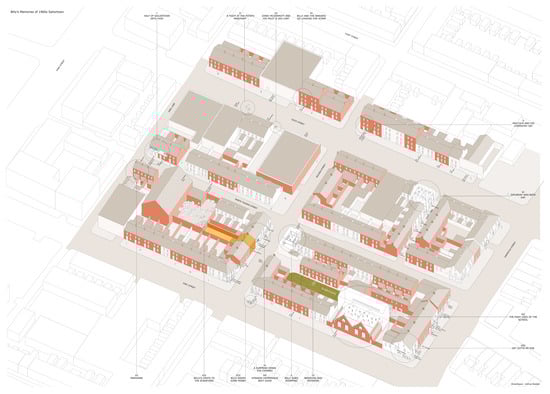
This article examines how everyday architecture can advance spatial justice in post-active conflict cities through ethnographic and participatory design. Drawing on a decade of work by the StreetSpace studio in Belfast (2015–2025), the paper explores how architecture students and community participants co-design spatial
[...] Read more.
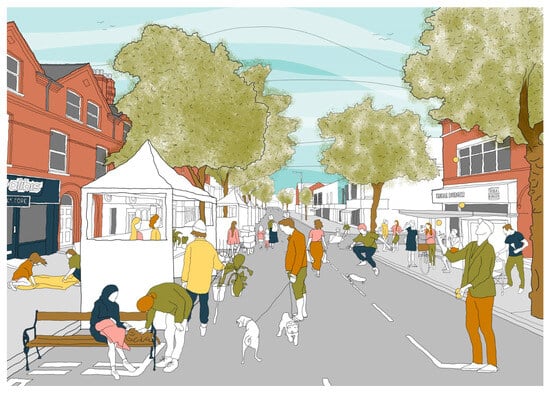
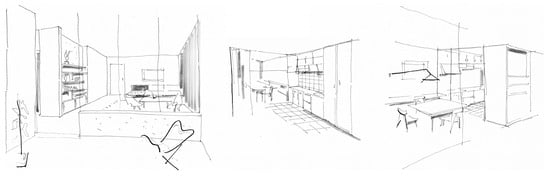
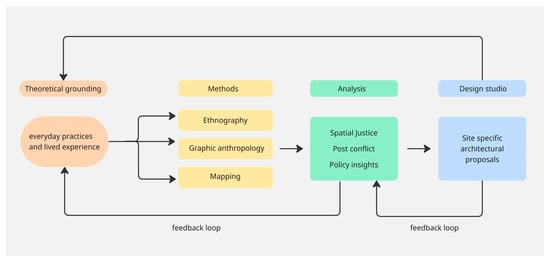
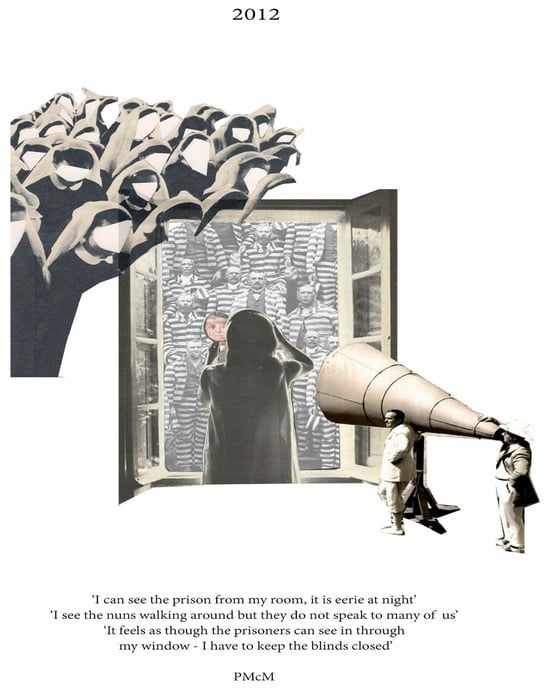
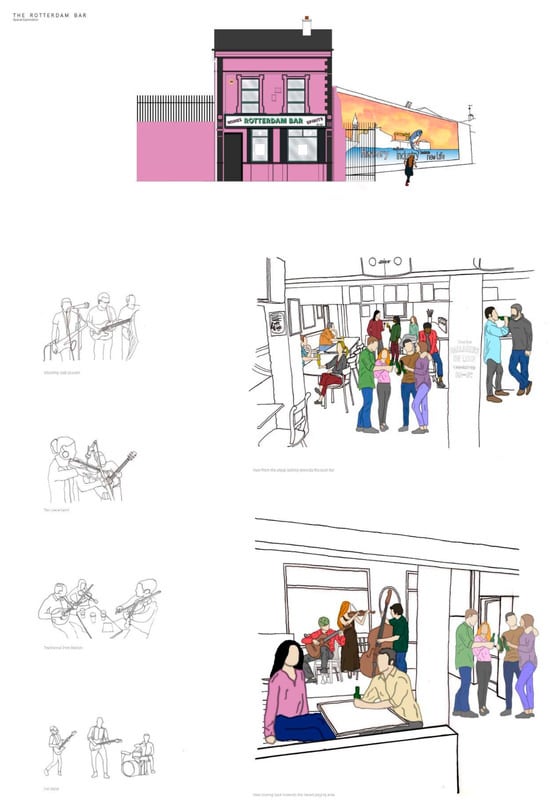
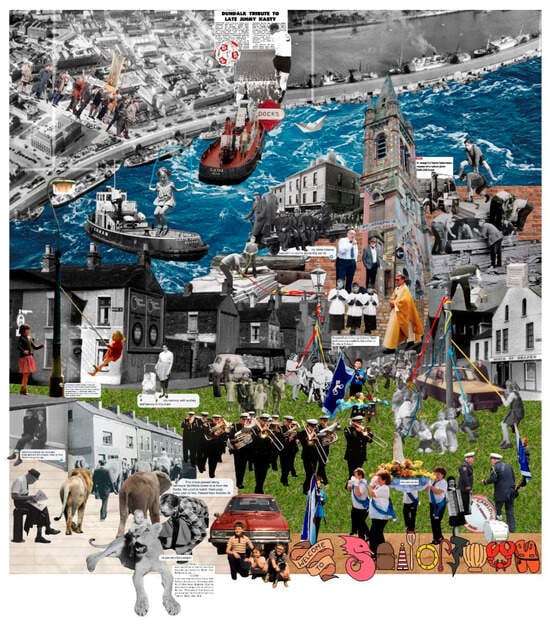
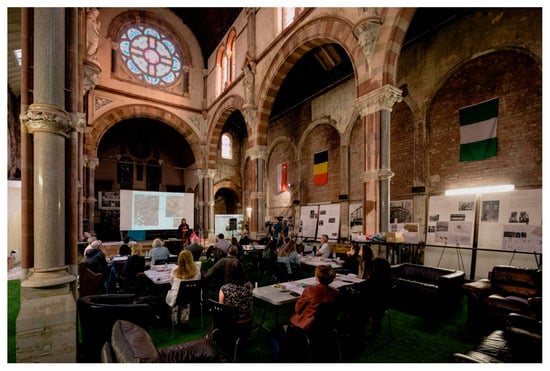
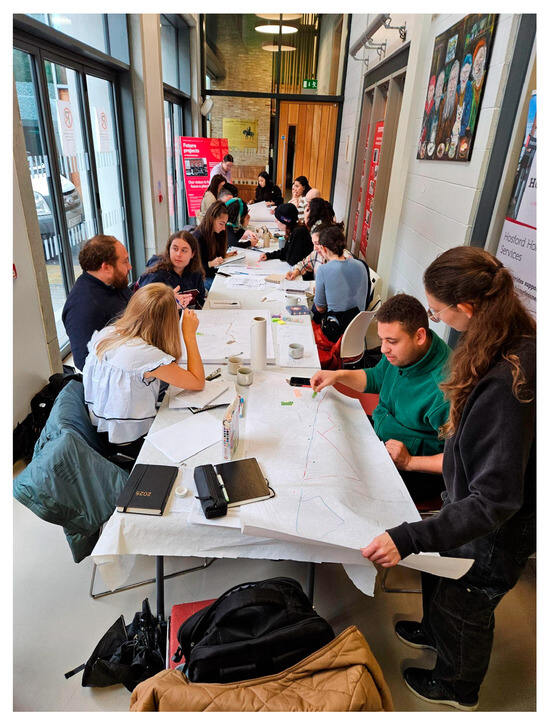
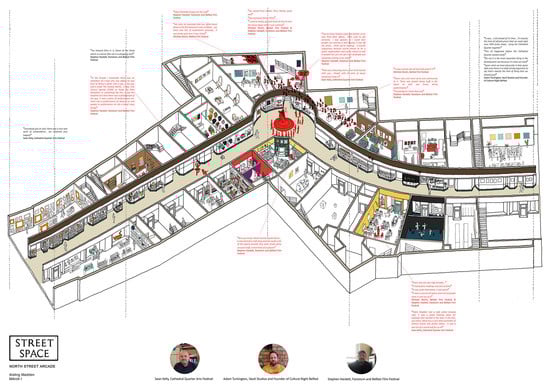
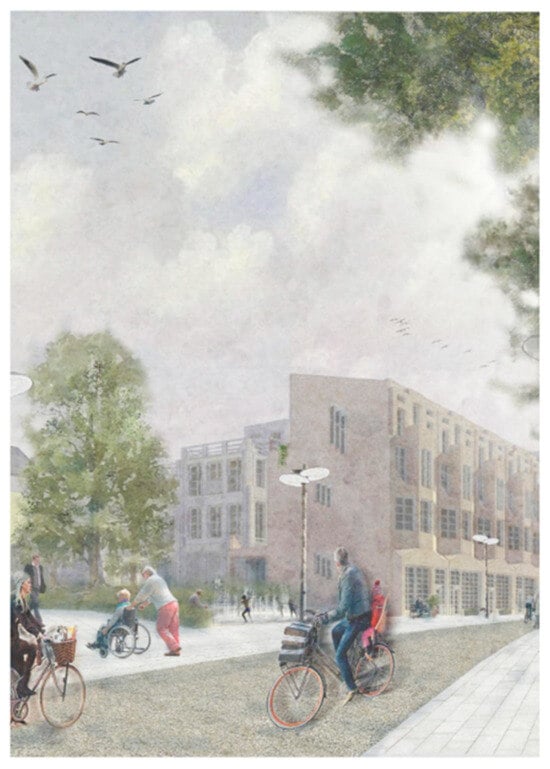
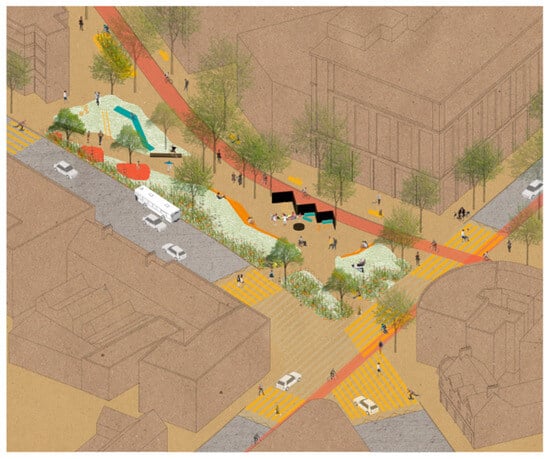
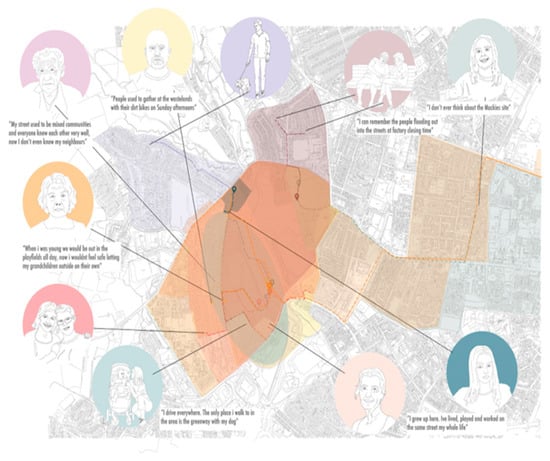
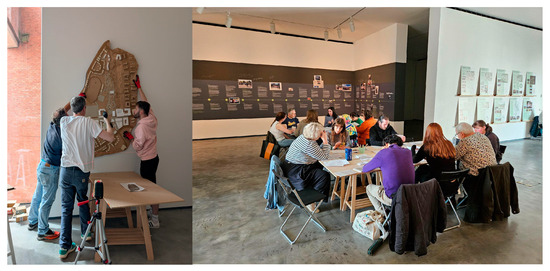
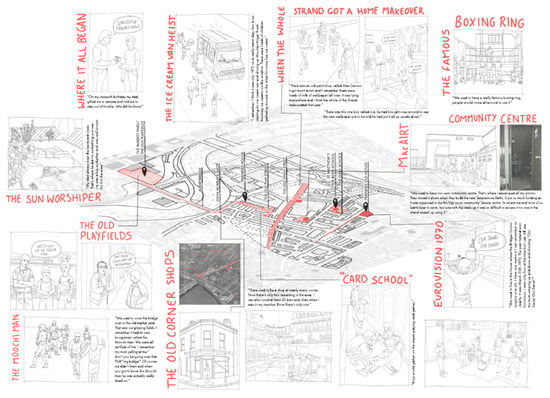
This article examines how everyday architecture can advance spatial justice in post-active conflict cities through ethnographic and participatory design. Drawing on a decade of work by the StreetSpace studio in Belfast (2015–2025), the paper explores how architecture students and community participants co-design spatial strategies that enhance mixed-use mid-density living, inclusive mobility, and street-level accessibility. In a context where car dominance, segregation, and privatisation of public space continue to fragment urban life, the everyday street becomes a testbed for envisioning an equitable and community-centred city. The studio’s methodology is grounded in ethnographic engagement, informed by an embedded anthropologist, and includes stakeholder mapping, walking workshops, and collaborative drawing. These practices reveal lived experiences and shape community-driven briefs for housing, schools, public spaces, and multifunctional infrastructure. Anchored in spatial justice discourse and feminist theory (Jane Jacobs, David Harvey, Roberto Rocco, Phil Hubbard, Leslie Kern, and Caroline Criado Perez), the work positions the everyday as a site of architectural agency and proposes a contemporary vernacular that is socially embedded and climate-resilient. This work unfolds through complex and often contested processes that require sustained, iterative engagement with people and places. Meaningful collaboration is neither linear nor inherently caring; it frequently involves conflict, disagreement, and competing priorities that must be navigated over time. Through long-term relationships with government departments, local authorities, and NGOs, StreetSpace demonstrates how architectural pedagogy can nonetheless contribute to policy formation and more inclusive urban redevelopment by engaging in compromise, critical negotiation, and moments of care alongside friction and resistance. Through a series of collaborations and public events the project has contributed to the transformation of Botanic Avenue, informed studies of the East Belfast Greenways through contributions to Groundswell and participated in embedded public processes in collaboration with PPR, culminating in an exhibition at the MAC in Belfast in 2025.
Full article
(This article belongs to the Special Issue Architecture of Compromise: Everyday Architecture for the Polycrisis)
►▼
Show Figures

Figure 1
Open AccessArticle
Typological Analysis of Spatial Continuity and Boundary Definition in Steven Holl’s Residential Architecture
by
Yurika Mori
Architecture 2026, 6(1), 21; https://doi.org/10.3390/architecture6010021 - 2 Feb 2026
Abstract
►▼
Show Figures
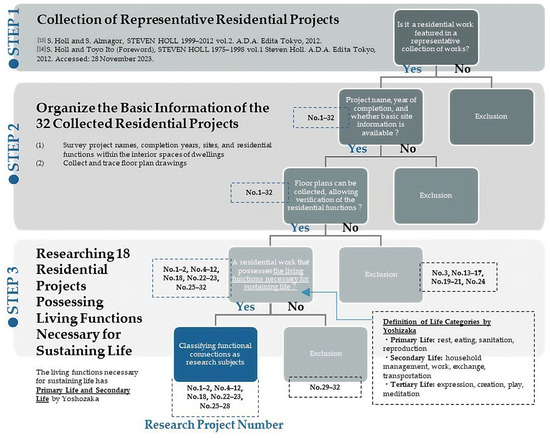
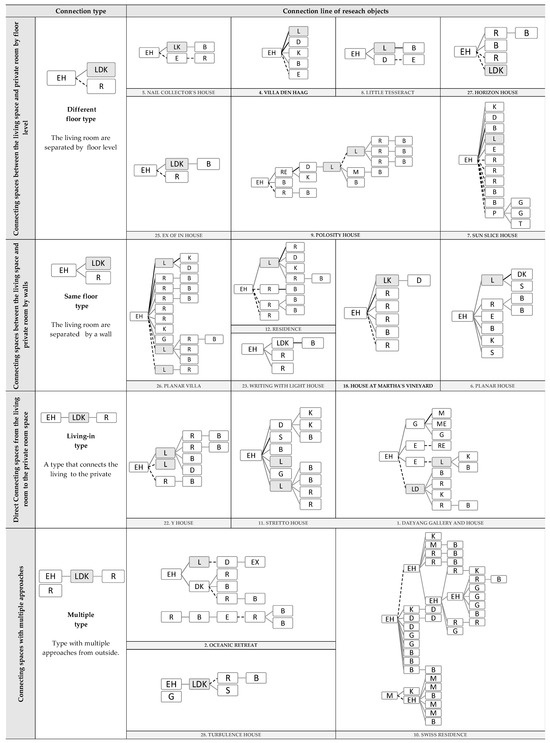
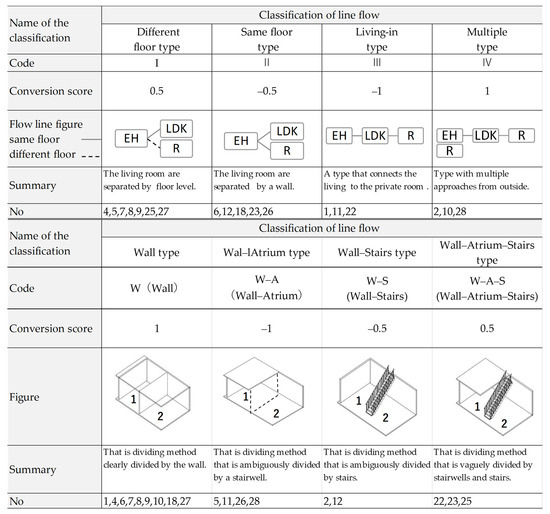
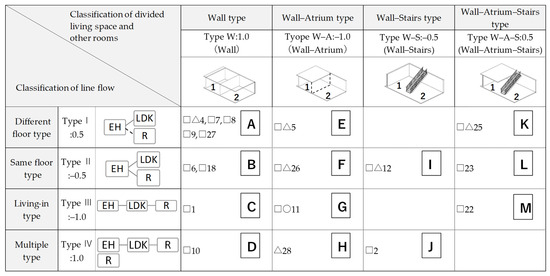
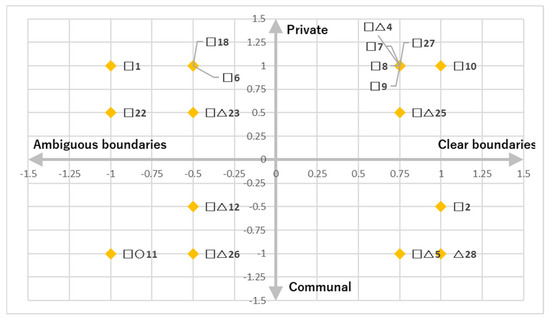
Design philosophy by Steven Holl shows his interest in the spatial experience aspect of architecture in the way people perceive space. This study focuses on the composition of spatial connections in 18 residential projects. The objective is to clarify the continuity of the
[...] Read more.
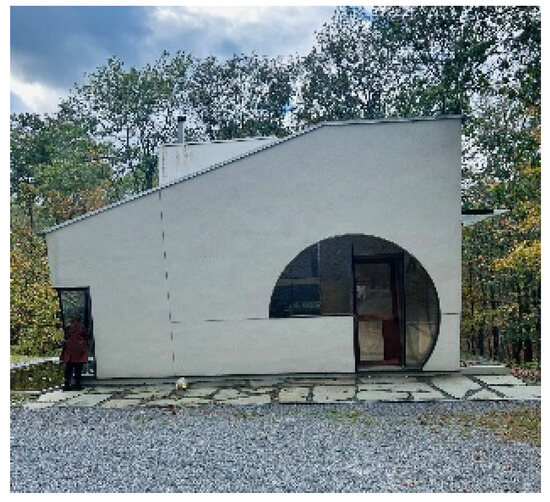
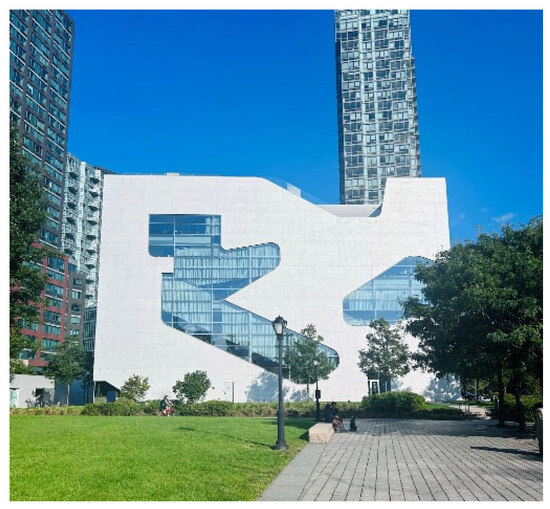
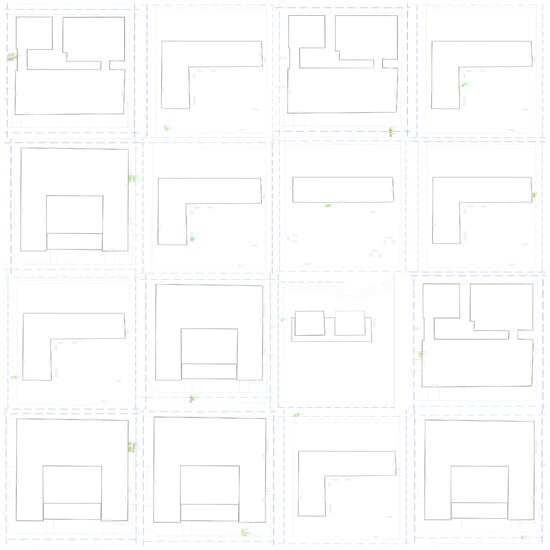
Design philosophy by Steven Holl shows his interest in the spatial experience aspect of architecture in the way people perceive space. This study focuses on the composition of spatial connections in 18 residential projects. The objective is to clarify the continuity of the living room through floor plan classification and matrix analysis, which is highly relevant in that it helps bridge the gap in understanding the functional and structural mechanisms inherent in architectural design theory, particularly in the projects. As a result, the residential projects can be classified into four categories in terms of continuity of living room, and it has a unique type of expression in their residential projects. This study is limited to analyzing only the first-floor plan and does not examine other drawings, such as sectional or elevation views, nor does it consider other residential projects. Therefore, the analysis has limitations. This study classified and discussed the continuity and spatial connections within the living room, thereby contributing to the discourse on design methodology in relation to architectural theory and phenomenology.
Full article

Figure 1
Open AccessReview
The Notion of Value in the Global Academic Discourse: Identification and Representation in the Main Approaches to Cultural Heritage Preservation
by
Jelena Šćekić, Marko Nikolić and Aleksandra Milovanović
Architecture 2026, 6(1), 20; https://doi.org/10.3390/architecture6010020 - 1 Feb 2026
Abstract
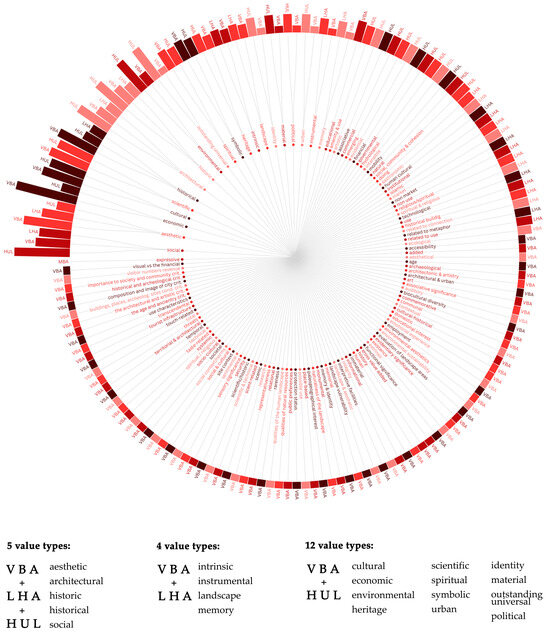
This study examines how the notion of value is defined, recognised, and operationalised within the four main approaches to cultural heritage preservation: the material-based, value-based, living heritage, and historic urban landscape approaches. Positioned within the broader discourse on the evolving understanding of cultural
[...] Read more.
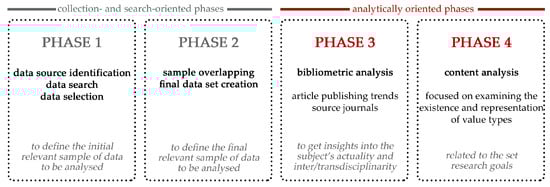
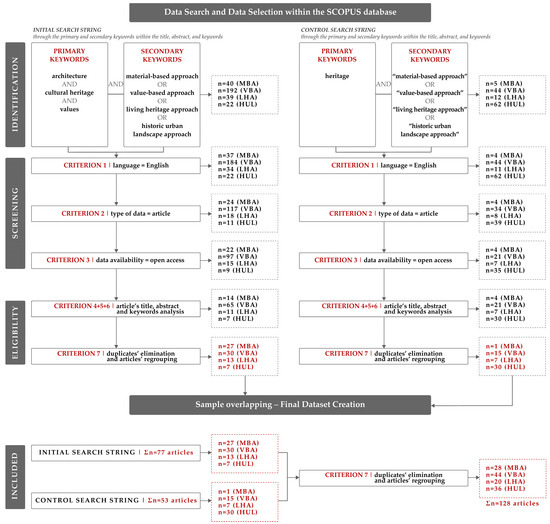
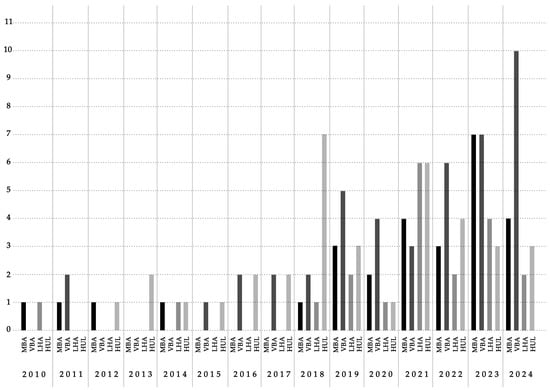
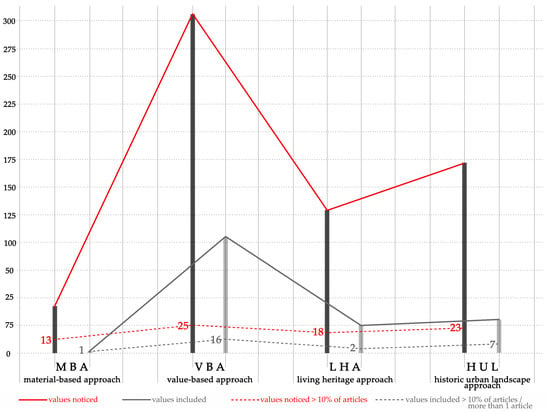
This study examines how the notion of value is defined, recognised, and operationalised within the four main approaches to cultural heritage preservation: the material-based, value-based, living heritage, and historic urban landscape approaches. Positioned within the broader discourse on the evolving understanding of cultural heritage—from fixed, expert-driven interpretations toward more contextual, socially constructed, and participatory perspectives—this research aims to address which value types are recognised, and how and to what extent they are operationalised by applying four main approaches to cultural heritage preservation. The methodology comprises four phases: (1) the identification, search, and selection of academic articles in the Scopus database, (2) sample overlapping and elimination of duplicates to establish a final dataset, (3) bibliometric analysis to determine publishing trends and disciplinary reach, and (4) content analysis to identify, classify, and compare value types across the selected approaches. The results reveal significant variation in how values are represented, as well as notable inconsistency in their direct inclusion in research processes. While cultural, historical, aesthetic, social, and economic values dominate across approaches, only a fraction of studies operationalise values through defined criteria or indicators. The findings highlight the absence of consensus in value interpretation and emphasise the need for more systematic, integrative, and operationalisable frameworks for treating values in the process of cultural heritage preservation.
Full article
(This article belongs to the Special Issue Assessing Values in Sustainable Heritage Conservation: Between Theory and Practice)
►▼
Show Figures

Figure 1
Open AccessReview
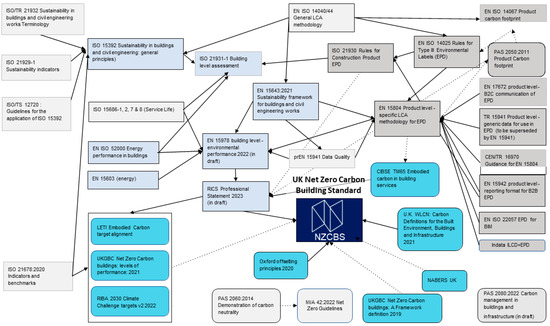
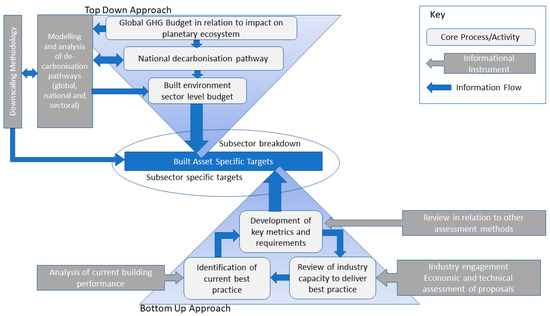
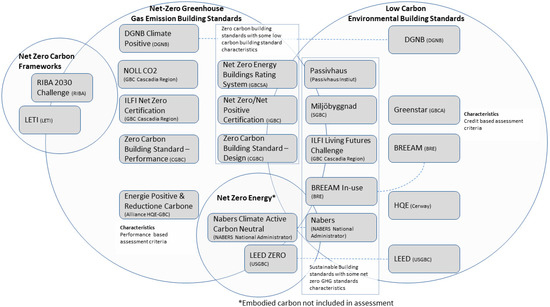
A Review of Net-Zero Greenhouse Gas (GHG) Emission Non-Regulatory Environmental Building Standards and Frameworks
by
Simon Hatherley, Craig Robertson, Esfand Burman and Dejan Mumovic
Architecture 2026, 6(1), 19; https://doi.org/10.3390/architecture6010019 - 29 Jan 2026
Abstract
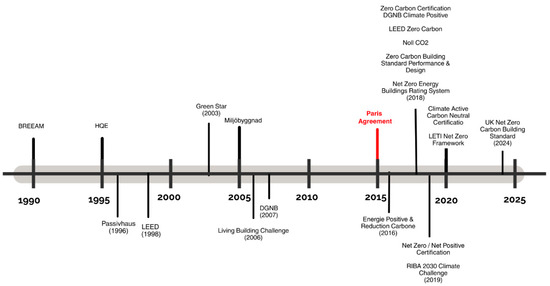
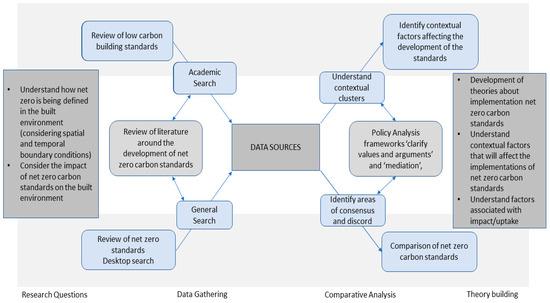
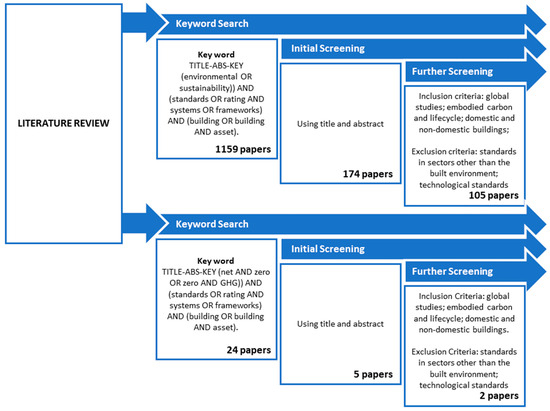
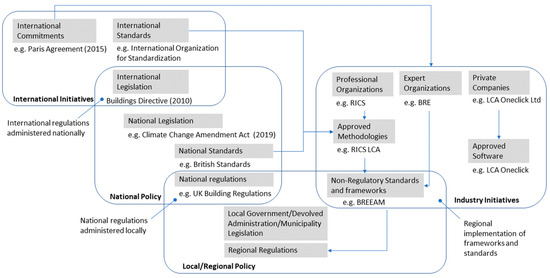
Non-regulatory environmental building standards have been used in the built environment for more than thirty years and have had considerable influence over building development and policy. This paper identifies a trend, following the Paris Agreement, towards a new generation of non-regulatory building standards
[...] Read more.
Non-regulatory environmental building standards have been used in the built environment for more than thirty years and have had considerable influence over building development and policy. This paper identifies a trend, following the Paris Agreement, towards a new generation of non-regulatory building standards and frameworks based on defining net-zero greenhouse gas (GHG) emission performance. These standards and frameworks have been developed in response to the imperatives of the Paris Agreement and other contextual drivers. Post-Paris Agreement, net-zero GHG emission standards have the following characteristics: a threshold-based approach to achieving certification; the use of a small number of metrics (typically two: operational energy and embodied carbon); and compliance based on operational performance rather than predicted operational energy use with models used to replicate the building in use. This paper will discuss global non-regulatory, net-zero GHG emission standards comparing the relative requirements and highlighting commonalities and differences. The paper also compares the post-Paris Agreement, net-zero GHG emission standards with pre-Paris Agreement low carbon credit-based environmental building standards considering their role in the development of net-zero GHG building standards and the possible impact of performance-based standards on new buildings. This study is relevant for policy makers, designers, and building developers by identifying the developing global consensus around what constitutes a net-zero GHG building and theorises, in relation to their developmental context, the implications of widespread implementation of these standards.
Full article
(This article belongs to the Special Issue Net Zero Architecture: Pathways to Carbon-Neutral Buildings)
►▼
Show Figures

Figure 1
Open AccessArticle
Reimagining Closed Open Spaces (COSs): A Multiscalar Landscape Approach to Urban Integration Through Hybrid Open Spaces (HOSs)
by
Úrsula Hernández Vélez and Raquel Tardin-Coelho
Architecture 2026, 6(1), 18; https://doi.org/10.3390/architecture6010018 - 28 Jan 2026
Abstract
In many Latin American cities, rapid densification, shrinking public land reserves, and growing spatial, social and biophysical fragmentation have heightened the urban significance of large, private, closed open spaces (COSs). COS, marked by restricted access and social homogeneity, operate as capsular urban models
[...] Read more.
In many Latin American cities, rapid densification, shrinking public land reserves, and growing spatial, social and biophysical fragmentation have heightened the urban significance of large, private, closed open spaces (COSs). COS, marked by restricted access and social homogeneity, operate as capsular urban models that limit socio-environmental integration, urban continuity and resilience. Far from being mere enclaves, the reconfiguration of COS emerges as a critical response to contemporary urban challenges with the capacity to reshape urban structures by generating new social and spatial connectivities. This article examines the transformation of COSs in urban contexts, such as golf clubs, into accessible public landscapes as hybrid open spaces (HOSs), a topic that remains underexplored internationally. For that, this research proposes a design-oriented, multiscalar framework (city and zonal/local) that integrates open and closed spatial programs within the wider urban open space system. Considering urban, biophysical, and sociocultural dynamics, and drawing on the concepts of accessibility, connectivity, diversity, and flexibility, the study develops guidelines and design strategies for hybridising private and public recreational and environmental uses to strengthen urban integration. Using El Rodeo Gold Club in Medellín as a case study, the work contributes to landscape architecture by advancing the transformation of underutilised COS into inclusive, multifunctional HOS, positioning COS as a strategic asset for sustainable urban environments. The framework can be replicable in other similar contexts.
Full article
(This article belongs to the Special Issue Advancing Resilience in Architecture, Urban Design and Planning)
Open AccessArticle
This Is ‘Home’: Uncovering the Multifaceted Sense of Home via Sensory and Narrative Approaches in Dementia Care
by
Natsumi Wada, Silvia Maria Gramegna and Asia Nicoletta Perotti
Architecture 2026, 6(1), 17; https://doi.org/10.3390/architecture6010017 - 28 Jan 2026
Abstract
This study examines how the sense of home for people with dementia is shaped not only by physical settings but by dynamic atmospheric compositions emerging through memory, sensation, and everyday practices. Building on a preliminary literature mapping that identified three dimensions of home
[...] Read more.
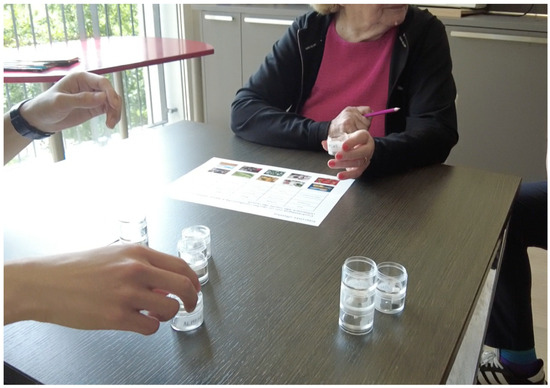
This study examines how the sense of home for people with dementia is shaped not only by physical settings but by dynamic atmospheric compositions emerging through memory, sensation, and everyday practices. Building on a preliminary literature mapping that identified three dimensions of home in later-life care environments—safe space, small world, and connection—we developed a multisensory co-design toolkit combining key-element cards and curated olfactory prompts. The study was conducted in a dementia-friendly residential care facility in Italy. Nine residents with mild–moderate dementia (aged 75–84) participated in two group sessions and six individual sessions, facilitated by two design researchers with care staff present. Data consist of audio-recorded and transcribed interviews, guided olfactory sessions, and researcher fieldnotes. Across sessions, participants articulated “small worlds” as micro-environments composed of meaningful objects, bodily comfort, routines, and sensory cues that supported emotional regulation and identity continuity. Olfactory prompts, administered through a low-intensity and participant-controlled protocol, supported scene-based autobiographical recall for some participants, often eliciting memories of domestic rituals, places, and relationships. Rather than treating home-like design as a fixed architectural style, we interpret home as continuously re-made through situated sensory–temporal patterns and relational practices. We translate these findings into atmospheric design directions for dementia care: designing places of self and refuge, staging accessible material memory devices, embedding gentle olfactory micro-worlds within daily routines, and approaching atmosphere as an ongoing process of co-attunement among residents, staff, and environmental conditions. The study contributes a methodological and conceptual framework for multisensory, narrative-driven approaches to designing home-like environments in long-term care.
Full article
(This article belongs to the Special Issue Atmospheres Design)
►▼
Show Figures

Figure 1
Open AccessArticle
Enhancing Urban Air Quality Resilience Through Nature-Based Solutions: Evidence from Green Spaces in Bangkok
by
Aye Pyae Pyae Aung, Kim Neil Irvine, Alisa Sahavacharin, Fa Likitswat, Jitiporn Wongwatcharapaiboon, Adrian Lo and Detchphol Chitwatkulsiri
Architecture 2026, 6(1), 16; https://doi.org/10.3390/architecture6010016 - 28 Jan 2026
Abstract
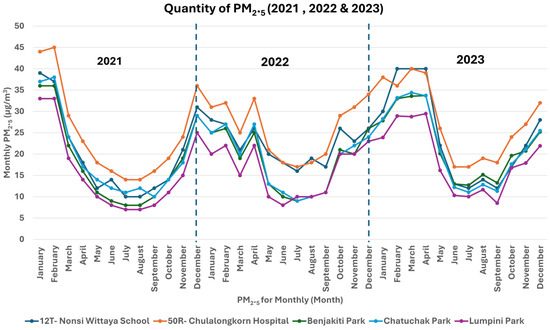
Rapid urbanization and persistent air pollution threaten the functional resilience of megacities in Southeast Asia, particularly Bangkok, where PM2.5 concentrations consistently exceed World Health Organization (WHO) guidelines. To strengthen urban adaptive capacity, this study investigates the role of Nature-based Solutions (NbS), particularly
[...] Read more.
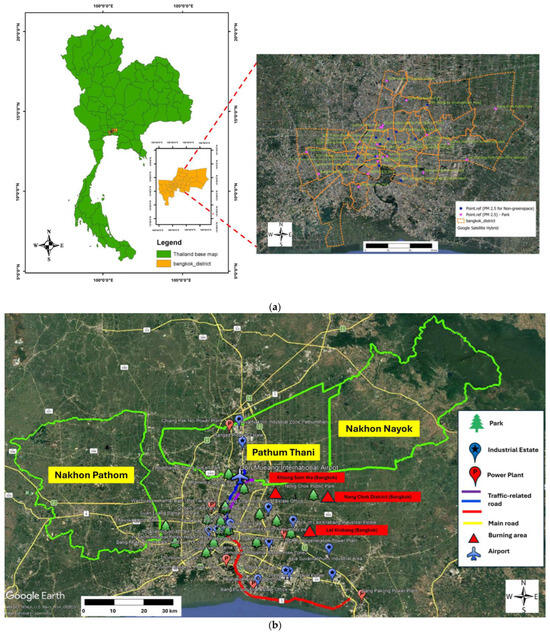
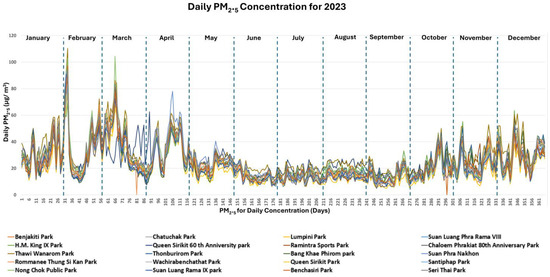
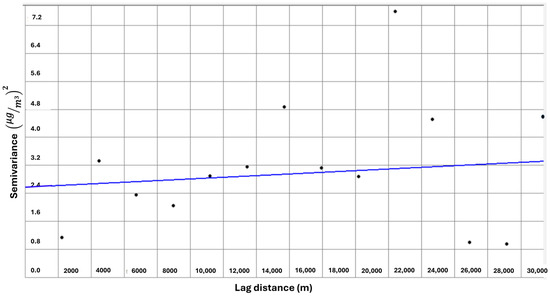
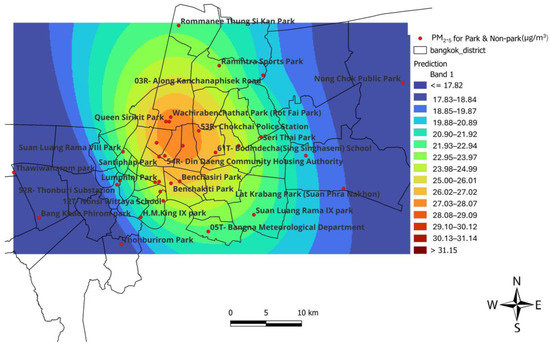
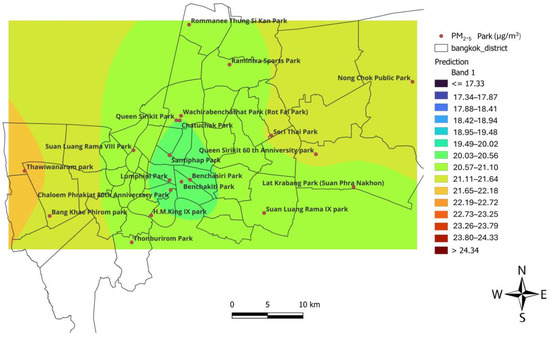
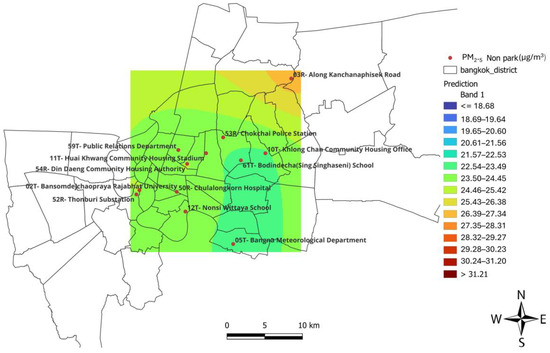
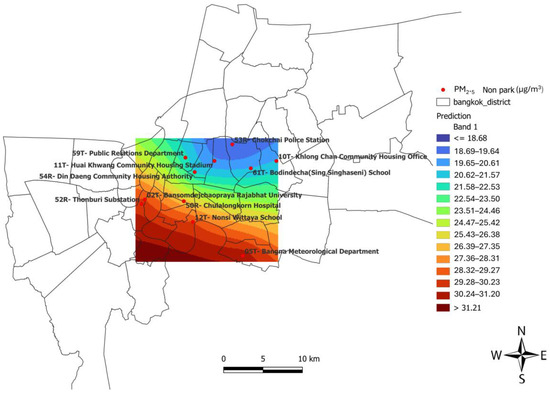
Rapid urbanization and persistent air pollution threaten the functional resilience of megacities in Southeast Asia, particularly Bangkok, where PM2.5 concentrations consistently exceed World Health Organization (WHO) guidelines. To strengthen urban adaptive capacity, this study investigates the role of Nature-based Solutions (NbS), particularly urban green spaces, as resilience-oriented infrastructure for air quality management. Using data from 32 monitoring stations across the Bangkok Metropolitan Administration (BMA) and surrounding areas from 2021 to 2023, spatial and temporal trends in PM2.5 concentrations were analyzed through geostatistical modeling and inferential statistics. Although all sites exceeded the WHO PM2.5 guideline of 5 µg/m3, larger and more connected green spaces consistently exhibited better air-quality than the surrounding non-green urban mosaic. Areas with extensive vegetation, greater canopy cover, and more compact park geometries (lower perimeter-to-area ratios) demonstrated improved pollution attenuation capacity, while fragmented parks are more exposed to surrounding emissions. Integration of Local Climate Zone (LCZ) classification further indicated that compact high-rise zones and high-traffic corridors exhibited higher PM2.5 levels due to reduced airflow and structural confinement. The study underscores the need to embed NbS within resilience-based urban planning to promote long-term environmental stability and public health recovery in rapidly urbanizing megacities like Bangkok.
Full article
(This article belongs to the Special Issue Sustainable Built Environments and Human Wellbeing, 2nd Edition)
►▼
Show Figures

Figure 1
Open AccessArticle
Aging and Caring Architecture: A Theoretical Approach from the Ethics of Care
by
Irene González-Fernández and Lucía C. Pérez-Moreno
Architecture 2026, 6(1), 15; https://doi.org/10.3390/architecture6010015 - 28 Jan 2026
Abstract
►▼
Show Figures
Rethinking architecture is an urgent task for creating caring, democratic, and sustainable environments for older adults. In Spain, architectural design has historically been disconnected from the complex dimensions of care, leaving a critical gap in the discipline’s engagement with the implementation of community-based,
[...] Read more.
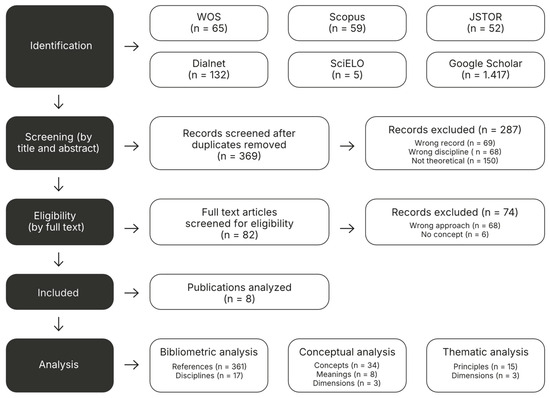
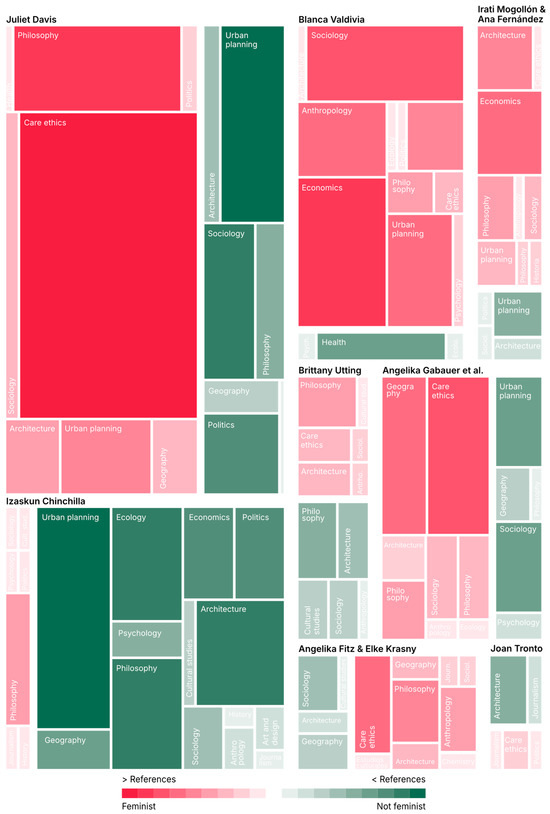
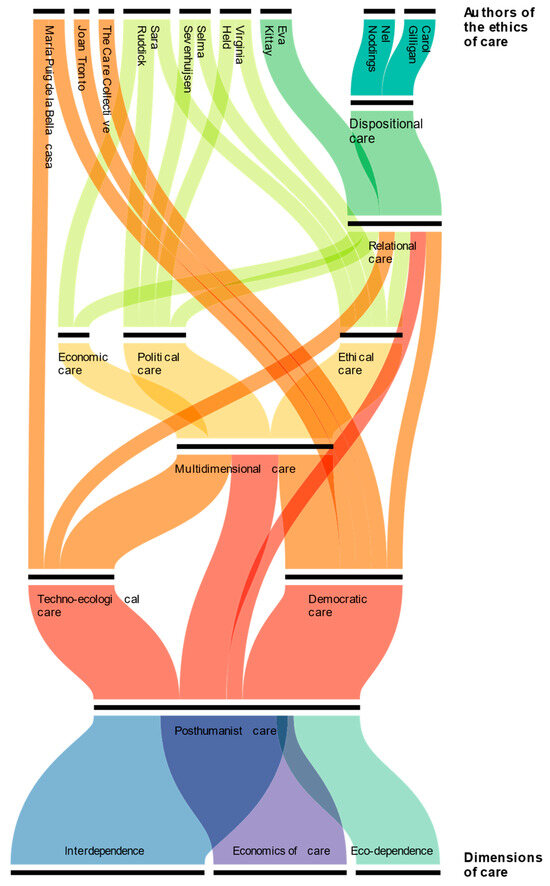
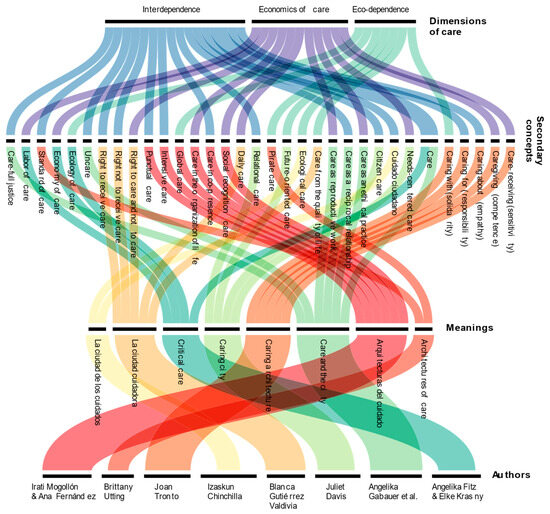
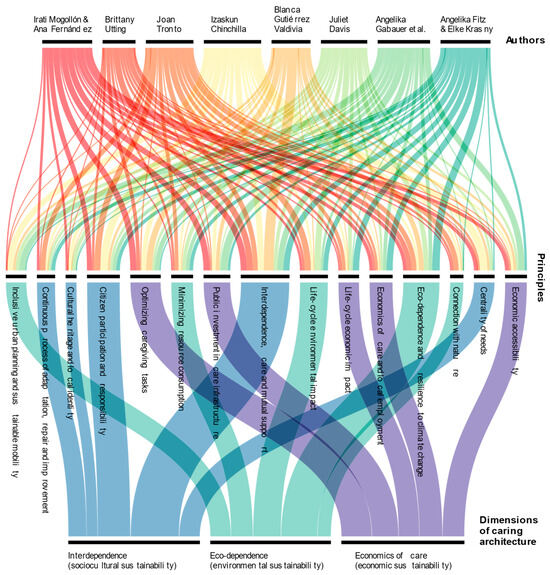
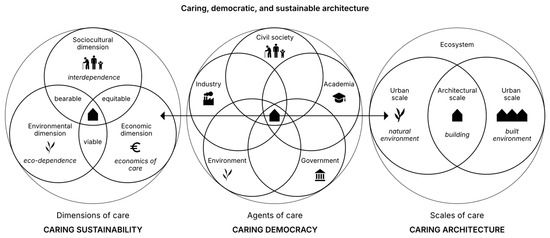
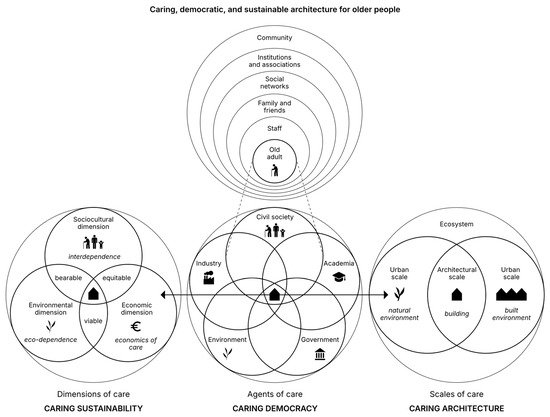
Rethinking architecture is an urgent task for creating caring, democratic, and sustainable environments for older adults. In Spain, architectural design has historically been disconnected from the complex dimensions of care, leaving a critical gap in the discipline’s engagement with the implementation of community-based, person-centered care typologies. Following the COVID-19 pandemic, the term caring architecture has rapidly proliferated in Spanish architectural discourse, in which care has become central to political debate and spatial strategies. In this context, this article develops a theoretical framework for transitioning from institutional architecture toward a caring architecture for older people. The study is based on a theory-oriented systematic literature review and critical analysis of key theoretical approaches that intersect architecture, urbanism, and the ethics of care. Through bibliometric, conceptual, and thematic analyses of eight selected publications, three dimensions of care ethics are identified: interdependence, economics of care, and eco-dependence. The research shows that these dimensions of care resonate closely with the democratic quintuple helix model and the sociocultural, economic, and environmental pillars of holistic sustainability. The alignment between care, democracy, and sustainability underpins the proposed conceptual framework of caring, democratic, and sustainable architecture for older people. This theoretical paradigm enables transitioning from institutional settings to built environments that promote well-being, community connectedness, and respect for both people and the planet.
Full article

Figure 1
Open AccessReview
Framing Atmospheres: The Display Window as a Dioramic Device for Atmospheric Experimentation in Historical and Contemporary Exhibit Design Culture
by
Marta Elisa Cecchi
Architecture 2026, 6(1), 14; https://doi.org/10.3390/architecture6010014 - 27 Jan 2026
Abstract
When the breath of a passerby momentarily clouds the glass of a display window that distinctly withdraws from the urban continuum, it signals the presence of a perceptual threshold, an atmospheric interruption before resuming its path. This liminal space engages the observer not
[...] Read more.
When the breath of a passerby momentarily clouds the glass of a display window that distinctly withdraws from the urban continuum, it signals the presence of a perceptual threshold, an atmospheric interruption before resuming its path. This liminal space engages the observer not through physical entry, but through a multisensory activation. While the notion of atmosphere has been extensively theorised in architecture and environmental aesthetics, its implications remain insufficiently explored within retail design, particularly in the spatial and exhibit design perspective in the display window. Contemporary shop windows aim to engage passersby beyond mere product visibility; the need to articulate and design for atmosphere becomes more urgent. This article offers an atmospheric interpretation of the display window, understood not simply as a commercial interface or spatial facade but as a dioramic device in which all elements are staged in evocative micro-environments. Through the reinterpretation of selected historical and contemporary case studies, the research positions the display window as a privileged site for atmospheric experimentation. By framing window display design as an environmental and perceptual construct, the study contributes to the broader discourse on atmospheres, advancing the atmospheric paradigm as an operative approach for contemporary exhibit and spatial design practices.
Full article
(This article belongs to the Special Issue Atmospheres Design)
Open AccessArticle
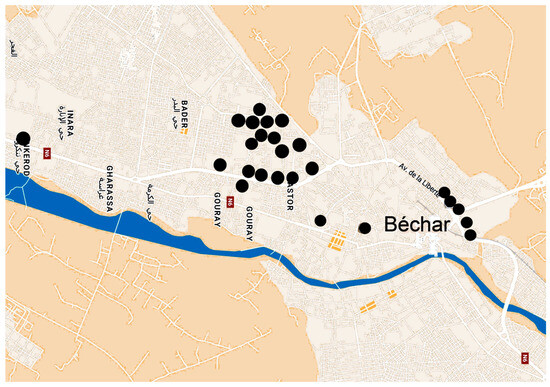
Assessing Identity in the Recent Algerian Architectural Production: Case of Administrative Buildings of Béchar
by
Mohammed Miloudi and Ratiba Wided Biara
Architecture 2026, 6(1), 13; https://doi.org/10.3390/architecture6010013 - 26 Jan 2026
Abstract
►▼
Show Figures
This research addresses the issue of architectural identity. The loss of architectural identity in recent Algerian architectural production is a well-established fact that is frequently criticized by both specialists and the public. While the concept of architectural identity is widely used, it is
[...] Read more.
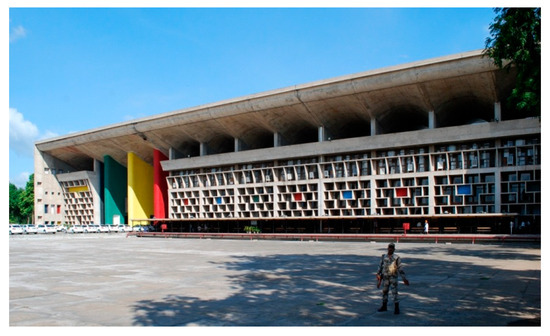
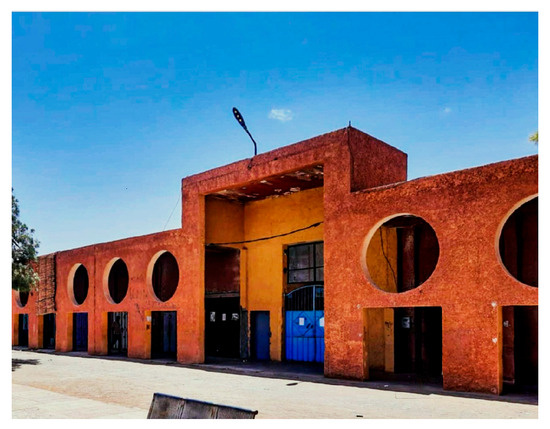
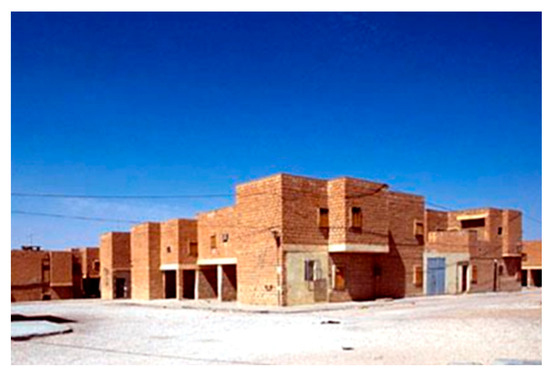
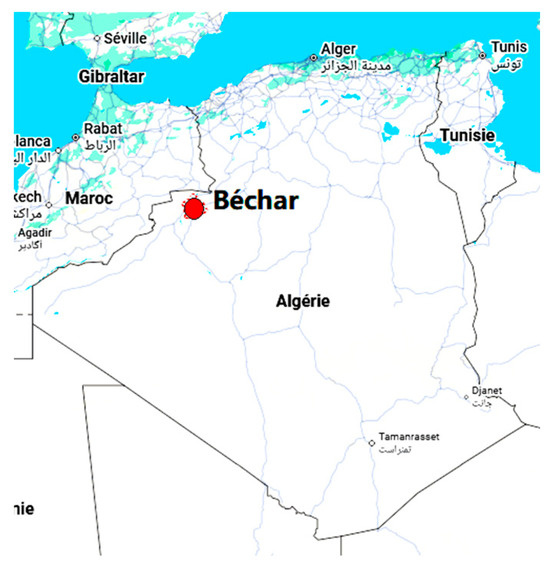
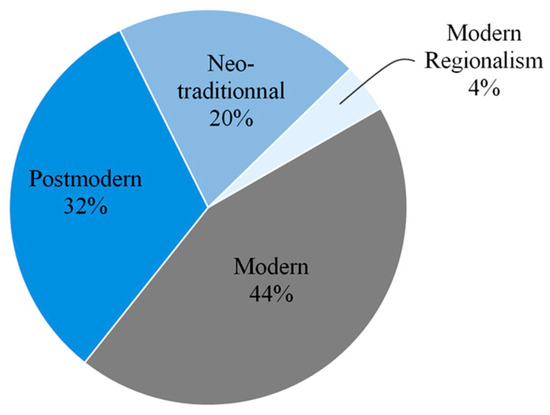
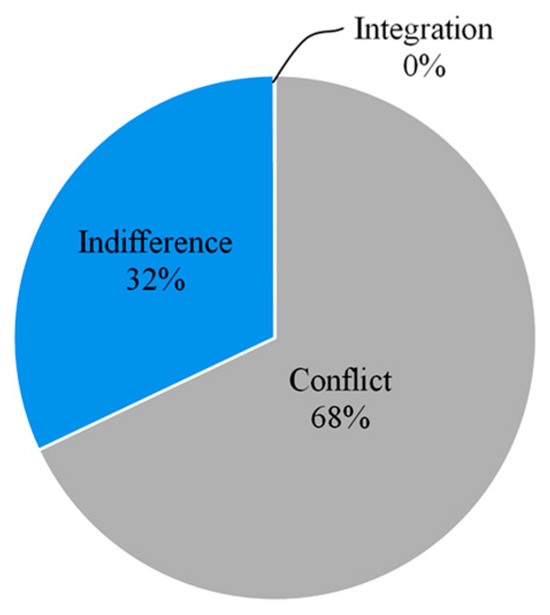
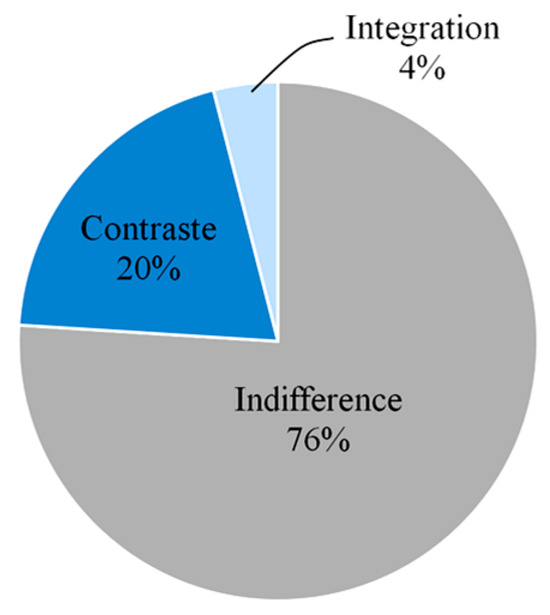
This research addresses the issue of architectural identity. The loss of architectural identity in recent Algerian architectural production is a well-established fact that is frequently criticized by both specialists and the public. While the concept of architectural identity is widely used, it is often based on an overly simplistic perspective, typically limited to a few formal and esthetic patterns. This study aims to analyze the problem of the loss of architectural identity by rigorously defining the concept and identifying the tangible factors that influence it. We selected the city of Béchar, focusing specifically on its recently constructed administrative buildings, to examine this issue. We hypothesized that these buildings denote a loss of identity. To achieve the study’s objective, we first developed a multidimensional model for building analysis based on a literature review. We defined three parameters: design references, climatic considerations, and the relationship with the urban environment. The results indicate a general loss of identity caused by the inadequate integration of these three factors. This research demonstrates that architectural identity can serve as a genuine issue, enabling us to address fundamental design problems. The creative valorization of precedents allows us to focus on ideas and principles rather than appearances. Integrating the climatic factor promotes building sustainability and reduces their energy consumption, particularly in challenging climates, like that of Béchar. Finally, urban integration can produce livable, attractive spaces.
Full article

Figure 1

Open AccessEditorial
Introducing the Section “Sustainable Design and Building Performance”: Architecture as the Integrative Force for Environmental Futures
by
Zhonghua Gou
Architecture 2026, 6(1), 12; https://doi.org/10.3390/architecture6010012 - 22 Jan 2026
Abstract
Sustainability is increasingly recognized as a cornerstone of contemporary architectural discourse, central to the mission of this journal [...]
Full article
(This article belongs to the Section Sustainable Design and Building Performance)
Open AccessArticle
The Impact of Sociocultural Aspects on Energy Consumption in Residential Buildings in Riyadh, Saudi Arabia
by
Reem Jandali, Ahmad Taki and Sahar Abdelwahab
Architecture 2026, 6(1), 11; https://doi.org/10.3390/architecture6010011 - 20 Jan 2026
Abstract
This study explores the intersection of sociocultural factors, particularly privacy, with energy consumption patterns in residential buildings in Riyadh, Saudi Arabia. While cultural values around privacy have long been recognised as influential in residential design, the impact of these values on energy consumption
[...] Read more.
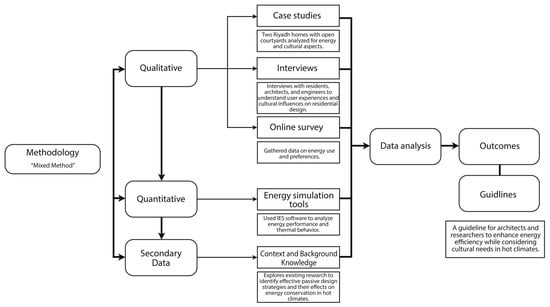
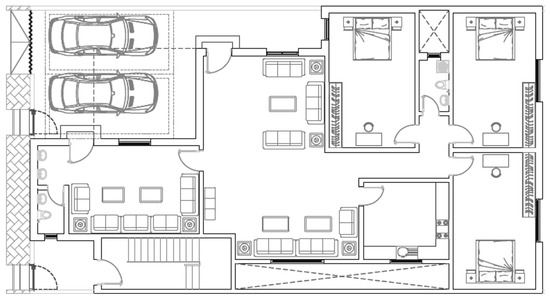
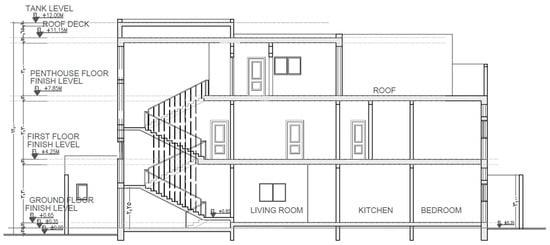
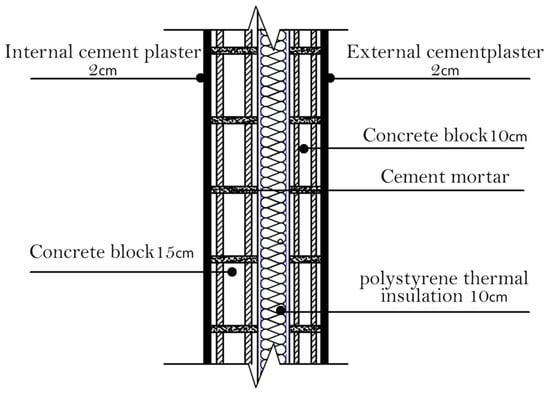
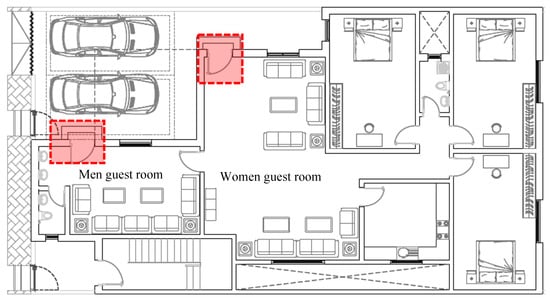
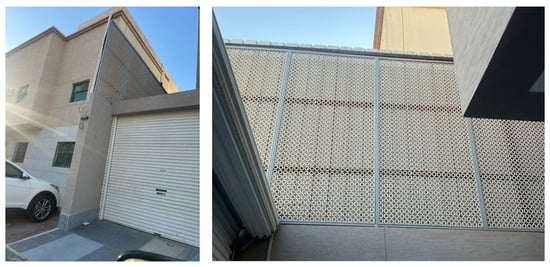
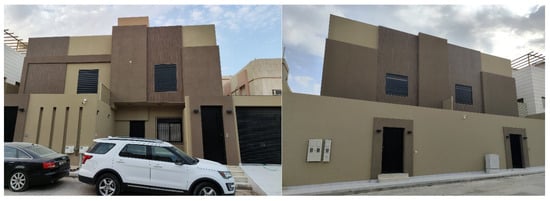
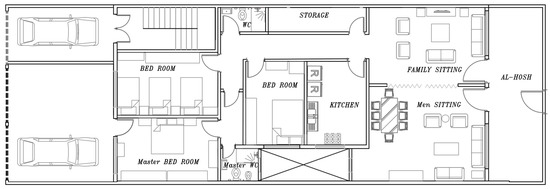
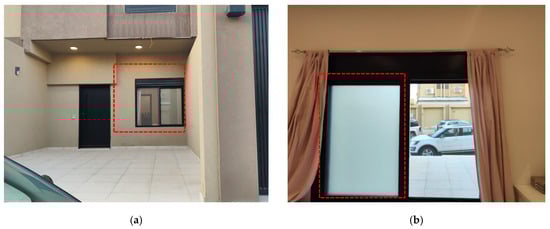
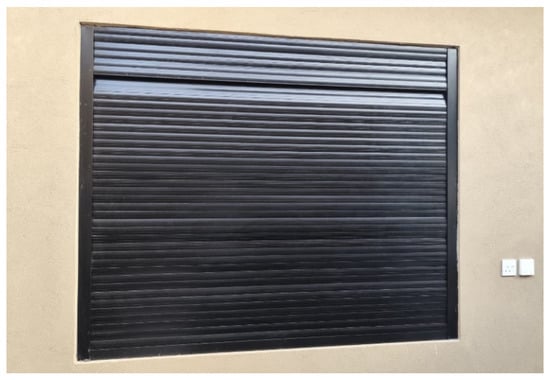
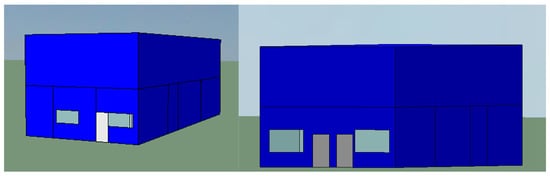
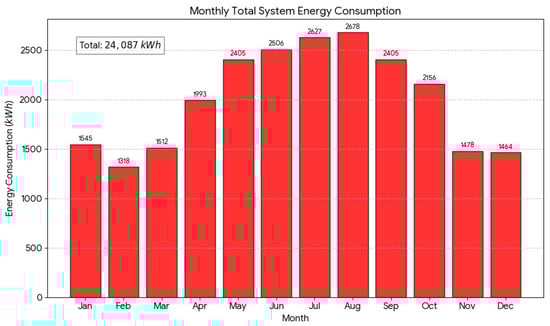
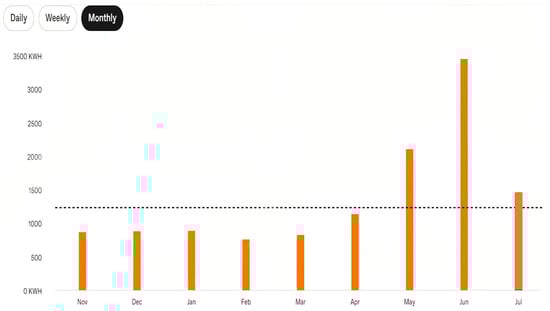
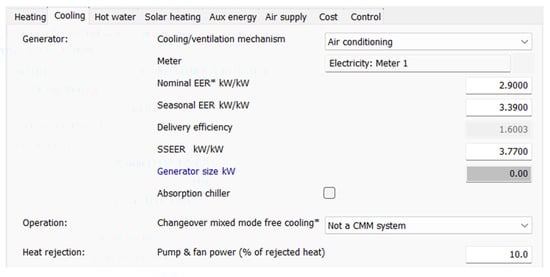
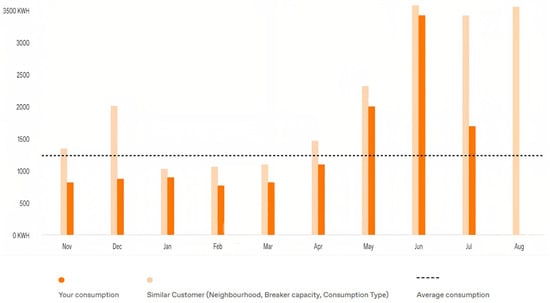
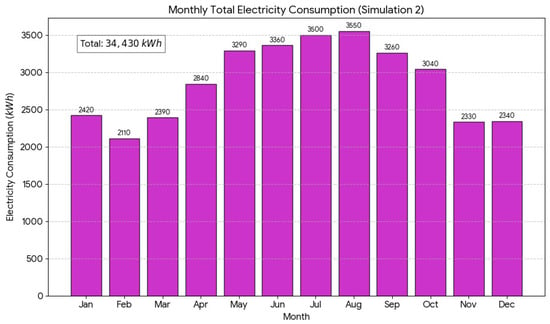
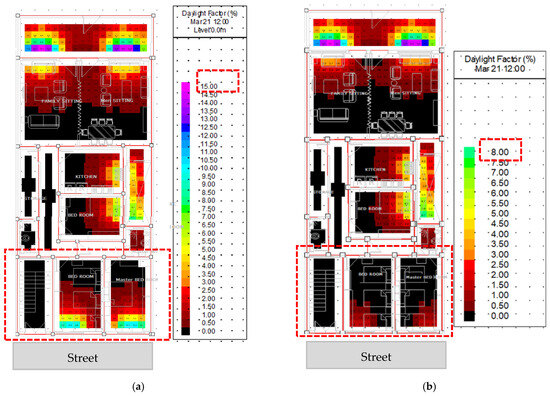
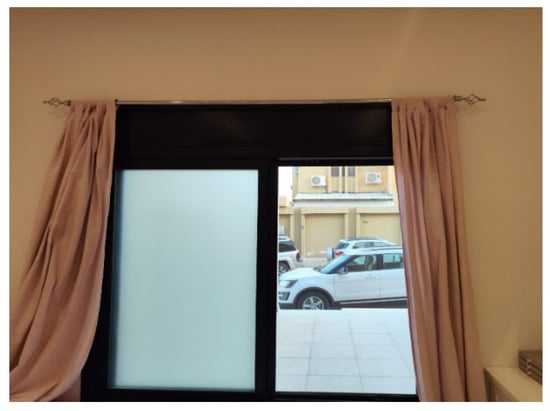
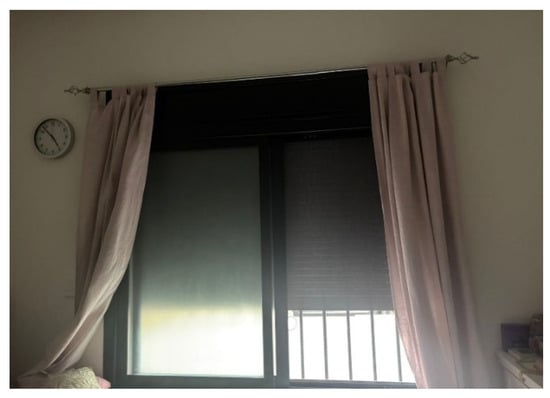
This study explores the intersection of sociocultural factors, particularly privacy, with energy consumption patterns in residential buildings in Riyadh, Saudi Arabia. While cultural values around privacy have long been recognised as influential in residential design, the impact of these values on energy consumption is underexplored. This research aims to fill this gap by examining how privacy needs, residents’ preferences, and open layouts affect energy efficiency, particularly in terms of natural light and ventilation. A mixed-methods approach was employed, including semi-structured interviews with engineers, data collected from 108 respondents via an online survey, a case study of a residential building in Riyadh, and building performance simulations using IES software. The study also assessed actual energy consumption data and indoor lighting as potential implications of privacy concerns, causing changes in behavioural control of systems (e.g., windows, blinds, lighting, etc.). It focuses on the relationship between privacy needs, energy use, and natural daylight distribution. The IES simulation results for the studied residential building show an annual energy consumption of 24,000 kWh, primarily due to cooling loads and artificial lighting caused by privacy measures applied by the residents. The findings reveal that privacy-driven design choices and occupant behaviours, such as the use of full window shutters, frosted glazing and limited window operation, significantly reduce daylight availability and natural ventilation, leading to increased reliance on artificial lighting and air conditioning. This study highlights the need for human-centric design approaches that address the interplay between sociocultural factors, particularly reinforcing cultural sensitivity, and building performance, offering insights for future sustainable housing developments in Riyadh and similar contexts.
Full article
(This article belongs to the Special Issue Sustainable Built Environments and Human Wellbeing, 2nd Edition)
►▼
Show Figures

Figure 1
Open AccessArticle
Tracing the Sociospatial Affordances of Physical Environment: An AI-Based Unified Framework for Modeling Social Behavior in Campus Open Spaces
by
Ecem Kara and Barış Dinç
Architecture 2026, 6(1), 10; https://doi.org/10.3390/architecture6010010 - 14 Jan 2026
Abstract
In educational settings, it is crucial to comprehend and manage individuals’ social interaction behaviors through the physical environment. However, analyzing social interaction patterns manually is a time-consuming and energy-intensive process. This study aims to reveal the socio-behavioral implications of spatial features, based on
[...] Read more.
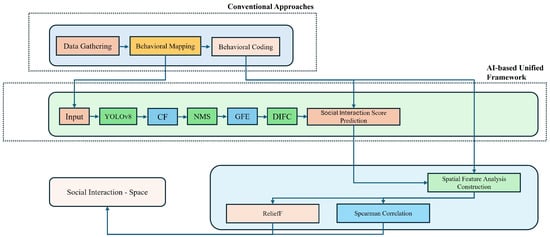
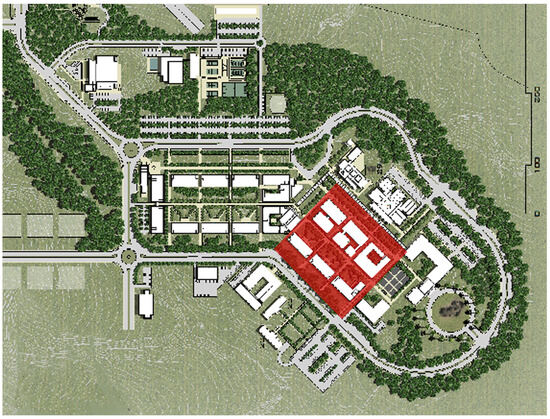
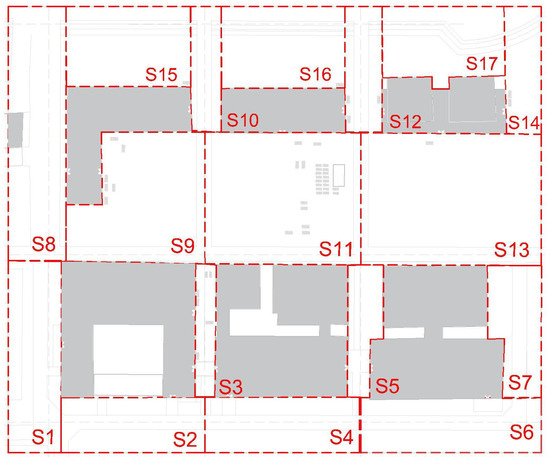
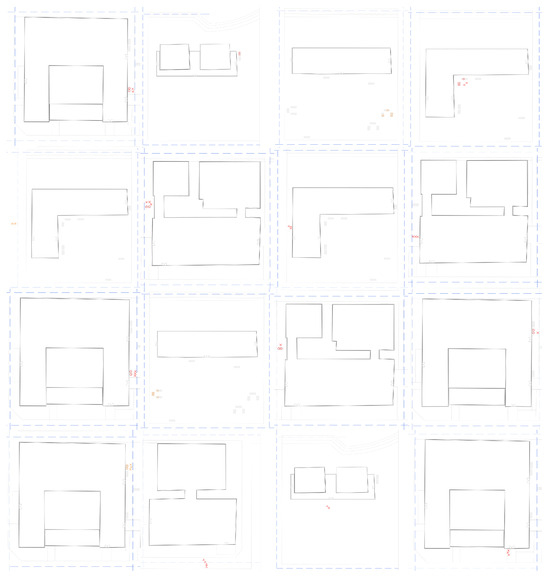
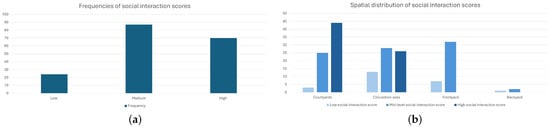
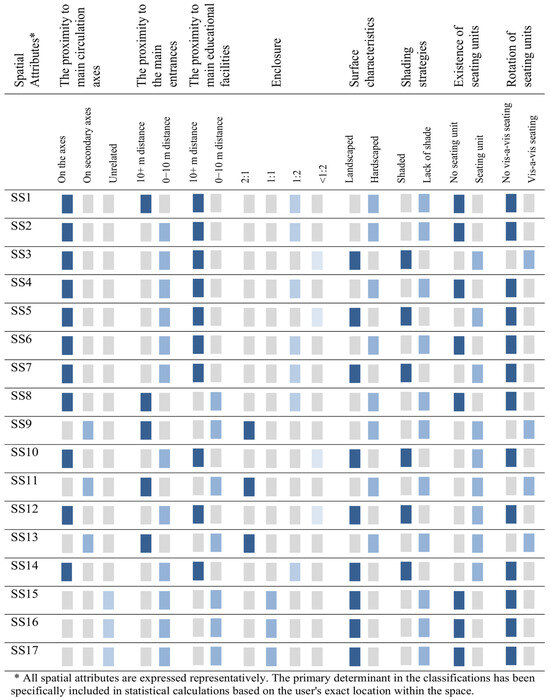
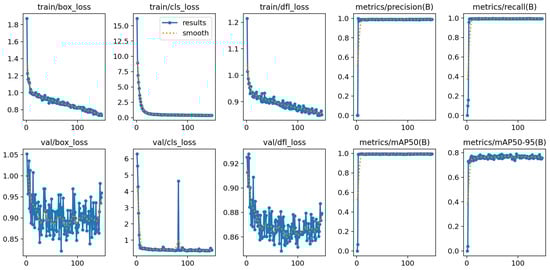
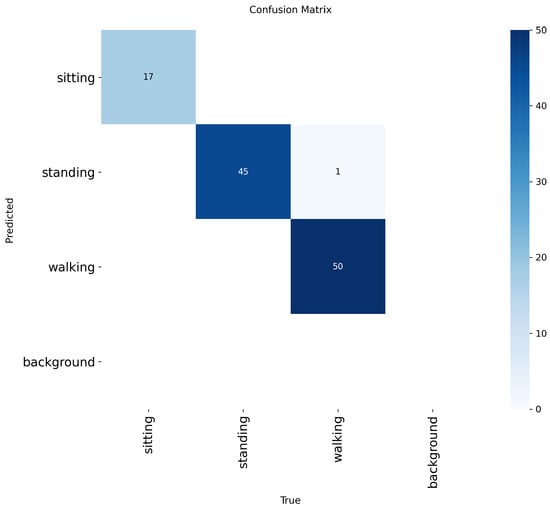
In educational settings, it is crucial to comprehend and manage individuals’ social interaction behaviors through the physical environment. However, analyzing social interaction patterns manually is a time-consuming and energy-intensive process. This study aims to reveal the socio-behavioral implications of spatial features, based on the Affordance Theory, using artificial intelligence (AI). To this end, the study proposes a unified quantitative methodology that leverages diverse AI approaches. Behavioral data are gathered via systematic observation and analyzed using (1) Deep Learning (DL)-based Human Detection and classified by (2) Machine Learning (ML)-based Interaction Score Prediction approach. The behavioral findings were analyzed in relation to spatial data via (3) Spatial Feature Selection. As the study area, the ATU Faculty of Engineering building complex was selected, and behavioral data from 746 participants were collected in the complex’s open spaces. The results indicated that AI-based approaches provide a high degree of precision in analyzing the relationships between social interaction and spatial features within the addressed context. Also, (1) the existence and (2) the rotation of seating units and (3) shading strategies are identified as the spatial features that contribute to higher interaction scores in the educational settings. The study proposes an integrated and transferable methodology based on diverse AI approaches for determining social interaction and its spatial aspects, leading to a comprehensive and reproducible approach.
Full article
(This article belongs to the Special Issue Architecture in the Digital Age)
►▼
Show Figures

Figure 1
Open AccessArticle
Nature-Based Solutions for Urban Resilience and Environmental Justice in Underserved Coastal Communities: A Case Study on Oakleaf Forest in Norfolk, VA
by
Farzaneh Soflaei, Mujde Erten-Unal, Carol L. Considine and Faeghe Borhani
Architecture 2026, 6(1), 9; https://doi.org/10.3390/architecture6010009 - 12 Jan 2026
Abstract
Climate change and sea-level change (SLC) are intensifying flooding in U.S. coastal communities, with disproportionate impacts on Black and minority neighborhoods that face displacement, economic hardship, and heightened health risks. In Norfolk, Virginia, sea levels are projected to rise by at least 0.91
[...] Read more.
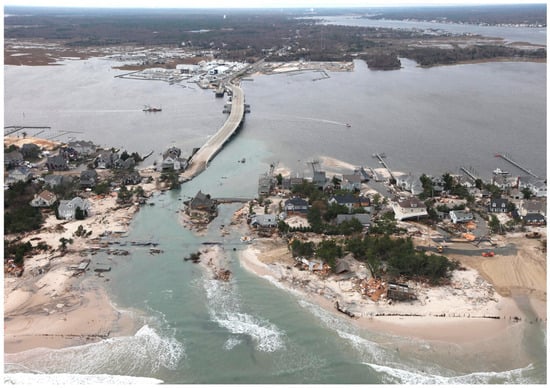
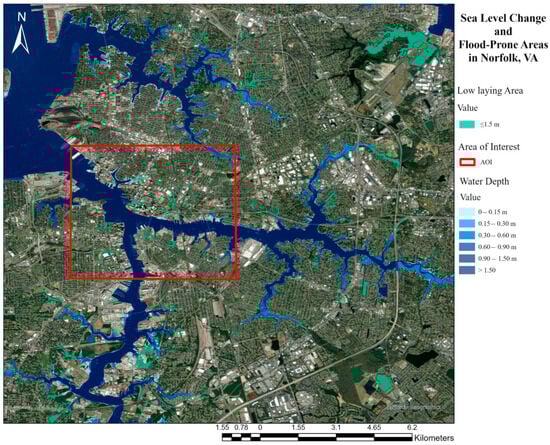
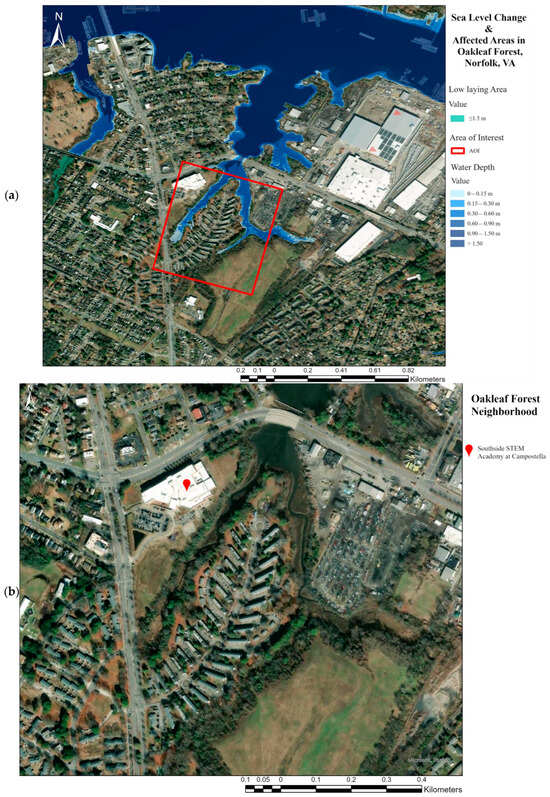
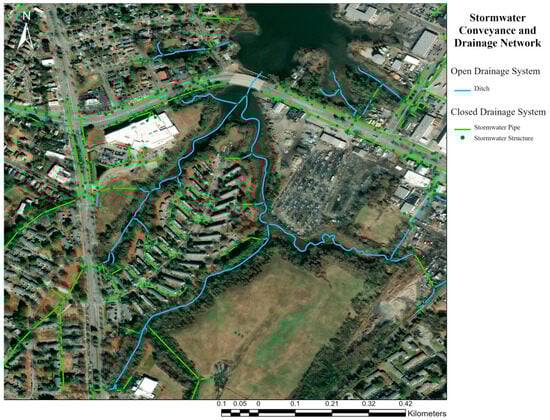
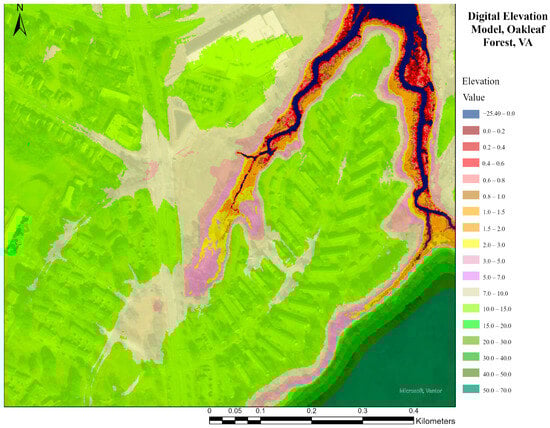
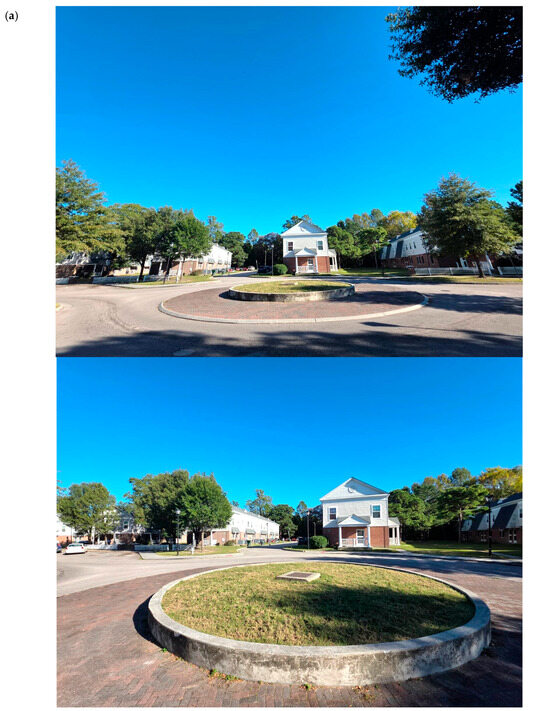
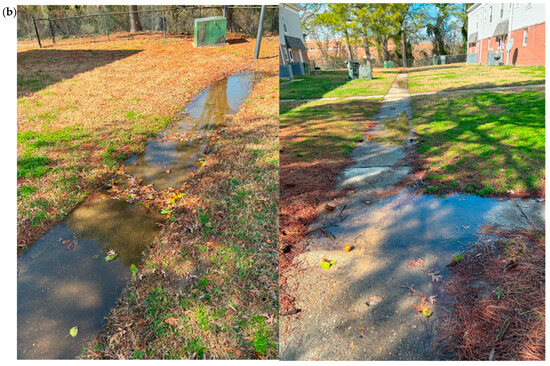
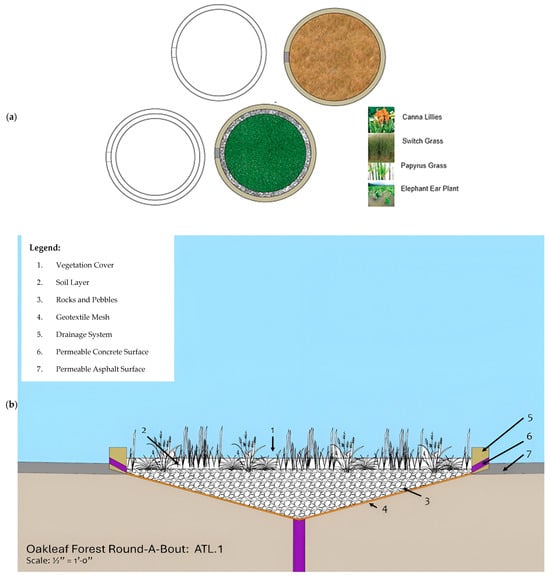
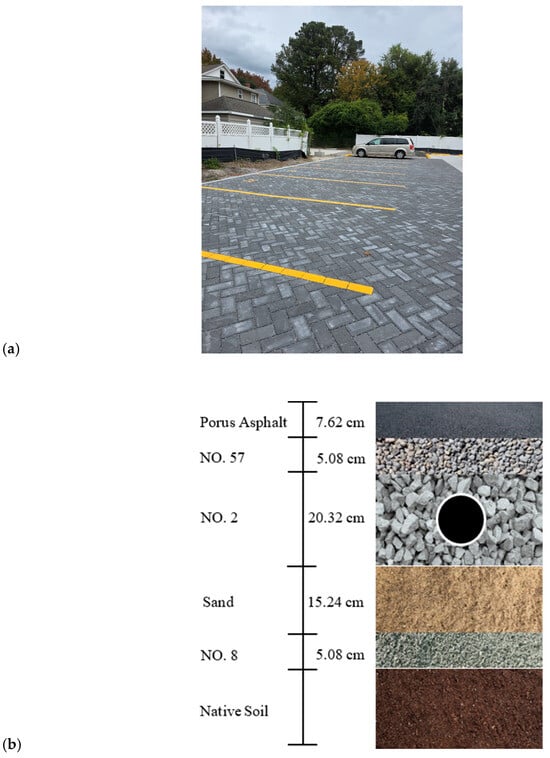
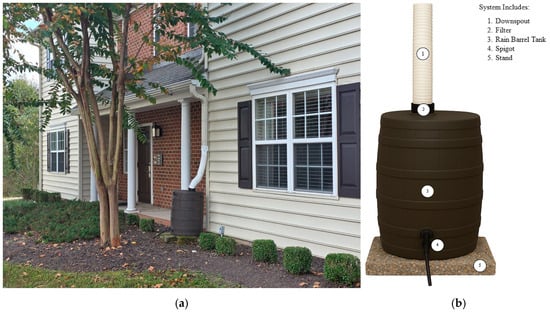
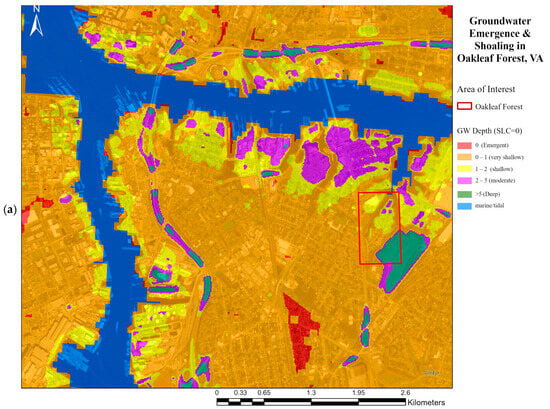
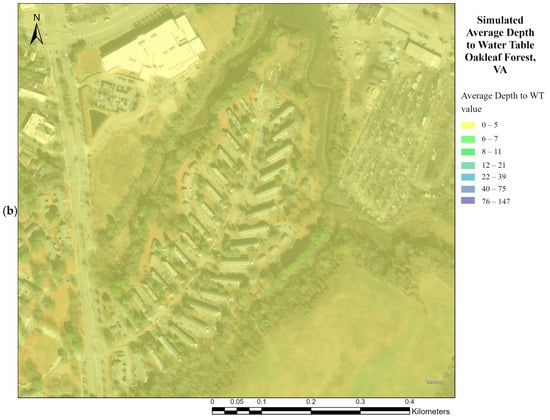
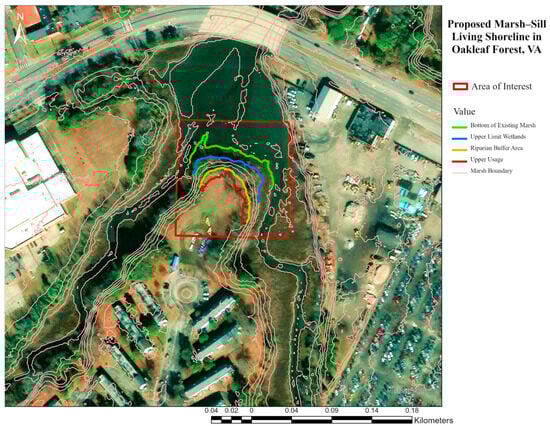
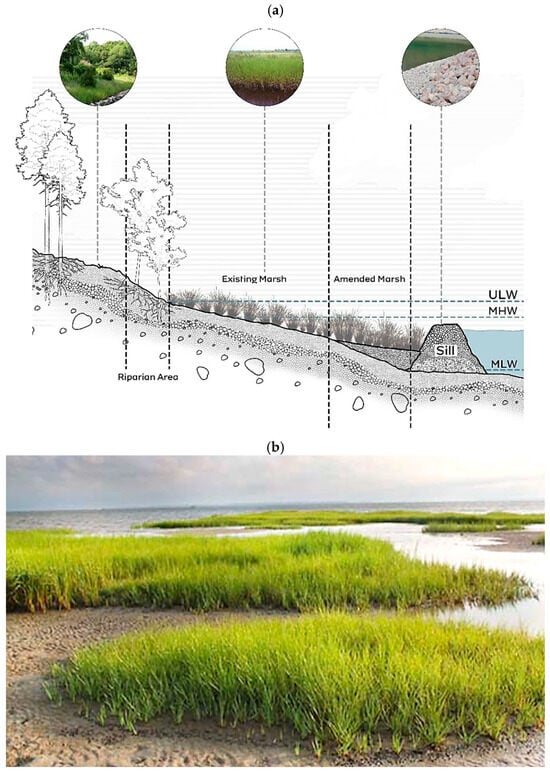
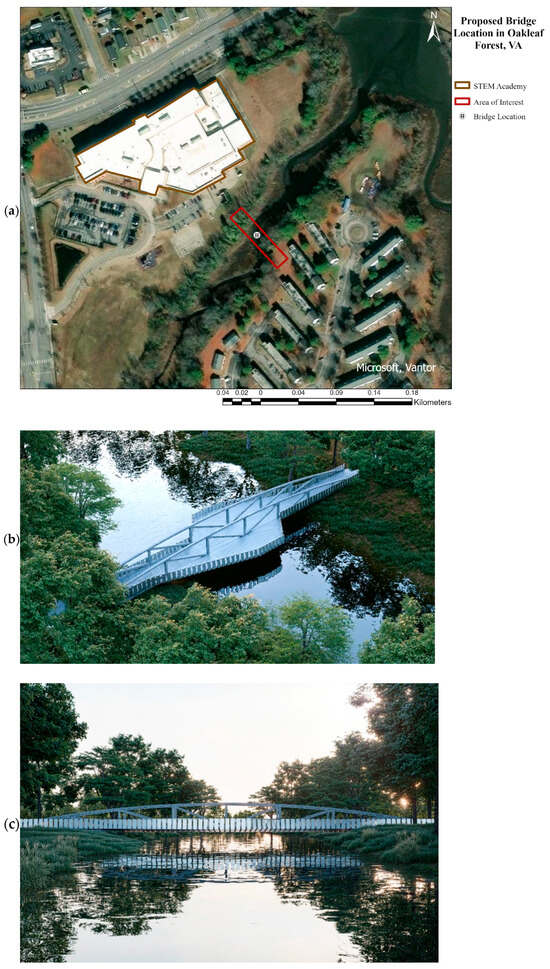
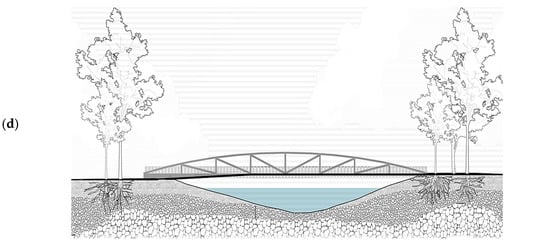
Climate change and sea-level change (SLC) are intensifying flooding in U.S. coastal communities, with disproportionate impacts on Black and minority neighborhoods that face displacement, economic hardship, and heightened health risks. In Norfolk, Virginia, sea levels are projected to rise by at least 0.91 m (3 ft) by 2100, placing underserved neighborhoods such as Oakleaf Forest at particular risk. This study investigates the compounded impacts of flooding at both the building and urban scales, situating the work within the framework of the UN Sustainable Development Goals (UN SDGs). A mixed-method, community-based approach was employed, integrating literature review, field observations, and community engagement to identify flooding hotspots, document lived experiences, and determine preferences for adaptation strategies. Community participants contributed actively through mapping sessions and meetings, providing feedback on adaptation strategies to ensure that the process was collaborative, place-based, and context-specific. Preliminary findings highlight recurring flood-related vulnerabilities and the need for interventions that address both environmental and social dimensions of resilience. The study proposes multi-scale, nature-based solutions (NbS) to mitigate flooding, restore ecological functions, and enhance community capacity for adaptation. Ultimately, this work underscores the importance of coupling technical strategies with participatory processes to strengthen resilience and advance climate justice in vulnerable coastal neighborhoods.
Full article
(This article belongs to the Special Issue Environmental Justice and Health in Architecture for Minorities and the Global South)
►▼
Show Figures

Figure 1
Open AccessArticle
Cultural Identity in the Recreational Architecture of the Beskid Mountains
by
Tomasz E. Malec
Architecture 2026, 6(1), 8; https://doi.org/10.3390/architecture6010008 - 9 Jan 2026
Abstract
►▼
Show Figures
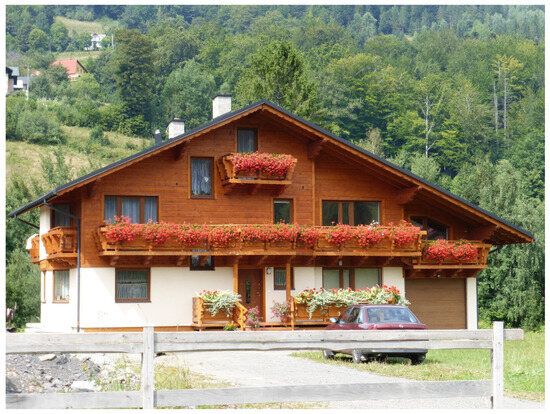
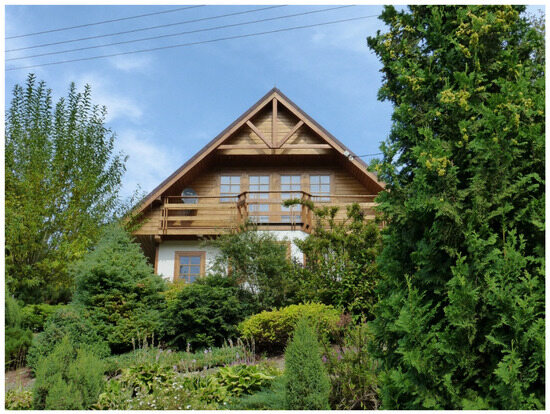
Intensive development of recreational construction has taken place in the Beskid Mountains in Southern Poland over the span of several decades, especially in the villages of Szczyrk, Wisła, and Brenna, due to the proximity of the industrial Silesian agglomeration. These buildings, constructed mostly
[...] Read more.
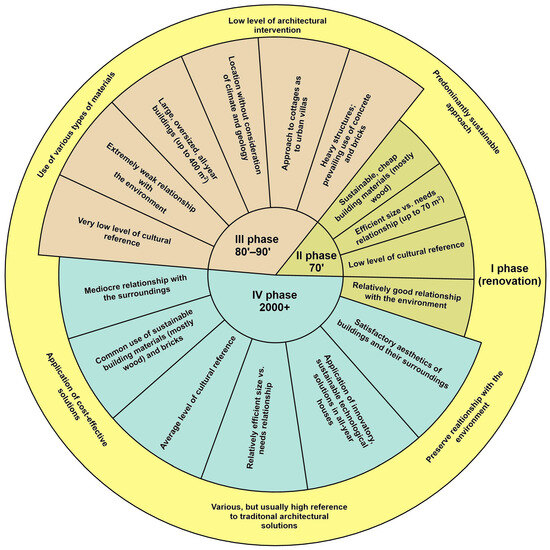
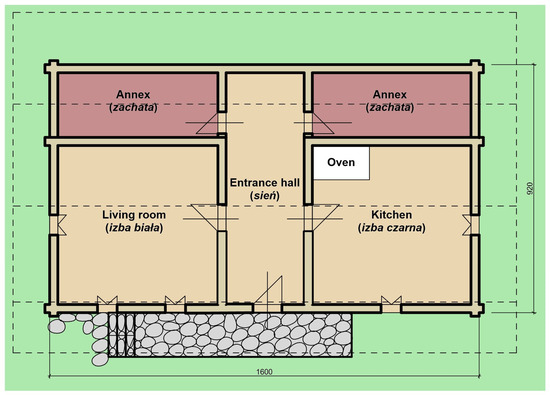
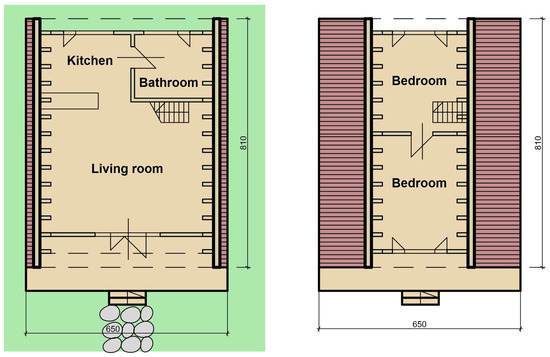
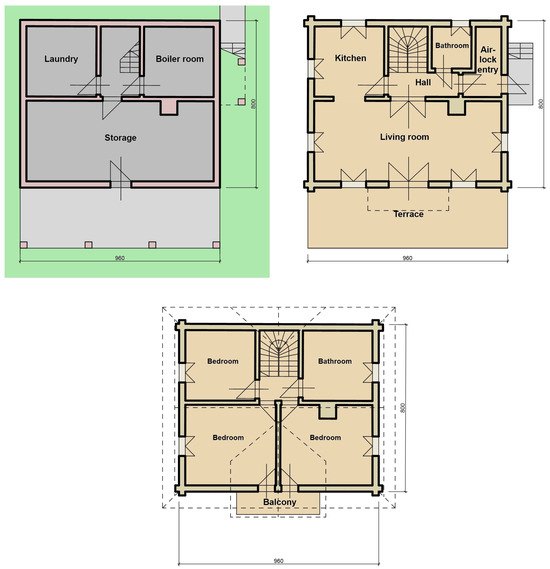
Intensive development of recreational construction has taken place in the Beskid Mountains in Southern Poland over the span of several decades, especially in the villages of Szczyrk, Wisła, and Brenna, due to the proximity of the industrial Silesian agglomeration. These buildings, constructed mostly since the 1970s, are heterogeneous in appearance and often do not reference traditional timber-and-stone sustainable architecture; instead, they replicate the esthetics found in contemporary single-family houses throughout Poland or abroad. Inconsistencies in building regulations have reinforced this approach, leading to a decline in the quality of both architecture and landscape. Although this situation has been widely discussed in public media, publications on this topic remain sporadic. This article therefore applies qualitative research to discuss the role of cultural identity in modern recreational architecture in the Beskid Mountains as it has affected the well-being of the citizens of Silesia since the 1930s. The unique contribution of this paper to Polish architectural and heritage research is threefold: it provides a structured framework for understanding the development of recreational architecture as a process, it explicitly links empirical field observations to theoretical frameworks (Frampton, Norberg-Schulz, Rapoport), and it proposes a general pathway for culturally sustainable design in the region.
Full article

Figure 1
Open AccessArticle
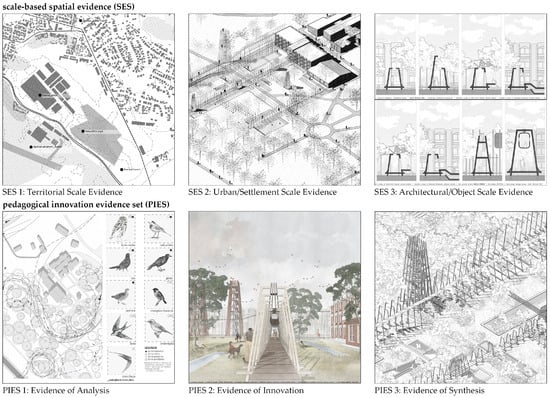
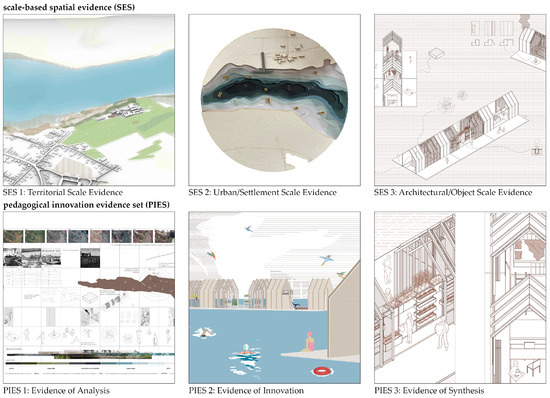
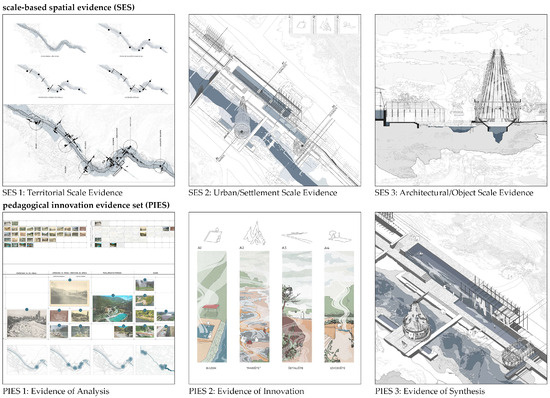
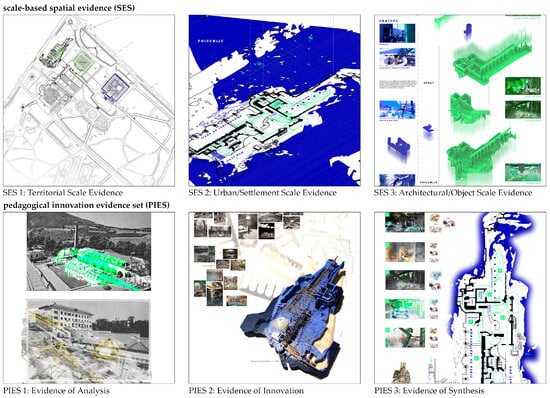
A Comparative Evaluation Model for Design Studio Pedagogy: Linking Educational Objectives and Professional Readiness in Architectural Higher Education
by
Aleksandra Milovanović, Mladen Pešić, Jelena Ristić Trajković, Milica Milojević, Ana Nikezić, Verica Krstić and Vladan Djokić
Architecture 2026, 6(1), 7; https://doi.org/10.3390/architecture6010007 - 8 Jan 2026
Abstract
►▼
Show Figures
Design studios remain a core component of architectural education, yet their pedagogical structure, alignment with international standards, and contribution to professional formation are often insufficiently examined. This study evaluates master-level design studios using a three-track analytical framework that integrates pedagogical innovation, alignment with
[...] Read more.
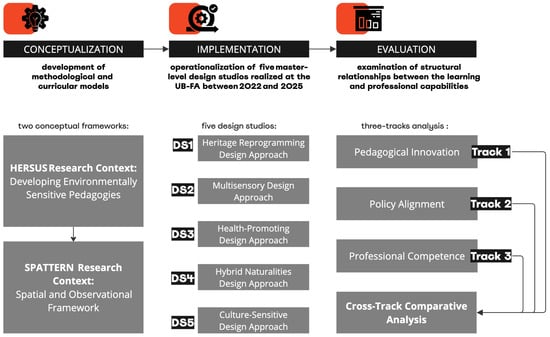
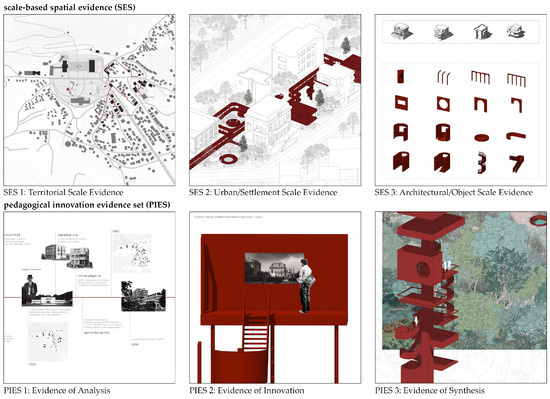
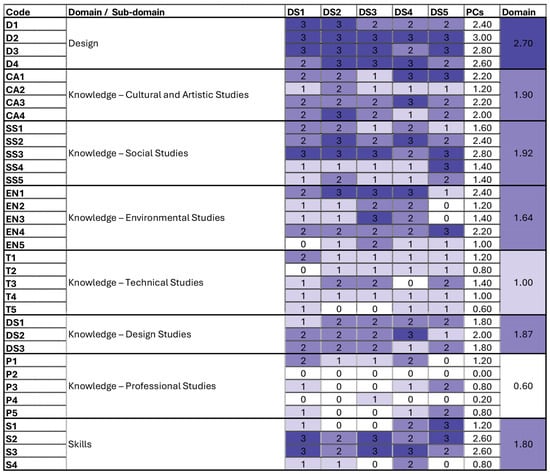
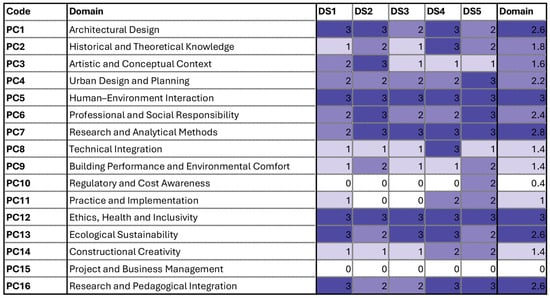
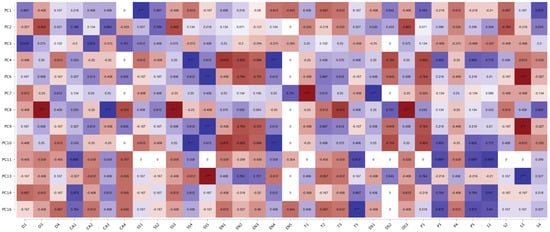
Design studios remain a core component of architectural education, yet their pedagogical structure, alignment with international standards, and contribution to professional formation are often insufficiently examined. This study evaluates master-level design studios using a three-track analytical framework that integrates pedagogical innovation, alignment with the UNESCO-UIA Charter for Architectural Education, and the development of professional capabilities specified in the UNESCO-UIA Validation System. The methodology combines qualitative profiling and quantitative benchmarking, employing a structured six-parameter innovation framework, an ordinal evidence scale, and a cross-track correlation analysis. Learning and professional capabilities were assessed and analyzed through Pearson correlation matrices in JASP (0.95.4). Findings reveal that all studios share a common grounding in heritage- and environment-responsive learning, yet demonstrate distinctive pedagogical signatures shaped by thematic focus, design scale, and temporal orientation. Strong positive alignments emerge between context-driven learning and applied professional readiness, while structural gaps indicate capability areas insufficiently supported by studio pedagogies. The study demonstrates that bridging policy frameworks with pedagogical and professional capability assessments provides a replicable method for evaluating architectural curricula, offering insights for improving design-studio models and strengthening evidence-based educational practice.
Full article

Figure 1
Open AccessArticle
Biofeedback-Informed Assessment of Biophilic Interior Variables: A 23 IVR Factorial Study in Design Studio Interiors
by
Yasemin Albayrak-Kutlay, Murat Bengisu and Emre Ergül
Architecture 2026, 6(1), 6; https://doi.org/10.3390/architecture6010006 - 6 Jan 2026
Abstract
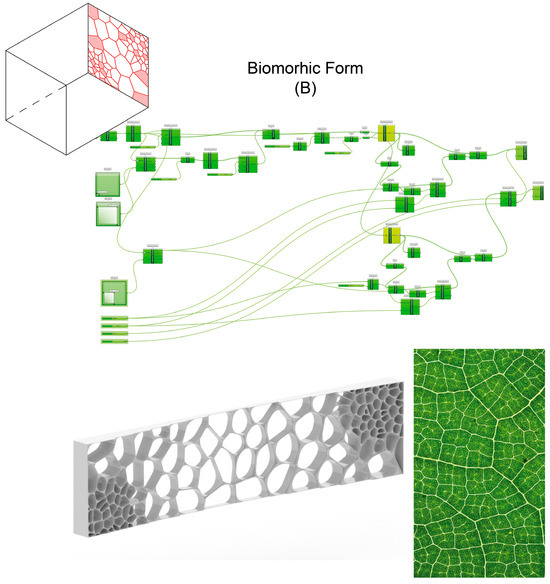
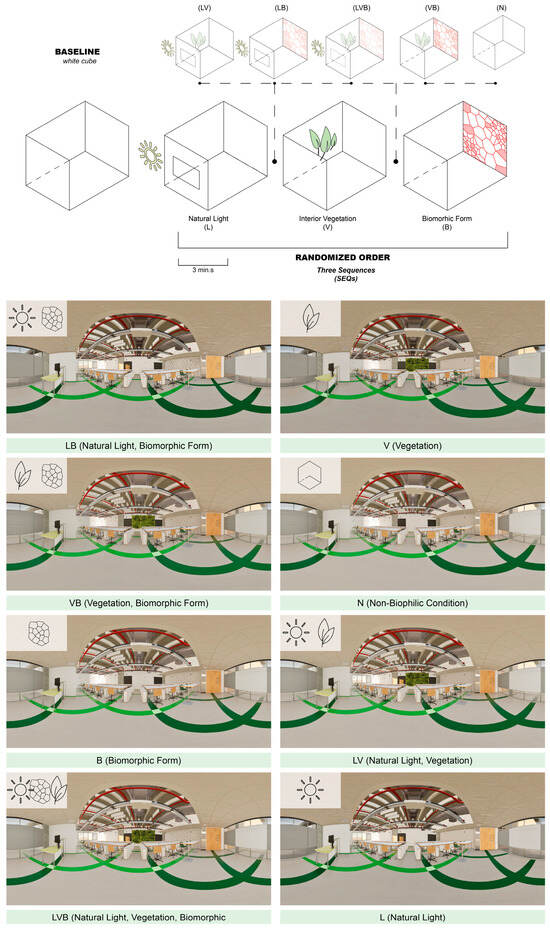
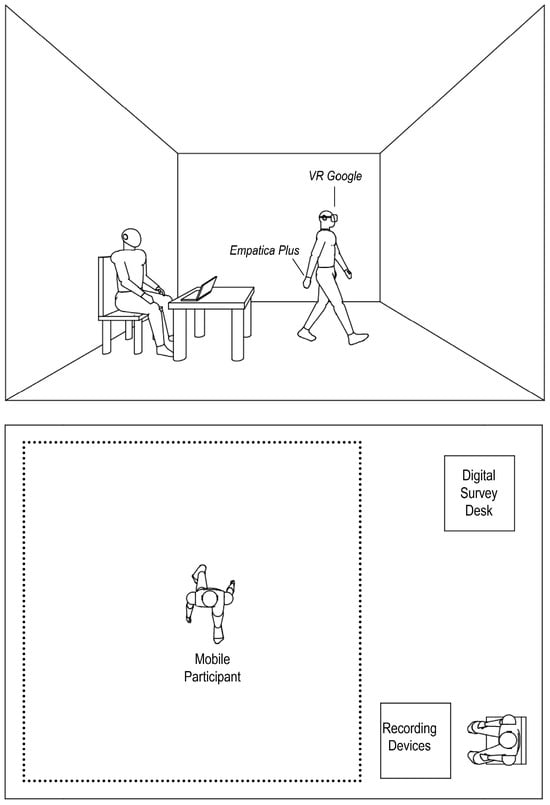
This study investigates the influence of three biophilic interior design variables: natural light, interior vegetation (vertical green wall), and biomorphic form (biomorphic wall panel) on affective and physiological responses in a design studio interior utilizing immersive virtual reality (IVR) and wearable biofeedback technology.
[...] Read more.
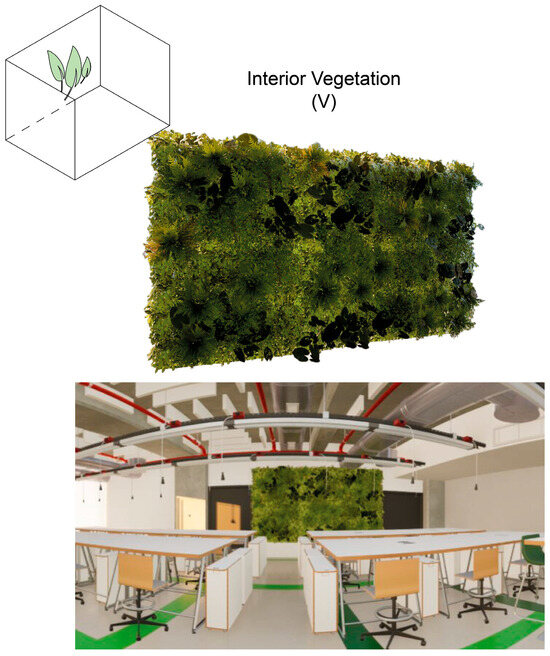
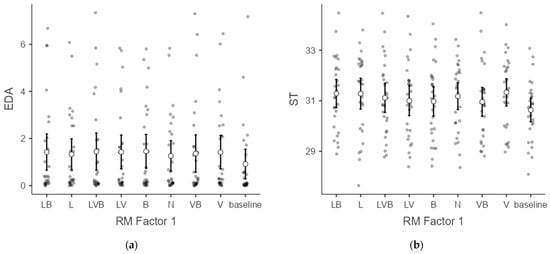
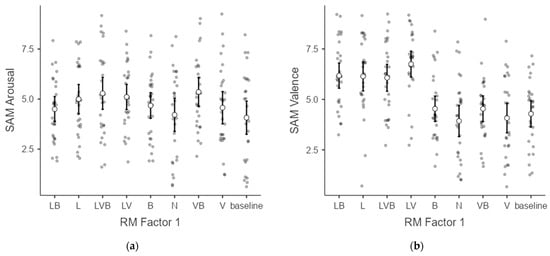
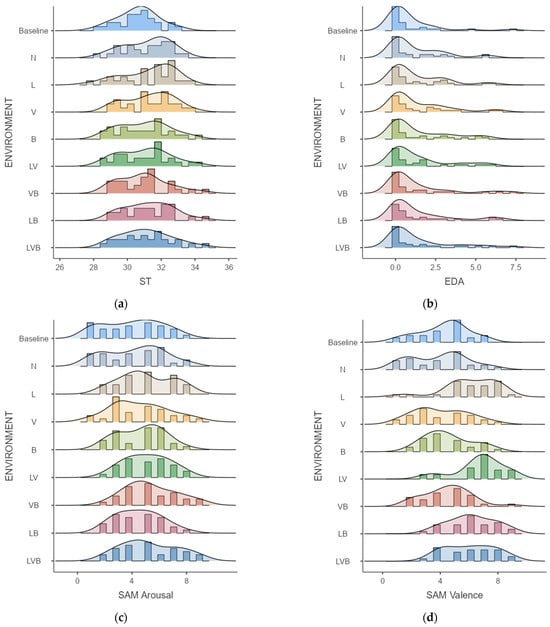
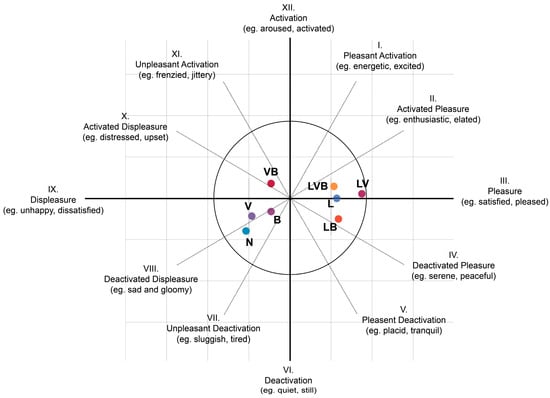
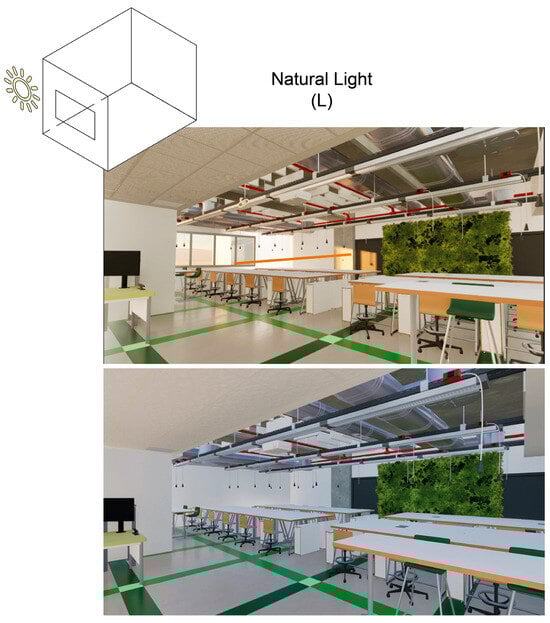
This study investigates the influence of three biophilic interior design variables: natural light, interior vegetation (vertical green wall), and biomorphic form (biomorphic wall panel) on affective and physiological responses in a design studio interior utilizing immersive virtual reality (IVR) and wearable biofeedback technology. This study was a within-participant 23 factorial design that included one baseline and eight IVR studio conditions. Participants experienced all conditions while reporting affects using the Self-Assessment Manikin (SAM) valence and arousal scales, electrodermal activity (EDA), and skin temperature (ST). Cybersickness was measured with the Simulator Sickness Questionnaire (SSQ) and presence was assessed using the Igroup Presence Questionnaire and Slater-Usoh-Steed presence measures (IPQ, SUS), while baseline anxiety (STAI) was controlled. The results demonstrated a significant primary influence of natural light on SAM valence ratings: conditions with natural light were evaluated as more pleasant than the non-variable and baseline condition, whereas interior vegetation and biomorphic form had smaller, context-dependent effects that were most evident when layered with natural light. Differences in SAM arousal ratings were modest and non-systematic. EDA did not differentiate, and ST showed only small shifts, indicating that during calm exploratory monitoring, subjective affect was more responsive. The circumplex findings guided to an activity-specific zoned interior rather than a single uniform design studio.
Full article
(This article belongs to the Special Issue Responsive Interiors: Human-Centered Approaches to Interior Architecture and Design)
►▼
Show Figures

Figure 1
Open AccessArticle
The Recommendation on Historic Urban Landscape for Conserving Latin American and Caribbean Cities: Scope, Comprehension and Implementation
by
Sebastián Astudillo-Cordero, Julia Rey-Pérez, Jessica Ortiz-Fernández, Elena Jerves-Hermida and Maria Eugenia Siguencia
Architecture 2026, 6(1), 5; https://doi.org/10.3390/architecture6010005 - 6 Jan 2026
Cited by 1
Abstract
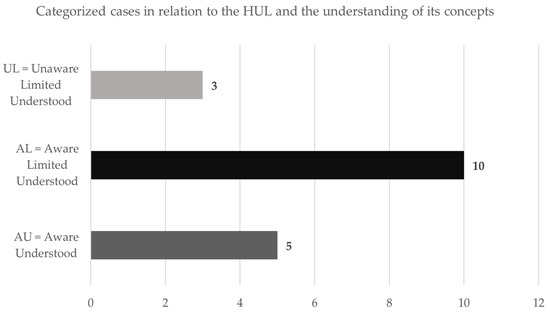
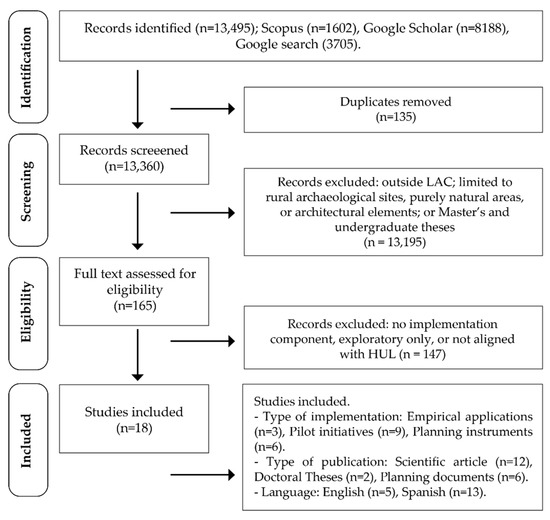
This study presents the first systematic regional assessment of how the Historic Urban Landscape (HUL) approach has been understood and applied in Latin American and Caribbean (LAC) cities between 2011 and 2022. The HUL approach is framed as a socio-spatial perspective shaped by
[...] Read more.
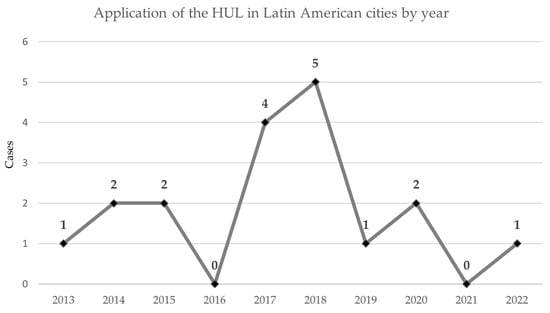
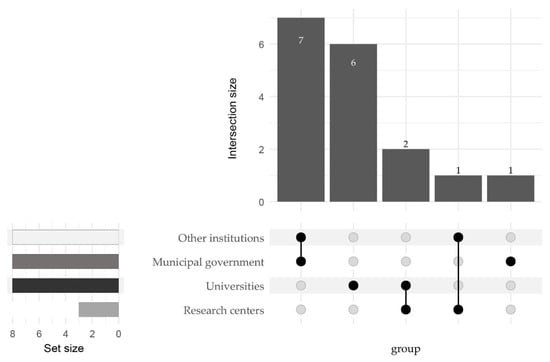
This study presents the first systematic regional assessment of how the Historic Urban Landscape (HUL) approach has been understood and applied in Latin American and Caribbean (LAC) cities between 2011 and 2022. The HUL approach is framed as a socio-spatial perspective shaped by historical layering, cultural practices, ecological structures, and contemporary development pressures. A systematic review of academic publications and institutional gray literature (Scopus, Google Scholar, and municipal repositories) was conducted to evaluate both conceptual understanding and methodological implementation aligned with the six steps of the 2011 HUL Recommendation. Findings reveal a clear implementation gap: although awareness of the HUL approach has increased across the region, its practical application remains partial. Steps 1 and 2 focused on value identification and participatory engagement show the highest adoption, while steps 4 and 6 which require interinstitutional coordination and integration into statutory planning instruments exhibit limited progress. Academic and research institutions play a more prominent role than local governments in leading or supporting HUL-related actions, indicating persistent institutional and governance constraints. Results highlight the need to strengthen municipal capacities, integrate HUL-based diagnostics into urban planning systems, and consolidate participatory, interdisciplinary, and multilevel governance mechanisms to close the gap between conceptual uptake and operational implementation.
Full article
(This article belongs to the Special Issue Assessing Values in Sustainable Heritage Conservation: Between Theory and Practice)
►▼
Show Figures

Figure 1
Highly Accessed Articles
Latest Books
E-Mail Alert
News
Topics
Topic in
Buildings, CivilEng, Climate, Construction Materials, Energies, Sustainability, Architecture
Advances in Building Sector for Achieving Net Zero Emission by 2050
Topic Editors: Md Morshed Alam, Iqbal Hossain, Jiaolan ZhuDeadline: 20 March 2026
Topic in
Architecture, Buildings, CivilEng, Construction Materials, Materials, Sustainability
Pathways to Sustainable Construction: Innovations in New Materials, Construction Techniques, and Management Practices, 2nd Edition
Topic Editors: Yange Li, Huihua Chen, Lei Li, Baoquan ChengDeadline: 31 March 2026
Topic in
Applied Sciences, Architecture, Buildings, Infrastructures, Materials, Technologies
Advances in Structural Engineering Using AI and Sustainable Materials
Topic Editors: Ehsan Harirchian, Viviana NovelliDeadline: 20 May 2026
Topic in
Architecture, Buildings, Infrastructures, Sensors, Sustainability, IJGI, Automation
Innovative Horizons: Digital Technologies in Modern Construction and Infrastructure
Topic Editors: Zhen Lei, Ala Suliman, Hexu LiuDeadline: 30 May 2026
Special Issues
Special Issue in
Architecture
Interdisciplinary and Multi-Scalar Design and Research Models in Architectural Practice and Education
Guest Editors: Asma Mehan, Sina MostafaviDeadline: 28 February 2026
Special Issue in
Architecture
Adaptive Architectural Practice: Data, Materials, and Labour in a Changing Climate
Guest Editor: Luciano CardellicchioDeadline: 28 February 2026
Special Issue in
Architecture
Back to the Future: Utopias, Dystopias, and the New Mega Structuralism of 2020s
Guest Editors: Raffaele Pernice, Leonardo Zuccaro MarchiDeadline: 1 March 2026
Special Issue in
Architecture
Sustainable Built Environments and Human Wellbeing, 2nd Edition
Guest Editors: Hing-Wah Chau, Mehdi AmirkhaniDeadline: 1 March 2026
Topical Collections
Topical Collection in
Architecture
The Conservation of Architectural and Urban Heritage: Sustainable and Creative Strategies
Collection Editor: Tarek Teba