
Article

Everyday Streets, Everyday Spatial Justice: A Bottom-Up Approach to Urbanism in Belfast
Architecture School of Natural and Built Environment, Queen’s University Belfast, Belfast BT9 5AY, UK
*
Author to whom correspondence should be addressed.
Architecture 2026, 6(1), 22; https://doi.org/10.3390/architecture6010022

Submission received: 28 November 2025 / Revised: 9 January 2026 / Accepted: 16 January 2026 / Published: 2 February 2026
(This article belongs to the Special Issue Architecture of Compromise: Everyday Architecture for the Polycrisis)

Abstract

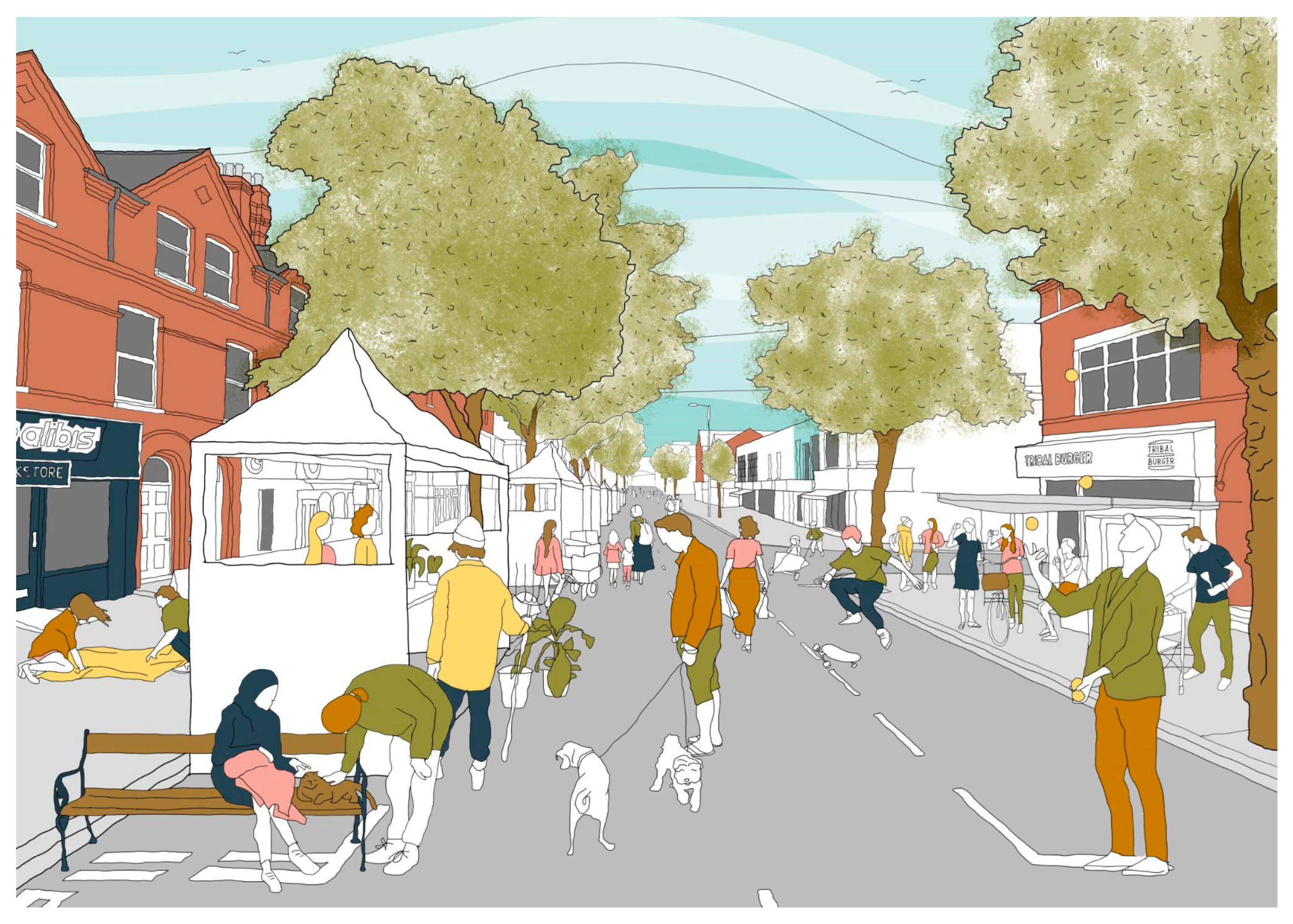
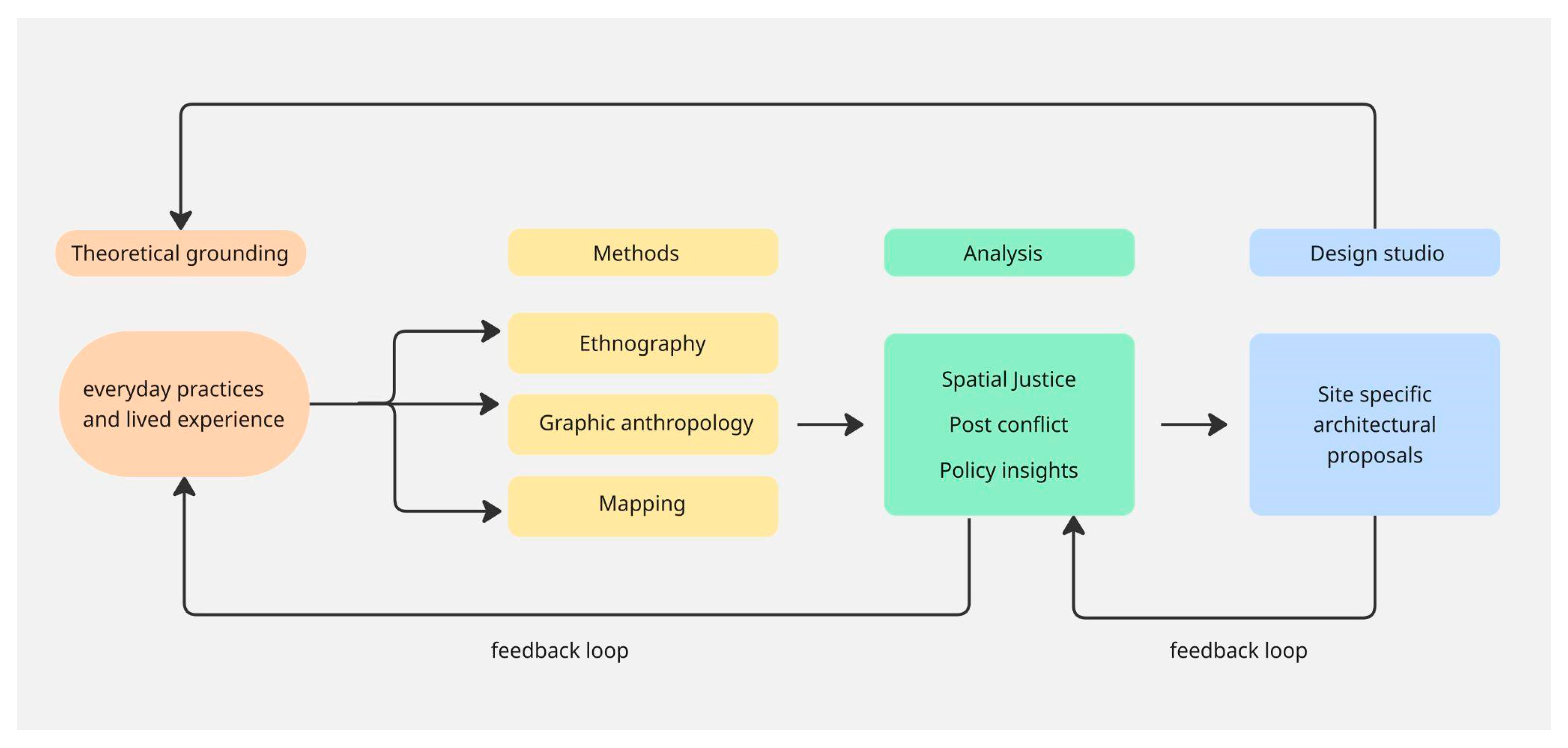
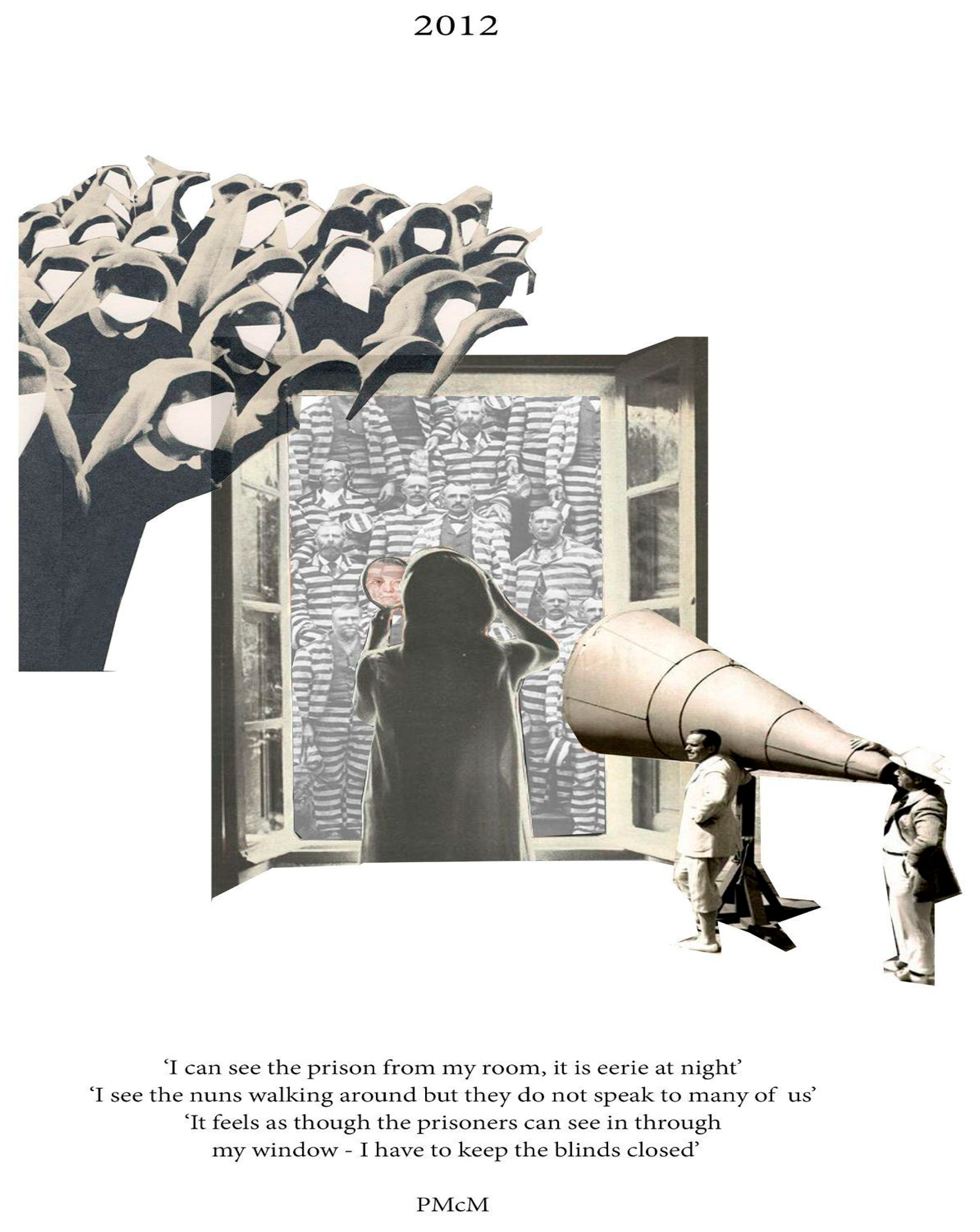
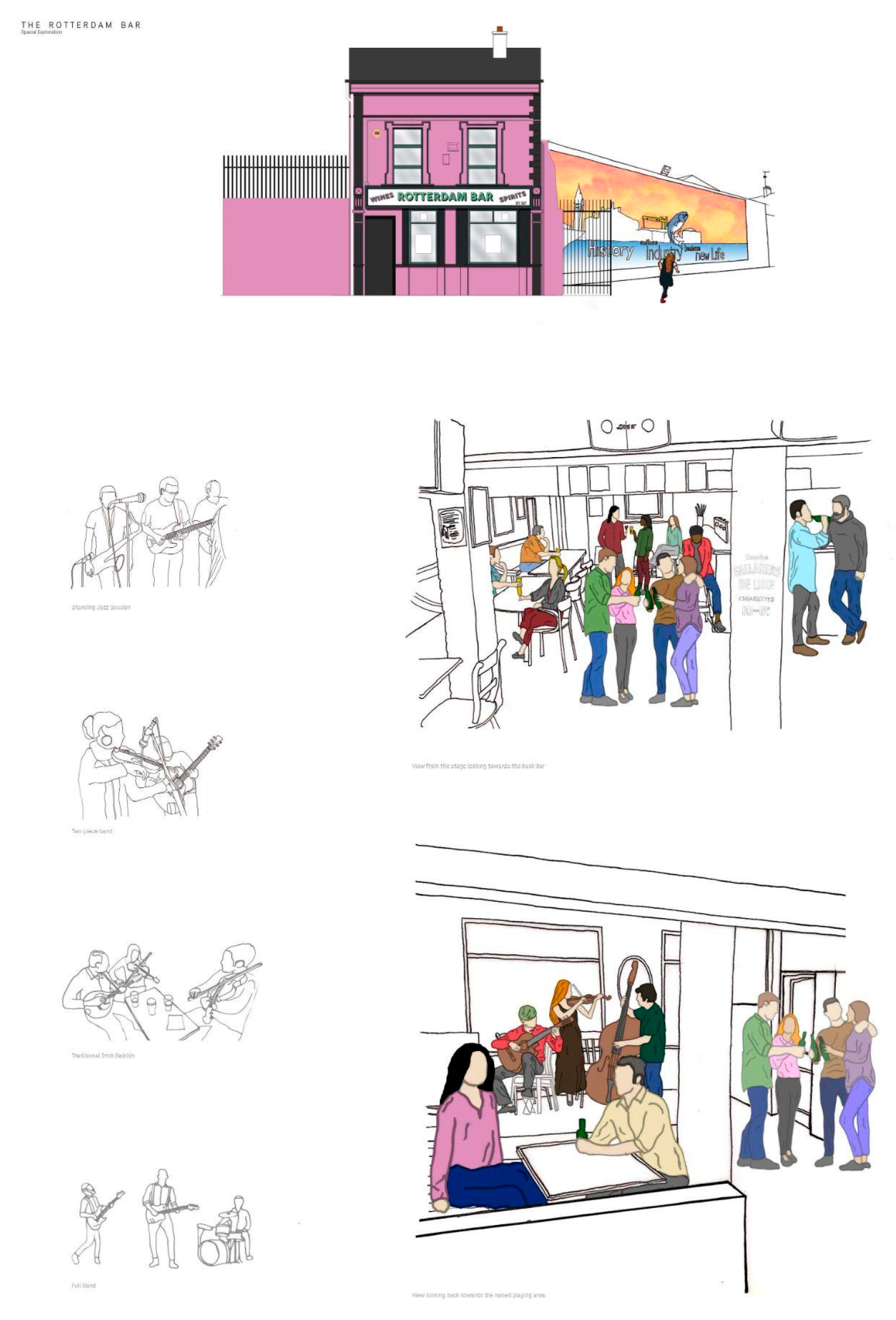
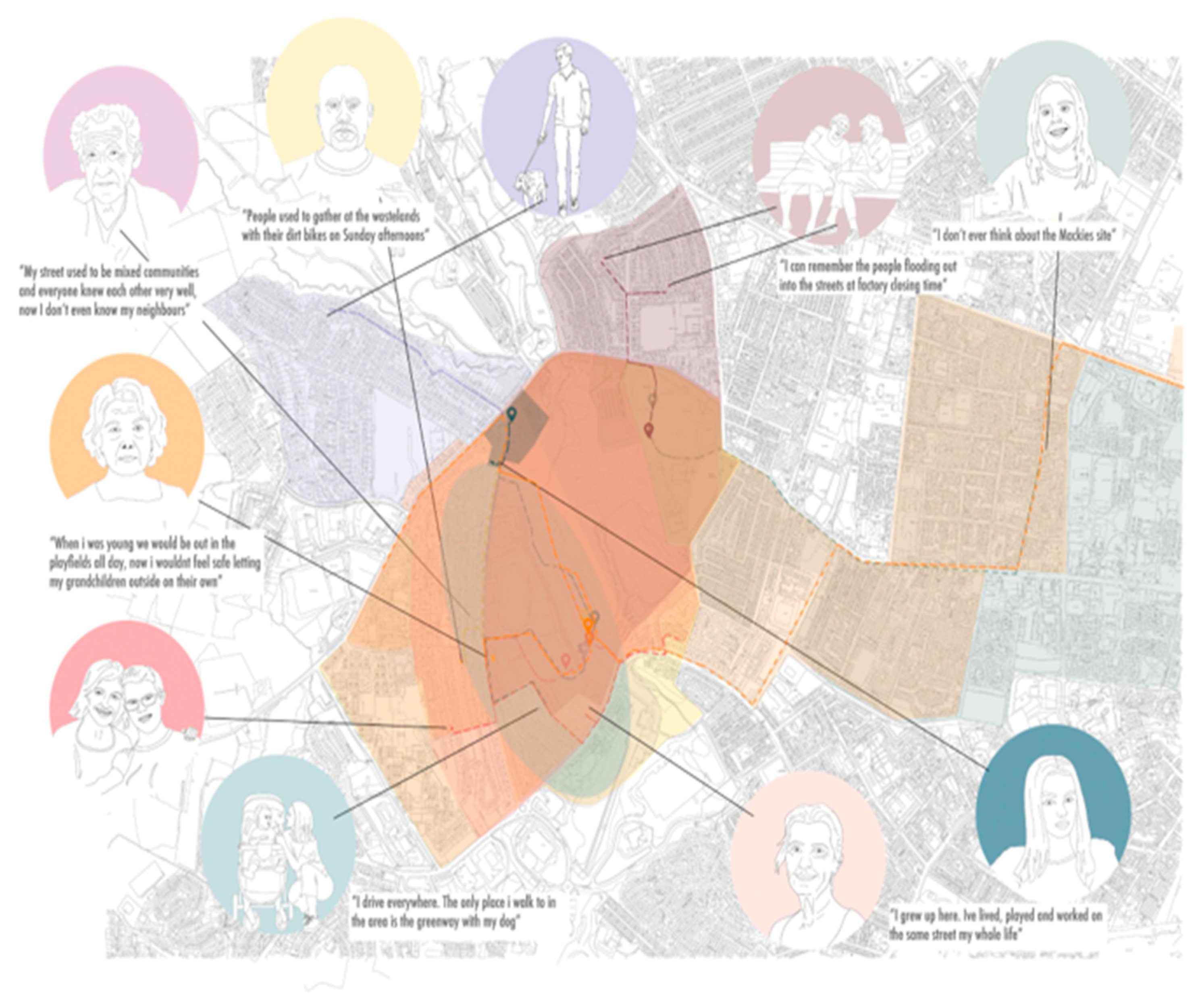
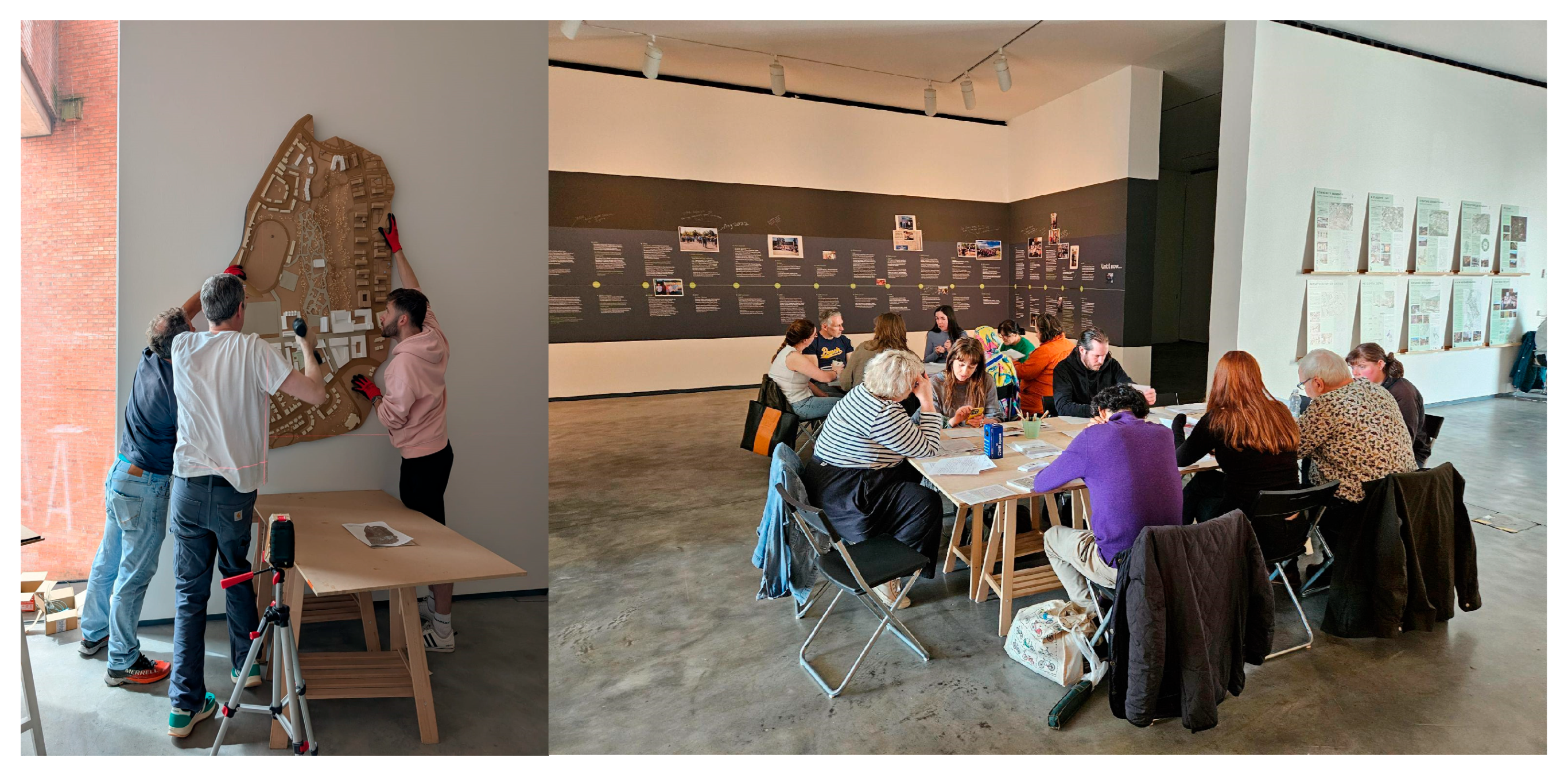
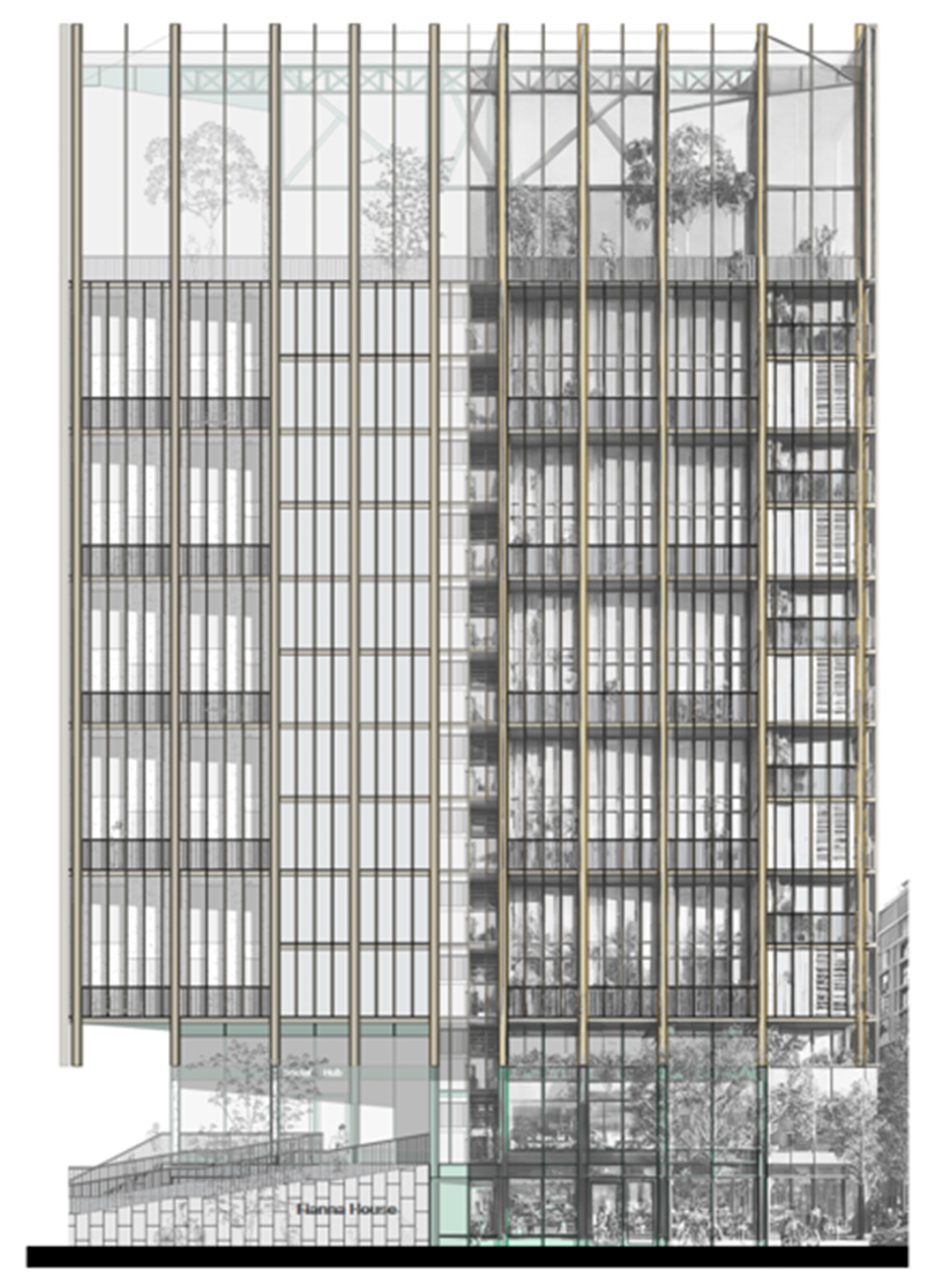
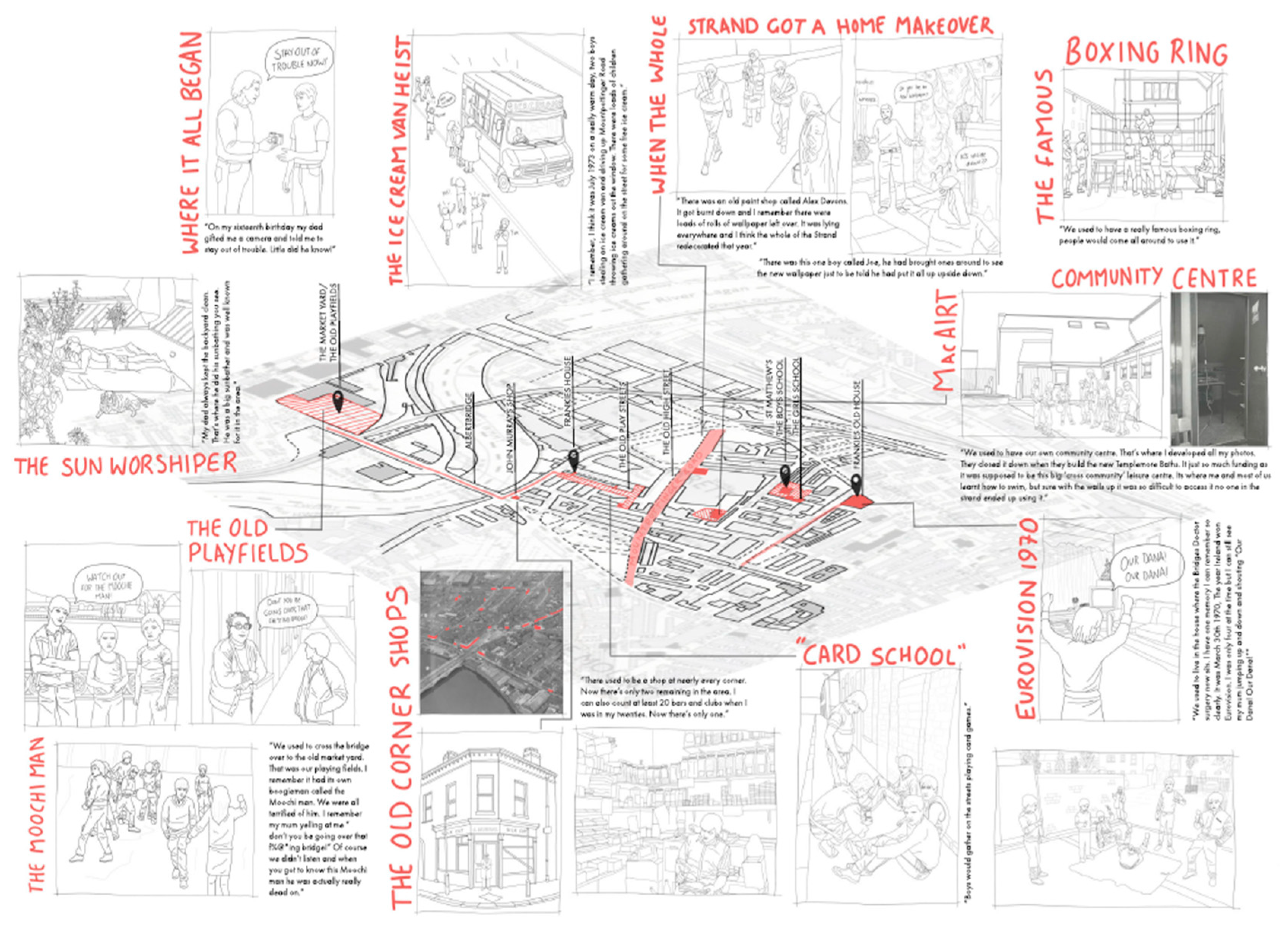
This article examines how everyday architecture can advance spatial justice in post-active conflict cities through ethnographic and participatory design. Drawing on a decade of work by the StreetSpace studio in Belfast (2015–2025), the paper explores how architecture students and community participants co-design spatial strategies that enhance mixed-use mid-density living, inclusive mobility, and street-level accessibility. In a context where car dominance, segregation, and privatisation of public space continue to fragment urban life, the everyday street becomes a testbed for envisioning an equitable and community-centred city. The studio’s methodology is grounded in ethnographic engagement, informed by an embedded anthropologist, and includes stakeholder mapping, walking workshops, and collaborative drawing. These practices reveal lived experiences and shape community-driven briefs for housing, schools, public spaces, and multifunctional infrastructure. Anchored in spatial justice discourse and feminist theory (Jane Jacobs, David Harvey, Roberto Rocco, Phil Hubbard, Leslie Kern, and Caroline Criado Perez), the work positions the everyday as a site of architectural agency and proposes a contemporary vernacular that is socially embedded and climate-resilient. This work unfolds through complex and often contested processes that require sustained, iterative engagement with people and places. Meaningful collaboration is neither linear nor inherently caring; it frequently involves conflict, disagreement, and competing priorities that must be navigated over time. Through long-term relationships with government departments, local authorities, and NGOs, StreetSpace demonstrates how architectural pedagogy can nonetheless contribute to policy formation and more inclusive urban redevelopment by engaging in compromise, critical negotiation, and moments of care alongside friction and resistance. Through a series of collaborations and public events the project has contributed to the transformation of Botanic Avenue, informed studies of the East Belfast Greenways through contributions to Groundswell and participated in embedded public processes in collaboration with PPR, culminating in an exhibition at the MAC in Belfast in 2025.
Keywords: everyday architecture; spatial justice; ethnography; Belfast; post-conflict urbanism; inclusive mobility; participatory design everyday architecture; spatial justice; ethnography; Belfast; post-conflict urbanism; inclusive mobility; participatory design