
Journal Description
Antioxidants
Antioxidants
is an international, peer-reviewed, open access journal related to the science and technology of antioxidants, published monthly online by MDPI. The International Coenzyme Q10 Association (ICQ10A), Israel Society for Oxygen and Free Radical Research (ISOFRR) and European Academy for Molecular Hydrogen Research (EAMHR) are affiliated with Antioxidants and their members receive discounts on the article processing charge.
- Open Access— free for readers, with article processing charges (APC) paid by authors or their institutions.
- High Visibility: indexed within Scopus, SCIE (Web of Science), PubMed, PMC, FSTA, PubAg, CAPlus / SciFinder, and other databases.
- Journal Rank: JCR - Q1 (Chemistry, Medicinal) / CiteScore - Q1 (Food Science)
- Rapid Publication: manuscripts are peer-reviewed and a first decision is provided to authors approximately 18.7 days after submission; acceptance to publication is undertaken in 2.6 days (median values for papers published in this journal in the second half of 2025).
- Recognition of Reviewers: reviewers who provide timely, thorough peer-review reports receive vouchers entitling them to a discount on the APC of their next publication in any MDPI journal, in appreciation of the work done.
- Testimonials: See what our editors and authors say about Antioxidants.
- Companion journal: Oxygen.
Impact Factor:
6.6 (2024);
5-Year Impact Factor:
7.3 (2024)
Latest Articles
Identification and Regulation of Melatonin Biosynthetic Genes in Sweet Pepper During Ripening and Melatonin Treatment
Antioxidants 2026, 15(4), 503; https://doi.org/10.3390/antiox15040503 (registering DOI) - 17 Apr 2026
Abstract
Since its discovery in higher plants, melatonin has attracted considerable attention for its antioxidant properties and its diverse roles in plant physiology and stress responses. However, its biosynthetic pathway remains only partially elucidated, particularly in horticultural crops of economic and nutritional importance, such
[...] Read more.
Since its discovery in higher plants, melatonin has attracted considerable attention for its antioxidant properties and its diverse roles in plant physiology and stress responses. However, its biosynthetic pathway remains only partially elucidated, particularly in horticultural crops of economic and nutritional importance, such as pepper (Capsicum annuum L.) fruits. In our previous work, we identified five genes encoding tryptophan decarboxylase (TDC), the first enzyme in the melatonin biosynthetic pathway in pepper. The present study expands on this by identifying and characterizing additional genes encoding enzymes involved in subsequent steps of the pathway, including four tryptamine 5-hydroxylase (T5H) genes, two serotonin N-acetyltransferase (SNAT) genes, three N-acetylserotonin O-methyltransferase (ASMT) genes, two caffeic acid O-methyltransferase (COMT) genes, and one N-acetylserotonin deacetylase (ASDAC) gene, representing a total of twelve newly identified genes. We further examined their expression in sweet pepper fruits and found that only nine of the identified genes are expressed in the fruit, with generally higher transcript levels during the unripe stages. Melatonin quantification in the California-type ‘Masami’ cultivar using UPLC with fluorescence detection (FD) revealed concentrations of 623 ng melatonin·g−1 dry weight (DW) in green fruits and 431 ng melatonin·g−1 DW in red fruits, consistent with the higher expression of melatonin biosynthetic genes in unripe fruit. Expression analysis of these genes by means of RNA-seq revealed differential modulation in response to exogenous melatonin treatments (20, 50, and 100 µM). To our knowledge, this is the first report demonstrating that exogenous melatonin regulates the expression of genes involved in its own biosynthetic pathway in sweet pepper fruits. Notably, treatment with 100 µM melatonin delayed ripening in these non-climacteric fruits, highlighting its potential biotechnological application for controlling fruit ripening and improving postharvest management.
Full article
(This article belongs to the Section ROS, RNS and RSS)
►
Show Figures
Open AccessReview
Ferroptosis in Vascular Diseases: A Mechanistic and Immunological Perspective on Therapeutic Targeting
by
Yiyang Cui, Pengyan Zhu and Meixiu Jiang
Antioxidants 2026, 15(4), 502; https://doi.org/10.3390/antiox15040502 (registering DOI) - 17 Apr 2026
Abstract
Vascular diseases impose a heavy global burden, yet existing therapies have limitations, necessitating novel drug targets. Ferroptosis, an iron-dependent, lipid peroxidation-driven form of cell death, acts not only as an initiator of metabolic collapse but also as a sterile inflammatory trigger by releasing
[...] Read more.
Vascular diseases impose a heavy global burden, yet existing therapies have limitations, necessitating novel drug targets. Ferroptosis, an iron-dependent, lipid peroxidation-driven form of cell death, acts not only as an initiator of metabolic collapse but also as a sterile inflammatory trigger by releasing damage-associated molecular patterns (DAMPs) and activating pro-inflammatory pathways. In this paper, we propose the “ferroptosis–inflammation circuit” as a self-amplifying loop where ferroptosis fuels inflammation and the inflammatory microenvironment reciprocally promotes ferroptosis via cell type-specific mechanisms. Although ferroptosis in cardiovascular diseases has been reviewed, its immunopathological role in specific vascular diseases and how macrophages, neutrophils, T cells, and vascular cells collaboratively drive pathology through this circuit remains underexplored. The unique perspective of this review is a systematic focus on the dynamic interplay between ferroptosis and immune responses within the vascular wall, moving beyond static metabolic descriptions. We synthesize evidence linking ferroptosis to atherosclerosis, pulmonary hypertension, stroke, aneurysms, and aortic dissection, emphasizing its immunological dimension across cell types. By defining the ferroptosis–inflammation circuit and its cell type-specific patterns, we reposition ferroptosis as a core pathological hub that couples metabolic dysregulation, immune activation, and vascular remodeling. Understanding this circuit may open novel therapeutic avenues for targeting the ferroptosis–immune interface.
Full article
(This article belongs to the Section Aberrant Oxidation of Biomolecules)
►▼
Show Figures

Figure 1
Open AccessReview
Saffron as a Retinal Neuroprotectant: A Narrative Review of Preclinical Studies and Clinical Results
by
Maria Anna Maggi, Rocco Mastromartino, Marco Piccardi, Angelo Maria Minnella, Dario Marangoni, Stefano Di Marco, Benedetto Falsini and Silvia Bisti
Antioxidants 2026, 15(4), 501; https://doi.org/10.3390/antiox15040501 - 17 Apr 2026
Abstract
The present narrative review reports the main preclinical and clinical results obtained by using supplementation of saffron or its pure components in neurodegeneration, with special emphasis on age-related macular degeneration. Beyond that, this article will address shared pathways between neurodegenerative diseases of the
[...] Read more.
The present narrative review reports the main preclinical and clinical results obtained by using supplementation of saffron or its pure components in neurodegeneration, with special emphasis on age-related macular degeneration. Beyond that, this article will address shared pathways between neurodegenerative diseases of the eye and the brain. It will be shown that saffron treatment might counteract oxidative damage in the retina and brain, as well as inflammation and inflammatory mediators that induce neuronal degeneration and death. The ways of action are multiple, and saffron chemical components appear to act in a synergistic manner, inducing tissue resilience. These effects critically depend upon the saffron chemical composition and structure. A well-defined ratio among molecules is linked to a patented batch known as Repron® and offers the maximum protection against neurodegeneration.
Full article
(This article belongs to the Special Issue The Role of Oxidative Stress in Age-Related and Degenerative Eye Diseases)
►▼
Show Figures

Graphical abstract
Open AccessArticle
Climate, Fertility and Oxidative Stress: Systemic and Localized Responses Associated with Ambient Heat-Induced Subfertility in Stallions
by
Narantsatsral Sandagdorj, Róisín A. Griffin, Ceilidh Jenkins, Zamira Gibb and Aleona Swegen
Antioxidants 2026, 15(4), 500; https://doi.org/10.3390/antiox15040500 - 17 Apr 2026
Abstract
Ambient heat exposure reduces male fertility in mammals with scrotal testes. Our previous work has demonstrated that some stallions are more susceptible to ambient heat-related subfertility than others, yet the mechanism for heat-induced subfertility remains uncertain, limiting both diagnosis and preventative measures. This
[...] Read more.
Ambient heat exposure reduces male fertility in mammals with scrotal testes. Our previous work has demonstrated that some stallions are more susceptible to ambient heat-related subfertility than others, yet the mechanism for heat-induced subfertility remains uncertain, limiting both diagnosis and preventative measures. This study sought to define how the phenotype of stallions susceptible to heat-induced subfertility differs from that of more resilient animals, by measuring the systemic (blood plasma) and localized (reproductive tract) inflammatory and oxidative stress markers of sperm concentration, sperm motility assessments, total antioxidant capacity (TAC; in blood and seminal plasma), malondialdehyde (MDA; in blood and seminal plasma), oxidized guanine species (8-OH-2dG; in blood plasma and spermatozoa DNA), sperm DNA damage (assessed via Halo, SCSA (Sperm Chromatin Structure Assay) and CMA3 (Chromomycin A3)), and c-reactive protein (CRP; in blood plasma). Post-breeding dismount semen samples (n = 357) and blood plasma samples (n = 97) were collected from 31 stallions at commercial thoroughbred studs throughout one breeding season (NSW, Australia). A subset of stallions (16%) was deemed heat-induced subfertility-susceptible (HISS) stallions. These animals showed reduced seminal plasma antioxidant capacity, increased systemic and localized lipid peroxidation, and distinct systemic inflammatory response. Seminal antioxidant capacity was found to be strongly associated with impaired sperm motility (r = 0.739 * vs. r = −0.059). The plasma c-reactive protein of heat-susceptible stallions correlated to heat exposure (r = 0.597 *) and affected sperm motilities (r = −0.527 **, r = −0.434 *). Systemic oxidative DNA damage (8-OH-2dG) also increased following heat events (r = 0.862 ***) and correlated with fertility losses (FCP: r = −0.740 **, PCP: r = −0.603 *). Non-HISS stallions displayed greater variability in systemic antioxidant status and robust response following heat exposure (r = 0.307 *) and localized antioxidant capacity was more strongly correlated to systemic antioxidant capacity than in the heat-susceptible group (r = 0.897 *** vs. r = 0.482 **). We demonstrate that impaired antioxidant responses, altered redox balance and suppressed acute-phase inflammatory signalling are key features associated with heat-induced subfertility in stallions and highlight biomarkers that could be used to identify animals with heat-susceptible fertility.
Full article
(This article belongs to the Section Health Outcomes of Antioxidants and Oxidative Stress)
►▼
Show Figures

Figure 1
Open AccessArticle
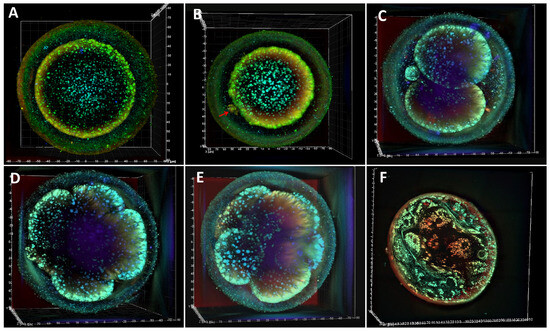
Pten-Mediated Antioxidant Response Alleviates Hydrogen Peroxide-Induced Oxidative Damage in Tilapia Muscle
by
Jianxiang Chen, Pao Xu, Miaomiao Xue, Jiyan He, Huaishun Shen, Hongxia Li and Changyou Song
Antioxidants 2026, 15(4), 499; https://doi.org/10.3390/antiox15040499 - 17 Apr 2026
Abstract
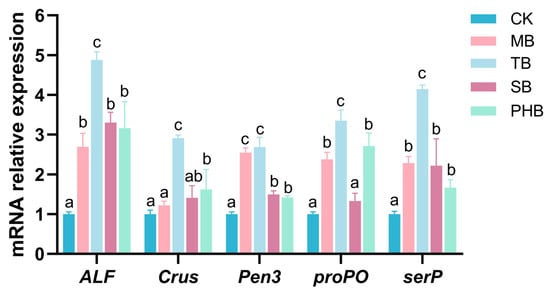
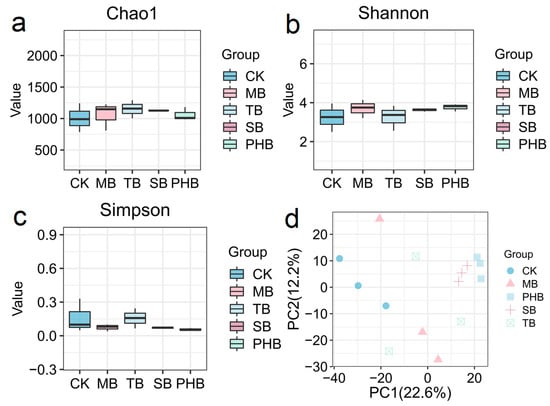
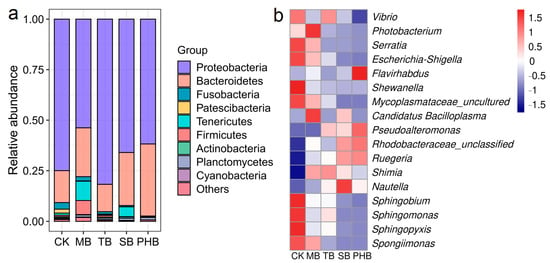
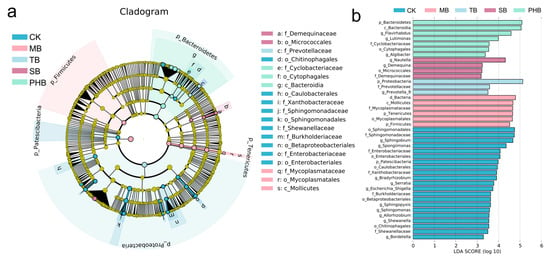
The mechanisms underlying hydrogen peroxide (HP)-induced oxidative stress damage in the muscle of Nile tilapia (Oreochromis niloticus) remain poorly understood. In this study, an oxidative stress model was established through 2 mM HP exposure for 4 weeks to elucidate the effects
[...] Read more.
The mechanisms underlying hydrogen peroxide (HP)-induced oxidative stress damage in the muscle of Nile tilapia (Oreochromis niloticus) remain poorly understood. In this study, an oxidative stress model was established through 2 mM HP exposure for 4 weeks to elucidate the effects of oxidative stress on tilapia muscle and regulatory mechanisms. The results demonstrated that prolonged oxidative stress inhibited the antioxidant response in tilapia muscle and significantly reduced body weight. Concurrently, oxidative stress downregulated the gene expression of muscle proliferation and development, leading to a loss of muscle mass and the deterioration of muscle texture. Furthermore, oxidative stress altered muscle cell fate and exacerbated inflammatory responses. Further transcriptomic analysis revealed that Pten played a critical regulatory role in the muscle antioxidant response and growth. Mechanistically, activation of Pten ameliorated antioxidant capacity and promoted cell proliferation. In conclusion, HP-mediated oxidative stress significantly inhibited muscle proliferation and development, while targeted regulation of Pten effectively alleviated the suppression of muscle antioxidant capacity and cell proliferation. This study provided a theoretical basis for the prevention and control of oxidative stress injury in tilapia aquaculture.
Full article
(This article belongs to the Special Issue Antioxidant Response in Aquatic Animals, 2nd Edition)
►▼
Show Figures

Figure 1
Open AccessArticle
Social Health Programming During Adolescence Is Associated with Increased Serum Levels of Carotenoids, Vitamin A, and Vitamin E in Young Women: An Observational Cohort Study
by
Rebecca Drakowski, Matthew VanOrmer, Laura Ebers, Katie Mayhan, Anum Akbar, Colman Freel, Taija Hahka, Rebekah A. S. Rapoza, Corrine Hanson, Keyonna M. King, Aaryn Mustoe, Melissa K. Thoene and Ann L. Anderson-Berry
Antioxidants 2026, 15(4), 498; https://doi.org/10.3390/antiox15040498 - 16 Apr 2026
Abstract
►▼
Show Figures
Over 85% of young women in the United States do not meet fruit and vegetable intake recommendations, placing them at risk for low antioxidant nutrient intake. Social health programming (SHP) can improve dietary intake of fruits and vegetables, but it is not known
[...] Read more.
Over 85% of young women in the United States do not meet fruit and vegetable intake recommendations, placing them at risk for low antioxidant nutrient intake. Social health programming (SHP) can improve dietary intake of fruits and vegetables, but it is not known how SHP impacts serum levels of specific antioxidant nutrients. This observational cohort study assessed the effect of participation in SHP through Girls Inc., Omaha, on serum carotenoid, retinol, and tocopherol levels for 12–29-year-old women. Serum nutrient levels were measured using high-performance liquid chromatography and nutrient intake from diet was measured using three 24 h dietary recalls (ASA24®). Pearson chi-squared tests, Mann–Whitney U tests, and linear regressions were used to compare differences in nutritional status between SHP participants and non-participants. After adjustment for age and race/ethnicity, SHP participation was associated with significantly higher serum concentrations of total lycopene, δ-tocopherol, β-carotene, β-cryptoxanthin, lutein + zeaxanthin, and α-carotene. There were no between-group differences in average daily intake of carotenoids, vitamin A, or vitamin E after adjustment for race/ethnicity and age. These findings suggest that SHP may be a successful intervention to improve antioxidant nutritional status.
Full article

Figure 1
Open AccessArticle
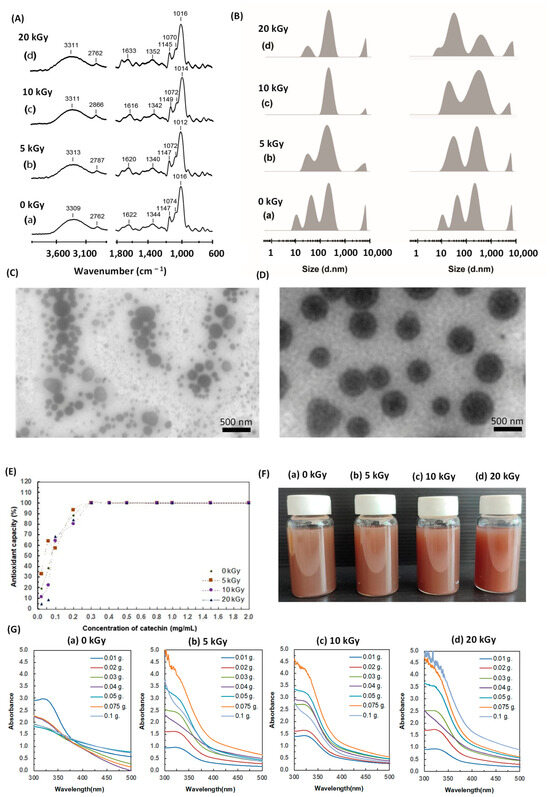
Catechin and Phenolic Profiles of Fermented Miang (Camellia sinensis var. assamica) and Their Application as Natural Antioxidants in Cosmetic Formulations
by
Panee Sirisa-Ard, Jakaphun Julsrigival, Sunee Chansakaow, Suchart Punjaisee, Pramote Tipduangta, Kiatisak Pholsongkram, Wannaree Charoensup, Nichakan Peerakam and Nararat Akarchariya
Antioxidants 2026, 15(4), 497; https://doi.org/10.3390/antiox15040497 - 16 Apr 2026
Abstract
►▼
Show Figures
Fermented Miang (Camellia sinensis var. assamica) serves as a valuable source of bioactive polyphenols and probiotic-associated components. This study characterized the catechin composition of fermented Miang extracts and evaluated their antioxidant capacity and suitability for cosmetic formulations. High-performance liquid chromatography (HPLC)
[...] Read more.
Fermented Miang (Camellia sinensis var. assamica) serves as a valuable source of bioactive polyphenols and probiotic-associated components. This study characterized the catechin composition of fermented Miang extracts and evaluated their antioxidant capacity and suitability for cosmetic formulations. High-performance liquid chromatography (HPLC) analysis showed that epigallocatechin gallate (EGCG) was the predominant catechin (7.00 ± 0.93 mg/g dry weight), followed by catechin (C), epicatechin (EC), epicatechin gallate (ECG), and epigallocatechin (EGC). The extracts remained physically and chemically stable for at least three months under various storage conditions, with the dried extract form offering advantages for handling and formulation. Fermentation duration significantly influenced phenolic accumulation and antioxidant activity, with four-month fermentation showing the highest activity. Prototype cleansing formulations, including transparent/opaque soap bars, liquid soap, and shampoo containing fermented Miang extract, exhibited acceptable physicochemical characteristics and retained antioxidant function. These findings highlight fermented Miang as a promising natural ingredient for antioxidant and probiotic-inspired cosmetic applications.
Full article

Graphical abstract
Open AccessArticle
A Preliminary Study on the Effects of Low Doses of Purified Zearalenone in Weaned Female Piglets: A Multi-Organ Toxicity Investigation
by
Ying Liu, Qiaomin Duan, Ruiqi Tan, Sunlin Luo, Wenjun He, Wenjun Yang and Yiqiang Chen
Antioxidants 2026, 15(4), 496; https://doi.org/10.3390/antiox15040496 - 16 Apr 2026
Abstract
Zearalenone (ZEA) is an estrogenic Fusarium mycotoxin widely contaminating feed and feedstuffs, and posing significant risks to animal health. This preliminary study aimed to evaluate the toxicological effects of dietary exposure to purified ZEA at doses ranging from below to above the Chinese
[...] Read more.
Zearalenone (ZEA) is an estrogenic Fusarium mycotoxin widely contaminating feed and feedstuffs, and posing significant risks to animal health. This preliminary study aimed to evaluate the toxicological effects of dietary exposure to purified ZEA at doses ranging from below to above the Chinese regulatory limit (0.15 mg/kg) in weaned female piglets. Twenty piglets were randomly assigned to five groups (four piglets per group) receiving 0, 0.075, 0.15, 0.3, or 0.6 mg/kg ZEA for 42 days. Results suggested that ZEA promoted systemic oxidative stress, evidenced by decreased serum total antioxidant capacity (T-AOC) and increased malondialdehyde (MDA) content in liver across all doses, and in jejunal mucosa at ≥ 0.15 mg/kg (p < 0.01). Growth performance declined only at 0.6 mg/kg during days 29–42 (p < 0.01), while hemoglobin (HGB) levels (p < 0.01) and ileal villus height (p < 0.05) were reduced at all doses. ZEA also caused inflammatory dysregulation, as evidenced by decreased interleukin-4 (IL-4) levels in serum, liver, and intestinal tissues across all doses (p < 0.01), and disrupted reproductive hormones even at 0.075 mg/kg, as indicated by suppressed serum luteinizing hormone (LH) levels (p < 0.01), which progressed to histopathological damage in uterine and ovarian tissues at higher doses. These preliminary findings, together with significant correlations between oxidative stress markers and multi-organ parameters, suggest that low doses of purified ZEA may induce systemic oxidative stress and subclinical multi-organ toxicity in weaned female piglets, highlighting the need to incorporate redox status into risk assessment and to explore potential antioxidant-based mitigation strategies. However, given the small sample size, these results should be interpreted with caution and warrant validation in larger samples.
Full article
(This article belongs to the Special Issue Redox Homeostasis in Poultry/Animal Production―2nd Edition)
Open AccessArticle
Neonatal Quercetin Reduces Intestinal Oxidative Damage and Upregulates Tight Junction-Related Genes in a Mouse Experimental Model of Cerebral Palsy
by
Isla Ariadny Amaral de Souza Gonzaga Paz, Raul Manhães-de-Castro, Glayciele Leandro de Albuquerque, Osmar Henrique dos Santos Junior, Henrique José Cavalcanti Bezerra Gouveia, Nathalia Caroline de Oliveira Melo, Francisco Carlos Amanajás de Aguiar Junior and Ana Elisa Toscano
Antioxidants 2026, 15(4), 495; https://doi.org/10.3390/antiox15040495 - 16 Apr 2026
Abstract
►▼
Show Figures
Cerebral palsy (CP) is a non-progressive neurological condition associated with neuroinflammation, motor impairments, and gastrointestinal dysfunction mediated by the gut–brain axis. Preserving the intestinal epithelial barrier integrity may represent a therapeutic strategy, and quercetin is a bioactive compound with potential intestinal protective effects.
[...] Read more.
Cerebral palsy (CP) is a non-progressive neurological condition associated with neuroinflammation, motor impairments, and gastrointestinal dysfunction mediated by the gut–brain axis. Preserving the intestinal epithelial barrier integrity may represent a therapeutic strategy, and quercetin is a bioactive compound with potential intestinal protective effects. This study investigated the effects of neonatal quercetin treatment on morphometric parameters, oxidative stress markers, and epithelial barrier gene expression in an experimental CP model. Wistar rats were distributed into four groups according to health status and treatment with a vehicle (V) or quercetin (Q, 10 mg/kg, intraperitoneally): healthy control (CV and CQ) and CP (CPV and CPQ) (n = 10/group). Intestinal morphology, oxidative stress markers, and gene expression (occludin, zonulin, and mucin 2) were evaluated. CP animals showed segment-specific alterations, with structural impairment predominantly in the ileum and increased oxidative damage in the jejunum. Quercetin attenuated oxidative stress markers and modulated antioxidant enzyme activity in CP, increased jejunal tight-junction gene expression in both healthy and CP groups, and enhanced MUC2 expression only in healthy animals, without fully reversing CP-induced morphological changes. In conclusion, neonatal quercetin modulates oxidative stress and epithelial barrier-related gene expression, supporting its potential as an adjuvant strategy for intestinal barrier protection in experimental CP.
Full article

Figure 1
Open AccessReview
Oxidative Stress, Environmental Pollutants, Aging, and Epigenetic Regulation: Mechanistic Insights and Biomarker Advances
by
Minelly Krystal Gonzalez Acevedo, Michael Powers and Luca Cucullo
Antioxidants 2026, 15(4), 494; https://doi.org/10.3390/antiox15040494 - 16 Apr 2026
Abstract
Environmental pollutants, lifestyle factors, and intrinsic metabolism can amplify reactive oxygen and nitrogen species (ROS/RNS) generation beyond antioxidant capacity. The resulting oxidative stress damages macromolecules, perturbs redox signaling, and may accelerate biological aging. This review synthesizes evidence published mainly in 2020–2025 on how
[...] Read more.
Environmental pollutants, lifestyle factors, and intrinsic metabolism can amplify reactive oxygen and nitrogen species (ROS/RNS) generation beyond antioxidant capacity. The resulting oxidative stress damages macromolecules, perturbs redox signaling, and may accelerate biological aging. This review synthesizes evidence published mainly in 2020–2025 on how major pollutant classes (air pollutants, metals, pesticides, nanoparticles, and micro-/nanoplastics) induce ROS through shared nodes mitochondrial electron transport disruption, NADPH oxidase activation, and redox cycling/Fenton chemistry and how these signals propagate to epigenetic remodeling (DNA methylation, histone modifications, and non-coding RNAs). To move beyond descriptive cataloging, we grade the strength of evidence by study context (cell culture, animal models, human observational studies, and clinically oriented biomarker research), highlight convergent findings and unresolved controversies, and specify key methodological limits. We then compare oxidative-stress biomarker platforms by analytical specificity, pre-analytical susceptibility, and translational readiness, distinguishing validated markers from exploratory redox-epigenetic and multi-omics signatures. Finally, we discuss how exposomics and AI-assisted multi-omics integration may support biomarker discovery while emphasizing current constraints (confounding, batch effects, and limited prospective validation) that must be addressed for clinical translation.
Full article
(This article belongs to the Special Issue Oxidative Stress from Environmental Exposures)
►▼
Show Figures

Figure 1
Open AccessReview
Oxidative Stress and Alcohol-Related Hepatitis: A Role for Future Therapies
by
Francesca D’Arcangelo, Neil Rajoriya and Patricia F. Lalor
Antioxidants 2026, 15(4), 493; https://doi.org/10.3390/antiox15040493 - 16 Apr 2026
Abstract
Alcohol-associated Hepatitis (AH) is a rare acute injury caused by alcohol consumption, which can lead to one of the most severe manifestations of liver disease. It is part of the alcohol-related liver diseases (ArLD) spectrum, which represents a major global health burden, with
[...] Read more.
Alcohol-associated Hepatitis (AH) is a rare acute injury caused by alcohol consumption, which can lead to one of the most severe manifestations of liver disease. It is part of the alcohol-related liver diseases (ArLD) spectrum, which represents a major global health burden, with oxidative stress and inflammation serving as central, interconnected pathogenic mechanisms. Chronic alcohol (ethanol) consumption induces hepatic reactive oxygen species (ROS) generation through multiple pathways, including cytochrome P450 2E1 (CYP2E1) induction, mitochondrial dysfunction, and NADPH oxidase activation. These oxidative insults trigger a cascade of cellular damage encompassing lipid peroxidation, protein adduct formation, DNA damage, and endoplasmic reticulum stress, ultimately leading to hepatocyte dysfunction and multiple forms of cell death, including apoptosis, necroptosis, pyroptosis, and ferroptosis. The inflammatory response, orchestrated primarily by Kupffer cells and infiltrating neutrophils through Toll-like receptor (TLR) signalling and inflammasome activation, not only amplifies hepatic injury but also promotes fibrogenesis through hepatic stellate cell activation. Neutrophils, characterised by elevated lipocalin-2 expression and spontaneous NETosis in AH, exhibit a paradoxical role by driving both tissue damage and repair. Current therapeutic strategies include corticosteroids, which remain the first-line treatment for severe AH, while emerging therapies targeting the gut–liver axis, hepatic regeneration, and specific molecular targets show promise in clinical trials. This review comprehensively examines the molecular crosstalk between oxidative stress and inflammation in the pathogenesis of AH to highlight current and investigational therapeutic approaches targeting these interconnected pathways.
Full article
(This article belongs to the Special Issue Alcohol-Induced Oxidative Stress in Health and Disease, 2nd Edition)
►▼
Show Figures

Figure 1
Open AccessArticle
Oxidative Stress and Antioxidant Defense During Liver Regeneration After Acetaminophen Toxicity: The Preventive Potential of the Microalga Desmodesmus armatus
by
Halyna P. Kopylchuk, Ivanna M. Nykolaichuk, Mariia S. Ursatyi, Larysa M. Cheban, Oleksii Skorokhod and Oksana M. Voloshchuk
Antioxidants 2026, 15(4), 492; https://doi.org/10.3390/antiox15040492 - 15 Apr 2026
Abstract
►▼
Show Figures
Liver regeneration after partial hepatectomy (PH) is critically influenced by redox balance, which may be severely disrupted under drug-induced liver injury. This study evaluated oxidative stress parameters and inflammatory markers in rats subjected to 70% PH following acetaminophen (APAP)-induced toxicity and assessed the
[...] Read more.
Liver regeneration after partial hepatectomy (PH) is critically influenced by redox balance, which may be severely disrupted under drug-induced liver injury. This study evaluated oxidative stress parameters and inflammatory markers in rats subjected to 70% PH following acetaminophen (APAP)-induced toxicity and assessed the preventive effect of the microalga Desmodesmus armatus. Reactive oxygen species (superoxide anion, hydroxyl radical, and hydrogen peroxide), antioxidant enzyme activities (superoxide dismutase and glutathione peroxidase), serum aminotransferases, bilirubin, and C-reactive protein were analyzed 0–168 h post-hepatectomy. APAP intoxication markedly increased mitochondrial ROS production, suppressed mitochondrial antioxidant enzyme activity, and prolonged elevations of ALT, AST, bilirubin, and CRP, accompanied by severe histological damage. Preventive administration of D. armatus suspension (10 mL/kg body weight at 1.5 × 10⁶ and 1.5 × 10⁷ cells/mL) attenuated oxidative stress in a dose-dependent manner. It significantly reduced ROS levels, restored mitochondrial antioxidant defenses, decreased cytolytic and cholestatic markers, and mitigated systemic inflammation. Overall, D. armatus exhibited hepatoprotective and redox-modulating properties, which may contribute to a more favorable microenvironment for liver recovery under toxic conditions. These findings highlight the potential of microalgae-based interventions as supportive strategies for reducing liver injury and improving recovery following acute liver injury.
Full article

Figure 1
Open AccessArticle
Separation and Characterization of Self-Assembled Nanoparticles from Rheum palmatum L.–Salvia miltiorrhiza Bunge Extract and Their Renoprotective Effects in Acute Kidney Injury
by
Jing Yang, Chenghong Li, Huaqiao Tang, Xue Xia, Yuanhang Chen, Maixun Zhu, Gang Ye, Fei Shi, Wei Zhang, Cheng Lv, Lixia Li, Xun Wang, Yinglun Li and Ling Zhao
Antioxidants 2026, 15(4), 491; https://doi.org/10.3390/antiox15040491 - 15 Apr 2026
Abstract
Acute kidney injury (AKI) presents a critical clinical challenge due to its rapid progression and lack of effective targeted therapies. The herbal combination of rhubarb and Salvia miltiorrhiza, a cornerstone of Traditional Chinese Medicine (TCM) for renal protection, shows promise, yet its bioactive
[...] Read more.
Acute kidney injury (AKI) presents a critical clinical challenge due to its rapid progression and lack of effective targeted therapies. The herbal combination of rhubarb and Salvia miltiorrhiza, a cornerstone of Traditional Chinese Medicine (TCM) for renal protection, shows promise, yet its bioactive components and mode of action remain incompletely understood. This study identifies and characterizes inherent nanoscale entities from this herbal pair as a novel nanotherapeutic platform. Self-assembled nanoparticles (designated RSNPs) were isolated from the ethanol extract via differential centrifugation. Comprehensive characterization revealed that RSNPs form stable nanostructures through spontaneous self-assembly, primarily driven by supramolecular interactions (e.g., π-π stacking and hydrogen bonding). UPLC-MS/MS quantification confirmed the co-assembly of multiple bioactive constituents within RSNPs. Network pharmacology and molecular docking initially predicted their synergistic action on AKI-related pathways. In a cisplatin-induced murine AKI model, RSNP administration markedly attenuated renal dysfunction and histopathological damage, mechanistically linked to the mitigation of oxidative stress (e.g., decreased MDA and increased SOD) and inflammation (e.g., downregulated TNF-α and IL-6). In vitro, RSNPs demonstrated enhanced cellular internalization and superior cytoprotection against cisplatin toxicity in renal tubular epithelial cells, significantly reducing apoptosis. These findings unveil that the therapeutic efficacy of the Rheum palmatum L.–Salvia miltiorrhiza Bunge pair is intrinsically embedded within its nanoscale architecture. RSNPs represent a new class of TCM-derived nanotherapeutics with a well-defined material basis and multimodal mechanisms, offering a promising strategy for AKI treatment.
Full article
(This article belongs to the Section Natural and Synthetic Antioxidants)
►▼
Show Figures

Figure 1
Open AccessReview
Redox Imbalance in the Cardiohepatic Syndrome: The Emerging Role of Oxidative Stress in Cirrhosis-Associated Cardiac Dysfunction
by
Nikola Blagojevic, Dragana Blagojevic, Ana Matovic, Marko Cvrkotic, Marija Marjanovic-Haljilji, Aleksandra Sljivic, Ana Ilic, Natasa Cvetinovic, Irina Nenadic, Marko Djuric, Nemanja Dimic, Milica Aleksic, Jovana Bojicic, Aleksandra Djokovic, Snezana Lukic and Branka Filipovic
Antioxidants 2026, 15(4), 490; https://doi.org/10.3390/antiox15040490 - 15 Apr 2026
Abstract
Cirrhosis is no longer viewed solely as an isolated hepatic disorder but rather as a complex multisystemic disease that affects cardiovascular, renal, pulmonary, metabolic, and immune systems. One of its most clinically relevant but under-recognized consequences is cardiac dysfunction, manifesting as cirrhotic cardiomyopathy,
[...] Read more.
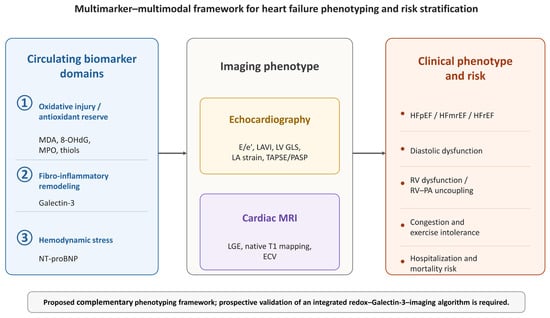
Cirrhosis is no longer viewed solely as an isolated hepatic disorder but rather as a complex multisystemic disease that affects cardiovascular, renal, pulmonary, metabolic, and immune systems. One of its most clinically relevant but under-recognized consequences is cardiac dysfunction, manifesting as cirrhotic cardiomyopathy, portopulmonary hypertension, right ventricular (RV) failure, and impaired myocardial strain. Oxidative stress (OS) has recently emerged as a fundamental mechanistic link between hepatic fibrogenesis and myocardial remodeling, acting through mitochondrial injury, NADPH oxidase activation, nitric oxide dysregulation, iron-mediated ferroptosis, and inflammatory cytokines. These alterations lead to diastolic dysfunction, autonomic imbalance, myocardial fibrosis, electrophysiological abnormalities (including QTc prolongation), and impaired RV–pulmonary artery coupling. Redox biomarkers such as malondialdehyde (MDA), NOX2-derived peptides, GSH/GSSG ratio, sST2, NT-proBNP, and 8-isoprostanes hold promise in detecting early subclinical cardiac involvement in cirrhosis. Novel antioxidant therapies, including mitochondrial-targeted molecules, NOX inhibitors, and ferroptosis blockers, may improve myocardial remodeling and hemodynamic stability. This review explores the central role of redox imbalance in the cardiohepatic syndrome and its potential utility in diagnosis, monitoring, and therapy.
Full article
(This article belongs to the Special Issue Roles of Oxidative Stress in Human Pathophysiology)
►▼
Show Figures

Figure 1
Open AccessArticle
Resveratrol Attenuates Heat Stress-Induced Luteal Injury Through Modulation of Oxidative Stress and Cytokine–Chemokine Inflammatory Networks in Pregnant Mice
by
Muhammad Tariq, Abdul Quddus, Kossinga Koulet André Saint Victor, Kebede Habtegiorgis Beshah, Yexiao Yan and Dagan Mao
Antioxidants 2026, 15(4), 489; https://doi.org/10.3390/antiox15040489 - 14 Apr 2026
Abstract
Heat stress (HS) affects female reproductive efficiency by disrupting redox homeostasis and activating inflammatory responses in the corpus luteum (CL), a metabolically active tissue essential for pregnancy maintenance. This study reveals the protective effect of resveratrol against HS-induced luteal injury in pregnant mice
[...] Read more.
Heat stress (HS) affects female reproductive efficiency by disrupting redox homeostasis and activating inflammatory responses in the corpus luteum (CL), a metabolically active tissue essential for pregnancy maintenance. This study reveals the protective effect of resveratrol against HS-induced luteal injury in pregnant mice through the regulation of oxidative stress and cytokine–chemokine-mediated inflammatory and immune responses. The pregnant mice were divided into three groups: control, HS, and resveratrol +HS. Heat stress was applied at 40 ± 0.5 °C for 7 days, with resveratrol (10 mg/kg) given orally 2 h before exposure to HS. The results showed that heat exposure reduced serum total superoxide dismutase activity and increased malondialdehyde level, causing significant disruption of luteal morphology with cellular disorder and vacuolization, which was partially overcome by resveratrol pretreatment. Transcriptomic profiling showed that HS induced a strong immunological and inflammatory response, involving cytokine–cytokine receptor interaction and chemokine signaling. Resveratrol significantly attenuated HS-induced transcriptional changes. The RT-qPCR results showed that HS increased chemokine ligands (Ccl11, Cxcl13, Tslp) and cytokine receptors (Ccr3, Ccr4, Ccr5), which were suppressed by resveratrol. The chemokine-based inflammatory module is one of the most important regulatory properties of the HS response, according to the network analysis. Stable binding of resveratrol with major chemokine receptors was supported by molecular docking and molecular dynamics simulations. Collectively, HS induces oxidative, structural, and inflammatory alterations in luteal tissue, while resveratrol attenuates these changes by being associated with improved antioxidant status and suppression of cytokine–chemokine-mediated responses.
Full article
(This article belongs to the Special Issue Bioactive Compounds from Natural Sources with Antioxidant and Anti-Inflammatory Potential)
Open AccessArticle
Systemic Oxidative and Nitrosative Stress in Benign Prostatic Hyperplasia
by
Marek Biesiadecki, Sabina Galiniak, Krzysztof Balawender, Julia Połeć and Mateusz Mołoń
Antioxidants 2026, 15(4), 488; https://doi.org/10.3390/antiox15040488 - 14 Apr 2026
Abstract
Benign prostatic hyperplasia (BPH) is an age-related disorder increasingly linked to chronic inflammation and redox imbalance, yet its systemic oxidative and nitrosative profile remains insufficiently characterized. In this cross-sectional study, fasting serum samples were collected from 47 men with clinically confirmed BPH scheduled
[...] Read more.
Benign prostatic hyperplasia (BPH) is an age-related disorder increasingly linked to chronic inflammation and redox imbalance, yet its systemic oxidative and nitrosative profile remains insufficiently characterized. In this cross-sectional study, fasting serum samples were collected from 47 men with clinically confirmed BPH scheduled for transurethral resection of the prostate and 40 healthy controls. We assessed antioxidant status (thiols, total antioxidant capacity), lipid peroxidation (malondialdehyde, 4-hydroxynonenal), protein nitration (3-nitrotyrosine), glycoxidation markers (Amadori products, advanced glycation end products (AGE)-associated fluorescence), and tryptophan metabolism indices (tryptophan, kynurenine, N′-formylkynurenine). Compared with controls, BPH patients showed significantly lower antioxidant capacity and thiol levels, together with increased lipid peroxidation and protein nitration. AGE-associated fluorescence was modestly elevated, whereas Amadori products and advanced oxidation protein products did not differ significantly. Tryptophan metabolism was markedly altered, with lower tryptophan and higher kynurenine and N′-formylkynurenine, indicating activation of the kynurenine pathway. After false discovery rate correction, most redox biomarkers remained significant. Multivariable logistic regression confirmed independent associations of lipid peroxidation, nitrosative stress, and kynurenine pathway activation with BPH after adjustment for age and metabolic parameters. These findings support a role for systemic oxidative and inflammatory mechanisms in BPH pathophysiology, although confirmation in age-matched and longitudinal studies is needed.
Full article
(This article belongs to the Special Issue Roles of Oxidative Stress in Human Pathophysiology)
Open AccessReview
The Role of Antioxidants in the Management of Polycystic Ovary Syndrome
by
Tamara Sorić, Marijana Matek Sarić, Snježana Herceg Romanić, Ana Sarić, Antonija Jonjić and Miran Čoklo
Antioxidants 2026, 15(4), 487; https://doi.org/10.3390/antiox15040487 - 14 Apr 2026
Abstract
Polycystic ovary syndrome (PCOS) is a heterogeneous endocrine–metabolic disorder characterized by endocrine disruption, insulin resistance, hyperandrogenism, and chronic low-grade inflammation, in which oxidative stress has been proposed as a mechanistic link between metabolic and reproductive dysfunction. This narrative review summarizes current evidence on
[...] Read more.
Polycystic ovary syndrome (PCOS) is a heterogeneous endocrine–metabolic disorder characterized by endocrine disruption, insulin resistance, hyperandrogenism, and chronic low-grade inflammation, in which oxidative stress has been proposed as a mechanistic link between metabolic and reproductive dysfunction. This narrative review summarizes current evidence on redox-related mechanisms and evaluates dietary and supplemental antioxidants in PCOS. Clinical trials, systematic reviews, and mechanistic studies were examined to assess antioxidant classification, signaling pathways, and outcomes related to metabolic, endocrine, reproductive, and oxidative stress parameters. Antioxidant interventions frequently modify circulating redox biomarkers and may improve selected metabolic indices; however, consistent effects on hormonal regulation, ovulation, and long-term clinical outcomes remain limited and heterogeneous. Differences in study design, antioxidant formulation and dosage, baseline metabolic status, and outcome selection complicate interpretation, while emerging evidence suggests modulation by lifestyle factors and gut microbiota-related mechanisms. Overall, antioxidants appear to act primarily through modulation of endogenous redox regulation rather than direct reactive oxygen species scavenging and are best considered adjuncts to lifestyle-based management. Further phenotype-informed and longitudinal studies using clinically relevant endpoints are required to clarify therapeutic relevance in PCOS.
Full article
(This article belongs to the Special Issue Dietary Antioxidants, Oxidative Stress, and Women’s Reproductive Health)
Open AccessReview
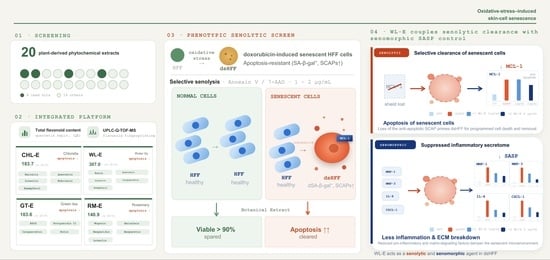
HPV Infection and Oxidative Stress in Cervical Carcinogenesis: Linking Apoptosis, Senescence, SASP, and EMT
by
Albert Despot, Rajko Fureš, Ana-Marija Despot, Zlatko Hrgović, Martin Gredičak, Sanja Malinac Malojčić, Vesna Ćosić, Larisa Mešić, Nikola Sinković and Ivan Sabol
Antioxidants 2026, 15(4), 486; https://doi.org/10.3390/antiox15040486 - 14 Apr 2026
Abstract
Cervical cancer (CC) is a complex, multistep process involving various viral, molecular, cellular, endogenous, and environmental events that transform normal cervical epithelium into a malignant tumor through a cascade of events. The contribution of high-risk human papillomavirus (HPV) to cancer is significant but
[...] Read more.
Cervical cancer (CC) is a complex, multistep process involving various viral, molecular, cellular, endogenous, and environmental events that transform normal cervical epithelium into a malignant tumor through a cascade of events. The contribution of high-risk human papillomavirus (HPV) to cancer is significant but involves many additional mechanisms such as oxidative stress (OS), arrested apoptosis of non-functional intraepithelial neoplastic cells, senescence-associated secretory phenotype (SASP), and the final epithelial–mesenchymal transition (EMT) of cervical epithelial neoplasia (CIN) cells. While high-risk HPV oncoproteins E6 and E7 are widely recognized as the primary triggers of CC, the critical role of E6 in degrading the p53 regulatory protein, thereby inhibiting the apoptosis of reactive oxygen species (ROS)-damaged neoplastic cells, is frequently underappreciated in the gynecological literature. Arrested apoptosis of non-functional neoplastic intraepithelial cells is a key event in cervical carcinogenesis and the biological basis of CIN progression via SASP senescence and ultimately EMT. While recent reviews touched upon each of the reviewed aspects, this review aims to provide a general understanding of all links in this complex molecular-biological chain, from HPV infection, oxidative stress, arrested apoptosis, SASP, and EMT. Beyond providing an encompassing primer for clinical researchers, we additionally review potential oxidative stress-related markers for shifting the classic diagnostic and therapeutic paradigms of CIN and cervical cancer.
Full article
(This article belongs to the Special Issue Oxidative Stress in Cancers of the Female Reproductive Tract: Bridging Current Knowledge with New Technologies)
►▼
Show Figures

Figure 1
Open AccessReview
Therapeutic Potential of Cytoglobin and Neuroglobin in Oxidative Stress-Driven Liver Diseases
by
Le Thi Thanh Thuy, Hoang Hai, Pham Tuan Anh, Nguyen Bui Tam Chi, Tran Van Bao, Tran Dang Anh Huyen, Nguyen Tran Quang Sang and Michelle L. Hermiston
Antioxidants 2026, 15(4), 485; https://doi.org/10.3390/antiox15040485 - 14 Apr 2026
Abstract
Chronic liver diseases, including fibrosis and hepatocellular carcinoma (HCC), are primarily driven by oxidative stress, yet traditional antioxidant therapies often lack the specificity and efficacy required for clinical success. This review evaluates the emerging therapeutic potential of two atypical globins, cytoglobin (CYGB) and
[...] Read more.
Chronic liver diseases, including fibrosis and hepatocellular carcinoma (HCC), are primarily driven by oxidative stress, yet traditional antioxidant therapies often lack the specificity and efficacy required for clinical success. This review evaluates the emerging therapeutic potential of two atypical globins, cytoglobin (CYGB) and neuroglobin (NGB), exploring their unique hexacoordinated heme structures that enable potent reactive oxygen and nitrogen species (ROS/RNS) scavenging and redox-regulated signaling. We summarize a broad range of in vitro and in vivo evidence demonstrating that these globins deactivate hepatic stellate cells, reduce extracellular matrix accumulation, and function as tumor suppressors by modulating pathways such as Raf/MEK/ERK and NRF2. In human cohorts, CYGB expression levels inversely correlate with the progression of Metabolic Dysfunction-Associated Steatohepatitis (MASH) and HCC, highlighting its potential as a clinical biomarker. Furthermore, recombinant protein therapies involving CYGB and NGB show promise in promoting collagen degradation and inhibiting malignant transformation. We conclude that CYGB and NGB represent sophisticated catalytic redox regulators that offer a novel therapeutic paradigm for restoring redox homeostasis. While delivery and pharmacokinetic barriers remain, these globins are highly promising candidates for first-in-class biologics in hepatology.
Full article
(This article belongs to the Special Issue Oxidative Stress in Hepatic Diseases)
►▼
Show Figures

Figure 1
Open AccessArticle
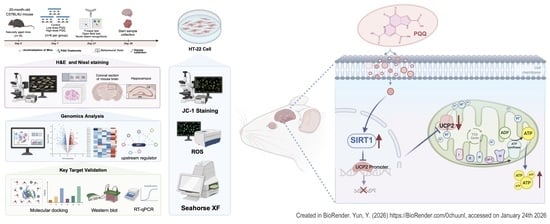
Hesperidin from Chenpi Ameliorates Skin Photoaging by Targeting HSPA1L to Stabilize GPX4 and Suppress Ferroptosis
by
Xiaoyu Guo, Mengyao Wu, Yunxing Li, Jianlang He, Yongjie Ma, Taizhi Su, Changzheng Li and Jian Wang
Antioxidants 2026, 15(4), 484; https://doi.org/10.3390/antiox15040484 - 14 Apr 2026
Abstract
Photoaging is an extrinsic skin aging process caused by chronic ultraviolet (UV) radiation. A core pathological feature of photoaging is excessive oxidative stress, which can further induce ferroptosis. The HSP70 family plays a critical role in this stress response by protecting the key
[...] Read more.
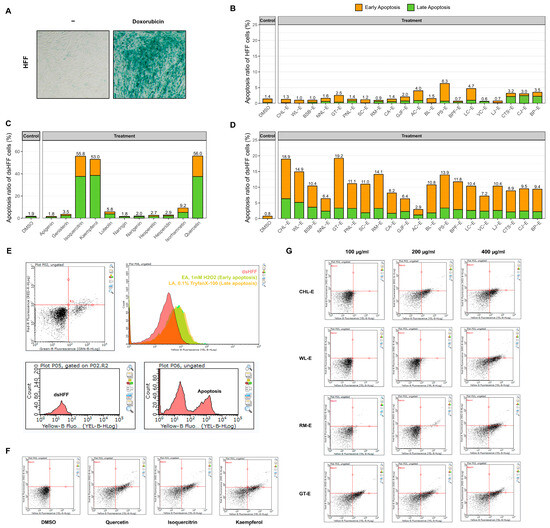
Photoaging is an extrinsic skin aging process caused by chronic ultraviolet (UV) radiation. A core pathological feature of photoaging is excessive oxidative stress, which can further induce ferroptosis. The HSP70 family plays a critical role in this stress response by protecting the key antioxidant enzyme GPX4. In this study, we established UV-induced photoaging models in cultured cells and 3D skin organoids. UPLC-MS/MS analysis of Chenpi transdermal permeate (prepared by in vitro transdermal penetration of Chenpi extract through mouse skin) identified hesperidin as the primary bioactive compound of Chenpi (dried peel of the plant Citrus reticulata Blanco after the aging process). The efficacy of hesperidin was validated in human keratinocytes (HaCaTs), fibroblasts (HSFs), and skin organoids. Mechanistically, transcriptomic and metabolomics analysis indicated that ferroptosis is a key pathway through which hesperidin ameliorates photoaging. Limited proteolysis mass spectrometry (LiP-MS), transcriptomics, and molecular dynamics simulation results demonstrated that hesperidin directly binds to the molecular chaperone HSPA1L. By upregulating HSPA1L expression, hesperidin enhanced the stability of GPX4 and suppressed UV-triggered ferroptosis. Our findings identify the HSPA1L/GPX4 axis as a critical redox regulatory pathway targeted by hesperidin, providing a mechanistic foundation for anti-photoaging therapies.
Full article
(This article belongs to the Collection Advances in Antioxidant Ingredients from Natural Products)
►▼
Show Figures

Graphical abstract
Journal Menu
► ▼ Journal Menu-
- Antioxidants Home
- Aims & Scope
- Editorial Board
- Reviewer Board
- Topical Advisory Panel
- Instructions for Authors
- Special Issues
- Topics
- Sections & Collections
- Article Processing Charge
- Indexing & Archiving
- Editor’s Choice Articles
- Most Cited & Viewed
- Journal Statistics
- Journal History
- Journal Awards
- Society Collaborations
- Conferences
- Editorial Office
Journal Browser
► ▼ Journal BrowserHighly Accessed Articles
Latest Books
E-Mail Alert
News
Topics
Topic in
Antioxidants, Molecules, Nutraceuticals, Nutrients, Plants
Memory-Enhancing Activity of Bioactive Compounds: From Natural Sources to Brain, 2nd Edition
Topic Editors: Lucian Hritcu, Simone CarradoriDeadline: 30 April 2026
Topic in
Antioxidants, Applied Nano, IJMS, Molecules, Nanomaterials, Pharmaceutics
Nanomaterials in Biomedicine: Therapeutic Delivery, Diagnostics, and Beyond
Topic Editors: Hans Bäumler, Radostina GeorgievaDeadline: 31 May 2026
Topic in
Antioxidants, Biomedicines, IJMS, Life, Oxygen, Cosmetics, Nutraceuticals
Oxidative Stress and Inflammation, 3rd Edition
Topic Editors: Maria Letizia Manca, Amparo Nacher, Matteo Perra, Ines Castangia, Mohamad AllawDeadline: 31 July 2026
Topic in
Animals, Antioxidants, Fishes, Biology
Immunology and Disease Prevention and Control in Aquatic Animals
Topic Editors: Hongliang Zuo, Jiejie Sun, Linwei YangDeadline: 31 August 2026
Conferences
Special Issues
Special Issue in
Antioxidants
Synthetic Compounds: Antioxidant and Anti-Inflammatory Activities, Biomedical Properties and Formulations
Guest Editors: Simone Carradori, Ilaria D'AgostinoDeadline: 20 April 2026
Special Issue in
Antioxidants
Novel Antioxidant Mechanisms for Health and Diseases, 2nd Edition
Guest Editor: Yoshihisa KoyamaDeadline: 20 April 2026
Special Issue in
Antioxidants
Oxidative Stress, Mitochondrial Dysfunction, and Inflammation in Autism
Guest Editor: Abha ChauhanDeadline: 20 April 2026
Special Issue in
Antioxidants
Redox Signaling in Brain Aging and Neurodegeneration
Guest Editor: Marco BisagliaDeadline: 30 April 2026
Topical Collections
Topical Collection in
Antioxidants
Advances in Antioxidant Ingredients from Natural Products
Collection Editors: Carla Susana Correia Pereira, Lillian Barros