
Journal Description
Life
Life
is an international, peer-reviewed, open access journal related to fundamental themes in life sciences from basic to applied research, published monthly online by MDPI. The Spanish Association for Cancer Research (ASEICA) is affiliated with Life and its members receive a discount on the article processing charges.
- Open Access— free for readers, with article processing charges (APC) paid by authors or their institutions.
- High Visibility: indexed within Scopus, SCIE (Web of Science), PubMed, PMC, CAPlus / SciFinder, and other databases.
- Journal Rank: JCR - Q1 (Biology) / CiteScore - Q1 (Paleontology)
- Rapid Publication: manuscripts are peer-reviewed and a first decision is provided to authors approximately 16.6 days after submission; acceptance to publication is undertaken in 2.4 days (median values for papers published in this journal in the second half of 2025).
- Recognition of Reviewers: reviewers who provide timely, thorough peer-review reports receive vouchers entitling them to a discount on the APC of their next publication in any MDPI journal, in appreciation of the work done.
- Testimonials: See what our editors and authors say about Life.
- Companion journals for Life include: Physiologia and Hydrobiology.
Impact Factor:
3.4 (2024);
5-Year Impact Factor:
3.4 (2024)
Latest Articles
Interannual Fluctuations in Mean Straight Carapace Length (SCL) of Nesting Kemp’s Ridley Sea Turtles Signal Demographic Shifts at Rancho Nuevo Sanctuary, Tamaulipas, Mexico
Life 2026, 16(4), 631; https://doi.org/10.3390/life16040631 (registering DOI) - 8 Apr 2026
Abstract
The critically endangered Kemp’s ridley sea turtle (Lepidochelys kempii) population experienced a catastrophic decline from a peak in 1947 to a low in 1985, followed by exponential growth prior to 2010. However, the Deepwater Horizon (DWH) oil spill caused a demographic
[...] Read more.
The critically endangered Kemp’s ridley sea turtle (Lepidochelys kempii) population experienced a catastrophic decline from a peak in 1947 to a low in 1985, followed by exponential growth prior to 2010. However, the Deepwater Horizon (DWH) oil spill caused a demographic setback. Monitoring nesting female straight carapace length (SCL) is crucial for assessing population structure and recovery. We analyzed interannual variation in SCL of nesting females at Rancho Nuevo Sanctuary, Tamaulipas, Mexico, during the 2018–2023 nesting seasons. A total of 191 females were measured, and a comprehensive statistical analysis was performed to validate the use of parametric tests. One-way ANOVA revealed significant differences in mean SCL among years (p < 0.001). The lowest seasonal SCL means were in 2020 (59.01 ± 1.79 cm) and 2022 (60.68 ± 1.47 cm), while the highest SCL means occurred in 2018 (62.77 ± 1.81 cm), 2019 (62.01 ± 1.56 cm), 2021 (62.19 ± 1.47 cm), and 2023 (61.75 ± 2.07 cm). There was no significant linear decline in mean SCL from 2018 to 2023 (p = 0.78). These results suggest short-term interannual variability rather than a consistent shift in body size structure, providing updated baseline information for post-DWH population monitoring and future recruitment assessments.
Full article
(This article belongs to the Special Issue Towards Resilient Seas: Marine Biodiversity and Ecological Functioning in a Changing Ocean)
Open AccessReview
Nutritional Regulation of Reproductive Physiology in Ruminants: A Mechanistic Review
by
Ting-Chieh Kang, Geng-Jen Fan, Hisn-Hung Lin, Kai-Fei Tseng, Ya-Chun Liu and Hsi-Hsun Wu
Life 2026, 16(4), 630; https://doi.org/10.3390/life16040630 (registering DOI) - 8 Apr 2026
Abstract
Modern genetic selection for high productivity has created a physiological conflict in ruminants, where the metabolic demands of lactation compete directly with the energy requirements of reproduction. This review provides a mechanistic synthesis of how key nutritional factors modulate the endocrine and cellular
[...] Read more.
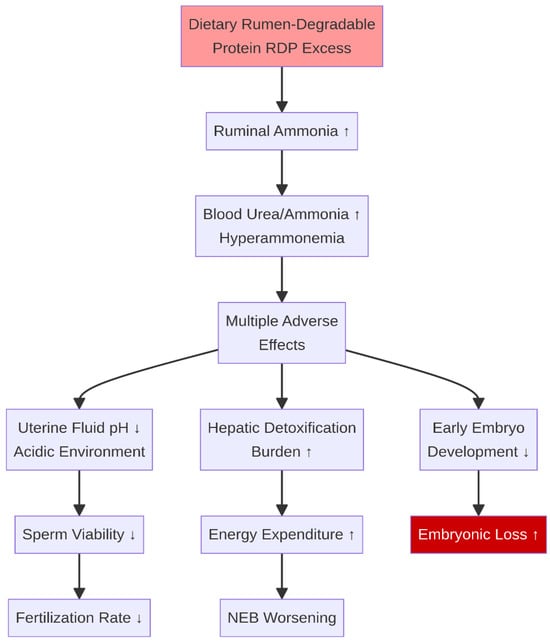
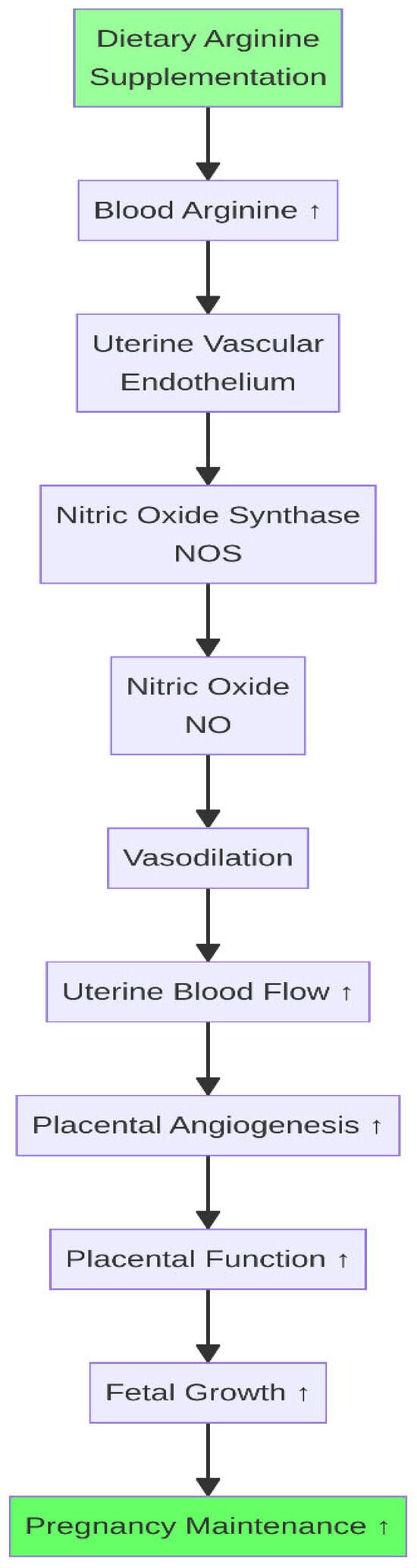
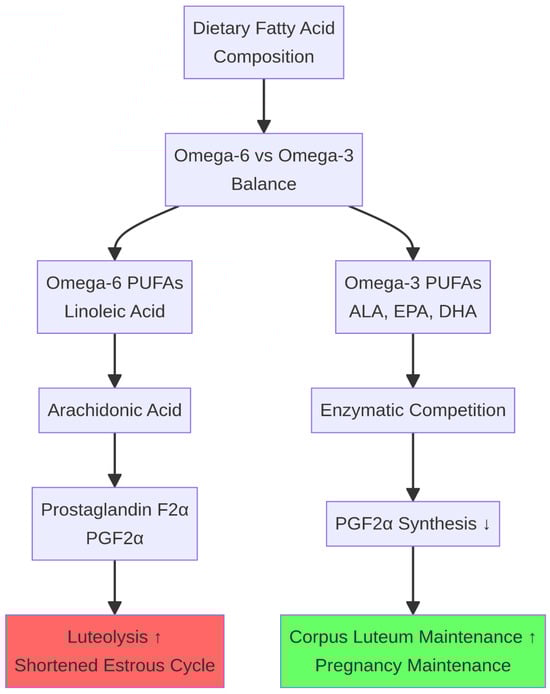
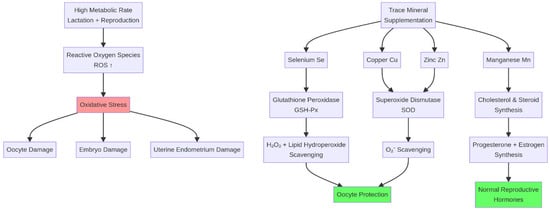
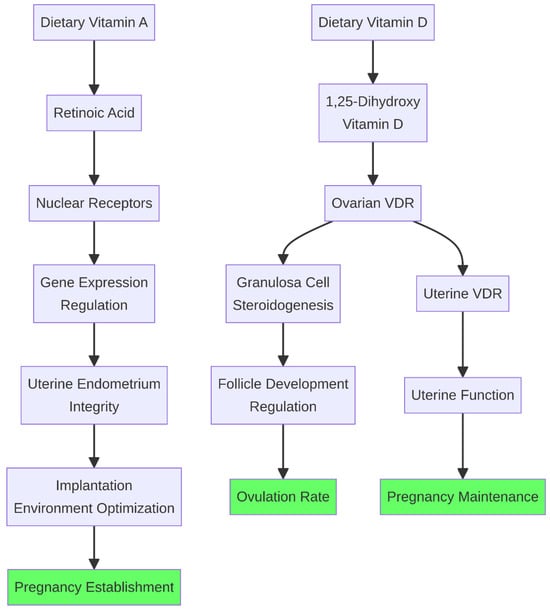
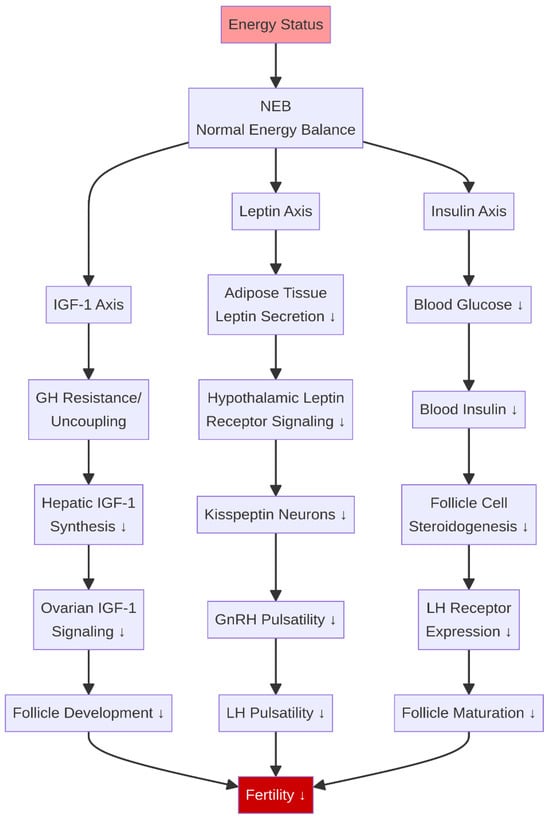
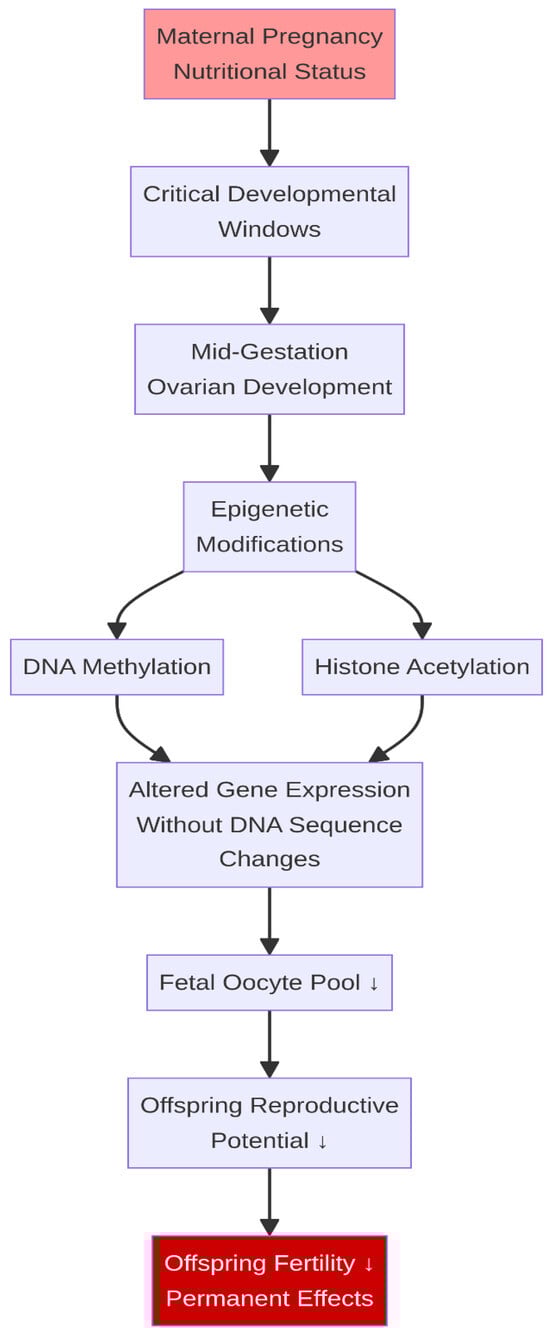
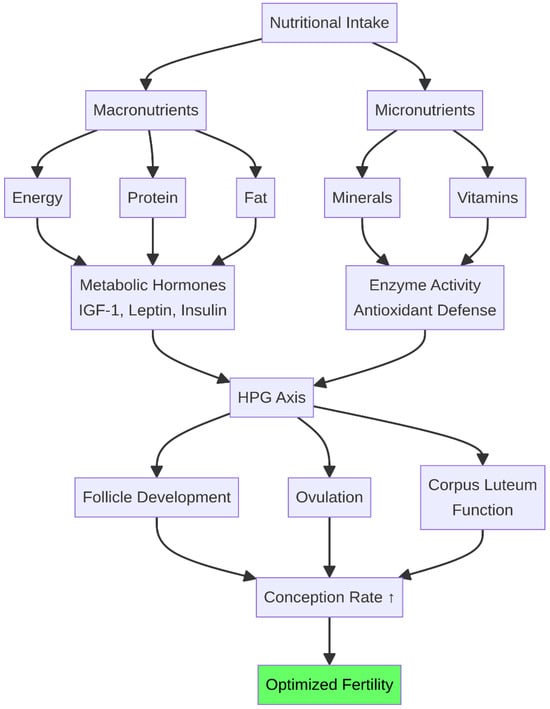
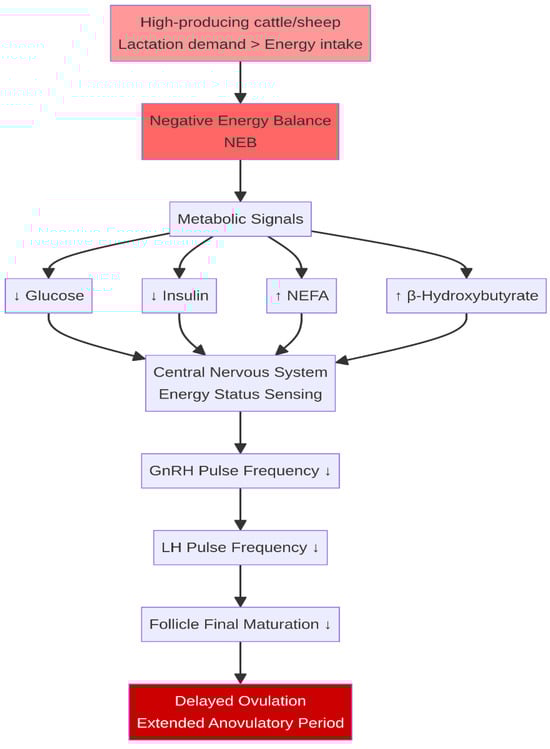
Modern genetic selection for high productivity has created a physiological conflict in ruminants, where the metabolic demands of lactation compete directly with the energy requirements of reproduction. This review provides a mechanistic synthesis of how key nutritional factors modulate the endocrine and cellular pathways governing reproductive success in cattle and sheep. Negative energy balance (NEB), characteristic of the early postpartum period, suppresses the hypothalamic–pituitary–gonadal (HPG) axis by impairing the pulsatile secretion of gonadotropin-releasing hormone (GnRH) and luteinizing hormone (LH), mediated through reduced kisspeptin signaling, growth hormone (GH) resistance, and decreased circulating insulin, insulin-like growth factor-1 (IGF-1), and leptin. At the macronutrient level, excess rumen-degradable protein elevates blood urea nitrogen and impairs the uterine environment, while omega-3 polyunsaturated fatty acids inhibit prostaglandin F2α synthesis to support corpus luteum maintenance. At the micronutrient level, selenium, copper, and zinc are essential antioxidant cofactors protecting gametes and embryos from oxidative stress, while vitamins A, D, and E regulate gene expression in reproductive tissues. Furthermore, maternal nutrition during critical gestational windows programs the reproductive capacity of offspring through epigenetic modifications, with profound implications for long-term herd fertility. Understanding these nutritional–reproductive interactions is crucial for developing precision feeding strategies that optimize herd fertility, improve animal welfare, and ensure the economic sustainability of livestock management. A thorough understanding of these nutritional–reproductive interactions is essential for developing precision feeding strategies that optimize fertility in high-producing ruminants.
Full article
(This article belongs to the Special Issue Perspectives on Nutrition and Livestock Health)
►▼
Show Figures

Figure 1
Open AccessArticle
The Relationship Between Hepcidin and the Severity of Obstructive Sleep Apnea Syndrome and Obesity
by
Hikmet Coban, Emine Ayan, Mustafa Colak, Nurhan Sarioglu, Gulcin Yilmaz Gunes, Fuat Erel, Merve Yumrukuz Senel and Merve Akış Yılmaz
Life 2026, 16(4), 629; https://doi.org/10.3390/life16040629 (registering DOI) - 8 Apr 2026
Abstract
The effects of chronic intermittent hypoxia associated with obstructive sleep apnea (OSA) on iron metabolism remain incompletely understood. This study aimed to evaluate whether serum hepcidin levels are associated with OSA severity independently of obesity and systemic inflammation. A total of 136 patients
[...] Read more.
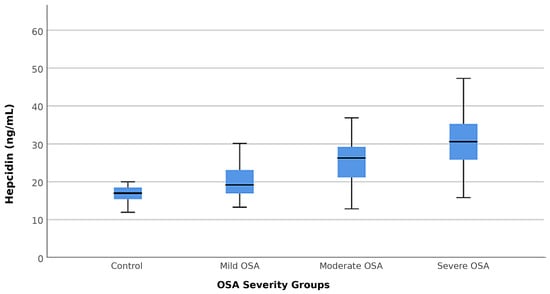
The effects of chronic intermittent hypoxia associated with obstructive sleep apnea (OSA) on iron metabolism remain incompletely understood. This study aimed to evaluate whether serum hepcidin levels are associated with OSA severity independently of obesity and systemic inflammation. A total of 136 patients who underwent polysomnography for suspected OSA between April and December 2025 were included in the study. Participants were classified into control and OSA groups according to the Apnea–Hypopnea Index (AHI), and the OSA group was further categorized as mild, moderate, or severe. Demographic and anthropometric characteristics and Epworth Sleepiness Scale scores were recorded. Serum hepcidin levels were measured using an ELISA method and compared between groups, and their associations with clinical and polysomnographic parameters were analyzed. Serum hepcidin levels were significantly higher in patients with OSA than in the control group (48.83 ± 11.92 vs. 41.53 ± 12.43 ng/mL; p < 0.001) and increased progressively with disease severity. Hepcidin levels were not significantly correlated with conventional iron parameters but showed a strong positive association with the Oxygen Desaturation Index (ODI). In multivariable regression analysis, the positive relationship between AHI and serum hepcidin levels remained significant after adjustment for body mass index and C-reactive protein levels (p < 0.001). These findings suggest that elevated serum hepcidin levels in OSA are linked to hypoxic stress independently of obesity and systemic inflammation, indicating that hepcidin may represent a potential biomarker reflecting disease severity in OSA.
Full article
(This article belongs to the Special Issue Update on Obstructive Sleep Apnea (OSA))
►▼
Show Figures

Figure 1
Open AccessReview
Postbiotics as Emerging Strategy Targeting Obesity- and Aging-Related Breast Cancer—Prospects in Prophylaxis and Therapy
by
Joanna Wasiak, Katarzyna Anna Oszajca, Janusz Szemraj and Monika Witusik-Perkowska
Life 2026, 16(4), 628; https://doi.org/10.3390/life16040628 - 8 Apr 2026
Abstract
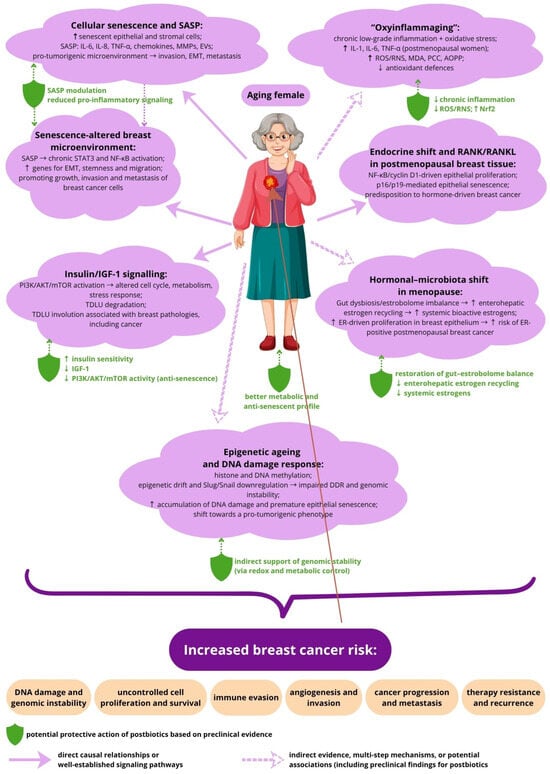
Aging and obesity accompanied with hormonal disequilibrium represent critical, inter-related risk factors for breast cancer, significantly influencing disease incidence, progression, and therapeutic outcomes. This review aims to elucidate the multifaceted biological mechanisms linking obesity and aging to breast carcinogenesis, with a particular focus
[...] Read more.
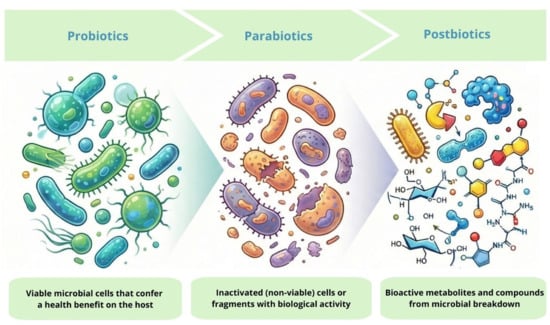
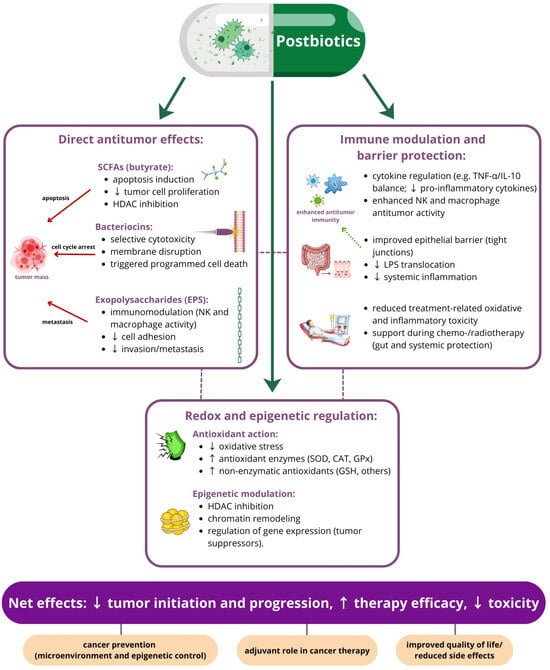
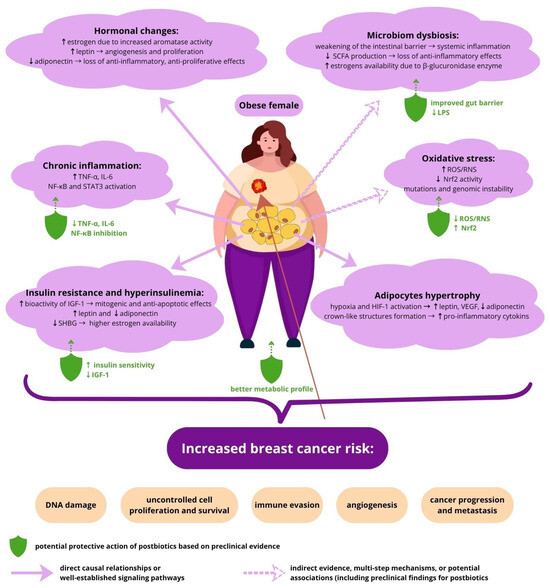
Aging and obesity accompanied with hormonal disequilibrium represent critical, inter-related risk factors for breast cancer, significantly influencing disease incidence, progression, and therapeutic outcomes. This review aims to elucidate the multifaceted biological mechanisms linking obesity and aging to breast carcinogenesis, with a particular focus on the emerging therapeutic and preventive potential of postbiotics as molecules targeting cellular events important for cancer growth and responsiveness. Despite continuous advancement, breast cancer therapy still poses several challenges, such as treatment-induced acquired resistance, which is boosted by the inflammatory phenotype of senescent cancerous cells, as well as undesired side effects resulting from the destruction of normal cells. Such a complex background of breast carcinogenesis and oncotherapy resistance opens avenues to search for new preventive approaches and adjunctive treatment regimens. Postbiotics demonstrate a variety of benefits due to their selective antineoplastic activity, as well as the cytoprotective potential associated with antioxidant, anti-inflammatory and anti-senescent properties. Pleiotropic effects of postbiotics make them a promising tool for counteracting cellular and physiological disturbances that favor breast cancer development, including age- and obesity-related factors. They are prospective adjunctive agents in oncotherapy, albeit their efficacy and safety need to be thoroughly evaluated in clinical studies prior to implementation in routine treatment modes.
Full article
(This article belongs to the Special Issue Postbiotics—Bioactive Microbial Compounds as Health-Promoting Agents)
►▼
Show Figures

Figure 1
Open AccessArticle
Protective Effects of Adenosine Triphosphate and Flunarizine on Erlotinib-Induced Ovarian Damage: An Experimental Study
by
Arzu Yavuz, Kemine Uzel, Esra Tuba Sezgin, Mehmet Kuzucu, Nesrin Yılmaz, Gülcenaz Yazici, Engin Hendem and Halis Süleyman
Life 2026, 16(4), 627; https://doi.org/10.3390/life16040627 - 8 Apr 2026
Abstract
(1) Background: Erlotinib is a tyrosine kinase inhibitor (TKI) widely used in cancer therapy; however, its potential adverse effects on ovarian tissue have not been fully elucidated. The present study aimed to investigate erlotinib-induced ovarian injury and to evaluate the protective effects of
[...] Read more.
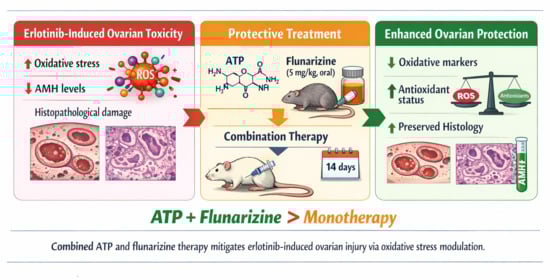
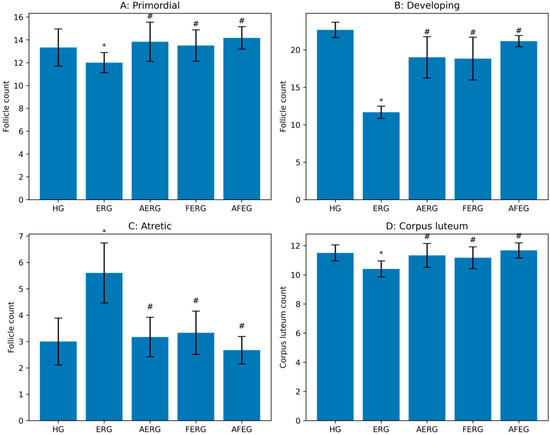
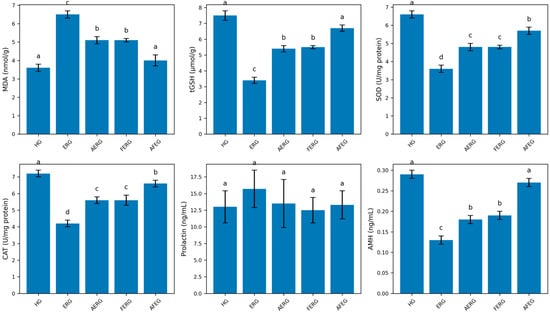
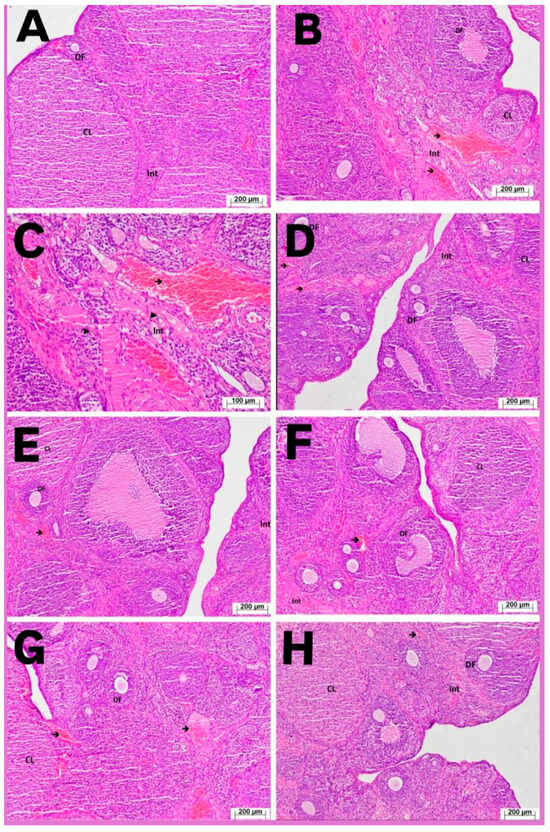
(1) Background: Erlotinib is a tyrosine kinase inhibitor (TKI) widely used in cancer therapy; however, its potential adverse effects on ovarian tissue have not been fully elucidated. The present study aimed to investigate erlotinib-induced ovarian injury and to evaluate the protective effects of adenosine triphosphate (ATP) and flunarizine, administered alone or in combination, using biochemical and histopathological analyses in a rat model. (2) Methods: Thirty female rats were randomly allocated into five groups (n = 6 per group): healthy control, erlotinib, ATP + erlotinib, flunarizine + erlotinib, and ATP + flunarizine + erlotinib. ATP (5 mg/kg, intraperitoneal) and flunarizine (5 mg/kg, oral gavage) were administered daily for two weeks, while erlotinib (5 mg/kg) was given orally every two days for two weeks. Ovarian tissues were collected for oxidative stress analysis and histopathological evaluation, and blood samples were obtained for the measurement of serum prolactin and AMH levels. (3) Results: Erlotinib administration resulted in significant oxidative stress and histopathological alterations in ovarian tissue, accompanied by a reduction in serum AMH levels, while prolactin levels remained unchanged. Treatment with ATP or flunarizine partially attenuated these alterations. (4) Conclusions: Combined ATP and flunarizine administration showed stronger protective effects, improving biochemical parameters and preserving ovarian histology, suggesting a protective role against erlotinib-induced ovarian injury.
Full article
(This article belongs to the Section Reproductive and Developmental Biology)
►▼
Show Figures

Graphical abstract
Open AccessReview
Radiation in Veterinary Practice: Paradigm Shift Toward Precision and Curative Approaches
by
Sorin Marian Mârza, Camelia Munteanu, Radu Lăcătuş, Ionel Papuc, Florin Dumitru Bora and Robert Cristian Purdoiu
Life 2026, 16(4), 626; https://doi.org/10.3390/life16040626 - 8 Apr 2026
Abstract
Ionizing radiation therapy has undergone a clear paradigm shift in veterinary oncology and inflammatory disease management, moving from mainly palliative use toward structured, curative treatment programs. This review synthesizes current evidence on key modalities used in veterinary practice, including external beam radiotherapy, brachytherapy,
[...] Read more.
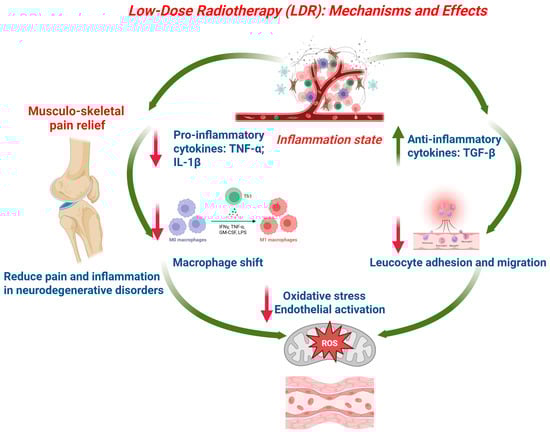
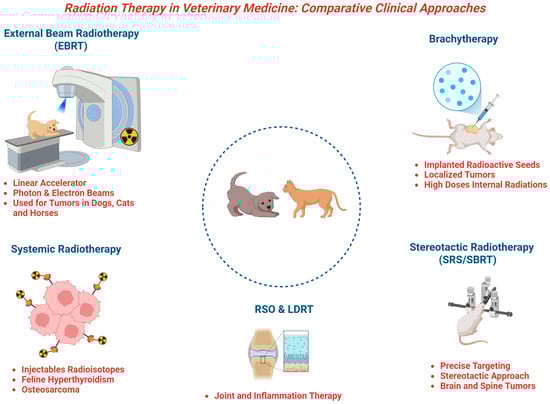
Ionizing radiation therapy has undergone a clear paradigm shift in veterinary oncology and inflammatory disease management, moving from mainly palliative use toward structured, curative treatment programs. This review synthesizes current evidence on key modalities used in veterinary practice, including external beam radiotherapy, brachytherapy, systemic targeted radionuclide therapy, stereotactic radiosurgery, stereotactic body radiotherapy, radiosynoviorthesis, and low-dose radiotherapy. Each modality is discussed in relation to its physical and biological basis, major isotopes or beam types, routes of delivery, target species such as dogs, cats, and horses, clinical indications, and global availability. Comparative analysis highlights differences in clinical acceptance, evidence strength, access, and cost. External beam radiotherapy and stereotactic techniques support curative tumor management, whereas radiosynoviorthesis and low-dose radiotherapy are effective for inflammatory and degenerative disorders. Despite ongoing progress, challenges remain in access, dosimetry standardization, and prospective evidence. Companion animals are also emphasized as valuable translational models, guiding future innovation and collaboration internationally.
Full article
(This article belongs to the Special Issue The 15th Anniversary of Life—New Trends in Animal Health Science)
►▼
Show Figures

Figure 1
Open AccessArticle
New Fossil Lacewings Give New Insight into the Diversity of Mantispidae (Insecta: Neuroptera) from the Mid-Cretaceous Amber
by
Xianzhe Xiang, Peichao Chen, Dong Ren, Qiang Yang and Chaofan Shi
Life 2026, 16(4), 625; https://doi.org/10.3390/life16040625 - 8 Apr 2026
Abstract
Four new genera with four new species and one new combination of Mantispidae are described from the Upper Cretaceous (Cenomanian) amber of northern Myanmar: Tholomantispa quinata gen. et sp. nov., Tholomantispa zhangzhiqiae comb. nov., Heteromantispa polytricha gen. et sp. nov., Trimantispa poseidoni gen.
[...] Read more.
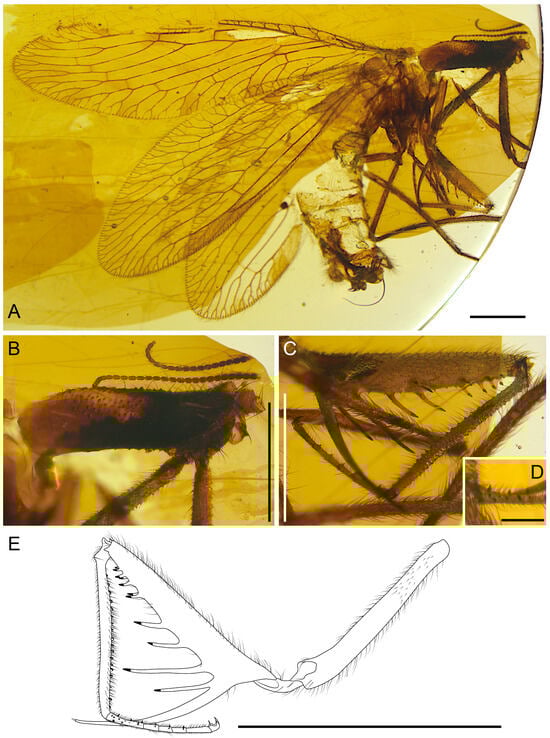
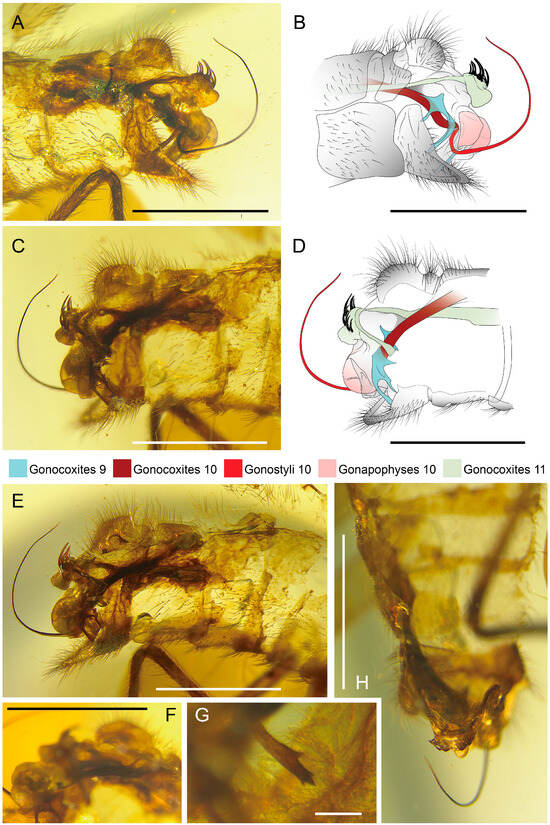
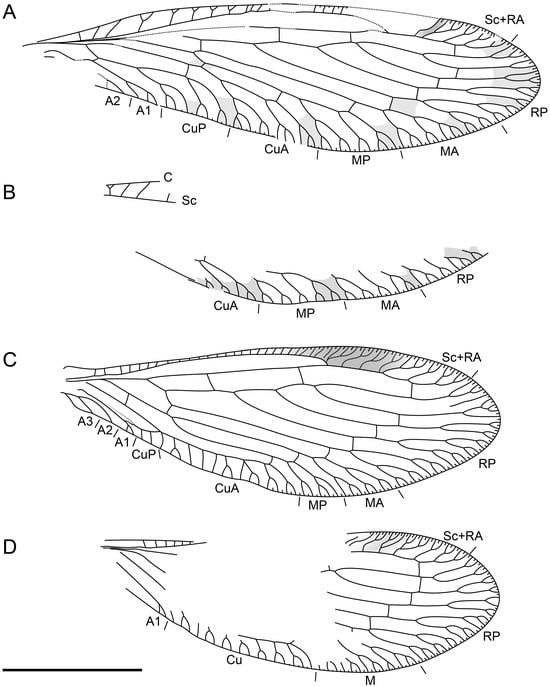
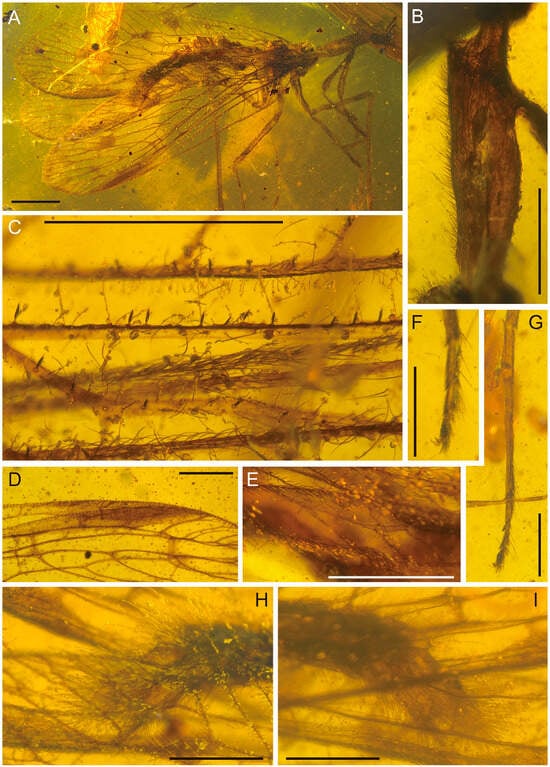
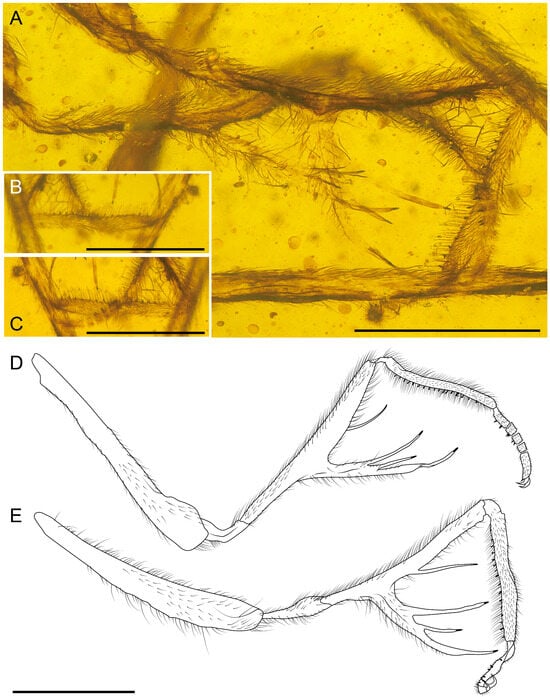
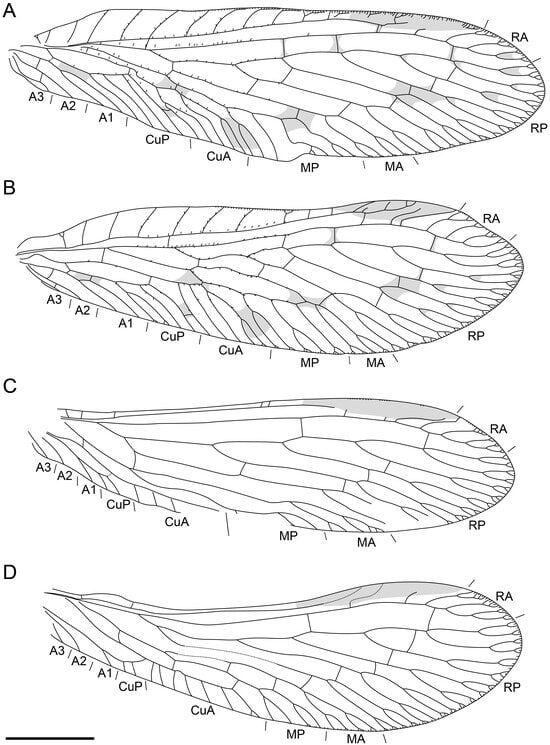
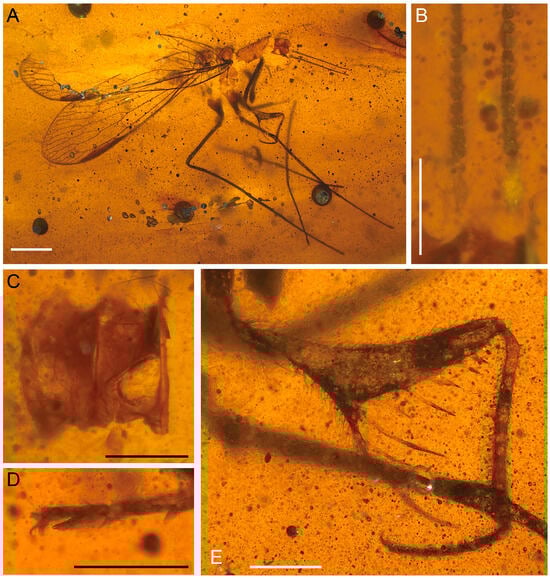
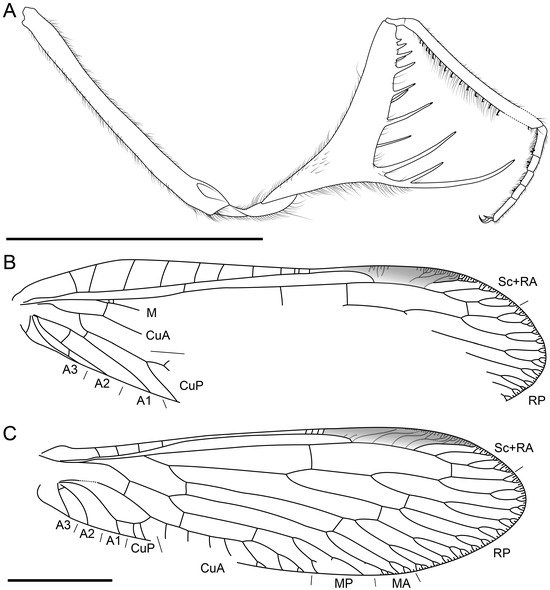
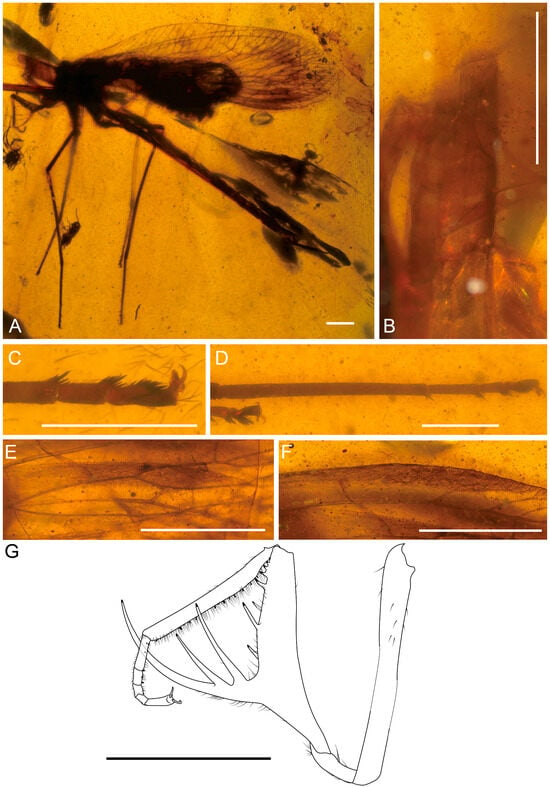
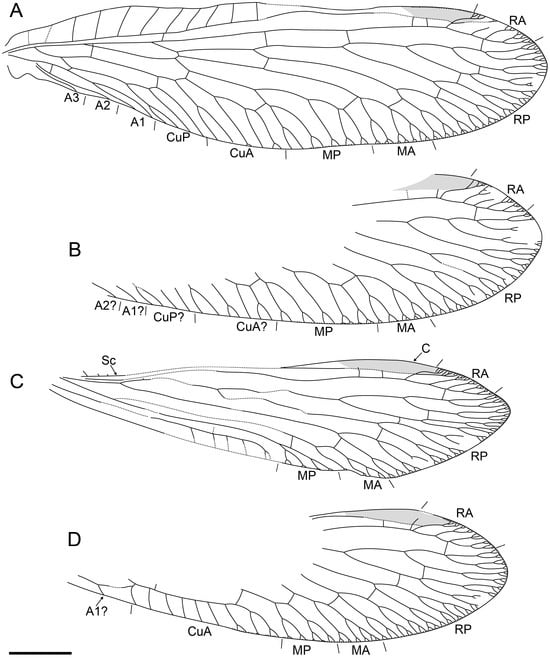
Four new genera with four new species and one new combination of Mantispidae are described from the Upper Cretaceous (Cenomanian) amber of northern Myanmar: Tholomantispa quinata gen. et sp. nov., Tholomantispa zhangzhiqiae comb. nov., Heteromantispa polytricha gen. et sp. nov., Trimantispa poseidoni gen. et sp. nov., and Tribelomantispa yangjiani gen. et sp. nov. These species exhibit unique morphological characteristics, such as scale-like setae on forewings, unique male genitalia structure, and specialized raptorial foreleg, which provide valuable information for the study of character transformation and adaptive evolution within Mantispidae. The scale-like setae on the forewings suggests potential secondary loss in extant taxa. Similarly, the documentation of processes on the forefemur across multiple genera introduces a novel morphological trait within Mantispidae, enriching our knowledge of their structural diversity.
Full article
(This article belongs to the Section Diversity and Ecology)
►▼
Show Figures

Figure 1
Open AccessArticle
A Clue for the Hen and Egg Question: The Simultaneous Formation of Uracil and Amino Acids Under Simulated Hadean Conditions
by
Christian Seitz, Denis Schuldeis, Konstantin Vogel, Wolfgang Eisenreich and Claudia Huber
Life 2026, 16(4), 624; https://doi.org/10.3390/life16040624 - 8 Apr 2026
Abstract
The origin of life is commonly discussed within two competing conceptual frameworks: the metabolism-first and information-first hypotheses. While each emphasizes a different defining property of early life, modern biochemistry reveals a fundamental interdependence between metabolic processes and genetic information transfer, leading to a
[...] Read more.
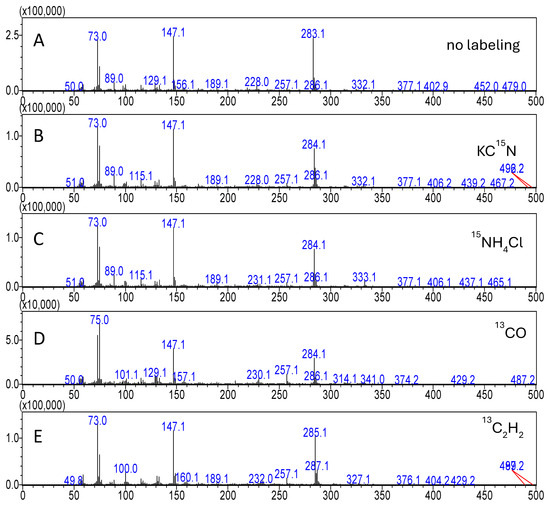
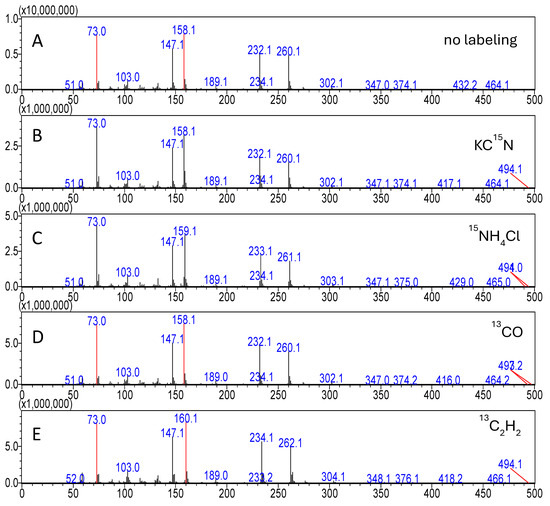
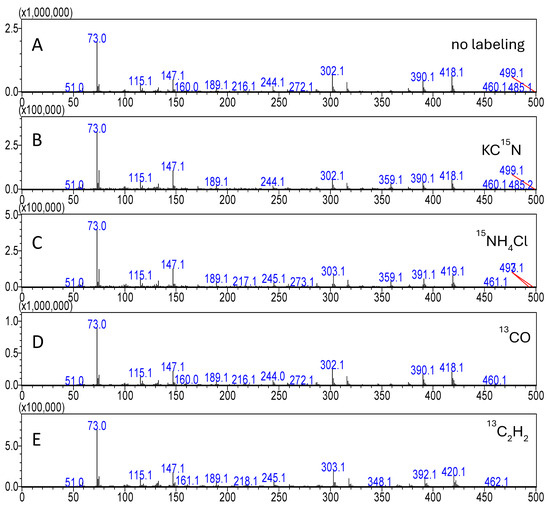
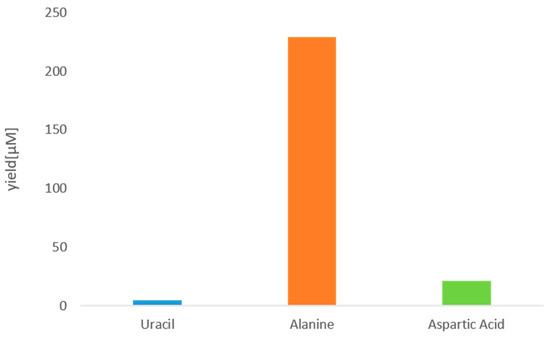
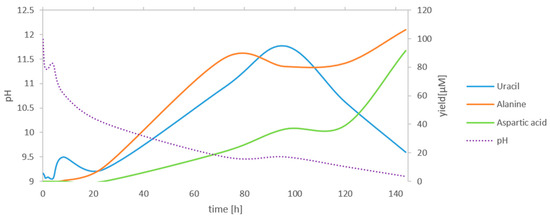
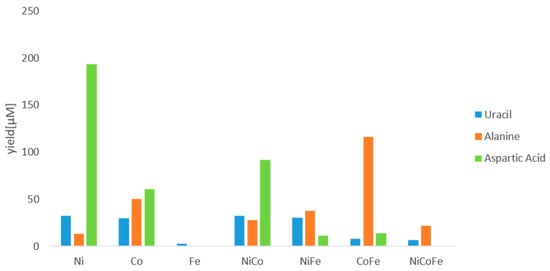
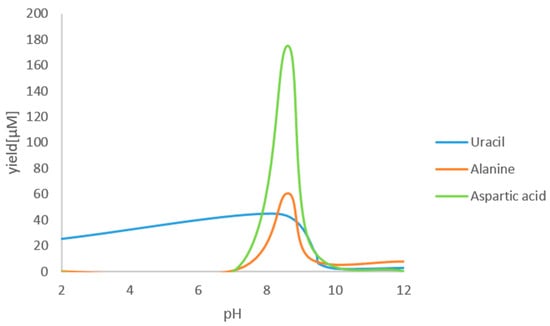
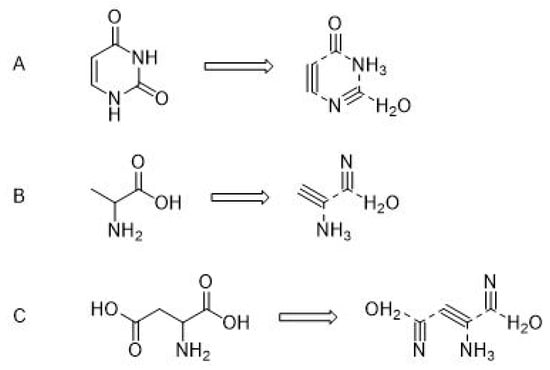
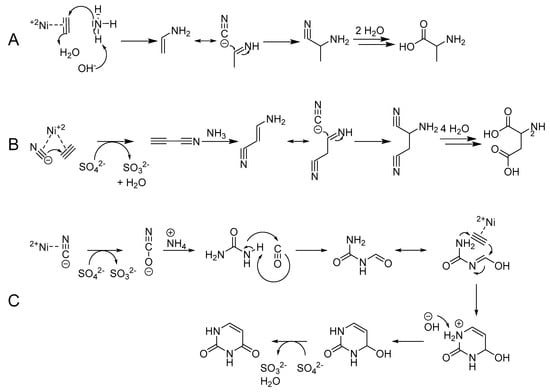
The origin of life is commonly discussed within two competing conceptual frameworks: the metabolism-first and information-first hypotheses. While each emphasizes a different defining property of early life, modern biochemistry reveals a fundamental interdependence between metabolic processes and genetic information transfer, leading to a persistent chicken-and-egg problem. In this study, we investigate a prebiotically plausible reaction system that enables the concurrent formation of molecular precursors associated with both frameworks. Under simulated Hadean hydrothermal conditions, acetylene, ammonia, cyanide, and carbon monoxide were reacted in aqueous solution in the presence of transition metal sulfides. Using gas chromatography–mass spectrometry combined with stable isotope labeling, we demonstrate the simultaneous formation of the nucleobase uracil and the amino acids alanine and aspartic acid. Isotopic incorporation patterns allow reconstruction of the underlying reaction pathways and confirm the contribution of all starting materials to product formation. While amino acids are produced continuously over the observed period in significantly higher yields than uracil, uracil formation exhibits a pronounced time-dependent maximum after three days. Variations in pH, reaction time, and metal sulfide catalysts modulate product yields but do not prevent the parallel emergence of both molecular classes. These findings support a scenario in which proto-metabolic chemistry and molecular precursors of genetic information could have arisen simultaneously within a shared geochemical setting. The results provide experimental support for a coupled origin of metabolism and transcriptional building blocks, offering a potential resolution to the dichotomy between metabolism-first and information-first models of early life.
Full article
(This article belongs to the Special Issue Chemical Evolutionary Pathways to Origins of Life)
►▼
Show Figures

Figure 1
Open AccessArticle
Exercise-Conditioned Endothelial Progenitor Cell-Exosomes Preserve Cerebral Blood Flow and Alleviate Acute Ischemic Brain Injury in Hypertensive Mice
by
Shuzhen Chen, Smara Sigdel, Gideon Udoh, Brandon Xiang Yu and Jinju Wang
Life 2026, 16(4), 623; https://doi.org/10.3390/life16040623 - 8 Apr 2026
Abstract
Exosomes (EXs) mediate intercellular communication in the tissue microenvironment. We previously demonstrated that endothelial progenitor cell-derived exosomes (EPC-EXs) from exercised mice protect neurons and cerebral endothelial cells from hypoxia- and hypertension- induced injury ex vivo, suggesting their therapeutic potential in hypertensive ischemic injury.
[...] Read more.
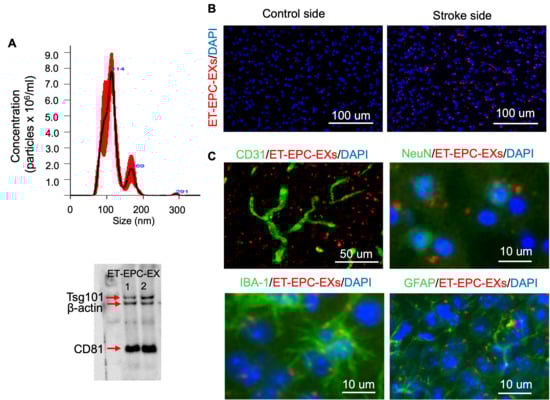
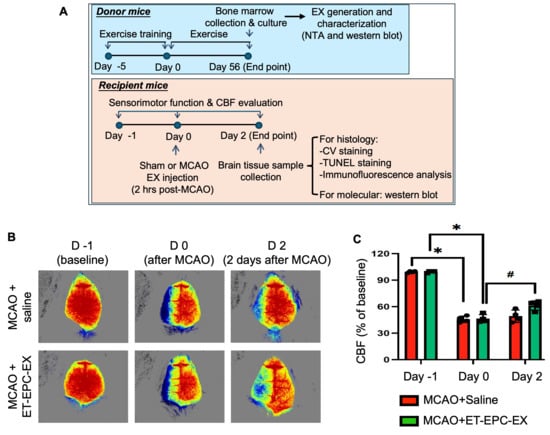
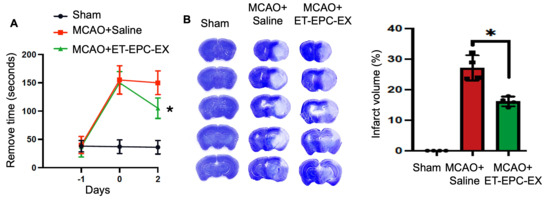
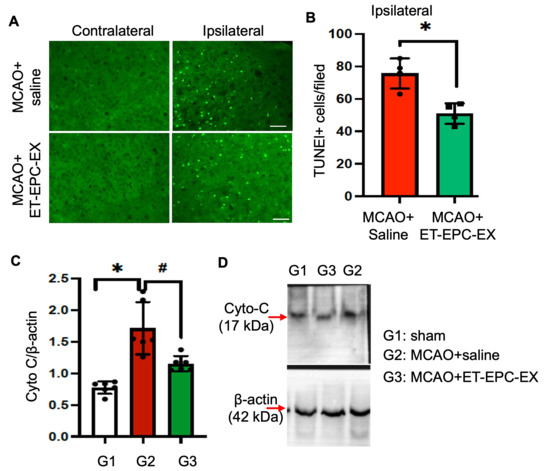
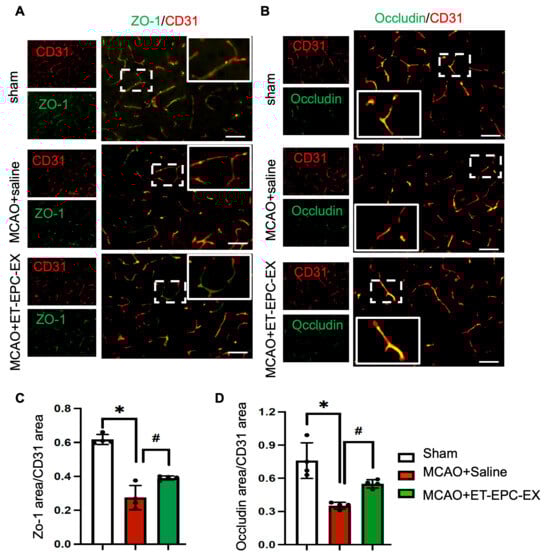
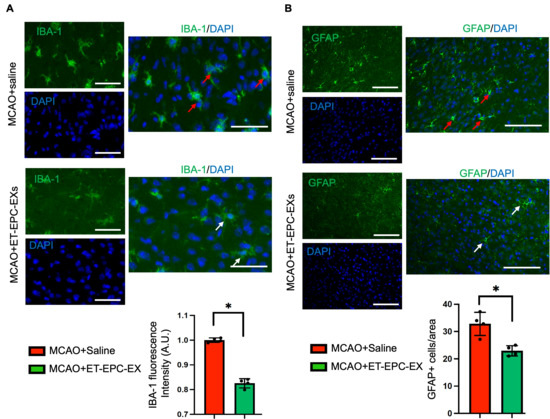
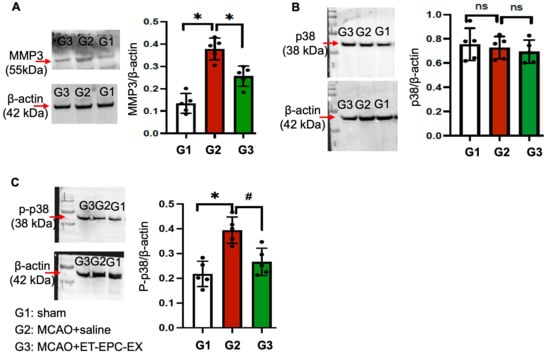
Exosomes (EXs) mediate intercellular communication in the tissue microenvironment. We previously demonstrated that endothelial progenitor cell-derived exosomes (EPC-EXs) from exercised mice protect neurons and cerebral endothelial cells from hypoxia- and hypertension- induced injury ex vivo, suggesting their therapeutic potential in hypertensive ischemic injury. Here, we investigated whether exercise-conditioned EPC-EXs (ET-EPC-EXs) confer protection against acute ischemic injury. Hypertensive transgenic mice were divided into donor and recipient groups. Donor mice underwent treadmill exercise to generate ET-EPC-EXs. Recipient mice was subjected to middle cerebral artery occlusion and received ET-EPC-EXs via tail vein injection (2 × 10⁸/100 μL saline) two hours after stroke onset. Cerebral blood flow (CBF) was assessed, and brains were collected on day two for histological and molecular analyses. Our data showed that ET-EPC-EXs were robustly taken up by cerebral cells, predominantly in the penumbra in the ipsilateral hemisphere. ET-EPC-EXs reduced cell death and microglia activation and restored tight-junction proteins. Moreover, ET-EPC-EX treatment preserved CBF and improved sensorimotor function on day two post-stroke. Mechanistically, ET-EPC-EXs suppressed p38 activation, accompanied by reduced matrix metalloproteinase-3 and cytochrome c levels in the ipsilateral brain. Collectively, these findings demonstrate that EPC-EXs from exercise mice improve sensorimotor functions and confer protection in hypertensive ischemic brain injury, likely through attenuation of neuroinflammation and preservation of vascular integrity via modulation of the p38 signaling.
Full article
(This article belongs to the Special Issue Extracellular Vesicles: Biology, Mechanisms, and Therapies for Cerebrovascular Disorders)
►▼
Show Figures

Figure 1
Open AccessArticle
Identification of a Glycosyltransferase-Encoding Gene (EuGT8) from Eucommia ulmoides That Catalyzes the Glycosylation of Pinoresinol to Pinoresinol Diglucoside
by
Xian Gong and Lijun Qin
Life 2026, 16(4), 622; https://doi.org/10.3390/life16040622 - 8 Apr 2026
Abstract
Pinoresinol diglucoside (PDG), one of the major lignans isolated from E. ulmoides Oliver bark, has various pharmacological functions, including antihypertension and prevention of osteoporosis. However, the glycosyltransferase-encoding gene (GT) involved in regulating the glycosylation of pinoresinol to form PDG has not
[...] Read more.
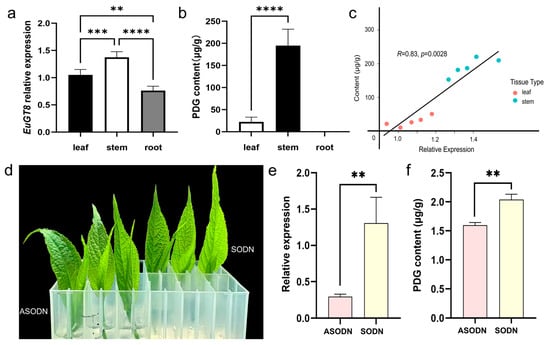
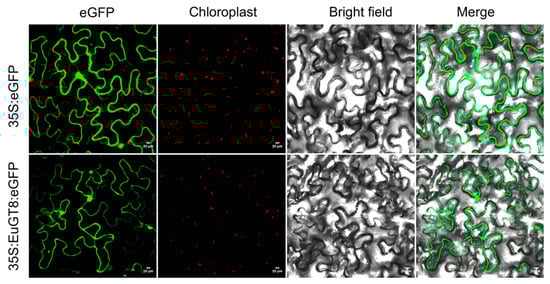
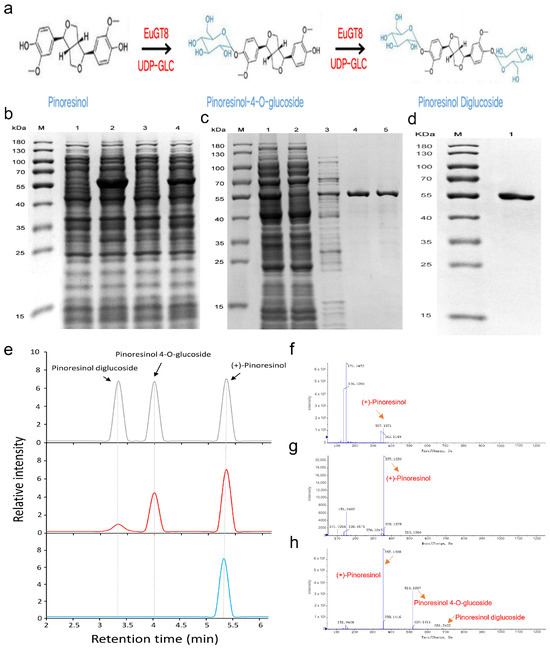
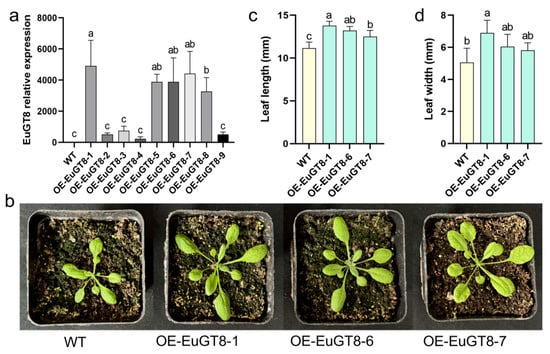
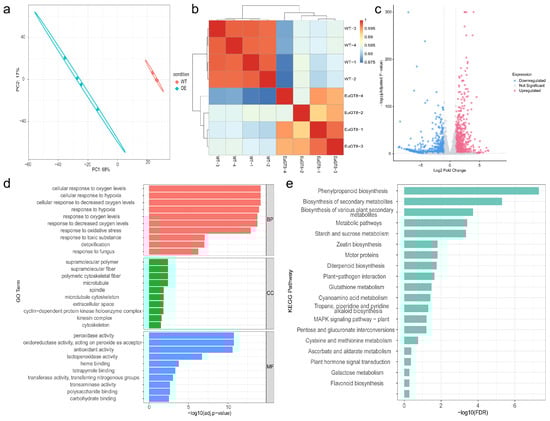
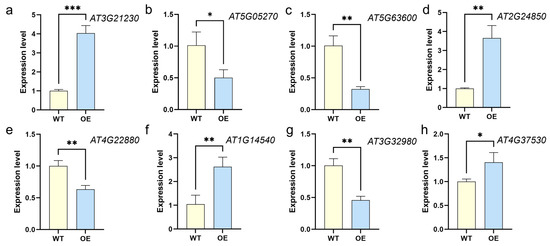
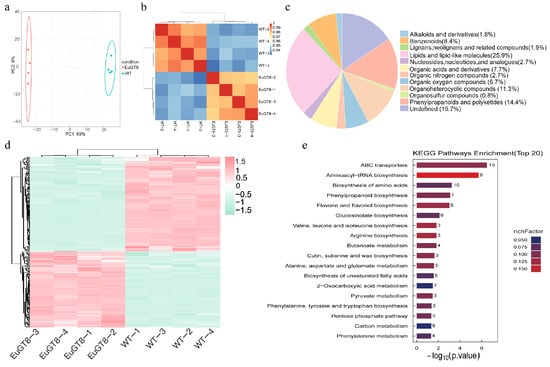
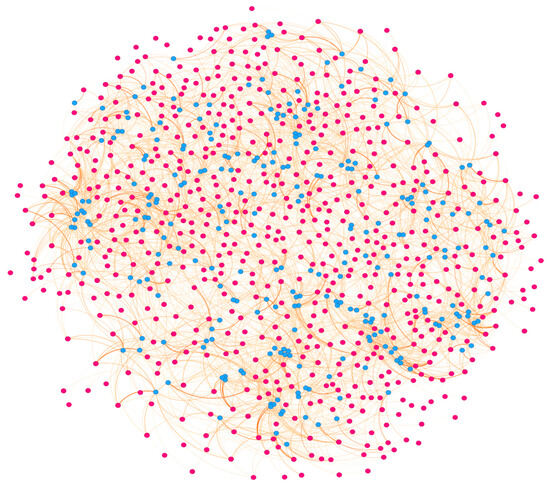
Pinoresinol diglucoside (PDG), one of the major lignans isolated from E. ulmoides Oliver bark, has various pharmacological functions, including antihypertension and prevention of osteoporosis. However, the glycosyltransferase-encoding gene (GT) involved in regulating the glycosylation of pinoresinol to form PDG has not been reported in E. ulmoides. In this study, we screened and cloned the EuGT8 gene from E. ulmoides based on our transcriptome data. The expression pattern of the EuGT8 gene exhibited a strong positive correlation with dynamic changes in the PDG contents in three different organs of E. ulmoides. The expression level of the EuGT8 gene and PDG content were significantly decreased in asODN-EuGT8-treated shoot tips in comparison with the control group. Prokaryotic expression of the EuGT8 gene revealed that the purified EuGT8 protein could catalyze the conversion of pinoresinol into PDG. In addition, we performed transcriptional and metabolomic analyses to compare the differences between transgenic Arabidopsis and WT plants. A total of 1799 DEGs and 294 DEMs were identified in transgenic and WT plants. KEGG enrichment analysis showed that the DEGs were mainly enriched in phenylpropanoid biosynthesis, secondary metabolite biosynthesis, and starch/sucrose metabolism pathways. The DEMs were mainly enriched in ABC transporters, aminoacyl-tRNA biosynthesis, biosynthesis of amino acids, phenylpropanoid biosynthesis, and flavone and flavonol biosynthesis pathways. Correlation analysis between DEGs and DEMs identified a total of 231 DEGs associated with 38 DEMs, which were mainly distributed in multiple metabolic pathways. This finding provides both theoretical insights and genetic resources for breeding high-PDG E. ulmoides varieties, facilitating marker-assisted selection (MAS) and promoting sustainable E. ulmoides production in Guizhou.
Full article
(This article belongs to the Section Plant Science)
►▼
Show Figures

Figure 1
Open AccessArticle
Changes in NT-proBNP Levels According to SGLT2 Inhibitor Use in Patients Hospitalized for Acute Heart Failure Decompensation: A Prospective Cohort Study
by
Petros N. Fountoulakis, Panagiotis Theofilis, Evangelos Oikonomou, Gerasimos Siasos, Zoi Pallantza, Martha Bounta, Paschalis Karakasis, Panayotis K. Vlachakis, Konstantinos Tsioufis and Dimitris Tousoulis
Life 2026, 16(4), 621; https://doi.org/10.3390/life16040621 - 8 Apr 2026
Abstract
Introduction: Sodium-glucose cotransporter-2 inhibitors (SGLT2is) have proven beneficial in chronic heart failure (HF) across a wide range of left ventricular ejection fractions (LVEFs). Emerging data suggests that these benefits may extend to acute HF decompensation through enhanced decongestion. Purpose: To investigate changes
[...] Read more.
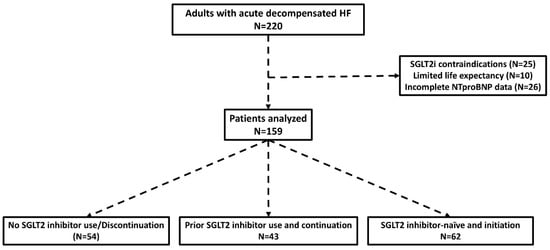
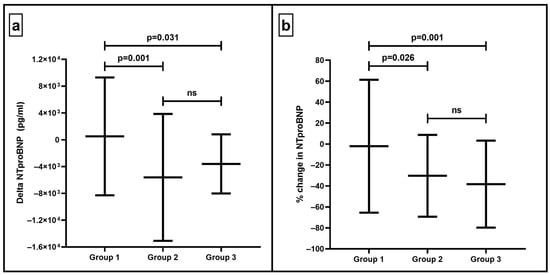
Introduction: Sodium-glucose cotransporter-2 inhibitors (SGLT2is) have proven beneficial in chronic heart failure (HF) across a wide range of left ventricular ejection fractions (LVEFs). Emerging data suggests that these benefits may extend to acute HF decompensation through enhanced decongestion. Purpose: To investigate changes in N-terminal pro-B-type natriuretic peptide (NT-proBNP) levels according to SGLT2i use among patients hospitalized for acute HF decompensation. Methods: In this prospective cohort study, consecutive patients hospitalized for HF decompensation were enrolled. Demographics, comorbidities, and cardiovascular risk factors were recorded. Participants were classified into three groups: Group 1—No SGLT2i use or discontinuation; Group 2—Prior SGLT2i use and continuation; Group 3—SGLT2i-naïve with initiation during hospitalization. NT-proBNP was measured on admission and discharge. Results: A total of 159 patients (median age 79 years, 64.8% male) were included. Group 1 patients exhibited negligible changes in NT-proBNP, whereas those continuing or newly initiating SGLT2i demonstrated significant reductions (absolute change: 506 [8792] pg/mL vs. −5610 [9461] pg/mL vs. −3602 [4409] pg/mL, p = 0.001, percentage change: −2.1 [63.4]% vs. −30.3 [39.0]% vs. −38.3 [41.5]%, p = 0.001). Multivariable regression confirmed that SGLT2i continuation or initiation independently predicted greater NT-proBNP reduction. Conclusions: NT-proBNP levels were significantly reduced among patients with decompensated HF treated with SGLT2i, with the greatest reduction in treatment-naïve patients. These findings highlight the potential role of SGLT2i even during acute HF hospitalization.
Full article
(This article belongs to the Section Physiology and Pathology)
►▼
Show Figures

Figure 1
Open AccessArticle
Exploring the Sex-Differentiated Transcription of GnRH1/GnRHR1 Signaling in Hamster
by
Aidet Ruiz and Luis Ramos
Life 2026, 16(4), 620; https://doi.org/10.3390/life16040620 - 8 Apr 2026
Abstract
Gonadotropin-releasing hormone 1 (GnRH1) and its receptor (GnRHR1) are central neuropeptides on the hypothalamic–hypophysis–gonadal (HHG) axis and play key roles in vertebrate reproduction. Although GnRH1/GnRHR1 signaling has been extensively studied in models such as mouse, rat, zebrafish, and human, knowledge from other species
[...] Read more.
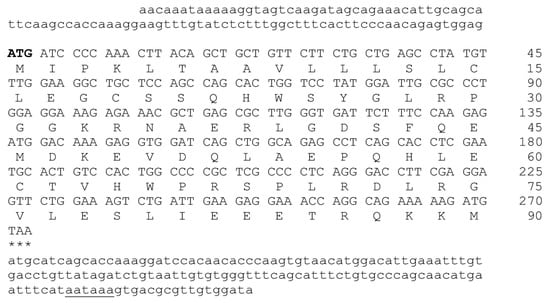
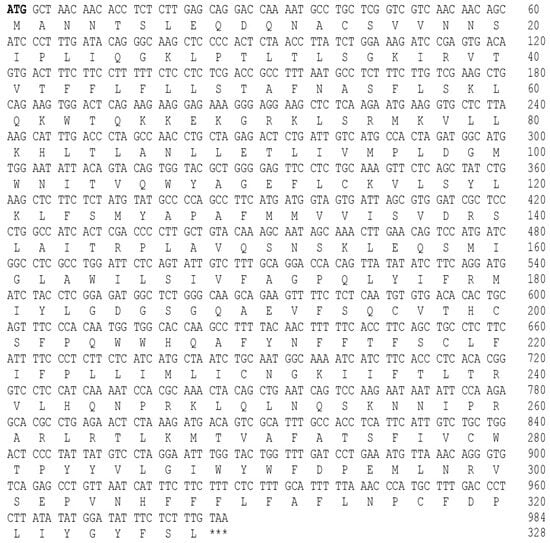
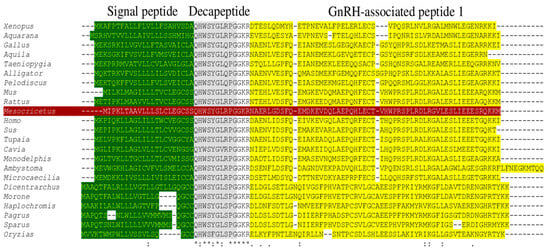
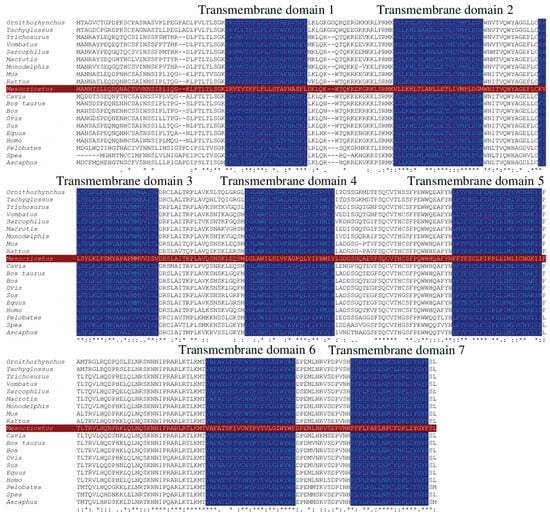
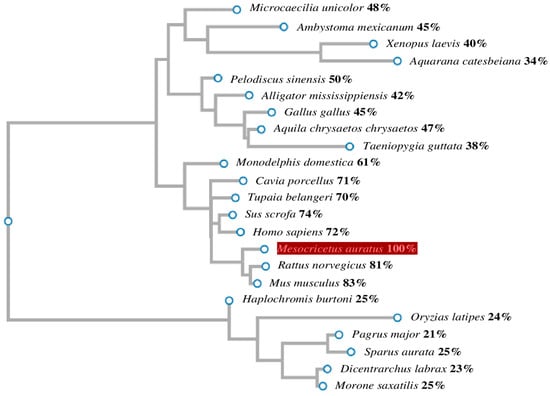
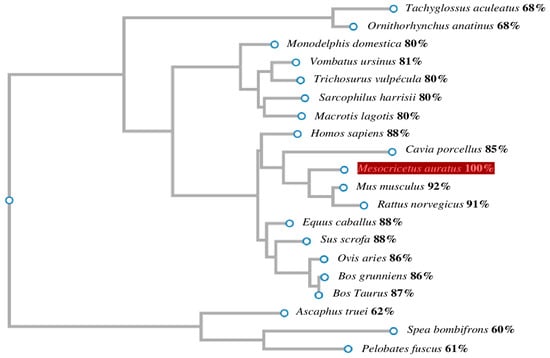
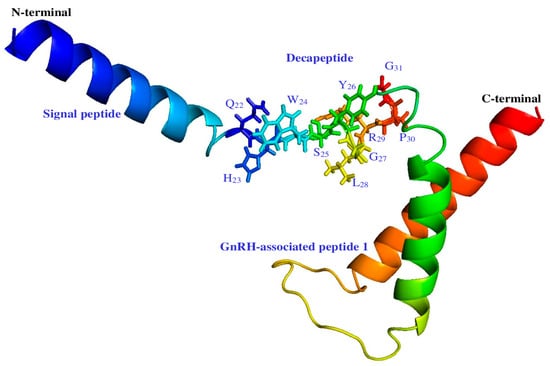
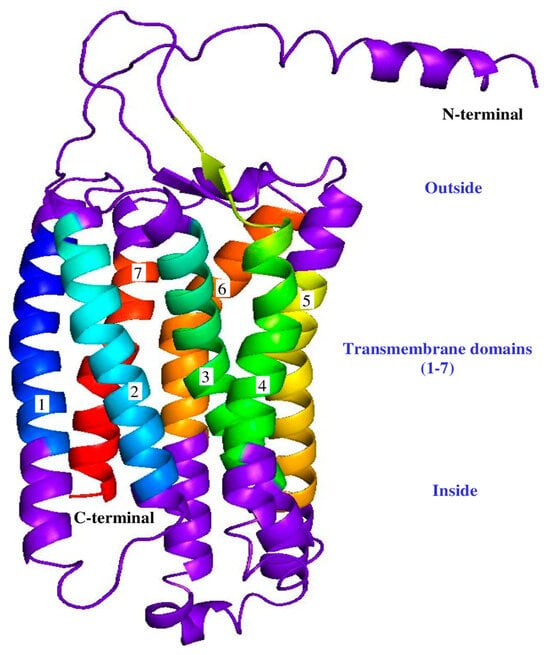
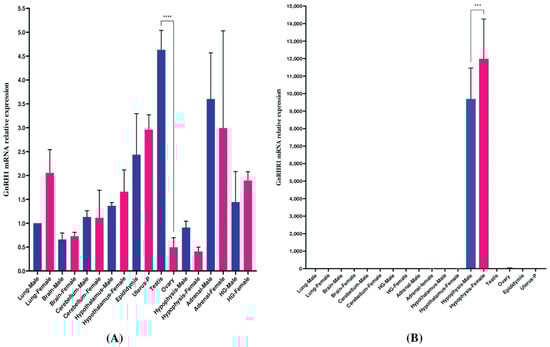
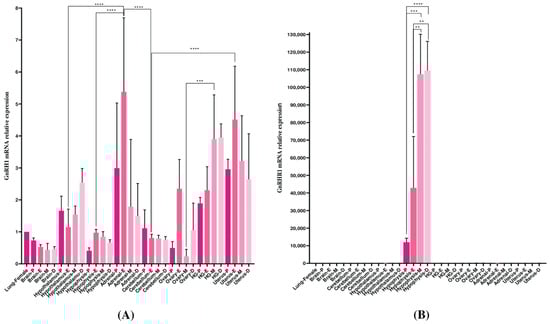
Gonadotropin-releasing hormone 1 (GnRH1) and its receptor (GnRHR1) are central neuropeptides on the hypothalamic–hypophysis–gonadal (HHG) axis and play key roles in vertebrate reproduction. Although GnRH1/GnRHR1 signaling has been extensively studied in models such as mouse, rat, zebrafish, and human, knowledge from other species is limited. This work used cloning, Sanger sequencing, and qPCR to highlight the molecular structure, evolutionary history, and sex-differentiated transcription of GnRH1/GnRHR1 signaling from hamster. These findings showed that GnRH1/GnRHR1 hamster proteins exhibit a molecular evolutionary history highly similar for peptides reported in other species and with which they share a high degree of structural homology. Expression profiles indicated a GnRH1 transcript in several tissues with higher expression levels in testes, adrenals, uterus, epididymis, female hypothalamus, and Harderian glands. GnRHR1 expression levels were seen exclusively in male and female hypophysis with higher levels in female hypophysis. Expression levels showed significant differences for GnRH1 in several tissues during estrous; GnRHR1 expression during estrous was detected only in hypophysis with increased expression levels seen during metestrus and diestrus. These results suggest a highly conserved homology of GnRHR1/GnRHR1 signaling, thus highlighting its evolutionary importance. These expression levels underscore the importance of GnRHR1 as a master regulator of reproductive endocrinology and could implicate hamster peptides as potential therapeutic biological models for human endocrine diseases.
Full article
(This article belongs to the Topic Application of Animal Models: From Physiology to Pathology)
►▼
Show Figures

Figure 1
Open AccessEditorial
New Updates in Adipocytes and Adipose Tissue: 2nd Edition
by
Endre Kristóf and Éva Csősz
Life 2026, 16(4), 619; https://doi.org/10.3390/life16040619 - 7 Apr 2026
Abstract
Long-term imbalance between energy intake and expenditure, coupled with genetic susceptibility, results in excess adiposity associated with deleterious outcomes across a broad range of cell and tissue types [...]
Full article
(This article belongs to the Special Issue New Updates in Adipocytes and Adipose Tissue: 2nd Edition)
Open AccessArticle
The Relationship Between Eating Habits and Anthropometric Values in High School Adolescents
by
Lucija Firi, Dubravka Mihaljević, Ivan Prošić, Kristina Kralik, Ana Stupin, Ivana Jukić and Ines Drenjančević
Life 2026, 16(4), 618; https://doi.org/10.3390/life16040618 - 7 Apr 2026
Abstract
Objectives: The present study aimed to examine the relationship between dietary habits and anthropometric characteristics of high school adolescents. Participants and Methods: This cross-sectional study involved randomly selecting 104 students (34 boys and 70 girls) who were 17–19 years old. To evaluate dietary
[...] Read more.
Objectives: The present study aimed to examine the relationship between dietary habits and anthropometric characteristics of high school adolescents. Participants and Methods: This cross-sectional study involved randomly selecting 104 students (34 boys and 70 girls) who were 17–19 years old. To evaluate dietary habits, a validated and standardized EPIC-Norfolk frequency food questionnaire was used, and anthropometric characteristics of the participants were assessed. Results: The most often consumed foods during the week were meats and fruits, while the least frequently consumed were fish and vegetables. For all participants, intake below the recommended levels was for alpha-carotene, total carbohydrate sugars, vitamin D, milk, dairy products, nuts, and seeds. Intake of proteins and iron was below the recommended levels in girls. Boys had a lower intake of proteins and fruits compared to girls. No differences were observed in the consumption of macronutrients. The median of all anthropometric values was within the reference values. Boys were slightly older and had significantly higher values of body weight and height, BMI, waist circumference, and waist-to-hip-ratio (WHR) compared to girls. In addition, systolic blood pressure (SBP) was significantly higher in males than in females. Participants with increased arterial blood pressure (ABP) showed significantly higher energy intake from fat, sodium intake, and total fat intake compared to those with normal ABP. Participants with increased WHR had significantly higher energy intake, intake of sodium, and total carbohydrates compared to those with normal WHR. Conclusions: This study shows that adolescents’ eating habits (particularly intake of fat and sodium) were associated with anthropometric values, ABP, and WHR, which present risks for cardiometabolic diseases in adulthood.
Full article
(This article belongs to the Section Physiology and Pathology)
Open AccessArticle
Patients with Obesity: Baseline Body Composition, Follow-Up Retention, and Longitudinal Changes—A Single-Center Real-World Study
by
Banu Açmaz, Sami Bahçebaşı, Nazmiye Serap Biçer, İfakat İrem Biçer, Erdem Aydın, Mehmet Yasin Türkmen and Gökhan Açmaz
Life 2026, 16(4), 617; https://doi.org/10.3390/life16040617 - 7 Apr 2026
Abstract
Aim: Using real-world data from an obesity clinic, we aimed primarily to define the body composition phenotype associated with increasing obesity severity and to quantify follow-up retention and clinically meaningful weight loss. As a secondary exploratory objective, we also examined how diabetes mellitus
[...] Read more.
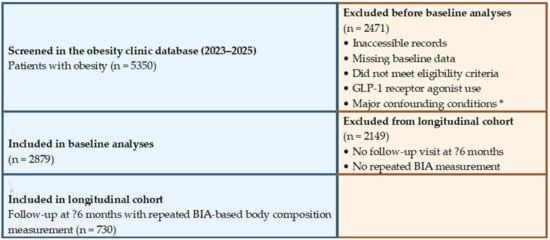
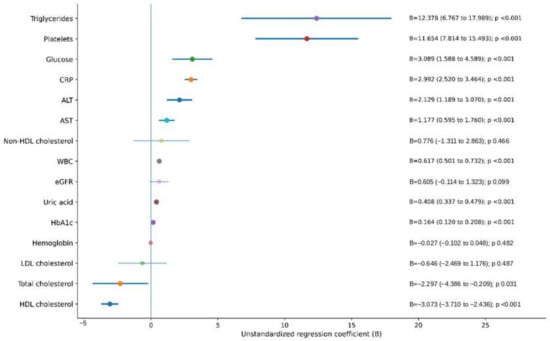
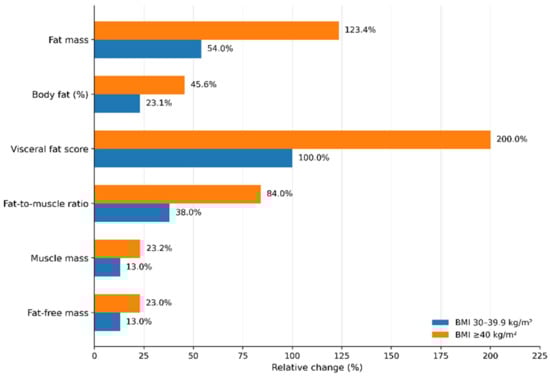
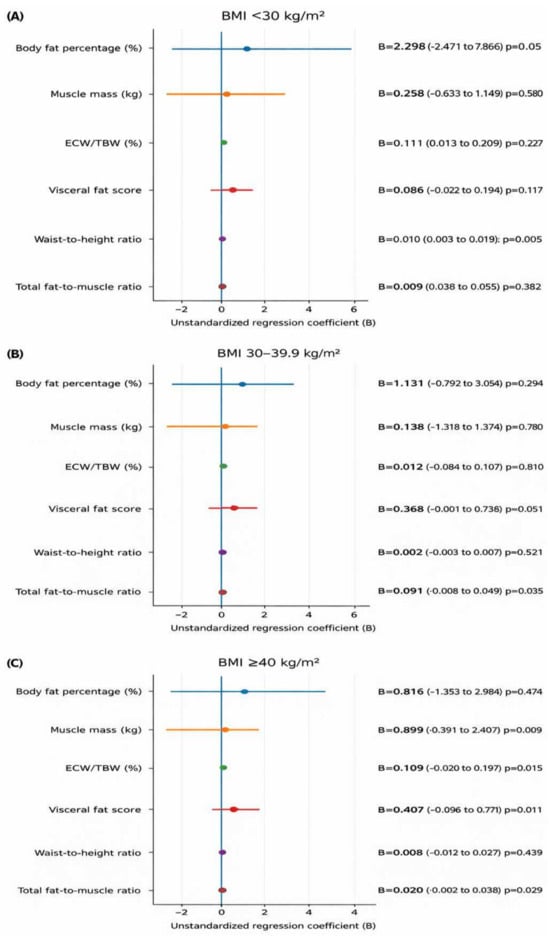
Aim: Using real-world data from an obesity clinic, we aimed primarily to define the body composition phenotype associated with increasing obesity severity and to quantify follow-up retention and clinically meaningful weight loss. As a secondary exploratory objective, we also examined how diabetes mellitus (DM) relates to these patterns beyond BMI. Methods: Among 5350 screened adults in the Obesity Clinic database, 2879 eligible individuals were included in the baseline cross-sectional analyses, including a non-obese comparison subgroup with BMI < 30 kg/m2. The longitudinal cohort comprised 730 patients with obesity who returned for regular follow-up and had repeat BIA measurements at least 6 months after baseline. Patients were classified according to BMI and glycemic status. Results: Increasing BMI was associated with higher glucose, HbA1c, uric acid, triglyceride, C-reactive protein, and leukocyte levels and with lower HDL cholesterol. Body composition deterioration was driven predominantly by disproportionate increases in visceral fat score, fat mass, and total fat-to-muscle ratio rather than by parallel gains in muscle compartments. As obesity severity increased, the proportion of patients with diabetes also increased. Only 29.3% of the baseline obesity cohort achieved regular 6-month follow-up, and 79.0% of those followed lost less than 5% of baseline body weight. In age- and sex-adjusted analyses, the most pronounced DM-related body composition differences were observed in the BMI 30–39.9 kg/m2 group, particularly through higher waist-to-height ratio and total fat-to-muscle ratio. Conclusions: This study shows that increasing obesity severity is accompanied by a more adverse metabolic profile and a body composition pattern characterized by greater adiposity. Within this framework, diabetes-related body composition differences were not homogeneous across BMI categories and appeared to be most evident in the BMI 30–39.9 kg/m2 group. The weaker association observed in the BMI ≥ 40 kg/m2 group may be related to the reduced discriminative value of waist-based measures in severe obesity, where fat accumulation may extend across multiple compartments. Given the low continuity of follow-up and the limited rates of clinically meaningful weight loss, these findings support a more refined phenotyping approach in obesity management that incorporates body composition and fat distribution in addition to BMI.
Full article
(This article belongs to the Section Medical Research)
►▼
Show Figures

Figure 1
Open AccessArticle
Electromyographic Differences in Hyoid and Superficial Muscle Activity During Dynamic Neck Movement in Individuals with Chronic Neck Pain
by
Hirofumi Sageshima, Ruba Albatayneh, Chipo Malambo and Dagmar Pavlů
Life 2026, 16(4), 616; https://doi.org/10.3390/life16040616 - 7 Apr 2026
Abstract
Chronic neck pain (CNP) is associated with pain-related neuromuscular adaptations; however, in contrast to other superficial neck muscles, the influences of pain on hyoid muscles remain to be investigated. This study investigated how hyoid and superficial neck muscle activity differ between individuals with
[...] Read more.
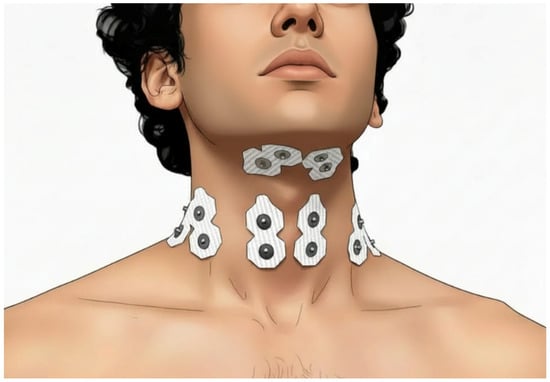
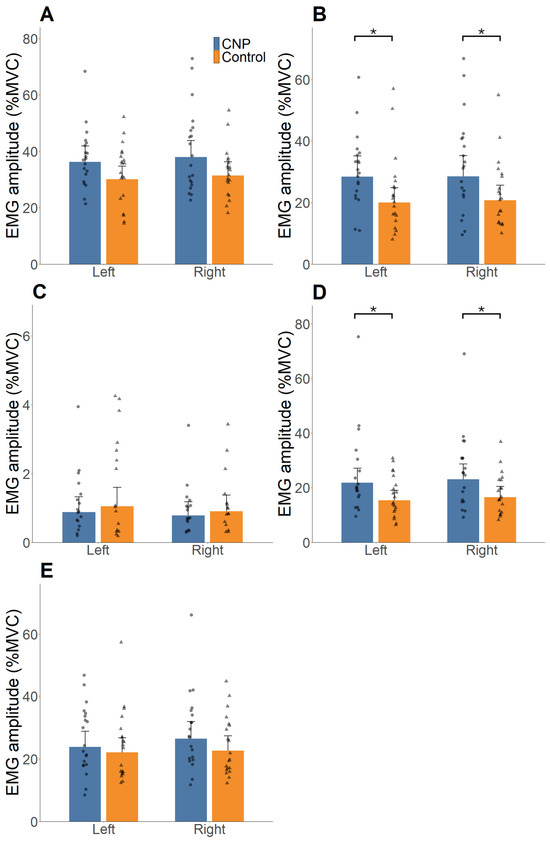
Chronic neck pain (CNP) is associated with pain-related neuromuscular adaptations; however, in contrast to other superficial neck muscles, the influences of pain on hyoid muscles remain to be investigated. This study investigated how hyoid and superficial neck muscle activity differ between individuals with and without CNP during dynamic neck flexion and extension. In this observational cross-sectional, case–control study, 20 individuals with CNP and 20 sex- and age-matched asymptomatic controls were recruited. All participants performed dynamic neck flexion and extension in a crook-lying position at a controlled tempo. Surface electromyography was used to examine bilateral sternocleidomastoid (SCM), anterior scalene, upper trapezius, suprahyoid, and infrahyoid muscle activity. Normalised EMG values and their absolute phase-to-phase changes were analysed using linear mixed-effects models. A significant group × muscle interaction was observed (F = 3.34, p < 0.001, η2 = 0.04), with higher normalised EMG values in the bilateral anterior scalene (left: GMR = 1.42, p = 0.01; right: GMR = 1.37, p = 0.03) and suprahyoid muscles (left: GMR = 1.42, p = 0.01; right: GMR = 1.37, p = 0.03) in individuals with CNP. In contrast, the phase-to-phase changes did not differ between the groups. These findings suggest that individuals with CNP exhibit selective alterations in muscle activation patterns.
Full article
(This article belongs to the Special Issue Advances on Physiotherapy and Functional Rehabilitation in Chronic Conditions)
►▼
Show Figures

Figure 1
Open AccessReview
Genistein and Butein as Bioactive Polyphenols: Molecular Targets, Metabolic Regulation, and Mechanistic Insights
by
Moon-Kyun Cho, Yeji Lee, Ki Dam Kim, Min Hyuk Choi, Sukh Que Park, Sang-Han Lee, Hae-Seon Nam and Yoon-Jin Lee
Life 2026, 16(4), 615; https://doi.org/10.3390/life16040615 - 7 Apr 2026
Abstract
Bioactive polyphenols are increasingly recognized as modulators of multiple biological processes relevant to human health and disease. Among these compounds, genistein, a soy-derived isoflavone, and butein, a naturally occurring chalcone, have been investigated for their anticancer, anti-inflammatory, and metabolic regulatory activities, primarily in
[...] Read more.
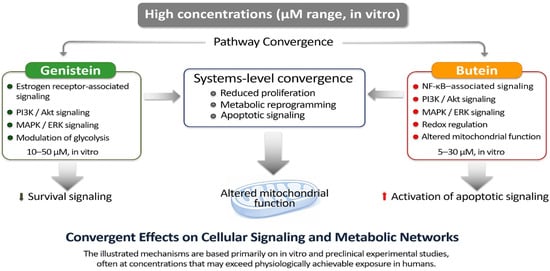
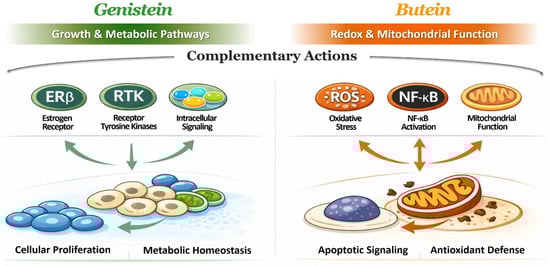
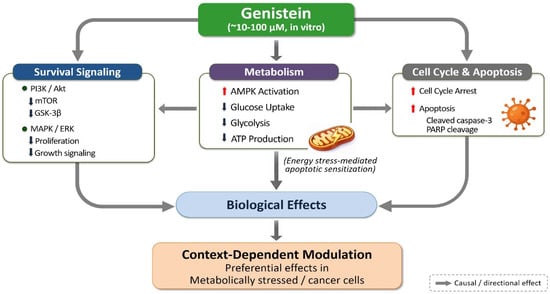
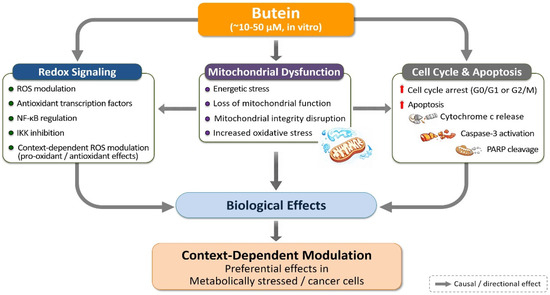
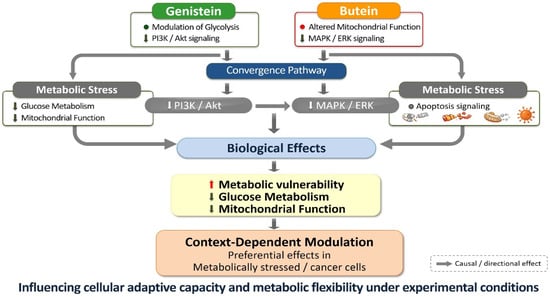
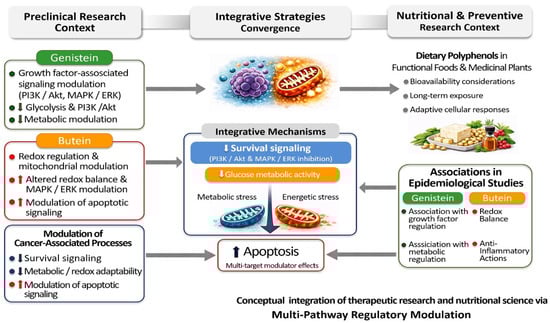
Bioactive polyphenols are increasingly recognized as modulators of multiple biological processes relevant to human health and disease. Among these compounds, genistein, a soy-derived isoflavone, and butein, a naturally occurring chalcone, have been investigated for their anticancer, anti-inflammatory, and metabolic regulatory activities, primarily in in vitro and preclinical experimental models. Despite their distinct chemical structures, available evidence indicates that genistein and butein can influence key molecular pathways involved in cell survival, energy metabolism, and programmed cell death. Experimental studies have shown that these compounds may modulate PI3K/Akt and MAPK/ERK signaling, alter glycolytic and mitochondrial metabolism, and induce apoptotic responses through caspase activation and poly(ADP-ribose) polymerase cleavage. This review provides a comprehensive overview of the chemical characteristics, bioavailability, and proposed molecular mechanisms of action of genistein and butein, with a particular focus on their potentially convergent roles in metabolic reprogramming and apoptotic signaling networks. In addition, we discuss the conceptual basis for combination approaches involving these compounds, emphasizing systems-level pathway modulation rather than definitive pharmacological synergy. Importantly, many of the reported biological effects have been observed under experimental conditions using concentrations that may exceed physiologically achievable concentrations, thereby limiting direct extrapolation to clinical settings. Furthermore, the current evidence base is constrained by limited in vivo validation and a lack of robust clinical data, particularly for butein. Future studies are required to better define pharmacokinetic properties, physiological relevance, and context-dependent biological effects, thereby providing a more rigorous framework for future evaluation of the translational potential of genistein and butein.
Full article
(This article belongs to the Special Issue Therapeutic Effects of Natural Products on Human Diseases—3rd Edition)
►▼
Show Figures

Figure 1
Open AccessArticle
Twelve-Month Outcomes of Standalone Travoprost Intracameral Implant in Glaucoma or Ocular Hypertension
by
Savak Teymoorian, Jasmin Kaur, Dana M. Hornbeak and Erik Barr
Life 2026, 16(4), 614; https://doi.org/10.3390/life16040614 - 7 Apr 2026
Abstract
This retrospective study evaluated real-world outcomes of standalone iDose TR intracameral travoprost implant administration. Sixty-five consecutive standalone iDose TR implantations performed by a single surgeon were analyzed. Patients were pseudophakic, had a diagnosis of open-angle glaucoma (OAG) or ocular hypertension (OHT), and had
[...] Read more.
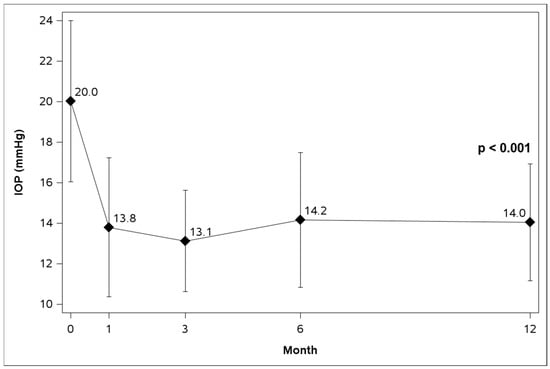
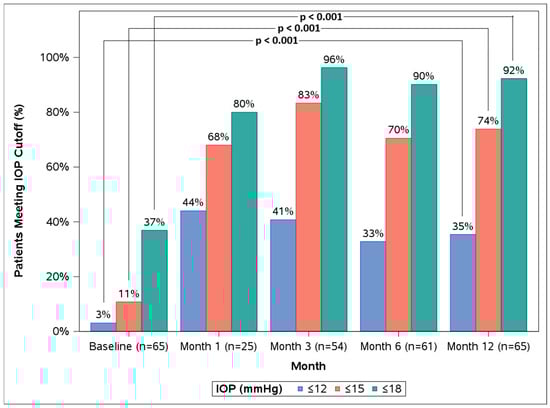
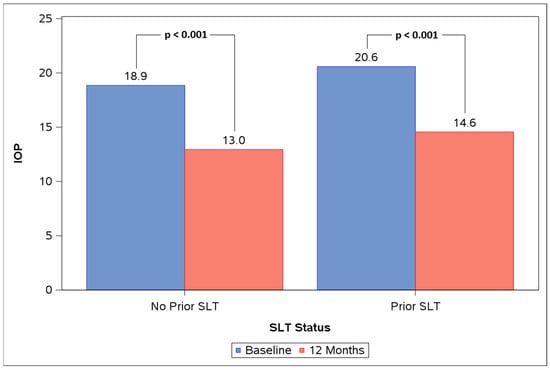
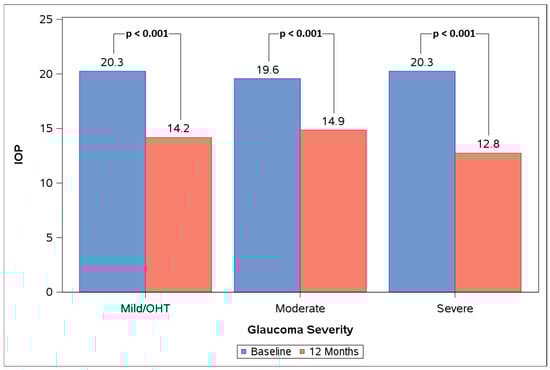
This retrospective study evaluated real-world outcomes of standalone iDose TR intracameral travoprost implant administration. Sixty-five consecutive standalone iDose TR implantations performed by a single surgeon were analyzed. Patients were pseudophakic, had a diagnosis of open-angle glaucoma (OAG) or ocular hypertension (OHT), and had a history of a prior non-filtering glaucoma procedure (e.g., selective laser trabeculoplasty [SLT] or bimatoprost intracameral implant) performed beyond the preceding 6 months. Intraocular pressure (IOP) and medications were measured for 12 months postoperatively. Subgroup analysis was stratified by history of SLT treatment and glaucoma severity. If target IOP was not attained, secondary minimally invasive glaucoma surgery was performed instead of reinitiating or adding medication, according to the surgeon’s standard practice. The analysis was by intention to treat. At 12 months, mean IOP reduced significantly to 14.0 ± 2.9 mmHg from a baseline of 20.0 ± 4.0 mmHg (−28%, p < 0.001). Eyes with IOPs ≤ 18, ≤15, and ≤12 mmHg increased significantly vs. baseline (36.9% to 92.3%, 10.8% to 73.8%, and 3.1% to 35.4%, respectively; all p < 0.001), and 89.2% of the eyes were medication-free vs. 87.7% preoperatively. Mean 12-month IOP reduction showed nonsignificant differences between eyes with or without prior SLT (−26% and −31%, respectively; p = 0.907) and among mild/OHT, moderate, or severe glaucoma eyes (−28%, −23%, and −34%, respectively; p = 0.085). Postoperatively, one case each of transient corneal edema and retinal edema were observed, which self-resolved without sequelae. Thus, standalone travoprost implant administration significantly reduced IOP over 12 months in OAG and OHT, while maintaining a low medication burden. Similar IOP reductions were observed regardless of prior SLT treatment and glaucoma severity.
Full article
(This article belongs to the Special Issue The Management and Prognosis of Open-Angle Glaucoma)
►▼
Show Figures

Figure 1
Open AccessArticle
A Five-Year Single-Center Retrospective Study of Neoadjuvant Therapy Response and Survival in Romanian Women with Breast Cancer
by
Adeline-Roxana Bucur, Alexandru Cristian Cindrea, Antonia Armega-Anghelescu, Alin Marian Vasile, Octavian Constantin Neagoe, Paul Szeica, Ovidiu Alexandru Mederle and Flavia Zara
Life 2026, 16(4), 613; https://doi.org/10.3390/life16040613 - 7 Apr 2026
Abstract
Background: Breast cancer remains a major public health problem, with increasing incidence and persistent survival disparities. In Romania, barriers to early diagnosis and access to multidisciplinary treatment may contribute to poorer outcomes. Methods: We conducted a retrospective single-center cohort study including
[...] Read more.
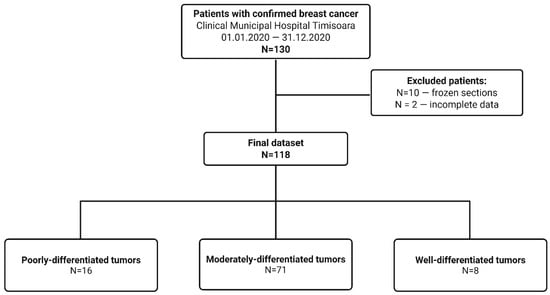
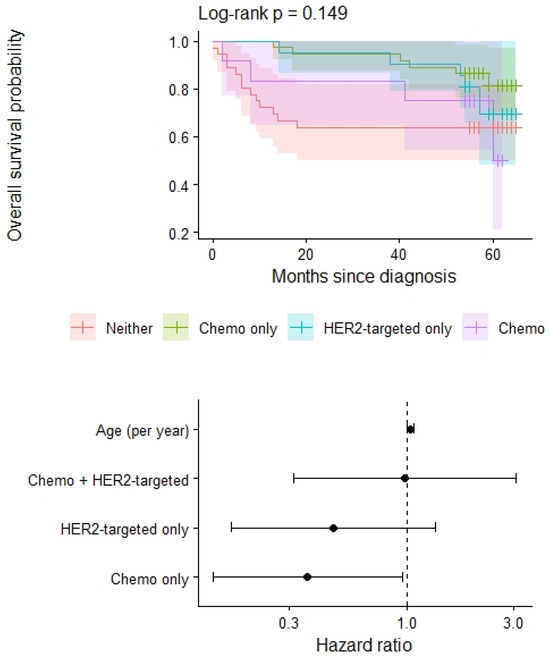
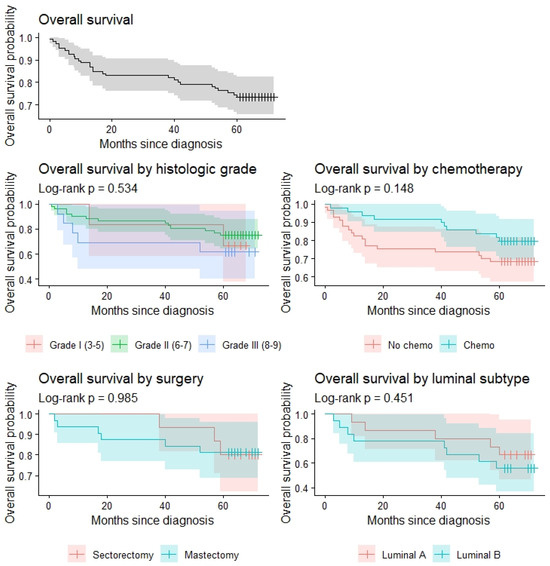
Background: Breast cancer remains a major public health problem, with increasing incidence and persistent survival disparities. In Romania, barriers to early diagnosis and access to multidisciplinary treatment may contribute to poorer outcomes. Methods: We conducted a retrospective single-center cohort study including 118 women diagnosed with and/or treated for breast cancer in our institution between 1 January and 31 December 2020. Patients were followed for 5 years. The primary outcome was overall survival (OS). Clinicopathological characteristics, treatment exposure, pathological response after neoadjuvant therapy, and factors associated with OS were analyzed. Results: The median age at diagnosis was 62 years. Most tumors were located in the upper quadrants, and the most frequent subtype was hormone receptor-positive/HER2-negative breast carcinoma. During follow-up, 26.27% of patients died from disease progression or associated complications. Estimated OS was 88.7% at 1 year and 72.8% at 5 years. Older age at diagnosis and treatment exposure patterns, including the absence of neoadjuvant therapy, were associated with OS. Conclusions: In this single-center retrospective cohort, overall survival was associated with age at diagnosis, tumor characteristics, and treatment patterns. The high proportion of early deaths and the frequent absence of documented surgical treatment in patients who died suggest important challenges related to late presentation, continuity of care, and access to guideline-concordant multidisciplinary treatment in the Romanian setting.
Full article
(This article belongs to the Special Issue Advances in the Epidemiology, Physiology, Diagnosis and Treatment of Breast Cancer)
►▼
Show Figures

Figure 1
Open AccessArticle
Reliability and Validity of Plantar Pressures and the Modified ICPBL Test vs. Telemetry for Diagnosing Anatomical Discrepancies: A Pilot Study
by
Arian Marcelino Argemi, Dan Iulian Alexe, Ismael Ortuño Soriano, Ignacio Zaragoza García, Alvaro Saura Sempere, Rebeca Bueno Fermoso, Álvaro Gómez Carrión and Rubén Sánchez-Gómez
Life 2026, 16(4), 612; https://doi.org/10.3390/life16040612 - 7 Apr 2026
Abstract
Background/Objectives: Several methods have been proposed to assess lower limb-length discrepancies; however, none have demonstrated sufficient reliability and validity for diagnosing anatomical discrepancies (DA). Objectives: This study primarily aims to evaluate the accuracy of two traditional tests—the Modified Iliac Crests Palpation and Pelvimeter
[...] Read more.
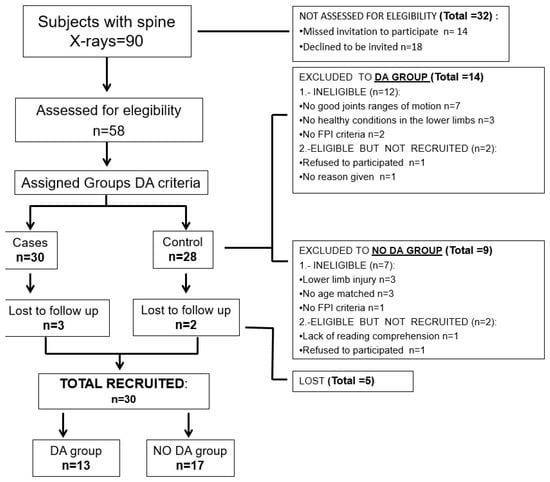
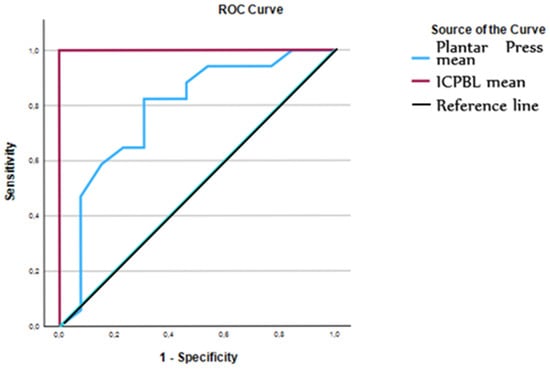
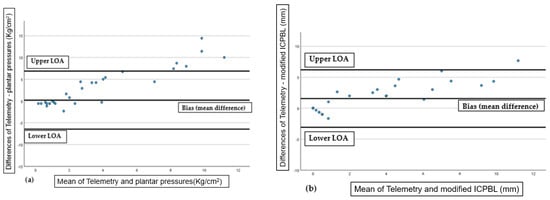
Background/Objectives: Several methods have been proposed to assess lower limb-length discrepancies; however, none have demonstrated sufficient reliability and validity for diagnosing anatomical discrepancies (DA). Objectives: This study primarily aims to evaluate the accuracy of two traditional tests—the Modified Iliac Crests Palpation and Pelvimeter with Blocks test (ICPBL) and plantar pressure analysis—by comparing them with the gold standard telemetry (TE) method for diagnosing DA. The secondary objective is to assess the intra-rater reliability of these two tests and determine their potential applicability in clinical settings. Methods: Thirty subjects between the ages of 20 and 80 were enrolled in the present prospective, cross-sectional diagnostic accuracy pilot study; thirteen with a positive TE for DA of more than 3 mm were classified into the group with the condition DA, and 17 were classified into the group without the condition DA. Pelvic tilting and plantar pressures were evaluated. Results: The TE revealed a difference of 8.09 ± 3.24 mm between the short and long limbs, while subjects without DA had only a 0.41 mm difference (p < 0.001). Similarly, the Modified ICPBL test showed a 4.38 ± 2.10 mm difference in subjects with DA, compared to 0.51 ± 0.53 mm in those without DA (p < 0.001). Additionally, plantar pressure measurements supported these findings, with a difference of 5.17 ± 3.28 kg/cm2 between the short and long limbs in subjects with DA, versus 2.28 ± 1.77 kg/cm2 in subjects without DA (p < 0.05). The area under the receiver operating characteristic (ROC) curve was 0.783 (95% CI: 0.456–0.877) for plantar pressures and 1.000 (95% CI: 0.742–0.942) for the Modified ICPBL test. Conclusions: The Modified ICPBL and plantar pressure tests demonstrated high diagnostic accuracy within the sample studied, suggesting they are useful tools for supporting the diagnosis of DA. In this pilot study, the Modified ICPBL showed very high discriminative ability, while plantar pressure testing demonstrated moderate sensitivity. Both methods may serve as preliminary practical alternatives to telemetry TE, potentially reducing X-ray exposure; however, these results should be interpreted with caution due to the limited sample size and the specific clinical setting of this study.
Full article
(This article belongs to the Special Issue Novel Therapeutics for Musculoskeletal Disorders)
►▼
Show Figures

Figure 1
Journal Menu
► ▼ Journal Menu-
- Life Home
- Aims & Scope
- Editorial Board
- Reviewer Board
- Topical Advisory Panel
- Instructions for Authors
- Special Issues
- Topics
- Sections & Collections
- Article Processing Charge
- Indexing & Archiving
- Editor’s Choice Articles
- Most Cited & Viewed
- Journal Statistics
- Journal History
- Journal Awards
- Society Collaborations
- Conferences
- Editorial Office
Journal Browser
► ▼ Journal BrowserHighly Accessed Articles
Latest Books
E-Mail Alert
News
Topics
Topic in
CIMB, IJMS, Reprod. Med., Biology, Life
Recent Research in Germ Cells
Topic Editors: Malgorzata Kloc, Jacek KubiakDeadline: 31 May 2026
Topic in
Antioxidants, Biomedicines, IJMS, Life, Oxygen, Cosmetics, Nutraceuticals
Oxidative Stress and Inflammation, 3rd Edition
Topic Editors: Maria Letizia Manca, Amparo Nacher, Matteo Perra, Ines Castangia, Mohamad AllawDeadline: 31 July 2026
Topic in
Geriatrics, IJMS, Life, Sports, Neurology International, Obesities
Exercise and Human Aging: Physiological and Psychological Functions
Topic Editors: Samuel Da Silva Aguiar, Ismael Perez-SuarezDeadline: 20 September 2026
Topic in
Nutrients, Metabolites, Healthcare, Children, Obesities, Life
Non-Communicable Diseases Silent Killer: Metabolic and Obesity Risks of Sedentary Behaviors
Topic Editors: Kotsedi Daniel Monyeki, Machoene Derrick SekgalaDeadline: 30 September 2026
Conferences
Special Issues
Special Issue in
Life
Therapeutic Potential of Natural Products in Chronic Diseases
Guest Editors: Yu-Chiang Hung, Wen-Long HuDeadline: 10 April 2026
Special Issue in
Life
Innovation in Rheumatology: Advances in Diagnostics, Therapeutics and AI Applications
Guest Editor: Arvind NuneDeadline: 10 April 2026
Special Issue in
Life
Innovative Soil Amendments for Food Security: Biochar, Nanoparticles and Waste Valorization
Guest Editor: Sami Abou FayssalDeadline: 10 April 2026
Special Issue in
Life
Stem Cells and Signaling Pathways in Pulmonary Biology
Guest Editor: Bingqiang WenDeadline: 12 April 2026
Topical Collections
Topical Collection in
Life
Antimicrobial Resistance
Collection Editors: Caterina Aurilio, Antonella Paladini, Pasquale Sansone, Vincenzo Pota
Topical Collection in
Life
The Role of Bioactive Natural Compounds in the Treatment of Diseases
Collection Editor: Stefania Lamponi
Topical Collection in
Life
Tumor Progression, Microenvironments, and Therapeutics
Collection Editors: Hung-Chi Cheng, Chun-Li Su, Ming-Fen Lee
Topical Collection in
Life
State of the Art in Plant Science
Collection Editors: Kousuke Hanada, Yoshiteru Noutoshi