

-
Accessible American Sign Language Learning in Virtual Reality via Inverse Kinematics -
Extended Reality in Computer Science Education: A Narrative Review of Pedagogical Benefits, Challenges, and Future Directions -
Embodied Fully Immersive Virtual Reality as a Therapeutic Modality to Treat Chronic Pain: A Scoping Review
Journal Description
Virtual Worlds
Virtual Worlds
is an international, peer-reviewed, open access journal on virtual reality, augmented and mixed reality, published quarterly online by MDPI.
- Open Access— free for readers, with article processing charges (APC) paid by authors or their institutions.
- High Visibility: indexed within Scopus and other databases.
- Rapid Publication: manuscripts are peer-reviewed and a first decision is provided to authors approximately 18.1 days after submission; acceptance to publication is undertaken in 6.7 days (median values for papers published in this journal in the second half of 2025).
- Recognition of Reviewers: APC discount vouchers, optional signed peer review, and reviewer names published annually in the journal.
- Virtual Worlds is a companion journal of Applied Sciences.
- Journal Cluster of Artificial Intelligence: AI, AI in Medicine, Algorithms, BDCC, MAKE, MTI, Stats, Virtual Worlds and Computers.
Latest Articles
Virtual Reality and the Sense of Belonging Among Distance Learners: A Study on Peer Relationships in Higher Education
Virtual Worlds 2026, 5(2), 17; https://doi.org/10.3390/virtualworlds5020017 - 9 Apr 2026
Abstract
Distance learners in higher education are often assumed to face limited peer interaction, potentially weakening their sense of belonging. This study examines peer relationships and belonging among students in distance and blended university programs, with attention to the role of virtual reality (VR)
[...] Read more.
Distance learners in higher education are often assumed to face limited peer interaction, potentially weakening their sense of belonging. This study examines peer relationships and belonging among students in distance and blended university programs, with attention to the role of virtual reality (VR) within digitally mediated learning environments. Immersive VR teaching is included in the curriculum for distance learning students in the studied programs. Using a mixed-methods design, survey data and open-ended responses were collected from 17 students in Information Studies and Information Service Design. An adapted Classroom Community Scale was supplemented with items addressing the perceived contribution of different communication technologies. Contrary to expectations, fully distance learners did not report weaker agreement with statements reflecting belonging than blended students; on several items, they expressed stronger agreement, particularly regarding perceived peer support and learning opportunities. Results indicate that conventional 2D communication tools, particularly chats and video calls, are central to sustaining peer relationships. VR was not perceived as essential but described by some students as an added value supporting shared experience and group cohesion. Overall, belonging emerges as a socio-technical achievement shaped by communication practices rather than physical proximity.
Full article
Open AccessArticle
Immersive Virtual Reality Gameplay Alters Embodiment, Time Perception, and States of Consciousness
by
Nicola De Pisapia, Andrea Polo and Andrea Signorelli
Virtual Worlds 2026, 5(2), 16; https://doi.org/10.3390/virtualworlds5020016 - 3 Apr 2026
Abstract
►▼
Show Figures
Immersive virtual environments are increasingly investigated as tools capable of modulating conscious experience, yet the specific contribution of graded immersion to altered states of consciousness (ASC), time perception, and cognition remains unclear. The present study examined how different levels of immersion during videogame
[...] Read more.
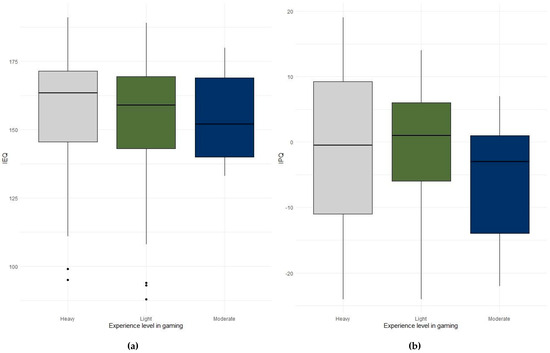
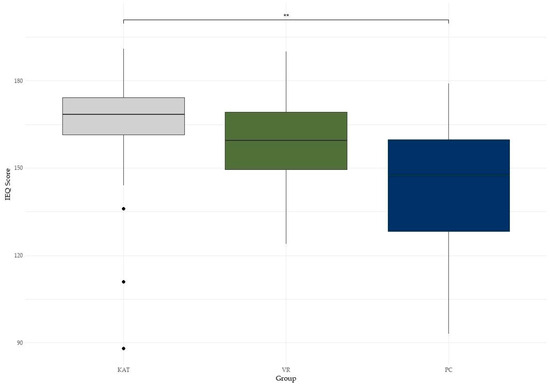
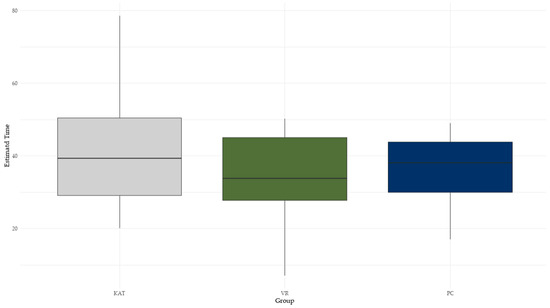
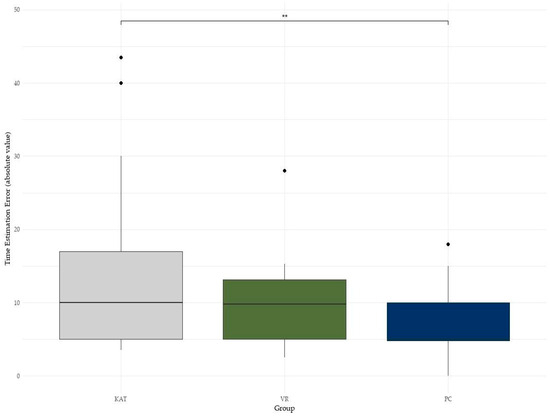
Immersive virtual environments are increasingly investigated as tools capable of modulating conscious experience, yet the specific contribution of graded immersion to altered states of consciousness (ASC), time perception, and cognition remains unclear. The present study examined how different levels of immersion during videogame play influence subjective experience and post-experience cognitive performance. Seventy-two participants played an identical 35 min segment of the videogame Half-Life: Alyx under one of three conditions: desktop PC (low immersion), head-mounted virtual reality (VR; medium immersion), or VR combined with full-body locomotion via an omnidirectional treadmill (high immersion). Following gameplay, participants completed validated measures of presence (IPQ), immersion (IEQ), ASC (5D-ASC), retrospective time estimation, and cognitive flexibility (Stroop task and Alternative Uses Test). Presence was selectively enhanced in VR relative to desktop play, whereas immersion was highest in the VR plus treadmill condition. Specific ASC dimensions related to embodiment and self-experience were selectively elevated in immersive conditions, with the most robust effects observed for disembodiment and positive depersonalization. Retrospective time-estimation accuracy was reduced in the highest immersion condition, indicating increased temporal distortion. Immersive gameplay did not produce widespread changes in executive function. Overall, the findings indicate that immersive virtual reality gameplay selectively alters embodiment-related aspects of conscious experience and retrospective time perception, without broadly changing executive function.
Full article

Figure 1
Open AccessArticle
Multimodal Assistance in Rehabilitation: User Experience of Embodied and Non-Embodied Agents for Collecting Patient-Reported Outcome Measures
by
Navid Ashrafi, Philipp Graf, Manuela Marquardt, Philipp Harnisch, Stefan Hillmann, Nico Ploner, Diego Compagna, Eren Cirit, Lilia Papst and Jan-Niklas Voigt-Antons
Virtual Worlds 2026, 5(1), 15; https://doi.org/10.3390/virtualworlds5010015 - 19 Mar 2026
Abstract
The collection of patient-reported outcome measures (PROMs) is a key measurement tool for patient-centred care. At the same time, collecting these measures poses obstacles for many patients, leading to these groups being underrepresented in the data. We have therefore developed a multimodal, AI-driven
[...] Read more.
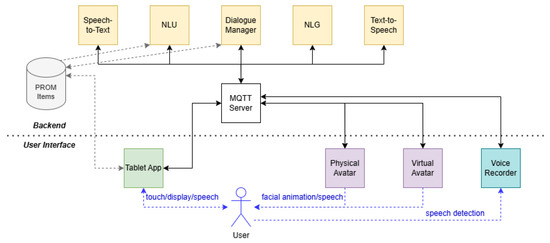
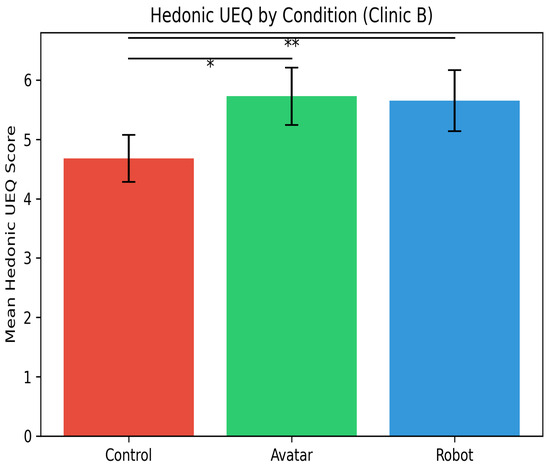
The collection of patient-reported outcome measures (PROMs) is a key measurement tool for patient-centred care. At the same time, collecting these measures poses obstacles for many patients, leading to these groups being underrepresented in the data. We have therefore developed a multimodal, AI-driven assistance system to support patients in collecting these data. The interface of the system comprised a digital tablet containing the PROM questionnaire items and the assistant in three forms of embodiment: A virtual avatar, a physical avatar, and a voice-only agent. To evaluate the users’ experience and ratings of the system, two separate studies were implemented in two rehabilitation centers with 195 patients. A mixed within–between RCT was conducted at an outpatient clinic, where patients completed PROMs both with and without an assistant, and a between-subject design at an inpatient clinic comparing routine PC-based care with avatar- and robot-assisted PROM administration. Our results suggest a preference for the non-assisted tablet-only condition in Clinic A, whereas, in Clinic B, both agent conditions were preferred over routine care. We have further analyzed aspects such as trust and social presence in this study to gain a more thorough understanding of the users’ experience. Our analysis shows a higher trust rating for the voice-only assistant, whereas the robot, virtual avatar, and the voice-only conditions were perceived as more socially present. The impact of demographic factors and affinity for technology on the user ratings was also thoroughly studied. Our findings shed light on the role of agent embodiment in PROM assistance and contribute to the future design and evaluation of effective, engaging, and trustworthy systems for data collection in healthcare settings.
Full article
(This article belongs to the Topic AI-Based Interactive and Immersive Systems)
►▼
Show Figures

Figure 1
Open AccessArticle
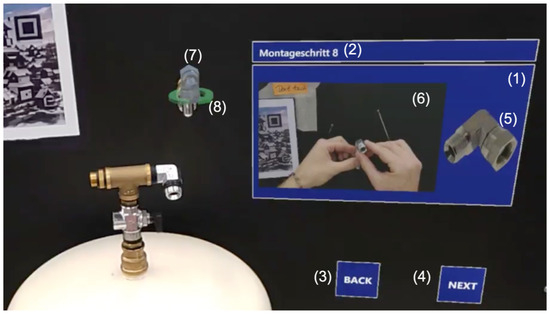
Redundant or Minimal? A Comparative Study of Augmented Reality Visualization Concepts for Manual Assembly
by
Yannick Klein, Leon Paul Mondrian Munz, Maximilian Mushoff, Eva-Maria Grommes and Anja Richert
Virtual Worlds 2026, 5(1), 14; https://doi.org/10.3390/virtualworlds5010014 - 10 Mar 2026
Abstract
►▼
Show Figures
Augmented reality (AR) offers promising opportunities to support manual assembly, but there is little consensus on how much information AR instructions should contain, reflecting debates between cognitive-load-oriented minimalism and multimedia-learning-based benefits of redundancy. These debates manifest in practice as rich, multimodal overlays or
[...] Read more.
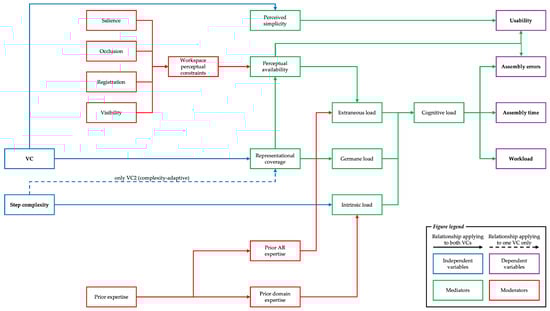
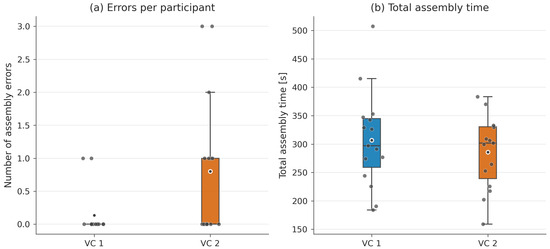
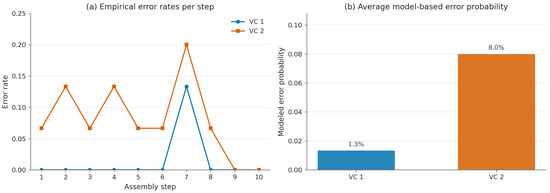
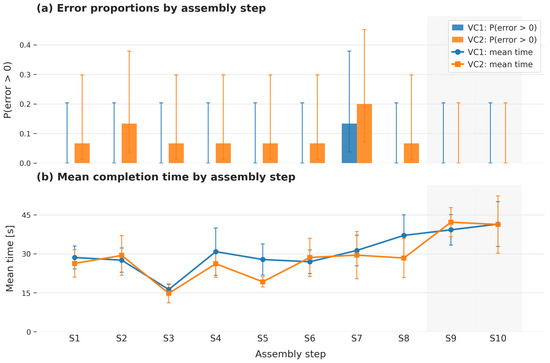
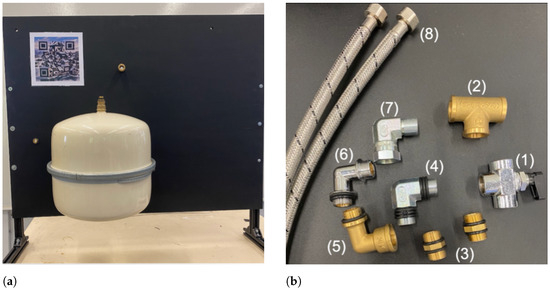
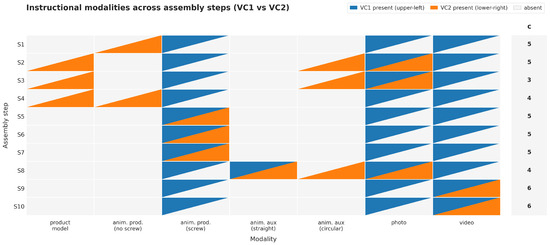
Augmented reality (AR) offers promising opportunities to support manual assembly, but there is little consensus on how much information AR instructions should contain, reflecting debates between cognitive-load-oriented minimalism and multimedia-learning-based benefits of redundancy. These debates manifest in practice as rich, multimodal overlays or minimal, complexity-adaptive visualizations designed to avoid clutter and ease authoring. This study compares these approaches by contrasting a redundant AR concept combining three-dimensional models, photographs, and videos with a minimal concept that adapts visualization types to assembly step complexity. In a between-subject experiment with 30 participants (mixed-experience; heterogeneous backgrounds) performing a heat-pump assembly task for the first time in a spatially constrained setup, errors, task time, workload, and usability were measured. The redundant concept led to significantly fewer errors and a lower per-step error probability than the minimal concept, without a penalty in assembly time. Workload and usability were comparable across concepts and primarily driven by performance rather than by visualization style. Step complexity strongly predicted completion time but not error rates, suggesting that operators slow down on complex steps while failures are more sensitive to instructional design. These findings suggest that overly minimal AR instructions increase error risk, whereas redundant AR instructions stabilize performance.
Full article

Figure 1
Open AccessArticle
Securing Virtual Reality: Threat Models, Vulnerabilities, and Defense Strategies
by
Andrija Bernik, Igor Tomicic and Petra Grd
Virtual Worlds 2026, 5(1), 13; https://doi.org/10.3390/virtualworlds5010013 - 10 Mar 2026
Abstract
►▼
Show Figures
As virtual reality technologies evolve toward widespread adoption in education, industry, and social communication, their increasing complexity exposes new and often overlooked security challenges. Immersive environments collect continuous multimodal data, including motion tracking, gaze, voice, and biometric indicators that extend far beyond traditional
[...] Read more.
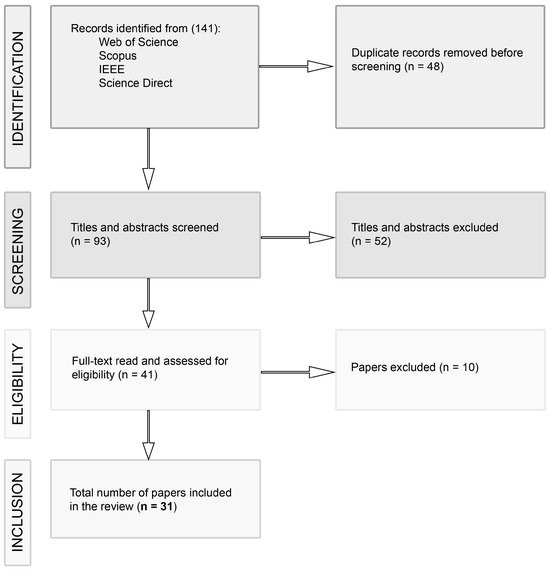
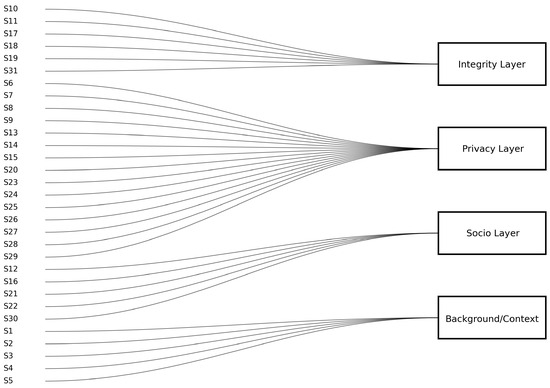
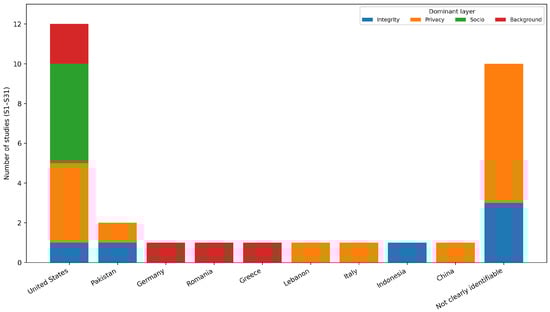
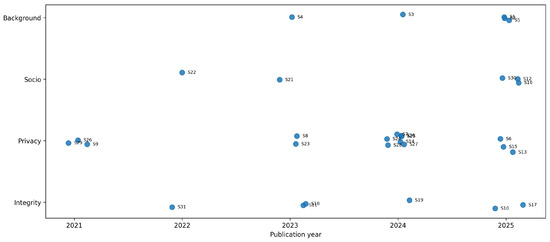
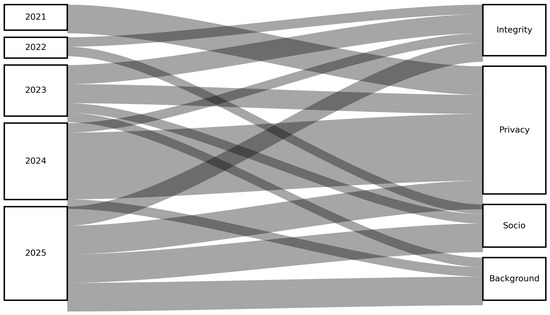
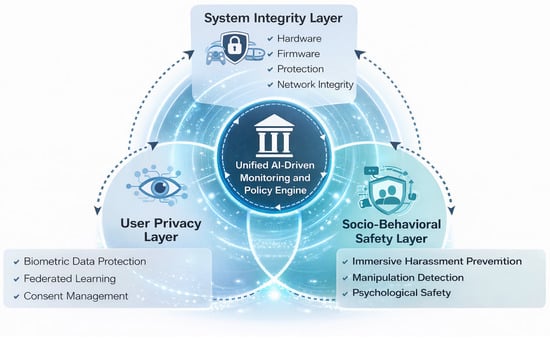
As virtual reality technologies evolve toward widespread adoption in education, industry, and social communication, their increasing complexity exposes new and often overlooked security challenges. Immersive environments collect continuous multimodal data, including motion tracking, gaze, voice, and biometric indicators that extend far beyond traditional computing attack surfaces. This paper synthesizes recent research (2023–2025) on cybersecurity, privacy, and behavioral safety in virtual reality (VR) systems, identifies the main vulnerabilities, and proposes a unified defense architecture: the three-layer VR Security Framework (TVR-Sec). Through comparative review and conceptual integration of 31 peer-reviewed studies, three interdependent protection domains emerged: (1) System Integrity, securing hardware, firmware, and network communications against spoofing and malware; (2) User Privacy, ensuring the ethical management of biometric and behavioral data through federated learning and consent-based control; and (3) Socio-Behavioral Safety, addressing harassment, manipulation, and psychological exploitation in shared virtual spaces. The framework situates VR security as a multidimensional adaptive process that combines technical hardening with human-centered defense and ethical design. By aligning cyber–human protections through an AI-driven monitoring and policy engine, TVR-Sec advances a holistic paradigm for securing future immersive ecosystems.
Full article

Figure 1
Open AccessArticle
Attribution Clarity Beyond Immersion: Intentionality, Humor, and Bystander Intervention in Virtual Reality Microaggressions
by
Changmin Yan, Adam Wagler and Alan Eno
Virtual Worlds 2026, 5(1), 12; https://doi.org/10.3390/virtualworlds5010012 - 3 Mar 2026
Abstract
►▼
Show Figures
Immersive virtual reality (VR) is increasingly used to promote ethical engagement and bystander intervention in response to social harms, yet the psychological mechanisms through which immersive experiences motivate intervention remain unclear. The present study examines how psychological presence, humor-based storytelling, perceived intentionality, perceived
[...] Read more.
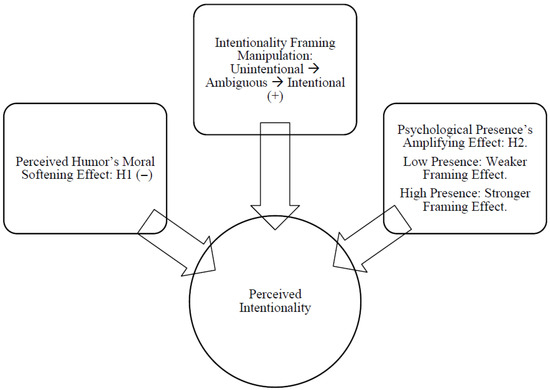
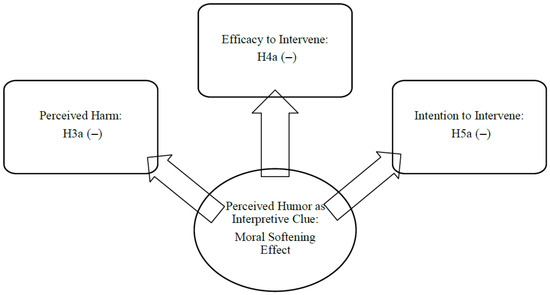
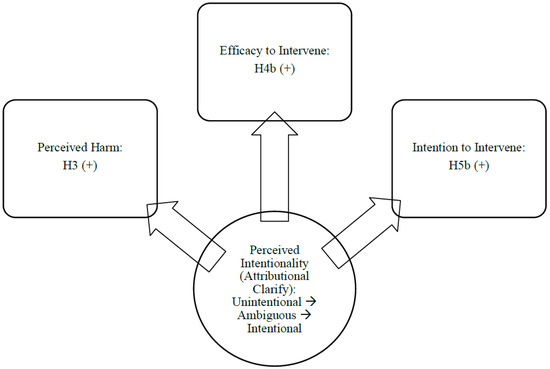
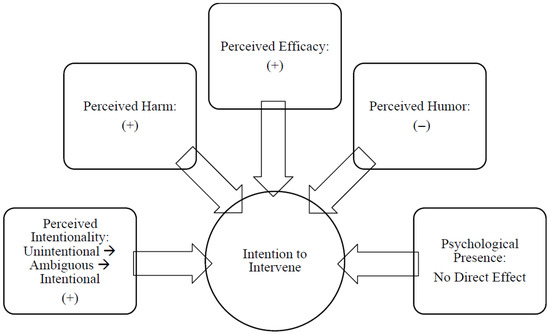
Immersive virtual reality (VR) is increasingly used to promote ethical engagement and bystander intervention in response to social harms, yet the psychological mechanisms through which immersive experiences motivate intervention remain unclear. The present study examines how psychological presence, humor-based storytelling, perceived intentionality, perceived harm, and perceived efficacy jointly shape bystanders’ intention to intervene in a VR-based microaggression scenario. Participants experienced a humor-infused immersive VR interaction depicting micro-aggressive behaviors, preceded by an experimental framing of the aggressor’s intentionality as unintentional, ambiguous, or intentional. Across analyses, intentionality framing strongly influenced perceived harm, perceived efficacy, and intervention intention. Correlational and regression results revealed that perceived intentionality was the most robust predictor of intention to intervene, whereas psychological presence did not exert a direct effect when interpretive and motivational variables were considered simultaneously. Perceived humor was associated with reduced harm appraisal and emerged as a consistent suppressor of intervention intention, even when discriminatory intent was explicit. Condition-specific regression analyses further showed that intentionality predicted intervention only when intent was ambiguous, psychological presence contributed to intervention readiness only under ambiguity, and humor suppressed intervention whenever it was salient. Together, these findings indicate that bystander intervention in immersive environments is driven primarily by interpretive judgments of intent rather than by immersion alone. The results underscore the importance of narrative framing and attributional clarity in the design of VR-based ethics training, diversity education, and public-facing simulations.
Full article

Figure 1
Open AccessArticle
Enhancing Immersion in Virtual Reality Martial Arts Training: Toward Realistic and Practical Applications
by
Leonie Laskowitz, Karsten Huffstadt and Nicholas Müller
Virtual Worlds 2026, 5(1), 11; https://doi.org/10.3390/virtualworlds5010011 - 2 Mar 2026
Abstract
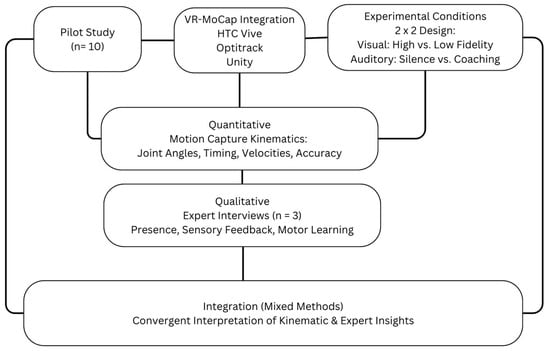
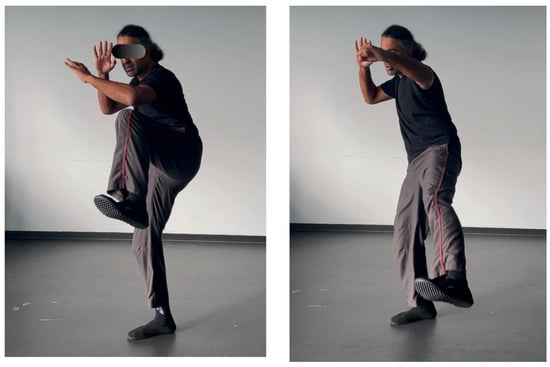
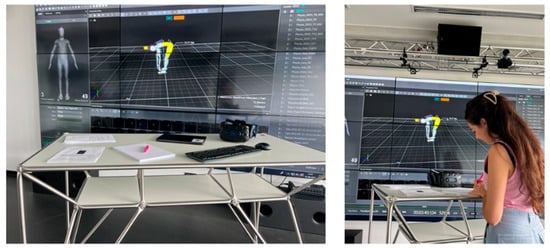
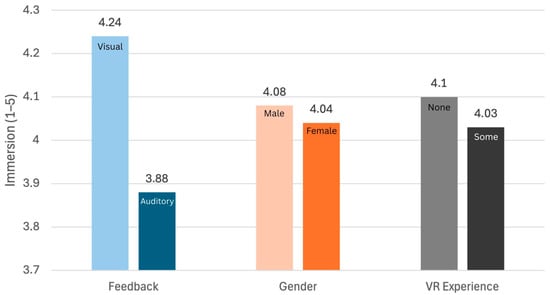
Immersive virtual reality (VR) offers promising opportunities for skill acquisition in complex motor domains, yet its specific potential for martial arts training remains underexplored. This pilot study examined how visual and auditory feedback are associated with subjective immersion and motor performance during the
[...] Read more.
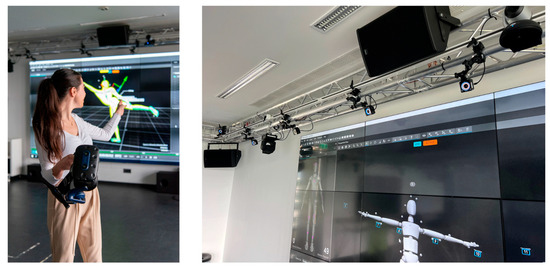
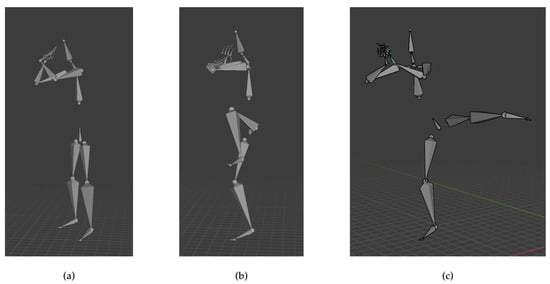
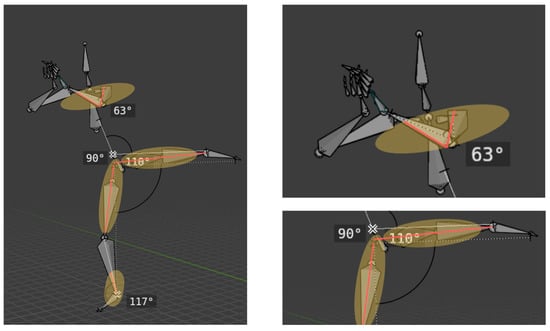
Immersive virtual reality (VR) offers promising opportunities for skill acquisition in complex motor domains, yet its specific potential for martial arts training remains underexplored. This pilot study examined how visual and auditory feedback are associated with subjective immersion and motor performance during the execution of a standardized martial arts sidekick in VR. Ten technically experienced participants completed four training conditions, while full-body kinematics were captured using a synchronized VR-MoCap setup. Subjective ratings of immersion and presence were collected after each condition, and three expert interviews provided complementary qualitative perspectives. Exploratory analyses indicated that high-fidelity visual feedback elicited higher immersion and more stable chamber-phase posture, while voice feedback was associated with smoother timing and improved kick alignment. Experts highlighted multisensory coherence as a key design principle and pointed to concrete opportunities for VR-supported technique refinement. These convergent findings suggest that immersive VR can support technically relevant performance cues in martial arts training while also highlighting design considerations for future high-precision VR coaching systems. As a pilot study, the results provide methodological groundwork and signal directions for larger, confirmatory investigations.
Full article
(This article belongs to the Special Issue Contemporary Developments in Mixed, Augmented, and Virtual Reality: Implications for Teaching and Learning)
►▼
Show Figures

Figure 1
Open AccessArticle
A Modular Questionnaire for Target-Group-Specific Evaluation of Event Formats: Developed in the Context of Virtual Worlds Knowledge Transfer
by
Sina Hinzmann, Anne-Kathrin Bestgen, Julia Schorlemmer, Constanze Beierlein, Jörg Kolbe and Jan-Niklas Voigt-Antons
Virtual Worlds 2026, 5(1), 10; https://doi.org/10.3390/virtualworlds5010010 - 9 Feb 2026
Abstract
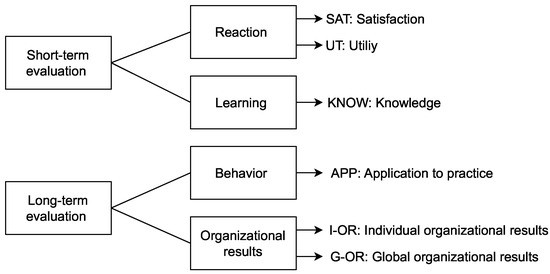
This paper presents a modular evaluation questionnaire designed to assess Knowledge and Technology Transfer (KT) events in Higher Education Institutions (HEIs). KT is central to the HEI’s third mission, contributing to societal and economic progress. This mandate is critically highlighted by the need
[...] Read more.
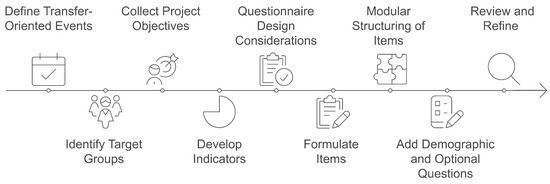
This paper presents a modular evaluation questionnaire designed to assess Knowledge and Technology Transfer (KT) events in Higher Education Institutions (HEIs). KT is central to the HEI’s third mission, contributing to societal and economic progress. This mandate is critically highlighted by the need to disseminate digitalization competencies in rapidly evolving fields, notably immersive technologies—including Virtual Reality (VR), Augmented Reality (AR), and Mixed Reality (MR)—which are foundational for virtual worlds. Traditionally, transfer success relies on overall outcome indicators (patents, collaborations), which fail to capture the immediate impact of individual transfer events. Our questionnaire addresses this gap by evaluating event-level success and its alignment with the target groups: companies, citizens, and students. Developed via expert workshops in the context of virtual worlds, the tool’s modular design supports flexible adaptation and broad applicability across different event types. It captures participant reactions, knowledge acquisition, and behavioral intentions, along with process items. This provides immediate, actionable insights into event success, enabling HEIs to optimize resource allocation and make informed adjustments tailored to audience needs. Future studies should validate the questionnaire’s psychometric properties and assess long-term effects. Ultimately, this tool strengthens the capacity of HEIs to optimize transfer activities and cultivate stronger partnerships.
Full article
(This article belongs to the Special Issue Applying Virtual Worlds Knowledge: Methods, Evaluation, and Effective Transfer of Knowledge into Practice)
►▼
Show Figures

Figure 1
Open AccessSystematic Review
Digital Forest Bathing: A Systematic Review
by
Lilith Tersch, Dennis Anheyer and Thomas Ostermann
Virtual Worlds 2026, 5(1), 9; https://doi.org/10.3390/virtualworlds5010009 - 6 Feb 2026
Abstract
►▼
Show Figures
In recent years, forest bathing has gained popularity worldwide due to its many positive effects on health. In the face of increasing urbanization and limited access to natural forests, digital forest bathing is a promising alternative. Digital forest bathing could also be an
[...] Read more.
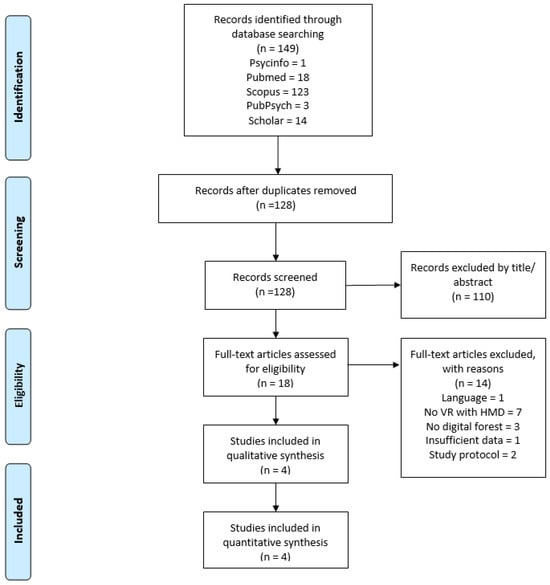
In recent years, forest bathing has gained popularity worldwide due to its many positive effects on health. In the face of increasing urbanization and limited access to natural forests, digital forest bathing is a promising alternative. Digital forest bathing could also be an option for people with restricted mobility, which could be a way to make the health-promoting effects of forests more accessible. This systematic review examines the current state of research on digital forest bathing, considers the associated effects, and highlights the technical possibilities and thereby consolidates the currently limited evidence base in this emerging field. For literature identification, the databases APA, PsycInfo, PubMed, PubPsych, Scopus, and Google Scholar were searched. A total of four studies were included. The results indicate that digital forest bathing could have positive effects on relaxation and well-being that could be comparable to real-life forest bathing, and summarize how interventions were technically implemented across the included studies. As there are still a few studies on digital forest bathing, the implementation of the research varies greatly, and some studies have risks of bias; the results presented here should be interpreted with caution. In addition to a critical examination of the study designs and quality, suggestions for further research in this area are given, and key methodological constraints relevant for interpreting early effects are outlined.
Full article

Figure 1
Open AccessArticle
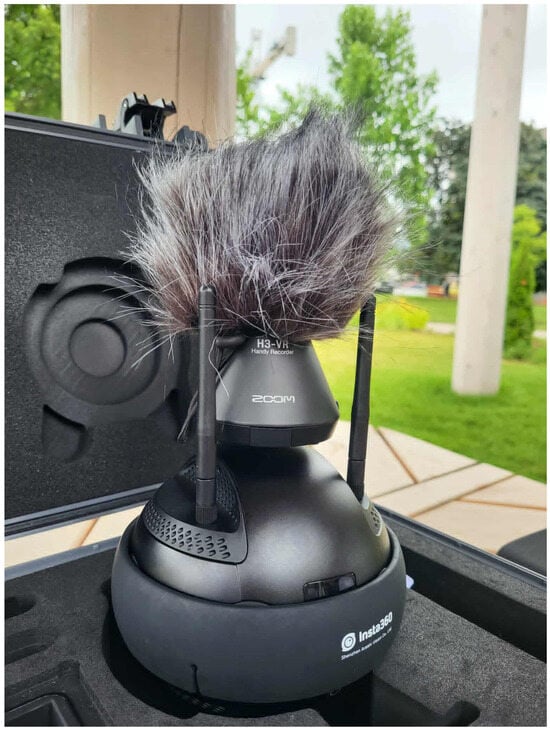
A Design Thinking Process for Digital Storytelling: An Example of Tipi Teachings in Virtual Reality
by
Naomi Paul, Angela Pincivero and Shi Cao
Virtual Worlds 2026, 5(1), 8; https://doi.org/10.3390/virtualworlds5010008 - 3 Feb 2026
Abstract
►▼
Show Figures
Existing research in extended reality for education emphasizes learning outcomes rather than the process for developing their materials. Design thinking, a method in Research through Design, which often generates artefacts and systems, can help address this limitation. As such, this paper presents a
[...] Read more.
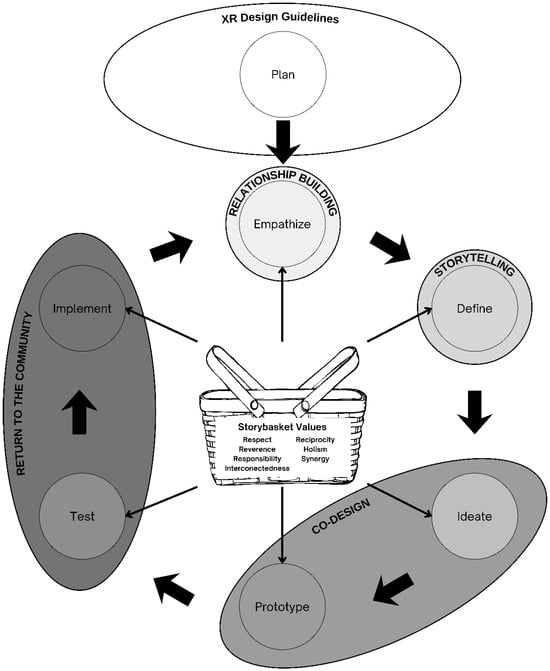
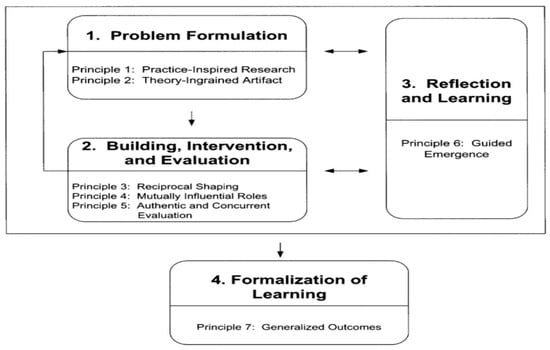
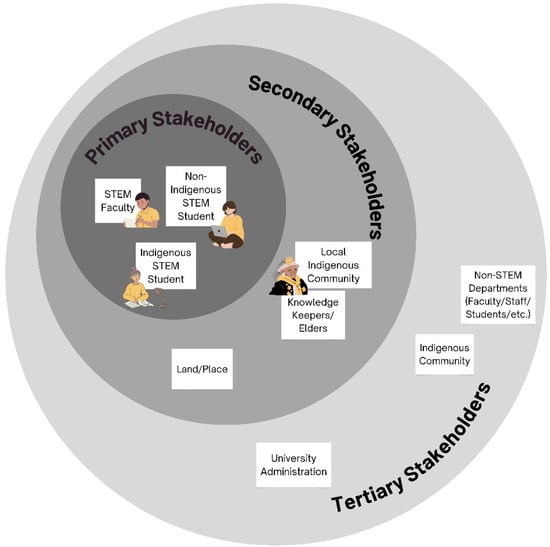
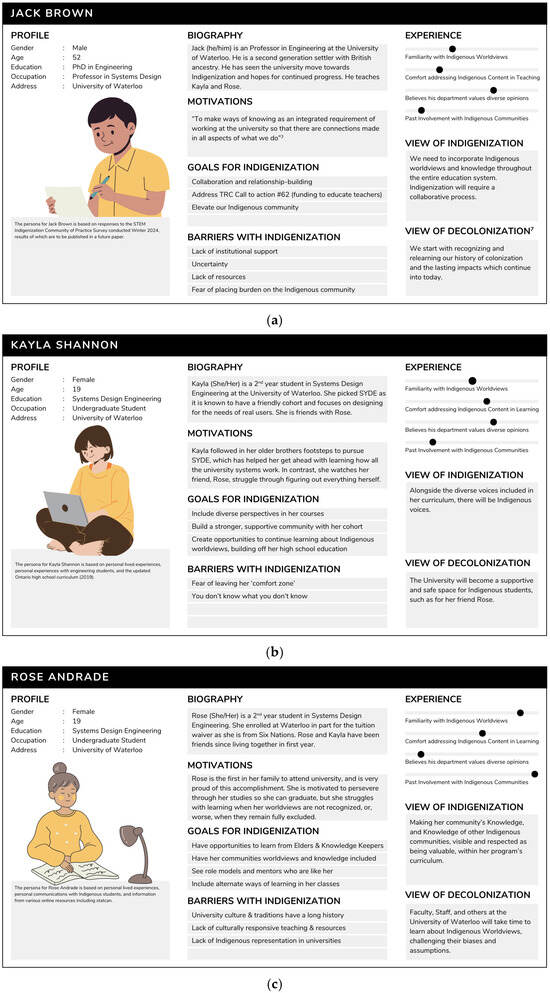
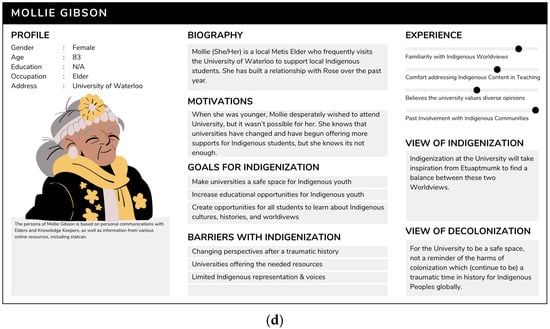
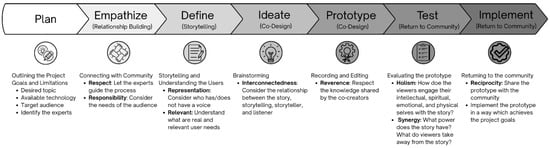
Existing research in extended reality for education emphasizes learning outcomes rather than the process for developing their materials. Design thinking, a method in Research through Design, which often generates artefacts and systems, can help address this limitation. As such, this paper presents a process for developing 360° videos based on the six steps of the design thinking process with a new step for planning. The authors also propose a novel approach emphasizing co-creation and Indigenous Research Values throughout the process, showing respect, and minimizing misinterpretations, appropriations, and weak translations that often result from recording stories. Presented through an example titled ‘Tipi Teachings’, a digital story rooted in Indigenous Knowledge of Engineering, the authors demonstrate how design thinking and co-creation can be applied to digital storytelling, proposing a procedure which aims to provide guidance to future researchers utilizing digital storytelling, minimizing trial and error, and providing an opportunity for researchers to share and document lessons learned. While the proposed process was created within a Canadian Indigenous research context, and centers Indigenous storybasket values, these values require researchers to listen to and build relationships with the community, incorporating their core values, regardless of whether they directly align with the storybasket values, adjusting the process to their specific context. The decolonial design process aligned with design thinking also considers decolonization globally, rather than locally.
Full article
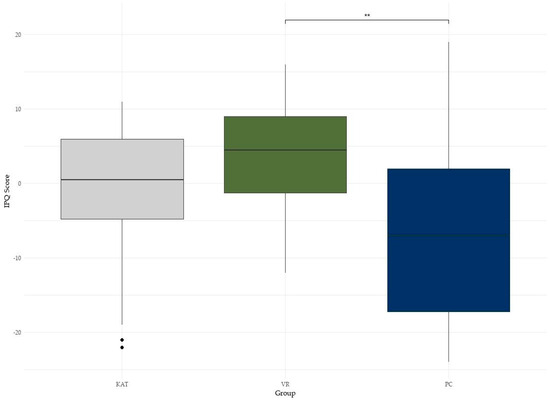
Figure 1
Open AccessPerspective
Beyond the Testing Room: Virtual Reality as a Paradigmatic Solution to Ecological Validity Deficits in Neuropsychological Memory Assessment
by
Ninette Simonian and Nicco Reggente
Virtual Worlds 2026, 5(1), 7; https://doi.org/10.3390/virtualworlds5010007 - 2 Feb 2026
Abstract
Traditional neuropsychological memory assessments lack ecological validity and often fail to capture how memory functions in everyday life. This limits early detection of cognitive decline and reduces correspondence with patient complaints and caregiver observations. We argue that virtual reality (VR) mostly addresses these
[...] Read more.
Traditional neuropsychological memory assessments lack ecological validity and often fail to capture how memory functions in everyday life. This limits early detection of cognitive decline and reduces correspondence with patient complaints and caregiver observations. We argue that virtual reality (VR) mostly addresses these limitations. VR-based assessments immerse individuals in naturalistic environments that engage authentic cognitive processing while maintaining experimental control. We review empirical evidence demonstrating that VR assessments show superior diagnostic sensitivity for distinguishing healthy aging from mild cognitive impairment (MCI) and Alzheimer’s disease (AD), particularly through tasks that integrate memory with spatial navigation and executive function. VR-derived performance metrics also correlate more strongly with subjective experiences and caregiver reports than traditional tests. We propose that VR represents a fundamental reconceptualization of memory assessment, though challenges regarding standardization and accessibility must be addressed.
Full article
(This article belongs to the Special Issue Contemporary Developments in Mixed, Augmented, and Virtual Reality: Implications for Teaching and Learning)
Open AccessArticle
The Effect of Feedback About Self When Stepping over Obstacles in Natural and Virtual Environments
by
Andrea H. Mason, Alejandra S. Klingenberg, Kevin Ponto and Kristen A. Pickett
Virtual Worlds 2026, 5(1), 6; https://doi.org/10.3390/virtualworlds5010006 - 2 Feb 2026
Abstract
►▼
Show Figures
Obstacle negotiation during locomotion depends on the integration of exteroceptive information about the environment, proprioceptive signals from the body, and exproprioceptive visual feedback about the limbs. This study examined how removing visual limb information and introducing VR-specific sensory uncertainty affect overground obstacle-crossing behavior.
[...] Read more.
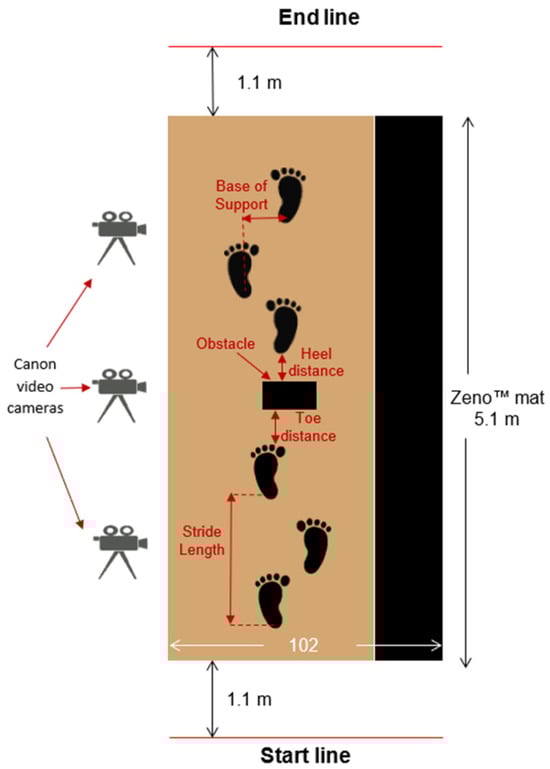
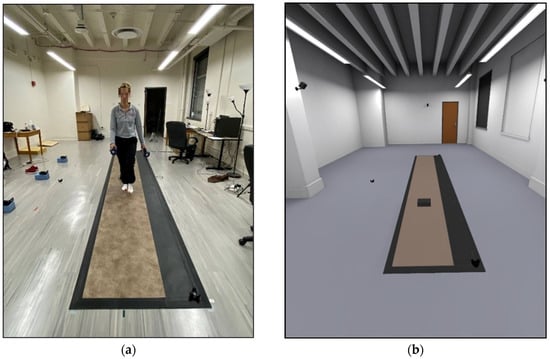
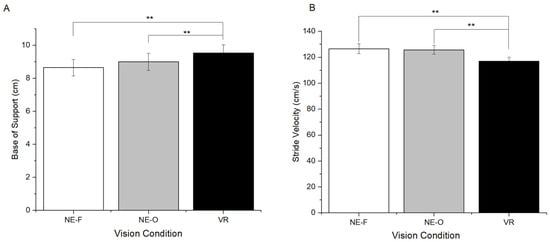
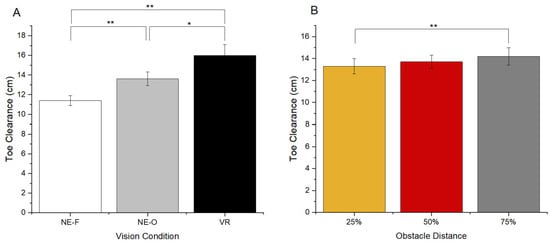
Obstacle negotiation during locomotion depends on the integration of exteroceptive information about the environment, proprioceptive signals from the body, and exproprioceptive visual feedback about the limbs. This study examined how removing visual limb information and introducing VR-specific sensory uncertainty affect overground obstacle-crossing behavior. Participants walked under three conditions: natural environment with full vision, natural environment with lower-limb occlusion, and immersive VR without a lower-limb representation. Removing limb vision in the real world selectively increased toe clearance while leaving baseline gait unchanged, demonstrating the role of exproprioceptive feedback in fine-tuning foot trajectory. VR amplified these adaptations, yielding slower speeds, wider bases of support, and even greater clearance margins, reflecting compounded uncertainty from altered exteroceptive cues. Yet obstacle location effects were consistent across environments, suggesting preserved underlying control and the potential for a scaling relationship between VR and real-world performance. Findings highlight key design considerations for VR-based gait assessment and rehabilitation.
Full article
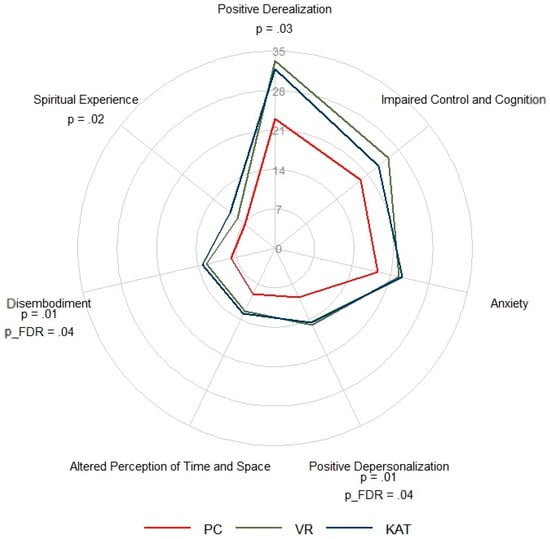
Figure 1
Open AccessArticle
Design Principles for Work-Integrated Safety Training (WIST) in Gamified Immersive Learning Environments
by
Jesse Katende, Amir Haj-Bolouri, Stefan Nilsson, Lu Cao and Matti Rossi
Virtual Worlds 2026, 5(1), 5; https://doi.org/10.3390/virtualworlds5010005 - 21 Jan 2026
Abstract
Immersive virtual reality is increasingly used for safety training, yet many initiatives remain technology-led pilots that enhance scenario realism and engagement without explaining how training becomes embedded in everyday work (e.g., alignment with SOPs, assessment routines, scheduling, and accountable debrief practices) or how
[...] Read more.
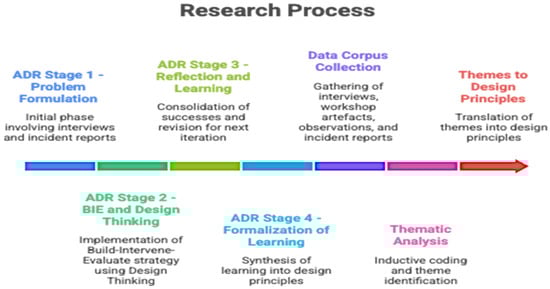
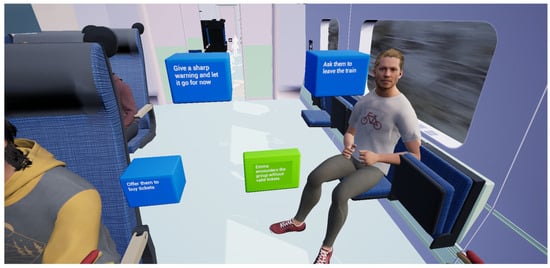
Immersive virtual reality is increasingly used for safety training, yet many initiatives remain technology-led pilots that enhance scenario realism and engagement without explaining how training becomes embedded in everyday work (e.g., alignment with SOPs, assessment routines, scheduling, and accountable debrief practices) or how skills reliably transfer back to duty. This paper addresses that gap by introducing Work-Integrated Safety Training (WIST) as a socio-technical training approach that couples IVR-based immersion with work-integrated routines to develop competence in safety-critical, passenger-facing work. Using Action Design Research (ADR) with Sweden’s national rail operator (SJ), we iteratively designed and evaluated a gamified immersive prototype for onboard conflict management, drawing on interviews, incident reports, co-design workshops, and in situ evaluations. We formalize four transferable design principles—specified with mechanisms and boundary conditions that guide how immersive training can (i) scaffold composure before intervention, (ii) make dynamic risk legible through interpretable cues, (iii) support SOP-aligned adaptive communication with replay-based reflection, and (iv) strengthen team coordination through role-specific checkpoints and psychologically safe debriefs. The paper contributes design knowledge for moving from isolated IVR demonstrations to work-integrated training systems that are implementable in organizations and testable in further longitudinal evaluation.
Full article
(This article belongs to the Special Issue Applying Virtual Worlds Knowledge: Methods, Evaluation, and Effective Transfer of Knowledge into Practice)
►▼
Show Figures

Figure 1
Open AccessArticle
Greek Occupational Therapists’ Perspectives on the Clinical Application of Fully Immersive Virtual Reality in Post-Stroke Upper Limb Rehabilitation: An Exploratory Qualitative Study
by
Dimosthenis Lygouras, Avgoustos Tsinakos, Ioannis Seimenis and Konstantinos Vadikolias
Virtual Worlds 2026, 5(1), 4; https://doi.org/10.3390/virtualworlds5010004 - 9 Jan 2026
Abstract
Stroke is a leading cause of long-term disability worldwide, and new technologies such as Fully Immersive Virtual Reality (FIVR) are being explored to promote functional recovery as well as optimize rehabilitation outcomes. The aim of the present study was to explore Greek OTs’
[...] Read more.
Stroke is a leading cause of long-term disability worldwide, and new technologies such as Fully Immersive Virtual Reality (FIVR) are being explored to promote functional recovery as well as optimize rehabilitation outcomes. The aim of the present study was to explore Greek OTs’ perspectives on the use of FIVR in rehabilitation of the upper limb after stroke. Two focus groups took place with six experienced OTs, who were recruited from diverse clinical settings across Greece. The interviews were facilitated using a semi-structured guide and inductively coded using thematic analysis following Braun and Clarke’s six-stage process. Six theme-rich findings were elicited. Therapists identified FIVR’s potential to enable patient involvement, motivation, and recovery of function through the use of immersion and feedback-based practice. They reported significant barriers, however, in terms of technical challenges, safety issues, and costly equipment. OTs also highlighted the fact that occupation-based, culturally sensitive task design is central to ensuring ecological validity and transfer to naturalistic settings. There is a high potential for FIVR in stroke rehabilitation, but it requires user-centered design, cultural adaptation, adequate training, and systemic support towards long-term implementation.
Full article
Open AccessReview
Embodied Fully Immersive Virtual Reality as a Therapeutic Modality to Treat Chronic Pain: A Scoping Review
by
Nancy A. Baker, Augusta H. Polhemus, Joanne M. Baird and Megan Kenney
Virtual Worlds 2026, 5(1), 3; https://doi.org/10.3390/virtualworlds5010003 - 5 Jan 2026
Cited by 1
Abstract
►▼
Show Figures
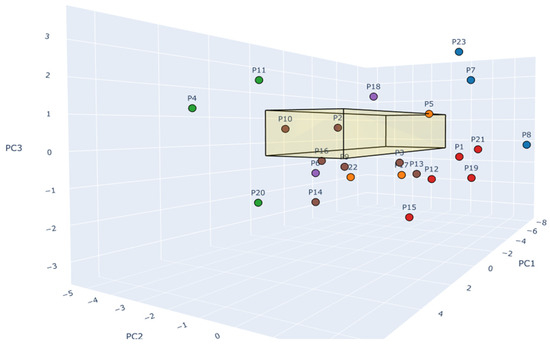
This scoping review examines the use of fully immersive virtual reality (FIVR) and embodiment as a modality to treat chronic pain. We aimed to describe which chronic pain disorders have been investigated using virtual embodiment; identify how sensory feedback is manipulated to affect
[...] Read more.
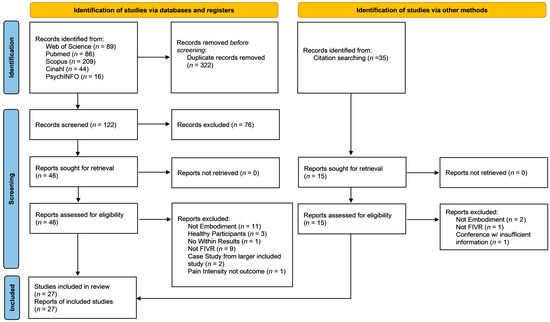
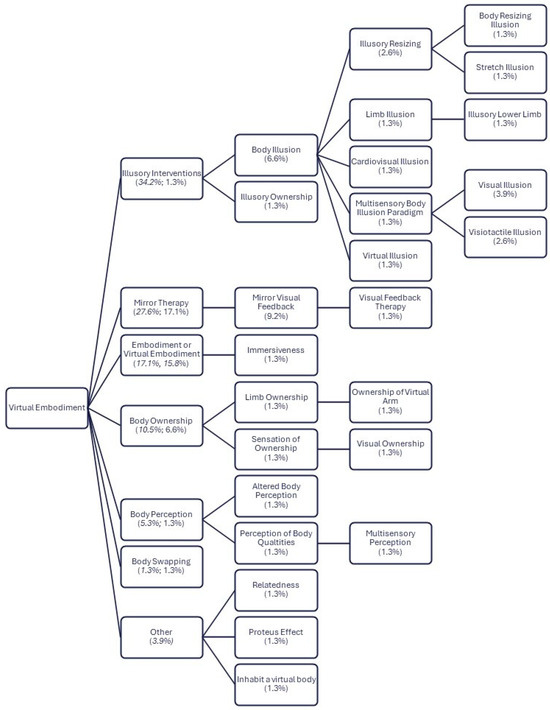
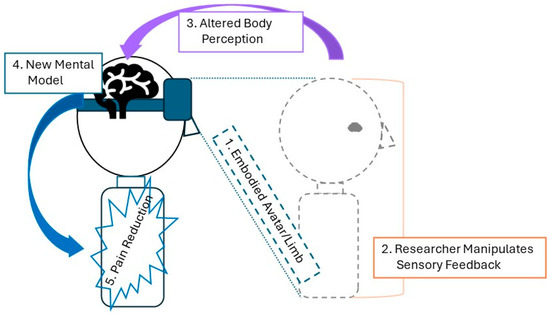
This scoping review examines the use of fully immersive virtual reality (FIVR) and embodiment as a modality to treat chronic pain. We aimed to describe which chronic pain disorders have been investigated using virtual embodiment; identify how sensory feedback is manipulated to affect pain sensation; describe the effect of embodiment as an analgesic for people with chronic pain; and identify terminology used to describe virtual embodiment. We used a 5-step scoping review methodological framework to examine the state of the science related to FIVR, embodiment, and pain. A comprehensive database search identified 444 studies. After full-text review, 27 studies met the inclusion criteria. Studies addressed primarily neuropathic types of pain disorders with over 80% reporting improved pain using a wide range of sensory feedback, such as aspects of the appearance, position, or movement to manipulate the embodied limb. Results suggest that using embodied FIVR can decrease chronic pain. The high percentage of positive outcomes suggests that this emerging practice holds potential as a treatment for chronic pain, although variability in study methodologies and terminology suggests a need for standardized approaches in future research.
Full article
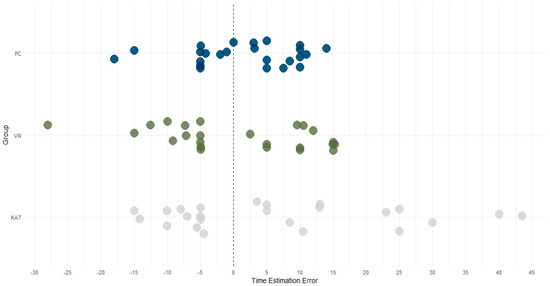
Figure 1
Open AccessArticle
Virtual World Platforms: A Comparative Analysis of Quality According to ISO 25010 Standards and Maturity Models
by
Fabiola Sáez-Delgado, Javier Mella-Norambuena, Paulo Coronado, Yaranay López-Angulo, Guillermo Ramírez, María Badilla-Quintana and Andrés Chiappe
Virtual Worlds 2026, 5(1), 2; https://doi.org/10.3390/virtualworlds5010002 - 5 Jan 2026
Abstract
►▼
Show Figures
The rapid proliferation of metaverse platforms with heterogeneous architectures, functionalities, and purposes poses a significant challenge for informed technology selection. Consequently, there is a need for structured evaluation approaches that enable comparison based on functional and non-functional attributes relevant to specific application contexts.
[...] Read more.
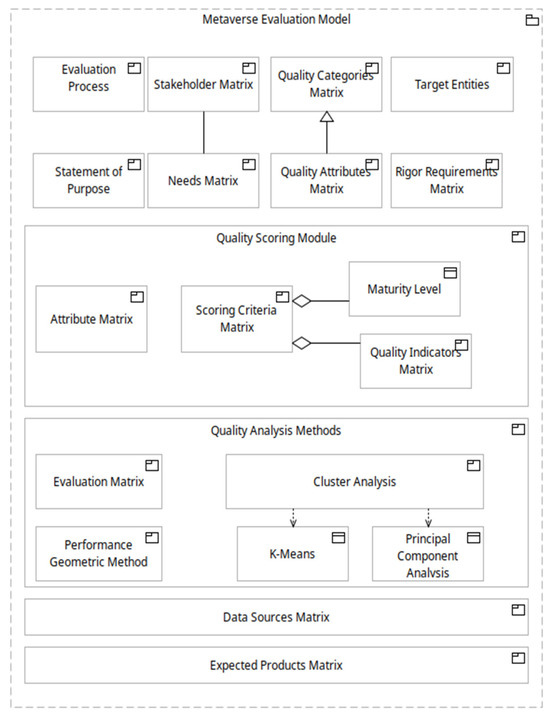
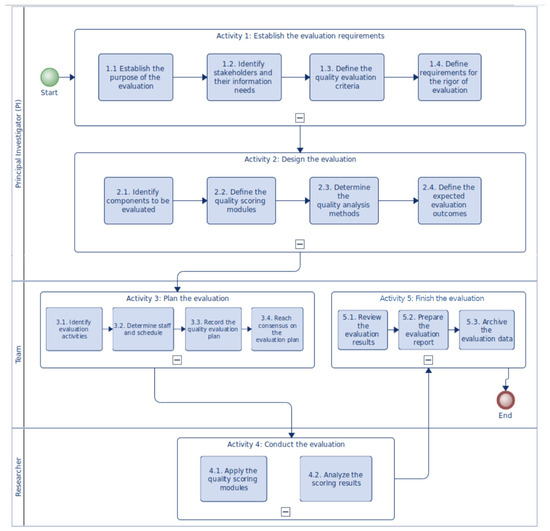
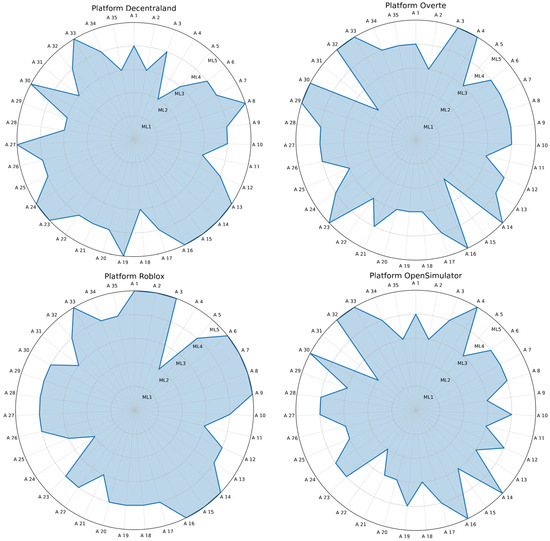
The rapid proliferation of metaverse platforms with heterogeneous architectures, functionalities, and purposes poses a significant challenge for informed technology selection. Consequently, there is a need for structured evaluation approaches that enable comparison based on functional and non-functional attributes relevant to specific application contexts. The objective of this study was to propose a model for evaluating the quality of metaverse-type platforms based on a hybridization of the aspects defined in the ISO/IEC 25000 family of standards, a maturity model extracted from recent literature, and the Metagon metaverse characterization typology. The proposed model operationalizes 35 evaluation attributes grouped into seven categories, enabling a comprehensive assessment of metaverse platforms. Using this model, 23 metaverse platforms were evaluated through a hierarchical ranking strategy with tolerance. The results show that platforms such as Decentraland and Roblox achieve the highest levels of maturity (ML5), although open-architecture platforms demonstrated superior structural robustness in comparative tie-breakers. The results provide a taxonomy of characteristics refined and validated by experts and used in the evaluation of the analyzed platforms, resulting in a reproducible classification that enables systematic comparison across different application contexts. The discussion presents the basis for future studies focused on the evaluation of specific categories, such as educational, therapeutic, or social interaction platforms.
Full article
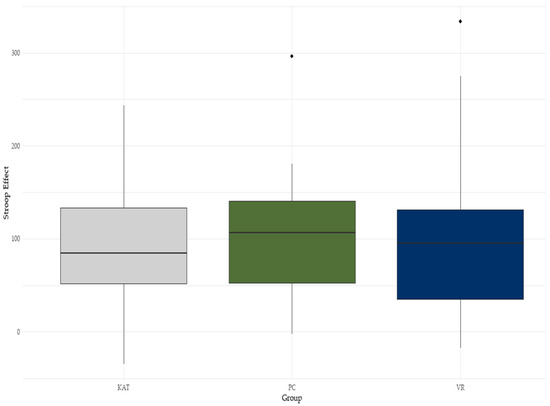
Figure 1
Open AccessArticle
Accessible Augmented Reality in Sheltered Workshops: A Mixed-Methods Evaluation for Users with Mental Disabilities
by
Valentin Knoben, Malte Stellmacher, Jonas Blattgerste, Björn Hein and Christian Wurll
Virtual Worlds 2026, 5(1), 1; https://doi.org/10.3390/virtualworlds5010001 - 4 Jan 2026
Abstract
►▼
Show Figures
A prominent application of Augmented Reality (AR) is to provide step-by-step guidance for procedural tasks as it allows information to be displayed in situ by overlaying it directly onto the user’s physical environment. While the potential of AR is well known, the perspectives
[...] Read more.
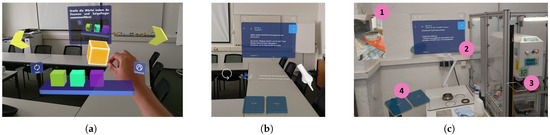
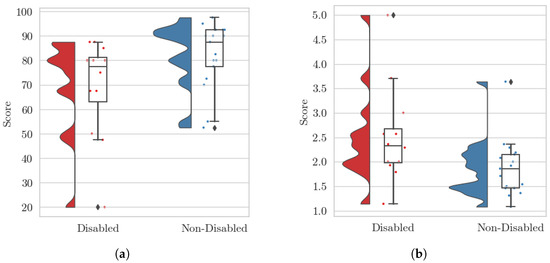
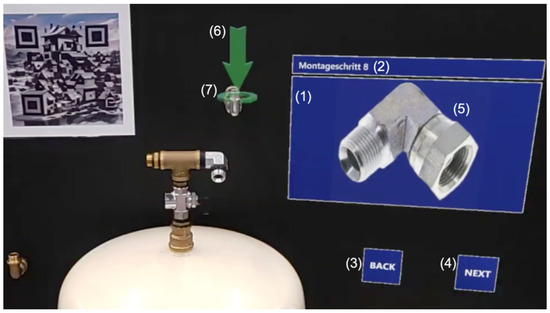
A prominent application of Augmented Reality (AR) is to provide step-by-step guidance for procedural tasks as it allows information to be displayed in situ by overlaying it directly onto the user’s physical environment. While the potential of AR is well known, the perspectives and requirements of individuals with mental disabilities, who face both cognitive and psychological barriers at work, have yet to be addressed, particularly on Head-Mounted Displays (HMDs). To understand practical limitations of such a system, we conducted a mixed-methods user study with 29 participants, including individuals with mental disabilities, their colleagues, and support professionals. Participants used a commercially available system on an AR HMD to perform a machine setup task. Quantitative results revealed that participants with mental disabilities perceived the system as less usable than those without. Qualitative findings point towards actionable leverage points of improvement such as privacy-aware human support, motivating but lightweight gamification, user-controlled pacing with clear feedback, confidence-building interaction patterns, and clearer task intent of multimodal instructions.
Full article
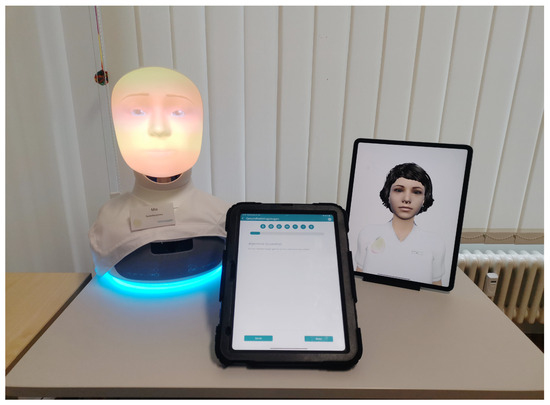
Figure 1
Open AccessArticle
Virtual Reality Can Be Used to Reduce the Simple and Complex Reaction Time of High School Students
by
Ștefan Moroșanu, Maria Cristina Man, Nicola Mancini, Carlos Hervás-Gómez, Emilia Florina Grosu, Mihai Moroșanu, Horațiu Ghejan, Mircea Boncuț, Dana Ioana Cristea and Vlad Teodor Grosu
Virtual Worlds 2025, 4(4), 59; https://doi.org/10.3390/virtualworlds4040059 - 5 Dec 2025
Abstract
►▼
Show Figures
Background: The consequences of video games have been a hotly debated topic in recent decades. While the media tend to focus on and publicize the alleged negative effects of video games, the empirical literature continues to research to illustrate the benefits of playing
[...] Read more.
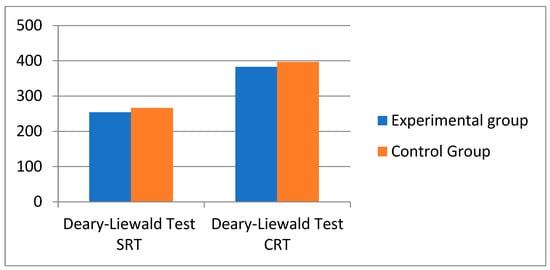
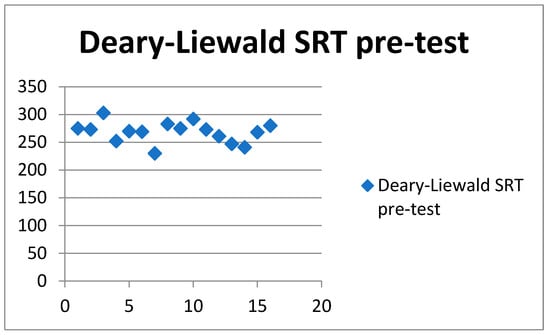
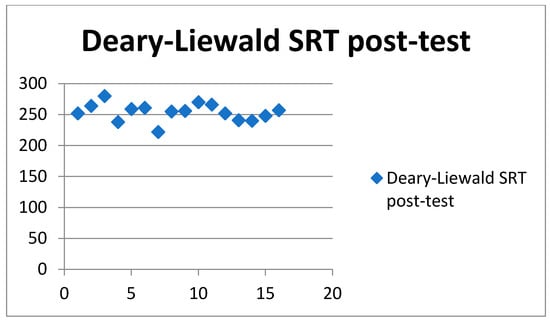
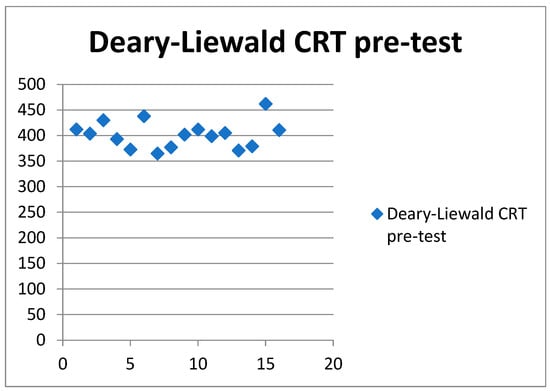
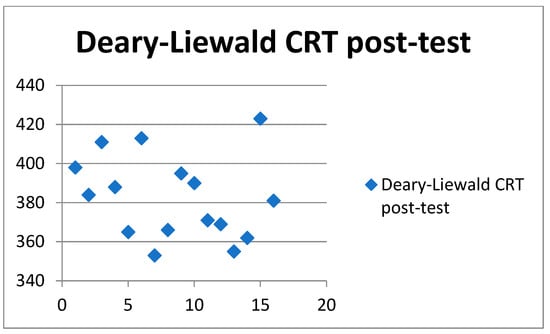
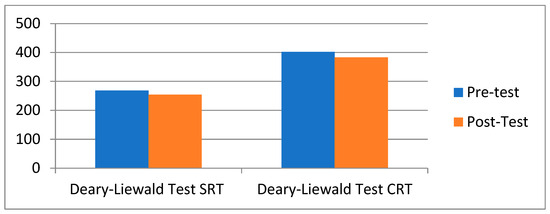
Background: The consequences of video games have been a hotly debated topic in recent decades. While the media tend to focus on and publicize the alleged negative effects of video games, the empirical literature continues to research to illustrate the benefits of playing certain types of video games. Objective: With this paper we want to highlight the utility of virtual reality technology for improving reaction time. Methods: A total of 32 Romanian students, aged 17 to 19, were recruited from a high school in Cluj-Napoca. The experimental group took part in a virtual realitybased intervention, while the control group only attended the standard physical education classes included in the school curriculum. To assess simple and complex reaction time, we used the Deary–Liewald reaction time test. Descriptive statistics and t-tests were used to compare participant characteristics between the two groups. The significance level for all statistical analyses was set at p < 0.05. Results: Subjects in the experimental group (M = 382.75, SD = 21.30) showed statistically significant improvements (p < 0.05) at final testing compared to the control group (M = 396.88, SD: 25.37) in the complex reaction time Deary–Liewald test (t = −1.70, p = 0.04, d = −0.60). Conclusions: As technology continues to advance, new possibilities have emerged for reducing reaction time through cutting-edge tools like virtual reality. Our study shows that a well-structured 6-month virtual reality program can improve simple and complex reaction time in high school students.
Full article
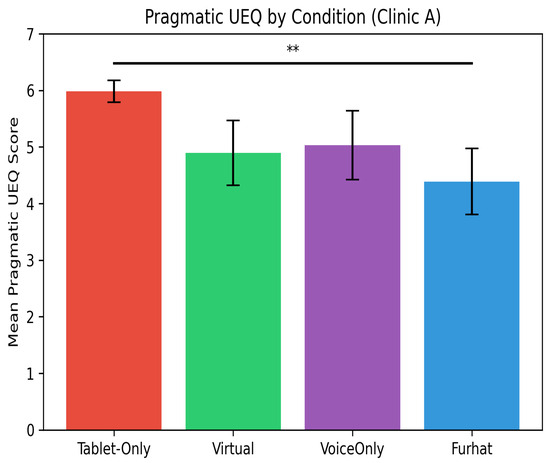
Figure 1
Open AccessArticle
TSMTFN: Two-Stream Temporal Shift Module Network for Efficient Egocentric Gesture Recognition in Virtual Reality
by
Muhammad Abrar Hussain, Chanjun Chun and SeongKi Kim
Virtual Worlds 2025, 4(4), 58; https://doi.org/10.3390/virtualworlds4040058 - 4 Dec 2025
Cited by 1
Abstract
►▼
Show Figures
Egocentric hand gesture recognition is vital for natural human–computer interaction in augmented and virtual reality (AR/VR) systems. However, most deep learning models struggle to balance accuracy and efficiency, limiting real-time use on wearable devices. This paper introduces a Two-Stream Temporal Shift Module Transformer
[...] Read more.
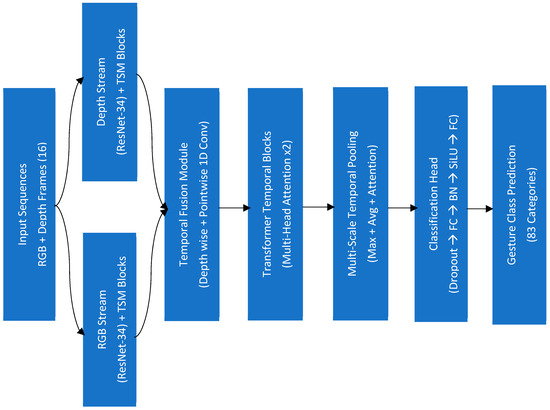
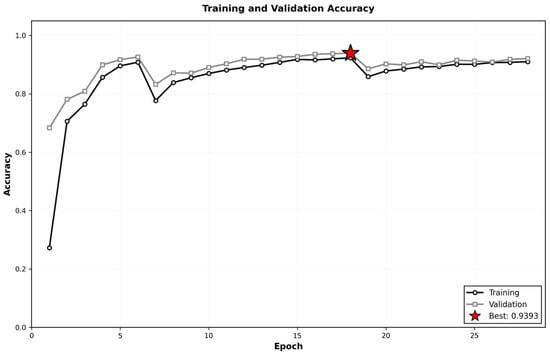
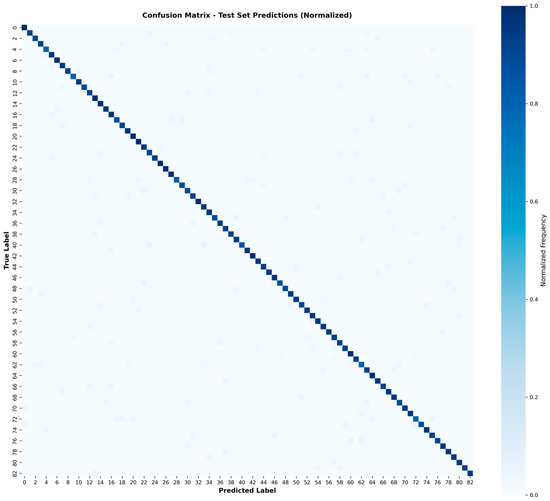
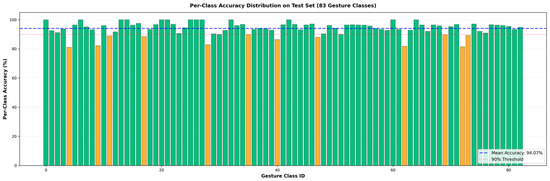
Egocentric hand gesture recognition is vital for natural human–computer interaction in augmented and virtual reality (AR/VR) systems. However, most deep learning models struggle to balance accuracy and efficiency, limiting real-time use on wearable devices. This paper introduces a Two-Stream Temporal Shift Module Transformer Fusion Network (TSMTFN) that achieves high recognition accuracy with low computational cost. The model integrates Temporal Shift Modules (TSMs) for efficient motion modeling and a Transformer-based fusion mechanism for long-range temporal understanding, operating on dual RGB-D streams to capture complementary visual and depth cues. Training stability and generalization are enhanced through full-layer training from epoch 1 and MixUp/CutMix augmentations. Evaluated on the EgoGesture dataset, TSMTFN attained 96.18% top-1 accuracy and 99.61% top-5 accuracy on the independent test set with only 16 GFLOPs and 21.3M parameters, offering a 2.4–4.7× reduction in computation compared to recent state-of-the-art methods. The model runs at 15.10 samples/s, achieving real-time performance. The results demonstrate robust recognition across over 95% of gesture classes and minimal inter-class confusion, establishing TSMTFN as an efficient, accurate, and deployable solution for next-generation wearable AR/VR gesture interfaces.
Full article
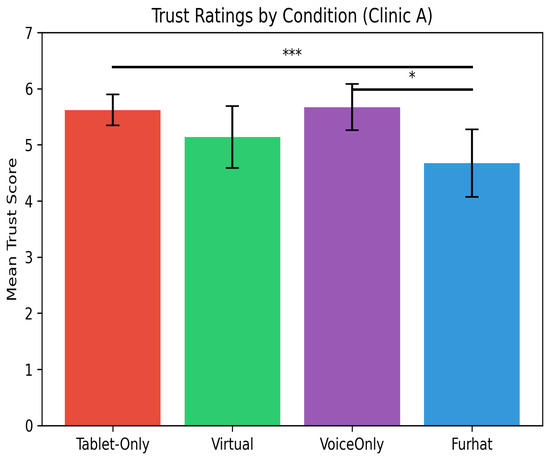
Figure 1
Open AccessArticle
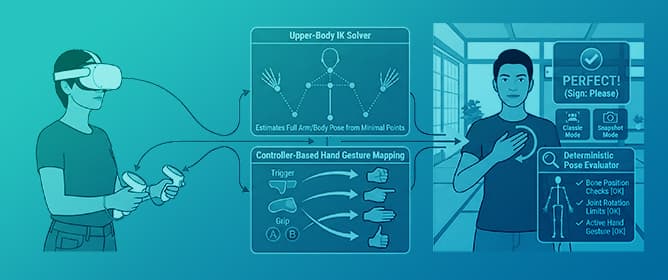
Accessible American Sign Language Learning in Virtual Reality via Inverse Kinematics
by
Jeremy Immanuel and Santiago Berrezueta-Guzman
Virtual Worlds 2025, 4(4), 57; https://doi.org/10.3390/virtualworlds4040057 - 4 Dec 2025
Cited by 3
Abstract
►▼
Show Figures
Along with the rapid advancement of Virtual Reality (VR) and the metaverse, interest in this technology has surged among game developers and in fields such as education and healthcare. VR has enabled the rise in immersive, gamified activities, whether for rehabilitation, therapy, or
[...] Read more.
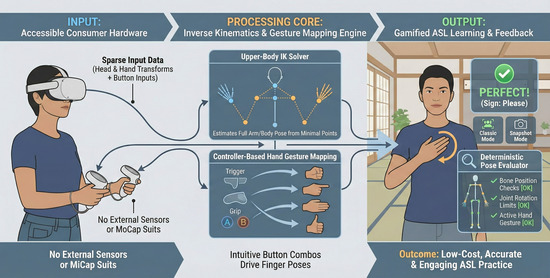
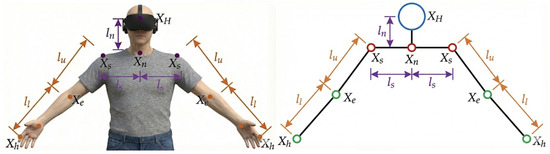
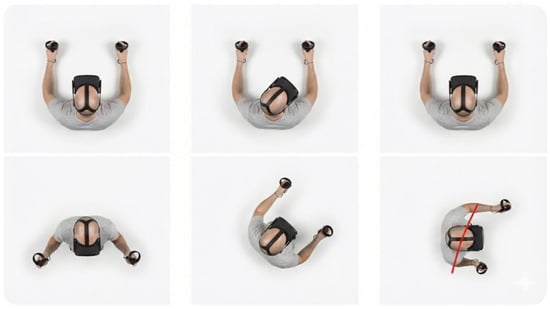
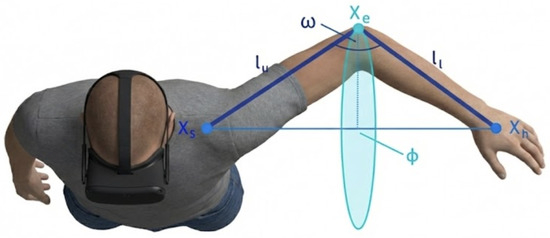
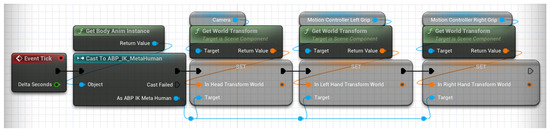
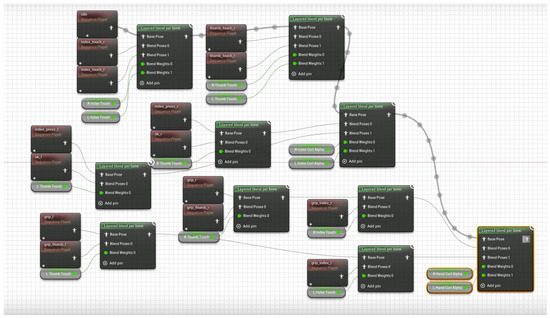
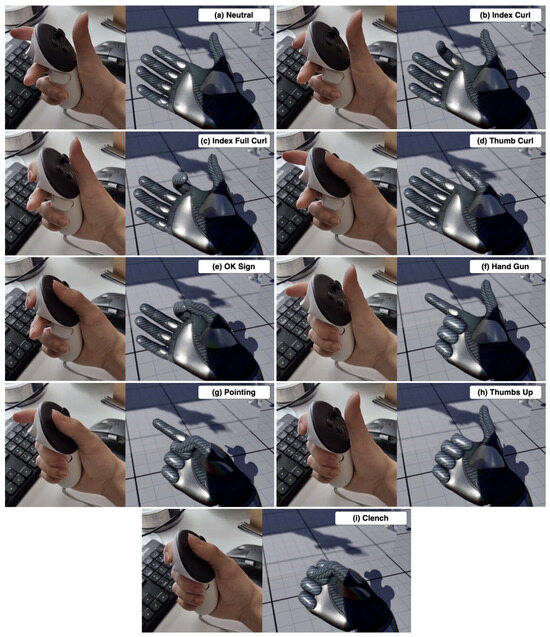
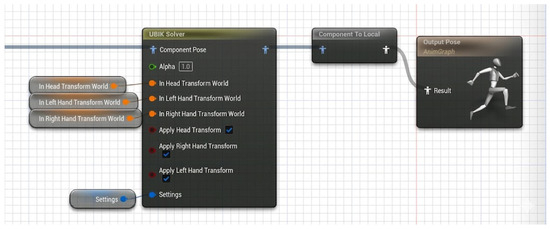
Along with the rapid advancement of Virtual Reality (VR) and the metaverse, interest in this technology has surged among game developers and in fields such as education and healthcare. VR has enabled the rise in immersive, gamified activities, whether for rehabilitation, therapy, or learning. Additionally, VR and Motion Capture (MoCap) have allowed developers to create further accessibility features for end-users with special needs. However, the excitement of using new technology often does not align with the end user’s use cases. The over-reliance on cutting-edge hardware can negatively impact most end users who lack access to such expensive tools. To this end, we conducted an inclusivity-focused study that enables learners to practice ASL in an immersive and engaging way using only head- and controller-based tracking. Our approach replaces full-body MoCap with Inverse Kinematics (IK) and simple controller mappings for upper-body pose and hand-gesture recognition, providing a low-cost, reproducible alternative to costly setups.
Full article
Graphical abstract
Highly Accessed Articles
Latest Books
E-Mail Alert
News
Topics
Topic in
Electronics, MTI, BDCC, AI, Virtual Worlds, Applied Sciences
AI-Based Interactive and Immersive Systems
Topic Editors: Sotiris Diplaris, Nefeli Georgakopoulou, Stefanos Vrochidis, Giuseppe Amato, Maurice Benayoun, Beatrice De GelderDeadline: 31 December 2026
Special Issues
Special Issue in
Virtual Worlds
Applying Virtual Worlds Knowledge: Methods, Evaluation, and Effective Transfer of Knowledge into Practice
Guest Editors: Jan-Niklas Voigt-Antons, Tanja KojicDeadline: 30 June 2026
Special Issue in
Virtual Worlds
Contemporary Developments in Mixed, Augmented, and Virtual Reality: Implications for Teaching and Learning—2nd Edition
Guest Editors: Kenneth Y. T. Lim, Michael VallanceDeadline: 20 December 2026