


Abstract
Immersive virtual reality (VR) is increasingly used to promote ethical engagement and bystander intervention in response to social harms, yet the psychological mechanisms through which immersive experiences motivate intervention remain unclear. The present study examines how psychological presence, humor-based storytelling, perceived intentionality, perceived harm, and perceived efficacy jointly shape bystanders’ intention to intervene in a VR-based microaggression scenario. Participants experienced a humor-infused immersive VR interaction depicting micro-aggressive behaviors, preceded by an experimental framing of the aggressor’s intentionality as unintentional, ambiguous, or intentional. Across analyses, intentionality framing strongly influenced perceived harm, perceived efficacy, and intervention intention. Correlational and regression results revealed that perceived intentionality was the most robust predictor of intention to intervene, whereas psychological presence did not exert a direct effect when interpretive and motivational variables were considered simultaneously. Perceived humor was associated with reduced harm appraisal and emerged as a consistent suppressor of intervention intention, even when discriminatory intent was explicit. Condition-specific regression analyses further showed that intentionality predicted intervention only when intent was ambiguous, psychological presence contributed to intervention readiness only under ambiguity, and humor suppressed intervention whenever it was salient. Together, these findings indicate that bystander intervention in immersive environments is driven primarily by interpretive judgments of intent rather than by immersion alone. The results underscore the importance of narrative framing and attributional clarity in the design of VR-based ethics training, diversity education, and public-facing simulations.
1. Introduction
Immersive virtual reality (VR) technologies present new opportunities for investigating social and psychological phenomena by enabling users to experience mediated interactions with heightened realism, embodiment, and psychological presence. Compared to flat-screen media, immersive VR environments deliver multi-sensory input, including stereoscopic depth, spatialized audio, and embodied perspective, which reliably increases users’ sense of presence (Cummings & Bailenson, 2016) [1]. However, recent immersive media research cautions that increased presence alone does not guarantee persuasion or behavior change, highlighting the need to examine interpretive and cognitive mechanisms that operate within immersive environments (Ratcliff & Sun, 2020; Yan, Eno, & Wagler, 2024) [2,3].
One socially complex phenomenon well suited for immersive investigation is microaggressions, subtle, often ambiguous discriminatory acts that convey derogatory or dismissive messages toward marginalized individuals (Sue et al., 2007) [4]. Although microaggressions are sometimes described as unintentional or socially ingrained, their psychological consequences are well documented, including elevated stress, anxiety, and diminished psychological safety (Barber et al., 2019; Williams, 2020) [5,6]. Beyond their impact on targets, microaggressions also create interpretive dilemmas for bystanders, who must evaluate intent, severity, and responsibility before deciding whether intervention is warranted.
Despite growing interest in VR-based interventions for bias reduction, empathy training, and social justice education, the mechanisms through which immersive experiences shape intentionality attribution and bystander responses remain underdeveloped. Attribution theory has long demonstrated that judgments of intentionality play a central role in moral evaluation and behavioral response in non-immersive contexts (Weiner, 1985; Cushman, 2008) [7,8]. The present study does not seek to redefine these mechanisms, but rather to examine how they operate when social interactions are experienced immersively. Virtual reality provides a critical context for testing if and how immersive experience magnifies the salience and consequences of attributional judgments, particularly under different conditions of intentional ambiguity, without assuming that immersion alone drives behavior change. Specifically, building on immersive media scholarship that emphasizes the conditional role of psychological presence, the present study examines how pre-viewing interpretive framing interacts with perceived psychological presence to shape intentionality judgments, perceived harm, and bystander intervention outcomes within a shared VR microaggression scenario.
2. Literature Review
2.1. Microaggressions as Ambiguous Social Signals
Microaggressions are commonly defined as subtle, often automatic verbal, behavioral, or environmental slights directed toward members of marginalized groups (Sue et al., 2007) [4]. These acts communicate demeaning or dismissive messages based on race, gender, language, disability, or other social identities (Nadal et al., 2014) [9]. While microassaults involve explicit derogatory behavior, microinsults and microinvalidations are often ambiguous and embedded in everyday interaction (Sue et al., 2019) [10].
This ambiguity makes microaggressions particularly well suited for immersive VR research. Unlike text-based vignettes or flat-screen videos, VR environments preserve contextual cues such as spatial proximity, eye contact, timing, and social dynamics, all of which influence interpretation. Research on immersive media demonstrates that presence increases experiential realism but does not inherently resolve ambiguity (Cummings & Bailenson, 2016; Breves & Heber, 2020) [1,11], suggesting that interpretive framing may play a critical role in shaping users’ understanding of socially ambiguous VR interactions.
Repeated exposure to microaggressions has been linked to heightened psychological distress, reduced self-esteem, and workplace disengagement (Torres-Harding et al., 2012; Kim & Meister, 2023) [12,13]. However, less is known about how observers, particularly bystanders, interpret these interactions when experienced immersively.
2.2. Perceived Intentionality in Immersive Environments
Attribution theory has been extensively applied in non-immersive contexts to explain how judgments of intentionality shape perceptions of harm, responsibility, and moral obligation. Research in social cognition and attribution indicates that intentionality judgments are particularly sensitive to experiential proximity, perceptual vividness and harm, and first-person relevance, with more immediate and concrete experiences producing stronger blame and responsibility attributions (Weiner, 1985; Alicke, 2000; Cushman, 2008) [7,8,14]. Virtual reality represents a convergence of these attribution-relevant conditions by situating individuals in an embodied, first-person social environment characterized by heightened perceptual realism and social presence. From this perspective, VR does not introduce fundamentally new attributional processes, but rather provides a theoretically grounded context in which existing attribution mechanisms may exert greater influence on downstream judgments and decisions. Examining intentionality attribution in immersive environments therefore allows for a more precise test of when and how attributional clarity, rather than immersion per se, drives bystander intervention.
In the context of microaggressions, perceived intentionality refers to the extent to which an observer believes a behavior was enacted deliberately rather than accidentally or out of ignorance (Williams, 2020) [6]. Attribution theory suggests that judgments of intent play a central role in moral evaluation, emotional response, and behavioral decision-making (Weiner, 1985) [7]. In the context of microaggressions, acts perceived as intentional are often judged as more harmful and morally serious, whereas acts attributed to ignorance may be viewed as less severe (Nadal et al., 2014) [9].
Building on these attributional insights, immersive media research suggests that intentionality judgments may be intensified in VR due to increased experiential realism. However, spatial and psychological presence do not consistently mediate persuasive outcomes (Yan et al., 2024) [3]. For example, although immersive media reliably increases presence (Cummings & Bailenson, 2016) [1], presence alone does not reliably predict attitude change, behavioral intention, or action (Breves & Heber, 2020) [11]. These findings underscore the importance of examining how interpretive cues operate within immersive environments. The present study addresses this gap by manipulating interpretive framing of intentionality prior to immersion while holding the VR stimulus constant.
2.3. Humor-Based Immersive Storytelling as an Interpretive Mechanism
Building on prior work, we conceptualize humor in immersive narratives primarily as an interpretive mechanism rather than a purely affective one. Although humor has often been theorized as emotional buffering, i.e., reducing discomfort or threat without altering moral evaluation (Cann et al., 1999; Simione & Gnagnarella, 2023) [15,16], humor may play a different role in socially ambiguous interactions. In such contexts, humor can function as moral softening, reframing norm violations as benign, socially awkward, or non-serious, thereby weakening attributions of intentionality and moral responsibility. Theories of benign violations suggest that humor emerges when a transgression is perceived as “safe” or inconsequential, implying a shift in how the behavior itself is interpreted rather than merely how it feels (McGraw & Warren, 2010) [17]. Work on disparagement humor similarly demonstrates that humor can normalize or trivialize harmful behavior by altering interpretive norms (Ford & Ferguson, 2004) [18].
Immersive virtual reality may be especially conducive to moral softening because heightened social presence and first-person involvement increase the salience of interpretive cues during ambiguous interactions. Prior research using humor-infused immersive narratives shows that humor can meaningfully shape users’ engagement and experiential processing in VR contexts (Yan et al., 2024) [3]. This pattern aligns with immersive media research suggesting that narrative and relational mechanisms, rather than presence alone, drive downstream psychological outcomes (Hoeken & Sinkeldam, 2014; Yan et al., 2024) [3,19]. Accordingly, the present study examines whether humor in immersive VR reduces perceived intentionality of microaggressive behavior, particularly under conditions of ambiguity.
H1:
Exposure to humor-base immersive story will reduce perceived intentionality of microaggression aggressors.
2.4. Psychological Presence as an Amplifying Condition
Psychological presence, the subjective sense of “being there” in a mediated environment, is a foundational construct in VR research (Slater & Wilbur, 1997; Witmer & Singer, 1998) [20,21]. Immersive technologies reliably increase spatial and psychological presence relative to flat-screen media (Cummings & Bailenson, 2016) [1]. However, recent reviews emphasize that presence is neither a sufficient nor a universally positive driver of persuasive outcomes (Breves & Heber, 2020) [11]. Instead, presence appears to function as an amplifying condition, strengthening the effects of narrative engagement, character identification, and interpretive framing (Breves & Heber, 2020; Cummings & Bailenson, 2016) [1,11]. In immersive narratives with socially ambiguous content, presence may heighten sensitivity to framing cues introduced prior to immersion.
H2:
Higher levels of perceived psychological presence will be associated with stronger framing-consistent interpretations of micro aggressive intent, such that participants experiencing higher presence will (a) report lower perceived intentionality in the unintentional condition, (b) report greater ambiguity in the ambiguous condition, and (c) report higher perceived intentionality in the intentional condition, compared to participants experiencing lower presence.
Figure 1 presents a conceptual overview of the hypothesized relationships among intentionality framing, perceived humor and psychological presence.
Figure 1.
Interpretive Pathways to Intentionality Attribution (H1–H2).
2.5. Intentionality Attribution and Bystander Outcomes in VR
Immersive VR has been increasingly adopted in ethics training, diversity education, and public-facing simulations aimed at fostering empathy, awareness, and prosocial behavior (Herrera et al., 2018; Makransky & Petersen, 2021) [22,23]. Across applications, VR reliably enhances engagement, emotional involvement, and perceived realism by increasing psychological presence (Slater & Wilbur, 1997; Witmer & Singer, 1998) [20,21]. While immersive media consistently improves attitudinal and experiential outcomes, its effects on behavioral intentions and actual behavior are inconsistent (Cummings & Bailenson, 2016; Breves & Heber, 2020; Yan et al., 2024) [1,3,11]. These findings suggest that immersion alone is insufficient to explain bystander behavior in VR and highlight the importance of examining interpretive and moral decision-making processes that operate within immersive environments.
Classic bystander intervention models posit that individuals progress through a series of cognitive appraisals before acting, including recognizing a situation as problematic, interpreting it as harmful, assuming responsibility, and evaluating whether intervention would be effective (Hortensius & de Gelder, 2018; Latané & Darley, 1970) [24,25]. Within this framework, perceived intentionality serves as a critical informational cue. Acts perceived as intentional are more likely to be interpreted as morally serious, socially consequential, and deserving of intervention, whereas acts attributed to misunderstanding, or social awkwardness are more likely to be dismissed as benign or ambiguous (Weiner, 1985; Williams, 2020) [6,7].
In the context of microaggressions, intentionality attribution is especially consequential because these acts are often subtle and ambiguous by design (Sue et al., 2007; Nadal et al., 2014) [4,9]. Research suggests that when microaggressions are perceived as intentional, observers infer greater hostility and moral wrongdoing, leading to stronger emotional responses and greater perceived injustice (Sue et al., 2019) [26]. Conversely, when microaggressions are attributed to lack of awareness rather than malice, observers tend to minimize their severity and psychological impact (Torres-Harding et al., 2012) [12].
In immersive VR contexts, these interpretive judgments may be further amplified. Experiencing a social interaction from a first-person perspective increases emotional engagement and social relevance, yet VR does not inherently resolve ambiguity regarding intent (Cummings & Bailenson, 2016; Yan et al., 2024) [1,3]. Instead, immersive environments may magnify framing-consistent interpretations, making intentionality attribution a central determinant of downstream bystander responses. When microaggressions are perceived as unintentional, particularly when framed as humor or misunderstanding, bystanders may reinterpret the interaction as socially inconsequential and disengage from intervention despite heightened presence.
2.5.1. Perceived Harm
Perceived harm represents the first downstream outcome of intentionality attribution. Attribution theory suggests that judgments of intent strongly shape perceptions of harm and responsibility (Weiner, 1985) [7]. In microaggression contexts, behaviors perceived as humorous or unintentional are often viewed as less damaging, transient, or emotionally manageable, even when targets experience distress (Nadal et al., 2014; Williams, 2020) [6,9]. In immersive settings, perceived humor and reduced perceived intentionality is therefore expected to attenuate perceptions of harm.
H3a:
Perceived humor will lead to lower perceived harm among targets.
H3b:
Microaggressions framed as intentional will be perceived as more harmful to targets than those framed as ambiguous, which in turn will be perceived as more harmful than those framed as unintentional.
2.5.2. Perceived Efficacy to Intervene
Beyond harm perception, intentionality attribution influences perceived efficacy to intervene, defined as the belief that one’s intervention would be appropriate, justified, and effective (McMahon et al., 2015) [26]. When discriminatory behavior appears humorous, accidental or ambiguous, bystanders may question whether intervention is necessary or socially appropriate, leading to uncertainty and reduced confidence in their ability to intervene effectively. Research on bystander decision-making indicates that such ambiguity often suppresses intervention, even when observers recognize potential harm (Karasavva & Mikami, 2024) [27].
In immersive VR environments, this uncertainty may be intensified rather than resolved. Although presence increases experiential realism, it does not provide clear social scripts for action, particularly in humorous or ambiguous situations (Breves & Heber, 2020; Yan et al., 2024) [3,11]. As a result, perceived humor or reduced intentionality attribution is expected to undermine perceived efficacy to intervene.
H4a:
Perceived humor will lead to lower perceived efficacy to intervene.
H4b:
Bystanders will report the highest perceived efficacy to intervene when microaggressions are framed as intentional, lower efficacy when framed as ambiguous, and the lowest efficacy when framed as unintentional.
2.5.3. Intention to Intervene
Finally, perceived harm and perceived efficacy jointly shape intervention intention, the motivational readiness to take action (Hortensius & de Gelder, 2018; Latané & Darley, 1970; McMahon et al., 2015) [24,25,26]. When micro aggressive behavior is framed as unintentional, bystanders may not only perceive less harm but also doubt whether intervention would meaningfully improve the situation. Prior research suggests that such appraisals reduce intervention intentions, particularly in socially sensitive or ambiguous contexts (Mennicke et al., 2023) [28]. Accordingly, even in humor-infused immersive VR environments designed to enhance engagement and awareness, humor or reduced intentionality attribution is expected to diminish bystanders’ willingness to intervene.
H5a:
Perceived humor will lead to reduced intention to intervene.
H5b:
Bystanders will report the highest intention to intervene when microaggressions are framed as intentional, lower intention when framed as ambiguous, and the lowest intention when framed as unintentional.
Figure 2 presents a conceptual overview of the hypothesized relationships among perceived humor, perceived harm, perceived efficacy and intention to intervene.
Figure 2.
Effects of Perceived Humor on Bystander Evaluations and Intentions (H3a, H4a, H5a).
Figure 3 presents a conceptual overview of the hypothesized relationships among perceived intentionality, perceived harm, perceived efficacy and intention to intervene.
Figure 3.
Conceptual Model of Intentionality-Based Bystander Intervention (H3b, H4b, H5b).
2.6. Intentionality, Psychological Presence, Humor, Perceived Harm, & Bystander Intervention
Bystander intervention research suggests that individuals are most likely to act when harm is perceived as serious, intentional, and requiring response (Hortensius & de Gelder, 2018; Latané & Darley, 1970) [24,25]. In immersive virtual environments, psychological presence can heighten emotional engagement and perceived realism, potentially increasing the salience of social harm. However, immersive media research indicates that presence alone does not reliably produce behavioral intention or action, particularly when interpretive ambiguity remains unresolved (Cummings & Bailenson, 2016; Yan et al., 2024) [1,3]. Rather than functioning as a direct driver of intervention, psychological presence is more likely to amplify downstream interpretive and motivational processes.
Humor further shapes these interpretations by reframing discriminatory behavior as socially awkward or unintentional. While humor-infused immersive storytelling can reduce emotional threat and perceived harm (Yan et al., 2024) [3], it may also attenuate moral urgency by weakening attributions of intent. Perceived intentionality therefore plays a pivotal role in translating experiential cues into judgments of harm and responsibility, especially in microaggression contexts where ambiguity is inherent.
Perceived harm represents a proximal antecedent to bystander action, but recognizing harm alone is insufficient to motivate intervention. Bystanders must also believe that intervention is appropriate and likely to be effective. Perceived efficacy to intervene thus serves as a key motivational mechanism linking harm appraisal to behavioral intention.
Taken together, these findings suggest that bystander intervention in immersive contexts emerges from the joint influence of experiential engagement (psychological presence), narrative effects (humor), interpretive judgments (intentionality and harm), and motivational readiness (efficacy). Accordingly, the unique and combined contributions of these variables in predicting bystanders’ intention to intervene can be tested to afford a more precise understanding of how immersive experiences shape social action.
H6:
Bystanders’ intention to intervene will be positively predicted by perceived intentionality of the microaggression, perceived harm to the target, and perceived efficacy to intervene, and negatively predicted by perceived humor, while psychological presence will not exert a direct effect on intervention intention when these interpretive and motivational variables are simultaneously considered.
Figure 4 presents a conceptual overview of the hypothesized multivariate predictors of intervention intention.
Figure 4.
Conceptual Model of Multivariate Predictors of Intervention Intention (H6).
3. Materials and Methods
3.1. Stimuli Development
3.1.1. Overview
To examine the role of perceived intentionality in responses to microaggressions and bystander intervention, the present study employed a two-stage stimulus design consisting of (a) a pre-viewing audio framing manipulation of intentionality (see Supplementary Materials File S1) and (b) a shared immersive VR microaggression video (see Supplementary Materials File S2). This approach allowed the study to experimentally manipulate interpretations of intent while holding the core microaggression narrative constant across conditions.
3.1.2. Development of the VR Microaggression Stimulus
The VR microaggression video used in this study was adapted from a previously developed humor-infused storytelling intervention designed to depict common microaggressions experienced in college settings (Yan et al., 2024) [3]. The stimulus was created using a community-informed, participatory development process to ensure ecological validity and authenticity.
46 undergraduate students enrolled in diversity and inclusion-focused courses were recruited to share firsthand experiences of microaggressions. Participants were recruited using purposive sampling to ensure a wide range of perspectives. The sample was 54% female and 46% male, with a mean age of 20.67 years (SD = 1.89). Participants identified as White (n = 26), Hispanic/Latino (n = 10), African American (n = 6), and Asian American (n = 4), and represented multiple academic disciplines, cultural backgrounds, and geographic origins, including students from rural communities. Narrative contributions included accounts of microaggressive behaviors directed not only toward racial, ethnic, linguistic, cultural, and disability-related minority groups, but also toward White students from rural backgrounds, illustrating how socially ambiguous marginalization can occur across multiple identity dimensions. Informed consent was obtained from all participants, and all procedures were approved by the university’s Institutional Review Board.
Narrative accounts were reviewed by an interdisciplinary expert panel composed of faculty, staff, and students from the College of Journalism and Mass Communications and the university’s Office of Diversity and Inclusion. Using thematic analysis and iterative discussion, the panel identified recurring patterns across narratives and reached consensus on five dominant microaggression themes including gender, language/nationality, race, disability, culture, and rural identity, based on repeated convergence across participant accounts. Thematic coverage was established through convergence across narratives and expert agreement that the identified themes reflected commonly experienced and recognizable forms of microaggression within the campus context. These themes guided the development of the immersive stimulus.
The expert panel subsequently scripted and produced a 7-min 360-degree immersive short film incorporating scenarios aligned with each theme. Ambiguity was deliberately engineered rather than occurring by chance. Scripts were intentionally designed to avoid explicit labeling of behaviors as discriminatory, to exclude moral commentary or narrative resolution, and to embed microaggressive acts within otherwise routine group interactions. For example, name mispronunciation followed by casual dismissal (e.g., suggesting a shortened or “easier” name), assumptions about academic ability or background framed as humor, and intrusive questions about identity posed as curiosity were written to remain socially plausible while leaving intent open to interpretation. Similarly, rural identity was addressed through jokes and stereotypes delivered in a teasing tone that could be read as playful or demeaning depending on attributional judgment.
Dialogue, timing, and tone were carefully calibrated so that behaviors could plausibly be interpreted as humor, awkwardness, misunderstanding, or bias, thereby preserving interpretive uncertainty. This design reflects how microaggressions commonly manifest in everyday interactions and was intended to elicit attributional judgments of intentionality through participants’ own sense-making processes rather than through explicit cues. The full script and detailed scene descriptions are provided in Supplementary Materials File S2 for transparency and replication.
Following production, the scripted scenarios and final immersive film were reviewed by members of the expert panel and student collaborators involved in the development process to assess realism, recognizability, and fidelity to lived experiences. This review functioned as a form of community validation, ensuring that the depicted interactions were perceived as authentic and representative of everyday microaggressions in higher-education contexts.
Based on these themes, a scripted narrative was developed and produced as a single-take 360-degree VR film depicting a small-group meeting among college students. The VR camera was positioned at eye level and placed within the circle of actors to situate the viewer as an active bystander rather than an external observer. This design choice was intended to heighten psychological presence and simulate real-world social dynamics in which microaggressions often occur subtly and in shared spaces.
The final humor-infused immersive VR story was approximately 7 min in length and was recorded using professional-grade 360-degree video equipment capable of capturing high-resolution visuals and spatial audio. The film was intentionally scripted to avoid explicit labeling of the behaviors as discriminatory, allowing ambiguity in interpretation, which is an essential characteristic of microaggressions as they occur in everyday interactions. The video included no narration, commentary, or resolution, thereby requiring viewers to interpret the behaviors based on contextual cues rather than explicit moral guidance.
3.1.3. Pre-Viewing Audio Framing Manipulation
To experimentally manipulate perceptions of intentionality without altering the VR narrative itself, participants were randomly assigned to one of three pre-viewing audio framing conditions: (1) Ambiguous framing, (2) Unintentional framing, or (3) Intentional framing. Before viewing the VR video, participants listened to a brief voice-over introduction corresponding to their assigned condition. The audio framing guided participants’ interpretive expectations regarding the behaviors depicted in the video, emphasizing either ambiguity, unintentional, or intentional discrimination.
Specifically, the ambiguous framing highlighted that the interactions were subtle and open to interpretation, noting that different viewers might perceive the behaviors as awkward, ironic, or humorous. In contrast, the unintentional framing explicitly framed the behaviors as unintended and rooted in social ignorance or misguided humor rather than malice. Finally, the intentional framing emphasized that the behaviors reflected underlying bias and power dynamics and were not intended as jokes or misunderstandings. Importantly, the VR video itself remained identical across all conditions; only the pre-viewing audio introduction varied.
Framing was delivered prior to immersion to shape participants’ interpretive expectations before they encountered the ambiguous social interaction depicted in the VR experience. From an attributional perspective, judgments of intentionality often emerge during initial sense-making rather than through retrospective evaluation. Delivering framing before immersion therefore allowed the study to examine how interpretive cues guide real-time attribution without altering the narrative content or interrupting the immersive experience itself.
Beyond experimental control, pre-viewing framing also reflects a common real-world media exposure pattern, in which audiences are presented with leading cues, such as sensational headlines, summaries, or commentary, that prime interpretations of intent before engaging with the full content of a news story. In this sense, pre-immersion framing models one ecologically valid pathway through which attributional judgments are shaped prior to experiential engagement.
3.1.4. Voice-Over Production and Integration
Each audio introduction was approximately 28–32 s in length and was recorded using the same female narrator to control for voice characteristics. The narration was delivered in a neutral, informational tone without expressive emphasis. All audio files were recorded at a 48 kHz sampling rate with 24-bit depth, processed uniformly for clarity and loudness, and normalized to consistent playback levels.
The voice-over was presented while participants were viewing a neutral black screen before the immersive VR video. Following a brief pause after the narration concluded, the VR video began automatically. The audio introductions were delivered as non-spatialized sound, ensuring that they were not perceived as originating from within the virtual environment or from any character in the scene.
All framing audio was standardized in volume, pacing, and recording quality across conditions. Prior to data collection, the framing messages were pilot-tested by the research team to ensure intelligibility and clarity. The full framing scripts for the ambiguous, unintentional, and intentional conditions are provided in Supplementary Materials File S1 for transparency and evaluation of content and clarity.
Participants in all conditions viewed the same immersive VR video. The only experimentally manipulated element was the pre-viewing audio framing. The study did not include a formal attention or recall check immediately following the framing message in order to preserve an uninterrupted transition from framing to immersion, as interrupting this flow could have altered participants’ interpretive orientation prior to the VR experience. Although direct retention of the framing content was not assessed, participants’ attention to and processing of the framing information is supported indirectly by the manipulation check reported in the Results section, which demonstrated a strong and systematic effect of framing condition on perceived aggressor intentionality.
3.1.5. Rationale for Combining VR and Pre-Viewing Framing
This combined stimulus design enabled a controlled examination of how interpretive framing prior to immersion shapes perceptions of intentionality, harm, and bystander intervention. By holding the VR microaggression narrative constant across conditions, the study isolates the psychological effects of humor- and intent-based framing rather than differences in narrative content or character behavior.
This approach reflects real-world social perception, in which individuals often rely on prior context, expectations, and interpretive frames to make sense of ambiguous interactions. The design also builds directly on prior immersive storytelling research by extending its application from emotional buffering (Yan et al., 2024) [3], to questions of moral judgment and bystander engagement.
3.1.6. Experimental Control
All audio scripts, VR playback settings, and presentation sequences were standardized across conditions. Participants were exposed to only one framing condition and were unaware of alternative versions. Random assignment and identical VR exposure ensured that differences in outcomes could be attributed to the framing manipulation rather than stimulus variation.
3.2. Participant Recruitment
This study was conducted in accordance with the ethical standards outlined in the Declaration of Helsinki and was approved by the Ethics Committee of University of Nebraska-Lincoln, a major public university in the midwestern region of the United States. Informed consent was obtained from all participants prior to their involvement in the study. A total of 182 participants (44% male, 56% female; M = 21.32 years, SD = 2.56) were recruited from diverse academic disciplines. The sample included individuals from a range of racial and ethnic backgrounds (85% White, 7% Hispanic/Latino, 4% African American, 4% Asian American) and represented various identities, backgrounds, and cultural perspectives. Participants were randomly assigned to one of the three experimental conditions.
Before engaging with the pre-viewing audio, all participants were provided with the following definition of microaggressions: “Brief and commonplace daily verbal, behavioral, and environmental indignities, whether intentional or unintentional, that communicate hostile, derogatory, or negative racial slights and insults, potentially resulting in harmful or unpleasant psychological effects on the target person or group” (Solorzano, Ceja, & Yosso, 2000) [29].
Participants were instructed to engage the stimuli as they would a traditional theatrical performance, imagining the characters’ interactions and tone based on the written dialogue and stage directions. They were encouraged to engage with the VR video naturally, as if following a theatrical performance, rather than analyzing it for specific cues. This approach was intended to ensure that participants experienced the stories in a way that closely mirrors real-world exposure to social interactions, allowing for a more ecologically valid assessment of their reactions to the microaggressions depicted in the stimuli. All measures were assessed immediately after the VR viewing was completed.
Participants experienced the immersive stimulus using an iPhone 16 mounted in a Google Cardboard headset. Google Cardboard is a lightweight, smartphone-based VR viewer equipped with biconvex lenses with a 45 mm focal length that enable stereoscopic viewing of 360-degree video content by splitting the smartphone display into left- and right-eye images. This optical configuration supports basic depth perception and head-tracked viewing via the smartphone’s gyroscope, making it suitable for immersive video experiences without requiring dedicated VR hardware.
This setup was intentionally selected to prioritize affordability, accessibility, and scalability. Google Cardboard headsets are widely available at low cost (typically under USD $20), allowing the immersive experience to reflect a realistic consumer-level VR use case rather than a specialized laboratory environment. This choice enhances the ecological validity and replicability of the study and aligns with the applied goals of VR-based ethics and bystander intervention training.
3.3. Ethical Considerations
Prior to participation, all participants provided informed consent. As part of the consent process, participants were reminded of their right to withdraw from the study at any time without penalty. Given the potentially sensitive nature of the VR content, participants completed a standardized debriefing protocol immediately following the post-video assessment. During debriefing, participants were given the opportunity to discuss any emotional discomfort or concerns related to the experience and were informed of the study’s purpose. Participants were also provided with information about university counseling services and other campus health resources should they experience distress or wish to seek additional support. No participants withdrew due to distress, and no participants indicated a need to contact counseling or health services following the debriefing discussion.
Although humor was incorporated as an experimental manipulation to examine interpretive processes, the immersive stimulus was intentionally designed to avoid explicit endorsement or normalization of discriminatory behavior. Microaggressive interactions were presented without moral resolution, and the debriefing explicitly contextualized the role of humor to reduce the risk of trivializing discrimination beyond the study session.
3.4. Measures and Data Collection
All variables in the present study were assessed using self-reported measures collected immediately following exposure to the immersive VR stimulus. Although the study employed established and reliable scales to assess key constructs, no direct behavioral or physiological indicators were collected. As such, the findings reflect participants’ subjective interpretations, evaluations, and self-reported intervention intentions rather than observed behavior.
3.4.1. Perceived Humor of the Story
Perceived humor was assessed using a two-item, 7-point scale (1 = not at all to 7 = a great deal), adapted from validated measures in previous research (Yan et al., 2024) [3]. Participants rated the extent to which they found the story humorous using the following statements: “I found the story humorous” and “To me, the story was funny.” These two items were intended to assess subjective amusement rather than the functional role of humor (e.g., affect regulation or moral reframing), which was not directly measured in the present study. Reliability analysis indicated strong internal consistency, with Cronbach’s α of 0.87. A composite perceived humor score was calculated by averaging the two items.
3.4.2. Perceived Psychological Presence
Perceived psychological presence was assessed by a 5-item perceived psychological presence scale. All items were rated on a 7-point Likert scale (1 = strongly disagree, 7 = strongly agree). The items were adopted from the Spatial Experience Presence Scale (Hartmann et al., 2015) [30] and the Presence Questionnaire (Witmer & Singer, 1998) [21]. The five items were as follows:
- To what extent did you feel like you were really in the meeting room?
- To what extent did you feel surrounded by the environment (e.g., chairs, tables, other students)?
- I felt like I really stayed in the meeting room.
- The video/experience felt like what would happen in the real world.
- I felt like I could reach out and touch the objects in the video.
The five items were averaged to create a composite measure of perceived psychological presence (Cronbach’s α = 0.80), with higher scores indicating a stronger sense of immersion and experiential realism within the VR environment.
3.4.3. Perceived Intention of the Microaggression Aggressors
Perceived intentionality of the microaggression aggressors was assessed using a three-item, 7-point Likert scale (1 = strongly disagree to 7 = strongly agree), adapted from previous research on the psychological mechanisms underlying microaggressions (Williams, 2020) [6]. Participants rated their agreement with the following statements: “The people delivering the statements or actions in the story intended to be discriminatory;” “The micro aggressive behaviors in the story were purposeful rather than accidental;” “The initiators of the microaggressions in the story were aware that their behaviors could be offensive.”
These items were designed to capture the extent to which participants perceived microaggressions as deliberate rather than unintentional. Higher scores indicated a stronger perception of intentionality behind the micro aggressive acts, whereas lower scores suggested that participants viewed the behaviors as unintentional. The midpoint of the scale (4 = neither agree nor disagree) represented an ambiguous perception of intent, where participants were uncertain whether the microaggressions were deliberate or simply the result of ignorance or unconscious bias. Reliability analysis demonstrated strong internal consistency, with Cronbach’s α of 0.84. A composite perceived intentionality score was computed by averaging the three items.
3.4.4. Perceived Harm to the Targets of the Microaggressions
Perceived harm to targets of microaggressive acts was assessed using a three-item, 7-point Likert scale (1 = strongly disagree to 7 = strongly agree), adapted from research on the psychological and emotional impact of microaggressions (Williams, 2020) [6]. Participants rated their agreement with the following statements: “The targets of the microaggressions in the script would likely experience emotional harm due to the act;” “The microaggressions could have a lasting negative psychological impact on the targets in the script;” “The targets of the microaggressions would likely feel socially harmed as a result of the incident.” This brief three-item measure was selected to capture immediate judgments of harm following a single immersive exposure while minimizing participant fatigue, a common concern in VR-based experimental designs.
These items were designed to assess the extent to which participants perceived microaggressions as causing meaningful harm to those targeted. Higher scores indicated a stronger perception that the microaggressions resulted in psychological and social harm for the targets. Reliability analysis demonstrated strong internal consistency, with Cronbach’s α = 0.79. A composite perceived harm score was computed by averaging the three items.
3.4.5. Efficacy to Intervene Among Bystanders
Efficacy to intervene among bystanders was assessed using a three-item, 7-point Likert scale (1 = strongly disagree to 7 = strongly agree), adapted from validated measures of bystander intervention self-efficacy (Mennicke et al., 2023) [28]. Participants rated their confidence in their ability to intervene in situations involving microaggressions using the following items: “I feel confident in my ability to intervene when I witness a microaggression similar to the ones I’ve seen in the story;” “I believe I have the skills to effectively address a microaggression similar to the ones I’ve seen in the story;” “I am capable of taking action to challenge microaggressions in social situations similar to the ones I’ve seen in the story.”
These items capture an individual’s perceived competence in engaging in intervention behaviors when witnessing microaggressions. Higher scores indicate greater confidence in the ability to intervene. Reliability analysis demonstrated strong internal consistency, with Cronbach’s α = 0.89. A composite efficacy score was calculated by averaging the three items.
3.4.6. Intention to Intervene Among Bystanders
Intention to intervene among bystanders was measured using a three-item, 7-point Likert scale (1 = extremely unlikely to 7 = extremely likely), adapted from validated measures of behavioral intention to intervene (Fishman et al., 2020) [31]. Participants rated the likelihood that they would take action in response to witnessing a microaggression similar to the ones they had read in the script using the following items: “I intend to intervene if I witness a microaggression similar to the ones I’ve read in the script;” “I will take action to address a microaggression similar to the ones I’ve read in the script;” “How likely are you to intervene when you observe a microaggression similar to the ones you’ve read in the script?”
These items were designed to capture participants’ proactive intention to address microaggressions in real-world settings. Higher scores reflect a stronger commitment to intervention behaviors. Reliability analysis demonstrated strong internal consistency, with Cronbach’s α = 0.87. A composite intention score was calculated by averaging the three items.
4. Results
4.1. Assumption Checks
Prior to hypothesis testing, formal diagnostic checks were conducted to evaluate the assumptions underlying the statistical models used in the study. Assumption checks were performed at the level of statistical models rather than individual hypotheses, as multiple hypotheses were tested within shared ANOVA and regression frameworks.
Normality of residuals for the ANOVA models testing framing effects (manipulation check; H3b, H4b, and H5b) and for the regression models testing predictor relationships and multivariate effects (H2 and H6) was assessed using Shapiro–Wilk tests in conjunction with Q-Q plots and standardized residual distributions. The Shapiro–Wilk test was significant for both the ANOVA residuals (W = 0.98, p = 0.01) and the regression residuals (W = 0.98, p = 0.008), a result expected given the sensitivity of formal normality tests in moderate sample sizes. Visual and standardized residual diagnostics did not indicate substantive departures from normality; Q-Q plots showed residuals closely aligned with the theoretical normal line, with no systematic curvature or heavy-tailed deviations, and standardized residuals were symmetrically distributed around zero with no extreme outliers.
Homogeneity of variance for the ANOVA models testing framing effects was formally assessed using Levene’s test and showed no evidence of violation (F = 0.55, p = 0.58). For regression analyses testing H2 and H6, potential multicollinearity among predictors was evaluated using variance inflation factors (VIFs), given the theoretical association between perceived intentionality and perceived harm. All VIF values were well below conventional thresholds (VIFs ≤ 1.51), indicating that multicollinearity did not meaningfully affect parameter estimates. Zero-order correlations among predictors and outcome variables are reported to facilitate transparency (see Table 1).
Table 1.
Zero-order Correlations among Predictors and Outcome Variables.
4.2. Manipulation Check
Participants were randomly assigned to one of three intentionality-framing conditions: unintentional, ambiguous, or intentional microaggression framing. A one-way analysis of variance (ANOVA) was conducted to verify that the framing manipulation successfully differentiated perceptions of aggressor intentionality. The analysis revealed a strong main effect of framing condition on perceived intentionality, F(2, 179) = 81.69, p < 0.001, η2 = 0.74.
As shown in Table 1, participants in the intentional condition (M = 5.46, SD = 0.98) perceived the aggressors as significantly more intentional than those in the ambiguous condition (M = 3.32, SD = 1.17) and the unintentional condition (M = 1.78, SD = 0.82). All pairwise comparisons were significant (p < 0.001), confirming that the intentionality framing manipulation was successful. Because all participants were exposed to the identical VR video and differed only in the pre-viewing audio framing, these effects are unlikely to reflect differences in the immersive stimulus itself and instead indicate successful manipulation of interpretive framing.
4.3. Hypothesis Testing
- H1: Perceived Humor and Intentionality Attribution
Hypothesis 1 predicted that exposure to a humor-based immersive story would reduce perceived intentionality of microaggression aggressors. Correlation analysis across conditions indicates that perceived humor was negatively associated with perceived intentionality, r = −0.20, p = 0.008. Therefore, H1 was supported.
- H2: Psychological Presence and Framing-Consistent Interpretations of Intent
Hypothesis 2 predicted that psychological presence would amplify framing-consistent interpretations of micro aggressive intent. Regression analyses revealed a strong main effect of intentionality framing (p < 0.001) and a significant main effect of psychological presence (p < 0.001). However, the interaction between presence and framing did not follow the predicted amplification pattern, indicating that higher presence did not selectively reinforce framing-consistent interpretations. Table 2 presents results related to psychological presence and interpretive judgments (H2 in Figure 1). Results indicated strong main effects of framing condition and psychological presence on perceived intentionality; however, the framing × presence interaction was significant in the opposite direction of prediction, indicating attenuation rather than amplification of framing-consistent interpretations.
Table 2.
Effects of Framing Condition and Psychological Presence on Perceived Intentionality (H2).
Descriptively, psychological presence was relatively high and comparable across conditions (unintentional: M = 5.73, SD = 0.96; ambiguous: M = 5.31, SD = 1.11; intentional: M = 5.22, SD = 0.99). Contrary to expectations, higher presence was associated with slightly elevated perceived intentionality even in the unintentional condition, suggesting that immersion heightened sensitivity to potential intent across conditions rather than reinforcing framing-consistent interpretations. Thus, Hypothesis 2 was not supported.
- H3a: Perceived Humor and Perceived Harm
Hypothesis 3a predicted that perceived humor would be associated with lower perceived harm to targets. A Pearson correlation analysis revealed a significant negative association, r = −0.17, p = 0.025. Across conditions, perceived harm was lowest in the unintentional condition (M = 2.65, SD = 1.13), moderate in the ambiguous condition (M = 3.17, SD = 0.95), and highest in the intentional condition (M = 5.08, SD = 1.19). These descriptive trends align with the correlational findings and support H3a.
- H3b: Intentionality Framing and Perceived Harm
Hypothesis 3b predicted that perceived harm would increase as microaggressions were framed as unintentional, ambiguous, and intentional. A one-way ANOVA revealed a significant effect of framing condition, F(2, 179) = 82.77, p < 0.001, η2 = 0.48. Participants perceived microaggressions framed as intentional as most harmful (M = 5.08, SD = 1.19), followed by ambiguous (M = 3.17, SD = 0.95) and unintentional framings (M = 2.65, SD = 1.13). Tukey post hoc tests indicated that all pairwise differences were significant (p < 0.001), supporting H3b.
- H4a: Perceived Humor and Efficacy to Intervene
Hypothesis 4a predicted that perceived humor would be associated with lower perceived efficacy to intervene. Contrary to expectations, perceived humor was positively associated with efficacy, r = 0.15, p < 0.05.
Descriptively, perceived efficacy was relatively high in both the intentional (M = 5.45, SD = 0.80) and unintentional conditions (M = 5.02, SD = 0.93), and lowest in the ambiguous condition (M = 4.05, SD = 1.39). These findings indicate that humor did not undermine bystanders’ perceived ability to intervene, failing to support H4a.
- H4b: Intentionality Framing and Efficacy to Intervene
Hypothesis 4b predicted that perceived efficacy to intervene would be highest when microaggressions were framed as intentional, lower when framed as ambiguous, and lowest when framed as unintentional. A one-way ANOVA revealed a significant effect of framing condition, F(2, 179) = 26.90, p < 0.001, η2 = 0.23.
Participants reported the highest efficacy in the intentional condition (M = 5.45, SD = 0.80), followed by the unintentional condition (M = 5.02, SD = 0.93), and the ambiguous condition (M = 4.05, SD = 1.39). Post hoc tests indicated that the ambiguous condition was significantly lower than both the intentional and unintentional conditions (p < 0.001), whereas the latter two did not differ significantly. These results partially support H4b.
- H5a: Perceived Humor and Intention to Intervene
Hypothesis 5a predicted that higher perceived humor would be associated with reduced intention to intervene. A Pearson correlation analysis supported this prediction, r = −0.20, p < 0.01. Condition means showed that intention to intervene was highest in the intentional condition (M = 6.01, SD = 0.74) and substantially lower in both the ambiguous (M = 4.17, SD = 1.57) and unintentional conditions (M = 4.05, SD = 1.21).
- H5b: Intentionality Framing and Intention to Intervene
Hypothesis 5b predicted that intention to intervene would be highest when microaggressions were framed as intentional, lower when framed as ambiguous, and lowest when framed as unintentional. A one-way ANOVA revealed a significant effect of framing condition, F(2, 179) = 48.98, p < 0.001, η2 = 0.35. Participants reported the highest intervention intentions in the intentional condition (M = 6.01, SD = 0.74), whereas intentions did not significantly differ between the ambiguous (M = 4.17, SD = 1.57) and unintentional (M = 4.05, SD = 1.21) conditions. Thus, H5b was partially supported.
To sum, Table 3 reports the hypothesized effects of perceived humor on perceived harm, efficacy to intervene, and intention to intervene (H3a, H4a, H5a in Figure 2), highlighting humor’s suppressive role in harm appraisal and intervention intention. Consistent with predictions, perceived humor was associated with reduced harm appraisal and lower intention to intervene, although its relationship with efficacy to intervene did not follow the hypothesized direction.
Table 3.
Effects of Perceived Humor on Bystander Evaluations and Intervention Intention (H3a, H4a, H5a).
Table 4 summarizes the effects of intentionality framing on perceived harm, efficacy, and intervention intention (H3b, H4b, H5b in Figure 3), demonstrating that framing-based differences in attributional clarity systematically shape downstream evaluations and action readiness.
Table 4.
Effects of Intentionality Framing on Bystander Evaluations and Intervention Intention (H3b, H4b, H5b).
- H6: Multivariate Predictors of Intention to Intervene
4.3.1. Overall Regression Model
A multiple regression analysis was conducted with intention to intervene as the dependent variable and perceived intentionality, perceived harm, perceived efficacy to intervene, perceived humor, and psychological presence entered simultaneously as predictors. The overall model was significant, F(5, 176) = 21.34, p < 0.001, accounting for 37.7% of the variance in intervention intention (R2 = 0.377).
As shown in the model, perceived intentionality was a strong positive predictor of intention to intervene (b = 0.43, p < 0.001), as was perceived efficacy to intervene (b = 0.20, p < 0.05). In contrast, perceived humor negatively predicted intervention intention (b = −0.21, p < 0.05), indicating that humorous interpretations suppressed bystanders’ willingness to intervene. Neither perceived harm (b = 0.03, p = 0.71) nor psychological presence (b = 0.09, p = 0.32) emerged as significant unique predictors when other variables were held constant.
Table 5 summarizes the multivariate regression model predicting intention to intervene (H6 in Figure 4), showing that perceived intentionality, perceived efficacy to intervene, and perceived humor uniquely predicted intervention intention, whereas perceived harm and psychological presence did not exert direct effects when these variables were considered simultaneously.
Table 5.
Multivariate Regression Predicting Intention to Intervene (H6).
4.3.2. Condition-Specific Regression Analyses
To further examine whether predictors of intervention intention varied by interpretive context, separate regression models were estimated within each framing condition.
In the unintentional condition, intention to intervene was relatively low (M = 4.05, SD = 1.21). None of the predictors uniquely predicted intervention intention, including perceived intentionality (b = 0.14, p = 0.28), perceived harm (b = 0.11, p = 0.34), perceived efficacy (b = 0.17, p = 0.22), perceived humor (b = −0.19, p = 0.24), or psychological presence (b = 0.08, p = 0.41).
In the ambiguous condition, intervention intention was moderate (M = 4.17, SD = 1.57). Perceived intentionality positively predicted intention to intervene (b = 0.41, p < 0.05), whereas perceived humor strongly suppressed intervention intention (b = −0.86, p < 0.01). Psychological presence also emerged as a positive predictor (b = 0.35, p < 0.05). Neither perceived harm (b = 0.12, p = 0.29) nor perceived efficacy (b = 0.15, p = 0.24) independently predicted intervention intention.
In the intentional condition, intervention intention was highest overall (M = 6.01, SD = 0.74). Perceived humor was the only significant predictor (b = −0.36, p < 0.001), indicating that humor continued to suppress intervention even when discriminatory intent was explicit. Perceived intentionality (b = 0.09, p = 0.38), perceived harm (b = 0.07, p = 0.44), perceived efficacy (b = 0.11, p = 0.31), and psychological presence (b = 0.04, p = 0.52) did not uniquely predict intervention intention.
5. Discussion
The present study examined how humor-infused immersive virtual reality (VR) experiences shape bystander responses to microaggressions by disentangling the roles of psychological presence, perceived intentionality, perceived harm, perceived efficacy to intervene, and perceived humor. Across analyses, the findings converge on a central conclusion: bystander intervention in immersive environments is driven primarily by interpretive judgments of intent rather than by immersion alone. Psychological presence provides an experiential backdrop, but it is insufficient to motivate action without attributional clarity. Instead, intentionality attribution and humor-based reframing emerge as the dominant forces shaping whether bystanders recognize harm and feel compelled to intervene.
5.1. Intentionality as the Primary Driver of Intervention
Across the full sample, perceived intentionality was the strongest predictor of bystander intervention intention, even when perceived harm, efficacy, humor, and psychological presence were considered simultaneously. This finding extends classic attribution theory (Weiner, 1985) [7] and bystander intervention models (Latané & Darley, 1970; Hortensius & de Gelder, 2018) [24,25] into immersive contexts, demonstrating that VR does not bypass cognitive appraisal processes. Rather, immersive realism appears to magnify the consequences of interpretive judgments, especially judgments about whether a behavior was deliberate and morally blameworthy.
Condition-specific analyses further clarify this role. In the ambiguous framing condition, perceived intentionality significantly predicted intervention intention, whereas it did not do so in the intentional or unintentional conditions. When intent was explicit, intentionality no longer differentiated responses; when intent was framed as unintentional, intervention intentions were generally low and unstructured. These patterns indicate that intentionality matters most when it must be inferred, reinforcing the idea that interpretive ambiguity is a critical bottleneck in bystander decision-making.
5.2. Psychological Presence as Context, Not Cause
Contrary to common assumptions in immersive media research, psychological presence did not directly predict intervention intention in the full model, nor did it consistently amplify framing-consistent interpretations of intent. Although presence was relatively high across conditions, its effects were conditional and limited. Exploratory bootstrapped mediation analyses further indicated that psychological presence did not mediate the relationship between intentionality attribution and intervention intention, reinforcing the conclusion that presence does not function as a primary causal mechanism.
Notably, presence emerged as a positive predictor of intervention intention only in the ambiguous framing condition, suggesting that immersion increases the salience of social cues only when meaning remains unresolved rather than directly motivating bystander action. This finding challenges “immersion determinism,” the assumption that greater presence inherently leads to stronger ethical engagement or prosocial action. Instead, the results align with prior work showing that presence enhances experiential realism but does not reliably produce persuasion or behavior change in the absence of interpretive guidance (Cummings & Bailenson, 2016; Breves & Heber, 2020) [1,11]. In the present study, presence heightened sensitivity to potential harm without resolving ambiguity, underscoring that immersion alone cannot substitute for narrative or attributional clarity.
5.3. Humor as Moral Softening Rather than Simple Buffering
Humor played a nuanced but consequential role across analyses. Consistent with prior research on humor-based immersive storytelling (Yan et al., 2024) [3], perceived humor was associated with reduced perceptions of harm. However, humor also emerged as a robust suppressor of intervention intention, particularly in the ambiguous and intentional framing conditions. Even when discriminatory intent was explicit, higher perceived humor significantly reduced bystanders’ willingness to intervene.
These findings suggest that humor functions less as an emotional buffer and more as a moral softener, reframing discriminatory behavior as socially awkward, benign, or less deserving of correction. Importantly, humor did not uniformly undermine perceived efficacy to intervene; in fact, perceived humor was weakly positively associated with efficacy at the bivariate level. This dissociation indicates that knowing how to intervene is not the same as feeling morally compelled to do so. Humor appears to weaken moral urgency without necessarily diminishing confidence or skill.
5.4. Harm and Efficacy as Downstream, Conditional Mechanisms
Perceived harm and perceived efficacy to intervene varied systematically across framing conditions, yet neither consistently predicted intervention intention once intentionality and humor were accounted for. These findings suggest that harm appraisal and efficacy function as downstream mechanisms shaped by interpretive judgments, rather than as independent drivers of action. Exploratory bootstrapped mediation analyses support this interpretation: although perceived intentionality reliably predicted perceived harm, harm did not carry the effect of intentionality through to intervention intention. Instead, harm appears to register moral evaluation after intent has been inferred, without independently mobilizing action.
It is also important to note that when intentionality was ambiguous, harm and efficacy alone were insufficient to motivate intervention. When intent was explicit, humor overrode these considerations. This pattern reinforces attribution-based models of moral judgment, in which intent shapes both emotional response and responsibility attribution (Weiner, 1985) [7]. In immersive contexts, recognizing harm does not automatically translate into action unless the behavior is interpreted as intentional and morally serious.
5.5. Implications for VR Design and Ethics Training
The findings have direct implications for the design of VR-based ethics training, diversity education, and public-facing simulations. First, they caution against relying on immersion or psychological presence as a primary mechanism for behavior change. While immersive realism can enhance engagement and experiential vividness, it does not resolve moral ambiguity or reliably motivate intervention in the absence of clear interpretive cues.
Second, the results underscore the central role of narrative framing and attributional clarity in shaping bystander responses. Small shifts in how aggressor intent is framed, when delivered through pre-immersion framing, can substantially alter perceptions of harm, responsibility, and action readiness. Importantly, pre-viewing framing mirrors common real-world media exposure patterns, in which audiences encounter leading cues such as headlines or summaries that prime intentionality judgments before engaging with full content. From this perspective, VR-based training can also support media-literacy goals by helping users recognize, interrogate, and counter the influence of such leading cues rather than accepting them uncritically.
Third, the study raises important ethical considerations regarding the use of humor in immersive applications addressing discrimination. While humor can increase accessibility, reduce defensiveness, and sustain engagement, it also carries the risk of moral softening when norm violations are reframed as benign or non-serious. Designers should therefore deploy humor strategically and in conjunction with cues that preserve the moral stakes of the scenario. Ethical VR design requires balancing engagement and accessibility against the risk of trivializing harm, particularly in contexts where intervention and accountability are central learning objectives.
Finally, the conditional effects observed for psychological presence suggest that immersive realism may be most beneficial in scenarios where social meaning is initially ambiguous. In such cases, immersion can heighten attention to social cues and encourage deeper interpretation. However, when intent is already explicit, increasing immersion without addressing interpretive framing may add experiential intensity without increasing behavioral readiness. Together, these findings suggest that effective immersive training requires careful alignment between narrative framing, emotional tone, and instructional objectives, rather than a singular focus on realism or engagement.
5.6. Limitations and Future Directions
Several limitations warrant consideration. First, psychological presence and humor were measured rather than experimentally manipulated, limiting causal inference. Future studies should experimentally vary humor framing and presence cues to isolate their effects more precisely. Second, intervention intention was assessed rather than observed behavior. Although intention is a strong predictor of action, incorporating behavioral proxies would strengthen ecological validity. Third, the study focused on a single microaggression scenario; extending this work to other forms of bias and social contexts would enhance generalizability. Also, the present findings are based on a group-based bystander context. In dyadic VR interactions, where responsibility is less diffuse and social risk is more salient, the role of perceived intentionality may differ, potentially interacting more strongly with social evaluation concerns and efficacy. Future work should directly compare dyadic and group-based immersive scenarios to assess how social context moderates attributional mechanisms.
In addition, the present study relies on a sample of U.S. college students, which may limit the generalizability of the findings to other age groups, cultural contexts, or institutional settings. Bystander norms, interpretations of humor, and responses to microaggressions may differ across cultural, occupational, or national contexts, and future research should examine whether the observed attributional mechanisms operate similarly in more diverse or non-academic populations. At the same time, this sample choice is consistent with the study’s community-based participatory research approach and applied focus. The immersive stimulus was developed from narratives provided by U.S. college students and was designed to reflect microaggression dynamics commonly encountered within U.S. higher-education environments. As such, the sample is well aligned with the population for whom the intervention is most immediately relevant, supporting ecological validity within this context. Future work can build on these findings by extending the model to other populations and cultural settings to further assess boundary conditions and generalizability.
The timing of framing also has implications for ecological validity. While pre-viewing framing models certain contexts such as some media consumption, training, and facilitated VR experiences, where interpretive cues are often encountered in advance, other real-world settings may involve embedded or post-exposure framing, including peer discussion or reflective commentary. These different framing moments likely engage distinct psychological processes, ranging from real-time attribution to retrospective reinterpretation. Future research should systematically compare pre-immersion, embedded, and post-immersion framing to better understand how the timing of interpretive cues shapes attribution, memory, and behavioral intention in immersive environments.
An important limitation of the present study is that participants’ social identities relative to the depicted microaggressions were not directly measured. Although the sample was reasonably diverse and representative of the regional demographical context of Midwestern U.S. undergraduate populations, the absence of identity-based measures precludes analyses examining whether framing effects differed for participants who may identify as targets of similar microaggressions, allies, or members of socially dominant groups. As a result, the findings should be interpreted as capturing general attributional responses to framing in immersive contexts rather than identity-specific patterns of bystander judgment.
Social identity is likely to shape how individuals interpret ambiguity, assess intentionality, and evaluate the necessity of intervention in response to microaggressions. Future research should explicitly measure participants’ social identities and perceived alignment with targets or aggressors to examine whether and how framing effects are moderated by lived experience and group membership. Such work would further clarify the boundary conditions of framing-based interventions and enhance the applicability of immersive VR approaches to diverse audiences.
The present study did not directly assess participants’ subjective feelings of responsibility or diffusion of responsibility following the immersive experience. While intervention intention was measured as an outcome, future research should examine how attributional clarity and narrative resolution interact to shape perceived responsibility and bystander decision-making in immersive contexts.
In addition, an alternative explanation for the observed effects under ambiguous framing involves approach–avoidance processes. Heightened psychological presence may increase experiential engagement with unresolved social situations, potentially eliciting an approach-oriented (“fight”) response in which intervention serves to reduce uncertainty or discomfort rather than to reflect enhanced interpretive cue salience. Because affective arousal and anxiety were not directly measured in the present study, future research incorporating physiological or self-reported affective indicators is needed to more clearly distinguish cue-based interpretive mechanisms from fight–flight responses in immersive bystander contexts.
A further limitation concerns the brevity of several measures. Although all scales were adapted from validated instruments and demonstrated good internal consistency, perceived harm was assessed using three items and perceived humor using two closely related items. While such brevity is often necessary in immersive experimental contexts to reduce fatigue and preserve engagement, more expansive measures could improve construct precision. In particular, future research could employ multi-dimensional humor scales that distinguish between affective threat reduction and interpretive or moral reframing processes, as well as expanded harm measures that capture emotional, social, and moral dimensions of perceived harm. Such extensions would allow for a more fine-grained examination of mediating pathways while building on the present study’s attribution-focused framework.
It’s also notable that the positive association between perceived humor and efficacy to intervene may reflect individual differences in humor orientation or baseline social self-efficacy rather than a causal effect of humorous framing. Future research incorporating trait-level measures of humor use and social efficacy is needed to distinguish dispositional influences from narrative-driven effects.
In addition, although humor was associated with reduced harm appraisal and lower intervention intention, the present measures do not directly differentiate whether humor attenuated moral condemnation of the act or altered perceived norms regarding intervention. Future work should explicitly distinguish these mechanisms.
Future research should adopt longitudinal and process-oriented designs to examine how repeated immersive exposure shapes attributional judgments over time. In addition, integrating physiological or behavioral measures may further clarify how immersive experiences interact with moral cognition. Future research could compare uninterrupted pre-immersion framing with designs that incorporate brief attention or recall checks to further examine how framing engagement interacts with immersive flow and attributional judgment, while balancing experimental control and ecological validity.
6. Conclusions
In sum, this study demonstrates that interpretation, not immersion, is the primary driver of bystander intervention in virtual environments. Psychological presence provides a compelling experiential context, but it is perceived intentionality, shaped by framing and humor, that determines whether bystanders recognize harm and feel compelled to act. By explicitly linking immersive experience to attributional and motivational processes, this work advances theory at the intersection of immersive media, ethics, and social psychology and offers actionable guidance for designing VR experiences that foster meaningful social engagement rather than passive realism.
Supplementary Materials
The following supporting information can be downloaded at: https://www.mdpi.com/article/10.3390/virtualworlds5010012/s1, File S1: Pre-viewing Audio Framing Manipulation of Intentionality Script. File S2: Immersive VR Microaggression Video Script.
Author Contributions
Conceptualization, C.Y., A.W. and A.E.; methodology, C.Y., A.W. and A.E.; software, C.Y., A.W. and A.E.; validation, C.Y., A.W. and A.E.; formal analysis, C.Y.; investigation, C.Y., A.W. and A.E.; resources, C.Y., A.W. and A.E.; data curation, C.Y.; writing—original draft preparation, C.Y., A.W. and A.E.; writing—review and editing, C.Y., A.W. and A.E.; visualization, C.Y.; supervision, C.Y.; project administration, C.Y., A.W. and A.E.; funding acquisition, C.Y., A.W. and A.E.; All authors have read and agreed to the published version of the manuscript.
Funding
This research was funded by a University of Nebraska-Lincoln Inclusive Excellence Award.
Institutional Review Board Statement
The study was conducted in accordance with the Declaration of Helsinki and approved by the Institutional Review Board of the University of Nebraska–Lincoln (protocol code 20220522004EX and date of approval 25 May 2022).
Informed Consent Statement
Informed consent was obtained from all subjects involved in the study.
Data Availability Statement
The datasets presented in this article are not readily available because we do not have IRB approval to share the data. Requests to access the datasets should be directed to cyan3@unl.edu.
Conflicts of Interest
The authors declare no conflict of interest.
References
- Cummings, J.J.; Bailenson, J.N. How Immersive Is Enough? A Meta-Analysis of the Effect of Immersive Technology on User Presence. Media Psychol. 2016, 19, 272–309. [Google Scholar] [CrossRef] [Scilit]
- Ratcliff, C.L.; Sun, Y. Overcoming resistance through narratives: Findings from a meta-analytic review. Hum. Commun. Res. 2020, 46, 412–443. [Google Scholar] [CrossRef] [Scilit]
- Yan, C.; Eno, A.; Wagler, A. Mitigating Identity-Related Anxiety through Humor and Immersive Storytelling with 360-Degree Video in Virtual Reality: A Study on Microaggressions’ Mental Health Effects. Int. J. Environ. Res. Public Health 2024, 21, 713. [Google Scholar] [CrossRef] [Scilit]
- Sue, D.W.; Capodilupo, C.M.; Torino, G.C.; Bucceri, J.M.; Holder, A.M.B.; Nadal, K.L.; Esquilin, M. Racial microaggressions in everyday life: Implications for clinical practice. Am. Psychol. 2007, 62, 271–286. [Google Scholar] [CrossRef] [Scilit]
- Barber, S.; Gronholm, P.C.; Ahuja, S.; Rüsch, N.; Thornicroft, G. Microaggressions towards people affected by mental health problems: A scoping review. Epidemiol. Psychiatr. Sci. 2019, 29, e82. [Google Scholar] [CrossRef] [Scilit]
- Williams, M.T. Microaggressions: Clarification, evidence, and impact. Perspect. Psychol. Sci. 2020, 15, 3–26. [Google Scholar] [CrossRef] [Scilit]
- Weiner, B. An attributional theory of achievement motivation and emotion. Psychol. Rev. 1985, 92, 548–573. [Google Scholar] [CrossRef]
- Cushman, F. Crime and punishment: Distinguishing the roles of causal and intentional analyses in moral judgment. Cognition 2008, 108, 353–380. [Google Scholar] [CrossRef] [Scilit] [PubMed]
- Nadal, K.L.; Griffin, K.E.; Wong, Y.; Hamit, S.; Rasmus, M. The impact of racial microaggressions on mental health: Counseling implications for clients of color. J. Couns. Dev. 2014, 92, 57–66. [Google Scholar] [CrossRef] [Scilit]
- Sue, D.W.; Alsaidi, S.; Awad, M.N.; Glaeser, E.; Calle, C.Z.; Mendez, N. Disarming racial microaggressions: Microintervention strategies for targets, White allies, and bystanders. Am. Psychol. 2019, 74, 128–142. [Google Scholar] [CrossRef] [Scilit] [PubMed]
- Breves, P.; Heber, V. Into the Wild: The Effects of 360° Immersive Nature Videos on Feelings of Commitment to the Environment. Environ. Commun. 2020, 14, 332–346. [Google Scholar] [CrossRef] [Scilit]
- Torres-Harding, S.R.; Andrade, A.L.; Romero Diaz, C.E. The racial microaggressions scale (RMAS): A new scale to measure experiences of racial microaggressions for people of color. Cult. Divers. Ethn. Minor. Psychol. 2012, 18, 153–164. [Google Scholar] [CrossRef] [Scilit] [PubMed]
- Kim, J.Y.; Meister, A. Microaggressions, interrupted: The experience and effects of gender microaggressions for women in STEM. J. Bus. Ethics 2023, 185, 513–531. [Google Scholar] [CrossRef] [Scilit]
- Alicke, M.D. Culpable control and the psychology of blame. Psychol. Bull. 2000, 126, 556–574. [Google Scholar] [CrossRef]
- Cann, A.; Holt, K.; Calhoun, L.G. The roles of humor and sense of humor in responses to stressors. Humor Int. J. Humor Res. 1999, 12, 177–193. [Google Scholar] [CrossRef] [Scilit]
- Simione, L.; Gnagnarella, C. Humor coping reduces the positive relationship between avoidance coping strategies and perceived stress: A moderation analysis. Behav. Sci. 2023, 13, 179. [Google Scholar] [CrossRef] [Scilit]
- McGraw, A.P.; Warren, C. Benign violations: Making immoral behavior funny. Psychol. Sci. 2010, 21, 1141–1149. [Google Scholar] [CrossRef] [Scilit]
- Ford, T.E.; Ferguson, M.A. Social Consequences of Disparagement Humor: A Prejudiced Norm Theory. Personal. Soc. Psychol. Rev. 2004, 8, 79–94. [Google Scholar] [CrossRef] [Scilit] [PubMed]
- Hoeken, H.; Sinkeldam, J. The Role of Identification and Perception of Just Outcome in Evoking Emotions in Narrative Persuasion. J. Commun. 2014, 64, 935–955. [Google Scholar] [CrossRef] [Scilit]
- Slater, M.; Wilbur, S. A Framework for Immersive Virtual Environments (FIVE): Speculations on the Role of Presence in Virtual Environments. Presence Teleoperators Virtual Environ. 1997, 6, 603–616. [Google Scholar] [CrossRef] [Scilit]
- Witmer, B.G.; Singer, M.J. Measuring presence in virtual environments: A presence questionnaire. Presence Teleoperators Virtual Environ. 1998, 7, 225–240. [Google Scholar] [CrossRef] [Scilit]
- Herrera, F.; Bailenson, J.; Weisz, E.; Ogle, E.; Zaki, J. Building long-term empathy: A large-scale comparison of traditional and virtual reality perspective-taking. PLoS ONE 2018, 13, e0204494. [Google Scholar] [CrossRef] [Scilit]
- Makransky, G.; Petersen, G.B. The Cognitive Affective Model of Immersive Learning (CAMIL): A Theoretical Research-Based Model of Learning in Immersive Virtual Reality. Educ. Psychol. Rev. 2021, 33, 937–958. [Google Scholar] [CrossRef] [Scilit]
- Hortensius, R.; de Gelder, B. From Empathy to Apathy: The Bystander Effect Revisited. Curr. Dir. Psychol. Sci. 2018, 27, 249–256. [Google Scholar] [CrossRef] [Scilit] [PubMed]
- Latané, B.; Darley, J.M. The Unresponsive Bystander: Why Doesn’t He Help? Appleton-Century-Crofts: New York, NY, USA, 1970. [Google Scholar]
- McMahon, S.; Peterson, N.A.; Winter, S.C.; Palmer, J.E.; Postmus, J.L.; Koenick, R.A. Predicting bystander behavior to prevent sexual assault on college campuses: The role of self-efficacy and intent. Am. J. Community Psychol. 2015, 56, 46–56. [Google Scholar] [CrossRef] [Scilit]
- Karasavva, V.; Mikami, A. I’ll be there for you? The bystander intervention model and cyber aggression. Cyberpsychol. J. Psychosoc. Res. Cyberspace 2024, 18, 1. [Google Scholar] [CrossRef] [Scilit]
- Mennicke, A.; Montanaro, E.; Bowling, J.; Tirunagari, A.; Williams, M.; Jules, B.N.; Campbell, S.; Carlson, H.; Farris, S.; McClare, V.; et al. A systematic review of validated measures of U.S.-based bystander intervention-related constructs. Trauma Violence Abus. 2023, 24, 3732–3747. [Google Scholar] [CrossRef] [Scilit] [PubMed]
- Solorzano, D.; Ceja, M.; Yosso, T. Critical Race Theory, Racial Microaggressions, and Campus Racial Climate: The Experiences of African American College Students. J. Negro Educ. 2000, 69, 60–73. [Google Scholar]
- Hartmann, T.; Wirth, W.; Schramm, H.; Klimmt, C.; Vorderer, P.; Gysbers, A.; Böcking, S.; Ravaja, N.; Laarni, J.; Saari, T.; et al. The Spatial Presence Experience Scale (SPES). J. Media Psychol. 2015, 28, 1–15. [Google Scholar] [CrossRef] [Scilit]
- Fishman, J.; Lushin, V.; Mandell, D.S. Predicting implementation: Comparing validated measures of intention and assessing the role of motivation when designing behavioral interventions. Implement. Sci. Commun. 2020, 1, 81. [Google Scholar] [CrossRef] [Scilit]
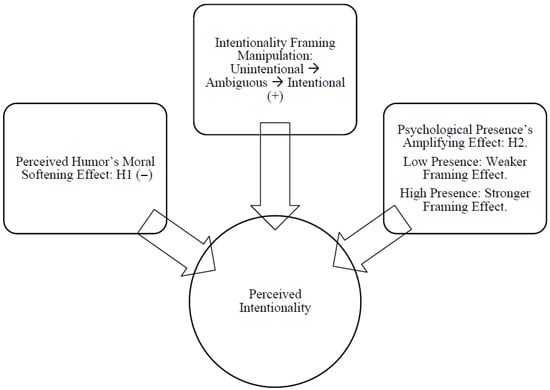
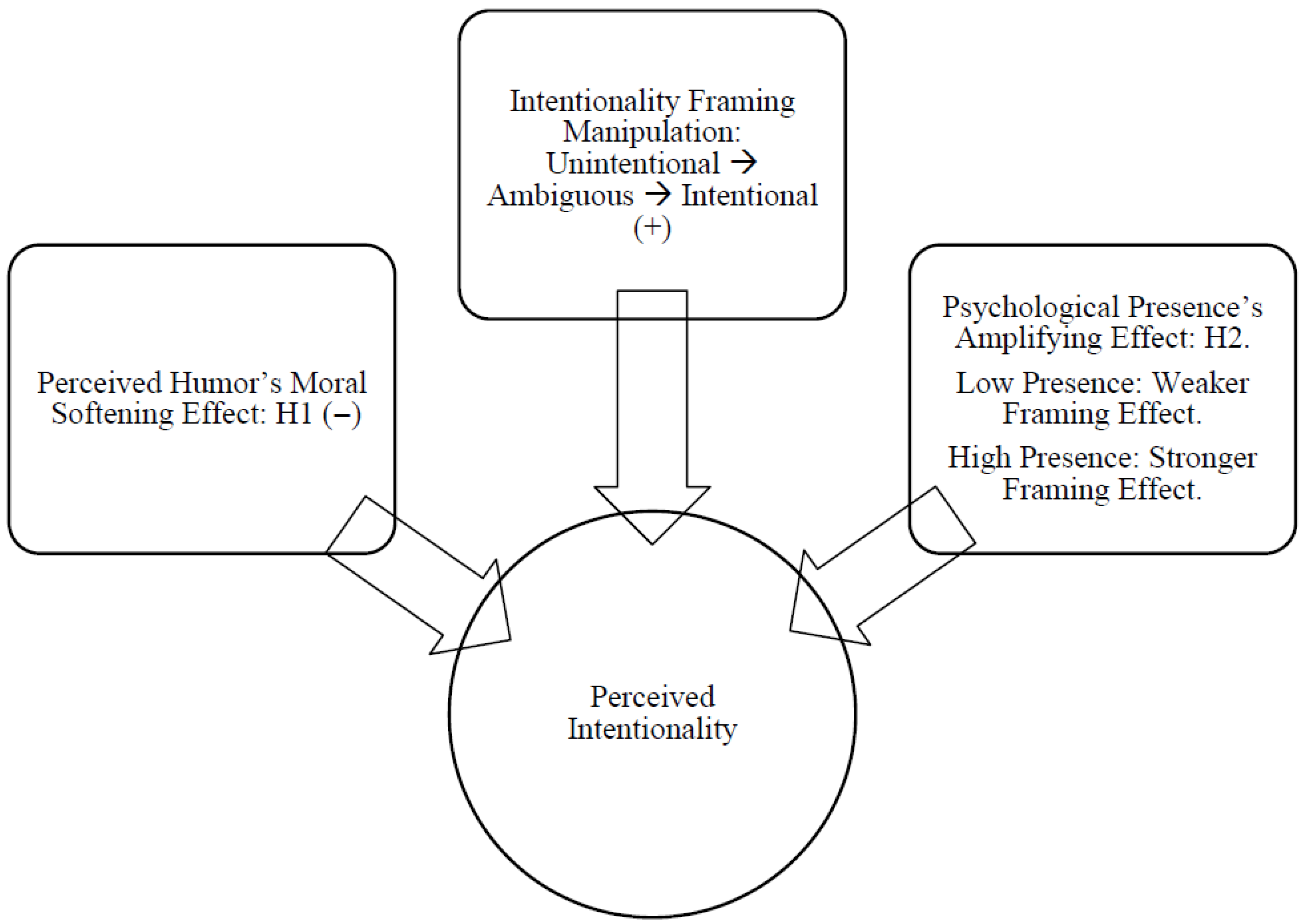
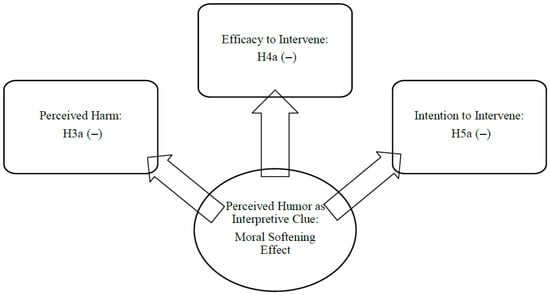
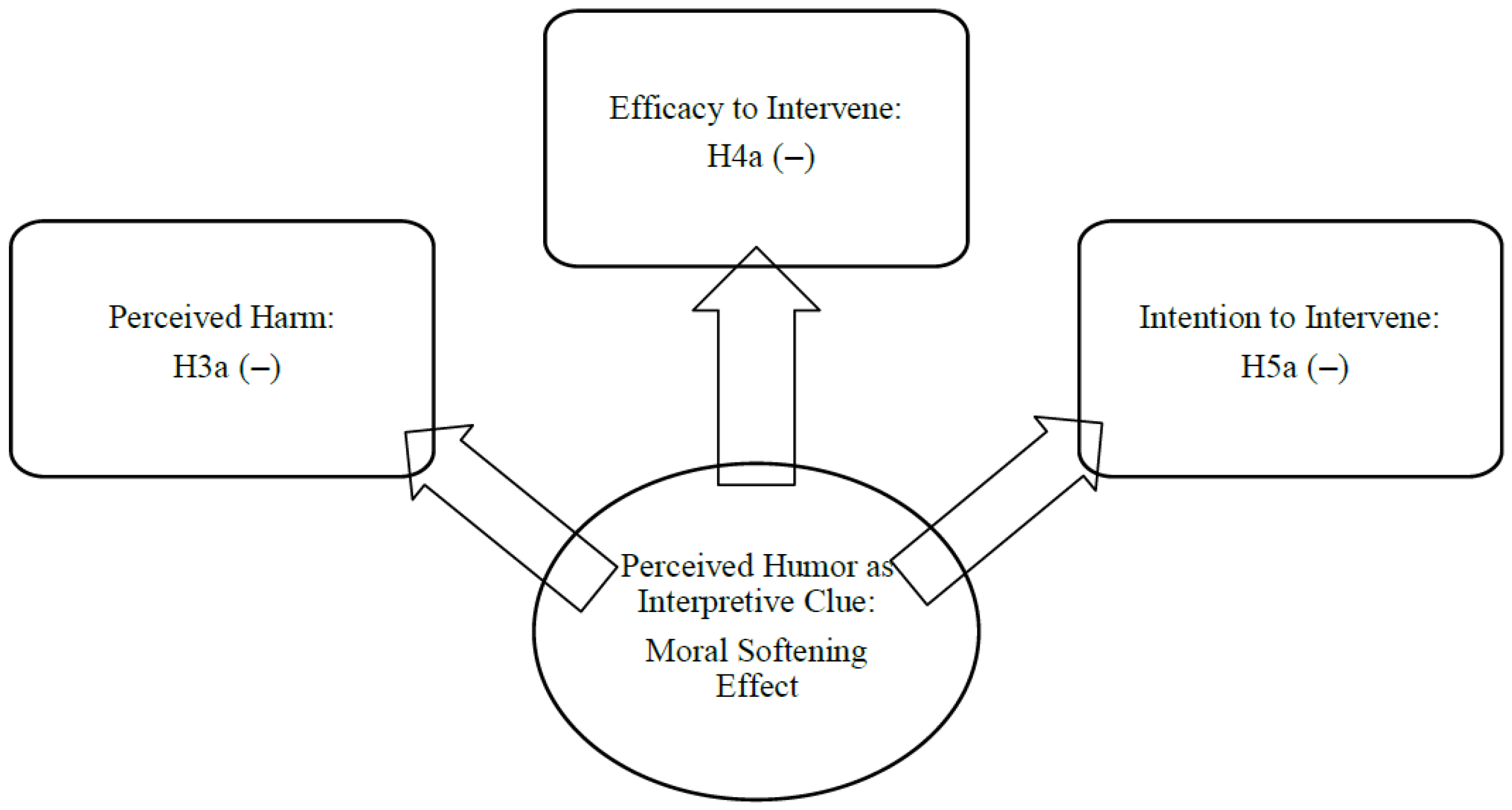
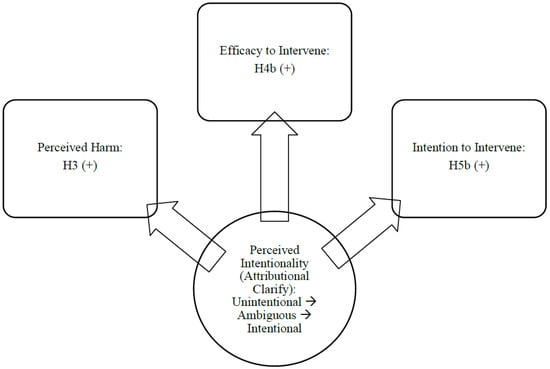
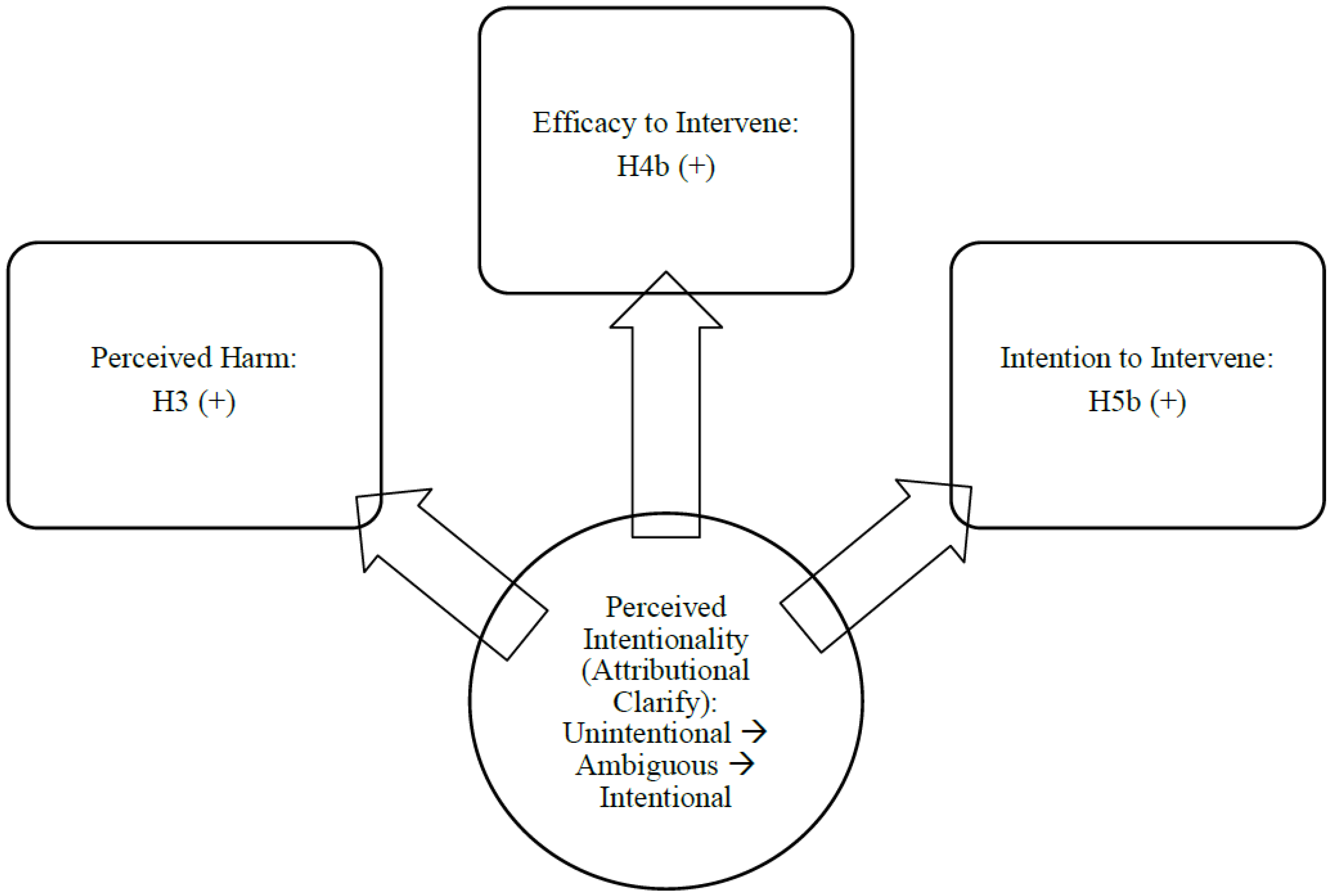
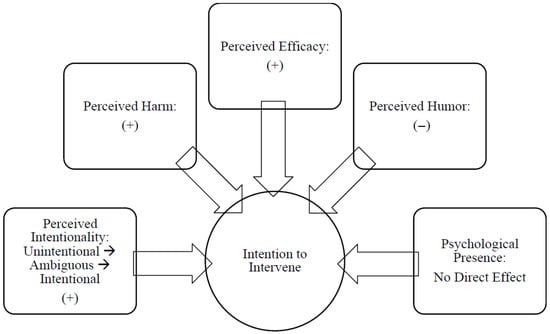
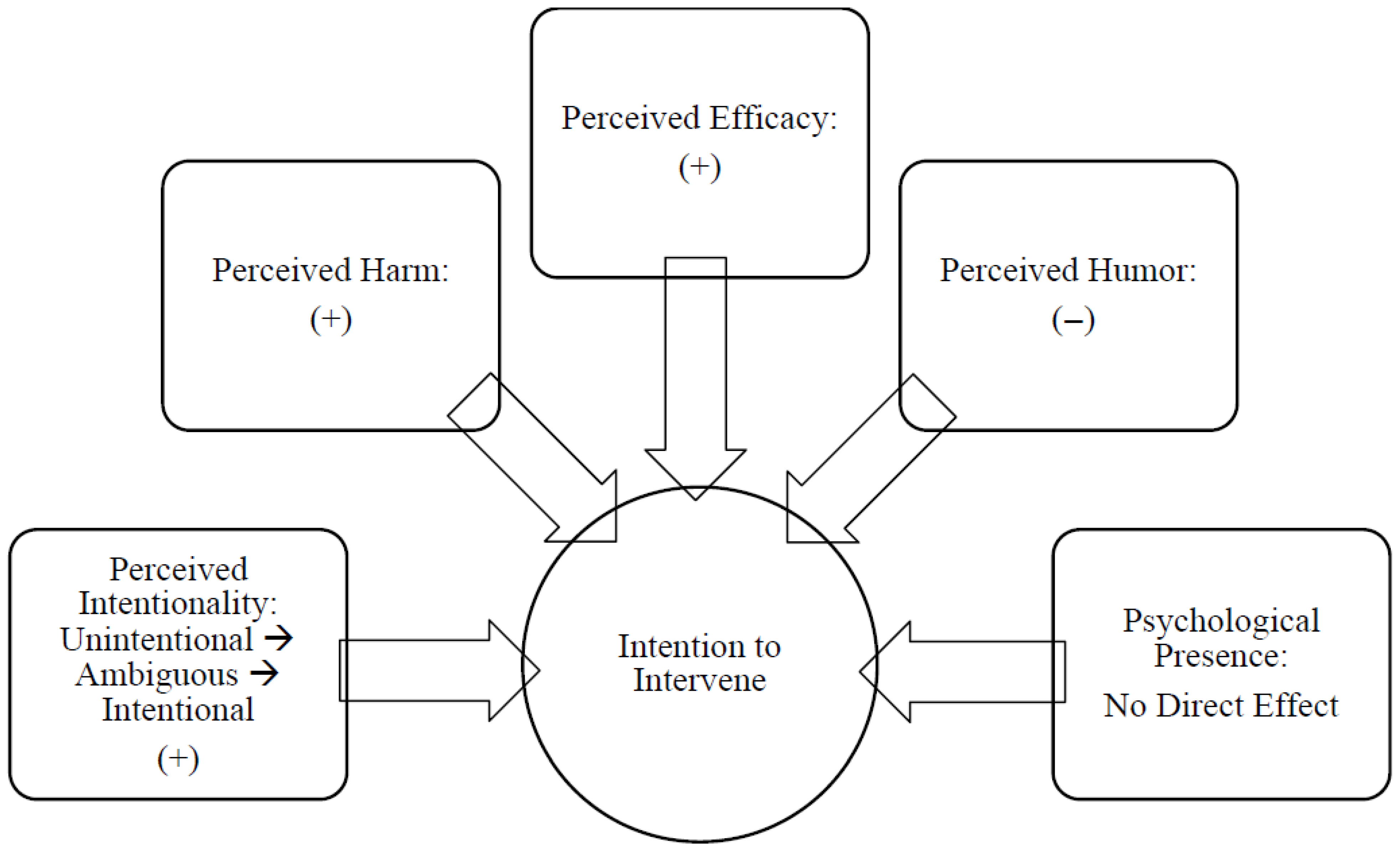

Disclaimer/Publisher’s Note: The statements, opinions and data contained in all publications are solely those of the individual author(s) and contributor(s) and not of MDPI and/or the editor(s). MDPI and/or the editor(s) disclaim responsibility for any injury to people or property resulting from any ideas, methods, instructions or products referred to in the content. |
© 2026 by the authors. Licensee MDPI, Basel, Switzerland. This article is an open access article distributed under the terms and conditions of the Creative Commons Attribution (CC BY) license.