
Journal Description
Architecture
Architecture
is an international, peer-reviewed, open access journal on studies related to architectural research published quarterly online by MDPI.
- Open Access— free for readers, with article processing charges (APC) paid by authors or their institutions.
- High Visibility: indexed within ESCI (Web of Science), Scopus, and other databases.
- Rapid Publication: manuscripts are peer-reviewed and a first decision is provided to authors approximately 18.9 days after submission; acceptance to publication is undertaken in 5.8 days (median values for papers published in this journal in the second half of 2025).
- Recognition of Reviewers: APC discount vouchers, optional signed peer review, and reviewer names published annually in the journal.
- Architecture is a companion journal of Buildings and Sustainability.
- Journal Cluster of Civil Engineering and Built Environment: Architecture, Buildings, CivilEng, Construction Materials, Infrastructures, Intelligent Infrastructure and Construction, NDT and Vibration.
Impact Factor:
1.4 (2024);
5-Year Impact Factor:
1.6 (2024)
Latest Articles
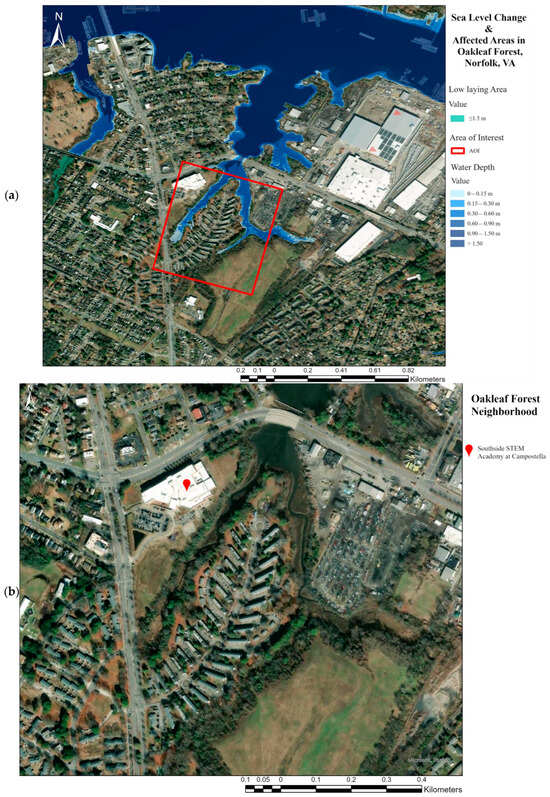
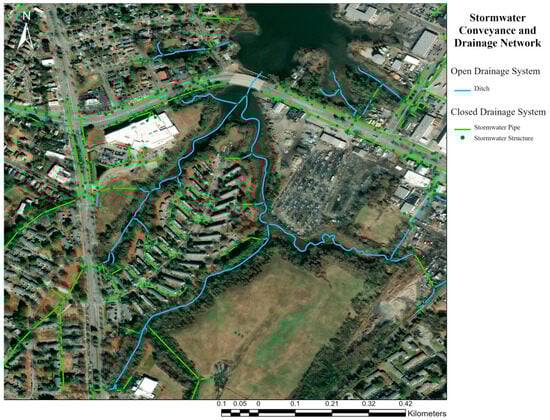
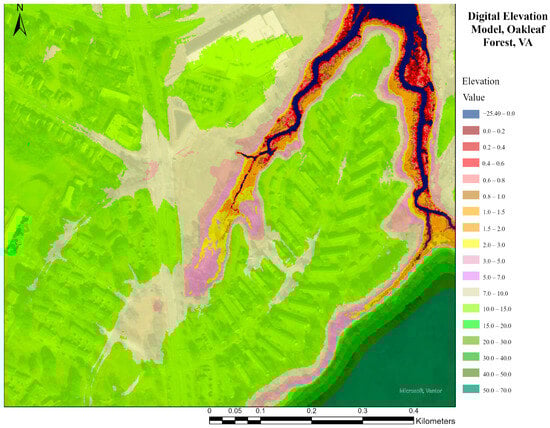
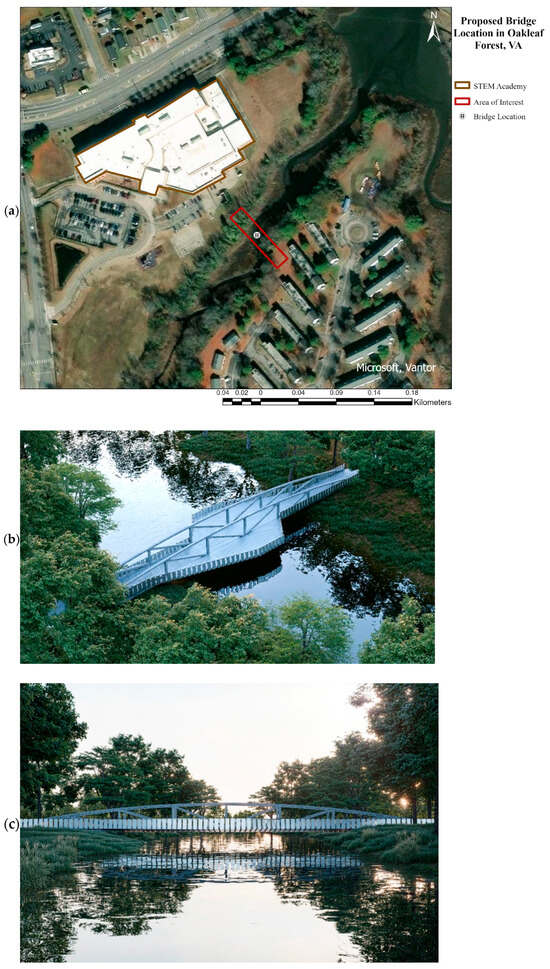
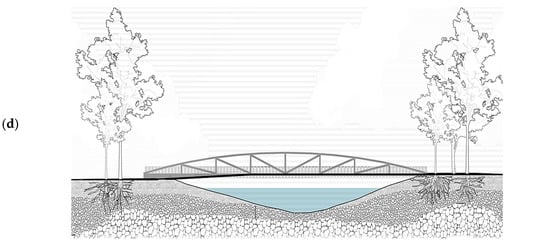
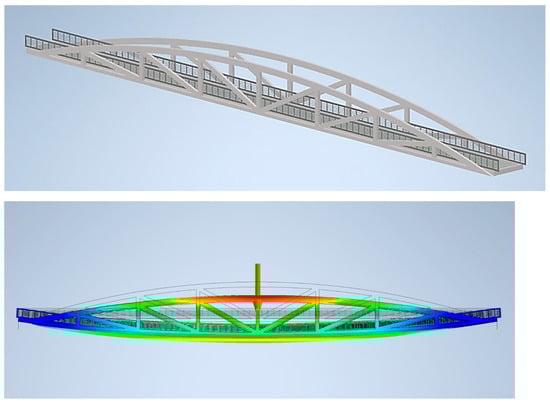
Nature-Based Solutions for Urban Resilience and Environmental Justice in Underserved Coastal Communities: A Case Study on Oakleaf Forest in Norfolk, VA
Architecture 2026, 6(1), 9; https://doi.org/10.3390/architecture6010009 - 12 Jan 2026
Abstract
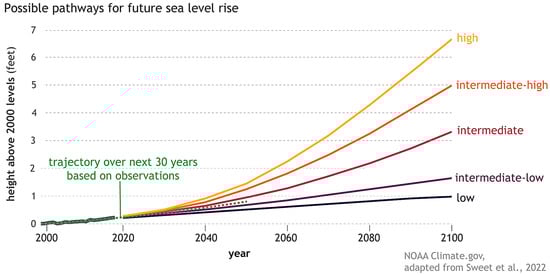
Climate change and sea-level change (SLC) are intensifying flooding in U.S. coastal communities, with disproportionate impacts on Black and minority neighborhoods that face displacement, economic hardship, and heightened health risks. In Norfolk, Virginia, sea levels are projected to rise by at least 0.91
[...] Read more.
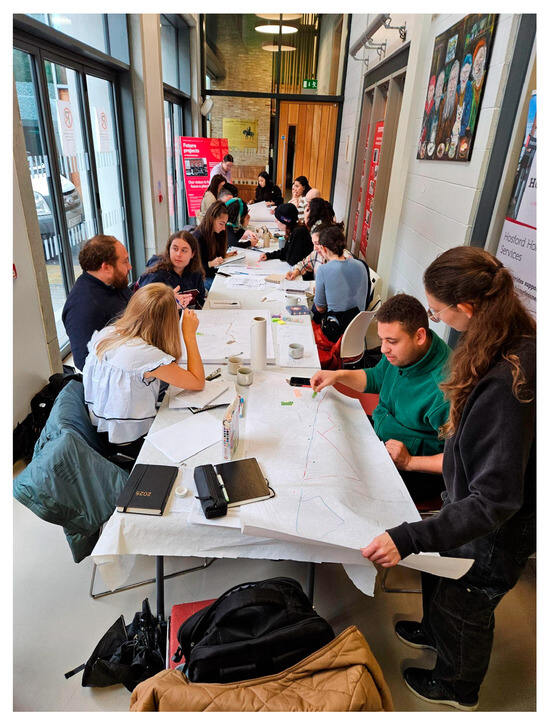
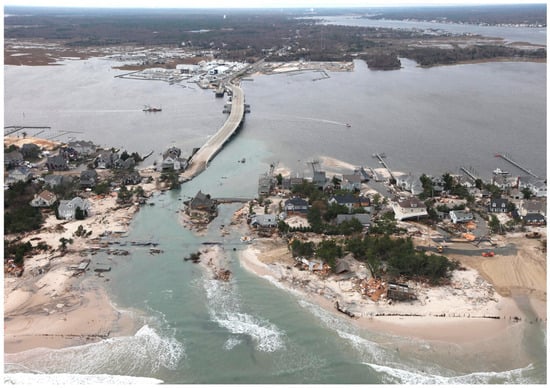
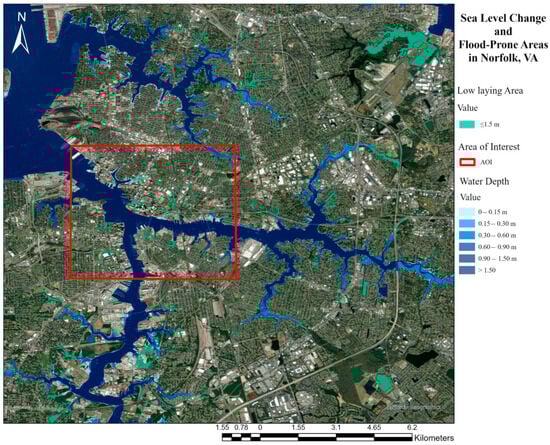
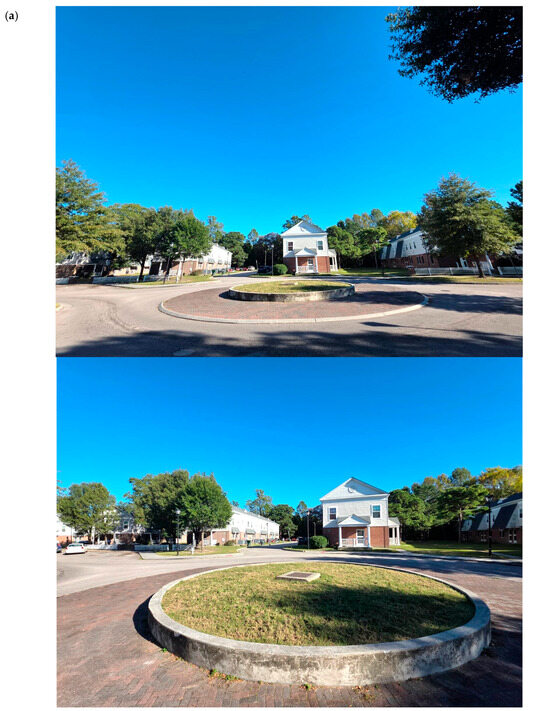
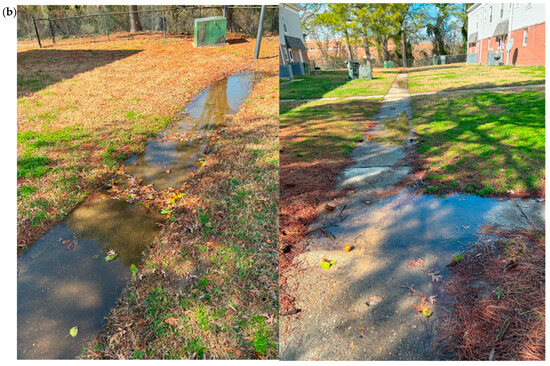
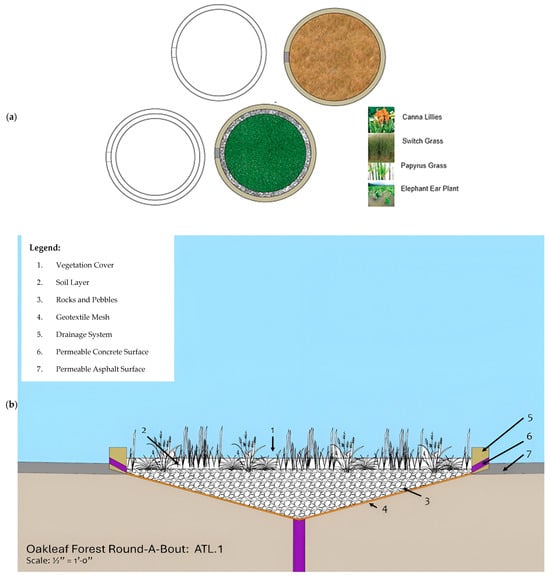
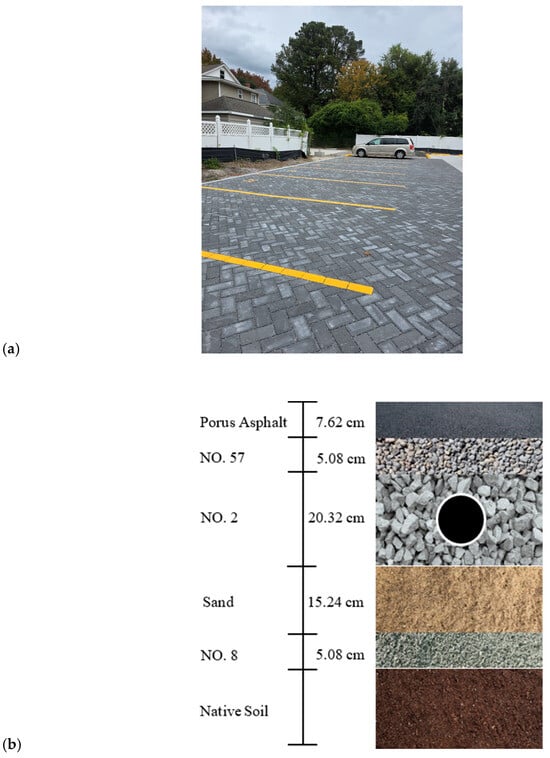
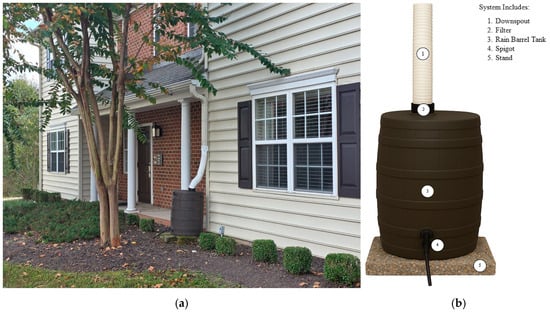
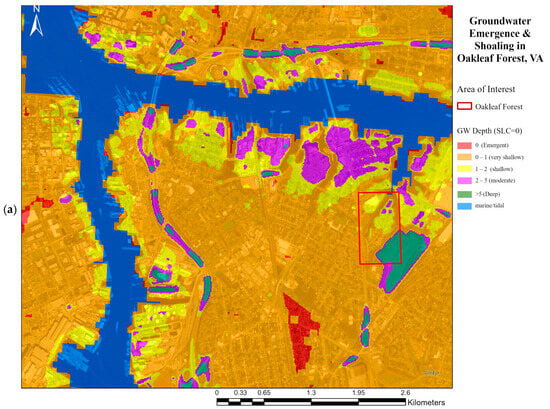
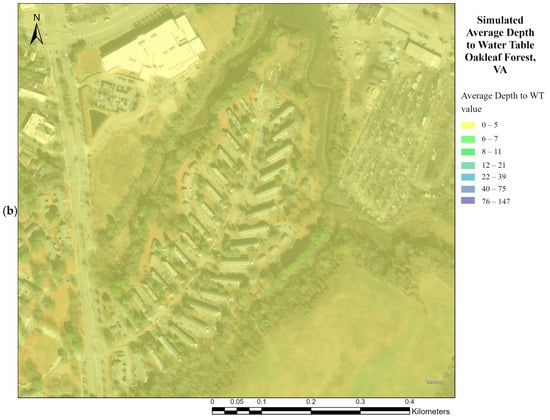
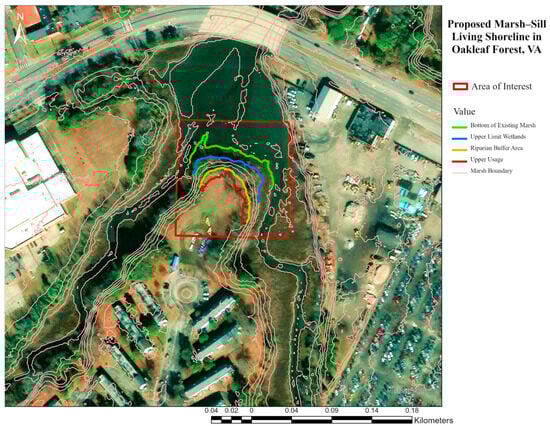
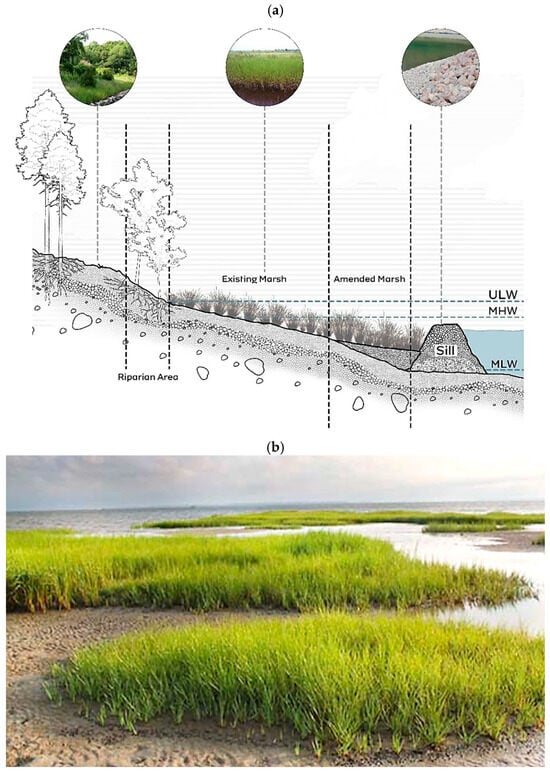
Climate change and sea-level change (SLC) are intensifying flooding in U.S. coastal communities, with disproportionate impacts on Black and minority neighborhoods that face displacement, economic hardship, and heightened health risks. In Norfolk, Virginia, sea levels are projected to rise by at least 0.91 m (3 ft) by 2100, placing underserved neighborhoods such as Oakleaf Forest at particular risk. This study investigates the compounded impacts of flooding at both the building and urban scales, situating the work within the framework of the UN Sustainable Development Goals (UN SDGs). A mixed-method, community-based approach was employed, integrating literature review, field observations, and community engagement to identify flooding hotspots, document lived experiences, and determine preferences for adaptation strategies. Community participants contributed actively through mapping sessions and meetings, providing feedback on adaptation strategies to ensure that the process was collaborative, place-based, and context-specific. Preliminary findings highlight recurring flood-related vulnerabilities and the need for interventions that address both environmental and social dimensions of resilience. The study proposes multi-scale, nature-based solutions (NbS) to mitigate flooding, restore ecological functions, and enhance community capacity for adaptation. Ultimately, this work underscores the importance of coupling technical strategies with participatory processes to strengthen resilience and advance climate justice in vulnerable coastal neighborhoods.
Full article
(This article belongs to the Special Issue Environmental Justice and Health in Architecture for Minorities and the Global South)
Open AccessArticle
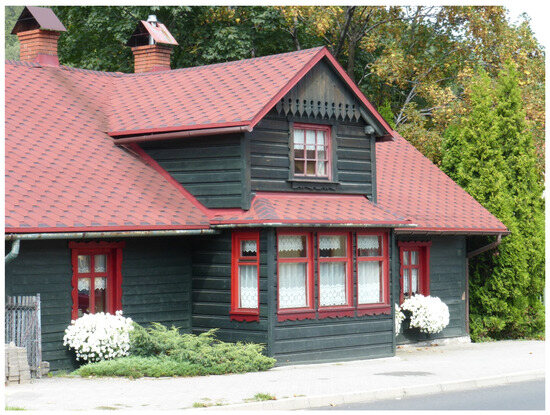
Cultural Identity in the Recreational Architecture of the Beskid Mountains
by
Tomasz E. Malec
Architecture 2026, 6(1), 8; https://doi.org/10.3390/architecture6010008 - 9 Jan 2026
Abstract
Intensive development of recreational construction has taken place in the Beskid Mountains in Southern Poland over the span of several decades, especially in the villages of Szczyrk, Wisła, and Brenna, due to the proximity of the industrial Silesian agglomeration. These buildings, constructed mostly
[...] Read more.
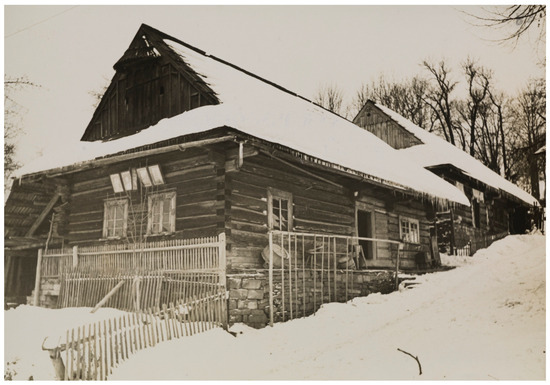
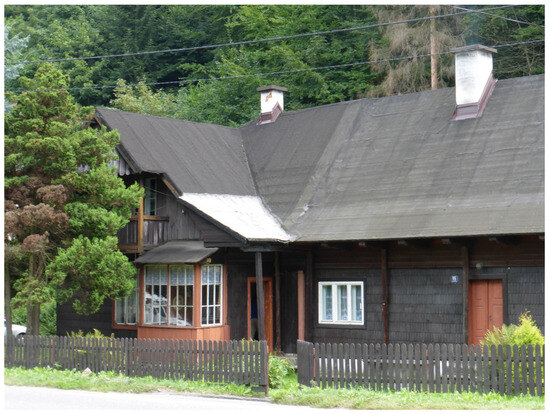
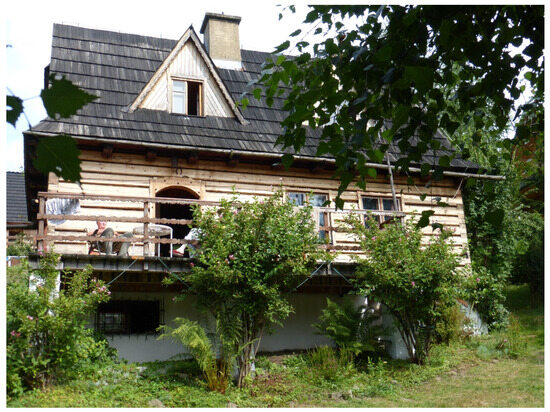
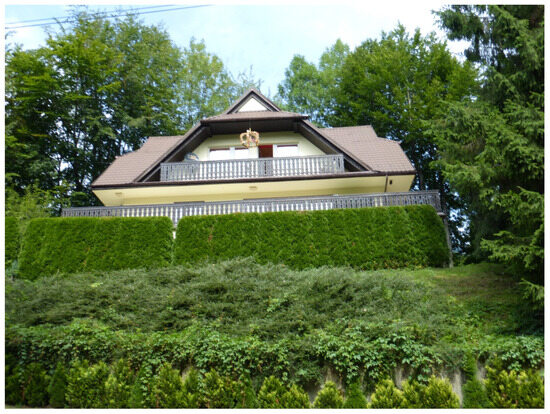
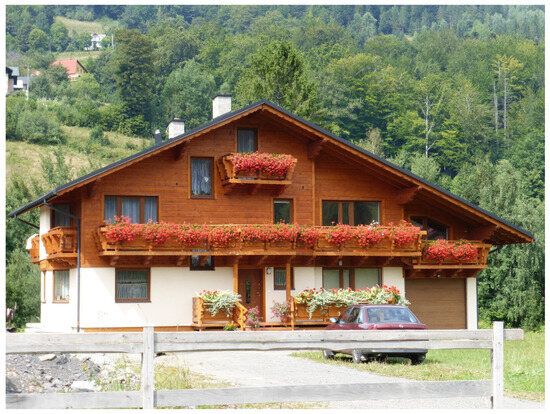
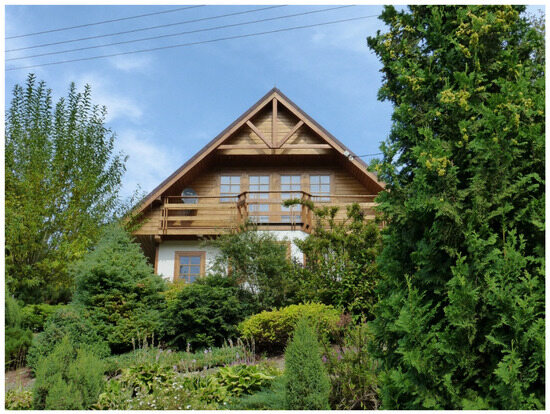
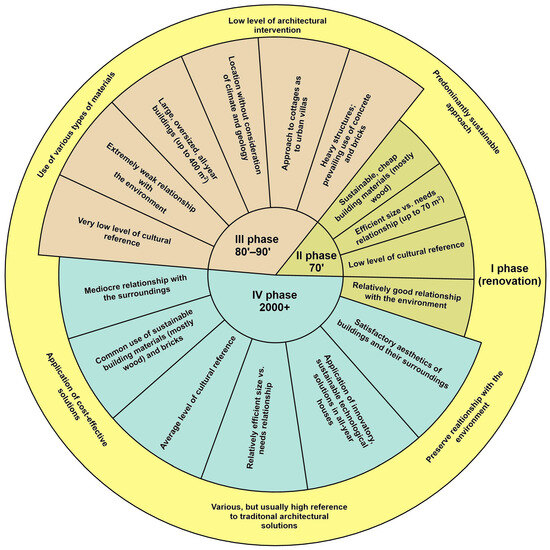
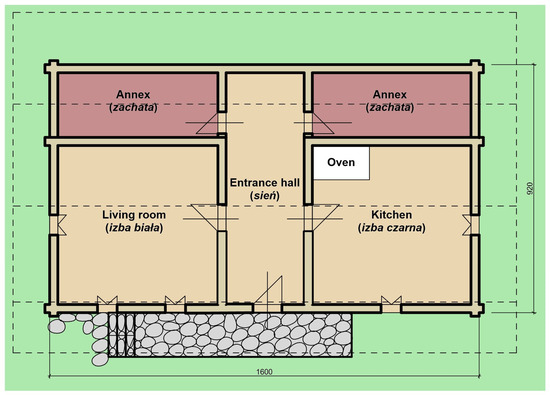
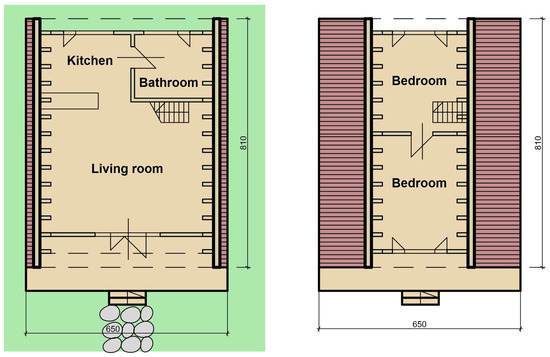
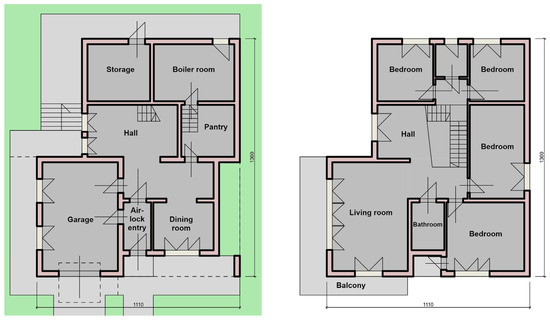
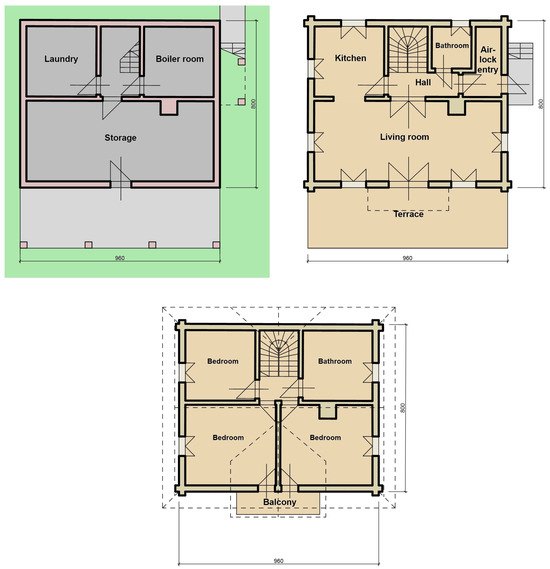
Intensive development of recreational construction has taken place in the Beskid Mountains in Southern Poland over the span of several decades, especially in the villages of Szczyrk, Wisła, and Brenna, due to the proximity of the industrial Silesian agglomeration. These buildings, constructed mostly since the 1970s, are heterogeneous in appearance and often do not reference traditional timber-and-stone sustainable architecture; instead, they replicate the esthetics found in contemporary single-family houses throughout Poland or abroad. Inconsistencies in building regulations have reinforced this approach, leading to a decline in the quality of both architecture and landscape. Although this situation has been widely discussed in public media, publications on this topic remain sporadic. This article therefore applies qualitative research to discuss the role of cultural identity in modern recreational architecture in the Beskid Mountains as it has affected the well-being of the citizens of Silesia since the 1930s. The unique contribution of this paper to Polish architectural and heritage research is threefold: it provides a structured framework for understanding the development of recreational architecture as a process, it explicitly links empirical field observations to theoretical frameworks (Frampton, Norberg-Schulz, Rapoport), and it proposes a general pathway for culturally sustainable design in the region.
Full article
Open AccessArticle
A Comparative Evaluation Model for Design Studio Pedagogy: Linking Educational Objectives and Professional Readiness in Architectural Higher Education
by
Aleksandra Milovanović, Mladen Pešić, Jelena Ristić Trajković, Milica Milojević, Ana Nikezić, Verica Krstić and Vladan Djokić
Architecture 2026, 6(1), 7; https://doi.org/10.3390/architecture6010007 - 8 Jan 2026
Abstract
►▼
Show Figures
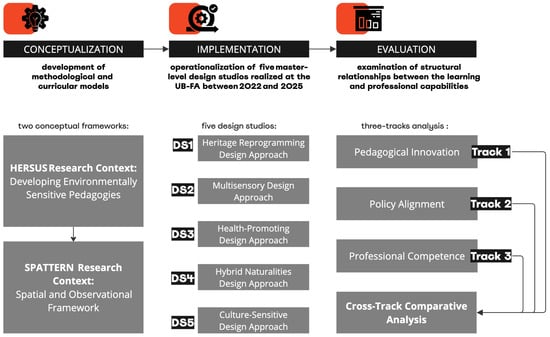
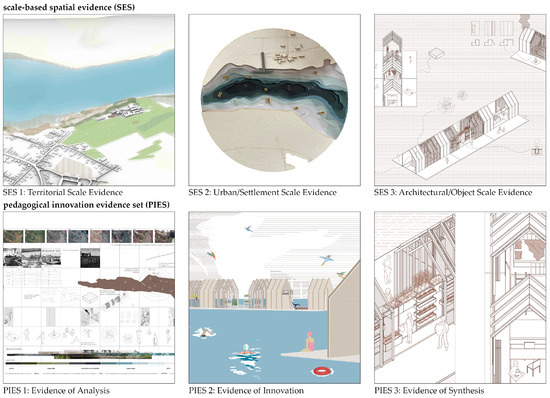
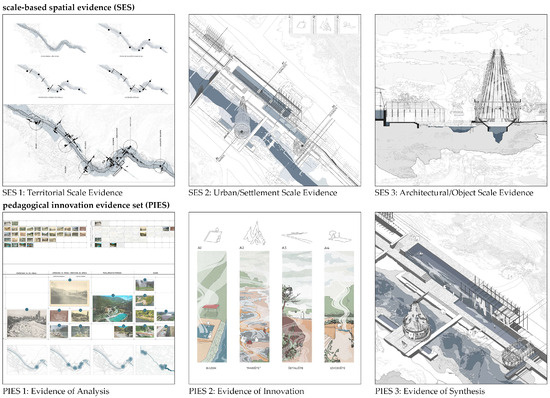
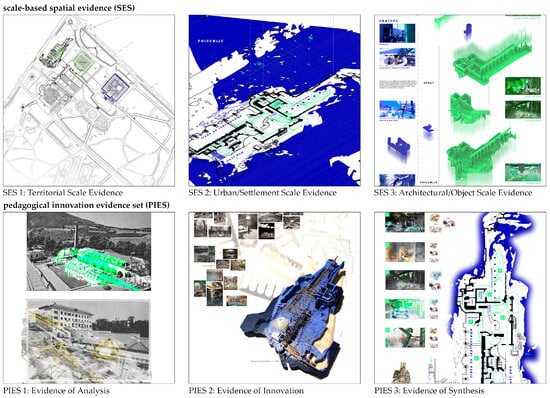
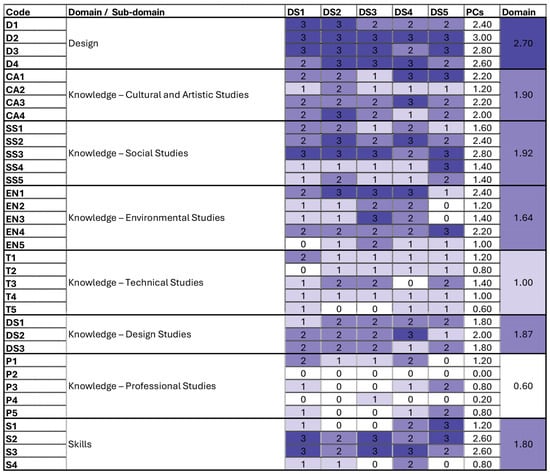
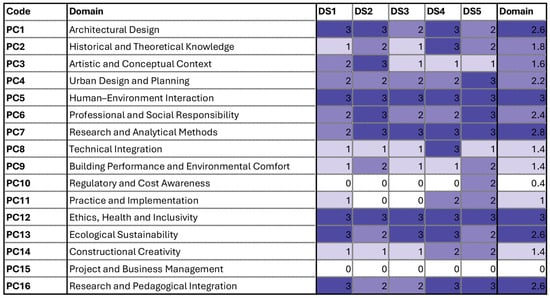
Design studios remain a core component of architectural education, yet their pedagogical structure, alignment with international standards, and contribution to professional formation are often insufficiently examined. This study evaluates master-level design studios using a three-track analytical framework that integrates pedagogical innovation, alignment with
[...] Read more.
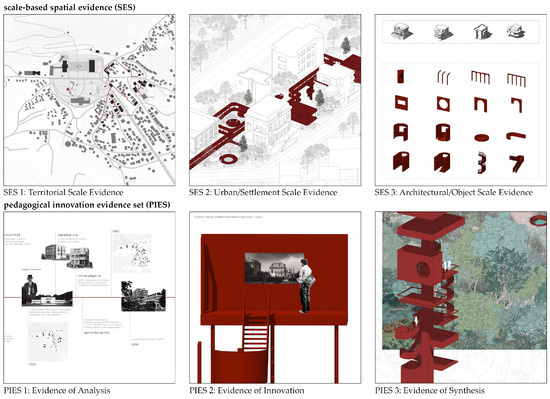
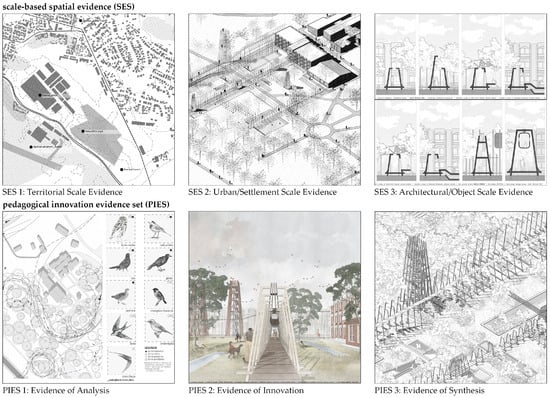
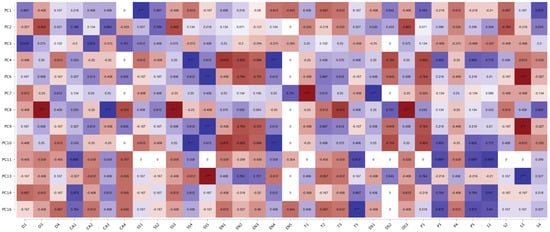
Design studios remain a core component of architectural education, yet their pedagogical structure, alignment with international standards, and contribution to professional formation are often insufficiently examined. This study evaluates master-level design studios using a three-track analytical framework that integrates pedagogical innovation, alignment with the UNESCO-UIA Charter for Architectural Education, and the development of professional capabilities specified in the UNESCO-UIA Validation System. The methodology combines qualitative profiling and quantitative benchmarking, employing a structured six-parameter innovation framework, an ordinal evidence scale, and a cross-track correlation analysis. Learning and professional capabilities were assessed and analyzed through Pearson correlation matrices in JASP (0.95.4). Findings reveal that all studios share a common grounding in heritage- and environment-responsive learning, yet demonstrate distinctive pedagogical signatures shaped by thematic focus, design scale, and temporal orientation. Strong positive alignments emerge between context-driven learning and applied professional readiness, while structural gaps indicate capability areas insufficiently supported by studio pedagogies. The study demonstrates that bridging policy frameworks with pedagogical and professional capability assessments provides a replicable method for evaluating architectural curricula, offering insights for improving design-studio models and strengthening evidence-based educational practice.
Full article

Figure 1
Open AccessArticle
Biofeedback-Informed Assessment of Biophilic Interior Variables: A 23 IVR Factorial Study in Design Studio Interiors
by
Yasemin Albayrak-Kutlay, Murat Bengisu and Emre Ergül
Architecture 2026, 6(1), 6; https://doi.org/10.3390/architecture6010006 - 6 Jan 2026
Abstract
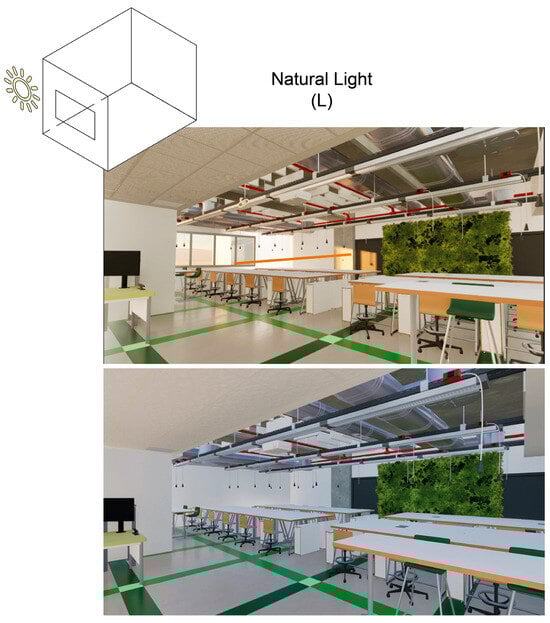
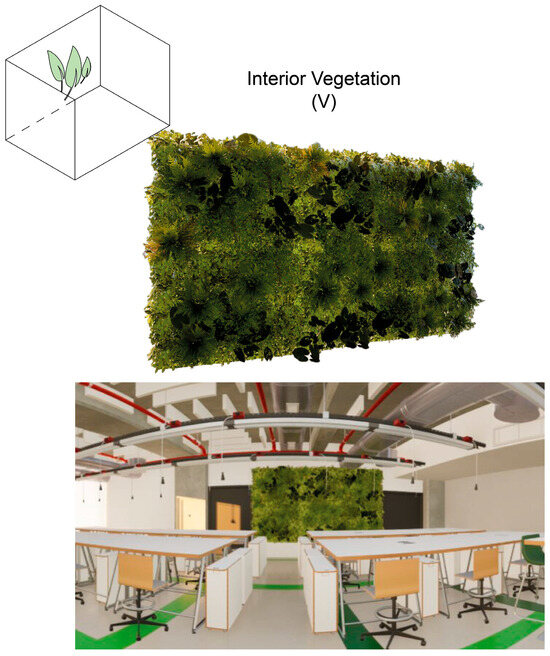
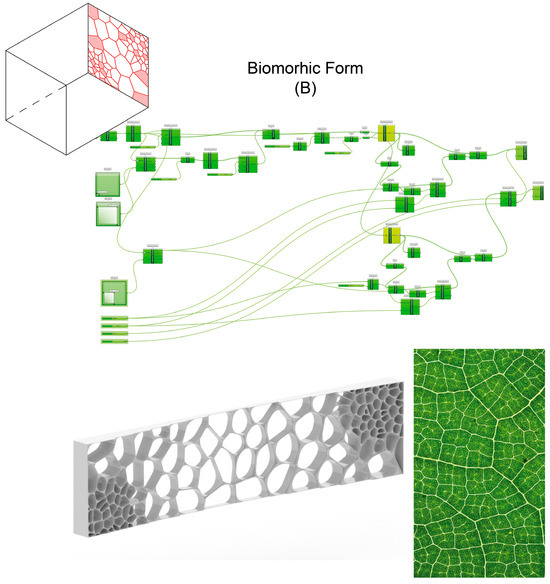
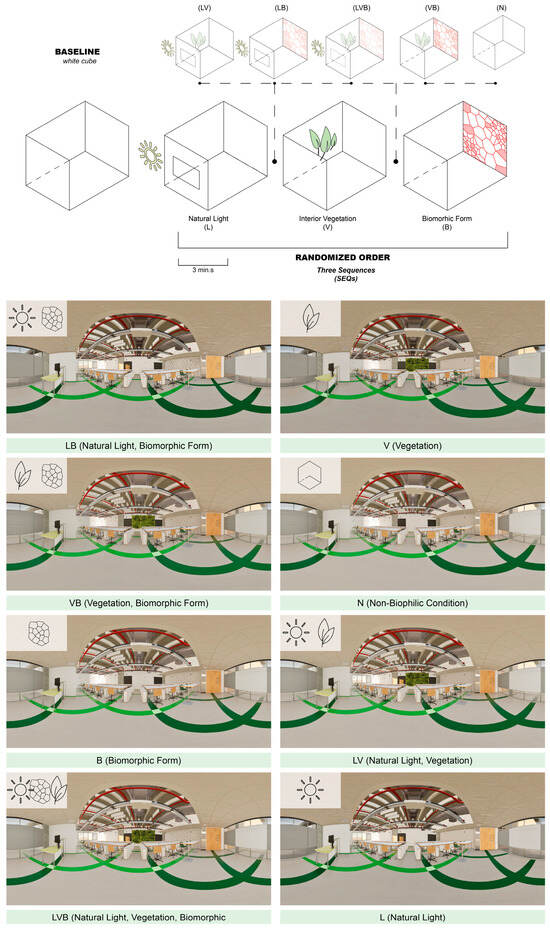
This study investigates the influence of three biophilic interior design variables: natural light, interior vegetation (vertical green wall), and biomorphic form (biomorphic wall panel) on affective and physiological responses in a design studio interior utilizing immersive virtual reality (IVR) and wearable biofeedback technology.
[...] Read more.
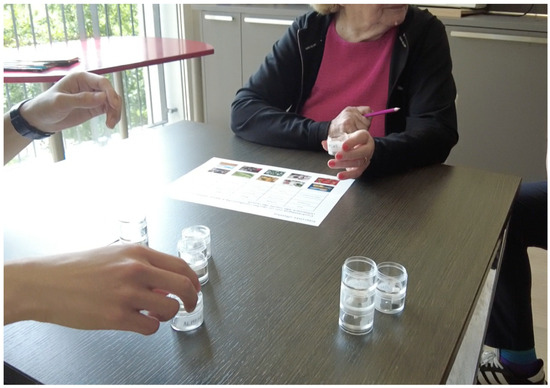
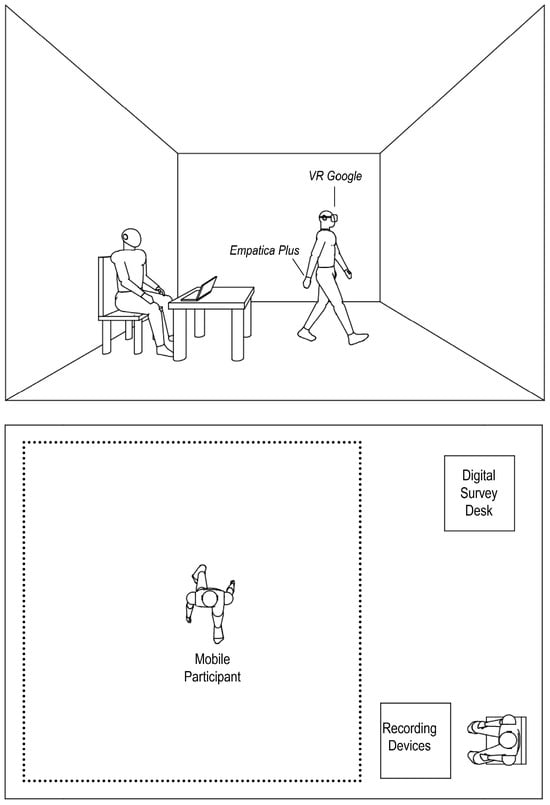
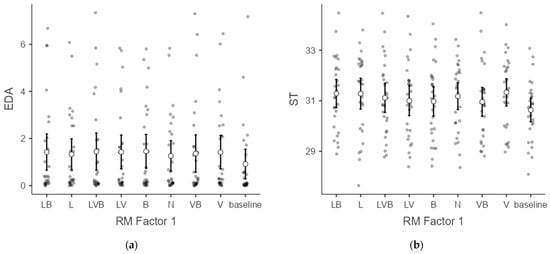
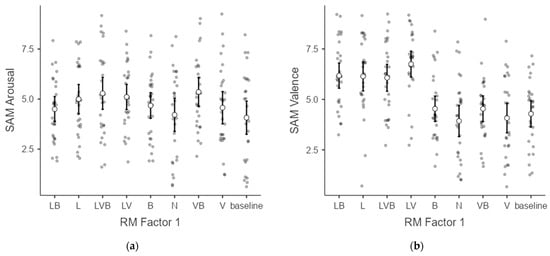
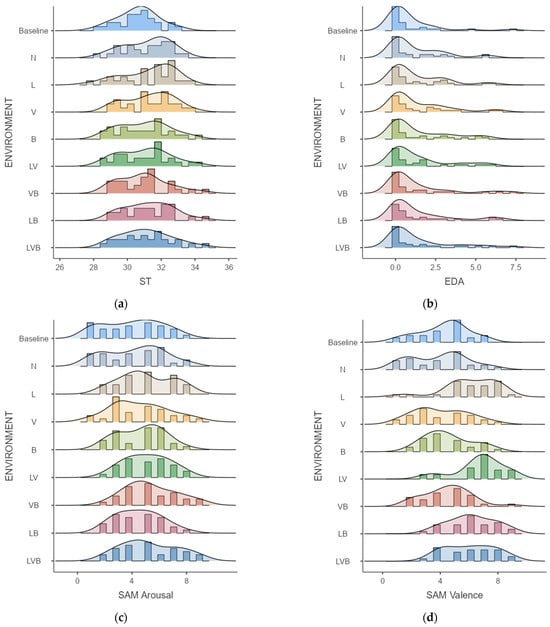
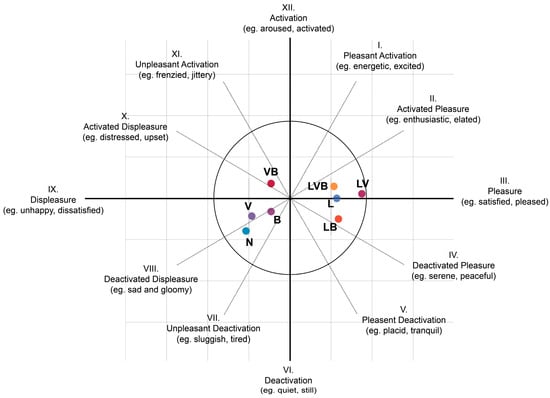
This study investigates the influence of three biophilic interior design variables: natural light, interior vegetation (vertical green wall), and biomorphic form (biomorphic wall panel) on affective and physiological responses in a design studio interior utilizing immersive virtual reality (IVR) and wearable biofeedback technology. This study was a within-participant 23 factorial design that included one baseline and eight IVR studio conditions. Participants experienced all conditions while reporting affects using the Self-Assessment Manikin (SAM) valence and arousal scales, electrodermal activity (EDA), and skin temperature (ST). Cybersickness was measured with the Simulator Sickness Questionnaire (SSQ) and presence was assessed using the Igroup Presence Questionnaire and Slater-Usoh-Steed presence measures (IPQ, SUS), while baseline anxiety (STAI) was controlled. The results demonstrated a significant primary influence of natural light on SAM valence ratings: conditions with natural light were evaluated as more pleasant than the non-variable and baseline condition, whereas interior vegetation and biomorphic form had smaller, context-dependent effects that were most evident when layered with natural light. Differences in SAM arousal ratings were modest and non-systematic. EDA did not differentiate, and ST showed only small shifts, indicating that during calm exploratory monitoring, subjective affect was more responsive. The circumplex findings guided to an activity-specific zoned interior rather than a single uniform design studio.
Full article
(This article belongs to the Special Issue Responsive Interiors: Human-Centered Approaches to Interior Architecture and Design)
►▼
Show Figures

Figure 1
Open AccessArticle
The Recommendation on Historic Urban Landscape for Conserving Latin American and Caribbean Cities: Scope, Comprehension and Implementation
by
Sebastián Astudillo-Cordero, Julia Rey-Pérez, Jessica Ortiz-Fernández, Elena Jerves-Hermida and Maria Eugenia Siguencia
Architecture 2026, 6(1), 5; https://doi.org/10.3390/architecture6010005 - 6 Jan 2026
Abstract
This study presents the first systematic regional assessment of how the Historic Urban Landscape (HUL) approach has been understood and applied in Latin American and Caribbean (LAC) cities between 2011 and 2022. The HUL approach is framed as a socio-spatial perspective shaped by
[...] Read more.
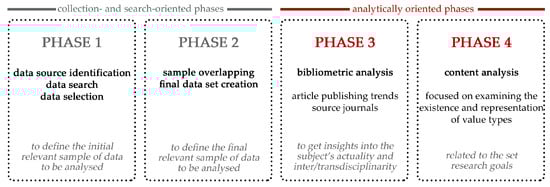
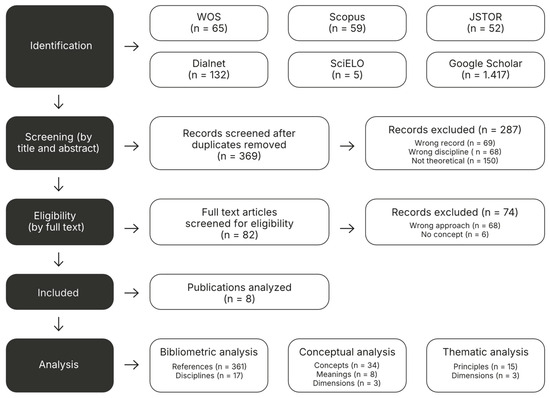
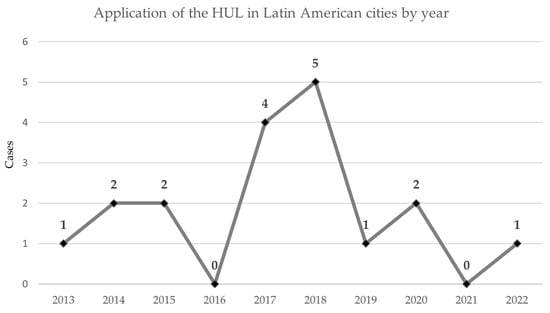
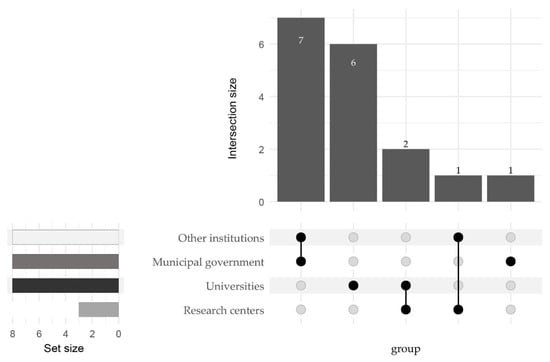
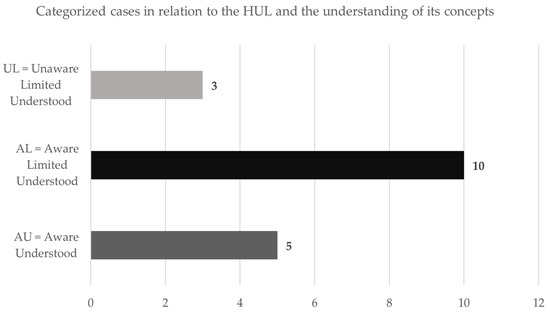
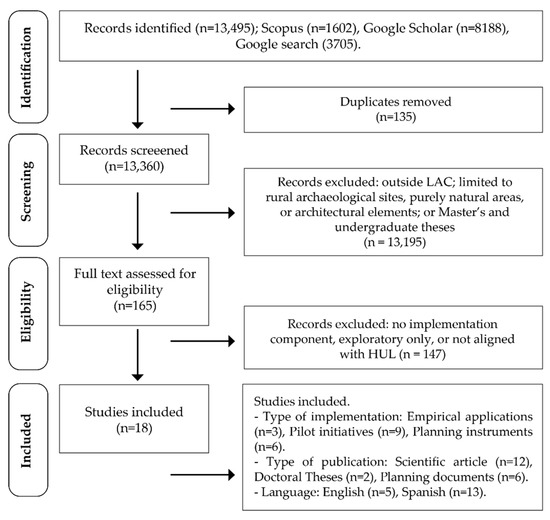
This study presents the first systematic regional assessment of how the Historic Urban Landscape (HUL) approach has been understood and applied in Latin American and Caribbean (LAC) cities between 2011 and 2022. The HUL approach is framed as a socio-spatial perspective shaped by historical layering, cultural practices, ecological structures, and contemporary development pressures. A systematic review of academic publications and institutional gray literature (Scopus, Google Scholar, and municipal repositories) was conducted to evaluate both conceptual understanding and methodological implementation aligned with the six steps of the 2011 HUL Recommendation. Findings reveal a clear implementation gap: although awareness of the HUL approach has increased across the region, its practical application remains partial. Steps 1 and 2 focused on value identification and participatory engagement show the highest adoption, while steps 4 and 6 which require interinstitutional coordination and integration into statutory planning instruments exhibit limited progress. Academic and research institutions play a more prominent role than local governments in leading or supporting HUL-related actions, indicating persistent institutional and governance constraints. Results highlight the need to strengthen municipal capacities, integrate HUL-based diagnostics into urban planning systems, and consolidate participatory, interdisciplinary, and multilevel governance mechanisms to close the gap between conceptual uptake and operational implementation.
Full article
(This article belongs to the Special Issue Assessing Values in Sustainable Heritage Conservation: Between Theory and Practice)
►▼
Show Figures

Figure 1
Open AccessArticle
The Marketplace’s Ambiences During the French Colonial Period in an Algerian Oasis: The ‘Al-Gh’deer’ Square in the Oasis of Sidi-Okba (Biskra, Algeria)
by
Marwa Mansouri and Azeddine Belakehal
Architecture 2026, 6(1), 4; https://doi.org/10.3390/architecture6010004 - 4 Jan 2026
Abstract
►▼
Show Figures
This study investigates the traditional life within Al-Gh’deer Market Square, which constitutes a fundamental component of the vernacular urban fabric of Sidi Okba’s old city from a sensorial perspective. This oasis, located in the southeast of Algeria, is currently severely degraded and requires
[...] Read more.
This study investigates the traditional life within Al-Gh’deer Market Square, which constitutes a fundamental component of the vernacular urban fabric of Sidi Okba’s old city from a sensorial perspective. This oasis, located in the southeast of Algeria, is currently severely degraded and requires urban and architectural preservation. However, the sensory experiences that once characterised traditional urban life have not yet been systematically explored. The aim of this study is to fill this gap by analysing the historical atmospheres depicted in various literary and iconographic sources created by French and European explorers who visited Algeria during the colonial period. This research highlights each component of the “Al-Gh’deer” market square, which had a sensory impact on writers and photographers during their visit to Sidi Okba. This impact is revealed through the different tangible and intangible signals generated by these components, which were then felt and described textually and/or visually by the travellers. To this end, the thematic content analysis is used as a research technique in order to analyse this textual corpus, whilst the image formatting and staging constitute the method used for the iconographic corpus study. The first method makes it possible to detect the most relayed ambiences by travellers. This is revealed by the identification and computation of the associated words and/or expressions within the considered textual corpus. The second technique consists of the extraction of the elements generating the physical signals that should create a sensory relationship with the people within the scene or looking at it. The identified ambiences among the two corpora are crossed in order to determine the most felt ones in the marketplace as well as the various components generating them. The outcomes of this research work would serve as a basis for revitalisation initiatives within the frame of socio-economic and cultural development projects.
Full article

Figure 1

Open AccessArticle
Reconstructing Historical Atmospheres: Creating Sensory Trails for Heritage Sites
by
Jieling Xiao and Michael Butler
Architecture 2026, 6(1), 3; https://doi.org/10.3390/architecture6010003 - 24 Dec 2025
Abstract
Trails in heritage sites are useful ways to engage visitors with the place. Sensory trails proposed in this paper, engaged with the sensory walking method, are designed purposefully to engage the multi-sensory features onsite with prompts to link to the historic sensory elements
[...] Read more.
Trails in heritage sites are useful ways to engage visitors with the place. Sensory trails proposed in this paper, engaged with the sensory walking method, are designed purposefully to engage the multi-sensory features onsite with prompts to link to the historic sensory elements that have historic and cultural meanings to the heritage sites. Two questions are asked: (1) What process can we follow to design sensory heritage trails? (2) What criteria can be used to evaluate and guide the sensory features on site and from historic documentations? Taking design research as the overarching methodology, this paper reflects on the creation of two sensory trails, Sensing Beyond the Roundhouse and Sensing Around the Anglesey Column, following the Double Diamond framework developed by UK Design Council. An iterative design framework was developed, beginning with the identification of constraints and sensory opportunities through site observations, document analysis, and stakeholder interviews, which leads to interpretations of sensory features to shape storylines and route planning informed by user analysis. It is followed by representing the trails through sensory maps and other low-cost creative formats and then validating proposed trails with communities and stakeholders via pilot walks and feedback sessions. Four criteria are generated to assess sensory features based on engagement and authenticity: their contribution to the authentic historic atmosphere of the site; their ability to trigger imagination and evoke nostalgia; their distinctiveness and relevance to the site’s heritage narratives; and their capacity to encourage physical interaction and embodied engagement. The discussion part argues that sensory trails can be used as place-based strategies to inform urban planning and development around the heritage site through three pathways: catalyst for improvements and developments, connect isolated heritage sites, generate place-based knowledge.
Full article
(This article belongs to the Special Issue Atmospheres Design)
►▼
Show Figures

Figure 1
Open AccessArticle
Regional Cooling and Peak-Load Performance of Naturally Ventilated Cavity Walls in Representative U.S. Climate Zones
by
Ri Na, Abdulaziz Banawi and Behzad Abbasnejad
Architecture 2026, 6(1), 2; https://doi.org/10.3390/architecture6010002 - 23 Dec 2025
Abstract
►▼
Show Figures
Naturally ventilated cavity walls (VCWs) retrofit conventional cavity walls with vents that enable buoyancy- or wind-driven airflow and reduce cooling loads during summer. When closed, they retain the thermal performance of traditional walls. Previous studies evaluated VCWs under steady-state conditions but did not
[...] Read more.
Naturally ventilated cavity walls (VCWs) retrofit conventional cavity walls with vents that enable buoyancy- or wind-driven airflow and reduce cooling loads during summer. When closed, they retain the thermal performance of traditional walls. Previous studies evaluated VCWs under steady-state conditions but did not capture regional, transient solar heating effects. This study assesses VCW performance across major U.S. climate types using a transient 3D solar heating model for east-, south-, and west-facing façades in four representative cities. Simulated façade temperatures were validated using published measurements and then applied to a regression-based energy model to estimate cooling load reductions. Results show 30–40% savings for east/west façades and 10–20% for south façades, with monthly reductions exceeding 1.0 kWh/m2 in all regions. On-peak savings (3–7 PM) were at least 1.5× off-peak values, indicating strong peak-shaving capability. Overall, VCWs offer a low-cost, climate-adaptive retrofit strategy that improves façade energy performance and reduces peak cooling demand.
Full article

Figure 1
Open AccessArticle
Post-Adaptive Reuse Evaluation of Heritage Spaces: A Case Study of Dar Al Saraya in Madaba, Jordan
by
Dana Khalid Amro and Malak Abu Nasser
Architecture 2026, 6(1), 1; https://doi.org/10.3390/architecture6010001 - 20 Dec 2025
Abstract
Adaptive reuse of heritage buildings is a vital strategy for balancing cultural preservation with modern functionality needs. This study provides a post-adaptive reuse evaluation of Dar Al Saraya in Madaba, Jordan, a significant Ottoman-era landmark, to examine how adaptive reuse strategies influence interior
[...] Read more.
Adaptive reuse of heritage buildings is a vital strategy for balancing cultural preservation with modern functionality needs. This study provides a post-adaptive reuse evaluation of Dar Al Saraya in Madaba, Jordan, a significant Ottoman-era landmark, to examine how adaptive reuse strategies influence interior environments and heritage value. The analysis employs Zhang and Zhang’s evaluation framework focusing on existing fabric, special character, and policy and value, operationalized through 15 factors. A qualitative methodology was adopted, integrating site observations, photographic documentation, and semi-structured interviews with heritage experts, municipal representatives, residents, visitors, and site staff. Fieldwork was conducted in two phases (November 2024 and October 2025) to capture evolving conditions and perceptions. Findings indicate that challenges in spatial reconstruction were few and well addressed, but gaps in adaptation and reuse function strategies created significant issues. These included a lack of coordinated policies and the failure of municipal authorities and property owners to sustain the building’s reuse and involve the local community in reuse decisions. Despite various initiatives, from a museum, hotel, cultural center and gallery to its recent adaptation into a café, these efforts lacked sustainability and inclusive strategic planning. Consequently, the café has faced difficulties since opening, leaving its future uncertain. These findings highlight the importance of post-adaptive reuse evaluation and of integrating policy, planning, and community participation into adaptive reuse strategies to promote sustainable, community-centred conservation.
Full article
(This article belongs to the Special Issue Strategies for Architectural Conservation and Adaptive Reuse)
►▼
Show Figures

Figure 1
Open AccessArticle
Spatial Dimensions of Nature Bonding in Urban Place Attachment
by
Duygu Gökce
Architecture 2025, 5(4), 133; https://doi.org/10.3390/architecture5040133 - 18 Dec 2025
Abstract
►▼
Show Figures
Nature bonding (NB), alongside place identity and place dependence, is among the most frequently discussed and empirically validated contributing factors of place attachment (PA) within urban environments. While PA has been extensively studied through its psychological, personal, and spatial dimensions, the specific contribution
[...] Read more.
Nature bonding (NB), alongside place identity and place dependence, is among the most frequently discussed and empirically validated contributing factors of place attachment (PA) within urban environments. While PA has been extensively studied through its psychological, personal, and spatial dimensions, the specific contribution of NB across these dimensions and spatial scales remains insufficiently understood. To address this gap, this study aims to demonstrate the importance of NB in fostering PA by highlighting the need for spatially sensitive urban planning that integrates natural elements across scales to enhance community satisfaction and well-being. Elmwood Village in Buffalo, New York, recognized as one of the top ten most livable American neighborhoods and part of the historic Frederick Law Olmsted-designed parkway system was chosen as a case study. A three-stage investigation was conducted using survey data. First, the three dimensions of PA—place, person, and psychology—were identified. Second, NB was categorized into three levels: attachment, enjoyment, and oneness with nature. Third, the variability of these bonds across three spatial scales—building, street, and neighborhood—was tested to assess their spatial relevance. The findings reveal that the strength and form of NB differ significantly across spatial contexts, shaping how individuals emotionally and behaviorally connect to urban places. By integrating NB into the spatial understanding of PA, this research provides a framework for urban designers and environmental psychologists to better interpret and enhance human–nature relations in the built environment.
Full article

Figure 1
Open AccessArticle
The Connectionist Turn: How Contemporary Generative AI Reshapes Architectural Rationality
by
Sheng-Yang Huang
Architecture 2025, 5(4), 132; https://doi.org/10.3390/architecture5040132 - 18 Dec 2025
Abstract
This study examines how connectionist AI reshapes architectural rationality, focusing on the under-theorised epistemic implications of generative technologies. It positions latent space as the convergent medium of representation, cognition, and computation to investigate how learning-based models reorganise architectural reasoning. Employing a qualitative hermeneutic
[...] Read more.
This study examines how connectionist AI reshapes architectural rationality, focusing on the under-theorised epistemic implications of generative technologies. It positions latent space as the convergent medium of representation, cognition, and computation to investigate how learning-based models reorganise architectural reasoning. Employing a qualitative hermeneutic methodology suited to interpreting epistemic transformation, and analysing four emblematic cases, the study identified a tripartite shift: representation moves from symbolic abstraction to probabilistic, feature-based latent descriptions; cognition evolves from individual, rule-defined schemas to collective, data-inferred structures; and computation reorients from deterministic procedures to stochastic generative exploration. In this framework, type and style emerge not as fixed classifications but as continuous distributions of similarity, redefining the designer’s role from originator of form to curator of datasets, navigator of latent spaces, and interpreter of model outputs. Ultimately, the paper argues that connectionism introduces a distinct epistemic orientation grounded in correlation and probabilistic reasoning, thereby prompting critical reflection on the ethical, curatorial, and disciplinary responsibilities of AI-mediated design.
Full article
(This article belongs to the Special Issue Shaping Architecture with Computation)
►▼
Show Figures

Figure 1
Open AccessArticle
Bridging Innovation and Governance: A UTAUT-Based Mixed-Method Study of 3D Concrete Printing Technology Acceptance in South Africa
by
Stanley Okangba, Ntebo Ngcobo and Jeffrey Mahachi
Architecture 2025, 5(4), 131; https://doi.org/10.3390/architecture5040131 - 15 Dec 2025
Abstract
►▼
Show Figures
This study investigates the factors that influence the acceptance of 3D concrete printing technology in South Africa. The purpose is to provide evidence-based insights to guide regulators in developing clear standards and certification pathways for 3DCP in South Africa. In a mixed-method research
[...] Read more.
This study investigates the factors that influence the acceptance of 3D concrete printing technology in South Africa. The purpose is to provide evidence-based insights to guide regulators in developing clear standards and certification pathways for 3DCP in South Africa. In a mixed-method research design, the study gathered data from professionals including architects, civil engineers, quantity surveyors, project managers, contractors, regulators, and local municipalities using a modified Unified Theory of Acceptance and Use of Technology framework, adapted to the institutional and infrastructure contextual nuances of South Africa. The findings indicate significant variability in awareness, exposure, and openness to 3DCP across professions and regions. Regulatory actors express caution due to the absence of national standards but also recognize the potential alignment with sustainable construction goals. Major enablers of acceptance include access to demonstrable case studies, technical training, and policy incentives. Barriers include a lack of local performance benchmarks, cost perceptions, and uncertainty regarding compliance pathways. By incorporating institutional variables such as regulatory clarity and policy maturity, the study advances a theoretical understanding of construction technology diffusion in the global south. The study offers a robust, context-specific model that can be adapted in similar economies seeking to balance innovation with regulatory oversight.
Full article

Figure 1

Open AccessArticle
The Enhanced Heritage Value Index (EHVI): A UNESCO-Aligned Framework for Sustainable Assessment and Prioritization of Egypt’s Heritage Villages
by
Mohammed M. Gomaa, Saleh Algethami, Omar Ibrahim Hussein, Ahmed Mohamed Abdo and Emad Mohamed Hassanein
Architecture 2025, 5(4), 130; https://doi.org/10.3390/architecture5040130 - 12 Dec 2025
Abstract
Egypt’s heritage villages are living cultural landscapes that remain largely undocumented and insufficiently protected under current national frameworks. This study develops the Enhanced Heritage Value Index (EHVI) a UNESCO-aligned framework designed to quantitatively and qualitatively assess the conservation readiness of heritage villages in
[...] Read more.
Egypt’s heritage villages are living cultural landscapes that remain largely undocumented and insufficiently protected under current national frameworks. This study develops the Enhanced Heritage Value Index (EHVI) a UNESCO-aligned framework designed to quantitatively and qualitatively assess the conservation readiness of heritage villages in Egypt. EHVI was developed through a mixed-method approach integrating conceptual analysis of UNESCO and ICOMOS standards, expert-based weighting of 31 validated heritage indicators, and community perception surveys conducted across seven villages in Luxor Governorate. The EHVI provides a scalable and replicable assessment tool that classifies villages into high, moderate, and low readiness levels, enabling decision-makers to prioritize conservation interventions. As Egypt’s first composite index tailored to rural heritage contexts, this framework bridges national policy needs with international heritage criteria and offers a strategic foundation for future UNESCO nominations and sustainable heritage management. This research fills a critical theoretical and practical gap by operationalizing the Historic Urban Landscape (HUL) paradigm in a rural Egyptian context, thereby advancing heritage assessment methodologies beyond urban-centered models.
Full article
(This article belongs to the Special Issue Assessing Values in Sustainable Heritage Conservation: Between Theory and Practice)
►▼
Show Figures

Figure 1
Open AccessArticle
Conflict and Compatibility Between City Branding and Urban Competitiveness: Developing and Applying a Multidimensional Index for Emerging Cities in the MENA Region
by
Nada H. Abdelraouf, Amal Abdel-Latif and Tamer ElSerafi
Architecture 2025, 5(4), 129; https://doi.org/10.3390/architecture5040129 - 12 Dec 2025
Abstract
►▼
Show Figures
This research develops a city Branding–Competitiveness Index (BCI) that comprehend symbolic city branding elements with quantifiable aspects of urban competitiveness. It examines the effectiveness of branding strategies in emerging cities in MENA region to improve their competitiveness, focusing on King Abdullah Economic City
[...] Read more.
This research develops a city Branding–Competitiveness Index (BCI) that comprehend symbolic city branding elements with quantifiable aspects of urban competitiveness. It examines the effectiveness of branding strategies in emerging cities in MENA region to improve their competitiveness, focusing on King Abdullah Economic City in Saudi Arabia and New Alamein City in Egypt. This research employs a mixed-method approach that integrates systematic literature review, expert survey, and quantitative analysis using IBM SPSS Statistics 26. The BCI was built considering primary categories, then improved through expert review to make sure it is valid and relevant to the practice, then utilized on the two case studies to evaluate its efficacy and performance. Results indicated that both cities showed relatively better performance in the infrastructure, environmental planning, and accessibility indicating that government-led development models work well on some level. But they achieved lower scores in social cohesion, cultural identity, and participatory governance, highlighting the gap between urban development and the lifestyle in cities. The BCI helped identify these disparities and showed indicative insights for enhancing branding strategy. This empirical BCI provides a guiding framework for policymakers and urban planners to evaluate the strategic planning for city branding, and sustainable competitiveness. The findings demonstrate the potential applicability of BCI to emerging cities, while acknowledging that further testing in diverse international contexts is needed.
Full article

Figure 1

Open AccessArticle
Designing Climate-Sensitive Cities: Integrating Architecture, Landscape, and Resilience
by
Maud Cassaignau and Markus Jung
Architecture 2025, 5(4), 128; https://doi.org/10.3390/architecture5040128 - 10 Dec 2025
Abstract
The increase in extreme weather underscores the critical need for combining innovative architecture, urban, and landscape design to render our cities more resilient. Conventional approaches, heavily relying on energy consuming and dioxide producing technology, often falter during extreme events, worsening climate challenges. A
[...] Read more.
The increase in extreme weather underscores the critical need for combining innovative architecture, urban, and landscape design to render our cities more resilient. Conventional approaches, heavily relying on energy consuming and dioxide producing technology, often falter during extreme events, worsening climate challenges. A project in Melbourne exemplifies a shift towards nature-inspired, distributed designs implementing passive strategies of shading, ventilation, water capture, and evaporative cooling. It transformed underused urban spaces into “climate oases” connected through walkable ecological corridors to mitigate urban heat and flooding while providing social and recreational benefits. Its design combined architectural, urban, and ecological strategies in interconnected city ecologies involving buildings, landscapes, and human activities. Local climate adaptation could similarly inform architectural and urban strategies in other locations across the globe. They could similarly draw on the needs of each climate: tropical cities would benefit from embracing cross-ventilation and shade, arid regions from integrating cooling gardens and introverted dense layouts, temperate climates from seasonal strategies alternating rain and sun protection, while cold areas could optimize sun exposure and wind protection. A study of climate design principles across architecture, urban, and landscape sections demonstrate tailored approaches for specific climates over one-size-fits-all models. They combine strategies to drive innovative urban ecologies that prioritize human and environmental well-being. While the Melbourne Cool Lines initiative exemplifies the integration of climate sensitive urban and ecological approaches within existing urban areas, the typological study ignites discussions on how to take these ideas into different contexts, transforming cities into resilient ecosystems that could better respond to changing climates.
Full article
(This article belongs to the Special Issue Architectural Responses to Climate Change)
►▼
Show Figures

Figure 1
Open AccessArticle
From Heritage to Experience: Architectural Mediation and Meaning-Making in Bahrain’s Historic Sites
by
May Al Saffar and Kheira Anissa Tabet Aoul
Architecture 2025, 5(4), 127; https://doi.org/10.3390/architecture5040127 - 9 Dec 2025
Abstract
►▼
Show Figures
This study advances visitor research by examining how visitors interact with and derive meaning from Bahrain’s Historic Site Interpretation Centres (HSICs). Using a mixed-methods ethnographic approach, we collected data from four sites (Qal’at Al Bahrain, Shaikh Salman Fort, Bu Maher Fort, Al Khamis
[...] Read more.
This study advances visitor research by examining how visitors interact with and derive meaning from Bahrain’s Historic Site Interpretation Centres (HSICs). Using a mixed-methods ethnographic approach, we collected data from four sites (Qal’at Al Bahrain, Shaikh Salman Fort, Bu Maher Fort, Al Khamis Mosque) through 113 surveys and 22 interviews. The findings confirm that architectural context and curatorial techniques significantly influence visitors’ meaning-making. While many valued the dual-interpretation formats, issues such as decontextualization and misalignment with local identity sometimes disrupted the intended narratives. HSICs are identified as essential centres for information and cultural identity, fostering emotional connections among visitors. This study confirms the connection between architectural design, display strategies, and user expectations, providing insights into how these factors shape visitors’ experiences. It provides implications for curatorial design and inclusive engagement strategies in similar settings. The VE-HSIC model introduced here serves as a framework to enhance visitor engagement, deepen understanding of visitor interactions, and explore how museum practices influence the creation of meaning.
Full article

Figure 1
Open AccessArticle
Harvesting Atmospheres—Exploring Atmospheric Elements in Spatial Design
by
Gillian Treacy
Architecture 2025, 5(4), 126; https://doi.org/10.3390/architecture5040126 - 8 Dec 2025
Abstract
The atmosphere of an interior space within an architectural built form can be defined by the interactions between the material and immaterial elements surrounding the inhabitant of a space, expressed through our own responding embodied experience. These psychologically tangible yet often immaterial experiences
[...] Read more.
The atmosphere of an interior space within an architectural built form can be defined by the interactions between the material and immaterial elements surrounding the inhabitant of a space, expressed through our own responding embodied experience. These psychologically tangible yet often immaterial experiences are deeply embodied, realised through our interconnected visual perception, haptic engagement, auditory characteristics, temporal movement and thermal comfort. The study questions how we can harvest useful data to explore atmosphere as an “in-between” state between perceiver and surroundings, through aligning physical environmental recordings with felt personal responses over parallel time-based studies. The approach explored analyses a set of existing spaces through the harvesting of sensory elements using on-site, temporal recordings and participatory haptic engagement. Physical presence is recorded through measured environmental data and audited through a theoretical stance of “conservation of mass”, as each extracted element is replaced and balanced by the other sensorial elements, supporting a holistic experience. Evolving thinking around design approaches promoting an awareness of atmospheric sensibilities can ensure that we do not lose the rich opportunities that sensory design can provide for contemporary architectural design practice. Harvesting atmospheres seeks to describe the broad, elemental nature of sensory design, defining examples of real-time temporary, elusive boundaries and fluid domains that shift spaces between atmospheric experiences, whilst supporting the interconnected collage of the “in-between” complexity of designing with this realm.
Full article
(This article belongs to the Special Issue Atmospheres Design)
►▼
Show Figures

Figure 1
Open AccessArticle
Daylighting Strategies for Low-Rise Residential Buildings Through Analysis of Architectural Design Parameters
by
Kamaraj Kalaimathy, Sudha Gopalakrishnan, Radhakrishnan Shanthi Priya, Chandrasekaran Selvam and Ramalingam Senthil
Architecture 2025, 5(4), 125; https://doi.org/10.3390/architecture5040125 - 4 Dec 2025
Abstract
Daylighting is essential in residential building design because it influences energy efficiency and visual comfort while also supporting occupants’ health and overall well-being. Adequate natural light exposure aids circadian regulation and psychological restoration and enhances indoor environmental quality. This study examines how the
[...] Read more.
Daylighting is essential in residential building design because it influences energy efficiency and visual comfort while also supporting occupants’ health and overall well-being. Adequate natural light exposure aids circadian regulation and psychological restoration and enhances indoor environmental quality. This study examines how the window-to-wall ratio, skylight-to-roof ratio, and building orientation in a selected low-rise residential building can be optimized to ensure sufficient daylight in warm-humid climates. Using on-site illuminance measurements and climate-based simulations, the daylight performance is evaluated using metrics such as useful daylight illuminance, spatial daylight autonomy, and annual sunlight exposure. Results indicated that a 5% skylight-to-roof ratio (such as a 1:2 skylight setup), combined with a 22% window-to-wall ratio and glazing with a visible transmittance of 0.45, provides a balanced improvement in daylight availability for the chosen case study. The selected configuration optimizes spatial daylight autonomy and useful daylight illuminance while keeping annual sunlight exposure within recommended levels based on the surrounding building landscape. The findings emphasize the importance of tailoring daylighting strategies to site-specific orientation, glazing options, and design constraints. The approach and insights from this case study can be beneficial for incorporating into similar low-rise residential buildings in warm-humid contexts. Incorporating daylight-responsive design into urban and architectural planning supports several United Nations Sustainable Development Goals (SDG 3, 11, and 13).
Full article
(This article belongs to the Special Issue Sustainable Built Environments and Human Wellbeing, 2nd Edition)
►▼
Show Figures

Figure 1
Open AccessArticle
Inclusive Mediterranean Torrent Cityscapes? A Case Study of Design for Just Resilience Against Droughts and Floods in Volos, Greece
by
Efthymia Dimitrakopoulou, Eliki Athanasia Diamantouli, Monika Themou, Antonios Petras, Thalia Marou, Yorgis Noukakis, Sophia Vyzoviti, Lambros Kissas, Sofia Papamargariti, Romanos Ioannidis, Penelope c Papailias and Aspassia Kouzoupi
Architecture 2025, 5(4), 124; https://doi.org/10.3390/architecture5040124 - 4 Dec 2025
Abstract
The complex relationship between urban torrents and riparian communities is investigated in this research, from a landscape point of view, in the aftermath of the catastrophic floods in Volos, Greece, in September 2023. The study starts with a multi-scalar approach, investigating through plural
[...] Read more.
The complex relationship between urban torrents and riparian communities is investigated in this research, from a landscape point of view, in the aftermath of the catastrophic floods in Volos, Greece, in September 2023. The study starts with a multi-scalar approach, investigating through plural timescales and space-scales the way communities and torrents have co-existed in the Mediterranean; particularly in Volos, the way neoteric urban infrastructures have affected and underestimated torrentscapes, is observed critically. This investigation extends to the legislative spatial planning framework in Greece and the EU, concerning the torrent-beds and torrentscapes, in the framework of extreme climate events brought about by climate change. Highlighting the dual challenges of floods and droughts, the research uncovers the inadequacy of existing gray infrastructure and of top-down management approaches, in addressing flood risk. Co-vulnerability emerges as a binding agent, between riparian communities and torrent ecosystems. By the means of research-by/through-design in synergy with anthropological research tools, this approach aims at fostering “just” resilience, by presupposing social justice, towards the promotion of Integrated - Catchment- Management- Plans -(ICMPs) that combine the mitigation of flood risk and extreme drought challenges, the enhancement of torrentscape ecosystems, and the strengthening of the symbiotic relationship between the city inhabitants and its torrents.
Full article
(This article belongs to the Special Issue The Landscape of Sustainable Cities: Emerging Futures)
►▼
Show Figures

Graphical abstract
Open AccessArticle
Explainable AI-Driven Analysis of Construction and Demolition Waste Credit Selection in LEED Projects
by
Nurşen Sönmez, Murat Kuruoğlu, Sibel Maçka Kalfa and Onur Behzat Tokdemir
Architecture 2025, 5(4), 123; https://doi.org/10.3390/architecture5040123 - 3 Dec 2025
Abstract
►▼
Show Figures
Selecting Construction and Demolition Waste (CDW) credits in LEED-certified projects is essential for sustainable building management, often requiring specialised expertise and contextual sensitivity. However, existing studies provide limited analytical insight into why certain CDW credits succeed or fail across different project contexts, and
[...] Read more.
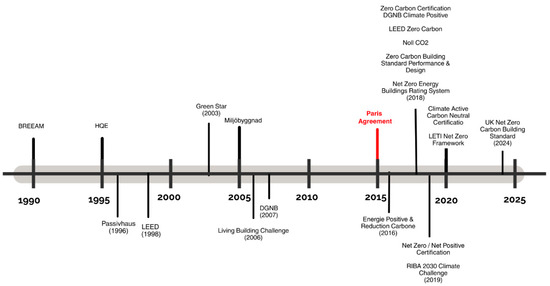
Selecting Construction and Demolition Waste (CDW) credits in LEED-certified projects is essential for sustainable building management, often requiring specialised expertise and contextual sensitivity. However, existing studies provide limited analytical insight into why certain CDW credits succeed or fail across different project contexts, and no explainable AI–based framework has been proposed to support transparent credit decisioning. This gap underscores the need for a data-driven, interpretable approach to CDW credit evaluation. This study proposes an explainable artificial intelligence (XAI)-based model to support CDW credit selection and to identify the key factors influencing credit performance. A dataset of 407 LEED green building projects was analysed using twelve machine learning (ML) algorithms, with the top models identified through Bayesian optimisation. To handle class imbalance, the SMOTE was utilised. Results showed that MRc2 and MRc4 credits had high predictive performance, while MRc1.1 and MRc6 credits exhibited relatively lower success rates. Due to data limitations, MRc1.2 and MRc3 were excluded from analysis. The CatBoost model achieved the highest performance across MRc1.1, MRc2, MRc4, and MRc6, with F1 scores of 0.615, 0.944, 0.878, and 0.667, respectively. SHapley Additive exPlanations (SHAP) analysis indicated that the Material Resources feature was the most influential predictor for all credits, contributing 20.6% to MRc1.1, 53.4% to MRc2, 36.5% to MRc4, and 22.6% to MRc6. In contrast, the impact of design firms on credit scores was negligible, suggesting that although CDW credits are determined in the design phase, these firms did not significantly influence the decision process. Higher certification levels improved the performance of MRc1.1 and MRc6, while their effect on MRc2 and MRc4 was limited. This study presents a transparent and interpretable XAI-based decision-support framework that reveals the key sustainability drivers of CDW credit performance and provides actionable guidance for LEED consultants, designers, and decision-makers.
Full article

Figure 1

Highly Accessed Articles
Latest Books
E-Mail Alert
News
Topics
Topic in
Architecture, Land, Real Estate, Urban Science
Urban Science and Real Estate Dynamics: Insights into Housing, Finance, and Land Use
Topic Editors: Xin Janet Ge, Jyoti Shukla, Godwin Kavaarpuo, Shuya Yang, Piyush TiwariDeadline: 31 January 2026
Topic in
Buildings, CivilEng, Climate, Construction Materials, Energies, Sustainability, Architecture
Advances in Building Sector for Achieving Net Zero Emission by 2050
Topic Editors: Md Morshed Alam, Iqbal Hossain, Jiaolan ZhuDeadline: 20 March 2026
Topic in
Architecture, Buildings, CivilEng, Construction Materials, Materials, Sustainability
Pathways to Sustainable Construction: Innovations in New Materials, Construction Techniques, and Management Practices, 2nd Edition
Topic Editors: Yange Li, Huihua Chen, Lei Li, Baoquan ChengDeadline: 31 March 2026

Topic in
Applied Sciences, Architecture, Buildings, Infrastructures, Materials, Technologies
Advances in Structural Engineering Using AI and Sustainable Materials
Topic Editors: Ehsan Harirchian, Viviana NovelliDeadline: 20 May 2026
Special Issues
Special Issue in
Architecture
Architectural Lighting Design in the Future: Advancements in 3D Simulation and Rendering Technologies
Guest Editor: Thanos BalafoutisDeadline: 15 January 2026
Special Issue in
Architecture
Healthy Habitats—Innovative Approaches to Creating Built Environments That Support Health and Wellbeing
Guest Editor: Nils JägerDeadline: 15 January 2026
Special Issue in
Architecture
Resilience and Social Value in the Built Environment: New Frontiers in Co-Production and Place-Based Adaptive Innovation
Guest Editors: Maria Christina Georgiadou, Mariam AkinloluDeadline: 16 January 2026
Special Issue in
Architecture
Atmospheres Design
Guest Editors: Anna Barbara, Barbara Camocini, Reejy Mikhail, Yuemei MaDeadline: 31 January 2026
Topical Collections
Topical Collection in
Architecture
The Conservation of Architectural and Urban Heritage: Sustainable and Creative Strategies
Collection Editor: Tarek Teba