
Journal Description
World Electric Vehicle Journal
(WEVJ) is the first international, peer-reviewed, open access journal that comprehensively covers all studies related to battery, hybrid, and fuel cell electric vehicles, published monthly online. It is the official journal of the World Electric Vehicle Association (WEVA) and its members, the E-Mobility Europe, Electric Drive Transportation Association (EDTA), and Electric Vehicle Association of Asia Pacific (EVAAP).
- Open Access— free for readers, with article processing charges (APC) paid by authors or their institutions.
- High Visibility: indexed within Scopus, ESCI (Web of Science), Ei Compendex, and other databases.
- Journal Rank: JCR - Q2 (Engineering, Electrical and Electronic) / CiteScore - Q2 (Automotive Engineering)
- Rapid Publication: manuscripts are peer-reviewed and a first decision is provided to authors approximately 21 days after submission; acceptance to publication is undertaken in 3.8 days (median values for papers published in this journal in the second half of 2025).
- Recognition of Reviewers: reviewers who provide timely, thorough peer-review reports receive vouchers entitling them to a discount on the APC of their next publication in any MDPI journal, in appreciation of the work done.
Impact Factor:
2.6 (2024)
Latest Articles
Enhanced Battery Pack Consistency: A Hierarchical Active Balancing System Combining Bidirectional Buck–Boost and Flyback Converters
World Electr. Veh. J. 2026, 17(5), 231; https://doi.org/10.3390/wevj17050231 (registering DOI) - 24 Apr 2026
Abstract
Series-connected lithium-ion battery packs are widely used in electric vehicles (EVs). However, inevitable inconsistency among cells can cause charge imbalance, accelerated aging, and reduced system safety. To improve the consistency of series-connected battery packs under complex EV operating conditions, this study proposes a
[...] Read more.
Series-connected lithium-ion battery packs are widely used in electric vehicles (EVs). However, inevitable inconsistency among cells can cause charge imbalance, accelerated aging, and reduced system safety. To improve the consistency of series-connected battery packs under complex EV operating conditions, this study proposes a hierarchical active balancing system. Bidirectional Buck–Boost converters are employed for intra-group balancing, and distributed flyback converters are used for inter-group balancing. A multi-stage coordinated balancing control strategy is further developed to reduce control complexity and improve balancing efficiency. A 16-cell series-connected battery pack model is established in MATLAB R2024a /Simulink and evaluated under resting, charging, and discharging conditions. The results show that, compared with the conventional single-layer Buck–Boost balancing topology, the proposed method reduces the balancing time by 58.09%, 57.97%, and 58.06%, respectively. These results indicate that the proposed system can effectively improve the consistency and balancing performance of series-connected battery packs, providing a scalable solution for EV battery management systems.
Full article
(This article belongs to the Section Power Electronics Components)
Open AccessArticle
Stability Control of Vehicles with Brake Failure Based on the TD3 Adaptive Sliding Mode Control Algorithm
by
Ruochen Wang, Feng Wei, Renkai Ding, Zhengrong Chen, Wei Liu and Dong Sun
World Electr. Veh. J. 2026, 17(5), 230; https://doi.org/10.3390/wevj17050230 - 24 Apr 2026
Abstract
To address the issue of vehicle instability and veering during braking when a single wheel fails in an electric vehicle’s electromechanical braking (EMB) system, an integrated application-oriented control framework based on adaptive sliding mode control (ASMC) is proposed. To address the shortcomings of
[...] Read more.
To address the issue of vehicle instability and veering during braking when a single wheel fails in an electric vehicle’s electromechanical braking (EMB) system, an integrated application-oriented control framework based on adaptive sliding mode control (ASMC) is proposed. To address the shortcomings of SMC—such as difficulty in suppressing oscillations and the high workload associated with parameter tuning—a novel composite reaching law function was designed, and the TD3 algorithm was employed to optimize the sliding mode control parameters. When a failure in the EMB system is detected, the upper-layer control uses an improved ASMC algorithm to calculate the vehicle’s additional yaw moment. The lower-layer control employs an optimal control algorithm to distribute braking force, taking into account braking intensity, yaw moment, and tire utilization. This approach is integrated with sliding mode steering control to enhance vehicle stability during braking. To meet the driver’s braking requirements, a backpropagation (BP) neural network is first employed to identify braking intent. Based on this, the additional yaw moment is calculated by the upper-layer controller, and the brake force distribution is optimized through the lower-layer controller, thereby improving the vehicle’s stability. Through co-simulation analysis using Simulink-2024a and CarSim-2019.1, the results show that, compared to traditional algorithms, the proposed hierarchical control strategy reduced the maximum sideslip angle by 51.4%, decreased the maximum yaw rate by 47.2%, and reduced the maximum lateral offset by 45.6%. This control strategy enables enhanced stability across various braking intensity conditions.
Full article
(This article belongs to the Special Issue Vehicle System Dynamics and Intelligent Control for Electric Vehicles)
Open AccessArticle
High-Efficiency Bidirectional DC–DC Converter Control for PV-Integrated EV Charging Stations: A Real-Time MBPC Approach
by
Sara J. Ríos, Elio Sánchez-Gutiérrez and Síxifo Falcones
World Electr. Veh. J. 2026, 17(5), 229; https://doi.org/10.3390/wevj17050229 - 24 Apr 2026
Abstract
In recent years, the rapid expansion of electric vehicle (EV) charging infrastructure and the increasing penetration of renewable energy sources require highly efficient and dynamically robust power electronic interfaces. In photovoltaic (PV)-assisted EV charging stations and DC microgrids, bidirectional DC-DC converters (BDCs) are
[...] Read more.
In recent years, the rapid expansion of electric vehicle (EV) charging infrastructure and the increasing penetration of renewable energy sources require highly efficient and dynamically robust power electronic interfaces. In photovoltaic (PV)-assisted EV charging stations and DC microgrids, bidirectional DC-DC converters (BDCs) are essential for managing power flow between PV arrays, battery energy storage systems, and the DC bus supplying EV chargers. This paper presents a novel voltage and current control design for a BDC operating in a PV-powered DC microgrid oriented to EV charging applications. Following a detailed mathematical model of the converter, a digital current controller and a predictive voltage regulator were developed using Model-Based Predictive Control (MBPC). The proposed cascade control structure enables accurate DC bus voltage regulation and seamless bidirectional power flow under dynamic load variations representative of EV charging and discharging scenarios. The control scheme was evaluated in MATLAB/SIMULINK® and experimentally validated through Field-Programmable Gate Array (FPGA)-based test benches using an OPAL-RT real-time (RT) simulator, integrating the RT-LAB and RT-eFPGAsim environments. The predictive controller achieved precise regulation in both buck and boost modes, reaching efficiencies of 97.07% and 98.57%, respectively. The results demonstrate that integrating MBPC with RT validation provides high performance, fast dynamic response, and computational efficiency, making the proposed approach suitable for renewable-integrated EV charging stations and next-generation DC microgrid-based mobility systems.
Full article
(This article belongs to the Section Charging Infrastructure and Grid Integration)
Open AccessArticle
Fault-Tolerant Control and Switching Mechanism of Dual-Motor Steer-by-Wire Systems Under Coupled Communication Delays and Faults
by
Junming Huang, Jiayao Mao, Rong Yang, Pinpin Qin, Lei Ye and Wei Huang
World Electr. Veh. J. 2026, 17(5), 228; https://doi.org/10.3390/wevj17050228 - 23 Apr 2026
Abstract
To address the significant degradation of steering performance in dual-motor steer-by-wire (DMSBW) systems caused by the coupling of communication delays and motor faults, a robust fault-tolerant control strategy is proposed under the dual-motor collaborative driving mode. First, a matrix polytopic model is employed
[...] Read more.
To address the significant degradation of steering performance in dual-motor steer-by-wire (DMSBW) systems caused by the coupling of communication delays and motor faults, a robust fault-tolerant control strategy is proposed under the dual-motor collaborative driving mode. First, a matrix polytopic model is employed to describe the nonlinearities introduced by delays, establishing a delay-dependent DMSBW system dynamics model. Second, for electrical faults such as internal motor short circuits that cause a sudden drop in rotational speed, an adaptive motor-switching fault-tolerant mechanism is designed based on a smooth monitoring function to achieve rapid fault detection and steering function reconstruction. Furthermore, considering the coupled impact of delays and faults, a robust linear quadratic regulator (LQR) controller with feedforward compensation is designed to enhance system fault tolerance and robustness. Simulation results demonstrate that under steering wheel angle step input with delays, the proposed strategy achieves a rapid response without significant overshoot, and the steady-state tracking error is significantly reduced. In variable-speed single lane change maneuvers with coupled delays and severe motor faults, the peak and root mean square (RMS) errors of the front wheel angle are reduced to 0.0112 rad and 0.0031 rad, respectively. Compared to the delay-compensated nonlinear model predictive control (NMPC) and sliding mode control (SMC) strategies that do not account for delays, the peak error is reduced by 15.79% and 45.37%, while the RMS error decreases by 27.91% and 35.42%, respectively. Additionally, the peak and RMS errors of the sideslip angle and yaw rate are substantially reduced, validating the strategy’s excellent steering fault tolerance, robustness, and vehicle handling stability.
Full article
(This article belongs to the Section Vehicle Control and Management)
Open AccessArticle
Multi-Modal Diagnosis of Aging in NMC631 Cells Using Incremental Capacity and Electrochemical Impedance Spectroscopy
by
Kashif Raza, Maitane Berecibar and Md Sazzad Hosen
World Electr. Veh. J. 2026, 17(5), 227; https://doi.org/10.3390/wevj17050227 - 23 Apr 2026
Abstract
Electric vehicles are becoming more common daily because countries are moving towards net-zero emissions. Different generations of NMC battery cells are used for EV applications. This work investigates the degradation behavior of high-energy 75 Ah prismatic NMC631 lithium-ion cells using a combined incremental
[...] Read more.
Electric vehicles are becoming more common daily because countries are moving towards net-zero emissions. Different generations of NMC battery cells are used for EV applications. This work investigates the degradation behavior of high-energy 75 Ah prismatic NMC631 lithium-ion cells using a combined incremental capacity analysis (ICA) and electrochemical impedance spectroscopy (EIS) framework under different conditions. Cells are cycled at an identical C-rates and depths of discharge (DoD), and at different temperatures to systematically evaluate the impact of temperature on electrochemical aging. ICA results revealed that cells cycled at low temperatures maintain stable peaks and a high SoH (>90%) after completing 1600 full equivalent cycles (FECs). EIS analysis confirms the distinct impedance evolution patterns. Degradation mode analysis is performed using the ICA, and EIS highlights the combined evolution of conductivity loss, loss of lithium inventory, and loss of active material. It also highlights different degradation path trajectories under identical operating conditions stem from the progressive amplification of internal cell heterogeneities during aging. The results demonstrate that combining ICA and EIS provides complementary insights into degradation evolution and enables clear differentiation between gradual aging and sudden failure pathways in high-energy NMC cells.
Full article
(This article belongs to the Special Issue EVS38—International Electric Vehicle Symposium and Exhibition (Gothenburg, Sweden))
Open AccessCorrection
Correction: Daberkow, A.; Wild, B. eMobility for Kids—A New Learning Workshop for 12–15 Year Olds. World Electr. Veh. J. 2026, 17, 99
by
Andreas Daberkow and Barbara Wild
World Electr. Veh. J. 2026, 17(5), 226; https://doi.org/10.3390/wevj17050226 - 23 Apr 2026
Abstract
Addition of Institutional Review Board Statement and Informed Consent Statement in back matter [...]
Full article
Open AccessArticle
Battery and Charging Infrastructure Sizing Method Applied to the Norwegian Coastal Express
by
Klara Schlüter, Erlend Grytli Tveten, Severin Sadjina, Brage Bøe Svendsen, Anne Bruyat and Olve Mo
World Electr. Veh. J. 2026, 17(5), 224; https://doi.org/10.3390/wevj17050224 - 23 Apr 2026
Abstract
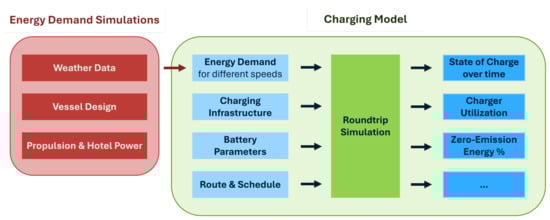
We present a parametrised charging infrastructure model developed to support the design of a hybrid electric zero-emission vessel with corresponding charging infrastructure for operation along the Norwegian Coastal Express route. The charging model includes functionalities to analyse the required battery storage capacity and
[...] Read more.
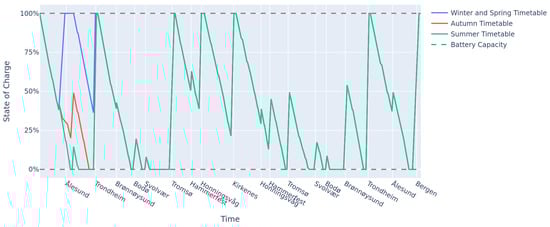
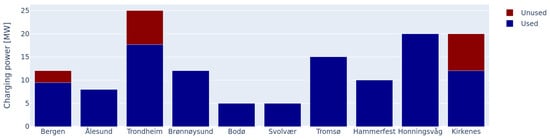
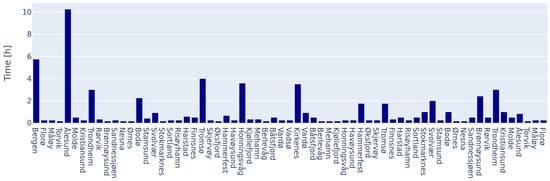
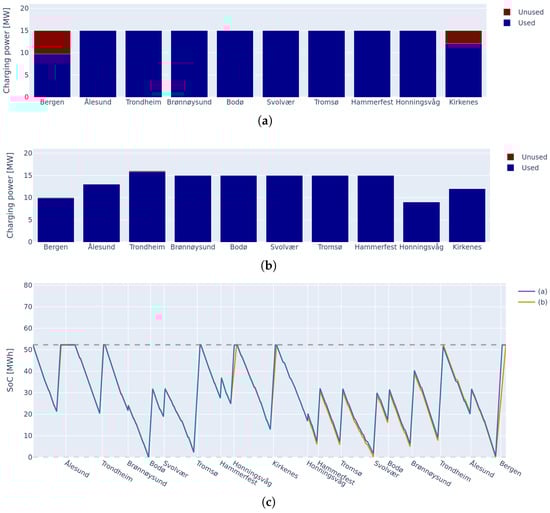
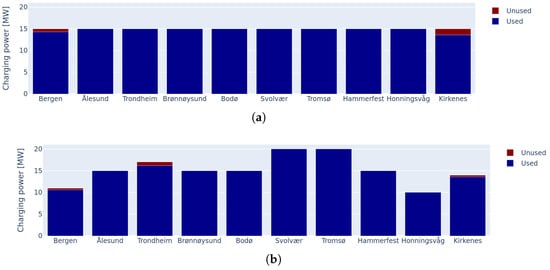
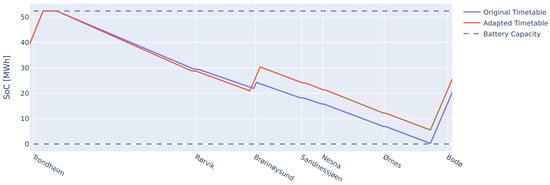
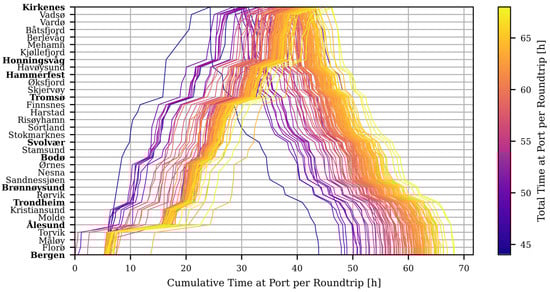
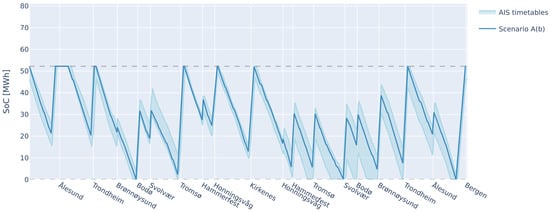
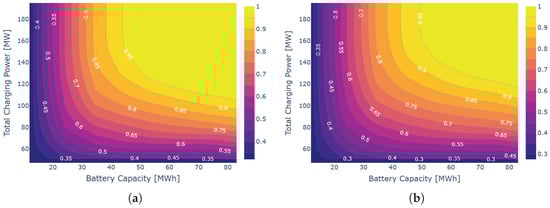
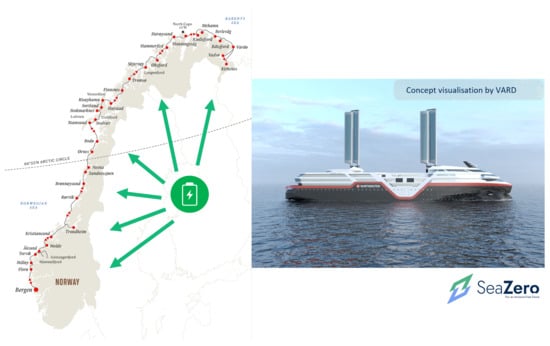
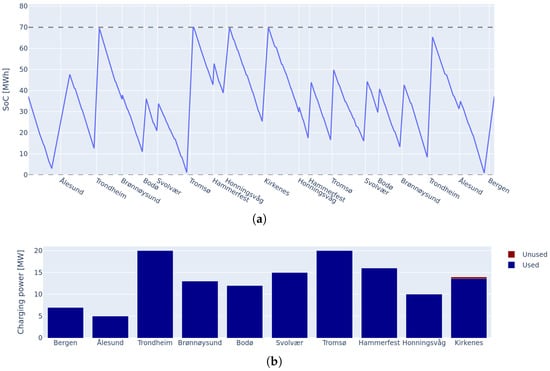
We present a parametrised charging infrastructure model developed to support the design of a hybrid electric zero-emission vessel with corresponding charging infrastructure for operation along the Norwegian Coastal Express route. The charging model includes functionalities to analyse the required battery storage capacity and power ratings and locations of charging facilities for achieving battery-electric operation. We demonstrate the use of the charging model to analyse different zero-emission scenarios for the Norwegian Coastal Express route. In the presented example scenarios, the model takes as input the estimated energy demand for a new zero-emission vessel design for the Coastal Express in different weather conditions, and includes functionality to consider realistic port stays based on existing timetables and historical data of delays. The analyses show minimal required battery capacities and illustrate a trade-off between charging power and battery capacity, as well as exemplifying the impact of different timetables and historic deviations on charging and energy delivered from the battery. The charging model presented is general and can be used for other routes than the Norwegian Coastal Express, as a tool for decision-makers to optimize for battery-electric operation whilst keeping the need for onboard storage capacity and charging infrastructure installations at a minimum.
Full article
(This article belongs to the Special Issue EVS38—International Electric Vehicle Symposium and Exhibition (Gothenburg, Sweden))
►▼
Show Figures

Figure 1
Open AccessArticle
Frequency Scanning-Based Simplified Overvoltage Prediction Method for SiC Inverter-Fed Motor Drives in Electric Vehicles
by
Yipu Xu, Xia Liu, Chengsong Li, Wenjun Chen and Jiatong Deng
World Electr. Veh. J. 2026, 17(5), 225; https://doi.org/10.3390/wevj17050225 - 22 Apr 2026
Abstract
Wide-bandgap power devices, particularly silicon carbide (SiC) MOSFETs, have seen widespread adoption in electric vehicle (EV) motor drive systems due to their superior switching characteristics, including high switching speeds and high switching frequencies. However, these advantages exacerbate motor terminal overvoltage, with peaks reaching
[...] Read more.
Wide-bandgap power devices, particularly silicon carbide (SiC) MOSFETs, have seen widespread adoption in electric vehicle (EV) motor drive systems due to their superior switching characteristics, including high switching speeds and high switching frequencies. However, these advantages exacerbate motor terminal overvoltage, with peaks reaching twice the inverter output voltage, causing insulation breakdown in windings and bearing electro-corrosion, which shorten motor lifespan. Traditional overvoltage prediction methods, such as distributed parameter models or detailed ladder network approaches, require extensive system parameters and involve high computational loads, while simplified models lack generality. To address these issues, this paper proposes a simplified prediction method based on a lumped ladder network model combined with frequency scanning. The approach uses impedance analysis to identify anti-resonance frequencies, enabling direct estimation of overvoltage amplitudes without prior knowledge of cable or motor specifics. Experimental validation on a SiC-based drive system demonstrates prediction errors below 10% and a reduction in computational time compared to conventional methods.
Full article
(This article belongs to the Section Propulsion Systems and Components)
Open AccessArticle
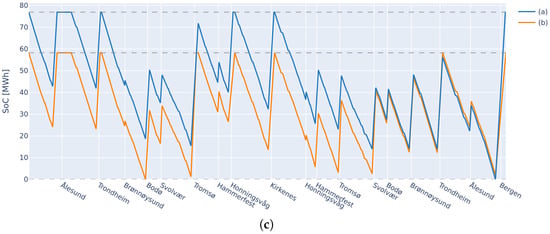
Demagnetization Fault Diagnosis of PMSMs with Multiple Stator Tooth Flux Detection Based on WT-CNN
by
Yuan Mao, Yuanzhi Wang, Junting Bao, Xiaofei Luo and Youbing Zhang
World Electr. Veh. J. 2026, 17(5), 223; https://doi.org/10.3390/wevj17050223 - 22 Apr 2026
Abstract
Permanent magnet synchronous motors (PMSMs) have been widely used in new-energy vehicles and industrial servo systems. However, demagnetization faults (DMFs) can lead to severe issues, including torque ripple and magnetic field distortion. This paper proposes an intelligent diagnostic approach for DMFs based on
[...] Read more.
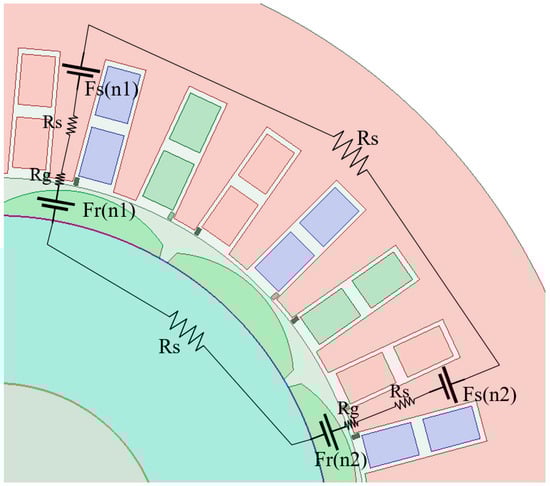
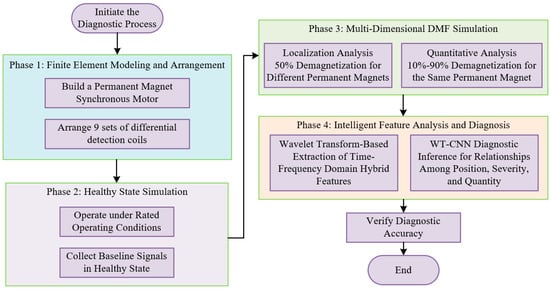
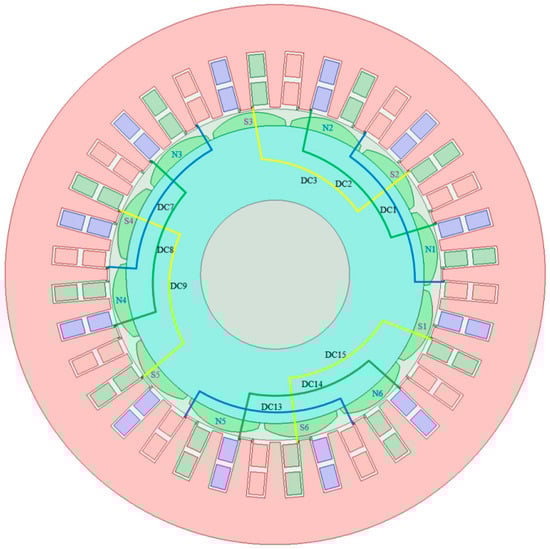
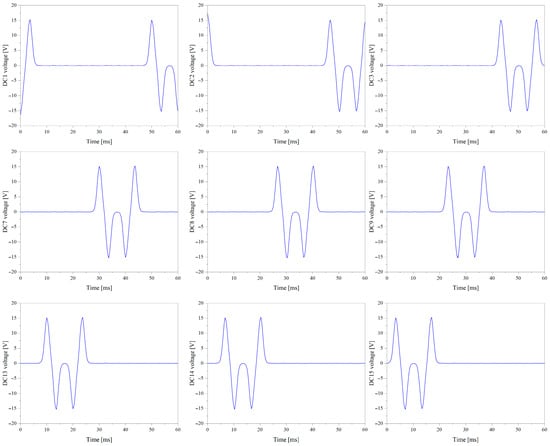
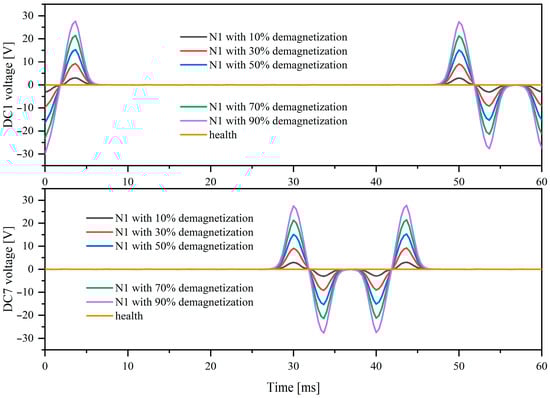
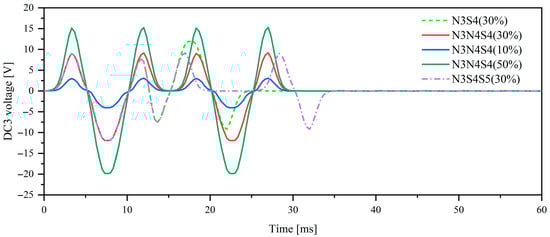
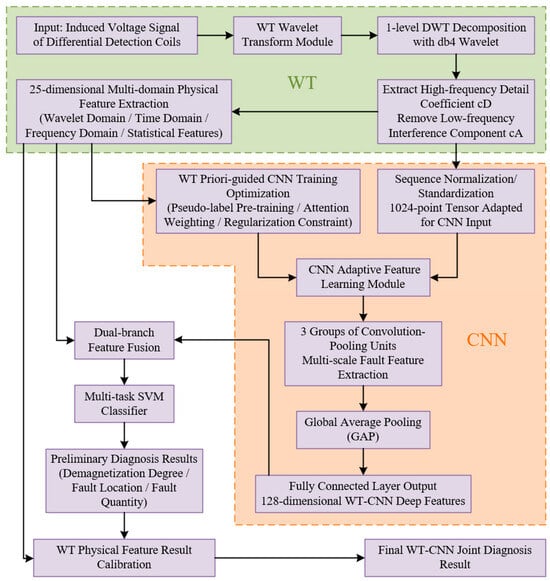
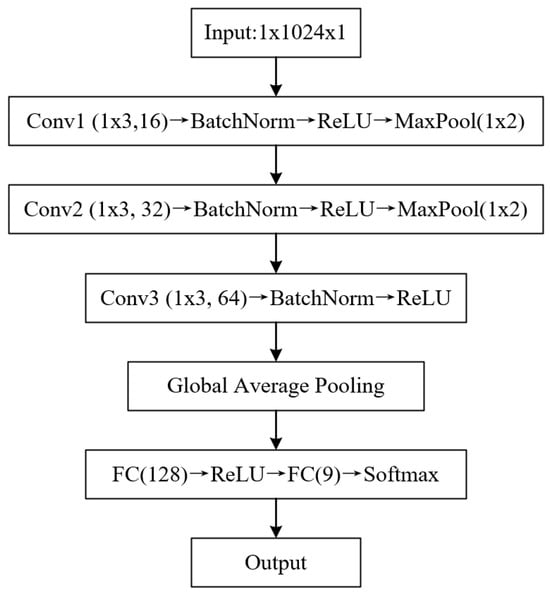
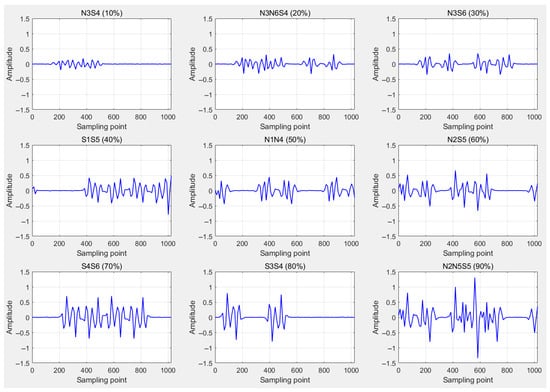
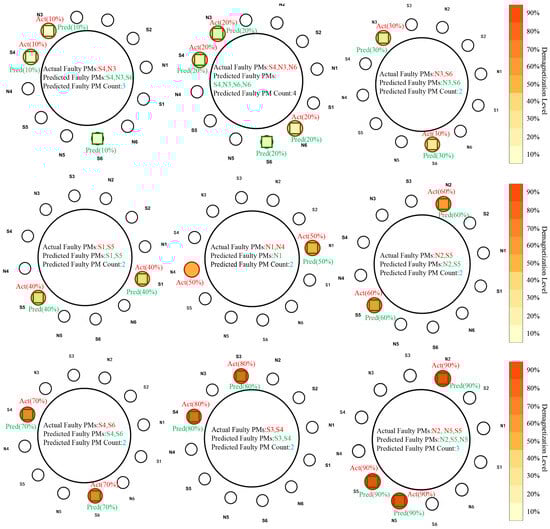
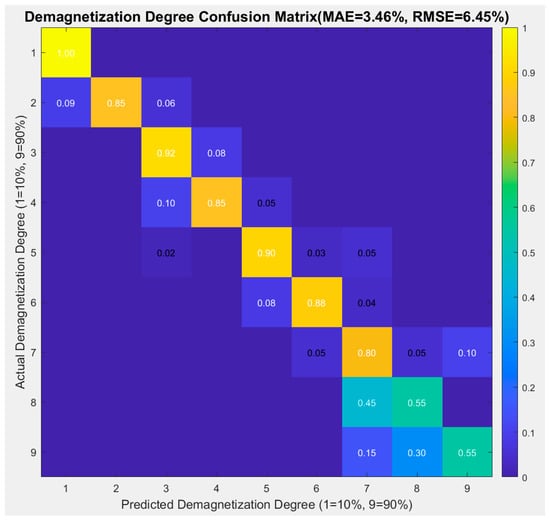
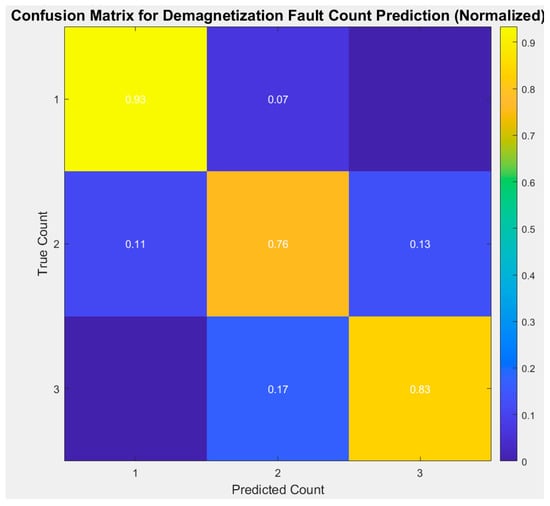
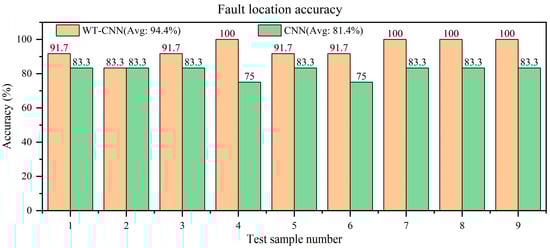
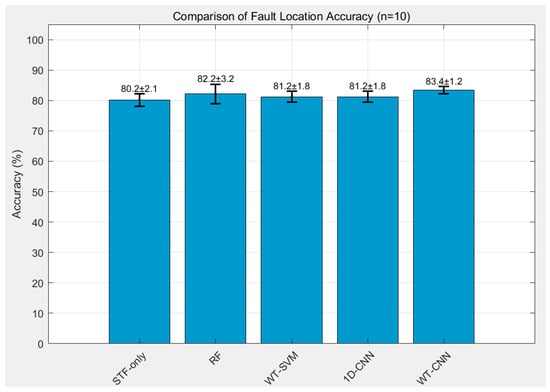
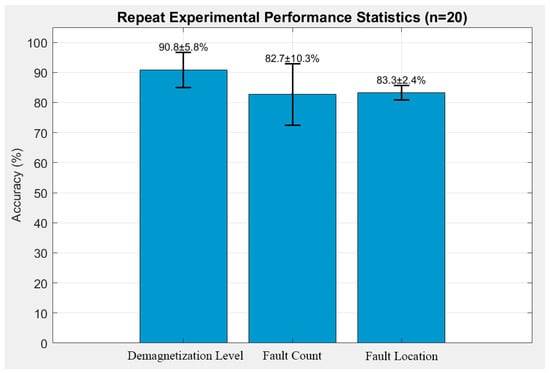
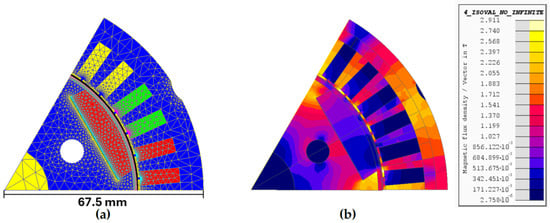
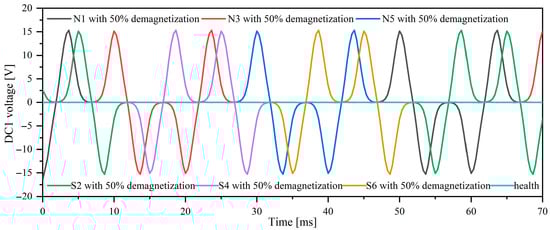
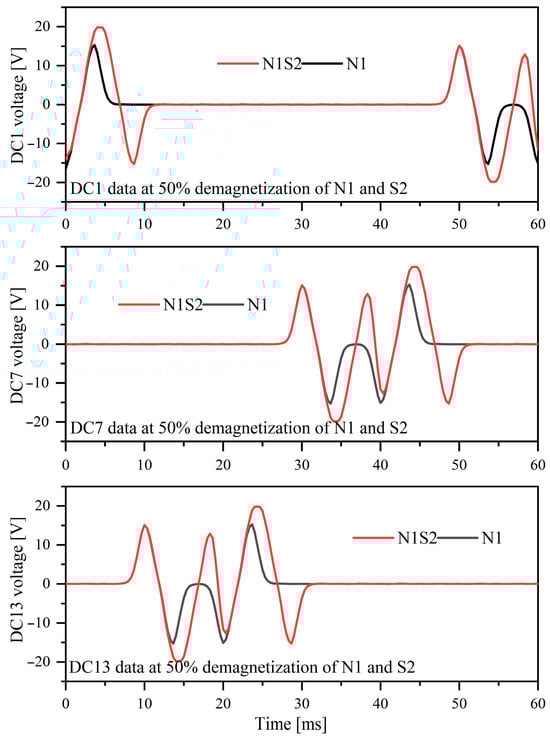
Permanent magnet synchronous motors (PMSMs) have been widely used in new-energy vehicles and industrial servo systems. However, demagnetization faults (DMFs) can lead to severe issues, including torque ripple and magnetic field distortion. This paper proposes an intelligent diagnostic approach for DMFs based on stator tooth flux (STF). A mathematical model of STF is formulated, and the magnetic flux change is measured using multiple sets of anti-series-connected detection coils (DCs). By combining finite element simulation with signal processing technology, we establish a comprehensive diagnostic system covering fault feature extraction, fault location identification, and severity assessment is established. The proposed method employs wavelet transform (WT) to extract time-frequency features of voltage signals and combines it with a convolutional neural network (CNN) to form the WT-CNN intelligent diagnosis model. Based on the extracted voltage signal features, the method achieves intelligent identification and visual localization of DMFs. Simulation results show that the proposed method achieves an accuracy above 80% for fault location identification (defined as sample-level multi-label classification accuracy across 12 PMs) and above 85% for demagnetization severity estimation (defined as classification accuracy across 9 severity degrees from 10% to 90%). These results provide an effective technical foundation for motor condition monitoring and fault early warning in simulation environments.
Full article
(This article belongs to the Collection Feature Papers in Propulsion Systems and Components in Electric Vehicle)
►▼
Show Figures

Figure 1
Open AccessArticle
Market-Aware and Topology-Embedded Safe Reinforcement Learning for Virtual Power Plant Dispatch
by
Yueping Xiang, Luoyi Li, Yanqiu Hou, Xiaoyu Dai, Wenfeng Peng, Zhuoyang Liu, Ziming Liu, Zicong Chen, Xingyu Hu and Lv He
World Electr. Veh. J. 2026, 17(4), 222; https://doi.org/10.3390/wevj17040222 - 21 Apr 2026
Abstract
To address the challenges faced by virtual power plants (VPPs) in uncertain market environments and complex distribution networks, including strong market coupling, difficulty in multi-resource coordination, and strict safety constraints, this paper proposes a Hierarchical Hybrid Intelligent Framework (H2IF). The proposed framework integrates
[...] Read more.
To address the challenges faced by virtual power plants (VPPs) in uncertain market environments and complex distribution networks, including strong market coupling, difficulty in multi-resource coordination, and strict safety constraints, this paper proposes a Hierarchical Hybrid Intelligent Framework (H2IF). The proposed framework integrates a market-aware meta-game mechanism, a topology-embedded graph attention coordination method, and a risk-aware soft/hard constraint safety mechanism to achieve economically optimal dispatch of VPPs in complex dynamic scenarios. By explicitly modeling competitive market interactions, the proposed method enhances strategy robustness; by exploiting grid topology priors, it improves multi-agent coordination capability; and by combining differentiable projection with risk-constrained optimization, it jointly ensures operational safety and revenue stability. Simulation results on a modified IEEE 33-bus system demonstrate that H2IF outperforms mainstream deep reinforcement learning methods and rule-based dispatch strategies in overall performance. In the 24 × 300-step testing scenario, H2IF achieves an average single-episode operating cost of 38.23 k$, which is 28.9%, 40.4%, and 26.5% lower than those of MADDPG, SAC, and the rule-based method, respectively, while also yielding the lowest constraint violation level. Ablation studies further verify the effectiveness of each key module in improving profit, reducing operating costs, enhancing tracking performance, and strengthening safety. The results indicate that the proposed method enables coordinated optimization of economy, safety, and robustness for VPP dispatch under uncertain market and operating conditions.
Full article
(This article belongs to the Section Marketing, Promotion and Socio Economics)
Open AccessArticle
Acceptance of Electric Vehicles in the Ride-Hailing Scenario of Third-Tier Cities: A Comparative Study of Full-Time and Part-Time Drivers in China
by
Ziming Wang, Mingyang Du, Xuefeng Li, Dong Liu and Jingzong Yang
World Electr. Veh. J. 2026, 17(4), 221; https://doi.org/10.3390/wevj17040221 - 21 Apr 2026
Abstract
Driven by the global agenda of low-carbon urban development, local governments in China have implemented targeted policies requiring new energy vehicle adoption in the ride-hailing industry. This study focuses on a key issue in the development of sustainable smart public transportation systems: the
[...] Read more.
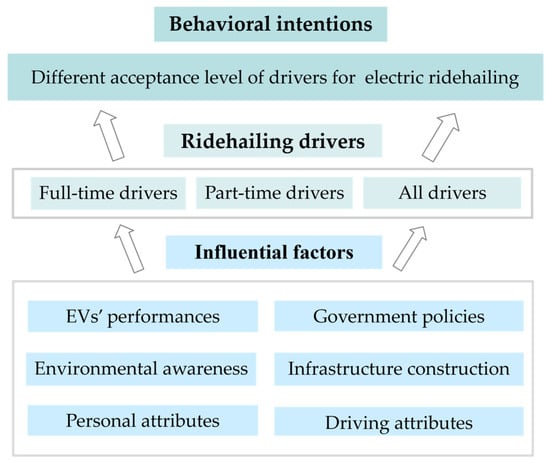
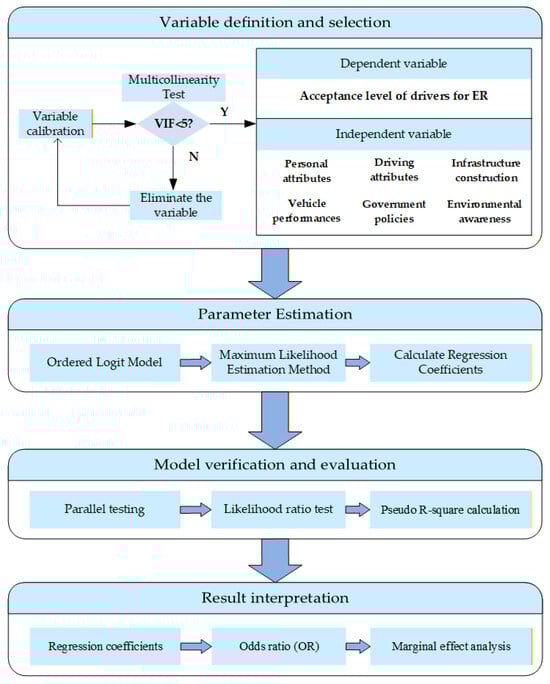
Driven by the global agenda of low-carbon urban development, local governments in China have implemented targeted policies requiring new energy vehicle adoption in the ride-hailing industry. This study focuses on a key issue in the development of sustainable smart public transportation systems: the factors affecting the acceptance of electric vehicles (EVs) in ride-hailing services among full-time and part-time drivers. Using 432 valid samples of ride-hailing drivers from Zhangzhou, a third-tier city in China, we compared the basic personal attributes of full-time and part-time drivers. Ordered logit models were developed to explore differences in factors influencing their acceptance of electric ride hailing (ER). Findings reveal: (1) Drivers’ perceived significance of EVs in green transportation is positively associated with their acceptance of ER. (2) Endurance mileage and charging efficiency have no significant effect on acceptance among drivers in underdeveloped cities. (3) Full-time drivers exhibit relatively low concern for subsidy policies, whereas part-time drivers express a pressing need for vehicle purchase subsidies and operational subsidies. (4) Overall, part-time drivers demonstrate higher acceptance of ER than full-time drivers. Based on these findings, this paper offers policy recommendations for governments to enhance ER acceptance among both driver groups. It is important to note that the present study utilizes survey data collected from Zhangzhou. The research conclusions should be treated with caution when applied to other cities, and further studies can be conducted in different regions to verify the results.
Full article
(This article belongs to the Section Marketing, Promotion and Socio Economics)
►▼
Show Figures

Figure 1
Open AccessArticle
Life Cycle Assessment of Zero-Emission Magneto-Rheological Brake with Promising Environmental Performance Compared to Conventional Disc Brake
by
Flavio Calvi, Antonella Accardo, Henrique de Carvalho Pinheiro, Giovanni Imberti, Ezio Spessa and Massimiliana Carello
World Electr. Veh. J. 2026, 17(4), 220; https://doi.org/10.3390/wevj17040220 - 21 Apr 2026
Abstract
The European Union is currently focused on reducing non-exhaust emissions (NEE), a growing source of particulate matter (PM) pollution from road transport. This study presents the Life Cycle Assessment (LCA) of an innovative zero-emission magneto-rheological braking system specifically designed to meet new brake
[...] Read more.
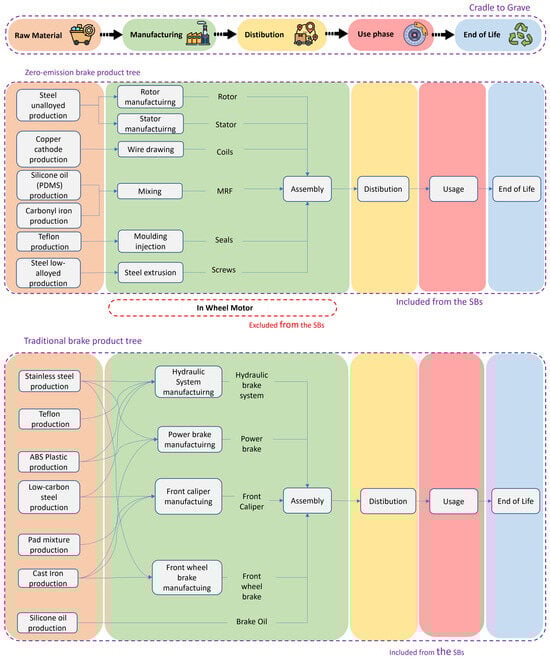
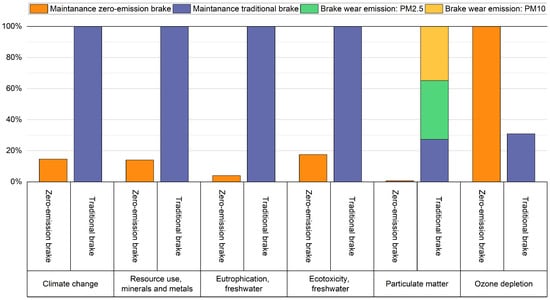
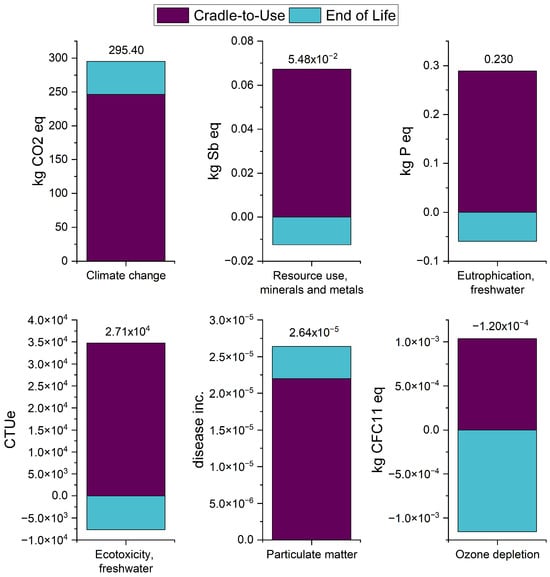
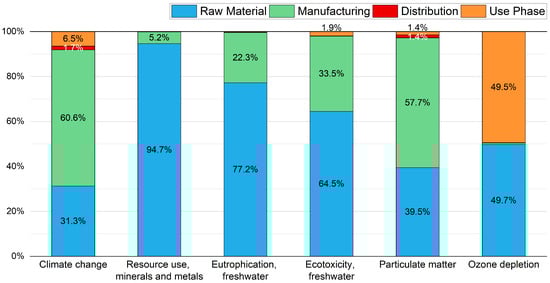
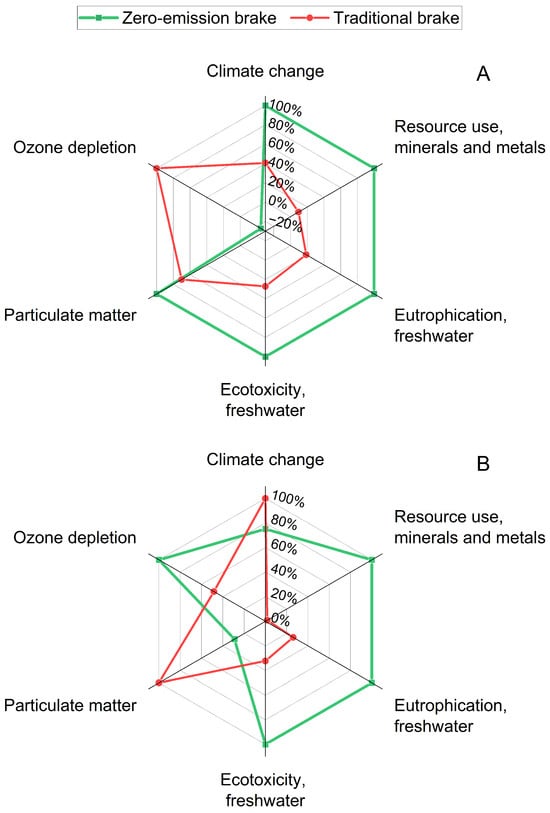
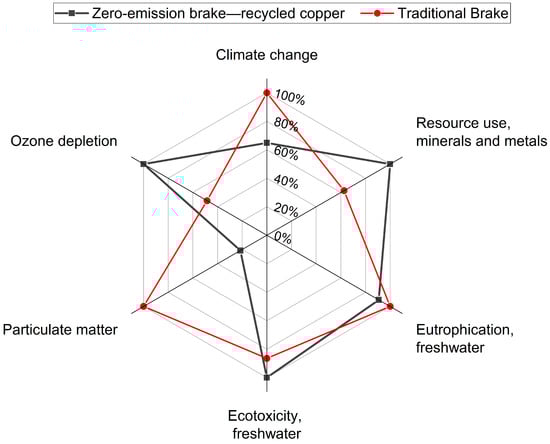
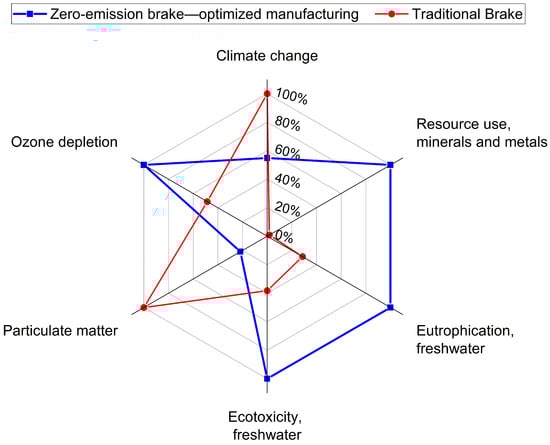
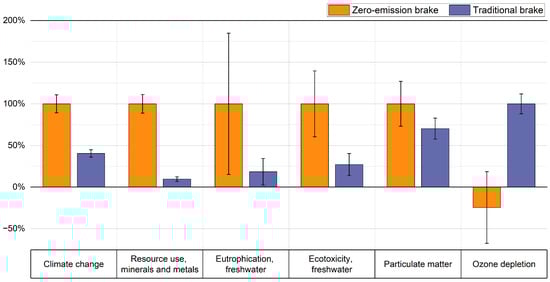
The European Union is currently focused on reducing non-exhaust emissions (NEE), a growing source of particulate matter (PM) pollution from road transport. This study presents the Life Cycle Assessment (LCA) of an innovative zero-emission magneto-rheological braking system specifically designed to meet new brake emission targets. Prototyped for A-segment passenger cars, the system uses magnetorheological fluids that modify their rheological properties when subjected to an external magnetic field. The environmental impacts of this innovative system are compared with those of a conventional disc brake, considering 16 environmental indicators across all life stages: raw material extraction, manufacturing, use, and end-of-life. In fact, although the system eliminates PM emissions during operation, it is crucial to assess whether it remains advantageous in terms of overall environmental impacts when the full life cycle is considered. As a prototype, this study also aims to inform design improvements that minimize environmental burdens. Results show that the innovative braking system performs better, particularly during the use and maintenance phases. Moreover, several eco-design strategies have been identified to reduce impacts related to materials and production. Overall, the magneto-rheological system demonstrates strong potential to meet future emission standards while improving the sustainability of vehicle braking technology.
Full article
(This article belongs to the Section Energy Supply and Sustainability)
►▼
Show Figures

Figure 1
Open AccessArticle
Injury Severity Prediction for Older Driver Accidents via Denoised Cascade Framework and Probability Calibration
by
Yiyong Pan, Xilai Jia, Jieru Huang, Gen Li and Pengyu Xu
World Electr. Veh. J. 2026, 17(4), 219; https://doi.org/10.3390/wevj17040219 - 20 Apr 2026
Abstract
Accurately estimating the severity of crash injuries among older drivers is paramount for enhancing traffic safety, a task challenged by class imbalance and label noise. Traditional predictive paradigms often struggle to identify rare severe cases, as they tend to prioritize global accuracy, thereby
[...] Read more.
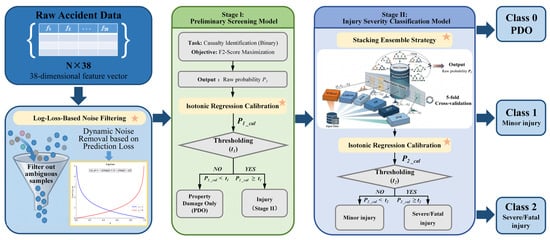
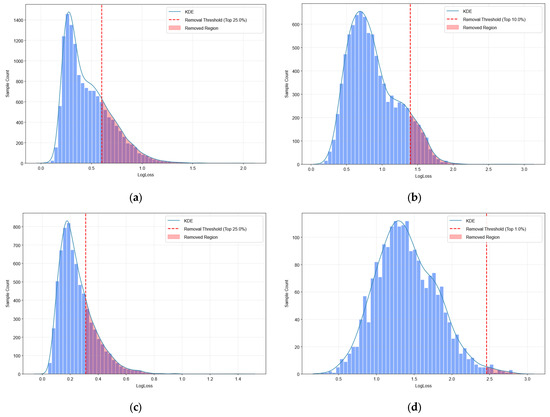
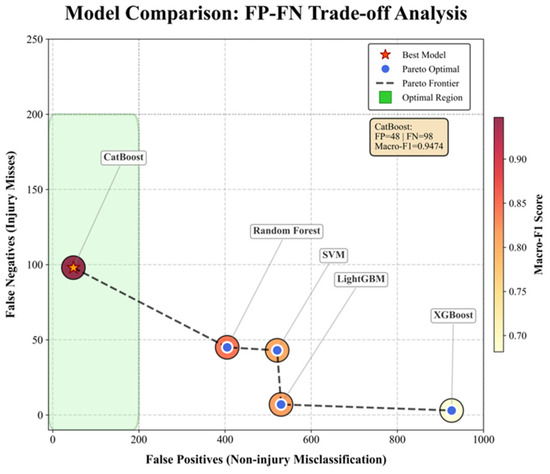
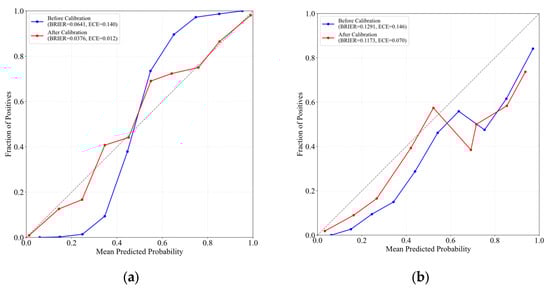
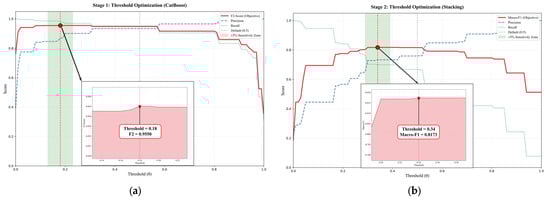
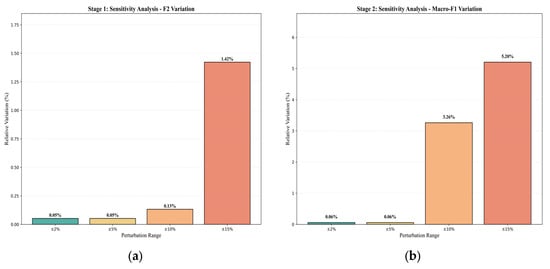
Accurately estimating the severity of crash injuries among older drivers is paramount for enhancing traffic safety, a task challenged by class imbalance and label noise. Traditional predictive paradigms often struggle to identify rare severe cases, as they tend to prioritize global accuracy, thereby compromising sensitivity to high-risk outcomes. To overcome these limitations, this study develops a Log-Loss Cleaned and Probability-Calibrated Cascade (L-CSC) framework by strategically integrating existing advanced algorithmic components for robust and reliable severity prediction. Initially, a Log-Loss-based noise filtering mechanism is implemented to purge outliers and ambiguous samples from the training data, thereby enabling higher-quality representation learning. Subsequently, a two-stage cascade architecture is designed to decouple the classification task. Stage I employs a Preliminary Screening Model, optimized via Bayesian optimization for F2-score, to specifically maximize the recall for severe and fatal cases. In Stage II, a Stacking ensemble classifier is deployed to achieve a fine-grained classification of injury levels among the cases identified in the initial screening. Finally, Isotonic Regression is employed to calibrate the output probabilities from both stages, ensuring that the resulting risk estimations are statistically sound and reliable. Empirical evaluations demonstrate that the L-CSC framework effectively balances overall performance with critical risk detection, achieving a robust Macro-F1 of 0.7296. Specifically, compared to the best-performing baseline, the recall and F1-score for the critical severe and fatal category showed relative improvements of over 82% and 62%, respectively. Ablation analyses further substantiate the vital contributions of both the data cleaning and calibration modules. This research demonstrates that the cascaded framework effectively mitigates the biases inherent in imbalanced datasets, providing a robust algorithmic foundation to potentially support future traffic safety interventions.
Full article
(This article belongs to the Section Marketing, Promotion and Socio Economics)
►▼
Show Figures

Figure 1
Open AccessArticle
Spatiotemporal Evolution and Driving Mechanisms of CATL’s Investment Layout Based on GIS Spatial Analysis and OPGD Model
by
Fanlong Zeng and Tingting Chen
World Electr. Veh. J. 2026, 17(4), 218; https://doi.org/10.3390/wevj17040218 - 19 Apr 2026
Abstract
Power battery enterprises are a key link in the new energy vehicle (NEV) industry chain. However, studies analyzing the investment layout of power battery enterprises from a micro perspective are relatively scarce. This study takes Contemporary Amperex Technology Co. Limited (CATL) as a
[...] Read more.
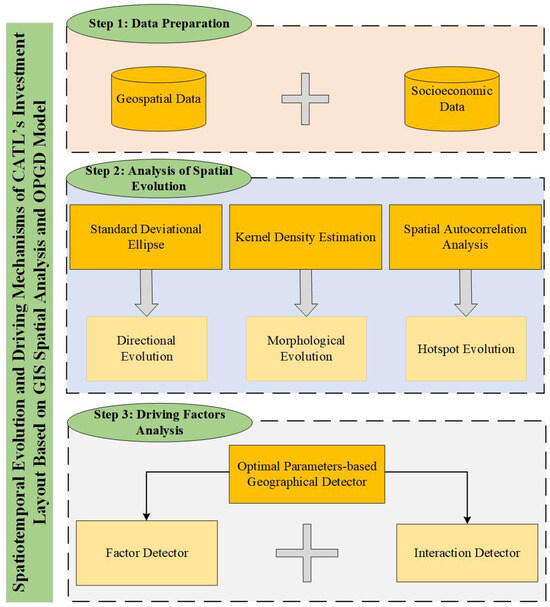
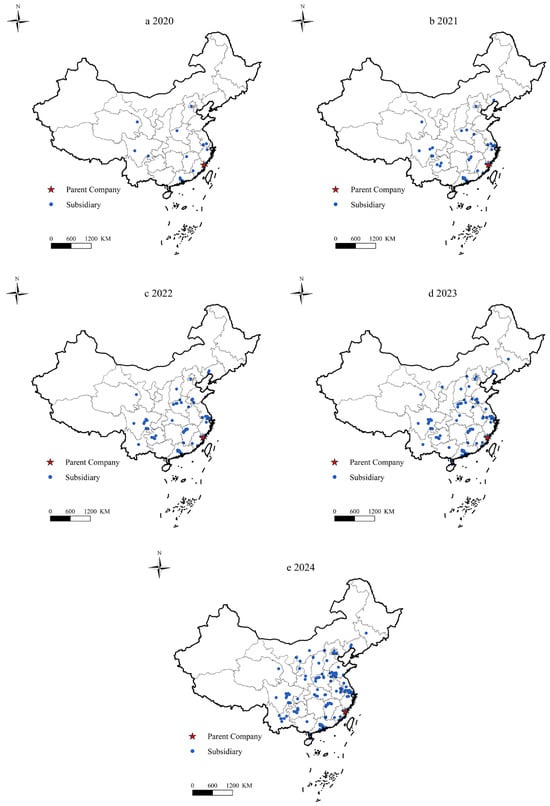
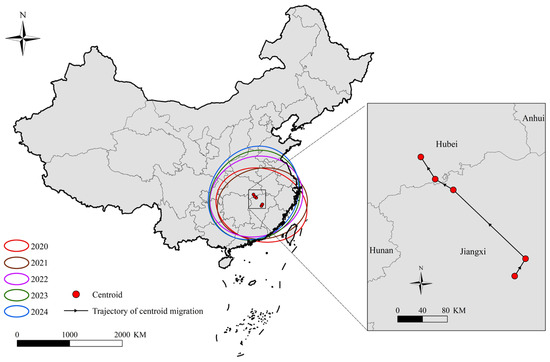
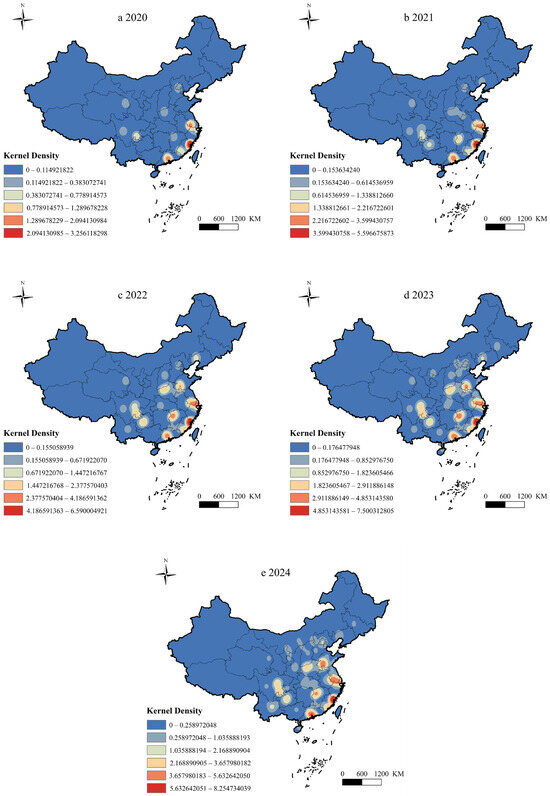
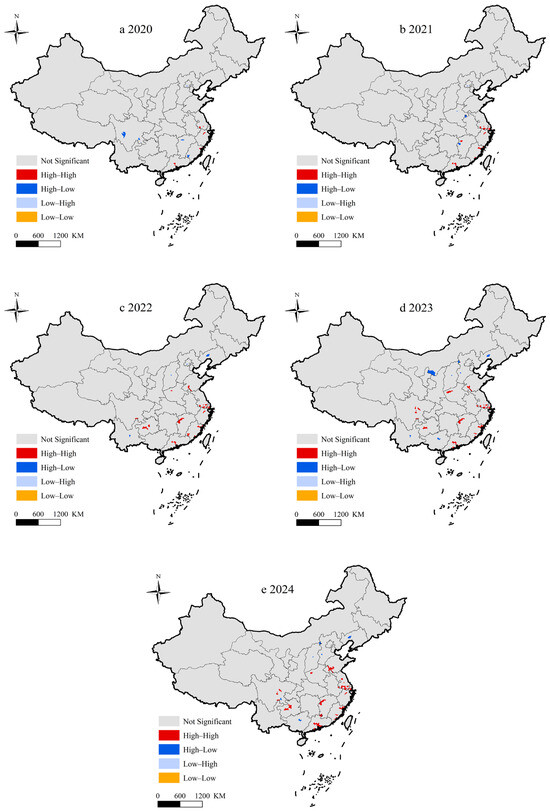
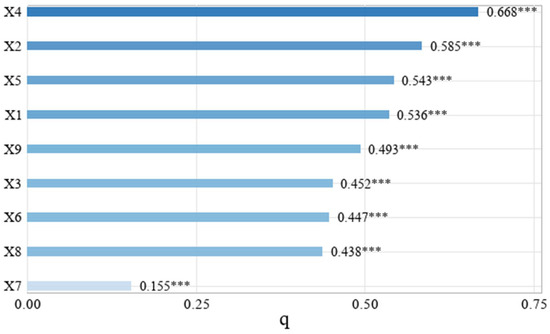
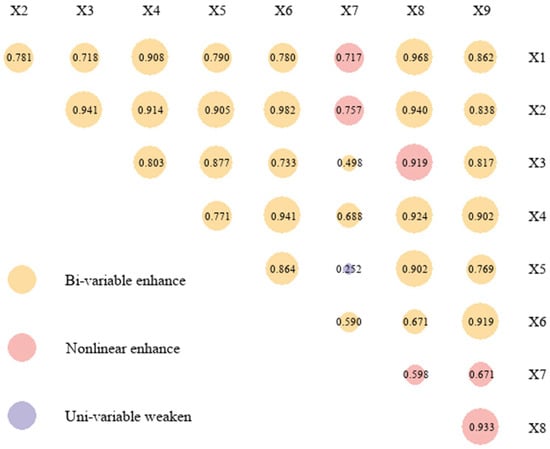
Power battery enterprises are a key link in the new energy vehicle (NEV) industry chain. However, studies analyzing the investment layout of power battery enterprises from a micro perspective are relatively scarce. This study takes Contemporary Amperex Technology Co. Limited (CATL) as a case and employs various spatial analysis methods and an optimal parameter-based geographical detector (OPGD) to analyze the spatiotemporal evolution and driving mechanisms of its investment layout from 2020 to 2024. The results indicate that CATL’s investment center has shifted from Jiangxi to Hubei, and the spatial expansion axis has changed from a northwest–southeast to a southwest–northeast direction. The investment layout has evolved from a “one core with two secondary cores” structure to a “provincial dual core, multi-core outside the province” structure and, ultimately, to a nationwide networked pattern. By 2024, CATL’s investment network covered the southeastern coast, the Yangtze River Delta (YRD), the Pearl River Delta (PRD), central China, and southwestern regions. County-level spatial autocorrelation analysis shows that the investment agglomeration effect has continuously strengthened (with the global Moran’s I increasing from 0.006 to 0.025). High–high agglomeration areas gradually expanded from the southeastern coast to Xiamen and several provinces in central and western China, while high–low agglomeration areas, as early signals of investment diffusion, initially expanded and then contracted. The driving mechanism analysis reveals that fiscal support (q = 0.668), industrial structure upgrading (q = 0.585), tax burden (q = 0.543), and economic development (q = 0.536) are the primary factors driving investment layout, with significant synergistic effects between these factors. The synergy between industrial structure upgrading and clean energy supply stands out as particularly prominent. These findings contribute to optimizing the spatial layout of the NEV industry and promoting regional economic development.
Full article
(This article belongs to the Section Storage Systems)
►▼
Show Figures

Figure 1
Open AccessArticle
Learning-Assisted Predictive Frequency Stabilization Using Bidirectional Electric Vehicles
by
Camila Minchala-Ávila, Paul Arévalo-Cordero and Danny Ochoa-Correa
World Electr. Veh. J. 2026, 17(4), 217; https://doi.org/10.3390/wevj17040217 - 19 Apr 2026
Abstract
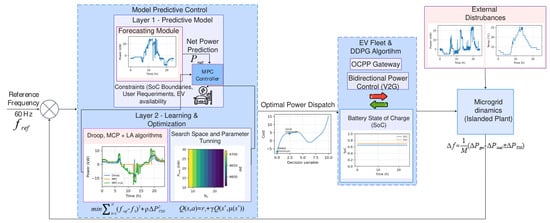
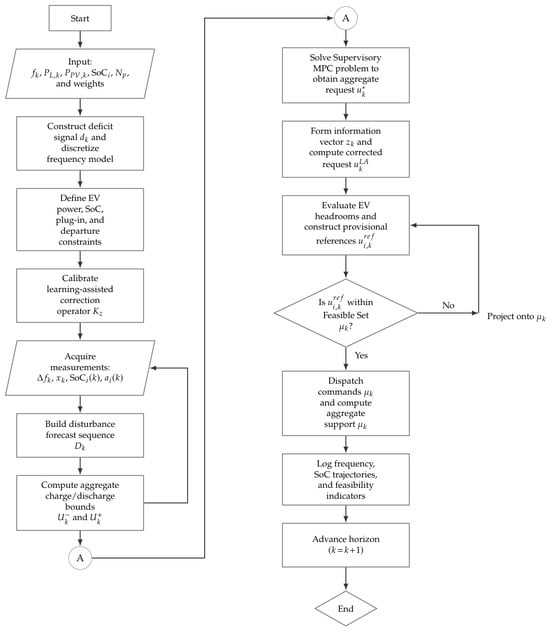
High renewable penetration reduces effective inertia and increases frequency variability in microgrids, thereby limiting the performance of purely reactive frequency regulation. This paper presents a two-timescale frequency-support strategy based on bidirectional electric vehicles. The main novelty lies in introducing a learning-assisted correction layer
[...] Read more.
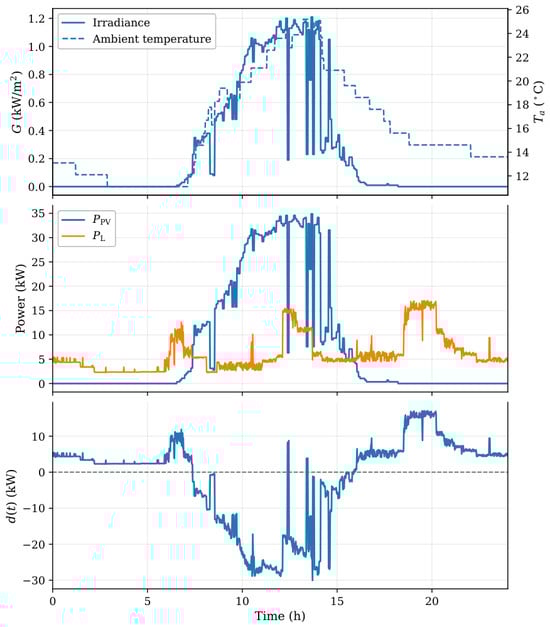
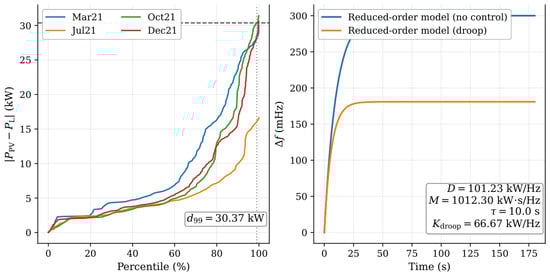
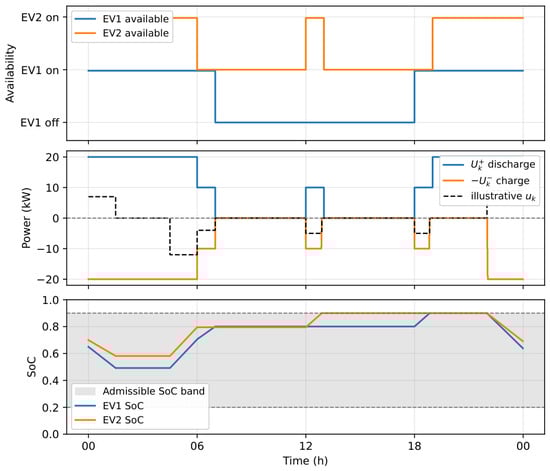
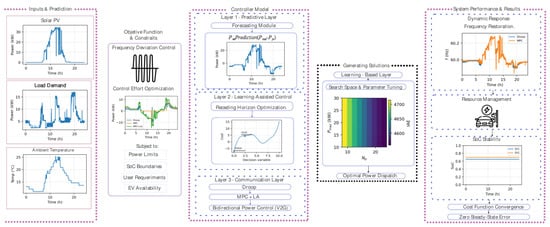
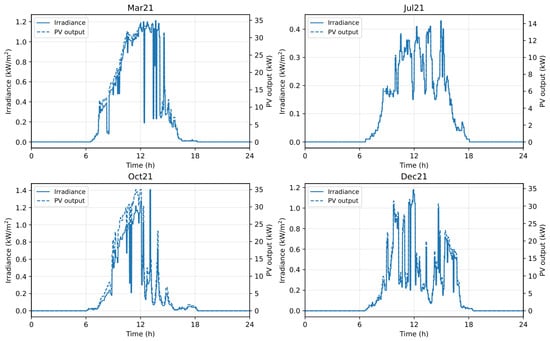
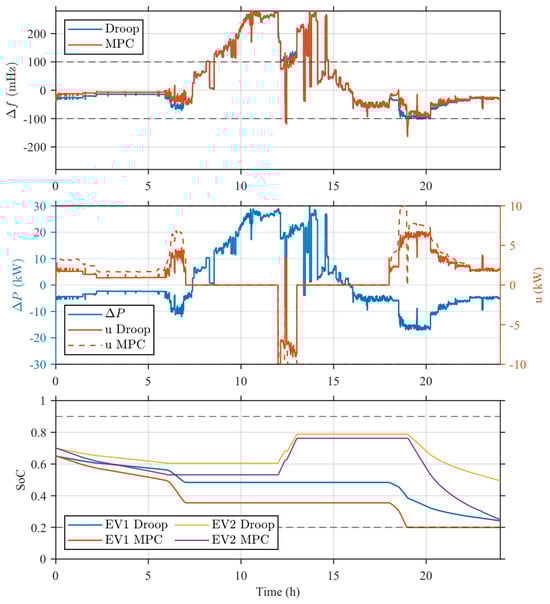
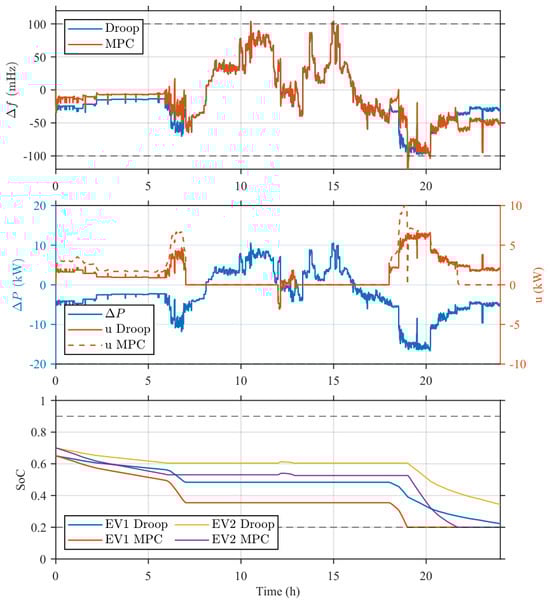
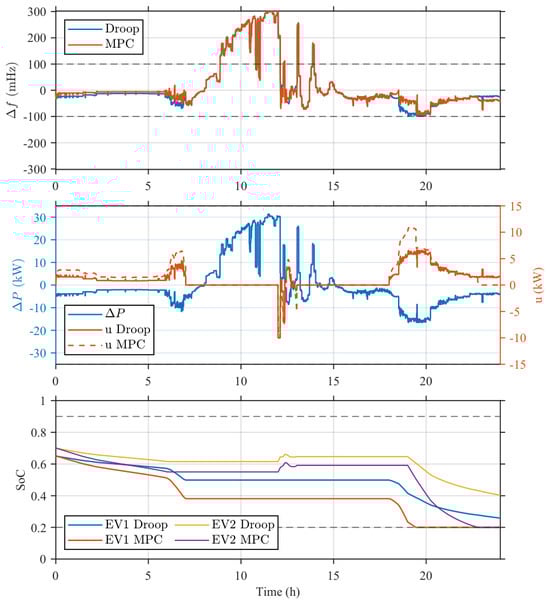
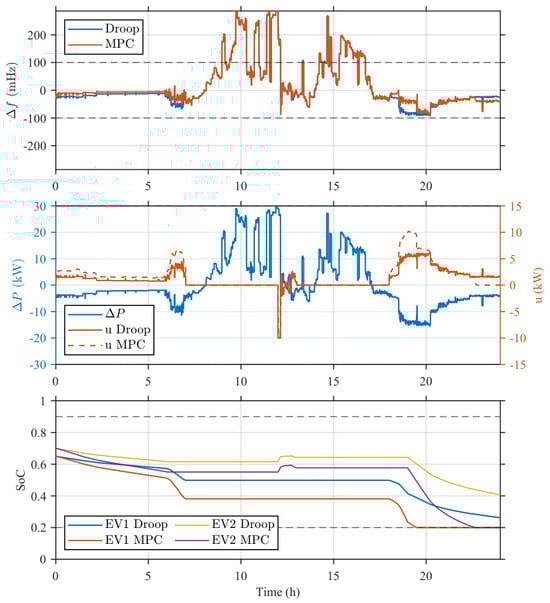
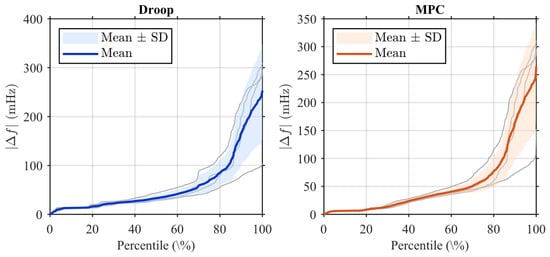
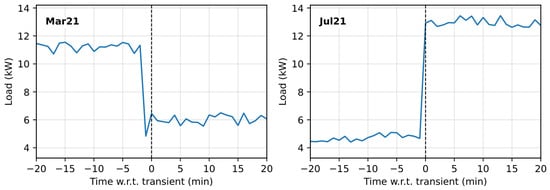
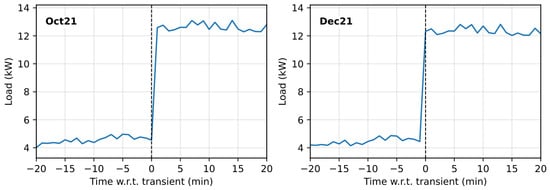
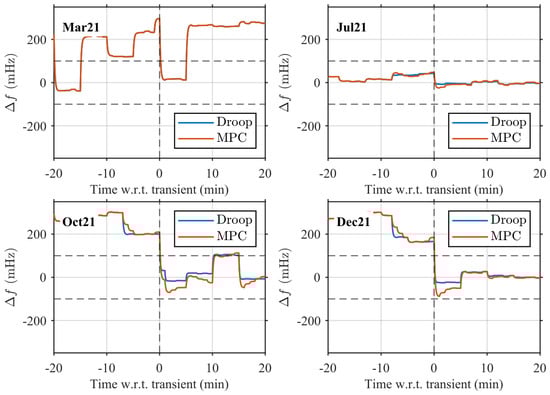
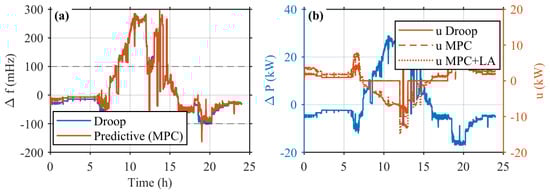
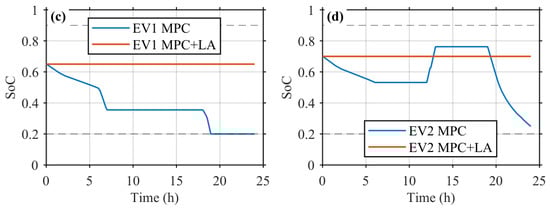
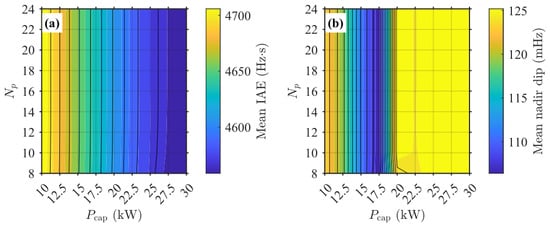
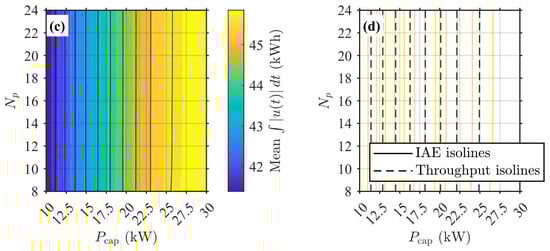
High renewable penetration reduces effective inertia and increases frequency variability in microgrids, thereby limiting the performance of purely reactive frequency regulation. This paper presents a two-timescale frequency-support strategy based on bidirectional electric vehicles. The main novelty lies in introducing a learning-assisted correction layer between forecast-based aggregate regulation and final EV-level dispatch. Rather than replacing the predictive controller with an end-to-end data-driven policy, this layer uses measured fleet-state information to correct the supervisory aggregate request online before a final feasibility-preserving dispatch stage converts it into executable vehicle-level commands under concurrent power, energy, plug-in, and departure constraints. A supervisory predictive layer determines the aggregate support action from forecasted photovoltaic and load disturbances, whereas a lower real-time dispatch layer redistributes that action across the available fleet. Feasibility is enforced through an explicit projection stage prior to actuation. The method is assessed in simulation using measured campus operating profiles of irradiance, temperature, demand, frequency, and electric-vehicle availability. Across four representative operating days, the proposed strategy reduced the mean cumulative frequency deviation by 30.3% relative to droop control and by 24.7% relative to predictive-only operation, while reducing the mean time outside the admissible frequency band by 22.2% and 20.0%, respectively. Zero post-projection constraint violations were observed in all evaluated cases. These gains were obtained at the expense of higher actuation usage, thereby making the regulation–usage trade-off explicit.
Full article
(This article belongs to the Section Vehicle Control and Management)
►▼
Show Figures

Figure 1
Open AccessArticle
A Physical-Based Vibro-Acoustic Numerical Model of a Permanent Magnet Synchronous Motor
by
Dario Barri, Federico Soresini, Giacomo Guidotti, Pietro Agostinacchio, Federico Maria Ballo and Massimiliano Gobbi
World Electr. Veh. J. 2026, 17(4), 216; https://doi.org/10.3390/wevj17040216 - 18 Apr 2026
Abstract
With the growing demand for hybrid and electric vehicles, the accurate prediction of NVH (Noise, Vibration, and Harshness) behavior in Permanent Magnet Synchronous Machines (PMSMs) has become a critical aspect of electric motor design. This paper presents a detailed modeling approach for electromagnetic-induced
[...] Read more.
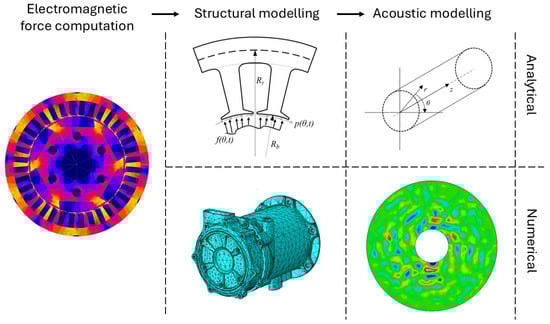
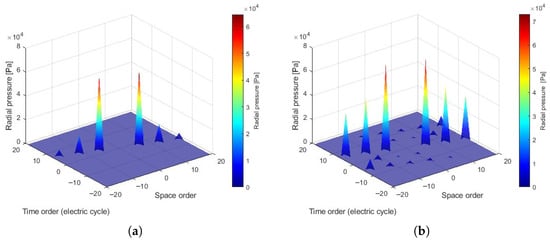
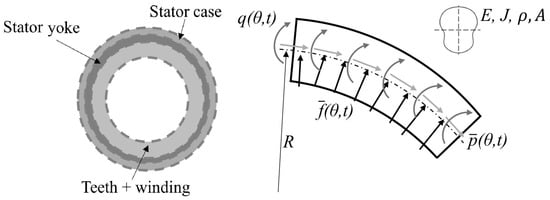
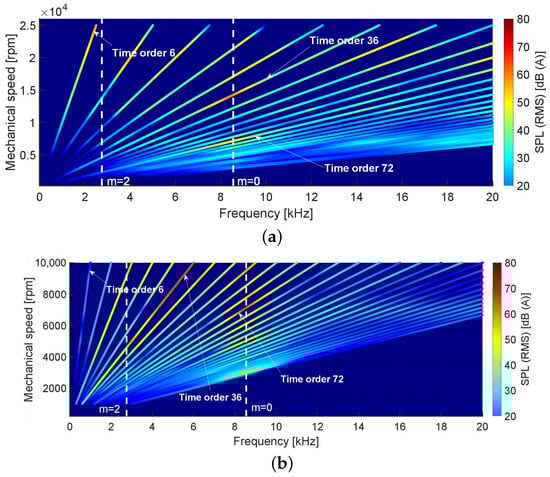
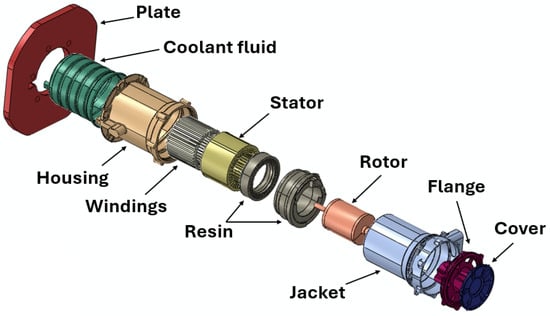
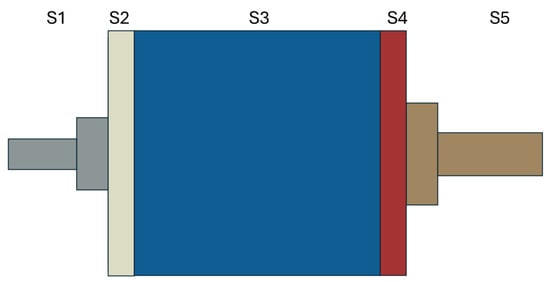
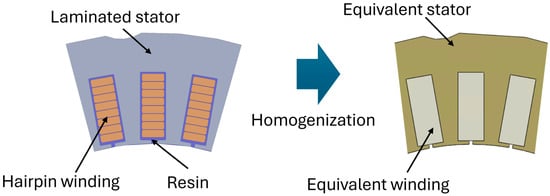
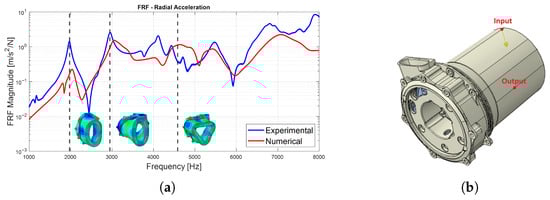
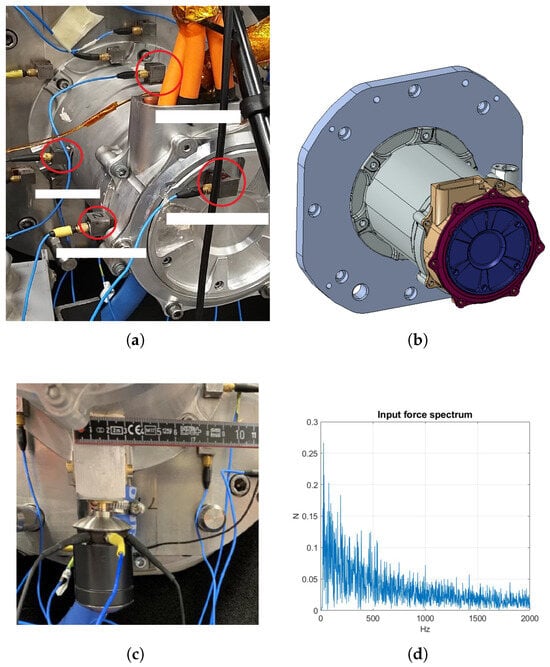
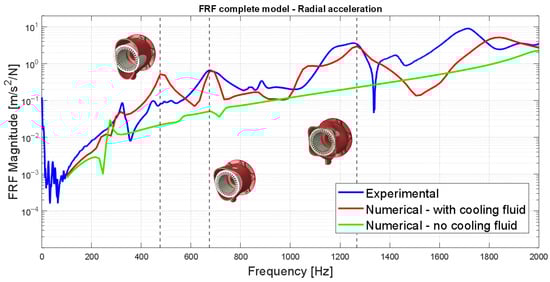
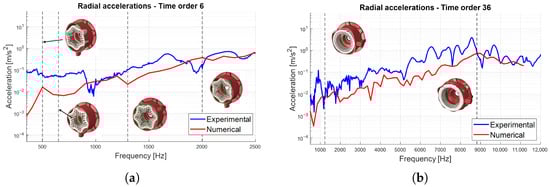
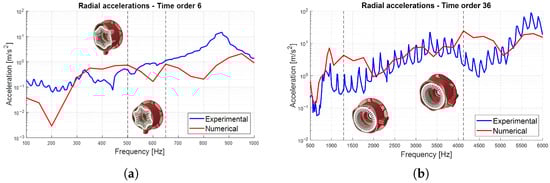
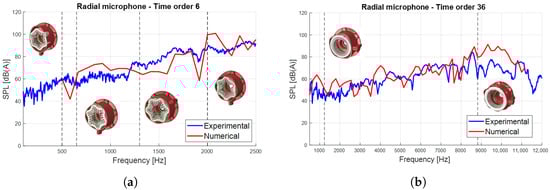
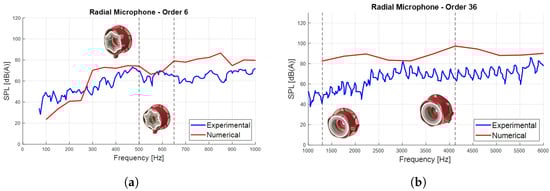
With the growing demand for hybrid and electric vehicles, the accurate prediction of NVH (Noise, Vibration, and Harshness) behavior in Permanent Magnet Synchronous Machines (PMSMs) has become a critical aspect of electric motor design. This paper presents a detailed modeling approach for electromagnetic-induced noise and vibrations in PMSMs, integrating both analytical and numerical methods. The model focuses on quantifying the contributions of radial and tangential electromagnetic forces, which are key drivers of vibro-acoustic responses. The analytical part employs curved beam theory and a simplified acoustic model, offering rapid insights during early design stages. In parallel, a detailed numerical model based on finite element analysis is developed using a physics-based approach that accounts for the actual geometry and material properties of the PMSM prototype. This allows for enhanced accuracy without relying on experimental material parameter identification. Moreover, the detailed model includes the fluid–structure interaction introduced by the channels of the cooling fluid of the electric machine, which, although poorly addressed by the existing literature, was found to play a key role in driving the vibrational behaviour of the structure. By combining analytical speed with numerical precision, the proposed approach enables consistent and physically-based NVH predictions across various design phases, ultimately supporting improved electric machine performance and reducing development time and costs. Validation against experimental data confirms the ability of the model to accurately predict both sound pressure levels and housing surface vibrations. The novelty of this work lies in its integration of fluid–structure interaction and material modeling without the need for empirical parameter tuning, offering a robust tool for NVH design in electric vehicle applications.
Full article
(This article belongs to the Section Propulsion Systems and Components)
►▼
Show Figures

Figure 1
Open AccessArticle
Extreme Fast Charging Station for Multiple Vehicles with Sinusoidal Currents at the Grid Side and SiC-Based dc/dc Converters
by
Dener A. de L. Brandao, Thiago M. Parreiras, Igor A. Pires and Braz J. Cardoso Filho
World Electr. Veh. J. 2026, 17(4), 215; https://doi.org/10.3390/wevj17040215 - 18 Apr 2026
Abstract
Extreme fast charging (XFC) infrastructure is becoming increasingly necessary as the number of electric vehicles continues to grow. However, deploying such stations introduces several challenges related to power quality and compliance with regulatory standards. This work presents an alternative XFC station designed for
[...] Read more.
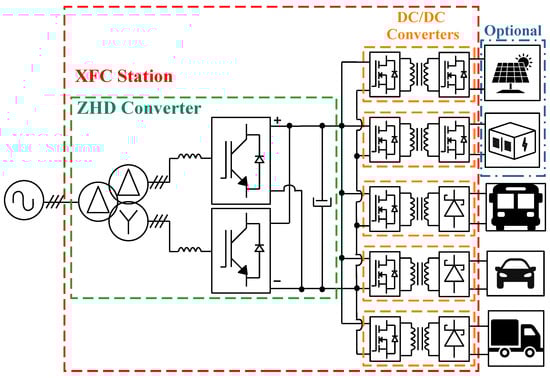
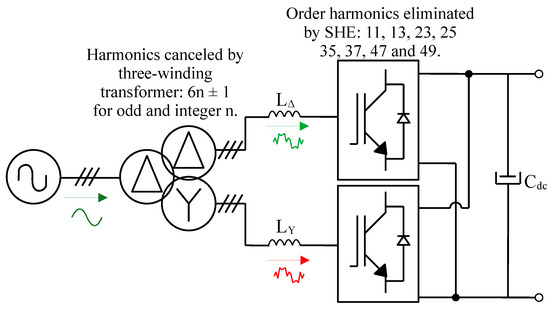
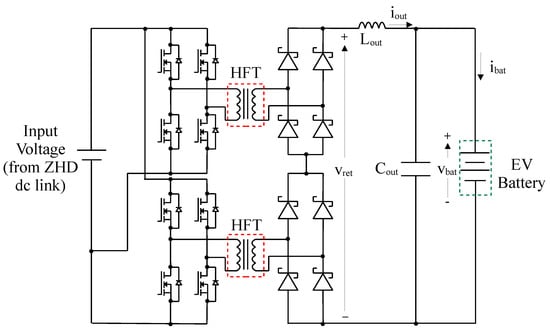
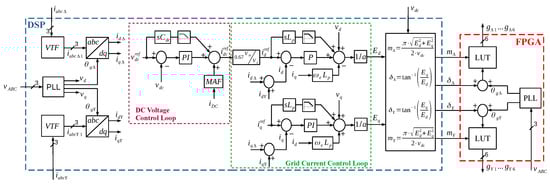
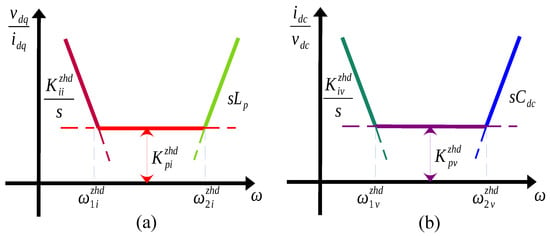
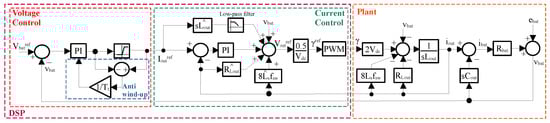
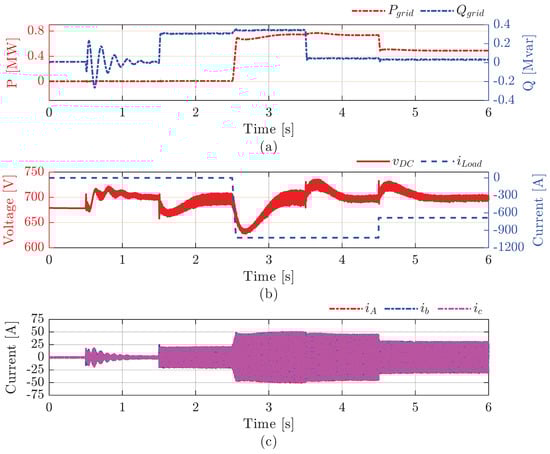
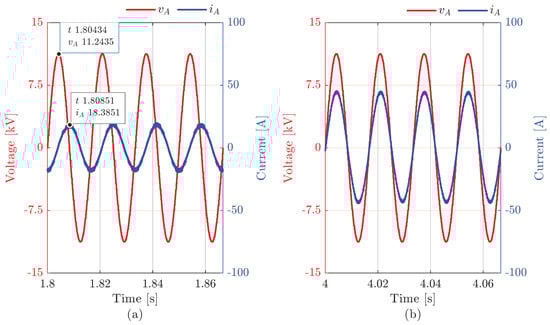
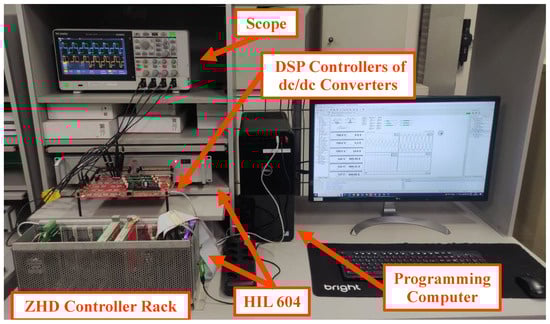
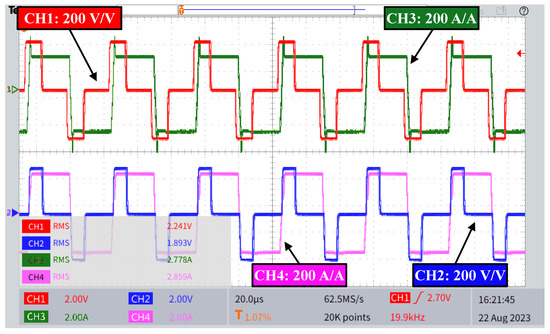
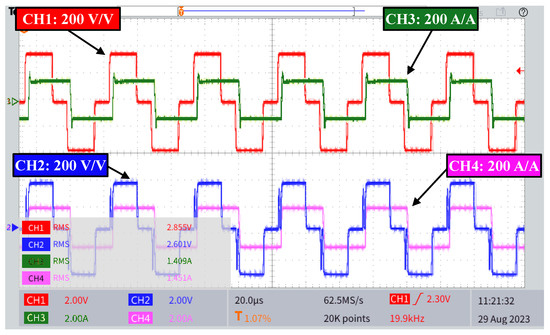
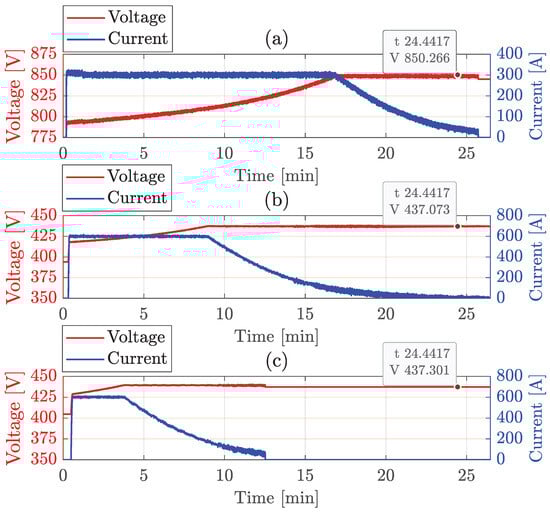
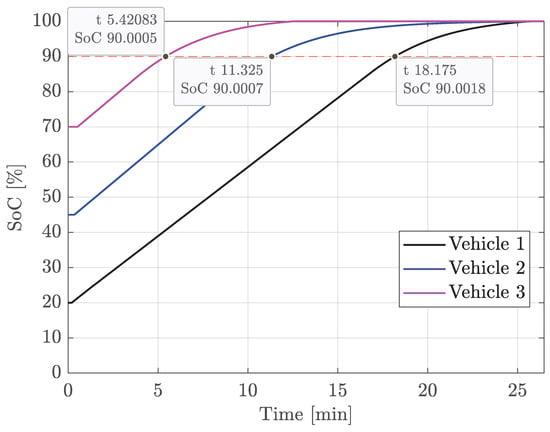
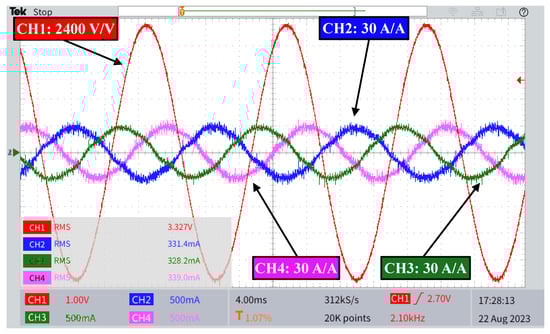
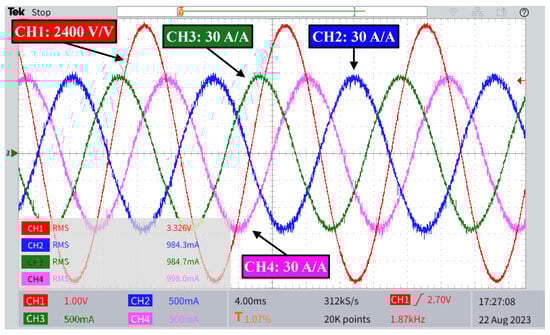
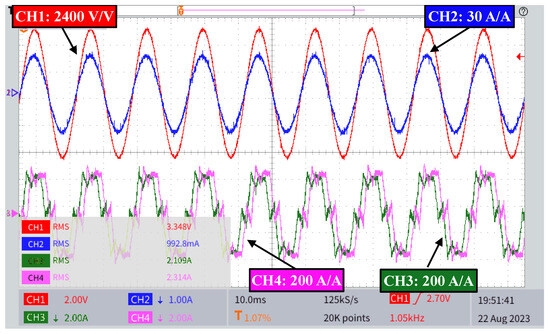
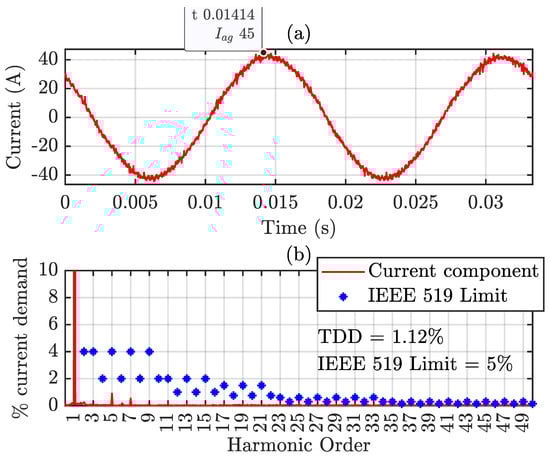
Extreme fast charging (XFC) infrastructure is becoming increasingly necessary as the number of electric vehicles continues to grow. However, deploying such stations introduces several challenges related to power quality and compliance with regulatory standards. This work presents an alternative XFC station designed for charging multiple vehicles while ensuring low harmonic distortion in the grid currents, without the need for sinusoidal filters, by employing the Zero Harmonic Distortion (ZHD) converter. The proposed system offers galvanic isolation for each charging interface and supports additional functionalities, including the integration of Distributed Energy Resources (DERs) and the provision of ancillary services. These features are enabled through the combination of a bidirectional grid-connected active front-end operating at low switching frequency with high-frequency silicon carbide (SiC)-based dc/dc converters on the vehicle side. Hardware-in-the-loop (HIL) simulation results demonstrate a total demand distortion (TDD) of 1.12% for charging scenarios involving both 400 V and 800 V battery systems, remaining within the limits specified by IEEE 519-2022.
Full article
(This article belongs to the Special Issue Power and Energy Systems for E-Mobility, 2nd Edition)
►▼
Show Figures

Figure 1
Open AccessArticle
Intelligent Tire-Based Road Friction Estimation for Enhanced Stability Control of E-Chassis on Snowy Roads
by
Zhang Ni, Weihong Wang, Jingyi Gu, Zhi Li and Bo Li
World Electr. Veh. J. 2026, 17(4), 214; https://doi.org/10.3390/wevj17040214 - 17 Apr 2026
Abstract
For electric vehicles, accurate real-time estimation of the road friction coefficient is critical for maintaining stability, as the millisecond-level response of electric motors and the integration of regenerative braking demand higher perception fidelity than traditional internal combustion vehicles. This paper proposes a methodological
[...] Read more.
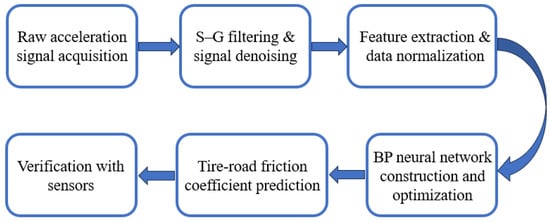
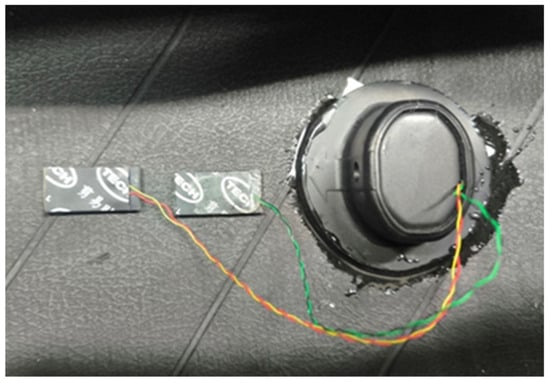
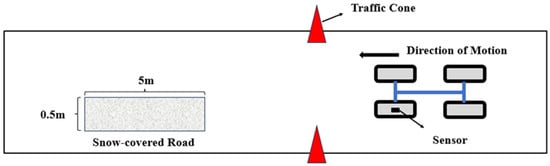
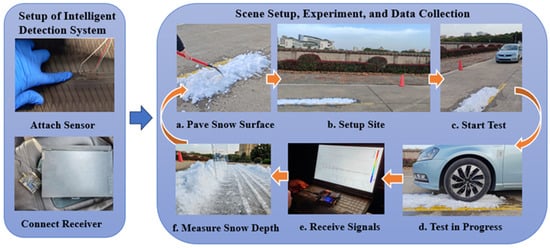
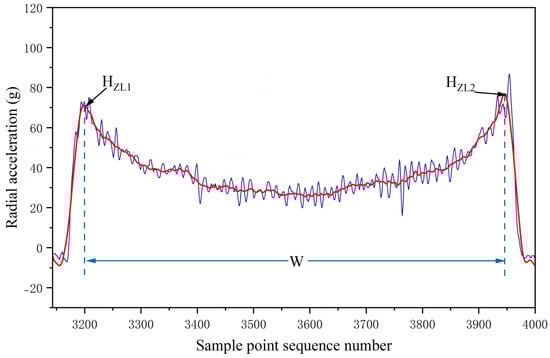
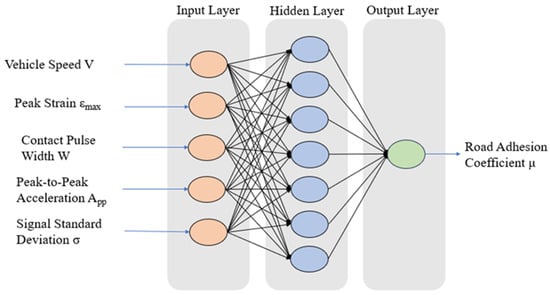
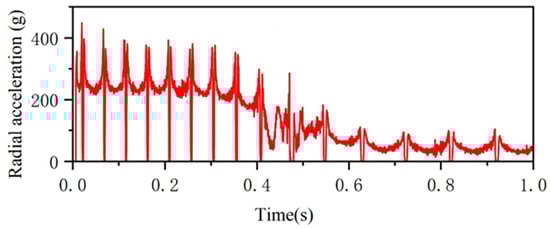
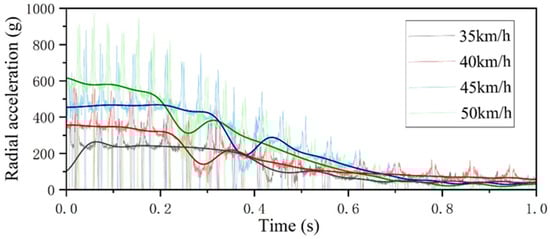
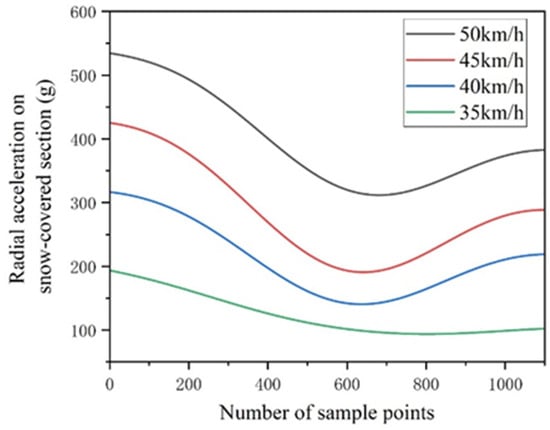
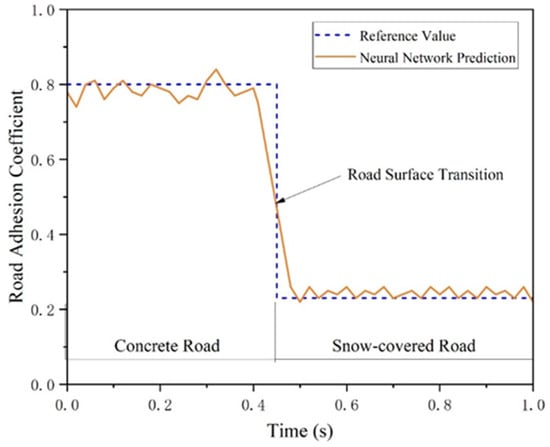
For electric vehicles, accurate real-time estimation of the road friction coefficient is critical for maintaining stability, as the millisecond-level response of electric motors and the integration of regenerative braking demand higher perception fidelity than traditional internal combustion vehicles. This paper proposes a methodological framework for road friction estimation specifically designed for intelligent E-Chassis based on micro-signal features of intelligent tires and deep learning. An intelligent tire system, integrated with tri-axial accelerometers and strain gauges, was installed on the front-left wheel of a test vehicle to capture raw dynamic signals during transitions from cement to snow-covered surfaces across a velocity gradient of 10–50 km/h. The Savitzky–Golay convolutional smoothing algorithm was applied to reconstruct the high-frequency raw signals, enabling the extraction of a five-dimensional feature vector comprising vehicle velocity, peak strain, contact patch width, peak-to-peak acceleration, and signal standard deviation. The study revealed a natural filtering effect originating from the porous elastic properties of snow, resulting in a 60–70% reduction in signal standard deviation compared to cement, accompanied by a cliff-like feature collapse at the moment of snow entry. A BP neural network model with a 5-7-1 architecture achieved an identification accuracy of 96.2% on the test set, facilitating a rapid real-time prediction of the friction coefficient transitioning from 0.75 to 0.23. Unlike traditional methods, the proposed approach does not rely on high slip ratios and can complete identification within the first physical rotation cycle. This provides a robust physical criterion for the torque vectoring and regenerative braking stability of intelligent electric vehicles in extreme environments.
Full article
(This article belongs to the Section Vehicle Control and Management)
►▼
Show Figures

Figure 1
Open AccessArticle
A Reinforcement Learning and Unsupervised Clustering-Based Method for Automated Driving Cycle Construction for Fuel Cell Light-Duty Trucks
by
Jinbiao Shi, Weibo Zheng, Ran Huo, Po Hong, Bing Li and Pingwen Ming
World Electr. Veh. J. 2026, 17(4), 213; https://doi.org/10.3390/wevj17040213 - 17 Apr 2026
Abstract
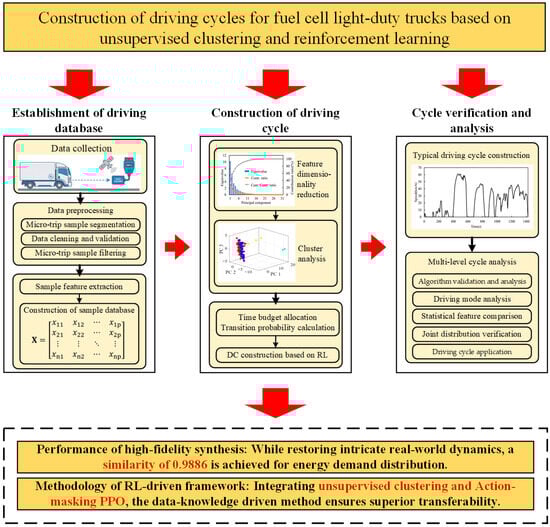
Addressing the lack of high-fidelity test cycles for fuel cell light-duty trucks, this paper proposes an automated driving cycle construction method that integrates unsupervised clustering and reinforcement learning. Firstly, based on large-sample real-world driving data, four libraries of typical driving pattern segments are
[...] Read more.
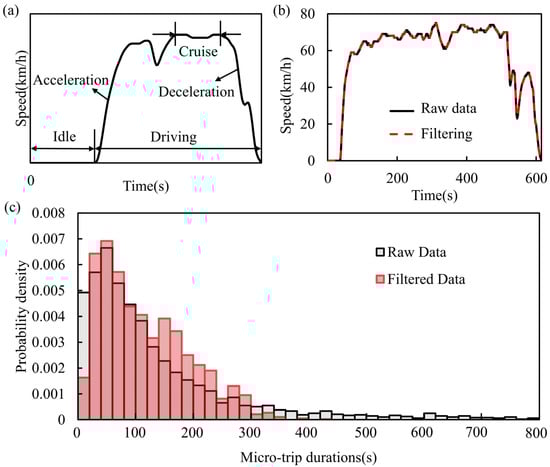
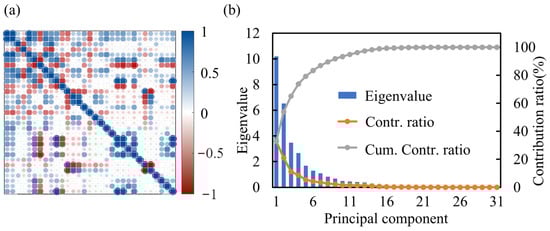
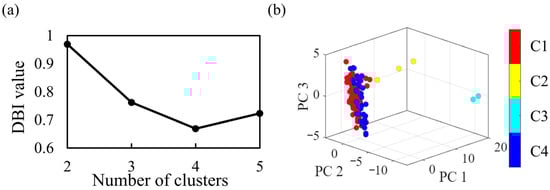
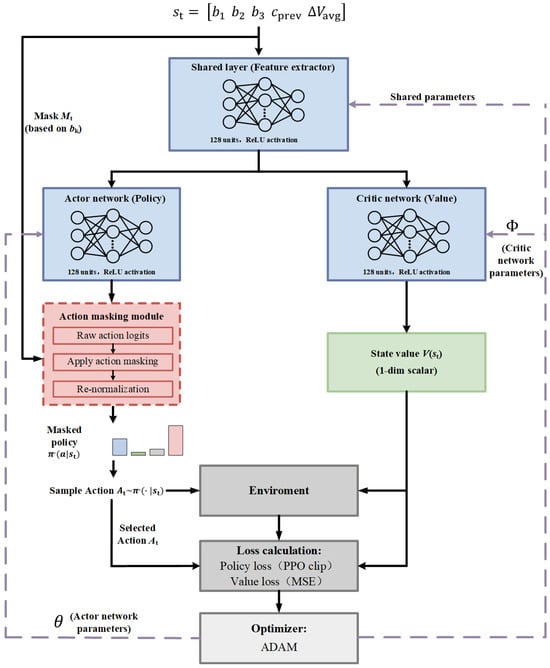
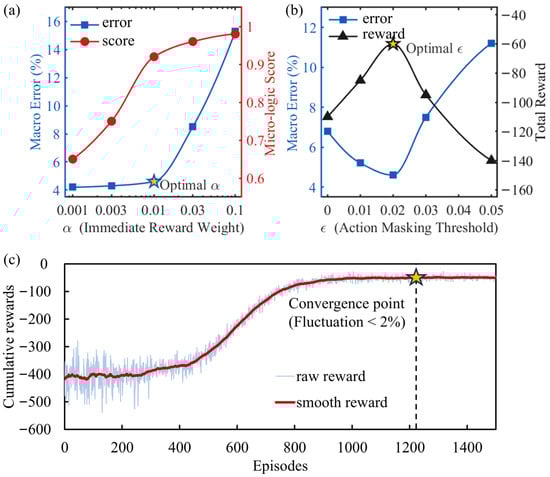
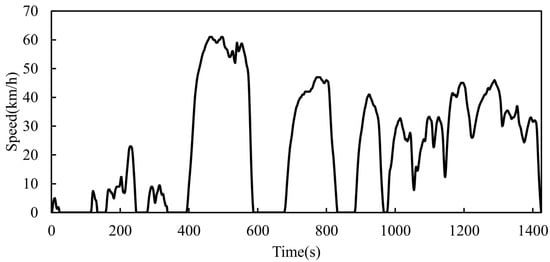
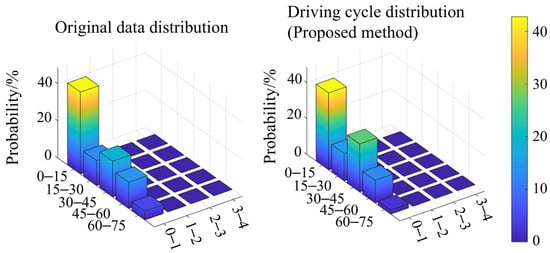
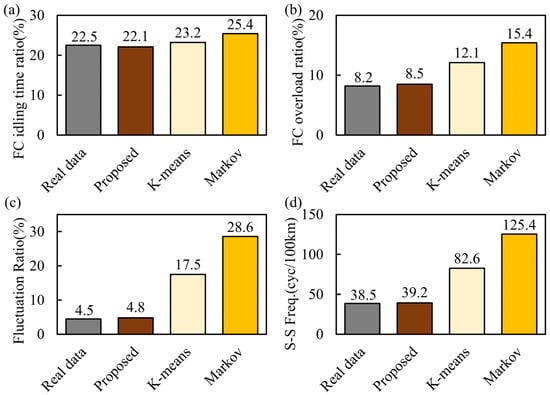
Addressing the lack of high-fidelity test cycles for fuel cell light-duty trucks, this paper proposes an automated driving cycle construction method that integrates unsupervised clustering and reinforcement learning. Firstly, based on large-sample real-world driving data, four libraries of typical driving pattern segments are extracted through dimensionality reduction via Principal Component Analysis (PCA) and K-means clustering. Subsequently, the cycle construction process is formulated as a sequential decision-making problem, and a framework based on the Proximal Policy Optimization (PPO) algorithm, incorporating an action masking mechanism, is designed. This framework innovatively injects macro-level time budget allocation as a hard constraint into the agent’s policy space via action masking, while utilizing micro-level Markov transition probabilities as a soft guide. This dual approach drives the agent to learn an optimal segment concatenation strategy, thereby simultaneously ensuring both the macro-level statistical representativeness and the micro-level driving logic coherence of the synthesized cycle. Validation results demonstrate that the cycle constructed by the proposed method achieves an average relative error of only 7.53% in key characteristic parameters, and its joint speed-acceleration distribution exhibits a similarity as high as 0.9886 with the original data, significantly outperforming traditional methods such as the clustering method, the Markov chain method, and standard driving cycles. This study provides an effective tool for generating high-fidelity driving cycles and testing energy management strategies for fuel cell commercial vehicles.
Full article
(This article belongs to the Section Vehicle and Transportation Systems)
►▼
Show Figures

Figure 1
Open AccessArticle
Effect of Initial Confined-Space Oxygen Concentration on Vent-Gas Combustion During Thermal Runaway of NCM811 Lithium-Ion Cells
by
Ningning Wei and Lei Huo
World Electr. Veh. J. 2026, 17(4), 212; https://doi.org/10.3390/wevj17040212 - 17 Apr 2026
Abstract
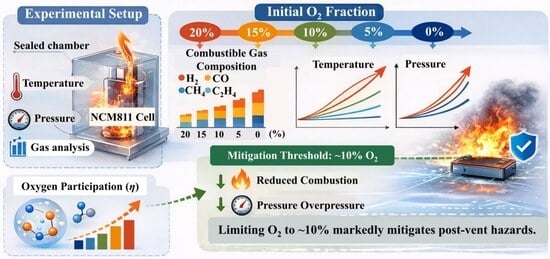
This study investigates how the initial oxygen fraction in a confined space affects post-vent combustion, gas composition, and pressure hazards during thermal runaway (TR) of 58 Ah prismatic Li(Ni0.8Co0.1Mn0.1)O2 lithium-ion cells. Thermal abuse experiments were conducted
[...] Read more.
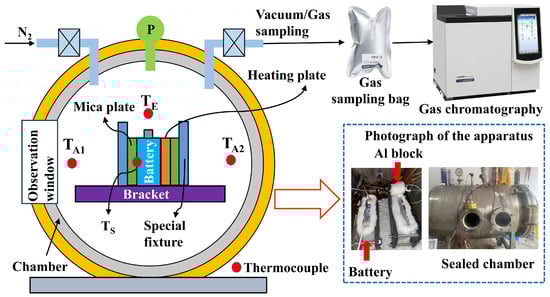
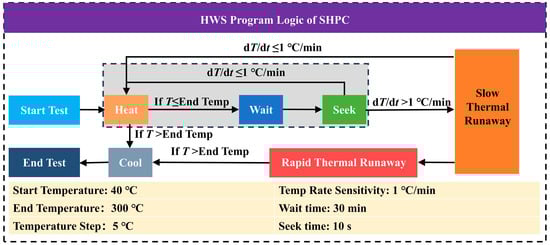
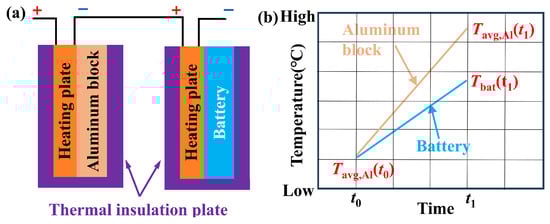
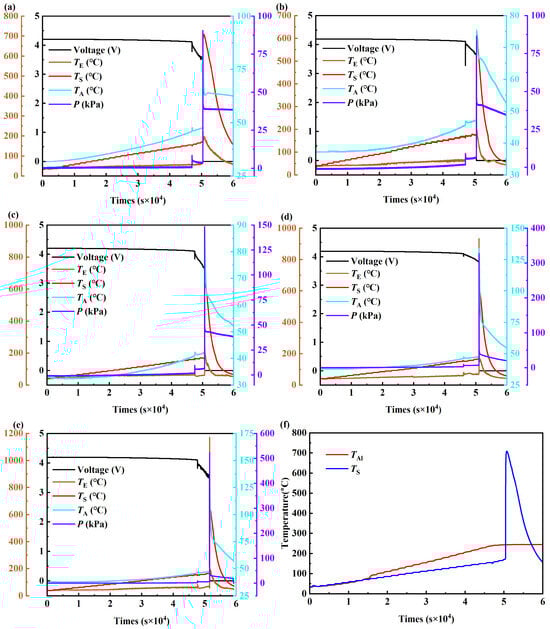
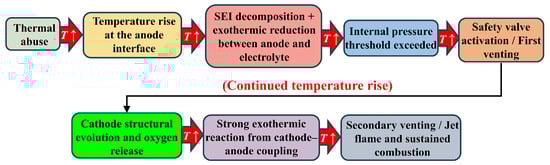
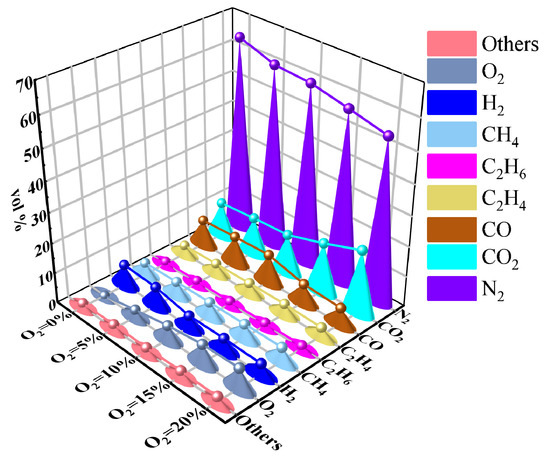
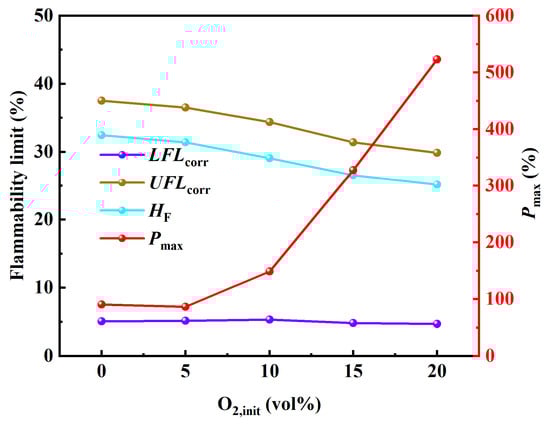
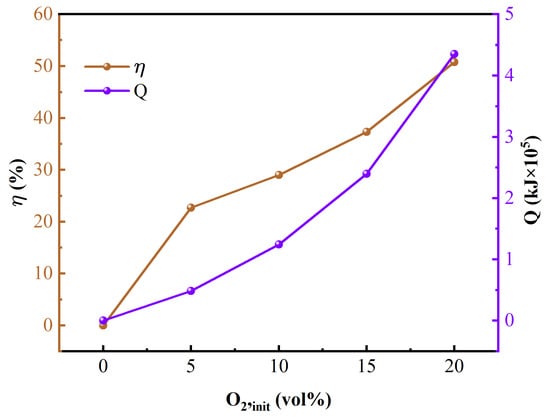
This study investigates how the initial oxygen fraction in a confined space affects post-vent combustion, gas composition, and pressure hazards during thermal runaway (TR) of 58 Ah prismatic Li(Ni0.8Co0.1Mn0.1)O2 lithium-ion cells. Thermal abuse experiments were conducted in a 250 L sealed chamber under five initial oxygen fractions (20%, 15%, 10%, 5%, and 0% O2), with synchronized measurements of cell temperature, vent-jet temperature, chamber pressure, voltage, and post-event gas composition. A first-vent event occurred reproducibly at a cell surface temperature of approximately 155 °C, followed by TR onset at about 170 °C. Although the onset temperatures were only weakly affected by ambient oxygen concentration, the post-vent hazard escalation depended strongly on oxygen availability. As the initial oxygen fraction increased from 0% to 20%, the peak vent-jet temperature increased from 353 °C to 1172 °C, and the peak chamber pressure rose from 90.7 kPa to 523.1 kPa. Gas chromatography showed that H2, CO2, CO, CH4, and C2H4 were the dominant gaseous products. Lower oxygen fractions promoted retention of combustible species, whereas higher oxygen fractions enhanced oxidation and increased the CO2/CO ratio. An oxygen-participation parameter, η, was introduced to quantify the fraction of initially available chamber oxygen consumed during post-vent oxidation. The increase in η was positively associated with oxygen-involved heat release and chamber overpressure. When the accessible oxygen fraction was limited to 10% or below, secondary combustion and pressure buildup were markedly suppressed, although a localized near-field thermal hazard remained significant around 10% O2. These results provide quantitative guidance for enclosure inerting, vent management, and post-vent hazard mitigation in high-energy lithium-ion battery systems.
Full article
(This article belongs to the Section Storage Systems)
►▼
Show Figures

Graphical abstract
Journal Menu
► ▼ Journal Menu-
- WEVJ Home
- Aims & Scope
- Editorial Board
- Topical Advisory Panel
- Instructions for Authors
- Special Issues
- Topics
- Sections & Collections
- Article Processing Charge
- Indexing & Archiving
- Editor’s Choice Articles
- Most Cited & Viewed
- Journal Statistics
- Journal History
- Journal Awards
- Society Collaborations
- Conferences
- Editorial Office
Journal Browser
► ▼ Journal BrowserHighly Accessed Articles
Latest Books
E-Mail Alert
News
Topics
Conferences
Special Issues
Special Issue in
WEVJ
State Estimation and Efficient Charging Strategies for Lithium-Ion Batteries in Electric Vehicles
Guest Editors: Jichang Peng, Jinhao Meng, Haitao Liu, Xinrong HuangDeadline: 30 April 2026
Special Issue in
WEVJ
Power and Energy Systems for E-Mobility, 2nd Edition
Guest Editors: Wenming Yang, Anna PinnarelliDeadline: 30 April 2026
Special Issue in
WEVJ
New Journey of Energy and Electric Vehicle Revolutions—Infinite Possibilities in the Science World: In Honor of Prof. Dr. C.C. Chan’s 90th Birthday
Guest Editors: Ziqiang Zhu, Fred Eastham, James L. Kirtley, Kwok Tong Chau, Dianguo Xu, Zhengming Zhao, Ming Cheng, Dawei LiangDeadline: 31 July 2026
Topical Collections
Topical Collection in
WEVJ
Feature Papers in Propulsion Systems and Components in Electric Vehicle
Collection Editor: Vladimir Katic
Topical Collection in
WEVJ
Feature Papers in “Charging Infrastructure and Grid Integration” Section
Collection Editor: Peter Van den Bossche