
Journal Description
Separations
Separations
- formerly Chromatography - is an international, peer-reviewed, open access journal on separation and purification science and technology in all areas of chemical, biological, physical science, and separation performance, published monthly online by MDPI. The Central European Group of Separation Sciences (CEGSS) is affiliated with Separations and its members receive discounts on the article processing charges.
- Open Access— free for readers, with article processing charges (APC) paid by authors or their institutions.
- High Visibility: indexed within Scopus, SCIE (Web of Science), CAPlus / SciFinder, and other databases.
- Journal Rank: JCR - Q2 (Chemistry, Analytical) / CiteScore - Q2 (Analytical Chemistry)
- Rapid Publication: manuscripts are peer-reviewed and a first decision is provided to authors approximately 15.1 days after submission; acceptance to publication is undertaken in 2.8 days (median values for papers published in this journal in the first half of 2026).
- Recognition of Reviewers: reviewers who provide timely, thorough peer-review reports receive vouchers entitling them to a discount on the APC of their next publication in any MDPI journal, in appreciation of the work done.
- Companion journal: Purification.
- Journal Cluster of Analysis and Sensing Technologies: Analytica, Biosensors, Chemosensors, Purification, Separations and Spectroscopy Journal.
Impact Factor:
3.5 (2025);
5-Year Impact Factor:
3.3 (2025)
Latest Articles
Removal of Residual Ammonium from Weathered Crust Elution-Deposited Rare Earth Ore Tailings by Magnesium Chloride: Kinetics and Mass Transfer
Separations 2026, 13(8), 225; https://doi.org/10.3390/separations13080225 - 9 Aug 2026
Abstract
After in situ leaching of weathered crust elution-deposited rare earth ore (WREO), large amounts of residual ammonium (RA) salts remain in the ore body and slowly release, causing persistent ammonia-nitrogen pollution in surrounding waters. This study proposes using magnesium chloride for in situ
[...] Read more.
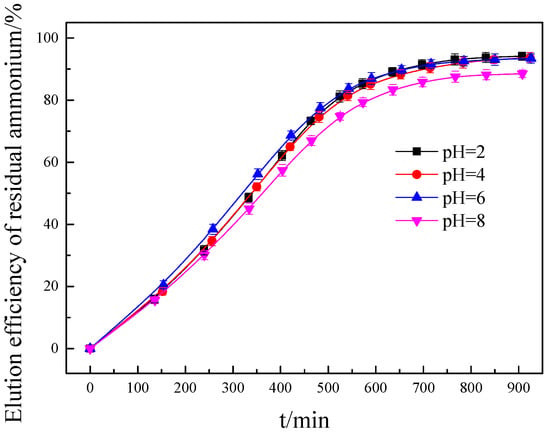
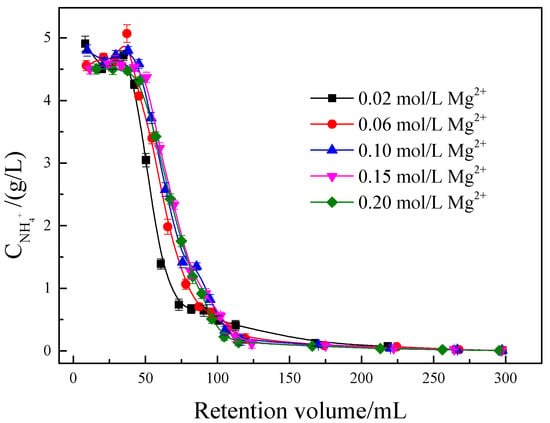
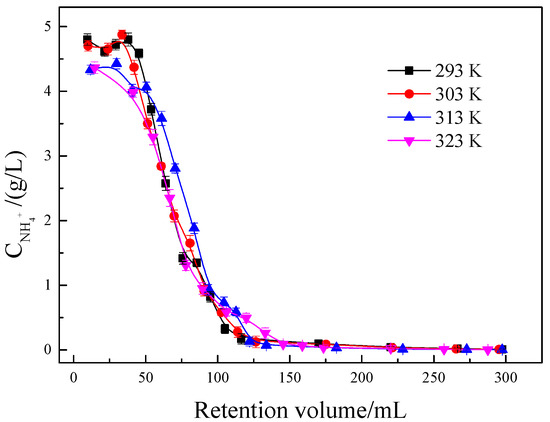
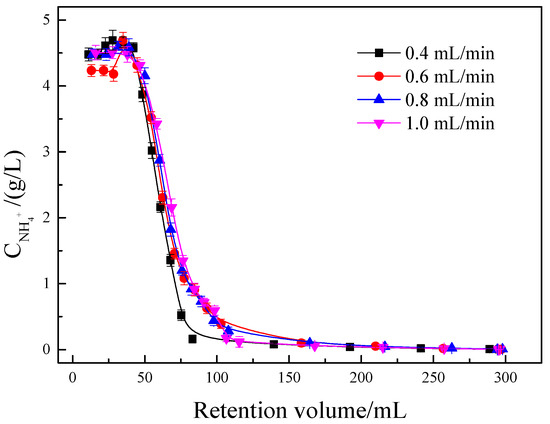
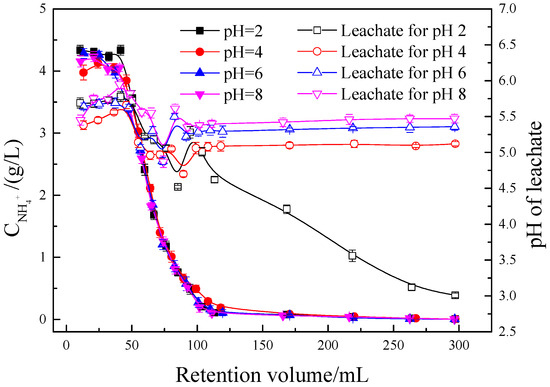
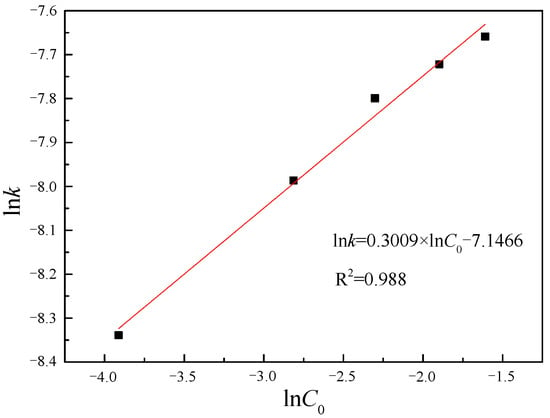
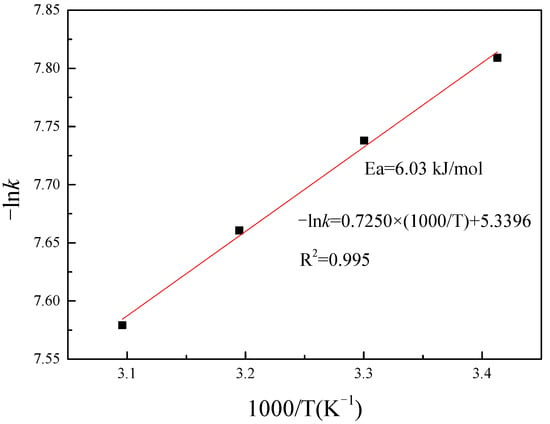
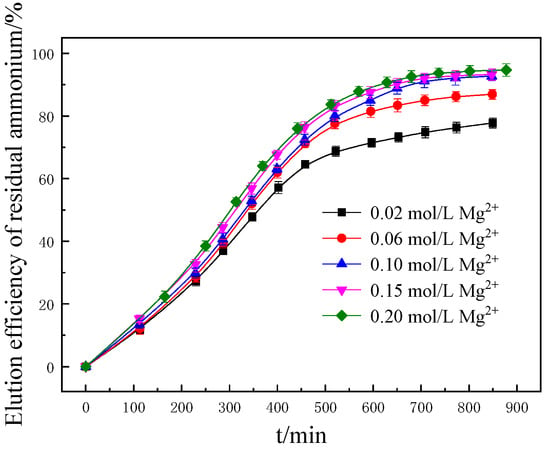
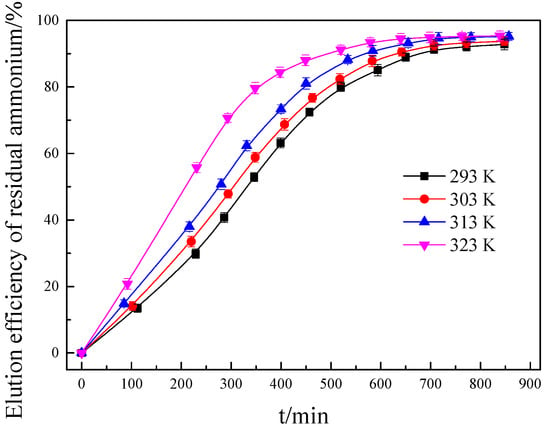
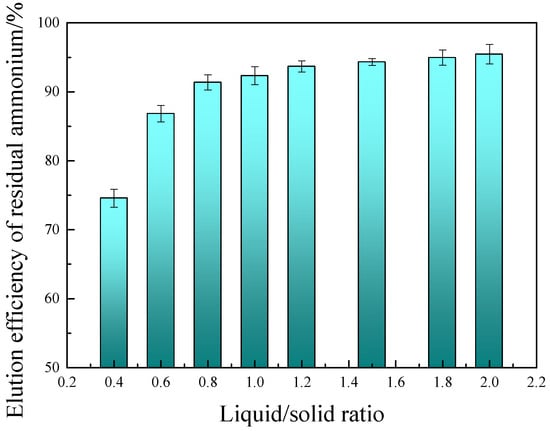
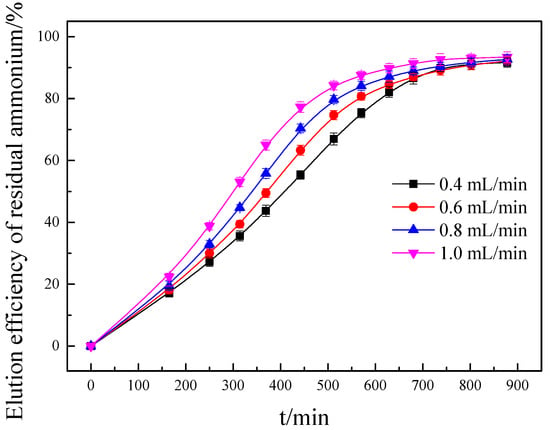
After in situ leaching of weathered crust elution-deposited rare earth ore (WREO), large amounts of residual ammonium (RA) salts remain in the ore body and slowly release, causing persistent ammonia-nitrogen pollution in surrounding waters. This study proposes using magnesium chloride for in situ elution remediation of closed mines. Column experiments were conducted to evaluate the effects of eluent concentration, liquid–solid ratio, flow rate, pH, and temperature on residual ammonium removal, and a kinetic model was established based on the shrinking unreacted-core model. The results show that increasing Mg2+ concentration, temperature, or flow rate accelerates the eluting rate, with temperature being the most influential. A higher liquid–solid ratio in the tested range could enhance the elution efficiency of residual ammonium, but it will substantially raise the production cost. Weakly acidic pH 4–6 favors the reaction, while alkaline conditions inhibit it. Kinetic analysis indicates inner particle diffusion control, with an activation energy of 6.03 kJ/mol and a reaction order of 0.3009. Under optimal conditions of 0.1 mol/L Mg2+, 2:1 liquid–solid ratio, 0.6 mL/min, pH 4–6 and room temperature, elution efficiency reaches 95.45%. This work provides theoretical and technical support for green remediation of historical ammonium contamination in WREO.
Full article
(This article belongs to the Special Issue Solid Waste Recycling and Strategic Metal Extraction)
►
Show Figures
Open AccessArticle
Effects of Stripping Essential Oil from Nigella sativa L. Oil on Its Quality Characteristics
by
Meysam Barasm, Sodeif Azadmard-Damirchi, Mohammadali Torbati and Ebrahim Afkhami Sarai
Separations 2026, 13(8), 224; https://doi.org/10.3390/separations13080224 - 6 Aug 2026
Abstract
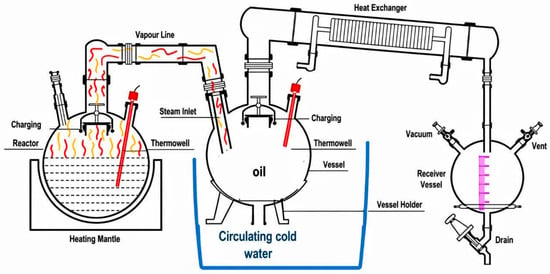
Black cumin (Nigella sativa L.) oil is one of the most important vegetable oils with food, therapeutic and medicinal uses; however, it has high acid and peroxide values even in fresh oil extracted by cold pressing. One of the main factors that
[...] Read more.
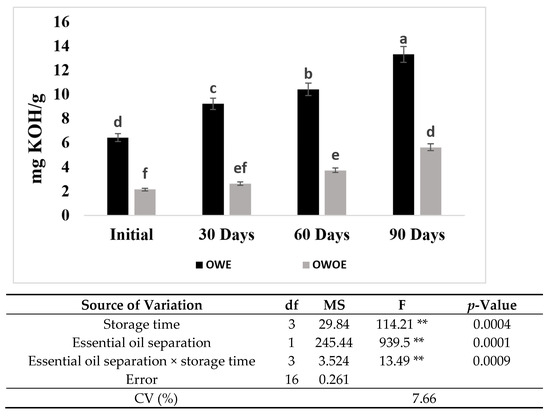
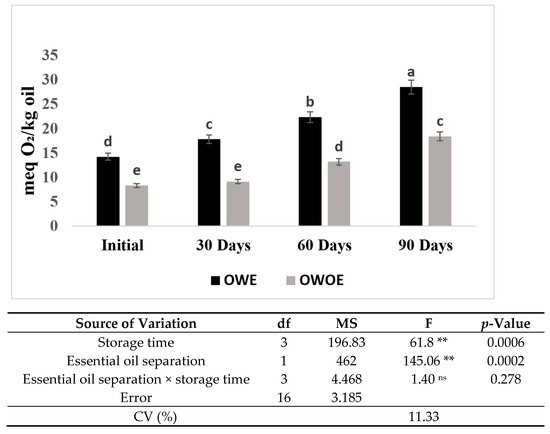
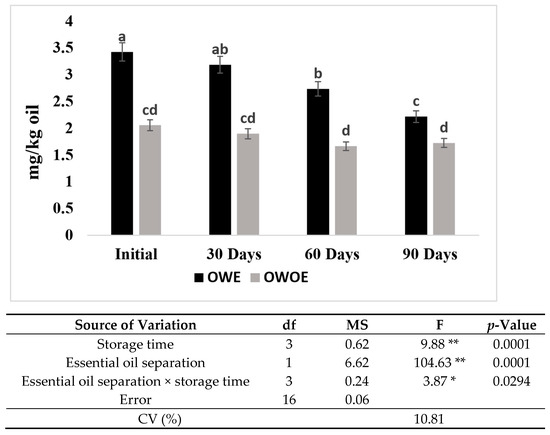
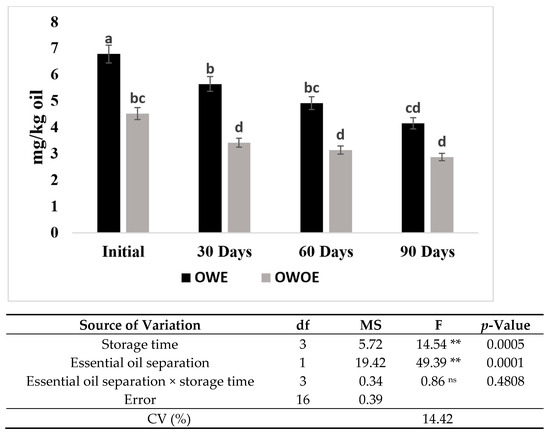
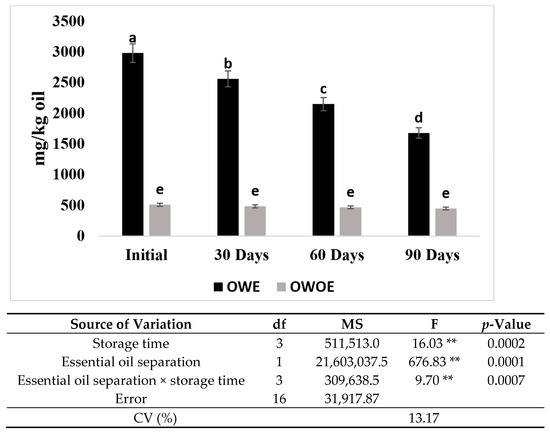
Black cumin (Nigella sativa L.) oil is one of the most important vegetable oils with food, therapeutic and medicinal uses; however, it has high acid and peroxide values even in fresh oil extracted by cold pressing. One of the main factors that can cause high peroxide value (PV) and acid value (AV) in the extracted black cumin oil (BO) is the presence of essential oils (EO), which are highly sensitive to oxidation. In this study, separation by steam was used to strip EO from BO, and the obtained oil quality was evaluated during storage in room conditions for 90 days. The AV and PV in BO without EO were lower and showed a lower increase compared to BO with EO during storage. Chlorophyll, carotenoid, thymoquinone, phytosterols and tocopherols were lower in samples without EO than those with EO. Fatty acid composition was similar in both types of oils, but linoleic acid (18:2) was decreased at a higher rate in the oil with EO during storage. Therefore, the obtained results show that steam stripping of EO from BO can be suggested to obtain oil with lower PV and AV and with a relatively longer shelf life.
Full article
(This article belongs to the Special Issue Design and Optimization of Extraction/Separation Processes for Natural Products)
►▼
Show Figures

Figure 1
Open AccessArticle
Fluoride Removal from Low-Temperature and Low-Turbidity Waters by In Situ Flocs Formed by New Integrated Coagulation–Adsorption Technology
by
Yu Yang, Ying Fu, Christopher W. K. Chow and Jie Wang
Separations 2026, 13(8), 223; https://doi.org/10.3390/separations13080223 - 4 Aug 2026
Abstract
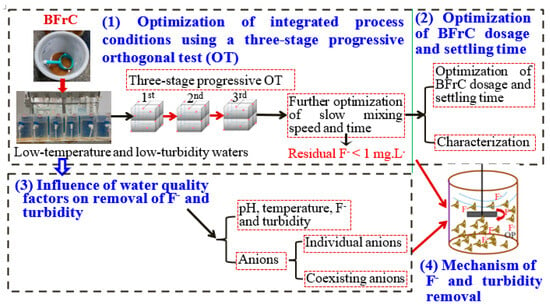
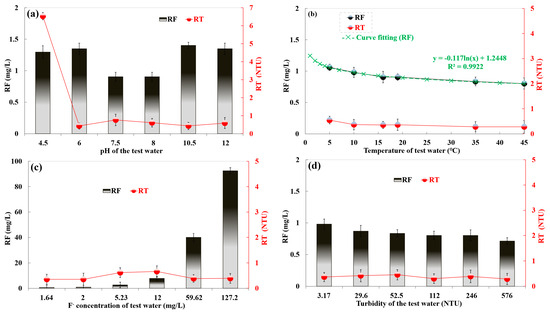
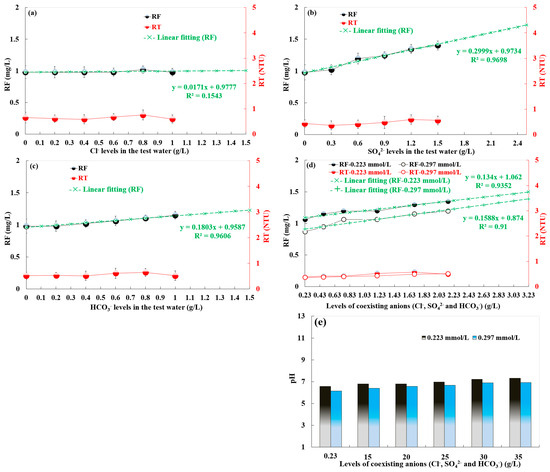
Low-cost and effective F− removal technology and operational parameters were provided. A novel bimetallic fluoride-removing coagulant (BFrC) was synthesized. Simultaneous removal of fluoride (F−) and turbidity were studied using a new integrated coagulation–adsorption technology based on BFrC (BFrC-“Coagulation-driven adsorption” system
[...] Read more.
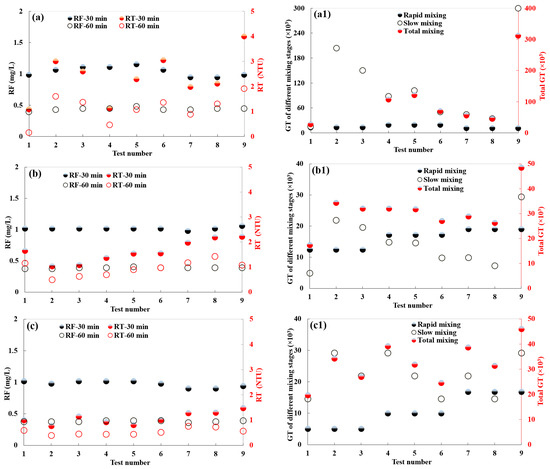
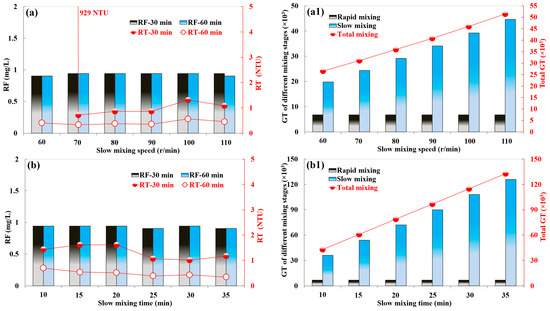
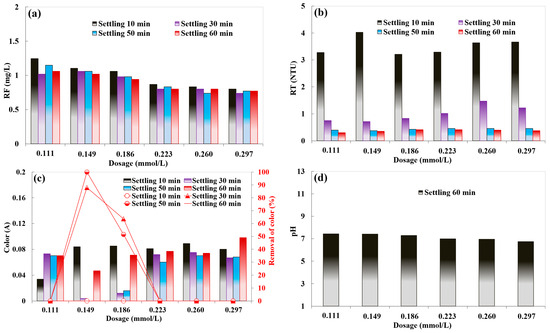
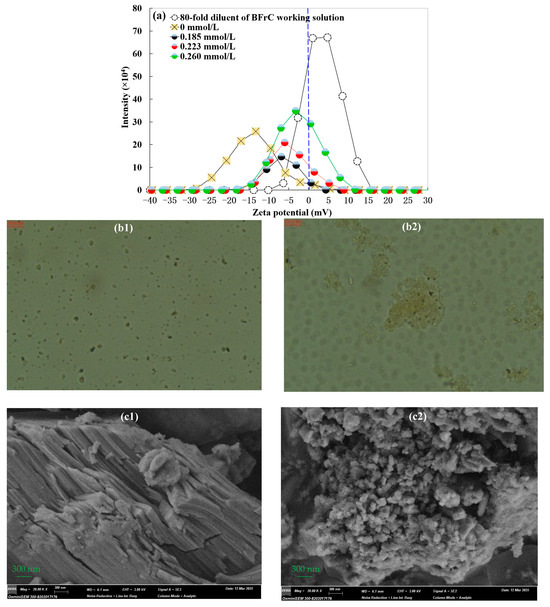
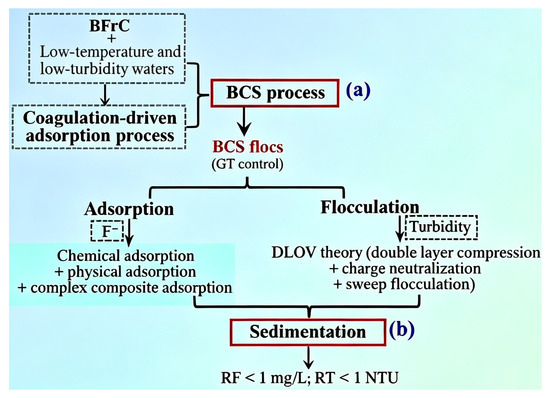
Low-cost and effective F− removal technology and operational parameters were provided. A novel bimetallic fluoride-removing coagulant (BFrC) was synthesized. Simultaneous removal of fluoride (F−) and turbidity were studied using a new integrated coagulation–adsorption technology based on BFrC (BFrC-“Coagulation-driven adsorption” system (BCS)) in treating low-temperature and low-turbidity waters, in which a “Coagulation-driven adsorption” was the key point. Optimal conditions of the BCS were determined, and Zeta potential and meso- and micro-scopic morphologies were characterized. The results showed BFrC was hydrolyzed and hydroxylated to form positively charged flocs, and BCS reduced residual F− concentration to <1 mg/L. The in situ flocs formed in the BCS (BCS-flocs) gave a very large surface area, providing abundant adsorption sites and channels for F−. Neutral water environment (7.5–8) was conducive to remove F−, while neutral and alkaline conditions are beneficial for turbidity removal. The BCS exhibited strong adaptability to varying water temperatures and turbidity levels. Higher initial turbidity in test waters improved F− removal, while elevated initial F− levels linearly reduced F− removal. Divalent anions (SO42−) inhibited defluoridation more significantly than monovalent anions (Cl− or HCO3−). The BCS-flocs effectively removed F− and turbidity simultaneously, in which F- removal was achieved through adsorption on the flocs, maybe including a combination among initial chemical adsorption, subsequent physical adsorption, and complex composite adsorption, and turbidity removal mainly relied on a multi-mechanism process, including double-layer compression, charge neutralization, and sweep flocculation.
Full article
(This article belongs to the Section Environmental Separations)
►▼
Show Figures

Figure 1
Open AccessArticle
Optimization of Polymer Sieving Matrix Composition for DNA Fragment Separation in a Laboratory-Built Multicapillary Electrophoresis System
by
Bo Yang, Ping Wang, Wentian Li, Xuanye Wei, Wenqian Bi, Chele Mugong, Sicheng Ye, Yunchong Jiang, Yoshinori Yamaguchi and Zhenqing Li
Separations 2026, 13(8), 222; https://doi.org/10.3390/separations13080222 - 4 Aug 2026
Abstract
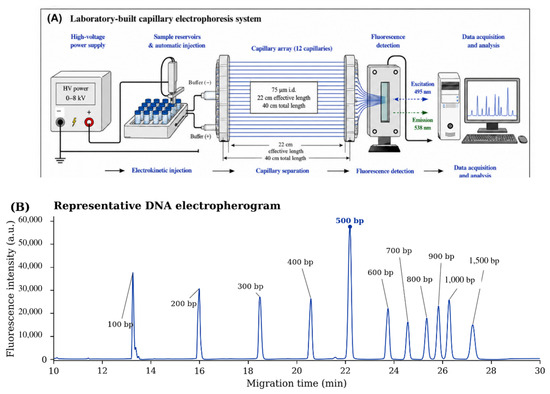
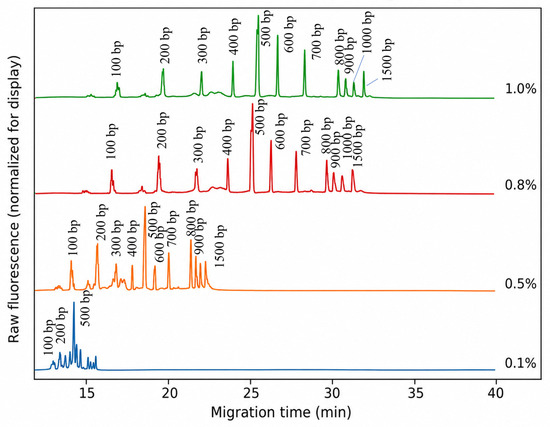
Capillary electrophoresis (CE) is widely used for DNA fragment analysis, but its separation performance depends strongly on the composition of the polymer sieving matrix, especially in multicapillary systems where matrix operability and reproducibility are critical. Herein, a laboratory-built multicapillary electrophoresis system was used
[...] Read more.
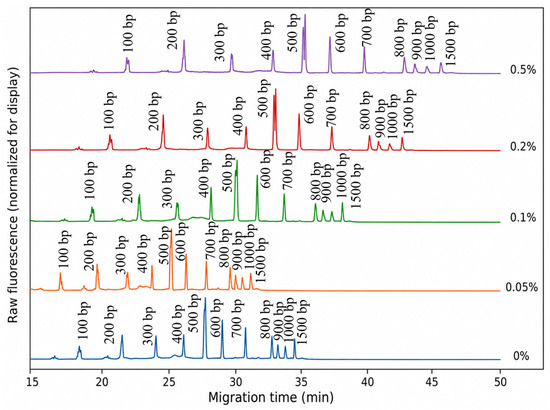
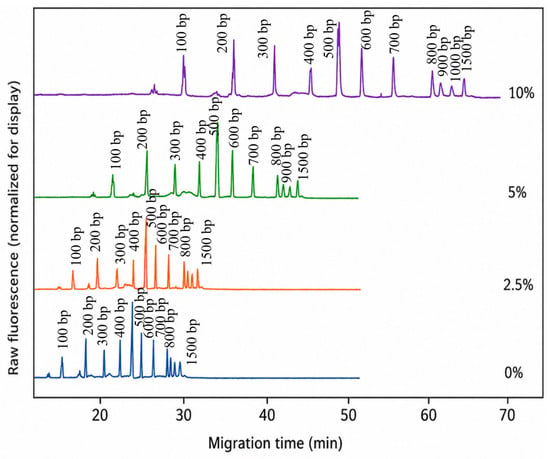
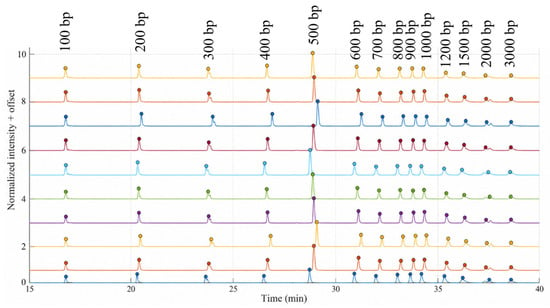
Capillary electrophoresis (CE) is widely used for DNA fragment analysis, but its separation performance depends strongly on the composition of the polymer sieving matrix, especially in multicapillary systems where matrix operability and reproducibility are critical. Herein, a laboratory-built multicapillary electrophoresis system was used to optimize the sieving matrix for high-throughput DNA fragment separation. The system integrated twelve fused-silica capillaries, high-voltage electrokinetic injection, fluorescence detection, and digital electropherogram acquisition. Using a 100 bp DNA ladder as the model sample, the effects of poly(ethylene oxide) (PEO), Tween 20, and glycerol on electropherogram quality were systematically investigated. PEO concentration was the dominant factor controlling the dynamic sieving network: 0.1% PEO provided insufficient separation, whereas 0.8–1.0% PEO produced clearly resolved DNA peaks. Tween 20 improved peak regularity and electropherogram quality under the tested conditions, with 0.05% providing sufficient improvement without prolonging migration time. Glycerol affected peak distribution by increasing apparent migration resistance in the polymer matrix; however, excessive glycerol slowed DNA migration and markedly extended the separation window. Considering separation quality, matrix operability, and analytical efficiency, 1.0% PEO, 0.05% Tween 20, 2.5% glycerol, 1× SYBR Gold, and 0.5× TBE were selected as the optimized sieving matrix. Under the optimized matrix, inter-capillary migration-time alignment improved the consistency of parallel capillary outputs, with corrected migration-time RSD values generally below 0.5%. The optimized formulation provides a practical basis for high-throughput CE-based DNA fragment analysis.
Full article
(This article belongs to the Special Issue Advanced Separation Media and Technologies for Biomolecules)
►▼
Show Figures

Figure 1

Open AccessArticle
Thermally Modified Drinking-Water Sludge as a Mineral Conditioner for Municipal Sludge Dewatering and Low-Temperature Drying
by
Qiang-Ying Zhang, Jia-Le Chen, Yuan-Ping Zeng, Shi-Yu Ren, Raymond Jianxiong Zeng and Jun-Li Chen
Separations 2026, 13(8), 221; https://doi.org/10.3390/separations13080221 - 3 Aug 2026
Abstract
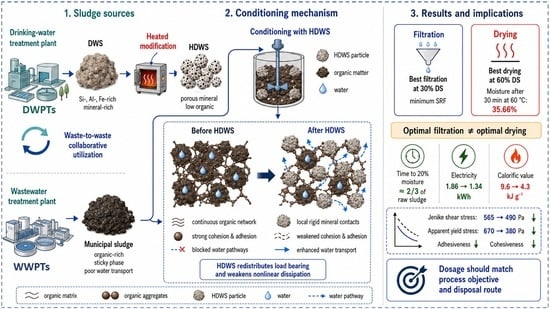
Sludge-conditioning strategies are commonly optimized for filtration performance, with less attention paid to the rheological and textural properties of concentrated sludge and their relevance to low-temperature drying. Here, thermally modified drinking-water sludge (HDWS) was evaluated as a waste-derived mineral conditioner for filtration dewatering
[...] Read more.
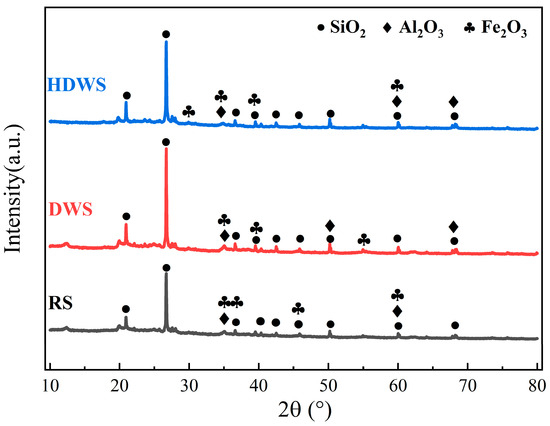
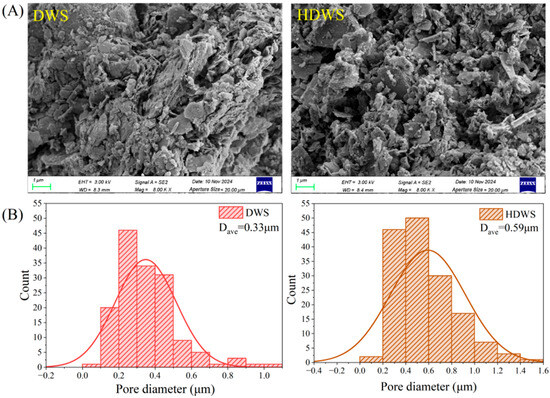
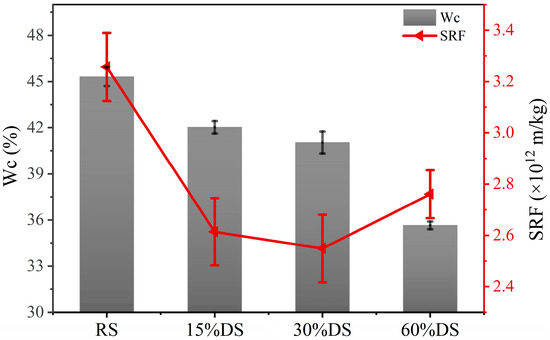
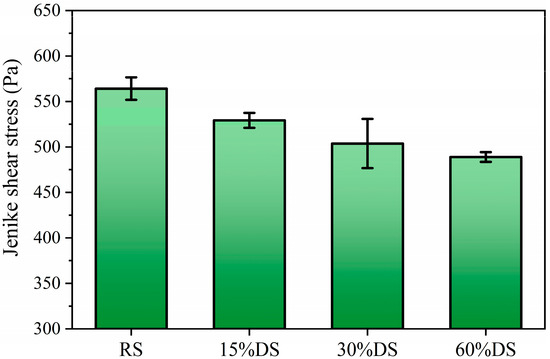
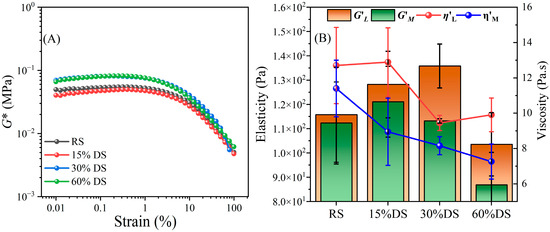
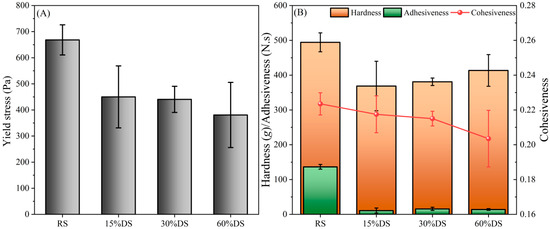
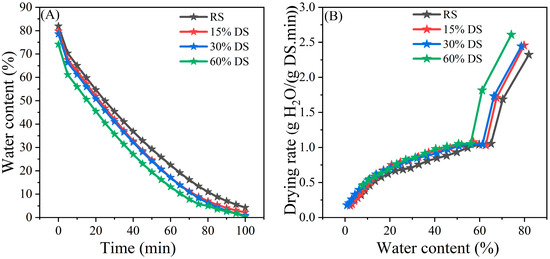
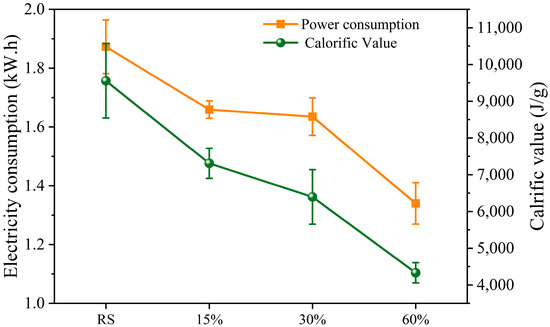
Sludge-conditioning strategies are commonly optimized for filtration performance, with less attention paid to the rheological and textural properties of concentrated sludge and their relevance to low-temperature drying. Here, thermally modified drinking-water sludge (HDWS) was evaluated as a waste-derived mineral conditioner for filtration dewatering and low-temperature drying. The specific resistance to filtration (SRF) was lowest at 30% DS, whereas the 60% DS treatment reduced the moisture content to 35.66% after drying at 60 °C for 30 min, indicating that the optimum filtration condition did not deliver the best drying performance. Increasing the HDWS dosage from 0 to 60% DS reduced the Jenike shear stress from approximately 565 to 490 Pa and the apparent yield stress from approximately 670 to 380 Pa, while also decreasing adhesiveness and cohesiveness. At higher dosages, the sludge retained relatively high small-strain stiffness but exhibited lower nonlinear elastic and viscous resistance. These responses were consistent with weakened macroscopic bonding and altered deformation-dependent energy dissipation after HDWS addition. A possible contribution from mineral-particle contacts is suggested, although the underlying microstructural mechanism was not directly resolved. The 60% DS treatment shortened the time required to reach 20% water content to approximately two-thirds of that for raw sludge but reduced the cake calorific value from approximately 9.6 to 4.3 kJ g−1. HDWS, therefore, exhibited process-specific trade-offs, and its dosage should be selected according to the targeted unit operation and downstream management route rather than regarded as a single overall optimum.
Full article
(This article belongs to the Special Issue Current Status and Prospects of Environmentally Friendly Sludge Dewatering, Solidification and Stabilization Technology)
►▼
Show Figures

Graphical abstract
Open AccessReview
New Energy Solid Waste Recycling: A Review and Outlook on Technologies from Structure Preservation to Structural Reconstruction
by
Bo Peng, Xinyan Zhang, Qiuxiang Lu and Zefeng Ge
Separations 2026, 13(8), 220; https://doi.org/10.3390/separations13080220 - 1 Aug 2026
Abstract
►▼
Show Figures
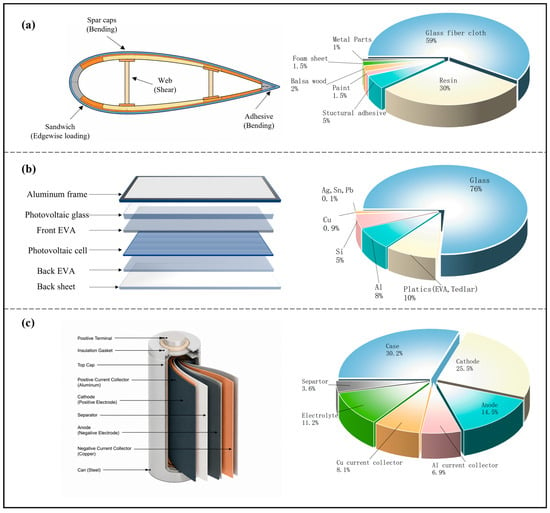
The booming clean energy industry has driven the expansion of photovoltaic (PV) and lithium-ion battery (LIB) sectors, causing the accumulation of new energy solid wastes such as wind turbine blades (WTB), PV modules and LIBs. Such solid wastes exhibit prominent characteristics such as
[...] Read more.
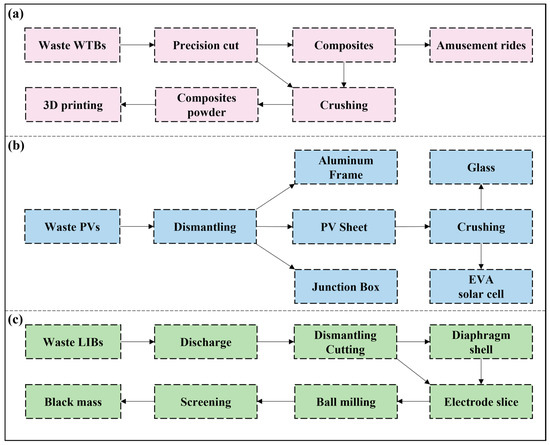
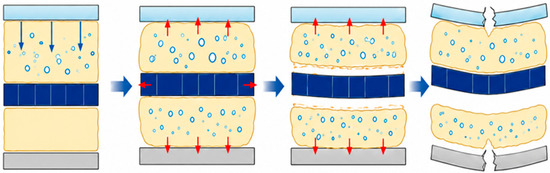
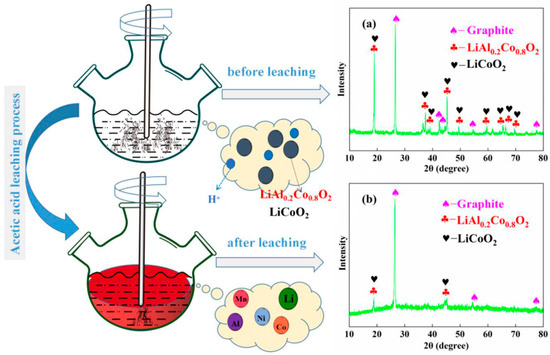
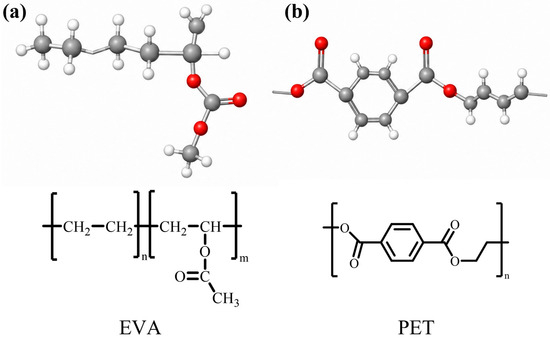
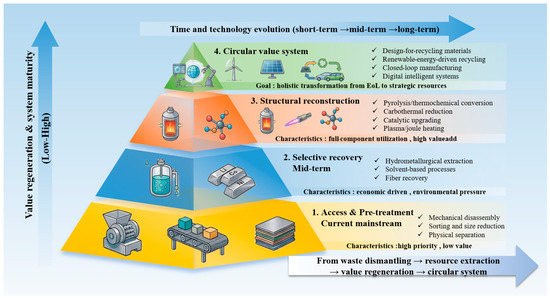
The booming clean energy industry has driven the expansion of photovoltaic (PV) and lithium-ion battery (LIB) sectors, causing the accumulation of new energy solid wastes such as wind turbine blades (WTB), PV modules and LIBs. Such solid wastes exhibit prominent characteristics such as multi-layer composition, a high degree of cross-linking, and multi-component coupling, presenting both high resource value and significant recycling challenges. This paper systematically reviews the material structural characteristics, EoL attributes, and current resource utilization status of these three new energy solid wastes. Existing recycling technologies are classified into three categories based on material structural evolution and value realization pathways: structure-retaining mechanical conversion, selective component extraction, and structure-reconstruction-based full-component upcycling. Furthermore, this study further compares various recycling routes in terms of recycling depth, value creation and development potential. The analysis indicates that, in the face of the impending large-scale retirement wave, relying solely on morphological reuse or partial component extraction is inadequate to meet the demands for efficient, high-value, and low-carbon recycling. Consequently, structure-reconstruction-based full-component upcycling will emerge as a crucial development direction for the resource utilization of new energy solid wastes. This paper provides a theoretical reference for related technological research and development, process optimization, and industrial system layout.:
Full article

Figure 1
Open AccessReview
Advanced Sorbents in Miniaturized Solid-Phase Extraction for Phenolic Compounds in Plant-Derived Food Matrices: A Systematic Critical Review of Sorbent Architecture, Interaction Mechanisms, and Analytical Trends
by
Alejandra Caluña Padilla, Miguel A. Reinoso and Diego Barzallo
Separations 2026, 13(8), 219; https://doi.org/10.3390/separations13080219 - 31 Jul 2026
Abstract
►▼
Show Figures
The compositional complexity of plant-derived food matrices and the structural diversity of phenolic compounds influence sample preparation, promoting miniaturized solid-phase extraction using advanced sorbents for their determination. This critical systematic review examines these sorbents over the 2016–2025 period, organizing the analysis according to
[...] Read more.
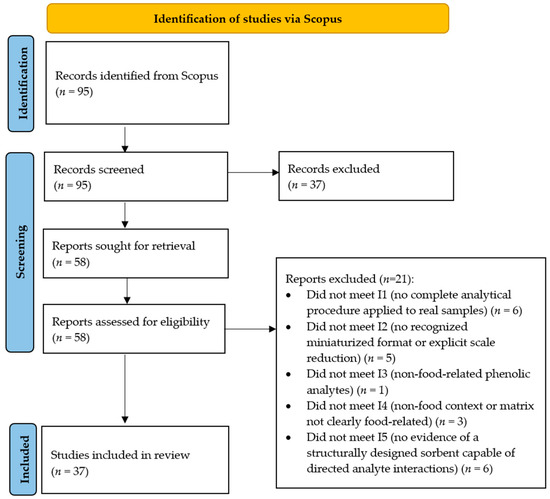
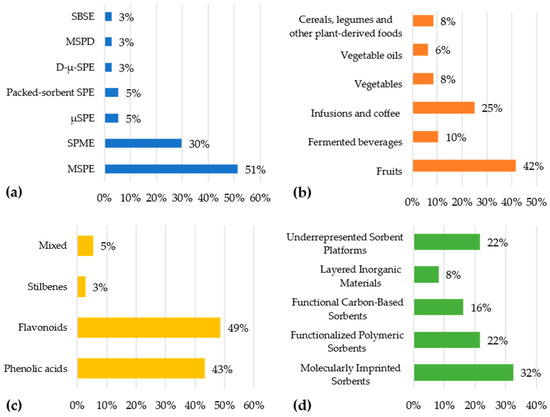
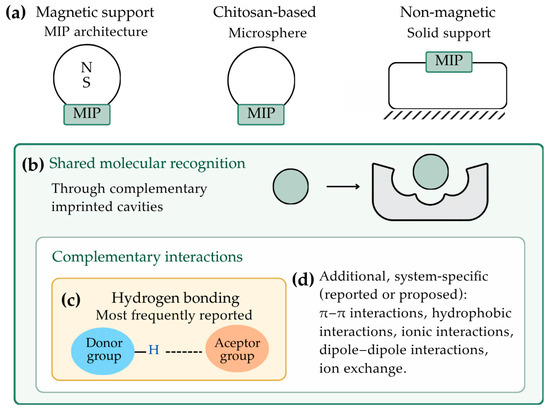
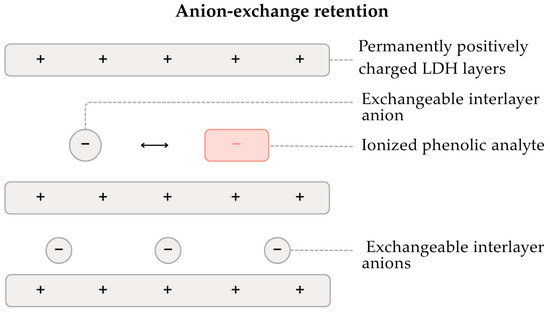
The compositional complexity of plant-derived food matrices and the structural diversity of phenolic compounds influence sample preparation, promoting miniaturized solid-phase extraction using advanced sorbents for their determination. This critical systematic review examines these sorbents over the 2016–2025 period, organizing the analysis according to their structural platform to investigate how their architecture is associated with the reported interaction mechanisms, to interpret analytical performance in the appropriate context, and to identify methodological trends, limitations, and knowledge gaps. Through a systematic search in Scopus and the application of predefined eligibility criteria, 37 studies were selected and included in the critical narrative synthesis. The analysis primarily covered molecularly imprinted sorbents, functionalized polymeric and carbon-based platforms, and layered inorganic materials. Magnetic separation using Fe3O4 emerged as the most widely employed operational strategy across the analyzed platforms, while flavonoids and phenolic acids were the predominant target subclasses. Identified gaps include the infrequent evaluation of matrix effects, the limited formal assessment of method sustainability, and the scarce experimental validation of the relative contribution of retention mechanisms in systems involving multiple simultaneous interactions. By organizing the available evidence according to sorbent structural platform, this review provides a critical framework for interpreting analytical performance, informing the rational design of advanced sorbents, and supporting the development of miniaturized solid-phase extraction techniques for food analysis.
Full article

Figure 1
Open AccessReview
Recovery of Valuable Metals from Spent HDS Catalysts and Comprehensive Utilization of Spent HDS
by
Chen Tian, Yiying Gao, Wenli Zhao, Zaishen Ling, Zhongdan Li, Huabo Xie and Bingxin Mao
Separations 2026, 13(8), 218; https://doi.org/10.3390/separations13080218 - 31 Jul 2026
Abstract
Hydrodesulfurization (HDS) is a critical technology for producing clean petroleum products. With the steady growth in annual crude oil processing volumes, the consumption of HDS catalysts has been continuously increasing. The massive release of spent catalysts imposes significant pressure on both the environmental
[...] Read more.
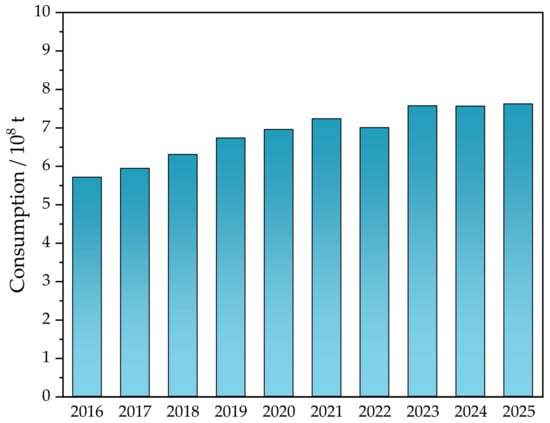
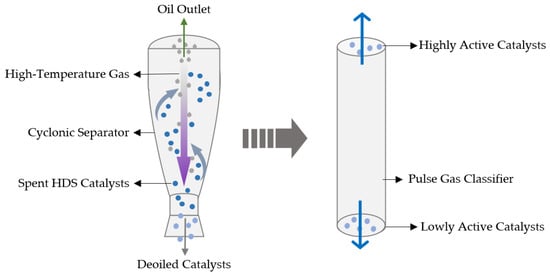
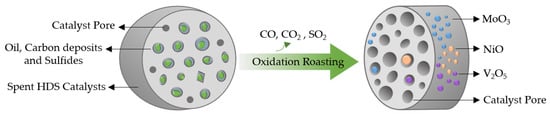
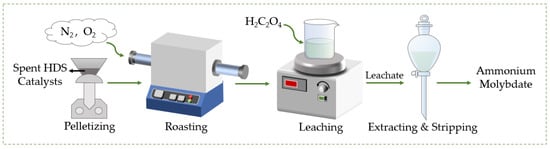
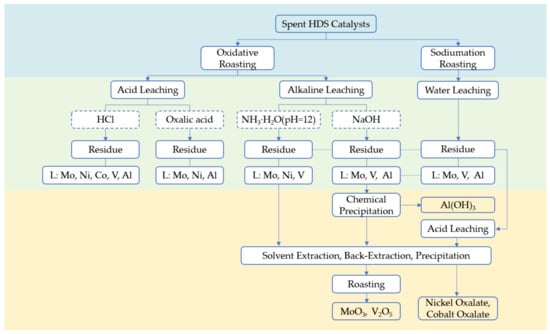
Hydrodesulfurization (HDS) is a critical technology for producing clean petroleum products. With the steady growth in annual crude oil processing volumes, the consumption of HDS catalysts has been continuously increasing. The massive release of spent catalysts imposes significant pressure on both the environmental compliance and sustainable operation of companies. Spent HDS catalysts contain relatively high concentrations of valuable metals such as Mo, Ni, V, and Co. These materials are toxic and harmful heavy metal pollutants, yet they also constitute an important secondary resource of strategic metals with extremely high recycling value. Based on a systematic comparison of relevant recovery technologies, this paper reviews the current status of valuable metal recovery from spent HDS catalysts. It summarizes typical process routes for the full-component recovery of valuable metals and discusses future research directions, with the aim of providing a theoretical reference for the high-value resource utilization of spent HDS catalysts.
Full article
(This article belongs to the Special Issue Emerging New Technologies in Fundamental and Industrial Crystallization)
►▼
Show Figures

Figure 1
Open AccessEditorial
Isolation and Identification of Biologically Active Natural Compounds
by
Iulia Varzaru and Arabela Elena Untea
Separations 2026, 13(8), 217; https://doi.org/10.3390/separations13080217 - 29 Jul 2026
Abstract
Natural bioactive compounds found in plants, agri-food by-products, microorganisms, marine sources, and other sustainable biological resources continue to drive scientific innovation due to their structural diversity and wide spectrum of biological activities, supporting advances in pharmaceuticals, nutraceuticals, functional foods, cosmetics, agriculture, and animal
[...] Read more.
Natural bioactive compounds found in plants, agri-food by-products, microorganisms, marine sources, and other sustainable biological resources continue to drive scientific innovation due to their structural diversity and wide spectrum of biological activities, supporting advances in pharmaceuticals, nutraceuticals, functional foods, cosmetics, agriculture, and animal nutrition [...]
Full article
(This article belongs to the Special Issue Isolation and Identification of Biologically Active Natural Compounds)
Open AccessArticle
Determination of Phenolic Compounds in Coal-Derived Liquid Products via GC×GC-MS/FID
by
Chenzhe Lian, Yinping Wang, Jianwei Liu, Qian Zhang and Zhihua Gao
Separations 2026, 13(8), 216; https://doi.org/10.3390/separations13080216 - 28 Jul 2026
Abstract
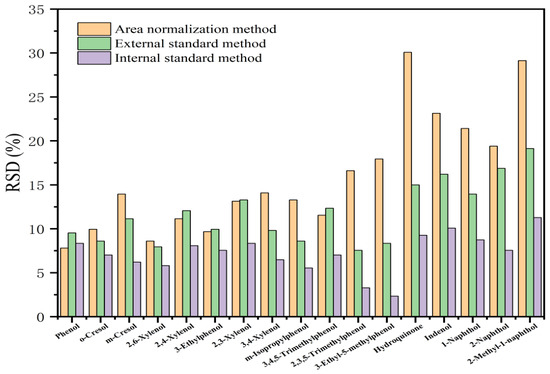
This study developed an analytical method based on comprehensive two-dimensional gas chromatography–mass spectrometry/flame ionization detection (GC×GC-MS/FID) for the simultaneous qualitative and quantitative analysis of phenolic compounds in coal-derived liquids. After sample injection, the analytes were first separated on a non-polar column in the
[...] Read more.
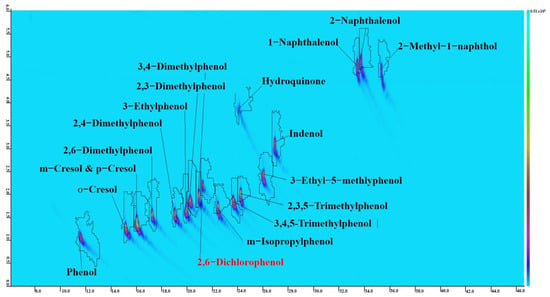
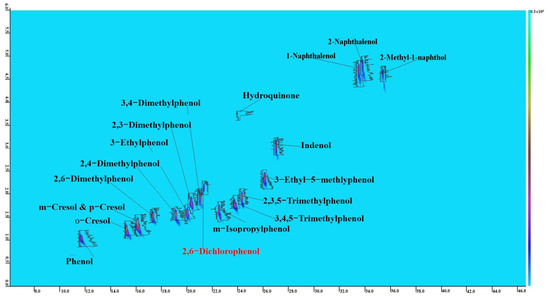
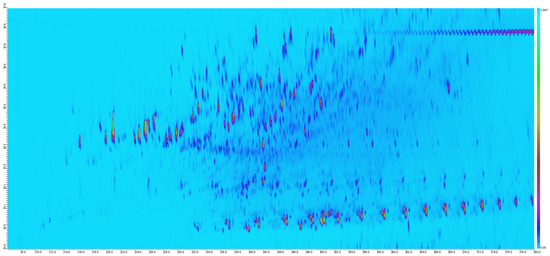
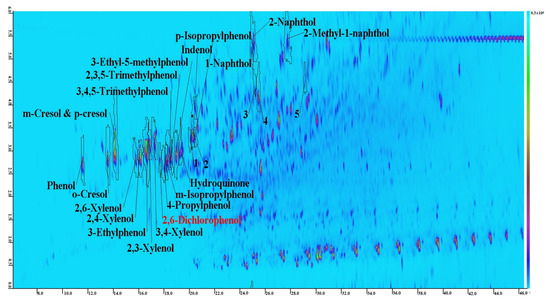
This study developed an analytical method based on comprehensive two-dimensional gas chromatography–mass spectrometry/flame ionization detection (GC×GC-MS/FID) for the simultaneous qualitative and quantitative analysis of phenolic compounds in coal-derived liquids. After sample injection, the analytes were first separated on a non-polar column in the first dimension and then transferred via a modulator to a medium-polar column for further orthogonal separation. The target phenolic compounds were simultaneously identified by MS and quantified by FID. By comparing the quantitative performance of the area normalization, external standard, and internal standard methods, the internal standard method was found to be more accurate and reliable. The limits of detection (LODs) for individual phenolic compounds ranged from 0.011 to 0.263 mg/L. Acceptable recoveries were obtained in spiked recovery tests using real coal tar samples, and the relative standard deviations (RSDs, n = 6) for repeatability tests met the acceptance criteria for quantitative analysis. These results demonstrate that the proposed GC×GC-MS/FID strategy enables efficient separation and reliable quantification of phenolic compounds, providing a valuable reference for the compositional analysis of complex mixtures in coal tar.
Full article
(This article belongs to the Topic Advances in Chromatographic Separation)
►▼
Show Figures

Figure 1

Open AccessArticle
Commercial Animal Feeds as Novel Biomass Adsorbents for Methylene Blue Removal from Water: Adsorption Performance and Mechanism
by
Barış Enez
Separations 2026, 13(8), 215; https://doi.org/10.3390/separations13080215 - 27 Jul 2026
Abstract
Wastewater from textile industries that contain methylene blue poses a serious environmental problem due to its stability and toxicity. In the current study, calf starter feed (CSF), goat feed (GF), and lamb grower feed (LGF) were investigated as potential adsorbents for methylene blue
[...] Read more.
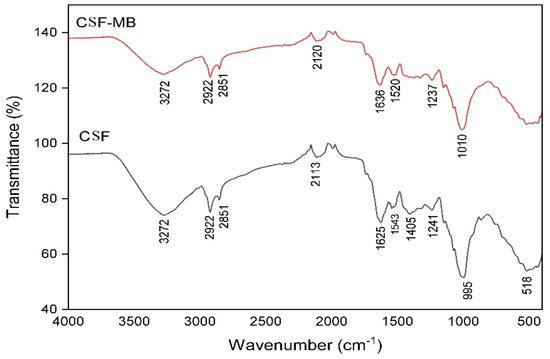
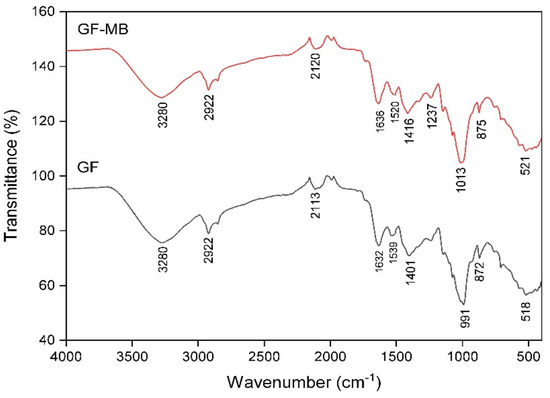
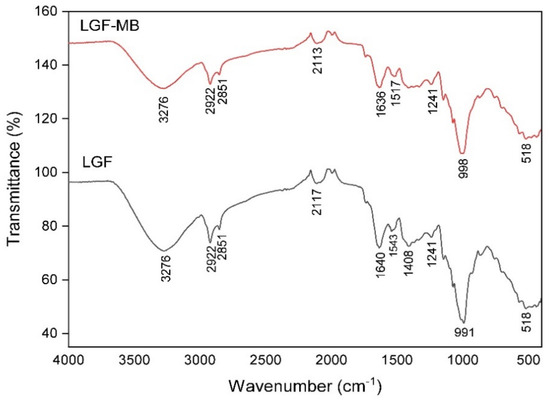
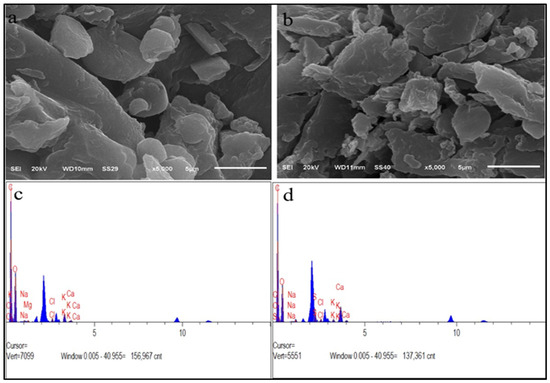
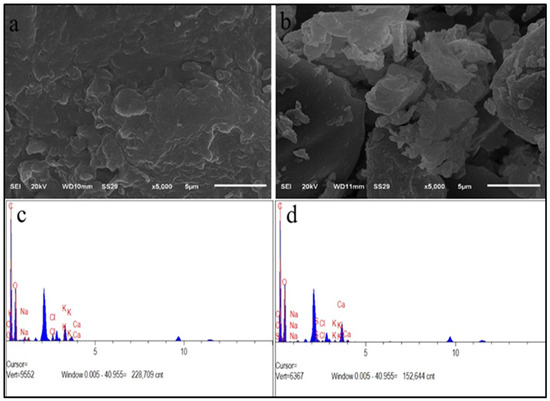
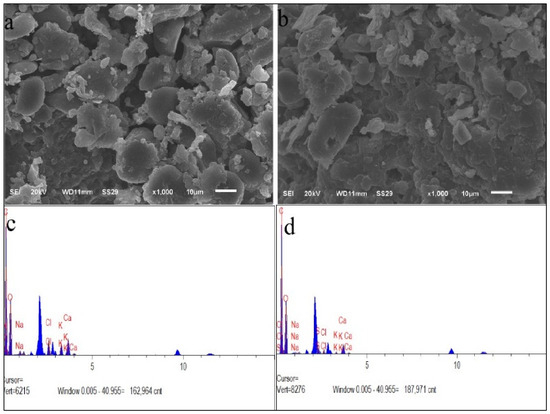
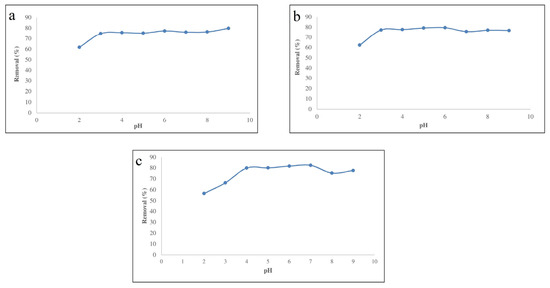
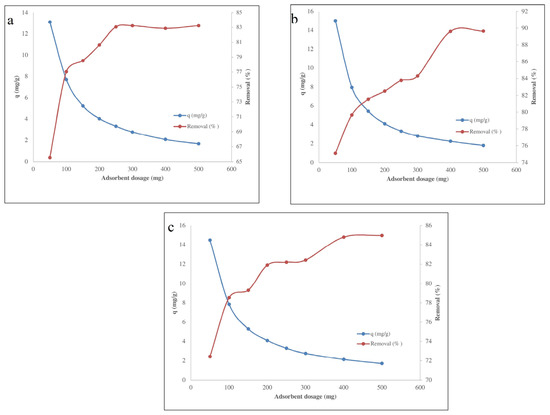
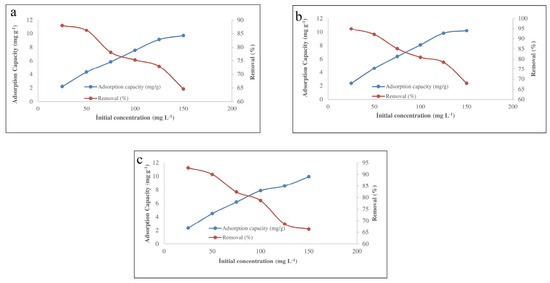
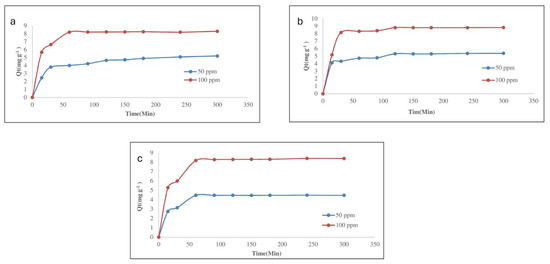
Wastewater from textile industries that contain methylene blue poses a serious environmental problem due to its stability and toxicity. In the current study, calf starter feed (CSF), goat feed (GF), and lamb grower feed (LGF) were investigated as potential adsorbents for methylene blue removal from aqueous solutions. For structure and surface analyses of the adsorbents, EDX analysis was performed with FTIR and SEM, respectively. Parameters such as pH, adsorbent dosage, dye concentration, and time were varied, and optimum pH values of 6.0 and 7.0 were obtained for CSF and both GF and LGF, respectively. It was noted that adsorption increased with adsorbent concentration; conversely, it decreased with an increase in initial dye concentration. Among all the isotherms examined, the Langmuir isotherm yielded the best correlation, with R2 > 0.98. The maximum adsorption capacity was found to be 12.4, 11.5, and 11.01 mg g−1 for CSF, GF, and LGF, respectively. Kinetic analysis showed that the pseudo-second-order model provided the best fit to the experimental data, suggesting that adsorption may involve surface interaction processes. The findings demonstrate that commercial animal feeds can serve as alternative adsorbents for methylene blue removal and provide the first evidence of their potential application in wastewater treatment.
Full article
(This article belongs to the Special Issue Materials from Biomass and Waste for Adsorption Applications)
►▼
Show Figures

Figure 1

Open AccessArticle
Phytochemical Profiling of Boswellia sacra Leaf Extracts and Evaluation of Their Pancreatic Lipase Inhibitory, Antimicrobial, and Antiproliferative Activities
by
Mansour Alblaji, Sultan Matar Almutairi, Fahad Saad Alhodieb and Saleh A. Alsanie
Separations 2026, 13(8), 214; https://doi.org/10.3390/separations13080214 - 27 Jul 2026
Abstract
This study optimized supercritical fluid extraction (SC-CO2) parameters for Boswellia sacra leaves to evaluate how extraction thermodynamics influence subsequent pharmacological bioactivity. Using a multi-parametric approach, extracts obtained at 40 °C and 80 °C (100 bar) were profiled via HPLC-DAD and evaluated
[...] Read more.
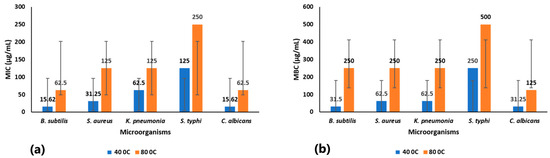
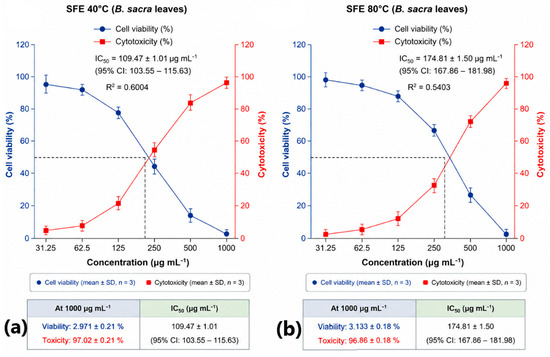
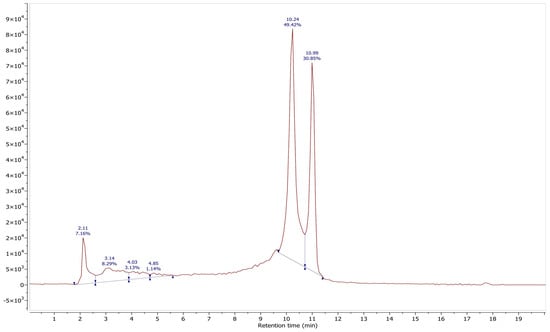
This study optimized supercritical fluid extraction (SC-CO2) parameters for Boswellia sacra leaves to evaluate how extraction thermodynamics influence subsequent pharmacological bioactivity. Using a multi-parametric approach, extracts obtained at 40 °C and 80 °C (100 bar) were profiled via HPLC-DAD and evaluated using in vitro antimicrobial, pancreatic lipase inhibition, and Caco-2 cell antiproliferative assays. HPLC analysis revealed that the 40 °C threshold preserved chemical diversity (17 active peaks, retaining higher caffeic acid and rutin concentrations), whereas 80 °C conditions caused severe compound degradation. Consequently, the 40 °C extracts exhibited significantly enhanced biomedical potencies over the 80 °C variants, demonstrating superior microbiostatic activity against Gram-positive bacteria and Candida albicans (MIC = 15.62 µg/mL), stronger porcine pancreatic lipase inhibition (IC50 = 17.21 µg/mL), and greater antiproliferative efficacy against human colorectal adenocarcinoma cells (IC50 = 109.47 µg/mL). Ultimately, maintaining low thermal thresholds during green extraction is critical to preserving the integrated polyphenolic architecture of B. sacra required for multi-targeted antimicrobial, anti-obesity, and anticancer therapeutics.
Full article
(This article belongs to the Section Analysis of Natural Products and Pharmaceuticals)
►▼
Show Figures

Figure 1

Open AccessArticle
Phytochemical Analysis of Extracts from Waste of Technical Grape Varieties and Pomegranate Peel Processed in South Kazakhstan
by
Almira A. Saparbekova, Gulzhan O. Kantureyeva, Alimjon D. Matchanov, Ulugbek R. Togaev, Amanbay J. Pirniyazov, Darikha E. Kudassova, Gulnur M. Kaldybekova and Alina Altekey
Separations 2026, 13(8), 213; https://doi.org/10.3390/separations13080213 - 26 Jul 2026
Abstract
The food industry is interested in utilizing active compounds from agri-food waste to produce healthy products and promote sustainability and resource efficiency. This study aimed to conduct a phytochemical analysis of grape pomace derived from Vitis vinifera wine grape varieties Saperavi and Cabernet
[...] Read more.
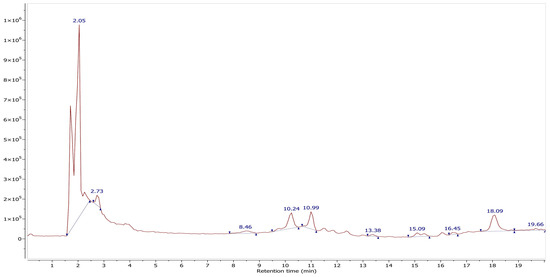
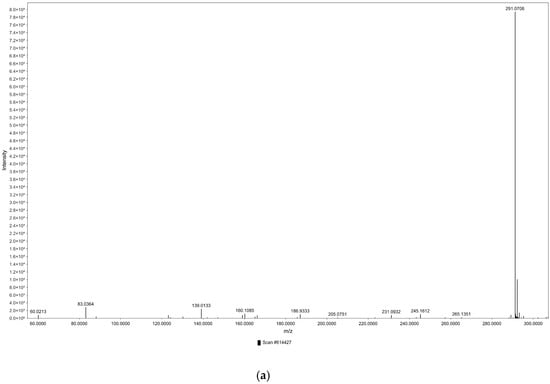
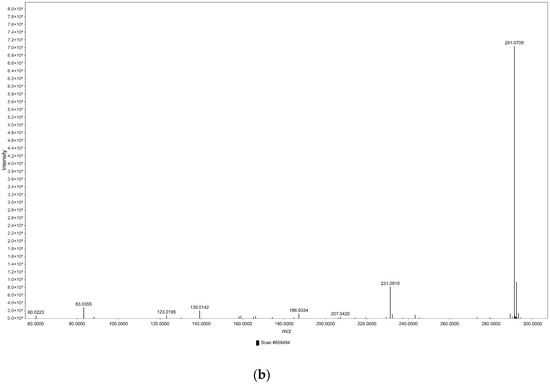
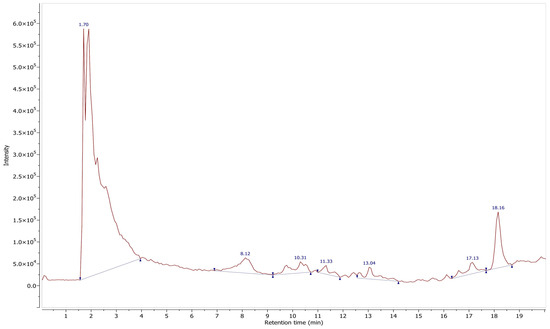
The food industry is interested in utilizing active compounds from agri-food waste to produce healthy products and promote sustainability and resource efficiency. This study aimed to conduct a phytochemical analysis of grape pomace derived from Vitis vinifera wine grape varieties Saperavi and Cabernet Sauvignon, as well as pomegranate (Punica granatum L.) peel of the Nar-Shirin variety, which are widely processed in South Kazakhstan. The extraction processes were simple and employed water and ethanol, two food-grade solvents widely used in green extraction due to their low toxicity and compatibility with food applications.Among the extraction methods tested, aqueous–alcoholic extraction demonstrated the highest efficiency in recovering total phenolic content (TPC), yielding 225.5 ± 1.46 mg GAE/g extract from pomegranate peel, 153.9 ± 1.25 mg GAE/g extract from Cabernet Sauvignon pomace, and 98.6 ± 0.83 mg GAE/g extract from Saperavi pomace. Phenolic profiling of the aqueous–alcoholic extract was performed using ultra-high-performance liquid chromatography coupled with quadrupole time-of-flight tandem mass spectrometry (HPLC-Q-TOF MS/MS). The total ion chromatograms revealed the presence of predominant phenolic compounds in all analyzed samples. Key identified constituents in grape pomace included kaempferol 3-O-β-D-xylofuranoside, kaempferol 3-O-β-glucopyranoside-7-O-α-rhamnopyranoside, quercetin-3-O-α-L-arabinoside, genistin, and megastigmane glycoside. In pomegranate peel, compounds such as myricetin, 5-(2Z,8Z)-pentadecadien-1-yl-1,3-benzenediol were identified for the first time. These findings highlight the rich phenolic composition of grape pomace and pomegranate peel’s extracts and support their potential as valuable sources of bioactive compounds for food, pharmaceutical, and industrial applications.
Full article
(This article belongs to the Topic Advances in Analysis of Food and Beverages, 2nd Edition)
►▼
Show Figures

Figure 1
Open AccessArticle
DEM Simulation and Experimental Investigation on Rotating Magnetic System WLIMS Separator
by
Hongliang Shang, Biao Wang, Haotian Zhang, Jianwu Zeng and Zhengchang Shen
Separations 2026, 13(8), 212; https://doi.org/10.3390/separations13080212 - 25 Jul 2026
Abstract
China is rich in magnetite mineral resources, but they are generally characterized by low grade, fine dissemination size, and a high content of harmful impurities. Wet low-intensity magnetic separation (WLIMS) is an important method for processing fine-grained magnetite. However, during the separation process,
[...] Read more.
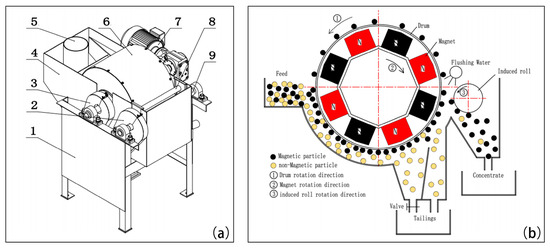
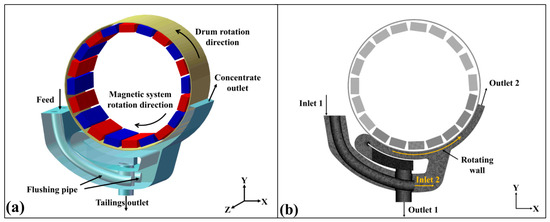
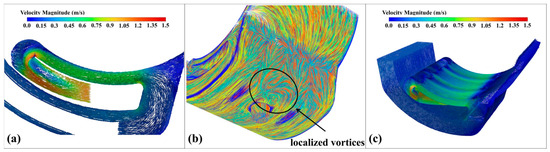
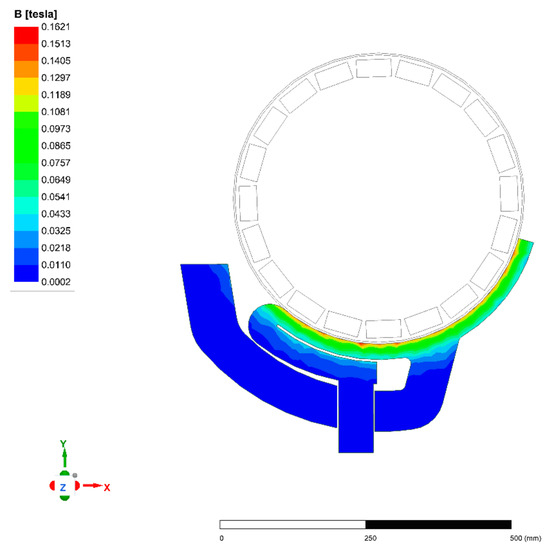
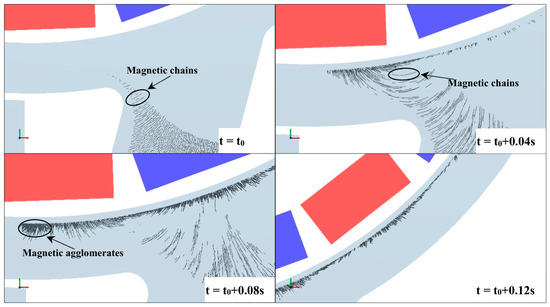
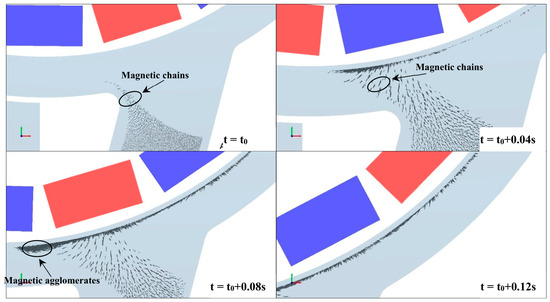
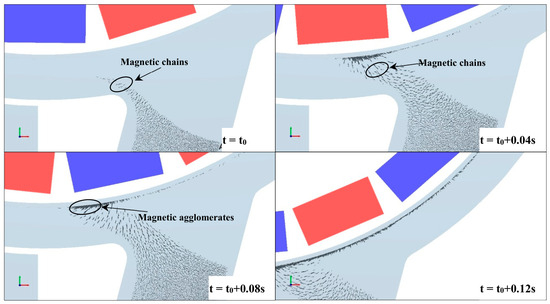
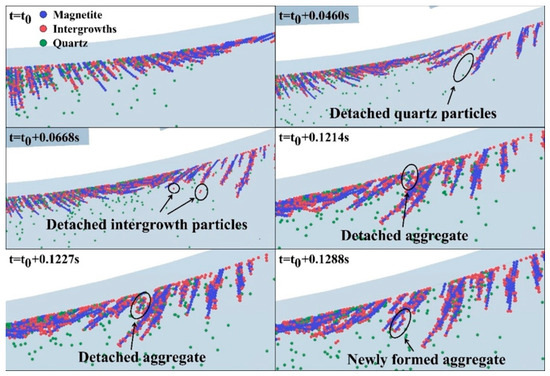
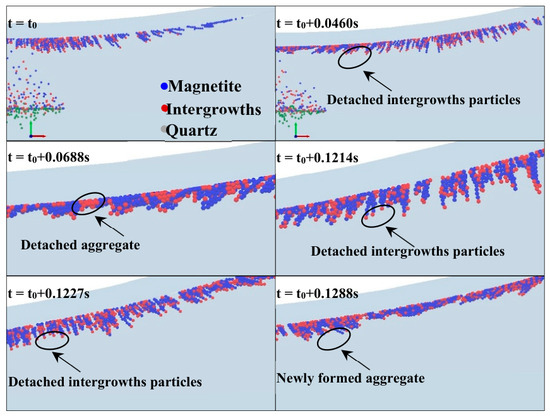
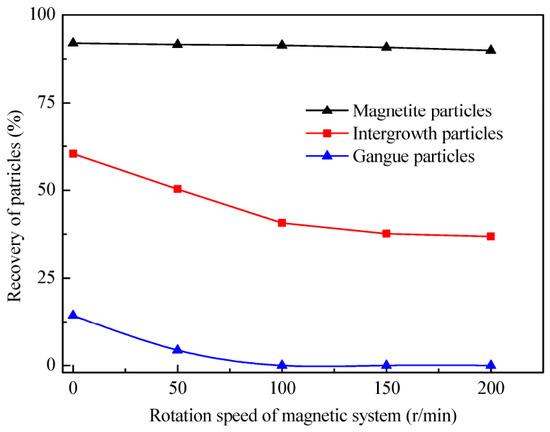
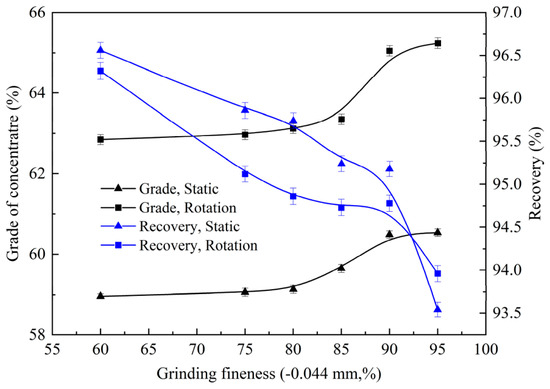
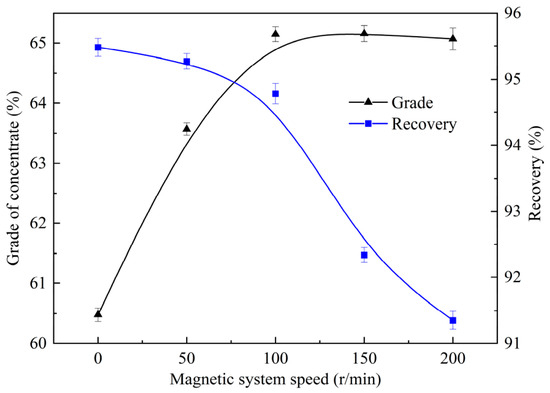
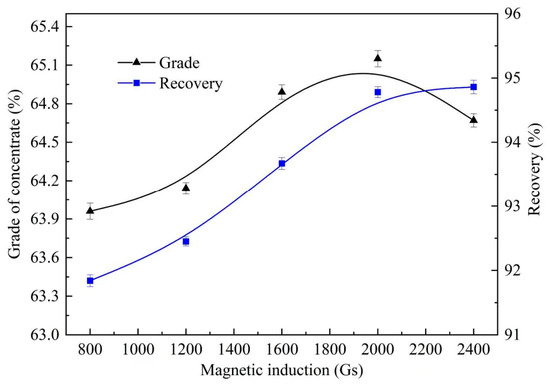
China is rich in magnetite mineral resources, but they are generally characterized by low grade, fine dissemination size, and a high content of harmful impurities. Wet low-intensity magnetic separation (WLIMS) is an important method for processing fine-grained magnetite. However, during the separation process, fine magnetite particles are prone to magnetic agglomeration, which makes it difficult for conventional WLIMS separators to achieve high-selectivity separation. To address this issue, a novel WLIMS separator based on a rotating magnetic system was developed in this investigation, and its separation characteristics were systematically investigated through a combined approach comprising CFD–DEM–FEM multiphysics coupling simulations and experimental validation. Simulation results indicate that the rotating magnetic system significantly reduces the chain length and the structural stability of magnetic agglomerates just as magnetite particles enter the magnetic field region. Furthermore, under the rotating action of the magnetic system, the magnetic chains only enclose a portion of the intergrowth minerals, while gangue minerals remain unattached, which positively contributes to improved separation selectivity. Both laboratory-scale experimental results and industrial production data indicate that, compared to the conventional WLIMS separator, the rotating magnetic system WLIMS separator achieves significantly superior separation performance. For a magnetite ore with a grade of 57.68%, the rotating magnetic system WLIMS separator achieved an optimal concentrate grade of 65.43% (with a recovery of 94.78%), whereas the conventional WLIMS separator attained only 60.32% at a similar recovery rate. This investigation provides an important basis for the large-scale industrial application of rotating magnetic system WLIMS separators and the efficient development and utilization of fine-grained magnetite resources.
Full article
(This article belongs to the Special Issue Efficient Separation of Coal and Mineral Resources)
►▼
Show Figures

Figure 1

Open AccessReview
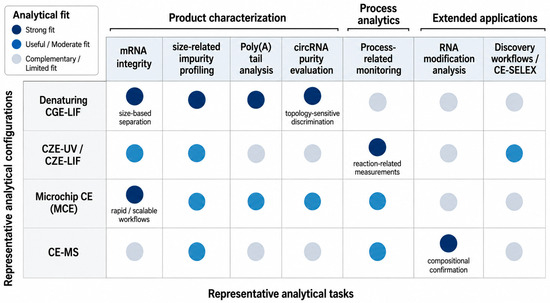
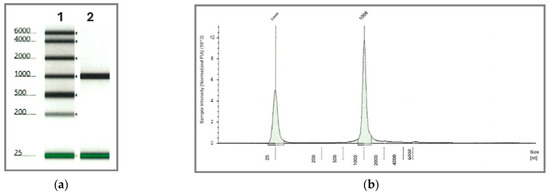
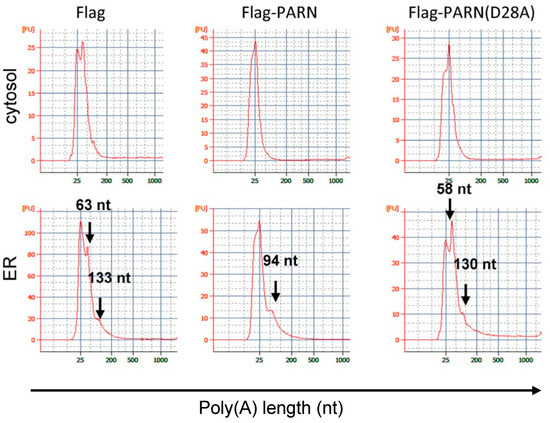
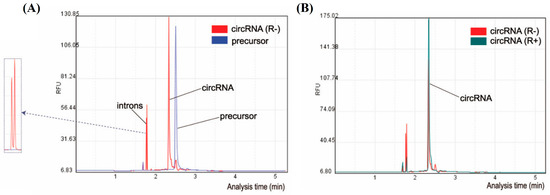
Capillary Electrophoresis in RNA Therapeutics: Toward a Core Analytical Platform for Development, Release Testing, and Process Analytics
by
Bo Yang, Xuanye Wei, Wenqian Bi, Chele Mugong, Sicheng Ye, Yunchong Jiang, Yoshinori Yamaguchi and Zhenqing Li
Separations 2026, 13(8), 211; https://doi.org/10.3390/separations13080211 - 25 Jul 2026
Abstract
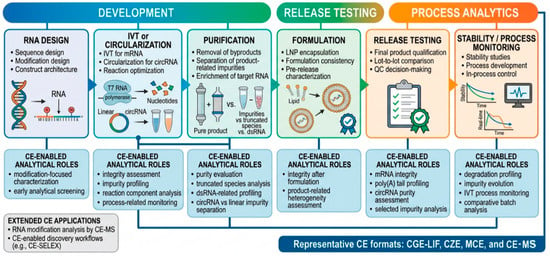
The rapid expansion of RNA therapeutics requires analytical methods that resolve molecular integrity, heterogeneity, and process-related impurities. Capillary electrophoresis (CE) provides direct RNA separation with low sample consumption and can be coupled with laser-induced fluorescence (LIF) or mass spectrometry (MS). This review assesses
[...] Read more.
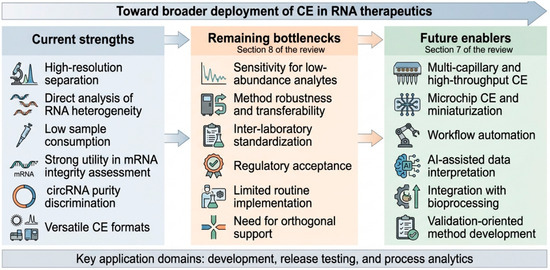
The rapid expansion of RNA therapeutics requires analytical methods that resolve molecular integrity, heterogeneity, and process-related impurities. Capillary electrophoresis (CE) provides direct RNA separation with low sample consumption and can be coupled with laser-induced fluorescence (LIF) or mass spectrometry (MS). This review assesses CE across RNA therapeutic development, release testing, and process analytics. We examine CE separation methods and platform formats for mRNA integrity and poly(A) tail analysis, size- and structure-related impurity profiling, circular RNA purity evaluation, RNA modification analysis by CE-MS, and aptamer discovery. We also discuss multi-capillary systems, microchip electrophoresis (MCE), automation, artificial intelligence (AI)-assisted data analysis, and bioprocess integration. CE is already highly useful for selected quality control tasks, especially mRNA integrity, poly(A) tail profiling, and circular RNA purity, but broader routine adoption requires improved sensitivity, standardization, method transfer, and regulatory acceptance.
Full article
(This article belongs to the Special Issue Advanced Separation Media and Technologies for Biomolecules)
►▼
Show Figures

Figure 1

Open AccessArticle
Free-Supported Geopolymer-Based NaA Zeolite Membrane for PGME Dehydration Purification
by
Xia Deng, Lemin Huang, Yunfei Mo and Xuemin Cui
Separations 2026, 13(8), 210; https://doi.org/10.3390/separations13080210 - 25 Jul 2026
Abstract
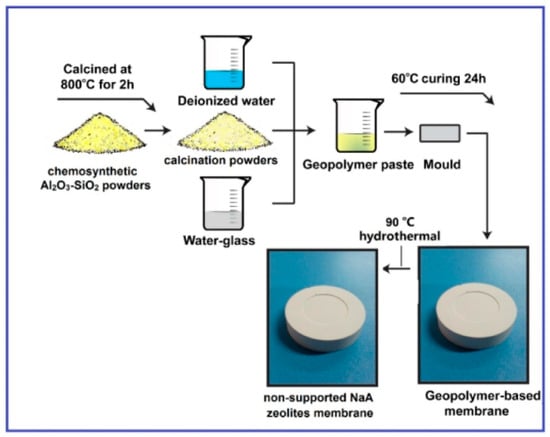
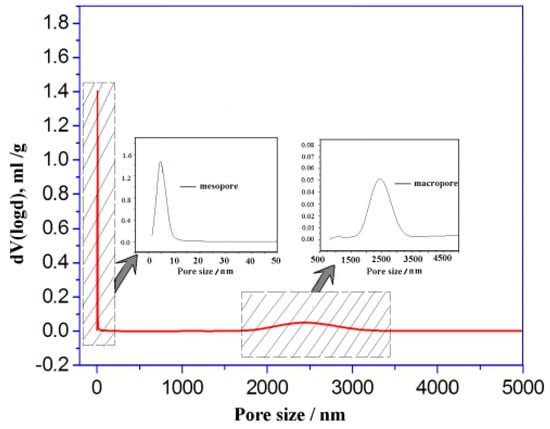
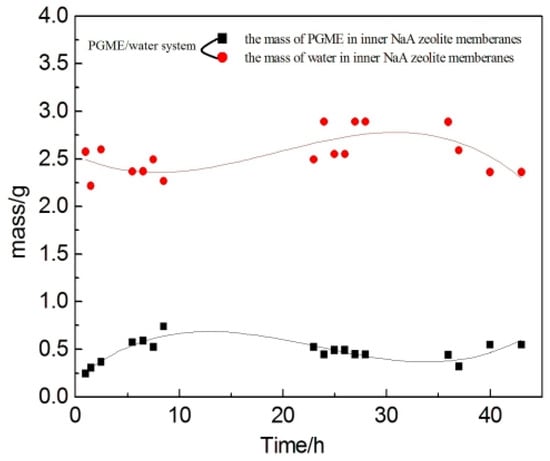
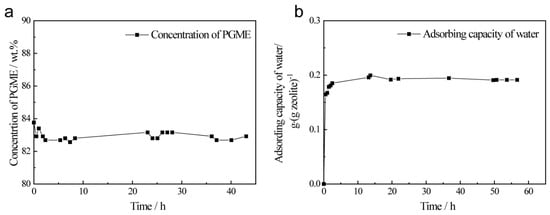
Self-supported gradient bilayer NaA zeolite membranes were hydrothermally converted from geopolymer precursors for pervaporative dehydration of the propylene glycol methyl ether (PGME)/water azeotrope. XRD confirms crystallization of amorphous geopolymer into NaA zeolite. The 9 mm-thick membrane comprises a thin surface NaA-selective layer and
[...] Read more.
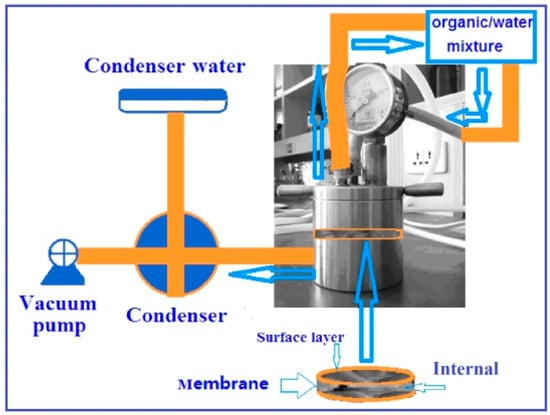
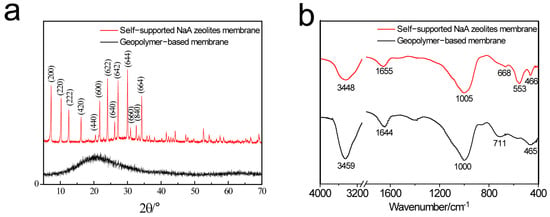
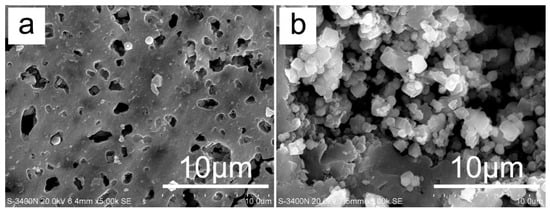
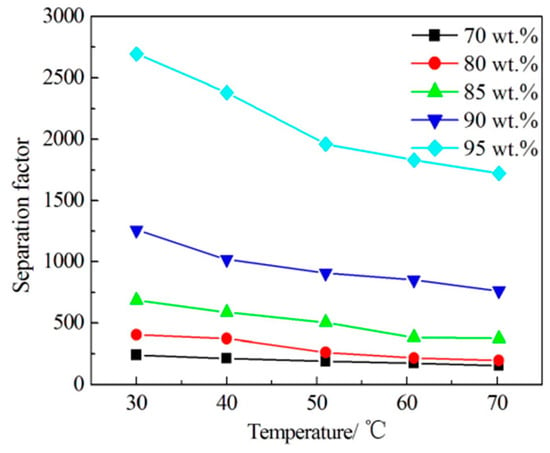
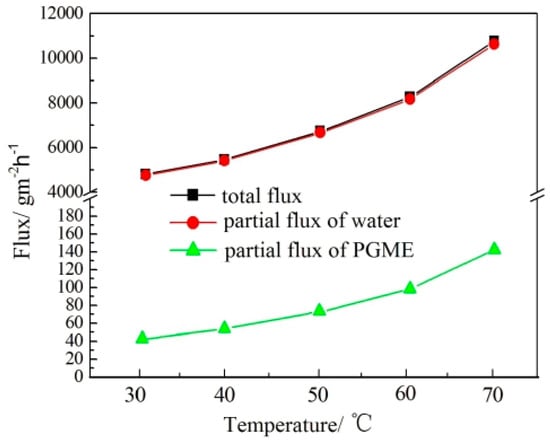
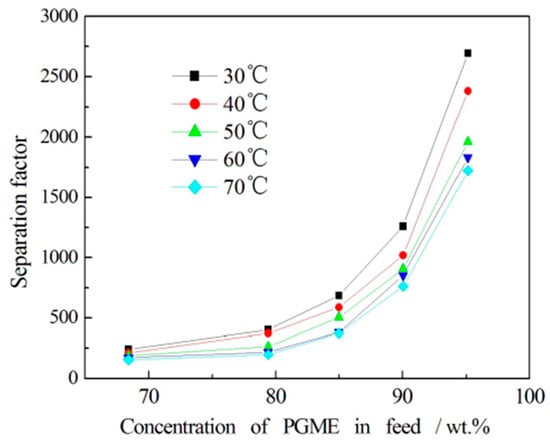
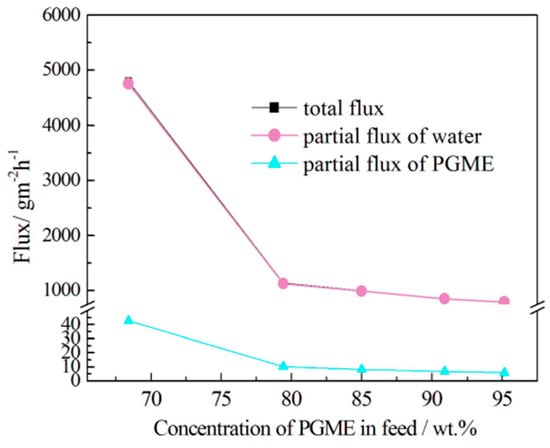
Self-supported gradient bilayer NaA zeolite membranes were hydrothermally converted from geopolymer precursors for pervaporative dehydration of the propylene glycol methyl ether (PGME)/water azeotrope. XRD confirms crystallization of amorphous geopolymer into NaA zeolite. The 9 mm-thick membrane comprises a thin surface NaA-selective layer and a porous substrate providing low-resistance feed transport. The membrane shows preferential water adsorption and separates via the adsorption–diffusion mechanism. Performance depends on feed temperature and PGME concentration. At 30 °C and 95 wt% PGME, it achieves a flux of 1.1 kg·m−2·h−1 and an ultrahigh separation factor of 2695, far exceeding conventional PVA membranes. This low-cost membrane demonstrates excellent potential for lab-scale organic solvent dehydration.
Full article
(This article belongs to the Special Issue Advanced Separation Methods for Safety Assessment and Valorization of By-Products)
►▼
Show Figures

Figure 1
Open AccessArticle
Optimization of the Purification Process for C-Glycosyl Flavones from Phyllostachys edulis Leaves
by
Yuan Fang, Chunjuan Zhang, Wenting Song and Xuefeng Guo
Separations 2026, 13(8), 209; https://doi.org/10.3390/separations13080209 - 24 Jul 2026
Abstract
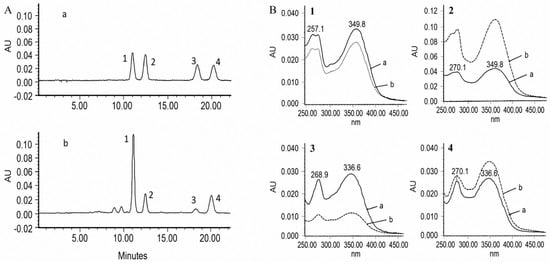
A preparative purification process was developed for the enrichment of four C-glycosyl flavones from leaves of Phyllostachys edulis (Carrière) J.Houz., namely orientin, isoorientin, vitexin, and isovitexin. The crude P. edulis leaf extract was used as the feed material, and HPLC was employed for
[...] Read more.
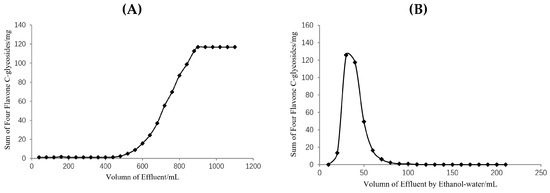
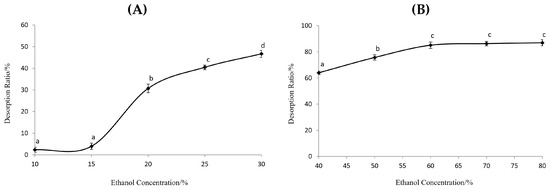
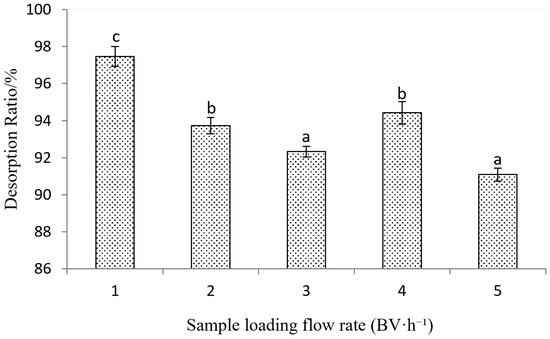
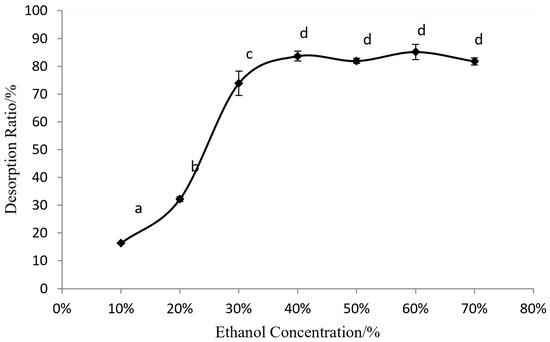
A preparative purification process was developed for the enrichment of four C-glycosyl flavones from leaves of Phyllostachys edulis (Carrière) J.Houz., namely orientin, isoorientin, vitexin, and isovitexin. The crude P. edulis leaf extract was used as the feed material, and HPLC was employed for quantitative analysis. Macroporous resins and polyamide resins were compared in terms of their adsorption and desorption performance toward the target compounds. The results showed that D101 macroporous resin provided the best overall process suitability among the tested resins. The optimal purification conditions were an initial sample concentration of 10 mg·mL−1, a resin-to-sample loading ratio of 5:1 (g·g−1), a sample-loading flow rate of 4 BV·h−1, impurity removal with 15% ethanol, elution with 60% ethanol, an elution volume of 3 BV, and a 60% ethanol elution flow rate of 3 BV·h−1. After D101 resin purification, the yield of the four C-glycosyl flavones was 11.712 mg·g−1 relative to the crude extract, and their combined content in the D101-purified flavonoid-enriched powder reached 68.359 mg·g−1. Further purification using polyamide resin with a particle-size range of 0.15–0.25 mm and 40% ethanol resulted in the recovery of 16.128 mg·g−1 of the four C-glycosyl flavones relative to the D101-purified feed material, while their combined content in the polyamide-purified flavonoid-enriched powder reached 76.939 mg·g−1. This process provides a basis for the preparative separation and utilization of C-glycosyl flavones from P. edulis leaves.
Full article
(This article belongs to the Section Separation Engineering)
►▼
Show Figures

Figure 1
Open AccessArticle
Separation Effect and Hydrodynamic Parameters of an Ilmenite–Chlorite Slurry in Spirals via Cross-Sectional Geometry Regulation of Middle Trough
by
Shuling Gao, Xintong Zhang, Qian Wang, Xiaohong Zhou, Chunyu Liu, Guixia Fan and Daoguang Teng
Separations 2026, 13(7), 208; https://doi.org/10.3390/separations13070208 - 21 Jul 2026
Abstract
►▼
Show Figures
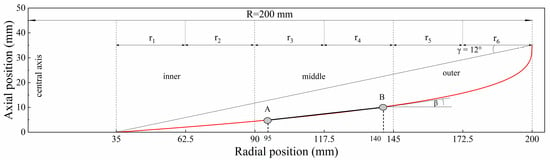
The middle trough of spirals serves simultaneously as a buffer zone for variations in hydrodynamic parameters and as a region where mineral particles of different densities are prone to mixing, exerting a profound influence on particle-separation effect. This study employed a multi-fluid volume
[...] Read more.
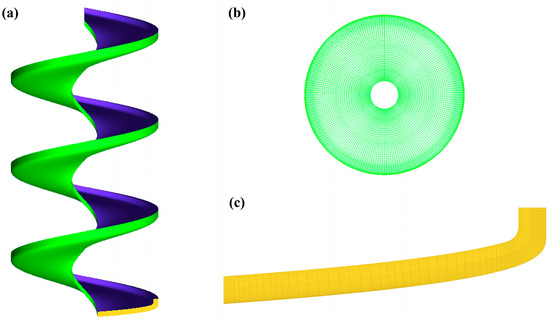
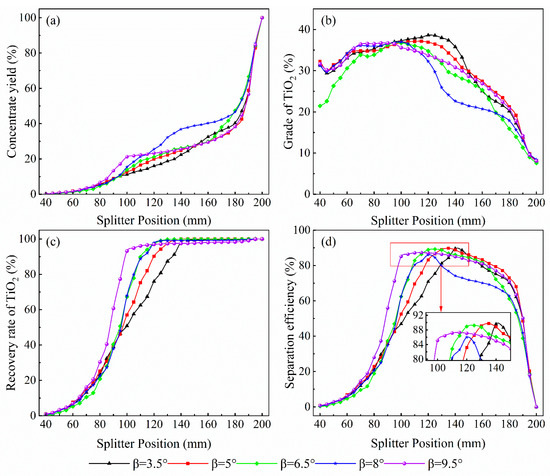
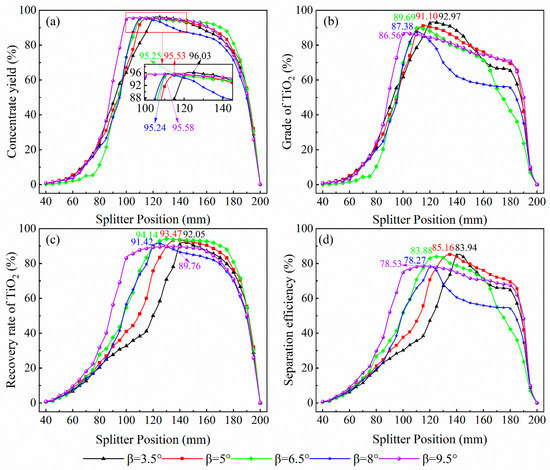
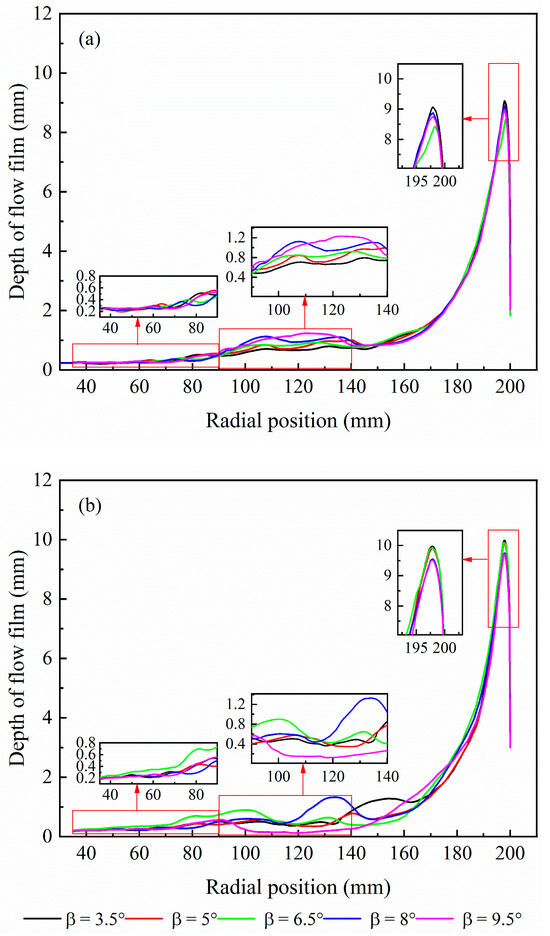
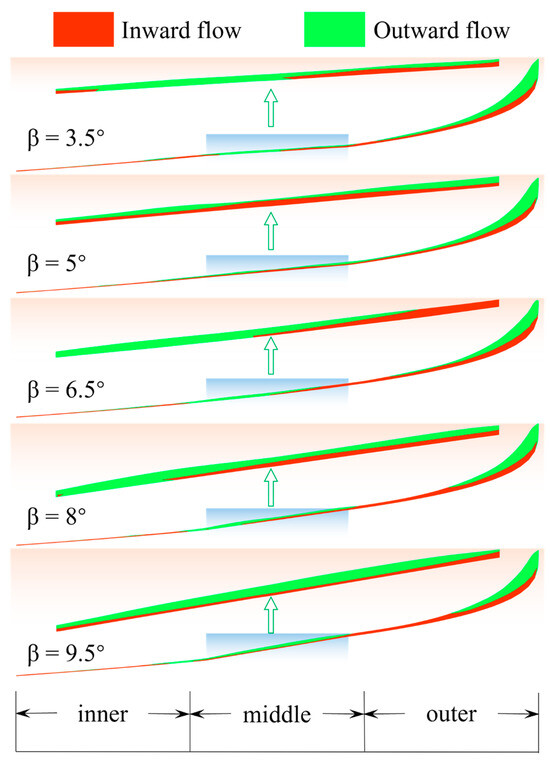
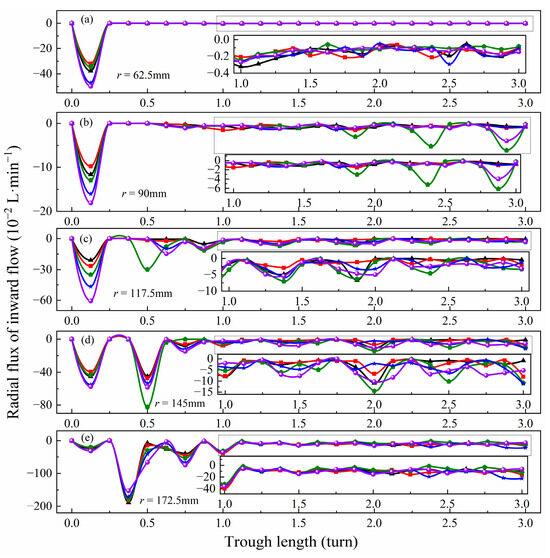
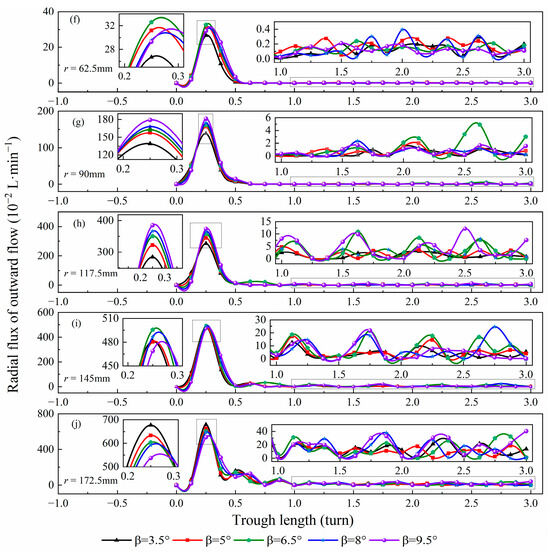
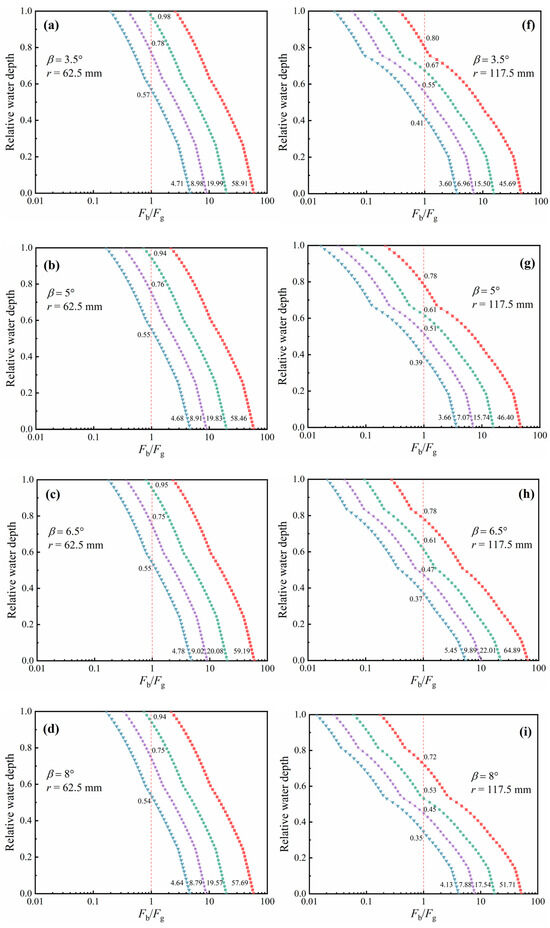
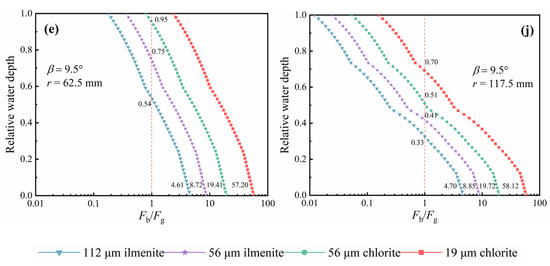
The middle trough of spirals serves simultaneously as a buffer zone for variations in hydrodynamic parameters and as a region where mineral particles of different densities are prone to mixing, exerting a profound influence on particle-separation effect. This study employed a multi-fluid volume of fluid (VOF) model incorporating the Bagnold effect to simulate the ilmenite–chlorite slurry flow in a custom-designed Φ400 mm short-travel spiral concentrator with three turns. This study systematically investigated the influence of the transverse inclination angle of the middle trough (ranging from 3.5° to 9.5°) on separation indicators, flow film morphology, secondary circulation characteristics, and particle force dynamics. The results indicate that employing a lower transverse inclination angle is more conducive to improving the technical separation indicators for ilmenite and chlorite. When using enrichment ratio and separation efficiency as criteria, the optimal inclination angles range from 3.5° to 5° and 3.5° to 6.5°, respectively. Meanwhile the separation efficiency and its sensitivity to the middle trough transverse inclination angle vary remarkably with different feeding sizes. Feeding of 112 μm ilmenite and 19 μm chlorite yields the premium separation performance and is minimally affected by the middle trough transverse inclination angle. Conversely, as the ilmenite particle size decreases or the chlorite particle size increases, the separation indicators decline but become significantly regulated by the middle trough transverse inclination angle, exhibiting a desirable angle range of 3.5–6.5°. Hydrodynamic parameter analyses indicate that a moderate flow film depth, continuous secondary circulation morphology and stabilizing inner circulation in the middle trough can be obtained at a middle trough transverse inclination angle scope of 3.5–6.5°. Once the inclination angle exceeds 6.5°, a distinct ridge forms in the flow film of the middle trough, and extensive disruptions occur in the outward circulation, which subsequently impedes the outward transport of low-density particles along with the fluid. At a middle trough transverse inclination angle scope of 3.5–6.5°, the Bagnold force exerted on the ilmenite particles in the middle trough remains low during the initial stage of flow field evolution, which favors their retention in the lower fluid layer to become the concentrate product. Concurrently, the chlorite particles near the inner region experience a higher Bagnold force, which facilitates their suspension into the upper outer circulation, thereby amplifying the kinematic differences between the chlorite and ilmenite particles. This study demonstrates that fluid dynamic parameters and the force characteristics of mineral particles can effectively characterize the separation process of mineral particles in spirals.
Full article

Figure 1
Open AccessArticle
Y-Site Compatibility of Doxapram Hydrochloride with Commonly Used Drugs in the NICU
by
Mao Maekawa, Masamitsu Maekawa, Yu Sato, Shimpei Watanabe, Masatoshi Saito and Nariyasu Mano
Separations 2026, 13(7), 207; https://doi.org/10.3390/separations13070207 - 18 Jul 2026
Abstract
In neonatal intensive care units (NICUs), limited vascular access often necessitates the co-administration of multiple intravenous medications through a single line, increasing the risk of physicochemical incompatibility. Doxapram hydrochloride (DOP), a respiratory stimulant used when caffeine therapy is insufficient, is continuously infused and
[...] Read more.
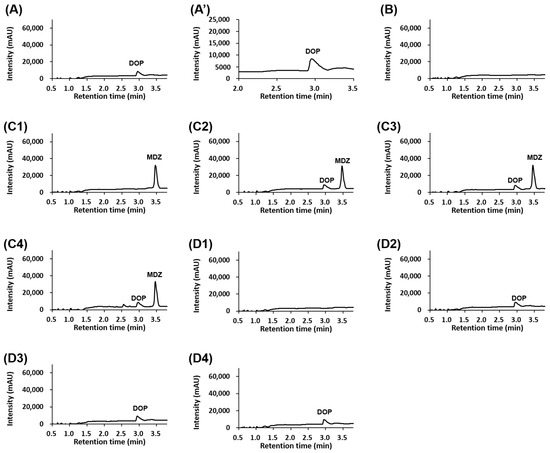
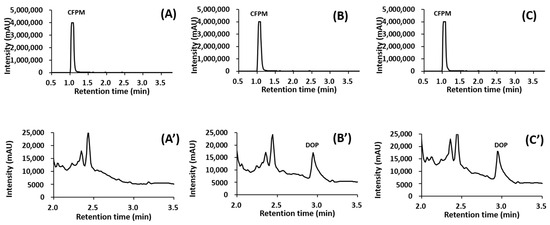
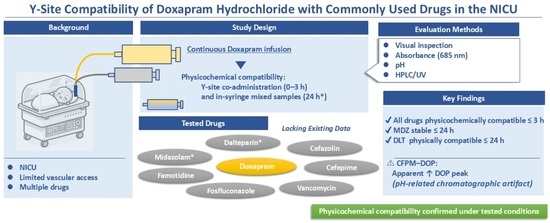
In neonatal intensive care units (NICUs), limited vascular access often necessitates the co-administration of multiple intravenous medications through a single line, increasing the risk of physicochemical incompatibility. Doxapram hydrochloride (DOP), a respiratory stimulant used when caffeine therapy is insufficient, is continuously infused and frequently requires Y-site administration with other drugs. This study systematically evaluated the compatibility of seven commonly used NICU medications—midazolam (MDZ), dalteparin sodium (DLT), cefazolin, cefepime (CFPM), vancomycin, fosfluconazole, and famotidine—under conditions simulating co-administration through the side port of a continuous DOP infusion. Visual inspection, UV absorbance, pH measurement, and HPLC/UV analysis were performed at 0 and 3 h, with extended evaluation to 24 h for only MDZ and DLT. All mixtures showed acceptable physicochemical compatibility within 3 h, and MDZ and DLT remained stable for 24 h, indicating feasibility for co-infusion in the same syringe. In HPLC/UV analysis, the CFPM–DOP mixture exhibited a marked artifactual increase in DOP peak area, likely due to pH-dependent chromatographic behavior changing rather than true incompatibility. These findings provide practical compatibility data for NICU drug administration and offer a methodological framework for evaluating untested drug combinations, contributing to safer and more efficient intravenous therapy in preterm infants.
Full article
(This article belongs to the Special Issue Application of Chromatographic Techniques for the Determination of Active Pharmaceutical Compounds)
►▼
Show Figures

Graphical abstract
Open AccessReview
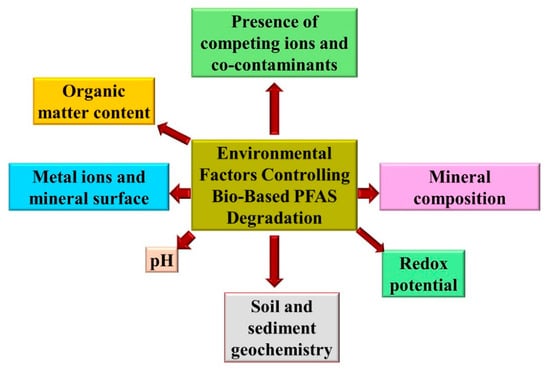
Carbon–Fluorine Bond Cleavage in PFAS Remediation: Integrating Biological and Emerging Advanced Treatment Technologies
by
Chinemerem Ruth Ohoro and Veronica M. Ngole-Jeme
Separations 2026, 13(7), 206; https://doi.org/10.3390/separations13070206 - 17 Jul 2026
Abstract
Per- and polyfluoroalkyl substances (PFASs) are persistent environmental contaminants widely recognized as “forever chemicals” due to the exceptional stability of their carbon–fluorine (C-F) bonds. Their widespread occurrence in water, soil, sediments, and biota, coupled with increasing evidence of toxicity, bioaccumulation, and long-range transport,
[...] Read more.
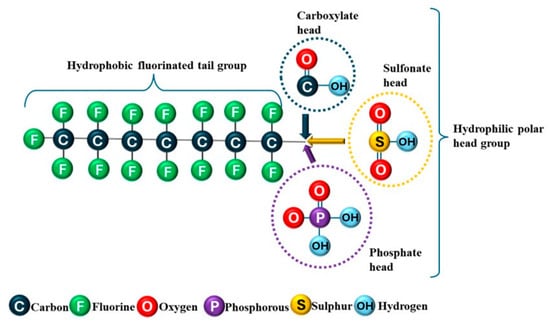
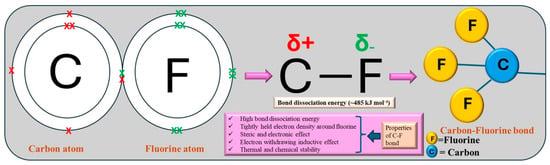
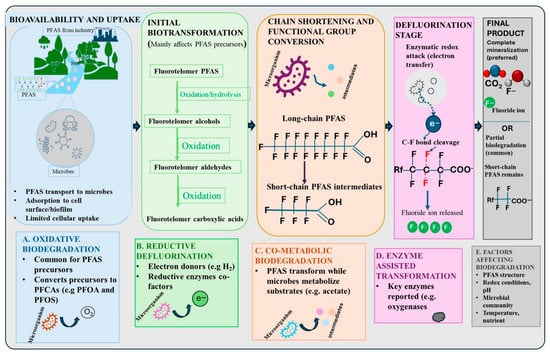
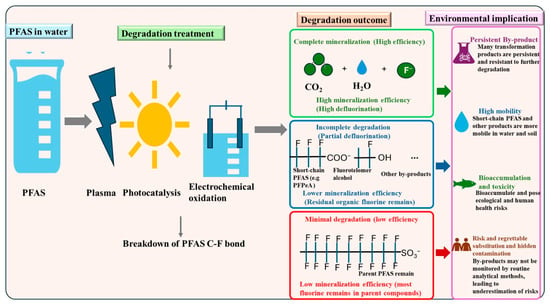
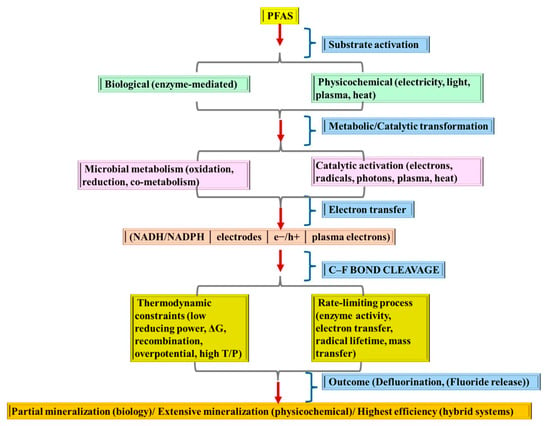
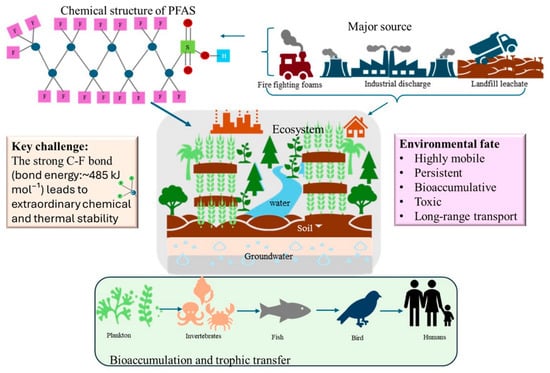
Per- and polyfluoroalkyl substances (PFASs) are persistent environmental contaminants widely recognized as “forever chemicals” due to the exceptional stability of their carbon–fluorine (C-F) bonds. Their widespread occurrence in water, soil, sediments, and biota, coupled with increasing evidence of toxicity, bioaccumulation, and long-range transport, has intensified the search for sustainable remediation strategies. Conventional remediation technologies for PFASs have been widely applied but remain constrained by several technical and environmental limitations, such as incomplete mineralization, high energy requirements, secondary waste generation, and the formation of toxic transformation products. Moreover, many conventional treatment processes were not originally designed to handle the chemical stability and structural diversity of PFASs, resulting in variable removal efficiencies across different compounds. Bio-based strategies for PFAS remediation, particularly those targeting C-F bond cleavage and biological defluorination, are gaining attention due to the unique challenges posed by the chemical stability and environmental persistence of these “forever chemicals”. This review addresses the fragmented nature of PFAS remediation research by integrating biological and physicochemical strategies and critically examining mechanisms of C-F bond cleavage and defluorination. Emerging technologies, including bioelectrochemical systems, photocatalytic and electrochemical defluorination, adsorption-assisted degradation, plasma treatment, hydrothermal processes, and synthetic biology approaches, are evaluated in relation to their degradation efficiencies, defluorination capacities, and applicability in diverse environmental matrices. Particular attention is given to integrated “capture-and-destroy” systems that combine adsorption with catalytic or biological degradation to enhance remediation efficiency and reduce energy demand. PFAS treatment performance varies markedly across scalability, destruction, and cost. Key knowledge gaps and future perspectives are outlined, emphasizing the need for scalable, energy-efficient, and environmentally sustainable remediation technologies capable of achieving complete PFAS mineralization in complex environmental systems.
Full article
(This article belongs to the Special Issue Recent Advances in Adsorption and Degradation Technologies of Per- and Polyfluoroalkyl Substances (PFAS))
►▼
Show Figures

Figure 1
Journal Menu
► ▼ Journal Menu-
- Separations Home
- Aims & Scope
- Editorial Board
- Reviewer Board
- Topical Advisory Panel
- Early Career Editorial Board
- Instructions for Authors
- Special Issues
- Topics
- Sections & Collections
- Article Processing Charge
- Indexing & Archiving
- Editor’s Choice Articles
- Most Cited & Viewed
- Journal Statistics
- Journal History
- Journal Awards
- Society Collaborations
- Conferences
- Editorial Office
Journal Browser
► ▼ Journal BrowserHighly Accessed Articles
Latest Books
E-Mail Alert
News
5 August 2026
MDPI INSIGHTS: The CEO’s Letter #37 – Canada Summit, Sciforum Relaunch, 30 Years of Impactful Research & ISPRS 2026
Topics
Topic in
Applied Sciences, ChemEngineering, Molecules, Processes, Reactions, Separations
Processing Design and Intensification in Chemical Engineering
Topic Editors: Yang Yuan, Wenyu Xiang, Haisheng ChenDeadline: 25 August 2026
Topic in
Environments, Minerals, Separations, Sustainability, Water
Analysis and Separations of Trace Elements in the Environment, 2nd Edition
Topic Editors: Gene Hall, Begoña GonzálezDeadline: 30 September 2026
Topic in
Analytica, Molecules, Separations, Chemistry, Chemosensors
Advances in Counter-Current Chromatography
Topic Editors: Shihua Wu, Xinyi Huang, Zhi YangDeadline: 30 October 2026
Topic in
Chemistry, Membranes, Molecules, Processes, Separations, Polymers
Membranes for Contaminant Separation in Fluids
Topic Editors: Jing Wang, Guoliang YangDeadline: 30 November 2026
Conferences
Special Issues
Special Issue in
Separations
The Latest Progress in the Coal-Based Solid Waste Particle Separation
Guest Editor: Haisheng LiDeadline: 20 August 2026
Special Issue in
Separations
Extraction and Analysis of Chemical Composition from Natural Products and Metabolites (2nd Edition)
Guest Editors: Aurea Bernardino-Nicanor, Leopoldo González CruzDeadline: 20 August 2026
Special Issue in
Separations
Extraction, Purification and Functional Substances of Natural Products and Plants
Guest Editor: Xiumei LiDeadline: 20 August 2026
Special Issue in
Separations
Green and Efficient Solvent Extraction: Advances in Technology and Equipment
Guest Editor: Shaowei LiDeadline: 20 August 2026
Topical Collections
Topical Collection in
Separations
Feature Paper Collection in Section 'Materials in Separation Science'
Collection Editors: Dimosthenis Giokas, Manolis Manos
Topical Collection in
Separations
Synthetic Membrane Separation Science and Technology
Collection Editors: Mohamed Khayet, Elena Guillen Burrieza
Topical Collection in
Separations
State-of-the-Art Separation and Analytical Methods in Energies
Collection Editors: Sascha Nowak, Yannick Philipp Stenzel
Topical Collection in
Separations
Separation and Analysis of Drugs and Poisons in Forensic Science
Collection Editor: Anna Carfora