


Abstract
Per- and polyfluoroalkyl substances (PFASs) are persistent environmental contaminants widely recognized as “forever chemicals” due to the exceptional stability of their carbon–fluorine (C-F) bonds. Their widespread occurrence in water, soil, sediments, and biota, coupled with increasing evidence of toxicity, bioaccumulation, and long-range transport, has intensified the search for sustainable remediation strategies. Conventional remediation technologies for PFASs have been widely applied but remain constrained by several technical and environmental limitations, such as incomplete mineralization, high energy requirements, secondary waste generation, and the formation of toxic transformation products. Moreover, many conventional treatment processes were not originally designed to handle the chemical stability and structural diversity of PFASs, resulting in variable removal efficiencies across different compounds. Bio-based strategies for PFAS remediation, particularly those targeting C-F bond cleavage and biological defluorination, are gaining attention due to the unique challenges posed by the chemical stability and environmental persistence of these “forever chemicals”. This review addresses the fragmented nature of PFAS remediation research by integrating biological and physicochemical strategies and critically examining mechanisms of C-F bond cleavage and defluorination. Emerging technologies, including bioelectrochemical systems, photocatalytic and electrochemical defluorination, adsorption-assisted degradation, plasma treatment, hydrothermal processes, and synthetic biology approaches, are evaluated in relation to their degradation efficiencies, defluorination capacities, and applicability in diverse environmental matrices. Particular attention is given to integrated “capture-and-destroy” systems that combine adsorption with catalytic or biological degradation to enhance remediation efficiency and reduce energy demand. PFAS treatment performance varies markedly across scalability, destruction, and cost. Key knowledge gaps and future perspectives are outlined, emphasizing the need for scalable, energy-efficient, and environmentally sustainable remediation technologies capable of achieving complete PFAS mineralization in complex environmental systems.
1. Introduction
Per- and polyfluoroalkyl substances (PFASs) have emerged as contaminants of global concern due to their widespread production, environmental persistence, and increasing detection across diverse environmental compartments worldwide [1,2,3]. They are now frequently detected in surface waters [4,5], groundwater [6], soils [7], sediments [8], and atmospheric particles [9] across both urban and remote regions. Studies have reported PFAS contamination in major river systems [10], drinking water supplies [11], agricultural soils [7], and the marine environment [12] worldwide, highlighting the pervasive nature of these substances which endanger food security [13]. Alarmingly, PFASs have also been identified in wildlife [14] and human biomonitoring studies, including blood, breast milk, and tissues [15,16,17], indicating their ability to bioaccumulate and biomagnify through food webs. Major PFAS contamination hotspots are often linked to historical and ongoing releases from industrial manufacturing facilities, airports and military bases where aqueous film-forming foams (AFFFs) have been heavily used, wastewater treatment plants (WWTPs) discharging PFAS-laden effluent, and landfills generating high-PFAS leachates that can migrate into surrounding environments [18,19,20]. This is shown in Figure 1.
Figure 1.
PFAS persistence and environmental pathways. Note: Arrows indicate contaminant transfer through the aquatic food web.
However, long-range atmospheric transport and hydrological processes have facilitated the spread of PFASs far beyond their original sources, resulting in their presence even in remote environments such as the Arctic and Antarctic regions [21,22,23]. Their long-term environmental persistence, contributed by C-F, has been linked to multiple toxic effects in humans and ecosystems. Exposure has been associated with liver dysfunction, immune suppression, endocrine disruption, developmental toxicity, immunotoxicity, and increased cancer risk [24,25,26]. Recent global monitoring efforts suggest that thousands of PFAS compounds may be present in the environment, many of which remain poorly characterized in terms of occurrence, toxicity, and environmental behaviour [27,28]. This widespread distribution, combined with their resistance to degradation and potential risks to ecosystems and human health, has led to PFASs being widely referred to as “forever chemicals” [29,30].
Conventional remediation technologies for PFASs have been widely applied but remain constrained by several technical and environmental limitations. Adsorption using materials such as activated carbon, ion exchange resins, and biochar is commonly employed to remove PFASs from contaminated water; however, this approach primarily transfers the contaminants from one phase to another rather than destroying them [31,32]. Consequently, the management and disposal of PFAS-laden adsorbents remain significant challenges, often requiring additional treatment or secure containment [33,34]. Thermal destruction methods such as incineration have been proposed to break down PFASs; however, effective mineralization typically requires extremely high temperatures and energy input, and incomplete combustion can lead to the formation of hazardous fluorinated by-products, including shorter-chain compounds and other persistent species [35,36]. Similarly, electrochemical destruction technologies have shown promise for PFAS degradation, particularly in aqueous systems, but their large-scale application is limited by high energy demands, electrode degradation, and the potential formation of toxic intermediates [37,38]. Moreover, many conventional treatment processes were not originally designed to handle the chemical stability and structural diversity of PFASs, resulting in variable removal efficiencies across different compounds [39].
Bio-based strategies for PFAS remediation, particularly those targeting C-F bond cleavage and biological defluorination, are gaining attention due to the unique challenges posed by the chemical stability and environmental persistence of these “forever chemicals” [40]. The C-F bond is one of the strongest in organic chemistry, rendering PFASs resistant to thermal, chemical, and conventional treatment methods, which contributes to their extreme environmental persistence and challenges in remediation [41]. Biological approaches, including microbial degradation and enzyme-mediated defluorination, offer a promising alternative by exploiting natural metabolic pathways capable of breaking these otherwise recalcitrant bonds, and have received increasing research attention in recent years [42]. Recent research has shown that specific bacterial strains, fungi, and engineered enzymes can initiate partial or complete defluorination of selected PFAS compounds, transforming them into less persistent or more biodegradable intermediates [43,44,45]. These strategies are particularly appealing because they minimize energy requirements, reduce secondary waste formation, and can potentially operate under environmentally relevant conditions, unlike high-temperature incineration or energy-intensive electrochemical methods [46]. Moreover, bio-based methods can be integrated with conventional treatments, such as adsorption or advanced oxidation, to achieve a hybrid approach that enhances removal efficiency while reducing environmental impacts [47]. As research reveals the diversity of PFAS-degrading microorganisms and the mechanisms of enzymatic defluorination, bio-based remediation is emerging as a sustainable, scalable, and environmentally compatible solution for addressing the global PFAS contamination crisis [40].
Although PFAS remediation has been extensively reviewed, most studies focus on individual treatment technologies and provide limited integration of the mechanisms governing PFAS destruction. Insufficient attention has been given to comparing remediation approaches through the common framework of C-F bond cleavage and defluorination pathways. Therefore, this review provides an integrated assessment of biological, electrochemical, photocatalytic, plasma, hydrothermal, and synthetic biology approaches, emphasizing the mechanisms of C-F bond activation and identifying opportunities for more sustainable and effective PFAS remediation.
2. Structure and Properties of PFASs and the Carbon–Fluorine (C-F) Bond
Per- and polyfluoroalkyl substances (PFASs) are a large class of synthetic fluorinated compounds characterized by carbon chains in which hydrogen atoms are partially or completely replaced by fluorine. Their unique chemical structure is dominated by the C-F bond [48,49,50]. This exceptional bond strength has made PFASs highly resistant to environmental degradation processes such as hydrolysis, photolysis, and biodegradation [48,51]. Structurally, PFASs consist of a hydrophobic and lipophobic fluorinated carbon tail and a hydrophilic functional head group (Figure 2), commonly carboxylate (-COO−) or sulfonate (-SO3−), which imparts amphiphilic behaviour. The fluorinated tail exhibits low polarizability, high electronegativity, and strong hydrophobic characteristics, whereas the polar head group enhances aqueous solubility, surface activity, and environmental mobility [49,52,53,54]. PFASs can be broadly categorized into long-chain and short-chain compounds, with chain length significantly influencing their bioaccumulation potential, toxicity, and transport behaviour [55].
Figure 2.
Structure of PFASs (adapted from Kibuye [56]).
Since their large-scale industrial introduction in the mid-20th century, PFASs have been widely used in commercial and industrial applications, including firefighting foams, non-stick cookware, water- and stain-resistant textiles, food packaging, and electronics manufacturing, owing to their exceptional surfactant properties and chemical stability [48,57,58,59]. Their remarkable persistence is primarily attributed to the C-F bond, the defining feature of organofluorine chemistry, which possesses one of the highest bond dissociation energies among single bonds in organic compounds (~450–540 kJ mol−1) [60,61,62]. This exceptional bond strength renders PFASs highly resistant to thermal, chemical, and biological degradation, resulting in their long-term environmental persistence, accumulation, and global distribution [48,52,63] (Figure 3).
Figure 3.
Carbon–fluorine dissociation bond.
The strength arises from the high electronegativity of fluorine and effective overlap of carbon and fluorine 2p orbitals, resulting in a short, highly polarized bond with partial ionic character [64]. The strong polarization of the C-F bond generates a significant dipole moment, with electron density shifted toward fluorine, and the resulting electrostatic stabilization contributes to its chemical inertness [65]. In addition to its strength, the low polarizability of the C-F bond arises from the compact and tightly held electron density around fluorine, which strongly resists distortion under external electric fields [64,65].
This significantly reduces its susceptibility to nucleophilic or electrophilic attack, thereby enhancing the chemical and biological stability of fluorinated compounds and contributing to their environmental persistence [66,67,68]. The C-F bond imparts pronounced hydrophobic and lipophobic properties to fluorinated molecules, particularly perfluorinated chains, owing to their low surface energy and weak intermolecular interactions with both aqueous and lipid phases, driven by the low polarizability of C-F bonds [49,69,70,71]. These unique physicochemical properties strongly influence the environmental partitioning, transport, and bioaccumulation behaviour of fluorinated compounds by governing their distribution across aqueous, soil, sediment, and biological compartments through structure-dependent intermolecular interactions [50,69,72,73,74]. They also promote accumulation at interfaces, enabling the formation of stable films and making them highly effective in industrial applications such as surfactants and surface coatings [75,76].
Steric and electronic effects play a key role in determining the reactivity of C-F-containing compounds. Increasing fluorination enhances electron-withdrawing effects and steric shielding around the carbon backbone, thereby limiting the access of nucleophiles, electrophiles, and enzymes to reactive centres and reducing overall reactivity [71,77,78]. In perfluorinated chains, the cumulative effect of multiple C-F bonds creates a highly electron-withdrawing and structurally rigid fluorinated envelope around the carbon backbone, often described as a fluorine shielding effect. This shielding, combined with strong inductive electron-withdrawing properties, stabilizes the molecular framework and renders it highly resistant to oxidative, reductive, hydrolytic, and biological degradation pathways [66,68,79]. These physicochemical properties collectively contribute to the environmental persistence of PFASs, as they resist conventional degradation pathways such as hydrolysis, photolysis, and biodegradation due to the strength and stability of C-F bonds, resulting in long environmental lifetimes [80,81,82,83].
Breaking the C-F bond typically requires extreme conditions or specialized catalytic or enzymatic systems due to its exceptional bond strength. Effective degradation pathways include reductive defluorination via electron transfer mechanisms, advanced oxidation processes, and engineered biocatalytic systems capable of overcoming the inherent stability of fluorinated compounds [84,85,86]. These properties support both the widespread utility of fluorinated compounds and the significant environmental challenges associated with their persistence.
3. Conventional PFAS Remediation Technologies and Their Respective Limitations
This section discusses the conventional PFAS remediation technologies, including adsorption, incineration, advanced oxidation processes, and electrochemical processes widely applied to mitigate contamination.
- Adsorption
PFAS adsorption occurs primarily through hydrophobic interactions, electrostatic attraction, pore filling, hydrogen bonding, and fluorophilic interactions between PFAS molecules and adsorbent surfaces. The fluorinated carbon tail preferentially associates with hydrophobic regions, while the negatively charged functional head groups interact with positively charged adsorption sites [49,54,87,88]. Adsorption efficiency is influenced by PFAS chain length, solution chemistry (e.g., pH, ionic strength, and natural organic matter), and adsorbent surface properties such as pore structure, surface charge, polarity, and functional groups [54,87,89]. A consistent limitation is the strong dependence on PFAS chain length. According to studies [90,91], granular activated carbon (GAC) performs well for long-chain PFASs (e.g., perfluorooctanoic acid (PFOS) and perfluorooctane sulfonate (PFOA)) but shows poor removal of short-chain compounds, which exhibit earlier advance and higher mobility. Although ion exchange resins generally outperform GAC for short-chain PFASs, their performance is still affected by competitive adsorption from co-occurring ions and natural organic matter, as highlighted in column and pilot-scale studies. Investigations by McCleaf et al. [92] and Tajdini et al. [93] further demonstrate that matrix effects such as dissolved organic carbon and sulfate can significantly reduce adsorption capacity and selectivity. In addition, adsorption performance is highly dependent on operational conditions, particularly empty bed contact time (EBCT). Short EBCTs result in rapid breakthroughs, especially for short-chain PFASs, thereby necessitating larger system designs and increasing operational costs. Under more realistic conditions, as shown in packed-column studies [94,95], these limitations become more pronounced. Both granular activated carbon and ion exchange systems exhibit strong sensitivity to hydraulic conditions, including flow variability and contact time. Reduced EBCT not only accelerates breakthrough but also compromises overall treatment efficiency, eventually requiring increased column volumes and higher capital investment. Regeneration-focused work by Sukeesan et al. [96] reveals that regeneration is often incomplete, energy-intensive, and may generate secondary PFAS-containing waste streams. Similarly, packed-column and pilot studies report fouling, reduced lifespan, and frequent media replacement, increasing operational costs [31]. Overall, these studies confirm that while adsorption is effective for PFAS capture, its limitations, which include selectivity issues, sensitivity to water chemistry, incomplete regeneration, and lack of destruction, restrict its sustainability as a standalone remediation solution.
- Incineration
PFAS incineration remediation involves exposing contaminated materials to high temperatures, typically above 1000–1200 °C, under controlled combustion conditions. The intense heat cleaves the highly stable C-F bonds, resulting in thermal decomposition and eventual mineralization of PFASs to CO2, water, and fluoride-containing end products [97,98,99,100]. Incineration efficiency for PFAS destruction depends on tightly controlled operational parameters, including high temperature, sufficient residence time, adequate oxygen supply, and effective mixing/turbulence, while emission control systems are essential to limit the formation and release of incomplete combustion products such as volatile fluorinated species and hydrogen fluoride [97,98,100]. Studies such as Liu et al. [101] and Winchell et al. [102] show that incineration does not always achieve complete destruction of PFASs. Instead, residual PFASs or transformation products may persist in downstream waste streams, such as flue gas treatment residues and leachates, indicating incomplete mineralization under practical operating conditions. Furthermore, studies highlight the formation and release of toxic by-products and short-chain PFASs, which are often more mobile and harder to remove [103,104]. These findings suggest that thermal treatment can sometimes transform rather than fully eliminate PFASs, raising concerns about secondary contamination. Industrial-scale assessments reveal that achieving high destruction and removal efficiency requires strictly controlled high temperatures and residence times, which are energy-intensive and not always consistently maintained [105]. Consequently, operational variability can lead to fluctuating performance. Additional studies [106,107] demonstrate that PFASs can partition into ash and subsequently leach into landfill leachates. Consequently, when ash generated from PFAS incineration is disposed of in landfills, it may serve as a secondary source of PFAS release back into the environment. These findings emphasize that incineration may redistribute PFASs across environmental compartments rather than eliminate them. Summarily, these studies show that incineration is limited by incomplete destruction, by-product formation, high energy demand, and secondary contamination pathways.
- Advanced oxidation processes
Advanced oxidation processes remediate PFASs by generating reactive species such as hydroxyl radicals (•OH), sulfate radicals (SO4•−), and hydrated electrons under ultraviolet (UV), photocatalytic, or electrochemical conditions, which attack the C-F backbone and initiate stepwise defluorination and partial mineralization [108,109,110]. Because PFASs are highly resistant, effective degradation often requires combined treatment systems or integrated reductive–oxidative pathways to achieve partial or complete mineralization into fluoride ions and smaller organic fragments, while minimizing by-product formation [100,111,112]. A report has shown that conventional advanced oxidation processes (AOPs) (e.g., hydroxyl radical-based systems) are ineffective for many PFASs, particularly fully fluorinated compounds, due to the extreme strength and stability of the C-F bond [113]. As a result, degradation is often slow, incomplete, or selective, supporting certain compounds over others. Electrochemical and electro-Fenton-based studies [114,115] demonstrate improved degradation efficiency; however, these systems require high energy input, specialized electrodes (e.g., Magnéli phase anodes), and strict operational control. This increases costs and limits large-scale applicability. Moreover, degradation often proceeds through stepwise defluorination, generating shorter-chain PFASs or intermediate products whose toxicity and persistence remain concerns. Hybrid systems, as reported by Yousefi et al. [47] and Sciscenko et al. [116], highlight efforts to enhance performance, especially for concentrated waste streams. Nevertheless, these approaches introduce additional complexity, including multi-stage operation, higher capital costs, and maintenance challenges, which hinder scalability. Despite technological advances, AOPs often result in partial PFAS degradation rather than complete mineralization, as evidenced by incomplete fluoride release, while challenges related to energy consumption, by-product formation, and scalability continue to limit their effectiveness as separate remediation technologies.
- Electrochemical processes
Electrochemical remediation of PFASs occurs through the application of an external current that generates reactive species at the electrode surface, including •OH, SO4•−, and other reactive oxygen species depending on the electrolyte system, which drive PFAS oxidation and defluorination [117,118,119]. Electron transfer processes initiated by hydrated or solvated electrons attack PFAS molecules, weakening and cleaving C-F bonds through stepwise reactions that progressively release fluoride ions and form partially defluorinated organic intermediates [120,121,122]. PFASs may also undergo direct electron reduction at the cathode via dissociative electron transfer, resulting in electron-induced C-F bond cleavage, fragmentation of the fluorinated carbon chain, and stepwise defluorination into fluoride ions and smaller organic intermediates [123]. Vershinin et al. [124] highlight that, although electrochemical systems can achieve PFAS degradation, their performance is often demonstrated under controlled laboratory conditions, limiting direct scalability to complex environmental matrices. Similarly, Saeidi et al. [125] show improved removal of otherwise recalcitrant short-chain compounds, but it requires multi-stage treatment and precise operational control, increasing system complexity and cost. A report by Guan et al. [126] emphasizes that matrix constituents (e.g., dissolved organic matter, competing ions) can significantly inhibit reaction efficiency by scavenging reactive species or interfering with electron transfer. Likewise, a report involving advanced materials [127] demonstrates high degradation efficiency but relies on expensive electrode materials and high energy input, which limit large-scale deployment. Hybrid approaches improve performance but introduce additional process complexity and potential secondary waste streams [128]. Furthermore, even with enhanced oxidation systems, degradation often proceeds via stepwise defluorination, leading to intermediate products and incomplete mineralization. Finally, challenges in selectivity and monitoring, as highlighted in Mosadegh et al. [129], emphasize difficulties in targeting diverse PFAS mixtures.
4. Evidence of Natural PFAS Biotransformation
PFASs first undergo microbial uptake and initial biotransformation, particularly for precursor compounds such as fluorotelomers. Subsequent reactions, including oxidation, chain shortening, and enzymatic defluorination, progressively cleave C-F bonds, releasing fluoride ions [52,130,131] (Figure 4). However, biodegradation is often incomplete, frequently producing stable short-chain PFAS intermediates rather than achieving full mineralization [112,132]. This section reviews emerging evidence of microbial interactions with PFASs, including early observations of limited transformation, biodegradation of precursor compounds, and indicators of partial defluorination in environmental systems. It also compares the roles of anaerobic and aerobic microbial communities in influencing PFAS transformation pathways and degradation potential.
Figure 4.
PFAS biodegradation pathways and mechanisms.
4.1. Early Observations of Microbial Transformation
Early observations of microbial PFAS biotransformation have significantly advanced our understanding of the environmental behaviour of these persistent contaminants by demonstrating that microbial communities can mediate the transformation of several PFAS precursors under aerobic conditions. A study has revealed that fluorotelomer sulfonates can undergo gradual microbial conversion in contaminated soils and flow-through systems, producing transformation intermediates and terminal perfluoroalkyl acids (PFAAs) [133]. Similarly, investigations into fluorotelomer alcohols highlighted the importance of microbial community composition and functional diversity in governing PFAS transformation pathways [134]. Additional evidence demonstrated that wastewater-derived microbial consortia could differentially transform PFASs depending on molecular structure, indicating that chain length and functional groups strongly influence biodegradation behaviour [74]. Furthermore, a study emphasized that microbial species exhibit varying transformation capacities [130], while another study showed that precursor compounds such as perfluorooctane sulfonamide (FOSA) can be microbially oxidized into more stable products including PFOS [135].
4.2. Transformation of PFAS Precursors
The transformation of PFAS precursors plays a significant role in the environmental fate and persistence of PFASs. Many PFASs released into the environment occur as precursor compounds, including fluorotelomer alcohols, fluorotelomer sulfonates, and other polyfluorinated chemicals, which can subsequently transform into terminal PFAAs [136]. These precursor compounds can undergo abiotic and biotic transformation processes in soils, sediments, and aquatic environments, producing persistent PFAAs as terminal products [137,138]. Microbial metabolism, oxidation reactions, and environmental photochemical processes can transform PFAS precursor compounds into more stable perfluorinated end products such as PFOA and PFOS [139,140]. Although these transformations may partially reduce the complexity of precursor molecules, they often generate highly persistent PFAAs that resist further degradation. As a result, precursor transformation can act as a secondary source of long-chain PFASs in environmental systems, prolonging contamination even after primary emissions have ceased [141]. The rate and extent of PFAS precursor transformation depend on environmental conditions such as oxygen availability, microbial community composition, temperature, and other environmental factors, as shown in Table 1. These transformations often proceed through stepwise reactions involving intermediate fluorotelomer compounds before forming terminal PFAAs (Figure 4) [142,143].
Table 1.
PFAS precursor transformations.
The findings indicate that decreases in parent PFAS concentrations do not necessarily represent complete remediation, as persistent or potentially toxic transformation products may accumulate during treatment (Figure 5).
Figure 5.
PFAS mineralization and by-products.
Research studies show that PFAS treatment rarely proceeds directly to complete mineralization, but instead generates a range of degradation intermediates and transformation products whose composition depends on the remediation technology and PFAS structure [150,151,152,153]. Electrochemical oxidation commonly proceeds through sequential chain shortening, producing lower-molecular-weight perfluoroalkyl carboxylic acids (PFCAs) as transient transformation products before extensive defluorination and fluoride release [154,155,156,157]. During the photocatalytic degradation of PFOA by Yang et al., sequential chain shortening is commonly observed, with transient formation of lower-molecular-weight PFCAs, including PFHpA, PFHxA, PFPeA, and PFBA. The accumulation and subsequent disappearance of these intermediates indicate progressive degradation through successive loss of -CF2 groups, although complete defluorination generally occurs more slowly than parent compound degradation [158]. Plasma treatment of PFOA and PFOS generates a variety of transient fluorinated intermediates, including short-chain PFCAs (C4–C7) and perfluoroalkyl sulfonic acids (PFSAs), which are progressively degraded with continued treatment to fluoride, inorganic carbon species, and organic acids (trifluoroacetic acid (TFA), acetic acid, formic acid) [159]. In contrast, hydrothermal alkaline treatment (HALT) has demonstrated near-complete defluorination with minimal persistent organofluorine by-product formation under optimized operating conditions [160]. In contrast, biological systems predominantly transform fluorotelomer and sulfonamide precursors into intermediates such as fluorotelomer carboxylic acids (FTCAs), fluorotelomer unsaturated carboxylic acids (FTUCAs), fluorotelomer sulfonates (FTSs), FOSA, N-ethyl perfluorooctane sulfonamidoacetic acid (EtFOSAA), and perfluorooctane sulfonamide acetic acid (FOSAA), which are subsequently converted to terminal perfluoroalkyl acids (PFAAs), including PFOA or PFOS, depending on the precursor structure and microbial pathway [146,161,162,163].
4.3. Defluorination Indicators in Environmental Systems
Defluorination in environmental systems is commonly assessed using chemical and analytical indicators such as fluoride release and total organic fluorine measurements, which reflect the cleavage of the C-F bond [164]. One of the most direct indicators of PFAS defluorination is the release of inorganic fluoride ions (F−), which signifies the breakdown of fluorinated compounds through C-F bond cleavage [165]. Monitoring reductions in parent PFAS concentrations, together with the formation of shorter-chain PFAAs, provides evidence of stepwise degradation and partial defluorination [166]. PFAS remediation efficiency should not be assessed solely by parent compound removal, as high removal rates do not necessarily indicate complete mineralization [151]. Complete mineralization demonstrated during HALT requires the cleavage of the strong C-F bonds, resulting in fluoride release and conversion of the PFASs to inorganic dissolved fluorides [160], whereas partial degradation often generates persistent fluorinated intermediates with uncertain environmental risks [158]. Consequently, fluoride release and fluorine mass balance provide more reliable indicators of treatment performance than PFAS removal alone [160]. The extent of mineralization varies among remediation technologies. The electrochemical oxidation study by Schaefer et al. [167] and photocatalytic/photoelectrochemical treatment study by Yang et al. [158] generally degrade PFASs through sequential chain shortening, producing transient short-chain PFAAs before extensive defluorination is achieved. In contrast, plasma and hydrothermal alkaline treatment typically achieve higher defluorination efficiencies due to rapid C-F bond cleavage [168,169], whereas biological systems primarily transform fluorinated precursors into terminal PFAAs rather than achieving complete mineralization [170]. Comprehensive assessment of treatment performance therefore requires the identification of degradation by-products using targeted liquid chromatography–tandem mass spectroscopy (LC–MS/MS), high-resolution mass spectrometry (HRMS) and combustion ion chromatography (CIC), together with complementary fluoride measurements and fluorine mass balance analyses [160,171], and the elucidation of degradation pathways [172]. This is particularly important because incomplete PFAS degradation may generate transformation products, including ultra-short-chain and other fluorinated compounds, which may not be captured by routine targeted analyses, thereby potentially posing continued environmental and human health risks [173]. Therefore, the evaluation of PFAS remediation technologies should integrate parent compound removal, transformation product identification, and mineralization (or defluorination) efficiency to ensure effective contaminant destruction rather than simple chemical transformation [173]. Changes in total organic fluorine or extractable organic fluorine can further indicate transformation of organofluorine compounds into inorganic fluorine species, since analytical approaches explicitly quantify and differentiate these fluorine pools [174]. In biological systems, increased microbial activity, enzyme expression, or shifts in microbial community composition may indirectly indicate ongoing defluorination processes [175]. Additionally, mass balance approaches comparing fluorine inputs and outputs help evaluate the extent of fluorine mineralization [165,176]. However, tracking transformation products presents a major analytical challenge in detecting the biological defluorination of PFASs, as degradation generates diverse, often unknown, and low-abundance intermediates that are difficult to identify and quantify [143,172]. These transformation products exhibit extensive structural diversity, including variations in chain length, functional groups, and fluorination patterns, which, together with the limited availability of analytical standards, make them difficult to distinguish using conventional targeted analytical methods [172].
4.4. Role of Anaerobic vs. Aerobic Microbial Communities
Aerobic and anaerobic microbial communities play distinct but complementary roles in PFAS transformation in environmental systems. Under aerobic conditions, microorganisms typically drive oxidative processes, where oxygen-dependent enzymes such as monooxygenases and dioxygenases initiate the breakdown of polyfluorinated precursors, often producing more stable end products like PFAAs [139,177]. These pathways generally result in partial transformation rather than complete defluorination [143] (Figure 4). In contrast, anaerobic environments favour reductive processes, including reductive defluorination, where specialized microbes may cleave C-F bonds under electron-rich conditions [43,178]. Such pathways, though less common, are considered more promising for achieving deeper degradation of certain PFAS structures [179]. The efficiency of both aerobic and anaerobic PFAS transformation systems depends on microbial diversity, the availability of electron donors and acceptors, and prevailing geochemical conditions. In many natural settings, sequential or co-occurring aerobic and anaerobic zones can enhance overall transformation [179]. However, both systems are often limited by the strong stability of PFASs, resulting in slow transformation rates and the accumulation of persistent intermediates [143].
5. Molecular Barriers to PFAS Biodegradation
This section examines key factors governing PFAS persistence in the environment, including the exceptional thermodynamic stability of the C-F bond, the structural diversity influencing reactivity and biodegradability, and environmental bioavailability constraints. These properties explain the resistance of PFASs to conventional degradation and their long-term environmental persistence.
5.1. Thermodynamic Stability of the C-F Bond
The high electronegativity of fluorine leads to strong polarization of the C-F bond, creating a stable electronic configuration that resists cleavage under normal environmental conditions [180]. In addition, the compact size of fluorine provides steric shielding around the carbon support, reducing susceptibility to nucleophilic or electrophilic attack [181]. These factors collectively confer exceptional thermodynamic and kinetic stability, making PFASs resistant to hydrolysis, photolysis, microbial degradation, and many conventional chemical treatment processes [49]. Consequently, once released into the environment, PFASs tend to persist for long periods and can accumulate in water, soils, sediments, and biological systems [182,183]. This extraordinary stability presents a major challenge for remediation technologies and exposes the need for innovative approaches capable of effectively breaking or transforming the C-F bond.
5.2. Structural Diversity of PFASs and Biodegradability Implications
The structural complexity of PFASs presents a major challenge for biological remediation, as biodegradability varies widely among compounds and is often limited to partial transformation rather than complete mineralization [177,184]. Thus, understanding how molecular structure governs microbial susceptibility is critical for developing effective bio-based strategies for PFAS remediation. PFASs comprise a highly diverse group of thousands of synthetic chemicals characterized by varying carbon chain lengths, degrees of fluorination, and functional head groups such as carboxylates, sulfonates, phosphonates, and ether linkages [185,186]. This structural diversity strongly influences their environmental behaviour and susceptibility to biodegradation [54,131]. Long-chain PFAAs, such as PFOA and PFOS, possess fully fluorinated carbon chains that confer exceptional chemical stability and resistance to microbial attack due to the strength of the C-F bond [39,177]. In contrast, certain polyfluorinated PFASs, including fluorotelomer-based compounds and some emerging ether-linked alternatives, contain partially fluorinated structures or functional groups that may be more susceptible to microbial transformation [43,187]. Microorganisms can sometimes initiate degradation through processes such as oxidation, hydrolysis, or reductive defluorination of the non-fluorinated or less fluorinated moieties; however, these transformations often produce stable PFAAs as terminal products, which remain highly persistent in the environment [178,188].
5.3. Bioavailability Constraints in Environmental Matrices
The bioavailability of PFASs in environmental matrices is strongly influenced by physicochemical interactions with soil, sediment, and organic matter, which can limit their accessibility to microorganisms and reduce the effectiveness of biological degradation processes [55,189,190]. PFAS molecules exhibit varying degrees of hydrophobicity and ionic character depending on their chain length and functional groups, enabling them to partition between water, soil particles, and organic matter [191,192]. In soils and sediments, long-chain PFASs tend to sorb strongly to organic carbon, mineral surfaces, and metal oxides, which reduces their mobility but also restricts microbial contact with the compounds [190,193]. Electrostatic interactions, hydrophobic partitioning, and adsorption to clay minerals or iron and aluminum oxides further control their distribution within environmental matrices [191,194]. In addition, PFASs may accumulate at interfaces such as air–water boundaries, creating microenvironments where mass transfer becomes diffusion-limited, which can slow down transport and cause non-ideal breakthrough behaviour in soils and sediments [195,196]. Also, interactions with soil organic matter and minerals reduce the freely dissolved PFAS fraction, thereby limiting their biological availability for microbial uptake or enzymatic transformation [190]. Environmental factors such as pH, ionic strength, temperature, and the presence of co-contaminants can also influence PFAS sorption–desorption dynamics and thus regulate their bioavailability [191]. Consequently, even when microorganisms capable of PFAS transformation are present, limited bioavailability in complex environmental matrices remains a major barrier to efficient biodegradation and natural attenuation [72]. Additionally, PFAS molecules can undergo micelle formation or supramolecular aggregation above a critical concentration in aqueous solutions, leading to the formation of nano-aggregates that influence their transport and fate [197]. Micelle formation can further modify the solubility, transport, and partitioning behaviour of PFASs in aqueous systems, as surfactant-like PFAS molecules aggregate into micellar structures above their critical micelle concentration [198]. Phase partitioning between water, soil, sediment, and air–water interfaces plays a key role in PFAS distribution, as their amphiphilic nature promotes accumulation at interfaces, leading to interfacial adsorption and mass-transfer limitations that contribute to non-ideal transport behaviour in porous media [193,196]. Micelle formation, driven by hydrophobic interactions, enhances PFAS degradation by improving contaminant partitioning, with more hydrophobic surfactants forming micelles at lower concentrations [199]. A study has also indicated that factors such as ionic strength, pH, and natural organic matter influence micelle stability, where loose structures at high salinity or alkaline conditions can reduce degradation efficiency [200].
6. Microbial Players in PFAS Transformation
6.1. Bacterial Taxa Associated with PFAS Transformation
Table 2 summarizes the microbial taxa reported across different environmental matrices and their associated roles in PFAS transformation, highlighting the PFAS compounds involved and the dominant biotransformation mechanisms identified. Several bacterial taxa, including members of the Proteobacteria (e.g., Pseudomonas), nitrifying bacteria and archaea, and other soil-associated groups, have been associated with the transformation of PFASs or their precursors, although overall degradation remains limited by the strong stability of C-F bonds [131,177,201]. Members of the Pseudomonadaceae family, particularly Pseudomonas spp., have been shown to metabolize certain polyfluorinated precursors under aerobic conditions, often using oxygenase-mediated pathways to partially transform the molecules [74]. Similarly, Burkholderia and Rhodococcus species have demonstrated the ability to transform fluorotelomer alcohols and sulfonates through oxidative pathways, producing shorter-chain PFAAs as intermediates [139]. Under anaerobic conditions, members of anaerobic microbial communities such as Desulfovibrio-related bacteria have been implicated in reductive transformations, where specialized microbes can cleave C-F bonds under electron-rich conditions, although such activity is generally slow and selective for specific PFAS structures [202]. Mixed microbial consortia from contaminated environments often exhibit synergistic capabilities, where aerobic taxa convert PFAS precursors to intermediate products that can then be further processed by other members of the community, enhancing overall transformation potential [74]. Environmental factors such as pH, redox potential, nutrient availability, and the presence of co-contaminants significantly influence the abundance and activity of microbial taxa, shaping community composition in contaminated soils and groundwater [203]. Despite these findings, the contribution of bacterial communities to complete PFAS mineralization remains limited, highlighting the need for further research into the identification, enrichment, and optimization of microbial taxa capable of more efficient PFAS transformation.
Table 2.
Microbial evidence of PFAS precursor transformation across different environments.
6.2. Fungal Contributions to PFAS Biotransformation
Fungi are increasingly recognized as important contributors to the biotransformation of PFASs, complementing bacterial activities in contaminated environments [208,212]. Certain filamentous fungi, such as species of Phanerochaete chrysosporium, Trametes spp., and others, produce extracellular oxidative enzymes, including laccases, peroxidases, and cytochrome P450s, which can attack polyfluorinated precursors and partially transform them into shorter-chain PFAAs, demonstrating fungal potential in PFAS biotransformation research [131,207,208,213] as indicated in Table 2. These enzymes are capable of generating reactive radical species or oxygenated intermediates that facilitate the cleavage of strong bonds adjacent to recalcitrant moieties, promoting subsequent oxidation or hydrolysis steps [213]. Fungi also demonstrate the ability to tolerate high concentrations of co-contaminants and harsh pH and redox conditions that may inhibit bacterial degradation, thereby extending the environmental niches for PFAS transformation [210]. Moreover, fungal hyphal networks can physically transport substrates and co-metabolites across heterogeneous soil and sediment matrices, enhancing contact between contaminants and reactive enzymes and thereby promoting co-metabolic transformation processes [214]. Although complete defluorination remains rare, fungal-mediated transformations can reduce the complexity of PFAS precursors and generate intermediates that are more accessible to bacterial consortia [139]. Environmental factors such as nutrient availability, temperature, and moisture strongly influence fungal activity and enzyme expression, making them critical determinants of transformation efficiency [211].
6.3. Microbial Community Adaptation in Contaminated Environments
Microbial communities in PFAS-contaminated environments undergo adaptive shifts that reflect both the persistence of these compounds and the selective pressures they impose [204]. Exposure to PFASs often results in changes in community composition, with the enrichment of taxa capable of tolerating chemical stress, utilizing co-contaminants, or participating in the partial transformation of PFAS precursors [205] (Table 2). These adaptations may include modifications in cell membrane structure, expression of efflux pumps, and activation of stress response pathways that enhance survival under toxic conditions [209]. In addition, microbial communities may develop co-metabolic capabilities, where enzymes originally evolved for other substrates incidentally transform PFAS compounds [206]. Over time, functional diversity within the community can increase, promoting synergistic interactions among different microbial groups, including bacteria and fungi [215]. Environmental factors such as nutrient availability, redox gradients, and contaminant mixtures further shape these adaptive responses, influencing both microbial activity and transformation potential [203]. Although complete mineralization of PFASs remains rare, adapted microbial communities can facilitate partial degradation, precursor transformation, and the formation of intermediate products [42].
6.4. Metagenomic Insights into PFAS-Responsive Microbiomes
Metagenomic approaches have provided powerful insights into the structure and functional potential of PFAS-responsive microbiomes in contaminated environments. By enabling culture-independent analysis of microbial DNA, metagenomics reveals shifts in community composition and the enrichment of genes associated with stress tolerance, xenobiotic metabolism, and co-metabolic transformation pathways in PFAS-contaminated environments [216]. In PFAS-impacted soils, sediments, and wastewater systems, metagenomic data often show increased abundance of genes encoding transporters, efflux pumps, and oxidative or reductive enzymes that may contribute to the partial transformation of PFASs or their precursors [42]. These datasets also highlight the presence of diverse metabolic networks, where different microbial taxa contribute complementary functions, supporting synergistic interactions within the community [217]. Moreover, PFASs might be biotransformed by the synergistic actions of multiple coexisting microbes rather than by a collection of independent microorganisms, as mixed microbial consortia can enhance complex PFAS breakdown through complementary metabolic interactions [218]. Functional annotation further indicates that pathways related to carbon cycling, energy metabolism, and contaminant degradation are reorganized in response to PFAS exposure, reflecting microbial adaptation to persistent chemical stress [219]. Importantly, metagenomics can uncover previously uncharacterized enzymes and candidate genes potentially involved in defluorination or precursor conversion, offering new directions for bioremediation research [220]. Coupled with other omics techniques such as metatranscriptomics and metabolomics, these insights provide a more comprehensive understanding of how microbial communities respond, adapt, and function in PFAS-contaminated systems, ultimately informing strategies to enhance biodegradation and environmental management [221].
7. Enzymatic Pathways for C-F Bond Cleavage
7.1. Dehalogenases and Reductive Defluorination Mechanisms
Enzymes capable of degrading fluoroorganic compounds represent a growing focus in environmental biotechnology due to the persistence and chemical stability of PFASs and related compounds [222]. Known fluoroorganic-degrading enzymes include dehalogenases, monooxygenases, dioxygenases, laccases, and peroxidases, each of which acts through distinct biochemical mechanisms to cleave carbon–halogen bonds or oxidize fluorinated moieties [66,223]. Dehalogenases play a central role in the microbial transformation of halogenated organic compounds, including the rare but increasingly studied process of reductive defluorination [175]. These enzymes catalyze the cleavage of carbon–halogen bonds through hydrolytic, oxidative, or reductive mechanisms, depending on their class and the environmental conditions [224,225]. Hydrolytic dehalogenases, such as haloacid dehalogenases, typically act on short-chain halogenated substrates by catalyzing hydrolytic carbon–halogen cleavage via nucleophilic attack; however, their activity toward C-F bonds is limited due to the high bond dissociation energy [66]. In contrast, reductive dehalogenation occurs primarily under anaerobic conditions and is mediated by specialized enzymes known as reductive dehalogenases, often associated with organohalide-respiring bacteria [226]. These enzymes utilize electron donors such as hydrogen or organic acids to drive the reductive cleavage of carbon–halogen bonds, replacing halogen atoms with hydrogen in a process linked to microbial energy conservation [227]. Although reductive defluorination remains challenging due to the exceptional stability of the C-F bond, recent studies show that microbial consortia and enzyme systems can facilitate partial defluorination of PFAS precursors and short-chain fluorinated compounds [139,228,229]. Mechanistically, these processes may involve electron transfer via cofactors such as corrinoids and iron–sulfur clusters, enabling the activation of otherwise inert bonds [230,231]. Despite their limited efficiency, dehalogenases and reductive pathways represent promising avenues for biotechnological innovation, particularly when integrated with co-metabolic systems or engineered microbial consortia aimed at enhancing PFAS degradation [232].
7.2. Oxygenases and Oxidative Transformation Pathways
Oxygenases play a pivotal role in the oxidative transformation of organic contaminants by catalyzing the incorporation of oxygen into substrates, thereby enhancing their reactivity and susceptibility to further degradation [233]. These enzymes are broadly classified into monooxygenases and dioxygenases, which introduce one or two oxygen atoms, respectively, into target molecules [234]. In aerobic microbial systems, oxygenases initiate the breakdown of complex xenobiotics by hydroxylating aliphatic or aromatic structures, destabilizing chemical bonds and facilitating subsequent reactions such as cleavage, rearrangement, or mineralization [235]. In the context of PFAS precursors, oxygenases are particularly important in transforming fluorotelomer alcohols and sulfonates into intermediate compounds, including fluorinated aldehydes and acids, which can be further oxidized into PFAAs [236,237]; however, these pathways often result in partial transformation rather than complete defluorination [237]. Oxygenase-mediated reactions are frequently supported by cofactors such as nicotinamide adenine dinucleotide (NADH) or nicotinamide adenine dinucleotide phosphate (NADPH), and involve electron transfer chains that enable the activation of molecular oxygen [238,239]. Moreover, these enzymes are often involved in co-metabolic processes, where microbes degrade fluorinated compounds incidentally while utilizing other primary substrates [177].
8. Mechanistic Constraints Governing PFAS Degradation Technologies
The principal distinction among biological and physicochemical approaches lies in how these processes are achieved, as represented in Figure 6. Biological systems rely on intracellular metabolic processes to sustain enzyme-catalyzed reactions, making them highly selective and environmentally benign. However, their effectiveness is largely restricted to PFAS precursors because the reducing power generated during microbial metabolism is generally insufficient to directly cleave the exceptionally stable C-F bond of terminal PFAAs [201,202,240]. Experimental evidence consistently shows microbial transformation of fluorotelomer- and ether-based PFAS precursors, whereas terminal PFAAs remain highly resistant to biodegradation [241]. In contrast, electrochemical, photocatalytic, plasma, and hydrothermal technologies partially overcome this limitation by supplying external energy through electrode potentials, photogenerated charge carriers, reactive radicals, or elevated temperature–pressure conditions, thereby facilitating more extensive defluorination [118,150,242,243]. The contrasting activation mechanisms also explain the different thermodynamic and kinetic constraints associated with each technology. Biological degradation is primarily limited by substrate bioavailability and microbial adaptation under environmentally relevant conditions, while enzyme specificity and co-metabolic dependence restrict efficient transformation of terminal PFAAs, resulting in preferential degradation of PFAS precursors [201,240,244]. Unlike biological systems, whose degradation efficiency is governed primarily by enzyme specificity and microbial metabolism, electrochemical and photocatalytic processes are primarily governed by electron transfer kinetics and catalyst performance, including catalyst stability and charge-carrier utilization [150,158]. Plasma technologies largely circumvent these biological constraints by generating highly reactive electrons and radical species capable of extensive PFAS mineralization, although this is accompanied by higher energy demands. Hydrothermal systems likewise achieve extensive mineralization through high-temperature and high-pressure conditions but remain constrained by specialized reactor requirements and intensive operating conditions [245,246]. Consequently, degradation efficiency is determined not only by the intrinsic stability of PFAS molecules but also by environmental conditions and molecular structure. PFAS precursors containing metabolically accessible functional groups are consistently more responsive to transformation than fully fluorinated PFAAs [133,247], while short-chain compounds generally exhibit higher aqueous motility and lower adsorption, reducing their retention and contact time within many treatment systems [248]. These mechanistic differences explain why no individual technology consistently achieves complete PFAS mineralization under environmentally relevant conditions. Instead, coupling biological transformation with physicochemical destruction offers complementary mechanisms for substrate activation and C-F bond cleavage, thereby enhancing PFAS defluorination and progressing toward more complete mineralization [45,249].
Figure 6.
Mechanistic framework of PFAS degradation technologies.
9. Environmental Factors Controlling Bio-Based PFAS Degradation
Soil and sediment geochemistry play a fundamental role in governing bio-based degradation of PFASs by influencing their mobility, bioavailability, and interactions with microbial communities [250]. Key geochemical parameters such as pH, redox potential, organic matter content, and minerals (Figure 7) determine the extent to which PFAS compounds are sorbed or remain accessible for microbial transformation [72]. For instance, soils rich in organic carbon and clay minerals can strongly adsorb PFASs, limiting their availability to degrade microorganisms, whereas more porous or low-organic substrates may enhance transport and microbial contact [190,251]. This occurs because soil organic matter and clay minerals provide sorption sites that retain PFASs through hydrophobic partitioning, electrostatic attraction, and surface interactions, thereby reducing PFAS mobility and limiting their accessibility to degrading microorganisms, whereas porous low-organic soils promote PFAS transport and increase microbe–PFAS contact [190,252]. Redox conditions are particularly critical, as they regulate the activity of aerobic and anaerobic microbes involved in oxidative or reductive transformation pathways [253,254]. Additionally, the presence of competing ions and co-contaminants can influence PFAS partitioning and microbial metabolism, either inhibiting or stimulating degradation processes [42]. Sediments often act as sinks for PFAS accumulation, where stratified redox zones create microenvironments that support diverse microbial processes, including co-metabolism [219,255]. Metal ions and mineral surfaces may also catalyze abiotic reactions or facilitate electron transfer, indirectly supporting microbial degradation pathways [256].
Figure 7.
Factors controlling bio-based PFAS degradation.
Bio-based PFAS degradation exhibits consistent environmental control patterns across recent studies, but the magnitude of these constraints varies by system type. Waste and mixed-matrix systems show the strongest inhibition, where high PFAS loads, co-contaminants, and complex matrices suppress microbial activity and limit transformation potential [257]. In contrast, engineered systems provide improved control of pH, nutrients, and redox conditions, yet still fail to achieve complete defluorination due to intrinsic enzymatic limitations [258,259]. Soil–microbe systems offer more stable microbial communities but are strongly restricted by sorption-driven reductions in PFAS bioavailability, particularly in organic-rich matrices [260]. Across all systems, precursors are more readily transformed than PFAAs, while emerging PFASs remain the least biodegradable. Compared to physicochemical technologies, biological approaches are environmentally sustainable but limited by slow kinetics and incomplete C-F bond cleavage, whereas advanced oxidation and electrochemical systems provide higher mineralization potential under broader operating conditions [118,261].
10. Innovative Approaches for PFAS Destruction and Defluorination in Environmental Matrices
The remediation of PFASs has rapidly advanced through the development of integrated physicochemical, electrochemical, photochemical, thermal, and biological technologies targeting the highly stable C-F bond. Table 3 summarizes the major PFAS defluorination technologies according to their reported performance, technology readiness, strengths, and limitations. Detailed study-specific information, including operating conditions, defluorination efficiencies, advantages, and limitations, is provided in Supplementary Table S1 [120,127,150,151,152,262,263,264,265,266,267,268,269,270,271,272,273,274,275,276,277,278,279,280,281,282,283,284,285,286,287,288,289,290,291,292,293,294,295,296,297,298,299,300,301,302,303,304,305,306,307,308,309,310,311,312,313,314,315,316,317,318,319,320,321,322,323]. Among the most widely investigated PFASs are PFOA, PFOS, GenX, perfluorobutane sulfonate (PFBS), and fluorotelomer compounds, as shown in Table 3.
Table 3.
Recent advances in PFAS removal and defluorination technologies.
Beyond laboratory-scale performance, the practical implementation of PFAS remediation technologies depends on scalability, technology readiness levels, operational costs, energy requirements, reactor configurations, and long-term stability. Biological systems are attractive for in situ remediation because of their low operating costs, environmental compatibility, and simple reactor requirements, but their technological readiness for large-scale applications remains limited by slow degradation kinetics, microbial adaptation, incomplete mineralization, and variable long-term performance under fluctuating environmental conditions [177,324]. Electrochemical technologies have reached relatively higher technology readiness and have demonstrated successful pilot-scale applications, although widespread deployment remains constrained by continuous electrical demand, electrode fouling, electrode replacement costs, and mass-transfer limitations [37,325]. Photocatalytic systems operate under mild conditions and can utilize solar irradiation, reduce chemical inputs and potentially lower operational costs. However, their transition to large-scale applications remains limited by low technology readiness, challenges in scaling photoreactors, restricted light penetration, catalyst recovery and long-term stability, and reduced treatment efficiency in complex environmental matrices [326,327]. Plasma technologies have demonstrated high PFAS destruction efficiencies and successful pilot-scale applications, indicating promising technology readiness. However, widespread implementation remains constrained by specialized reactor configurations, high electrical energy demand, capital investment, and the need for further optimization of continuous large-scale operation [159,328]. Hydrothermal treatment has demonstrated effective PFAS mineralization in contaminated groundwater, soil, and concentrated waste streams. Nevertheless, its broader implementation is constrained by the need for high-temperature, high-pressure reactor systems, substantial energy input, corrosion-resistant materials, and high capital costs, limiting current applications primarily to concentrated waste treatment [152,329].
Hydrated electron-based systems have shown some of the highest defluorination efficiencies in aqueous matrices. For example, the studies by Bentel et al. [120], Tenorio et al. [302], and O’Connor et al. [313] demonstrated that UV/sulfite systems achieved near-complete degradation and mineralization of PFOA, PFOS, and fluorotelomer sulfonates in water and AFFF matrices, with defluorination efficiencies often exceeding 90–99%. The major advantage of hydrated electron systems is their ability to directly cleave the C-F bond under relatively mild conditions while producing fewer persistent transformation products. Recent improvements, such as UV/sulfite/iodide systems and VUV/sulfite processes, have further enhanced electron generation and PFAS destruction, even in complex waters containing carbonate or bromide species. Hydrated electron-based PFAS treatment generally achieves high removal and strong defluorination efficiency, because hydrated electrons are extremely reducing and can directly attack C-F bonds, especially in long-chain PFASs. However, performance is structure-dependent, and complete mineralization is often difficult. Energy demand can be moderate to high, since hydrated electrons are typically generated via UV/sulfite or VUV systems requiring energy input.
Electrochemical technologies have also emerged as highly effective PFAS destruction strategies. Ensch et al. [321] used boron-doped diamond electrodes for the electrochemical oxidation of PFOA in water, achieving substantial mineralization and fluoride release. Similarly, Meng et al. [322] reported complete electrocatalytic defluorination of PFOS in an aqueous solution using abundant catalysts, highlighting the growing shift toward cost-effective electrode materials. Yin et al. [323] demonstrated the “trap-n-zap” approach using UiO-66 modified boron nitride electrodes to simultaneously adsorb and electrochemically degrade PFOA at environmentally relevant concentrations. In addition, Wang et al. [262] achieved enhanced electroreductive defluorination of unsaturated PFASs using surfactant-modified cathodes, while Liu et al. [263] utilized CeO2 electrodes to lower the oxidation potential requirements for PFAS destruction. These electrochemical systems are advantageous because they combine adsorption, concentration, and degradation within a single treatment platform while minimizing chemical reagent consumption. Electrochemical PFAS removal generally achieves high removal efficiency, especially for long-chain PFASs, through anodic oxidation and advanced electrochemical interfaces [330]. Electrochemical PFAS degradation occurs via anodic oxidation or cathodic reduction. Anodic oxidation promotes direct electron transfer and the formation of reactive oxidizing species that induce sequential C-F bond cleavage and chain shortening [331], whereas cathodic reduction generates hydrated electrons or other reducing species that drive reductive defluorination [150]. The dominant degradation pathway depends on the electrode material and operating conditions. Its defluorination ability is comparatively strong among destructive technologies, particularly when using boron-doped diamond (BDD) or mixed-metal oxide anodes, although complete mineralization is often not achieved [155,330].
Photocatalytic and plasma-driven systems have shown increasing promise for degrading long-chain PFASs in water and soil matrices. Duan et al. [264] employed zero-valent metal-enhanced BN/TiO2 photocatalysts to degrade PFOA efficiently via improved electron transfer through Mott–Schottky junction regulation. Zhou et al. [265] further demonstrated singlet oxygen-mediated photocatalytic removal of PFASs using sulfur vacancy-engineered ZnIn2S4, while Liu et al. [266] achieved sunlight-driven C-F bond cleavage using CuInS2/BiOCl composites. Plasma technologies also produced remarkable degradation efficiencies. X. Li et al. [267] showed efficient PFOS degradation in dielectric barrier plasma systems using Bi2O3 as both the catalyst and dielectric material, whereas S. Cao et al. [268] identified plasma–liquid interfacial F/OH exchange as a critical mechanism driving PFAS defluorination. Y. Zhang et al. [269] successfully remediated PFAS-contaminated soil using air-driven fluidized-bed non-thermal plasma where XGBoost analysis identified working gas composition as the dominant factor influencing degradation efficiency. The major advantage of plasma and photocatalytic systems lies in their rapid oxidative and reductive radical generation, enabling deep mineralization without excessive chemical additives. Photocatalytic PFAS removal typically shows moderate removal efficiency, strongly dependent on catalyst type (particularly TiO2 modifications) and light intensity, with limited defluorination under pristine TiO2 systems that improves only under advanced photocatalysts, often resulting in partial mineralisation rather than complete degradation [332,333]; conversely, plasma-driven PFAS treatment achieves high removal efficiency through the generation of multiple reactive species, including hydrated electrons, hydroxyl radicals, and UV photons formed within non-thermal discharge environments, which collectively enable oxidative and reductive pathways responsible for PFAS bond cleavage and degradation [159]. It also exhibits a strong defluorination ability compared to most non-thermal processes, enabling partial to near-complete mineralisation under optimized conditions [334].
Thermal and mechanochemical technologies have proven particularly effective for heavily contaminated soils and concentrated PFAS waste streams. Hao et al. [152] demonstrated HALT for the destruction of PFASs in contaminated groundwater and soils, achieving extensive defluorination under elevated temperature and alkaline conditions. However, degradation in soil was slower due to soil buffering effects and the dependence on temperature. Li et al. [270] achieved efficient PFOS destruction in supercritical water oxidation (SCWO) reactors, while Pinkard et al. [271] successfully treated AFFF-impacted fire training pit water using continuous HALT. Turner et al. [272] used planetary ball milling for mechanochemical destruction of PFOS and PFOA in contaminated soils, achieving substantial degradation and fluoride release. B. Lei et al. [273] similarly demonstrated mechanochemical degradation of PFOA using heating pad waste as a reactive material. These approaches are advantageous because they can handle highly concentrated PFAS matrices and achieve near-complete mineralization, reducing long-term secondary pollution risks. Thermal PFAS treatment achieves high removal efficiency (>90%) at extreme temperatures (>700 °C) but requires high energy input and often results in incomplete mineralization, generating products of incomplete destruction and volatile fluorinated by-products [100,335,336,337]. Mechanochemical treatment, in contrast, enables PFAS transformation at ambient conditions via high-energy milling, offering strong defluorination potential without thermal input, but still produces solid-phase transformation intermediates [338].
Adsorption-coupled degradation systems are increasingly being developed to overcome PFAS concentration limitations. Reference [274] investigated selective PFAS adsorption using fluorous active sites, while Regmi et al. [275] fabricated nZVI/rGO composites that provided scalable remediation through sequential adsorption and oxygen-free UVC degradation, enabling sequential adsorption and photocatalytic degradation of PFASs. Ren et al. [276] combined aminated biosorbents with UV/sulfite reduction for enhanced PFOA removal from water. K.-H. Kim et al. [277] introduced a regenerable remediation platform capable of ultrafast PFAS capture and mineralization, whereas Z. Wang et al. [278] proposed an integrated adsorption–regeneration–distillation–plasma system for low-energy remediation and solvent recovery. The advantage of these hybrid systems is that adsorption enriches PFASs at reactive interfaces, significantly improving degradation kinetics and reducing energy demand. Adsorption is among the most widely applied PFAS remediation technologies, achieving high removal efficiencies, particularly for long-chain PFASs, through adsorbents such as activated carbon, ion exchange resins, and engineered biochars [275,277]. However, adsorption does not destroy PFASs or achieve defluorination; instead, it transfers contaminants from water to a solid phase requiring regeneration or disposal [31,339].
Biological and bio-assisted approaches are also gaining attention despite the recalcitrance of PFASs. Ayers and Zhang [279] demonstrated fungal-mediated defluorination of perfluoroalkyl carboxylic acids using wood decomposer fungi, although fungi showed little evidence of defluorinating persistent legacy PFASs such as PFOA, PFOS, and GenX due to the extreme stability of long-chain C-F bonds, while Saifur et al. [74] showed that wastewater microbial consortia can biotransform structurally diverse PFASs. Huang et al. [280] further demonstrated enhanced PFBS removal through biochar–microbe synergy. These biological systems are advantageous because they offer environmentally sustainable and potentially low-cost remediation pathways, particularly when integrated with adsorption or electrochemical technologies. Biological and bio-based PFAS treatment approaches generally exhibit low-to-moderate removal efficiency, with performance strongly dependent on PFAS structure and sorbent properties. Experimental studies show that biochar and other biomass-derived sorbents can adsorb PFASs via hydrophobic and electrostatic interactions, but their efficiency is often lower and more variable than engineered adsorbents, particularly for short-chain PFASs, indicating that biosorption dominates over true biodegradation processes [340,341]. Overall, the reviewed studies collectively demonstrate that no single remediation technology universally addresses all PFAS classes or environmental matrices. However, integrated approaches combining adsorption, photocatalysis, electrochemistry, plasma treatment, hydrothermal destruction, and biological transformation are increasingly achieving high degradation and defluorination efficiencies, often exceeding 90%, while improving sustainability, selectivity, and scalability for real-world PFAS remediation.
Recent advances in PFAS removal and defluorination technologies demonstrate a clear transition from conventional separation methods toward integrated destructive processes capable of cleaving the highly stable C-F bond. The reviewed technologies (Supplementary Table S1) operate under diverse conditions, ranging from ambient biological and adsorption systems to energy-intensive hydrothermal, supercritical water oxidation, plasma, electrochemical, and mechanochemical processes. Photocatalytic technologies typically require UV, visible, vacuum, or simulated solar irradiation, and employ engineered semiconductors or heterojunction catalysts to enhance charge separation and reactive species generation [266,281,282]. Electrochemical technologies rely on controlled electrical potentials using advanced electrode materials such as BDD, Ti4O7 Magnéli phase anodes, CeO2 electrodes, and modified cathodes to promote oxidative or reductive C-F bond cleavage [262,263,283,321]. In contrast, hydrothermal alkaline treatment and supercritical water oxidation require high temperatures and pressures to achieve rapid PFAS mineralization [152,270,271], whereas mechanochemical degradation utilizes high-energy ball milling to induce defluorination under solvent-free conditions [272,273]. Biological and adsorption-assisted approaches generally operate under mild conditions but primarily facilitate PFAS capture or partial transformation rather than complete destruction [279,342].
Energy demand varied substantially among the technologies. Adsorption, biological remediation, and iron-mediated reduction exhibited the lowest energy requirements because they operate under ambient conditions with minimal external energy input [274,342]. Photocatalytic and UV/sulfite-based advanced reduction processes generally required moderate energy due to continuous irradiation, although solar-driven photocatalysts, catalyst engineering, and integrated adsorption–photocatalysis strategies improved reaction efficiency and reduced overall energy demand [276,284,285]. Electrochemical technologies also demonstrated low-to-moderate or moderate energy consumption depending on electrode composition, current density, and reactor configuration, with recent studies emphasizing low-energy operation through catalyst engineering, pulsed electrolysis, and electrosorption [285,286,322]. Conversely, plasma, ultrasonication, hydrothermal alkaline treatment, supercritical water oxidation, and mechanochemical processes remained among the most energy-intensive technologies because of their high electrical, thermal, or mechanical energy requirements [269,270,271,287]. Nevertheless, direct comparisons remain difficult because most studies did not report standardized energy metrics such as kWh m−3 treated water or kWh kg−1 PFAS destroyed.
The major advantages of emerging PFAS destruction technologies include improved degradation efficiency, enhanced defluorination, and an increasing emphasis on process sustainability through catalyst engineering and hybrid process integration. Several studies successfully combined adsorption with destructive treatment, including adsorption–photocatalysis, adsorption–electroreduction, adsorption–plasma, and adsorption–UV/sulfite systems, thereby concentrating dilute PFASs prior to destruction and improving treatment efficiency [276,278,288,289]. Furthermore, advanced catalyst designs, including Z-scheme heterojunctions, defect-engineered semiconductors, metal-doped photocatalysts, zero-valent metal composites, and non-precious electrocatalysts, have significantly enhanced charge separation, reactive species generation, and C-F bond activation [266,290,291,322]. Continuous-flow hydrothermal alkaline treatment and supercritical water oxidation further demonstrated the feasibility of treating real PFAS-contaminated waters, representing significant progress toward practical implementation [270,271].
Despite these advances, several limitations remain. Most technologies have only been validated at the laboratory scale using synthetic water and relatively high PFAS concentrations, with limited evaluation in complex environmental matrices containing natural organic matter and competing ions. Catalyst deactivation, electrode fouling, regeneration requirements, corrosion under harsh operating conditions, and the formation of transformation products continue to challenge practical implementation [283,292,293]. In addition, many studies report high degradation efficiencies without demonstrating complete mineralization or fluorine mass balance closure, highlighting the need for comprehensive evaluation using fluoride measurements, targeted LC-MS/MS, and high-resolution mass spectrometry [292]. Standardized economic analyses, long-term stability assessments, and energy consumption reporting are also lacking across most emerging technologies.
Based on technology readiness assessments, most catalyst-based photocatalytic, electrochemical, biological, and nanomaterial-assisted systems remain at the laboratory proof-of-concept or laboratory validation stages (TRL 2–4). Technologies incorporating continuous-flow reactors and treatment of real contaminated waters, including HALT and SCWO, demonstrate higher maturity (TRL 5–6), reflecting their progression toward pilot-scale implementation [152,270,271]. TRL values were assigned by the authors based on the NASA/European Commission TRL framework using the maturity of the technology reported in each study (laboratory validation, relevant-environment testing, pilot-scale demonstration, and commercial deployment) [343,344,345,346]. These values are interpretative assessments and were not necessarily reported by the original publications. Consequently, future PFAS remediation will likely rely on integrated treatment trains that combine efficient PFAS concentration with robust destructive technologies capable of achieving complete defluorination while minimizing energy consumption and operational costs.
11. Hybrid Bio-Physical Remediation Systems
This section highlights integrated and hybrid PFAS remediation strategies that combine biological and physicochemical processes to enhance degradation performance. It focuses on adsorption–biodegradation coupling, bioelectrochemical systems that stimulate microbial activity for PFAS transformation, and photo-biocatalytic platforms, which integrate light-driven catalysis with biological processes to improve defluorination potential and treatment efficiency.
11.1. Adsorption–Biodegradation Coupling Strategies
Recent studies have increasingly demonstrated the potential of adsorption–biodegradation coupling strategies as sustainable approaches for PFAS remediation by integrating contaminant immobilization with biologically mediated transformation processes. In particular, a study highlighted how engineered biochar can serve not only as an effective adsorbent for PFBS sequestration but also as a supportive habitat for microbial communities that facilitate subsequent transformation processes [280]. Similar synergistic behaviour has been observed in hydrogel–biochar composite systems, as demonstrated in another study, where adsorption reduced contaminant mobility while simultaneously promoting microbial degradation through enhanced bioavailability and microbial attachment [347]. Although focused on microcystin, these studies provide valuable conceptual frameworks applicable to PFAS remediation. Furthermore, a study demonstrated that environmental redox conditions and electron acceptors strongly influence microbial PFAS removal efficiency, emphasizing the importance of coupling sorptive materials with optimized biogeochemical conditions [348]. Advances in bioelectrochemical systems were further illustrated by a report, which showed that electroactive microbial systems can enhance PFAS detoxification while reducing secondary environmental risks [349].
11.2. Bioelectrochemical Systems for PFAS Transformation
Bioelectrochemical systems have emerged as promising technologies for PFAS transformation by integrating microbial metabolism, electrochemical stimulation, and conductive material interfaces to enhance contaminant removal and defluorination processes. Pilot-scale microbial fuel cells have demonstrated the capacity to simultaneously reduce PFASs and other contaminants of emerging concern while generating bioelectricity, highlighting the multifunctional potential of bioelectrochemical treatment systems in water reuse applications [350]. Similarly, a report showed that electroactive microbial communities could maintain stable electricity generation despite continuous exposure to PFOA, indicating microbial resilience and adaptation under PFAS stress conditions [351]. The integration of electrical stimulation into engineered treatment systems has also shown significant benefits for PFAS removal. For example, a study demonstrated that the application of a direct current enhanced redox reactions and improved PFAS removal efficiency within wetland environments [352]. Likewise, a report revealed that electrochemical assistance could alleviate PFAS-induced microbial inhibition by influencing extracellular polymeric substance interactions and reconstructing microbial metabolic pathways, thereby improving reactor performance and microbial stability [353]. Furthermore, a study emphasized the critical role of conductive material–microbe interactions in facilitating electron transfer and promoting deeper anaerobic PFAS defluorination [45].
11.3. Photo-Biocatalytic Degradation Platforms
Photo-biocatalytic degradation platforms are emerging as innovative approaches for the transformation of persistent contaminants by integrating photocatalytic activation with enzymatic catalysis to achieve selective and energy-efficient degradation pathways. Although not directly focused on PFASs, one study demonstrated the potential of coupling photocatalysis with enzymatic reactions to enhance the breakdown and detoxification of highly halogenated organic pollutants [354]. In this system, photocatalytic processes generated reactive species that promoted enzymatic activity and accelerated contaminant transformation, illustrating how combined photo-bio systems can overcome the recalcitrance typically associated with halogenated compounds. Similarly, a report highlighted the capability of light-assisted enzymatic catalysis to drive oxidative reactions under mild conditions through efficient electron transfer mechanisms [355]. The study demonstrated how photoactivated enzymatic systems can facilitate difficult oxidation reactions while maintaining catalytic specificity and reduced energy demand.
12. Bio-Inspired Catalysis and Synthetic Biology Approaches
12.1. Engineering Microbes for PFAS Degradation
Engineering microbes for PFAS degradation represents a promising frontier in environmental biotechnology, aimed at overcoming the inherent chemical stability and persistence of these compounds [232]. Naturally occurring microorganisms often exhibit limited capacity to transform long-chain PFASs, and complete mineralization is rare [42]. To address limited natural microbial activity, synthetic biology and metabolic engineering approaches are employed to enhance microbial capabilities, either by optimizing native pathways or introducing heterologous enzymes such as dehalogenases, oxygenases, and reductases [232]. These engineered strains can be designed to express multiple catalytic systems simultaneously, enabling sequential or co-metabolic degradation of PFAS precursors and their intermediates [356]. Strategies include increasing enzyme expression levels, improving substrate specificity, and integrating catalytic capacities to facilitate oxidative or reductive transformations [357]. Additionally, microbial consortia can be rationally designed, combining complementary aerobic and anaerobic microbes to achieve more comprehensive degradation than single strains [358]. Advances in gene-editing tools such as Clustered Regularly Interspaced Short Palindromic Repeats (CRISPR)-Cas systems allow precise manipulation of microbial genomes to enhance stress tolerance, cofactor availability, and metabolic flux toward contaminant transformation pathways [359]. These engineered strains can be designed to express multiple catalytic systems simultaneously, enabling sequential or co-metabolic degradation of PFAS precursors and their intermediates, an approach grounded in advances in synthetic biology and metabolic pathway engineering [360].
12.2. Synthetic Microbial Consortia for PFAS Transformation
Recent studies on synthetic microbial consortia have demonstrated growing potential for the biological transformation and remediation of PFASs, particularly through the integration of microbial ecology, synthetic biology, and data-driven approaches. Research showed that cooperative microbial interactions within mixed consortia can improve PFAS removal through combined biosorption and biodegradation mechanisms [361], highlighting the importance of synergistic metabolism in overcoming PFAS persistence. Similarly, a study demonstrated that diverse microbial assemblages possess varying capacities to transform PFASs depending on molecular structure and environmental conditions [74]. Advances in anaerobic systems were further illustrated, revealing that different microorganisms contribute distinct metabolic roles during ether-PFAS defluorination and transformation pathways [43]. Synthetic biology has also emerged as a promising frontier, as demonstrated in a study where cyanobacterial systems were proposed as engineered chassis for targeted PFAS remediation [362]. The incorporation of computational tools is further transforming the field; studies emphasized the use of machine learning and predictive modelling to design optimized microbial consortia with enhanced degradation efficiency and stability [363,364].
13. Research Gaps and Future Perspectives for PFAS Remediation
Despite the significant progress in PFAS remediation technologies, several critical research gaps continue to limit their large-scale and sustainable application. Most current remediation studies are performed under controlled laboratory conditions using synthetic water matrices and relatively high PFAS concentrations, which do not adequately represent the complexity of real environmental systems such as groundwater, sediments, wastewater, landfill leachates, and AFFF-impacted soils. The presence of competing ions, dissolved organic matter, carbonate species, and co-contaminants often suppresses degradation efficiency and hydrated electron availability, thereby reducing practical performance. Furthermore, many studies focus primarily on legacy PFASs such as PFOA and PFOS, while emerging short-chain PFASs, ether-PFASs (e.g., GenX and ADONA), fluorotelomer compounds, and PFAS precursors remain insufficiently investigated despite their increasing environmental occurrence and mobility.
Another major limitation is the poor understanding of degradation pathways, intermediate transformation products, and long-term toxicity. Although high degradation and defluorination efficiencies have been reported for UV/sulfite [120,302,313], electrochemical [124,321], plasma [267], photocatalytic [264], and hydrothermal systems [271], many processes generate partially fluorinated intermediates whose environmental persistence and toxicity are not fully characterized.
There is also a scarcity of reports needed to improve the selectivity, regeneration capacity, and environmental compatibility of adsorbent materials. While activated carbon, ion exchange resins, and biochar [31,32] demonstrate strong PFAS adsorption, many suffer from saturation, secondary waste generation, and limited efficiency toward ultra-short-chain PFASs. Hybrid systems integrating adsorption with photocatalysis, electrochemical reduction, biodegradation, or plasma treatment offer promising opportunities for simultaneous enrichment and destruction of PFASs, but these integrated systems are still in the early stages of development.
Current biological remediation strategies remain constrained by the limited number of experimentally verified PFAS-defluorinating microorganisms and the incomplete understanding of the enzymatic mechanisms responsible for C-F bond cleavage [365]. Current biological PFAS degradation is limited by the small number of known defluorinating microorganisms and the restricted substrate range of their associated enzymatic pathways [222,365]. Although several C-F bond-cleaving enzymes have been identified, their catalytic efficiency and substrate specificity toward environmentally relevant PFASs remain limited [222]. In addition, despite encouraging laboratory-scale results, significant knowledge gaps remain regarding the long-term performance, scalability, and operational stability of biological PFAS treatment systems under realistic environmental conditions [177]. Many PFAS remediation studies continue to evaluate treatment performance primarily based on the disappearance of parent compounds, with limited characterization of transformation products and insufficient assessment of fluorine mass balance and mineralization, potentially leading to an overestimation of treatment effectiveness [160,173]. Finally, although numerous PFAS remediation technologies have demonstrated promising laboratory-scale performance, relatively little attention has been given to evaluating their environmental sustainability and economic viability for large-scale implementation [177]. These limitations highlight that current PFAS remediation technologies remain constrained by limited validation under environmentally relevant conditions. Consequently, the following future perspectives should be considered to advance PFAS remediation technologies:
- Future studies should evaluate remediation technologies in real environmental matrices rather than relying predominantly on synthetic laboratory systems. The influence of competing ions, dissolved organic matter, carbonate species, and co-contaminants on treatment performance should be systematically investigated to improve field applicability. Greater attention should be directed toward the remediation of emerging PFASs, including short- and ultra-short-chain PFASs, ether-PFASs (e.g., GenX and ADONA), fluorotelomer compounds, and precursor substances, which remain considerably less studied than legacy PFASs.
- Future research should also prioritize the development of next-generation adsorbent materials with enhanced selectivity for both legacy and emerging PFASs, particularly ultra-short-chain compounds, while improving regeneration efficiency and long-term stability. Rational material design through surface functionalization and the incorporation of advanced porous materials, including engineered biochar, metal–organic frameworks, and covalent organic frameworks, may enhance adsorption capacity and reduce secondary waste generation.
- Further investigation is needed to optimize adsorption–destruction treatment trains that combine adsorptive concentration with subsequent PFAS degradation, thereby improving overall treatment efficiency and minimizing the environmental burden associated with consumed adsorbents. Priority should therefore be given to the discovery of novel defluorinase enzymes and microorganisms capable of degrading a wider range of PFASs, particularly short- and ultra-short-chain compounds.
- Priority should be given to overcoming the limitations that currently restrict the practical application of biological PFAS remediation. Furthermore, advances in synthetic biology and protein engineering, supported by artificial intelligence for enzyme design and prediction, may enable the development of biocatalysts with enhanced catalytic efficiency and broader substrate specificity.
- Advances in synthetic biology and protein engineering, supported by artificial intelligence for enzyme design and prediction, may improve catalytic efficiency and broaden substrate specificity.
- Greater emphasis should be placed on continuous-flow and pilot-scale reactor studies to evaluate long-term performance under realistic environmental conditions.
- Research should incorporate transformation product identification, fluorine mass balance, and mineralization efficiency alongside parent compound removal to provide a more comprehensive assessment of treatment performance.
- Life-cycle assessment and techno-economic analysis should be integrated into technology development to determine the environmental sustainability and economic feasibility of large-scale implementation.
14. Conclusions
This review integrates biological and emerging PFAS remediation technologies within a unified framework centred on C-F bond cleavage. Unlike previous studies that treat approaches separately, it emphasizes mechanistic defluorination pathways across biological and physicochemical systems. The synthesis highlights key limitations in achieving complete PFAS destruction and identifies opportunities for developing more efficient and sustainable hybrid remediation strategies. PFAS contamination remains a critical environmental challenge due to their extreme chemical stability and resistance to conventional treatment processes. The strength of the C-F bond limits natural degradation, resulting in long-term persistence and bioaccumulation in water, soil, and biota. Consequently, effective remediation must prioritize both degradation and complete defluorination to avoid the formation of persistent intermediates. Emerging technologies such as electrochemical oxidation, advanced reduction processes, plasma treatment, and catalytic systems show potential for breaking C-F bonds and achieving mineralization. Comparative evaluation revealed that adsorption offers the greatest scalability and lowest by-product formation but negligible defluorination, whereas thermal treatment achieves the highest PFAS destruction and defluorination efficiencies at the expense of substantial energy demand and cost. Electrochemical, hydrated electron, and plasma-based technologies provide strong destructive performance with varying scalability constraints, while photocatalytic, mechanochemical, and biological/bio-based approaches represent promising alternatives that balance treatment efficiency, energy requirements, and environmental sustainability but generally exhibit lower mineralisation rates or limited large-scale implementation. However, scalability and efficiency remain limiting factors, necessitating the continued development of integrated, cost-effective defluorination strategies.
Supplementary Materials
The following supporting information can be downloaded at: https://www.mdpi.com/article/10.3390/separations13070206/s1, Table S1: Detailed Comparison of PFAS Defluorination Technologies.
Author Contributions
C.R.O.: Conceptualization, interpretation, writing—original draft, writing—reviewing and editing. V.M.N.-J.: Resources, project administrator, Supervision, writing—review and editing. All authors have read and agreed to the published version of the manuscript.
Funding
This research received no external funding.
Data Availability Statement
No new data were created or analyzed in this study.
Conflicts of Interest
The authors declare no conflicts of interest.
Abbreviations
The following abbreviations are used in this manuscript:
| AOP | Advanced oxidation process |
| BDD | Boron-doped diamond |
| AFFFs | Aqueous film-forming foams |
| C-F | Carbon–fluorine |
| CIC | Combustion ion chromatography |
| CRISPR | Clustered regularly interspaced short palindromic repeats |
| EBCT | Empty bed contact time |
| EtFOSA | N-ethyl perfluorooctane sulfonamidoacetic acid |
| FOSA | Perfluorooctane sulfonamide |
| FOSAA | Perfluorooctane sulfonamide acetic acid |
| FTCA | Fluorotelomer carboxylic acid |
| FTS | Fluorotelomer sulfonate |
| FTUCA | Fluorotelomer unsaturated carboxylic acid |
| GAC | Granular activated carbon |
| HALT | Hydrothermal alkaline treatment |
| HRMS | High-resolution mass spectrometry |
| HTL | Hydrothermal liquefaction |
| LC-MS/MS | Liquid chromatography–tandem mass spectroscopy |
| NADH | Nicotinamide adenine dinucleotide |
| NADPH | Nicotinamide adenine dinucleotide phosphate |
| nZVI | Nanoscale zero-valent iron |
| PFAAs | Perfluoroalkyl acids |
| PFAS | Per- and polyfluoroalkyl substance |
| PFOA | Perfluorooctanoic acid |
| PFOS | Perfluorooctane sulfonate |
| PFSA | Perfluoroalkyl sulfonic acid |
| SCWO | Supercritical water oxidation |
| TFA | Trifluoroacetic acid |
| UV | Ultraviolet |
| WWTPs | Wastewater treatment plants |
References
- Wei, M.; Chen, Z.; Yang, K.; Cao, L.; Qiu, C.; Zhou, L.; Shi, Z.; Chen, S. Global Ecological and Health Risks of PFAS in Surface Soil. Environ. Int. 2025, 206, 109925. [Google Scholar] [CrossRef] [Scilit] [PubMed]
- Topaz, T.; Gridish, N.; Sade, T.; Zedaka, H.; Suari, Y.; Konomi, A.; Gkotsis, G.; Aleiferi, E.; Nika, M.-C.; Thomaidis, N.S.; et al. Exploring Per- and Polyfluoroalkyl Substances (PFAS) in Microestuaries: Occurrence, Distribution, and Risks. Environ. Sci. Technol. Lett. 2024, 11, 466–471. [Google Scholar] [CrossRef] [Scilit]
- Ackerman Grunfeld, D.; Gilbert, D.; Hou, J.; Jones, A.M.; Lee, M.J.; Kibbey, T.C.G.; O’Carroll, D.M. Underestimated Burden of Per- and Polyfluoroalkyl Substances in Global Surface Waters and Groundwaters. Nat. Geosci. 2024, 17, 340–346. [Google Scholar] [CrossRef] [Scilit]
- Roy, J.W.; Propp, V.R.; Hua, T.; Brown, S.J.; Brinovcar, C.; Smith, J.E.; De Silva, A.O. Per-and Poly-Fluoroalkyl Substances (PFAS) Contamination of Surface Waters by Historic Landfills via Groundwater Plumes: Ecosystem Exposure and Downstream Mass Loading. Environ. Sci. Process. Impacts 2025, 27, 1074–1087. [Google Scholar] [CrossRef] [Scilit] [PubMed]
- Zhang, Y.; Jiang, C.; Zhang, L.; Cheng, H.; Wang, N. Occurrence and Risk Assessment of Perfluoroalkyl Substances in Surface Water of Hefei City, Southeast China. Water 2024, 16, 1245. [Google Scholar] [CrossRef] [Scilit]
- Park, S.; Kim, D.-H.; Yoon, J.-H.; Kwon, J.-B.; Choi, H.; Shin, S.-K.; Kim, M.; Kim, H.-K. Study on Pollution Characteristics of Perfluoroalkyl Substances (PFASs) in Shallow Groundwater. Water 2023, 15, 1480. [Google Scholar] [CrossRef] [Scilit]
- Oviedo-Vargas, D.; Anton, J.; Coleman-Kammula, S.; Qin, X. Quantification of PFAS in Soils Treated with Biosolids in Ten Northeastern US Farms. Sci. Rep. 2025, 15, 5582. [Google Scholar] [CrossRef] [Scilit] [PubMed]
- Macorps, N.; Labadie, P.; Lestremau, F.; Assoumani, A.; Budzinski, H. Per- and Polyfluoroalkyl Substances (PFAS) in Surface Sediments: Occurrence, Patterns, Spatial Distribution and Contribution of Unattributed Precursors in French Aquatic Environments. Sci. Total Environ. 2023, 874, 162493. [Google Scholar] [CrossRef] [Scilit] [PubMed]
- Li, X.; Wang, Y.; Cui, J.; Shi, Y.; Cai, Y. Occurrence and Fate of Per- and Polyfluoroalkyl Substances (PFAS) in Atmosphere: Size-Dependent Gas-Particle Partitioning, Precipitation Scavenging, and Amplification. Environ. Sci. Technol. 2024, 58, 9283–9291. [Google Scholar] [CrossRef] [Scilit] [PubMed]
- Castellani, F.; Galletti, M.; Charavgis, F.; Cingolani, A.; Renzi, S.; Nucci, M.; Protano, C.; Vitali, M. Perfluoroalkyl Substances: A Risk for the Aquatifc Environment? A 1-Year Case Study in River Waters of Central Italy. Environ. Sci. Pollut. Res. 2025, 32, 10464–10475. [Google Scholar] [CrossRef] [Scilit] [PubMed]
- Hong, Y.; Ding, Q.; Yang, T.; Li, X.; Song, N.; Zhang, J. Per- and Polyfluoroalkyl Substances (PFAS) in Drinking Water Systems in the Lower Yangtze River: Source, Fate, and Health Risk Assessment. Environ. Geochem. Health 2025, 47, 197. [Google Scholar] [CrossRef] [Scilit] [PubMed]
- Chen, C.; Wang, Y.; Chen, F.; Wang, X.; Zhang, Q.; Sun, J.; Li, S.; Chen, Q.; Shang, F.; Zhang, H. Comprehensive Assessment of Per- and Polyfluoroalkyl Substances (PFAS) Pollution in a Coastal Region: Contributions from Nearshore and Offshore Sources. Water 2025, 17, 149. [Google Scholar] [CrossRef] [Scilit]
- Ohoro, C.R.; Ngole-Jeme, V.M. PFAS Contamination and Its Rising Toll on Food Security: A Hidden Global Threat. Food Control 2026, 180, 111611. [Google Scholar] [CrossRef] [Scilit]
- Witt, C.C.; Gadek, C.R.; Cartron, J.-L.E.; Andersen, M.J.; Campbell, M.L.; Castro-Farías, M.; Gyllenhaal, E.F.; Johnson, A.B.; Malaney, J.L.; Montoya, K.N.; et al. Extraordinary Levels of Per- and Polyfluoroalkyl Substances (PFAS) in Vertebrate Animals at a New Mexico Desert Oasis: Multiple Pathways for Wildlife and Human Exposure. Environ. Res. 2024, 249, 118229. [Google Scholar] [CrossRef] [Scilit] [PubMed]
- Oh, J.; Shin, H.-M.; Kannan, K.; Calafat, A.M.; Schmidt, R.J.; Hertz-Picciotto, I.; Bennett, D.H. Per- and Polyfluoroalkyl Substances (PFAS) in Serum of 2 to 5 Year-Old Children: Temporal Trends, Determinants, and Correlations with Maternal PFAS Concentrations. Environ. Sci. Technol. 2024, 58, 3151–3162. [Google Scholar] [CrossRef] [Scilit] [PubMed]
- Hron, L.M.C.; Wöckner, M.; Fuchs, V.; Fembacher, L.; Aschenbrenner, B.; Herr, C.; Schober, W.; Heinze, S.; Völkel, W. Monitoring of Per- and Polyfluoroalkyl Substances (PFAS) in Human Blood Samples Collected in Three Regions with Known PFAS Releases in the Environment and Three Control Regions in South Germany. Arch. Toxicol. 2024, 98, 3727–3738. [Google Scholar] [CrossRef] [Scilit] [PubMed]
- Borghese, M.M.; Ward, A.; MacPherson, S.; Manz, K.E.; Atlas, E.; Fisher, M.; Arbuckle, T.E.; Braun, J.M.; Bouchard, M.F.; Ashley-Martin, J. Serum Concentrations of Legacy, Alternative, and Precursor per- and Polyfluoroalkyl Substances: A Descriptive Analysis of Adult Female Participants in the MIREC-ENDO Study. Environ. Health 2024, 23, 55. [Google Scholar] [CrossRef] [Scilit] [PubMed]
- Tang, K.H.D. Per- and Polyfluoroalkyl Substances (PFAS) in Wastewater Streams: Occurrence and Current Treatment. Acad. Eng. 2023, 1. [Google Scholar] [CrossRef] [Scilit]
- Brindha, K.; Cao, F. Global Occurrence and Distribution of PFAS in Groundwater with Emphasis on PFOA and PFOS. In Emerging Contaminants in Water; Jindal, M.K., Baranwal, P., Das, B., Eds.; Springer Nature: Cham, Switzerland, 2025; pp. 145–182. [Google Scholar]
- Arun, K.K.; Al Yasi, H.S.; Wada, O.Z.; AlMomani, F.; Mahmoud, K.A. Comprehensive Review of PFAS Occurrence, Regulatory Frameworks, Analytical, and Remediation Methodologies: Emphasis on the Arabian Gulf and Arid Regions. Environ. Sci. Water Res. Technol. 2026, 12, 121–145. [Google Scholar] [CrossRef] [Scilit]
- Hartz, W.F.; Björnsdotter, M.K.; Yeung, L.W.Y.; Humby, J.D.; Eckhardt, S.; Evangeliou, N.; Ericson Jogsten, I.; Kärrman, A.; Kallenborn, R. Sources and Seasonal Variations of Per- and Polyfluoroalkyl Substances (PFAS) in Surface Snow in the Arctic. Environ. Sci. Technol. 2024, 58, 21817–21828. [Google Scholar] [CrossRef] [Scilit] [PubMed]
- Hartz, W.F.; Björnsdotter, M.K.; Yeung, L.W.Y.; Hodson, A.; Thomas, E.R.; Humby, J.D.; Day, C.; Jogsten, I.E.; Kärrman, A.; Kallenborn, R. Levels and Distribution Profiles of Per- and Polyfluoroalkyl Substances (PFAS) in a High Arctic Svalbard Ice Core. Sci. Total Environ. 2023, 871, 161830. [Google Scholar] [CrossRef] [Scilit] [PubMed]
- Xie, Z.; Zhang, P.; Wu, Z.; Zhang, S.; Wei, L.; Mi, L.; Kuester, A.; Gandrass, J.; Ebinghaus, R.; Yang, R.; et al. Legacy and Emerging Organic Contaminants in the Polar Regions. Sci. Total Environ. 2022, 835, 155376. [Google Scholar] [CrossRef] [Scilit] [PubMed]
- EFSA. Risk to Human Health Related to the Presence of Perfluoroalkyl Substances in Food. EFSA J. 2020, 18, e06223. [Google Scholar] [CrossRef] [Scilit] [PubMed]
- Ehrlich, V.; Bil, W.; Vandebriel, R.; Granum, B.; Luijten, M.; Lindeman, B.; Grandjean, P.; Kaiser, A.-M.; Hauzenberger, I.; Hartmann, C.; et al. Consideration of Pathways for Immunotoxicity of Per- and Polyfluoroalkyl Substances (PFAS). Environ. Health 2023, 22, 19. [Google Scholar] [CrossRef] [Scilit] [PubMed]
- Santhanam, S.D.; Ramamurthy, K.; Priya, P.S.; Sudhakaran, G.; Guru, A.; Arockiaraj, J. A Combinational Threat of Micro- and Nano-Plastics (MNPs) as Potential Emerging Vectors for per- and Polyfluoroalkyl Substances (PFAS) to Human Health. Environ. Monit. Assess. 2024, 196, 1182. [Google Scholar] [CrossRef] [Scilit] [PubMed]
- Ulrich, H.; Macherius, A.; Kunkel, U.; Sengl, M.; Letzel, T. Novel PFAS-Specific Monitoring Approach for Highly Impacted Surface Waters. Chemosphere 2024, 349, 140893. [Google Scholar] [CrossRef] [Scilit] [PubMed]
- Schymanski, E.L.; Zhang, J.; Thiessen, P.A.; Chirsir, P.; Kondic, T.; Bolton, E.E. Per- and Polyfluoroalkyl Substances (PFAS) in PubChem: 7 Million and Growing. Environ. Sci. Technol. 2023, 57, 16918–16928. [Google Scholar] [CrossRef] [Scilit] [PubMed]
- DeWitt, J.C.; Goldenman, G.; Lohmann, R.; Ng, C.A.; Wang, Z. Emerging Toxicological Awareness of Per- and Polyfluoroalkyl Substances: The Rising Concern over ‘Forever Chemicals’. Dis. Model. Mech. 2025, 18, dmm052647. [Google Scholar] [CrossRef] [Scilit] [PubMed]
- Itumoh, E.J.; Data, S.; Chen, J.L.-Y.; Kah, M.; Padhye, L.P.; Leitao, E.M. Addressing the Persistence of Per-and Poly-Fluoroalkyl Substances (PFAS): Current Challenges and Potential Solutions. RSC Sustain. 2024, 2, 3183–3201. [Google Scholar] [CrossRef] [Scilit]
- Chow, S.J.; Croll, H.C.; Ojeda, N.; Klamerus, J.; Capelle, R.; Oppenheimer, J.; Jacangelo, J.G.; Schwab, K.J.; Prasse, C. Comparative Investigation of PFAS Adsorption onto Activated Carbon and Anion Exchange Resins during Long-Term Operation of a Pilot Treatment Plant. Water Res. 2022, 226, 119198. [Google Scholar] [CrossRef] [Scilit] [PubMed]
- Rani, L.; Srivastav, A.L.; Kaushal, J.; Jangra, N.; Kumar, M.; Haque, S.E. Sustainable Remediation Strategies for Emerging PFAS Contaminants in Water. RSC Adv. 2025, 15, 50963–50984. [Google Scholar] [CrossRef] [Scilit] [PubMed]
- Vakili, M.; Cagnetta, G.; Deng, S.; Wang, W.; Gholami, Z.; Gholami, F.; Dastyar, W.; Mojiri, A.; Blaney, L. Regeneration of Exhausted Adsorbents after PFAS Adsorption: A Critical Review. J. Hazard. Mater. 2024, 471, 134429. [Google Scholar] [CrossRef] [Scilit] [PubMed]
- Soker, O.; Tajdini, B.; Abarca-Perez, A.; Wadia, A.; Bellona, C.; Hao, S.; Doudrick, K.; Strathmann, T.J. Reuse of Spent Granular Activated Carbon for PFAS Removal Following Hydrothermal Alkaline Treatment. Water Res. 2025, 283, 123794. [Google Scholar] [CrossRef] [Scilit] [PubMed]
- Zgonc, D.; Ramos, P.; Gao, Y.; Hoek, E.M.V.; Blotevogel, J.; Rappé, A.K.; Mahendra, S. Hot Topic: Thermal Treatment of per- and Polyfluoroalkyl Substances. Curr. Opin. Chem. Eng. 2023, 42, 100976. [Google Scholar] [CrossRef] [Scilit]
- Prasetya, K.D.; You, S.-J.; Ni’am, A.C.; Wang, Y.-F. Water-Based Matrices Thermal Treatment for per- and Polyfluoroalkyl Substances (PFAS): A Critical Review on Transformation Mechanisms, Role of Radicals, and Perspective Towards. J. Hazard. Mater. 2025, 495, 138969. [Google Scholar] [CrossRef] [Scilit] [PubMed]
- Smith, S.J.; Lauria, M.; Ahrens, L.; McCleaf, P.; Hollman, P.; Bjälkefur Seroka, S.; Hamers, T.; Arp, H.P.H.; Wiberg, K. Electrochemical Oxidation for Treatment of PFAS in Contaminated Water and Fractionated Foam—A Pilot-Scale Study. ACS ES&T Water 2023, 3, 1201–1211. [Google Scholar] [CrossRef] [Scilit] [PubMed]
- Mukherjee, P.; Sathiyan, K.; Zidki, T.; Nadagouda, M.N.; Sharma, V.K. Can Ultraviolet-Assisted Advanced Reduction Processes Effectively Destroy per- and Polyfluoroalkyl Substances in Real Water Matrices? Curr. Opin. Chem. Eng. 2023, 42, 100971. [Google Scholar] [CrossRef] [Scilit]
- Tshangana, C.S.; Nhlengethwa, S.T.; Glass, S.; Denison, S.; Kuvarega, A.T.; Nkambule, T.T.I.; Mamba, B.B.; Alvarez, P.J.J.; Muleja, A.A. Technology Status to Treat PFAS-Contaminated Water and Limiting Factors for Their Effective Full-Scale Application. npj Clean Water 2025, 8, 41. [Google Scholar] [CrossRef] [Scilit]
- Chowdhury, M.R.; Islam, A.; Yurina, V.; Shimosato, T. Probiotic and Microbial Enzymatic Mechanisms for PFAS Detoxification. Probiotics Antimicrob. Proteins 2026, 18, 6405–6418. [Google Scholar] [CrossRef] [Scilit] [PubMed]
- Dronjak, L.; Mazen, K.; Venkatesh, G.; Moyet, M.; Samara, F.; Kanan, S. Catalytic and Biological Degradation of Poly- and Perfluoroalkyl Substances in Water Treatment: Recent Advances and Future Challenges. Discov. Catal. 2025, 2, 16. [Google Scholar] [CrossRef] [Scilit]
- Shahid, M.; Shafi, Z. Microbial and Molecular Approaches for PFAS Transformation in Soils: Prospects and Limitations. RSC Adv. 2026, 16, 4184–4203. [Google Scholar] [CrossRef] [Scilit] [PubMed]
- Jin, B.; Zhao, W.; Zhu, Y.; Liu, Z.; Yu, Y.; Che, S.; Liu, J.; Men, Y. Anaerobic Microbial Defluorination of Polyfluoroalkylether Substances (Ether PFAS): Transformation Pathways and Roles of Different Microorganisms. Environ. Sci. Technol. 2026, 60, 1309–1320. [Google Scholar] [CrossRef] [Scilit] [PubMed]
- Huang, S.; Pilloni, G.; Key, T.A.; Jaffé, P.R. Defluorination of Various Perfluoro Alkyl Acids and Selected PFOA and PFOS Monomers by Acidimicrobium Sp. Strain A6 Enrichment Cultures. J. Hazard. Mater. 2024, 480, 136426. [Google Scholar] [CrossRef] [Scilit] [PubMed]
- Che, S.; Guan, X.; Rodrigues, R.; Yu, Y.; Xie, Y.; Liu, C.; Men, Y. Synergistic Material–microbe Interface toward Deeper Anaerobic Defluorination. Proc. Natl. Acad. Sci. USA 2024, 121, e2400525121. [Google Scholar] [CrossRef] [Scilit] [PubMed]
- Sisay, Z.; Li, Y.; Tabassum, S. Biological Treatment of Per- and Polyfluoroalkyl Substances (PFAS) in Industrial Wastewater and Biosolids: A Comprehensive Review. J. Environ. Chem. Eng. 2025, 13, 118527. [Google Scholar] [CrossRef] [Scilit]
- Yousefi, A.; Omi, F.R.; Yang, L.; Ganiyu, S.O.; Ullah, A.; El-Din, M.G.; Sadrzadeh, M. Innovative Hybrid Approach for Enhanced PFAS Degradation and Removal: Integrating Membrane Distillation, Cathodic Electro-Fenton, and Anodic Oxidation. J. Environ. Manag. 2025, 379, 124818. [Google Scholar] [CrossRef] [Scilit] [PubMed]
- Brunn, H.; Arnold, G.; Körner, W.; Rippen, G.; Steinhäuser, K.G.; Valentin, I. PFAS: Forever Chemicals—Persistent, Bioaccumulative and Mobile. Reviewing the Status and the Need for Their Phase out and Remediation of Contaminated Sites. Environ. Sci. Eur. 2023, 35, 20. [Google Scholar] [CrossRef] [Scilit]
- Leung, S.C.E.; Wanninayake, D.; Chen, D.; Nguyen, N.-T.; Li, Q. Physicochemical Properties and Interactions of Perfluoroalkyl Substances (PFAS)—Challenges and Opportunities in Sensing and Remediation. Sci. Total Environ. 2023, 905, 166764. [Google Scholar] [CrossRef] [Scilit] [PubMed]
- Dobrzyńska, E.; Wasilewski, P.; Pośniak, M. Per-and Polyfluoroalkyl Substances (PFASs): A Comprehensive Review of Environmental Distribution, Health Impacts, and Regulatory Landscape. Appl. Sci. 2025, 15, 11884. [Google Scholar] [CrossRef] [Scilit]
- Pan, C.-G.; Sun, R.-X. Understanding PFAS: Occurrence, Fate, Removal, and Effects. Toxics 2024, 12, 605. [Google Scholar] [CrossRef] [Scilit] [PubMed]
- Grgas, D.; Petrina, A.; Štefanac, T.; Bešlo, D.; Landeka Dragičević, T. A Review: Per- and Polyfluoroalkyl Substances—Biological Degradation. Toxics 2023, 11, 446. [Google Scholar] [CrossRef] [Scilit] [PubMed]
- Ismanto, A.; Hadibarata, T.; Wahyuningsih, C.; Maslukah, L.; Wijaya, Y.J.; Safinatunnajah, N.; Widyani, A.P. Per- and Polyfluoroalkyl Substances (PFAS): Persistence, Toxicity, and Emerging Solutions. Bioprocess Biosyst. Eng. 2026, 49, 1123–1155. [Google Scholar] [CrossRef] [Scilit] [PubMed]
- Hamza, M.; Ayinla, R.T.; Elsayed, I.; Hassan, E.B. Understanding PFAS Adsorption: How Molecular Structure Affects Sustainable Water Treatment. Environments 2025, 12, 330. [Google Scholar] [CrossRef] [Scilit]
- Ohoro, C.R.; Amaku, J.F.; Conradie, J.; Olisah, C.; Akpomie, K.G.; Malloum, A.; Akpotu, S.O.; Adegoke, K.A.; Okeke, E.S.; Omotola, E.O. Effect of Physicochemical Parameters on the Occurrence of Per- and Polyfluoroalkyl Substances (PFAS) in Aquatic Environment. Mar. Pollut. Bull. 2024, 208, 117040. [Google Scholar] [CrossRef] [Scilit] [PubMed]
- Kibuye, F. Understanding PFAS—What They Are, Their Impact, and What We Can Do. 2023. Available online: https://extension.psu.edu/understanding-pfas-what-they-are-their-impact-and-what-we-can-do (accessed on 9 July 2025).
- Yang, Y.; Wang, J.; Tang, S.; Qiu, J.; Luo, Y.; Yang, C.; Lai, X.; Wang, Q.; Cao, H. Per- and Polyfluoroalkyl Substances (PFAS) in Consumer Products: An Overview of the Occurrence, Migration, and Exposure Assessment. Molecules 2025, 30, 994. [Google Scholar] [CrossRef] [Scilit] [PubMed]
- Perera, D.C.; Meegoda, J.N. PFAS: The Journey from Wonder Chemicals to Environmental Nightmares and the Search for Solutions. Appl. Sci. 2024, 14, 8611. [Google Scholar] [CrossRef] [Scilit]
- Lendewig, M.; Marquez, R.; Franco, J.; Vera, R.E.; Vivas, K.A.; Forfora, N.; Venditti, R.A.; Gonzalez, R. PFAS Regulations and Economic Impact: A Review of U.S. Pulp & Paper and Textiles Industries. Chemosphere 2025, 377, 144301. [Google Scholar] [CrossRef] [Scilit] [PubMed]
- Iashin, V.; Wirtanen, T.; Perea-Buceta, J.E. Tetramethylammonium Fluoride: Fundamental Properties and Applications in C-F Bond-Forming Reactions and as a Base. Catalysts 2022, 12, 233. [Google Scholar] [CrossRef] [Scilit]
- Lee, C.H.; Liu, J.; Kwon, J.S.-I. Theoretical Guidelines for Electrochemical C–F Bond Cleavage in Perfluorobutanoic Acid Using Transition Metal Catalysts. ACS Omega 2026, 11, 16844–16853. [Google Scholar] [CrossRef] [Scilit] [PubMed]
- Lorpaiboon, W.; Ho, J. High-Level Quantum Chemical Prediction of C–F Bond Dissociation Energies of Perfluoroalkyl Substances. J. Phys. Chem. A 2023, 127, 7943–7953. [Google Scholar] [CrossRef] [Scilit] [PubMed]
- Al-Maqtari, Q.A.; Mahdi, A.A.; Othman, N.; Noman, A.E.; Alsubhi, L.M.; AlAnsi, W.; Asharuddin, S.M.; khairuddin Talib, M.; Supramanium, S.; Al-Gheethi, A. Comprehensive Review of Per- and Polyfluoroalkyl Substances in Drinking Water: Physiochemical Properties, Sources, Health Impacts, Regulatory Limits, and Future Perspectives. Results Eng. 2025, 28, 107169. [Google Scholar] [CrossRef] [Scilit]
- Hunter, L. The C–F Bond as a Conformational Tool in Organic and Biological Chemistry. Beilstein J. Org. Chem. 2010, 6, 38. [Google Scholar] [CrossRef] [Scilit] [PubMed]
- O’Hagan, D. Understanding Organofluorine Chemistry. An Introduction to the C–F Bond. Chem. Soc. Rev. 2008, 37, 308–319. [Google Scholar] [PubMed]
- Khan, M.F. Recent Progress and Challenges in Microbial Defluorination and Degradation for Sustainable Remediation of Fluorinated Xenobiotics. Processes 2025, 13, 2017. [Google Scholar] [CrossRef] [Scilit]
- Röckl, J.L.; Robertson, E.L.; Lundberg, H. Electrosynthetic C–F Bond Cleavage. Org. Biomol. Chem. 2022, 20, 6707–6720. [Google Scholar] [CrossRef] [Scilit] [PubMed]
- Wackett, L.P. Evolutionary Obstacles and Not C–F Bond Strength Make PFAS Persistent. Microb. Biotechnol. 2024, 17, e14463. [Google Scholar] [CrossRef] [Scilit] [PubMed]
- Wang, C.; Wan Jaafar, W.Z.; Lai, S.H.; Li, J. Emerging Contaminants of Perfluoroalkyl Carboxylic Acids (PFCAs): A Review of Sources, Occurrence, and Accumulation in Plants. Environ. Geochem. Health 2025, 47, 456. [Google Scholar] [CrossRef] [Scilit] [PubMed]
- Sansotera, M.; Navarrini, W.; Magagnin, L.; Bianchi, C.L.; Sanguineti, A.; Metrangolo, P.; Resnati, G. Hydrophobic Carbonaceous Materials Obtained by Covalent Bonding of Perfluorocarbon and Perfluoropolyether Chains. J. Mater. Chem. 2010, 20, 8607–8616. [Google Scholar] [CrossRef] [Scilit]
- Meng, P.; Deng, S.; Du, Z.; Wang, B.; Huang, J.; Wang, Y.; Yu, G.; Xing, B. Effect of Hydro-Oleophobic Perfluorocarbon Chain on Interfacial Behavior and Mechanism of Perfluorooctane Sulfonate in Oil-Water Mixture. Sci. Rep. 2017, 7, 44694. [Google Scholar] [CrossRef] [Scilit] [PubMed]
- Feng, G.; Zhou, B.; Yuan, R.; Luo, S.; Gai, N.; Chen, H. Influence of Soil Composition and Environmental Factors on the Adsorption of Per- and Polyfluoroalkyl Substances: A Review. Sci. Total Environ. 2024, 925, 171785. [Google Scholar] [CrossRef] [Scilit] [PubMed]
- Zhu, W.; Liu, W.; Jin, H. Sediment-Seawater Partitioning, Bioaccumulation, and Biomagnification of Perfluorobutane Sulfonamide in Marine Environment. Water Res. 2024, 255, 121466. [Google Scholar] [CrossRef] [Scilit] [PubMed]
- Saifur, S.; Vyverberg, N.; Aguilar, J.M.; Antle, J.; Aich, N.; Aga, D.S.; Bradley, I.M. Biotransformation and Partitioning of Structurally Different PFAS by Wastewater Microbial Consortia. Environ. Sci. Water Res. Technol. 2026, 12, 227–241. [Google Scholar] [CrossRef] [Scilit]
- Hussain, S.M.S.; Adewunmi, A.A.; Mahboob, A.; Murtaza, M.; Zhou, X.; Kamal, M.S. Fluorinated Surfactants: A Review on Recent Progress on Synthesis and Oilfield Applications. Adv. Colloid Interface Sci. 2022, 303, 102634. [Google Scholar] [CrossRef] [Scilit] [PubMed]
- Sagisaka, M.; Darmanin, T.; Guittard, F.; Eastoe, J. New Fluorine-Free Low Surface Energy Surfactants and Surfaces. J. Colloid Interface Sci. 2025, 690, 137229. [Google Scholar] [CrossRef] [Scilit] [PubMed]
- Lei, M.; Li, D.; Chen, K.; Han, Z.; Li, G.; Nie, X.; Zhang, J.; Li, C. Steric Hindrance-Driven Closed-Loop Conversion of Acceptor Enables Long-Life and High-Capacity Fluoride-Ion Batteries. J. Am. Chem. Soc. 2025, 147, 47008–47026. [Google Scholar] [CrossRef] [Scilit] [PubMed]
- Cheng, X.; Ma, L. Enzymatic Synthesis of Fluorinated Compounds. Appl. Microbiol. Biotechnol. 2021, 105, 8033–8058. [Google Scholar] [CrossRef] [Scilit] [PubMed]
- An, S.; Ji, H.; Park, J.; Choi, Y.; Choe, J.K. Influence of Chemical Structures on Reduction Rates and Defluorination of Fluoroarenes during Catalytic Reduction Using a Rhodium-Based Catalyst. Chemosphere 2024, 362, 142755. [Google Scholar] [CrossRef] [Scilit] [PubMed]
- Güzel, B. Recent Advancements on Per- and Polyfluoroalkyl Substances (PFAS) in the Environment for Human Health: A Comprehensive Review. Water Air Soil Pollut. 2025, 236, 526. [Google Scholar] [CrossRef] [Scilit]
- Okwuosa, R.; Nomngongo, P.N.; Petrik, L.; Olatunji, O.S.; Okonkwo, O.J. Understanding PFAS Behavior: Analysing Contamination Patterns in Surface Water and Sediment of the Apies River, South Africa. Bull. Environ. Contam. Toxicol. 2025, 114, 54. [Google Scholar] [CrossRef] [Scilit] [PubMed]
- Ni, C.; Jiang, F.; Zeng, Y.; Hu, J. Chemically Oxidative Fluorination with Fluoride Ions. J. Fluor. Chem. 2015, 179, 3–13. [Google Scholar] [CrossRef] [Scilit]
- Verma, S.; Mezgebe, B.; Hejase, C.A.; Sahle-Demessie, E.; Nadagouda, M.N. Photodegradation and Photocatalysis of Per- and Polyfluoroalkyl Substances (PFAS): A Review of Recent Progress. Next Mater. 2024, 2, 100077. [Google Scholar] [CrossRef] [Scilit] [PubMed]
- Chen, X.; Zhang, Y.; Fu, J.; Chen, Z.; Zhou, X.; Chu, X. Transaminase-Catalyzed Sequential Hydrodefluorinations of Perfluorinated Methylene Groups. Commun. Chem. 2025, 8, 396. [Google Scholar] [CrossRef] [Scilit] [PubMed]
- Roesch, P.; Vogel, C.; Simon, F.-G. Reductive Defluorination and Mechanochemical Decomposition of Per- and Polyfluoroalkyl Substances (PFASs): From Present Knowledge to Future Remediation Concepts. Int. J. Environ. Res. Public Health 2020, 17, 7242. [Google Scholar] [CrossRef] [Scilit] [PubMed]
- Zhu, X.; Yang, C.; Du, Q.; Wang, W.; Lü, C.; Sun, H.; Liao, C.; Wang, X. Breaking the Carbon–Fluorine Stronghold: Reductive Defluorination of PFASs. Environ. Sci. Technol. 2025, 59, 12417–12436. [Google Scholar] [CrossRef] [Scilit] [PubMed]
- Gagliano, E.; Sgroi, M.; Falciglia, P.P.; Vagliasindi, F.G.A.; Roccaro, P. Removal of Poly- and Perfluoroalkyl Substances (PFAS) from Water by Adsorption: Role of PFAS Chain Length, Effect of Organic Matter and Challenges in Adsorbent Regeneration. Water Res. 2020, 171, 115381. [Google Scholar] [CrossRef] [Scilit] [PubMed]
- Collivignarelli, M.C.; Bellazzi, S.; Caccamo, F.M.; Calatroni, S.; Milanese, C.; Baldi, M.; Abbà, A.; Sorlini, S.; Bertanza, G. Removal of Per- and Polyfluoroalkyl Substances by Adsorption on Innovative Adsorbent Materials. Sustainability 2023, 15, 13056. [Google Scholar] [CrossRef] [Scilit]
- Lee, D.; Jun, B.-M.; Park, J.; Jang, M.; Lee, S.; Snyder, S.A.; Park, C.M.; Yoon, Y. A Review of Removal of Per- and Polyfluoroalkyl Substances Using Metal–organic Framework-Based Nanoadsorbents. Nano Converg. 2025, 12, 56. [Google Scholar] [CrossRef] [Scilit] [PubMed]
- Murray, C.C.; Marshall, R.E.; Liu, C.J.; Vatankhah, H.; Bellona, C.L. PFAS Treatment with Granular Activated Carbon and Ion Exchange Resin: Comparing Chain Length, Empty Bed Contact Time, and Cost. J. Water Process Eng. 2021, 44, 102342. [Google Scholar] [CrossRef] [Scilit]
- Liu, C.J.; Murray, C.C.; Marshall, R.E.; Strathmann, T.J.; Bellona, C. Removal of Per-and Polyfluoroalkyl Substances from Contaminated Groundwater by Granular Activated Carbon and Anion Exchange Resins: A Pilot-Scale Comparative Assessment. Environ. Sci. Water Res. Technol. 2022, 8, 2245–2253. [Google Scholar] [CrossRef] [Scilit]
- McCleaf, P.; Englund, S.; Östlund, A.; Lindegren, K.; Wiberg, K.; Ahrens, L. Removal Efficiency of Multiple Poly- and Perfluoroalkyl Substances (PFASs) in Drinking Water Using Granular Activated Carbon (GAC) and Anion Exchange (AE) Column Tests. Water Res. 2017, 120, 77–87. [Google Scholar] [CrossRef] [Scilit] [PubMed]
- Tajdini, B.; Vatankhah, H.; Pezoulas, E.R.; Zhang, C.; Higgins, C.P.; Bellona, C. Adsorbability of a Wide Range of Per- and Polyfluoroalkyl Substances on Granular Activated Carbon, Ion Exchange Resin, and Surface Modified Clay. Water Res. 2025, 268, 122774. [Google Scholar] [CrossRef] [Scilit] [PubMed]
- Zeng, C.; Atkinson, A.; Sharma, N.; Ashani, H.; Hjelmstad, A.; Venkatesh, K.; Westerhoff, P. Removing Per- and Polyfluoroalkyl Substances from Groundwaters Using Activated Carbon and Ion Exchange Resin Packed Columns. AWWA Water Sci. 2020, 2, e1172. [Google Scholar] [CrossRef] [Scilit]
- Woodard, S.; Berry, J.; Newman, B. Ion Exchange Resin for PFAS Removal and Pilot Test Comparison to GAC. Remediat. J. 2017, 27, 19–27. [Google Scholar] [CrossRef] [Scilit]
- Sukeesan, S.; Boontanon, S.K.; Boontanon, N.; Fujii, S. Regeneration of Ion-Exchange Resins and Granular Activated Carbon with the Sonochemical Technique for Enabling Adsorption of Aqueous Per- and Polyfluoroalkyl Substances. IOP Conf. Ser. Earth Environ. Sci. 2022, 973, 12004. [Google Scholar] [CrossRef] [Scilit]
- Winchell, L.J.; Ross, J.J.; Wells, M.J.M.; Fonoll, X.; Norton, J.W., Jr.; Bell, K.Y. Per- and Polyfluoroalkyl Substances Thermal Destruction at Water Resource Recovery Facilities: A State of the Science Review. Water Environ. Res. 2021, 93, 826–843. [Google Scholar] [CrossRef] [Scilit] [PubMed]
- Longendyke, G.K.; Katel, S.; Wang, Y. PFAS Fate and Destruction Mechanisms during Thermal Treatment: A Comprehensive Review. Environ. Sci. Process. Impacts 2022, 24, 196–208. [Google Scholar] [CrossRef] [Scilit] [PubMed]
- Zhang, J.; Gao, L.; Bergmann, D.; Bulatovic, T.; Surapaneni, A.; Gray, S. Review of Influence of Critical Operation Conditions on By-Product/Intermediate Formation during Thermal Destruction of PFAS in Solid/Biosolids. Sci. Total Environ. 2023, 854, 158796. [Google Scholar] [CrossRef] [Scilit] [PubMed]
- Arhami Dolatabad, A.; Blotevogel, J.; Ateia, M.; Mai, J.; Naidu, R.; Pennell, K.; Pignatello, J.J.; Rappe, A.; Altarawneh, M.; Winchell, L.; et al. PFAS Thermal Treatment Approaches and Enhancement. Nat. Rev. Clean Technol. 2026, 2, 38–53. [Google Scholar] [CrossRef] [Scilit]
- Liu, X.; Huang, X.; Wei, X.; Zhi, Y.; Qian, S.; Li, W.; Yue, D.; Wang, X. Occurrence and Removal of Per- and Polyfluoroalkyl Substances (PFAS) in Leachates from Incineration Plants: A Full-Scale Study. Chemosphere 2023, 313, 137456. [Google Scholar] [CrossRef] [Scilit] [PubMed]
- Winchell, L.J.; Wells, M.J.M.; Ross, J.J.; Kakar, F.; Teymouri, A.; Gonzalez, D.J.; Dangtran, K.; Bessler, S.M.; Carlson, S.; Almansa, X.F.; et al. Fate of Perfluoroalkyl and Polyfluoroalkyl Substances (PFAS) through Two Full-Scale Wastewater Sludge Incinerators. Water Environ. Res. 2024, 96, e11009. [Google Scholar] [CrossRef] [Scilit] [PubMed]
- Kovacs, J.; Higgins, R.; Ionesco, N.; Cho, Y. Environmental Impact of PFAS Incineration. Waste Manag. Bull. 2025, 3, 100202. [Google Scholar] [CrossRef] [Scilit]
- Strandberg, J.; Awad, R.; Bolinius, D.J.; Yang, J.-J.; Sandberg, J.; Bello, M.A.; Gobelius, L.; Egelrud, L.; Härnwall, E.-L. PFAS in Waste Residuals from Swedish Incineration Plants; IVL Swedish Environmental Research Institute: Stockholm, Sweden, 2021. [Google Scholar]
- Van Caneghem, J.; Verstegen, A.; Torremans, G.; Hofman, J.; Berghmans, P.; Otten, G.; Herremans, S.; Van Meenen, E.; De Ren, L.; Van Brecht, A. Polyfluoroalkyl Substances in Dedicated Hazardous Waste Incinerators: Framework and Industrial Scale Experimental Estimation of Destruction and Removal Efficiency. Waste Manag. Res. 2025, 43, 1848–1862. [Google Scholar] [CrossRef] [Scilit] [PubMed]
- Solo-Gabriele, H.M.; Jones, A.S.; Lindstrom, A.B.; Lang, J.R. Waste Type, Incineration, and Aeration Are Associated with per- and Polyfluoroalkyl Levels in Landfill Leachates. Waste Manag. 2020, 107, 191–200. [Google Scholar] [CrossRef] [Scilit] [PubMed]
- Liu, Y.; Mendoza-Perilla, P.; Clavier, K.A.; Tolaymat, T.M.; Bowden, J.A.; Solo-Gabriele, H.M.; Townsend, T.G. Municipal Solid Waste Incineration (MSWI) Ash Co-Disposal: Influence on per- and Polyfluoroalkyl Substances (PFAS) Concentration in Landfill Leachate. Waste Manag. 2022, 144, 49–56. [Google Scholar] [CrossRef] [Scilit] [PubMed]
- Cardoso, I.M.F.; da Silva, L.; da Silva, J.C.G. Nanomaterial-Based Advanced Oxidation/Reduction Processes for the Degradation of PFAS. Nanomaterials 2023, 13, 1668. [Google Scholar] [CrossRef] [Scilit] [PubMed]
- Choong, C.E.; Valiyaveettil Basheer, R.; Ryu, B.; Abd Rahman, N.; Yoon, S.Y.; Jang, S.B.; Wong, K.T.; Kim, M.; Yoon, Y.; Jang, M. A Systematic Review on Photo-Based Advanced Oxidation Processes for per- and Polyfluoroalkyl Substances Removal. J. Environ. Manag. 2025, 394, 127241. [Google Scholar] [CrossRef] [Scilit] [PubMed]
- Gar Alalm, M.; Boffito, D.C. Mechanisms and Pathways of PFAS Degradation by Advanced Oxidation and Reduction Processes: A Critical Review. Chem. Eng. J. 2022, 450, 138352. [Google Scholar] [CrossRef] [Scilit]
- Wei, S.; Song, C.; Zhang, S. Advances in PFAS Treatment in Water in 2025. Nat. Rev. Clean Technol. 2026, 2, 15–16. [Google Scholar] [CrossRef] [Scilit]
- Verma, S.; Varma, R.S.; Nadagouda, M.N. Remediation and Mineralization Processes for Per- and Polyfluoroalkyl Substances (PFAS) in Water: A Review. Sci. Total Environ. 2021, 794, 148987. [Google Scholar] [CrossRef] [Scilit] [PubMed]
- Wu, N.; Yu, J.; Yuan, J.; Lu, Y.; Pang, Y.; Liu, X.; Wang, J.; Yu, A.; Xiao, W.; Tang, L. Per- and Polyfluoroalkyl Substances in the Environment and Their Removal by Advanced Oxidation Processes. Front. Environ. Sci. Eng. 2025, 19, 121. [Google Scholar] [CrossRef] [Scilit]
- Gomri, C.; Makhoul, E.; Koundia, F.N.; Petit, E.; Raffy, S.; Bechelany, M.; Semsarilar, M.; Cretin, M. Electrochemical Advanced Oxidation Combined to Electro-Fenton for Effective Treatment of Perfluoroalkyl Substances “PFAS” in Water Using a Magnéli Phase-Based Anode. Nanoscale Adv. 2025, 7, 261–268. [Google Scholar] [CrossRef] [Scilit]
- Hieu Nhu, H.D.; Tri, D.V.; Luu, T.L.; Trippel, J.; Wagner, M. Degradation of 29 Per- and Poly-Fluoroalkyl Substances (PFAS) in Water Using Fenton-Assisted Electrochemical Oxidation Process. Sep. Purif. Technol. 2025, 362, 131908. [Google Scholar] [CrossRef] [Scilit]
- Sciscenko, I.; Minero, C.; Minella, M. Developing an Efficient AOP-ARP Treatment Train towards Effective Degradation of PFAS and Other Emerging Contaminants in Concentrated Waste Streams. In Proceedings of the 7th European Conference on Environmental Applications of Advanced Oxidation Processes (EAAOP-7), Paestum, Italy, 10–13 June 2025; pp. 314–315. [Google Scholar]
- Lei, Q.; Liu, M.; Yang, T.; Chen, M.; Qian, L.; Mao, S.; Cai, J.; Zhao, H. Controllable Generation of Sulfate and Hydroxyl Radicals to Efficiently Degrade Perfluorooctanoic Acid in Cathode-Dominated Electrochemical Process. ACS ES&T Water 2023, 3, 3696–3707. [Google Scholar] [CrossRef] [Scilit]
- Zeidabadi, A.F.; Banayan Esfahani, E.; McBeath, S.T.; Dubrawski, K.L.; Mohseni, M. Electrochemical Degradation of PFOA and Its Common Alternatives: Assessment of Key Parameters, Roles of Active Species, and Transformation Pathway. Chemosphere 2023, 315, 137743. [Google Scholar] [CrossRef] [Scilit] [PubMed]
- Xu, X.; Li, Y.; Vo, P.H.N.; Shukla, P.; Ge, L.; Zhao, C.-X. Electrochemical Advanced Oxidation of Per- and Polyfluoroalkyl Substances (PFASs): Development, Challenges and Perspectives. Chem. Eng. J. 2024, 500, 157222. [Google Scholar] [CrossRef] [Scilit]
- Bentel, M.J.; Yu, Y.; Xu, L.; Li, Z.; Wong, B.M.; Men, Y.; Liu, J. Defluorination of Per- and Polyfluoroalkyl Substances (PFASs) with Hydrated Electrons: Structural Dependence and Implications to PFAS Remediation and Management. Environ. Sci. Technol. 2019, 53, 3718–3728. [Google Scholar] [CrossRef] [Scilit] [PubMed]
- Li, Y.; Wei, C.; Tao, G.; Zhang, Y.; Lu, X.; Zhan, S. Advances in Free-Electron-Mediated Defluorination of per- and Polyfluoroalkyl Substances (PFAS). J. Environ. Chem. Eng. 2026, 14, 123324. [Google Scholar] [CrossRef] [Scilit]
- Tan, S.; Wang, R.; Wang, K.; Yang, Z.; Chen, Y.; Zhang, Y. Unravelling the Structure-Dependent Defluorination Mechanisms of per- and Polyfluoroalkyl Substances by Hydrated Electrons in UV/Sulfite. Nat. Water 2025, 3, 734–745. [Google Scholar] [CrossRef] [Scilit]
- Yin, S.; Calvillo Solís, J.J.; Sandoval-Pauker, C.; Puerto-Diaz, D.; Villagrán, D. Advances in PFAS Electrochemical Reduction: Mechanisms, Materials, and Future Perspectives. J. Hazard. Mater. 2025, 491, 137943. [Google Scholar] [CrossRef] [Scilit] [PubMed]
- Vershinin, P.; Seemann, O.; Dror, I.; Berkowitz, B. Electrochemical Per- and Polyfluoroalkyl Substances (PFAS) Removal from Tap Water: Proof-of-Concept and Laboratory Scale Pilot. Environ. Technol. Innov. 2026, 42, 104897. [Google Scholar] [CrossRef] [Scilit]
- Saeidi, N.; Sühnholz, S.; Mackenzie, K.; Georgi, A. A Two-Step Electrochemical Approach for an Efficient Destruction of Short-Chain PFAS in Water. Chem. Eng. J. 2026, 531, 172856. [Google Scholar] [CrossRef] [Scilit]
- Guan, Y.; Jain, A.; Xu, X.; Meese, A.F.; Yan, Y.; Kim, J.-H.; Muhich, C.; Yang, Y. Photo-Electrochemical Reduction of PFAS in Complex Water Matrices. Nat. Commun. 2026, 17, 4550. [Google Scholar] [CrossRef] [Scilit] [PubMed]
- Zhao, L.; Pu, R.; Deng, S.; Lin, L.; Mantzavinos, D.; Naidu, R.; Fang, C.; Lei, Y. Enhanced Electrochemical Degradation of Per- and Polyfluoroalkyl Substances (PFAS) by Activating Persulfate on Boron-Doped Diamond (BDD) Anode. Sep. Purif. Technol. 2025, 359, 130459. [Google Scholar] [CrossRef] [Scilit]
- Uwayezu, J.N.; Kumpiene, J.; Carabante, I. Efficient Removal of PFAS in Groundwater and Landfill Leachate Using Iron-Modified Peat Residues and Electrochemical Oxidation. J. Environ. Chem. Eng. 2025, 13, 118833. [Google Scholar] [CrossRef] [Scilit]
- Mosadegh, M.; Mohamed, M.S.; Misal, S.N.; Elam, J.W.; Abokifa, A.A.; Chaplin, B.P. Enhancing Selectivity in Electrochemical PFAS Sensing: Leveraging Machine Learning to Overcome Selectivity Challenges. ACS Electrochem. 2026, 2, 637–650. [Google Scholar] [CrossRef] [Scilit]
- Kolanczyk, R.C.; Saley, M.R.; Serrano, J.A.; Daley, S.M.; Tapper, M.A. PFAS Biotransformation Pathways: A Species Comparison Study. Toxics 2023, 11, 74. [Google Scholar] [CrossRef] [Scilit] [PubMed]
- Berhanu, A.; Mutanda, I.; Taolin, J.; Qaria, M.; Yang, B.; Zhu, D. A Review of Microbial Degradation of Per- and Polyfluoroalkyl Substances (PFAS): Biotransformation Routes and Enzymes. Sci. Total Environ. 2023, 859, 160010. [Google Scholar] [CrossRef] [Scilit] [PubMed]
- Zhang, Z.; Sarkar, D.; Biswas, J.K.; Datta, R. Biodegradation of Per- and Polyfluoroalkyl Substances (PFAS): A Review. Bioresour. Technol. 2022, 344, 126223. [Google Scholar] [CrossRef] [Scilit] [PubMed]
- Yan, P.-F.; Dong, S.; Woodcock, M.J.; Manz, K.E.; Garza-Rubalcava, U.; Abriola, L.M.; Pennell, K.D.; Cápiro, N.L. Biotransformation of 6:2 Fluorotelomer Sulfonate and Microbial Community Dynamics in Water-Saturated One-Dimensional Flow-through Columns. Water Res. 2024, 252, 121146. [Google Scholar] [CrossRef] [Scilit] [PubMed]
- Dong, S.; Yan, P.-F.; Liu, C.; Manz, K.E.; Mezzari, M.P.; Abriola, L.M.; Pennell, K.D.; Cápiro, N.L. Assessing Aerobic Biotransformation of 8:2 Fluorotelomer Alcohol in Aqueous Film-Forming Foam (AFFF)-Impacted Soils: Pathways and Microbial Community Dynamics. J. Hazard. Mater. 2023, 446, 130629. [Google Scholar] [CrossRef] [Scilit] [PubMed]
- Yan, P.-F.; Dong, S.; Abriola, L.M.; Pennell, K.D.; Cápiro, N.L. Biotransformation of Perfluorooctane Sulfonamide (FOSA) and Microbial Community Dynamics in Aerobic Soils. ACS ES&T Water 2025, 5, 3749–3761. [Google Scholar] [CrossRef] [Scilit]
- Yang, Q.Q.; Wang, S.L.; Liu, W.J.; Yang, Y.W.; Jiang, S.Q. Spatial Distribution of Perfluoroalkyl Acids (PFAAs) and Their Precursors and Conversion of Precursors in Seawater Deeply Affected by a City in China. Ecotoxicol. Environ. Saf. 2020, 194, 110404. [Google Scholar] [CrossRef] [Scilit] [PubMed]
- Fang, B.; Chen, H.; Zhao, M.; Qiao, B.; Zhou, Y.; Wang, Y.; Zhang, Y.; Gao, M.; Wang, Y.; Yao, Y.; et al. Biotic and Abiotic Transformations of Aqueous Film-Forming Foam (AFFF)-Derived Emerging Polyfluoroalkyl Substances in Aerobic Soil Slurry. Water Res. 2025, 276, 123284. [Google Scholar] [CrossRef] [Scilit] [PubMed]
- Zhou, Z.; Deng, F.; Nie, J.; Li, H.; Jiang, X.; Wang, S.; Guo, Y. From Sources to Environmental Risks: Research Progress on Per-and Polyfluoroalkyl Substances (PFASs) in River and Lake Environments. Water 2025, 17, 3061. [Google Scholar] [CrossRef] [Scilit]
- Kareem, H.A.; Khan, M.F. Current Research Advances and Future Prospects on Microbial Consortia for Sustainable PFAS Remediation. Int. J. Mol. Sci. 2026, 27, 2084. [Google Scholar] [CrossRef] [Scilit] [PubMed]
- Dai, Y.; Guo, X.; Wang, S.; Yin, L.; Hoffmann, M.R. Photochemical Transformation of Perfluoroalkyl Acid Precursors in Water Using Engineered Nanomaterials. Water Res. 2020, 181, 115964. [Google Scholar] [CrossRef] [Scilit] [PubMed]
- Zhang, W.; Pang, S.; Lin, Z.; Mishra, S.; Bhatt, P.; Chen, S. Biotransformation of Perfluoroalkyl Acid Precursors from Various Environmental Systems: Advances and Perspectives. Environ. Pollut. 2021, 272, 115908. [Google Scholar] [CrossRef] [Scilit] [PubMed]
- Liu, J.; Charbonnet, J.A. A Critical Review of PFAS Analysis, Occurrence, and Fate in Wastewater Treatment Plants. Environ. Sci. Technol. 2025, 59, 25492–25517. [Google Scholar] [CrossRef] [Scilit] [PubMed]
- Nasrollahpour, S.; Purewal, S.; Brar, S.K.; Das, R.K. Biodegradation of Per-and Polyfluoroalkyl Substances: Mechanisms, Challenges, and Emerging Strategies for Sustainable Remediation. Environ. Sci. Water Res. Technol. 2026, 12, 397–420. [Google Scholar] [CrossRef] [Scilit]
- Butt, C.M.; Muir, D.C.G.; Mabury, S.A. Biotransformation Pathways of Fluorotelomer-based Polyfluoroalkyl Substances: A Review. Environ. Toxicol. Chem. 2014, 33, 243–267. [Google Scholar] [CrossRef] [Scilit] [PubMed]
- Wijayahena, M.K.; Moreira, I.S.; Castro, P.M.L.; Dowd, S.; Marciesky, M.I.; Ng, C.; Aga, D.S. PFAS Biodegradation by Labrys Portucalensis F11: Evidence of Chain Shortening and Identification of Metabolites of PFOS, 6:2 FTS, and 5:3 FTCA. Sci. Total Environ. 2025, 959, 178348. [Google Scholar] [CrossRef] [Scilit] [PubMed]
- Avendaño, S.M.; Liu, J. Production of PFOS from Aerobic Soil Biotransformation of Two Perfluoroalkyl Sulfonamide Derivatives. Chemosphere 2015, 119, 1084–1090. [Google Scholar] [CrossRef] [Scilit] [PubMed]
- Zhao, S.; Wang, B.; Zhu, L.; Liang, T.; Chen, M.; Yang, L.; Lv, J.; Liu, L. Uptake, Elimination and Biotransformation of N-Ethyl Perfluorooctane Sulfonamide (N-EtFOSA) by the Earthworms (Eisenia fetida) after in Vivo and in Vitro Exposure. Environ. Pollut. 2018, 241, 19–25. [Google Scholar] [CrossRef] [Scilit] [PubMed]
- Guida, Y.; Torres, F.B.M.; Barizon, R.R.M.; Assalin, M.R.; Rosa, M.A. Confirming Sulfluramid (EtFOSA) Application as a Precursor of Perfluorooctanesulfonic Acid (PFOS) in Brazilian Agricultural Soils. Chemosphere 2023, 325, 138370. [Google Scholar] [CrossRef] [Scilit] [PubMed]
- Popovic, J.; Bee, C.J.; Beam, K.H.; Dovantzis, K.; Stapleton, J.M.; Barba, M.A.; Callier, M.R.P.; Yoon, W. Network Meta-Analysis and Systematic Review of Conditions Facilitating Microbial Biotransformation of 6:2 and 8:2 Fluorotelomer Alcohols to Perfluoroalkyl Carboxylates. Environ. Sci. Technol. Lett. 2024, 11, 292–300. [Google Scholar] [CrossRef] [Scilit]
- Rao, U.; Su, Y.; Khor, C.M.; Jung, B.; Ma, S.; Cwiertny, D.M.; Wong, B.M.; Jassby, D. Structural Dependence of Reductive Defluorination of Linear PFAS Compounds in a UV/Electrochemical System. Environ. Sci. Technol. 2020, 54, 10668–10677. [Google Scholar] [CrossRef] [Scilit] [PubMed]
- Urtiaga, A.; Fernández-González, C.; Gómez-Lavín, S.; Ortiz, I. Kinetics of the Electrochemical Mineralization of Perfluorooctanoic Acid on Ultrananocrystalline Boron Doped Conductive Diamond Electrodes. Chemosphere 2015, 129, 20–26. [Google Scholar] [CrossRef] [Scilit] [PubMed]
- Hao, S.; Choi, Y.J.; Deeb, R.A.; Strathmann, T.J.; Higgins, C.P. Application of Hydrothermal Alkaline Treatment for Destruction of Per- and Polyfluoroalkyl Substances in Contaminated Groundwater and Soil. Environ. Sci. Technol. 2022, 56, 6647–6657. [Google Scholar] [CrossRef] [Scilit] [PubMed]
- Topolovec, B.; Jovanovic, O.; Puac, N.; Skoro, N.; Lumbaque, E.C.; Petrovic, M. Plasma Water Treatment for PFAS: Study of Degradation of Perfluorinated Substances and Their Byproducts by Using Cold Atmospheric Pressure Plasma Jet. J. Environ. Chem. Eng. 2024, 12, 112979. [Google Scholar] [CrossRef] [Scilit]
- Barisci, S.; Suri, R. Electrooxidation of Short and Long Chain Perfluorocarboxylic Acids Using Boron Doped Diamond Electrodes. Chemosphere 2020, 243, 125349. [Google Scholar] [CrossRef] [Scilit] [PubMed]
- Asadi Zeidabadi, F.; Banayan Esfahani, E.; Moreira, R.; McBeath, S.T.; Foster, J.; Mohseni, M. Structural Dependence of PFAS Oxidation in a Boron Doped Diamond-Electrochemical System. Environ. Res. 2024, 246, 118103. [Google Scholar] [CrossRef] [Scilit] [PubMed]
- Trautmann, A.M.; Schell, H.; Schmidt, K.R.; Mangold, K.M.; Tiehm, A. Electrochemical Degradation of Perfluoroalkyl and Polyfluoroalkyl Substances (PFASs) in Groundwater. Water Sci. Technol. 2015, 71, 1569–1575. [Google Scholar] [CrossRef] [Scilit] [PubMed]
- Fors, S.A.; Monsky, R.J.; Mahoney, E.R.; Malapit, C.A.; Dichtel, W.R. Electrochemical Degradation of Perfluoroalkyl Sulfonates via Sulfonate to Carboxylate Conversion. Angew. Chem. Int. Ed. 2026, 65, e25896. [Google Scholar] [CrossRef] [Scilit] [PubMed]
- Yang, J.-S.; Lai, W.W.-P.; Panchangam, S.C.; Lin, A.Y.-C. Photoelectrochemical Degradation of Perfluorooctanoic Acid (PFOA) with GOP25/FTO Anodes: Intermediates and Reaction Pathways. J. Hazard. Mater. 2020, 391, 122247. [Google Scholar] [CrossRef] [Scilit] [PubMed]
- Singh, R.K.; Fernando, S.; Baygi, S.F.; Multari, N.; Thagard, S.M.; Holsen, T.M. Breakdown Products from Perfluorinated Alkyl Substances (PFAS) Degradation in a Plasma-Based Water Treatment Process. Environ. Sci. Technol. 2019, 53, 2731–2738. [Google Scholar] [CrossRef] [Scilit] [PubMed]
- Pinkard, B.; Smith, S.M.; Vorarath, P.; Smrz, T.; Schmick, S.; Dressel, L.; Bryan, C.; Czerski, M.; de Marne, A.; Halevi, A.; et al. Degradation and Defluorination of Ultra Short-, Short-, and Long-Chain PFASs in High Total Dissolved Solids Solutions by Hydrothermal Alkaline Treatment─Closing the Fluorine Mass Balance. ACS ES&T Eng. 2024, 4, 2810–2818. [Google Scholar] [CrossRef] [Scilit]
- Liu, J.; Wang, N.; Szostek, B.; Buck, R.C.; Panciroli, P.K.; Folsom, P.W.; Sulecki, L.M.; Bellin, C.A. 6-2 Fluorotelomer Alcohol Aerobic Biodegradation in Soil and Mixed Bacterial Culture. Chemosphere 2010, 78, 437–444. [Google Scholar] [CrossRef] [Scilit] [PubMed]
- D’Agostino, L.A.; Mabury, S.A. Aerobic Biodegradation of 2 Fluorotelomer Sulfonamide–based Aqueous Film–forming Foam Components Produces Perfluoroalkyl Carboxylates. Environ. Toxicol. Chem. 2017, 36, 2012–2021. [Google Scholar] [CrossRef] [Scilit] [PubMed]
- Li, F.; Su, Q.; Zhou, Z.; Liao, X.; Zou, J.; Yuan, B.; Sun, W. Anaerobic Biodegradation of 8:2 Fluorotelomer Alcohol in Anaerobic Activated Sludge: Metabolic Products and Pathways. Chemosphere 2018, 200, 124–132. [Google Scholar] [CrossRef] [Scilit] [PubMed]
- Fan, X.; Jiang, Y.; Guan, X.; Bao, Y.; Gu, M.; Mumtaz, M.; Huang, J.; Yu, G. Determination of Total Reducible Organofluorine in PFAS-Impacted Aqueous Samples Based on Hydrated Electron Defluorination. Sci. Total Environ. 2022, 829, 154548. [Google Scholar] [CrossRef] [Scilit] [PubMed]
- Meegoda, J.N.; de Souza, B.B.; Teymourian, T.; Perera, D.C.; Juriasingani, P.; Davis, J. Ultrasound for Degradation of Complex Matrices of PFAS Mixtures. Environ. Sci. Pollut. Res. 2025, 32, 23645–23666. [Google Scholar] [CrossRef] [Scilit] [PubMed]
- Kannan, U.; Ravichandran, M.K.; Monisha, M.; Krishnasamy, S.; Valliammai; Prabakar, P.; Darshini, D.; Sunantha, G. Short-Chain PFAS: A Global Challenge—Environmental Fate, Health Risks, and Promising Removal Technologies. Results Chem. 2026, 20, 103000. [Google Scholar] [CrossRef] [Scilit]
- Schaefer, C.E.; Tran, D.; Fang, Y.; Choi, Y.J.; Higgins, C.P.; Strathmann, T.J. Electrochemical Treatment of Poly- and Perfluoroalkyl Substances in Brines. Environ. Sci. Water Res. Technol. 2020, 6, 2704–2712. [Google Scholar] [CrossRef] [Scilit]
- Wu, B.; Hao, S.; Choi, Y.; Higgins, C.P.; Deeb, R.; Strathmann, T.J. Rapid Destruction and Defluorination of Perfluorooctanesulfonate by Alkaline Hydrothermal Reaction. Environ. Sci. Technol. Lett. 2019, 6, 630–636. [Google Scholar] [CrossRef] [Scilit]
- Singh, R.K.; Brown, E.; Mededovic Thagard, S.; Holsen, T.M. Treatment of PFAS-Containing Landfill Leachate Using an Enhanced Contact Plasma Reactor. J. Hazard. Mater. 2021, 408, 124452. [Google Scholar] [CrossRef] [Scilit] [PubMed]
- Zhang, S.; Lu, X.; Wang, N.; Buck, R.C. Biotransformation Potential of 6:2 Fluorotelomer Sulfonate (6:2 FTSA) in Aerobic and Anaerobic Sediment. Chemosphere 2016, 154, 224–230. [Google Scholar] [CrossRef] [Scilit] [PubMed]
- Liu, M.; Glover, C.M.; Munoz, G.; Duy, S.V.; Sauvé, S.; Liu, J. Hunting the Missing Fluorine in Aqueous Film-Forming Foams Containing per- and Polyfluoroalkyl Substances. J. Hazard. Mater. 2024, 464, 133006. [Google Scholar] [CrossRef] [Scilit] [PubMed]
- Zhang, B.; Liu, J.; Qing, S.; Herath, T.M.; Zhao, H.; Klabklaydee, S.; Fu, Q.-L.; Kwon, E.; Takeuchi, N.; Wang, D.; et al. Accurate Detection and High Throughput Profiling of Unknown PFAS Transformation Products for Elucidating Degradation Pathways. Water Res. 2025, 282, 123645. [Google Scholar] [CrossRef] [Scilit] [PubMed]
- Smith, S.J.; Lauria, M.; Higgins, C.P.; Pennell, K.D.; Blotevogel, J.; Arp, H.P.H. The Need to Include a Fluorine Mass Balance in the Development of Effective Technologies for PFAS Destruction. Environ. Sci. Technol. 2024, 58, 2587–2590. [Google Scholar] [CrossRef] [Scilit] [PubMed]
- He, Z.; Plassmann, M.; Cousins, I.T.; Benskin, J.P. A Novel Fluorine Mass Balance Method for Improved Characterization and Quantification of Extractable (Organo)Fluorine in Drinking Water. Environ. Sci. Technol. Lett. 2025, 12, 73–78. [Google Scholar] [CrossRef] [Scilit]
- Jaffé, P.R.; Huang, S.; Park, J.; Ruiz-Urigüen, M.; Shuai, W.; Sima, M. Chapter Twelve—Defluorination of PFAS by Acidimicrobium Sp. Strain A6 and Potential Applications for Remediation. In Fluorine Metabolism, Transport and Enzymatic Chemistry; Stockbridge, R.B., Ed.; Methods in Enzymology; Academic Press: Cambridge, MA, USA, 2024; Volume 696, pp. 287–320. [Google Scholar]
- Marsh, R.W.; Kewalramani, J.A.; Bezerra de Souza, B.; Meegoda, J.N. The Use of a Fluorine Mass Balance to Demonstrate the Mineralization of PFAS by High Frequency and High Power Ultrasound. Chemosphere 2024, 352, 141270. [Google Scholar] [CrossRef] [Scilit] [PubMed]
- LaFond, J.A.; Hatzinger, P.B.; Guelfo, J.L.; Millerick, K.; Jackson, W.A. Bacterial Transformation of Per-and Poly-Fluoroalkyl Substances: A Review for the Field of Bioremediation. Environ. Sci. Adv. 2023, 2, 1019–1041. [Google Scholar] [CrossRef] [Scilit]
- Cui, Y.; Ma, C.; Huang, Y.; Hu, C.; He, Q.; Huangfu, X. Reductive Defluorination of PFAS in Source Water of the Three Gorges Reservoir Area by Local Microbial Communities. J. Hazard. Mater. 2026, 505, 141521. [Google Scholar] [CrossRef] [Scilit] [PubMed]
- Niu, Q.; Lin, X.; Zheng, X.; Wu, Y.; Long, M.; Chen, Y. Aerobic or Anaerobic? Microbial Degradation of per- and Polyfluoroalkyl Substances: A Review. J. Hazard. Mater. 2024, 480, 136173. [Google Scholar] [CrossRef] [Scilit] [PubMed]
- Krafft, M.P. From Fluorine’s Position in the Periodic Table to PFAS Environmental Issues. Comptes Rendus. Chim. 2025, 28, 423–438. [Google Scholar] [CrossRef] [Scilit]
- Buck, R.C.; Franklin, J.; Berger, U.; Conder, J.M.; Cousins, I.T.; de Voogt, P.; Jensen, A.A.; Kannan, K.; Mabury, S.A.; van Leeuwen, S.P.J. Perfluoroalkyl and Polyfluoroalkyl Substances in the Environment: Terminology, Classification, and Origins. Integr. Environ. Assess. Manag. 2011, 7, 513–541. [Google Scholar] [CrossRef] [Scilit] [PubMed]
- Gkika, I.S.; Arie Vonk, J.; ter Laak, T.L.; van Gestel, C.A.M.; Dijkstra, J.; Groffen, T.; Bervoets, L.; Kraak, M.H.S. Strong Bioaccumulation of a Wide Variety of PFAS in a Contaminated Terrestrial and Aquatic Ecosystem. Environ. Int. 2025, 202, 109629. [Google Scholar] [CrossRef] [Scilit] [PubMed]
- Ferretti, F.; Barbarossa, A.; Bardhi, A. An Overview of the Impact of PFAS on Animals, Humans, and the Environment Using a One Health Approach. Environ. Sci. Pollut. Res. 2026, 33, 1461–1489. [Google Scholar] [CrossRef] [Scilit] [PubMed]
- Huang, Y.; Hu, J.; Zheng, J.; Bai, Z.; Chen, H.; Ge, X.; Tang, T.; Zhang, Y.; Ma, Y.; Luo, H.; et al. A Review of Microbial Degradation of Perfluorinated and Polyfluoroalkyl Substances (PFAS) during Waste Biotransformation Processes: Influencing Factors and Alleviation Measures. Environ. Res. 2025, 279, 121795. [Google Scholar] [CrossRef] [Scilit] [PubMed]
- Malatji, N.; Mpupa, A.; Nomngongo, P.N. Poly- and per-Fluoroalkyl Substances in Water: Occurrence, Analytical Methodologies, and Remediations Strategies: A Comprehensive Review. Rev. Anal. Chem. 2023, 42, 20230064. [Google Scholar] [CrossRef] [Scilit]
- Asharuddin, S.M.; Othman, N.; Al-Gheethi, A.; Noman, A.E.; Alsubhi, L.M.; Mahdi, A.A.; Al-Ansi, W.; Hassan, A.; Talib, M.K.; Supramanium, S.; et al. Recent Advancement and Understanding on the “Forever Chemicals”, PFAS in Drinking Water. Water Air Soil Pollut. 2025, 237, 66. [Google Scholar] [CrossRef] [Scilit]
- Kim, J.; Leonard, S.W.; Van Meter, M.I.; Kim-Fu, M.L.; Cao, D.; Field, J.A.; Chu, K.-H. Nexus of Soil Microbiomes, Genes, Classes of Carbon Substrates, and Biotransformation of Fluorotelomer-Based Precursors. Environ. Sci. Technol. 2024, 58, 20553–20565. [Google Scholar] [CrossRef] [Scilit] [PubMed]
- Zang, H.; Feng, Y.; Gao, S.; Su, M.; Feng, Q.; Chen, X. A Review on Technologies for the Removal of Per-and Polyfluoroalkyl Substances (PFASs) in Aquatic Environments. Environ. Sci. Adv. 2025, 4, 1712–1734. [Google Scholar] [CrossRef] [Scilit]
- Qi, Y.; Cao, H.; Pan, W.; Wang, C.; Liang, Y. The Role of Dissolved Organic Matter during Per- and Polyfluorinated Substance (PFAS) Adsorption, Degradation, and Plant Uptake: A Review. J. Hazard. Mater. 2022, 436, 129139. [Google Scholar] [CrossRef] [Scilit] [PubMed]
- Hazrati, S.; Kumpiene, J.; Leiviskä, T.; Carabante, I. Reciprocal Influence of Per- and Polyfluoroalkyl Substances (PFAS) and Soil Organic Matter on Their Fate in Soils. Environ. Sci. Pollut. Res. 2025, 32, 23265–23277. [Google Scholar] [CrossRef] [Scilit] [PubMed]
- Campos-Pereira, H.; Kleja, D.B.; Ahrens, L.; Enell, A.; Kikuchi, J.; Pettersson, M.; Gustafsson, J.P. Effect of PH, Surface Charge and Soil Properties on the Solid–solution Partitioning of Perfluoroalkyl Substances (PFASs) in a Wide Range of Temperate Soils. Chemosphere 2023, 321, 138133. [Google Scholar] [CrossRef] [Scilit] [PubMed]
- Nguyen, T.M.H.; Bräunig, J.; Thompson, K.; Thompson, J.; Kabiri, S.; Navarro, D.A.; Kookana, R.S.; Grimison, C.; Barnes, C.M.; Higgins, C.P.; et al. Influences of Chemical Properties, Soil Properties, and Solution PH on Soil–Water Partitioning Coefficients of Per- and Polyfluoroalkyl Substances (PFASs). Environ. Sci. Technol. 2020, 54, 15883–15892. [Google Scholar] [CrossRef] [Scilit] [PubMed]
- Brusseau, M.L. Differential Sorption of Short-Chain versus Long-Chain Anionic Per- and Poly-Fluoroalkyl Substances by Soils. Environments 2023, 10, 175. [Google Scholar] [CrossRef] [Scilit]
- Powell, S.; Ban, H.; Sang, Y.; Kim, D.; Milner, P.J.; Reid, M.; Helbling, D.E. Sorption and Desorption of Per-and Polyfluoroalkyl Substances (PFASs) on Unmodified Iron Oxide and Silica Clay Minerals. Environ. Sci. Process. Impacts 2026, 28, 330–342. [Google Scholar] [CrossRef] [Scilit] [PubMed]
- Fang, B.; Qiao, B.; Zhao, M.; Guo, J.; Wang, Y.; Yao, Y.; Chen, H.; Sun, H. The Accumulation of Per- and Polyfluoroalkyl Substances (PFAS) at the Air−water Interface: A Systematic Review. J. Hazard. Mater. 2025, 494, 138728. [Google Scholar] [CrossRef] [Scilit] [PubMed]
- Vahedian, F.; Silva, J.A.K.; Šimůnek, J.; McCray, J.E. Influence of Kinetic Air-Water Interfacial Partitioning on Unsaturated Transport of PFAS in Sandy Soils. Sci. Total Environ. 2024, 957, 177420. [Google Scholar] [CrossRef] [Scilit] [PubMed]
- Hu, J.; Yang, X.; Song, X.; Miao, Y.; Yu, Y.; Xiang, W.; Huang, M.; Wu, W.; Liang, K.; Zhao, S.; et al. Bioaccumulation Mechanisms of Perfluoroalkyl Substances (PFASs) in Aquatic Environments: Theoretical and Experimental Insights. J. Hazard. Mater. 2024, 480, 136283. [Google Scholar] [CrossRef] [Scilit] [PubMed]
- Barraud, E.; Dalmazzone, C.; Mouret, A.; De Bruin, T.; Creton, B.; Pasquier, D.; Lachet, V.; Nieto-Draghi, C. A Coarse-Grained Model Describing the Critical Micelle Concentration of Perfluoroalkyl Surfactants in Ionic Aqueous Phase. Langmuir 2025, 41, 7272–7282. [Google Scholar] [CrossRef] [Scilit] [PubMed]
- Le, S.-T.; Kibbey, T.C.G.; Weber, K.P.; Glamore, W.C.; O’Carroll, D.M. A Group-Contribution Model for Predicting the Physicochemical Behavior of PFAS Components for Understanding Environmental Fate. Sci. Total Environ. 2021, 764, 142882. [Google Scholar] [CrossRef] [Scilit] [PubMed]
- Chen, Z.; Mi, N.; Li, C.; Teng, Y.; Chen, Y.; Gu, C. Effects of Different Variables on Photodestruction of Perfluorooctanoic Acid in Self-Assembled Micelle System. Sci. Total Environ. 2020, 742, 140438. [Google Scholar] [CrossRef] [Scilit] [PubMed]
- Ruyle, B.J.; Schultes, L.; Akob, D.M.; Harris, C.R.; Lorah, M.M.; Vojta, S.; Becanova, J.; McCann, S.; Pickard, H.M.; Pearson, A.; et al. Nitrifying Microorganisms Linked to Biotransformation of Perfluoroalkyl Sulfonamido Precursors from Legacy Aqueous Film-Forming Foams. Environ. Sci. Technol. 2023, 57, 5592–5602. [Google Scholar] [CrossRef] [Scilit] [PubMed]
- Jin, B.; Liu, H.; Che, S.; Gao, J.; Yu, Y.; Liu, J.; Men, Y. Substantial Defluorination of Polychlorofluorocarboxylic Acids Triggered by Anaerobic Microbial Hydrolytic Dechlorination. Nat. Water 2023, 1, 451–461. [Google Scholar] [CrossRef] [Scilit] [PubMed]
- Zhang, X.; Tang, Z.; Kabir, M.G.; Wang, Q.; Dong, C.; Song, X. Effects of Concurrent PFASs and CAHs on Microbial Communities in Soil and Groundwater: An Insight for Their Ecological Niches and Implications for Bioremediation. Environ. Pollut. 2025, 386, 127186. [Google Scholar] [CrossRef] [Scilit] [PubMed]
- Huang, H.; Lyu, X.; Xiao, F.; Fu, J.; Xu, H.; Wu, J.; Sun, Y. Three-Year Field Study on the Temporal Response of Soil Microbial Communities and Functions to PFOA Exposure. J. Hazard. Mater. 2024, 476, 135008. [Google Scholar] [CrossRef] [Scilit] [PubMed]
- Bezabhe, Y.H.; Nassazzi, W.; Tapase, S.; Ahrens, L.; Jass, J. Long-Term per- and Polyfluoroalkyl Substances (PFAS) Exposure Causes Selective Changes in the Rhizosphere Bacterial Community. Appl. Soil Ecol. 2025, 216, 106561. [Google Scholar] [CrossRef] [Scilit]
- Costa, B.F.; Sawaya, C.; Van Buren, J.; Smith, A.L. Investigating Anaerobic Digestion Microbiome Resilience to High PFOA and PFOS Mixtures during Cometabolism. Bioresour. Technol. 2025, 435, 132877. [Google Scholar] [CrossRef] [Scilit] [PubMed]
- Mekureyaw, M.F.; Junker, A.L.; Bai, L.; Zhang, Y.; Wei, Z.; Guo, Z. Laccase Based Per- and Polyfluoroalkyl Substances Degradation: Status and Future Perspectives. Water Res. 2025, 271, 122888. [Google Scholar] [CrossRef] [Scilit] [PubMed]
- Wu, B.; Yu, H.; Huang, H.; Jiang, T.; Zou, H.; Wang, H.; Chen, R.; Yang, Q.; Zeng, G.; Chen, J.; et al. Efficient Biodegradation and Detoxification of 6:2 Fluorotelomer Sulfonic Acid by Phanerochaete Chrysosporium: Insights into Enzymatic Mechanisms and Reduced Ecotoxicity. Chem. Eng. J. 2026, 529, 172664. [Google Scholar] [CrossRef] [Scilit]
- Gang, D.; Li, Z.; Yu, H.; Hu, C.; Qu, J. PFAS Stress on Functional Expression of Periphyton Communities and Trade-off Strategies for Horizontal/Vertical Transfer of Resistance Genes. Environ. Sci. Technol. 2025, 59, 12255–12267. [Google Scholar] [CrossRef] [Scilit] [PubMed]
- Stevenson, D.; Maltz, M.R.; Kurbessoian, T.; Shapiro, N.; Freund, L.; Aronson, E.L.; Stajich, J.E.; Ying, S.C. Soil Drivers of Fungal, Bacterial and Plant Diversity in Contaminated Southern Californian Sites: Implications for Dryland Bioremediation. Sci. Total Environ. 2025, 1000, 180357. [Google Scholar] [CrossRef] [Scilit] [PubMed]
- Solanki, A.C.; Gurjar, N.S.; Sharma, S.; Wang, Z.; Kumar, A.; Solanki, M.K.; Kumar Divvela, P.; Yadav, K.; Kashyap, B.K. Decoding Seasonal Changes: Soil Parameters and Microbial Communities in Tropical Dry Deciduous Forests. Front. Microbiol. 2024, 15, 1258934. [Google Scholar] [CrossRef] [Scilit] [PubMed]
- Bhattacharya, A.; Fathima, J.; Varghese, S.; Chatterjee, P.; Gadhamshetty, V. Advances in Bioremediation Strategies for PFAS-Contaminated Water and Soil. Soil Environ. Health 2025, 3, 100126. [Google Scholar] [CrossRef] [Scilit]
- Khan, M.F.; Hof, C.; Niemcová, P.; Murphy, C.D. Recent Advances in Fungal Xenobiotic Metabolism: Enzymes and Applications. World J. Microbiol. Biotechnol. 2023, 39, 296. [Google Scholar] [CrossRef] [Scilit] [PubMed]
- Khan, N.; Muge, E.; Mulaa, F.J.; Wamalwa, B.; von Bergen, M.; Jehmlich, N.; Wick, L.Y. Mycelial Nutrient Transfer Promotes Bacterial Co-Metabolic Organochlorine Pesticide Degradation in Nutrient-Deprived Environments. ISME J. 2023, 17, 570–578. [Google Scholar] [CrossRef] [Scilit] [PubMed]
- Hou, Q.; Aqeel, M.; Dong, L.; Peng, J.; Sun, Y.; Li, F.; Tang, D.; Yuan, B.; Guo, X.; Ran, J.; et al. Enhanced Bacteria-Fungi Associations and Soil Microbial Network Stability Underpin Ecosystem Multifunctionality across a 53-Year Desert Restoration Chronosequence. J. Environ. Manag. 2026, 397, 128355. [Google Scholar] [CrossRef] [Scilit] [PubMed]
- Lu, N.; Du, Z.; Feng, G.; Xin, X.; Che, M.; Jia, R.; Chu, W. Metagenomic Investigations of Microbial Community Response and Antibiotic Resistance Genes in River Sediments Polluted by Perfluoroalkyl Acids. J. Environ. Sci. 2026, 160, 300–307. [Google Scholar] [CrossRef] [Scilit] [PubMed]
- Dong, S.; Yan, P.-F.; Mezzari, M.P.; Abriola, L.M.; Pennell, K.D.; Cápiro, N.L. Using Network Analysis and Predictive Functional Analysis to Explore the Fluorotelomer Biotransformation Potential of Soil Microbial Communities. Environ. Sci. Technol. 2024, 58, 7480–7492. [Google Scholar] [CrossRef] [Scilit] [PubMed]
- Mokale Kognou, A.L.; Ngono Ngane, R.A.; Jiang, Z.-H.; Xu, C.C.; Qin, W.; Inui, H. Harnessing the Power of Microbial Consortia for the Biodegradation of Per- and Polyfluoroalkyl Substances: Challenges and Opportunities. Chemosphere 2025, 374, 144221. [Google Scholar] [CrossRef] [Scilit] [PubMed]
- Lin, W.; Zhao, J.; Wu, X.; Jiang, J.; Zhou, C.; Zheng, J.; Zhang, C.; Guo, Y.; Wang, L.; Ng, H.Y.; et al. The Effects of Perfluoroalkyl Substance Pollution on Microbial Community and Key Metabolic Pathways in the Pearl River Estuary. Ecotoxicol. Environ. Saf. 2025, 298, 118293. [Google Scholar] [CrossRef] [Scilit] [PubMed]
- Sorn, S.; Matsuura, N.; Honda, R. Metagenome-Assembled Genomes and Metatranscriptome Analysis of Perfluorooctane Sulfonate-Reducing Bacteria Enriched From Activated Sludge. Environ. Microbiol. 2025, 27, e70087. [Google Scholar] [CrossRef] [Scilit] [PubMed]
- Shah, A.; Khan, M.N.; Ali, W.; Khan, M.N.; Ullah, H.; Barati, Z.; Lodhi, A.F.; Nie, L. Omics-Driven Soil Bioremediation of Emerging Contaminants: Integrating Sensors, Digital Twins, and Microbial Biotechnology. Appl. Soil Ecol. 2026, 220, 106854. [Google Scholar] [CrossRef] [Scilit]
- Wackett, L.P. Confronting PFAS Persistence: Enzymes Catalyzing C–F Bond Cleavage. Trends Biochem. Sci. 2025, 50, 71–83. [Google Scholar] [CrossRef] [Scilit] [PubMed]
- Farajollahi, S.; Lombardo, N.V.; Crenshaw, M.D.; Guo, H.-B.; Doherty, M.E.; Davison, T.R.; Steel, J.J.; Almand, E.A.; Varaljay, V.A.; Suei-Hung, C.; et al. Defluorination of Organofluorine Compounds Using Dehalogenase Enzymes from Delftia Acidovorans (D4B). ACS Omega 2024, 9, 28546–28555. [Google Scholar] [CrossRef] [Scilit] [PubMed]
- Luo, J.; Li, N.; Wang, J.; Gao, Y.; Tang, H.; Bai, L.; Lee, S.Y.; Tong, Y. Halogenases and Dehalogenases: Mechanisms, Engineering, and Applications. Nat. Prod. Rep. 2026, 43, 427–461. [Google Scholar] [CrossRef] [Scilit] [PubMed]
- Khan, M.F. Microbial Remediation of Agrochemical-Contaminated Soils: Enzymatic Mechanisms, Quorum Sensing, and Emerging Opportunities. Integr. Environ. Assess. Manag. 2025, vjaf167. [Google Scholar] [CrossRef] [Scilit] [PubMed]
- Han, Y.; Deng, Z.; Peng, Y.; Peng, J.; Cao, L.; Xu, Y.; Yang, Y.; Zhou, H.; Zhang, C.; Zhang, D.; et al. Evidence of Microbial Reductive Dehalogenation in Deep-Sea Cold Seeps and Its Implications for Biogeochemical Cycles. Microbiome 2025, 13, 156. [Google Scholar] [CrossRef] [Scilit] [PubMed]
- Ren, Y.; Deng, W.; Manefield, M. From Bioavailability Scarcity to Energy Barriers: Limitations of Anaerobic Microbial Reductive Defluorination. Phys. Chem. Chem. Phys. 2026, 28, 5739–5754. [Google Scholar] [CrossRef] [Scilit] [PubMed]
- Skinner, J.P.; Raderstorf, A.; Rittmann, B.E.; Delgado, A.G. Biotransforming the “Forever Chemicals”: Trends and Insights from Microbiological Studies on PFAS. Environ. Sci. Technol. 2025, 59, 5417–5430. [Google Scholar] [CrossRef] [Scilit] [PubMed]
- Tang, Z.; Vogel, T.M.; Wang, Q.; Wei, C.; Ali, M.; Song, X. Microbial Defluorination of TFA, PFOA, and HFPO-DA by a Native Microbial Consortium under Anoxic Conditions. J. Hazard. Mater. 2024, 465, 133217. [Google Scholar] [CrossRef] [Scilit] [PubMed]
- Fisher, K.; Halliwell, T.; Payne, K.A.P.; Ragala, G.; Hay, S.; Rigby, S.E.J.; Leys, D. Efficient NADPH-Dependent Dehalogenation Afforded by a Self-Sufficient Reductive Dehalogenase. J. Biol. Chem. 2023, 299, 105086. [Google Scholar] [CrossRef] [Scilit] [PubMed]
- Wójcik-Augustyn, A.; Johansson, A.J.; Borowski, T. Reaction Mechanism Catalyzed by the Dissimilatory Sulfite Reductase—The Role of the Siroheme-[4FeS4] Cofactor. ChemPhysChem 2024, 25, e202400327. [Google Scholar] [CrossRef] [Scilit] [PubMed]
- Olawade, D.B.; Oladipo, P.; Ajisafe, O.; Egbon, E.; Fapohunda, O.; Kade, A. Genetically Engineered Microorganisms: A Promising Frontier for PFAS Bioremediation. Process Saf. Environ. Prot. 2025, 202, 107699. [Google Scholar] [CrossRef] [Scilit]
- Hilberath, T.; Hollmann, F.; Tieves, F.; Zhang, W. Chapter Twenty One—Peroxygenase-Catalysed Oxyfunctionalisation Reactions. In Biocatalysis Identifying Novel Enzymes and Applying Them in Cell-Free and Whole-Cell Biocatalysis; Tischler, D., Ed.; Methods in Enzymology; Academic Press: Cambridge, MA, USA, 2025; Volume 714, pp. 425–443. [Google Scholar]
- Sekine, H.; Akaike, T.; Motohashi, H. Oxygen Needs Sulfur, Sulfur Needs Oxygen: A Relationship of Interdependence. EMBO J. 2025, 44, 3307–3326. [Google Scholar] [CrossRef] [Scilit] [PubMed]
- Alori, E.T.; Gabasawa, A.I.; Elenwo, C.E.; Agbeyegbe, O.O. Bioremediation Techniques as Affected by Limiting Factors in Soil Environment. Front. Soil Sci. 2022, 2, 937186. [Google Scholar] [CrossRef] [Scilit]
- Bhardwaj, S.; Lee, M.; O’Carroll, D.; McDonald, J.; Osborne, K.; Khan, S.; Pickford, R.; Coleman, N.; O’Farrell, C.; Richards, S.; et al. Biotransformation of 6:2/4:2 Fluorotelomer Alcohols by Dietzia Aurantiaca J3: Enzymes and Proteomics. J. Hazard. Mater. 2024, 478, 135510. [Google Scholar] [CrossRef] [Scilit] [PubMed]
- Colussi, A.A.; VandenBoer, T.C.; Young, C.J.; Liggio, J. Atmospheric Fate of 4: 2 Fluorotelomer Alcohol Using an Oxidation Flow Reactor and Proton Transfer Reaction Time-of-Flight Mass Spectrometry. Environ. Sci. Process. Impacts 2026, 28, 986–997. [Google Scholar] [CrossRef] [Scilit] [PubMed]
- Sellés Vidal, L.; Kelly, C.L.; Mordaka, P.M.; Heap, J.T. Review of NAD(P)H-Dependent Oxidoreductases: Properties, Engineering and Application. Biochim. Biophys. Acta-Proteins Proteom. 2018, 1866, 327–347. [Google Scholar] [CrossRef] [Scilit] [PubMed]
- Ogboo, B.C.; Grabovyy, U.V.; Maini, A.; Scouten, S.; van der Vliet, A.; Mattevi, A.; Heppner, D.E. Architecture of the NADPH Oxidase Family of Enzymes. Redox Biol. 2022, 52, 102298. [Google Scholar] [CrossRef] [Scilit] [PubMed]
- Jin, B.; Zhu, Y.; Zhao, W.; Liu, Z.; Che, S.; Chen, K.; Lin, Y.-H.; Liu, J.; Men, Y. Aerobic Biotransformation and Defluorination of Fluoroalkylether Substances (Ether PFAS): Substrate Specificity, Pathways, and Applications. Environ. Sci. Technol. Lett. 2023, 10, 755–761. [Google Scholar] [CrossRef] [Scilit] [PubMed]
- Gao, Z.; Yi, S.; Xue, M.; Zhu, K.; Yang, R.; Wang, T.; Sun, H.; Zhu, L. Microbial Biotransformation Mechanisms of PFPiAs in Soil Unveiled by Metagenomic Analysis. J. Hazard. Mater. 2023, 448, 130896. [Google Scholar] [CrossRef] [Scilit] [PubMed]
- Surace, M.J.; Murillo-Gelvez, J.; Shaji, M.A.; Fridman, A.A.; Rabinovich, A.; McKenzie, E.R.; Fridman, G.; Sales, C.M. Plasma-Assisted Abatement of Per- and Polyfluoroalkyl Substances (PFAS): Thermodynamic Analysis and Validation in Gliding Arc Discharge. Plasma 2023, 6, 419–434. [Google Scholar] [CrossRef] [Scilit]
- Guo, J.; Zhang, Y.; Sun, Q.; Qu, G.; Wei, L.; Wang, T.; Jia, H.; Zhu, L. Theoretical and Experimental Insights into Electron-Induced Efficient Defluorination of Perfluorooctanoic Acid and Perfluorooctane Sulfonate by Mesoporous Plasma. Chem. Eng. J. 2022, 430, 132922. [Google Scholar] [CrossRef] [Scilit]
- O’Carroll, D.M.; Jeffries, T.C.; Lee, M.J.; Le, S.T.; Yeung, A.; Wallace, S.; Battye, N.; Patch, D.J.; Manefield, M.J.; Weber, K.P. Developing a Roadmap to Determine Per- and Polyfluoroalkyl Substances-Microbial Population Interactions. Sci. Total Environ. 2020, 712, 135994. [Google Scholar] [CrossRef] [Scilit] [PubMed]
- Alam, D.; Lee, S.; Hong, J.; Fletcher, D.F.; McClure, D.; Cook, D.; Cullen, P.J.; Kavanagh, J.M. Experimental Investigations of Per- and Poly-Fluoroalkyl Substances (PFAS) Degradation by Non-Thermal Plasma in Aqueous Solutions. J. Environ. Chem. Eng. 2023, 11, 111588. [Google Scholar] [CrossRef] [Scilit]
- Shaji, M.A.; Surace, M.J.; Rabinovich, A.; Sales, C.M.; Fridman, G.; McKenzie, E.R.; Fridman, A. Investigating the Effects of Gliding Arc Plasma Discharge’s Thermal Characteristic and Reactive Chemistry on Aqueous PFOS Mineralization. Plasma 2024, 7, 705–720. [Google Scholar] [CrossRef] [Scilit]
- Tokranov, A.K.; Leblanc, D.R.; Pickard, H.M.; Ruyle, B.J.; Barber, L.B.; Hull, R.B.; Sunderland, E.M.; Vecitis, C.D. Surface-Water/Groundwater Boundaries Affect Seasonal PFAS Concentrations and PFAA Precursor Transformations. Environ. Sci. Process. Impacts 2021, 23, 1893–1905. [Google Scholar] [CrossRef] [Scilit] [PubMed]
- Che, S.; Jin, B.; Liu, Z.; Yu, Y.; Liu, J.; Men, Y. Structure-Specific Aerobic Defluorination of Short-Chain Fluorinated Carboxylic Acids by Activated Sludge Communities. Environ. Sci. Technol. Lett. 2021, 8, 668–674. [Google Scholar] [CrossRef] [Scilit] [PubMed]
- Das, A.; Gayen, S.; Adak, A. Hybrid Electrochemical–biological Treatment of PFOA-Bearing Wastewater: Removal Mechanisms, Microbial Analysis, and Biokinetics. Process Biochem. 2026, 166, 104–113. [Google Scholar] [CrossRef] [Scilit]
- Kharel, M.; Tian, M.; Vu, T.; Miao, Y.; Zhang, W. PFAS in Plant-Biosolids-Soil Systems: Distribution, Fractionation, and Effects on Soil Microbial Communities. J. Hazard. Mater. 2025, 497, 139754. [Google Scholar] [CrossRef] [Scilit] [PubMed]
- Dong, Q.; Min, X.; Zhao, Y.; Wang, Y. Adsorption of Per- and Polyfluoroalkyl Substances (PFAS) by Ionic Liquid-Modified Clays: Effect of Clay Composition and PFAS Structure. J. Colloid Interface Sci. 2024, 654, 925–934. [Google Scholar] [CrossRef] [Scilit] [PubMed]
- Loganathan, N.; Ashby, L.; Schumm, C.E.; Wilson, A.K. Interfacial Adsorption and Dynamics of Fluorotelomers with Soil Minerals–mechanistic Insights. Environ. Sci. Nano 2025, 12, 850–862. [Google Scholar] [CrossRef] [Scilit]
- Qin, M.; You, H.; Zhang, W.; Liu, L.; Liu, J.; Xia, L. Effects of Redox Condition on Bacteria-Mediated Hydrochemical Processes and Bacterial Community During Managed Aquifer Recharge. Sustainability 2025, 17, 64. [Google Scholar] [CrossRef] [Scilit]
- Martins, T.A.E.; Muñoz Sierra, J.D.; Nieuwlands, J.A.; Lousada-Ferreira, M.; Amaral, L. Micropollutant Biotransformation under Different Redox Conditions in PhoRedox Conventional Activated Sludge Systems. Environ. Technol. Innov. 2024, 35, 103639. [Google Scholar] [CrossRef] [Scilit]
- Zhang, P.; Ren, M.; Xu, Y.; Wang, J. Metagenomic Insights into Surface Sediment Microbial Community and Functional Composition along a Water-Depth Gradient in a Subtropic Deep Lake. Front. Microbiol. 2025, 16, 1614055. [Google Scholar] [CrossRef] [Scilit] [PubMed]
- Li, Z.; Goût, T.L.; Hu, Y. Review on Formation of Iron (Oxyhydr)Oxide Nanoparticles in the Environment: Interactions with Metals, Organics and Microbes. Environ. Biogeochem. Process. 2025, 1, e003. [Google Scholar] [CrossRef] [Scilit]
- Fang, X.; Duan, Z.-M.; Liu, Y.; Liu, H.W.; Wu, S.-Q.; Wang, N.; Liu, C.-M. Recycling Perfluoroalkyl Substances by Hyperbranched Bio-Polyamine Cross-Linked β-Cyclodextrin and Converting to Hydrostable Fluorinated Biobased Monomers. J. Environ. Chem. Eng. 2026, 14, 122920. [Google Scholar] [CrossRef] [Scilit]
- Smaili, H. Identification and Evaluation of Bio-Based Sorbents for the Remediation of Short-Chain PFAS Contaminated Water. Doctoral Dissertation, University of Pittsburgh, Pittsburgh, PA, USA, 2024. [Google Scholar]
- Roman, J.B.; Kemperman, A.J.B.; van der Meer, W.G.J.; Wood, J.A. Assessing the Viability of Bio-Based Adsorbents for PFAS Removal. Chem. Eng. Sci. 2025, 306, 121215. [Google Scholar] [CrossRef] [Scilit]
- Hossain, M.S.; Stuart, T.; Verma, A.; Cheatham, R.; Reza, T.; Ramarao, B.; Runge, T.; Kumar, D. Forest Residue-Derived Thermoresponsive Nanocellulose Adsorbent for Efficient Removal of Short- and Long-Chain PFAS from Water. Water Air Soil Pollut. 2025, 237, 144. [Google Scholar] [CrossRef] [Scilit]
- Fenti, A.; Jin, Y.; Rhoades, A.J.H.; Dooley, G.P.; Iovino, P.; Salvestrini, S.; Musmarra, D.; Mahendra, S.; Peaslee, G.F.; Blotevogel, J. Performance Testing of Mesh Anodes for in Situ Electrochemical Oxidation of PFAS. Chem. Eng. J. Adv. 2022, 9, 100205. [Google Scholar] [CrossRef] [Scilit]
- Wang, Y.; Xiao, Y.; Wang, Y.; Lin, Q.; Zhu, Y.; Ni, Z.; Qiu, R. Electroreductive Defluorination of Unsaturated PFAS by a Quaternary Ammonium Surfactant-Modified Cathode via Direct Cathodic Reduction. Environ. Sci. Technol. 2023, 57, 7578–7589. [Google Scholar] [CrossRef] [Scilit] [PubMed]
- Liu, X.; Shu, Y.; Pan, Y.; Zeng, G.; Zhang, M.; Zhu, C.; Xu, Y.; Wan, A.; Wang, M.; Han, Q.; et al. Electrochemical Destruction of PFAS at Low Oxidation Potential Enabled by CeO2 Electrodes Utilizing Adsorption and Activation Strategies. J. Hazard. Mater. 2025, 486, 137043. [Google Scholar] [CrossRef] [Scilit] [PubMed]
- Duan, L.; Gu, M.; Qi, G.; Guan, X.; Xie, X.; Wang, W.; Wei, J.; Song, Y. Zero-Valent Metal Enhanced BN/TiO2 Photodegrades PFOA via Regulating the Mott-Schottky Junction. J. Clean. Prod. 2026, 540, 147511. [Google Scholar] [CrossRef] [Scilit]
- Zhou, X.; Zhong, Y.; Bai, R.; Chen, W.; Li, J.; Lin, L.; Tian, X.; Zhao, F. Singlet Oxygen-Mediated Photocatalytic Removal of Perfluoroalkyl Substances by Sulfur Vacancy-Engineered ZnIn2S4. Adv. Funct. Mater. 2026, 36, e19763. [Google Scholar] [CrossRef] [Scilit]
- Liu, F.; Li, H.; Gao, Z.; Song, Q.; Cullen, P.J.; Nie, Z.; Hong, Y.; Zhang, Y.; Yao, S.; Gu, C.; et al. Steering Charge Transfer in CuInS2/BiOCl Composites to Enable Sunlight-Driven C–F Bond Cleavage of PFAS in Water. Nat. Water 2026, 4, 334–347. [Google Scholar] [CrossRef] [Scilit]
- Li, X.; Zhang, S.; Guo, R.; Wei, J.; Wang, Z.; Qu, R. Dual-Functionality of Bismuth Oxide (Bi2O3): Catalyst and Dielectric Barrier for Efficient PFOS Degradation in Plasma System. Water Res. 2025, 287, 124459. [Google Scholar] [CrossRef] [Scilit] [PubMed]
- Cao, S.; Wang, S.; Zhou, C.; Yang, F.; Xia, H.; Xu, F.; Li, X.; Lan, T.; Li, M. Plasma–Liquid Interfacial F/OH Exchange Drives PFAS Defluorination in a Piezoelectric Direct Discharge System. ACS Sustain. Chem. Eng. 2026, 14, 8919–8930. [Google Scholar] [CrossRef] [Scilit]
- Zhang, Y.; Cai, L.; Zhang, H.; Zhang, A.; Luo, P.; He, J.; Liu, Y. Remediation of Per- and Polyfluoroalkyl Substances Contaminated Soil Using Air-Driven Fluidized-Bed Non-Thermal Plasma. J. Hazard. Mater. 2026, 501, 140769. [Google Scholar] [CrossRef] [Scilit] [PubMed]
- Li, J.; Austin, C.; Moore, S.; Pinkard, B.R.; Novosselov, I. V PFOS Destruction in a Continuous Supercritical Water Oxidation Reactor. Chem. Eng. J. 2023, 451, 139063. [Google Scholar] [CrossRef] [Scilit]
- Pinkard, B.R.; Austin, C.; Purohit, A.L.; Li, J.; Novosselov, I. V Destruction of PFAS in AFFF-Impacted Fire Training Pit Water, with a Continuous Hydrothermal Alkaline Treatment Reactor. Chemosphere 2023, 314, 137681. [Google Scholar] [CrossRef] [Scilit] [PubMed]
- Turner, L.P.; Kueper, B.H.; Jaansalu, K.M.; Patch, D.J.; Battye, N.; El-Sharnouby, O.; Mumford, K.G.; Weber, K.P. Mechanochemical Remediation of Perfluorooctanesulfonic Acid (PFOS) and Perfluorooctanoic Acid (PFOA) Amended Sand and Aqueous Film-Forming Foam (AFFF) Impacted Soil by Planetary Ball Milling. Sci. Total Environ. 2021, 765, 142722. [Google Scholar] [CrossRef] [Scilit] [PubMed]
- Lei, B.; Wang, Y.; Li, X.; Zhao, Z.; Zhang, C.; Wang, H.; Li, T. Heating Pad Waste as a Versatile Material for Mechanochemical Degradation and Defluorination of PFOA. Chem. Eng. J. 2025, 515, 163437. [Google Scholar] [CrossRef] [Scilit]
- Huang, J.; Fu, K.; Liu, H.; Zhang, J.; Luo, J. Unveiling the Differential Intensity of Fluorous Active Sites Toward Selective Polyfluoroalkyl Substance Removal: Insights into Adsorption and Desorption Trade-Offs. Environ. Sci. Technol. 2025, 59, 10650–10661. [Google Scholar] [CrossRef] [Scilit] [PubMed]
- Regmi, S.; Sarker, M.S.; Oglesby, A.K.; Banning, K.N.; Lanier, E.E.; Xia, C.; Sabuj, S.T.; Yang, H.; Khan, N.; Liu, J. Fabrication of NZVI/RGO via an Innovative Thermal Co-Reduction Method for Enhanced PFAS Removal through Sequential Adsorption and Photocatalytic Degradation. J. Hazard. Mater. 2025, 497, 139586. [Google Scholar] [CrossRef] [Scilit] [PubMed]
- Ren, Z.; Bergmann, U.; Uwayezu, J.N.; Carabante, I.; Kumpiene, J.; Lejon, T.; Leiviskä, T. Combination of Adsorption/Desorption and Photocatalytic Reduction Processes for PFOA Removal from Water by Using an Aminated Biosorbent and a UV/Sulfite System. Environ. Res. 2023, 228, 115930. [Google Scholar] [CrossRef] [Scilit] [PubMed]
- Kim, K.-H.; Chung, Y.; Kenyon, P.; Tran, T.N.; Rees, N.H.; Choi, S.-J.; Huang, X.; Choi, J.H.; Scotland, P.; Kim, S.; et al. Regenerable Water Remediation Platform for Ultrafast Capture and Mineralization of Per- and Polyfluoroalkyl Substances. Adv. Mater. 2026, 38, e09842. [Google Scholar] [CrossRef] [Scilit] [PubMed]
- Wang, Z.; Kang, N.; Yang, Y.; Ren, D. An Integrated Adsorption–Regeneration–Distillation–Plasma System for Low-Energy PFAS Remediation with Waste Heat and Solvent Recovery. Processes 2026, 14, 665. [Google Scholar] [CrossRef] [Scilit]
- Ayers, C.; Zhang, J. Defluorination of Per- and Polyfluoroalkyl Carboxylic Acids (PFCAs) by Wood Decomposer Fungi. Mycologia 2025, 117, 576–588. [Google Scholar] [CrossRef] [Scilit] [PubMed]
- Huang, T.; Yan, H.; Chen, Q.; Zu, Y.; Guan, X.; Huang, Y.; Zhu, Q. Enhanced Removal of Perfluorobutane Sulfonate via High-Temperature Pyrolyzed Biochar–microbe Synergy: Toward Sustainable PFAS Remediation. Chem. Eng. J. 2026, 528, 172418. [Google Scholar] [CrossRef] [Scilit]
- Tan, X.; Jiang, Z.; Huang, Y. Photo-Induced Surface Frustrated Lewis Pairs for Promoted Photocatalytic Decomposition of Perfluorooctanoic Acid. Front. Environ. Sci. Eng. 2022, 17, 3. [Google Scholar] [CrossRef] [Scilit]
- Bai, L.; Luo, S.; Thøgersen, J.; Xiong, X.; Guo, Z.; Wei, Z. Mechanistic Insights into Per- and Polyfluoroalkyl Substance (PFAS) Photolysis under Intensified Simulated Solar Light. Environ. Sci. Technol. 2026, 60, 12562–12573. [Google Scholar] [CrossRef] [Scilit] [PubMed]
- Daghfous, S.; Makhoul, E.; Petit, E.; Lesage, G.; Bechelany, M.; Bellakhal, N.; Cretin, M. Electro-Oxidation and Electro-Fenton Degradation of PFASs Using a Grid-Shaped Ti4O7 Magnéli-Phase Anode: Effect of Concentration and Evidence of Defluorination. Materials 2026, 19, 1659. [Google Scholar] [CrossRef] [Scilit] [PubMed]
- Xu, Z.; Cao, Z.; Li, L.; Zhao, Z.; Liang, Z.; Qu, K.; Li, M.; He, Y. Efficient and Low-Energy Degradation of PFAS in Complex Waters via Enhanced Hydrated Electron Generation Using a VUV/Sulfite Process. J. Water Process Eng. 2026, 86, 110013. [Google Scholar] [CrossRef] [Scilit]
- Li, R.; Shen, X.; Shi, Y.; Chen, B.; Zhu, X. Interfacial Engineering Enables Non-Noble-Metal Electrocatalytic Reduction of Perfluorooctanoic Acid in Water. Water Res. 2026, 299, 125903. [Google Scholar] [CrossRef] [Scilit] [PubMed]
- Doh, S.; Eom, S.; Choi, S.S.; Chung, H.; Kim, T.; Zoh, K.-D.; Kim, B.; Kim, K. Polyaniline as an Integrated Amine-Redox Platform for Reversible Electrosorption and Energy-Efficient PFAS Remediation: From Molecular Mechanisms to System Integration. Environ. Sci. Technol. 2026, 60, 1474–1487. [Google Scholar] [CrossRef] [Scilit] [PubMed]
- Cui, D.; Abdulla, A.M.; Peller, J.R.; Mezyk, S.P.; Mebel, A.; O’Shea, K. Effectiveness of Photocatalysis, Radiolysis, and Ultrasonic Irradiation in the Remediation of GenX: Computational Study of the Ultrasonically Induced Mineralization. J. Environ. Eng. 2022, 148, 4022073. [Google Scholar] [CrossRef] [Scilit]
- Kim, D.H.; Kwak, Y.; Lee, S.G.; Kim, J.H.; Kang, H.S. PVDF-Pyrolyzed Fluorine-Doped TiO2 for Synergistic Adsorption-Enhanced PFOA Photocatalysis. EcoMat 2026, 8, e70053. [Google Scholar] [CrossRef] [Scilit]
- Li, X.; Xiao, X.; Zhang, S.; Teng, X.; Wang, Z.; Qu, R. Self-Regenerable Zeolite Beta(35) for Efficient Adsorption and Photocatalytic Degradation of PFOA under Simulated Solar Irradiation. Water Res. 2026, 288, 124645. [Google Scholar] [CrossRef] [Scilit] [PubMed]
- Marouani, I.; Alkhafaji, A.; Fahmy, Y.M.; Singh, P.K.; Mahariq, I.; Nizamkhodjaev, S.; Karimov, M.; Begmatova, D.; Haggam, R.A. Dual-Functional Z-Scheme Bi4O5I2-CaIn2S4 Supported on Peach-Core-Derived Biochar for Visible-Light-Driven CO2 Reduction and Photocatalytic Degradation of PFAS Pollutants. J. Environ. Chem. Eng. 2026, 14, 122584. [Google Scholar] [CrossRef] [Scilit]
- Xue, Y.; Fang, J.; Li, L.; Li, S.; Fan, J.; Zhang, W. Deep Defluorination of Perfluorooctanoic Acid via Synergistic Enrichment-Oxidation Using Copper-Doped Nanoscale Zero-Valent Iron: Roles of Copper and Insights in Environmental Matrices. Appl. Catal. B Environ. Energy 2026, 383, 126114. [Google Scholar] [CrossRef] [Scilit]
- Bowers, B.B.; Lou, Z.; Xu, J.; De Silva, A.O.; Xu, X.; Lowry, G.V.; Sullivan, R.C. Nontarget Analysis and Fluorine Atom Balances of Transformation Products from UV/Sulfite Degradation of Perfluoroalkyl Contaminants. Environ. Sci. Process. Impacts 2023, 25, 472–483. [Google Scholar] [CrossRef] [Scilit] [PubMed]
- Zhang, J.; Li, W.; Ma, J.; Cui, J.; He, K.; Yang, K.; Liu, Q.; Zhang, M.; Lv, S.; Cheng, F.; et al. Synergistic Hydroxyl and Chlorine Radicals in Contact-Electro-Catalysis for Sustainable PFAS Remediation. J. Hazard. Mater. 2026, 508, 141988. [Google Scholar] [CrossRef] [Scilit] [PubMed]
- Wang, H.; Ge, R.; Ye, C.; Zhu, J.; Liu, J.; Chen, L.; Xu, M.; Ma, J. Study on the Electrocatalytic Reduction Mechanism of PFOA Degradation at Gradient Sulfur-Doped Copper Sites. Environ. Res. 2026, 300, 124411. [Google Scholar] [CrossRef] [Scilit] [PubMed]
- Gong, X.; Hu, K.; Niu, S.; Tang, J.; Lyu, H. Development of SrTiO3@NiO for Efficient Degradation of Soil PFOA by Piezoelectric Ball Milling Method. J. Environ. Chem. Eng. 2026, 14, 122130. [Google Scholar] [CrossRef] [Scilit]
- Liao, X.; Luo, S.; Jiang, F.; Yao, Q.; Zhu, Z.; Guo, L.; Li, H.; Zhang, Z.; Rao, L.; Ai, Z.; et al. Oxygen-Dependent Cascade Defluorination of GenX via Synergistic Mechanism of Singlet Oxygen and Nitrogen Oxide Radicals in Fe3+/Fe2+ Redox Cycling. Environ. Sci. Technol. 2026, 60, 5109–5121. [Google Scholar] [CrossRef] [Scilit] [PubMed]
- Zhai, Z.; Zhang, C.; Gu, P.; Zhao, Y.; Xie, T.; Zhang, J.; Yao, G.; Zhou, X.; Zhang, Y.; Liu, X.; et al. Iron-Based Minerals-Mediated Photocatalytic Reduction of Perfluorooctane Sulfonate: Pivotal Role of Nascent Surface-Bound Fe(II). Appl. Catal. B Environ. Energy 2026, 384, 126180. [Google Scholar] [CrossRef] [Scilit]
- Song, Z.; He, J.; Mai, S.; Knappenberger, T.; Olshansky, Y. Chitosan-Modified Biochar Enhanced PFAS Degradation in UV/Sulfite: Impact of Environmental Conditions and Applicability across Different PFAS. Environ. Sci. Water Res. Technol. 2026, 12, 157–167. [Google Scholar] [CrossRef] [Scilit]
- Zarębska, M.; Bajkacz, S.; Felis, E.; Sowik, P.; Bluszcz, A. Enhanced Degradation of GenX in Wastewater via Iodide-Assisted UV/Sulfite System. J. Environ. Chem. Eng. 2025, 13, 119226. [Google Scholar] [CrossRef] [Scilit]
- Zhu, Y.; Wang, Y.; Wang, B.; Tan, X.; Yang, Z.; Yu, C.; Chen, Z.; Li, X.; Kong, D.; Liu, S. Sorption and Utilization of Per-and Polyfluoroalkyl Substances in Rechargeable Zinc-Ion Batteries. Small 2025, 21, e07204. [Google Scholar] [CrossRef] [Scilit] [PubMed]
- Awoyemi, O.S.; Munyeza, C.F.; Sharma, A.; Naidu, R.; Fang, C. Ultrasonication Degradation of Per- and Polyfluoroalkyl Substances (PFAS) in Synthetic Environmental Samples: Impact of Ionic Composition and Water Chemistry. J. Water Process Eng. 2025, 77, 108376. [Google Scholar] [CrossRef] [Scilit]
- Tenorio, R.; Liu, J.; Xiao, X.; Maizel, A.; Higgins, C.P.; Schaefer, C.E.; Strathmann, T.J. Destruction of Per- and Polyfluoroalkyl Substances (PFASs) in Aqueous Film-Forming Foam (AFFF) with UV-Sulfite Photoreductive Treatment. Environ. Sci. Technol. 2020, 54, 6957–6967. [Google Scholar] [CrossRef] [Scilit] [PubMed]
- Jiang, F.; Wu, M.; Zhu, Z.; Jiang, C.; Ai, Z.; Gong, J. Self-Sustaining Reduction-Oxidation Coupling Driven by Hydrated Electrons and Reactive Bromine Species for Synergistic PFAS Defluorination and Bromate Detoxification in Bromide-Rich Water under UV/Sulfite. Water Res. 2025, 284, 124049. [Google Scholar] [CrossRef] [Scilit] [PubMed]
- Neha, S.; Nguyen, M.; Vergeynst, L.; Biller, P. PFAS Destruction through Catalyzed Hydrothermal Liquefaction Using Modified Hydrochar. J. Water Process Eng. 2025, 72, 107606. [Google Scholar] [CrossRef] [Scilit]
- Medina, P.B.; Cotty, S.; Kim, K.; Elbert, J.; Su, X. Emerging Investigator Series: Electrochemically-Mediated Remediation of GenX Using Redox-Copolymers. Environ. Sci. Water Res. Technol. 2021, 7, 2231–2240. [Google Scholar] [CrossRef] [Scilit]
- Hou, J.; Li, G.; Liu, M.; Chen, L.; Yao, Y.; Fallgren, P.H.; Jin, S. Electrochemical Destruction and Mobilization of Perfluorooctanoic Acid (PFOA) and Perfluorooctane Sulfonate (PFOS) in Saturated Soil. Chemosphere 2022, 287, 132205. [Google Scholar] [CrossRef] [Scilit] [PubMed]
- Abusallout, I.; Wang, J.; Hanigan, D. Emerging Investigator Series: Rapid Defluorination of 22 per-and Polyfluoroalkyl Substances in Water Using Sulfite Irradiated by Medium-Pressure UV. Environ. Sci. Water Res. Technol. 2021, 7, 1552–1562. [Google Scholar] [CrossRef] [Scilit]
- Liu, Z.; Bentel, M.J.; Yu, Y.; Ren, C.; Gao, J.; Pulikkal, V.F.; Sun, M.; Men, Y.; Liu, J. Near-Quantitative Defluorination of Perfluorinated and Fluorotelomer Carboxylates and Sulfonates with Integrated Oxidation and Reduction. Environ. Sci. Technol. 2021, 55, 7052–7062. [Google Scholar] [CrossRef] [Scilit] [PubMed]
- Su, Y.; Rao, U.; Khor, C.M.; Jensen, M.G.; Teesch, L.M.; Wong, B.M.; Cwiertny, D.M.; Jassby, D. Potential-Driven Electron Transfer Lowers the Dissociation Energy of the C–F Bond and Facilitates Reductive Defluorination of Perfluorooctane Sulfonate (PFOS). ACS Appl. Mater. Interfaces 2019, 11, 33913–33922. [Google Scholar] [CrossRef] [Scilit] [PubMed]
- Meng, Z.; Wilsey, M.K.; Sithari, H.H.; Müller, A.M. Defluorination of Perfluorooctane Sulfonate in Aqueous Solution Electrocatalyzed by Industrial Thermoelement Materials. Top. Catal. 2025, 68, 1017–1031. [Google Scholar] [CrossRef] [Scilit]
- Yao, S.; Lin, J.; He, S.; Bai, Y.; Jin, M.; Zhu, F.; Fang, J.; Wang, M. Highly Efficient Degradation of Perfluoroalkyl Substances (PFAS) by a Novel Polytetrafluoroetylene Piezocatalyst. J. Hazard. Mater. 2025, 488, 137317. [Google Scholar] [CrossRef] [Scilit] [PubMed]
- Buckstöver, M.; Rataj, R.; Hahn, V.; Kahlert, H.; Weltmann, K.-D.; Kolb, J.F. Process Parameters and Constraints for the Degradation of Perfluoroalkyl Carboxylic Acids in Water by a Pulsed Volume Dielectric Barrier Discharge. J. Water Process Eng. 2025, 70, 106776. [Google Scholar] [CrossRef] [Scilit]
- O’Connor, N.; Patch, D.; Noble, D.; Scott, J.; Koch, I.; Mumford, K.G.; Weber, K. Forever No More: Complete Mineralization of per- and Polyfluoroalkyl Substances (PFAS) Using an Optimized UV/Sulfite/Iodide System. Sci. Total Environ. 2023, 888, 164137. [Google Scholar] [CrossRef] [Scilit] [PubMed]
- Pu, R.; Zhao, L.; Deng, S.; Naidu, R.; Mantzavinos, D.; Lin, L.; Fang, C.; Lei, Y. Effect of High-Frequency Ultrasonication on Degradation of Polytetrafluoroethylene (PTFE) Microplastics/Nanoplastics. Sep. Purif. Technol. 2025, 357, 130229. [Google Scholar] [CrossRef] [Scilit]
- Kim, N.; Elbert, J.; Shchukina, E.; Su, X. Integrating Redox-Electrodialysis and Electrosorption for the Removal of Ultra-Short- to Long-Chain PFAS. Nat. Commun. 2024, 15, 8321. [Google Scholar] [CrossRef] [Scilit] [PubMed]
- Fang, Y.; Devon, J.; Rao, D.; Liu, J.; Schaefer, C. Destruction of Perfluorooctane Sulfonic Acid (PFOS) in Gas Sparging Incorporated UV-Indole Reductive Treatment System—Benefits and Challenges. J. Hazard. Mater. 2024, 480, 135935. [Google Scholar] [CrossRef] [Scilit] [PubMed]
- Sun, J.; Yu, T.T.; Mirabediny, M.; Lee, M.; Jones, A.; O’Carroll, D.M.; Manefield, M.J.; Kumar, P.V.; Pickford, R.; Ramadhan, Z.R.; et al. Soluble Metal Porphyrins—Zero-Valent Zinc System for Effective Reductive Defluorination of Branched per and Polyfluoroalkyl Substances (PFASs). Water Res. 2024, 258, 121803. [Google Scholar] [CrossRef] [Scilit] [PubMed]
- Mirzaei, M.; Asgarpour Khansary, M.; Mohseni, M. Decomposition of PFOA in IEX Regeneration Wastewater: Comparison of UV/Sulfur-Based Processes, Key Parameters and Submicellar Aggregates on Degradation Kinetics. Chem. Eng. J. 2024, 480, 147858. [Google Scholar] [CrossRef] [Scilit]
- Amador, C.K.; Cavalli, H.; Tenorio, R.; Tetu, H.; Higgins, C.P.; Vyas, S.; Strathmann, T.J. Influence of Carbonate Speciation on Hydrated Electron Treatment Processes. Environ. Sci. Technol. 2023, 57, 7849–7857. [Google Scholar] [CrossRef] [Scilit] [PubMed]
- Modiri-Gharehveran, M.; Choi, Y.; Zenobio, J.E.; Lee, L.S. Perfluoroalkyl Acid Transformation and Mitigation by NNiFe-Activated Carbon Nanocomposites in Steady-State Flow Column Studies. J. Environ. Sci. 2023, 127, 678–687. [Google Scholar] [CrossRef] [Scilit] [PubMed]
- Ensch, M.; Rusinek, C.A.; Becker, M.F.; Schuelke, T. A Combined Current Density Technique for the Electrochemical Oxidation of Perfluorooctanoic Acid (PFOA) with Boron-doped Diamond. Water Environ. J. 2021, 35, 158–165. [Google Scholar] [CrossRef] [Scilit]
- Meng, Z.; Wilsey, M.K.; Cox, C.P.; Müller, A.M. Complete Electrocatalytic Defluorination of Perfluorooctane Sulfonate in Aqueous Solution with Nonprecious Materials. J. Catal. 2024, 431, 115403. [Google Scholar] [CrossRef] [Scilit]
- Yin, S.; López, J.F.; Sandoval-Pauker, C.; Calvillo Solís, J.J.; Glass, S.; Habib, A.; Lee, W.-Y.; Wong, M.S.; Alvarez, P.J.J.; Villagrán, D. Trap-n-Zap: Electrocatalytic Degradation of Perfluorooctanoic Acid (PFOA) with UiO-66 Modified Boron Nitride Electrodes at Environmentally Relevant Concentrations. Appl. Catal. B Environ. Energy 2024, 355, 124136. [Google Scholar] [CrossRef] [Scilit]
- Thapa, B.S.; Pandit, S.; Mishra, R.K.; Joshi, S.; Idris, A.M.; Tusher, T.R. Emergence of Per- and Poly-Fluoroalkyl Substances (PFAS) and Advances in the Remediation Strategies. Sci. Total Environ. 2024, 916, 170142. [Google Scholar] [CrossRef] [Scilit] [PubMed]
- Maldonado, V.Y.; Becker, M.F.; Nickelsen, M.G.; Witt, S.E. Laboratory and Semi-Pilot Scale Study on the Electrochemical Treatment of Perfluoroalkyl Acids from Ion Exchange Still Bottoms. Water 2021, 13, 2873. [Google Scholar] [CrossRef] [Scilit]
- Dehghani, M.; Naseri, M.; Nadeem, H.; Banaszak Holl, M.M.; Batchelor, W. Sunlight-Driven Photocatalytic per- and Polyfluoroalkyl Substances Degradation over Zinc Oxide/Cellulose Nanofiber Catalyst Using a Continuous Flow Reactor. J. Environ. Chem. Eng. 2022, 10, 108686. [Google Scholar] [CrossRef] [Scilit]
- Qanbarzadeh, M.; Wang, D.; Ateia, M.; Sahu, S.P.; Cates, E.L. Impacts of Reactor Configuration, Degradation Mechanisms, and Water Matrices on Perfluorocarboxylic Acid Treatment Efficiency by the UV/Bi3O(OH)(PO4)2 Photocatalytic Process. ACS ES&T Eng. 2021, 1, 239–248. [Google Scholar] [CrossRef] [Scilit]
- Nau-Hix, C.; Multari, N.; Singh, R.K.; Richardson, S.; Kulkarni, P.; Anderson, R.H.; Holsen, T.M.; Mededovic Thagard, S. Field Demonstration of a Pilot-Scale Plasma Reactor for the Rapid Removal of Poly- and Perfluoroalkyl Substances in Groundwater. ACS ES&T Water 2021, 1, 680–687. [Google Scholar] [CrossRef] [Scilit]
- Hao, S.; Reardon, P.N.; Choi, Y.J.; Zhang, C.; Sanchez, J.M.; Higgins, C.P.; Strathmann, T.J. Hydrothermal Alkaline Treatment (HALT) of Foam Fractionation Concentrate Derived from PFAS-Contaminated Groundwater. Environ. Sci. Technol. 2023, 57, 17154–17165. [Google Scholar] [CrossRef] [Scilit] [PubMed]
- Uwayezu, J.N.; Carabante, I.; Lejon, T.; van Hees, P.; Karlsson, P.; Hollman, P.; Kumpiene, J. Electrochemical Degradation of Per- and Poly-Fluoroalkyl Substances Using Boron-Doped Diamond Electrodes. J. Environ. Manag 2021, 290, 112573. [Google Scholar] [CrossRef] [Scilit] [PubMed]
- Schaefer, C.E.; Andaya, C.; Burant, A.; Condee, C.W.; Urtiaga, A.; Strathmann, T.J.; Higgins, C.P. Electrochemical Treatment of Perfluorooctanoic Acid and Perfluorooctane Sulfonate: Insights into Mechanisms and Application to Groundwater Treatment. Chem. Eng. J. 2017, 317, 424–432. [Google Scholar] [CrossRef] [Scilit]
- Wang, Z.; Li, M.; Cao, W.; Liu, Z.; Kong, D.; Jiang, W. Efficient Photocatalytic Degradation of Perfluorooctanoic Acid by Bismuth Nanoparticle Modified Titanium Dioxide. Sci. Total Environ. 2024, 927, 172028. [Google Scholar] [CrossRef] [Scilit] [PubMed]
- Furtado, R.X.d.S.; Sabatini, C.A.; Zaiat, M.; Azevedo, E.B. Perfluorooctane Sulfonic Acid (PFOS) Degradation by Optimized Heterogeneous Photocatalysis (TiO2/UV) Using the Response Surface Methodology (RSM). J. Water Process Eng. 2021, 41, 101986. [Google Scholar] [CrossRef] [Scilit]
- Chen, C.; Ma, C.; Yang, X.; Gromov, M.; Tian, Y.; Demeestere, K.; Nikiforov, A.; Van Hulle, S.W.H. Degradation of Perfluoroalkyl and Polyfluoroalkyl Substances (PFAS) in Water by Use of a Nonthermal Plasma-Ozonation Cascade Reactor: Role of Different Processes and Reactive Species. Chem. Eng. J. 2024, 486, 150218. [Google Scholar] [CrossRef] [Scilit]
- Weber, N.H.; Mackie, J.C.; Redfern, H.; Banks, E.; Grimison, C.C.; Lucas, J.A.; Stockenhuber, M.; Kennedy, E.M. Thermal Mineralization of Perfluorooctanoic Acid (PFOA): The Synergistic Role of Oxygen and Water Vapor Inhibiting Products of Incomplete Destruction (PID) Formation. Chem. Eng. Sci. 2025, 301, 120659. [Google Scholar] [CrossRef] [Scilit]
- Xiao, F.; Sasi, P.C.; Yao, B.; Kubátová, A.; Golovko, S.A.; Golovko, M.Y.; Soli, D. Thermal Stability and Decomposition of Perfluoroalkyl Substances on Spent Granular Activated Carbon. Environ. Sci. Technol. Lett. 2020, 7, 343–350. [Google Scholar] [CrossRef] [Scilit]
- Austin, C.; Li, J.; Moore, S.; Purohit, A.; Pinkard, B.R.; Novosselov, I. V Destruction and Defluorination of PFAS Matrix in Continuous-Flow Supercritical Water Oxidation Reactor: Effect of Operating Temperature. Chemosphere 2023, 327, 138358. [Google Scholar] [CrossRef] [Scilit] [PubMed]
- Fang, J.; Li, S.; Gu, T.; Liu, A.; Qiu, R.; Zhang, W. Treatment of Per- and Polyfluoroalkyl Substances (PFAS): A Review of Transformation Technologies and Mechanisms. J. Environ. Chem. Eng. 2024, 12, 111833. [Google Scholar] [CrossRef] [Scilit]
- Fatima, M.; Kelso, C.; Hai, F.I. Beyond the Isotherm: Limits in Prediction of PFAS Breakthrough Behaviour in Continuous Flow Column. J. Water Process Eng. 2026, 81, 109352. [Google Scholar] [CrossRef] [Scilit]
- Militao, I.M.; Roddick, F.; Fan, L.; Zepeda, L.C.; Parthasarathy, R.; Bergamasco, R. PFAS Removal from Water by Adsorption with Alginate-Encapsulated Plant Albumin and Rice Straw-Derived Biochar. J. Water Process Eng. 2023, 53, 103616. [Google Scholar] [CrossRef] [Scilit]
- Fabregat-Palau, J.; Vidal, M.; Rigol, A. Examining Sorption of Perfluoroalkyl Substances (PFAS) in Biochars and Other Carbon-Rich Materials. Chemosphere 2022, 302, 134733. [Google Scholar] [CrossRef] [Scilit] [PubMed]
- Kang, Y.; Li, M.; Guo, Z.; Zhang, Y.; Li, W.; Wu, H.; Zhang, J. Effect of Electron Shuttles on Typical Perfluoroalkyl Substance Removal via Iron Oxide Reduction in Wetland Sediment. J. Clean. Prod. 2022, 365, 132821. [Google Scholar] [CrossRef] [Scilit]
- Mankins, J.C. Technology Readiness Assessments: A Retrospective. Acta Astronaut. 2009, 65, 1216–1223. [Google Scholar] [CrossRef] [Scilit]
- Olechowski, A.; Eppinger, S.D.; Joglekar, N. Technology Readiness Levels at 40: A Study of State-of-the-Art Use, Challenges, and Opportunities. In Proceedings of the 2015 Portland International Conference on Management of Engineering and Technology (PICMET), Portland, OR, USA, 2–6 August 2015; pp. 2084–2094. [Google Scholar]
- Salazar, G.; Russi-Vigoya, M.N. Technology Readiness Level as the Foundation of Human Readiness Level. Ergon. Des. 2021, 29, 25–29. [Google Scholar] [CrossRef] [Scilit]
- Yfanti, S.; Sakkas, N. Technology Readiness Levels (TRLs) in the Era of Co-Creation. Appl. Syst. Innov. 2024, 7, 32. [Google Scholar] [CrossRef] [Scilit]
- Zhang, L.; Tang, S.; Jiang, S. Immobilization of Microcystin by the Hydrogel–Biochar Composite to Enhance Biodegradation during Drinking Water Treatment. ACS ES&T Water 2023, 3, 3044–3056. [Google Scholar] [CrossRef] [Scilit] [PubMed]
- Sun, H.; Zhang, L.; Yao, J.; Zhang, J.; Wang, T.; Yu, G.; Kang, Y.; Ma, H.; Kuang, S.; Guo, Z.; et al. Insights into the Impacts of Diverse Electron Acceptors on Perfluorooctanoic Acid and Perfluorooctane Sulphonic Acid Removal in Sediment. J. Environ. Chem. Eng. 2025, 13, 118456. [Google Scholar] [CrossRef] [Scilit]
- Chen, F.; Zhang, Z.; Ouyang, B.; Zou, Z.; Hu, J.; Fu, M.-L.; Lan, H.; Yuan, B. Microbial Electrochemical Buffer Zones Enable PFAS Detoxification and Hidden Risk Mitigation in Reclaimed Water. Bioresour. Technol. 2026, 442, 133728. [Google Scholar] [CrossRef] [Scilit] [PubMed]
- Khodayaridarviti, E.; Juby, G.J.G.; Babanova, S.; Delagah, S.; Tagney, K.; Li, S.; Sharbatmaleki, M. A Bioelectrochemical Approach for Brine Management in Water Reuse Plants: Pilot-Scale Evaluation of Microbial Fuel Cells for RO Concentrate Treatment and CEC and PFAS Removal. Sustainability 2026, 18, 4540. [Google Scholar] [CrossRef] [Scilit]
- Joksimović, K.; Lješević, M.; Žerađanin, A.; Petronijević, N.; Crampon, M.; Battaglia-Brunet, F.; Bryan, C.; Beškoski, V.P. Long-Term Bioelectricity Generation in Microbial Fuel Cell Exposed to Perfluorooctanoic Acid. Bioresour. Technol. 2026, 448, 134330. [Google Scholar] [CrossRef] [Scilit] [PubMed]
- Ma, H.; Kong, G.; Chen, C.; Guo, Z.; Huang, J.; Kuang, S.; Zhang, J.; Kang, Y. Enhanced Removal of Perfluorooctanoic Acid and Perfluorooctane Sulphonic Acid by Direct Current in Iron-Based Constructed Wetlands. Water Res. 2025, 277, 123302. [Google Scholar] [CrossRef] [Scilit] [PubMed]
- Gao, Y.; Liu, Z.; Sun, Y.; Wang, J.; Wu, X.; Lu, X.; Zhen, G. Mitigating Perfluorooctanoic Acid Inhibition in Electrochemically-Assisted Spiral Upflow Anaerobic Membrane Reactor for Wastewater Treatment: EPS Interaction-Desorption Dynamics and Metabolic Pathway Reconstruction. Water Res. 2026, 289, 124761. [Google Scholar] [CrossRef] [Scilit] [PubMed]
- Meizler, A.; Porter, N.A.; Roddick, F.A. Removal and Detoxification of Pentahalogenated Phenols Using a Photocatalytically Induced Enzymatic Process. Heliyon 2023, 9, e21738. [Google Scholar] [CrossRef] [Scilit] [PubMed]
- Hu, W.-Y.; Li, K.; Weitz, A.; Wen, A.; Kim, H.; Murray, J.C.; Cheng, R.; Chen, B.; Naowarojna, N.; Grinstaff, M.W.; et al. Light-Driven Oxidative Demethylation Reaction Catalyzed by a Rieske-Type Non-Heme Iron Enzyme Stc2. ACS Catal. 2022, 12, 14559–14570. [Google Scholar] [CrossRef] [Scilit] [PubMed]
- Bai, F.; Song, M.; Li, K.; Fan, J.; Zhang, X.; Liu, S. Electron Transfer-Driven Targeted Degradation of Persistent Organic Pollutants by Integrated Catalytic Oxidation and Engineered Microbial Consortia. Chem. Eng. J. 2026, 527, 171798. [Google Scholar] [CrossRef] [Scilit]
- Paul, C.; Hanefeld, U.; Hollmann, F.; Qu, G.; Yuan, B.; Sun, Z. Enzyme Engineering for Biocatalysis. Mol. Catal. 2024, 555, 113874. [Google Scholar] [CrossRef] [Scilit]
- Matu, A.; Valverde, A.; Cason, E.; Gomez-Arias, A.; Maleke, M.; Castillo, J. Microbial Consortia in Mine Water Bioremediation: Principles, Design and Practical Applications. Water Res. 2026, 289, 124956. [Google Scholar] [CrossRef] [Scilit] [PubMed]
- Kumar, S.; Dasila, G.; Mahara, K.; Samant, M. A Critical Review on Advanced Molecular Tools for Bioremediation. Front. Environ. Sci. 2026, 13, 1745396. [Google Scholar] [CrossRef] [Scilit]
- Yaashikaa, P.R.; Devi, M.K.; Kumar, P.S. Engineering Microbes for Enhancing the Degradation of Environmental Pollutants: A Detailed Review on Synthetic Biology. Environ. Res. 2022, 214, 113868. [Google Scholar] [CrossRef] [Scilit] [PubMed]
- Cheng, F.; Cheng, Z.; Guo, S.; Cheng, L. Iron-Reducing Bacteria Consortia Enhance Perfluorooctanoic Acid Removal in Activated Sludge Systems: Unraveling Biosorption and Biodegradation Mechanisms. J. Clean. Prod. 2025, 526, 146641. [Google Scholar] [CrossRef] [Scilit]
- Marchetto, F.; Roverso, M.; Righetti, D.; Bogialli, S.; Filippini, F.; Bergantino, E.; Sforza, E. Bioremediation of Per- and Poly-Fluoroalkyl Substances (PFAS) by Synechocystis Sp. PCC 6803: A Chassis for a Synthetic Biology Approach. Life 2021, 11, 1300. [Google Scholar] [CrossRef] [Scilit] [PubMed]
- Mariam, I.; Rova, U.; Christakopoulos, P.; Matsakas, L.; Patel, A. Data-Driven Synthetic Microbes for Sustainable Future. npj Syst. Biol. Appl. 2025, 11, 74. [Google Scholar] [CrossRef] [Scilit] [PubMed]
- De la Vega-Camarillo, E.; Arreola-Vargas, J.; Antony-Babu, S.; Mathur, S.K.; Santos, J.A.; Shim, W.B. Machine Learning-Guided Synthetic Microbial Communities Enable Functional and Sustainable Degradation of Persistent Environmental Pollutants. Environ. Sci. Technol. 2026, 60, 13500–13519. [Google Scholar] [CrossRef] [Scilit] [PubMed]
- Yu, Y.; Zhang, K.; Li, Z.; Ren, C.; Chen, J.; Lin, Y.-H.; Liu, J.; Men, Y. Microbial Cleavage of C–F Bonds in Two C6 Per- and Polyfluorinated Compounds via Reductive Defluorination. Environ. Sci. Technol. 2020, 54, 14393–14402. [Google Scholar] [CrossRef] [Scilit] [PubMed]
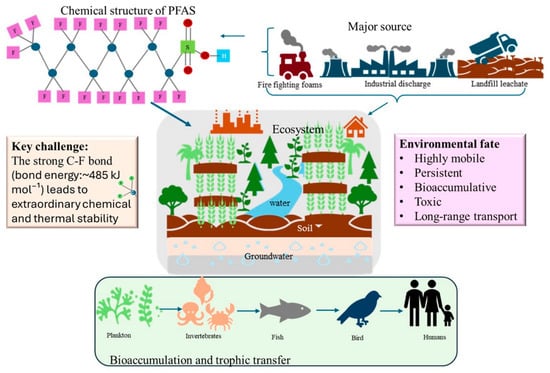
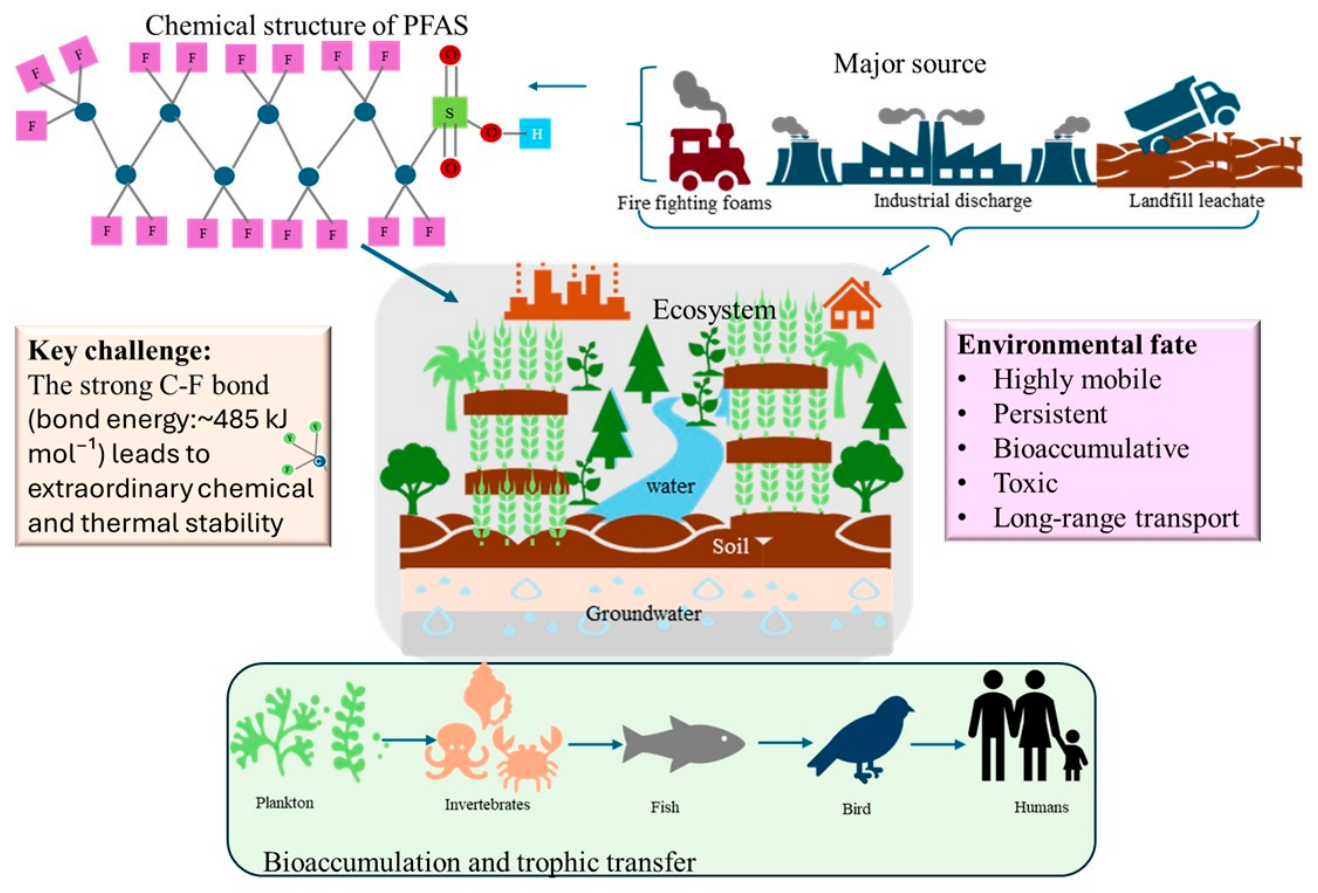
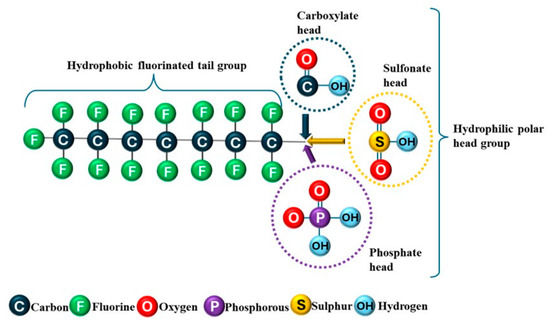
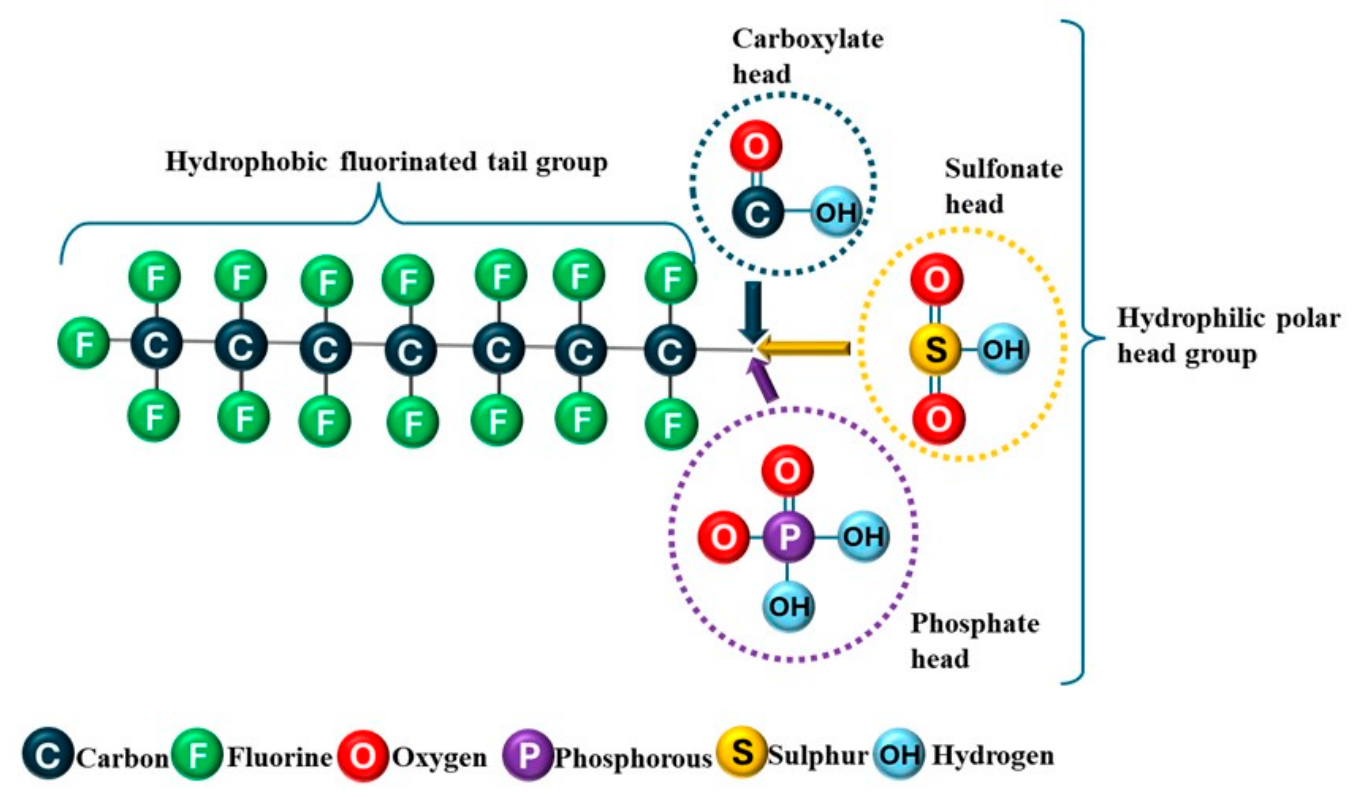
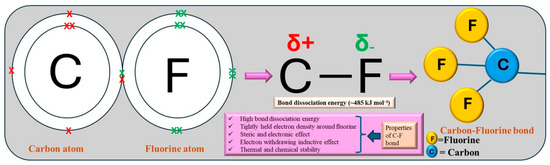
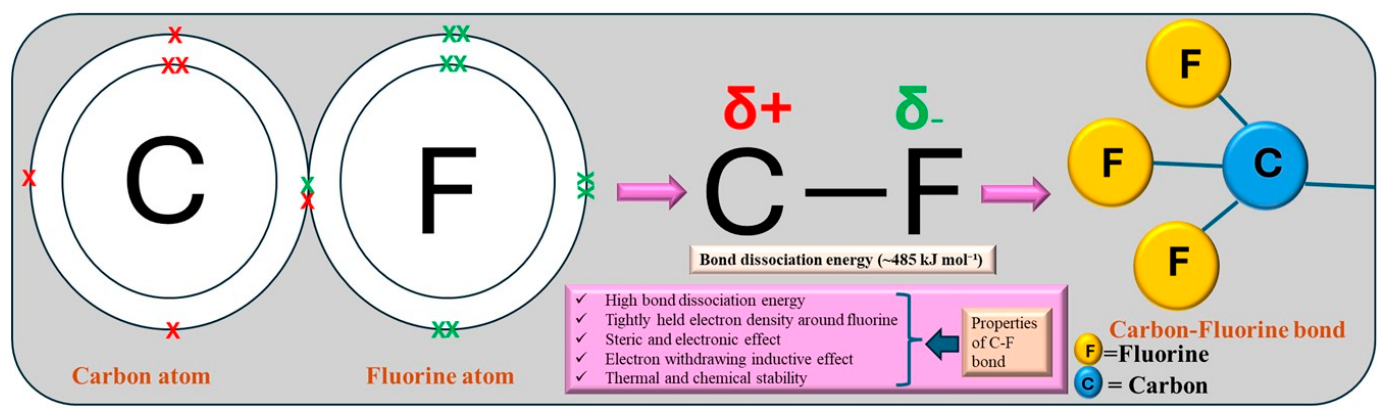
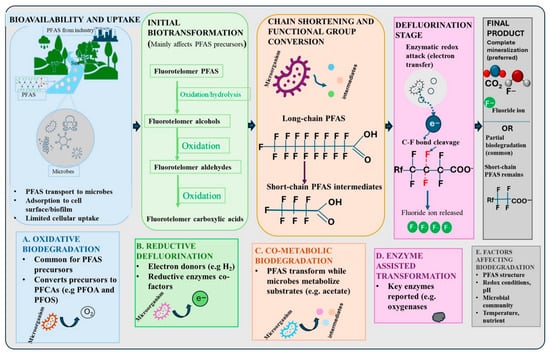
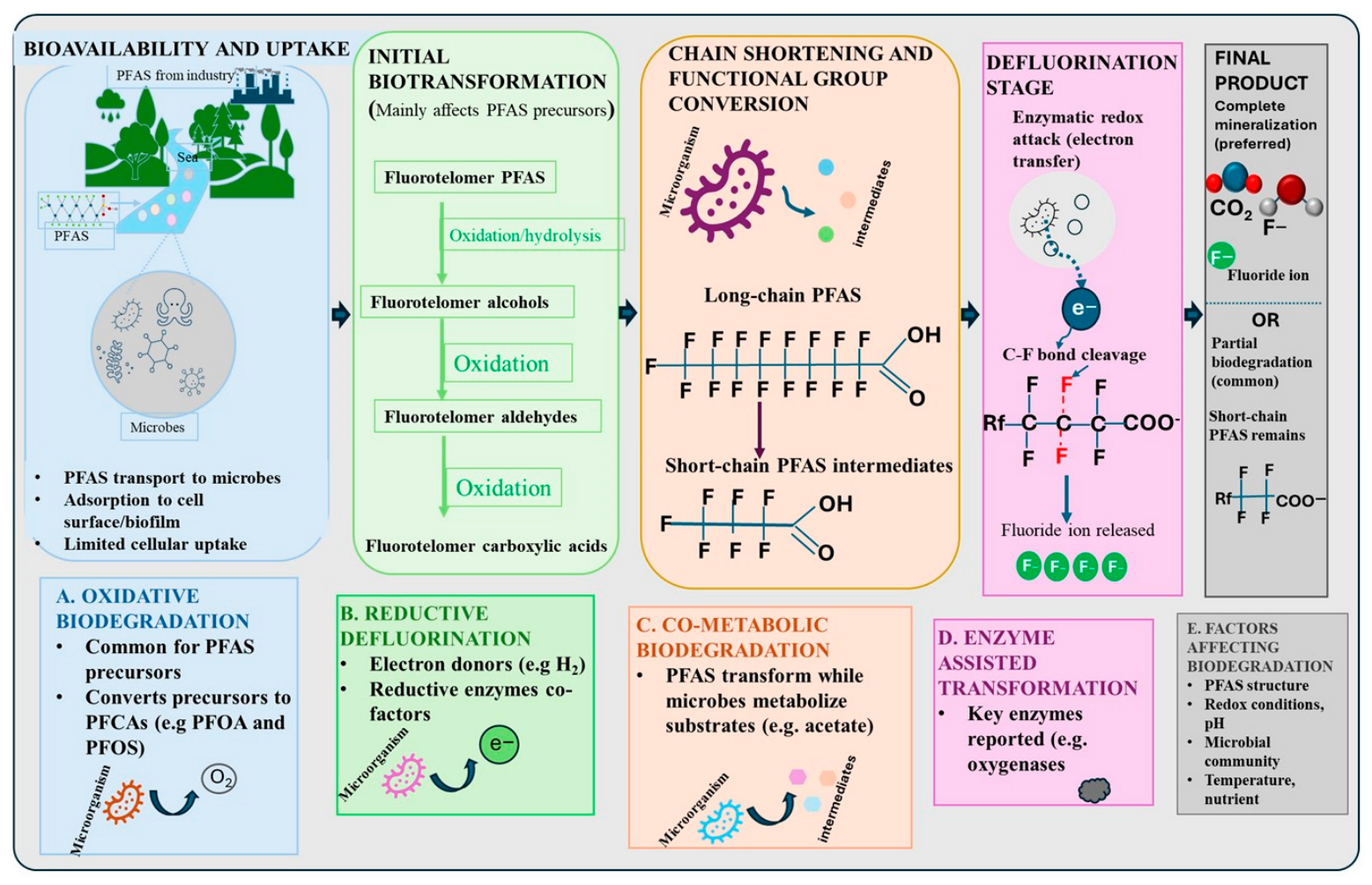
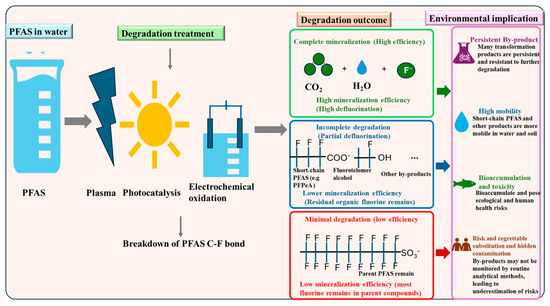
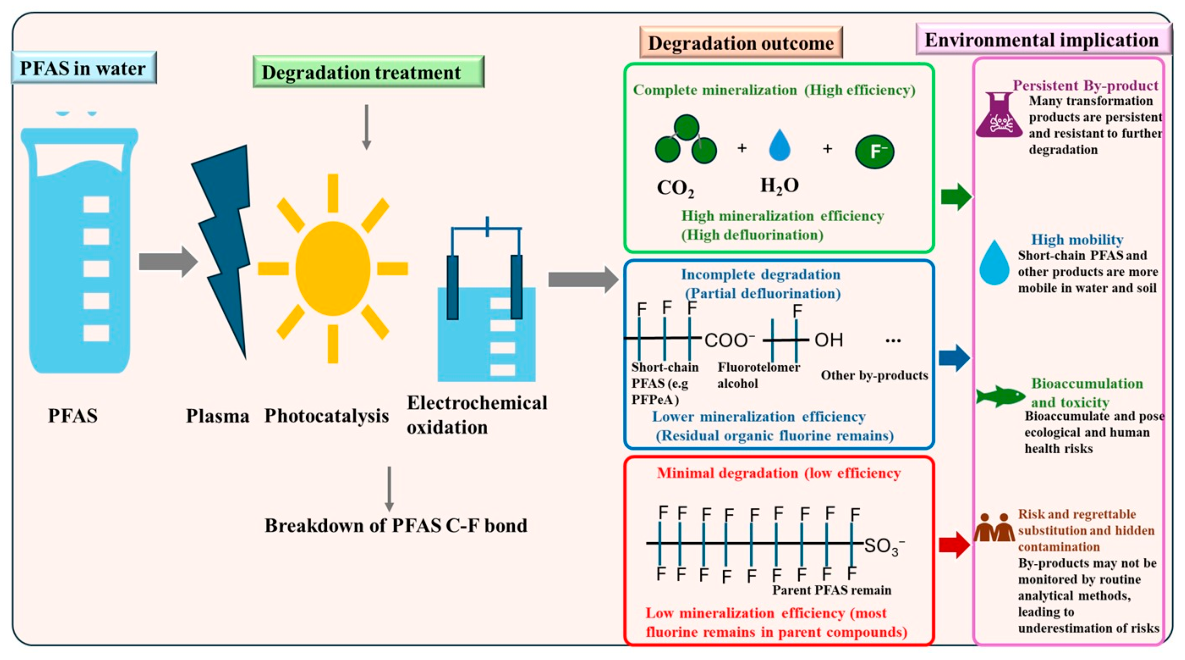
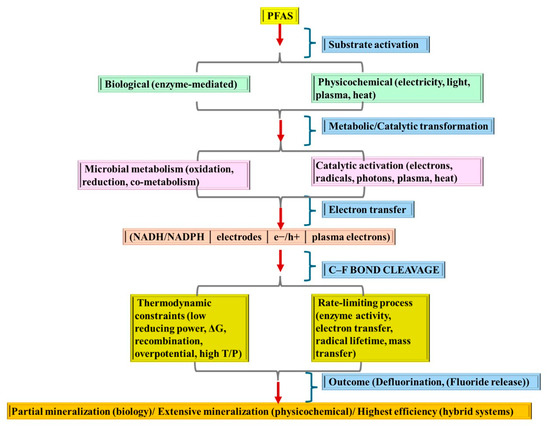
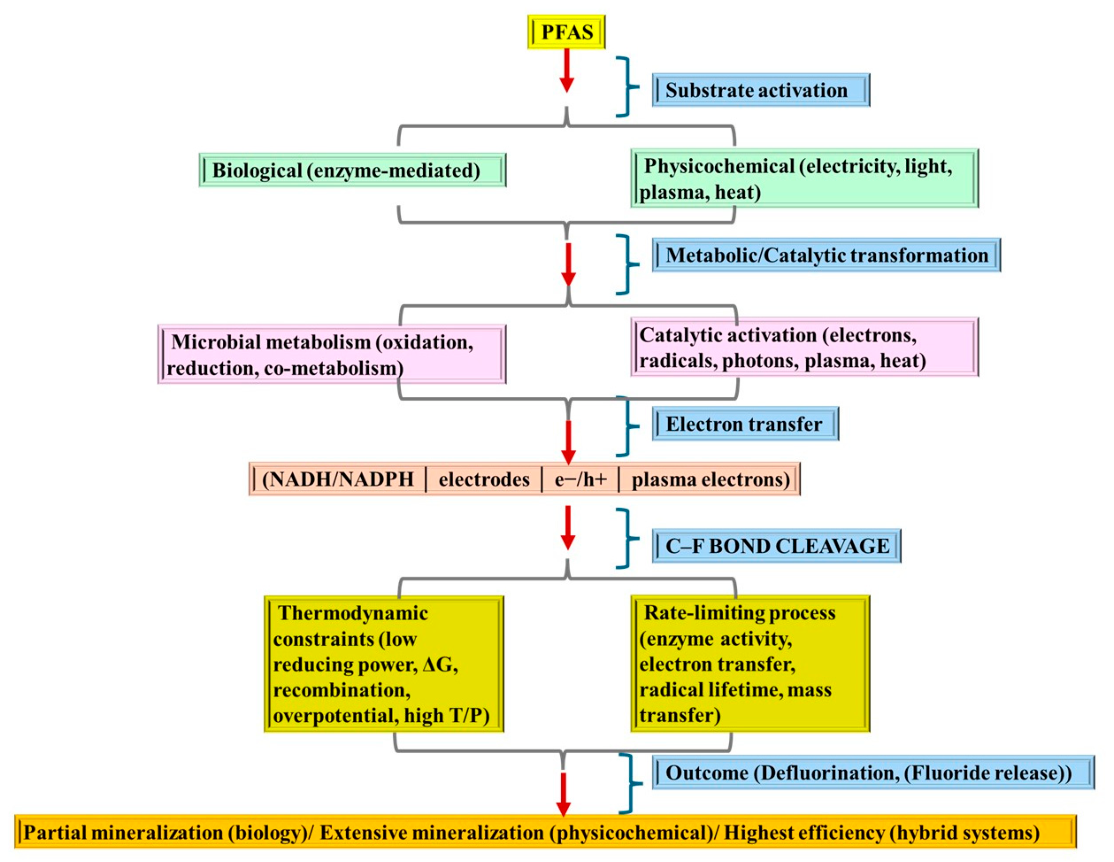
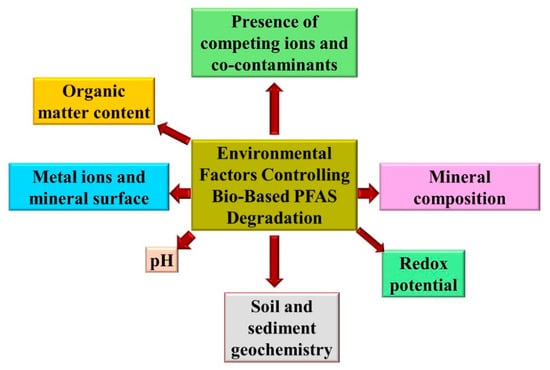
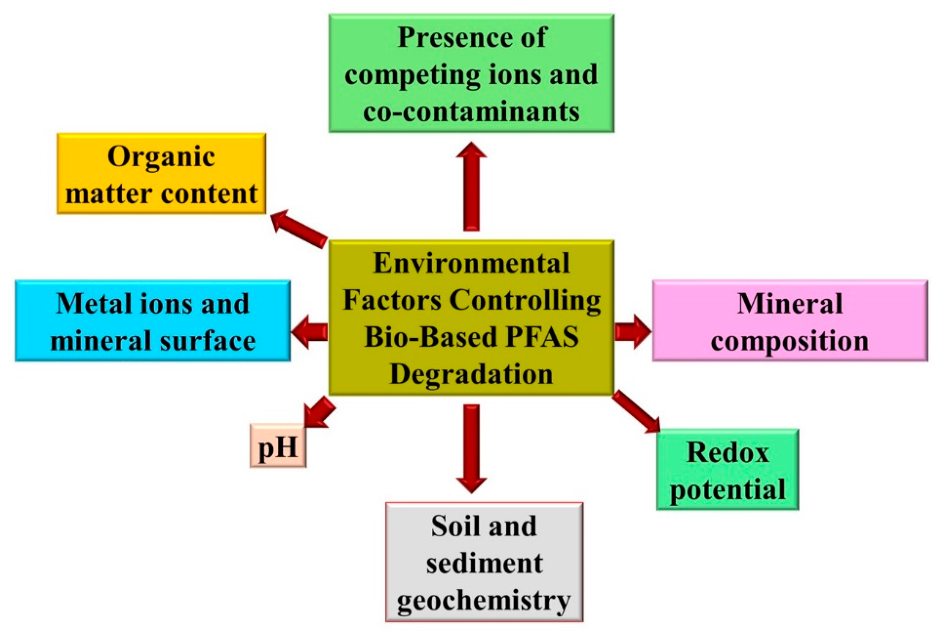

Disclaimer/Publisher’s Note: The statements, opinions and data contained in all publications are solely those of the individual author(s) and contributor(s) and not of MDPI and/or the editor(s). MDPI and/or the editor(s) disclaim responsibility for any injury to people or property resulting from any ideas, methods, instructions or products referred to in the content. |
© 2026 by the authors. Licensee MDPI, Basel, Switzerland. This article is an open access article distributed under the terms and conditions of the Creative Commons Attribution (CC BY) license.