Journal Description
Remote Sensing
Remote Sensing
is an international, peer-reviewed, open access journal about the science and application of remote sensing technology, published semimonthly online by MDPI. The Remote Sensing Society of Japan (RSSJ) and Japan Society of Photogrammetry and Remote Sensing (JSPRS) are affiliated with Remote Sensing and their members receive discounts on the article processing charge.
- Open Access— free for readers, with article processing charges (APC) paid by authors or their institutions.
- High Visibility: indexed within Scopus, SCIE (Web of Science), Ei Compendex, PubAg, GeoRef, Astrophysics Data System, Inspec, dblp, and other databases.
- Journal Rank: JCR - Q1 (Geosciences, Multidisciplinary) / CiteScore - Q1 (General Earth and Planetary Sciences)
- Rapid Publication: manuscripts are peer-reviewed and a first decision is provided to authors approximately 24.3 days after submission; acceptance to publication is undertaken in 2.6 days (median values for papers published in this journal in the second half of 2025).
- Recognition of Reviewers: reviewers who provide timely, thorough peer-review reports receive vouchers entitling them to a discount on the APC of their next publication in any MDPI journal, in appreciation of the work done.
- Companion journal: Geomatics.
- Journal Cluster of Geospatial and Earth Sciences: Remote Sensing, Geosciences, Quaternary, Earth, Geographies, Geomatics and Fossil Studies.
Impact Factor:
4.1 (2024);
5-Year Impact Factor:
4.8 (2024)
Latest Articles
Discretization Bias in GNSS-R Terrestrial Reflectivity: Characterization and Correction for Tianmu-1
Remote Sens. 2026, 18(10), 1634; https://doi.org/10.3390/rs18101634 (registering DOI) - 19 May 2026
Abstract
DDM is the primary Level-1 observable of spaceborne Global Navigation Satellite System Reflectometry (GNSS-R). Over the past decade, the discretization strategy of Delay-Doppler Map (DDM) systems has been primarily optimized for ocean remote sensing. This study highlights the impact of discretization effects in
[...] Read more.
DDM is the primary Level-1 observable of spaceborne Global Navigation Satellite System Reflectometry (GNSS-R). Over the past decade, the discretization strategy of Delay-Doppler Map (DDM) systems has been primarily optimized for ocean remote sensing. This study highlights the impact of discretization effects in DDM sampling on land applications. The discretization effect in the Doppler dimension is first evaluated by comparing simulated and observed DDM slices at the Doppler bin corresponding to the DDM peak. The results indicate that the noise in DDM observations can be approximated as additive thermal noise. Based on an ideal autocorrelation function template, a matched filtering analysis is then applied to estimate the optimized specular point delay and reconstruct the peak power. Using multi-constellation observations from Tianmu-1, the results show that the original DDM peak delay exhibits a systematic delay relative to the optimized specular point delay, with biases of approximately 0.02 chips for GPS and GLONASS, and 0.17 chips for BDS (BeiDou) and Galileo. For BOC(1,1) signals in BDS and Galileo, the reflectivity remains underestimated by ~1.4 dB even at a delay sampling interval of 1/8 chip. The results indicate that under coherent scattering conditions over land, direct use of the DDM peak leads to underestimation of reflectivity due to discretization. The correction proposed in this study reduces the relative differences in reflectivity observations among the four GNSS systems. This study suggests that peak under-sampling should be considered in GNSS-R applications, and higher delay sampling resolution is required for land observations.
Full article
(This article belongs to the Special Issue Spaceborne Global Navigation Satellite System Reflectometry (GNSS-R): Techniques, Applications, and Challenges)
Open AccessArticle
Global Accuracy, Stability, and Consistency Assessment and Usage Recommendations of POLDER/PARASOL GRASP Aerosol Products
by
Xiaoyu Ma, Xin Su, Yingshuang Li and Yihong Yang
Remote Sens. 2026, 18(10), 1633; https://doi.org/10.3390/rs18101633 - 19 May 2026
Abstract
The Polarization and Directionality of the Earth’s Reflectances (POLDER)-3/GRASP (Generalized Retrieval of Aerosol and Surface Properties) aerosol products have been widely used in studies on radiative balance and climate change. However, the stability and consistency of the products have yet to be comprehensively
[...] Read more.
The Polarization and Directionality of the Earth’s Reflectances (POLDER)-3/GRASP (Generalized Retrieval of Aerosol and Surface Properties) aerosol products have been widely used in studies on radiative balance and climate change. However, the stability and consistency of the products have yet to be comprehensively evaluated, despite their critical importance for long-term studies. POLDER-3/GRASP products mainly consist of three variants: High-Precision (HP), Components, and Models. This study aims to evaluate the accuracy, stability, and consistency of these aerosol products at global and regional scales, and to provide usage recommendations. Compared with AERONET observations, the Components product shows the best performance for both aerosol optical depth (AOD) and Ångström Exponent (AE) retrievals, with Root Mean Square Error (RMSE) of 0.114 for AOD and 0.319 for AE. The Models AOD and HP AE also demonstrate relatively high validation accuracy, with RMSE of 0.138 for Models AOD and 0.366 for HP AE. Regionally, Components AOD and AE outperform those from the HP and Models products in 8 out of 10 regions. Stability evaluation shows that the stability metrics of the three AOD products range from 0.034 to 0.036 per decade, and none of them meet the Global Climate Observing System (GCOS) stability requirement (i.e., 0.02 per decade), which indicates that caution should be exercised when using POLDER-3/GRASP products for long-term analysis. In terms of consistency, Components AOD and Models AOD exhibit high agreement, while HP AOD is systematically higher than them. The AE retrieved by the three products shows considerable discrepancies, highlighting uncertainties in AE and spectral-AOD retrievals and pointing toward directions for future algorithmic improvements. In summary, considering global and regional accuracy, stability, and consistency, the Components AOD and AE products are generally recommended for use. For different regions, users can choose the appropriate product based on detailed validation and intercomparison results.
Full article
(This article belongs to the Section Atmospheric Remote Sensing)
Open AccessArticle
GRCD-Net: Guided Global–Local Relational Learning for Few-Shot Fine-Grained and Remote Sensing Scene Classification
by
Jianfeng Liu, Yibo Du, Lifan Sun, Xiaozheng Li, Yanna Si, Xiaoli Song and Ruijuan Zheng
Remote Sens. 2026, 18(10), 1632; https://doi.org/10.3390/rs18101632 - 19 May 2026
Abstract
Remote sensing scene classification (RSSC) faces severe challenges from data scarcity and complex background clutter. To overcome these limitations, this paper draws inspiration from few-shot fine-grained image classification (FSFGIC) to filter noise and capture subtle details. However, existing methods often process global context
[...] Read more.
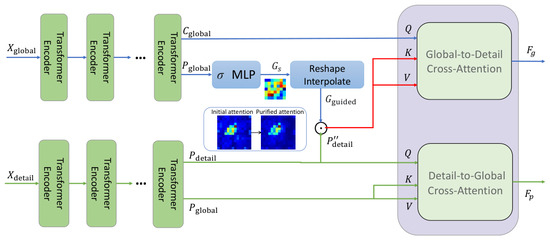
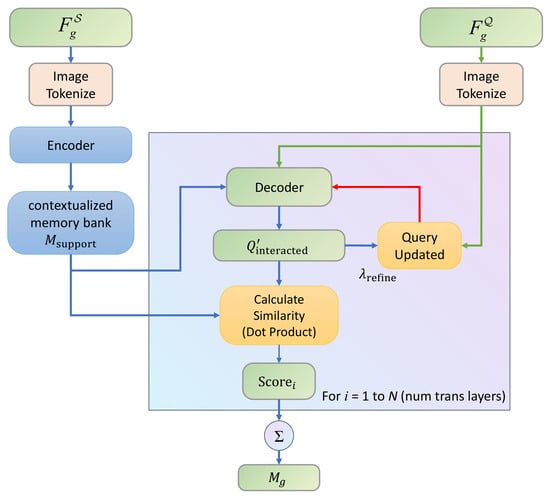
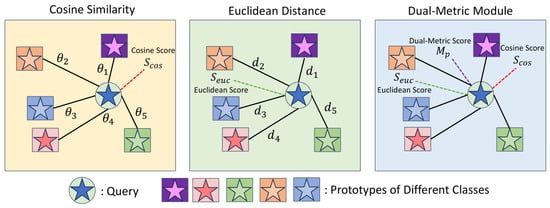
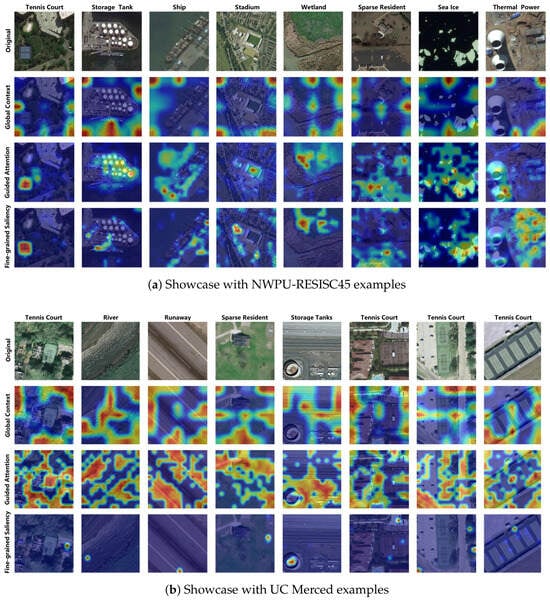
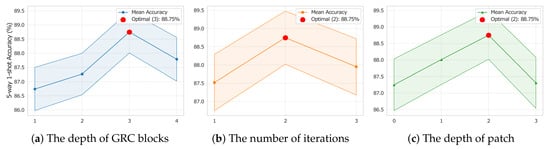
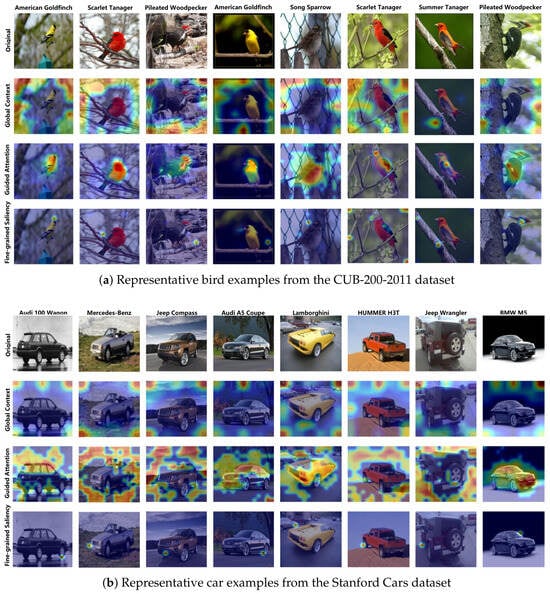
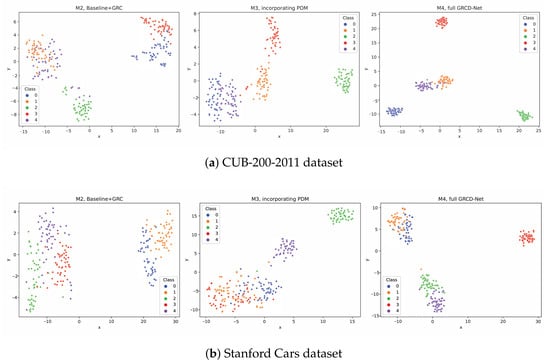
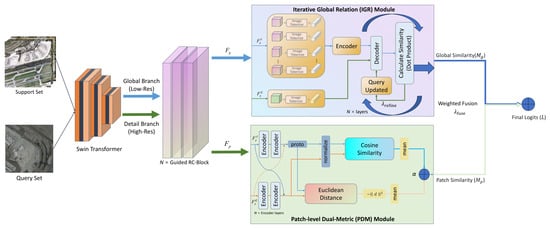
Remote sensing scene classification (RSSC) faces severe challenges from data scarcity and complex background clutter. To overcome these limitations, this paper draws inspiration from few-shot fine-grained image classification (FSFGIC) to filter noise and capture subtle details. However, existing methods often process global context and local features separately, which limits their ability to suppress background noise in complex scenes. Consequently, the Guided Relational Cross-Attention Dual-branch Network (GRCD-Net) is proposed. Its core Guided Relational Cross-Attention (GRC) block leverages global semantics to filter local background noise prior to bidirectional feature interaction. Additionally, Iterative Global Relation (IGR) and Patch-level Dual-Metric (PDM) modules are integrated to robustly refine global relations and capture local similarities. Extensive experiments demonstrate that GRCD-Net consistently outperforms baselines by 2–4% on standard FSFGIC benchmarks. Notably, on the challenging NWPU-RESISC45 RSSC dataset, it achieves an 81.39% one-shot accuracy and exceeds current state-of-the-art methods by 7.55%, validating its efficacy for complex Earth observation.
Full article
(This article belongs to the Special Issue Advanced Applications of Artificial Intelligence in Remote Sensing Image Recognition (2nd Edition))
►▼
Show Figures

Figure 1
Open AccessArticle
A Method for Land-Cover Classification of Fully Polarimetric SAR Images by Fusing LiteDSANet and Polarization Feature-Guided DenseCRF
by
Jianxiang Huang and Xiuqing Liu
Remote Sens. 2026, 18(10), 1631; https://doi.org/10.3390/rs18101631 - 19 May 2026
Abstract
Polarimetric Synthetic Aperture Radar (PolSAR) has significant advantages for land-cover classification for its all-weather, day-and-night, and multi-polarization observation capability. Traditional methods often exhibit limited classification accuracy in regions with strong noise and complex textures. Although deep learning methods can improve classification performance, they
[...] Read more.
Polarimetric Synthetic Aperture Radar (PolSAR) has significant advantages for land-cover classification for its all-weather, day-and-night, and multi-polarization observation capability. Traditional methods often exhibit limited classification accuracy in regions with strong noise and complex textures. Although deep learning methods can improve classification performance, they usually suffer from high model complexity, while lightweight models often show insufficient spatial consistency. To address these issues, this study proposes a PolSAR land-cover classification framework that integrates a Lightweight Dynamic Sequential Axial Network (LiteDSANet) with a polarization feature-guided Dense Conditional Random Field (PFG-DenseCRF). LiteDSANet is employed to generate the initial class probability map, and PFG-DenseCRF optimizes the classification results by introducing polarimetric features. Experiments were conducted on AIRSAR L-band and RADARSAT-2 C-band datasets from the San Francisco Bay and Flevoland regions, covering agricultural, urban, and natural land-cover scenes. The results show that the proposed method improves classification accuracy by 2.14~15.36% compared with other methods, while achieving a favorable balance between accuracy and computational efficiency. These results demonstrate the effectiveness of the proposed method for PolSAR land-cover classification in different regional environments.
Full article
(This article belongs to the Section Remote Sensing Image Processing)
Open AccessArticle
An Efficient Remote Sensing Cross-Modal Retrieval Method Based on Hashing Contrastive Learning
by
Jifei Fang and Dali Zhu
Remote Sens. 2026, 18(10), 1630; https://doi.org/10.3390/rs18101630 - 19 May 2026
Abstract
Cross-modal image–text retrieval enables searching and retrieving of semantically relevant data across heterogeneous modalities, acting as a pivotal technology for interpreting massive remote sensing (RS) data. Despite recent progress, most existing methods in remote sensing cross-modal image–text retrieval (RSCIR) rely on high-dimensional real-valued
[...] Read more.
Cross-modal image–text retrieval enables searching and retrieving of semantically relevant data across heterogeneous modalities, acting as a pivotal technology for interpreting massive remote sensing (RS) data. Despite recent progress, most existing methods in remote sensing cross-modal image–text retrieval (RSCIR) rely on high-dimensional real-valued embeddings, which suffer from excessive storage overhead and slow retrieval speeds, severely limiting their scalability in real-world applications. Conversely, while hashing techniques offer efficiency, traditional methods often fail to preserve the fine-grained semantic consistency required for complex RS scenes, leading to significant performance degradation. To bridge this gap, this paper proposes a novel framework named ConHash (Cross-modal Contrastive Hashing), which transfers the discriminative power of pre-trained vision–language models into a compact binary Hamming space. Specifically, ConHash comprises three synergistic components: (1) a hash module designed to project continuous embeddings into a latent discrete space while reducing information loss; (2) a hash-aware contrastive constraint that enforces cross-modal alignment directly in the hash space; and (3) a collaborative hybrid optimization strategy that jointly constrains real-valued embeddings and hash representations. Extensive experiments on RSICD and RSITMD demonstrate that ConHash achieves a favorable balance between accuracy and efficiency. Using 512-bit hash codes with L1 quantization loss as the main configuration, ConHash achieves mR values of 21.69% and 35.79% on RSICD and RSITMD, respectively. It also provides up to 3.50× retrieval speedup and a 32× theoretical storage reduction compared with 512-dimensional float32 embeddings, making it suitable for scalable remote sensing retrieval applications.
Full article
(This article belongs to the Special Issue Multimodal Learning for Intelligent Remote Sensing Interpretation)
Open AccessArticle
LMamba: Local-Guided Mamba with Multi-Scale Filtering for Hyperspectral Image Classification
by
Xiaofei Yang, Yao Wei, Jiarong Tan, Shuqi Li, Haojin Tang and Waixi Liu
Remote Sens. 2026, 18(10), 1629; https://doi.org/10.3390/rs18101629 - 19 May 2026
Abstract
Deep learning methods have significantly improved hyperspectral image (HSI) classification by exploiting hierarchical feature learning to integrate spatial and spectral information, thus significantly improving classification accuracy. Nevertheless, current deep learning approaches (such as CNNs, Transformers and Mamba) still face three major challenges: inadequate
[...] Read more.
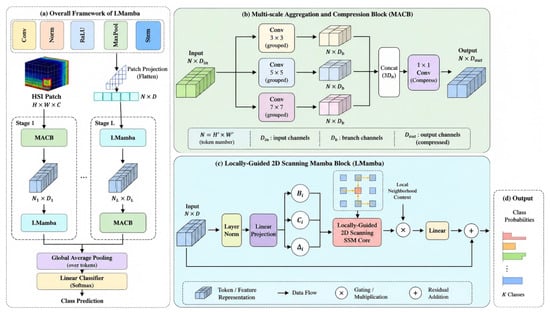
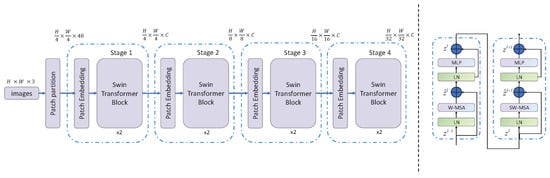
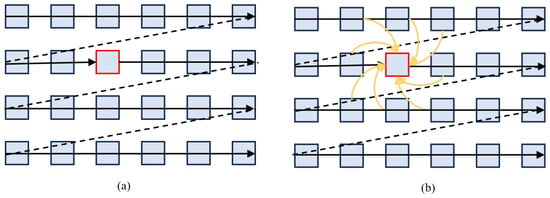
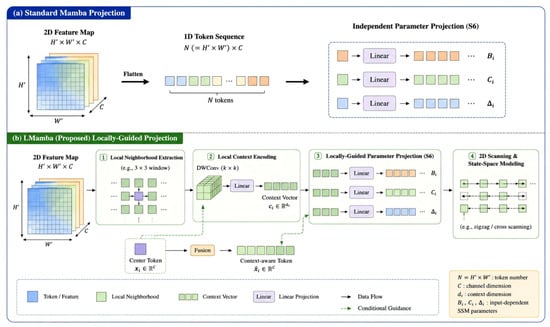
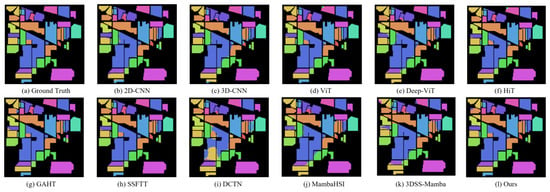
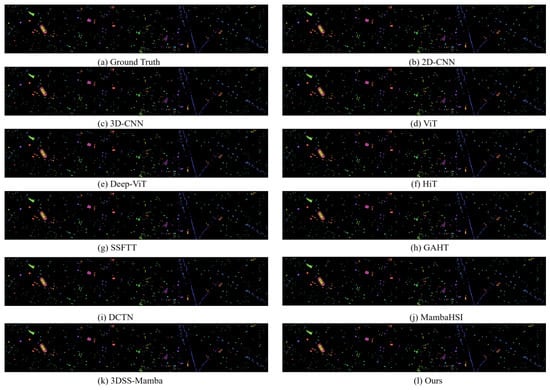
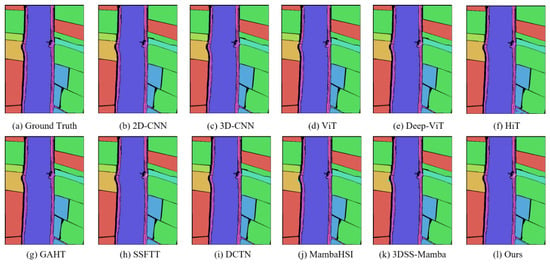
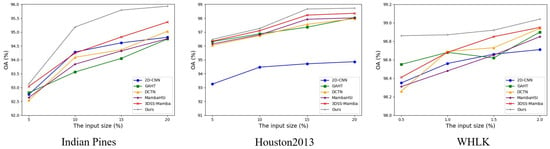
Deep learning methods have significantly improved hyperspectral image (HSI) classification by exploiting hierarchical feature learning to integrate spatial and spectral information, thus significantly improving classification accuracy. Nevertheless, current deep learning approaches (such as CNNs, Transformers and Mamba) still face three major challenges: inadequate mitigation of spectral redundancy, high computational costs associated with global modeling, and the loss of two-dimensional spatial structure during sequential processing. To address these issues, we propose LMamba, a task-oriented hybrid framework that combines multi-scale convolutional filtering with local-context-conditioned state space modeling for hyperspectral image classification. Rather than introducing a fundamentally new SSM formulation, LMamba focuses on adapting the input-dependent parameter projection of Mamba to HSI data by injecting local 2D neighborhood context into the generation of selective SSM parameters. This design enables the state space module to better preserve spatial continuity while maintaining linear-complexity sequence modeling. The framework consists of two core components. First, the Multi-scale Aggregation and Compression Block (MACB) employs parallel grouped convolutions with varying kernel sizes to capture spatial features at multiple scales while simultaneously reducing spectral redundancy through channel compression. Second, the Locally Guided 2D Scanning Mechanism replaces conventional unidirectional 1D scanning with a context-aware 2D scanning strategy, thereby preserving structural continuity and enhancing feature representation by integrating local neighborhood spatial information into state transitions. Validation on three prominent HSI datasets demonstrates that LMamba consistently outperforms state-of-the-art methods based on CNNs, Transformers, and SSMs as measured by overall accuracy (OA), average accuracy (AA), and the Kappa coefficient. In summary, LMamba provides an efficient and accurate HSI classification framework under the considered benchmark settings, and its compact complexity and low-sample robustness suggest potential usefulness for practical HSI analysis.
Full article
(This article belongs to the Special Issue AI-Driven Hyperspectral Image Classification and Processing in Remote Sensing)
►▼
Show Figures

Figure 1
Open AccessArticle
Blind-Spot KAN-Based Background Reconstruction Network with Prior Purification for Hyperspectral Anomaly Detection
by
Lifeng Yu, Yifan Liu and Hongmin Gao
Remote Sens. 2026, 18(10), 1628; https://doi.org/10.3390/rs18101628 - 19 May 2026
Abstract
Hyperspectral anomaly detection (HAD) aims to identify rare targets without relying on prior target knowledge. However, background spectra in hyperspectral images often lie on highly complex and nonlinear manifolds, making accurate modeling challenging. Although models with strong nonlinear approximation capabilities, such as Kolmogorov–Arnold
[...] Read more.
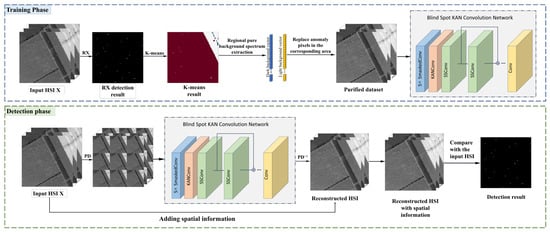
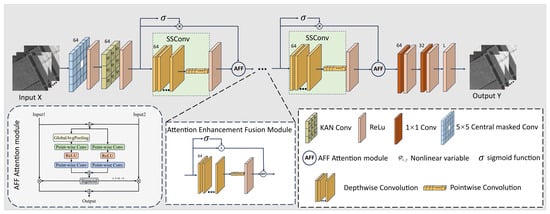
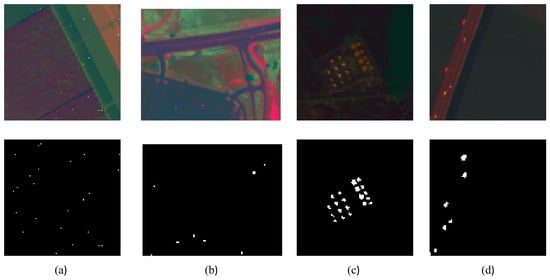
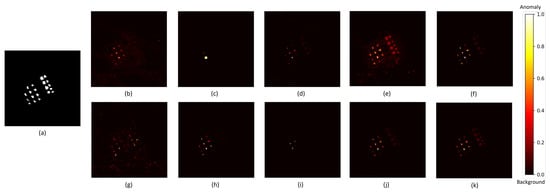
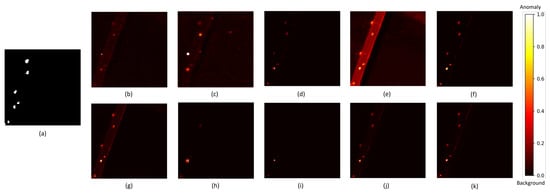
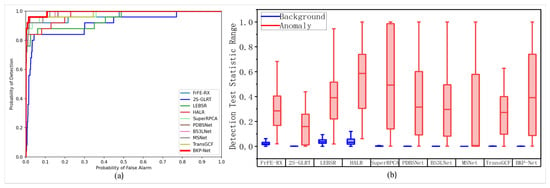
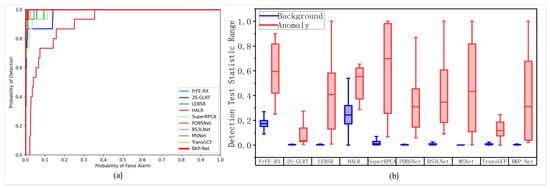
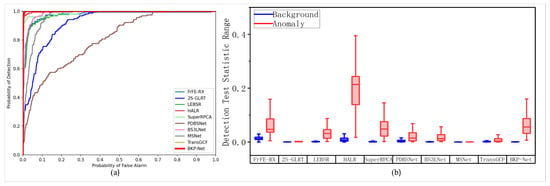
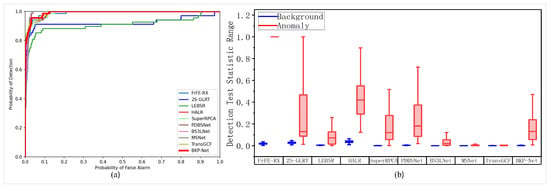
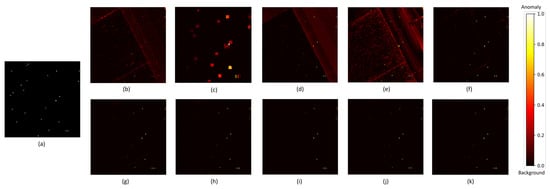
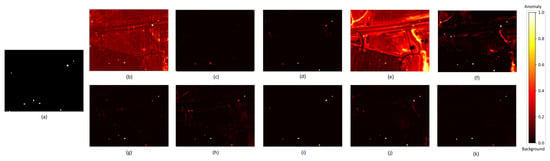
Hyperspectral anomaly detection (HAD) aims to identify rare targets without relying on prior target knowledge. However, background spectra in hyperspectral images often lie on highly complex and nonlinear manifolds, making accurate modeling challenging. Although models with strong nonlinear approximation capabilities, such as Kolmogorov–Arnold Networks (KANs), provide a promising solution for capturing such complexity, self-supervised reconstruction-based HAD methods still suffer from a fundamental issue known as anomaly leakage. When the model has high representation capacity, anomalous signatures tend to be partially reconstructed, which reduces residual contrast and degrades detection performance. To address this issue, we propose a Blind-Spot KAN-based background reconstruction network with prior purification (BKP-Net), which mitigates anomaly leakage from both data and model perspectives. Specifically, we first introduce a Background Prior Purification (BPP) module to construct a cleaner background prior. This module suppresses and replaces potential outlier pixels through spatial clustering and robust weighted mean estimation. We then design a Blind-Spot KAN-based Reconstruction backbone (BKCN) to model complex nonlinear background characteristics while preventing direct information flow from the center pixel, thereby reducing anomaly leakage during reconstruction. In addition, separable convolutions are employed to enhance spatial–spectral feature representation, followed by an attention-guided fusion mechanism to suppress cross-domain interference. Furthermore, a band-wise Guided Reconstruction Refinement (GRR) strategy is introduced in the detection phase to improve structural consistency between the reconstructed background and the original hyperspectral image, leading to more reliable anomaly discrimination. Experimental results on four hyperspectral datasets demonstrate that the proposed method achieves competitive performance compared with several representative traditional and deep learning-based detectors.
Full article
(This article belongs to the Special Issue Super Resolution of Hyperspectral Imagery with Computer Vision)
►▼
Show Figures

Figure 1
Open AccessArticle
Sample Augmentation for Tree Above-Ground Biomass Estimation Under Limited Field Data: A Case Study in the Greater Khingan Mountains
by
Wenqiang Zhou, Shiwen Deng, Shuying Zang and Dianfan Guo
Remote Sens. 2026, 18(10), 1627; https://doi.org/10.3390/rs18101627 - 19 May 2026
Abstract
►▼
Show Figures
Accurate estimation of tree Above-Ground Biomass (AGB) is critical for the timely monitoring of forest dynamics. However, the scarcity of high-quality in situ measured data introduces considerable uncertainty into the precise spatial mapping of AGB. In this study, a novel method for AGB
[...] Read more.
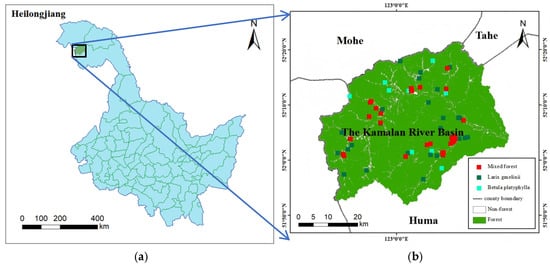
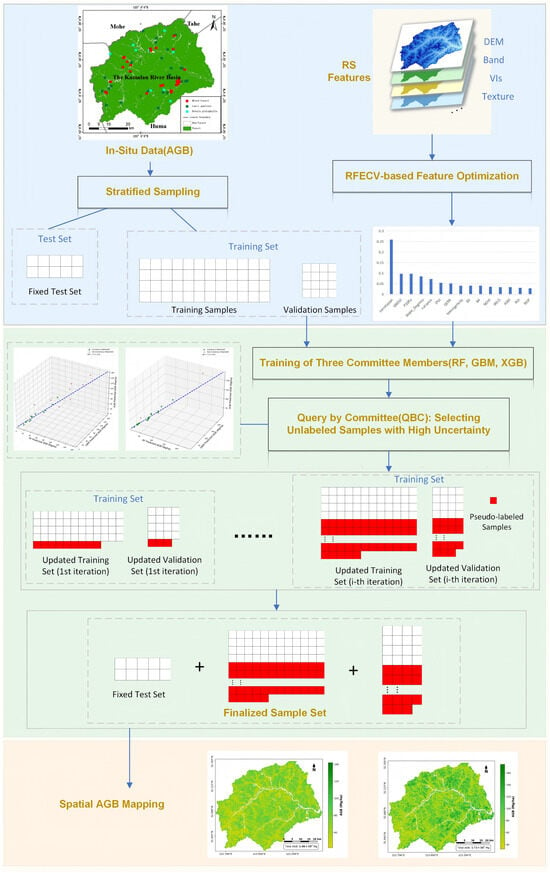
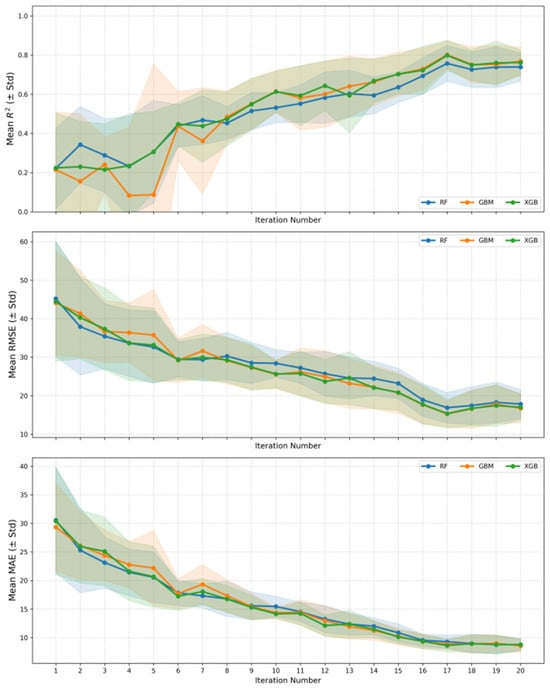
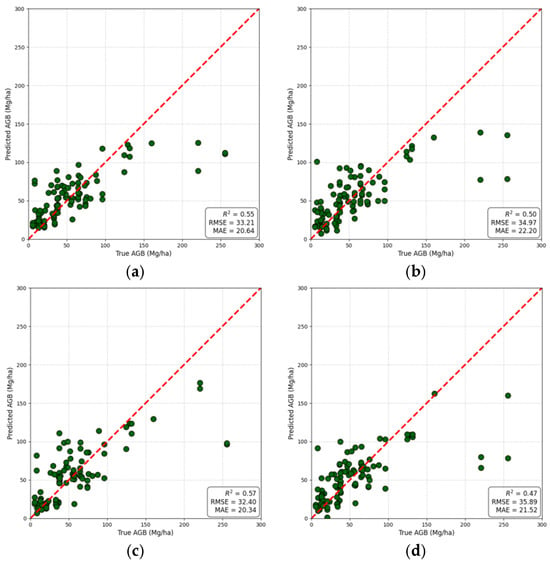
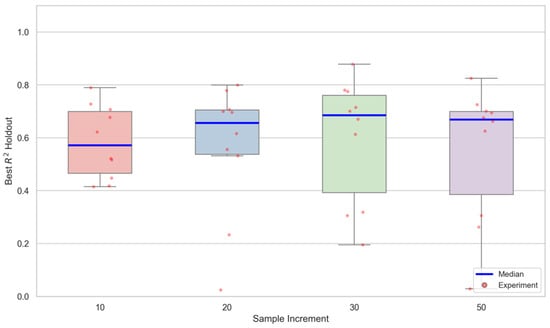
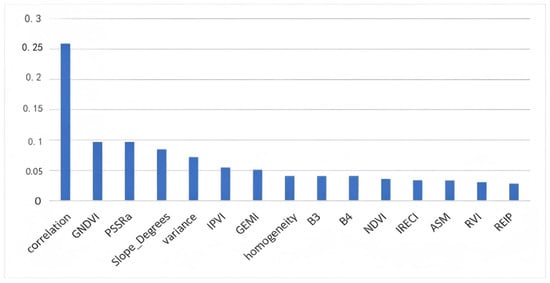
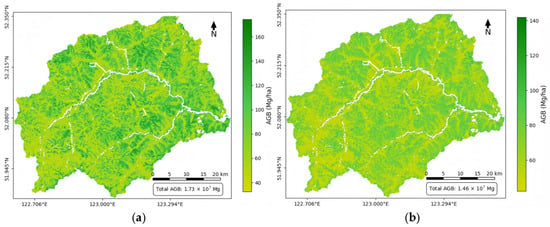
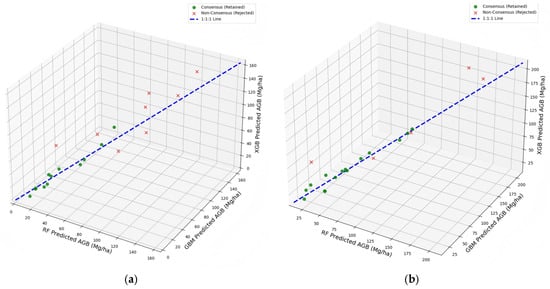
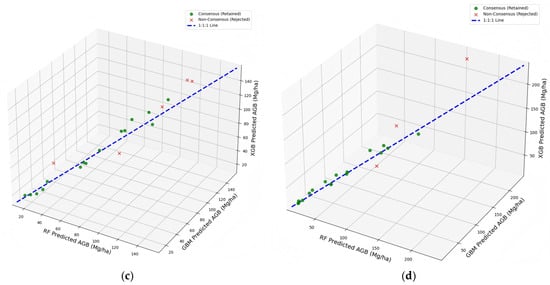
Accurate estimation of tree Above-Ground Biomass (AGB) is critical for the timely monitoring of forest dynamics. However, the scarcity of high-quality in situ measured data introduces considerable uncertainty into the precise spatial mapping of AGB. In this study, a novel method for AGB mapping is proposed to enhance the accuracy of AGB estimation based on the Semi-Supervised Ensemble Learning (SSEL) strategy. By expanding the sample set via an iterative self-training approach based on an Inverted Query-by-Committee (I-QBC) strategy, the model significantly enhances the accuracy of AGB estimation. Using Sentinel-2 data, the experimental results show that: (1) The I-QBC-driven SSEL model demonstrated significantly higher estimation accuracy for AGB compared to conventional tree-based ensemble models. Optimal stability ( = 0.80) and peak accuracy ( = 0.88) were achieved at sample increments of 20 and 30, respectively. (2) Among various feature types, Recursive Feature Elimination with Cross-Validation (RFECV) identified GNDVI, PSSRa, slope and texture correlation as the most critical predictors for AGB estimation in the study area. (3) The total AGB stock in the study area is estimated to range from 1.46 × 10⁷ Mg to 1.71 × 10⁷ Mg. The SSEL model provides a valuable reference for AGB estimation under sparse ground-truth sample conditions, while offering a novel approach for large-scale AGB mapping.
Full article

Figure 1
Open AccessArticle
DFCFNet: A Local–Nonlocal Dual-Branch Feature Complementary Fusion Network for Remote Sensing Image Super-Resolution
by
Miaomiao Zhang, Quan Wang, Wuxia Zhang, Xiangpeng Chen, Jiaxin Pan and Huinan Guo
Remote Sens. 2026, 18(10), 1626; https://doi.org/10.3390/rs18101626 - 19 May 2026
Abstract
Remote sensing image super-resolution (RSISR) has gained significant attention in recent years due to its critical role in enhancing image analysis capabilities. While existing methods often focus on nonlocal feature extraction, they frequently overlook the importance of local information integration. Moreover, many methods
[...] Read more.
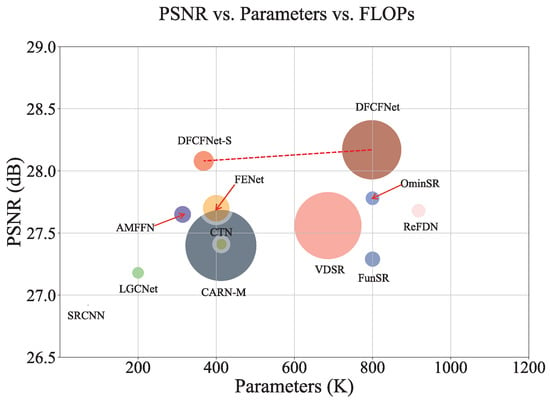
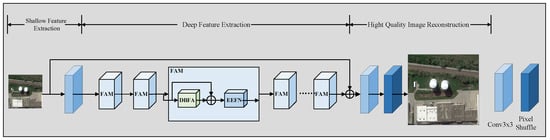
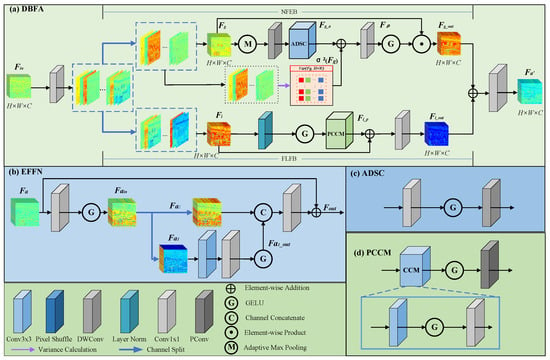
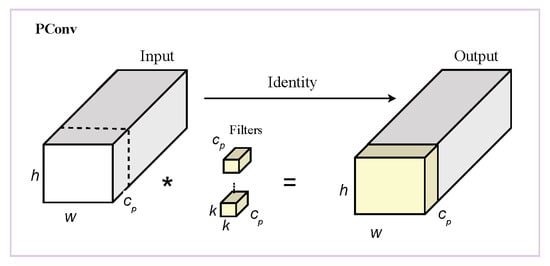
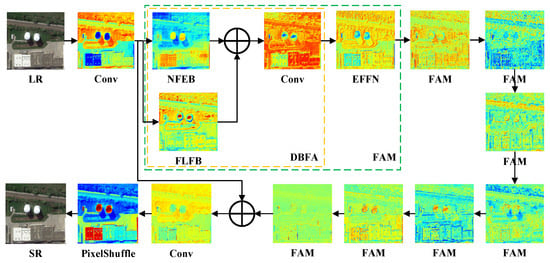
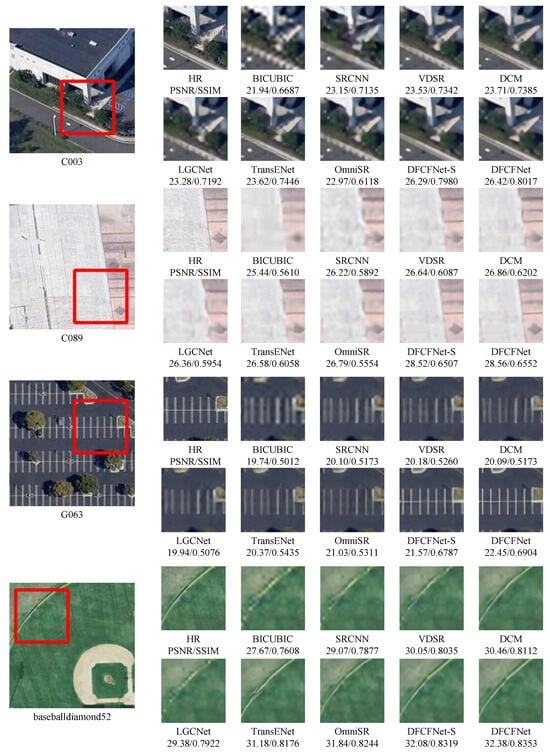
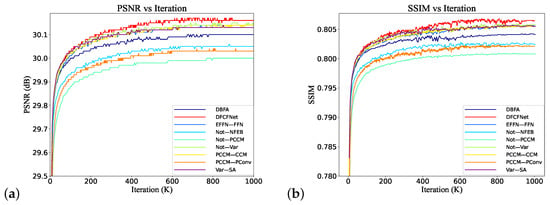
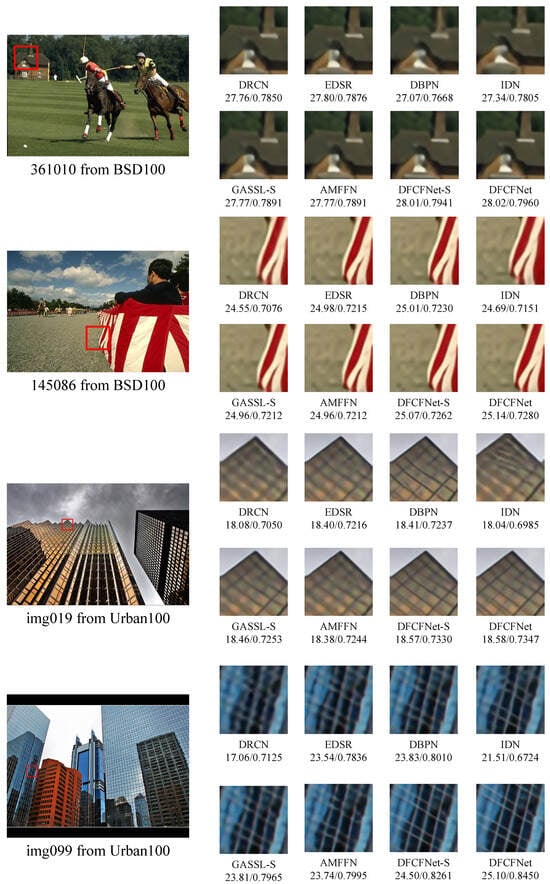
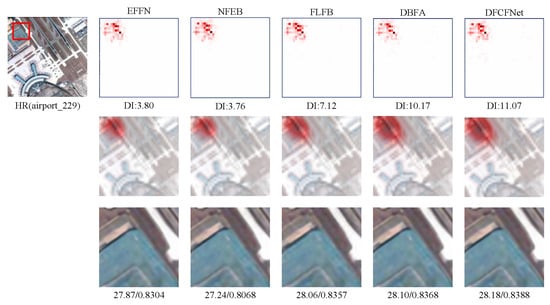
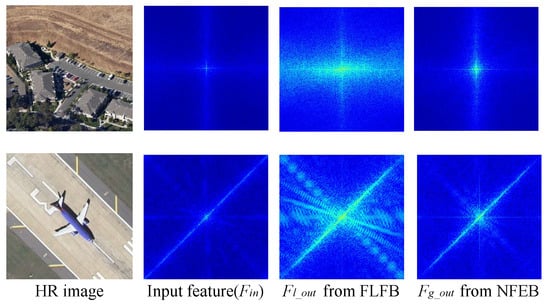
Remote sensing image super-resolution (RSISR) has gained significant attention in recent years due to its critical role in enhancing image analysis capabilities. While existing methods often focus on nonlocal feature extraction, they frequently overlook the importance of local information integration. Moreover, many methods reconstruct images by introducing more complex structures, which poses a challenge to resource-limited devices. To address these issues, we present a local–nonlocal dual-branch feature complementary fusion network (DFCFNet) featuring two key components: a lightweight dual-branch feature aggregation (DBFA) module and an Efficient Feed-Forward Network (EFFN). The DBFA employs a dual-branch structure comprising a Focused Local Feature Branch (FLFB) with novel Partial Convolution Channel Mixers for localized pattern modeling and a Non-Focal Exploration Branch (NFEB) utilizing global variance analysis for comprehensive feature extraction. This dual-branch design enables simultaneous capture of local and global contextual information. The EFFN is designed to further refine the features of the DBFA output in order to make full use of the detailed information of the image. Extensive experimental results show that the proposed DFCFNet reconstructs optimally on remote sensing datasets and is also optimal in terms of computational efficiency and network complexity. The framework’s versatility is further confirmed through successful adaptation to natural image SR tasks, showing consistent performance improvements across five standard datasets.
Full article
(This article belongs to the Special Issue Super-Resolution and Reconstruction of Remote Sensing Images)
►▼
Show Figures

Figure 1
Open AccessArticle
DSM-to-DTM Reconstruction Using Only DSM-Derived Inputs with Residual Learning and CSF Priors
by
Jiazhen Dong, Jun Hu, Rong Gui, Yibo Yuan, Yuanjun Qin and Zhiwei Mo
Remote Sens. 2026, 18(10), 1625; https://doi.org/10.3390/rs18101625 - 18 May 2026
Abstract
Digital terrain models (DTMs) are required in many hydrologic, geomorphic, and ecological applications, yet widely used global elevation products often retain above-ground elevation contributions, particularly from vegetation canopies. This study investigates whether useful bare-earth terrain can be reconstructed from DSM-derived information alone at
[...] Read more.
Digital terrain models (DTMs) are required in many hydrologic, geomorphic, and ecological applications, yet widely used global elevation products often retain above-ground elevation contributions, particularly from vegetation canopies. This study investigates whether useful bare-earth terrain can be reconstructed from DSM-derived information alone at inference time. Rather than regressing terrain elevation directly, the proposed framework predicts the residual and reconstructs the DTM by subtraction. The model uses Copernicus DEM GLO-30 as the input source and augments it with CSF-derived priors and DSM-derived terrain features, including slope, aspect encoding, curvature, and local relief. Unlike multi-source terrain correction products that rely on external auxiliary datasets, all inference-time inputs in the proposed framework are generated from the DSM itself. A residual U-Net is trained with a weighted Huber loss together with gradient-consistency and DTM-slope-consistency constraints. Experiments across multiple regions in the central and southeastern United States show that the proposed method outperforms the compared public DEM products and baseline methods under a unified evaluation protocol. Relative to FathomDEM, it reduces the mean absolute error from 1.0445 m to 0.8538 m and the root mean square error from 1.6969 m to 1.4697 m on the study region test split, while also improving NMAD, P99, and Recall@5m. Performance on the geographically separate Arkansas region is similar to that on the in-region test split. Remaining errors are concentrated mainly in extremely steep terrain, densely vegetated areas, and cases with large residual heights.
Full article
(This article belongs to the Special Issue Innovations in 3D Terrain Modeling Through Advanced Remote Sensing)
Open AccessArticle
PG-Net: A Large-Scale LiDAR Point Cloud Semantic Segmentation Network Integrating Discrete Point Distribution and Local Graph Structural Feature
by
Yichang Wang, Yanjun Wang, Cheng Wang, Andrei Materukhin and Xuchao Tang
Remote Sens. 2026, 18(10), 1624; https://doi.org/10.3390/rs18101624 - 18 May 2026
Abstract
LiDAR point clouds provide accurate and direct representations of spatial locations and geometric structures of objects in 3D space, making them essential for applications such as target recognition in autonomous driving and 3D reconstruction in smart cities. However, large-scale point clouds pose challenges,
[...] Read more.
LiDAR point clouds provide accurate and direct representations of spatial locations and geometric structures of objects in 3D space, making them essential for applications such as target recognition in autonomous driving and 3D reconstruction in smart cities. However, large-scale point clouds pose challenges, including massive data volume, uneven density distribution, and complex object structures. Existing point-based and graph-based semantic segmentation networks often suffer from limitations such as loss of local contextual information, over-reliance on local graph construction, and insufficient modeling of relationships between neighboring points. To address these issues, we propose PG-Net, a novel network that integrates discrete point distribution features with local graph structural information. The framework includes: (1) a point branch equipped with a Local Adaptive Feature Augmentation (LAFA) module to extract efficient local features; (2) a graph branch featuring a Dynamic Graph Feature Aggregation (DGFA) module, which explicitly models relationships among points in local graphs and adaptively balances a point’s intrinsic features with its neighborhood context; and (3) fuses local features from both branches, allowing their complementary strengths to enhance feature representation, a process further promoted by a New Aggregation Loss Function. Experiments on the Toronto3D and S3DIS datasets show that PG-Net achieves overall accuracy (OA) of 97.69% and 89.87%, and mean Intersection-over-Union (mIoU) of 83.51% and 73.22%, respectively. Comparative and ablation studies against advanced methods such as RandLA-Net, BAAF-Net, and LACV-Net demonstrate the effectiveness and robustness of our approach. By jointly exploiting discrete point distribution and local graph structural relationships, PG-Net effectively leverages the complementary strengths of its dual-branch design, offering a reliable solution for efficient and accurate large-scale point cloud semantic segmentation.
Full article
(This article belongs to the Special Issue 3D Urban Reconstruction from Point Clouds and Optical Imagery: Modeling and Applications)
Open AccessArticle
DSENet: A Detail and Semantic Enhanced Network for Video SAR Moving Target Shadow Detection
by
Xueqi Wu, Zhongzhen Sun, Han Wu and Kefeng Ji
Remote Sens. 2026, 18(10), 1623; https://doi.org/10.3390/rs18101623 - 18 May 2026
Abstract
In video synthetic aperture radar (Video SAR), target motion causes defocusing, making it impossible to determine the target’s real-time position using reflected echoes. However, the shadows formed by the target occluding ground reflections can accurately characterize the target’s real-time position. To address challenges
[...] Read more.
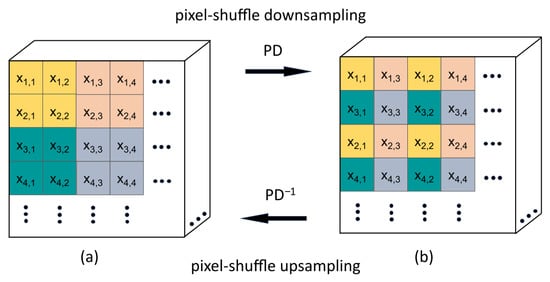
In video synthetic aperture radar (Video SAR), target motion causes defocusing, making it impossible to determine the target’s real-time position using reflected echoes. However, the shadows formed by the target occluding ground reflections can accurately characterize the target’s real-time position. To address challenges such as varying shadow scales, low contrast with the moving background, and susceptibility to clutter interference, this paper proposes a shadow detection network called DSENet to enhance the detail and semantic features of shadows. First, to enhance shadow features and reduce sampling loss during backbone network feature extraction, we design a detailed information enhancement (DIE) module to achieve lossless downsampling and effectively preserve the detailed features of the shadowed target. Second, we propose a semantic spatial feature aggregation (SSFA) module to enhance global semantic space feature extraction, improve the contextual feature representation of the target’s shadow region, and provide robust semantic space prior information for the model. Finally, we designed a detailed semantic fusion (DSF) module to improve the neck network’s ability to fuse shadow details and semantic features in video SAR images, further enhancing the model’s localization performance for target shadow features and achieving accurate localization of moving targets in video SAR. Comparative and ablation experiments validate the effectiveness and superiority of the proposed method. Experimental results on the Sandia National Laboratories (SNL) public dataset demonstrate that DSENet is efficient and performs excellently, achieving a P of 92.4% and an F1 score of 83.1%.
Full article
(This article belongs to the Section Remote Sensing Image Processing)
Open AccessArticle
Estimating Regional Groundwater Level by Combining Satellite, Model, and Large-Sample Observations Inputs
by
Yijing Cao, Yongqiang Zhang, Yuyin Chen, Xuanze Zhang, Jing Tian, Xuening Yang, Qi Huang and Jianzhong Su
Remote Sens. 2026, 18(10), 1622; https://doi.org/10.3390/rs18101622 - 18 May 2026
Abstract
Groundwater storage is vital for managing water resources, especially as global water scarcity intensifies. Estimating groundwater levels regionally is challenging due to natural heterogeneity. We employed a large groundwater observation sample, along with Global Land Data Assimilation System (GLDAS) and Gravity Recovery and
[...] Read more.
Groundwater storage is vital for managing water resources, especially as global water scarcity intensifies. Estimating groundwater levels regionally is challenging due to natural heterogeneity. We employed a large groundwater observation sample, along with Global Land Data Assimilation System (GLDAS) and Gravity Recovery and Climate Experiments (GRACE) datasets, to develop a random forest model for predicting groundwater levels in China’s Yellow River Basin. The model showed robustness, achieving an R2 of 0.95 in calibration and an R2 of 0.91 ± 0.009 in 10-fold cross-validation with 100 repetitions. Temporal predictability was lower, with an R2 of 0.72 for April–May 2023; however, the temporal prediction is preliminary and limited by the short validation period (April–May 2023), which should be interpreted with caution. Spatial maps revealed significant seasonal declines in fall and winter, particularly in the middle and lower reaches. This study highlights the potential of machine learning with extensive observations to estimate regional groundwater levels and supports groundwater analysis with robust data.
Full article
(This article belongs to the Special Issue Hydrological Modeling in the Age of AI and Remote Sensing)
Open AccessArticle
Lithological Mapping in Plateau Regions by Integrating Spectral Feature Selection and Deep Learning: A Case Study of the Gonjo Area, Tibet
by
Hanhu Liu, Xueliang Huang and Wei Wang
Remote Sens. 2026, 18(10), 1621; https://doi.org/10.3390/rs18101621 - 18 May 2026
Abstract
This study uses Gonjo County, Chamdo City, Tibet, as the study area and addresses the challenges of lithological complexity and low efficiency of conventional geological surveys in the Qinghai–Tibet Plateau. This study applies the first systematic application of Chinese GF-5 AHSI data to
[...] Read more.
This study uses Gonjo County, Chamdo City, Tibet, as the study area and addresses the challenges of lithological complexity and low efficiency of conventional geological surveys in the Qinghai–Tibet Plateau. This study applies the first systematic application of Chinese GF-5 AHSI data to conduct detailed lithological classification in a plateau environment. Three types of datasets were constructed, including the full-band (FB) dataset, shortwave infrared diagnostic bands (SWIR), and feature-selected bands (FS). Four classification models—Support Vector Machine (SVM), Long Short-Term Memory network (LSTM), Multi-Scale Convolutional Neural Network (MSCNN), and Spectral-Spatial Unified Network (SSUN)—were comparatively evaluated to systematically assess the performance of spectral feature selection and deep learning methods for hyperspectral lithological classification. The experimental results explicitly demonstrate the superiority of spectral-spatial feature extraction. Specifically, compared to the baseline Support Vector Machine (SVM) model, which achieved an overall accuracy of 74.67% and a kappa coefficient of 0.6952, the proposed SSUN model demonstrated an advantage, reaching an overall accuracy of 90.94% and a kappa coefficient of 0.8917. By jointly extracting spectral sequence features and spatial contextual information, SSUN effectively suppresses noise and enhances the spatial continuity of lithological boundaries. The results demonstrate the high practical applicability and spectral fidelity of GF-5 AHSI data for lithological identification in plateau stratigraphic environments. The shortwave infrared region is confirmed to be a critical spectral domain for lithological discrimination, and spectral-spatial deep learning models can maintain high classification accuracy after feature dimensionality reduction, achieving a balance between classification efficiency and accuracy. This study provides reliable methodological support for remote sensing lithological mapping and mineral resource exploration in complex plateau geological environments.
Full article
(This article belongs to the Special Issue Advances in Hyperspectral Remote Sensing for Mineral Exploration and Lithological Mapping)
Open AccessArticle
Seedling-DETR: A Detection Transformer Model for Maize Seedling Monitoring Using Multispectral UAV Images
by
Yi Yang, Rongling Ye, Xuewei Yin, Honglin Tian, Zhuang Feng, Yang Zhang, Jin Yang, Xiaochun Zhang, Xin Dong and Ryosuke Tajima
Remote Sens. 2026, 18(10), 1620; https://doi.org/10.3390/rs18101620 - 18 May 2026
Abstract
Maize is a globally important staple crop, and automated monitoring of germination and seedling emergence is essential for precision agriculture, enabling timely reseeding and reducing potential yield loss. To address this need, we propose Seedling-DETR, a transformer-based model for the real-time detection of
[...] Read more.
Maize is a globally important staple crop, and automated monitoring of germination and seedling emergence is essential for precision agriculture, enabling timely reseeding and reducing potential yield loss. To address this need, we propose Seedling-DETR, a transformer-based model for the real-time detection of emerged and missing maize seedlings using multispectral UAV imagery in an end-to-end manner. First, we construct a multispectral UAV dataset and ntroduce a dedicated annotation strategy in which missing seedlings were labeled individually rather than inferred indirectly. Then, we modify the feature fusion module of RT-DETR and develop a hybrid-scale feature fusion module to obtain richer and more expressive feature representations for missing seedling detection and improve the precision of missing seedling detection. Finally, we propose a channel fusion module to incorporate multispectral images into our model without requiring a dedicated multispectral backbone or additional pretraining, thereby improving model adaptability. The results show that, under a random train–test split (8:2), when using RGB images as input, our Seedling-DETR achieves a mean average precision (mAP) of 83.1% at an IoU threshold of 0.5, outperforming YOLOv11x and RT-DETR by 2.5% and 1.1%, respectively. The proposed method achieves an AP of 69.3% at an IoU threshold of 0.5 for missing seedling detection, which increases to 71.7% when multispectral inputs are incorporated. Similar performance trends are observed on an independent validation set collected on a different date. Although the model introduces moderate computational overhead (282 GFLOPs for RGB input and 418 GFLOPs for multispectral configuration, with 84.0 M and 85.1 M parameters, respectively), it can maintain efficient detection performance suitable for actual agricultural field deployment. The method is further validated at the field scale using orthomosaic-based analysis. Overall, this study provides an effective and scalable framework for the detection of emerged and missing maize seedlings under complex field conditions. The proposed framework supports accurate reseeding decisions, and contributes to automated maize production.
Full article
(This article belongs to the Section Remote Sensing in Agriculture and Vegetation)
Open AccessArticle
Comprehensive Analysis of Snow BRDF Variations by Assessing the Improved Kernel-Driven BRDF Model
by
Jing Guo, Ziti Jiao, Lei Cui, Zhilong Li, Chenxia Wang, Fangwen Yang, Ge Gao, Zheyou Tan, Sizhe Chen and Xin Dong
Remote Sens. 2026, 18(10), 1619; https://doi.org/10.3390/rs18101619 - 18 May 2026
Abstract
Understanding the variations in the bidirectional reflectance distribution function (BRDF) and albedo over snow surface under various conditions is important for interpreting the surface–atmosphere processes of the cryosphere, and the kernel-driven model is among the most popular methods to obtain this information for
[...] Read more.
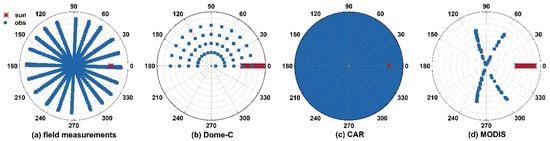
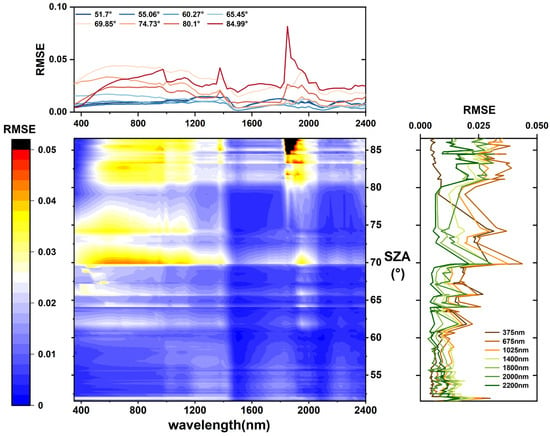
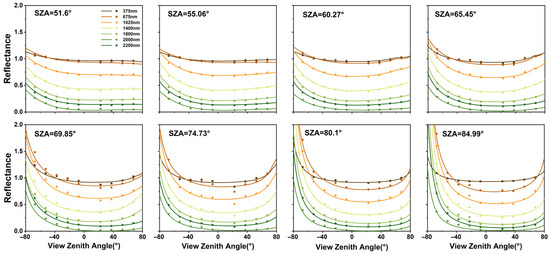
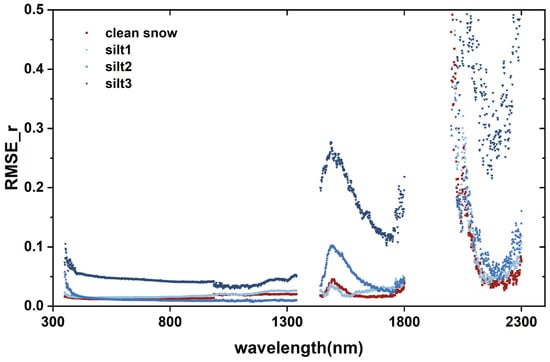
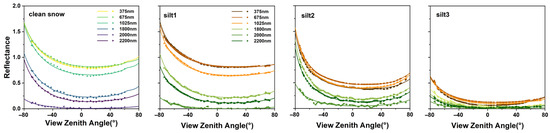
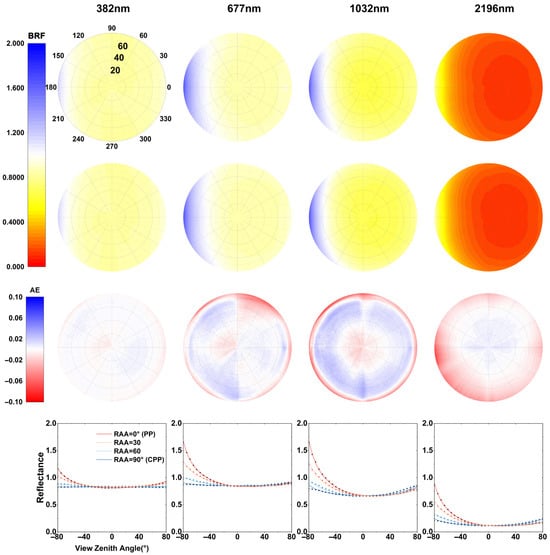
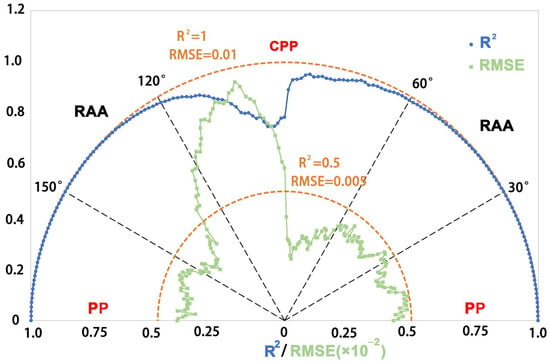
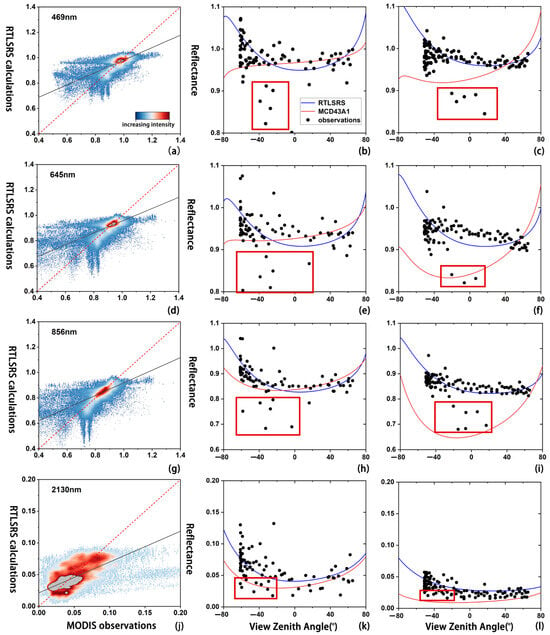
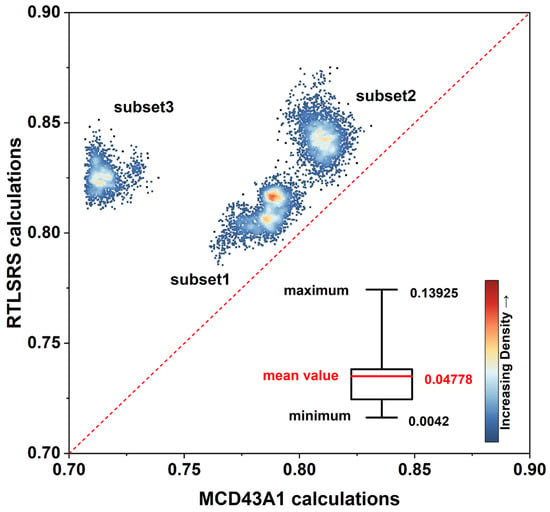
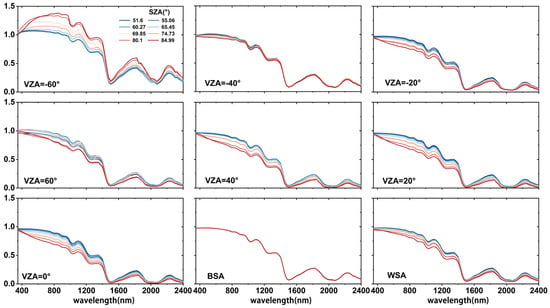
Understanding the variations in the bidirectional reflectance distribution function (BRDF) and albedo over snow surface under various conditions is important for interpreting the surface–atmosphere processes of the cryosphere, and the kernel-driven model is among the most popular methods to obtain this information for a comprehensive analysis. Recently, the RossThick-LiSparseReciprocal-Snow (RTLSRS) model was developed to better characterize the anisotropic reflectance of snow and shows strong potential for integration into operational remote sensing algorithms for snow BRDF/albedo retrieval. To comprehensively test the ability of the RTLSRS model to reproduce snow reflectance, the fitting accuracy to different multi-angular data derived from ground, tower, aircraft, and satellite platforms across the full optical wavelength range were demonstrated in this study. Special attention in this study was directed to analyzing the model performance under extreme illumination observation geometries, particularly with respect to the retrieval accuracy and stability under large Solar Zenith Angles (SZAs) and different Relative Azimuth Angles (RAAs). The model performance for silt-polluted snow surface with different concentrations is also assessed to provide necessary supplementation, relative to “pure” snow surface in the previous study. The main findings of this study are summarized as follows: (1) The RTLSRS model exhibits strong robustness under various SZAs; even when the SZA exceeds 80°, the model maintains high accuracy in BRDF reconstruction, with root mean square error (RMSE) values below 0.05. (2) The model also demonstrates satisfactory inversion capability when observations deviate from the principal plane (PP); the model can achieve fitting accuracy with R2 approaching 0.5 and RMSE below 0.05 for MODIS data. (3) In the spectral range below 1300 nm, the RTLSRS model effectively reconstructs the scattering characteristics of snow surfaces with light impurity levels (<20 g/0.5 m2). (4) The spectral shape of snow reflectance remains consistent across different view zenith angles (VZAs) in general. However, the variations caused by different SZAs can be as high as 38.49% and such SZA-induced difference can result in WSA estimation discrepancy of up to 63.43%. This comprehensive assessment further affirms and demonstrates the applicability of the RTLSRS model for the first time in fitting observations across different platforms with various optical wavelengths and geometries, and provides an improved understanding to analyze BRDF variations for the user community.
Full article
(This article belongs to the Special Issue Remote Sensing Modelling and Measuring Snow Cover and Snow Albedo)
►▼
Show Figures

Figure 1
Open AccessArticle
Precise Contemporary Crustal Strain and Rotation Rates Derived from GNSS Measurements in the Pamir–Tian Shan Region
by
Rui Yao and Shoubiao Zhu
Remote Sens. 2026, 18(10), 1618; https://doi.org/10.3390/rs18101618 - 18 May 2026
Abstract
The Pamir–Tian Shan domain constitutes one of the most actively deforming intracontinental orogenic systems associated with continued India–Eurasia convergence. Characterizing present-day deformation in this region is fundamental to deciphering its geodynamic evolution and assessing seismic risk. Existing strain rate models based on GNSS
[...] Read more.
The Pamir–Tian Shan domain constitutes one of the most actively deforming intracontinental orogenic systems associated with continued India–Eurasia convergence. Characterizing present-day deformation in this region is fundamental to deciphering its geodynamic evolution and assessing seismic risk. Existing strain rate models based on GNSS measurements display noticeable discrepancies, largely attributable to variations in analytical strategies and uneven station distribution. In this study, we determine the present crustal strain and rotation fields across the Pamir–Tian Shan area using the most updated GNSS velocity solution referenced to stable Eurasia. To address the issues of inconsistent strain rate field results and lack of reliability verification in previous studies based on GNSS data, this paper computes the crustal strain rate field (principal strain rate, maximum shear strain rate, dilatation strain rate, and rotational strain rate) with a grid spacing of 0.75° × 0.75° in the study area, followed by numerical validation of the results’ reliability. The derived strain field is characterized by dominant NNW–SSE shortening throughout much of the orogenic system, with peak compressional strain rates (~1.0 × 10⁻⁷ yr−1) concentrated along the Pamir Frontal Thrust. By contrast, the interior of the Pamir Plateau exhibits clear EW extension, consistent with areas affected by normal-faulting earthquakes. High values of shear strain rates are primarily localized along major active fault systems, whereas negative dilatational components indicate overall contraction within the Tian Shan. The rotation-rate distribution reveals clockwise rotation of the Tarim Basin (approximately 0.6°/Myr) together with counterclockwise rotation affecting the Pamir and Tian Shan blocks, accommodated by prominent strike–slip fault networks. The close spatial agreement between the modeled strain patterns, active tectonic structures, and focal mechanism solutions supports the reliability of the inferred deformation field. The research results of this paper are of great scientific significance for in-depth study of the tectonic evolution and earthquake disaster assessment in the Pamir–Tian Shan region.
Full article
(This article belongs to the Section Remote Sensing in Geology, Geomorphology and Hydrology)
Open AccessArticle
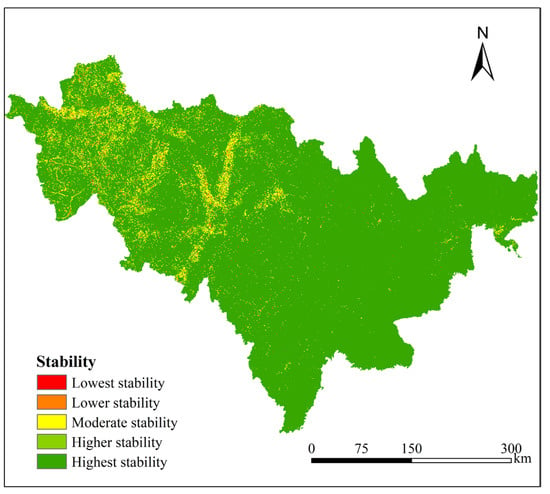
Impact Mechanisms and Regulation Pathways of Cropland Fragmentation in Jilin Province from the Perspective of Multifunctionality
by
Yi Zhang, Dongyan Wang and Hong Li
Remote Sens. 2026, 18(10), 1617; https://doi.org/10.3390/rs18101617 - 18 May 2026
Abstract
►▼
Show Figures
Elucidating the mechanisms by which cropland fragmentation impacts production and ecological functions is critical for ensuring food security and ecological sustainability. Using Jilin Province as a case study, this research develops a cropland fragmentation evaluation framework based on landscape pattern indices. A restricted
[...] Read more.
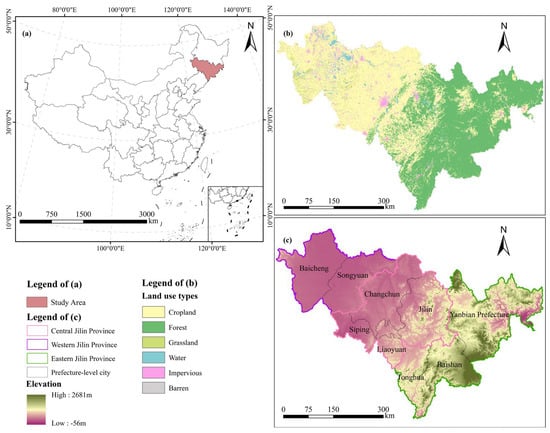
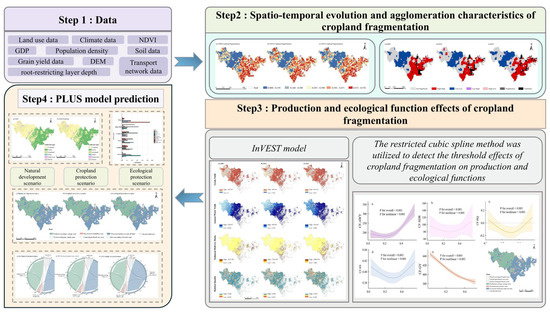
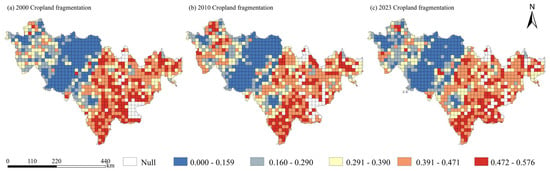
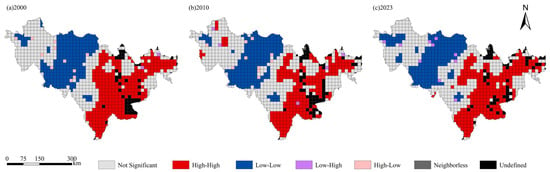
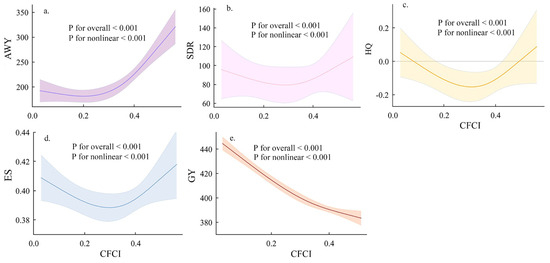
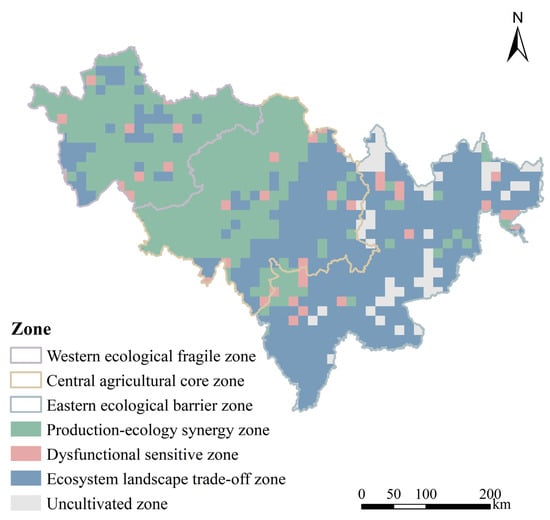
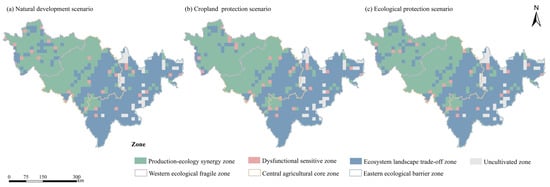
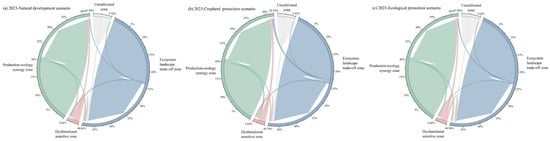
Elucidating the mechanisms by which cropland fragmentation impacts production and ecological functions is critical for ensuring food security and ecological sustainability. Using Jilin Province as a case study, this research develops a cropland fragmentation evaluation framework based on landscape pattern indices. A restricted cubic spline model is employed to quantify nonlinear relationships and identify critical thresholds between fragmentation and both production and ecological functions. Furthermore, the PLUS model is utilized to simulate land-use patterns for 2030 under three scenarios: natural development, cropland protection, and ecological protection. The primary findings are as follows: (1) From 2000 to 2023, cropland fragmentation displayed pronounced spatial heterogeneity. Fragmentation was consistently high in the eastern mountainous areas and showed significant spatial clustering; the central region maintained relatively contiguous cropland, while the western region exhibited marked spatial variability. (2) Cropland fragmentation exhibits a nonlinear negative correlation with production functions, wherein the marginal negative impact attenuates beyond a threshold of 0.340. Conversely, its association with ecological functions follows a U-shaped trajectory, with a critical inflection point at 0.363 marking a directional shift in the fragmentation–ecology nexus. (3) Based on these nonlinear thresholds, the study area was delineated into production-ecology synergy zones, dysfunctional sensitive zones, and ecosystem landscape trade-off zones. Specifically, the central agricultural core is characterized by functional synergy; the ecologically fragile western zone resides near the nadir of the U-shaped curve, rendering its balance between production and ecological functions highly vulnerable to shifts in development intensity; and the eastern ecological barrier zone manifests a distinct trade-off prioritizing ecological functions. (4) Multi-scenario simulations reveal that the natural development scenario exacerbates the expansion risk of dysfunctional sensitive zones. While the cropland protection scenario enhances production capacity, it concurrently introduces risks of ecological instability. Conversely, the ecological protection scenario effectively steers sensitive zones toward ecological recovery. Consequently, we propose a differentiated spatial regulation strategy: prioritizing land consolidation in the central region, integrating ecological restoration with capacity enhancement in the west, and sustaining ecological barriers in the east, thereby fostering sustainable regional development.
Full article

Figure 1
Open AccessArticle
Deep Learning-Enabled Remote Sensing Characterization of the Raft-Dominated Transition of Nearshore Mariculture in Fujian, China
by
Caiyun Zhang, Jing Guo, Shuangcheng Jiang, Lingling Li and Miaofeng Yang
Remote Sens. 2026, 18(10), 1616; https://doi.org/10.3390/rs18101616 - 18 May 2026
Abstract
►▼
Show Figures
Nearshore mariculture is a major contributor to the supply of “blue food”; however, its rapid expansion in bay systems has intensified sea-space competition and environmental pressures, underscoring the need for accurate and long-term monitoring. This study used multitemporal Sentinel-2 imagery processed using Google
[...] Read more.
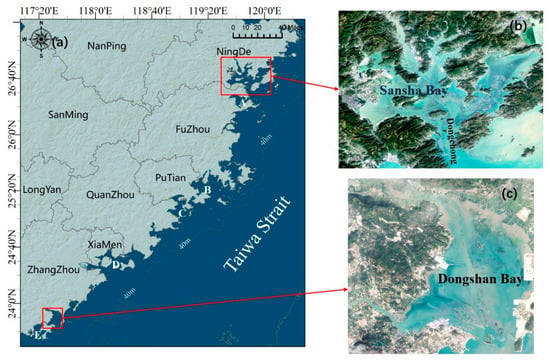
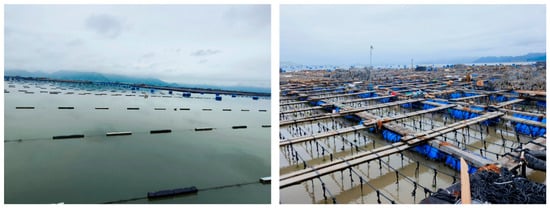
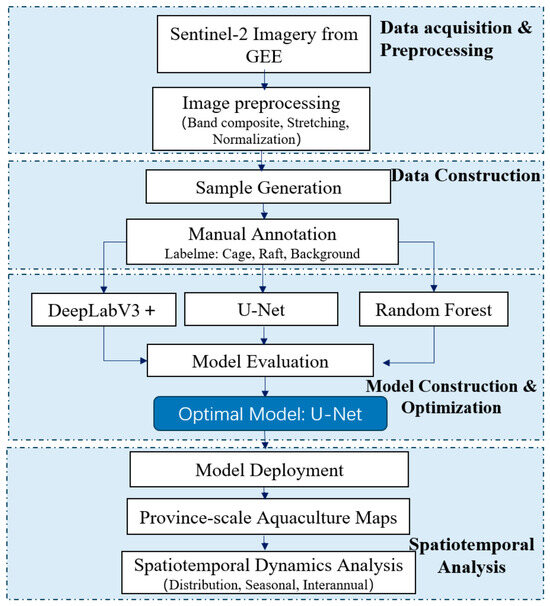
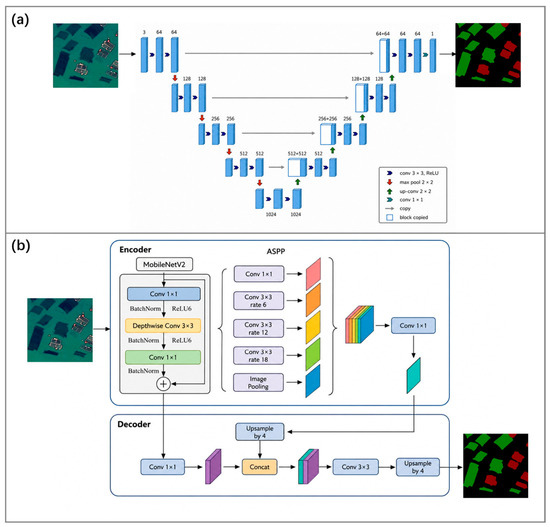
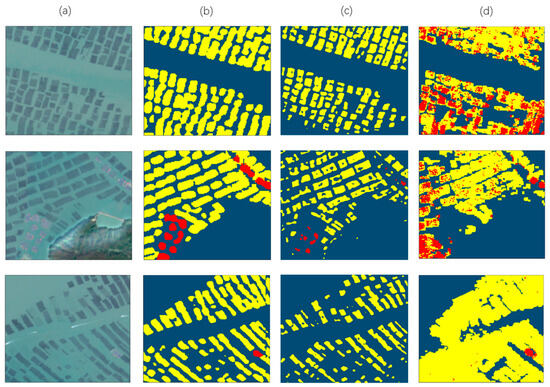
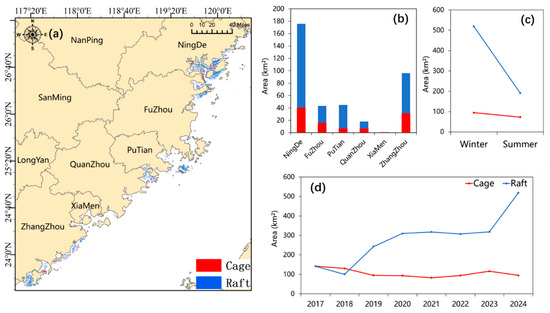
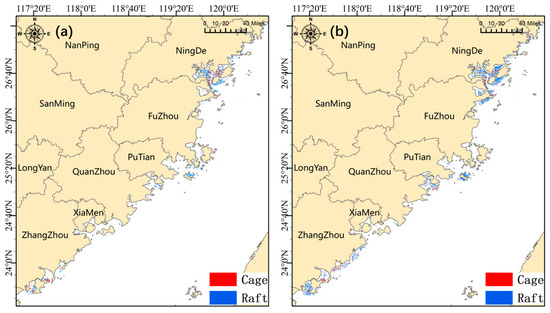
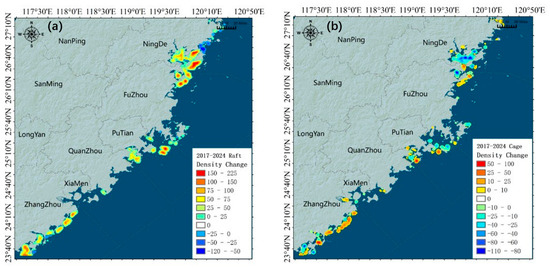
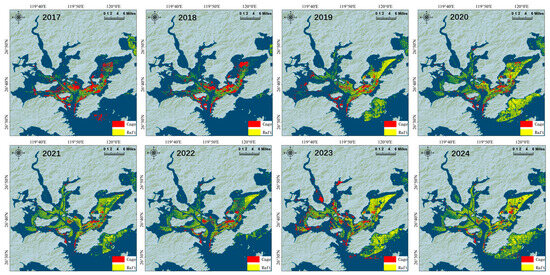
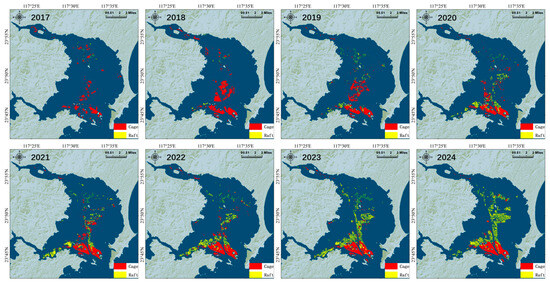
Nearshore mariculture is a major contributor to the supply of “blue food”; however, its rapid expansion in bay systems has intensified sea-space competition and environmental pressures, underscoring the need for accurate and long-term monitoring. This study used multitemporal Sentinel-2 imagery processed using Google Earth Engine (GEE) to develop an automated identification framework for raft and cage aquaculture along the coast of Fujian, China, from 2017 to 2024. Three widely used classifiers—U-Net, DeepLabV3+, and random forest (RF)—were comparatively evaluated. Of these methods, U-Net had the most stable overall performance under optically complex nearshore conditions and was, therefore, used for province-scale mapping. Based on the U-Net-derived maps, the spatiotemporal evolution of mariculture was quantified. The results showed that mariculture in Fujian exhibited a persistent bay-oriented, dual-core clustering pattern, with major hotspots concentrated in Ningde and Zhangzhou. In the 2024 winter–summer comparison, raft aquaculture displayed a clear seasonal contrast, characterized by expansion in winter and contraction in summer, whereas cage aquaculture showed relatively smaller seasonal variation. Interannually, the mariculture system shifted from a mixed cage–raft configuration toward the dominance of raft aquaculture, accompanied by a spatial redistribution of mapped aquaculture density from inner nearshore waters toward bay mouths and more open waters. Overall, in this study, we demonstrate the potential of deep learning-enabled Sentinel-2 remote sensing for monitoring nearshore mariculture structures and provide mode-specific observational evidence for marine spatial planning, environmental risk management, and sustainable mariculture development in nearshore waters and semi-enclosed bay systems.
Full article

Figure 1
Open AccessCorrection
Correction: Xie et al. Modeling BRDF over Row Crops Canopy with Effects of Intra-Row Heterogeneity. Remote Sens. 2025, 17, 3553
by
Kangli Xie, Jun Lin, Hao Zhang, Lanlan Fan, Zunjian Bian, Hua Li and Yongming Du
Remote Sens. 2026, 18(10), 1614; https://doi.org/10.3390/rs18101614 - 18 May 2026
Abstract
Error in Table [...]
Full article
Journal Menu
► ▼ Journal Menu-
- Remote Sensing Home
- Aims & Scope
- Editorial Board
- Reviewer Board
- Topical Advisory Panel
- Photography Exhibition
- Instructions for Authors
- Special Issues
- Topics
- Sections & Collections
- Article Processing Charge
- Indexing & Archiving
- Editor’s Choice Articles
- Most Cited & Viewed
- Journal Statistics
- Journal History
- Journal Awards
- Society Collaborations
- Conferences
- Editorial Office
Journal Browser
► ▼ Journal BrowserHighly Accessed Articles
Latest Books
E-Mail Alert
News
Topics
Topic in
Applied Sciences, Architecture, Buildings, CivilEng, Energies, Materials, Remote Sensing, Sustainability
Recent Studies and Innovative Approaches to Sustainable Communities, Buildings, Cities and Infrastructure
Topic Editors: Samad Sepasgozar, Sara Shirowzhan, Mohammed Al-MhdawiDeadline: 20 May 2026
Topic in
Sustainability, Buildings, Sensors, Remote Sensing, Land, Climate, Atmosphere
Advances in Low-Carbon, Climate-Resilient, and Sustainable Built Environment
Topic Editors: Baojie He, Stephen Siu Yu Lau, Deshun Zhang, Andreas Matzarakis, Fei GuoDeadline: 25 May 2026
Topic in
Atmosphere, Forests, Geosciences, Hydrology, Land, Remote Sensing, Sustainability
Karst Environment and Global Change—Second Edition
Topic Editors: Xiaoyong Bai, Yongjun Jiang, Jian Ni, Xubo Gao, Yuemin Yue, Jiangbo Gao, Junbing Pu, Hu Ding, Qiong Xiao, Zhicai ZhangDeadline: 16 June 2026
Topic in
Aerospace, Drones, Electronics, Remote Sensing, Sensors, Signals
Civil and Public Domain Applications of Unmanned Aviation 2025
Topic Editors: Kimon P. Valavanis, Nikolaos VitzilaiosDeadline: 30 June 2026
Conferences
Special Issues
Special Issue in
Remote Sensing
Ecosystem Protection in Arid and Semi-Arid Regions Supported by Multi-Source Remote Sensing Data
Guest Editors: Qiang Yu, Junran Li, Di Yang, Linyuan LiDeadline: 20 May 2026
Special Issue in
Remote Sensing
Advances in Estimating Aboveground Biomass Based on Multi-source Remote Sensing Data
Guest Editors: Shaobo Sun, Xufeng Wang, Kai LiuDeadline: 25 May 2026
Special Issue in
Remote Sensing
Multisource Remote Sensing Data Fusion and Applications in Vegetation Monitoring (Second Edition)
Guest Editors: Dong Liu, Jiakui Tang, Qing ZhangDeadline: 28 May 2026
Special Issue in
Remote Sensing
Recent Advances in Remote Sensing of Soil Moisture
Guest Editors: Indishe Senanayake, Natthachet Tangdamrongsub, Bin FangDeadline: 28 May 2026
Topical Collections
Topical Collection in
Remote Sensing
Feature Papers for Section Environmental Remote Sensing
Collection Editor: Magaly Koch
Topical Collection in
Remote Sensing
The VIIRS Collection: Calibration, Validation, and Application
Collection Editors: Xi Shao, Xiaoxiong Xiong, Changyong Cao
Topical Collection in
Remote Sensing
Feature Paper Collection on Remote Sensing in Geology, Geomorphology and Hydrology Section
Collection Editors: Francesca Ardizzone, Giuseppe Casula
Topical Collection in
Remote Sensing
Sentinel-2: Science and Applications
Collection Editors: Clement Atzberger, Jadu Dash, Olivier Hagolle, Jochem Verrelst, Quinten Vanhellemont, Jordi Inglada, Tuomas Häme