

-
Invisible Scars: Psychopathology, Shame and Self-Judgment Following Perinatal Loss—A Cross-Sectional Study -
The COMT rs4680 Met Allele Is Associated with High Impulsivity, Hyperactivity and Inattention in Patients with Opioid Use Disorder -
Mental Health Literacy About Depression in Public Security Police Officers: A Descriptive Cross-Sectional Study
Journal Description
Psychiatry International
is an international, peer-reviewed, open access journal on psychiatric research and practice, published bimonthly online by MDPI.
- Open Access— free for readers, with article processing charges (APC) paid by authors or their institutions.
- High Visibility: indexed within ESCI (Web of Science), Scopus, EBSCO, and other databases.
- Rapid Publication: manuscripts are peer-reviewed and a first decision is provided to authors approximately 27.2 days after submission; acceptance to publication is undertaken in 6.3 days (median values for papers published in this journal in the second half of 2025).
- Journal Rank: CiteScore - Q2 (Psychiatric Mental Health)
- Recognition of Reviewers: APC discount vouchers, optional signed peer review, and reviewer names published annually in the journal.
- Journal Cluster of Neurosciences: Brain Sciences, Neurology International, NeuroSci, Clinical and Translational Neuroscience, Neuroimaging, Neuroglia, Psychiatry International, Clocks & Sleep and Journal of Dementia and Alzheimer's Disease.
Impact Factor:
1.1 (2024);
5-Year Impact Factor:
1.0 (2024)
Latest Articles
Comparative Efficacy of rTMS and Psychosurgery in Severe OCD: A Systematic Review and Meta-Analysis of Responder Rates
Psychiatry Int. 2026, 7(3), 96; https://doi.org/10.3390/psychiatryint7030096 - 3 May 2026
Abstract
Background: Severe, treatment-resistant Obsessive–Compulsive Disorder (OCD) remains a major clinical challenge. When conventional pharmacological and psychotherapeutic strategies fail, neuromodulatory interventions such as repetitive transcranial magnetic stimulation (rTMS) and psychosurgical approaches are increasingly considered. Although both modalities target nodes within the cortico-striato-thalamo-cortical (CSTC) circuit,
[...] Read more.
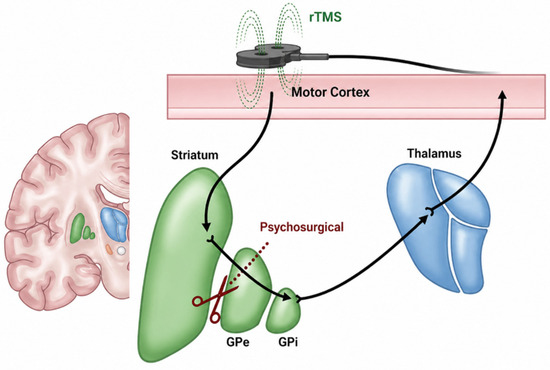
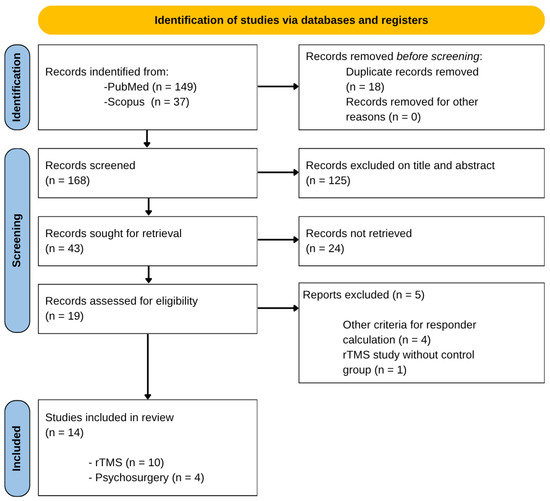
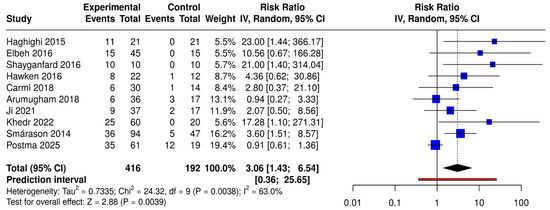
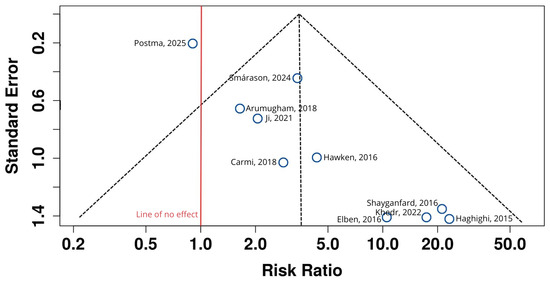
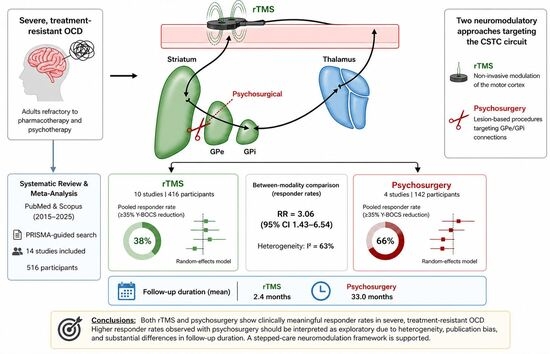
Background: Severe, treatment-resistant Obsessive–Compulsive Disorder (OCD) remains a major clinical challenge. When conventional pharmacological and psychotherapeutic strategies fail, neuromodulatory interventions such as repetitive transcranial magnetic stimulation (rTMS) and psychosurgical approaches are increasingly considered. Although both modalities target nodes within the cortico-striato-thalamo-cortical (CSTC) circuit, their relative effectiveness has not been examined within a unified analytical framework. Objective: We aimed to compare responder rates between rTMS and psychosurgical interventions in adults with treatment-resistant OCD through a systematic review and meta-analysis. Methods: A PRISMA-guided search of PubMed and Scopus (2015–2025) identified clinical studies reporting treatment response. Pooled responder rates were estimated separately for each modality using random-effects models. Between-study heterogeneity and publication bias were systematically assessed. Results: Fourteen studies met inclusion criteria, including 10 rTMS studies (416 participants) and four lesion-based psychosurgical studies (142 participants). Both modalities demonstrated clinically meaningful responder rates. Pooled analyses suggested higher responder proportions in psychosurgical cohorts (RR = 3.06, 95% CI 1.43–6.54); however, this finding was accompanied by substantial heterogeneity (I2 = 63%) and signals of publication bias. Follow-up duration differed markedly between modalities (mean 2.4 months for rTMS vs. 33.0 months for psychosurgery), reflecting fundamentally different study designs and outcome assessment timepoints. Conclusions: Differences in pooled responder rates should be interpreted as exploratory rather than as evidence of comparative efficacy. The lack of a shared comparator, differences in patient selection, and large discrepancies in follow-up limit direct comparisons between modalities. These findings support a stepped-care framework for neuromodulation in treatment-resistant OCD and highlight the need for methodologically harmonized studies to better define the role of each intervention across distinct clinical profiles of treatment resistance.
Full article
(This article belongs to the Special Issue Cognitive Functioning Across Severe Psychiatric Disorders: From Research to Clinical Practice)
►
Show Figures
Open AccessArticle
Understanding Social Stigma in Mental Health: A Study of Perceptions and Behaviours Among the Spanish Population
by
José Germán Arranz-López, Francisco H. Machancoses and Jorge Pérez-Corrales
Psychiatry Int. 2026, 7(3), 95; https://doi.org/10.3390/psychiatryint7030095 - 3 May 2026
Abstract
Currently, mental health diagnoses are associated with a negative connotation in society, leading to discriminatory and rejecting behaviours towards individuals with mental health conditions and their families. This hinders access to specialised resources, education and employment. This stigma is based on erroneous knowledge
[...] Read more.
Currently, mental health diagnoses are associated with a negative connotation in society, leading to discriminatory and rejecting behaviours towards individuals with mental health conditions and their families. This hinders access to specialised resources, education and employment. This stigma is based on erroneous knowledge and discriminatory attitudes and behaviours within the population, which are closely linked to the concepts of stereotype, prejudice, and discrimination. These factors create situations that affect the quality of life and recovery processes of individuals with diagnoses. A quantitative, cross-sectional, analytical–descriptive study was conducted to identify knowledge, attitudes and behaviours relating to individuals with mental health diagnoses in a large community-based sample of the Spanish population. The S3 scale was used to identify the necessary factors associated with lower levels of stigma from a structural perspective. The sample consisted of 563 participants, with an average age of 35.81 years, predominantly women (n = 381, 65.2%). Notably, 87.0% (n = 490) of the sample had contact with at least one person diagnosed with a mental health condition during their lifetime. The most significant findings revealed that individuals without training and those with central or conservative ideologies exhibited significantly higher levels of stereotypes, stigmatising attitudes, and discriminatory behaviours than their counterparts. Based on these results obtained, it is recommended that existing personal and economic resources be expanded and focused to provide specific mental health training to the Spanish population, as well as to promoting the creation of spaces for contact and inclusive participation with individuals diagnosed with mental health conditions.
Full article
Open AccessReview
Community Health Workers and Mental Health Among Indigenous Communities in Amazonia: A Scoping Review
by
Cássio de Figueiredo, Marc-Alexandre Tareau, Haroun Zouaghi, François Lair, Cyril Rousseau, Vincent Bobillier and Mathieu Nacher
Psychiatry Int. 2026, 7(3), 94; https://doi.org/10.3390/psychiatryint7030094 - 1 May 2026
Abstract
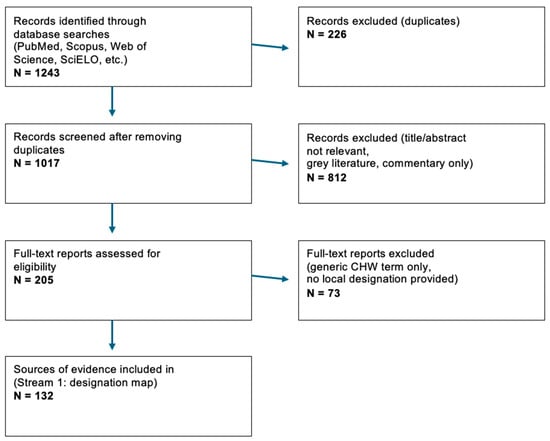
Indigenous peoples in Amazonia face major mental health inequities, including high rates of suicidal behaviour among adolescents and young adults in some settings. We conducted a scoping review of the peer-reviewed literature on community health workers (CHWs) and equivalent cadres involved in Indigenous
[...] Read more.
Indigenous peoples in Amazonia face major mental health inequities, including high rates of suicidal behaviour among adolescents and young adults in some settings. We conducted a scoping review of the peer-reviewed literature on community health workers (CHWs) and equivalent cadres involved in Indigenous and remote contexts, with a focus on their roles in relation to mental health, psychosocial support, and suicide prevention among Indigenous populations in Amazonia and the Guiana Shield. We reported this review in line with PRISMA-ScR. Searches (September–November 2025) were conducted in PubMed/MEDLINE, Scopus, Web of Science and SciELO, complemented by targeted searches in major publisher platforms and JSTOR. We included English, French, Spanish and Portuguese publications that (i) described CHWs or functionally equivalent cadres in Indigenous/remote contexts and/or (ii) reported CHW-related roles, models, or experiences relevant to mental health, psychosocial support or suicide prevention in Amazonian settings. Global documentation of CHW designations used in Indigenous/remote contexts was compiled; we compiled evidence from Amazonia and the Guiana Shield on CHW roles, programme models, implementation conditions and reported outcomes. Data were charted into a structured template (cadre designation, setting, population, study type, functions, programme features and reported mental health/suicide-related outcomes) and synthesised descriptively and thematically. CHWs commonly function as cultural and linguistic brokers between Indigenous communities and biomedical systems, supporting early detection of distress, psychosocial accompaniment, referral navigation and dialogue with local healing practices. Reported programme models differ markedly: Brazil’s institutionalised Indigenous Health Agents (AIS) offer stability and formal recognition, whereas French Guiana relies more heavily on project-based mediation with innovative practices but greater funding fragility. The available literature remains heterogeneous and uneven across countries, with limited evaluative designs and substantial reliance on descriptive reports. Future work should prioritise stronger implementation and impact evaluation, alongside Indigenous-led governance and sustainable support for CHW cadres.
Full article
(This article belongs to the Section Mental Health)
►▼
Show Figures

Figure 1
Open AccessArticle
Rupture, Repair, and Relational Presence: A Qualitative Study of Therapists’ Perspectives on the Therapeutic Alliance
by
Rianne Heath-Watt, Panagiota Tragantzopoulou and Alison Fixsen
Psychiatry Int. 2026, 7(3), 93; https://doi.org/10.3390/psychiatryint7030093 - 1 May 2026
Abstract
The therapeutic alliance is widely recognized as a central mechanism of change in psychotherapy; however, much existing research risks reifying it as a measurable and static construct, obscuring its fluid, co-constructed nature and the ways it is shaped by power, identity, and social
[...] Read more.
The therapeutic alliance is widely recognized as a central mechanism of change in psychotherapy; however, much existing research risks reifying it as a measurable and static construct, obscuring its fluid, co-constructed nature and the ways it is shaped by power, identity, and social context. This study aimed to explore how psychotherapists understand, construct, and enact the therapeutic alliance in their everyday practice, with particular attention to diversity, anxiety, rupture, and the reciprocal impact of the therapeutic relationship on the therapist. Using a qualitative design, semi-structured interviews were conducted with 14 psychotherapists primarily working in private practice, and the data were analyzed using reflexive thematic analysis. Six interrelated themes were identified: moving from technique to relational presence; diversity as relational negotiation; anxiety as a co-created relational process; rupture as inevitable and generative; therapist transformation through the therapeutic relationship; and navigating professional role and human authenticity. The findings suggest that effective therapeutic work relies less on rigid adherence to technique and more on reflexivity, emotional attunement, and a willingness to engage with discomfort, difference, and relational rupture. The study highlights the need for psychotherapy training to prioritize relational, ethical, and reflexive capacities alongside technical skills, and contributes a more process-oriented understanding of the therapeutic alliance from therapists’ lived perspectives.
Full article
Open AccessArticle
Psychiatric and Functional Outcomes in Preterm School-Aged Children in Greece
by
Symeon Dimitrios Daskalou, Theodoros N. Sergentanis, Nikolaos Gerosideris, Christina Ouzouni, Elpida Stratou and Ioanna Giannoula Katsouri
Psychiatry Int. 2026, 7(3), 92; https://doi.org/10.3390/psychiatryint7030092 - 1 May 2026
Abstract
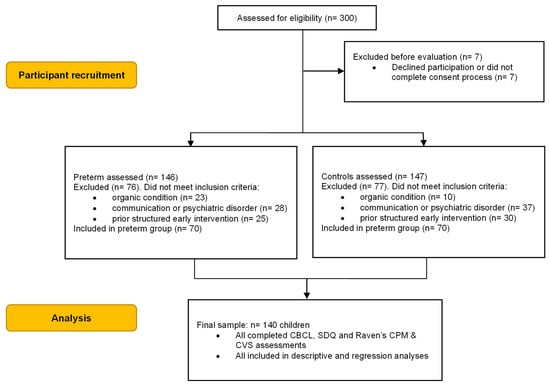
Background: Preterm birth is a significant early-life stressor associated with increased psychiatric vulnerability and long-term functional impairments in school-aged children. Objective: To compare behavioral–emotional outcomes and functional competence between school-aged preterm and term-born children, examining perinatal, cognitive, and socioeconomic predictors. Methods: 140 children
[...] Read more.
Background: Preterm birth is a significant early-life stressor associated with increased psychiatric vulnerability and long-term functional impairments in school-aged children. Objective: To compare behavioral–emotional outcomes and functional competence between school-aged preterm and term-born children, examining perinatal, cognitive, and socioeconomic predictors. Methods: 140 children aged 6–10 (70 preterm, 70 age-matched controls) were assessed using the Child Behavior Checklist (CBCL) and Strengths and Difficulties Questionnaire (SDQ). Functional competence—defined as participation in daily activities, social interactions, and school performance—was examined alongside behavioral–emotional outcomes. Predictors included gestational age, birth weight, SES, and cognitive ability. Results: Preterm birth was associated with higher SDQ scores in emotional problems, hyperactivity, and peer problems. CBCL results showed lower total functional competence scores, specifically in activities, social participation, and school performance. Longer NICU stay predicted higher internalizing problems and lower social participation. Cognitive ability was linked to lower SDQ externalizing and internalizing scores. SES was not a significant predictor. Conclusions: Preterm birth and prolonged NICU hospitalization are linked to persistent behavioral–emotional and functional vulnerabilities. These findings underscore the need for early, integrated developmental monitoring within a preventive psychiatry framework to identify psychiatric vulnerability and support functional participation.
Full article
(This article belongs to the Special Issue Advances in Developmental Neuroscience and Psychiatry: Integrating Cognitive Science and Mental Health)
►▼
Show Figures

Figure 1
Open AccessArticle
Traumatic Stress Among Firefighters: Risk and Protective Factors with Implications for PTSD
by
Joana Proença Becker, Rui Paixão and Liliana Bizarro
Psychiatry Int. 2026, 7(3), 91; https://doi.org/10.3390/psychiatryint7030091 - 1 May 2026
Abstract
Previous studies indicate that the main predictors of stress-related disorders in firefighters are pre- and post-trauma factors, rather than intensity or type of traumatic event. This study aimed to identify risk and protective factors contributing to the development of Post-Traumatic Stress Disorder (PTSD)
[...] Read more.
Previous studies indicate that the main predictors of stress-related disorders in firefighters are pre- and post-trauma factors, rather than intensity or type of traumatic event. This study aimed to identify risk and protective factors contributing to the development of Post-Traumatic Stress Disorder (PTSD) and other stress-related conditions in Portuguese firefighters who battled the 2017 forest fires. To assess the prevalence of PTSD and related conditions, a set of self-report measures—including PHQ-15 (somatic symptoms), PCL-5 (PTSD), PSQI (sleep quality), and DASS-21 (depression, anxiety, stress)—was completed by 96 firefighters and 96 individuals from the general population, who served as a comparison group. In addition, semi-structured interviews were conducted with 79 firefighters, focusing on their perceptions of PTSD, exposure to duty-related traumatic events, and coping strategies employed to manage stress. Findings indicated that firefighters reported higher levels of somatic symptoms, sleep disturbance, and PTSD than the general population. Organizational support, working conditions, professional experience and training were identified as protective factors, while a sense of belongingness and peer relationship were considered resources for managing stress reactions. Firefighters also associated social and media pressures with the development or exacerbation of stress-related symptoms. Collectively, these results highlight the relevance of both subjective and contextual factors and may inform prevention, intervention, and treatment strategies for stress-related psychopathologies.
Full article
Open AccessArticle
Development and Psychometric Validation of the Emotional Intelligence Scale for Youth in the Conflict-Affected Southern Border Provinces of Thailand
by
Kasetchai Laeheem
Psychiatry Int. 2026, 7(3), 90; https://doi.org/10.3390/psychiatryint7030090 - 29 Apr 2026
Abstract
►▼
Show Figures
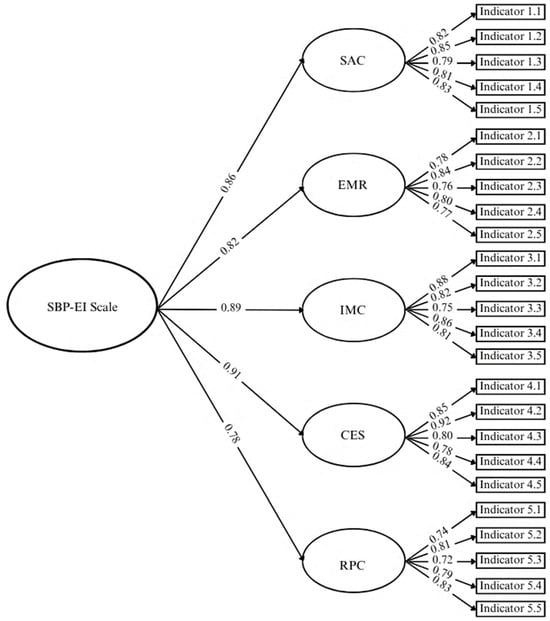
This study developed and validated a specialised emotional intelligence (EI) scale for youth in the conflict-affected southern border provinces of Thailand. The primary objective was to establish a psychometric instrument tailored to this unique multicultural and sensitive context. Utilizing a sample of 500
[...] Read more.
This study developed and validated a specialised emotional intelligence (EI) scale for youth in the conflict-affected southern border provinces of Thailand. The primary objective was to establish a psychometric instrument tailored to this unique multicultural and sensitive context. Utilizing a sample of 500 local youth leaders, the instrument’s quality was rigorously evaluated through Second-order Confirmatory Factor Analysis (CFA) using Maximum Likelihood estimation. The final validated model comprises 25 indicators categorized into five dimensions: Self-Awareness, Self-Regulation, Self-Motivation, Social Awareness/Empathy, and Relationship Management. Results indicated an excellent model fit with empirical data (χ2 = 284.15, df = 265, p = 0.198, CFI = 0.99, GFI = 0.97, RMSEA = 0.02). Factor loadings ranged from 0.72 to 0.92, while composite reliability (CR) and average variance extracted (AVE) values exceeded 0.88 and 0.61, respectively, confirming high internal consistency and construct validity. Social Awareness/Empathy emerged as the most significant dimension (B = 0.91). This study suggests that the scale is a robust tool for assessing EI in conflict zones, providing a critical foundation for targeted psychosocial interventions and sustainable peace-building initiatives among youth in the region.
Full article

Figure 1
Open AccessArticle
The Prevalence of High-Risk Children in the Community for Autism Spectrum Disorder and Their Associated Psychiatric Comorbidities
by
Ahmed M. S. Al Ansari, Haitham A. Jahrami, Muna Ahmed Almohri, Nabeel A. Suleiman, Raja Hejair, Mahmoud A. Alfaqih, Mohamed K. Almedfa and Randah R. Hamadeh
Psychiatry Int. 2026, 7(3), 89; https://doi.org/10.3390/psychiatryint7030089 - 27 Apr 2026
Abstract
►▼
Show Figures
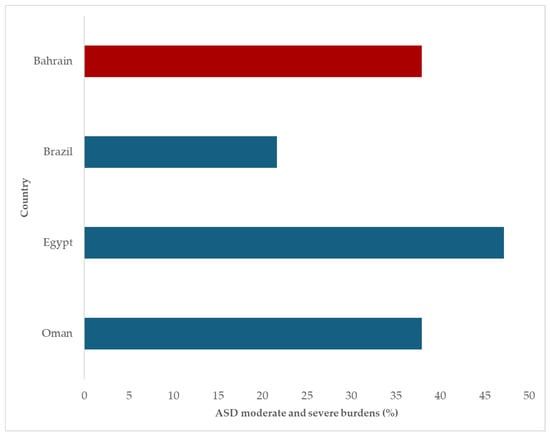
Background: This study aimed to estimate the prevalence and associated demographic factors of autism spectrum disorder (ASD) in children aged 3 to 6 years in Bahrain, as well as to identify co-occurring developmental disorders. Methodology: The study sample comprised 500 children who attended
[...] Read more.
Background: This study aimed to estimate the prevalence and associated demographic factors of autism spectrum disorder (ASD) in children aged 3 to 6 years in Bahrain, as well as to identify co-occurring developmental disorders. Methodology: The study sample comprised 500 children who attended eight health centers across four governorates (Group A) in Bahrain. A second group (Group B) consisted of all children who completed their diagnosis at the Child and Adolescent Psychiatric Unit for ASD from June 2023 to May 2024 to identify associated developmental disorders (n = 232). Group A mothers were interviewed using the M-CHAT-R. For Group B, we used children’s files, the General Intelligence Scale (Stanford-Binet), the M-CHAT-R, the CARS, Conners’ Form, and the Zarit Burden Interview to assess family burden. Additionally, a file review was conducted to determine the presence of intellectual disability (ID) in Group B cases. The Conner-3 Short Forms Test was administered to all cases aged 6 years or older (n = 64), and family burden was assessed using the Zarit Burden Interview Scale for reachable cases (n = 176). Results: Group A findings indicated an overall screen-based/at risk prevalence of ASD of 2.6%, with a higher prevalence in males (1.6%) compared to females (1%). In Group B, there was a78% prevalence of ID and a 17.2% prevalence of attention-deficit/hyperactivity disorder (ADHD). The study also found that the impact of having a child with ASD on the family varied based on the nature and severity of the disorder or disability, with moderate to severe burden reported at approximately 38%. Conclusions: The prevalence of ASD among young children was notably high, particularly among males. The most common comorbidities were ID followed by ADHD. The family burden associated with ASD was significant, with more than one third reporting moderate to severe burden. These data are essential for informing health education and social service planning.
Full article

Figure 1
Open AccessArticle
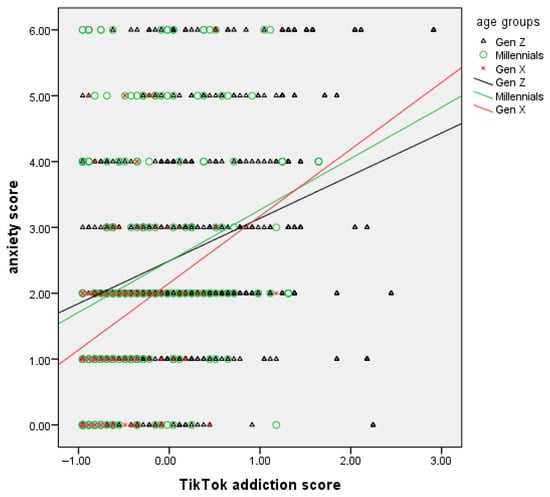
Associations Between Problematic TikTok Use, Anxiety, Depression and Sleep Quality: Sex and Generation Differences
by
Aglaia Katsiroumpa, Zoe Katsiroumpa, Evmorfia Koukia, Polyxeni Mangoulia, Ioannis Moisoglou and Petros Galanis
Psychiatry Int. 2026, 7(3), 88; https://doi.org/10.3390/psychiatryint7030088 - 24 Apr 2026
Abstract
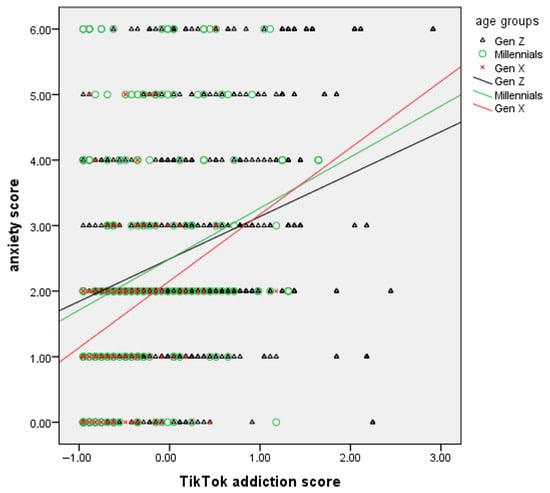
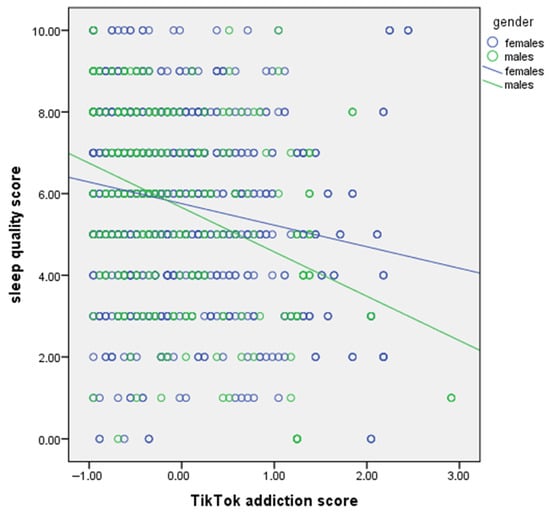
Our objective was to investigate the relationship between problematic TikTok use and levels of anxiety, depression, and sleep quality. We also explored differences across sex and generational groups. A cross-sectional study was conducted in Greece using a convenience sample. Participants were classified into
[...] Read more.
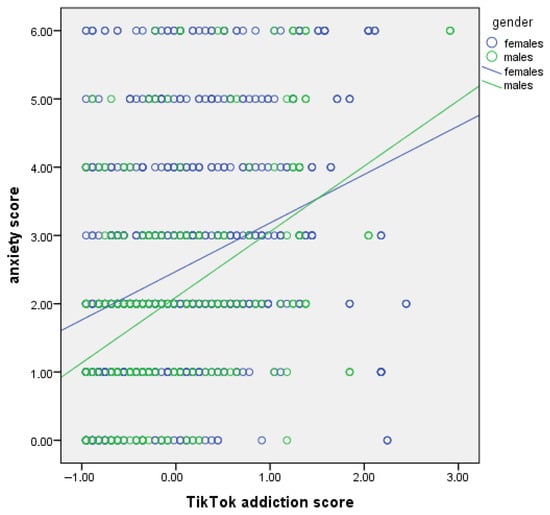
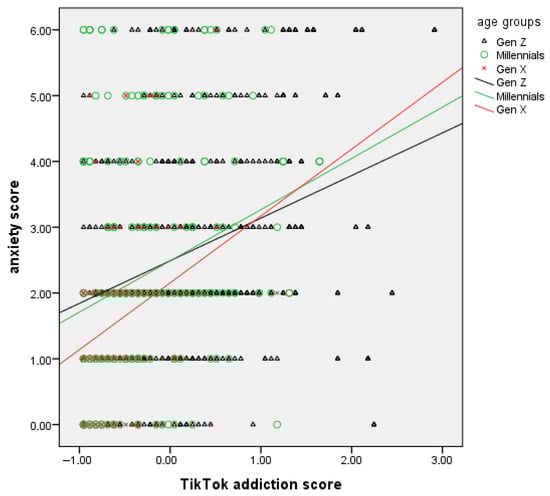
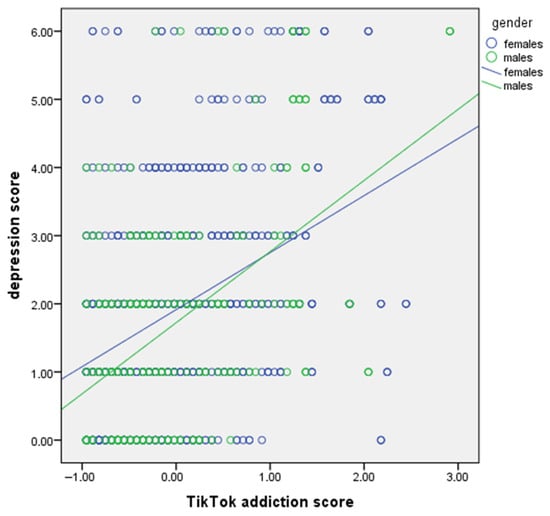
Our objective was to investigate the relationship between problematic TikTok use and levels of anxiety, depression, and sleep quality. We also explored differences across sex and generational groups. A cross-sectional study was conducted in Greece using a convenience sample. Participants were classified into three generational groups: Generation Z (1997–2012), Millennials (1981–1996), and Generation X (1965–1980). Problematic TikTok use was assessed with the TikTok Addiction Scale, while anxiety and depression were measured using the Patient Health Questionnaire-4. Sleep quality was evaluated with the Sleep Quality Scale. To account for potential confounding factors, we performed multivariable linear regression analyses. Our results showed a positive association between problematic TikTok use and both anxiety and depression. Multivariable analysis revealed a negative association between problematic TikTok use and sleep quality. In summary, our findings indicate that problematic TikTok use is linked to higher levels of anxiety and depression, as well as poorer sleep quality. These results highlight the need for policymakers, stakeholders, and healthcare professionals to develop and implement targeted interventions aimed at mitigating the negative effects associated with problematic TikTok use.
Full article
(This article belongs to the Special Issue The Impact of Social Media on Mental Health)
►▼
Show Figures

Figure 1
Open AccessArticle
A Multilevel Governance Framework for Community-Based Mental Health Promotion: Findings from a Qualitative Study
by
David Octavio Rangel-Carrero, Lina Díaz-Castro, German Guerra and Jose Carlos Suarez-Herrera
Psychiatry Int. 2026, 7(3), 87; https://doi.org/10.3390/psychiatryint7030087 - 24 Apr 2026
Abstract
►▼
Show Figures
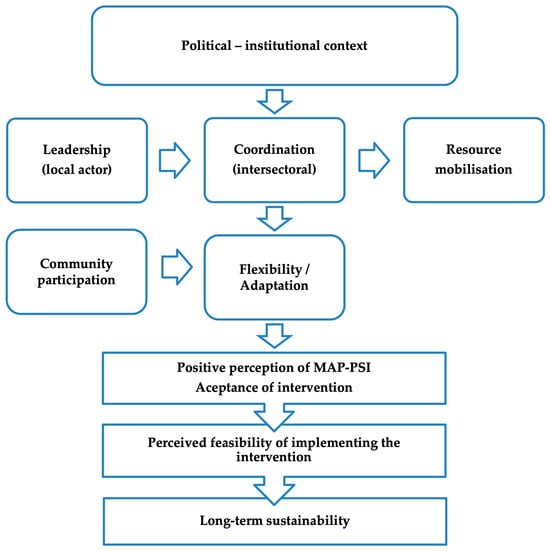
Mental health interventions in rural areas often face systemic and governance barriers that limit their implementation. This study analysed how governance dimensions at the municipal, state, and federal levels influence the perceived feasibility of implementing the Primary Care and Psychiatry Model (MAP-PSI), an
[...] Read more.
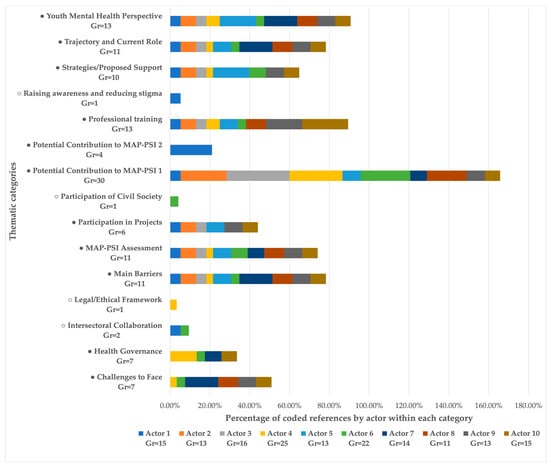
Mental health interventions in rural areas often face systemic and governance barriers that limit their implementation. This study analysed how governance dimensions at the municipal, state, and federal levels influence the perceived feasibility of implementing the Primary Care and Psychiatry Model (MAP-PSI), an early intervention strategy targeting adolescent depression in rural Mexico. A descriptive–interpretative qualitative design was employed, using semi-structured interviews and hybrid (deductive–inductive) content analysis. Participants were purposively selected institutional stakeholders involved in MAP-PSI implementation, including local health managers, state and federal decision-makers, and community-based actors. The coding process was collaboratively developed and validated through consensus and critical reflection among researchers. Five interrelated governance dimensions were identified: local leadership, intersectoral coordination, resource mobilisation, community participation, and institutional adaptability. These dimensions converge in a multilevel governance framework that illustrates how governance capacities across levels can enable or constrain community-based mental health interventions. The findings provide an empirically grounded framework to inform the design, adaptation, and future evaluation of community-based mental health strategies in underserved rural contexts.
Full article

Figure 1
Open AccessBrief Report
Assessing Risk of Harm in Lay Counsellor Interventions for Psychosis: Evidence from a Thai Randomised Trial
by
Nachiket Mor
Psychiatry Int. 2026, 7(3), 86; https://doi.org/10.3390/psychiatryint7030086 - 23 Apr 2026
Abstract
Background: Lay counsellor-delivered psychosocial interventions are increasingly used to address workforce shortages in mental health care. While randomised trials commonly report mean improvements, explicit assessment of clinical deterioration is rare. This secondary analysis evaluated whether a lay counsellor intervention for early psychosis was
[...] Read more.
Background: Lay counsellor-delivered psychosocial interventions are increasingly used to address workforce shortages in mental health care. While randomised trials commonly report mean improvements, explicit assessment of clinical deterioration is rare. This secondary analysis evaluated whether a lay counsellor intervention for early psychosis was associated with evidence of deterioration compared with usual care. Methods: Patient-level data from a randomised controlled trial in Thailand (n = 255) were analysed. Deterioration was defined as worsening between baseline and the 6-month follow-up across functional, behavioural, and service utilisation domains. Risk differences were estimated using Newcombe confidence intervals, and risk ratios were calculated using standard methods with the Haldane–Anscombe correction applied, where required. Analyses were conducted for the full sample (UC n = 125; LICM n = 130) and stratified by baseline severity (none/borderline: UC n = 103, LICM n = 103; mild-to-severe: UC n = 22, LICM n = 27). Results: In the full sample, deterioration rates were similar across most domains. A statistically significant reduction in deterioration related to disturbing or aggressive behaviour was observed in the LICM arm (risk difference −14.1%; 95% CI −26.8% to −0.6%; risk ratio 0.45; 95% CI 0.26 to 0.79). No statistically significant excess deterioration was observed in other domains. In severity-stratified analyses, no subgroup showed a statistically significant increase in deterioration attributable to the intervention. However, among participants with mild-to-severe baseline illness, although no statistically significant harm signal was detected, the adverse risk differences and risk ratios observed in socially useful activities, self-care, regular outpatient follow-up visits, and medication adherence among participants with greater baseline severity underscore the importance of careful monitoring in higher-risk subgroups. Conclusions: No statistically significant evidence of excess deterioration was observed in either the full sample or subgroup analyses between the intervention and control arms. However, the adverse absolute difference observed in multiple patient-related domains, among participants with mild-to-severe baseline illness, suggests that lay-counsellor interventions may require a stepped-care approach to safely address the mental health needs of patients with higher levels of severity. Psychosocial trials should routinely report deterioration and subgroup analyses alongside mean improvements.
Full article
Open AccessArticle
Threat Conditioning Prior to Cocaine or Sucrose Exposure Alters Reward-Seeking Behavior in a Sex-Dependent Manner
by
Yobet Perez-Perez, Roberto J. Morales-Silva, Genesis N. Rodriguez-Torres, Rafael III Ruiz-Villalobos, Jose C. Rivera-Velez, Edgardo G. Arlequin-Torres, Elaine M. Vera-Torres, Lenin J. Godoy-Muñoz, Serena I. Fazal, Nilenid Rivera-Aviles, Sofia Neira and Marian T. Sepulveda-Orengo
Psychiatry Int. 2026, 7(2), 85; https://doi.org/10.3390/psychiatryint7020085 - 18 Apr 2026
Abstract
Background/Objectives: Research has shown a high prevalence of co-occurring trauma-related disorders and cocaine use disorder (CUD). However, there remains a need for preclinical studies to determine how traumatic event exposure influences vulnerability to CUD development and relapse. In this study, we assessed the
[...] Read more.
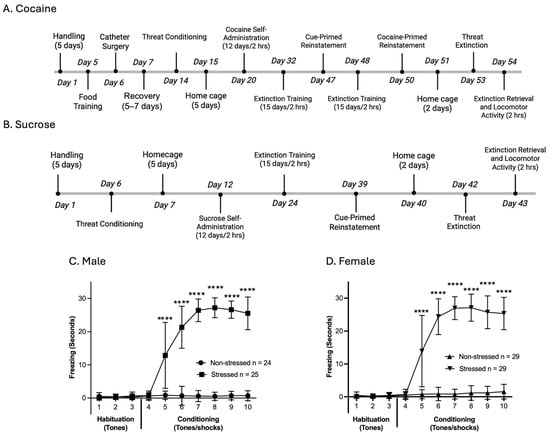
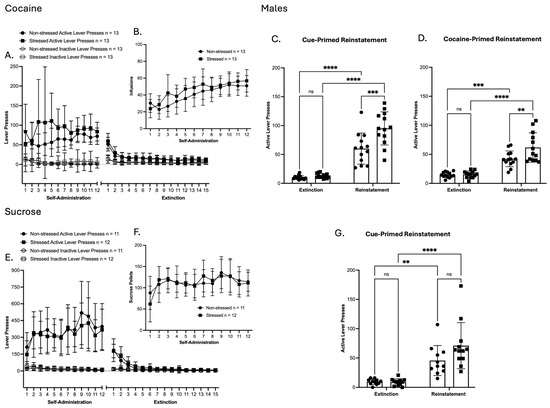
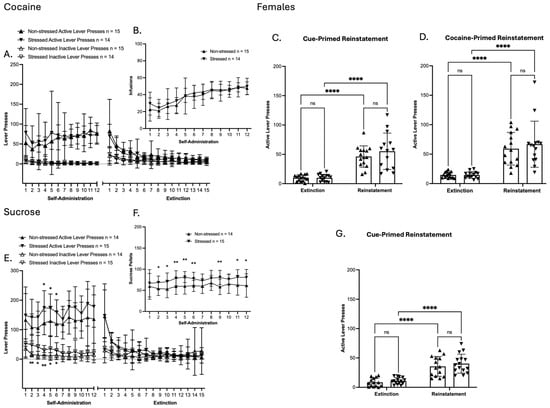
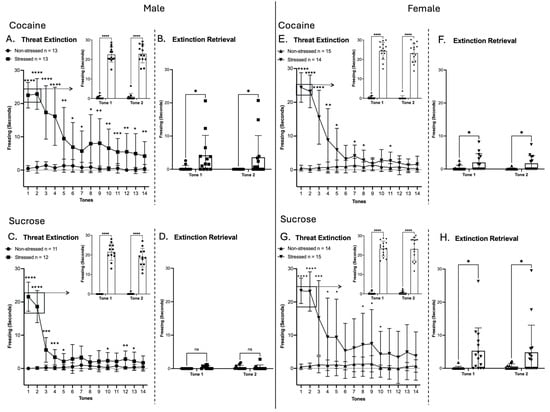
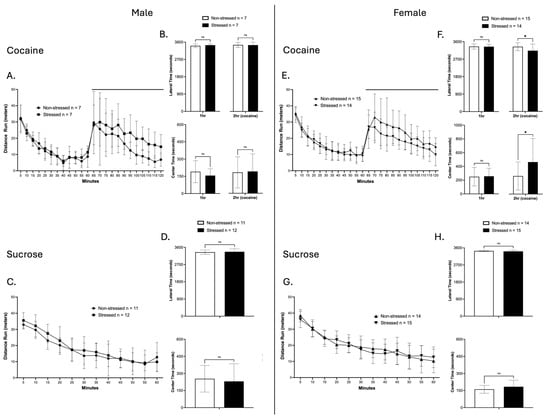
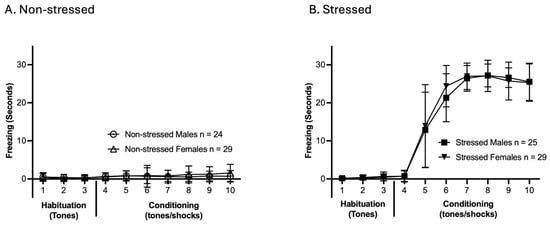
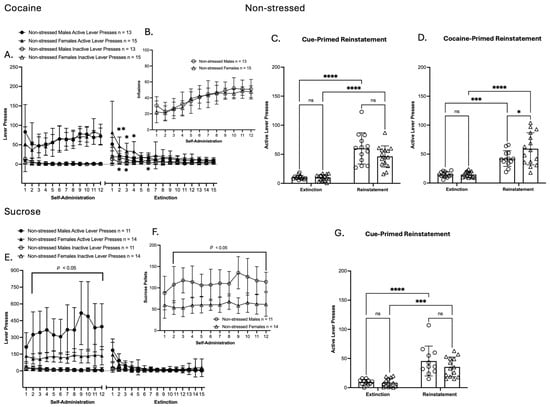
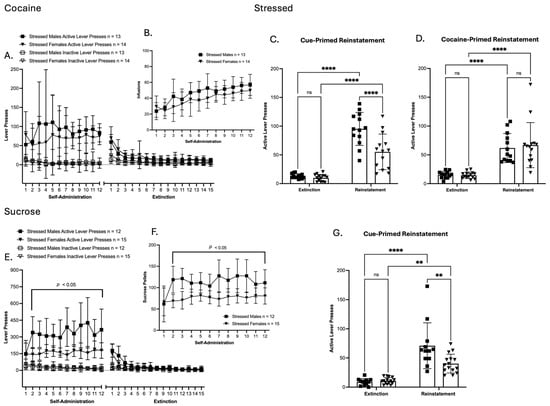
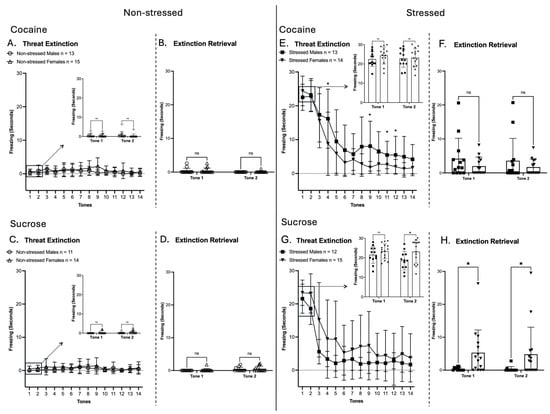
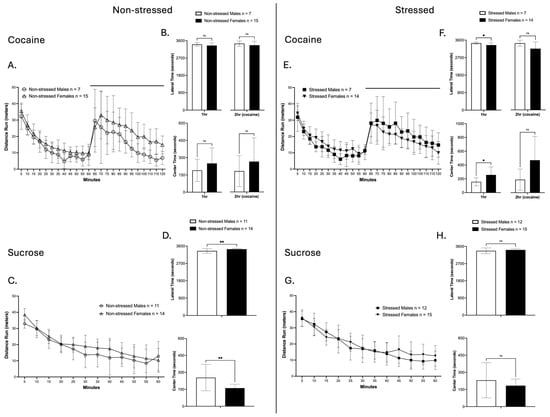
Background/Objectives: Research has shown a high prevalence of co-occurring trauma-related disorders and cocaine use disorder (CUD). However, there remains a need for preclinical studies to determine how traumatic event exposure influences vulnerability to CUD development and relapse. In this study, we assessed the impact of traumatic event exposure using a threat conditioning (TC) paradigm, which models traumatic event exposure through associative threat learning on cocaine-seeking behavior in adult male and female rats. Methods: Adult male and female rats were exposed to a single TC session. After TC, the rats underwent cocaine self-administration (SA), extinction training, cue-primed reinstatement, and cocaine-primed reinstatement testing. A parallel cohort was subjected to a sucrose SA cohort to assess whether TC altered non-drug reward seeking in the form of sucrose SA. Results: In the cocaine cohort, stressed male rats exhibited greater cue- and cocaine-primed reinstatement relative to non-stressed males, whereas no reinstatement differences emerged in female rats. In the sucrose cohort, stressed females displayed increased sucrose pellet delivery during self-administration compared to non-stressed females, but no differences were observed during sucrose reinstatement in either male or female rats. Conclusions: These findings indicate that trauma exposure prior to cocaine use influences cocaine relapse-related behavior, as well as non-drug reward reinforcement earning, in a sex-specific manner. Overall, these results highlight the value of associative stress models such as TC for studying trauma–addiction comorbidity and the need to investigate the neurobiological mechanisms driving these sex-specific outcomes.
Full article
(This article belongs to the Section Addiction Psychiatry)
►▼
Show Figures

Figure 1
Open AccessArticle
Psychiatric Comorbidity, Headache Burden, and Quality of Life in Adults with Migraine Undergoing Repetitive Transcranial Magnetic Stimulation (rTMS): An Exploratory Observational Study
by
Robert Zgarbura, Leea Cristescu Rizea, Alexandru Pavel and Catalina Tudose
Psychiatry Int. 2026, 7(2), 84; https://doi.org/10.3390/psychiatryint7020084 - 17 Apr 2026
Abstract
Background: Migraine is a chronic neurological disorder with a high prevalence of psychiatric comorbidity, including anxiety and depression, which compound functional impairment and reduce health-related quality of life (HRQoL). Repetitive transcranial magnetic stimulation (rTMS) is a non-pharmacological neuromodulatory intervention targeting both pain and
[...] Read more.
Background: Migraine is a chronic neurological disorder with a high prevalence of psychiatric comorbidity, including anxiety and depression, which compound functional impairment and reduce health-related quality of life (HRQoL). Repetitive transcranial magnetic stimulation (rTMS) is a non-pharmacological neuromodulatory intervention targeting both pain and affective circuits; however, predictors of HRQoL improvement following rTMS remain poorly characterized. Methods: In this exploratory observational study, 32 adults with migraines underwent 10–40 rTMS sessions. Quality of life was assessed using the WHOQOL-BREF and Migraine-Specific Quality of Life Questionnaire (Migraine-QoL). Psychiatric burden, headache impact, and disability were evaluated using HAMA, HAMD, HIT-6, and MIDAS at baseline and post-intervention. Paired t-tests, Spearman correlations, and linear regression identified predictors of QoL change. Results: Both WHOQOL-BREF and Migraine-QoL improved significantly following rTMS (p < 0.001). Antipsychotic use was associated with greater overall QoL improvement (p = 0.026). Given the very small subgroup size (n = 7), this finding should be interpreted with extreme caution and considered hypothesis-generating only. Higher baseline HIT-6 and HAMA correlated with greater Migraine-QoL gains (p = 0.001 and p = 0.013). In multivariate regression, higher headache severity independently predicted Migraine-QoL improvement (R2 = 0.514, p < 0.001). Conclusions: rTMS produced clinically meaningful QoL improvements in migraine. Headache burden emerged as an independent predictor, while associations with anxiety severity and antipsychotic use should be considered exploratory.
Full article
Open AccessArticle
Psychosocial and Family Predictors of Impulsivity in Drama Students: A Mixed-Methods Pilot Study
by
Munteanu Alina Mihaela, Turcu Suzana, Stan Cristina and Petrescu Monica
Psychiatry Int. 2026, 7(2), 83; https://doi.org/10.3390/psychiatryint7020083 - 16 Apr 2026
Abstract
Impulsivity is a core transdiagnostic construct in adolescent psychiatry, associated with emotional dysregulation, behavioral disorders, and increased vulnerability to mental health problems. Adolescents engaged in performing arts education may experience heightened psychosocial stressors that challenge self-regulatory capacities during a critical neurodevelopmental period. Methods:
[...] Read more.
Impulsivity is a core transdiagnostic construct in adolescent psychiatry, associated with emotional dysregulation, behavioral disorders, and increased vulnerability to mental health problems. Adolescents engaged in performing arts education may experience heightened psychosocial stressors that challenge self-regulatory capacities during a critical neurodevelopmental period. Methods: This mixed-methods study examined psychosocial and family-related factors associated with impulsivity in adolescent students enrolled in drama programs. Two focus groups with 28 upper-grade students (grades 11–12) explored subjective experiences of stress, emotional overload, and family communication. Based on these findings, a 77-item questionnaire was developed and administered to 90 ninth-grade students. Impulsivity was assessed using the Barratt Impulsiveness Scale (BIS). Results: An exploratory stepwise multiple linear regression analysis identified perceived school-related stress (β = 0.370, p < 0.001), conflictual parental communication (β = 0.273, p = 0.013), and discomfort during school discussions at home (β = 0.331, p < 0.001) as significant predictors of higher impulsivity scores. Conclusions: The findings highlight the interaction between neurodevelopmental vulnerability and environmental stressors in shaping impulsivity during adolescence. These results are clinically relevant for child and adolescent psychiatry, emphasizing the importance of early psychosocial interventions targeting stress regulation and family communication to prevent the escalation of impulsivity-related psychopathology.
Full article
Open AccessPerspective
Addiction, Agency, and the Limits of Choice: Involuntary Care as a Stress Test for Psychiatric Ethics
by
Anees Bahji
Psychiatry Int. 2026, 7(2), 82; https://doi.org/10.3390/psychiatryint7020082 - 15 Apr 2026
Abstract
Debates regarding involuntary treatment for substance use disorders have intensified in the context of escalating overdose mortality and system-level strain. These proposals raise fundamental questions in psychiatric ethics concerning decisional capacity, agency, proportionality, and the justification for liberty restrictions. Addiction presents a distinctive
[...] Read more.
Debates regarding involuntary treatment for substance use disorders have intensified in the context of escalating overdose mortality and system-level strain. These proposals raise fundamental questions in psychiatric ethics concerning decisional capacity, agency, proportionality, and the justification for liberty restrictions. Addiction presents a distinctive challenge: decisional capacity may appear intact at discrete moments, while agency remains predictably unstable across time in conditions of chronic risk. This Perspective argues that addiction exposes limitations in strictly moment-based applications of the capacity doctrine. Drawing on ethical theory, clinical reasoning, and selected empirical literature, the manuscript evaluates involuntary addiction treatment primarily through normative criteria of justification rather than relying solely on outcome estimation. It identifies evidentiary limitations in the current literature and articulates heightened substantive and procedural thresholds that must be satisfied for coercive interventions to be ethically defensible. These include demonstrable impairment linked to near-term serious harm, exhaustion of less restrictive alternatives, clearly defined therapeutic objectives, and independent oversight with outcome monitoring. This paper does not advocate for categorical endorsement or rejection of involuntary treatment; rather, it proposes structured guardrails to guide psychiatric engagement under conditions of uncertainty.
Full article
(This article belongs to the Section Addiction Psychiatry)
Open AccessArticle
Community Mental Health Professionals in Italy Report Higher Well-Being than Hospital-Based Outpatient Staff in 2025: A Cross-Sectional Study
by
Noemi M. Mereu, Diego Primavera, Sonia Marchegiani, Antonella Denti, Michela Atzeni, Giulia Cossu, Viviana Forte and Elisa Cantone
Psychiatry Int. 2026, 7(2), 81; https://doi.org/10.3390/psychiatryint7020081 - 15 Apr 2026
Abstract
Background: COVID-19 increased psychological distress among healthcare workers. Italian studies have suggested lower distress levels among mental health professionals compared to hospital-based colleagues. Methods: In May 2025, we conducted a cross-sectional observational study in community mental health centers and non-psychiatric hospital
[...] Read more.
Background: COVID-19 increased psychological distress among healthcare workers. Italian studies have suggested lower distress levels among mental health professionals compared to hospital-based colleagues. Methods: In May 2025, we conducted a cross-sectional observational study in community mental health centers and non-psychiatric hospital outpatient departments in Sardinia, Italy, involving 101 professionals from three community mental health centers and 97 staff members from four non-psychiatric hospital outpatient departments. The SF-12 was used to assess health-related quality of life (HRQoL) and the PHQ-9 was used to assess depressive symptoms. Results were also compared with pre-pandemic community samples. Results: Mental health professionals reported fewer depressive symptoms and better quality of life than hospital-based colleagues: PHQ-9 ≥ 10: 10.9% vs. 35.0% (11/101 vs. 34/97) (OR = 0.23; 95%CI 0.11–0.47; p < 0.001); PHQ-9 ≥ 9: 14.8% vs. 38.1% (OR = 0.31; 95%CI 0.16–0.60; p < 0.001). Mean PHQ-9 score: 4.45 ± 3.51 vs. 8.35 ± 3.95 (p < 0.001). Low HRQoL (SF-12 ≤ 36): 34.6% vs. 62.9% (35/101 vs. 61/97) (OR = 0.31; 95%CI 0.19–0.52; p < 0.001). No significant within-group differences were found by sex, age, or professional role. Compared with pre-pandemic community data, the well-being of mental health professionals remained stable. Limitations: Cross-sectional design and convenience sampling limit causal inference and generalizability. Conclusions: The organizational structure, operational flexibility, and peer collaboration typical of community-based services may contribute to the sustained psychological well-being of mental health professionals. The community-based model deserves consideration for future reforms aimed at improving staff well-being.
Full article
Open AccessCase Report
Resistant Schizoaffective Disorder in a Patient with Psoriasis and Hypophysitis: A Case Report of the Interaction Between Psychosis and Chronic Systemic Inflammation
by
Rui Martins Pinhel, Irina Gorgal Carvalho, Francisco Coutinho, Martim Luz, Rita Dionísio, Rui Vilarinho and Palmira Coya
Psychiatry Int. 2026, 7(2), 80; https://doi.org/10.3390/psychiatryint7020080 - 14 Apr 2026
Abstract
►▼
Show Figures
Schizoaffective disorder is a complex psychiatric condition that often requires specialized treatment, particularly when resistant to standard therapies. Comorbidities like chronic inflammatory diseases can complicate the diagnosis, suggesting shared pathophysiological mechanisms. This case study examines the role of chronic systemic inflammation in psychiatric
[...] Read more.
Schizoaffective disorder is a complex psychiatric condition that often requires specialized treatment, particularly when resistant to standard therapies. Comorbidities like chronic inflammatory diseases can complicate the diagnosis, suggesting shared pathophysiological mechanisms. This case study examines the role of chronic systemic inflammation in psychiatric disorders, focusing on a patient with treatment-resistant schizoaffective disorder, psoriasis, and hypophysitis. The 40-year-old male patient, admitted for psychopathological decompensation, was initially treated with clozapine, which was effective but discontinued due to severe sialorrhoea. He was then switched to olanzapine, showing continued improvement in his psychiatric symptoms and good tolerability. Following optimization of antipsychotic treatment, the patient’s delusional thoughts diminished, verbalization stopped, and associated distress reduced. Interestingly, the psoriatic lesions also improved. This case highlights the potential connection between severe, treatment-resistant psychosis, endocrine dysfunction caused by hypophysitis, and psoriasis, suggesting that chronic systemic inflammation may be a shared underlying factor. The overlap between these conditions underscores the importance of considering inflammation’s role in psychiatric illnesses and emphasizes the need for an interdisciplinary approach when managing psychosis with somatic comorbidities.
Full article

Figure 1
Open AccessArticle
Psychological Mechanisms of Sleep Disorders in Elderly at Nursing Homes: A Path Analysis Effect of Loneliness on Sleep Quality Through Anxiety and Depression
by
Surilena Hasan, Clara Rosa Pujiyogyanti Ajisuksmo, Hans Christian, Ivany Lestari Goutama, Lukas Arya Kusuma, Jolene Budiono and Josephine Retno Widayanti
Psychiatry Int. 2026, 7(2), 79; https://doi.org/10.3390/psychiatryint7020079 - 13 Apr 2026
Abstract
Psychological factors such as depression, anxiety, and loneliness significantly affect sleep quality, particularly among elderly individuals living in nursing homes. This study aimed to examine the relationship between sleep quality and depression, anxiety, and loneliness among elderly residents of nursing homes in Indonesia,
[...] Read more.
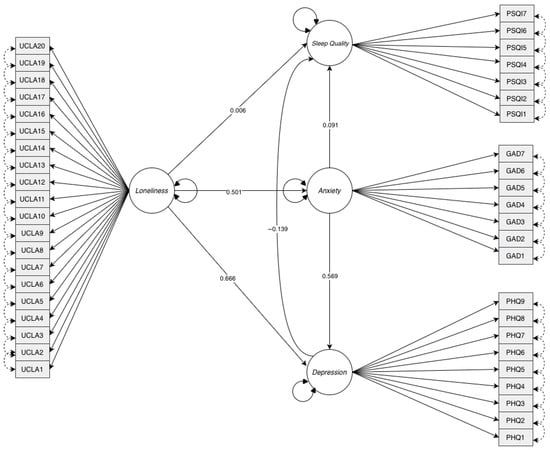
Psychological factors such as depression, anxiety, and loneliness significantly affect sleep quality, particularly among elderly individuals living in nursing homes. This study aimed to examine the relationship between sleep quality and depression, anxiety, and loneliness among elderly residents of nursing homes in Indonesia, as well as to explore the underlying pathway mechanisms. A quantitative cross-sectional design was used to assess correlational relationships among elderly individuals residing in nursing homes in Jakarta and Tangerang. Data were analyzed using JASP statistical software through descriptive, bivariate, and path analyses. The results demonstrated significant associations between poorer sleep quality and higher levels of loneliness, anxiety, and depression. Path analysis revealed a significant chain mediation pattern, in which loneliness was associated with higher anxiety levels, anxiety was associated with depressive symptoms, and depressive symptoms were associated with poorer sleep quality (β = −0.040, p = 0.045). These findings indicate that sleep disturbances in the elderly are statistically associated with interconnected psychological factors, highlighting the importance of comprehensive psychosocial interventions to improve sleep quality in this population.
Full article
(This article belongs to the Section Psychiatry of Ageing and Late Life)
►▼
Show Figures

Figure 1
Open AccessPerspective
Extending the Reach of Interventions to Treat Mental Disorders
by
Alan E. Kazdin
Psychiatry Int. 2026, 7(2), 78; https://doi.org/10.3390/psychiatryint7020078 - 10 Apr 2026
Abstract
The majority of people with mental disorders in low-, middle-, and high-income countries do not receive any intervention for their symptoms, despite enormous advances in developing evidence-based psychosocial treatments and medications. The perspective and viewpoint article discusses and illustrates digital and technology-based interventions
[...] Read more.
The majority of people with mental disorders in low-, middle-, and high-income countries do not receive any intervention for their symptoms, despite enormous advances in developing evidence-based psychosocial treatments and medications. The perspective and viewpoint article discusses and illustrates digital and technology-based interventions and activities in everyday life that have been shown to reduce symptoms of mental disorders. The article begins with background on the treatment gap and a discussion of why treatments do not reach people in need. Digital and technology-based interventions and everyday activities are presented to complement current treatments with the goal of scaling interventions to serve more people in need and to circumvent many of the usual barriers that preclude people from seeking or receiving traditional mental health services. Interventions in each of the categories are illustrated. The challenge is to integrate such interventions in mental health practices, to better promote these at the population level, and to monitor their impact.
Full article
Open AccessArticle
Psychometric Properties of the GAD-7 in Parents of Children with Chronic Conditions
by
Mark A. Ferro, Melissa Elgie and Karina Tamkee
Psychiatry Int. 2026, 7(2), 77; https://doi.org/10.3390/psychiatryint7020077 - 10 Apr 2026
Abstract
This study modeled the factor structure of the Generalized Anxiety Disorder-7 (GAD-7), quantified its internal consistency, tested for longitudinal invariance, and estimated associations with measures of depression, parent stress, family functioning, and child psychopathology. Data were from 200 parents enrolled in an on-going
[...] Read more.
This study modeled the factor structure of the Generalized Anxiety Disorder-7 (GAD-7), quantified its internal consistency, tested for longitudinal invariance, and estimated associations with measures of depression, parent stress, family functioning, and child psychopathology. Data were from 200 parents enrolled in an on-going study of children with chronic health conditions recruited from a pediatric hospital. Exploratory and confirmatory factor analysis (CFA) modeled the GAD-7 factor structure, and multiple-group CFA tested longitudinal invariance over 48 months. A one-factor model showed the best fit to the data, and the omega hierarchical was 0.89 and 0.88 at baseline and 48 months, respectively. The GAD-7 demonstrated longitudinal invariance. Internal consistency was good at both assessments (α > 0.75). Correlations with other measures were significant and at least small in magnitude. Known-group validity (parents with vs. without depression) showed very large effects (d > 2.0). The GAD-7 is psychometrically robust in parents of children with chronic health conditions.
Full article
Highly Accessed Articles
Latest Books
E-Mail Alert
News
Topics
Topic in
Behavioral Sciences, Healthcare, Psychiatry International, Adolescents, Social Sciences, Children
Behavioral Addictions and Risk-Taking in the Digital Age: Gambling, Sports Betting, and Emerging Challenges
Topic Editors: André Luiz Monezi Andrade, Denise De MicheliDeadline: 31 August 2026
Topic in
Brain Sciences, Clocks & Sleep, JDAD, Neuroglia, Psychiatry International, NeuroSci, Neurology International, CTN
Advancing Neuroscience and Brain Sciences: Insights from the 5th International Electronic Conference on Brain Sciences & 1st International Electronic Conference on Neurosciences (IECBS-IECNS 2026)
Topic Editors: Stephen D. Meriney, Magda TsolakiDeadline: 11 November 2026
Topic in
Education Sciences, Youth, Behavioral Sciences, Psychiatry International, EJIHPE
Addictive Behaviors and Mental Disorders Among Youth and Adolescents
Topic Editors: Wenchao Wang, Chao SongDeadline: 30 November 2026
Conferences
Special Issues
Special Issue in
Psychiatry International
Precision Approaches to Anxiety and Depression: Integrating Digital Technologies in Mental Health Research
Guest Editors: Rossella Suriano, Giorgio Mario GrassoDeadline: 30 November 2026
Special Issue in
Psychiatry International
Role of Neuroinflammation in Neurological Disorders
Guest Editor: Rekha JagadapillaiDeadline: 31 December 2026
Special Issue in
Psychiatry International
Cognitive Functioning Across Severe Psychiatric Disorders: From Research to Clinical Practice
Guest Editors: Thiago P. Fernandes, Natanael Antonio dos Santos, Irina Ivanovna Shoshina, Milena OliveiraDeadline: 31 December 2026
Special Issue in
Psychiatry International
The Impact of Social Media on Mental Health
Guest Editor: Malinda DesjarlaisDeadline: 31 December 2026