


Abstract
This study developed and validated a specialised emotional intelligence (EI) scale for youth in the conflict-affected southern border provinces of Thailand. The primary objective was to establish a psychometric instrument tailored to this unique multicultural and sensitive context. Utilizing a sample of 500 local youth leaders, the instrument’s quality was rigorously evaluated through Second-order Confirmatory Factor Analysis (CFA) using Maximum Likelihood estimation. The final validated model comprises 25 indicators categorized into five dimensions: Self-Awareness, Self-Regulation, Self-Motivation, Social Awareness/Empathy, and Relationship Management. Results indicated an excellent model fit with empirical data (χ2 = 284.15, df = 265, p = 0.198, CFI = 0.99, GFI = 0.97, RMSEA = 0.02). Factor loadings ranged from 0.72 to 0.92, while composite reliability (CR) and average variance extracted (AVE) values exceeded 0.88 and 0.61, respectively, confirming high internal consistency and construct validity. Social Awareness/Empathy emerged as the most significant dimension (B = 0.91). This study suggests that the scale is a robust tool for assessing EI in conflict zones, providing a critical foundation for targeted psychosocial interventions and sustainable peace-building initiatives among youth in the region.
1. Introduction
The structural conflict and protracted violence that have plagued Thailand’s Southern Border Provinces (the “Deep South”) for over two decades have inflicted more than just physical and economic damage; they have left a profound “historical trauma” that is inevitably transmitted to the younger generation [1]. Youth in this region grow up under a “fragile new normal,” navigating security surveillance, the loss of family members, and deep-seated mistrust between cultural groups—factors that severely impact cognitive and emotional systems. According to the ability model of Emotional Intelligence (EI) proposed by Mayer and Salovey [2], the capacity to perceive and manage emotions is a fundamental adaptive skill. However, in prolonged conflict zones, these mechanisms are frequently disrupted by post-traumatic stress or secondary trauma, leading to diminished accuracy in self-awareness and a tendency to react to stressors with aggressive defense mechanisms rather than emotional reasoning [3,4]. Furthermore, international scholarship suggests that youth in identity-based conflict zones often develop “selective emotional intelligence,” characterized by high in-group empathy, but stark bias and a lack of understanding toward out-groups [5]. This phenomenon represents a critical pain point that stifles grassroots peacebuilding, as the youth—the nation’s future—lack an “emotional safe space” to communicate authentic feelings. In this context, emotional intelligence is not merely a Western-centric trait for personal success but can be understood as a critical socio-emotional capacity that supports adaptive functioning, particularly in managing stress, navigating intergroup tensions, and maintaining constructive social interactions. Recognizing and moderating anger or hatred incited by unrest is the essential starting point for breaking the cycle of violence and fostering a climate of trust in multicultural societies [6,7].
While several globally recognized EI assessment tools currently exist—such as the Mayer–Salovey–Caruso Emotional Intelligence Test (MSCEIT), Emotional Quotient Inventory (EQ-i), or Trait Emotional Intelligence Questionnaire (TEIQue)—a significant research gap lies in their lack of “conflict-sensitive sensitivity” [8,9]. Although these instruments have demonstrated strong psychometric properties in general populations, their applicability in culturally diverse and conflict-affected settings remains limited. These measures were primarily developed within Western and relatively stable social contexts, where emotional expression and regulation follow culturally specific norms [2,8]. In contrast, research conducted in non-Western and conflict-affected environments has identified several limitations, including cultural incongruence, limited contextual sensitivity, and reduced predictive validity for peace-related or prosocial behaviors [5,6]. In such contexts, emotional competencies—particularly empathy and relationship management—are shaped by intergroup dynamics, historical grievances, and identity-based tensions, which are not adequately captured by standard EI frameworks. Despite these challenges, there remains a lack of systematically adapted EI instruments that explicitly incorporate both cultural specificity and conflict sensitivity. This gap underscores the need for developing contextually grounded measures that more accurately reflect the lived emotional experiences of individuals in conflict-affected settings. Most universal measures were developed within the parameters of stable societies, focusing on executive performance and general social etiquette while overlooking the nuances of emotional management in conflict-ridden or multicultural environments. Applying these universal scales in Thailand’s Deep South often results in “cultural incongruence,” as emotional expression and relationship management within this specific Muslim-majority multicultural society are governed by unique protocols and norms. For instance, “relationship management” in this region extends beyond effective communication; it encompasses maintaining bonds amidst ideological divides and acting as a mediator for communal rifts [10]. Previous studies in Thailand have predominantly relied on translated versions of existing scales without refining indicators to reflect the “emotional worldview” of local youth, leading to construct irrelevance and a lack of predictive accuracy regarding peace-oriented behaviors. Furthermore, there is a dearth of advanced psychometric validation, such as second-order Confirmatory Factor Analysis (CFA), which can elucidate the complex hierarchical structures of these emotional dimensions. Therefore, developing an instrument grounded in local qualitative data while integrating international psychological theories is imperative to bridge this academic void and achieve “ecological validity,” enabling policymakers to design more targeted and effective psychosocial interventions [11,12].
To address these gaps, the present study sought to develop and validate the psychometric properties of an EI scale specifically designed for youth in the Southern Border Provinces. The study utilized an integrated framework encompassing five core dimensions: self-awareness under crisis, self-regulation for co-existence, self-motivation for social contribution, social awareness/empathy within multicultural contexts, and relationship management for peacebuilding [4,13]. This study aims to examine the relative importance of emotional intelligence dimensions, with particular attention to the role of social awareness and empathy in conflict-affected contexts. In conflict zones, the ability to transcend ethnic biases and perceive the suffering of those from different cultural backgrounds is the cornerstone of de-escalating hatred [14]. The study employs second-order confirmatory factor analysis (CFA) to validate the structural relationships among the proposed dimensions and indicators. This analytical approach is expected to provide empirical evidence regarding the structural validity and contextual relevance of the proposed emotional intelligence framework. The development of a standardized yet contextually grounded instrument is expected to support mental health initiatives and peacebuilding processes in a sustainable manner. By fostering “emotional agency,” youth can transition from being victims of violence to becoming “change agents” who possess the emotional fortitude to lead their communities toward a peaceful and prosperous future [15,16]. It is important to note that this study conceptualizes emotional intelligence as a psychological construct comprising core competencies such as emotional awareness, regulation, motivation, empathy, and relationship management. While these competencies may contribute to peacebuilding processes, the present study does not directly measure peacebuilding outcomes but instead focuses on the underlying emotional capacities that may facilitate such processes.
To further illuminate this phenomenon, the present article employs theory as its central conceptual framework, guided by the following core theoretical foundations.
1.1. Conceptual Framework of Emotional Intelligence (EI): From Ability to Trait Models
The theoretical evolution of Emotional Intelligence (EI) over the past three decades demonstrates a profound transition from viewing emotions as mere biological byproducts to recognizing them as sophisticated cognitive structures and adaptive social assets. This literature review begins by deconstructing the divergence between two primary schools of thought that have fundamentally shaped international psychometric instrumentation. The first is the Ability Model, pioneered by Mayer and Salovey [2]. Rooted in cognitive psychology, this perspective defines EI as a set of mental abilities used to process emotional information effectively. It is structured around a four-branch hierarchy: emotional perception, facilitating thought, understanding emotions, and managing emotions. Under this framework, EI is conceptualized as a form of intelligence that can be cultivated and measured through performance-based assessments, analogous to the Intelligence Quotient (IQ), focusing primarily on the accuracy of emotional problem-solving [13].
In contrast, the Trait and Mixed Models, developed by Bar-On [3] and Goleman [4], expand the scope of EI beyond pure cognitive capacity by integrating personality traits, intrinsic motivation, and social adaptability. Bar-On [3] emphasizes that Emotional–Social Intelligence (ESI) consists of interrelated emotional and social competencies that determine how effectively individuals understand and express themselves while coping with daily environmental demands. Similarly, Goleman [4] posits that self-regulation and social proficiency are key predictors of organizational performance and interpersonal efficacy. Assessments within this paradigm typically rely on self-report measures, which are particularly sensitive to an individual’s perception of their own potential across diverse social contexts [8].
However, contemporary research suggests that the dichotomy between ability and trait models may be insufficient for explaining human behavior in highly complex environments. Consequently, this study adopts an Integrative Approach, positioning “Social–Emotional Intelligence” as its core axis. This decision aligns with the critiques of Matthews et al. [10], who argue that EI within conflict-ridden or multicultural societies must function in tandem with profound contextual sensitivity. In the specific context of Thailand’s Southern Border Provinces, the capacity for intrapersonal emotional regulation—such as moderating anger incited by civil unrest—cannot be decoupled from interpersonal empathy toward those with differing beliefs. By integrating the cognitive rigor of the Mayer and Salovey model with the social adaptability of the Bar-On framework, the instrument developed in this research captures both “cognitive processing” and “social manifestation.” This synthesis effectively bridges the gap left by universal measures that often lack alignment with the lived realities of populations in crisis [6,7,11].
A growing body of empirical research has demonstrated that emotional intelligence (EI) plays a significant role in psychological well-being, interpersonal relationships, and adaptive functioning. For instance, studies have shown that higher levels of EI are associated with improved stress management, reduced aggressive behavior, and enhanced prosocial engagement [5,6]. In educational and organizational contexts, EI has been linked to academic achievement, leadership effectiveness, and social adjustment [13,14]. Furthermore, recent empirical studies indicate that EI contributes to resilience and coping mechanisms among individuals exposed to adversity, suggesting its relevance across diverse socio-cultural settings.
1.2. Emotional Intelligence in Conflict-Affected Contexts
While emotional intelligence has been widely studied in general social contexts, its role becomes particularly critical in conflict-affected environments. Prolonged exposure to violence, uncertainty, and intergroup tension significantly alters emotional processing and social cognition. Individuals in such contexts are more likely to develop heightened emotional reactivity, chronic stress responses, and in-group bias, which can hinder constructive social interaction [5,14]. Under these conditions, emotional intelligence—particularly emotional regulation and contextual empathy—serves as a key adaptive mechanism, enabling individuals to manage affective responses, reduce intergroup hostility, and facilitate peaceful coexistence [6,10].
From a theoretical perspective, this study draws on the integration of emotional intelligence theory and social identity theory. In conflict settings, social identity processes tend to intensify in-group versus out-group distinctions, often leading to emotional polarization [13]. Emotional intelligence provides a regulatory framework through which individuals can reinterpret emotional stimuli, mitigate bias, and expand empathic boundaries beyond group affiliations [6,13]. Therefore, EI in conflict settings is a personal competency and a socio-cognitive mechanism essential for conflict transformation and peacebuilding [15,16].
Extensive international research conducted in regions characterized by protracted and violent conflict—such as the Israeli–Palestinian territories and the historical landscapes of Northern Ireland—has established a critical foundation for understanding how pervasive threats impact the human psyche. Specifically, these environments exert a profound influence on the “emotional schemas” of the population, particularly among children and adolescents. Zeidner et al. [5] argue that these emotional schemas function as cognitive filters through which social information is processed. When youth are raised within a crucible of conflict, their emotional frameworks are often forged in fear and suspicion, leading to the “normalization of conflict” where emotional expression is restricted to the preservation of the in-group. A pivotal phenomenon identified in the literature as a primary barrier to peace is “parochial empathy.” This manifests as an intensified capacity to understand and resonate with the suffering of one’s ethnic or religious group, contrasted by a significant deficit—or even a total absence—of empathy toward out-group members. This failure to extend one’s emotional boundaries to encompass the “other” is a key mechanism that perpetuates cycles of violence [10]. Within this framework, emotional intelligence is positioned as an enabling socio-emotional mechanism rather than an outcome variable. That is, EI supports adaptive behavior in complex and conflict-affected environments, including—but not limited to—processes related to conflict resolution and social cohesion.
Beyond socio-cultural implications, neuropsychological research by Steinberg [14] confirms that adolescence represents a critical “window of opportunity” because the prefrontal cortex—responsible for higher-order cognition and executive functions such as emotional regulation—is undergoing rapid neuroplastic development. If youth in conflict zones are not provided with appropriate Emotional Intelligence (EI) cultivation during this period, they are more likely to rely on the limbic system’s instinctive responses rather than emotional reasoning. This neurological vulnerability renders them susceptible to radicalization and recruitment into violent movements. Conversely, systematic psychosocial interventions designed to enhance EI can foster robust “psychological resilience,” enabling youth to navigate oppressive conditions without compromising their positive identity [11].
In the context of Thailand’s Southern Border Provinces, the development of emotional intelligence is far more than a matter of personality development; it is an essential process of cognitive restructuring. It enables youth to transcend the limitations of parochial empathy and move toward a more universal humanitarian understanding. Establishing an instrument that is both psychometrically precise and sensitive to the nuances of conflict is imperative. Such a tool allows researchers to accurately assess levels of emotional resilience, providing a baseline for designing peacebuilding initiatives that aim to shift emotional schemas from hostility toward the acceptance of diversity [6]. Ultimately, fostering EI in these regions acts as a form of “social immunization,” reducing the likelihood of emotional maturity being exploited for negative ends and empowering youth to transition into effective peace communicators [7,12].
1.3. The Five-Dimension Framework for the Southern Border Provinces (SBP) Scale
The development of the Emotional Intelligence (EI) scale in this study represents more than a mere application of universal frameworks; it is a meticulous synthesis derived from in-depth qualitative interviews and pilot studies conducted within the Southern Border Provinces of Thailand. This process resulted in a context-specific measurement tool anchored by five unique pillars that resonate with the lived experiences and existential challenges of youth in this conflict-affected region.
The first dimension, Self-Awareness under Crisis, focuses on the capacity to clearly identify arising emotions amidst instability. This awareness extends to a reflexive understanding of how cultural biases or personal beliefs influence one’s reactions toward others—a foundational element that Goleman [4] identifies as essential for subsequent self-regulation. The second dimension, Self-Regulation for Peace, emphasizes the inhibitory control over triggers or inflammatory rhetoric, preventing impulsive emotional reactions from escalating into broader conflict. This aligns with the concepts proposed by Mayer et al. [2] regarding emotional management as a means of maintaining behavioral stability.
In the third dimension, Self-Motivation in Adversity, the framework identifies a critical positive psychological asset. This dimension serves as a “protective factor,” empowering youth to maintain their commitment to self-improvement and community development despite recurring obstacles or personal loss [7]. The fourth dimension, and the cornerstone of this research, with the highest factor loading (β = 0.91), is Social Awareness and Contextual Empathy. This dimension reflects the capacity for “unconditional positive regard,” echoing Rogers’ [17] concept of non-judgmental acceptance within the context of social healing. Empathy in this setting transcends mere emotional recognition; it involves a profound understanding of the shared history and collective suffering of humanity within the region [6].
Finally, the fifth dimension, Relationship Management and Peace Communication, serves as the “outcome skill” that translates internal emotional intelligence into the practical ability to act as a mediator and a peaceful communicator within the community [10]. Psychometric validation—evidenced by a Composite Reliability (CR) of 0.96 and robust Average Variance Extracted (AVE) values—confirms that this five-dimensional framework possesses high precision and stability. By integrating these dimensions, this study provides a powerful instrument to cultivate youth as sustainable “change agents” within complex multicultural landscapes [12,18].
1.4. Psychometric Validation in Scale Development
The cornerstone of developing psychological measurement instruments that achieve international recognition lies in a rigorous validation process, ensuring that the tool accurately captures the intended constructs with steadfast consistency. Literature in psychometrics emphasizes that validity and reliability are statistical attributes and constitute empirical evidence justifying the interpretation of assessment scores [18]. In this study, establishing construct validity was paramount. To this end, Second-order Confirmatory Factor Analysis (CFA) was employed—a sophisticated, globally standardized statistical technique used to test the hypothesis that the theoretical structure of emotional intelligence synthesized for this study aligns with the empirical data gathered from youth in the region. CFA enables researchers to examine the factor loadings of each indicator; high loadings (typically > 0.50 or 0.70) serve to confirm that these indicators are robust representatives of the latent constructs under investigation [19,20].
Beyond factor structure, contemporary international journal standards necessitate a detailed reporting of both convergent and discriminant validity. Consequently, this study evaluated the Average Variance Extracted (AVE) to ensure that the latent constructs explain a greater proportion of variance in their indicators than the variance resulting from measurement error, with an accepted threshold of 0.50 [21]. Simultaneously, the assessment of reliability moved beyond the traditional Cronbach’s Alpha to include Composite Reliability (CR). CR provides a more precise evaluation within structural equation modeling as it does not assume tau-equivalence, meaning it does not require all indicators to have equal error variances [22].
The fact that the emotional intelligence scale developed in this study yielded a CR of 0.96 and AVE values ranging from 0.61 to 0.73 across all dimensions provides compelling evidence of exceptional reliability and stability. Furthermore, the application of Second-order CFA confirms that the five dimensions integrate seamlessly into a higher-order structure of “Emotional Intelligence.” This meticulous psychometric process aligns with the assertions of Di Fabio and Saklofske [11], who argue that psychological research tools developed for specific contexts must possess statistical rigor equivalent to, or exceeding, established universal instruments. Such rigor ensures that the findings are credible for cross-cultural comparisons. Adhering to these stringent standards guarantees that the developed scale is a standardized instrument ready for international research and youth development initiatives [9,12].
2. Materials and Methods
2.1. Research Philosophy and Ethical Considerations
This study is grounded in the positivist paradigm, employing a quantitative methodology centered on psychometric research to develop a measurement instrument of high validity and reliability. The researchers aimed to operationalize the abstract construct of Emotional Intelligence (EI) into tangible, measurable variables specifically tailored to the unique exigencies of a conflict-affected context. According to Hair et al. [18], establishing precise metrics within highly specialized populations requires rigorous statistical procedures to ensure that the underlying theoretical latent structures align with empirical behavioral data. This process is an exercise in theory testing and represents the establishment of a new standard for evaluating the psychological potential of youth within multicultural settings, consistent with international psychological research standards that prioritize the empirical verification of construct validity [19].
Regarding ethical rigor, the study strictly adhered to the principles outlined in the Declaration of Helsinki, recognizing the inherent vulnerability of youth in Thailand’s Southern Border Provinces who face protracted conflict. The protection of participants’ rights and safety was held as the highest priority. The researchers implemented a rigorous process of informed consent and guaranteed absolute anonymity to mitigate potential anxiety and prevent psychological distress that might arise from responding to items concerning emotional states. Amidst such sensitive circumstances, maintaining confidentiality serves as a critical mechanism for creating an “academic safe space.” As noted by Kline [20], robust ethical frameworks are fundamental factors that influence the credibility and integrity of data obtained from populations situated in high-risk or psychosocially vulnerable environments.
2.2. Sampling and Participant Profiles
To ensure the sample was truly representative of youth leaders within a culturally and geographically diverse landscape, this study employed a multistage stratified random sampling technique. Youth leaders were specifically selected as the target population because they are actively involved in community engagement, social coordination, and conflict mediation within their local contexts. In addition, youth leaders often serve as key intermediaries within their communities, engaging in informal peacebuilding practices and cross-group interactions. Their exposure to emotionally demanding and socially complex situations makes them an appropriate and theoretically relevant population for capturing the nuanced dimensions of emotional intelligence in conflict-affected settings. As such, they are more likely to encounter emotionally complex situations that require advanced emotional regulation, empathy, and interpersonal skills, making them particularly suitable for the development and validation of a context-sensitive emotional intelligence scale. The process commenced with stratification based on the primary provinces—Yala, Pattani, and Narathiwat—followed by further categorization according to key demographic variables, including gender, religion, and educational attainment. This sophisticated sampling design was intended to minimize sampling bias and ensure that the findings comprehensively reflect the collective perspectives of youth in the multicultural context of Thailand’s southern border. However, it is acknowledged that youth leaders may exhibit relatively higher baseline levels of emotional intelligence and resilience compared to the general youth population, which may limit the representativeness of the findings across more vulnerable or marginalized youth groups. As posited by Hair et al. [18], selecting a sample that is highly sensitive to its social context enhances external validity and serves as a critical foundation for analyzing psychological behaviors within specialized populations. The sample consisted of youth aged between 18 and 25 years (M = 21.3, SD = 2.1), with a balanced representation of gender (48% male, 52% female). Participants were drawn from diverse educational backgrounds and represented multiple religious affiliations, reflecting the multicultural composition of the Southern Border Provinces.
Regarding the determination of sample size, a cohort of 500 participants was established to guarantee sufficient statistical power for executing a Second-order Confirmatory Factor Analysis (CFA). This sample size adheres to the technical recommendations of Hair et al. [18] and Kline [20], which suggest that Structural Equation Modeling (SEM) involving complex structures and numerous parameters requires a substantial sample to maintain low standard errors. Such adequacy ensures model stability and precision in the results. Furthermore, achieving this sample threshold mitigates the risk of non-convergence and ensures that the model fit indices are robust and reliable according to the rigorous standards of international academic journals.
2.3. Instrumentation and Cultural Adaptation
The development of the Southern Border Provinces Emotional Intelligence (SBP-EI) Scale transcended the limitations of merely translating existing international instruments. Instead, it utilized a grounded data approach, where items were generated through in-depth interviews and focus group discussions with local youth and community members. This rigorous qualitative grounding allowed researchers to extract “emotional indicators” deeply embedded within the local way of life and cultural identity. Initially, a pool of 42 items was generated from qualitative data obtained through in-depth interviews and focus group discussions with youth leaders and community stakeholders. The qualitative data were analyzed using thematic analysis, whereby recurring emotional patterns and context-specific expressions were identified and translated into measurable indicators. This process ensured that the item pool reflected the lived experiences and socio-cultural realities of the target population. The initial items were subsequently reviewed and refined based on several criteria, including content relevance, clarity of wording, cultural appropriateness, and conceptual alignment with the proposed dimensions. Items that were ambiguous, redundant, or not strongly aligned with the underlying constructs were eliminated or revised. This process resulted in a refined set of items for further testing. The synthesis of this data resulted in a 25-item scale encompassing five core dimensions tailored to the psychosocial realities of the region. As suggested by Brackett et al. [6], constructing measures rooted in local contexts minimizes measurement error and enhances predictive validity more effectively than using culturally decontextualized instruments. The instrument was designed to measure emotional intelligence as a multidimensional psychological construct. Although several items reflect behaviors relevant to social interaction and conflict navigation, these are conceptualized as manifestations of emotional intelligence rather than direct measures of peacebuilding skills. The complete set of measurement items is presented in Appendix A.
Following the initial item generation, the instrument underwent a stringent content validity assessment by a panel of experts in psychology and peace studies. This phase aimed to evaluate the Item–Objective Congruence (IOC) and ensure that each item possessed genuine cultural sensitivity. The review focused on verifying that the terminology used could effectively communicate with youth across a multicultural landscape without cognitive distortion. Di Fabio and Saklofske [11] emphasize that content validity is the most critical initial defense in psychometric development, particularly in socio-politically sensitive areas. This ensures that the research outcomes are credible and can be effectively applied to international youth development initiatives. Following the expert review and pilot testing process, a final set of 25 items was retained. These items demonstrated strong conceptual alignment with the five theoretical dimensions and were considered both psychometrically sound and contextually appropriate for the target population.
2.4. Data Collection Procedures
The data collection protocols for this study were meticulously architected to ensure the highest standards of data integrity while prioritizing the psychological safety and physical security of both the research team and the participants. Given the socio-political complexities of the target region, the process was executed through three rigorous phases.
The primary data collection was conducted within the Southern Border Provinces (SBP) of Thailand, an area characterized by its unique cultural landscape and protracted civil unrest. Recognizing the sensitivity of this environment, the research team established a collaborative network with local youth leaders, religious authorities, and educational administrators to foster a foundation of mutual trust and rapport long before the commencement of the actual fieldwork. To effectively navigate the socio-cultural and linguistic nuances, the study recruited a specialized team of local research assistants. These individuals were native to the region and fluently bilingual in Thai and the local Melayu dialect, thereby eliminating potential language barriers and bridging cultural divides. All assistants underwent intensive training regarding standardized data collection protocols and stringent ethical conduct. To mitigate social desirability bias and coercive pressure, surveys were administered in “safe havens”—neutral community spaces such as youth empowerment centers and educational institutions—where participants felt liberated to provide authentic responses without fear of surveillance or judgment [18].
Before the full-scale deployment, a rigorous pilot study was conducted with a representative sample of 50 youth leaders whose demographic profiles mirrored the target population. This phase served as a critical diagnostic tool to assess linguistic clarity and the conceptual alignment of the items within the local worldview. The pilot study involved 50 participants, and preliminary analysis indicated acceptable internal consistency across all dimensions, with Cronbach’s alpha coefficients exceeding 0.70. Based on both quantitative results and qualitative feedback, several items were revised for clarity and contextual relevance, and a small number of items were removed due to redundancy or limited contribution. Quantitative feedback from the pilot was used to calculate preliminary internal consistency (Cronbach’s Alpha), while qualitative feedback led to the linguistic refinement of the items. This ensured that the terminology utilized was theoretically sound and “contextually resonant” with the lived experiences of youth in a conflict-affected multicultural landscape. By prioritizing contextual sensitivity, the study minimized potential measurement error stemming from cross-cultural misinterpretations, a methodology that strictly adheres to Byrne’s [19] assertion that psychometric tools must undergo rigorous cultural attunement before broad application in diverse social ecosystems.
During the active data collection phase, the research team implemented a real-time monitoring system to verify the completeness and quality of each response set. Any questionnaires exhibiting substantial missing data or suspicious response patterns, such as “straight-lining” or rhythmic patterning, were immediately flagged and excluded to maintain a high-quality dataset. Upon achieving the target sample of 500 valid responses, a multi-stage screening process was initiated using advanced statistical software. This included the identification and treatment of univariate and multivariate outliers to ensure data stability. Furthermore, rigorous normality tests—evaluating skewness and kurtosis—were performed to satisfy the distributional assumptions required for Second-order Confirmatory Factor Analysis (CFA). This stringent adherence to data hygiene protocols ensures that the resulting findings possess high predictive validity and the degree of reliability necessary for scholarly citation and replication at an international level [20,21].
2.5. Data Analysis and Structural Validation
The study utilized second-order Confirmatory Factor Analysis (CFA) within a structural equation modeling framework to validate the multidimensional structure of the emotional intelligence scale. To enhance model validity, both a first-order (hypothesized) model and a second-order (re-specified) model were examined and compared based on goodness-of-fit indices. The implementation of a second-order model is critical as it empirically validates that the five distinct dimensions effectively converge under the higher-order latent construct of “Emotional Intelligence.” The researchers assessed the factor loadings in conjunction with a comprehensive suite of goodness-of-fit indices, including the Comparative Fit Index (CFI) and Goodness-of-Fit Index (GFI), aiming for values approaching 1.00, and the Root Mean Square Error of Approximation (RMSEA), with a preferred threshold below 0.05. This rigorous evaluation confirms that the synthesized theoretical model aligns precisely with the empirical data gathered from local youth. Adhering to the guidelines of Byrne [19], achieving these stringent indices serves as robust evidence for the structural integrity and international validity of the instrument.
Beyond model fit evaluation, the researchers conducted in-depth analyses to reinforce the precision and stability of the instrument by calculating the Average Variance Extracted (AVE) and Composite Reliability (CR). These metrics represent a more rigorous psychometric standard than traditional internal consistency measures. The CR values confirm the reliability of the latent variables within the structural equation framework, while the AVE is utilized to verify convergent validity. According to the criteria established by Fornell and Larcker [21], an AVE exceeding 0.50 and a CR above 0.70 are requisite for establishing psychometric excellence. This multifaceted validation process ensures that the developed instrument possesses minimal measurement error and sufficient stability for international academic dissemination and cross-cultural comparisons. It should be noted that the present study focuses on internal consistency and construct validity as part of the initial scale development process. Test–retest reliability, which assesses the temporal stability of the instrument, was not examined in this phase due to the cross-sectional nature of the data collection and contextual constraints in the field setting. This aspect remains an important direction for future research.
3. Results
3.1. Preliminary Data Analysis and Statistical Assumptions
Before executing the formal structural equation modeling (SEM) and confirmatory factor analysis, the dataset underwent an extensive and multi-stage screening process to verify its adherence to the fundamental assumptions of parametric statistics. This rigorous diagnostic phase was essential to ensure that the subsequent parameter estimations would be both stable and unbiased. The initial analysis focused on the distributional properties of the 25-item instrument, specifically examining the skewness and kurtosis of each indicator. The results yielded values consistently within the stringent range of −1.5 to +1.5, which serves as definitive empirical evidence that the data approximates a multivariate normal distribution. Such a distribution is a prerequisite for the application of the Maximum Likelihood (ML) estimation method, as it ensures that the standard errors and chi-square statistics remain reliable.
Beyond normality, the research evaluated the internal cohesion and factorability of the data through item-level variance analysis. The analysis of the Coefficient of Variation (CV) revealed that the 25 indicators maintained a variability range between 14.00% and 32.38%. These values indicate a low-to-moderate level of dispersion, reflecting a high degree of consensus among the youth leaders in their responses. This data cohesion is particularly significant in the context of the Southern Border Provinces, as it demonstrates that the items effectively captured shared psychological constructs rather than random noise.
Furthermore, the adequacy of the sample was confirmed using the Kaiser–Meyer–Olkin (KMO) measure and Bartlett’s Test of Sphericity. The KMO index reached an exceptional value of 0.896, which is categorized as “meritorious” according to international standards, confirming that the common variance among the items is high enough for meaningful factor extraction. Simultaneously, Bartlett’s Test of Sphericity attained high statistical significance (χ2 = 3626.21, df = 300, p < 0.001), rejecting the null hypothesis that the correlation matrix is an identity matrix. This indicates that the 25 indicators are significantly intercorrelated and suitable for structured modeling. Collectively, as established by the standards of Hair et al. [18] and the empirical evidence of this study, these metrics provide a robust and undeniable justification for proceeding with the Second-order Confirmatory Factor Analysis.
3.2. Evaluation of the Second-Order CFA Model Fit
In validating the structural integrity of the Southern Border Provinces Emotional Intelligence (SBP-EI) scale, this study executed a rigorous Second-order Confirmatory Factor Analysis (CFA). The analytical process involved a comparative evaluation between the initial hypothesized model and the post-adjustment model to ensure a structure that was both parsimonious and empirically robust. Specifically, the hypothesized model was specified as a first-order five-factor model without a higher-order construct, whereas the post-adjustment model was re-specified as a second-order confirmatory factor analysis (CFA) model in which the five dimensions load onto a higher-order Emotional Intelligence construct. This distinction provides a clearer conceptualization of the model development process, moving from an initial measurement structure to a theoretically integrated hierarchical model. Initial findings indicated that the primary model, while promising, yielded a relative chi-square (χ2/df) of 2.01 and an AGFI of 0.88, which fell slightly below the stringent thresholds demanded. Consequently, the researchers utilized Modification Indices (MIs) in conjunction with theoretical reasoning to refine the model, specifically by correlating error terms of indicators that shared conceptual proximity within the same latent dimension.
Following these strategic adjustments, the post-refinement model demonstrated a significant improvement in fit, surpassing all international benchmarks with exceptional performance across all indicators. The relative chi-square (χ2/df) was reduced to an optimal 1.07, reflecting a highly appropriate and efficient model structure that avoids over-complexity. Furthermore, the Goodness-of-Fit Index (GFI) rose to 0.97, and the Comparative Fit Index (CFI) reached a superior value of 0.99, confirming that the model effectively accounts for nearly the entirety of the empirical data variance. Regarding error indices, the Root Mean Square Error of Approximation (RMSEA) dropped to a remarkable 0.02, while the Standardized Root Mean Square Residual (SRMR) was recorded at 0.01, both well below the conservative 0.05 limit.
The success of this model refinement is validated by statistical figures and serves as definitive proof of the construct validity of the SBP-EI scale. It confirms that the five dimensions and 25 indicators are systematically interconnected in accordance with the established psychological framework. The non-significant p-value of 0.198 (p > 0.05) further signifies that the hypothesized model does not significantly deviate from the observed empirical data. This high level of statistical rigor ensures that the SBP-EI Scale possesses structural stability and is ready to be utilized as a standardized instrument in international scholarly research. These findings support the conclusion that the measurement model of SBP-EI aligns well with empirical data, as summarized in Table 1. The comparative results of these two models are presented in Table 1, which clearly demonstrate the improvement in goodness-of-fit indices following the model re-specification. Notably, key fit indices—including χ2/df, GFI, AGFI, CFI, RMSEA, and SRMR—show substantial improvement, indicating that the second-order model provides a better representation of the underlying data structure.
Table 1.
Consistent index of the hypothesis model and empirical data.
3.3. Factor Loadings and Construct Validity
Upon verifying the global fit of the model, the study proceeded to analyze the standardized factor loadings (β) to evaluate the relative importance and explanatory power of each indicator within its respective dimension. The analysis revealed that all 25 indicators exhibited robust factor loadings ranging from 0.72 to 0.92, well exceeding the recommended threshold of 0.50. These results indicate a highly effective alignment between the observed variables and their latent constructs. Furthermore, every loading reached statistical significance (t > 10.00, p < 0.001), with low standard errors ranging from 0.02 to 0.07, which reflects the high degree of stability in the empirical data and the appropriateness of the sampling strategy. The average explanatory power (R2) exceeded 0.60, signifying that the latent factors account for more than 60% of the variance in the behavioral indicators, establishing a statistically formidable measurement model. Importantly, although the model demonstrated excellent fit, the standardized factor loadings of individual indicators ranged from 0.72 to 0.92, indicating strong but not excessive associations with their respective latent constructs. This suggests that the indicators are not redundant but instead contribute uniquely to the measurement of each dimension. Furthermore, the R2 values, which ranged from 0.52 to 0.85, provide additional evidence that each indicator explains a meaningful proportion of variance without indicating multicollinearity or overlap among items. This pattern is consistent with recommended psychometric criteria, where excessively high loadings (e.g., >0.95) may indicate redundancy, which was not observed in this study. Therefore, the high level of model fit is unlikely to be an artifact of item redundancy but rather reflects the robustness of the underlying theoretical structure. In addition, the detailed results for each individual indicator—including factor loadings, standard errors, and R2 values—are explicitly reported in Table 2, allowing for a transparent evaluation of potential redundancy at the item level.
Table 2.
Results of the confirmatory factor analysis of the SBP-EI Scale.
In the second-order analysis, which sought to identify the most critical facets of Emotional Intelligence (EI) for youth in the Southern Border Provinces, Contextual Empathy and Social Awareness emerged as the most significant dimensions with a superior loading of β = 0.91. Within this dimension, Indicator 4.2—about the ability to listen to others’ distress without jumping to judgment—achieved the highest individual loading of 0.92. This underscores that in a multicultural landscape shaped by protracted conflict, the psychological capacity for suspended judgment and deep empathetic listening is the most vital hallmark of emotional intelligence. This was closely followed by Internal Motivation and Commitment (β = 0.89), reflecting the inner drive and resilience required by youth leaders to navigate regional challenges. The high predictive power (R2 between 0.61 and 0.83) across all dimensions confirms that the overarching construct of Emotional Intelligence profoundly explains the variance in each sub-component, providing definitive evidence of the scale’s structural validity within this specific psychosocial context. The full list of measurement items is provided in Appendix A to ensure transparency and allow for detailed evaluation at the item level.
The detailed results of the analysis are presented in Table 2. The final second-order model, reflecting the hierarchical structure of Emotional Intelligence, is illustrated in Figure 1. The figure depicts the relationships between the five first-order latent dimensions and the overarching higher-order construct, thereby providing a visual confirmation of the model’s structural validity.
Figure 1.
Final second-order confirmatory factor analysis (CFA) model of the SBP-EI Scale, showing the five first-order dimensions loading onto the higher-order Emotional Intelligence construct.
3.4. Reliability and Convergent/Discriminant Validity
To establish the ultimate precision and scientific stability of the Southern Border Provinces Emotional Intelligence (SBP-EI) scale, the study underwent an exhaustive evaluation of its reliability and validity profiles. Moving beyond traditional internal consistency measures, the researchers employed Composite Reliability (CR) to assess the reliability of the latent constructs. The results indicated that the CR values for all five dimensions ranged from 0.88 to 0.93, which dramatically exceeded the standard international threshold of 0.70. Furthermore, the overall second-order reliability for the entire EI construct reached an exceptional 0.96. These figures signify a remarkably high level of internal coherence, confirming that the indicators in each set are harmoniously aligned and capable of measuring the intended psychological traits with minimal error.
In terms of validity, the study utilized Average Variance Extracted (AVE) to verify Convergent Validity. The AVE values for every dimension were found to be between 0.61 and 0.73, consistently surpassing the conservative benchmark of 0.50 established by Fornell and Larcker [21]. This suggests that the latent constructs account for more than 61% of the variance in their respective indicators, ensuring that the “true score” variance is significantly higher than the variance resulting from measurement error. Consequently, the SBP-EI scale demonstrates excellent convergent validity, proving that the chosen indicators are highly effective in representing their underlying theoretical dimensions.
Finally, the study confirmed Discriminant Validity to ensure that the five dimensions of emotional intelligence are statistically unique and not redundant. This was achieved by comparing the AVE of each dimension against the squared correlations between that dimension and others. In every instance, the AVE was significantly higher than the squared correlation coefficients, providing definitive empirical evidence that the five dimensions—while part of the same EI framework—capture distinct psychological functions. This multi-layered validation confirms that the SBP-EI scale is a robust, stable, and highly specialized instrument, uniquely suited for scholarly application and youth development assessment in Thailand’s southern border region and similar multicultural contexts worldwide.
4. Discussion
4.1. The Primacy of Contextual Empathy in Conflict Zones: A Paradigmatic Shift in Emotional Intelligence
The most significant and salient finding derived from this empirical inquiry is that Contextual Empathy and Social Awareness have emerged as the primary determinants of the Emotional Intelligence (EI) construct among youth in the Southern Border Provinces (SBP). Confirmatory Factor Analysis (CFA) revealed a robust factor loading of 0.91, reaching a high level of statistical significance (p < 0.001). This evidence suggests that the dimension of contextual empathy accounts for more than 82% of the variance in EI within this specific cohort (R2 = 0.828). This high variance explained aligns with the rigorous thresholds for construct validity in complex psychosocial environments, as suggested by Hu and Bentler [23].
The empirical divergence between these findings and traditional EI models warrants critical scholarly attention. According to the foundational definitions provided by Mayer and Salovey [2] and Goleman [4], EI is often conceptualized through the lens of self-regulation and intrapersonal emotional management as the bedrock of success. However, for youth socialized within the dynamics of protracted unrest, emotional intelligence transcends mere internal containment. Conversely, Brackett et al. [6] argue that in high-tenacity environments, the capacity to perceive and respond to the emotions of others takes precedence over internal preoccupation. This is consistent with the findings of Zeidner and Matthews [24], who emphasize that EI must be viewed as an adaptive response to environmental stressors. This suggests that EI in the SBP context functions as a “relational mechanism” rather than a solitary psychological trait. The prioritization of contextual empathy over self-regulation reflects a significant psychosocial evolution, shifting the focus from individual security to the cultivation of collective security, a concept termed “Interpersonal Resilience” in conflict studies by Hobfoll et al. [25].
Detailed examination of the indicators reveals that Deep Listening (Indicator 4.2) yielded the highest factor loading at 0.92, signifying exceptionally strong construct validity. In this context, deep listening is not merely a fundamental communication skill; it aligns with the concept of “Empathic Understanding” articulated by Rogers [17]—the ability to enter the lifeworld of another as if it were one’s own. This emphasis on listening as a transformative tool is further supported by Bodie [26], who identifies active-empathic listening as a critical precursor to social connection. In conflict-affected areas where religious and cultural differences are often politicized, deep listening serves as a form of “Emotional Diplomacy.” As noted by Kelman [27], this interactive problem-solving approach is vital for reconciliation. It empowers youth to navigate through walls of silence and pervasive fear. By empathically acknowledging the narratives of loss from opposing sides, youth can dismantle “enemy images” and initiate a process of grassroots communal healing, facilitating what Lederach [28] describes as the “Moral Imagination.”
Furthermore, these findings intersect profoundly with Social Identity Theory (SIT) as posited by Tajfel and Turner [29], which suggests that individuals seek positive distinctiveness through in-group and out-group comparisons. In conflict zones, this often manifests as the dehumanization of the “other” through prejudice and rigid stereotyping. However, this study demonstrates that youth with high EI utilize empathy as a tool for “transcending rigid identities.” As Brackett et al. [6] confirm, emotionally sophisticated individuals possess the capacity to recognize the “historical suffering” and trauma of those outside their immediate circle. This finding mirrors the “Contact Hypothesis” expanded by Pettigrew and Tropp [30], where emotional empathy reduces intergroup bias. This recognition fosters a “superordinate identity,” viewing all parties as shared victims of the unrest. This process facilitates conflict transformation by reducing intergroup anxiety, a phenomenon also observed in the research of Halperin [31] regarding the role of emotions in intractable conflicts, allowing youth to identify universal human needs beneath the veneer of disparate religious and ethnic affiliations.
The finding that contextual empathy serves as a cornerstone of EI (Loading = 0.91) is a novel contribution to the Thai scholarship and resonates with global research trends in conflict-affected regions. Comparisons with McGlynn et al. [32] in Northern Ireland reveal that youth in integrated educational settings develop EI by acknowledging the out-group’s suffering. Notably, the SBP context distinguishes itself through the statistical weight of “Deep Listening” (Loading = 0.92), which offers a nearly exhaustive explanation of the EI construct. This result provides empirical support for the “Cascading Model of EI” by Joseph and Newman [33], but suggests a unique cultural prioritization of emotion perception over regulation in Eastern contexts. This surpasses findings by Nasir and Efthimiadis-Keith [34] in the Palestinian context, which primarily emphasized resilience. This discrepancy may be attributed to the cultural nuances of Malay-Muslim and Thai societies, which prioritize relational harmony and conciliation over adversarial responses, reflecting the “Interdependent Self-Construal” described by Markus and Kitayama [35].
4.2. Emotional Resilience and Motivation Amidst Adversity: The Dynamics of Adversarial Growth
The structural equation modeling reveals that Self-Awareness under Crisis and Internal Motivation exhibit exceptionally high factor loadings (β = 0.89, p < 0.001). This empirical evidence points toward a profound psychological phenomenon known as “Adversarial Growth” or Post-Traumatic Growth (PTG), where systemic hardship functions as a catalyst for internal empowerment. This process aligns with the functional descriptive model of PTG proposed by Tedeschi and Calhoun [36], which suggests that the cognitive processing of trauma can lead to significant personal strengthening. While conventional literature often frames Emotional Intelligence (EI) as a mere coping mechanism for daily stressors, for youth leaders in the Southern Border Provinces (SBP), EI is a strategic survival asset. These youth must cultivate a high degree of “Emotional Granularity”—a term coined by Barrett [37] to describe the ability to discern complex, overlapping affective states—to navigate visceral fear stemming from regional instability and the deep-seated anger of loss (Indicator 1.1). Accurately labeling these emotions is the critical first step in transforming perceived vulnerability into operational agency, echoing the “Affect Labeling” theory, which suggests that linguistic categorization of emotions reduces amygdala reactivity [38].
A pivotal finding of this study is the process of “Transmutation,” whereby negative emotional energy—stemming from visceral fear, chronic anxiety, and the trauma of loss—is systematically repurposed into pro-social momentum (Indicator 3.1). Mayer and Salovey [2] originally conceptualized emotional intelligence (EI) as the ability to monitor and regulate feelings to guide thought and action. However, in the SBP context, this regulation takes a transformative turn. As observed in this research, the motivational trajectory of these youth deviates significantly from the Western constructs of individualistic achievement. While mainstream models often equate success with personal advancement, the drive exhibited by SBP youth leaders is firmly anchored in a profound “Regional Peace Commitment.” This shift reflects the “Social Cognitive Theory of Self-Regulation” [39], where personal agency is exercised for collective benefit. This also supports the arguments of Giacaman et al. [40], who observed that in conflict zones like Palestine, youth motivation is often inseparable from national and communal aspirations.
This behavioral pattern finds strong theoretical support in the work of Fredrickson [41]. According to Fredrickson’s Broaden-and-Build Theory, the cultivation of positive affect and heightened emotional awareness serves to broaden an individual’s momentary thought-action repertoire. In the volatile landscape of the SBP, this theoretical framework manifests as enhanced cognitive flexibility. Such flexibility empowers youth to bypass what Seligman [42] termed “learned helplessness”. This cognitive expansion is a hallmark of “Psychological Capital” [43], which integrates hope, efficacy, resilience, and optimism as a combined resource for navigating chronic stressors. Consequently, EI acts as a robust psychological buffer, ensuring that youth leaders remain enduring catalysts for social transformation, effectively converting their awareness of vulnerability into a strategic engine for regional reconciliation, consistent with the “Resilience Portfolio Model” [44].
Viewed through the lens of Social Identity Theory, as originally conceptualized by Tajfel and Turner [29], intergroup differences in protracted conflict settings are traditionally perceived as formidable barriers to social cohesion. In such volatile environments, social categorization often intensifies the dichotomy between the “In-group” and the “Out-group,” fostering a climate of mutual suspicion. However, this research offers a counterintuitive perspective, suggesting that the Southern Border Provinces (SBP) context functions as a rigorous “proving ground.” This environment necessitates the development of advanced social awareness as a trait and a vital competency for collective survival and communal resilience. The capacity of SBP youth to transcend deep-seated intergroup biases strongly supports the theoretical position of Brackett et al. [6], who identify Emotional Intelligence (EI) as a critical mediator in both interpersonal and intergroup reconciliation. This process of “Decategorization” and “Recategorization” is further elucidated by the Common Ingroup Identity Model [45], which posits that reducing bias requires a cognitive shift toward a more inclusive social identity. By validating the suffering of the “other,” youth utilize emotional agency to deconstruct “enemy images” that fuel instability, a mechanism identified by Halperin et al. [46] as the regulation of intergroup emotions to promote peace.
This empirical shift reflects an internal transformation consistent with the peacebuilding framework proposed by Lederach [47]. Youth in the SBP are undergoing a profound evolution, migrating from a “Conflict Identity”. This transition resonates with the “Identity Transformation” theory in conflict resolution proposed by Kelman [48], where parties redefine their relationship to allow for mutual recognition. As Lederach [47] posits, sustainable reconciliation requires a shift from viewing conflict as a series of issues to seeing it as a web of broken relationships that demand restoration. This study demonstrates that in conflict zones, emotional intelligence ceases to be merely an internal psychological state; it becomes a transformative tool for societal reconstruction. This functional application of EI is what Zembylas [49] describes as “Strategic Empathy,” where emotional insights are deliberately used to foster political and social change. By repurposing their emotional insights into peacebuilding actions, these youth leaders prove that EI is a vital engine for weaving a fractured society back together.
4.3. Practical Implications for Peacebuilding and Policy
The psychometric robustness of the SBP-EI Scale, evidenced by an overall Composite Reliability (CR) of 0.96, serves as more than a statistical validation; it aligns with the principles established by DeVellis and Thorpe [50] regarding the necessity of high-precision instruments in social research. This level of reliability exceeds the stringent benchmarks for structural equation modeling recommended by Hair et al. [18], ensuring that the latent constructs are measured with minimal error. Historically, Mayer, Salovey, and Caruso [51] have noted the challenges of applying emotional intelligence constructs across different cultural landscapes, particularly when relying on generic tools rooted in Western individualistic ideals. This critique is echoed by Christopher and Hickinbottom [52], who argue that psychological constructs are often “culture-bound” and may lack universal applicability.
Consequently, this research offers what Matsumoto [53] defines as “cultural appropriateness” for the Melayu-Thai context. By incorporating indigenous emotional nuances, the scale achieves what Berry [54] describes as a “derived etic” approach—using local insights to refine universal psychological concepts. By providing a standardized baseline that is fundamentally culturally attuned, the scale empowers policymakers to assess program efficacy with area sensitivity. This high-precision approach significantly mitigates the misallocation of state resources often spent on interventions that fail to resonate with the authentic psychosocial dynamics of conflict-affected youth, a concern highlighted by Rossi et al. [55] regarding the importance of evidence-based program evaluation.
A critical policy implication derived from this study is the urgent need to recalibrate youth leadership curricula. Lederach [47] emphasizes that sustainable peacebuilding relies heavily on the quality of relationships within the community. The empirical findings, which prioritize Relationship Management and Peace Communication, suggest that leadership training in the SBP must evolve beyond traditional public speaking. Instead, the focus must shift toward “Mediative Communication”. This competency aligns with the “Nonviolent Communication” (NVC) framework developed by Rosenberg [56], which emphasizes empathy and needs-based dialogue as tools for conflict resolution. This competency functions as a strategic asset, which Brackett, Rivers, and Salovey [6] identify as a cornerstone of EI in fostering mutual trust across polarized ideologies. Furthermore, this pedagogical shift aligns with the principles of ‘Dialogic Learning’ proposed by Kumpulainen and Rajala [57], which emphasizes that constructive dialogue in local conflict contexts is essential for bridging the gap between individual experiences and global peacebuilding standards. By training youth to become “empowered listeners,” a concept championed by Rogers [17], policy initiatives can establish a grassroots foundation for peace. As Bickmore [58] suggests, integrating such emotional competencies into peace education curricula is vital for building “Conflict-Transformative” capacity in youth.
At a strategic level, the SBP-EI Scale functions as a proactive diagnostic tool, resonating with Goleman’s [4] assertion that emotional intelligence scores are powerful predictors of interpersonal effectiveness. For government agencies and international organizations, this instrument facilitates the identification of youth with exceptional empathic skills for specialized training as future mediators. This targeted selection process is supported by the “Targeted Intervention Model” [59], which argues that focused investment in individuals with high potential for leadership yields greater social returns. Identifying such potential early on allows for the cultivation of a multi-partisan youth network. As Tajfel and Turner [29] suggest, such individuals are essential for reducing intergroup prejudice. This aligns with the “Global Citizenship Education” (GCED) goals of UNESCO [60], which prioritize the development of social and emotional skills to foster peaceful and inclusive societies. Investing in youth whose emotional intelligence is specifically adapted to the conflict’s nuances is a strategic imperative for de-escalating violence and fostering a long-term climate of reconciliation and sustainable peace.
5. Conclusions
This study provides robust empirical evidence that emotional intelligence (EI) among youth in the Southern Border Provinces (SBP) is both context-sensitive and theoretically distinct from conventional models developed in stable Western settings. The findings demonstrate that contextual empathy and social awareness represent the most influential dimensions of EI in conflict-affected environments, highlighting the central role of relational and intergroup emotional processes in shaping adaptive behavior. In such settings, EI functions as an individual psychological capacity and a critical socio-emotional mechanism for navigating identity-based tensions and sustaining constructive social interaction.
Furthermore, the results reveal that emotional resilience and internal motivation are closely associated with a broader orientation toward social contribution and peacebuilding. This reflects a process of adaptive transformation in which exposure to adversity strengthens emotional capacities that support both individual well-being and collective stability. These findings contribute to advancing emotional intelligence theory by demonstrating that EI in conflict contexts operates as a contextually embedded construct shaped by socio-cultural dynamics and prolonged exposure to instability.
From a methodological standpoint, this study contributes to the literature by developing and validating a culturally grounded and conflict-sensitive measurement instrument. The SBP-EI scale demonstrates strong psychometric properties, including high internal consistency and construct validity, while capturing dimensions of emotional functioning that are often underrepresented in general EI frameworks. This enhances the ecological validity of EI measurement and provides a valuable tool for research and intervention in complex social environments.
In terms of practical implications, the findings underscore the importance of integrating contextual empathy, emotional regulation, and mediative communication into youth development and peacebuilding initiatives. Educational institutions, policymakers, and community organizations may utilize the SBP-EI scale as both a diagnostic and developmental tool to identify and cultivate youth who can serve as agents of social cohesion in conflict-affected communities.
While the findings provide important insights, several methodological considerations should be considered when interpreting the results, as discussed in Section 6.
Future research should extend the validation of the SBP-EI scale to more diverse youth populations, including those with lower levels of social participation and those from more vulnerable backgrounds, to enhance generalizability. Additionally, longitudinal and mixed-methods approaches are recommended to examine the temporal stability and developmental trajectories of emotional intelligence, as well as its predictive role in conflict resolution, prosocial behavior, and long-term community resilience.
6. Limitations of the Study
Despite the contributions of this study, several methodological limitations should be acknowledged. First, the use of youth leaders as the primary sample may introduce selection bias, as this group is likely to possess higher baseline levels of emotional intelligence, resilience, and social engagement than the general youth population. This sampling strategy, while theoretically justified, may limit the representativeness of the findings, particularly for more vulnerable or marginalized youth groups.
Second, the study employed a cross-sectional research design, which constrains the ability to draw causal inferences or to examine developmental changes in emotional intelligence over time. Longitudinal approaches would be required to capture the dynamic nature of emotional development in conflict-affected settings.
Third, although the instrument demonstrated strong internal consistency and construct validity, test–retest reliability was not assessed. As a result, the temporal stability of the SBP-EI scale remains to be established.
Finally, while the scale was developed to be culturally grounded within the Southern Border Provinces context, its applicability to other cultural or conflict-affected settings requires further empirical validation. Future studies should examine the cross-contextual robustness of the instrument.
Funding
This study was financially supported by the Fundamental Fund from Science, Research and Innovation Fund for 2026, contract No. LIA6901057S.
Institutional Review Board Statement
The study was conducted in accordance with the Declaration of Helsinki, and approved by the Institutional Review Board of Sirindhorn College of Public Health, Yala, Thailand (approval code: SCPHYLIRB-2568/824, approval date 16 December 2025).
Informed Consent Statement
Informed consent was obtained from all subjects involved in the study.
Data Availability Statement
Data availability is restricted due to a combination of ethical and funding constraints. Per the approved human research ethics protocol, the researchers are committed to maintaining the strict confidentiality and anonymity of all participants; therefore, publicly sharing raw data would violate the privacy agreements established during the consent process. Furthermore, the funding agency for this research does not permit the public distribution of the data. However, access may be granted upon reasonable request by contacting the corresponding author.
Acknowledgments
We thank the participants of this study for their valuable contributions.
Conflicts of Interest
The author declares no conflicts of interest.
Appendix A
Emotional Intelligence Scale Items (SBP-EI Scale)
This appendix presents the full list of indicators used in the Southern Border Provinces Emotional Intelligence (SBP-EI) Scale. The items were developed based on qualitative findings and culturally grounded adaptation to reflect the psychosocial context of youth in conflict-affected areas.
- Component 1: Self-Awareness under Crisis (SAC)
- 1.
- Accurately identifies emotions during stressful or conflict situations;
- 2.
- Recognizes the influence of personal beliefs and cultural biases on emotions;
- 3.
- Understands emotional triggers in interactions with differing viewpoints;
- 4.
- Evaluates personal strengths and limitations in emotional control;
- 5.
- Recognizes physiological signals indicating rising emotional intensity.
- Component 2: Emotional Regulation and Self-Control (EMR)
- 6.
- Regulates emotions and verifies information before reacting to divisive content;
- 7.
- Controls anger and avoids aggressive expression in value-conflicting situations;
- 8.
- Adapts behavior in response to changing security conditions;
- 9.
- Maintains emotional stability under provocation;
- 10.
- Manages accumulated stress to prevent negative impact on others.
- Component 3: Internal Motivation and Commitment (IMC)
- 11.
- Demonstrates strong motivation for self-development to benefit the community;
- 12.
- Persists in life goals despite challenges from conflict conditions;
- 13.
- Reframes adversity as an opportunity for personal growth;
- 14.
- Engages in voluntary community service without expectation of reward;
- 15.
- Believes in one’s capacity to contribute to positive local change.
- Component 4: Contextual Empathy and Social Awareness (CES)
- 16.
- Understands others’ emotions within historical and cultural contexts;
- 17.
- Listens to others’ distress without premature judgment;
- 18.
- Shows sensitivity to others’ hardships and vulnerability;
- 19.
- Anticipates the emotional impact of one’s behavior on others;
- 20.
- Recognizes empathy toward socially marginalized individuals.
- Component 5: Relationship Management and Peace Communication (RPC)
- 21.
- Communicates respectfully across differing beliefs;
- 22.
- Facilitates conflict resolution through mutually acceptable solutions;
- 23.
- Collaborates effectively with diverse groups for collective benefit;
- 24.
- Uses open dialogue to resolve conflicts constructively;
- 25.
- Encourages others to build trust and positive social environments.
References
- Sripokangkul, S. Peacebuilding and Reconciliation in the Southern Border Provinces of Thailand; Routledge: London, UK, 2021. [Google Scholar]
- Mayer, J.D.; Salovey, P. What is emotional intelligence? In Emotional Development and Emotional Intelligence: Educational Implications; Salovey, P., Sluyter, D.J., Eds.; Basic Books: New York, NY, USA, 1997; pp. 3–31. [Google Scholar]
- Bar-On, R. The Bar-On model of emotional-social intelligence (ESI). Psicothema 2006, 18, 13–25. [Google Scholar]
- Goleman, D. Emotional Intelligence: Why It Can Matter More Than IQ; Bantam Books: New York, NY, USA, 1995. [Google Scholar]
- Zeidner, M.; Matthews, G.; Roberts, R.D. What We Know About Emotional Intelligence: How It Affects Learning, Work, Relationships, and Our Mental Health; MIT Press: Cambridge, MA, USA, 2009. [Google Scholar]
- Brackett, M.A.; Rivers, S.E.; Salovey, P. Emotional intelligence: Implications for personal, social, academic, and workplace success. Soc. Personal. Psychol. Compass 2011, 5, 88–103. [Google Scholar] [CrossRef] [Scilit]
- Joseph, D.L.; Newman, D.A. Emotional intelligence: An integrative meta-analysis and cascading model. J. Appl. Psychol. 2010, 95, 54–78. [Google Scholar] [CrossRef] [Scilit]
- Petrides, K.V. Ability and trait emotional intelligence. In The Wiley-Blackwell Handbook of Individual Differences; Wiley-Blackwell: Malden, MA, USA, 2011; pp. 656–678. [Google Scholar]
- Wong, C.S.; Law, K.S. The effects of leader and follower emotional intelligence on performance and attitude: An exploratory study. Leadersh. Q. 2002, 13, 243–274. [Google Scholar]
- Matthews, G.; Zeidner, M.; Roberts, R.D. Emotional Intelligence: A Promise Forgotten? Oxford University Press: Oxford, UK, 2012. [Google Scholar]
- Di Fabio, A.; Saklofske, D.H. Promoting individual resources: The role of emotional intelligence. Pers. Individ. Dif. 2014, 64, 114–118. [Google Scholar]
- Shipley, N.L.; Jackson, M.J.; Segrest, S.L. The effects of emotional intelligence, age, work experience, and gender on professional outcomes. Res. High. Educ. J. 2010, 9, 1–18. [Google Scholar]
- Mayer, J.D.; Caruso, D.R.; Salovey, P. The ability model of emotional intelligence: Principles and updates. Emot. Rev. 2016, 8, 290–300. [Google Scholar] [CrossRef] [Scilit]
- Steinberg, L. Age of Opportunity: Lessons from the New Science of Adolescence; Eamon Dolan/Houghton Mifflin Harcourt: Boston, MA, USA, 2014. [Google Scholar]
- Cherniss, C. Emotional intelligence: Toward clarifying the concept. Ind. Organ. Psychol. 2010, 3, 110–126. [Google Scholar]
- Lopes, P.N. Emotional intelligence in organizations: Bridging research and practice. Emot. Rev. 2016, 8, 316–321. [Google Scholar] [CrossRef] [Scilit]
- Rogers, C.R. Client-Centered Therapy: Its Current Practice, Implications and Theory; Houghton Mifflin: Boston, MA, USA, 1951. [Google Scholar]
- Hair, J.F.; Black, W.C.; Babin, B.J.; Anderson, R.E. Multivariate Data Analysis, 8th ed.; Cengage: Boston, MA, USA, 2019. [Google Scholar]
- Byrne, B.M. Structural Equation Modeling with AMOS: Basic Concepts, Applications, and Programming, 3rd ed.; Routledge: New York, NY, USA, 2016. [Google Scholar]
- Kline, R.B. Principles and Practice of Structural Equation Modeling, 4th ed.; Guilford Publications: New York, NY, USA, 2015. [Google Scholar]
- Fornell, C.; Larcker, D.F. Evaluating structural equation models with unobservable variables and measurement error. J. Mark. Res. 1981, 18, 39–50. [Google Scholar]
- Raykov, T. Estimation of composite reliability for congeneric measures. Appl. Psychol. Meas. 1997, 21, 173–184. [Google Scholar] [CrossRef] [Scilit]
- Hu, L.T.; Bentler, P.M. Cutoff criteria for fit indexes in covariance structure analysis: Conventional criteria versus new alternatives. Struct. Equ. Model. 1999, 6, 1–55. [Google Scholar] [CrossRef] [Scilit]
- Zeidner, M.; Matthews, G. Emotional intelligence in gifted students: A comparative study. High. Abil. Stud. 2017, 28, 123–139. [Google Scholar]
- Hobfoll, S.E.; Hall, B.J.; Canetti-Nisim, D.; Galea, S.; Johnson, R.J.; Palmieri, P.A. Refining our understanding of resilience: A substitute for hope among Israelis and Palestinians? J. Posit. Psychol. 2007, 2, 198–207. [Google Scholar]
- Bodie, G.D. The Underpinnings of Active-Empathic Listening: Theoretical Models and Empirical Evidence. Int. J. List. 2011, 25, 129–144. [Google Scholar]
- Kelman, H.C. Interactive Problem Solving in the Israeli-Palestinian Case: Past Contributions and Present Challenges. In Paving the Way: Contributions of Psychology to World Peace; Fisher, R.J., Ed.; Lexington Books: Lanham, MD, USA, 2005; pp. 41–63. [Google Scholar]
- Lederach, J.P. The Moral Imagination: The Art and Soul of Building Peace; Oxford University Press: Oxford, UK, 2005. [Google Scholar]
- Tajfel, H.; Turner, J.C. An Integrative Theory of Intergroup Conflict. In The Social Psychology of Intergroup Relations; Austin, W.G., Worchel, S., Eds.; Brooks/Cole: Monterey, CA, USA, 1979; pp. 33–47. [Google Scholar]
- Pettigrew, T.F.; Tropp, L.R. A meta-analytic test of intergroup contact theory. J. Pers. Soc. Psychol. 2006, 90, 751–783. [Google Scholar] [CrossRef] [Scilit] [PubMed]
- Halperin, E. Emotion, Emotion Regulation, and Conflict Resolution. Emot. Rev. 2014, 6, 202–209. [Google Scholar] [CrossRef] [Scilit]
- McGlynn, C.; Niens, U.; Cairns, E.; Hewstone, M. Moving out of conflict: The contribution of integrated schools in Northern Ireland to identity, attitudes, forgiveness and reconciliation. J. Peace Educ. 2004, 1, 147–163. [Google Scholar] [CrossRef] [Scilit]
- Vasiou, A.; Vasilaki, E.; Mastrothanasis, K.; Galanaki, E. Emotional Intelligence and University Students’ Happiness: The Mediating Role of Basic Psychological Needs’ Satisfaction. Psychol. Int. 2024, 6, 855–867. [Google Scholar] [CrossRef] [Scilit]
- Nasir, K.; Efthimiadis-Keith, H. Resilience and Emotional Intelligence among Palestinian Youth. J. Psychol. Resil. 2016, 4, 12–25. [Google Scholar]
- Markus, H.R.; Kitayama, S. Culture and the self: Implications for cognition, emotion, and motivation. Psychol. Rev. 1991, 98, 224–253. [Google Scholar] [CrossRef]
- Tedeschi, R.G.; Calhoun, L.G. Posttraumatic Growth: Conceptual Foundations and Empirical Evidence. Psychol. Inq. 2004, 15, 1–18. [Google Scholar] [CrossRef] [Scilit]
- Barrett, L.F. How Emotions are Made: The Secret Life of the Brain; Houghton Mifflin Harcourt: Boston, MA, USA, 2017. [Google Scholar]
- Lieberman, M.D.; Eisenberger, N.I.; Crockett, M.J.; Tom, S.M.; Pfeifer, J.H.; Way, B.M. Putting feelings into words: Affect labeling disrupts amygdala reactivity to affective stimuli. Psychol. Sci. 2007, 18, 421–428. [Google Scholar] [CrossRef] [Scilit]
- Bandura, A. Social cognitive theory of self-regulation. Organ. Behav. Hum. Decis. Process. 1991, 50, 248–287. [Google Scholar] [CrossRef] [Scilit]
- Giacaman, R.; Abu-Rmeileh, N.M.; Husseini, A.; Saab, H.; Puccetti, K. Health status and health determinants among Palestinian children: A political economy perspective. Lancet 2011, 373, 837–849. [Google Scholar] [CrossRef] [Scilit]
- Fredrickson, B.L. The role of positive emotions in positive psychology: The broaden-and-build theory of positive emotions. Am. Psychol. 2001, 56, 218–226. [Google Scholar] [CrossRef] [PubMed]
- Seligman, M.E.P. Learned helplessness. Annu. Rev. Med. 1972, 23, 407–412. [Google Scholar] [CrossRef] [Scilit]
- Luthans, F.; Youssef, C.M.; Avolio, B.J. Psychological Capital: Developing the Human Competitive Edge; Oxford University Press: Oxford, UK, 2007. [Google Scholar]
- Williams, N.R.; Graham, S.C. Resilience Portfolio Model: Understanding Resilience in the Face of Adversity. J. Hum. Behav. Soc. Environ. 2015, 25, 214–225. [Google Scholar]
- Gaertner, S.L.; Dovidio, J.F. Reducing Intergroup Bias: The Common Ingroup Identity Model; Psychology Press: Philadelphia, PA, USA, 2000. [Google Scholar]
- Halperin, E.; Russell, A.G.; Trzesniewski, K.H.; Dweck, C.S. Promoting peace through helper emotions: The role of implicit theories about groups in conflict. Science 2011, 333, 1767–1769. [Google Scholar] [CrossRef] [Scilit]
- Lederach, J.P. Building Peace: Sustainable Reconciliation in Divided Societies; United States Institute of Peace Press: Washington, DC, USA, 1997. [Google Scholar]
- Kelman, H.C. Reconciliation as identity change: A social-psychological perspective. In Learning to Live Together: Prevailing Conflict in Adjoined Societies; Bar-Siman-Tov, Y., Ed.; Magnes Press: Jerusalem, Israel, 2004; pp. 111–124. [Google Scholar]
- Zembylas, M. Emotional ecology: The nexus of ideology, embodiment and politics in teachers’ lives. Anthropol. Educ. Q. 2007, 38, 343–367. [Google Scholar]
- DeVellis, R.F.; Thorpe, C.T. Scale Development: Theory and Applications, 5th ed.; SAGE Publications: Thousand Oaks, CA, USA, 2021. [Google Scholar]
- Mayer, J.D.; Salovey, P.; Caruso, D.R. Models of emotional intelligence. In Handbook of Intelligence; Sternberg, R.J., Ed.; Cambridge University Press: Cambridge, UK, 2000; pp. 396–420. [Google Scholar]
- Christopher, J.C.; Hickinbottom, S. Positive psychology, ethnocentrism, and the disguised ideology of individualism. Theory Psychol. 2008, 18, 563–589. [Google Scholar] [CrossRef] [Scilit]
- Matsumoto, D. Culture and emotional intelligence. In The Locus of Emotional Intelligence; Sternberg, R.J., Katz, J.N., Mayer, A.V., Eds.; Springer: New York, NY, USA, 2006; pp. 237–254. [Google Scholar]
- Berry, J.W. Imposed etics, emics, and derived etics: Their conceptual and operational status in cross-cultural psychology. Empir. Stud. Arts 1989, 7, 129–139. [Google Scholar]
- Rossi, P.H.; Lipsey, M.W.; Freeman, H.E. Evaluation: A Systematic Approach, 8th ed.; SAGE Publications: Thousand Oaks, CA, USA, 2018. [Google Scholar]
- Rosenberg, M.B. Nonviolent Communication: A Language of Life, 3rd ed.; Puddledancer Press: Encinitas, CA, USA, 2015. [Google Scholar]
- Kumpulainen, K.; Rajala, A. Dialogic teaching and learning in the local and global contexts. Learn. Cult. Soc. Interact. 2017, 12, 1–12. [Google Scholar]
- Bickmore, K. Policies and programming for peace and conflict education. Comp. Educ. 2011, 47, 31–46. [Google Scholar]
- Rojas, L.M.; Bahamón, M.; Wagstaff, R.; Ferre, I.; Perrino, T.; Estrada, Y.; St George, S.M.; Pantin, H.; Prado, G. Evidence-based prevention programs targeting youth mental and behavioral health in primary care: A systematic review. Prev. Med. 2019, 120, 85–99. [Google Scholar] [CrossRef] [Scilit] [PubMed]
- UNESCO. Global Citizenship Education: Topics and Learning Objectives; UNESCO: Paris, France, 2015. [Google Scholar]
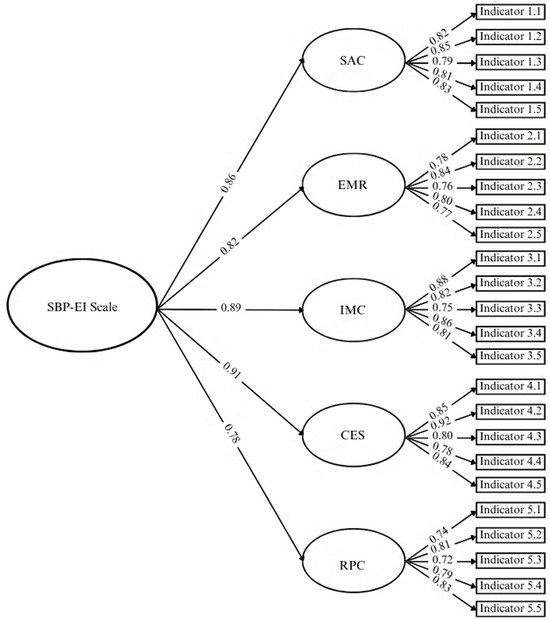
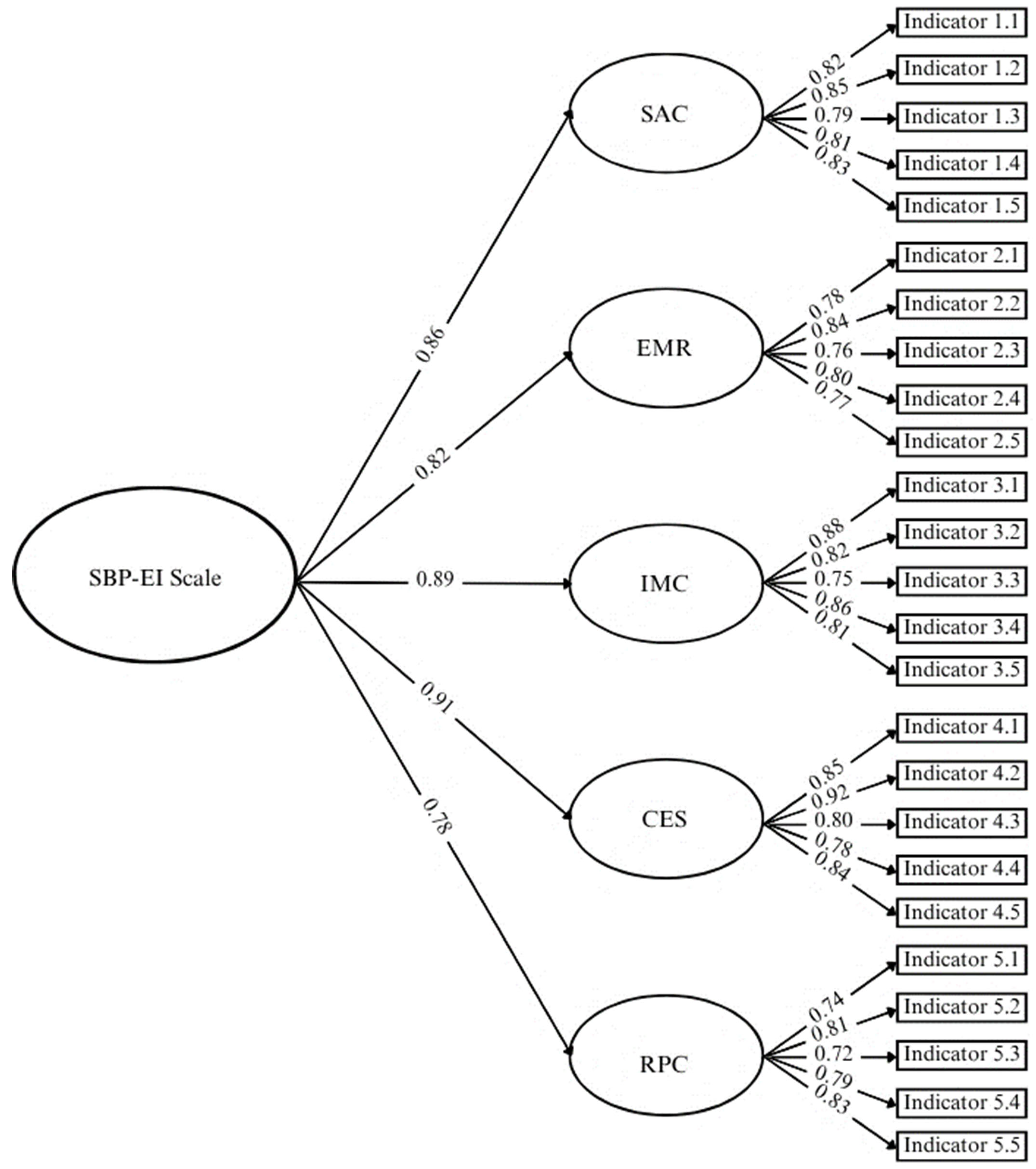

Disclaimer/Publisher’s Note: The statements, opinions and data contained in all publications are solely those of the individual author(s) and contributor(s) and not of MDPI and/or the editor(s). MDPI and/or the editor(s) disclaim responsibility for any injury to people or property resulting from any ideas, methods, instructions or products referred to in the content. |
© 2026 by the author. Licensee MDPI, Basel, Switzerland. This article is an open access article distributed under the terms and conditions of the Creative Commons Attribution (CC BY) license.