

-
The Use of Stream Sediment Mineral Chemistry and U/Pb Geochronology for Regional Targeting: A Case Study from Yukon with Implications for Porphyry Cu and Orogenic Au Deposit Exploration -
Mineralogical, Chemical, and Petrographical Assessment of Fly and Bottom Ashes from Agios Dimitrios Power Plant, N. Greece, for Their Evaluation as Fillers in Concrete Batching -
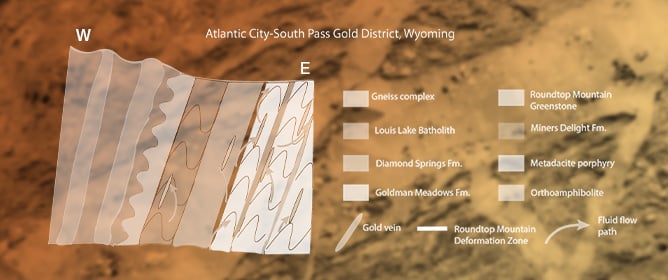
Origin of Archean Orogenic Gold Mineralization in the Atlantic City–South Pass District, Wyoming, USA: A Metamorphic Dehydration Versus Magmatic-Hydrothermal Model -
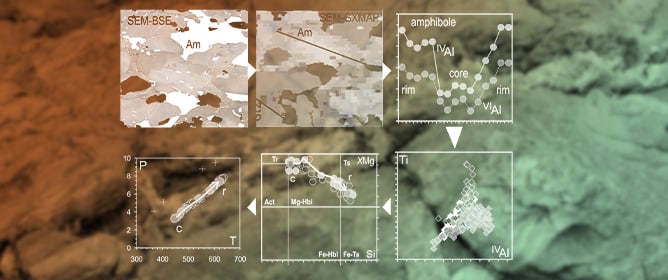
Amphibole Endmember Geothermobarometry in Metabasite Host Rocks of the Felbertal Tungsten Deposit (Eastern Alps, Austria) -
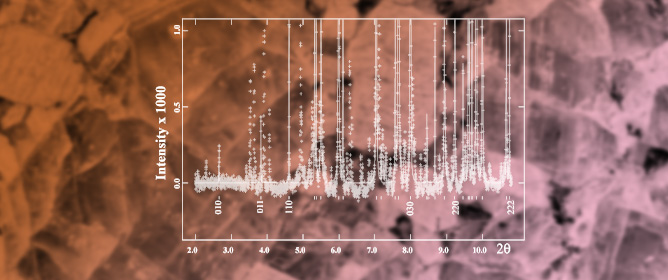
A Coarse-Grained Nepheline from Nephton, Canada: Structural Variations to 926 °C
Journal Description
Minerals
Minerals
is an international, peer-reviewed, open access journal of natural mineral systems, mineral resources, mining, and mineral processing, and is published monthly online by MDPI.
- Open Access— free for readers, with article processing charges (APC) paid by authors or their institutions.
- High Visibility: indexed within Scopus, SCIE (Web of Science), GEOBASE, GeoRef, CaPlus / SciFinder, Inspec, Astrophysics Data System, AGRIS, and other databases.
- Journal Rank: JCR - Q2 (Mineralogy) / CiteScore - Q1 (Geology)
- Rapid Publication: manuscripts are peer-reviewed and a first decision is provided to authors approximately 17.7 days after submission; acceptance to publication is undertaken in 2.6 days (median values for papers published in this journal in the second half of 2025).
- Recognition of Reviewers: reviewers who provide timely, thorough peer-review reports receive vouchers entitling them to a discount on the APC of their next publication in any MDPI journal, in appreciation of the work done.
- Companion journal: Mining
- Journal Cluster of Geotechnical Engineering and Geology: Minerals, GeoHazards, Mining, Geotechnics, Glacies and Stratigraphy and Sedimentology.
Impact Factor:
2.7 (2025);
5-Year Impact Factor:
2.8 (2025)
Latest Articles
Unsupervised Autoencoder-Based Feature Ranking and Anomaly Detection for Porphyry Copper Prospectivity Mapping from Multi-Source Geospatial Datasets
Minerals 2026, 16(6), 660; https://doi.org/10.3390/min16060660 (registering DOI) - 22 Jun 2026
Abstract
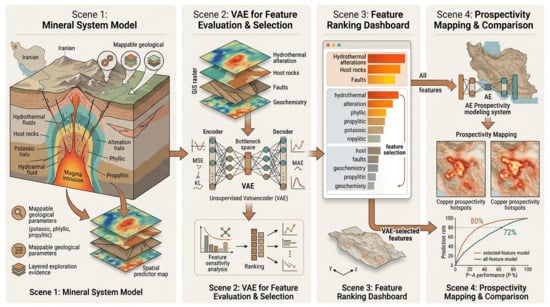
The mineral system model formalizes the critical geological processes and mappable parameters that control ore formation, which can then be translated into spatial predictors used as input features in machine learning (ML)-based mineral prospectivity mapping (MPM). In most MPM studies, exploration evidence features
[...] Read more.
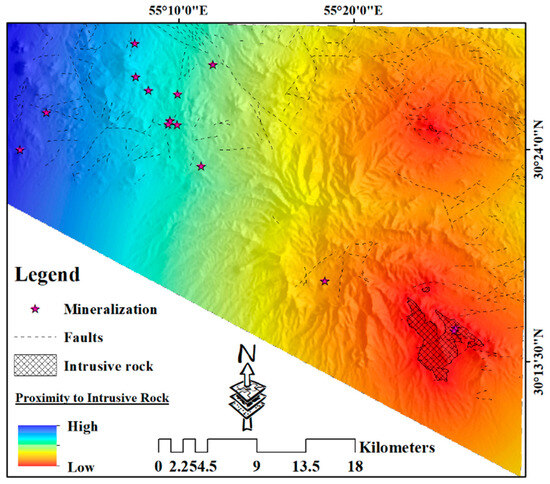
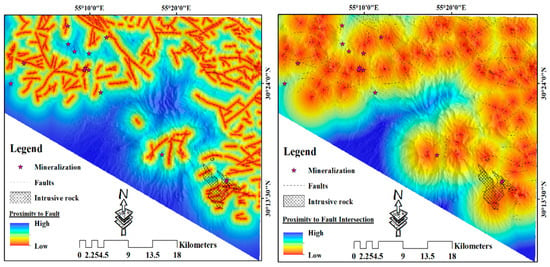
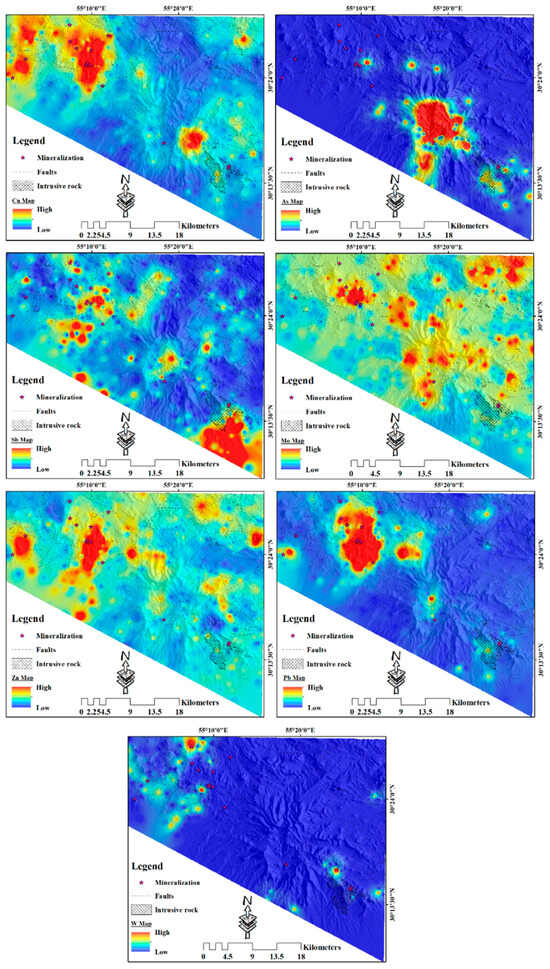
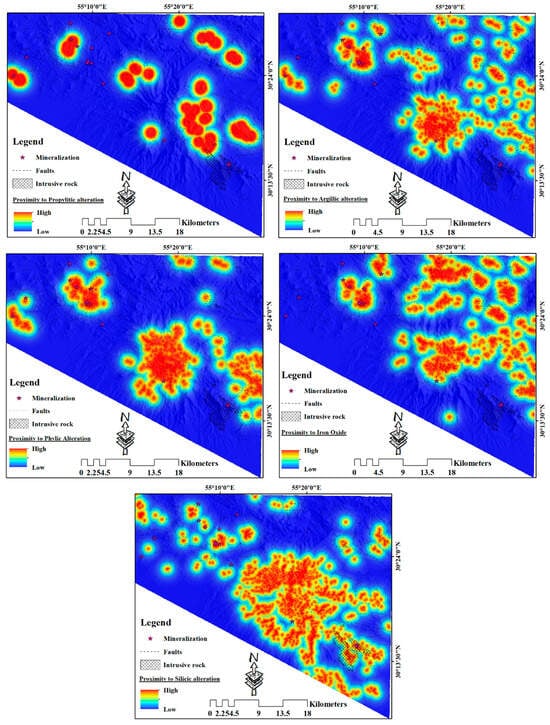
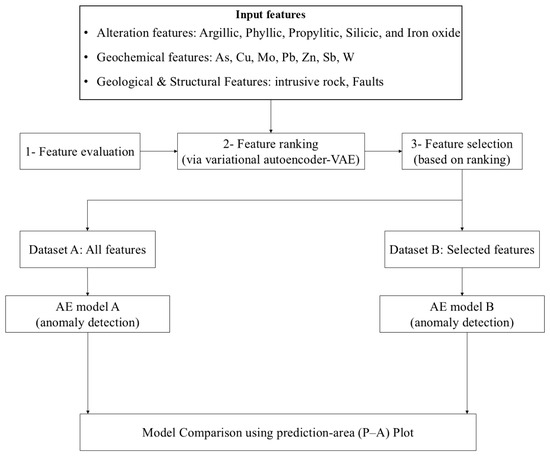
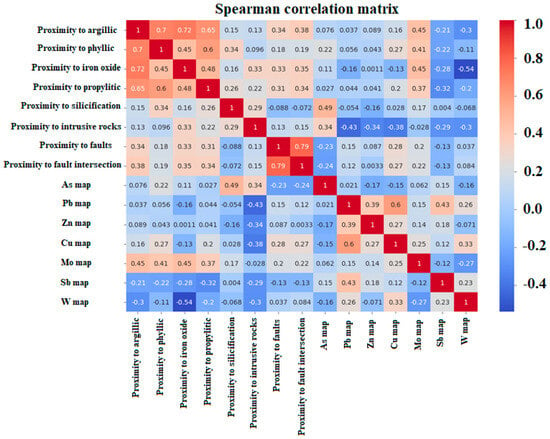
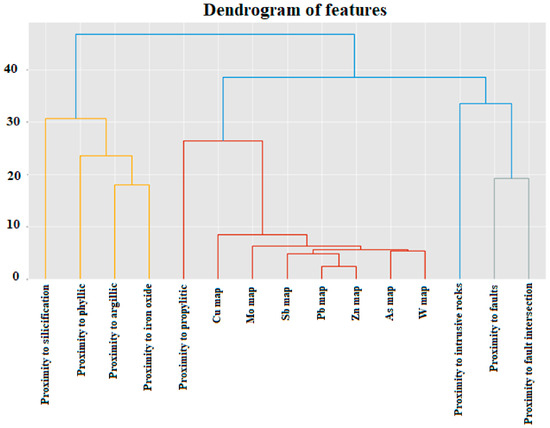
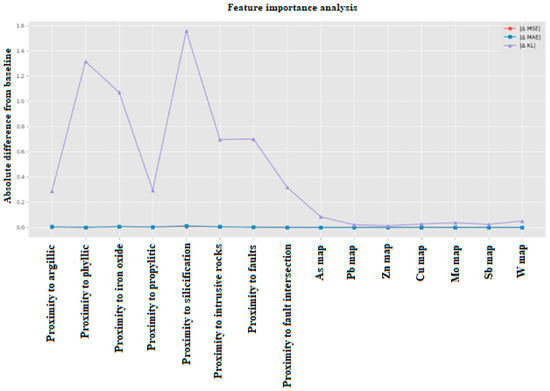
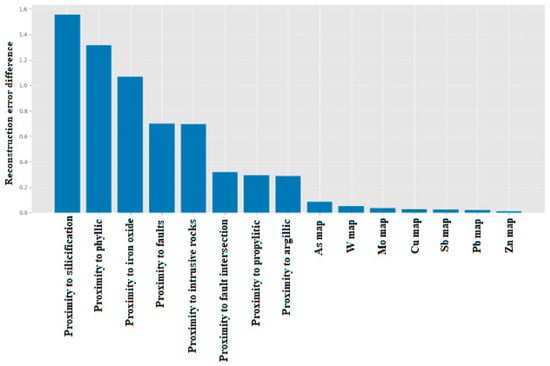
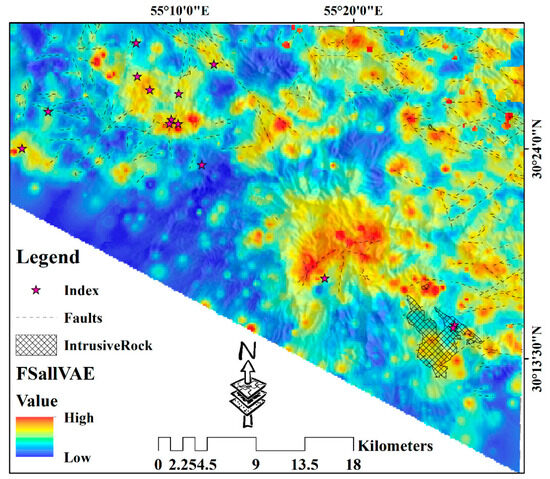
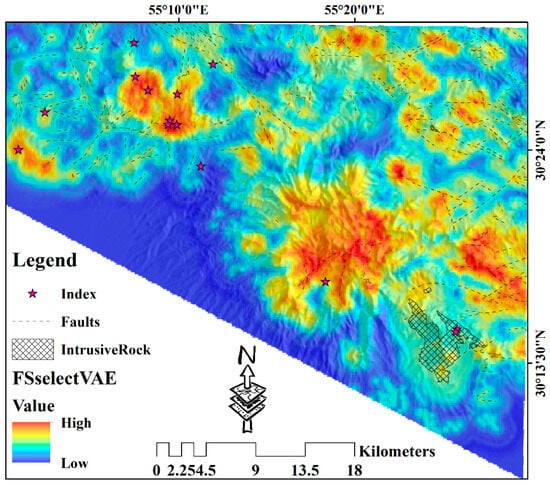
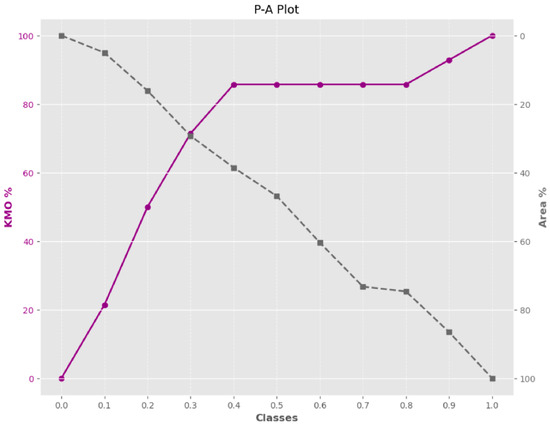
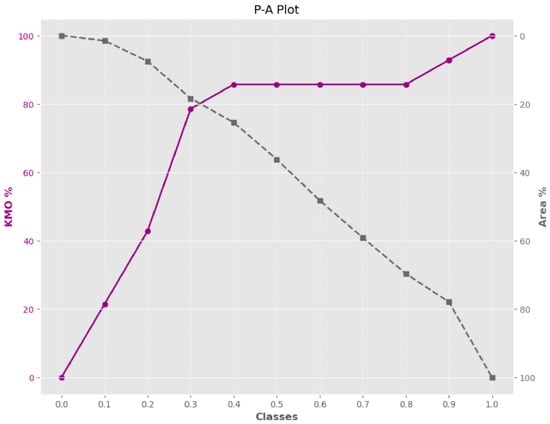
The mineral system model formalizes the critical geological processes and mappable parameters that control ore formation, which can then be translated into spatial predictors used as input features in machine learning (ML)-based mineral prospectivity mapping (MPM). In most MPM studies, exploration evidence features are indeed derived from the mineral system model of the targeted deposit type. However, not all features produced in this way are necessarily informative or favorable for prospectivity analysis. This challenge can be addressed by using feature selection frameworks to identify the most relevant features before applying ML and deep learning (DL) algorithms for mathematical integration. To address this need, this study employs an unsupervised variational autoencoder (VAE) framework to evaluate and rank exploration evidence layers. The VAE quantifies feature importance through a systematic strategy that measures the sensitivity of reconstruction-error components, mean squared error (MSE), mean absolute error (MAE), and Kullback–Leibler (KL) divergence, to individual feature variations. In this way, the VAE ranks the exploration features and helps to identify those that are the most useful for prospectivity mapping. The proposed approach was applied to a real geo-dataset from a porphyry copper district in Iran. Based on the conceptual model of porphyry copper mineralization, 15 evidence layers were generated, including proximity to phyllic, argillic, propylitic, iron oxide, and silicification alteration zones; proximity to intrusive rocks, faults, and fault intersections; and geochemical maps of Cu, Mo, Sb, Pb, Zn, As, and W. The VAE-based ranking indicated that evidence layers related to hydrothermal alterations, intrusive rocks, and faults were the most influential exploration features, whereas geochemical evidence layers showed lower relative importance. Based on this evaluation, two modeling scenarios were considered: in the first, all available features were used, and in the second, only the features selected by the VAE framework were included. In both cases, the final prospectivity model was produced by an autoencoder (AE). For comparison, the prediction-area (P–A) plots of the two prospectivity models were generated using 14 known mineral occurrences as positive ground-truth labels, indicating that the model based on the selected features achieved a higher prediction rate (80%) than the model based on all features (72%). These results demonstrate that the evidence layers derived from the mineral system approach can benefit from unsupervised VAE-based evaluation, leading to improved performance of the prospectivity modeling.
Full article
(This article belongs to the Section Mineral Exploration Methods and Applications)
►
Show Figures
Open AccessArticle
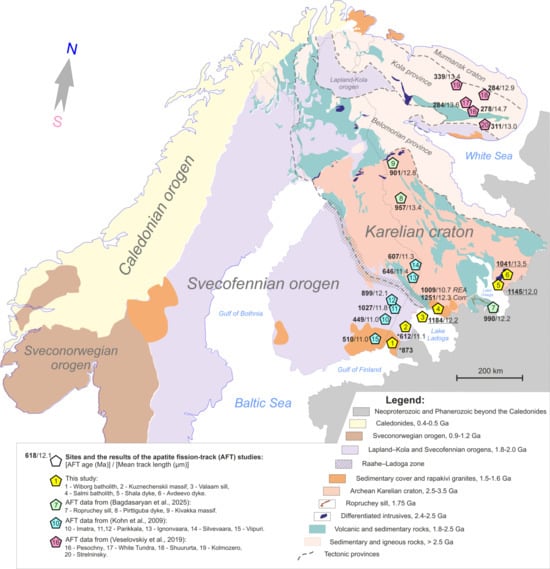
New Apatite and Zircon Fission-Track Data from Precambrian Intrusions in the Southeastern Fennoscandian Shield (Karelia, Russia)
by
Tatyana E. Bagdasaryan, Daria A. Krevsun, Alvina V. Chistyakova, Roman V. Veselovskiy and Alexandra V. Stepanova
Minerals 2026, 16(6), 659; https://doi.org/10.3390/min16060659 (registering DOI) - 22 Jun 2026
Abstract
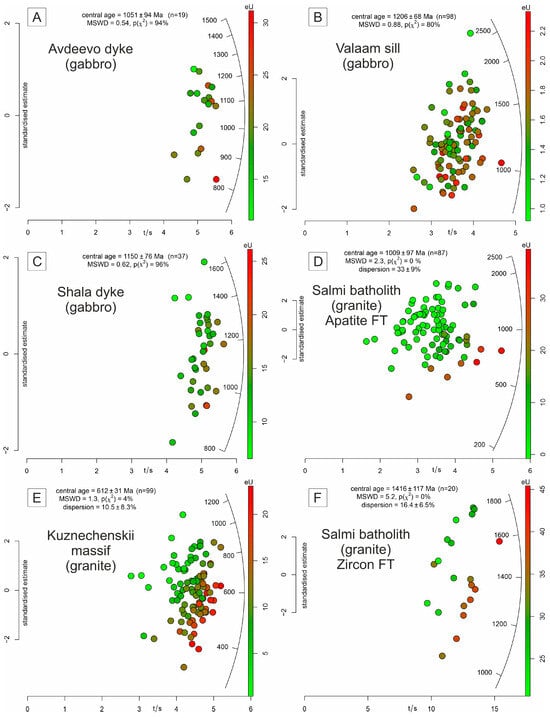
This paper presents the results of apatite fission-track (AFT) and zircon fission-track (ZFT) analysis (dating) on samples collected from the surface exposures of six Precambrian intrusions in the southeastern Fennoscandian Shield: the Avdeevo and Shala dykes, the Valaam sill, the Salmi and Wiborg
[...] Read more.
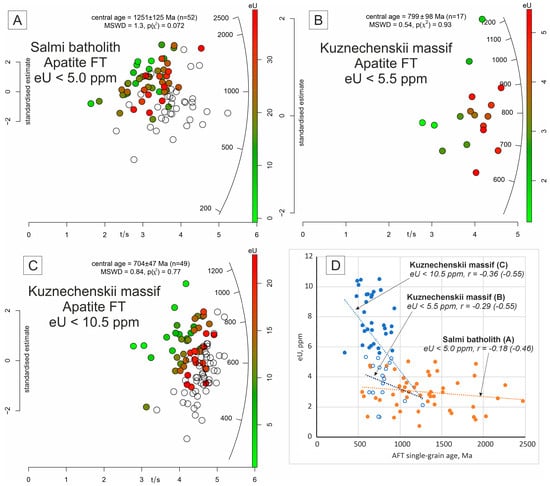
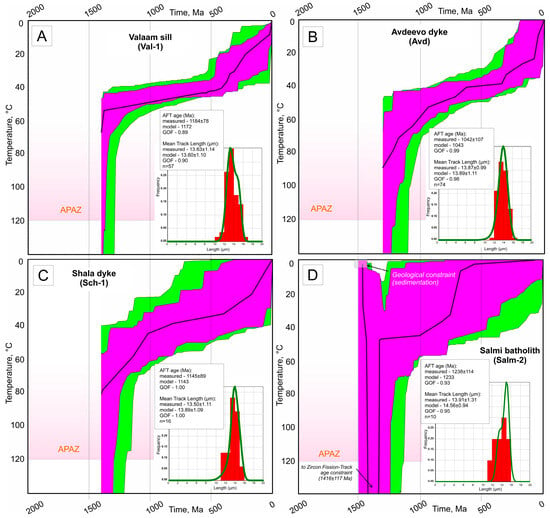
This paper presents the results of apatite fission-track (AFT) and zircon fission-track (ZFT) analysis (dating) on samples collected from the surface exposures of six Precambrian intrusions in the southeastern Fennoscandian Shield: the Avdeevo and Shala dykes, the Valaam sill, the Salmi and Wiborg batholiths, and the Kuznechenskii massif. The short mean track lengths in apatite (10.7–13.5 μm) indicate that the studied rocks resided for a prolonged period within the apatite partial annealing zone (APAZ, 60–120 °C). We suggest that the AFT ages obtained from two of the granitic intrusions—the Salmi batholith and the Kuznechenskii massif—are apparent due to α-radiation-enhanced annealing (REA), as evidenced by an inverse correlation between single-grain AFT age and effective uranium (eU) concentration, and high dispersion and a negative chi-square test. An attempt to minimize the contribution of the REA effect to the AFT data for the Salmi batholith allowed its AFT age to be estimated as 1251 ± 125 (2σ) Ma, but the same approach was unsuccessful for the Kuznechenskii massif. In contrast, the mafic intrusions show no such correlation and yield reliable AFT ages: the Avdeevo dyke, 1040 ± 104 Ma; the Shala dyke, 1145 ± 89 Ma; and the Valaam sill, 1184 ± 78 Ma. The AFT data from the Wiborg batholith can be regarded as preliminary only. The most reliable AFT ages and thermal evolution models for the studied intrusions are similar and indicate prolonged exhumation of the intrusions to the surface over more than 1 billion years, with a marked increase in cooling rates around 300 Ma, which possibly has far-field causes, such as mantle dynamics related to the initial fragmentation of Pangea. Our data, as a first approximation, suggest a similar tectono–thermal evolution for intrusions located both within the northeastern margin of the Svecofennian orogen and on the Archean Karelian craton.
Full article
(This article belongs to the Section Mineral Geochemistry and Geochronology)
►▼
Show Figures

Figure 1
Open AccessReview
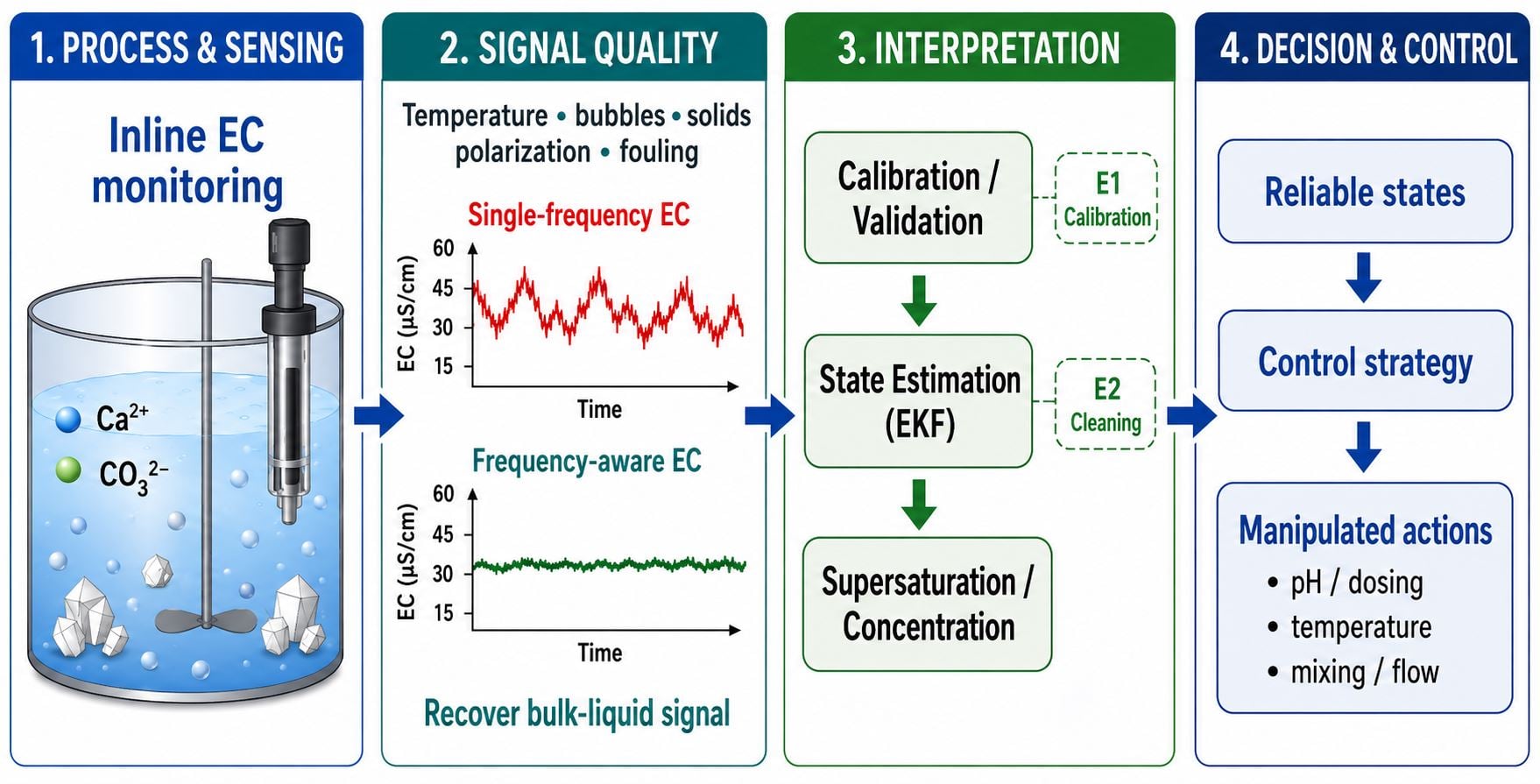
Electrical Conductivity as an Inline Monitor for Aqueous Precipitation and Crystallization: Mechanistic Interpretability and a Model-Implementation Blueprint
by
Sang-Hun Lee
Minerals 2026, 16(6), 658; https://doi.org/10.3390/min16060658 (registering DOI) - 21 Jun 2026
Abstract
Aqueous precipitation and crystallization are central to impurity removal, product formation, and resource recovery in mineral and chemical processing, but robust inline monitoring remains challenging because supersaturation is not measured directly and conductivity signals are affected by temperature, composition drift, bubbles, solids, polarization,
[...] Read more.
Aqueous precipitation and crystallization are central to impurity removal, product formation, and resource recovery in mineral and chemical processing, but robust inline monitoring remains challenging because supersaturation is not measured directly and conductivity signals are affected by temperature, composition drift, bubbles, solids, polarization, and fouling. Electrical conductivity (EC) is attractive as a low-cost, rugged process analytical tool, yet its usefulness depends on mechanistic interpretation: EC reflects charge-carrier concentration and mobility rather than supersaturation itself. This review organizes the literature into a layered framework covering (i) measurement integrity and deployment, (ii) bulk-signal extraction in multiphase media, (iii) estimation of latent variables such as dissolved concentration or supersaturation proxies, and (iv) control readiness based on conductivity-derived targets. Frequency-aware conductivity extraction, event-anchored verification, and observer-based estimation are treated as optional, complementary modules. A Ca-carbonate/CaCO3 system is used as an illustrative case because its coupling among conductivity, pH/speciation, supersaturation, and precipitation is especially transparent, although the framework is intended for broader processing systems, including complex liquors and slurries. Opportunities are also highlighted for nanomaterials to improve both precipitation control and EC information content.
Full article
(This article belongs to the Special Issue Application of Nanomaterials in Mineral Processing)
►▼
Show Figures

Graphical abstract
Open AccessArticle
Geochronology, Geochemical Characteristics, and Geological Significance of the Huomaxie Granitic Pluton, Southern Jiangxi Province, South China
by
Zhenguo Yuan, Ruotong Yu, Xun Huang, Meihua Tang and Defu Zhang
Minerals 2026, 16(6), 657; https://doi.org/10.3390/min16060657 (registering DOI) - 21 Jun 2026
Abstract
The Huomaxie granite in Ningdu, southern Jiangxi Province, is located in the central part of the Cathaysia Block. Previous studies assigned this pluton to the Huitong batholith as S-type granite, but lacked precise geochronological and petrogenetic constraints. This paper presents systematic petrography, whole-rock
[...] Read more.
The Huomaxie granite in Ningdu, southern Jiangxi Province, is located in the central part of the Cathaysia Block. Previous studies assigned this pluton to the Huitong batholith as S-type granite, but lacked precise geochronological and petrogenetic constraints. This paper presents systematic petrography, whole-rock geochemistry, zircon U–Pb dating, in situ Hf isotopic analysis, and electron microprobe analysis (EPMA) of muscovite from the muscovite monzogranite of the pluton. The weighted mean 206Pb/238U age is 420.1 ± 3.1 Ma. The rocks are silicic, high-K calc-alkaline, and peraluminous S-type granites. Zircon εHf(t) values range from −15.0 to −11.8, with two-stage Hf model ages (TDM2) of 2360-2150 Ma. Geochemical characteristics and muscovite composition data indicate that the magma was derived from high-temperature partial melting of psammitic sedimentary rocks. Tectonic discrimination diagrams suggest that the pluton formed in a post-orogenic extensional setting. It was generated by lower crustal melting induced by asthenospheric upwelling.
Full article
(This article belongs to the Special Issue Geochemical Exploration for Critical Mineral Resources, 2nd Edition)
Open AccessArticle
Chlorite Geochemistry of the Nuri Cu-W-Mo Deposit in Tibet: Implications for Deep-Seated Concealed Orebodies
by
Yunxin Qiu, Yiyun Wang, Qingan Du, Zhishan Wu and Miao Sun
Minerals 2026, 16(6), 656; https://doi.org/10.3390/min16060656 (registering DOI) - 21 Jun 2026
Abstract
The Nuri deposit is currently the only Cu-W-Mo deposit in the Gangdese metallogenic belt, Tibet, China, that contains large-scale tonnages for both Cu and WO3 resources, accompanied by a medium-scale Mo resources. Previous studies have suggested the potential presence of concealed porphyry-type
[...] Read more.
The Nuri deposit is currently the only Cu-W-Mo deposit in the Gangdese metallogenic belt, Tibet, China, that contains large-scale tonnages for both Cu and WO3 resources, accompanied by a medium-scale Mo resources. Previous studies have suggested the potential presence of concealed porphyry-type orebodies at depth, yet effective exploration tools for verifying this hypothesis remain lacking. In this study, microscopic identification, electron probe microanalysis (EPMA), and laser ablation inductively coupled plasma mass spectrometry (LA-ICP-MS) were integrated to investigate the mineral chemical characteristics of chlorite from the Nuri deposit. The aim was to evaluate the effectiveness of chlorite geochemistry as an exploration vector for predicting deep concealed porphyry orebodies and to establish corresponding exploration indicators. Chlorite in the deposit can be genetically classified into metasomatic (Chl-I) and hydrothermal (Chl-II) types. Both types are Mg-rich varieties, indicating formation under conditions of low oxygen fugacity and low pH. With decreasing vertical distance to the orebody and toward the southeast direction of the exploration section, the contents of Ti (10–950 ppm) and V (50–820 ppm), as well as the Ti/Sr, Ti/Mn, Ti/Li, and V/Li ratios, progressively increase. In contrast, the concentrations of Li (36–390 ppm), Mn (1270–6730 ppm), Sr (1–510 ppm), and Zn (110–1100 ppm) systematically decrease. These systematic compositional variations demonstrate that chlorite geochemistry is an effective exploration tool in the Nuri mining area and suggest the presence of a concealed mineralization center or porphyry orebody beneath the interval from ZK4501 to ZK4502.
Full article
(This article belongs to the Special Issue Thermal History and Preservation Mechanisms of Porphyry-Cu Deposits: Evidence from Thermochronology, Mineral and Isotopic Geochemistry)
Open AccessArticle
Evaluating the Potential of Gold Compositional Studies to Contribute to the Early Stages of Exploration Programs
by
Robert Chapman, Taija Torvela, Aiden Lavelle, Kevin Dalton, Gregor Donaghy, Shane Webb, Lucia Savastano, Kieran Armstrong and Richard Walshaw
Minerals 2026, 16(6), 655; https://doi.org/10.3390/min16060655 (registering DOI) - 21 Jun 2026
Abstract
The outcomes of a standard geochemical, geophysical and petrographical approach to exploration at Lead Trial, a small prospect in central Scotland, have been compared to the interpretation of a parallel gold compositional study describing 703 gold particles from local in situ and alluvial
[...] Read more.
The outcomes of a standard geochemical, geophysical and petrographical approach to exploration at Lead Trial, a small prospect in central Scotland, have been compared to the interpretation of a parallel gold compositional study describing 703 gold particles from local in situ and alluvial occurrences. Standard exploration approaches identified a 4.5 km2 zone hosting an array of numerous auriferous (to 17 g/t Au), vuggy, brecciated quartz-galena ± sphalerite veins culminating in the identification of a drill target. The gold study identified three gold compositional types: two 23–32 wt.% Ag alloys with a Zn-Pb-Cu mineral inclusion assemblage differentiated by sphalerite abundance, and a 5–16 wt.% Ag alloy with a Mo-Bi-Pb-Cu-Fe inclusion signature, yet to be correlated with either float or outcrop. Spatial distribution of the gold types indicates lateral variation and probably vertical variation within a single magmatic hydrothermal system. Integration of gold particle studies with early stages of exploration offers rapid insights into the nature and distribution of mineralization when very limited information is available and is mutually supportive of standard exploration approaches.
Full article
(This article belongs to the Section Mineral Exploration Methods and Applications)
Open AccessArticle
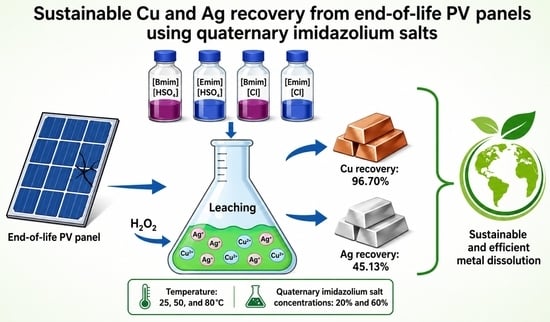
Sustainable Recovery of Copper and Silver from End-of-Life Photovoltaic Panels by Leaching with Aqueous Solutions of Quaternary Imidazolium Salts
by
Monserrat Martínez, Yecid P. Jiménez and Pía C. Hernández
Minerals 2026, 16(6), 654; https://doi.org/10.3390/min16060654 (registering DOI) - 20 Jun 2026
Abstract
The exponential increase in photovoltaic panel (PV) waste highlights the urgent need to develop efficient and sustainable recycling processes. It is estimated that by 2030, 8 million tons of PV modules will reach their end-of-life stage, posing a significant environmental challenge and requiring
[...] Read more.
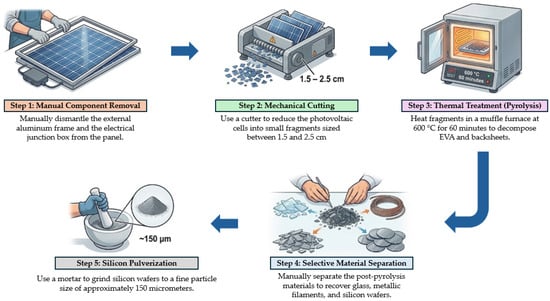
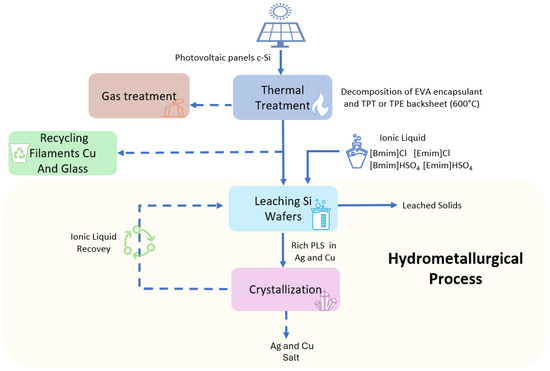
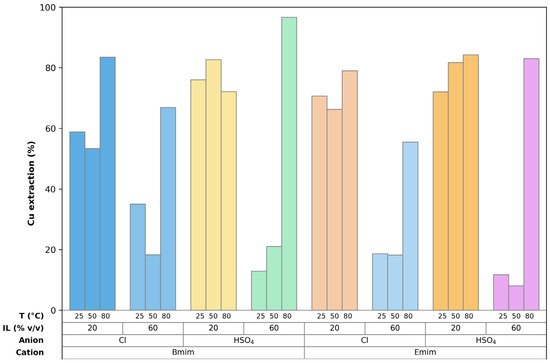
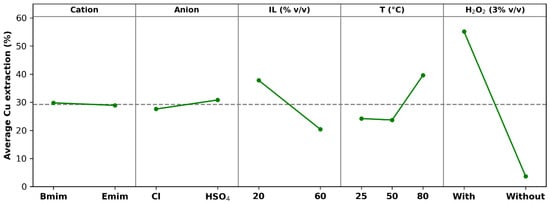
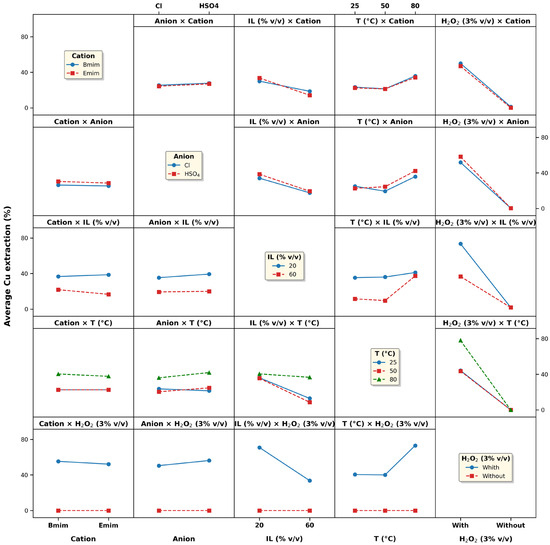
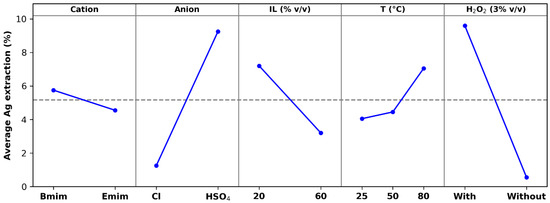
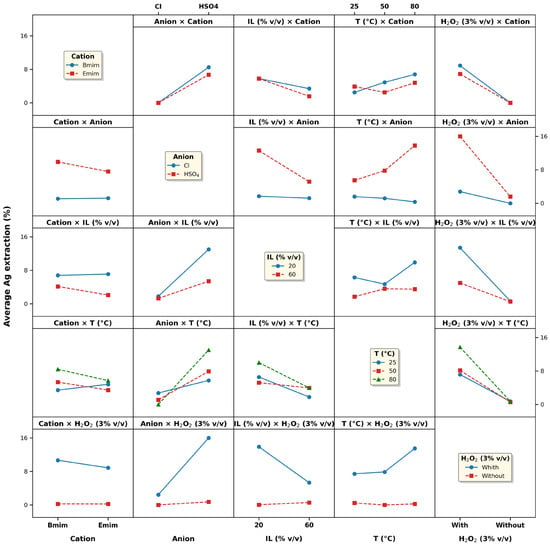
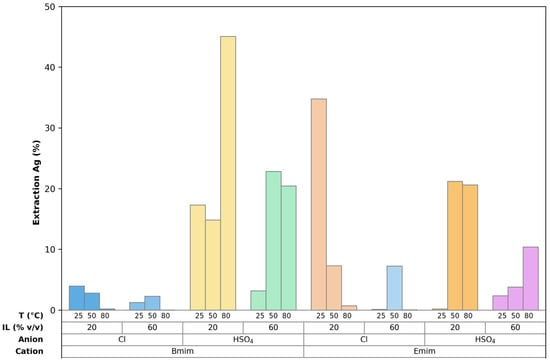
The exponential increase in photovoltaic panel (PV) waste highlights the urgent need to develop efficient and sustainable recycling processes. It is estimated that by 2030, 8 million tons of PV modules will reach their end-of-life stage, posing a significant environmental challenge and requiring the development of green technologies for resource recovery. This study assessed the performance of imidazolium-based ionic liquids (ILs) as “designer solvents” for the selective leaching of copper and silver from disused PV panels. Specifically, four quaternary imidazolium salts were evaluated: [Bmim]HSO4, [Emim]HSO4, [Bmim]Cl, and [Emim]Cl. Leaching tests were conducted on silicon wafers containing 0.28% Ag and 0.19% Cu under varying temperatures (25, 50, and 80 °C), IL concentrations (20% and 60% v/v), and hydrogen peroxide (H2O2) dosages (0% and 3% v/v) as an oxidizing agent. The results identified [Bmim]HSO4 as the most effective leaching agent. The system achieved a maximum copper extraction of 96.70% at 60% v/v concentration and 80 °C. For silver, the highest extraction of 45.13% was obtained using [Bmim]HSO4 at 20% v/v and 80 °C. The addition of H2O2 was crucial, demonstrating a clear synergistic effect with the imidazolium-based ILs by promoting oxidative dissolution. These findings confirm that imidazolium-based ionic liquids represent a promising and environmentally friendly alternative for the recovery of high-value metals in the circular economy of photovoltaic recycling.
Full article
(This article belongs to the Special Issue Sustainable Extraction and Reuse of Metallurgical Wastes: Towards Circular Practices)
►▼
Show Figures

Graphical abstract
Open AccessArticle
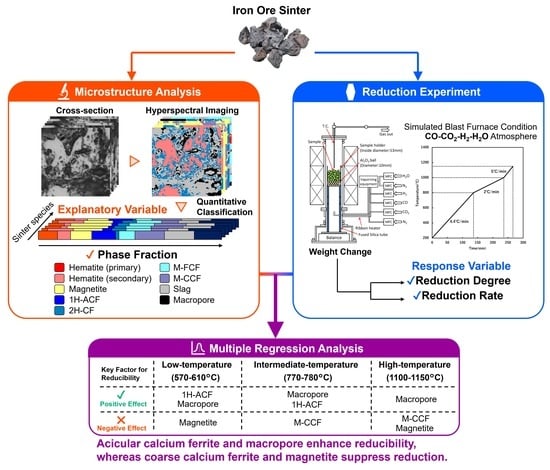
Quantitative Evaluation of Sinter Reducibility Under Simulated Blast Furnace Conditions Using Microstructure Estimated by Hyperspectral Imaging
by
Ryota Higashi, Daisuke Maruoka, Eiki Kasai, Kenya Horita and Taichi Murakami
Minerals 2026, 16(6), 653; https://doi.org/10.3390/min16060653 (registering DOI) - 20 Jun 2026
Abstract
Precise control of sinter reducibility is essential for stable blast furnace operation. Each mineral phase present in sinter, such as hematite, magnetite and calcium ferrite exhibits different reducibility. In XRD analysis, the requirement for sample pulverization leads to the loss of mineralogical texture
[...] Read more.
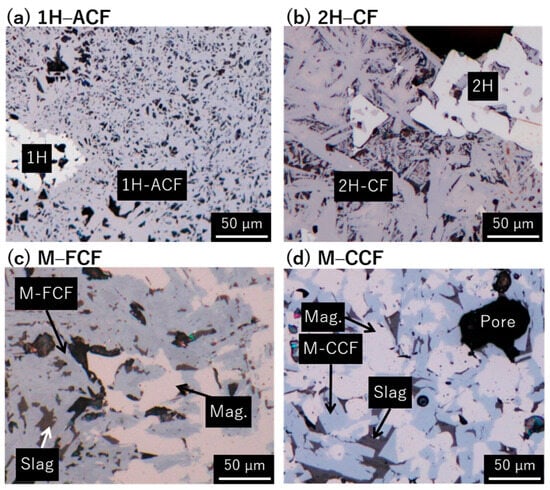
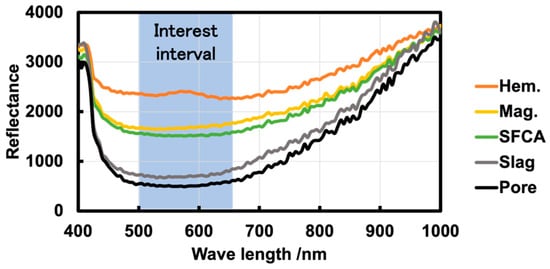
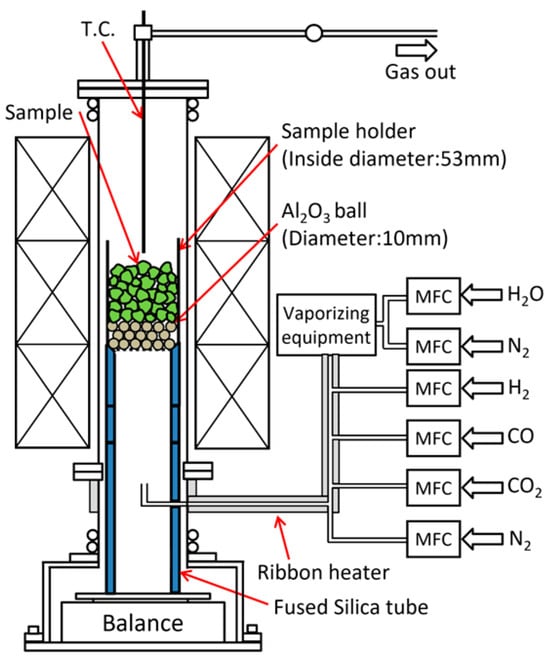
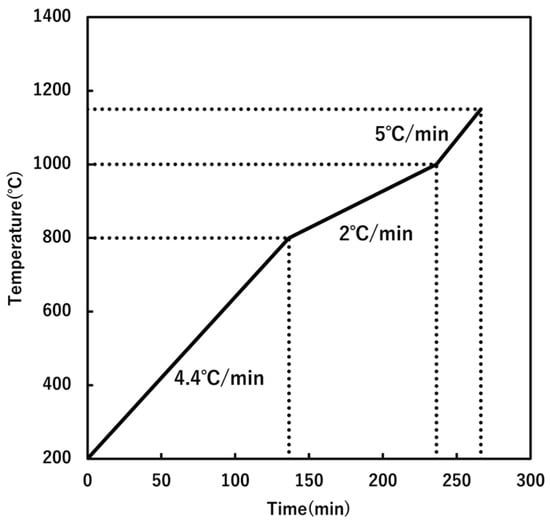
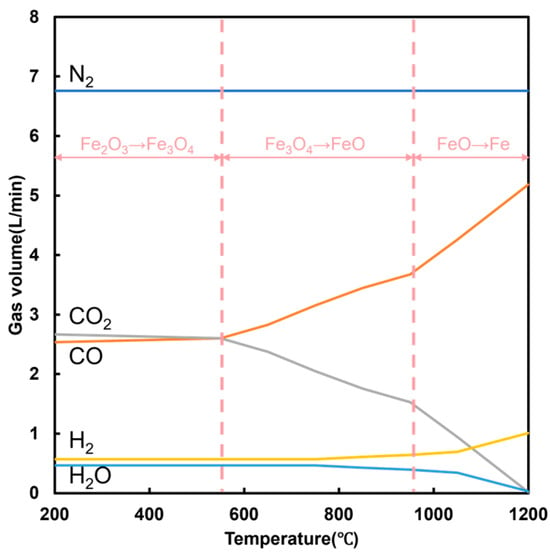
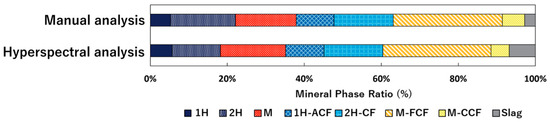
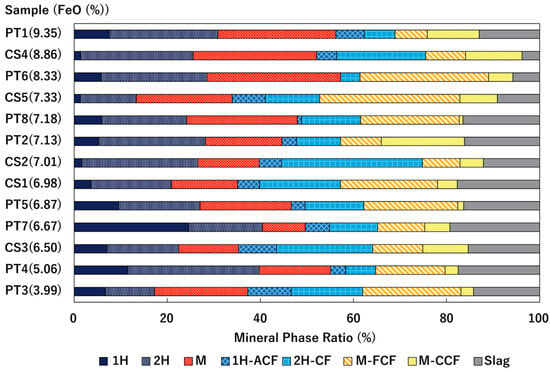
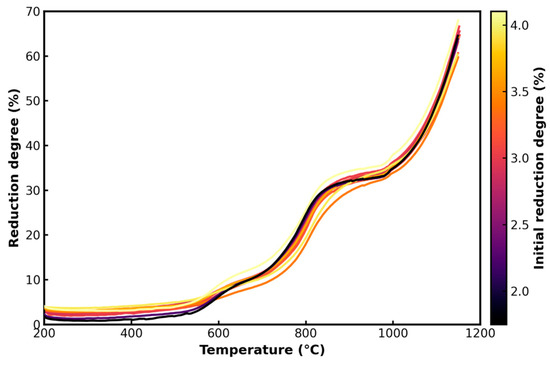
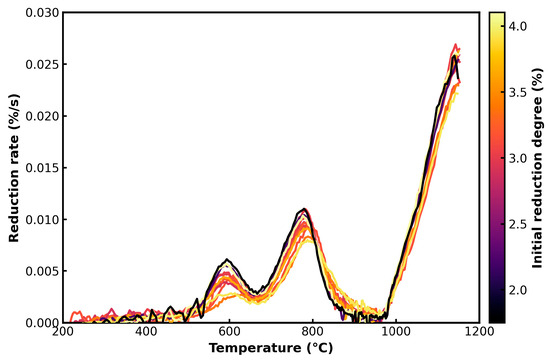
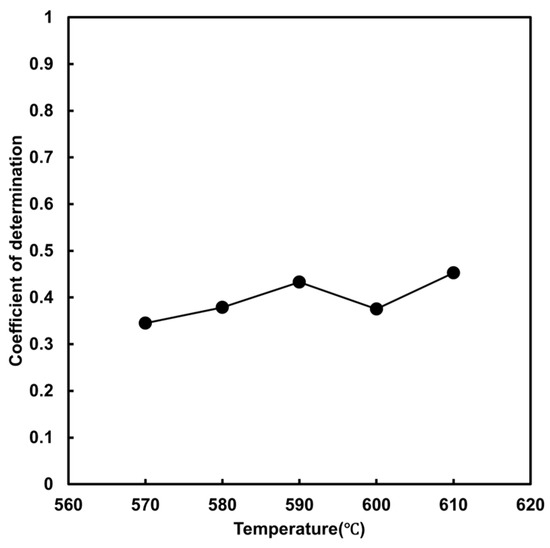
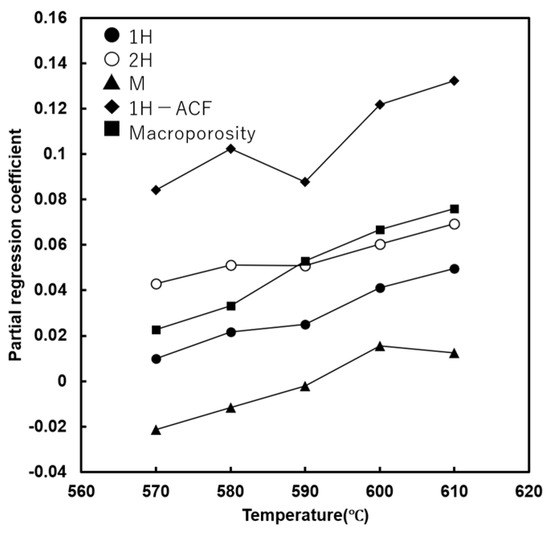
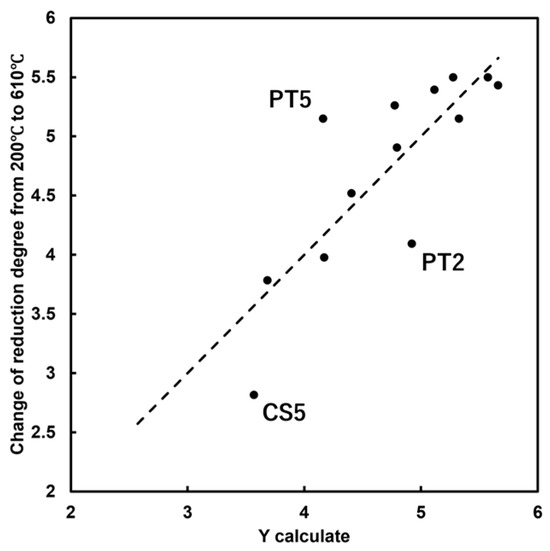
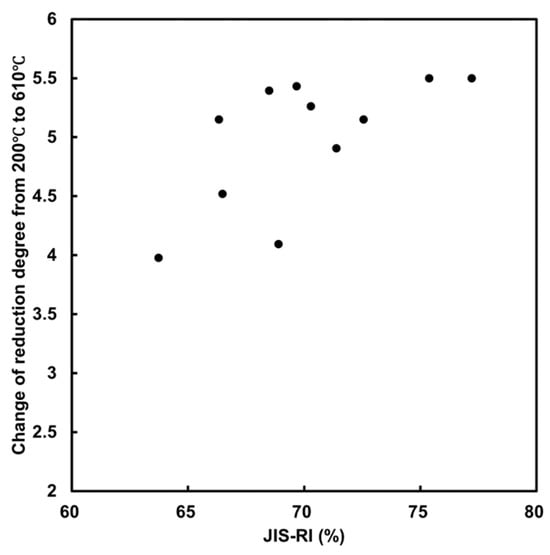
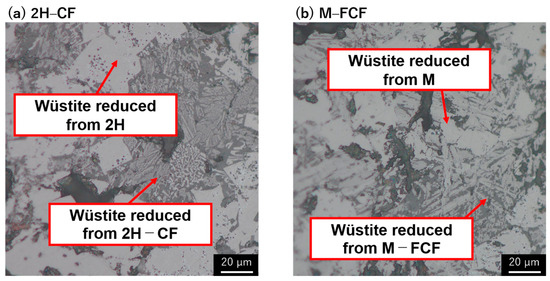
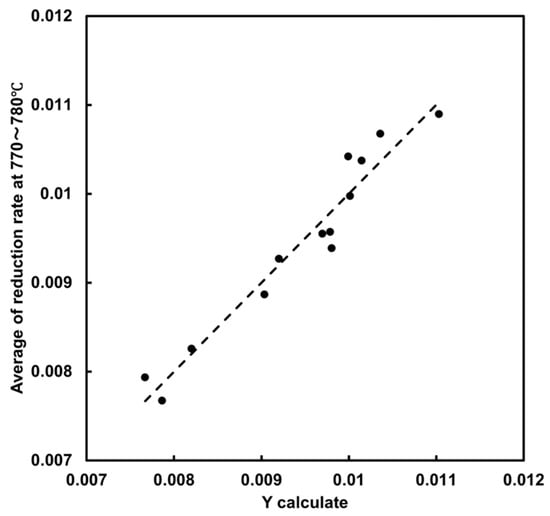
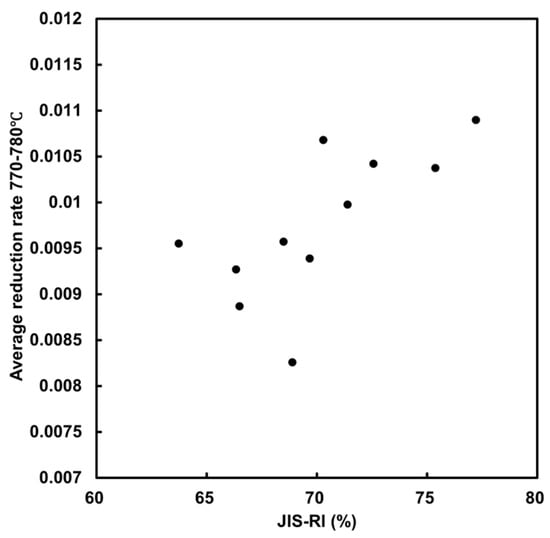
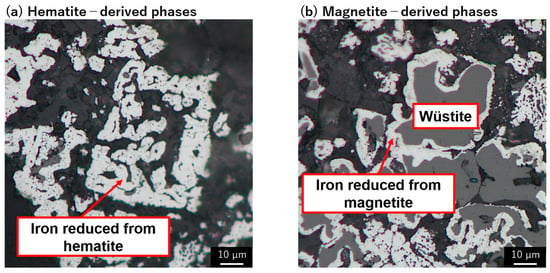
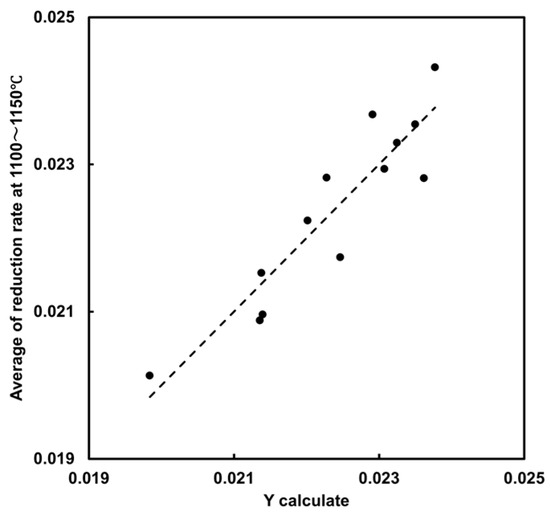
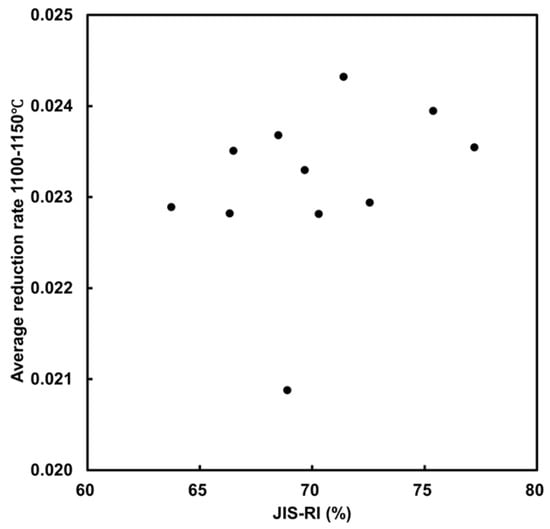
Precise control of sinter reducibility is essential for stable blast furnace operation. Each mineral phase present in sinter, such as hematite, magnetite and calcium ferrite exhibits different reducibility. In XRD analysis, the requirement for sample pulverization leads to the loss of mineralogical texture information. This makes it difficult to quantitatively correlate the complex mineral phases present in the sinter with reducibility. This study introduces a novel quantitative approach using hyperspectral imaging to distinguish specific mineral morphologies. Reduction experiments simulating blast furnace thermal and gas conditions were conducted on several sinters. Multiple regression analysis was applied to correlate mineral fractions and macroporosity with reduction rates across three distinct reduction stages. In the low-temperature stage, hematite, macroporosity and acicular calcium ferrites were identified as the primary drivers of reduction. In the intermediate stage, acicular calcium ferrites continued to enhance reactivity, whereas coarse calcium ferrite showed a significant negative influence. In the high-temperature stage, macroporosity strongly promoted reduction, while coarse calcium ferrite and magnetite hindered it due to the formation of shell-like metallic iron structures which impede gas diffusion. These findings demonstrate that hyperspectral imaging combined with multi-stage regression analysis offers a useful tool for designing optimal sinter mineralogy for blast furnace performance.
Full article
(This article belongs to the Special Issue Mineralogy of Iron Ore Sinters, 3rd Edition)
►▼
Show Figures

Graphical abstract
Open AccessArticle
Porous Geopolymers Derived from Tunisian Clay and Mineral Wastes for Efficient Methylene Blue Removal
by
Assia Ben Amor, Hadj-Otmane Chahinez, Abdelkader Ouakouak, Mohamed Mezni, Khaled Mahmoudi, Emad N. El Qada, Farid Fadhillah, Amine Aymen Assadi, Anouar Hajjaji, Noureddine Hamdi, Hichem Tahraoui and Abdeltif Amrane
Minerals 2026, 16(6), 652; https://doi.org/10.3390/min16060652 (registering DOI) - 20 Jun 2026
Abstract
The valorization of phosphogypsum (PG), a byproduct of phosphoric acid production, along with waste glass (WG) and silica fume (SF) into value-added materials has attracted growing attention in recent years. The present study aims to synthesize three types of porous geopolymers (GD, GDP,
[...] Read more.
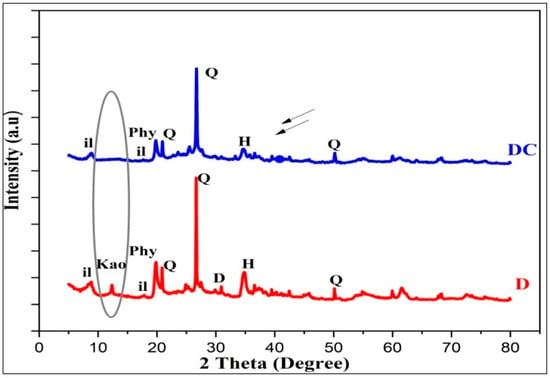
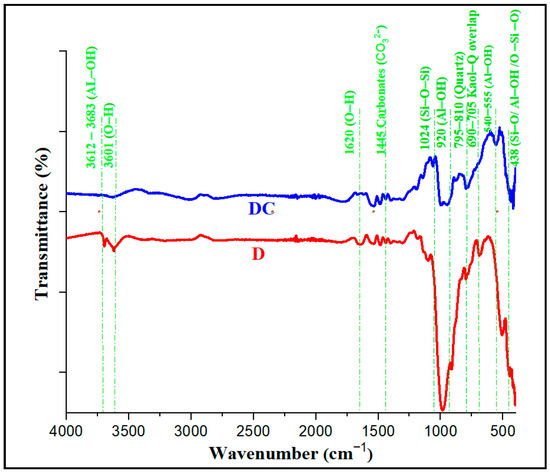
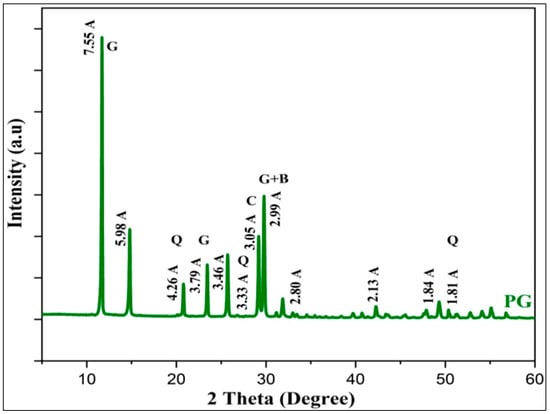
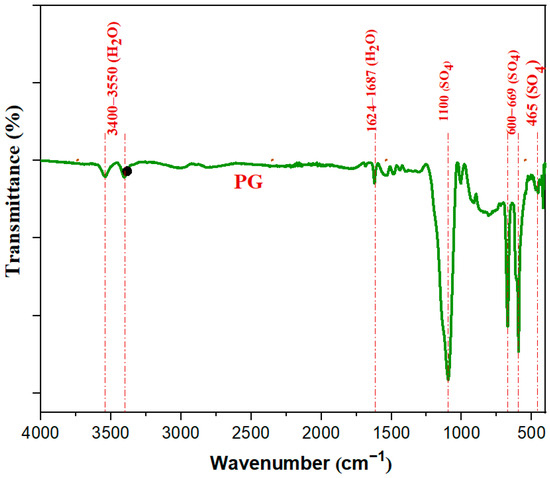
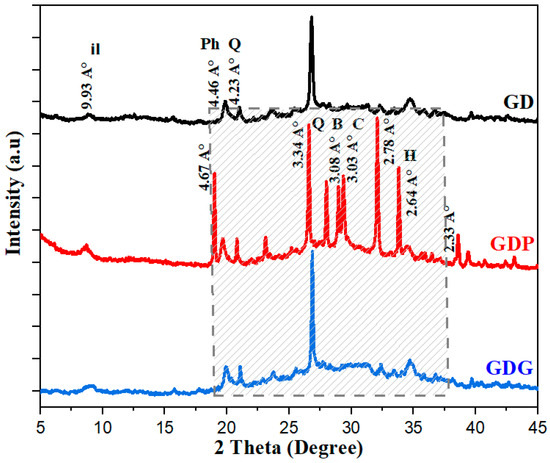
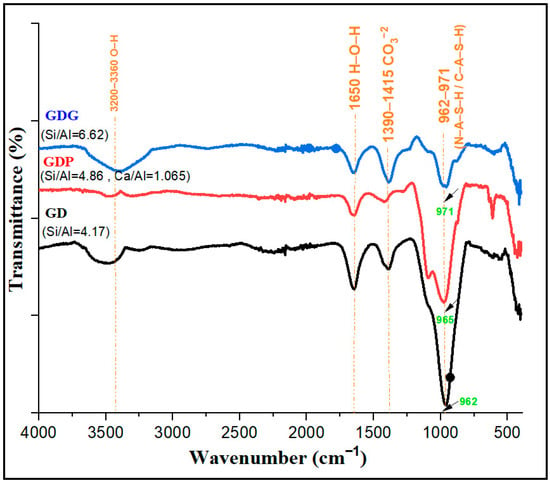
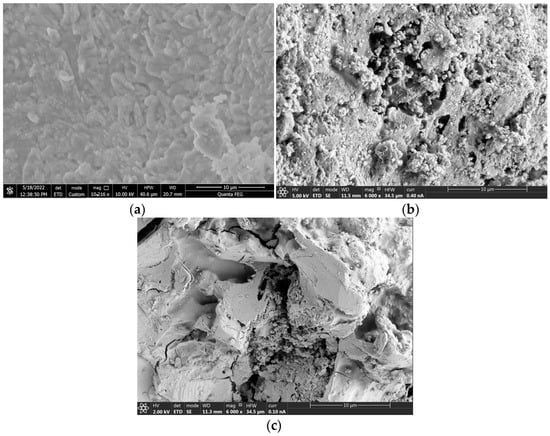
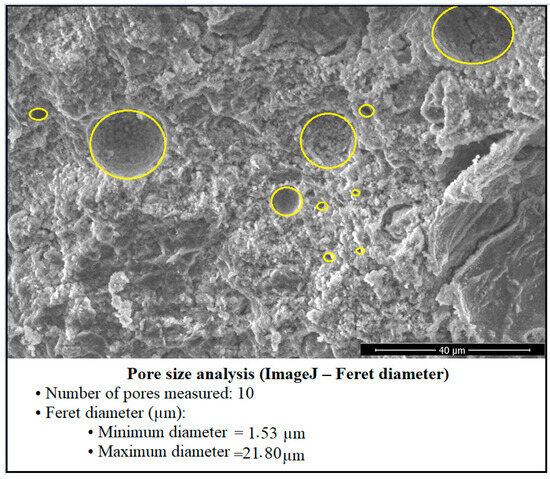
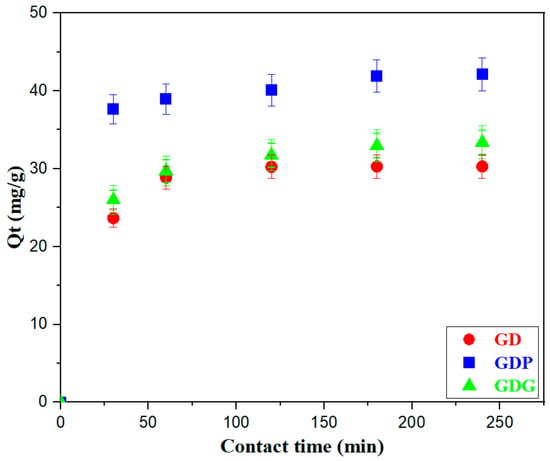
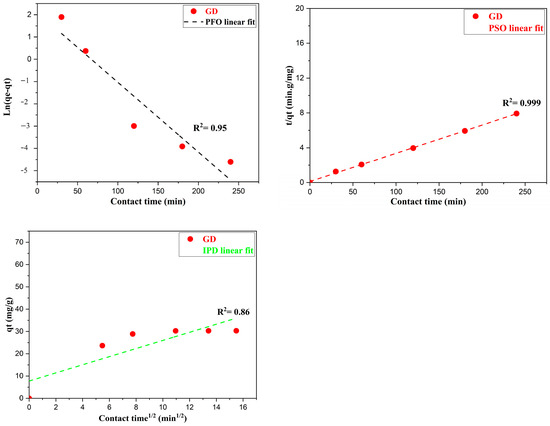
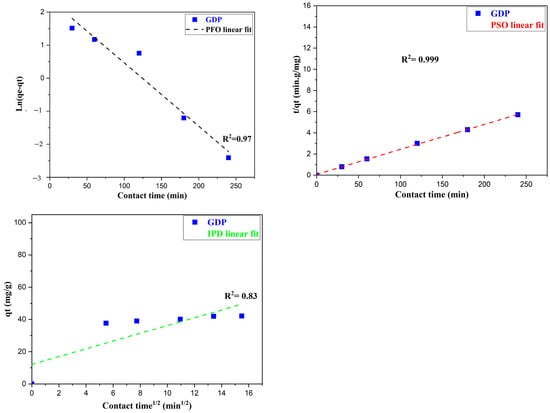
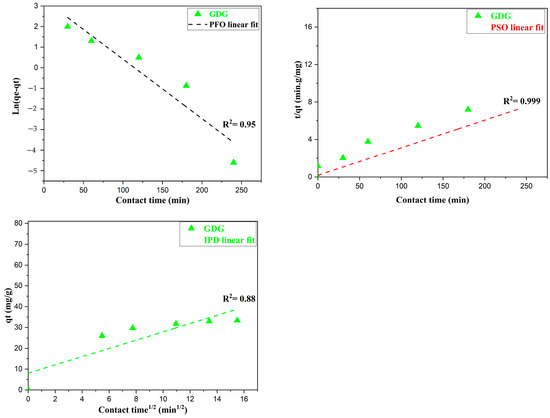
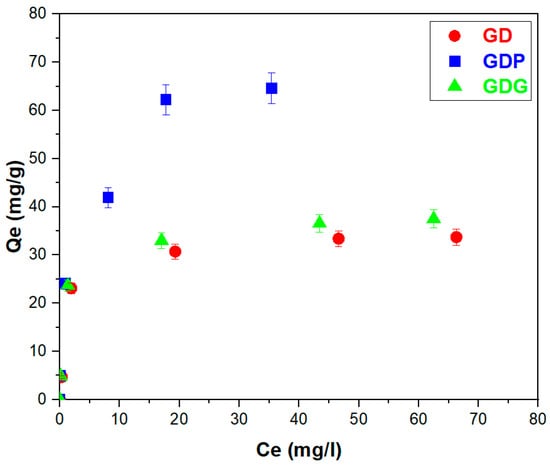
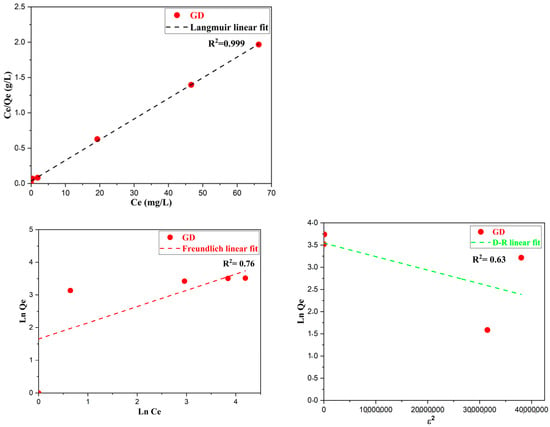
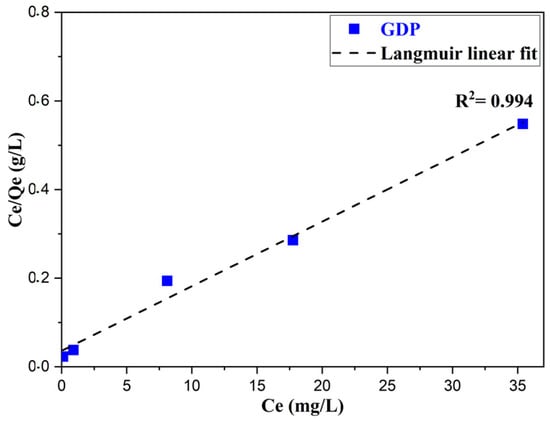
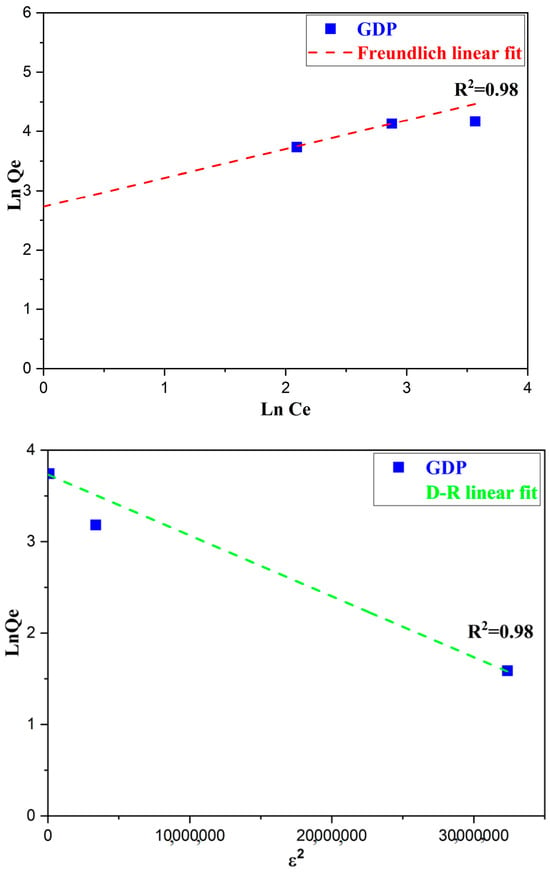
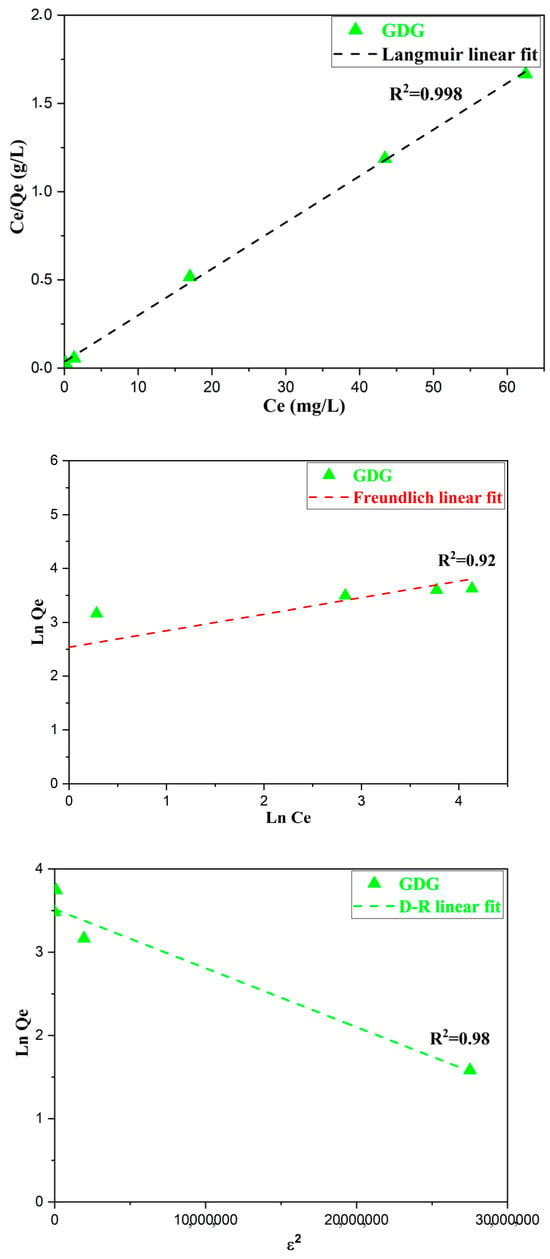
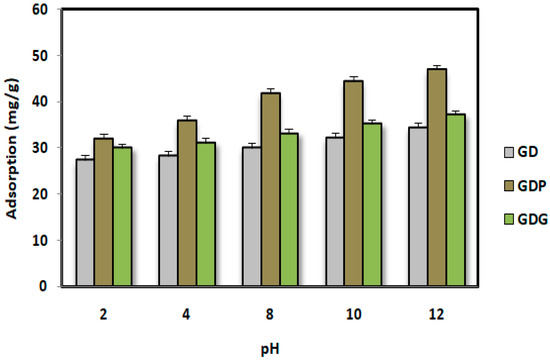
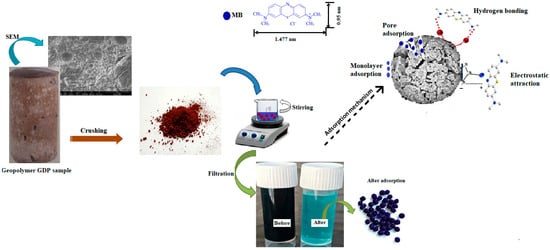
The valorization of phosphogypsum (PG), a byproduct of phosphoric acid production, along with waste glass (WG) and silica fume (SF) into value-added materials has attracted growing attention in recent years. The present study aims to synthesize three types of porous geopolymers (GD, GDP, and GDG) using Tunisian clay and locally available mineral wastes, and to investigate their potential as low-cost adsorbents for the removal of methylene blue (MB) dye from aqueous solutions. The physicochemical characteristics of the raw precursors and the resulting porous geopolymers were analyzed using various techniques, including FTIR, XRD, BET, and SEM. Variations in Si/Al, Na/Al, and Ca/Al ratios play a critical role in the geopolymer structure. The high Ca/Al ratio in GDP (porous geopolymer from calcined clay and phosphogypsum) promotes the formation of C-A-S-H, leading to increased macroporosity, which favors adsorption capacity despite the presence of a more heterogeneous morphology. The results indicated that the maximum adsorption capacity (Qmax) for MB dye was obtained for the GDP sample, reaching 68 mg/g. Adsorption experiments revealed the successful removal of MB dye by geopolymers, with the Langmuir isotherm and pseudo-second-order kinetic models adequately describing the adsorption process. The MB uptake by geopolymers was facilitated by weak physicochemical interactions, including electrostatic attraction, hydrogen bonding, and π–π interactions. This study proposes a simple and effective alkali activation strategy that combines different industrial wastes within a single geopolymer system, resulting in improved porosity and adsorption efficiency. Overall, the findings highlight the potential of these waste-derived geopolymers as promising and sustainable adsorbents for wastewater treatment applications.
Full article
(This article belongs to the Section Clays and Engineered Mineral Materials)
►▼
Show Figures

Figure 1
Open AccessArticle
Waste Stream Reduction by Combining Coarse Waste Preconcentration and Fine Tailings Utilization Technologies in a Copper Concentration Plant: The KGHM Polska Miedź S.A. Case Study
by
Kajetan Witecki, Anna Jakubcewicz and Izabela Kruszwicka
Minerals 2026, 16(6), 651; https://doi.org/10.3390/min16060651 (registering DOI) - 19 Jun 2026
Abstract
The mining industry faces increasing challenges related to the growing volume of tailings generated during mineral processing. This study presents a case study of the Complex Mine Waste Reduction (CMWR) concept implemented at the Polkowice Concentrator operated by KGHM Polska Miedź S.A. The
[...] Read more.
The mining industry faces increasing challenges related to the growing volume of tailings generated during mineral processing. This study presents a case study of the Complex Mine Waste Reduction (CMWR) concept implemented at the Polkowice Concentrator operated by KGHM Polska Miedź S.A. The approach integrates coarse ore sorting with tailings reprocessing for construction material production. Sorting improves flotation feed quality by rejecting low-grade gangue, while reprocessing converts fine tailings into value-added products. The combined implementation reduces tailing deposition by up to 22% and improves the operational copper recovery in flotation while maintaining overall process recovery at an essentially unchanged level. The results demonstrate the potential of integrated solutions for sustainable and circular mining.
Full article
(This article belongs to the Special Issue Sustainable Extraction and Reuse of Metallurgical Wastes: Towards Circular Practices)
Open AccessArticle
Provenance and Sedimentary Environments of the Lower Cretaceous Huanhe Formation in the Northern Ordos Basin and Its Implications for Uranium Enrichment and Mineralization
by
Zongyan Li, Tao Wang, Nan Peng, Jianliang Jia, Suping Li and Qingji Yao
Minerals 2026, 16(6), 650; https://doi.org/10.3390/min16060650 (registering DOI) - 19 Jun 2026
Abstract
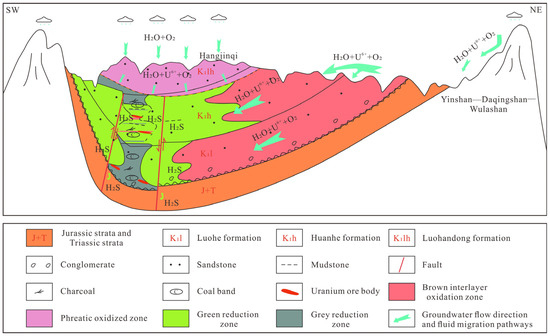
Sandstone-type uranium deposits are the main source of uranium in China. The Ordos Basin, one of the most typical Mesozoic intracontinental sedimentary basins in northern China, is a major uranium-bearing basin in China. The Hangjinqi area is a significant uranium-bearing region in the
[...] Read more.
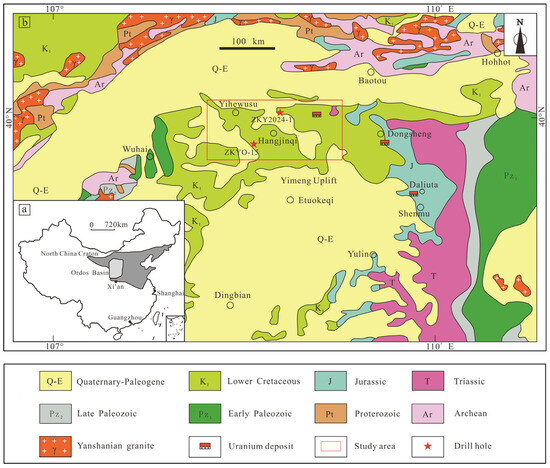
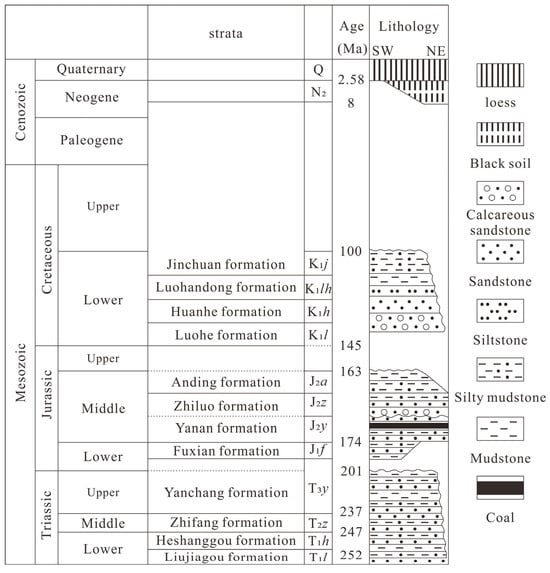
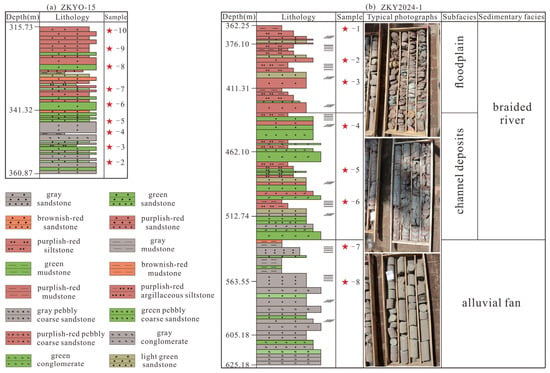
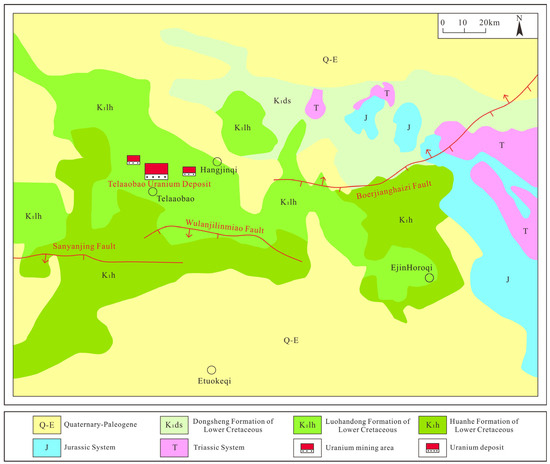
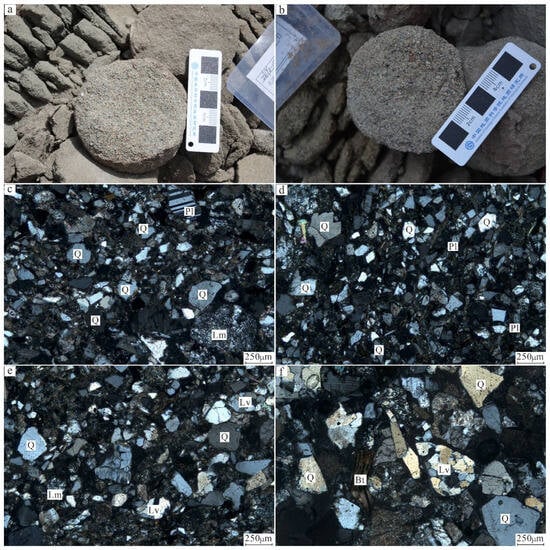
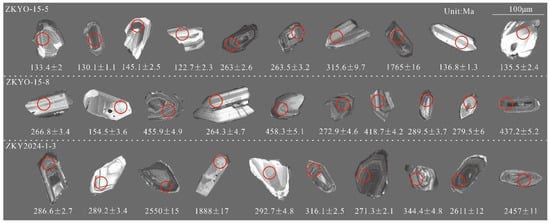
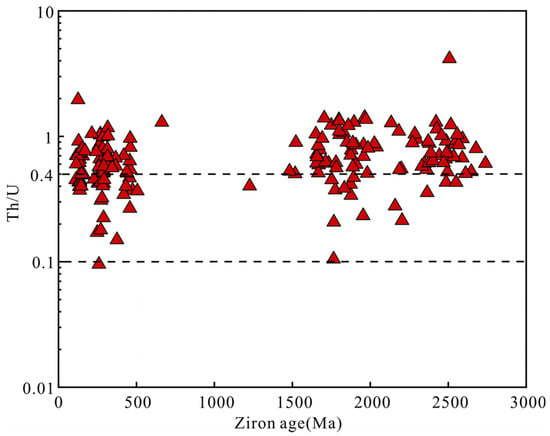
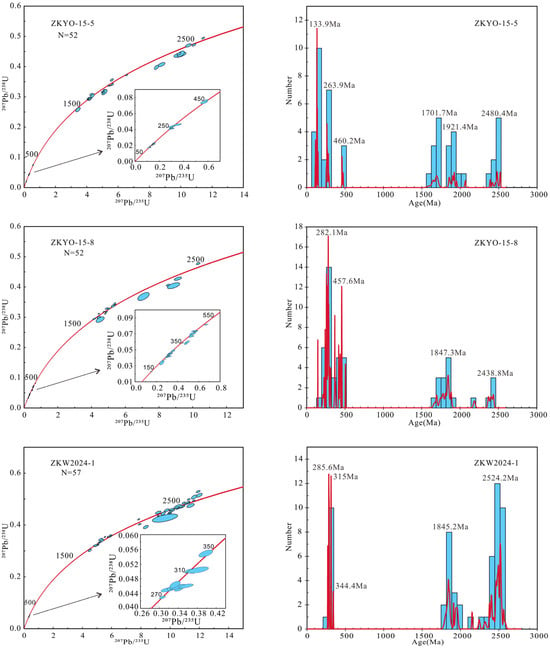
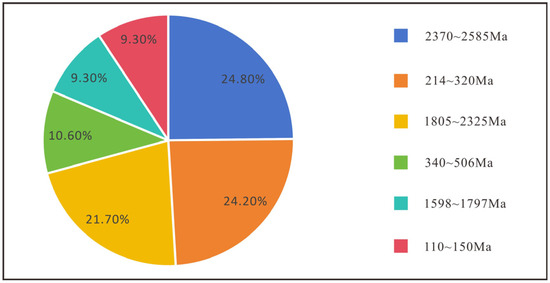
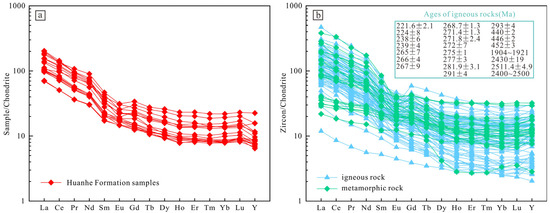
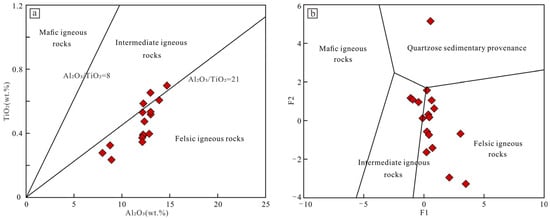
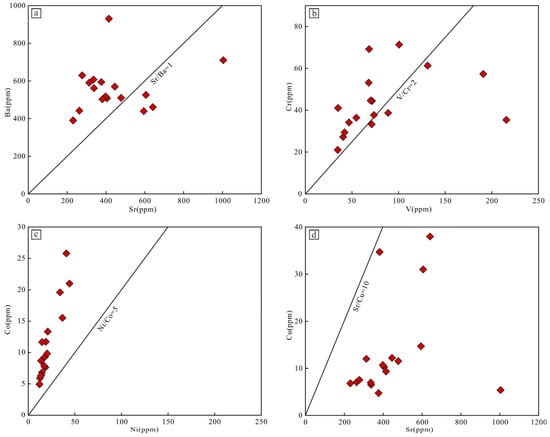
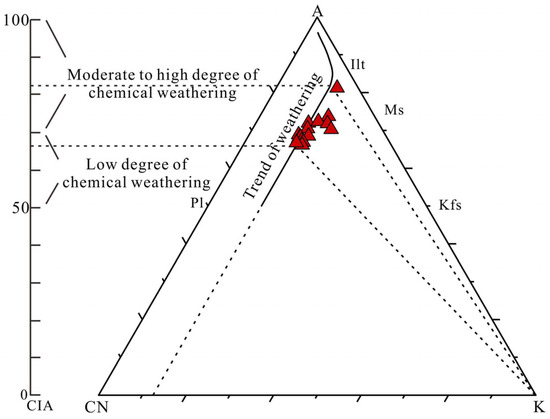
Sandstone-type uranium deposits are the main source of uranium in China. The Ordos Basin, one of the most typical Mesozoic intracontinental sedimentary basins in northern China, is a major uranium-bearing basin in China. The Hangjinqi area is a significant uranium-bearing region in the northern Ordos Basin, with favorable geological conditions and promising exploration prospects for mineralization, and the Lower Cretaceous Huanhe Formation is one of the uranium-bearing strata in this area. This study focuses on the Huanhe Formation in the Hangjinqi area to investigate the governing factors of uranium enrichment and mineralization in this stratum. U-Pb dating of detrital zircons from sandstones of the Huanhe Formation reveals dominant peak ages of 2370–2585 Ma, 214–320 Ma, and 1805–2325 Ma, and secondary peak ages of 340–506 Ma, 1598–1797 Ma, and 110–150 Ma. The age results of the selected detrital zircons indicate that the provenance of the Huanhe Formation is mainly derived from three sources: (1) the 2.6–2.5 Ga TTG gneisses and granulites in the Yinshan Block; (2) the Paleoproterozoic (2500–1800 Ma) khondalites and granitic gneisses in the Daqingshan–Wulashan–Jining area, as well as granites in the Yinshan area; and (3) large-scale intermediate–acidic intrusive rocks and volcanic rocks of the Yinshan orogenic belt, whose ages range from 110.9 to 505.9 Ma (predominantly Paleozoic). These source rocks may have provided a potential uranium source. The paleoclimate proxies, including Sr/Cu, Sr/Ba, V/Cr, Ni/Co, and Fe2+/Fe3+ ratios, combined with the Chemical Index of Alteration (CIA) and the Index of Compositional Variability (ICV), suggest that the Huanhe Formation was formed in a relatively arid and oxidized environment with a low degree of chemical weathering, which facilitated the migration of uranium-bearing ore-forming fluids. The sedimentary environment, provenance, and paleoclimate created favorable geological conditions for uranium enrichment in the Huanhe Formation of the northern Ordos Basin.
Full article
(This article belongs to the Section Mineral Geochemistry and Geochronology)
►▼
Show Figures

Figure 1
Open AccessArticle
Soil Geochemistry and Exploration Implications of the Terziali Gold Prospect (Central Anatolia, Türkiye): A Case Study of Shear-Related Orogenic Gold Mineralization
by
Özgür Sapancı, Nezihi Köprübaşı, Necla Köprübaşı, Olgun Duru, Yunus Emre Ekim and Emin Çiftci
Minerals 2026, 16(6), 649; https://doi.org/10.3390/min16060649 (registering DOI) - 19 Jun 2026
Abstract
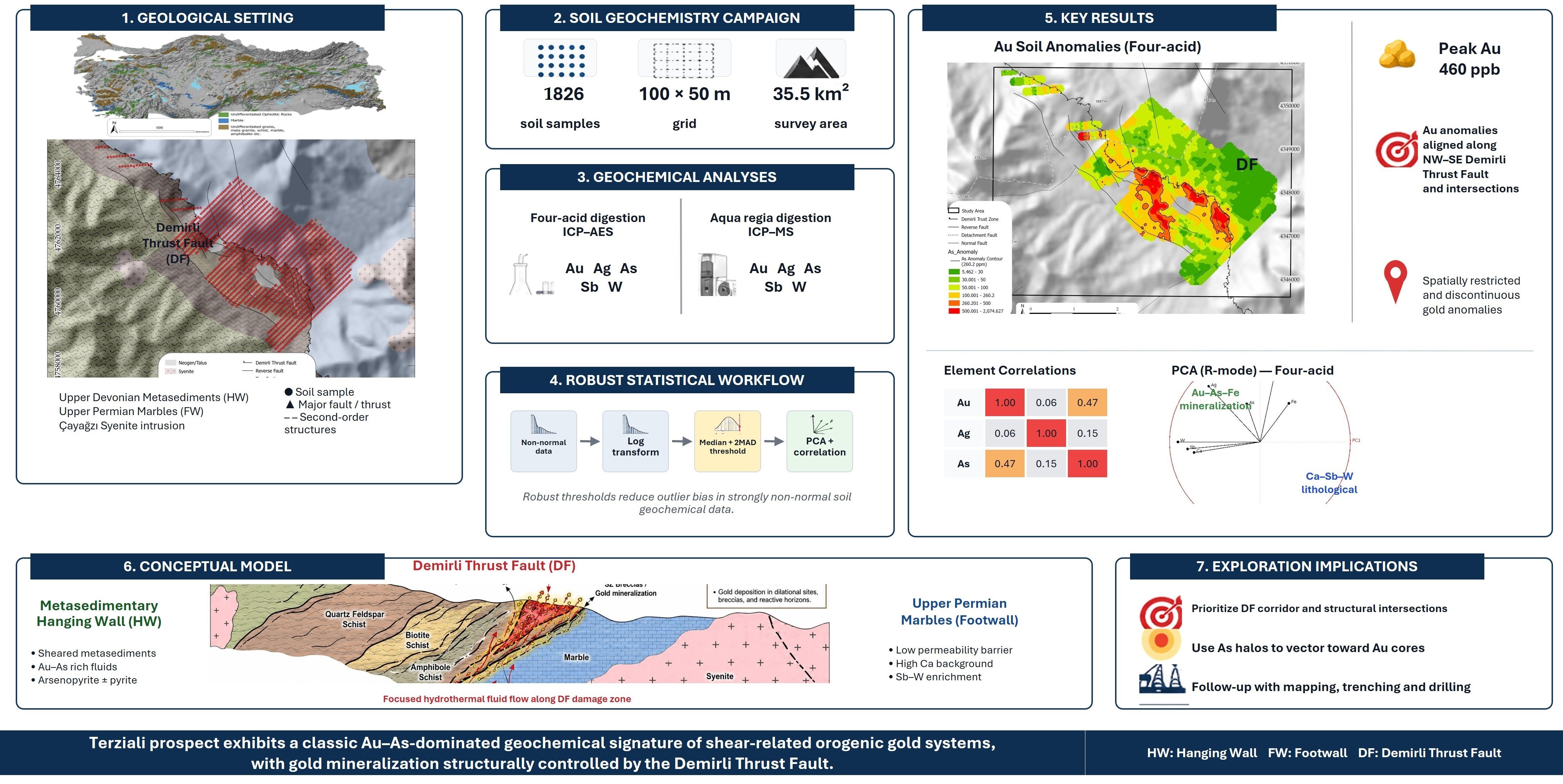
The Terziali is a shear-hosted orogenic gold prospect located in the Central Anatolian Crystalline Complex, Türkiye. This study focuses on soil geochemistry, element correlations, background and threshold values, and evaluates exploration implications over a survey area of 35.5 km2. A total
[...] Read more.
The Terziali is a shear-hosted orogenic gold prospect located in the Central Anatolian Crystalline Complex, Türkiye. This study focuses on soil geochemistry, element correlations, background and threshold values, and evaluates exploration implications over a survey area of 35.5 km2. A total of 1826 soil samples were collected from the B horizon using a grid of 100 × 50 m and were analyzed using ICP-AES, ICP-MS, and fire assay techniques. Statistical techniques of median + 2MAD threshold calculations, descriptive statistics, Kolmogorov–Smirnov tests, correlation analysis, hierarchical clustering, and Q–Q plots were carried out to identify geochemical anomalies. The data demonstrate Au threshold (28 ppb) and peak concentration (460 ppb), non-normal distributions characterized by strong positive skewness, revealing the outliers linked to mineralization. Soil geochemistry indicates a moderate association between Au and As in the four-acid dataset (r = 0.465), although the correlations between Au and Sb and Ag and W are relatively weak. The spatial analysis indicates that Au anomalies are predominantly linked to the NW–SE-oriented Demirli Thrust Fault. As displays extensive dispersion halos surrounding the gold anomalies; it establishes itself as an efficient pathfinder element. Conversely, Sb and W exhibit unique anomaly patterns, whereas Ag patterns are weak and dispersed. The Terziali prospect provides a substantial geochemical framework for identifying structurally controlled orogenic gold systems in Central Anatolia and the western Tethyan metallogenic belt.
Full article
(This article belongs to the Special Issue Geochronology, Mineralogy, and Genesis of Orogenic Gold Deposit: Implications for Gold Prospecting)
►▼
Show Figures

Graphical abstract
Open AccessArticle
Fulvic Acid Influence on Arsenic Immobilization During Jarosite Bioreduction and Transformation
by
Yi Shan, Wei-Xi Huang, Hong-Chang Liu, Zhen-Yuan Nie and Jin-Lan Xia
Minerals 2026, 16(6), 648; https://doi.org/10.3390/min16060648 (registering DOI) - 19 Jun 2026
Abstract
Acid mine drainage (AMD) is enriched with arsenite (As(III)), arsenate (As(V)), and jarosite. While jarosite can immobilize arsenic (As) through adsorption and other mechanisms, it dissolves and transforms into other minerals under near-neutral and reducing conditions via microbial mediation, thereby altering As fate.
[...] Read more.
Acid mine drainage (AMD) is enriched with arsenite (As(III)), arsenate (As(V)), and jarosite. While jarosite can immobilize arsenic (As) through adsorption and other mechanisms, it dissolves and transforms into other minerals under near-neutral and reducing conditions via microbial mediation, thereby altering As fate. Fulvic acid (FA), a ubiquitous natural organic matter in the environment, has been proven to exhibit complex interactions with various iron minerals, Fe/S-metabolizing microorganisms, and As. However, the role of FA in the bioreduction and transformation of jarosite, as well as its subsequent impact on As mobility and fate, remains unclear. This study aims to elucidate the regulatory effect of FA on the biodissolution and transformation of jarosite, and the corresponding changes in As speciation. The results showed that FA exerted contrasting effects depending on arsenic speciation. In the As(III) treatments, FA intensified the inhibition of microbial dissimilatory sulfate reduction, suppressed sulfide production, and consequently limited orpiment formation. In contrast, in the As(V) treatments, FA enhanced the association of As(V) with jarosite surfaces, reduced aqueous As stress, and supported the persistence of As-tolerant sulfate-reducing populations. This promoted jarosite transformation toward mackinawite and facilitated As immobilization through orpiment precipitation. This study reveals the critical role of FA in the migration and transformation of As in mining areas, providing novel insights for optimizing AMD remediation strategies such as soil capping.
Full article
(This article belongs to the Section Environmental Mineralogy and Biogeochemistry)
Open AccessArticle
Selective Cobalt Extraction from Low-Grade Cobalt-Bearing Pyrite via Oxygen Pressure Acid Leaching
by
Qiang Deng, Qingsheng Liu, Ziyang Zhou, Shigao Chen, Zihao Chen, Hao Wang, Guangyu Jiao and Ruzhen Peng
Minerals 2026, 16(6), 647; https://doi.org/10.3390/min16060647 (registering DOI) - 19 Jun 2026
Abstract
Cobalt occupies an irreplaceable strategic position in renewable energy and high-end advanced industries. As high-grade mineral resources gradually deplete, associated sulfide minerals have attracted increasing attention as alternative sources of cobalt. This study investigated a selective extraction of cobalt from low-grade cobalt-bearing pyrite
[...] Read more.
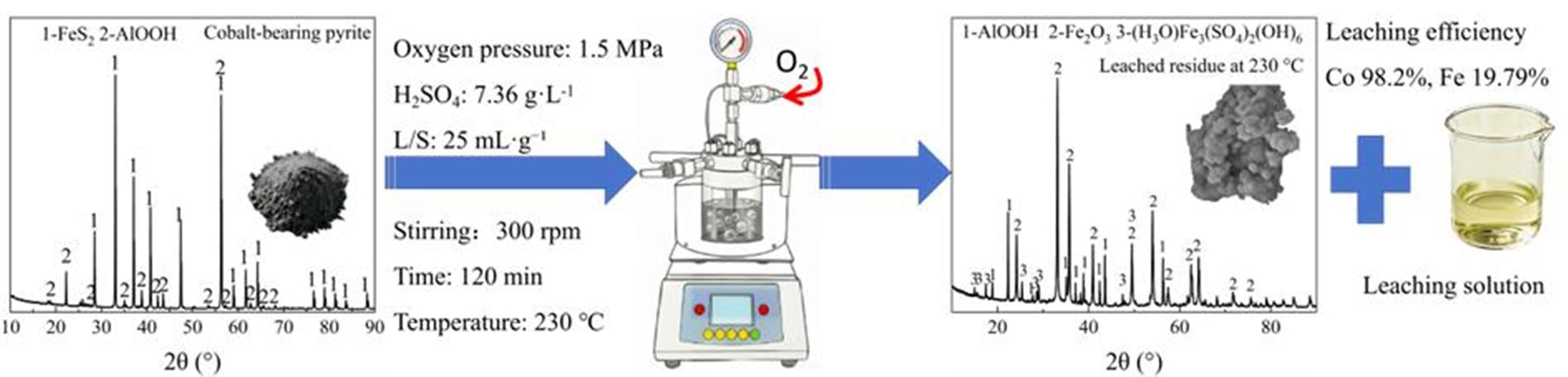
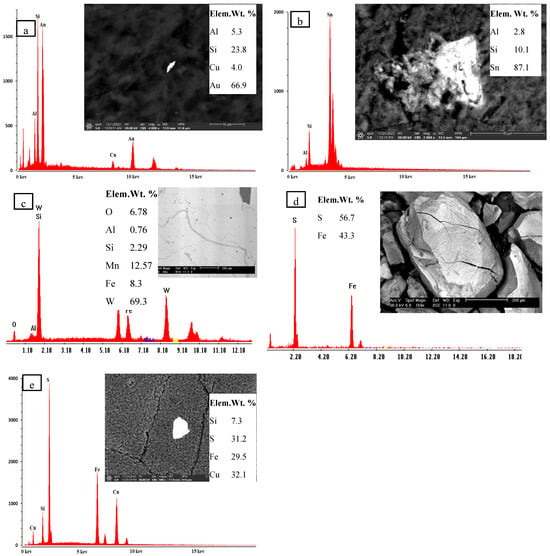
Cobalt occupies an irreplaceable strategic position in renewable energy and high-end advanced industries. As high-grade mineral resources gradually deplete, associated sulfide minerals have attracted increasing attention as alternative sources of cobalt. This study investigated a selective extraction of cobalt from low-grade cobalt-bearing pyrite using oxygen-pressure acid leaching. The Gibbs free energy (ΔG) of key chemical reactions in the leaching system was calculated to verify the thermodynamic feasibility of the process. The effects of critical parameters, including oxygen pressure, initial acidity, stirring speed, leaching time, and temperature, on cobalt leaching efficiency and phase transformation characteristics were systematically investigated. Under optimal conditions of oxygen pressure 1.5 MPa, H2SO4 initial acidity 7.36 g·L−1 (0.82 mol/L), stirring speed 300 rpm, leaching duration 120 min, and temperature 230 °C, the cobalt leaching rate reached 98.2%, whereas the leaching rates of iron and aluminum were only 19.79% and 28.11%, respectively. Combined with SEM-EDS, XRD, and XPS characterization results, oxygen pressure acid leaching effectively destroyed the lattice structure of cobalt-bearing pyrite and liberates lattice-hosted cobalt, thereby facilitating efficient cobalt leaching. At high-temperature and oxygen pressure conditions, Fe3+ underwent hydrolysis and precipitated as hematite (Fe2O3) or hydronium jarosite (H3O)Fe3(SO4)2(OH)6, enabling the selective extraction of cobalt. Aluminum in cobalt-bearing pyrite primarily occurred as the stable boehmite (AlOOH) phase, exhibiting excellent acid resistance and low dissolution during leaching. This study broadens the utilization pathway of low-grade cobalt resources and provides valuable insights and a scientific theoretical basis for the efficient treatment of cobalt-containing sulfide concentrates and tailings.
Full article
(This article belongs to the Section Mineral Processing and Extractive Metallurgy)
►▼
Show Figures

Graphical abstract
Open AccessArticle
Mineralogy, Geochemistry, and Uranium Enrichment of the NYF-Type Rare-Metal Pegmatites
by
Gehad M. Saleh, Basma A. El-Badry, Amira M. EL Tohamy, Mohamed S. Kamar, Tamader Alhazanil, Mabrouk Sami, Ioan V. Sanislav and El Saeed R. Lasheen
Minerals 2026, 16(6), 646; https://doi.org/10.3390/min16060646 (registering DOI) - 18 Jun 2026
Abstract
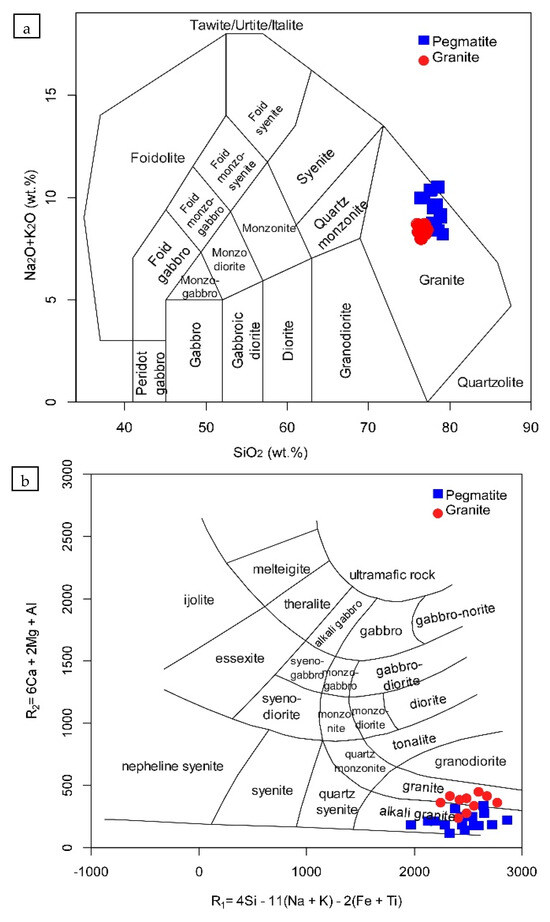
The Gebel Shalman-Wadi Biarn (GSh-WB) area in Egypt’s South Eastern Desert hosts NYF-type rare-metal pegmatites with significant U, Th, Nb-Ta, and REEs mineralization. This study integrates field observations, petrography, mineralogy, whole-rock geochemistry, and gamma-ray spectrometry to characterize these pegmatites and evaluate their economic
[...] Read more.
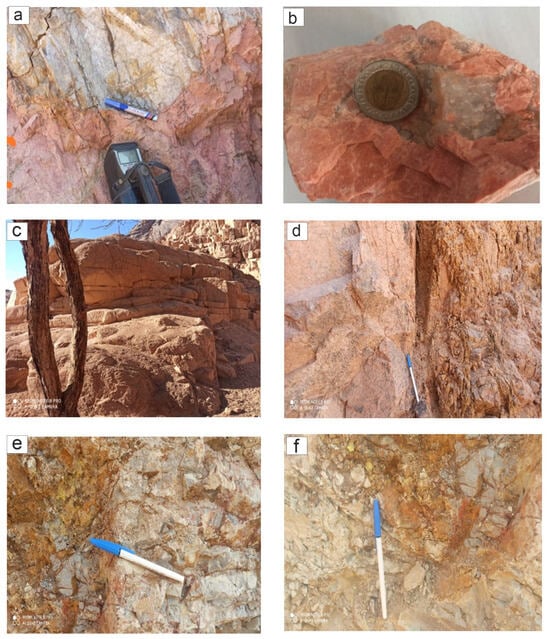
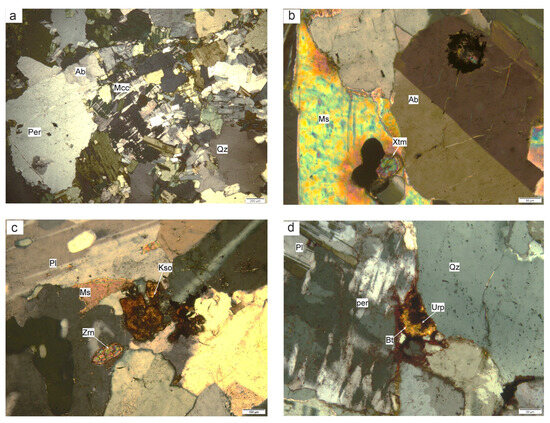
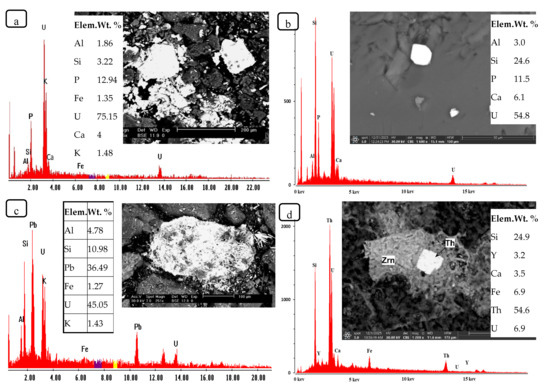
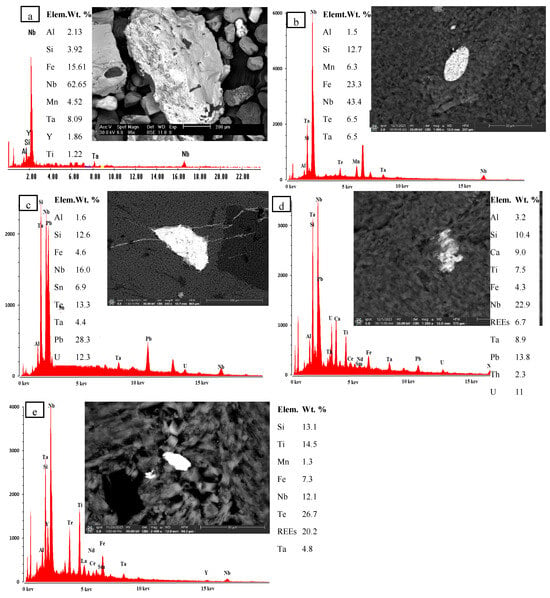
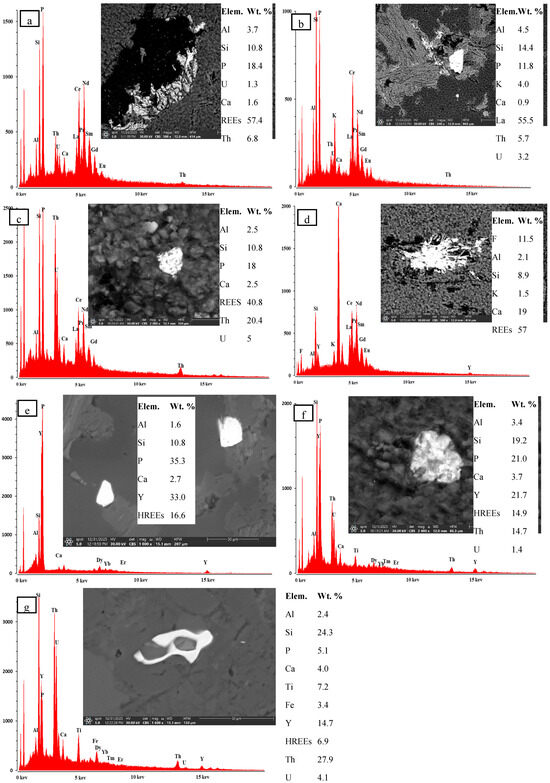
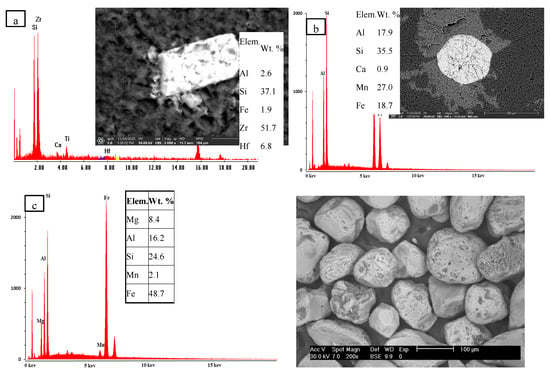
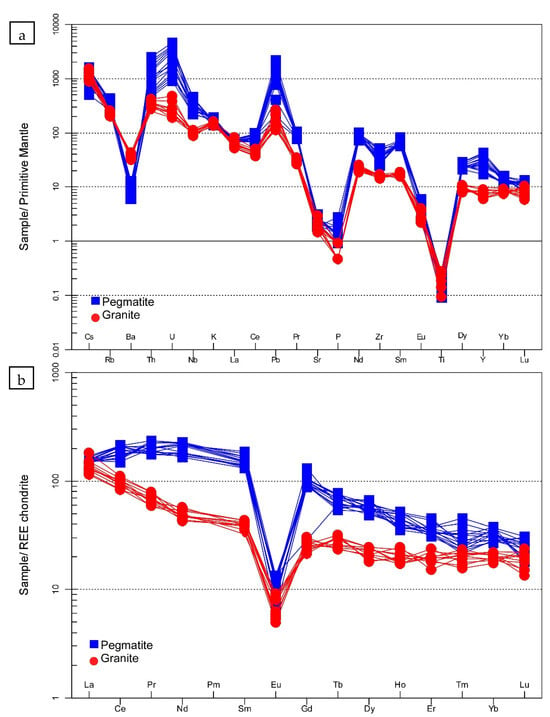
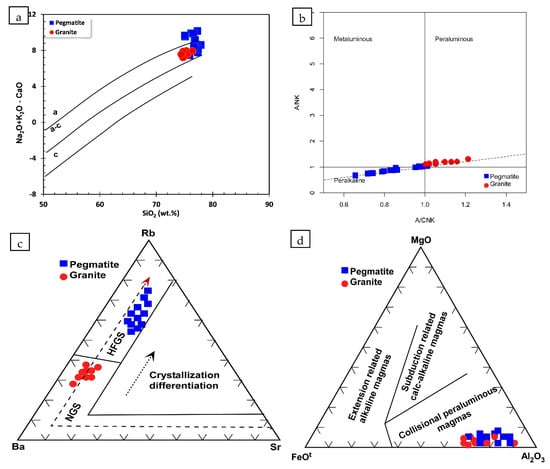
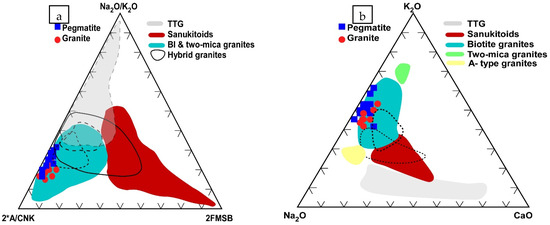
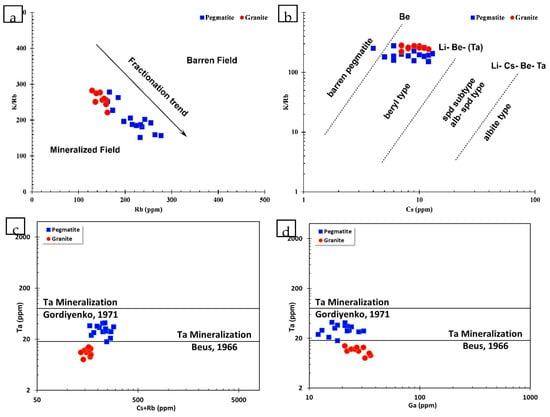
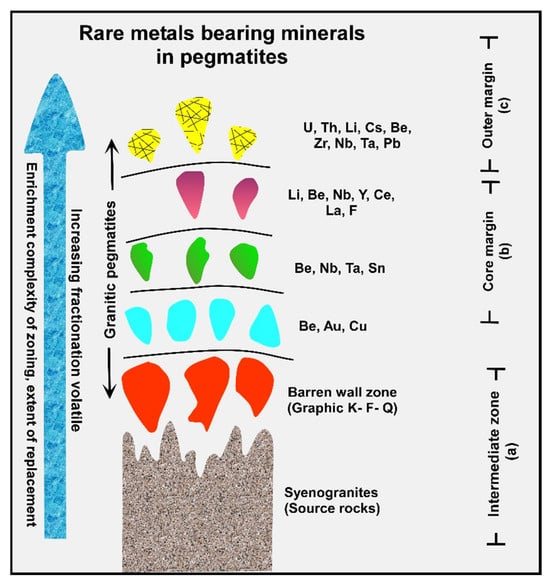
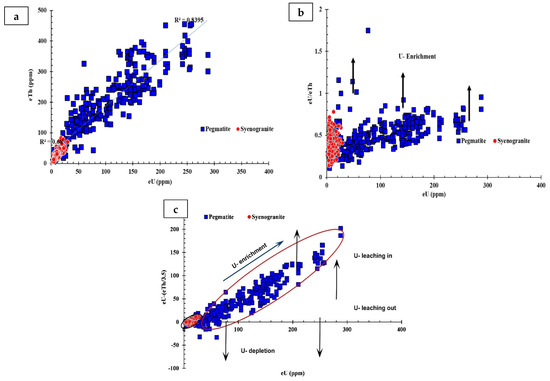
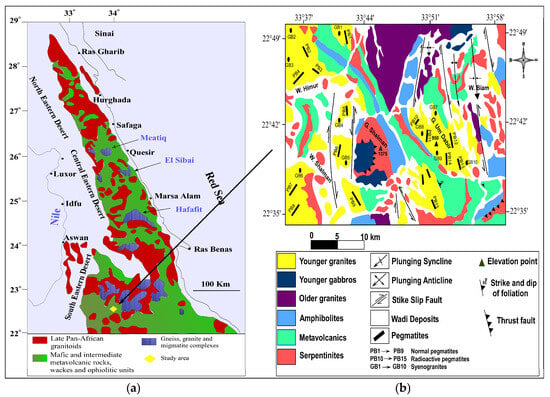
The Gebel Shalman-Wadi Biarn (GSh-WB) area in Egypt’s South Eastern Desert hosts NYF-type rare-metal pegmatites with significant U, Th, Nb-Ta, and REEs mineralization. This study integrates field observations, petrography, mineralogy, whole-rock geochemistry, and gamma-ray spectrometry to characterize these pegmatites and evaluate their economic potential. The pegmatites occur as veins, dykes, and zoned pockets hosted entirely within syenogranites. Petrography, pegmatites, and syenogranites are primarily composed of K-feldspar, albite, and quartz with trace amounts of biotite and muscovite. The environmental scanning electron microscope (ESEM) revealed the presence of the following minerals: autunite, kasolite, thorite, monazite-(Ce), parisite, xenotime-(Y), ferrocolumbite, hydroxyplumbobrtafite, aeschynite-(Y), and zircon, which are the major U-Th, Nb-Ta, and REE-bearing minerals. Additionally, gold, cassiterite, wolframite, pyrrhotite, chalcopyrite, and brass alloy were identified as sources of precious and base metals. Both groups’ chondrite-normalized REE patterns, which display slightly elevated LREE patterns and negative Eu anomalies, point to fractional crystallization involving plagioclase fractionation. Consequently, pegmatite and syenogranites are believed to have mostly formed from the partial melting of a reconstituted juvenile crust and its weathered sediments associated with Neoproterozoic magmatism. The marginally positive Ce anomaly in the (GSh-WB) pegmatites (1.02–0.98) may be associated with monazite crystallization resulting from enhanced fractionation. The Th and U levels range from 101 to 28.6 ppm and from 51 to 5.8 ppm, respectively. The magnitude of the tetrad effect in the rare earth elements of the analyzed rocks exceeds one (T1 = 1.12–1.02, T3 = 0.92–1.08, and T1,3 = 1.01–1.05), suggesting an M-type tetrad effect. The presence of this tetrad effect is indicative of granite that has been significantly altered by hydrothermal processes and is extensively fractionated. Chondrite-normalized REE patterns of the pegmatites (average ΣREE = 439 ppm) and their host syenogranites (average ΣREE = 192 ppm) show similar trends characterized by enrichment of light rare earth elements (LREEs) relative to heavy rare earth elements (HREEs) and pronounced negative Eu anomalies (Eu/Eu* = 0.09–0.22). These features, together with negative Sr and Ba anomalies, likely reflect extensive fractional crystallization of feldspars and feature anorogenic rocks. Spectrometric analysis reveals eU values of 2.0–288 ppm and eTh values of 7.0–455 ppm in pegmatite samples, with eU/eTh ratios (0.49–0.39) exceeding the typical continental crust value of 0.25, indicating uranium enrichment. Both magmatic and hydrothermal processes contributed to the observed radioactivity. The spatial distribution of uranium shows lithological and structural controls. The GSh-WB pegmatites represent a potential target for uranium exploration.
Full article
(This article belongs to the Section Mineral Geochemistry and Geochronology)
►▼
Show Figures

Figure 1
Open AccessArticle
Analysis of the Chemical and Radiological Risks Associated with Wastes from Mining in the Iberian Pyrite Belt
by
Juan Antonio Ramírez-Pérez, Manuel Jesús Gázquez-González, Felipe Jesús González-Barrionuevo and Juan Pedro Bolívar
Minerals 2026, 16(6), 645; https://doi.org/10.3390/min16060645 (registering DOI) - 18 Jun 2026
Abstract
Mining activities in the Iberian Pyrite Belt have generated large volumes of legacy wastes that may pose both environmental and radiological concerns, potentially limiting their reuse and valorization. However, integrated assessments combining chemical, mineralogical, and radiological characterization of these materials remain scarce. In
[...] Read more.
Mining activities in the Iberian Pyrite Belt have generated large volumes of legacy wastes that may pose both environmental and radiological concerns, potentially limiting their reuse and valorization. However, integrated assessments combining chemical, mineralogical, and radiological characterization of these materials remain scarce. In this work, representative mining wastes from twelve sites across the Iberian Pyrite Belt were investigated through X-ray fluorescence, X-ray diffraction, scanning electron microscopy, standardized leaching tests, alpha and gamma spectrometry, and radon emanation measurements. The results revealed significant enrichment in potentially toxic elements, particularly Cu, Zn, Pb, and As, with concentrations exceeding local soil background values by up to several orders of magnitude. Leaching tests identified oxidized sulfide-rich residues as the materials with the highest pollutant mobility and greatest acid-generating potential. In contrast, radiological characterization showed that uranium-series, thorium-series radionuclides, and 40K activities, together with radiological hazard indices and radon exhalation rates, were generally comparable to those of surrounding natural soils and remained below internationally recommended limits. These findings indicate that chemical contamination represents the main environmental constraint of these wastes, whereas radiological impact is generally low, supporting their case-by-case evaluation for remediation, valorization, and potential exclusion from radiological control.
Full article
(This article belongs to the Special Issue Radionuclides and Radiation Exposure in Minerals Extraction, Processing and Applications)
Open AccessArticle
Petrogenesis and Geological Significance of the Jasacuo Monzogranite, Western Gangdese Belt, Southern Tibet: SIMS Zircon U-Pb Chronological and Whole-Rock Geochemical Constraints
by
Wenwen Han, Qin Qin, Zhipen Liu, Yu Wu, Yunhe Liu and Wei Xu
Minerals 2026, 16(6), 644; https://doi.org/10.3390/min16060644 (registering DOI) - 18 Jun 2026
Abstract
Early Cretaceous magmatism in the western segment of the Gangdese belt is less well constrained than that in the central and eastern segments. This study presents petrography, whole-rock geochemistry, and SIMS zircon U–Pb geochronology for the Jasacuo monzogranite in Zhongba County, southern Tibet.
[...] Read more.
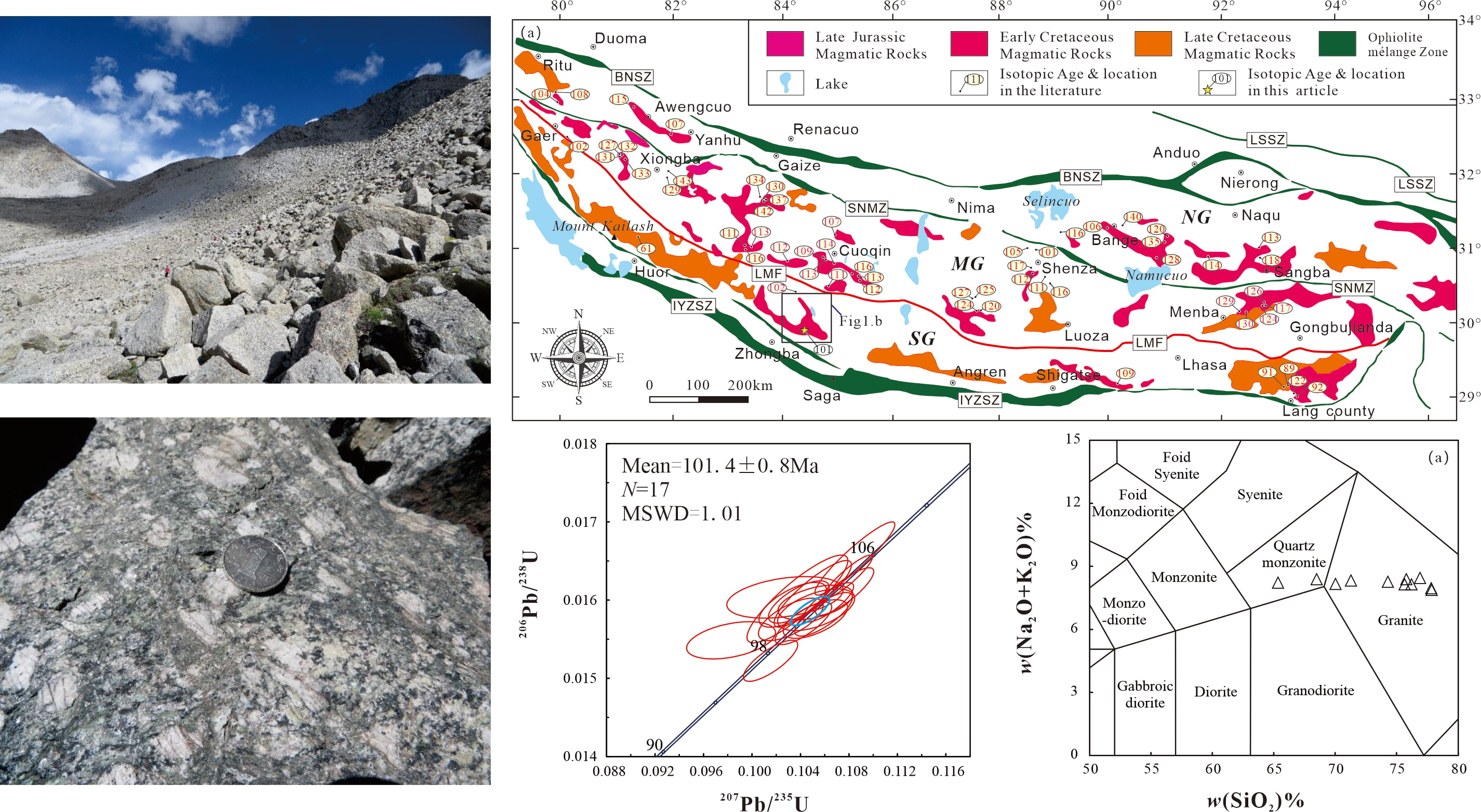
Early Cretaceous magmatism in the western segment of the Gangdese belt is less well constrained than that in the central and eastern segments. This study presents petrography, whole-rock geochemistry, and SIMS zircon U–Pb geochronology for the Jasacuo monzogranite in Zhongba County, southern Tibet. Zircons are euhedral and show oscillatory zoning; 17 concordant analyses yield a weighted mean 206Pb/238U age of 101.4 ± 0.8 Ma (MSWD = 1.01), indicating crystallization in the late Early Cretaceous. The rocks are characterized by high SiO2 (63.73–77.11 wt.%), high K2O, low MgO, TiO2, and P2O5, and A/CNK values of 0.92–1.08, indicating metaluminous to weakly peraluminous, high-K calc-alkaline compositions with I-type affinity. Chondrite-normalized REE patterns show LREE enrichment and negative Eu anomalies, whereas primitive-mantle-normalized trace-element patterns display enrichment in Rb, U, Th, and Pb and depletion in Ba, Nb, Sr, Zr, and Ti. These features indicate that the Jasacuo monzogranite is an evolved felsic intrusion generated in a subduction-related continental-arc setting associated with northward subduction of the Neo-Tethyan oceanic lithosphere. The magma was dominated by crustal components and underwent significant fractional crystallization, mainly involving feldspar, with minor biotite and amphibole.
Full article
(This article belongs to the Special Issue Continental Crust Evolution in Collisional and Accretionary Orogens: Petrological, Tectonic and Metallogenic Implications)
►▼
Show Figures

Graphical abstract

Open AccessArticle
Assessment of Cu, As, Pb, Zn and Fe Enrichment in Intertidal Sediments Along the Atacama Coast, Northern Chile
by
Estefanía Bonnail, Edgardo Cruces, John Santibáñez, Juan Manuel Muñoz, María Isabel Prudencio, María Isabel Dias, Rosa Marques, Manuel Abad, Tatiana Izquierdo and Francisco Ruiz
Minerals 2026, 16(6), 643; https://doi.org/10.3390/min16060643 (registering DOI) - 18 Jun 2026
Abstract
Textural and geochemical analysis of intertidal sediments in the southern Atacama region makes it possible to identify sites primarily affected by mining-related pollution, based on a multivariate statistical analysis of the concentrations of five elements (Fe, Cu, Zn, As, Pb) and their geoaccumulation
[...] Read more.
Textural and geochemical analysis of intertidal sediments in the southern Atacama region makes it possible to identify sites primarily affected by mining-related pollution, based on a multivariate statistical analysis of the concentrations of five elements (Fe, Cu, Zn, As, Pb) and their geoaccumulation indices. These concentrations are not correlated with grain size, which is dominated by the sandy fractions. Spearman’s matrix and principal component analysis make it possible to distinguish between two groups of elements (group A: Fe-Cu-As; group B: Zn-Pb), with a strong correlation between them (ρ ≥ 0.51; p < 0.01) and the first two components explain 96.3% of the variance. Three heavily polluted sites (Playa Blanca, Bahía Sarco and Chañaral de Aceituno; Igeo Cu > 8) have been identified linked to waste from the washing of tailings, a copper smelter and frequent boat trips. In addition, four moderately polluted sites (Playa Grande, Balneario Caldera, the mouth of the Copiapó River and Carrizal Bajo; 1.7 < Igeo Cu < 8; 1.2 < Igeo Pb < 2.6), mainly due to activities associated with mining and oil refineries, have been identified.
Full article
(This article belongs to the Topic Environmental Pollution and Remediation in Mining Areas)
Open AccessArticle
Carboniferous Slab Rollback in the Eastern Tianshan, NW China: Insights from Basalts of the Qi’Eshan Group in the Dananhu Arc
by
Jixiang Dai, He Yang, Hongming Cai, Yuyu Zong and Feng Gao
Minerals 2026, 16(6), 642; https://doi.org/10.3390/min16060642 (registering DOI) - 18 Jun 2026
Abstract
Volcanic rocks of the Qi’eshan Group, which are widely distributed in the Dananhu arc of the Eastern Tianshan, NW China, have long been debated in terms of their formation age and tectonic setting. In this study, we conducted an integrated study of U-Pb
[...] Read more.
Volcanic rocks of the Qi’eshan Group, which are widely distributed in the Dananhu arc of the Eastern Tianshan, NW China, have long been debated in terms of their formation age and tectonic setting. In this study, we conducted an integrated study of U-Pb apatite geochronology, whole-rock major and trace element geochemistry, in situ major element analyses of clinopyroxene, and “Rhyolite-MELTS” thermodynamic modeling on the basalts from the Qi’eshan Group. Geochronological data show that the weighted mean of 206Pb/238U ages of apatite is 329 ± 10 Ma. The basalts belong to the tholeiitic series and are characterized by enrichment in large ion lithophile elements (LILEs), depletion in high field strength elements (HFSEs), and enrichment of light rare earth elements (LREEs) relative to heavy rare earth elements (HREEs) with weak negative Eu anomalies. They were derived by partial melting of garnet-spinel lherzolite in a depleted mantle source metasomatized by subduction-related fluids, followed by fractional crystallization of spinel, olivine, and clinopyroxene. Clinopyroxene is dominated by augite, characterized by high Mg and Ca contents and low Al and Na contents. Machine-learning-based thermobarometry indicates that clinopyroxene crystallized at temperatures of 1027–1033 °C and pressures of 1.1–1.6 kbar. “Rhyolite-MELTS” isobaric crystallization simulations suggest that mantle-derived magma, with an initial water content of 4 wt.% and oxygen fugacity of FMQ, can generate melts compositionally similar to the volcanic rocks of the Qi’eshan Group through fractional crystallization at a pressure of 1.5 kbar. Combined with previous studies, we propose that the Qi’eshan Group basalts formed in an extensional arc setting related to southward rollback of the northward-subducting Kanguer oceanic slab, which caused asthenosphere upwelling and lithospheric extension, thereby promoting partial melting of the subduction-metasomatized mantle. Our data provide new insights into the Carboniferous rollback of the Kanguer oceanic slab in the northern part of the Eastern Tianshan.
Full article
(This article belongs to the Section Mineral Geochemistry and Geochronology)
Open AccessArticle
Sedimentary Evolution and Reservoir Formation of the Late Triassic Bolila Formation in the Central Qiangtang Basin, Tibet
by
Shangke Xie, Haisheng Yi, Wangzhong Zhan, Ruiyu Cheng, Wei Sun, Shengqiang Zeng, Qian Hou and Keyu Zhu
Minerals 2026, 16(6), 641; https://doi.org/10.3390/min16060641 (registering DOI) - 18 Jun 2026
Abstract
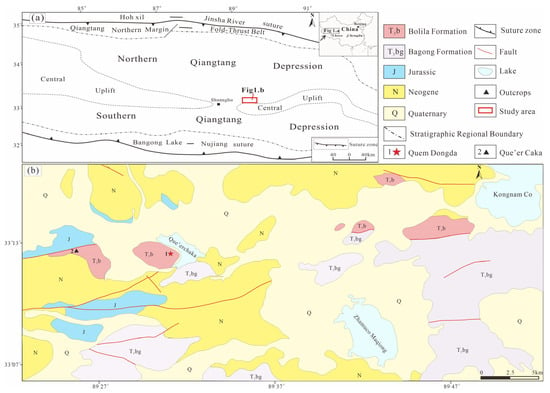
The Late Triassic Bolila Formation in the central Qiangtang Basin is a typical carbonate buildup deposited during a regional transgression in the eastern Tethyan realm. Understanding its sedimentary evolution and reservoir-forming mechanisms is crucial for hydrocarbon exploration. This study integrates petrology, detrital zircon
[...] Read more.
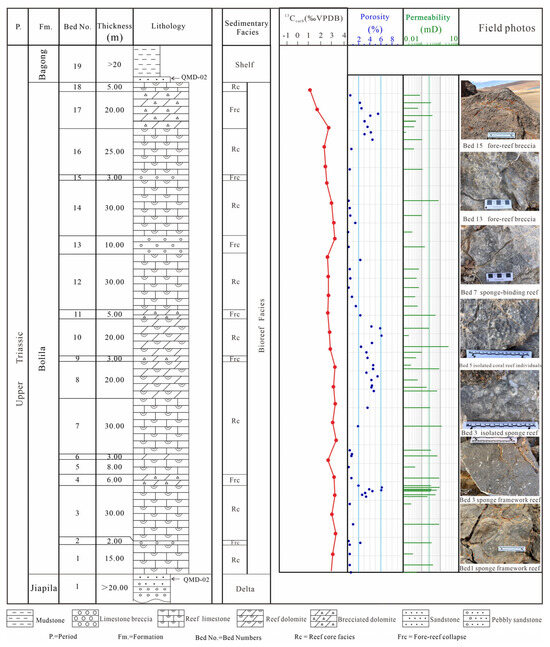
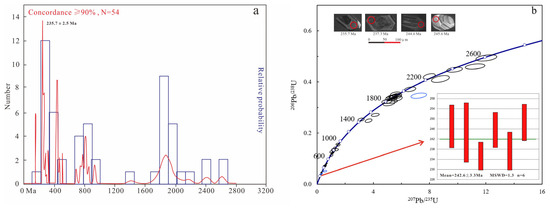
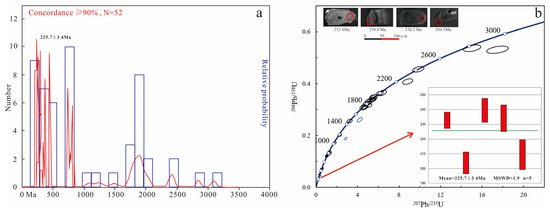
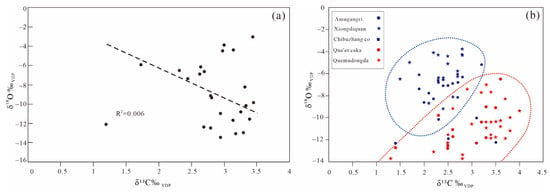
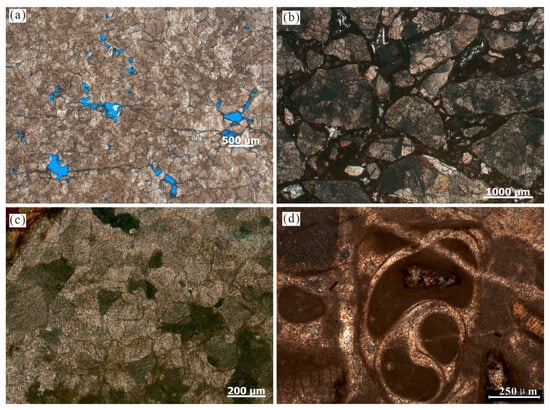
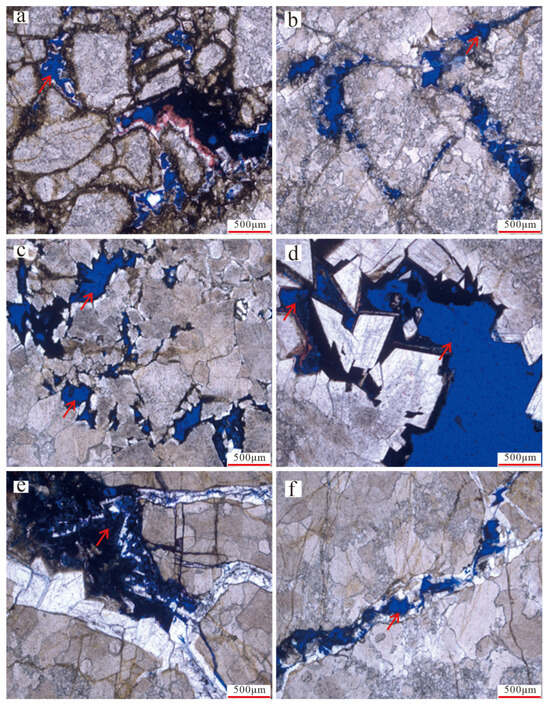
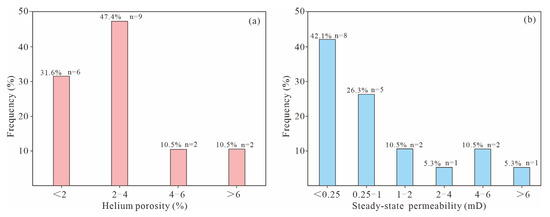
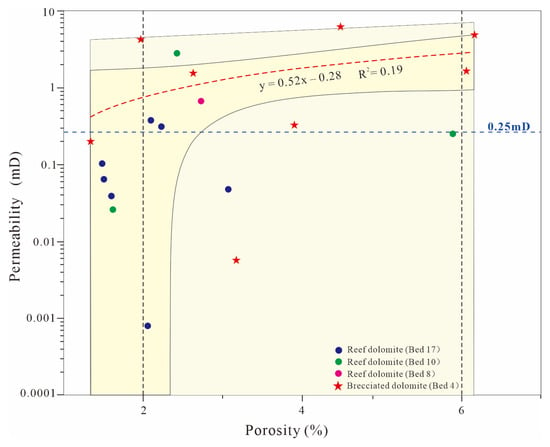
The Late Triassic Bolila Formation in the central Qiangtang Basin is a typical carbonate buildup deposited during a regional transgression in the eastern Tethyan realm. Understanding its sedimentary evolution and reservoir-forming mechanisms is crucial for hydrocarbon exploration. This study integrates petrology, detrital zircon U-Pb geochronology, carbon-oxygen isotopes, and reservoir property analysis of the Quemudongda section. The results show: (1) detrital zircon dating provides a maximum depositional age of 225.7–235.7 Ma (Carnian–Norian), correcting the previous Jurassic misassignment on the 1:250,000 geological map. Carbon-oxygen isotopes (average δ13C = +3.2‰, δ18O = −11.1‰) are consistent with the global Carnian–Norian positive δ13C excursion. (2) The section reveals a platform-margin reef (hexactinellid and calcareous sponges) and slump breccia (seven layers) association, representing a steep-rimmed carbonate platform margin. The sedimentary evolution comprises three stages: reef initiation, reef flourishing with frequent slumping, and reef decline with dolomitization. (3) Reservoirs are mainly breccia and reef dolostones, with intergranular, intercrystalline, and fracture-related pores. Porosity averages 2.8% (0.8%–7.2%), permeability averages 0.35 mD (0.001–8.5 mD), defining a low-porosity, ultra-low-permeability fracture-pore reservoir. Breccia dolostone has better properties (porosity 3.71%, permeability 2.412 mD). (4) Reservoir formation is controlled by sedimentation (platform-margin facies), diagenesis (dolomitization generates pores, but high-temperature recrystallization causes densification), and tectonics (microfractures enhance permeability). High-quality reservoirs occur where breccia dolostone and fractures overlap. (5) The Bolila reef-shoal complex and the overlying Bagong Formation source rocks form a “lower reservoir—upper source” assemblage, representing a new exploration target in the Tuonamu area. The breccia dolostone–fracture overlap zone is the core “sweet spot”.
Full article
(This article belongs to the Special Issue Island-Reef Carbonate Systems: Facies, Diagenesis, and Dolomitization Processes)
►▼
Show Figures

Figure 1
Journal Menu
► ▼ Journal Menu-
- Minerals Home
- Aims & Scope
- Editorial Board
- Reviewer Board
- Topical Advisory Panel
- Early Career Editorial Board
- Instructions for Authors
- Special Issues
- Topics
- Sections & Collections
- Article Processing Charge
- Indexing & Archiving
- Editor’s Choice Articles
- Most Cited & Viewed
- Journal Statistics
- Journal History
- Journal Awards
- Editorial Office
Journal Browser
► ▼ Journal BrowserHighly Accessed Articles
Latest Books
E-Mail Alert
News
Topics
Topic in
Applied Sciences, Energies, Geosciences, Minerals, Processes
Complex Rock Mechanics Problems and Solutions, 2nd Edition
Topic Editors: Chun Zhu, Shibin Tang, Shengyuan SongDeadline: 30 June 2026
Topic in
Metals, Minerals, Mining
Innovations and Sustainable Approaches in Mining, Metallurgy, Technology and Materials Engineering: Insights from IOC 2025
Topic Editors: Markus A. Reuter, Peizhong Feng, Ljubiša BalanovićDeadline: 30 August 2026
Topic in
Applied Sciences, Energies, Geosciences, Geotechnics, Minerals, Eng
Support Theory and Technology of Geotechnical Engineering, 2nd Edition
Topic Editors: Qi Wang, Bei Jiang, Xuezhen Wu, Hongke GaoDeadline: 30 September 2026
Topic in
Applied Sciences, Energies, Geosciences, Minerals
Mechanism, Prevention and Control of Rockburst in Underground Mines
Topic Editors: Anye Cao, Changbin WangDeadline: 31 October 2026
Special Issues
Special Issue in
Minerals
Remote-Sensing Techniques in Mineral and Geological Studies
Guest Editors: Shanjun Liu, Lianhuan WeiDeadline: 25 June 2026
Special Issue in
Minerals
Carbon Sequestration in Resource Industry Residues
Guest Editors: Kamalpreet Kaur Brar, Ali AsgarianDeadline: 26 June 2026
Special Issue in
Minerals
Mineralogical, Petrophysical and Hydromechanical Properties of Reservoirs and Caprocks, 2nd Edition
Guest Editors: Yong Li, Yingfang Zhou, Zhenhua Jing, Junjian WangDeadline: 30 June 2026
Special Issue in
Minerals
Petrology, Geochemistry and Geophysics of S-Type Granites and Migmatite Rocks
Guest Editors: Joana Ferreira, Gláucia QueirogaDeadline: 30 June 2026
Topical Collections
Topical Collection in
Minerals
Advances in Comminution: From Crushing to Grinding Optimization
Collection Editors: Weiran Zuo, Caibin Wu, Ngonidzashe Chimwani
Topical Collection in
Minerals
Advanced Extraction and Recovery of Rare Earth Elements
Collection Editors: Xianping Luo, Hepeng Zhou, Zhenyue Zhang, Xuekun Tang
Topical Collection in
Minerals
Flotation Theory and Technology
Collection Editors: Jianhua Chen, Xiong Tong, Ye Chen
Topical Collection in
Minerals
Advances in Fine Particle Flotation: Challenges and Solutions
Collection Editors: Yijun Cao, Dongping Tao, Lev Filippov, Jian Peng, Chao Li