
Topical Advisory Panel applications are now closed. Please contact the Editorial Office with any queries.
Journal Description
Machines
Machines
is an international, peer-reviewed, open access journal on machinery and engineering, published monthly online by MDPI. The International Federation for the Promotion of Mechanism and Machine Science (IFToMM) is affiliated with Machines and its members receive a discount on the article processing charges.
- Open Access— free for readers, with article processing charges (APC) paid by authors or their institutions.
- High Visibility: indexed within Scopus, SCIE (Web of Science), Inspec, and other databases.
- Journal Rank: JCR - Q2 (Engineering, Mechanical) / CiteScore - Q1 (Control and Optimization)
- Rapid Publication: manuscripts are peer-reviewed and a first decision is provided to authors approximately 17.6 days after submission; acceptance to publication is undertaken in 2.7 days (median values for papers published in this journal in the second half of 2025).
- Recognition of Reviewers: reviewers who provide timely, thorough peer-review reports receive vouchers entitling them to a discount on the APC of their next publication in any MDPI journal, in appreciation of the work done.
- Journal Cluster of Mechanical Manufacturing and Automation Control: Aerospace, Automation, Drones, Journal of Manufacturing and Materials Processing, Machines, Robotics and Technologies.
Impact Factor:
2.5 (2024);
5-Year Impact Factor:
2.6 (2024)
Latest Articles
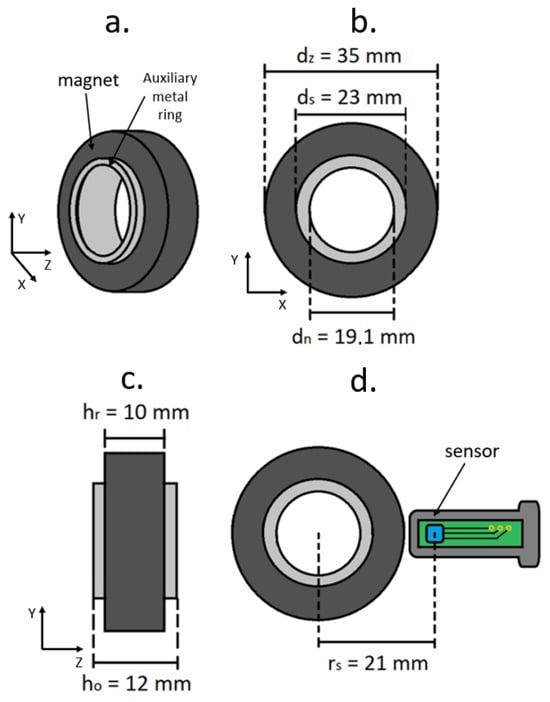
Modeling and Manufacturing Error Analysis of a Magnetic Off-Axis Rotor Position Sensor for Synchronous Motors
Machines 2026, 14(4), 361; https://doi.org/10.3390/machines14040361 - 25 Mar 2026
Abstract
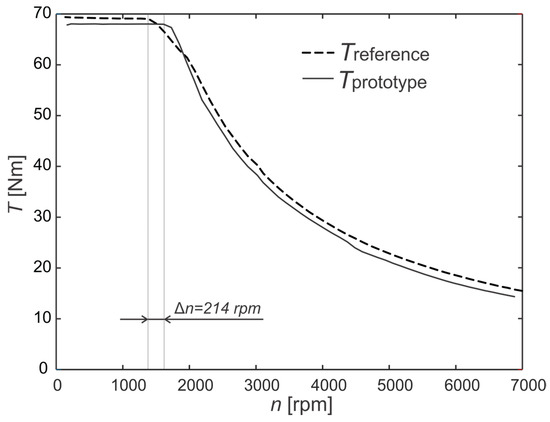
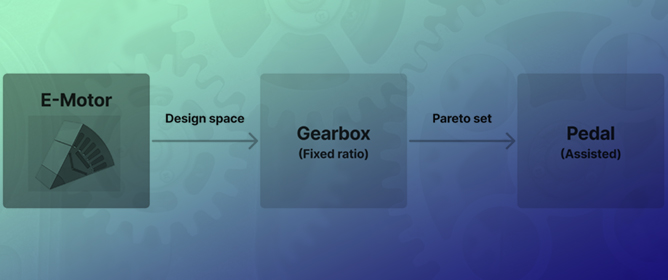
In the vehicle electrification sector, the precise and reliable control of e-motors is of the utmost importance for ensuring the efficient and safe operation of the whole electric vehicle drivetrain. Specifically, the assessment of the absolute rotor position of the permanent magnet-based synchronous
[...] Read more.
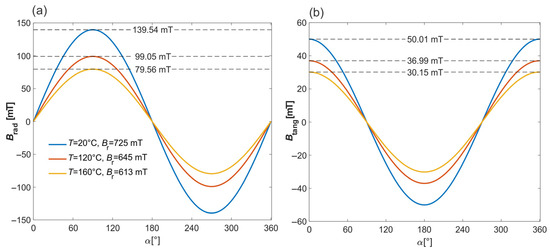
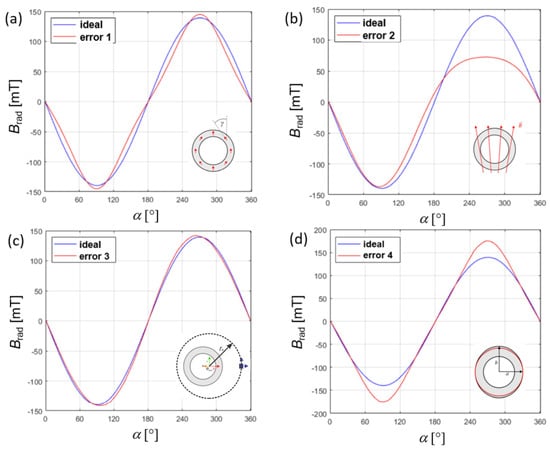
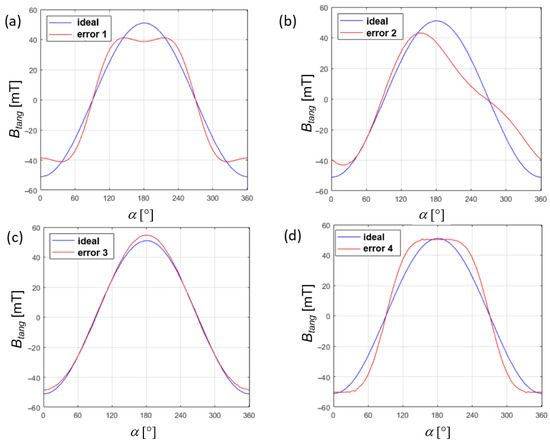
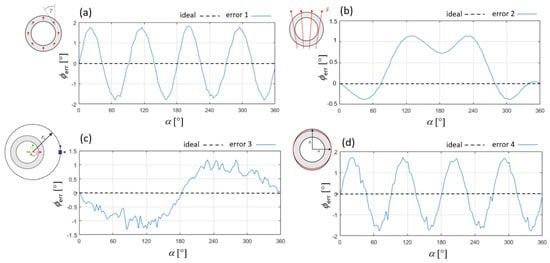
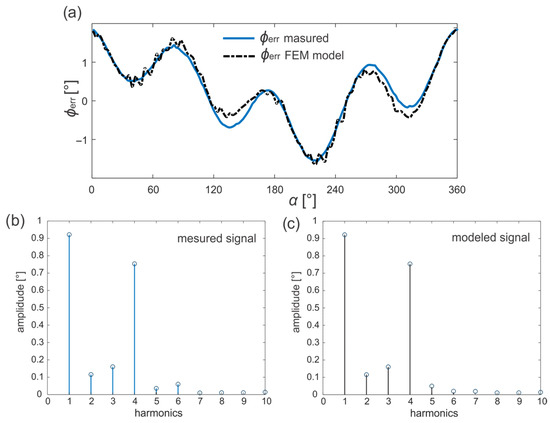
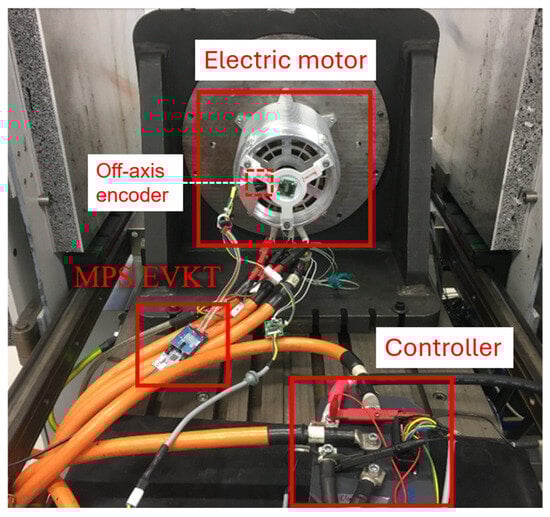
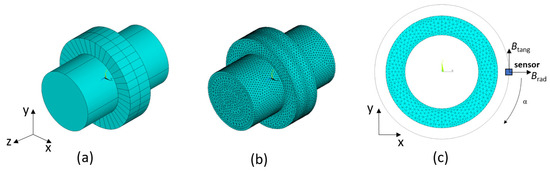
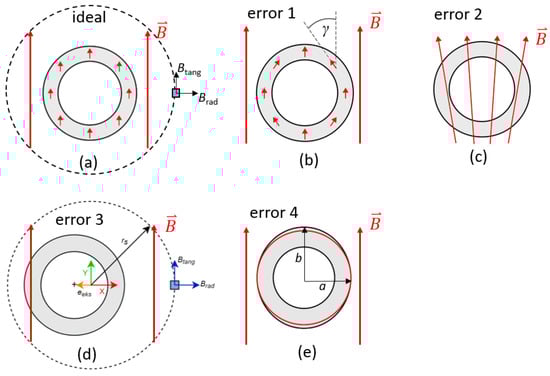
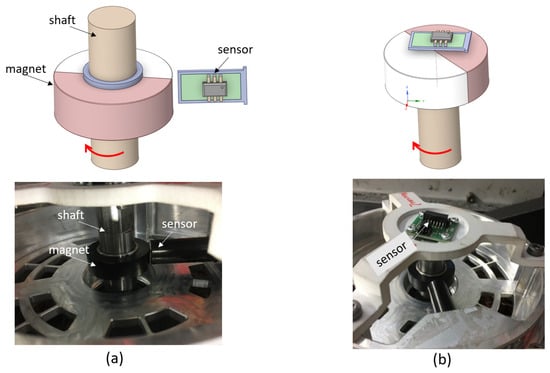
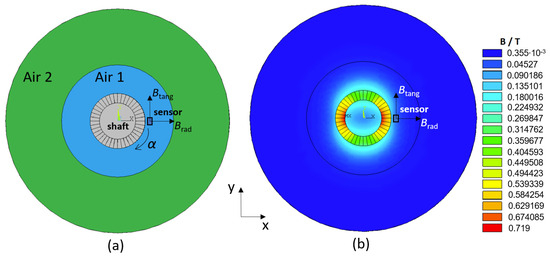
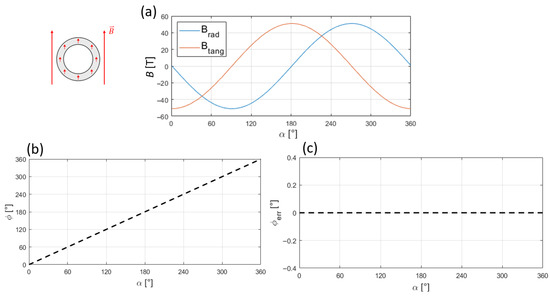
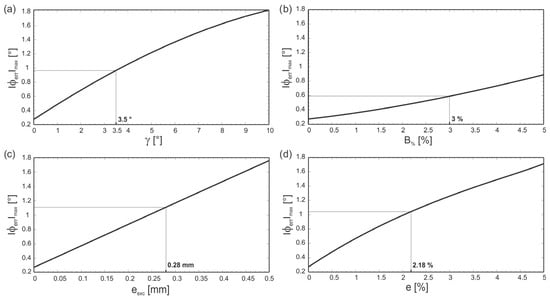
In the vehicle electrification sector, the precise and reliable control of e-motors is of the utmost importance for ensuring the efficient and safe operation of the whole electric vehicle drivetrain. Specifically, the assessment of the absolute rotor position of the permanent magnet-based synchronous motors is necessary for precise e-motor control, which is strongly determined by the precision of the sensing device used for the absolute rotor position assessment. Magnetic rotational position sensing devices/encoders are predominantly used in the automotive sector. The accuracy of a magnetic-based rotational position sensing device can be affected by defects/errors which may occur during its manufacturing and/or assembly process. These defects may in turn affect the accuracy of the e-motor’s control and operation. The primary objective of this study was to numerically and experimentally design and investigate the accuracy of a magnetic-based off-axis rotational position sensing device intended for the control of a new permanent magnet e-motor, which was developed for a two-wheeler electric vehicle drivetrain. First, a 3D parametric numerical model of a magnetic rotational position sensing device mounted on the motor shaft was built by virtue of the finite element method (FEM). Based on numerical simulations, the appropriate dimensions of the magnetic ring were determined and the possible errors which may have occurred during its manufacturing process have been numerically imposed and analyzed. Second, the rotor position sensing device was prototyped based on the recommendations obtained with the 3D FEM model. Finally, the accuracy of the designed rotational position device was then experimentally assessed by comparing it to a standardized end-of-shaft rotational position encoder. To evaluate the influence of the possible errors on the e-motor rotor position measurement, the output characteristics of the motor torque as a function of its rotational speed of a real permanent magnet e-motor were experimentally assessed using two different rotational position devices. Based on the numerical end experimental results, we identified the manufacturing errors of the magnetic ring and analyzed their influence on the resulting output characteristics of the e-motor. The results revealed that the magnetic ring eccentricity and its magnetization process could affect the accuracy of the e-motor’s output torque characteristics.
Full article
(This article belongs to the Special Issue Fault Diagnostics and Fault Tolerance of Synchronous Electric Drives, 2nd Edition)
►
Show Figures

Open AccessArticle
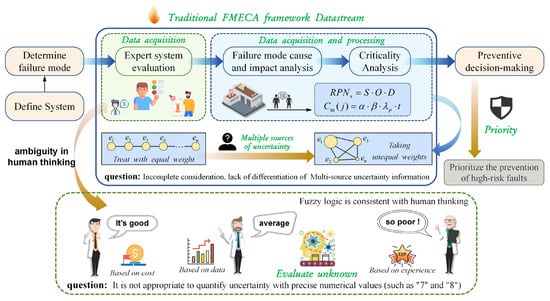
Reliability Analysis of Aerospace Blade Manufacturing Equipment: A Multi-Source Uncertainty FMECA Method for Five-Axis CNC Machine Tool Spindle Systems
by
Muhao Han, Yufei Li, Hailong Tian, Yuzhi Sun, Zixuan Ni, Yunshenghao Qiu and Haoyuan Li
Machines 2026, 14(4), 360; https://doi.org/10.3390/machines14040360 - 25 Mar 2026
Abstract
Five-axis Computerized Numerical Control (CNC) machine tools play a pivotal role in the precision manufacturing of aeroengine turbine blades, where ultra-high reliability and accuracy are essential. Failure Mode, Effects and Criticality Analysis (FMECA) has been widely applied in the reliability assessment of such
[...] Read more.
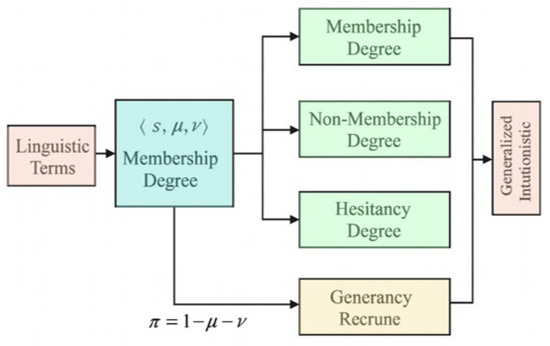
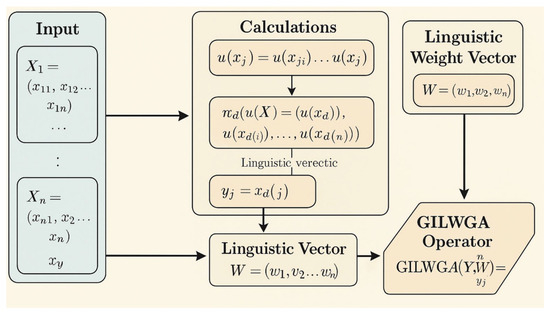
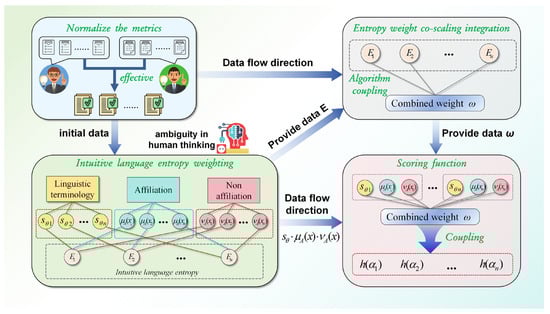
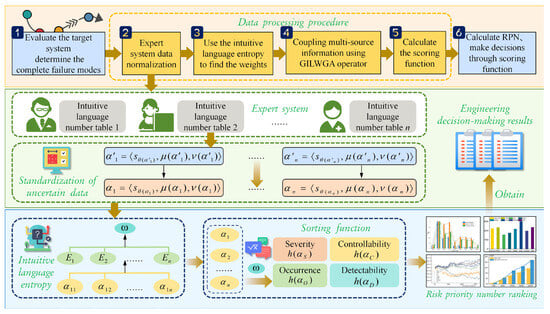
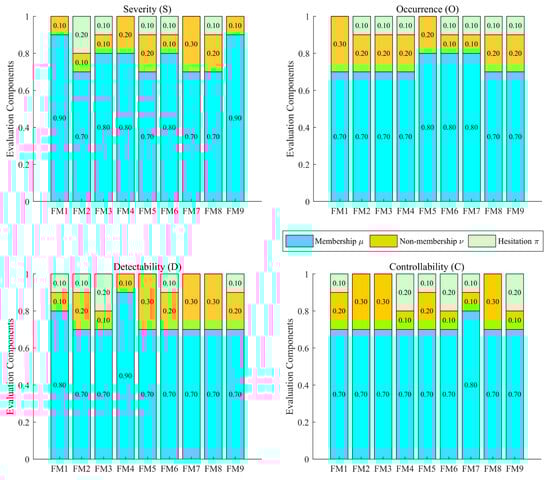
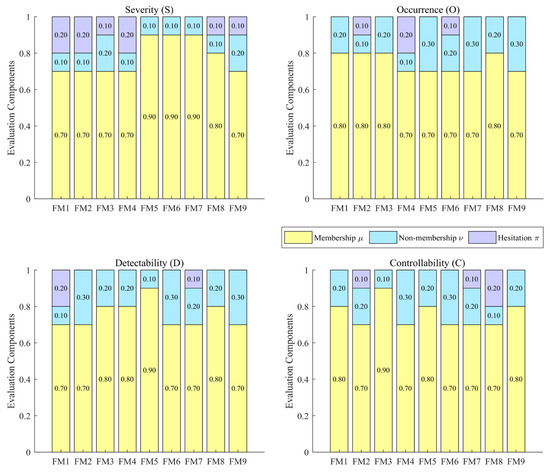
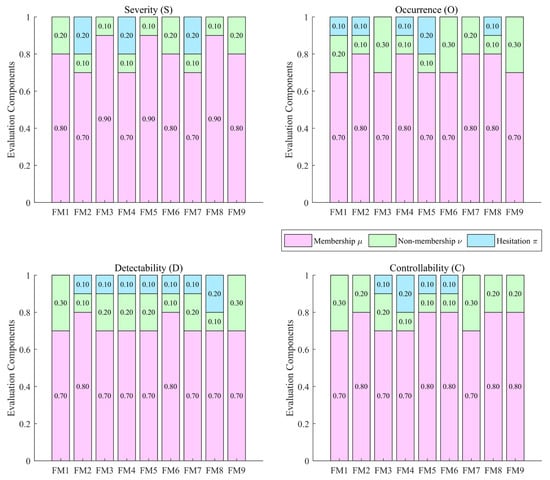
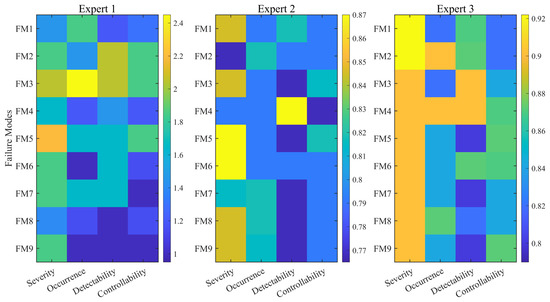
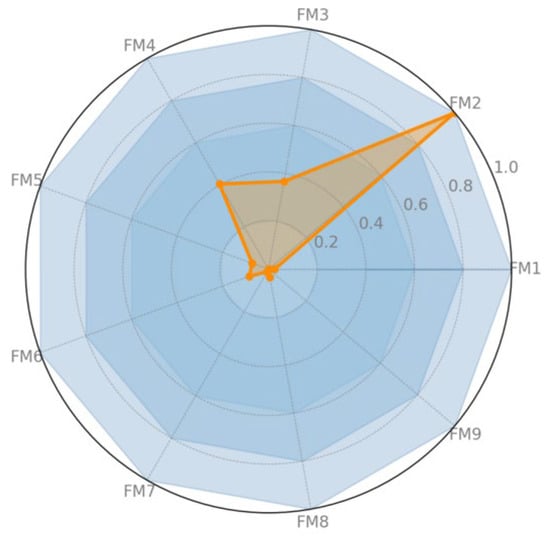
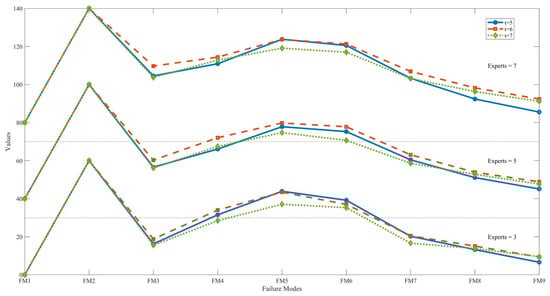
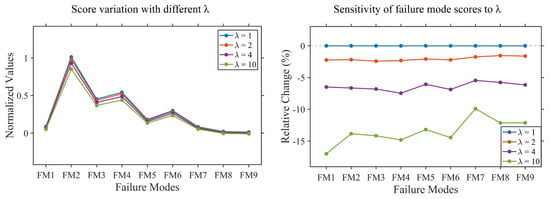
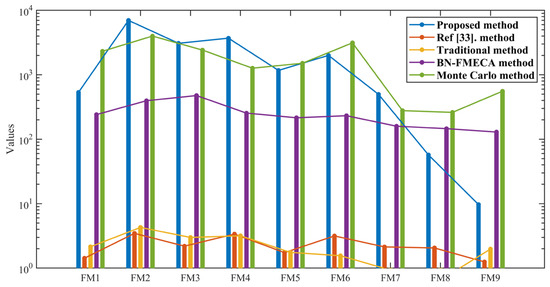
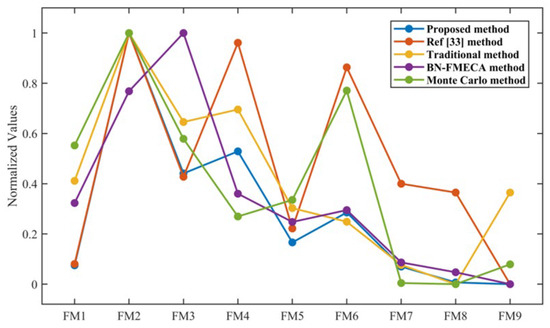
Five-axis Computerized Numerical Control (CNC) machine tools play a pivotal role in the precision manufacturing of aeroengine turbine blades, where ultra-high reliability and accuracy are essential. Failure Mode, Effects and Criticality Analysis (FMECA) has been widely applied in the reliability assessment of such advanced machining systems due to its systematic evaluation of potential failure modes. However, traditional FMECA approaches often overlook the ambiguity of human cognition and the interdependence among expert evaluations, limiting their effectiveness in complex aerospace manufacturing environments. To address these issues, this paper proposes a novel FMECA framework based on generalized intuitionistic linguistic theory. A new Generalized Intuitionistic Linguistic Weighted Geometric Average (GILWGA) operator is introduced to couple multi-source expert information and quantify the fuzziness inherent in subjective assessments. Additionally, an intuitionistic linguistic entropy-based weighting scheme is developed to dynamically evaluate key risk factors, including severity, occurrence, detectability, and controllability. The proposed framework is applied to a case study involving the spindle system of a five-axis CNC machine tool used in aeroengine blade production. The results demonstrate that the proposed method offers more robust and consistent failure mode prioritization, providing effective decision support for reliability-centered maintenance in aerospace equipment manufacturing.
Full article
(This article belongs to the Special Issue Advanced Design, Manufacturing, and Applications of Precision Machine Tools)
►▼
Show Figures

Figure 1
Open AccessArticle
Evaluation of Regression Models for Predicting Cutting Forces Based on Spindle Speed, Feed Speed and Milling Strategy During MDF Board Milling
by
Tomáš Čuchor, Peter Koleda, Ján Šustek, Lukáš Štefančin, Richard Kminiak, Pavol Koleda and Zuzana Vyhnáliková
Machines 2026, 14(4), 359; https://doi.org/10.3390/machines14040359 (registering DOI) - 25 Mar 2026
Abstract
This study investigates the influence of selected technical and technological parameters on cutting forces and power consumption during the milling of medium-density fibreboards. Unlike previous studies that focus primarily on force measurement, this work integrates experimental analysis with machine learning-based predictive modelling to
[...] Read more.
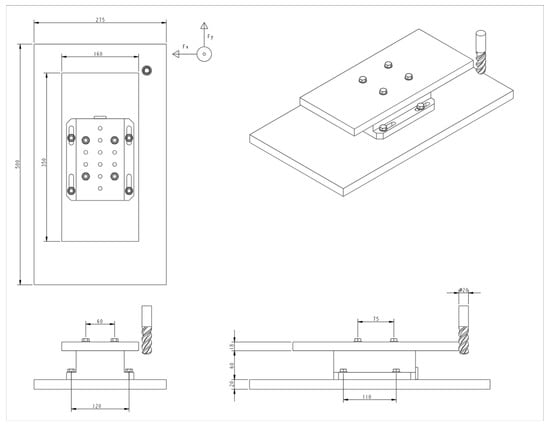
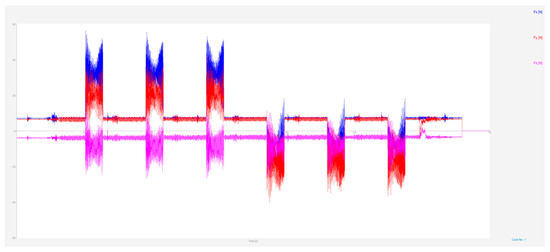
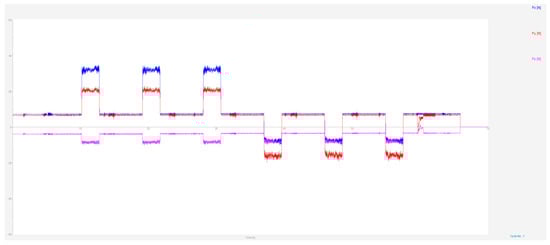
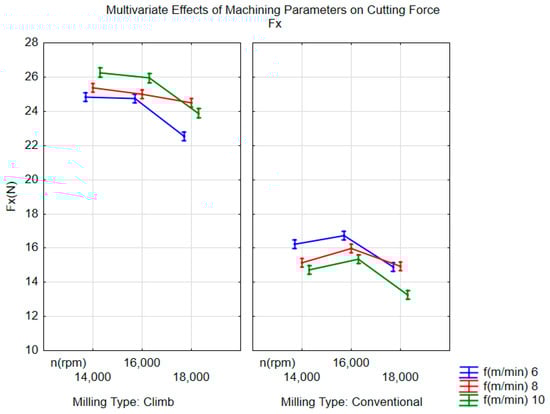
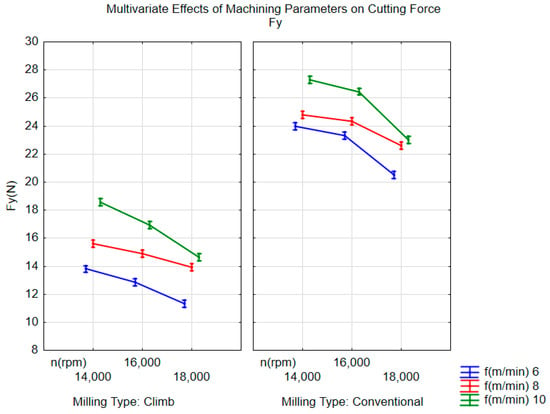
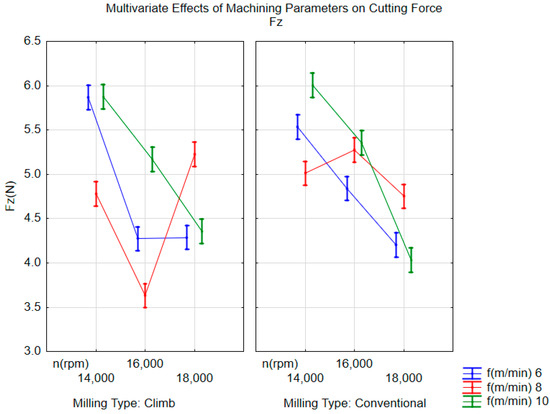
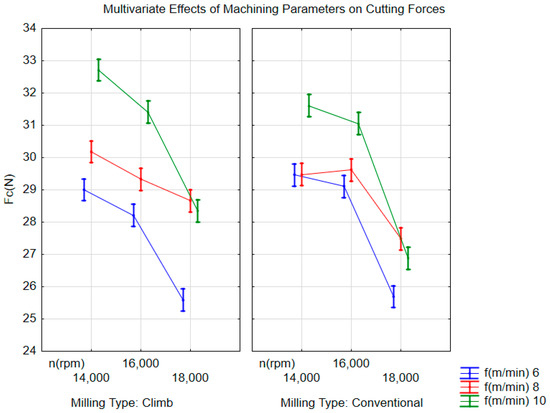
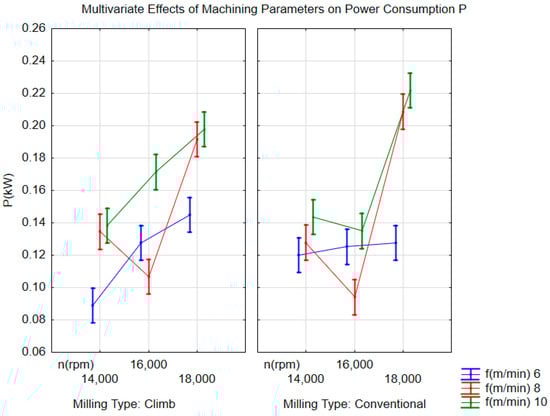
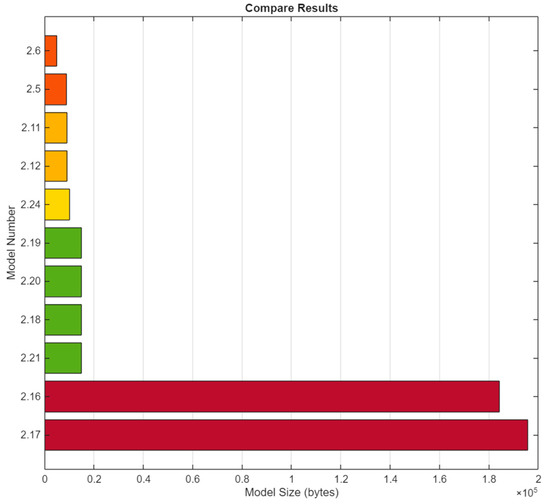
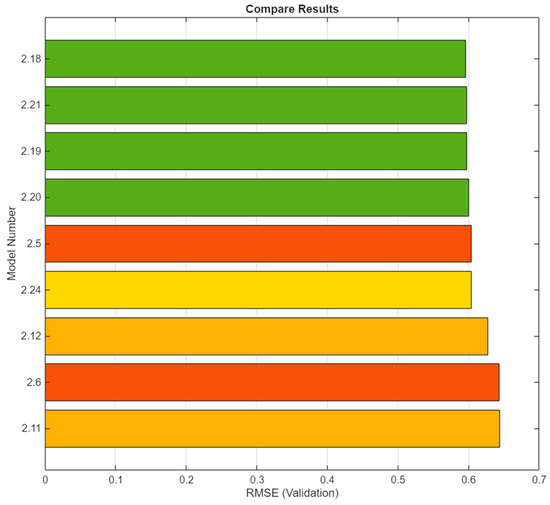
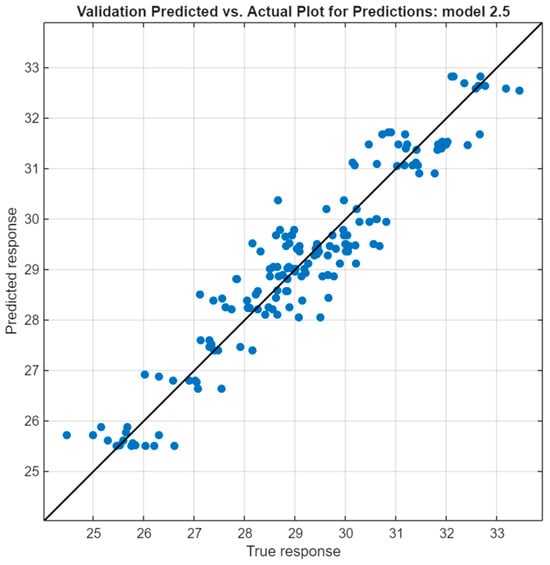
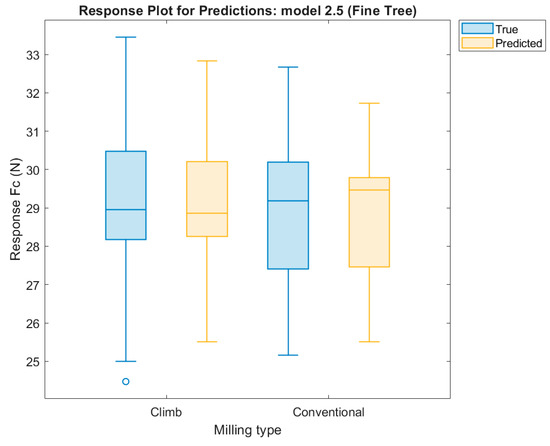
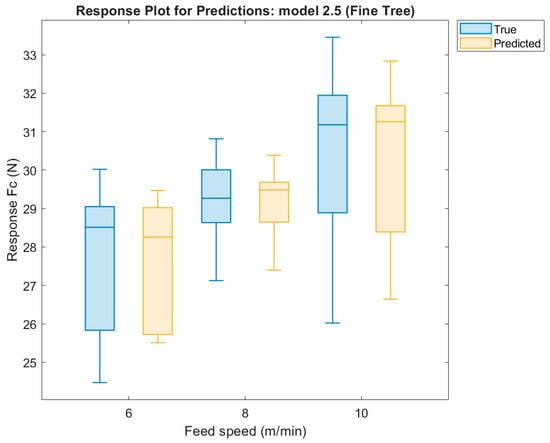
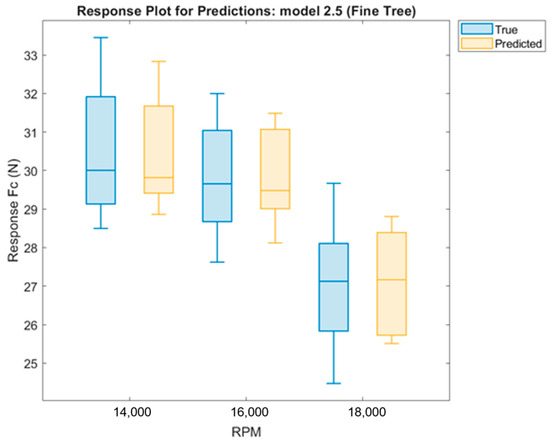
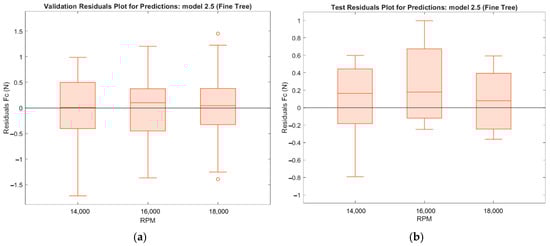
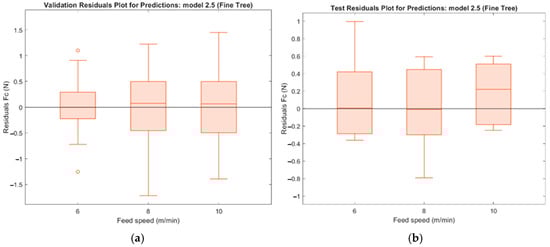
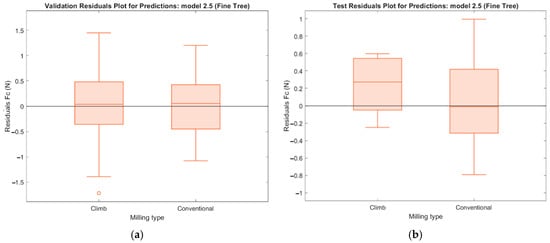
This study investigates the influence of selected technical and technological parameters on cutting forces and power consumption during the milling of medium-density fibreboards. Unlike previous studies that focus primarily on force measurement, this work integrates experimental analysis with machine learning-based predictive modelling to improve process understanding and prediction accuracy. The main objective was to experimentally measure orthogonal cutting force components (Fx, Fy, Fz) and electrical power consumption under varying spindle speeds (14,000, 16,000 and 18,000 rpm), feed speed (6, 8 and 10 m/min), and milling strategies (conventional and climb), and to evaluate the suitability of the obtained data for predictive modelling. Cutting forces were measured using a Kistler 9257B piezoelectric dynamometer, and power consumption was recorded by a three-phase power quality analyser. Statistical analysis confirmed significant effects of machining parameters on force components, total cutting force, and power consumption. Spindle speed showed the strongest influence on total cutting force and power consumption, while milling strategy predominantly affected Fx and Fy components. Power consumption increased with increasing spindle speed. Based on the measured data, several machine learning models were developed to predict the total cutting force. The Fine Tree algorithm demonstrated the best performance, achieving validation metrics of R2 = 0.9 and RMSE = 0.60 (MSE = 0.36, MAE = 0.48), and improved testing performance with R2 = 0.95 and RMSE = 0.44 (MSE = 0.20, MAE = 0.36). After model comparison using RMSE, R2, training time, and model size, a Fine Tree model was identified as the most suitable, achieving high prediction accuracy without signs of overfitting. The results confirm that experimentally obtained data on cutting force and electrical energy consumption are suitable for reliable predictive modelling in CNC milling of MDF boards. However, it is necessary to work with those components that have the greatest dependence on speed, feed, or type of milling, and these are the force components measured on the x and y axes.
Full article
(This article belongs to the Special Issue Monitoring and Control of Machining Processes)
►▼
Show Figures

Figure 1
Open AccessArticle
Thermo-Mechanical Analysis and Fatigue Life Estimation of Shrink-Fit Tool Holders
by
Kubilay Aslantas, Ekrem Oezkaya and Adem Çiçek
Machines 2026, 14(4), 358; https://doi.org/10.3390/machines14040358 - 24 Mar 2026
Abstract
The present study investigates the thermo-mechanical behaviour and fatigue life associated with the shrink-fit process of shrink-fit tool holders. These holders are an indispensable component of high-precision and high-speed machining processes in modern manufacturing industries. Shrink-fit holders are subjected to elevated levels of
[...] Read more.
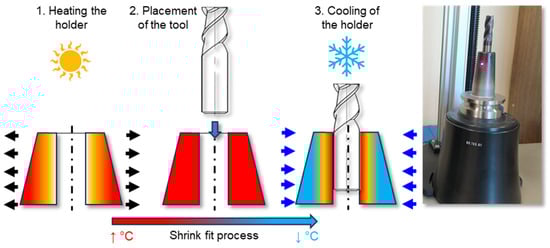
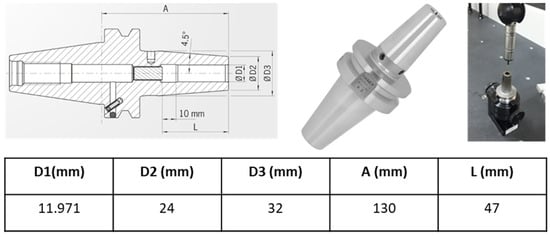
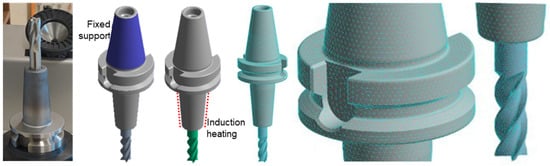
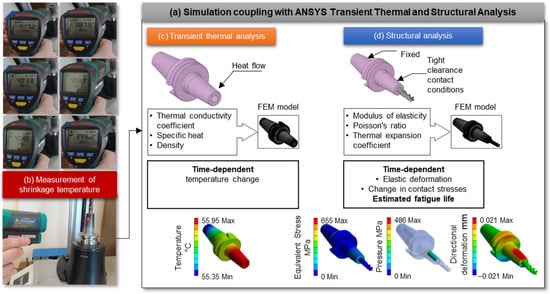
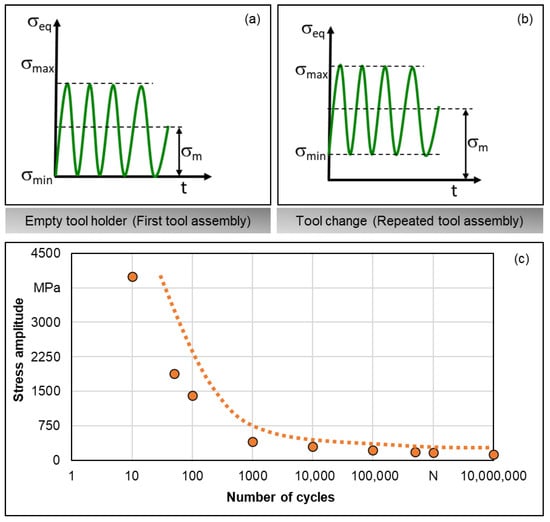
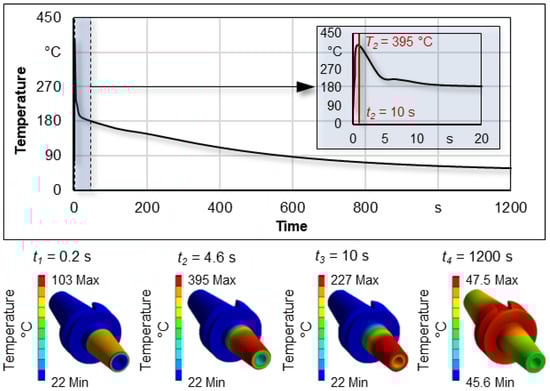
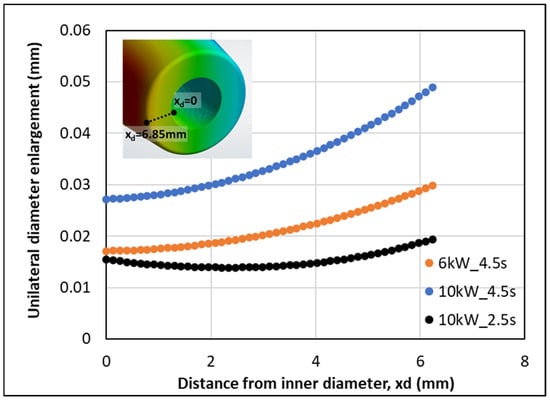
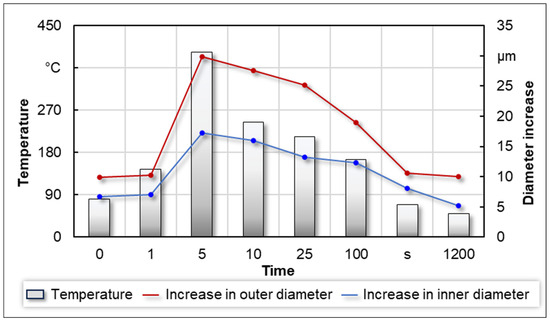
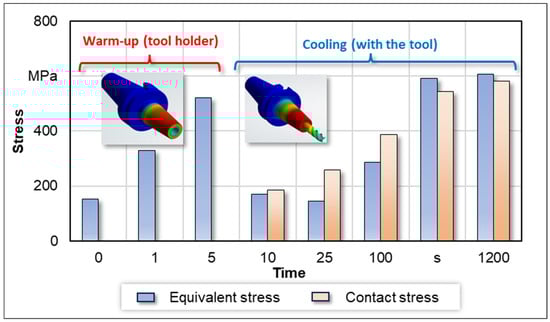
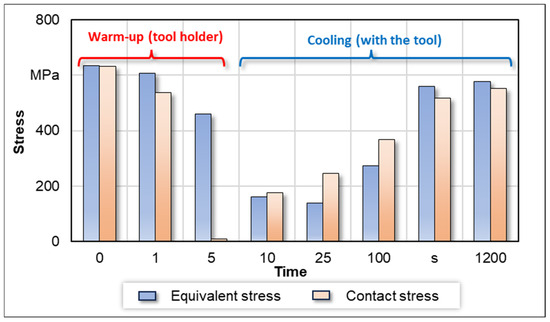
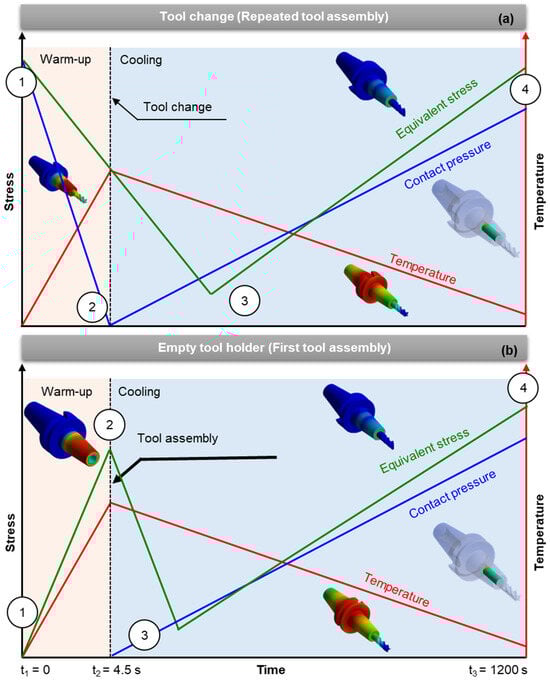
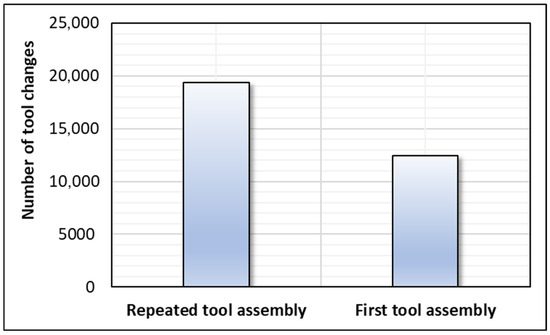
The present study investigates the thermo-mechanical behaviour and fatigue life associated with the shrink-fit process of shrink-fit tool holders. These holders are an indispensable component of high-precision and high-speed machining processes in modern manufacturing industries. Shrink-fit holders are subjected to elevated levels of stress as a consequence of repeated heating and cooling cycles, which can result in clamping fatigue over time. In this study, a three-dimensional finite element model (FEM) of a holder manufactured from H13 tool steel in accordance with BT40 standards was created using ANSYS software. The numerical analyses included transient thermal and structural analyses, consisting of a 4.5-s induction heating stage at 10 kW power, followed by a 1200-s cooling process. The analysis yielded results that were corroborated by the experimental data. It was established that, upon the conclusion of the heating process, the temperature in the conical region of the holder attained a range of approximately 388–417 °C. Furthermore, it was ascertained that a radial expansion of approximately 17.2–22 µm, which is required for the successful insertion of the cutting tool into the inner bore, was achieved. The fatigue life prediction, which constitutes the main focus of the study, applied the Soderberg criterion and evaluated two basic loading scenarios: the first tool assembly and repeated tool assembly cycles. The calculations yielded a life estimate of approximately 12,407 cycles for the first tool assembly cycle and approximately 19,400 cycles for the repeated tool assembly cycle. Accordingly, the repeated tool assembly condition exhibited a longer fatigue life than the first tool assembly condition. The enhanced longevity observed in the repeated tool assembly scenario is attributed to the stress cycle not fully reaching zero during this process, resulting in a lower stress amplitude.
Full article
(This article belongs to the Special Issue Innovations in the Design, Simulation, and Manufacturing of Production Systems)
►▼
Show Figures

Figure 1

Open AccessArticle
Path Tracking Control for Differential Steering Autonomous Vehicles with Active Body Inward Tilt
by
Rizwan Ali, Chenyu Huang, Tong Wu and Jie Tian
Machines 2026, 14(3), 357; https://doi.org/10.3390/machines14030357 - 23 Mar 2026
Abstract
Considering the problems that the inner wheel load decreases due to centrifugal force during the steering of differential steering autonomous vehicles, which may result in differential steering failure or even vehicle rollover in severe cases, a path-tracking strategy for differential steering autonomous vehicles
[...] Read more.
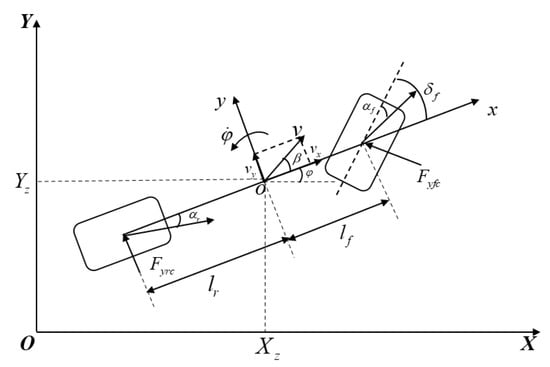
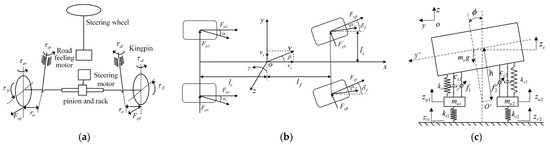
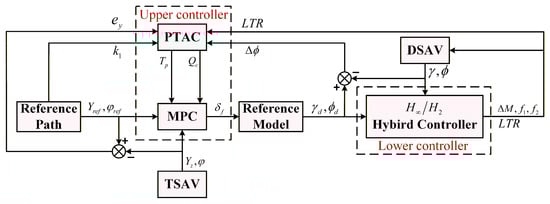
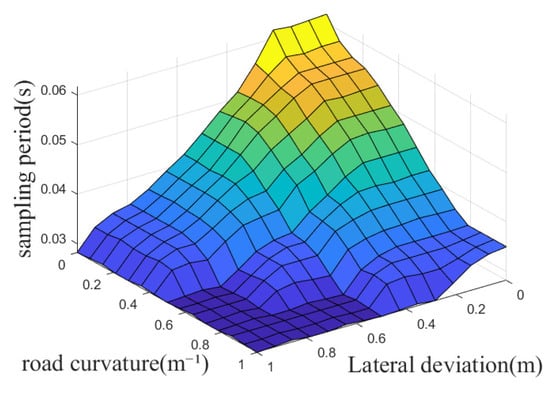
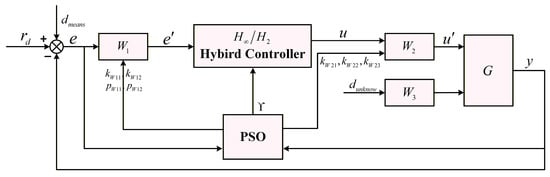
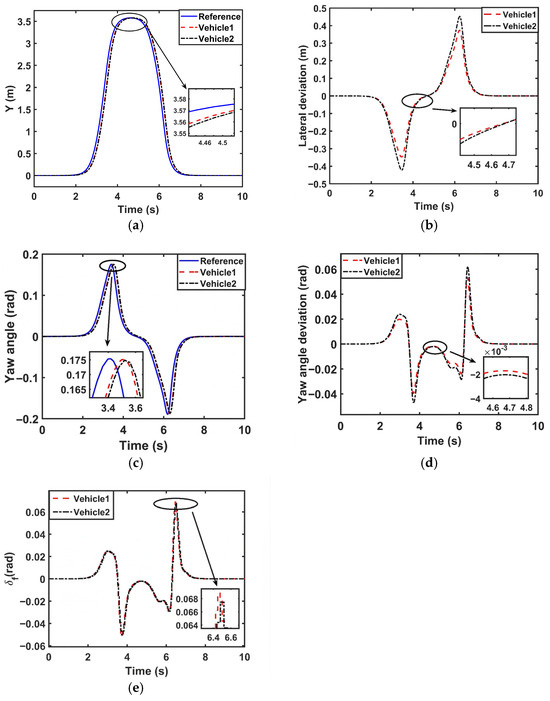
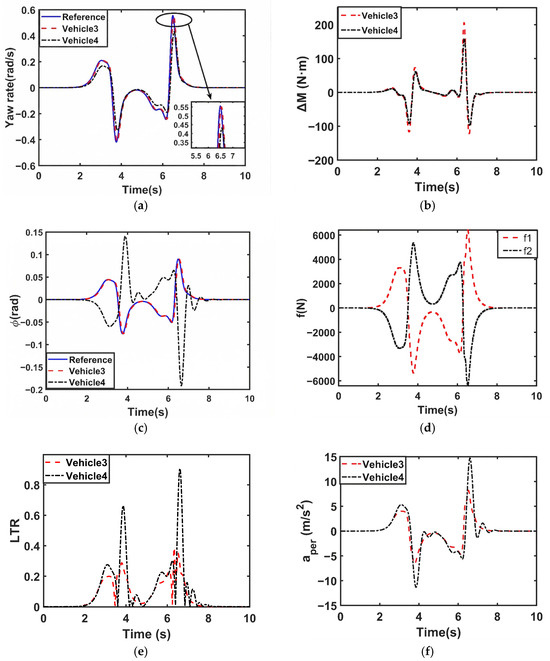
Considering the problems that the inner wheel load decreases due to centrifugal force during the steering of differential steering autonomous vehicles, which may result in differential steering failure or even vehicle rollover in severe cases, a path-tracking strategy for differential steering autonomous vehicles considering active body inward tilt is proposed. Aiming at the problems of fixed parameters and insufficient adaptability of model predictive control in the path-tracking process of autonomous vehicles, this paper proposes a collaborative adaptive model predictive controller (MPC) with preview time and weight matrix based on fuzzy inference as the upper control, so as to realize the tracking control of the reference path by conventionally steered autonomous vehicles. In the lower control, an H∞/H2 hybrid controller with particle swarm optimization (PSO)-based parameter self-tuning is employed to control the differential steering autonomous vehicle (DSAV) to track the reference model, achieving differential steering and active body inward tilt simultaneously. Co-simulation results of CarSim and Simulink show that the proposed method outperforms the fixed-preview-time MPC and the manually tuned H∞/H2 hybrid controller. Compared with the latter, the maximum absolute values of lateral deviation and yaw angle deviation are reduced by 17.9% and 14.5%, respectively; the maximum deviation in the reference yaw rate is decreased by 21.2%; the maximum absolute value of the inward tilt angle is reduced by 53.4%; and the maximum values of LTR and occupant-perceived lateral acceleration are lowered by 57.1% and 44.2%, respectively.
Full article
(This article belongs to the Special Issue Control Engineering and Artificial Intelligence)
►▼
Show Figures

Figure 1
Open AccessArticle
Multi-Objective Optimization of the Grinding Process in a Spring-Rotor Mill Using Regression-Based Modeling
by
Aidos Baigunusov, Bekbolat Moldakhanov, Alina Kim, Mikhail Doudkin, Vladimir Yakovlev, Piotr Stryczek and Tadeusz Lesniewski
Machines 2026, 14(3), 356; https://doi.org/10.3390/machines14030356 - 23 Mar 2026
Abstract
This study addresses the problem of improving the efficiency of fine grinding of bulk materials in a spring-rotor mill. The objective is to determine technologically sound operating parameters based on mathematical modeling, design of experiments, and multi-objective optimization. The methodology relies on a
[...] Read more.
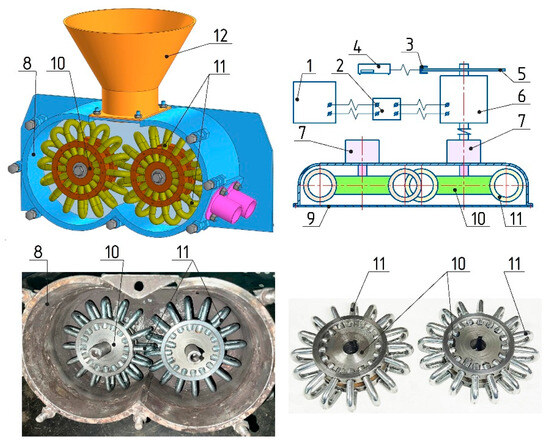
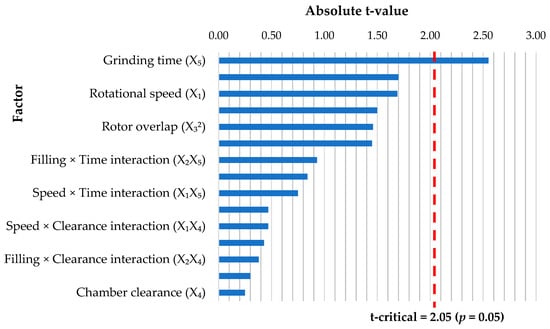
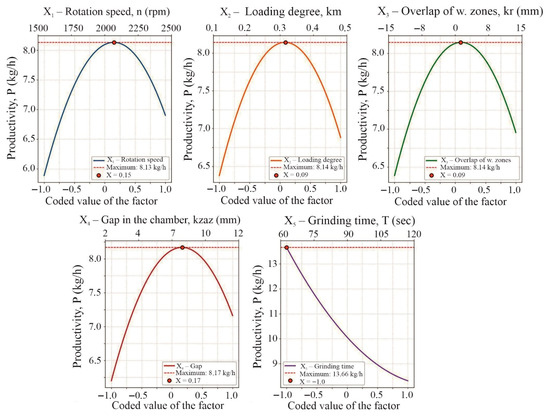
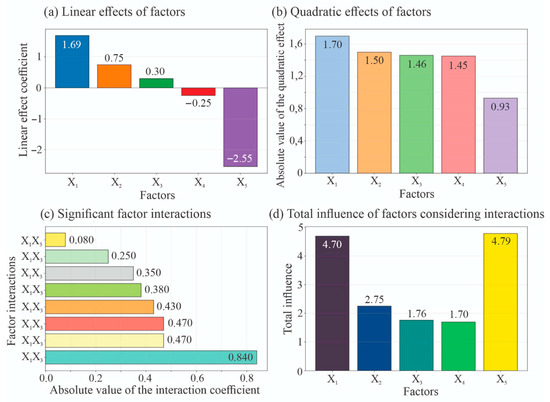
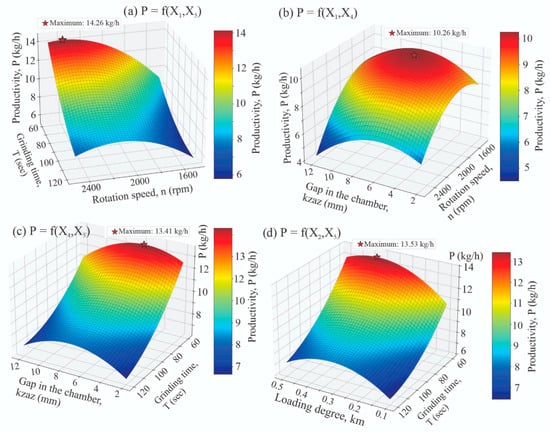
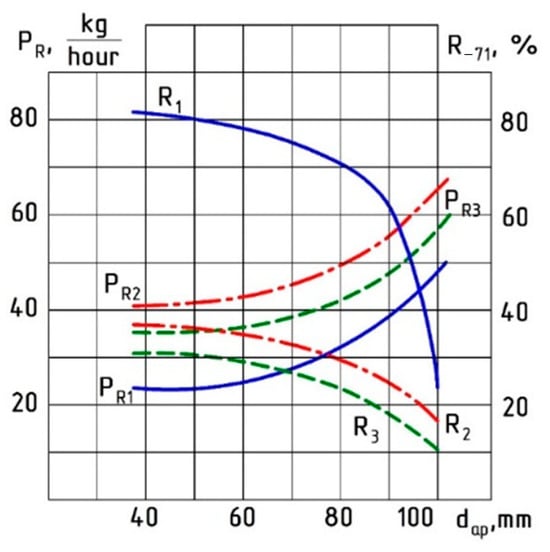
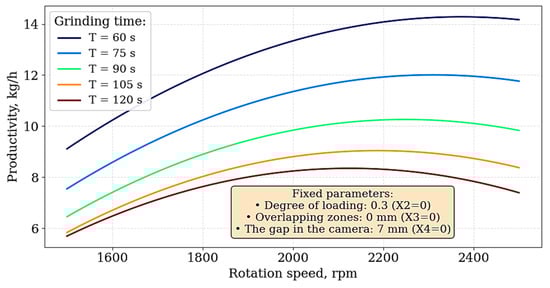
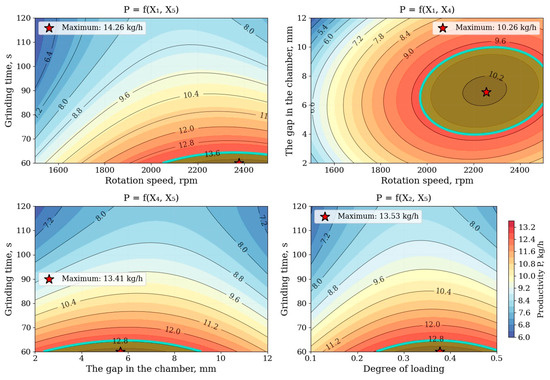
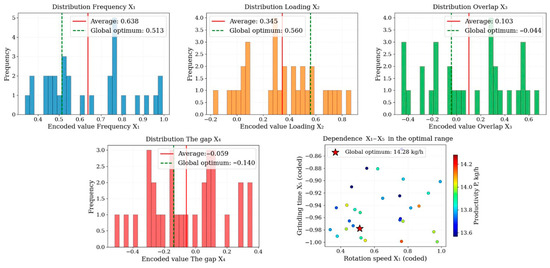
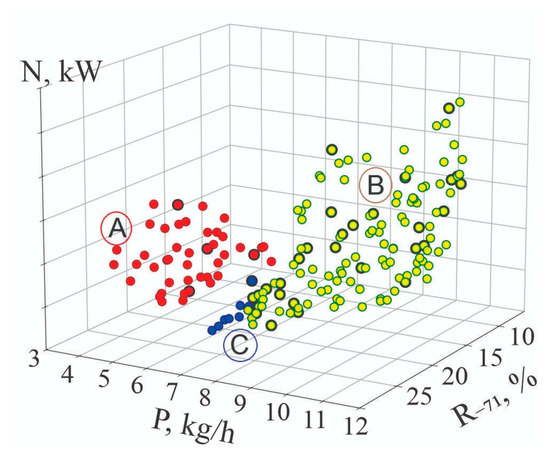
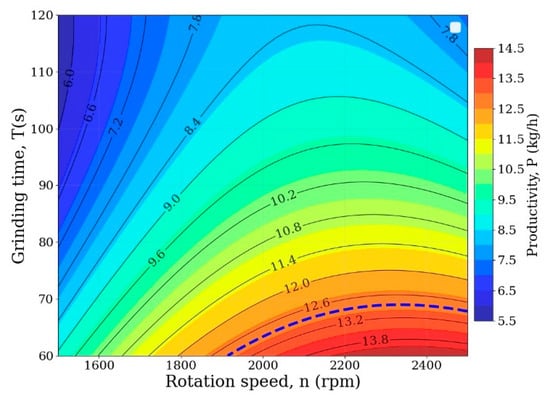
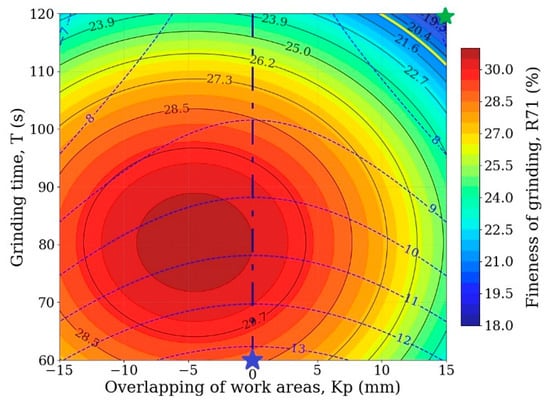
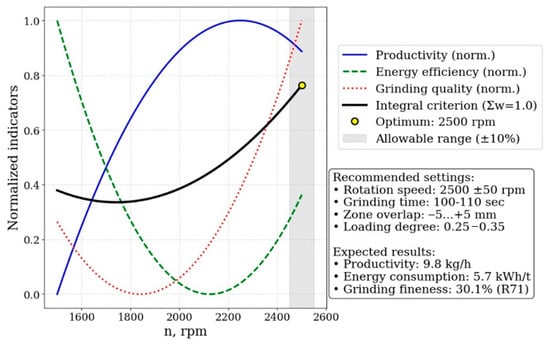
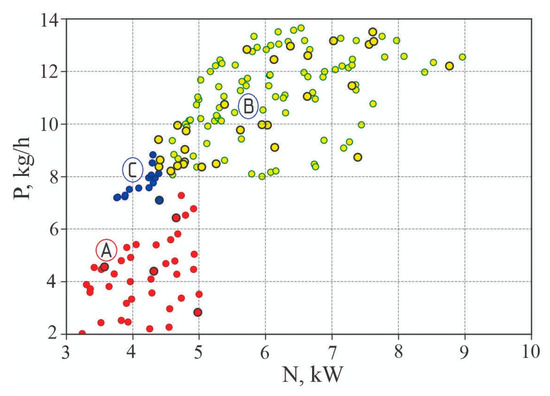
This study addresses the problem of improving the efficiency of fine grinding of bulk materials in a spring-rotor mill. The objective is to determine technologically sound operating parameters based on mathematical modeling, design of experiments, and multi-objective optimization. The methodology relies on a full-factorial experimental design according to the Hartley plan, with five control factors: rotor rotational speed, material loading ratio, overlap of the working zones, grinding chamber clearance, and grinding duration. The analyzed responses include grinding fineness, throughput, power consumption, specific energy consumption, and specific metal intensity. Based on experimental data, adequate second-order polynomial regression models were obtained for all response variables using the least-squares method. Statistical analysis showed that grinding time and rotational speed had the most significant influence on the process. Multi-objective optimization using the weighted-sum method enabled the identification of optimal operating conditions that balance product quality, throughput, and energy consumption. Verification experiments confirmed the adequacy of the developed models. Practical implementation of the optimized regimes increases throughput by 15–20% while simultaneously reducing energy consumption by 8–12% compared with empirically selected operating conditions. The proposed models and recommendations provide a quantitative basis for tuning and controlling grinding equipment in processing industries.
Full article
(This article belongs to the Section Material Processing Technology)
►▼
Show Figures

Figure 1

Open AccessArticle
Myoelectric Controlled Bionic Robotic Hand for Voluntary Finger Motion Driven by Neuromuscular Intent
by
André Moreira, Marco Pinto, Miguel Fernandes, João Costa, Jorge Fidalgo and Alessandro Fantoni
Machines 2026, 14(3), 355; https://doi.org/10.3390/machines14030355 - 23 Mar 2026
Abstract
Reliable control of robotic hands using residual muscle activity is challenging due to low-amplitude myoelectric signals, susceptibility to noise, and the need for real-time actuation. This paper presents a myoelectric-controlled robotic hand capable of voluntary independent finger motion. Surface myoelectric signals from the
[...] Read more.
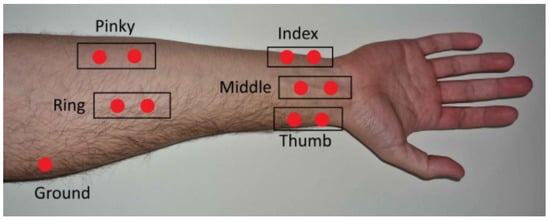
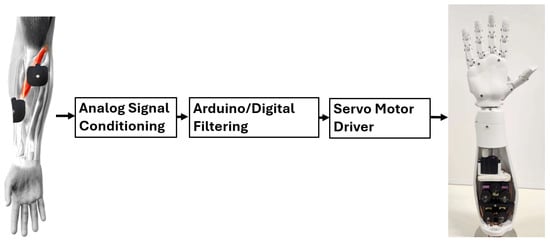
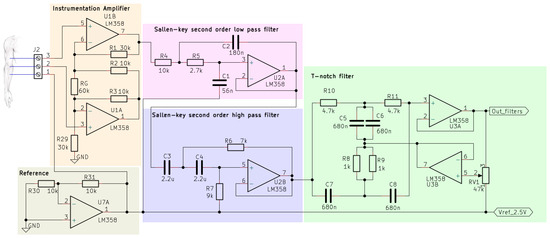
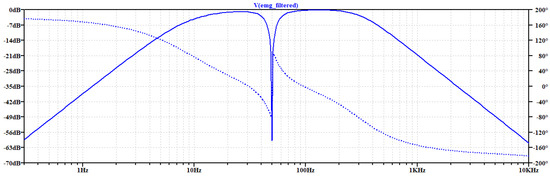
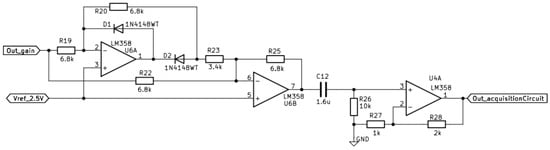
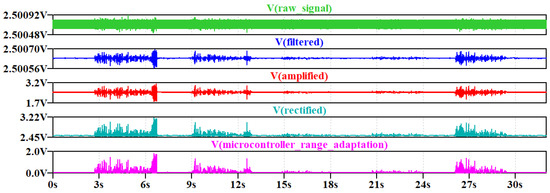
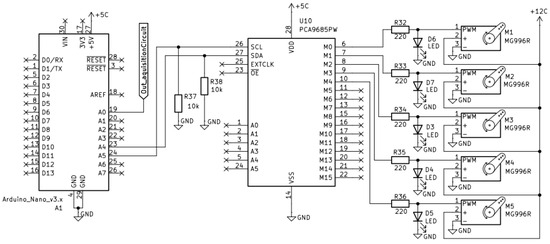
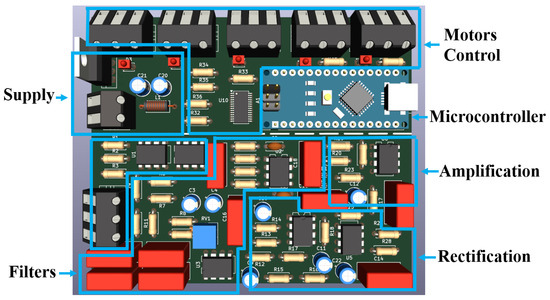
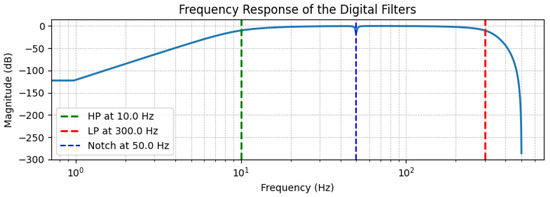
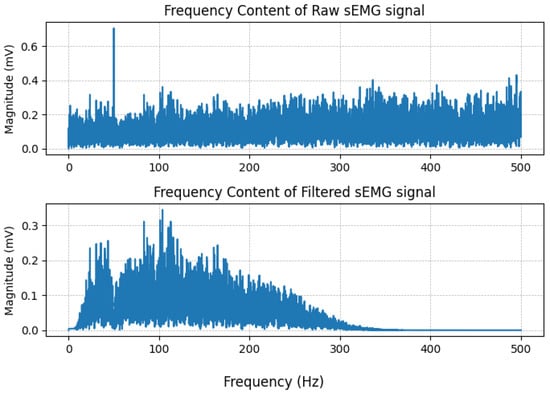
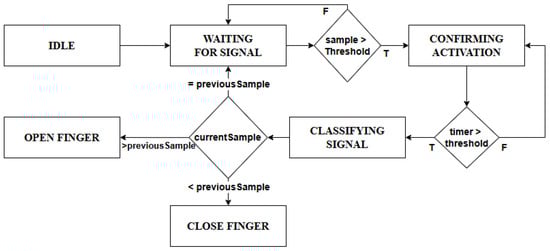
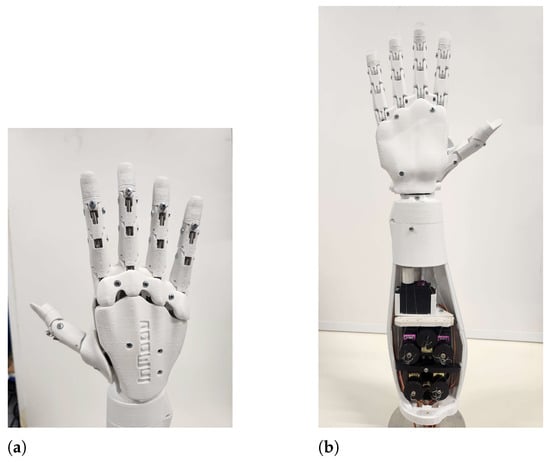
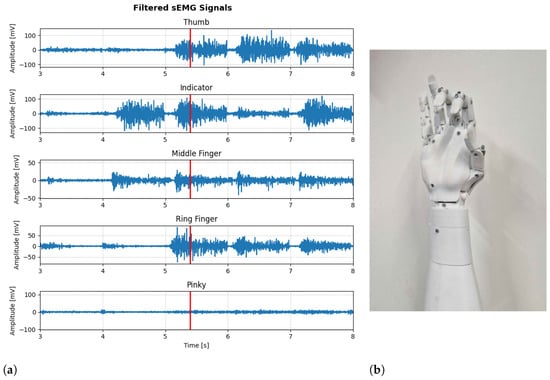
Reliable control of robotic hands using residual muscle activity is challenging due to low-amplitude myoelectric signals, susceptibility to noise, and the need for real-time actuation. This paper presents a myoelectric-controlled robotic hand capable of voluntary independent finger motion. Surface myoelectric signals from the forearm are processed via amplification, filtering, and digital analysis to enable accurate detection of muscle activity. The system achieves independent and simultaneous actuation of five fingers using a tendon-driven, servo-actuated mechanism in a lightweight ABS structure. Experimental evaluation demonstrates finger actuation delays ranging from 314 ms to 650 ms, maximum holding strengths between 1.75 N and 4.07 N, and minimum gripping distances between 22 mm and 49 mm across all five fingers, with peak motor currents remaining below 0.7 A. Results validate consistent muscle activity detection, successful execution of individual and combined finger movements, and the robustness of the proposed design.
Full article
(This article belongs to the Special Issue Recent Developments in Machine Design, Automation and Robotics, Second Edition)
►▼
Show Figures

Figure 1

Open AccessArticle
3D Trajectory Tracking Based on Super-Twisting Observer and Non-Singular Terminal Sliding Mode Control for Underactuated Autonomous Underwater Vehicle
by
Zehui Yuan, Long He, Ya Zhang, Shizhong Li, Chenrui Bai and Zhuoyan Qi
Machines 2026, 14(3), 354; https://doi.org/10.3390/machines14030354 - 21 Mar 2026
Abstract
This paper addresses the three-dimensional trajectory tracking problem for underactuated autonomous underwater vehicles subject to external disturbances and model uncertainties in complex ocean environments. A robust control method integrating backstepping dynamic surface control and non-singular terminal sliding mode is proposed. Firstly, based on
[...] Read more.
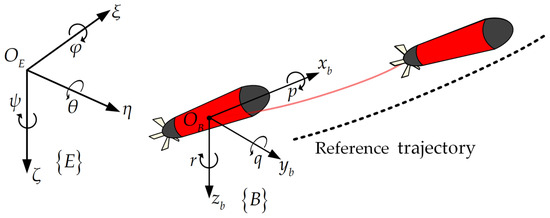
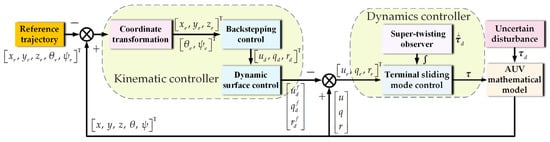
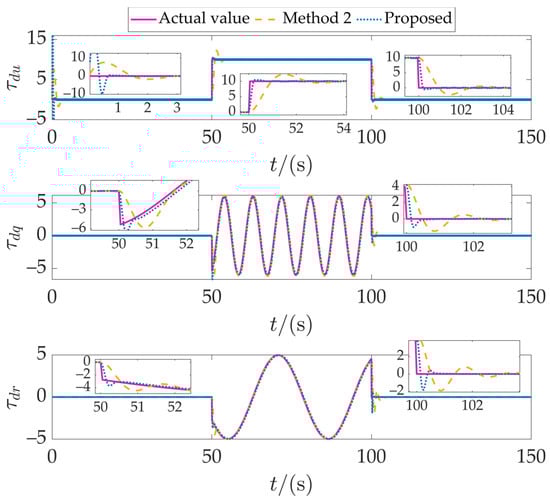
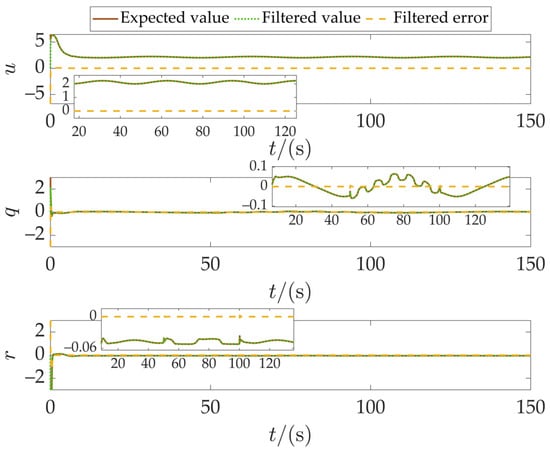
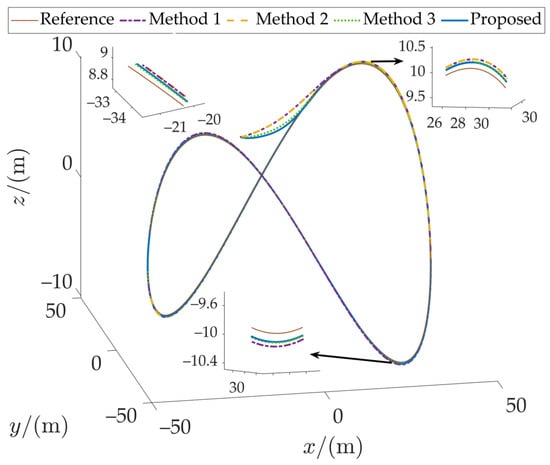
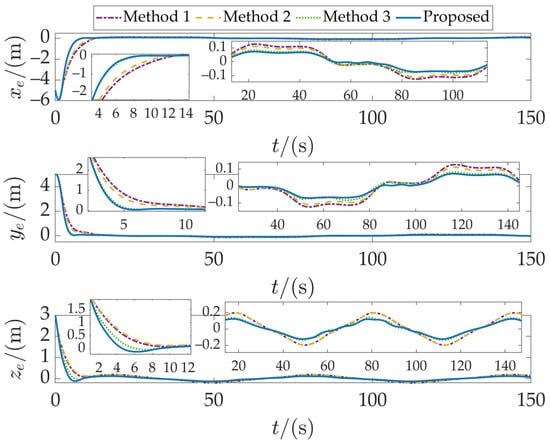
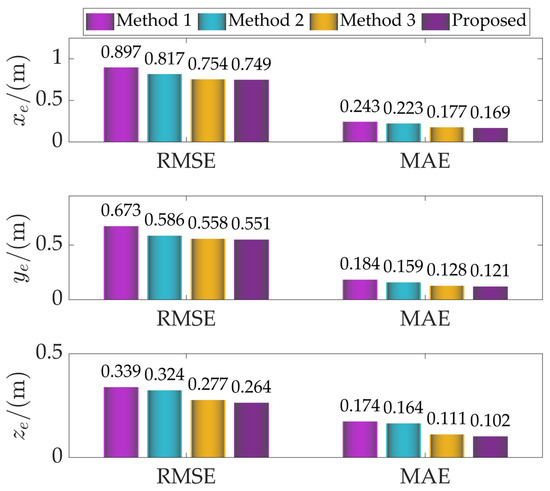
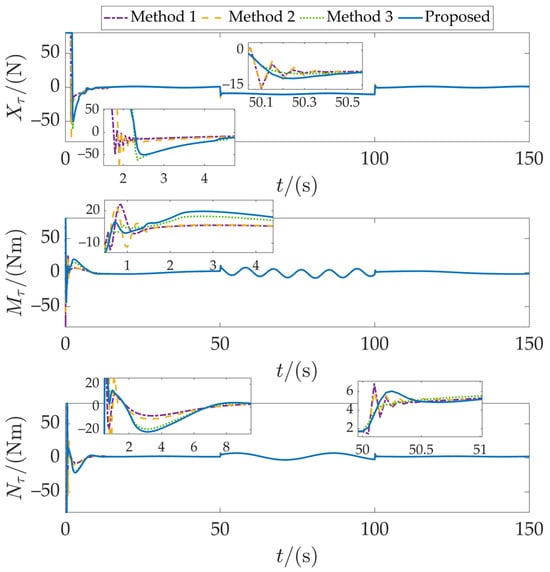
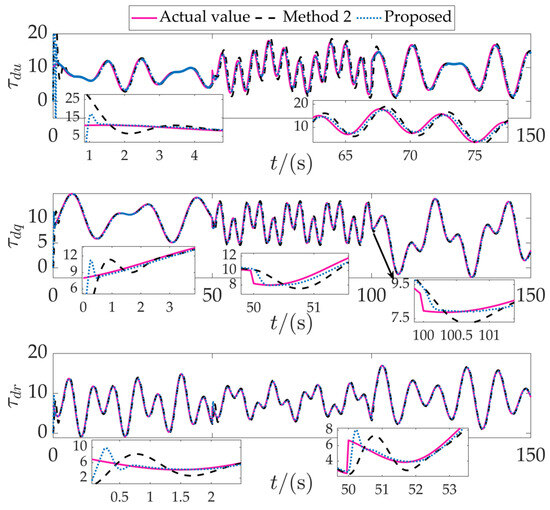
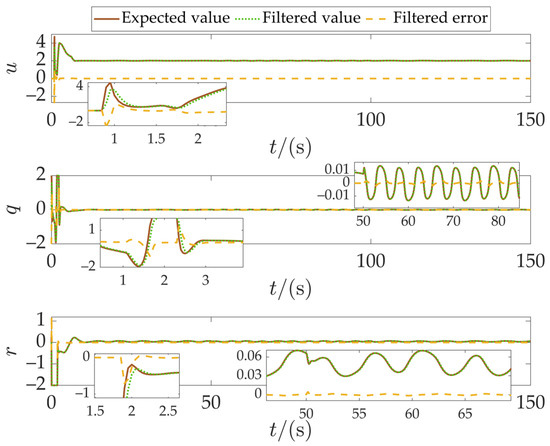
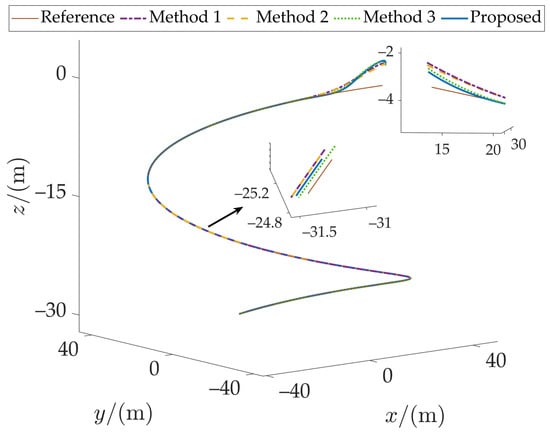
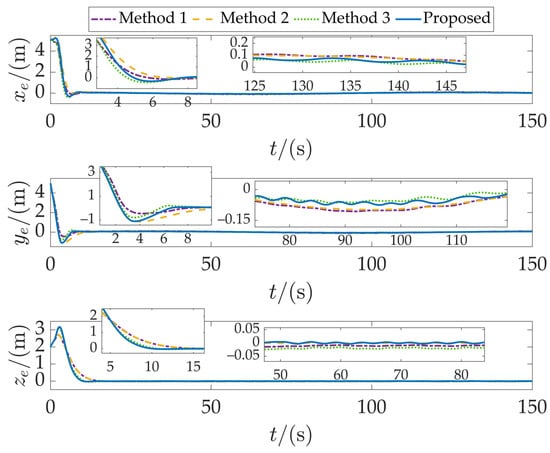
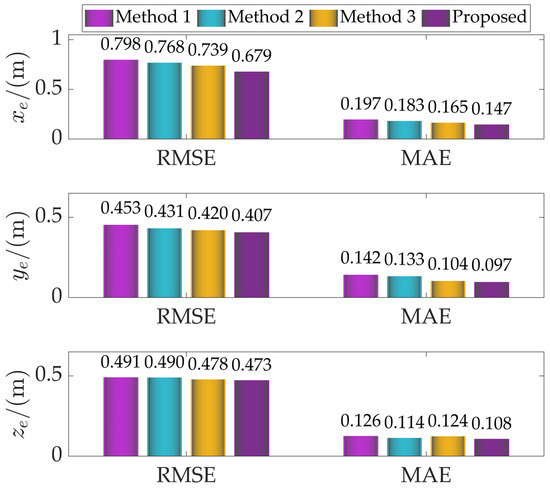
This paper addresses the three-dimensional trajectory tracking problem for underactuated autonomous underwater vehicles subject to external disturbances and model uncertainties in complex ocean environments. A robust control method integrating backstepping dynamic surface control and non-singular terminal sliding mode is proposed. Firstly, based on the kinematic and dynamic models of autonomous underwater vehicle, virtual velocity commands are constructed via backstepping approach to stabilize the position and attitude errors. To circumvent the “differential explosion” problem inherent in conventional backstepping control caused by repeated differentiations of virtual control variables, first-order low-pass filters are introduced to construct dynamic surface control, yielding smooth derivatives of virtual velocity commands. Secondly, to enhance convergence rate and robustness, a non-singular terminal sliding surface is designed at the dynamic level, and a terminal reaching law is formulated to achieve finite-time convergence of velocity tracking errors. Furthermore, to compensate for external disturbances and unmodeled dynamics, a disturbance observer based on the super-twisting algorithm is developed, enabling finite-time high-precision estimation of lumped disturbances, with the estimation results incorporated into the control law for feedforward compensation. Finally, comparative simulations are conducted under two typical disturbance scenarios. The results demonstrate that the proposed method achieves instantaneous disturbance estimation (reducing convergence time from 3 s to near zero), significantly smoother control inputs, and superior tracking accuracy with RMSE as low as 0.6788 m and MAE as low as 0.1468 m, reducing errors by up to 30.6% compared to baseline methods.
Full article
(This article belongs to the Special Issue Mastering Vibrations: The Latest Breakthroughs in Control for Mechanical Systems)
►▼
Show Figures

Figure 1

Open AccessArticle
An Adaptive Enhancement Method for Weak Fault Diagnosis of Locomotive Gearbox Bearings Under Wheel–Raisl Excitation
by
Yong Li, Wangcai Ding and Yongwen Mao
Machines 2026, 14(3), 353; https://doi.org/10.3390/machines14030353 - 21 Mar 2026
Abstract
Wheel–rail coupled excitation introduces strong low-frequency modulation, random impact interference, and broadband background noise into the vibration system of locomotive gearboxes, causing early weak bearing fault features to become submerged and making traditional deconvolution methods insufficient for effective enhancement. To address this challenge,
[...] Read more.
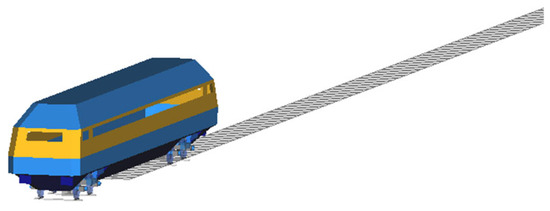
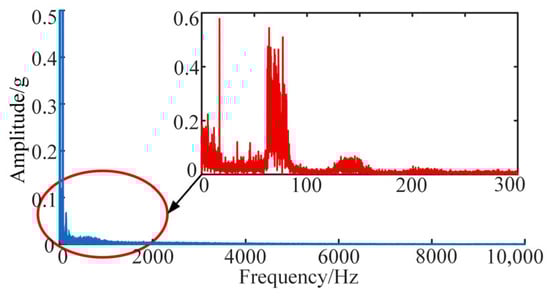
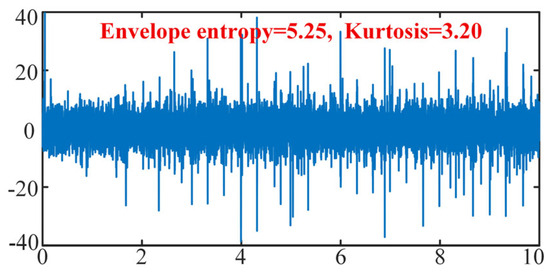
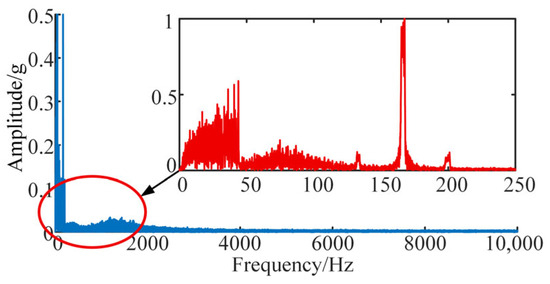
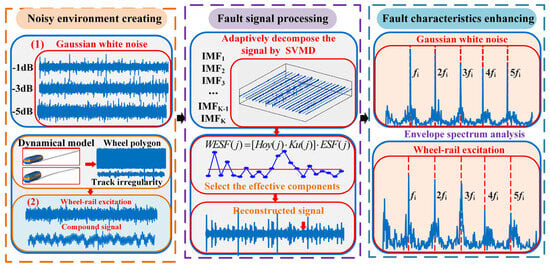
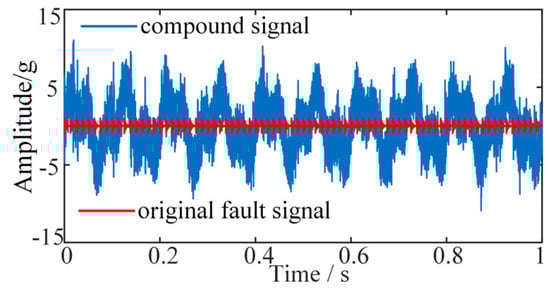
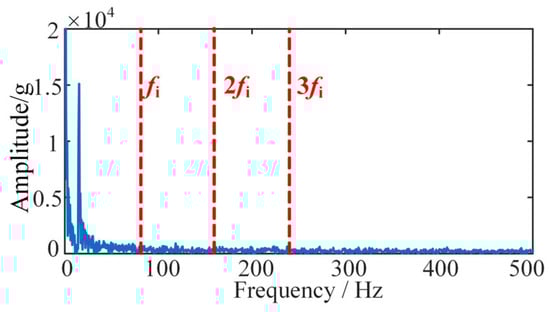
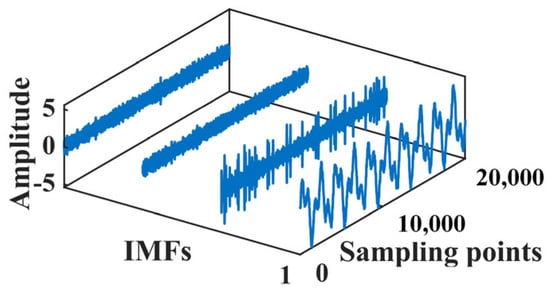
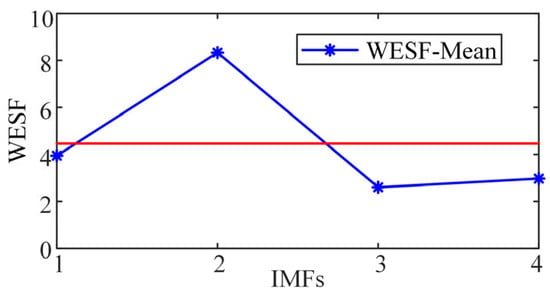
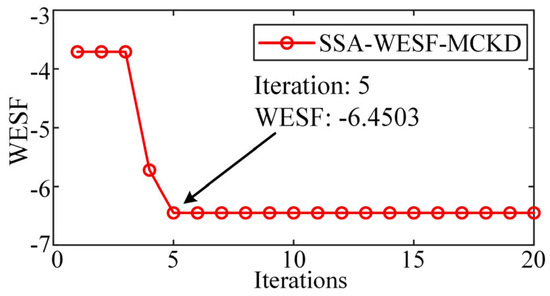
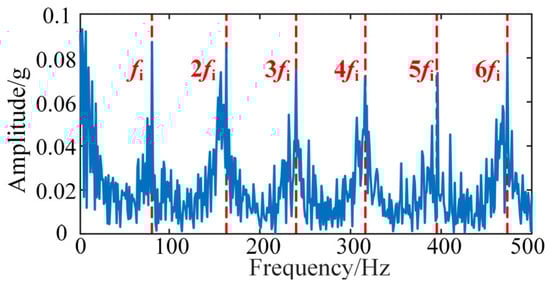
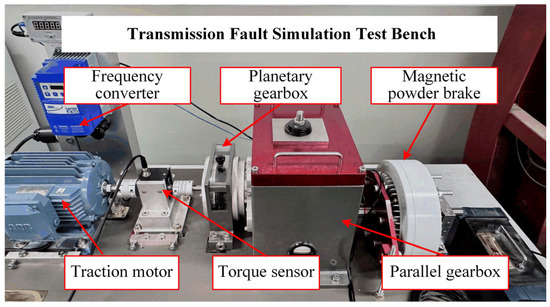
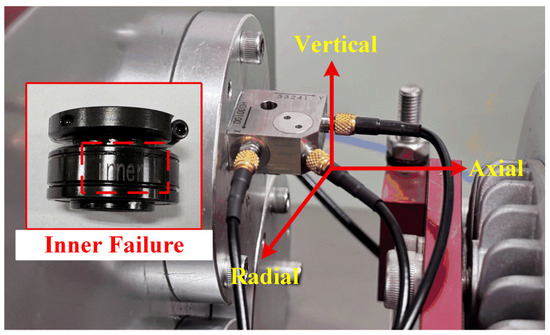
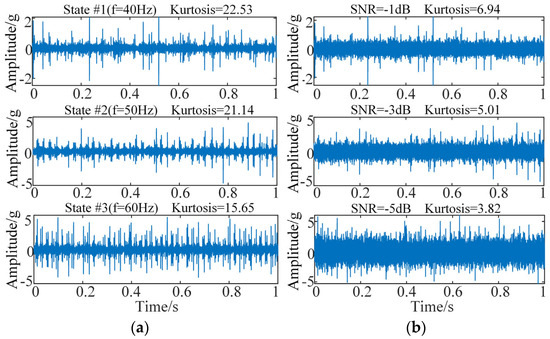
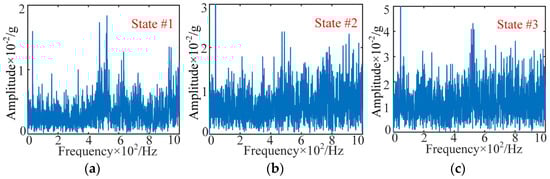
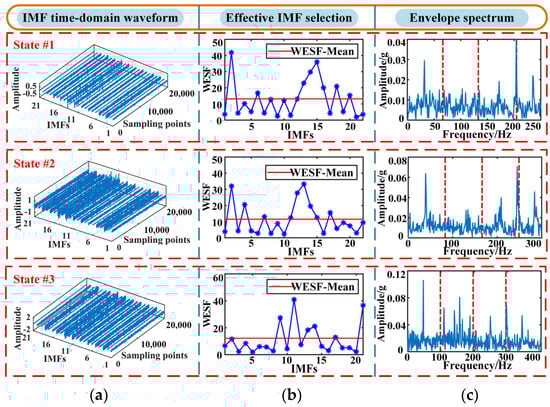
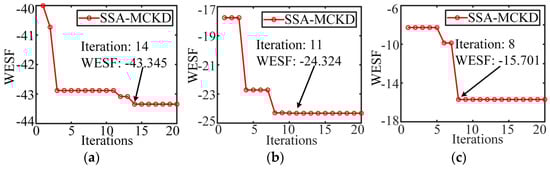
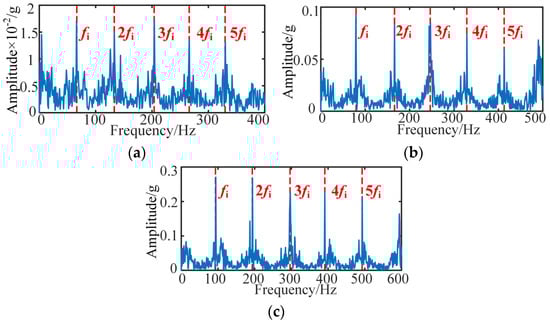
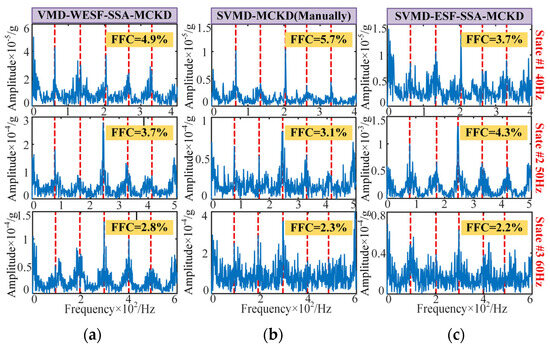
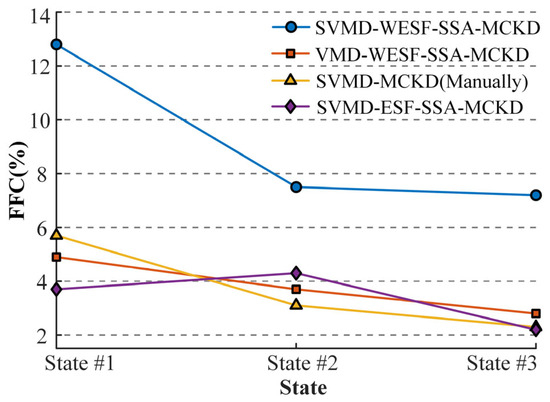
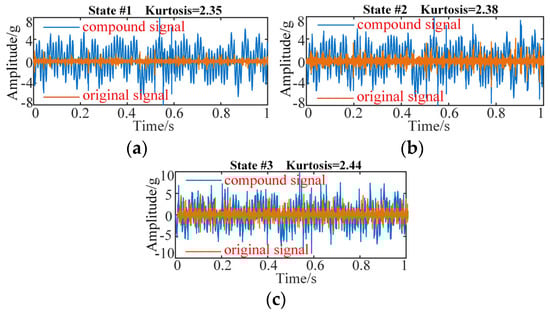
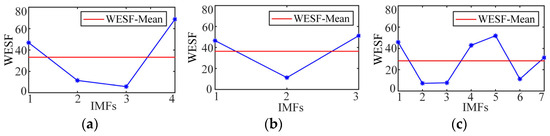
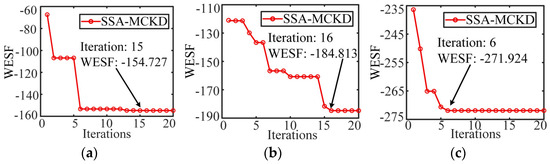
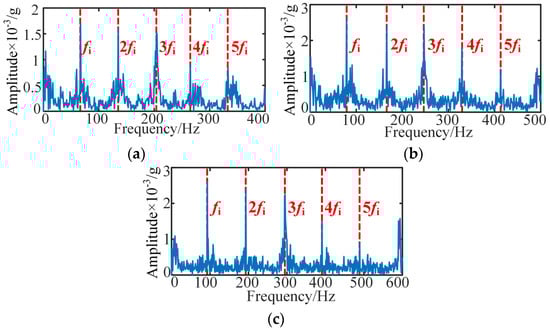
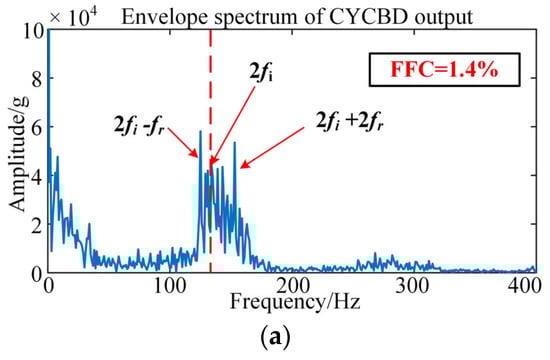
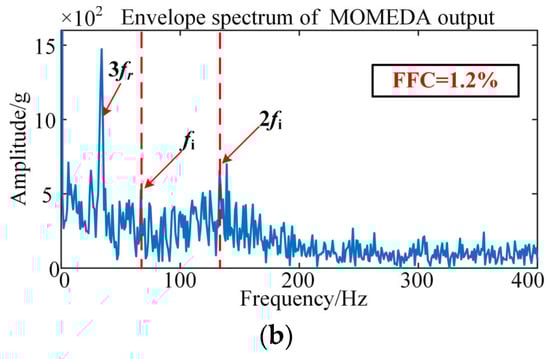
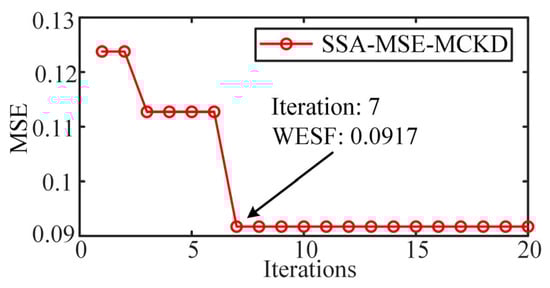
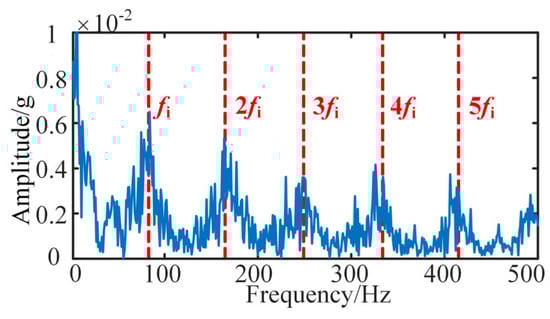
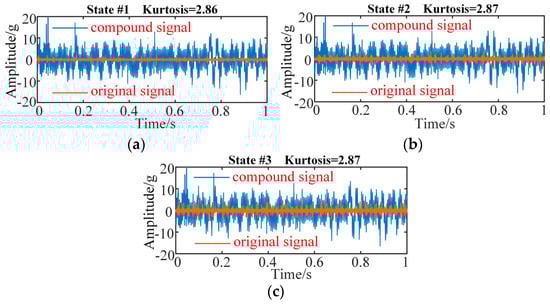
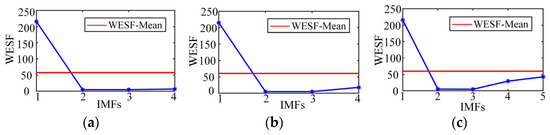
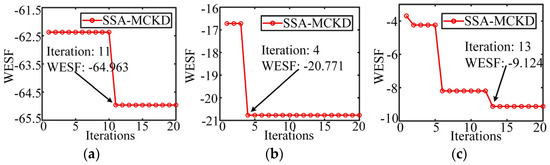
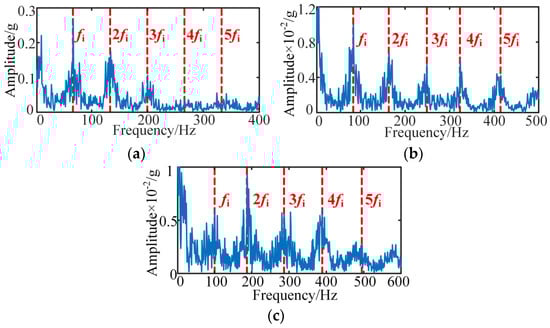
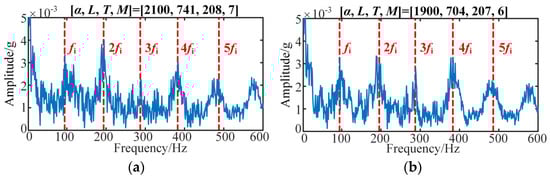
Wheel–rail coupled excitation introduces strong low-frequency modulation, random impact interference, and broadband background noise into the vibration system of locomotive gearboxes, causing early weak bearing fault features to become submerged and making traditional deconvolution methods insufficient for effective enhancement. To address this challenge, this study proposes an adaptive parameter optimization method for MCKD based on the weighted envelope spectrum factor (WESF). WESF integrates the Hoyer index, kurtosis, and envelope spectrum energy to jointly characterize sparsity, impulsiveness, and periodicity of signal components. By using WESF as the fitness function, the sparrow search algorithm (SSA) is employed to simultaneously optimize the key MCKD parameters L, T, and M, enabling optimal enhancement of weak periodic impacts. To further mitigate modal aliasing caused by wheel–rail excitation, the original signal is first adaptively decomposed using successive variational mode decomposition (SVMD), and modes with WESF values above the average are selected for signal reconstruction. The reconstructed signal is subsequently enhanced via SSA–MCKD, and fault characteristic frequencies are extracted using envelope spectrum analysis. Experimental validation using gearbox bearing data collected under 40, 50, and 60 Hz operating conditions shows that the proposed method achieves fault feature coefficient (FFC) values of 12.8%, 7.5%, and 7.2%, respectively—representing an average improvement of approximately 156% compared with traditional methods (average FFC of 3.6%). These results demonstrate that the proposed SVMD–WESF–SSA–MCKD approach can significantly enhance weak periodic impact features under strong background noise and wheel–rail excitation, exhibiting strong practical applicability for engineering implementation.
Full article
(This article belongs to the Topic Optimization Control and Fault Diagnosis of Intelligent Transportation Systems)
►▼
Show Figures

Figure 1
Open AccessArticle
Energy-Efficient Resilience Scheduling for Elevator Group Control via Queueing-Based Planning and Safe Reinforcement Learning
by
Tingjie Zhang, Tiantian Zhang, Hao Zou, Chuanjiang Li and Jun Huang
Machines 2026, 14(3), 352; https://doi.org/10.3390/machines14030352 - 21 Mar 2026
Abstract
High-rise elevator group control systems operate under pronounced nonstationarity during commuting peaks, post-event surges, and capacity degradation, where the waiting time distribution becomes right-tail heavy and stresses service-level agreements (SLAs) defined by coverage and high-quantile targets. At the same time, the time-of-use tariffs
[...] Read more.
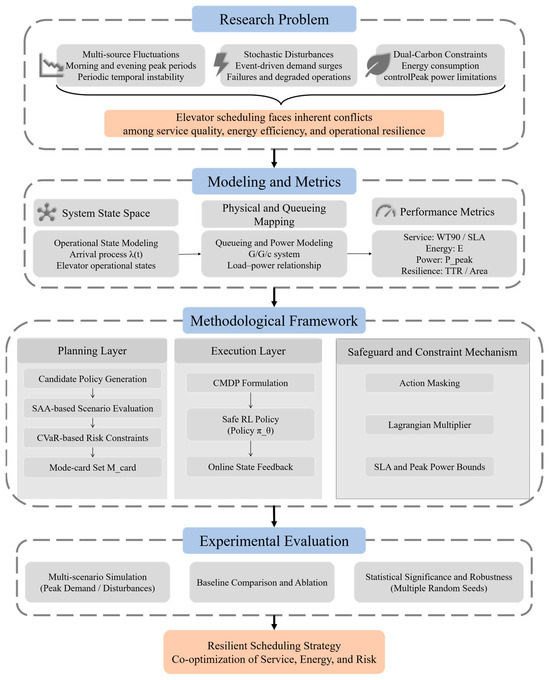
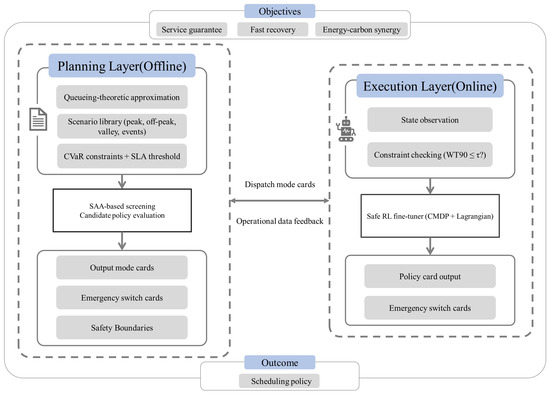
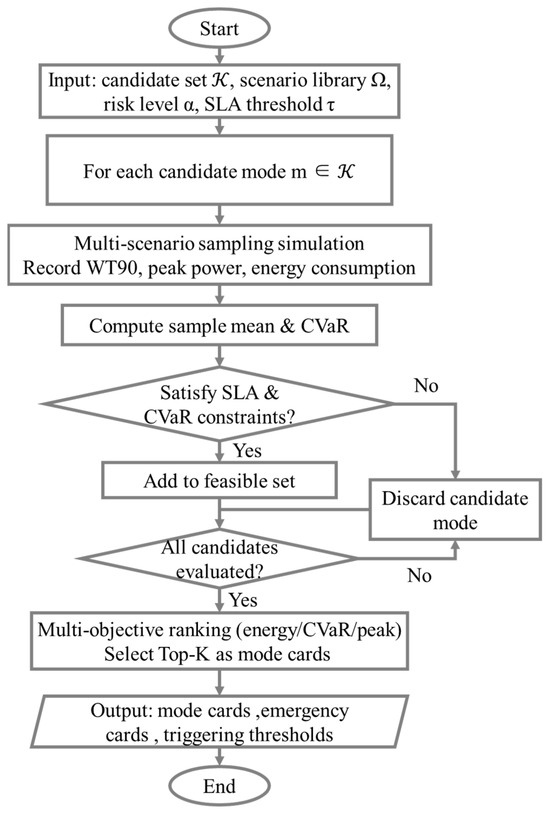
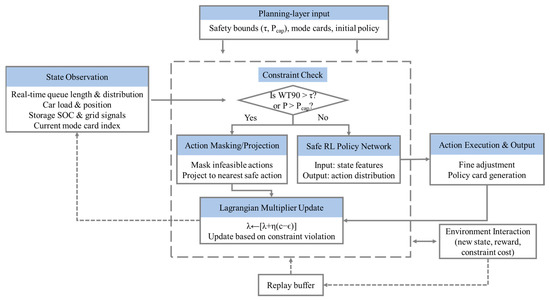
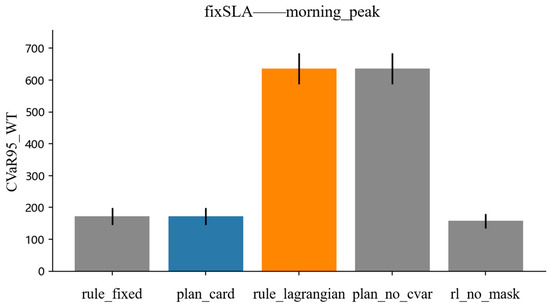
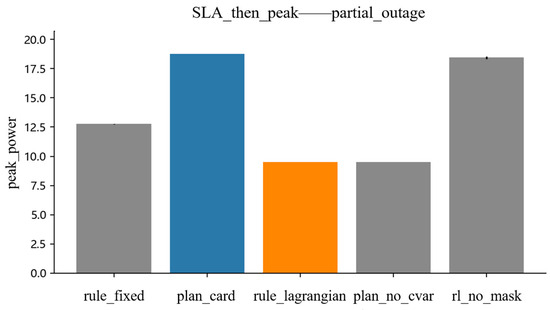
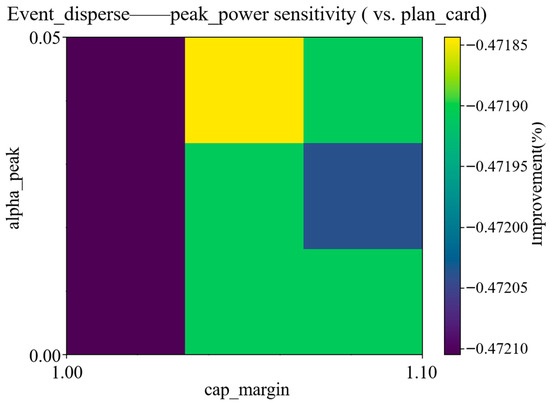
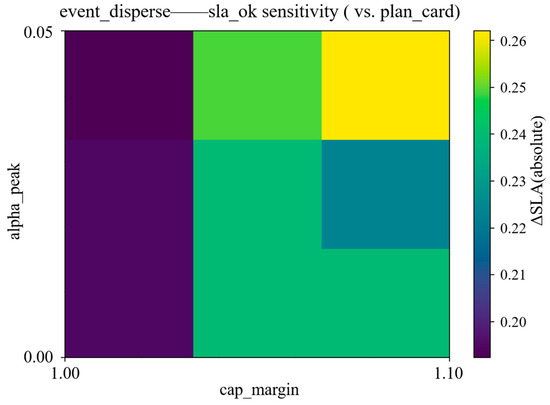
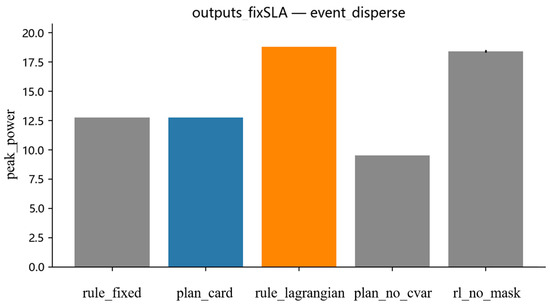
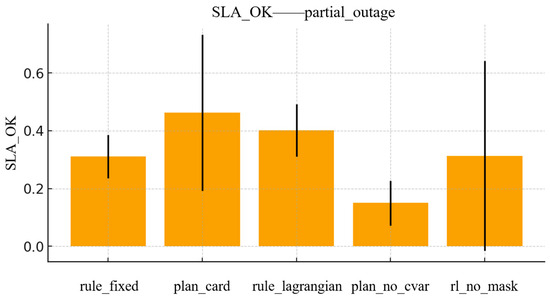
High-rise elevator group control systems operate under pronounced nonstationarity during commuting peaks, post-event surges, and capacity degradation, where the waiting time distribution becomes right-tail heavy and stresses service-level agreements (SLAs) defined by coverage and high-quantile targets. At the same time, the time-of-use tariffs and carbon constraints sharpen the tension between peak-power control, energy savings, and service capacity. This paper proposes a two-layer resilience scheduling framework that integrates queueing-based planning with safe reinforcement learning (RL) fine-tuning. In the planning layer, parsimonious queueing approximations and scenario-based evaluation construct a finite set of implementable mode cards and emergency switching cards; Sample Average Approximation (SAA) combined with Conditional Value-at-Risk (CVaR) constraints filter candidates to enforce tail-risk-aware service limits while keeping power demand within a prescribed envelope. In the execution layer, online dispatch is formulated as a constrained Markov decision process; within the planning layer limits, action masking and Lagrangian safe RL learn small adaptive adjustments to suppress tail-waiting risk and improve recovery dynamics without increasing peak-power commitments. The experiments under morning peaks and post-event surges confirm tail risk reduction and accelerated recovery. For partial outages, the framework prioritizes SLA coverage and recovery speed, accepting a bounded increase in tail risk as a manageable trade-off. Throughout all tests, peak power remains within the prescribed limits. Improvements persist across random seeds and demand fluctuations, indicating distributional robustness and cross-scenario generalization. Ablation studies further reveal complementary roles: removing the planning layer CVaR screening worsens tail performance, while removing the execution layer action masking increases constraint violations and destabilizes recovery.
Full article
(This article belongs to the Special Issue AI-Driven Intelligent Maintenance and Health Management for Complex Industrial Systems)
►▼
Show Figures

Figure 1
Open AccessArticle
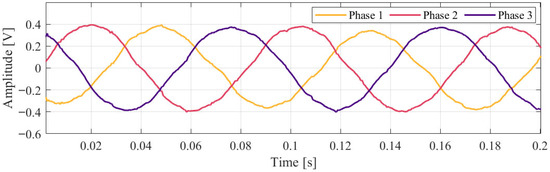
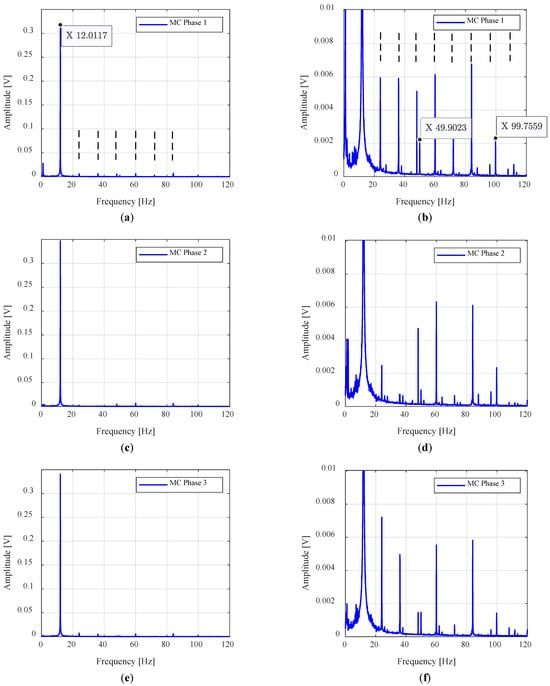
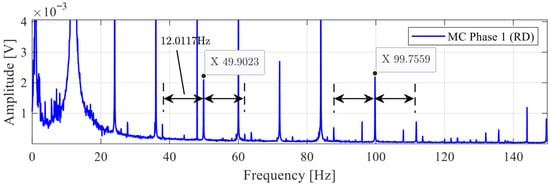
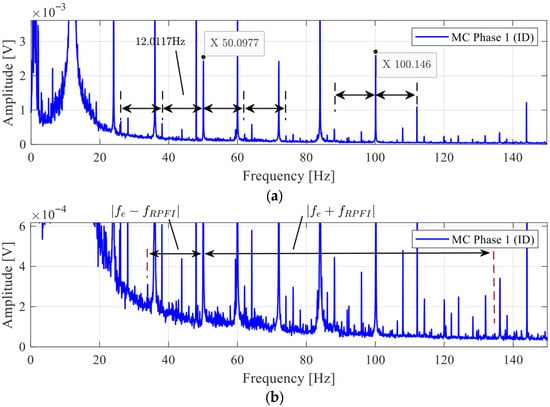
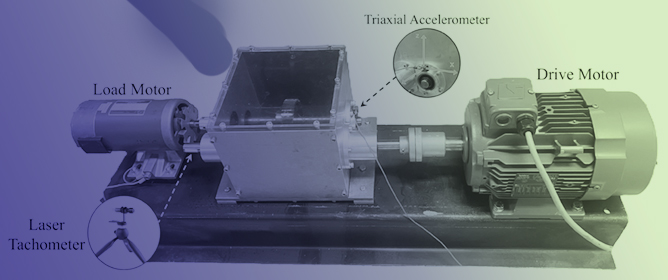
A Simple Comparative Study on the Effectiveness of Bearing Fault Detection Using Different Sensors on a Roller Bearing
by
Haobin Wen, Khalid Almutairi and Jyoti K. Sinha
Machines 2026, 14(3), 351; https://doi.org/10.3390/machines14030351 - 20 Mar 2026
Abstract
Anti-friction bearings are fundamental components of rotating machines. In bearing condition monitoring, fault detection is a primary task, as any undetected faults could result in catastrophic failures and downtime losses. To ensure effective and reliable fault detection, the use of appropriate sensors and
[...] Read more.
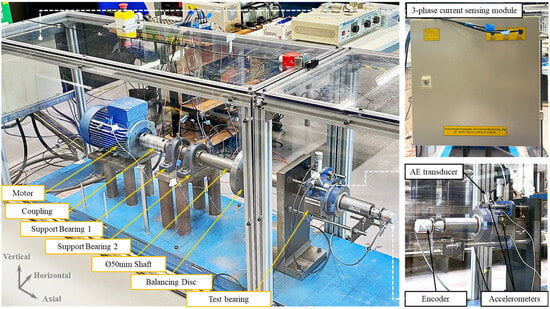
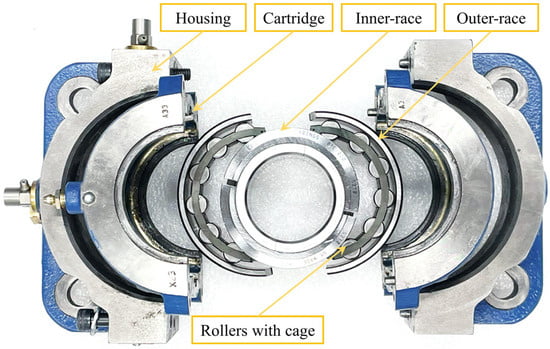
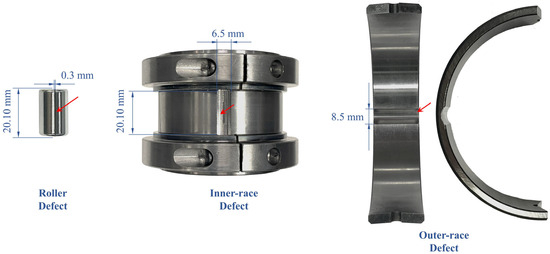
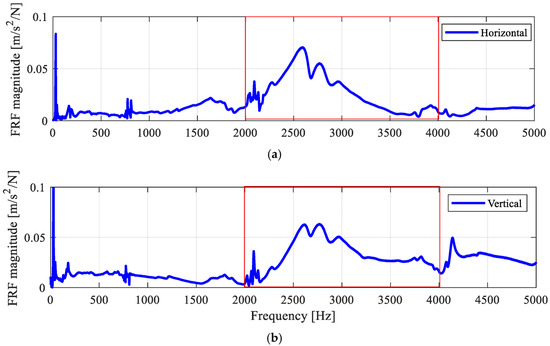
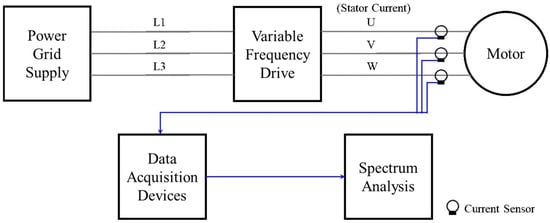
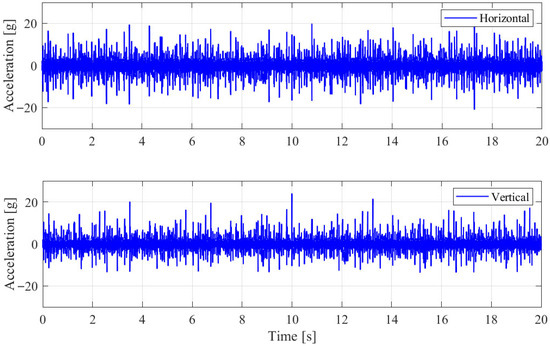
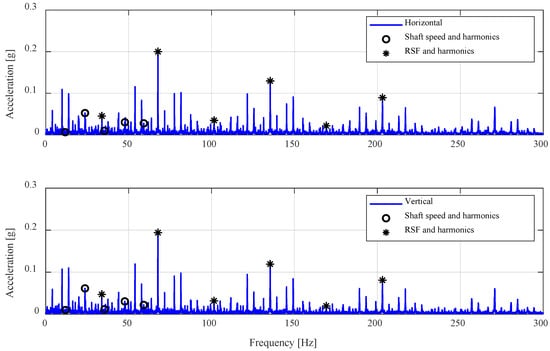
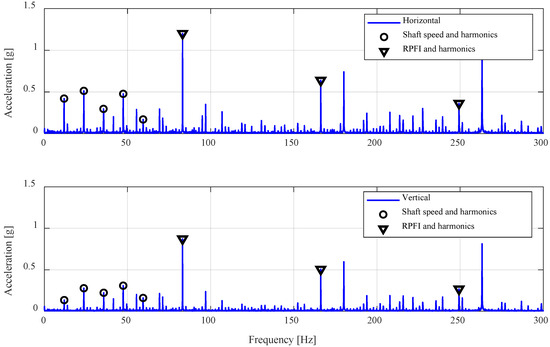
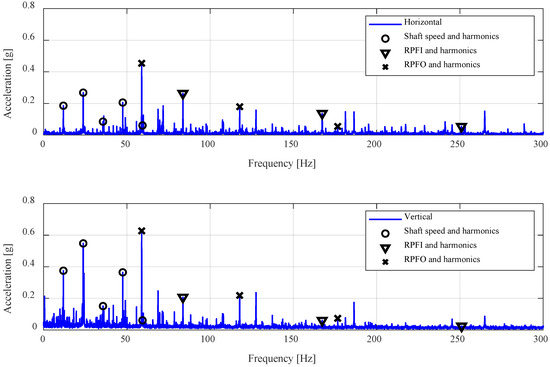
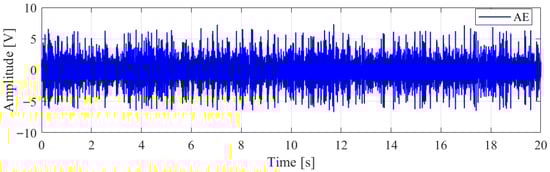
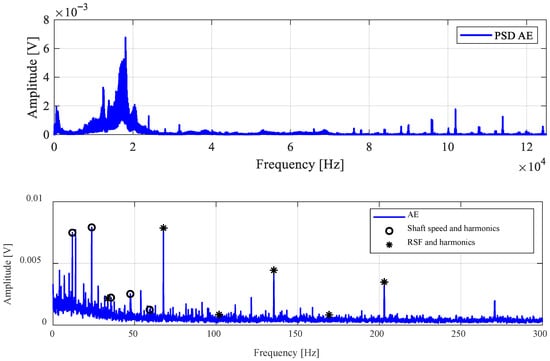
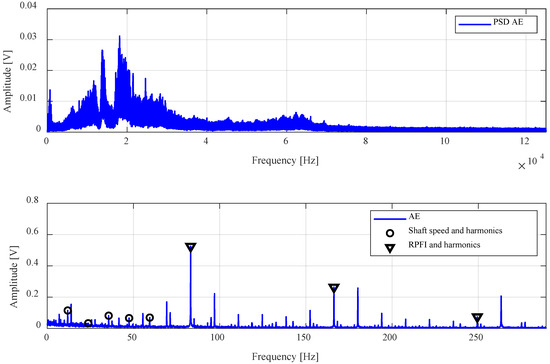
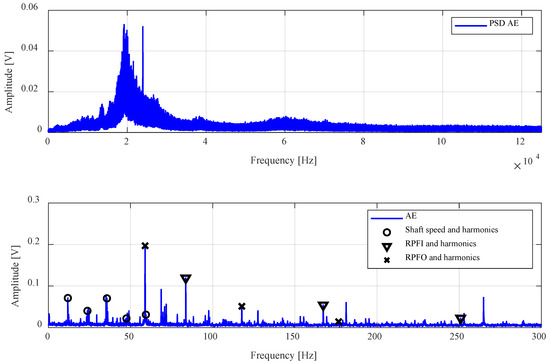
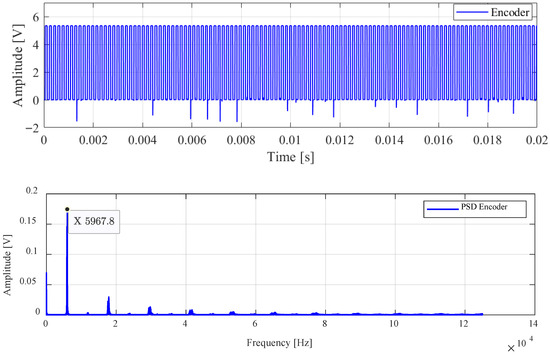
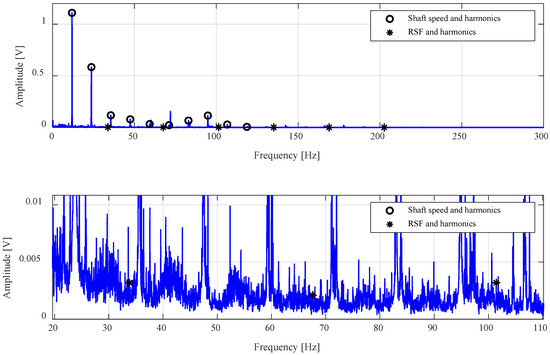
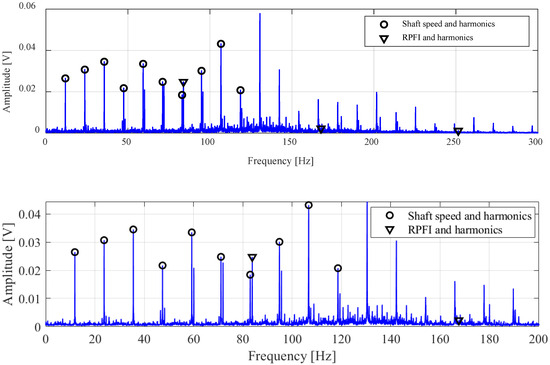
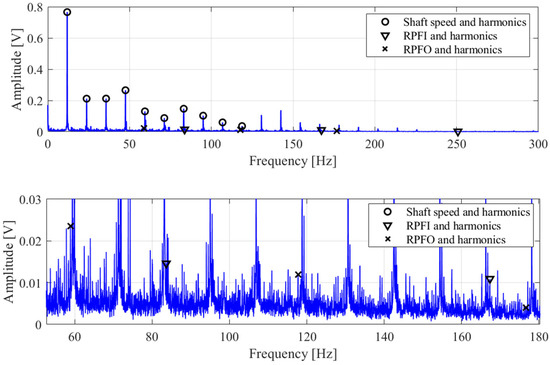
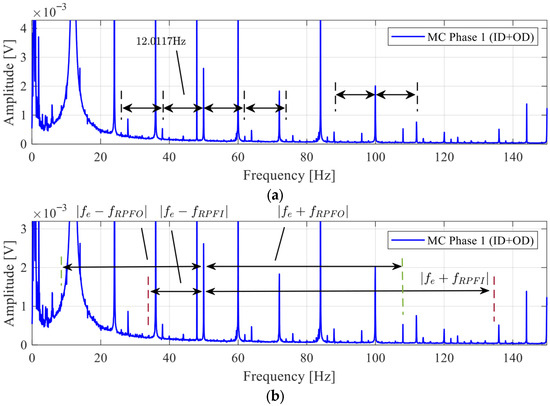
Anti-friction bearings are fundamental components of rotating machines. In bearing condition monitoring, fault detection is a primary task, as any undetected faults could result in catastrophic failures and downtime losses. To ensure effective and reliable fault detection, the use of appropriate sensors and measurement technologies is essential. This paper presents a comparative study on the applications of four sensor types in bearing condition monitoring. These four sensor types are vibration accelerometer, encoder, acoustic emission (AE) sensor and motor current probe. Their effectiveness and practicability in bearing fault detection are evaluted. Data simultaneously measured from these four sensor types on a split roller bearing within an experimental rig are used for the analysis. Different factors such as machine operating speeds, bearing fault sizes and their location are considered during the experiments to understand the effectiveness and fault detectability of different sensors on a common bearing. Both the accelerometer and the AE sensor are observed to effectively detect all bearing faults from small to extended sizes and from low to high operating speeds. However, the other two sensors, the encoder and motor current probe, have been found to be sensitive only to relatively larger fault sizes and higher operating speeds. The study presents valuable insights into their advantages and limitations through a systematic comparison of roller bearing fault detection. The study provides a basis for sensor selection in bearing condition monitoring and fault detection to enhance the reliability of industrial maintenance activities.
Full article
(This article belongs to the Section Machines Testing and Maintenance)
►▼
Show Figures

Figure 1

Open AccessArticle
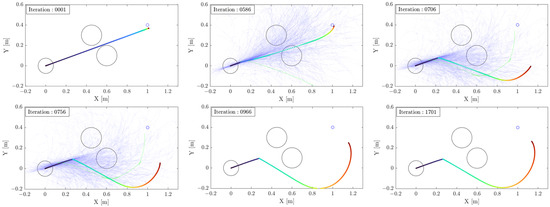
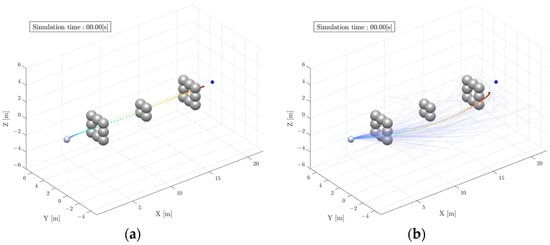
Trajectory Optimization with Feasibility Guidance for Agile UAV Path Planning Under Geometric Constraints
by
Shoshi Kawarabayashi, Kenji Uchiyama and Kai Masuda
Machines 2026, 14(3), 350; https://doi.org/10.3390/machines14030350 - 20 Mar 2026
Abstract
This paper presents a practical optimization framework for improving trajectory feasibility in constrained nonlinear optimal control problems for agile unmanned aerial vehicles (UAVs). The proposed method addresses trajectory optimization problems with non-convex geometric constraints, where gradient-based solvers often fail to converge to feasible
[...] Read more.
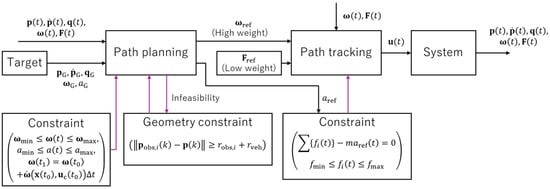
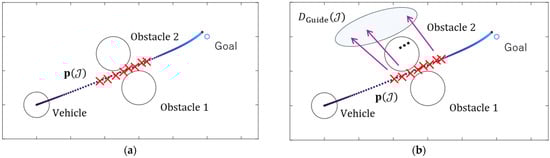
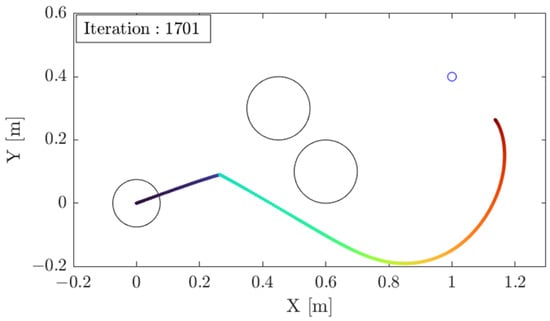
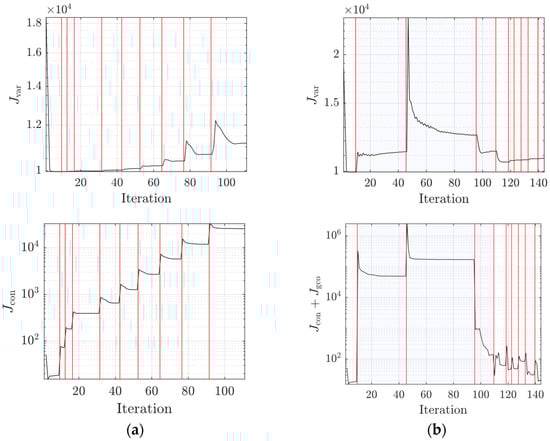
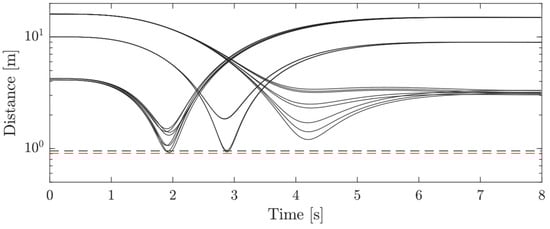
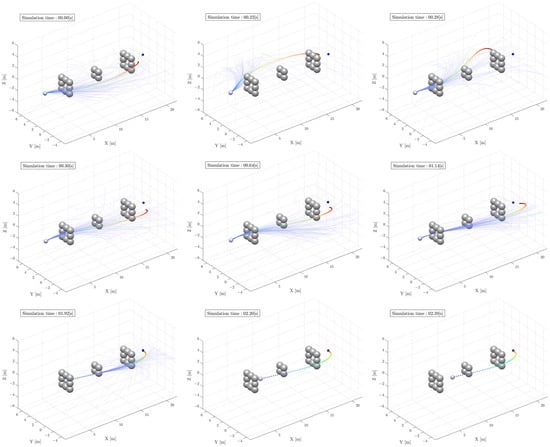
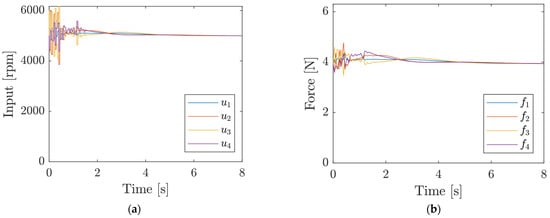
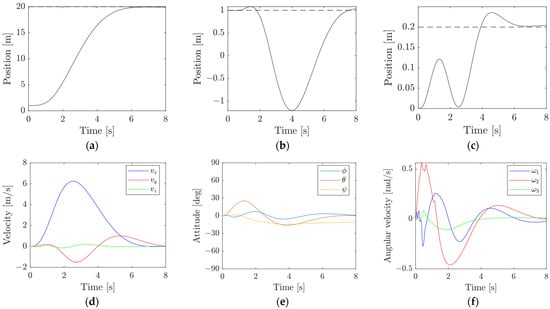
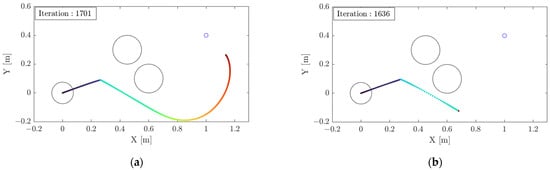
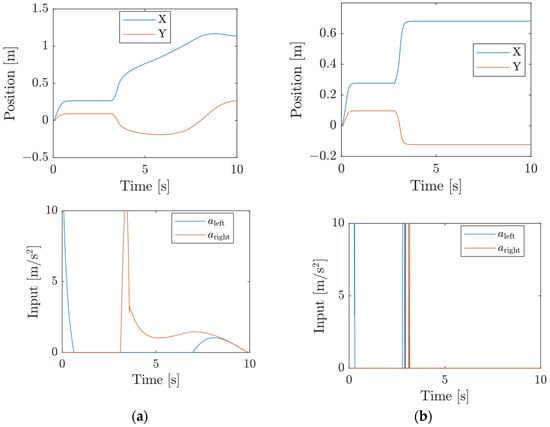
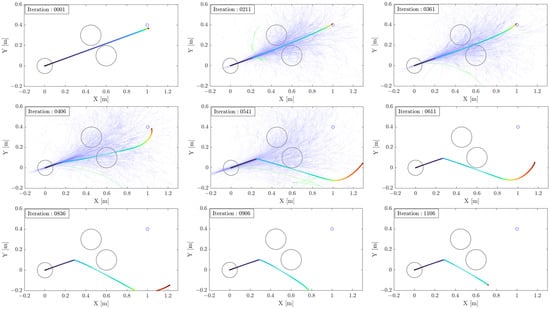
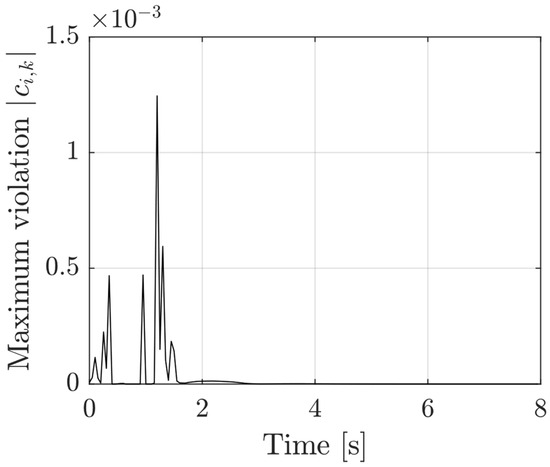
This paper presents a practical optimization framework for improving trajectory feasibility in constrained nonlinear optimal control problems for agile unmanned aerial vehicles (UAVs). The proposed method addresses trajectory optimization problems with non-convex geometric constraints, where gradient-based solvers often fail to converge to feasible solutions. The framework combines Model Predictive Path Integral (MPPI) control and the Augmented Lagrangian iterative Linear Quadratic Regulator (AL-iLQR). MPPI is employed as a fast sampling-based guidance mechanism to explore feasible regions of the trajectory space, while AL-iLQR is used to efficiently refine locally optimal solutions with high numerical accuracy. By decoupling feasibility exploration from local optimal refinement, the proposed method mitigates the sensitivity of gradient-based trajectory optimization to initialization in highly constrained environments. Numerical simulations involving both simplified two-dimensional dynamics and full quadrotor models demonstrate that the proposed approach significantly improves the probability of converging to feasible and dynamically consistent trajectories compared with AL-iLQR alone. The proposed method does not aim to provide theoretical guarantees of global optimality; instead, it offers a practical and computationally efficient strategy for enhancing feasibility and robustness in real-time UAV trajectory optimization.
Full article
(This article belongs to the Special Issue Flight Control and Path Planning of Unmanned Aerial Vehicles)
►▼
Show Figures

Figure 1

Open AccessArticle
Deep Learning-Enhanced Fault Detection and Localization in Induction Motor Drives: A ResMLP and TCN Framework
by
Hamza Adaika, Khaled Laadjal, Zoheir Tir and Mohamed Sahraoui
Machines 2026, 14(3), 349; https://doi.org/10.3390/machines14030349 - 20 Mar 2026
Abstract
Unbalanced supply voltage (USV) represents a critical power quality challenge in industrial environments, significantly degrading the performance, efficiency, and operational lifespan of three-phase induction motors. Accurate real-time estimation of sequence impedances ( ) and detection
[...] Read more.
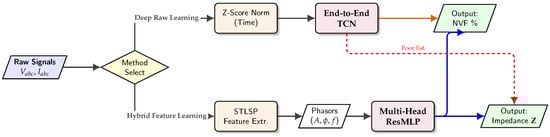
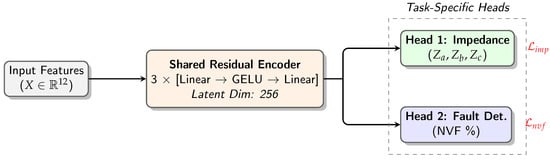
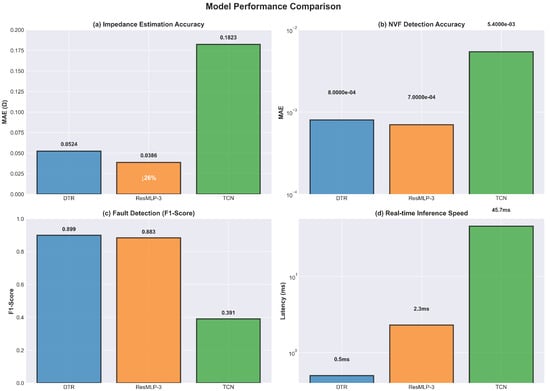
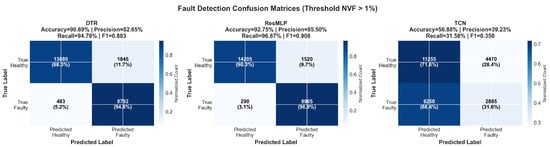
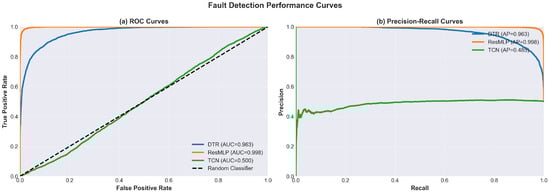
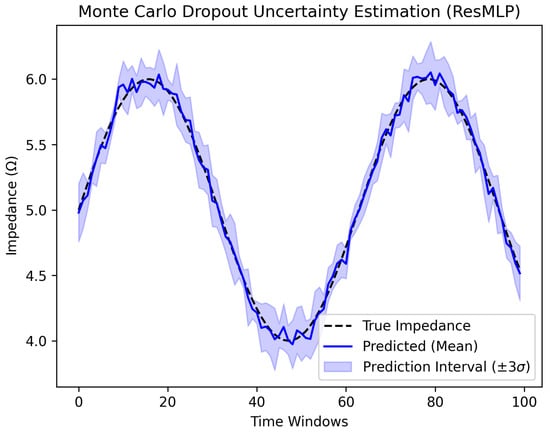
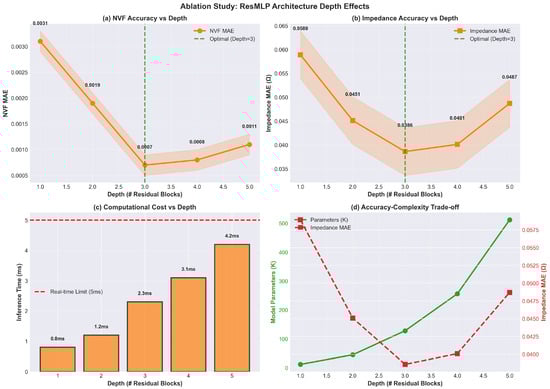
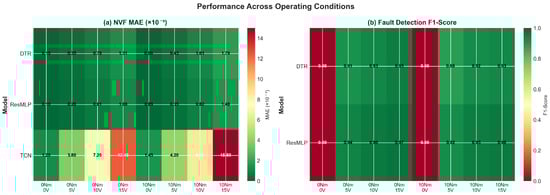
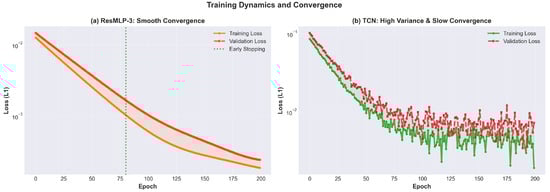
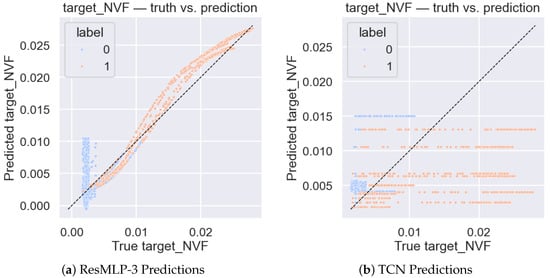
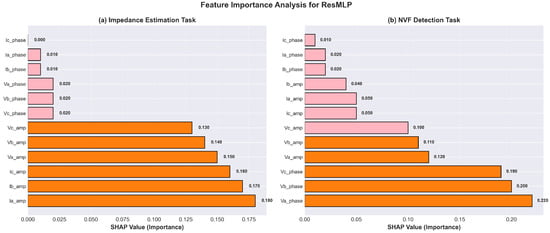
Unbalanced supply voltage (USV) represents a critical power quality challenge in industrial environments, significantly degrading the performance, efficiency, and operational lifespan of three-phase induction motors. Accurate real-time estimation of sequence impedances ( ) and detection of the Negative Voltage Factor (NVF) are essential for effective condition monitoring and preventive maintenance strategies. While existing machine learning methods have demonstrated promising accuracy, they often rely on manual feature engineering, lack hierarchical representation learning, and treat impedance estimation and fault detection as isolated tasks. This paper proposes a unified Deep Multi-Task Learning framework that leverages Residual Multilayer Perceptron (ResMLP) architectures for feature-based learning and Temporal Convolutional Networks (TCNs) for end-to-end raw signal learning. Our contributions include: (1) introduction of a Multi-Head ResMLP architecture that jointly optimizes phase impedance and fault detection, achieving superior NVF accuracy (MAE = 0.0007) and a fault detection F1-score of 0.8831; (2) investigation of raw-voltage TCN models for voltage-only diagnostics, with analysis of the trade-offs between end-to-end learning and feature-based approaches; (3) extensive ablation studies demonstrating the impact of network depth, data augmentation, and training protocols on model generalization; and (4) deployment of PyTorch (v2.0.1)-based models suitable for embedded systems with real-time inference capabilities (2.3 ms per prediction). Experimental validation on a 1.1 kW three-phase motor dataset under diverse load conditions (0–10 Nm) and USV magnitudes (5–15 V) confirms the robustness and practical applicability of the proposed approach for industrial fault diagnosis and condition monitoring systems.
Full article
(This article belongs to the Special Issue New Trends in Reliability and Lifetime Improvement in Power-Electronic-Controlled Machines and Devices)
►▼
Show Figures

Figure 1

Open AccessArticle
Condition Monitoring Model Development for Belt Systems Using Hybrid CNN–BiLSTM Deep-Learning Techniques
by
Mortda Mohammed Sahib, Philipp Plänitz, Matthias Hackert-Oschätzchen and Christoph Lerez
Machines 2026, 14(3), 348; https://doi.org/10.3390/machines14030348 - 19 Mar 2026
Abstract
Predictive maintenance aims to monitor equipment conditions through data-driven analysis and estimate failure in advance, which enables the scheduling of maintenance prior to equipment breakdown. In this work, a deep-learning neural network is used to predict the condition of the belt-drive system. A
[...] Read more.
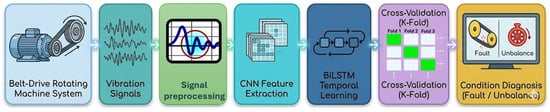
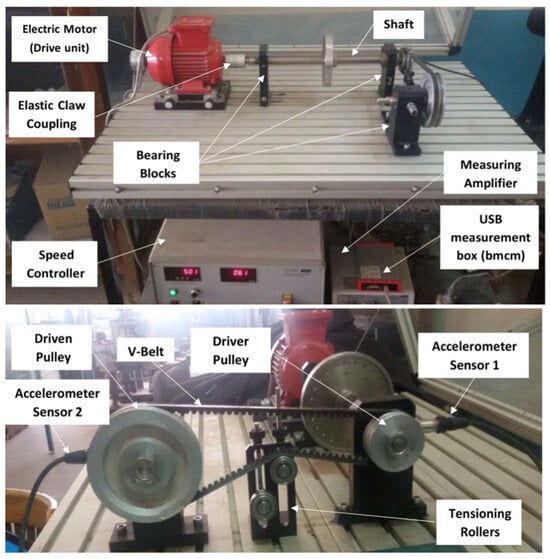
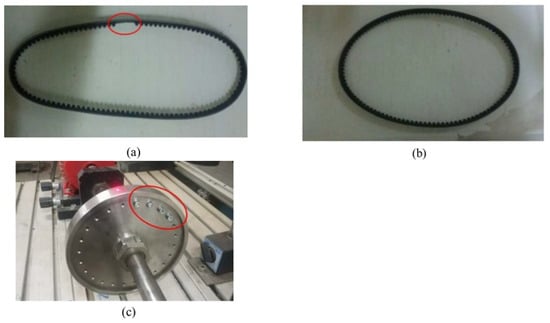
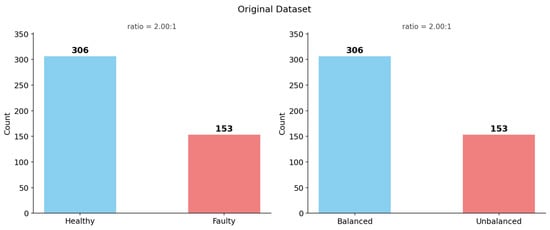
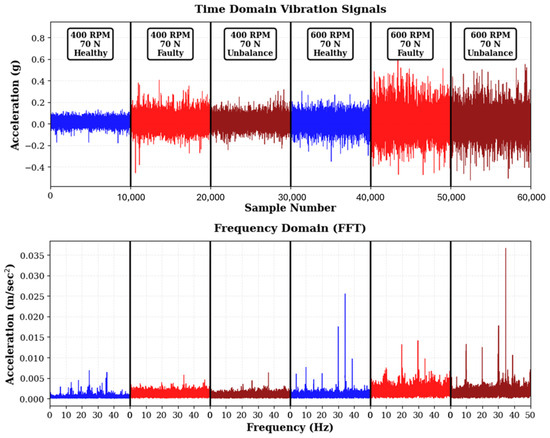
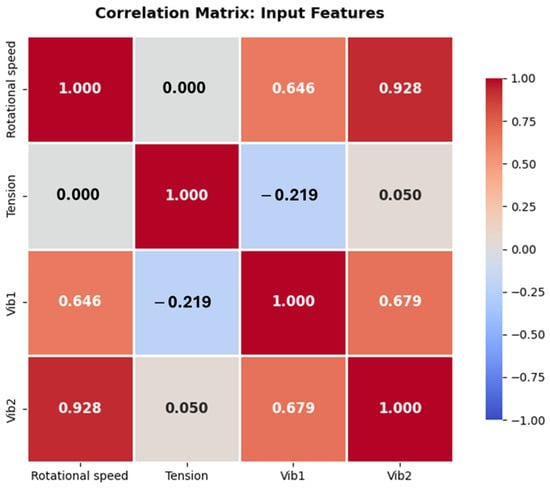
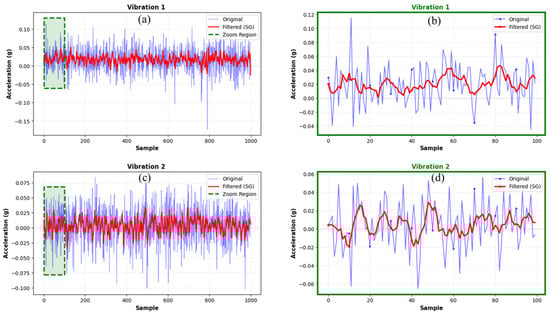
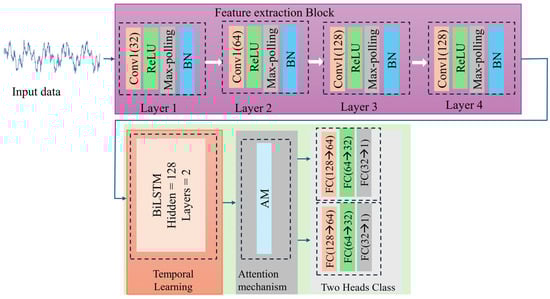
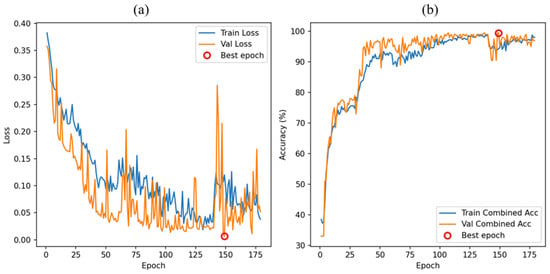
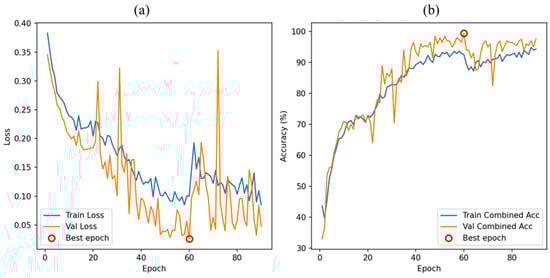
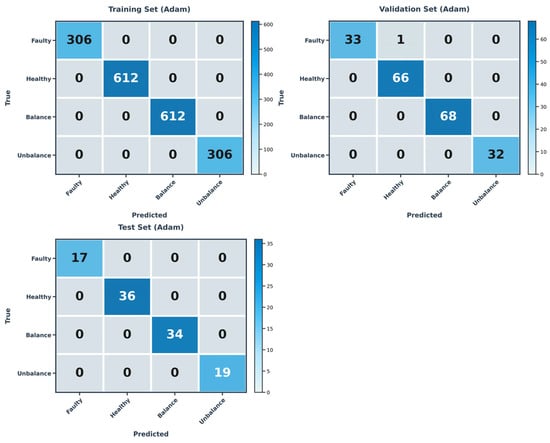
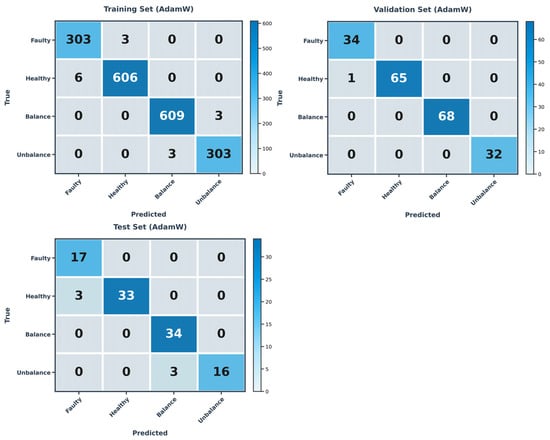
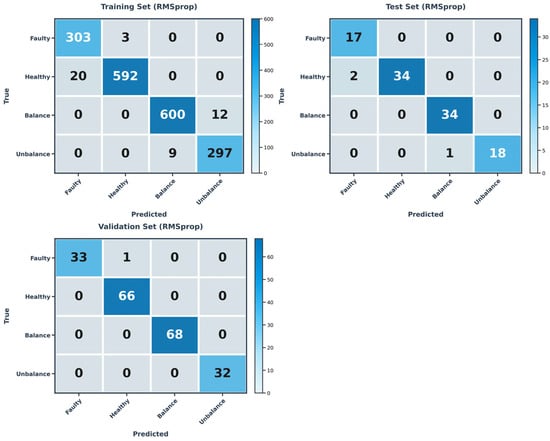
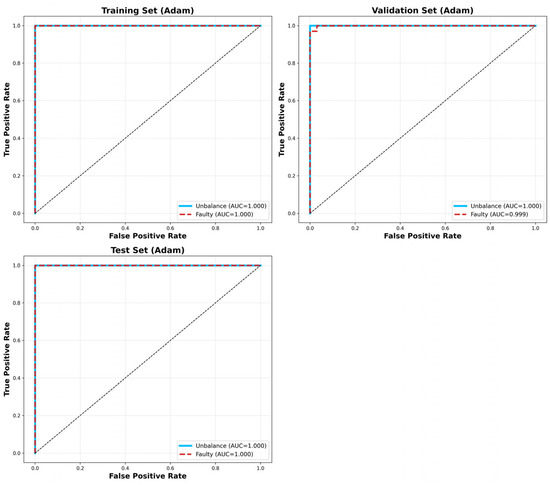
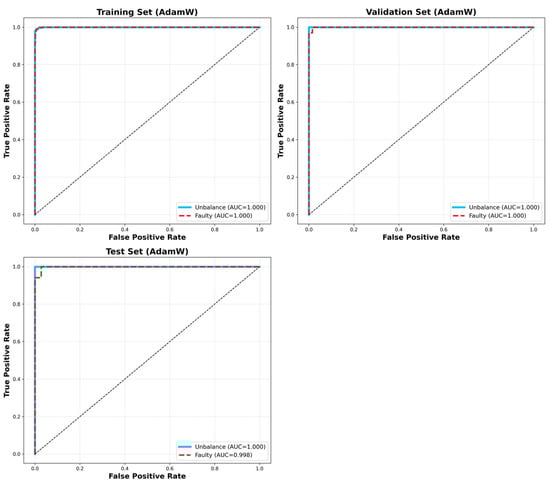
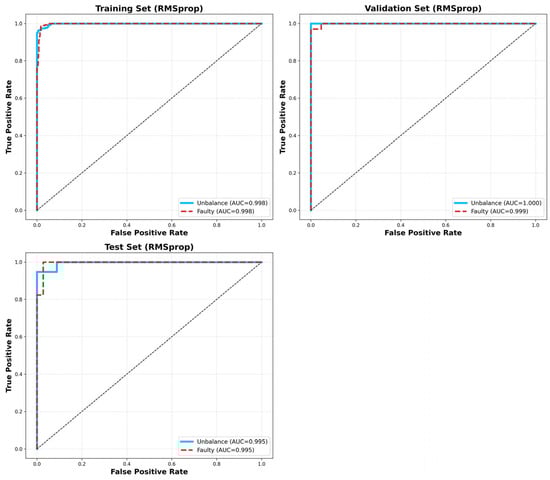
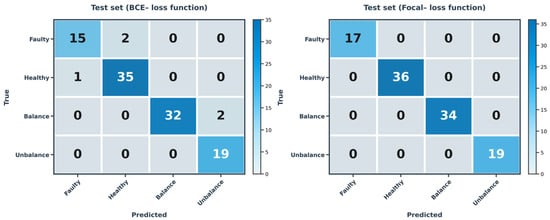
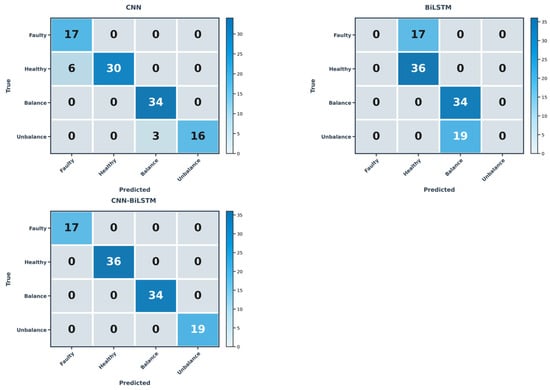
Predictive maintenance aims to monitor equipment conditions through data-driven analysis and estimate failure in advance, which enables the scheduling of maintenance prior to equipment breakdown. In this work, a deep-learning neural network is used to predict the condition of the belt-drive system. A combined Convolutional Neural Network with Bi-directional Long Short-Term Memory (CNN-BiLSTM) model is assigned for processing the operational parameters along with vibrational signals to predict belt-drive system conditions in two separate binary classifications: faulty or healthy and unbalanced or balanced conditions. The data flow in the CNN-BiLSTM model initiates with the CNN to extract the features from the vibration signals and performs essential pattern detection. Consequently, the BiLSTM’s role is to capture long-term temporal relationships that cannot be captured by the CNN alone. To predict the targeted conditions, a fully connected layer with a classifier is built at the BiLSTM outputs. For efficient model training, the data is preprocessed through denoising, augmentation, and normalization. Additionally, hyperparameter tuning is conducted to explore different model configurations and select the optimal ones on the basis of relevant performance. An ablation study is conducted to investigate the use of CNN and BiLSTM models individually, confirming that combining both components is essential for accurate classification. Moreover, the cross-validation technique is used to assess the proposed model’s generality by organizing unseen data across rotational speeds, which also depicts robust performance under varying operating conditions. The key added value of this study lies in integrating deep-learning techniques to address a knowledge gap by using raw vibrational signals to establish intelligent monitoring systems, which represents a new scientific contribution to the predictive maintenance of belt-drive systems.
Full article
(This article belongs to the Special Issue AI-Driven Reliability Analysis and Predictive Maintenance)
►▼
Show Figures

Figure 1
Open AccessArticle
Telehandler Stability Analysis Using a Virtual Tilt & Rotation Platform
by
Beatriz Puras, Gustavo Raush, Germán Filippini, Javier Freire, Pedro Roquet, Manel Tirado, Oriol Casadesús and Esteve Codina
Machines 2026, 14(3), 347; https://doi.org/10.3390/machines14030347 - 19 Mar 2026
Abstract
This paper investigates the stability of telehandlers operating on inclined terrain through a sequential methodological approach. In a first stage, stability is assessed using quasi-static methods based on force and moment equilibrium, including the load transfer matrix and the stability pyramid. These approaches
[...] Read more.
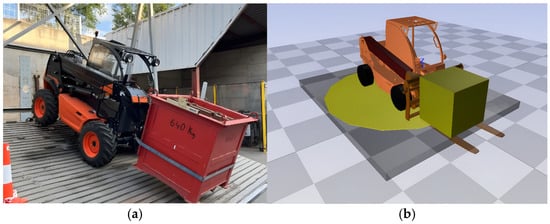
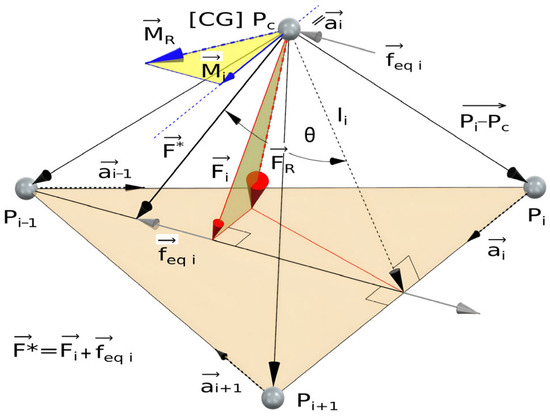
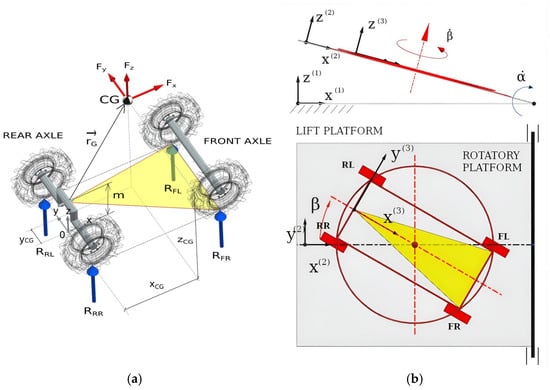
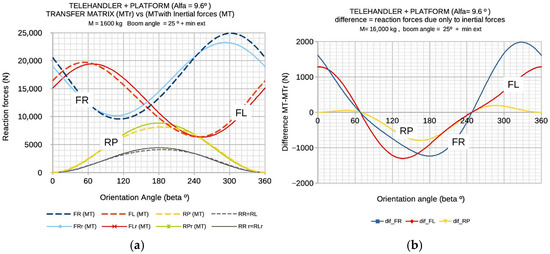
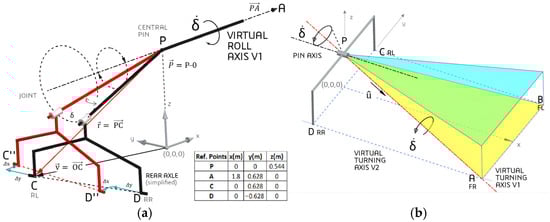
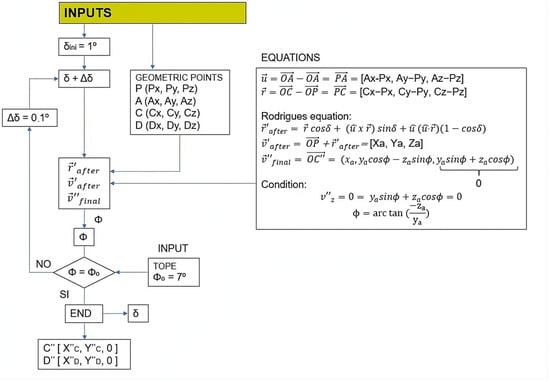
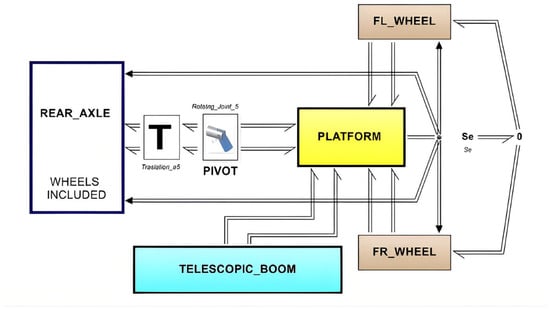
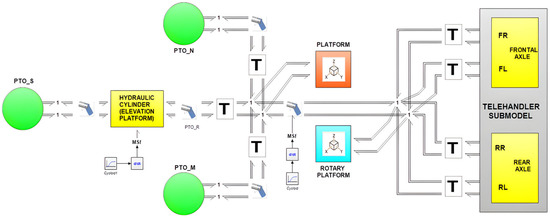
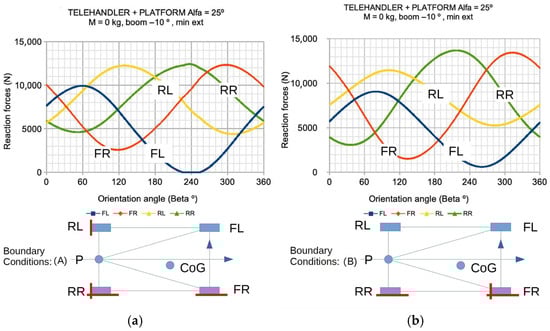
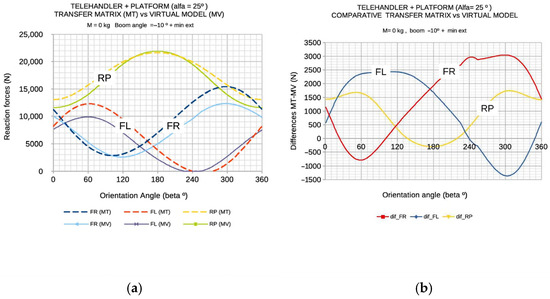
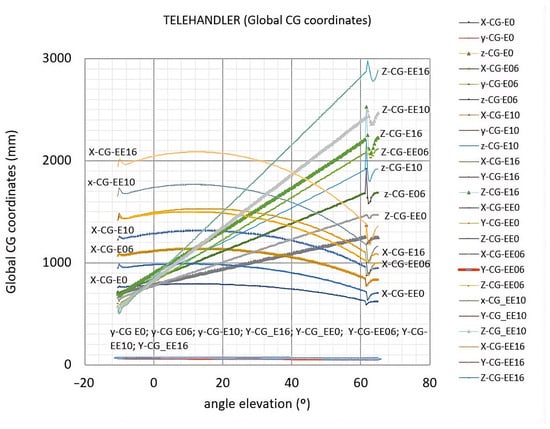
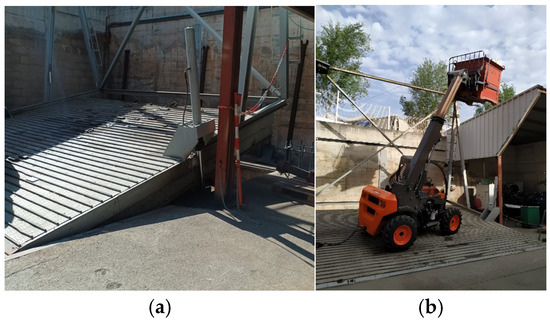
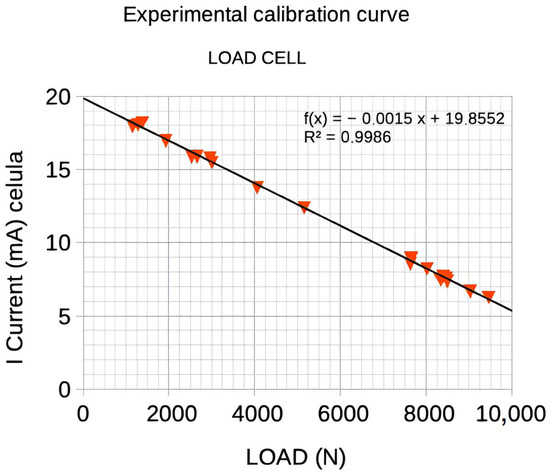
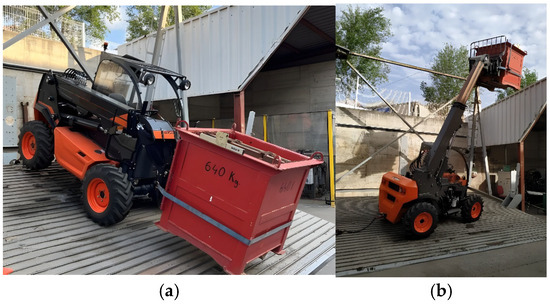
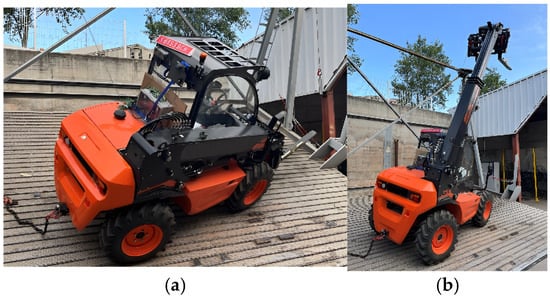
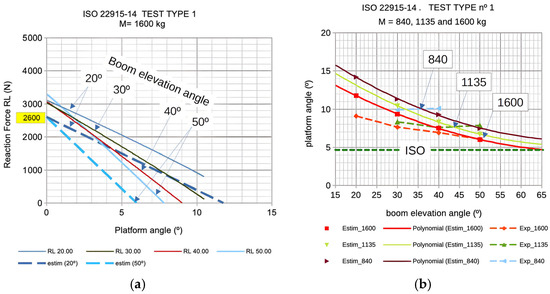
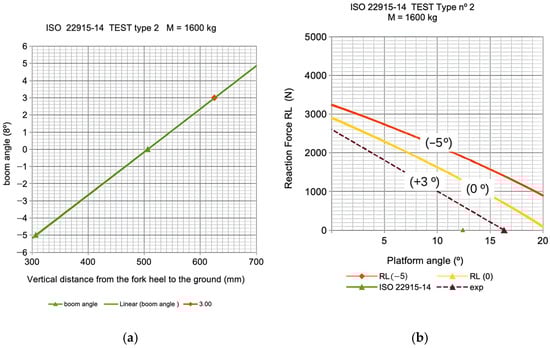
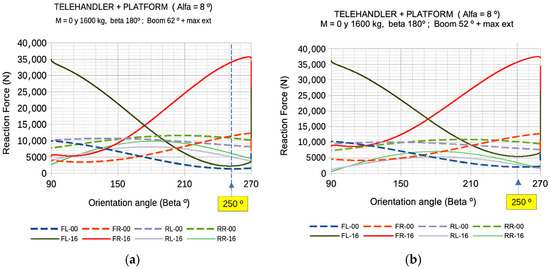
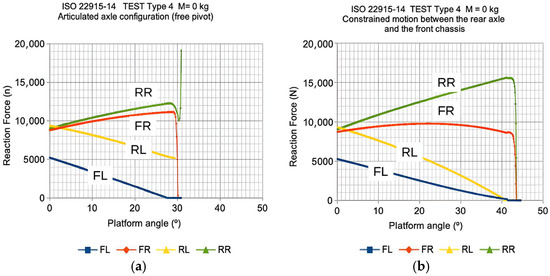
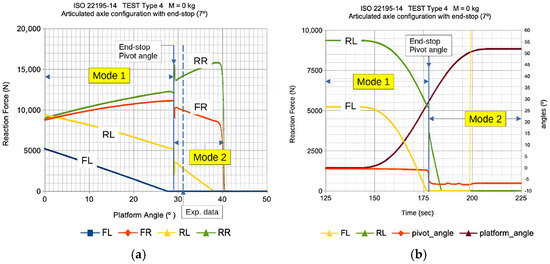
This paper investigates the stability of telehandlers operating on inclined terrain through a sequential methodological approach. In a first stage, stability is assessed using quasi-static methods based on force and moment equilibrium, including the load transfer matrix and the stability pyramid. These approaches account for gravitational and inertial effects through equivalent external forces and moments applied at the global centre of gravity, enabling efficient evaluation of load redistribution and proximity to rollover thresholds under generalized quasi-static conditions. The application of these methods highlights intrinsic limitations when addressing structurally complex machines such as telehandlers equipped with a pivoting rear axle and evolving mass distribution due to boom motion. In particular, quasi-static approaches require a priori assumptions regarding the effective rollover axis and cannot fully capture the coupled geometric and contact interactions between rear axle articulation limits, centre of gravity migration, tyre–ground interface behaviour, and support polygon evolution. To overcome these limitations, a nonlinear dynamic multibody model based on the three-dimensional Bond Graph (3D Bond Graph) methodology is introduced. The model is implemented within a virtual tilt–rotation test platform and validated against experimental results obtained from ISO 22915-14 stability tests. The comparison confirms compliance with normative requirements and demonstrates that the dynamic framework captures condition-dependent rollover mechanisms and transitions between distinct virtual rollover axes that cannot be fully explained by quasi-static formulations. Unlike most previous studies, which focus on fixed configurations or forward-driving scenarios, the proposed framework analyzes stability evolution under spatial inclination while accounting for structural articulation constraints. The explicit identification of rollover axis transitions induced by rear axle articulation provides a deeper mechanistic interpretation of telehandler stability and supports the use of high-fidelity dynamic simulation as a complementary tool for test interpretation, experimental planning, and the development of predictive stability and operator assistance systems.
Full article
(This article belongs to the Section Vehicle Engineering)
►▼
Show Figures

Figure 1
Open AccessArticle
Developing a Digital Twin for Human Performance Assessment in Human–Machine Interaction
by
Erik Novak, Aljaž Javernik, Iztok Palčič and Robert Ojsteršek
Machines 2026, 14(3), 346; https://doi.org/10.3390/machines14030346 - 19 Mar 2026
Abstract
Digital twins are becoming essential tools in smart, human-centric manufacturing, yet validated approaches that integrate real human behavior into digital twin models remain limited. This study develops and experimentally validates a digital twin as a tool for evaluating human performance in balancing human–machine
[...] Read more.
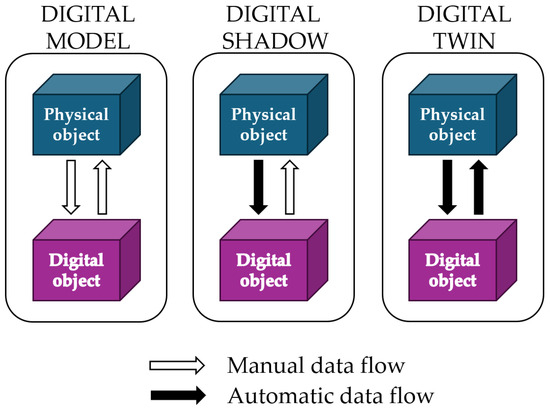
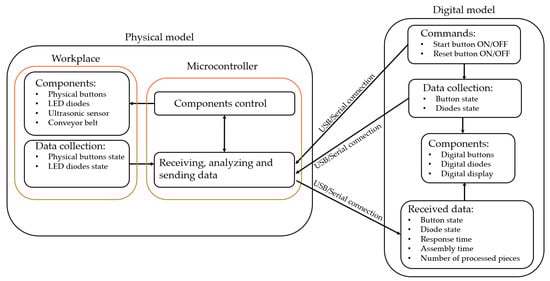
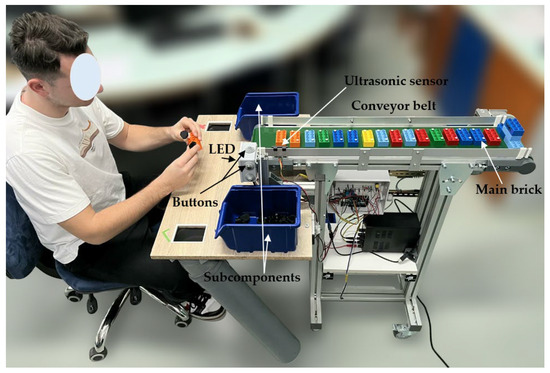
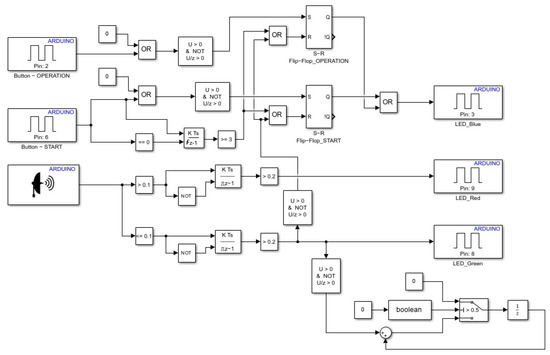
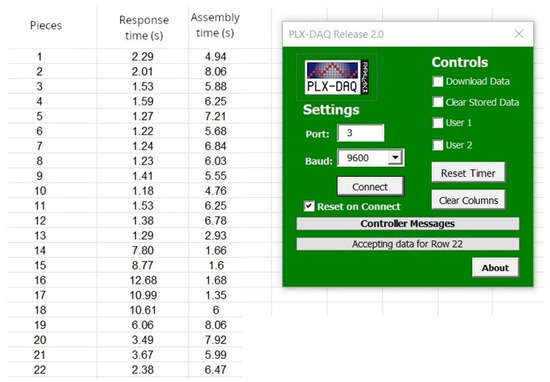
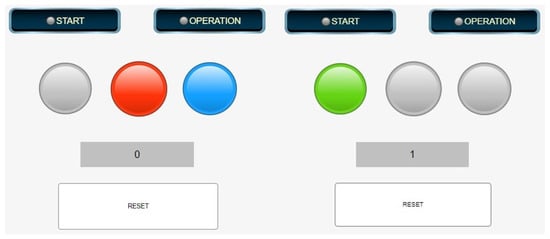
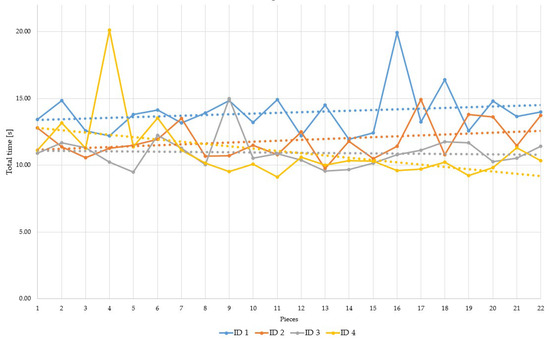
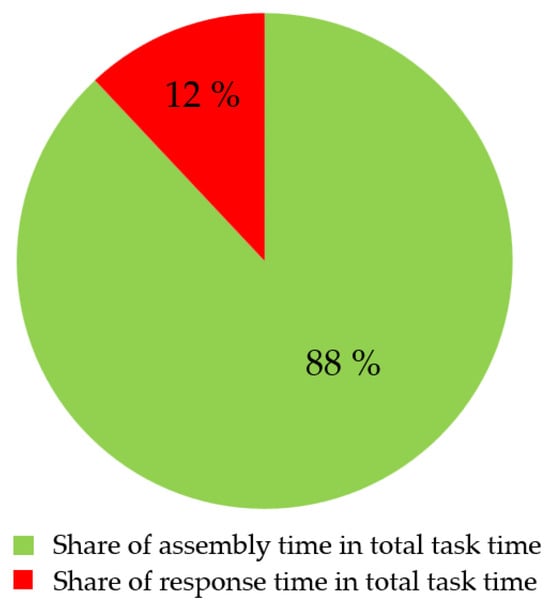
Digital twins are becoming essential tools in smart, human-centric manufacturing, yet validated approaches that integrate real human behavior into digital twin models remain limited. This study develops and experimentally validates a digital twin as a tool for evaluating human performance in balancing human–machine interaction. A physical system comprising a conveyor belt, sensors, and operator-controlled elements was constructed, and a functionally equivalent digital model was created using Arduino IDE and MATLAB/Simulink. The digital twin records and synchronizes key human–machine interaction variables, including response time, assembly time, and execution consistency. Validation was conducted through simulation testing and an experimental study with 18 participants performing repeated assembly cycles. The results show that the developed digital twin accurately replicates the temporal dynamics of the physical process and reliably captures individual human performance patterns. Overall, the study provides a validated methodological framework for human–machine-integrated digital twins and demonstrates their potential for analyzing human–machine interaction, supporting operator training, and adaptive workplace design in line with Industry 5.0 principles.
Full article
(This article belongs to the Special Issue Human-Centered Manufacturing in the Era of Industry 5.0: Toward Personalized and Intelligent Collaborative Production Systems)
►▼
Show Figures

Figure 1
Open AccessCorrection
Correction: Qie et al. Underwater Objective Detection Algorithm Based on YOLOv8-Improved Multimodality Image Fusion Technology. Machines 2025, 13, 982
by
Yage Qie, Chao Fang, Jinghua Huang, Donghao Wu and Jian Jiang
Machines 2026, 14(3), 345; https://doi.org/10.3390/machines14030345 - 19 Mar 2026
Abstract
In the original publication [...]
Full article
(This article belongs to the Section Robotics, Mechatronics and Intelligent Machines)
Open AccessArticle
Effect of Combined Film Cooling and Swirl on the Thermal Performance of a Contoured High Pressure Turbine Vane of a Modern Turbofan Engine: A Numerical Study
by
Djihane Mazouz, Zakaria Mansouri and Salaheddine Azzouz
Machines 2026, 14(3), 344; https://doi.org/10.3390/machines14030344 - 18 Mar 2026
Abstract
Modern high-pressure turbine (HPT) nozzle guide vanes (NGVs) operate under non-uniform inlet conditions, including hot streaks and swirl, which can induce complex flow phenomena and uneven thermal loading. These effects, particularly at the hub-vane corner, can compromise NGV durability, yet the combined influence
[...] Read more.
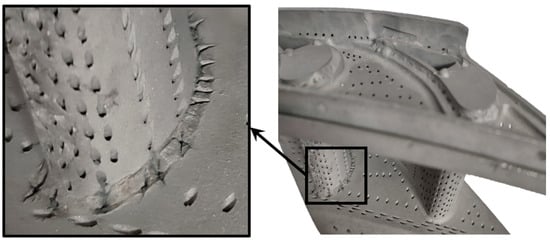
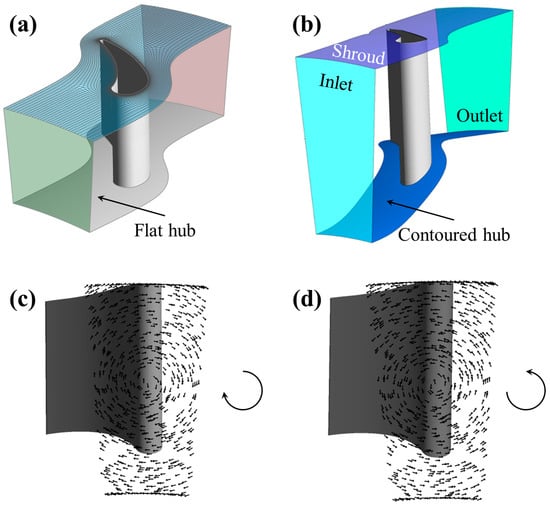
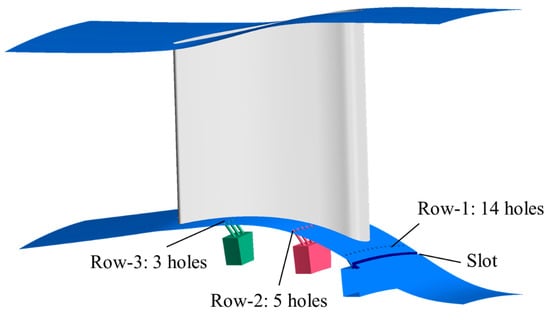
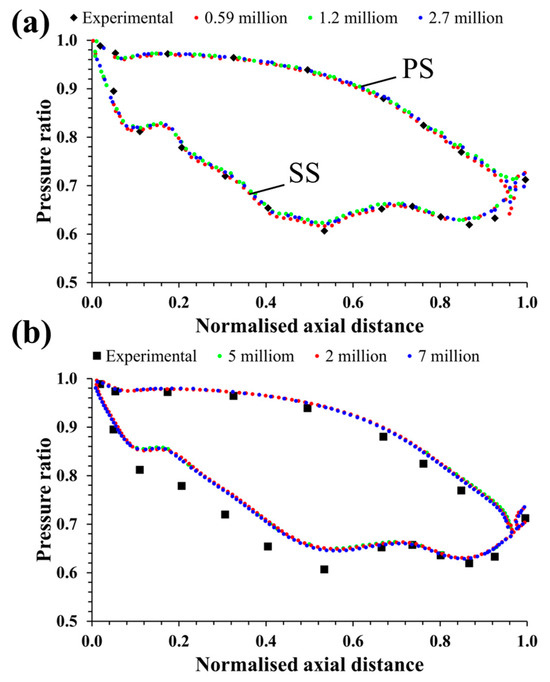
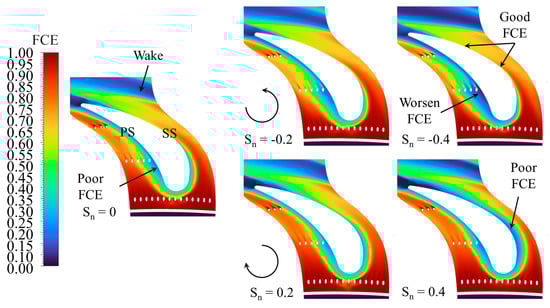
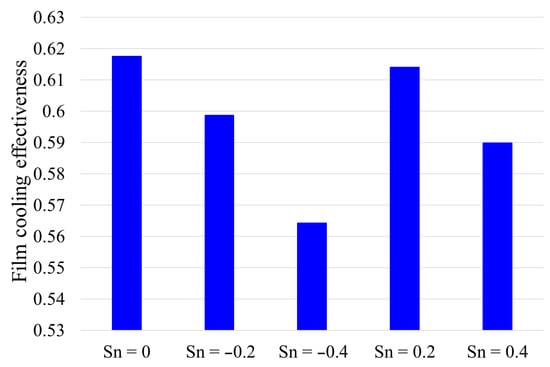
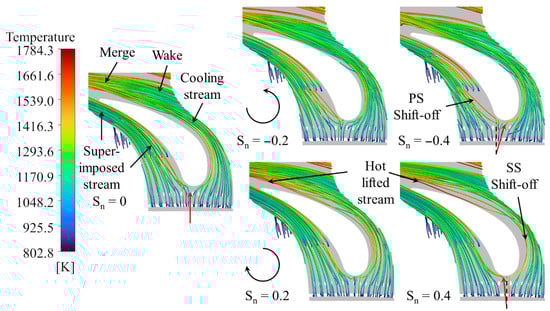
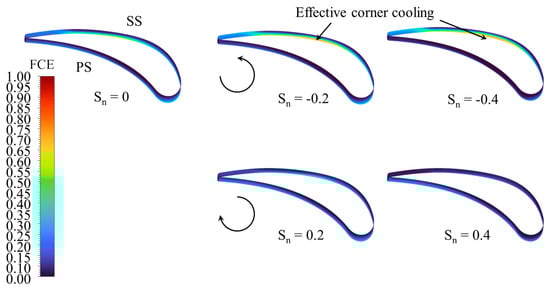
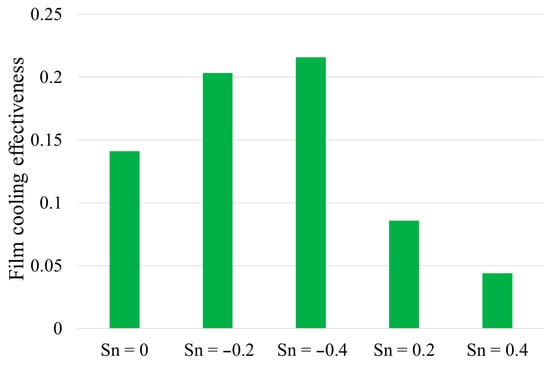
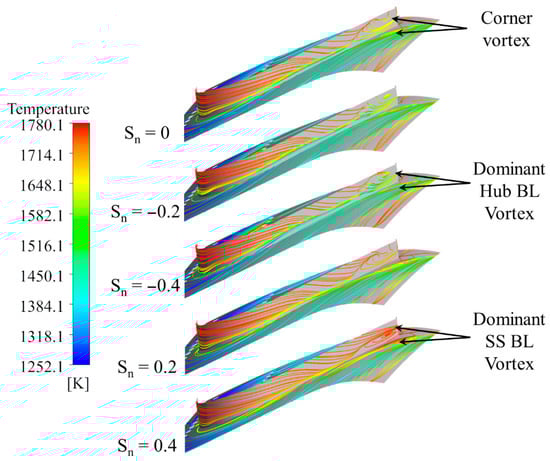
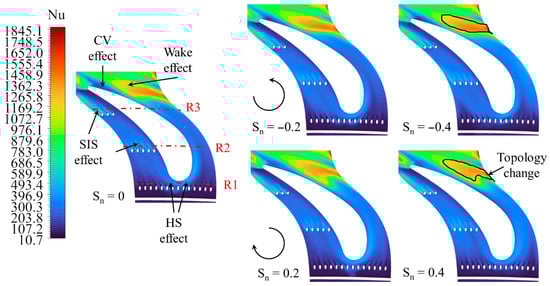
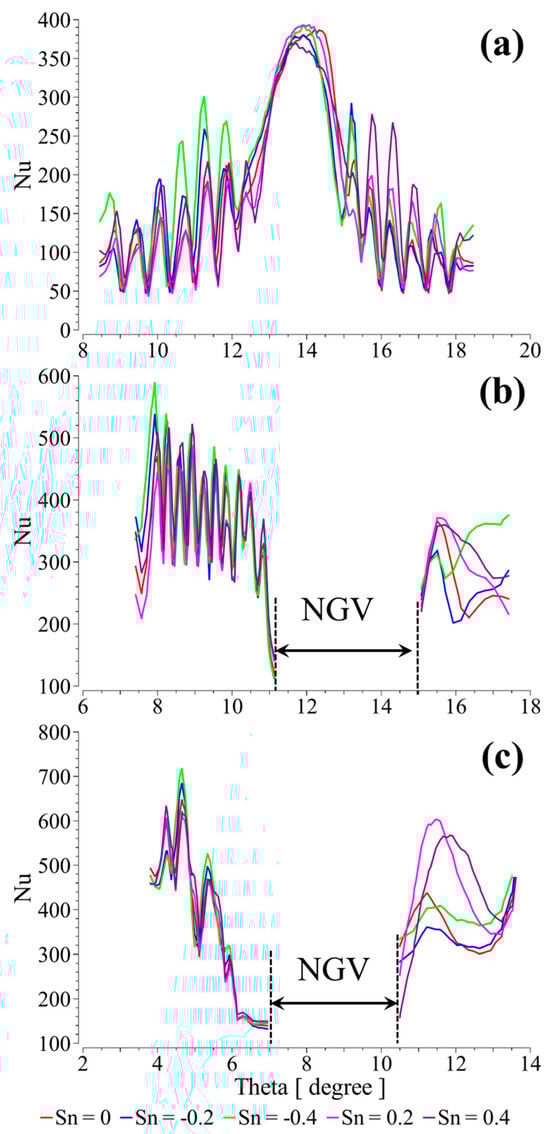
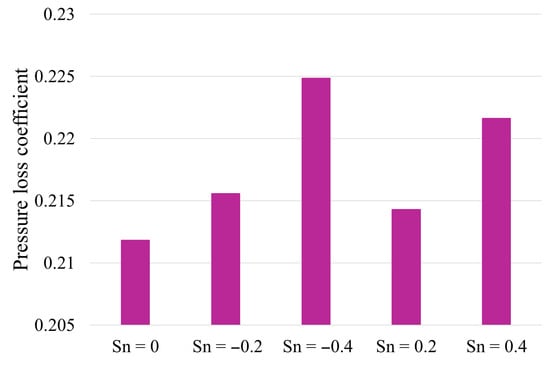
Modern high-pressure turbine (HPT) nozzle guide vanes (NGVs) operate under non-uniform inlet conditions, including hot streaks and swirl, which can induce complex flow phenomena and uneven thermal loading. These effects, particularly at the hub-vane corner, can compromise NGV durability, yet the combined influence of swirl and film cooling remains underexplored. The objective of this study is to investigate the aerothermal behaviour of contoured first-stage NGVs under varying swirl intensities and directions to improve understanding of hub and corner thermal protection and failure mechanisms. Steady, compressible RANS simulations were conducted with the k-ω SST turbulence model. A vane with a contoured hub and multiple film cooling rows was designed and analysed under axial and swirling inflows, both clockwise and counter-clockwise, with swirl numbers of Sn = ±0.2 and ±0.4. Axial flow achieved the highest area-averaged film cooling effectiveness (FCE) of 0.617. Negative swirl (Sn = −0.4) improved suction-side corner FCE to 0.215 but reduced pressure-side cooling, whereas positive swirl (Sn = 0.4) improved pressure-side cooling but reduced suction-side FCE to 0.043. Corner temperatures under positive swirl reached 1780 K, consistent with promoting failure, while negative swirl reduced corner temperatures to 1516 K. Aerodynamic losses increased with swirl, with negative swirl generating 5.78% higher total pressure losses than the axial baseline. Swirl altered the corner vortex topology, affecting boundary layer interactions and local heat transfer. These results highlight a trade-off between thermal protection and aerodynamic efficiency, emphasising that optimising NGV performance requires careful design of hub cooling and consideration of swirl direction and intensity.
Full article
(This article belongs to the Section Turbomachinery)
►▼
Show Figures

Figure 1
Open AccessArticle
Hybrid Attention-Augmented Deep Reinforcement Learning for Intelligent Machining Process Route Planning
by
Ruizhe Wang, Minrui Wang, Ziyan Du, Xiaochuan Dong and Yibing Peng
Machines 2026, 14(3), 343; https://doi.org/10.3390/machines14030343 - 18 Mar 2026
Abstract
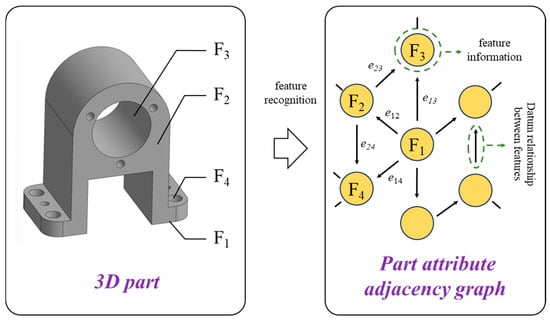
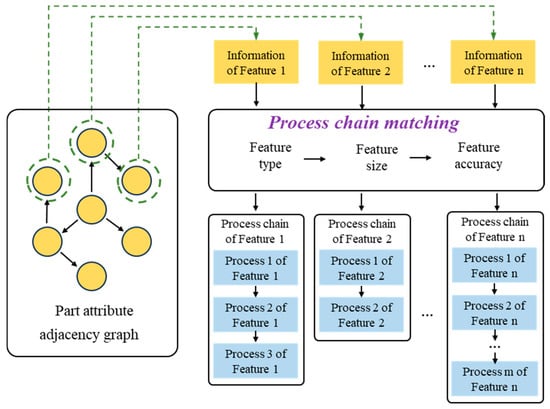
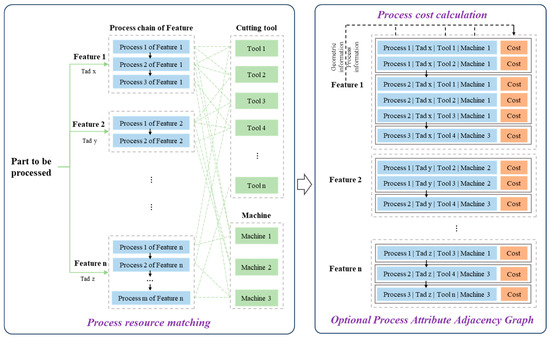
Machining process route planning (MPRP) is vital for autonomous manufacturing yet remains challenging under complex, multi-dimensional engineering constraints. This paper proposes an attention-augmented deep reinforcement learning (DRL) framework to achieve intelligent process orchestration. First, an Optional Process Attribute Adjacency Graph (OPAAG) is established
[...] Read more.
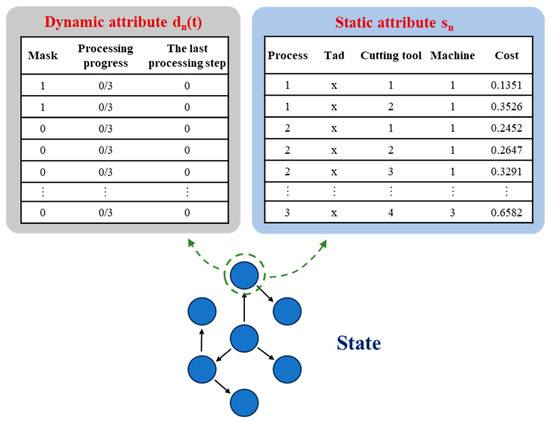
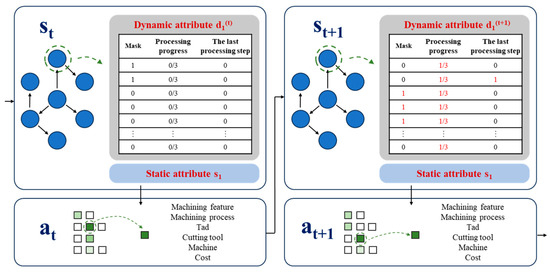
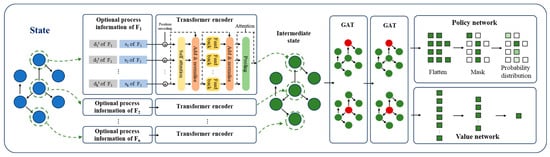
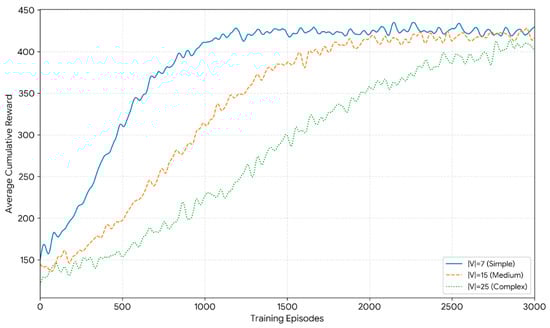
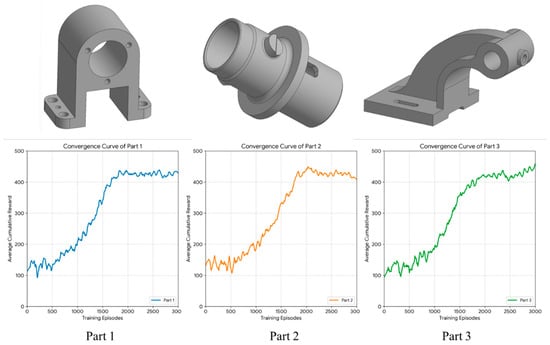
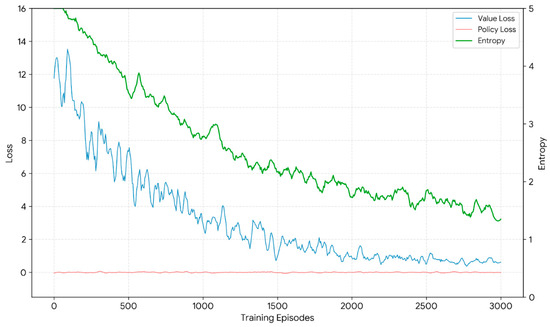
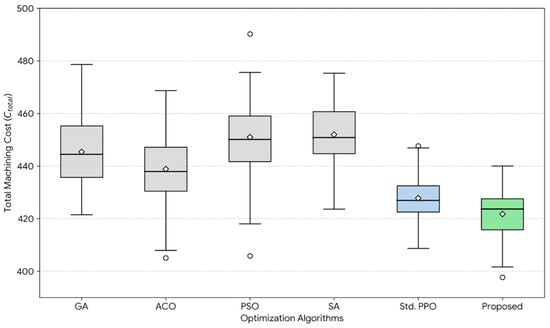
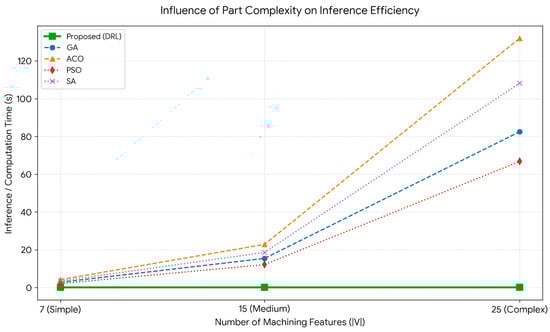
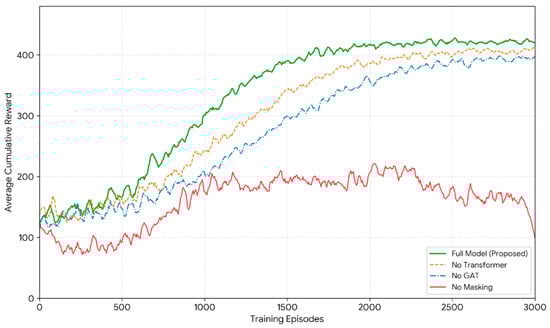
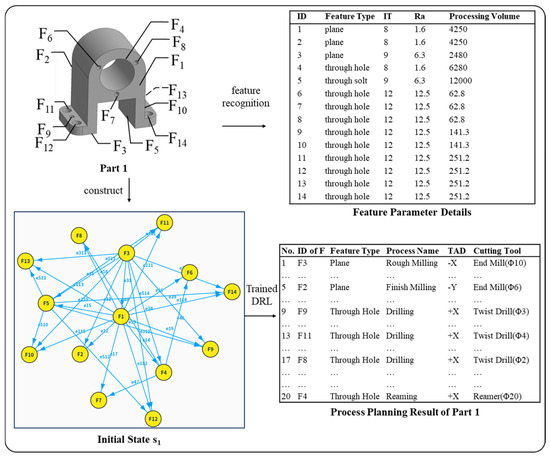
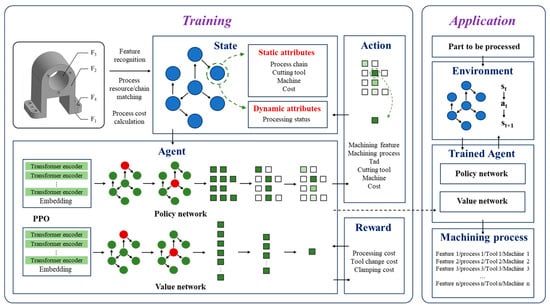
Machining process route planning (MPRP) is vital for autonomous manufacturing yet remains challenging under complex, multi-dimensional engineering constraints. This paper proposes an attention-augmented deep reinforcement learning (DRL) framework to achieve intelligent process orchestration. First, an Optional Process Attribute Adjacency Graph (OPAAG) is established to formally model the “feature–process–resource–constraint” coupling, enhancing the agent’s perception of manufacturing semantics. The architecture synergistically integrates Graph Attention Networks (GAT) to perceive spatial benchmark dependencies and a Transformer-based encoder to capture sequential resource correlations within variable-length machining chains. Furthermore, a dynamic action masking mechanism is integrated to guarantee a 100% constraint satisfaction rate during both training and inference stages. Experimental evaluations across diverse part geometries demonstrate that the proposed method offers significant advantages in cost optimization, inference efficiency, and topological stability compared to traditional heuristic algorithms and standard DRL models. By effectively distilling the search space and maintaining action feasibility, the framework provides an efficient and robust solution for autonomous process planning in complex industrial scenarios.
Full article
(This article belongs to the Section Advanced Manufacturing)
►▼
Show Figures

Figure 1
Open AccessArticle
Unsteady Internal Flow and Cavitation Characteristics of a Hydraulic Dynamometer for Measuring High-Power Gas Turbines
by
Ye Yuan, Zhenyang Liu and Qirui Chen
Machines 2026, 14(3), 342; https://doi.org/10.3390/machines14030342 - 18 Mar 2026
Abstract
Hydraulic dynamometer is the key equipment to measure the dynamic performance of high-power gas turbines and steam, with its internal flow characteristics directly influencing measurement accuracy and service life. This paper focuses on the power absorption performance and internal flow characteristics of a
[...] Read more.
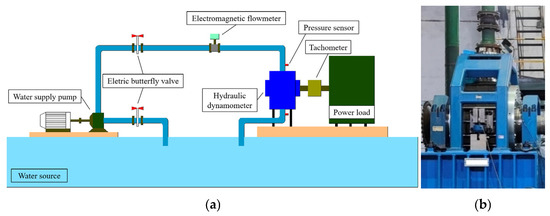
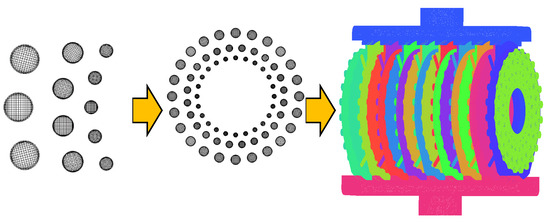
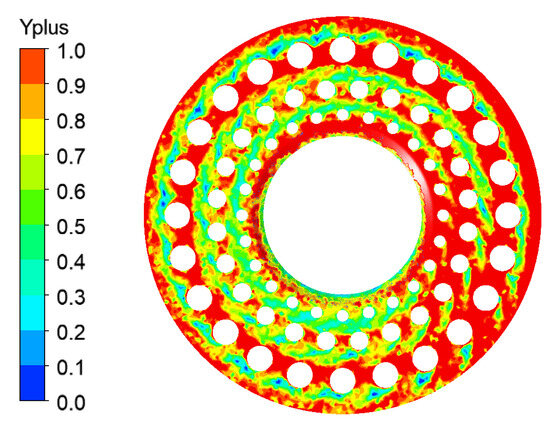
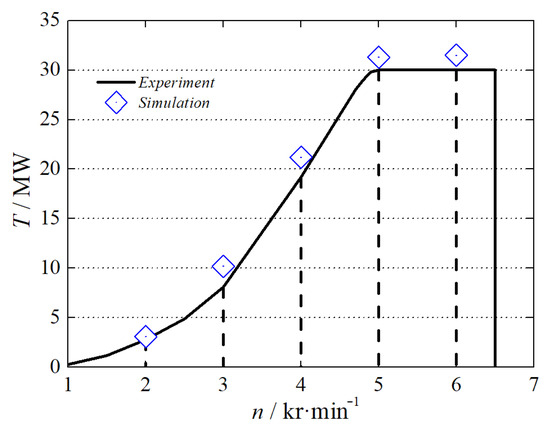
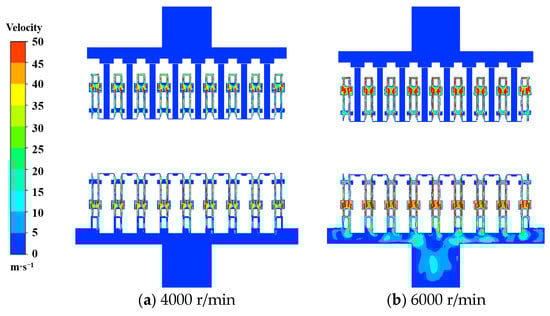
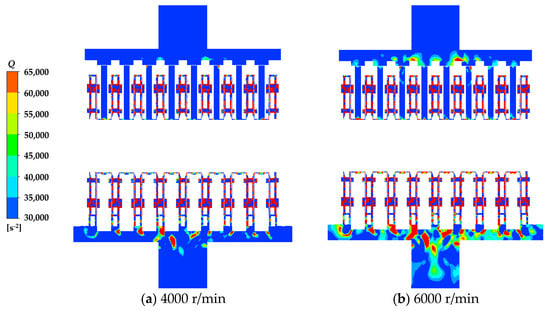
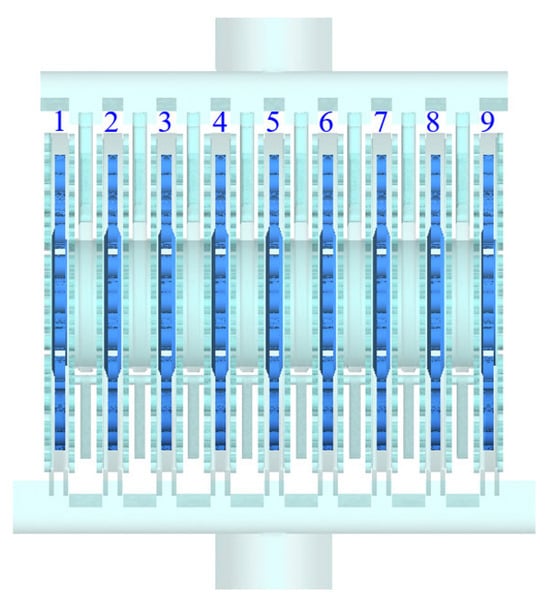
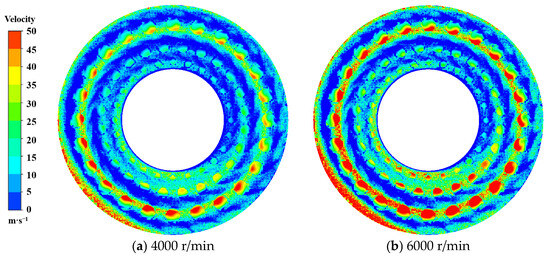
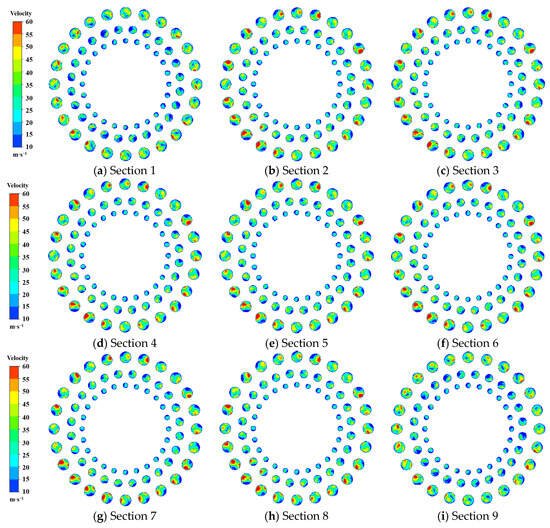
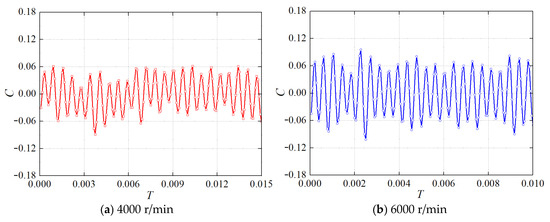
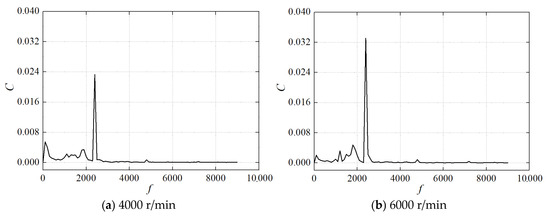
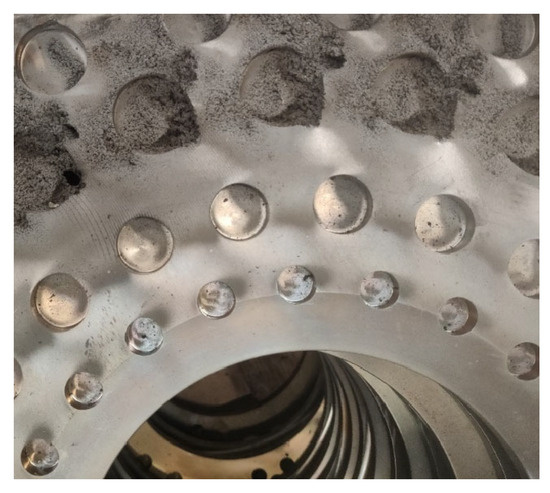
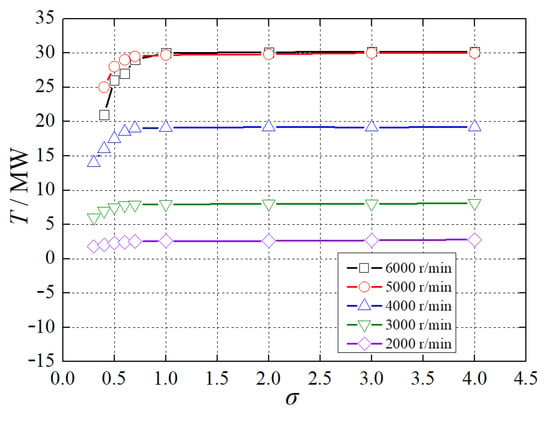
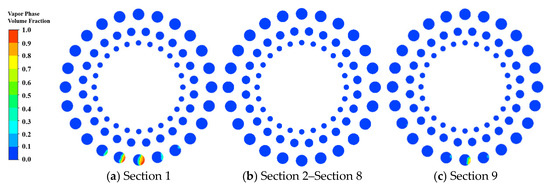
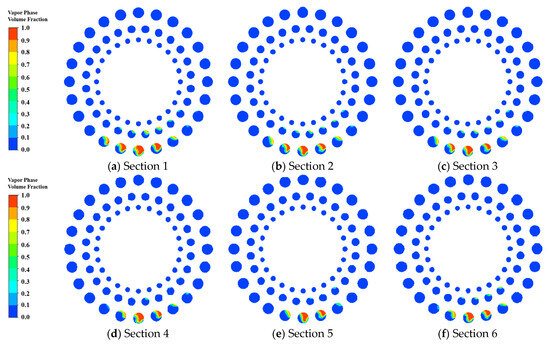
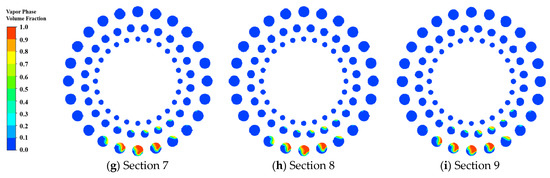
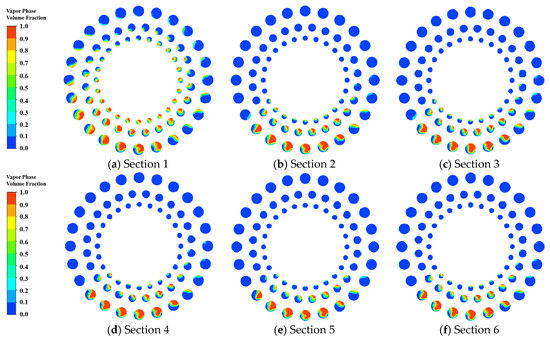
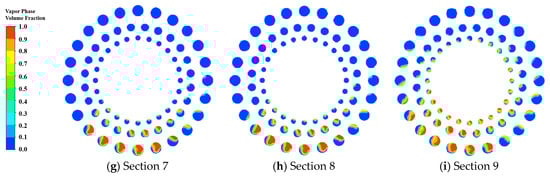
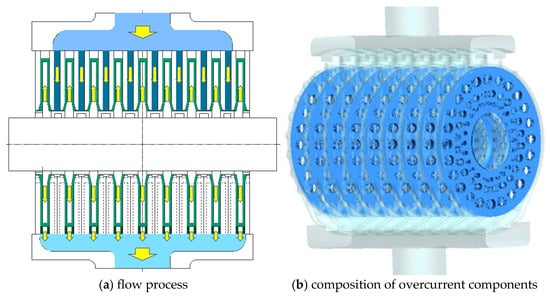
Hydraulic dynamometer is the key equipment to measure the dynamic performance of high-power gas turbines and steam, with its internal flow characteristics directly influencing measurement accuracy and service life. This paper focuses on the power absorption performance and internal flow characteristics of a hydraulic dynamometer with perforated-disk rotor. A hydraulic test platform is established to measure the power absorption performance of megawatt-level hydraulic dynamometers. When the rotor speed reaches a certain value under the full-water condition, the power absorption of the hydraulic dynamometer reaches its limit. Numerical simulations are applied to study the internal flow characteristics and cavitation evolution features of the perforated-disk-type hydraulic dynamometer. The flow within the outermost rotor pores is the primary factor influencing unsteady flow behaviour, with dynamic–static interference playing a key role in inducing flow excitation. Moreover, cavitation mainly occurs in the flow passages of the end rotor and the outermost flow pores of the middle rotor, where the development and collapse of cavitation bubbles lead to flow instability. As the rotation speed decreases, the power absorption performance significantly decreases under cavitation conditions. These findings provide a theoretical basis for the structural optimization and engineering application of high-power hydraulic dynamometers.
Full article
(This article belongs to the Special Issue Advanced Research and Development in Fluid Machinery: Design, Optimization, and Applications)
►▼
Show Figures

Figure 1
Journal Menu
► ▼ Journal Menu-
- Machines Home
- Aims & Scope
- Editorial Board
- Reviewer Board
- Topical Advisory Panel
- Instructions for Authors
- Special Issues
- Topics
- Sections & Collections
- Article Processing Charge
- Indexing & Archiving
- Editor’s Choice Articles
- Most Cited & Viewed
- Journal Statistics
- Journal History
- Journal Awards
- Society Collaborations
- Conferences
- Editorial Office
Journal Browser
► ▼ Journal BrowserHighly Accessed Articles
Latest Books
E-Mail Alert
News
Topics
Topic in
Applied Sciences, Electricity, Electronics, Energies, Machines, Smart Cities, Vehicles, Batteries
Design and Control of Electrical Machines for Electric Vehicles
Topic Editors: Jinhua Du, Xuan WuDeadline: 31 March 2026
Topic in
AI, Applied Sciences, Electronics, Machines, Robotics
Advances in Robot Vision Perception and Control Technology
Topic Editors: Yugang Liu, Sidney GivigiDeadline: 30 April 2026
Topic in
Applied Sciences, Designs, Machines, Materials, Processes, Nanomanufacturing
Digital Manufacturing Technology
Topic Editors: Wenbin Yu, Feiyang Zhao, Jiale ZhaoDeadline: 31 May 2026
Topic in
Actuators, Algorithms, BDCC, Future Internet, JMMP, Machines, Robotics, Systems
Smart Product Design and Manufacturing on Industrial Internet
Topic Editors: Pingyu Jiang, Jihong Liu, Ying Liu, Jihong YanDeadline: 30 June 2026
Conferences
Special Issues
Special Issue in
Machines
Smart Design and Maintenance of Electrical Machines
Guest Editors: Jose E. Ruiz-Sarrio, Claudia Martis, Jose Alfonso Antonino-DaviuDeadline: 30 March 2026
Special Issue in
Machines
Nonlinear Vibration Analysis of Advanced Machines and Mechanical Systems
Guest Editors: Kamran Foroutan, Farshid TorabiDeadline: 31 March 2026
Special Issue in
Machines
Advances in Robot Kinematics and Dynamics: Innovations, Control Strategies, and Practical Applications
Guest Editors: Craig R. Carignan, C. Glen Henshaw, Giacomo MaraniDeadline: 31 March 2026
Special Issue in
Machines
Advanced Machine Condition Monitoring and Fault Diagnosis
Guest Editor: Gómez María JesúsDeadline: 31 March 2026
Topical Collections
Topical Collection in
Machines
Machines, Mechanisms and Robots: Theory and Applications
Collection Editor: Raffaele Di Gregorio