1. Introduction
Modern manufacturing is undergoing rapid transformation driven by digitalization, automation, and the integration of advanced cyber–physical systems. Technologies such as artificial intelligence, cloud computing, the Internet of Things, digital twins, and collaborative robotics are now central enablers of Industry 4.0 and, more recently, Industry 5.0 [
1,
2,
3]. While Industry 4.0 emphasizes process automation, data connectivity, and system-level optimization, Industry 5.0 shifts the focus towards human-centered manufacturing, personalization, and resilient production systems [
3,
4]. Digital twins play a central role in both paradigms, serving as dynamic virtual counterparts of physical assets, capable of synchronizing real-time operational data to enable monitoring, prediction, and decision support [
1,
2]. By providing a near real-time representation of processes, digital twins support early detection of anomalies, performance optimization, and the creation of more intelligent, adaptable manufacturing environments [
3,
4,
5].
Within Industry 5.0, human integration becomes a defining element of system design [
6]. The transition to human-centric manufacturing requires structural changes that enhance worker well-being, safety, and flexibility while reducing physical and cognitive workload [
7,
8]. Rather than eliminating human labor, advanced production systems aim to leverage human creativity, decision-making, and dexterity alongside the repeatability, accuracy, and efficiency of collaborative robots. In this context, virtual representations of human behavior, physiological state, or ergonomic conditions are emerging as promising tools for monitoring and optimizing human performance and well-being in manufacturing environments [
9]. These models rely on sensor data to capture human states dynamically, yet their implementation remains at an early stage. Although digital twins of machines and equipment are now widely deployed, digital twins incorporating human factors, cognitive states, or social interactions remain a developing research domain [
9,
10,
11].
Digital twins also offer significant potential for improving human–machine interaction, a key topic in modern manufacturing. Effective human–robot collaboration requires dynamic monitoring of both human and robotic agents, safe motion planning, collision avoidance, and context-aware adaptation of robot behavior [
10,
11]. Research in this area has highlighted the importance of ergonomic considerations, real-time sensing, and adaptive control to ensure safe, efficient collaborative tasks [
12,
13]. However, existing studies predominantly focus on robotic capabilities, workspace layouts, or safety protocols, while the integration of real, human-derived behavioral or biometric data into digital twin-based human–robot collaboration models remains limited. Systematic reviews emphasize that achieving true human-centered collaboration requires deeper incorporation of ergonomics, cognitive load assessment, and individualized task design [
14,
15].
Despite growing interest in digital twins, several research gaps remain. Many existing digital twin applications rely mainly on simulation models, which often lack direct connections to real sensor data and therefore cannot fully capture the variability inherent in human behavior [
16,
17,
18,
19]. Human-related parameters, especially those linked to cognition, decision-making, ergonomics, or psychological load, are frequently oversimplified or omitted entirely. As a result, digital twins may fail to reflect realistic operator behavior, limiting their usefulness for predicting performance or designing safe, adaptable workflows. Furthermore, current decision-making models based on digital twins rarely include human-centered criteria [
16]. Barriers to industrial adoption of digital twins, such as modelling complexity, high implementation costs, infrastructure limitations, and lack of specialized knowledge, further restrict their practical deployment [
16].
Given these limitations, there is a clear need for validated digital twin frameworks that incorporate real human performance data and allow for more accurate modelling of human–machine interaction [
20]. Such frameworks would support more realistic evaluation of human–machine interaction dynamics, enable personalized task design, and contribute to safer and more ergonomic workplaces [
21]. Addressing this gap, the present study investigates three main research questions:
How do modelling parameters such as assembly times, operator’s actions, and errors contribute to the optimization of human–machine interaction?
Do digital twins serve as a training and experimentation environment for operators?
To what extent does a digital twin-based approach enable the visualization and analysis of operator timing behavior in human–machine interaction, and how can such insights serve as a baseline for task-balancing strategies between human–robot collaborations?
To address these questions, the study sets out five core objectives: first, to construct a digital twin of a physical workstation; second, to establish direct comparability between simulation outputs and real human–machine system behavior; third, to experimentally validate the digital twin with human participants; fourth, to evaluate its reliability as a decision-support tool; and fifth, to assess its potential for optimizing assembly processes and improving workplace design.
This study offers several important scientific contributions. Unlike most existing digital twin implementations, which prioritize machine-level monitoring or simulation-based optimization and do not incorporate real human performance data, this work develops a human-integrated digital twin that directly models operator behavior through real-time measurements of response and assembly processes. By empirically validating a data-driven, human-centered digital twin architecture, the study provides a scientifically grounded foundation for more realistic modelling of human–machine workstations, supports human-centric optimization strategies, and advances the broader vision of adaptive, worker-aligned manufacturing systems in Industry 5.0.
2. Theoretical Background
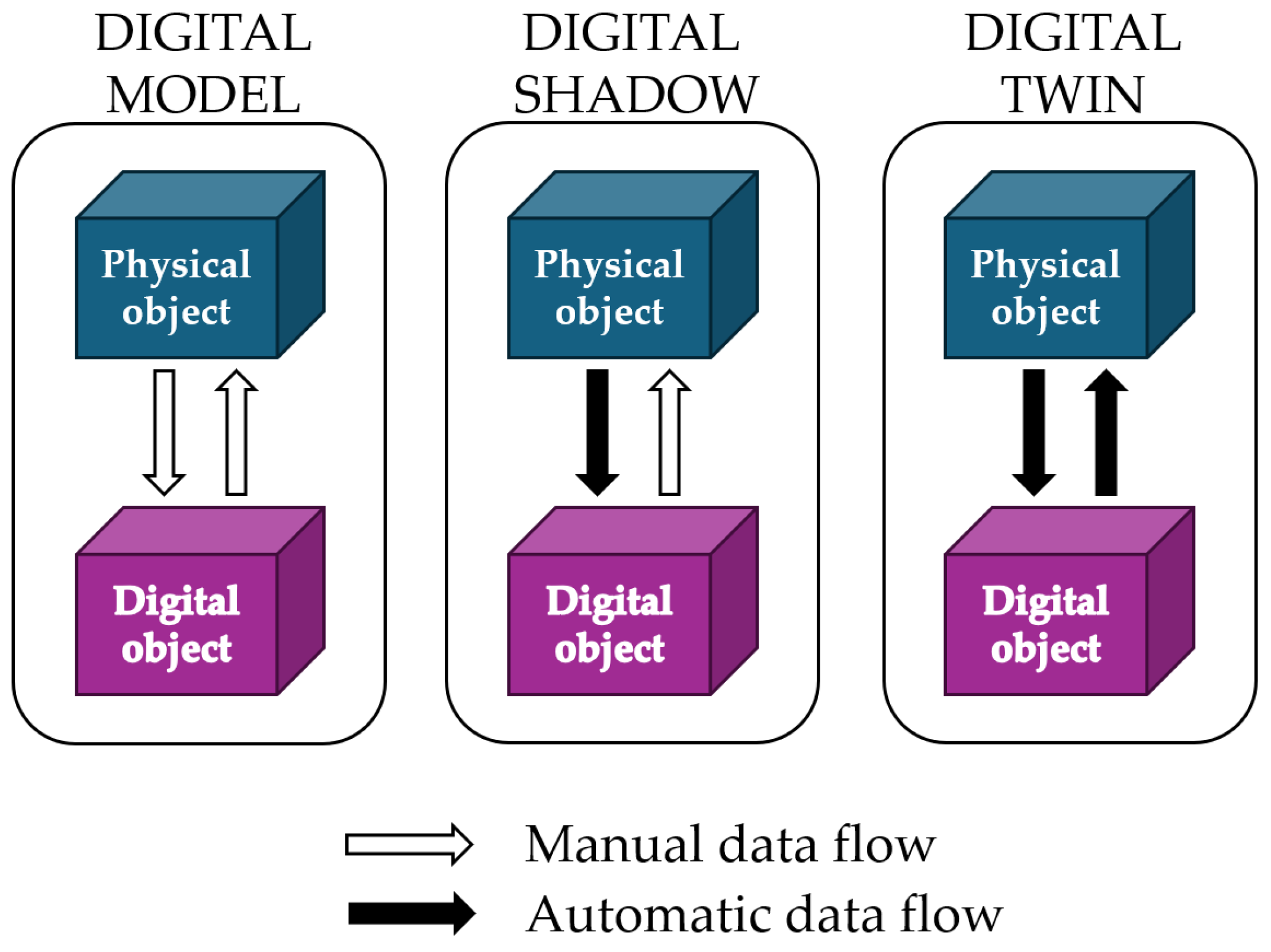
Digital twin technologies have become a foundational component of modern smart manufacturing, supporting both the digitalization principles of Industry 4.0 and the human-centric paradigm emphasized in Industry 5.0. A digital twin is a virtual counterpart of a physical system, capable of continuously receiving and transmitting real-time data, thus enabling monitoring, prediction, and optimization of operational performance [
17,
18,
19]. In manufacturing environments, digital twins are generally classified into three conceptual levels: the digital model, the digital shadow, and the digital twin. A digital model is an offline, static or dynamic representation without real-time connectivity; a digital shadow receives one-way real-time data from the physical system; and a digital twin maintains two-way data exchange, allowing both observation and active control of the physical counterpart [
17]. The architecture implemented in this study follows the digital twin paradigm by maintaining continuous synchronization between the physical workstation and its virtual representation through real-time sensor data and system state monitoring. These distinctions are illustrated in
Figure 1.
Digital twins and simulation systems offer wide applicability, from equipment monitoring and predictive maintenance to training environments, scenario testing, and lifecycle management [
18]. In Industry 4.0, digital twins primarily support automation, productivity, and data-driven decision-making [
8], while Industry 5.0 extends their role towards personalization and enhancing human well-being through human-centric system design [
9]. As manufacturing evolves towards human–robot collaboration systems, these capabilities become increasingly essential [
12].
2.1. Human Integration in Digital Twin Systems
Human integration plays a central role in Industry 5.0, which emphasizes the value of human skills, adaptability, and well-being when working alongside advanced automation. Human-centric digital twins are gaining attention as tools for modelling and evaluating human performance and cognitive load through sensor-based monitoring [
10]. Although digital twins of machines and technical systems are already widely implemented, the systematic incorporation of human data, especially cognitive and psychological parameters, remains underdeveloped. Simulation tools complement human-centered design by enabling designers to explore alternative layouts and identify potential risks before physical implementation. However, real-world measurements using sensors and observational data remain essential to validate simulation outcomes and ensure correspondence between digital twin predictions and physical behavior [
17]. When integrated into a digital twin, such measurements enhance the accuracy, applicability, and reliability of virtual representation.
2.2. Digital Twins in Human–Machine Interaction
Human–machine interaction can be understood as a dynamic process in which human actions, machine responses, and temporal dependencies together determine task execution and system performance. From a theoretical perspective, effective human–machine interaction requires continuous alignment between human capabilities and machine behavior, particularly in collaborative and semi-automated work environments. Digital twins provide a structured analytical layer for representing this interaction by synchronizing physical execution with its virtual counterpart and enabling systematic observation of interaction dynamics. Within human–machine interaction, digital twins function primarily as frameworks for measurement, interpretation, and comparison, rather than as control mechanisms. By capturing temporal parameters such as response times, execution durations, and sequence stability, digital twins enable the transformation of raw interaction data into interpretable performance indicators. These indicators allow human–machine interaction to be assessed not only at the system level but also at the level of individual operators, making it possible to distinguish between stable execution, learning-related improvement, or performance degradation over time. A key conceptual advantage of digital twin-based human–machine interaction analysis lies in comparability. Because the same interaction logic is represented simultaneously in the physical and virtual domains, digital twins allow direct comparison between expected and observed behavior. Deviations between simulated and real-world interaction patterns can thus be interpreted as indicators of human variability, task complexity, or mismatches between system design and operator capability. This theoretical property differentiates digital twin-based approaches from conventional simulations, which typically assume idealized or static human behavior. Furthermore, digital twins provide a foundation for task balancing and allocation strategies in human–machine interaction. By quantifying interaction characteristics in a consistent and repeatable manner, digital twins support evidence-based decisions regarding which tasks are more suitable for human execution, and which should be assigned to machines. Rather than prescribing fixed interaction rules, digital twins enable adaptive evaluation of human performance under varying conditions, which is essential for personalized and human-centered system design.
3. Materials and Methods
3.1. Methodological Framework
The methodological approach followed a structured sequence, beginning with the collection of workplace information, followed by the construction of a physical workstation, the development of its digital twin, and finally, the validation of the system with real workers. This progressive workflow ensured that the digital representation accurately reflected the behavior of the physical system and that the interactions between the human operator and the machine could be reproduced and analyzed in a controlled environment, as shown in
Figure 2. The aim of the entire methodological design was to create a transparent, traceable, and experimentally verifiable link between the physical process and its virtual counterpart.
3.2. Experimental Setup
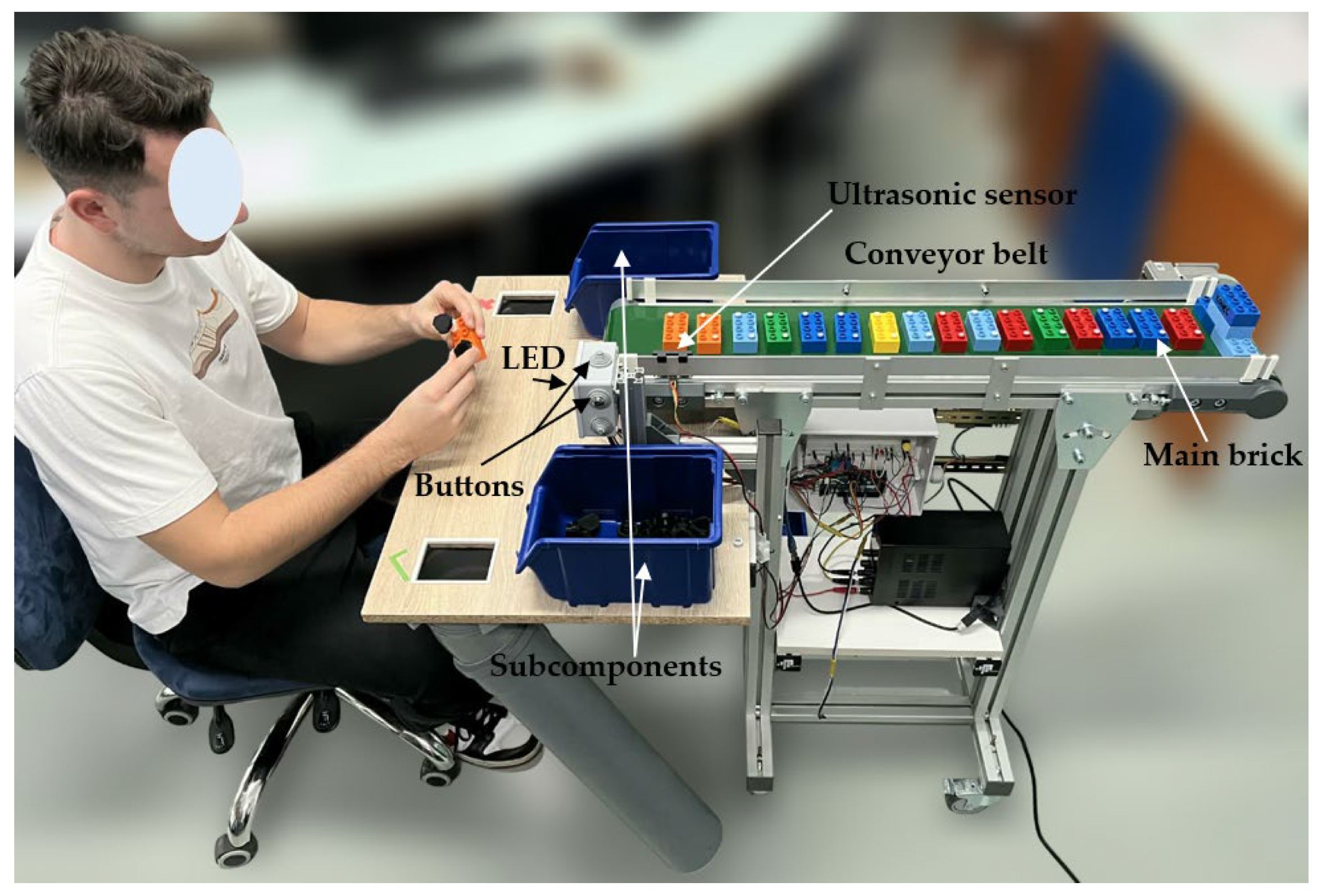
The physical workstation shown in
Figure 3 served as the foundation for the digital twin. It comprised a conveyor belt with an ultrasonic sensor to detect the arrival of each product, two operator-controlled buttons for starting and stopping the belt, and several LED indicators to guide the operator’s actions. When a product reached the detection point, indicated by the activation of the green LED, the operator retrieved it and performed a standardized assembly procedure. This procedure involved combining two subcomponents and attaching them to the main brick, after which the final products were sorted according to whether they contained defects. The conveyor speed could be adjusted by regulating the voltage on the power supply, allowing the pacing of the task to be controlled and, if necessary, changed during experimentation.
The workstation was controlled by an Arduino microcontroller, which continuously read the sensor inputs, monitored the state of the buttons, and activated the corresponding outputs. The microcontroller also measured two essential temporal parameters: the operator’s response time and the assembly time. These measurements formed the basis for validating the performance of both the human operator and the digital twin.
3.3. Digital Twin Architecture
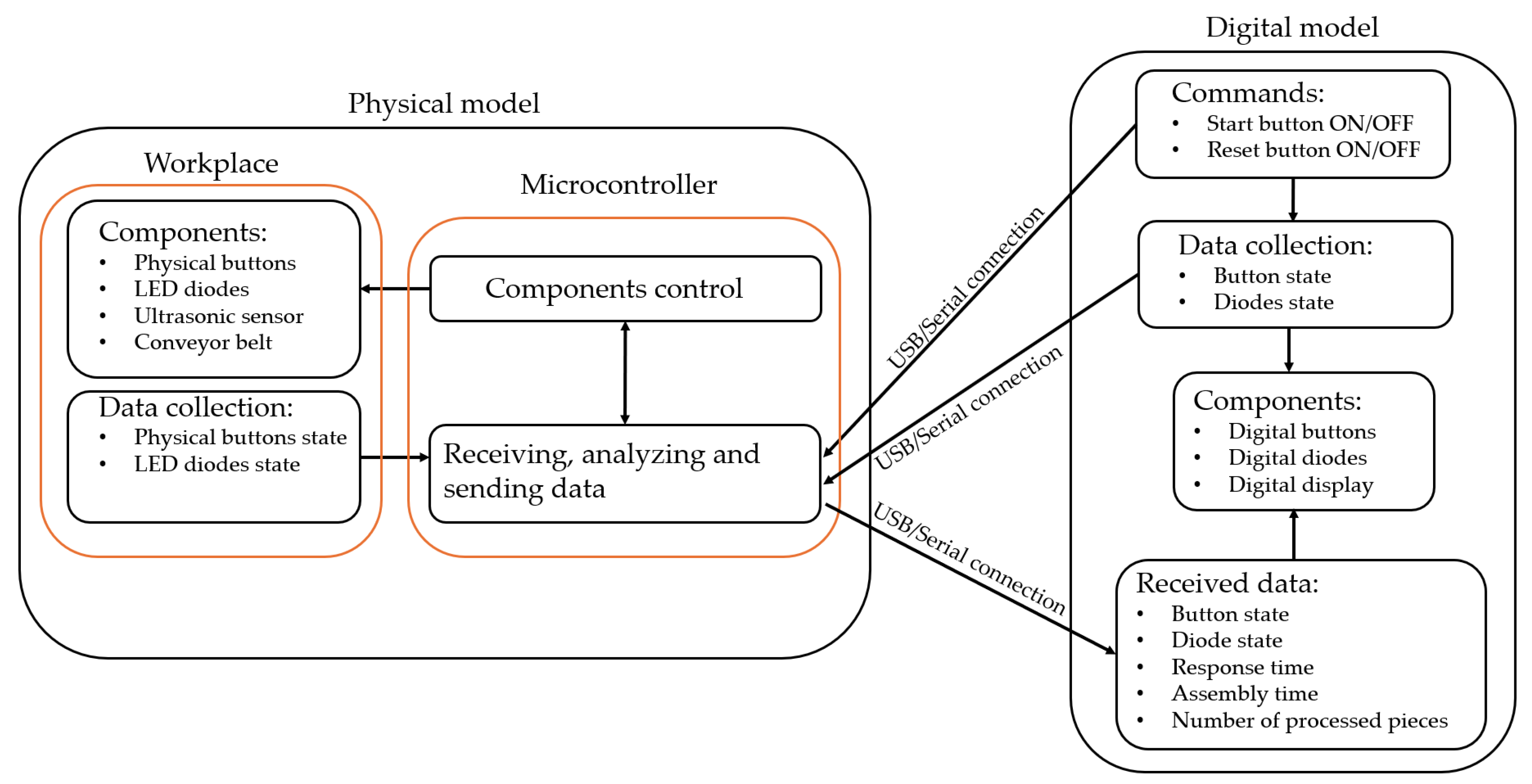
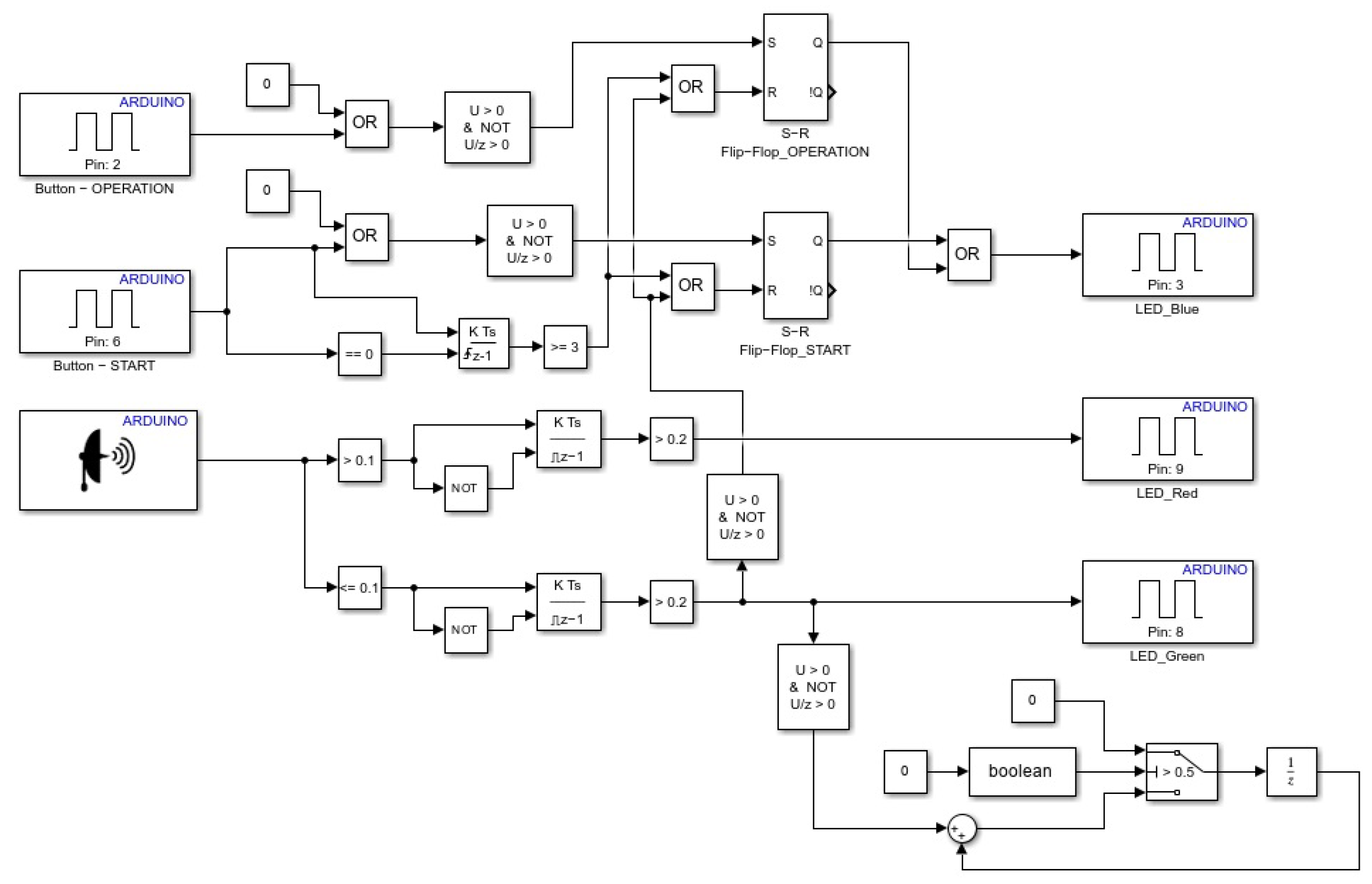
The digital twin was designed to reflect the logical structure and dynamic behavior of the physical system. Its architecture was implemented using two complementary software environments: the Arduino IDE, version 1.8.19 and MATLAB/Simulink, version R2025a. In the Arduino IDE environment, the control logic was programmed to manage input and output signals, activate the conveyor motor, and record all relevant temporal events, as shown in
Figure 4. The program also transmitted measured data in real time to a spreadsheet using the PLX-DAQ interface, enabling continuous monitoring during experiments.
In parallel, a digital twin of the workstation was created in MATLAB/Simulink. This environment enabled the process to be represented visually through interconnected blocks replicating the logic of the physical system. Components such as the ultrasonic sensor, LEDs, timers, counters, and state-switching mechanisms were modelled using Simulink blocks, ensuring the simulation followed the same operational sequence as the Arduino program. The graphical nature of Simulink allowed real-time visualization of system states, which was useful for verifying the behavior of the digital twin before and during human testing. To ensure equivalence between the physical and virtual systems, both environments were tested side by side using simulated and real inputs. This ensured that the digital twin did not merely replicate idealized conditions but responded consistently to the same triggers encountered in the real workstation.
3.4. Data Acquisition and Processing
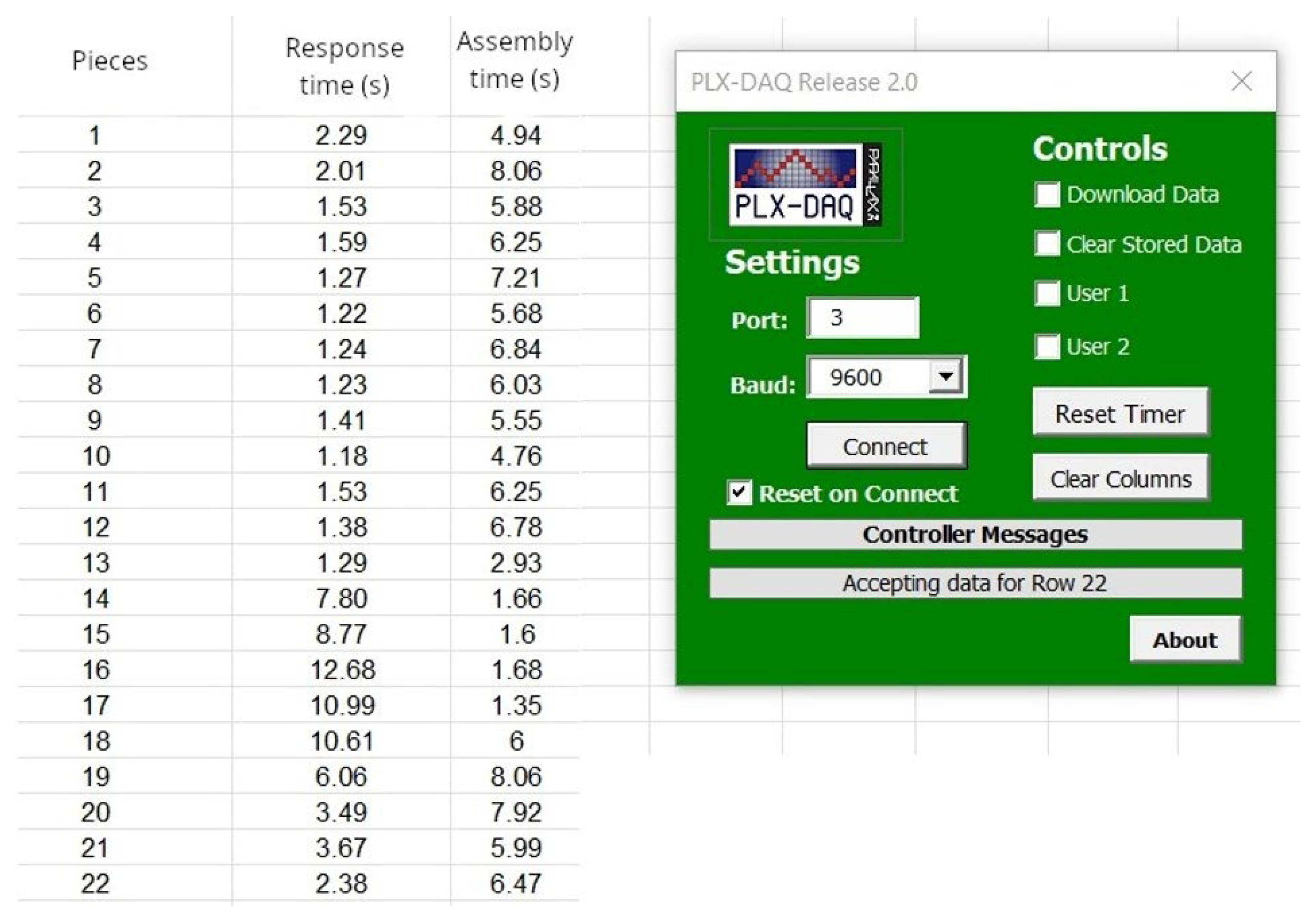
Data were collected using the Arduino-based logging system, which recorded all relevant timing values for each product cycle. The PLX-DAQ (release 2.0) tool automatically entered the data into a structured Excel sheet, enabling immediate inspection during experiments and systematic analysis afterwards. For each operator, the system recorded the response time, assembly time, and number of assembled products, as shown in
Figure 5.
The collected data were examined for potential inconsistencies, such as missing values or extreme outliers that could result from sensor errors. After data cleaning, a summary for each participant was produced, including average values, measures of variability, and minimum and maximum observed times. These summaries enabled cross-participant comparisons and helped identify patterns such as stable performance, gradual learning, or signs of fatigue.
3.5. System Validation
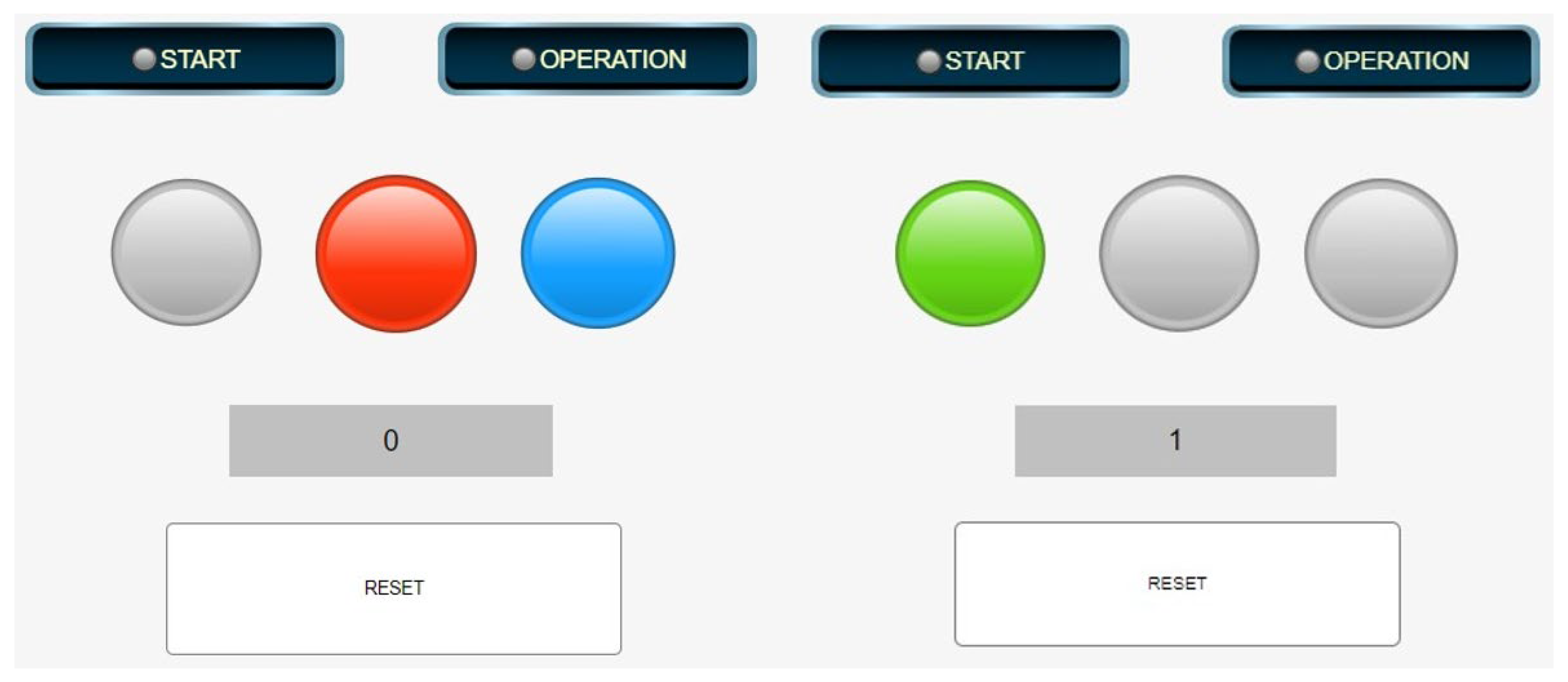
System validation was conducted in two phases. The first phase involved technical verification using a hardware simulation board and laboratory tests. This phase ensured that the sensor thresholds were correctly interpreted, LED indicators responded consistently, and the timing logic functioned as intended. In addition to hardware-level verification, the graphical interface of the digital twin, shown in
Figure 6, was tested to ensure accurate real-time representation of system states. During laboratory and experimental testing, the interface reliably displayed live sensor detection events, LED activation states, timing progression, and product counts in synchronization with the physical workstation. This confirmed that the digital twin provided not only correct logical behavior but also a transparent and interpretable visualization of ongoing human–machine interaction. The validation focused on verifying the correspondence between physical events, system responses, and the timing logic implemented in the digital model, ensuring that the same interaction sequence was reproduced consistently in both settings. These test results confirm that the digital twin offers a faithful virtual counterpart to the physical process, enabling reliable analysis and experimental evaluation without interfering with real-world operations.
The second phase focuses on human-centered validation. A group of 18 participants performed the assembly task under standardized conditions. For each participant, the collected timing data was compared with the outputs of the digital twin. Time-series graphs and performance distributions were used to evaluate how closely the digital twin replicated real operator behavior. Attention was given to temporal trends, such as whether execution times remained stable, decreased due to learning, or increased because of fatigue. These analyses provided evidence of how reliably the digital twin captured human–system interaction dynamics.
3.6. Ethical Considerations
The study did not involve personal data beyond task execution times, and all participants took part voluntarily. Before participating, everyone was informed of the nature of the experiment, the type of data recorded, and the purpose of the study. As the task posed no physical or psychological risk, formal ethical approval was not required under institutional guidelines.
4. Results
The developed system was first evaluated using the Arduino-based data acquisition setup to verify stable sensor detection, timing accuracy, and reliable data logging. With the PLX-DAQ interface, the system successfully recorded response times, assembly times, and product counts without interruptions or signal loss, confirming correct low-level functionality. To further validate robustness, the system was tested in an industrial environment with real operators, where it maintained stable performance under realistic lighting and noise conditions.
After confirming system reliability, experimental validation was conducted with 18 participants, each completing the collaborative assembly sequence. The recorded data were processed into structured tables containing individual response times, defined as the interval between main brick being ready for assembly (green light on the conveyor belt switched on) and the moment the participant removed the main brick from the conveyor belt (green light switched off). The assembly time was defined as the interval between the main brick being taken from the conveyor belt and the moment the worker pressed the finish button. Each participant assembled 22 units (
Table 1).
These values were merged into a combined dataset for cross-participant comparison. The results, summarized in
Table 2, demonstrate how the proposed digital twin can be used to identify characteristic performance patterns among operators, thereby supporting informed human–machine interaction, revealing individual performance limitations as opportunities for improvement, and providing a foundation for future workplace preparation and personalization.
To gain insight into behavioral trends, temporal sequences of task execution were analyzed using descriptive statistics and a simple linear regression model. The regression slope
, presented in
Table 2, represents the average change in execution time across cycles for each participant. Negative slope values indicate decreasing execution times associated with learning or task familiarisation, whereas positive values indicate increasing execution times that may suggest fatigue or reduced concentration. The analysis shows that thirteen participants exhibited negative slopes, indicating gradual performance improvement during the experiment, while five participants showed slightly increasing execution times across cycles. These patterns provide additional insight into operator performance and demonstrate how the collected data can support the evaluation of worker skills prior to real-world implementation.
These behavioral trends are illustrated using representative individual plots and a combined multi-participant sequence.
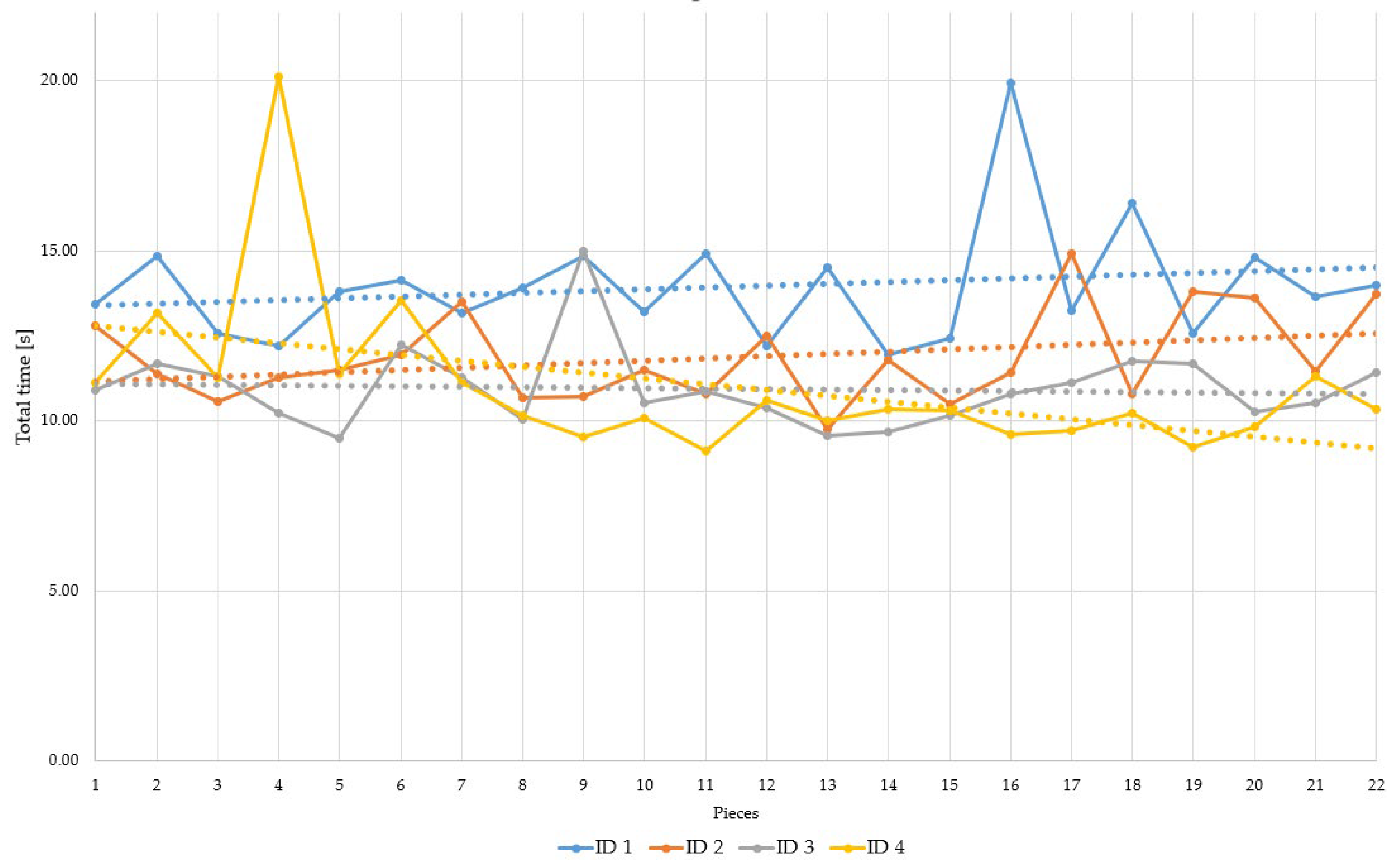
Figure 7 presents the sequence of total task times across all cycles for four representative participants selected from the full dataset, together with the corresponding linear trend lines. The examples were chosen to visually demonstrate the different performance patterns identified through the regression analysis. Participants ID 1 (
b = 0.05 s/cycle) and ID 2 (
b = 0.07 s/cycle) exhibit slightly increasing execution times, which may indicate fatigue or reduced concentration during repeated task execution. In contrast, ID 3 (
b = −0.01 s/cycle) and ID 4 (
b = −0.17 s/cycle) show decreasing execution times, indicating learning effects and gradual improvement in task performance. The trend lines clearly illustrate how the regression slopes correspond to the behavioral patterns detected in the statistical analysis. The system’s ability to capture these temporal dynamics further confirms that the digital twin reliably reflects human–system interaction and can be used to observe operator behavior in real time.
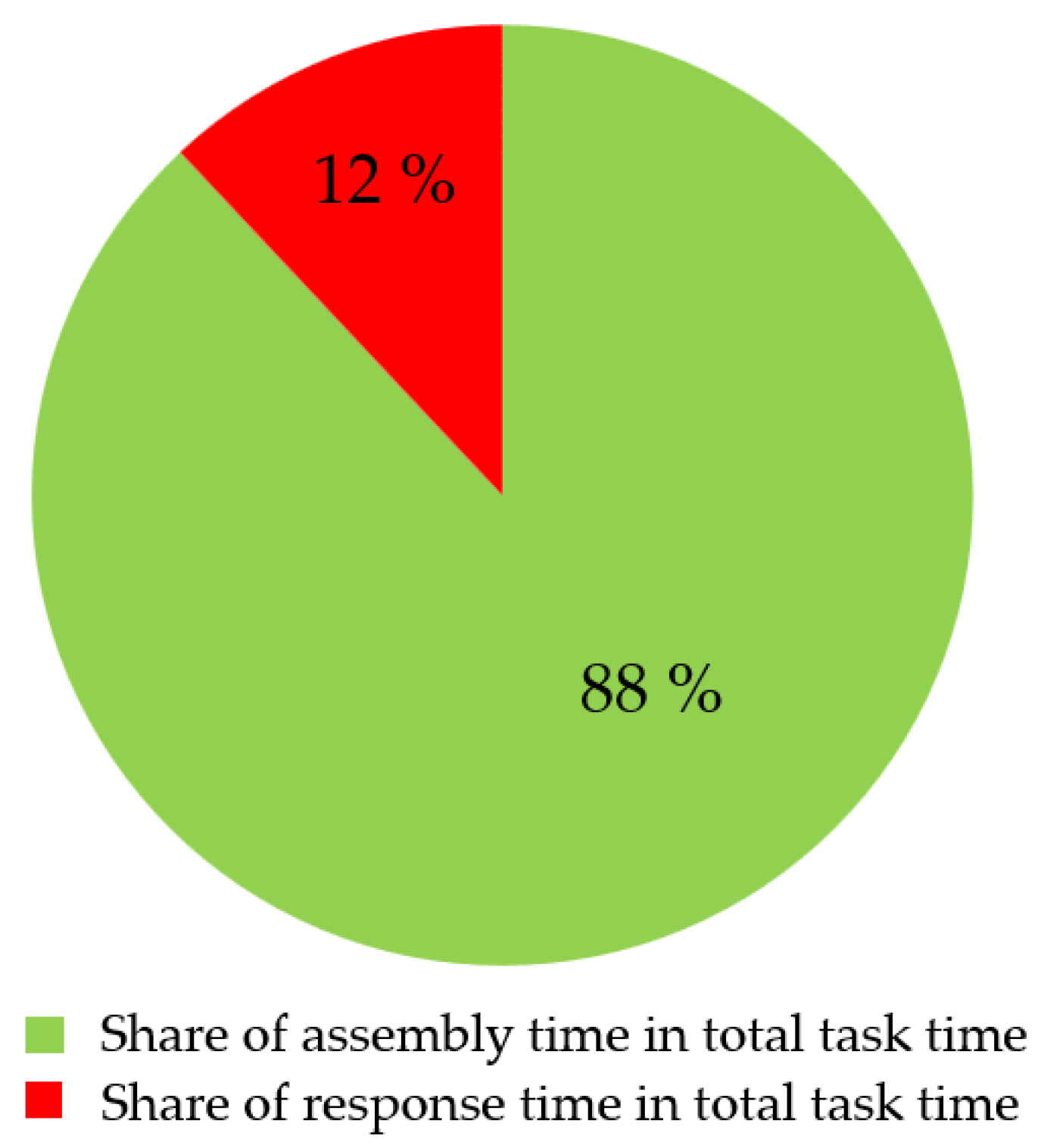
A time-share analysis showed that assembly activities account for the majority of total task time, while response-related actions contribute only a small fraction. As shown in
Figure 8, assembly time represents approximately 88% of the total task duration, whereas response time accounts for about 12%. These percentages were calculated from the average assembly and response times across all participants. These findings suggest that future optimization efforts should focus primarily on assembly-related interactions rather than initial trigger–response events.
Together, all tests confirm that the system operates reliably under laboratory and industrial conditions, accurately captures user-specific performance data, and maintains strong correspondence between the physical workstation and the digital twin. The results demonstrate that the digital twin provides a dependable framework for analyzing collaborative workplace dynamics and serves as a practical tool for monitoring, training, and further process optimization.
The dotted lines in
Figure 7 represent linear trendlines fitted for each participant (ID 1–ID 4). These trendlines illustrate the relationship between task completion time and the number of processed units for each participant, enabling the identification of increasing, decreasing, or approximately stable temporal trends across the measurements.
5. Discussion
The results of this study show that the developed digital twin provides a reliable representation of a human–machine workstation and accurately captures key temporal characteristics of human–machine interaction. Unlike many existing digital twin implementations in manufacturing, which primarily focus on equipment monitoring, predictive maintenance, or system-level optimization, the presented framework explicitly incorporates experimentally measured human performance parameters into the digital model. Previous studies have highlighted the role of digital twins in cyber–physical production systems as virtual representations that enable real-time monitoring, data synchronization, and process optimization [
1,
3,
19]. However, these implementations typically focus on machine states or production resources, while human behavior is often represented through simplified assumptions or static parameters. By modelling response times, assembly durations, and execution variability derived from real operator measurements, the proposed digital twin extends these approaches by enabling a more detailed representation of human performance dynamics. As a result, raw interaction data are transformed into interpretable performance indicators that allow the identification of process bottlenecks, interaction phases characterized by increased variability, and task segments that are particularly sensitive to human performance. This capability supports the optimization of human–machine interaction beyond purely technical system tuning.
A key contribution of this work is the explicit integration of human behavior into the digital twin environment, an aspect that the current literature identifies as underdeveloped. While traditional digital twin applications focus primarily on equipment, automation, and system-level optimization [
1,
4,
19], far fewer studies incorporate human performance variability and learning effects into virtual models [
10,
14,
15]. This study demonstrates that such human–machine interaction can be effectively mirrored within a digital twin when the architecture is grounded in real-time human–machine interaction data. This capability enables not only performance assessment but also evaluation of task suitability and interaction between human operators and machines. The findings further underscore the relevance of digital twins for human–machine interaction. Previous research highlights that safe and effective human–machine interaction depends on predictable interaction patterns, adaptive system behavior, and continuous monitoring of human performance. The proposed digital twin contributes to this domain by enabling visualization and analysis of operator timing behavior across repeated task cycles, thereby providing a structured baseline for future task-balancing and allocation strategies between humans and machines. Rather than prescribing fixed interaction rules, the digital twin supports evidence-based decisions regarding which tasks are better suited for human execution, and which may benefit from increased automation. In addition, the strong correspondence between simulated and physical outputs indicates that the digital twin can serve as a training and experimentation environment, allowing humans to familiarize themselves with task sequences, timing constraints, and system responses in a controlled and risk-free setting.
Despite these strengths, several limitations must be acknowledged. First, the physical task used for validation was intentionally simple and repetitive, which limits the direct generalization of the digital twin to more complex human–robot collaboration workstations. Extending the current approach to such contexts would require more advanced sensing capabilities, including motion tracking or posture analysis. Second, the current digital twin architecture focuses primarily on temporal performance indicators and does not yet incorporate ergonomic, biomechanical, or cognitive workload measures. Including these indicators would enable a more holistic evaluation of human–machine interaction quality and better reflect the multidimensional nature of human performance. Finally, although the digital twin effectively captures real-time interaction dynamics, it does not yet implement predictive or prescriptive functionalities. The integration of predictive analytics, such as machine learning-based performance forecasting or anomaly detection, would substantially enhance the digital twin’s role as an intelligent decision-support tool. Overall, the study provides evidence that digital twins can effectively model, analyze, and interpret human–machine interactions, while supporting operator training and adaptive task allocation.
6. Conclusions and Future Work
This study demonstrated that the developed digital twin successfully enables real-time acquisition, visualization, and analysis of human–machine interaction data in a human-centered manufacturing context. By integrating sensor-based measurements of response and assembly times with a validated simulation model, the digital twin provides valuable insights into process bottlenecks, worker performance variability, and workflow efficiency. The ability to analyze these parameters directly supports targeted process improvements, including operational adjustments to enhance worker comfort and well-being. Although the implemented system represents a simplified workstation, the findings highlight significant potential for further development and broader applicability. Extending the current approach to more complex tasks and additional human–machine workstations would enable evaluation of interactions between multiple operators and different types of machines (robots), thereby generating a more comprehensive understanding of human–robot collaboration at scale. Such expansions would also support companies in progressing towards more advanced levels of digitalization.
Future enhancements may leverage artificial intelligence and machine learning algorithms to enable predictive modelling, forecasting production output based on historical performance trends, or estimating task duration under varying conditions. The collected human performance parameters could also serve as input variables for simulation-based optimization, task allocation, or adaptive production scheduling models aimed at balancing human capabilities with machine performance. These capabilities would strengthen digital twin as a decision-support tool for workload planning, workstation allocation, and performance optimization. Another promising direction involves enriching the system with continuous real-time data streams via IoT sensors. Capturing information on operator posture, motion dynamics, and environmental characteristics would allow the digital twin to evolve into an adaptive system capable of autonomously modifying parameters in response to detected conditions. Improving the user experience and interface design will be essential to ensure that digital twin is not only technically effective but also intuitive, accessible, and supportive of worker needs. Ergonomic integration will become even more critical as demographic changes increase the average age of the workforce.
This research highlights the increasing importance of digital twins as a key enabler of digital transformation, connecting physical operations with virtual intelligence. Their capabilities for real-time monitoring, predictive analysis, scenario testing, and decision support establish them as essential tools for advancing both the automation objectives of Industry 4.0 and the human-centered approach of Industry 5.0. The digital twin developed in this study contributes to this progression and provides a solid foundation for future work aimed at creating adaptive, intelligent, and efficient human–machine workplaces.