Journal Description
Journal of Theoretical and Applied Electronic Commerce Research
(JTAER) is an international, peer-reviewed, open access journal of electronic commerce, published online quarterly by MDPI since Volume 16, Issue 3, 2021, and online monthly since 2026.
- Open Access— free for readers, with article processing charges (APC) paid by authors or their institutions.
- High Visibility: indexed within Scopus, SSCI (Web of Science), dblp, and other databases.
- Journal Rank: JCR - Q2 (Business) / CiteScore - Q1 (General Business, Management and Accounting )
- Rapid Publication: manuscripts are peer-reviewed and a first decision is provided to authors approximately 20.9 days after submission; acceptance to publication is undertaken in 4.6 days (median values for papers published in this journal in the first half of 2026).
- Recognition of Reviewers: APC discount vouchers, optional signed peer review, and reviewer names published annually in the journal.
- Journal Cluster of Business, Management & Digital Commerce: Administrative Sciences, Businesses, Journal of Innovation, Journal of Theoretical and Applied Electronic Commerce Research, Knowledge, Logistics, and Merits — Journal of Human Resources.
Impact Factor:
4.5 (2025);
5-Year Impact Factor:
5.1 (2025)
Latest Articles
A Portfolio-First Public-Data Framework for EU-27 Cross-Border E-Commerce Market-Entry Screening
J. Theor. Appl. Electron. Commer. Res. 2026, 21(8), 239; https://doi.org/10.3390/jtaer21080239 - 23 Jul 2026
Abstract
►
Show Figures
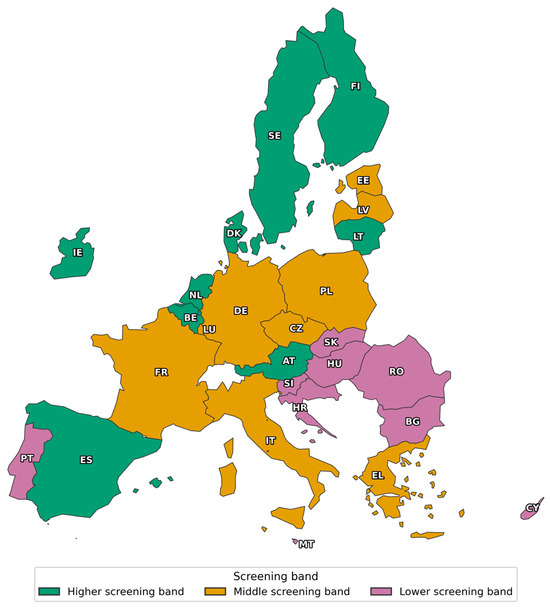
Cross-border e-commerce in the European Union remains operationally heterogeneous despite Digital Single Market integration, which complicates first-stage market comparison. This study develops a portfolio-first public-data framework for EU-27 cross-border e-commerce market-entry screening using 2023 as the common reference year. The framework derives PC1_EF,
[...] Read more.
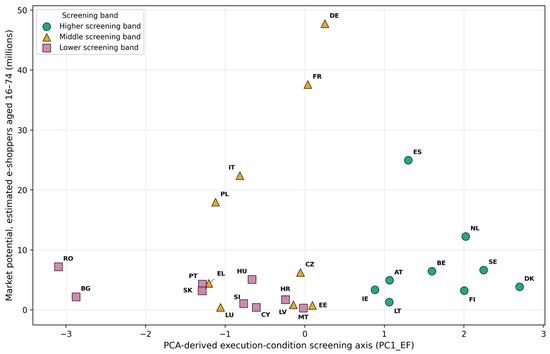
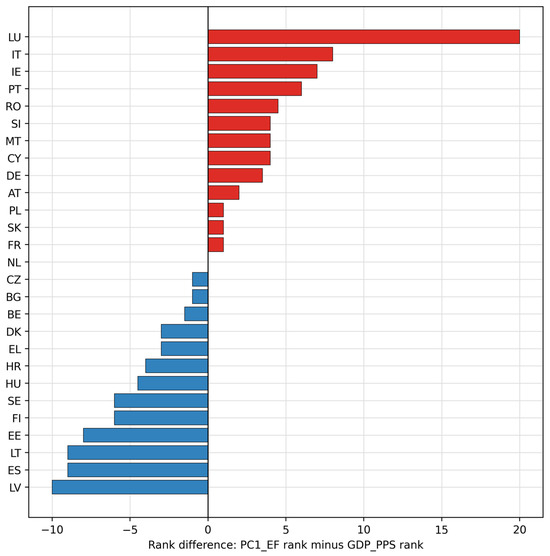
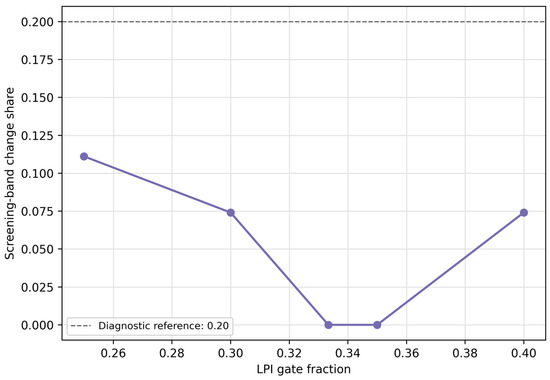
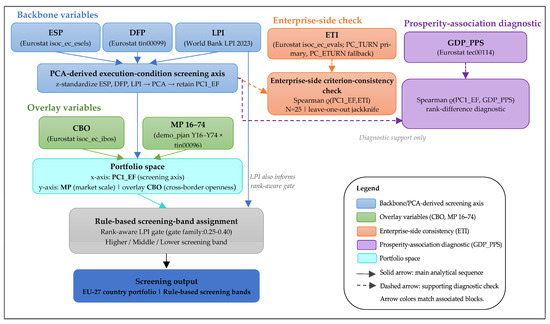
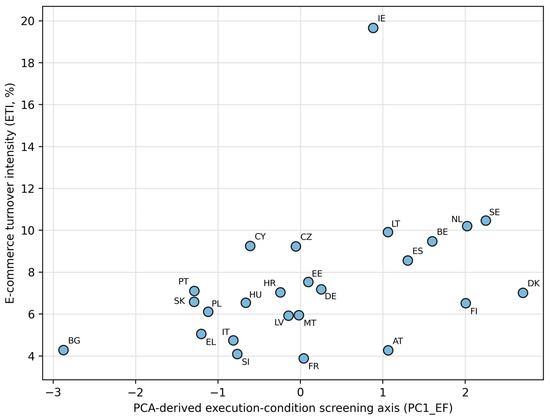
Cross-border e-commerce in the European Union remains operationally heterogeneous despite Digital Single Market integration, which complicates first-stage market comparison. This study develops a portfolio-first public-data framework for EU-27 cross-border e-commerce market-entry screening using 2023 as the common reference year. The framework derives PC1_EF, a PCA-derived execution-condition screening axis, from enterprise e-sales penetration, a digital financial participation proxy and the World Bank Logistics Performance Index. Market potential is calculated by multiplying the population aged 16–74 by online-shopping incidence, while cross-border buying openness remains a separate demand-side overlay. The first component explains 67.84% of backbone variance, with all loadings being positive. The portfolio distinguishes country positions across execution conditions, market scale and cross-border openness. Auxiliary rule-based screening bands serve as a compact summary. PC1_EF is positively associated with enterprise-side e-commerce turnover intensity (Spearman ρ = 0.486, p = 0.014, N = 25), providing partial criterion-consistency evidence. GDP_PPS rank differences provide interpretive context. Equal-weight and leave-one-variable-out checks assess the sensitivity of the continuous ordering, while LPI gate-family and no-LPI/no-gate checks assess the sensitivity of the band summaries. The framework provides a transparent and reproducible basis for comparing EU-27 cross-border e-commerce markets.
Full article
Open AccessArticle
From Content to Engagement: The Mediating Role of Consumer Perceived Behaviour in Marketer-Generated Content on Social Commerce Platforms—Evidence from an Emerging Economy
by
Muhammad Ziad Soliman, Abdullah Sarwar and Ng Kok Wah
J. Theor. Appl. Electron. Commer. Res. 2026, 21(7), 238; https://doi.org/10.3390/jtaer21070238 - 20 Jul 2026
Abstract
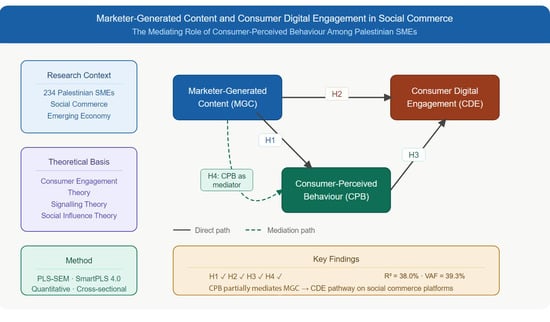
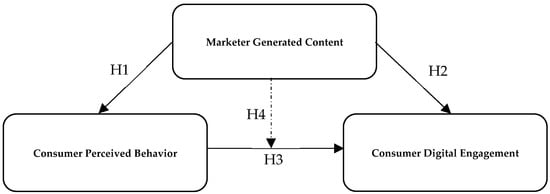
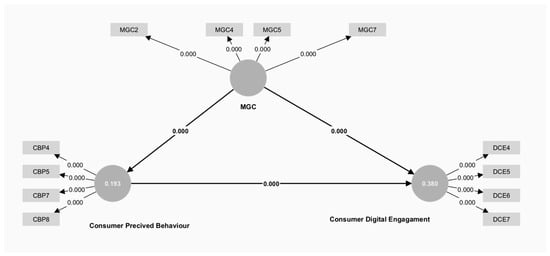
Despite the rapid proliferation of social commerce, limited empirical attention has been directed towards understanding how marketer-generated content (MGC) shapes consumer digital engagement through consumer perceived behaviour—particularly in conflict-affected emerging economies characterised by constrained digital infrastructure. This study addresses this gap by developing
[...] Read more.
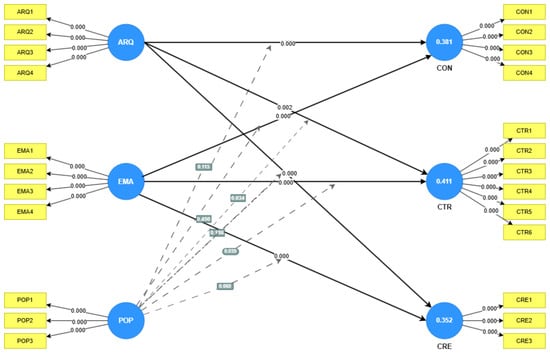
Despite the rapid proliferation of social commerce, limited empirical attention has been directed towards understanding how marketer-generated content (MGC) shapes consumer digital engagement through consumer perceived behaviour—particularly in conflict-affected emerging economies characterised by constrained digital infrastructure. This study addresses this gap by developing and testing an integrated mediation model in which MGC influences consumer digital engagement (CDE) both directly and indirectly through consumer perceived behaviour (CPB) as a mediating mechanism. Grounded in the consumer engagement theory, signalling theory, and social influence theory, the study employs a quantitative, cross-sectional design using Partial Least Squares Structural Equation Modelling (PLS-SEM) via Smart-PLS 4.0, drawing on data collected from 234 Palestinian SMEs actively engaged in social commerce activities. Empirical findings confirm that MGC is positively associated with both consumer perceived behaviour (H1: β = 0.440, p < 0.001) and consumer digital engagement (H2: β = 0.293, p < 0.001), while consumer perceived behaviour shows a significant positive association with digital engagement (H3: β = 0.429, p < 0.001). Critically, consumer perceived behaviour emerged as a significant partial mediator of the MGC–digital engagement relationship (H4), with the model explaining 38.0% of the variance in digital engagement. Theoretically, this study advances the consumer engagement literature by uncovering the pathway through which MGC translates into sustained digital engagement on social commerce platforms—a pathway previously unexamined in conflict-affected emerging market contexts. Empirically, the study contributes rare evidence from Palestine, positioning this digitally constrained economy as a meaningful frontier for social commerce and digital inclusion scholarship. Practically, the findings offer actionable guidance for resource-constrained SMEs seeking to optimise MGC strategies to enhance social commerce engagement and commercial conversion.
Full article
(This article belongs to the Special Issue Interactive Marketing in Digital Commerce: Consumer Behavior, Engagement and Decision-Making)
►▼
Show Figures

Graphical abstract
Open AccessArticle
Livestream Assistants as Moderators: Dual Pathways of Emotional Contagion and Cognitive Reinforcement in E-Commerce Livestream Consumer Interactions
by
Yang Li, Zhengqi Deng, Yuxin Sun and Yu Li
J. Theor. Appl. Electron. Commer. Res. 2026, 21(7), 237; https://doi.org/10.3390/jtaer21070237 - 20 Jul 2026
Abstract
►▼
Show Figures
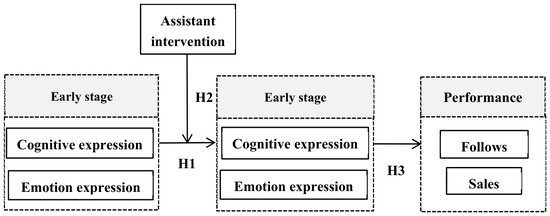
Focusing on the dual pathways of emotional contagion and cognitive reinforcement, this study explores consumer interaction mechanisms in e-commerce live streaming and investigates the moderating role of live streaming assistants. Using valid real-time panel data spanning 4671 min across 40 Taobao Live sessions,
[...] Read more.
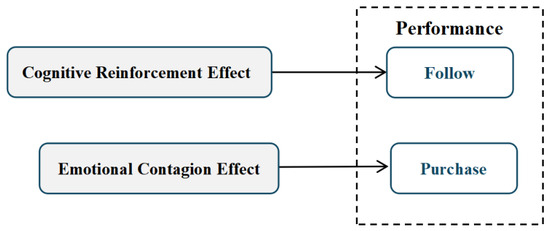
Focusing on the dual pathways of emotional contagion and cognitive reinforcement, this study explores consumer interaction mechanisms in e-commerce live streaming and investigates the moderating role of live streaming assistants. Using valid real-time panel data spanning 4671 min across 40 Taobao Live sessions, this research adopts the LIWC-based text mining approach to extract indicators of user emotional expression and cognitive expression from bullet comments and matches minute-level multi-source data for empirical analysis. The empirical results indicate that early emotion expression and cognitive expression are significantly associated with intertemporal reinforcement patterns, with emotional contagion being more closely linked to instant purchase decisions and cognitive reinforcement being more closely linked to user follow behavior. While assistant intervention is associated with a more active overall interaction atmosphere across the two psychological pathways, it is negatively correlated with product sales, suggesting a dual-edged association. By introducing human assistants into the analytical framework and empirically distinguishing differentiated outcome associations related to emotional and cognitive mechanisms, this study extends the application of consumer-behavior theories to real-time livestream interaction contexts and offers cautious practical implications for livestream operation and assistant deployment.
Full article

Figure 1
Open AccessArticle
Celebrity-Endorsed Travel Livestreaming as a Digital Marketing Innovation: Enhancing Booking Intention Through Perceived Authenticity and Emotional Engagement
by
Abdulrahman Abdullah Alhelal
J. Theor. Appl. Electron. Commer. Res. 2026, 21(7), 236; https://doi.org/10.3390/jtaer21070236 - 20 Jul 2026
Abstract
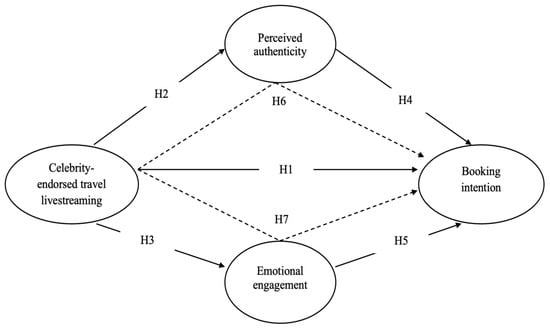
This study aims to examine how celebrity-endorsed travel livestreaming, as a digital marketing innovation, influences booking intention through the mediating roles of perceived authenticity and emotional engagement. Drawing on the Stimulus–Organism–Response (SOR) framework, the study conceptualizes livestreaming as a stimulus that activates both
[...] Read more.
This study aims to examine how celebrity-endorsed travel livestreaming, as a digital marketing innovation, influences booking intention through the mediating roles of perceived authenticity and emotional engagement. Drawing on the Stimulus–Organism–Response (SOR) framework, the study conceptualizes livestreaming as a stimulus that activates both cognitive and affective responses, which are subsequently associated with consumer behavioral intentions. A quantitative approach was adopted using a structured questionnaire distributed online to a diverse sample of 609 respondents. The data were analyzed using Partial Least Squares Structural Equation Modeling (PLS-SEM) to test the proposed relationships and mediation effects. The findings reveal that celebrity-endorsed travel livestreaming has a significant positive effect on booking intention, perceived authenticity, and emotional engagement. In addition, both perceived authenticity and emotional engagement positively influence booking intention, with emotional engagement demonstrating a stronger effect. The mediation analysis further confirms that both perceived authenticity and emotional engagement partially mediate the relationship between livestreaming and booking intention, indicating that the impact of livestreaming is largely transmitted through cognitive and affective mechanisms. The study makes several key contributions by extending the SOR framework to digitally immersive marketing contexts, reconceptualizing authenticity as an interaction-driven construct within celebrity-endorsed environments, and highlighting the prominent role of emotional engagement in consumer decision-making. These findings provide a more nuanced understanding of how innovative digital marketing formats are associated with consumer behavior and offer practical insights for designing more effective livestreaming strategies in the tourism industry.
Full article
(This article belongs to the Special Issue Innovation in Digital Marketing to Enhance Consumer Experience)
►▼
Show Figures

Figure 1
Open AccessArticle
The Influence of Service Quality and Psychosocial Motivations on Continuance Tipping Intention Toward Couriers in Online Food Delivery Services
by
Hsiang-Fei Luoh, Pei-Chun Lo, Min-Yen Lu, Wen-Hwa Ko and Yi-Xuan Xu
J. Theor. Appl. Electron. Commer. Res. 2026, 21(7), 235; https://doi.org/10.3390/jtaer21070235 - 20 Jul 2026
Abstract
►▼
Show Figures
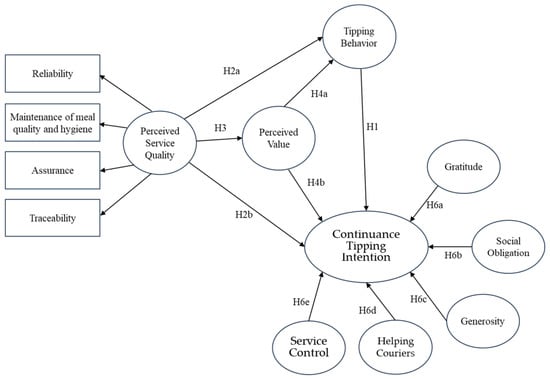
Online food delivery services (OFDSs) have become an integral component of consumers’ daily dining habits, making it important to understand consumers’ continuance tipping intention toward OFDS couriers. On the basis of stimulus–organism–response theory and social exchange theory, the present study examined how service
[...] Read more.
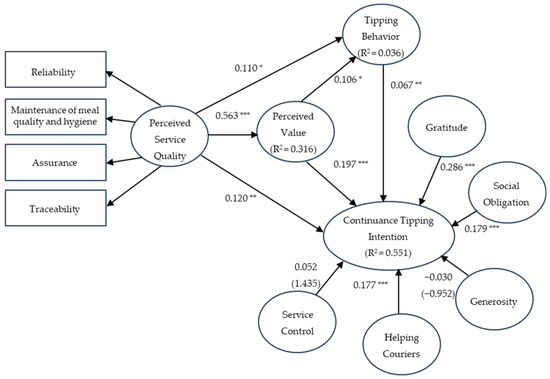
Online food delivery services (OFDSs) have become an integral component of consumers’ daily dining habits, making it important to understand consumers’ continuance tipping intention toward OFDS couriers. On the basis of stimulus–organism–response theory and social exchange theory, the present study examined how service quality and psychosocial motivations influence consumers’ continuance tipping intention toward OFDS couriers in Taiwan. Purposive sampling was adopted, and an online questionnaire survey was administered to OFDS consumers who had recently tipped delivery couriers. In total, 845 valid questionnaires were collected, and structural equation modeling was employed to test several proposed hypotheses. The results indicated that past tipping behavior was significantly and positively associated with continuance tipping intention. Perceived value partially mediated the relationships between perceived service quality and tipping behavior, as well as between perceived service quality and continuance tipping intention. In addition, psychosocial motivations, including gratitude, social obligation, and helping couriers, were significantly and positively associated with continuance tipping intention. Finally, the findings highlight the roles of service evaluations and psychosocial motivations in explaining consumers’ continuance tipping intention toward OFDS couriers.
Full article

Figure 1
Open AccessArticle
Crossing the AI Mind Trap: Deconstructing the Impact of AI Mind Perception on User Engagement in AI Voice Assistants
by
Qian Hu and Zhao Pan
J. Theor. Appl. Electron. Commer. Res. 2026, 21(7), 234; https://doi.org/10.3390/jtaer21070234 - 20 Jul 2026
Abstract
As large language models (LLMs) advance the machine mind of artificial intelligence (AI) to be more human-like, the dynamic impact of users’ perceptions of this mind on their engagement remains underexplored. Specifically, little is known about the “tipping point” where appreciation shifts to
[...] Read more.
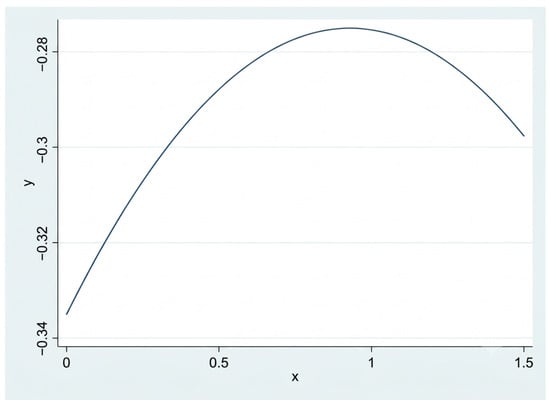
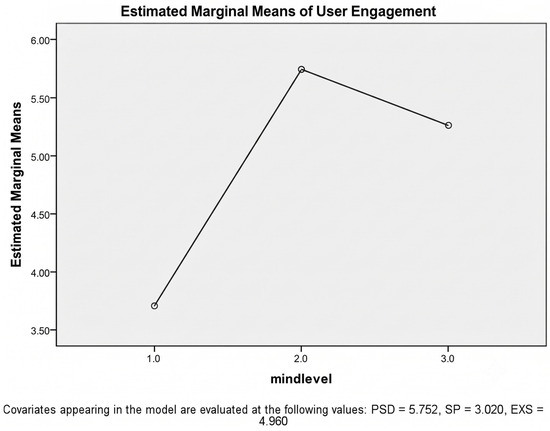
As large language models (LLMs) advance the machine mind of artificial intelligence (AI) to be more human-like, the dynamic impact of users’ perceptions of this mind on their engagement remains underexplored. Specifically, little is known about the “tipping point” where appreciation shifts to aversion. Grounded in mind perception theory, this research investigates the dynamic relationship between the perceived machine mind of AI voice assistants and user engagement using data from online reviews and experiments. Study 1 reveals a significant inverted U-shaped relationship, indicating that a moderate level of human-like machine mind maximizes user engagement, while excessive anthropomorphism triggers aversion—a form of the “uncanny valley” effect. Study 2 further dissects the differential impacts of the two core dimensions of the mind: the agentic mind (i.e., the capacity for thinking and planning) and the experiential mind (i.e., the capacity for feeling and emotion). Our findings reveal the comparative effects of AI agentic and experiential minds on the inverted U-shaped relationship, showing that a high experiential mind attenuates the positive effect of the agentic mind on user engagement. These findings deepen our understanding of mind perception effects in human–AI interaction and offer critical practical insights for AI designers on optimizing mind simulation to avoid user alienation.
Full article
(This article belongs to the Section Digital Marketing and the Evolving Consumer Experience)
►▼
Show Figures

Figure 1
Open AccessArticle
How to Shape Travel Intentions Through Tourism Social Media Influencers? A Hybrid PLS-ANN Approach
by
Yuancheng Liu, Hengyu Liu and Keun-Soo Park
J. Theor. Appl. Electron. Commer. Res. 2026, 21(7), 233; https://doi.org/10.3390/jtaer21070233 - 18 Jul 2026
Abstract
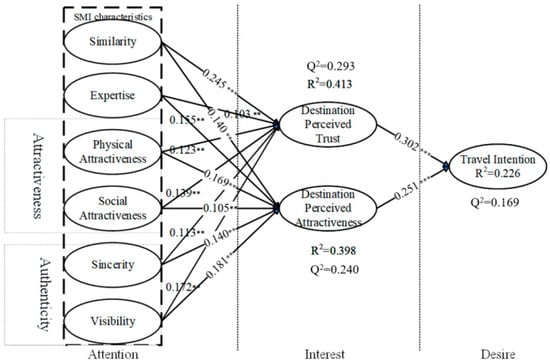
Although social media influencers (SMIs) play a pivotal role in destination marketing, the underlying factors through which they shape tourists’ interest and travel intentions remain underexplored. Based on the modified attention interest desire action (AIDA) model, this study addresses this gap by investigating
[...] Read more.
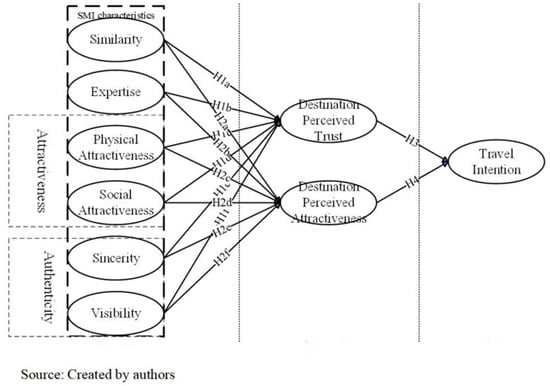
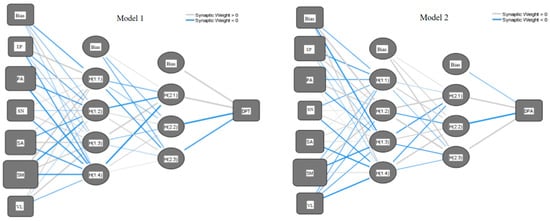
Although social media influencers (SMIs) play a pivotal role in destination marketing, the underlying factors through which they shape tourists’ interest and travel intentions remain underexplored. Based on the modified attention interest desire action (AIDA) model, this study addresses this gap by investigating how the characteristics of SMIs influence travel intentions through destination perceived trust and destination perceived attractiveness. A total of 416 valid questionnaires were analyzed using partial least squares structural equation modeling (PLS-SEM) and an artificial neural network (ANN). The results revealed that SMIs’ similarity, expertise, physical attractiveness, social attractiveness, sincerity, and visibility enhanced tourists’ destination perceived trust and destination perceived attractiveness, thereby influencing travel intentions. Additionally, the ANN analysis complements the PLS-SEM results by comparing predictive performance and identifying the relative importance of SMI characteristics. These findings provide several suggestions for destination management organizations to improve influencer marketing.
Full article
(This article belongs to the Special Issue Interactive Marketing in Digital Commerce: Consumer Behavior, Engagement and Decision-Making)
►▼
Show Figures

Figure 1
Open AccessArticle
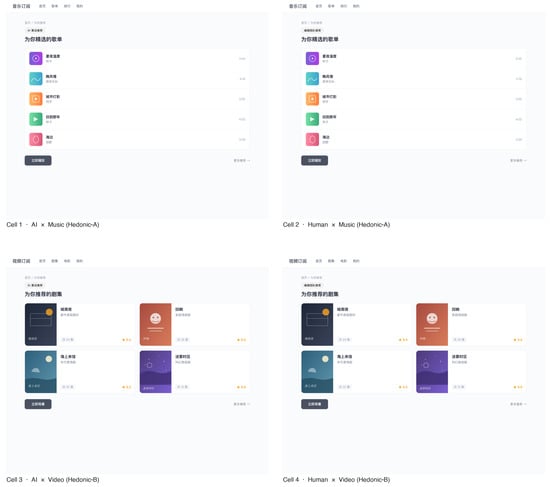
Strategic Disclosure of AI Curation: A Boundary Condition on Algorithm Aversion in Hedonic E-Commerce
by
Tiannv Ma, Yuqi Du, Yong Wang and Liying Zhou
J. Theor. Appl. Electron. Commer. Res. 2026, 21(7), 232; https://doi.org/10.3390/jtaer21070232 - 18 Jul 2026
Abstract
Algorithm-aversion research predicts that consumers prefer human curators to algorithmic ones in subjective decision domains, including taste-based hedonic recommendation. Drawing on the algorithmic-symbiosis paradigm and on assortment-perception theory, this paper identifies a boundary condition on that prediction: disclosing that recommendations are AI-curated rather
[...] Read more.
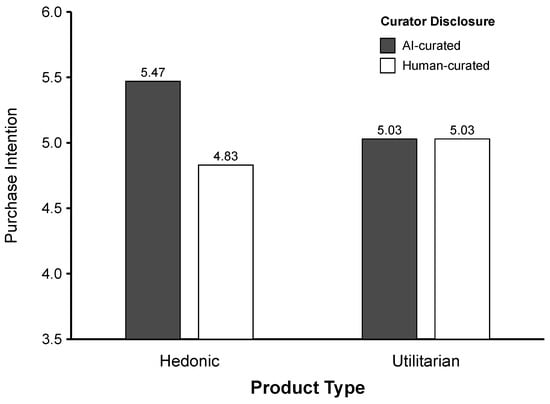
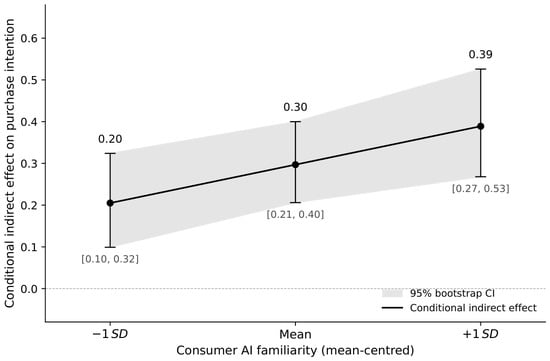
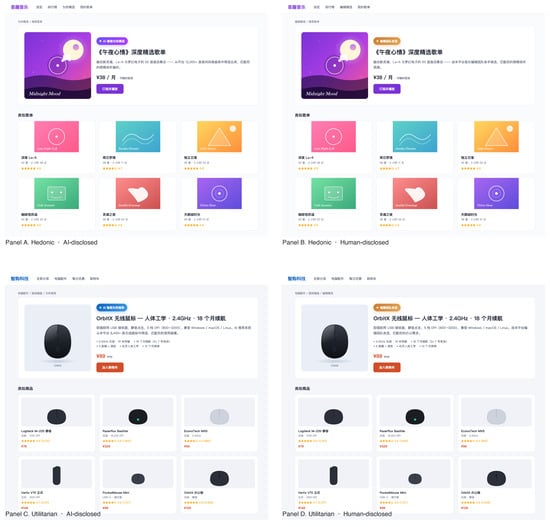
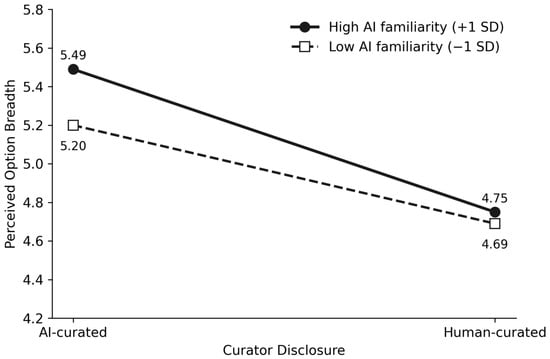
Algorithm-aversion research predicts that consumers prefer human curators to algorithmic ones in subjective decision domains, including taste-based hedonic recommendation. Drawing on the algorithmic-symbiosis paradigm and on assortment-perception theory, this paper identifies a boundary condition on that prediction: disclosing that recommendations are AI-curated rather than human-curated lifts purchase intention in hedonic e-commerce but not in utilitarian e-commerce. The mechanism is a search-side option-breadth inference—the consumer’s attribution about the size of the option pool the curator considered upstream—which is diagnostic in preference-formative consumption categories where consumers build, rather than match, a preference. Three online experiments deployed through a Chinese consumer panel test the framework. Study 1 ( ) finds the predicted Disclosure × Product-type interaction ( ) with the AI-versus-human lift confined to the hedonic cell ( ). Study 2 ( ) isolates the option-breadth pathway against trust and competence as competing mediators. Study 3 ( ) extends the design to a second hedonic category, decomposes option breadth into search-side and display-side subdimensions through an eight-item bi-factor scale, tests mentalizing alongside option breadth as a competing mediator, and brings the moderated-mediation test by consumer AI familiarity to conventional statistical power (index of moderated mediation , 95% CI ). Implications for interactive-marketing practice and algorithmic-disclosure regulation are discussed.
Full article
(This article belongs to the Topic Algorithmic Symbiosis in the New Era of Interactive Marketing)
►▼
Show Figures

Figure 1
Open AccessArticle
Beyond Static Expertise: Unpacking Live-Streamer Professionalism as Contextual Competence in Interactive Commerce
by
Mei Huang, Qiulin Sun, Xiao Yu, Fang Wan and Danping Liu
J. Theor. Appl. Electron. Commer. Res. 2026, 21(7), 231; https://doi.org/10.3390/jtaer21070231 - 17 Jul 2026
Abstract
Traditional celebrity endorser models conceptualize expertise as a static trait focused on the possession of product knowledge. However, the synchronous and highly interactive nature of live commerce challenges these static models in explaining consumer engagement. Grounded in Social Presence Theory and a contextual
[...] Read more.
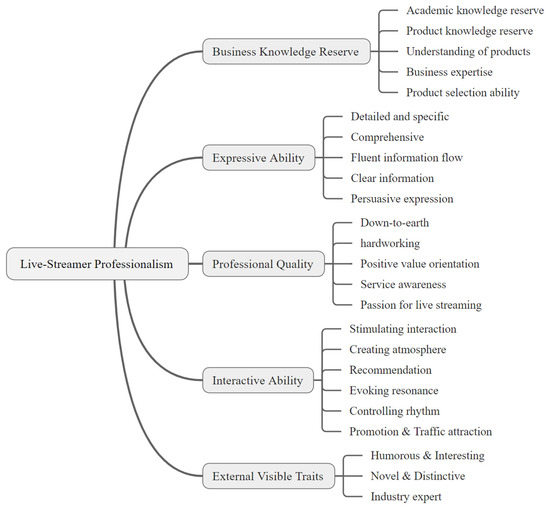
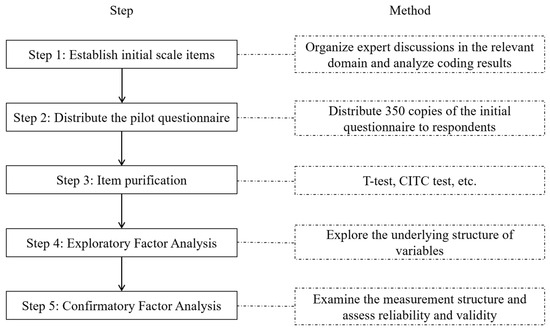
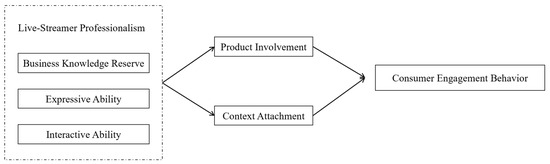
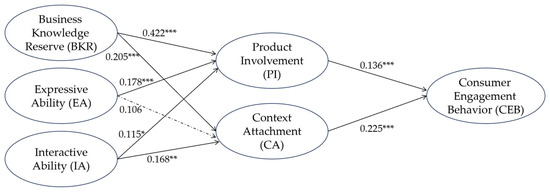
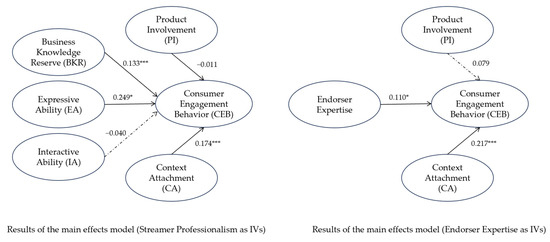
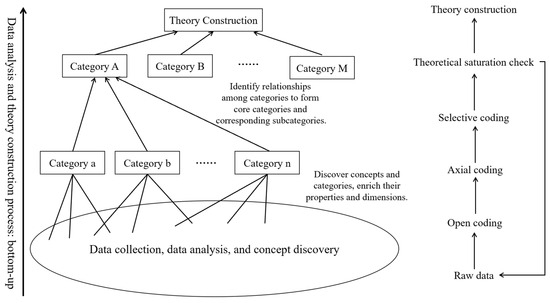
Traditional celebrity endorser models conceptualize expertise as a static trait focused on the possession of product knowledge. However, the synchronous and highly interactive nature of live commerce challenges these static models in explaining consumer engagement. Grounded in Social Presence Theory and a contextual competence perspective, the present study reconceptualizes live-streamer professionalism as a set of dynamic competencies enacted through real-time interaction. Using a sequential mixed-methods design, Study 1 employs a grounded theory analysis of qualitative data collected from consumers, streamers, and platform practitioners to identify core dimensions of streamer professionalism. Study 2 develops and validates a multidimensional measurement scale. Study 3 leverages a comprehensive engagement model to benchmark the proposed framework against competing, expertise-based explanations. The results reveal five distinct dimensions of streamer professionalism (Business Knowledge Reserve, Expressive Ability, Professional Quality, Interactive Ability, External Visible Traits) and a dual-pathway mechanism: Business Knowledge Reserve primarily enhances cognitive product involvement, whereas Interactive Ability strengthens context attachment by amplifying perceived social presence. The proposed model demonstrates greater explanatory power than traditional expertise frameworks, particularly in explaining affective attachment. Collectively, these findings shift the analytical focus from who the source is to how professionalism is performed within interactive service encounters, thereby advancing a performance-oriented view of professionalism in live commerce and informing platform governance and influencer management.
Full article
(This article belongs to the Special Issue Interactive Marketing in Digital Commerce: Consumer Behavior, Engagement and Decision-Making)
►▼
Show Figures

Figure 1
Open AccessArticle
A Parsimonious Two-Segment Structure in Smartphone E-Commerce: Evidence from Romanian University Students
by
Ovidiu-Aurel Ghiuță
J. Theor. Appl. Electron. Commer. Res. 2026, 21(7), 230; https://doi.org/10.3390/jtaer21070230 - 17 Jul 2026
Abstract
Online shopping is expanding rapidly in emerging European markets, yet many consumers still combine digital channels with offline verification. This study asks whether the resulting heterogeneity among young consumers is genuinely complex or reducible to a simpler structure. Drawing on technology-acceptance and perceived-risk
[...] Read more.
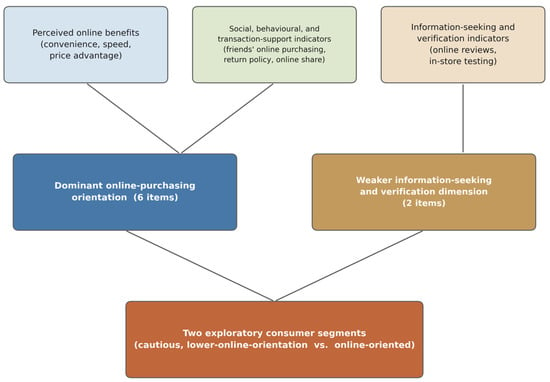
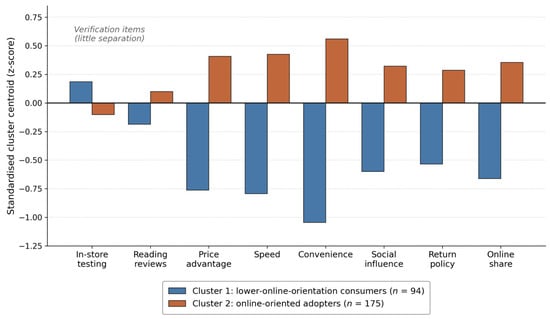
Online shopping is expanding rapidly in emerging European markets, yet many consumers still combine digital channels with offline verification. This study asks whether the resulting heterogeneity among young consumers is genuinely complex or reducible to a simpler structure. Drawing on technology-acceptance and perceived-risk perspectives, it analyses survey data from 457 Romanian university students, of whom 269 were routed to eight attitudinal items on online smartphone purchasing. The questionnaire was distributed to students at two Romanian universities through institutional email and faculty social media accounts, yielding a non-probability convenience sample; no probability-based selection procedure was applied. After examining the dimensionality and reliability of the items through exploratory factor analysis, K-means clustering was used to segment respondents, and the solution was checked against hierarchical clustering. Two segments emerged: cautious, lower-online-orientation consumers, who report lower perceived convenience, speed, price advantage, and overall use of online purchasing, and online-oriented adopters, who view digital channels as efficient and convenient. Rather than many fine-grained segments, the data point to a dominant behavioural axis, namely overall orientation towards online purchasing. The findings provide evidence consistent with a parsimonious two-segment account of consumer heterogeneity in a rapidly developing digital market, and they suggest differentiated omnichannel strategies: confidence-building and risk-reduction measures for cautious consumers and experience optimisation for digital adopters.
Full article
(This article belongs to the Section Digital Marketing and the Evolving Consumer Experience)
►▼
Show Figures

Figure 1
Open AccessArticle
Algorithmic Transparency and Immersive Retail: Investigating the Joint Effects of Explainable AI and Augmented Reality on Consumer Trust and Purchase Decisions
by
Reema Nofal
J. Theor. Appl. Electron. Commer. Res. 2026, 21(7), 229; https://doi.org/10.3390/jtaer21070229 - 16 Jul 2026
Abstract
►▼
Show Figures
The convergence of artificial intelligence (AI) and augmented reality (AR) is reshaping digital retail, yet how algorithmic transparency, explainable AI, and AR-based immersion jointly shape consumer responses remains theoretically underdeveloped. Drawing on the Stimulus–Organism–Response (S–O–R) model, this study examines the influence of cognitive
[...] Read more.
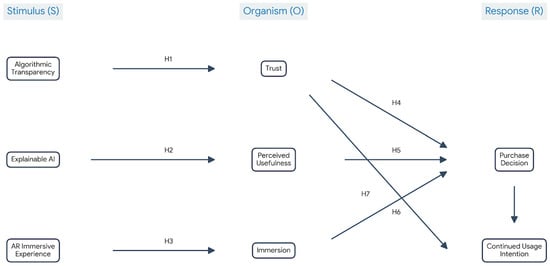
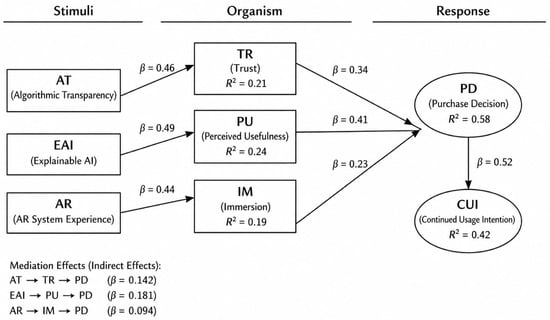
The convergence of artificial intelligence (AI) and augmented reality (AR) is reshaping digital retail, yet how algorithmic transparency, explainable AI, and AR-based immersion jointly shape consumer responses remains theoretically underdeveloped. Drawing on the Stimulus–Organism–Response (S–O–R) model, this study examines the influence of cognitive stimuli (algorithmic transparency and explainable AI) and experiential cues (AR immersion) on trust, perceived usefulness, immersion, purchase decisions, and continued usage intention. Using survey data from 420 online shoppers in the West Bank, Palestine, and analyzed via structural equation modeling, the findings indicate that cognitive evaluations—particularly perceived usefulness and trust—exert stronger effects on purchase decisions than immersion. Specifically, algorithmic transparency enhances trust, while explainable AI strengthens perceived usefulness; AR immersion contributes to engagement, but its behavioral effects remain comparatively weaker. The results suggest that experiential engagement serves as a complementary enhancer, operating most effectively when supported by transparent and useful AI systems. The study extends AI–AR commerce literature by proposing a multi-stage S–O–R framework and demonstrating the conditional role of immersion in emerging digital markets.
Full article

Figure 1
Open AccessArticle
Consumer Trust and Privacy Concerns in AI-Driven E-Commerce: Evidence from a Hybrid SEM–ANN Study
by
Israt Jahan Shithii, Afrosa Al-Jahan and Md Abdul Hannan Mia
J. Theor. Appl. Electron. Commer. Res. 2026, 21(7), 228; https://doi.org/10.3390/jtaer21070228 - 16 Jul 2026
Abstract
Framing the study within the Unified Theory of Acceptance and Use of Technology (UTAUT) and the extended online privacy concern model, this study investigates the effects of effort expectancy, social influence, privacy concerns, and perceived risk on e-commerce consumer behavior, while positioning trust
[...] Read more.
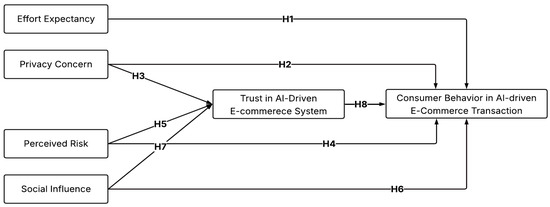
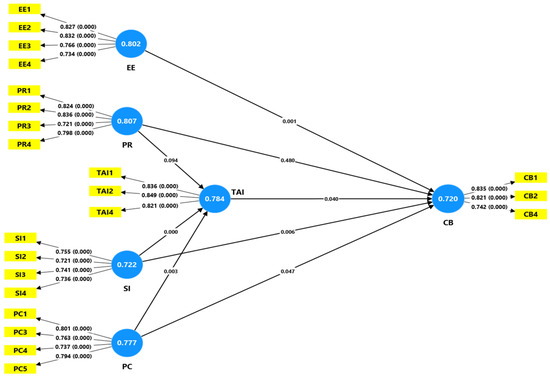
Framing the study within the Unified Theory of Acceptance and Use of Technology (UTAUT) and the extended online privacy concern model, this study investigates the effects of effort expectancy, social influence, privacy concerns, and perceived risk on e-commerce consumer behavior, while positioning trust in AI as a key mediating factor. The data were collected from 250 active e-commerce users in Bangladesh, and the analysis was done with a hybrid approach that integrates partial least squares structural equation modeling (PLS-SEM) with artificial neural network (ANN) analysis. The SEM results indicate that effort expectancy and social influence have significant positive effects on consumer behavior. Social influence also shows a significant positive effect on trust in AI. Trust in AI exhibits a significant positive effect on consumer behavior. However, perceived risk does not show a significant effect on either trust in AI or consumer behavior. Privacy concerns demonstrate a significant positive relationship with both trust in AI and consumer behavior, contrary to the hypothesized negative relationships. The mediation analysis shows that trust in AI significantly mediates the relationship between social influence and consumer behavior, while no significant mediation effects are observed for privacy concerns or perceived risk. The ANN results further confirm the dominance of social influence as the most important predictor of both trust in AI and consumer behavior, followed by effort expectancy and trust in AI, while perceived risk shows minimal predictive relevance. Overall, the findings suggest that consumer adoption of AI-enabled e-commerce is primarily driven by benefit-oriented factors rather than risk-based considerations in the present context. The study contributes to the literature by extending UTAUT and privacy calculus theory to AI-mediated commerce and by demonstrating the value of combining SEM and ANN to capture both explanatory relationships and predictive importance. From a managerial perspective, the results highlight the importance of strengthening social influence mechanisms, improving system usability, and building trust in AI systems to enhance consumer engagement in AI-driven e-commerce environments.
Full article
(This article belongs to the Special Issue Emerging Technologies and Innovations in Electronic Commerce)
►▼
Show Figures

Figure 1
Open AccessArticle
Algorithmic Nudging and Financial Over-Indebtedness: A Longitudinal Panel Analysis of AI-Integrated BNPL in MENA E-Commerce
by
Osama Wagdi, Walid Abouzeid, Heba Farid and Sharihan M. Aly
J. Theor. Appl. Electron. Commer. Res. 2026, 21(7), 227; https://doi.org/10.3390/jtaer21070227 - 15 Jul 2026
Abstract
Artificial intelligence-integrated ‘buy now, pay later’ (BNPL) platforms are diffusing rapidly across the Middle East and North Africa (MENA), raising concerns about consumer financial vulnerability. Drawing on choice architecture, payment decoupling, and financial literacy literatures, this study examines how three platform-level features—algorithmic nudging,
[...] Read more.
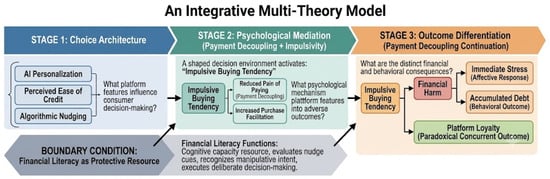
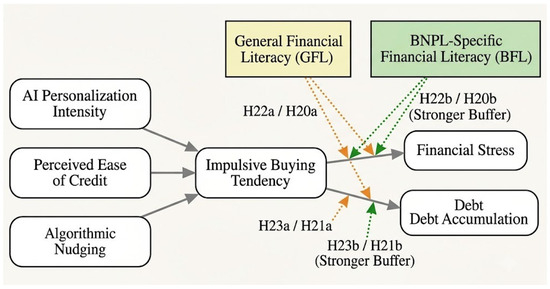
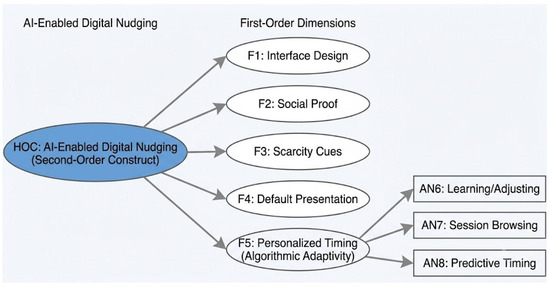
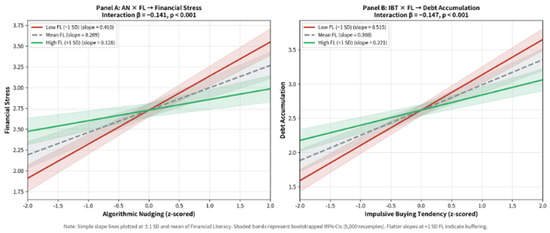
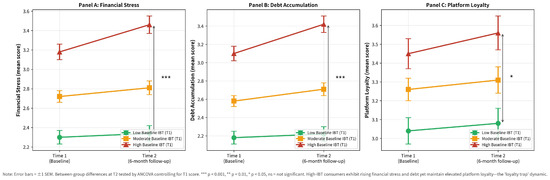
Artificial intelligence-integrated ‘buy now, pay later’ (BNPL) platforms are diffusing rapidly across the Middle East and North Africa (MENA), raising concerns about consumer financial vulnerability. Drawing on choice architecture, payment decoupling, and financial literacy literatures, this study examines how three platform-level features—algorithmic nudging, AI personalization intensity, and perceived ease of credit—are associated with impulsive buying tendency and downstream financial outcomes, and whether BNPL-specific financial literacy attenuates these associations. A multi-method design combined cross-sectional partial least squares structural equation modeling (N = 1247 active BNPL users in seven MENA countries) with a six-month longitudinal follow-up (N = 847, 68% retention). Algorithmic nudging was positively associated with impulsive buying tendency, which in turn was associated with elevated financial stress and longitudinal debt accumulation. The ‘loyalty trap’—a paradoxical state in which financially stressed consumers maintain high platform loyalty—is provisionally documented via piecewise longitudinal trajectories. We emphasize that this pattern is consistent with but not causally established by the present design, and we outline specific experimental and quasi-experimental research designs needed for causal identification. BNPL-specific financial literacy moderated the associations between algorithmic nudging, impulsive buying, and adverse financial outcomes, with the highest-literacy quartile exhibiting substantially attenuated debt trajectories. We discuss boundary conditions, alternative explanations, and the limits of causal inference in non-experimental panel data. Findings inform evolving BNPL regulatory frameworks in MENA, with particular relevance to nudge-transparency disclosures, contractual cooling-off periods, and credit-bureau reporting standards.
Full article
(This article belongs to the Section FinTech, Blockchain, and Digital Finance)
►▼
Show Figures

Figure 1
Open AccessArticle
Persuasion Cues and Consumer Engagement in Food Influencer Short-Form Videos: An ELM–COBRA Perspective
by
Rulan Liu, Syuhaily Osman, Mohamad Fazli Sabri and Nur Aqilah Amalina Jaafar
J. Theor. Appl. Electron. Commer. Res. 2026, 21(7), 226; https://doi.org/10.3390/jtaer21070226 - 14 Jul 2026
Abstract
Beginning with the notion that short-form video sites represent key digital commerce destinations for food influencers in general, there is very little research explaining how specific persuasion cues lead to varying degrees of consumer engagement. Based upon the Elaboration Likelihood Model (ELM), Social
[...] Read more.
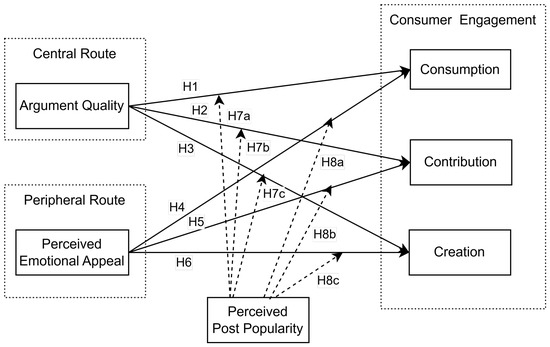
Beginning with the notion that short-form video sites represent key digital commerce destinations for food influencers in general, there is very little research explaining how specific persuasion cues lead to varying degrees of consumer engagement. Based upon the Elaboration Likelihood Model (ELM), Social Proof theory and the COBRA framework, this study aims to understand whether argument quality as a central-route cue and perceived emotional appeal as a peripheral-route cue affect consumption, contribution, creation engagement behaviors. Additionally, the study will determine if perceived post popularity, a platform-generated social proof signal, affects these relationships. A survey was conducted of 386 users of short food influencer videos. PLS-SEM analysis was performed on the survey data. Results indicated that both argument quality and perceived emotional appeal positively influence all three engagement levels. Perceived emotional appeal exerts a stronger effect, particularly on higher-engagement behaviors. The moderating effects of perceived post popularity were limited and applied solely to contribution, where it weakened the positive relationship between argument quality and contribution but strengthened the positive relationship between perceived emotional appeal and contribution. This study builds upon existing knowledge of how consumers respond to food influencer content by exploring differences between types of engagement and integrating platform-generated signals within an ELM-based theoretical model.
Full article
(This article belongs to the Special Issue Interactive Marketing in Digital Commerce: Consumer Behavior, Engagement and Decision-Making)
►▼
Show Figures

Figure 1
Open AccessArticle
How Perceived Fit Shapes Value Co-Creation and Co-Destruction in Intelligent Customer Service: Psychological Mechanisms and Moderation by Digital Self-Efficacy
by
Lei Wang, Jiayi Ren, Shiyi Sun and Yitao Chen
J. Theor. Appl. Electron. Commer. Res. 2026, 21(7), 225; https://doi.org/10.3390/jtaer21070225 - 11 Jul 2026
Abstract
►▼
Show Figures
Intelligent customer service is increasingly used to reduce service costs and improve efficiency, yet users often experience divergent outcomes, ranging from value co-creation to value co-destruction. Using task–technology fit theory as the primary theoretical lens, this study examines how the alignment between users’
[...] Read more.
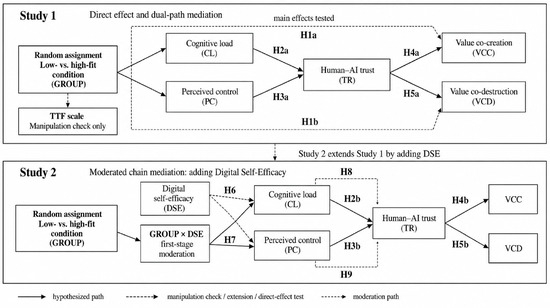
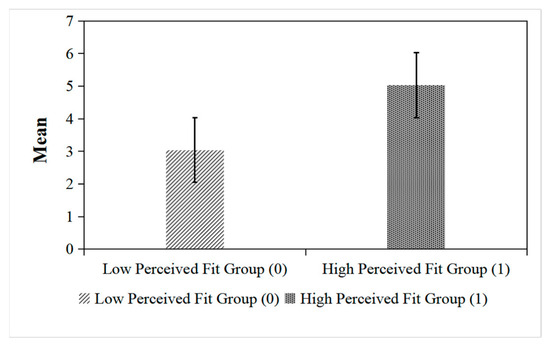
Intelligent customer service is increasingly used to reduce service costs and improve efficiency, yet users often experience divergent outcomes, ranging from value co-creation to value co-destruction. Using task–technology fit theory as the primary theoretical lens, this study examines how the alignment between users’ service task requirements and intelligent customer service capabilities is associated with divergent value outcomes. Within this framework, cognitive load and perceived control are theorized as two localized psychological mechanisms, human–AI trust as a conversion mechanism, and digital self-efficacy as a boundary condition. Using two scenario-based experiments, we develop and test the proposed model. Study 1 shows that participants in the high-fit condition reported higher value co-creation and lower value co-destruction than those in the low-fit condition. The results further reveal an asymmetric mechanism: cognitive load did not directly explain value co-creation but was more strongly associated with value co-destruction, whereas perceived control showed a broader association with both value outcomes. Study 2 extends Study 1 by examining digital self-efficacy as a boundary condition and shows that the conditional indirect association patterns vary across levels of digital self-efficacy. These findings contribute to extending task–technology fit theory to post-use value formation and provide cautious implications for intelligent customer service design and management.
Full article

Figure 1
Open AccessArticle
Brand- or User-Generated? The Impact of Product Tutorial Sources on Purchase Intention in Social Commerce
by
Wenhao Bai, Zhong Yao, Wuhuan Xu and Yazhou Luo
J. Theor. Appl. Electron. Commer. Res. 2026, 21(7), 224; https://doi.org/10.3390/jtaer21070224 - 11 Jul 2026
Abstract
►▼
Show Figures
Product usage tutorials are central to social commerce, yet little is known about whether the same tutorial information persuades consumers differently when it is generated by brands or by peer users. Drawing on the Persuasion Knowledge Model and cue consistency theory, this study
[...] Read more.
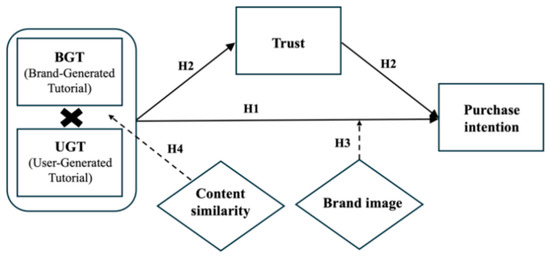
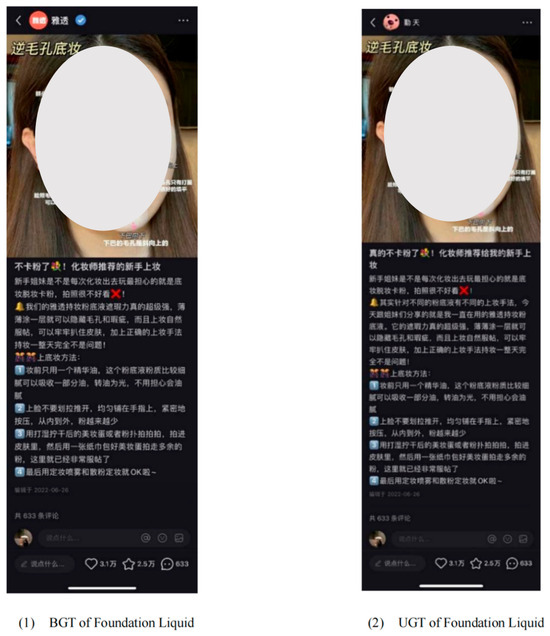
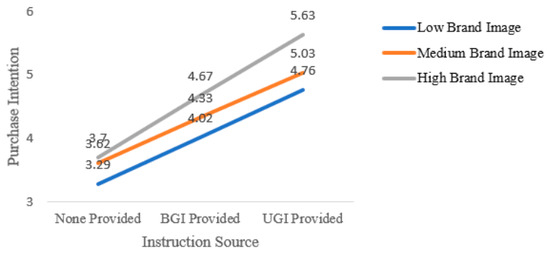
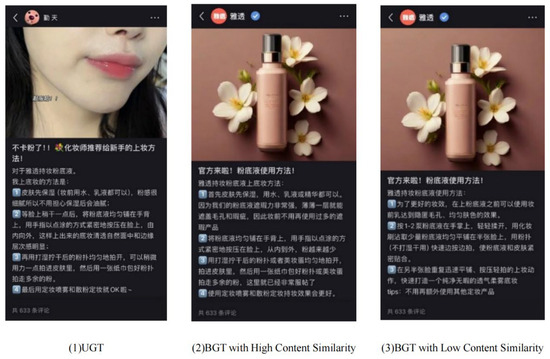
Product usage tutorials are central to social commerce, yet little is known about whether the same tutorial information persuades consumers differently when it is generated by brands or by peer users. Drawing on the Persuasion Knowledge Model and cue consistency theory, this study examines how brand-generated tutorials (BGTs) and user-generated tutorials (UGTs) influence purchase intention, and how trust, brand image, and cross-source content similarity shape these effects. Two between-subjects experiments were conducted in the context of cosmetics tutorials on Rednote. Study 1 used a 3 (tutorial source: BGT, UGT, none) × 2 (brand image: high, low) design; Study 2 compared high BGT–UGT similarity, low similarity, and UGT-only conditions. Results show that both BGTs and UGTs increase purchase intention relative to no tutorial, with UGTs producing a stronger effect. Trust mediates the effect of UGTs but not BGTs, while brand image does not moderate source effects. In co-presence conditions, high BGT–UGT similarity strengthens purchase intention, whereas low similarity weakens it. These findings identify source-level commercial intent as a boundary condition for trust formation and show that cross-source cue consistency determines whether brand tutorials validate or undermine peer-generated guidance.
Full article

Figure 1
Open AccessArticle
Enhancing Personalized E-Commerce Recommendations Under the User–Agent–Platform Paradigm: An LLM-Driven Method
by
Junbiao Xu, Zhicai Zhang and Chong Zhang
J. Theor. Appl. Electron. Commer. Res. 2026, 21(7), 223; https://doi.org/10.3390/jtaer21070223 - 10 Jul 2026
Abstract
►▼
Show Figures
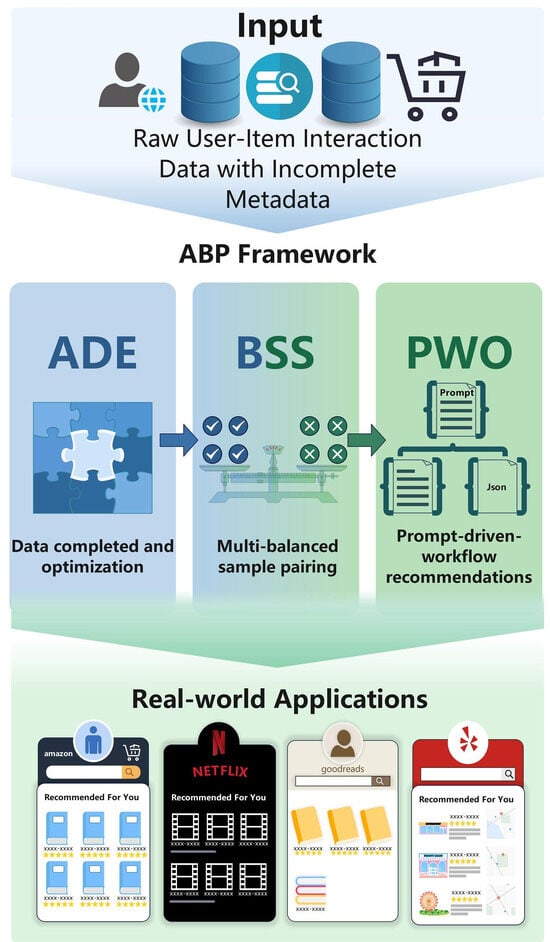
Recommendation systems are widely used in e-commerce, social media, and content distribution, yet LLM-based recommendation workflows still face recurring challenges in data completeness, sample balance, and output stability. In addition, the conventional “user-platform” structure leaves limited room for user-side mediation of exposure and
[...] Read more.
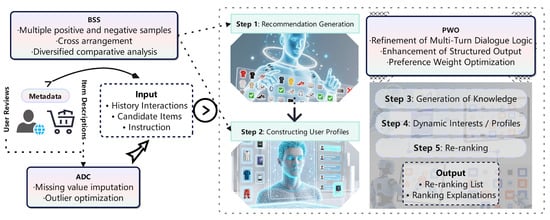
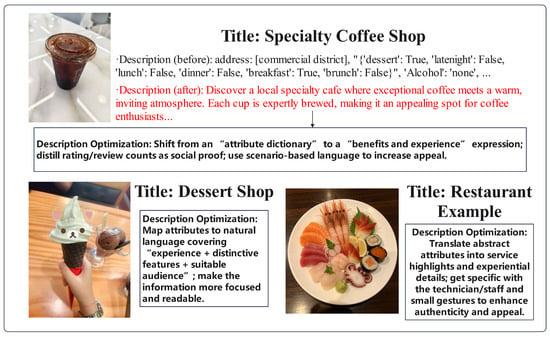
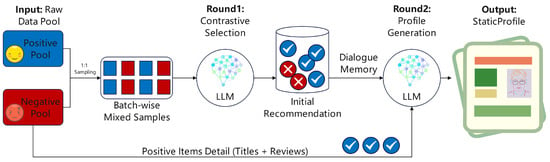
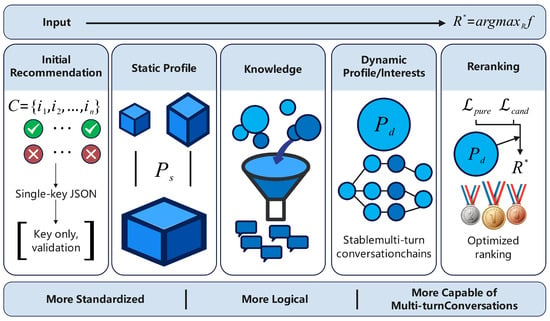
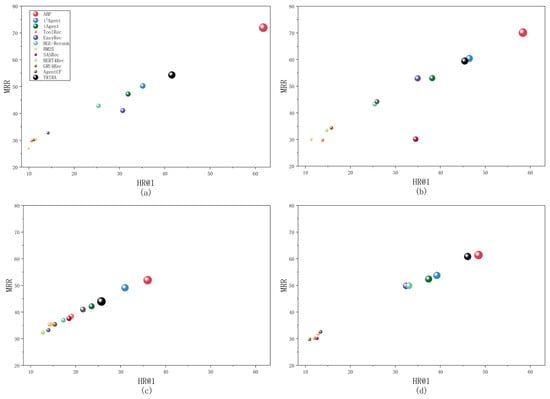
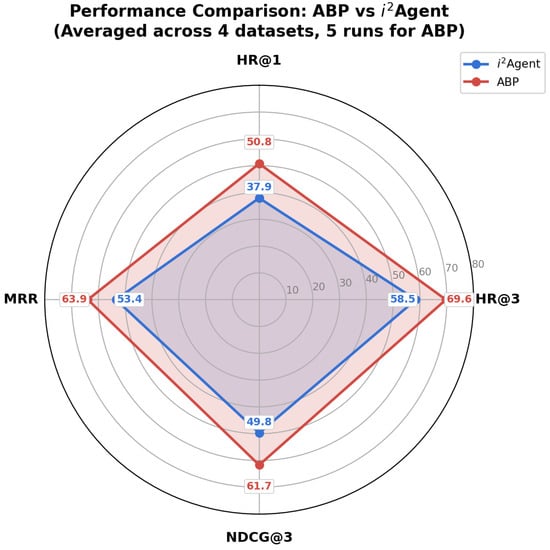
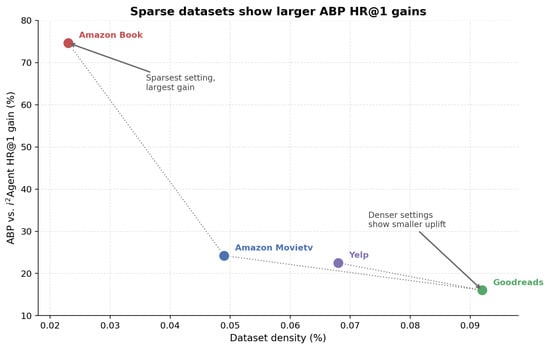
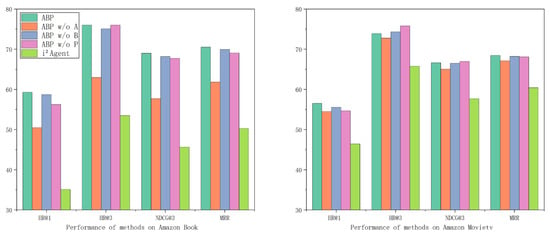
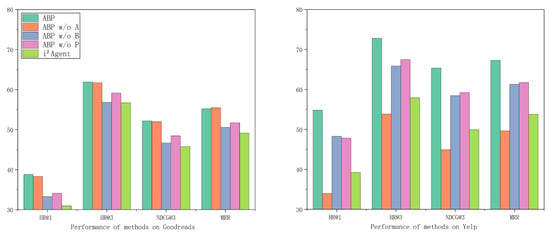
Recommendation systems are widely used in e-commerce, social media, and content distribution, yet LLM-based recommendation workflows still face recurring challenges in data completeness, sample balance, and output stability. In addition, the conventional “user-platform” structure leaves limited room for user-side mediation of exposure and preference expression. This paper presents ABP, a workflow-level extension of Agent in the User–Agent–Platform setting. ABP contains three modules: Adaptive Description Enrichment (ADE), Batch-balanced Sampling Strategy (BSS), and Prompt-driven Workflow Optimization (PWO). ADE repairs missing or rigid item text with richer natural-language descriptions, BSS builds balanced comparative inputs for user profiling, and PWO strengthens multi-stage reasoning with structured output constraints. Experiments on four real-world datasets show that ABP achieves strong ranking results under the reported protocol. Across the 16 reported dataset–metric pairs, the five-run mean results of ABP show an average relative improvement of 24.62% over Agent, with especially large gains on Amazon Book and Amazon Movietv. Under a fixed five-run protocol, ABP shows limited run-to-run dispersion on Amazon Book, Amazon Movietv, and Yelp, while Goodreads exhibits comparatively larger but still bounded variation. Overall, these results suggest that carefully designed workflow improvements can improve LLM-based recommendation quality in the reported setting while maintaining the agent’s role as a user-side mediation layer in the User–Agent–Platform setting.
Full article

Graphical abstract
Open AccessArticle
Toward Industry 5.0: An IoT-Enabled Digital Twin for Joint Sustainability and Resilience Optimization in Automated Warehouses
by
George To Sum Ho, Valerie Tang, Carmen Kar Hang Lee, Manviel Man Fei Tam and Elle Wing Ho Chow
J. Theor. Appl. Electron. Commer. Res. 2026, 21(7), 222; https://doi.org/10.3390/jtaer21070222 - 10 Jul 2026
Abstract
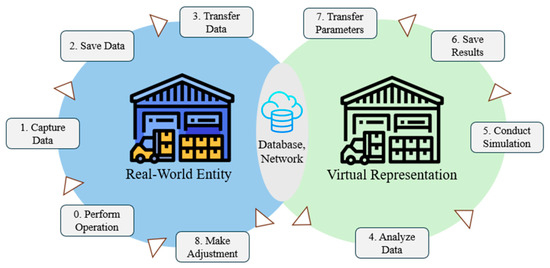
As e-commerce expands, automated e-fulfilment centers are important for fast and dependable delivery of orders placed online. Robotic equipment performs most of the operational work in these centers, supported by Internet of Things (IoT) that provide real-time operational data. Although these innovations show
[...] Read more.
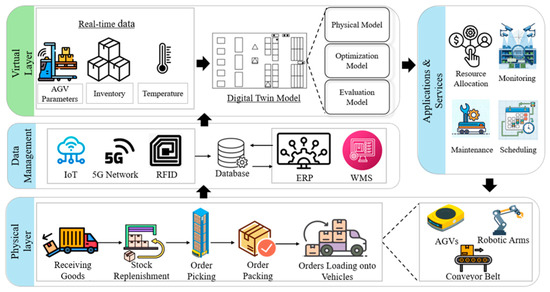
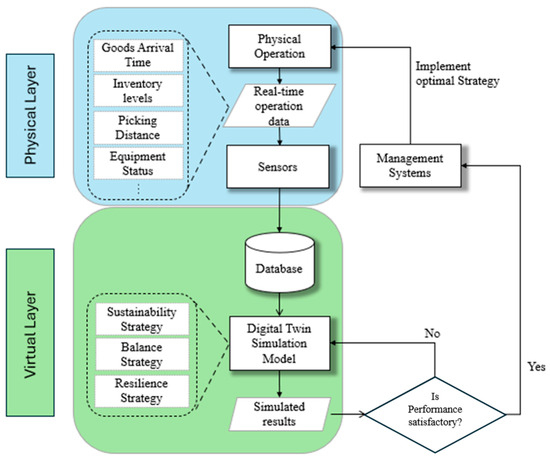
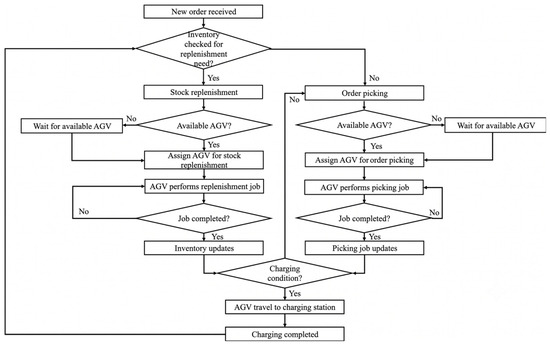
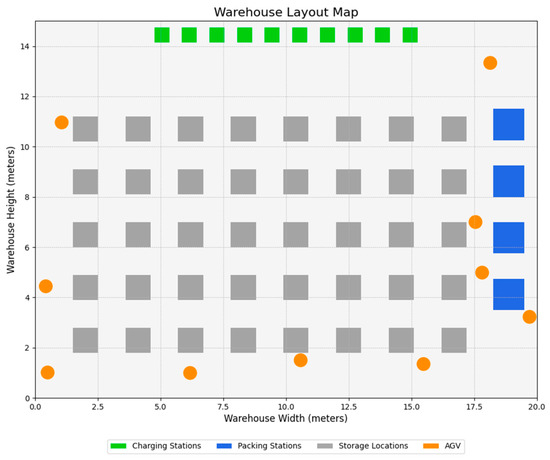
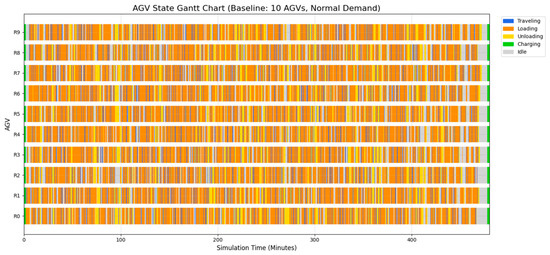
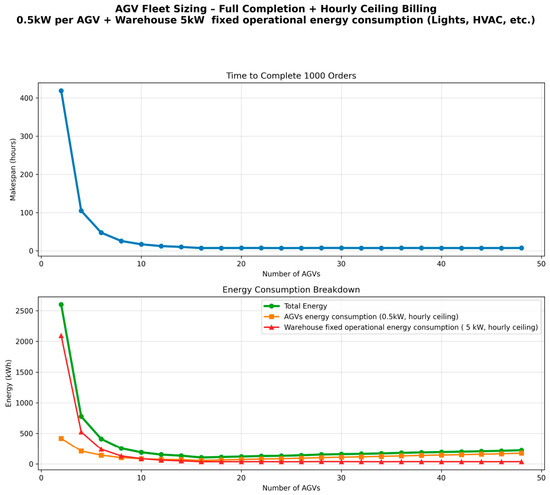
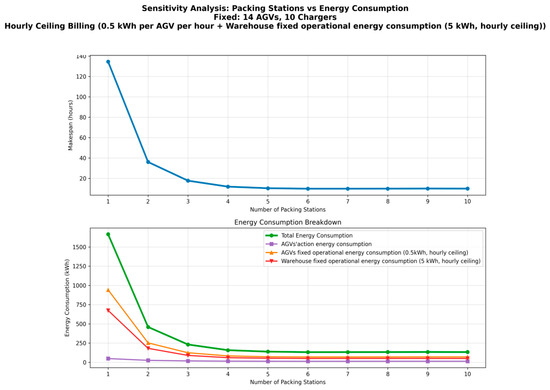
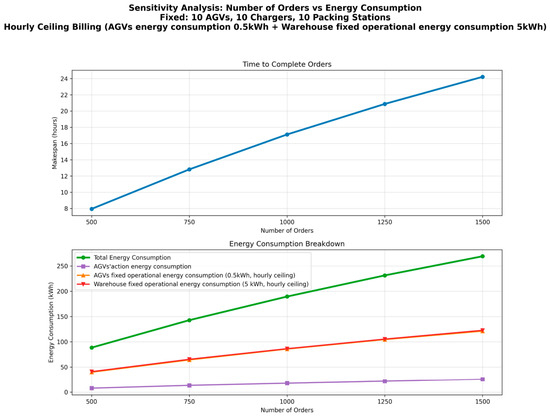
As e-commerce expands, automated e-fulfilment centers are important for fast and dependable delivery of orders placed online. Robotic equipment performs most of the operational work in these centers, supported by Internet of Things (IoT) that provide real-time operational data. Although these innovations show the principles of Industry 4.0, the transition to Industry 5.0 creates an economic trade-off between resilience and sustainability for the increasing demand for both. The main challenge is to reduce energy use without compromising the ability to manage demand fluctuations. Existing research has typically focused on sustainability or resilience by improving individual processes in isolation, which limits trade-off of resources usage and performance, as well as the interconnected nature of logistic operations. To respond to this challenge, the study proposes a Digital Twin for Joint Sustainability and Resilience Optimization (DT-JSRO) model to help in decision making coupled sustainability-resilience optimization. The DT-JSRO model lets managers run scenarios for performance evaluation in sustainability and resilience while guiding users on the best resource allocation strategies. A simulation experiment proved the feasibility and effectiveness of the proposed approach. The model simulates different operational scenarios to produce the best resource allocation strategies that can assist practitioners based on practical priorities, including solely sustainability, resilience or jointly optimizing the two when needed.
Full article
(This article belongs to the Special Issue Pioneering Predictive Analytics: AI-IoT Synergies for Adaptive and Sustainable Distribution Models in E-Commerce Supply Chains)
►▼
Show Figures

Figure 1
Open AccessArticle
From Visible Halos to Invisible Influence: A Mixed-Methods Analysis of KOC Strategies and Evolutionary Trajectories in Social Commerce
by
Kai Lin Hsu and Wei-Hsi Hung
J. Theor. Appl. Electron. Commer. Res. 2026, 21(7), 221; https://doi.org/10.3390/jtaer21070221 - 10 Jul 2026
Abstract
►▼
Show Figures
This study examines how key opinion consumers (KOCs) influence consumer behavior in social commerce, particularly under growing distrust toward traditional key opinion leaders (KOLs) and the resulting limitations in their influence. While prior research has primarily focused on trust-building, this study investigates how
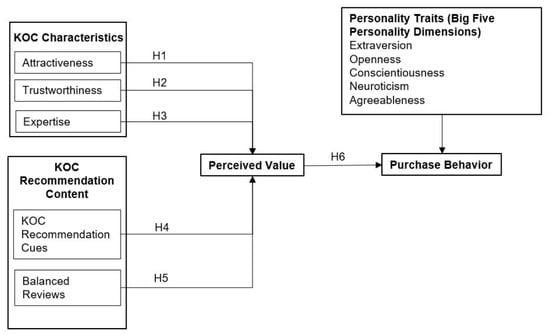
[...] Read more.
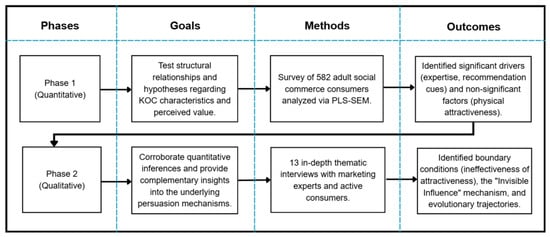
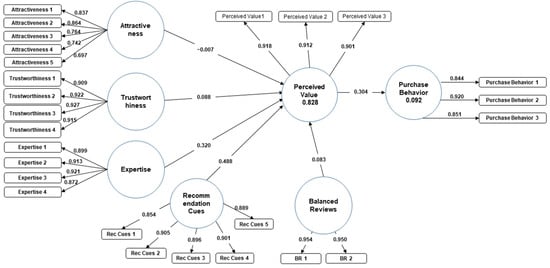
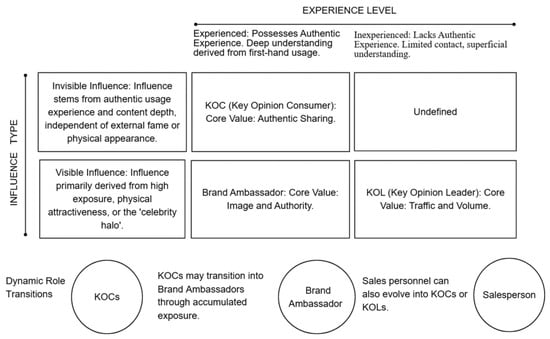
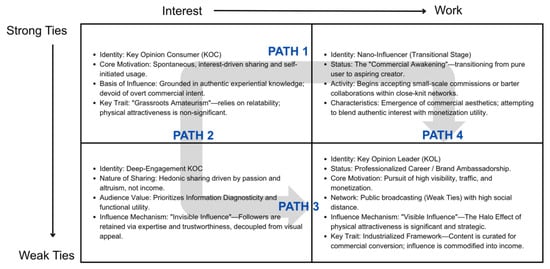
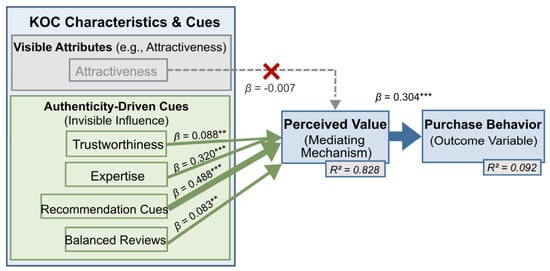
This study examines how key opinion consumers (KOCs) influence consumer behavior in social commerce, particularly under growing distrust toward traditional key opinion leaders (KOLs) and the resulting limitations in their influence. While prior research has primarily focused on trust-building, this study investigates how KOCs create perceived value through a distinct influence mechanism that distinguishes between the roles of trust and distrust. Using an explanatory sequential mixed-methods approach, this research integrates results from a quantitative study with findings from a qualitative study to arrive at robust meta-inferences. Following the PLS-SEM analysis (N = 582), qualitative interviews were conducted to corroborate these inferences and provide complementary insights into the psychological mechanisms underlying trust and distrust, identifying boundary conditions—such as the ineffectiveness of physical attractiveness—that redefine influence models in social commerce. The results indicate that a KOC’s expertise and recommendation cues significantly enhance perceived value, which serves as a key mediator influencing purchase behavior. This study conceptualizes the “invisible influence” effect as a distinct persuasion mechanism. KOCs construct utilitarian value through authentic, experience-based sharing. By identifying the mediating role of perceived value and mapping the evolutionary trajectories of influencer roles, this research extends social commerce strategy.
Full article

Figure 1
Open AccessSystematic Review
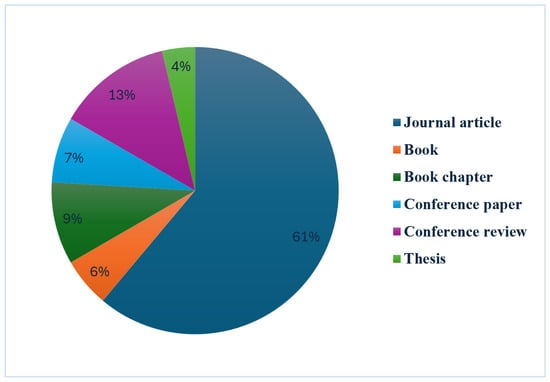
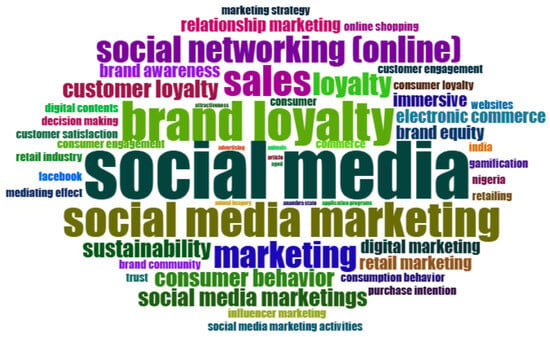
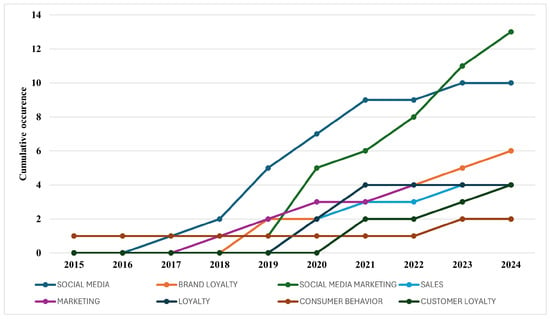
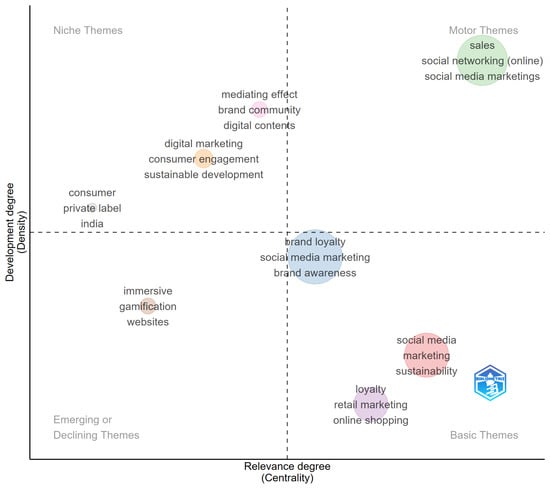
The Impact of Social Media Marketing on Brand Loyalty in Nepal: Insights from Bibliometric and Survey Analysis
by
Ramesh Shahi, Tej Bahadur Shahi, Bishnu Bahadur Khatri and Arjun Neupane
J. Theor. Appl. Electron. Commer. Res. 2026, 21(7), 220; https://doi.org/10.3390/jtaer21070220 - 9 Jul 2026
Abstract
With the rapid growth of social media use in Nepal and their engagement with customers, understanding how these platforms support customer loyalty becomes essential for retail businesses. This study investigates the role of social media marketing in shaping brand loyalty among retail customers
[...] Read more.
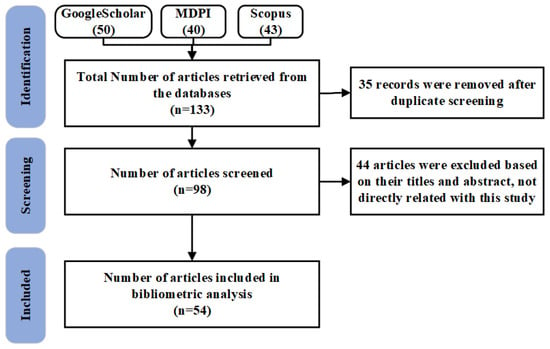
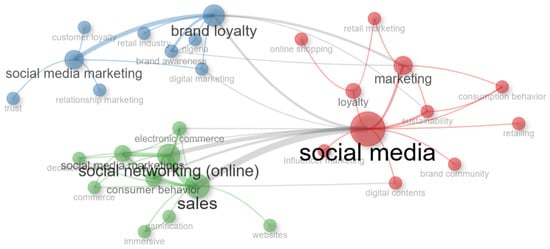
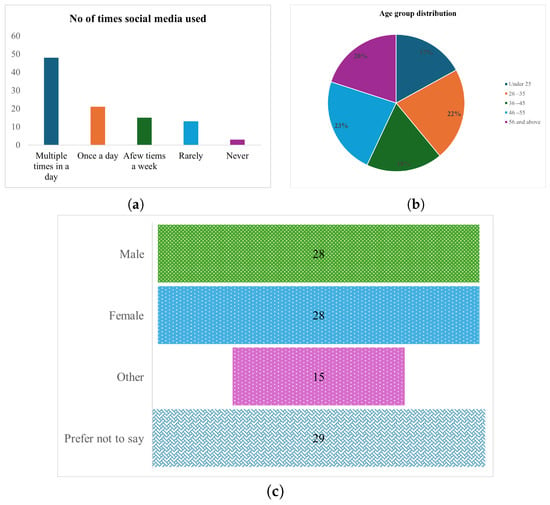
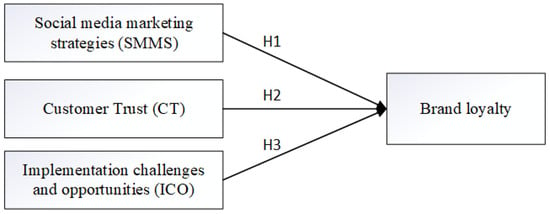
With the rapid growth of social media use in Nepal and their engagement with customers, understanding how these platforms support customer loyalty becomes essential for retail businesses. This study investigates the role of social media marketing in shaping brand loyalty among retail customers in Nepal through an integrated research design that combines systematic bibliometric and survey data analysis. The bibliometric findings suggest a clear progression in the literature, moving from a foundational emphasis on relationship marketing and loyalty theory toward a more integrated framework that incorporates social media engagement and, ultimately, measurable business outcomes. The quantitative results based on survey data conducted with 100 Nepalese consumers active on Facebook, Instagram, and TikTok show that effective social media strategies and the ability to address implementation difficulties significantly enhance brand loyalty. In contrast, the direct influence of customer trust is limited. The findings highlight the importance of tailored and interactive content, supported by appropriate digital practices, particularly in regions with developing infrastructure. This study offers practical recommendations to improve digital engagement, encourage retailers to collaborate with local influencers, respond to customer feedback, maintain transparency in messaging, and enhance digital capabilities to implement effective social media strategies. It also underscores the value of producing culturally relevant content that aligns with local interests and behaviours.
Full article
(This article belongs to the Special Issue Interactive Marketing in Digital Commerce: Consumer Behavior, Engagement and Decision-Making)
►▼
Show Figures

Figure 1
Journal Menu
► ▼ Journal MenuJournal Browser
► ▼ Journal Browser-
arrow_forward_ios
Forthcoming issue
arrow_forward_ios Current issue - Volumes not published by MDPI
Highly Accessed Articles
Latest Books
E-Mail Alert
News
Topics
Topic in
Administrative Sciences, Businesses, Informatics, JTAER
Innovations in New Media: Shaping the Future of Interactive Marketing
Topic Editors: Chenglu Wang, Hongfei Liu, Morgan Yang, Qing Ye, Yunjia ChiDeadline: 30 September 2026
Topic in
Businesses, Economies, Foods, Nutrients, Sustainability, JTAER, Platforms
Consumer Behaviour and Healthy Food Consumption, 2nd Edition
Topic Editors: Manuel Escobar-Farfán, Elizabeth Emperatriz García-Salirrosas, Ivan Veas-GonzalezDeadline: 15 November 2026
Topic in
Businesses, JTAER, Societies, Administrative Sciences
Livestreaming and Influencer Marketing
Topic Editors: Xianghui (Richard) Peng, Chao Wen, Jiaming FangDeadline: 31 December 2026
Topic in
AI, BDCC, FinTech, IJFS, JTAER, Risks
Artificial Intelligence Applications in Financial Technology, 2nd Edition
Topic Editors: Albert Y.S. Lam, Andy ChunDeadline: 28 February 2027
Special Issues
Special Issue in
JTAER
Emerging Digital Technologies and Consumer Behavior
Guest Editors: Jashim Khan, Russell Belk, Na ZuoDeadline: 31 July 2026
Special Issue in
JTAER
Digital Marketing in Practice: Platforms, AI, Trust and Market Solutions
Guest Editor: Klaus Solberg SöilenDeadline: 15 August 2026
Special Issue in
JTAER
Interactive Marketing in Digital Commerce: Consumer Behavior, Engagement and Decision-Making
Guest Editors: Joonheui Bae, Min Jung ChoDeadline: 31 August 2026
Special Issue in
JTAER
Digital Promotion Effectiveness and Brand Loyalty in Social Commerce: Brand Authenticity as a Boundary Condition for Customer Engagement Outcomes
Guest Editor: George SpaisDeadline: 31 August 2026
Topical Collections
Topical Collection in
JTAER
Enhancing Consumer Experience Through Mobile Commerce: Challenges and Opportunities
Collection Editors: Dan-Cristian Dabija, Cristinel Vasiliu, Rebeka-Anna Pop
Topical Collection in
JTAER
Emerging Topics in Omni-Channel Operations
Collection Editors: Gang Li, T.C. Edwin Cheng, Tao Zhang
Topical Collection in
JTAER
Advances in Supply Chain Management in the Era of Electronic Commerce
Collection Editors: Hua Ke, Zhiguo Li, Zhang Zhao
Topical Collection in
JTAER
Exploring the Future of Creative Economy: Transforming Creative Industries through Innovation, Technology and Enhanced Consumer Engagement
Collection Editors: Chuanlan Liu, Sibei Xia