


Abstract
Traditional celebrity endorser models conceptualize expertise as a static trait focused on the possession of product knowledge. However, the synchronous and highly interactive nature of live commerce challenges these static models in explaining consumer engagement. Grounded in Social Presence Theory and a contextual competence perspective, the present study reconceptualizes live-streamer professionalism as a set of dynamic competencies enacted through real-time interaction. Using a sequential mixed-methods design, Study 1 employs a grounded theory analysis of qualitative data collected from consumers, streamers, and platform practitioners to identify core dimensions of streamer professionalism. Study 2 develops and validates a multidimensional measurement scale. Study 3 leverages a comprehensive engagement model to benchmark the proposed framework against competing, expertise-based explanations. The results reveal five distinct dimensions of streamer professionalism (Business Knowledge Reserve, Expressive Ability, Professional Quality, Interactive Ability, External Visible Traits) and a dual-pathway mechanism: Business Knowledge Reserve primarily enhances cognitive product involvement, whereas Interactive Ability strengthens context attachment by amplifying perceived social presence. The proposed model demonstrates greater explanatory power than traditional expertise frameworks, particularly in explaining affective attachment. Collectively, these findings shift the analytical focus from who the source is to how professionalism is performed within interactive service encounters, thereby advancing a performance-oriented view of professionalism in live commerce and informing platform governance and influencer management.
1. Introduction
In September 2023, Li Jiaqi (Austin Li), a top-tier anchor known as China’s “Lipstick King,” triggered a massive consumer backlash during a live commerce broadcast [1]. During the session, a viewer questioned the price of an eyebrow pencil—a moment that called for effective consumer-oriented engagement and relationship management within a highly interactive retail environment. However, instead of providing product-related clarification, Li emotionally asked the viewer, “Have you worked hard enough to raise your salary?”—immediately triggering audience dissatisfaction. The consequences were severe: millions of followers unsubscribed, and his commercial value plummeted overnight.
This incident presents a critical theoretical puzzle. Li possessed undisputed endorser expertise [2] and understood the product’s value chain perfectly. Yet, he failed catastrophically. We argue that in the hyper-interactive environment of live commerce, static “expertise” is insufficient. In addition to individual misconduct, this episode reflects a breakdown in the streamer’s ability to transform expertise into effective consumer interaction. Li failed not because of what he knew, but because he lacked contextual competence—the inability to sense the emotional atmosphere and regulate his interactional cues in real time. This raises a fundamental question: if expertise reflects what a streamer knows, what determines whether that expertise can effectively generate consumer engagement in synchronous retail environments? The incident suggests that effectiveness in live commerce depends not only on informational accuracy but also on the ability to manage interactional dynamics and stimulate consumers’ active participation in real time [3].
This challenge extends beyond this singular event and reflects a broader transformation in digitally mediated retail ecosystems. The rapid expansion of live commerce has drawn significant scholarly attention, with several Western platforms, such as TikTok Shop, YouTube Shopping, and Amazon Live, increasingly converging on this interactive retail model [4]. A recurring friction has emerged: influencers who are successful in asynchronous, highly edited content often struggle when pivoting to synchronous live selling. This occurs because live-streaming fundamentally differs from preproduced content in its reliance on real-time interaction, immediacy, and continuous consumer participation [5,6]. Although they possess expertise in producing polished content, they face heightened demands to manage the high interactivity and continuous feedback characteristic of live environments [7]. Consequently, the central challenge lies not in what information is delivered, but in how streamers sustain consumer engagement and relational connection through ongoing interactional performance [8].
As the live commerce industry transitions from a phase of unregulated growth to institutionalization and professionalization, platforms and industry organizations increasingly emphasize competency standards [9]. However, existing academic research has not yet fully theorized streamer professionalism as a contextually enacted capability. Prior studies primarily explain streamer effectiveness through relatively static attributes, such as expertise, attractiveness, trustworthiness, and source credibility [2], or link streamer- and live-streaming-related characteristics to consumer trust, engagement, presence, and purchase intentions [3,10]. Such models offer valuable insights, but they insufficiently capture how streamers translate expertise into real-time interaction, relational connection, and consumer participation. Thus, a key theoretical gap remains: scholarly consensus is robust regarding what makes a streamer credible, but less is known about how streamers enact professionalism through real-time interaction.
To address this gap, the present study shifts attention from traditional “Endorser Expertise” to “Streamer Professionalism,” conceptualizing professionalism as contextual competence enacted within live e-commerce environments. Rather than treating professionalism as a fixed individual trait, this study defines it as a dynamic capacity to leverage business knowledge while simultaneously managing interactive and relational demands. This conceptual shift directly addresses the puzzle illustrated by the Li Jiaqi incident: a streamer may possess substantial product knowledge and high source credibility, yet still fail to sustain consumer engagement when that expertise is not enacted through socially responsive interaction. Drawing on Social Presence Theory, the hyper-interactive ecology characterized by real-time comment streams, synchronous verbal responses, and dynamic emotional exchanges can heighten viewers’ perception that the streamer is socially present, responsive, and relationally accessible [11]. The key issue is therefore not simply whether streamers possess expertise, but whether they can make that expertise perceptible through immediacy, responsiveness, and relational accessibility during synchronous interaction. Although recent evidence suggests that real-time interaction style plays a distinct and often central role in shaping viewer responses [12,13], most studies still rely on linear “streamer traits → consumer response → purchase intention” models. In many such models, contextual dynamics are incorporated primarily as situational cues rather than theorized as central interactional mechanisms [14], obscuring the cyclical interplay among the streamer, consumer, and context.
Accordingly, this research adopts a three-stage mixed-method design to conceptualize, operationalize, and empirically test streamer professionalism in live e-commerce. We first use grounded theory in Study 1 to inductively identify the unique dimensions of professionalism that distinguish it from static expertise. Building on these qualitative insights, Study 2 develops and validates a multidimensional measurement scale to ensure psychometric rigor. Subsequently, Study 3 empirically tests a structural equation model, examining how these professionalism cues drive multidimensional consumer engagement through the dual cognitive and relational pathways of product involvement and context attachment. Together, these three studies explain why product knowledge alone may be insufficient in live commerce and how streamer professionalism enables expertise to become effective only when it is enacted through interaction, social presence, and contextually responsive performance. By integrating these studies, this research provides a validated instrument for future research and offers a refined conceptualization of streamers as active managers of contextual dynamics rather than passive endorsers within contemporary digital service platforms.
2. Literature Review
2.1. Streamer Professionalism
The term “Expertise” was introduced by Hovland et al. [15] as a dimension of Source Credibility, defined as “the extent to which a communicator is perceived to be a source of valid assertions.” Related constructs include “Authoritativeness” [16], “Competence” [17], and “Qualification” [18]. In live-streaming commerce, streamers function as primary sources of product information, and their expertise is often evaluated analogously to celebrity endorsers [19]. Drawing on Ohanian [2], expertise is conceptualized as the perceived competence of an endorser, commonly reflected in attributes such as knowledge, experience, and skill. Prior live-streaming research adopts a similar attribute-based view [20,21]. However, this construct primarily emphasizes what the streamer knows rather than how such expertise is enacted to facilitate consumer engagement and relational development during real-time interaction. Accordingly, this research extends the notion of expertise to conceptualize Streamer Professionalism as a broader construct encompassing cognitive, behavioral, and presentational competencies. Together, these integrated attributes manifest in information delivery, interaction management, and sustained presence, shaping how streamers navigate dynamic live-streaming environments.
In measurement terms, Ohanian’s [2] scale remains the mainstream tool. This scale employs semantic differential items to assess perceived expertise such as expert–inexpert and knowledgeable–unknowledgeable [2], and is often adapted to live-streaming contexts by simply shifting the setting from “endorser/celebrity” to “streamer/influencer” [22]. Despite its utility, applying this scale to e-commerce live-streamer professionalism presents two limitations. First, its emphasis on static traits constrains its ability to capture dynamic performance elements such as situational judgment and interactional skills. Second, because celebrities or influencers represent only a subset of a streamer’s characteristics, these generic scales make it difficult to fully distinguish streamer professionalism from other attributes. Therefore, deeper theoretical refinement and empirical operationalization are needed to conceptualize streamer professionalism specifically.
Furthermore, streamer professionalism is rarely examined as a standalone construct. Instead, it is often bundled with other source characteristics—such as credibility, interactivity, and attractiveness—to predict consumer responses [23,24,25]. Existing research primarily focuses on how these source characteristics affect purchase intention. For instance, studies have explored how a streamer’s facial attractiveness [26] or authenticity [27] enhances purchase intention in live-commerce settings. Overall, prior research tends to aggregate professionalism into broader source-trait frameworks and focus narrowly on transactional outcomes, leaving the broader spectrum of consumer engagement behaviors—particularly those shaped by social presence and platform interaction—insufficiently theorized.
2.2. Social Presence Theory
The concept of social presence was originally introduced to describe the extent to which another person is perceived as salient in mediated communication [11]. Later research in electronic commerce extended this idea by showing that online environments can convey human warmth, sociability, and psychological accessibility, thereby enhancing consumers’ trust and fostering more favorable attitudes toward online shopping [28,29]. More recent reviews further suggest that social presence is not merely a property of a communication medium, but an interactional perception shaped by communicative cues, responsiveness, and the perceived presence of a socially available other [30,31].
This theoretical perspective is particularly relevant to live-streaming commerce, where product presentation, real-time communication, and social interaction occur simultaneously within the same live shopping environment [3]. Unlike static online retail pages, live-streaming enables streamers to demonstrate products, explain information, respond to questions, and interact with viewers through real-time features such as comments and likes; such interactivity is central to consumer engagement in live-streaming commerce [32]. In this environment, consumers do not evaluate product information in isolation; they also interpret the streamer’s responsiveness and interactional communication style as interpersonal cues that shape immersive and relational viewer responses [12]. Thus, live-streaming e-commerce creates integrated contextual cues consisting of people (streamers and co-viewing consumers), products (merchandise), and space (live-streaming rooms), which jointly shape consumers’ interactive engagement behaviors during live viewing. Given the dual value attributes of consumption and entertainment available to consumers in live-stream rooms, streamer professionalism can foster consumers’ interactive engagement behaviors in this three-dimensional environment by either enhancing their product involvement or strengthening their context attachment.
2.2.1. Streamer Professionalism and Product Involvement
As streamer professionalism is enacted through real-time explanation and interaction, consumers may perceive live sessions not only as sources of product information but also as socially interactive live shopping settings [3,12]. On the product side, demonstrations, explanations, and immediate responses can make product information more trustworthy and evaluable [3]. Such characteristics are likely to enhance consumers’ perceptions of the product’s personal relevance, which is a defining characteristic of product involvement [33]. Accordingly, product involvement captures consumers’ cognitive responses to product information in live-streaming commerce, thereby facilitating consumers’ purchase-related responses.
2.2.2. Streamer Professionalism and Context Attachment
Beyond product evaluation, the social presence created in live-streaming may also give the live room a contextual meaning for consumers. Live-streaming commerce is shaped by streamer performance, audience participation, and continuous real-time interaction [3,32]. Streamers’ interactional communication style further influences viewers’ immersive and relational responses during live shopping [12]. This interactive and socially constructed nature of the live environment suggests that consumers’ attachment extends beyond physical settings to include online community settings [34]. Place attachment was originally developed to explain emotional bonds between individuals and physical places, commonly through place identity and place dependence [35,36]. However, place-based research suggests that attachment is shaped not only by physical location but also by the meanings and experiences associated with a setting [37]. Recent research on online brand communities further indicates that attachment-related mechanisms can operate in online environments, where social media affordances and service experiences support brand engagement and continued participation [34]. Accordingly, context attachment captures consumers’ emotional connection to the live commerce setting as a socially meaningful online environment, rather than implying attachment to a fixed physical location.
In sum, Social Presence Theory helps reposition streamer professionalism from a static source attribute to a capability enacted through real-time communication. Expertise is effective in live-streaming commerce only when it is communicated in ways consumers perceive as immediate, responsive, and socially engaging [12,28]. From this perspective, product involvement and context attachment represent two psychological responses through which consumers experience streamer professionalism.
2.3. Consumer Engagement Behavior in Live-Streaming Commerce
2.3.1. Connotation of Consumer Engagement Behavior
Consumer engagement refers to viewers’ psychological and behavioral participation in brand- and product-related activities [38], which is manifested in live-streaming commerce through actions such as liking, commenting, sharing, and purchasing [39]. Compared with purchase intention, consumer engagement behavior encompasses a broader range of actions that extend beyond a single transaction and contribute to consumers’ ongoing interactions with brands, products, and other market actors [38,40].
Live-streaming commerce involves multiple stakeholders, including streamers, merchants, platforms, and consumers, whose interactions jointly shape consumer trust, engagement, and marketing value [3,40]. Accordingly, diverse consumer engagement behaviors within live rooms may create value for different stakeholders. For instance, consumers’ sharing of live-stream links, product information, or live clips can broaden information diffusion and contribute to marketing value [38,40]. Real-time bullet-screen comments provide co-viewing consumers with additional social and informational cues and may influence purchase-related responses in live-streaming commerce [41]. From this perspective, unpacking the impact of streamer professionalism on consumer engagement behaviors helps clarify value generation and diffusion arising from streamer–consumer interactions in live-streaming, rather than merely focusing on transactional outcomes. Accordingly, the present research focuses on three core engagement behaviors: interacting, sharing, and purchasing, which capture consumers’ real-time communicative participation, information diffusion, and transaction-related responses, respectively.
2.3.2. Influencing Factors of Consumer Engagement Behavior
Studies have examined consumer engagement in live-streaming commerce mainly from three related perspectives: environmental cues, relational connectedness, and streamer-related factors. At the environmental level, live-streaming features—such as real-time interaction and product presentation—shape consumers’ perceived value, engagement, and purchase-related responses [3,42]. Platform-enabled cues, such as bullet-screen comments and real-time reviews, further provide social and informational signals that influence consumer responses [41]. Moreover, relational bonds and swift guanxi strengthen consumer engagement and purchase-related behaviors [43,44]. Research on streamer-related factors further shows that streamers’ communication content and source characteristics affect user engagement and purchase intention [20,39]. While these studies examine how specific environmental, relational, or source-related factors predict consumer outcomes, they pay less attention to streamer professionalism as an integrated capability that connects product presentation, real-time interaction, and sustained consumer engagement.
Notably, the theoretical explanation of how consumer engagement is formed in interactive digital environments remains incomplete. Research has shown that engagement develops from consumers’ cognitive, emotional, and behavioral investment in interactions with firms, brands, or offerings [38,45]. Social media engagement research further shows that consumers’ online behaviors vary in depth, ranging from passive consumption to active contribution and content creation [46], with higher levels of engagement reflecting increasingly active consumer participation [47].
Building on these perspectives, Social Presence Theory offers a clearer mechanism by explaining how the perceived presence of others in mediated environments shapes users’ responses [30,31]. In live-streaming commerce, streamer professionalism—through timely responses, expressive communication, and adaptive interaction—can enhance consumers’ perception of the streamer as socially present and responsive. This heightened sense of social presence can facilitate consumers’ understanding and evaluation of product information by increasing the perceived value of live-streaming communication [3]. It can also strengthen their sense of involvement in an ongoing interaction, thereby encouraging more active participation through immersive and relational viewer responses [12].
A synthesis of the literature reveals three significant gaps. Conceptually, prior studies follow the endorser expertise framework, emphasizing knowledge and skills while overlooking real-time interactivity and contextual competence. At the measurement level, generic scales inadequately capture procedural skills and situational judgment central to live-streaming performance. Mechanistically, existing research focuses on the direct effects influencing purchase intention, providing limited insights into how multidimensional consumer engagement is formed. In particular, prior research has not sufficiently explained how streamer professionalism generates both cognitive responses to product information and relational responses to the live-streaming context [12], although both are important for understanding consumer engagement more broadly in interactive digital environments [38,45].
To address these gaps, this study employs a three-stage empirical design. Study 1 applies grounded theory to reconceptualize streamer professionalism using multi-source qualitative data drawn from live commerce settings. Study 2 develops and validates a multidimensional measurement scale through rigorous factor-analytic procedures. Study 3, grounded in Social Presence Theory, employs structural equation modeling to examine how professionalism influences multidimensional consumer engagement through product involvement and context attachment. This sequential design ensures conceptual validity, measurement reliability, and robust mechanism testing.
3. Study 1: Inductive Reconstruction of Streamer Professionalism
Study 1 employs classical grounded theory to inductively reconstruct the dimensional structure of streamer professionalism. Moving beyond static, trait-based approaches, this study applies hierarchical coding to multi-source qualitative data derived from consumers, top-tier streamers, and platform practitioners. This approach enables the identification of core professionalism dimensions that align with the dynamic, interaction-dependent nature of live-streaming environments.
3.1. Research Methodology and Data Collection
To ensure ecological validity and triangulation, Study 1 adopted a multi-source data strategy (Table 1). Secondary data were drawn from publicly available interviews and documentary videos featuring top live streamers and enterprise representatives, which were transcribed verbatim by the research team. In addition, fifteen experienced online shoppers participated in semi-structured interviews (Supplementary Materials), allowing the study to incorporate consumer-side perspectives alongside industry viewpoints. Detailed interviewee profiles are reported in the Supplementary Materials. The empirical qualitative corpus consisted of 35 texts, including 7 public interview/documentary text segments featuring top live streamers, 13 practitioner or brand-side interview/media texts, and 15 consumer interview texts. In addition, 69 scholarly articles were used to enhance theoretical sensitivity, support triangulation, and inform subsequent item generation. Together, these materials exceeded 400,000 words, providing a robust foundation for grounded theory coding.
Table 1.
Overview of qualitative samples, scholarly materials, and data sources.
Before formal analysis, the 35 empirical qualitative texts were divided into a coding set and a saturation-check set. Specifically, 30 texts were used for open, axial, and selective coding, while 5 texts were withheld and used exclusively for theoretical saturation testing.
3.2. Coding Process
Strictly following grounded theory procedures [48], we conducted open, axial, and selective coding to extract the underlying structure of the construct (see Figure 1 for the overall coding logic). Before formal coding, the coding team received training on grounded theory procedures and NVivo-based qualitative coding. Two coders first independently coded the same pilot text and then compared their labels, conceptual nodes, and category boundaries. This pilot exercise was used to establish shared coding rules, including the level of abstraction appropriate for a label, the distinction between concrete behavioral descriptions and higher-order conceptual nodes, and the criteria for merging or separating categories.
Figure 1.
The coding logic and operating procedures of classical grounded theory.
Open coding: Following a line-by-line analysis of 30 formal empirical coding texts, open coding proceeded through three steps: labeling, conceptualization, and categorization. In the labeling step, raw statements were transformed into localized label nodes. In the conceptualization step, semantically related label nodes were abstracted into conceptual nodes through constant comparison. In the categorization step, conceptually related nodes were further summarized into more abstract initial categories. To enhance reliability, two coders conducted back-to-back coding and compared their results. Initial agreement for label nodes ranged from 79.6% to 93.2%, and agreement for conceptual nodes ranged from 80.9% to 89.5%; after discussion and comparison with the original texts, agreement increased to 95.5–100% for label nodes and 92.5–96.9% for conceptual nodes. NVivo annotations and coding notes were used to review node meanings, compare similarities and differences among nodes, and document decisions related to merging, deleting, and categorizing. Through this iterative process, the analysis generated 1292 label nodes, which were abstracted into 251 conceptual nodes and then further categorized into 24 initial categories for subsequent axial coding. Table 2 provides selected examples of how label nodes were abstracted into conceptual nodes and further summarized into initial categories during open coding.
Table 2.
Examples of initial category extraction during open coding.
Axial coding: Based on the 24 initial categories obtained through open coding, axial coding further integrated conceptually related categories into five major dimensions: Business Knowledge Reserve, Expressive Ability, Professional Quality, Interactive Ability, and External Visible Traits. Rather than mechanically aggregating similar words, this step focused on the conceptual relationships among initial categories and their shared meanings within live commerce interaction. The extraction process of axial coding is shown in Table 3.
Table 3.
The extraction process of “axial coding”.
When initial categories were conceptually adjacent, the research team returned to the original texts, compared the meanings of relevant nodes, and discussed whether a category should be retained independently, merged with another category, or assigned to a broader dimension. This procedure ensured that the axial categories reflected conceptual relationships among coding results rather than a purely procedural content classification.
Selective coding: After open and axial coding, selective coding integrated the five major dimensions—Business Knowledge Reserve, Expressive Ability, Professional Quality, Interactive Ability, and External Visible Traits—into the core category, Streamer Professionalism. The final integration indicated that streamer professionalism is not limited to knowledge possession but also includes the knowledge base, communication ability, professional attitude, interaction management, and visible stylistic cues through which streamers demonstrate professional competence in live commerce encounters.
Theoretical saturation was assessed using the 5 reserved texts, among the 35 texts considered herein. Following the same coding procedures, the reserved texts generated no new conceptual nodes, no new initial categories, and no changes to the established conceptual structure. Therefore, the finalized coding structure demonstrated theoretical saturation.
3.3. Coding Results and Dimensional Definitions
Selective coding confirmed “Streamer Professionalism” as the core category, structured by five dimensions (Figure 2). This multidimensional structure expands the concept beyond static knowledge to include dynamic interactional capabilities. The five identified dimensions are defined as follows:
Figure 2.
The results of selective coding.
Business Knowledge Reserve: The streamer’s accumulated domain-specific commercial knowledge, encompassing product understanding, industry knowledge, and product-selection judgment.
Expressive Ability: The communicative competence to convey product information with clarity, fluency, and persuasive logic, facilitating smooth information flow and reducing consumers’ cognitive load.
Professional Quality: The streamer’s occupational ethics and service mindset, reflected in diligence, approachability, and positive value orientation that fosters trust and long-term reputation.
Interactive Ability: The core of contextual competence, referring to the dynamic capability to stimulate participation, regulate interaction rhythm, create situational atmosphere, and evoke emotional resonance.
External Visible Traits: Stable, outwardly observable stylistic patterns—such as humor, distinctiveness, and perceived authority—that shape viewers’ immediate impressions.
4. Study 2: Development and Validation of the Streamer Professionalism Scale
Building upon the five-dimensional conceptual framework established in Study 1, Study 2 operationalizes these theoretical constructs into a quantifiable measurement instrument. Following standardized scale development procedures [49], a two-stage survey design was employed, incorporating item purification, Exploratory Factor Analysis (EFA), and Confirmatory Factor Analysis (CFA) to assess the scale’s reliability and validity.
4.1. Method and Initial Item Purification
The scale development procedure is depicted in Figure 3. Leveraging the dimensions identified in Study 1, an initial pool of 24 items was generated through a combination of deductive literature review and inductive data analysis (Table 4). The initial scale was pre-tested through a first-stage survey that yielded 300 valid responses, followed by a second-stage validation survey that yielded 200 valid responses. The two-stage sampling design ensured consistency in respondent profiles and provided independent datasets for exploratory and confirmatory factor analyses. The demographic characteristics of both samples are summarized in Table 5.
Figure 3.
Research steps and methods for scale development.
Table 4.
Initial question items on the professionalism of live streamers.
Table 5.
Sample population characteristics for the two-stage survey (N = 500).
To ensure parsimony and psychometric rigor, item purification followed established criteria [50]. Items were retained only if they met four conditions: (1) high decision values in t-tests (threshold > 3), (2) satisfactory item-total correlations (CITC > 0.45), (3) adequate commonalities (>0.25), and (4) absence of significant cross-loadings (>0.4). This procedure resulted in the removal of 8 items (A1, A2, A3, A4, A5, A10, A18, A24), retaining 16 items for subsequent factor analysis. The three External Visible Traits items were removed at this stage because they showed weak psychometric performance, especially low communalities (A1 = 0.166, A2 = 0.235, A3 = 0.139), with A1 and A3 also failing to meet the CITC and factor-loading criteria. This suggests that External Visible Traits were salient qualitative cues but did not form a stable reflective measurement dimension of streamer professionalism. To improve transparency, detailed item-level purification results, including CITC values, Cronbach’s alpha if the item was deleted, communalities, and factor-loading information, are reported in the Supplementary Materials.
4.2. Exploratory Factor Analysis
EFA was conducted on the 16 retained items using principal component analysis with varimax rotation. The data proved to be suitable for factor analysis (KMO = 0.874, Bartlett’s χ2 = 2013.471, p < 0.001). During iterative refinement, items A17 and A19 were removed owing to high cross-loadings (>0.4), and items A15 (FL = 0.443) and A16 (FL = 0.511) were eliminated following Farh’s [50] guidelines. Because these items belonged to the Professional Quality dimension, this stage further indicated that Professional Quality did not emerge as a stable and discriminant factor in the quantitative measurement model.
The subsequent analysis yielded a stable 12-item, three-factor solution (KMO = 0.847; Bartlett’s χ2 = 1567.86, p < 0.001), explaining 65.8% of the total variance. All retained items loaded above 0.60 on their intended factors with no substantial cross-loadings, indicating a clear simple structure. Reliability analysis indicated satisfactory internal consistency for Expressive Ability (α = 0.84), Business Knowledge Reserve (α = 0.817), and Interactive Ability (α = 0.784). Composite reliability (CR > 0.80) and average variance extracted (AVE > 0.50) further confirmed convergent validity. Based on factor content, the three dimensions were labeled Expressive Ability, Business Knowledge Reserve, and Interactive Ability.
4.3. Confirmatory Factor Analysis (CFA)
The second-stage survey was administered via the Credamo platform, affording the independent dataset used for CFA to validate the three-factor structure identified in the exploratory factor analysis.
Mplus 8.0 was used to test competing models. As shown in Table 6, the First-order Three-factor Model (M5) fit the data better than the single-factor and two-factor alternatives (χ2/df = 1.849, RMSEA = 0.065, CFI = 0.923, TLI = 0.900, SRMR = 0.054). Although M5 met conventional acceptability criteria, its TLI was exactly 0.900, indicating an acceptable but borderline fit rather than a uniformly strong fit. By contrast, the Second-order Three-factor Model (M6) showed a more favorable overall fit (χ2/df = 1.913, RMSEA = 0.051, CFI = 0.936, TLI = 0.912, SRMR = 0.048). These results support the three-dimensional structure and suggest that Streamer Professionalism can be conceptualized as a higher-order construct comprising Expressive Ability, Business Knowledge Reserve, and Interactive Ability. Final reliability checks (Table 7) ensured robust psychometric properties.
Table 6.
CFA for streamer professionalism.
Table 7.
Reliability and validity in Study 2 (N = 200).
4.4. Summary of Scale Development
Study 2 developed and validated a measurement scale for streamer professionalism based on the qualitative results of Study 1. After item purification, exploratory factor analysis, and CFA, the final scale retained 12 items across three dimensions: Business Knowledge Reserve, Expressive Ability, and Interactive Ability. The results indicate that streamer professionalism can be measured as a higher-order construct reflected in these three consumer-perceived performance dimensions.
Crucially, the transition from the five qualitative dimensions identified in Study 1 to the three measurement dimensions retained in Study 2 should not be treated as a purely statistical outcome. Professional Quality and External Visible Traits were salient in the qualitative stage but did not emerge as stable, discriminant factors during quantitative scale development. This suggests that the final scale primarily captures professionalism as observable and interactionally enacted competence in live commerce, whereas Professional Quality and External Visible Traits represent broader contextual or impression-related elements rather than core measurement dimensions. For example, Professional Quality is more closely tied to a streamer’s personal career orientation yet exerts a negligible immediate influence on consumer interactions. Conversely, External Visible Traits can attract consumers to watch live streams initially but are insufficient to drive sustained, in-depth, interactive engagement.
5. Study 3: The Mechanism of Streamer Professionalism’s Influence on Consumer Engagement Behavior in Live-Streaming Commerce
5.1. Hypothesis Development
5.1.1. The Impact of Streamer Professionalism on Product Involvement and Contextual Attachment
Drawing on Social Presence Theory, users respond not only to information quality but also to the extent to which interaction partners are perceived as real and psychologically accessible [11,28]. Live-streaming commerce, as a highly synchronous and socially mediated service context, enables frequent real-time interaction and psychological responses in interactive environments [51,52]. Accordingly, consumer responses in live-streaming commerce can be understood through two core psychological states: product involvement (cognitive) and context attachment (affective).
From a cognitive perspective, consumer responses entail product involvement, defined as the perceived personal relevance of a product [33]. Live-streaming commerce often contains time-scarcity cues that increase urgency and impulse responses [53]. In such settings, salient competence cues may help viewers determine which product attributes are diagnostic and worth evaluating.
From an affective perspective, consumer responses also involve context attachment, defined here as viewers’ emotional bonds with the live-streaming environment as a meaningful consumption setting. This definition builds on place attachment research regarding emotional bonds with settings [35,36] and servicescape research emphasizing the social and symbolic meaning of consumption environments [54]. Such attachment reflects the feelings of comfort, enjoyment, and belonging that emerge through socially enriched and immersive consumption experiences.
Business Knowledge Reserve reflects the streamer’s command of accurate and diagnostic product information. By signaling professional competence, business knowledge strengthens the perceived expertise of the streamer [2]. It also provides diagnostic product information that can reduce uncertainty in live-streaming commerce [55], thereby directing viewers’ attention toward value-relevant attributes and strengthening the perceived personal relevance of the product. Beyond this cognitive role, business knowledge may also support consumer trust in both the streamer and the live-streaming seller [3], which may indirectly contribute to consumers’ emotional connection with the live-streaming environment.
Accordingly, we propose:
H1.
Streamers’ business knowledge reserve positively influences consumers’ (a) product involvement and (b) context attachment.
Expressive Ability refers to the streamer’s capacity to convey product information clearly and vividly, which can help consumers imagine, understand, and evaluate product attributes more effectively [56,57]. In live commerce, expressive delivery may therefore facilitate cognitive processing and strengthen consumers’ perceived relevance of the presented product.
At the affective level, expressive communication can transform information delivery into a more engaging and immersive experience. By enhancing viewers’ feelings of presence and flow [52], expressive ability may contribute to a stronger emotional connection with the live-streaming context.
Accordingly, we propose:
H2.
Streamers’ expressive ability positively influences consumers’ (a) product involvement and (b) context attachment.
Interactive Ability captures the streamer’s responsiveness to viewer inquiries and real-time feedback. Reciprocal interaction enhances viewers’ perception that the streamer is socially present and responsive [11,58], while interactivity in live-streaming commerce is closely associated with consumer engagement behavior [32]. As a result, interactive ability may sustain consumers’ cognitive engagement with product information and strengthen the perceived personal relevance of the presented product.
More critically, interactive ability can foster social presence, warmth, and relational closeness in live-streaming. Through ongoing interaction, viewers may develop a sense of co-presence and belonging, thereby strengthening their attachment to the live-streaming environment [11,34].
Accordingly, we propose:
H3.
Streamers’ interactive ability positively influences consumers’ (a) product involvement and (b) context attachment.
5.1.2. The Mediating Role of Product Involvement
Considering that engagement in live-streaming environments functions as a behavioral response to interactive stimuli [59], streamer professionalism—manifested through interactive performance—may shape engagement through underlying cognitive mechanisms. Specifically, when streamer professionalism enhances viewers’ processing of product information, it deepens product involvement by increasing the attention and effort devoted to product evaluation [60].
As product involvement increases, consumers become more inclined to engage in behaviors that support product evaluation and decision-making. In live-streaming commerce, stronger product-related engagement can make viewers more willing to interact with the streamer, share product-related information, and make purchase-related decisions. Accordingly, product involvement functions as a cognitive transmission mechanism through which streamer professionalism increases the probability of consumer engagement behavior.
H4.
Product involvement mediates the relationship between streamers’ business knowledge reserve and consumer engagement behavior.
H5.
Product involvement mediates the relationship between streamers’ expressive ability and consumer engagement behavior.
H6.
Product involvement mediates the relationship between streamers’ interactive ability and consumer engagement behavior.
5.1.3. The Mediating Role of Context Attachment
Context attachment formed in consumption settings can foster relationship-maintaining responses by giving the setting social and symbolic meaning [54]. In live-streaming commerce, such attachment develops through relational warmth and perceived social presence co-created by streamers and viewers [61]. More broadly, service research suggests that engagement-driven experiential processes strengthen relational bonds and generate sustained consumer-based outcomes in interactive environments [62].
The emotional significance attached to a setting can be socially constructed through shared experiences and interpersonal interaction [63]. In the live-streaming environment, context attachment is cultivated and deepened through active, real-time interactions with streamers and co-viewers [32], as well as through bullet-screen comments that provide additional social and informational cues [41]. Together, these interactions form a socially interactive consumption setting. Accordingly, context attachment functions as an affective transmission mechanism linking streamer professionalism to consumer engagement behavior in live-streaming sessions.
H7.
Context attachment mediates the relationship between streamers’ business knowledge reserve and consumer engagement behavior.
H8.
Context attachment mediates the relationship between streamers’ expressive ability and consumer engagement behavior.
H9.
Context attachment mediates the relationship between streamers’ interactive ability and consumer engagement behavior.
Taken together, the nine proposed hypotheses form the theoretical model of this study. The complete model is illustrated in Figure 4.
Figure 4.
Research framework.
5.2. Method
5.2.1. Measures
All constructs were measured using a five-point Likert scale (1 = strongly disagree, 5 = strongly agree). Context Attachment (7 items) was adapted from Wynveen et al. [37]. Product Involvement (3 items) was adapted from Strazzieri [64] and refined to fit live commerce product evaluation. Consumer Engagement Behavior (3 items) was operationalized based on established engagement research [3], capturing the core behavioral triad in live commerce: real-time interaction, social sharing, and purchasing. Streamer Professionalism (12 items) was assessed using the multidimensional scale developed in Study 2.
5.2.2. Sample Data and Descriptive Analysis
Data were collected through a hybrid approach combining the online panel platform Credamo and offline snowball sampling. A total of 530 questionnaires were distributed, with 500 valid questionnaires recovered. Respondents were instructed to recall the live-stream commerce session they had most recently watched to ensure contextual accuracy. The final sample was predominantly young, with 18–25-year-old respondents accounting for the largest proportion, followed by the 26–30 age group. This demographic structure is consistent with the user profile of live-stream commerce platforms, where younger viewers constitute the primary consumer base [65,66].
5.3. Analysis and Results
Using SmartPLS 4.0, a variance-based partial least squares structural equation modeling (PLS-SEM) analysis was conducted to test the hypotheses. While traditional SEM is parameter-estimation-oriented and imposes strict statistical requirements, PLS-SEM is primarily prediction-oriented and aims to maximize R2. Consequently, the PLS method has fewer distributional restrictions and is particularly suitable for exploratory and prediction-oriented research [67]. In this study, all constructs were specified as first-order reflective constructs, and no higher-order formative or reflective–formative constructs were estimated. Overall, compared with traditional SEM, which focuses on optimizing parameter estimates, PLS-SEM maximizes predictive power and is therefore more suitable for this study’s verification of the impact that streamer professionalism has on consumer engagement behavior.
5.3.1. Common Method Bias
Common method bias was assessed using multiple diagnostic approaches. First, following Kock’s [68] full collinearity diagnostic, all variance inflation factor values were below the threshold of 5 (Table 8). Second, Harman’s single-factor test showed that the first unrotated factor accounted for 28.27% of the total variance, which was below the 40% cutoff, indicating that common method bias is unlikely to distort the structural path estimations. Additionally, an exploratory verification confirmed that the data structure was suitable for factoring (KMO = 0.876; Bartlett’s χ2 = 5492.300, df = 300, p < 0.001).
Table 8.
Reliability and validity statistics in Study 3 (N = 500).
5.3.2. Reliability and Validity of the Measurement Model
The psychometric properties of the reflective constructs were evaluated using CFA. As shown in Table 8, all constructs demonstrated strong internal consistency, with Cronbach’s alpha and CR values exceeding the recommended 0.70 threshold. Convergent validity was supported, as all AVE values were above 0.50. Discriminant validity was assessed using the heterotrait-monotrait ratio, and all values fell below the 0.85 threshold, confirming adequate construct distinctiveness (Table 9).
Table 9.
Heterotrait-monotrait ratios of the correlations.
5.3.3. Confirmatory Factor Analysis (CFA)
CFA was conducted to assess the measurement model. The results showed that the CMIN/DF ratio was 4.365, meeting the commonly used criterion of less than 5.0. The RMR value was 0.078, below the recommended threshold of 0.08. The GFI, TLI, and CFI values were 0.835, 0.810, and 0.835, respectively, and the RMSEA value was 0.082. Overall, these results indicate that the model fit was within an acceptable range for subsequent structural path analysis. Nevertheless, at such model-fit levels, path coefficients may be underestimated because of substantial measurement error or model misspecification. Accordingly, when interpreting the results, we avoid judging the magnitude of the effect solely by the coefficient values of significant paths, with statistical significance as our primary focus. For non-significant paths, we also exercise caution during discussion, as the failure to detect meaningful effects may stem from excessive measurement error.
5.3.4. Hypothesis Testing
Structural model results, including path coefficients (β) and bootstrapped p-values, are presented in Figure 5 and Table 10. Demographic controls (age, sex, and education) were included in the preliminary model but were found to be non-significant and were excluded to preserve model parsimony.
Figure 5.
Results of the structural model. Note: * p < 0.05, ** p < 0.01, *** p < 0.001.
Table 10.
Results of hypothesis testing.
Direct Effects
Business Knowledge Reserve positively influenced product involvement (β = 0.422, p < 0.001) and context attachment (β = 0.205, p = 0.001), supporting H1a and H1b. Expressive Ability significantly predicted product involvement (β = 0.178, p < 0.001) but failed to predict context attachment (β = 0.106, p = 0.066). This outcome supports H2a but rejects H2b. Interactive Ability significantly enhanced both product involvement (β = 0.115, p = 0.009) and context attachment (β = 0.168, p = 0.006), supporting H3a and H3b.
Mediation via Product Involvement (Cognitive Pathway)
The indirect effect of Business Knowledge Reserve on engagement via product involvement was significant (β = 0.057, p = 0.003), supporting H4. However, the indirect effects of Expressive Ability and Interactive Ability were not significant, rejecting H5 and H6. This suggests that Business Knowledge Reserve is the primary driver of the cognitive trust required to drive high-involvement consumer engagement.
Mediation via Context Attachment (Affective Pathway)
The indirect effects of Business Knowledge Reserve (β = 0.046, p = 0.009) and Interactive Ability (β = 0.038, p = 0.014) through context attachment were significant, supporting H7 and H9. Conversely, the indirect effect of Expressive Ability was not significant, rejecting H8.
In addition, the potential moderating effect of viewing frequency was examined. The results showed that as a consumer’s viewing frequency increased, the mediating paths of Business Knowledge Reserve through context attachment and of Expressive Ability through product involvement were weakened (see Supplementary Materials for details).
Overall, the results reveal a nuanced, dual-pathway mechanism: Business Knowledge Reserve serves as a foundational driver across both cognitive and affective pathways, whereas Interactive Ability is specifically critical for the affective “place-making” that anchors context attachment.
5.4. Comparison Between Traditional Expertise and Contextualized Streamer Professionalism
5.4.1. Competing Models Construction
To assess the comparative explanatory value of the proposed framework, two competing models were estimated under identical conditions. The Traditional Model used the classical Source Expertise scale (adapted from Fang [69]), which captures a static, trait-based view of communicator competence. The Contextualized Model employed our three-dimensional structure (Business Knowledge Reserve, Expressive Ability, and Interactive Ability).
5.4.2. Comparative Results
As shown in Table 11, the Contextualized Model exhibited a higher adjusted R2 for Consumer Engagement Behavior (adjusted R2 = 0.147) than the Traditional Model (adjusted R2 = 0.094). The improvement was primarily driven by Context Attachment, whose explained variance increased from 0.093 in the Traditional Model to 0.152 in the Contextualized Model, while the gain for Product Involvement was more modest, increasing from 0.315 to 0.359. Consistent with this comparison, Figure 6 presents the main-effect paths of the two models side by side. This pattern suggests that while traditional expertise remains informative for a consumer’s cognitive evaluation of products, the contextualized framework provides additional explanatory value for the affective attachment pathways that characterize live-streaming commerce.
Table 11.
Adjusted R2 comparison.
Figure 6.
Main effects model comparison. Note: * p < 0.05, *** p < 0.001.
5.5. Summary
This study empirically validates the proposed Streamer Professionalism framework, supporting its nomological validity and demonstrating its incremental explanatory value over traditional endorser models. The results demonstrate that streamer professionalism drives consumer engagement through differentiated cognitive and affective mechanisms, namely product involvement and context attachment.
Specifically, Business Knowledge Reserve emerges as the cornerstone competency, exerting robust effects across both psychological pathways. The distinct roles of Expressive Ability and Interactive Ability highlight the functional differentiation of streamer labor: while Expressive Ability facilitates information processing (cognitive), it does not significantly affect the emotional atmosphere of the live room. Conversely, Interactive Ability proves critical for “place-making,” serving as a primary driver of context attachment. This implies that while clarity and logic are sufficient for product endorsement, the dynamic regulation of social cues (interaction) is indispensable for sustaining the relational context of a live e-commerce environment.
Crucially, the competitive model analysis provides additional evidence for the value of contextualizing streamer professionalism in live interactive commerce. The Contextualized Model showed higher explanatory power than the Traditional Model, with the improvement being more pronounced for Context Attachment than for Product Involvement. By incorporating Interactive Ability alongside Business Knowledge Reserve and Expressive Ability, the proposed framework offers a more precise explanation of how human streamers generate the emotional “stickiness” required for sustained engagement.
6. Conclusions and Discussion
This study systematically reconstructs the conceptual framework and behavioral mechanisms of streamer professionalism in the context of live-streaming commerce. Departing from the dominant “Endorser Expertise” framework, which traditionally conceptualizes expertise as a relatively stable source attribute, our findings suggest that professionalism in synchronous, platform-mediated environments should be understood as a contextualized competence enacted through product explanation, communicative expression, and real-time interaction. Study 1 inductively identified five potential dimensions of streamer professionalism, Study 2 refined and validated a three-dimensional measurement structure, and Study 3 examined how these dimensions influence consumer engagement through product involvement and context attachment. Together, the findings show that streamer professionalism is associated with consumer engagement through differentiated cognitive and affective pathways. Furthermore, competitive model testing indicates that the proposed framework provides additional explanatory power, particularly regarding context attachment.
6.1. Discussion
6.1.1. Reconceptualizing Streamer Professionalism
The qualitative phase of this research (Study 1) captured a broad set of attributes that consumers and practitioners use to describe professional streamers in live commerce, including Business Knowledge Reserve, Expressive Ability, Professional Quality, Interactive Ability, and External Visible Traits. The subsequent psychometric phase (Study 2) concentrated this broad evaluative map into a more focused measurement structure. This refinement is consistent with scale development principles, which require researchers to distinguish between the salient attributes in qualitative accounts and the core dimensions that form the stable, discriminant structure of the focal construct [49,70].
The retained dimensions correspond to the three competencies most directly enacted during interactive service encounters: accumulated domain-specific commercial knowledge, communicative competence in product explanation, and the dynamic ability to stimulate participation, regulate interaction rhythm, create atmosphere, and evoke resonance. In this sense, the validated structure defines streamer professionalism as a situated performance capability rather than a broad positive evaluation of the streamer. Professional Quality and External Visible Traits remain conceptually meaningful, but they appear to occupy different positions within the construct network. Professional Quality, encompassing occupational ethics and service mindset, may contribute more directly to perceived trustworthiness or long-term reputation than to the moment-to-moment enactment of professional competence [2]. External Visible Traits, entailing stable outward stylistic patterns such as humor, distinctiveness, and perceived authority, may function more as impression management or attractiveness cues that shape viewers’ initial evaluations [2,71].
Accordingly, the three-dimensional solution clarifies the boundary of streamer professionalism. It does not imply that Professional Quality and External Visible Traits are irrelevant; rather, it suggests that they operate as antecedents, peripheral cues, or context-specific evaluation resources rather than as core reflective dimensions of streamer professionalism. This interpretation is consistent with measurement research emphasizing that construct validation should align conceptual definitions, item content, and the specified measurement model [70]. Future research may examine whether these two categories are better modeled as separate constructs or as formative/context-specific components of streamer evaluation.
6.1.2. Differentiating Pathways of Streamer Professionalism
The structural path analysis (Study 3) clarifies why different dimensions of streamer professionalism activate different psychological pathways among young consumers. Business Knowledge Reserve showed the most consistent effects, influencing both Product Involvement and Context Attachment. This suggests that knowledge-based professionalism has both informational and relational functions in live commerce. Rich product and business knowledge helps consumers reduce uncertainty and evaluate product attributes more effectively, creating favorable conditions for stronger Product Involvement [55]. Meanwhile, knowledgeable explanations can signal reliability and professional responsibility, thereby supporting trust in the streamer and establishing the credibility of the live session as a consumption context [3]. This explains why Business Knowledge Reserve operated through both the cognitive and affective routes.
The unsupported paths involving Expressive Ability also offer informative insights. While Expressive Ability significantly enhanced cognitive Product Involvement, it did not significantly predict affective Context Attachment, and its corresponding indirect effects were not supported. This pattern suggests that expression mainly improves informational accessibility rather than relational embeddedness. Clear and fluent expression helps consumers understand product information, but it does not necessarily create the interactive warmth or social connection required for attachment to the live-streaming context. Thus, Expressive Ability functions more as a broadcasting capability than as a place-making capability.
Interactive Ability showed the opposite pattern, exerting its primary contribution through the affective pathway. Although interaction may help consumers ask questions and clarify product information, its distinctive role is to create a sense of social presence, warmth, and relational connection. This does not mean that interactive ability lacks product-related value; prior live-commerce research has shown that interactive ability can strengthen consumers’ perceived functional value and trust in product recommendations [72]. In the present study, however, its stronger role appears to lie in transforming the live room into a socially engaging context. Social Presence Theory suggests that mediated environments become socially meaningful when users perceive others as accessible, responsive, and psychologically present [31]. In live commerce, responding to comments, stimulating participation, regulating interaction rhythm, and creating atmosphere are precisely the cues through which consumers experience the live room as a shared social context [32]. Such interaction-oriented communication can further create immersive and parasocial live shopping experiences [12]. Therefore, Interactive Ability promotes engagement primarily by strengthening Context Attachment rather than by deepening Product Involvement.
This dual-pathway pattern also clarifies the competitive model results. Traditional expertise frameworks remain effective for explaining consumers’ cognitive product evaluation, whereas contextualized streamer professionalism adds clearer explanatory value for the affective and interactional pathway. In this sense, the proposed framework extends, rather than replaces, static expertise-based explanations of live commerce. However, it should be emphasized that due to the limitations of the research sample, our conclusions only support the behavioral logic of young Eastern consumers. For older consumer groups, cognitive processing pathways may dominate information processing, thereby weakening the role of situational attachment in this mechanism. In Western markets with more lenient regulatory standards for live-streaming e-commerce, streamers can deliberately craft immersive live-broadcast atmospheres to captivate audiences, thereby rendering consumers’ situational attachment pathway more salient. Therefore, conducting more extensive examinations of the proposed framework across diverse regions will help further advance static expertise-based explanations of live commerce.
6.2. Theoretical Contributions
This research offers three theoretical contributions. First, it builds on the classic source credibility paradigm by conceptualizing streamer professionalism as a contextualized competence rather than a static source attribute. Traditional source credibility models emphasize relatively stable characteristics of the communicator, whereas this study shows that professionalism in live-streaming commerce is enacted through Business Knowledge Reserve, Expressive Ability, and Interactive Ability during real-time retail interactions.
Second, this study contributes to research on live-commerce engagement by identifying distinct pathways from streamer professionalism to consumer engagement. The findings show that Product Involvement (cognitive) and Context Attachment (affective) represent distinct psychological mechanisms and that different dimensions of streamer professionalism do not activate these mechanisms in the same way. This distinction helps explain why consumer engagement in live commerce depends on both product-related cognition and context-related attachment.
Third, this research refines the relationship between traditional expertise and contextualized streamer professionalism. The competing model comparison shows that traditional expertise remains informative for cognitive product evaluation, while the contextualized framework provides additional explanatory value for Context Attachment. This finding highlights the complementary roles of static expertise and dynamic professionalism in explaining different aspects of consumer engagement in live commerce.
6.3. Managerial Implications
The findings offer guidance to platform operators, brand managers, and multi-channel networks navigating an increasingly institutionalized and professionalized e-commerce market.
The results suggest a need to reconsider recruitment paradigms that prioritize static physical attractiveness or oratorical skill. Given that Expressive Ability was found to have no significant impact on Context Attachment, hiring candidates solely for their ability to speak fluently may lead to high viewership but does not guarantee community retention. As AI-driven influencers increasingly automate the delivery of static product knowledge, the human streamer’s sustainable competitive advantage may lie partly in Interactive Ability—the emotional intelligence, empathy, and improvisational agility required to manage real-time social friction. Consequently, multi-channel networks may consider implementing “interactional stress tests” in auditions to evaluate a candidate’s capacity for emotional regulation and audience responsiveness, although the effectiveness of such practices should be examined in future applied research.
Practitioners may also consider a training curriculum that distinguishes between vocational and relational competencies. Our data suggest a “two-gear” approach to streaming: the first gear, Business Knowledge Reserve, involves mastering product logic to secure cognitive trust; the second gear, Interactive Ability, involves converting that trust into emotional loyalty. Streamers should be trained to toggle between these modes, leveraging Business Knowledge Reserve to close sales during high-stakes product introductions and shifting to Interactive Ability to build atmosphere during lulls.
For platform operators, these findings provide empirical rationale for moving beyond simple conversion metrics. Because Context Attachment is a precursor to long-term engagement behaviors such as sharing and repurchasing, algorithms could experimentally examine whether weighting “interaction density” (e.g., the reciprocity of streamer-viewer comments) helps capture longer-term engagement more effectively. Future platform research should further examine whether rewarding streamers who demonstrate high Interactive Ability fosters more sustainable communities than rewarding those who merely extract short-term sales through high-pressure tactics.
6.4. Limitations and Future Research
This study has limitations that present avenues for future inquiry. First, the demographic and market context of Study 3 constitutes an important boundary condition for the generalizability of the proposed model. The sample was concentrated among young Chinese consumers, with 77% of the respondents aged 18–25. Because live-streaming commerce in China is characterized by real-time interaction, product-information exchange, social interaction, and consumer participation, consumers familiar with these practices may be especially responsive to the dual-pathway mechanism identified in this study [32,73]. Among older consumers, the relative weight of the two pathways may differ, as prior research suggests that older adults’ online shopping is shaped by performance expectations, perceived barriers, and risk-related concerns [74]. Future research should therefore test the model across age groups and cultural markets, including Western contexts where live-commerce norms may be less mature or less interaction-intensive.
Second, while this study confirmed the positive mechanism of Context Attachment, it did not explore potential negative interactional outcomes, such as “parasocial breakup” or competence failure within live-streaming environments, which may invert the positive paths established in our framework.
Finally, although Study 2 refined the scale from five initial qualitative dimensions to three validated dimensions, Professional Quality and External Visible Traits deserve further scrutiny. Future studies may examine whether these two categories operate as antecedents, peripheral cues, moderators, or separate context-specific constructs in streamer evaluation.
Supplementary Materials
The following supporting information can be downloaded at: https://www.mdpi.com/article/10.3390/jtaer21070231/s1.
Author Contributions
Conceptualization, M.H., X.Y. and F.W.; Data curation, M.H., Q.S. and X.Y.; Software, Q.S. and X.Y.; Investigation, M.H., F.W. and D.L.; Writing—original draft preparation, M.H., Q.S. and X.Y.; Writing—review & editing, M.H., F.W. and D.L. All authors have read and agreed to the published version of the manuscript.
Funding
This research was funded by the National Natural Science Foundation of China (NSFC), grant number 72374171.
Institutional Review Board Statement
The study was conducted in accordance with the Declaration of Helsinki and approved by the Academic Ethics Committee of Xihua University (Approval Number: XHLL2026-K006; approval date 30 January 2026). Informed consent was obtained from all individual participants included in the study.
Informed Consent Statement
Informed consent was obtained from all subjects involved in the study through a consent confirmation item included in the questionnaire.
Data Availability Statement
The data presented in this study are available upon request from the corresponding author.
Conflicts of Interest
The authors declare no conflicts of interest.
References
- Hall, C. China State TV Slams Beauty Influencer Who Told Off Thrifty Viewer. Reuters. 12 September 2023. Available online: https://www.reuters.com/world/china/china-state-tv-slams-beauty-influencer-who-told-off-thrifty-viewer-2023-09-12 (accessed on 4 December 2025).
- Ohanian, R. Construction and Validation of a Scale to Measure Celebrity Endorsers’ Perceived Expertise, Trustworthiness, and Attractiveness. J. Advert. 1990, 19, 39–52. [Google Scholar] [CrossRef] [Scilit]
- Wongkitrungrueng, A.; Assarut, N. The Role of Live Streaming in Building Consumer Trust and Engagement with Social Commerce Sellers. J. Bus. Res. 2020, 117, 543–556. [Google Scholar] [CrossRef] [Scilit]
- Bai, X.; Cheng-Xi Aw, E.; Wei-Han Tan, G.; Ooi, K.-B. Livestreaming as the next Frontier of E-Commerce: A Bibliometric Analysis and Future Research Agenda. Electron. Commer. Rec. Appl. 2024, 65, 101390. [Google Scholar] [CrossRef] [Scilit]
- Scheibe, K.; Fietkiewicz, K.J.; Stock, W.G. Information Behavior on Social Live Streaming Services. J. Inf. Sci. Theory Pract. 2016, 4, 6–20. [Google Scholar] [CrossRef] [Scilit]
- Sjöblom, M.; Hamari, J. Why Do People Watch Others Play Video Games? An Empirical Study on the Motivations of Twitch Users. Comput. Hum. Behav. 2017, 75, 985–996. [Google Scholar] [CrossRef] [Scilit]
- Xu, X.; Wu, J.-H.; Li, Q. What Drives Consumer Shopping Behavior in Live Streaming Commerce. J. Electron. Commer. Res. 2020, 21, 144. [Google Scholar]
- Wongkitrungrueng, A.; Dehouche, N.; Assarut, N. Live Streaming Commerce from the Sellers’ Perspective: Implications for Online Relationship Marketing. J. Mark. Manag. 2020, 36, 488–518. [Google Scholar] [CrossRef] [Scilit]
- Luo, X.; Lim, W.M.; Cheah, J.-H.; Lim, X.-J.; Dwivedi, Y.K. Live Streaming Commerce: A Review and Research Agenda. J. Comput. Inf. Syst. 2025, 65, 376–399. [Google Scholar] [CrossRef] [Scilit]
- Gao, W.; Jiang, N.; Guo, Q. How Do Virtual Streamers Affect Purchase Intention in the Live Streaming Context? A Presence Perspective. J. Retail. Consum. Serv. 2023, 73, 103356. [Google Scholar] [CrossRef] [Scilit]
- Short, J.; Williams, E.; Christie, B. The Social Psychology of Telecommunications; Wiley: London, UK; New York, NY, USA, 1976. [Google Scholar]
- Liao, J.; Chen, K.; Qi, J.; Li, J.; Yu, I.Y. Creating Immersive and Parasocial Live Shopping Experience for Viewers: The Role of Streamers’ Interactional Communication Style. J. Res. Interact. Mark. 2023, 17, 140–155. [Google Scholar] [CrossRef] [Scilit]
- Khoi, N.H.; Le, A.N.H. Real-Time Interaction Unpacked: How Live-Streaming Drives Impulsive Buying through Presence and Transcendent Customer Experience. J. Res. Interact. Mark. 2025, 20, 578–592. [Google Scholar] [CrossRef] [Scilit]
- Xin, M.; Liu, W.; Jian, L. Live Streaming Product Display or Social Interaction: How Do They Influence Consumer Intention and Behavior? A Heuristic-Systematic Perspective. Electron. Commer. Rec. Appl. 2024, 67, 101437. [Google Scholar] [CrossRef] [Scilit]
- Hovland, C.I. Communication and Persuasion; Psychological Studies of Opinion Change; Yale University Press: New Haven, CT, USA, 1953. [Google Scholar]
- McCroskey, J.C. Scales for the Measurement of Ethos. Speech Monogr. 1966, 33, 65–72. [Google Scholar] [CrossRef] [Scilit]
- Whitehead, J. Factors of Source Credibility. Q. J. Speech 1968, 54, 59–63. [Google Scholar] [CrossRef] [Scilit]
- Berlo, D.K.; Lemert, J.B.; Mertz, R.J. Dimensions for Evaluating the Acceptability of Message Sources. Public Opin. Q. 1969, 33, 563–576. [Google Scholar] [CrossRef] [Scilit]
- Park, H.; Lin, L. The Effects of Match-Ups on the Consumer Attitudes toward Internet Celebrities and Their Live Streaming Contents in the Context of Product Endorsement. J. Retail. Consum. Serv. 2020, 52, 101934. [Google Scholar] [CrossRef] [Scilit]
- Guo, Y.; Zhang, K.; Wang, C. Way to Success: Understanding Top Streamer’s Popularity and Influence from the Perspective of Source Characteristics. J. Retail. Consum. Serv. 2022, 64, 102786. [Google Scholar] [CrossRef] [Scilit]
- Lee, C.-H.; Chen, C.-W. Impulse Buying Behaviors in Live Streaming Commerce Based on the Stimulus-Organism-Response Framework. Information 2021, 12, 241. [Google Scholar] [CrossRef] [Scilit]
- Jiang, Y.; Lee, H.-T.; Li, W. The Effects of Live Streamer’s Expertise and Entertainment on the Viewers’ Purchase and Follow Intentions. Front. Psychol. 2024, 15, 1383736. [Google Scholar] [CrossRef] [Scilit] [PubMed]
- Li, L.; Chen, X.; Zhu, P. How Do E-Commerce Anchors’ Characteristics Influence Consumers’ Impulse Buying? An Emotional Contagion Perspective. J. Retail. Consum. Serv. 2024, 76, 103587. [Google Scholar] [CrossRef] [Scilit]
- Lu, H.-H.; Chen, C.-F.; Tai, Y.-W. Exploring the Roles of Vlogger Characteristics and Video Attributes on Followers’ Value Perceptions and Behavioral Intention. J. Retail. Consum. Serv. 2024, 77, 103686. [Google Scholar] [CrossRef] [Scilit]
- Chen, B.; Wang, L.; Rasool, H.; Wang, J. Research on the Impact of Marketing Strategy on Consumers’ Impulsive Purchase Behavior in Livestreaming E-Commerce. Front. Psychol. 2022, 13, 905531. [Google Scholar] [CrossRef] [Scilit] [PubMed]
- Shi, R.; Wang, M.; Qiao, T.; Shang, J. The Effects of Live Streamer’s Facial Attractiveness and Product Type on Consumer Purchase Intention: An Exploratory Study with Eye Tracking Technology. Behav. Sci. 2024, 14, 375. [Google Scholar] [CrossRef] [Scilit] [PubMed]
- Liu, Y.; Sun, X. Tourism E-Commerce Live Streaming: The Effects of Live Streamer Authenticity on Purchase Intention. Tour. Rev. 2024, 79, 1147–1165. [Google Scholar] [CrossRef] [Scilit]
- Gefen, D.; Straub, D.W. Consumer Trust in B2C E-Commerce and the Importance of Social Presence: Experiments in e-Products and e-Services. Omega-Int. J. Manag. Sci. 2004, 32, 407–424. [Google Scholar] [CrossRef] [Scilit]
- Hassanein, K.; Head, M. Manipulating Perceived Social Presence through the Web Interface and Its Impact on Attitude towards Online Shopping. Int. J. Hum.-Comput. Stud. 2007, 65, 689–708. [Google Scholar] [CrossRef] [Scilit]
- Oh, C.S.; Bailenson, J.N.; Welch, G.F. A Systematic Review of Social Presence: Definition, Antecedents, and Implications. Front. Robot. AI 2018, 5, 114. [Google Scholar] [CrossRef] [Scilit] [PubMed]
- Kreijns, K.; Xu, K.; Weidlich, J. Social Presence: Conceptualization and Measurement. Educ. Psychol. Rev. 2022, 34, 139–170. [Google Scholar] [CrossRef] [Scilit] [PubMed]
- Kang, K.; Lu, J.; Guo, L.; Li, W. The Dynamic Effect of Interactivity on Customer Engagement Behavior through Tie Strength: Evidence from Live Streaming Commerce Platforms. Int. J. Inf. Manag. 2021, 56, 102251. [Google Scholar] [CrossRef] [Scilit]
- Zaichkowsky, J.L. Measuring the Involvement Construct. J. Consum. Res. 1985, 12, 341–352. [Google Scholar] [CrossRef] [Scilit]
- Wang, K.; Tai, J.C.F.; Chang, H.-L. Influences of Place Attachment and Social Media Affordances on Online Brand Community Continuance. Inf. Syst. E-Bus. Manag. 2021, 19, 459–493. [Google Scholar]
- Williams, D.R.; Roggenbuck, J.W. Measuring Place Attachment: Some Preliminary Results. In Proceedings of the NRPA Symposium on Leisure Research; National Recreation and Park Association: San Antonio, TX, USA, 1989; Volume 9. [Google Scholar]
- Williams, D.R.; Vaske, J.J. The Measurement of Place Attachment: Validity and Generalizability of a Psychometric Approach. For. Sci. 2003, 49, 830–840. [Google Scholar] [CrossRef] [Scilit]
- Wynveen, C.J.; Kyle, G.T.; Sutton, S.G. Natural Area Visitors’ Place Meaning and Place Attachment Ascribed to a Marine Setting. J. Environ. Psychol. 2012, 32, 287–296. [Google Scholar] [CrossRef] [Scilit]
- Pansari, A.; Kumar, V. Customer Engagement: The Construct, Antecedents, and Consequences. J. Acad. Mark. Sci. 2017, 45, 294–311. [Google Scholar] [CrossRef] [Scilit]
- Luo, L.; Xu, M.; Zheng, Y. Informative or Affective? Exploring the Effects of Streamers’ Topic Types on User Engagement in Live Streaming Commerce. J. Retail. Consum. Serv. 2024, 79, 103799. [Google Scholar] [CrossRef] [Scilit]
- Harmeling, C.M.; Moffett, J.W.; Arnold, M.J.; Carlson, B.D. Toward a Theory of Customer Engagement Marketing. J. Acad. Mark. Sci. 2017, 45, 312–335. [Google Scholar] [CrossRef] [Scilit]
- Zeng, Q.; Guo, Q.; Zhuang, W.; Zhang, Y.; Fan, W. Do Real-Time Reviews Matter? Examining How Bullet Screen Influences Consumers’ Purchase Intention in Live Streaming Commerce. Inf. Syst. Front. 2022, 25, 2051–2067. [Google Scholar] [CrossRef] [Scilit]
- Liu, X.; Zhang, L.; Chen, Q. The Effects of Tourism E-Commerce Live Streaming Features on Consumer Purchase Intention: The Mediating Roles of Flow Experience and Trust. Front. Psychol. 2022, 13, 995129. [Google Scholar] [CrossRef] [Scilit] [PubMed]
- Hu, M.; Chaudhry, S.S. Enhancing Consumer Engagement in E-Commerce Live Streaming via Relational Bonds. Internet Res. 2020, 30, 1019–1041. [Google Scholar] [CrossRef] [Scilit]
- Guo, L.; Hu, X.; Lu, J.; Ma, L. Effects of Customer Trust on Engagement in Live Streaming Commerce: Mediating Role of Swift Guanxi. Internet Res. 2021, 31, 1718–1744. [Google Scholar] [CrossRef] [Scilit]
- Hollebeek, L.D.; Macky, K. Digital Content Marketing’s Role in Fostering Consumer Engagement, Trust, and Value: Framework, Fundamental Propositions, and Implications. J. Interact. Mark. 2019, 45, 27–41. [Google Scholar] [CrossRef] [Scilit]
- Muntinga, D.G.; Moorman, M.; Smit, E.G. Introducing COBRAs: Exploring Motivations for Brand-Related Social Media Use. Int. J. Advert. 2011, 30, 13–46. [Google Scholar] [CrossRef] [Scilit]
- Schivinski, B.; Christodoulides, G.; Dabrowski, D. Measuring Consumers’ Engagement With Brand-Related Social-Media Content: Development and Validation of a Scale That Identifies Levels of Social-Media Engagement with Brands. J. Advert. Res. 2016, 56, 64–80. [Google Scholar] [CrossRef] [Scilit]
- Glaser, B.G.; Strauss, A.L. The Discovery of Grounded Theory: Strategies for Qualitative Research, 1st ed.; Routledge: Abingdon, UK, 2017. [Google Scholar]
- Hinkin, T.R. A Brief Tutorial on the Development of Measures for Use in Survey Questionnaires. Organ. Res. Methods 1998, 1, 104–121. [Google Scholar] [CrossRef] [Scilit]
- Farh, J.-L.; Earley, P.C.; Lin, S.-C. Impetus for Action: A Cultural Analysis of Justice and Organizational Citizenship Behavior in Chinese Society. Adm. Sci. Q. 1997, 42, 421. [Google Scholar] [CrossRef] [Scilit]
- Chen, C.-C.; Lin, Y.-C. What Drives Live-Stream Usage Intention? The Perspectives of Flow, Entertainment, Social Interaction, and Endorsement. Telemat. Inform. 2018, 35, 293–303. [Google Scholar] [CrossRef] [Scilit]
- Yin, J.; Huang, Y.; Ma, Z. Explore the Feeling of Presence and Purchase Intention in Livestream Shopping: A Flow-Based Model. J. Theor. Appl. Electron. Commer. Res. 2023, 18, 237–256. [Google Scholar] [CrossRef] [Scilit]
- Hao, S.; Huang, L. How the Time-Scarcity Feature of Live-Streaming e-Commerce Affects Impulsive Buying. Serv. Ind. J. 2023, 43, 875–895. [Google Scholar] [CrossRef] [Scilit]
- Rosenbaum, M.S. The Symbolic Servicescape: Your Kind Is Welcomed Here. J. Consum. Behav. 2005, 4, 257–267. [Google Scholar] [CrossRef] [Scilit]
- Lu, B.; Chen, Z. Live Streaming Commerce and Consumers’ Purchase Intention: An Uncertainty Reduction Perspective. Inf. Manag. 2021, 58, 103509. [Google Scholar] [CrossRef] [Scilit]
- Orús, C.; Gurrea, R.; Flavián, C. Facilitating Imaginations through Online Product Presentation Videos: Effects on Imagery Fluency, Product Attitude and Purchase Intention. Electron. Commer. Res. 2017, 17, 661–700. [Google Scholar] [CrossRef] [Scilit]
- Zhang, N. Product Presentation in the Live-Streaming Context: The Effect of Consumer Perceived Product Value and Time Pressure on Consumer’s Purchase Intention. Front. Psychol. 2023, 14, 1124675. [Google Scholar] [CrossRef] [Scilit] [PubMed]
- Chen, L.-R.; Chen, F.-S.; Chen, D.-F. Effect of Social Presence toward Livestream E-Commerce on Consumers’ Purchase Intention. Sustainability 2023, 15, 3571. [Google Scholar] [CrossRef] [Scilit]
- Clement Addo, P.; Fang, J.; Asare, A.O.; Kulbo, N.B. Customer Engagement and Purchase Intention in Live-Streaming Digital Marketing Platforms. Serv. Ind. J. 2021, 41, 767–786. [Google Scholar] [CrossRef] [Scilit]
- Antil, J.H. Conceptualization and Operationalization of Involvement. Adv. Consum. Res. 1984, 11, 203–209. [Google Scholar]
- Lin, S.-C.; Lee, Y.-Y. Explaining the Gift-Giving Intentions of Live-Streaming Audiences through Social Presence: The Perspective of Interactive Marketing. J. Res. Interact. Mark. 2024, 18, 945–969. [Google Scholar] [CrossRef] [Scilit]
- Satar, M.S.; Rather, R.A.; Parrey, S.H.; Khan, H.; Rasul, T. Eliciting Consumer-Engagement and Experience to Foster Consumer-Based-Brand-Equity: Moderation of Perceived-Health-Beliefs. Serv. Ind. J. 2025, 45, 277–302. [Google Scholar] [CrossRef] [Scilit]
- Kyle, G.; Chick, G. The Social Construction of a Sense of Place. Leis. Sci. 2007, 29, 209–225. [Google Scholar] [CrossRef] [Scilit]
- Strazzieri, A. Mesurer l’implication Durable Vis-à-Vis d’un Produit Indépendamment Du Risque Perçu. Rech. ET Appl. EN Mark. (Fr. Ed.) 1994, 9, 73–91. [Google Scholar] [CrossRef] [Scilit]
- Jiang, Z.; Wang, H.; Xue, J.; Zhai, T. Propelling Consumer Engagement via Entrepreneurs’ Live Streaming? Front. Psychol. 2022, 13, 890707. [Google Scholar] [CrossRef] [Scilit] [PubMed]
- Wu, R.; Liu, J.; Chen, S.; Tong, X. The Effect of E-Commerce Virtual Live Streamer Socialness on Consumers’ Experiential Value: An Empirical Study Based on Chinese E-Commerce Live Streaming Studios. J. Res. Interact. Mark. 2023, 17, 714–733. [Google Scholar] [CrossRef] [Scilit]
- Hair, J.F.; Hult, G.T.M.; Ringle, C.M.; Sarstedt, M. A Primer on Partial Least Squares Structural Equation Modeling (PLS-SEM), 3rd ed.; Sage Publishing: Thousand Oaks, CA, USA, 2022. [Google Scholar]
- Kock, N. Common Method Bias in PLS-SEM: A Full Collinearity Assessment Approach. Int. J. E-Collab. 2015, 11, 1–10. [Google Scholar] [CrossRef] [Scilit]
- Fang, Y.-H. Beyond the Credibility of Electronic Word of Mouth: Exploring eWOM Adoption on Social Networking Sites from Affective and Curiosity Perspectives. Int. J. Electron. Commer. 2014, 18, 67–102. [Google Scholar] [CrossRef] [Scilit]
- MacKenzie, S.B.; Podsakoff, P.M.; Podsakoff, N.P. Construct Measurement and Validation Procedures in MIS and Behavioral Research: Integrating New and Existing Techniques. MIS Q. 2011, 35, 293–334. [Google Scholar] [CrossRef] [Scilit]
- Sokolova, K.; Kefi, H. Instagram and YouTube Bloggers Promote It, Why Should I Buy? How Credibility and Parasocial Interaction Influence Purchase Intentions. J. Retail. Consum. Serv. 2020, 53, 101742. [Google Scholar] [CrossRef] [Scilit]
- Cai, X.; Suh, W. Exploring the Impact of Streamer Competencies and Situational Factors on Consumers’ Purchase Intention in Live Commerce: A Stimulus–Organism–Response Perspective. J. Theor. Appl. Electron. Commer. Res. 2025, 20, 296. [Google Scholar] [CrossRef] [Scilit]
- Liu, F.; Wang, Y.; Dong, X.; Zhao, H. Marketing by Live Streaming: How to Interact with Consumers to Increase Their Purchase Intentions. Front. Psychol. 2022, 13, 933633. [Google Scholar] [CrossRef] [Scilit] [PubMed]
- Lian, J.-W.; Yen, D.C. Online Shopping Drivers and Barriers for Older Adults: Age and Gender Differences. Comput. Hum. Behav. 2014, 37, 133–143. [Google Scholar] [CrossRef] [Scilit]
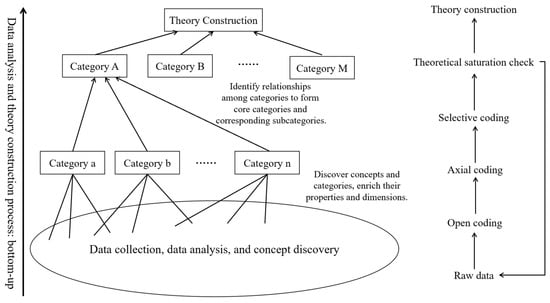
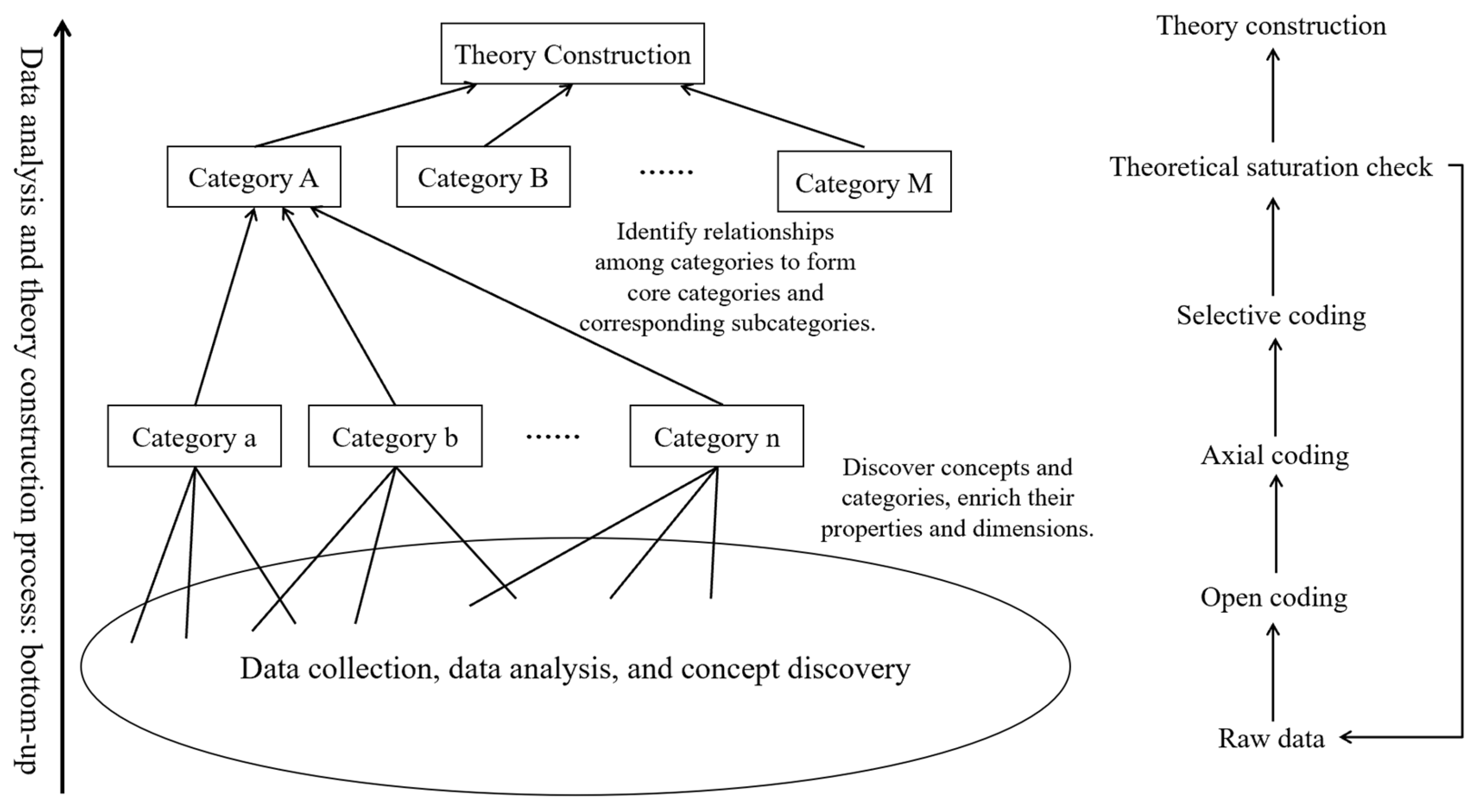
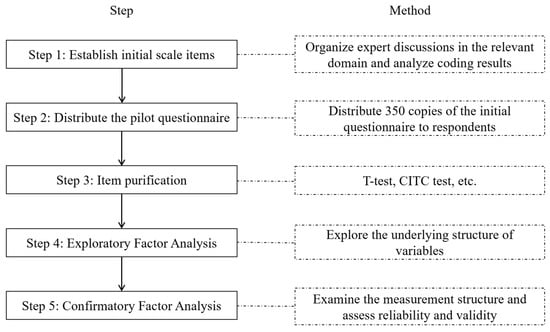
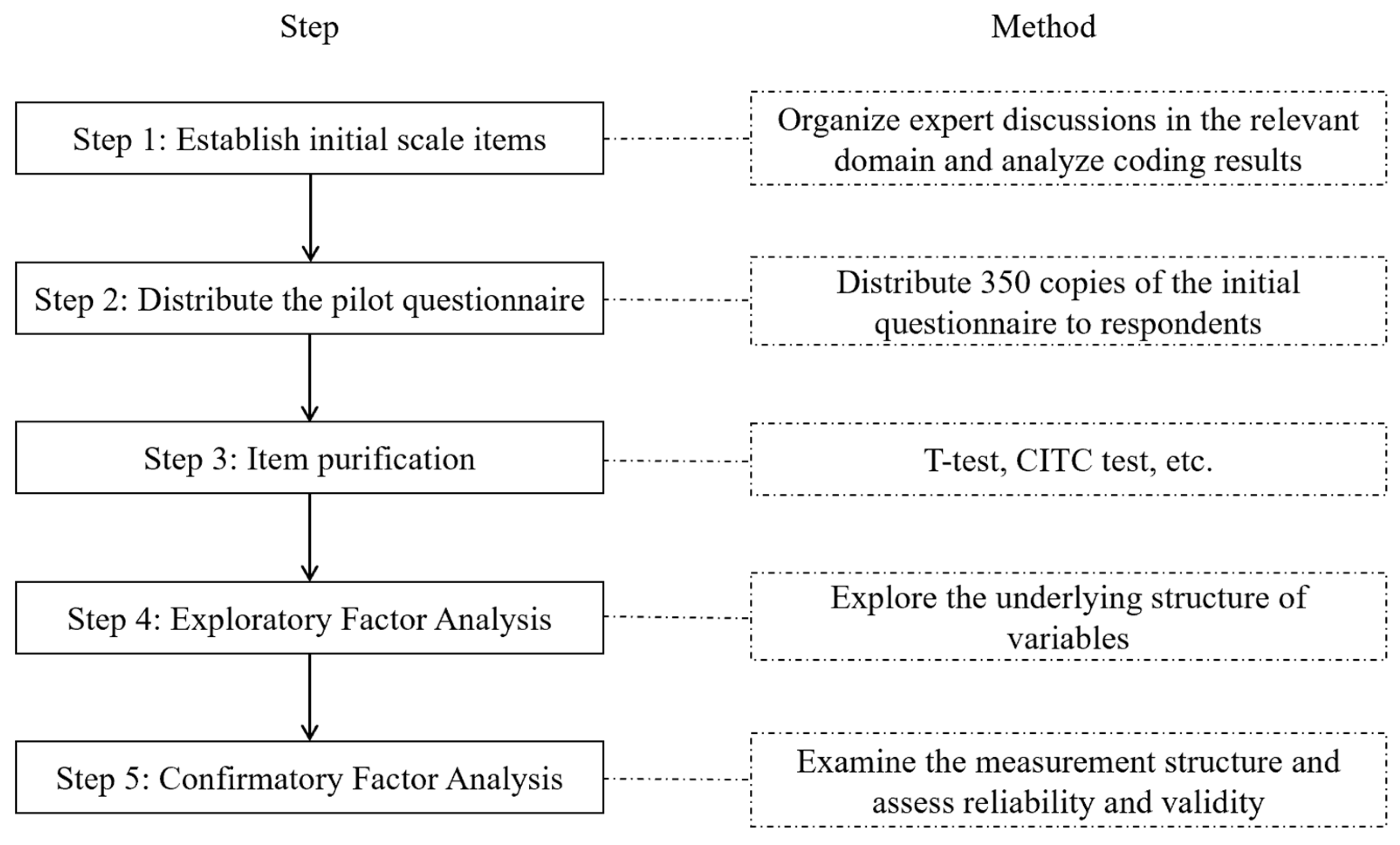
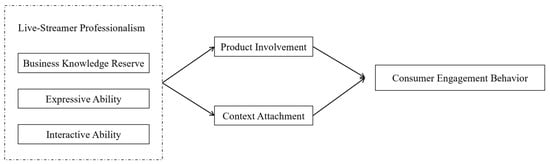
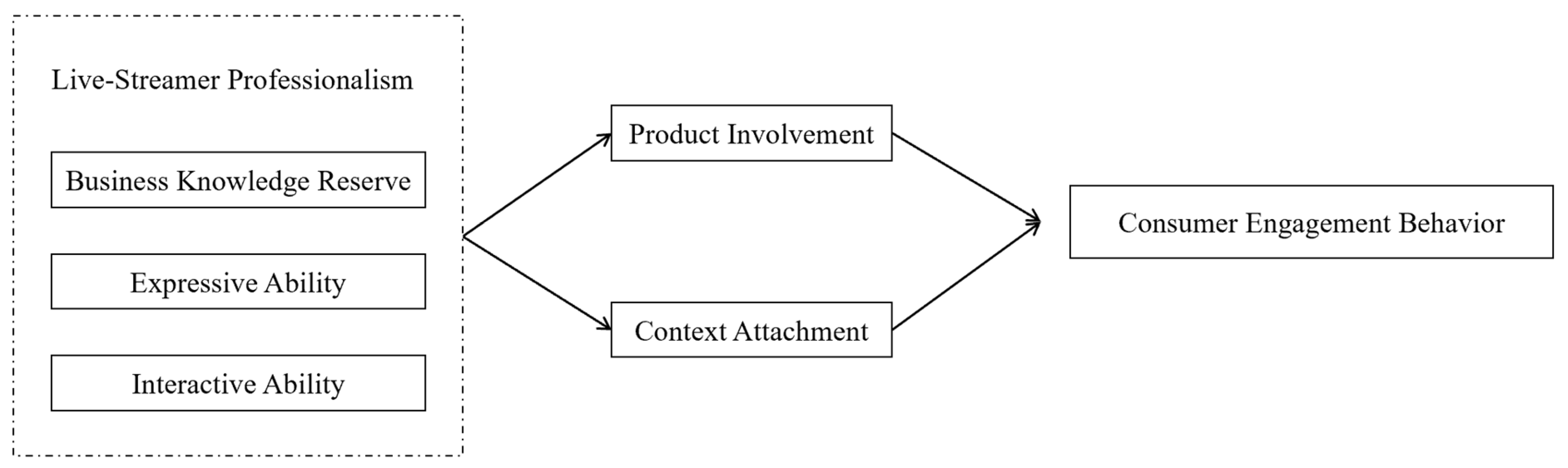
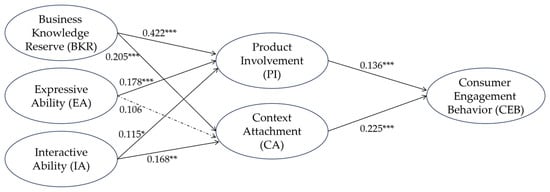
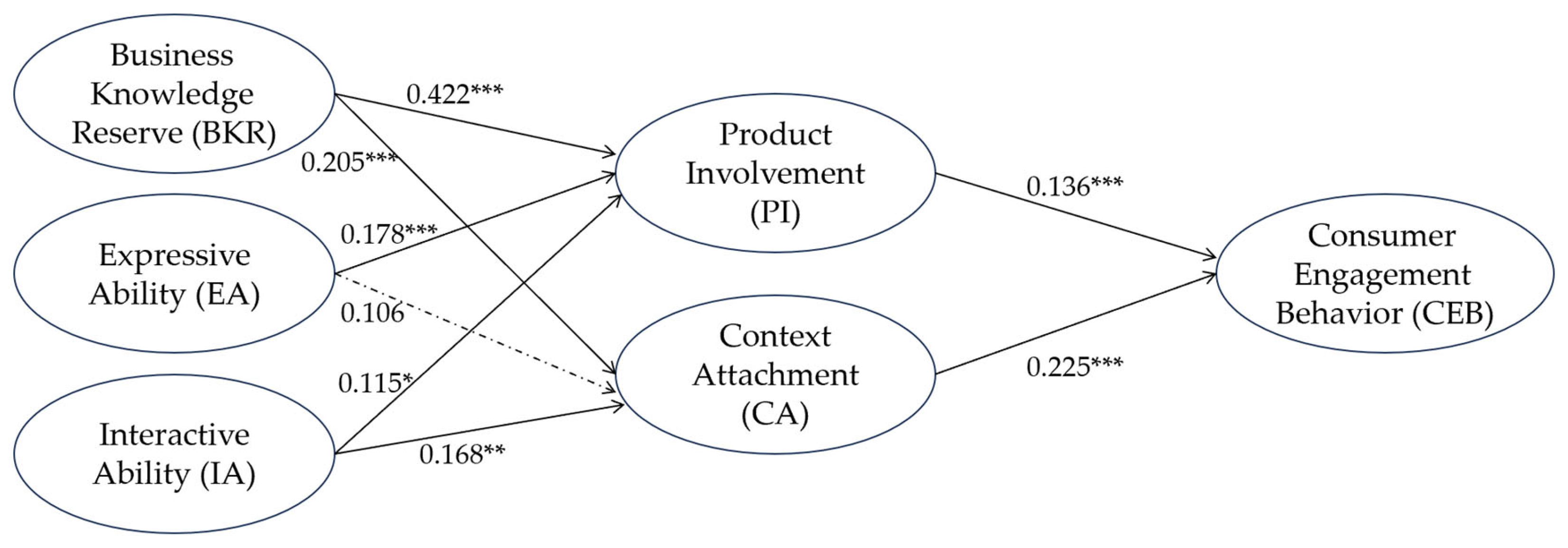
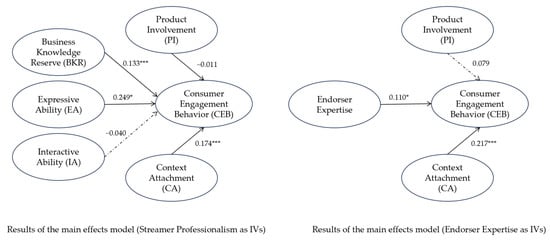
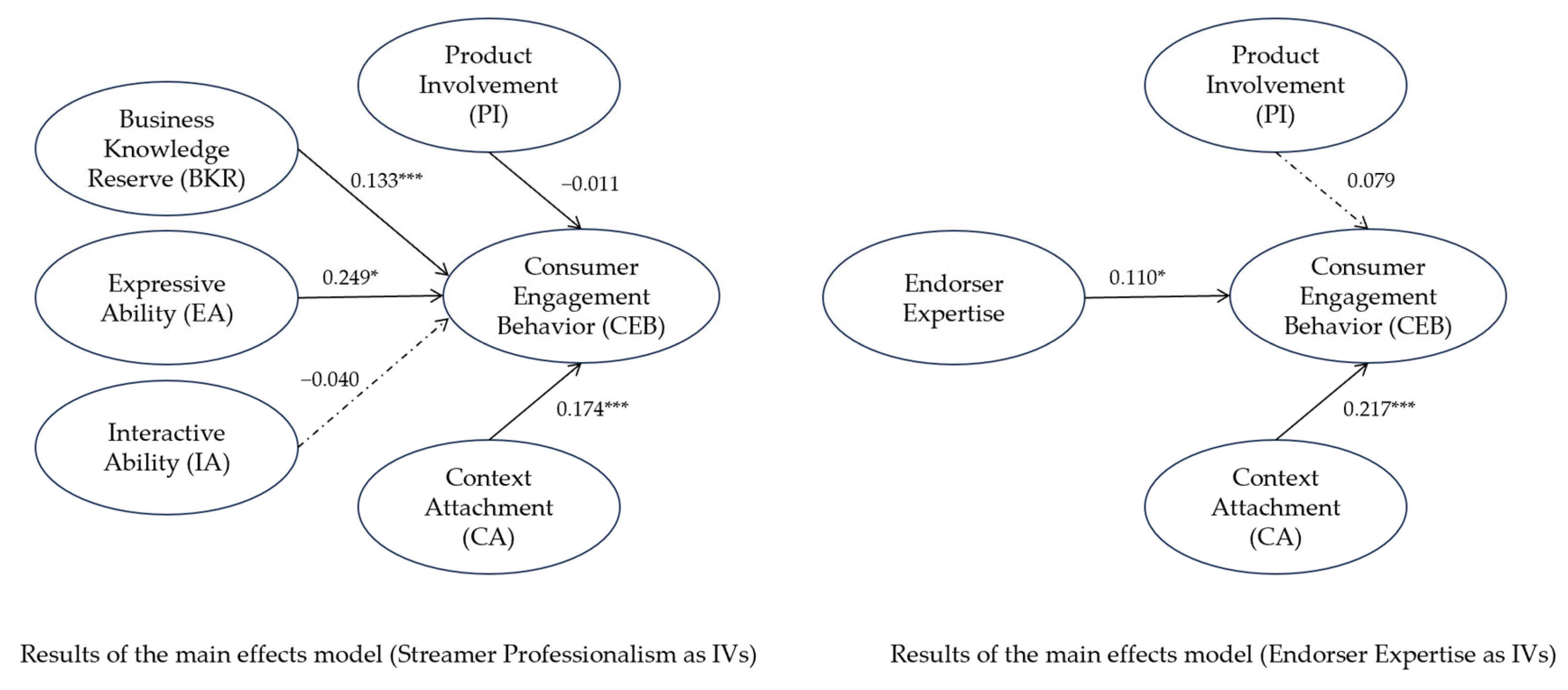

Disclaimer/Publisher’s Note: The statements, opinions and data contained in all publications are solely those of the individual author(s) and contributor(s) and not of MDPI and/or the editor(s). MDPI and/or the editor(s) disclaim responsibility for any injury to people or property resulting from any ideas, methods, instructions or products referred to in the content. |
© 2026 by the authors. Licensee MDPI, Basel, Switzerland. This article is an open access article distributed under the terms and conditions of the Creative Commons Attribution (CC BY) license.