





-
How Intelligence and Prior Knowledge Shape Math Intervention Effects -
Beyond IQ: Systemic Resources in STEM Achievement -
The Contribution of Executive Functions to Academic Achievement in Gifted Children -
Dual-NLET and Decision Dynamics in Early Estimation -
Cognitive and Affective-Emotional Factors in Math Achievement: The Mediating Role of Intelligence
Journal Description
Journal of Intelligence
is an international, peer-reviewed, open access journal on the study of human intelligence, published monthly online by MDPI.
- Open Access— free for readers, with article processing charges (APC) paid by authors or their institutions.
- High Visibility: indexed within Scopus, SSCI (Web of Science), PubMed, PMC, PsycInfo, PSYNDEX, and other databases.
- Journal Rank: JCR - Q1 (Psychology, Multidisciplinary) / CiteScore - Q1 (Education)
- Rapid Publication: manuscripts are peer-reviewed and a first decision is provided to authors approximately 33.9 days after submission; acceptance to publication is undertaken in 5.5 days (median values for papers published in this journal in the second half of 2025).
- Recognition of Reviewers: reviewers who provide timely, thorough peer-review reports receive vouchers entitling them to a discount on the APC of their next publication in any MDPI journal, in appreciation of the work done.
- Journal Cluster of Education and Psychology: Adolescents, AI in Education, Behavioral Sciences, Education Sciences, International Journal of Cognitive Sciences, Journal of Intelligence, Psychology International and Youth.
Impact Factor:
3.4 (2024);
5-Year Impact Factor:
3.5 (2024)
Latest Articles
Applying GenAI to Optimize Q-Matrix Construction for Cognitive Diagnostic Assessment in EFL Reading
J. Intell. 2026, 14(5), 79; https://doi.org/10.3390/jintelligence14050079 - 5 May 2026
Abstract
Q-matrix construction is a foundational yet challenging step in cognitive diagnostic assessment (CDA), which is traditionally reliant on labor-intensive and subjective methods like expert judgment and verbal report analysis. This study explores the potential of generative artificial intelligence (GenAI) to optimize this critical
[...] Read more.
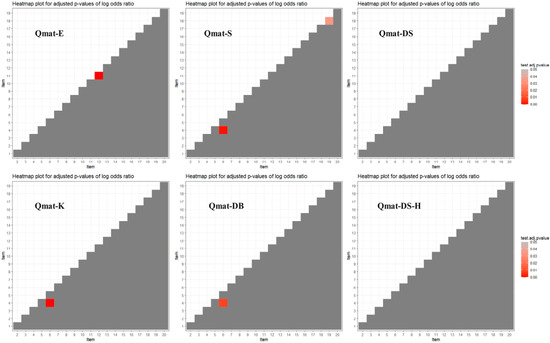
Q-matrix construction is a foundational yet challenging step in cognitive diagnostic assessment (CDA), which is traditionally reliant on labor-intensive and subjective methods like expert judgment and verbal report analysis. This study explores the potential of generative artificial intelligence (GenAI) to optimize this critical process within the domain of EFL reading. By applying three GenAI models (DeepSeek-V3.2, Kimi 2.5, and Doubao 2.0), three purely GenAI-informed Q-matrices (Qmat-DS, Qmat-K, and Qmat-DB) were generated, and through expert revision, a human–AI collaborative Q-matrix (Qmat-DS-H) was obtained. These were compared with an expert-constructed Q-matrix (Qmat-E) and a student-derived Q-matrix (Qmat-S). Using a simulated dataset (N = 1000) and empirical response data from 1083 EFL learners on a diagnostic reading test, the psychometric performance of the six Q-matrices was estimated via the G-DINA model, ACDM model, and RRUM model. Results demonstrated that the human–AI collaborative Q-matrix consistently outperformed the other five Q-matrices, achieving the best absolute model-data fit, the highest classification accuracy, the most stable item parameters, and the most balanced attribute correlation structure. The purely GenAI-informed Q-matrices showed mixed results: there were some improvements in relative fit and slip stability compared to manually constructed Q-matrices, but variable absolute fit and attribute correlation patterns. The findings substantiate GenAI as a feasible pathway for enhancing the efficiency, consistency, and psychometric quality of Q-matrix construction. This study offers a preliminary framework for advancing CDA development, addressing a key methodological bottleneck in language assessment.
Full article
(This article belongs to the Section Contributions to the Measurement of Intelligence)
►
Show Figures
Open AccessArticle
The Influence of AI on Critical Thinking and Creativity in L2 Learning Contexts: A Social Cognitive Perspective
by
Yilong Yang, Shuyi Zhang and Yadan Li
J. Intell. 2026, 14(5), 78; https://doi.org/10.3390/jintelligence14050078 - 2 May 2026
Abstract
The expanding role of artificial intelligence (AI) in education raises important questions about how AI-supported learning may foster higher-order thinking and creative talent development. Guided by social cognitive theory, the current research examined how AI self-efficacy predicts creativity among second language (L2) learners
[...] Read more.
The expanding role of artificial intelligence (AI) in education raises important questions about how AI-supported learning may foster higher-order thinking and creative talent development. Guided by social cognitive theory, the current research examined how AI self-efficacy predicts creativity among second language (L2) learners through the mediating roles of AI literacy and critical thinking disposition. Two substudies were conducted. Study 1 (N = 72) tested a simple mediation model and demonstrated that AI self-efficacy positively predicted creativity both directly and indirectly through AI literacy. Study 2 (N = 135) extended these findings by incorporating critical thinking disposition and by using another measure of creativity. Results showed that AI self-efficacy positively predicted creativity, and this relationship was mediated independently by AI literacy and critical thinking disposition, as well as sequentially through both factors. The current study provides empirical evidence for pathways linking AI self-efficacy, AI literacy, critical thinking disposition, and creativity in AI-supported L2 learning. It highlights the importance of reflective and critical use of AI tools in language education.
Full article
(This article belongs to the Special Issue Advances of AI in Talent Development: Synergies Between Creativity, Cognitive Intelligence, and Socio-Emotional Growth)
Open AccessArticle
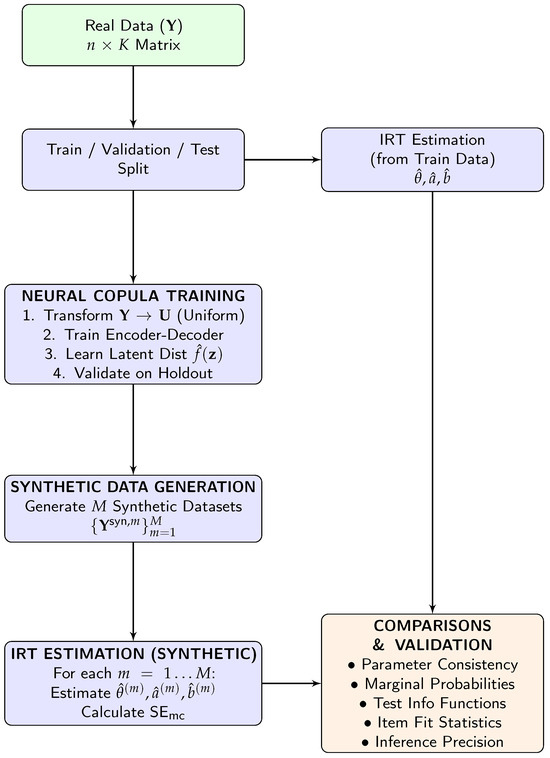
Neural Network Copulas for Generating Synthetic Test Data Preserving Psychometric Properties
by
Juyoung Jung, Minho Lee and Won-Chan Lee
J. Intell. 2026, 14(5), 77; https://doi.org/10.3390/jintelligence14050077 - 2 May 2026
Abstract
►▼
Show Figures
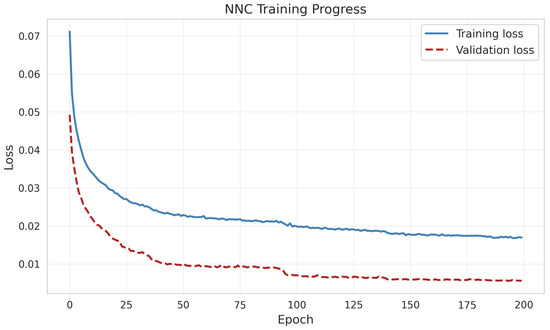
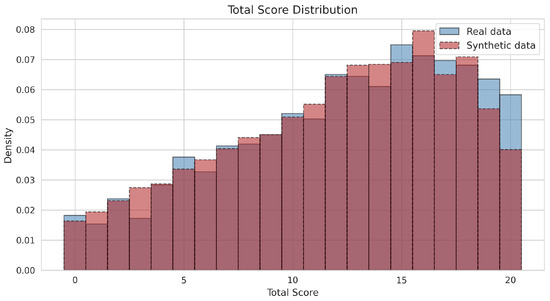
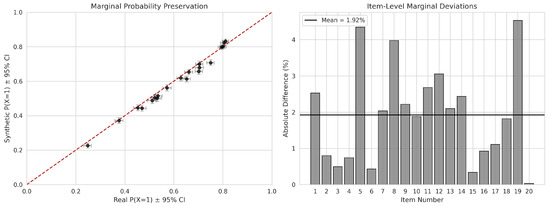
In intelligence research, the sharing of item response data from cognitive ability assessments is often restricted by privacy concerns, while traditional parametric simulation methods frequently fail to capture complex response dependencies. This study proposes a neural network copula (NNC) framework for generating synthetic
[...] Read more.
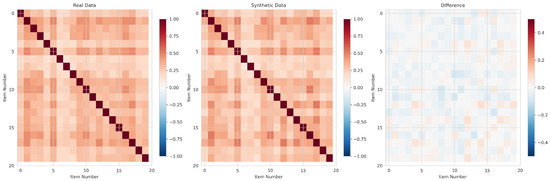
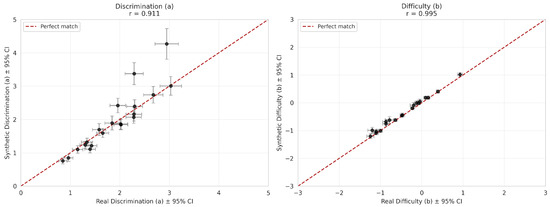
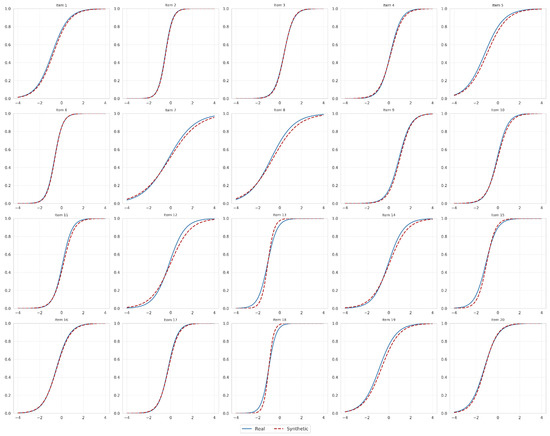
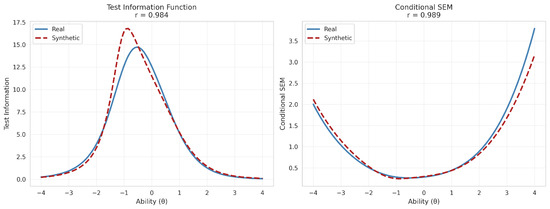
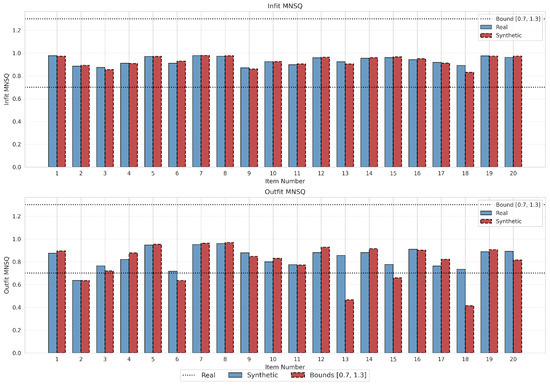
In intelligence research, the sharing of item response data from cognitive ability assessments is often restricted by privacy concerns, while traditional parametric simulation methods frequently fail to capture complex response dependencies. This study proposes a neural network copula (NNC) framework for generating synthetic dichotomous item response data that preserves essential psychometric properties without revealing sensitive examinee information. By decoupling the modeling of marginal item probabilities from the dependence structure using a deep autoencoder and kernel density estimation, the framework accommodates the discrete nature of binary item response data while minimizing distributional assumptions. Validation against large-scale empirical data demonstrated high correspondence across multiple facets. At the data consistency level, the NNC-based synthetic data reproduced total score distributions and inter-item correlations. Psychometrically, the method yielded consistent item characteristic curve parameter estimates, item fit statistics, and test information functions. Furthermore, Monte Carlo replications demonstrated algorithmic stability and inferential precision.
Full article

Figure 1
Open AccessArticle
Psychometric Validation of the Scientific Epistemic Beliefs Questionnaire Among Mexican University Students Using Item Response Theory
by
José Antonio Azuela, Laura Inés Ramírez-Hernández, Osvaldo Aquines-Gutiérrez, Wendy Xiomara Chavarría-Garza, Ayax Santos-Guevara and Humberto Martínez-Huerta
J. Intell. 2026, 14(5), 76; https://doi.org/10.3390/jintelligence14050076 - 2 May 2026
Abstract
This study examines the validity of the Spanish version of the Scientific Epistemic Beliefs (SEB) Questionnaire among university students in northeastern Mexico, considering multiple sources of evidence. The SEB measures four dimensions of epistemic beliefs: Source, Certainty, Development, and Justification. Data from pilot
[...] Read more.
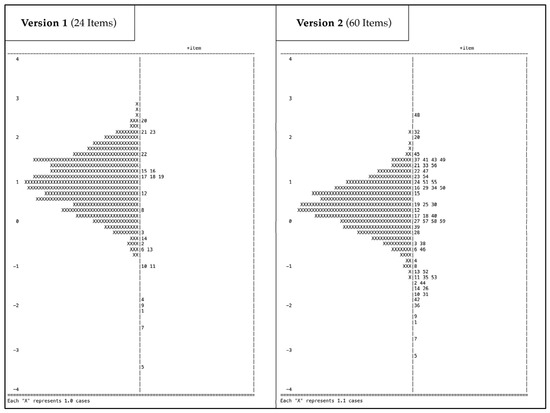
This study examines the validity of the Spanish version of the Scientific Epistemic Beliefs (SEB) Questionnaire among university students in northeastern Mexico, considering multiple sources of evidence. The SEB measures four dimensions of epistemic beliefs: Source, Certainty, Development, and Justification. Data from pilot (n = 150) and main (n = 791) samples were analyzed using Exploratory and Confirmatory Factor Analyses (EFA, CFA), Item Response Theory (IRT), and Differential Item Functioning (DIF). The results provided evidence consistent with a four-factor model, with adequate internal consistency (α = 0.85) and acceptable-to-good fit indices (CFI = 0.944, TLI = 0.936, RMSEA = 0.067, SRMR = 0.071) for a 22-item scale. IRT analyses indicated strong item discrimination, with Source and Certainty covering a broad range of the latent trait, while Development and Justification were more informative at lower to moderate levels. DIF analyses indicated negligible differences in item functioning by gender and academic semester, with minor DIF detected across faculties. Non-parametric analyses identified statistically significant but small differences, with females scoring slightly higher across all dimensions and variations also observed across academic semesters and faculties. Descriptive comparisons with published international data provide contextual evidence within a broader cross-cultural framework.
Full article
(This article belongs to the Section Studies on Cognitive Processes)
Open AccessArticle
Emotional Intelligence and Teacher Self-Efficacy in Initial Teacher Education: A Psychoeducational Intervention with Spanish Pre-Service Teachers
by
Lorena González-Ros, Teresa Pozo-Rico, Juan Luis Castejón and Raquel Gilar-Corbí
J. Intell. 2026, 14(5), 75; https://doi.org/10.3390/jintelligence14050075 - 1 May 2026
Abstract
►▼
Show Figures
Emotional intelligence and teaching self-efficacy are essential competencies for teachers’ professional and personal development. The aim of this study was to evaluate the effectiveness of a psychoeducational intervention to enhance both areas in future teachers. A quasi-experimental design with pretest and posttest measures
[...] Read more.
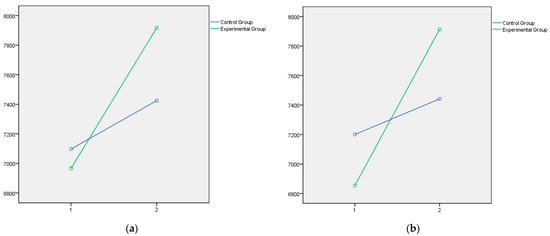
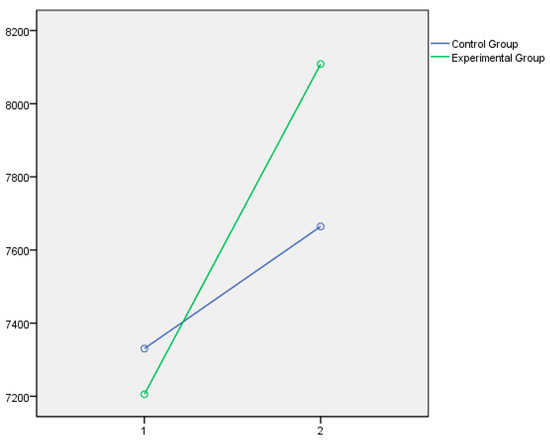
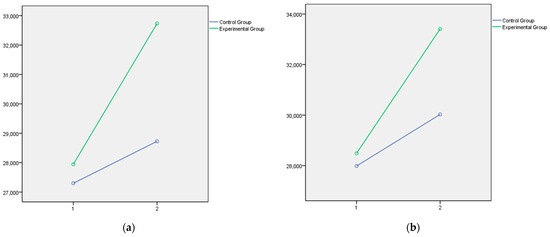
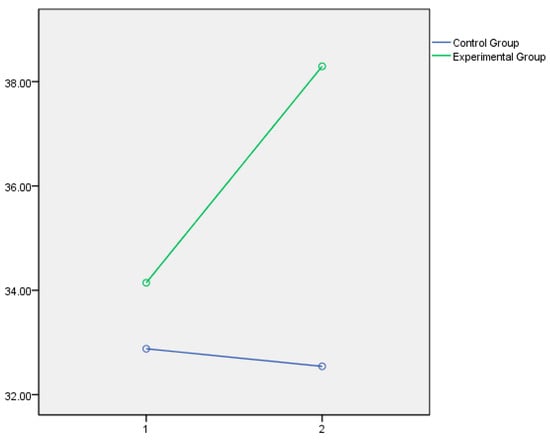
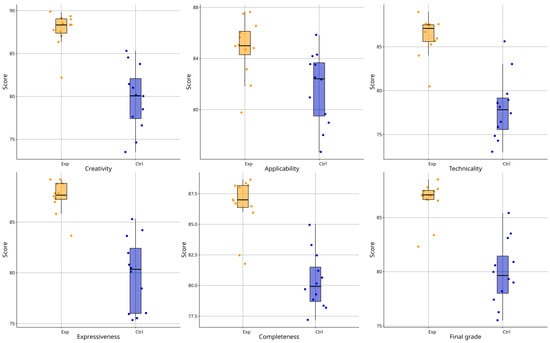
Emotional intelligence and teaching self-efficacy are essential competencies for teachers’ professional and personal development. The aim of this study was to evaluate the effectiveness of a psychoeducational intervention to enhance both areas in future teachers. A quasi-experimental design with pretest and posttest measures was implemented, including an experiment. An eight-week program was conducted using active, reflective, and participatory methodologies to promote emotional awareness and confidence in teaching abilities. The OSTES instrument was used to measure teaching self-efficacy, the TMMS-24 to assess perceived emotional intelligence, and the EQ-i to evaluate socioemotional competencies, and. Results revealed significant improvements in the experimental group in emotional attention, clarity, and repair; in instructional strategies, classroom management, and student engagement; as well as in adaptability, interpersonal skills, stress management, and overall emotional intelligence. These effects ranged from moderate to large in magnitude and contrasted with the stable scores in the control group. The findings confirm that psychoeducational interventions focused on emotional competencies can be effective in strengthening emotional intelligence and self-efficacy in pre-service teachers. These outcomes suggest that such programs may contribute to the promotion of well-being and teaching effectiveness during initial teacher education, offering implications for future curricular development in teacher training programs.
Full article

Figure 1
Open AccessArticle
Cognitive Load and Working Memory in Multimedia Video Podcasts: Effects of Elaborative and Seductive Details
by
Robert O. Davis, Yong-Jik Lee, Joseph Vincent and Ji Hae Lee
J. Intell. 2026, 14(5), 74; https://doi.org/10.3390/jintelligence14050074 - 1 May 2026
Abstract
Educational video podcasts are increasingly used in higher education, yet the cognitive mechanisms underlying their effectiveness remain underexplored. This experimental study examined how working memory capacity and additive contextual features influence situational interest, cognitive load, and learning from educational video podcasts. Sixty-two university
[...] Read more.
Educational video podcasts are increasingly used in higher education, yet the cognitive mechanisms underlying their effectiveness remain underexplored. This experimental study examined how working memory capacity and additive contextual features influence situational interest, cognitive load, and learning from educational video podcasts. Sixty-two university students viewed video podcasts on lightning with standard narration with visuals (control), elaborative details, or seductive details. Working memory did not significantly predict learning outcomes or moderate the effects of additive features, and no differences were observed across conditions for cognitive load or situational interest. In free recall, the control condition outperformed the seductive details condition (p = .004, g = 1.03), though this difference was not significant when controlling for working memory. Transfer did not differ across conditions. Follow-up interviews revealed that students across conditions emphasized visuals as critical for comprehension, while those in additive conditions reported feeling overwhelmed despite similar cognitive load ratings. These findings suggest that well-designed multimedia environments may stabilize learning outcomes across differences in working memory capacity, extending cognitive theory of multimedia learning. Designers of educational video podcasts should prioritize narration aligned with supportive visuals over additive contextual features.
Full article
Open AccessSystematic Review
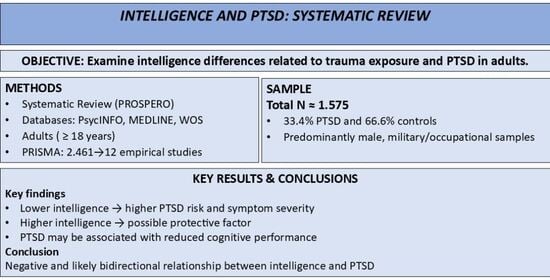
Role of Intelligence in Posttraumatic Stress Disorder Development: A Systematic Review
by
Marcos Lacombe, Ana M. Pérez-García and Isabel Ramírez-Uclés
J. Intell. 2026, 14(5), 73; https://doi.org/10.3390/jintelligence14050073 - 1 May 2026
Abstract
►▼
Show Figures
Posttraumatic stress disorder (PTSD) has been associated with a range of cognitive alterations; however, the relationship between PTSD and intelligence remains unclear. The aim of this systematic review was to examine potential differences in intelligence associated with exposure to traumatic events and/or a
[...] Read more.
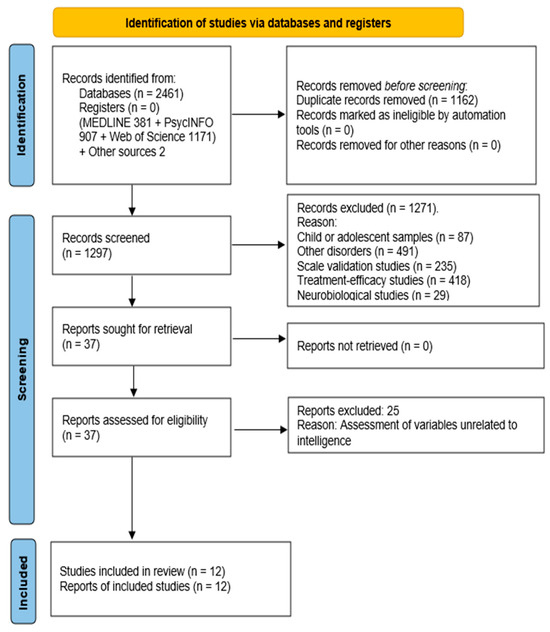
Posttraumatic stress disorder (PTSD) has been associated with a range of cognitive alterations; however, the relationship between PTSD and intelligence remains unclear. The aim of this systematic review was to examine potential differences in intelligence associated with exposure to traumatic events and/or a diagnosis of PTSD in adults aged 18 years and older. A systematic search was conducted across three major academic databases—PsycINFO, MEDLINE, and Web of Science—to identify empirical studies assessing intelligence or closely related cognitive constructs in individuals with PTSD or a history of trauma exposure. After applying predefined inclusion criteria, 12 studies were included in the review. Intelligence was assessed using various psychometric instruments, encompassing both global intelligence measures and specific domains such as verbal intelligence and vocabulary. Overall, the findings consistently indicated a negative association between intelligence and PTSD, with lower intelligence scores more frequently observed among individuals with PTSD or significant traumatic exposure. Due to the correlational design of the studies included, causal relationships cannot be established. Consequently, it remains unclear whether intelligence is affected by PTSD or whether higher intelligence may serve as a protective factor against the development or severity of the disorder. From an intelligence research perspective, these findings highlight cognitive ability as a key factor associated with vulnerability and resilience in trauma-related psychopathology.
Full article

Graphical abstract
Open AccessArticle
Supports and Barriers in the Talent Development of Socio-Economically Disadvantaged Gifted Students: A Retrospective Narrative Inquiry
by
Chia Chao Li
J. Intell. 2026, 14(5), 72; https://doi.org/10.3390/jintelligence14050072 - 1 May 2026
Abstract
Equity in gifted education remains a persistent international challenge, particularly regarding the “excellence gap” in advanced achievement and long-term attainment. This study investigates the supports and barriers shaping the talent development of socio-economically disadvantaged gifted students in Taiwan. Using a retrospective narrative inquiry,
[...] Read more.
Equity in gifted education remains a persistent international challenge, particularly regarding the “excellence gap” in advanced achievement and long-term attainment. This study investigates the supports and barriers shaping the talent development of socio-economically disadvantaged gifted students in Taiwan. Using a retrospective narrative inquiry, we analyzed the life stories of 25 alumni from the “Bright Minds Award Program,” a long-term initiative providing financial aid, mentorship, and enrichment opportunities for high-ability learners from low-income households. Findings indicate that participants often displayed early academic promise, yet their developmental trajectories were continuously negotiated under structural constraints (limited material and cultural resources, restricted access to domain-specific cultivation, and opportunity gaps across educational transitions) and the psychosocial burden of poverty (shame, stigma management, and identity strain). Drawing on the Actiotope Model of Giftedness, we identify how exogenous educational capital (e.g., scholarships, information brokerage, mentoring networks) and endogenous learning capital (e.g., resilience, self-regulation, goal persistence) interact to stabilize—or destabilize—developmental pathways. A novel contribution is the emergence of “Acting Middle Class” as a coping mechanism through which participants navigated social stigma and the hidden curriculum of elite educational settings. We argue that effective intervention requires not only resource provision but sustained “educational scaffolding” that is psychologically safe and institutionally stigma-sensitive. Implications are discussed for talent development research, school practice, and equity-oriented policy designs aimed at preventing talent attrition and promoting developmental justice.
Full article
(This article belongs to the Special Issue Intelligence Quotient, Emotional Quotient, Creativity Quotient and Other Potential Determinants: A Holistic Approach to Understanding Human Potential and Developing Talents)
Open AccessArticle
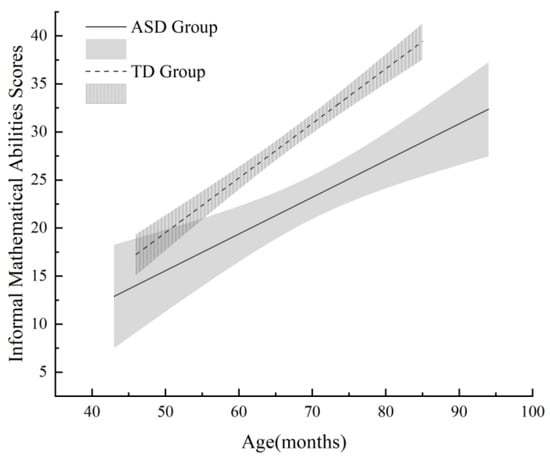
The Approximate Number System and Mathematical Abilities in Chinese Preschoolers With and Without Autism Spectrum Disorder
by
Lilan Chen, Zhiyong Zhong and Wenyuan Jiang
J. Intell. 2026, 14(4), 71; https://doi.org/10.3390/jintelligence14040071 - 21 Apr 2026
Abstract
Mathematical abilities are critical for the developmental outcomes of children with autism spectrum disorder (ASD). However, little is known about these abilities and their association with the approximate number system (ANS) in preschoolers with ASD beyond Western samples, including Chinese children. This cross-sectional
[...] Read more.
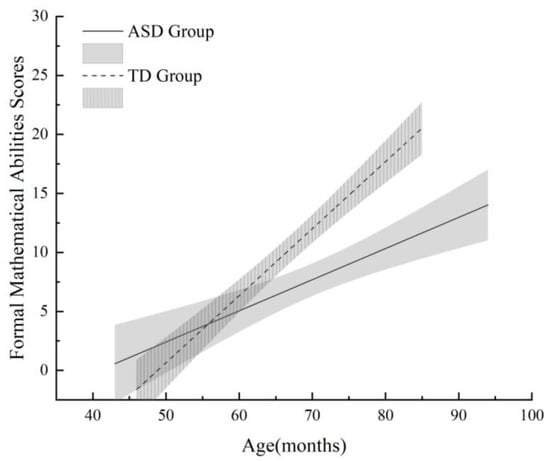
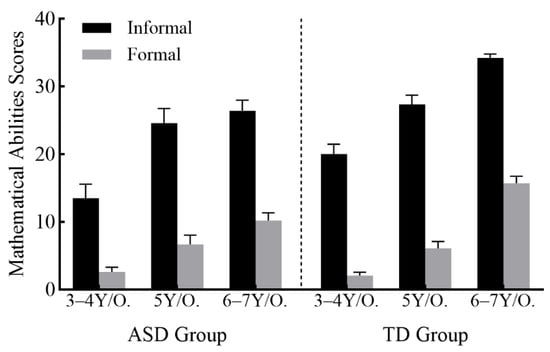
Mathematical abilities are critical for the developmental outcomes of children with autism spectrum disorder (ASD). However, little is known about these abilities and their association with the approximate number system (ANS) in preschoolers with ASD beyond Western samples, including Chinese children. This cross-sectional study examined whether formal and informal mathematical abilities differed between children with and without ASD and assessed the extent to which these abilities were associated with ANS acuity. Participants included 47 children with ASD and 47 typically developing (TD) children aged 3–7 years. All children were assessed on measures of formal and informal mathematical abilities, ANS acuity, and non-verbal IQ. No significant group differences in mathematical abilities were found among children aged 3–5 years. However, among children aged 6–7 years, the ASD group showed significantly lower performance in mathematical abilities compared to their TD peers. ANS acuity was significantly correlated with both formal and informal mathematical abilities in the ASD group, but only with informal mathematical abilities in the TD group. Furthermore, ANS acuity accounted for 5.4% of the unique variance in formal mathematical abilities specifically within the ASD group. The patterns of mathematical abilities and their relationship with ANS acuity differ between preschoolers with and without ASD. These findings suggest a differential association between ANS and formal mathematics learning in children with ASD, highlighting implications for the design of early numeracy interventions.
Full article
(This article belongs to the Section Studies on Cognitive Processes)
►▼
Show Figures

Figure 1
Open AccessArticle
Evaluating Neural Networks Architectures for Competency Prediction from Process Data Using PISA Computer-Based Mathematics Assessment
by
Huan Kuang
J. Intell. 2026, 14(4), 70; https://doi.org/10.3390/jintelligence14040070 - 20 Apr 2026
Abstract
Computer-based assessments generate rich process data that captures examinees’ interactions with test items. Using process data from the U.S. PISA 2012 computer-based mathematics assessment sample, this study applied recurrent neural networks to predict item-level correctness and assessment-level latent proficiency. The analysis also examines
[...] Read more.
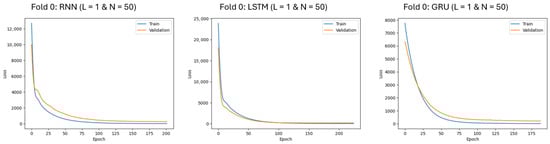
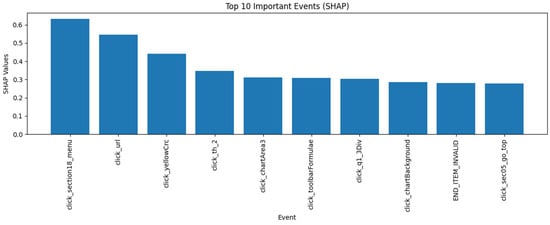
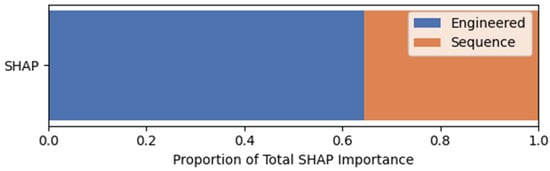
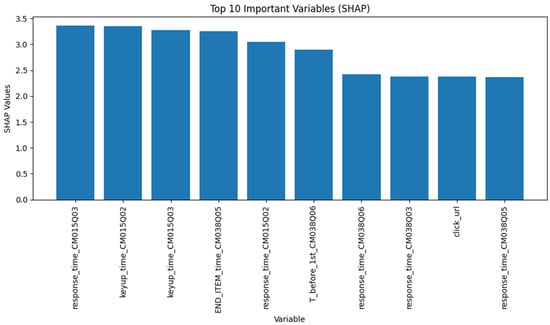
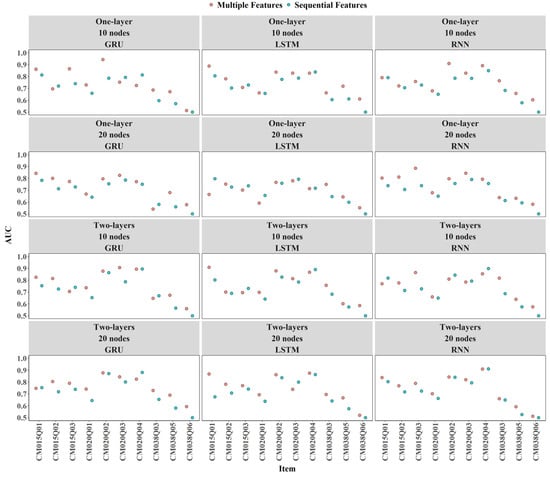
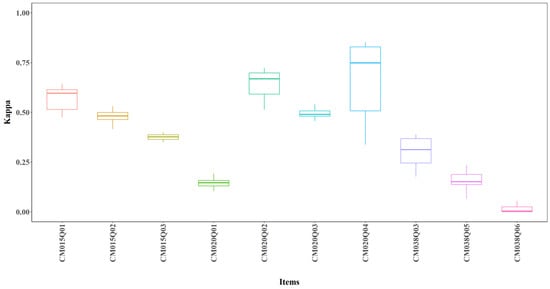
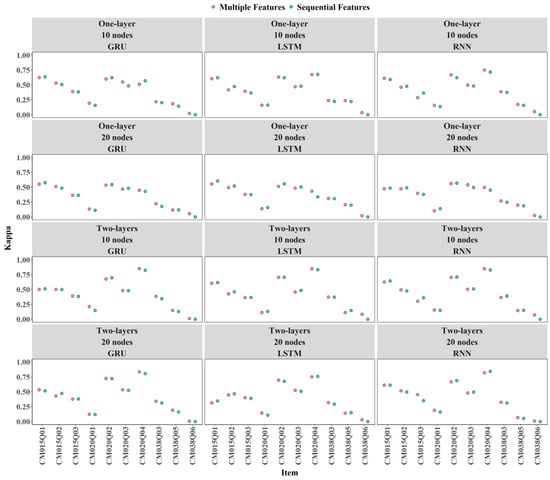
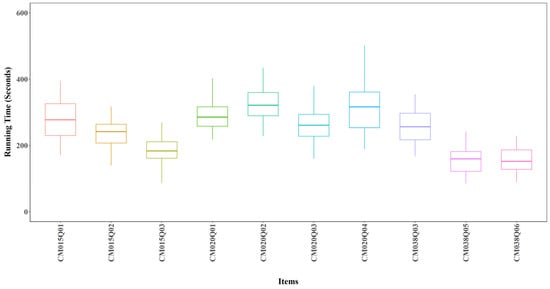
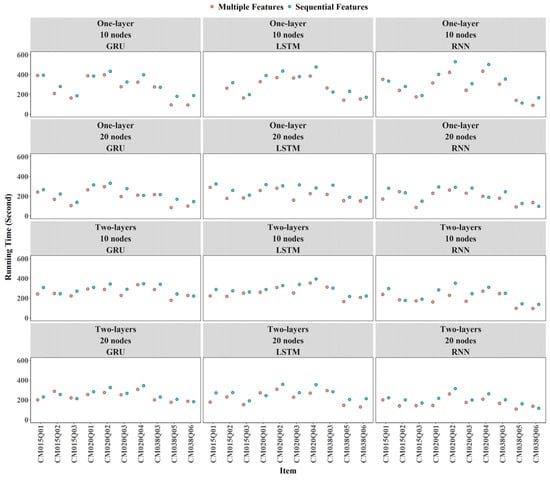
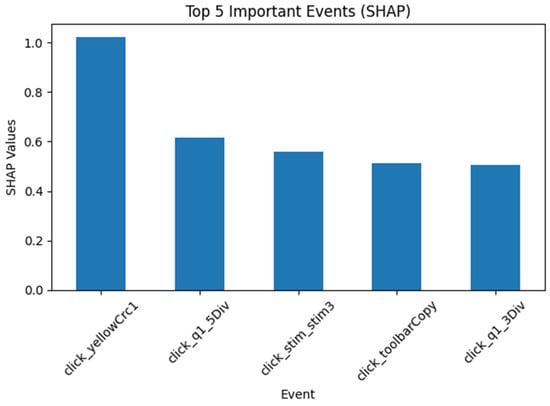
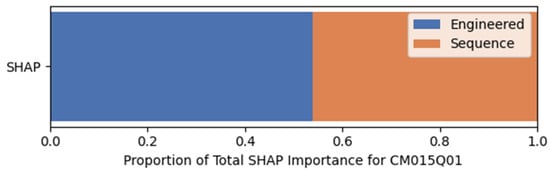
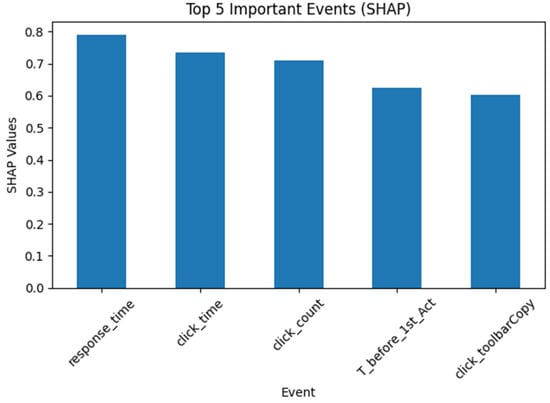
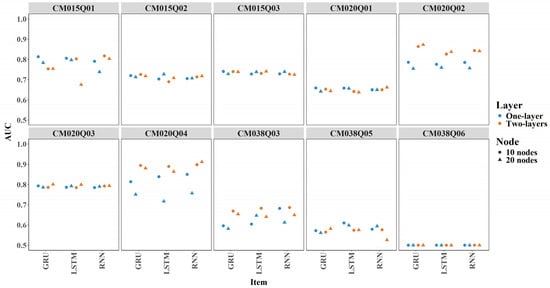
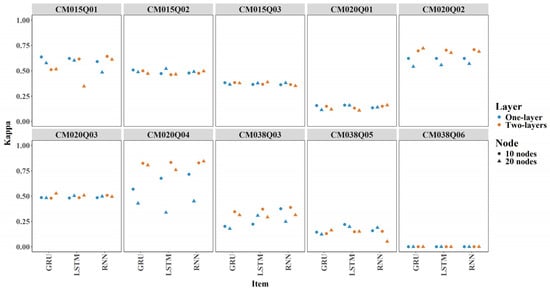
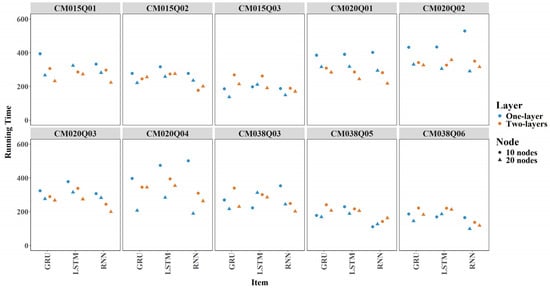
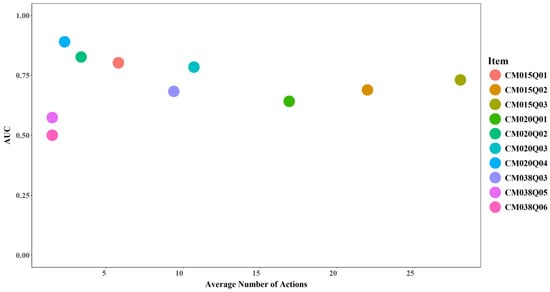
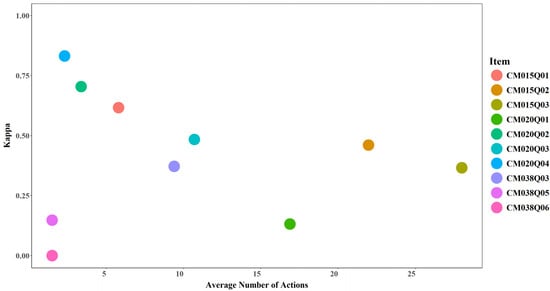
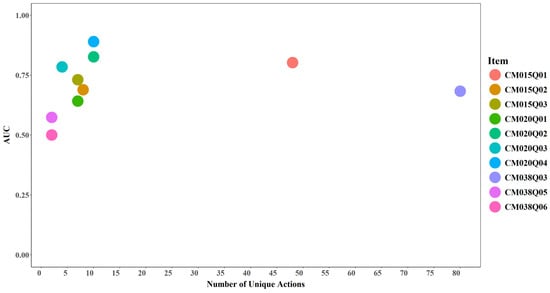
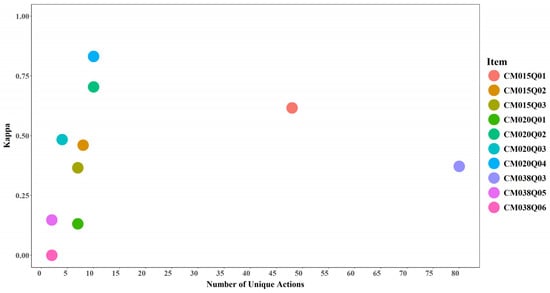
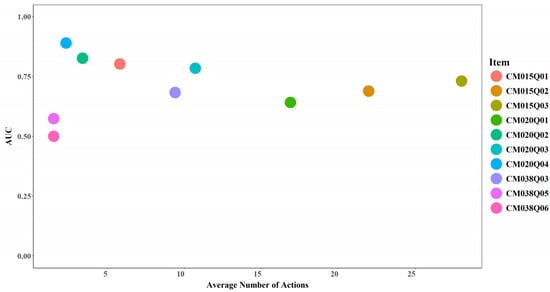
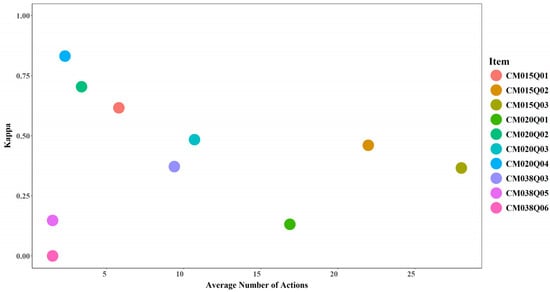
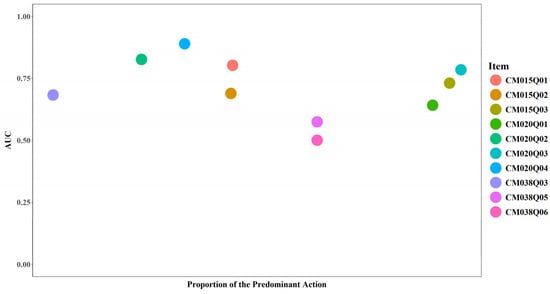
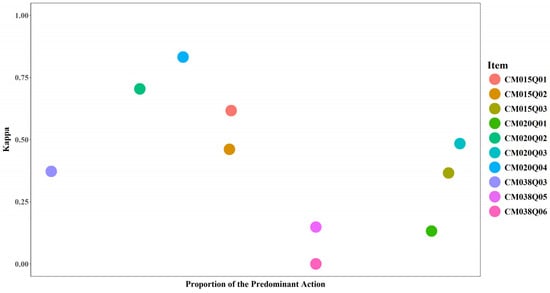
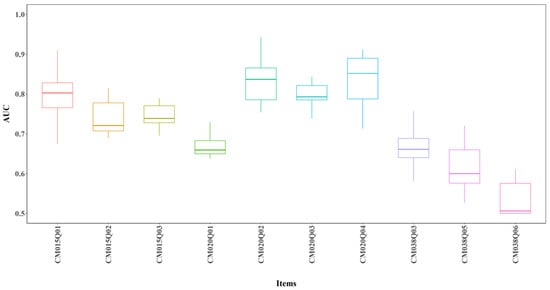
Computer-based assessments generate rich process data that captures examinees’ interactions with test items. Using process data from the U.S. PISA 2012 computer-based mathematics assessment sample, this study applied recurrent neural networks to predict item-level correctness and assessment-level latent proficiency. The analysis also examines the impact of expert-engineered features, levels of architectural complexity, action variability, and score variability on model performance. At the item level, most models achieved AUC values around 0.80, indicating good predictive performance. Moderate correlations were observed between latent proficiency from 30 items and predictions based on process data from a subset of items (n = 10). For item-level models, adding expert-engineered features reduces training time and may improve predictive performance with low action variability. For the assessment-level models, adding expert-engineered features improved performance. Model complexity, including model type (i.e., standard RNN, GRU, and LSTM), number of nodes, and number of layers, had little effect on accuracy and efficiency. Moreover, items with greater action variability were associated with better model performance. The findings suggest that simple neural network architectures are sufficient for modeling process data with limited action variability and that combining action sequences with expert-engineered features improves accuracy, efficiency, and interpretability.
Full article
(This article belongs to the Special Issue New Advances of Intelligence Measurement in the AI Era: Theory, Methods and Applications)
►▼
Show Figures

Figure 1
Open AccessArticle
From Abstract to Domain-Specific: Development and Validation of Matrix Reasoning Tasks for Students in Biology
by
Colin Peperkorn and Claas Wegner
J. Intell. 2026, 14(4), 69; https://doi.org/10.3390/jintelligence14040069 - 17 Apr 2026
Abstract
Matrix reasoning tests are frequently used to measure intelligence and identify gifted students across domains. To date, there is limited evidence on the usefulness of contextualised tasks for identifying domain-specific giftedness. In the current study, matrix reasoning tasks tailored to biological contexts were
[...] Read more.
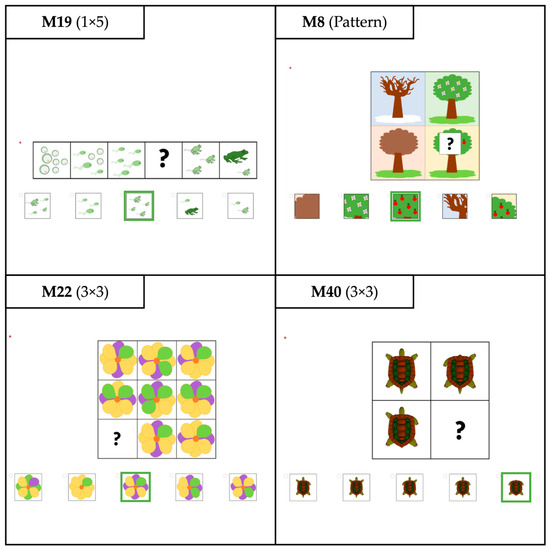
Matrix reasoning tests are frequently used to measure intelligence and identify gifted students across domains. To date, there is limited evidence on the usefulness of contextualised tasks for identifying domain-specific giftedness. In the current study, matrix reasoning tasks tailored to biological contexts were developed and validated for students in grades 3–6. The tasks were evaluated across two research cycles, involving a total of N = 895 students (n1 = 470; n2 = 425). An item analysis based on item response theory indicated acceptable item parameters and fit indices for the final item pool. Correlation analyses revealed moderate-to-strong associations with IQ, assessed via abstract matrix reasoning, as well as with domain-specific achievement in biological inquiry processes. A known-groups comparison revealed that students identified as gifted in biology outperformed a comparison group of peers, providing preliminary known-groups validity evidence for the developed tasks. Overall, the matrix reasoning tasks tailored to biology showed acceptable psychometric properties, demonstrated positive correlations with achievement in biological inquiry, and the study provided initial evidence of their usefulness for identifying gifted students in biology.
Full article
(This article belongs to the Special Issue Intelligence Testing and Its Role in Academic Achievement)
►▼
Show Figures

Figure 1
Open AccessBrief Report
Semantic Accessibility Is Associated with Reduced Experience-Induced Heuristic Fixation in Creative Problem Solving
by
Shangqing Yuan, Yifei Fang, Luming Zheng, Jun Zhang, Hengrui Zhang and Tie Sun
J. Intell. 2026, 14(4), 68; https://doi.org/10.3390/jintelligence14040068 - 17 Apr 2026
Abstract
Creative problem solving often fails because people rely on heuristic responses reinforced by prior experience. According to the default–interventionist account, analytic intervention can override these heuristic defaults only when the semantic system provides access to competing representations. We tested this prediction using a
[...] Read more.
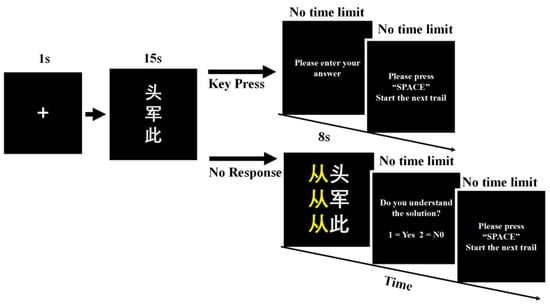
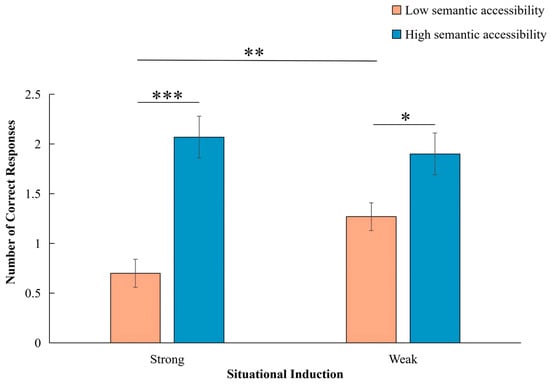
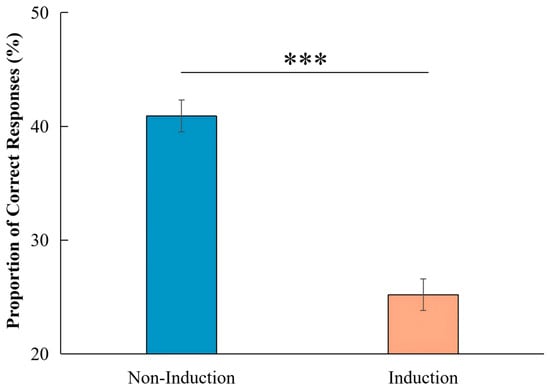
Creative problem solving often fails because people rely on heuristic responses reinforced by prior experience. According to the default–interventionist account, analytic intervention can override these heuristic defaults only when the semantic system provides access to competing representations. We tested this prediction using a modified Chinese Remote Associates Task in which two factors were independently manipulated: semantic accessibility (high vs. low) and situational induction (strong vs. weak). A significant interaction emerged: strong induction impaired performance only under low semantic accessibility, whereas high semantic accessibility was associated with attenuated induction costs. This pattern is consistent with semantic accessibility serving as a cognitive buffer that may support analytic override of induced heuristic defaults. A separate comparison between induction and non-induction trials confirmed that induction reliably produced a mental set. These findings resolve conflicting claims about the role of semantic knowledge in creativity by showing that knowledge both constrains and enables insight depending on its interaction with experience-driven heuristics.
Full article
(This article belongs to the Section Studies on Cognitive Processes)
►▼
Show Figures

Figure 1

Open AccessArticle
Executive Functioning as a Mediator Between Digital Media Exposure and Communication Outcomes in Children and Adolescents
by
Csongor Toth, Brigitte Osser, Laura Ioana Bondar, Gyongyi Osser, Roland Fazakas, Nicoleta Anamaria Pascalau, Ramona Nicoleta Suciu, Liliana-Oana Pobirci, Corina Dalia Toderescu and Bombonica Gabriela Dogaru
J. Intell. 2026, 14(4), 67; https://doi.org/10.3390/jintelligence14040067 - 17 Apr 2026
Abstract
►▼
Show Figures
Background/Objectives: The increasing prevalence of digital media use among children and adolescents has raised concerns regarding its potential impact on cognitive and communication development. Previous research has linked higher screen exposure to poorer language outcomes; however, the mechanisms underlying these associations remain insufficiently
[...] Read more.
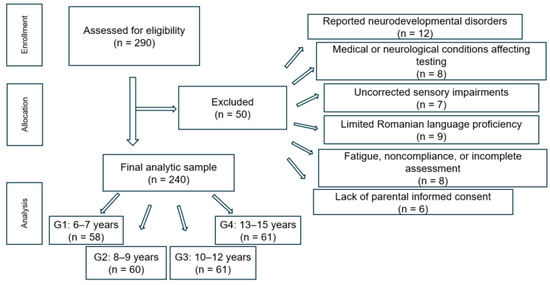
Background/Objectives: The increasing prevalence of digital media use among children and adolescents has raised concerns regarding its potential impact on cognitive and communication development. Previous research has linked higher screen exposure to poorer language outcomes; however, the mechanisms underlying these associations remain insufficiently understood, particularly with respect to pragmatic communication. The present study aimed to examine the relationships between daily screen time, executive functioning (EF), and communication-related outcomes, and to test whether EF mediates the association between digital media exposure and pragmatic communication and language performance. Methods: A cross-sectional observational study was conducted with 240 children and adolescents aged 6–15 years. Caregivers reported children’s daily screen time, digital consumption and communication skills. EF was assessed using performance-based tasks measuring inhibitory control, working memory, and cognitive flexibility. Language performance was evaluated using a standardized composite measure. Pearson correlations, mediation analyses with bootstrapped confidence intervals, and factorial analyses of variance were performed, controlling for age, sex, parental mediation, and educational content exposure. Results: Higher daily screen time was significantly associated with lower EF, weaker pragmatic communication, and poorer language performance. EF was positively related to both pragmatic and language outcomes and partially mediated the relationship between screen time and communication measures. Educational digital content and parental mediation showed positive associations with EF and communication outcomes, whereas recreational content exhibited negative associations. Group comparisons indicated that negative associations between screen exposure and developmental outcomes were more pronounced in younger children. Conclusions: These findings suggest that EF may represent a key intermediary mechanism underlying the association between digital media exposure and communication-related development. The results highlight the importance of considering not only the quantity but also the quality and context of children’s digital media use, particularly during early developmental stages.
Full article

Figure 1
Open AccessArticle
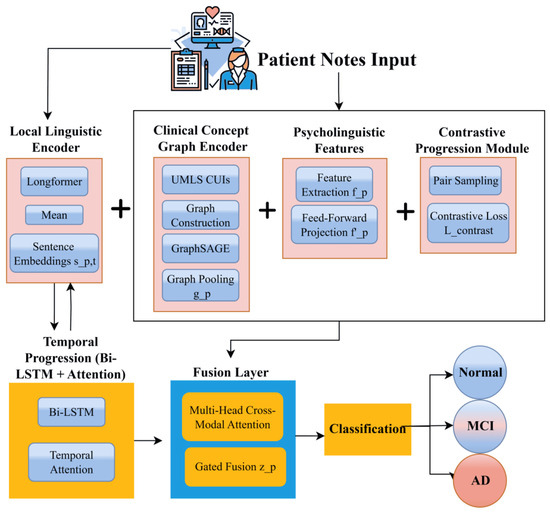
Explainable Patient-Level Cognitive Impairment Screening via Temporal, Semantic, and Psycholinguistic Multimodal AI
by
Abdullah, Zulaikha Fatima, Miguel Jesús Torres Ruiz, Osvaldo Espinosa-Sosa, Carlos Guzmán Sánchez-Mejorada, Rolando Quintero Téllez, José Luis Oropeza Rodríguez and Grigori Sidorov
J. Intell. 2026, 14(4), 66; https://doi.org/10.3390/jintelligence14040066 - 15 Apr 2026
Abstract
►▼
Show Figures
Early diagnosis of cognitive decline is vital for timely treatment of mild cognitive impairment (MCI) and Alzheimer’s disease (AD), yet standard clinical assessments often miss subtle longitudinal language changes. We propose a hierarchical hybrid intelligence framework integrating long-context language modeling, temporal progression, semantic
[...] Read more.
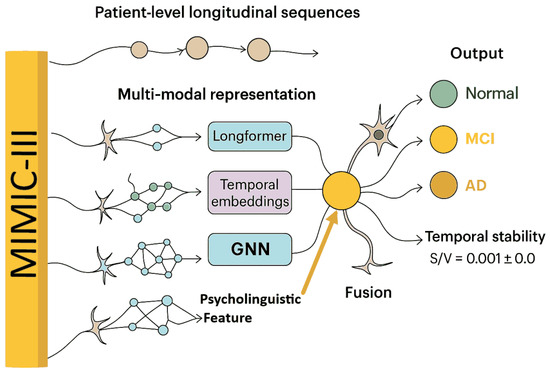
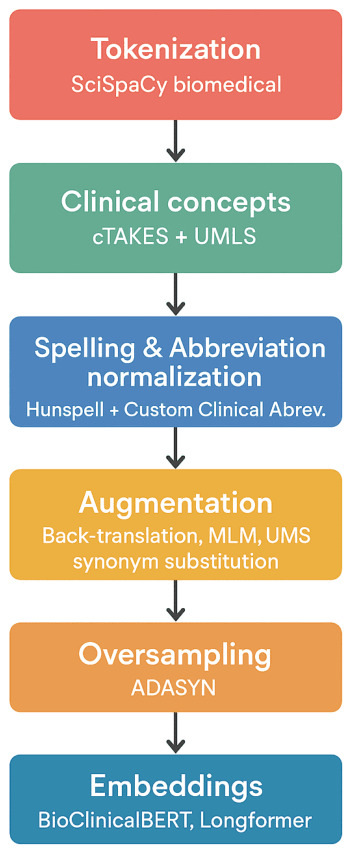
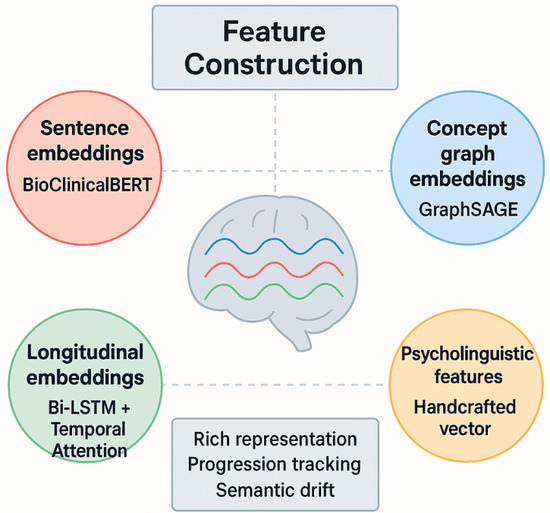
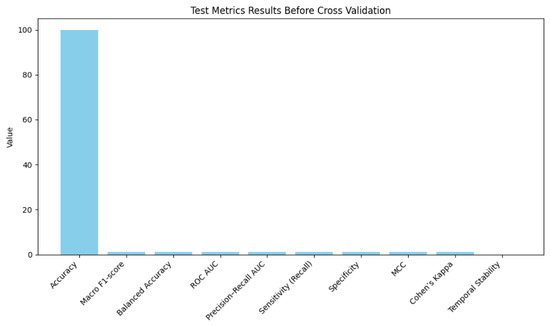
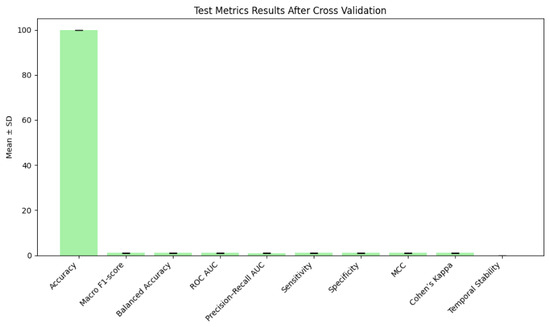
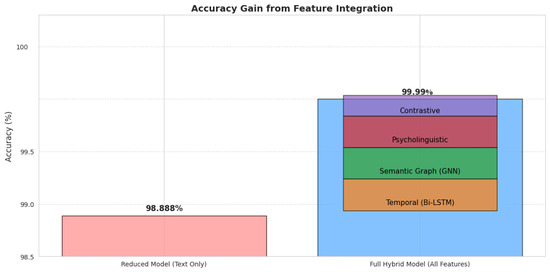
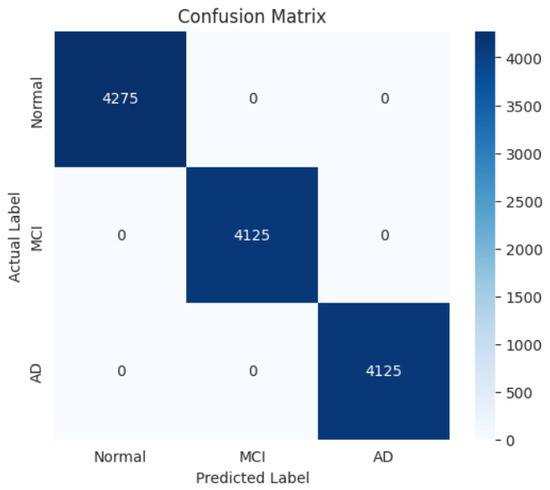
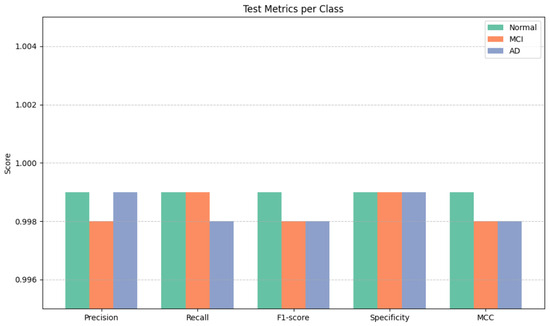
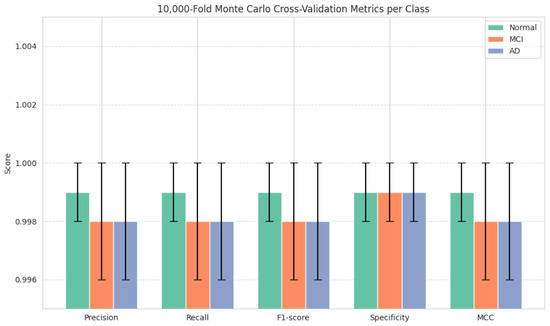
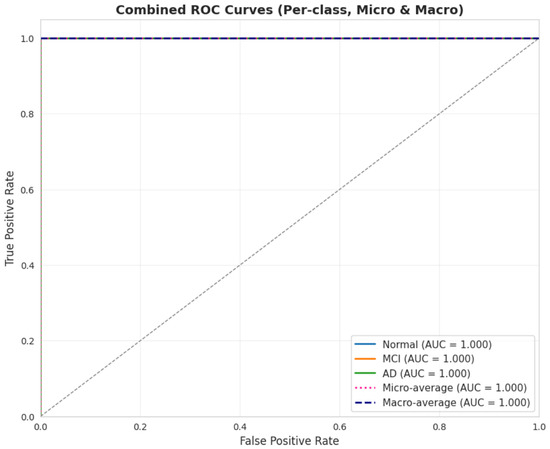
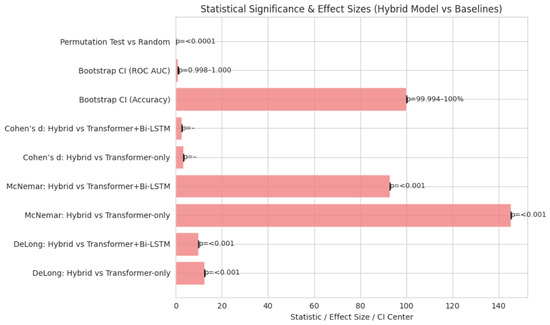
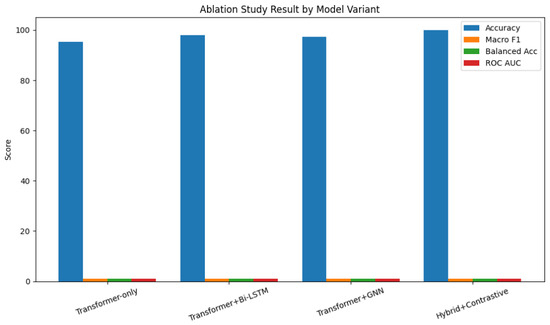
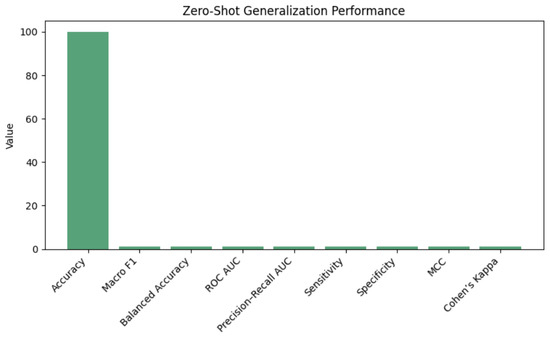
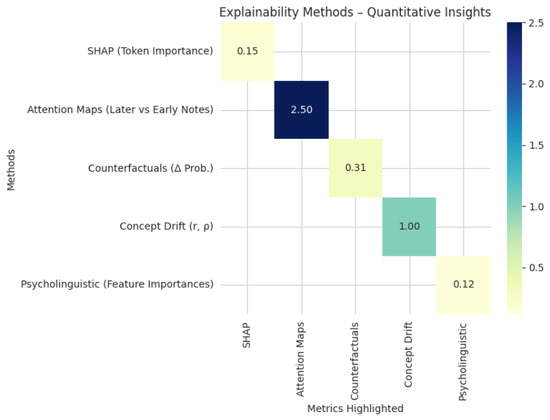
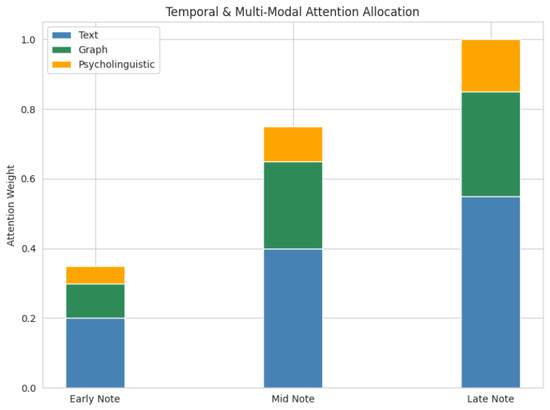
Early diagnosis of cognitive decline is vital for timely treatment of mild cognitive impairment (MCI) and Alzheimer’s disease (AD), yet standard clinical assessments often miss subtle longitudinal language changes. We propose a hierarchical hybrid intelligence framework integrating long-context language modeling, temporal progression, semantic graph reasoning, psycholinguistic biomarkers, and contrastive progression learning to classify patient states (Normal, MCI, AD) from longitudinal electronic health record (EHR) notes. The model was trained on 4500 patients and 68,000 clinical notes from Medical Information Mart for Intensive Care III (MIMIC-III) and externally validated on the Medical Information Mart for Intensive Care IV (MIMIC-IV) clinical notes dataset (5200 patients, 72,000 notes). Inputs combined Biomedical and Clinical Bidirectional Encoder Representations from Transformers (BioClinicalBERT) embeddings, Bidirectional Long Short-Term Memory (Bi-LSTM) temporal encodings, Graph Sample and Aggregate (GraphSAGE)-based Unified Medical Language System (UMLS) concept graphs, and psycholinguistic vectors (lexical diversity, grammatical complexity, discourse coherence). On the MIMIC-III hold-out set, the model achieved 99.999% accuracy, a macro F1-score of 0.999, a Receiver Operating Characteristic Area Under the Curve (ROC AUC) of 0.999, and a temporal stability variance of 0.0008. Monte Carlo cross-validation (10,000 folds) yielded % accuracy and macro F1. Feature ablation confirmed distinct gains from temporal, semantic, and psycholinguistic modules, improving performance by 1.1% over text-only baselines. Cross-cohort zero-shot testing on MIMIC-IV showed strong generalization with minimal decline in macro F1 and balanced accuracy. Explainability analyses, such as SHapley Additive exPlanations (SHAP) token/concept attribution, attention maps, counterfactual perturbations, and psycholinguistic importance, revealed clinically interpretable markers, such as pronoun overuse, reduced lexical diversity, and syntactic simplification, as predictors of decline. Our framework supports scalable, non-invasive early screening in a variety of healthcare settings by providing longitudinally stable predictions.
Full article

Figure 1
Open AccessArticle
Generative AI as an External Cognitive Tool for Developing Creative Intelligence in Visual Design: A Mixed-Methods Randomized Study Using Cognitive Load Indicators and Motivational Modeling
by
Ziyang Huang, Jiajia Zhao and Xuan Fu
J. Intell. 2026, 14(4), 65; https://doi.org/10.3390/jintelligence14040065 - 14 Apr 2026
Abstract
►▼
Show Figures
Generative artificial intelligence (GenAI) is rapidly transforming design education by enabling new forms of human–AI collaborative learning. However, how GenAI relates to cognitive and motivational processes in design learning contexts remains insufficiently understood. This study examines whether integrating GenAI into visual design instruction
[...] Read more.
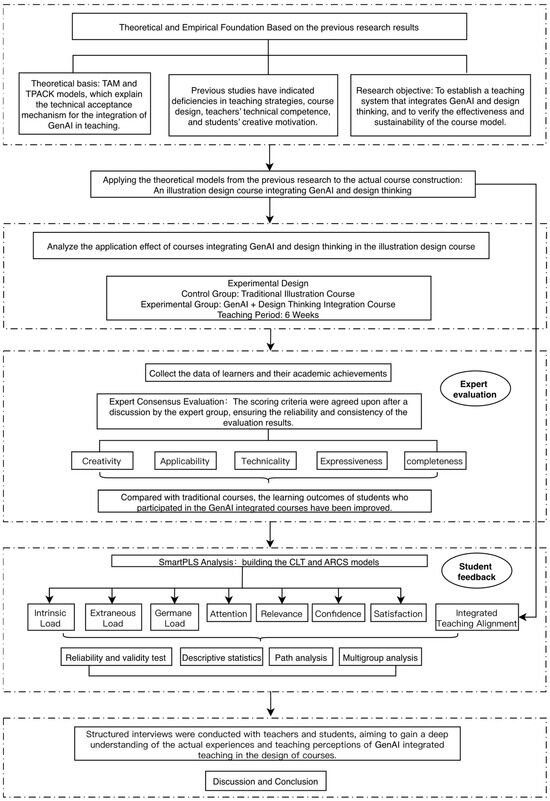
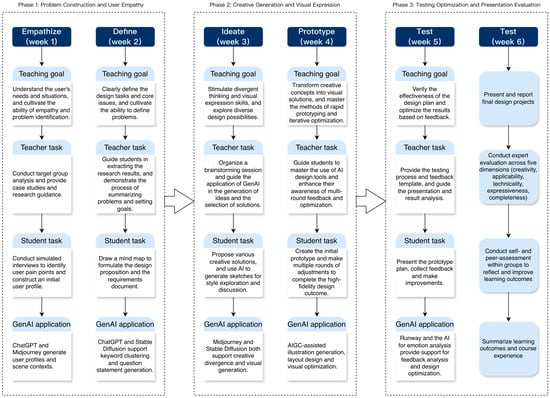
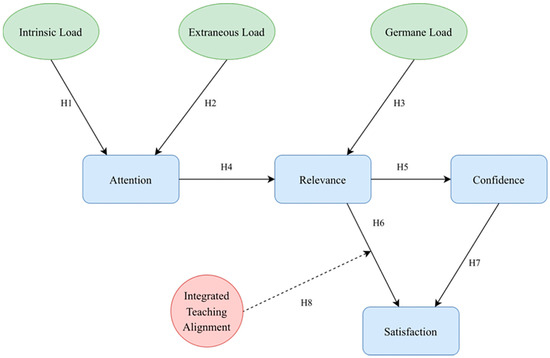
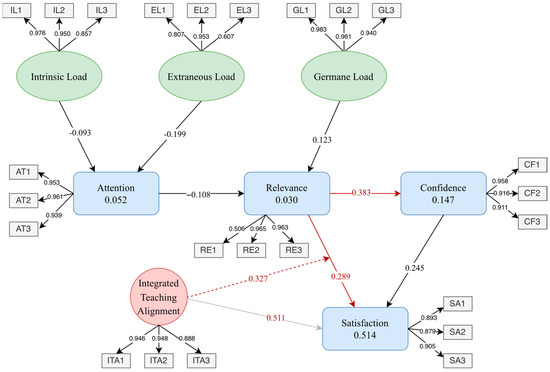
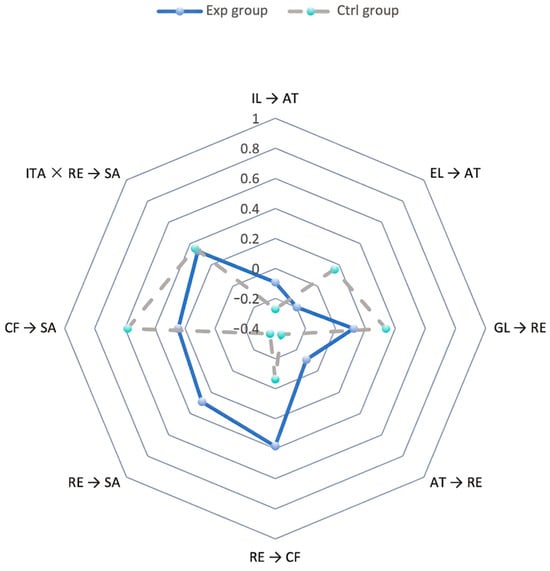
Generative artificial intelligence (GenAI) is rapidly transforming design education by enabling new forms of human–AI collaborative learning. However, how GenAI relates to cognitive and motivational processes in design learning contexts remains insufficiently understood. This study examines whether integrating GenAI into visual design instruction is associated with improvements in domain-specific creative performance and explores the relationships among cognitive load, learning motivation, and learning outcomes. A six-week randomized instructional experiment was conducted with 120 undergraduate students majoring in visual communication design. Creative performance was evaluated through blind expert ratings, and the relationships among key variables were analyzed using Partial Least Squares Structural Equation Modeling (PLS-SEM). The results show that GenAI-integrated instruction is associated with higher levels of learning motivation, engagement, and expert-rated creative performance compared with traditional instruction, whereas cognitive-load indicators show comparatively limited predictive strength within the overall model. In addition, Integrated Teaching Alignment (ITA) significantly moderates the relationship between perceived relevance and learning satisfaction. These findings suggest that GenAI may function as an external cognitive support tool, with learning outcomes appearing to be associated with motivational and instructional factors, while cognitive-load indicators show comparatively limited associations within this instructional context.
Full article

Figure 1
Open AccessArticle
The Effectiveness of an Augmented Reality-Based Early Intervention Program Using Interactive Games to Enhance Eye Contact as a Nonverbal Communication Skill in Children with Autism: A Single-Case Experimental Design
by
Shoeb Saleh and Rommel AlAli
J. Intell. 2026, 14(4), 64; https://doi.org/10.3390/jintelligence14040064 - 10 Apr 2026
Abstract
Children with Autism Spectrum Disorder (ASD) frequently exhibit marked impairments in nonverbal communication, particularly in eye contact, which serves as a foundational element for social interaction and relational development. This study evaluated the effectiveness of an early intervention program utilizing interactive games supported
[...] Read more.
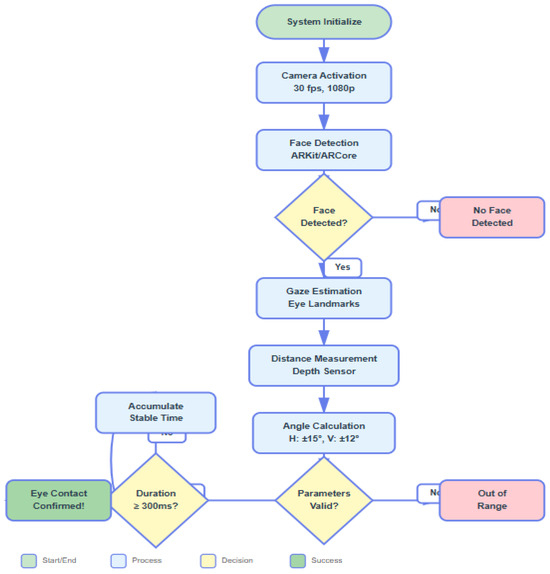
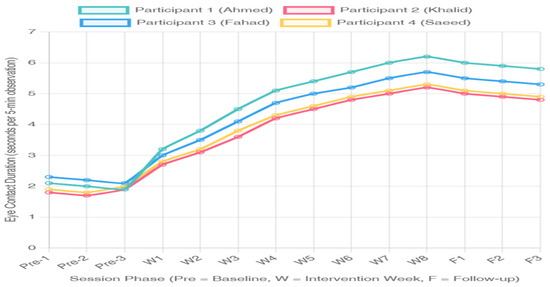
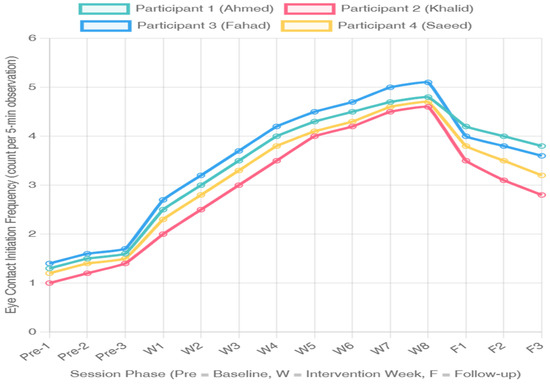
Children with Autism Spectrum Disorder (ASD) frequently exhibit marked impairments in nonverbal communication, particularly in eye contact, which serves as a foundational element for social interaction and relational development. This study evaluated the effectiveness of an early intervention program utilizing interactive games supported by Augmented Reality (AR) technology to enhance eye contact behaviors, specifically initiation and maintenance, in children with autism. Using a multiple baseline across participants single-case experimental design, four boys (aged 5–7 years) diagnosed with ASD participated in an 8-week intervention at a specialized center in Saudi Arabia. The intervention featured tablet-based, gamified AR tasks incorporating real-time visual feedback, graduated difficulty levels, and reinforcement mechanisms designed to elicit social gaze and sustained eye contact. Eye contact duration and frequency were measured during structured social interactions via systematic direct observation. The results demonstrated significant improvements across all participants, with the mean duration of eye contact increasing from a baseline of 2.0 s to 5.8 s post-intervention. Visual analysis revealed robust treatment effects, further supported by substantial Tau-U effect sizes (range = 0.89–0.96; M = 0.93). Follow-up data collected three weeks post-intervention confirmed the maintenance of gains for three of the four participants. These findings suggest that AR-based interventions provide an effective and culturally responsive approach for enhancing specific nonverbal communication behaviors among children with autism in Middle Eastern contexts. Implications for clinical practice and directions for future research are discussed.
Full article
(This article belongs to the Special Issue Advancements in Understanding and Supporting Intelligence and Diversity in Autism Spectrum Disorder)
►▼
Show Figures

Figure 1
Open AccessArticle
Socioeconomic Differences in Cognitive Ability Across Childhood and Adolescence: An Investigation of Genetic, Individual, and Environmental Factors
by
Lena Paulus, Charlotte K. L. Dißelkamp, Andreas J. Forstner and Frank M. Spinath
J. Intell. 2026, 14(4), 63; https://doi.org/10.3390/jintelligence14040063 - 10 Apr 2026
Abstract
►▼
Show Figures
The level and development of cognitive ability are associated with parental socioeconomic status (SES). Some of these cognitive differences are presumably due to individual differences in genetic predispositions, but the potential mechanisms and influencing factors are still relatively unclear. Previous research has identified
[...] Read more.
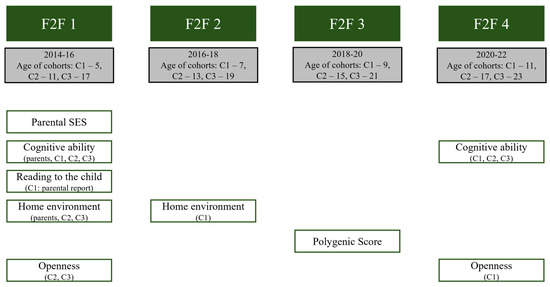
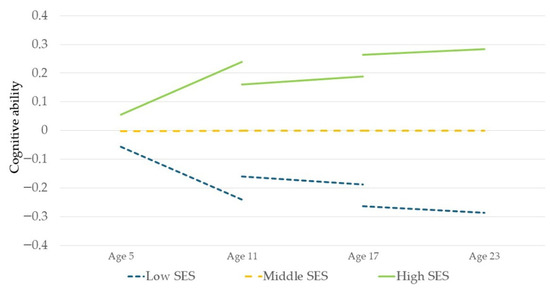
The level and development of cognitive ability are associated with parental socioeconomic status (SES). Some of these cognitive differences are presumably due to individual differences in genetic predispositions, but the potential mechanisms and influencing factors are still relatively unclear. Previous research has identified factors that show a relation with both cognitive abilities and SES (e.g., parental cognitive ability, home environment, and polygenic scores). Regarding these factors, we analysed three age cohorts (N = 6715; 5, 11, and 17 years old) at a 6-year interval using multiple regressions and decomposition analyses. Firstly, results indicated that cognitive differences linked to SES emerged particularly between the ages of 5 and 11. A substantial part of the SES effect was associated with parental cognitive ability. Secondly, particularly in the oldest cohort, the polygenic score for cognitive ability was related to the SES-associated change in cognitive ability. Finally, in several analyses, the influence of SES on cognitive ability was no longer significant after considering the attendance of the academic track in secondary school. This pattern could indicate that SES-associated differences in secondary school recommendations shown in previous studies may also be associated with SES-related differences in cognitive ability, which should be investigated in future studies.
Full article

Figure 1
Open AccessArticle
Working Memory, Attention Control, and Vocabulary Retention in AI (ChatGPT)-Assisted Foreign Language Learning: A Structural Cognitive Modelling Approach
by
Mohammad Hamad Al-khresheh, Mayez Almayez and Shatha F. Alruwaili
J. Intell. 2026, 14(4), 62; https://doi.org/10.3390/jintelligence14040062 - 8 Apr 2026
Abstract
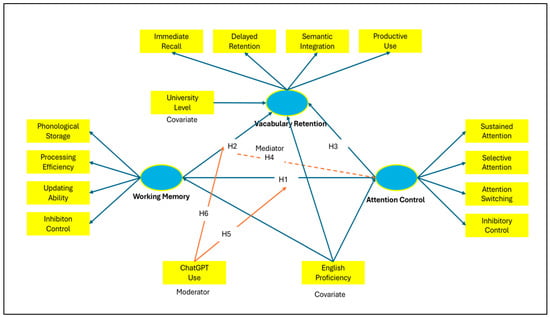
This study examined how working memory, attention control, and frequency of ChatGPT-4 use are structurally associated with vocabulary retention in foreign language learning. A quantitative cross-sectional survey design was employed, with data collected from 1002 EFL learners via stratified random sampling. Validated self-report
[...] Read more.
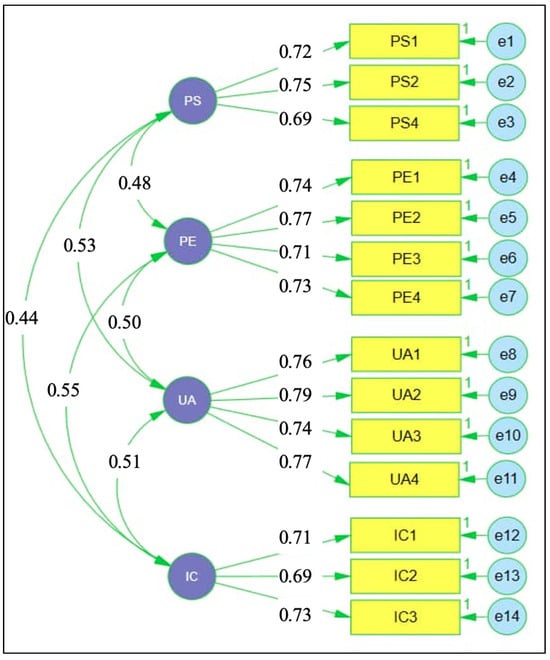
This study examined how working memory, attention control, and frequency of ChatGPT-4 use are structurally associated with vocabulary retention in foreign language learning. A quantitative cross-sectional survey design was employed, with data collected from 1002 EFL learners via stratified random sampling. Validated self-report instruments measured working memory, attention control, frequency of ChatGPT use, and vocabulary retention (immediate recall, delayed retention, semantic integration, and productive use). Structural equation modelling was used to test the proposed model. The results showed that working memory was strongly associated with attention control and exerted a direct effect on vocabulary retention across all dimensions. Attention control explained a substantial share of the relationship between working memory and retention, indicating that regulatory allocation of attention, rather than memory capacity alone, governs whether lexical information is stabilised during ChatGPT-assisted learning. The frequency of ChatGPT use conditioned these cognitive pathways by strengthening links between working memory and attention control, and between attention control and vocabulary retention, at higher levels of engagement. Frequency did not predict retention independently, indicating that repeated use supports learning only to the extent that it reinforces cognitive regulation rather than increasing exposure. Vocabulary learning with AI relies more on cognitive regulation and engagement than exposure.
Full article
(This article belongs to the Section Studies on Cognitive Processes)
►▼
Show Figures

Figure 1
Open AccessArticle
Rethinking Out-of-School Tutoring: Engagement Pathways and the Uneven Impact on Students’ Holistic Competencies
by
Hui Yan, Han Xiao and Jianlin Yuan
J. Intell. 2026, 14(4), 61; https://doi.org/10.3390/jintelligence14040061 - 8 Apr 2026
Abstract
Out-of-school tutoring, as a form of privatized compensatory education beyond formal schooling, has become increasingly prevalent, yet its role in fostering students’ holistic competencies remains insufficiently examined. Drawing on a student engagement perspective, this study investigates how different types of out-of-school tutoring, including
[...] Read more.
Out-of-school tutoring, as a form of privatized compensatory education beyond formal schooling, has become increasingly prevalent, yet its role in fostering students’ holistic competencies remains insufficiently examined. Drawing on a student engagement perspective, this study investigates how different types of out-of-school tutoring, including academic, arts, and sports tutoring, are associated with the development of students’ holistic competencies. Data were drawn from a survey of 704 Grade 10 students in central China. Tutoring engagement during junior secondary school was measured using a self-developed Likert-scale instrument, while holistic competencies were obtained from official Comprehensive Quality Assessment records. The findings reveal differentiated effects across tutoring types. Academic tutoring shows no significant association with academic performance or other dimensions of holistic competence. In contrast, sports tutoring is positively associated with physical and mental health, and arts tutoring demonstrates a significant positive relationship with artistic literacy. Regarding engagement characteristics, simply increasing the number of programs or financial investment yields limited benefits. Instead, time investment and cognitive involvement in sports tutoring, as well as affective involvement in arts tutoring, are positively related to specific dimensions of holistic competence. These results suggest that the effectiveness of out-of-school tutoring depends less on participation amount and more on the nature of students’ engagement. The study highlights the uneven developmental returns of compensatory education and calls for a more balanced and development-oriented approach to tutoring participation.
Full article
Open AccessArticle
Explicit and Implicit Emotion Processing: The Role of Spatial Frequencies in a Case Study of Right Capsulo–Thalamic Damage
by
Vincenza Tommasi, Caterina Padulo, Giulia Prete, Antonio Leo, Alessandra Franco, Tatiana De Francesco, Maria Rosaria Viva, Luca Tommasi, Giuliana Lucci and Chiara Valeria Marinelli
J. Intell. 2026, 14(4), 60; https://doi.org/10.3390/jintelligence14040060 - 3 Apr 2026
Abstract
This study examined the interaction between spatial frequencies and emotion processing using tachistoscopic presentations of emotional faces, in a patient with right capsulo–thalamic damage and a matched control group (N = 3). Emotional (happy, angry and sad) and neutral faces were presented in
[...] Read more.
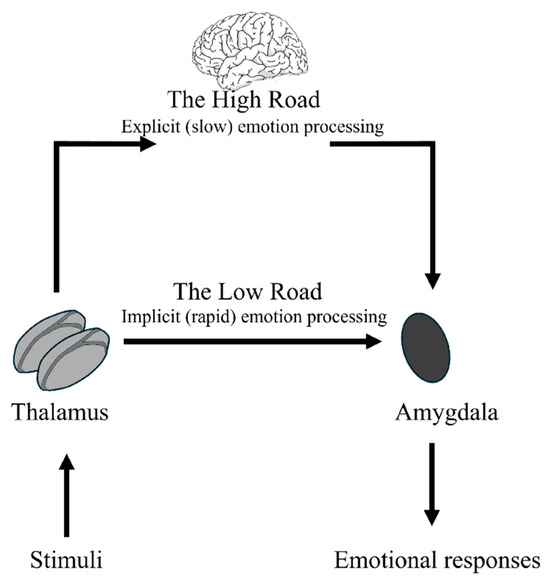
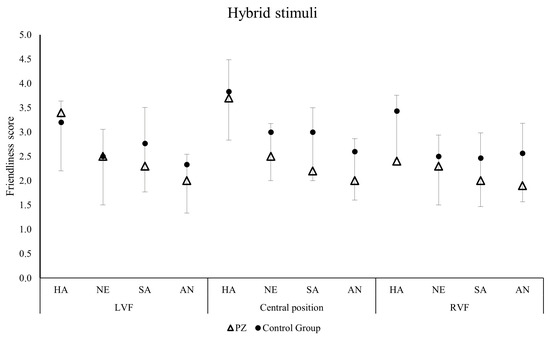
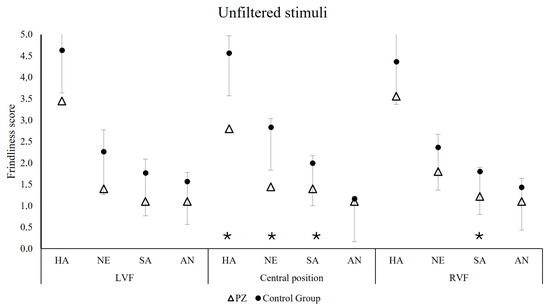
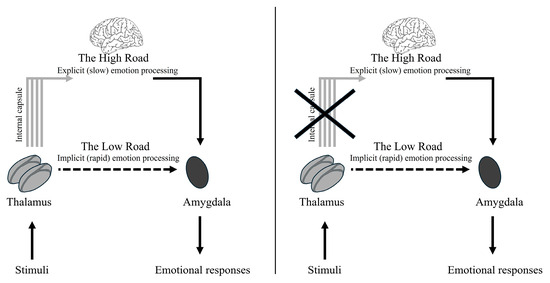
This study examined the interaction between spatial frequencies and emotion processing using tachistoscopic presentations of emotional faces, in a patient with right capsulo–thalamic damage and a matched control group (N = 3). Emotional (happy, angry and sad) and neutral faces were presented in one of two ways: broadband emotional images and hybrid faces, which were created by superimposing emotional Low Spatial Frequencies (LSFs) to the High Spatial Frequencies (HSFs) of the same identity with a neutral expression, resulting in a subliminal presentation of the emotional content. According to LeDoux’s dual-route model, which suggests a cortical–conscious emotional analysis and subcortical–unconscious emotional processing, we expected healthy participants to show different variations in friendliness ratings compared with the case study patient. In particular, we hypothesized that while healthy participants should show friendliness ratings varying consistently with the facial expressions for both unfiltered (conscious) and filtered (unconscious) stimuli, reflecting the efficiency of both routes, the patient should show a selective deficit in the unfiltered condition due to the disruption of the thalamo–cortical connections. The results showed that healthy controls evaluated emotions consistently across both conditions. Notably, there were no significant differences between the case study patient and the control group for hybrid faces, suggesting that the “hidden” LSF successfully activated the intact subcortical route. However, significant differences emerged for unfiltered stimuli: the case study patient was able to distinguish between positive and negative valence, but she failed to discriminate between negative emotions. This finding suggests that the fine-grained differentiation of negative emotions requires an intact cortical analysis, mediated by the internal capsule.
Full article
(This article belongs to the Special Issue Social Cognition and Emotions)
►▼
Show Figures

Figure 1
Highly Accessed Articles
Latest Books
E-Mail Alert
News
Topics
Topic in
Behavioral Sciences, EJIHPE, Social Sciences, J. Intell.
Personality and Cognition in Human–AI Interaction
Topic Editors: Virginia Sau Y. Kwan, Samantha McMichael, Julia BrailovskaiaDeadline: 15 June 2026
Topic in
Behavioral Sciences, Education Sciences, J. Intell., Children
Personality, Emotions, and Emotional Intelligence Assessments: New Applications and Instruments
Topic Editors: Roberto Burro, Daniela Raccanello, Joana PipaDeadline: 30 June 2026
Topic in
Children, Education Sciences, Healthcare, EJIHPE, J. Intell.
Diversity, Educational Inclusion, Emotional Intelligence, Coping, and Other Factors That Influence Psychological Health and Well-Being
Topic Editors: Francisco Manuel Morales Rodríguez, Juan Pedro Martínez-RamónDeadline: 31 December 2026
Conferences
Special Issues
Special Issue in
J. Intell.
The Development of Children’s Emotional Intelligence: Digital Games, Technologies and Practical Applications
Guest Editors: Chara Papoutsi, Eider Goñi-PalaciosDeadline: 25 May 2026
Special Issue in
J. Intell.
Math Development and Cognitive Skills
Guest Editors: Marina Vasilyeva, Elida V. Laski, Linxi Lu, Beth M. CaseyDeadline: 20 June 2026
Special Issue in
J. Intell.
An Empirical Spotlight on the Science of Asking Questions
Guest Editor: Yoed N. KenettDeadline: 1 August 2026
Special Issue in
J. Intell.
The Intersection of Creativity and Intelligence: Multidisciplinary Perspectives
Guest Editors: Chuanhua Gu, Lei Han, Quanlei Yu, Haiying LiDeadline: 4 November 2026