

Journal Description
International Journal of Environmental Research and Public Health
(IJERPH) is a transdisciplinary, peer-reviewed, open access journal that covers global health, healthcare sciences, behavioral and mental health, infectious diseases, chronic diseases and disease prevention, exercise and health related quality of life, environmental health and environmental sciences, and is published monthly online by MDPI. The International Society Doctors for the Environment (ISDE), Italian Society of Environmental Medicine (SIMA) and Environmental Health Association of Québec (ASEQ‑EHAQ) are affiliated with IJERPH and their members receive discounts on the article processing charges.
- Open Access— free for readers, with article processing charges (APC) paid by authors or their institutions.
- High Visibility: indexed within Scopus, PubMed, MEDLINE, PMC, Embase, GEOBASE, CAPlus / SciFinder, and other databases.
- Journal Rank: CiteScore - Q1 (Public Health, Environmental and Occupational Health)
- Rapid Publication: manuscripts are peer-reviewed and a first decision is provided to authors approximately 29.5 days after submission; acceptance to publication is undertaken in 3.9 days (median values for papers published in this journal in the second half of 2025).
- Recognition of Reviewers: reviewers who provide timely, thorough peer-review reports receive vouchers entitling them to a discount on the APC of their next publication in any MDPI journal, in appreciation of the work done.
- Testimonials: See what our editors and authors say about IJERPH.
- Sections: published in 7 topical sections.
- Journal Cluster of Healthcare Sciences and Services: Geriatrics, Journal of Ageing and Longevity, Healthcare, Hospitals, Hygiene, International Journal of Environmental Research and Public Health and Nursing Reports.
Latest Articles
On Burden of Diseases, Prevention, Medical Research and Health Service Delivery: Grampian Case Study
Int. J. Environ. Res. Public Health 2026, 23(6), 763; https://doi.org/10.3390/ijerph23060763 (registering DOI) - 5 Jun 2026
Abstract
Burden of diseases measured as disability-adjusted life years (DALYs) per 100,000 people can be mined from public domain data, when they are made available by population health surveillance systems. This can be analysed to allow insightful comparisons with the national average, and to
[...] Read more.
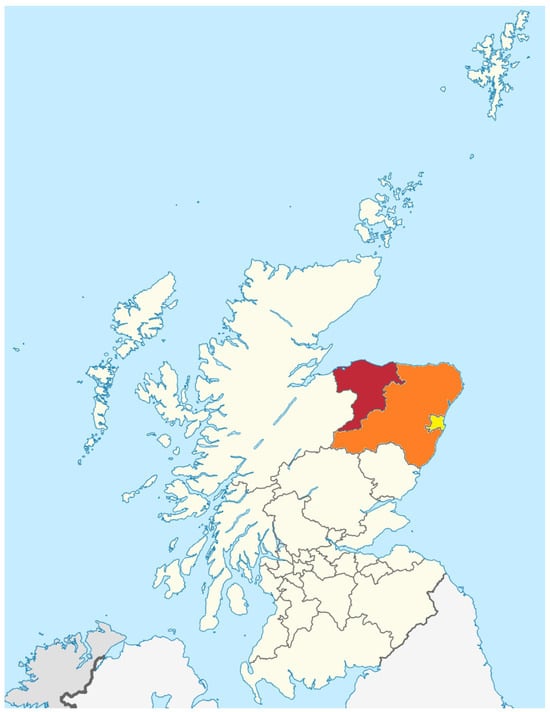
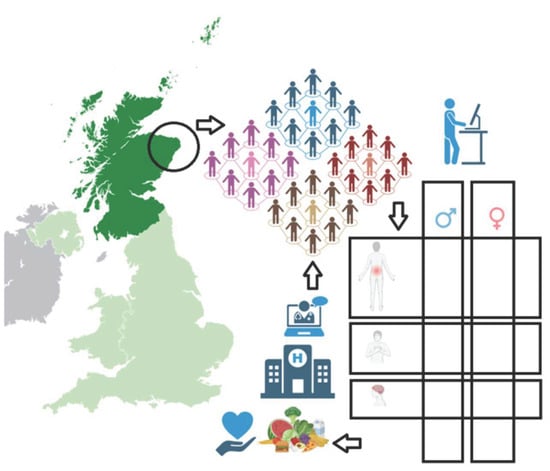
Burden of diseases measured as disability-adjusted life years (DALYs) per 100,000 people can be mined from public domain data, when they are made available by population health surveillance systems. This can be analysed to allow insightful comparisons with the national average, and to understand differences in trends between the sexes, age groups, time periods, geographic regions, and sub-regions. In this illustrative case study, we have analysed the Scottish burden of disease database to understand what ailed the population of the Grampian region before the COVID-19 pandemic. We have identified that selected cancers, ischaemic heart disease, Alzheimer’s disease and other dementias are amongst the highest contributors to the burden; that drug use disorders and colorectal cancer are showing worsening trends and require health promotion and disease prevention measures from ages 15 and 25, respectively, especially in Aberdeen City; and that males are more vulnerable to atrial fibrillation and flutter, diabetes mellitus, oesophageal cancer, and self-harm, while females are more vulnerable to cerebrovascular and chronic obstructive pulmonary diseases. We demonstrate the usefulness of our analysis and methodology for the wider health system, allowing targeted medical research investments and coordinated response from public health and health service delivery. We also show the need for up-to-date surveillance data, forecasts, and evidence on the impact of interventions to be made available widely.
Full article
(This article belongs to the Section Health Care Sciences)
►
Show Figures
Open AccessArticle
A Qualitative Exploratory Study of Facilitators and Barriers Influencing Organ Donation in Ghana: Insights for Health Policy and Advocacy
by
Amoah Kwadwo, Fordjuor Gladys, Lartey Seth, Bonsaana Gilbert Batieka, Abaidoo Benjamin, Tetteh John, Aidam Enam Afi Mana, Darko Kwame Asante, Oteng Kwame, Fuseini Alhassan, Forgah Amanda Evelyn, Quaye Mohammed Alphazaazi, Abdul-Rahaman Lahari Salma, Mamani Amina Ponaa, Boateng Dorcas Baah, Charinga Josiah, Ansing Ida Mbamah, Kusi Lawrence, Asante Adjei Collins, Oduro Awo Yaa Karikari, Wryter Bertha Ellen, Blankson Kojo, Odoi Nafisatu Odokai, Sam-Brew Dora, Krow Mabel Oparebea, Addy James, Oboo-Gyan Michael Gyamera, Berzack Shannan and Nariani Ashiyanaadd
Show full author list
remove
Hide full author list
Int. J. Environ. Res. Public Health 2026, 23(6), 762; https://doi.org/10.3390/ijerph23060762 (registering DOI) - 5 Jun 2026
Abstract
Background: Organ donation and transplantation are among the greatest scientific discoveries of our time, which have restored hope and life to many. However, several factors influence the global organ donation rate. It is, therefore, important to understand the Ghanaian context of facilitators and
[...] Read more.
Background: Organ donation and transplantation are among the greatest scientific discoveries of our time, which have restored hope and life to many. However, several factors influence the global organ donation rate. It is, therefore, important to understand the Ghanaian context of facilitators and barriers to donation to dispel cultural myths and misconceptions about organ donation. This study aims to qualitatively explore the facilitators and barriers influencing organ donation in Ghana. Methods: This was a qualitative exploratory study conducted among health professionals at four major tertiary hospitals in Ghana. Participants were chosen using the purposive sampling technique. Using a structured interview guide, an in-depth interview was conducted to gather qualitative data, which was then tape-recorded and transcribed. Thematic content analysis was used to manually analyze the data. Results: Of the 25 expert participants, the majority (15, 60.0%) were female. The majority (15, 60.0%) were between 40 and 59 years. The mean age was 42.4 ± 8.0 years. The average number of years of work experience was 15.8 ± 7.1 years. Themes identified for facilitators of organ donation included increased awareness and knowledge campaign, societal influence, and legislative support. Themes for barriers were inadequate knowledge, socio-cultural influence, religious beliefs, and ethical concerns. Conclusions: Increased awareness and knowledge campaigns, societal influence, and legislative support are the significant facilitators of organ donation in Ghana, whereas inadequate knowledge, socio-cultural, and religious influence are important barriers to organ donation in Ghana.
Full article
(This article belongs to the Section Global Health)
Open AccessArticle
Predictors of Moral Distress Among Nurses: A Cross-Sectional Study
by
Vladimír Siska, Andrea Sollárová, Zuzana Slezáková, Lukáš Kober, Peter Minárik and Tomáš Forgon
Int. J. Environ. Res. Public Health 2026, 23(6), 761; https://doi.org/10.3390/ijerph23060761 (registering DOI) - 5 Jun 2026
Abstract
Investigating the predictors of moral distress is particularly important for protecting nurses’ mental health and professional satisfaction, thereby preventing burnout and attrition from the profession. The primary aim of this study was to evaluate the predictors of moral distress among nurses. A cross-sectional
[...] Read more.
Investigating the predictors of moral distress is particularly important for protecting nurses’ mental health and professional satisfaction, thereby preventing burnout and attrition from the profession. The primary aim of this study was to evaluate the predictors of moral distress among nurses. A cross-sectional study design was used. The sample consisted of 412 nurses from 11 hospitals across Slovakia. The mean age of the respondents was 40.48 years (SD = 10.92). Moral distress was assessed using the Modified Moral Distress Scale. Linear regression analysis was used to evaluate predictors of moral distress. Personal accomplishment, the maladaptive coping strategy of self-distraction, continuous shift operation, and emotional burnout emerged as significant predictors of the frequency of moral distress among nurses (AdjR2 = 15.5%; R2 = 0.155). Regarding the intensity of moral distress, significant predictors included personal accomplishment, the maladaptive strategy of self-distraction and the adaptive strategy of religiosity and spirituality (AdjR2 = 14.0%; R2 = 0.140), which appear to function as adaptive coping mechanisms for dealing with the intensity of moral distress. Systematic investigation of predictors of moral distress among nurses may contribute to the development of interventions and programs that support nurses, thereby improving not only their job satisfaction but also the quality of patient care.
Full article
Open AccessArticle
A Rise in Measles Reporting Two Years After the COVID-19 Pandemic: A Descriptive Analysis of Measles in Iraq in 2023 and Early 2024
by
Hanan Abdulghafoor Khaleel, Riyadh Abdulameer Alhilfi and Sabrina Viele Brown
Int. J. Environ. Res. Public Health 2026, 23(6), 760; https://doi.org/10.3390/ijerph23060760 (registering DOI) - 5 Jun 2026
Abstract
Background: The elimination of measles is a public health priority for the World Health Organization. During the COVID-19 pandemic from 2020 to 2022, the number of cases in Iraq decreased. However, a surge in cases started in late 2022. The aims of this
[...] Read more.
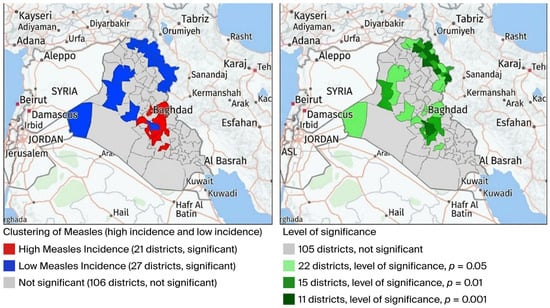
Background: The elimination of measles is a public health priority for the World Health Organization. During the COVID-19 pandemic from 2020 to 2022, the number of cases in Iraq decreased. However, a surge in cases started in late 2022. The aims of this study are to understand and describe the epidemiology of the surge of measles compared to reported cases in 2018 and 2019. Secondarily, they are to identify high clusters to find possible causes and implement prevention efforts accordingly, and low clusters of measles to identify possible protective factors. Methods: Frequencies were used to describe the univariate characteristics of cases reported each year. The chi-square test of independence was used to test differences by age; p-values less than 0.05 were considered statistically significant. Gi cluster analysis was used to determine where there were high and low clusters of cases in each district. Results: The number of clinically confirmed cases of measles rose dramatically in 2023 (14,301) and early 2024 (33,048) compared to 2018 (1044) and 2019 (4586). Most patients were less than one year to 14 years of age. The percentage of patients aged 5–14 years was higher in 2023 (32.8%) and 2024 (30.0%) than in 2018 (15.9%) and 2019 (22.1%). Males were consistently more prevalent than females throughout all study years. Almost 5% (1545) of patients were vaccinated; the remainder were unvaccinated or had unknown vaccination status. Only 1% reported a history of contact with infected patients. The case fatality ratio was 0.06% in 2023 and 0.2% in early 2024. Despite the recent surge in cases, 27 of the 153 districts (17.4%) had low clustering. Conclusions: The recent surge in measles cases in Iraq was found to be in those below 15 who are commonly associated with the disease. Clusters of high reporting were mainly in the middle of Iraq while clusters of low reporting were mainly in the north. We recommend continuing to study clusters of measles and vaccine coverage to direct prevention efforts.
Full article
(This article belongs to the Section Infectious Diseases, Chronic Diseases, and Disease Prevention)
►▼
Show Figures

Figure 1
Open AccessPerspective
The Relationship Between Urban Characteristics and Non-Communicable Diseases—Conceptual Framework of the HORUS Project
by
Sven Maričić, Denis Juraga, Tomislav Rukavina, Darko Roviš, Zlatko Trobonjača, Mihaela Marinović Glavić, Lovorka Bilajac and Vanja Vasiljev
Int. J. Environ. Res. Public Health 2026, 23(6), 759; https://doi.org/10.3390/ijerph23060759 (registering DOI) - 5 Jun 2026
Abstract
The HORUS project investigates the interface between urban planning and public health, focusing on the reduction in non-communicable diseases through innovative urban planning and technological integration. Using geographic information systems, the project will develop advanced urban mapping and analysis tools to visualize and
[...] Read more.
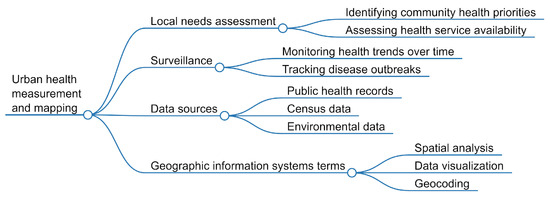
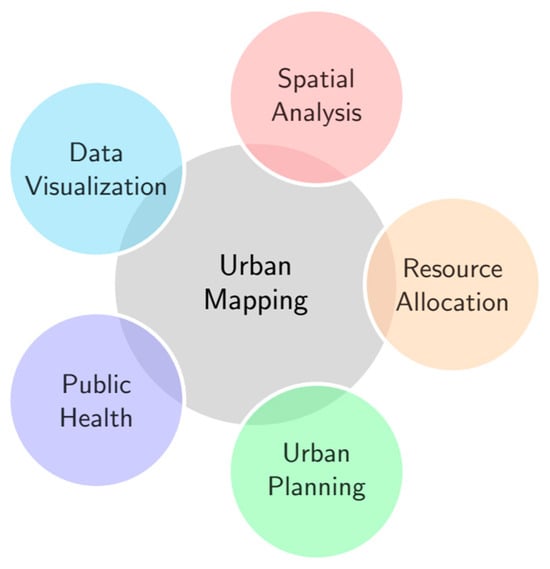
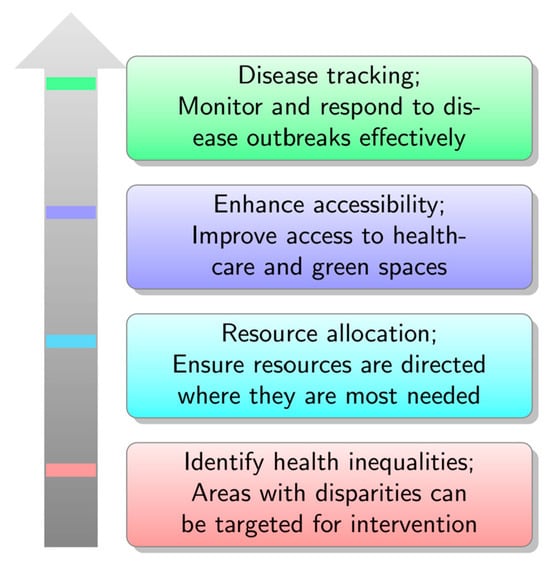
The HORUS project investigates the interface between urban planning and public health, focusing on the reduction in non-communicable diseases through innovative urban planning and technological integration. Using geographic information systems, the project will develop advanced urban mapping and analysis tools to visualize and tackle health inequalities. The participatory approach of technologies will actively engage communities and empower citizens to shape a healthier urban environment. Through multidimensional methodology, including qualitative research and natural experiments, HORUS will align urban planning with public health needs. The project will target modifiable risk factors (physical inactivity, unhealthy diet and substance use) and will promote behavior change and environmental redesign to reduce the prevalence of non-communicable diseases. The integration of digital technologies will not only improve the assessment of urban health but also facilitate evidence-based interventions tailored to vulnerable populations. HORUS will provide practical applications for policy makers and urban planners by providing actionable frameworks for incorporating health-promoting features into urban design. This holistic approach will help create resilient cities that prioritize public health and shape the future urban environment. The project is an example of the transformative potential of aligning technology, policy and community engagement to effectively address the challenges of urbanization, and non-communicable diseases.
Full article
(This article belongs to the Section Environmental Health)
►▼
Show Figures

Figure 1
Open AccessArticle
The Stellate Ganglion Block for PTSD: A Retrospective Clinical Case Series
by
Michael Hollifield, Jennifer Lai-Trzebiatowski, Michael Alkire, Tyler C. Smith, Christine J. Eickhoff, Nima Fahimian, Rostam Khoshsar, Rajika Tobey, Staci Becker, Rossean C. Rossel, Sarah Madison, Patrick Wu, Amy Treadwell and Christopher Reist
Int. J. Environ. Res. Public Health 2026, 23(6), 758; https://doi.org/10.3390/ijerph23060758 (registering DOI) - 5 Jun 2026
Abstract
Background/Objectives: Extant data suggest that the Stellate Ganglion Block (SGB) is effective for posttraumatic stress disorder (PTSD). Clinical data from a large healthcare system are lacking. We report data from a clinical project in the Veterans Health Administration. Methods: Retrospective data of PTSD
[...] Read more.
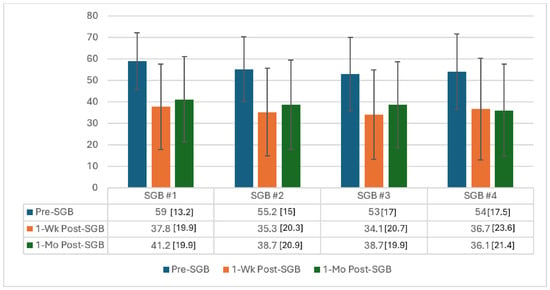
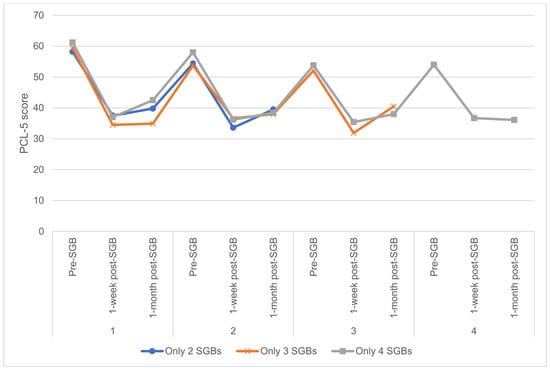
Background/Objectives: Extant data suggest that the Stellate Ganglion Block (SGB) is effective for posttraumatic stress disorder (PTSD). Clinical data from a large healthcare system are lacking. We report data from a clinical project in the Veterans Health Administration. Methods: Retrospective data of PTSD and anxiety for 579 patients who received one or more SGBs were analyzed on the full sample and on those who had complete data using general linear models. Results: Receiving the first SGB provided a 36% and 30% reduction in PTSD symptom scores at 1-week and 1-month post-SGB, respectively. Those who received 2–4+ SGBs showed lower pre-SGB PTSD symptom scores and trends for lower scores at 1-week and 1-month post-SGB. Overall, 78% and 71% of patients had a reliable (Δ ≥ −5 points) change and 68% and 60% had a clinically meaningful (Δ ≥ −10 points) change in PTSD symptom scores from pre-SGB to 1-week and 1-month post-SGB, respectively. There were clinically meaningful reductions for anxiety in 51.5% and 48.3% at 1-week and 1-month post-SGB, respectively. Conclusions: These data corroborate existing data about the benefit of SGB for PTSD and anxiety and are unique in showing an association between repeat SGBs and lower PTSD symptoms at subsequent baseline.
Full article
(This article belongs to the Special Issue Prevention and Treatment of Trauma-Related Mental Illness)
►▼
Show Figures

Figure 1
Open AccessArticle
Prevalence of Burnout and Associated Work-Related Factors Among Intensive Care Unit Nurses at Tertiary Healthcare Setting, Riyadh, Saudi Arabia
by
Bridget Ndlovu and Bernard Hope Taderera
Int. J. Environ. Res. Public Health 2026, 23(6), 757; https://doi.org/10.3390/ijerph23060757 - 4 Jun 2026
Abstract
Burnout among intensive care unit (ICU) nurses is an escalating occupational health concern due to the high psychological and physical demands of critical care, with implications for staff well-being, patient safety, and healthcare quality. Despite its importance, limited evidence exists on burnout among
[...] Read more.
Burnout among intensive care unit (ICU) nurses is an escalating occupational health concern due to the high psychological and physical demands of critical care, with implications for staff well-being, patient safety, and healthcare quality. Despite its importance, limited evidence exists on burnout among ICU nurses in Saudi Arabian tertiary hospitals. This study investigated the prevalence of burnout, associated factors, and potential interventions to reduce stigma and support mental health among ICU nurses at a tertiary healthcare setting, Saudi Arabia. A quantitative cross-sectional design was employed using the Maslach Burnout Inventory–Human Services Survey (MBI-HSS). Simple random sampling selected 250 registered ICU nurses with at least six months of experience. Data was analysed using SPSS v30 with descriptive statistics, and chi-square tests at a significance level of p < 0.05. Findings indicated a high prevalence of burnout, with 52% of nurses reporting elevated emotional exhaustion. Burnout was significantly associated with overtime hours (χ2 = 29.155, df = 12, p = 0.015), nurse-to-patient ratios (χ2 = 36.170, df = 20, p = 0.015), shift patterns (day: χ2 = 4.931, df = 8, p = 0.765; night: χ2 = 263 4.226, df = 8, p = 0.836; rotating: χ2 = 3.739, df = 4, p = 0.442), living arrangements ((χ2 = 13.153, df = 16, p = 0.662), and perceived impact on patient outcomes. Participants identified mental health education, anonymous support programmes, psychological check-ins, and leadership encouragement as helpful coping strategies. The study concludes that burnout among ICU nurses is influenced by workload, work schedules, and organisational support, underscoring the need for systemic interventions to enhance nurse well-being and sustain healthcare quality.
Full article
(This article belongs to the Special Issue 2nd Edition: Workplace Health and Wellbeing Research and Evaluation)
Open AccessArticle
Multisite Mobile Addiction Services: Four-Year Outcomes
by
Cynthia A. Tschampl, Jennifer J. Wicks, Dominic Hodgkin, Craig Regis, Jadyn Baptista, Brittany P. Chapman, Madeline E. Davies, Kimberly De La Cruz, Karen Peugh, Allyson Pinkhover, Ben Plant, Priya Sarin Gupta, Sarah Mackin, Catherine E. Urquhart, Samantha Walsh, Jessie M. Gaeta, Constance Horgan and Elsie M. Taveras
Int. J. Environ. Res. Public Health 2026, 23(6), 756; https://doi.org/10.3390/ijerph23060756 - 4 Jun 2026
Abstract
First launched in Boston, MA in January 2018, Community Care in Reach® is a mobile addiction model that uses mobile clinics to deliver harm reduction and clinical services to people at high risk of drug-related morbidity and mortality and who are unhoused
[...] Read more.
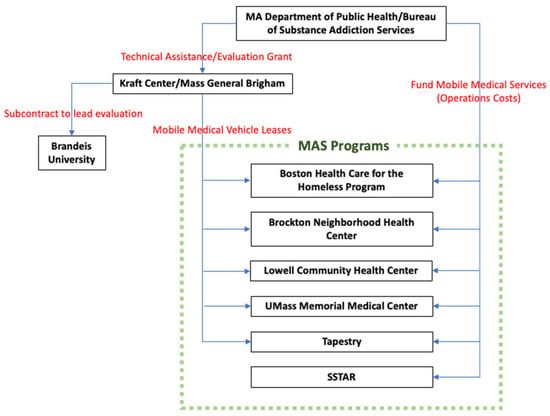
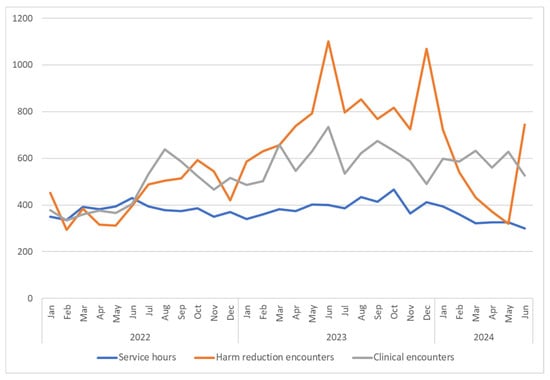
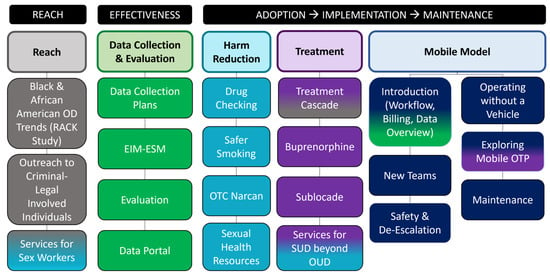
First launched in Boston, MA in January 2018, Community Care in Reach® is a mobile addiction model that uses mobile clinics to deliver harm reduction and clinical services to people at high risk of drug-related morbidity and mortality and who are unhoused or at risk of losing housing. Through a public/private partnership, the model has grown to include six programs across Massachusetts. Using the RE-AIM framework, this initial, descriptive evaluation for this multisite project included quantitative and qualitative methods to give insight into reach and performance. From 1 January 2022 to 30 June 2024, there were 17,887 harm reduction encounters and 16,117 clinical encounters providing care to 4645 individuals. Buprenorphine-based treatment (a key medication for opioid use disorder) was initiated among 1227 individuals, of whom 15% remained in buprenorphine-based treatment after 180 days. Evaluation across multiple organizations posed unique challenges; however, results demonstrated universal engagement of hard-to-reach individuals.
Full article
(This article belongs to the Special Issue Advances and Trends in Mobile Healthcare)
►▼
Show Figures

Figure 1
Open AccessArticle
A Detailed Study on the Public and Health Worker Perception and Level of Knowledge on the Topic of Radiation and Nuclear Energy in Oman
by
Hajir Al Hamrashdi, Ismail Al Yahmadi and Fatma Al Ma’mari
Int. J. Environ. Res. Public Health 2026, 23(6), 755; https://doi.org/10.3390/ijerph23060755 - 4 Jun 2026
Abstract
Background radiation and nuclear applications are deeply embedded in modern life. With the continuous advancement in nuclear techniques, daily radiation exposure is commonplace. The level of knowledge within this field among the general public must therefore be assessed to ensure that fundamental and
[...] Read more.
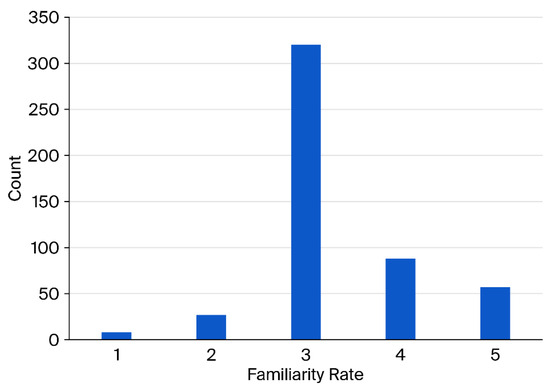
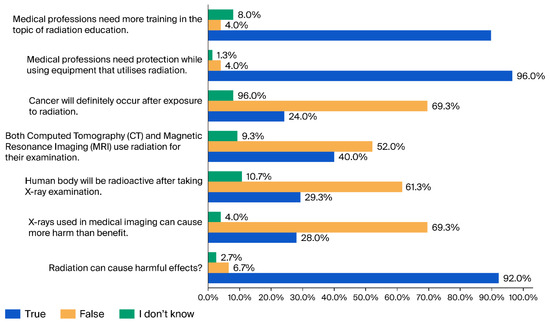
Background radiation and nuclear applications are deeply embedded in modern life. With the continuous advancement in nuclear techniques, daily radiation exposure is commonplace. The level of knowledge within this field among the general public must therefore be assessed to ensure that fundamental and essential information on radiation and nuclear energy is attained and to prevent the spread of misinformation. The aim of this study is to evaluate the level of knowledge and awareness of this topic among the general public in Oman. The study was performed using a cross-sectional survey specifically designed to measure the knowledge of different aspects in the field of radiation and nuclear applications. We achieved this aim by assessing the level of knowledge among the general public and medical professionals. Overall, 500 individuals participated in the study, 75 of whom were from the medical field. The results demonstrate varying levels of knowledge on this topic. In general, the public and medical professionals show a high level of confidence in basic information; however, the level of knowledge and confidence decreases to intermediate and, in some cases, low levels with questions at fundamental and intermediate levels of knowledge. This decrease was clearly observed among topics related to the nature of radiation, the origin of radiation, radiation protection, and radiation applications. Our findings demonstrate conclusively that the public and medical professionals in Oman have limited knowledge in this field; therefore, appropriate measures must be implemented.
Full article
(This article belongs to the Topic Environmental Exposures, Disasters, and Population Health: Epidemiology and Evaluation)
►▼
Show Figures

Figure 1
Open AccessArticle
Frozen and Canned Produce Use and WIC Cash-Value Benefit Redemption in a Tribal Organization
by
Emily M. Melnick, Francesco Acciai, Nicole Vaudrin O’Reilly, Mindy Jossefides and Punam Ohri-Vachaspati
Int. J. Environ. Res. Public Health 2026, 23(6), 754; https://doi.org/10.3390/ijerph23060754 - 4 Jun 2026
Abstract
The Special Supplemental Nutrition Program for Women, Infants, and Children (WIC) provides monthly cash-value benefits (CVBs) for fruits and vegetables. In addition to fresh produce, WIC agencies may allow households to purchase frozen and canned produce using CVBs. The use of these options
[...] Read more.
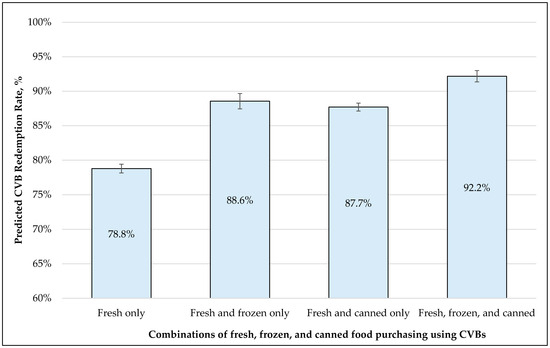
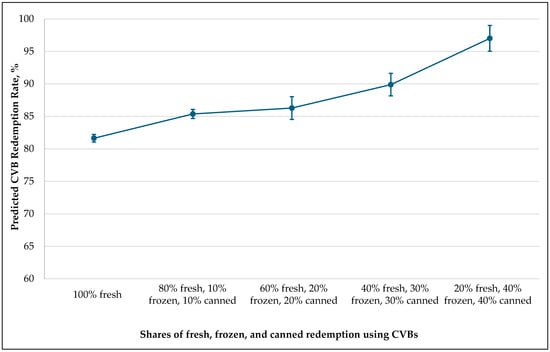
The Special Supplemental Nutrition Program for Women, Infants, and Children (WIC) provides monthly cash-value benefits (CVBs) for fruits and vegetables. In addition to fresh produce, WIC agencies may allow households to purchase frozen and canned produce using CVBs. The use of these options may support benefit redemption for households who face inequitable barriers to accessing fresh produce, such as households living on tribal lands. This study examined (1) associations between frozen/canned food CVB purchases and overall CVB redemption and (2) predictors of frozen/canned food purchasing within a Tribal Organization using administrative data collected between November 2024 and April 2025 and a participant survey. Administrative data analyses included 4787 Inter Tribal Council of Arizona WIC-participating households; survey analyses included 1165 respondents. Mixed-effects models showed that households purchasing frozen and canned foods using CVBs, instead of only fresh, redeemed more of their CVBs. Further, higher frozen/canned purchasing predicted higher redemption rates. Households with multiple WIC participants were more likely to purchase frozen and canned foods using CVBs than single-participant households. The most commonly reported reason for purchasing frozen/canned foods in surveys was longer shelf life. Findings indicate that allowing and promoting frozen and canned food options may improve CVB utilization for American Indian families.
Full article
(This article belongs to the Special Issue Advances in Indigenous and American Indian and Alaska Native Health and Wellness: 2nd Edition)
►▼
Show Figures

Figure 1
Open AccessArticle
Gender Differences in On-Site and Online Gambling Among Finnish Adolescents: Associations with School-, Family-, and Peer-Related Factors and Other Risk Behaviors
by
Sari Castrén, Johanna Järvinen-Tassopoulos and Kirsimarja Raitasalo
Int. J. Environ. Res. Public Health 2026, 23(6), 753; https://doi.org/10.3390/ijerph23060753 - 3 Jun 2026
Abstract
Adolescent gambling is a growing public health concern as opportunities expand across both physical and digital environments. This study examined gender differences in on-site and online gambling among Finnish adolescents and assessed associations with school engagement, family context, peer activities, and co-occurring risk
[...] Read more.
Adolescent gambling is a growing public health concern as opportunities expand across both physical and digital environments. This study examined gender differences in on-site and online gambling among Finnish adolescents and assessed associations with school engagement, family context, peer activities, and co-occurring risk behaviors. Data were obtained from the European School Survey Project on Alcohol and Other Drugs (ESPAD), collected from Finnish adolescents aged 15–16 in 2024 (boys: n = 1706; girls: n = 1588). Associations with past-12-month gambling were analyzed using Rao–Scott’s chi-square tests, F tests, and multinomial logistic regression, examining gender interactions. Gambling was more common among boys than girls: 7% of boys had gambled on-site only, 3% online only, and 11% both during the past 12 months. Among girls, the corresponding proportions were 0–2%. Skipping school, spending leisure time with friends, risky sexual behavior, and problematic substance use were associated with increased odds of both gambling types, whereas parental control was associated with decreased odds. Problematic social media increased the odds of on-site gambling, while problematic gaming decreased the odds. Several associations with online gambling differed by gender. These findings support multi-level prevention targeting family, school, peer, and behavioral risk factors.
Full article
(This article belongs to the Section Behavioral and Mental Health)
Open AccessArticle
High Prevalence of Problematic Health Literacy and Its Associated Sociodemographic Factors Among Community-Dwelling Individuals in Northern Thailand: A Cross-Sectional Study
by
Uratcha Sadjapong, Nattapon Harnsamut, Patipat Vongruang and Sakesun Thongtip
Int. J. Environ. Res. Public Health 2026, 23(6), 752; https://doi.org/10.3390/ijerph23060752 - 3 Jun 2026
Abstract
Health literacy (HL) is an important factor associated with individuals’ capacity to manage their health effectively. This cross-sectional study assessed HL and its associated factors among 327 community-dwelling individuals in Northern Thailand. Data were collected through face-to-face interviews using the 47-item European Health
[...] Read more.
Health literacy (HL) is an important factor associated with individuals’ capacity to manage their health effectively. This cross-sectional study assessed HL and its associated factors among 327 community-dwelling individuals in Northern Thailand. Data were collected through face-to-face interviews using the 47-item European Health Literacy Questionnaire (HLS-EU-Q47). The participants were predominantly female (59.9%), with a mean age of 59.0 ± 11.7 years. Overall, 60.2% of the participants exhibited problematic HL across all domains. In bivariate analyses, overall HL was significantly associated with sex, age, body mass index (BMI), education, marital status, and hypertension. Age was negatively correlated with overall HL (r = −0.250, p < 0.001), whereas BMI was positively correlated with overall HL (r = 0.130, p = 0.019). In the multivariable linear regression model, higher education (β = 4.251, p < 0.001), female sex (β = 2.310, p = 0.002), and alcohol consumption (β = 1.411, p = 0.047) were independently associated with higher HL scores. Conversely, marital status (β = −1.747, p = 0.033) was associated with lower HL scores. Problematic HL was highly prevalent in this population and was associated with sociodemographic and health-related factors. These findings highlight the need for targeted, context-specific health communication and education strategies to improve HL among vulnerable community-dwelling populations, particularly older adults and individuals with lower educational attainment.
Full article
(This article belongs to the Special Issue 2nd Edition: Health Equity and Universal Health Coverage)
Open AccessArticle
Effectiveness of a Geographic Information System-Integrated Mobile Platform for Coordinating Early Stage Rehabilitation After Total Hip Arthroplasty: A Randomized Controlled Trial
by
Zhandos Kurban, Sholpan Bulekbayeva, Natalia Slivkina, Elena Titskaya, Yersin Ussin, Galym Zorgulov, Farkhad Adylkhanov and Dana Aldakuatova
Int. J. Environ. Res. Public Health 2026, 23(6), 751; https://doi.org/10.3390/ijerph23060751 - 3 Jun 2026
Abstract
►▼
Show Figures
Total hip arthroplasty (THA) is among the most effective orthopedic interventions for osteoarthritis, yet post-operative rehabilitation is frequently delayed due to informational and organizational barriers. Geographic information system (GIS) technology offers a promising approach to improving rehabilitation access coordination, though its integration into
[...] Read more.
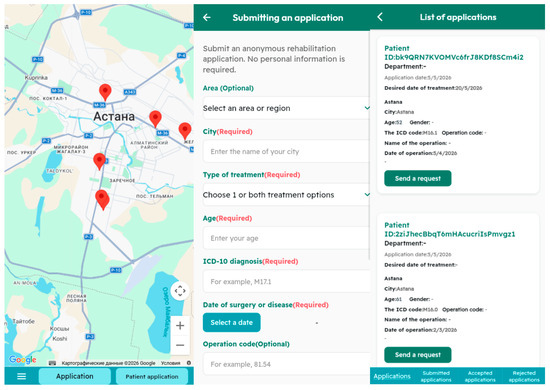
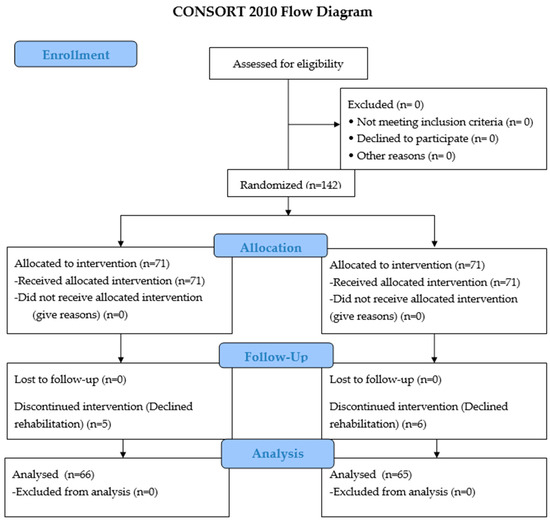
Total hip arthroplasty (THA) is among the most effective orthopedic interventions for osteoarthritis, yet post-operative rehabilitation is frequently delayed due to informational and organizational barriers. Geographic information system (GIS) technology offers a promising approach to improving rehabilitation access coordination, though its integration into patient-facing mobile platforms remains insufficiently studied. This two-arm, parallel-group, superiority randomized controlled trial enrolled 142 adult patients (≥18 years) within seven days of primary THA at the National Research Oncology Center LLC, Astana, Kazakhstan. Participants were randomized 1:1 to the GIS-integrated Health-GIS mobile coordination platform (experimental group) or standard general practitioner (GP)-mediated referral (control group). Key exclusion criteria included severe cognitive or visual impairment, absence of smartphone access or digital literacy, and medical contraindications to rehabilitation. The primary outcomes were time to second-stage rehabilitation initiation and health-related quality of life assessed by the SF-12 (Physical and Mental Component Summaries). Secondary outcomes included the Harris Hip Score (HHS), Visual Analogue Scale (VAS) for pain, System Usability Scale (SUS), and quality-adjusted life years (QALYs) over a 12-month follow-up. Of 142 randomized participants (61% male, 39% female), 131 completed follow-up and were included in the modified intention-to-treat analysis (experimental: n = 66; control: n = 65). The experimental group initiated second-stage rehabilitation significantly earlier (median 43 vs. 59 days; p = 0.021). At 12 months, the experimental group demonstrated superior SF-12 Physical Component Summary scores (48.21 vs. 42.84; p < 0.001), while Mental Component Summary scores did not differ significantly between groups (46.96 vs. 47.05; p = 0.669). Quality-adjusted life years were significantly higher in the experimental group (0.74 ± 0.04 vs. 0.72 ± 0.04; p = 0.008). Harris Hip Scores were significantly better in the experimental group at 6 weeks (p < 0.001) and 6 months (p = 0.009), converging by 12 months (p = 0.068). No statistically significant between-group differences in pain intensity (VAS) were observed at any time point (baseline: p = 0.814; 6 weeks: p = 0.336; 6 months: p = 0.066; 12 months: p = 0.105). Platform usability was rated as good-to-excellent by clinicians (SUS: 86.9 at 6 months) and acceptable by patients (mean SUS: 71.4). A GIS-integrated mobile coordination platform significantly reduced time to rehabilitation initiation and improved physical health-related quality of life and health utility following THA compared to standard referral practice. These findings support platform-based care coordination as an effective complement to surgical care, with important implications for rehabilitation access policy. Future multi-center studies and formal cost-effectiveness analyses are warranted to establish generalizability. Trial Registration: ClinicalTrials.gov, NCT07201116, registered 23 September 2025.
Full article

Figure 1
Open AccessArticle
Environmental Quality, Renewable Energy, and Life Expectancy in Gulf Cooperation Council Countries
by
Ihsen Abid
Int. J. Environ. Res. Public Health 2026, 23(6), 750; https://doi.org/10.3390/ijerph23060750 - 3 Jun 2026
Abstract
Life expectancy is a key indicator of public health and sustainable development in Gulf Cooperation Council (GCC) countries, where rapid economic growth, urbanization, and fossil-fuel dependence create environmental and health challenges. This study examines the determinants of life expectancy in six Gulf Cooperation
[...] Read more.
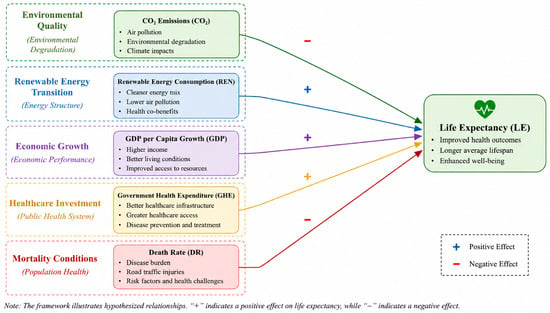
Life expectancy is a key indicator of public health and sustainable development in Gulf Cooperation Council (GCC) countries, where rapid economic growth, urbanization, and fossil-fuel dependence create environmental and health challenges. This study examines the determinants of life expectancy in six Gulf Cooperation Council countries from 2000 to 2023, focusing on death rates, renewable energy consumption, gross domestic product (GDP) per capita growth, government health expenditure, and carbon dioxide (CO2) emissions. The empirical strategy combines cross-sectional dependence and slope heterogeneity tests, second-generation panel unit root tests, panel cointegration analysis, and a dynamic System Generalized Method of Moments (System GMM) estimator, with Driscoll–Kraay fixed-effects estimates used for robustness. The results show that higher death rates significantly reduce life expectancy, whereas renewable energy consumption and government health expenditure improve longevity. GDP per capita growth has a modest positive effect, while CO2 emissions negatively affect life expectancy, confirming the adverse public health consequences of environmental degradation. Robustness checks support the reliability of the main findings. Overall, the evidence highlights the need for integrated policies that combine clean energy transition, stronger environmental regulation, preventive healthcare investment, and sustainable urban development to improve long-term health outcomes in resource-dependent economies in the region.
Full article
(This article belongs to the Section Environmental Health)
►▼
Show Figures

Figure 1
Open AccessArticle
Impact of Demographic Factors and Other Characteristics on Housing Outcomes at Discharge from Transitional Care Program
by
Kayla Blackburn, Mina Silberberg, Sandra Stinnett and Donna Biederman
Int. J. Environ. Res. Public Health 2026, 23(6), 749; https://doi.org/10.3390/ijerph23060749 - 3 Jun 2026
Abstract
Homelessness is a major public health concern, and successful rehousing is an important outcome for people experiencing homelessness (PEH). However, limited evidence exists on which individual factors are associated with rehousing after transitional care; this study examined characteristics associated with being rehoused at
[...] Read more.
Homelessness is a major public health concern, and successful rehousing is an important outcome for people experiencing homelessness (PEH). However, limited evidence exists on which individual factors are associated with rehousing after transitional care; this study examined characteristics associated with being rehoused at discharge from Durham Homeless Care Transitions (DHCT). We analyzed data from DHCT, a transitional care program serving PEH. Independent variables included demographic characteristics, self-efficacy, mental healthcare status, and unmet identity and communication access (ICA) needs, including lack of personal identification documentation and technology access. We performed bivariate analyses and multivariable regression to assess associations with being rehoused at discharge. In both bivariate and multivariable analyses, non-White PEH were less likely to be rehoused at discharge than White PEH. Greater unmet ICA needs were also significantly associated with lower likelihood of rehousing. These findings add to the mixed prior literature regarding racial inequities in rehousing among PEH. The concept of ICA needs has not previously been studied and may offer an actionable target for transitional care programs seeking to improve rehousing outcomes and advance equity.
Full article
Open AccessArticle
The Mediating Role of Social Support on the Relationship Between Alexithymia and Internet Addiction Among Jordanian University Students: A Cross-Sectional Study
by
Shaher H. Hamaideh, Abdallah Abu Khait, Sawsan Abuhammad, Hanan Al-Modallal, Ayman Hamdan-Mansour, Rami Masa’deh and Mohammed ALBashtawy
Int. J. Environ. Res. Public Health 2026, 23(6), 748; https://doi.org/10.3390/ijerph23060748 (registering DOI) - 2 Jun 2026
Abstract
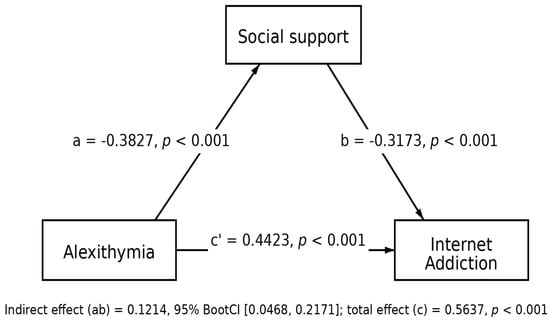
Background: Alexithymia and Internet addiction are emerging concerns among university students, and perceived social support may help explain how difficulties in identifying and expressing emotions relate to problematic Internet use. This study examined the mediating role of perceived social support in the relationship
[...] Read more.
Background: Alexithymia and Internet addiction are emerging concerns among university students, and perceived social support may help explain how difficulties in identifying and expressing emotions relate to problematic Internet use. This study examined the mediating role of perceived social support in the relationship between alexithymia and Internet addiction among Jordanian university students. Methods: A descriptive cross-sectional online survey was conducted among 300 university students in Jordan during the 2022/2023 academic year using Google Forms distributed through Facebook and Microsoft Teams. Participants completed the Toronto Alexithymia Scale (TAS-20), Internet Addiction Test (IAT), Multidimensional Scale of Perceived Social Support (MSPSS), and demographic questions. Data were analyzed using descriptive statistics, Pearson correlations, multiple regression, and Hayes PROCESS macro Model 4 with 5000 bootstrap samples. Results: The overall mean scores for alexithymia, Internet addiction, and social support were 62.57, 46.05, and 55.13, respectively. Alexithymia was positively correlated with Internet addiction and negatively correlated with social support. Social support partially mediated the relationship between alexithymia and Internet addiction, indicating that higher alexithymia was associated with lower perceived social support, which in turn was associated with higher Internet addiction. Conclusions: The findings support the need for university-based screening and prevention programs that address emotional awareness, healthy Internet use, and social support. Theoretically, the results suggest that social support is a meaningful psychosocial pathway linking alexithymia with problematic Internet use among university students.
Full article
(This article belongs to the Special Issue Psychological Distress in Adolescents: Its Prevalence and Relation to Addictive Behaviors)
►▼
Show Figures

Figure 1
Open AccessArticle
Contextualizing Evaluation in Research Consortia: A Reflective Case Study from the Research Centers in Minority Institutions (RCMIs) Program
by
Kelly A. Laurila, Suzanne M. Randolph Cunningham, Lakesha Stevenson, Melissa Tarasenko, Lauren M. Ramsey, Carlamarie Noboa-Ramos, Katherine Matos, Akash Dania and Angela Sy
Int. J. Environ. Res. Public Health 2026, 23(6), 747; https://doi.org/10.3390/ijerph23060747 (registering DOI) - 2 Jun 2026
Abstract
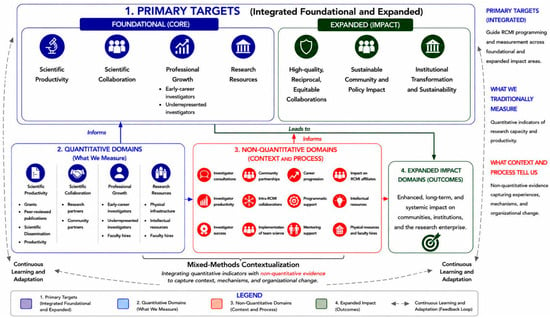
In 2020, evaluators within the Research Centers in Minority Institutions (RCMIs) program proposed a conceptual framework identifying four primary evaluation targets: scientific productivity, scientific collaboration, professional growth, and research resources. This study extends prior work by capturing the contextual and process-oriented dimensions of
[...] Read more.
In 2020, evaluators within the Research Centers in Minority Institutions (RCMIs) program proposed a conceptual framework identifying four primary evaluation targets: scientific productivity, scientific collaboration, professional growth, and research resources. This study extends prior work by capturing the contextual and process-oriented dimensions of program impact. This reflective practice-based project examines how non-quantitative approaches complement traditional metrics to better characterize RCMI outcomes. Evaluators representing ten RCMI sites participated in a multi-site case study guided by three questions addressing: (1) qualitative evidence of impact beyond metrics; (2) challenges and successes in implementation of non-quantitative methods; and (3) potential expansion of evaluation targets. Evaluators provided descriptive responses, generating a 22-page dataset that was analyzed thematically. Thirteen non-quantitative evaluation domains emerged: investigator consultations, investigator productivity, investigator success, community partnerships, intra-RCMI collaborations, implementation of team science, career progression, programmatic support, mentoring support, impact on RCMI affiliates, intellectual resources, physical resources, and faculty hires. Key challenges included inconsistent data capture and limited evaluation resources, while successes highlighted improved cross-site learning and visibility of program impact. Findings support retaining the original evaluation targets while expanding the framework to include institutional transformation, equitable research environments, and longitudinal societal impact. A conceptual map was developed to depict how mixed methods that include non-quantitative approaches can yield RCMI evaluations that expand upon the current approach, which relies primarily on quantitative data. The authors recommend quantitative targets and non-quantitative strategies to provide context, communicate evidence of success, and inform programmatic changes to deepen the findings and strengthen the rigor of RCMI evaluation practices.
Full article
(This article belongs to the Special Issue Proceedings of the 2024 and 2025 Research Centers in Minority Institutions (RCMI) Consortium National Conferences)
►▼
Show Figures

Figure 1
Open AccessReview
Perinatal Health Promotion in Indigenous Maternal Health: A Scoping Review of Peer-Reviewed Evidence and Australian Community-Controlled Programs
by
Cecilia Castiello, Kai W. Wheeler, Judith Ann Dean and Federica Barzi
Int. J. Environ. Res. Public Health 2026, 23(6), 746; https://doi.org/10.3390/ijerph23060746 - 2 Jun 2026
Abstract
►▼
Show Figures
Indigenous women experience a disproportionate burden of adverse perinatal health outcomes, yet the extent and nature of health promotion interventions addressing modifiable behavioural and social determinants remain poorly synthesised. This scoping review mapped smoking, nutrition, alcohol, physical exercise, and social and emotional wellbeing
[...] Read more.
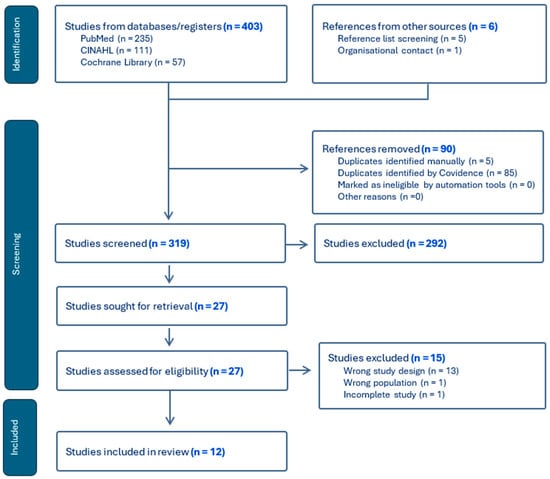
Indigenous women experience a disproportionate burden of adverse perinatal health outcomes, yet the extent and nature of health promotion interventions addressing modifiable behavioural and social determinants remain poorly synthesised. This scoping review mapped smoking, nutrition, alcohol, physical exercise, and social and emotional wellbeing (SNAPS(o))-related perinatal health promotion programs delivered through Australian Aboriginal Community Controlled Health Organisations (ACCHOs), supplemented by relevant peer-reviewed evidence identified across Australia, Aotearoa New Zealand, Canada, and the United States. A two-phase design looked at peer-reviewed literature from January 2010 to January 2025 across PubMed, CINAHL, and the Cochrane Library, followed by a structured review of Aboriginal Community Controlled Health Organisation (ACCHO) websites in Australia (n = 145). Data were extracted on program characteristics, SNAPS(o) components, implementation models, and evaluation outcomes. Findings were synthesised using content analysis. Thirty-four programs were identified in total, most delivered through ACCHOs (n = 26) and predominantly implemented in Australia (n = 29). Smoking was the most frequently addressed component (n = 18, 55%), while nutrition and social and emotional wellbeing were each included in 27% of programs (n = 9), physical exercise in 18% (n = 6), and alcohol in 15% (n = 5). Grey-literature programs more commonly reflected multi-component, holistic models compared with peer-reviewed studies and formal evaluations. Only 10 programs had identifiable formal evaluation evidence, including published or publicly reported evaluations, almost all of which were identified through academic sources. Evaluations focused primarily on tobacco-related behavioural outcomes, with limited reporting of sustained maternal or infant health endpoints. The perinatal SNAPS(o) intervention landscape for Indigenous women is characterised by strong community-controlled delivery but limited published evaluation, particularly of integrated models implemented within ACCHOs. The concentration of evidence on smoking cessation highlights a need to expand evaluation across broader domains of maternal wellbeing. Strengthening Indigenous-led evaluation frameworks and outcome measures that reflect holistic models of care is essential to advancing equitable and culturally grounded perinatal health systems.
Full article

Figure 1
Open AccessReview
Birth Equity and Maternal Health Among Immigrant Communities in the United States: A Narrative Review
by
Akanksha Anand, Ian Lindong and Sharon Barrett
Int. J. Environ. Res. Public Health 2026, 23(6), 745; https://doi.org/10.3390/ijerph23060745 - 2 Jun 2026
Abstract
►▼
Show Figures
Background: Immigrant communities and first-generation immigrants in the United States face persistent disparities in maternal health outcomes. These inequities are shaped by intersecting structural conditions, including socioeconomic exclusion, language barriers, cultural differences, and institutional constraints documented in prior research. Methods: This narrative review
[...] Read more.
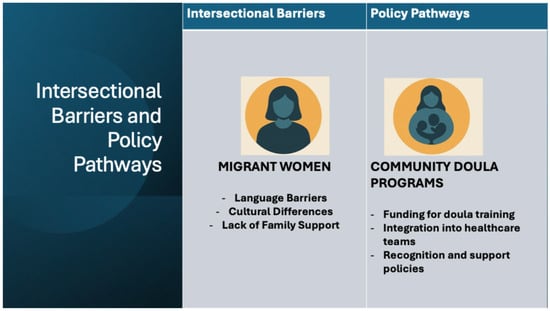
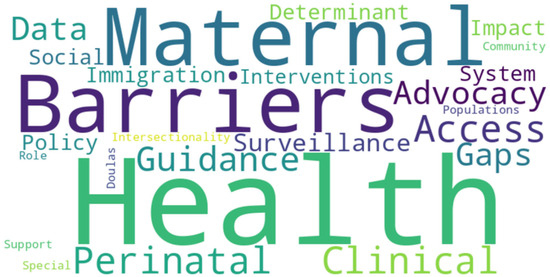
Background: Immigrant communities and first-generation immigrants in the United States face persistent disparities in maternal health outcomes. These inequities are shaped by intersecting structural conditions, including socioeconomic exclusion, language barriers, cultural differences, and institutional constraints documented in prior research. Methods: This narrative review examined 28 peer-reviewed studies published between 2010 and 2024 that applied an intersectional framework to maternal health research focused on immigrant communities in the United States. Studies were identified through PubMed, Scopus, Web of Science, and Google Scholar. The review analyzed how each study conceptualized, designed, and interpreted maternal health in these populations. Results: Seven recurring themes were identified: barriers to and access to care; gaps in clinical guidance; limitations in health data and surveillance; immigration-related policy context; health system influences; intersectional vulnerability across subgroups; and the role of individual- and community-level supports. Conclusions: The literature highlights the importance of community-based strategies, Medicaid policy considerations, and culturally responsive care in addressing maternal health disparities among immigrant communities. Advancing birth equity will require coordinated efforts across healthcare systems, public health programs, and policy environments.
Full article

Figure 1
Open AccessArticle
Clinicopathological Profile of Prostate Cancer Patients at a Tertiary Hospital in the Eastern Cape, South Africa
by
Monde Magadla, Mojisola Clara Hosu, Linda Sobekwa and Mirabel Kah-Keh Nanjoh
Int. J. Environ. Res. Public Health 2026, 23(6), 744; https://doi.org/10.3390/ijerph23060744 - 2 Jun 2026
Abstract
Background: Prostate cancer remains a major cause of cancer-related morbidity and mortality among men worldwide. Limited access to oncology services contributes to late presentation, delayed diagnosis, and treatment. This study describes the clinicopathological profile of prostate cancer and identifies factors associated with disease
[...] Read more.
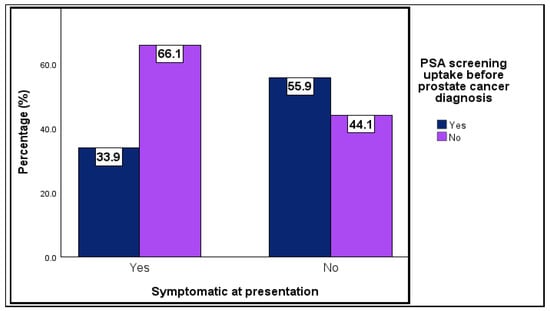
Background: Prostate cancer remains a major cause of cancer-related morbidity and mortality among men worldwide. Limited access to oncology services contributes to late presentation, delayed diagnosis, and treatment. This study describes the clinicopathological profile of prostate cancer and identifies factors associated with disease severity at presentation in an Eastern Cape population. Methods: A retrospective cross-sectional study was conducted among men diagnosed with prostate cancer at a tertiary hospital between 2014 and 2024. Demographic, clinical, and pathological data were extracted. Descriptive analyses were performed, and multivariable logistic regression was used to identify independent predictors of advanced disease. Results: The study included 202 patients with a mean age of 67.2 years. Thirty-four (16.8%) reported a family history of prostate cancer, and 62.4% had never undergone PSA screening before diagnosis. Elevated PSA levels were common (60.4%), and more than half of patients presented with advanced disease (54.5%). High-risk and very high-risk disease were identified in 44.1% and 21.3% of patients, respectively. Lack of prior PSA screening was independently associated with high-risk disease (aOR 2.4, 95% CI 1.1–5.0), advanced stage at presentation (aOR 2.4, 95% CI 1.2–4.8), and PSA > 20 ng/mL. Conclusions: There is a high burden of late-stage, high-risk prostate cancer at presentation. These findings highlight ongoing challenges in early detection and emphasize the need for improved awareness, screening, and referral pathways to improve outcomes.
Full article
(This article belongs to the Section Infectious Diseases, Chronic Diseases, and Disease Prevention)
►▼
Show Figures

Figure 1
Journal Menu
► ▼ Journal Menu-
- IJERPH Home
- Aims & Scope
- Editorial Board
- Reviewer Board
- Topical Advisory Panel
- Instructions for Authors
- Special Issues
- Topics
- Sections & Collections
- Article Processing Charge
- Indexing & Archiving
- Editor’s Choice Articles
- Most Cited & Viewed
- Journal Statistics
- Journal History
- Journal Awards
- Society Collaborations
- Conferences
- Editorial Office
Journal Browser
► ▼ Journal Browser-
arrow_forward_ios
Forthcoming issue
arrow_forward_ios Current issue - Vol. 23 (2026)
- Vol. 22 (2025)
- Vol. 21 (2024)
- Vol. 20 (2023)
- Vol. 19 (2022)
- Vol. 18 (2021)
- Vol. 17 (2020)
- Vol. 16 (2019)
- Vol. 15 (2018)
- Vol. 14 (2017)
- Vol. 13 (2016)
- Vol. 12 (2015)
- Vol. 11 (2014)
- Vol. 10 (2013)
- Vol. 9 (2012)
- Vol. 8 (2011)
- Vol. 7 (2010)
- Vol. 6 (2009)
- Vol. 5 (2008)
- Vol. 4 (2007)
- Vol. 3 (2006)
- Vol. 2 (2005)
- Vol. 1 (2004)
Highly Accessed Articles
Latest Books
E-Mail Alert
News
6 May 2026
International Journal of Environmental Research and Public Health Outstanding Special Issue Award—Winners Announced
25 November 2025
Meet Us Virtually at the 1st International Online Conference on Behavioral Sciences (IOCBS2026), 1–3 April 2026
Topics
Topic in
IJERPH, Microplastics, Polymers, Toxics
Plastic Contamination (Plastamination): An Environmental and Public Health-Related Concern
Topic Editors: Rosaria Meccariello, Antonino Testa, Francesco Cappello, Antonietta SantoroDeadline: 30 June 2026
Topic in
IJERPH, Medicina, Hospitals, Healthcare, Safety, Geriatrics
The Imperative of Patient Safety and Safety Culture in Contemporary Healthcare
Topic Editors: Hana Brborović, Ognjen Brborovic, Reinhard StrametzDeadline: 8 July 2026
Topic in
Behavioral Sciences, Children, Healthcare, IJERPH, JFMK, Obesities
The Effect of Physical Activity on the Population's Health
Topic Editors: Stefania Paduano, Federica ValerianiDeadline: 31 August 2026
Topic in
Behavioral Sciences, Children, EJIHPE, IJERPH, Healthcare
Mental Health and the 2030 Sustainable Development Agenda: Old Problems and New Perspectives
Topic Editors: Carlos Laranjeira, Ana QueridoDeadline: 31 October 2026
Conferences
Special Issues
Special Issue in
IJERPH
Marginalized Populations and Mental Well-Being: A Public Health Concern
Guest Editor: Jean M. HughesDeadline: 10 June 2026
Special Issue in
IJERPH
Key Safety Measures for Risk Mitigation in Occupational and Environmental Cancers
Guest Editors: Catalina Ciocan, Alessandro Godono, Marco ClariDeadline: 24 June 2026
Special Issue in
IJERPH
Active Health Promotion in Older Age
Guest Editor: Luis Henrique Telles da RosaDeadline: 30 June 2026
Special Issue in
IJERPH
Integration of Cyberspace Behavior and E-Therapy in Mental Health Care
Guest Editors: Jorge Oliveira, Pedro Gamito, Sofia Mateus FranciscoDeadline: 30 June 2026
Topical Collections
Topical Collection in
IJERPH
Bullying, Cyberbullying, Dating Violence, and Cyber Dating Violence in Adolescence
Collection Editor: María-Jesús Cava
Topical Collection in
IJERPH
2nd Edition of Achieving Environmental Health Equity: Great Expectations
Collection Editors: Timothy E. Ford, Margaret J. Eggers