

-
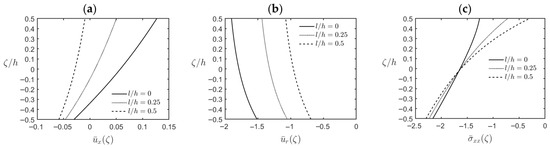
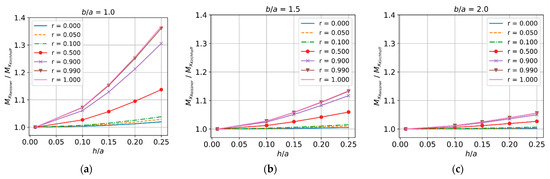
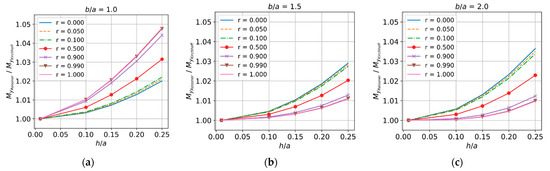
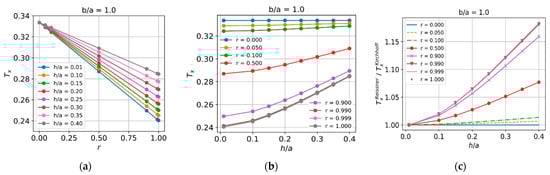
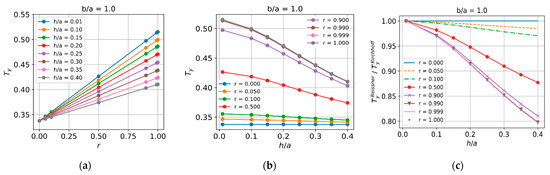
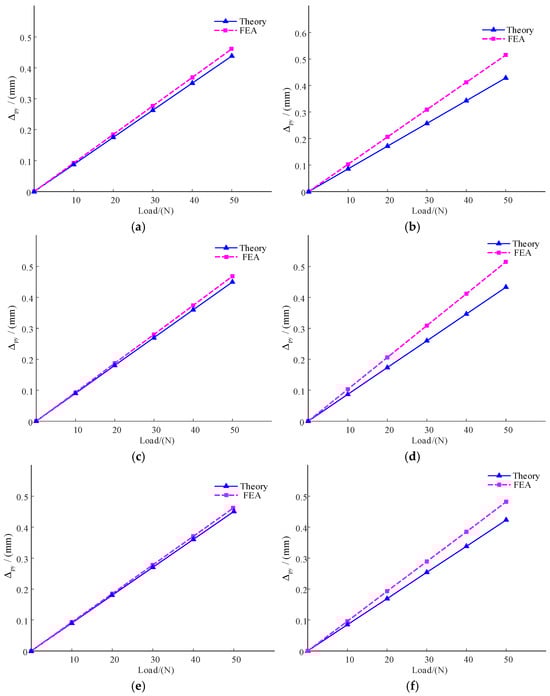
Bending Analysis of Rectangular Thick Plates with Partially Clamped Edges Based on Reissner Theory -
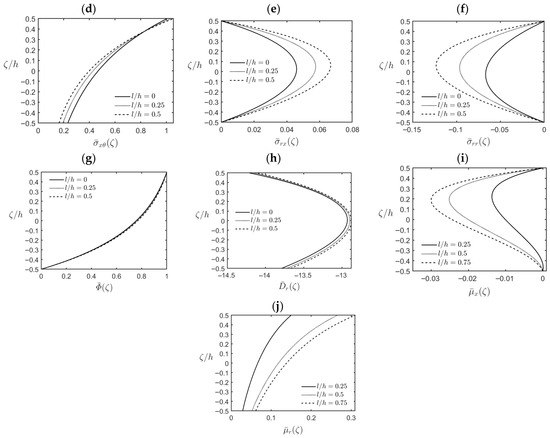
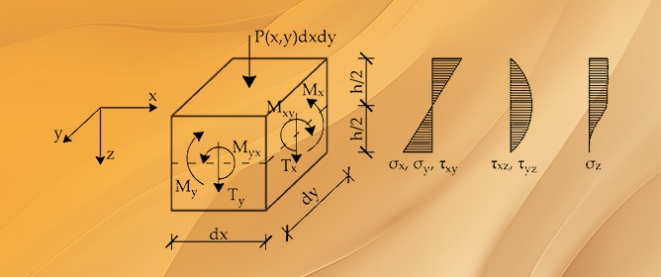
Wave-Induced Fatigue in Flexible Risers: State of the Art -
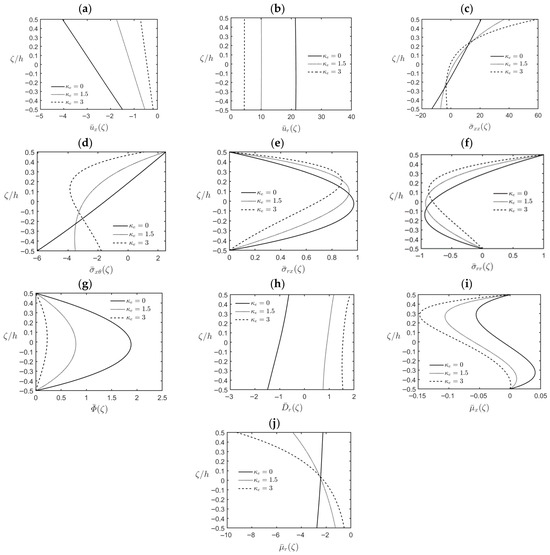
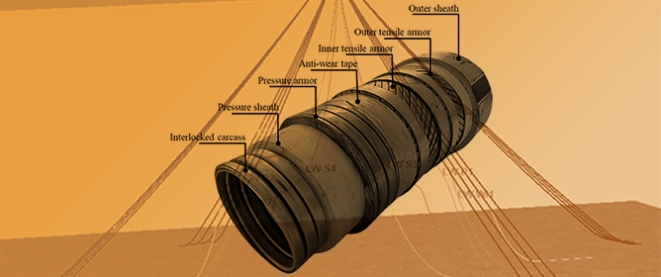
Analyzing the Physical Mechanisms of Aerodynamic Damping in Wind Turbine Blade Vibrations via Numerical Simulation -
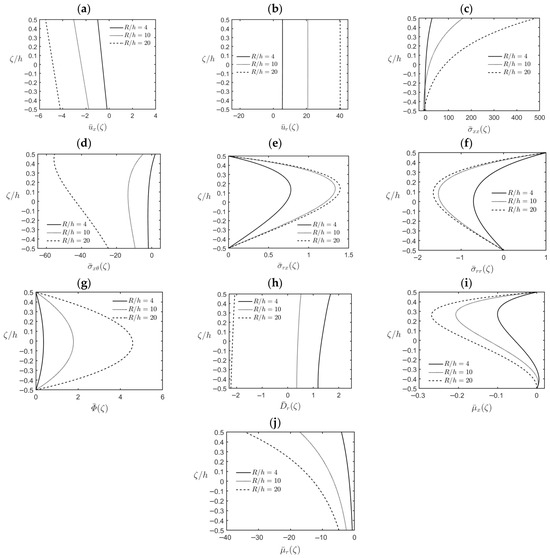
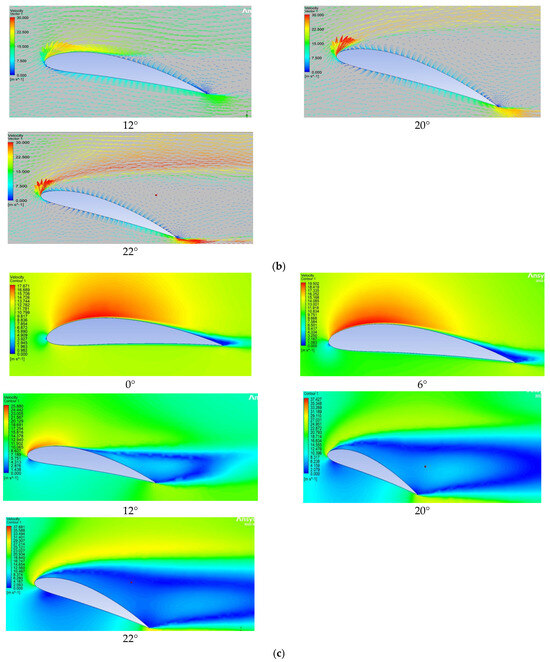
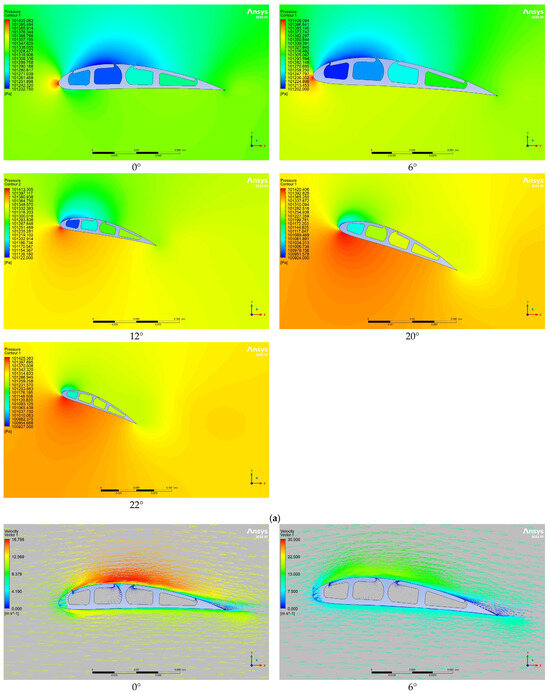
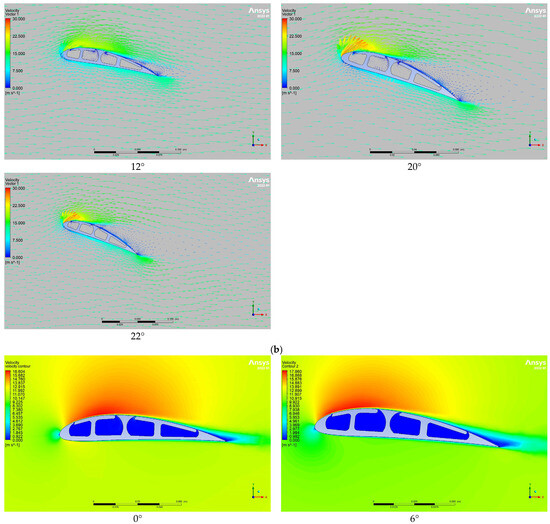
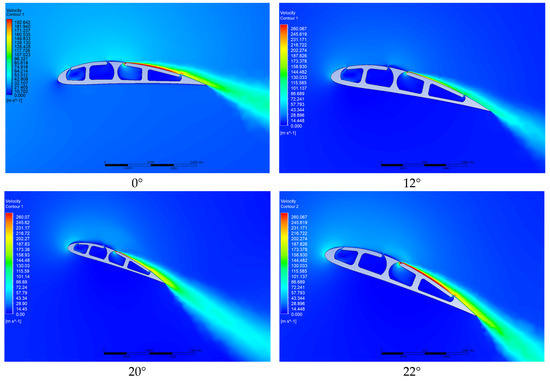
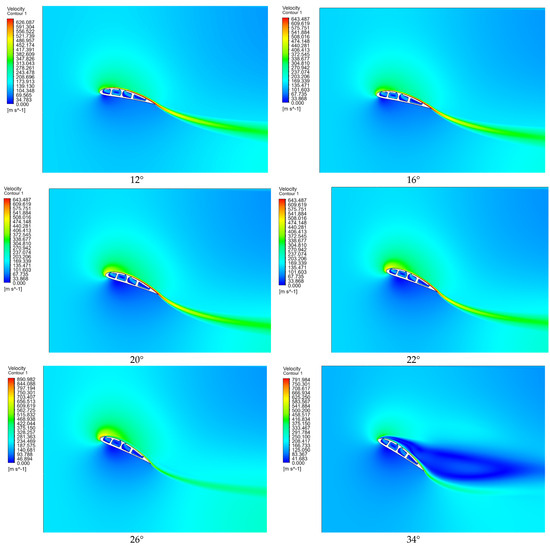
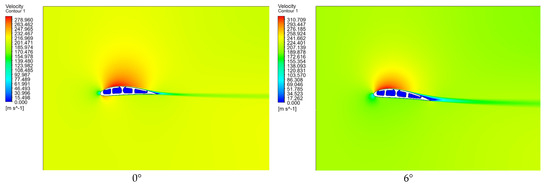
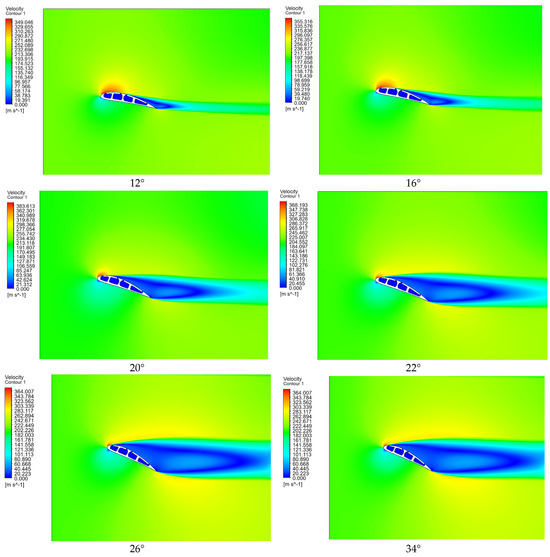
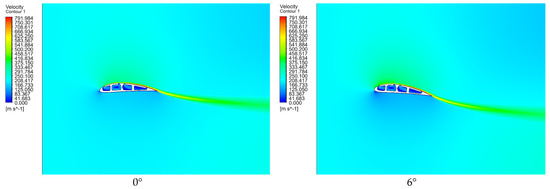
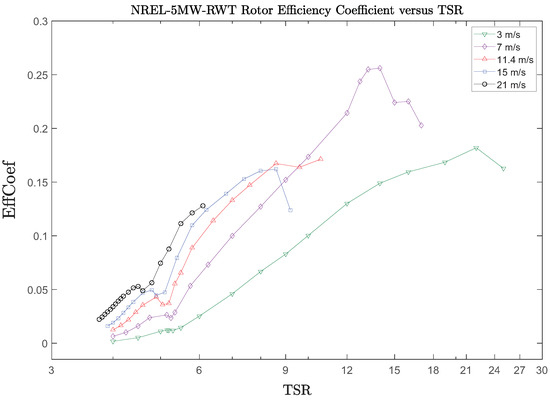
FSI Study of a Composite Wind Turbine Blade
Journal Description
Applied Mechanics
Applied Mechanics
is an international, peer-reviewed, open access journal on applied mechanics, published quarterly online by MDPI. The South African Association for Theoretical and Applied Mechanics (SAAM) is affiliated with Applied Mechanics and its members receive discounts on the article processing charges.
- Open Access— free for readers, with article processing charges (APC) paid by authors or their institutions.
- High Visibility: indexed within ESCI (Web of Science), Scopus and other databases.
- Journal Rank: CiteScore - Q2 (Engineering (miscellaneous))
- Rapid Publication: manuscripts are peer-reviewed and a first decision is provided to authors approximately 24.5 days after submission; acceptance to publication is undertaken in 4.1 days (median values for papers published in this journal in the second half of 2025).
- Recognition of Reviewers: APC discount vouchers, optional signed peer review, and reviewer names published annually in the journal.
Impact Factor:
1.5 (2024);
5-Year Impact Factor:
1.7 (2024)
Latest Articles
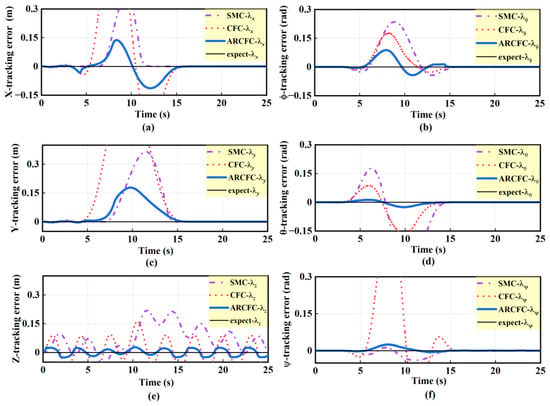
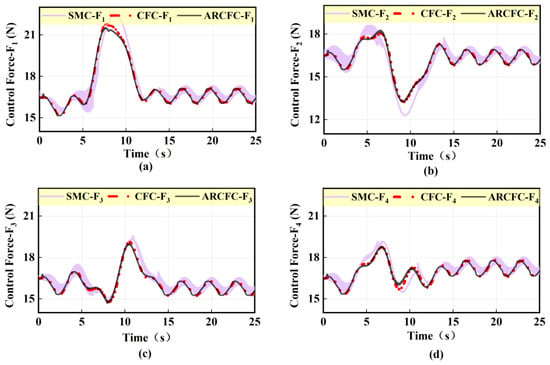
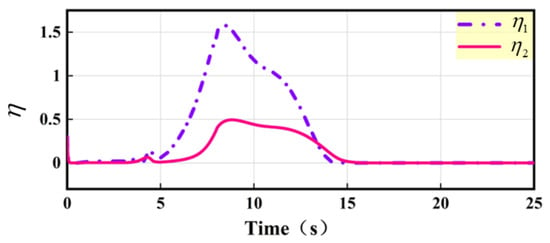
Wind-Resistant Adaptive Robust Control of Vector–Rotor Unmanned Aerial Vehicles for Omnidirectional Orchard Crop Inspection
Appl. Mech. 2026, 7(2), 46; https://doi.org/10.3390/applmech7020046 (registering DOI) - 30 May 2026
Abstract
This paper investigates the flight-control problem of a vector–rotor UAV (VR-UAV) for orchard crop-inspection tasks, where wind acts as the dominant external disturbance source. In such tasks, the UAV is required to maintain position while adjusting its attitude for flexible sensor pointing. For
[...] Read more.
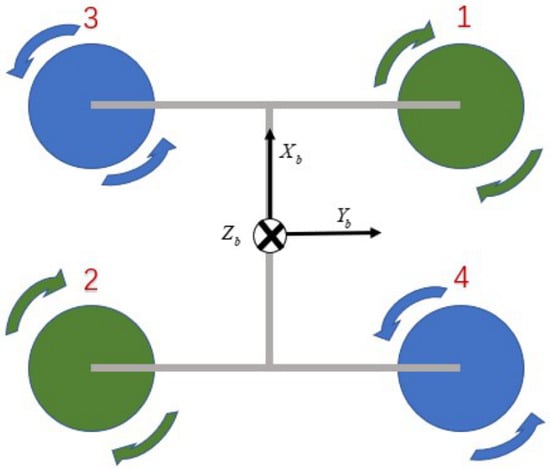
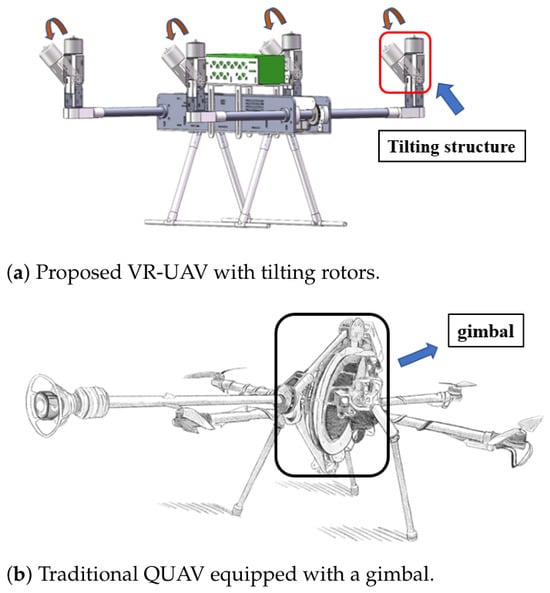
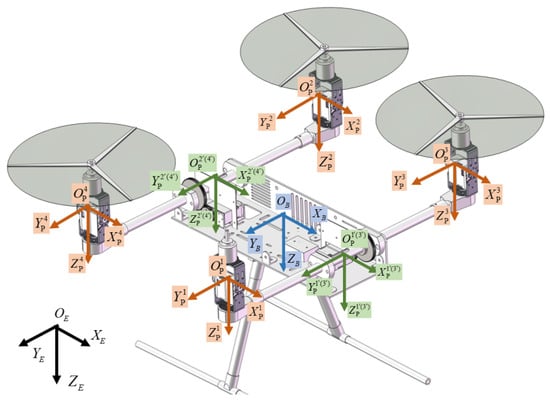
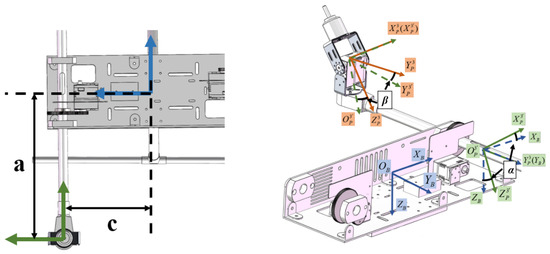
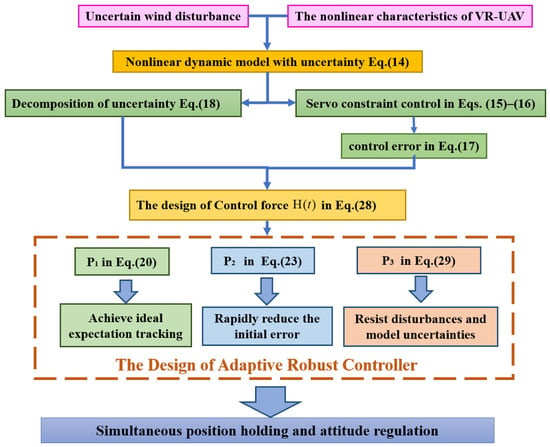
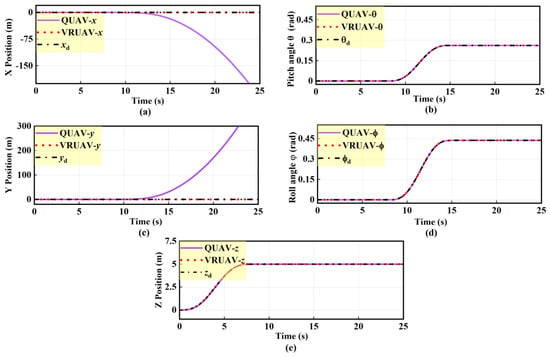
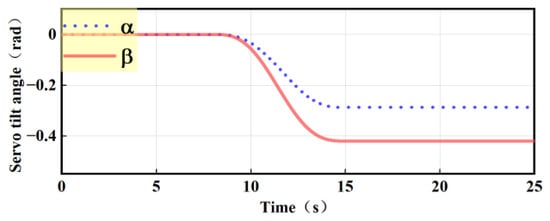
This paper investigates the flight-control problem of a vector–rotor UAV (VR-UAV) for orchard crop-inspection tasks, where wind acts as the dominant external disturbance source. In such tasks, the UAV is required to maintain position while adjusting its attitude for flexible sensor pointing. For a conventional quadrotor UAV (QUAV), however, position and attitude are strongly coupled because the thrust directions are fixed relative to the fuselage, which limits its ability to perform stable hovering and directional sensing simultaneously. Although gimbal-based solutions can provide sensing-direction adjustment, they may become less suitable for wind-affected low-altitude inspection tasks involving large, elongated, or multi-sensor payloads, due to the added mass, inertia, structural compliance, and vibration sensitivity introduced by the additional mechanism. To address these limitations, this paper proposes a compact VR-UAV platform together with an adaptive robust constraint-following control (ARCFC) method. By incorporating tilting motors for thrust-vector adjustment, the proposed VR-UAV enables decoupled regulation of position and attitude, thereby improving fixed-point hovering capability and flexible sensor pointing. From the control perspective, the thrust-vectoring mechanism introduces strongly nonlinear coupled dynamics, while wind-induced disturbances and modeling uncertainties further complicate the control problem. To address these challenges, a constraint-following control framework is developed to handle the nonlinear dynamics, and an adaptive robust compensation mechanism is introduced to estimate the uncertainty bound online and compensate for unknown but bounded disturbances. The closed-loop stability and robustness of the proposed method are rigorously established by theoretical analysis. Comparative simulation results demonstrate that, relative to a conventional QUAV, the proposed VR-UAV with ARCFC achieves superior flight stability, stronger wind-disturbance rejection, and better trajectory-tracking performance in wind-affected orchard inspection scenarios.
Full article
(This article belongs to the Topic Energy Power, Mechanical Engineering and Their Applications)
►
Show Figures

Open AccessArticle
Effect of Tooth Count and Rim Thickness on the Operational Durability of Cylindrical Involute Gears
by
Milan Perkušić, Stipe Pleština, Vjekoslav Tvrdić and Karlo Dvornik
Appl. Mech. 2026, 7(2), 45; https://doi.org/10.3390/applmech7020045 - 21 May 2026
Abstract
This paper presents a numerical assessment of bending-fatigue durability in the tooth root region of cylindrical involute gears. Multiple gear pairs were modelled with different numbers of teeth and varying gear rim thicknesses. The generated geometry was implemented in the ANSYS 2025 R2
[...] Read more.
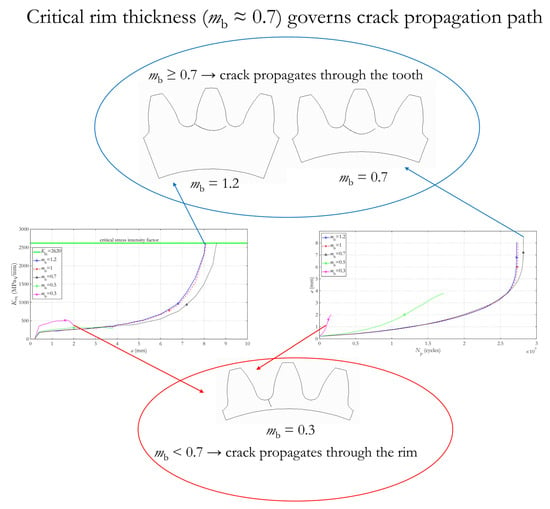
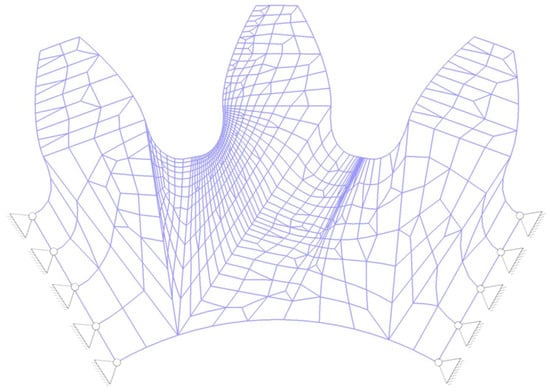
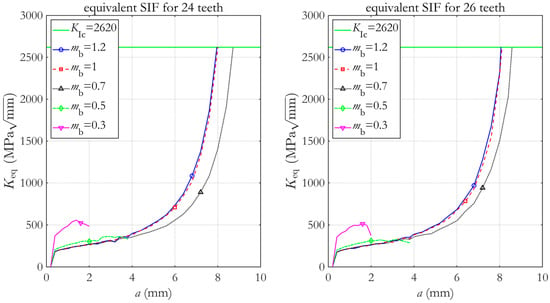
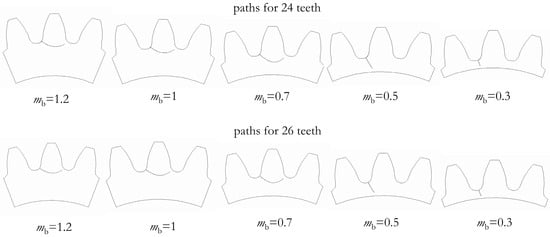
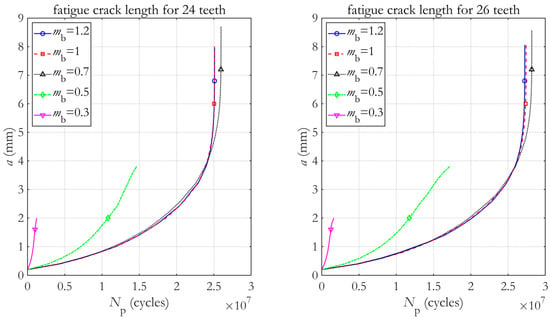
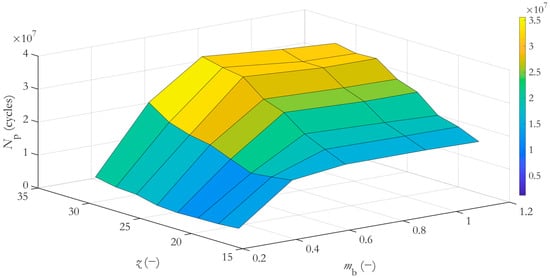
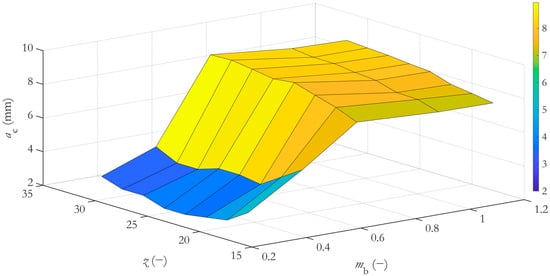
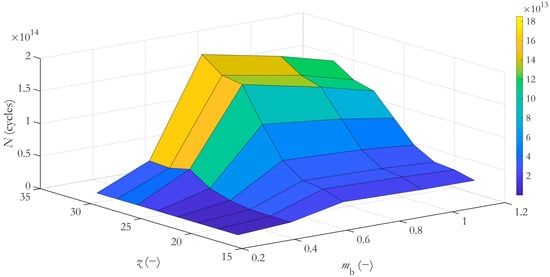
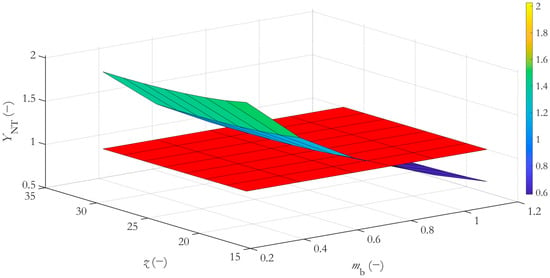
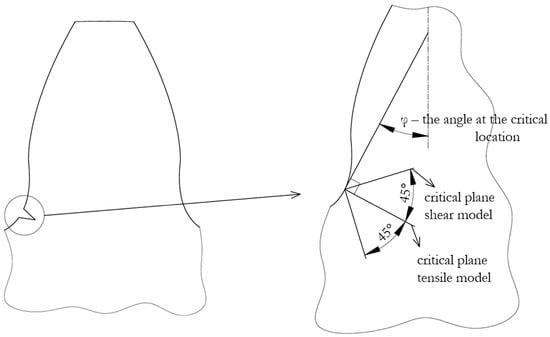
This paper presents a numerical assessment of bending-fatigue durability in the tooth root region of cylindrical involute gears. Multiple gear pairs were modelled with different numbers of teeth and varying gear rim thicknesses. The generated geometry was implemented in the ANSYS 2025 R2 software suite, where the maximum normal stresses at critical locations in the tooth root region were determined through numerical simulation. A deformation-based method derived from Socie’s models was applied to estimate the duration of the phase leading up to fatigue crack formation in terms of load cycle accumulation. The gear geometry, together with the generated finite element mesh, was transferred to the FRANC2D/L version 4 software suite, where fatigue crack propagation was numerically simulated. Numerical analysis provided effective stress intensity factors, which then enabled an estimation of the number of load cycles required for an initiated crack to grow to the critical length associated with tooth failure. The total fatigue life in the tooth root region was evaluated as the sum of load cycles in the crack initiation phase and the crack propagation phase up to the critical crack length. The results show that all analysed factors exhibit very high resistance to fatigue fractures in the tooth root region. Furthermore, for gears with a rim thickness ratio greater than 0.7, the fatigue crack propagates through the tooth and reaches the fracture toughness limit of the material (KIc), whereas for lower rim thickness ratios, crack propagation occurs through the gear rim itself.
Full article
(This article belongs to the Special Issue Service Behaviour and Applied Mechanics of Mechanical Equipment Surfaces and Interfaces)
►▼
Show Figures

Graphical abstract
Open AccessArticle
A Semi-Analytical Finite Layer Method for Analyzing the 3D Coupled Electro-Mechanical Behavior of Exponentially Graded Piezoelectric Circular Hollow Microscale Cylinders
by
Chih-Ping Wu and Hao-Ting Hsu
Appl. Mech. 2026, 7(2), 44; https://doi.org/10.3390/applmech7020044 - 19 May 2026
Abstract
►▼
Show Figures
Within the framework of consistent couple-stress theory (CCST), we develop a semi-analytical finite layer method (FLM) to investigate the three-dimensional (3D) coupled electro-mechanical behavior of an exponentially graded (EG) piezoelectric circular hollow microscale cylinder under simply supported boundary conditions. The microscale cylinder is
[...] Read more.
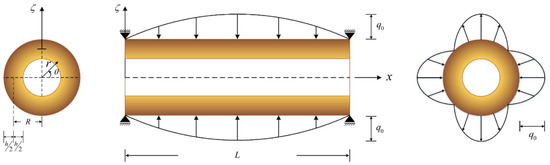
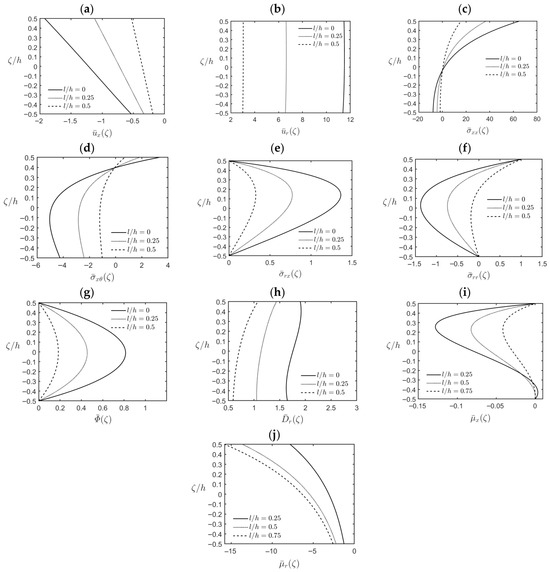
Within the framework of consistent couple-stress theory (CCST), we develop a semi-analytical finite layer method (FLM) to investigate the three-dimensional (3D) coupled electro-mechanical behavior of an exponentially graded (EG) piezoelectric circular hollow microscale cylinder under simply supported boundary conditions. The microscale cylinder is subjected to mechanical loads and electric voltages and is placed under closed-circuit surface conditions on its outer and inner surfaces. Using the principle of stationary potential energy, we first derive a 3D Galerkin weak formulation for this study. We divide the microscale cylinder into nl layers and select each layer’s elastic displacements and electric potential as the primary variables. We then incorporate a layer-wise generalized displacement model into the weak formulation to develop the semi-analytical FLM. The novelty of our method lies in its ability to accurately determine the electric and elastic field variables induced in the microscale cylinder. This feature has not been explored in previous research. We rigorously validate our method’s accuracy by comparing its solutions for EG piezoelectric circular hollow macroscale cylinders with the corresponding 3D solutions reported in the literature, with the material length-scale parameter set to zero. We also examine the impact of several key factors on the coupled electro-mechanical behavior of the microscale cylinder, including the radius-to-thickness ratio, inhomogeneity index, piezoelectricity, and material length-scale parameter, which appear to be significant.
Full article

Figure 1
Open AccessArticle
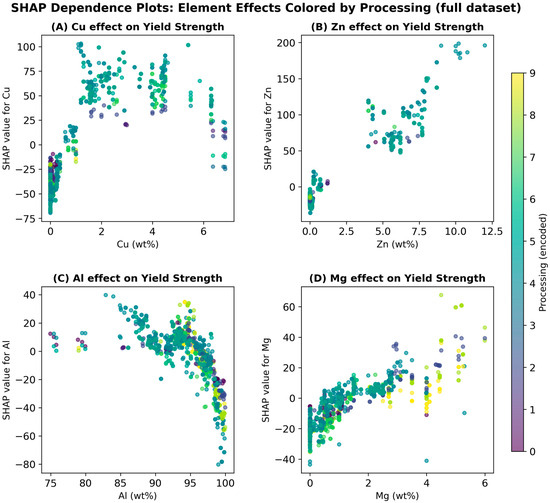
Decoding Processing Effects in Al Alloys: A Data-Driven Approach Using Explainable Artificial Intelligence
by
Mihail Kolev and Tatiana Simeonova
Appl. Mech. 2026, 7(2), 43; https://doi.org/10.3390/applmech7020043 - 17 May 2026
Abstract
Understanding the complex relationships between processing conditions and mechanical properties in aluminum alloys remains a critical challenge in materials science. This study presents a data-driven framework using explainable artificial intelligence to quantify and interpret how different processing routes influence the strength–ductility trade-off in
[...] Read more.
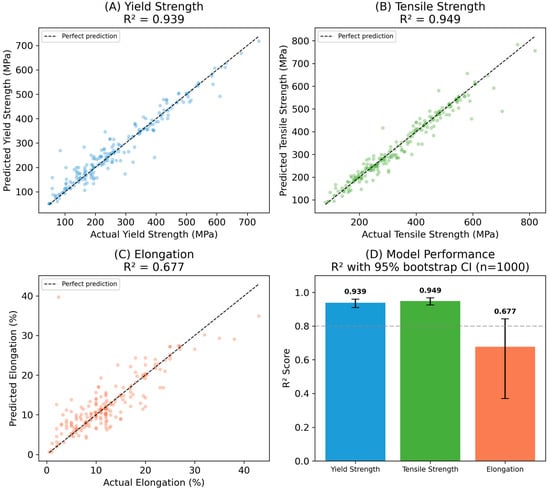
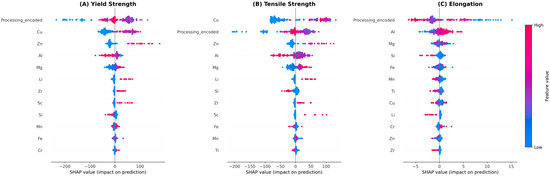
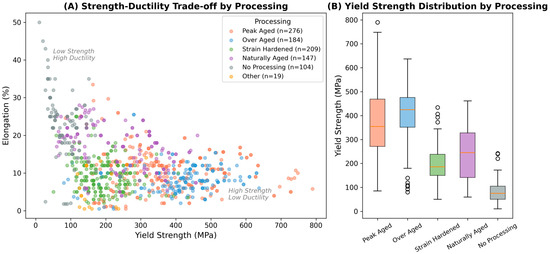
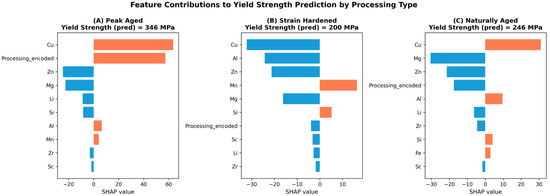
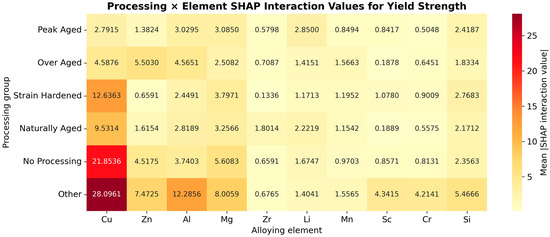
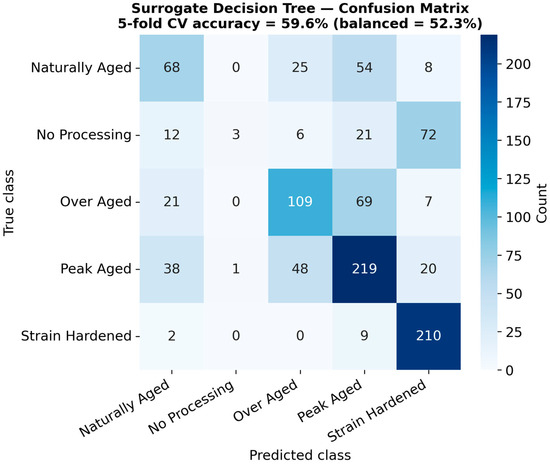
Understanding the complex relationships between processing conditions and mechanical properties in aluminum alloys remains a critical challenge in materials science. This study presents a data-driven framework using explainable artificial intelligence to quantify and interpret how different processing routes influence the strength–ductility trade-off in aluminum alloys. Using a comprehensive dataset of 1154 aluminum alloy samples with 10 distinct processing conditions, optimized XGBoost models were developed via Bayesian hyperparameter tuning to predict yield strength (R2 = 0.9392), tensile strength (R2 = 0.9491), and elongation (R2 = 0.6767). The strength models showed high predictive accuracy, whereas elongation showed lower and less uniform reliability, with the largest relative errors in the 0–5% elongation regime. SHAP (SHapley Additive exPlanations) analysis revealed that processing condition is the most influential feature for yield strength prediction, while Cu dominates tensile strength prediction. True SHAP interaction analysis identified Processing_encoded interactions with Cu as the strongest processing-coupled contribution, followed by Mg and Al, with Zn, Si, and Li showing smaller but non-negligible interaction contributions. The decision-tree surrogate is presented as an exploratory rule-extraction tool rather than as a standalone processing-selection classifier. These findings demonstrate that explainable Machine Learning (ML) can support interpretation of processing–property relationships in aluminum alloys when predictive limitations, class imbalance, and the associative nature of SHAP explanations are explicitly considered.
Full article
(This article belongs to the Special Issue Cutting-Edge Developments in Computational and Experimental Mechanics)
►▼
Show Figures

Figure 1
Open AccessArticle
Mathematically Compensating for the Barrelling Effect Occurring During Compression Testing of Additive-Manufactured A20X Samples and Describing Friction with Validated Finite Element Models
by
Konstantin Manuel Prabitz, Alexander Walzl and Martin Stockinger
Appl. Mech. 2026, 7(2), 42; https://doi.org/10.3390/applmech7020042 - 12 May 2026
Abstract
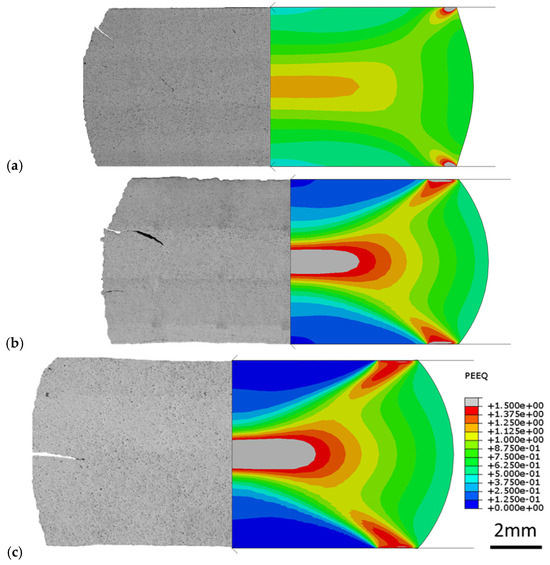
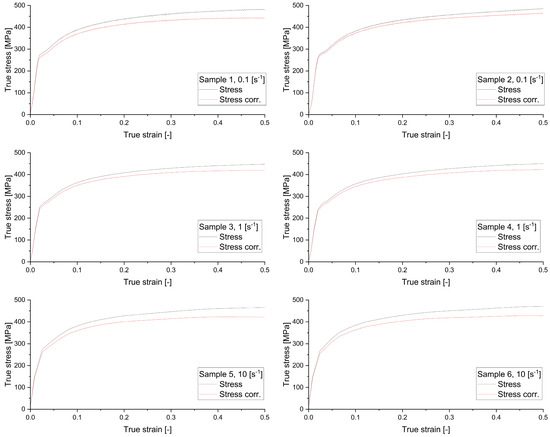
This study examines the deformation behaviour of laser powder bed fusion-produced A20X aluminium alloy and its accurate representation using flow curve models that account for die–specimen friction. Tests across multiple strain rates at room temperature were conducted on a Gleeble 3800; force–displacement data
[...] Read more.
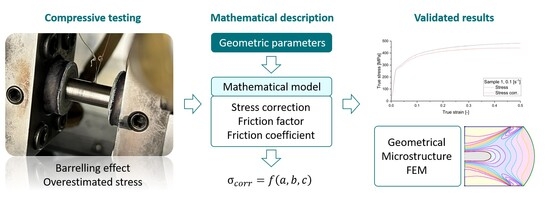
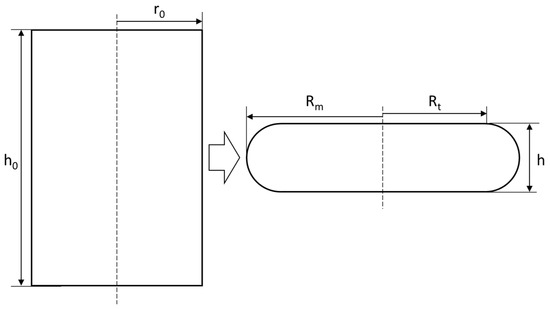
This study examines the deformation behaviour of laser powder bed fusion-produced A20X aluminium alloy and its accurate representation using flow curve models that account for die–specimen friction. Tests across multiple strain rates at room temperature were conducted on a Gleeble 3800; force–displacement data were friction-corrected to derive constitutive flow curves. A mathematical model was developed to capture barrelling and its impact on the stress–strain response, yielding corrected stresses significantly lower than measured values and validating the correction. An equation linking key post-deformation geometric parameters to their mathematical representation correlated well with a calibrated 2D finite element model, which reliably predicted plastic strain and deformation. The model’s friction factors agreed with experimental data, enabling efficient determination of the friction coefficient. Microstructural analysis and micrographs supported the predicted plastic strain distributions. Together, the corrected experiments and validated simulations provide a robust description of A20X’s response and inform performance and application potential.
Full article
(This article belongs to the Special Issue Cutting-Edge Developments in Computational and Experimental Mechanics)
►▼
Show Figures

Graphical abstract
Open AccessArticle
Mechanical and Chemical Durability of a Fly Ash–Epoxy Composite Cement for Extreme Oil and Gas Well Conditions
by
Sherif Fakher
Appl. Mech. 2026, 7(2), 41; https://doi.org/10.3390/applmech7020041 - 11 May 2026
Abstract
Oil and gas well cement is routinely exposed to aggressive chemical and mechanical environments that can compromise long-term zonal isolation. Conventional Portland cement systems, which rely on hydration products such as calcium silicate hydrate (C–S–H), are particularly vulnerable to acid attack, carbonation, high
[...] Read more.
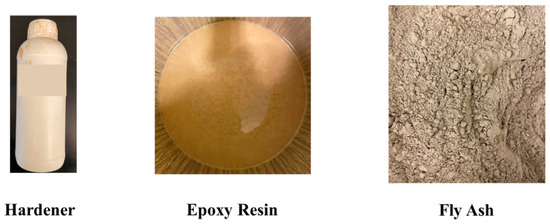
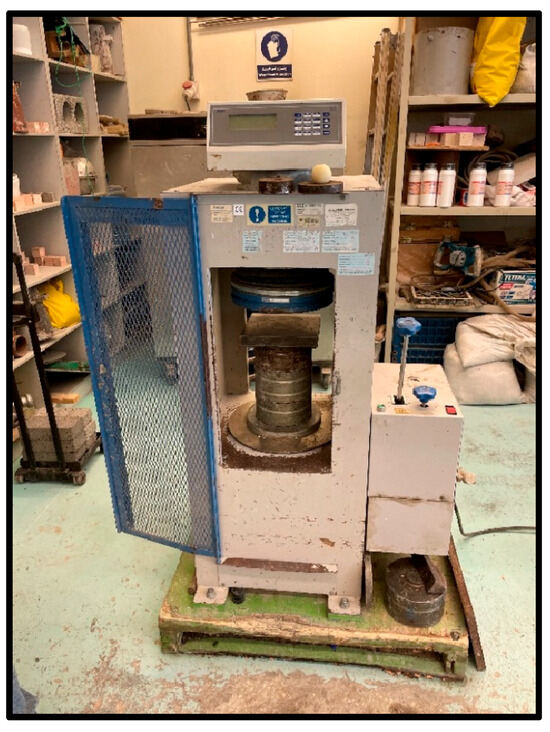
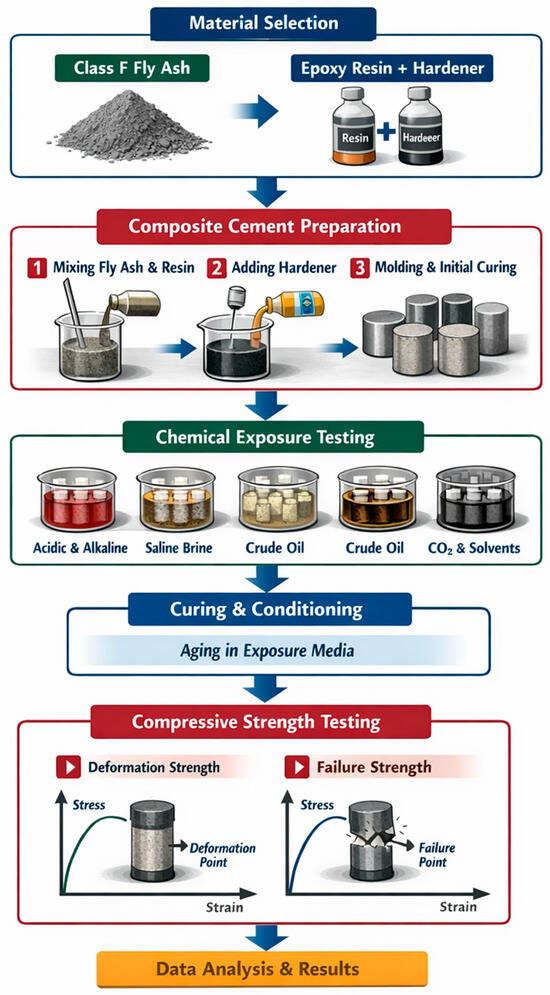
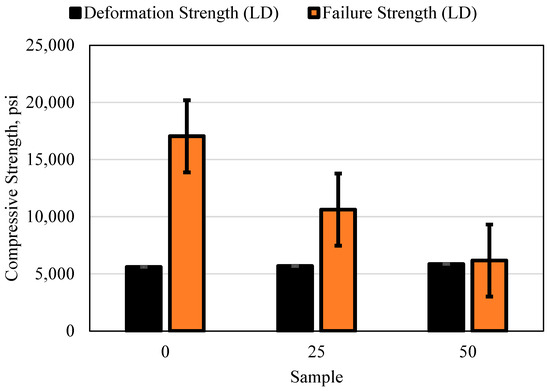
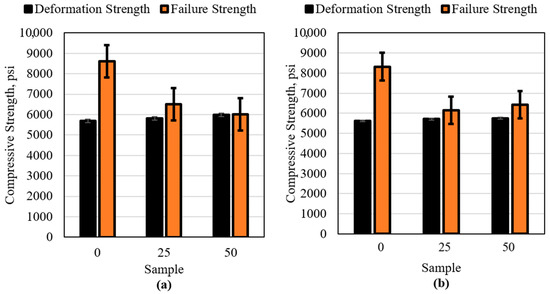
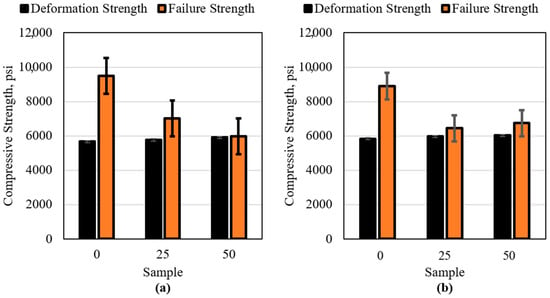
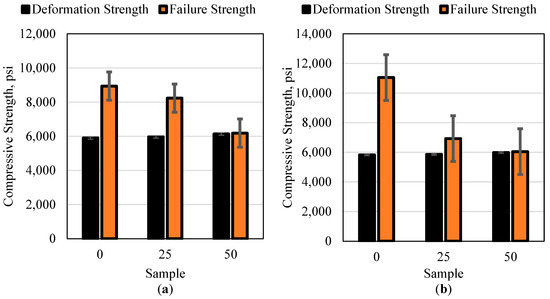
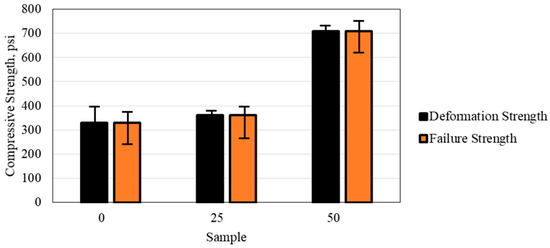
Oil and gas well cement is routinely exposed to aggressive chemical and mechanical environments that can compromise long-term zonal isolation. Conventional Portland cement systems, which rely on hydration products such as calcium silicate hydrate (C–S–H), are particularly vulnerable to acid attack, carbonation, high salinity, and thermal stress. This study investigates a polymer–mineral composite cement in which Class F fly ash is incorporated into an epoxy resin matrix at 0, 25, and 50 weight percent (wt%) loading. The composite samples were exposed for ten days to harsh downhole-representative environments, including hydrochloric acid (HCl, 15–28 wt%), sodium hydroxide (NaOH, 15–28 wt%), sodium chloride (NaCl) brines (20 wt%), crude oil, elevated temperatures up to 100 °C, and high-pressure carbon dioxide (CO2). Compressive strength was evaluated using a universal testing machine, capturing both deformation strength and ultimate failure strength to assess elastic and structural performance. Across most conditions, the composite maintained strengths exceeding 5000 psi, demonstrating strong chemical resistance. Acidic and CO2 exposures primarily reduced elastic deformation rather than ultimate strength, suggesting localized interaction with the polymer matrix. Elevated temperature reduced strength to ~2800 psi and diminished elasticity, marking the material’s upper thermal limit. Acetone exposure progressively degraded the polymer network, highlighting potential controlled removability. These findings indicate that embedding industrial fly ash in a polymer matrix produces a mechanically resilient and chemically robust cement alternative with up to 50 wt% industrial waste incorporation. This hybrid system offers a promising approach for wells exposed to acidic, CO2-rich, or high-salinity environments, where conventional Portland cement may fail.
Full article
(This article belongs to the Special Issue Thermal Mechanisms in Solids and Interfaces 2nd Edition)
►▼
Show Figures

Figure 1
Open AccessArticle
A Data-Driven Sequential Adaptive Optimization Method for Lightweight Design of Complex Vehicle Structures
by
Yuxuan Wang, Chenlin Zhang, Hao Liu and Zhaohui Hu
Appl. Mech. 2026, 7(2), 40; https://doi.org/10.3390/applmech7020040 - 4 May 2026
Abstract
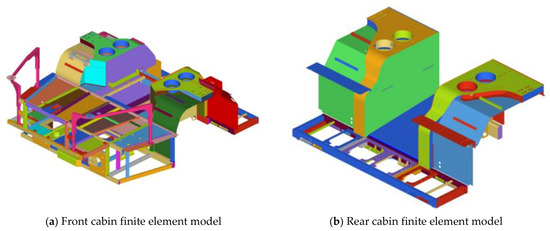
To address high-dimensional coupling and extrapolation errors in vehicle lightweighting, this paper proposes a “Macroscopic Topology—Microscopic Data-Driven Size Synergy” methodology. Macroscopically, strain-energy-driven topology optimization on a simplified skeleton reduces mass by 9.4% (2835.8 kg to 2566.9 kg). Microscopically, a global ANOVA mechanism compresses
[...] Read more.
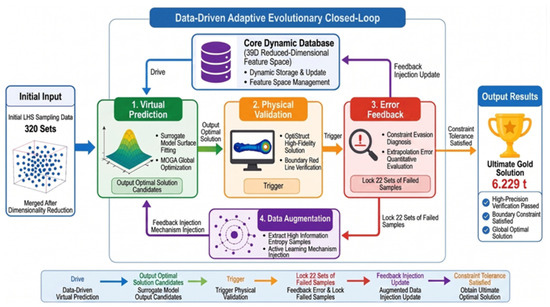
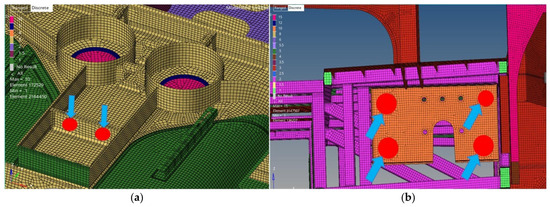
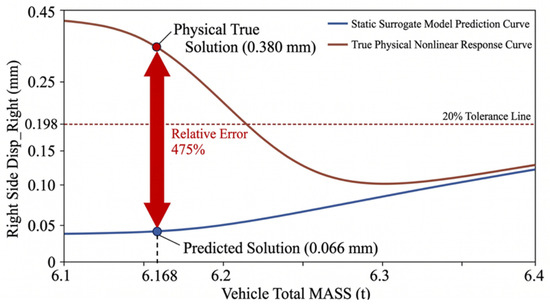
To address high-dimensional coupling and extrapolation errors in vehicle lightweighting, this paper proposes a “Macroscopic Topology—Microscopic Data-Driven Size Synergy” methodology. Macroscopically, strain-energy-driven topology optimization on a simplified skeleton reduces mass by 9.4% (2835.8 kg to 2566.9 kg). Microscopically, a global ANOVA mechanism compresses 169 thickness variables to 39 core dimensions, mitigating the curse of dimensionality. Crucially, an active learning-based sequential approximate optimization (SAO) framework rectifies severe static model extrapolation errors (up to 475%) by injecting high-entropy boundary samples, boosting the accuracy to near 0.90. Consequently, this approach secures the true Pareto solution, reducing full vehicle mass by 2.59% (to 6229.4 kg) while strictly adhering to EN12663 and EN15227 standards. This paradigm effectively resolves epistemic uncertainties, unlocking extreme lightweighting potential in complex systems.
Full article
(This article belongs to the Special Issue Mechanical Design Technologies for Beam, Plate and Shell Structures (4th Edition))
►▼
Show Figures

Figure 1
Open AccessArticle
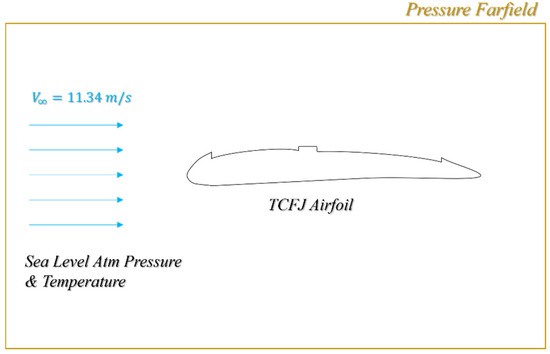
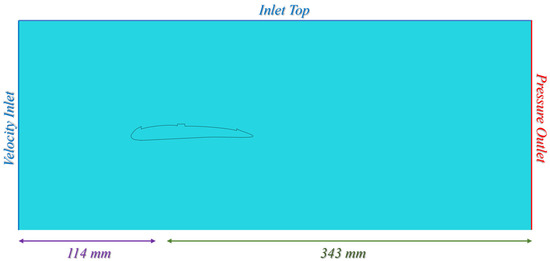
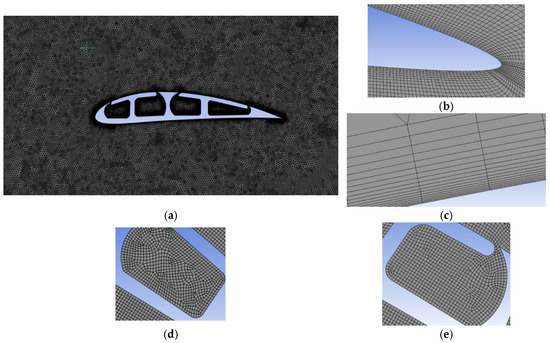
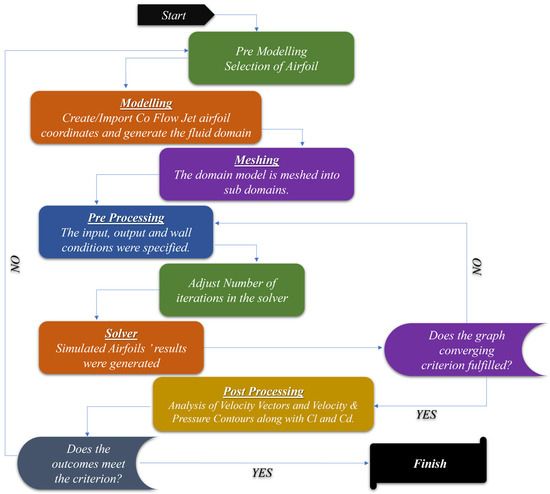
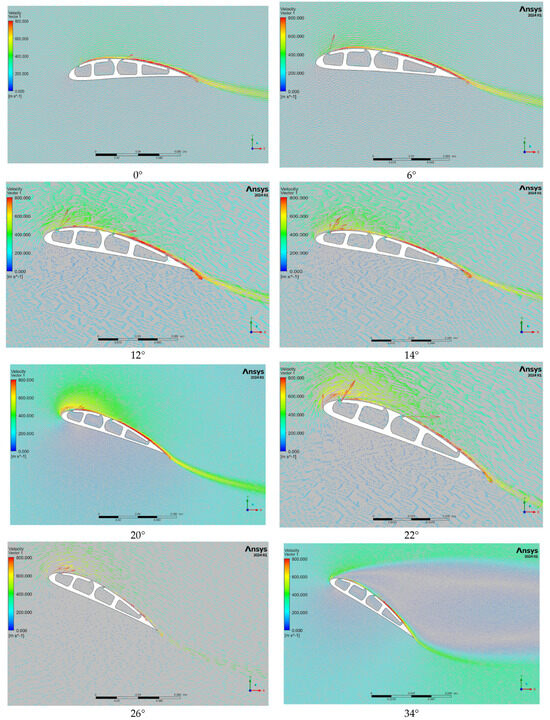
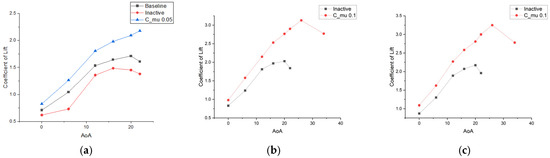
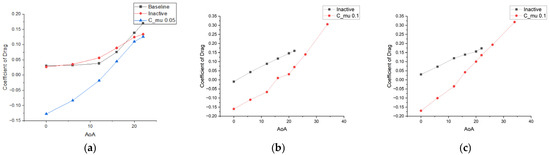
Energy-Tuned Airfoil Control via Twain Co-Flow Jet System
by
Muhammad Umer Sohail, Anees Waqar and Muhammad Hammad Ajmal
Appl. Mech. 2026, 7(2), 39; https://doi.org/10.3390/applmech7020039 - 28 Apr 2026
Abstract
►▼
Show Figures
This study presents a computational investigation of an ingenious Twain co-flow jet (CFJ) airfoil system featuring independently controlled micro-compressors for active flow control. Unlike conventional single-point or synchronously controlled CFJ configurations, the proposed system enables independent tuning of jet momentum coefficients at multiple
[...] Read more.
This study presents a computational investigation of an ingenious Twain co-flow jet (CFJ) airfoil system featuring independently controlled micro-compressors for active flow control. Unlike conventional single-point or synchronously controlled CFJ configurations, the proposed system enables independent tuning of jet momentum coefficients at multiple locations along the airfoil surface. Reynolds-averaged Navier–Stokes (RANS) simulations are employed to analyze the impact of this independent control strategy on boundary layer behavior, lift enhancement, stall delay, and aerodynamic efficiency. The objective of this work is to establish a quantitative relationship between jet momentum distribution and aerodynamic performance, while also evaluating the associated energy consumption characteristics of the system. This technology works incredibly well at low speeds, significantly increasing stall angles and lift coefficients; at higher speeds, it uses less energy and improves the lift-to-drag ratio. Twain configuration offers more accurate control over pressure gradients, enabling adaptive performance during all flight phases. In this work, a Twain-compressor-integrated CFJ system is presented, in which jet momentum coefficients (Cμ = 0.05 and 0.1) are dynamically controlled by two independently controlled micro-compressors across various flight conditions (11.34 m/s, 138 m/s, 208 m/s). By optimizing injection at the leading edge and mid-chord—paired with synchronized suction at strategic withdrawal points—the system achieves precise boundary layer control with near-zero net mass flux. Modulating Cμ improves aerodynamic efficiency while limiting the total propulsion energy expenditure, allowing a smooth transition from high-lift takeoff to low-drag cruise, according to computational fluid dynamics (CFD) analysis. Due to these developments, Twain-compressor CFJ systems are now a scalable option for aircraft that need to be extremely aerodynamically versatile without sacrificing efficiency.
Full article

Graphical abstract
Open AccessArticle
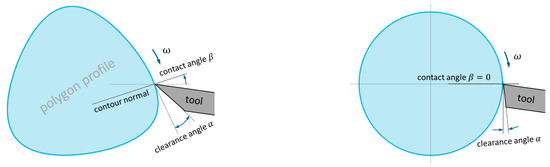
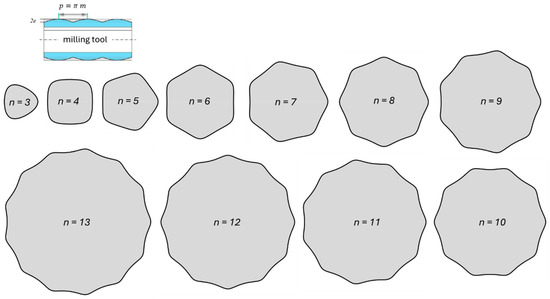
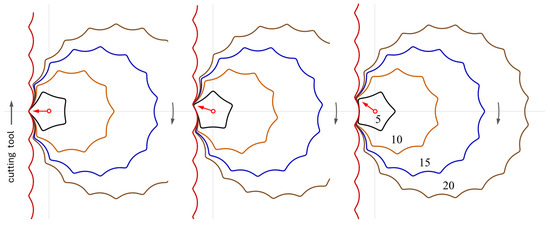
Tool Geometry for the Modular Manufacturing of Hypotrochoidal Profiles Standardized According to DIN 3689 by Means of Rolling Processes
by
Masoud Ziaei
Appl. Mech. 2026, 7(2), 38; https://doi.org/10.3390/applmech7020038 - 24 Apr 2026
Abstract
►▼
Show Figures
Despite their excellent torsional and bending strength, the economical production of hypotrochoidal profiles (H-profiles) remains an obstacle to their use. Due to the tool clearance angle, the commercially available twin-spindle turning process has limited ability to manufacture many of the profiles standardized according
[...] Read more.
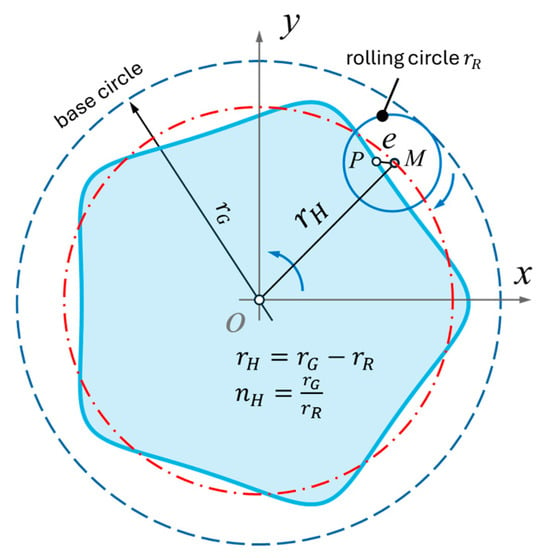
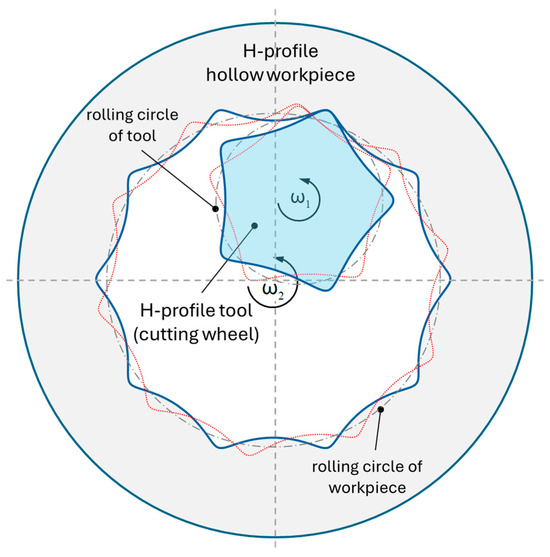
Despite their excellent torsional and bending strength, the economical production of hypotrochoidal profiles (H-profiles) remains an obstacle to their use. Due to the tool clearance angle, the commercially available twin-spindle turning process has limited ability to manufacture many of the profiles standardized according to DIN 3689 (Deutsches Institut für Normung). On the other hand, the manufacturing of cycloidal as a non-involute special geometry using generating processes (hobbing or continuous generating grinding) depends critically on the accuracy of the tool geometry—whether a hobbing cutter or a grinding worm. Conventional tool design methods—based on approximations, involute-derived profiles, or iterative trial-and-error corrections—face fundamental limitations: unpredictable cutting force variations, elevated surface roughness, and limited process capability. However, if the exact tool geometry has been determined analytically, the same machine achieves significantly better performance. In this work, the exact tool geometry conjugated to the H-profile for profile manufacturing is determined based on the gearing law. This provides modular H-profile manufacturing without deviations. Consequently, a design concept that enables the implementation of all existing rolling processes—including gear hobbing, gear shaping, gear planning, and other variants such as gear grinding—is presented. For profile shaping of hollow contours, the transfer ratio is considered and a curve conjugated to the profile contour is determined for the tool. A CAD-based simulation shows very good consistency with the analytically determined tool geometry.
Full article

Figure 1
Open AccessArticle
Characterization of Creep-Induced Stiffness Reduction in RC Beams Using Experimental Tests and Numerical Modelling
by
Bassel Bakleh, George Wardeh, Hala Hasan, Izabela Drygała and Ali Jahami
Appl. Mech. 2026, 7(2), 37; https://doi.org/10.3390/applmech7020037 - 20 Apr 2026
Abstract
Many existing reinforced concrete (RC) structures have undergone increases in service loads due to changes in use, functional upgrades, and evolving design codes. This highlights the need for reliable requalification methods that account for long-term degradation mechanisms, particularly those related to sustained loading
[...] Read more.
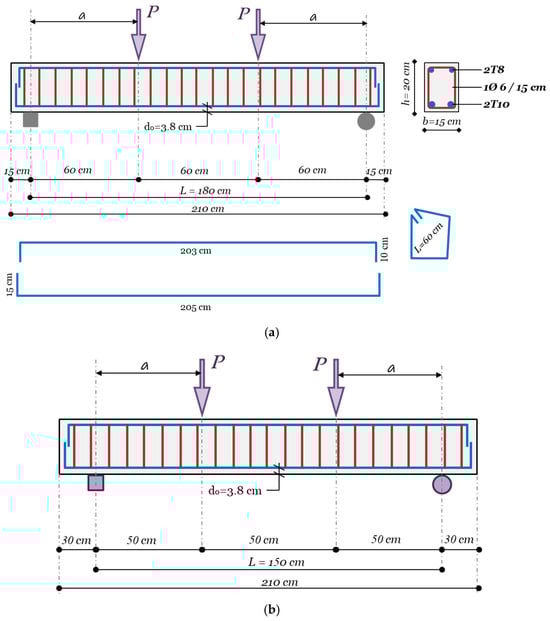
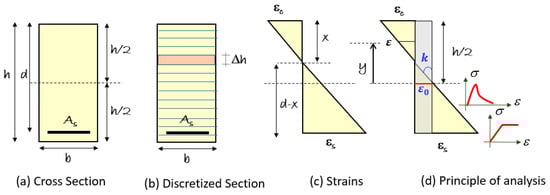
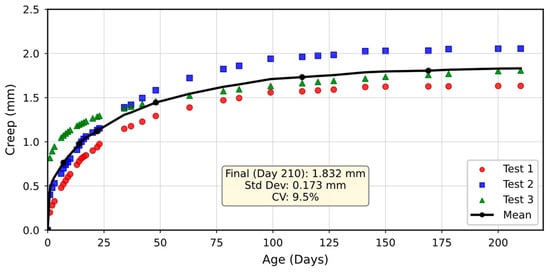
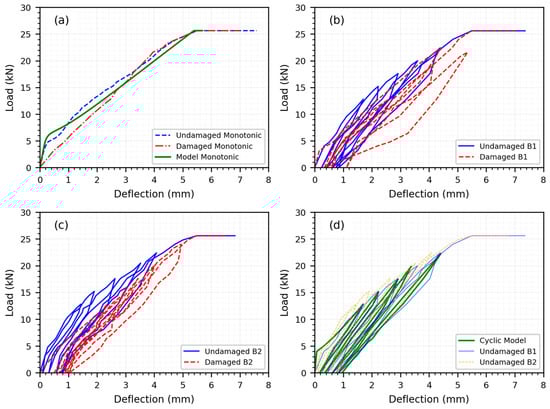
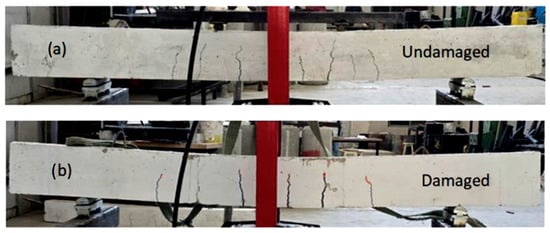
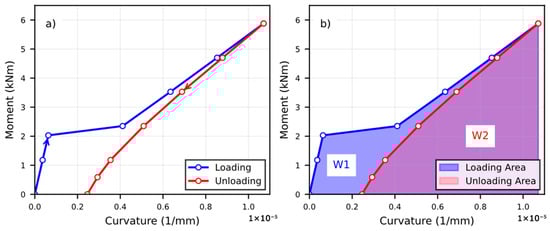
Many existing reinforced concrete (RC) structures have undergone increases in service loads due to changes in use, functional upgrades, and evolving design codes. This highlights the need for reliable requalification methods that account for long-term degradation mechanisms, particularly those related to sustained loading and creep. This study investigates the residual flexural behavior of RC beams after long-term loading and evaluates its effects on stiffness and ultimate strength. Three RC beams were loaded to 43% of their short-term yielding moment and kept under sustained load for 210 days, while three identical specimens were maintained as unloaded references. Afterward, all beams were subjected to repeated four-point loading–unloading cycles to detect changes in stiffness, strength, and cyclic response. The results indicate that long-term loading did not significantly affect the beams’ ultimate load-carrying capacity compared with the reference specimens. However, the long-term-loaded beams exhibited a clear reduction in initial stiffness. This difference was most evident during the first loading cycle and gradually decreased in subsequent cycles. To interpret these findings, a layered fiber model was developed to simulate cyclic behavior while incorporating time-dependent concrete effects. The model successfully reproduced the main experimental trends, reinforcing the reliability of both the testing program and the analytical approach. The study enhances understanding of stiffness degradation in RC elements subjected to increased service loads.
Full article
(This article belongs to the Special Issue Cutting-Edge Developments in Computational and Experimental Mechanics)
►▼
Show Figures

Figure 1

Open AccessArticle
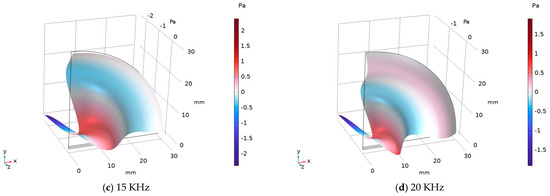
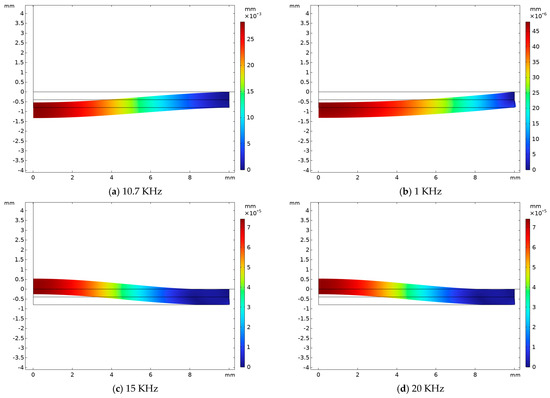
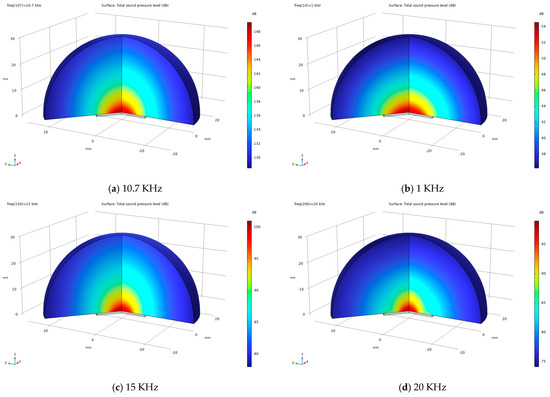
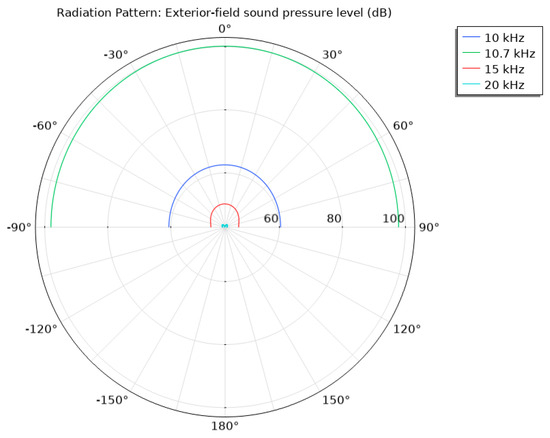
Dimension-Dependent Vibro-Acoustic Performance of Piezoelectric Speakers: A Finite Element Study
by
Nikolaos M. Papadakis and Georgios E. Stavroulakis
Appl. Mech. 2026, 7(2), 36; https://doi.org/10.3390/applmech7020036 - 17 Apr 2026
Abstract
The present study investigates the influence of geometric parameters on the vibro-acoustic performance of piezoelectric speakers, with the objective of establishing quantitative design guidelines for resonance tuning and sound pressure level (SPL) enhancement. Understanding the dimension-dependent behavior of such devices is essential for
[...] Read more.
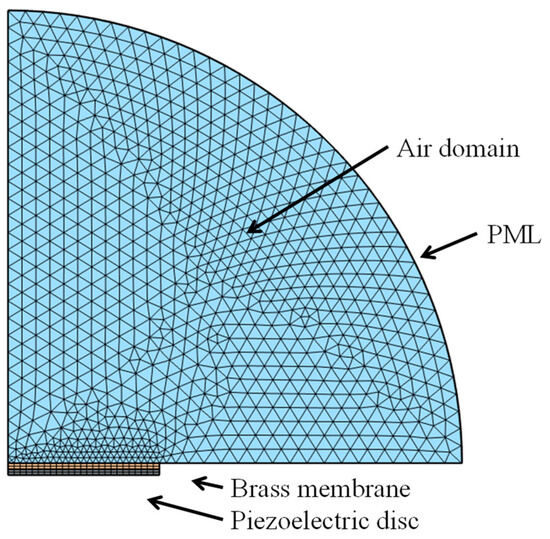
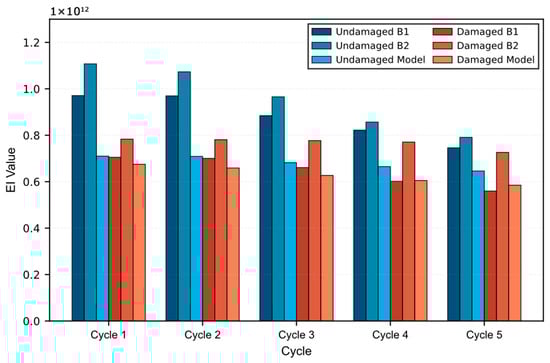
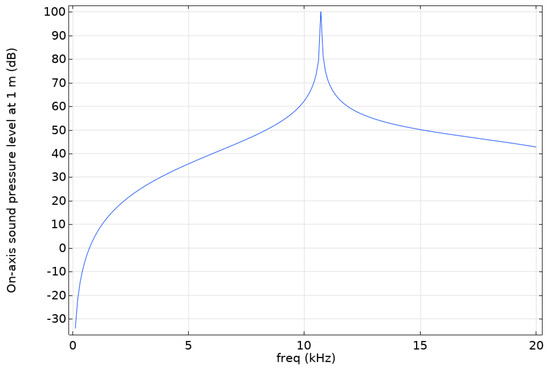
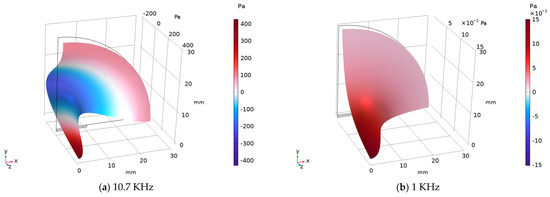
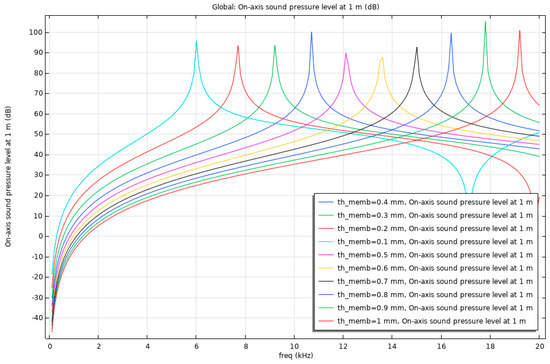
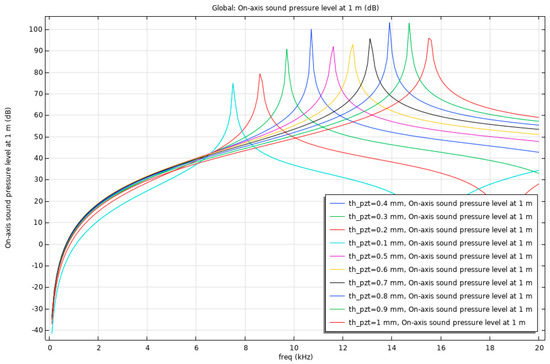
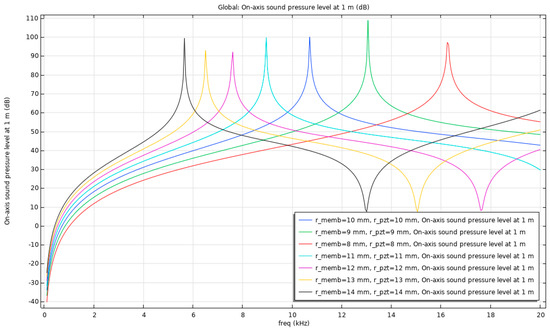
The present study investigates the influence of geometric parameters on the vibro-acoustic performance of piezoelectric speakers, with the objective of establishing quantitative design guidelines for resonance tuning and sound pressure level (SPL) enhancement. Understanding the dimension-dependent behavior of such devices is essential for the development of compact and efficient acoustic transducers. To this end, a fully coupled electromechanical–acoustic finite element model is developed in the frequency domain, incorporating linear piezoelectric constitutive relations, structural dynamics, and an external acoustic air domain. The model systematically examines the effects of variations in piezoelectric disc thickness, brass diaphragm thickness, and diaphragm radius. The results demonstrate that increasing the piezoelectric disc thickness leads to a noticeable increase in resonance frequency and a measurable enhancement in SPL due to strengthened electromechanical coupling. In contrast, reducing the brass membrane thickness primarily shifts the resonance frequency to lower values, while producing negligible changes in SPL amplitude. Furthermore, enlarging the diaphragm radius significantly decreases the fundamental resonance frequency, confirming its dominant influence on stiffness-controlled vibration behavior. These findings quantitatively establish the relationship between geometric design parameters and acoustic response, providing a predictive framework for performance optimization. The proposed modeling approach offers an effective and reliable tool for the design and refinement of high-performance piezoelectric speaker systems.
Full article
(This article belongs to the Special Issue Cutting-Edge Developments in Computational and Experimental Mechanics)
►▼
Show Figures

Figure 1
Open AccessArticle
Nonlinear Seismic Analysis of Elevated Rectangular Metallic Silos Subjected to Multiple Earthquakes
by
Foteini Konstandakopoulou and George Hatzigeorgiou
Appl. Mech. 2026, 7(2), 35; https://doi.org/10.3390/applmech7020035 - 16 Apr 2026
Abstract
►▼
Show Figures
This study investigates the nonlinear seismic response of elevated rectangular metallic silos subjected to sequential earthquake events, incorporating soil–structure interaction (SSI) and the influence of granular material fullness levels. Using three-dimensional (3D) finite element modeling and real seismic sequences recorded within short time
[...] Read more.
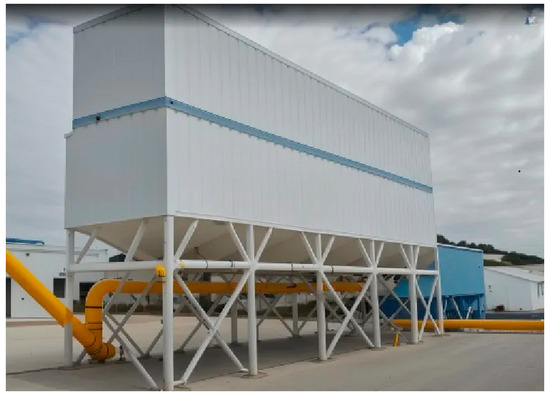
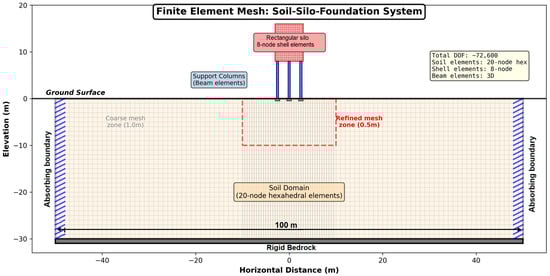
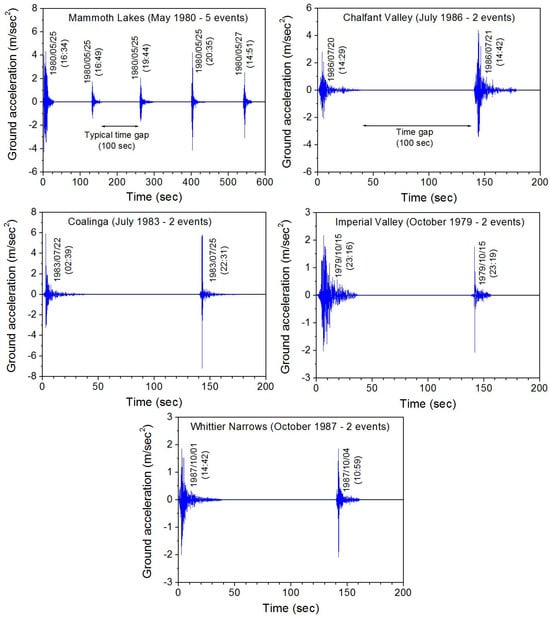
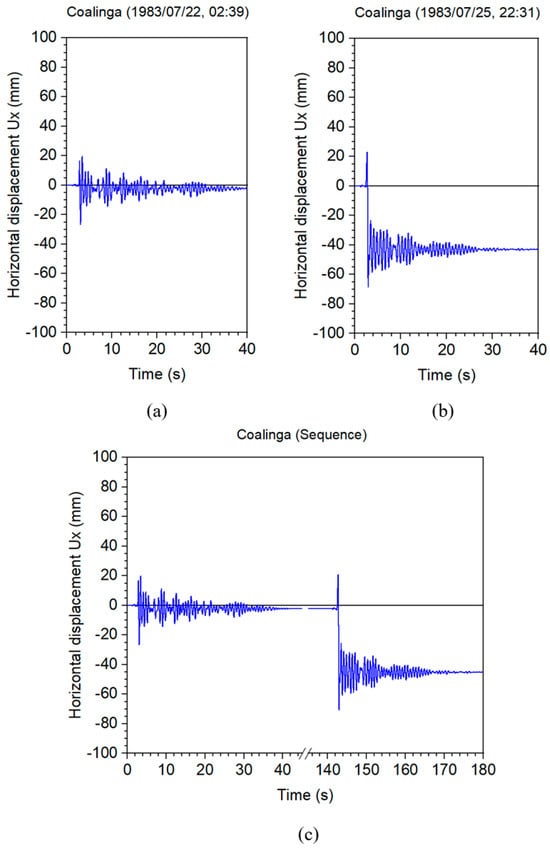
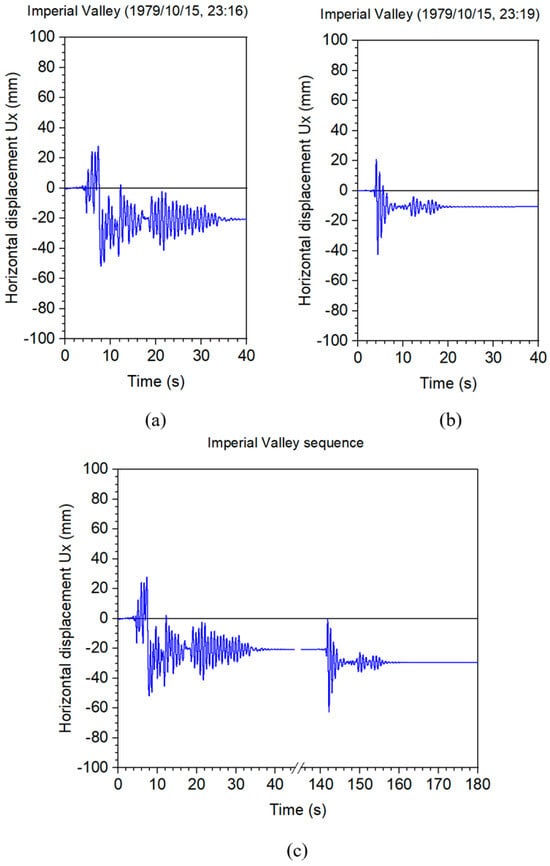
This study investigates the nonlinear seismic response of elevated rectangular metallic silos subjected to sequential earthquake events, incorporating soil–structure interaction (SSI) and the influence of granular material fullness levels. Using three-dimensional (3D) finite element modeling and real seismic sequences recorded within short time windows, the study evaluates the effects of repeated earthquakes on maximum displacement, residual deformation and base shear. The analysis explicitly incorporates flexible elastic foundation systems to account for SSI effects, which significantly influence dynamic behavior. While considerable research exists on cylindrical silos, the seismic performance of rectangular configurations under multiple consecutive earthquakes remains poorly understood. The research systematically compares structural behavior and deformation patterns under single earthquake events versus multiple consecutive seismic sequences. The results demonstrate that consecutive seismic events produce significantly more severe structural responses than individual earthquake occurrences, with sequential earthquakes leading to amplified residual deformations (30–45% higher), increased stress concentrations in critical regions, and progressive degradation of structural capacity. These findings indicate that conventional single-event seismic design approaches may underestimate the vulnerability of rectangular silos in seismically active areas by approximately 30–40%, highlighting the critical importance of considering multiple-event scenarios in performance-based assessment and design procedures.
Full article

Figure 1
Open AccessArticle
Comparative Investigation of Composite Materials for Spur Gears Using a Novel Tooth Contact Analysis Method and Density Functional Theory
by
Maksat Temirkhan, Ilyas Yessengabylov, Assem Kyrykbayeva, Azamat Kaliyev, Sharaina Zholdassova and Chingis Kharmyssov
Appl. Mech. 2026, 7(2), 34; https://doi.org/10.3390/applmech7020034 - 16 Apr 2026
Abstract
This study presents a comparative investigation of MgCu intermetallic compounds, CuCoMnSn Heusler alloys, and carbon steel for spur gear applications using a novel tooth contact analysis (TCA) method. The TCA employs a nonlinear two-variable equation, providing a fast and accurate computational tool for
[...] Read more.
This study presents a comparative investigation of MgCu intermetallic compounds, CuCoMnSn Heusler alloys, and carbon steel for spur gear applications using a novel tooth contact analysis (TCA) method. The TCA employs a nonlinear two-variable equation, providing a fast and accurate computational tool for evaluating gear contact behavior. By integrating material-specific elastic properties from density functional theory (DFT) studies, the analysis predicts contact paths, stress distributions, and responses to angular misalignments. Material selection strongly influences gear performance: MgCu is promising for lightweight applications, while CuCoMnSn is better suited where mechanical performance is prioritized. The CuCoMnSn alloy also exhibits half-metallic ferromagnetic behavior, offering potential functional advantages beyond mechanical performance. These results highlight the promise of intermetallics and Heusler alloys for high-performance, misalignment-tolerant gears and demonstrate the effectiveness of combining DFT-informed material modeling with the novel TCA method for optimized spur gear design.
Full article
(This article belongs to the Special Issue Cutting-Edge Developments in Computational and Experimental Mechanics)
►▼
Show Figures

Figure 1

Open AccessArticle
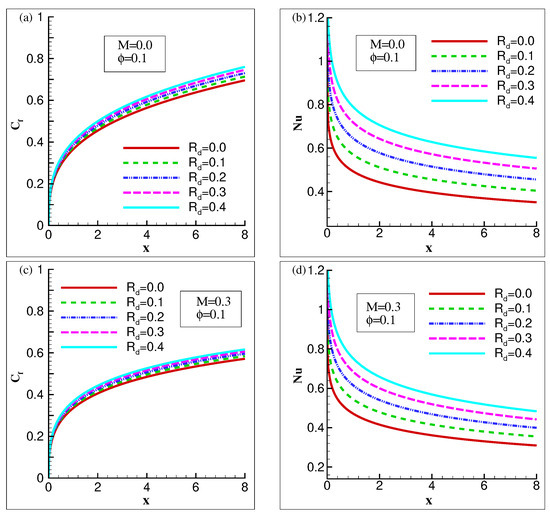
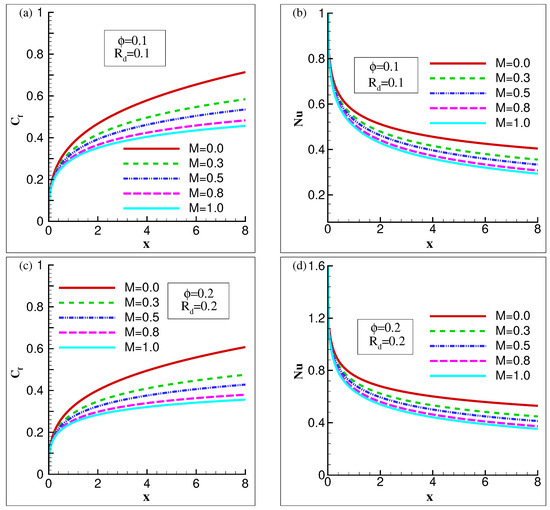
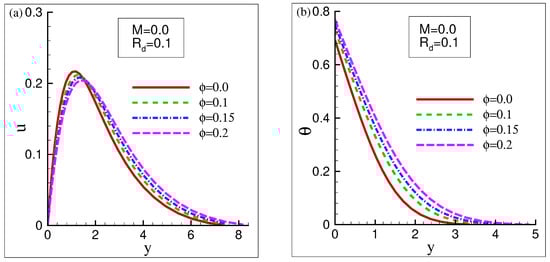
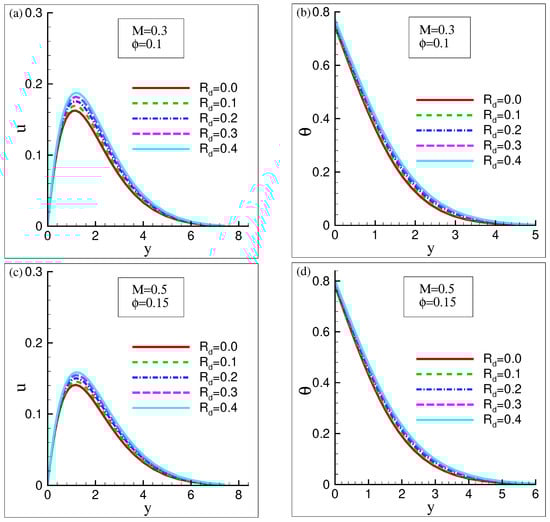
Thermal Transport Analysis of Water and MWCNT-Fe3O4 Hybrid Nanofluids Along Vertical Surface with Radiation Effects
by
Malati Mazumder, Mahtab U. Ahmmed, Md. Mamun Molla, Md Farhad Hasan and Sheikh Hassan
Appl. Mech. 2026, 7(2), 33; https://doi.org/10.3390/applmech7020033 - 13 Apr 2026
Abstract
Hybrid nanofluids possess exceptional thermal conductivity, but one of the major concerns with nanoparticles is agglomeration. While the usage of surfactants or dispersants can be used to mitigate this issue, numerical investigation and sensitivity analyses can be more affordable when attempting to optimize
[...] Read more.
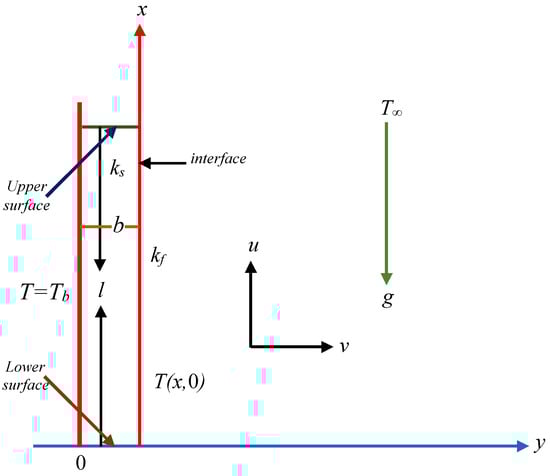
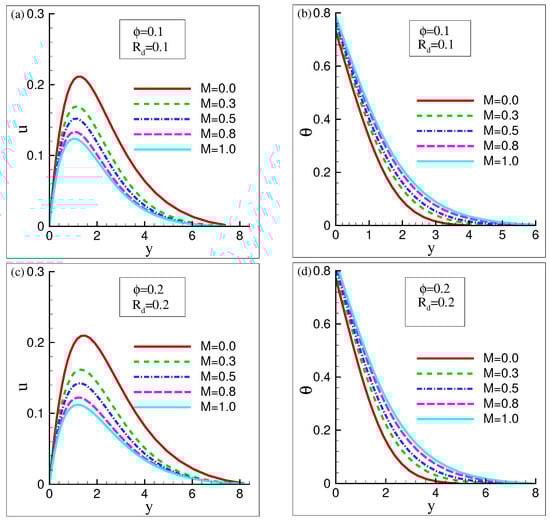
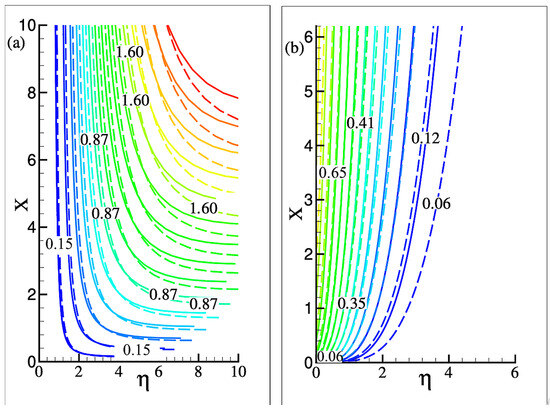
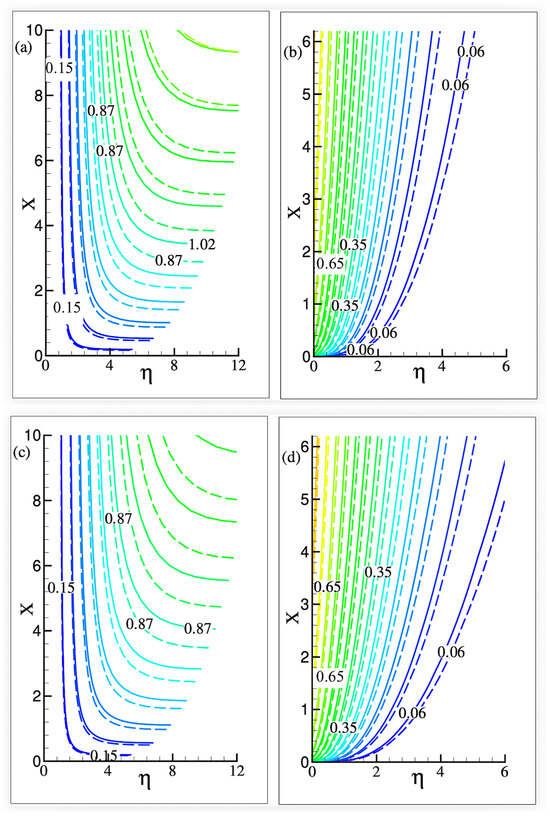
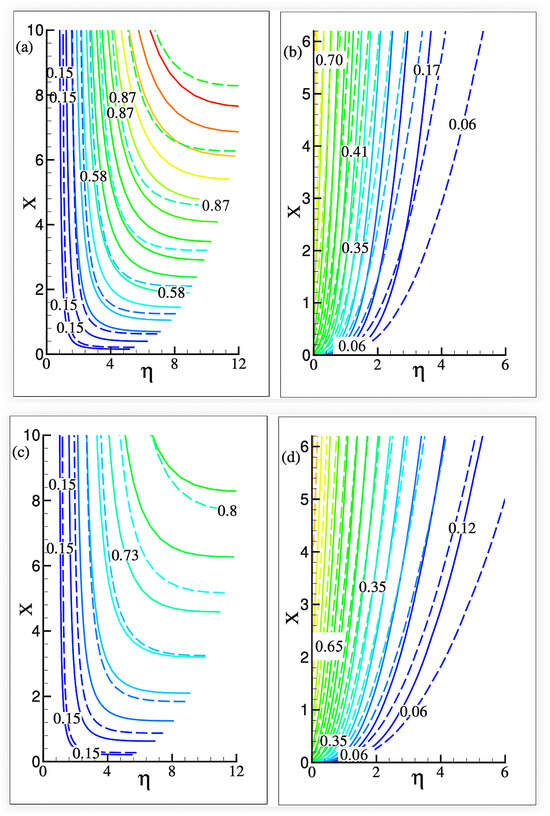
Hybrid nanofluids possess exceptional thermal conductivity, but one of the major concerns with nanoparticles is agglomeration. While the usage of surfactants or dispersants can be used to mitigate this issue, numerical investigation and sensitivity analyses can be more affordable when attempting to optimize and design a thermal device. The consideration of thermal radiation with conductive and convective heat transfer and appropriate nanoparticles may provide a greater solution without compromising the efficacy of hybrid nanofluids. In the present work, the concept of magnetohydrodynamics (MHD) is used to examine the impact of thermal radiation on a stable, two-dimensional, incompressible hybrid fluid consisting of nanoparticles (MWNCT) and water flowing over a vertical surface. The flow is governed by established equations of fluid dynamics, which use the Rosseland diffusion model to incorporate radiation effects. The implicit finite difference (IFD) was used to solve the mathematical equations. Sensitivity analyses were conducted as functions of volume fraction, radiation and magnetic variables. This study also examines the streamlines and isotherm lines with respect to the volume fraction, radiation parameter and magnetic parameter of the heat source. The results indicate that for a fixed radiation parameter, increasing the nanoparticle volume fraction by up to leads to a reduction of approximately in the skin friction coefficient, while the corresponding Nusselt number increases by nearly . Furthermore, the introduction of a magnetic field parameter significantly suppresses wall shear stress and modifies the thermal boundary layer thickness, demonstrating the competing interaction between Lorentz-force-induced momentum damping and radiation-enhanced thermal diffusion. These quantified trends highlight the sensitivity of coupled momentum and heat transport to combined magnetic and radiative effects in hybrid nanofluid systems.
Full article
(This article belongs to the Special Issue Thermal Mechanisms in Solids and Interfaces 2nd Edition)
►▼
Show Figures

Figure 1
Open AccessArticle
Influence of Turbulence Modeling on CFD-Based Prediction of Vehicle Hydroplaning Speed
by
Thathsarani D. H. Herath Mudiyanselage, Manjriker Gunaratne and Andrés E. Tejada-Martínez
Appl. Mech. 2026, 7(2), 32; https://doi.org/10.3390/applmech7020032 - 11 Apr 2026
Abstract
Most computational studies of vehicle hydroplaning have emphasized structural realism through fluid–structure interaction, tire deformation, tread geometry, and pavement surface characterization. By contrast, the hydrodynamics governing the flow in the tire vicinity, particularly the role of turbulence, have received comparatively limited attention. In
[...] Read more.
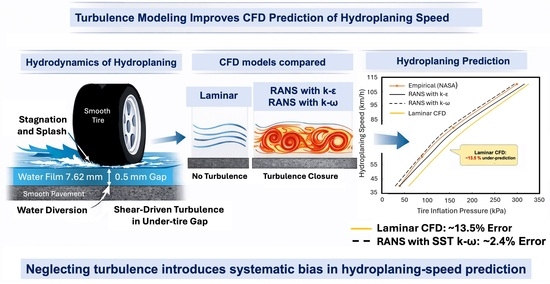
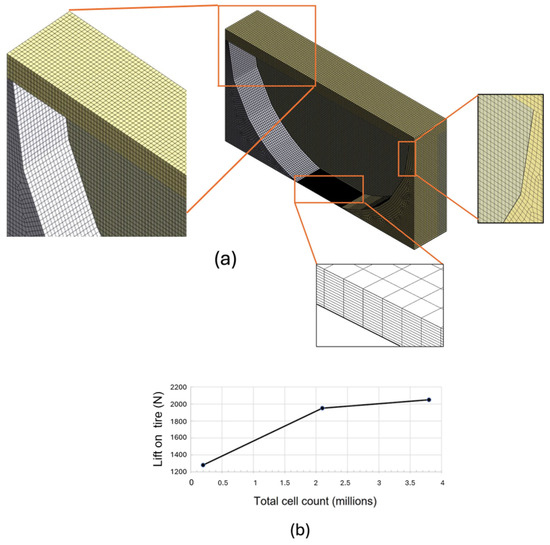
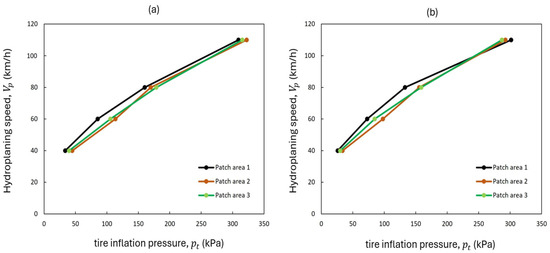
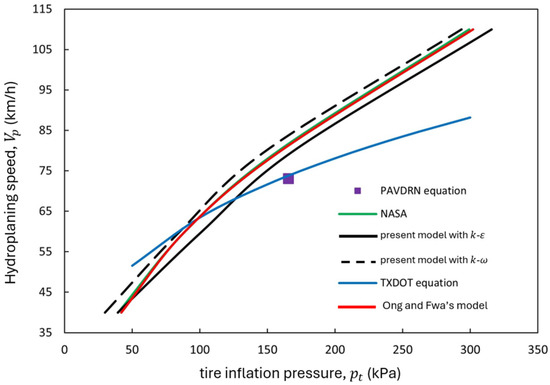
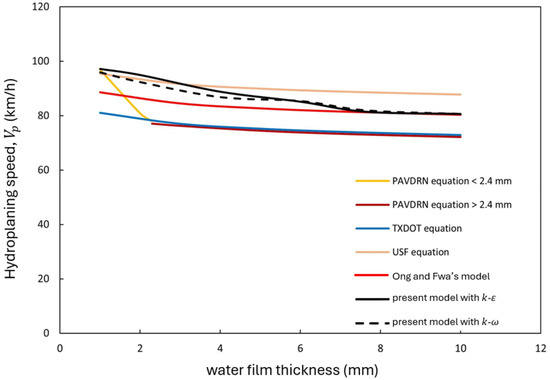
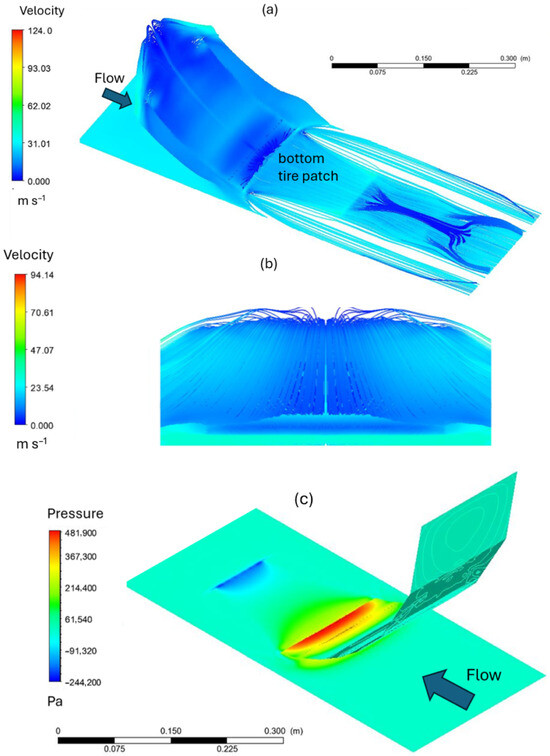
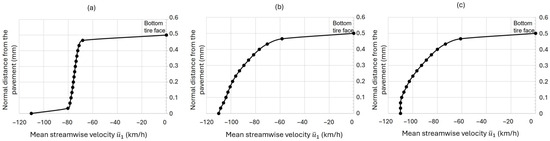
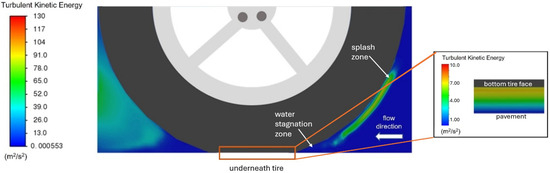
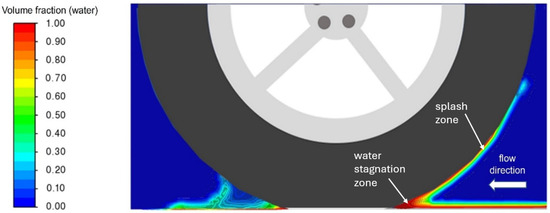
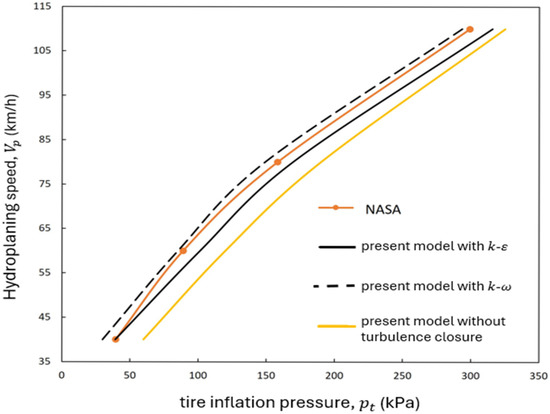
Most computational studies of vehicle hydroplaning have emphasized structural realism through fluid–structure interaction, tire deformation, tread geometry, and pavement surface characterization. By contrast, the hydrodynamics governing the flow in the tire vicinity, particularly the role of turbulence, have received comparatively limited attention. In a significant number of studies, the flow has been treated as laminar despite turbulent flow conditions, while in a few other studies turbulence modeling has been adopted without an explicit assessment of its impact on hydroplaning predictions. In this study, we present a simplified three-dimensional computational fluid dynamics (CFD) model designed to isolate the flow regimes governing hydroplaning and to quantify the mean effect of the turbulence modeling on the predicted hydroplaning speed. Using a finite-volume formulation with a volume-of-fluid representation of the air–water interface, the flow around and beneath a smooth 0.7 m-diameter tire sliding in locked-wheel mode over a flooded, nominally smooth pavement is simulated. The tire is represented as a rigid body with an idealized rectangular bottom patch whose area is determined from the tire load and inflation pressure, avoiding the need to prescribe a measured or assumed deformed footprint. Steady-state hydroplaning is modeled for a uniform upstream water film thickness of 7.62 mm with a 0.5 mm gap between the tire and the pavement, over tire inflation pressures ranging from approximately 100 to 300 kPa, and predictions are verified against the empirical NASA hydroplaning equation. For these conditions, simulations without turbulence closure exhibit a consistent, systematic underprediction of the hydroplaning speed of approximately 13.5% relative to the NASA relation. Incorporating turbulence effects through Reynolds-averaged closures substantially reduces this bias, with average deviations of about 6% for the realizable k–ε model and 2.4% for the shear stress transport (SST) k–ω model. An analysis of the results indicates that hydrodynamic lift is dominated by pressure buildup associated with stagnation at the lower leading edge of the tire, with a significant contribution from shear-dominated flow in the thin under-tire gap, and that turbulence acts to moderate the integrated lift from these pressure fields. These results demonstrate that explicitly accounting for turbulence in the tire vicinity is essential for reproducing empirical hydroplaning trends and for avoiding systematic bias in CFD-based hydroplaning predictions.
Full article
(This article belongs to the Special Issue 2026 Early Career Scientists' Contributions to Applied Mechanics (ECS 2026))
►▼
Show Figures

Graphical abstract
Open AccessArticle
Bending Analysis of Rectangular Thick Plates with Partially Clamped Edges Based on Reissner Theory
by
Biljana Mladenović, Stepa Paunović, Andrija Zorić, Žarko Petrović and Bojan Milošević
Appl. Mech. 2026, 7(2), 31; https://doi.org/10.3390/applmech7020031 - 6 Apr 2026
Abstract
►▼
Show Figures
In structural engineering practice, the problem of thick plate bending occurs in designing shelters, foundations of high-rise buildings, counter-slabs, etc. In such cases, neglecting shear deformation can lead to significant errors in predicted behavior, especially when a plate is subjected to a concentrated
[...] Read more.
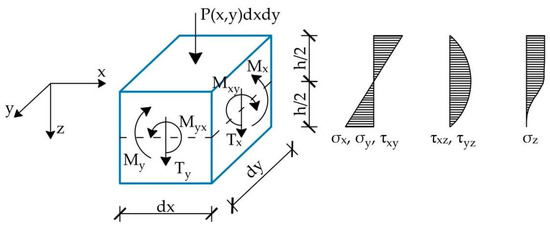
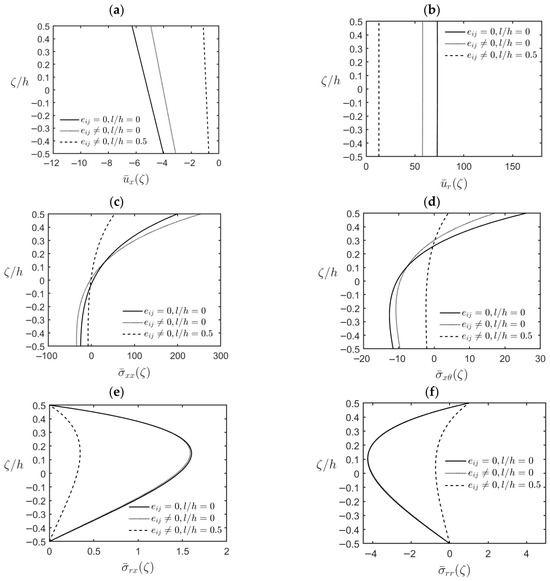
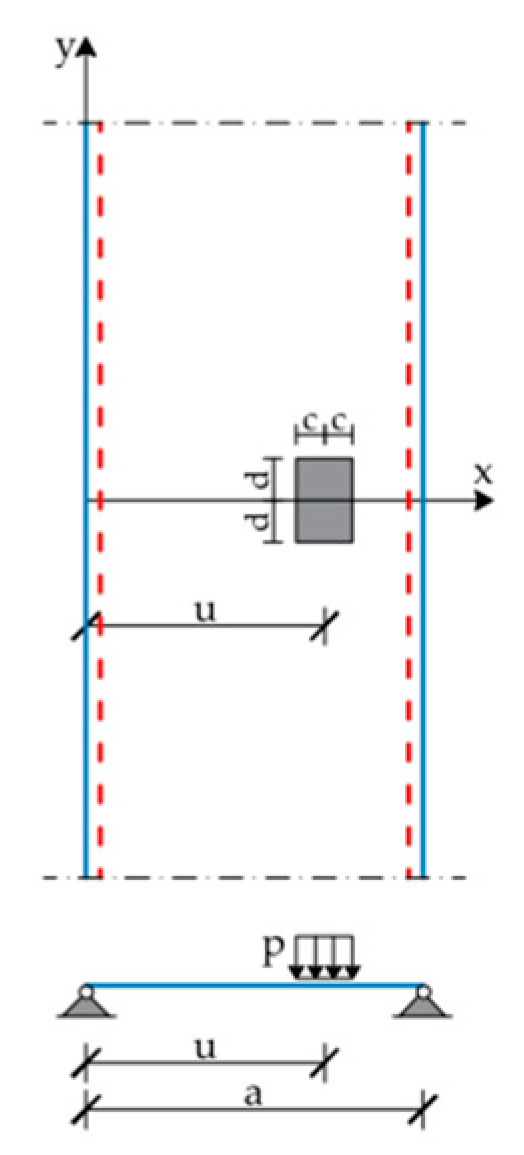
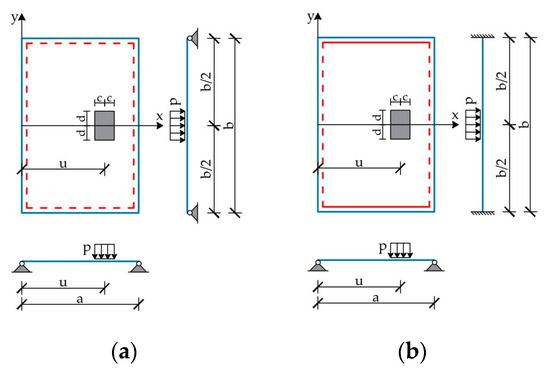
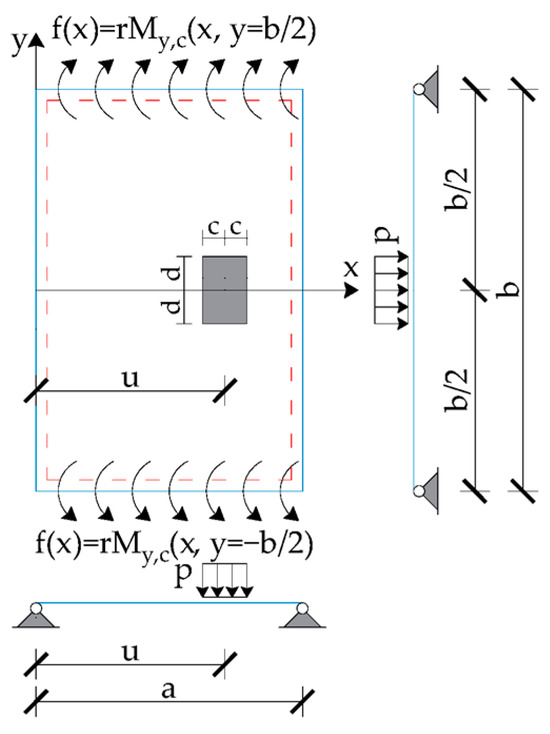
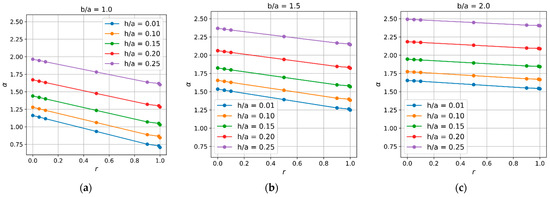
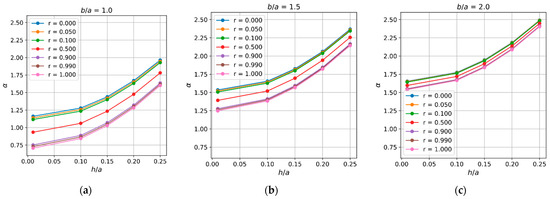
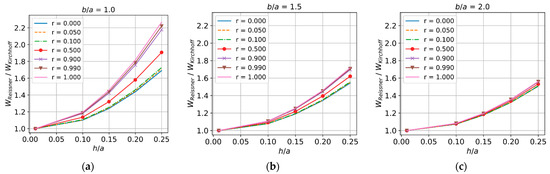
In structural engineering practice, the problem of thick plate bending occurs in designing shelters, foundations of high-rise buildings, counter-slabs, etc. In such cases, neglecting shear deformation can lead to significant errors in predicted behavior, especially when a plate is subjected to a concentrated force. In practice, neither a fully clamped nor an ideal simple support can be achieved during construction, so the plates are partially clamped, and this also applies to thick plates. Bending of thick rectangular plates with partially clamped edges has not been studied in the literature, so this paper addresses this issue. A comprehensive numerical analysis using a developed simple analytical model in the form of a Lévy-type solution based on Reissner theory has been carried out. The presented model is able to account for different degrees of rotational restraint in plates with two opposite edges simply supported and the other two partially clamped by introducing the fixity factor. The obtained results are compared with those available in the literature, as well as with a numerical FEM model, whereby good agreement is observed. The significant difference when using the proposed model to analyze a thick plate, as opposed to the models based on Kirchhoff theory, is underlined.
Full article

Figure 1
Open AccessArticle
Linear and Nonlinear Analysis of a Curved Timoshenko Beam Using Geometrically Exact Formulation
by
Qamar Maqbool, Rashid Naseer and Imran Akhtar
Appl. Mech. 2026, 7(2), 30; https://doi.org/10.3390/applmech7020030 - 6 Apr 2026
Abstract
This study investigates the mechanisms of nonlinear modal interactions in a circularly curved cantilever beam, utilizing the geometrically exact Timoshenko beam formulation. The governing equations take into account shear deformation, rotary inertia, and the geometric nonlinearities associated with significant deflections. A Chebyshev pseudospectral
[...] Read more.
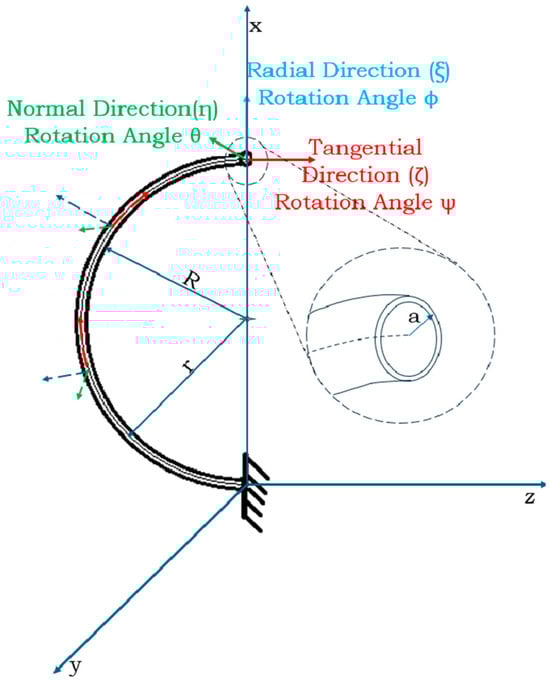
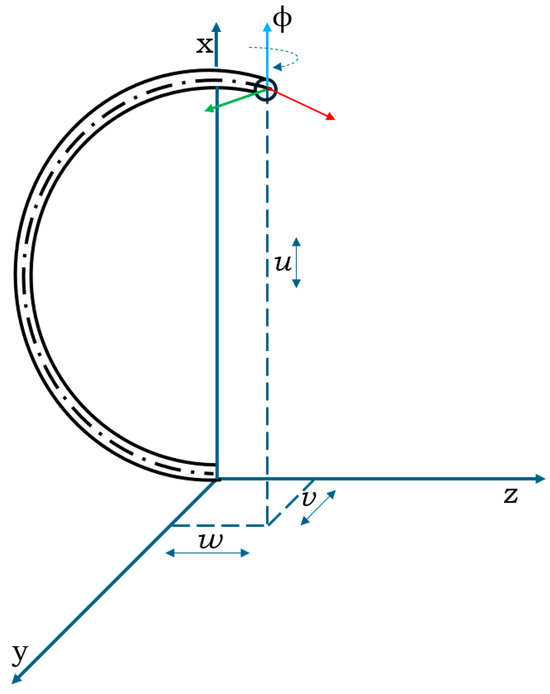
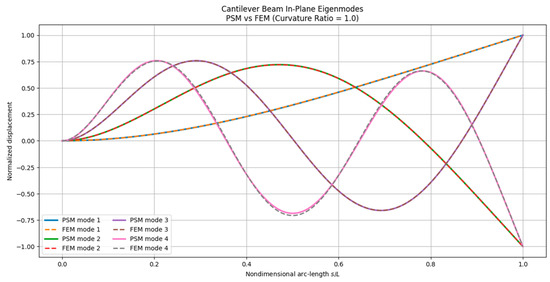
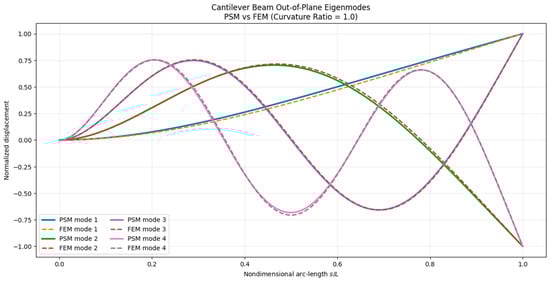
This study investigates the mechanisms of nonlinear modal interactions in a circularly curved cantilever beam, utilizing the geometrically exact Timoshenko beam formulation. The governing equations take into account shear deformation, rotary inertia, and the geometric nonlinearities associated with significant deflections. A Chebyshev pseudospectral scheme is employed to achieve highly accurate linear eigenvalues, which are subsequently used in a nonlinear modal projection to develop a reduced-order model. Explicit expressions for the quadratic and cubic modal coupling coefficients are derived. The Harmonic Balance Method is then applied to explore internal resonance phenomena, frequency modulation behavior, and the transfer of energy between non-commensurate lateral and normal vibration modes.
Full article
(This article belongs to the Special Issue 2026 Early Career Scientists' Contributions to Applied Mechanics (ECS 2026))
►▼
Show Figures

Figure 1

Open AccessReview
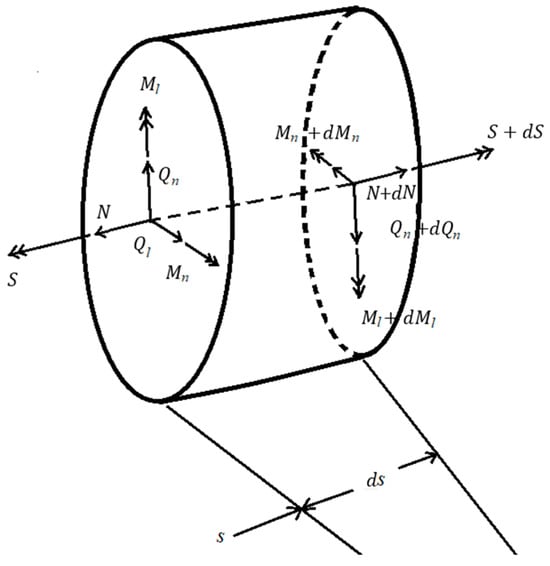
Wave-Induced Fatigue in Flexible Risers: State of the Art
by
Fernando Jorge Mendes de Sousa and José Renato Mendes de Sousa
Appl. Mech. 2026, 7(2), 29; https://doi.org/10.3390/applmech7020029 - 1 Apr 2026
Abstract
►▼
Show Figures
In recent years, the discovery of new ultra-deepwater reservoirs has significantly increased both the importance and the complexity of offshore oil production. One of the main challenges in qualifying structures to operate under such severe conditions is the fatigue limit state, particularly fatigue
[...] Read more.
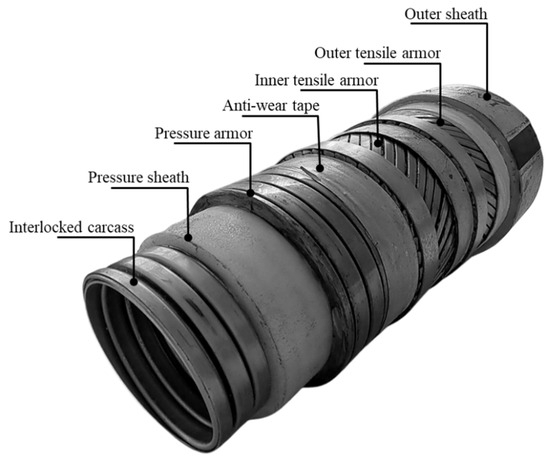
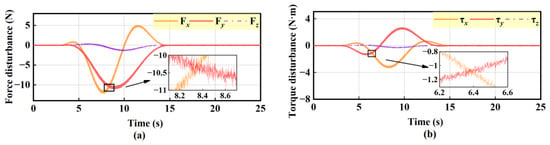
In recent years, the discovery of new ultra-deepwater reservoirs has significantly increased both the importance and the complexity of offshore oil production. One of the main challenges in qualifying structures to operate under such severe conditions is the fatigue limit state, particularly fatigue induced by ocean waves. Wave-induced fatigue remains, both at the design stage and during the operation of flexible risers, one of the most demanding issues for engineers responsible for ensuring their structural integrity. This study presents a state-of-the-art review of wave-induced fatigue analysis in flexible risers. It includes a brief historical overview of the problem, a summary of the fatigue assessment methodologies traditionally adopted in offshore engineering, a discussion of pioneering contributions to stress calculation, and an overview of the main research trends currently being pursued. These trends reflect emerging challenges related to fatigue life prediction, including the high computational cost of time-domain analyses, the presence of elevated contaminant levels in transported fluids, the development of new materials to reduce loads or enhance resistance to aggressive environments, and the assessment of remaining service life in the presence of damaged or corroded tensile wires. The potential use of monitored data to reduce uncertainties in numerical modelling is also addressed. Despite the challenges discussed, the main conclusion of this work is that ongoing technological developments are expected to ensure that flexible risers remain key components of offshore oil and gas production systems.
Full article

Figure 1
Open AccessArticle
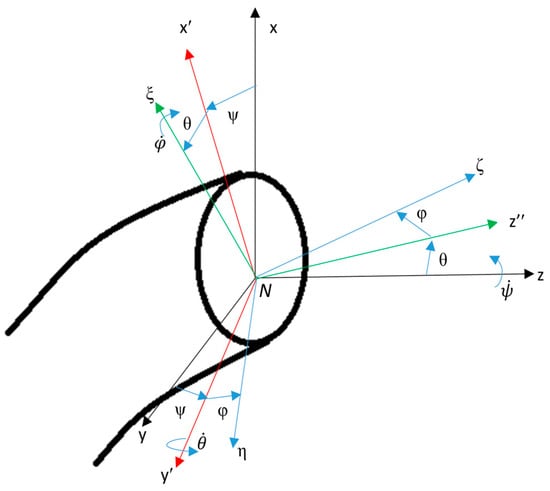
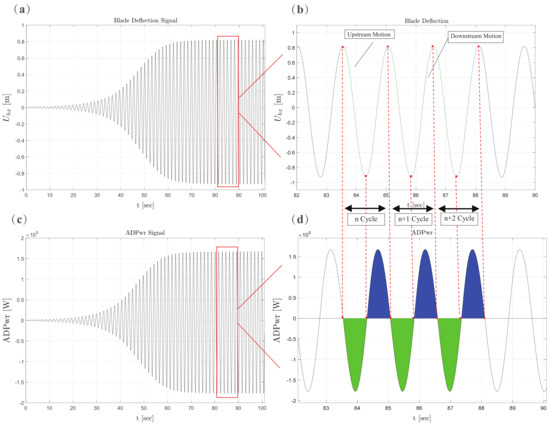
Analyzing the Physical Mechanisms of Aerodynamic Damping in Wind Turbine Blade Vibrations via Numerical Simulation
by
North Yates, Fernando Ponta, Joshua Reese and Alayna Farrell
Appl. Mech. 2026, 7(2), 28; https://doi.org/10.3390/applmech7020028 - 28 Mar 2026
Abstract
►▼
Show Figures
Since the inception of utility-scale wind turbines, there has been a continual increase in the size of the devices used. One drawback of turbine size increase is that the weight of the rotor blades has grown dramatically. Technological advancements have allowed for the
[...] Read more.
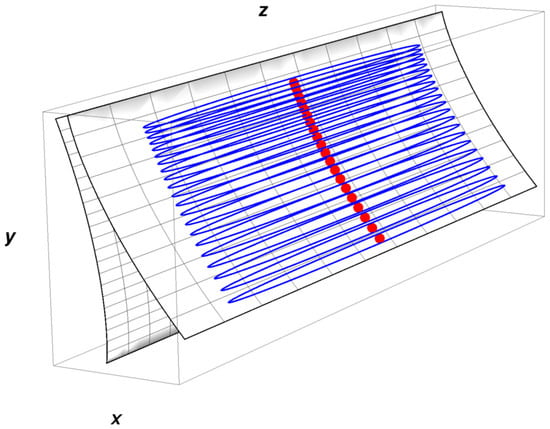
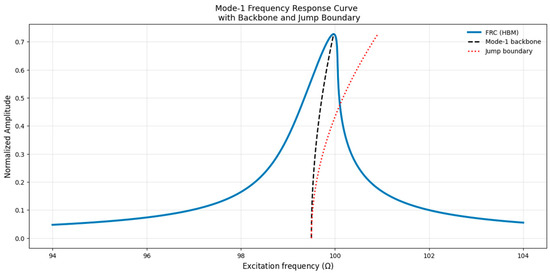
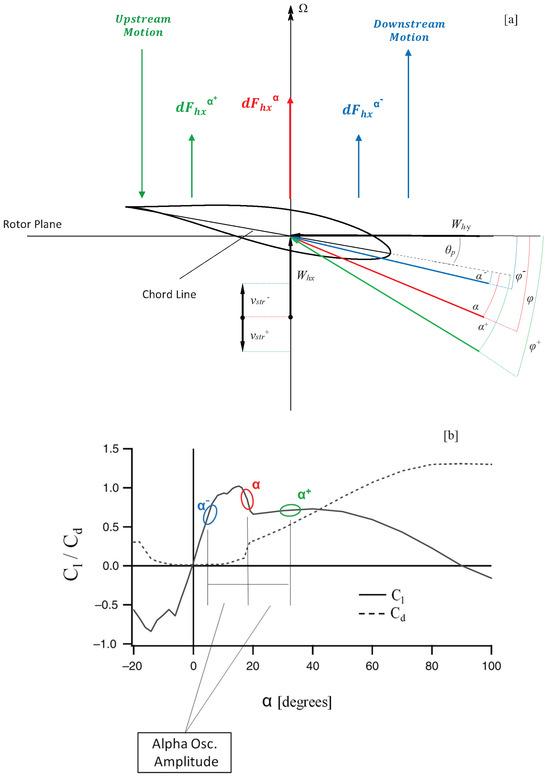
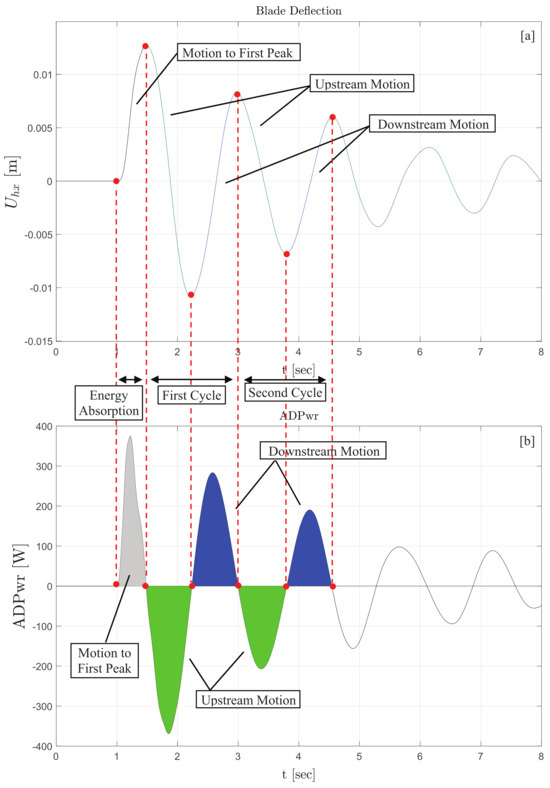
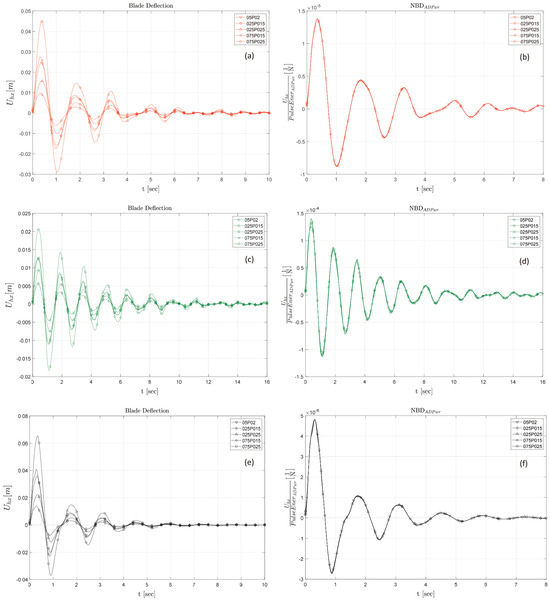
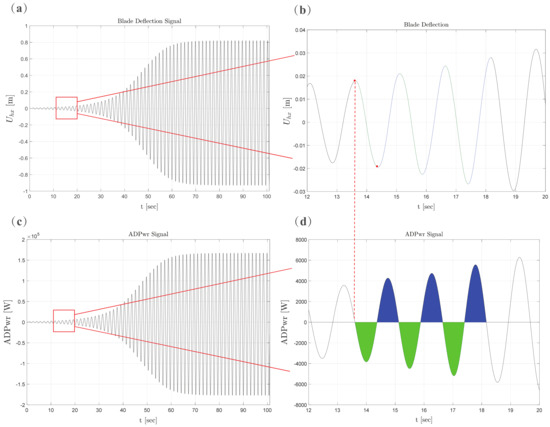
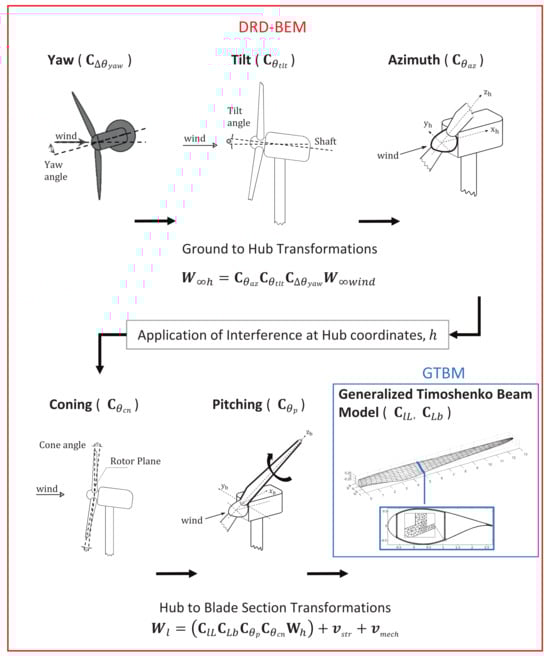
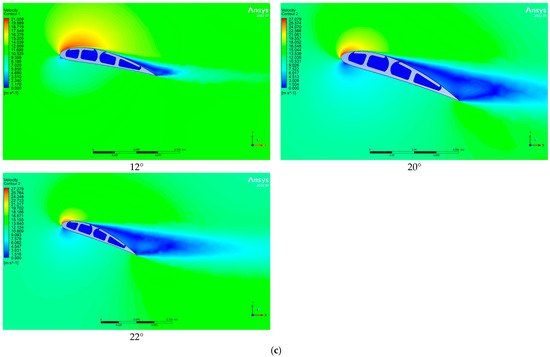
Since the inception of utility-scale wind turbines, there has been a continual increase in the size of the devices used. One drawback of turbine size increase is that the weight of the rotor blades has grown dramatically. Technological advancements have allowed for the creation of light blades to overcome this issue. These lighter rotors are also less stiff than their predecessors and prone to experiencing aeroelastic vibrations that can lead to fatigue damage. Aerodynamic damping occurring during blade vibration has the potential to mitigate those oscillations; thus, understanding its underlying physics provides an extremely useful tool for future blade design. In a series of previous publications, the authors presented a novel reduced-order characterization technique for the oscillatory response of wind turbines, which allows for the analysis of rotor vibrations when excited by wind gust pulses. In this paper, the authors will apply the same gust pulse technique to analyze the physics of blade’s aerodynamic damping, identifying two physical mechanisms. The first acts either as a damper, or as an energy feeder, depending on operational conditions. The second operates in a purely dissipative manner. Results of numerical experiments on several operational scenarios illustrating these behavioral responses will be presented and discussed.
Full article

Figure 1
Open AccessArticle
Stiffness Modeling and Analysis of Multiple Configuration Units for Parabolic Deployable Antenna
by
Jing Zhang, Miao Yu, Chuang Shi, Qiying Li, Ruipeng Li, Hongwei Guo and Rongqiang Liu
Appl. Mech. 2026, 7(2), 27; https://doi.org/10.3390/applmech7020027 - 25 Mar 2026
Abstract
►▼
Show Figures
Space-deployable antennas have development requirements of an ultra-large aperture, high stiffness, and multi-frequency multiplexing. To address the challenge of stiffness characterization in the multi-closed-loop complex systems of deployable mechanisms, this paper proposes a parametric stiffness modeling method and a static stiffness model is
[...] Read more.
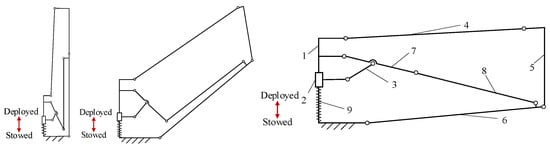
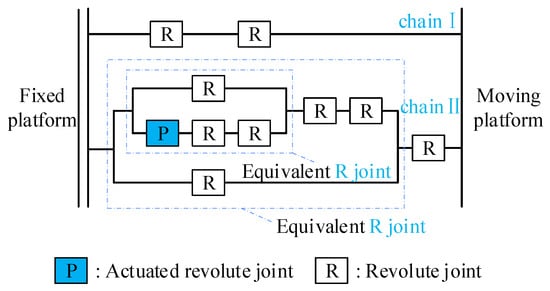
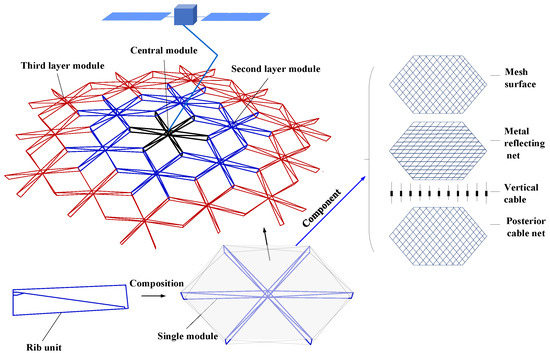
Space-deployable antennas have development requirements of an ultra-large aperture, high stiffness, and multi-frequency multiplexing. To address the challenge of stiffness characterization in the multi-closed-loop complex systems of deployable mechanisms, this paper proposes a parametric stiffness modeling method and a static stiffness model is established, ranging from components and limbs to the overall mechanism. The motion/force mapping model of the deployable mechanism is obtained using screw theory, and the stiffness mapping from joint space to workspace is achieved via the Jacobian matrix. A comprehensive stiffness model of the deployable mechanism incorporating joint effects is established based on the principle of virtual work and the superposition principle of deformations, and its validity is verified through finite element simulation. Building on this, stiffness characteristics based on structural configuration are investigated, and structural forms with excellent stiffness performance are selected through comprehensive evaluation. Six configurations of the deployable mechanism are derived topologically from this structure, and the optimal configuration is selected based on stiffness performance. The parametric stiffness modeling method proposed in this study can effectively characterize the contribution of each component to the overall system stiffness. It lays a theoretical foundation for establishing a quantitative relationship between stiffness performance and configuration, enabling performance-based configuration optimization and dimensional optimization.
Full article

Figure 1
Highly Accessed Articles
Latest Books
E-Mail Alert
News
Topics
Topic in
Energies, Machines, Modelling, Vehicles, Applied Mechanics, Future Transportation, Technologies
Dynamics, Control and Simulation of Electric Vehicles
Topic Editors: Xiang Chen, Xiangyu Wang, Congzhi LiuDeadline: 30 June 2026
Topic in
Applied Mechanics, Applied Sciences, Materials, Polymers, Solids, Metals
Multi-scale Modeling and Optimisation of Materials
Topic Editors: Mustafa Awd, Frank WaltherDeadline: 31 August 2026
Topic in
Applied Mechanics, Applied Sciences, JMMP, Materials, Metals, Nanomanufacturing
Advances in Manufacturing and Mechanics of Materials
Topic Editors: Young-Min Kim, Minjung Kang, Duck Bong KimDeadline: 30 September 2026
Topic in
Alloys, JETA, Materials, Metals, Sci, Applied Mechanics, Buildings
Advanced Failure Analysis of Materials
Topic Editors: Franco Concli, Isaac J. HongDeadline: 31 December 2026
Special Issues
Special Issue in
Applied Mechanics
Cutting-Edge Developments in Computational and Experimental Mechanics
Guest Editors: Mohsen Sharifpur, Philip LovedayDeadline: 30 June 2026
Special Issue in
Applied Mechanics
The Advances in Sustainable Infrastructure Engineering
Guest Editor: Seyed Morteza DavarpanahDeadline: 31 July 2026
Special Issue in
Applied Mechanics
Mechanical Design Technologies for Beam, Plate and Shell Structures (4th Edition)
Guest Editor: César M. A. VasquesDeadline: 30 November 2026
Special Issue in
Applied Mechanics
Feature Review Papers in Applied Mechanics
Guest Editors: Magd Abdel Wahab, Can WangDeadline: 15 December 2026
Topical Collections
Topical Collection in
Applied Mechanics
Fracture, Fatigue, and Wear
Collection Editor: Magd Abdel Wahab