1. Introduction
Since the inception of utility- scale wind turbines, there has been a continual increase in the size of the devices used. Between 1980 and 1990, the average turbine diameter was to the order of 17 m [
1], with diameters already nearing 100 m by 2013 [
2]. By 2018, average rotor diameters had already reached 115.6 m [
3]. This allowed for greater energy generation via an increase in the swept area of the rotors as well as access to the winds that occur at higher altitudes, wind velocity generally increasing as height from Earth increases. One drawback to these increases in turbine size is that, based on the square-cubed law, the potential weight of the blades of said state-of-the-art turbines would be immense if no effort was made to prevent this.
Thankfully, technological advancements have allowed for the creation of blades at a scale that overcomes the square-cubed law issue. It has been shown that instead of the expected exponential increase of 3.0, new techniques in manufacturing have yielded only an exponent of 1.82, making turbines of such a large size viable [
4]. However, these larger rotors are also less stiff than previous rotors [
5,
6]. These light blades, being dynamically softer, are more likely to experience coupled bending interactions and may no longer deform linearly. They may also potentially approach instability boundaries, which can lead to a decrease in life expectancy due to fatigue damage [
7], fatigue damage being something that has long been studied and designed for [
8]. The relationship between rotor design and wake flow structure also suggests that aeroelastic changes caused by more flexible blades may affect the manner in which a wake is shed from the rotor [
7]. Furthermore, as blades get larger, the flow fields they experience can be more complex, given the increase in swept area. This is all to say that, due to the ongoing trends of the wind industry, it is vitally important to understand how these larger and more flexible blades react and oscillate when a variable flow field occurs and how these interactions may differ from previously researched smaller-scale turbines [
9].
However, wind tunnel testing is no longer a viable option to conduct these studies, as blades have long since out-scaled even the largest wind tunnels. Sitting at a size of 24.4 m by 36.6 m [
10], the National Full-Scale Aerodynamics Complex at NASA’s Ames Research Center gets dwarfed by the size of these modern wind turbine blades. Using current reference wind turbine models as a comparison, the National Renewable Energy Laboratory 5 MW Reference Wind Turbine (NREL-5MW-RWT) has a rotor diameter of 126 m, with one blade being 61.5 m long [
11], while the 10 MW Reference Wind Turbine of the Technical University of Denmark (DTU-10MW-RWT) has a rotor diameter of 178.3 m, and a single blade length of 86.37 m [
12]. The mismatch in size is readily apparent.
Therefore, if any data on these large blades and their unique oscillatory behavior is to be had, numerical simulations are going to need to be conducted. Several options are available to choose from, such as a simplified reduced-order analysis [
13], Direct Numerical Solution (DNS) [
14], Large Eddy Simulation (LES) [
15,
16,
17,
18,
19] and the classical Reynolds-Averaged Navier–Stokes (RANS) [
20,
21,
22]. These methods vary in the techniques utilized, resulting in varying accuracy and computational costs [
23,
24].
Furthermore, to understand the oscillatory dynamics of these large and flexible turbine blades, a fluids simulation alone will not suffice; instead, a simulation model that integrates fluid flow and structural dynamics is needed. While some effort has been made in the past to facilitate such an integration via the Blade Element Momentum (BEM) technique [
25,
26], the same issue of model result quality applies.
In an effort to create a model that is capable of simulating the multi-physics interactions associated with aeroelastic dynamics while also being robust in both its quality and computational efficiency, the Common ODE Framework, or CODEF, was introduced and validated by Ponta et al. [
27]. Validation was conducted with the NREL-5MW-RWT. Via the use of a unique implementation of both BEM, called the Dynamic Rotor Deformation-Blade Element Momentum (DRD-BEM), and an evolution of the Timoshenko Beam theory, called the Generalized Timoshenko Beam Model (GTBM), CODEF is able to solve for the unique fluid and structural interactions that occur during the operation of wind turbines. A brief discussion on CODEF will be presented in
Section 2 to introduce the fundamental aspects on its multi-physics operation, referring interested readers to Ponta et al. [
27] and other references provided below for comprehensive details.
In a series of previously published works (see Jalal et al. [
28], Ponta et al. [
29], and Yates et al. [
30]), the authors introduced and applied a novel technique that provided an energy-based Reduced-Order Characterization (ROC) for the oscillatory response of wind turbine rotors. The ROC allows for the identification and quantification of the fundamental modes of rotor vibrational oscillation when excited by wind gust pulses with different combinations of timespan and amplitude. The ROC has the advantage of providing a relatively simple formula that can be computed in real time and that, nevertheless, is still capable of quantifying the dominant modes of blade vibration with sufficiently high precision to determine the nature of a control decision. The latter is a critical matter of practical relevance, as control decisions in wind turbine operation have to be implemented on an almost instantaneous basis in order to react to fast variations in wind flow.
Jalal et al. [
28] used the Delft University 5 MW Reference Wind Turbine (DU-5MW-RWT) [
31] as its test-case to study how controlled gust pulses, applied onto a steady-state flow stream, induce an aero-elasto-inertial dynamic response in the rotor. The gust pulses are designed to replicate, in a controlled manner, the effects of pulses existing in the real time signals of wind velocity, direction, shear, and veer. In this manner, the pulses induce the same behavioral features in the rotor’s oscillatory response. Ponta et al. [
29] was able to apply the ROC principles to study the effects of blade flexibility on the rotor’s oscillatory response, using as a test-case the Sandia National Labs-National Rotor Testbed (SNL-NRT) turbine [
32], along with versions made more flexible via reductions of their blade internal structural components, and a variation scaled 10× in size. Using up-scaled and down-scaled versions of the NREL-5MW-RWT, Yates et al. [
30] further established the universal nature of the ROC by expressing its results in terms of non-dimensional quantities, which could then be applied to turbines of any size that share a similarity of blade geometrical design and construction materials.
The importance of the universal, non-dimensional aspect of the ROC cannot be overemphasized. Due to the ongoing trend of up-scaling the size of commercial wind turbines due to economies of scale, which leads to a reduction in the levelized cost of energy of wind electricity [
33], the wind turbines of the future are going to continue growing in size. On the other hand, larger rotors must keep their mass-to-diameter ratios as small as possible to reduce the costs of manufacturing and transport logistics. This tendency to build rotors that are proportionally lighter than their previous iterations has resulted in more flexible blades [
5,
6,
34]. The consequence of that increased flexibility is that new and future rotors experience larger deformations during regular operation and are potentially more prone to aeroelastic stability [
35]. These two aspects will require innovative control strategies to avoid compromising future turbines’ lifetimes and performance [
8,
36]. A non-dimensional understanding of the ROC will more easily allow this to occur by being able to scale the known results of geometrically similar machines.
A discussion of the essential aspects of the reduced-order characterization and the controlled gust pulse technique will be presented in
Section 3, referring interested readers to Jalal et al. [
28], Ponta et al. [
29], and Yates et al. [
30] for comprehensive details.
In
Section 4 of this work, the authors will apply the controlled gust pulse technique, previously used in their reduced-order characterization studies, to the analysis of the underlying physics of aerodynamic damping in the oscillatory dynamics of wind turbine blades.
In this process, two basic mechanisms will be identified. The first one, referred henceforth as “Physical Mechanism 1” (PM-1), will be shown to operate in a dual manner, depending on background wind conditions. The PM-1 mechanism could act either as a damper (dissipating blade vibrational energy and leading to decay of the oscillations), or as a feeder (transferring kinetic energy from the background wind flow into the blade’s axial vibration, and leading to an unstable situation where oscillations are increased in amplitude). In both cases, the decay and the amplification rates are found to be exponential in nature.
The second mechanism, referred henceforth as “Physical Mechanism 2” (PM-2), will be shown to operate in a purely dissipative manner. This second mechanism was found to only activate when the blade’s oscillatory amplitude reached a certain threshold. This situation occurs when PM-1, acting as a feeder, has lead to an amplification of the blade’s oscillations to an amplitude equal to PM-2’s activation threshold. From this point on, it will be shown that the two physical mechanisms acting simultaneously (PM-1 feeding and PM-2 damping), will eventually cancel each other, leading to a constant level of oscillatory amplitude in the long term.
Results of numerical experiments on several operational scenarios which illustrate these various behavioral responses will be presented, followed by concluding remarks in
Section 6.
2. Brief Description of the CODEF Modeling Suite
The computational results to be shown in the present paper were produced using the CODEF simulation suite and its multi-physics sub-models for blade aeroelastic behavior. Here, we will include a brief description of the CODEF suite to make the present paper self-contained. Interested readers may find comprehensive details about CODEF’s development, validation, and applications in an extensive series of works previously published by the authors, including Ponta et al. [
27], Jalal et al. [
28], Baruah and Ponta [
37], and Yates et al. [
30], among several other works referenced within those articles.
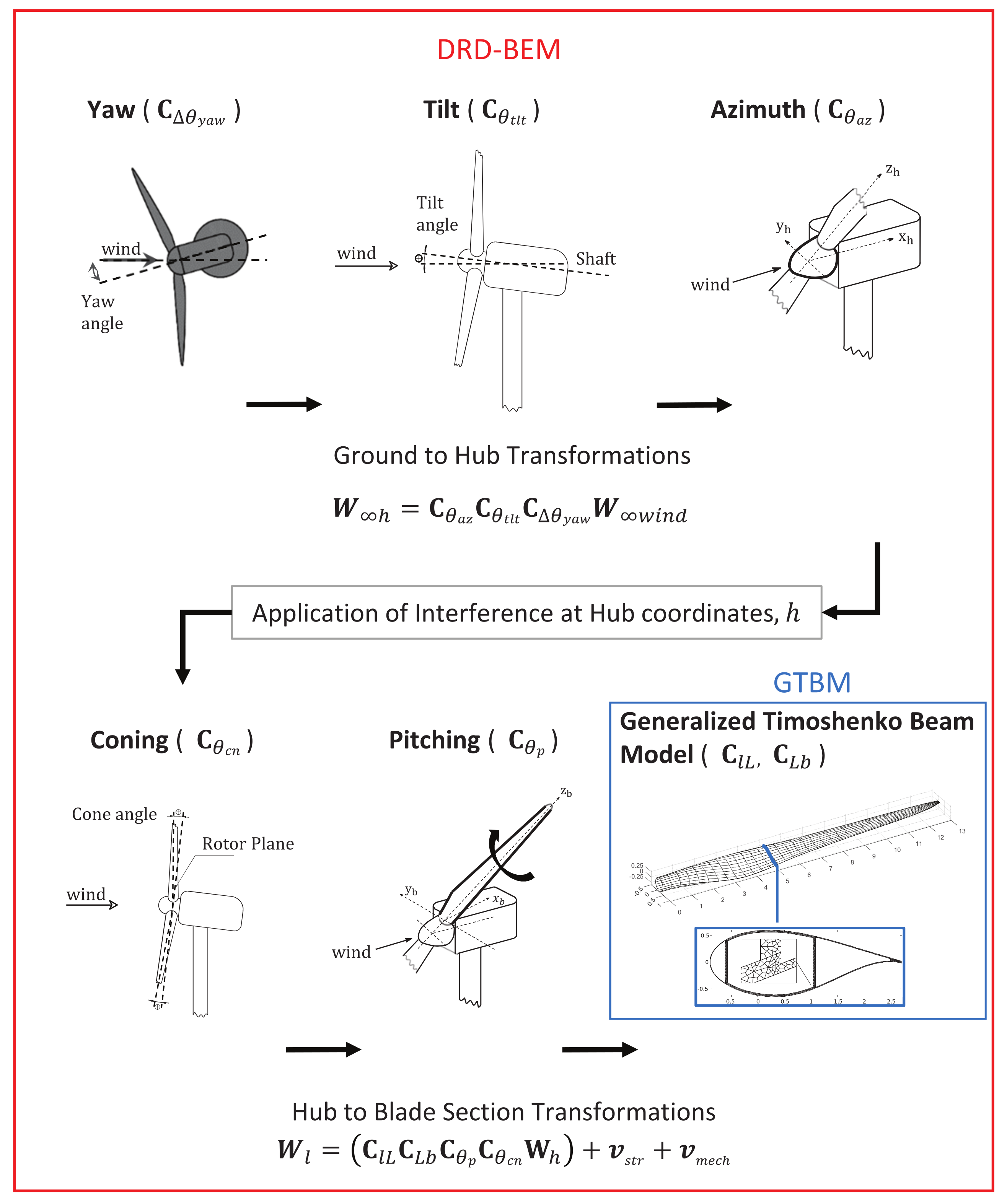
Figure 1 shows a schematic flowchart representation of the operation of CODEF’s aeroelastic components, the DRD-BEM and GTBM modules, which will be the focus of the following discussion. For the sake of completeness, a third component of the CODEF suite, called the Gaussian Vortex Lattice Model (GVLM), will be mentioned at the end of this section, even though its particular capacities were not required in the series of simulations involved in the present work.
Starting with the overall concept of CODEF as a simulation suite, it is able to solve for wind turbine dynamics by being an Adaptive Dynamic Multi-physics model, using a multivariable ODE in time. The overall ODE environment uses a set of algorithms that are non-linear adaptive, variable in time-step and/or algorithm order. This environment is able to model rotor flow and blade structures, as well as control systems and electromechanical devices with its modules. Despite the depth of CODEF’s abilities, it is still able to be computationally efficient with a time-marching scheme by gathering the equations for the mentioned modules of the multi-physics problem and checking each local truncation error at every time-step, regulating them for stable progression. These features as a whole are what allow it to also be capable of modeling the aero-elasto-inertial dynamic responses of control actions, as well as being able to work with another set of equations to solve for the electrical interactions that may be present in the wind farm as a whole unit. It may also solve for any overall wind farm control systems in place and the collective flow field of the entire farm via GVLM.
Moving focus to CODEF’s individual modules, the GTBM is what allows CODEF to solve for the real set of combined modes of deformation of the turbine blades, seen as complex cantilever beams, that result from the operational conditions set as inputs. Initially proposed by Hodges, Yu, and their collaborators [
38,
39,
40], GTBM achieves this feat by first reducing the entire 3-D problem of the blade structural response to the 1-D, non-linear problem of an equivalent beam, which is time dependent and solved as an ODE system.
This dimensional reduction step is completed via a series of linear 2-D pre-solutions calculated for a set of cross-sectional finite-element meshes distributed along the blade span. As part of the dimensional reduction that is occurring during this process, a blade equivalent beam is constructed, which has a complete 6 × 6 stiffness matrix (instead of the six individual stiffnesses of the classical Timoshenko theory), ensuring that coupled deformation modes, such as bend–twist and bend–bend in two orthogonal degrees of freedom, are included.
This all leads to the structural responses of each blade being able to be solved for in an efficient manner by conducting the necessary calculations during each time step of the overall ODE system.
A significant change between classical Timeshenko beam theory and the equations used in the GTBM module is that the assumption of planar beam sections during warping is not held anymore. Instead, a 2-D mesh is used to interpolate the real warping of each beam section that occurs, which leads to the cross-sectional pre-solutions producing the complete 6 × 6 beam stiffness matrices. Readers interested in a detailed understanding of the particular implementation of the GTBM process used in CODEF and how it integrates into the CODEF’s global flow may refer to Ponta, et al. [
27] and the internal references therein.
The next CODEF module to be discussed is DRD-BEM. To calculate the aerodynamic forces acting at each blade section, the incoming wind vector, , is transformed from the “ground” coordinate system, aligned with the North–South direction, to the velocity vector in the coordinate system of the deformed blade sections, . This is achieved via a series of products involving orthogonal matrix linear operators. Throughout this paper, the following notation is used: Vectorial quantities use italics boldface, matrices use Roman boldface, and scalars use plain italics.
The steps of the coordinate transformation product sequence are as follows: First,
is transformed into the hub coordinate system,
:
where
accounts for the yaw offset misalignment with the incoming wind, accounts for nacelle tilt, and accounts for the angle of azimuth of the blade during the blade shaft rotation cycle.
Then, the axial and tangential induction factors,
a and
(corresponding to the
and
directions indicated in
Figure 1), are applied to account for interference at the hub to create
where
is the rate of rotation, and
is the radius of the rotor.
Last, any misalignment due to rotor coning or blade pitch is accounted for by and in order to transform velocities into the blade–root coordinate system. This is then transformed into the deformed blade section coordinate system via (which accounts for rotations of the individual blade sections due to blade geometrical design) and (which accounts for instantaneous rotations of the blade sections due to dynamic structural deformation). The final step is adding the instantaneous relative velocities introduced by the blade structural vibrations, , the actions of mechanical devices like main shaft rotation, and the yaw and pitch mechanisms, .
This gives the expression of the flow velocity in the blade section as
Now, aerodynamic load can be determined based on the lift and drag coefficients of each instantaneous deformed blade section and its alignment with the relative wind direction. Then, a linear operator,
, is used to project the lift and drag components onto the chord-normal and chord-wise directions with respect to the blade section coordinate system, ‘
l’. Using the same linear operators as before, the aerodynamic loads on the blade section can be projected back into the hub coordinate system:
where
Thrust and torque are determined by taking the axial and tangential projections of the hub forces acting on the blade root and adding them together, with power coming from the product of torque and the hub’s rotational speed.
Given that the aerodynamic forces can cause structural deformations to occur, the results from the DRD-BEM process are fed back into the GTBM process to account for said deformations. As such, these two processes are inextricably linked. Full details and formulas for a complete description of the DRD-BEM procedure can be found in Ponta et al. [
27], with results of DRD-BEM solutions applied to studies of vibrational modes of wind turbine blades, and validation tests against well-established data from Jonkman et al. [
11] and Xudong et al. [
41].
Even though the GVLM module is not used for the simulation work presented in this paper, it is no less important in the CODEF package, and it will be briefly discussed to provide a complete description of CODEF.
As was mentioned above, even though its particular capacities were not required in the present work, CODEF’s GVLM module will be briefly mentioned here for the sake of completeness. This module utilizes Gaussian-core vortex filaments for wake representation and is able to generate such filaments for multiple turbines. These Gaussian-distributed vortex cores undergo viscous decay during the downstream propagation process in the overall wind farm domain, as they would be expected to do in a real scenario. This is in contrast to previous vortex lattice models based on the Biot–Savart law. This previous model considered a singularity concentration of vorticity at the filaments’ axes, which may produce projections of induced velocity near the filaments that are inaccurately high based on the stated close proximity to said filaments. A more detailed description of GVLM and its mathematical formulation can be read in Baruah and Ponta [
37], which also includes validation tests being compared to the operation of wind turbines at SNL’s Scaled Wind Farm Technology (SWiFT) facility in Lubbock, TX [
42,
43,
44] and the respective LiDAR field measurements of wake velocity patterns reported in Herges et al. [
45].
Readers interested in the free vortex lattice technique should refer to Strickland et al. [
46], Cottet and Koumoutsakos [
47], Karamcheti [
48], and Baruah and Ponta [
37]. For more information on Gaussian-core vortex theory, please refer to Ponta [
49], Lamb [
50], Batchelor [
51], Trieling et al. [
52], Flór and van Heijst [
53], and Hooker [
54].
3. Essential Aspects of the Reduced-Order Characterization and the Controlled Gust Pulse Technique
In the present paper, the authors will apply the controlled gust pulse technique, previously used in their reduced-order characterization studies [
28,
29,
30], to the analysis of the underlying physics of aerodynamic damping in the oscillatory dynamics of wind turbine blades. During this process, the dynamic interaction of flow velocities incident on the airfoil-shaped blade sections, and the corresponding aerodynamic forces acting on them, will be analyzed. From this analysis, the nature of the two physical mechanisms of blade aerodynamics damping, PM-1 and PM-2, mentioned in
Section 1, will emerge.
This section will focus on those essential aspects of the ROC and the controlled gust pulse technique, which are pertaining to the present analysis. Readers interested in the ROC’s general aspects and previous applications can refer to Jalal et al. [
28], Ponta et al. [
29], and Yates et al. [
30] for comprehensive details.
In the ROC’s reduced-order sense, the rotor is seen as a classic spring–mass–damper oscillatory system, where the blades can be interpreted as a leaf spring, flexing in the rotor’s axial direction, with a mass attached to it, and a dashpot representing the effects of aerodynamic damping.
In the context of blade oscillatory dynamics, the axial (also called “Flapwise”) deflection, , is the dominant mode of elastic deformation. This is due to the high flexibility of the blade in this particular direction, which makes this mode the one that absorbs most of the elastic energy of deformation.
Other deformation modes, like the tangential (also called “Chordwise”) and the torsional modes, do appear in the oscillatory response, but they are not dominant in typical operational conditions (see Yates et al. [
30] for more details). For this reason, the ROC technique focuses on using axial deformation as its single degree of freedom in the reduced-order sense. In the same manner, aerodynamic forces acting in the axial direction are the dominant factor providing damping, with material internal friction playing a comparatively minimal role.
The axial deflection, in itself, could also be used as an indicator of the vibrational energy stored in the rotor’s equivalent oscillator system at a given time. The peaks of the axial deflection indicate instances at the ends of each oscillation cycle where the vibrational velocity is zero, with no kinetic energy stored in the blade mass motion. This means that the peaks of the signal essentially coincide with instances where all the rotor’s vibrational energy is stored purely in the shape of elastic deformation. Once multiplied by the equivalent stiffness of the blade acting as a leaf spring, the enveloping curve connecting the peaks indicates the instantaneous evolution of the vibrational energy contained in the rotor’s oscillatory system. This relates to the energy transfer characterization, which is the next aspect of the ROC technique that will be described.
In the ROC technique, controlled gust pulses of various combinations of timespan and amplitude are applied on top of a certain background wind flow of a characteristic speed, WS (which is the magnitude of the
velocity vector, discussed in
Section 2). Each individual gust pulse introduces an additional amount of kinetic energy into the wind flow, which is, essentially, absorbed by the rotor as elastic deformation that could be observed as a first peak of deflection of the rotor’s spring–mass mechanical
oscillator. This initial kick triggers a subsequent oscillatory response, which could be analyzed by observing the time signals of
measured relative to a “reference” value corresponding to the steady deflection induced by the rotor’s operation at a mean wind stream, WS, and a certain regime of rotational speed,
. The rotational regime is usually represented in the manner of a non-dimensional quantity called the Tip Speed Ratio (TSR), defined as
where
R is the rotor radius (see Manwell et al. [
25]).
There are a wide range of operational conditions, defined by different combinations of wind speeds and rotational velocities, where the rotor’s oscillatory response is stable; these are also the typical conditions where normal turbine operation takes place. Jalal et al. [
28] found that, in this
Stable regime, the gust pulse amplified oscillations decay exponentially, with the rotor gradually returning to the original steady deformation state existing before the gust pulse was introduced.
The dominant mode of the oscillation was found to be the first flapwise bending mode, Mode-1, with a corresponding exponential rate of decay, , which depends exclusively on the operational conditions defined by WS and TSR.
Jalal et al. [
28] also found that, when the rotor operates in the stable regime, the amplitude of the axial deflection scales with the amount of kinetic energy introduced in the flow by the gust pulse. This means, essentially, that the elastic energy accumulated by the blade in its first peak of axial deflection, acting as a leaf spring, is proportional to the kinetic energy content of the pulse.
Ponta et al. [
29] and Yates et al. [
30] confirmed these findings and extended their validity to rotors of varied levels of flexibility and multiple sizes.
Moreover, knowing the pulse shape, amplitude, and time span, its kinetic energy content,
, can be easy computed by integration of the instantaneous wind kinetic power [
28,
29,
30]. This quantity is then used as a normalization quantity for
. The resulting Normalized Blade Deflection (NBD) is computed as
It was found that the time signal of the NBD for the oscillatory response of all individual pulses applied under the same operational conditions (given by a combination of WS and TSR) collapse into one nearly identical curve, regardless of the particular combination of amplitude and time span of the pulse in question [
28,
29,
30]. Most importantly, this collapse reveals not only that the frequency of the oscillatory response coincides but that the enveloping curve defining the oscillatory decay coincides too. This means that, for all turbine rotors of any size that share blade geometrical similarity and internal structural layout, the NBD’s law of decay was found to be the same exponential function, controlled by the level of aerodynamic damping defined by the particular combination of WS and TSR.
3.1. Unstable Oscillatory Regime
As mentioned in
Section 1, other regimes besides the
Stable have also been observed. These alternative regimes exhibit an unstable behavior, where the oscillations triggered by the gust pulse no longer decay but actually expand in amplitude, continuously feeding on the kinetic energy of the background wind flow even after the gust pulse has passed. This means that the forces involved in the physical mechanism creating aerodynamic damping in the
Stable regime now operate in the opposite manner, feeding energy from the flow into the oscillatory motion and amplifying the vibrational amplitude. In this
Unstable regime,
becomes negative, and the enveloping curve of the
time signal turns into an exponential expansion.
The existence of these unstable regimes of operation was initially reported by the authors in Jalal et al. [
28] for the test case of the DU-5MW-RWT rotor, and it was then studied in more depth in Yates et al. [
30], where details about the nature of the different stability regions were presented. These included the locus of the stable and unstable regions in a TSR vs WS stability map, the locus of the boundaries separating those regions, and the shape of the boundary curves (particularly its dependence on aerodynamic loads induced by different WS conditions).
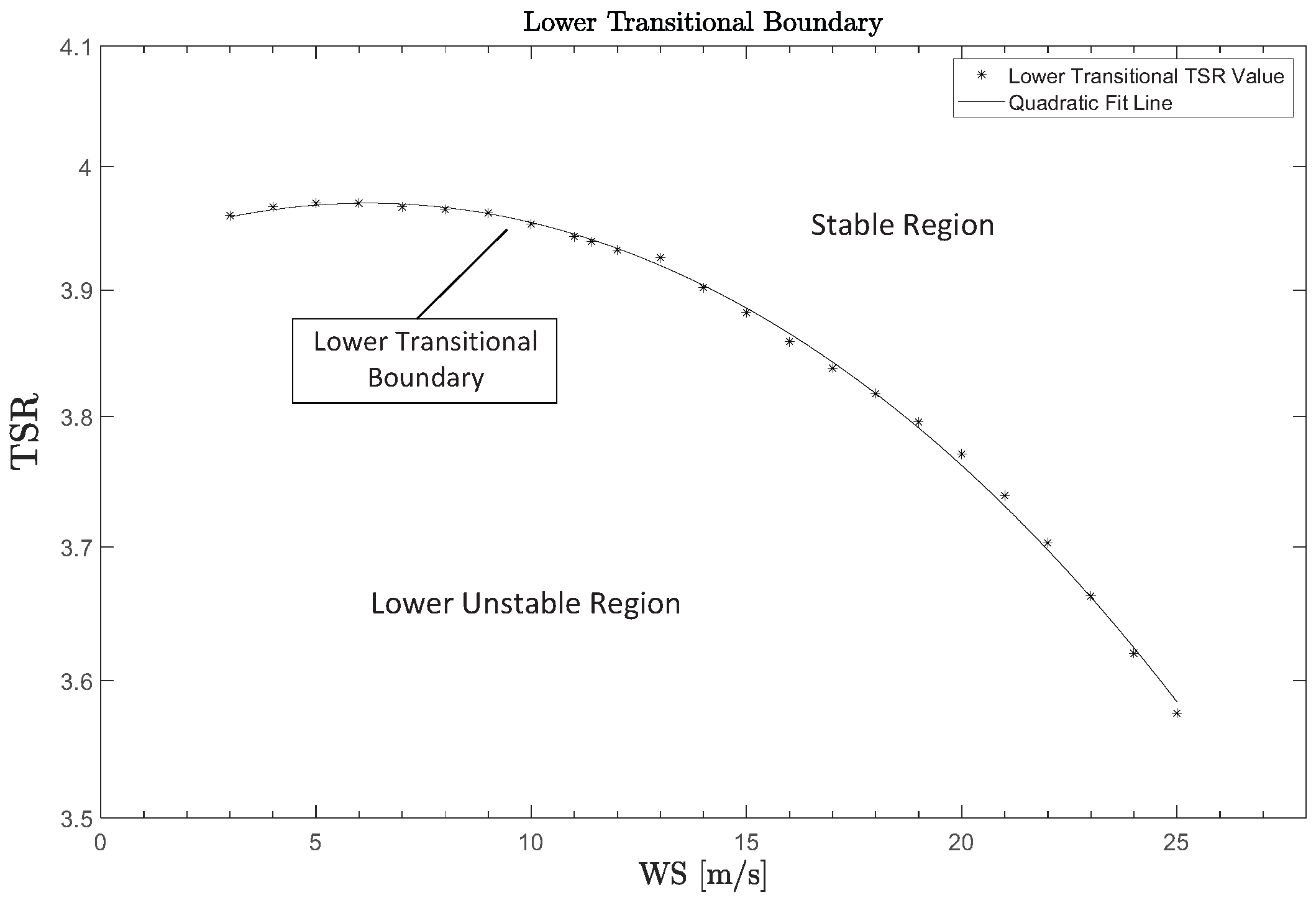
In connection with the topic of the present work, we want to focus our attention on a transition that occurs when the value of TSR goes below a certain threshold, from the Stable Region (SR) to the Lower Unstable Region (LUR), which is depicted in
Figure 2. Yates et al. [
30] defined this threshold as the Lower Transitional Boundary (LTB).
From the point of view of wind turbine engineering, this particular stability transition is of great interest, as it occurs relatively close to the combination of WS and TSR conditions where typical turbines operate. Hence, knowledge about its nature and the physics behind it is of both practical and scientific value. Within the analyses of the physical mechanisms of aerodynamic damping, PM-1 and PM-2, which will be presented in
Section 4, the change in the behavioral response of the NBD signals will be used as the focus of the study.
To further illustrate this point,
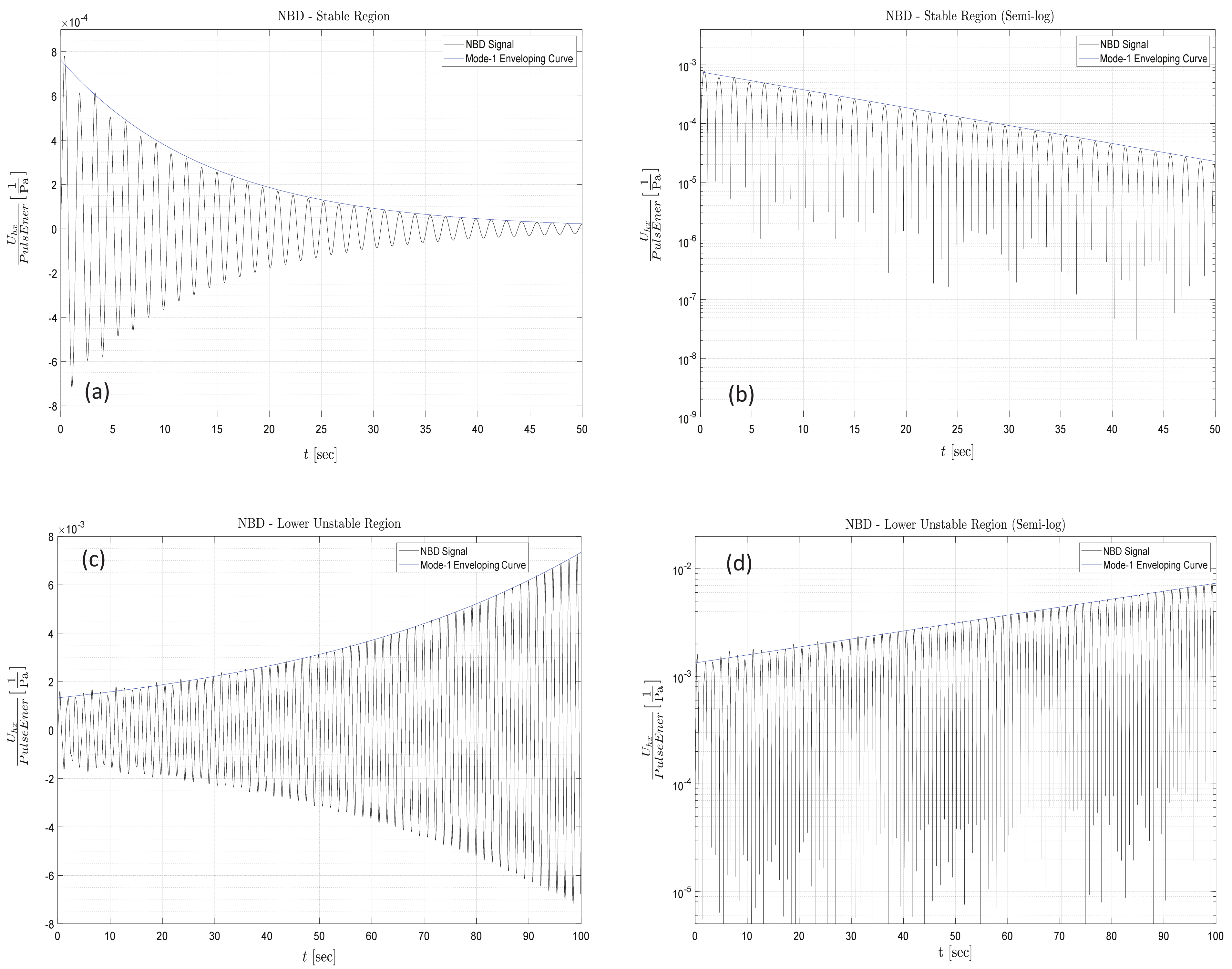
Figure 3 shows two selected examples of the NBD signal in a section located at 90% of the blade span from the blade root, for the typical responses exhibited by an NREL-5MW-RWT turbine, one when operating within the SR and the other when operating within the LUR.
In principle, any section along the blade span could be used as a location for the observation of aeroelastic variables. However, the section at 90% span represents a convenient monitoring point to describe the behavior of the blade’s aeroelastics. This section is located sufficiently close to the blade tip for structural variables like blade deflection or vibrational velocities to exhibit a substantial amplitude, reflecting the effects of dynamic deformation. At the same time, this sections is sufficiently far from the tip itself for the tip-vortex effects to alter the flow pattern on the blade’s airfoil section, thus allowing a better interpretation of the aerodynamic variables, like flow velocities and their angles of incidence. All plots of oscillatory response shown in this paper correspond to the 90% span section.
Figure 3a shows the NBD signal for a stable, SR case with a decaying vibrational response entirely dominated by the first flapwise mode of oscillation, Mode-1. The exponential nature of the enveloping curve can be clearly seen in the semi-log plot of that same signal shown in
Figure 3b, where the signal’s enveloping curve appears as a straight line with a constant slope, which indicates an exponential decay. The exponent of this decay,
, is the constant slope on the semi-log plot.
Figure 3c shows the NBD signal for the unstable case, with the turbine operating in the LUR regime. In this case, the vibrational response is characterized by an expansion of the first flapwise mode of oscillation, Mode-1. As it was the case with the SR example shown before, the exponential nature of the enveloping curve can be clearly seen in the semi-log plot of the signal shown in
Figure 3d. Here again, the signal’s enveloping curve appears as a straight line with a constant slope, but in this case, the slope is positive, indicating a “negative” value of the exponential decay,
.
In terms of the physical mechanism analysis,
Figure 3 shows the typical behavior exhibited by the NBD signal in the two different manners in which PM-1 is found to operate, with
Figure 3a showing the effect of PM-1 acting as a damper, and
Figure 3c illustrating the situation where PM-1 acts as a feeder.
In
Section 4.1, the aeroelastic interactions leading to PM-1 will be analyzed, and the reason for its behavioral switch from a dissipative into an energy-feeding nature will be explained.
3.2. Further Considerations About the Oscillatory Response in the Lower Unstable Region
In their study of the DU-5MW-RWT, Jalal et al. [
28] showed that the exponential rate of growth of the oscillatory response in the LUR regime (i.e., the negative value of
), was found to be the same for all gust pulses applied to a certain set of operational conditions, regardless of the particular combination of amplitude and time span of the pulse in question. That is, the rate of expansion in the LUR is exclusively determined by the combination of WS and TSR, in a similar manner as was seen in the SR regime.
It was also found that the only effect that the energy content of the pulse has is to change the initial point along the expanding curve at which the growing process starts. In essence, a strong pulse provides a certain amount of energy at the beginning of the oscillatory signal which otherwise would have had to be accumulated within a certain time during the expansion if a weaker pulse was applied. The result is that the NBD signals for two different pulses share exactly the same enveloping curve but shifted by a time difference long enough for the energy feeding mechanism to accumulate the difference in kinetic energy between the two pulses. This behavior has been confirmed by the authors in their studies of the other turbines, like the SNL-NRT, and the NREL-5MW-RWT [
29,
30].
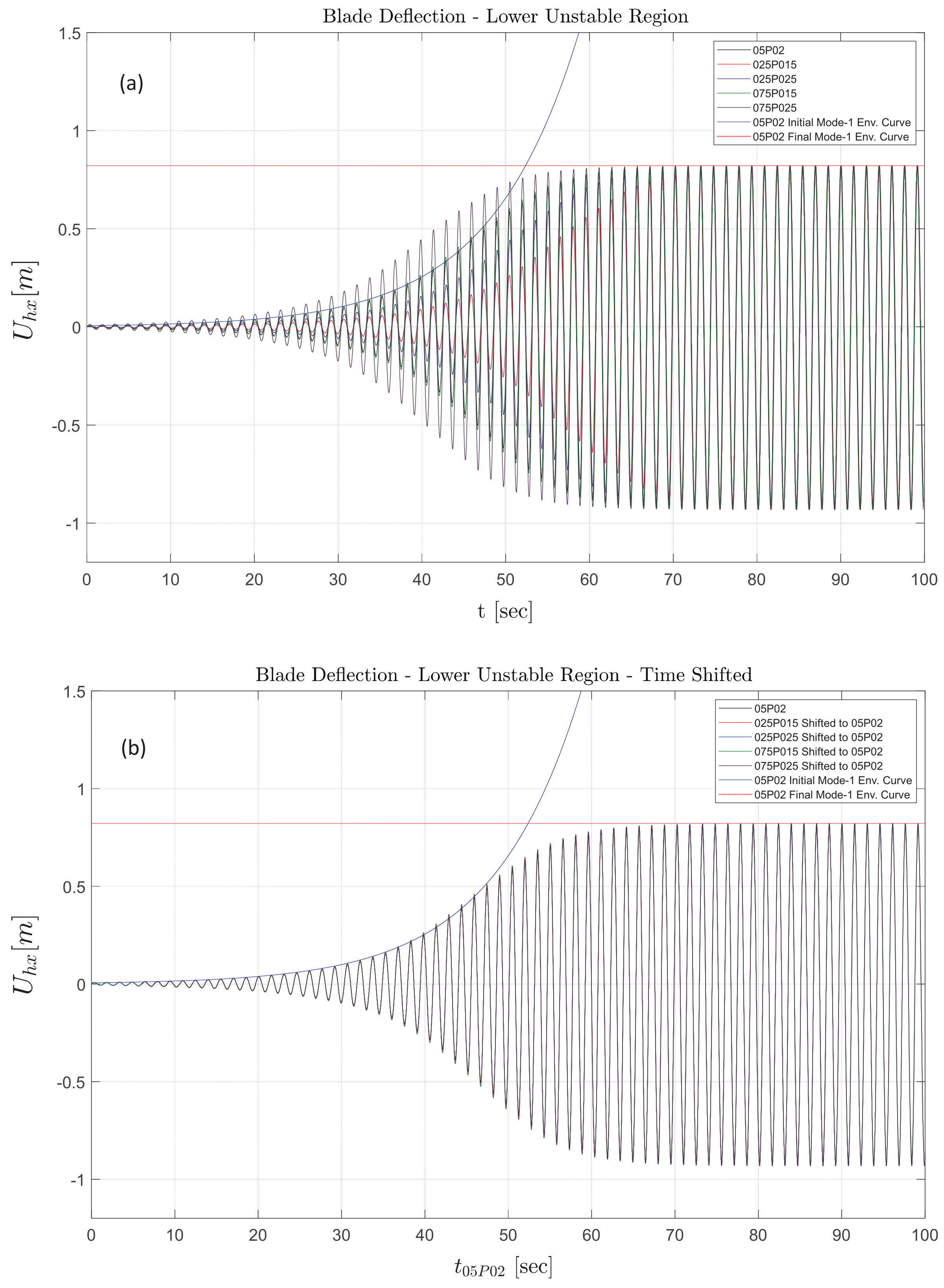
To illustrate this point,
Figure 4 shows an example of the
long-term signal for the NREL-5MW-RWT, operating in the LUR regime, when excited by various pulses of different amplitude and time span.
Figure 4a shows the original signals starting in sync with the instant of application of each respective pulse.
Figure 4b shows the same set of signals but shifted by a delta time equivalent to the time lapse required for the energy feeding mechanism to accumulate the difference in kinetic energy between each of the pulses and pulse 05P02, which was selected as a
reference pulse. It can be clearly seen that all time signals and their respective enveloping curves collapse almost perfectly (any pulse among the series could have been selected the “reference”, and the result would have been the same). This collapse of the signal curves is significant, as it serves to generalize the observations of the oscillatory response in any particular set of operational conditions, WS and TSR, independently of the nature of the gust pulse stimulus.
Another aspect that could be noticed in the long-term observation of the unsteady response in the LUR regime is that the amplitude growth does not continue indefinitely. As it can be seeing in
Figure 4, after the amplitude has reached a certain threshold, the enveloping curve of the signal peaks starts to depart from the exponential law profile, progressively decreasing its slope until the curve levelizes into a plateau, with the amplitude peaks remaining at a constant value which continues as long as the operational conditions, WS and TSR, remain the same.
In Jalal et al. [
28], the authors put forward the hypothesis of the existence of a second physical mechanism of aerodynamic damping (identified in
Section 1 as PM-2) that is only activated when the amplitude of the oscillations has reached a certain threshold and that operates purely in a dissipative manner.
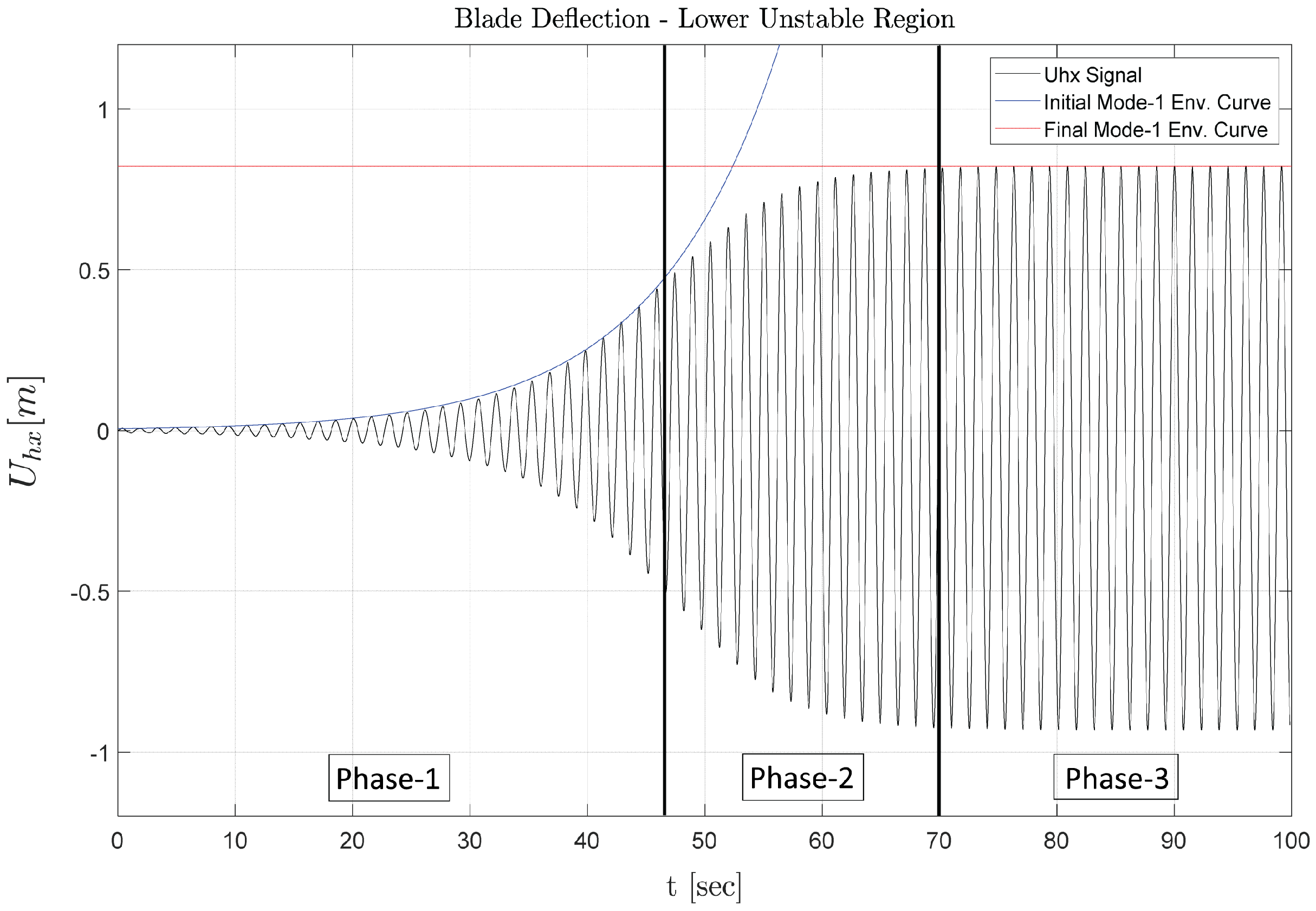
To illustrate this point,
Figure 5 shows the three successive
Phases that lead to the activation of PM-2 and its further interaction with PM-1, using as example the
long-term signal for the NREL-5MW-RWT, when excited by the
reference pulse 05P02.
At the start of the oscillatory signal (indicated in
Figure 5 as Phase-1), the amplitude growth is lead by PM-1 acting as a feeder, with an enveloping curve following the characteristic,
, exponential law that was previously described. Once a certain amplitude threshold is reached (indicated by the first vertical bar in the figure), PM-2 becomes active and Phase-2 begins. In this second phase, the enveloping curve starts to depart from the exponential expansion, with PM-2 dissipating part of the energy influx provided by PM-1. The amplitude continues expanding but at a progressively slower rate, as PM-2 becomes stronger the more the amplitude grows beyond its activation threshold. The increase in intensity of PM-2 ultimately leads to an equilibrium situation indicated as Phase-3. In this last phase, all the energy influx fed by PM-1 into the oscillatory system is equal to the amount of energy dissipated by PM-2, with both mechanisms canceling each other, leading to a constant oscillation amplitude.
The dependence of PM-2 on the oscillation amplitude is the reason why the system ultimately reaches an equilibrium situation. If the energy dissipated by PM-2 was to overcome the energy fed by PM-1, the amplitude would diminish, and PM-2 would become weaker, leading to an increase of the amplitude. Conversely, if the energy dissipated by PM-2 was to become less than the energy fed by PM-1, the amplitude would increase, and PM-2 would become stronger, leading to a decrease of the amplitude. Hence, the system settles into a self-regulated equilibrium situation where no mechanism prevails over the other.
In
Section 4.2, the aeroelastic interactions leading to PM-2 will be analyzed, and the reason for its dependence on the oscillation amplitude will be explained.
4. Analysis of the Physical Mechanisms of Aerodynamic Damping
This section will focus on the blade’s aeroelastic interactions which lead to the origins of the physical mechanisms of aerodynamic damping.
The analysis starts with the physical situation present at the initial conditions, where the blade is subjected to a steady-state incoming flow of constant speed (i.e., the background wind), before the controlled gust pulse is applied.
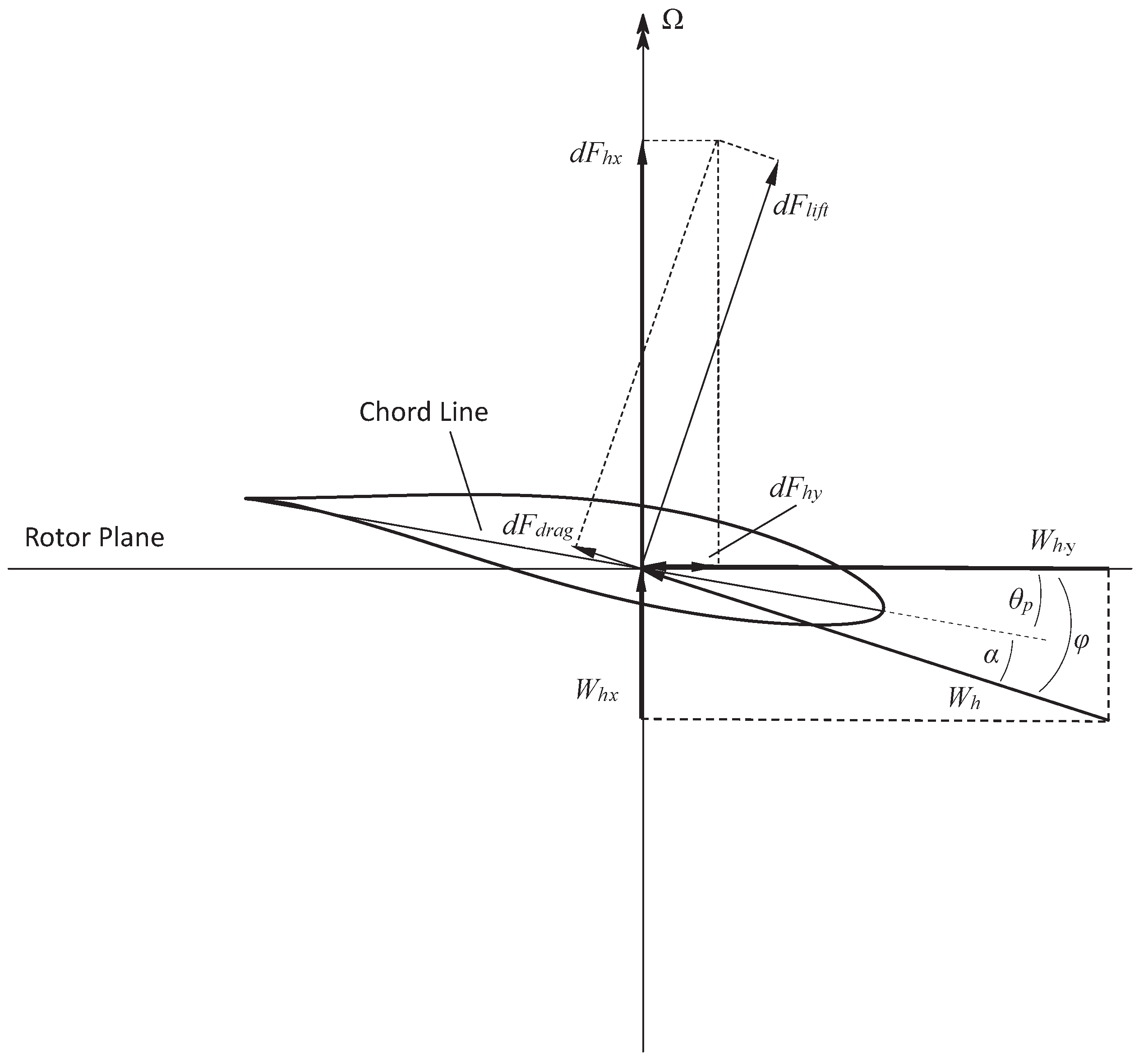
Figure 6 shows a schematic representation of the flow velocities and aerodynamic forces acting on a generic section of a wind turbine blade. In this figure, the generic blade section (represented by the airfoil silhouette) is shown as looking radially inwards along the blade span from the blade’s tip. The blade section is represented here at a “
neutral” position around which the oscillations will occur, laying on an imaginary plane perpendicular to the rotor’s radial direction.
At this starting point, the blade section is assumed to be located at the blade’s plane of rotation (identified in the figure as “Rotor Plane”), with the wind incoming from the bottom and aligned with the rotor’s axis (depicted as x in the vertical direction). This initial setup corresponding to the neutral situation allows for the description of the main variables involved (forces, velocities, and angles) in a basic, clear manner.
Starting with the velocity vector composition of the incoming flow in this
neutral position of the airfoil section,
indicates the axial component of the incoming wind in the coordinate system of the rotor’s hub (See
Section 2), and
indicates the flow’s tangential component (primarily induced by the blade’s rotation around the rotor’s axis,
), with a resultant velocity composition,
, incident on the rotor plane at an angle
.
The flow’s angle of attack on the airfoil section, , is then given by the difference between and the pitch angle of that particular blade section, (defined here as the angle between the rotor plane and the airfoil’s Chord-Line), .
The aerodynamic lift and drag forces on the airfoil section,
and
, are defined in the classical manner, with directions perpendicular to, and co-linear with, the incoming flow,
, and magnitudes given by
where
is the air density,
c the airfoil section’s chord length, and
and
are the respective lift and drag coefficients of the airfoil profile, which are functions of the angle of attack,
.
Lift and drag are composed into a resultant force (omitted in the Figure for clarity), which, once projected onto the hub’s coordinate system, resolves into an axial component, , and a tangential component, . All forces are defined per unit length of blade span.
For clarity purposes, the schematic in
Figure 6 is not drawn exactly to scale. That is, this diagram should not be interpreted as representing the specific numerical values of the variables at any blade section in particular. It is intended to aid in the elucidation of the qualitative principles of the blade’s aeroelastic physics.
The same consideration applies to all following schematics involving depictions of aeroelastic variables on a generic blade cross-section. Based on the qualitative principles elucidated via these cross-section schematics, the time signals of several aeroelastic variables involved will be used to provide a quantitative confirmation of the qualitative principles that will be described.
The next step on the analysis will depict the evolution of the aeroelastic variables after the gust pulse has been applied onto the background wind, and the blade has initiated its oscillatory motion. As it was discussed in
Section 3, the blades oscillate primarily in the axial direction, with the
component dominating the deflection, with an associated axial vibrational velocity, henceforth referred to as
.
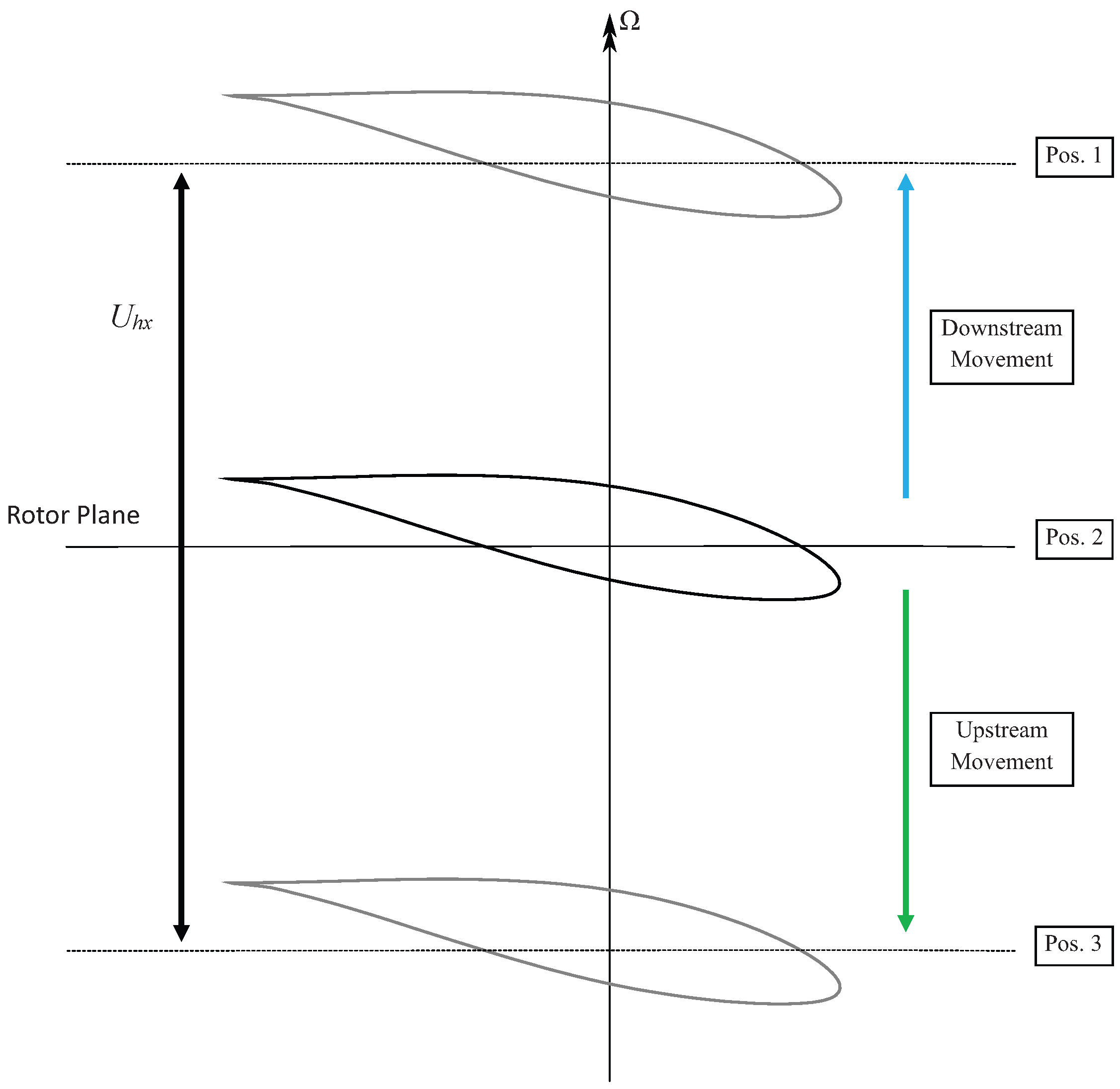
Figure 7 shows a schematic representation of the blade’s axial deflection in three distinct positions of the
oscillatory cycle: Pos. 1, indicates the peak of the axial displacement in the downstream direction, Pos. 2, the
neutral position at the middle of the cycle, and Pos. 3, the peak of the axial displacement in the upstream direction.
In both halves of the oscillatory cycle (downwind and upwind), the blade accelerates from a zero at the end positions (Pos. 1 and Pos. 3) until reaches its highest value at a point in the middle of the cycle in the immediate vicinity of Pos. 2, where the blade goes across the Rotor Plane. This velocity, imparted to the blade section by the oscillatory motion, compounds with the axial component of the incoming wind flow , but it does not alter the value of the tangential component .
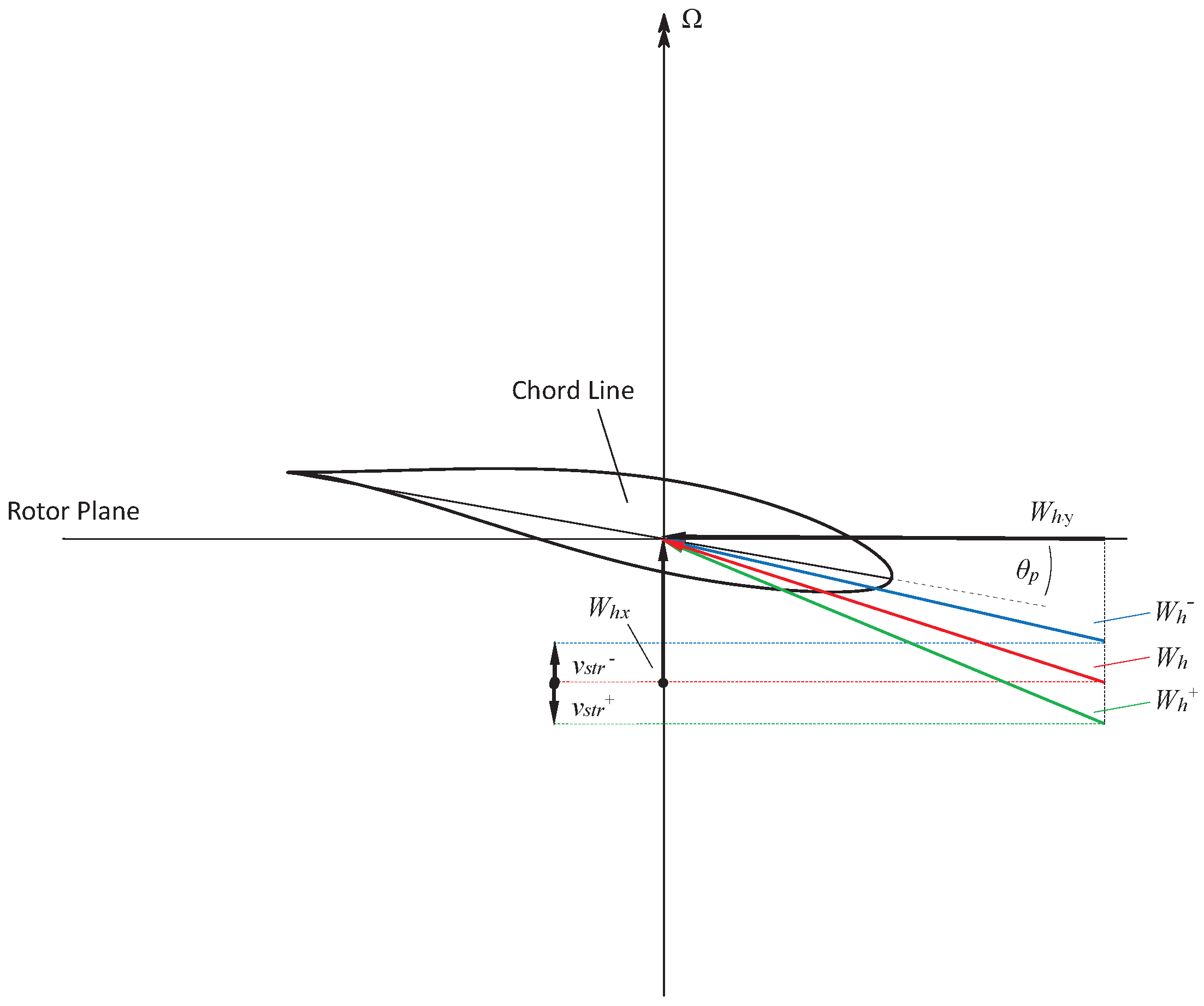
The result of this compounding between and is a slight variation on the magnitude of the resultant incident flow, , but most importantly, a substantial variation in its angle of incidence, .
Figure 8 shows a schematic representation of this compounding process, where
indicates the direction of
during the downwind motion of the oscillatory cycle, and
the corresponding incident velocity, with
and
indicating their respective counterparts during the upwind motion.
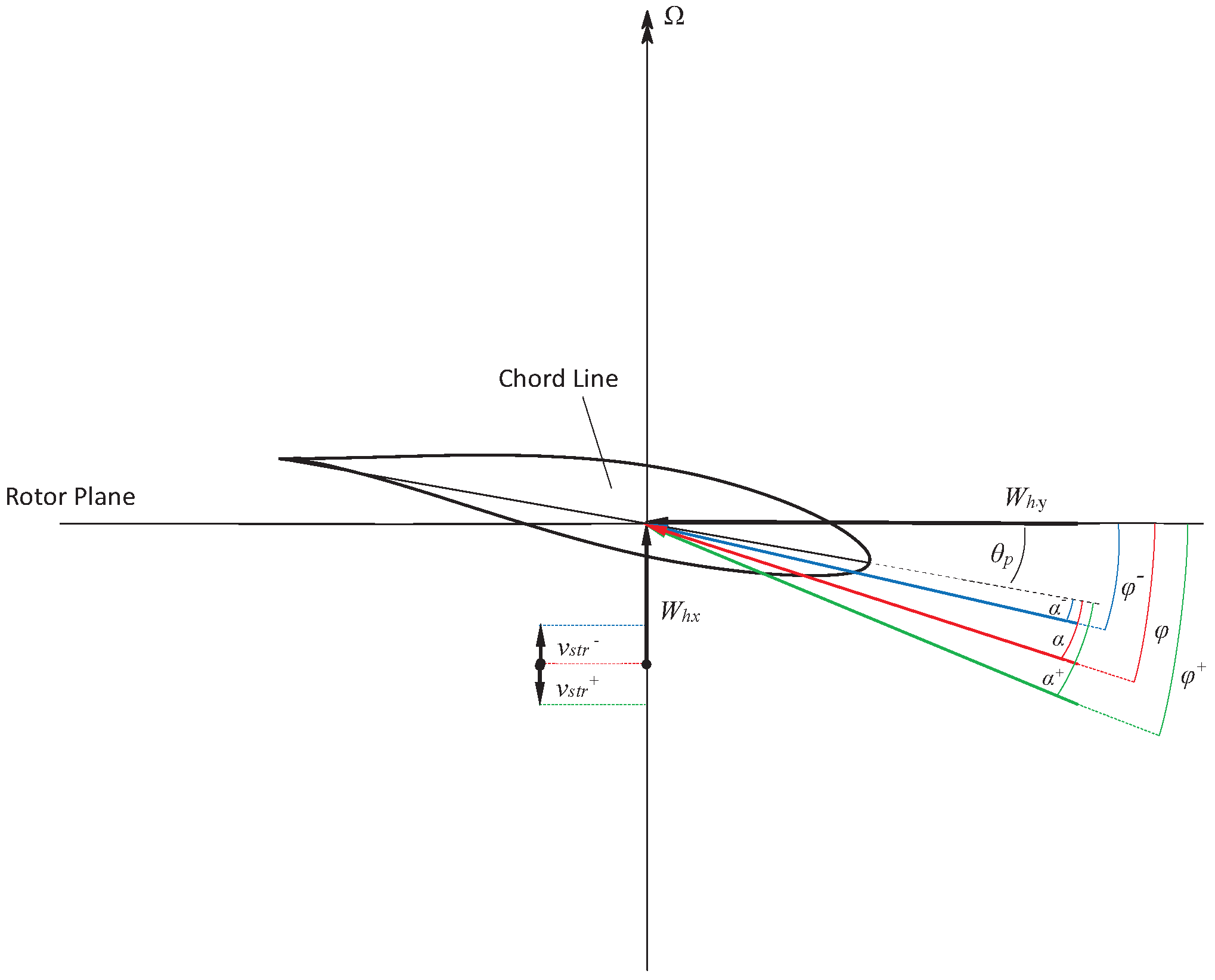
Due to the characteristic stiffness of typical blades, the angle of twist caused by the torsional deformation that accompanies the bending process of axial deflection, even though not negligible, is very small in comparison with the variation in . Thus, the value of the pitch angle, , remains practically constant during the oscillation cycle. This ultimately induces a variation of the angle of attack, , of the same order as the variation in .
Figure 9 shows a schematic representation of how the
and
angles are affected by the oscillatory motion, where
indicates the minimum value of
occurring during the downwind motion of the oscillatory cycle, and
the corresponding minimum value of
, with
and
indicating their maximum counterparts occurring during the upwind motion.
4.1. Aeroelastic Interactions in Physical Mechanism 1
In this section, a discussion on the underlying physics explaining the nature of PM-1 will be covered.
Starting with the analysis of PM-1 in its damping role,
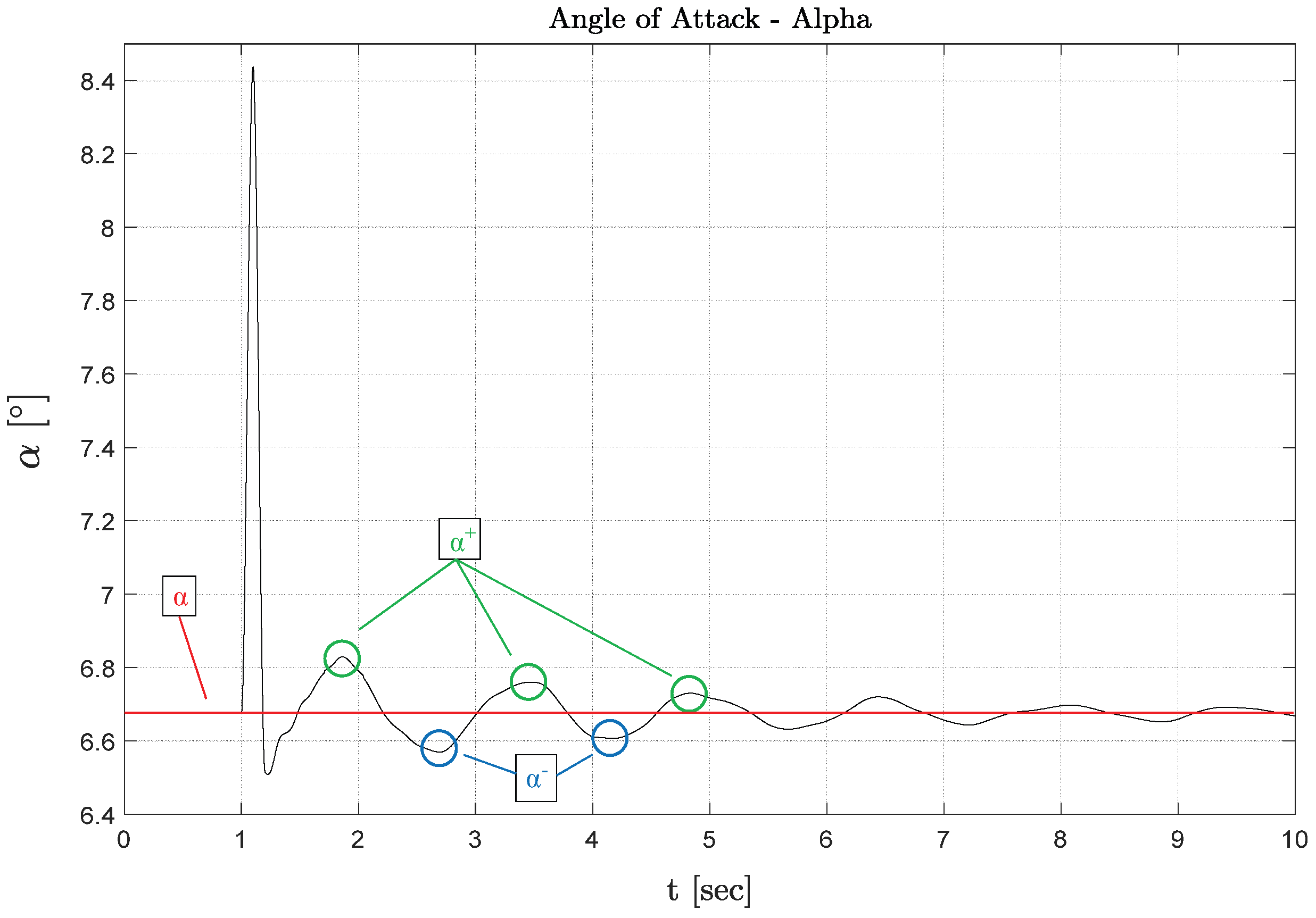
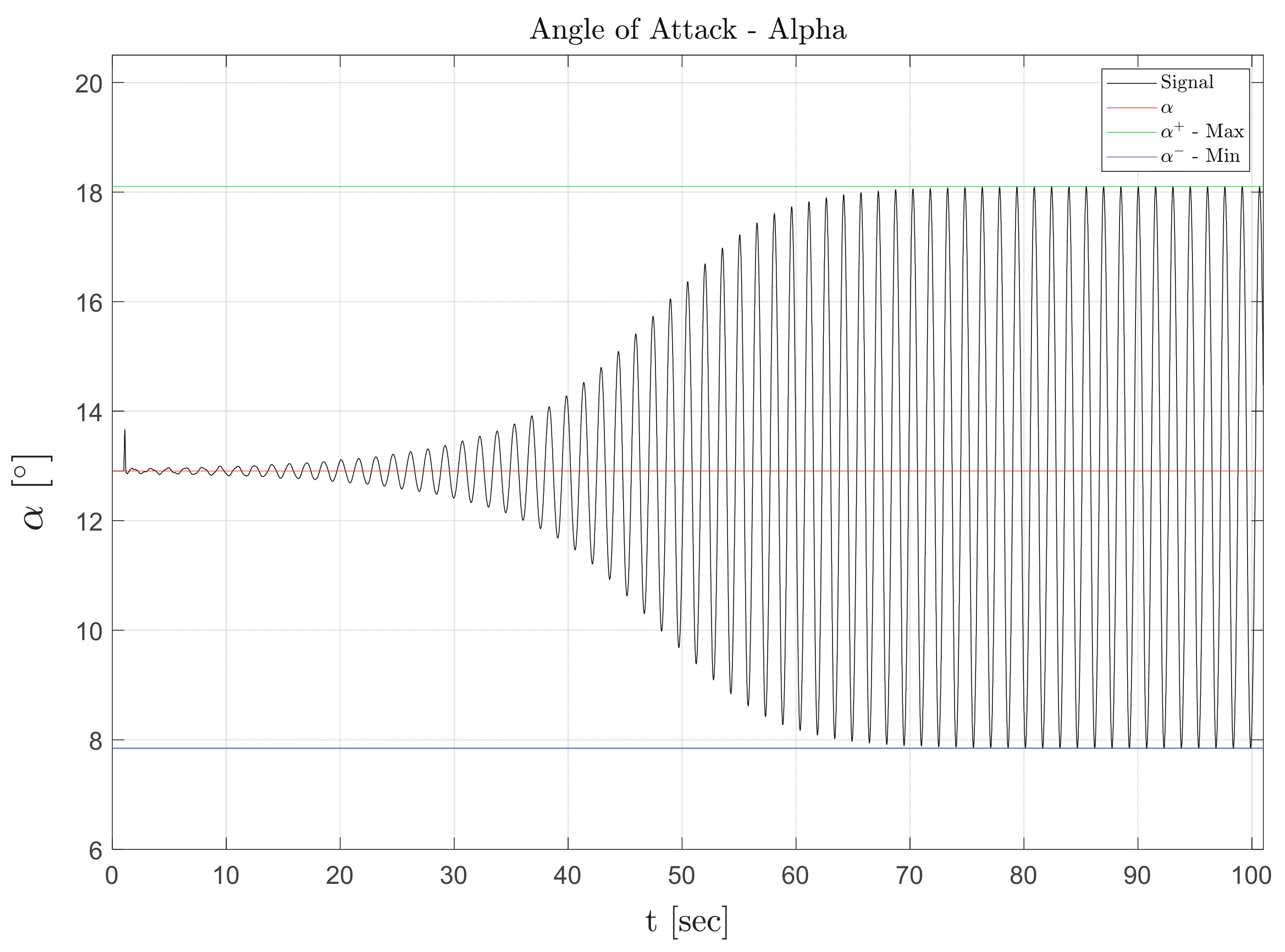
Figure 10 shows a selected example of the typical time signal of the angle of attack
at the 90% blade section of an NREL-5MW-RWT rotor when operating in the SR regime.
An examination of this plot reveals a pronounced first peak in the time signal, corresponding to the sudden increase in induced by the gust pulse, followed by a pattern of decay similar to what happens with the blade’s deflection, . This is due to the fact that the axial vibrational velocity, , also follows the pattern of evolution, as the distance that the blade has to travel during the period of oscillation scales proportionally with the amplitude of the deflection. This decay in results in a similar pattern of evolution in , and hence, in .
The airfoil shape used in the sector of the NREL-5MW-RWT blade span for this selected example is a NACA 64-618, which has a stall angle of attack of about
[
11]. The stall phenomenon is characterized by the separation of the boundary layer from the airfoils surface, which induces a sudden decrease in lift and a simultaneous increase in drag (see more details in Manwell et al. [
25]).
A further examination of the range of
fluctuations in
Figure 10, from its minimum value,
, to its maximum
, clearly indicates that the airfoil remains in its attached-flow regime during the entire oscillatory period, as at no time
values exceed the
stall limit. Similar signals for the SR regime have been observed in other blade sections located in the outer regions of the blade from one third of the span all the way to the tip. These are the span regions mainly connected with the generation of the axial loads responsible for the blade’s bending deflection.
The airfoil sections remain in their attached-flow regime for blade oscillations occurring in SR operational conditions, which is consistent with the fact that the values of TSR are relatively high in the SR regime. This means that the ratio between the axial component of the incident velocity,
, and the tangential component,
, is small. This translates into a low value of the angle of incidence
, and hence, a low value of
(see
Figure 9). These observations are important; as will be shown, they directly relate to the way in which the variations in the axial force,
, produce aerodynamic damping.
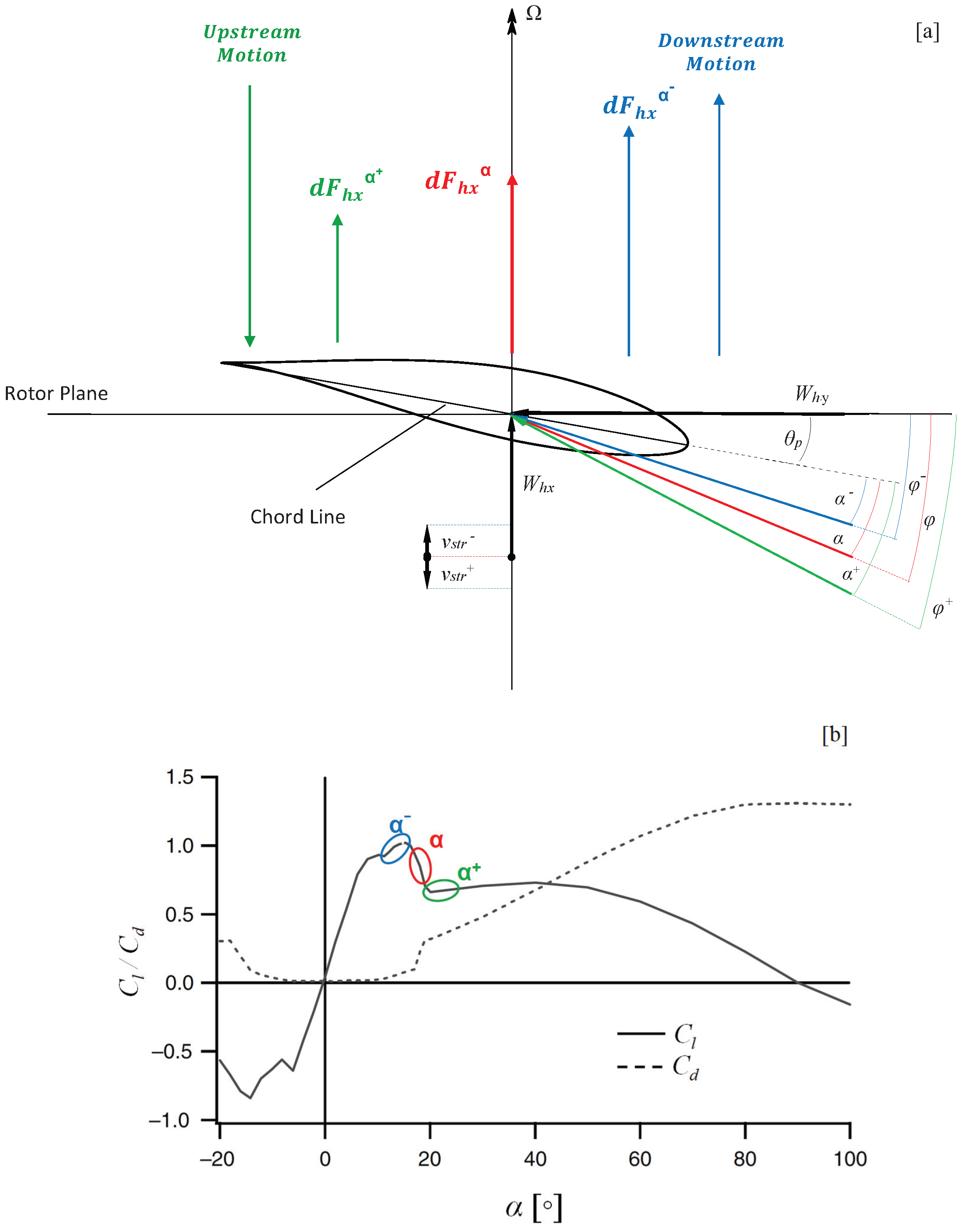
To illustrate this point,
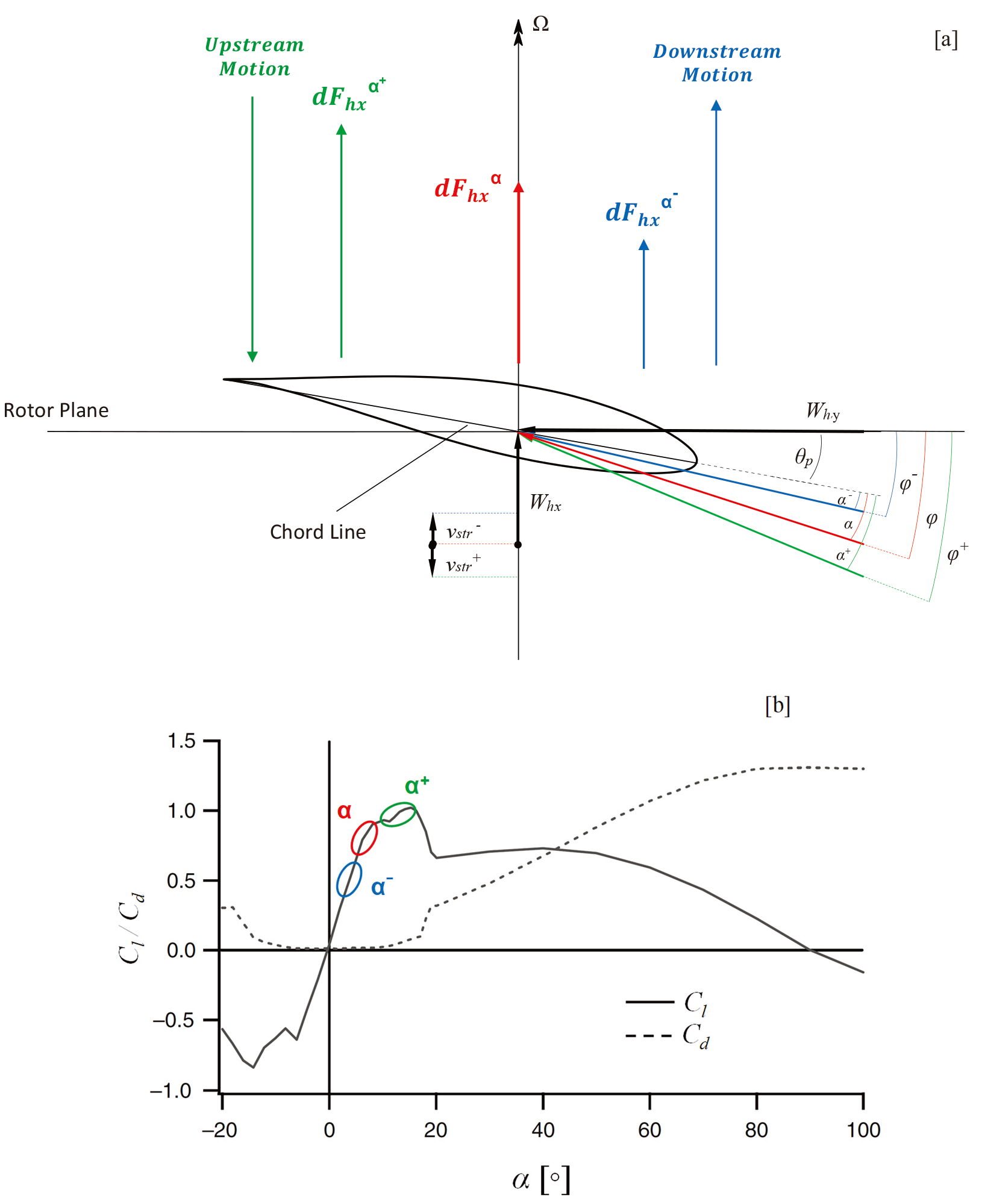
Figure 11 shows a schematic representation of how variations in the flow angle of incidence affect the aerodynamic coefficients, and hence, the forces acting on a generic blade section, when the turbine operates within the SR regime.
Figure 11a shows a depiction of the
and
angles, similar to the one previously discussed in
Figure 9, while
Figure 11b shows a diagram of the lift and drag coefficient curves,
and
, for a generic airfoil section of the type used in wind turbine blades, with the corresponding effects of the
changes in the values of
indicated as markers on the
curve.
Figure 11a also shows the relative values of
during the upstream and downstream motions of the oscillatory cycle. As a visual aide, like in previous figures, variables are represented in green during the upstream motion and in blue during the downstream motion, while red is used to represent their values in the
neutral position.
In
Figure 11b, the focus is centered around variations in the value of
. The reason is related to the practically absolute dominance of lift in the composition of forces that produces
, with drag playing an almost negligible role. This is due to two factors: First, in the low
angles corresponding to the attached-flow regime, the typical airfoil shapes used in wind turbine blades exhibit a very high lift-to-drag ratio (normally to the order of 100 or more). Second, the low value of
means that the lift force,
, mostly projects onto the axial direction, while the already small drag force,
, mostly projects onto the tangential axis (see
Figure 6).
An inspection of the relative values of occurring during the opposite motions of the oscillatory cycle clearly indicates that the higher angle of attack registered during the upstream motion, , will always produce a higher than the lower angle of attack, , registered during the downstream motion.
This variation in the relative values of
means that, during the upstream motion, the resultant lift force will always be higher than its downstream lift counterpart (see Equation (
8)). Hence, the corresponding axial projection during the upstream motion,
, will be higher than its downstream counterpart
.
Now, the amount of mechanical work transferred from the flow into the blade axial oscillatory system via these aerodynamic interactions is given by the product of the axial force, , times the axial displacement, . Similarly, the rate of that energy transfer is given by the mechanical power given by the product of times the axial vibrational velocity, . Due to the relative directions of the latter two vectors during the two halves of the oscillatory cycle, the energy transfer from the flow to the blade’s oscillatory system occurring during the upstream motion is negative, while the transfer during the downstream one is positive.
This means that in the SR operational regime, the higher value of vs. , results in a situation where the negative transfer in the upstream motion is larger than the positive transfer in the downstream one. The consequence is that the net energy transfer along the complete cycle is negative, and the aeroelastic interaction acts as a mechanical damper. This is consistent with the decay in the oscillation’s amplitude observed in the SR operational regime.
This qualitative description of PM-1’s behavior in its damping role has been based on the analysis of the energy transfer between the flow and the blade’s oscillatory system occurring on an individual blade section. It will be further validated via a quantitative analysis of the total energy transfer for the entire blade span, which will be presented in
Section 5.1.
Moving now to the analysis of PM-1 in its feeding role,
Figure 12 shows an example of the
time signal at the 90% blade section of an NREL-5MW-RWT rotor when operating in the LUR regime.
An examination of this signal in the LUR operational regime reveals an value of around for the situation when the blade is in its neutral position. That is, even before the pulse is applied, the airfoil section is already in the region beyond the stall limit. This means that fluctuations, occurring during the upstream motion, will move the airfoil further into the stall regime, while fluctuations, occurring during the downstream motion, will have the tendency to return the airfoil to its attached flow regime.
As mentioned before, the stall condition is characterized by a sudden decrease in lift. Hence, the new range of the fluctuation, occurring in the LUR regime, results in an inversion in the relative values of the lift forces in the upstream and downstream motions with respect to the behavior observed in the damping action, previously seen on the SR example. This behavioral change is directly connected with the inversion in the slope of the - curve after the stall threshold is achieved.
To illustrate this point,
Figure 13 shows a schematic representation of the flow velocities and aerodynamic forces acting on the generic blade section, this time, when it operates withing the LUR regime.
Figure 13a shows a depiction of the
and
angles, while
Figure 13b shows a diagram of
and
for the generic airfoil section, with the corresponding effects of the
changes in the values of
indicated, like before, as markers on the
curve.
Figure 13a also shows the relative values of
during the upstream and downstream motions of the oscillatory cycle. The same color code in green, blue, and red is used again as a visual aide to represent variables in the upstream and downstream motion and in the blade’s
neutral position.
Here, it is worth to mention that, even though the values of airfoil drag beyond the stall threshold are larger than what they were in the previous situation of the attached-flow condition, the angle of incidence, , is still relatively low. Thus, , still projects mostly onto the tangential direction, and the value of the axial force, , remains largely dominated by .
The final result of this inversion in the - relation is that the difference in the relative values of axial force during the upstream downstream motions becomes inverted too. That is, in the LUR operational regime, the value of is now smaller than the downstream counterpart , with the negative energy transfer from the flow to the blade’s oscillatory system, occurring during the upstream motion, now being smaller than the positive transfer occurring during the downstream one. Even though this difference in the energy exchange of the two opposite motions is more subtle than the one seen in the SR regime, it is persistent and leads to the systematic growth in the amplitude of the oscillations observed in the LUR regime.
This feeding action of PM-1 continues until the oscillation amplitude reaches the activation threshold of PM-2, which will be described next in
Section 4.2. As in the case of the damping role, this qualitative description of PM-1’s behavior in its feeding role will be further studied via a quantitative analysis presented in
Section 5.2.
4.2. Aeroelastic Interactions in Physical Mechanism 2
A further examination of
Figure 12 reveals a growth of the
time signal that, again, follows a similar pattern of growth to the blade’s deflection,
. This growth in amplitude of the
signal triggers a new aspect of the aerodynamic damping physics that is not directly related with the low TSR value observed in the LUR but with the increase in amplitude that comes as a consequence of that growth. Hence, this new aspect of the blade aeroelastic dynamics will be analyzed as a different physical mechanism referred to before as PM-2.
To illustrate the aeroelastic interactions leading to PM-2’s emergence,
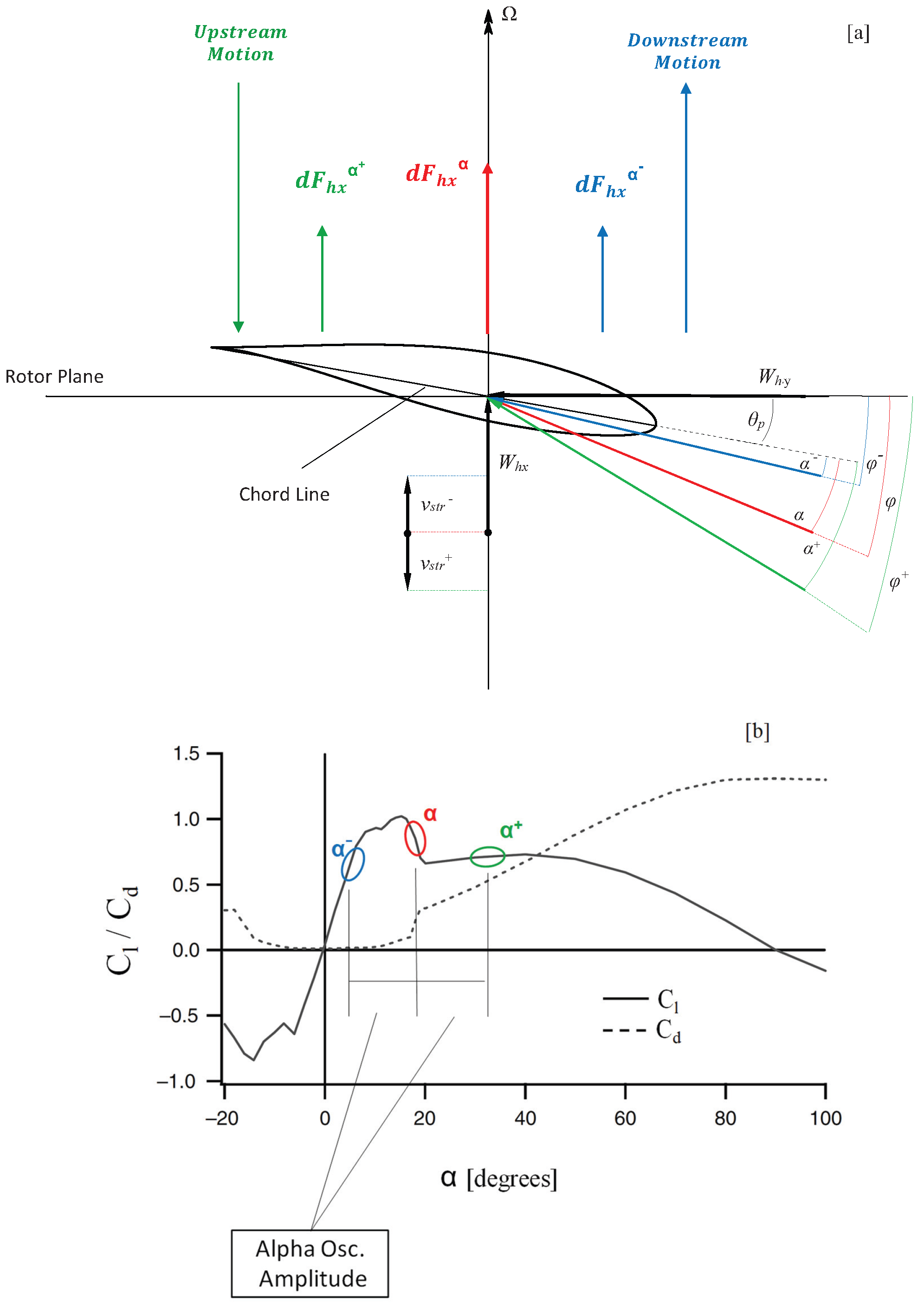
Figure 14 shows a schematic representation of the flow velocities and aerodynamic forces acting on the generic blade section, operating in the same LUR conditions previously shown in
Figure 13, but this time at a further point in time, when the oscillatory amplitude reached its constant equalization level.
Like before,
Figure 14a shows a depiction of the
and
angles, while
Figure 14b shows a diagram of
and
for the generic airfoil section, with the corresponding effects of the
changes in the values of
indicated as markers on the
curve.
Figure 14a also shows the relative values of
during the upstream and downstream motions of the oscillatory cycle, using the same color code as in previous figures.
Focusing now on
Figure 14a, it could be observed that the value of
in the
neutral position of the blade (indicated in red) is essentially the same as it was at the beginning of the oscillation growing process. However, the values registered during the upwind and downwind motion,
and
, start departing more and more from the
neutral, with
moving the airfoil into the so-called deep-stall regime and
moving the airfoil further down into the attached-flow regime.
As the airfoil enters into deep-stall, the value of remains relatively flat, while starts growing. This increases the participation of drag in the generation of axial load during the upstream motion, . Another factor that contributes to this larger role of drag in the generation of axial load is the higher value of , which increases the projection of onto the axial direction. The result is a higher value of , a higher value of the negative energy transfer occurring during the upstream motion, and hence, the aerodynamic dissipation occurring during the cycle.
On the other hand, when the downstream motion moves the airfoil further into the attached-flow regime, moves down the steep slope of the - curve, rapidly reducing the value of , and thus, the axial projection . The result is a lower value of the positive energy transfer occurring during the downstream motion and a decrease in the aerodynamic energy feeding during the cycle. These two effects on the aeroelastic physics of PM-2 compound together to reduce the oscillation’s amplitude.
As discussed in
Section 3.2, the fact that PM-2 depends on the amplitude creates a self-regulated equilibrium situation where neither of the two mechanisms prevails over the other. That is, any reduction in amplitude would make PM-2’s dissipation weaker, leading to an increase of the amplitude, which in turn would make PM-2 stronger, reducing the amplitude again.
As in the case of the previous discussion on the PM-1’s aeroelastics, this qualitative description of the PM-2’s physics in the context of a generic blade section will be followed by a quantitative analysis of the the mechanical energy exchange between the flow and the blade’s oscillatory system, presented in
Section 5.3.
5. Aerodynamic Damping Power
During the whole duration of the oscillatory motion described previously, the axial component of the aerodynamic force exerted on the blade section,
, induces an amount of mechanical work per unit time equal to the product of
, times the vibrational velocity,
, which is co-linear with it. This essentially defines a power per unit length acting on each section along the blade span, which, when integrated all over the blade length, gives the instantaneous value of the mechanical power transferred from the flow into the blade’s oscillation. In the context of this paper, we will define this variable as the Aerodynamic Damping Power,
, given by the expression
Under normal conditions, the turbine operates within the stable regime, and the net energy transfer from the flow into the blade’s oscillation is negative, which is the reason why the word “Damping” was chosen for the naming of the variable.
By integrating
along the period of an oscillation cycle,
, the net input of vibrational energy per cycle,
, could be evaluated:
If the value of is negative, there is a net amount of vibrational energy transferred from the rotor to the flow, and the axial aerodynamic load acts as a damping mechanism. On the other hand, if the value of is positive, the load acts as a feeder, and the rotor’s vibrational energy grows, feeding from the flow’s kinetic energy.
To illustrate the nature of
and
in their damping role,
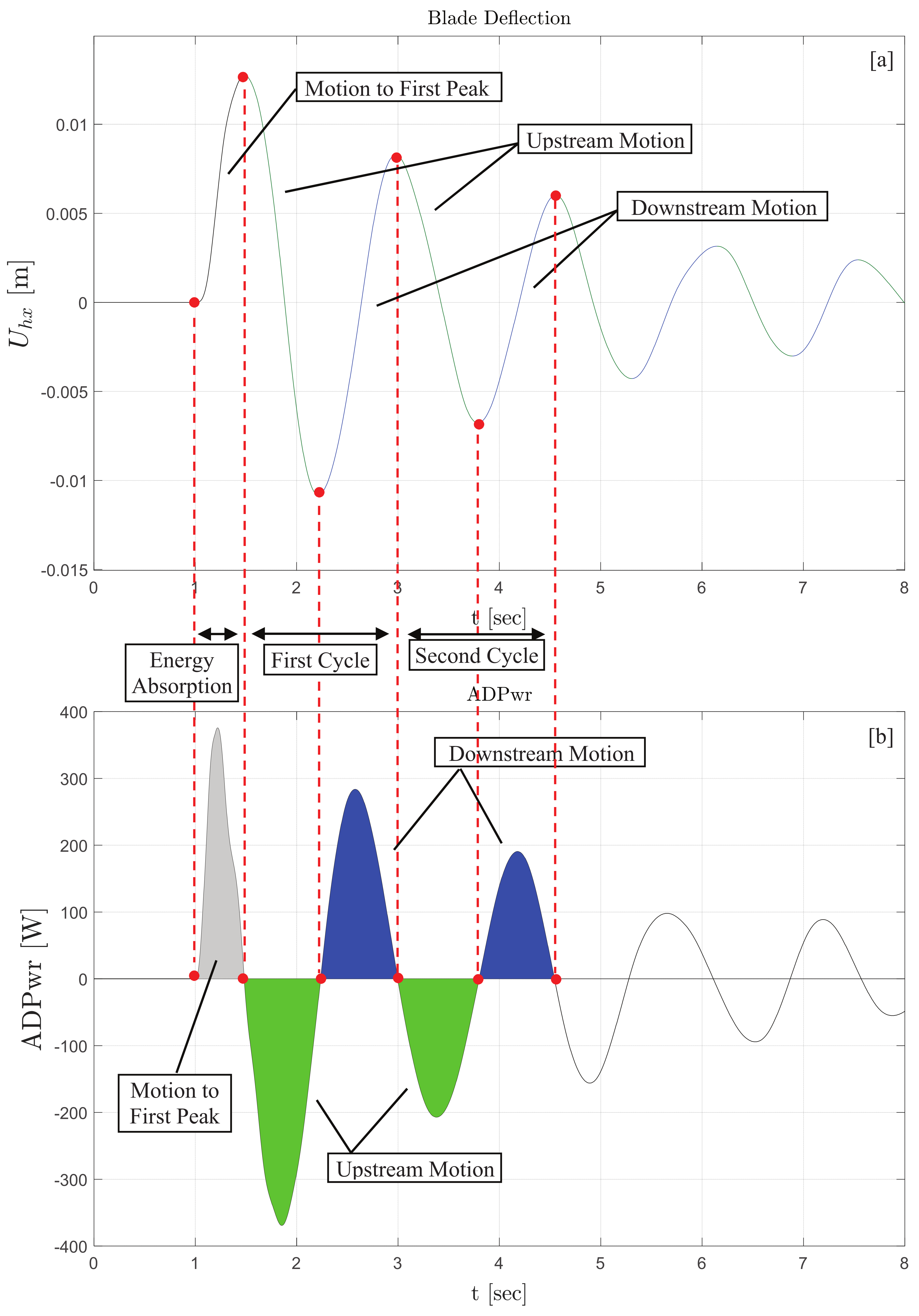
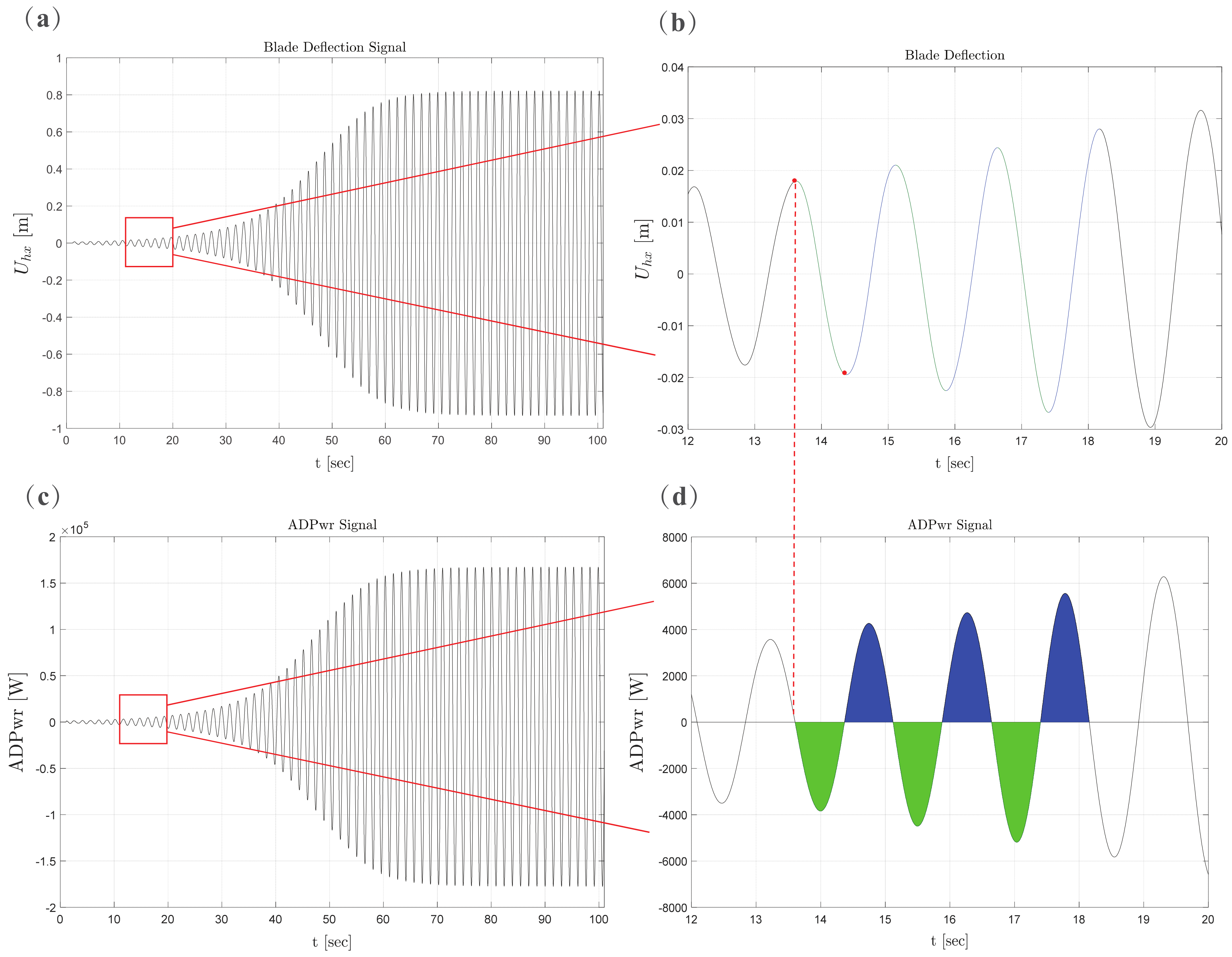
Figure 15 shows an example of the typical behavior of the
time signal for the NREL-5MW-RWT rotor while operating within the SR regime.
Figure 15a shows the time signal of the blade deflection,
, while
Figure 15b shows the
time signal on the same time base.
When the gust pulse is applied, the blade initiates a downwind bending motion from its equilibrium
neutral position driven by the increase in
due to the increase in flow velocity and hence aerodynamic load. This motion continues until the first peak of
in the downwind direction is reached. This period is indicated in
Figure 15 as
Motion To First Peak. During the initial stages of this motion, a portion of the pulse’s kinetic energy is absorbed by the blade as a combination of elastic energy in the blade’s bending as a leaf spring, plus an amount of inertial energy stored in the motion of the blade’s mass. As the blade approaches the first
peak, the blade’s mass inertial energy progressively converts into elastic energy, until, when the first
peak, the blade stops moving, and all the energy absorbed is stored as elastic energy.
The shaded area shown in gray in
Figure 15b, indicates the time integral of
over the
Motion To First Peak period,
. This integral essentially quantifies the portion of the pulse’s kinetic energy that is effectively absorbed by the blade during its initial deflection,
, given by
The
energy exchange could be used as an alternative parameter for the normalization of
when it is interpreted as a measure of the vibrational energy stored in the rotor’s oscillatory system (see
Section 3). Following the same reasoning that lead to Equation (
7):
This alternative normalization of may serve as an additional confirmation of the validity of as a quantitative parameter to evaluate the energy exchange between the flow and the rotor as an oscillatory system.
If the assumption of
acting as an oscillatory energy input is correct, all the
time signals registered at similar operational conditions should collapse. That is, in the same manner that was observed with the NBD signals (see
Section 3), all
signals for the same combination of WS and TSR should coincide, regardless of the amplitude and time span of the pulse that induced them.
To confirm this hypothesis,
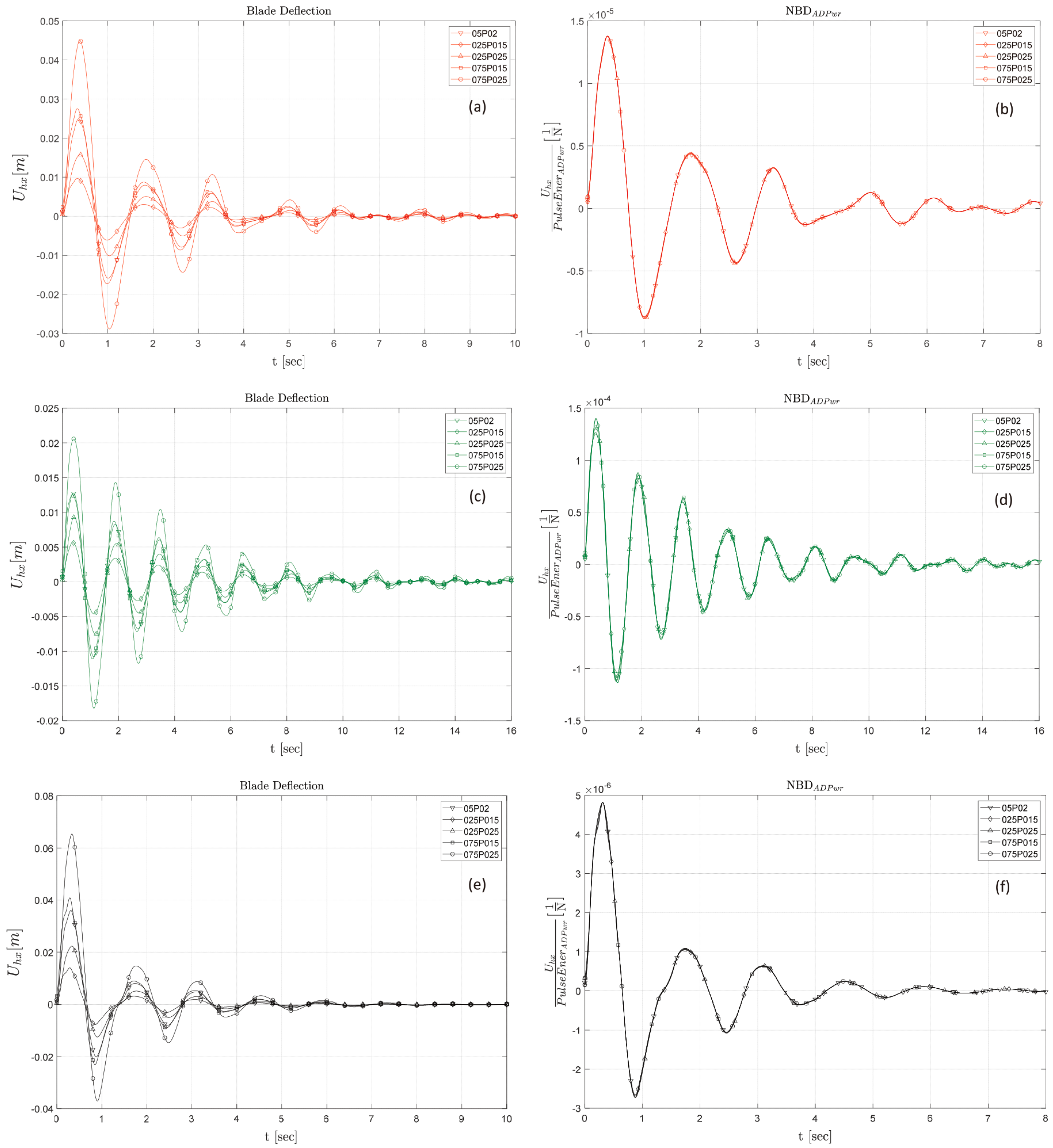
Figure 16 shows selected examples of blade deflection signals, and their corresponding
counterparts, for the NREL-5MW-RWT rotor operating at three different sets of WS and TSR conditions within the SR regime.
Figure 16a shows the time signal of
, for WS = 11.4 m/s and TSR = 4.60, while
Figure 16b shows the corresponding
signal for the same conditions.
Figure 16c,d show the
and
signals for the case of WS = 3 m/s and TSR = 6.00, and
Figure 16e,f the signals for the case of WS = 21 m/s and TSR = 4.20. These examples (among many others obtained at several combinations of WS and TSR), clearly show the collapse of the
signals for all pulses into an almost indistinguishable curve.
5.1. Damping Effect of
After the Motion to First Peak is completed, the amount is added to the elastic energy already stored in the deformation of the blade in its neutral configuration. At this point, the gust pulse has already ended, and the aerodynamic axial load has returned to its original neutral value. The additional amount of elastic energy given by the pulse makes the blade flex back in the upwind direction, and the oscillatory motion begins. This initiates an exchange between the elastic energy of deformation of the blade as a leaf spring and the inertial energy stored on the blade mass, as in a classic under-damped spring–mass system. In this regard, it is important to keep in mind that only reflects the mechanical work exerted by the aerodynamic loads, which serves to isolate their effects from the elasto-inertial components of the oscillatory dynamics.
As the blade already possesses a substantial amount of elastic energy accumulated in its initial neutral position, what follows is a process where the additional amount of energy is not immediately dissipated by the first upwind motion when the blade flexes back, but by the cumulative effect of values of negative sign occurring on each successive cycle. That is, the initial amount of vibrational energy is progressively dissipated in each cycle that takes place.
To aid in the interpretation of the net cycle energy transfer,
Figure 15b also shows a set of shaded areas indicating the time integrals of
that lead to the evaluation of
for the first two cycles of the oscillatory response.
The negative sign of
can be clearly noticed by comparing the larger size of the negative areas under the
curve (occurring during the upstream motions), with the smaller positive areas (associated with the downstream motions of each cycle). As a visual aide, the negative areas are indicated in green and the positive in blue. The corresponding upstream and downstream motions are also indicated on the
signal in
Figure 15a using the same colors.
This damping behavior of the axial aerodynamic load, reflected in the negative value of
, is consistent with the qualitative analysis of the aeroelastic interactions leading to the damping role of PM-1, discussed in
Section 4.1.
5.2. Feeding Effect of
As discussed in
Section 3, when the TSR falls below the LTB threshold (see
Figure 2), the turbine operates withing the LUR, and the rotor’s vibrational energy enters into a growing stage (indicated as Phase-1 in
Figure 5).
In this initial stage of the LUR regime, the value of was found to be positive. This is consistent with the notions previously described, as it indicates that the axial aerodynamic load associated acts as a feeder, transferring kinetic energy from the flow into the rotor’s oscillation.
To illustrate this point,
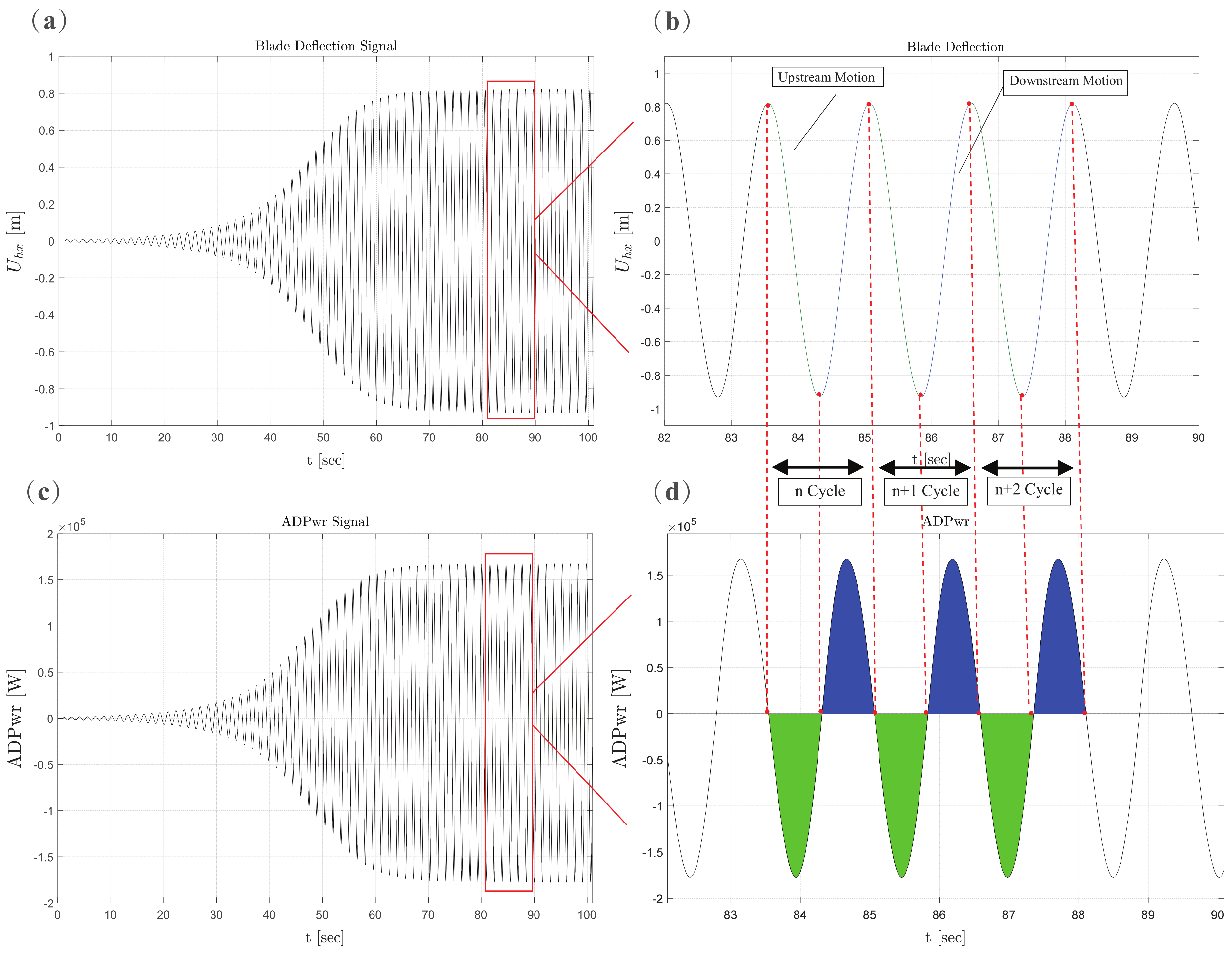
Figure 17 shows an example of the typical behavior of the
time signal for the NREL-5MW-RWT rotor while operating within the LUR regime.
Figure 17a shows the time signal of the blade deflection,
, with
Figure 17b showing a close-up view of the time signal during the growing stage (Phase-3), while
Figure 17c shows the
time signal on the same time base, with
Figure 17d showing the corresponding close-up view in the growing stage.
Figure 17d also shows a set of shaded areas indicating the time integrals of
that lead to the evaluation of
for three consecutive cycles of the oscillatory response: n, n + 1, and n + 2.
Even though the difference between the positive and negative areas under the
curve is more subtle than in the damping case depicted in
Figure 15, the positive sign of
can be clearly noticed by comparing the larger size of the positive areas (indicated in blue) vs. the smaller size of the negative areas (indicated in green) for all three cycles.
As before, the corresponding upstream and downstream motions are also indicated on the
signal in
Figure 17b, by using the same colors.
This feeding behavior of the axial aerodynamic load, reflected in the positive value of
, is consistent with the qualitative analysis of the aeroelastic interactions leading to the feeding role of PM-1, as discussed in
Section 4.1.
5.3. Equalization Effect of
Finally, an analysis of the
values in the long-term stages of the
signal provides a quantitative measure of the equalization in the energy transfer process, leading to a plateau in the amplitude of the oscillations (indicated as Phase-3 in
Figure 5). As discussed in
Section 3, this is due to the balance between the energy fed by PM-1 and the energy dissipated by PM-2.
Figure 18 shows a depiction of the long-term behavior for the same
time signal in the LUR regime, previously shown in
Figure 17.
Figure 18a shows the time signal of
, this time accompanied by a close-up view of the signal during the equalization stage (Phase-3), shown in
Figure 18b.
Figure 18c shows the corresponding
signal, with
Figure 18d showing the close-up view in the equalization period.
As before,
Figure 18d also shows the set of shaded areas indicating the time integrals that lead to the evaluation of
for three consecutive cycles of the oscillatory response: n, n + 1, and n + 2. The corresponding upstream and downstream motions are indicated on the
signal in
Figure 18b using the same colors.
In this last stage of the LUR response, the positive and negative areas under the curve are essentially identical, indicating a zero value of , and hence, a zero net value of energy transfer during each cycle.
This energy-equalization behavior of the axial aerodynamic load, reflected in the neutral value of
, is consistent with the qualitative analysis of the aeroelastic interactions leading to the equalizing role of PM-2 discussed in
Section 3.2 and
Section 4.2.
5.4. Additional Aspects of
Besides providing a quantitative tool to analyze the energy transfer process associated with the physics of PM-1 and PM-2, additional use of and is related to the evaluation of the blade’s capacity to effectively absorb energy from the pulse. That capacity depends on the geometrical configuration of the blade’s deformation state at the neutral position, before the gust pulse is applied, which essentially affects the attitude of the airfoil blade sections along the span, the angle of attack of the flow at each section, and ultimately the lift and drag forces acting on them. The blade’s deformed geometrical configuration, in turn, depends on the original geometrical design of the blade, its structural properties, and the operational conditions inducing the loads that produce that initial deformation (that is, the combination of WS and TSR).
In
Section 3 and
Section 5, the use of
and
as normalization factors for
was discussed, leading to the definitions of NBD and
, respectively, which confirmed their usefulness in the energy characterization aspect of the ROC.
In this section, the
and
variables will be combined into a new non-dimensional parameter that measures the effectiveness of the blade in absorbing the pulse energy. This new parameter will be defined as the
Efficiency Coefficient, EffCoef. It will be given by the ratio between the mechanical energy effectively absorbed by the rotor blades,
(where
B is the number of blades of the rotor) and the total kinetic energy content of the gust pulse (i.e., the pulse’s energy density per unit area,
, times the swept area of the rotor,
):
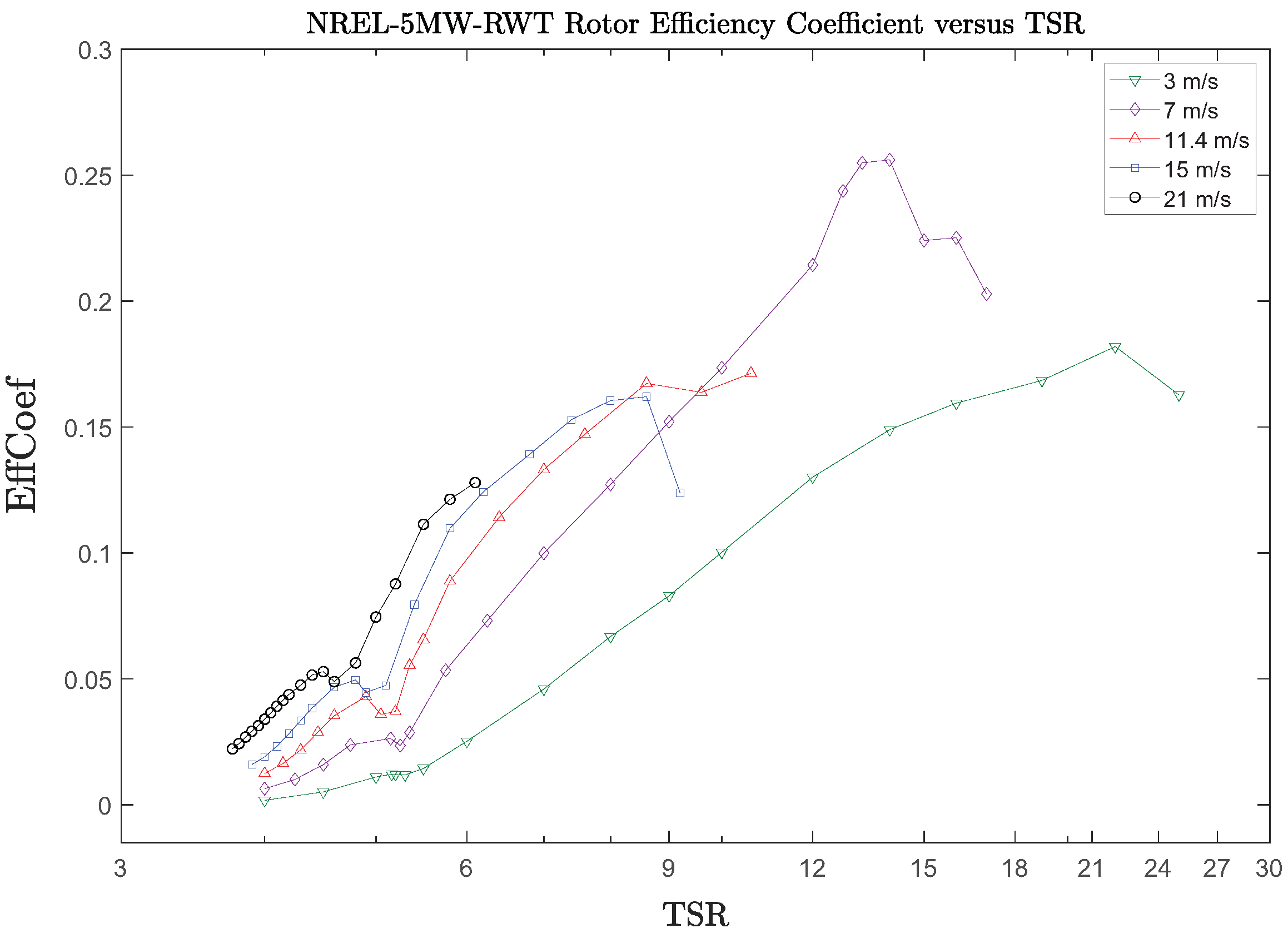
Figure 19 shows an example of Eff-Coef curves for the NREL-5MW-RWT rotor versus TSR, for various WS settings, when operating within the SR regime. This type of plot could be useful in future blade designs to evaluate how much of the gust’s kinetic energy will effectively go into feeding blade vibrations and how design changes in blade geometry and internal structure would be devised to limit that energy absorption.
6. Conclusions
In this paper, the authors have applied a controlled gust pulse technique, developed in their previous works on the Reduced Order Characterization of the oscillatory response of wind turbine blades, which has led to the elucidation of the fundamental principles involved in the underlying physics of blade aerodynamic damping.
This study clarified several aspects on the two main physical mechanisms producing blade aerodynamic damping, which were previously observed, and provided both a qualitative description and a quantitative evaluation of the instantaneous interaction of aerodynamic forces and the blade’s oscillatory motions. This work also explained how one of those mechanisms can transform from a damper into a driver of oscillations. This occurs via the inversion of the relative values of the angle of attack on the blade airfoil sections during different portions of the oscillation cycle, ultimately inducing a sign inversion of the amplitude decay exponent .
Besides their intrinsic contribution from the point of view of applied mechanics and engineering sciences, these discoveries also represent a valuable asset that would help in the design of innovative control strategies for wind turbine operation. The geometrical and structural design of future wind turbine blades might also benefit from these discoveries. This deeper understanding of the interplay between the aerodynamic loads, the changes in aerodynamic geometry that they induce via blade structural deformation, as well as the coupling of those two factors in the process of the blade elasto-inertial oscillatory dynamics could be used as a guide by blade designers.
As mentioned in
Section 3, in the reduced-order description of the blade’s vibrational dynamics, the axial bending motion represents the dominant mode. Hence, the single-mode characterization is based on the elastic energy accumulated via blade axial bending. This is a feature that was observed in both the stable SR and in the unstable LUR regimes analyzed here.
Even though the SR and the LUR represent by far the most typical situations for wind turbine operational conditions, it may prove useful to conduct a future extension of the ROC technique into a Multi-Modal Characterization, as an outlook for further work. This could be implemented by including additional degrees of freedom representing other vibrational modes, particularly secondary bending, and torsional modes.
Once implemented, this Multi-Modal version of the ROC could be applied to the study of the physics underlying extreme operational conditions which, even though occurring much less frequently than the SR and the LUR regimes, might appear in some emergency or transient scenarios in turbine operation.