


-
Trends in Global Soil Research and a Microbiome-Based Framework for Soil Health Assessment -
Crop Yield Responses to Reduced Solar Radiation in Agrivoltaic Systems: Crop-Specific Patterns and Shading Thresholds -
Evaluating Photochemical Efficiency and Recovery Potential in Wheat Varieties with Divergent Drought Tolerance -
The Effect of the Freeze–Thaw Process on Plant Available Water and Water-Stable Aggregates as a Function of Soil Tillage and Soil Chemical Quality
Journal Description
Agronomy
Agronomy
is an international, peer-reviewed, open access journal on agronomy and agroecology published semimonthly online by MDPI. The Spanish Society of Plant Biology (SEBP) is affiliated with Agronomy and their members receive discounts on the article processing charges.
- Open Access— free for readers, with article processing charges (APC) paid by authors or their institutions.
- High Visibility: indexed within Scopus, SCIE (Web of Science), GEOBASE, PubAg, AGRIS, and other databases.
- Journal Rank: JCR - Q1 (Agronomy) / CiteScore - Q1 (Agronomy and Crop Science)
- Rapid Publication: manuscripts are peer-reviewed and a first decision is provided to authors approximately 17.7 days after submission; acceptance to publication is undertaken in 2.6 days (median values for papers published in this journal in the first half of 2026).
- Recognition of Reviewers: reviewers who provide timely, thorough peer-review reports receive vouchers entitling them to a discount on the APC of their next publication in any MDPI journal, in appreciation of the work done.
- Companion journals for Agronomy include: Seeds, Agrochemicals, Grasses and Crops.
- Journal Cluster of Agricultural Science: Agriculture, Agronomy, Horticulturae, Soil Systems, AgriEngineering, Crops, Seeds, Grasses, Agrochemicals and AI and Precision Agriculture.
Impact Factor:
4.1 (2025);
5-Year Impact Factor:
4.4 (2025)
Latest Articles
Responses of Succeeding Wheat to Cotton Harvest-Aid Application and Biochar Amendment
Agronomy 2026, 16(17), 1620; https://doi.org/10.3390/agronomy16171620 (registering DOI) - 22 Aug 2026
Abstract
Chemical harvest aids facilitate mechanical cotton harvesting, but their potential carryover effects on succeeding wheat remain uncertain. Two independent site-year field experiments were conducted in Beijing during 2021–2022 and in Hejian, Hebei Province, during 2022–2023. Experiment 1 compared a freshwater control with preceding
[...] Read more.
Chemical harvest aids facilitate mechanical cotton harvesting, but their potential carryover effects on succeeding wheat remain uncertain. Two independent site-year field experiments were conducted in Beijing during 2021–2022 and in Hejian, Hebei Province, during 2022–2023. Experiment 1 compared a freshwater control with preceding Xinsaili applications at 1500 and 3000 g ha−1, whereas Experiment 2 evaluated five biochar treatments under preceding freshwater or Xinsaili application at 1575 g ha−1. In Experiment 1, Xinsaili reduced early aboveground biomass and soil bacterial, fungal, and actinomycete abundance. At 3000 g ha−1, grain number per spike and grain yield decreased by 12.2% and 24.0%, respectively, relative to the water control. In Experiment 2, Xinsaili reduced mean and maximum grain-filling rates by 3.2% and 4.3%, respectively. For the biochar main effect, maize-straw biochar at 750 and 1500 kg ha−1 and rice-husk biochar at 1500 kg ha−1 increased the initial grain-filling potential from 0.25 mg grain−1 without biochar to 0.38–0.42 mg grain−1, with high-rate maize-straw biochar producing the greatest increase. Although Xinsaili × biochar interactions were significant for both grain-filling rates, no biochar treatment significantly improved either rate under Xinsaili application. The grain-filling responses were not consistent between the two independent experiments, potentially reflecting differences in site, year, wheat cultivar, Xinsaili application rate, and experimental design. Thidiazuron and ethephon residues were not quantified in soil or plant tissues; therefore, the observed responses represent indirect field evidence and do not demonstrate either residue-mediated effects or biochar-mediated remediation. Overall, preceding Xinsaili application was associated with treatment- and site-year-dependent wheat responses, while the capacity of biochar to improve final grain yield was not confirmed.
Full article
(This article belongs to the Section Farming Sustainability)
Open AccessArticle
Low-Cost and Rapid Construction of 3D Point Clouds for Field-Grown Cotton and Evaluation of Canopy-Level Traits
by
Hao Qiu, Xiaoyan Meng, Yunjie Zhao, Yuxiang Wang, Haoyuan Niu, Liang Yu and Shuai Yin
Agronomy 2026, 16(17), 1619; https://doi.org/10.3390/agronomy16171619 (registering DOI) - 22 Aug 2026
Abstract
Canopy 3D architecture is a critical determinant of light interception, photosynthetic efficiency, and final yield in cotton, yet its rapid and accurate characterisation remains challenging in field conditions. To achieve efficient, non-destructive, and quantitative monitoring of the canopy structure of field-grown cotton, this
[...] Read more.
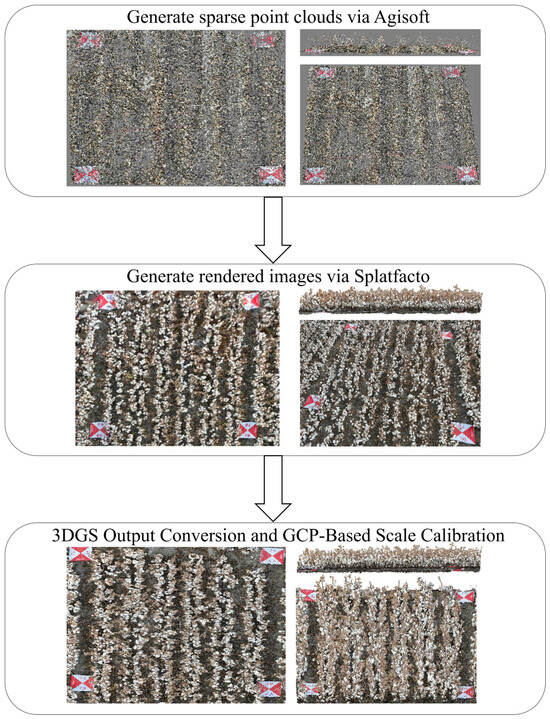
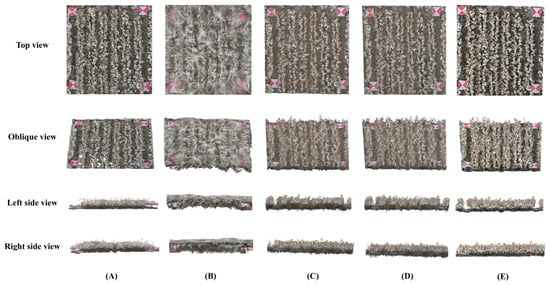
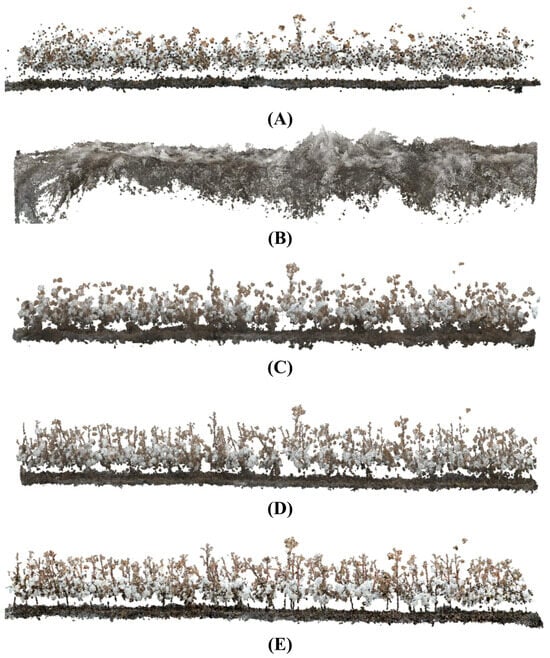
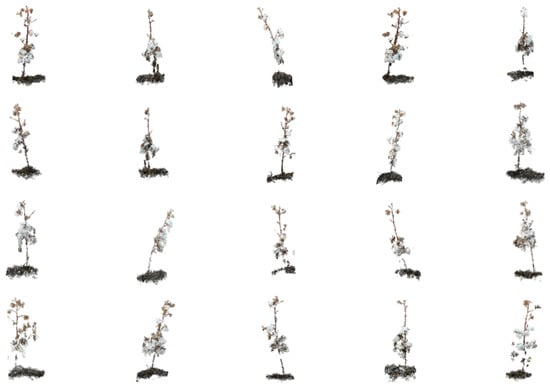
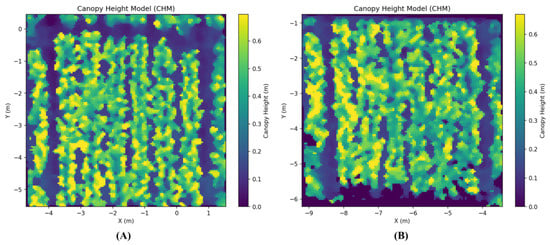
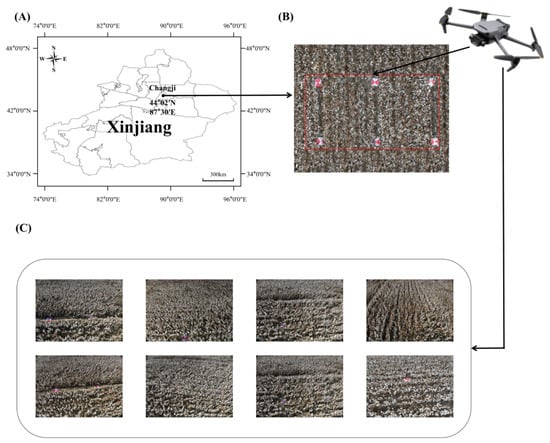
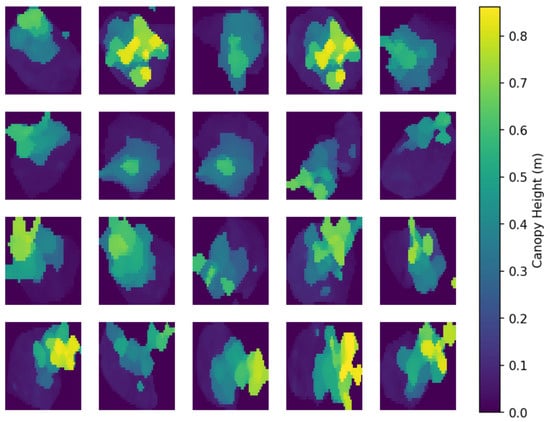
Canopy 3D architecture is a critical determinant of light interception, photosynthetic efficiency, and final yield in cotton, yet its rapid and accurate characterisation remains challenging in field conditions. To achieve efficient, non-destructive, and quantitative monitoring of the canopy structure of field-grown cotton, this study proposes a 3D structure-based technology stack for high-efficiency, low-cost, and high-precision phenotyping extraction. This stack directly addresses the technical bottlenecks of traditional 3D data acquisition, namely high cost, long processing time, and low operational efficiency, which have hindered large-scale application. We developed a pipeline that integrates a fast reconstruction algorithm with a scale-recovery mechanism using ground control points (GCPs), enabling the generation of true-scale 3D point clouds from UAV aerial images in a cost- and time-effective manner. Using only 141 UAV images and with a reconstruction time of approximately 20 min, we efficiently reconstructed high-quality, scale-accurate point clouds of two 5.5 m × 5.5 m cotton plots, significantly outperforming SfM-MVS and Instant-NGP in terms of both reconstruction efficiency and point cloud completeness. This method, whose current validation is confined to a single season, one growth stage, and two experimental plots, not only achieves a breakthrough by using fewer input images with high efficiency, but also ensures point cloud accuracy and completeness, showing strong potential for rapid field monitoring and real-time management. Based on the high-quality reconstructed point clouds, we further quantitatively evaluated canopy characteristics at harvest, analyzing the coefficient of variation of canopy height, porosity distribution, and canopy volume fraction. The core shortcomings and optimization strategies for the existing canopy structure were identified, providing scientific data support and practical technical references for precision cultivation management and mechanization-compatible planting in cotton.
Full article
(This article belongs to the Special Issue Artificial Neural Network-Based Methods in Agriculture)
►▼
Show Figures

Figure 1
Open AccessArticle
Genome-Wide Characterization of the Soybean GmCXE Gene Subfamily Reveals GmCXE54 as a Candidate Gene for Root Isoflavone Accumulation
by
Xu Wu, Zhongqiu Fu, Wantong Zhao, Xiangkun Meng, Shibo Du, Yanzeng Feng, Xiaozhu Chang, Xue Zhao, Yingpeng Han and Yuhe Wang
Agronomy 2026, 16(17), 1618; https://doi.org/10.3390/agronomy16171618 (registering DOI) - 22 Aug 2026
Abstract
Carboxylesterases (CXEs) participate in diverse plant metabolic processes, including isoflavone biosynthesis. However, the soybean GmCXE subfamily remains poorly characterized, especially in relation to root isoflavone accumulation and the response to Fusarium oxysporum. Here, fifty-six putative GmCXE genes were identified in the soybean
[...] Read more.
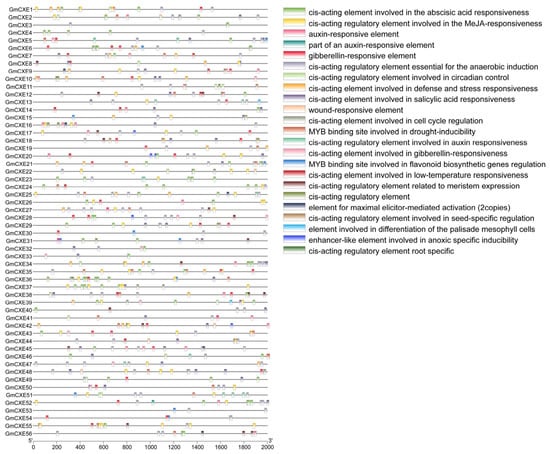
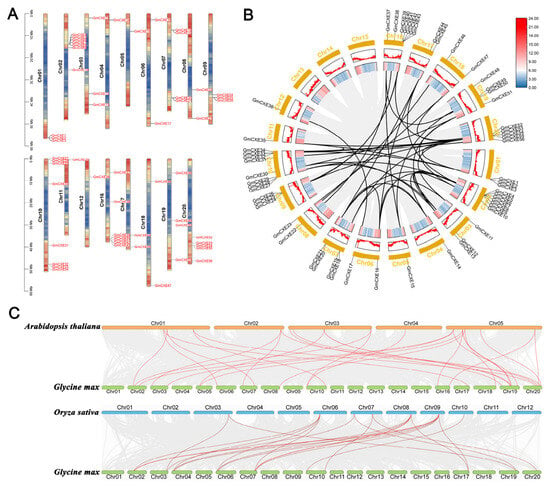
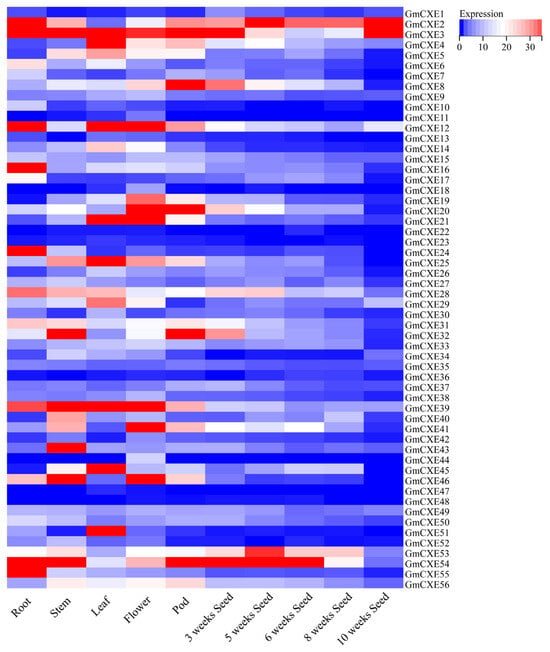
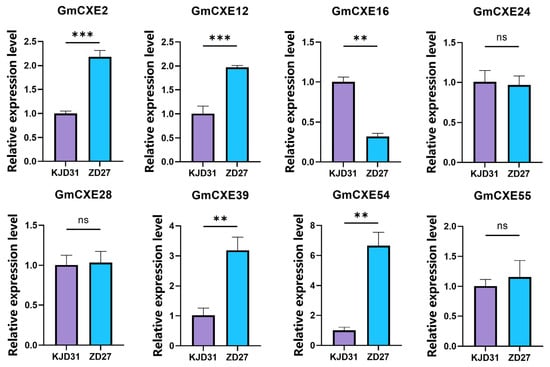
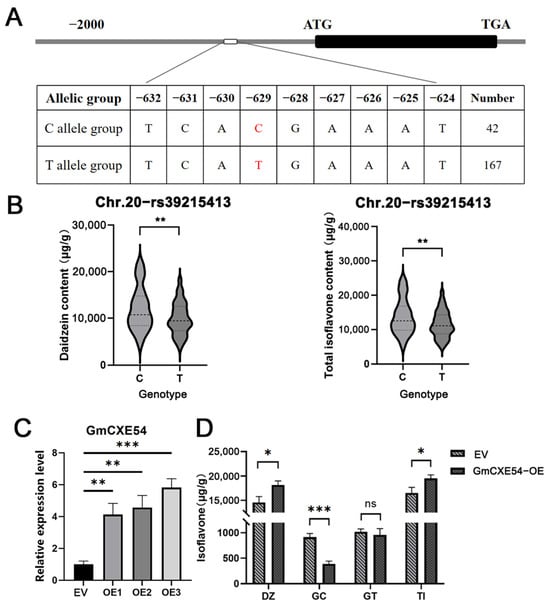
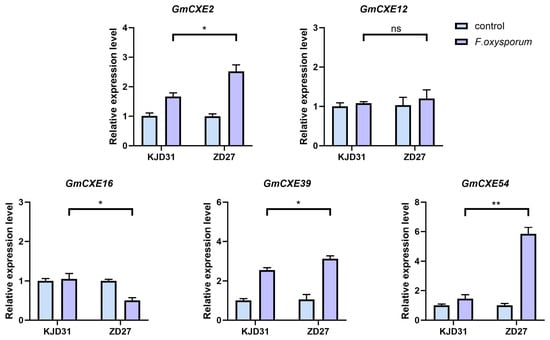
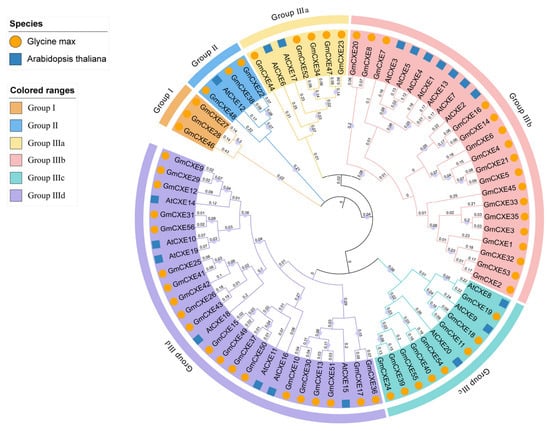
Carboxylesterases (CXEs) participate in diverse plant metabolic processes, including isoflavone biosynthesis. However, the soybean GmCXE subfamily remains poorly characterized, especially in relation to root isoflavone accumulation and the response to Fusarium oxysporum. Here, fifty-six putative GmCXE genes were identified in the soybean genome and classified into three major phylogenetic clades. Analyses of gene structure, conserved motifs, protein domains, and promoter cis-elements revealed conserved features as well as potential functional divergence among subfamily members. Collinearity and duplication analyses indicated that segmental duplication was the main driver of GmCXE subfamily expansion. Tissue-specific expression profiling and RT-qPCR validation selected five root-expressed genes as candidates associated with isoflavone accumulation. SNP variation analysis and allelic group analysis of 209 soybean accessions further prioritized GmCXE54 as a candidate gene for root isoflavone accumulation. Allelic groups defined by a putative promoter SNP, Chr.20-rs39215413, showed significant differences in root daidzein and total isoflavone contents, with accessions carrying the C allele exhibiting higher levels of both traits than those carrying the T allele. Functional analysis in soybean hairy roots showed that GmCXE54 overexpression increased daidzein and total isoflavone accumulation. At 3 h after F. oxysporum inoculation, GmCXE2, GmCXE39, and GmCXE54 were induced, with GmCXE54 showing the strongest response in the resistant accession ZD27. These findings clarify GmCXE subfamily evolution and identify GmCXE54 as a candidate gene associated with root isoflavone accumulation and early F. oxysporum response, offering new perspectives for improving soybean isoflavone-related traits and investigating root response mechanisms.
Full article
(This article belongs to the Section Crop Breeding and Genetics)
►▼
Show Figures

Figure 1
Open AccessArticle
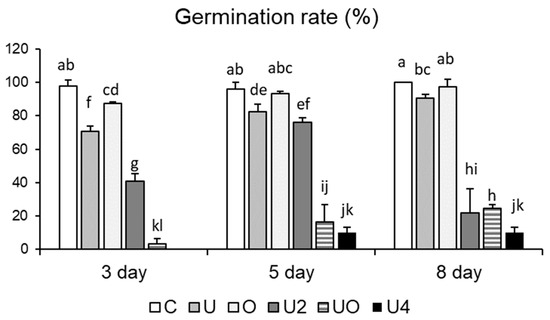
From Agro-Livestock Residues to Functional Soil Amendments: Responses in Contrasting Iberian Soils
by
Gael Bárcenas-Moreno, Sara Domínguez, Paloma Campos, Sara M. Pérez-Dalí, Agustín Merino and José María de la Rosa
Agronomy 2026, 16(17), 1617; https://doi.org/10.3390/agronomy16171617 (registering DOI) - 22 Aug 2026
Abstract
Organic amendments derived from agro-livestock residues offer a promising approach for soil restoration and nutrient recycling within circular economy frameworks. Nevertheless, their agronomic efficacy and environmental suitability may be contingent upon the formulation of the amendments and the properties of the soil. This
[...] Read more.
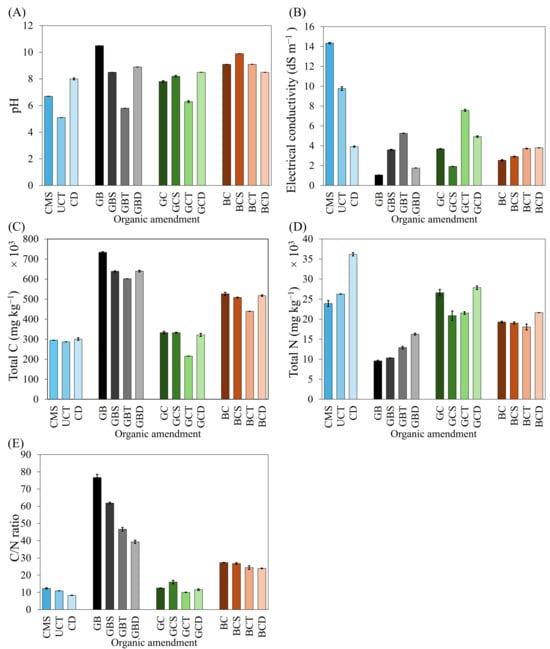
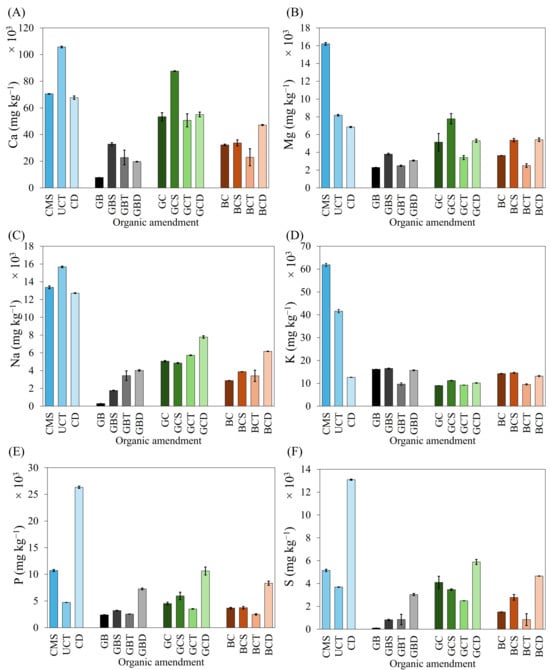
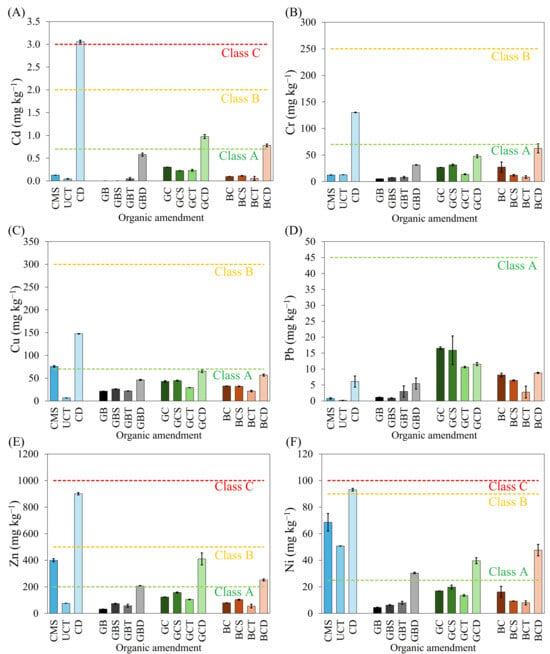
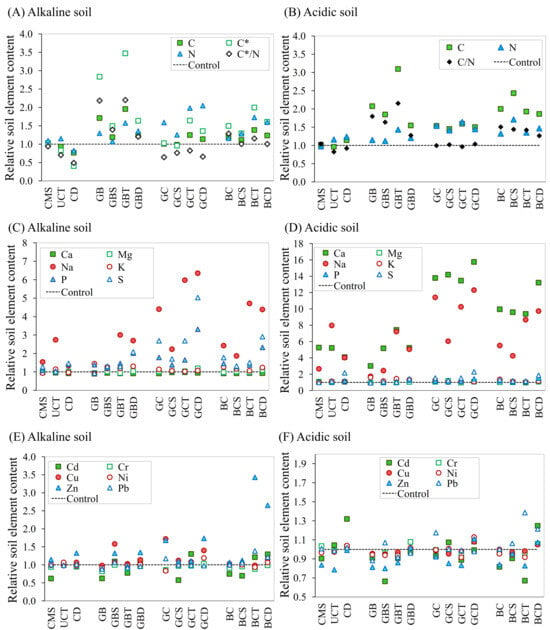
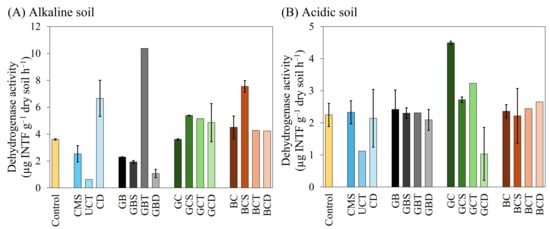
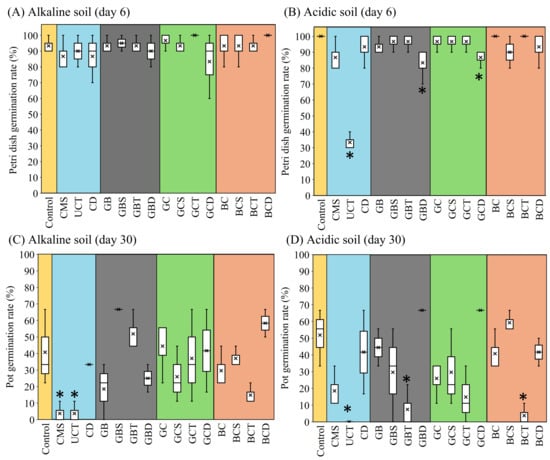
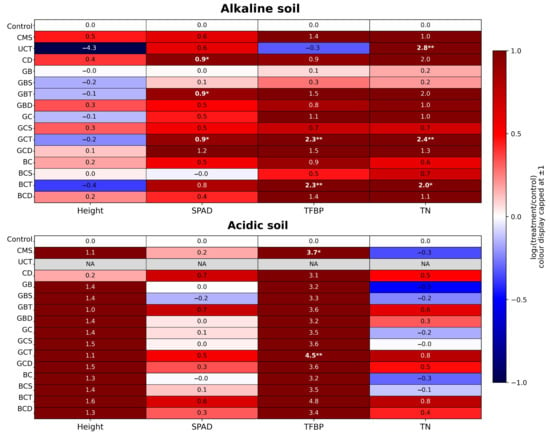
Organic amendments derived from agro-livestock residues offer a promising approach for soil restoration and nutrient recycling within circular economy frameworks. Nevertheless, their agronomic efficacy and environmental suitability may be contingent upon the formulation of the amendments and the properties of the soil. This study presents a preliminary evaluation of customized organic amendments derived from solid materials, such as biochar and green compost, and liquid residues, including cattle manure slurry, urban compost tea, and cattle digestate. These were applied either individually or as solid–liquid mixtures to two distinct Iberian soils. The study involved amendment characterization, seed germination assays, and a two-month greenhouse experiment with barley (Hordeum vulgare L.) to assess the effects on soil physicochemical properties, microbial activity, and plant development. The solid–liquid impregnation process facilitated the transfer of nutrients and potentially limiting elements from liquid residues to solid matrices, thereby altering amendment composition and mitigating some risks associated with the direct application of liquid residues. Mixtures based on biochar and compost generally alleviated excessive salinity and trace metal constraints, although responses varied depending on the liquid amendment and soil type. Biochar-containing amendments markedly increased soil total carbon, suggesting their potential to contribute to soil carbon sequestration. The effects of amendments were strongly dependent on soil type: acidic soil exhibited more pronounced pH improvement, whereas the carbonate-rich alkaline soil buffered several chemical changes but was more susceptible to alkalinization and sodium inputs. Urban compost tea consistently exhibited inhibitory effects on germination, plant development, and dehydrogenase activity, although these effects were partially mitigated when combined with solid amendments. Overall, the findings underscore the potential of tailored amendment mixtures to enhance residue valorisation, while highlighting the necessity for soil-specific evaluation prior to field application.
Full article
(This article belongs to the Section Farming Sustainability)
►▼
Show Figures

Figure 1
Open AccessArticle
Intermittent Irrigation Outweighs the Methanogenic Stimulation of Potassium Fertilization in Rice Paddies
by
Zhengyuqi Ma, Yinghao Li, Ce Xu, Dandan Wu, Shujun Wang, Sachini Supunsala Senadheera, Jingjun Li, Jianming Yu and Daocai Chi
Agronomy 2026, 16(16), 1616; https://doi.org/10.3390/agronomy16161616 - 21 Aug 2026
Abstract
The interplay between water-saving irrigation and potassium (K) management in regulating paddy methane (CH4) emissions remains poorly understood. It remains unclear whether carbon pool enhancement induced by K fertilization could counteract the oxidation effects under non-flooded irrigation. Here, we conducted a
[...] Read more.
The interplay between water-saving irrigation and potassium (K) management in regulating paddy methane (CH4) emissions remains poorly understood. It remains unclear whether carbon pool enhancement induced by K fertilization could counteract the oxidation effects under non-flooded irrigation. Here, we conducted a field-based trial over two years to explore how irrigation regimes (continuous flooding, IF; intermittent irrigation, II) and K application rates (K0, K75, K150 kg ha−1) modify soil redox status, carbon pools, crop growth, CH4 emissions and economic benefits. Intermittent irrigation markedly elevated soil redox potential (Eh), suppressed dissolved organic carbon (DOC), and substantially reduced two-year average CH4 emissions by 75.1–76.9%, regardless of K supply. Under IF, high-rate K fertilization (K150) stimulated cumulative CH4 emissions; nevertheless, such K-driven CH4 stimulation was completely offset under intermittent irrigation. Soil Eh, DOC and microbial biomass carbon (MBC) dominated CH4 variation, among which Eh exerted the primary control. Intermittent irrigation combined with K fertilization improved rice grain yield. A comprehensive TOPSIS-Entropy multi-criteria evaluation identified the IIK75 treatment as the optimal option balancing environmental benefits and economic returns. Collectively, intermittent irrigation can mitigate the methanogenic risk from high potassium input, providing a promising redox-regulated strategy for low-CH4 emission and high rice production.
Full article
(This article belongs to the Special Issue Optimizing Crop Water Use: Advances and Applications in Deficit Irrigation Strategies—2nd Edition)
Open AccessArticle
Physicochemical Characterization of Agricultural Biomass Fly Ash and Its Effects on Soil Properties and Trace Element Availability in an Acidic Soil
by
Andrzej Cezary Żołnowski, Elżbieta Rolka, Radosław Szostek and Beata Żołnowska
Agronomy 2026, 16(16), 1615; https://doi.org/10.3390/agronomy16161615 - 21 Aug 2026
Abstract
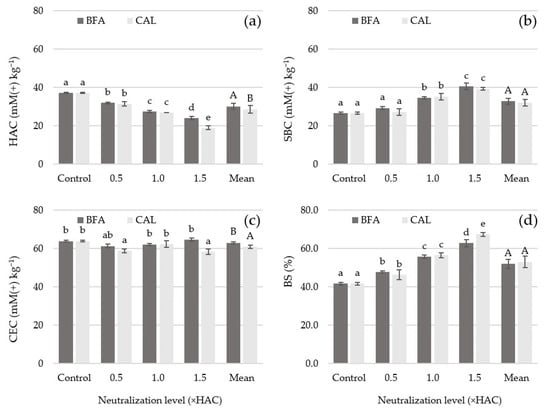
Agricultural biomass fly ash (BFA) has attracted increasing interest as a liming material and nutrient source for acidic soils, although its effects on trace element availability and plant accumulation remain insufficiently understood. This study characterized agricultural BFA and evaluated its short-term effects on
[...] Read more.
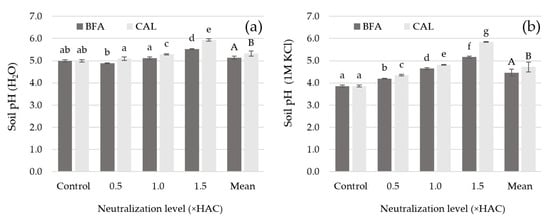
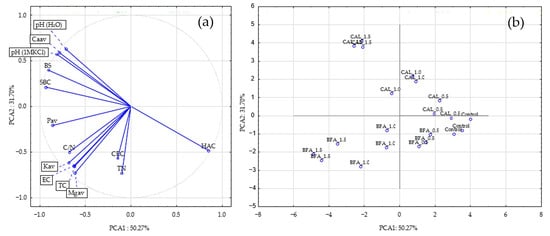
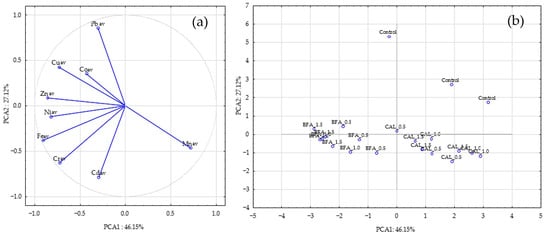
Agricultural biomass fly ash (BFA) has attracted increasing interest as a liming material and nutrient source for acidic soils, although its effects on trace element availability and plant accumulation remain insufficiently understood. This study characterized agricultural BFA and evaluated its short-term effects on soil chemical properties, nutrient and trace element availability, and trace element concentrations in maize biomass. Unlike previous studies focusing primarily on biomass ash characterization or crop performance, this study integrates biomass fly ash characterization with post-harvest soil properties, nutrient and trace element availability, and trace element accumulation in maize biomass. A 60-day greenhouse pot experiment was conducted in an acidic loamy sand using BFA and commercial agricultural lime (CAL) applied at rates corresponding to 0.5×, 1.0×, and 1.5× soil hydrolytic acidity. Both amendments increased soil pH, reduced hydrolytic acidity, and increased base saturation, although CAL produced a stronger liming effect. BFA supplied substantially more K and Mg and increased soil total carbon and electrical conductivity, while CAL was more effective in increasing Ca availability. Changes in soil trace element availability were generally limited, although Zn and Cr increased after BFA application. Trace element responses in maize biomass were element-specific: concentrations of Fe, Cu, Co, and Cd increased, Mn decreased, and Zn and Ni showed no consistent dose-dependent pattern. Nevertheless, the concentrations measured in maize remained within ranges commonly reported for plants grown on uncontaminated soils. PCA supported the contrasting effects of the amendments, associating BFA more strongly with nutrient availability, total carbon, and electrical conductivity and CAL with soil deacidification and Ca enrichment. Under the conditions of this short-term pot experiment, agricultural BFA improved selected chemical properties of acidic soil without causing pronounced increases in trace element accumulation in maize biomass. Field-scale and long-term studies, including chromium speciation, are required before broader agricultural application can be recommended.
Full article
(This article belongs to the Special Issue Circular Agriculture: Waste-to-Resource Innovations in Cropping Systems)
►▼
Show Figures

Figure 1
Open AccessArticle
Genome-Wide Identification and Analysis of Fructose-1,6-Bisphosphate Aldolase Family Reveals the Role of GmFBA5 to Improve Salt Tolerance in Soybean (Glycine max L.)
by
Xunchao Zhao, Yuan Li, Yufeng Pang, Xiuli Rui, Yan Zhang, Yongguang Li, Xue Zhao and Yingpeng Han
Agronomy 2026, 16(16), 1614; https://doi.org/10.3390/agronomy16161614 - 21 Aug 2026
Abstract
Fructose-1,6-bisphosphate aldolase (FBA), as a key enzyme in energy metabolism, is widely present in organisms. Although FBA genes have been characterized in numerous plant species, their functional roles in soybean remain poorly understood. In this study, a total of 14 GmFBA genes
[...] Read more.
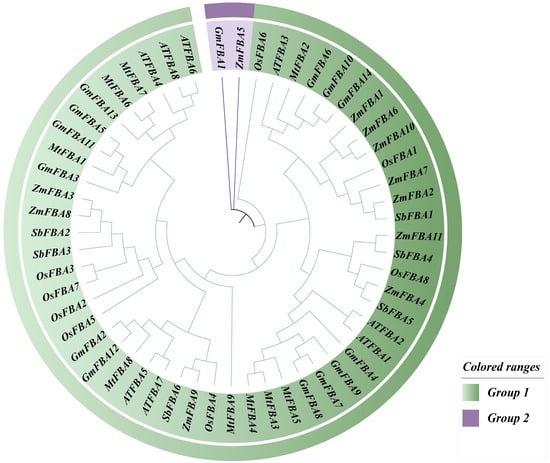
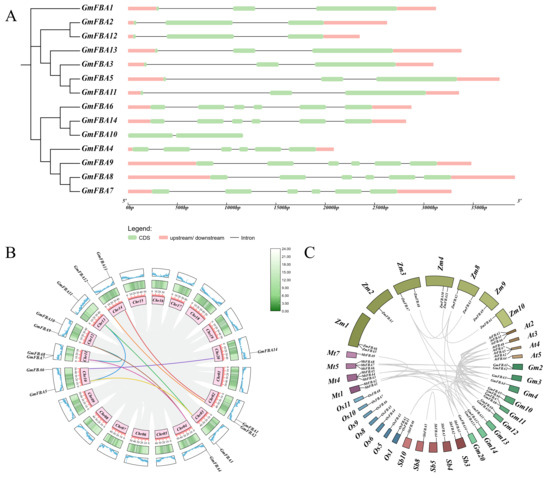
Fructose-1,6-bisphosphate aldolase (FBA), as a key enzyme in energy metabolism, is widely present in organisms. Although FBA genes have been characterized in numerous plant species, their functional roles in soybean remain poorly understood. In this study, a total of 14 GmFBA genes were identified at the genome-wide level. Additionally, phylogenetic analysis divided all GmFBA family members into two divergent subclades. qRT-PCR analysis revealed that most GmFBA genes were markedly responsive to PEG6000 and salt stresses, among which GmFBA5 exhibited the strongest induction under salinity treatment. The heterologous expression of GmFBA5 in yeast was performed. The results showed that GmFBA5 markedly enhanced salt tolerance of yeast cells. Association analysis identified two distinct haplotypes of GmFBA5, and Haplotype 2 significantly enhances salt tolerance in soybean. These findings provide new insights into the potential role of GmFBA5 in soybean salt stress responses and provide candidate genetic resources for salt tolerance improvement.
Full article
(This article belongs to the Special Issue Biotic and Abiotic Stressors Management for Sustainable Crop Production)
►▼
Show Figures

Figure 1
Open AccessFeature PaperArticle
Vulnerability Assessment and Spatiotemporal Evolution of Grassland Social–Ecological Systems in Xinjiang
by
Chengji Bao, Jianzhai Wu, Liwei Xing, Mengshuai Zhu, Hongyu Zhang and Dongyan Jin
Agronomy 2026, 16(16), 1613; https://doi.org/10.3390/agronomy16161613 - 21 Aug 2026
Abstract
Xinjiang grasslands are major ecological barriers and pastoral bases exposed to climate variability, grazing, land-use change, and socioeconomic pressures. This study assessed the vulnerability of grassland social–ecological systems in 81 counties from 2001 to 2020. A driver–pressure–state–impact–response (DPSIR) framework was integrated with CRITIC
[...] Read more.
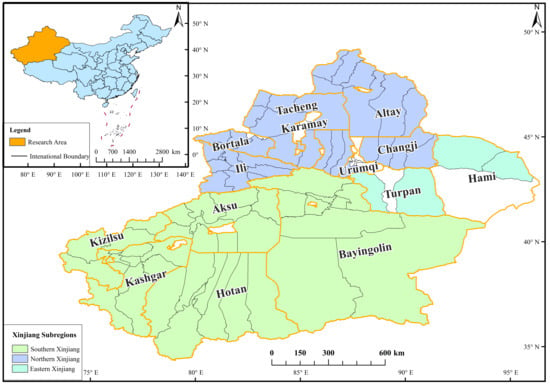
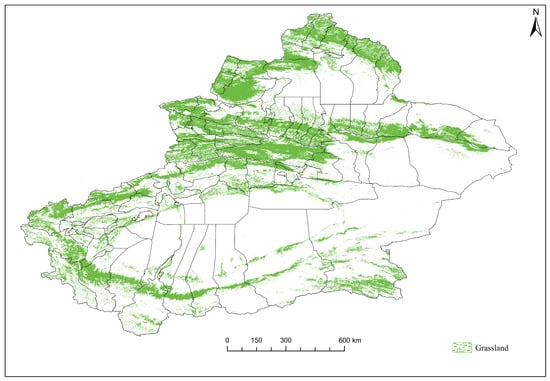
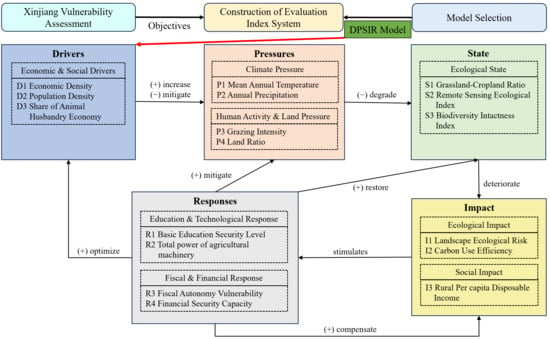
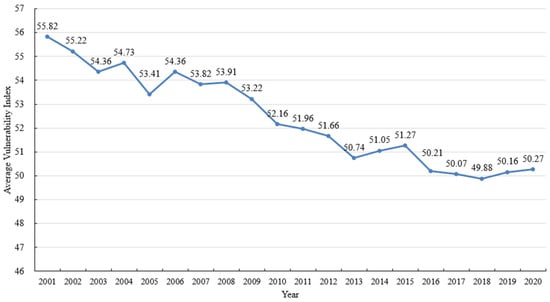
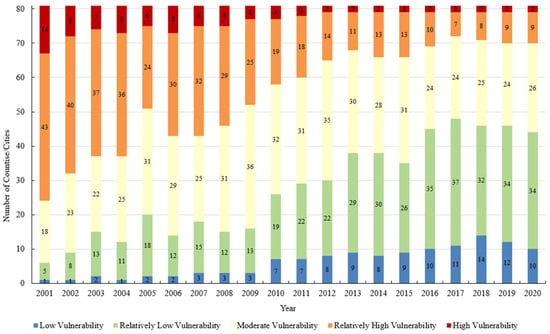
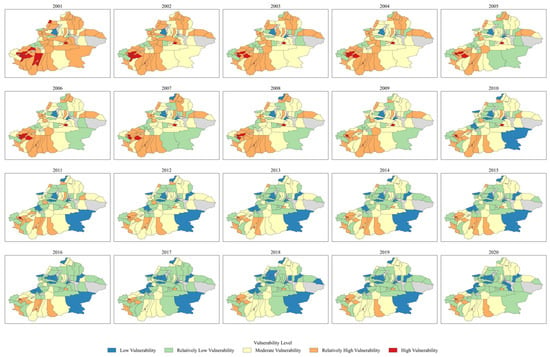
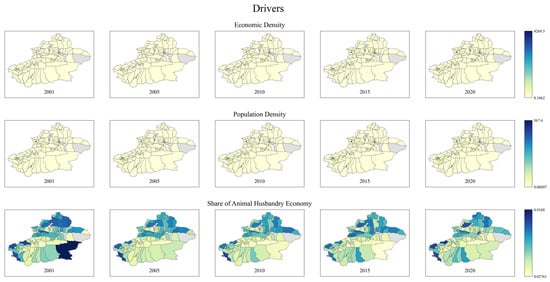
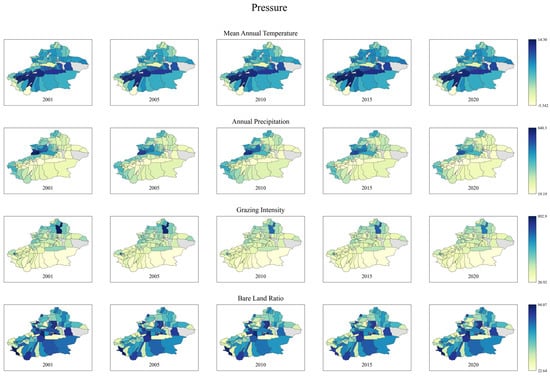
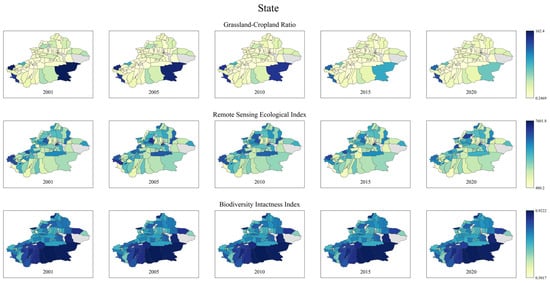
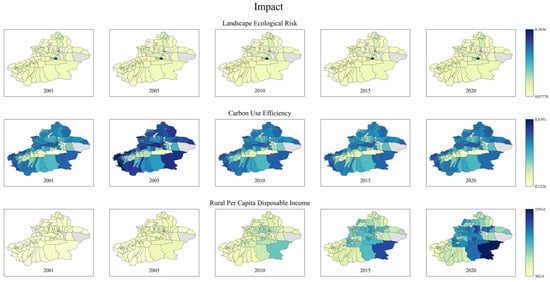
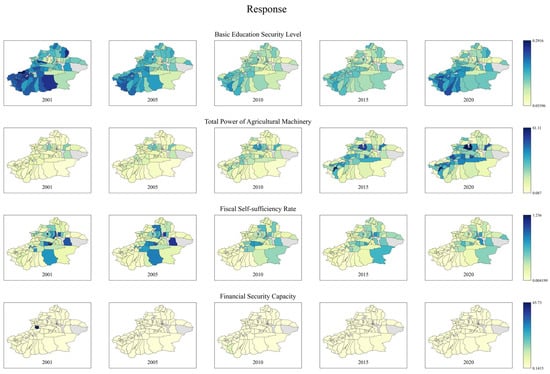
Xinjiang grasslands are major ecological barriers and pastoral bases exposed to climate variability, grazing, land-use change, and socioeconomic pressures. This study assessed the vulnerability of grassland social–ecological systems in 81 counties from 2001 to 2020. A driver–pressure–state–impact–response (DPSIR) framework was integrated with CRITIC weighting and the TOPSIS model. Sen’s slope estimator and the Mann–Kendall test were used to detect temporal trends, and the obstacle degree model identified key constraints. The mean vulnerability index declined from 55.82 to 50.27, accompanied by a marked increase in counties with low or relatively low vulnerability. Vulnerability was highest in southern Xinjiang, where highly vulnerable counties were concentrated in densely populated oasis agricultural areas. Significant declines occurred in 80 of the 81 counties. The response, state, and pressure dimensions showed the highest obstacle degrees. Fiscal self-sufficiency, agricultural machinery power, the grassland–cropland ratio, economic density, and the remote sensing ecological index were the main obstacles. Declining vulnerability was associated with lower grazing intensity, a smaller bare land proportion, and increases in economic density, rural disposable income, and total agricultural machinery power, whereas the comparatively high vulnerability in southern Xinjiang was associated with limited fiscal capacity, lower ecological quality, and arid conditions. These findings support region-specific grassland conservation and differentiated county-level governance.
Full article
(This article belongs to the Special Issue Grassland Ecosystems: Remote Sensing, Ecology and Sustainable Development)
►▼
Show Figures

Figure 1
Open AccessArticle
Soil pH and Texture Affect the Relationship Between 1 M HCl and Mehlich 3 Micronutrient Extractions: Implications for Soil-Test Conversion
by
Jolanta Korzeniowska and Ewa Stanislawska-Glubiak
Agronomy 2026, 16(16), 1612; https://doi.org/10.3390/agronomy16161612 - 20 Aug 2026
Abstract
Soil testing methods differ in their ability to extract micronutrients, making comparisons between historical and newly adopted analytical procedures difficult. This study evaluated the effects of soil pH and texture on the relationship between micronutrient concentrations extracted by 1 M HCl (HCL) and
[...] Read more.
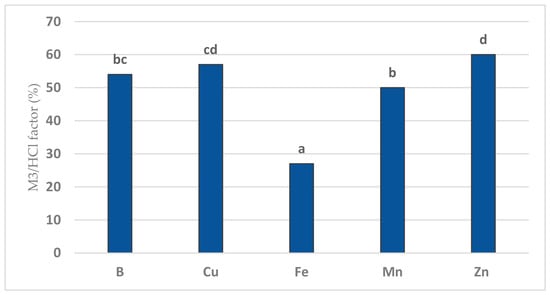
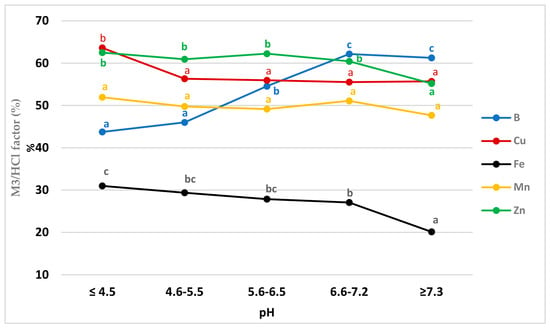
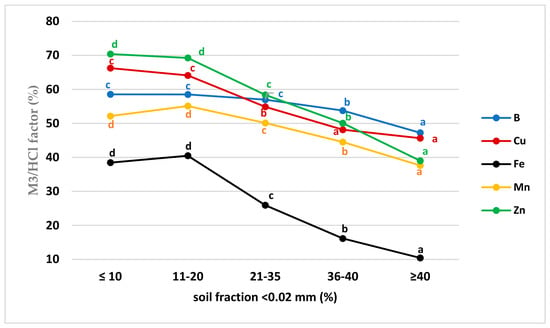
Soil testing methods differ in their ability to extract micronutrients, making comparisons between historical and newly adopted analytical procedures difficult. This study evaluated the effects of soil pH and texture on the relationship between micronutrient concentrations extracted by 1 M HCl (HCL) and Mehlich 3 (M3) and assessed the possibility of converting results between the two method. A total of 3865 agricultural soils representing a wide range of pH and texture were analysed for B, Cu, Fe, Mn and Zn using both extractants. Relative extractability (M3/HCl), correlations between methods and regression models for converting HCl values to M3 were evaluated across soil pH and fine fraction classes. M3 extracted lower concentrations of all micronutrients than HCl. Relative extractability was approximately 50–60% for B, Cu, Mn and Zn but only 27% for Fe. Soil pH primarily affected the relative extractability of B and Fe, whereas soil texture had a stronger influence on all elements, particularly Fe. Correlations between methods varied among micronutrients and soil conditions. A single conversion equation was applicable for Zn across all soils (R2 = 0.63), whereas conversion of Cu, B and Mn was limited to specific soil groups. No reliable conversion model was obtained for Fe. The relationship between HCl and M3 depends on both the micronutrient analysed and soil properties. Soil texture has a greater influence than pH on differences between the two extraction methods. Universal conversion of historical HCl data to M3 values is feasible only for Zn, while other micronutrients require soil-specific approaches.
Full article
(This article belongs to the Section Soil and Plant Nutrition)
►▼
Show Figures

Figure 1
Open AccessArticle
Precision Nitrogen Management in Dryland Agriculture: Soil and Topographic Drivers of Multi-Year Yield Stability
by
Francesco Toscano, Lucas Santos Santana, Daniel Albiero, Mario Vitelli, Felice Modugno and Paola D’Antonio
Agronomy 2026, 16(16), 1611; https://doi.org/10.3390/agronomy16161611 - 20 Aug 2026
Abstract
Variable-rate nitrogen (VRN) management in dryland crop rotations requires prescription maps that remain valid across years and for different crops, and that can be generated from sensors compatible with standard farm equipment. We examined how the ranking of yields in individual fields remained
[...] Read more.
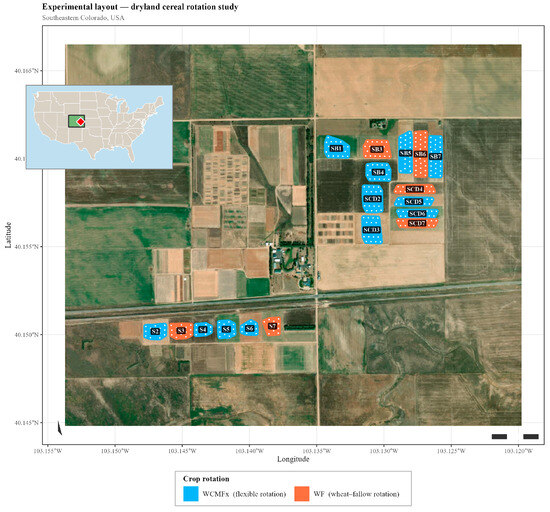
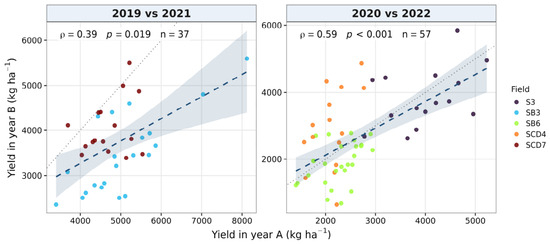
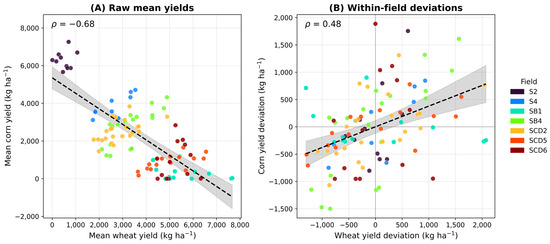
Variable-rate nitrogen (VRN) management in dryland crop rotations requires prescription maps that remain valid across years and for different crops, and that can be generated from sensors compatible with standard farm equipment. We examined how the ranking of yields in individual fields remained consistent from one season to another, how much of the variation in yields among individual field locations could be attributed to differences in the permanent physical characteristics of those field locations, and if the spatial structure of fertility was transferable among the different crops in a rotational sequence using a multi-seasonal wheat–corn–millet crop rotation dataset from northeast Colorado (n = 721; n = 18 management units; n = 321 location points; 2019–2022). There was a significant positive correlation between wheat yield rankings from non-consecutive growing seasons (ρ = 0.39–0.59), with 80.80% of the total variability explained by spatial effects that are stable over time. Approximately 20% of the within-field yield variability in wheat, the only crop with repeated within-position measurements, could be attributed to permanent differences in physical properties of the field such as topography (TPI) and soils (soil: 2.20%; TPI: 11.50%, both unique; 6.30% both shared), which represented an estimate of the maximum amount of within-field variability possible to explain based on static variables alone in this dataset. After accounting for year and field effects, all three Spearman correlations for each combination of two crops were positive and statistically significant (Wheat–Corn: ρ = +0.29; Wheat–Millet: ρ = +0.48; Corn–Millet: ρ = +0.30), indicating a common spatial fertility structure among all three crops in the rotational sequence. These results suggest that a pedotopographic map created using RTK-GPS elevation data and on-the-go soil sensors provides a partially transferable baseline spatial framework for variable-rate N applications throughout the entire cropping cycle. This baseline would need to include adjustments for average rate applied per crop, while the remainder of the within-field variability (approximately 80%) could be addressed through additional layers of annual sensing (e.g., UAV multispectral indices, active optical sensors, satellite imagery).
Full article
(This article belongs to the Special Issue Integrating Yield Maps, Soil Data, and IoT for Smarter Farming)
►▼
Show Figures

Figure 1
Open AccessArticle
Bacillus cereus AR156 Induces Defense Responses in Rice Against Sheath Blight Caused by Rhizoctonia solani
by
Mingzhou Yu, Xibao Xu, Bin Lei, Wenhui Li, Huicheng Shi, Yiyang Yu and Yonghong Hu
Agronomy 2026, 16(16), 1610; https://doi.org/10.3390/agronomy16161610 - 20 Aug 2026
Abstract
Rice sheath blight, caused by Rhizoctonia solani, is a major constraint on rice production, and its management still relies mainly on chemical fungicides. We evaluated the biocontrol agent Bacillus cereus AR156 against the disease and examined the transcriptional and biochemical changes in
[...] Read more.
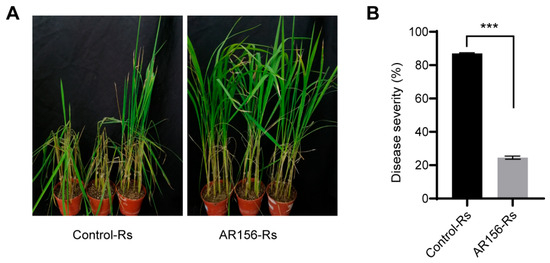
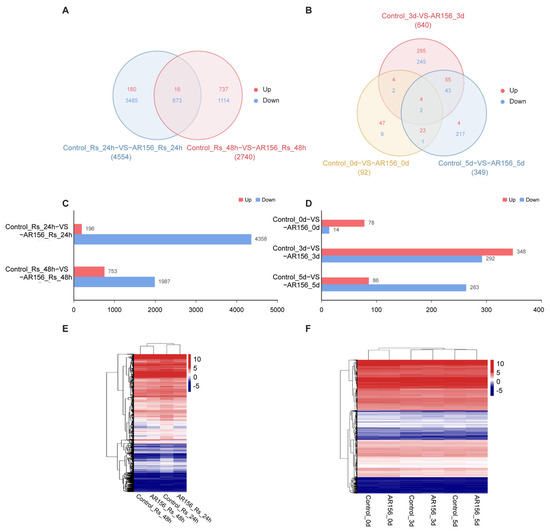
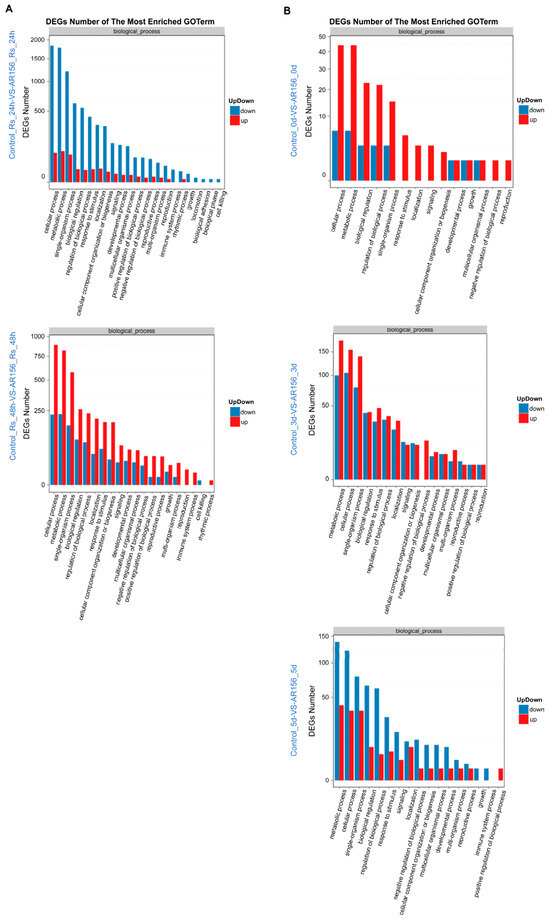
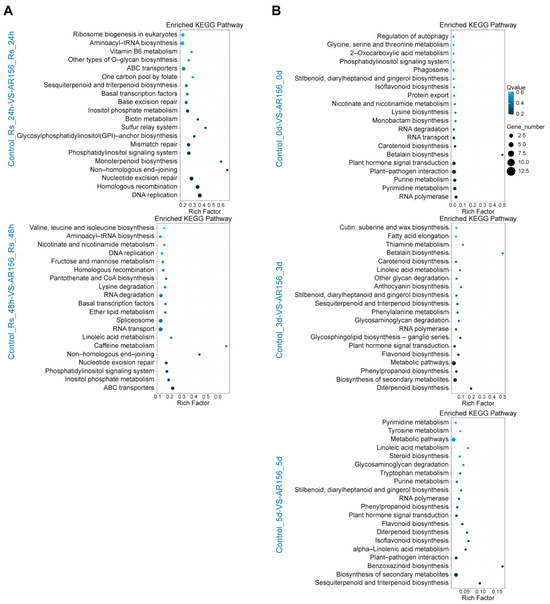
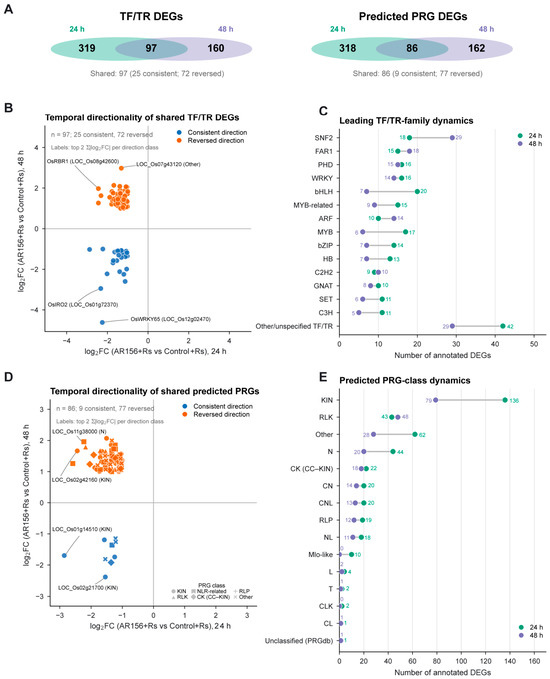
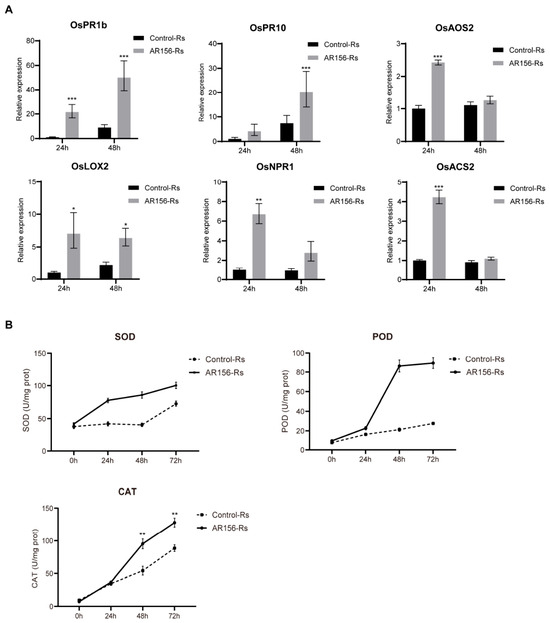
Rice sheath blight, caused by Rhizoctonia solani, is a major constraint on rice production, and its management still relies mainly on chemical fungicides. We evaluated the biocontrol agent Bacillus cereus AR156 against the disease and examined the transcriptional and biochemical changes in rice that accompany protection. AR156 achieved a biocontrol efficacy of 71.81% at 6 days after inoculation. RNA sequencing compared AR156-treated and control plants with and without pathogen challenge, and we identified 4554 and 2740 differentially expressed genes at 24 and 48 h after inoculation, respectively. AR156-responsive genes were enriched in secondary metabolism, plant-pathogen interaction, hormone signaling, phosphoinositide signaling, and membrane transport. Of the defense-associated DEGs, 97 TF/TRs and 86 predicted PRGs were shared between 24 and 48 h, most of which reversed their direction of change over time. Prominent TF/TR families included SNF2, bHLH, MYB, MYB-related, FAR1, PHD and WRKY, with KIN and RLK prominent among the predicted PRG classes. Quantitative RT-PCR and enzyme assays showed higher expression of several pathogenesis-related and hormone-associated markers, together with increased superoxide dismutase, peroxidase, and catalase activity after challenge. Together, these results indicate that AR156 suppresses rice sheath blight by temporally reshaping coordinated transcriptional and biochemical defenses rather than a single pathway.
Full article
(This article belongs to the Special Issue Research Progress of Beneficial Microorganisms in Controlling Crop Pathogens)
►▼
Show Figures

Figure 1
Open AccessArticle
Genome-Wide Characterization of the Sugarcane PIP Gene Family and Functional Validation of ScPIP2-70 in Low-Potassium Stress Tolerance
by
Yirong Guo, Qiuping Ling, Xingchen Liu, Enping Cai, Xueting Li, Jiayun Wu and Nannan Zhang
Agronomy 2026, 16(16), 1609; https://doi.org/10.3390/agronomy16161609 - 20 Aug 2026
Abstract
Sugarcane (Saccharum spp.) is a globally vital high-biomass sugar crop with a massive demand for potassium (K). Low-K+ stress severely restricts its yield and stress resistance. Plasma membrane intrinsic proteins (PIPs) play pivotal roles in transmembrane water transport and ion homeostasis;
[...] Read more.
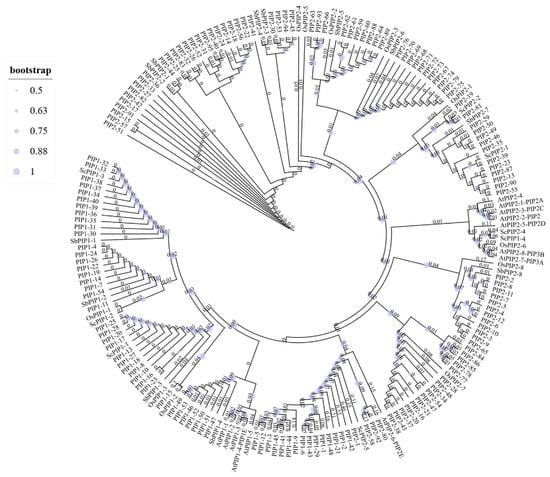
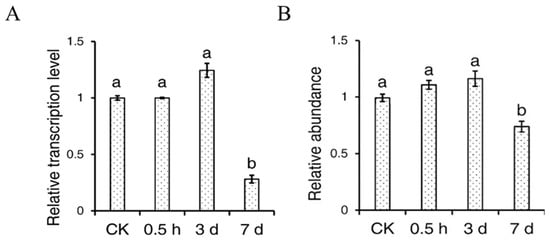
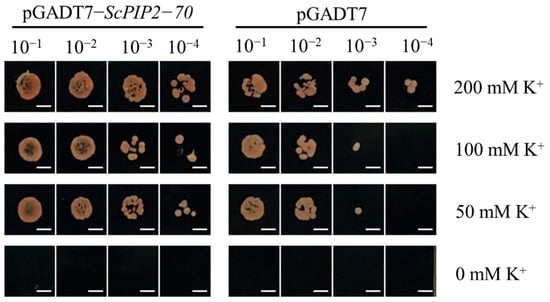
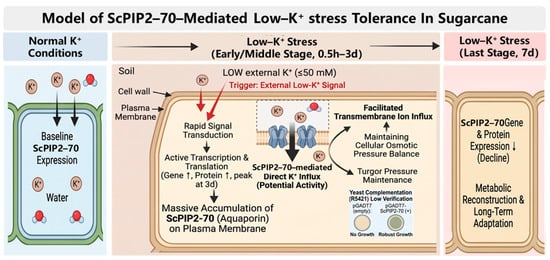
Sugarcane (Saccharum spp.) is a globally vital high-biomass sugar crop with a massive demand for potassium (K). Low-K+ stress severely restricts its yield and stress resistance. Plasma membrane intrinsic proteins (PIPs) play pivotal roles in transmembrane water transport and ion homeostasis; however, their evolutionary characteristics and molecular mechanisms underlying nutritional stress responses in the complex polyploid sugarcane remain poorly understood. In this study, genome-wide identification in the sugarcane cultivar XTT22 yielded 149 PIP gene family members (comprising 54 PIP1s and 95 PIP2s). Phylogenetic and chromosomal localization analyses demonstrated that the sugarcane PIP family underwent drastic paralogous expansion during evolution, with tandem duplication acting as the core driving force for the dramatic expansion of the PIP2 subfamily. Spatiotemporal expression profiling unveiled significant modular functional division among PIP genes, identifying a core co-expression group driving rapid early seedling elongation and a PIP2-specific expression cluster dedicated to the physiological homeostasis of mature stems. Notably, the core member ScPIP2-70 exhibited significant early-induced responses at both transcriptional and protein levels in roots under low-K+ stress. Functional complementation assays in the K+-uptake deficient yeast strain R5421 further confirmed that the heterologous expression of ScPIP2-70 effectively rescued the growth defects of yeast under low-K+ conditions, demonstrating its potential transmembrane K+ transport activity. This study not only comprehensively elucidates the evolutionary dynamics and spatiotemporal expression profiles of the sugarcane PIP gene family but also uncovers the novel pleiotropic function of ScPIP2-70 in mediating low-K+ stress tolerance, providing critical theoretical support and candidate gene resources for breeding “potassium-efficient” sugarcane cultivars via modern biotechnology.
Full article
(This article belongs to the Section Crop Breeding and Genetics)
►▼
Show Figures

Figure 1
Open AccessArticle
An Alternative to Urea Overdosage: Positive Effects of Urea–Ornithine Combined Treatment on Yield and Metabolism in Wheat
by
Viktória Kovács, Kamirán Áron Hamow, Magda Pál and Katalin Nagy
Agronomy 2026, 16(16), 1608; https://doi.org/10.3390/agronomy16161608 - 20 Aug 2026
Abstract
Although ornithine is a key intermediate in nitrogen metabolism and a precursor of polyamines, its potential to replace high-dose urea-induced phytotoxicity has not been previously studied. To investigate whether ornithine reduces the negative effects of high-concentration nitrogen supply, the effects of standard urea
[...] Read more.
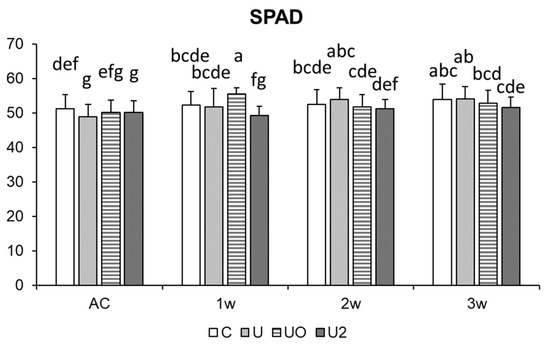
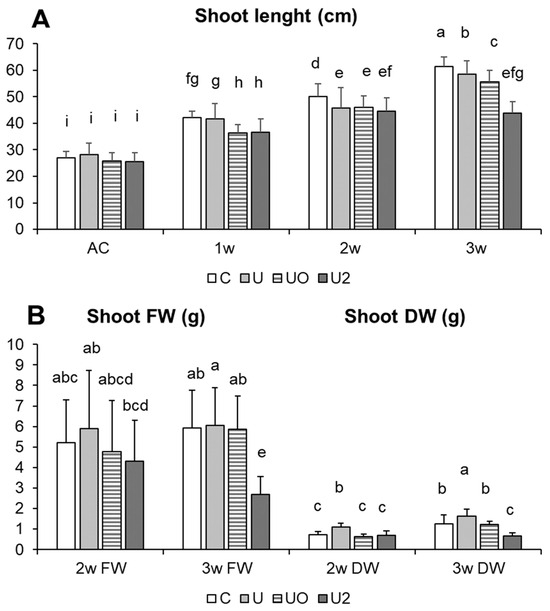
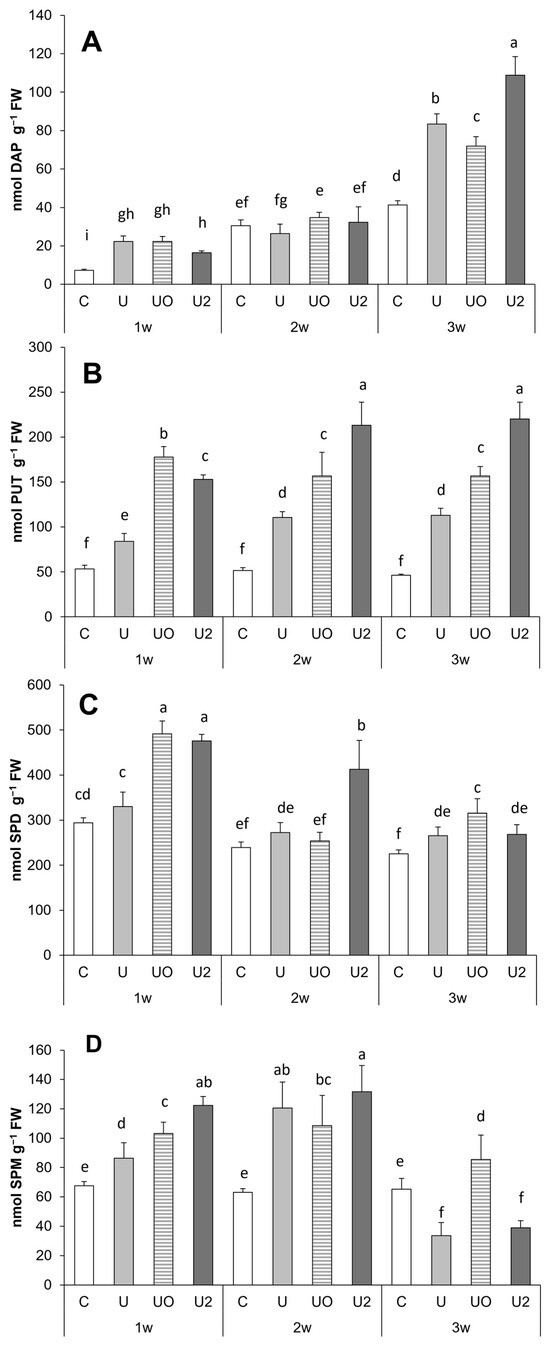
Although ornithine is a key intermediate in nitrogen metabolism and a precursor of polyamines, its potential to replace high-dose urea-induced phytotoxicity has not been previously studied. To investigate whether ornithine reduces the negative effects of high-concentration nitrogen supply, the effects of standard urea dose (0.33 M) were compared to double dose (0.66 M) and combined urea + ornithine (0.33 M + 0.33 M) as seed priming or foliar application. Although seed-soaking with urea + ornithine had no positive effect, foliar application of ornithine modulated the effects of urea at physiological and metabolite levels. Deep metabolomic analysis revealed that double urea induced a metabolic crisis, especially while it accelerated polyamine catabolism; the urea + ornithine treatment countered this effect by stabilizing polyamine metabolism. This metabolic shift under the combined treatment redirected excess nitrogen from catabolism to polyamine synthesis and conjugation, and also preserved the antioxidant flavonoid pool. Additionally, double urea also disrupted the phenylpropanoid pathway, inducing hormonal stress signalling, and triggered senescence. The present study firstly provides information about the modulatory role of ornithine on foliar urea fertilization of wheat. Ornithine induces a metabolically primed state, which metabolic shift may support efficient nitrogen remobilization before and during grain filling; in addition, it could enhance plant adaptability to subsequent environmental stresses. The results may contribute to the development of sustainable nutrient management practices.
Full article
(This article belongs to the Special Issue Advancements in Fertilization Strategies and Soil Health for Rice and Wheat Cultivation)
►▼
Show Figures

Figure 1
Open AccessArticle
Research on the Soybean Disease Identification Method Using Fused Spectral Data of the Leaf’s Front and Back Sides
by
Binbin Yue, Yakun Zhang, Mengxin Guan, Xiahua Cui, Yafei Wang, Shaukat Ali and Fu Zhang
Agronomy 2026, 16(16), 1607; https://doi.org/10.3390/agronomy16161607 - 20 Aug 2026
Abstract
To investigate whether spectral information from the backside of soybean leaves can help to improve the accuracy of disease identification models, based on spectral data from the front and back surfaces of leaves, as well as fused spectral data derived from them, a
[...] Read more.
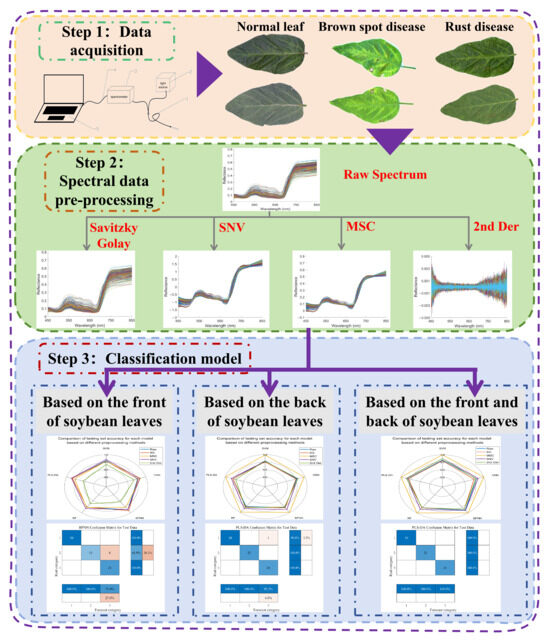
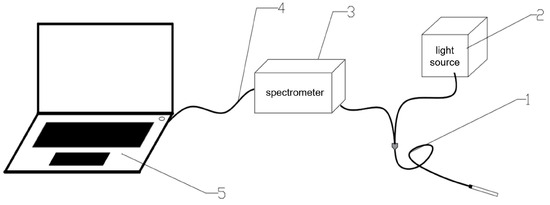
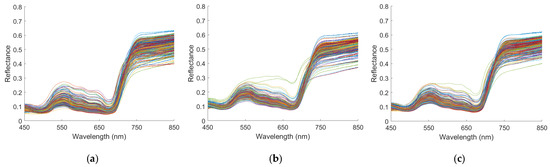
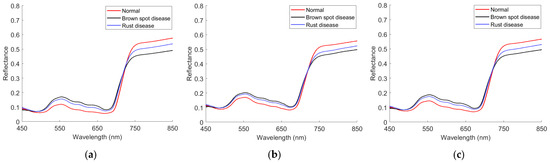
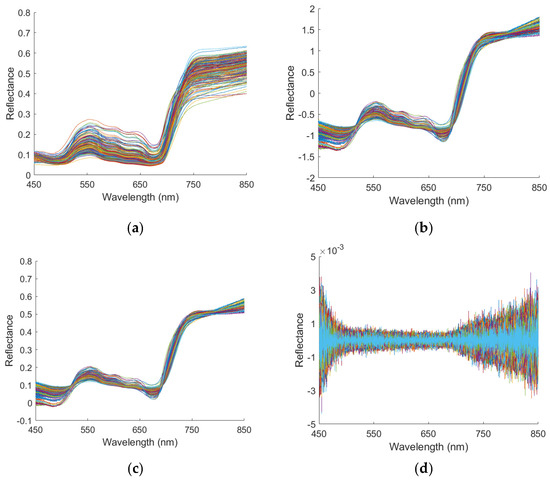
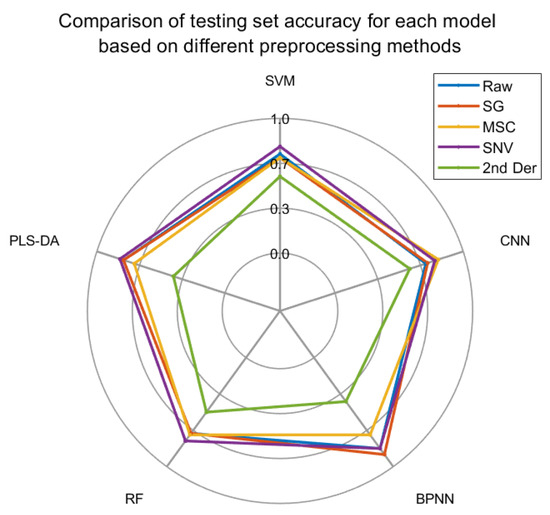
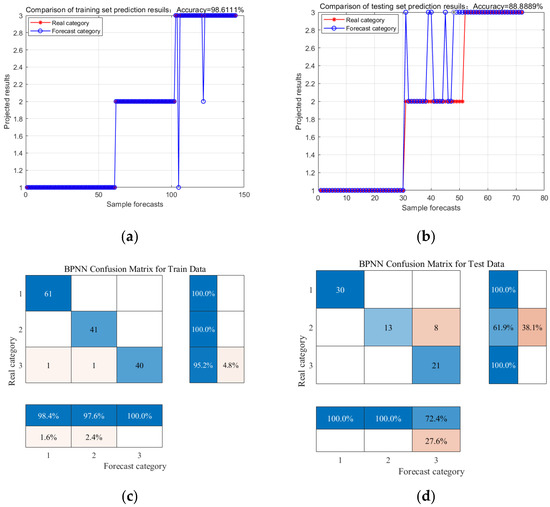
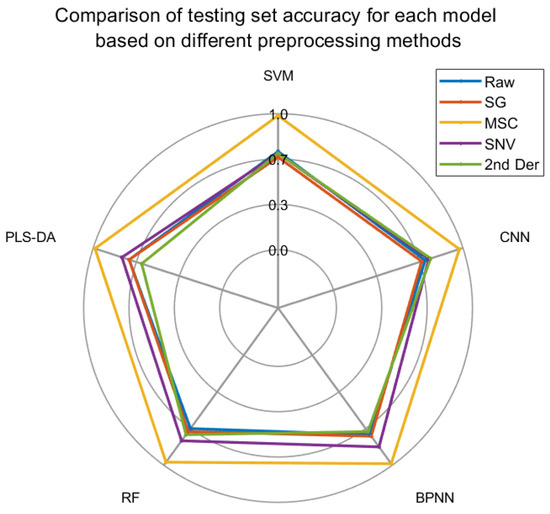
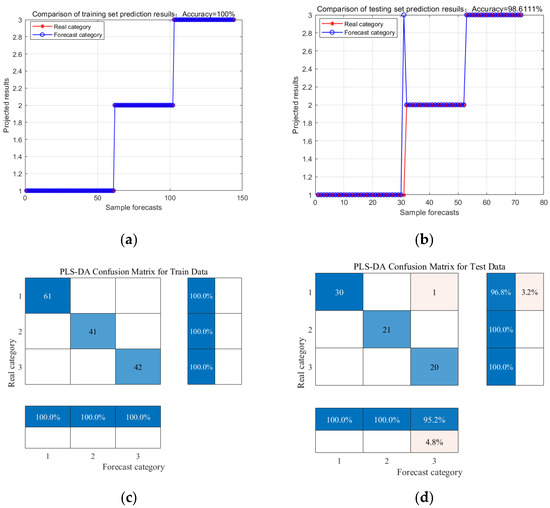
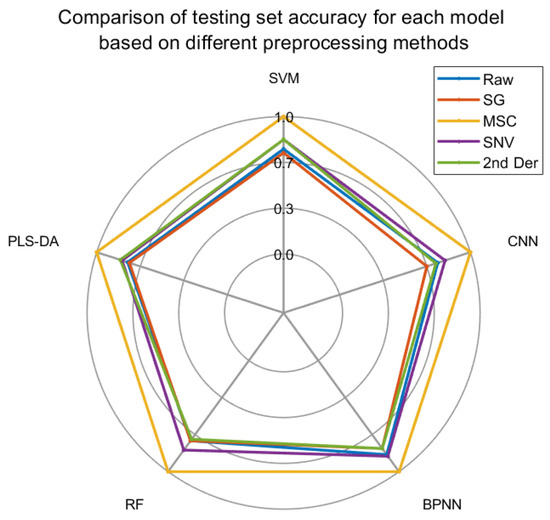
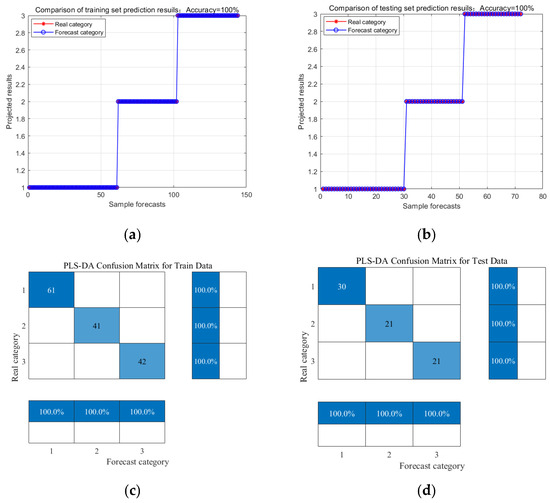
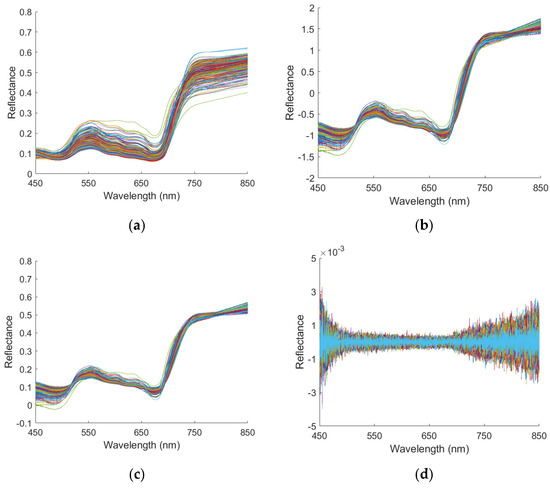
To investigate whether spectral information from the backside of soybean leaves can help to improve the accuracy of disease identification models, based on spectral data from the front and back surfaces of leaves, as well as fused spectral data derived from them, a classification model was established using machine learning algorithms in this study. The study first used a spectral acquisition system to obtain spectral information from the front and back surfaces of the leaves, respectively, and calculated the averages of the two types of data to generate fused spectral data from both surfaces. For the three types of spectral data mentioned above, the following four preprocessing methods were applied: Savitaky–Golay smoothing (SG), multiplicative scatter correction (MSC), standard normal variate (SNV), and second-order derivative (2nd Der). At the same time, five modeling methods—support vector machines (SVM), partial least squares discriminant analysis (PLS-DA), convolutional neural network (CNN), random forest (RF), and back propagation neural network (BPNN)—were introduced to establish classification models of soybean leaf diseases, with the aim of selecting the optimal model that achieves the highest identification accuracy in each type of data. The results of the study indicate the following: Among the classification models based on spectral data from the front surface of the leaves, the BPNN model constructed after SG smoothing preprocessing (SG-BPNN) performed the best, achieving recognition accuracy of 88.89% on the testing set. Among the models based on spectral data from the back surface of the leaves, the MSC-PLS-DA model was identified as the optimal model, achieving an accuracy of 98.61% on the testing set. Among the models based on fused spectral data from both front and back surfaces, the MSC-PLS-DA model also demonstrated optimal performance, achieving a classification accuracy of 100% on the testing set. Its accuracy was 11.11% higher than that of the best model using only front-surface data and 1.39% higher than that of the best model using only back-surface data, which verified the effectiveness of fused spectral information from the front and back surfaces of the leaves in improving the accuracy of the soybean disease classification models. Therefore, this study provides a new approach and theoretical basis for the non-invasive, efficient, and precise detection of soybean diseases, and offers valuable reference for promoting the practical application of spectroscopy in the diagnosis of agricultural diseases.
Full article
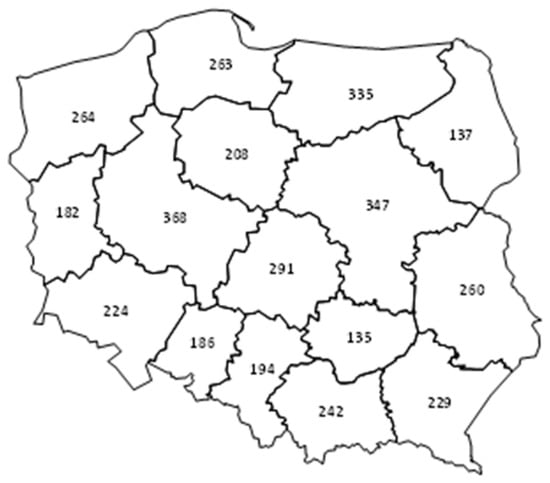
(This article belongs to the Section Pest and Disease Management)
►▼
Show Figures

Figure 1
Open AccessArticle
Soil Factors Exert Larger Independent Explanatory Contributions than Climate to Regional Rubber Yield Variation in Hainan Rubber Plantations, China
by
Chunhua Ji, Zengmeihui Xu, Zhaoyong Shi, Hailin Liu and Qinghuo Lin
Agronomy 2026, 16(16), 1606; https://doi.org/10.3390/agronomy16161606 - 20 Aug 2026
Abstract
Objective: Hainan is an important natural rubber planting area in China. Due to topographical influences, rubber plantations in Hainan exhibit a distinct east–west distribution. The factors driving the differences in latex yield between the eastern and western regions remain unclear. This study aims
[...] Read more.
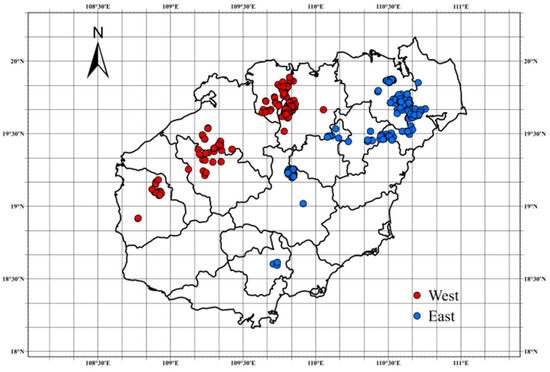
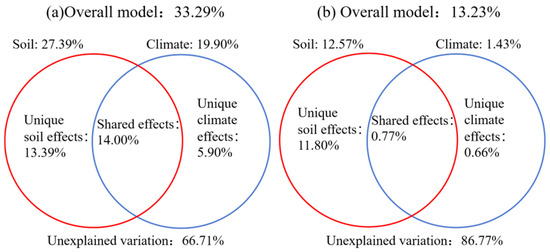
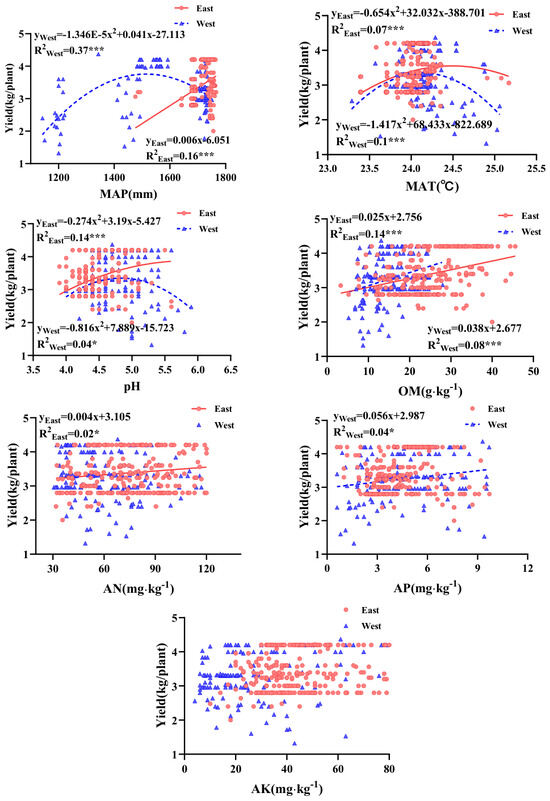
Objective: Hainan is an important natural rubber planting area in China. Due to topographical influences, rubber plantations in Hainan exhibit a distinct east–west distribution. The factors driving the differences in latex yield between the eastern and western regions remain unclear. This study aims to quantify the effects of climatic and soil factors on rubber yield in these regions, identify key factors, and provide a scientific basis for developing region-specific rubber plantation management strategies. Method: This study is based on 409 rubber plantation samples collected over a continuous 15-year period in Hainan Province (eastern region (n = 252) and western region (n = 157)). We analyzed regional differences in multiple indicators including soil pH, organic matter (OM), alkali-hydrolyzable nitrogen, available phosphorus, and available potassium, and core climatic variables (mean annual temperature, MAT; mean annual precipitation, MAP) between eastern and western Hainan. We further explored the relationships between these factors and rubber latex yield and identified the key yield-limiting factors for rubber plantations in different regions. Result: The yield per plant in the eastern region (3.38 kg) was significantly higher than that in the western region (3.25 kg). In the eastern region, annual precipitation (1707.78 mm), soil organic matter (24.43 g kg−1), alkali-hydrolyzable nitrogen (73.64 mg kg−1), and available potassium (42.73 mg kg−1) were all significantly higher in the eastern region than in the western region (1604.76 mm, 15.14 g kg−1, 60.75 mg kg−1, and 24.55 mg kg−1, respectively); while the annual mean temperature (24.02 °C) and soil pH were significantly lower than in the western region (24.17 °C, 4.81). Univariate quadratic regression revealed that both soil OM and AP exhibited significant positive correlations with rubber yield in western rubber plantations. However, after simultaneously controlling the joint variation of all climate and soil variables via multivariate stepwise regression, only OM was retained in the final predictive model. Conclusions: The key factors influencing rubber yield vary by region, with soil pH being the primary factor in the eastern region and organic matter in the western region. We explicitly differentiate two effects: short-term regional yield variations are mainly controlled by soil spatial heterogeneity rather than current climate differences, while long-term climate drives spatial divergence in soil fertility via pedogenic processes. The differences in key limiting factors between the eastern and western regions identified in this study provide data support and a scientific basis for formulating precise soil management plans for rubber plantations in Hainan Province, thereby promoting cost savings, efficiency gains, and sustainable development in Hainan’s rubber industry.
Full article
(This article belongs to the Section Soil and Plant Nutrition)
►▼
Show Figures

Figure 1
Open AccessArticle
Maize Seedling Detection Dataset (MSDD): A Curated High-Resolution RGB Dataset for Seedling Maize Detection and Benchmarking with YOLOv9, YOLO11, YOLOv12 and Faster-RCNN
by
Dewi Endah Kharismawati and Toni Kazic
Agronomy 2026, 16(16), 1605; https://doi.org/10.3390/agronomy16161605 - 19 Aug 2026
Abstract
Seed germination and early survival are important phenotypes for plant breeding and agricultural management, yet they are still commonly assessed through labor-intensive manual stand counting. We present the Maize Seedling Detection Dataset (MSDD), a curated high-resolution red–green–blue (RGB) dataset derived from
[...] Read more.
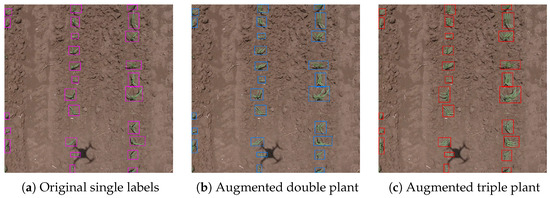
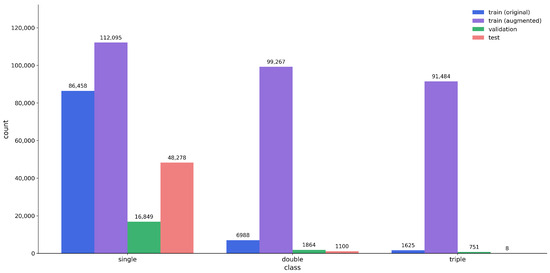
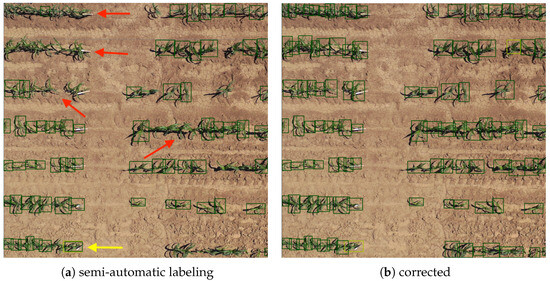
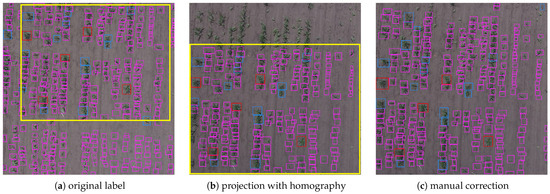
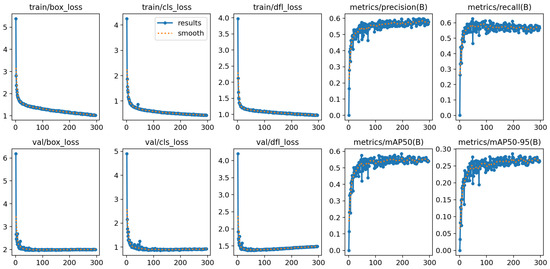
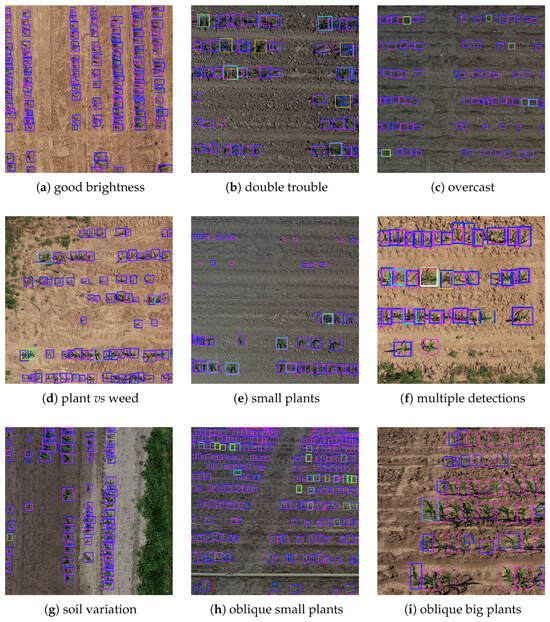
Seed germination and early survival are important phenotypes for plant breeding and agricultural management, yet they are still commonly assessed through labor-intensive manual stand counting. We present the Maize Seedling Detection Dataset (MSDD), a curated high-resolution red–green–blue (RGB) dataset derived from unmanned aerial vehicle (UAV) imagery collected over the 2019–2022 growing seasons. MSDD contains 3152 images and 163,921 annotated objects across three classes—single (92.47%), double (6.07%), and triple (1.45%) clusters of seedlings—and captures substantial variability in growth stage (V2–V12), illumination, soil appearance, wind, and camera viewpoint. Unlike many existing datasets, MSDD explicitly annotates clustered seedlings as double and triple classes, which are important for stand evaluation. We benchmarked YOLOv9, YOLO11, YOLOv12, and Faster-RCNN on MSDD to evaluate detection accuracy, class-specific performance, inference efficiency, and generalization across field conditions. Single-seedling detection was reliable across models, with the best mean average precision at 0.5 IoU (mAP@0.5) reaching 0.916, whereas double- and triple-seedling detection remained challenging because of class imbalance, occlusion, and annotation ambiguity. Detection was most reliable in high-contrast scenes and declined under wind, strong shadows, and bright soil backgrounds. YOLO11 provided the fastest evaluation throughput among the tested models (≈27 frames per second (fps)), while YOLOv9 achieved the strongest single-seedling detection performance. Synthetic augmentation improved class balance but did not improve generalization to naturally occurring clustered seedlings. Frames, labels, and trained models are available at Google Drive and Hugging Face. MSDD provides a public benchmark for maize seedling detection and for evaluating stand counting models under realistic field conditions.
Full article
(This article belongs to the Special Issue Agricultural Imagery and Machine Vision)
►▼
Show Figures

Figure 1
Open AccessArticle
Spring Frost Damage in Selected Sweet Cherry (Prunus avium L.) Cultivars in Central Poland: Effects of Phenological Stage, Cultivar Susceptibility and Orchard Environment
by
Agnieszka Głowacka and Witold Danelski
Agronomy 2026, 16(16), 1604; https://doi.org/10.3390/agronomy16161604 - 19 Aug 2026
Abstract
Spring frost injury in sweet cherry (Prunus avium L.) depends on the occurrence of sub-zero temperatures during sensitive stages of generative organ development. This study evaluated frost injury caused by two natural frost episodes in 2026 and the final yield of nine
[...] Read more.
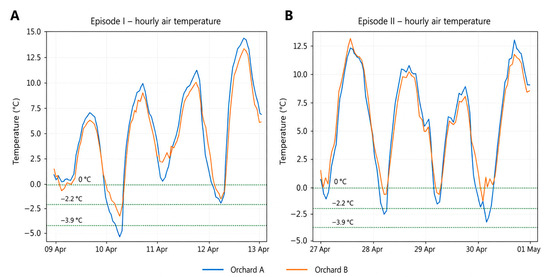
Spring frost injury in sweet cherry (Prunus avium L.) depends on the occurrence of sub-zero temperatures during sensitive stages of generative organ development. This study evaluated frost injury caused by two natural frost episodes in 2026 and the final yield of nine sweet cherry cultivars grown in two orchard environments in central Poland. The first episode occurred when flower buds were at stages ranging from visible flower buds to the balloon stage (BBCH 55–59), with minimum temperatures of −6.40 °C in Orchard A and −3.91 °C in Orchard B. The second episode occurred between full flowering and early ovary growth (BBCH 65–71), with corresponding minimum temperatures of −4.58 and −2.62 °C. Mean injury was higher in Orchard A after both episodes, reaching 45.3% and 55.3%, compared with 25.0% and 41.9% in Orchard B. Frost injury and yield were significantly affected by orchard environment, cultivar and their interaction, indicating that cultivar responses were environment-dependent. ‘Earlise’ and ‘Kordia’ were among the most severely injured cultivars, whereas ‘Staccato’, ‘Carmen’ and ‘Regina’ showed lower injury levels while maintaining comparatively high yields. BBCH stage was not significantly correlated with injury or final yield. In contrast, frost injury was strongly negatively correlated with yield after both episodes in Orchard A and after the second episode in Orchard B. These one-season findings highlight promising cultivar responses, but require validation across multiple seasons and orchard environments.
Full article
(This article belongs to the Section Horticultural and Floricultural Crops)
►▼
Show Figures

Figure 1
Open AccessReview
Forecasting Models for Plant Diseases: Advances, Applications and Future Perspectives
by
Anran Fan, Lichun Wang, Senli Jia, Chenfang Wang, Tao Ji, Jorge Antonio Sánchez-Molina, Wei Zhang and Hui Wang
Agronomy 2026, 16(16), 1603; https://doi.org/10.3390/agronomy16161603 - 19 Aug 2026
Abstract
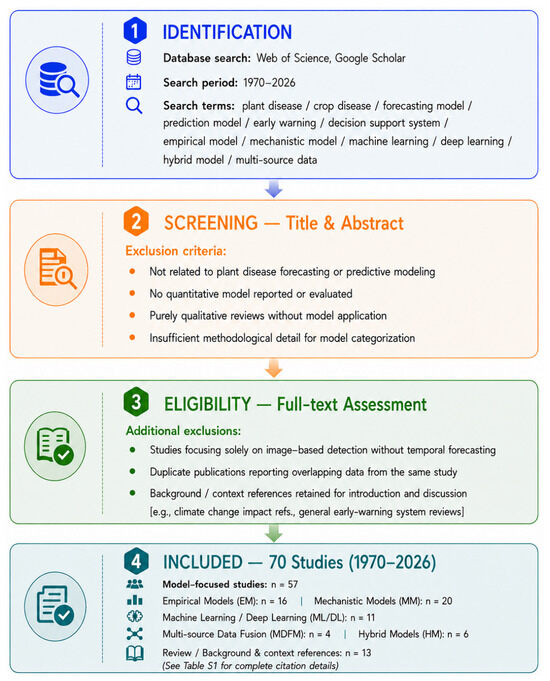
Plant disease forecasting plays an important role in modern crop protection by enabling early disease prediction and supporting optimized management decisions. With the rapid development of digital agriculture, artificial intelligence, and environmental monitoring technologies, forecasting systems have evolved from traditional empirical and mechanistic
[...] Read more.
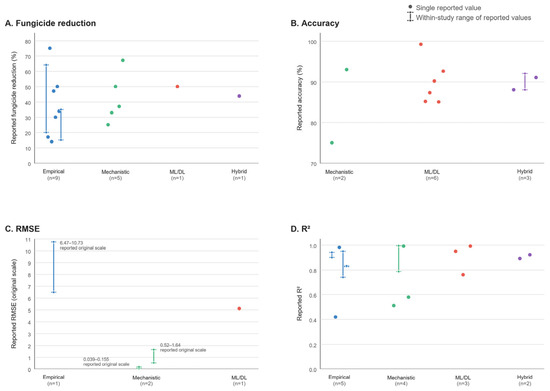
Plant disease forecasting plays an important role in modern crop protection by enabling early disease prediction and supporting optimized management decisions. With the rapid development of digital agriculture, artificial intelligence, and environmental monitoring technologies, forecasting systems have evolved from traditional empirical and mechanistic models to machine learning, deep learning, multi-source data fusion, and hybrid forecasting frameworks. Unlike previous reviews that mainly focused on specific model types, decision support systems, or disease recognition technologies, this review provides a comprehensive synthesis of different forecasting approaches and their practical applications. The strengths and limitations of various models are comparatively analyzed in terms of predictive performance, interpretability, fungicide reduction potential, and practical applicability. In addition, recent advances in climate-driven disease forecasting, precision disease management, and intelligent decision support systems are discussed. Finally, current challenges and future directions, including AI-mechanistic model integration, multi-disease forecasting, IoT and remote sensing data fusion, and climate-adaptive forecasting systems, are highlighted to support the development of sustainable and intelligent crop protection strategies.
Full article
(This article belongs to the Special Issue Precision Agriculture and Crop Models for Climate Change Adaptation)
►▼
Show Figures

Figure 1
Open AccessArticle
Spatiotemporal Genetic Structure of Myzus persicae Population in Central Chile: The Role of Cultivated and Non-Cultivated Hosts
by
María E. Rubio-Meléndez, John T. Margaritopoulos, Claudio Valenzuela, Ingo Dreyer, Naomí Hernández-Rojas, Marco A. Cabrera-Brandt, Lucía M. Briones, Christian C. Figueroa and Claudio C. Ramírez
Agronomy 2026, 16(16), 1602; https://doi.org/10.3390/agronomy16161602 - 19 Aug 2026
Abstract
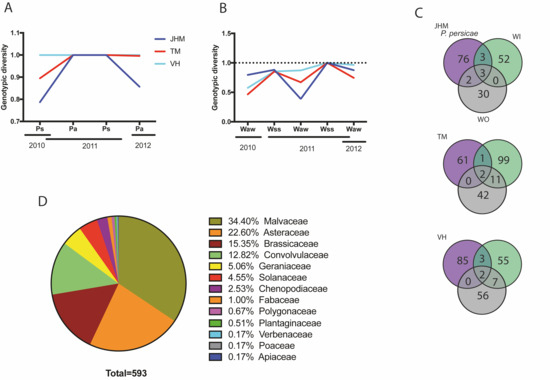
The green peach aphid, M. persicae (Sulzer), is one of the most important pests of horticultural crops worldwide. In Chile, M. persicae causes severe losses in peach and herbaceous crops. Understanding aphid population dynamics across its primary (peach) and secondary (weed) hosts is
[...] Read more.
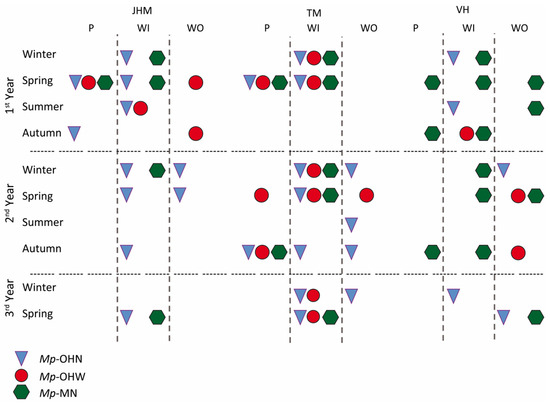
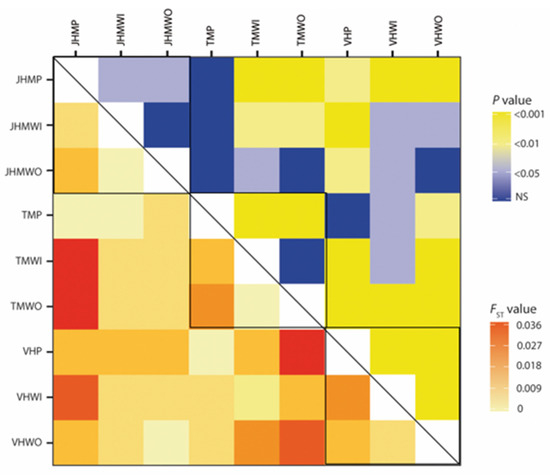
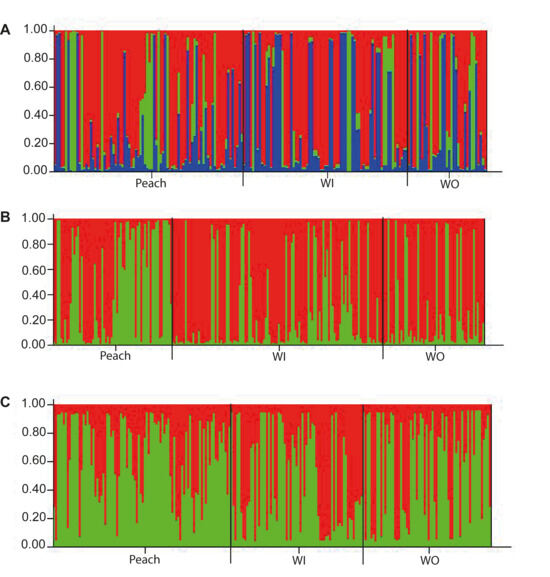
The green peach aphid, M. persicae (Sulzer), is one of the most important pests of horticultural crops worldwide. In Chile, M. persicae causes severe losses in peach and herbaceous crops. Understanding aphid population dynamics across its primary (peach) and secondary (weed) hosts is fundamental to developing a more effective pest control strategy. To investigate the spatial genetic connectivity of M. persicae populations between cultivated and non-cultivated hosts, we conducted a longitudinal survey in three commercial peach orchards in central Chile. Apterous aphid colonies were repeatedly sampled from peach trees and weed hosts located both within and outside orchards, and population genetic structure and clonal diversity were characterized using six polymorphic microsatellite loci. Genetic differentiation was low between weed populations inside and outside orchards, whereas greater differentiation was observed between peach trees and weeds outside orchards. Three recurrent multilocus genotypes persisted across multiple seasons, orchards, and host plants, indicating substantial spatiotemporal persistence of particular clonal lineages. Comparison with insecticide-resistance profiles further showed that neutral population structure and resistance-associated variation were not necessarily concordant. These findings support an important role for non-cultivated hosts in maintaining recurrent M. persicae lineages within peach agroecosystems and highlight the value of considering surrounding vegetation in integrated pest management.
Full article
(This article belongs to the Special Issue Mechanisms of Pathogenesis and Effective Disease Control in Crop Plants)
►▼
Show Figures

Figure 1
Open AccessReview
Soil Health to Human Health: Application of Soil Probiotics for a Sustainable Future in Agriculture—A Review
by
Lucija Galić, Mladen Jurišić, Ivan Plaščak and Dorijan Radočaj
Agronomy 2026, 16(16), 1601; https://doi.org/10.3390/agronomy16161601 - 19 Aug 2026
Abstract
Agricultural intensification with synthetic fertilisers has systematically disrupted soil organic carbon (SOC), influenced rhizosphere networks, and affected human health via the soil–human microbial continuum. Plant Growth-Promoting Microorganisms (PGPMs) can restore biogeochemical cycles; however, field performance varies due to spatial stoichiometric variation. In order
[...] Read more.
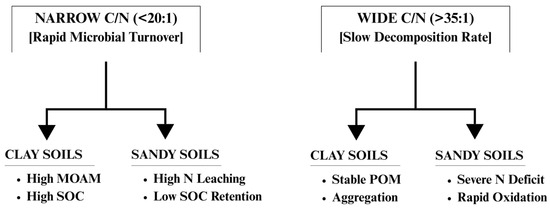
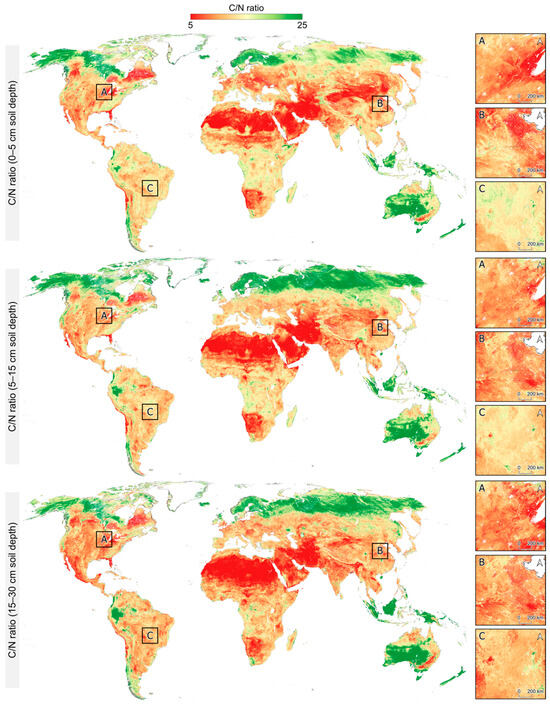
Agricultural intensification with synthetic fertilisers has systematically disrupted soil organic carbon (SOC), influenced rhizosphere networks, and affected human health via the soil–human microbial continuum. Plant Growth-Promoting Microorganisms (PGPMs) can restore biogeochemical cycles; however, field performance varies due to spatial stoichiometric variation. In order to visualise the problem and provide a potential solution, we use global soil carbon-to-nitrogen (C/N) ratio stratification over three depth profiles (0–5, 5–15, and 15–30 cm) to create a potential spatially explicit framework for site-specific PGPM application. In comparison to contemporary models that attribute stable soil organic matter creation mostly to microbial necromass buildup as mineral-associated organic matter (MAOM) via the microbial carbon pump, we assess diazotrophic nitrogen fixation, phosphate solubilisation, and glomalin-mediated aggregation. According to stoichiometric analysis, low C/N ratios (<10:1) increase organic matter mineralisation via priming effects, resulting in clay compaction and sandy soil desiccation, while wide ratios (>30:1) cause microbial nitrogen immobilisation (“nitrogen depression”). To mitigate these limitations, we proposed depth-stratified inoculation, applying chemotactic taxa (Variovorax paradoxus) at 15–30 cm in carbon-depleted subsoils; co-inoculating diazotrophs and arbuscular mycorrhizae (Rhizophagus irregularis) at 5–15 cm for stoichiometric balance and phosphorus acquisition and deploying exopolysaccharide-producing and 1-aminocyclopropane-1-carboxylate (ACC) deaminase-active taxa (Pseudomonas putida, Funneliformis mosseae) at 0–5 cm for erosion. In conclusion, in order to maximise fertiliser use efficiency, improve structural stability, and protect metabolic health within the interdisciplinary One Health framework, we assess the shift toward trait-based, multi-kingdom Synthetic Microbial Communities (SynComs), assembled via genomic metabolic reconstructions and machine learning. We explicitly acknowledge methodological limits in existing field applications, such as substantial spatial variability, equipment constraints, and biotic competition, putting scientific validity ahead of generalised efficacy.
Full article
(This article belongs to the Special Issue Advances in Soil Remediation Techniques for Degraded Land)
►▼
Show Figures

Figure 1
Journal Menu
► ▼ Journal Menu-
- Agronomy Home
- Aims & Scope
- Editorial Board
- Reviewer Board
- Topical Advisory Panel
- Early Career Editorial Board
- Instructions for Authors
- Special Issues
- Topics
- Sections & Collections
- Article Processing Charge
- Indexing & Archiving
- Editor’s Choice Articles
- Most Cited & Viewed
- Journal Statistics
- Journal History
- Journal Awards
- Society Collaborations
- Conferences
- Editorial Office
Journal Browser
► ▼ Journal BrowserHighly Accessed Articles
Latest Books
E-Mail Alert
News
Topics
Topic in
Agronomy, Drones, Geomatics, IJGI, Land, Remote Sensing
Advances in Multi-Scale Geographic Environmental Monitoring: Ecosystem Differences and Multi-Scale Comparisons
Topic Editors: Jingzhe Wang, Xiangyu Ge, Zipeng Zhang, Ivan Lizaga, Yinghui Zhang, Yangyi WuDeadline: 31 August 2026
Topic in
Agronomy, Agriculture, Plants, Horticulturae, Crops, IJPB
Bridging Plant Biochemistry and Food Innovation: From Metabolic Stress to Functional Food
Topic Editors: Tomasz Piechowiak, Dagmara MigutDeadline: 15 September 2026
Topic in
Agronomy, Climate, Crops, Grasses, Horticulturae, Land, Plants
Reframing Strategies for a Low Carbon Future in Agricultural Systems
Topic Editors: M. Ibrahim Khalil, Bruce OsborneDeadline: 8 October 2026
Topic in
Agriculture, Agronomy, Crops, Land, Plants, Sustainability
Irrigation and Fertilization Management for Sustainable Agricultural Production
Topic Editors: Shihong Yang, Zewei Jiang, Ivan Francisco Garcia TejeroDeadline: 15 October 2026
Conferences
Special Issues
Special Issue in
Agronomy
Sustainable Management of Vineyards and Olive Orchards Under Climate Change
Guest Editor: Giuseppe FerraraDeadline: 25 August 2026
Special Issue in
Agronomy
Climate-Smart Tillage and Planting: Toward Sustainable Agricultural Ecosystems
Guest Editors: Jian Gu, Yunzhou QiaoDeadline: 25 August 2026
Special Issue in
Agronomy
Energy Crops in Sustainable Agriculture
Guest Editors: Paweł Radzikowski, Mariusz Matyka, Jacek NiedźwieckiDeadline: 25 August 2026
Special Issue in
Agronomy
Application and Innovation of Digital Technologies in Controlled Environment Agriculture
Guest Editors: Zhihang Song, Azlan ZahidDeadline: 25 August 2026
Topical Collections
Topical Collection in
Agronomy
Advances of Agricultural Robotics in Sustainable Agriculture 4.0
Collection Editors: Xiangjun Zou, Yunchao Tang, Junfeng Gao, Liang Gong, Simon van Mourik, Ya Xiong
Topical Collection in
Agronomy
Innovative Organic and Regenerative Agricultural Production
Collection Editors: Carlo Leifert, Emmanouil Kabourakis, Leonidas Rempelos
Topical Collection in
Agronomy
A Series of Special Reviews and Topic Analyses That Explore Major Trends and Challenges in Agronomy
Collection Editors: Peter Langridge, Leslie A. Weston, Ilias Travlos
Topical Collection in
Agronomy
Agro-Ecology for Grassland-Based Farming Systems
Collection Editor: Gianni Bellocchi