

sustainability-logo

Journal Browser

Journal Browser

Topical Collection "Sustainable Economic Development: Challenges, Policies, and Reforms"

A topical collection in Sustainability (ISSN 2071-1050). This collection belongs to the section "Economic and Business Aspects of Sustainability".

Editors

Dr. Vasilii Erokhin
E-Mail Website
Guest Editor
Arctic Blue Economy Research Center, School of Economics and Management, Harbin Engineering University, Harbin 150001, China
Interests: sustainable development; regional development; maritime economy; shipping; international trade; shipping and trade routes in the Arctic
Special Issues and Collections in MDPI journals
Prof. Dr. Tianming Gao
E-Mail Website
Guest Editor
Arctic Blue Economy Research Center, School of Economics and Management, Harbin Engineering University, 150001, Harbin, China
Interests: economic development; industrial policy; investment; maritime economy; blue economy; China’s Arctic policy and developments; China-Russia and China-Nordic economic collaboration
Special Issues and Collections in MDPI journals

Topical Collection Information

Dear Colleagues,

Today’s evolving economic landscape has made issues of sustainable development increasingly important. The global economy is now under extremely severe pressure from a great variety of political, economic, social, environmental, and public health challenges. The COVID-19 outbreak has significantly disrupted economic activity in most countries of the world. The pandemic has aggravated the recurrent problems of poverty and income inequality, food insecurity and hunger, and unemployment and social disorders, which has resulted in the exacerbation of economic tensions between countries. International initiatives, such as the UN Sustainable Development Goals, have been a powerful means to focus the attention, resources, and efforts of most countries of the world towards the fight against poverty, promotion of fair trade, support of the heavily indebted countries, and the development of infrastructures of various kinds in the underdeveloped regions of the world. The new highly volatile global environment calls for a comprehensive analysis of multidimensional contributing factors to be able to get the economy back on the track of stable and sustainable development at the earliest stage possible.

The Topical Collection "Sustainable Economic Development: Challenges, Policies, and Reforms" attempts to explore the theme of economic development in the era of instability by studying how economy and society could be adapted to the “new normal”. The main objective is to highlight the urgent need for balanced economic development and comprehensive coverage of many sustainability–business areas. In this context, the Topical Collection aims to discuss a wide range of topics regarding the economic, production, financial, and social factors that influence various dimensions of sustainability, as well as translating the findings into workable approaches and policies for the benefit of the global economy, people, and environment.

In this Topical Collection, we welcome submissions from all areas of economics, with a high degree of novelty as full-length articles, reviews, and conceptual papers. Both theoretical and practical contributions that focus on topics related to sustainable economic development are encouraged.

All submissions will be subjected to a rigorous peer-review procedure before publication, with the results disseminated in a timely fashion.

Dr. Vasilii Erokhin
Prof. Dr. Gao Tianming
Prof. Dr. Andrei Jean Vasile
Guest Editors

Manuscript Submission Information

Manuscripts should be submitted online at www.mdpi.com by registering and logging in to this website. Once you are registered, click here to go to the submission form. Manuscripts can be submitted until the deadline. All papers will be peer-reviewed. Accepted papers will be published continuously in the journal (as soon as accepted) and will be listed together on the collection website. Research articles, review articles as well as short communications are invited. For planned papers, a title and short abstract (about 100 words) can be sent to the Editorial Office for announcement on this website.

Submitted manuscripts should not have been published previously, nor be under consideration for publication elsewhere (except conference proceedings papers). All manuscripts are thoroughly refereed through a single-blind peer-review process. A guide for authors and other relevant information for submission of manuscripts is available on the Instructions for Authors page. Sustainability is an international peer-reviewed open access semimonthly journal published by MDPI.

Please visit the Instructions for Authors page before submitting a manuscript. The Article Processing Charge (APC) for publication in this open access journal is 1900 CHF (Swiss Francs). Submitted papers should be well formatted and use good English. Authors may use MDPI's English editing service prior to publication or during author revisions.

Keywords

  • economic development
  • environment
  • finance
  • food security
  • globalization
  • international trade
  • investment, markets
  • production
  • rural development
  • sustainable development
  • value chain

Published Papers (27 papers)

2020

Jump to: 2019

Article
New Evidence for Romania Regarding Dynamic Causality between Military Expenditure and Sustainable Economic Growth
Sustainability 2020, 12(12), 5053; https://doi.org/10.3390/su12125053 - 21 Jun 2020
Cited by 3 | Viewed by 906
Abstract
Military spending and sustainable economic development have been widely discussed in recent decades. Especially in Romania, the defense budget is valued at $4.8 billion, registering a compound annual growth rate (CAGR) of 23.57%. It is also expected to reach $7.6 billion in 2023, [...] Read more.
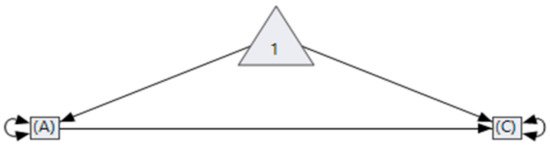
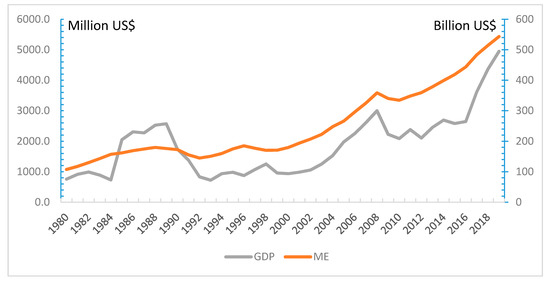
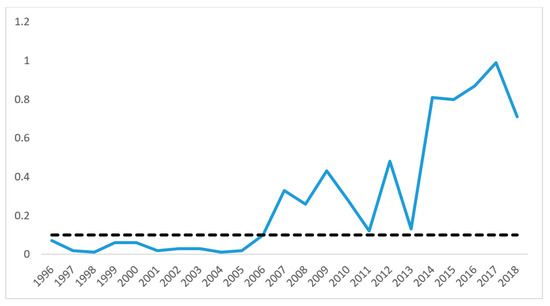
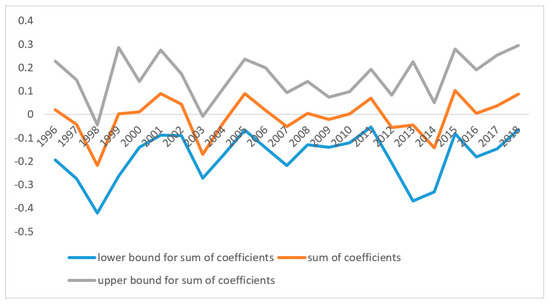
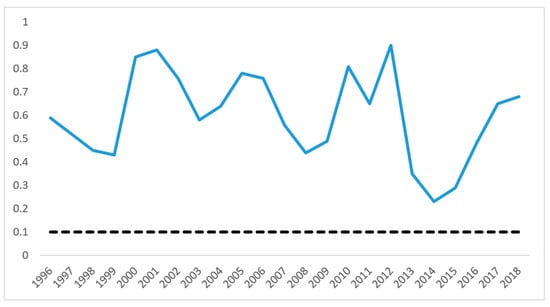
Military spending and sustainable economic development have been widely discussed in recent decades. Especially in Romania, the defense budget is valued at $4.8 billion, registering a compound annual growth rate (CAGR) of 23.57%. It is also expected to reach $7.6 billion in 2023, according to a report by Strategic Defense Intelligence. There is no consensus in current research and less attention is paid to Eastern European countries. Considering the significant increase in military spending in Romania in recent years, as well as the occurrence of political events, this paper focuses on the dynamic causal relationship between military spending and sustainable economic growth in Romania. The bootstrap rolling window causality test takes into account the structural changes, and therefore, provides more convincing results. The results indicate negative effects of military expenditure on sustainable economic growth between 1996–1999 and 2002–2004. It can be attributed to the crowding-out effect of public expenditure on private investment. The positive effect between the two variables analyzed is noticed with the accession of Romania to the North Atlantic Treaty Organization. Conversely, it is found that economic growth does not have a significant effect on military spending in Romania. Policymakers should guard against the crowding out of private consumption and investment due to excessive military spending and ensure to increase military expenditure on the premise of sustainable economic development. Full article
Show Figures

Figure 1
Review
Perspectives of the Moldavian Agricultural Sector by Using a Custom-Developed Analytical Framework
Sustainability 2020, 12(11), 4671; https://doi.org/10.3390/su12114671 - 08 Jun 2020
Cited by 2 | Viewed by 988
Abstract
Moldova possesses the largest area of farmland as a share of its total land surface, an advantage which should encourage economic development strategies oriented towards the agriculture sector. Government subsidies and agriculture loans have been used as tools for developing the Moldavian agriculture. [...] Read more.
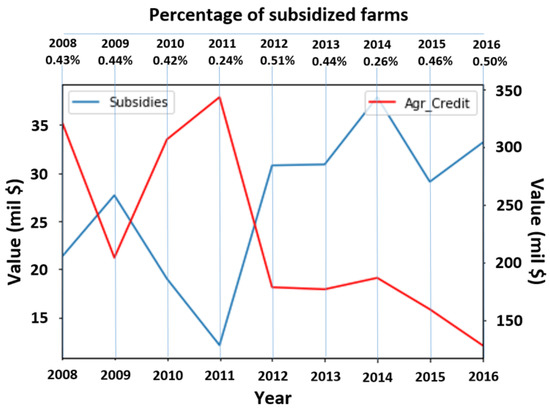
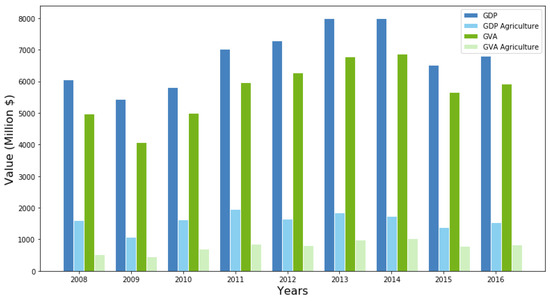
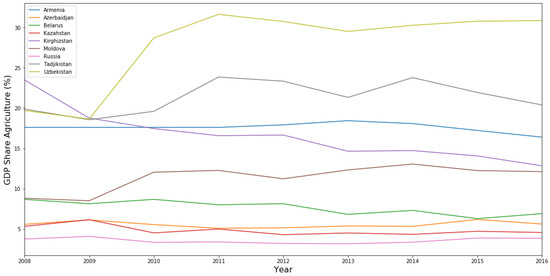
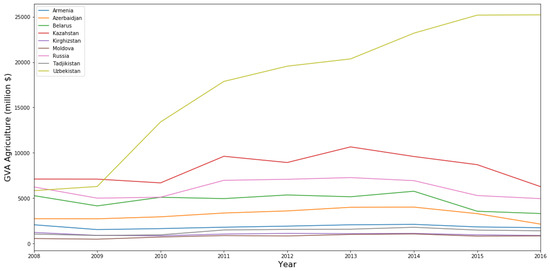
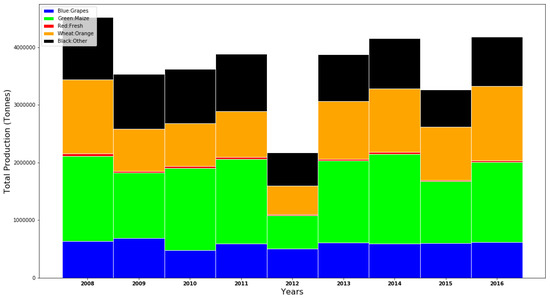
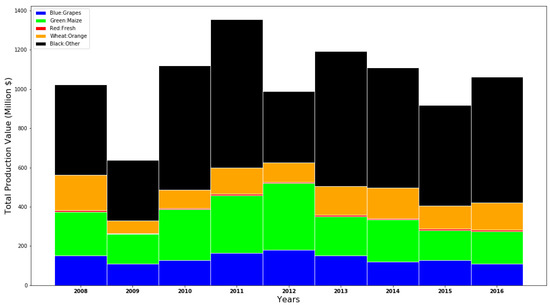
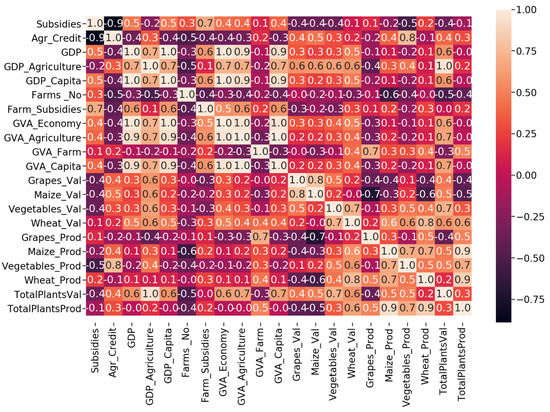
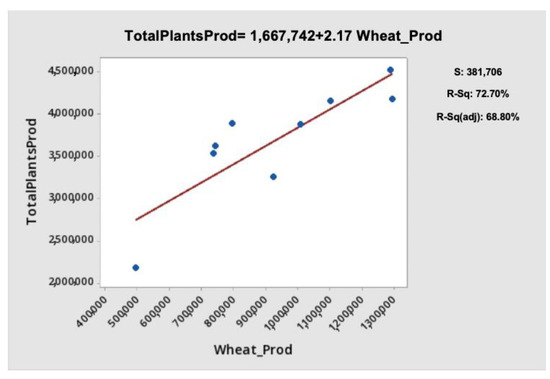
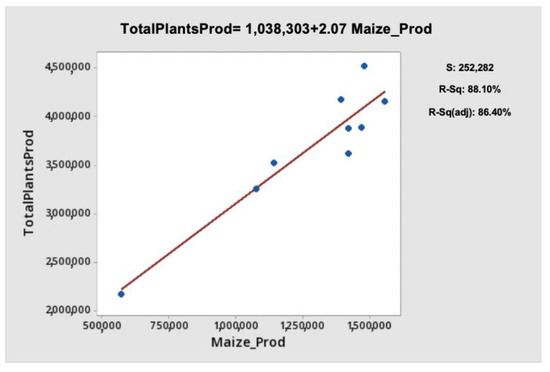
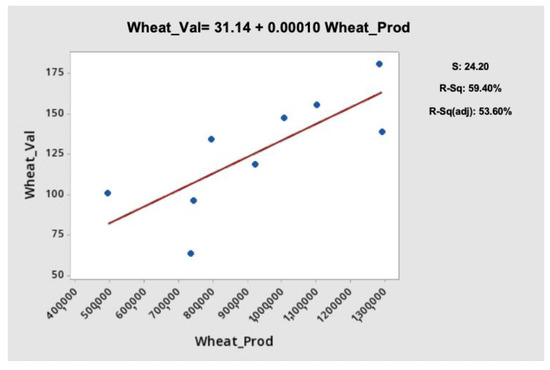
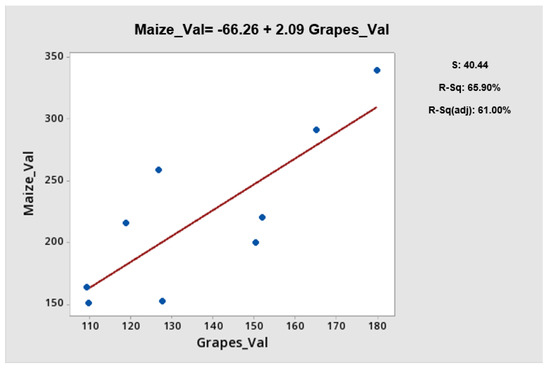
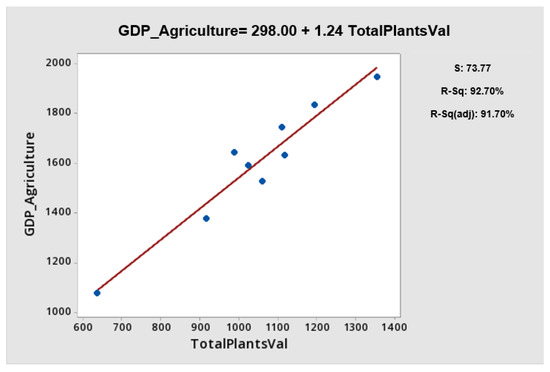
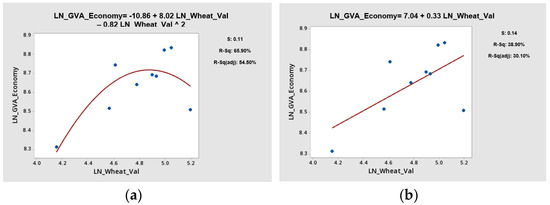
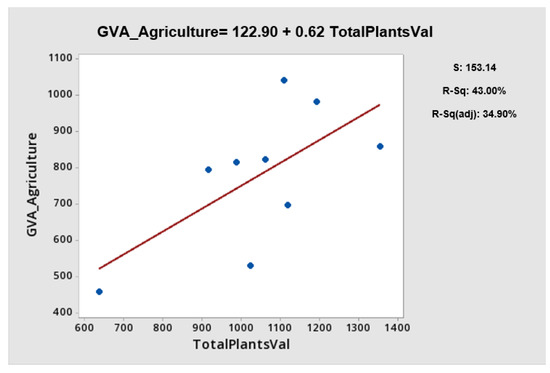
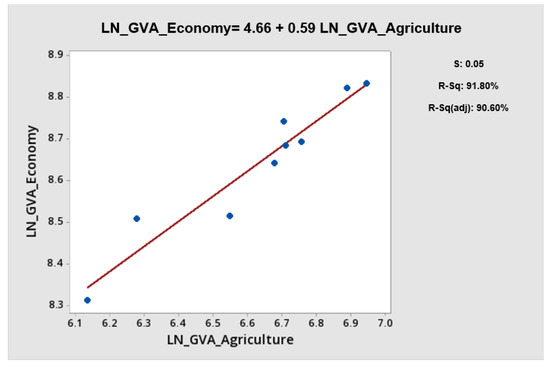
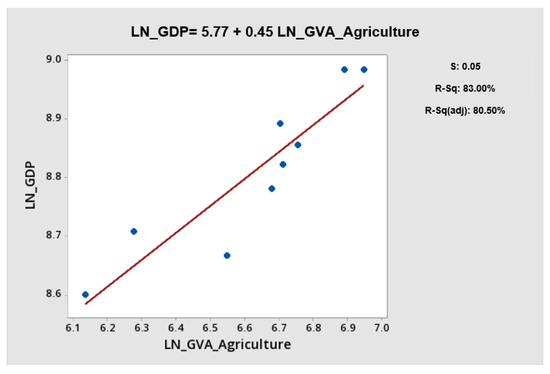
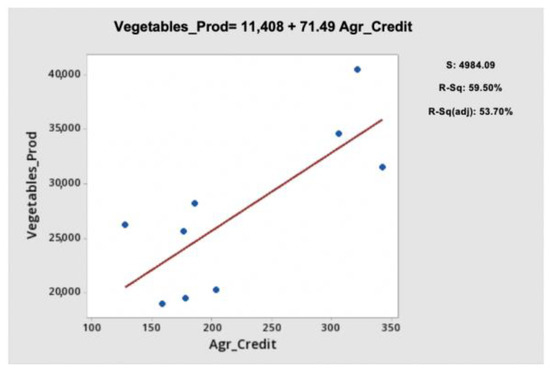
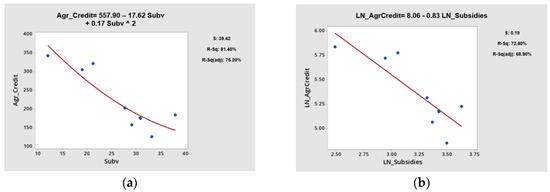
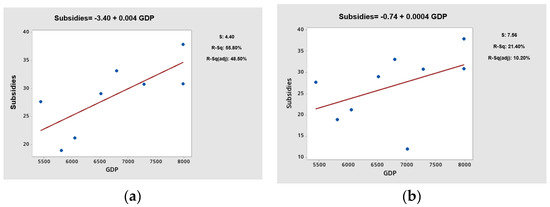
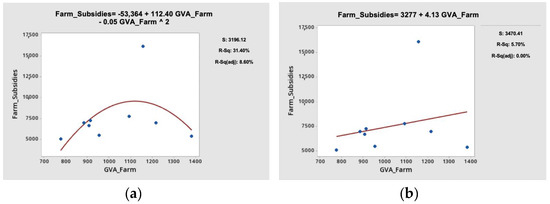
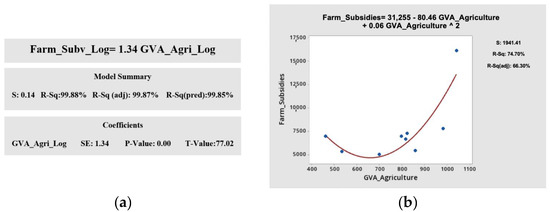
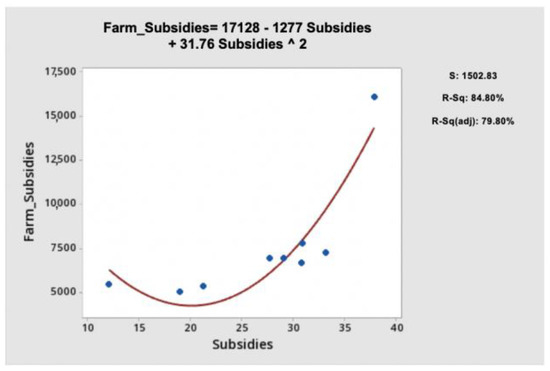
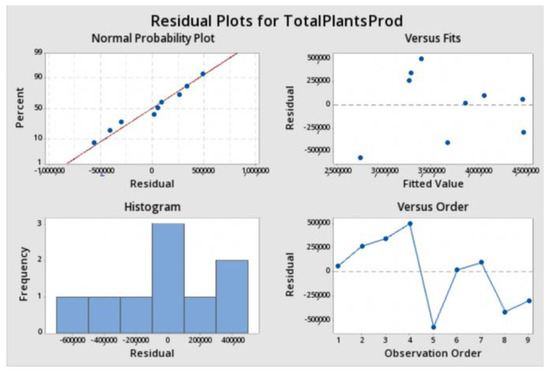
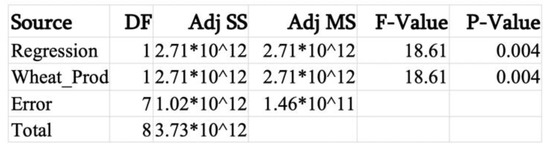
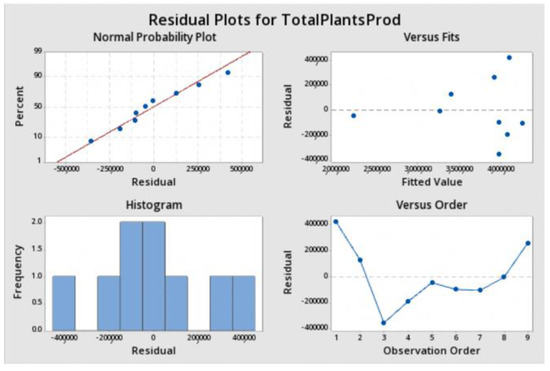
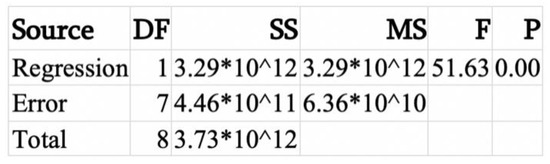
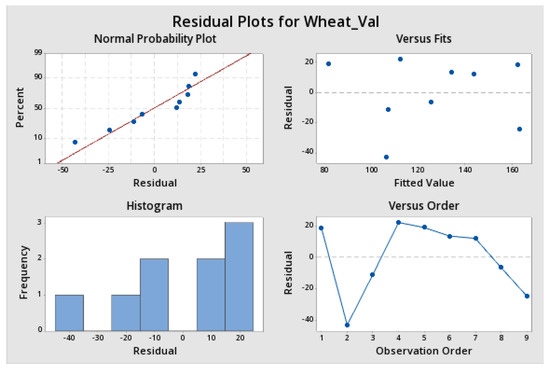
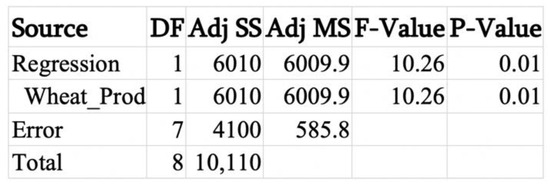
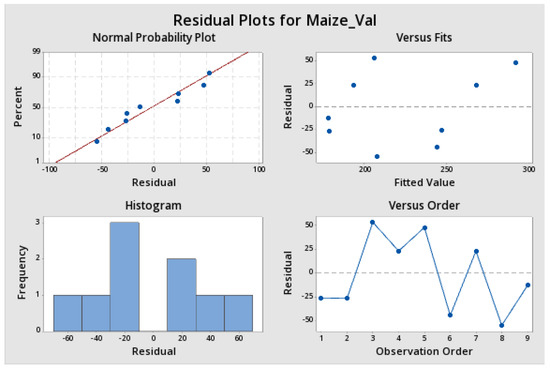
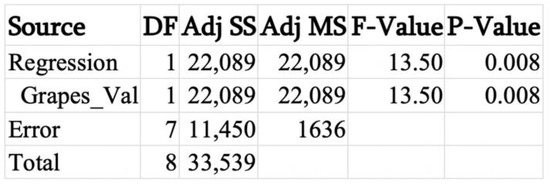
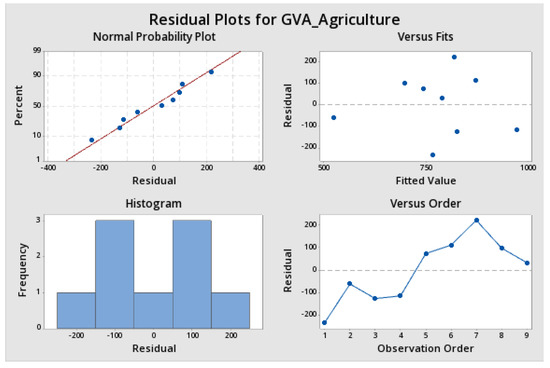
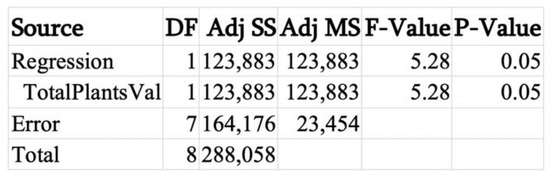
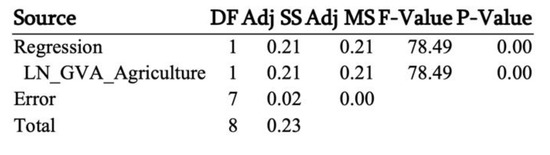
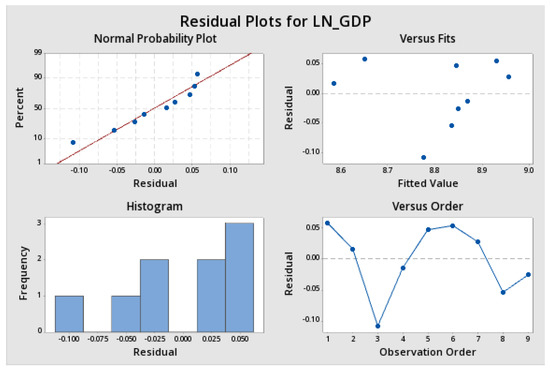
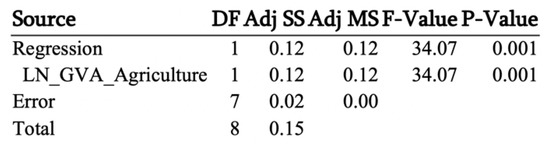
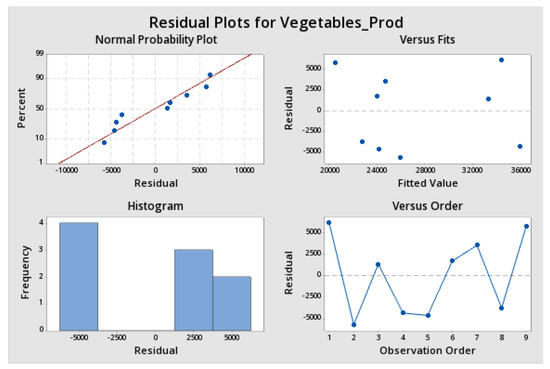
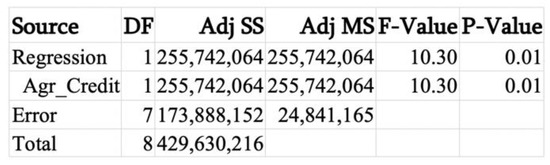
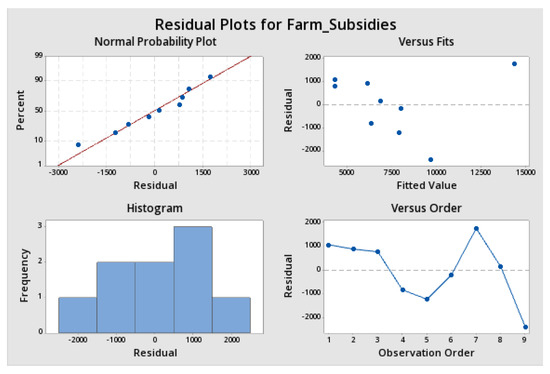
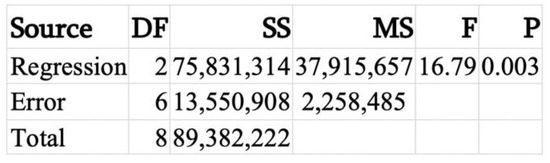
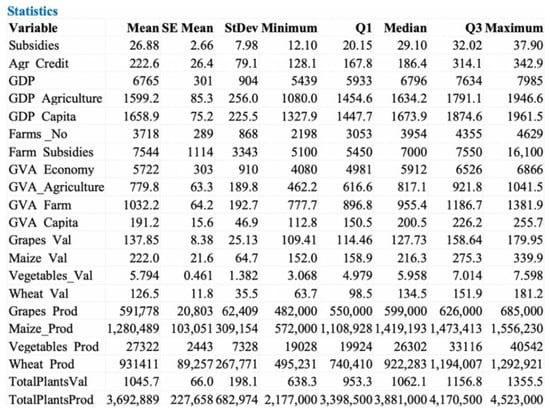
Moldova possesses the largest area of farmland as a share of its total land surface, an advantage which should encourage economic development strategies oriented towards the agriculture sector. Government subsidies and agriculture loans have been used as tools for developing the Moldavian agriculture. However, considering the challenges generated by both climate change (the drought from year 2012 that affected 80% of farmland) and a difficult political situation (restrictions imposed by the Russian Federation on the Republic of Moldova’s agri-food imports and exports between 2013 and 2014), the country’s agricultural system ranks very low when it comes to agricultural production efficiency. The present paper analyses the performances of the agricultural sector and its impact on the Moldavian economy over a nine-year period (between 2008 and 2016), by using a custom-developed analytical framework based on a dataset containing 21 relevant indicators. The analytical framework generates various perspectives that can be used to elaborate an economic sustainable development strategy of the Moldavian agriculture sector. The development of the analytical framework is based on the dynamics of agriculture subsidies, agricultural loans, the agricultural sector’s gross domestic product (GDP) and gross value added (GVA), as well as the dynamics of agricultural production and production value, also considering the main crops belonging to the Moldavian agriculture sector. The results are presented as sets of mathematical regression models that quantify the relationships found between the relevant agricultural parameters and their impact on the economics of the agricultural sector. It has been identified that the agriculture sector has a considerable impact on the Moldavian economy, a fact revealed by the significant model between the agriculture GVA and total GVA and GDP. A significant, negative correlation model was identified between agriculture subsidies and agriculture loans, although a small percentage of Moldavian agriculture farms were subsidized. Strong correlation models were also identified between wheat and maize production and total agriculture production, emphasizing the importance of these two crops for the Moldavian agricultural economy. Grape and maize production values also generated a correlation model, emphasizing the market interconnection between these crops It can be concluded that the increase in value of governmental agriculture subsidies, as well as expanding their addressability in order to maximize the access possibility for a higher number of agriculture farms, are essential for the Moldavian agriculture sector’s future development, since considering the limiting value of and accessibility to subsidies, a direct correlation model was identified between governmental agriculture subsidies and agriculture GVA. Full article
Show Figures

Figure 1
Article
Energy Poverty in European Union: Assessment Difficulties, Effects on the Quality of Life, Mitigation Measures. Some Evidences from Romania
Sustainability 2020, 12(10), 4036; https://doi.org/10.3390/su12104036 - 14 May 2020
Cited by 3 | Viewed by 1090
Abstract
The scope of this research is to explore the relations between energy poverty, quality of life and renewable energy. First, an analysis of concept evolution, economic and social implications and the difficulties in assessing energy poverty was conducted by analyzing the data from [...] Read more.
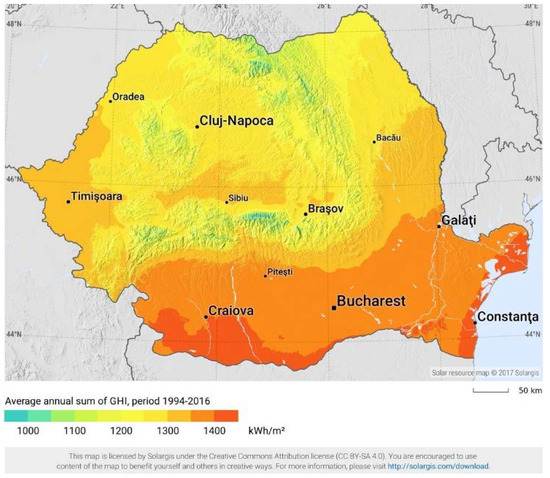
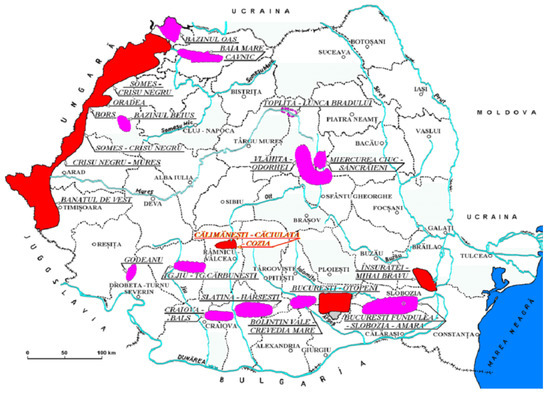
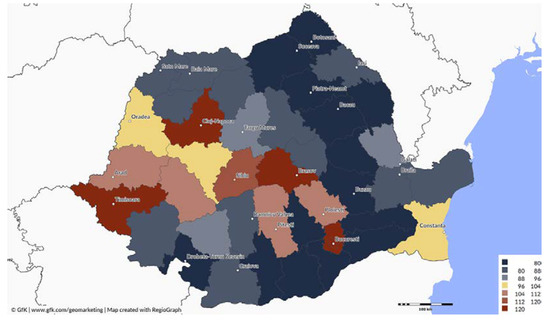
The scope of this research is to explore the relations between energy poverty, quality of life and renewable energy. First, an analysis of concept evolution, economic and social implications and the difficulties in assessing energy poverty was conducted by analyzing the data from Eurostat regarding electricity prices for households and arrears on utility bills between 2009 and 2018 and the solutions for combating energy poverty from the EU. In the next part, a cross-country analysis regarding Granger causality between indicators representing all three dimensions was conducted. The period of the analysis was between 2010 and 2019 for the 28 EU member states. In the final part of the article, the situation of Romania was analyzed. The phenomenon of energy poverty is not marginal but is underestimated and superficially approached. Starting from the dominant discussions on the concepts and tools practiced at international level, this article makes a proposal for a working model for various regions in Romania, taking in consideration the financial potential of the geographic areas and the possibilities of accessing unconventional energies by local communities. Through a case study based on the analysis of relevant energy resource statistics, the article identifies main shortcomings and opportunities for Romania and proposes concrete recommendations of sustainable public policies on the elimination of energy poverty. In some geographic areas where this was not possible, we propose how to diminish the effects of this social phenomenon. Our proposals for the case study focus on supporting populations in areas where access to energy sources is difficult and there is a lack of energy infrastructure, the government programs being an alternative to access green (renewable) energies. Even if this may seem expensive to some specialists in the economy, access to energy sources of any kind brings social advantages by improving quality of life-in this case, a real victory in the fight against energy poverty. Full article
Show Figures

Figure 1
Review
Influences of the Industry 4.0 Revolution on the Human Capital Development and Consumer Behavior: A Systematic Review
Sustainability 2020, 12(10), 4035; https://doi.org/10.3390/su12104035 - 14 May 2020
Cited by 36 | Viewed by 4338
Abstract
Automation and digitalization, as long-term evolutionary processes, cause significant effects, such as the transformation of occupations and job profiles, changes to employment forms, and a more significant role for the platform economy, generating challenges for social policy. This systematic literature review aims to [...] Read more.
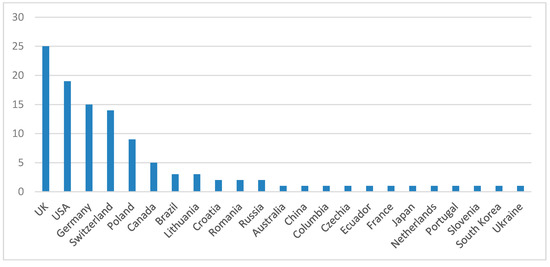
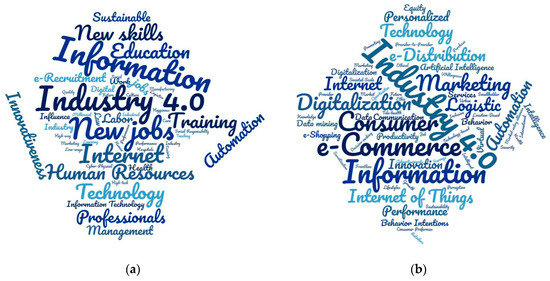
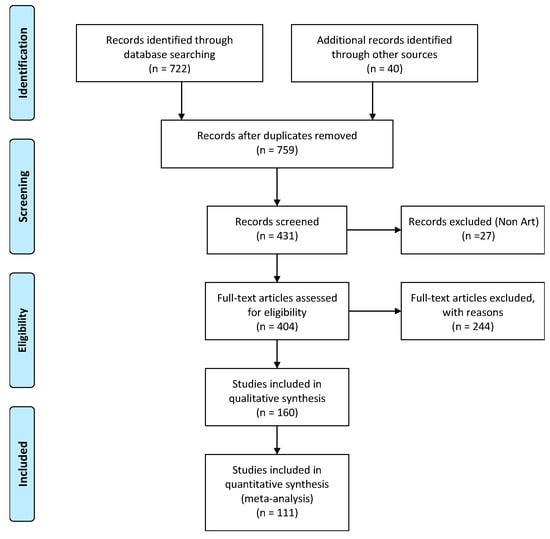
Automation and digitalization, as long-term evolutionary processes, cause significant effects, such as the transformation of occupations and job profiles, changes to employment forms, and a more significant role for the platform economy, generating challenges for social policy. This systematic literature review aims to provide an overview of the research to date related to influences of the Industry 4.0 Revolution on human capital development and consumer behavior. A search on the Web of Science identified 160 papers that met the inclusion criteria. The major objectives aimed to identify: the main types of influences of the Industry 4.0 Revolution on human capital development and consumer behavior; the main opportunities and challenges for new directions in education associated with shifting the work environment; and the drivers for human capital development and consumer behavior through the lenses of the Industry 4.0 Revolution. The results revealed some key aspects for the development of human capital: information, new jobs, the Internet, technology, training, education, new skills, automation, communication, innovativeness, professionals, productivity, artificial intelligence, digitalization, e-recruitment, and the Internet of Things, as well as the main drivers of consumer behavior: information, e-commerce, digitalization, the Internet of Things, e-distribution, technology, digitalization, automation, personalized, performance, artificial intelligence, behavior intention, e-shopping, and data mining. Full article
Show Figures

Figure 1
Article
Reducing the Carbon Footprint of the Bucharest University of Economic Studies through Green Facades in an Economically Efficient Manner
Sustainability 2020, 12(9), 3779; https://doi.org/10.3390/su12093779 - 06 May 2020
Cited by 3 | Viewed by 862
Abstract
This paper focuses on the current environmental issues, more specifically the amount of greenhouse gases humanity is being confronted with at the moment. The research was carried out on a niche of the topic, namely on the carbon footprint of public buildings. The [...] Read more.
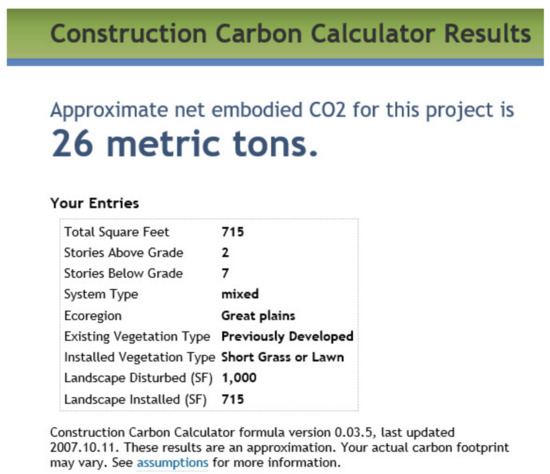
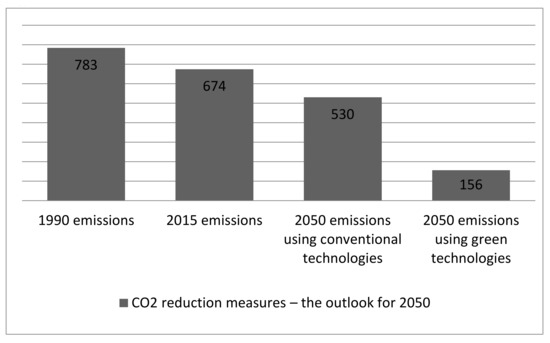
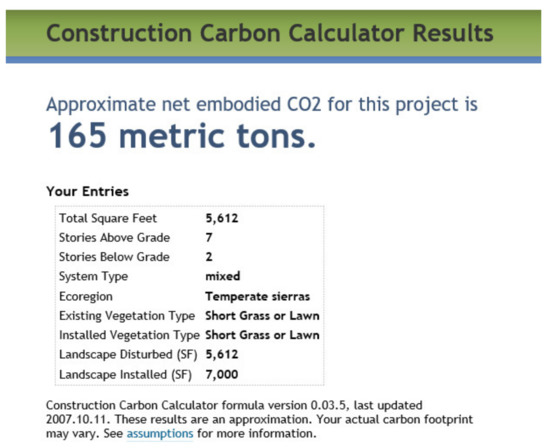
This paper focuses on the current environmental issues, more specifically the amount of greenhouse gases humanity is being confronted with at the moment. The research was carried out on a niche of the topic, namely on the carbon footprint of public buildings. The concept of a sustainable university is new and insufficiently explored, and as part of the environmental metabolism, it influences anthropic sustainability in a directly proportional manner. This indicator’s monitoring systems reveal how vulnerable humanity is in front of the latency of an unprecedented and inevitable environmental catastrophe. The ecological effects may be mitigated by the academic community through green urban design. The ecological performance can be expressed in an economically efficient manner, which can, at the same time, create a precious channel of communication within the entire academic community though volunteering for sustainability. Moreover, this research has identified several solutions for optimizing the carbon footprint, which do not hinder the necessary economic development. Within the current context, when most economic activities are leading to ecological collapse, sustainability should be reprioritized with the help of the academic society, through the examples offered by applied research. The premises of this research were represented by bibliometric analyses and the results obtained have proven its importance, as well as the importance of certain scenarios involving solutions for improving the metabolism of nature. Full article
Show Figures

Figure 1
Review
A Study of the Relative Stock Market Performance of Companies Recognized for Supporting Gender Equality Policies and Practices
Sustainability 2020, 12(9), 3558; https://doi.org/10.3390/su12093558 - 27 Apr 2020
Viewed by 928
Abstract
This paper explores the relative stock market performance of well-diversified gender equality equity indices in comparison with the overall market, taking both a cross-sectoral and a financial sector approach, for the period January 2017 to March 2020, with a sample of 11 indices [...] Read more.
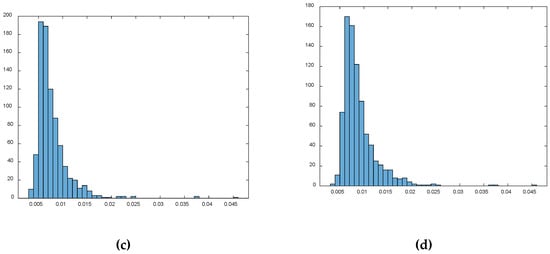
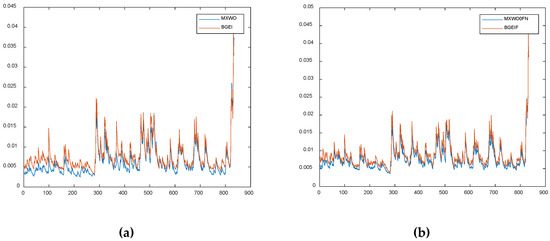
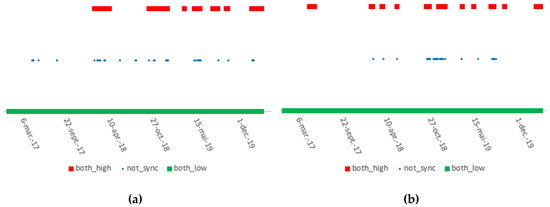
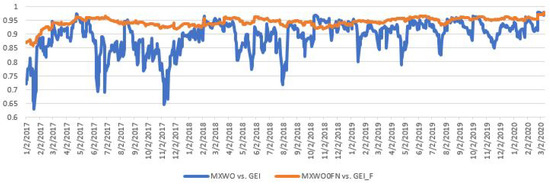
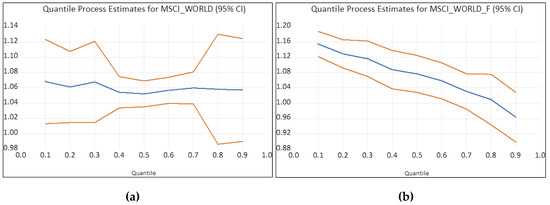
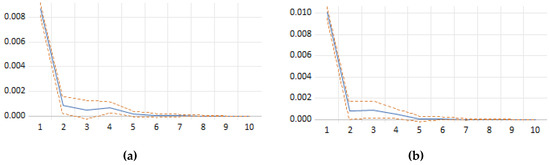
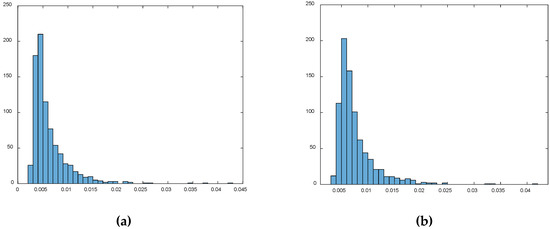
This paper explores the relative stock market performance of well-diversified gender equality equity indices in comparison with the overall market, taking both a cross-sectoral and a financial sector approach, for the period January 2017 to March 2020, with a sample of 11 indices and 834 daily observations, and using several different statistical and econometric methods. Our results show a high level of dynamic conditional correlation of daily returns among the gender equality and the overall indices. We also found comparable levels of conditional volatility (resulting from an Exponential Generalized Autoregressive Conditional Heteroskedasticity (EGARCH)model) and an elevated degree of synchronization of the volatility regimes (identified by a Markov switching model). Calibrating simple linear quantile regressions, we found that the value of the slope coefficients of the hypothetical linear relationship between the gender equality indices and the overall market indices are close to one, and relatively stable in relation with the value of the quantile. Using separate Vector Autoregressive (VAR) models for the cross-sectoral indices and for the financial sector indices, we found only very little evidence of causality and spill-over effects. Based on these results, we argue that the daily returns of the gender equality indices exhibited very similar characteristics with the daily returns of the overall market indices. In our interpretation, this could mean that, limited to our sample and methods of investigation, there were not significant differences in the investors’ preferences towards the equity issued by public companies committed to supporting gender equality, in comparison with their approach towards listed equity in general. It could also mean that investors do not yet anticipate the significantly different financial performance of listed companies stemming from their approach towards gender equality. Full article
Show Figures

Figure 1
Review
More or Less Sustainable? Assessment from a Policy Perspective
Sustainability 2020, 12(8), 3491; https://doi.org/10.3390/su12083491 - 24 Apr 2020
Cited by 3 | Viewed by 1032
Abstract
Sustainability of tourism destinations has become the main focus in planning and managing tourism development. Despite existing legislation and an institutional framework to safeguard balanced tourism growth, many destinations fail to properly address it. So far, studies are limited in exploring sustainable tourism [...] Read more.
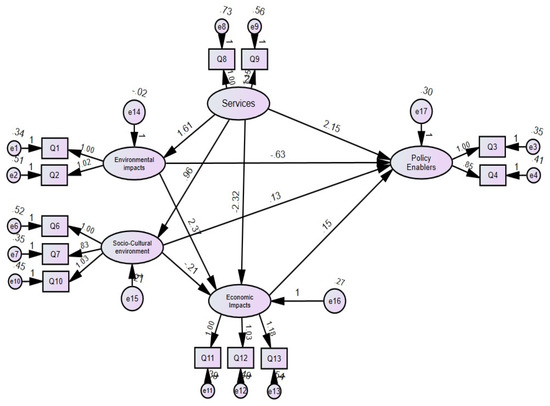
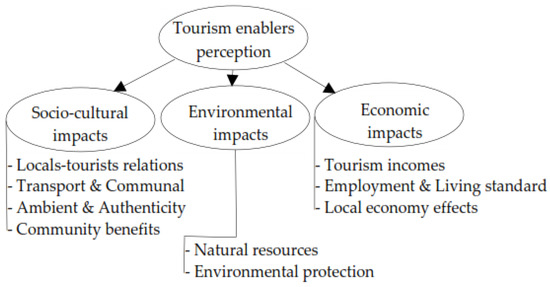
Sustainability of tourism destinations has become the main focus in planning and managing tourism development. Despite existing legislation and an institutional framework to safeguard balanced tourism growth, many destinations fail to properly address it. So far, studies are limited in exploring sustainable tourism impacts from a policy perspective. This study follows previous ones in using the triple bottom line sustainability approach to define tourism impacts. It argues, in particular, for a nexus between understanding of policy perception and sustainability, and it applies this to tourist destinations in Serbia to determine whether they are operating sustainably. For this purpose, the data were collected using a combination of multiple methods, involving interviews with policymakers and content analysis of strategic documents. This study further suggests a model that assesses the extent of the sustainability of tourist destinations. The results illustrate the importance of understanding policy perceptions in shaping and facilitating sustainability and informing policy enablers on how to improve and reform current tourism development. The model can be adopted and applied to any tourist destination facing an inevitable need to re-shape their tourism development plans and policies, while the implications address the need to build a participative policy approach to sustainable tourism development. Full article
Show Figures

Figure 1
Article
The Role of E-Skills in Developing Sustainable Organizations and E-Activities in the New Digitized Business World
Sustainability 2020, 12(8), 3400; https://doi.org/10.3390/su12083400 - 22 Apr 2020
Cited by 1 | Viewed by 785
Abstract
Today’s business environment is governed by changes and challenges, such as the Internet which is also changing our personal and professional lives, our way of thinking, of acting, as well as our daily activities. By using new technologies and the Internet, any company [...] Read more.
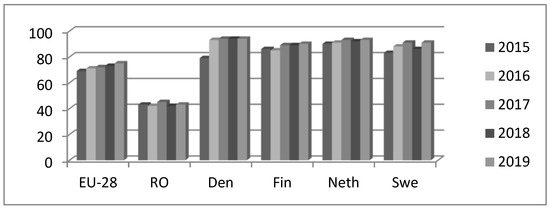
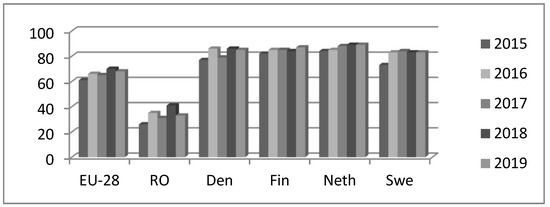
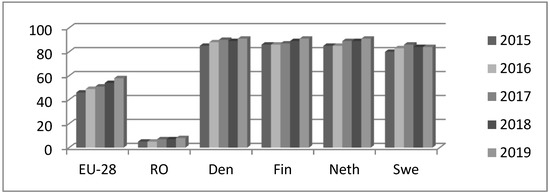
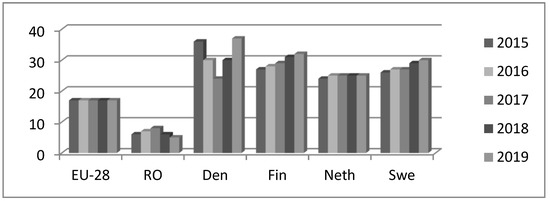
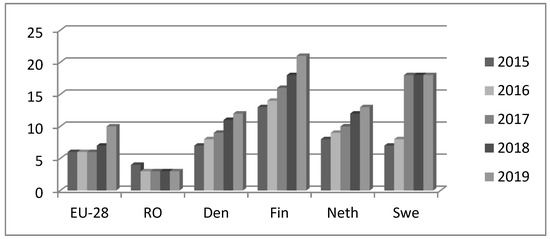
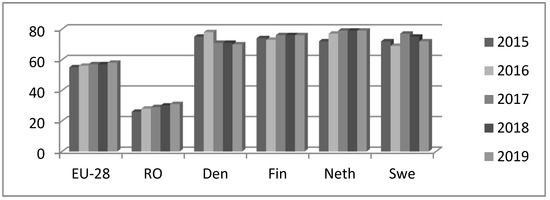
Today’s business environment is governed by changes and challenges, such as the Internet which is also changing our personal and professional lives, our way of thinking, of acting, as well as our daily activities. By using new technologies and the Internet, any company can do business in any corner of the world, and with the help of e-skills any person can relate with anyone, anywhere, and anytime. Moreover, the world is at our fingertips, opening new opportunities and visions. The purpose of this paper is to analyze the relationship between the e-skills and e-activities. Furthermore, the differences between e-skill and e-activity values recorded for Romania, at the EU28 level, and the values for the best-in-class group are analyzed. Through the use of benchmarking, we show that this gap exists, and thus some improvement measures are proposed. Thus, the correlation among three proposed zones (Romania, the average for EU28, and the best-in-class group) is analyzed with the help of simulation and mathematical modeling. The Excel data analysis shows that the correlation and future trends that could take place at the European level, helps the specialists improve skills, overcome risks, make better decisions, reduce costs, and increase performance. Full article
Show Figures

Figure 1
Article
Increasing Students’ Physical Activity in Function of Social Sustainability: Recommendations from a Social Marketing Perspective
Sustainability 2020, 12(8), 3303; https://doi.org/10.3390/su12083303 - 18 Apr 2020
Cited by 1 | Viewed by 801
Abstract
The role of physical activity for social sustainability, as well as potential for social marketing to contribute to increasing the level of physical activity, are already documented in previous literature. Those considerations may gain additional importance in the context of student population, often [...] Read more.
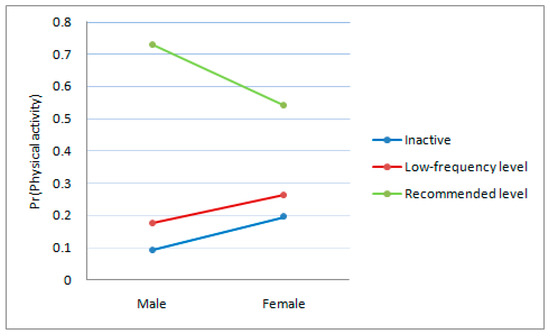
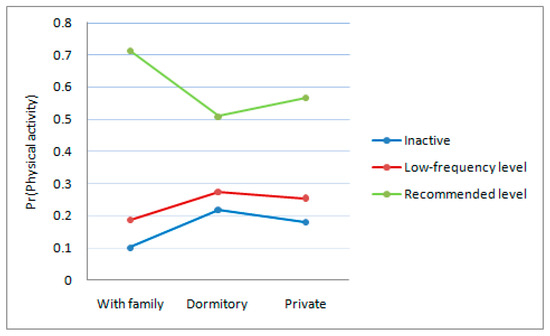
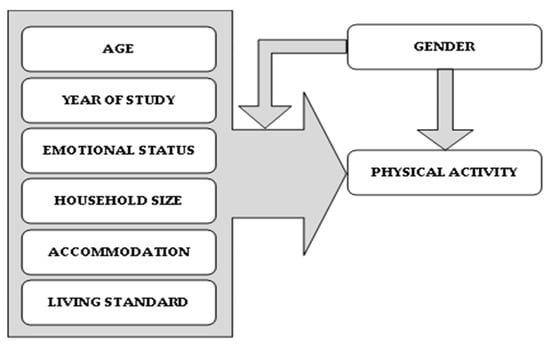
The role of physical activity for social sustainability, as well as potential for social marketing to contribute to increasing the level of physical activity, are already documented in previous literature. Those considerations may gain additional importance in the context of student population, often confronted with the decrease of the level of physical activity, and in a country with scarce similar researches. The purpose of this study is to identify socio-demographic determinants of Serbian students’ physical activity. Physical activity was examined as an ordinal dependent variable (inactive, low-frequency activity, and recommended frequency activity) and an ordered logit model was implemented for examining its relations with students’ gender, age, household size, emotional status, accommodation, year of study, and living standard. The results show that 15.7% of students are inactive, 22.9% have low-frequency activity, while 61.3% met the recommended level of physical activity. The average probability of physical activity is larger for male students in comparison to female students. Students with better living standards are also more physically active. Finally, the average probability of physical activity decreases starting from students who live with their families, followed by those who live in a private accommodation, to students who live in a dormitory. Considering the obtained results, recommendations from a social marketing perspective are provided. Full article
Show Figures

Figure 1
Review
Do Local Food Products Contribute to Sustainable Economic Development?
Sustainability 2020, 12(7), 2847; https://doi.org/10.3390/su12072847 - 03 Apr 2020
Cited by 7 | Viewed by 1298
Abstract
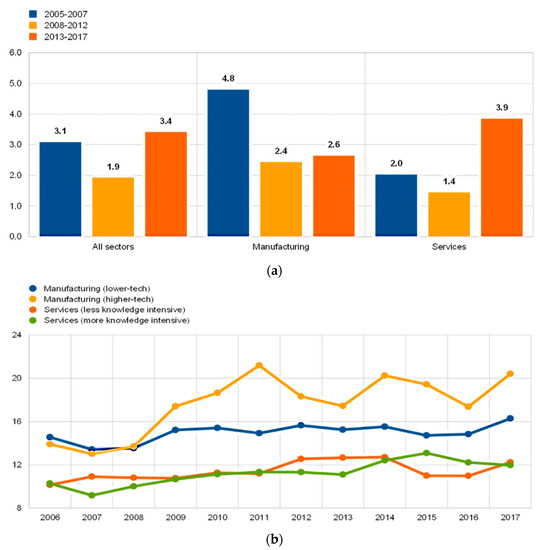
Local food production benefits sustainable regional development and should be considered as one the pillars of sustainable regional development strategies. Local food producers share a common heritage because of the cultural and historical ties in their regions, while consumers tend to value food [...] Read more.
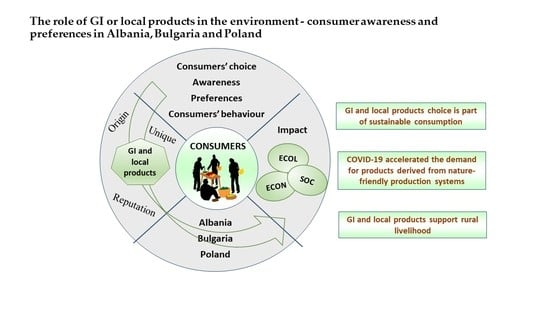
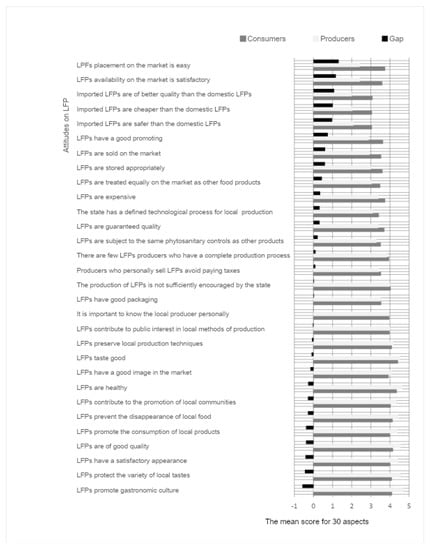
Local food production benefits sustainable regional development and should be considered as one the pillars of sustainable regional development strategies. Local food producers share a common heritage because of the cultural and historical ties in their regions, while consumers tend to value food products produced locally. The purpose of this article was to explore market participants’ attitudes toward the impact of local food product attributes on sustainable regional development. The authors’ findings on the main advantages and barriers to consumption of local food products have pointed out the complexity of the relationships between market participants (i.e., producers and consumers) and indicated that a deeper understanding is necessary for overall economic development. The problems of local food products in Serbia, in the context of sustainable regional development, have not been investigated so far, and for this reason, it is important to analyze the differences between consumer and producer attitudes to reduce this perceived gap in the literature. In this way, these insights can offer opportunities for strategic actions in regard to the local food product supply and consumption, with the aim of including different regional stakeholders. Full article
Show Figures

Figure 1
Article
Capturing a Complexity of Nutritional, Environmental, and Economic Impacts on Selected Health Parameters in the Russian High North
Sustainability 2020, 12(5), 2151; https://doi.org/10.3390/su12052151 - 10 Mar 2020
Cited by 2 | Viewed by 1416
Abstract
The rapid pace of economic exploration of the Arctic against the backdrop of progressing environmental change put a high priority on improving understanding of health impacts in the northern communities. Deficiencies in the capability to capture the complexity of health-influencing parameters along with [...] Read more.
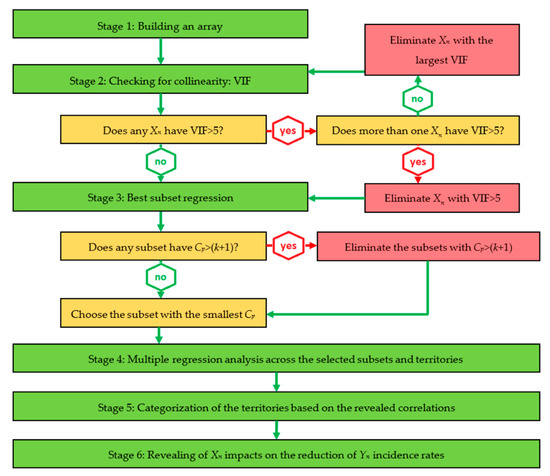
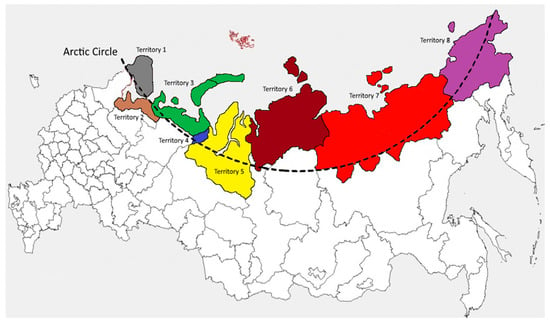
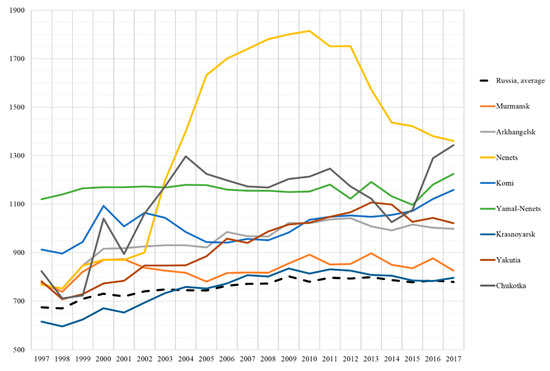
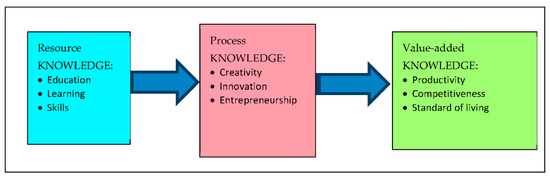
The rapid pace of economic exploration of the Arctic against the backdrop of progressing environmental change put a high priority on improving understanding of health impacts in the northern communities. Deficiencies in the capability to capture the complexity of health-influencing parameters along with a lack of observations in circumpolar territories present major challenges to establishing credible projections of disease incidence across varying northern environments. It is thus crucial to reveal the relative contributions of coacting factors to provide a basis for sustainable solutions in the sphere of public health. In order to better understand the adverse effects associated with public health, this study employed six-stage multiple regression analysis of incidence rates of fourteen diseases (International Classification of Diseases (ICD-11) codes most widespread in the Russian Arctic) against a set of environmental, nutritional, and economic variables. Variance inflationary factor and best-subsets regression methods were used to eliminate collinearity between the parameters of regression models. To address the diversity of health impacts across northern environments, territories of the Arctic zone of Russia were categorized as (1) industrial sites, (2) urban agglomerations, (3) rural inland, and (4) coastline territories. It was suggested that, in Type 1 territories, public health parameters were most negatively affected by air and water pollution, in Type 2 territories—by low-nutrient diets, in Type 3 and Type 4 territories—by economic factors. It was found that in the Western parts of the Russian Arctic, poor quality of running water along with low access to the quality-assured sources of water might increase the exposure to infectious and parasitic diseases and diseases of the circulatory, respiratory, and genitourinary systems. Low living standards across the Russian Arctic challenged the economic accessibility of adequate diets. In the cities, the nutritional transition to low-quality cheap market food correlated with a higher incidence of digestive system disorders, immune diseases, and neoplasms. In indigenous communities, the prevalence of low diversified diets based on traditional food correlated with the increase in the incidence rates of nutritional and metabolic diseases. Full article
Show Figures

Figure 1
Article
Land Concentration, Land Grabbing and Sustainable Development of Agriculture in Romania
Sustainability 2020, 12(5), 2137; https://doi.org/10.3390/su12052137 - 10 Mar 2020
Cited by 5 | Viewed by 1330
Abstract
Land grabbing has become a priority topic in academic research and a political concern, due to interests in the dynamics of the phenomenon and its negative impact on the sustainable development of agriculture in rural areas. This phenomenon generates changes in production systems [...] Read more.
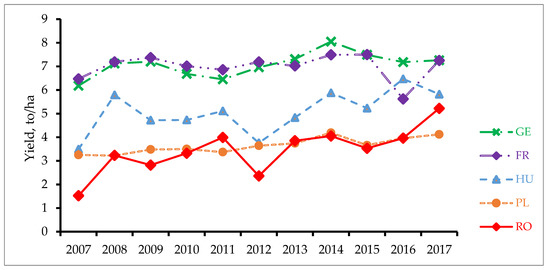
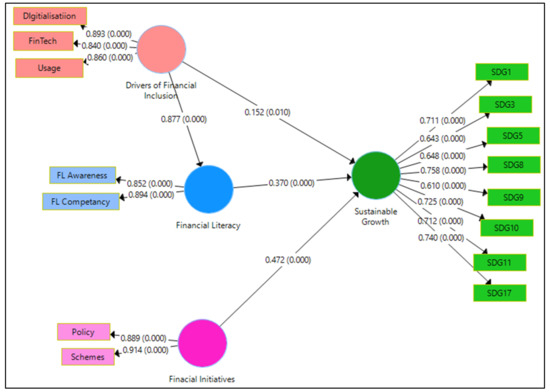
Land grabbing has become a priority topic in academic research and a political concern, due to interests in the dynamics of the phenomenon and its negative impact on the sustainable development of agriculture in rural areas. This phenomenon generates changes in production systems of agriculture with adverse environmental consequences, adversely affects socio-economic and cultural conditions and leads to lower overall efficiency in agriculture. This article analyses the links between land concentration, land grabbing and sustainable development of agriculture in Romania compared to other old and new EU-28 countries. The results of the research show that the land grabbing in Romania has a significant dimension compared to the other countries analyzed, which has led to an inadequate agrarian structure and adverse effects on the sustainable performance of agricultural holdings and the sustainable development of rural areas. Full article
Show Figures

Figure 1
Article
Sustainability-Related Implications of Competitive Advantages in Agricultural Value Chains: Evidence from Central Asia—China Trade and Investment
Sustainability 2020, 12(3), 1117; https://doi.org/10.3390/su12031117 - 04 Feb 2020
Cited by 6 | Viewed by 1252
Abstract
More stable value chains in agriculture allow countries to take the best advantage of their factor endowments and thus achieve the UN Sustainable Development Goal on ending hunger. It is, however, difficult to interpret such advantages properly due to the multivariate effects of [...] Read more.
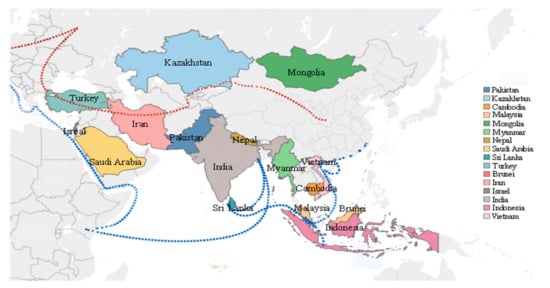
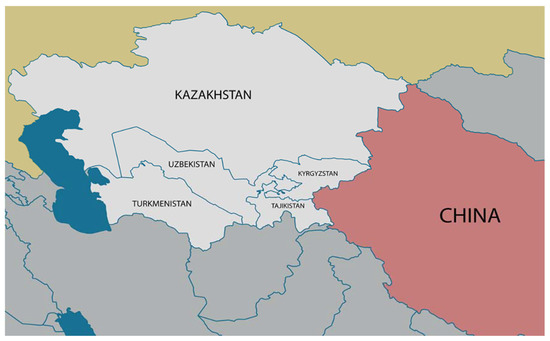
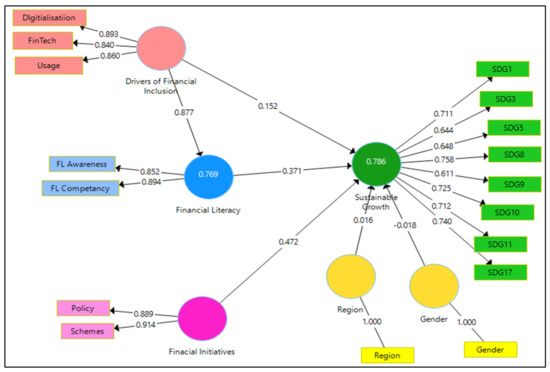
More stable value chains in agriculture allow countries to take the best advantage of their factor endowments and thus achieve the UN Sustainable Development Goal on ending hunger. It is, however, difficult to interpret such advantages properly due to the multivariate effects of natural, technological, and economic variables on agricultural output and food supply. The authors attempt to tackle this challenge by developing the approach to the identification of competitive advantages and matching them with the production capabilities of agricultural sectors in Central Asia. The application of Revealed Comparative Advantage (RCA), Relative Trade Advantage (RTA), Lafay Competitive Advantage (LI), and Domestic Resource Costs (DRC) indexes to the array of 37 products results in the revealing of comparative, trade, competitive, and production advantages of five Central Asian economies for labor-intensive horticultural products and grains. Capital and technology-intensive sectors of animal husbandry and food processing are recognized as low competitive. Taking Central Asia–China collaboration as a model, the authors elaborate policy measures aimed at support, promotion, or establishment of competitive advantages. The application of the measures facilitates the concentration of the resources toward competitive and conditionally competitive products, allows to protect fragile advantages in marginally competitive sectors, and contributes to the overall improvement of stakeholders’ performance across agricultural value chains in the region. Full article
Show Figures

Figure 1
2019

Jump to: 2020

Article
Social-Psychological Determinants of Serbian Tourists’ Choice of Green Rural Hotels
Sustainability 2019, 11(23), 6691; https://doi.org/10.3390/su11236691 - 26 Nov 2019
Cited by 3 | Viewed by 896
Abstract
The significance of green rural tourism for sustainable development is widely recognized. In addition, a number of researches attempt to explain the green choice among tourists. Hereby, different theoretical approaches are used. The dynamic approach to the Theory of Planned Behavior (TPB) is [...] Read more.
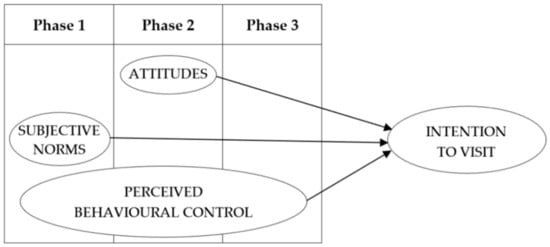
The significance of green rural tourism for sustainable development is widely recognized. In addition, a number of researches attempt to explain the green choice among tourists. Hereby, different theoretical approaches are used. The dynamic approach to the Theory of Planned Behavior (TPB) is implemented in this study. The approach considers that the influence of different elements of TPB (attitudes, subjective norms, perceived behavioral control) on intention to visit green rural hotels is tested in the context of different phases in behavior change of the respondents (pre-decision, pre-action, action). According to the authors’ knowledge, this is the first implementation of the dynamic approach to the TPB in understanding green rural choice. During data analysis, multigroup structural equation modelling (SEM) was used. The results indicate that the existence and the strength of the influences of the elements of TPB are different in different phases of behavior change. Managerial implications for the studied market (Serbia) are also provided within the paper. Full article
Show Figures

Figure 1
Article
Interrelation between Eco-Innovation and Intra-Industry Trade—A Proposal for a Proxy Indicator of Sustainability in the EU Countries
Sustainability 2019, 11(23), 6641; https://doi.org/10.3390/su11236641 - 24 Nov 2019
Cited by 3 | Viewed by 1115
Abstract
The “innovation–trade” interrelation has been a subject of research for decades. Nowadays, in the context of the growing importance of sustainable development, the role of eco-innovation is essential for promoting a rapid economic growth in each country. In this sense, eco-innovation influences the [...] Read more.
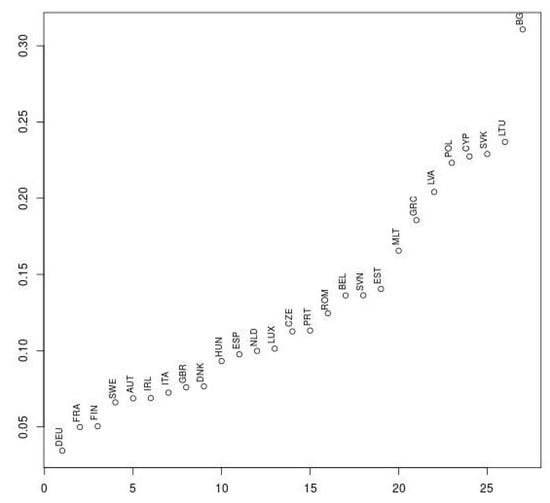
The “innovation–trade” interrelation has been a subject of research for decades. Nowadays, in the context of the growing importance of sustainable development, the role of eco-innovation is essential for promoting a rapid economic growth in each country. In this sense, eco-innovation influences the level of intra-industry trade stimulating international trade to adopt environmentally-friendly technologies. In general, the evaluation of eco-innovation in EU countries is done through indicators of their degree of performance and their impact on the welfare of nations. Using Eurostat data and WITS (World Integrated Trade Solution) database for the period 2010–2018, the authors of this paper give empirical evidence of a linkage between the two indicators. The Grubel–Lloyd index is selected as an appropriate tool to show that socio-economic performance has a significant weight in eco-innovation scoreboard measurement. The results confirm that intra-industry trade of each EU country is closely related to the level of its eco-innovation index. To our knowledge, this is the first attempt to test for such a type of interrelation and to show that by verifying the usefulness of eco-innovation performance in EU countries through an intra-industry trade indicator (IIT) such as the Grubel–Lloyd index. Full article
Show Figures

Figure 1
Article
Dynamic Optimization of Fuel and Logistics Costs as a Tool in Pursuing Economic Sustainability of a Farm
Sustainability 2019, 11(19), 5463; https://doi.org/10.3390/su11195463 - 02 Oct 2019
Viewed by 1024
Abstract
Improving the performance and economic sustainability of agricultural producers requires the integration of many dimensions, one of which is logistics. Establishing efficient and cost-effective transportation is a key element of establishing sustainable linkages along food supply chains between farmers, storage and transport companies, [...] Read more.
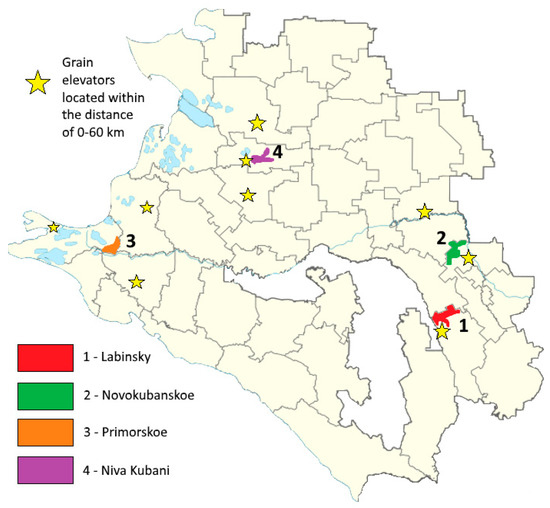
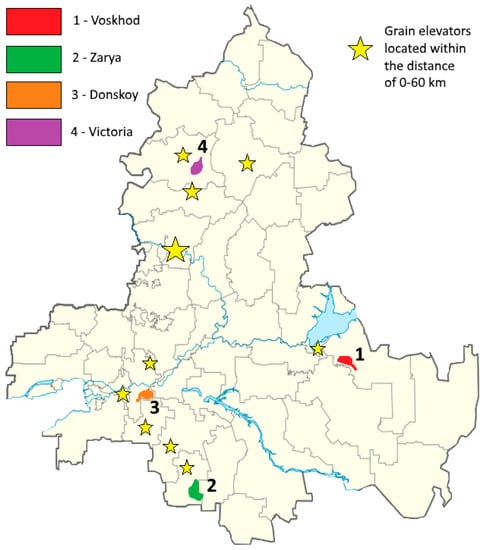
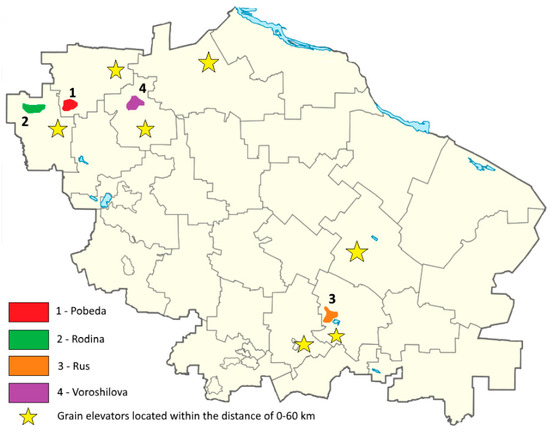
Improving the performance and economic sustainability of agricultural producers requires the integration of many dimensions, one of which is logistics. Establishing efficient and cost-effective transportation is a key element of establishing sustainable linkages along food supply chains between farmers, storage and transport companies, and consumers. In this regard, infrastructural constraints to sustainability in agricultural production exacerbate transportation costs and risks, and thus result in lower performance of agricultural producers. As fuel consumption is, first, the most significant cost in agricultural logistics and, second, particularly sensitive to disruptions of transport, loading, and storage infrastructure, management of fuel costs is crucial to assure profit margin of an agricultural enterprise. By transforming the standard economic order quantity (EOQ) model, the authors attempt to build an approach to the optimization of fuel costs. The analysis made in the cases of twelve large crop farms in three territories of Southern Russia allowed the consideration of: (1) fragmentation in storage infrastructure; (2) variations in fuel consumption depending on the vehicle load ratio; (3) the use of their own fleet of vehicles against the outsourcing of transport operations. The authors find that the tactics of optimization of fuel costs vary depending on the location of a farm in relation to grain storage facilities. Particularly, the farms located in areas of high concentration of storage facilities benefit from using their own fleet of vehicles, while those experiencing longer distances of transportation should outsource the performance of logistics operations to third parties. To overcome a site-specific nature, the transformed EOQ model should accommodate country-specific requirements, specifically, the level of fragmentation of transport and storage infrastructure, average distance of transportation from a farm to receival site, and average fuel consumption rates depending on the types of trucks commonly used by farmers. The key recommendation is that sustainability-aimed management of logistics costs should consider combining the operation of trucks by a farm with the outsourcing of transportation operations to address the fragmentation of transport and storage infrastructure. Full article
Show Figures

Figure 1
Article
Exploring Foreign Direct Investment–Economic Growth Nexus—Empirical Evidence from Central and Eastern European Countries
Sustainability 2019, 11(19), 5421; https://doi.org/10.3390/su11195421 - 30 Sep 2019
Cited by 13 | Viewed by 1601
Abstract
This study aims to examine the link between foreign direct investment (FDI) inflows and economic growth, also considering several institutional quality variables, as well as sustainable development goals (SDGs) set in the 2030 Agenda for Sustainable Development. By estimating panel data regression models [...] Read more.
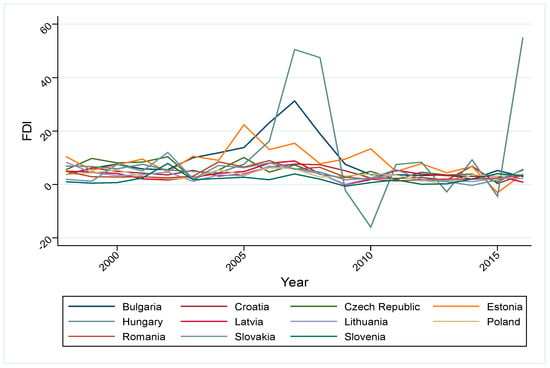
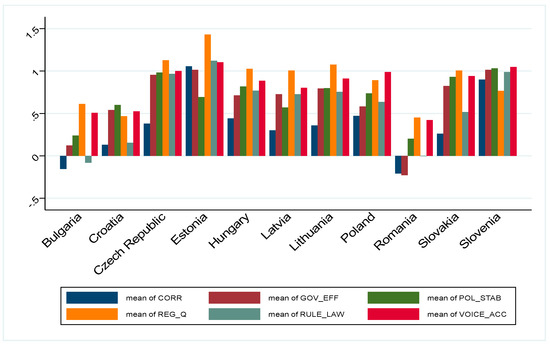
This study aims to examine the link between foreign direct investment (FDI) inflows and economic growth, also considering several institutional quality variables, as well as sustainable development goals (SDGs) set in the 2030 Agenda for Sustainable Development. By estimating panel data regression models for a sample of 11 Central and Eastern European countries, from 2003 to 2016, the empirical outcomes provide support for a non-linear relationship between FDI and gross domestic product per capita. Regarding institutional quality, it is found that control of corruption, government effectiveness, regulatory quality, rule of law, and voice and accountability positively influence growth, while political stability and absence of violence/terrorism is not statistically significant. Moreover, SDGs such as poverty, income distribution, education, innovation, transport infrastructure, and information technology are noteworthy drivers of growth. The outcomes of panel fully modified and dynamic ordinary least squares partly confirm the findings. The panel vector error-correction model Granger causalities provide support for a short-run one-way causal association running from FDI to growth and a long-run two-way causal connection among FDI and growth. Furthermore, in the long run, unidirectional causal relationships running from each institutional quality indicator to economic growth and FDI are set out. Full article
Show Figures

Figure 1
Article
The Impact of Financial Development on Carbon Emissions: A Global Perspective
Sustainability 2019, 11(19), 5241; https://doi.org/10.3390/su11195241 - 25 Sep 2019
Cited by 37 | Viewed by 1368
Abstract
Financial development has been deemed to be an important factor influencing carbon emissions; however, the specific effect generated by financial development is still disputed. In this study, we examined the relationship between financial development and carbon emissions based on a system generalized method [...] Read more.
Financial development has been deemed to be an important factor influencing carbon emissions; however, the specific effect generated by financial development is still disputed. In this study, we examined the relationship between financial development and carbon emissions based on a system generalized method of moments and the data of 155 countries, and we further analyzed the national differences by dividing the sample countries into two sub-groups: developed countries, and emerging market and developing countries. The empirical results indicated that from a global perspective, financial development could significantly increase carbon emissions, and the analysis of the emerging market and developing countries reached the same conclusion; however, the results indicated that for developed countries, the effect of financial development on carbon emissions is insignificant. A series of robustness checks were conducted and confirmed that our empirical results were reliable. We suggest that policymakers in emerging market and developing countries should carefully balance financial development and environmental protection, as financial development will promote carbon emissions before countries reach a relatively high development level. Full article
Article
Government Intervention and Automobile Industry Structure: Theory and Evidence from China
Sustainability 2019, 11(17), 4721; https://doi.org/10.3390/su11174721 - 29 Aug 2019
Viewed by 1421
Abstract
The development of the automobile maintenance industry less developed to satisfy the increasing demand for automobile maintenance service as the automobile manufacturing industry increased rapidly in China. This is not conducive to the sustainable development of the automobile industry. Besides the factors of [...] Read more.
The development of the automobile maintenance industry less developed to satisfy the increasing demand for automobile maintenance service as the automobile manufacturing industry increased rapidly in China. This is not conducive to the sustainable development of the automobile industry. Besides the factors of market behavior that can affect the automobile industry structure, like an investment, operation structure or economic development stage, the structure is also influenced by government intervention. We investigated the unbalanced development of automobile structure from the perspective of government incentives, and provide a logical framework for analyzing the industrial policies on the automobile industry. We first established a two-sector theoretical model with government intervention, and we found that the governments’ GDP incentive induced the biased intervention policy. More preferential policies are given to enterprises of automobile manufacturing industries as they contribute more to intermediate goods and capital. The greater the government’s GDP incentive, the more biased the intervention will be. Then we test the differential impact of GDP incentive on tax avoidance of the two kinds of firms empirically. The empirical results show that GDP incentive of the government induced more preferential treatment to automobile manufacturing enterprises, and thus, increased their tax avoidance. This phenomenon is more significant in SOEs, larger firms and firms belong to local governments. Understanding the incentive and implementation of industrial policy can help us know the evolution of automobile industrial structure better, and then improve industrial policy better to promote the transformation and upgrading of automobile industrial structure. Full article
Article
Factors Influencing Energy Consumption in the Context of Sustainable Development
Sustainability 2019, 11(15), 4147; https://doi.org/10.3390/su11154147 - 01 Aug 2019
Cited by 16 | Viewed by 1627
Abstract
Based on the global need to reduce the primary and final energy consumption, as part of the climate change mitigation strategy, the present study aims at determining the influence of different economic, social and environmental factors on the two types of consumption while [...] Read more.
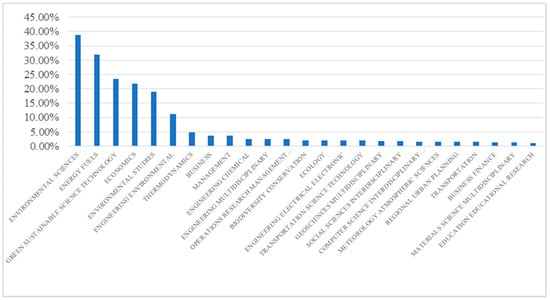
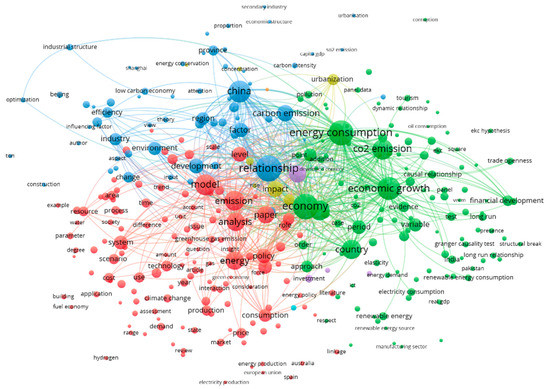
Based on the global need to reduce the primary and final energy consumption, as part of the climate change mitigation strategy, the present study aims at determining the influence of different economic, social and environmental factors on the two types of consumption while emphasizing the importance of this topic for the research area. The novelty of the study resides in the factors considered in the panel analysis as well as in the combination of the analysis methods: the panel data analysis and the bibliometric analysis. The main results show that factors such as greenhouse gas emissions, gross domestic product, population and labour growth have a positive relationship with both primary and final energy consumption, which means an increase of energy consumption. Meanwhile, factors such as feminine population increase, healthcare expenditures or energy taxes have a negative relationship, which determine a reduction of energy consumption. The results should be of interest to the authorities in designing new energy reduction policies for contributing to sustainable development goals, as well as to the researchers. Full article
Show Figures

Figure 1

Article
The Impact of Education and Residential Environment on Long-Term Waste Management Behavior in the Context of Sustainability
Sustainability 2019, 11(14), 3775; https://doi.org/10.3390/su11143775 - 10 Jul 2019
Cited by 1 | Viewed by 1248
Abstract
Currently, the problem of waste reduction is a permanent concern for all countries of the world, given the need to ensure the sustainability development. In this context, the research aims to highlight the impact of education and demographic factors by residence areas on [...] Read more.
Currently, the problem of waste reduction is a permanent concern for all countries of the world, given the need to ensure the sustainability development. In this context, the research aims to highlight the impact of education and demographic factors by residence areas on the long-term behavior of the amount of waste generated in 29 European countries during 2013–2017. The study is based on statistical and econometric modeling aimed at identifying, testing and analyzing the existence of long-term correlation between the amount of waste per capita recorded in each country and four factors of influence considered significant for waste reduction: Pupils and students by education level and Classroom teachers and academic staff by education level, representing exogenous variables which quantify the educational outcomes, as well as The population by degree of urbanization (cities, rural areas), as demographic factors. As a result of an analysis based on correlation and regression method, a cointegration relationship between the analyzed variables was identified. Considering the amount of waste as an important component of the environmental pressure, the obtained results show the significant long-term effect that education and the demographic factor can have on its long-lasting behavior, as well as the ways through which these factors can act to strengthen sustainability. Full article
Show Figures

Figure 1

Article
Management Accounting Change as a Sustainable Economic Development Strategy during Pre-Recession and Recession Periods: Evidence from Russia
Sustainability 2019, 11(11), 3139; https://doi.org/10.3390/su11113139 - 04 Jun 2019
Cited by 8 | Viewed by 1911
Abstract
The volatility of both global and national markets has emerged in recent years. In response to the changes in the operating environment, organizations have been adopting various practices to ensure sustainable development by anticipating threats and managing risks. While many studies are focusing [...] Read more.
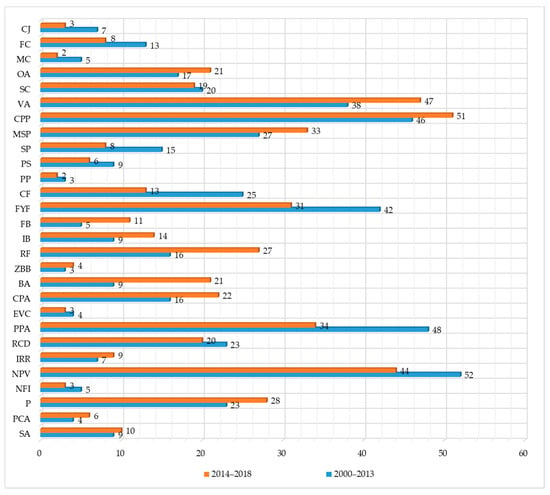
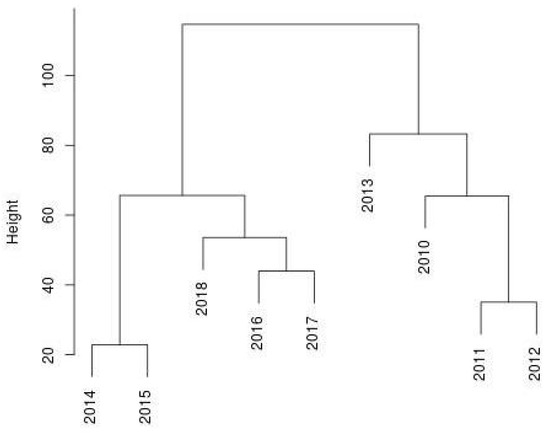
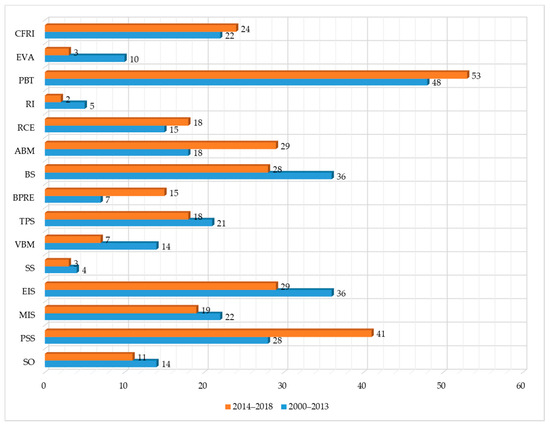
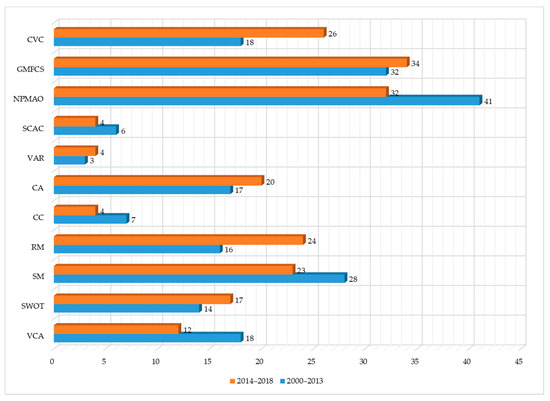
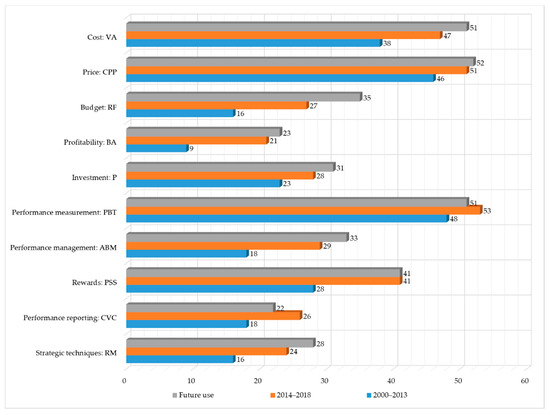
The volatility of both global and national markets has emerged in recent years. In response to the changes in the operating environment, organizations have been adopting various practices to ensure sustainable development by anticipating threats and managing risks. While many studies are focusing on the investigation of strategic adaptation to the volatile economic environment, there has been little research examining management accounting (MA) as a sustainable development strategy in times of economic turbulence. This study investigates the degree of variation in the use of MA practices induced by economic recession. Investigating the variations in management accounting practices in Russian organizations in 2000–2013 (pre-recession period) and 2014–2018 (economic recession), the authors explore the change across 54 MA tools split into operation, management, and strategy pillars. The contribution of this study to the literature involves the understanding of the use of particular MA tools across various types of organizations and industries before and during the economic recession, as well as discovering the intention to change the instruments in case the economic situation deteriorates. The survey of four types of organizations (micro, small, medium, and large) in five sectors (service, industry, trade, agriculture, and tourism) was conducted in seven territories of Russia differentiated on the level of their economic performance (well-performing, average, and declining). The survey revealed that, during the crisis, the respondents tend to drop using many of proactive sustainability-oriented MA tools and instead focused on achieving immediate and direct effects on sales, profits, and other performance parameters by employing less-sophisticated short-term MA instruments. The forecast of future application of MA tools in a falling economy revealed that, in an attempt to achieve durable and sustainable performance, the organizations of all types and sectors intended to focus on practices such as risk management variance analysis, rolling forecasts, payback, breakeven analysis, and activity-based management. Full article
Show Figures

Figure 1

Article
The Sustainable Development of Financial Inclusion: How Can Monetary Policy and Economic Fundamental Interact with It Effectively?
Sustainability 2019, 11(9), 2524; https://doi.org/10.3390/su11092524 - 01 May 2019
Cited by 6 | Viewed by 2537
Abstract
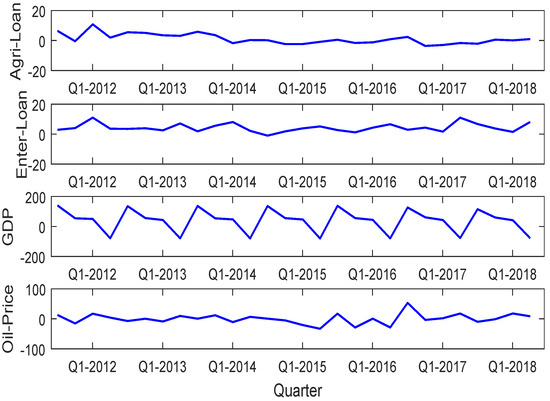
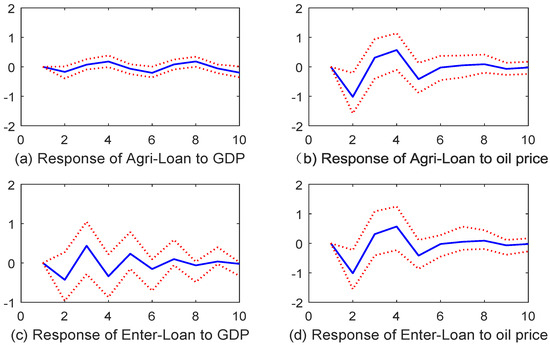
It is necessary to analyze the relationship between financial inclusion and circumstances-monetary policy and economic fundamentals, which has a practical reference value for policy makers. This paper studies the impact of the circumstances on financial inclusion factors by using a vector autoregressive method. [...] Read more.
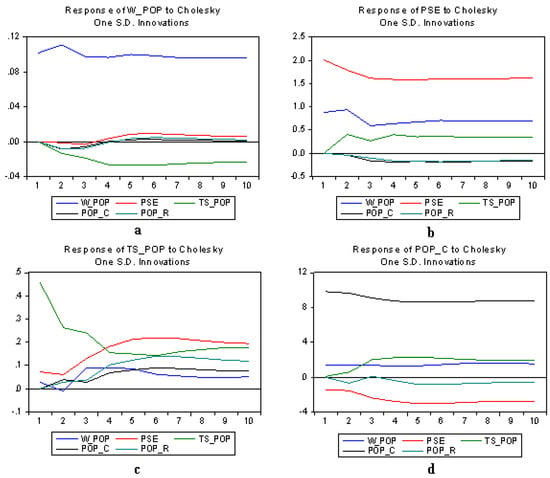
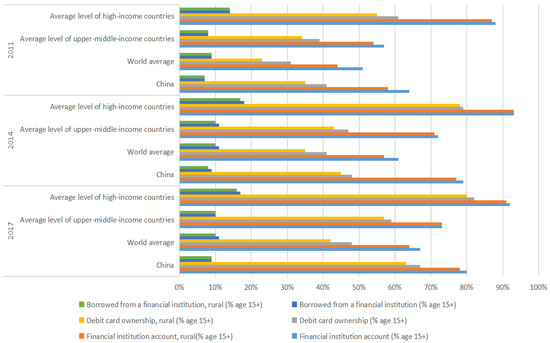
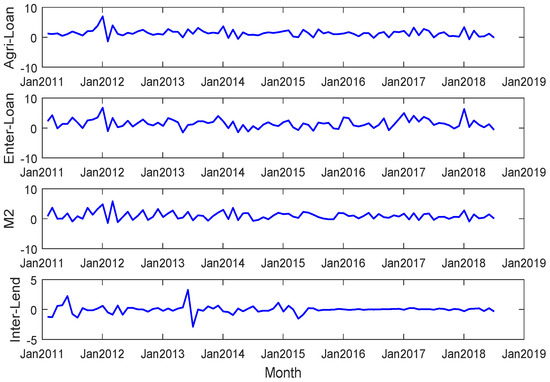
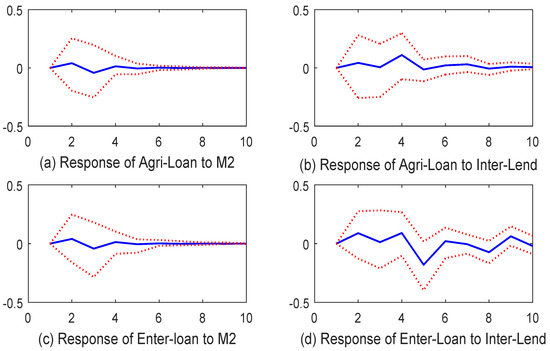
It is necessary to analyze the relationship between financial inclusion and circumstances-monetary policy and economic fundamentals, which has a practical reference value for policy makers. This paper studies the impact of the circumstances on financial inclusion factors by using a vector autoregressive method. Empirical results show that monetary policy has a short-term positive impact on financial inclusion factors, while the economic fundamental has the opposite, which means that the positive monetary policy promote the development of financial inclusion in the short term and the sudden change of the economic situation will make it harder. Based on the data of the World Bank and the situation of China, we make an analysis and comparison of the empirical results, and draw two implications: first, the sustainable development of financial inclusion needs a suitable circumstance; second, the appropriate coordination and mutual facilitation of economic fundamentals and finance is conducive to the sustainable development of financial inclusion. Full article
Show Figures

Figure 1

Article
Productive Employment for Inclusive and Sustainable Development in European Union Countries: A Multivariate Analysis
Sustainability 2019, 11(6), 1771; https://doi.org/10.3390/su11061771 - 24 Mar 2019
Cited by 6 | Viewed by 1704
Abstract
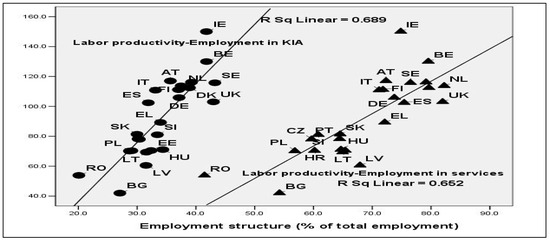
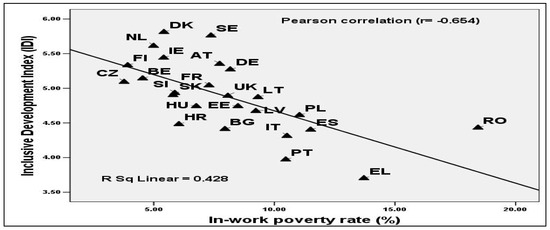
It is widely recognized that achieving highly productive employment is a serious challenge facing inclusive and sustainable development. In this context, the aim of this article was to highlight the main characteristics and mechanisms of productive employment, focusing on the interrelationships between productive [...] Read more.
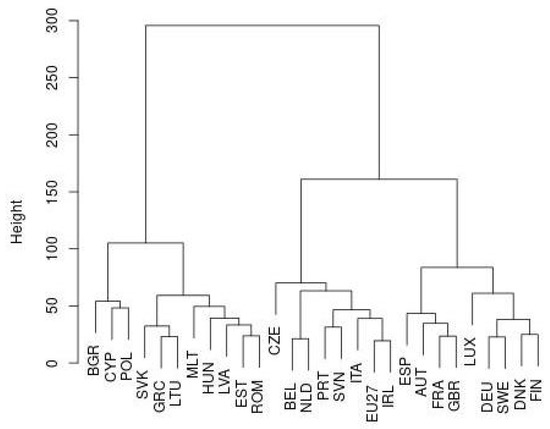
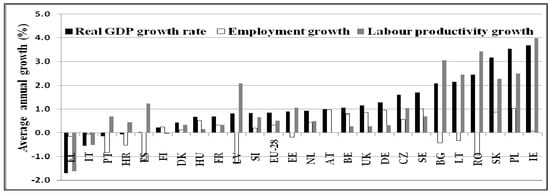
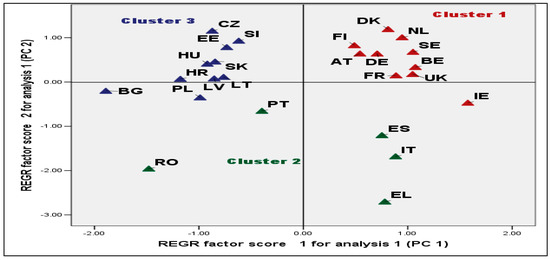
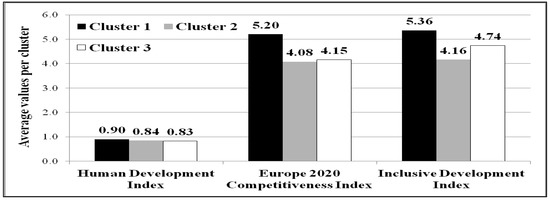
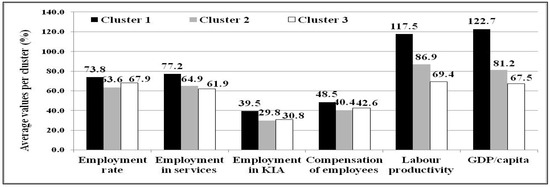
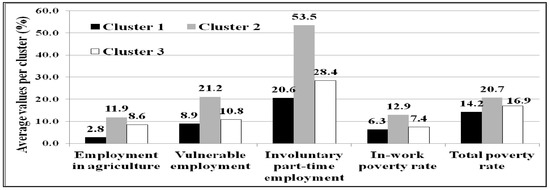
It is widely recognized that achieving highly productive employment is a serious challenge facing inclusive and sustainable development. In this context, the aim of this article was to highlight the main characteristics and mechanisms of productive employment, focusing on the interrelationships between productive employment, and inclusive and sustainable development in European Union countries, during the recent economic crisis and recovery period (2007–2016). The results of the correlation and regression analysis suggest that the high level of inclusive and sustainable development in some European Union countries can be mainly explained by high labor productivity, an efficient sectoral structure of employment, a low level of vulnerable and precarious employment, and low working poverty. Moreover, the results of the principal component analysis and cluster analysis show that there are common features and differences between the European Union member states in terms of their interrelationship between productive employment, and inclusive and sustainable development, which emphasizes the need to take specific actions to transform unproductive employment into productive employment, especially in southern countries and some central and eastern European countries, so that productive employment will be the driving force for development. Full article
Show Figures

Figure 1

Article
Sustainable Development for Small Economy and Diversification from a Dominant Industry: Evidence from Macao
Sustainability 2019, 11(6), 1626; https://doi.org/10.3390/su11061626 - 18 Mar 2019
Cited by 1 | Viewed by 1105
Abstract
While the Macao gambling industry has developed prosperously, its rapid development raises a problem of economic dependence on gambling that restricts economic diversification and causes a sustainable issue of non-gambling industries. In recent years, regulating and controlling the appropriate scale of the gambling [...] Read more.
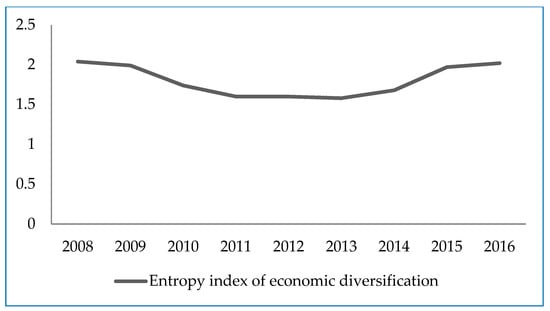
While the Macao gambling industry has developed prosperously, its rapid development raises a problem of economic dependence on gambling that restricts economic diversification and causes a sustainable issue of non-gambling industries. In recent years, regulating and controlling the appropriate scale of the gambling industry have been regarded as a solution for sustainable economic development. Consequently, it is quite important to give a quantitative scale to the future development of the gambling industry. This study aims to estimate the appropriate scale of the gambling industry under the expectation of the optimal development of moderate economic diversification in Macao. This study employs the method of Measuring Economic Diversification in Hawaii in 2011 to evaluate the levels of diversification of Macao’s economy. A Data Envelopment Analysis (DEA) efficiency calculated by a bootstrapping model is applied to obtain the operational efficiency of Macao’s gambling industry. A transition probability matrix in three scenarios is predicted by expert interviews and industry interviews. The appropriate scale of Macao’s gambling industry until 2021 is forecasted by Markov chain. The predicted result shows that the growth rate of gambling will not exceed 3% in terms of achieving the goal of optimal developing moderate economic diversification in Macao. Full article
Show Figures

Figure 1

Article
Insufficient Consumption Demand of Chinese Urban Residents: An Explanation of the Consumption Structure Effect from Income Distribution Change
Sustainability 2019, 11(4), 984; https://doi.org/10.3390/su11040984 - 14 Feb 2019
Cited by 1 | Viewed by 1273
Abstract
China’s consumption rate has continued to decline since 2000, which has retarded the sustainable growth of China’s economy. The dramatic changes in China’s income distribution have been very significant social characteristics, and they are also a very important factor for consumption. Therefore, this [...] Read more.
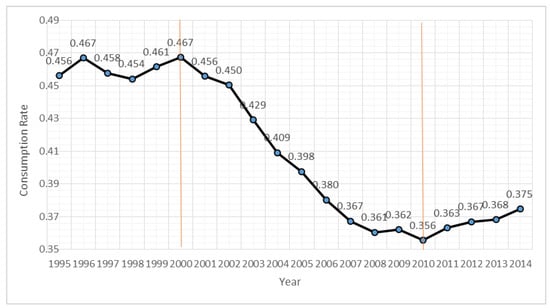
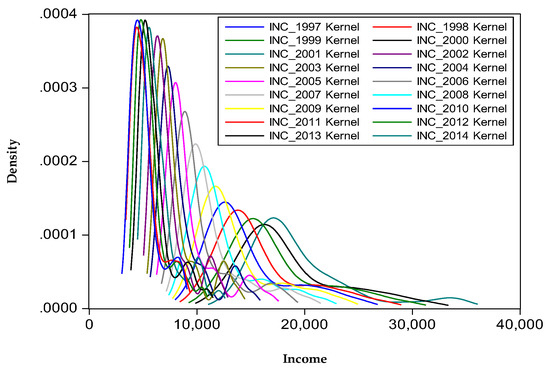
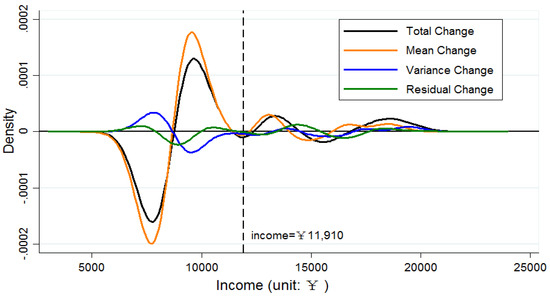
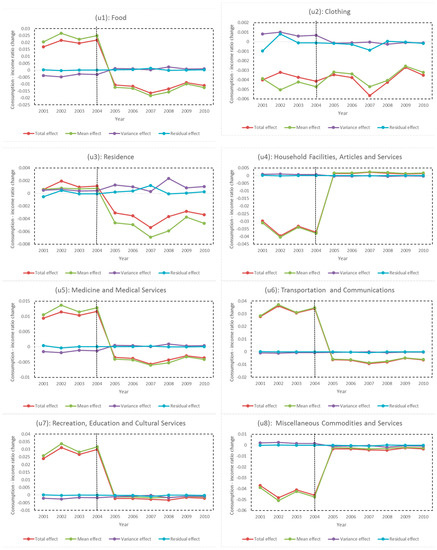
China’s consumption rate has continued to decline since 2000, which has retarded the sustainable growth of China’s economy. The dramatic changes in China’s income distribution have been very significant social characteristics, and they are also a very important factor for consumption. Therefore, this study analyzes the problem of insufficient domestic demand from the perspective of the effects of the income distribution changes on the consumption structure. The Almost Ideal Demand System model is improved by relaxing its assumption that expenditure equals income and giving it a dynamic form that includes the three characteristics of the income distribution evolution (the mean, variance, and residual effects) and measuring these. The results show that the mean effect is the largest one, and it basically determines the size and direction of the total effect. The variance effect is much smaller, but it may have some positive effects on the individual markets. The residual effect is the smallest and has a certain randomness. The income gap is not the main cause of the insufficient domestic demand. It is more likely to be caused by the decline of the mean effect, and the main driver of this is the irrationality of the supply side and excessive housing prices. Full article
Show Figures

Figure 1

Article
Measurement of Regional Green Economy Sustainable Development Ability Based on Entropy Weight-Topsis-Coupling Coordination Degree—A Case Study in Shandong Province, China
Sustainability 2019, 11(1), 280; https://doi.org/10.3390/su11010280 - 08 Jan 2019
Cited by 34 | Viewed by 2385
Abstract
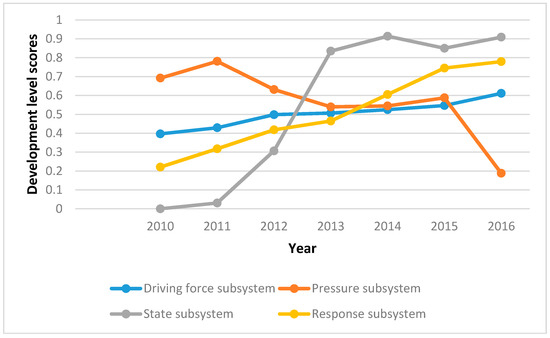
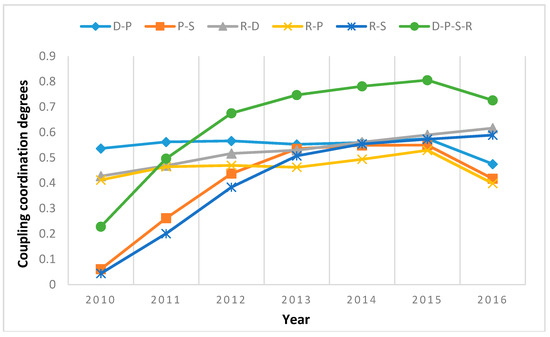
Traditional development models are being slowly replaced by green economic development models. This paper views regional green economic development as a large complex system and develops a conceptual DPSIR (drivers, pressures, state, impact, response model of intervention) to construct a regional green economy [...] Read more.
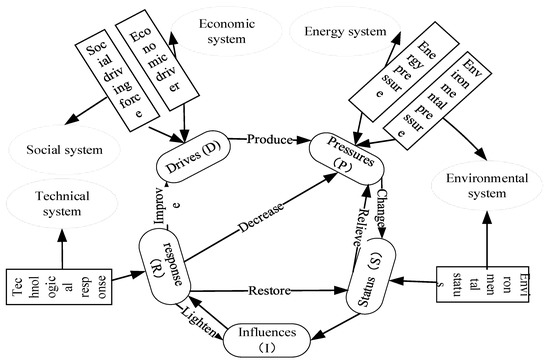
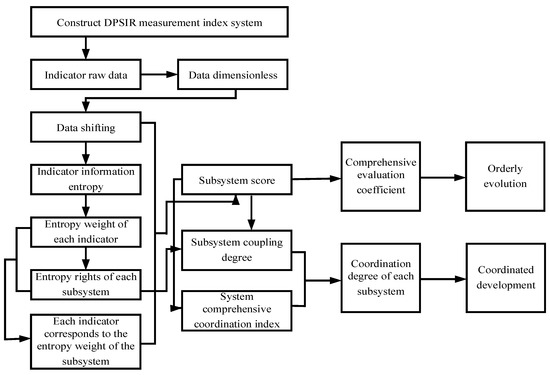
Traditional development models are being slowly replaced by green economic development models. This paper views regional green economic development as a large complex system and develops a conceptual DPSIR (drivers, pressures, state, impact, response model of intervention) to construct a regional green economy development measurement index system, after which an entropy weight-TOPSIS-coupling coordination degree evaluation model is developed to quantitatively horizontally and vertically analyze regional green economy sustainable development trends and the coupled coordination status of each subsystem. The evaluation model is then employed to analyze the sustainable development of the green economy in Shandong Province from 2010 to 2016. The analysis results were found to be in line with the actual green economy development situation in Shandong Province, indicating that the measurement model had strong practicability for regional green economy development. Meanwhile, this model can demonstrate clearly how those indicators impact on the regional green economy sustainable development and fill the absence of existing studies on regional green economy sustainable development. Full article
Show Figures

Figure 1

Back to TopTop