



Topical Advisory Panel applications are now closed. Please contact the Editorial Office with any queries.
-
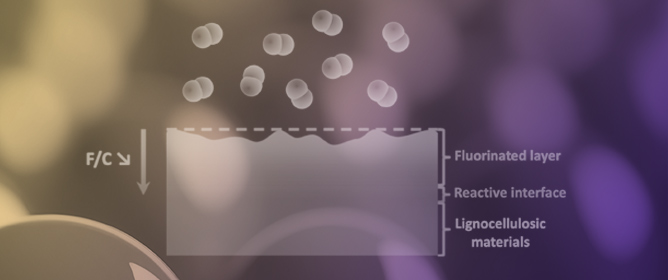
Fluorination to Convert the Surface of Lignocellulosic Materials from Hydrophilic to Hydrophobic -
Nylon Powder Composites with High Leveling Property and Toughness Prepared via Filler-Modified Method -
Engineering Porous Biochar for Electrochemical Energy Storage -
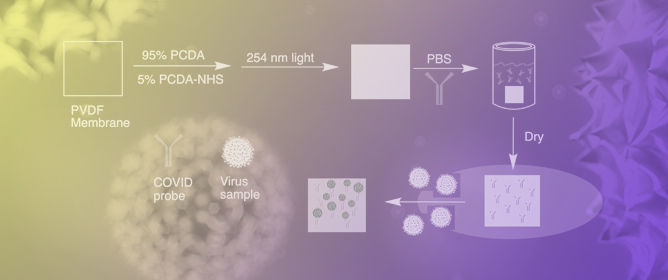
Development of a Colorimetric Polydiacetylene, Solid-Substrate Sensor for SARS-CoV-2 Detection in Human Saliva -
Adjustable Capillary Forces Through Wetting State Changes in Liquid Bridges: Regulation via Trapezoidal Microstructures
Journal Description
Surfaces
Surfaces
is an international, peer-reviewed, open access journal on all aspects of surface and interface science published quarterly online by MDPI.
- Open Access— free for readers, with article processing charges (APC) paid by authors or their institutions.
- High Visibility: indexed within ESCI (Web of Science), Scopus, Inspec, CAPlus / SciFinder, and other databases.
- Rapid Publication: manuscripts are peer-reviewed and a first decision is provided to authors approximately 17.3 days after submission; acceptance to publication is undertaken in 3.6 days (median values for papers published in this journal in the second half of 2025).
- Journal Rank: CiteScore - Q2 (Materials Science (miscellaneous))
- Recognition of Reviewers: reviewers who provide timely, thorough peer-review reports receive vouchers entitling them to a discount on the APC of their next publication in any MDPI journal, in appreciation of the work done.
Impact Factor:
2.9 (2024);
5-Year Impact Factor:
2.7 (2024)
Latest Articles
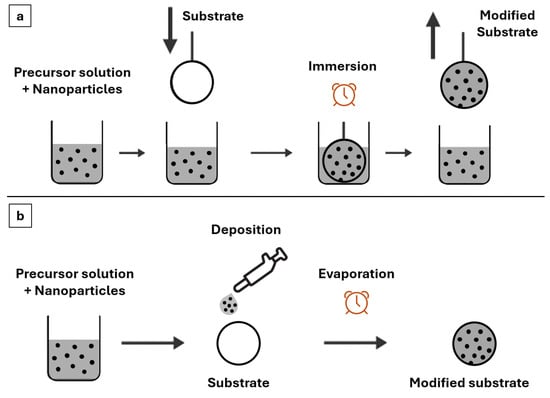
A Comparative Study of Dip-Coating and Drop-Casting for Surface Modification of Kraft Paper with Silver Nanoparticles Toward Active Packaging
Surfaces 2026, 9(1), 24; https://doi.org/10.3390/surfaces9010024 - 24 Feb 2026
Abstract
Kraft paper, commonly known as brown paper, has been widely used in the preservation of various food products and is increasingly explored in the development of active packaging materials with antimicrobial functionality by incorporating metal nanoparticles. This study aimed to comparatively investigate the
[...] Read more.
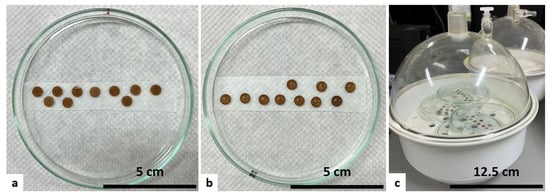
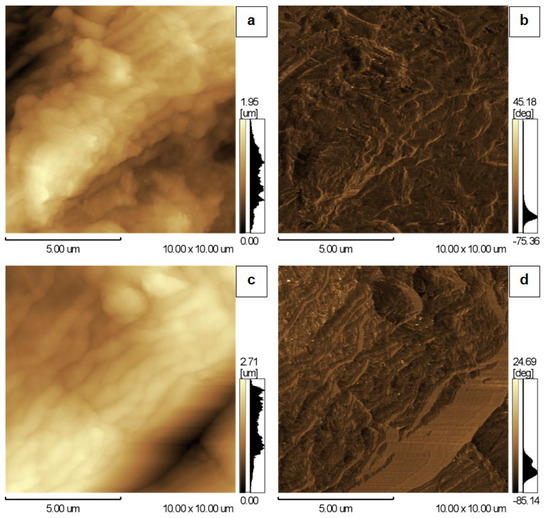
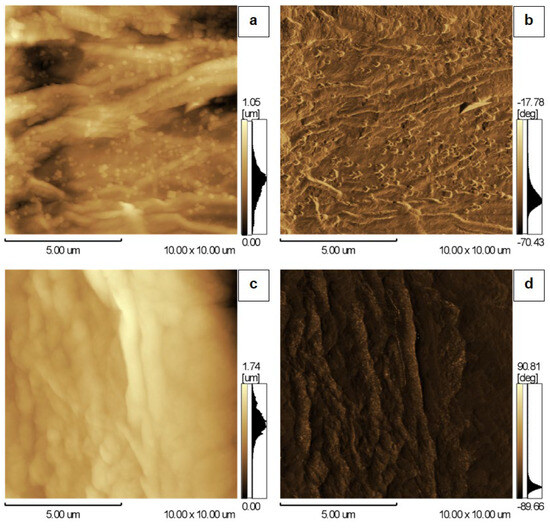
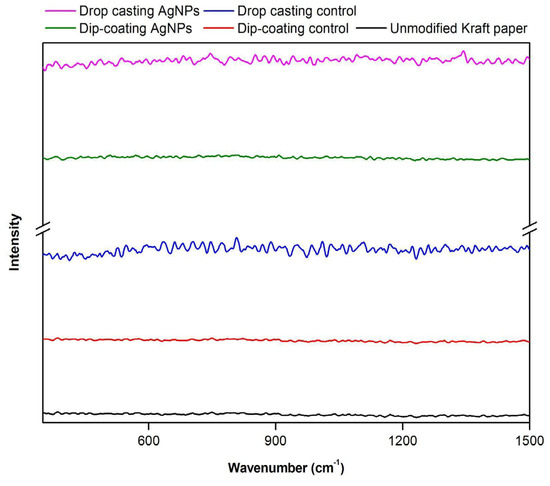
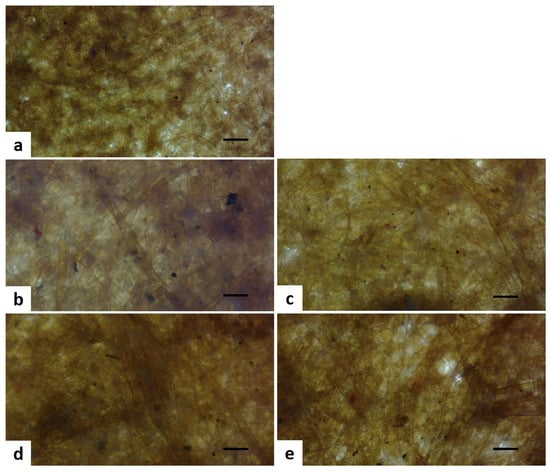
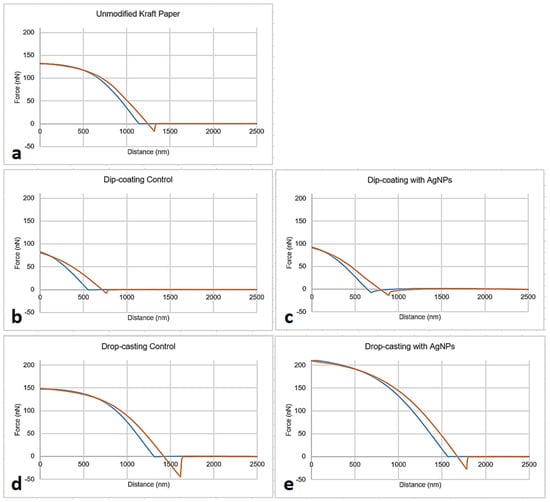
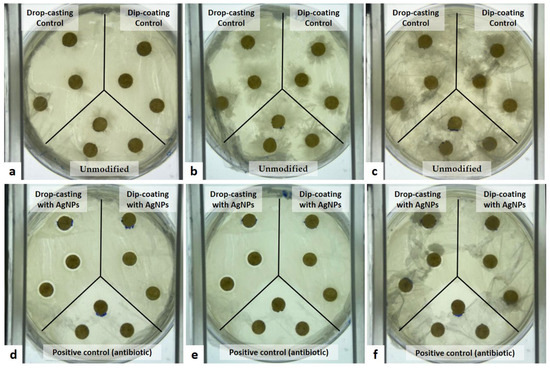
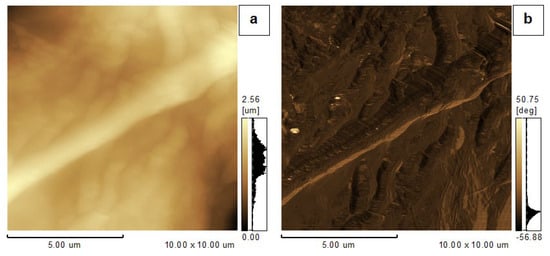
Kraft paper, commonly known as brown paper, has been widely used in the preservation of various food products and is increasingly explored in the development of active packaging materials with antimicrobial functionality by incorporating metal nanoparticles. This study aimed to comparatively investigate the surface modification of Kraft paper with silver nanoparticles (AgNPs) using dip-coating and drop-casting techniques. AgNPs were produced via green synthesis and incorporated onto the surface of Kraft paper samples. The modified samples were characterized using physicochemical techniques, including atomic force microscopy (AFM), Raman spectroscopy and light microscopy, as well as nanomechanical characterization via force spectroscopy. The antimicrobial activity of the modified papers was assessed using the disk diffusion method. The results demonstrated that the modification techniques resulted in distinct surface characteristics. Samples treated with the drop-casting method exhibited the highest AgNP surface loading; however, this was accompanied by pronounced surface heterogeneity and a tendency toward reduced load-bearing capacity. Overall, the findings indicate that the choice of deposition technique plays a key role in controlling nanoparticle distribution and surface properties. Within the limitations of the techniques evaluated, the incorporation of nanomaterials with potential antimicrobial activity into Kraft paper may offer opportunities for the development of active food packaging, although further optimization is required.
Full article
(This article belongs to the Special Issue Advances in Metal Ion Research and Applications)
►
Show Figures
Open AccessArticle
Surface Functionalization of Poly(ethylene terephthalate) via Surface-Initiated Atom Transfer Radical Polymerization to Achieve Superhydrophobic, Hydrophilic, and Antibacterial Properties
by
Jin Motoyanagi, Hao Maekawa, Yuji Aso and Masahiko Minoda
Surfaces 2026, 9(1), 23; https://doi.org/10.3390/surfaces9010023 - 24 Feb 2026
Abstract
Poly(ethylene terephthalate) (PET) is a widely used commodity polymer owing to its low cost, excellent mechanical properties, and high processability. Chemical modification of PET surfaces to impart specific functionalities represents an effective strategy for transforming PET into high-value-added materials without altering its bulk
[...] Read more.
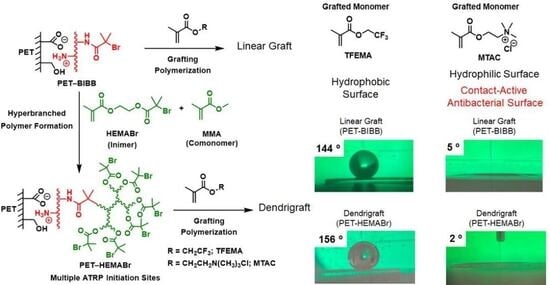
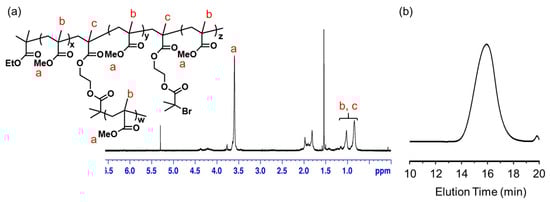
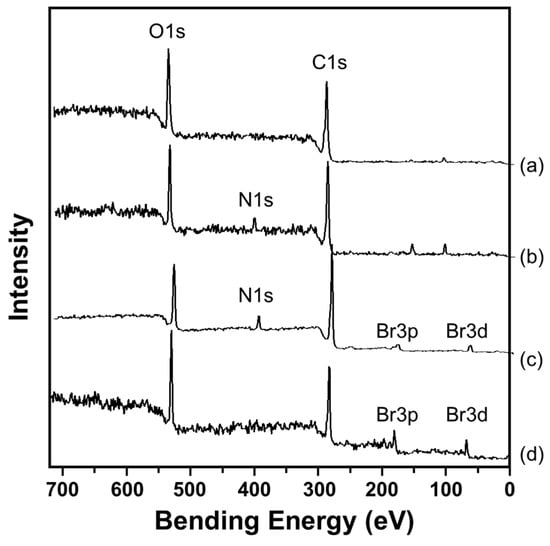
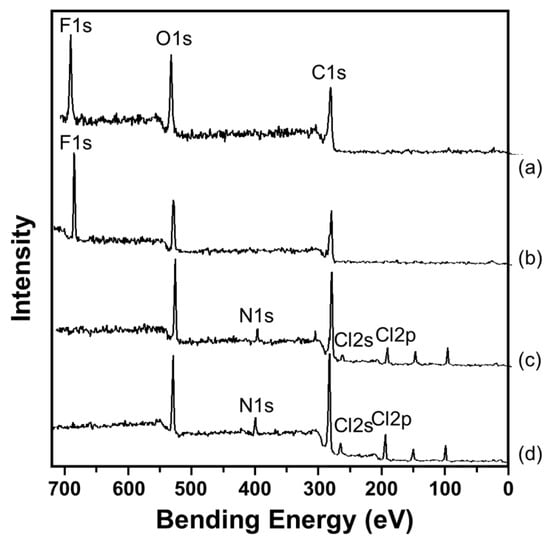
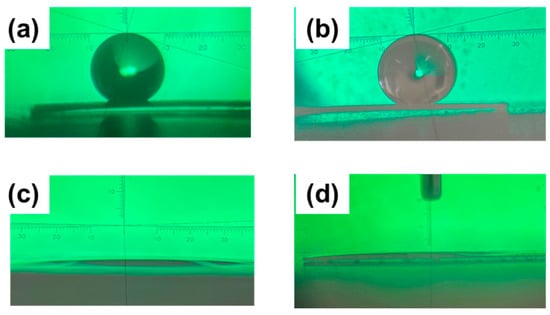
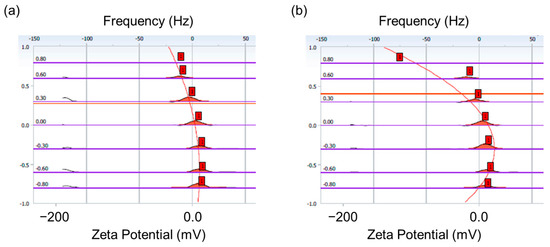
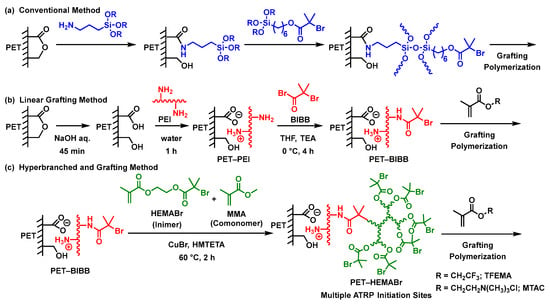
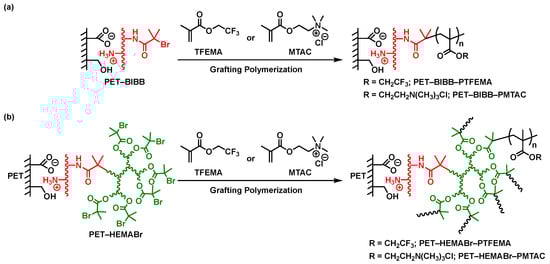
Poly(ethylene terephthalate) (PET) is a widely used commodity polymer owing to its low cost, excellent mechanical properties, and high processability. Chemical modification of PET surfaces to impart specific functionalities represents an effective strategy for transforming PET into high-value-added materials without altering its bulk properties. In this study, we investigated the surface functionalization of PET substrates using surface-initiated atom transfer radical polymerization (SI-ATRP). ATRP initiation sites were introduced onto PET surfaces through mild surface hydrolysis followed by polyethyleneimine coating. To further enhance the grafting density, an inimer-based strategy was employed, in which a bifunctional monomer containing both a polymerizable group and a latent initiation site was used to form hyperbranched polymer structures on the PET surface, thereby amplifying the number of active initiation sites. Using these modified PET substrates, SI-ATRP of functional methacrylate monomers was successfully carried out. Grafting of poly(2,2,2-trifluoroethyl methacrylate) imparted highly hydrophobic surface properties, yielding water contact angles above 120°, whereas grafting of poly([2-(methacryloyloxy)ethyl]trimethylammonium chloride) produced hydrophilic surfaces with contact angles below 20°. Surface characterization by X-ray photoelectron spectroscopy confirmed successful graft polymerization and effective surface coverage. While the macroscopic wettability was primarily governed by the chemical nature of the grafted polymers, the inimer-based initiation-site amplification significantly enhanced the surface electrostatic properties of the polycationic polymer–grafted surfaces, increasing the ζ-potential from approximately +20 mV to over +100 mV. Antibacterial tests using Escherichia coli K-12 as a model bacterium demonstrated that PET substrates grafted with poly([2-(methacryloyloxy)ethyl]trimethylammonium chloride) exhibited clear contact-active antibacterial activity, achieving up to 2-log reduction in viable bacterial counts after 3 h of contact incubation. These results highlight the importance of molecular-level control of grafting architecture and surface electrostatic properties in the design of functional antibacterial PET surfaces.
Full article
(This article belongs to the Special Issue Superhydrophobic Surfaces: Wetting Phenomena and Preparation Methods)
►▼
Show Figures

Graphical abstract
Open AccessArticle
From Hydrothermal Extraction to Catalytic Conversion: Mesoporous ZrO2-Assisted Valorization of Wheat Bran Sugars and Polysaccharides
by
Lucas E. Retamar, Federico A. Piovano, Alicia V. Boix and Soledad G. Aspromonte
Surfaces 2026, 9(1), 22; https://doi.org/10.3390/surfaces9010022 - 21 Feb 2026
Abstract
Wheat bran (WB) is an abundant agro-industrial residue rich in starch and structural polysaccharides, representing an attractive feedstock for sustainable biorefinery applications. In this work, an integrated strategy combining mild hydrothermal extraction and catalytic hydrothermal conversion was proposed to promote sugar recovery from
[...] Read more.
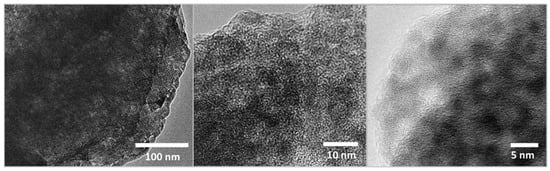
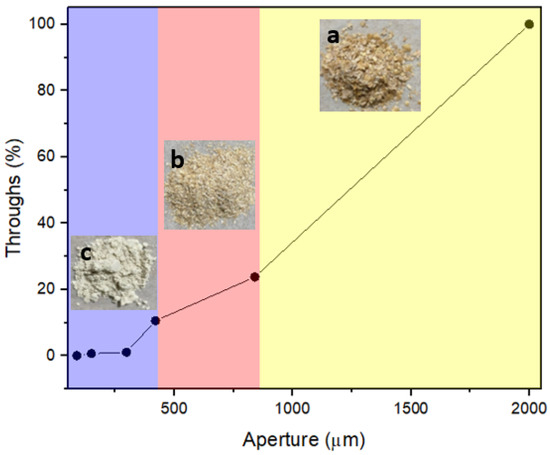
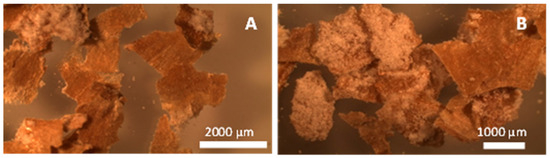
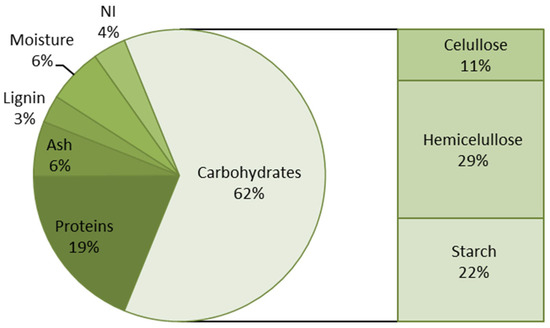
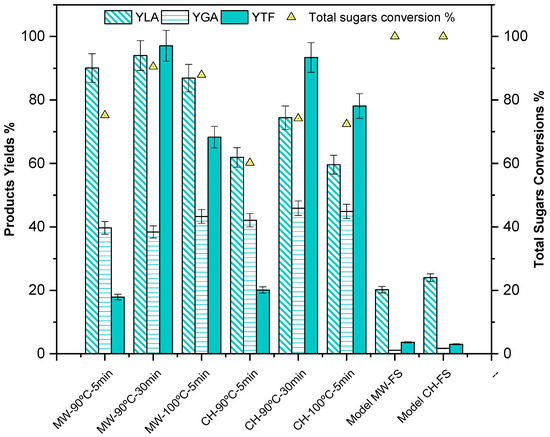
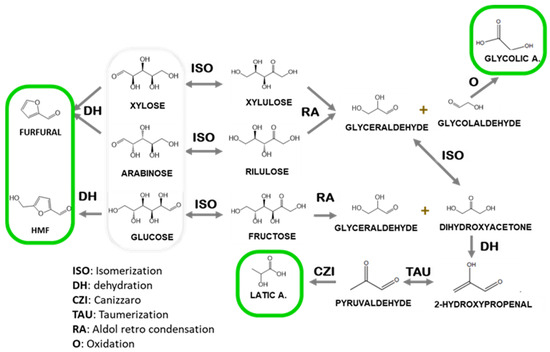
Wheat bran (WB) is an abundant agro-industrial residue rich in starch and structural polysaccharides, representing an attractive feedstock for sustainable biorefinery applications. In this work, an integrated strategy combining mild hydrothermal extraction and catalytic hydrothermal conversion was proposed to promote sugar recovery from unmilled WB and its subsequent transformation into organic acids. Conventional (HE-CH) and microwave-assisted hydrothermal extraction (HE-MW) were compared at 80–100 °C and 5–30 min. Under these soft conditions, total sugar recoveries of up to 6.45 g/100 g WB (5 min) and 8.71 g/100 g WB (30 min) were achieved, with a clear predominance of bound sugars and preferential extraction of hemicellulosic (C5) fractions, without formation of degradation products. Microwave-assisted extraction enhanced sugar recovery and selectivity by improving access to the wheat bran cell wall through volumetric heating and enhanced mass transfer. The resulting liquid extracts were subsequently converted at 180 °C and 40 bar (N2) using a mesoporous hydrated ZrO2 catalyst. In the absence of a catalyst, the system exhibited autothermal behavior but low efficiency (X < 20%). In contrast, catalytic conversion led to total sugar conversions above 75% at 90 min, with high lactic acid yields and LA/GA ratios consistently above unity, particularly for HE-MW-derived extracts. Overall, this work demonstrates that coupling microwave-assisted extraction under mild conditions with heterogeneous catalysis enables efficient access to WB cell-wall carbohydrates and their selective upgrading into value-added organic acids, offering a low-severity and sustainable route for wheat bran valorization.
Full article
(This article belongs to the Special Issue Design of Catalytic Surfaces for Waste Valorization)
►▼
Show Figures

Figure 1
Open AccessArticle
Adsorption and Stability of Monoatomic Adsorbate Adlayers on FCC and HCP Metals Using the Sphere-in-Contact Model
by
Constantinos D. Zeinalipour-Yazdi
Surfaces 2026, 9(1), 21; https://doi.org/10.3390/surfaces9010021 - 21 Feb 2026
Abstract
In this paper, we show that the sphere-in-contact model can predict long-range surface adsorption phenomena based on adsorbate-adsorbate repulsions and their geometric distance, assuming that their negative surface-induced charge is smeared on the surface of the adsorbate atoms. Additionally, it can be used
[...] Read more.
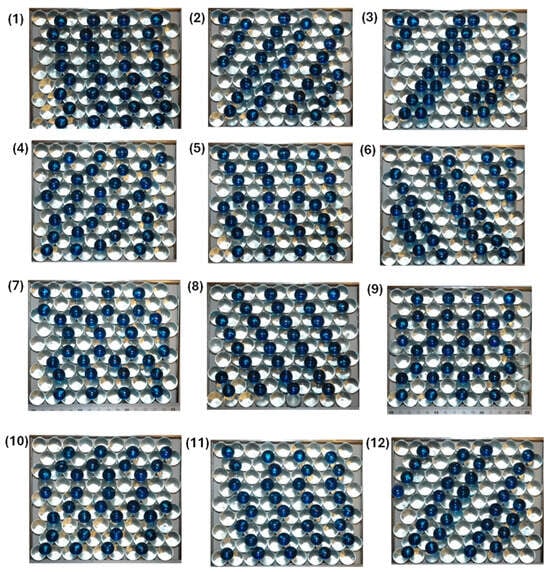
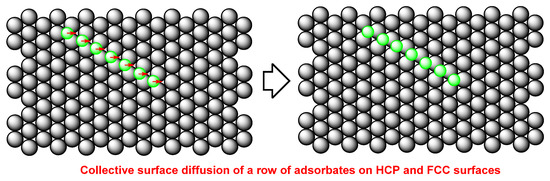
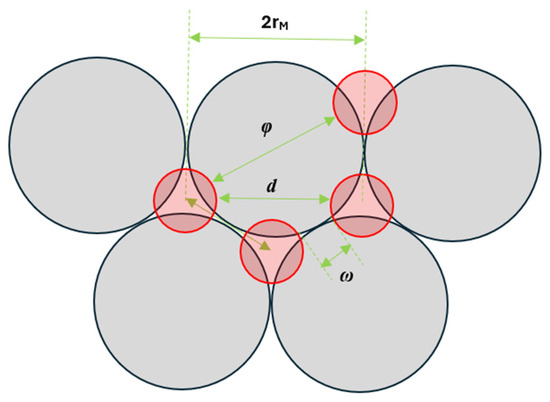
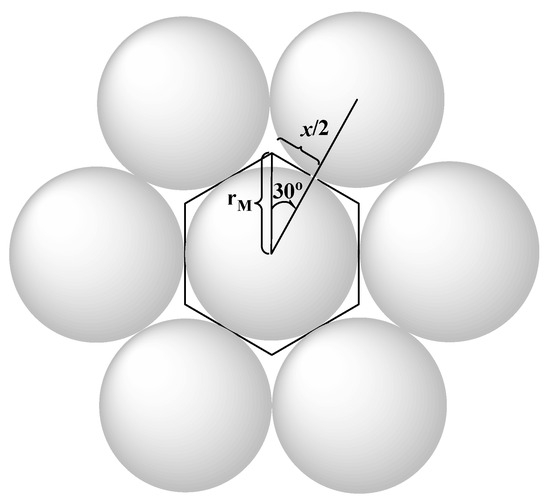
In this paper, we show that the sphere-in-contact model can predict long-range surface adsorption phenomena based on adsorbate-adsorbate repulsions and their geometric distance, assuming that their negative surface-induced charge is smeared on the surface of the adsorbate atoms. Additionally, it can be used to model collective surface diffusion mechanisms such as the domino-type surface diffusion of adsorbate rows on close-packed metal HCP and FCC surfaces. We have recently shown that the sphere-in-contact model can be used as an educational and research tool in various contexts, such as the visualization of carbon structures (e.g., graphene, carbon nanotubes, carbon nanocones, and graphite), heterogeneous catalysts, metal nanoparticles, and organic molecules. Here we present how it can be used to model the adsorbate structure of monoatomic elements on the hexagonal close-packed surface of HCP and FCC metals to study long-range ordering phenomena of monoatomic adsorbates on metals. We have used atoms of varying radius and color to represent the metal surface atoms and the adsorbate atoms. The study reveals that many surface configurations are possible for a fixed adsorbate coverage (θ) by the movement of the adsorbate atoms in response to surface adsorbate-adsorbate repulsions. The movement of the particles (e.g., particle diffusion) can be seen directly in the model, and this is caused by the user intervention. This has great educational and research value, as one can directly see how the adsorbate atoms reorder on the surface of a metal and therefore study diffusion mechanisms. We calculate the repulsive interaction energy of adsorbates using the sphere-in-contact model and can identify which surface-adsorbed configuration is the lowest energy. We find that at a surface coverage of 1/3 (0.333 ML), the most stable adsorbate configuration places adsorbates at the third nearest neighbor 3-fold hollow sites, forming a hexagonal pattern. We find that this model will be useful in the rational design of catalytic materials and material coatings with new technological applications where long-range ordering of surface adsorbates is essential and adsorbate interactions are mainly repulsive interatomic interactions.
Full article
(This article belongs to the Special Issue Surface Engineering of Thin Films)
►▼
Show Figures

Figure 1
Open AccessReview
Structural Characterisation of Disordered Porous Materials Using Gas Sorption and Complementary Techniques
by
Sean P. Rigby and Suleiman Mousa
Surfaces 2026, 9(1), 20; https://doi.org/10.3390/surfaces9010020 - 17 Feb 2026
Abstract
While advanced imaging techniques and ordered porous materials like MOFs have gained prominence, gas sorption remains the indispensable tool for characterizing the multiscale heterogeneity of industrially important disordered solids, such as catalysts and shales. This review examines recent developments in gas sorption methodologies
[...] Read more.
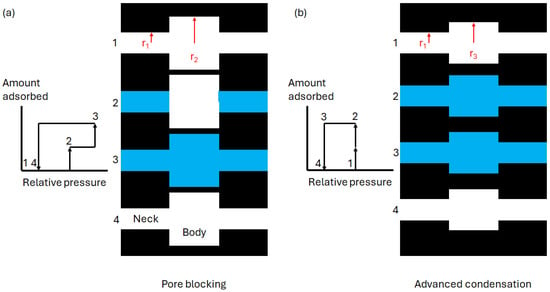
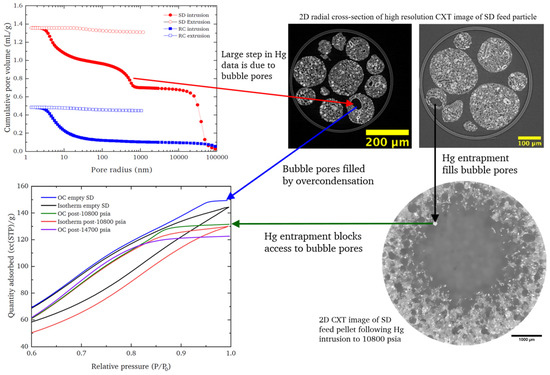
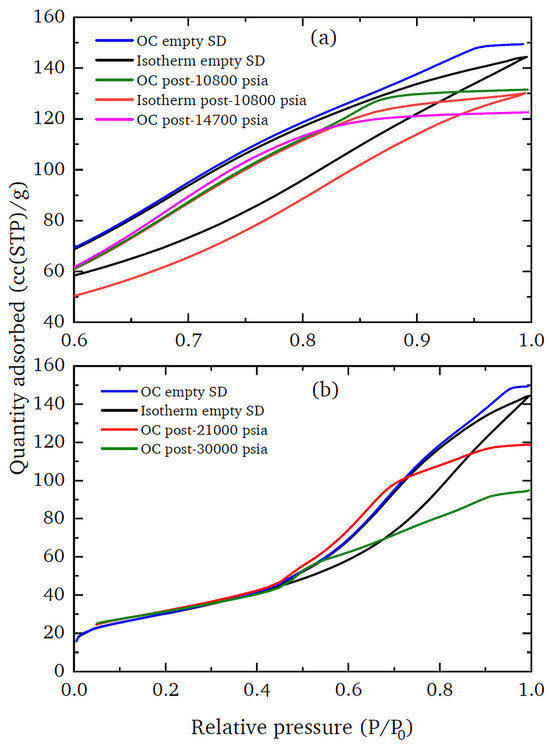
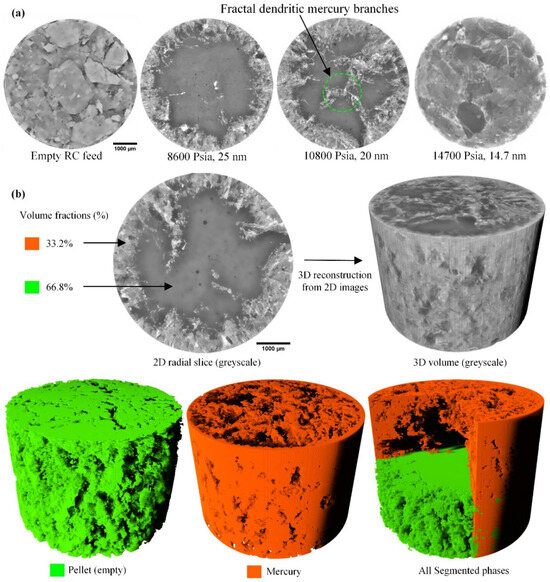
While advanced imaging techniques and ordered porous materials like MOFs have gained prominence, gas sorption remains the indispensable tool for characterizing the multiscale heterogeneity of industrially important disordered solids, such as catalysts and shales. This review examines recent developments in gas sorption methodologies specifically tailored for rigid, disordered porous media. We discuss experimental advances, including the choice of adsorbate and the utility of the overcondensation method for probing macroporosity and ensuring saturation. Furthermore, we critically evaluate theoretical approaches for determining pore size distributions (PSDs), contrasting classical methods with Density Functional Theory (DFT) and Grand Canonical Monte Carlo (GCMC) simulations. Special emphasis is placed on the impact of pore-to-pore cooperative effects, such as advanced condensation, cavitation, and pore-blocking, on the interpretation of sorption isotherms. We highlight how complementary techniques, including integrated mercury porosimetry, NMR, and computerized X-ray tomography (CXT), are essential for deconvolving these complex network effects and validating void space descriptors. We conclude that, while “brute force” molecular simulations on image-based reconstructions are progressing, “minimalist” pore network models, which incorporate cooperative mechanisms, currently offer the most empirically adequate approach. Ultimately, gas sorption remains unique in its ability to statistically characterize void spaces from Angstroms to millimeters in a single experiment.
Full article
(This article belongs to the Collection Featured Articles for Surfaces)
►▼
Show Figures

Figure 1
Open AccessArticle
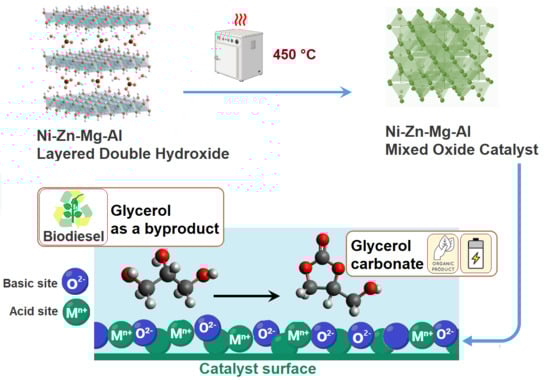
Quaternary Ni-Zn-Mg-Al Bifunctional Nanoclays as Catalytic Precursors for the Production of Glycerol Carbonate
by
Dalma S. Argüello, Sandra M. Mendoza, Enrique Rodríguez-Castellón, Nancy F. Bálsamo, Griselda A. Eimer and Mónica E. Crivello
Surfaces 2026, 9(1), 19; https://doi.org/10.3390/surfaces9010019 - 15 Feb 2026
Abstract
Quaternary Ni-Zn-Mg-Al metallic mixed oxide (MMO) catalysts were synthesized by co-precipitation from layered double hydroxide precursors. The effect of varying Zn content on physicochemical properties and catalytic performance was evaluated. Mg-Al and ternary Ni-Mg-Al and Zn-Mg-Al catalysts were synthetized for comparative purposes. XRD,
[...] Read more.
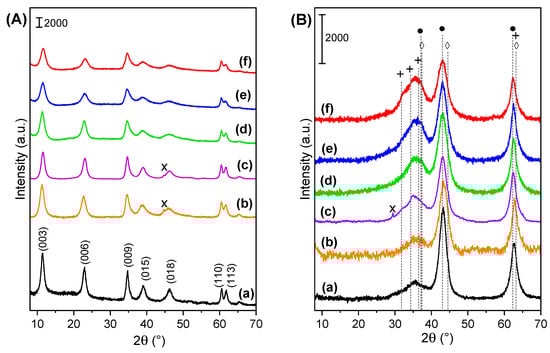
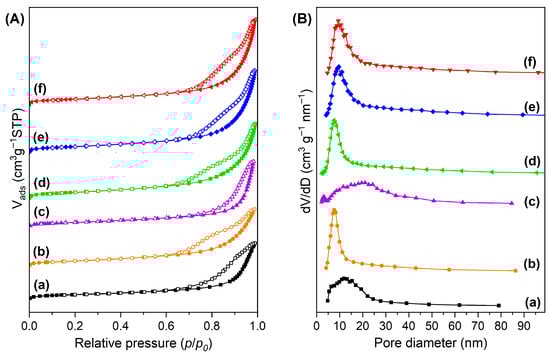
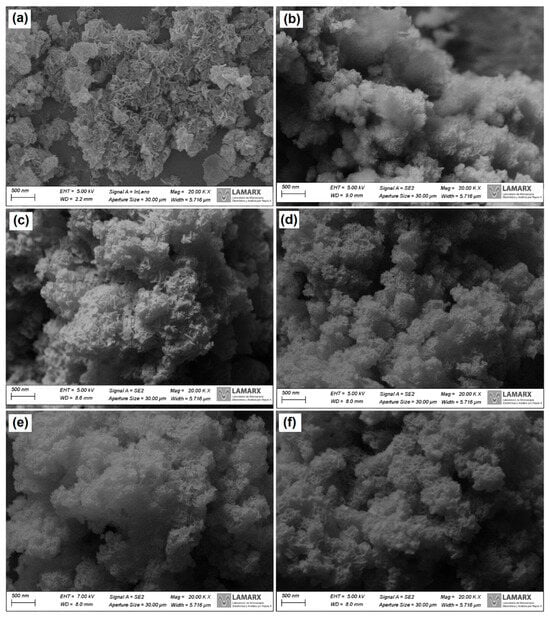
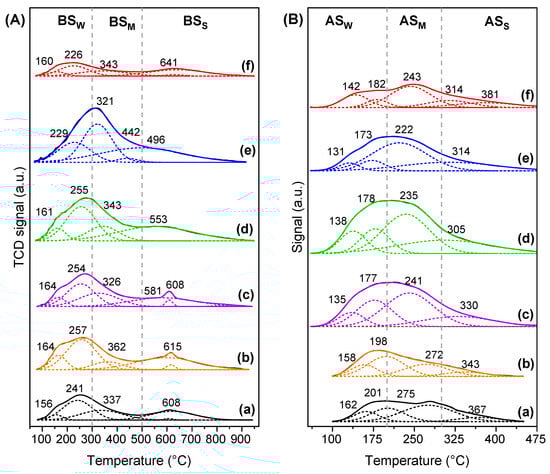
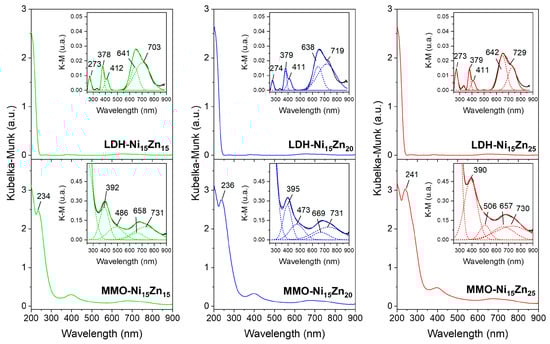
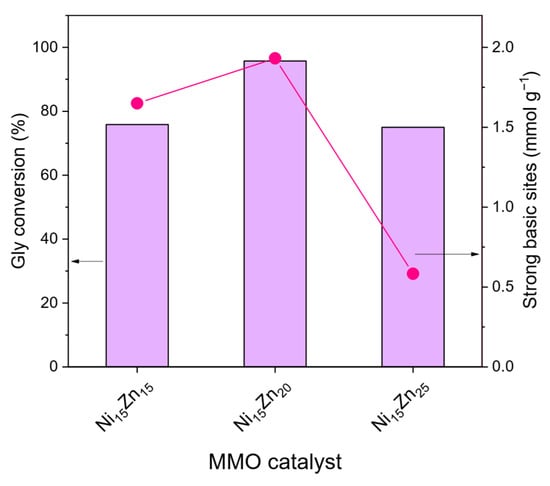
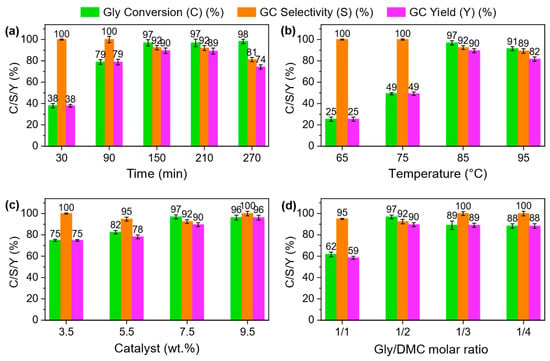
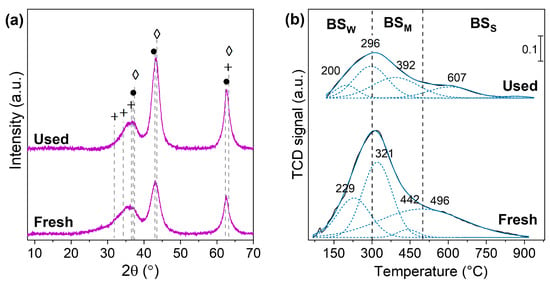
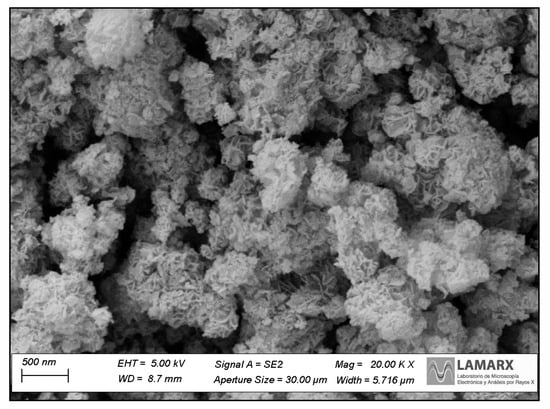
Quaternary Ni-Zn-Mg-Al metallic mixed oxide (MMO) catalysts were synthesized by co-precipitation from layered double hydroxide precursors. The effect of varying Zn content on physicochemical properties and catalytic performance was evaluated. Mg-Al and ternary Ni-Mg-Al and Zn-Mg-Al catalysts were synthetized for comparative purposes. XRD, N2 sorption, MP-AES, CO2-TPD, NH3-TPD, SEM, and EDS characterized the materials’ physicochemical properties. The tested reaction was the transesterification between glycerol and dimethyl carbonate to obtain glycerol carbonate to improve the biodiesel industry. The catalyst containing both Ni and Zn showed the highest glycerol conversion among the evaluated materials. This was related to the increased number and strength of surface basic and acid active sites. Specifically, a high density of strong basic sites and acid ones in the quaternary catalysts was required for the reaction mechanism. The catalyst with 20 at% of Zn (MMO-Ni15Zn20) achieved the highest glycerol carbonate yield (89.6%) under mild reaction conditions and was solvent-free. MMO-Ni15Zn20 catalytic performance was associated with its high total basicity and predominance of strong basic sites and a moderate amount of acid sites. The differences observed between catalytic performances suggest that these results depend on the influence of structural, textural, acid, and basic properties. Reuse tests of the MMO-Ni15Zn20 catalyst showed moderate stability, with a progressive decrease in activity due to the loss of strong basic sites and the formation of agglomerated regions. Nevertheless, MMO-Ni15Zn20 maintained a GC selectivity of 100% in the successive cycles.
Full article
(This article belongs to the Special Issue Design of Catalytic Surfaces for Waste Valorization)
►▼
Show Figures

Graphical abstract
Open AccessArticle
Adsorption of Natural Essential Oils on Phyllosilicate and Cyclodextrin Surfaces by Molecular Modeling for Predicting Drug Delivery Systems
by
Shamsa Kanwal, Alfonso Hernández-Laguna, Cesar Viseras and C. Ignacio Sainz-Díaz
Surfaces 2026, 9(1), 18; https://doi.org/10.3390/surfaces9010018 - 11 Feb 2026
Abstract
►▼
Show Figures
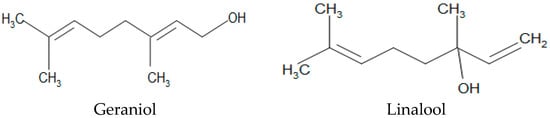
Essential oils (EO) have been used for skin treatments for centuries due to their wide range of beneficial pharmacological properties. Their adsorption in solids with confined spaces can be an excellent support for their slow delivery. Geraniol and linalool are octadienol isomers, often
[...] Read more.
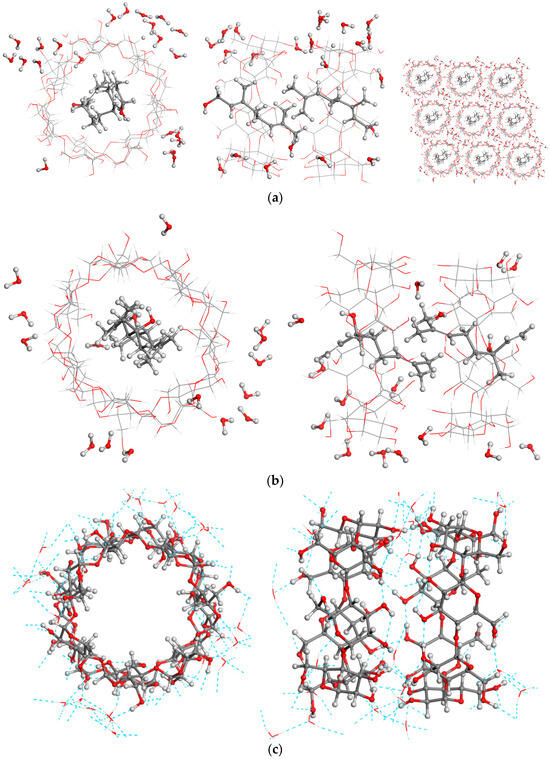
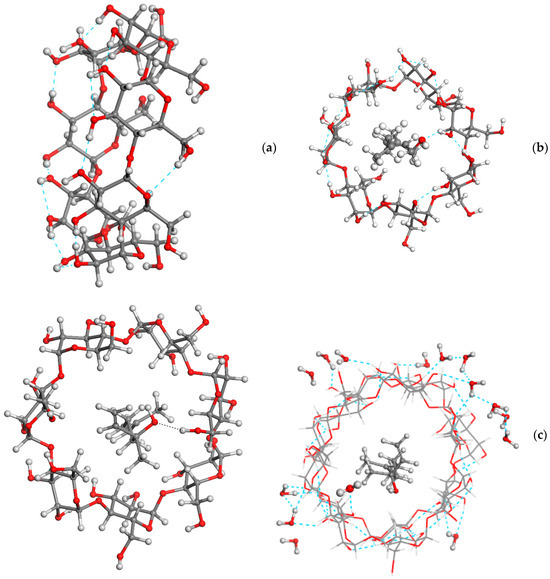
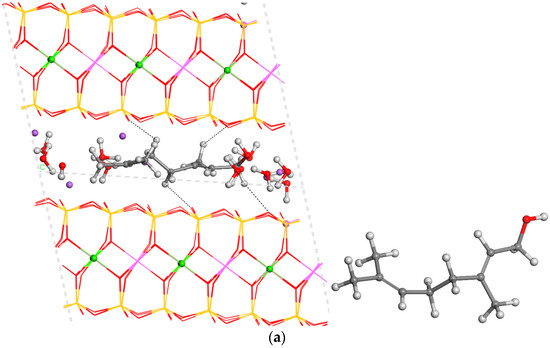
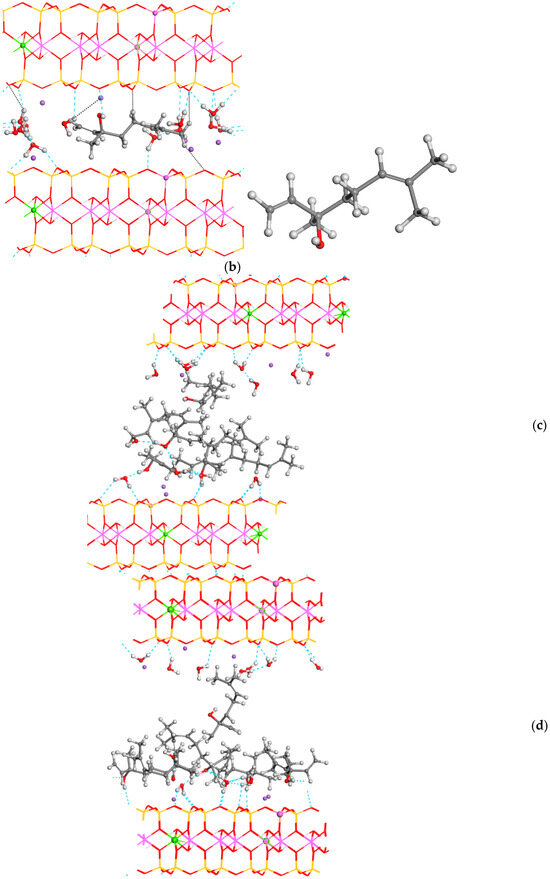
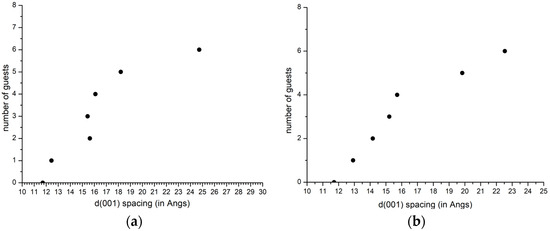
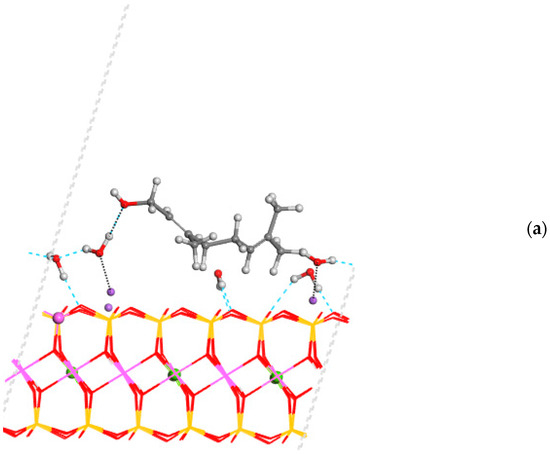
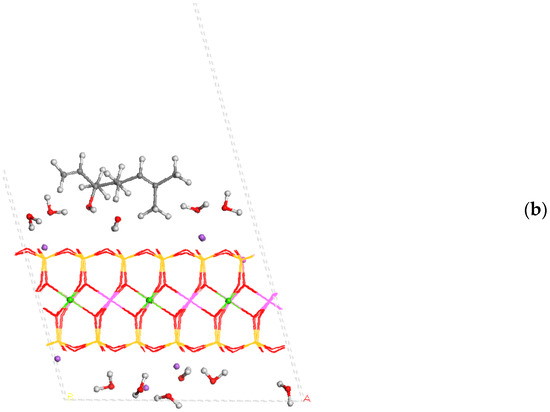
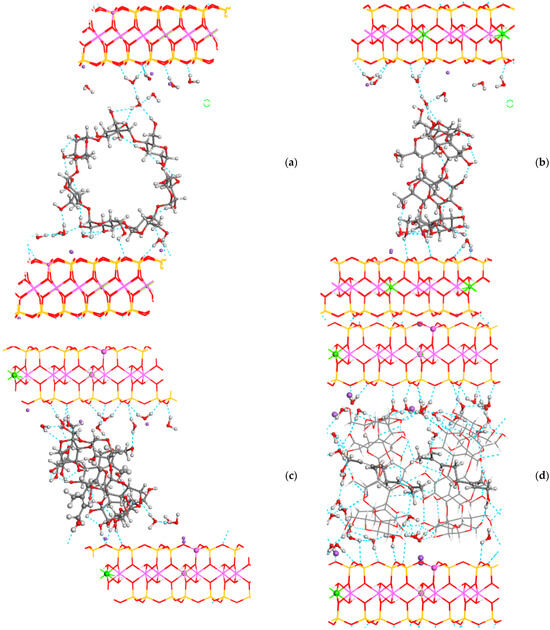
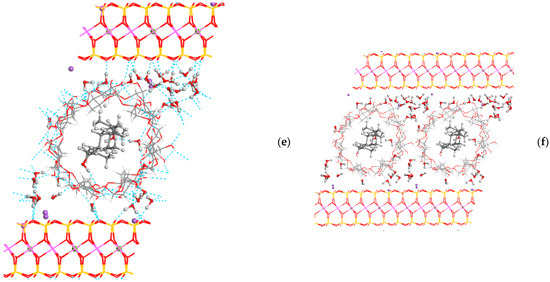
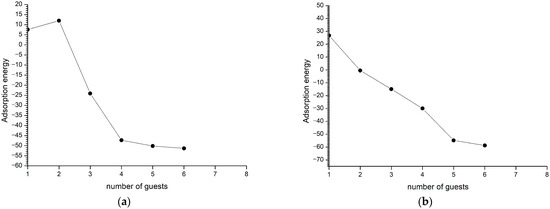
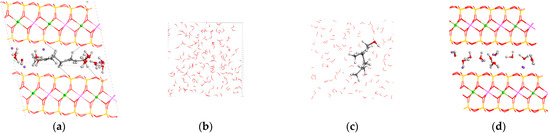
Essential oils (EO) have been used for skin treatments for centuries due to their wide range of beneficial pharmacological properties. Their adsorption in solids with confined spaces can be an excellent support for their slow delivery. Geraniol and linalool are octadienol isomers, often found in many natural EO. Both possess interesting therapeutic properties that can be optimized for protecting them from degradation using adsorption systems and controlled delivery. Cyclodextrins (CDs) and natural clay minerals are excellent materials to serve as hosts for drugs. In this work we investigate the adsorption and desorption of these essential oil components with both hosts, β-CD and montmorillonite (MNT). Molecular modeling studies were conducted using the INTERFACE force field (FF), yielding promising results, by reproducing the experimental crystal lattice cell parameters of the β-CD-geraniol and β-CD-linalool crystallized complexes within 5%, thereby validating this FF. The adsorption of these drugs onto β-CD rings is energetically more favorable than into MNT at low EO concentrations. However, the delivery of these drugs is more favorable from the clay mineral than from β-CD. At high EO concentrations, intercalation into MNT is energetically favorable. The behavior of both isomers is similar. Surprisingly the intercalation of β-CD-geraniol and β-CD-linalool into MNT is energetically favorable, predicting a complex and hybrid composite for intercalation. These natural composites can be suitable as additives in therapeutic skin treatments.
Full article

Figure 1
Open AccessArticle
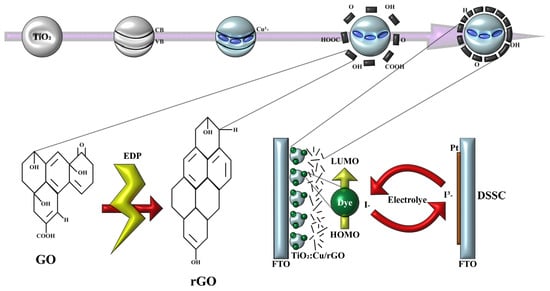
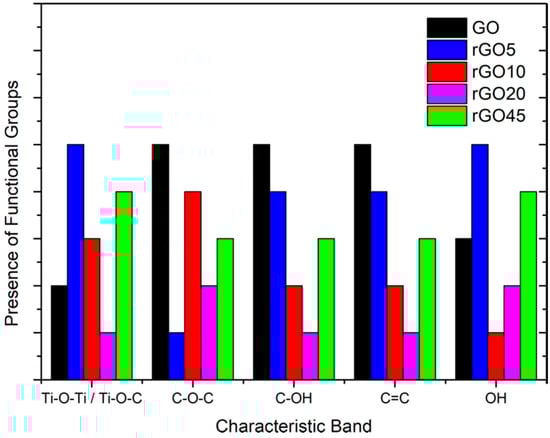
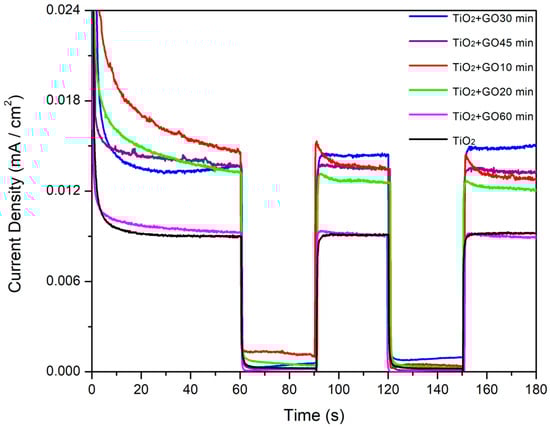
Study of the Effect of Electrochemical GO Reduction Degree as a Coating for TiO2 Modified with Copper Ions Through Electrophoresis for Dye-Sensitized Solar Cells
by
Alejandro Ocegueda-Ventura, Rene Rangel-Mendez, Luis F. Chazaro-Ruiz, Arturo Díaz-Ponce, Manuel I. Peña-Cruz and Carlos A. Pineda-Arellano
Surfaces 2026, 9(1), 17; https://doi.org/10.3390/surfaces9010017 - 11 Feb 2026
Abstract
Dye-sensitized solar cells (DSSCs) are a promising alternative to traditional silicon-based technologies due to their low production costs, ease of fabrication, and wide range of applications. Among the semiconductors used in DSSCs, TiO2 stands out for its simple, inexpensive synthesis and lower
[...] Read more.
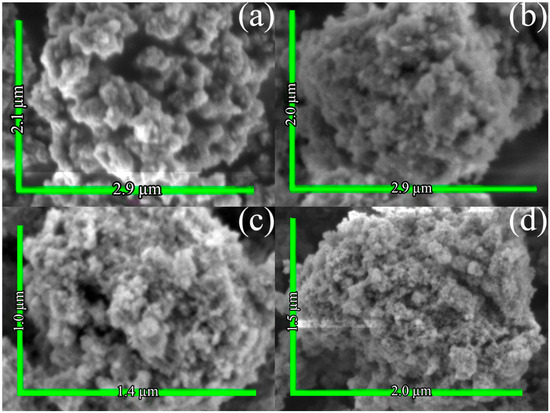
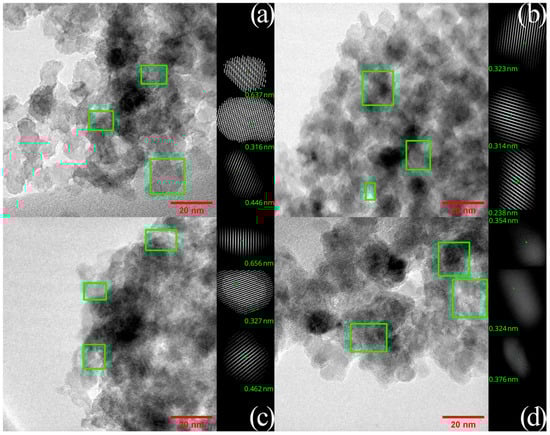
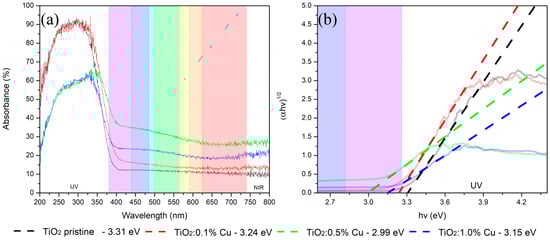
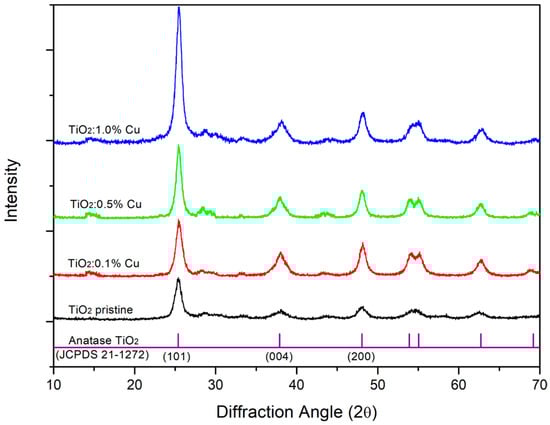
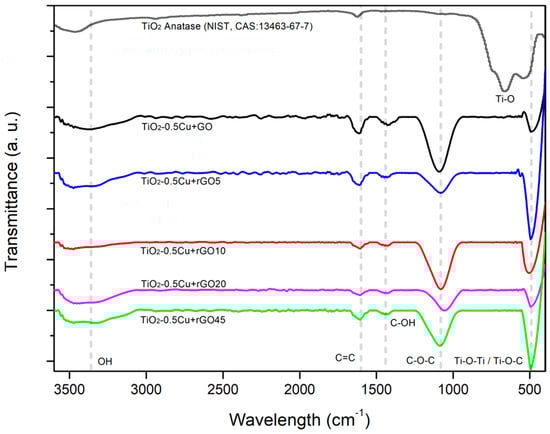
Dye-sensitized solar cells (DSSCs) are a promising alternative to traditional silicon-based technologies due to their low production costs, ease of fabrication, and wide range of applications. Among the semiconductors used in DSSCs, TiO2 stands out for its simple, inexpensive synthesis and lower environmental impact. However, TiO2 has limitations due to its wide bandgap and high charge-carrier recombination. In this study, the incorporation of rGO and its effect on the degree of GO reduction on Cu-doped TiO2 particles were evaluated to enhance light interaction, improve electronic mobility, and suppress recombination. Electrophoretic deposition was employed as an alternative method to obtain Cu-doped, rGO-decorated mesoporous TiO2 films, which were evaluated for power conversion efficiency (PCE) in DSSCs. The materials were characterized using SEM, ICP-OES, UV-Vis, XRD, BET, DLS, and TEM, while the photoanodes were analyzed using FTIR, chronoamperometry, and photovoltaic efficiency tests. The results showed clusters between 1.4 and 2.6 µm, confirming doping, a decrease in the energy gap to 2.99 eV, a stable anatase crystalline phase, and an increase in the specific surface area to 234.82 m2/g. The fabricated cells exhibited a PCE of 2.26% with a TiO2:Cu-rGO photoanode after 20 min of GO reduction, compared to 0.96% for DSSCs with a conventional configuration.
Full article
(This article belongs to the Special Issue Cutting-Edge Developments in Photocatalysis and Photovoltaics)
►▼
Show Figures

Graphical abstract
Open AccessArticle
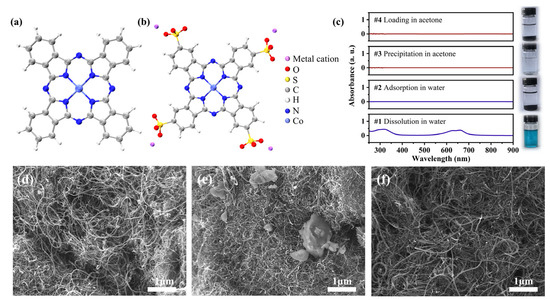
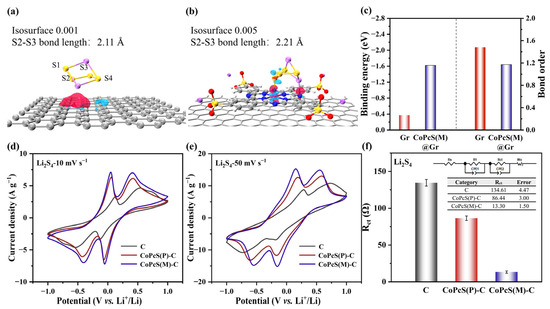
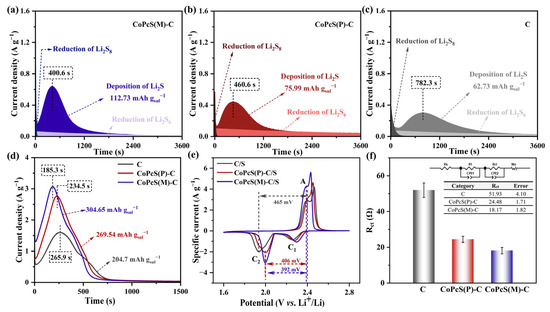
Molecular Adsorption Versus Particulate Loading: Structure–Activity Relationship of Sulfonated Cobalt Phthalocyanine in Sulfur Cathodes
by
Shiyu Xu, Zifeng Gu, Zhanghua Fu, Chuang Chen and Cheng Hu
Surfaces 2026, 9(1), 16; https://doi.org/10.3390/surfaces9010016 - 5 Feb 2026
Abstract
The dispersion state of molecular catalysts critically determines sulfur utilization efficiency and redox kinetics in lithium–sulfur cells. Cobalt phthalocyanine (CoPc) exhibits intrinsic catalytic activity in sulfur redox reactions, owing to its planar π-conjugated framework and highly active Co-N4 centers. However, its poor
[...] Read more.
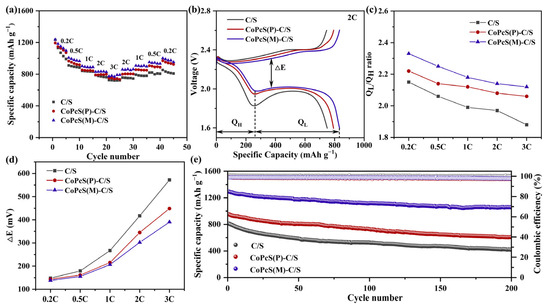
The dispersion state of molecular catalysts critically determines sulfur utilization efficiency and redox kinetics in lithium–sulfur cells. Cobalt phthalocyanine (CoPc) exhibits intrinsic catalytic activity in sulfur redox reactions, owing to its planar π-conjugated framework and highly active Co-N4 centers. However, its poor solubility in solvents confines active sites to particle surfaces, thereby restricting catalytic utilization. The high flexibility of phthalocyanines allows for the introduction of substituents to modulate solubility. This study aims to utilize the differing solubility of sulfonated cobalt phthalocyanine (CoPcS) in various solvents to achieve distinct loading morphologies on carbon host, investigating the structure–activity relationship induced by catalyst dispersion. In the molecular adsorption configuration, the Co-N4 active sites exhibit enhanced accessibility to Li2S4, where the sulfur atoms engage in stronger electron-transfer interactions with the Co centers. This strengthened orbital coupling weakens the bridging S-S bond and facilitates the liquid–solid conversion. Compared to particle-loaded cathodes, molecularly adsorbed cathodes exhibit a charge transfer impedance approximately 84.6% lower and a high reversible capacity of nearly 800 mAh g−1 at a 3C rate. Particularly at a 0.5C rate, they achieve a high initial specific capacity of nearly 1300 mAh g−1 and maintain over 80% capacity retention after 200 cycles. This study demonstrates that molecular-level dispersion, with effective exposure of active sites, is essential for activating the catalytic potential of molecular catalysts and offers a general molecular-engineering strategy for high-performance lithium–sulfur batteries.
Full article
(This article belongs to the Special Issue Advances in Solid–Liquid Interface Science: From Fundamentals to Applications)
►▼
Show Figures

Figure 1

Open AccessArticle
Thermophoresis and Photophoresis of Suspensions of Aerosol Particles with Thermal Stress Slip
by
Yi Chen and Huan J. Keh
Surfaces 2026, 9(1), 15; https://doi.org/10.3390/surfaces9010015 - 31 Jan 2026
Abstract
►▼
Show Figures
An analysis is presented for the steady thermophoresis and photophoresis of a homogeneous dispersion of identical aerosol spheres of typical physical properties and surface characteristics. The analysis assumes a moderately small Knudsen number (less than about 0.1), such that the gas motion lies
[...] Read more.
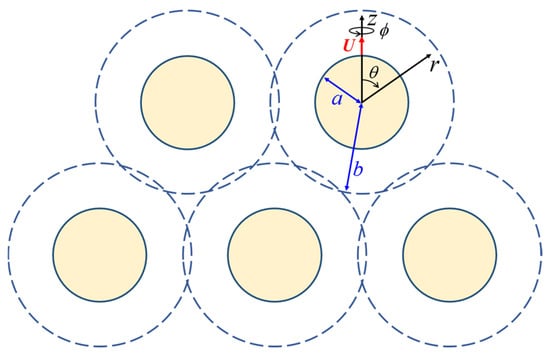
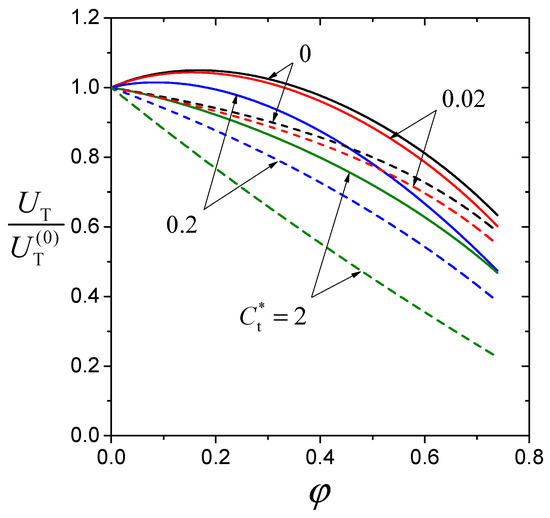
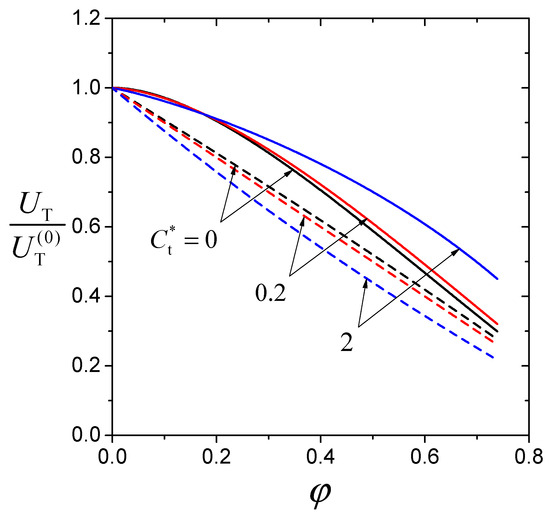
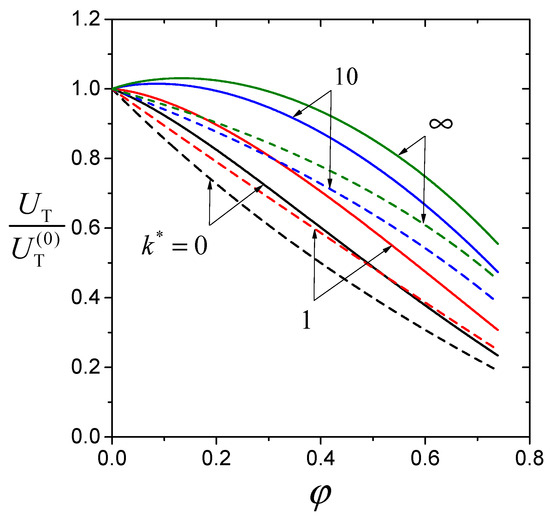
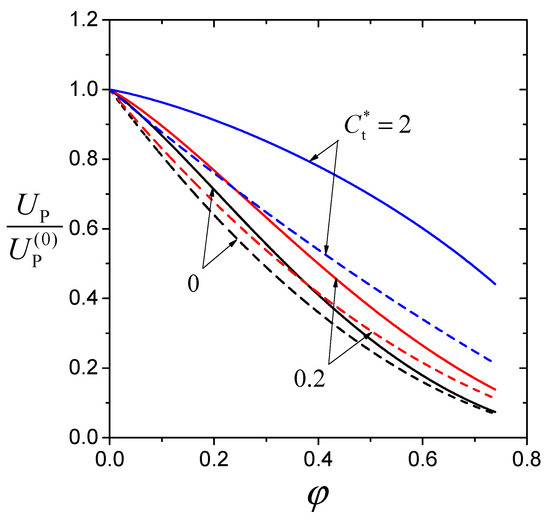
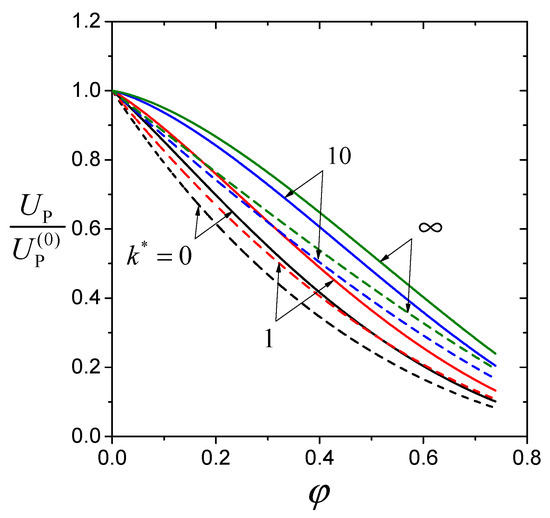
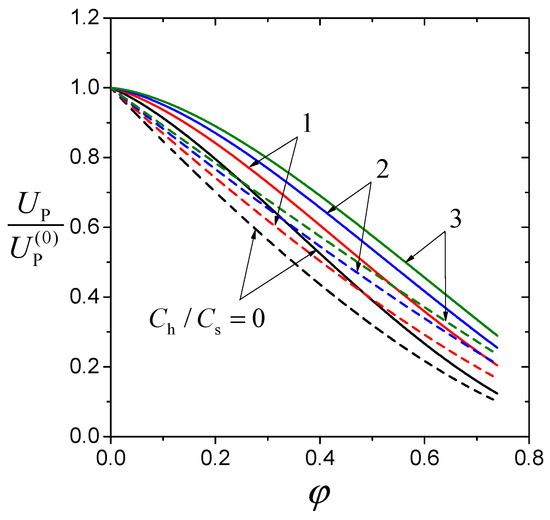
An analysis is presented for the steady thermophoresis and photophoresis of a homogeneous dispersion of identical aerosol spheres of typical physical properties and surface characteristics. The analysis assumes a moderately small Knudsen number (less than about 0.1), such that the gas motion lies within the slip-flow regime, including thermal creep, temperature jump, thermal stress slip, and frictional slip at the particle surfaces. Under conditions of low Peclet and Reynolds numbers, the coupled momentum and energy equations are analytically solved using a unit cell approach that explicitly incorporates interparticle interactions. Closed-form expressions are derived for the mean particle migration velocities in both thermophoresis driven by a uniform temperature gradient and photophoresis induced by an incident radiation field. The results reveal that the normalized particle velocities, referenced to those of an isolated particle, generally decrease with increasing particle volume fraction, though exceptions occur for thermophoresis. While thermal stress slip and thermal creep exert no influence on the normalized thermophoretic velocity, they markedly affect the normalized photophoretic velocity, which rises with the thermal stress slip to the thermal creep coefficient ratio. For both phenomena, the normalized migration velocities increase monotonically with the particle-to-fluid thermal conductivity ratio.
Full article

Figure 1
Open AccessArticle
When a Surface Becomes a Network: SEM Reveals Hidden Scaling Laws and a Percolation-like Transition in Thin Films
by
Helena Cristina Vasconcelos, Telmo Eleutério, Maria Meirelles and Reşit Özmenteş
Surfaces 2026, 9(1), 14; https://doi.org/10.3390/surfaces9010014 - 30 Jan 2026
Abstract
The morphology of solid surfaces encodes fundamental information about the physical mechanisms that govern their formation. Here, we reinterpret scanning electron microscopy (SEM) micrographs of oxide thin films as two-dimensional self-affine morphology fields (not height-metrology) and analyze them using a multiscale statistical-physics framework
[...] Read more.
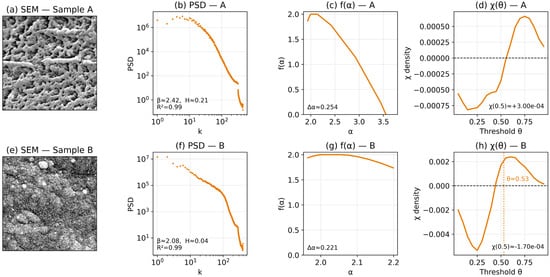
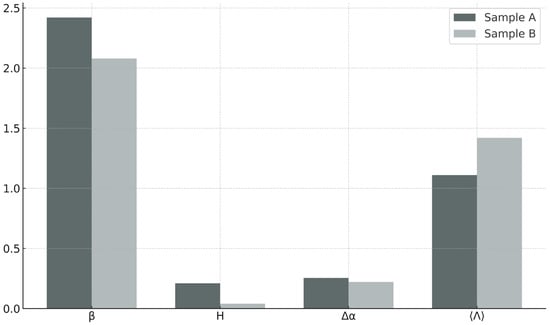
The morphology of solid surfaces encodes fundamental information about the physical mechanisms that govern their formation. Here, we reinterpret scanning electron microscopy (SEM) micrographs of oxide thin films as two-dimensional self-affine morphology fields (not height-metrology) and analyze them using a multiscale statistical-physics framework that integrates spectral, multifractal, geometric, and topological descriptors. Fourier-based power spectral density (PSD) provides the spectral slope and apparent Hurst exponent , while multifractal scaling yields the information dimensions , the singularity spectrum , and its width , which quantify scale hierarchy and intermittency. Lacunarity captures intermediate-scale heterogeneity, and Minkowski functionals—especially the Euler characteristic —probe connectivity and identify the onset of a percolation-like network structure. Two representative surfaces with contrasting morphologies are used as model systems: one exhibiting an anisotropic, porous, strongly multifractal structure with fragmented domains; the other showing a compact, nearly isotropic, and nearly monofractal organization. The porous surface/topography displays steep PSD decay, broad multifractal spectra, and positive , consistent with a sub-percolated, diffusion-limited, Edwards–Wilkinson-like (EW-like) growth regime. Conversely, the compact surface/topography exhibits gentler spectral slopes, narrower , enhanced lacunarity at intermediate scales, and a zero-crossing indicative of a connectivity transition where a surface becomes a percolating network, consistent with a Kardar–Parisi–Zhang-like (KPZ-like) correlated growth regime. These results demonstrate that individual SEM micrographs encode quantitative fingerprints of nonequilibrium universality classes and topology-driven transitions from fragmented surfaces to connected networks, showing that SEM intensity maps can serve as a quantitative probe for testing theories of rough surfaces and kinetic growth in experimental thin-film systems.
Full article
(This article belongs to the Special Issue Surface Engineering of Thin Films)
►▼
Show Figures

Figure 1
Open AccessArticle
Immobilization of Hydroxyapatite on the Surface of Porous Piezoelectric Fluoropolymer Implants for the Improved Stem Cell Adhesion and Osteogenic Differentiation
by
Alexander Vorobyev, Igor Akimchenko, Anton Mukhamedshin, Mikhail Konoplyannikov, Yuri Efremov, Peter Timashev, Andrey Zvyagin, Evgeny Bolbasov and Semen Goreninskii
Surfaces 2026, 9(1), 13; https://doi.org/10.3390/surfaces9010013 - 25 Jan 2026
Abstract
►▼
Show Figures
Owing to their high strength characteristics, chemical stability, and piezoelectric activity, vinylidene fluoride (VDF) copolymers have become promising materials for creating implants to replace bone tissue defects. However, a significant drawback of these materials is the biological inertness of their surface, which leads
[...] Read more.
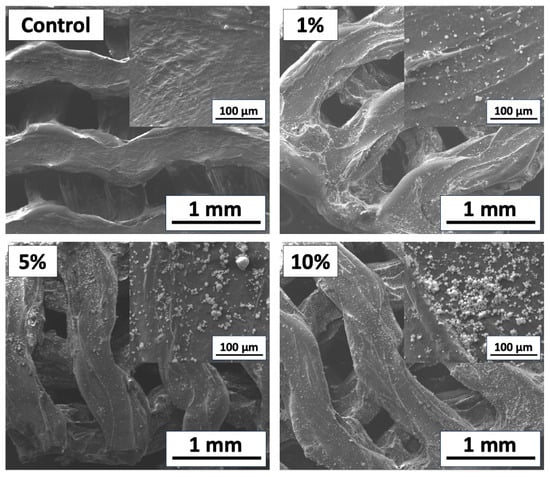
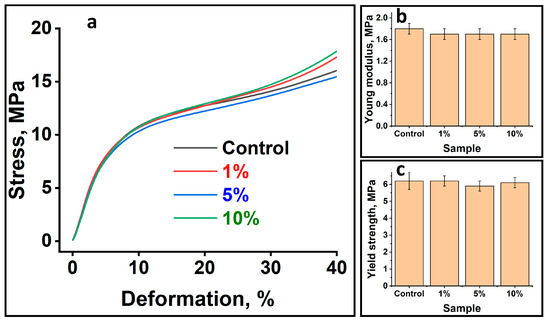
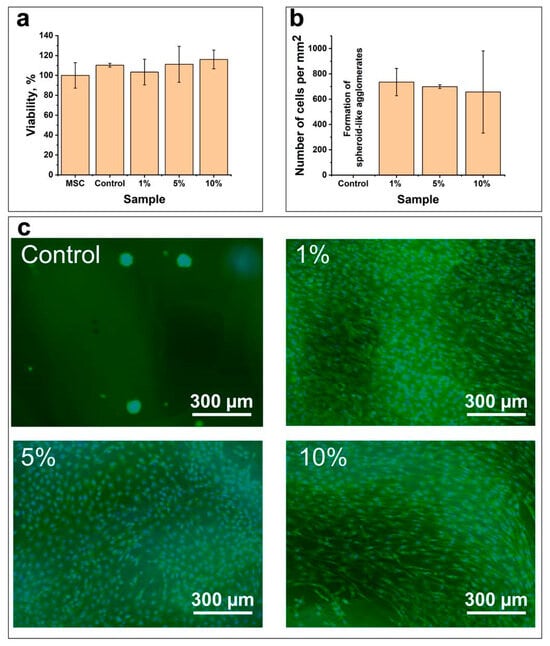
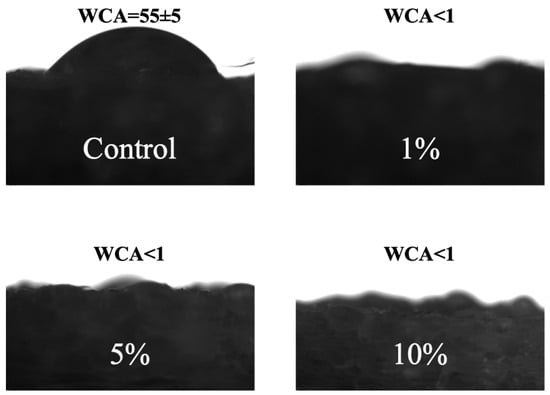
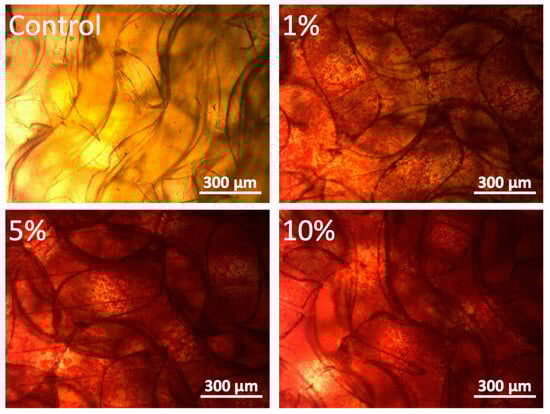
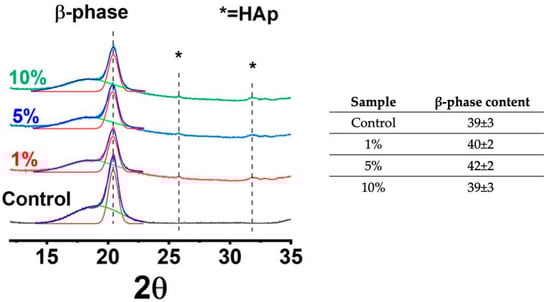
Owing to their high strength characteristics, chemical stability, and piezoelectric activity, vinylidene fluoride (VDF) copolymers have become promising materials for creating implants to replace bone tissue defects. However, a significant drawback of these materials is the biological inertness of their surface, which leads to unsatisfactory integration with the patient’s bone tissue. In this study, we propose a single-step approach for immobilizing hydroxyapatite (HAp) on the surface of porous implants made of vinylidene fluoride and tetrafluoroethylene copolymer (P(VDF-TeFE)). This method consists of treating the surface of the product with a mixture of solvents while simultaneously capturing HAp microparticles. Using scanning electron microscopy (SEM) and energy-dispersive spectroscopy (EDS), it was shown that the proposed method preserves the morphology of model implants (pore diameter and printed line thickness) and allows HAp to cover up to 63 ± 14% of their surface, reaching concentrations of calcium and phosphorus up to 6.0 ± 1.3 and 3.6 ± 0.7 at. %, respectively, imparting superhydrophilic properties to them. Optical profilometry revealed that the surface roughness of samples increased by more than seven times as a result of HAp immobilization. X-ray diffraction analysis (XRD) confirmed that the piezoelectric phase of P(VDF-TeFE) is preserved after treatment, as are the compressive strength characteristics of the samples. Hydroxyapatite immobilization significantly improved the adhesion and osteogenic differentiation of multipotent stem cells cultured with P(VDF-TeFE)-based samples. Thus, the proposed method can significantly enhance the biological activity of implants based on the piezoelectric VDF copolymer.
Full article

Figure 1
Open AccessArticle
Biosynthesis, Characterisation, and Antimicrobial Activities of Nickel-Doped Silver Nanoparticles Using Caralluma umbellata Plant Root Extract
by
Gundeti Bhagyalaxmi, Kothamasu Suresh Babu, Kannan Ramamurthy, Raju Vidap and Srinivas Ravella
Surfaces 2026, 9(1), 12; https://doi.org/10.3390/surfaces9010012 - 23 Jan 2026
Abstract
►▼
Show Figures
Greenly synthesised Ni-doped Ag nanoparticles utilising Caralluma umbellata root extracts, and an investigation into their optical properties, biological properties, and characterisation, is the focus of the study. Characterisation was performed using FTIR analysis, UV-Vis, X-ray diffraction, and field emission scanning electron microscopy. The
[...] Read more.
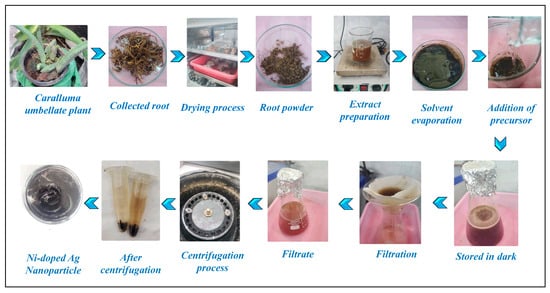
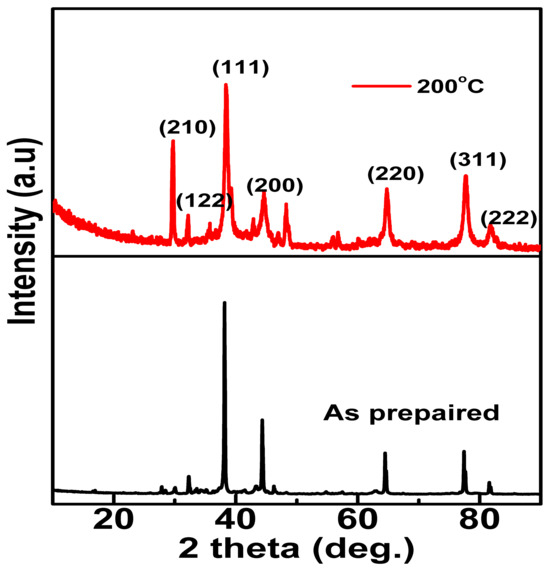
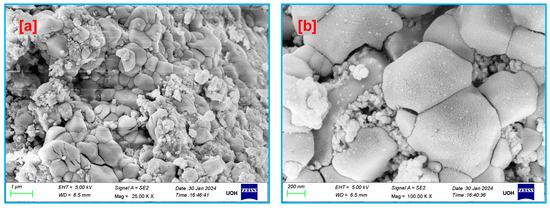
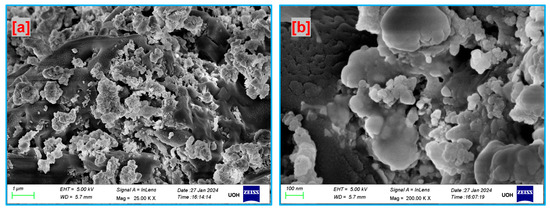
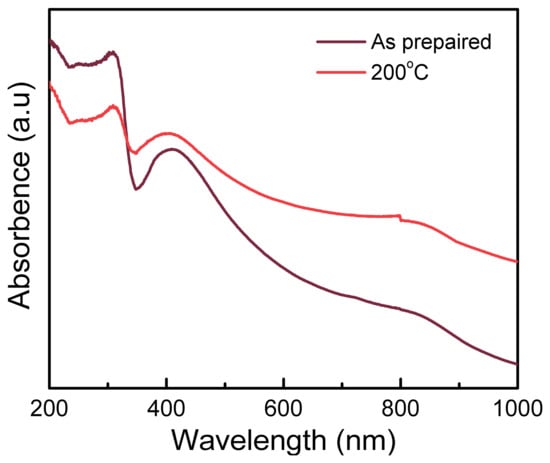
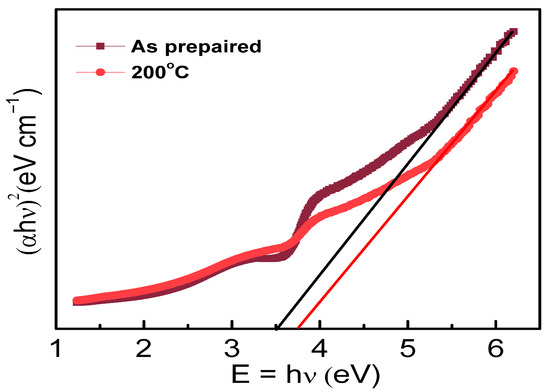
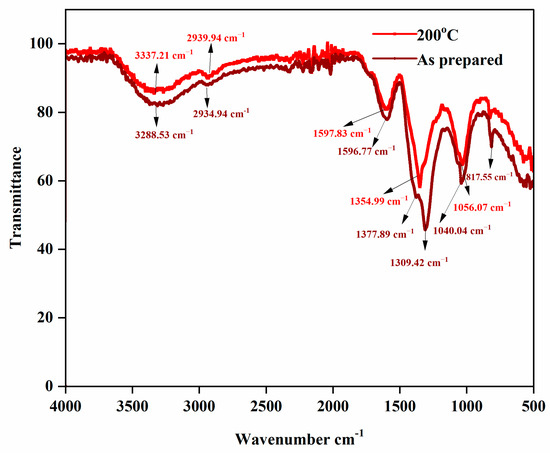
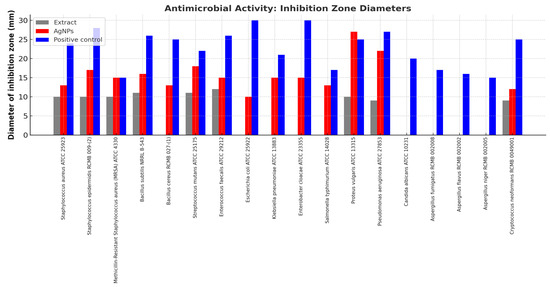
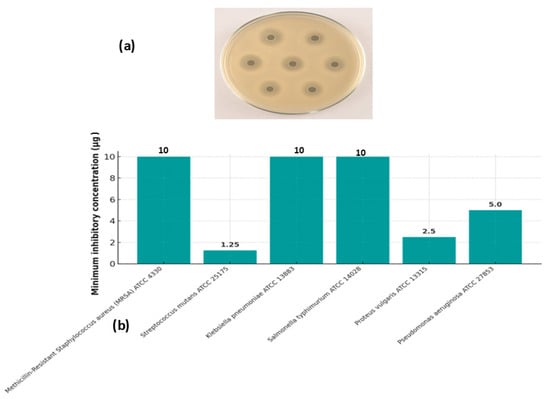
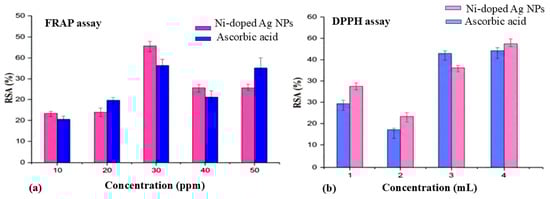
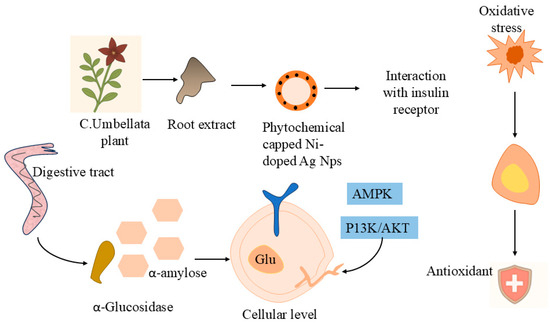
Greenly synthesised Ni-doped Ag nanoparticles utilising Caralluma umbellata root extracts, and an investigation into their optical properties, biological properties, and characterisation, is the focus of the study. Characterisation was performed using FTIR analysis, UV-Vis, X-ray diffraction, and field emission scanning electron microscopy. The synthesis of Ni-doped Ag nanoparticles was confirmed through UV-Vis spectroscopy, revealing a peak at 396 nm and a band gap energy of 3.24 eV. XRD analysis revealed a face-centred cubic structure with a crystallite size of 55.22 nm (as-prepared) and 18.56 nm (annealed at 200 °C). Reduction and capping were demonstrated by FTIR, as evidenced by the presence of phytochemicals. The Ag NPs demonstrated potent antibacterial activity against both Gram-positive and Gram-negative bacteria, with a minimal inhibitory concentration of 1.25 μg/mL observed against Streptococcus mutans. Their vigorous anti-oxidant activity, as well as in vitro anti-diabetic potential through alpha-amylase and alpha-glucosidase inhibition, also proves suitable for biomedical applications.
Full article

Figure 1
Open AccessArticle
On the Effective Medium Theory for Silica Nanoparticles with Size Dispersion
by
Feng Liu, Yao Xu and Xiaowei Li
Surfaces 2026, 9(1), 11; https://doi.org/10.3390/surfaces9010011 - 17 Jan 2026
Abstract
Silica nanoparticles (SNPs) are pivotal in designing functional optical films, but accurately modeling their properties is hindered by the limitations of classical effective medium theories, which break down for larger particles and complex morphologies. We introduce a robust, effective medium theory that overcomes
[...] Read more.
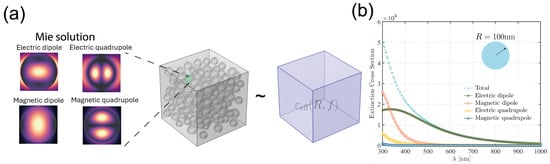
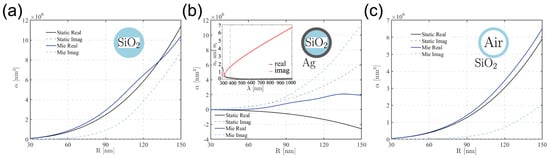
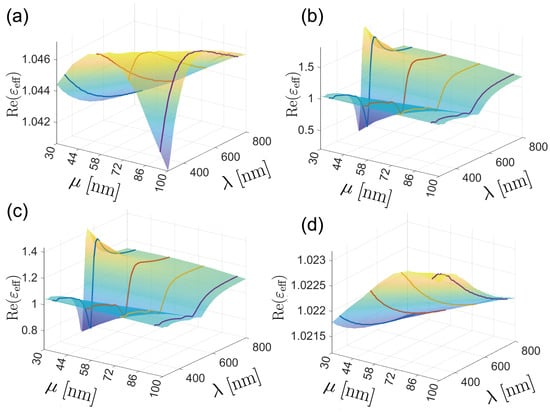
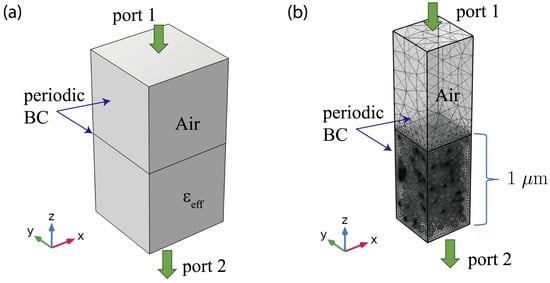
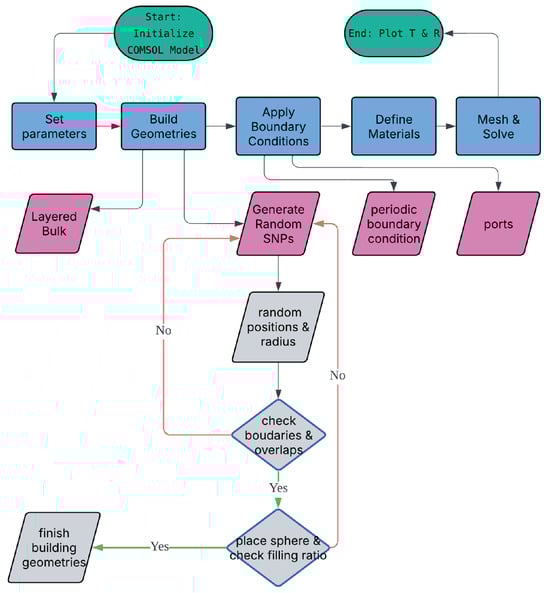
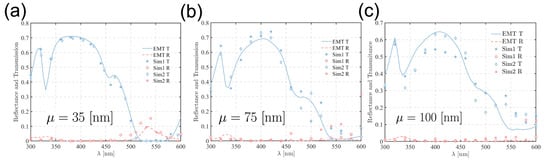
Silica nanoparticles (SNPs) are pivotal in designing functional optical films, but accurately modeling their properties is hindered by the limitations of classical effective medium theories, which break down for larger particles and complex morphologies. We introduce a robust, effective medium theory that overcomes these limitations by incorporating full Mie scattering solutions, thereby accounting for size-dependent and multipolar effects. Our model is comprehensively developed for unshelled, shelled, mixed, and hollow SNPs randomly dispersed in a host medium. Its accuracy is rigorously benchmarked against 3D finite-element method simulations. This work establishes a practical and reliable framework for predicting the optical response of SNP composites, significantly facilitating the rational design of high-performance coatings, such as anti-glare layers, with minimal computational cost.
Full article
(This article belongs to the Special Issue Surface Engineering of Thin Films)
►▼
Show Figures

Figure 1
Open AccessArticle
Potentials of Magnetron Sputtering for Battery Applications—A Case Study for Thin Lithium Metal Anodes
by
Nikolas Dilger, Matteo Kaminski, Julian Brokmann, Jutta Janssen, Thomas Neubert and Sabrina Zellmer
Surfaces 2026, 9(1), 10; https://doi.org/10.3390/surfaces9010010 - 15 Jan 2026
Abstract
Due to its very high theoretical specific capacity, lithium is still considered a promising anode material for innovative next-generation battery cells. The aim is to produce thin lithium metal anodes (LMAs) that are sufficient for the battery cell due to the lithium already
[...] Read more.
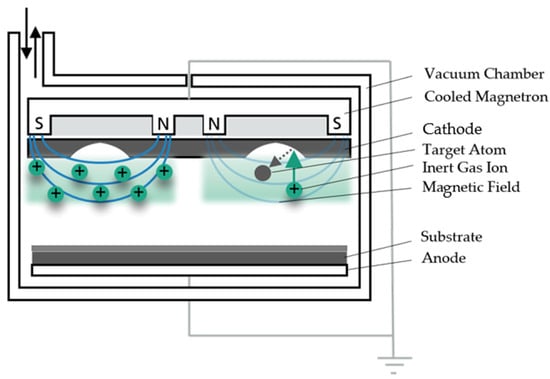
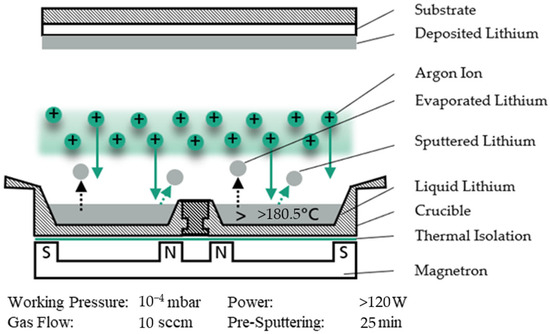
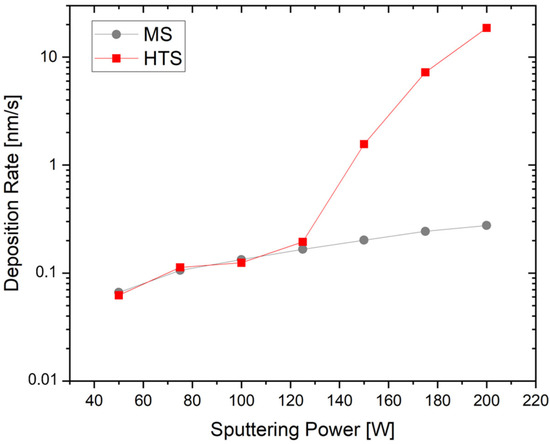
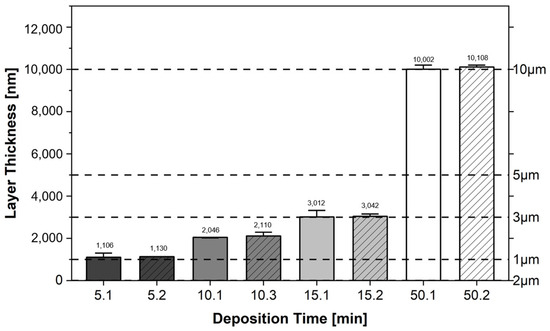
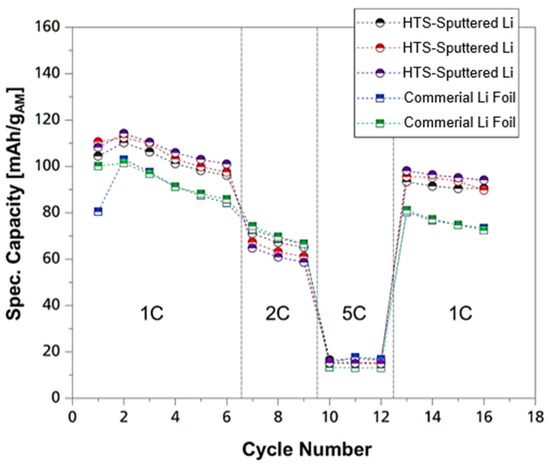
Due to its very high theoretical specific capacity, lithium is still considered a promising anode material for innovative next-generation battery cells. The aim is to produce thin lithium metal anodes (LMAs) that are sufficient for the battery cell due to the lithium already present in the cathode and thus additionally increase the energy density of the cell. The production of thin lithium layers (<10 µm) is challenging with most processes, and very costly with decreasing thickness. In this study, the use of magnetron sputtering to deposit thin layers of lithium for the production of LMAs is tested. An innovative process—the deposition of lithium from a liquid phase via Hot Target Sputtering—will be presented that has the potential to overcome the previous limitations in the deposition rate, and enables the potential for industrial application. The process was successfully tested in terms of general process control, stability and reproducibility and used to produce lithium metal anodes. These were then successfully integrated in All-Solid-State-Battery (ASSB) cells and compared with a lithium reference foil in a C-rate test with regard to their electrochemical performance reaching ≈ 110 mAh g−1 at a 1C discharge rate.
Full article
(This article belongs to the Special Issue Surface Science in Electrochemical Energy Storage)
►▼
Show Figures

Figure 1

Open AccessArticle
Surfactant-Modified Acidic Magadiites as Adsorbents for Enhanced Removal of Eosin Y Dyes: Influence of Operational Parameters
by
Rawan Al-Faze, Thamer S. Alraddadi, Mohd Gulfam Alam, Saheed A. Popoola, Souad Rakass, Hicham Oudghiri Hassani and Fethi Kooli
Surfaces 2026, 9(1), 9; https://doi.org/10.3390/surfaces9010009 - 9 Jan 2026
Abstract
►▼
Show Figures
Organophilic acidic magadiites were prepared after an acidic magadiite (A-Mgd) reaction with cetyltrimethylammonium solutions containing different anions, such as cetyltrimethylammonium bromide (C16TMABr), cetyltrimethylammonium chloride (C16TMACl), and cetyltrimethylammonium hydroxide (C16TMAOH). The resulting materials were studied as adsorbents for Eosin Y removal from artificially contaminated
[...] Read more.
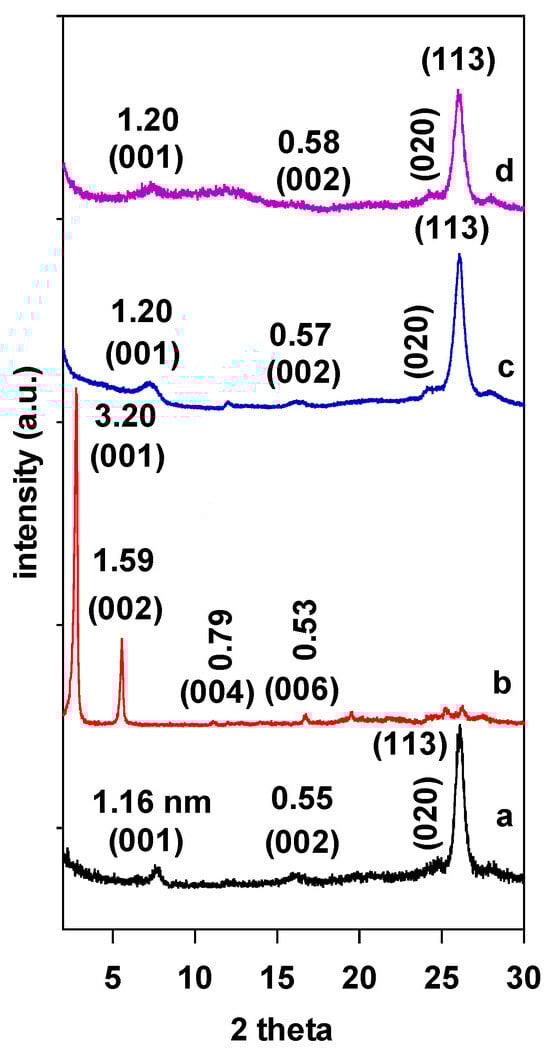
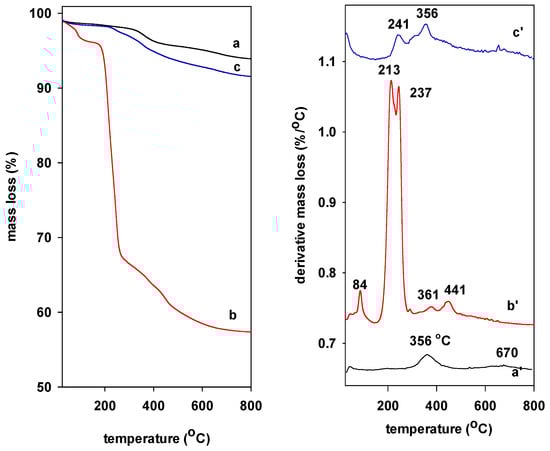
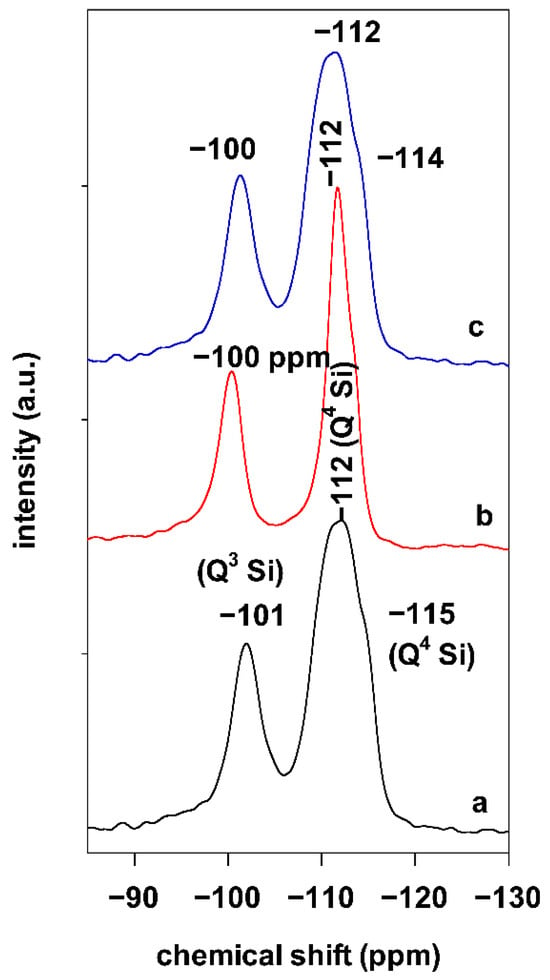
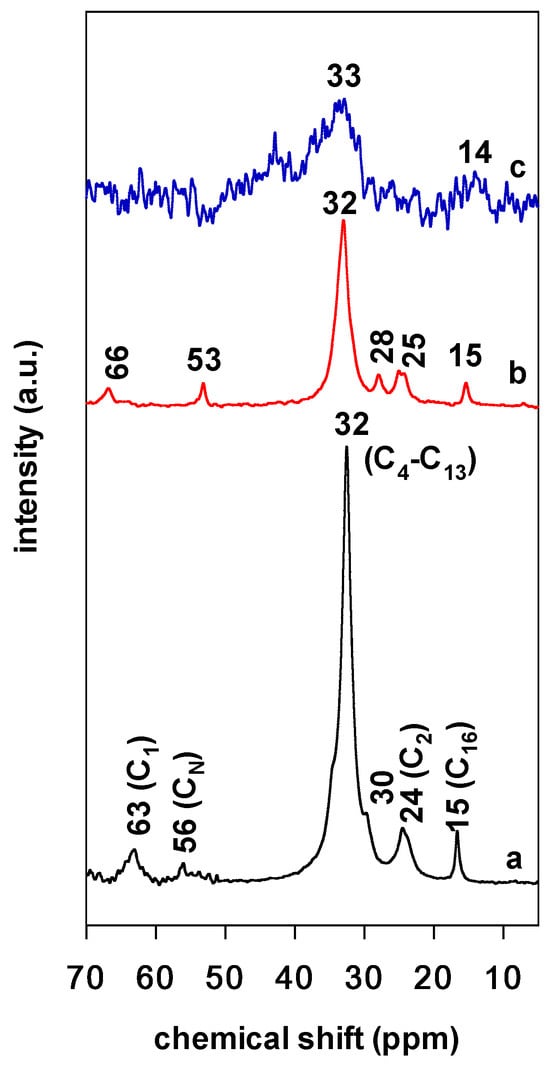
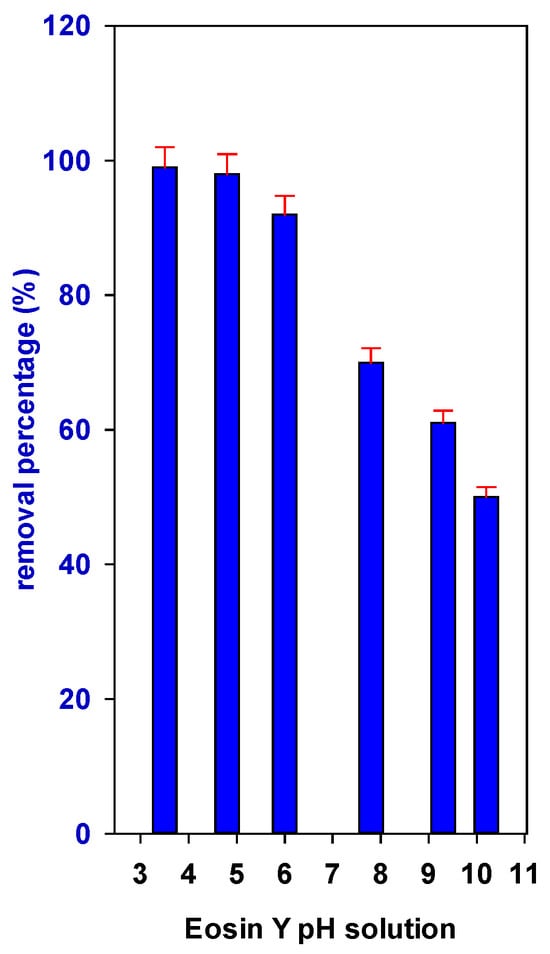
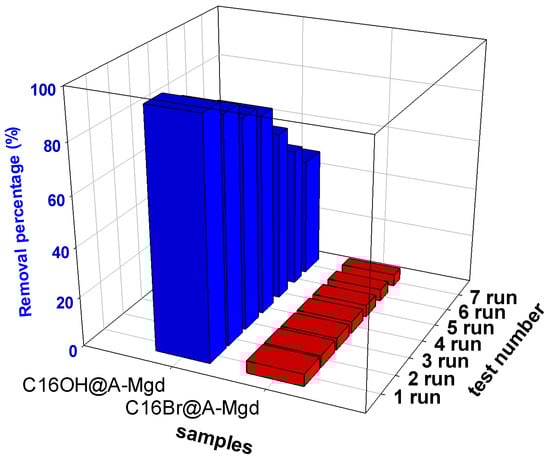
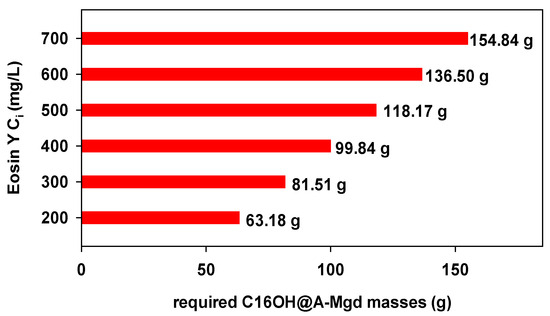
Organophilic acidic magadiites were prepared after an acidic magadiite (A-Mgd) reaction with cetyltrimethylammonium solutions containing different anions, such as cetyltrimethylammonium bromide (C16TMABr), cetyltrimethylammonium chloride (C16TMACl), and cetyltrimethylammonium hydroxide (C16TMAOH). The resulting materials were studied as adsorbents for Eosin Y removal from artificially contaminated solution. Successful preparation of oganophilic A-Mgd was achieved using C16TMAOH solution with an increased basal spacing from 1.21 nm to 3.15 nm and uptake C16TMA amount of 1.16 mmol/g. Meanwhile, no variation in the basal spacing of 1.20 nm occurred using C16TMACl and C16TMA Br solutions with an uptake mount of 0.07 to 0.09 mmol/g, respectively. Other techniques supported the behavior of the counteranion of surfactant solution on the synthesis of organophilic A-Mgd samples. 13C CP/MAS NMR data revealed that C16TMA cations displayed all-trans conformation comparable to C16TMABr solid, and 29Si MAS NMR confirmed the stability of the host silicate layers during the reaction. The specific surface area of A-Mgd was reduced after the intercalation of C16TMA cations from 38 m2/g to 11 m2/g. The removal properties of organophilic samples were investigated under different conditions, including the Eosin Y pH solution, initial concentration, dosage mass, and content of C16TMA cations. The maximum removal amount was 70 mg/g at acidic pH and using A-Mgd prepared from C16TMAOH solution, while the other organophilic A-Mgds exhibited low removal amounts of 3 to 5 mg/g. The regeneration tests indicated that the efficiency was maintained after four reuse tests with a drop of 30 to 50% from the initial value after seven cycles. The adsorber batch design was employed to estimate theoretically the required masses of used samples to treat an effluent volume of 10 L at a removal percentage of 95% at a fixed initial concentration of 200 mg/L. In total, 20 g of organophilic prepared from A-Mgd and C16TMAOH solution was needed, while 243 g of sample prepared from C16TMABr solution was required. This study proposes the development of a cost-effective, sustainable solution for dye-contaminated wastewater treatment.
Full article

Figure 1
Open AccessArticle
Exploring the Electronic Landscape of Two-Dimensional Tin Monoxide: Layer Thickness and Crystallographic Symmetry Effects
by
Zhongkai Huang, Xinyu Wang, Xiaodong Deng, Liang Deng, Maolin Bo, Chuang Yao, Haolin Lu and Guankui Long
Surfaces 2026, 9(1), 8; https://doi.org/10.3390/surfaces9010008 - 1 Jan 2026
Abstract
The ability to precisely control the electronic bandgap is crucial for tailoring two-dimensional (2D) materials for optoelectronic applications. In this work, we systematically investigate the electronic structure of 2D tin monoxide (SnO) across various layer thicknesses (monolayer to tetralayer) and crystallographic symmetries using
[...] Read more.
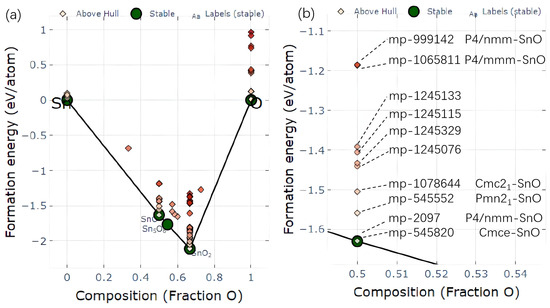
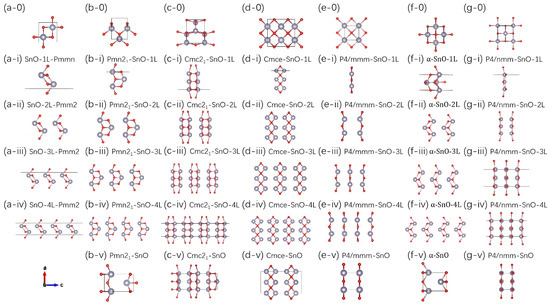
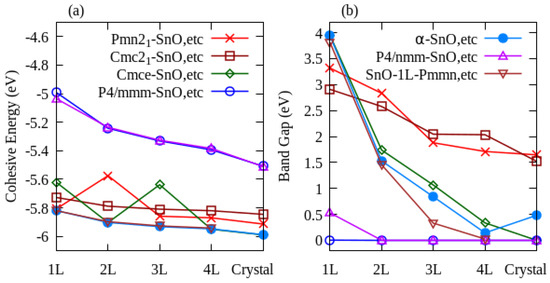
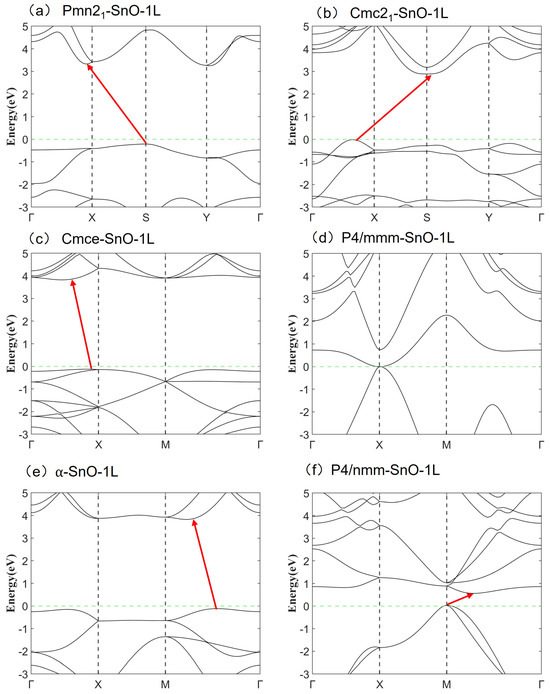
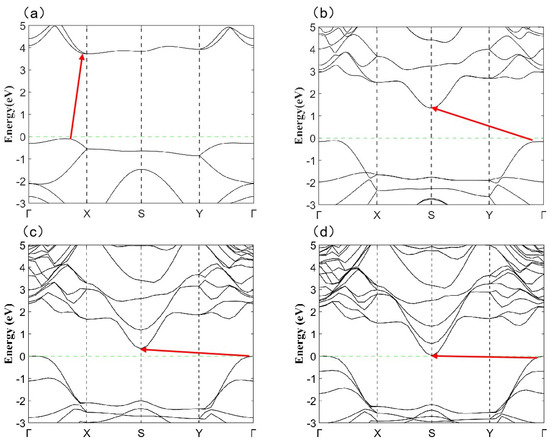
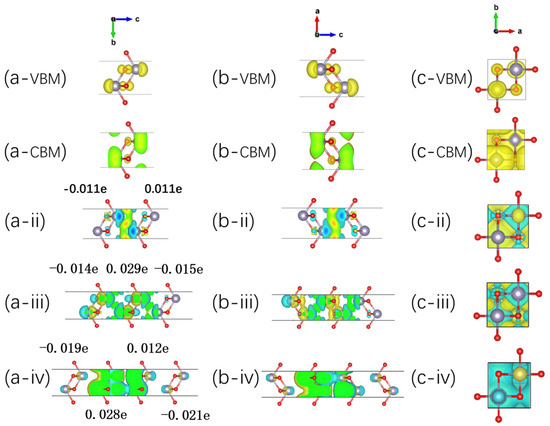
The ability to precisely control the electronic bandgap is crucial for tailoring two-dimensional (2D) materials for optoelectronic applications. In this work, we systematically investigate the electronic structure of 2D tin monoxide (SnO) across various layer thicknesses (monolayer to tetralayer) and crystallographic symmetries using first-principles calculations. Our results reveal a strong dependence of the bandgap on the number of layers, which decreases dramatically from 3.94 eV in the monolayer to nearly metallic in the tetralayer. Furthermore, different space group symmetries are found to significantly influence the bandgap, providing an additional degree of freedom for property tuning. This bandgap engineering is quantitatively linked to enhanced interlayer electronic coupling, as evidenced by a progressive increase in interlayer charge transfer with layer count. Our findings establish a clear structure–property relationship and offer practical guidance for designing SnO-based devices in flexible electronics and tunable optoelectronics.
Full article
(This article belongs to the Special Issue Surface and Interface Science in Energy Materials)
►▼
Show Figures

Figure 1

Open AccessReview
Effect of Sintering Atmosphere Control on the Surface Engineering of Catamold Steels Produced by MIM: A Review
by
Jorge Luis Braz Medeiros, Carlos Otávio Damas Martins and Luciano Volcanoglo Biehl
Surfaces 2026, 9(1), 7; https://doi.org/10.3390/surfaces9010007 - 29 Dec 2025
Abstract
►▼
Show Figures
Metal Injection Molding (MIM) is an established, high-precision manufacturing route for small, geometrically complex metallic components, integrating polymer injection molding with powder metallurgy. State-of-the-art feedstock systems, such as Catamold (polyacetal-based), enable catalytic debinding performed in furnaces operating under ultra-high-purity nitric acid atmospheres (>99.999%).
[...] Read more.
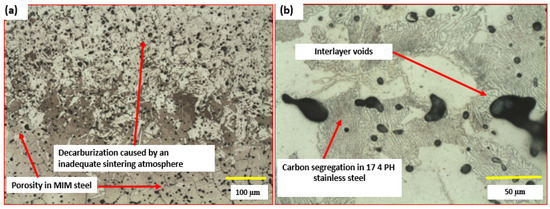
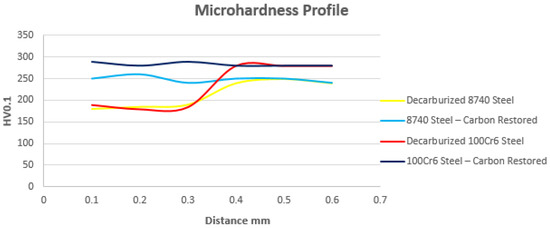
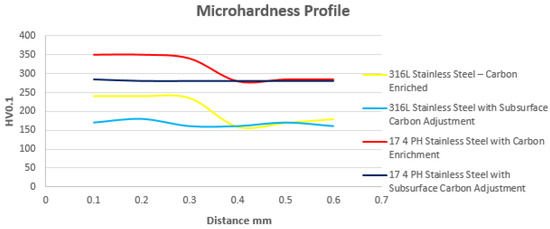
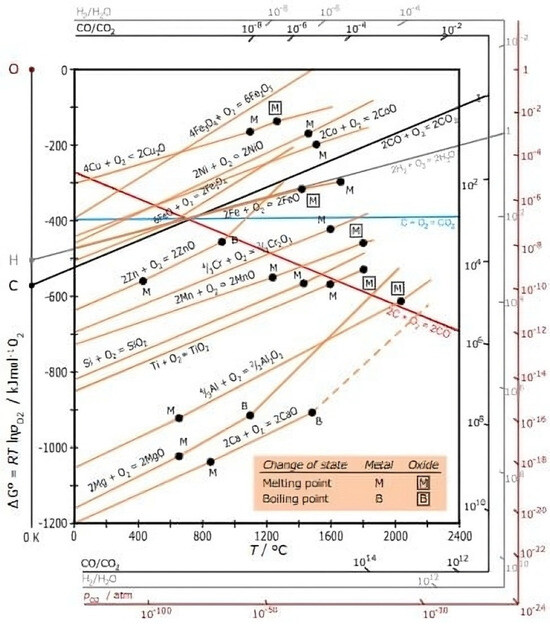
Metal Injection Molding (MIM) is an established, high-precision manufacturing route for small, geometrically complex metallic components, integrating polymer injection molding with powder metallurgy. State-of-the-art feedstock systems, such as Catamold (polyacetal-based), enable catalytic debinding performed in furnaces operating under ultra-high-purity nitric acid atmospheres (>99.999%). The subsequent thermal stages pre-sintering and sintering are carried out in continuous controlled-atmosphere furnaces or vacuum systems, typically employing inert (N2) or reducing (H2) atmospheres to meet the specific thermodynamic requirements of each alloy. However, incomplete decomposition or secondary volatilization of binder residues can lead to progressive hydrocarbon accumulation within the sinering chamber. These contaminants promote undesirable carburizing atmospheres, which, under austenitizing or intercritical conditions, increase carbon diffusion and generate uncontrolled surface carbon gradients. Such effects alter the microstructural evolution, hardness, wear behavior, and mechanical integrity of MIM steels. Conversely, inadequate dew point control may shift the atmosphere toward oxidizing regimes, resulting in surface decarburization and oxide formation effects that are particularly detrimental in stainless steels, tool steels, and martensitic alloys, where surface chemistry is critical for performance. This review synthesizes current knowledge on atmosphere-induced surface deviations in MIM steels, examining the underlying thermodynamic and kinetic mechanisms governing carbon transport, oxidation, and phase evolution. Strategies for atmosphere monitoring, contamination mitigation, and corrective thermal or thermochemical treatments are evaluated. Recommendations are provided to optimize surface substrate interactions and maximize the functional performance and reliability of MIM-processed steel components in demanding engineering applications.
Full article

Figure 1
Open AccessArticle
Magneto-Photoluminescent Hybrid Materials Based on Cobalt Ferrite Nanoparticles and Poly(terephthalaldehyde-undecan-2-one)
by
Victor Alfonso Ortiz-Vergara, Marco Antonio Garza-Navarro, Virgilio Angel González-González, Enrique Lopez-Cuellar and Azael Martínez-de la Cruz
Surfaces 2026, 9(1), 6; https://doi.org/10.3390/surfaces9010006 - 27 Dec 2025
Abstract
►▼
Show Figures
Magneto-photoluminescent hybrid materials (MPHMs) were prepared by incorporating cobalt ferrite nanoparticles (CFNs) into the fluorescent polymer poly(terephthalaldehyde-undecan-2-one) (PT2U). The CFNs, with a mean size of 3.95 nm, formed aggregates within the PT2U matrix (650–1042 nm) due to surface and interfacial interactions, modulating aggregate
[...] Read more.
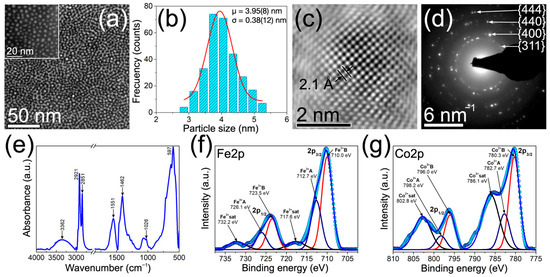
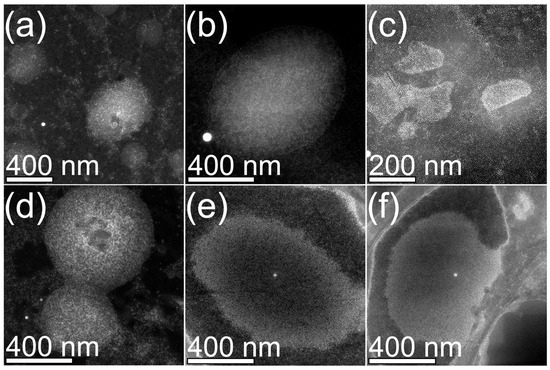
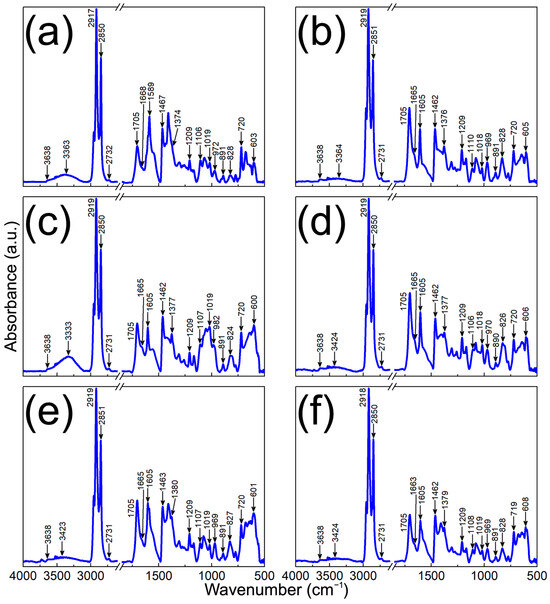
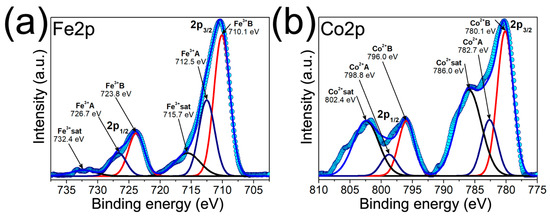
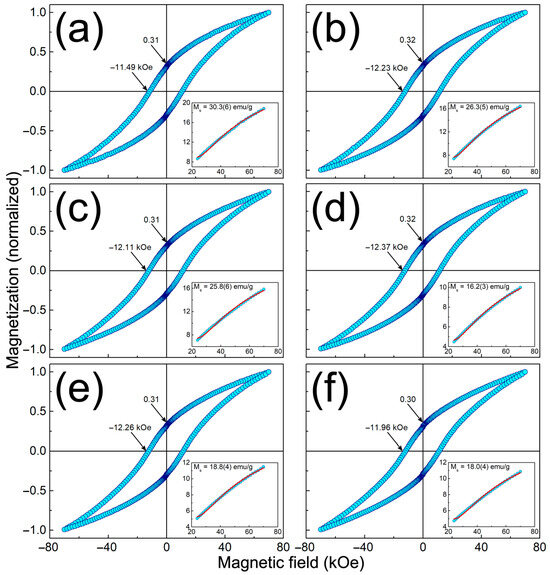
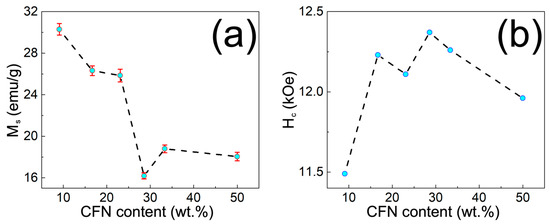
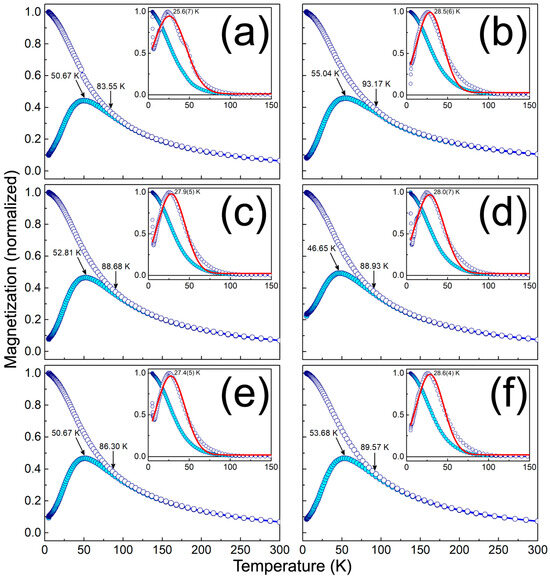
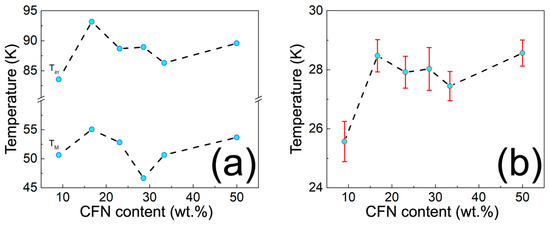
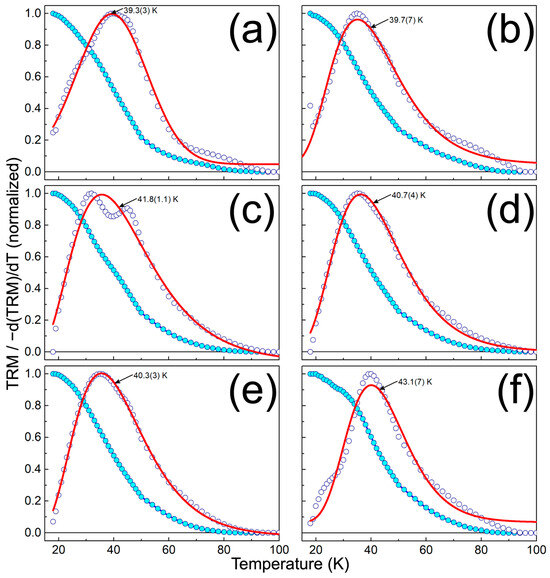
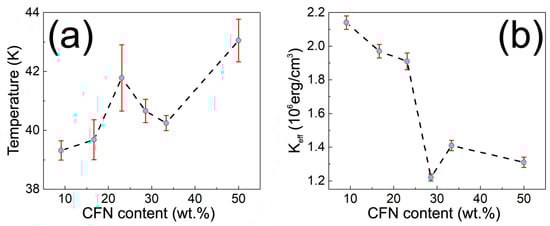
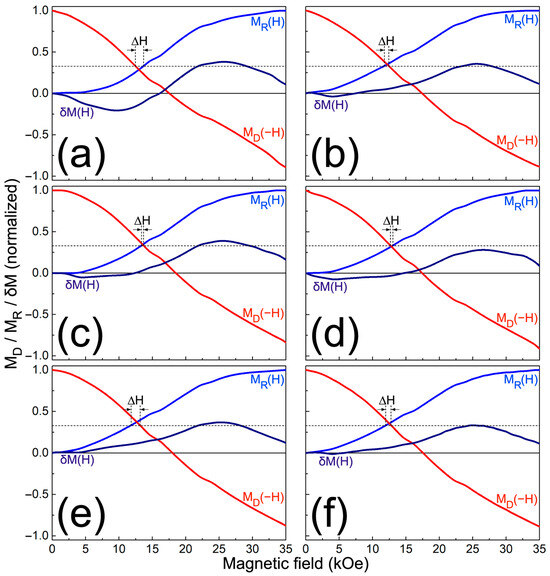
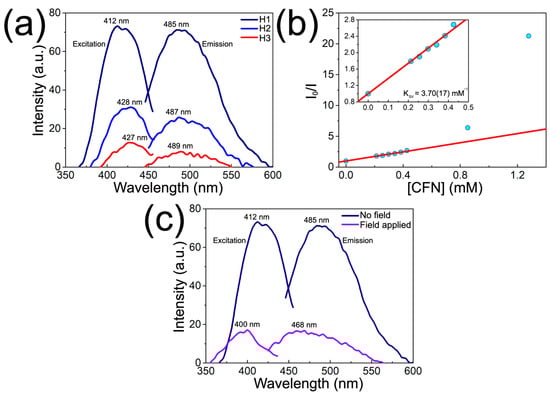
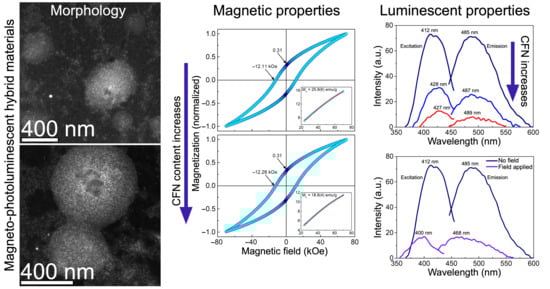
Magneto-photoluminescent hybrid materials (MPHMs) were prepared by incorporating cobalt ferrite nanoparticles (CFNs) into the fluorescent polymer poly(terephthalaldehyde-undecan-2-one) (PT2U). The CFNs, with a mean size of 3.95 nm, formed aggregates within the PT2U matrix (650–1042 nm) due to surface and interfacial interactions, modulating aggregate morphology and interparticle coupling. Magnetization studies revealed non-monotonic variations in saturation magnetization (30.3–16.2 emu/g), mean blocking temperature (39.3–43.1 K) and effective magnetic anisotropy energy density (2.14 × 10⁶–1.31 × 10⁶ erg/cm3) with increasing CFN content, consistent with the presence of canted surface spins and enhanced magnetizing interparticle interactions. Photoluminescence exhibited progressive quenching, dominated by collisional mechanisms at low CFN content and by interfacial CFN–PT2U interactions at higher loadings. Under a magnetic field (800 Oe), additional quenching occurred, attributed to magnetically induced polymer-chain rearrangements that disrupted the molecular stacking required for efficient aggregation-induced emission. These results demonstrate tunable magneto-photoluminescent coupling in MPHMs governed by surface and interfacial phenomena, providing insights for the design of functional and responsive hybrid materials.
Full article

Graphical abstract
Open AccessArticle
A Simple Method for Porous Structure Characterization of Ultrafiltration Membranes from Permeability Data and Hydrodynamic Models: A Semi-Empirical Approach
by
Manuel Palencia, Jina M. Martínez-Lara, Jorge M. Durango, José Sebastián López Vélez and Enrique M. Combatt
Surfaces 2026, 9(1), 5; https://doi.org/10.3390/surfaces9010005 - 27 Dec 2025
Abstract
New approaches to the characterization of porous materials must satisfy principles of green analytical chemistry; in addition, they should be reproducible, versatile, and capable of providing relevant information for specific applications. Membrane characterization techniques often fail to meet some of these requirements. Specifically,
[...] Read more.
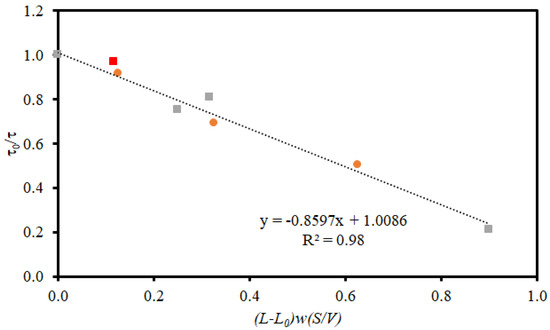
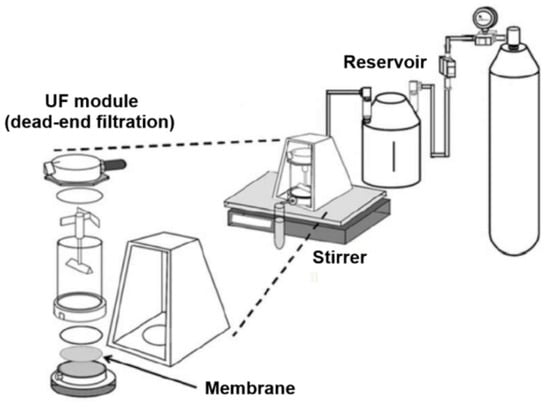
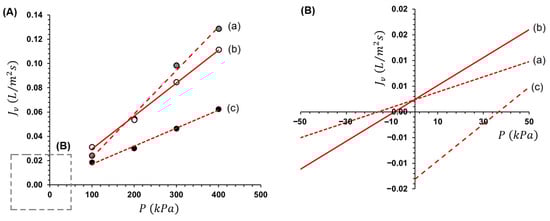
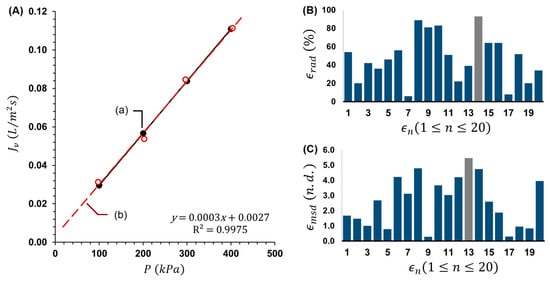
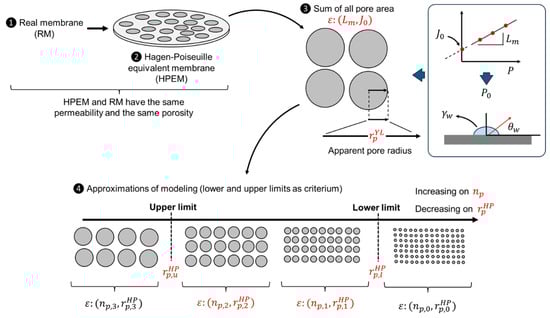
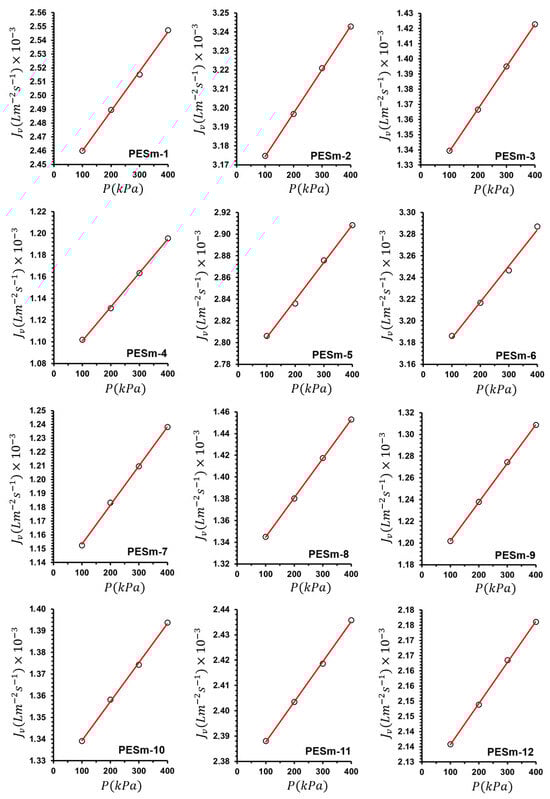
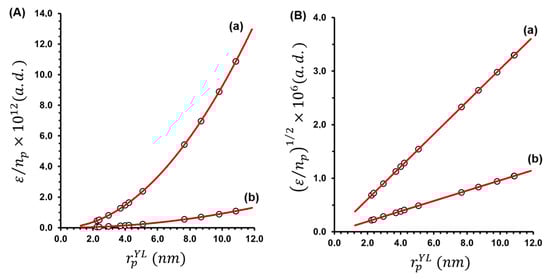
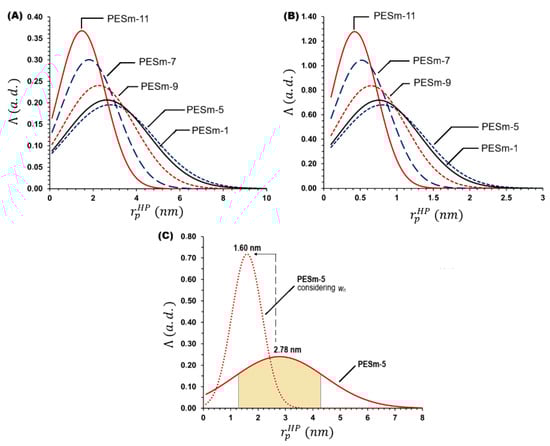
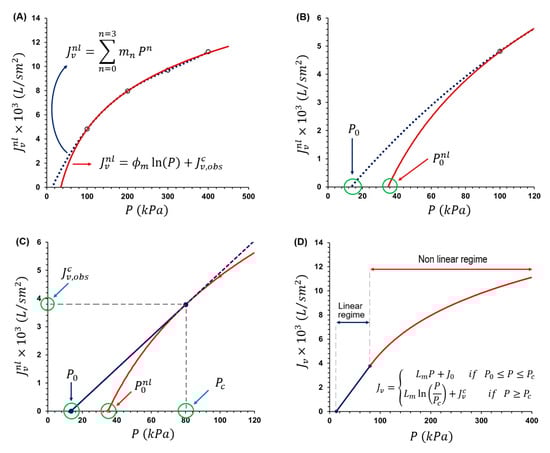
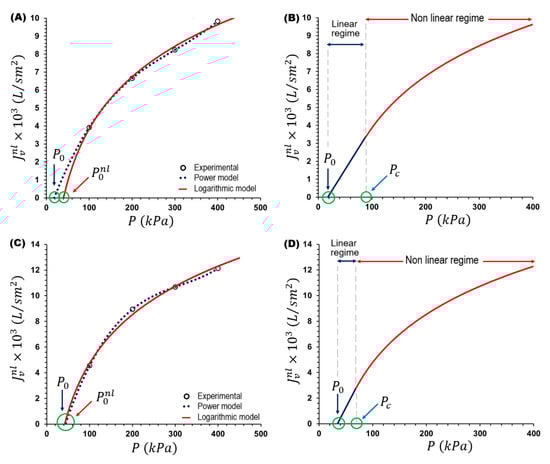
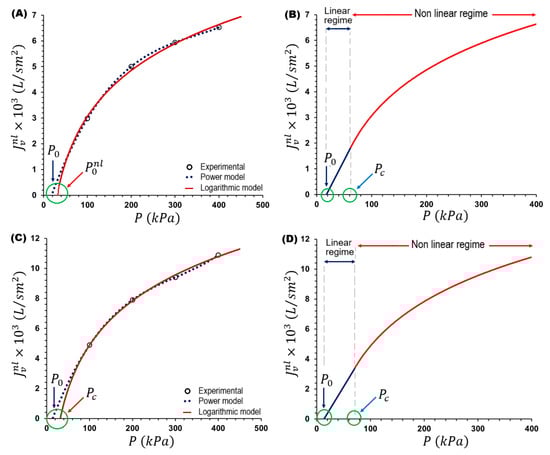
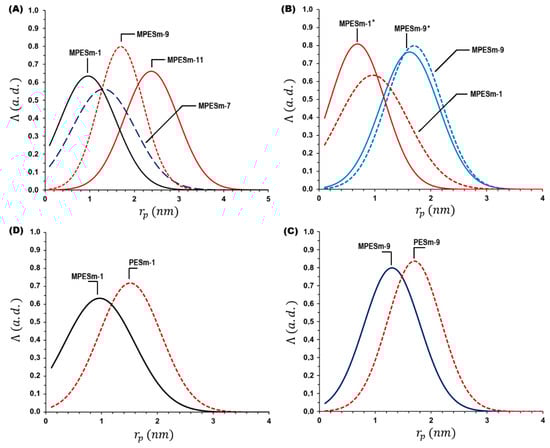
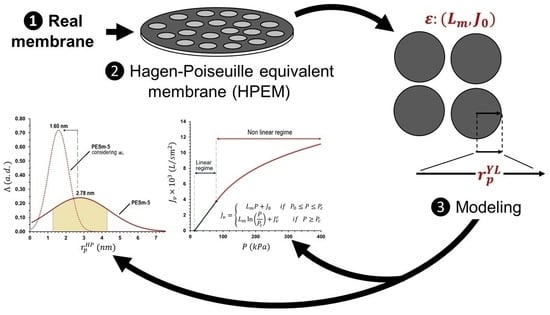
New approaches to the characterization of porous materials must satisfy principles of green analytical chemistry; in addition, they should be reproducible, versatile, and capable of providing relevant information for specific applications. Membrane characterization techniques often fail to meet some of these requirements. Specifically, hydrodynamic porous-based model methods (HPMMs) enable the simulation and evaluation of membrane properties, as well as the monitoring of changes in the response to controlled and uncontrolled modifications. Nevertheless, HPMMs are limited by the multifactorial relationships between their variables and by the generation of only single-value responses. Here, a semi-empirical approach to the characterization of membrane pore structure is proposed and evaluated using simple experimental measurements from pristine and modified membranes. The model enables the determination of the effective pore radius based on two size descriptors related to porosity and permeability, the construction of pore size distributions, and the estimation of structural parameters, such as the number of pores, pore size, and surface porosity. Furthermore, it allows for the simulation of Darcy-type flow behavior in both linear and nonlinear regimes. The model was evaluated on pristine and poly(vinyl alcohol)-modified poly(ethersulfone) ultrafiltration membranes (60–120 mmolL−1) by diafiltration (100–400 kPa). Results demonstrate the usefulness of the model in characterizing membrane pore structure by using simple, fast, and non-destructive methods, thereby enabling advances in analytical diafiltration for membrane characterization.
Full article
(This article belongs to the Special Issue Advances in Solid–Liquid Interface Science: From Fundamentals to Applications)
►▼
Show Figures

Graphical abstract
Highly Accessed Articles
Latest Books
E-Mail Alert
News
Topics
Topic in
Coatings, Lubricants, Materials, Surfaces, JFB
Engineered Surfaces and Tribological Performance
Topic Editors: Andrew Naylor, Min LiDeadline: 31 May 2026
Topic in
Applied Nano, Coatings, Colloids and Interfaces, Materials, Surfaces, Nanomaterials, Laboratories
New Research on Thin Films and Nanostructures
Topic Editors: Marco Fronzi, Cristiano Giordani, Paolo MeleDeadline: 30 June 2026
Topic in
Applied Nano, Bioengineering, Coatings, JFB, Materials, Surfaces
Functional and Antiseptic Biomedical Surfaces and Interfaces
Topic Editors: Annett Dorner-Reisel, Aneta Zima, Nick Tucker, Tao WangDeadline: 31 August 2026
Topic in
Gels, Materials, Nanomaterials, Polymers, Surfaces
Recent Advances in Colloids, Interfaces, and Interfacial Activities
Topic Editors: Mojtaba Mirzaeian, Saule Aidarova, Nurxat Nuraje, Paul Takhistov, Jaroslav KatonaDeadline: 31 December 2026
Conferences
Special Issues
Special Issue in
Surfaces
Advances in Metal Ion Research and Applications
Guest Editors: Liuhua Mu, Xiaoyan LiDeadline: 31 March 2026
Special Issue in
Surfaces
Biomolecules at Surface and Interfaces
Guest Editor: Mark BiggsDeadline: 31 March 2026
Special Issue in
Surfaces
Surface Science: Polymer Thin Films, Coatings and Adhesives (2nd Edition)
Guest Editor: Maurice BroglyDeadline: 31 March 2026
Special Issue in
Surfaces
Surface Science in Electrochemical Energy Storage
Guest Editors: Siwen Zhang, Bosi YinDeadline: 30 April 2026