Journal Description
Sensors
Sensors
is an international, peer-reviewed, open access journal on the science and technology of sensors, published semimonthly online by MDPI. The Polish Society of Applied Electromagnetics (PTZE), Japan Society of Photogrammetry and Remote Sensing (JSPRS), Spanish Society of Biomedical Engineering (SEIB), International Society for the Measurement of Physical Behaviour (ISMPB), Chinese Society of Micro-Nano Technology (CSMNT) and more are affiliated with Sensors and their members receive discounts on the article processing charges.
- Open Access — free for readers, with article processing charges (APC) paid by authors or their institutions.
- High Visibility: indexed within Scopus, SCIE (Web of Science), PubMed, MEDLINE, PMC, Ei Compendex, Inspec, Astrophysics Data System, and other databases.
- Journal Rank: JCR - Q2 (Instruments and Instrumentation) / CiteScore - Q1 (Instrumentation)
- Rapid Publication: manuscripts are peer-reviewed and a first decision is provided to authors approximately 17.8 days after submission; acceptance to publication is undertaken in 2.6 days (median values for papers published in this journal in the second half of 2025).
- Recognition of Reviewers: reviewers who provide timely, thorough peer-review reports receive vouchers entitling them to a discount on the APC of their next publication in any MDPI journal, in appreciation of the work done.
- Testimonials: See what our editors and authors say about Sensors.
- Companion journals for Sensors include: Chips, Targets, AI Sensors and IJMD.
- Journal Cluster of Instruments and Instrumentation: Actuators, AI Sensors, Instruments, Metrology, Micromachines and Sensors.
Impact Factor:
3.5 (2024);
5-Year Impact Factor:
3.7 (2024)
Latest Articles
Excitation and Tuning of Fano-Like Resonances in Whispering Gallery Microcavity and Microfiber Modal Interferometer Coupled System
Sensors 2026, 26(12), 3644; https://doi.org/10.3390/s26123644 (registering DOI) - 7 Jun 2026
Abstract
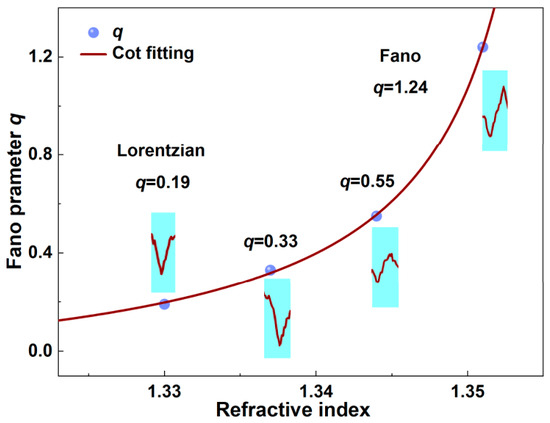
We propose a method for the excitation and controllable tuning of Fano-like resonance based on whispering gallery mode (WGM) microcavities and microfiber modal interferometers (MMIs). By the interaction of the discrete comb-like resonant modes excited by the WGM microcavity and the continuous interference
[...] Read more.
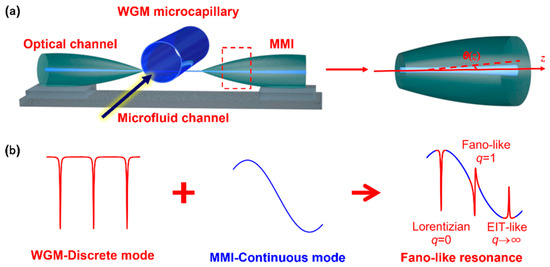
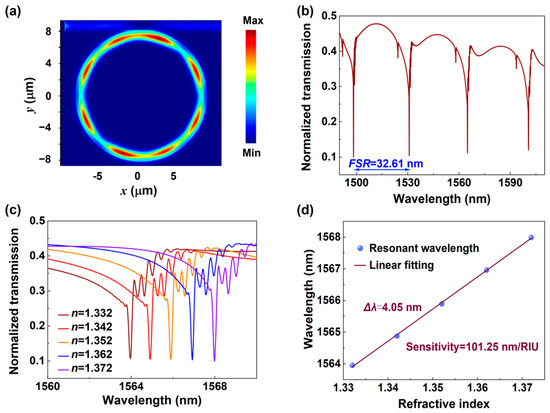
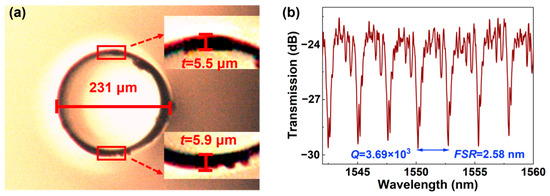
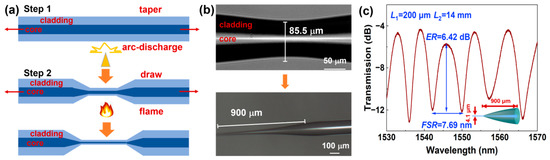
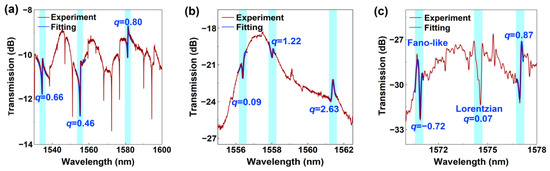
We propose a method for the excitation and controllable tuning of Fano-like resonance based on whispering gallery mode (WGM) microcavities and microfiber modal interferometers (MMIs). By the interaction of the discrete comb-like resonant modes excited by the WGM microcavity and the continuous interference spectrum generated by the MMI, the excitation of Lorentzian, Fano-like resonance, and electromagnetically induced transparency (EIT) lineshapes is achieved. In this system, the resonant modes of thin-walled WGM can interact with the liquid inside the cavity; thus, the Fano-like lineshape can be tuned via intracavity refractive index modulation. By adjusting the diameter and transition region length of the MMI, the Fano-like lineshape generated by the WGM-MMI coupled structure can be tuned. More importantly, as the refractive index of the liquid inside the cavity increases from 1.33 to 1.351, the Fano-like resonance lineshape evolves and the corresponding Fano parameter q shifts from 0.19 to 1.24. The proposed system enables stable excitation and controllable tuning of Fano-like resonances, demonstrating potential for applications in microfluidic sensing and optical switching.
Full article
(This article belongs to the Section Optical Sensors)
►
Show Figures
Open AccessArticle
Improving Signal Quality in Non-Contact Electrocardiography: Novel Strategy for Motion Artifact Reduction
by
Antonio Stanešić, Luka Klaić, Dino Cindrić and Mario Cifrek
Sensors 2026, 26(12), 3643; https://doi.org/10.3390/s26123643 (registering DOI) - 7 Jun 2026
Abstract
Capacitive electrocardiography (cECG) enables non-contact heart rate monitoring through clothing, but motion artifacts remain a critical limitation for practical applications. We present a novel motion artifact removal method using non-contact floating electrodes as noise references combined with multi-reference Normalized Least Mean Squares (NLMS)
[...] Read more.
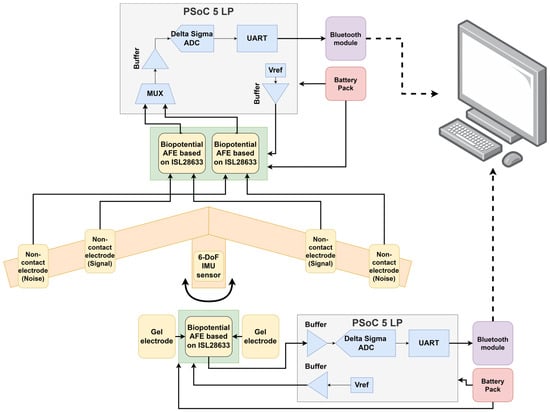
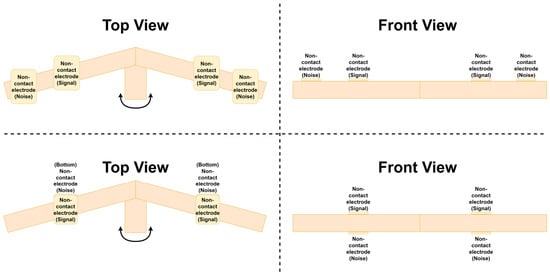
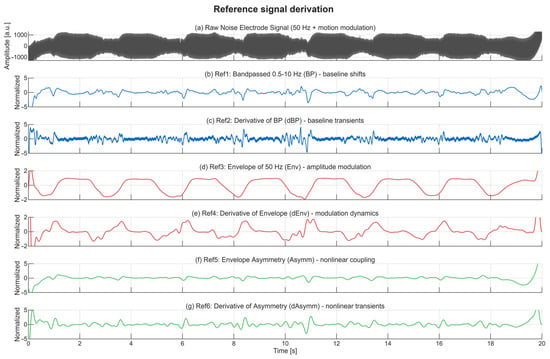
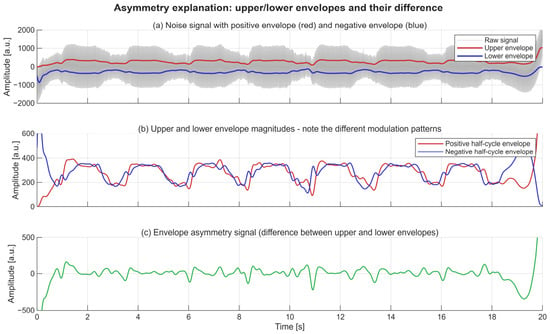
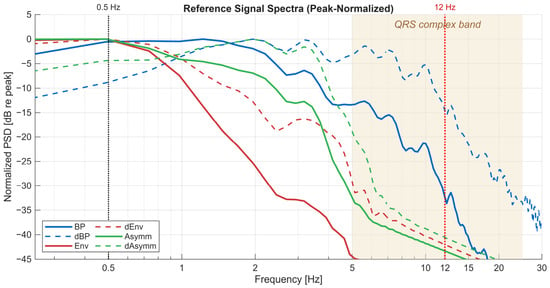
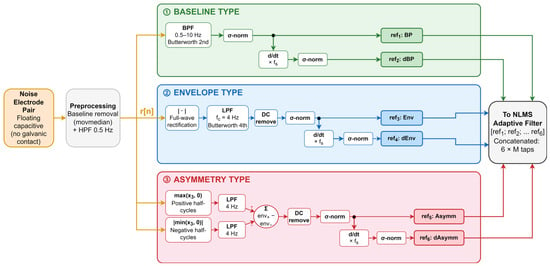
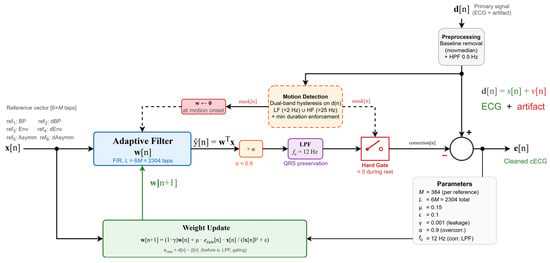
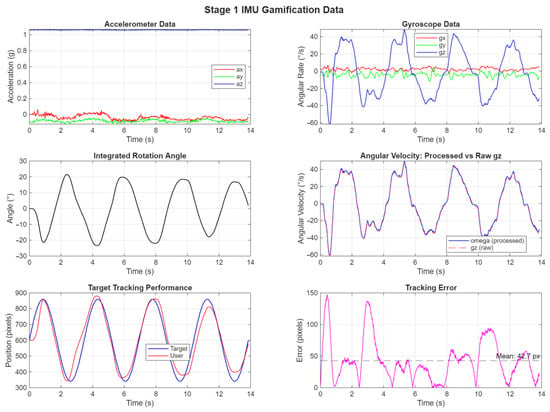
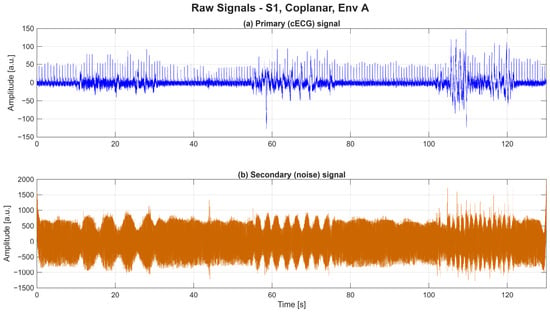
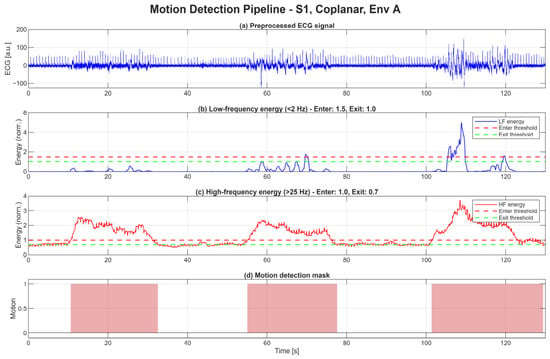
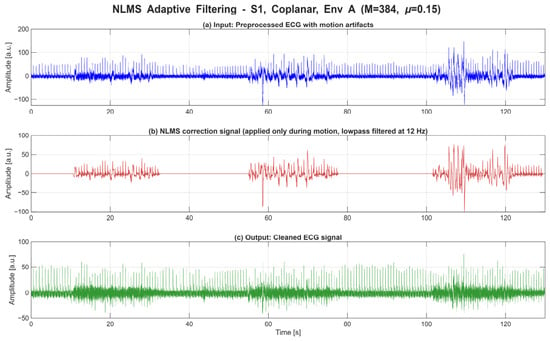
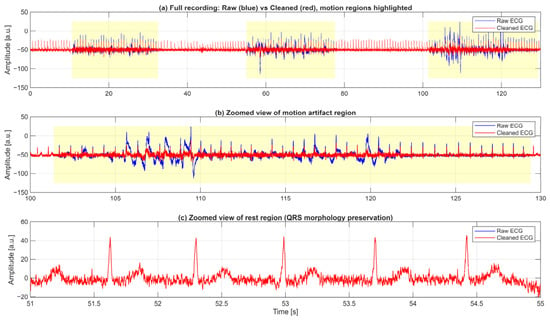
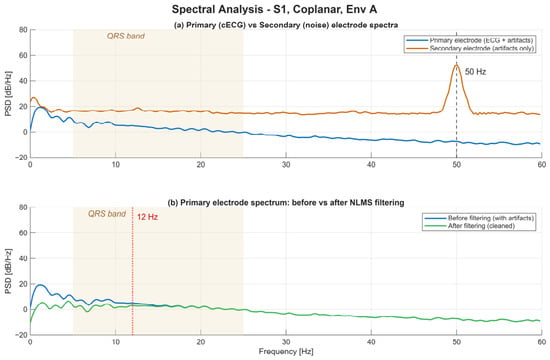
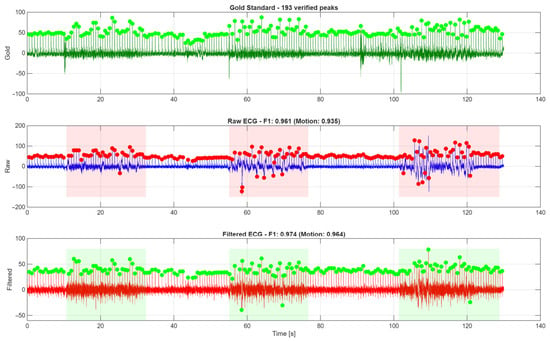
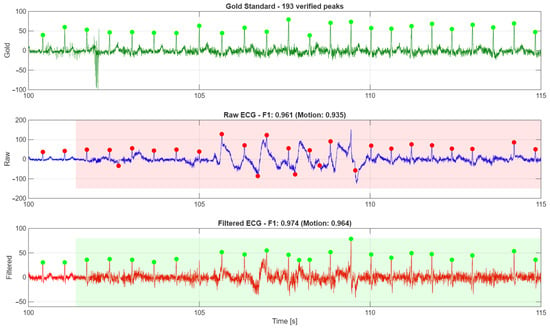
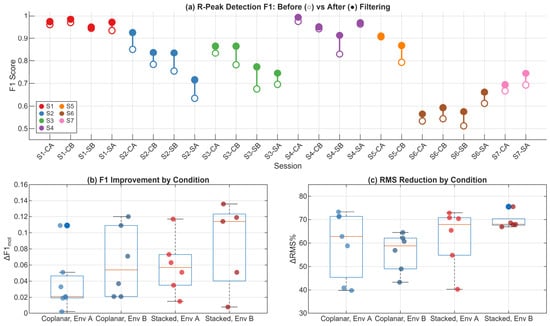
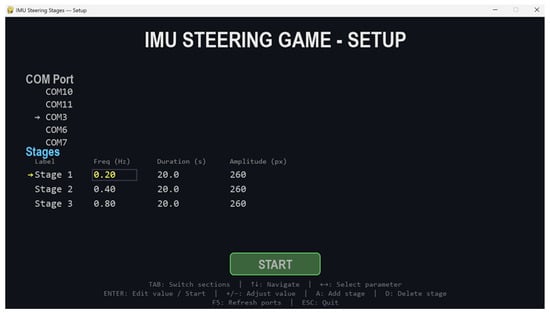
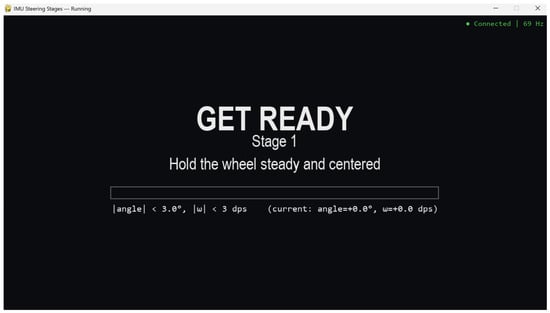
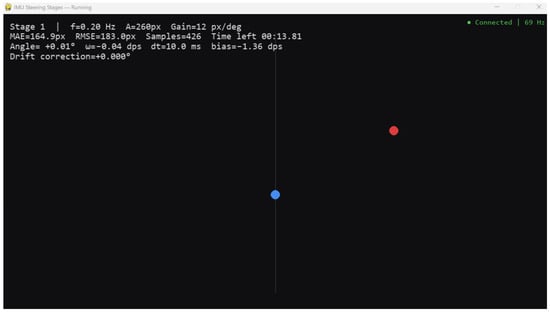
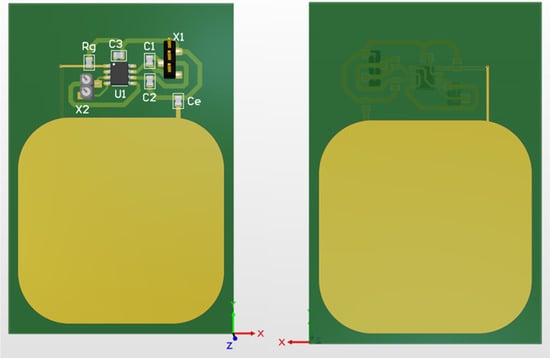
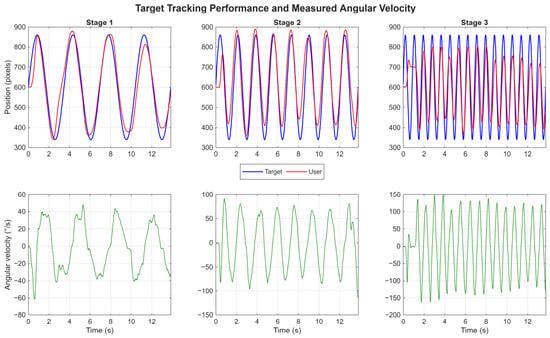
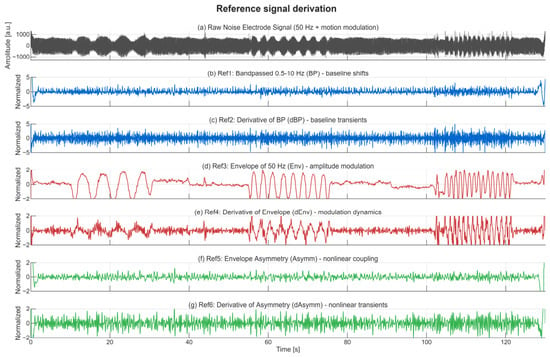
Capacitive electrocardiography (cECG) enables non-contact heart rate monitoring through clothing, but motion artifacts remain a critical limitation for practical applications. We present a novel motion artifact removal method using non-contact floating electrodes as noise references combined with multi-reference Normalized Least Mean Squares (NLMS) adaptive filtering. The floating electrodes, positioned without skin contact, couple primarily to ambient 50 Hz mains interference, which becomes amplitude-modulated during motion due to changes in electrode–body capacitance. Six reference signals are derived from this noise electrode: band-pass-filtered signal and its derivative (capturing baseline-type artifacts), envelope and its derivative (capturing amplitude modulation patterns), and envelope asymmetry and its derivative (capturing non-linear electrode response during motion). The NLMS algorithm adaptively combines these references to estimate and remove motion artifacts while preserving QRS morphology through low-pass filtering of the correction signal. A hysteresis-based motion detector with minimum duration constraints enables selective application of artifact removal only during motion periods, leaving rest-period ECG unmodified. We present this as a proof-of-concept validation of a novel reference-electrode architecture for motion artifact suppression in non-contact ECG. The method was validated on 7 subjects across 24 recording sessions using two electrode configurations in two environments with different electromagnetic interference levels. Controlled axial rotation motion was induced at three frequencies using a custom apparatus with IMU-based gamification for protocol adherence. Performance was evaluated using R-peak detection F1 score against gel surface-contact electrodes ground truth and RMS reduction in motion regions. Results demonstrate consistent improvement in R-peak detection accuracy during motion periods with substantial artifact energy reduction. The proposed method is designed to address motion artifacts regardless of their physical source, though the present validation focused on subject-induced motion.
Full article
(This article belongs to the Special Issue Wearable, Non-Contact and Capacitive Sensing for Biomedical and Industrial Applications)
►▼
Show Figures

Figure 1

Open AccessArticle
SignBridge Bilingual Sign Language Avatar—Construction Principles and Experts Quality Assessment
by
Nurzada Amangeldy, Marek Milosz, Aigerim Yerimbetova, Nazira Tursynova, Bekbolat Kurmetbek and Nazerke Gazizova
Sensors 2026, 26(12), 3642; https://doi.org/10.3390/s26123642 (registering DOI) - 7 Jun 2026
Abstract
The multilingualism found in many countries, as well as within professional groups, complicates verbal communication, as both communicating parties are required to know all the languages used. This problem is exacerbated by the fact that languages are often mixed during communication. Avatars can
[...] Read more.
The multilingualism found in many countries, as well as within professional groups, complicates verbal communication, as both communicating parties are required to know all the languages used. This problem is exacerbated by the fact that languages are often mixed during communication. Avatars can be used to communicate with deaf people by simulating the behavior of sign language users. This paper presents a digital sign language avatar built on a language-agnostic, multimodal animation pipeline that decouples linguistic input from animation, combining skeletal body and hand motion with facial blendshape animation as independent modalities. It also presents a methodology for assessing its quality with the participation of experts (i.e., professional sign language interpreters) and the corresponding research results. The average quality rating of the avatar interface by the experts was 5.5 on a 7-point Likert scale, indicating its potential for practical use. At the same time, the research identified opportunities to improve the naturalness of movement and the consistency of gesture transitions.
Full article
(This article belongs to the Section Intelligent Sensors)
Open AccessArticle
Latent Salinity Stress Detection in Opuntia ficus-indica Using Hyperspectral Imaging and a 3D-CNN Framework
by
Juan Arredondo-Valdez, Horacio Abdiel Rodríguez-Garza, Héctor Flores-Breceda, Zayd Eliud Rangel-Nava, Néstor Everardo Aranda-Ledesma, Jesús Rodolfo Valenzuela-García, Moisés Hinojosa-Rivera, Ajay Kumar, Urbano Luna-Maldonado and Alejandro Isabel Luna-Maldonado
Sensors 2026, 26(12), 3641; https://doi.org/10.3390/s26123641 (registering DOI) - 7 Jun 2026
Abstract
Salinity stress remains a major bottleneck for agriculture in arid regions. While Opuntia ficus-indica is known for its resilience, its young cladodes maintain a misleadingly healthy visual appearance and stable biomass even under heavy saline pressure, making traditional vegetation indices and standard statistics
[...] Read more.
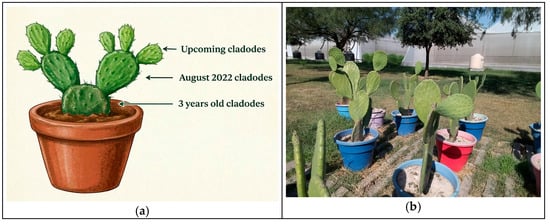
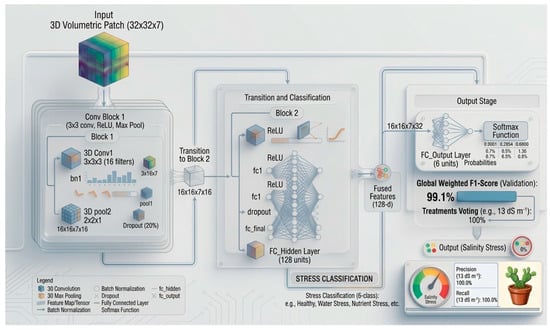
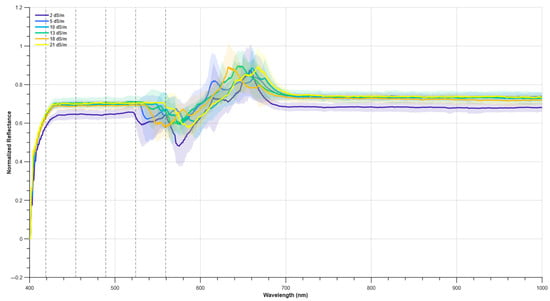
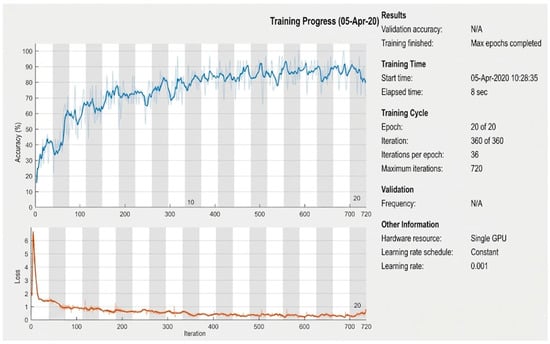
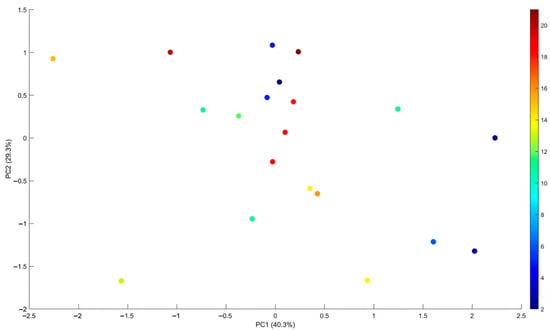
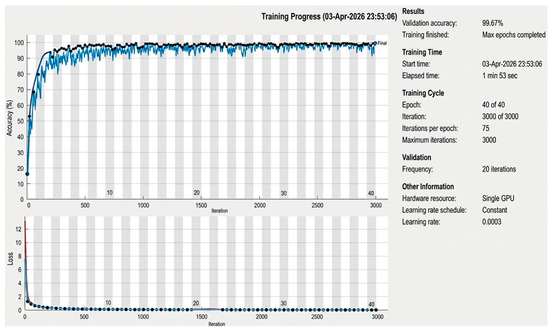
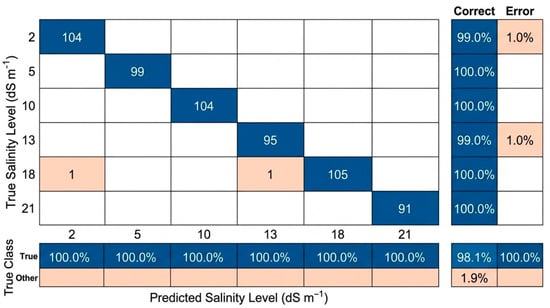
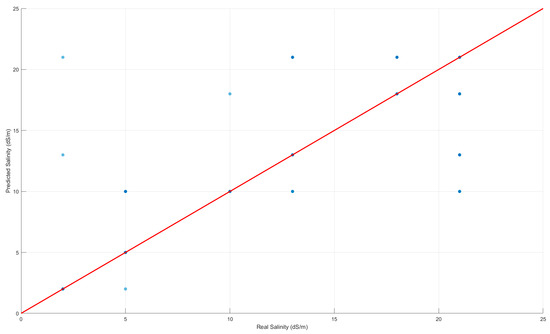
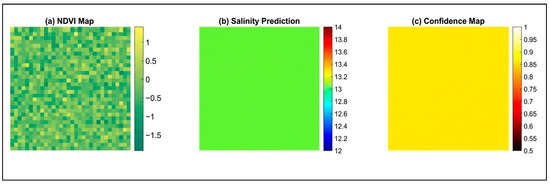
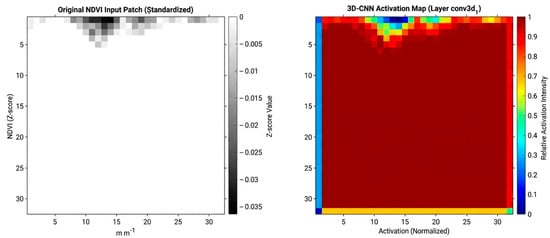
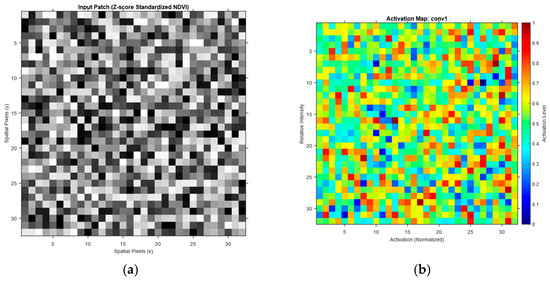
Salinity stress remains a major bottleneck for agriculture in arid regions. While Opuntia ficus-indica is known for its resilience, its young cladodes maintain a misleadingly healthy visual appearance and stable biomass even under heavy saline pressure, making traditional vegetation indices and standard statistics unreliable for early diagnosis. The objective of this study was to develop a non-destructive phenotyping framework for the early detection of latent salinity stress in young Opuntia cladodes. Controlled experiments were conducted using hyperspectral data cubes (400–1000 nm) acquired from plants exposed to six distinct salinity levels ranging from 2 to 21 dS m−1. Our methodology integrates these high-dimensional spatial–spectral data with a tailor-made 3D Convolutional Neural Network (3D-CNN). Seven physiological vegetation indices—NDVI, PRI, WI, PSRI, MCARI, SIPI, and NDRE were extracted to track sub-clinical shifts and processed as a volumetric depth dimension within the network to preserve spatial–spectral integrity. The optimized 3D-CNN framework achieved a validation accuracy of 99.7% and a weighted F1-score of 99.1%, delivering 100% precision at critical stress thresholds (13 and 21 dS m−1). Spatial confidence maps (Softmax > 0.95) further confirmed the high reliability of the diagnostic output. Requiring a training duration of approximately 8 s, this framework provides a robust basis for precision early-warning irrigation systems to sustain Opuntia cultivation in challenging environments.
Full article
(This article belongs to the Special Issue Smart Sensors in Precision Agriculture)
►▼
Show Figures

Figure 1

Open AccessArticle
SAMS-Net: A Smoothness-Anchored Monotone Neural Differential Equation Network for Failure-Only-Supervised Structural Health Indicator Construction
by
Yu Yang, Chi Xu and Xiang Li
Sensors 2026, 26(12), 3640; https://doi.org/10.3390/s26123640 (registering DOI) - 7 Jun 2026
Abstract
Structural health monitoring (SHM) of fibre-reinforced composites requires a health indicator that is monotonically non-decreasing under the standard SHM assumption that no self-healing or maintenance-induced restoration event is active, derived from heterogeneous sliding-window observations of acoustic emission, strain, and fibre Bragg grating channels,
[...] Read more.
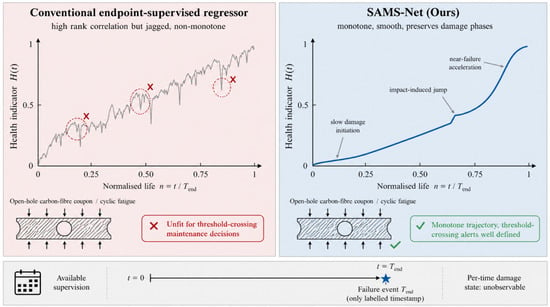
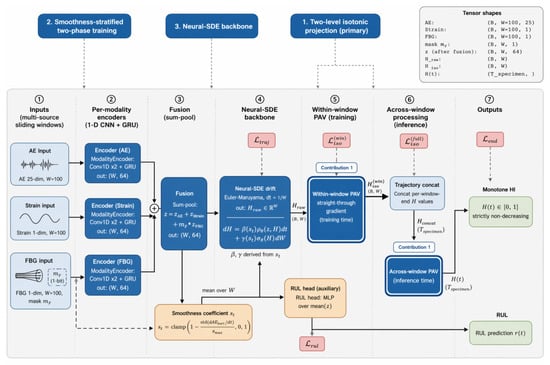
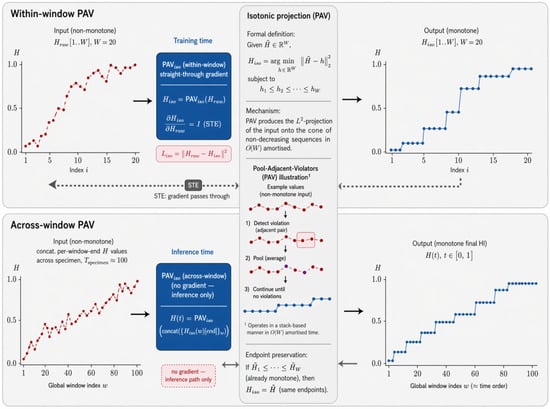
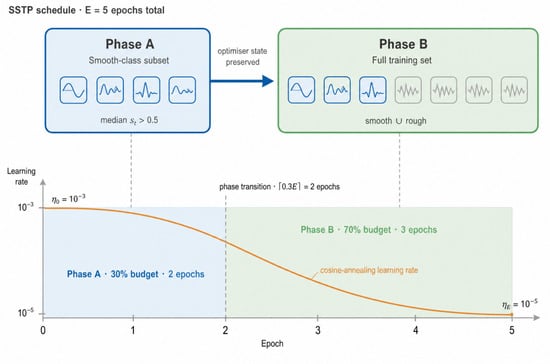
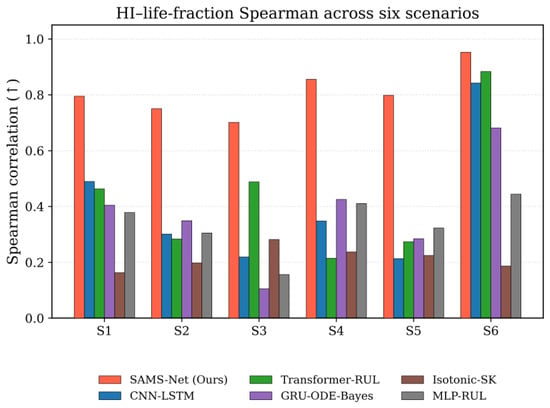
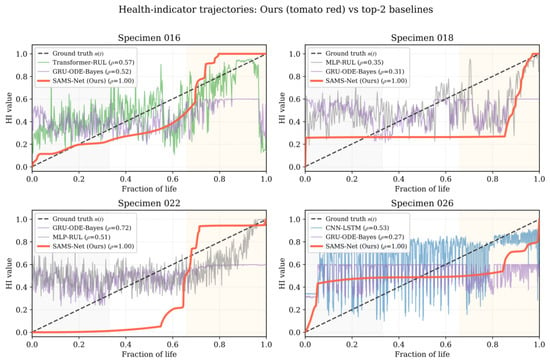
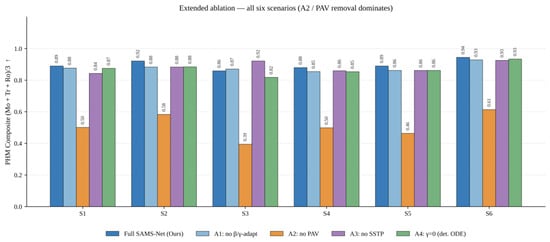
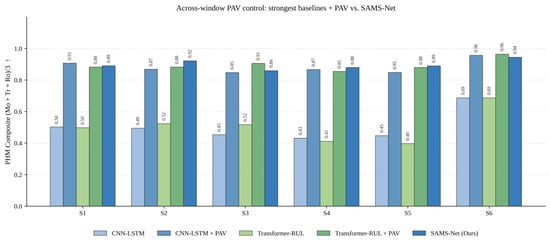
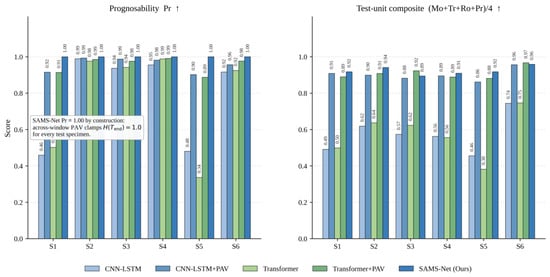
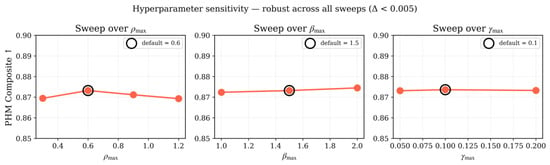
Structural health monitoring (SHM) of fibre-reinforced composites requires a health indicator that is monotonically non-decreasing under the standard SHM assumption that no self-healing or maintenance-induced restoration event is active, derived from heterogeneous sliding-window observations of acoustic emission, strain, and fibre Bragg grating channels, with only the failure timestamp available per specimen. Conventional endpoint-supervised regressors attain high rank correlation with normalised life but produce jagged, non-monotone trajectories of limited engineering value. A method named SAMS-Net (Smoothness-Anchored Monotone Neural Differential Equation Network) is developed, in which a neural differential equation backbone is anchored by a two-level Pool-Adjacent-Violators (PAV) projection. A within-window projection is applied during training with a straight-through gradient, and an across-window projection is applied at inference, yielding a globally non-decreasing health indicator. A smoothness-stratified two-phase training schedule first trains on specimens whose per-specimen median local-smoothness coefficient exceeds 0.5, then fine-tunes on the full set. Across the present seventeen-specimen open-hole carbon-fibre dataset spanning two stress levels and six leave-one-specimen-out and cross-condition scenarios, SAMS-Net wins on every scenario on the canonical Prognostics and Health Management (PHM) Composite of monotonicity, trendability, and robustness, with margins of 0.22 to 0.48 against the strongest baseline, reproducible across three random seeds. Ablation reveals that the operative mechanism is the two-level PAV projection rather than the stochastic differential equation (SDE) inductive bias. A new control experiment in which the across-window PAV projection is applied at inference to the strongest baselines confirms that the projection accounts for a substantial share of the SAMS-Net margin, while the within-window training-time projection and a globally consistent prognosability metric retain a SAMS-Net advantage. Cross-site or cross-material transferability remains to be established in future work.
Full article
(This article belongs to the Section Fault Diagnosis & Sensors)
►▼
Show Figures

Figure 1
Open AccessArticle
AI-Assisted ISP and Chip-Off Forensic Framework for Damaged Android Devices
by
Leila Rzayeva, Aigerim Alibek, Altynbay Abdykassym and Murat Zhakenov
Sensors 2026, 26(12), 3639; https://doi.org/10.3390/s26123639 (registering DOI) - 7 Jun 2026
Abstract
Physical damage to smartphones creates a persistent bottleneck in mobile forensic practice: once a device can no longer be accessed through its operating system, conventional logical acquisition fails, and investigators face a choice between accepting data loss and escalating to hardware-level intervention. This
[...] Read more.
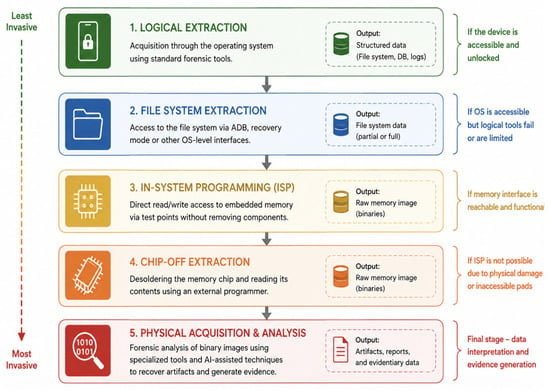
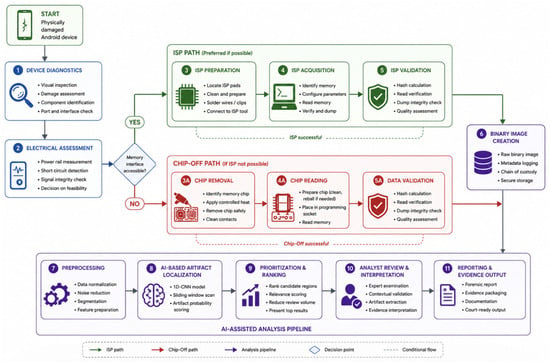
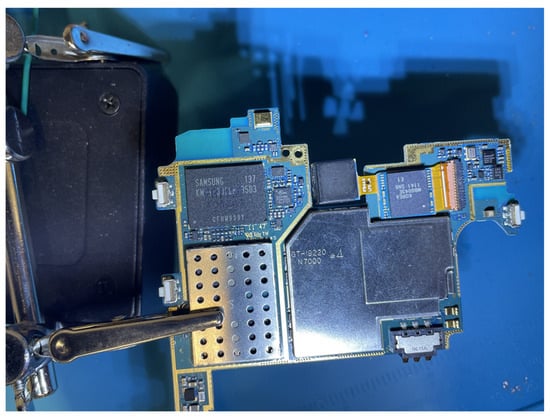
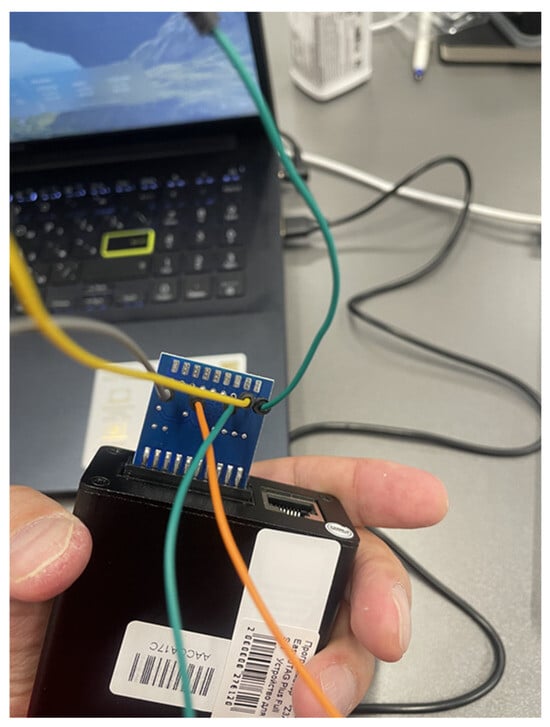
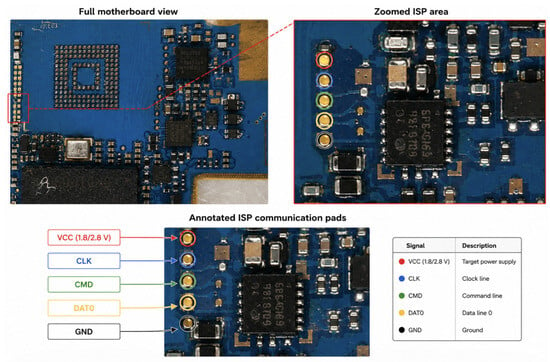
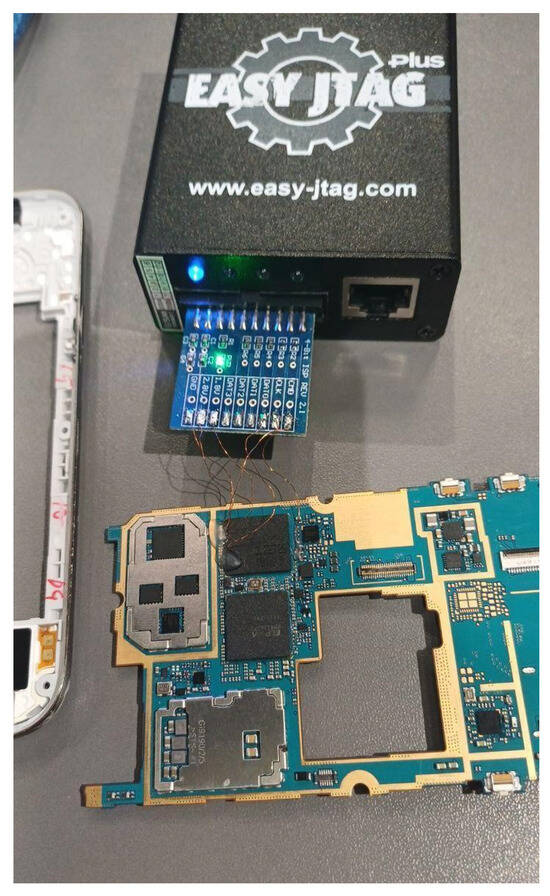
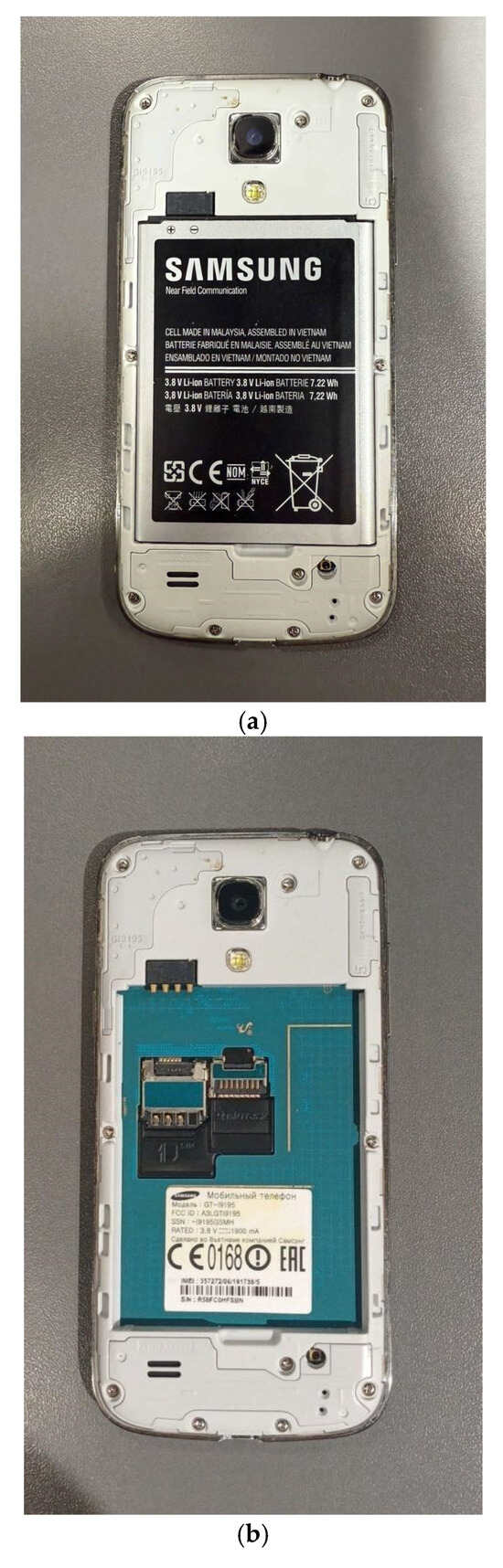
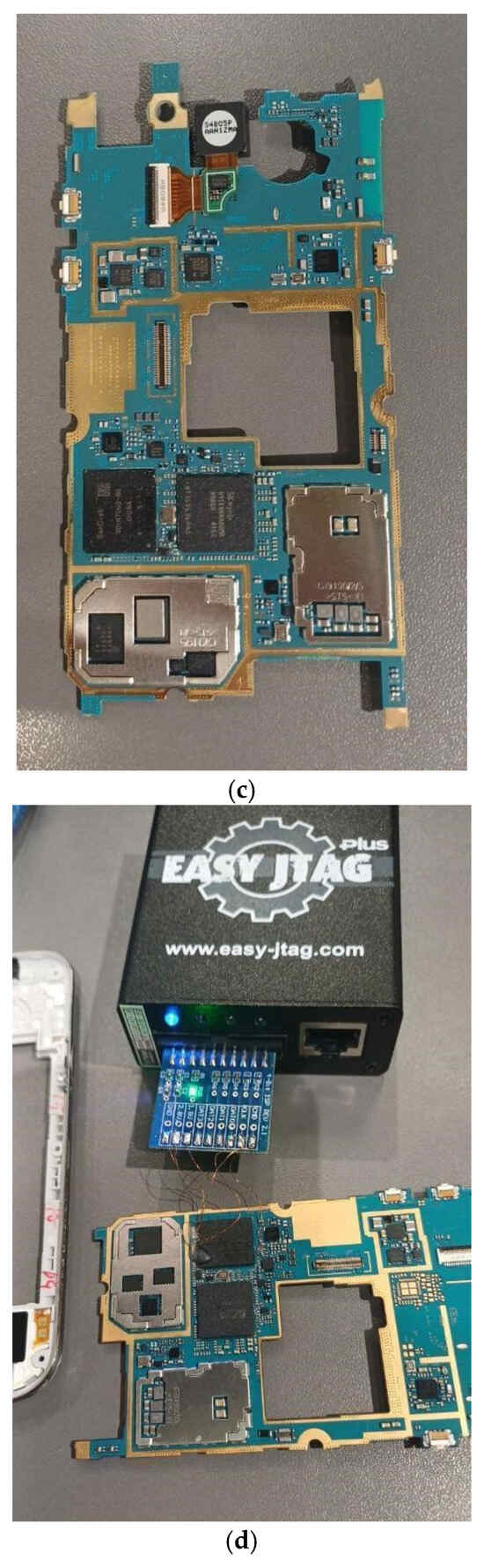
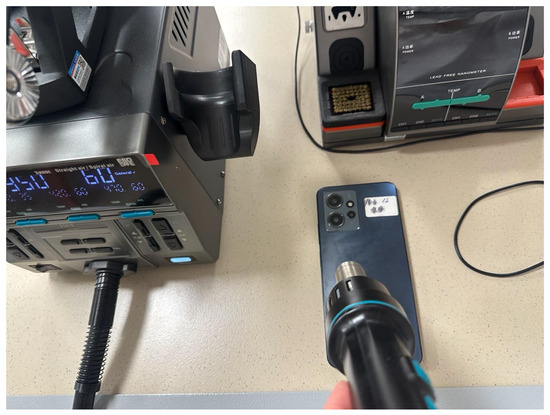
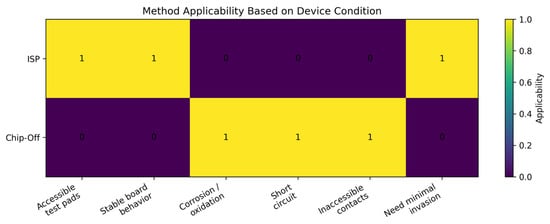
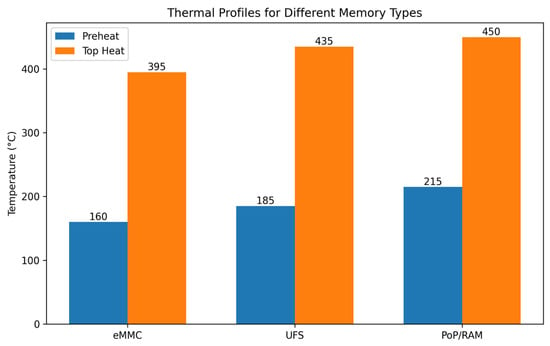
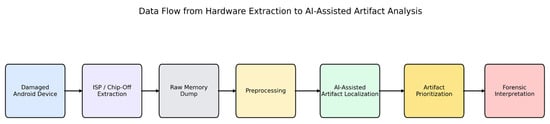
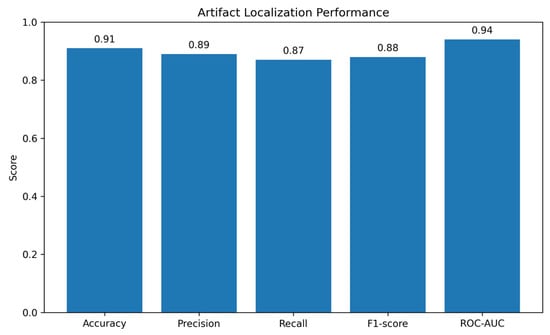
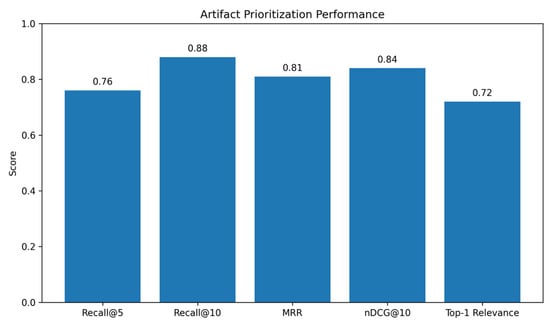
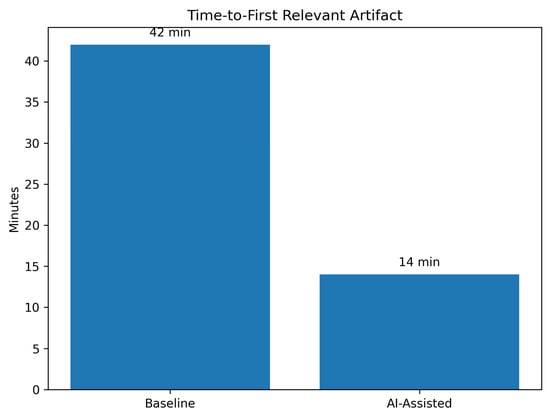
Physical damage to smartphones creates a persistent bottleneck in mobile forensic practice: once a device can no longer be accessed through its operating system, conventional logical acquisition fails, and investigators face a choice between accepting data loss and escalating to hardware-level intervention. This paper describes an integrated forensic workflow that addresses this gap by combining In-System Programming (ISP) and Chip-Off memory extraction with an AI-assisted artifact localization and prioritization layer. The workflow was evaluated on 18 physically damaged Android smartphones for which all standard acquisition paths were unavailable. Hardware extraction produced verified binary memory images from all 18 devices. A 1D-CNN localization classifier subsequently screened those images, achieving F1-score = 0.88 and ROC-AUC = 0.94 on the synthetic test partition. Prioritization of candidate windows reduced manual review volume by 78%, cut total expert review time by 63%, and shortened the time to first relevant artifact from 42 to 14 min relative to unassisted examination (indicative estimates based on three examiner sessions; no inferential statistical test was performed). The study contributes a formalized, criteria-driven decision model for selecting between ISP and Chip-Off, which are experimentally validated thermal extraction profiles for eMMC, UFS, and PoP/RAM memory.
Full article
(This article belongs to the Section Electronic Sensors)
►▼
Show Figures

Figure 1

Open AccessArticle
Cross-Modal Scene Prior for Adaptive RGB-Guided Infrared Column Stripe Noise Removal
by
Bahri Abaci and Seniha Esen Yuksel
Sensors 2026, 26(12), 3638; https://doi.org/10.3390/s26123638 (registering DOI) - 7 Jun 2026
Abstract
Infrared focal plane array detectors produce column stripe noise due to inter-detector response variations. Existing single-frame correction methods operate exclusively on the degraded infrared image and cannot reliably distinguish column noise from genuine vertical scene structures. With the increasing availability of co-registered visible-light
[...] Read more.
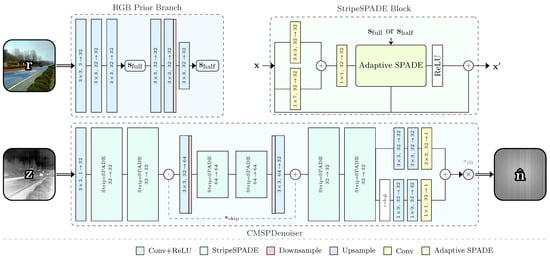
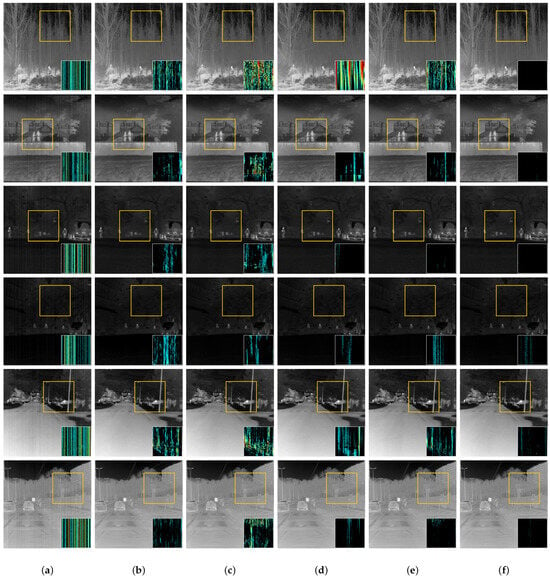
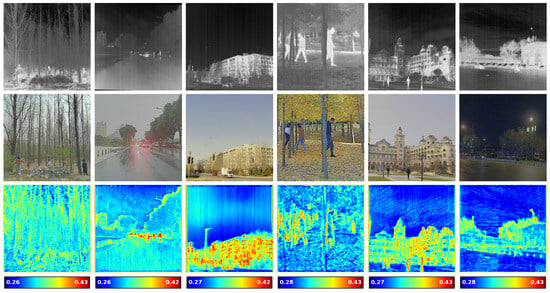
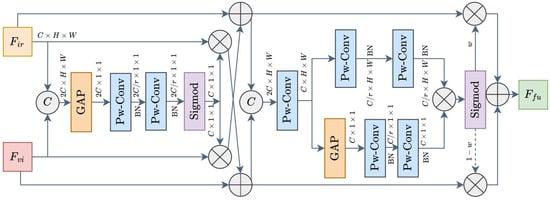
Infrared focal plane array detectors produce column stripe noise due to inter-detector response variations. Existing single-frame correction methods operate exclusively on the degraded infrared image and cannot reliably distinguish column noise from genuine vertical scene structures. With the increasing availability of co-registered visible-light cameras in modern electro-optical/infrared payloads, we propose to exploit the visible image as a structural guide for infrared destriping. Through a cross-modal correlation analysis, we show that the structural correspondence between RGB and infrared images is spatially non-uniform, motivating a selective rather than uniform fusion strategy. Based on this observation, we propose CMSP (Cross-Modal Scene Prior), a lightweight single-frame denoising architecture that selectively applies RGB guidance where it is beneficial. The proposed AdaptiveSPADE module blends RGB-guided modulation with standard instance normalization through a learned per-pixel confidence map, while a dual-path output head separately estimates pixel-wise residuals and column-constant stripe patterns. Evaluated on three public RGB–IR datasets, CMSP achieves 51.91 dB PSNR on M3FD, outperforming the best baseline by 5.79 dB with only 638 K parameters. A downstream evaluation on real stripe noise demonstrates that CMSP not only removes artifacts but also preserves the fine structures critical for infrared small target detection. Ablation studies confirm that adaptive gating more than doubles the benefit of RGB guidance compared to uniform modulation, and prevents degradation when cross-modal alignment is weak.
Full article
(This article belongs to the Section Sensing and Imaging)
►▼
Show Figures

Figure 1

Open AccessArticle
Rail-BEV: A LiDAR-Centric and Sensor-Aware BEV Perception Framework for Long-Range Railway Obstacle Detection
by
Jinghan Huang, Wentao Hu, Zifeng He, Chixiang Ma, Wenbo Song, Xinci Liu and Mingxin Yang
Sensors 2026, 26(12), 3637; https://doi.org/10.3390/s26123637 (registering DOI) - 7 Jun 2026
Abstract
Reliable long-range onboard perception is a prerequisite for future railway safety systems, where potential obstacles must be recognized under long braking distances, sparse far-field returns, and strongly constrained rail-corridor geometry. This paper presents Rail-BEV as an initial reproducible baseline study for LiDAR-centric, sensor-aware
[...] Read more.
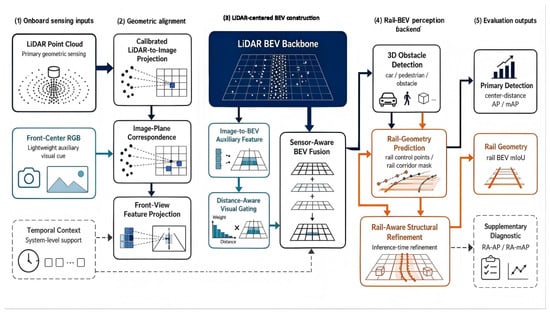
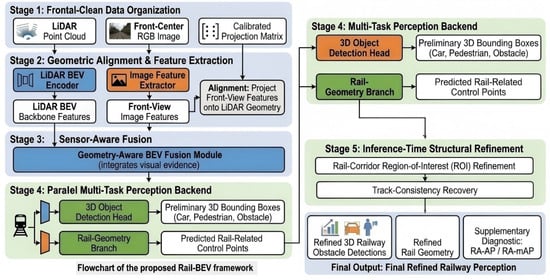
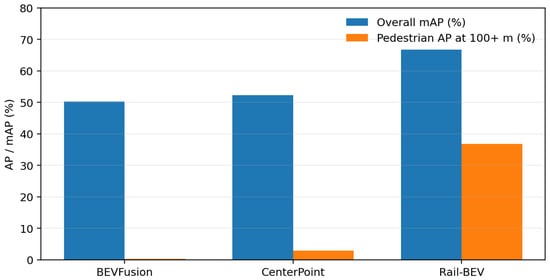
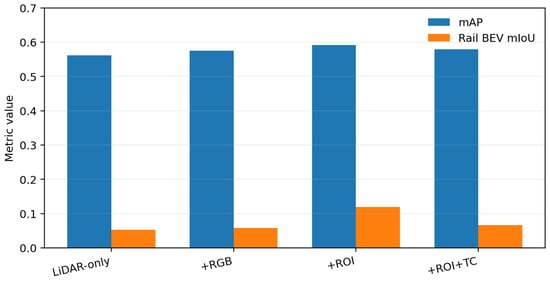
Reliable long-range onboard perception is a prerequisite for future railway safety systems, where potential obstacles must be recognized under long braking distances, sparse far-field returns, and strongly constrained rail-corridor geometry. This paper presents Rail-BEV as an initial reproducible baseline study for LiDAR-centric, sensor-aware bird’s-eye-view (BEV) railway obstacle perception. LiDAR is used as the primary geometric sensing modality, while a front-center RGB camera provides lightweight auxiliary visual evidence through calibrated LiDAR-to-image projection. The aligned geometric and visual cues are organized within a unified railway-oriented BEV backend that integrates geometry-aware fusion, rail-geometry prediction, and lightweight inference-time structural refinement. Evaluation was conducted on a scene-isolated railway benchmark with range-stratified center-distance matching, and all model variants were assessed on independent test sequences rather than on validation-selected checkpoints. Compared with CenterPoint and BEVFusion baselines evaluated under the same settings, Rail-BEV achieved the highest overall mAP of 0.6669, with particularly improved long-range pedestrian perception. The controlled ablation further shows that front-view RGB evidence improves the LiDAR-only baseline from 0.5612 to 0.5750 mAP, while ROI-based rail-corridor refinement further increases mAP to 0.5916 and Rail-BEV mIoU to 0.1193. These results indicate that LiDAR-centered sensing, lightweight visual assistance, and coarse rail-aware structural reasoning can be jointly organized to support reproducible long-range railway obstacle perception. This study also clarifies the remaining limitations in rail-geometry quality, calibration robustness, sensor degradation, and strict railway-oriented localization.
Full article
(This article belongs to the Section Communications)
►▼
Show Figures

Figure 1
Open AccessArticle
OrdPrune-KD: An Ordinal-Consistency-Based Model Compression Framework for Diabetic Retinopathy Grading
by
Yuzhe Yan, Siqi Liang and Yifan Xia
Sensors 2026, 26(12), 3636; https://doi.org/10.3390/s26123636 (registering DOI) - 7 Jun 2026
Abstract
This study proposes OrdPrune-KD, an ordinal-consistency-driven model compression framework that integrates grade-aware structured pruning with Earth Mover’s Distance (EMD)-based knowledge distillation for diabetic retinopathy (DR) grading. Unlike conventional approaches that only consider ordinal relationships at the loss level, the proposed method incorporates ordinal
[...] Read more.
This study proposes OrdPrune-KD, an ordinal-consistency-driven model compression framework that integrates grade-aware structured pruning with Earth Mover’s Distance (EMD)-based knowledge distillation for diabetic retinopathy (DR) grading. Unlike conventional approaches that only consider ordinal relationships at the loss level, the proposed method incorporates ordinal priors into both model compression and knowledge transfer stages. Extensive experiments on APTOS 2019, Messidor-2, and IDRiD demonstrate that the proposed framework achieves a favorable balance between model compactness and predictive performance. In particular, under a 77% parameter reduction, the student model achieves competitive performance relative to the teacher model in terms of QWK while maintaining strong high-risk sensitivity. Additional ablation studies and fairness-controlled comparisons confirm that the performance gains are primarily attributed to the proposed ordinal-aware design rather than output formulation differences. These results indicate that OrdPrune-KD provides an effective and deployable solution for lightweight DR grading systems.
Full article
(This article belongs to the Section Biomedical Sensors)
Open AccessArticle
Measurement of Cognitive and Kinematic Adaptation in Exoskeleton-Assisted Locomotion: Validation of an XR-Based Framework
by
Nicola Abeni, Riccardo Costa, Emilia Scalona, Diego Torricelli and Matteo Lancini
Sensors 2026, 26(12), 3635; https://doi.org/10.3390/s26123635 (registering DOI) - 7 Jun 2026
Abstract
Robotic assistive devices, such as exoskeletons, are increasingly employed in walking rehabilitation. Therefore, the measurement of both movement kinematics and cognitive workload is important to understand this human–robot interaction in real-world contexts. To address this need this study presents the validation of a
[...] Read more.
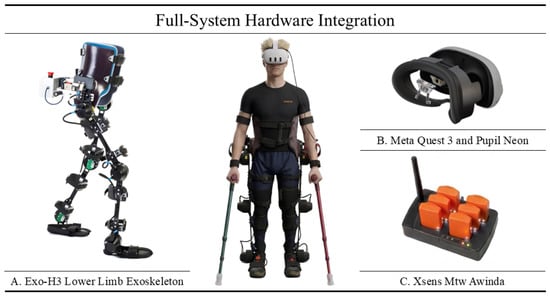
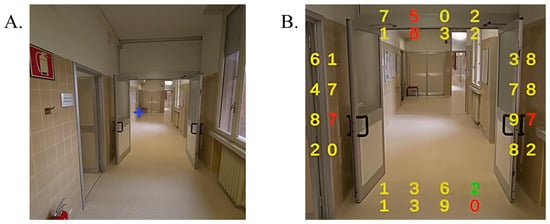
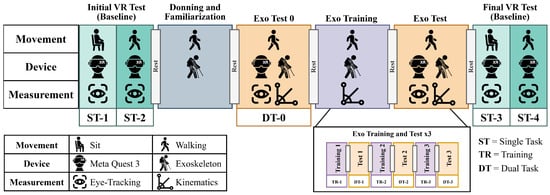
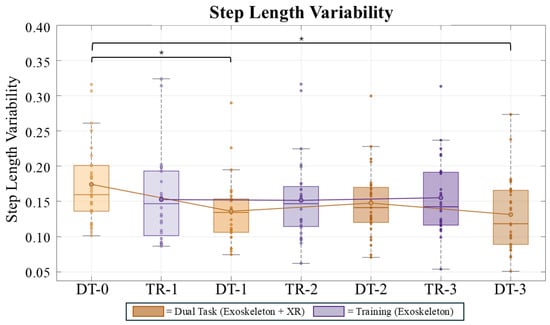
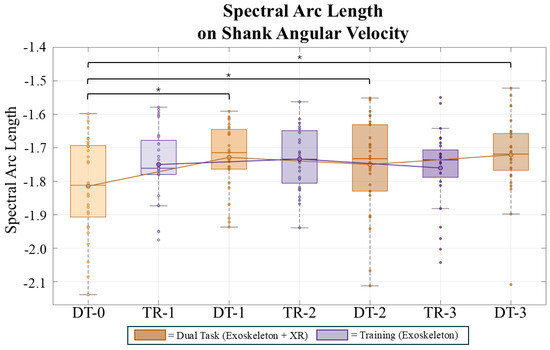
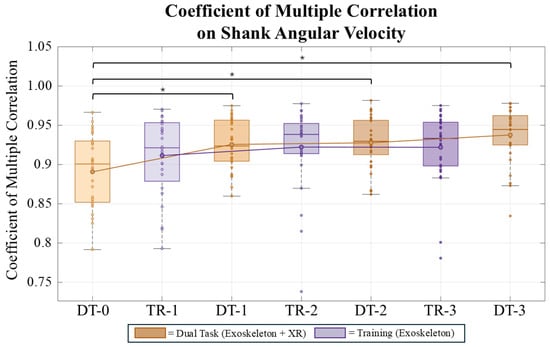
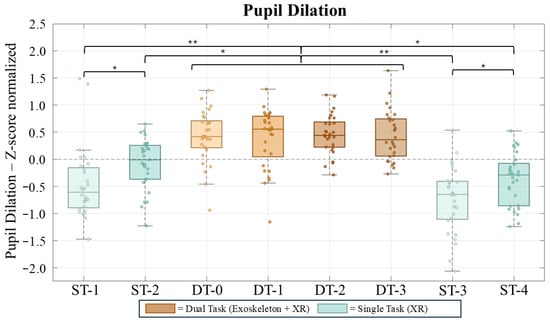
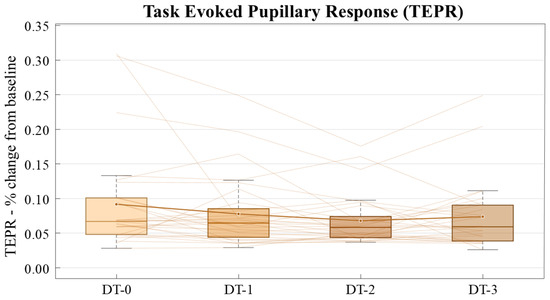
Robotic assistive devices, such as exoskeletons, are increasingly employed in walking rehabilitation. Therefore, the measurement of both movement kinematics and cognitive workload is important to understand this human–robot interaction in real-world contexts. To address this need this study presents the validation of a framework integrating inertial motion capture (Xsens) and eye-tracking sensor (Pupil Neon) within a Mixed Reality (Meta Quest 3) architecture. We developed an overground dual-task paradigm in which holographic numbers appear in the user’s peripheral vision. This setup actively stimulates visuospatial attention while quantifying kinematic and cognitive output. To validate the framework, the protocol has been tested on 30 healthy subjects across repeated exoskeleton training sessions. Statistical analyses revealed that the Coefficient of Multiple Correlation (CMC) and Spectral Arc Length (SPARC), calculated on the shank angular velocity, together with the Step Length Variability, exhibited significant time effects (p < 0.01), mapping the transition toward automated gait. Concurrently, pupillometric data demonstrated a measurable reduction in neurocognitive demand; specifically, the Task-Evoked Pupillary Response (TEPR) decreased significantly across progressive training sessions (p < 0.05). With this work, we validated a measurement protocol that aims to provide a novel methodology for objectively evaluating motor and cognitive adaptation in wearable assistive devices.
Full article
(This article belongs to the Special Issue Advanced Sensing Technologies in Sports Biomechanics)
►▼
Show Figures

Figure 1

Open AccessArticle
DMSG-SLAM: Cascaded Semantic and Geometric Filtering for RGB-D Tracking and Mapping in Dynamic Environments
by
Beicheng Li, Enhui Zheng, Huailiang Wang, Yuhao Geng, Qiming Hu and Xuxu Qi
Sensors 2026, 26(12), 3634; https://doi.org/10.3390/s26123634 (registering DOI) - 7 Jun 2026
Abstract
Traditional visual SLAM systems often suffer from localization drift in dynamic environments due to interference from moving objects. Although semantic segmentation and depth-based masking methods have improved performance, they may still suffer from boundary under-segmentation and missed detections due to truncation of dynamic
[...] Read more.
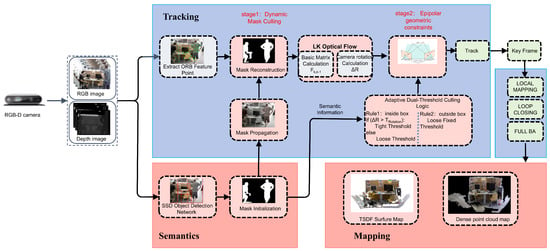
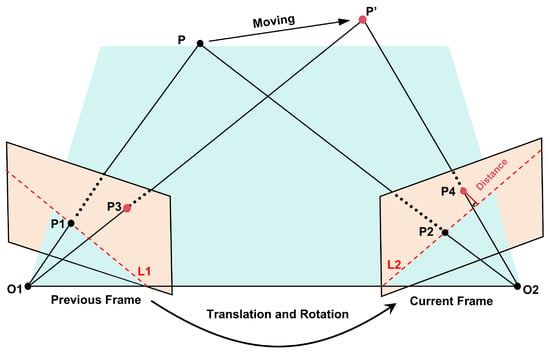
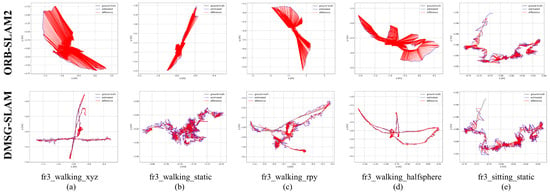
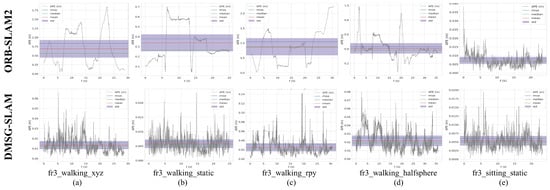
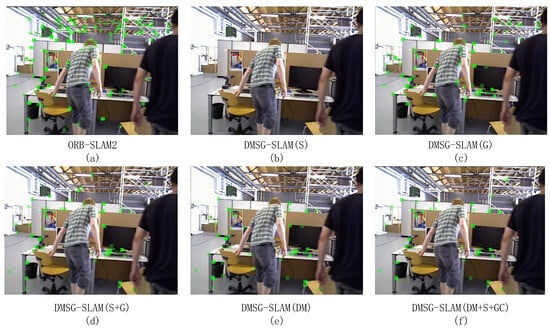
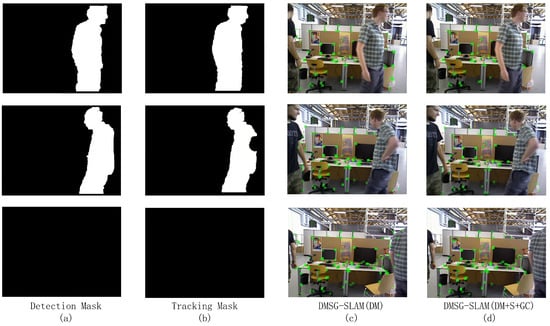
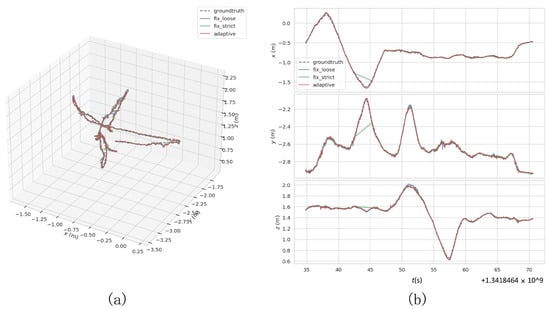
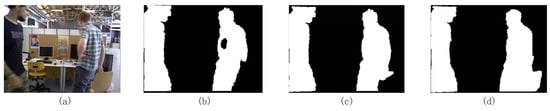
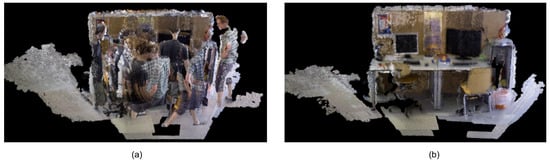
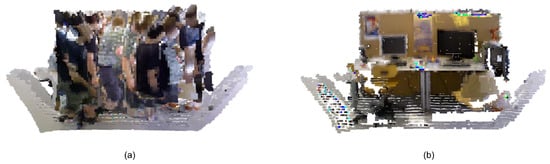
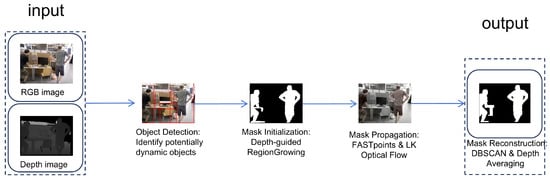
Traditional visual SLAM systems often suffer from localization drift in dynamic environments due to interference from moving objects. Although semantic segmentation and depth-based masking methods have improved performance, they may still suffer from boundary under-segmentation and missed detections due to truncation of dynamic objects. To address these challenges, we propose a cascaded framework, DMSG-SLAM, a cascaded visual SLAM system that fuses Depth-Mask, Semantic information and Geometry constraints for dynamic environments. A lightweight object detection network, combined with depth consistency, is first employed to generate instance-like masks for preliminary dynamic feature removal. Then, a rotation-aware local epipolar geometric filtering mechanism is introduced to suppress residual features near object boundaries and mitigate perceptual blind spots caused by occlusion or truncation. Within potential dynamic regions, the epipolar threshold is adaptively switched according to the estimated inter-frame rotation to provide a more conservative filtering effect under challenging motion conditions. In addition, a TSDF-based dense volumetric map is incorporated to reconstruct more consistent surfaces. Experiments on highly dynamic sequences from the TUM RGB-D dataset indicate that DMSG-SLAM achieves competitive accuracy in dynamic environments, with localization performance improving by up to 90% compared to ORB-SLAM2.
Full article
(This article belongs to the Section Sensing and Imaging)
►▼
Show Figures

Figure 1
Open AccessArticle
Risk-Prioritized Experience Replay for Stable In-Hand Manipulation
by
Yunsik Jung, Lingfeng Tao, Michael Bowman, Jiucai Zhang and Xiaoli Zhang
Sensors 2026, 26(12), 3633; https://doi.org/10.3390/s26123633 (registering DOI) - 7 Jun 2026
Abstract
Deep reinforcement learning (DRL) has shown strong capability for multi-finger dexterous in-hand manipulation, where high-dimensional control and complex object interactions make policy learning challenging. However, many existing DRL approaches emphasize task completion and learning efficiency without explicitly accounting for manipulation risk, which can
[...] Read more.
Deep reinforcement learning (DRL) has shown strong capability for multi-finger dexterous in-hand manipulation, where high-dimensional control and complex object interactions make policy learning challenging. However, many existing DRL approaches emphasize task completion and learning efficiency without explicitly accounting for manipulation risk, which can lead to overly aggressive behaviors and unstable object handling. This study proposes Risk-Prioritized Experience Replay (Risk-PER), a replay-sampling strategy that incorporates task-specific risk scores derived from prior transitions. The proposed method assigns each transition a risk score based on three binary indicators related to manipulation instability and then biases replay toward lower-risk experiences while still allowing the agent to learn from risk-related events. Risk-PER is integrated with Deep Deterministic Policy Gradient (DDPG) and evaluated in MuJoCo simulation on two Allegro Hand in-hand manipulation tasks involving a block and an egg. Across the evaluated settings, Risk-PER achieves higher success rates, lower manipulation risk, and more stable learning behavior than HER and reward–penalty-based risk-averse baselines. These results suggest that incorporating task-specific risk awareness into replay prioritization can improve both learning efficiency and manipulation stability in dexterous in-hand manipulation.
Full article
(This article belongs to the Special Issue Advanced Sensors and AI Integration for Human–Robot Teaming)
Open AccessArticle
Lightweight Cross-Domain Few-Shot Plant Disease Recognition Through Target-Domain Statistical Calibration
by
Chuantao Zhao, Ting Xu, Zhixian Zhang and Xia Geng
Sensors 2026, 26(12), 3632; https://doi.org/10.3390/s26123632 (registering DOI) - 7 Jun 2026
Abstract
Plant disease recognition models trained under laboratory conditions often degrade markedly after cross-domain transfer because of the pronounced distribution gap between source and target domains and the scarcity of labeled target-domain samples. To address the transfer task from PlantVillage (PV_100) to PlantDoc, this
[...] Read more.
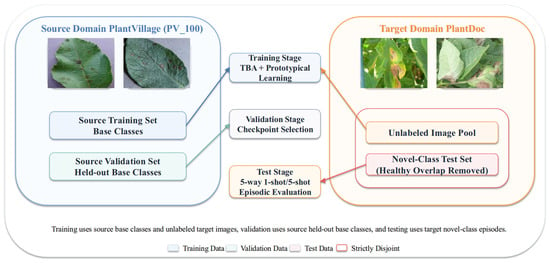
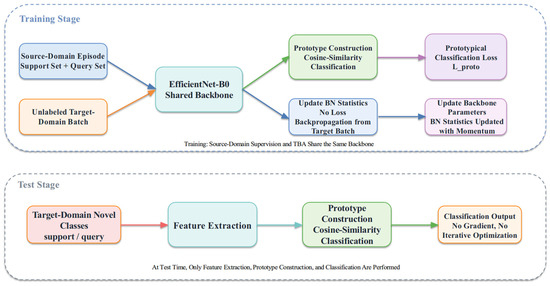
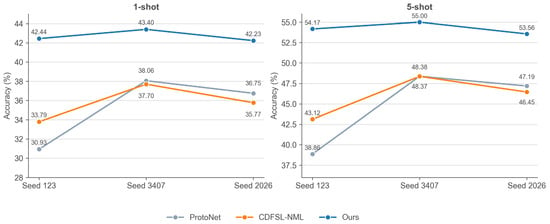
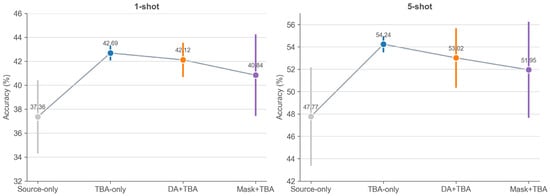
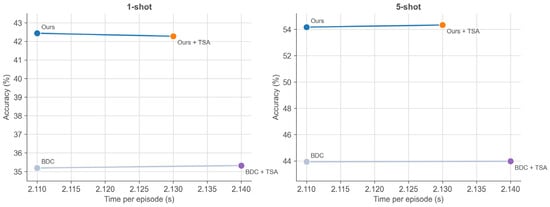
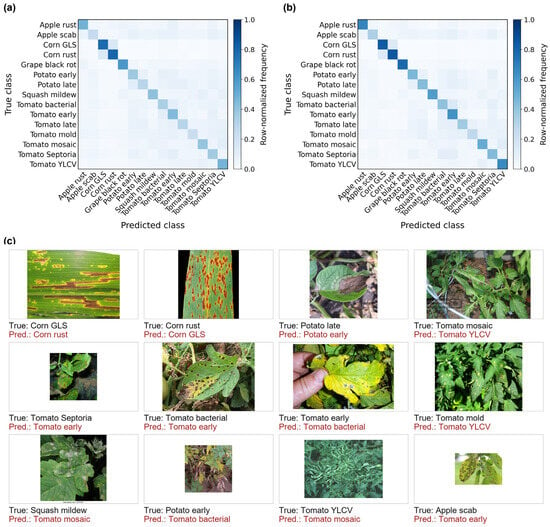
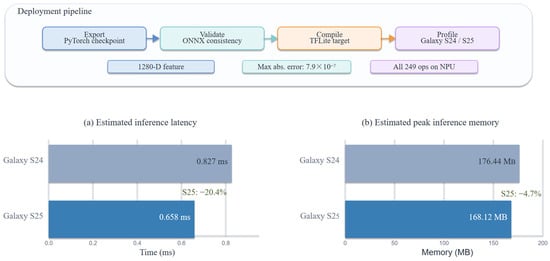
Plant disease recognition models trained under laboratory conditions often degrade markedly after cross-domain transfer because of the pronounced distribution gap between source and target domains and the scarcity of labeled target-domain samples. To address the transfer task from PlantVillage (PV_100) to PlantDoc, this study develops and evaluates a lightweight cross-domain few-shot plant disease recognition method under a strict PlantVillage-to-PlantDoc protocol. The method integrates EfficientNet-B0 feature extraction, cosine-similarity-based prototypical classification, and training-time target-domain BN adaptation (TBA). During training, unlabeled target-domain images are used only for BN statistical calibration, whereas inference is limited to feature extraction and prototype matching, without gradient updates or iterative optimization. Under a unified experimental protocol, the proposed method achieved cross-split mean accuracies of 42.69 ± 0.62% for one-shot and 54.24 ± 0.72% for five-shot, where ± denotes the standard deviation across three strict data splits; it outperformed ProtoNet by 7.44 and 9.43 percentage points, respectively. Ablation results indicate that TBA is the main source of performance improvement, whereas more complex adaptation strategies do not yield stable additional gains. The core encoder can be executed entirely on the NPU, with an estimated single-sample inference latency as low as 0.658 ms, indicating strong potential for encoder-level mobile deployment.
Full article
(This article belongs to the Section Smart Agriculture)
►▼
Show Figures

Figure 1
Open AccessArticle
Multiband Quasi-Yagi Antenna with Frequency-Selective Multi-Branch Directors for Sub-6 GHz Applications
by
Dokhyl AlQahtani, Faroq Razzaz and Saud M. Saeed
Sensors 2026, 26(12), 3631; https://doi.org/10.3390/s26123631 (registering DOI) - 7 Jun 2026
Abstract
This paper presents a novel design of a high-gain, low-profile multiband quasi-Yagi antenna. The proposed antenna will operate in the 2.45 GHz, 3.60 GHz, and 5.80 GHz frequency bands. The proposed antenna consists of a primary driven dipole printed on the sides of
[...] Read more.
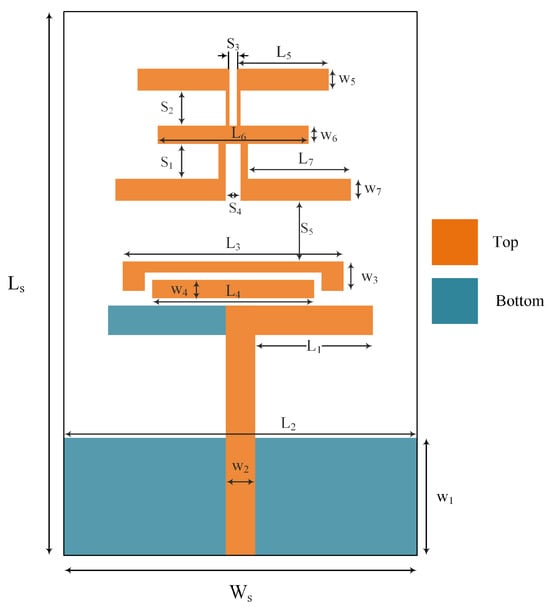
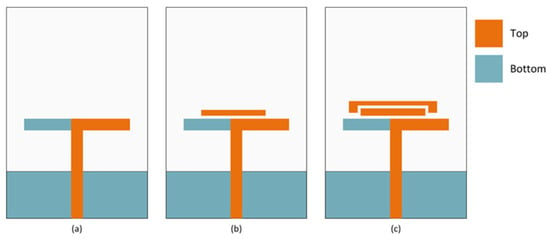
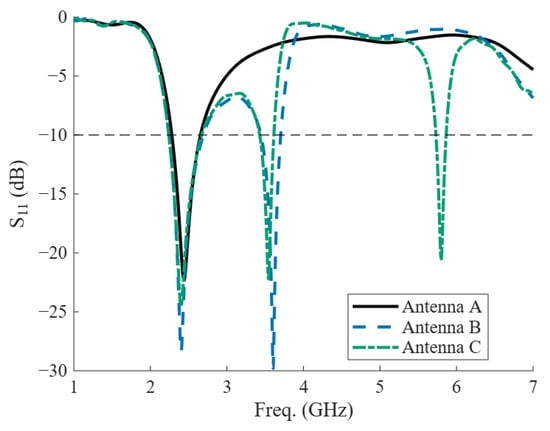
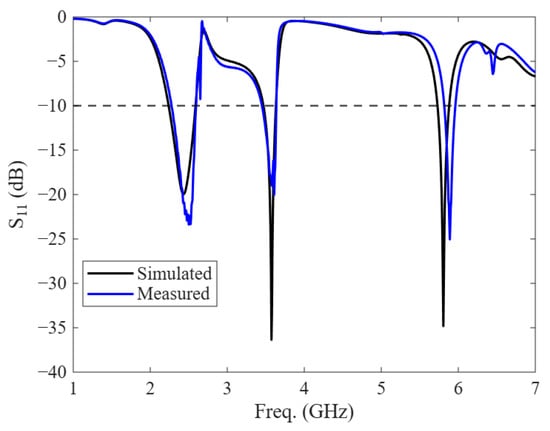
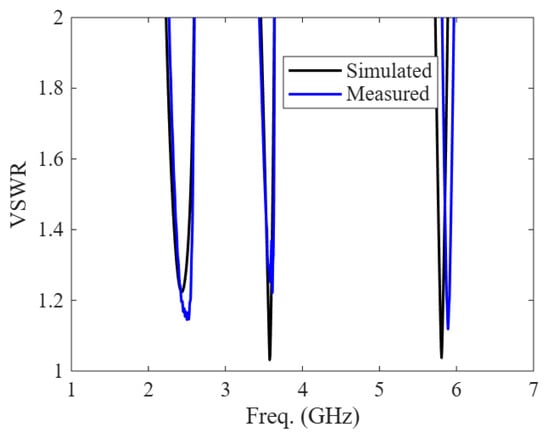
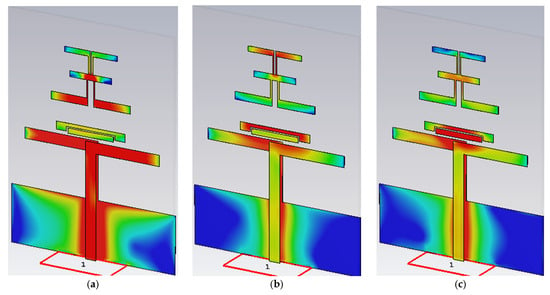
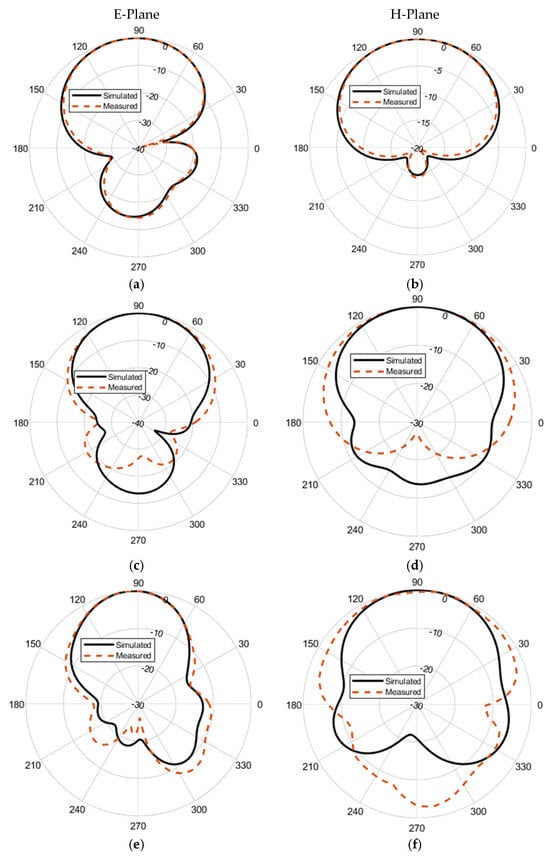
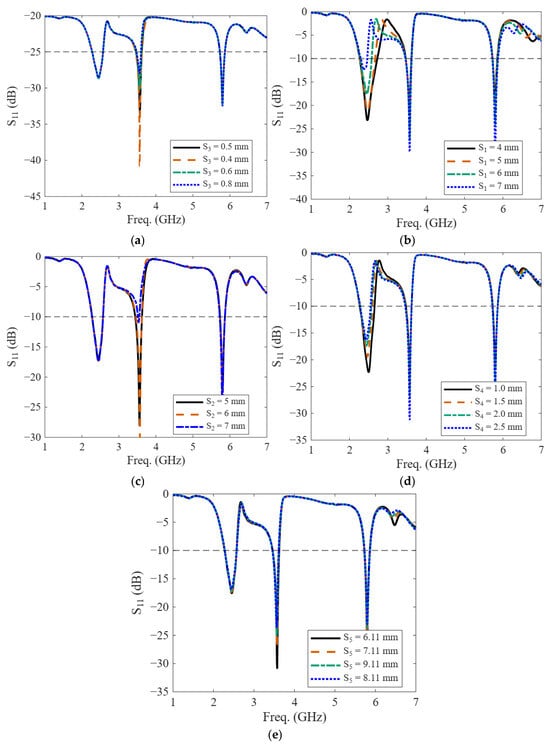
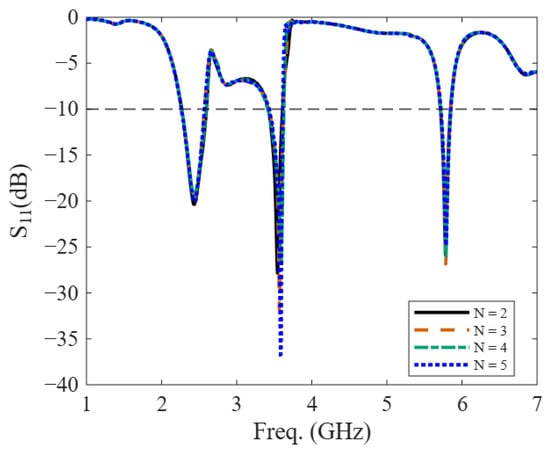
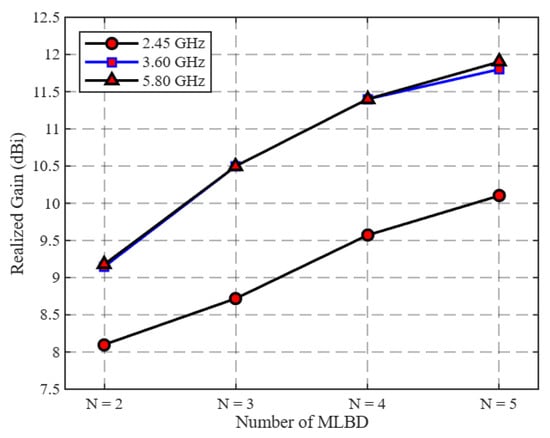
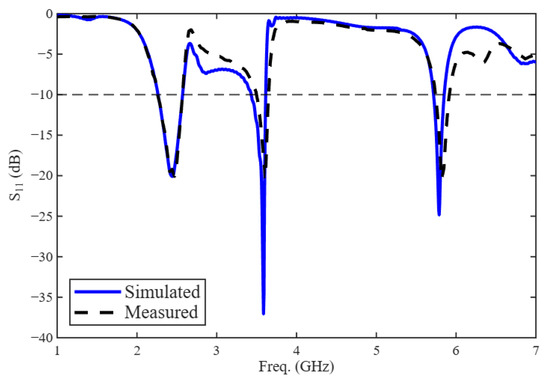
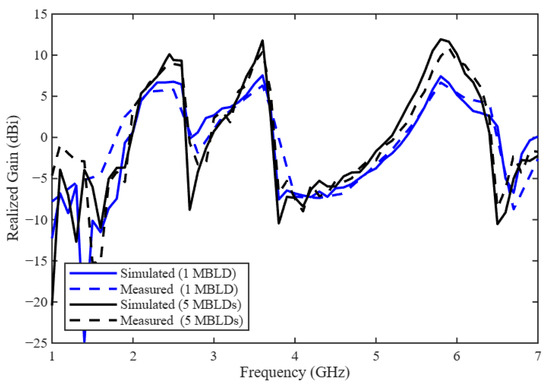
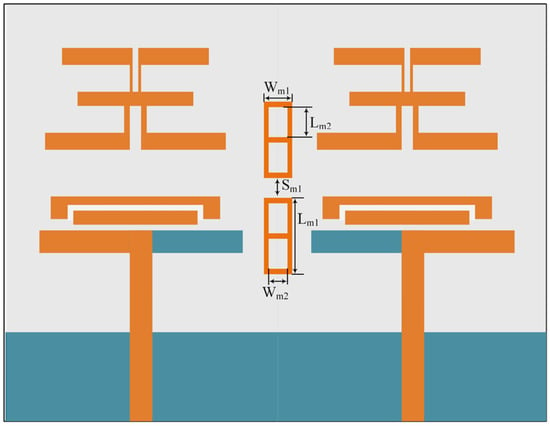
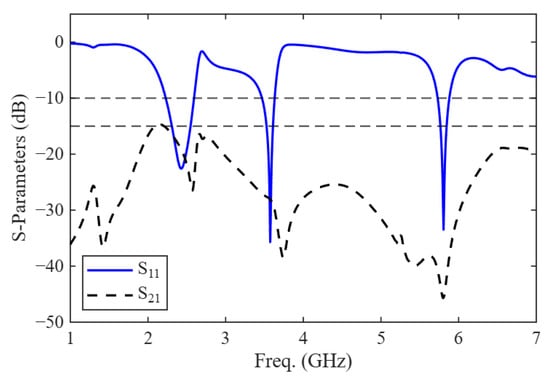
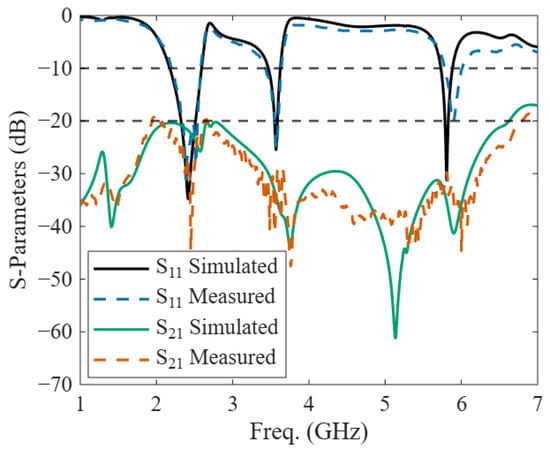
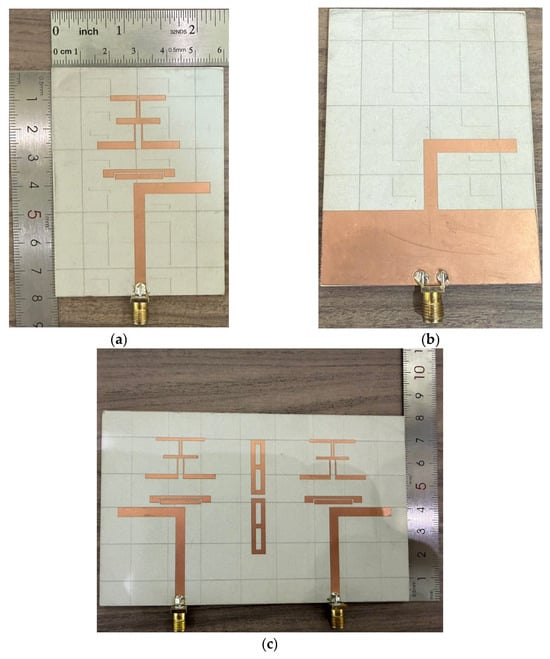
This paper presents a novel design of a high-gain, low-profile multiband quasi-Yagi antenna. The proposed antenna will operate in the 2.45 GHz, 3.60 GHz, and 5.80 GHz frequency bands. The proposed antenna consists of a primary driven dipole printed on the sides of a substrate, two parasitic elements, and a new branch line director. The main dipole element is utilized to generate the first frequency band. The two parasitic elements added near the driven dipole excite the last two frequency bands. The proposed antenna is appropriate for multiband applications due to its directional radiation patterns and front-to-back ratios, which exceed 13.4 dB for all frequency operating bands. The single-branch line director antenna realizes gains of 6.7, 7.5, and 7.4 dBi at 2.45, 3.6, and 5.8 GHz, respectively. When the number of branch line directors increases, the antenna’s gain increases over all the operating frequency bands. The realized gains with five branch line directors are 10.1, 11.8, and 11.9 dBi at 2.45, 3.6, and 5.8 GHz, respectively. Moreover, a 2 × 1 MIMO configuration is also demonstrated, achieving inter-element isolation greater than 20 dB at 2.45 GHz and 30 dB at 3.60 and 5.80 GHz, confirming the antenna’s suitability for 5G, Wi-Fi, and IoT sub-6 GHz applications.
Full article
(This article belongs to the Special Issue MIMO Antenna Design and Performance Enhancement for Wireless Applications)
►▼
Show Figures

Figure 1
Open AccessArticle
Model-Informed Speech Enhancement Using Virtual Room Acoustics and Acoustic Descriptor Optimization
by
Samuel Yaw Mensah, Tao Zhang, Xin Zhao and Nahid-Al Mahmud
Sensors 2026, 26(12), 3630; https://doi.org/10.3390/s26123630 (registering DOI) - 6 Jun 2026
Abstract
Reverberation and background noise remain persistent obstacles to achieving clear and intelligible speech in enclosed environments. Conventional data-driven or purely empirical dereverberation systems often perform well only under training conditions but lack robustness and physical interpretability when exposed to new acoustic spaces. To
[...] Read more.
Reverberation and background noise remain persistent obstacles to achieving clear and intelligible speech in enclosed environments. Conventional data-driven or purely empirical dereverberation systems often perform well only under training conditions but lack robustness and physical interpretability when exposed to new acoustic spaces. To address these limitations, this paper proposes a physics-informed speech enhancement algorithm that integrates analytical room acoustics modeling with a descriptor-guided optimization framework. The method employs virtual field simulations based on the Helmholtz equation to estimate key acoustic descriptors, reverberation time (RT60), direct-to-reverberant ratio (DRR), and clarity index (C50), which are then used to adaptively control a model-informed dereverberation filter. This hybrid formulation bridges physical modeling and signal processing, allowing the algorithm to minimize late reverberation energy while maintaining spectral fidelity. Experimental results across multiple simulated and real-room conditions demonstrate measurable improvements over baseline methods, achieving average gains of +6.4 dB in SNR, +1.2 in PESQ, and +0.13 in STOI, along with reduced RT60 and enhanced clarity. The proposed approach offers both computational efficiency and interpretability, making it suitable for real-time deployment in teleconferencing, hearing-assistive, and smart audio applications.
Full article
(This article belongs to the Special Issue Multimodal Signal Processing for Speech Enhancement and Intelligent Sensing)
Open AccessArticle
Direct and Regularized Inverse De-Embedding for Single-Carrier Signal Recovery in Measurement Front-Ends
by
Haonan Gu, Yingxin Jin, Yongnan Rao, Decai Zou and Yongpeng Liu
Sensors 2026, 26(12), 3629; https://doi.org/10.3390/s26123629 (registering DOI) - 6 Jun 2026
Abstract
To address the degradation of recovery accuracy caused by amplitude fluctuation, phase distortion, delay distortion, and noise amplification in single-carrier signal measurement chains, this paper investigates direct inverse and regularized inverse de-embedding compensation methods. Based on a linear time-invariant system model, single-carrier signal
[...] Read more.
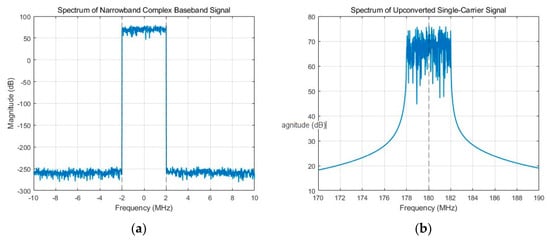
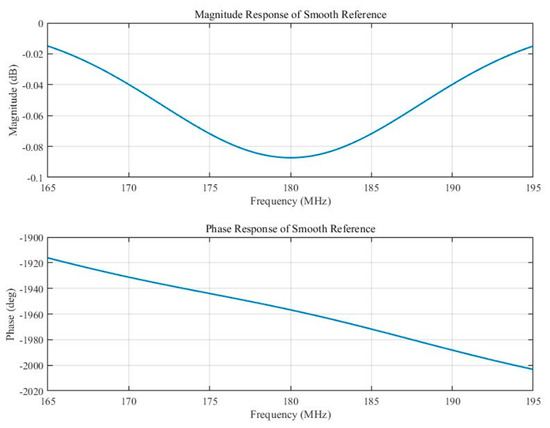
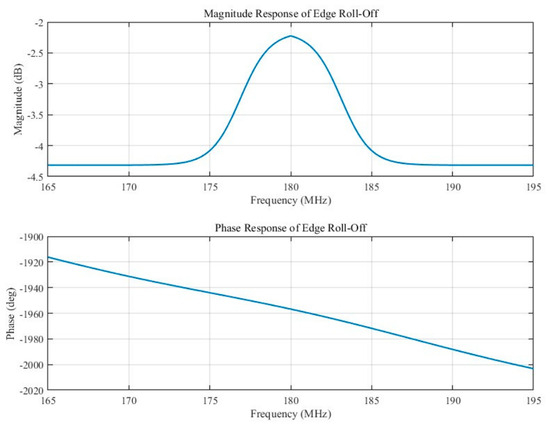
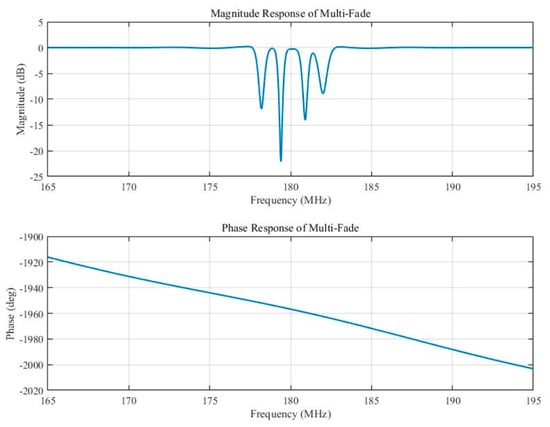
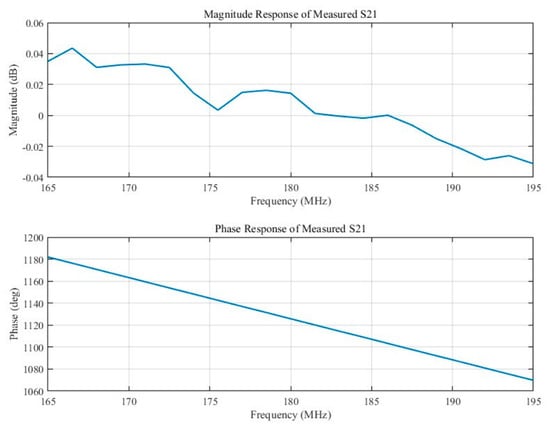
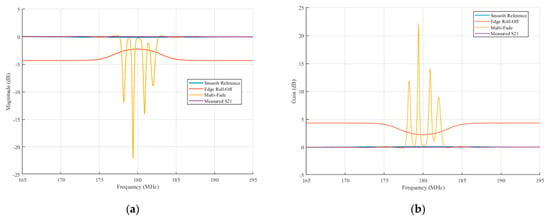
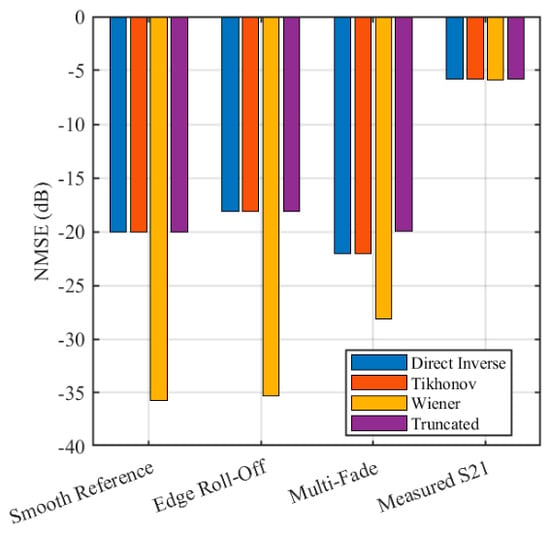
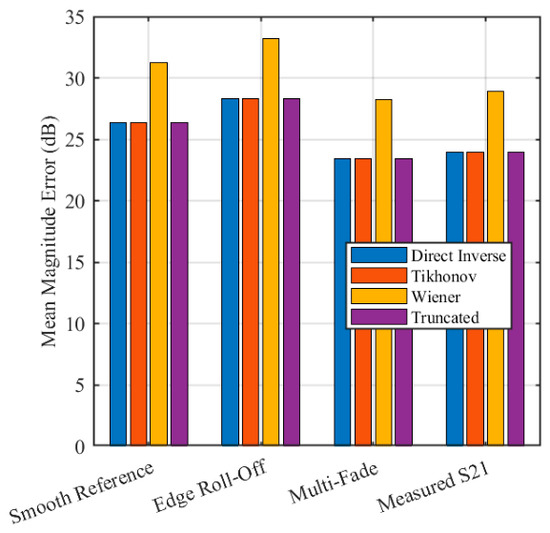
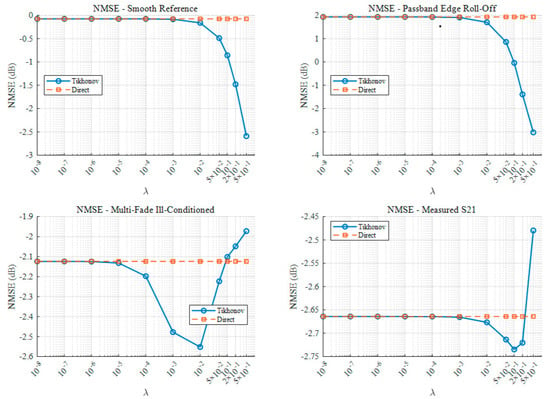
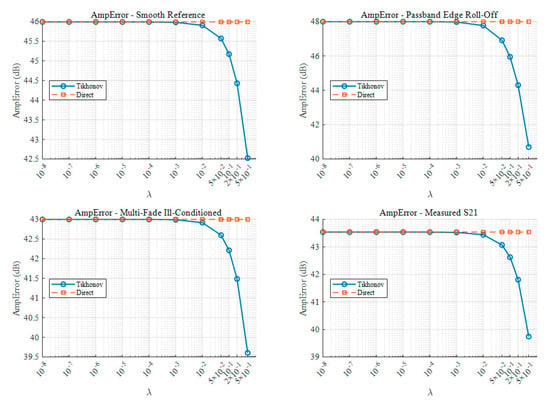
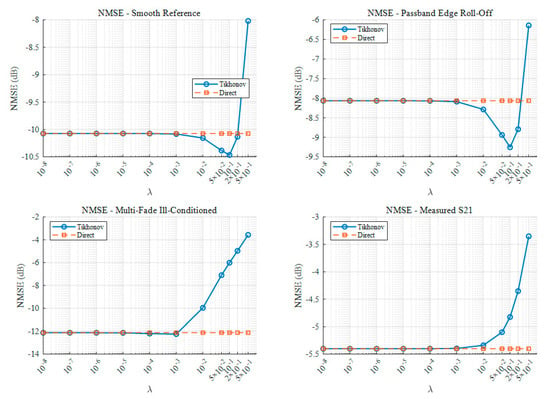
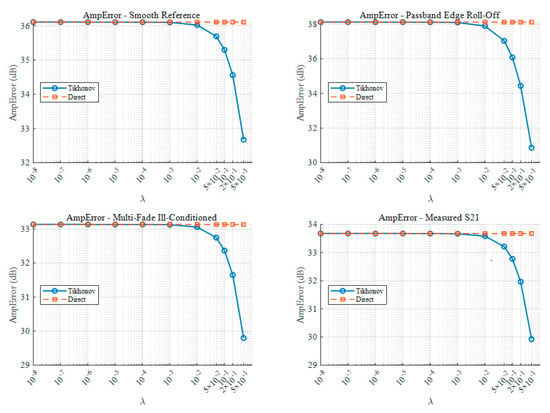
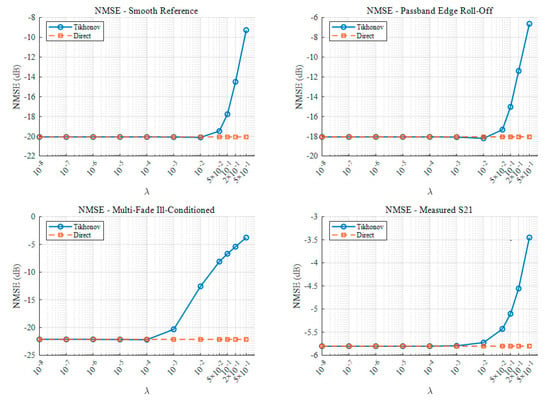
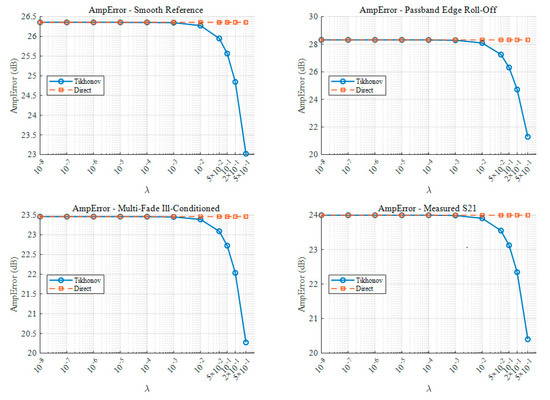
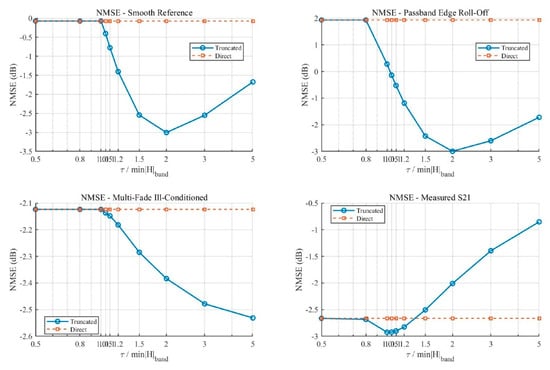
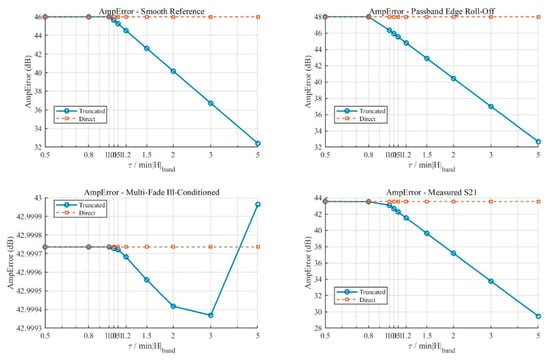
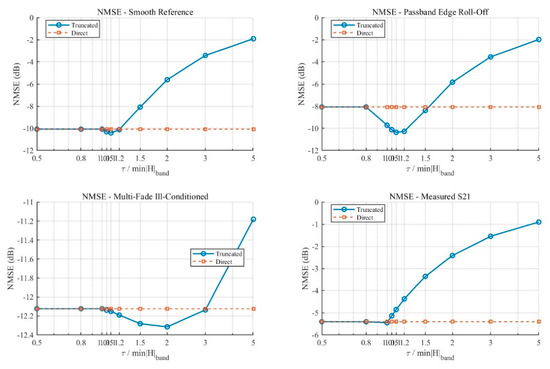
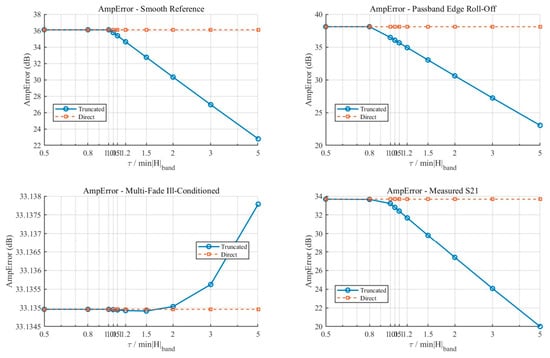
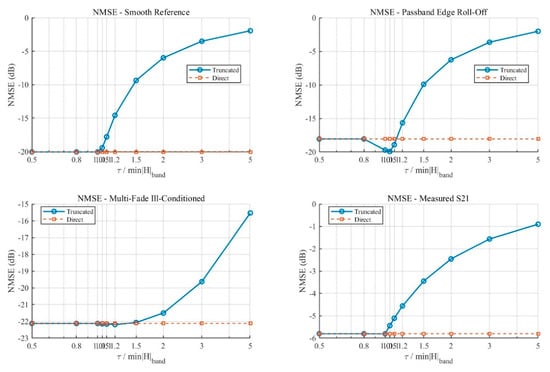
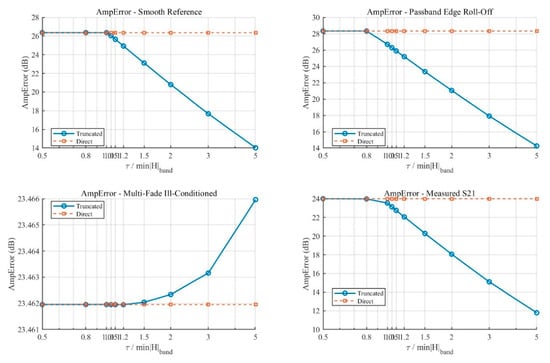
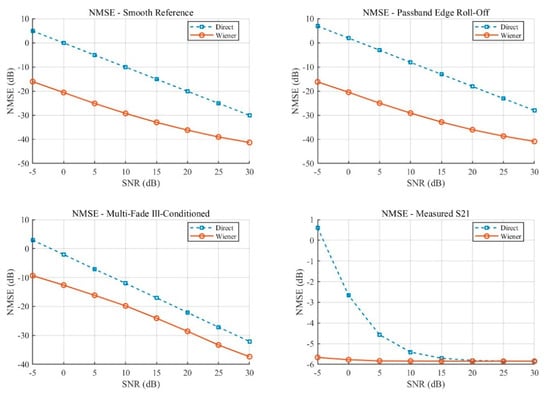
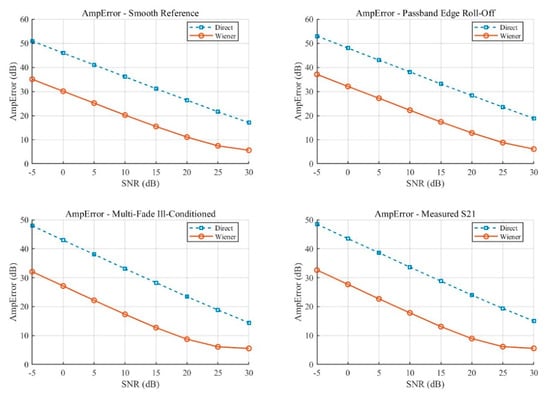
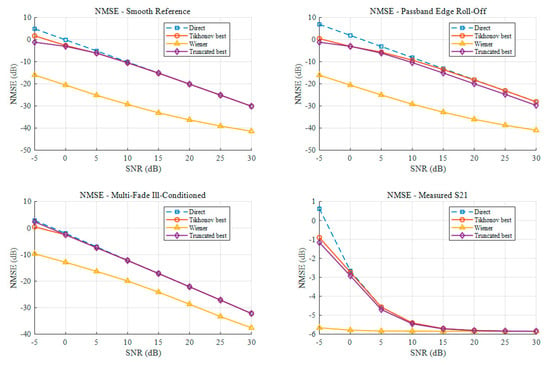
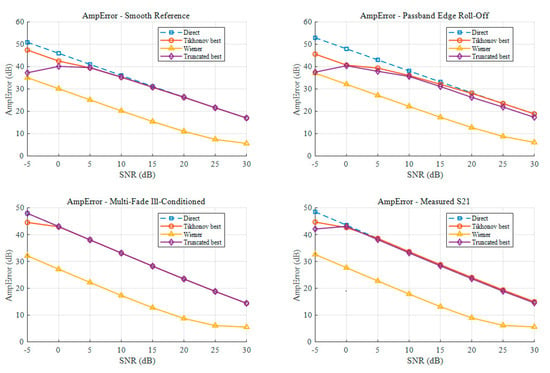
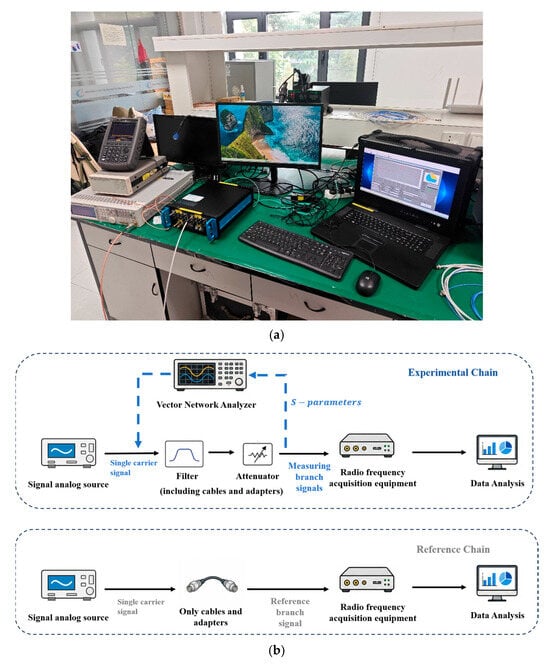
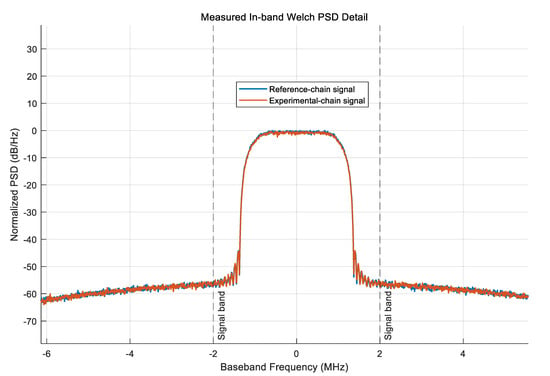
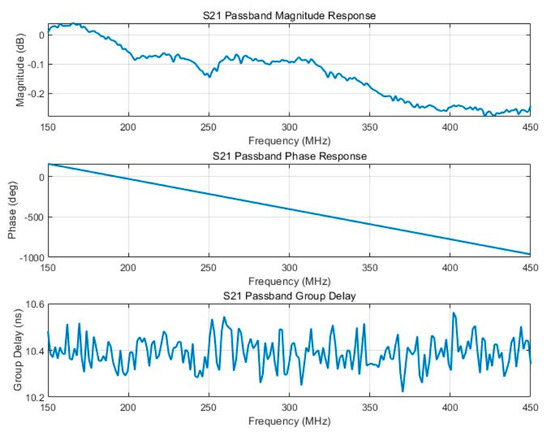
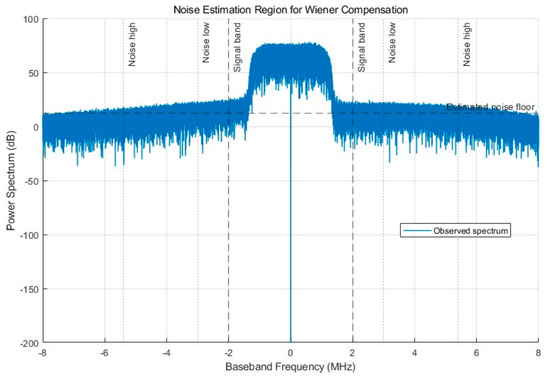
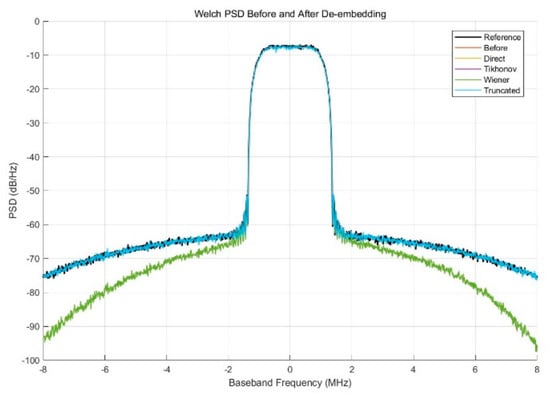
To address the degradation of recovery accuracy caused by amplitude fluctuation, phase distortion, delay distortion, and noise amplification in single-carrier signal measurement chains, this paper investigates direct inverse and regularized inverse de-embedding compensation methods. Based on a linear time-invariant system model, single-carrier signal de-embedding is formulated as an ill-conditioned inverse problem that is sensitive to weak-response frequency points and observation noise. A unified frequency-domain compensation framework is then established, including the Direct method, Tikhonov regularized inverse compensation, Wiener-type inverse compensation, and truncated inverse compensation. To evaluate the applicability of these methods, a narrowband single-carrier signal and four measurement-chain models are constructed, including a smooth reference chain, a passband-edge attenuation chain, a multiple local-fading ill-conditioned chain, and a measured S-parameter-based chain. The simulation results show that the compensation gain is closely related to the magnitude response of the measurement chain. The Direct, Tikhonov, and Truncated methods produce similar results when the chain response is relatively flat or when the regularization constraint is weak, whereas the Wiener-type method achieves better NMSE performance under the tested conditions. Parameter-sweep and SNR experiments further show that the effectiveness of regularized inverse compensation depends on the ill-conditioning degree of the measurement chain, the noise level, and the parameter settings. Measured single-carrier signal experiments verify the feasibility of the proposed framework. Frequency-domain de-embedding compensation based on the measured improves the NMSE from −18.7808 dB before compensation to −37.9458 dB after compensation. The measured results also show that, when the measurement-chain response is relatively flat, the additional improvement of Tikhonov and Truncated methods over the Direct method is limited, while the Wiener-type method provides a slight NMSE improvement. Overall, the proposed framework provides a practical approach for single-carrier signal recovery and clarifies the applicability of different inverse compensation methods under different measurement-chain and noise conditions.
Full article
(This article belongs to the Special Issue Advances in GNSS Signal Processing and Navigation—Second Edition)
►▼
Show Figures

Figure 1
Open AccessArticle
Micro-Expression Recognition Based on Dual-Stream Motion-Anchored Cross-Fusion Network
by
Junxian Li, Tian Li, Shucheng Huang, Gang Wang and Mingxing Li
Sensors 2026, 26(12), 3628; https://doi.org/10.3390/s26123628 (registering DOI) - 6 Jun 2026
Abstract
Micro-expression recognition (MER) remains a formidable challenge in affective computing due to the subtle, localized, and fleeting nature of facial muscle actuations. Conventional spatial-temporal networks are easily overwhelmed by static facial topologies, leading to feature representations that are heavily biased toward identity-specific noise.
[...] Read more.
Micro-expression recognition (MER) remains a formidable challenge in affective computing due to the subtle, localized, and fleeting nature of facial muscle actuations. Conventional spatial-temporal networks are easily overwhelmed by static facial topologies, leading to feature representations that are heavily biased toward identity-specific noise. To address this, we propose the Motion-Anchored Cross-Modal Fusion Network (MACFN), a novel dual-stream ViT architecture that explicitly decouples and synergizes spatial appearance and optical flow dynamics. Specifically, we introduce a motion-anchored spatial attention module, which translates latent motion features into a sparse spatial probability mask. It acts as an enhancement gate, forcing the texture stream to bypass static backgrounds and attend to genuine ME-related regions. Furthermore, we design a cross-modal bilinear fusion module to capture the second-order interactions across modalities, mapping the coupled features into a discriminative semantic manifold. Extensive experiments conducted on the CASME II, SAMM, and SMIC databases under the rigorous leave-one-subject-out composite database evaluation protocol demonstrate that MACFN is effective and achieves competitive performance compared to several recent methods.
Full article
(This article belongs to the Section Sensor Networks)
Open AccessArticle
Consumer-Grade Wearable Sensors for Classifying Pilot Workload and Stress During Real Flight Training: A Leave-One-Subject-Out Validation Study
by
Rongbing Xu, Shi Cao, Michael Barnett-Cowan, Elizabeth Irving, Ewa Niechwiej-Szwedo and Suzanne Kearns
Sensors 2026, 26(12), 3627; https://doi.org/10.3390/s26123627 (registering DOI) - 6 Jun 2026
Abstract
Consumer-grade wearable sensors may enable continuous monitoring of pilot workload and stress during flight training, yet most prior studies rely on simulators, raw-score labelling, and within-subject validation, limiting generalisability. This study evaluates whether electrodermal activity (EDA), electrocardiogram (ECG)-derived features, and wrist skin temperature,
[...] Read more.
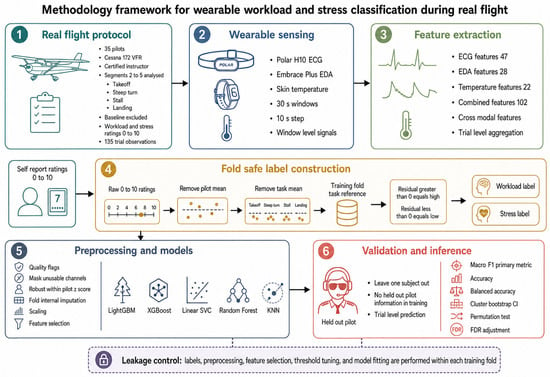
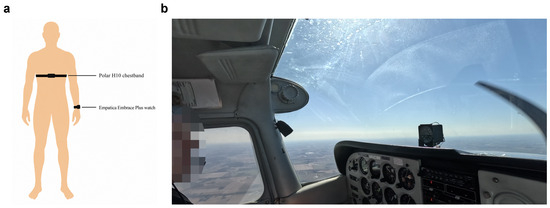
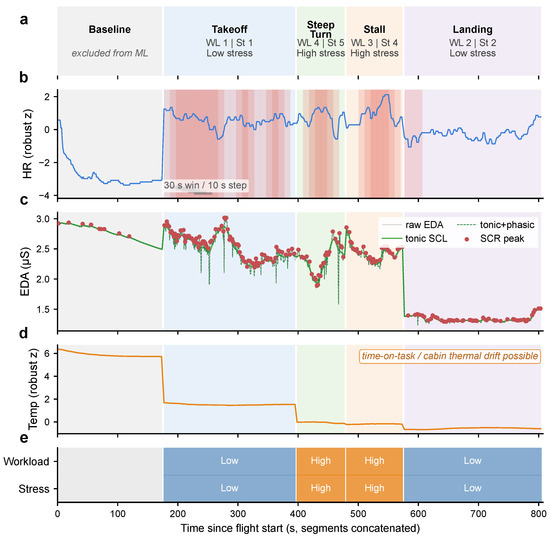
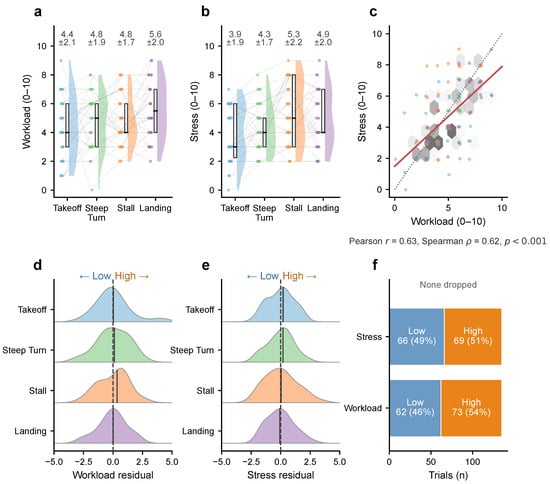
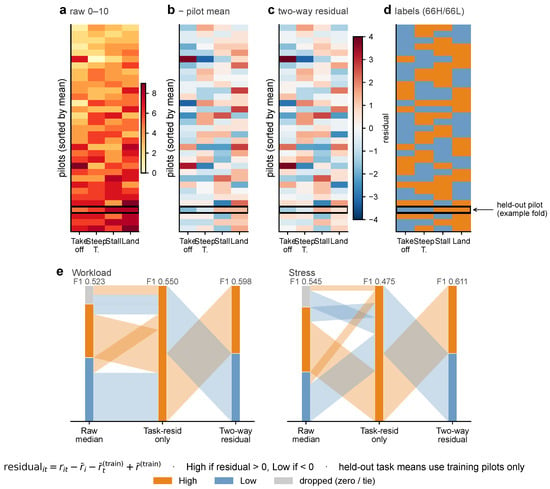
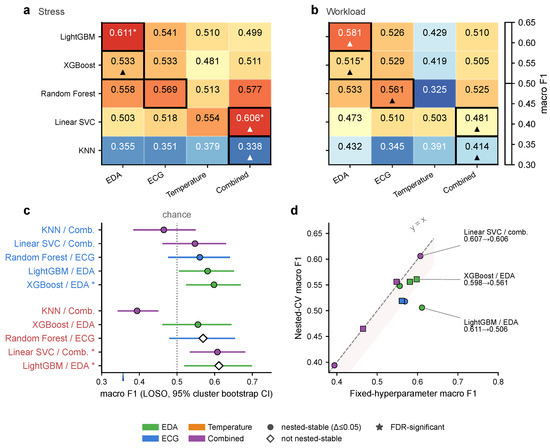
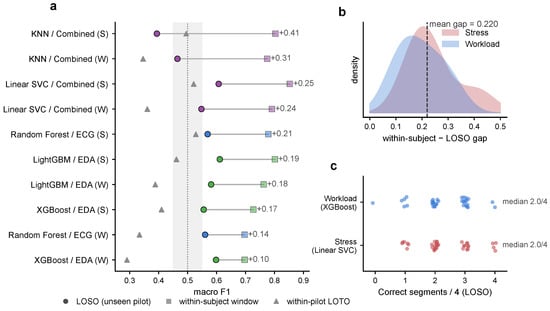
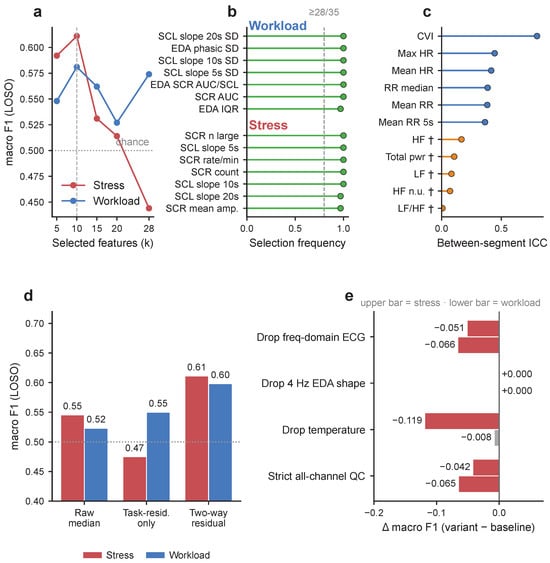
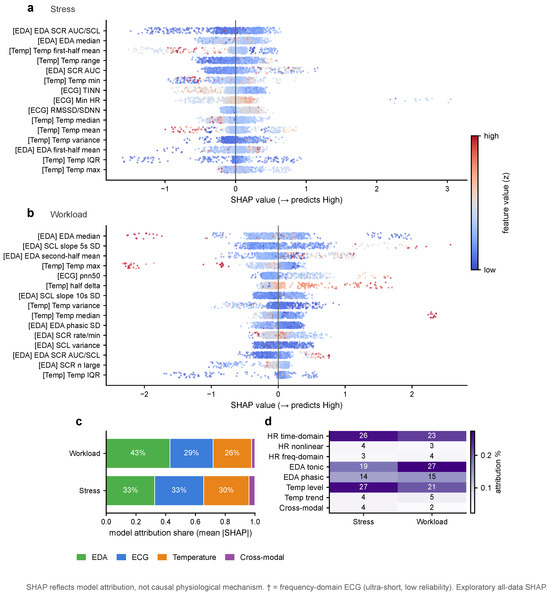
Consumer-grade wearable sensors may enable continuous monitoring of pilot workload and stress during flight training, yet most prior studies rely on simulators, raw-score labelling, and within-subject validation, limiting generalisability. This study evaluates whether electrodermal activity (EDA), electrocardiogram (ECG)-derived features, and wrist skin temperature, recorded from an Empatica Embrace Plus and a Polar H10 during real Cessna 172 flight training, can classify pilots’ task-relative workload and stress deviations. Thirty-five pilots completed four flight segments and rated workload and stress after each. Fold-safe two-way residual binary labels removed inter-pilot scale-use differences and task-level effects, and five classifiers were evaluated under leave-one-subject-out (LOSO) cross-validation with Benjamini–Hochberg FDR correction. Under LOSO, a Linear SVC on combined features classified stress (macro F1 = 0.607) and XGBoost on EDA classified workload (macro F1 = 0.598) significantly above chance ( ); both remained stable under nested cross-validation with an inner hyperparameter search (nested 0.606 and 0.561). A LightGBM model on EDA gave a numerically higher stress score (0.611) that did not survive nested validation. Subject-dependent within-subject validation produced higher apparent performance (macro F1 = 0.853 for stress and 0.791 for workload), but a stricter within-pilot analysis was unstable. These contrasts indicate that personalised classification may be feasible after calibration, whereas uncalibrated cross-pilot prediction in real flight remains modest, with post-flight debriefing the most plausible near-term application.
Full article
(This article belongs to the Special Issue Advanced Sensors for Health and Human Performance Monitoring)
►▼
Show Figures

Figure 1
Open AccessArticle
SABDR: Bidirectional Dynamic Domain Adaptation with Style Alignment for Small Object Detection Under Adverse Weather
by
Wei Tang, Xuekai Zhang, Yueping Peng, Hexiang Hao, Zecong Ye, Le Li and Yingying Sun
Sensors 2026, 26(12), 3626; https://doi.org/10.3390/s26123626 (registering DOI) - 6 Jun 2026
Abstract
Small object detection under adverse weather remains challenging due to weather-induced domain shifts and sparse visual cues of small targets. In contrast to R-YOLO/QTNet and conventional UDA methods, which mainly rely on weather-specific restoration/enhancement or global feature/magnitude alignment, SABDR explicitly targets cross-weather small
[...] Read more.
Small object detection under adverse weather remains challenging due to weather-induced domain shifts and sparse visual cues of small targets. In contrast to R-YOLO/QTNet and conventional UDA methods, which mainly rely on weather-specific restoration/enhancement or global feature/magnitude alignment, SABDR explicitly targets cross-weather small object adaptation through bidirectional domain translation, degradation-aware receptive-field modeling, feature-statistics modulation, and style-direction alignment. Specifically, the Bidirectional Dynamic Domain Adaptation Network, termed BiDDC-Net, translates between source and target domains and dynamically adjusts receptive fields according to weather severity. The Style-Aware Domain Adaptation Module, termed AIFI-DA, enhances discriminative small-object channels using feature statistics. SDA is further used as a complementary training-time regularizer to encourage style-direction consistency without directly matching feature magnitudes. Experiments are conducted on Cityscapes→Foggy Cityscapes and MOT-Fly→Foggy/Rainy/Snowy MOT-Fly, including newly added rainy and snowy MOT-Fly settings, with both YOLOv5s and YOLO26 evaluated on all MOT-Fly weather conditions. SABDR achieves 47.7 on Cityscapes→Foggy Cityscapes, and obtains 96.0%/96.8%, 66.7%/77.1%, and 95.0%/95.6% on Foggy, Rainy, and Snowy MOT-Fly with YOLOv5s/YOLO26, respectively. The improvements on MOT-Fly are reported under a fixed single-seed setting and should therefore be interpreted as single-run empirical gains rather than statistically validated improvements. These results demonstrate its effectiveness under the evaluated fog/rain/snow cross-weather small object detection settings.
Full article
(This article belongs to the Special Issue AI-Based Computer Vision Sensors & Systems—2nd Edition)
Open AccessArticle
DMNet: A Frequency-Enhanced and Adaptive Spatial Fusion Network for RGB–Infrared Object Detection
by
Yuchen Yao, Xinlong Wang and Yan Liu
Sensors 2026, 26(12), 3625; https://doi.org/10.3390/s26123625 (registering DOI) - 6 Jun 2026
Abstract
Object detection in complex environments remains challenging due to illumination variations, background clutter, and the presence of small objects. Multimodal detection methods based on RGB and infrared (IR) data have shown promising potential by leveraging complementary information across modalities. However, existing approaches still
[...] Read more.
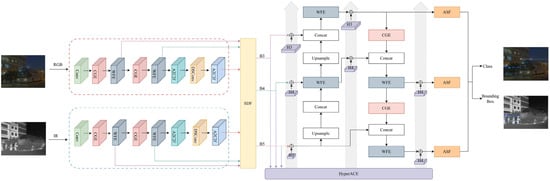
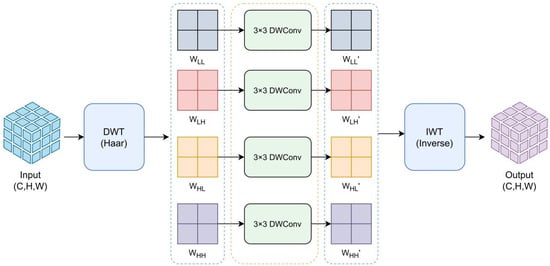
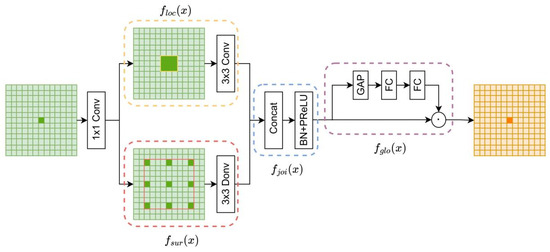
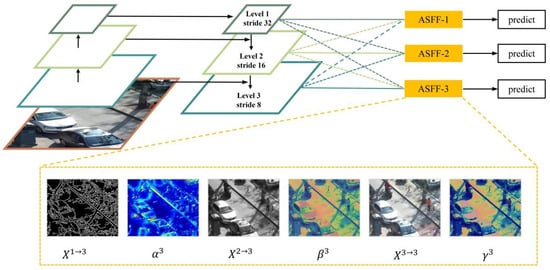
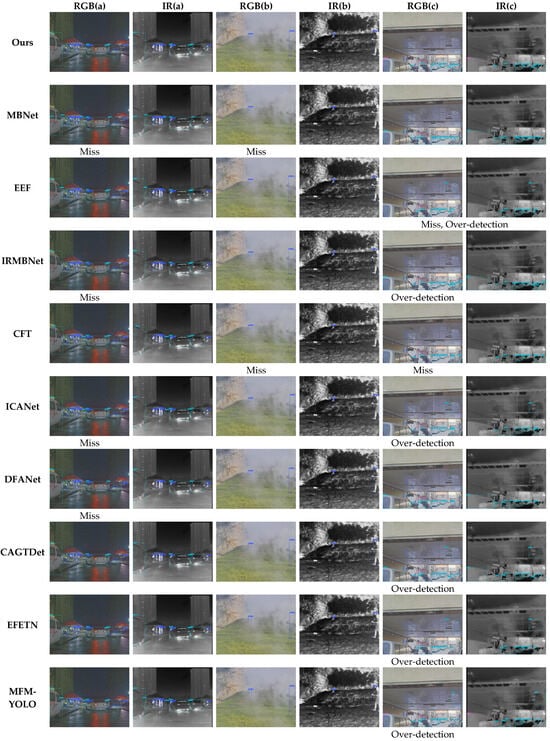
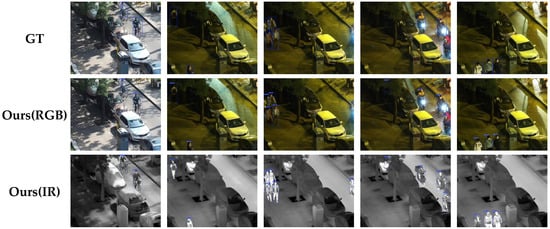
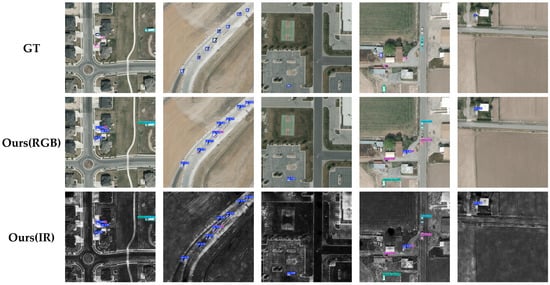
Object detection in complex environments remains challenging due to illumination variations, background clutter, and the presence of small objects. Multimodal detection methods based on RGB and infrared (IR) data have shown promising potential by leveraging complementary information across modalities. However, existing approaches still suffer from cross-modal feature misalignment, loss of fine-grained details, and insufficient semantic interaction. In this work, we introduce a novel dual-stream framework called DMNet, specifically tailored for visible and IR multimodal object detection. The architecture integrates four core components designed to tackle these challenges: surface detail fusion (SDF) for shallow feature alignment, wavelet feature extraction (WFE) for frequency-domain enhancement, context-guided enhancement (CGE) for semantic refinement, and adaptive spatial fusion (ASF) for multi-scale feature aggregation. We conduct extensive evaluations on three benchmark datasets, including M3FD, LLVIP, and VEDAI, demonstrating that DMNet achieves superior detection performance compared with existing methods. Experimental results confirm that DMNet outperforms existing approaches, achieving an mAP@0.5 of 78.4% on M3FD, 94.4% on LLVIP, and 59.0% on VEDAI. Notably, the model maintains a relatively compact parameter scale (5.72 million parameters) while achieving superior detection performance, making it suitable for practical deployment. These findings highlight DMNet as an effective and efficient solution for multimodal object detection under challenging conditions, especially in low-light and small-object scenarios.
Full article
(This article belongs to the Section Sensing and Imaging)
►▼
Show Figures

Figure 1
Journal Menu
► ▼ Journal Menu-
- Sensors Home
- Aims & Scope
- Editorial Board
- Reviewer Board
- Topical Advisory Panel
- Early Career Editorial Board
- Instructions for Authors
- Special Issues
- Topics
- Sections & Collections
- Article Processing Charge
- Indexing & Archiving
- Editor’s Choice Articles
- Most Cited & Viewed
- Journal Statistics
- Journal History
- Journal Awards
- Society Collaborations
- Conferences
- Editorial Office
Journal Browser
► ▼ Journal Browser-
arrow_forward_ios
Forthcoming issue
arrow_forward_ios Current issue - Vol. 26 (2026)
- Vol. 25 (2025)
- Vol. 24 (2024)
- Vol. 23 (2023)
- Vol. 22 (2022)
- Vol. 21 (2021)
- Vol. 20 (2020)
- Vol. 19 (2019)
- Vol. 18 (2018)
- Vol. 17 (2017)
- Vol. 16 (2016)
- Vol. 15 (2015)
- Vol. 14 (2014)
- Vol. 13 (2013)
- Vol. 12 (2012)
- Vol. 11 (2011)
- Vol. 10 (2010)
- Vol. 9 (2009)
- Vol. 8 (2008)
- Vol. 7 (2007)
- Vol. 6 (2006)
- Vol. 5 (2005)
- Vol. 4 (2004)
- Vol. 3 (2003)
- Vol. 2 (2002)
- Vol. 1 (2001)
Highly Accessed Articles
Latest Books
E-Mail Alert
News
Topics
Topic in
Applied Sciences, Optics, Sensors, Materials, Fibers, Photonics, Micromachines
Distributed Optical Fiber Sensors
Topic Editors: Jian Li, Hao Wu, Giancarlo C. Righini, Zhe Ma, Yahui WangDeadline: 30 June 2026
Topic in
Drones, Electronics, Eng, JMSE, Robotics, Sensors, Vehicles
Advanced Technologies and Applications for Unmanned Systems
Topic Editors: Jinchao Chen, Chao Chen, Yingjie ZhangDeadline: 31 July 2026
Topic in
Applied Sciences, Electronics, JSAN, Photonics, Sensors, Telecom
Machine Learning in Communication Systems and Networks, 3rd Edition
Topic Editors: Yichuang Sun, Haeyoung Lee, Oluyomi SimpsonDeadline: 20 August 2026
Topic in
Applied Sciences, Automation, Computers, Electronics, Sensors, JCP, Mathematics
Intelligent Optimization, Decision-Making and Privacy Preservation in Cyber–Physical Systems
Topic Editors: Lijuan Zha, Jinliang Liu, Jian LiuDeadline: 31 August 2026
Conferences
Special Issues
Special Issue in
Sensors
Integration of Wireless Communication and Sensing Technologies for 5G/6G Networks
Guest Editors: Junsheng Mu, Jianxiao XieDeadline: 10 June 2026
Special Issue in
Sensors
Multi-Modal Image Processing Methods, Systems, and Applications: 2nd Edition
Guest Editors: Kechen Song, Yunhui YanDeadline: 10 June 2026
Special Issue in
Sensors
Smart Sensors for Real-Time Mining Hazard Detection
Guest Editor: Chenghao WangDeadline: 10 June 2026
Special Issue in
Sensors
Distributed Sensor Networks: Emerging Technologies, Methods and Applications
Guest Editors: Liang Liu, Chunpeng Ge, Hua DaiDeadline: 10 June 2026
Topical Collections
Topical Collection in
Sensors
Optical Chemical Sensors: Design and Applications
Collection Editor: Roberto Pizzoferrato
Topical Collection in
Sensors
Cryptography and Security in IoT and Sensor Networks
Collection Editors: Ilsun You, Gaurav Choudhary, Karl Andersson
Topical Collection in
Sensors
Sensors Technology in Cultural Heritage
Collection Editors: Maria Koui, Stefano Sfarra, Stefano Paoloni