



-
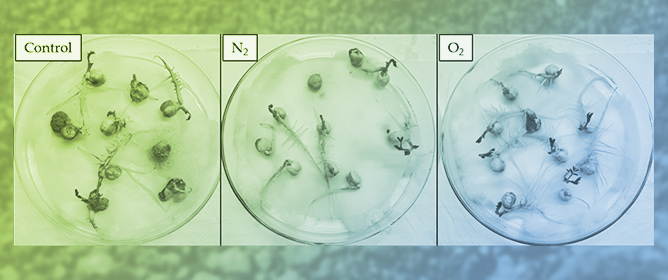
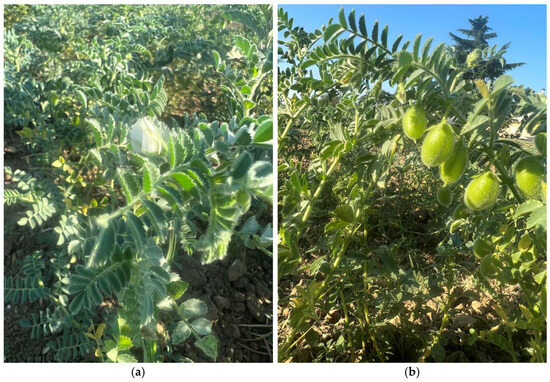
Physiology of Germination and Postharvest Deterioration in Chickpea (Cicer arietinum L., Fabaceae) Seeds Treated with Non-Thermal Plasma -
Seed Dormancy and Germination Ecology of Three Morningglory Species: Ipomoea lacunosa, I. hederacea, and I. purpurea -
Effect of Fertilization and Plant Density on the Nutritional Value of Nettle (Urtica dioica L.) -
Comparative Evaluation of Novel Pre-Sowing Technologies on Germination and Vigour of Edible Wheat Sprout Seeds
Journal Description
Seeds
Seeds
is an international, peer-reviewed, open access journal on seed science and technology published bimonthly online by MDPI.
- Open Access— free for readers, with article processing charges (APC) paid by authors or their institutions.
- High Visibility: indexed within ESCI (Web of Science), Scopus, EBSCO, and other databases.
- Journal Rank: CiteScore - Q2 (Agricultural and Biological Sciences (miscellaneous))
- Rapid Publication: manuscripts are peer-reviewed and a first decision is provided to authors approximately 25 days after submission; acceptance to publication is undertaken in 3.5 days (median values for papers published in this journal in the second half of 2025).
- Recognition of Reviewers: APC discount vouchers, optional signed peer review, and reviewer names published annually in the journal.
- Seeds is a companion journal of Agronomy.
- Journal Cluster of Agricultural Science: Agriculture, Agronomy, Horticulturae, Soil Systems, AgriEngineering, Crops, Seeds, Grasses, Agrochemicals and AI and Precision Agriculture.
Latest Articles
Seed Germination of Native Mediterranean Species for Establishing Self-Sustaining Urban Meadows Supporting Urban Biodiversity
Seeds 2026, 5(3), 27; https://doi.org/10.3390/seeds5030027 - 4 May 2026
Abstract
►
Show Figures
Urbanization reduces biodiversity and affects plant–insect interactions, creating a need for more functional green spaces. Urban meadows with native species are a promising option, but their use is still limited due to a variety of reasons concerning the utilization framework of suitable plant
[...] Read more.
Urbanization reduces biodiversity and affects plant–insect interactions, creating a need for more functional green spaces. Urban meadows with native species are a promising option, but their use is still limited due to a variety of reasons concerning the utilization framework of suitable plant species. The present study aimed to develop seed germination protocols for 26 native Mediterranean herbaceous species originating from northeastern Greece selected to support the establishment of species-rich and self-sustaining urban meadows. To the above end, seed germination experiments were conducted ex situ under controlled environment conditions using seeds collected from the wild for each species. Seed viability was assessed using the tetrazolium (TTZ) test to determine the maximum germination potential in each case. Freshly collected seeds were stored under ambient conditions for approximately 3 months (after-ripening) prior to germination testing, which was followed by cold stratification as a pretreatment for dormancy release. The results showed high embryo viability in all species and indicated that most taxa exhibited either no dormancy or relatively shallow physiological dormancy. Germination tests revealed that 14 of the 26 species presented high germination percentages in the control treatment, which suggests that after-ripening contributed to dormancy release in a significant portion of the seed lot. However, it remains unclear whether freshly collected seeds require an initial after-ripening period before responding to cold stratification. Furthermore, cold stratification significantly enhanced germination in 12 species confirming its effectiveness as a simple and practical method for dormancy release. In addition to the seed germination results, the selected species present a wide range of functional and esthetic characteristics, including variation in plant height, flowering phenology and flower and leaf color. These traits are important for both ecological performance and visual quality in urban environments. The combination of extended flowering periods and color diversity suggests the potential for continuous floral resource availability, which can support diverse pollinator communities and, indirectly, urban fauna such as insectivorous birds. The results indicate that the studied species are suitable for biodiversity-oriented urban plantings. Their relatively shallow dormancy and ease of propagation, coupled with their functional and aesthetic traits, support their use in the development of resilient and self-sustaining urban meadows.
Full article
Open AccessArticle
Fruit Morphology and Seed Anatomy of Ormosia macrocalyx Ducke
by
Jackelin Ruiz-Vidal, Georgina Vargas-Simón, Guillermo Angeles, José Ángel Gaspar-Génico, Lilia Gama, Nelly del Carmen Jiménez-Pérez, Pablo Martínez-Zurimendi and Jesús Ascencio-Rivera
Seeds 2026, 5(3), 26; https://doi.org/10.3390/seeds5030026 - 30 Apr 2026
Abstract
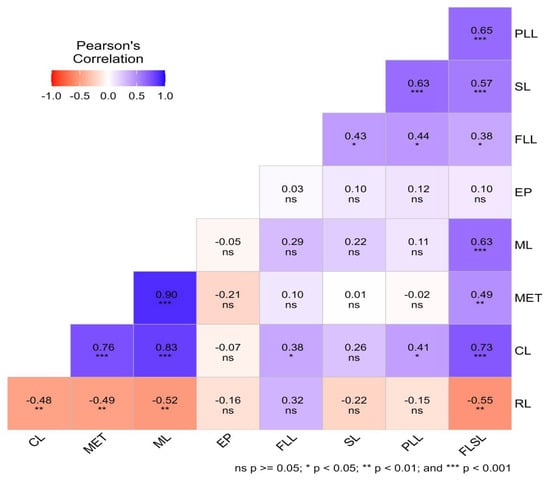
Ormosia macrocalyx grows in tropical forests and is endangered in Mexico. The species has ecological and economic importance. To evaluate the relationship between fruit length and seed number, Pearson correlation and principal component analysis were used. A linear mixed-effects model was also applied.
[...] Read more.
Ormosia macrocalyx grows in tropical forests and is endangered in Mexico. The species has ecological and economic importance. To evaluate the relationship between fruit length and seed number, Pearson correlation and principal component analysis were used. A linear mixed-effects model was also applied. Pearson correlation, principal components analysis (PCA) and a Linear Mixed-Effects Model (LMM) were performed on an exploratory basis. In addition, seed coat and cotyledon anatomy were examined, and histochemical tests for secondary metabolites were carried out. Two high correlations and two components were obtained from the PCA, and the LMM showed that fruit length influenced the number of seeds per fruit. In the seed coats, differentiated layers of macrosclereids and osteosclereids were identified, where the hilar region presented macrosclereids and a pyriform bar of tracheids, the reserved cotyledons showed double-walled cells and simple plasmodesmata, the histochemical analyses demonstrated the presence of cellulose, condensed tannins, lipids, alkaloids, and proteins, and no starch was present. This study provides the first description of seed coat and cotyledon anatomy in O. macrocalyx, as well as the first report of secondary metabolites in storage cotyledons. These results could be useful for further studies of this species.
Full article
Open AccessArticle
Seed Priming Improves Rice Seed Tolerance to Salinity Stress: Unveiling Through Multivariate Analysis
by
Md. Anwar Hosen Jony, Bejoy Chandra Sarkar, Sinthia Ahmed Upama, Sinthia Afsana Kheya, Md. Shafiqul Islam, Farhana Zaman and Ahmed Khairul Hasan
Seeds 2026, 5(3), 25; https://doi.org/10.3390/seeds5030025 - 27 Apr 2026
Abstract
►▼
Show Figures
Salinity stress is a major constraint affecting rice establishment and productivity in many coastal and salt-affected regions of the world, as well as in Bangladesh. Seed priming has emerged as an effective technique to enhance seed germination, seedling vigor and growth, and stress
[...] Read more.
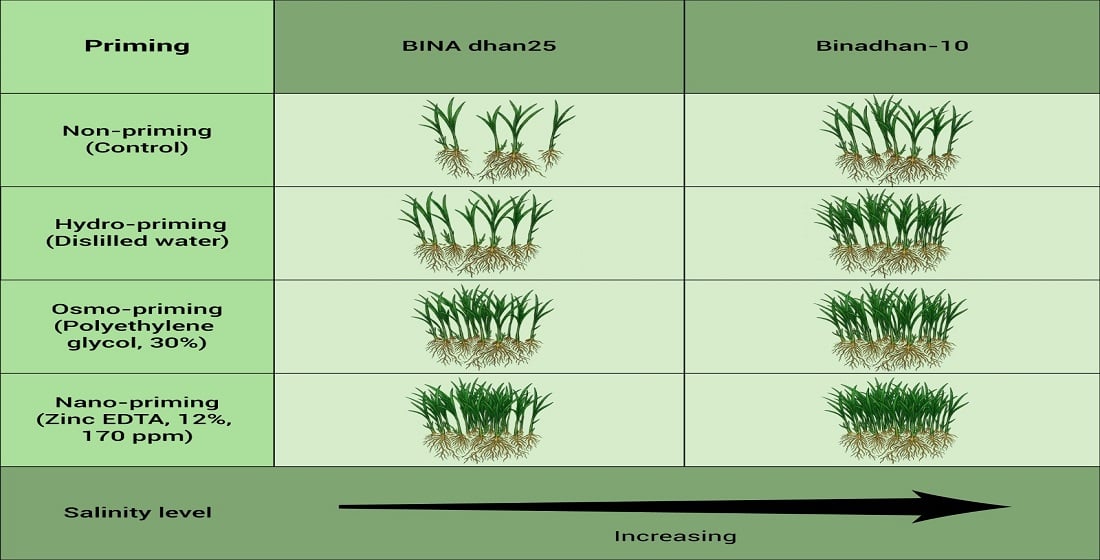
Salinity stress is a major constraint affecting rice establishment and productivity in many coastal and salt-affected regions of the world, as well as in Bangladesh. Seed priming has emerged as an effective technique to enhance seed germination, seedling vigor and growth, and stress tolerance. To address this challenge, the present study investigated the potential of four different seed-priming agents (non-, hydro-(H2O), osmo-(Polyethylene glycol, 30%), nano-(Zinc EDTA (12%), and 170 ppm) applied to two rice varieties (Binadhan-10 and BINA dhan25) under four levels of salinity stress (0, 5, 8, and 11 dS m−1), with the aim of enhancing germination, improving the seedling vigor index, and promoting early growth performance in a completely randomized design with four replications. Nano-priming with Zinc EDTA (12%, at 170 ppm) involves soaking seeds in a solution containing this concentration of zinc chelate, which can improve seedling vigor and stress resilience, especially under challenging conditions like salinity. The results indicated that salinity significantly reduced germination and seedling growth, whereas seed priming improved seed performance under stress conditions. Among the treatments, nano-priming showed the most pronounced improvement in germination and seedling vigor. Binadhan-10 exhibited a greater tolerance to salinity compared with BINA dhan25. Multivariate analyses, including principal component analysis, correlation analysis, and heatmap, revealed strong positive relationships among germination, vigor index, and seedling biomass traits. The findings demonstrate that seed priming, particularly nano-priming, can effectively enhance rice seed germination, the vigor index, and different seedling traits under saline conditions, providing a promising strategy for improving rice production in salt-affected areas in Bangladesh.
Full article

Graphical abstract
Open AccessArticle
Cytoplasmic Male Sterility Enhances Hybrid Seed Production Efficiency in Eggplant
by
Konstantinos Krommydas, Athanasios Mavromatis, Fotios Bletsos and Demetrios Roupakias
Seeds 2026, 5(3), 24; https://doi.org/10.3390/seeds5030024 - 27 Apr 2026
Abstract
The utilization of cytoplasmic male sterility (CMS) is essential in hybrid seed production; however, its operational value in eggplant is insufficiently documented under practical conditions. This study compared CMS-based and conventional (non-CMS) hybridization systems with respect to flower production, flower functionality, and hybrid
[...] Read more.
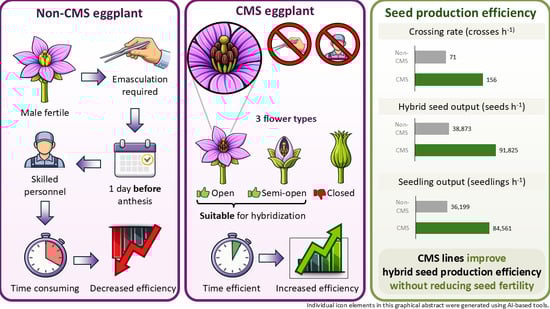
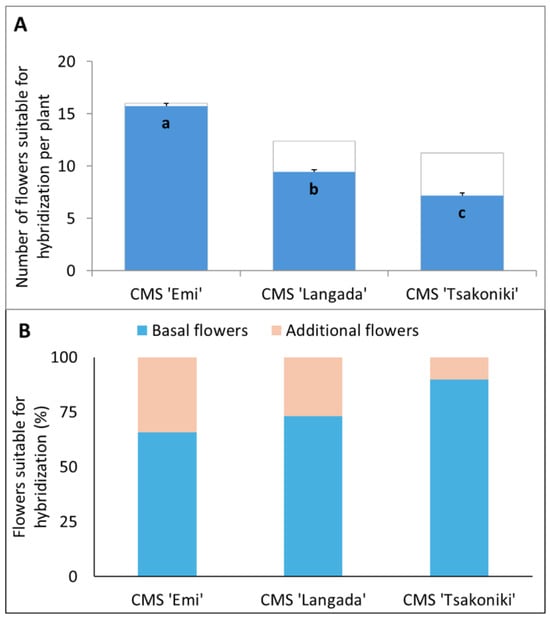
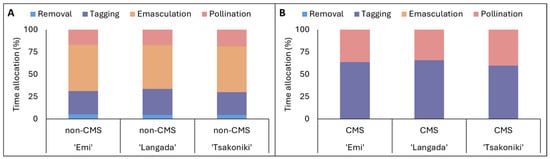
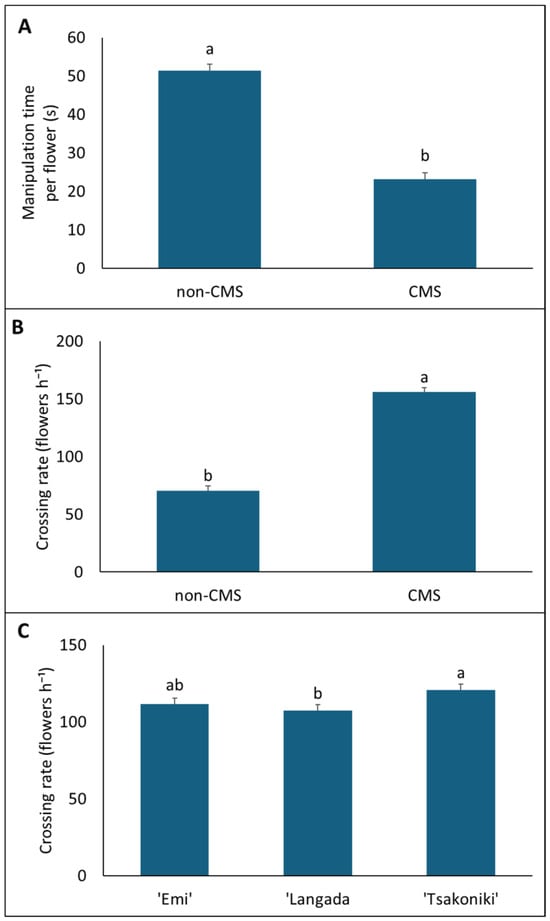
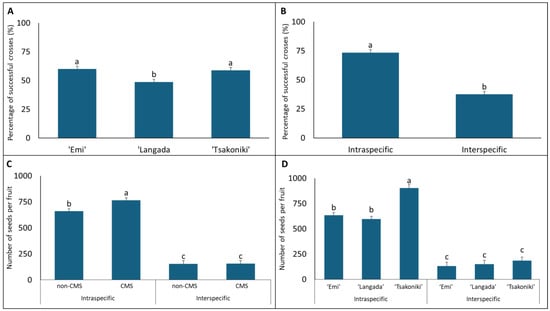
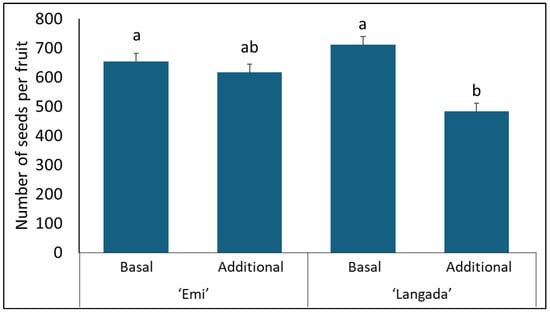
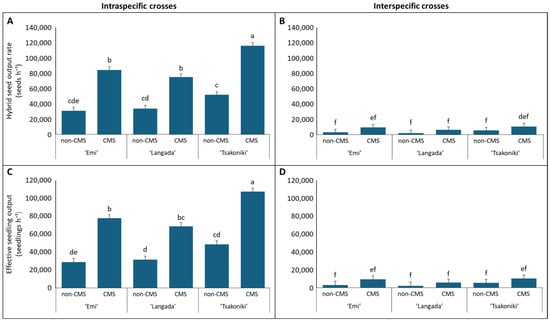
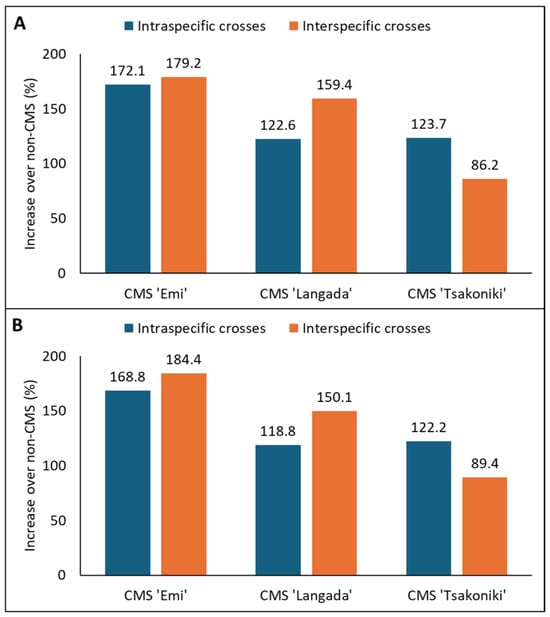
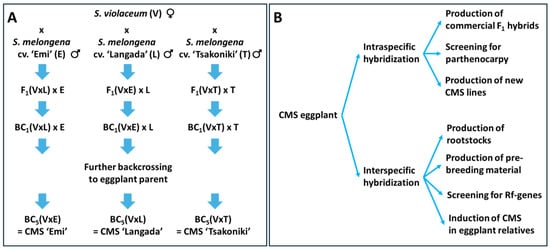
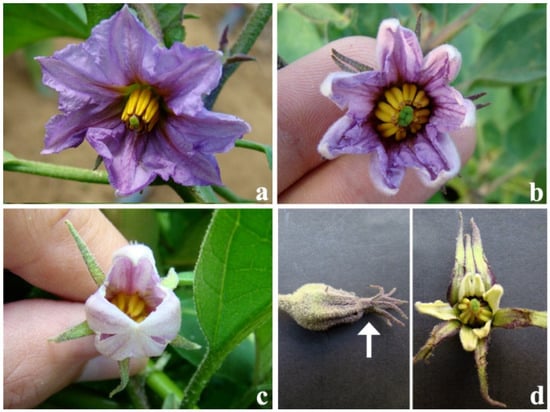
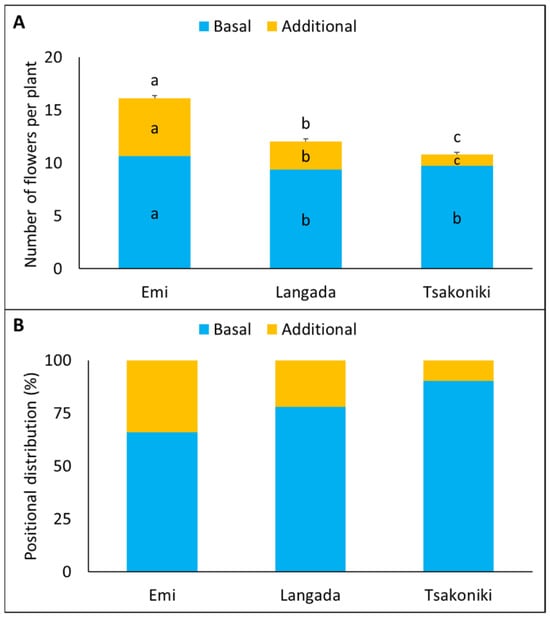
The utilization of cytoplasmic male sterility (CMS) is essential in hybrid seed production; however, its operational value in eggplant is insufficiently documented under practical conditions. This study compared CMS-based and conventional (non-CMS) hybridization systems with respect to flower production, flower functionality, and hybrid seed production efficiency, quantified as seed and viable seedling output per unit time, in three eggplant cultivars (‘Emi’, ‘Langada’, and ‘Tsakoniki’) in intra- and interspecific crosses. CMS did not affect total flower production or inflorescence architecture, which were primarily genotype-dependent. However, it altered flower opening, resulting in genotype- and position-dependent proportions of semi-opened and closed flowers at anthesis. Despite this effect, sufficient flowers suitable for hybridization remained available across all genotypes. CMS substantially simplified the hybridization process by eliminating emasculation, reducing flower manipulation time by approximately 55%, and increasing crossing rate by nearly twofold. Importantly, CMS did not negatively affect female fertility, as indicated by comparable percentages of successful crosses and high seed germination rates across cytoplasmic backgrounds. Seed production per fruit was moderately but significantly increased in intraspecific crosses, while it remained comparable between CMS and non-CMS systems for the interspecific crosses. As a result, CMS significantly increased hybrid seed output and effective seedling production per unit time in intraspecific crosses, while similar trends were observed in interspecific crosses, with gains ranging from 86% to 184% depending on genotype and pollen parent. Overall, this study demonstrates, from an operational perspective, that CMS enhances the efficiency of eggplant hybrid seed production by reducing labor requirements and increasing output per unit time without compromising reproductive performance. These findings highlight the practical value of CMS as a tool for improving hybrid seed production systems, including applications in both commercial hybrid development and rootstock breeding.
Full article
(This article belongs to the Special Issue Technological Advances in Seed Quality)
►▼
Show Figures

Graphical abstract
Open AccessArticle
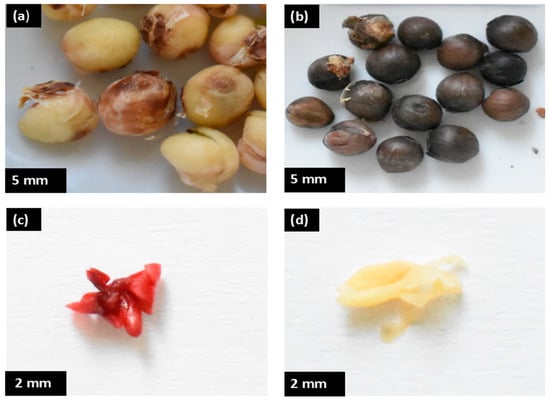
From Ingestion to Germination: The Camel’s Role as a Vector for Seed Dispersal and Physical Dormancy Breaking in Native Saharan Fabaceae
by
Aroua Kouadri, Hafida Trabelsi, Abdelmadjid Chehma, Lacramioara Oprica and Marius-Nicusor Grigore
Seeds 2026, 5(3), 23; https://doi.org/10.3390/seeds5030023 - 24 Apr 2026
Abstract
►▼
Show Figures
Plant–animal relationships, such as endozoochory, are crucial for ecosystem dynamics as they improve seed dispersal as well as enhance plant reproductive success. This study investigated the ecological role of camels in seed dispersal and in breaking physical dormancy of three wild perennial Fabaceae
[...] Read more.
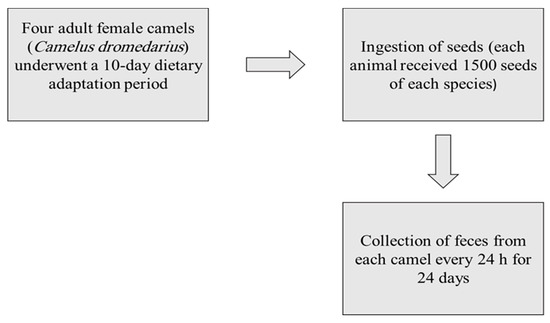
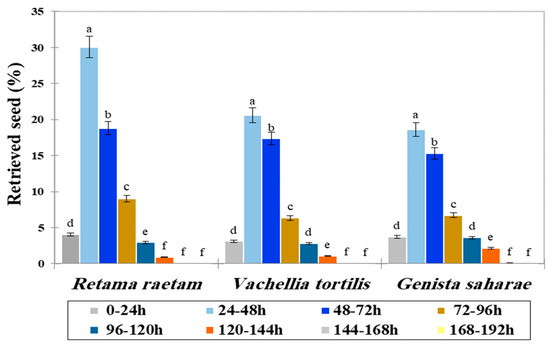
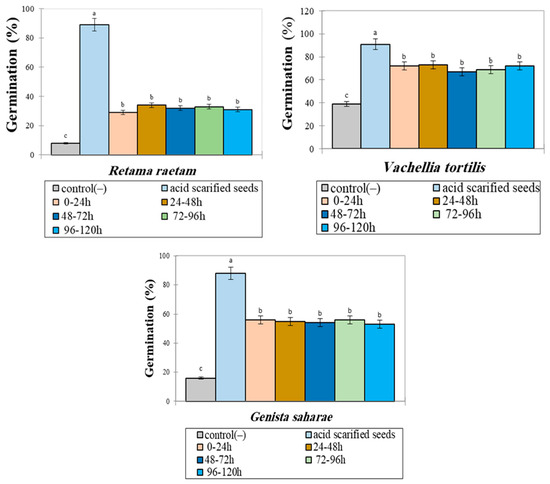
Plant–animal relationships, such as endozoochory, are crucial for ecosystem dynamics as they improve seed dispersal as well as enhance plant reproductive success. This study investigated the ecological role of camels in seed dispersal and in breaking physical dormancy of three wild perennial Fabaceae species (Retama raetam, Vachellia tortilis subsp. raddiana, and Genista saharae) dominant in Algerian Saharan rangelands. Feeding trials were conducted with four adult female camels (Camelus dromedarius). Each animal received 1500 manually extracted seeds per species in three doses mixed with the regular ration, and feces were collected for 24 days to recover seeds. Untreated control seeds were kept under identical environmental conditions. The results showed that camels contribute to seed dispersal and influence germination differently among species. Seeds of Retama raetam were rapidly excreted, favoring local dispersal and increasing germination from 8% to 32%. Genista saharae seeds showed early excretion and longer retention, promoting wider dispersal and increasing germination from 16% to 52%. Vachellia tortilis subsp. raddiana showed an intermediate pattern, with germination rising from 39% to 70%. Gut passage affected seed size in Genista saharae and Vachellia tortilis subsp. raddiana, while no change occurred in Retama raetam. These findings highlight the camel’s ecological role as a biological vector improving seed viability and supporting regeneration.
Full article

Figure 1
Open AccessArticle
Bioprocessing of Rose Hip Seed By-Products and Its Effects on Phenolic Composition and Antioxidant Activity
by
Audrone Ispiryan, Elvyra Jariene and Alina Butu
Seeds 2026, 5(2), 22; https://doi.org/10.3390/seeds5020022 - 21 Apr 2026
Abstract
►▼
Show Figures
Rose hip processing generates seed-rich by-products that remain underexplored beyond oil extraction, despite their potential as a source of phenolic compounds and antioxidant activity. This study investigates the effect of bioprocessing (short-term fermentation) on the phenolic composition and antioxidant activity of rose hip
[...] Read more.
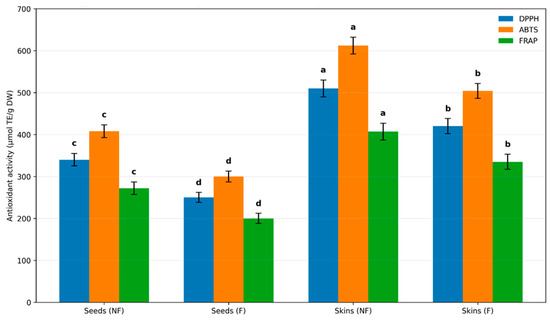
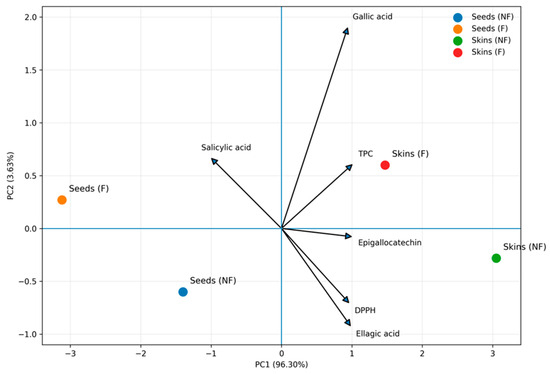
Rose hip processing generates seed-rich by-products that remain underexplored beyond oil extraction, despite their potential as a source of phenolic compounds and antioxidant activity. This study investigates the effect of bioprocessing (short-term fermentation) on the phenolic composition and antioxidant activity of rose hip (Rosa spp.) seed by-products, with relevance to cosmetic-oriented applications related to oxidative stress modulation. Rose hip seeds were obtained after juice production and subjected to short-term fermentation (14 days at 21 °C) using Saccharomyces cerevisiae, followed by mechanical separation and drying. Non-fermented and bioprocessed seeds were analyzed for individual phenolic compounds and antioxidant activity (DPPH, ABTS, FRAP), and correlation and multivariate analyses were conducted. Bioprocessing reduced total identified phenolics from 15.79 to 10.72 mg/g DW (≈32%), primarily due to a decrease in epigallocatechin (10.89 to 6.50 mg/g DW). In parallel, the relative contribution of phenolic acids increased, including gallic acid (0.50 to 0.60 mg/g DW) and salicylic acid (0.98 to 1.20 mg/g DW), indicating a selective compositional redistribution accompanied by partial degradation. Antioxidant activity decreased after bioprocessing (DPPH ~340 to ~250 µmol TE/g DW) but remained substantial. Correlation analysis identified epigallocatechin as the main contributor to antioxidant capacity. These findings show that rose hip seeds behave as a process-sensitive phenolic matrix in which bioprocessing alters the balance of individual compounds without complete loss of antioxidant activity. The results indicate that seed-derived by-products retain functional potential for further valorization in cosmetic-oriented applications.
Full article

Figure 1
Open AccessArticle
Harnessing Genetic Diversity and Precision Nutrient Management for Nutrient-Dense, Climate-Resilient Durum Wheat (Triticum turgidum L. var. durum) in a System-Level Approach
by
Anteneh Agezew Melash, Gashaw Gismu Chakilu, Amare Assefa Bogale and Éva Babett Ábrahám
Seeds 2026, 5(2), 21; https://doi.org/10.3390/seeds5020021 - 30 Mar 2026
Abstract
►▼
Show Figures
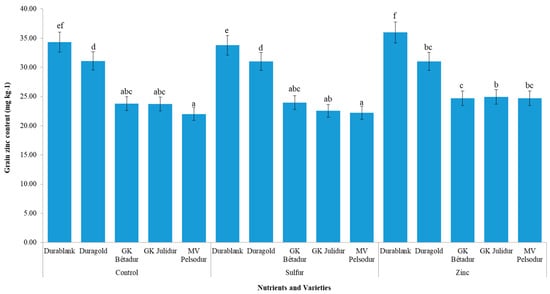
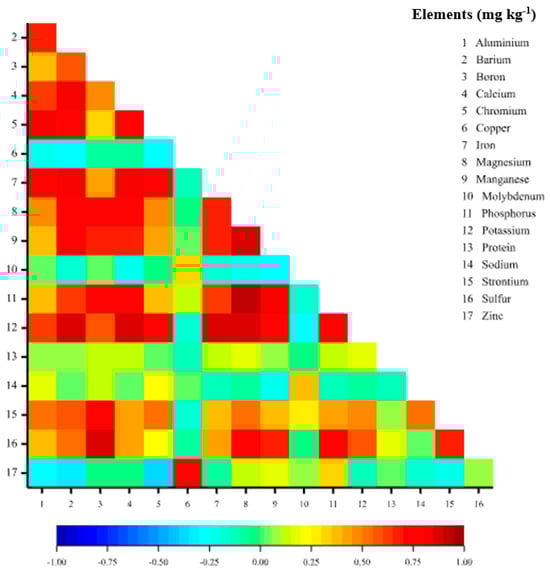
Durum wheat (Triticum turgidum L. var. durum) plays a central role in global food and nutritional security, yet its grain mineral and protein quality remain highly variable across varieties and environments. This study aimed to evaluate the combined effects of varieties,
[...] Read more.
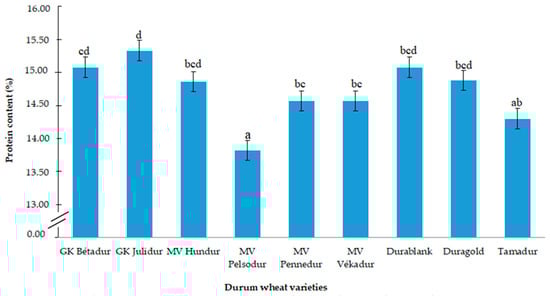
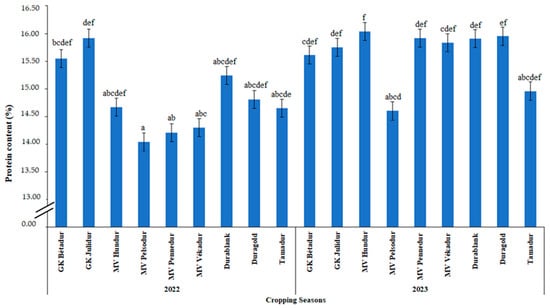
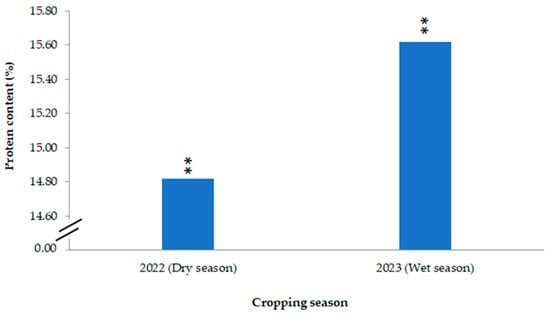
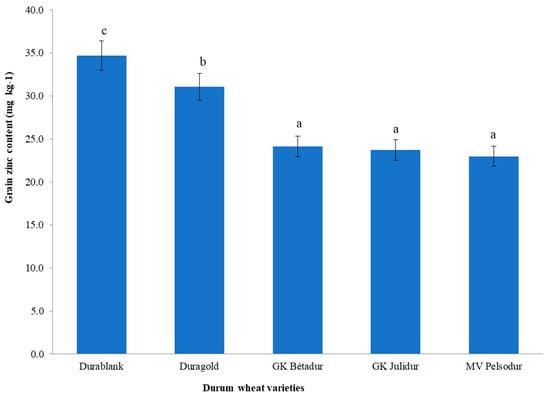
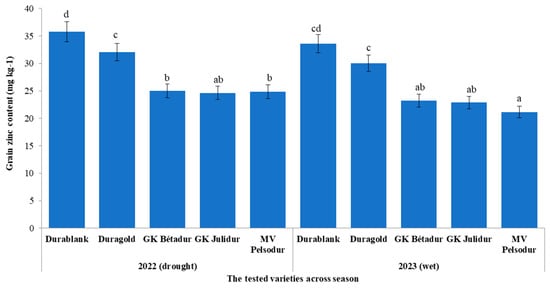
Durum wheat (Triticum turgidum L. var. durum) plays a central role in global food and nutritional security, yet its grain mineral and protein quality remain highly variable across varieties and environments. This study aimed to evaluate the combined effects of varieties, nitrogen (N) fertilization, foliar zinc (Zn) and sulfur (S) application, and seasonal variation on grain macro- and micronutrients (Ca, Mg, K, Zn) and protein content, adopting a system-level approach that integrates varieties, nutrient management, and seasonal variability. We hypothesized that aligning variety selection with precision nutrient management would improve grain nutritional quality while enhancing resilience to environmental variation. Significant differences among varieties (p < 0.05) were observed, with the spring-sown variety Durablank exhibiting the highest grain Zn concentration (34.70 mg kg−1) compared with MV Pelsodur (23.0 mg kg−1) and GK Julidur (23.8 mg kg−1), representing a 50.87% varietal difference. Grain Ca, Mg, and K varied widely across varieties and seasons, with drought in 2022 increasing grain Zn, while the wetter 2023 season enhanced Mg and K accumulation. A clear yield–protein trade-off was found, where high-yielding MV Pelsodur maintained 14.3% protein while moderate-yielding Durablank reached 16.8%. Foliar Zn and S applications significantly increased grain Zn, particularly in Zn-efficient varieties. Nitrogen fertilization at 100 kg ha−1 improved macronutrient accumulation by 12–20% compared with 60 kg N ha−1. Significant varieties × N × season interactions (p < 0.01) highlight the need for adjusted varieties -specific nutrient management strategies. Overall, the findings demonstrate that integrating genetic selection with optimized fertilization and season-responsive management practices may contribute to improving grain nutritional quality of durum wheat.
Full article

Figure 1
Open AccessEditor’s ChoiceArticle
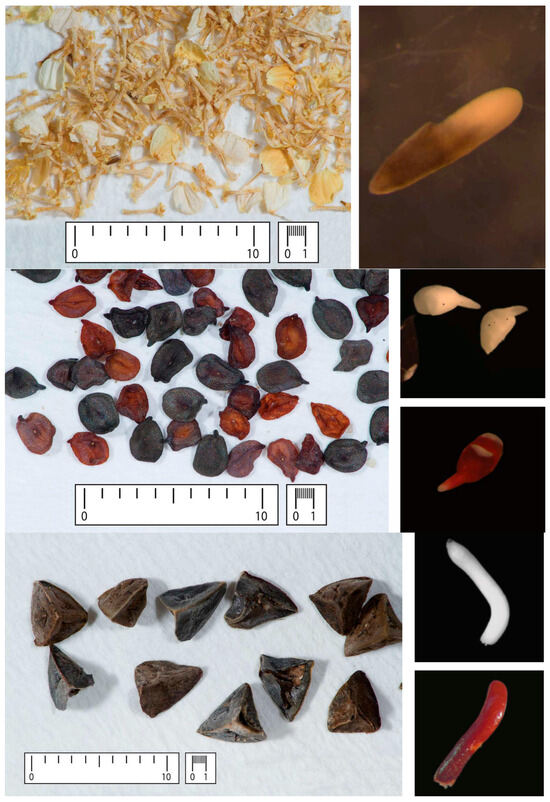
Advancement in Seed Collection Timing for Three European Tree Species: Abies alba, Larix decidua and Tilia cordata
by
Paula Garbacea, Emanuel Stoica, Alin-Madalin Alexandru, Georgeta Mihai, Katri Himanen and Heino Konrad
Seeds 2026, 5(2), 20; https://doi.org/10.3390/seeds5020020 - 28 Mar 2026
Abstract
►▼
Show Figures
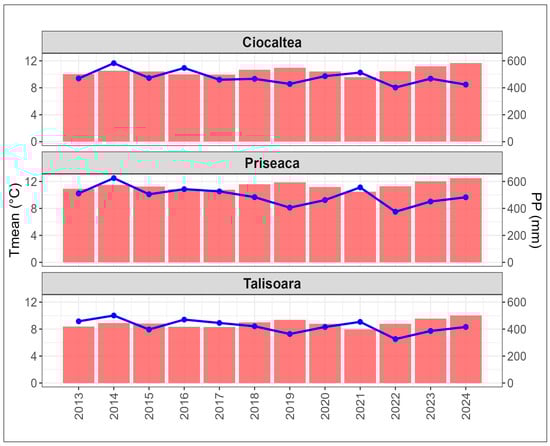
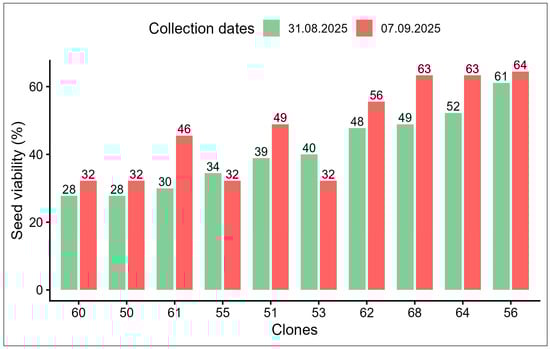
The collection of high-quality seeds to produce forest seedlings is closely linked with the time of harvesting. Climate warming is already having visible effects in all life stages of forest tree species, including the timing of seed maturation. The purpose of this study
[...] Read more.
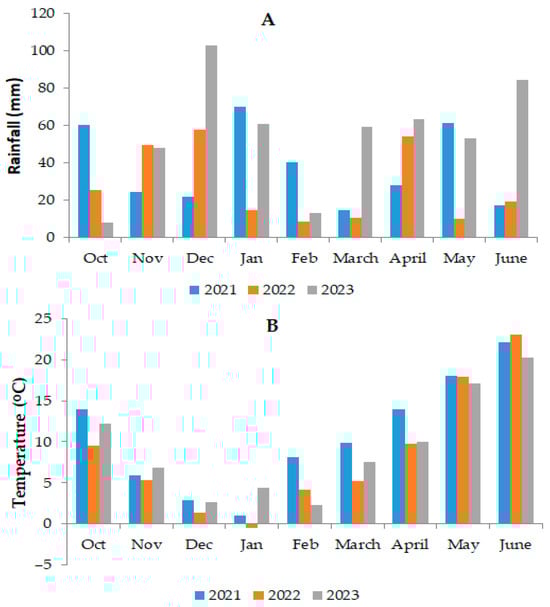
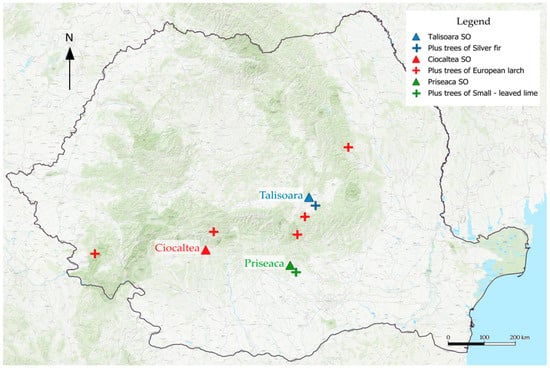
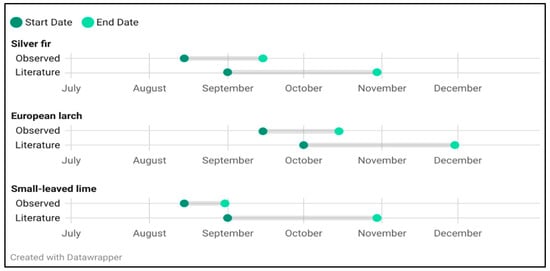
The collection of high-quality seeds to produce forest seedlings is closely linked with the time of harvesting. Climate warming is already having visible effects in all life stages of forest tree species, including the timing of seed maturation. The purpose of this study was to update the knowledge on seed collection timing and to identify the indicators of physiological maturity for three key Eastern European tree species—silver fir (Abies alba), European larch (Larix decidua), and small-leaved lime (Tilia cordata). Seeds and cones were collected from Romanian clonal seed orchards and evaluated at several stages of seed maturation using germination tests for European larch and tetrazolium viability tests for silver fir and small-leaved lime. The results revealed species-specific differences in seed maturation timing: in silver fir seed viability increased slightly from late August to early September, in European larch germination remained low (≈20%) regardless of harvest time, while small-leaved lime viability declined significantly after late August. These findings suggest that the harvest period observed during the study years occurred earlier than the traditionally recommended intervals and could be linked to recent warming trends. This study highlights the relevance of re-evaluating seed collection schedules under changing climatic conditions, while further multi-year studies are required to confirm these patterns and refine practical recommendations.
Full article

Figure 1
Open AccessArticle
First Report of Viviparity in Seeds of the Physically Dormant Species Hymenaea martiana (Fabaceae)
by
Joyce Naiara da Silva, Guilherme Vinícius Gonçalves de Pádua, Caroline Marques Rodrigues, Eduardo Luã Fernandes da Silva, Aline das Graças Souza and Edna Ursulino Alves
Seeds 2026, 5(2), 19; https://doi.org/10.3390/seeds5020019 - 22 Mar 2026
Abstract
Viviparity is rarely reported in species with seed physical dormancy. This is because physical dormancy, common in tropical trees, results from the impermeability of the seed tegument to water and regulates the timing of germination. Records of germination within the fruit in such
[...] Read more.
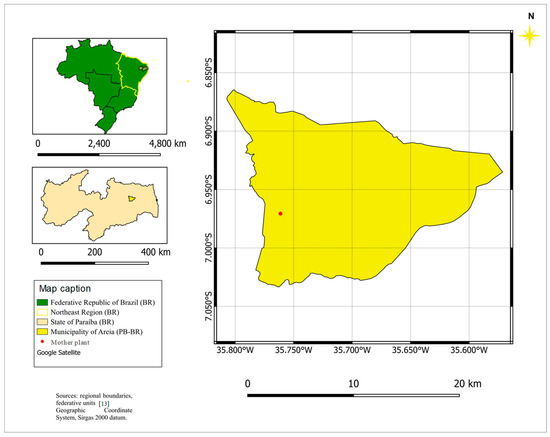
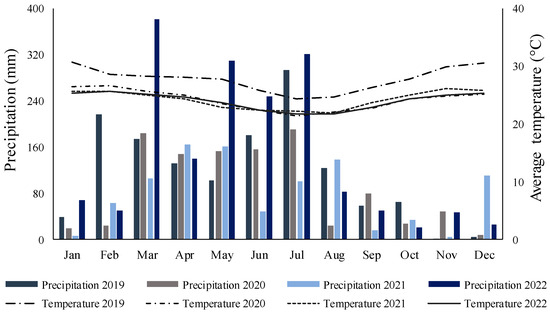
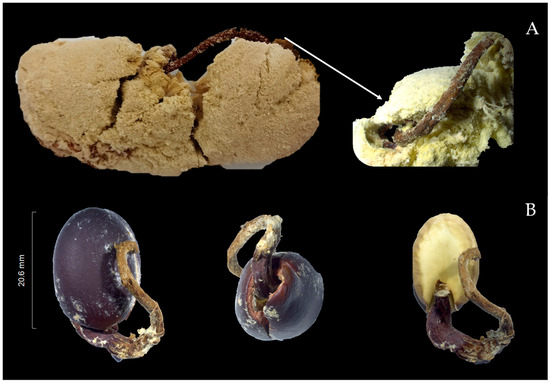
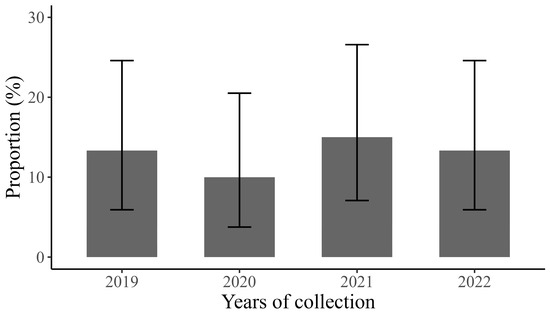
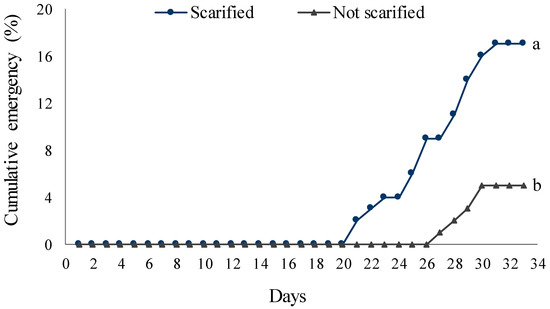
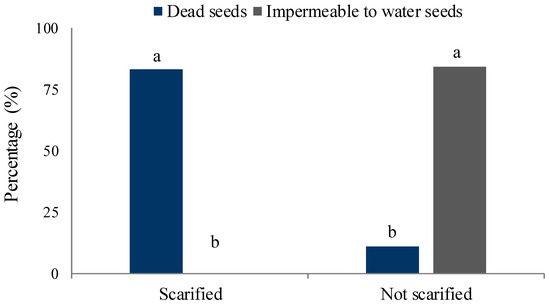
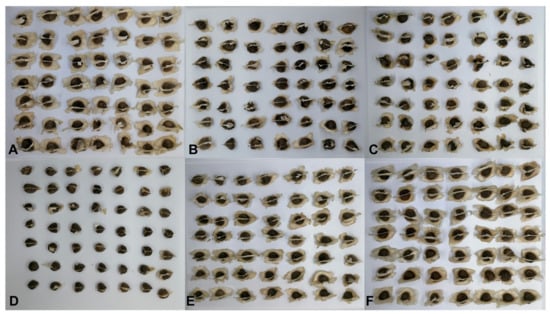
Viviparity is rarely reported in species with seed physical dormancy. This is because physical dormancy, common in tropical trees, results from the impermeability of the seed tegument to water and regulates the timing of germination. Records of germination within the fruit in such species suggest greater functional plasticity than traditionally assumed. This study reports and quantifies viviparity in Hymenaea martiana seeds over four consecutive years (2019–2022) and assessed seed dormancy status through vigor tests. Sixty fruits were collected annually, and viviparity was estimated as the proportion of fruits containing at least one seed with radicle protrusion. Non-viviparous seeds were subjected to emergence tests with and without mechanical scarification, and cumulative emergence, percentages of dead and water-impermeable seeds, and seed water content were evaluated. Viviparity occurred consistently, affecting approximately 10–15% of the fruits, with no significant differences between years, indicating that the phenomenon was not associated with extreme environmental events. However, early germination did not result in seedling establishment because the emerging roots dehydrated while still inside the fruit. Mechanical scarification significantly increased emergence, confirming the presence of seed physical dormancy. These results show that, although viviparity was observed recurrently in the studied population of H. martiana, seed physical dormancy remains the main mechanism controlling germination in this species.
Full article
(This article belongs to the Special Issue Technological Advances in Seed Quality)
►▼
Show Figures

Figure 1
Open AccessArticle
Application of Morphometric and Chemometric Techniques to Analyze the Influence of Climate and Soil Type on the Morphological, Proximate, and Fatty Acid Fingerprints of Moringa (Moringa oleifera Lam.) Seeds Cultivated in Different States of Mexico
by
Rafael Ruiz-Hernández, Arturo Pérez-Vázquez, Fredy Morales-Trejo, Gustavo López-Romero, José Roberto Bautista-Aguilar, Mario Alejandro Hernández-Chontal, Emmanuel de Jesús Ramírez-Rivera, Oliver Salas-Valdez and Adán Cabal-Prieto
Seeds 2026, 5(2), 18; https://doi.org/10.3390/seeds5020018 - 14 Mar 2026
Abstract
The objective of this research was to apply morphometric and chemometric techniques to analyze the influence of climate and soil type on the morphological, proximate, and fatty acid fingerprints of moringa (Moringa oleifera Lam.) seeds cultivated in different regions of Mexico. Seeds
[...] Read more.
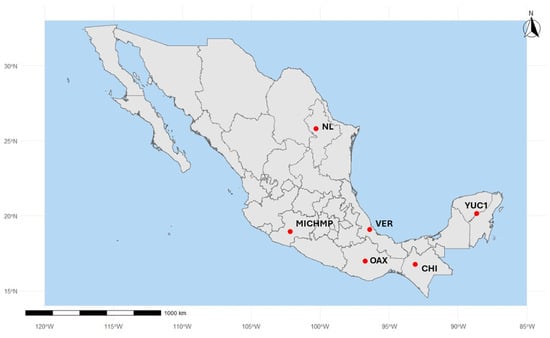
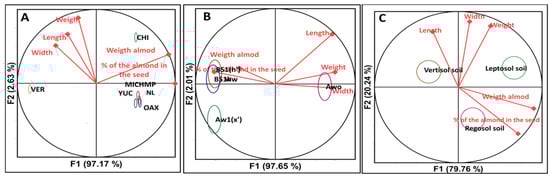
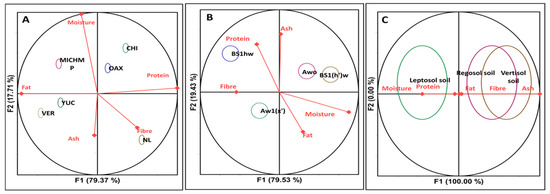
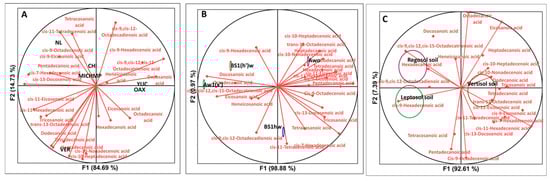
The objective of this research was to apply morphometric and chemometric techniques to analyze the influence of climate and soil type on the morphological, proximate, and fatty acid fingerprints of moringa (Moringa oleifera Lam.) seeds cultivated in different regions of Mexico. Seeds were collected from the states of Chiapas, Michoacán, Nuevo León, Oaxaca, Veracruz, and Yucatán. The morphological traits of the seeds were evaluated, while the proximate composition and fatty acid profiles of the seed flours were analyzed using gas chromatography–mass spectrometry (GC–MS). Data were assessed through analysis of variance (ANOVA) and linear discriminant analysis to develop their fingerprint profiles. The results showed that the morphological variables that constituted the climate-based morphological fingerprint were seed length, width, seed weight, and kernel weight, whereas for the soil type-based fingerprint, only seed length was significant. Regarding the proximate chemical composition, all variables (fat, ash, moisture, and protein), except fiber content, were influenced by both climate and soil type, forming the proximate chemical fingerprint. The fatty acid fingerprint consisted of 21 compounds, with oleic, behenic, stearic, palmitic, and arachidic acids present in the highest concentrations. The fingerprints obtained from the different determinations were confirmed through cross-validation values exceeding 50%, according to the linear discriminant analysis validation technique. The fatty acid and proximate composition determinations showed the highest classification values (83–100%) and contributed most significantly to ensuring the fingerprinting of moringa seeds cultivated in Mexico.
Full article
(This article belongs to the Special Issue Technological Advances in Seed Quality)
►▼
Show Figures

Figure 1
Open AccessCommunication
Human-Mediated Dispersal of Plantago asiatica Mucilaginous Seeds in Urban Environments
by
Sota Inomata, Yudai Kudo and Kohei Koyama
Seeds 2026, 5(2), 17; https://doi.org/10.3390/seeds5020017 - 4 Mar 2026
Abstract
►▼
Show Figures
Seed dispersal by humans plays an important role in determining vegetation structure. The seeds of Asian plantain (Plantago asiatica L.) form adhesive mucilage upon hydration, facilitating their attachment to shoes and subsequent dispersal via epizoochory. We investigated the efficacy of this mechanism
[...] Read more.
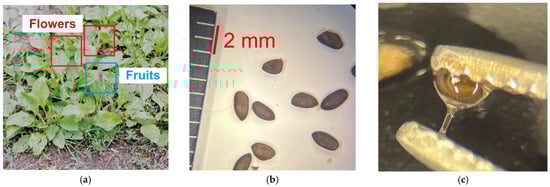
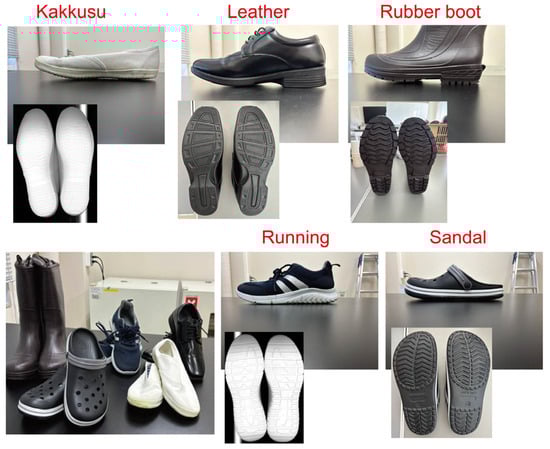
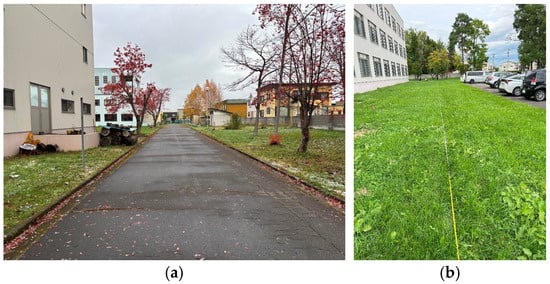
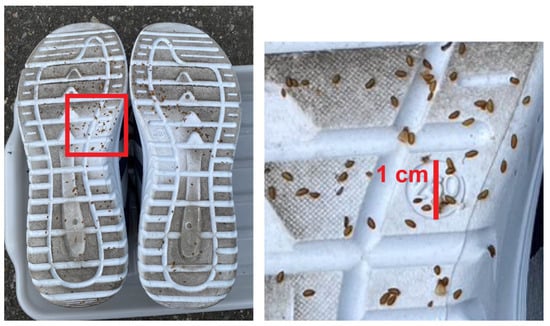
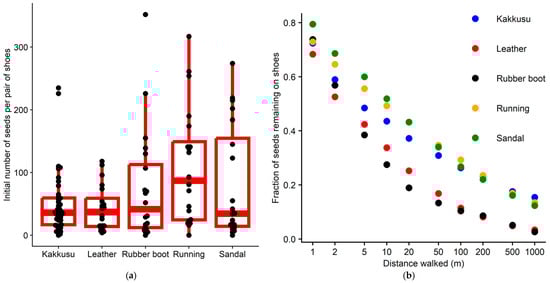
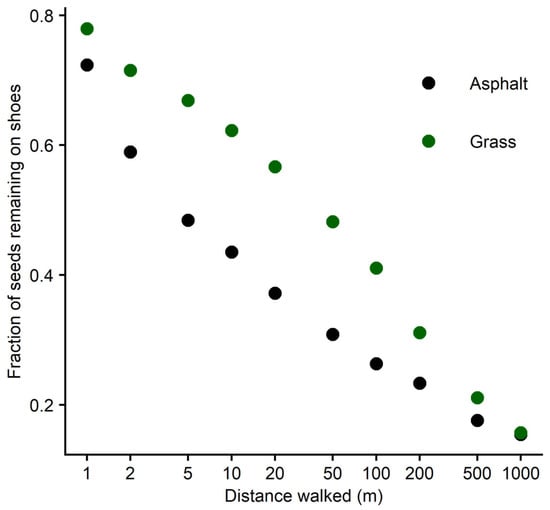
Seed dispersal by humans plays an important role in determining vegetation structure. The seeds of Asian plantain (Plantago asiatica L.) form adhesive mucilage upon hydration, facilitating their attachment to shoes and subsequent dispersal via epizoochory. We investigated the efficacy of this mechanism under various urban environmental conditions. After trampling wild P. asiatica stands, the number of seeds attached to shoe soles was counted. The remaining seeds were then counted after walking at designated distances (1, 2, 5, 10, 20, 50, 100, 200, 500, and 1000 m). The following results were obtained: (1) The retention rate after walking 1000 m varied by shoe type (slip-on (kakkusu) work shoes, 15.4%; leather shoes, 3.4%; rubber boots, 2.7%; running shoes, 13.5%; and sandals, 12.4%). (2) Within the first 50 m of walking, on average more than half of the attached seeds fell off under all investigated conditions. Significantly fewer seeds remained after walking 50 m on asphalt (30.9% of the initial seeds) than on grass (48.2%), whereas after walking 1000 m, similar proportions (15.4% on asphalt and 15.7% on grass) remained on the work shoes. These results indicate that human-mediated short- and long-distance dispersal of mucilaginous seeds of this species is effective in diverse urban environments.
Full article

Figure 1
Open AccessArticle
Effects of Seed Pre-Treatments on Moringa oleifera (Lam.) Germination: Advancing Sustainable Cultivation of a Multipurpose Plant Species
by
Manisha Poudel, Chintamani Panjiyar, Hari Prasad Pandey, Vijay Kumar Yadav and Tek Maraseni
Seeds 2026, 5(2), 16; https://doi.org/10.3390/seeds5020016 - 25 Feb 2026
Abstract
►▼
Show Figures
Moringa oleifera (Lam.) is a multipurpose agroforestry tree cultivated worldwide for its nutritional, medicinal, and economic value, and it is increasingly grown commercially in subtropical regions, including Nepal. While vegetative propagation is feasible, large-scale production relies predominantly on seeds, making efficient germination critical
[...] Read more.
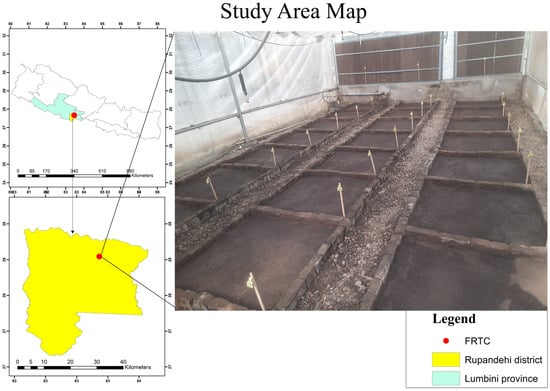
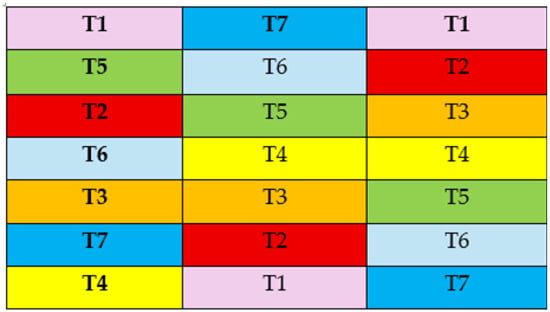
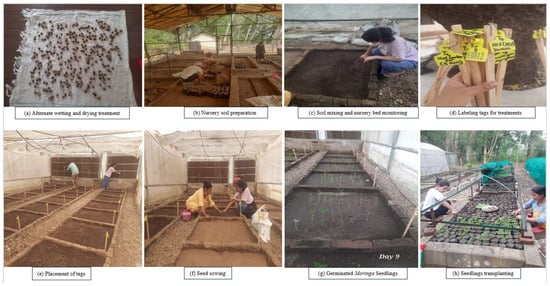
Moringa oleifera (Lam.) is a multipurpose agroforestry tree cultivated worldwide for its nutritional, medicinal, and economic value, and it is increasingly grown commercially in subtropical regions, including Nepal. While vegetative propagation is feasible, large-scale production relies predominantly on seeds, making efficient germination critical for seedling establishment, uniform growth, sustainable production, and preservation of genetic diversity. Seed pre-treatments are widely recognized as a simple and effective approach to enhance germination, early seedling vigor, and nursery performance. This study evaluated the effects of seven pre-sowing treatments under controlled nursery conditions to determine the most effective method for improving Moringa oleifera seedling production. A total of 2100 seeds were used, with 100 seeds per treatment and three replicates, arranged in a Completely Randomized Design (CRD). Treatments included control (no pretreatment), normal water soaking (12 h and 24 h), alternating wetting (water) and drying cycles (12 h each), hot water soaking (60 °C for 5 min), cow urine soaking (1:2 of urine to water proportions for 12 h), and hydrochloric acid soaking (35% for 20 min). All pre-treatments were conducted at room temperature, and the seeds were subsequently sown in controlled nursery conditions. Seed germination was monitored twice daily for 30 days, and data were analyzed using one-way ANOVA and Tukey’s HSD test to identify significant differences in germination performances. Results demonstrated that alternating wetting and drying produced the highest germination percentage (89%), shortest mean germination time (8.44 days), and strongest seedling vigor, outperforming all other treatments. Conversely, cow urine and acid treatments completely inhibited germination. This study recommends alternating wetting and drying as a simple, low-cost, and chemical-free pre-treatment to optimize Moringa oleifera seedling production in nurseries. These findings provide practical guidance for commercial and smallholder farmers, contributing to sustainable agroforestry, food security, and climate-resilient livelihoods in resource-limited habitats.
Full article

Figure 1

Open AccessReview
Advances in Seed Health Testing: Integrating Molecular Diagnostics, Imaging, and AI for Enhanced Quality Assurance
by
Collins Bugingo, Thota Joseph Raju, Swarnalatha Moparthi, Jagmohan Singh, Harish Madabahalli Shivanna, Shaista Karim and Andéole Niyongabo Turatsinze
Seeds 2026, 5(1), 15; https://doi.org/10.3390/seeds5010015 - 23 Feb 2026
Abstract
►▼
Show Figures
Seed health testing is a cornerstone of global food security, yet traditional diagnostic workflows often struggle to balance speed, sensitivity, and regulatory confidence under low-prevalence and heterogeneous seed lot conditions. This review synthesizes recent advances in molecular diagnostics (PCR, qPCR, LAMP, and digital
[...] Read more.
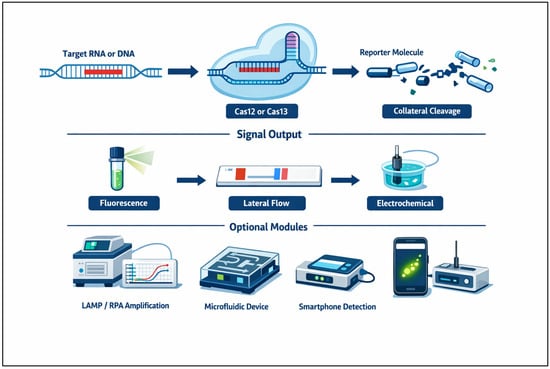
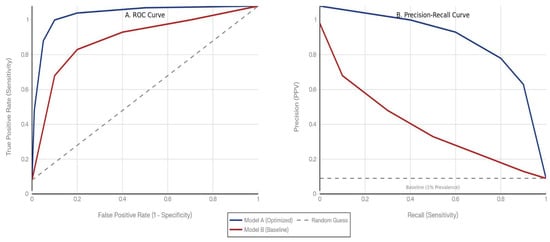
Seed health testing is a cornerstone of global food security, yet traditional diagnostic workflows often struggle to balance speed, sensitivity, and regulatory confidence under low-prevalence and heterogeneous seed lot conditions. This review synthesizes recent advances in molecular diagnostics (PCR, qPCR, LAMP, and digital PCR), non-destructive imaging technologies (hyperspectral, X-ray, and thermal imaging), and data-driven analytical approaches for pathogen detection in seeds. Emphasis is placed on the practical integration of these tools within high-throughput, ISO/IEC 17025-compliant laboratory workflows, highlighting their respective strengths, limitations, and roles in risk-based decision-making. Comparative discussions address cost, sensitivity, turnaround time, and field deployability across diagnostic platforms, supported by crop- and pathogen-specific examples. Emerging approaches such as CRISPR-based biosensing, advanced sequencing, and imaging-assisted analytics are discussed in the context of validation, regulatory acceptance, and operational feasibility. By focusing on implementation rather than conceptual frameworks, this review provides a pragmatic reference for laboratories, regulators, and seed companies seeking to modernize seed health testing while safeguarding trade integrity and biosecurity.
Full article

Figure 1
Open AccessEditor’s ChoiceArticle
Biostimulant Potential of Ascophyllum nodosum in Mitigating the Effects of Salinity on the Germination of Zea mays L.
by
Janyne Soares Braga Pires, Francine Bonomo Crispim Silva, Maria Eduarda da Silva Barbosa, Geovana Ribeiro Cavilha, Mateus Moura Coelho, Samile Mardegan Otilia, Josué Wan Der Maas Moreira, Guilherme Roas Martins Marquito, Fernando Gomes Hoste, Ana Júlia Câmara Jeveaux-Machado, Vinicius de Souza Oliveira, Adriano Alves Fernandes and Sara Dousseau-Arantes
Seeds 2026, 5(1), 14; https://doi.org/10.3390/seeds5010014 - 23 Feb 2026
Abstract
►▼
Show Figures
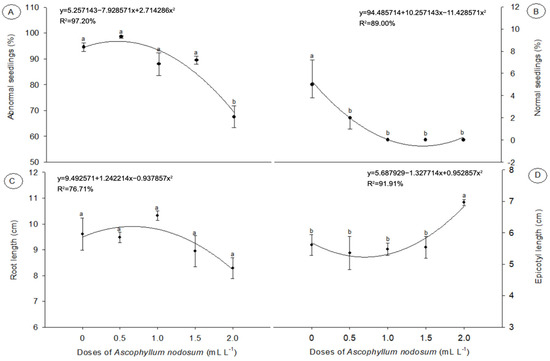
Soil salinization is one of the main factors limiting agricultural productivity, negatively affecting seed germination and initial growth of maize (Zea mays L.). As a sustainable alternative, seaweed-based biostimulants, especially extracts of Ascophyllum nodosum, have stood out in mitigating abiotic stresses.
[...] Read more.
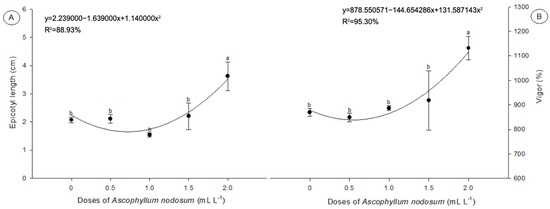
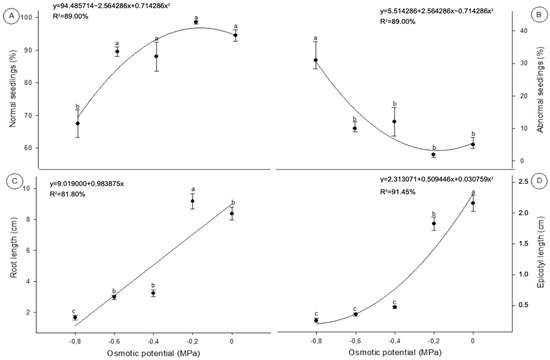
Soil salinization is one of the main factors limiting agricultural productivity, negatively affecting seed germination and initial growth of maize (Zea mays L.). As a sustainable alternative, seaweed-based biostimulants, especially extracts of Ascophyllum nodosum, have stood out in mitigating abiotic stresses. This study aimed to evaluate the potential of A. nodosum extract in inducing tolerance to saline stress in maize seeds of the AL Bandeirante cultivar. To this end, three independent bioassays were conducted under controlled conditions: (i) evaluation of five doses of the extract (0; 0.5; 1.0; 1.5 and 2.0 mL L−1); (ii) effects of five osmotic potentials induced by NaCl (0, −0.2, −0.4, −0.6 and −0.8 MPa); and (iii) the interaction between the most efficient doses and salinity levels, comparing the extract to its mineral fraction. Seed germination, percentage of normal and abnormal seedlings, radicle and epicotyl length, and vigor index were measured. The results demonstrated that doses of 1.0 to 2.0 mL L−1 promoted greater bioactivity, with a 7.3% increase in root length compared to the control. Although increased salinity progressively reduced all variables, with severe effects at −0.6 and −0.8 MPa, the treatment with the extract showed superior performance to the mineral fraction, demonstrating a mitigating effect. It is concluded that A. nodosum extract is an effective strategy to attenuate the damage caused by salinity on seed germination and initial seedling growth in maize, especially under moderate stress.
Full article

Figure 1
Open AccessArticle
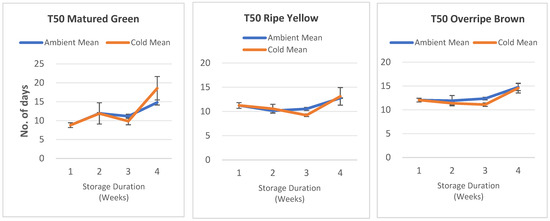
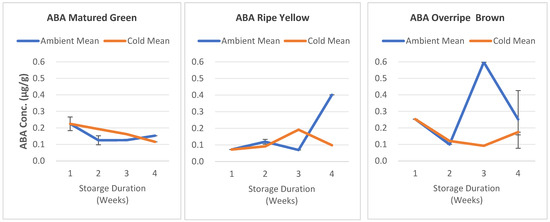
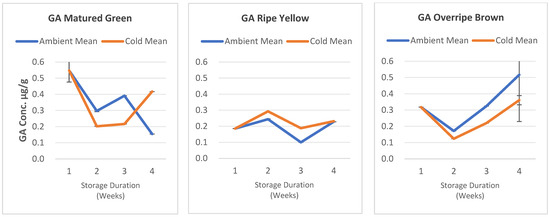
Effects of Fruit Maturity Stage and Seed Storage Conditions on Germination and Endogenous ABA and GA Levels in Solanum torvum
by
Priscilla Yaa Asantewaa Akonnor, Mavis Owusuaa Osei-Wusu and Kwadwo Ofori
Seeds 2026, 5(1), 13; https://doi.org/10.3390/seeds5010013 - 20 Feb 2026
Abstract
►▼
Show Figures
Solanum torvum is an important medicinal and culinary vegetable with poor seed propagation, characterized by low germination and limited seed longevity. This study examined the effects of fruit maturity stage, storage temperature, duration, and endogenous hormonal profiles on seed germination. Fruits were harvested
[...] Read more.
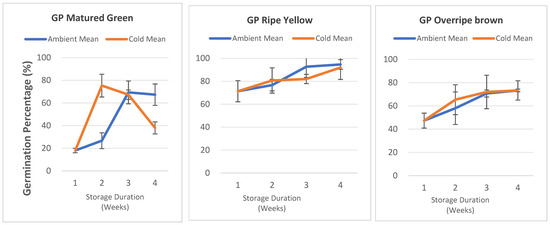
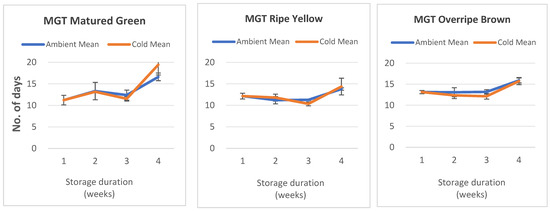
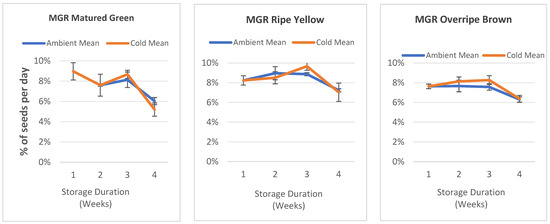
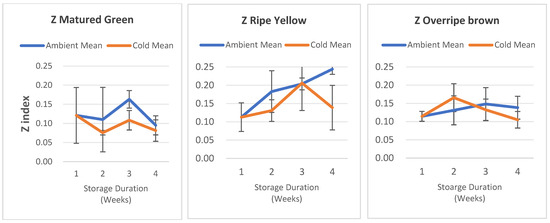
Solanum torvum is an important medicinal and culinary vegetable with poor seed propagation, characterized by low germination and limited seed longevity. This study examined the effects of fruit maturity stage, storage temperature, duration, and endogenous hormonal profiles on seed germination. Fruits were harvested at three physiological maturity stages: matured green, ripe yellow, and overripe brown. Extracted seeds were stored in ambient (24–26 °C) and cold (3–8 °C) conditions for 24 weeks, with subsequent germination testing with 3 replicates per treatment. Endogenous abscisic acid (ABA) and gibberellic acid (GA) were quantified using HPLC-DAD to assess their association with germination behaviour. Seeds from ripe yellow fruits achieved the highest germination (95%), with a mean germination time of 12 days and a mean germination rate of 8%, identifying this stage as the optimal maturity stage for harvest. While total germination percentage was enhanced by an after-ripening effect during the first 16 weeks of ambient storage, other vigour parameters, including mean germination time and rate and synchronization began to decline thereafter. ABA and GA concentrations displayed treatment-dependent variation across maturity stages and storage conditions, with hormonal trends showing complex associations with dormancy release rather than consistent main effects. These findings indicate that harvesting Solanum torvum fruits at the ripe yellow stage and storing seeds under ambient conditions for up to 16 weeks, under the conditions evaluated in this study, provides a practical balance between dormancy alleviation and seed vigour, thereby improving short-term propagation efficiency.
Full article

Figure 1
Open AccessArticle
Partial Factor Productivity as a Tool to Enhance Wheat Seed Quality and Yield Through Nitrogen Fertilization Management
by
Luka Drenjančević, Ivana Varga, Goran Jukić, Ivan Varnica and Dario Iljkić
Seeds 2026, 5(1), 12; https://doi.org/10.3390/seeds5010012 - 13 Feb 2026
Abstract
►▼
Show Figures
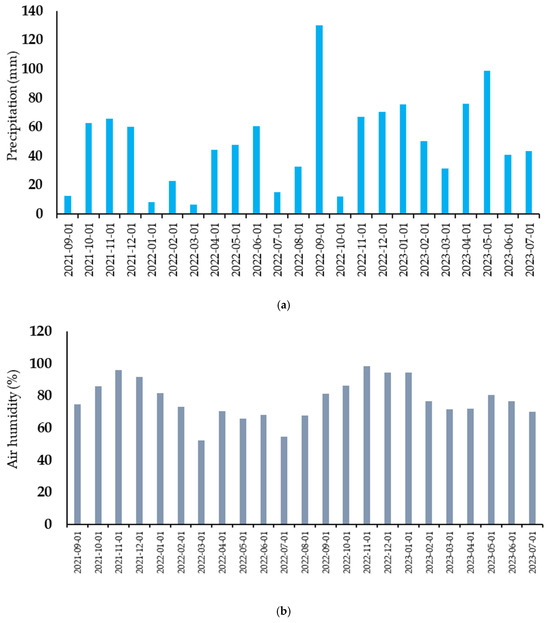
Even though wheat’s response to nitrogen (N) is well studied, practical optimization remains challenging because yield and seed quality often react inconsistently across seasons. For winter wheat, the simultaneous quantification of efficiency indicators that capture N losses and diminishing returns is important. This
[...] Read more.
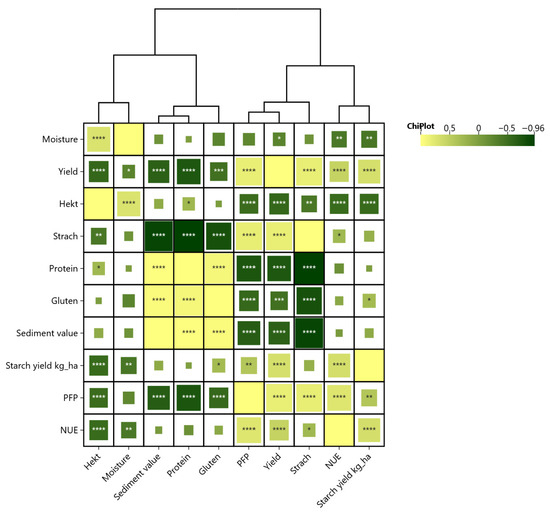
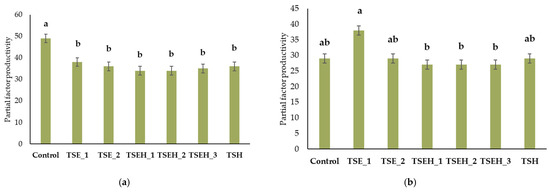
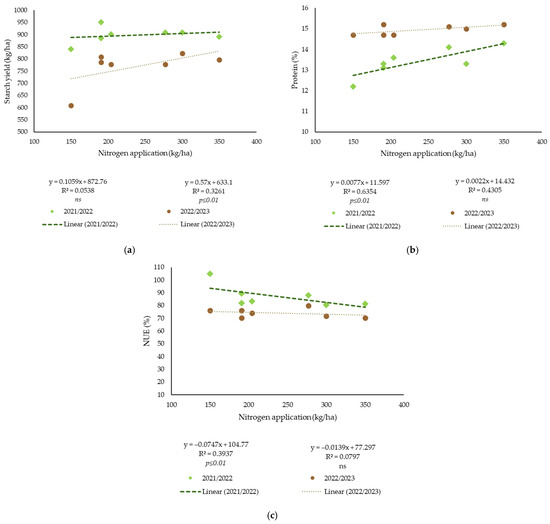
Even though wheat’s response to nitrogen (N) is well studied, practical optimization remains challenging because yield and seed quality often react inconsistently across seasons. For winter wheat, the simultaneous quantification of efficiency indicators that capture N losses and diminishing returns is important. This study evaluated nitrogen (N) fertilization in two growing seasons. This study aimed to adjust N fertilization strategy through different combinations of granular N timing and foliar applications to improve winter wheat yield and technological seed quality while maintaining high fertilization efficiency. Field experiments were conducted over two growing seasons (2021/2022 and 2022/2023) using seven fertilization treatments (Control, TSE_1, TSE_2, TSEH_1, TSEH_2, TSEH_3, and TSH, which correspond to growth stage T—tillering stage; SE—stem elongation phase; H—heading stage) in the range of 140.5 to 194.5 kg ha−1 N. Seed yield and seed quality traits (moisture, hectoliter weight, starch, protein, gluten, and sedimentation value) were measured, and treatment effects were evaluated with ANOVA, correlation, and regression analyses. In 2021/2022, no significant treatment effects were detected for yield or seed quality parameters, indicating that environmental variability dominated crop response. In contrast, in 2022/2023, seed yield, hectoliter weight, gluten content, and starch yield showed significant treatment effects (p ≤ 0.05–0.01), with fertilized variants generally outperforming the Control. Across both seasons, seed quality traits displayed strong internal structure: protein, gluten, and sedimentation were strongly positively correlated, while starch was strongly negatively correlated with these traits and the yield correlated positively with hectoliter weight but negatively with protein and gluten, highlighting a yield–quality trade-off. Importantly, partial factor productivity (PFP) and nitrogen use efficiency (NUE) showed the strongest treatment sensitivity, demonstrating their value for identifying efficient N strategies even when yield and quality responses were season-dependent. Regression analyses confirmed that seasonal conditions modulated nitrogen responsiveness, with NUE and starch yield showing much stronger relationships with nitrogen input in 2021/2022 and 2022/2023, respectively.
Full article

Figure 1
Open AccessArticle
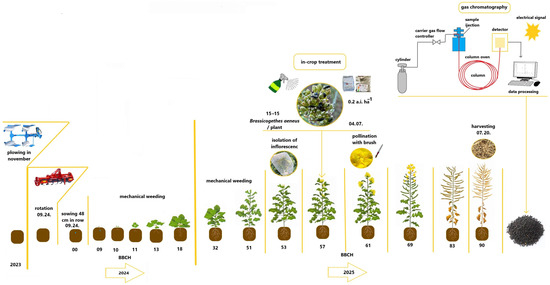
Impairment Analytical Evaluation on Oilseed Rape Seeds Triggered by Pollen Beetle (Brassicogethes aeneus Fabricius, 1775) Especially Regarding the Fatty Acid Composition
by
Bálint Gerbovits, Edward Agyarko, Omeralfaroug Ali, András Szabó and Sándor Keszthelyi
Seeds 2026, 5(1), 11; https://doi.org/10.3390/seeds5010011 - 12 Feb 2026
Abstract
►▼
Show Figures
Damage caused by Brassicogethes aeneus primarily affects the reproductive organs of rapeseed, disrupting fertilization and often leading to premature pod opening. In addition to direct yield loss, it is hypothesized that injury to generative tissues may also alter seed nutrient composition, particularly the
[...] Read more.
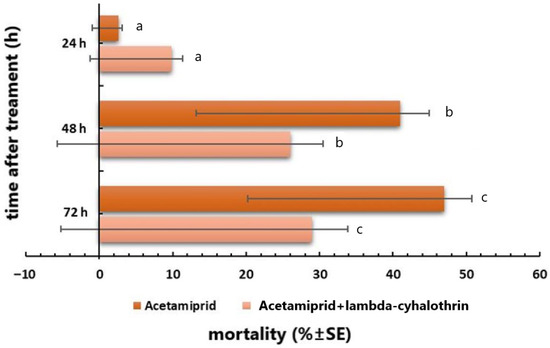
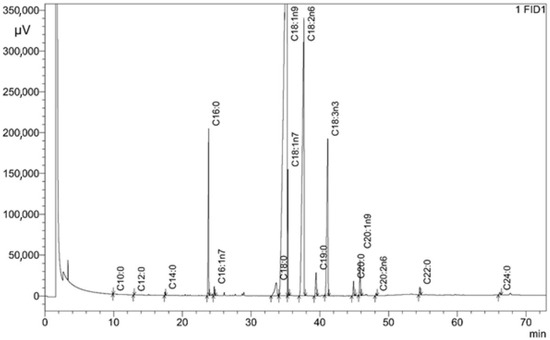
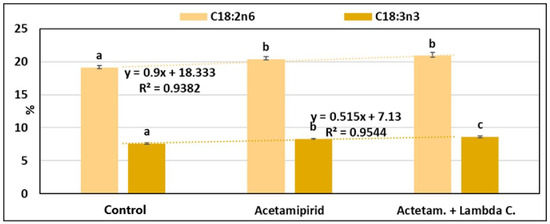
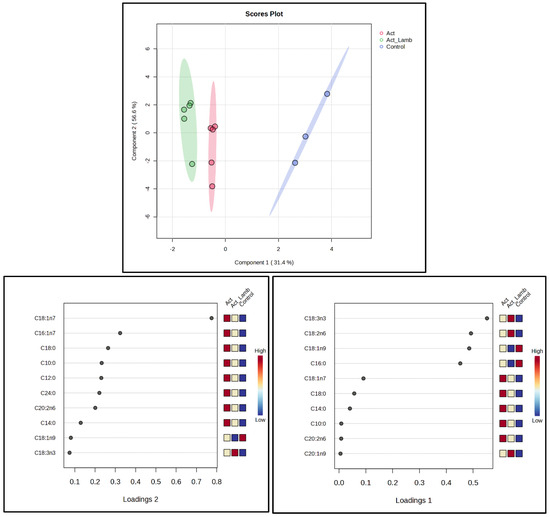
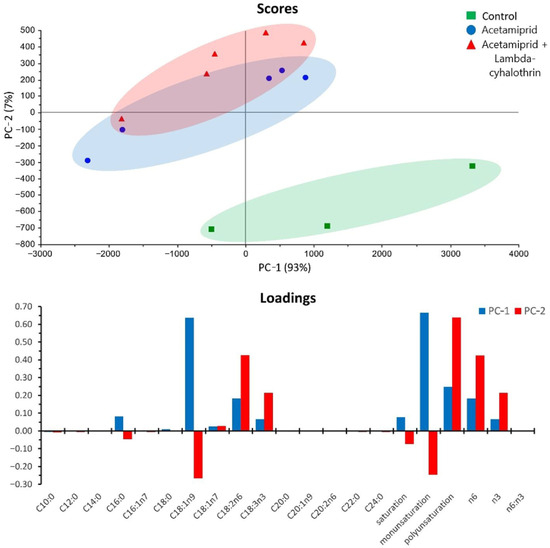
Damage caused by Brassicogethes aeneus primarily affects the reproductive organs of rapeseed, disrupting fertilization and often leading to premature pod opening. In addition to direct yield loss, it is hypothesized that injury to generative tissues may also alter seed nutrient composition, particularly the unsaturated fatty acid profile, which is a key determinant of rapeseed quality. To assess this indirect effect, field experiments were conducted in 2024–2025, and seed samples were collected after ripening. The study aimed to evaluate pest-induced variation in nutrient content under different insecticide treatments. Alongside an untreated control, two active substances were tested: a systemic insecticide (acetamiprid) and a combined formulation of acetamiprid and lambda-cyhalothrin. Our results demonstrated that the widely used active insecticides are not effective against B. aeneus adults. Checking the fatty acid (FA) profile, within saturated FAs, the proportion of palmitic acid (C16:0) was the highest in the control; the single and combined pesticide treatments were characterized by increasing LA (C18:2n6) and ALA (C18:3n3) levels, in which both FAs exhibited a linear pattern with the single and combined treatments. In MUFAs, the most important finding was the negligible level of erucic acid (C22:1n9) below the detection limit. Oleic acid (C18:1n9) proportion was generally high (~50) and significantly decreased in treated groups. Oil quality affection highlights the importance of effective pest management to maintain the nutritional and technological value of rapeseed, as shifts in the n6:n3 ratio and thrombogenic index reflect stress responses rather than agronomic benefits.
Full article

Figure 1

Open AccessArticle
Impact of Seeding Depth on Emergence and Seedling Establishment of Different Rice Cultivars
by
Ahmad Jawad, Shahbaz Hussain, Muhammad Zubair Akram, Asif Ameen, Atif Naeem, Madad Ali and Samreen Nazeer
Seeds 2026, 5(1), 10; https://doi.org/10.3390/seeds5010010 - 2 Feb 2026
Abstract
►▼
Show Figures
Direct seeded rice, being less water- and labor-intensive, can be an alternative approach to conventional rice planting methods. However, uneven and poor stand establishment caused by deep sowing in the field is one of the major hurdles in the adoption of direct seeding
[...] Read more.
Direct seeded rice, being less water- and labor-intensive, can be an alternative approach to conventional rice planting methods. However, uneven and poor stand establishment caused by deep sowing in the field is one of the major hurdles in the adoption of direct seeding technology. Varieties with the potential to emerge from deeper layers of soil may have a positive impact on crop establishment. To evaluate the behavior of ten rice cultivars against their potential to emerge from different soil depths (0, 2.5, and 5.0 cm), a pot experiment was conducted under semi-controlled conditions at the PARC Rice Programme, Kala Shah Kaku, Lahore. Data on different seedling parameters were collected. The results showed that the highest mean seedling emergence percentage (95%) was achieved by the tested genotypes at a 2.5 cm seeding depth, while surface sowing and placement of seeds at a 5 cm depth demonstrated a similar mean emergence percentage (89%). Seeding depth, genotypes, and their interactions significantly affected mean emergence time, mesocotyl and coleoptile lengths, and root and shoot lengths. Sowing seeds at a 5 cm depth increased mean emergence time by 28%. However, increasing sowing depth increased the coleoptile length, mesocotyl length, first leaf sheath length, and shoot length of rice seedlings. Mesocotyls and coleoptile lengths showed a linear relationship with mean emergence time. Mesocotyl and coleoptile are key structures of the apical–basal axis in grasses that elongate to facilitate the emergence of germinating seeds under deep sowing. The longest coleoptiles (1.47 cm) and mesocotyls (3.27 cm) were measured from seedlings sown at a depth of 5 cm. Among genotypes, PK-1121 exhibited maximum coleoptile elongation (2.10 cm) under deep sowing (5 cm), while the longest mesocotyls were recorded from deep-sown (5 cm) seedlings of Chenab Basmati. Root length was found to be inversely proportional to sowing depth. PK-1121 aromatic, Kisan Basmati, Punjab Basmati, and Chenab Basmati produced longer shoots (22.61, 23.37, 23.32, and 21.05 cm, respectively) and took a relatively short time for emergence when sown deep. These varieties may have better potential to emerge from deeper soil layers, which may have a positive impact on even germination and better crop stand establishment.
Full article

Figure 1
Open AccessArticle
The Effects of Fire on California Sage Scrub Germination Assemblages
by
Bailey Parkhouse, Hannah Chan and Wallace Martin Meyer III
Seeds 2026, 5(1), 9; https://doi.org/10.3390/seeds5010009 - 28 Jan 2026
Abstract
►▼
Show Figures
California sage scrub is an endangered, shrub-dominated, southern California ecosystem threatened by increasing fire frequencies and type-conversion to non-native grasslands. Once non-native grasses become established, their presence promotes more frequent fires, perpetuating grass dominance. To better understand how fire influences soil seed bank
[...] Read more.
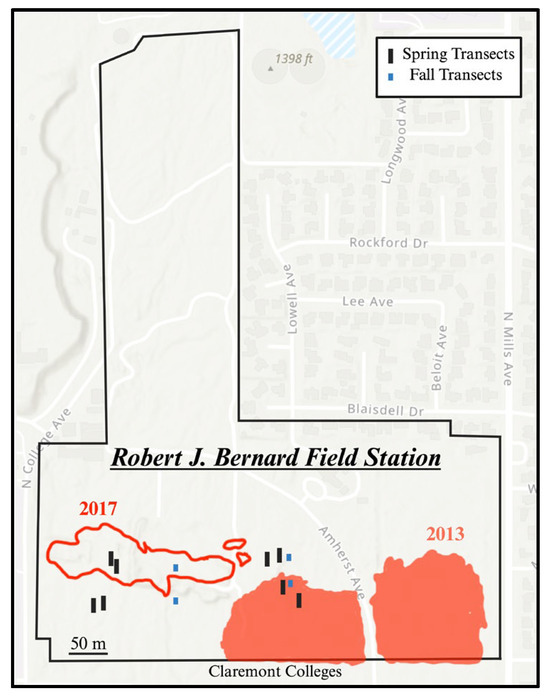
California sage scrub is an endangered, shrub-dominated, southern California ecosystem threatened by increasing fire frequencies and type-conversion to non-native grasslands. Once non-native grasses become established, their presence promotes more frequent fires, perpetuating grass dominance. To better understand how fire influences soil seed bank assemblages, we examined soil seed banks in burned and adjacent unburned sage scrub at the Robert J. Bernard Field Station (BFS) in two areas that burned in September 2013 and May 2017. In contrast to a previous soil seed bank study in California sage scrub, we found that unburned soil seed banks in sage scrub at the BFS were primarily composed of native seeds (88% of sprouts in unburned areas were native), highlighting that soil seed bank dynamics differ among California sage scrub sites. Despite burned areas supporting elevated densities of non-native seeds (the majority of which included Festuca myuros, a non-native grass), soil seed banks in our burned areas retained native seeds (21% of sprouts in burned areas were native), including native shrub species, suggesting that not all sage scrub habitats are primed to transition to non-native grasslands following disturbances. However, elevated densities on non-native seedlings in burned areas highlight the vulnerability of sage scrub to fire disturbances and the subsequent establishment of non-native grasses.
Full article

Figure 1
Open AccessEditor’s ChoiceArticle
Nutritional and Bioactive Seed Components in Chickpea Advanced Breeding Lines Assessed by Chemical Analysis and LC–MS Profiling
by
Aikaterini Papanikolaou, Maria Irakli, Konstantinos Kampas, Chrysanthi Pankou, Irini Nianiou-Obeidat and Athanasios G. Mavromatis
Seeds 2026, 5(1), 8; https://doi.org/10.3390/seeds5010008 - 28 Jan 2026
Abstract
►▼
Show Figures
Chickpea (Cicer arietinum L.) is an important legume, valued for its nutritional and bioactive components. In this study, seven chickpea advanced breeding lines, an elite line, and a cultivar were evaluated under field conditions to assess superior agronomic performance, seed quality traits,
[...] Read more.
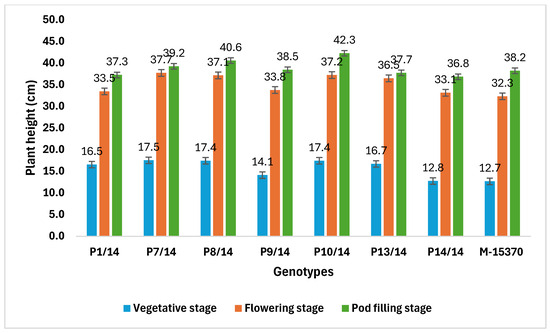
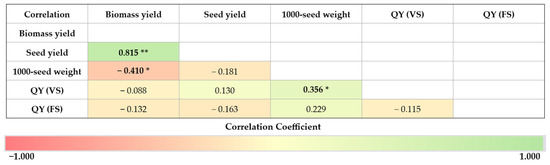
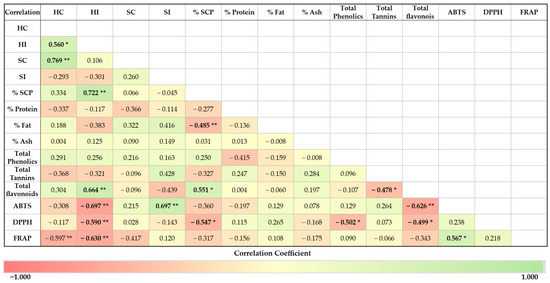
Chickpea (Cicer arietinum L.) is an important legume, valued for its nutritional and bioactive components. In this study, seven chickpea advanced breeding lines, an elite line, and a cultivar were evaluated under field conditions to assess superior agronomic performance, seed quality traits, nutritional composition, and phenolic profile. A combined approach was used, integrating field phenotyping, seed quality assays, and LC–MS-based phenolic profiling. Significant genotype-dependent variation was observed in plant height, biomass yield, and 1000-seed weight, with P9/14 and P10/14 advanced lines performing strongly in yield-related traits. Seed functional properties also differed, with P8/14 showing superior hydration and seed coat characteristics, while cv. Blanco Sinaloa exhibited the highest hydration and swelling capacities. Protein content ranged from 22.6% to 25.4%, with P9/14 being the most protein-rich advanced line. Phytochemical and antioxidant analyses revealed substantial differences among genotypes: Blanco Sinaloa and M-15370 showed the highest total phenolics and ABTS activity, whereas P14/14 exhibited the strongest DPPH scavenging capacity. LC–MS profiling identified six major phenolic subclasses, with isoflavones predominating and biochanin A and its derivatives being the most abundant compounds. Overall, the integration of agronomic, nutritional, and phytochemical data highlights the advanced lines P14/14 and P9/14 as promising candidates for future breeding programs aimed at enhancing chickpea nutritional quality and functional seed attributes.
Full article

Figure 1
Highly Accessed Articles
Latest Books
E-Mail Alert
News
Topics
Topic in
Agriculture, Agronomy, Horticulturae, Plants, Foods, Water, Sustainability, Seeds
Innovative Strategies for Enhancing Plant Tolerance to Abiotic and Biotic Stresses and Ensuring Food Safety in Changing Climates
Topic Editors: José Ramón Acosta Motos, Sara Álvarez, María del Rosario Álvarez Morales, María José Clemente-Moreno, María del Rosario Conesa-Saura, Juan de Dios Franco-Navarro, María José Gómez-Bellot, Isabel M. Martínez Alcalá, Victor Meseguer SánchezDeadline: 8 May 2027
Topic in
Crops, Pharmaceuticals, Plants, Antioxidants, Seeds, Analytica
Natural Compounds in Plants, 3rd Edition
Topic Editors: Zdenek Wimmer, Michal JurasekDeadline: 31 December 2028
Conferences
Special Issues
Special Issue in
Seeds
Technological Advances in Seed Quality
Guest Editors: José Ramón Acosta Motos, Tathiana Elisa MasettoDeadline: 31 July 2026
Special Issue in
Seeds
Seed Germination Techniques in Halophyte Plants
Guest Editors: José Antonio Hernández Cortés, Pedro Diaz-Vivancos, Gregorio Barba-EspínDeadline: 31 December 2026
Special Issue in
Seeds
Innovations in Seed Stimulation for Seedling Resilience Under Climate Stress
Guest Editor: Božena ŠeráDeadline: 30 June 2027