






-
Molecular Mechanisms and Experimental Strategies for Understanding Plant Drought Response -
Silicon Modulates the Chloroplast Proteome to Enhance Drought Tolerance in Soybean -
Salinity Stress in Strawberry (Fragaria × ananassa Duch.): Biological Intervention Strategies and Breeding Approaches for Salt-Tolerant Cultivars -
Regulation of Plasmodesmata Function Through Lipid-Mediated PDLP7 or PDLP5 Strategies in Arabidopsis Leaf Cells -
Harnessing Plant–Microorganism Interactions to Mitigate Biotic and Abiotic Stresses for Sustainable Crops
Journal Description
Plants
Plants
is an international, scientific, peer-reviewed, open access journal on plant science published semimonthly online by MDPI. The Spanish Phytopathological Society (SEF), the Spanish Society of Plant Biology (SEBP), the Spanish Society of Horticultural Sciences (SECH) and the Italian Society of Phytotherapy (S.I.Fit.) are affiliated with Plants and their members receive a discount on the article processing charges.
- Open Access— free for readers, with article processing charges (APC) paid by authors or their institutions.
- High Visibility: indexed within Scopus, SCIE (Web of Science), PubMed, PMC, PubAg, AGRIS, CAPlus / SciFinder, and other databases.
- Journal Rank: JCR - Q1 (Plant Sciences) / CiteScore - Q1 (Ecology, Evolution, Behavior and Systematics)
- Rapid Publication: manuscripts are peer-reviewed and a first decision is provided to authors approximately 16.5 days after submission; acceptance to publication is undertaken in 2.6 days (median values for papers published in this journal in the second half of 2025).
- Recognition of Reviewers: reviewers who provide timely, thorough peer-review reports receive vouchers entitling them to a discount on the APC of their next publication in any MDPI journal, in appreciation of the work done.
Impact Factor:
4.1 (2024);
5-Year Impact Factor:
4.5 (2024)
Latest Articles
SLP-Net: A Dual-Level Contrastive Learning Framework with Stripe Attention for Elongated Pepper Detection in Complex Field Environments
Plants 2026, 15(10), 1521; https://doi.org/10.3390/plants15101521 (registering DOI) - 15 May 2026
Abstract
Pepper detection in field images is difficult because the fruits can differ substantially in appearance, and many are partially covered by nearby leaves. Localization becomes less reliable when a pepper is slender or when only part of its contour is visible. SLP-Net was
[...] Read more.
Pepper detection in field images is difficult because the fruits can differ substantially in appearance, and many are partially covered by nearby leaves. Localization becomes less reliable when a pepper is slender or when only part of its contour is visible. SLP-Net was developed for this setting. Rather than increasing model size, it is designed to preserve shape cues that are easily weakened in cluttered field scenes. This makes the detector less sensitive to differences among pepper instances and to cases in which the visible region is incomplete. On PP-Set, SLP-Net outperforms the compared detectors, with clearer gains at higher IoU thresholds and on small targets. A similar pattern is observed on CH-Set, where disease, deformation, and stronger background interference further increase the difficulty of detection. Overall, these results indicate that SLP-Net remains more stable when pepper targets vary more strongly in geometry, surface condition, and visibility.
Full article
(This article belongs to the Special Issue Advances in Artificial Intelligence for Plant Research—2nd Edition)
Open AccessArticle
Morphological Advantages of Nano-Zinc: Effects on Yield and Quality Improvement in Blue Honeysuckle
by
Xuefei Ji, Wei Li, Yuxi Chen, Haihui She, Shan Wang, Chunshuang Li, Hao Sun and Junwei Huo
Plants 2026, 15(10), 1520; https://doi.org/10.3390/plants15101520 (registering DOI) - 15 May 2026
Abstract
Blue honeysuckle (Lonicera caerulea L.) is subject to environmental stressors, leading to variability in both severe fruit drop during development and fruit quality. Zinc, an essential micronutrient, is critical to sustainable fruit tree production by enhancing yield and nutritional quality. Different forms
[...] Read more.
Blue honeysuckle (Lonicera caerulea L.) is subject to environmental stressors, leading to variability in both severe fruit drop during development and fruit quality. Zinc, an essential micronutrient, is critical to sustainable fruit tree production by enhancing yield and nutritional quality. Different forms of zinc fertilizers, particularly nano-zinc versus conventional ionic zinc, exhibit marked differences in absorption efficiency and agronomic performance, thereby determining their practical efficacy. In this two-year study, we evaluated the effects of foliar-applied zinc forms, ZnO nanoparticles (30, 50, and 90 nm) and ionic zinc (ZnCl2 and ZnSO4), applied at the young fruit, veraison, and maturity stages on yield and fruit quality. Results showed that ZnO nanoparticles were more effective than ionic zinc at 80 mg/L. In particular, among the ZnO NP treatments, 90 nm ZnO NPs exhibited the best overall effect, significantly improving fruit quality. The 30 nm ZnO NPs treatment performed best in terms of single fruit weight, yield per plant, and fruit firmness. This study highlights the potential of nano-zinc to enhance productivity and quality in blue honeysuckle, providing a theoretical basis for selecting optimal zinc fertilizer types and particle sizes in specialty berry production, with implications for sustainable, high-quality fruit cultivation.
Full article
(This article belongs to the Section Horticultural Science and Ornamental Plants)
Open AccessArticle
Foliar Application of a New Biostimulant at Key Growth Stages Improves Soybean Performance
by
Luiz Gustavo Moretti, João William Bossolani, José Roberto Portugal, Tatiani Mayara Galeriani, Francesco Magro, Eleonora Perucco, Giacomo Masetti and Carlos Alexandre Costa Crusciol
Plants 2026, 15(10), 1519; https://doi.org/10.3390/plants15101519 - 15 May 2026
Abstract
Soybean is one of the most important crops worldwide, but its productivity is frequently challenged by abiotic stresses such as drought and heat, which impair physiological and metabolic processes. Biostimulants have emerged as sustainable tools to improve plant performance under adverse conditions. This
[...] Read more.
Soybean is one of the most important crops worldwide, but its productivity is frequently challenged by abiotic stresses such as drought and heat, which impair physiological and metabolic processes. Biostimulants have emerged as sustainable tools to improve plant performance under adverse conditions. This study evaluated the effects of foliar application of a new biostimulant, “SB”, on soybean photosynthetic efficiency, antioxidant metabolism, biometric traits, and grain yield. SB was applied at different doses (0.5, 1.0, 1.5, and 2.0 L ha−1) at the V4 and R1 growth stages during two seasons (2023/2024 and 2024/2025). Foliar SB application enhanced soybean leaf chlorophyll levels, RuBisCO activity, and gas exchange parameters, resulting in higher photosynthetic rates, carboxylation efficiency, and water use efficiency. In addition, foliar SB application reduced hydrogen peroxide and malondialdehyde accumulation, indicating lower oxidative damage and improved redox balance. These physiological and metabolic improvements contributed to greater root development and plant height and significant increases in yield components. Grain yield was consistently improved by all SB application rates, but the 1.5 L ha−1 dose produced the most stable and positive effects across both seasons, with an average increase of more than 500 kg ha−1 compared to the control. Overall, foliar SB application proved to be an efficient and promising management strategy to enhance soybean resilience and productivity under variable climatic conditions.
Full article
(This article belongs to the Section Plant Response to Abiotic Stress and Climate Change)
Open AccessArticle
An Effective YOLOv11 Grain Detection Model Trained on In-Tact Barley Spikes Reveals a QTL Containing a Pivotal Regulator of Lateral Spikelet Formation
by
Brittany Clare Thornbury and Chengdao Li
Plants 2026, 15(10), 1518; https://doi.org/10.3390/plants15101518 - 15 May 2026
Abstract
Grain number is a primary agronomic trait for targeted yield improvement, with the prospect of enhanced grain production leading to greater food security. Given the complex polygenic nature of the grain number trait, large sample sizes are essential for effective QTL identification. The
[...] Read more.
Grain number is a primary agronomic trait for targeted yield improvement, with the prospect of enhanced grain production leading to greater food security. Given the complex polygenic nature of the grain number trait, large sample sizes are essential for effective QTL identification. The implementation of trained computer vision models for grain detection offers a timely and cost-effective solution for rapid QTL isolation. In this study, we trained a grain detection model using Ultralytics’ You Only Look Once (YOLOv11) framework. Training was completed on 1000 images of barley spikes, derived from a doubled haploid (DH) population descended from Hindmarsh and RGT Planet. The trained model, termed BarleyGC, achieved satisfactory accuracy metrics (mAP50-95 = 71.9%, recall = 96.7%, precision = 97.1%). Phenotypic characterisation of the DH population was completed with BarleyGC on a distinct collection of 973 images. The Pearson correlation coefficient (r) between model and manual-derived counts for the trait of grain number per spike was 0.895 (p < 0.0001), and 92.4% of all measurements fell within three grains of the manual measurement. Downstream QTL analysis on the phenotype data (n = 153 DH lines), revealed a QTL peak at position 224.959 cM on the genetic map (LOD = 3.14), named qGN-2H. The QTL region contained 20 candidate genes—including HORVU2Hr1G092290 (HORVU.MOREX.r3.2HG0184740), encoding the six-rowed spike 1 (Vrs1) gene—a well-characterised major regulator of row-type divergence and lateral spikelet development. Our study demonstrates the power of the YOLOv11 framework for grain quantification, with BarleyGC capable of grain detection directly from images of in-tact spikes in two-rowed barley varieties—thus achieving accelerated sample processing for the grain number trait.
Full article
(This article belongs to the Special Issue Molecular Mechanisms Underlying Kernel Development in Cereal Crops)
Open AccessReview
Nutrient-Driven Modulation of Microbial, Plant, and Rhizosphere Processes for Heavy Metal Remediation
by
Lixia Wang, Xiaoping Zang, Hafiz Faiq Bakhat, Ghulam Abbas Shah, Tao Jing, Yan Zhao and Yingdui He
Plants 2026, 15(10), 1517; https://doi.org/10.3390/plants15101517 (registering DOI) - 15 May 2026
Abstract
Heavy metal pollution remains a major global environmental challenge due to persistent ecological risks and potential threats to food safety. Microbial remediation and phytoremediation represent sustainable alternatives to conventional treatments; however, their effectiveness is strongly influenced by number of factors including nutrient availability.
[...] Read more.
Heavy metal pollution remains a major global environmental challenge due to persistent ecological risks and potential threats to food safety. Microbial remediation and phytoremediation represent sustainable alternatives to conventional treatments; however, their effectiveness is strongly influenced by number of factors including nutrient availability. This review critically examines how nutritional regulation governs microbial metabolism, plant physiological responses, and rhizosphere interactions to enhance heavy metal transformation and removal. Metal bioavailability depends on type, concentration, soil pH, redox potential, and microbial processes. Interventions including fertilizers, chelating agents, inoculation with arbuscular mycorrhizal fungi and plant-growth-promoting rhizobacteria enhance phytoremediation processes through regulating plant nutrient and heavy metal uptake, while selection between ammonium/nitrate changes rhizosphere pH consequently affects plant metal uptake. Similarly, nutrients, i.e., phosphate, iron, zinc and manganese competitively affect metal uptake. Organic amendments enhance phytostabilization, especially for selenium and mercury, while enhancing chromium reduction. Sulfur-reducing bacteria precipitate metals as insoluble sulfides with 90% efficiency. In addition, soil amendments including plant-growth-promoting rhizobacteria, arbuscular mycorrhizal fungi, and metal-chelating agents can be strategically used to enhance the phytoextraction from metal from contaminated soils. We suggest that the future integration of modern approaches such as multi-omics and cisgenesis supported by artificial intelligence tools can help to accurately predict the efficiency of nutrient regulation strategies and their remediation outcomes, thereby supporting evidence-based soil management
Full article
(This article belongs to the Special Issue Heavy Metal Toxicity in Plants and Phytoremediation)
Open AccessArticle
Evaluating Overhead Sprinklers and Sprayers for Heatwave Protection in Avocado Orchards
by
Arnon Dag, Helena Vitoshkin, Guy Resef, Yonatan Ron and Victor Alchanatis
Plants 2026, 15(10), 1516; https://doi.org/10.3390/plants15101516 - 15 May 2026
Abstract
With global climate change, heatwaves have become more frequent and severe in avocado-growing regions. High temperatures combined with wind and low humidity are problematic for avocados, especially during the early developmental stage of the young fruitlets. Hence, heatwaves during this phenological stage are
[...] Read more.
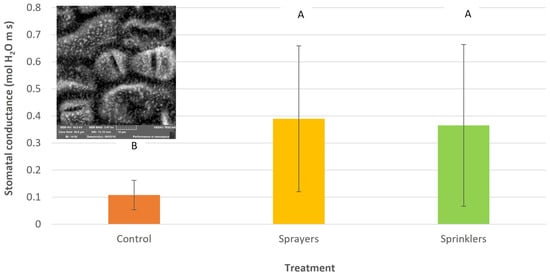
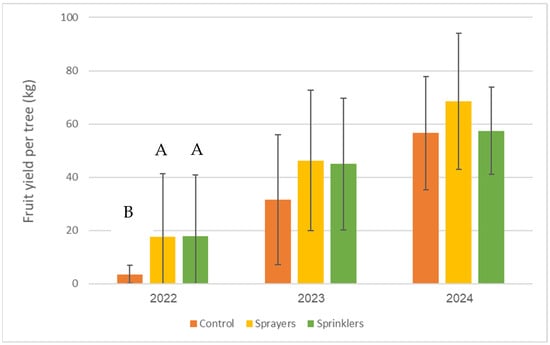
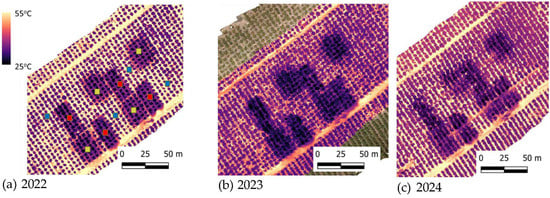
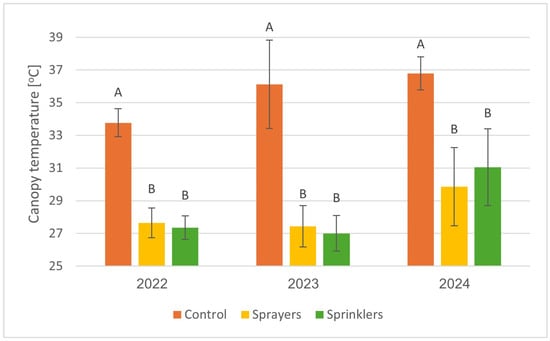
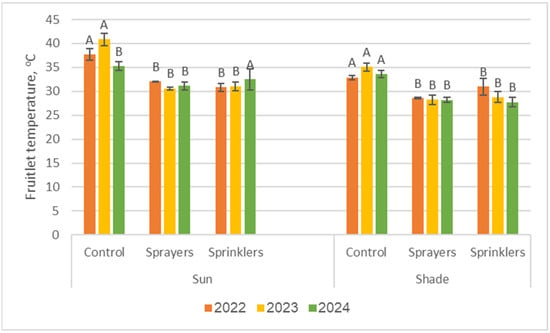
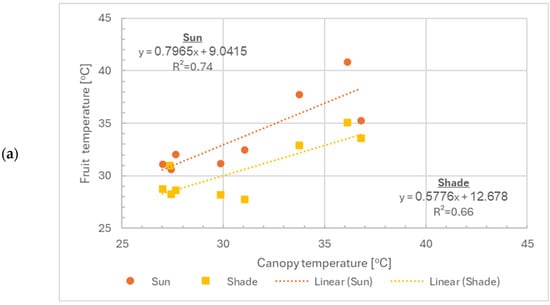
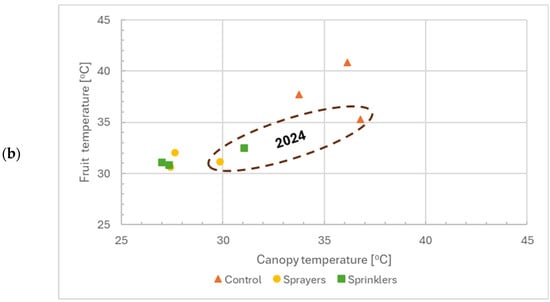
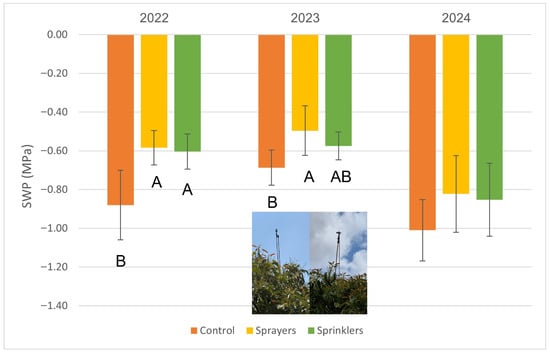
With global climate change, heatwaves have become more frequent and severe in avocado-growing regions. High temperatures combined with wind and low humidity are problematic for avocados, especially during the early developmental stage of the young fruitlets. Hence, heatwaves during this phenological stage are considered a major limiting factor for avocado productivity. This study evaluated the effects of operating pulsing sprinklers or sprayers installed above the canopy during spring heatwaves over three consecutive seasons in a Hass avocado orchard. We evaluated foliage and fruitlet temperature (using remote and proximal sensing), stem water potential, stomatal conductance, salt accumulation on the leaves, and productivity. The cooling system reduced the foliage temperature by 6–8 °C and fruitlet temperature by 5–10 °C with respect to uncooled trees. Stem water potential was increased by 0.8–2.0 MPa in the treatment plots compared to the control. The cooling treatments led to an average 42% yield increase over the next 3 years. No significant differences were found between the sprinklers and sprayer for any of the measured parameters. Results indicate the effectiveness of an evaporative cooling system for mitigating heatwave damage and improving avocado productivity.
Full article
(This article belongs to the Special Issue Effects of Water Stress and Climate Warming on Crop Growth, Physiology and Yield)
►▼
Show Figures

Figure 1
Open AccessArticle
Chemical Profile and Antibacterial Effect of Pimenta dioica Essential Oil Against Ralstonia solanacearum Race 2 Causing Moko Disease on Banana Crop
by
Luciano Martínez-Bolaños, Victor López-Martínez, Cristian Nava-Díaz, Artemio Pérez-López, Syl Soledad Martínez-Bolaños, Gilberto Manzo-Sánchez, Moisés Roberto Vallejo-Pérez, Misael Martínez-Bolaños, Mario Orozco-Santos and Carlos Hugo Avendaño-Arrazate
Plants 2026, 15(10), 1515; https://doi.org/10.3390/plants15101515 - 15 May 2026
Abstract
Moko disease (Ralstonia solanacearum race 2) is one of the most destructive bacterial diseases affecting bananas and plantains worldwide. The pathogen infects banana plants, causing yellowing and wilting of younger leaves, and plant death. Disease management remains challenging due to the pathogen’s
[...] Read more.
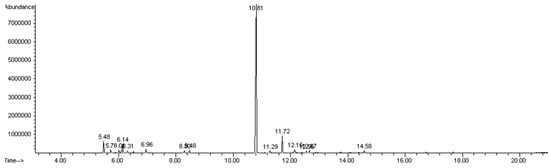
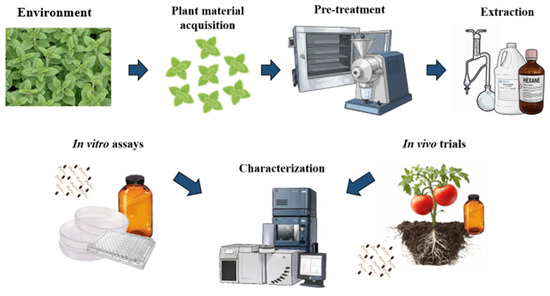
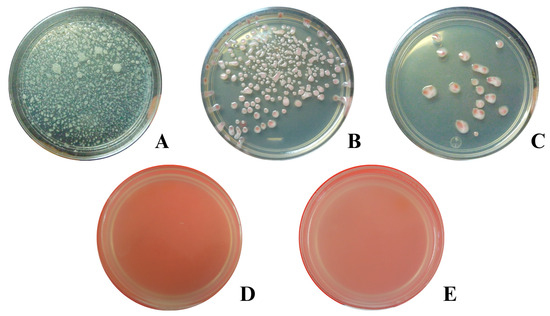
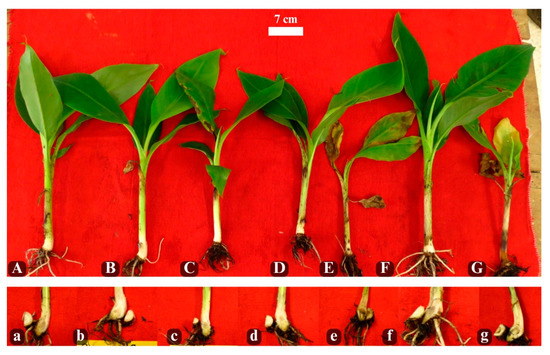
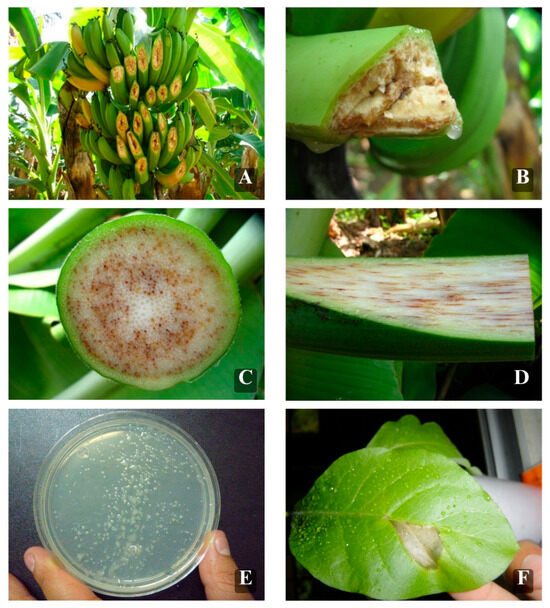
Moko disease (Ralstonia solanacearum race 2) is one of the most destructive bacterial diseases affecting bananas and plantains worldwide. The pathogen infects banana plants, causing yellowing and wilting of younger leaves, and plant death. Disease management remains challenging due to the pathogen’s aggressiveness, rapid dissemination, and limited availability of effective control products. The aim of this study was to determine the chemical composition of the Pimenta dioica essential oil (PDEO) obtained by hydro-distillation and to evaluate its antibacterial activity against R. solanacearum race 2. Gas chromatography-mass spectrometry (GC-MS) analysis identified 19 compounds in the essential oil. Eugenol (72.6%), was the predominant component, followed by caryophyllene (6.13%) and Beta-Myrcene (4.17%). In vitro assays demonstrated complete inhibition of bacterial growth at 500 µL L−1. Probit analysis estimated the minimum inhibitory concentration 95% (MIC95) value 297.6 µL L−1. In plants evaluation using banana vitroplants showed that PDEO at 500 µL L−1 effectively reduced disease severity and prevented internal corm discoloration without causing phytotoxic effects. These findings demonstrate the strong antibacterial activity of P. dioica essential oil against R. solanacearum race 2 and highlight its potential as a natural alternative for the management of Moko disease in banana production systems.
Full article
(This article belongs to the Special Issue Bioactive Natural Products from Plants: Extraction, Characterization and Application)
►▼
Show Figures

Figure 1
Open AccessArticle
Combined Effects of Superabsorbent Polymers, Biochar and Humic Acid on Soil Water Salt Dynamics and Melilotus officinalis Growth
by
Yongle Tu, Kexin Guo, Shuying Zhao, Yongping Cheng, Ying Liu, Jiaqiang Cao, Xiaojiao Wang, Xinhui Han, Chengjie Ren, Yongzhong Feng and Gaihe Yang
Plants 2026, 15(10), 1514; https://doi.org/10.3390/plants15101514 - 15 May 2026
Abstract
Soil salinization is one of the most severe forms of land degradation in arid and semi-arid regions, posing substantial threats to agroecosystem stability and food security. In this study, saline–alkali soil collected from the Wuding River Basin in Yulin, Shaanxi Province was used
[...] Read more.
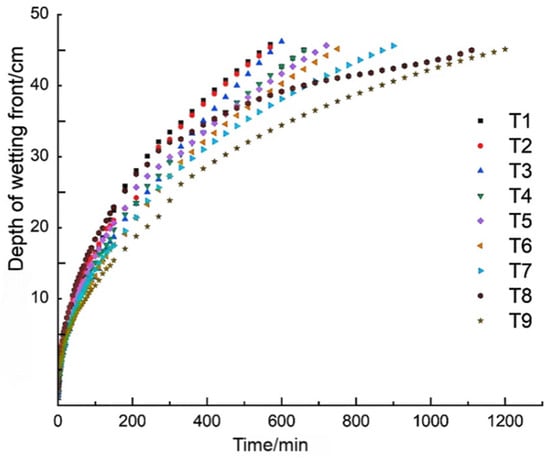
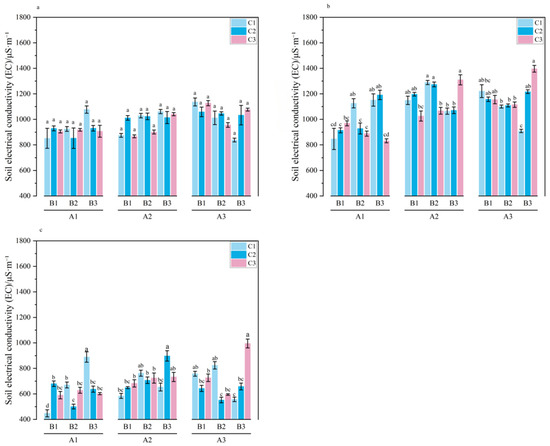
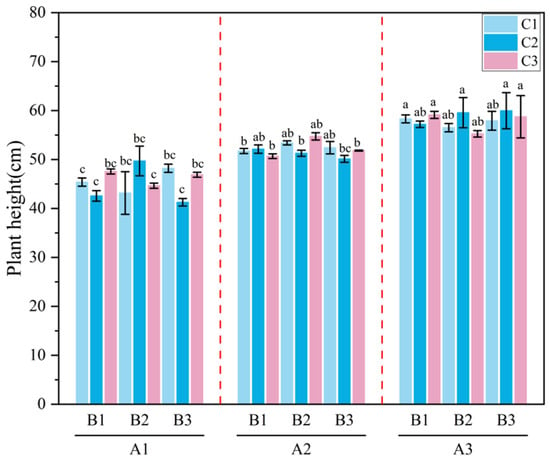
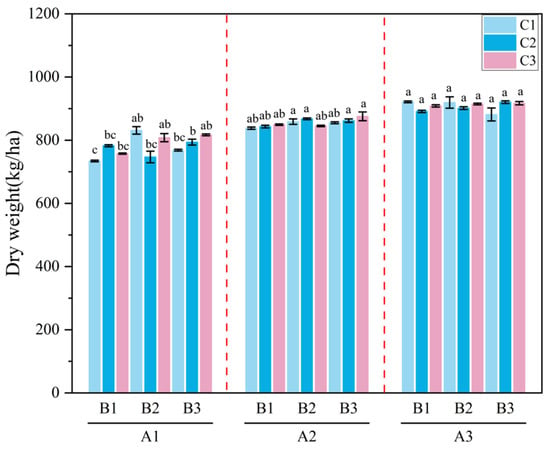
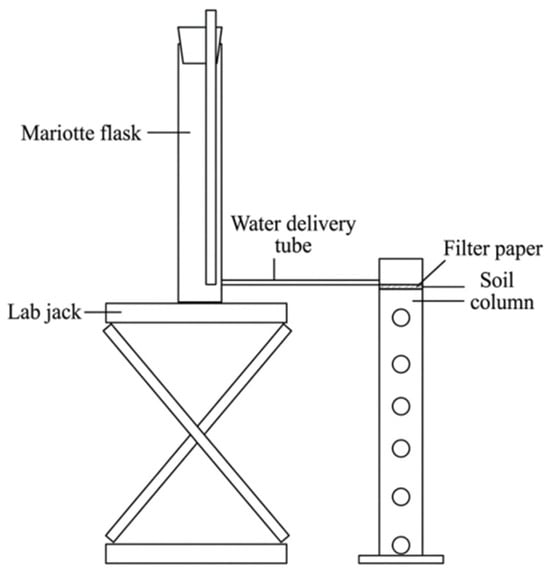
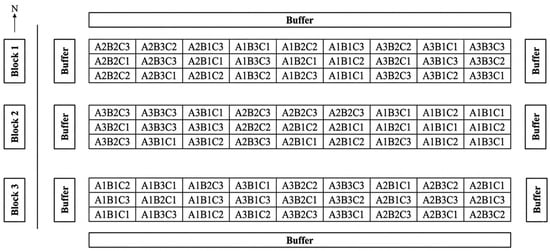
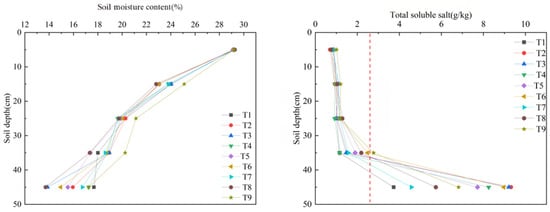
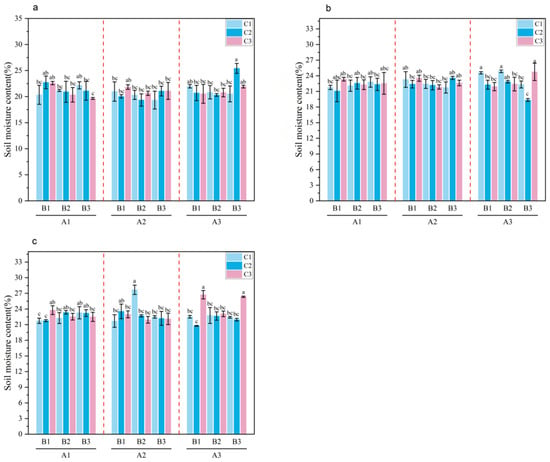
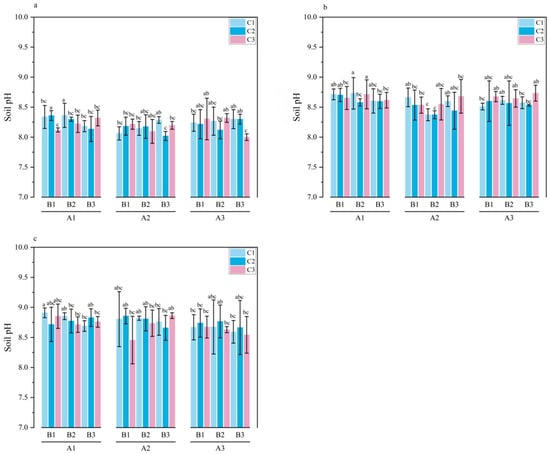
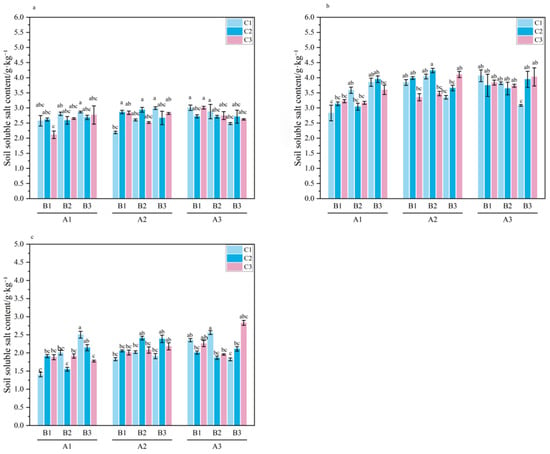
Soil salinization is one of the most severe forms of land degradation in arid and semi-arid regions, posing substantial threats to agroecosystem stability and food security. In this study, saline–alkali soil collected from the Wuding River Basin in Yulin, Shaanxi Province was used to construct a three-factor amendment system comprising superabsorbent polymers (SAP), biochar, and humic acid. A systematic assessment was conducted to elucidate their combined effects on soil water–salt transport and crop growth. Results from one-dimensional constant-head infiltration experiments using indoor soil columns demonstrated that the application of amendments significantly increased cumulative infiltration and improved the uniformity of wetting-front advancement. Specifically, the treatments regulated the redistribution of salts within the soil profile; while surface salinity reduction varied, the leaching efficiency was significantly enhanced in the A2B2C2 treatment. Soil bulk density (BD) showed dynamic fluctuations during the growth cycle, peaking at 1.628 cm−3 during the branching stage, while high-rate biochar (A3) reduced BD by up to 13.64% compared to the control by the initial flowering stage. Fitting results based on the Philip and Kostiakov models further indicated that the combined amendment strategy—particularly the A2B2C2 treatment (30 kg/ha SAP, 15,000 kg/ha biochar, and 600 kg/ha humic acid)—markedly enhanced both the initial infiltration rate and the steady infiltration capacity. Field experiments corroborated the indoor findings: plant height and dry biomass of Melilotus officinalis (L.)Lam. were significantly higher under amendment treatments than in the control, driven by improved water availability, mitigated salt stress, and enhanced soil structure. Single-factor and multi-factor interaction analyses revealed that SAP exerted pronounced effects during early growth stages, whereas biochar and humic acid contributed more substantially during the middle to late stages through sustained regulatory functions. Collectively, the results demonstrate that the combined application of SAP, biochar, and humic acid improves the water–salt regime of saline–alkali soils through a coupled “water–salt–structure–plant” mechanism, ultimately enhancing crop productivity. This study provides both theoretical insights and practical guidance for the amelioration of saline–alkali soils.
Full article
(This article belongs to the Special Issue Salt Tolerance in Plants: Genetic Mechanisms, Germplasm Screening, Cultivation Measures and Rehabilitation of Saline-Alkali Lands)
►▼
Show Figures

Figure 1
Open AccessArticle
Identification of StbZIP in Potato (Solanum tuberosum L.) and StbZIP104 Enhances Cold Resistance
by
Yihan Zhao, Chunna Lv, Yifan Zhou, Rong Li, Yuting Bao, Minghao Xu and Fang Wang
Plants 2026, 15(10), 1513; https://doi.org/10.3390/plants15101513 - 15 May 2026
Abstract
Low-temperature stress significantly limits plant growth, development, and productivity, posing a major environmental constraint. The potato (Solanum tuberosum L.) is particularly vulnerable to low temperatures, underscoring the crucial need to enhance cold tolerance in potato breeding efforts for sustainable production. Basic leucine
[...] Read more.
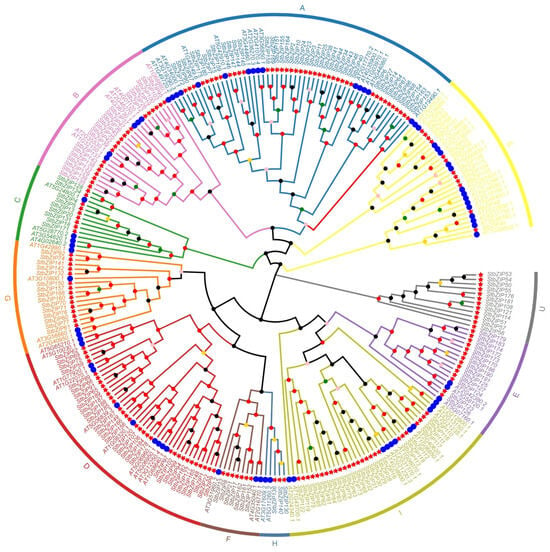
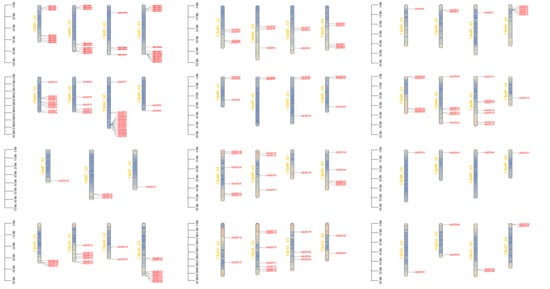
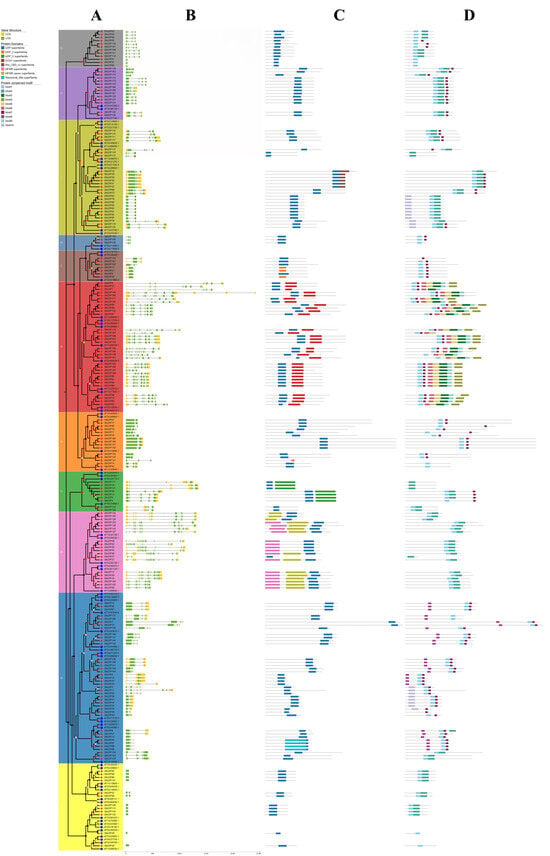
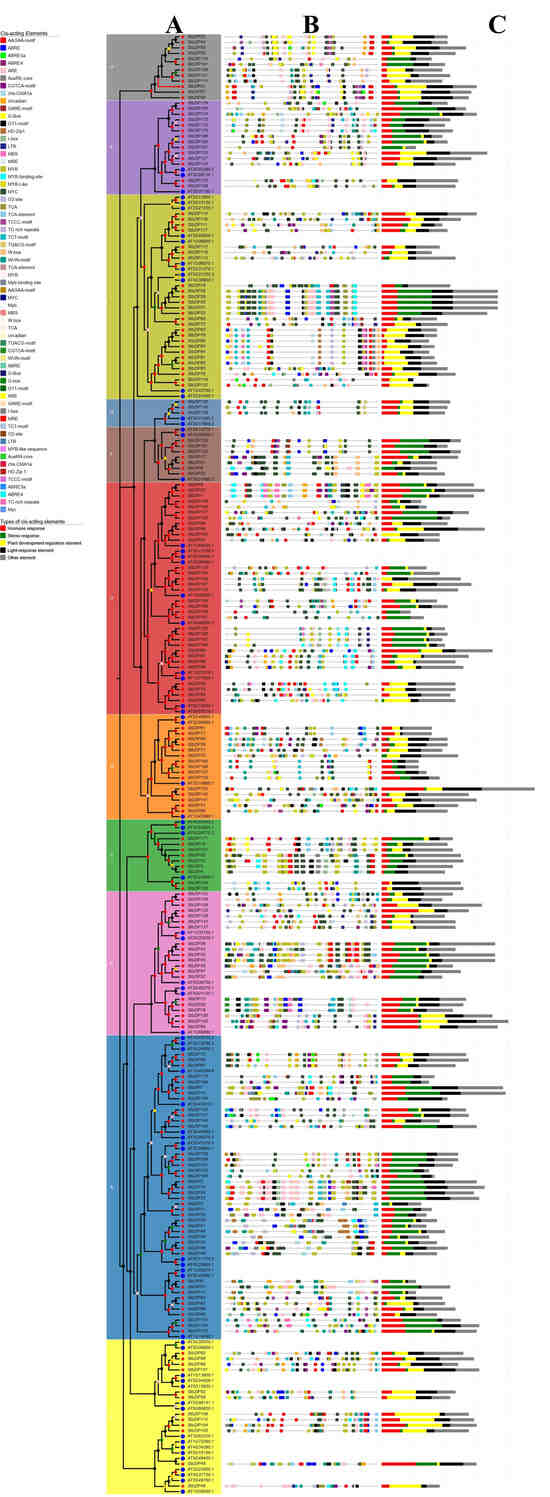
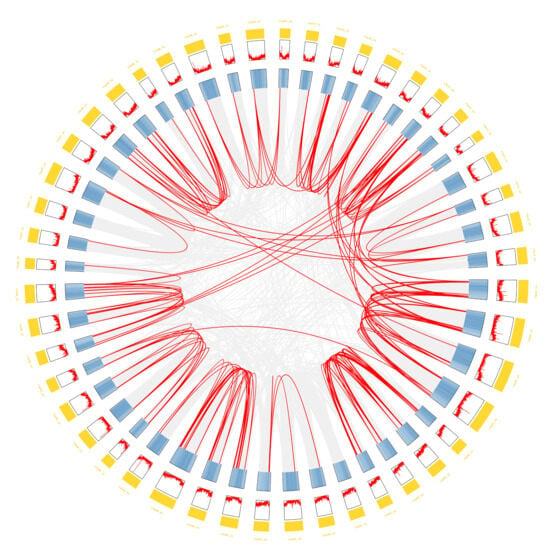
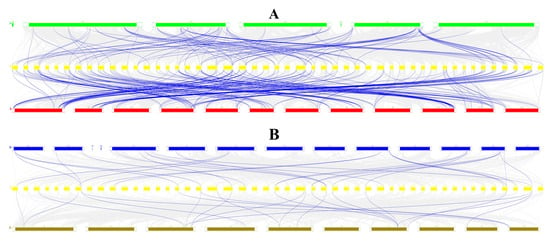
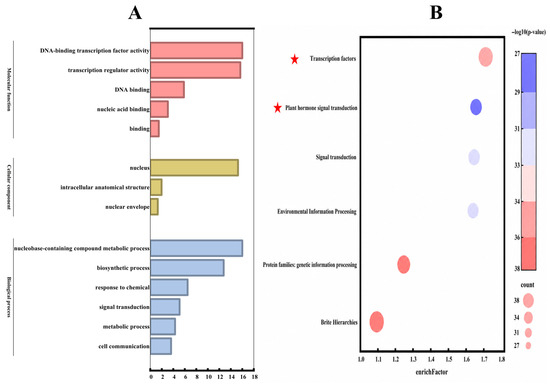
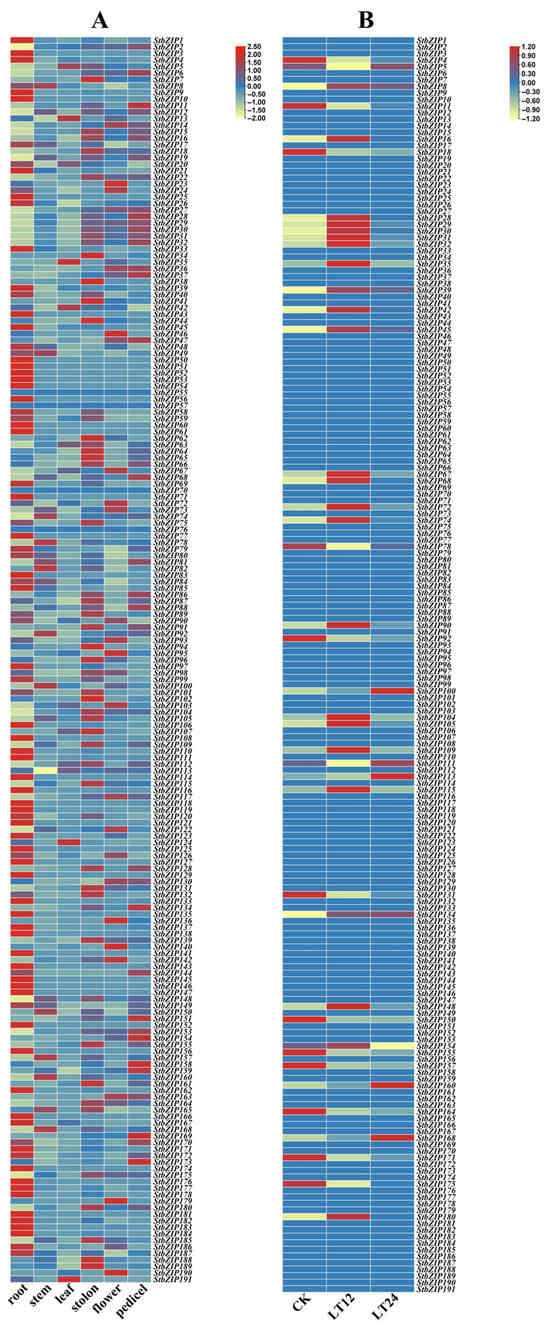
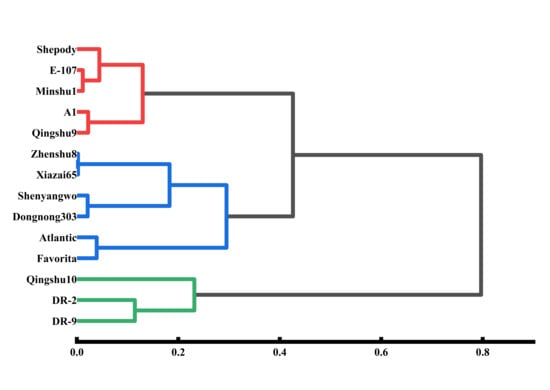
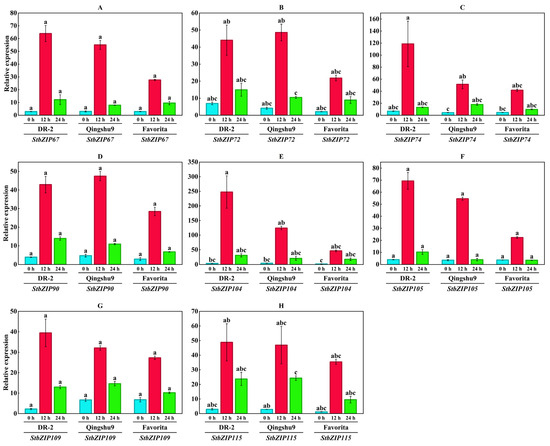
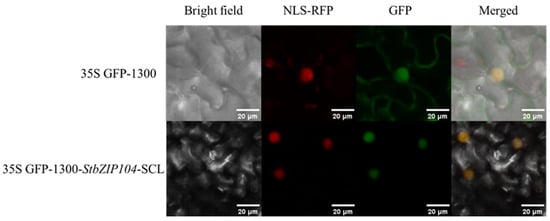
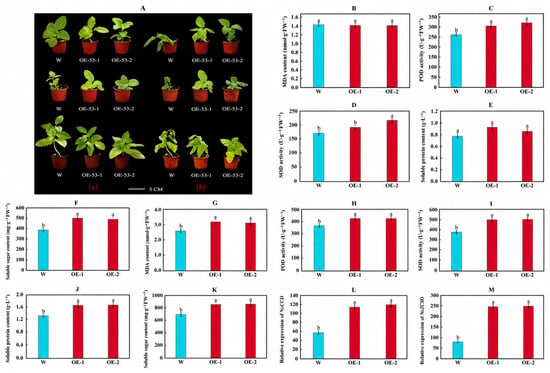
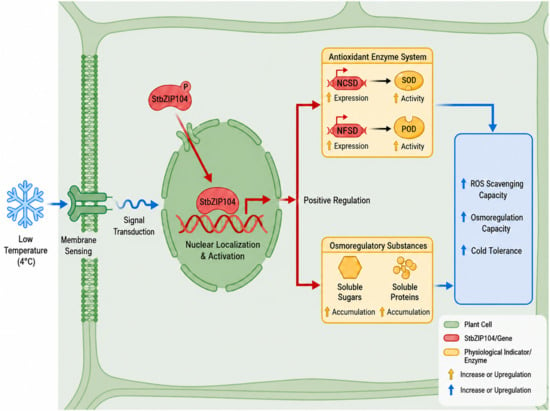
Low-temperature stress significantly limits plant growth, development, and productivity, posing a major environmental constraint. The potato (Solanum tuberosum L.) is particularly vulnerable to low temperatures, underscoring the crucial need to enhance cold tolerance in potato breeding efforts for sustainable production. Basic leucine zipper (bZIP) transcription factors serve as central regulators of plant developmental processes and stress responses; however, their functional role in cold tolerance in tetraploid potato remains poorly understood. Here, we report a systematic characterization of the bZIP gene family in tetraploid potato and provide preliminary evidence that StbZIP104 enhances plant cold tolerance. A total of 191 StbZIP genes were identified and classified into 11 subfamilies, exhibiting uneven chromosomal distribution and expansion primarily driven by whole-genome and segmental duplication. Promoter cis-element analysis, together with GO and KEGG enrichment analyses, indicated that StbZIP genes are broadly associated with hormone signaling, stress responses, signal transduction, and environmental adaptation. Expression profiling under low-temperature treatment revealed eight cold-inducible StbZIP genes (log2FC ≥ 1 and FDR < 0.05), among which StbZIP104 was strongly induced (log2FC ≥ 2) and showed 5.36-fold higher expression in highly cold-resistant cultivars than in cold-sensitive cultivars. Subcellular localization confirmed that StbZIP104 is a nuclear-localized protein. Functional validation confirmed that overexpressing StbZIP104 notably improved cold tolerance in transgenic Samsun NN tobacco (Nicotiana tabacum cv. Samsun NN). This was supported by heightened superoxide dismutase and peroxidase activities, increased levels of soluble protein and soluble sugars, and decreased malondialdehyde content compared to the wild type under cold stress. This study establishes a basis for the functional characterization of the bZIP gene family in tetraploid potato and serves as a theoretical reference for understanding the mechanisms that govern cold tolerance in this species.
Full article
(This article belongs to the Special Issue Molecular, Biochemical and Developmental Adaptations of Plants Under Abiotic Stress)
►▼
Show Figures

Figure 1
Open AccessArticle
The Content of Small 18S rRNA Fragments Is Regulated Developmentally and in Response to Stress in Plants
by
Angelina A. Malysheva, Taissiya S. Lopatchenko, Kamilla G. Osikova, Tatyana Kan, Anna S. Nizkorodova, Ruslan V. Kryldakov, Bulat K. Iskakov and Andrey V. Zhigailov
Plants 2026, 15(10), 1512; https://doi.org/10.3390/plants15101512 - 15 May 2026
Abstract
Protein synthesis is a crucial biosynthetic process in all organisms, including plants. The integrity of the translational machinery, especially ribosomes, can be compromised during rapid cell division in ontogenesis or in response to environmental stress. In this study, Northern blotting was employed to
[...] Read more.
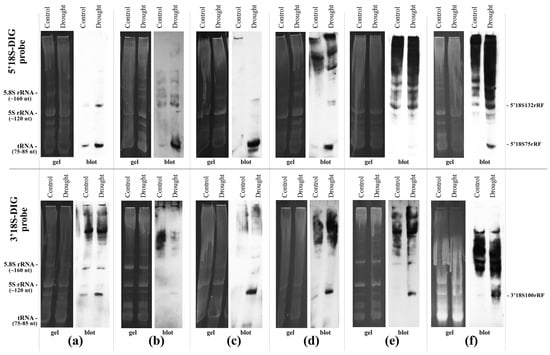
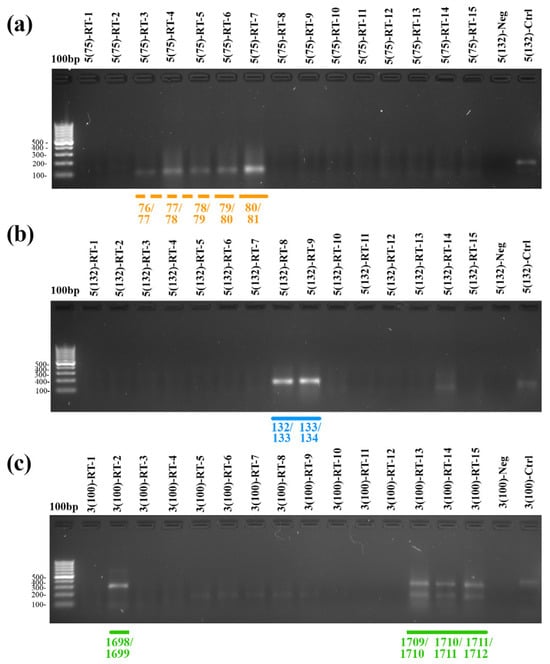
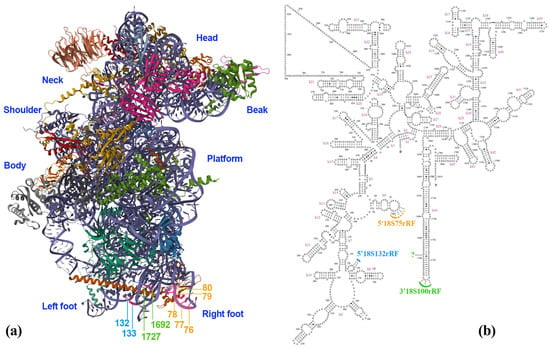
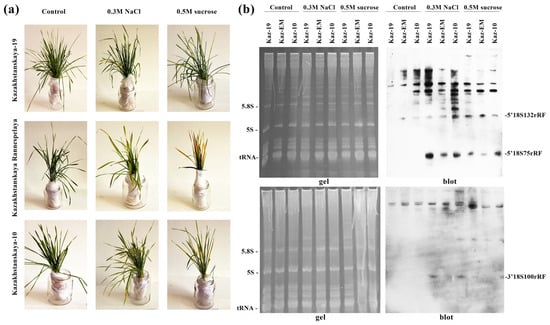
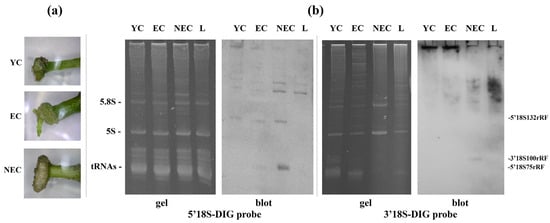
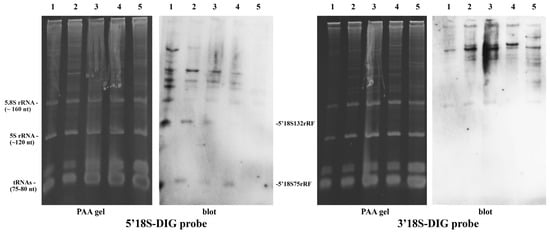
Protein synthesis is a crucial biosynthetic process in all organisms, including plants. The integrity of the translational machinery, especially ribosomes, can be compromised during rapid cell division in ontogenesis or in response to environmental stress. In this study, Northern blotting was employed to analyze total RNA from various angiosperms, focusing on small 5′- and 3′-terminal 18S rRNA fragments. Stem-loop array RT-PCR was employed to map the cleavage sites within the target regions. Severe stress, such as extreme drought, induced the accumulation of three distinct 18S rRNA fragments across diverse angiosperm taxa, indicating that this phenomenon is likely universal. In rapidly dividing cells, such as those found in in vitro callus cultures and germinating wheat embryos, high levels of discrete 5′-terminal fragments were observed, while 3′-terminal fragments were absent. The stem-loop array RT-PCR mapping identified specific sites of 18S rRNA strand breaks. Structural annotation of the 3D model of the plant 40S subunit revealed spatial clustering of these sites in proximity to the RPS6 binding region. Notably, wheat cultivars that are tolerant to osmotic stress exhibited significantly higher levels of 18S rRNA fragmentation than sensitive cultivars. This suggests a regulatory mechanism rather than a mere byproduct of apoptotic-like regulated cell death. Additionally, fragmented ribosomes were gradually eliminated during embryo maturation, indicating a process of programmed functional ribophagy. Our findings suggest that a potential inability of plant tissues to selectively retain functional ribosomes might contribute to a decline in generative potential. Monitoring the integrity of the translational machinery could improve breeding efficiency and aid in preserving long-term stored germplasm.
Full article
(This article belongs to the Section Plant Molecular Biology)
►▼
Show Figures

Figure 1
Open AccessArticle
Neuropharmacological Validation of Clinopodium pulchellum (Panizara): Unveiling the Anxiolytic and Antidepressant Mechanism via In Vivo Models and Molecular Docking
by
Juan E. Valdiviezo-Campos, Ramiro Fiestas-Jacinto, Karyn A. Olascuaga-Castillo, Segundo G. Ruiz-Reyes, Susana R. Rubio-Guevara, Roger A. Rengifo-Penadillos and Junior F. Siguas-Peña
Plants 2026, 15(10), 1511; https://doi.org/10.3390/plants15101511 - 15 May 2026
Abstract
(1) Background: Clinopodium pulchellum (Kunth) Govaerts (Panizara) is an aromatic Andean medicinal plant traditionally used in Peru to manage nervous disorders, insomnia, and digestive complaints; however, its neuropharmacological properties remain poorly validated. This study aimed to evaluate the anxiolytic- and antidepressant-like effects of
[...] Read more.
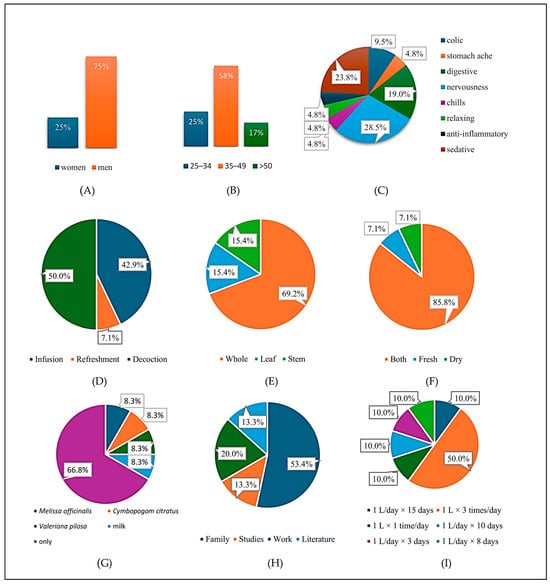
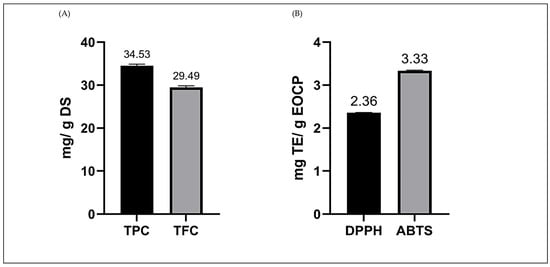
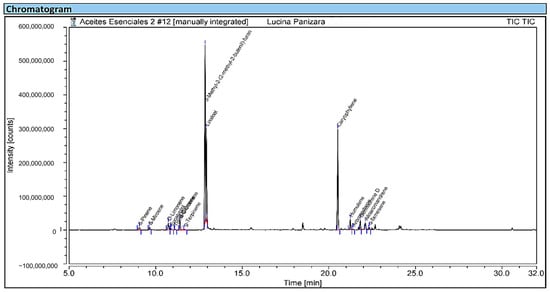
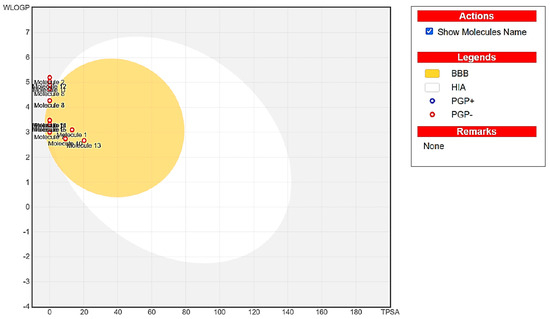
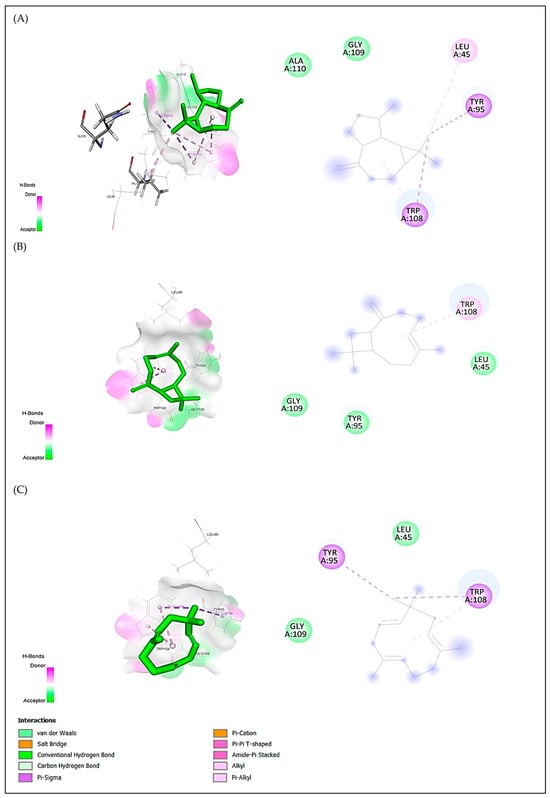
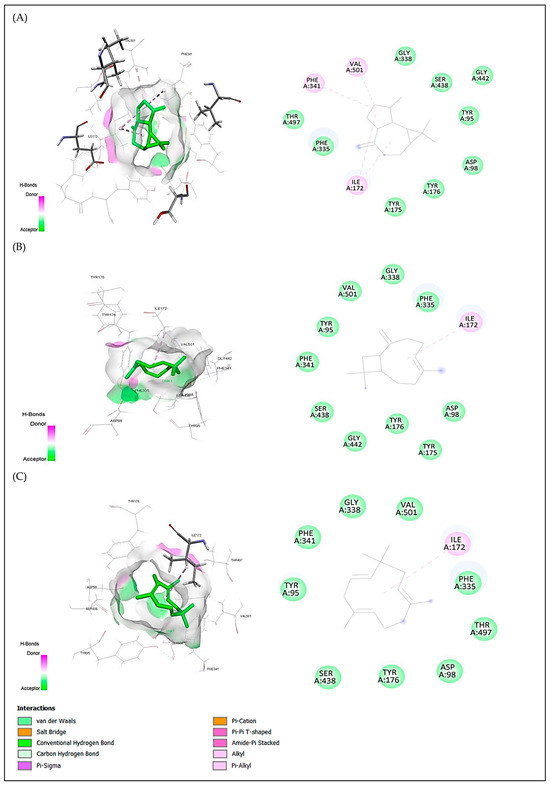
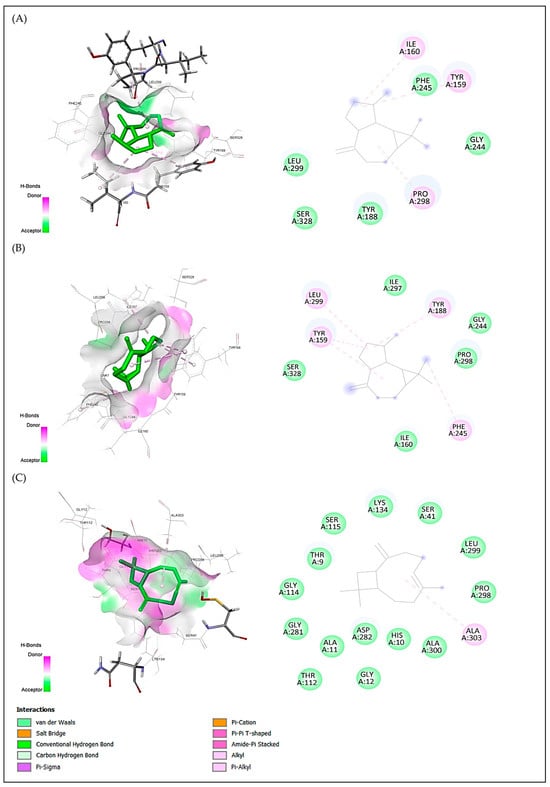
(1) Background: Clinopodium pulchellum (Kunth) Govaerts (Panizara) is an aromatic Andean medicinal plant traditionally used in Peru to manage nervous disorders, insomnia, and digestive complaints; however, its neuropharmacological properties remain poorly validated. This study aimed to evaluate the anxiolytic- and antidepressant-like effects of C. pulchellum and to characterize its phytochemical profile as supportive evidence. (2) Methods: The essential oil was obtained by hydrodistillation and analyzed using GC–MS and GC–FID. (3) Results: Fifteen volatile compounds were identified based on retention indices and mass spectral data, with β-caryophyllene (22.9%) and linalool (19.1%) as the most representative constituents, while other compounds were tentatively identified. The aqueous extract showed total phenolic and flavonoid contents of 34.15 mg GAE/g and 29.44 mg QE/g, respectively, and moderate antioxidant activity (DPPH = 2.36 mg TE/g; ABTS = 3.33 mg TE/g). In vivo assays revealed that EOCP at 200 mg·kg−1 significantly increased open-arm exploration in the elevated plus maze and reduced immobility time in the CUMS–forced swim test by 37% compared with the stress group, although the effect was lower than that of reference drugs. Molecular docking analysis indicated favorable binding affinities of β-caryophyllene, humulene, and aromandendrene with serotonergic and ion channel targets, while ADMET predictions suggested suitable pharmacokinetic properties. (4) Conclusions: These findings indicate that the observed neuropharmacological effects may be associated with the presence of bioactive terpenoids typical of Lamiaceae, supporting the traditional use of C. pulchellum. However, further studies are required to confirm the identity of uncommon constituents and to elucidate the mechanisms underlying its biological activity.
Full article
(This article belongs to the Special Issue Phytochemical Profiling and Bioactive Potential of Plants)
►▼
Show Figures

Figure 1
Open AccessArticle
GmTGA9-GmDYT1 Regulates Anther Wall Development to Affect Male Fertility in Soybean
by
Shuo Wu, Wanqing Du, Kexuan Liu, Zhenggang Wang, Yujuan Gu, Xianlong Ding and Shouping Yang
Plants 2026, 15(10), 1510; https://doi.org/10.3390/plants15101510 - 15 May 2026
Abstract
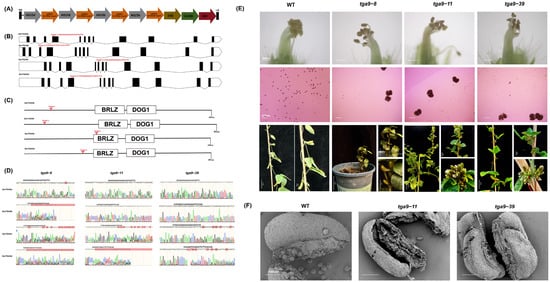
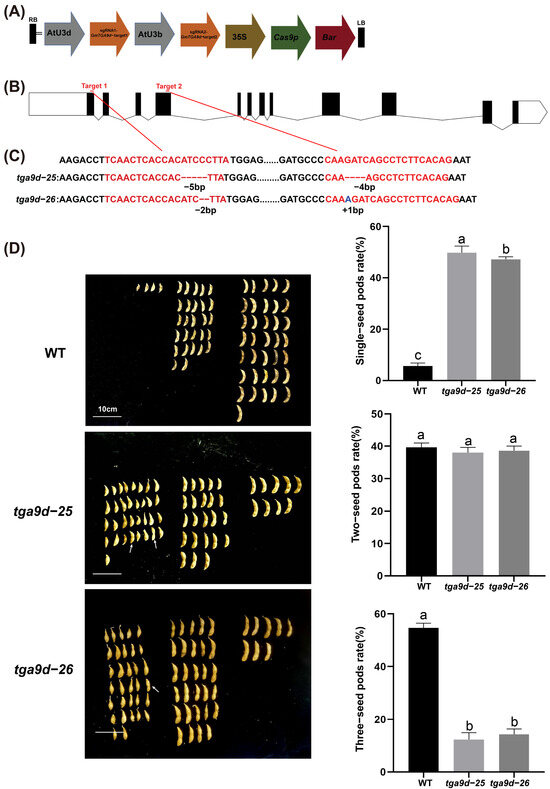
The scarcity of nuclear male-sterile (NMS) lines severely constrains the development of hybrid breeding in soybean. This study highlights the important role of a conserved GmTGA9-GmDYT1 regulatory module in controlling soybean anther development and male fertility. Through CRISPR/Cas9-mediated screening of the four TGA9
[...] Read more.
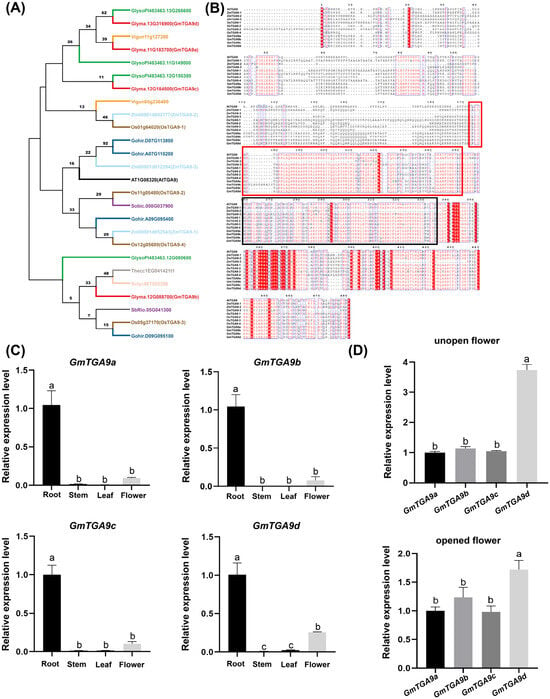
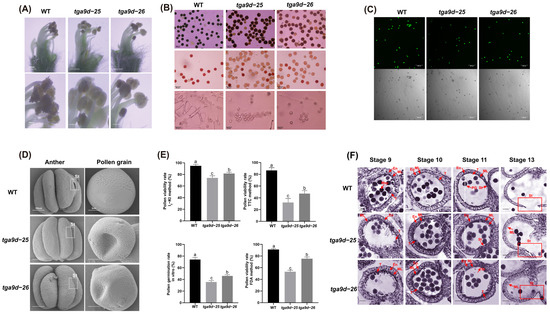
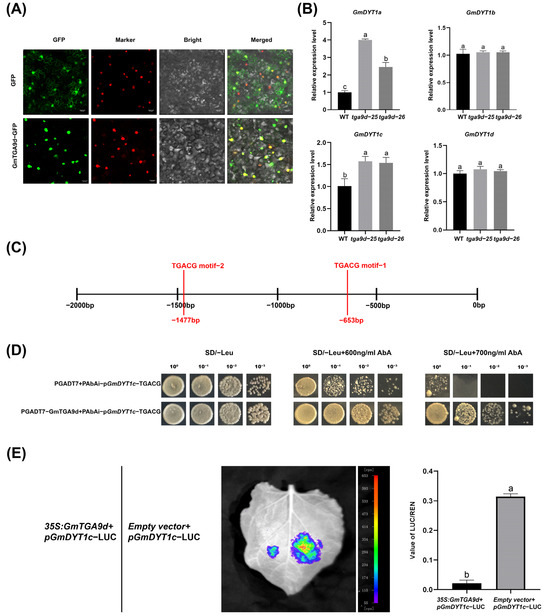
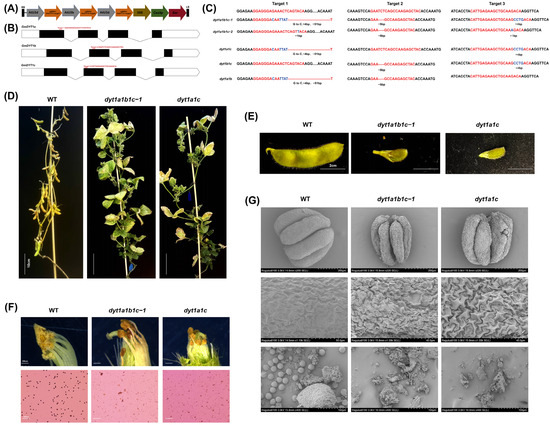
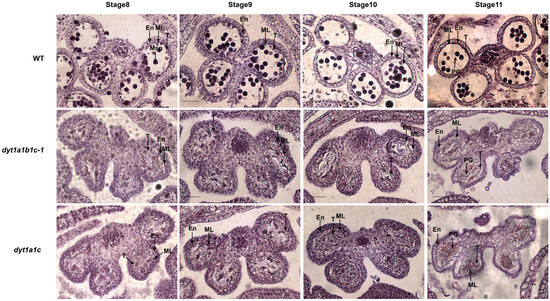
The scarcity of nuclear male-sterile (NMS) lines severely constrains the development of hybrid breeding in soybean. This study highlights the important role of a conserved GmTGA9-GmDYT1 regulatory module in controlling soybean anther development and male fertility. Through CRISPR/Cas9-mediated screening of the four TGA9 genes in soybean, we discovered that GmTGA9c and GmTGA9d may be involved in male fertility. The tga9d single-gene mutation caused abnormal thickening of the anther middle layer and impeded anther dehiscence, resulting in partial male sterility. We then found that GmTGA9d directly bound to and inhibited its downstream target gene, GmDYT1c. Furthermore, genetic evidence supports that GmDYT1a and GmDYT1c have functionally overlapping roles. Mutation of both genes caused aberrant degradation of the anther middle layer and tapetum, interrupting microspore development and resulting in complete male sterility. This study provides evidence that the GmTGA9-GmDYT1 pathway in soybean plays important roles in regulating male sterility by controlling the development of the anther wall. These findings provide novel mechanistic insights for research on and application of NMS materials in soybean heterosis utilization and hybrid breeding.
Full article
(This article belongs to the Section Plant Genetics, Genomics and Biotechnology)
►▼
Show Figures

Figure 1
Open AccessArticle
Seasonal Metabolic Profiling and Anti-Inflammatory Potential of Spatholobus suberectus Leaves Based on Metabolomics and Network Pharmacology
by
Meimei Luo, Dandan Yang, Shunda Jiang, Baoling Chen, Mei Yang and Yuanyuan Xu
Plants 2026, 15(10), 1509; https://doi.org/10.3390/plants15101509 - 15 May 2026
Abstract
Spatholobus suberectus is a medicinal and edible plant widely recognized for its pharmacological potential. Although its stems have been extensively studied and utilized, its leaves are often discarded as agricultural waste, leading to significant resource underutilization. To promote the sustainable valorization of these
[...] Read more.
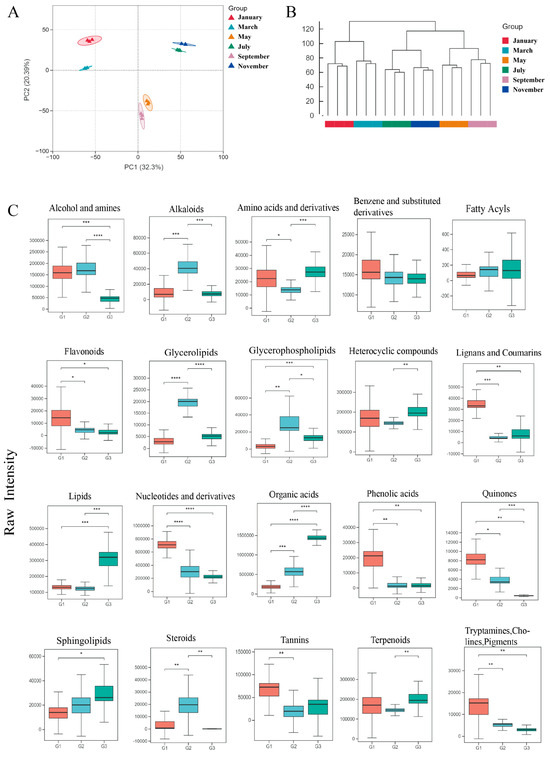
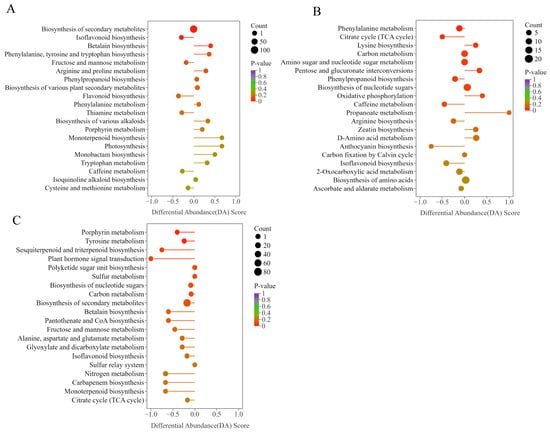
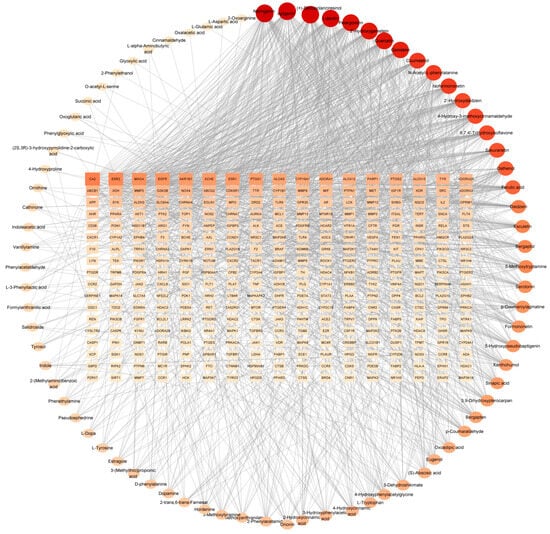
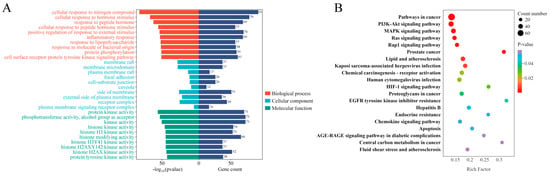
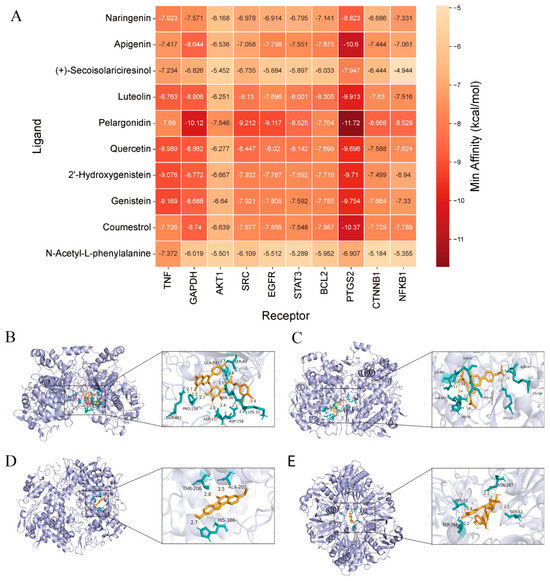
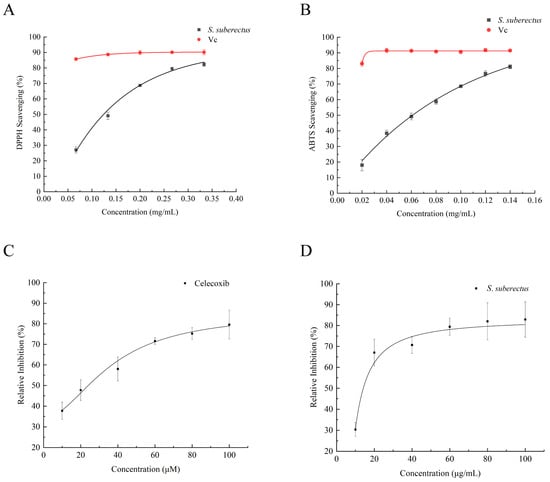
Spatholobus suberectus is a medicinal and edible plant widely recognized for its pharmacological potential. Although its stems have been extensively studied and utilized, its leaves are often discarded as agricultural waste, leading to significant resource underutilization. To promote the sustainable valorization of these leaves, this study aimed to provide a predictive evaluation of their bioactive constituents and pharmacological potential. Leaves of S. suberectus were collected at six growth stages (January, March, May, July, September and November). A total of 6750 metabolites were identified, primarily comprising amino acids and derivatives (26.74%), organic acids (15.33%), and bioactive secondary metabolites, including flavonoids and phenolic acids (27.98%). Metabolic profiling revealed clear seasonal patterns, allowing the classification of the six harvest months into three distinct stages: January and March (G1), May and September (G2), and July and November (G3). Among these, the G1 stage was notably enriched in defensive secondary metabolites, particularly flavonoids and phenolic acids. To predict the bioactivity of these metabolites and elucidate potential mechanisms of action, network pharmacology and molecular docking analyses were employed. Network pharmacology and molecular docking were employed to predict anti-inflammatory mechanisms. From the metabolome, 83 potential bioactive compounds were screened, interacting with 306 targets. Network analysis identified 60 core anti-inflammatory targets (e.g., TNF, AKT1, PTGS2, STAT3) that were significantly enriched in MAPK and PI3K-Akt pathways. Molecular docking revealed strong binding affinities, with pelargonidin showing the highest affinity for PTGS2 (−11.72 kcal/mol). Candidate metabolites peaked in January, and extracts from this period exhibited notable COX-2 inhibitory activity (IC50 = 16.41 μg/mL). This research provides essential chemical characterization and preliminary bioactivity evidence to support the valorization of S. suberectus leaves and identifies January as the optimal harvest time to maximize their bioactive potential.
Full article
(This article belongs to the Section Plant Physiology and Metabolism)
►▼
Show Figures

Figure 1
Open AccessArticle
Phytochemical Profile and In Vivo Assessment of Toxicity and Anti-Inflammatory Activity of Cenostigma pluviosum var. peltophoroides (Benth.) Gagnon & G.P. Lewis
by
Natanael Teles Ramos de Lima, Gabriela Ribeiro de Sousa, Gustavo Gomes da Silva, Geovana Ferreira Guedes Silvestre, Alan Ferreira Alves, Ivana Maria Fechine, Maria de Fatima Agra, Alisson Macário de Oliveira, Josean Fechine Tavares, Marcelo Sobral da Silva and José Maria Barbosa Filho
Plants 2026, 15(10), 1508; https://doi.org/10.3390/plants15101508 - 15 May 2026
Abstract
Cenostigma pluviosum var. peltophoroides, known as “sibipiruna,” is a plant rich in polyphenols used in traditional medicine for gastrointestinal disorders. The study aimed to investigate the chemical composition of the crude ethanolic extract of the stem bark (CEECP), evaluating its in vivo
[...] Read more.
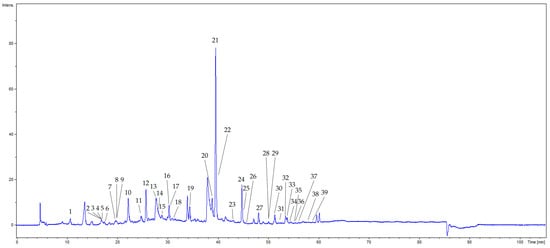
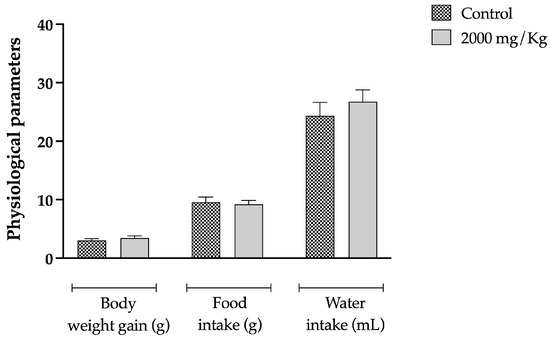
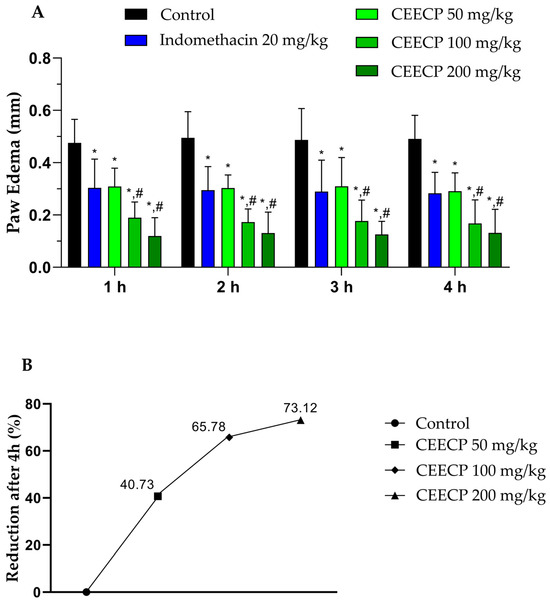
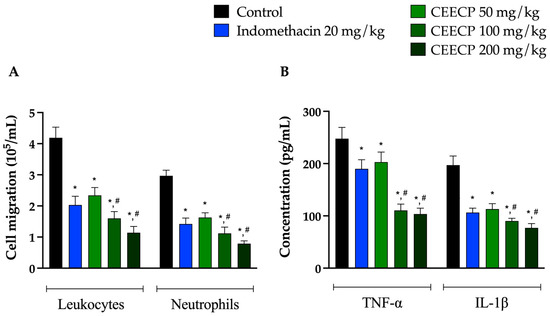
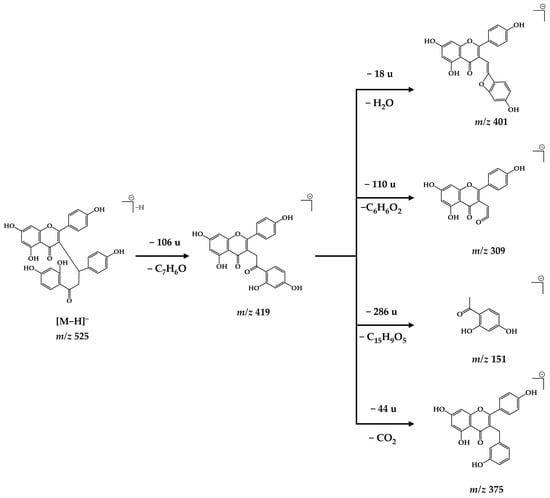
Cenostigma pluviosum var. peltophoroides, known as “sibipiruna,” is a plant rich in polyphenols used in traditional medicine for gastrointestinal disorders. The study aimed to investigate the chemical composition of the crude ethanolic extract of the stem bark (CEECP), evaluating its in vivo toxicity, genotoxicity, mutagenicity and anti-inflammatory activity. The plant material was macerated in 95% ethanol for 72 h, and the solvent was removed by rotary evaporation to obtain CEECP. Chemical characterization was performed by HPLC-ESI-MS/MS in negative mode. In vivo approaches were performed using male/female Swiss albino mice. Acute toxicity was assessed at a single high dose of 2000 mg/kg. Mutagenicity was investigated by the micronucleus test and genotoxicity by the comet assay, both at a dose of 2000 mg/kg. Anti-inflammatory activity was evaluated in carrageenan-induced paw edema and peritonitis models, at doses of 50, 100, and 200 mg/kg. HPLC-ESI-MS/MS analysis showed the presence of hydrolyzable tannins, phenolic acid heterosides, and biflavonoids. The safety profile of the CEECP was demonstrated for the first time, with no evidence of acute toxicity, mortality, mutagenicity, or genotoxicity at the tested doses. The extract significantly reduced paw edema in a dose-dependent manner at doses of 100 and 200 mg/kg, with inhibition rates of 65.78% and 73.12%, respectively, and also decreased leukocyte migration in the peritonitis model by 61.81% and 72.79% at the same doses. These findings indicate the CEECP as a source of pharmacologically relevant phytocompounds and, most notably, demonstrate its pronounced anti-inflammatory activity. Furthermore, the extract exhibited a favorable safety profile in the toxicological evaluations, highlighting the extract as a promising anti-inflammatory agent.
Full article
(This article belongs to the Special Issue Plant-Derived Natural Products: Omics Analysis and Functional Properties)
►▼
Show Figures

Figure 1
Open AccessArticle
Production of Composts from Cheese Whey and Agro-Livestock and Their Valorization in Volcanic-Ash-Affected Soil Cultivated with Lactuca sativa L.
by
Steven Ramos-Romero, Irene Gavilanes-Terán, Julio Idrovo-Novillo, Sandra N. Escobar-Arrieta, María José Bermeo, Alessandro Idrovo-Gavilanes, Julio Idrovo-Gavilanes, Ángel A. Carbonell-Barrachina, Antonio J. Signes-Pastor and Concepción Paredes
Plants 2026, 15(10), 1507; https://doi.org/10.3390/plants15101507 - 15 May 2026
Abstract
The deposition of volcanic ash in areas affected by erupting volcanoes can contaminate the soil with heavy metals, thereby jeopardizing food security and public health. This study focused on the use of compost for the bioremediation of this type of contaminated soil and
[...] Read more.
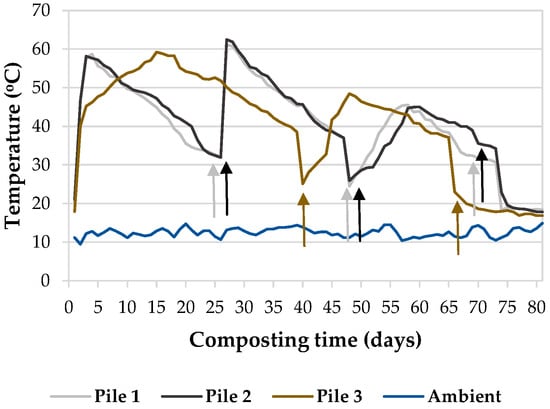
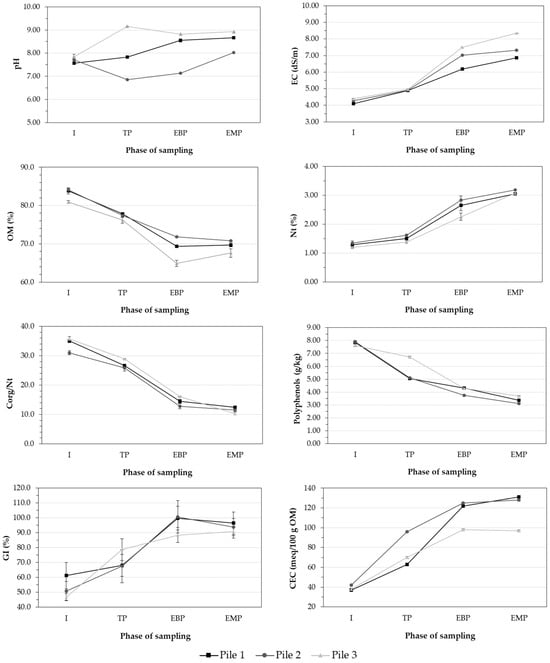
The deposition of volcanic ash in areas affected by erupting volcanoes can contaminate the soil with heavy metals, thereby jeopardizing food security and public health. This study focused on the use of compost for the bioremediation of this type of contaminated soil and on evaluating the effectiveness of this remediation technique in a horticultural crop. To this end, composts made from organic waste generated in the areas with volcanic-ash-affected soil, such as crop residues, cow manure, and cheese whey, were used. The design and optimization of the composting process for these wastes were described using three piles with the same proportion of crop residues and cow manure but different doses of whey (pile 1: without whey, pile 2: whey diluted with water (1:2 (v:v)); and pile 3: with undiluted whey) and by monitoring the evolution of physicochemical and biological parameters throughout the compositing process. The effectiveness of the composts obtained for soil remediation was evaluated by assessing the physiological response of a lettuce crop in pots. Five treatments were used: control soil without fertilization, inorganic fertilization, and the three composts obtained. The main agronomic properties of the soil and heavy metal availability were measured, along with the physiological and chemical parameters of the lettuce, including growth and macronutrient and heavy metal content. The results obtained in the composting experiment showed that the addition of cheese whey only affected the rate of organic matter degradation and the salt content of the final composts, without negatively affecting the stability and humification of their organic matter or their plant nutrient content. In the pot experiment, all composts improved soil fertility and reduced the availability of Ni, As, Cd, and Pb, but this did not consistently reduce uptake into lettuce, except in the case of Pb. Therefore, it is advisable to adjust the compost application rate and optimize crop selection to minimize the impact of heavy metals on the food chain, thereby ensuring safe production.
Full article
(This article belongs to the Special Issue Advances in Soil Fertility Management for Sustainable Crop Production (2nd Edition))
►▼
Show Figures

Figure 1
Open AccessArticle
Evaluation of Lycium chinense Germplasms in China Based on Fruit Quality Traits
by
Zijing Guo, Chaoguang Yu, Yan Lu and Wanwen Yu
Plants 2026, 15(10), 1506; https://doi.org/10.3390/plants15101506 - 15 May 2026
Abstract
The fruits of Lycium chinense are important medicinal and edible resources with multiple bioactive functions, including hepatoprotective, antioxidant, and immunomodulatory effects. Although this species is widely distributed in China and exhibits abundant germplasm resources, systematic evaluations of fruit quality variation among wild germplasm
[...] Read more.
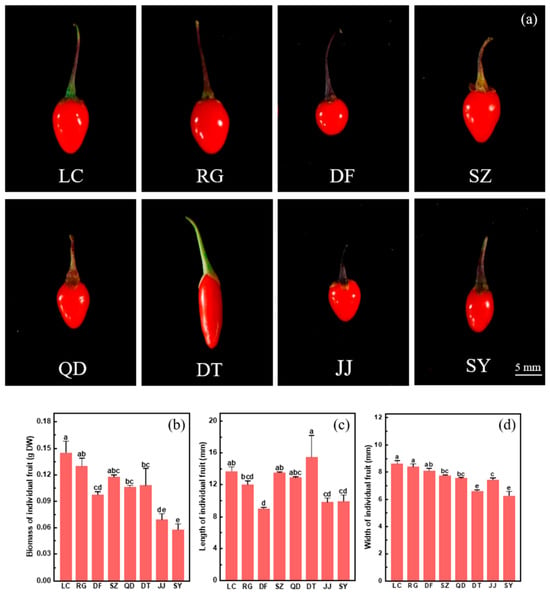
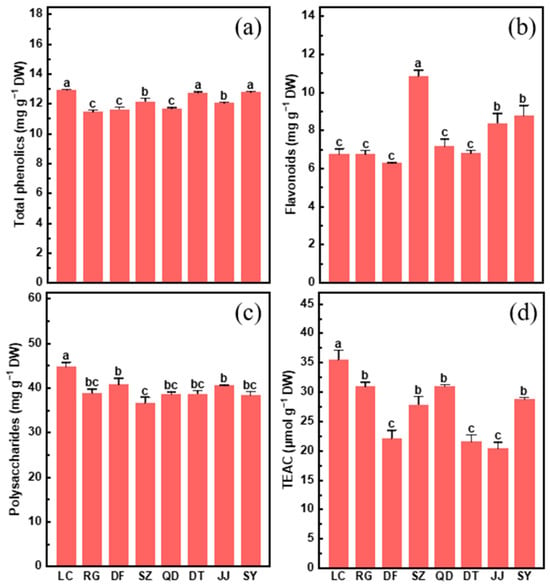
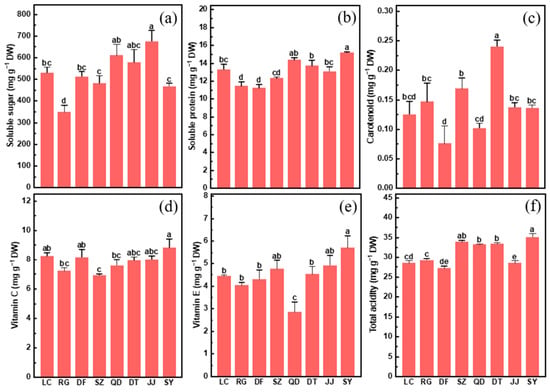
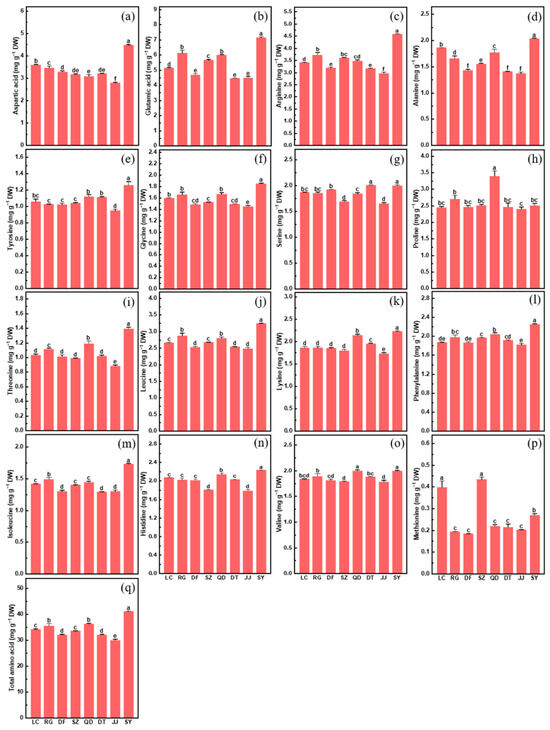
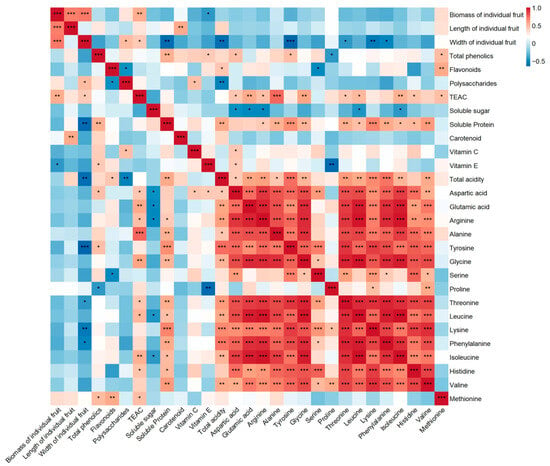
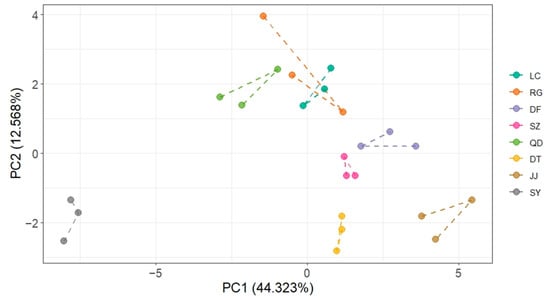
The fruits of Lycium chinense are important medicinal and edible resources with multiple bioactive functions, including hepatoprotective, antioxidant, and immunomodulatory effects. Although this species is widely distributed in China and exhibits abundant germplasm resources, systematic evaluations of fruit quality variation among wild germplasm remain limited, restricting the selection and breeding of superior resources. In this study, eight wild germplasm resources of L. chinense were collected from the eastern coastal regions of China, including Liaocheng (LC), Rugao (RG), Dafeng (DF), Suzhou (SZ), Qidong (QD), Dongtai (DT), Jingjiang (JJ), and Sheyang (SY). A total of 29 fruit quality-related traits, including fruit size, flavonoids, soluble sugars, vitamin C, and amino acids, were analyzed. Significant differences were observed among germplasm resources in both fruit size and internal quality. Comprehensive evaluation based on principal component analysis and entropy weight–grey relational analysis indicated that SY and LC ranked highest. SY exhibited smaller fruits but superior nutritional quality, with higher levels of soluble protein, vitamins, and amino acids. In contrast, LC showed larger fruits and higher contents of polysaccharides and total phenolics, along with stronger antioxidant capacity. Overall, SY and LC represent promising germplasm resources for breeding and utilization of L. chinense.
Full article
(This article belongs to the Special Issue Multi-Omics and Genomic Insights into Plant Stress Responses and Development)
►▼
Show Figures

Figure 1
Open AccessArticle
Assessing Genetic Divergence and Adaptive Potential of Aroeira (Myracrodruon urundeuva Allemão LC, Anacardiaceae) Across Brazilian Biomes
by
Marcelo Augusto Mendes Alcantara, Bruno Cesar Rossini, Marcela Aparecida de Moraes Silvestre, Romain Guyot, Andrea Garavito, Patricia Ferreira Alves, Diego Peres Alonso, Paulo Eduardo Martins Ribolla, Mario Luiz Teixeira de Moraes and Celso Luis Marino
Plants 2026, 15(10), 1505; https://doi.org/10.3390/plants15101505 - 15 May 2026
Abstract
Genetic diversity is critical for adaptability and resilience in response to environmental pressures, especially considering that human activities have drastically reduced natural populations. The endemic South American species, Myarcrodruon urundeuva (aroeira, Anacardiaceae), is found in the Caatinga dry forest, Brazilian Savanna, Atlantic Forest,
[...] Read more.
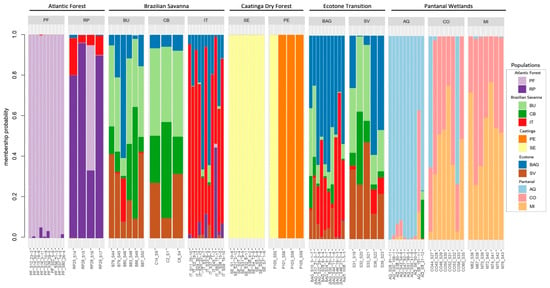
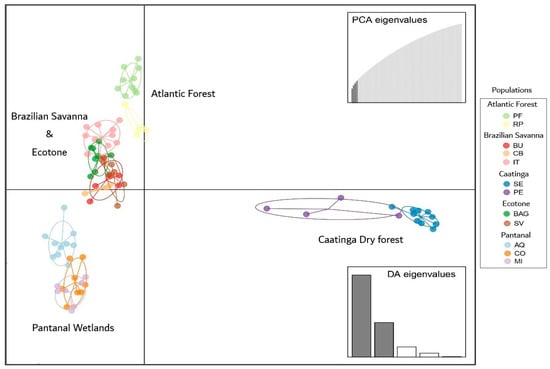
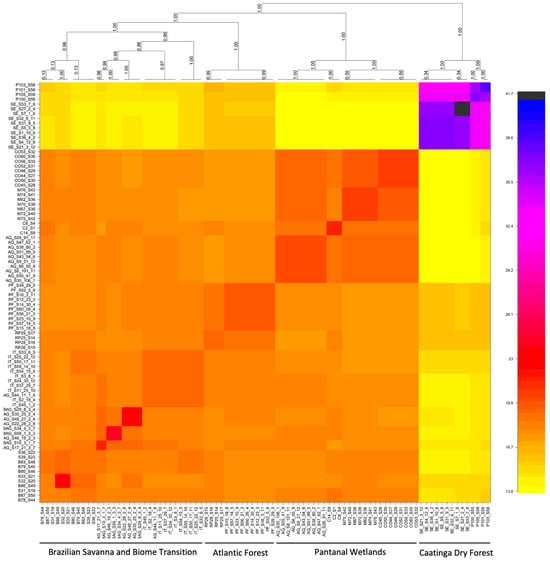
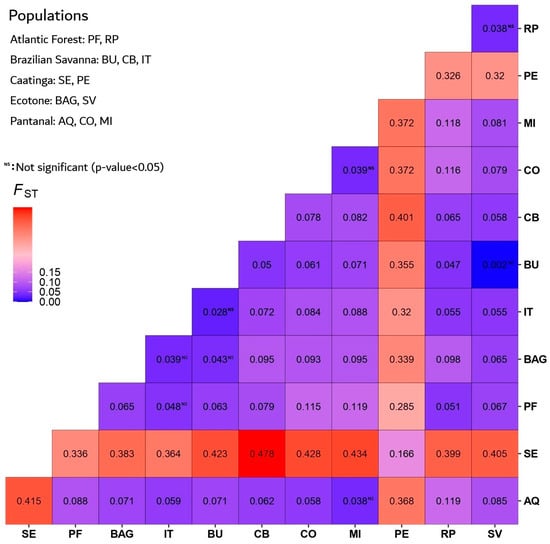
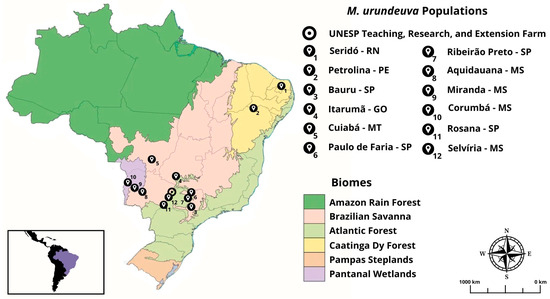
Genetic diversity is critical for adaptability and resilience in response to environmental pressures, especially considering that human activities have drastically reduced natural populations. The endemic South American species, Myarcrodruon urundeuva (aroeira, Anacardiaceae), is found in the Caatinga dry forest, Brazilian Savanna, Atlantic Forest, and Pantanal Wetland biomes and has suffered from population reduction due to overexploitation of its wood. This study analyzed the genetic diversity of M. urundeuva across biomes and transition zones in Brazil using ddRADseq sequencing. Samples from 115 individuals and 12 populations were sequenced, generating 1427 informative SNP markers. The average allelic richness was 1227 for the 12 populations, and the inbreeding coefficient (Fis) ranged from 0.001 to 0.196. Notably, the Caatinga dry forest biome populations displayed a highly differentiated cluster. Clustering analysis indicates that genetic diversity patterns from other populations also show distinct population structures with significant differences in its distribution. These findings highlight the need for further research in northeastern Brazil and emphasize the importance of genetic diversity in conservation planning. Therefore, strategies that integrate conservation and molecular analyses are essential to safeguard M. urundeuva’s diversity and adaptability.
Full article
(This article belongs to the Section Plant Genetics, Genomics and Biotechnology)
►▼
Show Figures

Figure 1
Open AccessReview
Biotic Stress Resistance in Sweet Potato: Mechanisms, Perspectives, and Sustainable Production Strategies
by
Hai Zheng, Jiachun Weng, Liehong Wu, Zhixian Ji, Yusha Meng, Shengfa Shen and Chao Xiang
Plants 2026, 15(10), 1504; https://doi.org/10.3390/plants15101504 - 15 May 2026
Abstract
Food security is increasingly threatened by climate change and population growth. Sweet potato has become a crucial crop for ensuring food security due to its adaptability to marginal lands and high yield potential. However, its sustainable production is severely limited by diverse biotic
[...] Read more.
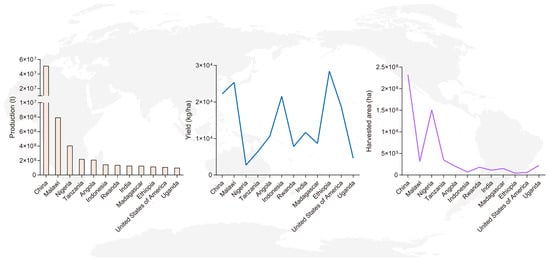
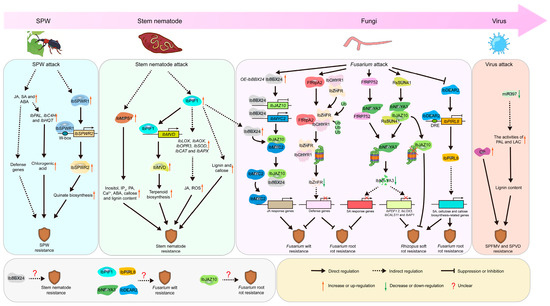
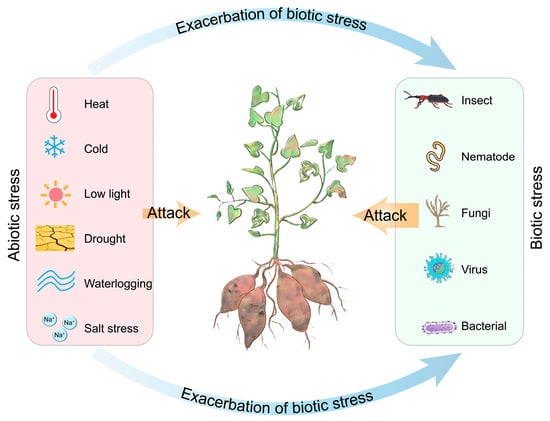
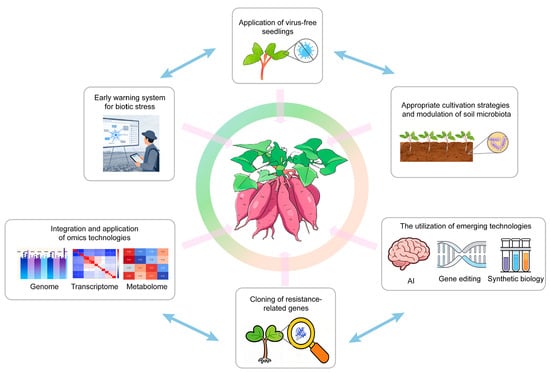
Food security is increasingly threatened by climate change and population growth. Sweet potato has become a crucial crop for ensuring food security due to its adaptability to marginal lands and high yield potential. However, its sustainable production is severely limited by diverse biotic stresses (including fungi, viruses, nematodes, insect pests and bacteria), which cause substantial yield losses. Despite its considerable importance, the key bottlenecks in this field remain unresolved, including the incomplete elucidation of core resistance mechanisms, unclear molecular regulatory networks underlying defense responses, insufficient understanding of crosstalk among multiple stresses, and limited integration of emerging technologies into practical resistance breeding. This review synthesizes the latest advances over the past two years. We dissect sweet potato’s defense mechanisms from multiple dimensions and provide novel insights into biotic stress resistance gene regulatory networks. Given that sweet potato production faces the combined effects of multiple pests and biotic-abiotic stresses, we elaborate on the complex stress interactions in sweet potato. In addition, we propose biotic stress management strategies and a ten-year cultivar improvement roadmap that leverages the potential of emerging technologies, including artificial intelligence (AI), gene editing, novel omics approaches and synthetic biology. Taken together, with continuous intensification of global biotic stress challenges, systematic multi-dimensional strategies are imperative to alleviate biotic stress-associated yield and quality impairment in sweet potato. On this basis, this review provides a valuable theoretical and practical reference for resistance breeding and the sustainable production of sweet potato.
Full article
(This article belongs to the Special Issue Trends and Challenges for Sustainable Sweetpotatoes Cultivation/Production)
►▼
Show Figures

Figure 1
Open AccessArticle
Pseudomonas chlororaphis A54 Enhances Drought Tolerance in Pinus sylvestris var. mongolica Through Coordinated Plant Physiological, Rhizosphere Microbial, and Soil Functional Responses
by
Qian Song, Xiaoshuang Song and Xun Deng
Plants 2026, 15(10), 1503; https://doi.org/10.3390/plants15101503 - 14 May 2026
Abstract
Drought severely restricts the growth and establishment of Pinus sylvestris var. mongolica seedlings, whereas the mechanisms by which plant growth-promoting rhizobacteria improve host drought tolerance remain incompletely understood. In this study, strain A54 was evaluated under four drought gradients (ND, LD, MD, and
[...] Read more.
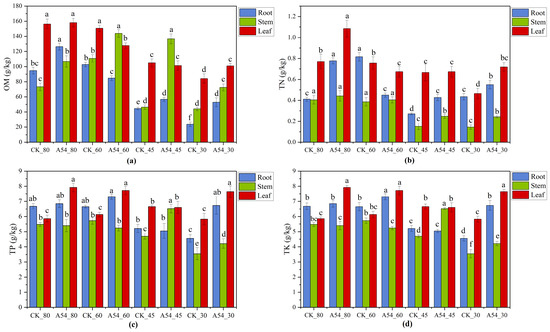
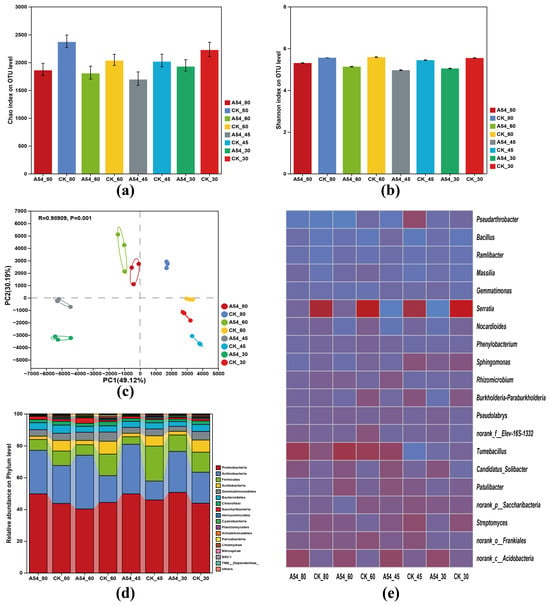
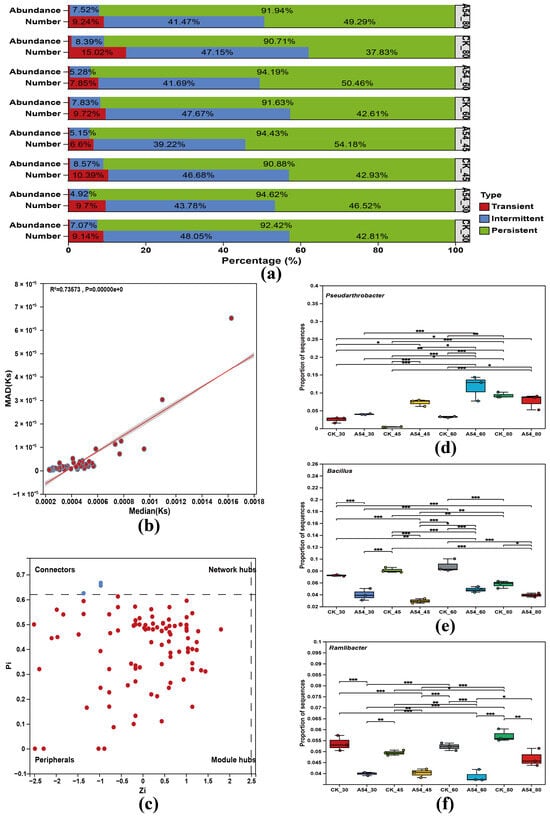
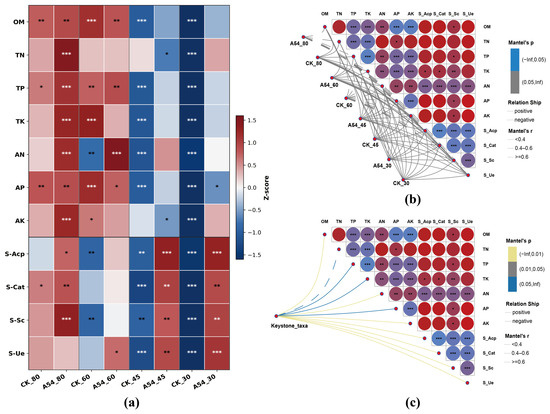
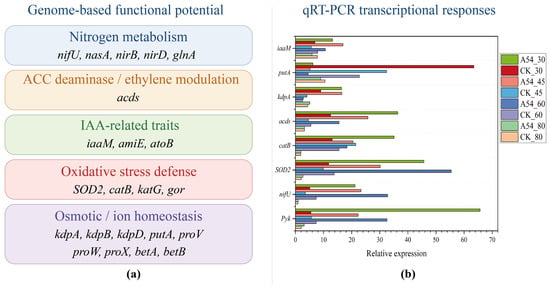
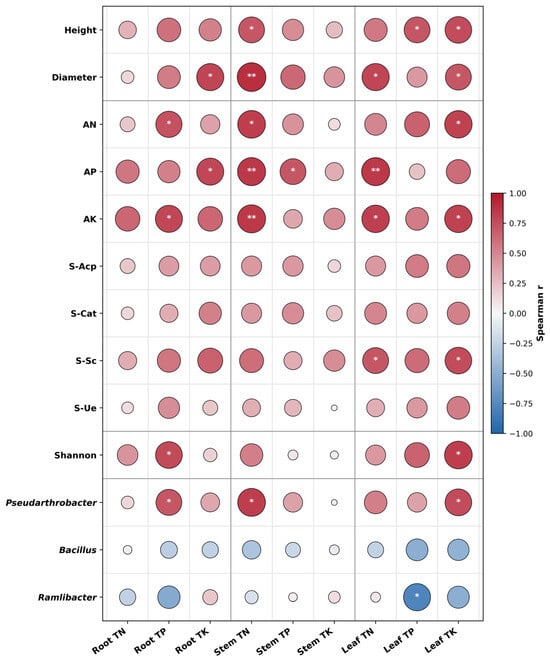
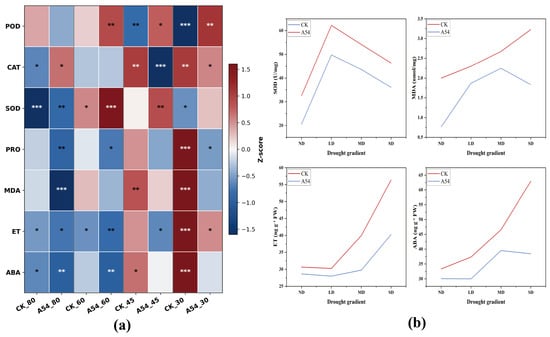
Drought severely restricts the growth and establishment of Pinus sylvestris var. mongolica seedlings, whereas the mechanisms by which plant growth-promoting rhizobacteria improve host drought tolerance remain incompletely understood. In this study, strain A54 was evaluated under four drought gradients (ND, LD, MD, and SD) in a greenhouse pot experiment. Seedling growth, nutrient accumulation, physiological traits, rhizosphere bacterial communities, soil functional variables, genome annotation, and qRT-PCR were integrated to clarify the drought-alleviating effects of A54. At the strain level, A54 maintained growth and ACC deaminase-associated functional performance under PEG-induced osmotic stress. A54 inoculation alleviated drought-induced growth suppression, with seedling height increasing by 69.7% under MD and 87.7% under SD relative to the corresponding controls. A54 also improved nutrient maintenance, especially Stem TN and Leaf TK, enhanced antioxidant capacity, and reduced osmotic stress, membrane lipid peroxidation, and stress-hormone accumulation. In the rhizosphere, A54 reshaped bacterial community structure by increasing the proportion of persistent taxa and selectively enriching drought-associated taxa, especially Pseudarthrobacter. A54-treated soils also maintained higher levels of available nutrients and enzyme activities under drought. Genome annotation and representative gene expression further supported the functional potential of A54 in nitrogen metabolism, ACC deaminase-associated ethylene regulation, oxidative defense, and osmotic or ion homeostasis. supporting its role in enhancing drought tolerance. These findings support the potential application of A54 as a bio-inoculant to improve afforestation performance under water-limited conditions.
Full article
(This article belongs to the Section Plant Response to Abiotic Stress and Climate Change)
►▼
Show Figures

Figure 1
Open AccessReview
Botanical Extracts for the Control of Plant-Parasitic Nematodes: Diversity, Modes of Action, Advanced Formulations, and Efficacy
by
Juan Pablo Manjarrez-Quintero, Octavio Valdez-Baro, Heriberto Bayardo-Rosales, Juan Manuel Tovar-Pedraza, Alma Rosa Solano-Báez and Guillermo Márquez-Licona
Plants 2026, 15(10), 1502; https://doi.org/10.3390/plants15101502 - 14 May 2026
Abstract
Plant-parasitic nematodes (PPNs) cause substantial yield losses across a wide range of economically important crops worldwide, and the progressive withdrawal of synthetic nematicides due to toxicological and environmental concerns has created an urgent need for safer alternatives. Botanical extracts, owing to their chemically
[...] Read more.
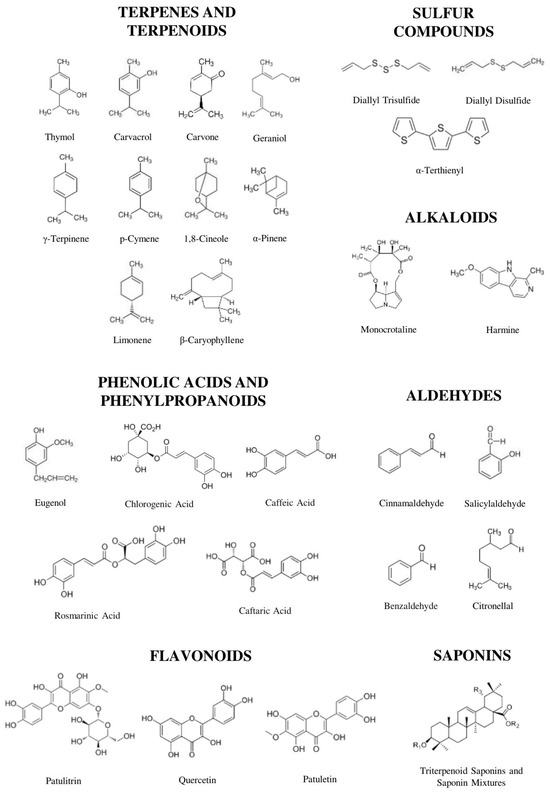
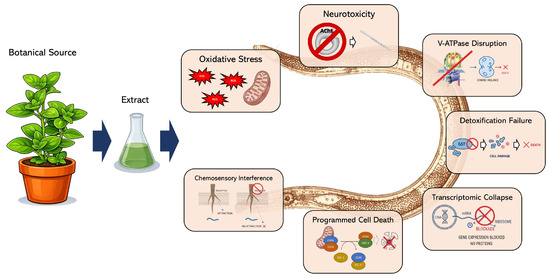
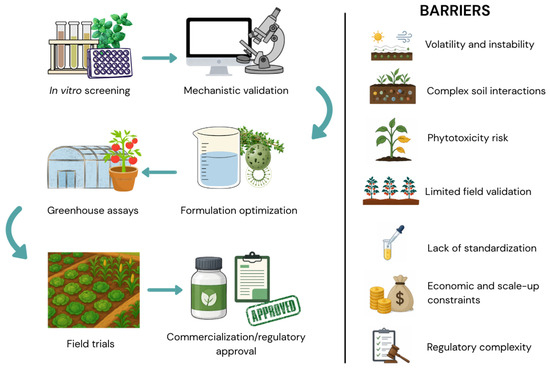
Plant-parasitic nematodes (PPNs) cause substantial yield losses across a wide range of economically important crops worldwide, and the progressive withdrawal of synthetic nematicides due to toxicological and environmental concerns has created an urgent need for safer alternatives. Botanical extracts, owing to their chemically diverse secondary metabolites and multi-target nematicidal activity, represent one of the most thoroughly studied options. The present work synthesizes and critically evaluates the current state of knowledge on botanical extracts as nematicidal agents, encompassing phytochemical diversity, extraction methodology, nematicidal mechanisms, advanced formulation strategies, and the principal constraints limiting field-scale applicability. Research coverage has been markedly uneven: most studies have concentrated on a small set of plant families, particularly Lamiaceae, Asteraceae, Brassicaceae, and Meliaceae, with Meloidogyne spp. as the predominant target, while many other taxa remain underexplored. Proposed nematicidal mechanisms include oxidative stress, cholinergic interference, disrupted intracellular pH regulation, impaired detoxification, and induction of cell death; yet mechanistic integration through multi-omics approaches remains limited. Activity under laboratory conditions often declines markedly in soil, largely due to compound instability or volatility, a limitation that encapsulation and nanoemulsion formulations are beginning to address. Future research should prioritize standardized mechanistic studies and replicated field trials to bridge the gap between laboratory promise and practical nematode management.
Full article
(This article belongs to the Special Issue New Strategies for the Control of Plant-Parasitic Nematodes)
►▼
Show Figures

Figure 1
Journal Menu
► ▼ Journal Menu-
- Plants Home
- Aims & Scope
- Editorial Board
- Reviewer Board
- Topical Advisory Panel
- Instructions for Authors
- Special Issues
- Topics
- Sections & Collections
- Article Processing Charge
- Indexing & Archiving
- Editor’s Choice Articles
- Most Cited & Viewed
- Journal Statistics
- Journal History
- Journal Awards
- Society Collaborations
- Conferences
- Editorial Office
Journal Browser
► ▼ Journal BrowserHighly Accessed Articles
Latest Books
E-Mail Alert
News
Topics
Topic in
Agronomy, Crops, Plants
Abiotic Stress Responses in Wheat: Perspectives on Productivity and Sustainability
Topic Editors: Wenshan Guo, Jinfeng Ding, Min ZhuDeadline: 22 May 2026
Topic in
IJMS, Agronomy, Plants, CIMB
Leguminomics: From Genomic Blueprints to Sustainable Agriculture
Topic Editors: Qingshan Chen, Dawei XinDeadline: 31 May 2026
Topic in
Agronomy, Crops, Foods, Plants, Agriculture, Horticulturae
Multidisciplinary Advances in Tea Science: Smart Cultivation, Digital Processing, and Health Innovation
Topic Editors: Chunwang Dong, Lin Chen, Yang LiDeadline: 30 June 2026
Topic in
Agriculture, Agronomy, Ecologies, IJPB, Plants, Soil Systems
The Role of Plant-Soil Interactions on Crop Yields and Carbon Sequestration
Topic Editors: Jifu Ma, Meng Zhou, Caiqing QinDeadline: 31 July 2026
Conferences
Special Issues
Special Issue in
Plants
The Quantum Dance of Photosynthesis: Current View of the Role of Quantum Effects in the Absorption of Light Energy
Guest Editors: Yuxiang Weng, Bernhard HuchzermeyerDeadline: 20 May 2026
Special Issue in
Plants
Technologies, Applications and Innovations in Plant Genetics Research
Guest Editors: Cristina Barrero Sicilia, Emidio AlbertiniDeadline: 20 May 2026
Special Issue in
Plants
Soil Fertility, Plant Nutrition and Sustainable Agriculture
Guest Editor: Javier Hernández-AllicaDeadline: 20 May 2026
Special Issue in
Plants
Phytochemical Extraction and Electrochemical Innovations in Sustainable Plant Science
Guest Editor: Felipe de Moura SouzaDeadline: 20 May 2026
Topical Collections
Topical Collection in
Plants
Feature Review Papers in Phytochemistry
Collection Editor: Mariangela Marrelli
Topical Collection in
Plants
New Trends in Plant Science in Italy
Collection Editor: Massimo Galbiati
Topical Collection in
Plants
Selected Papers from Lithuanian Research Centre for Agriculture and Forestry
Collection Editors: Giedrė Samuolienė, Gražina Kadžienė, Darius Kviklys, Neringa Rasiukeviciute