



-
Self-Management, Adherence, and the Role of Pharmaceutical Care in Patients with T2DM in Primary Practice: A Cross-Sectional Survey in Bulgaria -
Impact of a Pharmacist-Driven Penicillin Allergy De-Labeling Service (PADLS) on Hospitalized Patients -
Oral Contraceptive Knowledge Among Adolescents and Young Women
Journal Description
Pharmacy
Pharmacy
is an international, scientific, peer-reviewed, and open access journal dealing with pharmacy education and practice, and is published bimonthly online by MDPI. The Academy of Pharmaceutical Sciences (APS) is affiliated with Pharmacy and its members receive discounts on the article processing charges.
- Open Access— free for readers, with article processing charges (APC) paid by authors or their institutions.
- High Visibility: indexed within ESCI (Web of Science), PubMed, PMC, Embase, and other databases.
- Rapid Publication: manuscripts are peer-reviewed and a first decision is provided to authors approximately 22.9 days after submission; acceptance to publication is undertaken in 4.6 days (median values for papers published in this journal in the second half of 2025).
- Recognition of Reviewers: Reviewers who provide timely, thorough peer-review reports receive vouchers entitling them to a discount on the APC of their next publication in any MDPI journal, in appreciation of the work done.
- Journal Clusters-Pharmaceutical Science: Scientia Pharmaceutica, Marine Drugs, Pharmaceuticals, Pharmaceutics, Pharmacy, Future Pharmacology, Pharmacoepidemiology, Drugs and Drug Candidates and Journal of Pharmaceutical and BioTech Industry.
Impact Factor:
2.2 (2025);
5-Year Impact Factor:
2.2 (2025)
Latest Articles
“The Most High-Risk People Are Given the Most High-Risk Drugs in the Most High-Risk Way”: Experiences of Treating Problematic Over-the-Counter and Prescription-Only Medication Use in Substance Misuse Services
Pharmacy 2026, 14(4), 94; https://doi.org/10.3390/pharmacy14040094 (registering DOI) - 27 Jun 2026
Abstract
Misuse of over-the-counter (OTC) and prescription-only medicines (POMs) is increasingly recognised as a public health and medicine-safety concern. Although specialist substance misuse services (SMS) increasingly support people affected by OTC/POM misuse, little is known about how SMS staff perceive the characteristics, challenges, and
[...] Read more.
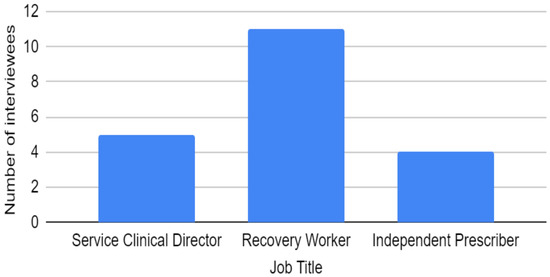
Misuse of over-the-counter (OTC) and prescription-only medicines (POMs) is increasingly recognised as a public health and medicine-safety concern. Although specialist substance misuse services (SMS) increasingly support people affected by OTC/POM misuse, little is known about how SMS staff perceive the characteristics, challenges, and treatment needs of this population. This study explored the experiences of SMS staff to address this evidence gap and inform pharmacy practice and service development. Confidential semi-structured interviews were conducted with staff across five community adult English SMS. Audio recordings were transcribed verbatim and analysed thematically using NVivo®. Twenty interviews with varied professionals achieved data saturation. Three overarching themes emerged: (1) characteristics of OTC/POM misuse; (2) staff-perceived patterns among people who misuse OTC/POM; and (3) negative experiences and concerns. Dependence on orally administered opioids (particularly codeine-containing products), benzodiazepines and gabapentinoids predominated. Polypharmacy including illicit substance use was also reported. Withdrawal symptoms frequently perpetuated misuse, and abrupt supply cessation created additional risks. Routine enquiry about OTC/POM misuse and provision of tailored harm-reduction interventions are essential. The findings suggest that pharmacists may have an important role in early identification of problematic OTC/POM use, harm-reduction interventions, medicine review and facilitating referral into appropriate treatment pathways. Further research should examine whether dedicated OTC/POM pathways are required and explore differences in demographic and treatment needs across medicine types.
Full article
(This article belongs to the Special Issue Pharmacists’ Roles in the Identification, Prevention and Treatment of Substance Use Disorders)
►
Show Figures
Open AccessArticle
Exploring Community Pharmacists’ Knowledge of Voluntary Assisted Dying and Authorised Disposal in Australia
by
Michelle Gyr, Heather Brown, Victoria Crisp, Milan du Plooy, Noora Al Hasooni, Natalia Popowicz, Liza Seubert and Tanya Burgess
Pharmacy 2026, 14(4), 93; https://doi.org/10.3390/pharmacy14040093 (registering DOI) - 26 Jun 2026
Abstract
Background: Voluntary Assisted Dying (VAD) legislation in Western Australia (WA) introduced new responsibilities for community pharmacists, including the safe disposal of unused VAD substances. Pharmacists may receive VAD-related enquiries; however, their preparedness, including their knowledge of VAD, remains largely unexplored. Aim: To explore
[...] Read more.
Background: Voluntary Assisted Dying (VAD) legislation in Western Australia (WA) introduced new responsibilities for community pharmacists, including the safe disposal of unused VAD substances. Pharmacists may receive VAD-related enquiries; however, their preparedness, including their knowledge of VAD, remains largely unexplored. Aim: To explore Western Australian community pharmacists’ knowledge of VAD and their role as Authorised Disposers under the Voluntary Assisted Dying Act 2019 (WA). Methods: Community pharmacists in WA were invited to participate in an anonymous, online survey consisting of multiple choice and open-ended questions. Results: Of 143 respondents, 76% were aware that VAD is an end-of-life option; despite this, 64% were uncertain about its relevance to their role. Almost one-third had received VAD-related enquiries. Of these, 40% could not provide information, with half attributing this to insufficient knowledge. Among those yet to receive a VAD-related enquiry (n = 115), 75% felt ‘not confident’ to respond, with 76% attributing this to lack of knowledge. A total of 63% of participants were unaware that they may be requested to perform authorised disposal. Uncertainty surrounding the process and the legal and ethical aspects were frequently mentioned. Conclusion: WA Community pharmacists demonstrate awareness of VAD legislation but have gaps in knowledge, particularly regarding authorised disposal. Further training and resources are essential.
Full article
(This article belongs to the Section Pharmacy Practice and Practice-Based Research)
Open AccessReview
The Evolution of Pharmacist Administered Vaccinations in Australia: A Narrative Review of Legislation and Regulatory Documents
by
Shambel Nigussie Amare, Kwang Choon Yee, Myra Leung, Mark Naunton, Abbey Wilson, Annika Rooney, Omar Gannash and Mary Bushell
Pharmacy 2026, 14(4), 92; https://doi.org/10.3390/pharmacy14040092 (registering DOI) - 26 Jun 2026
Abstract
Background: Since 2014, all Australian jurisdictions have progressively amended legislation to authorise pharmacists to administer vaccines, evolving from restricted pilots to an essential public health pillar. Objective: This review analyses the longitudinal evolution of pharmacist-administered vaccinations (PAVs), documenting changes in authorised vaccines, age
[...] Read more.
Background: Since 2014, all Australian jurisdictions have progressively amended legislation to authorise pharmacists to administer vaccines, evolving from restricted pilots to an essential public health pillar. Objective: This review analyses the longitudinal evolution of pharmacist-administered vaccinations (PAVs), documenting changes in authorised vaccines, age eligibility, and regulatory frameworks across all Australian jurisdictions. Methods: A retrospective review of Australian jurisdictional legislation, regulations, and policy documents was undertaken. Searches included official legislative registers, Government Gazettes, Health Department protocols, and professional guidance published by Pharmaceutical Society of Australia (PSA) and The Pharmacy Guild of Australia between 2014 to 2026. Documents were independently reviewed by five authors, followed by secondary verification and consensus-based adjudication to resolve discrepancies and confirm findings. Results: PAVs scope was expanded from a single influenza pilot in 2014 to include over 21 vaccine-preventable diseases by 2026. The COVID-19 pandemic catalysed rapid reform, leading to the standardisation of age eligibility (largely ≥5 years). A landmark milestone occurred in 2025 when South Australia enabled pharmacists to administer any vaccine within their professional scope. Conclusion: Legislative reforms have significantly enhanced vaccine accessibility. However, jurisdictional fragmentation persists. National harmonisation, using a competency-based model similar to South Australia, is recommended to streamline delivery and optimise public health outcomes.
Full article
(This article belongs to the Section Pharmacy Practice and Practice-Based Research)
Open AccessArticle
Sodium-Glucose Co-Transporter 2 Inhibitors and Hyperkalemia-Related Discontinuation of Renin-Angiotensin-Aldosterone System Inhibitors During Mineralocorticoid Receptor Antagonist Therapy: A Real-World Cohort Study
by
Abdullah Hashim Almalki, Nourah Abdulaziz Alorainan, Muhjah Abdulhakim Bukhari, Fahad Ali Dokhaikh, Salma Mohamed Abbas Quqandi, Reyan Hatem Merdad and Laila Fahad Sadagah
Pharmacy 2026, 14(4), 91; https://doi.org/10.3390/pharmacy14040091 (registering DOI) - 26 Jun 2026
Abstract
Background: Hyperkalemia (HK) is a common complication of renin-angiotensin-aldosterone system inhibitor (RAASi) therapy, and the risk is often increased by concomitant use of a mineralocorticoid receptor antagonist (MRA). The effect of SGLT2i co-prescription on this risk in routine clinical practice remains incompletely understood.
[...] Read more.
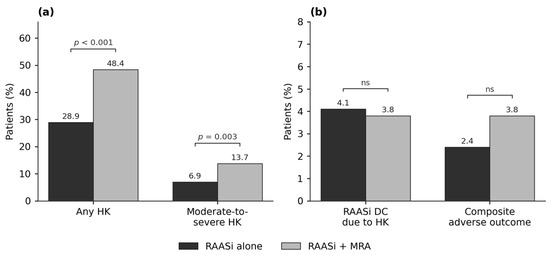
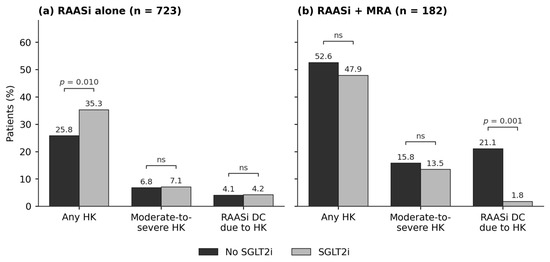
Background: Hyperkalemia (HK) is a common complication of renin-angiotensin-aldosterone system inhibitor (RAASi) therapy, and the risk is often increased by concomitant use of a mineralocorticoid receptor antagonist (MRA). The effect of SGLT2i co-prescription on this risk in routine clinical practice remains incompletely understood. Methods: This is a secondary analysis of a published retrospective cohort of 905 adult RAASi users attending outpatient clinics at King Abdulaziz Medical City, Jeddah, Saudi Arabia (IRB: NRJ22J/279/11), followed for a median of 28 months. Patients were classified as RAASi alone (n = 723) or RAASi plus MRA (n = 182). Beta-blockers and digoxin were excluded from the exposure definition. Effect modification by SGLT2i was assessed using logistic regression with a multiplicative interaction term. Results: MRA addition was associated with significantly higher rates of any HK (48.4% vs. 28.9%; RR 1.67, 95% CI 1.38–2.02, p < 0.001) and moderate-to-severe HK (13.7% vs. 6.9%; RR 1.99, 95% CI 1.26–3.12, p = 0.003). Overall, RAASi discontinuation rates were similar between groups. SGLT2i co-prescription significantly modified the association between MRA use and HK-driven RAASi discontinuation (interaction p = 0.004): among patients without SGLT2i, MRA addition was associated with a more than 5-fold increase in HK-driven discontinuation (21.1% vs. 4.1%; RR 5.11, p = 0.001), whereas no significant excess risk was observed among SGLT2i users (1.8% vs. 4.2%; RR 0.44, 95% CI 0.12–1.57, p = 0.190), although this subgroup estimate was imprecise. CKD (aOR 2.16, 95% CI 1.56–2.99) and age ≥ 75 years (aOR 1.64, 95% CI 1.04–2.58) were the strongest independent predictors of HK. Conclusions: MRA addition to RAASi substantially increases HK burden, and SGLT2i co-prescription appears to protect against HK-driven RAASi discontinuation in combined RAASi–MRA-treated patients. In patients with established indications for SGLT2i, co-prescription may confer the additional benefit of preserving RAASi continuity in the setting of MRA combination therapy.
Full article
(This article belongs to the Section Pharmacy Practice and Practice-Based Research)
►▼
Show Figures

Figure 1

Open AccessArticle
Performance, Determinants, and Acceptability of a Clinical Pharmacy Assessment in Hospital Pharmacy Education
by
Sébastien Chanoine, Quentin Perrier, Elisa Vitale, Arnaud Tanty, Benoît Allenet and Pierrick Bedouch
Pharmacy 2026, 14(4), 90; https://doi.org/10.3390/pharmacy14040090 - 24 Jun 2026
Abstract
Background: Pharmacy students in France complete an equivalent six-month full-time hospital placement during the fifth year of their university curriculum. At our school, it includes a clinical pharmacy within a medical ward, with daily supervision by a clinical pharmacist and a pharmacy resident.
[...] Read more.
Background: Pharmacy students in France complete an equivalent six-month full-time hospital placement during the fifth year of their university curriculum. At our school, it includes a clinical pharmacy within a medical ward, with daily supervision by a clinical pharmacist and a pharmacy resident. This training has been strengthened by the introduction of a workplace-based formative assessment conducted at the end of the clinical pharmacy rotation, alongside weekly clinical case discussions at the school, culminating in an end-of-year oral assessment. Objective: To assess the performance, determinants, and acceptability of this assessment model. Methods: We conducted a retrospective, single-center study over ten academic years (2013–2023). The evaluation combined three complementary components: the workplace-based clinical assessment based on real patient interactions, the case-based oral assessment, and students’ satisfaction. Results: Nearly one thousand students were included. Students’ performances remained stable over time. Higher scores were observed among students with prior clinical experience and those enrolled in hospital-focused training pathways. Student satisfaction was high, particularly in settings with direct pharmaceutical supervision, which was strongly associated with improved perceived learning, engagement, and supervision quality. Conclusions: Beyond performance measurement, this model appears to foster clinical reasoning, professional development, and student engagement, suggesting its relevance for competency-based pharmacy education.
Full article
(This article belongs to the Special Issue Advancing Pharmacy Education: Integrating Science and Clinical Practice)
Open AccessArticle
Cumulative Anticholinergic Burden and Risk of Delirium Among Older Adults with Alzheimer’s Disease
by
Ashna Talwar, Jeffrey Sherer, Susan Abughosh, Satabdi Chatterjee and Rajender R. Aparasu
Pharmacy 2026, 14(4), 89; https://doi.org/10.3390/pharmacy14040089 - 23 Jun 2026
Abstract
Delirium is a transient neuropsychiatric condition that is a severe and prevalent condition affecting 2.6 million older adults each year. Alzheimer’s disease (AD) and anticholinergic medication use are risk factors for delirium. This study evaluated the association between cumulative anticholinergic burden (CAB) and
[...] Read more.
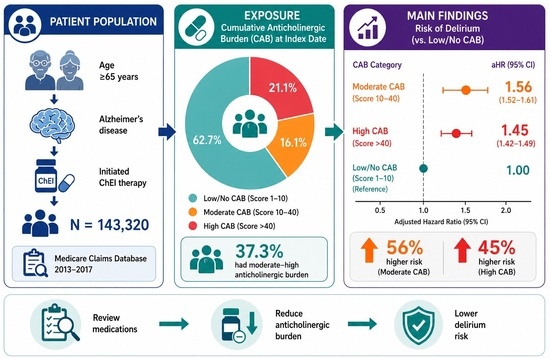
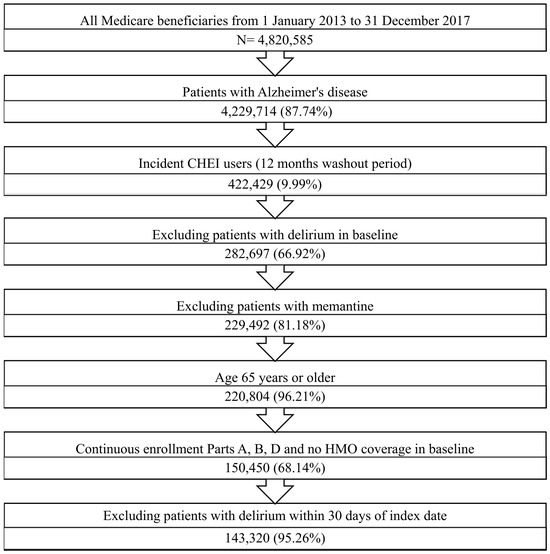
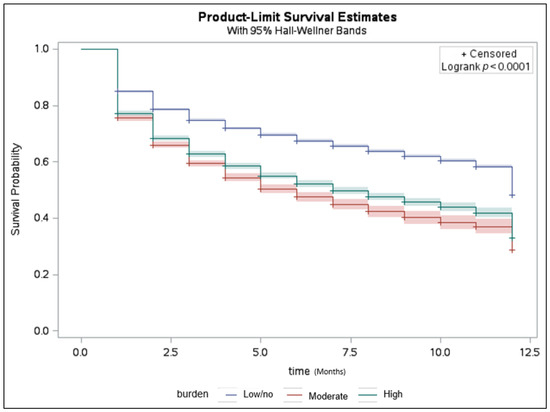
Delirium is a transient neuropsychiatric condition that is a severe and prevalent condition affecting 2.6 million older adults each year. Alzheimer’s disease (AD) and anticholinergic medication use are risk factors for delirium. This study evaluated the association between cumulative anticholinergic burden (CAB) and risk of delirium among older adults with AD initiating cholinesterase inhibitors (ChEIs). This retrospective cohort study used 2013–2017 Medicare claims data, and included adults 65 years and older with AD who initiated any of the ChEIs (donepezil, rivastigmine, and galantamine) after a 12-month washout period. CAB, as the primary exposure, was measured on the index date and calculated as the monthly total standardized daily dose of anticholinergic medications. A multivariable Cox proportional hazards regression model with inverse probability of treatment weighting (IPTW) generated using generalized boosted models was used to evaluate the risk of delirium associated with the CAB. This study identified 143,320 older adults with AD who initiated ChEIs. Most patients were in the low/no burden (62.73%) group, followed by high burden (21.12%) and moderate burden (16.14%). Overall, delirium diagnosis was observed in 19.11% of the cohort. The Cox regression model with IPTW found that moderate (aHR, 1.56; 95% CI, 1.52–1.61; p < 0.0001) and high CAB (aHR, 1.45; 95% CI, 1.42–1.49; p < 0.0001) were associated with an increased risk of delirium compared to low/no burden. Among older adults with AD initiating ChEIs, moderate and high CAB were associated with an increased risk of delirium compared with low/no CAB. These findings highlight the need to carefully reduce the CAB, especially dose and duration, along with utilizing anticholinergic alternatives in older adults with AD.
Full article
(This article belongs to the Section Pharmacy Practice and Practice-Based Research)
►▼
Show Figures

Graphical abstract
Open AccessArticle
Tailoring the CFIR to Medication Adherence Interventions: A Delphi and Living Lab Study
by
Mirthe A. M. Oude Lansink, Bart J. F. van den Bemt, Caroline H. P. A. van de Steeg-van Gompel, Marcia Vervloet, Liset van Dijk and Charlotte L. Bekker
Pharmacy 2026, 14(3), 88; https://doi.org/10.3390/pharmacy14030088 - 22 Jun 2026
Abstract
The implementation of medication adherence interventions is suboptimal. To guide implementation, this study aimed to tailor an existing implementation determinant framework to support the assessment of the implementability of such interventions in a specific context prior to implementation, and to investigate whether experts
[...] Read more.
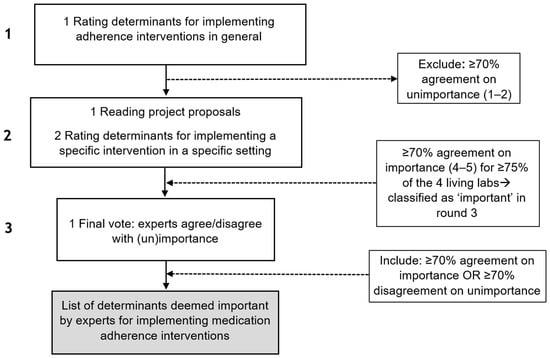
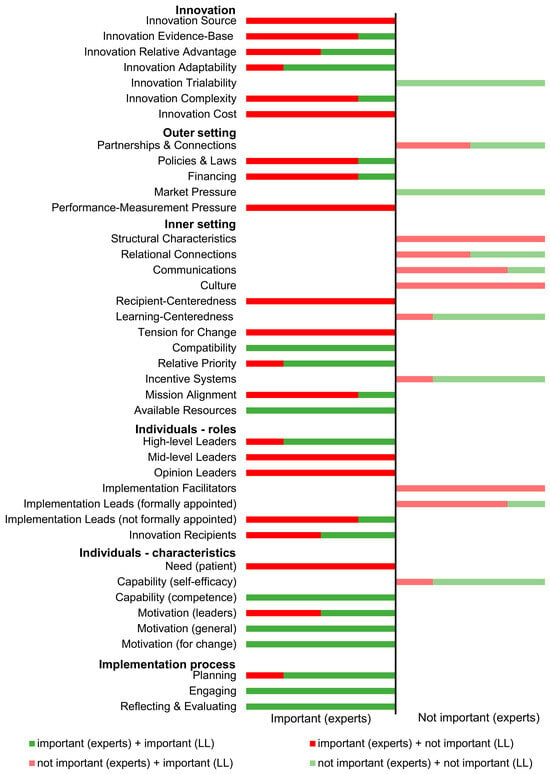
The implementation of medication adherence interventions is suboptimal. To guide implementation, this study aimed to tailor an existing implementation determinant framework to support the assessment of the implementability of such interventions in a specific context prior to implementation, and to investigate whether experts can assess in advance which determinants are important for implementing medication adherence interventions. In a Delphi study, experts rated determinants based on constructs of the Consolidated Framework for Implementation Research (CFIR) in terms of their importance for implementing medication adherence interventions. Determinants were then prospectively evaluated in four Dutch living labs implementing medication adherence interventions. The results were compared to assess agreement between expert opinion and real-world practice. Of 40 evaluated CFIR determinants, 16 were important in the majority of the living labs. These determinants concerned the inner setting, characteristics and roles of involved individuals, and implementation process domains of the CFIR. After comparing the prospective evaluation with Delphi results, expert opinions matched living lab observations for 18 out of 40 determinants (45%) regarding (un)importance. The CFIR was tailored to primary care medication adherence interventions based on practice observations, offering a potentially helpful framework to assess implementability of these interventions in specific contexts in advance. Determinant frameworks could benefit from incorporating real-world practice data.
Full article
(This article belongs to the Section Pharmacy Practice and Practice-Based Research)
►▼
Show Figures

Figure 1
Open AccessArticle
Seasonal Influenza Vaccination Uptake, Illness and Economic Burden, and Vaccine Information Exposure Among Young Adults in the San Francisco Bay Area
by
Taiwo Opeyemi Aremu, Carinne Brody, Shadi Doroudgar, Ikenna Chidozie Ezejiaku and Shahin Teimourtash
Pharmacy 2026, 14(3), 87; https://doi.org/10.3390/pharmacy14030087 - 18 Jun 2026
Abstract
Background: Seasonal influenza prevention in young adults is influenced by access, trust, and vaccine information exposure, but local evidence linking vaccination uptake with illness and economic burden is limited. Methods: We conducted a non-probability, cross-sectional electronic survey of adults aged 18–49 years who
[...] Read more.
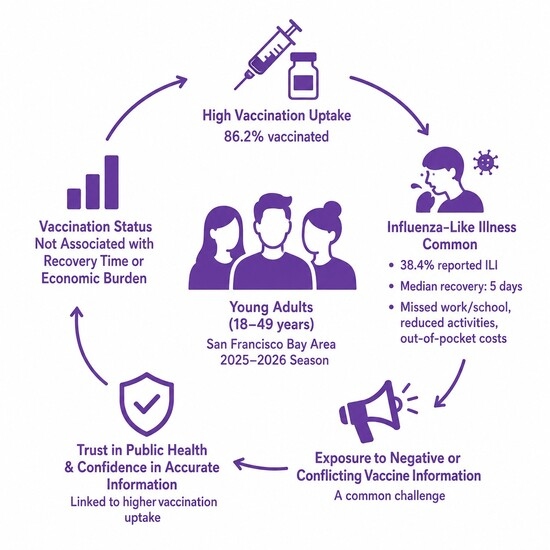
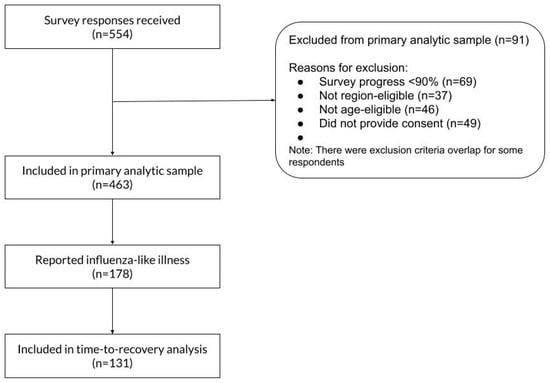
Background: Seasonal influenza prevention in young adults is influenced by access, trust, and vaccine information exposure, but local evidence linking vaccination uptake with illness and economic burden is limited. Methods: We conducted a non-probability, cross-sectional electronic survey of adults aged 18–49 years who lived, worked, or studied in the San Francisco Bay Area during the 2025 to 2026 influenza season. Measures included vaccination uptake, influenza-like illness, recovery, functional and economic burden, vaccination sites, and vaccine information exposure. Multivariable logistic regression examined factors associated with vaccination uptake; Kaplan–Meier and Cox models examined time to recovery. Results: Of 554 responses, 463 were included. Vaccination uptake was 86.2% (n = 399; 95% confidence interval [CI], 82.7–89.2%), likely reflecting a health-engaged convenience sample. Influenza-like illness was reported by 38.4%; median recovery time was 5 days, median missed work or school was 2 days, and median direct out-of-pocket cost was US$20. Prior season vaccination (adjusted odds ratio [aOR], 2.24; 95% CI, 1.15–4.34) and greater trust in Centers for Disease Control and Prevention (CDC) or public health agencies (aOR, 1.46; 95% CI, 1.05–2.02) were associated with vaccination. Pharmacies were the second most common vaccination site and preferred future site. Conclusions: Influenza prevention for young adults may benefit from pharmacy-inclusive, multichannel access paired with trusted communication. Findings should be interpreted in light of non-probability recruitment and likely overrepresentation of health-engaged respondents.
Full article
(This article belongs to the Section Pharmacy Practice and Practice-Based Research)
►▼
Show Figures

Graphical abstract
Open AccessArticle
Impact of an Interdisciplinary Educational Intervention on Healthcare Provider Knowledge and Beliefs Regarding Opioid Harm Reduction in Older Adults: A Pre-Post Survey Study
by
Ariel Dulaney, Anne Taylor, Haley Phillippe, Renee Delaney and Lindsey Hohmann
Pharmacy 2026, 14(3), 86; https://doi.org/10.3390/pharmacy14030086 - 16 Jun 2026
Abstract
Opioid misuse continues to be a major public health issue in the United States. Older adults (≥65) are at particular risk of harm from opioids due to changes in opioid pharmacokinetics with age; however, healthcare professionals lack training and confidence in addressing opioid
[...] Read more.
Opioid misuse continues to be a major public health issue in the United States. Older adults (≥65) are at particular risk of harm from opioids due to changes in opioid pharmacokinetics with age; however, healthcare professionals lack training and confidence in addressing opioid harm reduction strategies in this population. Therefore, the purpose of this study was to improve healthcare professional knowledge and beliefs regarding opioid harm reduction strategies amongst older adults. An 8 h interprofessional conference was conducted 1 May 2025 to educate healthcare providers about opioid misuse prevention strategies for older adults. This study utilized a quasi-experimental one-group pretest–posttest design to assess changes in healthcare professional knowledge and beliefs before and after the conference. Healthcare professionals in the U.S. were recruited to participate in the conference via email listservs with national reach, predominantly concentrated in Alabama. Data were collected at pre- and post-conference via an anonymous online survey informed by the Theory of Planned Behavior and Health Belief Model. Primary outcome measures included: (1) knowledge of opioid use and misuse in older adults (5 items); (2) prescribing and dispensing attitudes surrounding opioids and medications for opioid use disorder (MOUD) (5 items); (3) perceived susceptibility to harm from opioids (4 items); and (4) perceived barriers to opioid harm reduction in older adults (17-items). Constructs were measured using multiple-choice questions (knowledge) and Likert-type scales (1 = strongly disagree, 5 = strongly agree). Secondarily, intention to join a Microsoft Teams working group for ongoing collaboration was assessed through a single categorical (Yes/No/Unsure) multiple-choice question at post-conference. Data were analyzed using descriptive statistics, and differences in mean knowledge, attitudes, susceptibility, and barriers scale scores from pre- to post-conference were analyzed using Wilcoxon signed-rank tests (alpha = 0.05). Of N = 75 survey respondents, the majority were White (86.7%), female (74.7%), 50 years of age on average, and employed as pharmacists (68%). Overall, mean (SD) knowledge (83.73% [19.92] versus 90.67% [12.45]; p = 0.011) and perceived susceptibility (3.82 [0.63] versus 4.03 [0.63]; p = 0.002) increased from pre- to post-conference, while perceived barriers decreased (2.71 [0.54] versus 2.54 [0.58]; p = 0.001). Despite an upward trend, there was no statistically significant change in the mean prescribing and dispensing attitudes from baseline to post-conference. Additionally, 34.7% intended to join the Microsoft Teams working group at post-conference. Findings support the utility of interprofessional educational interventions to increase healthcare provider knowledge and beliefs regarding opioid harm reduction strategies amongst older adults.
Full article
Open AccessReview
From Laboratory to Patient Access: A Scoping Review of the Multi-Dimensional Challenges in Drug Repurposing
by
Antonio Ivanov, Veselina Ruseva, Ines Hababa-Ivanova, Violeta Getova-Kolarova, Hristina Lebanova and Ilko Getov
Pharmacy 2026, 14(3), 85; https://doi.org/10.3390/pharmacy14030085 - 11 Jun 2026
Abstract
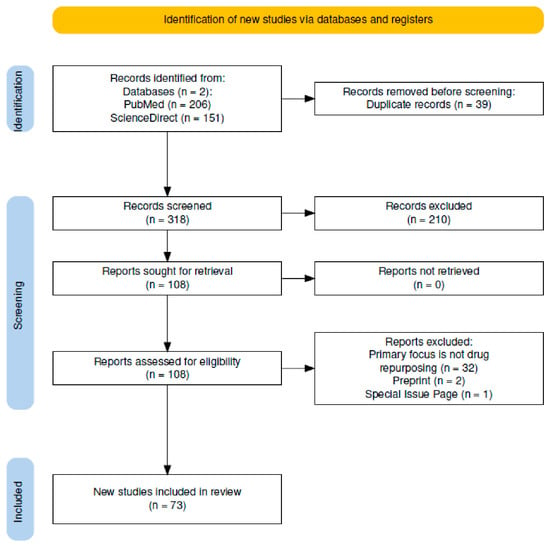
Drug repurposing is often promoted as a faster, lower-risk alternative to de novo discovery, yet substantial barriers continue to limit successful implementation. We performed a scoping review of articles included in PubMed and ScienceDirect with the aim to identify and categorize challenges and
[...] Read more.
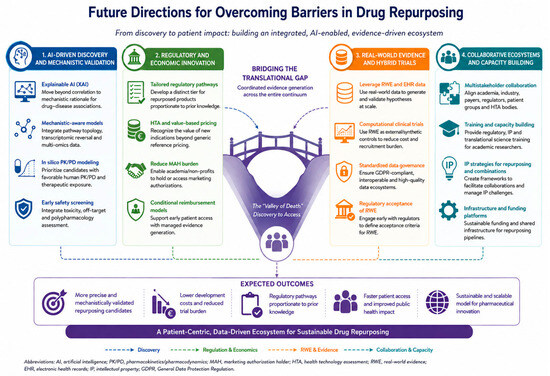
Drug repurposing is often promoted as a faster, lower-risk alternative to de novo discovery, yet substantial barriers continue to limit successful implementation. We performed a scoping review of articles included in PubMed and ScienceDirect with the aim to identify and categorize challenges and analyze the intersections between them. Our review included 73 articles which revealed scientific, clinical, regulatory, economic, and implementation barriers, with the principal being the clinical translation of generated candidates. Scientific challenges include the necessity for new Phase II/III trials to validate efficacy, safety, and optimal dosing in new therapeutic contexts. Across disease areas, domain-specific barriers include subgroup-dependent responses in oncology, resistance and penetration challenges in anti-infectives, and data scarcity in rare diseases. Computational and AI-assisted approaches face fragmented data, model robustness, and insufficient validation. In addition, off-patent drugs face evidence requirements as rigorous as those for de novo entities, yet lack the market exclusivity incentives required to attract private investment. Additionally, an “institutional bottleneck” hinders academic researchers from bringing findings “on-label” due to a lack of regulatory infrastructure and collaborative frameworks. We conclude that drug repurposing requires a distinct translational paradigm involving multi-stakeholder collaboration and early regulatory engagement to bridge the gap between laboratory discovery and patient access.
Full article
(This article belongs to the Special Issue Drug Repurposing: Strengthening Outcomes of Existing Pharmaceuticals to Shift Emerging Health Challenges)
►▼
Show Figures

Figure 1

Open AccessSystematic Review
Kisspeptin as a Precision Biomarker in Personalized Pharmacy: Implications for Individualized Monitoring of Early Pregnancy Viability
by
Ani Paunova, Angelina Mollova-Kyosebekirova, Maria Koleva, Ekaterina Uchikova and Nikoleta Parahuleva
Pharmacy 2026, 14(3), 84; https://doi.org/10.3390/pharmacy14030084 - 9 Jun 2026
Abstract
Background: Precision medicine aims to improve early, individualized risk stratification using biologically relevant biomarkers. In early pregnancy, markers reflecting placental function remain limited. Kisspeptin, a placentally derived peptide that rises during normal gestation, has emerged as a potential indicator of pregnancy viability. Objectives:
[...] Read more.
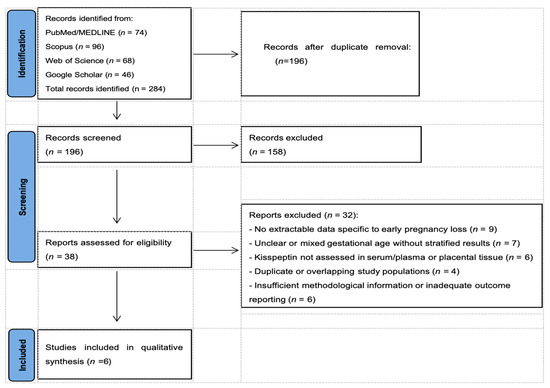
Background: Precision medicine aims to improve early, individualized risk stratification using biologically relevant biomarkers. In early pregnancy, markers reflecting placental function remain limited. Kisspeptin, a placentally derived peptide that rises during normal gestation, has emerged as a potential indicator of pregnancy viability. Objectives: We aimed to evaluate evidence on maternal serum kisspeptin levels and placental KISS1/KISS1R expression in early pregnancy loss, and to assess its potential relevance as a precision biomarker within personalized pharmacy and individualized monitoring frameworks. Methods: A systematic search of PubMed, Scopus, Web of Science, and Google Scholar (up to 2025) was conducted according to the PRISMA 2020 guidelines. Studies assessing circulating kisspeptin and/or placental expression in early pregnancy loss versus viable pregnancies were included. A formal meta-analysis was not performed due to substantial heterogeneity in study design, biological material, assay methods, gestational age, and outcome reporting formats. Under these conditions, quantitative pooling was considered methodologically inappropriate; therefore, qualitative synthesis was performed. Results: Six studies met the inclusion criteria. Most reported significantly lower maternal serum kisspeptin levels in early pregnancy loss, with good discriminatory accuracy. Immunohistochemical analyses showed reduced placental and choriodecidual KISS1/KISS1R expression in miscarriage and recurrent pregnancy loss, indicating disrupted local signaling. Concordant systemic and tissue findings suggest that circulating kisspeptin reflects placental dysfunction. Conclusions: Kisspeptin appears to be a promising precision biomarker for monitoring early pregnancy viability and supporting individualized pharmaceutical care. Standardized assays and large prospective studies are needed before routine clinical implementation.
Full article
(This article belongs to the Special Issue Personalized Pharmacy and Pharmaceutics: Advancing Precision Medicine Within Contemporary Pharmaceutical Science and Practice)
►▼
Show Figures

Figure 1
Open AccessArticle
Enhancing Discretion and Consistency in Emergency Contraception Counselling: Implementation of a Digital Support Tool in Community Pharmacies
by
Esther Spinatsch, Sabrina Zelger and Samuel S. Allemann
Pharmacy 2026, 14(3), 83; https://doi.org/10.3390/pharmacy14030083 - 9 Jun 2026
Abstract
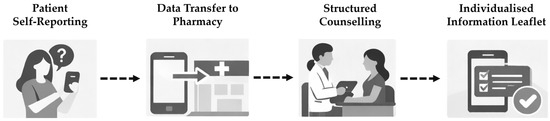
Emergency contraception (EC) is a time-sensitive pharmacy service in which consistent, patient-centred counselling is important but can be challenging to deliver in routine practice. This prospective implementation study evaluated the feasibility and real-world use of a digital counselling support tool for pharmacist-led EC
[...] Read more.
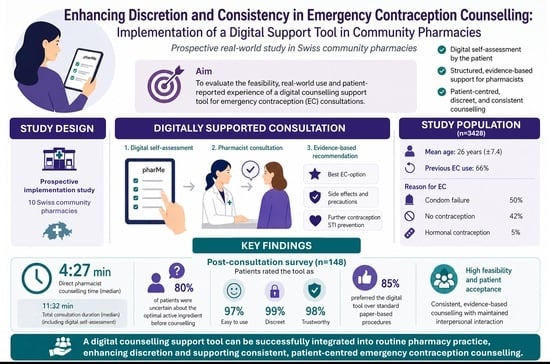
Emergency contraception (EC) is a time-sensitive pharmacy service in which consistent, patient-centred counselling is important but can be challenging to deliver in routine practice. This prospective implementation study evaluated the feasibility and real-world use of a digital counselling support tool for pharmacist-led EC consultations in Swiss community pharmacies. The tool combines patient self-reporting with structured, evidence-based support for pharmacist counselling. All EC consultations between 1 November 2023 and 14 February 2026 using the tool in 10 Swiss community pharmacies were analysed descriptively (n = 3428), alongside a voluntary anonymous post-consultation survey (n = 148) assessing patient-reported experience and acceptance. Median total consultation duration was 11:32 min, including 4:27 min of direct pharmacist counselling, indicating partial transfer of assessment to the digital pre-consultation phase. Ulipristal acetate was dispensed in 71% and levonorgestrel in 26% of consultations. Prior to counselling, 80% of patients reported uncertainty regarding the optimal active ingredient, underscoring the relevance of pharmacist involvement. Survey respondents rated the tool as easy to use (97%), discreet (99%), and trustworthy (98%); 85% preferred it over standard paper-based procedures. These findings demonstrate the feasibility and patient acceptance of integrating a digital tool into routine EC services and suggest that such tools may support structured, evidence-based counselling within community pharmacy practice.
Full article
(This article belongs to the Special Issue Pharmacy Practice for Women’s/Reproductive Health)
►▼
Show Figures

Graphical abstract
Open AccessArticle
Through the Lens of Expanded Scope of Practice: Training Requirements for Pharmacist-Prescribed Contraception Across the United States
by
Taylor Clark, Ioana Sandru, Samantha Kunkel and Sarah Lynch
Pharmacy 2026, 14(3), 82; https://doi.org/10.3390/pharmacy14030082 - 2 Jun 2026
Abstract
Thirty-one U.S. states and the District of Columbia currently authorize pharmacists to prescribe hormonal contraception. Expansion of pharmacist scope of practice into areas such as contraceptive prescribing represents an extension beyond traditional baseline licensure authority. As a result, jurisdictions frequently require additional training
[...] Read more.
Thirty-one U.S. states and the District of Columbia currently authorize pharmacists to prescribe hormonal contraception. Expansion of pharmacist scope of practice into areas such as contraceptive prescribing represents an extension beyond traditional baseline licensure authority. As a result, jurisdictions frequently require additional training to address competency, patient safety, and liability considerations. Because regulation of pharmacy practice occurs at the state level, training requirements vary across jurisdictions. State boards of pharmacy websites and publicly available regulatory materials were reviewed to identify training requirements for pharmacists authorized to prescribe hormonal contraception. Relevant statutes, regulations, and prescribing protocols were examined. Identified requirements were extracted and categorized into thematic groupings based on the level and type of training specified. Most jurisdictions require pharmacists to complete training beyond standard pharmacy education prior to prescribing hormonal contraception. Such requirements are characteristic of newly expanded scope-of-practice authorities, where regulators seek to verify competency and mitigate liability risk. As prescribing activities become more fully incorporated into pharmacy practice acts and professional education, separate training requirements may diminish over time.
Full article
(This article belongs to the Special Issue Pharmacy Practice for Women’s/Reproductive Health)
Open AccessCommentary
Bridging the Rural–Urban Divide: Independent Pharmacies and Women’s Contraceptive Access
by
Amie M. Ashcraft, Anthony Peluso, Taylor Thompson, Amy Brenwalt, Sidney Sisson, Melody Phillips, Courtney S. Pilkerton and Charles D. Ponte
Pharmacy 2026, 14(3), 81; https://doi.org/10.3390/pharmacy14030081 - 30 May 2026
Abstract
Independent community pharmacies serve as critical healthcare access points in rural areas, yet they consistently underperform chain pharmacies on contraceptive access measures. This narrative commentary draws on mystery caller studies, implementation research, and policy analyses to examine pharmacy-based contraceptive access in the United
[...] Read more.
Independent community pharmacies serve as critical healthcare access points in rural areas, yet they consistently underperform chain pharmacies on contraceptive access measures. This narrative commentary draws on mystery caller studies, implementation research, and policy analyses to examine pharmacy-based contraceptive access in the United States (US). Using emergency contraception (EC) as a case study, we show that independent pharmacies stock EC at dramatically lower rates than chains (e.g., 14.6% vs. 76.3% in West Virginia), provide less accurate information about purchase requirements and timing, and impose more barriers to access. Because independent pharmacies account for 76.5% of pharmacies in rural areas, this disparity concentrates contraceptive inaccessibility in communities already facing the highest rates of unintended pregnancy, maternal mortality, and maternity care deserts. This pattern extends beyond EC to pharmacist-prescribed contraception and over-the-counter daily oral contraceptives. These disparities reflect systemic barriers, such as inadequate reimbursement, limited training infrastructure, and absence of corporate support, rather than failures of individual pharmacies. Drawing on implementation research and the success of West Virginia’s COVID-19 vaccination model, this paper proposes coordinated, sector-specific strategies to transform independent pharmacies from barriers into bridges for rural women’s contraceptive access.
Full article
(This article belongs to the Special Issue Pharmacy Practice for Women’s/Reproductive Health)
Open AccessArticle
Self-Perception of High School Preparation and Readiness for Pharmacy Education
by
Shantanu Rao, Kimberly A. Pesaturo, Jennifer Grundey, Timothy Burkart and Devyn Warnement
Pharmacy 2026, 14(3), 80; https://doi.org/10.3390/pharmacy14030080 - 30 May 2026
Abstract
Background: The rigor of the Doctor of Pharmacy (PharmD) curricula is reflected in its math- and science-heavy prerequisite requirements. As such, it is critical to evaluate whether students perceive high school coursework and experiences as adequate preparation for PharmD programs. Methods: Pre-professional and
[...] Read more.
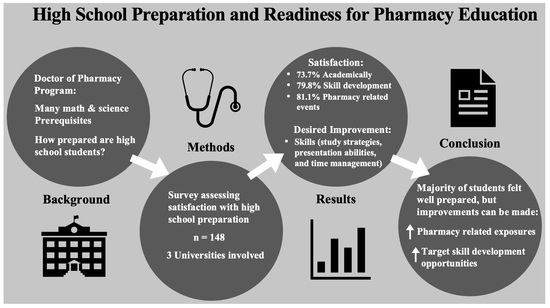
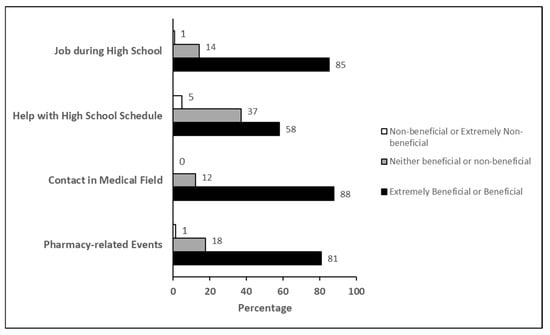
Background: The rigor of the Doctor of Pharmacy (PharmD) curricula is reflected in its math- and science-heavy prerequisite requirements. As such, it is critical to evaluate whether students perceive high school coursework and experiences as adequate preparation for PharmD programs. Methods: Pre-professional and professional PharmD students from three institutions completed a survey assessing satisfaction with high school preparation, including math and science education, skill development, and exposure to pharmacy-related experiences. Results: A total of 148 responses were analyzed; 72% identified as female and 81% as White (non-Hispanic/Latino). Most respondents reported satisfaction with their high school math (80.4%) and science (82.4%) education, and 73.7% felt academically prepared for pharmacy school. Additionally, 79.8% were satisfied with skills gained in high school. Experiences such as attending pharmacy-related events (81.1%), contact with healthcare professionals (87.8%), and prior employment (85.2%) were widely viewed as beneficial. Students highlighted communication, problem-solving, and time management as key skills developed. However, gaps were noted in study strategies, presentation abilities, and time management. Conclusions: Students generally felt well-prepared academically and skill-wise for PharmD programs. Expanding pharmacy-related exposure and targeted skill development opportunities in high school may further enhance readiness for future pharmacy students.
Full article
(This article belongs to the Section Pharmacy Education and Student/Practitioner Training)
►▼
Show Figures

Graphical abstract
Open AccessArticle
Willingness, Self-Perceived Barriers, and Practices of Pharmacists Toward Extended Pharmacy Services for Health Promotion: A Cross-Sectional Survey in Karachi, Pakistan
by
Sadia Shakeel, Hina Rehman, Shagufta Nesar, Muskan Bhutto, Imran Ahsan Mallick, Márió Gajdács and Shazia Jamshed
Pharmacy 2026, 14(3), 79; https://doi.org/10.3390/pharmacy14030079 - 28 May 2026
Abstract
►▼
Show Figures
Background/Objectives: Health promotion (HPr) is increasingly recognized as an essential component of modern pharmacy practice. In developing countries like Pakistan, pharmacists’ roles are evolving from traditional dispensing toward extended pharmacy services (EPS). This study evaluated the willingness, knowledge, attitudes, and perceived barriers
[...] Read more.
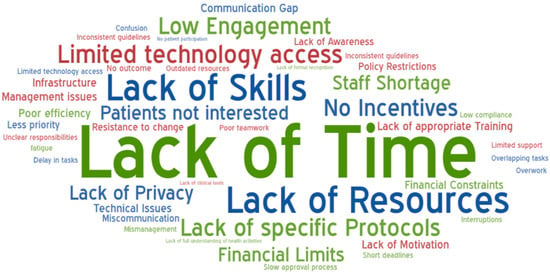
Background/Objectives: Health promotion (HPr) is increasingly recognized as an essential component of modern pharmacy practice. In developing countries like Pakistan, pharmacists’ roles are evolving from traditional dispensing toward extended pharmacy services (EPS). This study evaluated the willingness, knowledge, attitudes, and perceived barriers of pharmacists in Karachi, Pakistan, regarding the provision of HPr-focused EPS. Methods: An online, cross-sectional, observational study was conducted between October 2024 and April 2025, using a 32-item questionnaire. Purposive and snowball sampling were employed to recruit pharmacists, including interns and fresh graduates. Descriptive and inferential statistics (χ2, Fisher’s exact and Welch’s t-tests) were used for data analysis. Results: Of N = 389 respondents (mean age 29.8 ± 4.8 years), 85.1% expressed willingness to provide HPr services. A majority of respondents (72.7% and 70.4%, respectively) felt they possessed sufficient knowledge for HPr and for identifying lifestyle-related risks, while more experienced pharmacists (>1 year) reported higher confidence (p < 0.001 and p = 0.043). Positive attitudes toward public health involvement were high (82.3%), particularly among females (p < 0.001), younger pharmacists and fresh graduates (p = 0.019 and p = 0.010). However, only 39.1% believed they had sufficient time for patient education. Practicing pharmacists (n = 114) were most frequently involved in dietary advice (4.38 ± 0.89) and medication safety education (4.36 ± 0.97), while family planning counseling (2.92 ± 1.36) was the least commonly reported activity. Leading barriers identified via word cloud analysis included lack of time (n = 101), perceived lack of necessary skills (n = 96), insufficient resources (n = 91), limited technology access (n = 89), and lack of specific protocols (n = 84). Conclusions: Pakistani pharmacists demonstrate high professional willingness to engage in HPr-focused EPS. However, systemic barriers—primarily time constraints and a lack of supportive infrastructure—impede the full integration of these services into routine practice. Policy interventions, standardized protocols, and reimbursement models are necessary to leverage pharmacists’ potential in primary healthcare.
Full article

Figure 1
Open AccessArticle
Implementation and Clinical Impact of a Structured Clinical Pharmacy Service for Hospitalized Ileostomy Patients: A Retrospective Observational Study Using the RE-AIM Framework
by
Stefanie Hehenberger and Irene Lagoja
Pharmacy 2026, 14(3), 78; https://doi.org/10.3390/pharmacy14030078 - 27 May 2026
Abstract
Patients with ileostomy face unique pharmacotherapeutic challenges, including altered drug absorption, yet structured pharmaceutical care for this population is rarely integrated into routine clinical practice. This retrospective monocentric cohort study evaluated the reach, effectiveness, adoption, implementation, and maintenance of a structured ileostomy-specific clinical
[...] Read more.
Patients with ileostomy face unique pharmacotherapeutic challenges, including altered drug absorption, yet structured pharmaceutical care for this population is rarely integrated into routine clinical practice. This retrospective monocentric cohort study evaluated the reach, effectiveness, adoption, implementation, and maintenance of a structured ileostomy-specific clinical pharmacy service using the implementation science-based RE-AIM framework at a 1245-bed teaching hospital in Vienna, Austria. Sixty-two patients (54.8% male; median age of 65.5 years) were included, receiving a median of 11 medications. A total of 324 drug-related problems (DRPs) were identified, of which 202 (62.3%) were classified as stoma-specific drug-related problems (SDRPs), representing a predefined subgroup of DRPs associated with ileostomy-related pharmacotherapy challenges. This distinction enabled separate evaluation of the clinical relevance of stoma-specific pharmaceutical interventions. The implementation rate was significantly higher for SDRP-related interventions than for general DRP recommendations (92.0% vs. 63.9%; p < 0.001), with no significant interdepartmental differences observed in either DRPs (p = 0.137) or SDRPs (p = 0.071). Patients with high-output stoma (HOS) had significantly more SDRPs than those without (p < 0.001), while no differences were observed in general DRPs. The service demonstrated wide adoption, high interprofessional acceptance, full protocol fidelity, and continuous implementation over 30 months. The findings provide implementation evidence that may support healthcare decision-makers, hospital administrators, and policy stakeholders in establishing and sustaining structured clinical pharmacy services for ileostomy patients in Austria and similar healthcare settings.
Full article
(This article belongs to the Section Pharmacy Practice and Practice-Based Research)
►▼
Show Figures

Figure 1
Open AccessArticle
Digital-Assisted Community Pharmacy Cessation for Dual-Tobacco Users in Jordan: A Hybrid Cluster Randomized Controlled Trial
by
Derar H. Abdel-Qader, Nadia Al Mazrouei, Esra’ Taybeh, Rana Ibrahim, Abdullah Albassam, Eman Massad, Alia Saleh, Sahar Jaradat and Shorouq Al-Omoush
Pharmacy 2026, 14(3), 77; https://doi.org/10.3390/pharmacy14030077 - 21 May 2026
Abstract
Tobacco use remains a major public health challenge in Jordan, where cigarette smoking and waterpipe use are both common and dual use is increasingly prevalent. Community pharmacies are highly accessible healthcare settings, yet structured smoking-cessation services remain underutilized. This study evaluated the clinical
[...] Read more.
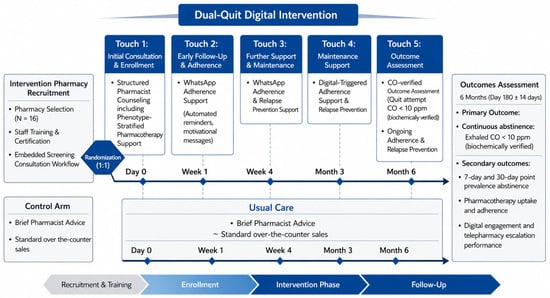
Tobacco use remains a major public health challenge in Jordan, where cigarette smoking and waterpipe use are both common and dual use is increasingly prevalent. Community pharmacies are highly accessible healthcare settings, yet structured smoking-cessation services remain underutilized. This study evaluated the clinical effectiveness and implementation of Dual-Quit Digital, a pharmacist-delivered cessation counseling program tailored to the type of tobacco used, paired with a 6-month automated WhatsApp® (Menlo Park, CA, USA) follow-up system. We conducted a pragmatic, two-arm, parallel-group, Hybrid Type 2 cluster randomized controlled trial in 16 community pharmacies in Jordan, randomized 1:1 to intervention or usual care. A total of 320 adult tobacco users were enrolled (160 per arm). The intervention combined a structured in-pharmacy pharmacist consultation, tailored behavioral support, phenotype-stratified pharmacotherapy support, and 6 months of semi-automated WhatsApp® follow-up with telepharmacy escalation for predefined red-flag responses. The control arm received usual care, consisting of opportunistic brief advice and standard over-the-counter sales without proactive follow-up. The primary outcome was biochemically verified continuous abstinence at 6 months, defined as exhaled carbon monoxide (CO) < 10 ppm and analyzed using intention-to-treat principles. Secondary outcomes included 7-day point prevalence abstinence (PPA) at 3 and 6 months, 30-day PPA at 6 months, both-product abstinence among baseline dual users, pharmacotherapy uptake and adherence, and implementation-relevant outcomes, including service reach, feasibility of recruitment, and digital engagement metrics. All 16 pharmacies were retained, and all 320 randomized participants were included in the intention-to-treat analysis. At 6 months, CO-verified continuous abstinence was achieved by 26.3% of participants in the intervention arm compared with 11.3% in the control arm (adjusted odds ratio [aOR] 2.84, 95% CI 1.55–5.18; p < 0.001). The intervention also improved 7-day PPA at 3 months (33.1% vs. 15.6%; aOR 2.68, 95% CI 1.56–4.60; p < 0.001), 7-day PPA at 6 months (30.6% vs. 14.4%; aOR 2.62, 95% CI 1.48–4.62; p = 0.001), and 30-day PPA at 6 months (28.1% vs. 11.9%; aOR 2.89, 95% CI 1.59–5.24; p < 0.001). Among baseline dual users, both-product abstinence was higher in the intervention arm (21.9% vs. 7.8%; aOR 3.30, 95% CI 1.12–9.75; p = 0.026). Pharmacotherapy initiation was more frequent in the intervention arm (72.5% vs. 28.1%; p < 0.001), as was self-reported adherence for at least 8 weeks among initiators (56.0% vs. 26.7%; p = 0.002). In the intervention arm, active patient response rates to scheduled WhatsApp® messages remained substantial, with 88.1% responding at Week 1, 73.8% at Week 4, 67.5% at Month 3, and 61.3% at Month 6; 145 red-flag triggers were captured from 62 participants, and 84.1% of escalations resulted in successful pharmacist follow-up within 48 h. The Dual-Quit Digital model significantly improved smoking-cessation outcomes compared with usual care and proved operationally feasible. These findings support integrating phenotype-stratified pharmacist counselling, pharmacotherapy support, and low-burden digital follow-up as a pragmatic cessation model for Jordan and similar settings.
Full article
(This article belongs to the Section Pharmacy Practice and Practice-Based Research)
►▼
Show Figures

Figure 1
Open AccessReview
Equity, Diversity, Inclusion and Accessibility in Pharmacy Education: A Scoping Review
by
Mirey Alfarah, Ivy Kan and Marie A. Vander Kloet
Pharmacy 2026, 14(3), 76; https://doi.org/10.3390/pharmacy14030076 - 20 May 2026
Abstract
►▼
Show Figures
Preparing pharmacists to serve diverse populations requires a meaningful integration of equity, diversity, inclusion, and accessibility (EDIA) within pharmacy education, yet such integration remains uneven and insufficiently understood. This scoping review aimed to examine how EDIA is addressed across faculty development, curriculum content,
[...] Read more.
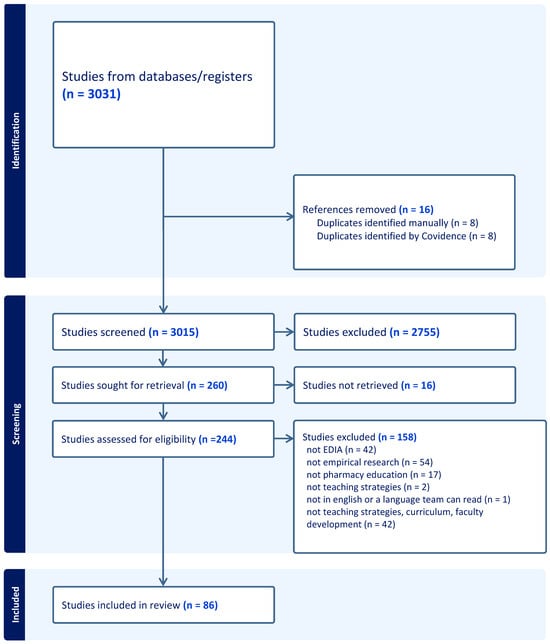
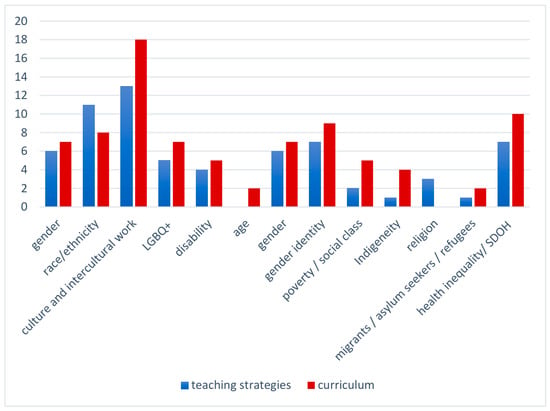
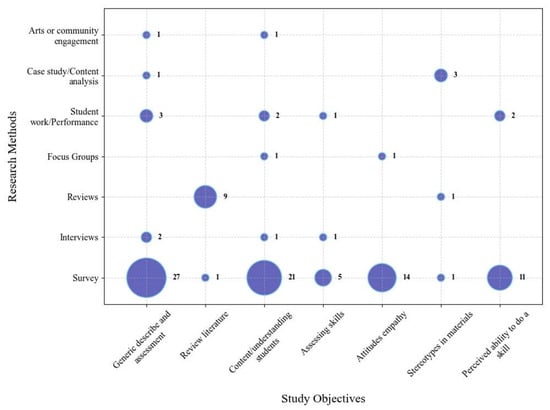
Preparing pharmacists to serve diverse populations requires a meaningful integration of equity, diversity, inclusion, and accessibility (EDIA) within pharmacy education, yet such integration remains uneven and insufficiently understood. This scoping review aimed to examine how EDIA is addressed across faculty development, curriculum content, and teaching strategies in pharmacy education. Following the guidance of the Joanna Briggs Institute, we searched six databases (Embase, Medline, APA PsycINFO, CINAHL, ERIC, and Web of Science) for studies published between 2014 and 2025. After screening 3031 records, 86 studies met the inclusion criteria. Most studies focused on curriculum (48/86) and teaching strategies (35/86), while very few examined faculty development (3/86). Research was heavily concentrated in the United States of America and relied predominantly on survey-based methods. EDIA topics were often addressed in isolation with a strong emphasis on intercultural communication and limited attention to areas such as disability, migration, and socioeconomic status. Intersectional approaches were rare. Overall, EDIA in pharmacy education appears fragmented and commonly implemented as standalone initiatives rather than integrated across programs. These findings highlight important gaps in faculty development in pharmacy education, methodological diversity, and global representation, and they point to persistent structural gaps and the need to strengthen faculty development initiatives specific to pharmacy education and to move beyond isolated initiatives toward a sustained, program-level integration of EDIA.
Full article

Figure 1
Open AccessArticle
Entrustable Professional Activities for Pharmacists Carrying Out Medication Management Reviews
by
Carmen Abeyaratne, Nadine Fawal and Kirsten Galbraith
Pharmacy 2026, 14(3), 75; https://doi.org/10.3390/pharmacy14030075 - 19 May 2026
Abstract
This study aimed to evaluate the suitability of previously validated Entrustable Professional Activities (EPAs) for pharmacists carrying out medication management reviews (MMRs) and further align them with nationally accepted performance outcomes (POs). This was a two-phase study involving Subject-Matter Experts (SMEs). Phase 1
[...] Read more.
This study aimed to evaluate the suitability of previously validated Entrustable Professional Activities (EPAs) for pharmacists carrying out medication management reviews (MMRs) and further align them with nationally accepted performance outcomes (POs). This was a two-phase study involving Subject-Matter Experts (SMEs). Phase 1 aimed at assessing the relevance of 14 EPAs previously validated for use in a provisionally registered pharmacist training programme to the role of MMR pharmacists utilising a five-point Likert scale. A 70% threshold for “agree” and “strongly agree” was used to qualify an EPA for phase 2. During phase 2, EPAs were mapped for their ability to demonstrate APC performance outcomes for MMRs and the results were descriptively reported. Of the eight SMEs recruited, seven completed both surveys. Of the 14 EPAs, 12 qualified for phase 2. In phase 2, the 12 EPAs were mapped against 24 POs. Five EPAs were matched with 100% agreement to six POs. To our knowledge, this is the first study of its kind to map pre-validated EPAs to POs for credentialing in the scope of MMR pharmacists in Australia. A total of 12 EPAs were applicable to pharmacists working in the MMR space, and five were able to be directly mapped to six POs.
Full article
(This article belongs to the Special Issue Advances in Experiential Learning in Pharmacy—2nd Edition)
Journal Menu
► ▼ Journal Menu-
- Pharmacy Home
- Aims & Scope
- Editorial Board
- Reviewer Board
- Topical Advisory Panel
- Instructions for Authors
- Special Issues
- Topics
- Sections & Collections
- Article Processing Charge
- Indexing & Archiving
- Editor’s Choice Articles
- Most Cited & Viewed
- Journal Statistics
- Journal History
- Journal Awards
- Society Collaborations
- Editorial Office
Journal Browser
► ▼ Journal BrowserHighly Accessed Articles
Latest Books
E-Mail Alert
News
Topics
Topic in
JCM, Pharmaceuticals, Pharmaceutics, Pharmacy, Healthcare
Optimization of Drug Utilization and Medication Adherence
Topic Editors: Enrica Menditto, Sara Mucherino, Ignacio Aznar-LouDeadline: 30 October 2026
Topic in
Biomedicines, Future Pharmacology, Pharmacy, IJMS, Biomolecules, Genes
Prospects of Multi-Target Agonists in Metabolic and Epigenetic Medicine
Topic Editors: Riham Abouleisa, Yanming LiDeadline: 30 November 2026
Special Issues
Special Issue in
Pharmacy
The AI Revolution in Pharmacy Practice and Education
Guest Editor: Maree SimpsonDeadline: 30 June 2026
Special Issue in
Pharmacy
Enhancing Mental Health and Well-Being in Pharmacy Students: Challenges and Interventions
Guest Editor: Candis M. MorelloDeadline: 30 June 2026
Special Issue in
Pharmacy
Opioids and Opioid Use Disorder: Misuse, Overprescription and Addiction
Guest Editor: Chiranjeev SanyalDeadline: 30 June 2026
Special Issue in
Pharmacy
Innovations and Systems Approaches to Medication Safety in Pharmacy Practice
Guest Editors: Annesha White, Marc FlemingDeadline: 15 July 2026
Topical Collections
Topical Collection in
Pharmacy
New Insights into Pharmacy Teaching and Learning during COVID-19
Collection Editors: Darko Modun, Ana Seselja Perisin