




-
Resilient Anomaly Detection in Ocean Drifters with Unsupervised Learning, Deep Learning Models, and Energy-Efficient Recovery -
Public Perceptions of Marine and Coastal Restoration in Ireland -
Environmental Constraints and Resilience of Organisms in Abyssal Plain, Whale Fall, Cold Seep and Hydrothermal Vent Environments in the Deep Sea -
VSJE: A Variational-Based Spatial–Spectral Joint Enhancement Method for Underwater Image
Journal Description
Oceans
Oceans
is an international, peer-reviewed, open access journal of oceanography, published bimonthly online by MDPI.
- Open Access— free for readers, with article processing charges (APC) paid by authors or their institutions.
- High Visibility: indexed within Scopus, ESCI (Web of Science), GEOBASE, AGRIS, and other databases.
- Rapid Publication: manuscripts are peer-reviewed and a first decision is provided to authors approximately 35 days after submission; acceptance to publication is undertaken in 8.6 days (median values for papers published in this journal in the second half of 2025).
- Journal Rank: CiteScore - Q2 (Oceanography)
- Recognition of Reviewers: APC discount vouchers, optional signed peer review and reviewer names are published annually in the journal.
- Journal Clusters of Water Resources: Water, Journal of Marine Science and Engineering, Hydrology, Resources, Oceans, Limnological Review, Coasts.
Impact Factor:
1.6 (2024);
5-Year Impact Factor:
1.9 (2024)
Latest Articles
Evolution and Challenges of Marine Oil Spill Governance in Taiwan over Two Decades
Oceans 2026, 7(3), 43; https://doi.org/10.3390/oceans7030043 - 12 May 2026
Abstract
►
Show Figures
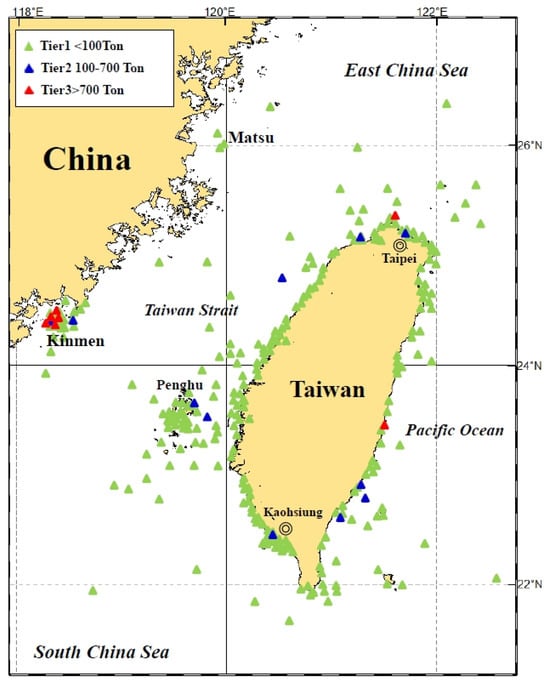
Marine oil spills pose critical challenges to environmental sustainability and socioeconomic stability. Taking four pivotal cases as the entry point, this study uses comparative case analysis, semi-structured stakeholder interviews, policy analysis and international gap comparison to systematically analyze the evolution of marine oil
[...] Read more.
Marine oil spills pose critical challenges to environmental sustainability and socioeconomic stability. Taking four pivotal cases as the entry point, this study uses comparative case analysis, semi-structured stakeholder interviews, policy analysis and international gap comparison to systematically analyze the evolution of marine oil spill governance in the Taiwan region of China over two decades, aiming to identify systemic gaps and propose actionable reforms. By integrating and explicitly detailing these multiple methodologies, this research not only identifies but also systematically examines the Taiwan region of China’s unique challenges as a non-UN-member entity navigating international conventions like the international convention for the prevention of pollution from ships, 1973, as modified by the protocol of 1978 relating thereto (MARPOL 73/78). Key findings reveal persistent issues in decision-support tools, fragmented inter-agency coordination, and legal inadequacies in compensation mechanisms. The study’s novelty lies in its rigorous synthesis of localized case-driven insights compared with global best practices, proposing a concrete, phased model for a unified task force and context-aware, data-driven contingency plans to enhance real-time response efficiency. It further advocates for pragmatic steps to align the Taiwan region of China’s Marine Pollution Control Act with international standards while critically addressing the transboundary collaboration barriers imposed by its political status, exploring potential pathways through sub-national and regional partnerships. Notably, the 2023 Angel Container case underscores the urgency of modernizing enforcement capacities and integrating advanced technologies. By bridging gaps in governance, legal accountability, and practical international engagement, this research not only advances the Taiwan region of China’s preparedness but also offers a nuanced and adaptable blueprint for coastal regions facing similar geopolitical and environmental constraints. Its recommendations hold significant implications for global marine pollution management, emphasizing the interplay of policy innovation, technological adoption, and pragmatic cross-jurisdictional cooperation.
Full article
Open AccessArticle
Anthropogenic and Storm Impacts on a Marine Benthic Ecosystem in an Urbanised Coastal Region of Northwestern Italy
by
Cristina Misic and Anabella Covazzi-Harriague
Oceans 2026, 7(3), 42; https://doi.org/10.3390/oceans7030042 - 8 May 2026
Abstract
Marine benthic ecosystems along urbanised coastlines face heightened vulnerability due to the cumulative effects of chronic anthropogenic stressors. Climate change intensifies these pressures through more frequent and severe storms, while ongoing coastal development adds further stress through infrastructure projects. This study examined how
[...] Read more.
Marine benthic ecosystems along urbanised coastlines face heightened vulnerability due to the cumulative effects of chronic anthropogenic stressors. Climate change intensifies these pressures through more frequent and severe storms, while ongoing coastal development adds further stress through infrastructure projects. This study examined how soft-bottom communities in the coastal NW Mediterranean responded to two major disturbances: an exceptional storm in 2018 and the construction of a new wastewater pipeline in 2019. Sediment grain size, organic content, bacterial abundance and enzymatic activity, and metazoan communities were analysed during summer of 2018, 2019 and 2020 and in the following spring period. Hydrodynamic forcing caused a general increase in the grain size in 2019. Meiobenthos responded with a strong decline in abundance, especially crustaceans, while macrobenthos changed from a mixed deposit-feeder community to a suspension-feeder dominated one. In 2020, the improved trophic value of sediment organic matter in the pipe area favoured bacterial increase. While meiobenthos abundance slowly recovered, the differentiation increased due to macrobenthic juveniles, resulting from increased macrobenthic abundance and diversity (mainly pure deposit-feeders). A clear shift towards organic enrichment-tolerant taxa due to wastewater release was not observed, given the contemporary presence of very sensitive organisms, indicating that co-occurring stressors can lead to nonlinear responses of the communities.:
Full article
Open AccessArticle
Distribution and First Insights into Habitat Preferences of the Armless Snake Eel Dalophis imberbis (Delaroche, 1809) (Anguilliformes: Ophichthidae) from New Occurrence Sites in the Central Mediterranean Sea
by
Matteo Battiata, Benedetto Sirchia and Sabrina Lo Brutto
Oceans 2026, 7(3), 41; https://doi.org/10.3390/oceans7030041 - 7 May 2026
Abstract
►▼
Show Figures
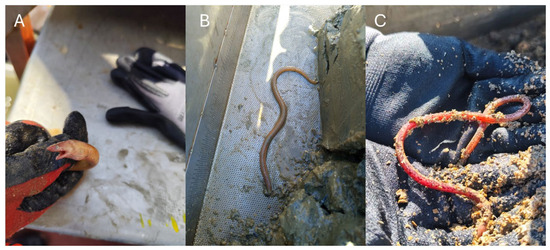
The armless snake eel, Dalophis imberbis, is a fossorial rare species. It is considered to be a non-target fishery resource with elusive behavior, and there is a paucity of knowledge regarding its distribution and biology. This study reports three new documented occurrence
[...] Read more.
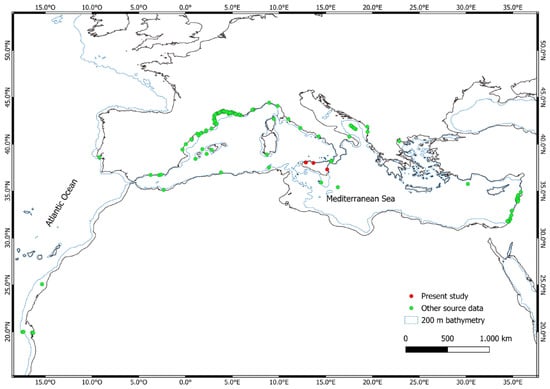
The armless snake eel, Dalophis imberbis, is a fossorial rare species. It is considered to be a non-target fishery resource with elusive behavior, and there is a paucity of knowledge regarding its distribution and biology. This study reports three new documented occurrence records of D. imberbis along the northern and southeastern coastal areas of Sicily (central Mediterranean Sea) during 2025. Specimens were collected at depths ranging from 43 m to an unusually shallow depth of 5.4 m, extending the known upper vertical limit of the species, which was previously considered a 20 m depth. Environmental parameters were collected through a multiparametric probe and integrated with products from the Copernicus Marine Service (CMS), providing new insights which highlight the presence of the species in relatively warm (17.6–20.8 °C) and moderately oxygen-undersaturated (6.9–8.5 mg/L) waters. A global distributional analysis was performed by aggregating the field data with literature records and datasets published in the Global Biodiversity Information Facility (GBIF), refining the distribution of the species in the Mediterranean and Atlantic Ocean. Thus, the three new records expand the known distribution of the species in the center of the Mediterranean Sea, providing an updated bathymetric range and the first preliminary insights into the environmental preferences of this data-deficient ophichthid. This work underscores the importance of combining traditional surveys with big-data repositories and remote sensing to monitor rare marine biodiversity.
Full article

Figure 1
Open AccessArticle
Balancing Convective and Langmuir Turbulence: An Enhanced Mixing Scheme for Ocean Models
by
Qian Fang, Xiaoyu Yu and Peng Wang
Oceans 2026, 7(3), 40; https://doi.org/10.3390/oceans7030040 - 6 May 2026
Abstract
►▼
Show Figures
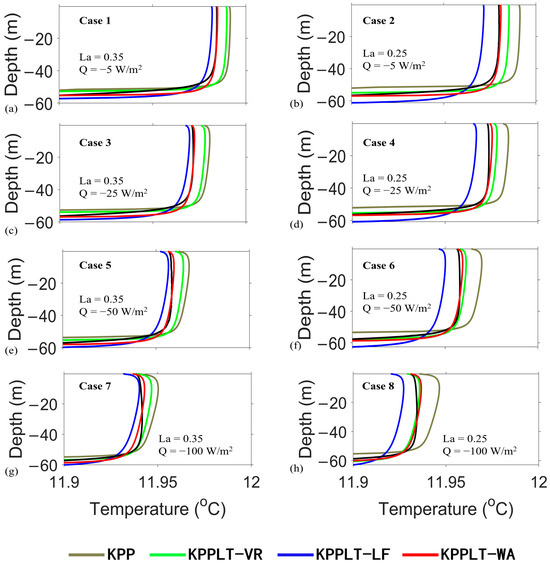
Langmuir turbulence is a key and common process in the ocean surface boundary layer, playing a major role in vertical mixing, heat flux, and material transport. However, because direct simulation of Langmuir turbulence demands considerable computational resources, parameterizations within established schemes like the
[...] Read more.
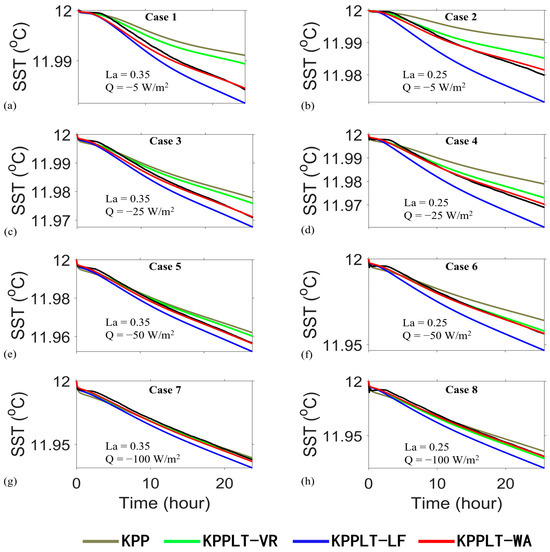
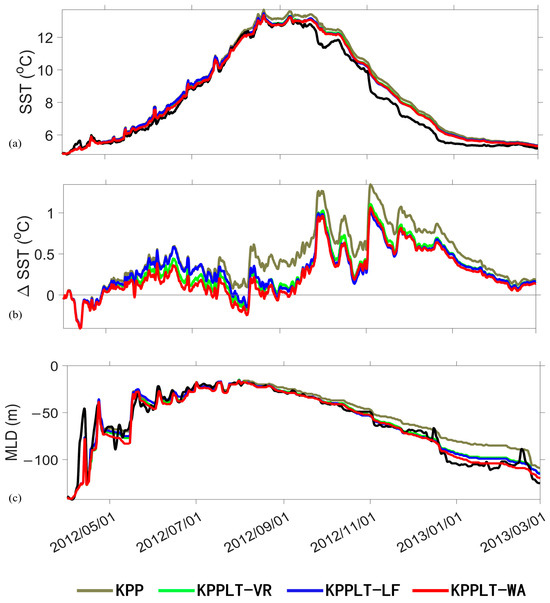
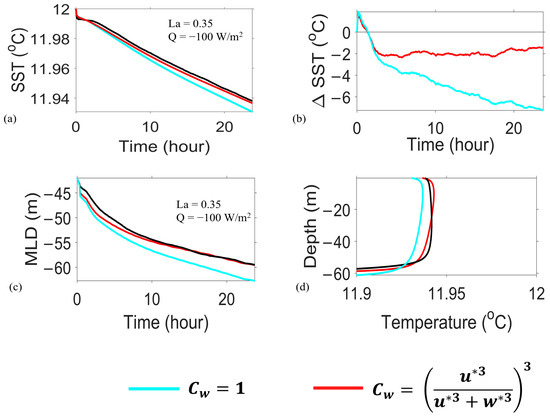
Langmuir turbulence is a key and common process in the ocean surface boundary layer, playing a major role in vertical mixing, heat flux, and material transport. However, because direct simulation of Langmuir turbulence demands considerable computational resources, parameterizations within established schemes like the K-profile parameterization (KPP) offer a practical alternative for representing its effects in ocean and climate models. However, Langmuir turbulence parameterizations based on KPP may overestimate vertical mixing when convection is significant. To address this, we introduce a dynamic weighting factor, based on characteristic velocity scales, to balance the contributions of convective and Langmuir turbulence. The improved scheme shows a significant enhancement in performance, especially under strong convective conditions. We compare and evaluate the new parameterization schemes against other widely used schemes in three typical scenarios. Additionally, we validate it using large-eddy simulation results and field observation data. Our enhanced mixing scheme is highly competitive and performs robustly under a variety of conditions.
Full article

Figure 1
Open AccessArticle
Strong Effects of Sun Exposure on Oyster Shell Corrosion and Compensatory Calcification: A Factor Confounding Coastal Acidification Responses
by
David J. Marshall, Natasha Khairul, Naziratul Syaziyah Yahya, Norazimah Duraman and James R. Jennings
Oceans 2026, 7(3), 39; https://doi.org/10.3390/oceans7030039 - 6 May 2026
Abstract
The dynamics of calcium carbonate structures in marine organisms (skeletons and shells) has become increasingly important due to heightened interest in marine environmental acidification. Research into molluscan shell corrosion and calcification in response to acidification is typically carried out in laboratory-controlled settings, which
[...] Read more.
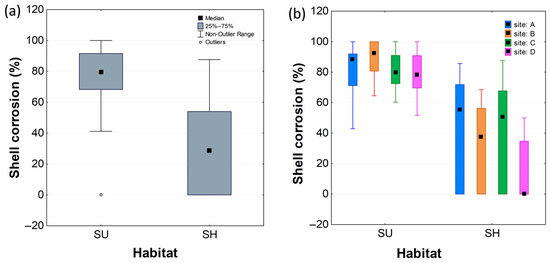
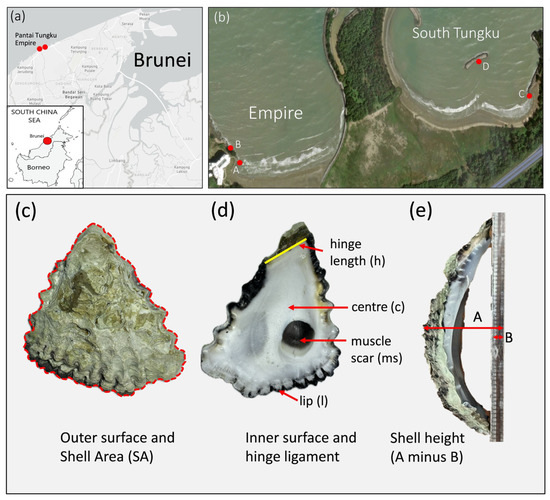
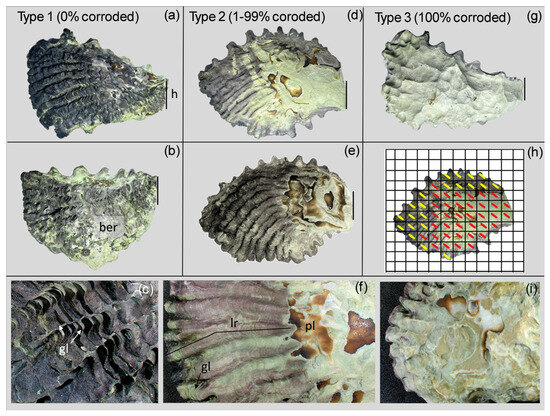
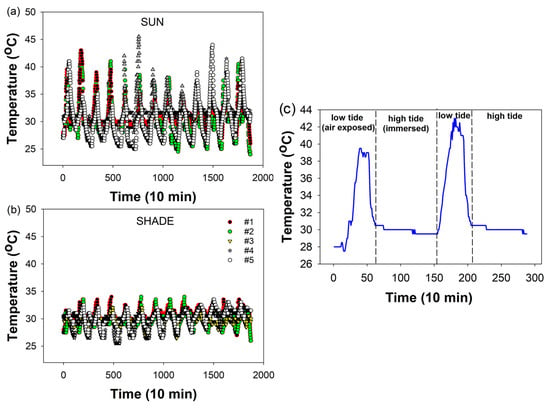
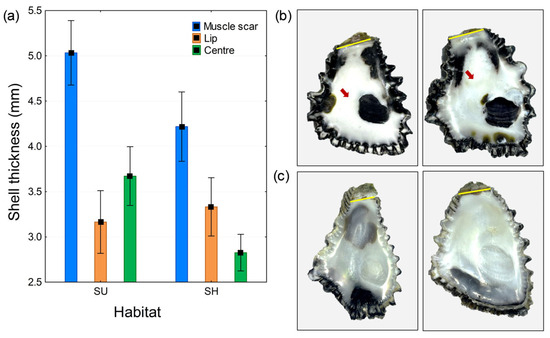
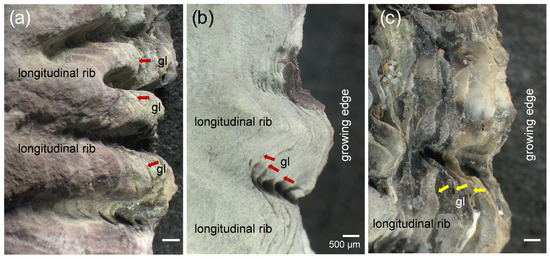
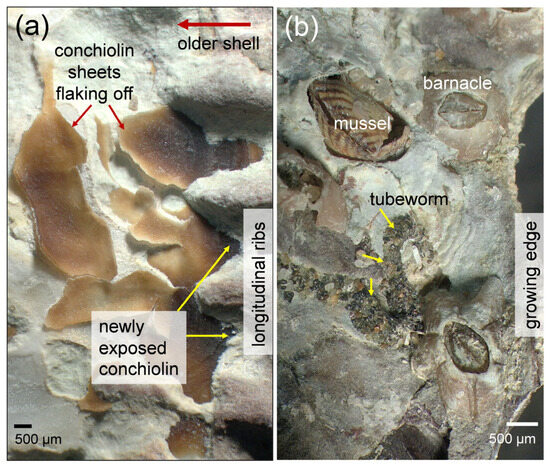
The dynamics of calcium carbonate structures in marine organisms (skeletons and shells) has become increasingly important due to heightened interest in marine environmental acidification. Research into molluscan shell corrosion and calcification in response to acidification is typically carried out in laboratory-controlled settings, which often overlooks the intricate interactions found in natural environments. Mollusks inhabiting intertidal zones are especially susceptible to intense shell weathering caused by tidal cycles of heating, cooling, wetting, and drying, exacerbated by solar radiation during periods of air exposure. We investigated the effect of sun exposure (solar radiative heating) on both outer shell corrosion and inner shell compensatory calcification in the tropical oyster, Saccostrea scyphophilla. Shell properties were compared between oysters from neighboring populations in sun-exposed and shaded habitats. Habitat temperatures were measured using iButtons, and right shell valve corrosion was quantified. Compensatory calcification was assessed through measurements of shell thickness, shell density, shell compression strength, and mineralogical properties. Our results revealed that oysters in the sun that experience global irradiance, higher temperature peaks and broader daily temperature ranges (averaging an increase of 10 °C) show considerably greater outer shell surface corrosion (87%) compared to shaded oysters (31%) that experience only diffuse irradiance. Sun-exposed shells also become thickened in the midsection and around the adductor muscle, and they are slightly stronger, indicating compensation for the outer shell loss. These findings highlight the need for caution when interpreting molluscan shell dynamics based on laboratory marine acidification protocols that fail to account for the many natural environmental factors influencing shell formation and dissolution.
Full article
(This article belongs to the Special Issue Oceans in a Changing Climate)
►▼
Show Figures

Figure 1
Open AccessArticle
Nexus of Ecosystem Services and Hilsa (Tenualosa ilisha) Genetic Diversity to Strengthen Wetland Conservation Policy Within the SDG Framework
by
Atiqur Rahman Sunny, Md. Shishir Bhuyian, Sharif Ahmed Sazzad, Md. Faruque Miah, Md. Ashrafuzzaman, Kamrul Islam, Md. Abdullah Al Mamun and Shamsul Haque Prodhan
Oceans 2026, 7(3), 38; https://doi.org/10.3390/oceans7030038 - 4 May 2026
Abstract
►▼
Show Figures
The present study examined fish biodiversity, livelihood dependence, cultural importance, and genetic connectivity in two ecologically linked habitats of the Sylhet region, Bangladesh: Hakaluki Haor and the Surma River. Surveys documented 60 fish species with distinct assemblage patterns between sites. Hakaluki Haor was
[...] Read more.
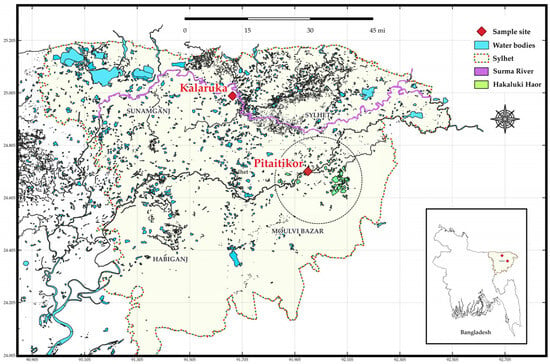
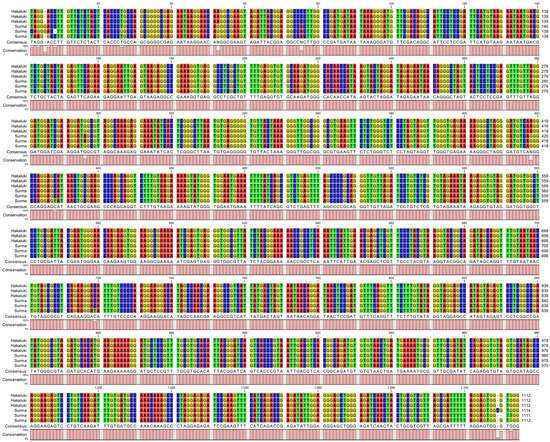
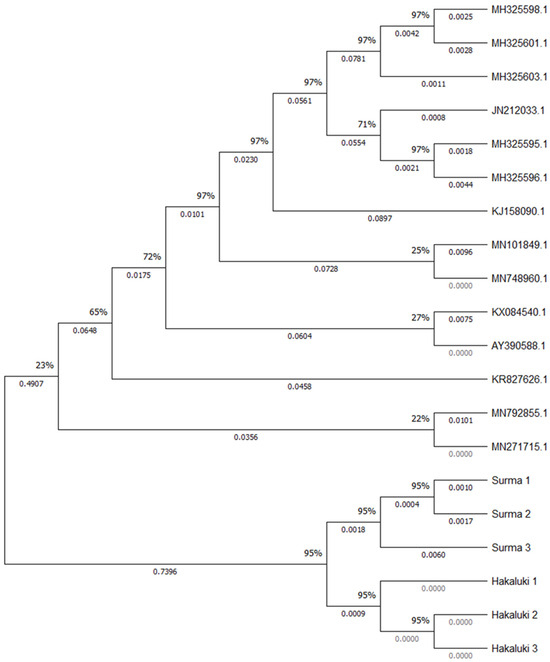
The present study examined fish biodiversity, livelihood dependence, cultural importance, and genetic connectivity in two ecologically linked habitats of the Sylhet region, Bangladesh: Hakaluki Haor and the Surma River. Surveys documented 60 fish species with distinct assemblage patterns between sites. Hakaluki Haor was dominated by floodplain spawners and small indigenous species that contribute to year-round subsistence harvests, whereas the Surma River supported a greater proportion of migratory and pelagic species, most notably Tenualosa ilisha. These ecological contrasts reflected differences in hydrology, habitat diversity, and fishing intensity. Household surveys confirmed the central role of fisheries in sustaining income and food security, while cultural practices surrounding hilsa consumption reinforced local stewardship norms. Mitochondrial cytochrome b sequence analysis of T. ilisha revealed low genetic differentiation between sites, indicating a single, well-connected stock maintained by seasonal flooding and the absence of major migration barriers. This convergence of ecological and genetic evidence supports treating the two sites as an integrated management unit. Effective conservation will require protecting hydrological connectivity, safeguarding dry season refugia, coordinating seasonal fishing restrictions across habitats, and incorporating cultural values into policy frameworks. The findings strengthen the scientific basis for national and regional conservation strategies and demonstrate the value of combining biological, socio-economic, and cultural dimensions in managing connected wetland–river systems. This approach can serve as a transferable model for other tropical floodplain–river complexes facing similar ecological and livelihood challenges.
Full article

Figure 1
Open AccessReview
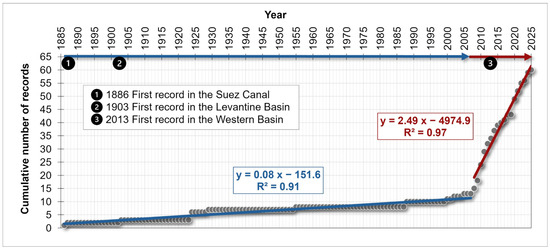
Research Trends on Invasive Marine Species in the Mediterranean: A Bibliometric and Topic Modeling Analysis
by
Dimitris Klaoudatos, Stefanos Gkourtsoulis, Dimitris Pafras and Alexandros Theocharis
Oceans 2026, 7(3), 37; https://doi.org/10.3390/oceans7030037 - 24 Apr 2026
Abstract
►▼
Show Figures
The Mediterranean Sea is both a global biodiversity hotspot and the world’s most heavily invaded marine region, where non-indigenous species arrivals are accelerating under intensifying shipping, Suez Canal traffic, aquaculture, and climate warming. Yet, despite rapidly growing research activity, a comprehensive synthesis of
[...] Read more.
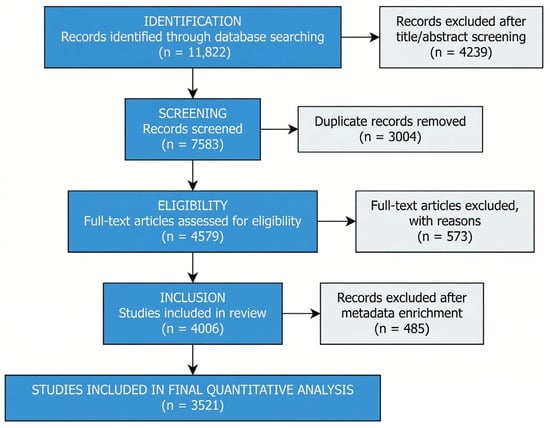
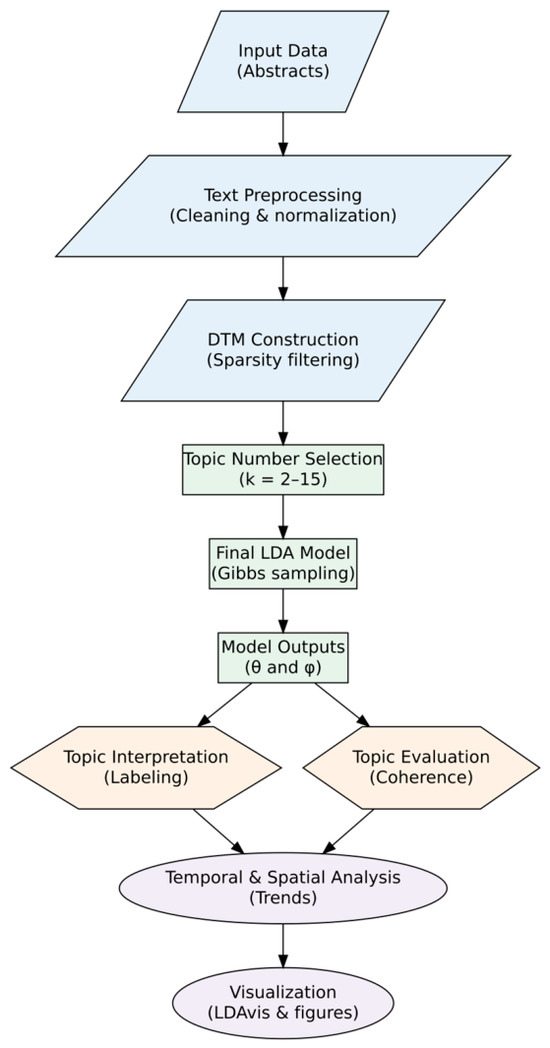
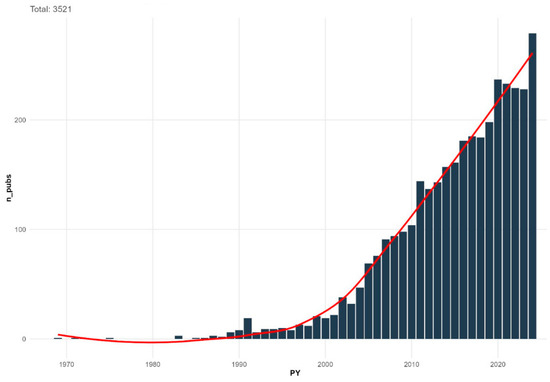
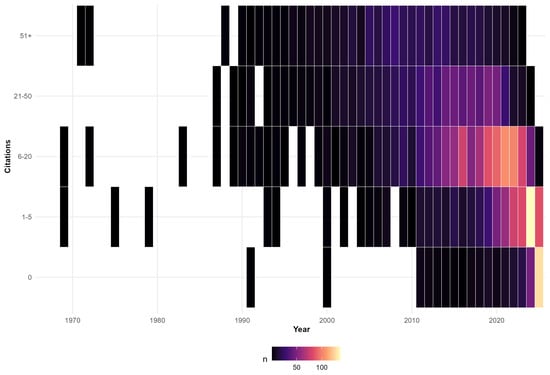
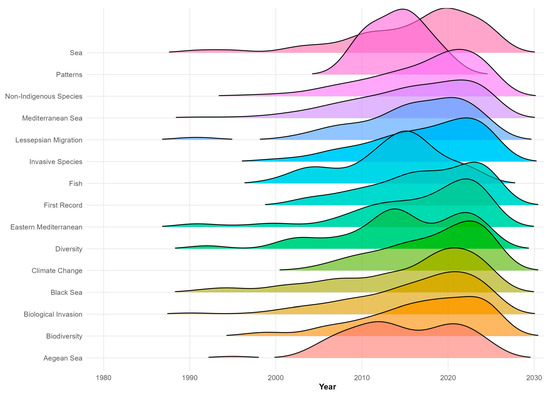
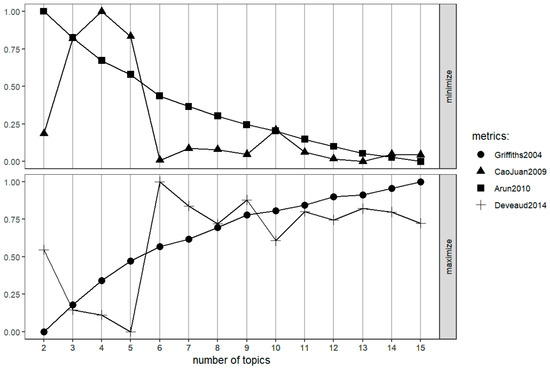
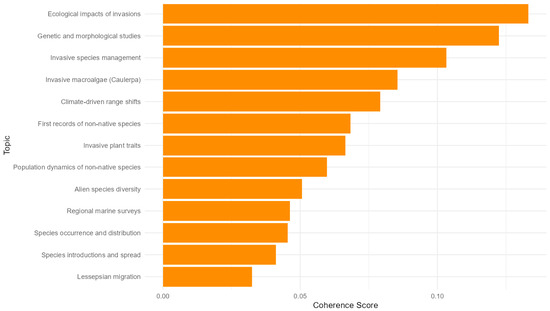
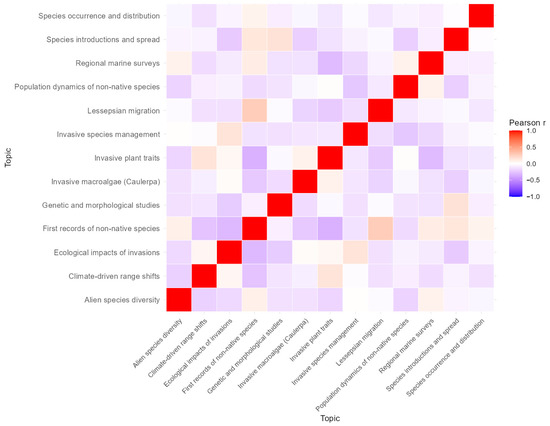
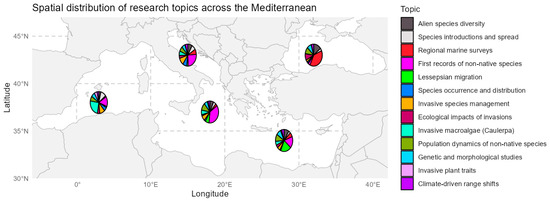
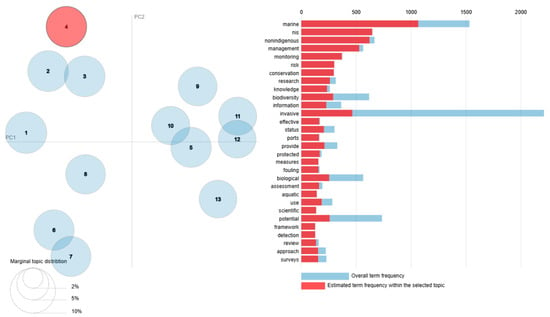
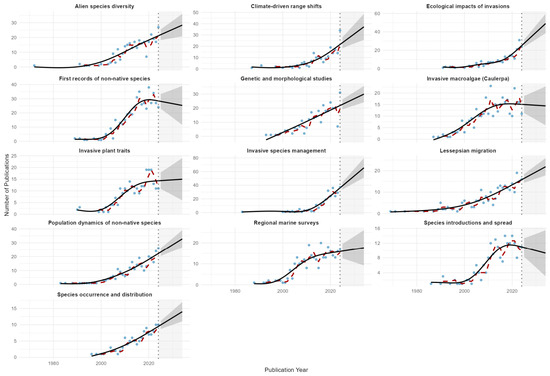
The Mediterranean Sea is both a global biodiversity hotspot and the world’s most heavily invaded marine region, where non-indigenous species arrivals are accelerating under intensifying shipping, Suez Canal traffic, aquaculture, and climate warming. Yet, despite rapidly growing research activity, a comprehensive synthesis of the scientific literature on Mediterranean marine invasions has been lacking. This study provides the first Mediterranean-wide combined bibliometric and topic-modeling analysis of invasive marine species research, using 3521 unique documents retrieved from Scopus and Web of Science. We quantify temporal growth in publications and citations, map the conceptual structure of the field through co-citation, co-word, and topic modeling, and reveal pronounced regional and thematic biases. Latent Dirichlet Allocation resolves 13 coherent topics, dominated by first records of non-native species, invasive macroalgae, alien species diversity, and ecological impacts, with strong signals for Lessepsian migration and climate-driven range shifts, particularly in the Eastern Mediterranean. Spatial and thematic analyses reveal pronounced regional biases, with invasion hotspots in the Aegean and Levantine seas contrasted by comparatively sparse coverage of western and central sub-basins, and notable gaps in predictive modeling and socioeconomic assessments. The results underscore the need to rebalance effort toward under-studied regions and themes, while leveraging existing collaboration networks and methodological advances to support MSFD (Marine Strategy Framework Directive) implementation, International Maritime Organization (IMO) instruments, and broader ecosystem-based management. The reproducible framework presented here offers a baseline for periodically tracking research evolution and guiding adaptive, transboundary governance of Mediterranean marine bio-invasions.
Full article

Figure 1

Open AccessReview
The Role of Citizen Science Data Standardization for the Marine Strategy Framework Directive Implementation
by
Vasiliki Myrintzou, Nikolaos Kokkos, Dor Edelist, Garabet Kazanjian and Georgios Sylaios
Oceans 2026, 7(3), 36; https://doi.org/10.3390/oceans7030036 - 24 Apr 2026
Abstract
►▼
Show Figures
Over the past two decades, Citizen Science (CS) has experienced rapid growth, driven by technological advancements and the rise of digital platforms. This work examines the necessity for standardization in Citizen Science data management and discusses how existing data standards can enhance the
[...] Read more.
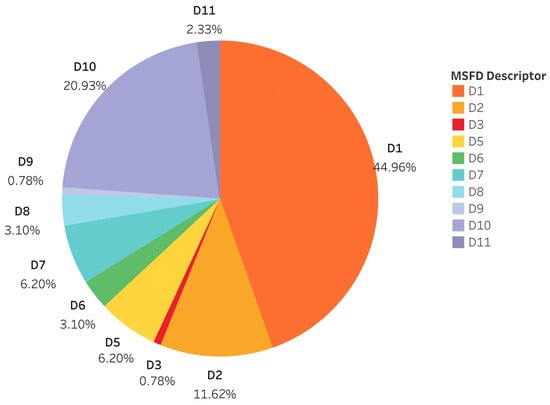
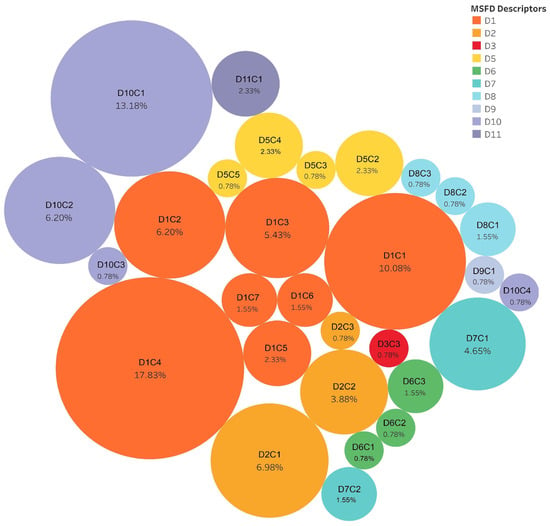
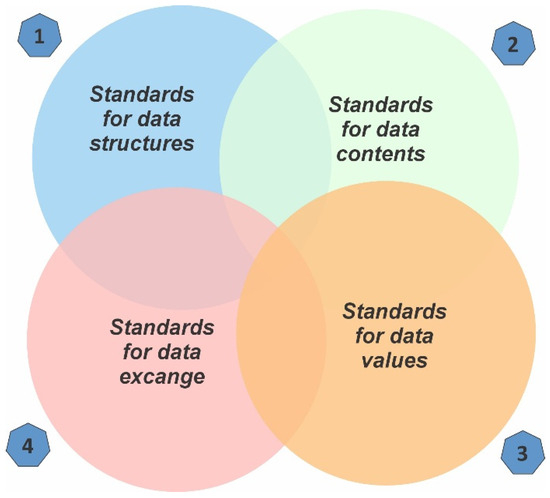
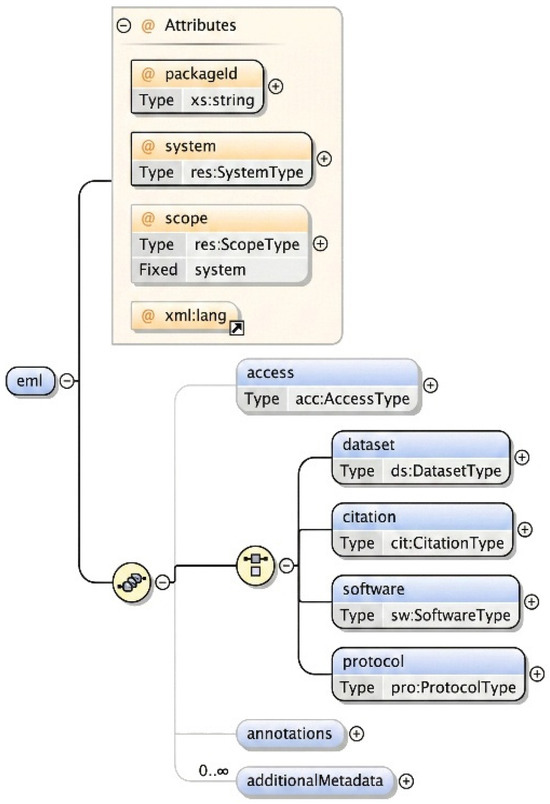
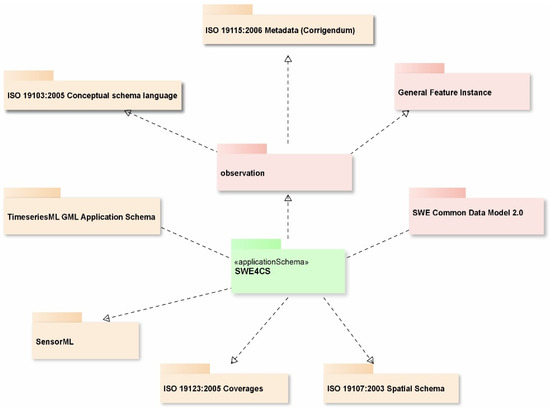
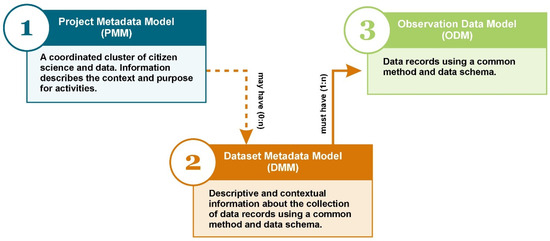
Over the past two decades, Citizen Science (CS) has experienced rapid growth, driven by technological advancements and the rise of digital platforms. This work examines the necessity for standardization in Citizen Science data management and discusses how existing data standards can enhance the impact of citizen-generated data. CS standardization ensures data quality, comparability, reusability, and interoperability, making data suitable for contributing to the Marine Strategy Framework Directive (MSFD) and the United Nations Sustainable Development Goals (SDGs). This paper examined 130 Citizen Science publications and found that most collected data referred to the MSFD Descriptor 1 (Biodiversity—44.96%) and Descriptor 10 (Marine Litter—20.93%), followed by the alien species distribution (D2—11.63%), hydrography (D7—6.20%), eutrophication (D5—6.20%), and marine pollution (D8—3.10%). Analysis of 108 publications on SDG alignment revealed that the majority (35.58%) focused on reducing marine pollution. This paper reviews the best practices for effective Citizen Science data management, including standards for data structures, content, values, and exchange. Based on this review, Darwin Core, Ecological Metadata Language (EML), and the OGC SensorThings API appear to be the most suitable standards for MSFD-relevant CS data. Therefore, policymakers could enable the formal integration of standardized CS datasets into MSFD monitoring workflows.
Full article

Figure 1
Open AccessArticle
Balancing Accuracy and Efficiency in the Temporal Resampling of Met-Ocean Data
by
Sara Ramos-Marin and C. Guedes Soares
Oceans 2026, 7(2), 35; https://doi.org/10.3390/oceans7020035 - 16 Apr 2026
Cited by 1
Abstract
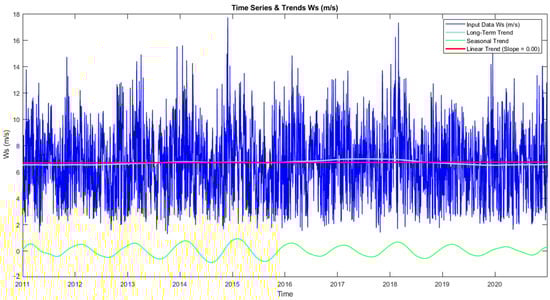
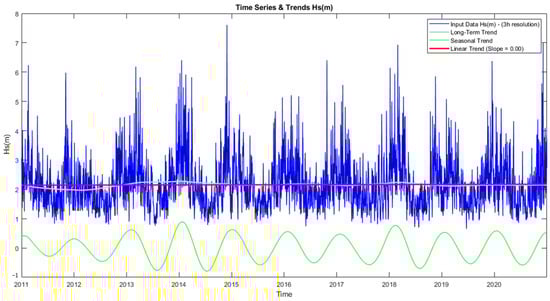
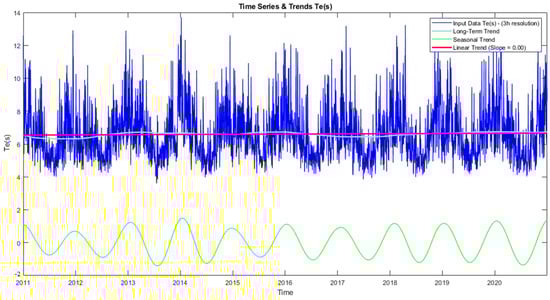
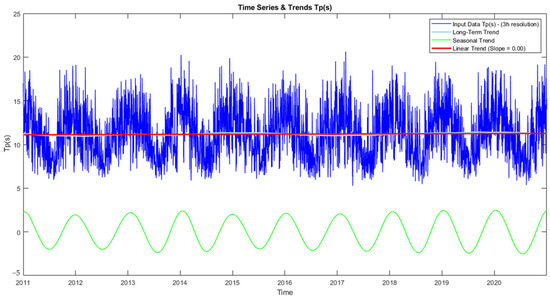
Harmonising heterogeneous met-ocean time series to a common temporal resolution is a prerequisite for integrated marine renewable energy assessments. Such datasets often differ in their sampling frequency, statistical distribution, and non-stationarity, complicating joint analysis. This study presents a practical multi-criteria framework for selecting
[...] Read more.
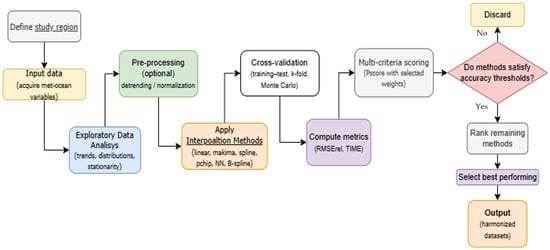
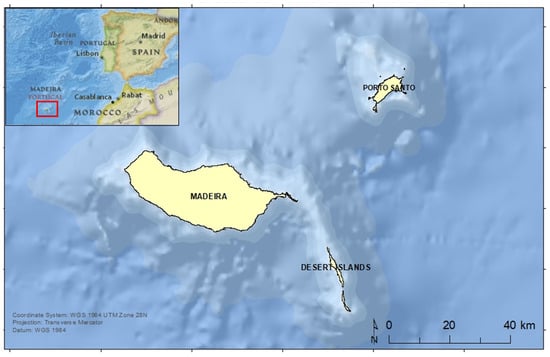
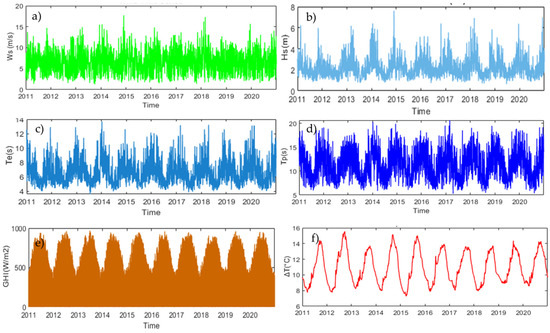
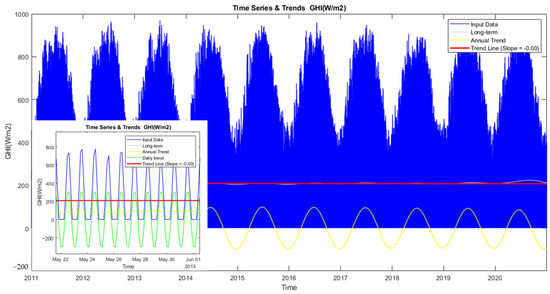
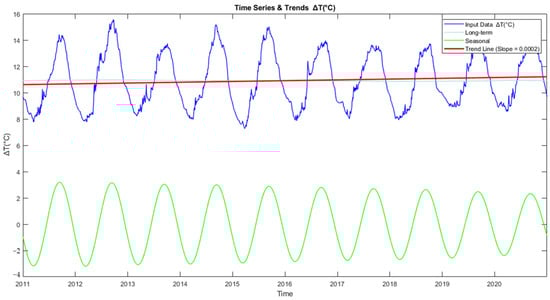
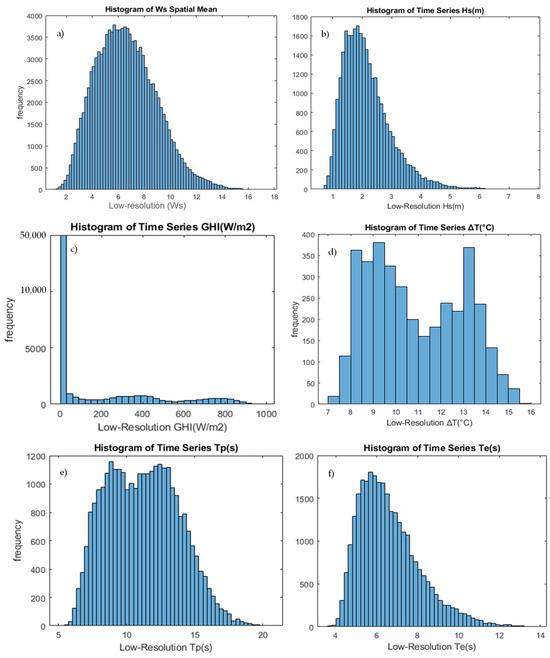
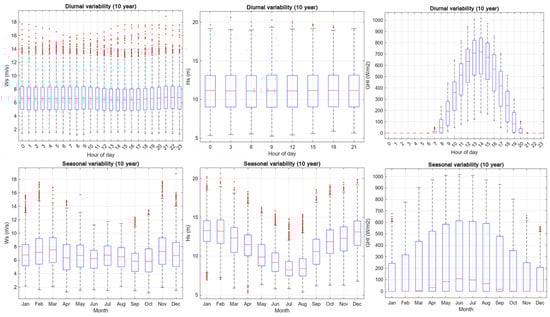
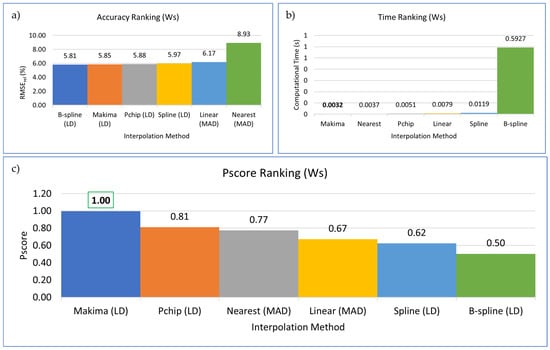
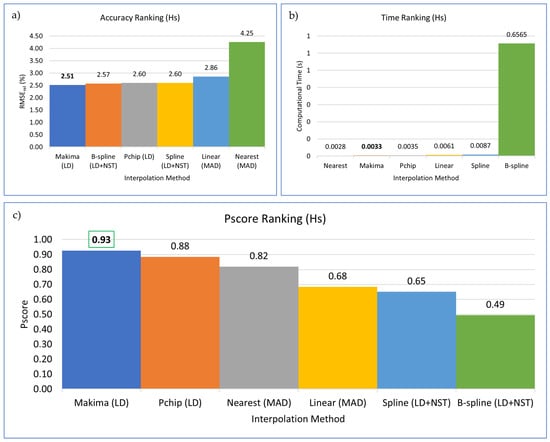
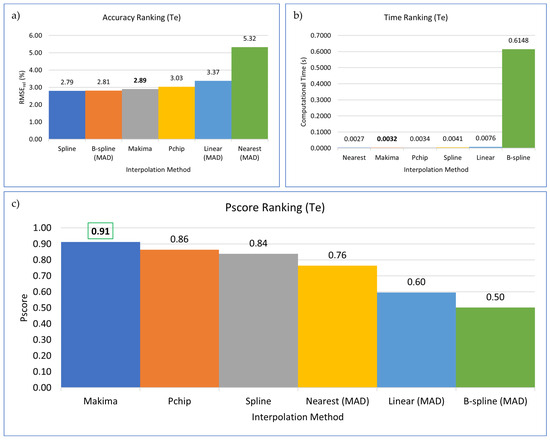
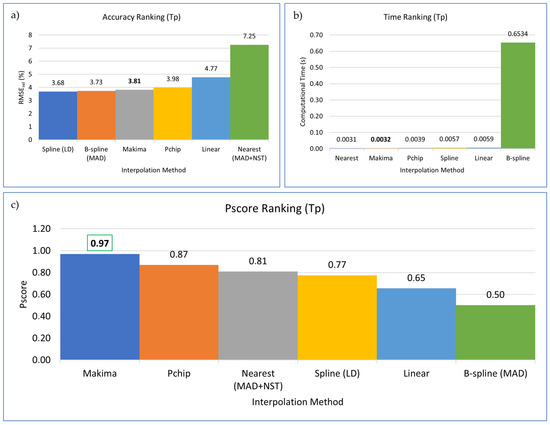
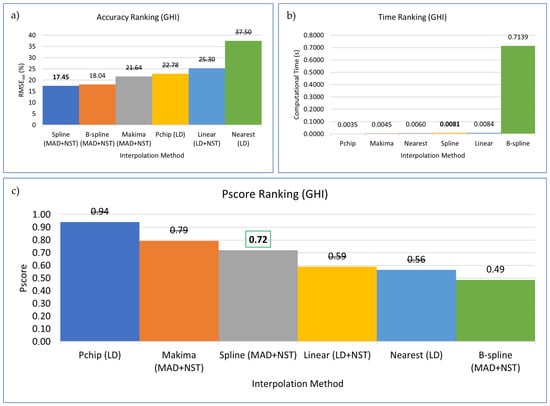
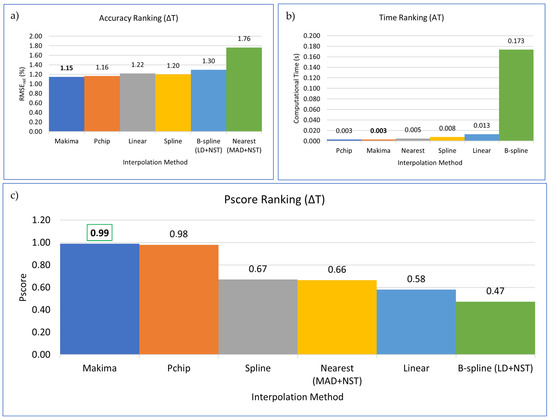
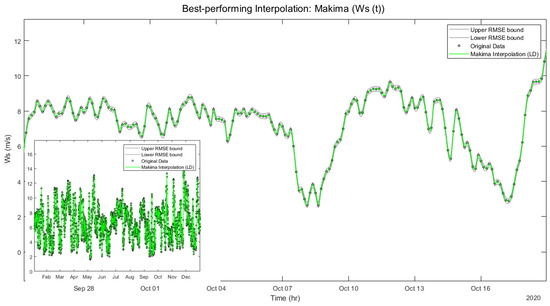
Harmonising heterogeneous met-ocean time series to a common temporal resolution is a prerequisite for integrated marine renewable energy assessments. Such datasets often differ in their sampling frequency, statistical distribution, and non-stationarity, complicating joint analysis. This study presents a practical multi-criteria framework for selecting temporal interpolation strategies for met-ocean datasets, explicitly balancing prediction accuracy and computational efficiency. Six environmental variables relevant to offshore renewable energy—wind speed, significant wave height, energy period, peak period, global horizontal irradiance, and upper-ocean thermal gradients—are analysed using ten-year reanalysis datasets for the Madeira Archipelago. Six commonly used deterministic time-domain interpolation methods are evaluated within a unified validation framework combining training–test splits, k-fold cross-validation, and Monte Carlo resampling. Their performances are quantified using the relative root mean square error and computational time, integrated through a composite performance score. The results show that makima interpolation provides the most consistent compromise between accuracy and efficiency for most variables in dense, regularly sampled met-ocean datasets, while spline-based approaches perform better for highly skewed solar irradiance. Preprocessing steps, such as detrending and distribution normalisation, yield only marginal improvements for dense, regularly sampled datasets, and method rankings remain stable under moderate changes in accuracy–speed weightings. Rather than proposing a universal interpolator, this work delivers a reproducible decision-support workflow for temporal resampling of multi-variable met-ocean datasets, supporting early-stage marine renewable energy assessments.
Full article
(This article belongs to the Special Issue Offshore Renewable Energy and Related Environmental Science)
►▼
Show Figures

Figure 1
Open AccessArticle
Safety Maneuvering Envelope for Towed Line Arrays Under Steady-State Conditions
by
Zhibo Wang and Qikun Li
Oceans 2026, 7(2), 34; https://doi.org/10.3390/oceans7020034 - 10 Apr 2026
Abstract
►▼
Show Figures
To ensure safe and stable operation of towed array systems in complex marine environments, the concept of a Safe Maneuvering Envelope (SME) for towing maneuvers is proposed based on flexible cable dynamics theory. The dynamic equations of the towed array are established using
[...] Read more.
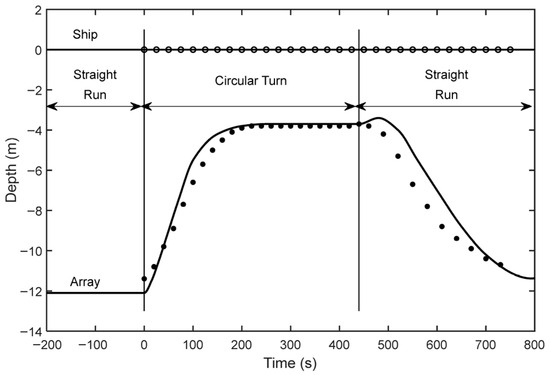
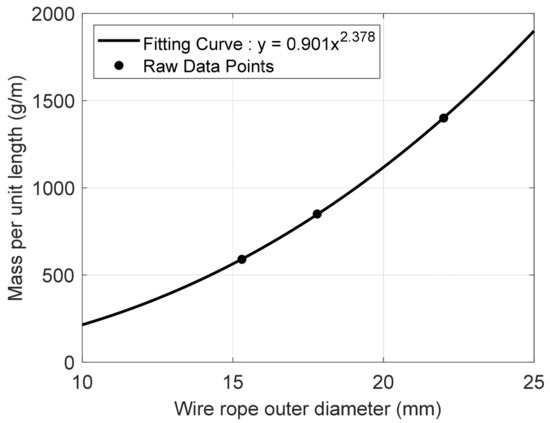
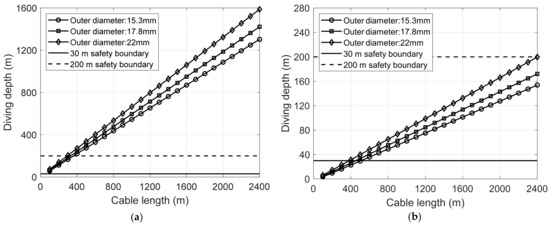
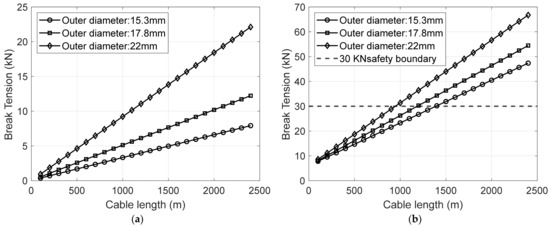
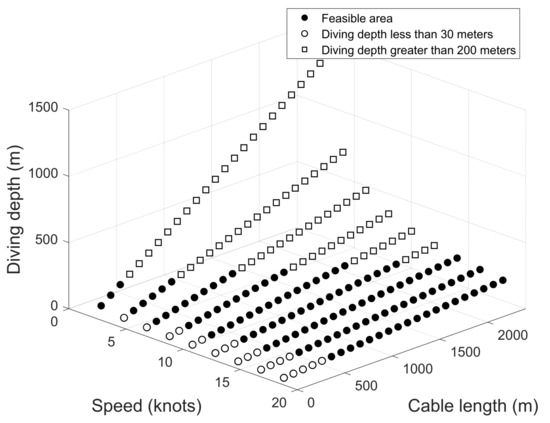
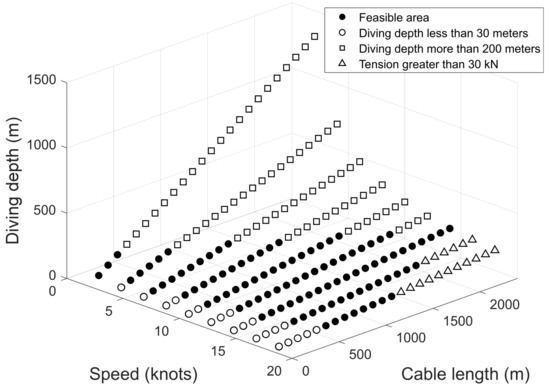
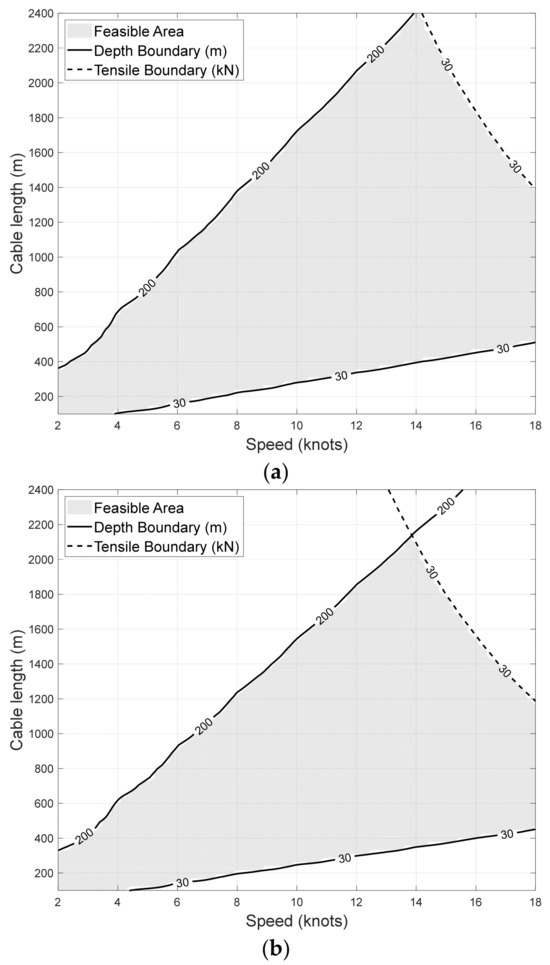
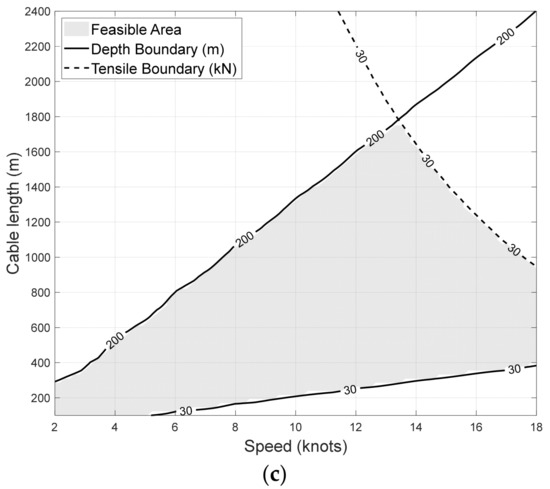
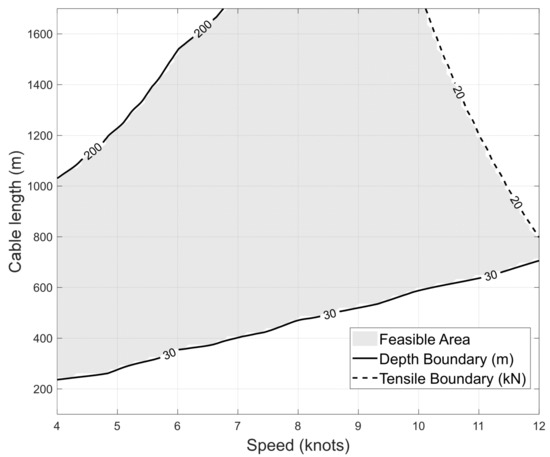
To ensure safe and stable operation of towed array systems in complex marine environments, the concept of a Safe Maneuvering Envelope (SME) for towing maneuvers is proposed based on flexible cable dynamics theory. The dynamic equations of the towed array are established using the Lumped Mass Method. Using diving depth and breaking tension as boundaries, array configuration data sets are calculated for combinations of main cable outer diameter, vessel speed, and deployed cable length. Mapping relationships between vessel speed, cable deployment length, diving depth, and breaking strength are presented to construct the maneuvering safety envelope. This envelope defines the operational range where the array meets design maneuverability criteria. The safety envelope concept provides quantitative operational guidelines for towed array systems and offers crucial theoretical foundations and methodological support for safe system design and risk assessment.
Full article

Figure 1

Open AccessArticle
Physical Coastal Vulnerability Assessment of the Monrovia Coastline (Liberia) Using a Multi-Parameter Coastal Vulnerability Index
by
Titus Karderic Williams, Youssef Fannassi, Zhour Ennouali, Abdelahq Aangri, Tarik Belrhaba, Isaac Tukpah, Aıcha Benmohammadi and Ali Masria
Oceans 2026, 7(2), 33; https://doi.org/10.3390/oceans7020033 - 7 Apr 2026
Abstract
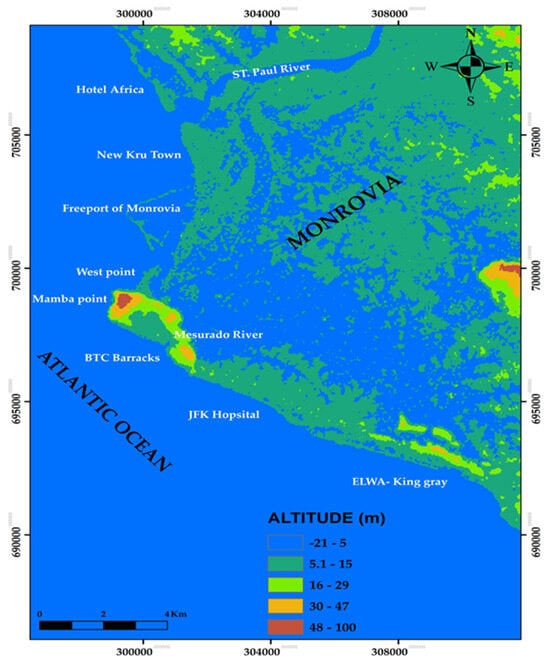
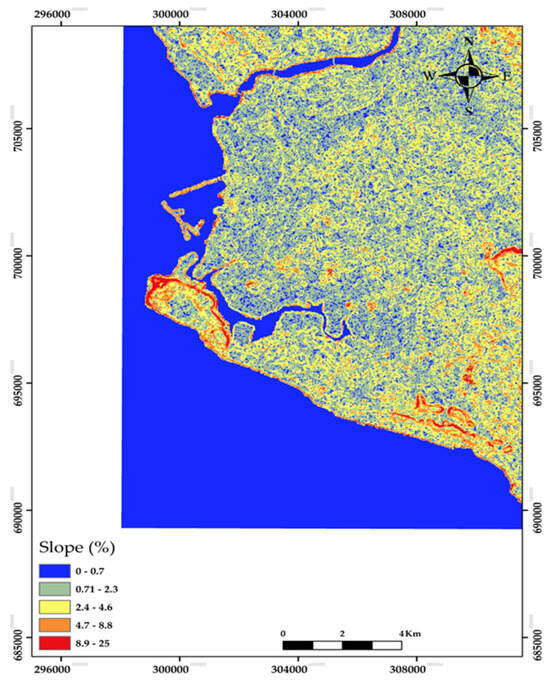
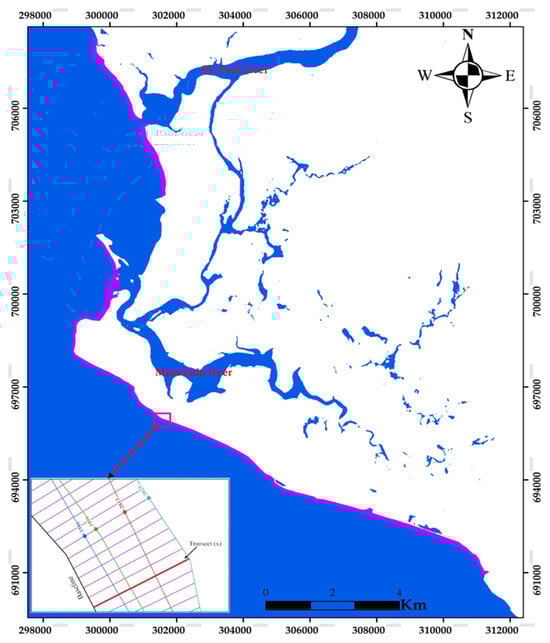
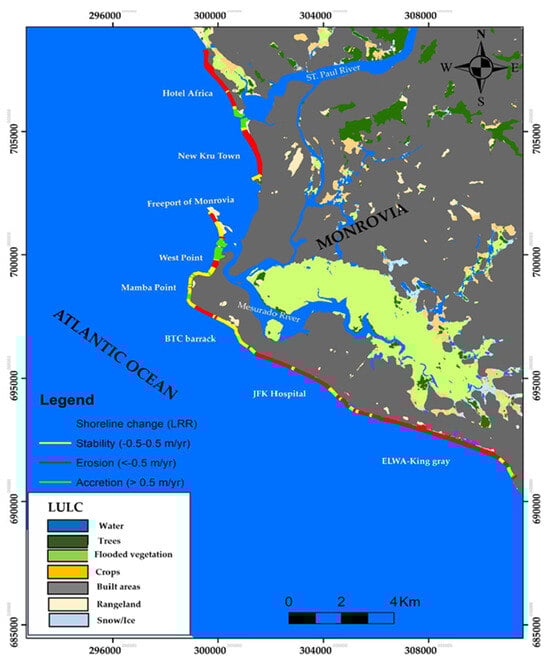
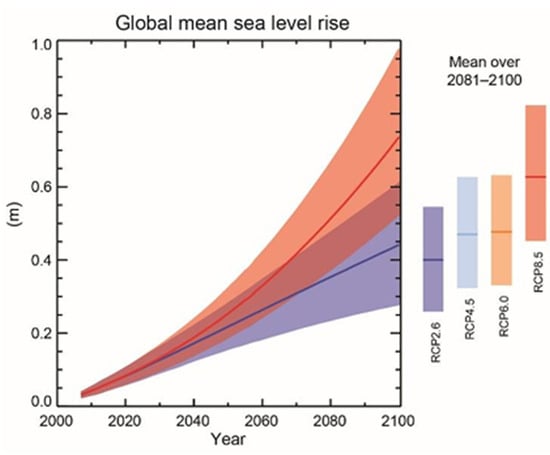
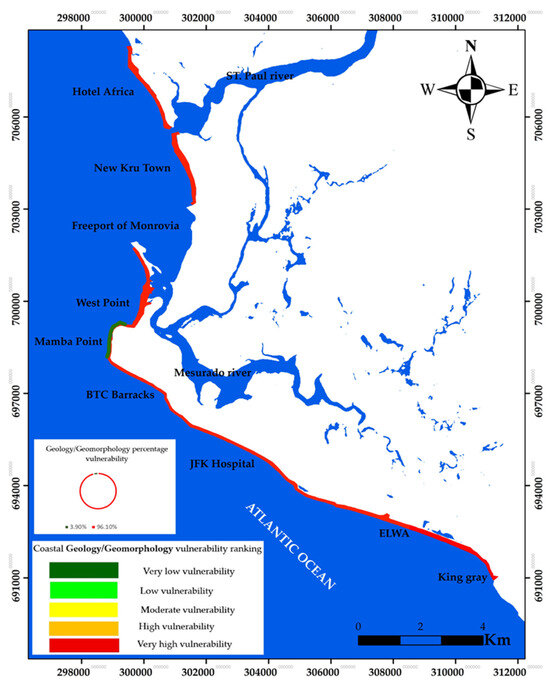
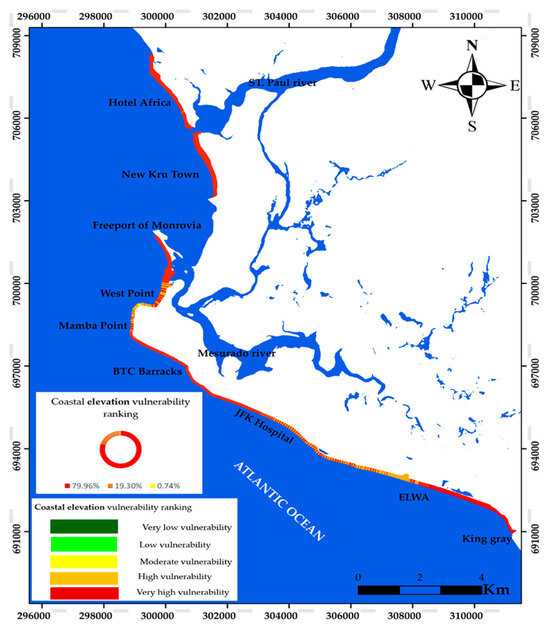
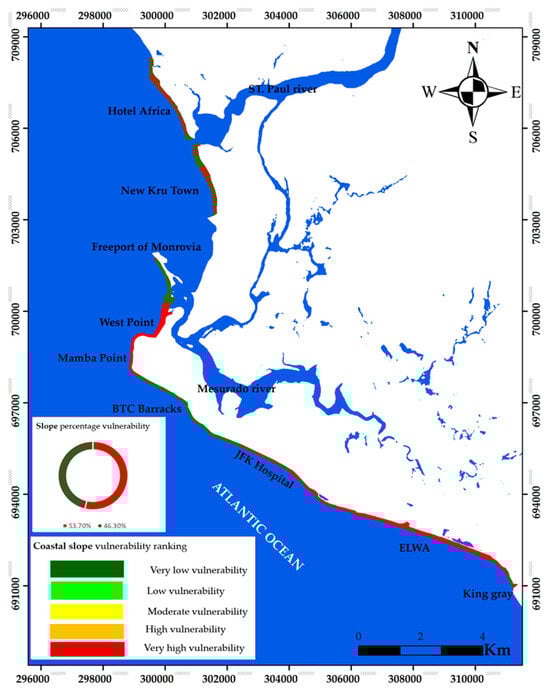
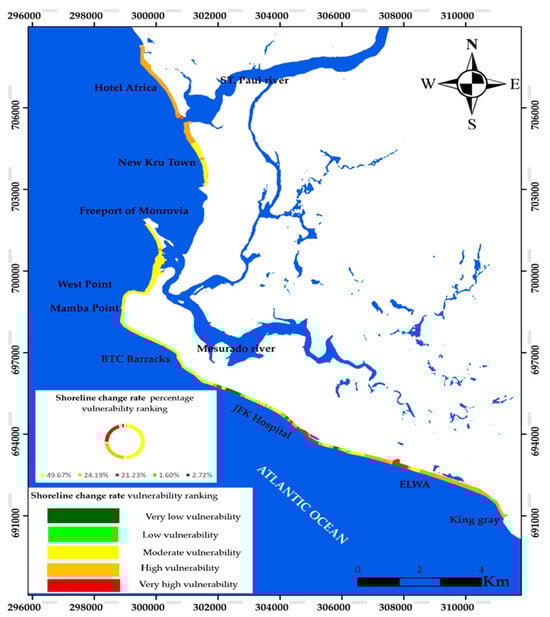
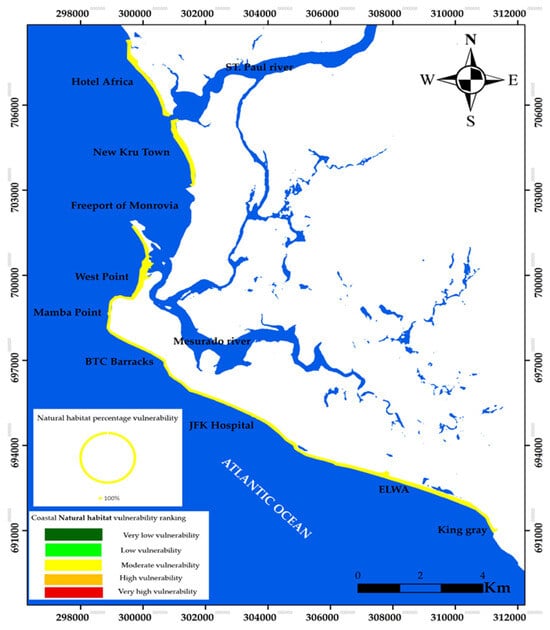
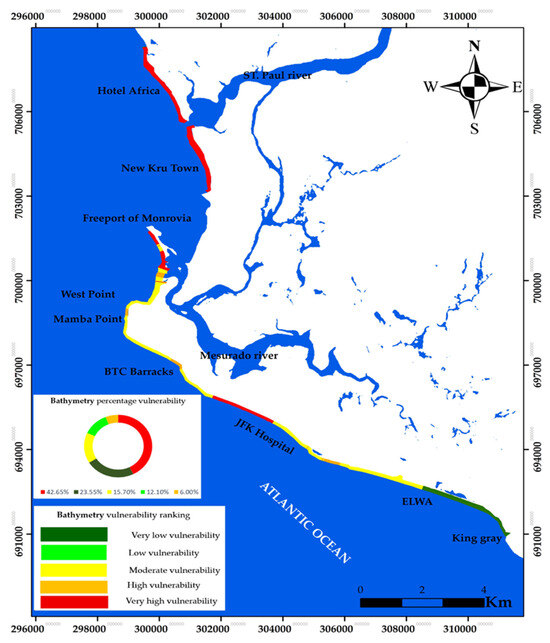
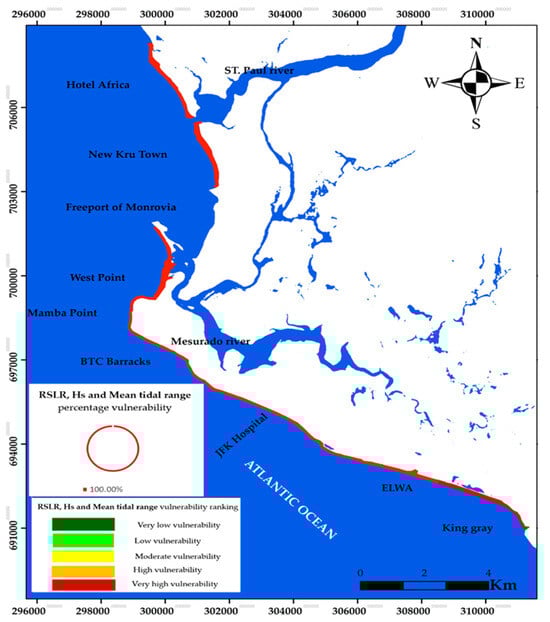
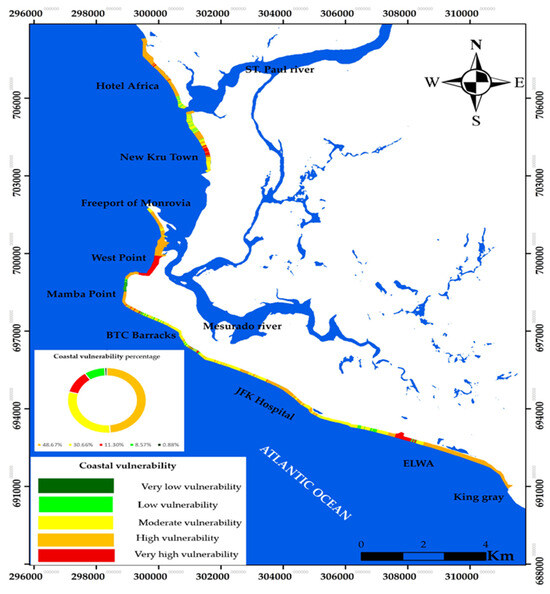
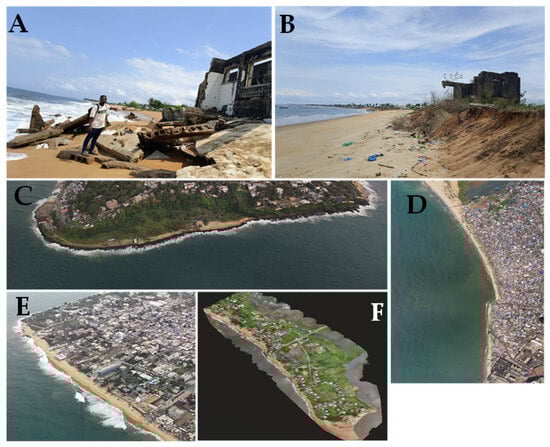
This study presents a city-scale physical coastal vulnerability assessment of the 21 km Monrovia coastline (Liberia) using a multi-parameter coastal vulnerability index (CVI). Nine physical parameters—geology/geomorphology, shoreline change rate, elevation, slope, bathymetry, wave height, tidal range, relative sea level rise, and coastal landform
[...] Read more.
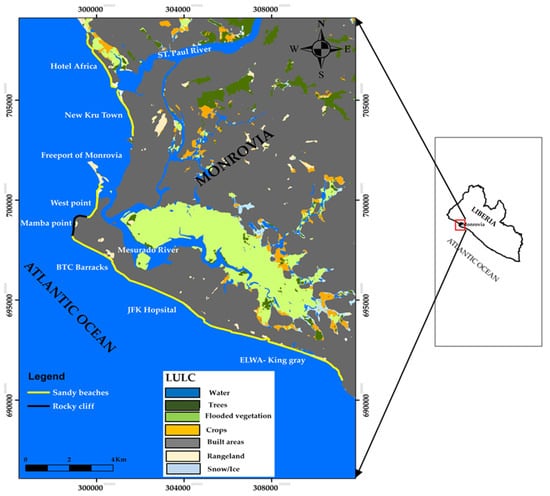
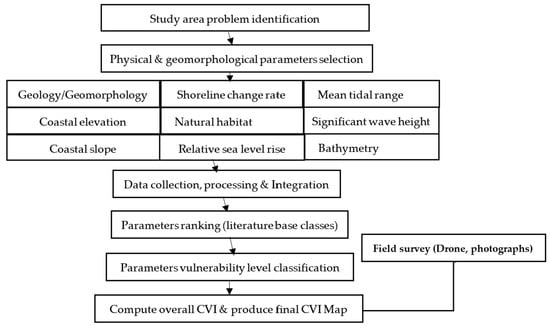
This study presents a city-scale physical coastal vulnerability assessment of the 21 km Monrovia coastline (Liberia) using a multi-parameter coastal vulnerability index (CVI). Nine physical parameters—geology/geomorphology, shoreline change rate, elevation, slope, bathymetry, wave height, tidal range, relative sea level rise, and coastal landform characteristics—were integrated within an equal-weight ranking framework. The results identify spatially concentrated high vulnerability segments associated with low elevation, sandy geomorphology, and persistent shoreline retreat. The CVI represents a relative exposure screening rather than a predictive risk model. Limitations related to parameter weighting, classification dependency, and temporal heterogeneity are acknowledged. The findings support preliminary spatial prioritization for coastal adaptation planning
Full article
(This article belongs to the Topic Coastal Engineering: Past, Present and Future)
►▼
Show Figures

Figure 1
Open AccessArticle
Marine Litter Monitoring on Apulian Beaches in the Decade 2014–2023: Some Evidence of a Decreasing Trend
by
Nicola Ungaro, Federica Lefons, Annamaria Pastorelli and Enrico Barbone
Oceans 2026, 7(2), 32; https://doi.org/10.3390/oceans7020032 - 7 Apr 2026
Abstract
In recent decades, the issue of marine litter has emerged as a major environmental concern, particularly with regard to plastic litter. The European Marine Strategy Framework Directive (MSFD, 2008/56/EC) requires member states to monitor marine litter along the coast, in the water, and
[...] Read more.
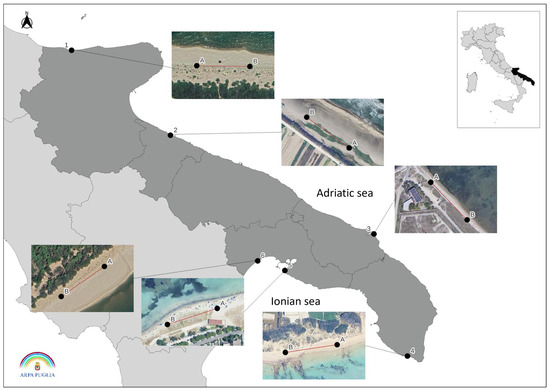
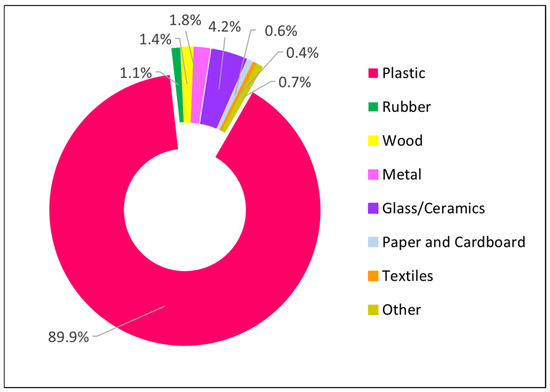
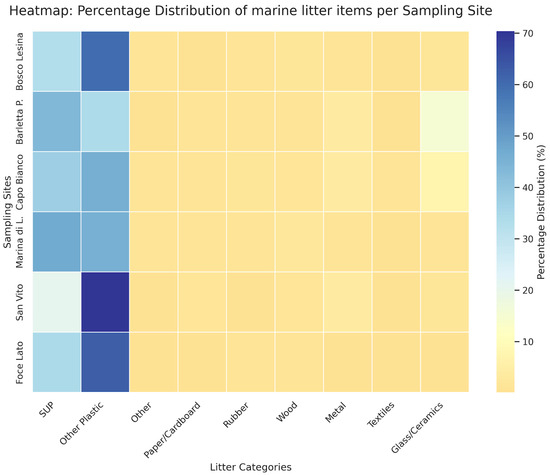
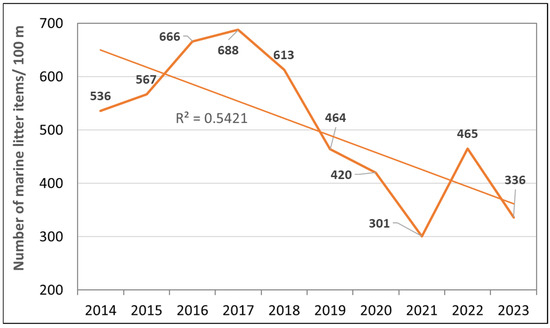
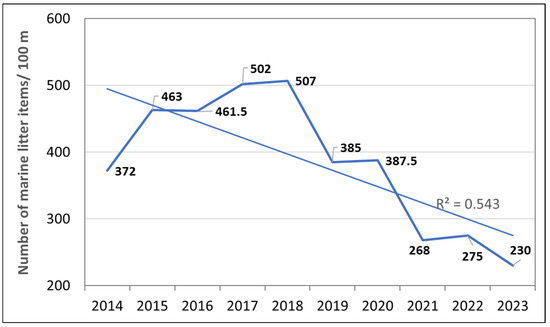
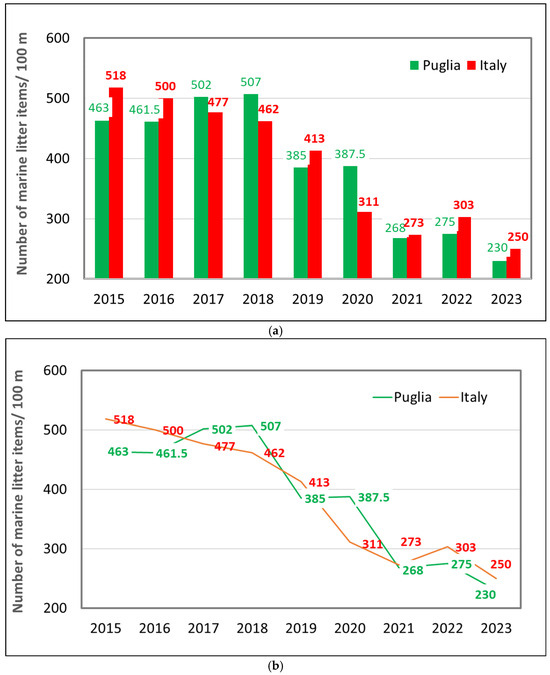
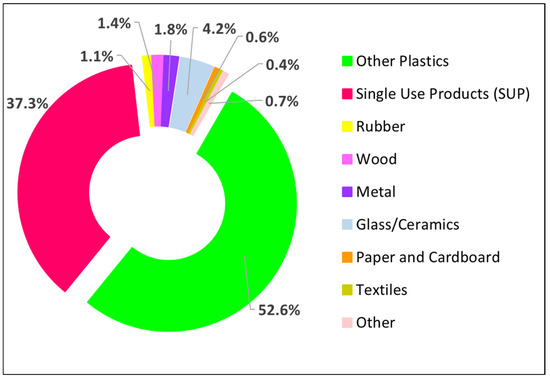
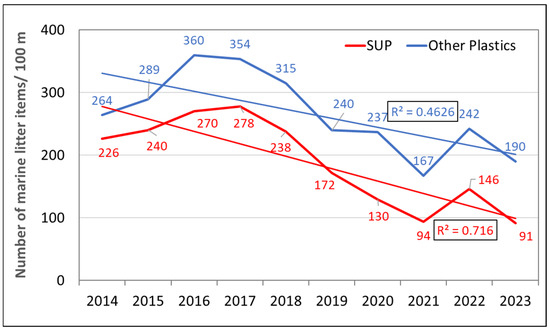
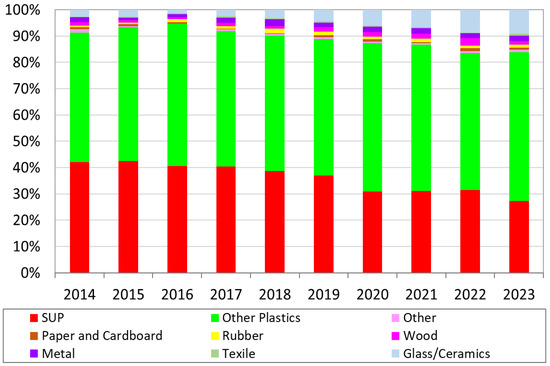
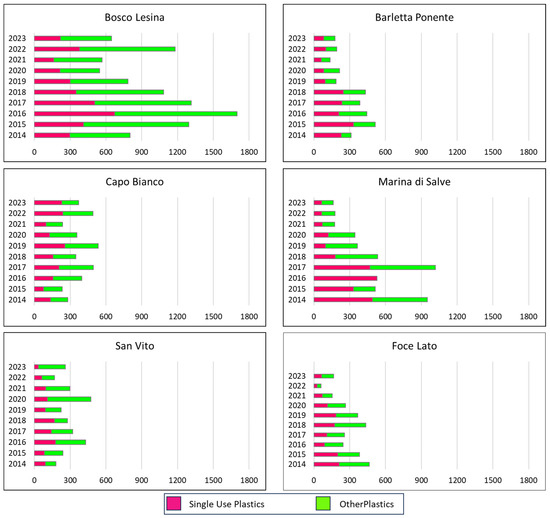
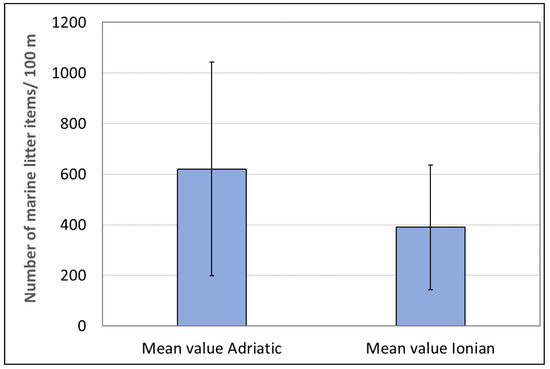
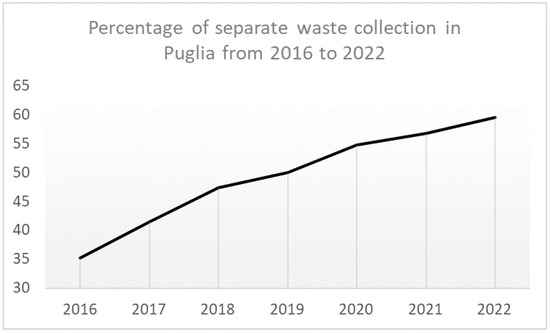
In recent decades, the issue of marine litter has emerged as a major environmental concern, particularly with regard to plastic litter. The European Marine Strategy Framework Directive (MSFD, 2008/56/EC) requires member states to monitor marine litter along the coast, in the water, and on the seabed. Since 2014, beach litter monitoring has been carried out in Italy’s coastal regions, an activity entrusted to the Regional Environmental Agencies System (ARPA). ARPA Puglia is responsible for monitoring the Apulian coastline, and this paper summarizes the main results obtained from 2014 to 2023. The monitoring, which was repeated twice a year, consists of a visual census of litter items along a 100-meter stretch of beach in six different locations across the Puglia region. During this period, an average of 506 litter items per 100 m were observed on the six target beaches in Puglia, 90% of which were plastic ones. Among these, single-use plastic items (SUPs) accounted for 37%. A trend analysis reveals a decline in the aggregate quantity of marine litter on Apulian beaches over the past decade, a phenomenon that is particularly evident when considering the SUP subcategory in isolation. This decreasing trend is consistent with the overall pattern observed along the Italian coastline and the coastlines of European seas. Consequently, it can be hypothesized that an increase in awareness of the issue, in conjunction with the implementation of European Directive 2019/904 for the reduction in single-use plastics, has resulted in more responsible practices. However, further efforts are needed to achieve the goal of 20 litter items per 100 m of beach to attain the Good Environmental Status under the Marine Strategy Framework Directive. The findings emphasize the importance of constant monitoring of litter items along the shoreline, as well as the integration of new and alternative methodologies (e.g., drone surveys) to evaluate the efficacy of European regulatory implementation.
Full article
(This article belongs to the Topic Conservation and Management of Marine Ecosystems)
►▼
Show Figures

Figure 1
Open AccessArticle
Spatial–Temporal Distribution and Ecological Risks of Quinolone Antibiotics in Coastal Wetlands
by
Haotian Chen, Hashmi Kaiser, Jun Wang and Xuexia Zhu
Oceans 2026, 7(2), 31; https://doi.org/10.3390/oceans7020031 - 2 Apr 2026
Abstract
►▼
Show Figures
Quinolone antibiotic (QA) residues in various natural environments have recently received massive scientific attention. Nevertheless, there is limited information on the distribution characteristics and potential hazards of antibiotics in coastal wetlands. Here, the occurrence, spatial and seasonal distribution, and ecological risk assessment of
[...] Read more.
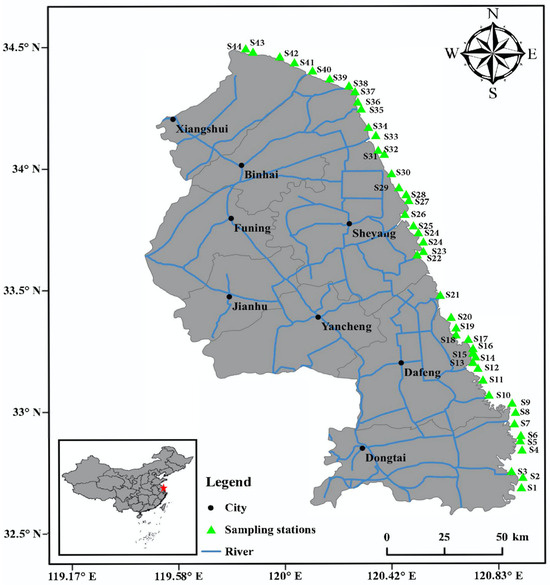
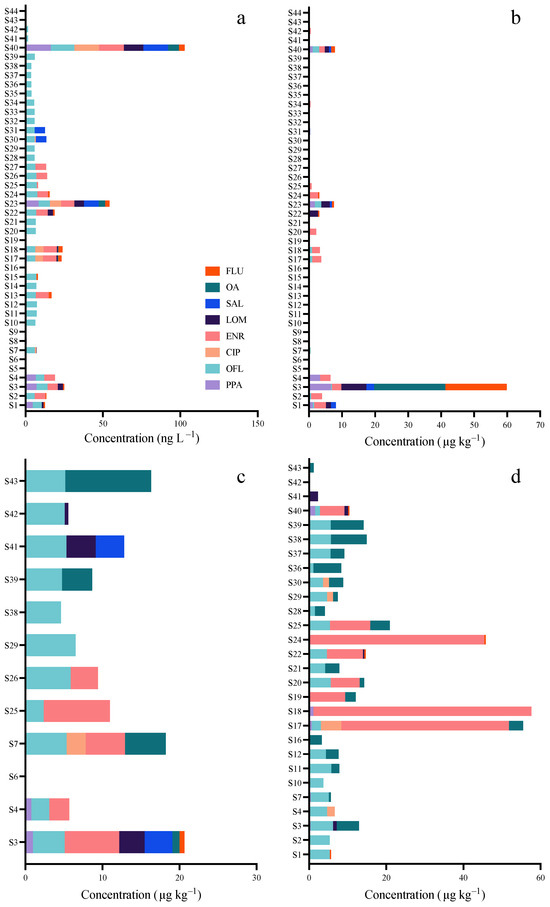
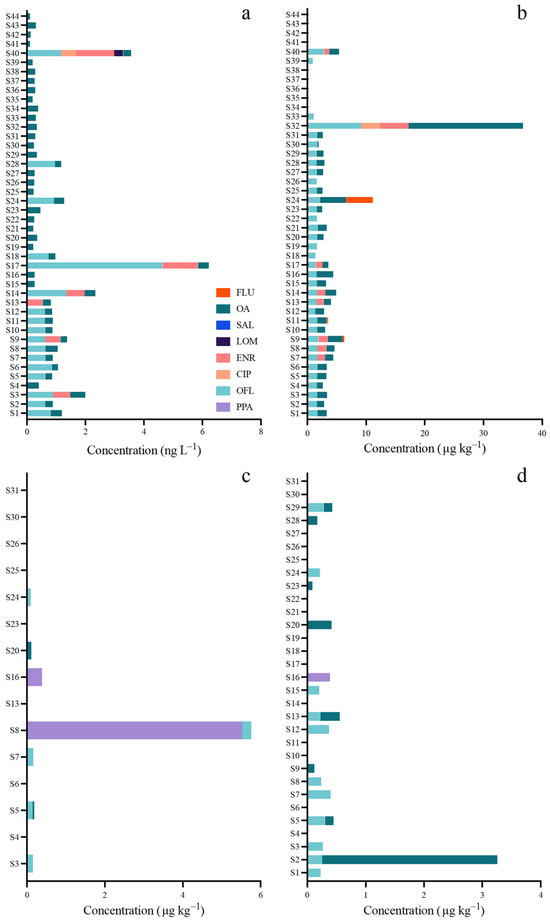
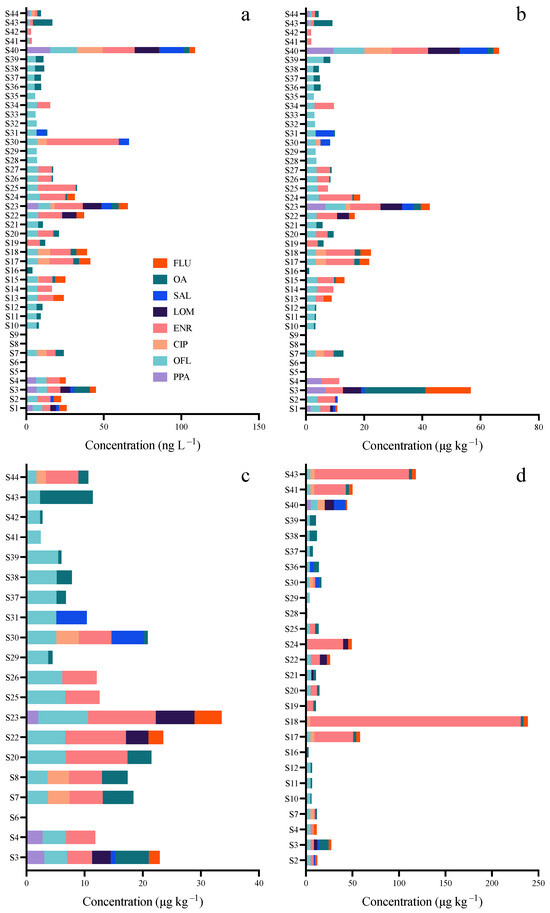
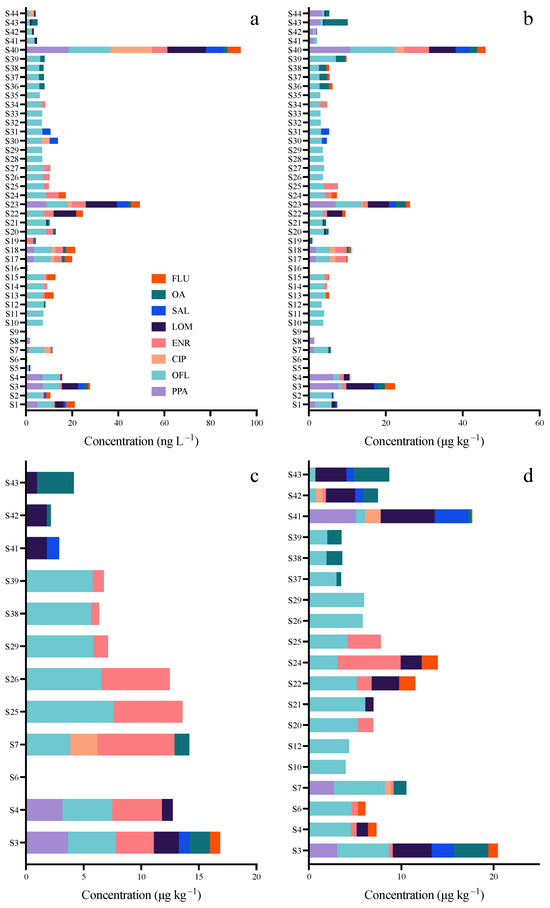
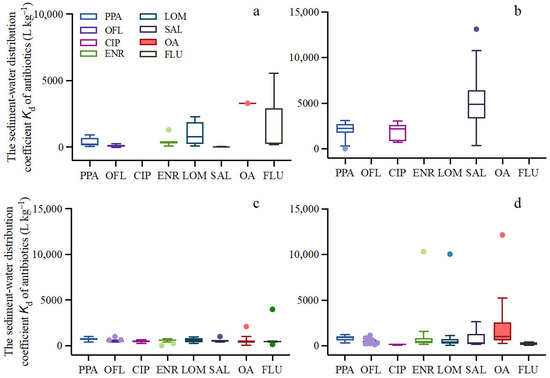
Quinolone antibiotic (QA) residues in various natural environments have recently received massive scientific attention. Nevertheless, there is limited information on the distribution characteristics and potential hazards of antibiotics in coastal wetlands. Here, the occurrence, spatial and seasonal distribution, and ecological risk assessment of eight QAs including pipemidic acid (PPA), ofloxacin (OFL), enrofloxacin (ENR), ciprofloxacin (CIP), sarafloxacin (SAL), lomefloxacin (LOM), flumequine (FLU), and oxolinic acid (OA) in coastal wetland were investigated through collected water, sediment, benthos, and plant samples along the Jiangsu coastline in four seasons. The results demonstrated that all selected QAs were detected with varying frequencies and degrees, and their mean concentrations in water, sediment, plants, and benthos ranged from n.d. to 6.11 ng L−1, 3.10 μg kg−1, 6.14 μg kg−1, and 17.13 μg kg−1, respectively. The seasonal differences in antibiotic concentration indicated higher values in winter and significantly lower values in summer, while no significant variations were observed between spring and autumn. Based on the risk quotient (RQ) method, the ecological risk assessment revealed medium risks for OFL, ENR, CIP, and LOM, and low or no risks of other QAs. It is suggested that the differences in PNEC values between seasons and toxicity of antibiotic mixtures should be considered in future studies for better illustration of actual risk levels. This research provides fundamental data and an assessment pattern that governments and other scientific groups all over the world could use as reference to evaluate QA residues in coastal wetlands.
Full article

Figure 1
Open AccessArticle
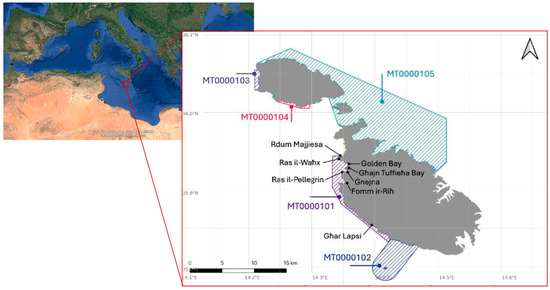
A Spatio-Temporal Study of the Presence of Vessels Within a Natura 2000 Marine Protected Area of the Maltese Islands
by
Sarah Anne Abela, Alan Deidun, Adam Gauci and Ritienne Gauci
Oceans 2026, 7(2), 30; https://doi.org/10.3390/oceans7020030 - 1 Apr 2026
Abstract
►▼
Show Figures
Marine Protected Areas (MPAs) are essential for preserving marine biodiversity; yet they face challenges from various human pressures, including vessel activities. This study examines the extent, spatial distribution, and temporal variability of vessel activity within the Southwest Marine Protected Area (MT101), a Natura
[...] Read more.
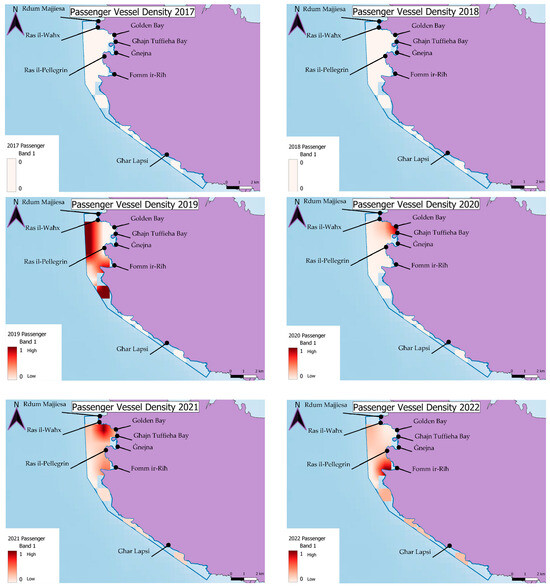
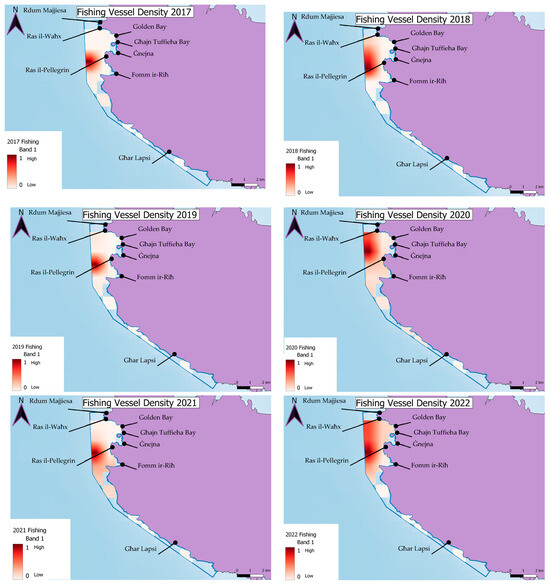
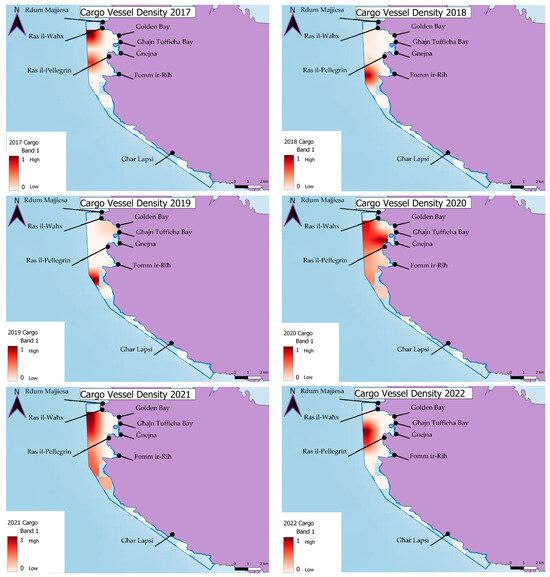
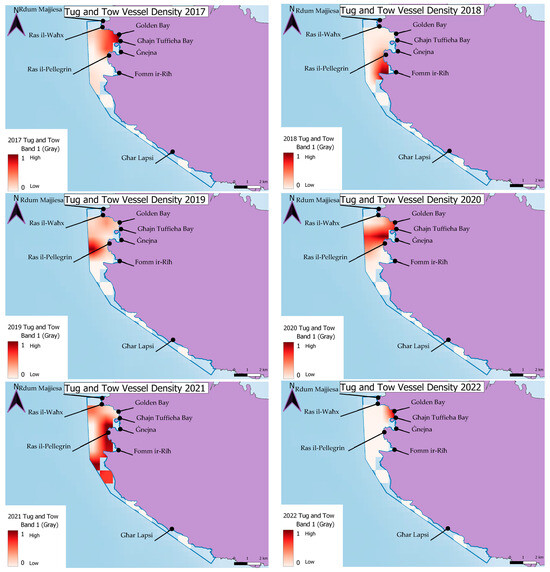
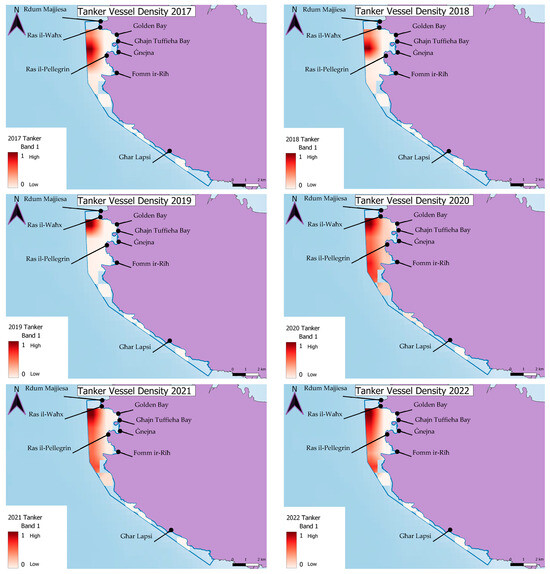
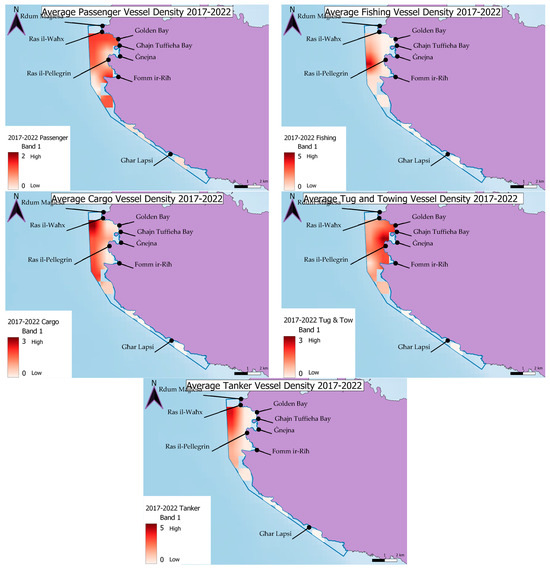
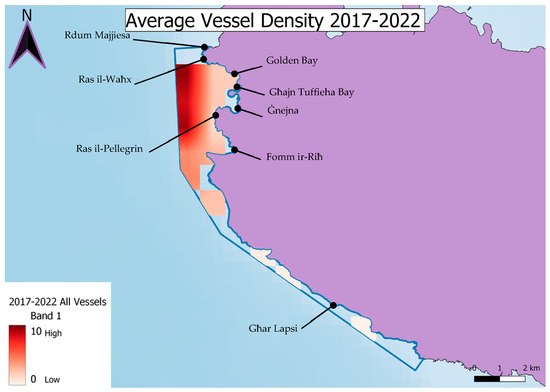
Marine Protected Areas (MPAs) are essential for preserving marine biodiversity; yet they face challenges from various human pressures, including vessel activities. This study examines the extent, spatial distribution, and temporal variability of vessel activity within the Southwest Marine Protected Area (MT101), a Natura 2000 site off the Maltese Islands, with the aim of identifying where and to what degree different vessel categories overlap with protected marine habitats. Using Automatic Identification System (AIS) data spanning 2017–2022, a cumulative, normalised vessel density approach was applied to five vessel types: passenger, fishing, cargo, tanker, and tug and towing vessel, and spatially integrated with the distribution of four Annex I habitat types, including sandbanks, Posidonia oceanica meadows, reefs, and sea caves. The analysis reveals distinct spatial and temporal hotspots of vessel presence, with passenger and fishing vessels showing consistently high overlap with ecologically sensitive habitats, particularly within bay areas and along sections of the MPA boundary, while cargo, tanker, and tug activities are more concentrated offshore. While direct ecological impacts were not quantified and vessel density serves as a proxy for potential pressure, the results highlight areas where vessel-related pressures are likely to be most pronounced and where management intervention is most urgently required. By linking long-term vessel activity patterns with habitat distribution, this study delivers a spatially explicit and transferable framework for assessing cumulative maritime pressures, providing an evidence base to support targeted, habitat-specific management measures, improved enforcement, and marine spatial planning within MPAs.
Full article

Figure 1

Open AccessArticle
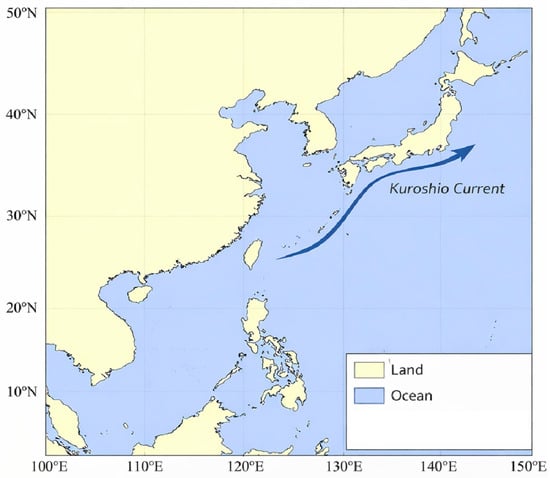
A Comparative Study on Ocean Front Detection in the Northwestern Pacific Using U-Net and Mask R-CNN
by
Caixia Shao, Dianjun Zhang and Xuefeng Zhang
Oceans 2026, 7(2), 29; https://doi.org/10.3390/oceans7020029 - 31 Mar 2026
Abstract
Ocean fronts play a vital role in modulating climate variability, driving material transport, and maintaining the stability of marine ecosystems. Therefore, accurate identification of ocean fronts is of great significance for marine environmental monitoring and resource management. This study focuses on the Northwestern
[...] Read more.
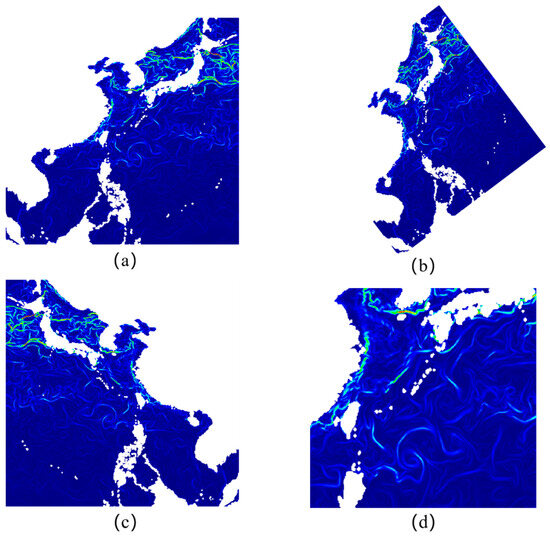
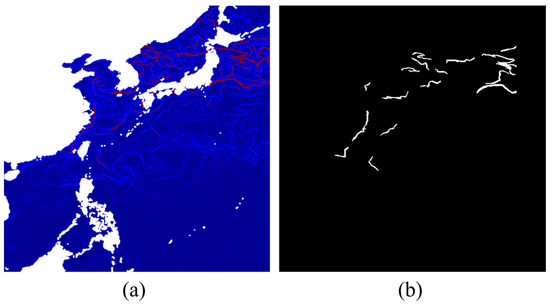
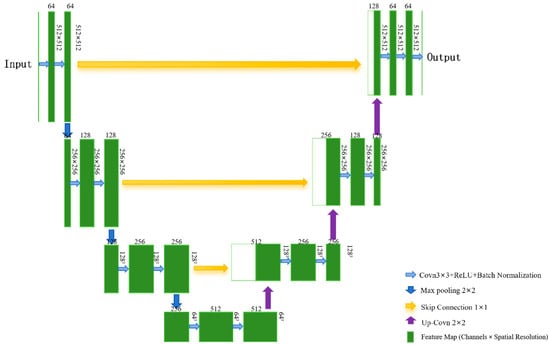
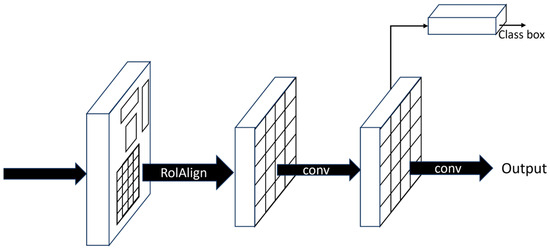
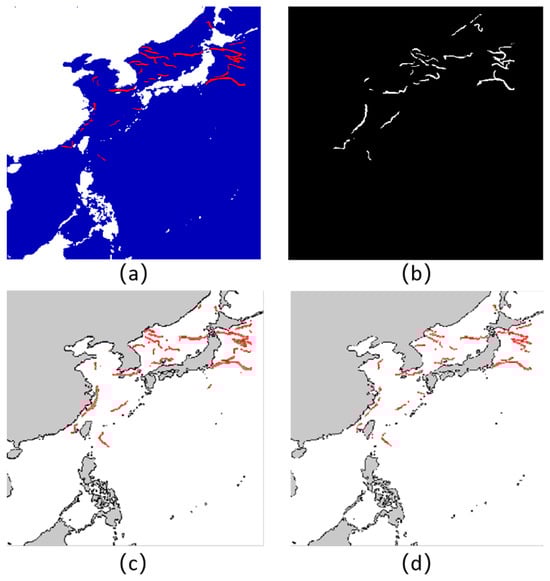
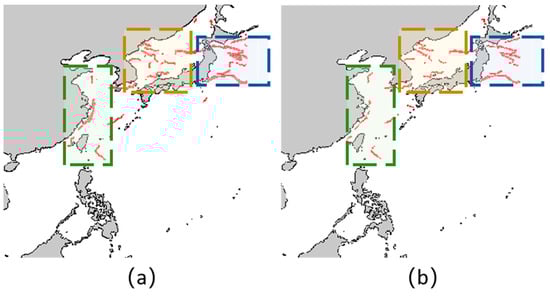
Ocean fronts play a vital role in modulating climate variability, driving material transport, and maintaining the stability of marine ecosystems. Therefore, accurate identification of ocean fronts is of great significance for marine environmental monitoring and resource management. This study focuses on the Northwestern Pacific region and conducts a systematic comparison between two representative deep learning models—U-Net and Mask R-CNN—for automated ocean front detection. The objective is to evaluate the adaptability and strengths of different network architectures in handling multi-scale features, complex background conditions, and boundary delineation, thereby providing a theoretical basis for model selection and application-specific deployment. Experimental results show that U-Net achieves superior spatial consistency in large-scale frontal segmentation, with an IoU of 0.81 and a Dice coefficient of 0.76, while maintaining relatively high computational efficiency. In contrast, Mask R-CNN demonstrates stronger boundary modeling capabilities in detecting small-scale fronts and handling heterogeneous backgrounds, achieving an IoU of 0.78 and a Dice score of 0.73, though at the cost of increased computational demand. Overall, U-Net is more suitable for broad-scale automatic detection of ocean fronts, whereas Mask R-CNN exhibits greater potential in complex scene recognition. Integrating the structural advantages of both models holds promise for further enhancing the stability and accuracy of frontal detection, thereby offering robust technical support for ocean remote sensing analysis and environmental forecasting.
Full article
(This article belongs to the Special Issue Recent Progress in Ocean Fronts)
►▼
Show Figures

Figure 1
Open AccessArticle
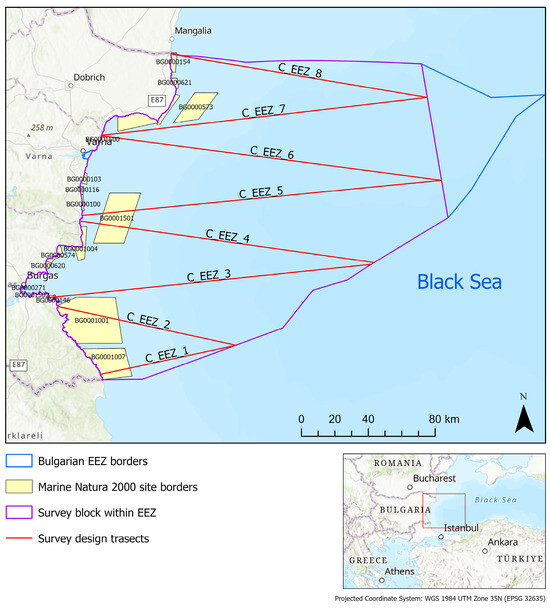
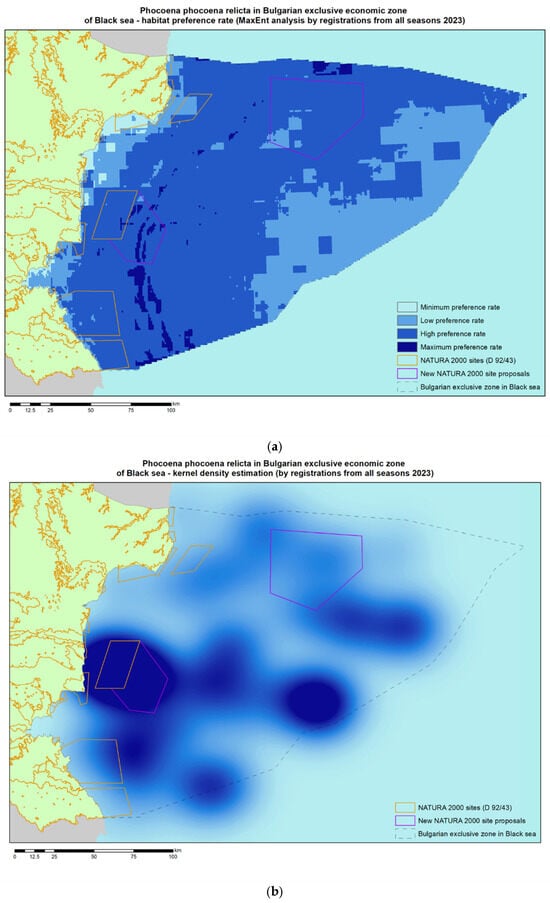
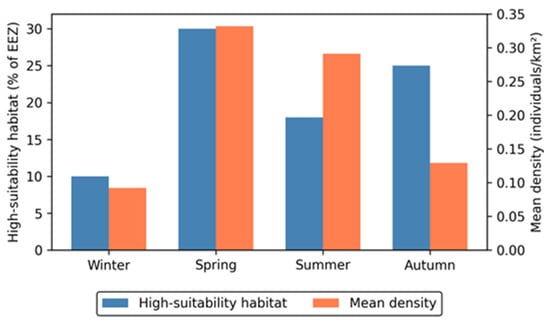
Spatial Priorities for Protecting the Black Sea Harbour Porpoise: Abundance and Habitat Suitability in Bulgarian Waters
by
Venceslav Delov, Krastio Dimitrov, Konstantin Mihaylov, Georgi Terziyski, Yana Stoyanova, Petar Dimov, Nikolay Nedyalkov, Gergana Nikolova, Boris Karakushev and Nikolay Natchev
Oceans 2026, 7(2), 28; https://doi.org/10.3390/oceans7020028 - 20 Mar 2026
Abstract
►▼
Show Figures
The Black Sea harbour porpoise (Phocoena phocoena relicta Abel, 1905) is an endemic cetacean with poorly understood spatial ecology in Bulgarian waters. This study aimed to update knowledge on its distribution, abundance, and habitat use throughout the Bulgarian Exclusive Economic Zone (EEZ).
[...] Read more.
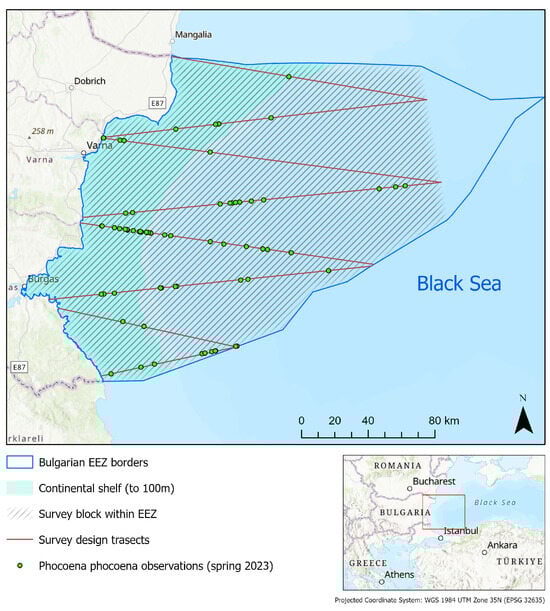
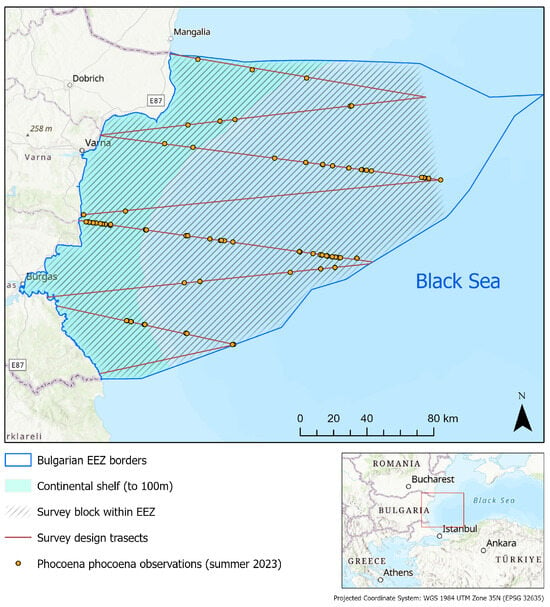
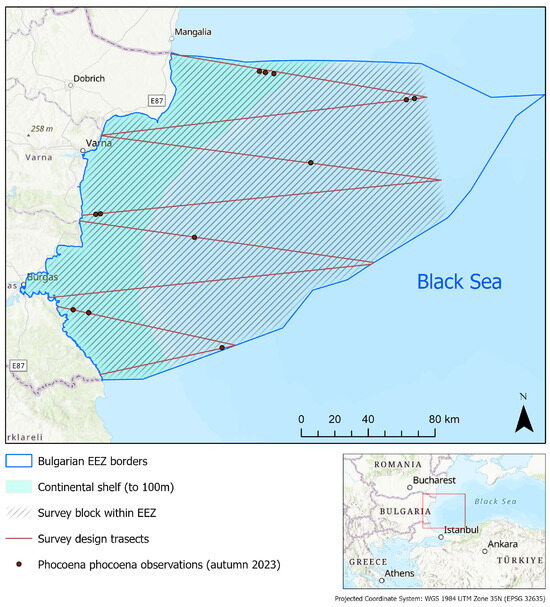
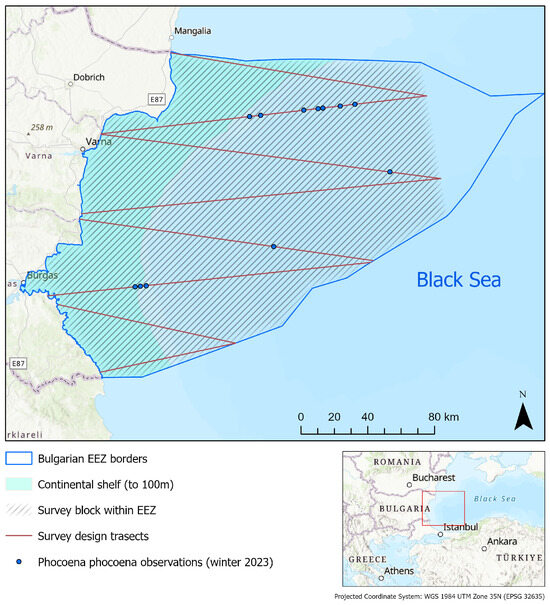
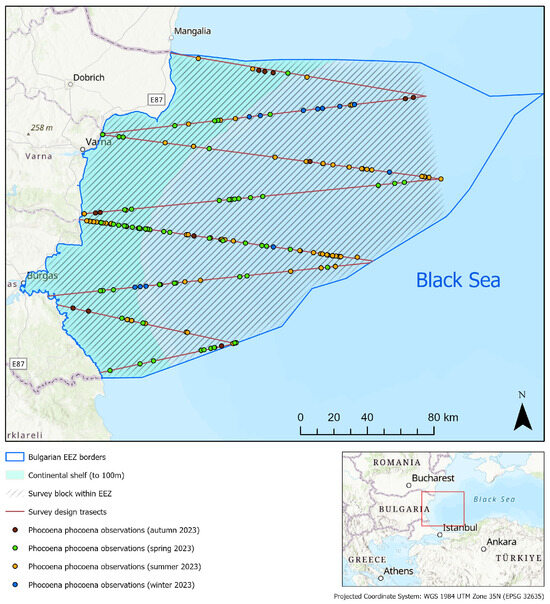
The Black Sea harbour porpoise (Phocoena phocoena relicta Abel, 1905) is an endemic cetacean with poorly understood spatial ecology in Bulgarian waters. This study aimed to update knowledge on its distribution, abundance, and habitat use throughout the Bulgarian Exclusive Economic Zone (EEZ). We conducted systematic aerial line-transect surveys in all four seasons between October 2022 and October 2023, combined with distance sampling and MaxEnt habitat modelling. Porpoises were present year-round across the EEZ, with marked seasonal shifts in distribution and habitat preferences. Highest densities were observed in spring, while winter distributions were concentrated offshore. Habitat suitability was dynamic, with key high-use areas identified near Cape Emine and in southern offshore waters near the Turkish border. Overall, about 40% of the EEZ represented high-suitability habitat. These findings provide the first comprehensive, year-round baseline for P. p. relicta in Bulgarian waters, highlighting the species’ flexible habitat use and seasonality. The study was conducted under extraordinary conditions due to regional military activity, which may have influenced porpoise behaviour and spatial patterns. The provided results are critical for designing effective conservation and management measures in the face of both natural and anthropogenic pressures and threats.
Full article

Figure 1
Open AccessArticle
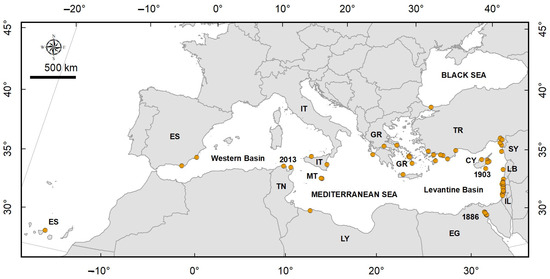
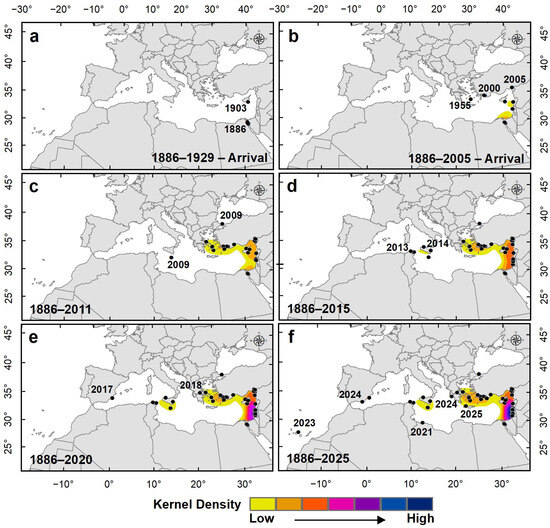
The Alien Jellyfish Cassiopea andromeda in the Mediterranean Sea: Invasion Dynamics and Management Strategies
by
Patrizia Perzia, Serena Zampardi, Teresa Maggio, Manuela Falautano and Luca Castriota
Oceans 2026, 7(2), 27; https://doi.org/10.3390/oceans7020027 - 18 Mar 2026
Abstract
►▼
Show Figures
Cassiopea andromeda is an invasive alien jellyfish that is increasingly reported across the Mediterranean Sea, yet its invasion dynamics and ecological implications remain poorly understood. This study provides an updated assessment of its spatial and temporal distribution, evaluates its potential impacts on ecosystem
[...] Read more.
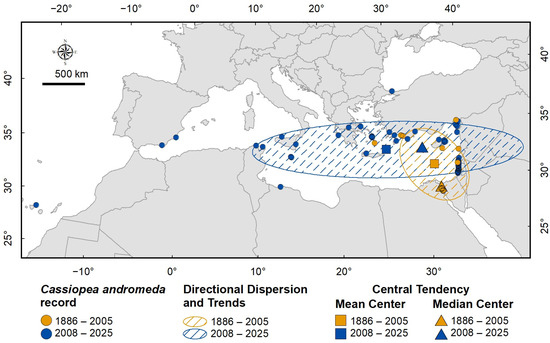
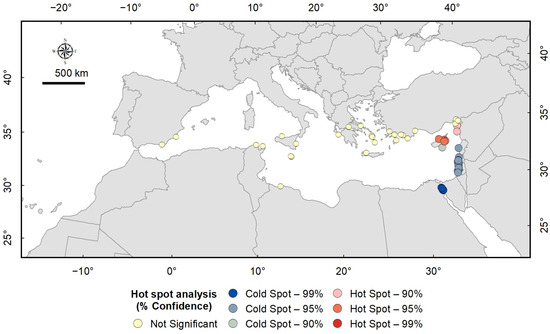
Cassiopea andromeda is an invasive alien jellyfish that is increasingly reported across the Mediterranean Sea, yet its invasion dynamics and ecological implications remain poorly understood. This study provides an updated assessment of its spatial and temporal distribution, evaluates its potential impacts on ecosystem services and biodiversity, and explores management options through the 8Rs framework. An aggregated dataset of georeferenced records (1886–2025) was compiled from scientific literature and citizen-science platforms. Spatio–temporal analyses—including kernel density, key spatial distribution characteristics, spatial autocorrelation, and local hotspot detection—were applied to identify invasion phases, aggregation patterns, and directional dispersion. Results reveal two distinct invasion stages: a century-long arrival phase confined to the Levantine Basin, followed by an accelerated expansion since 2008, with a persistent hotspot in the eastern Mediterranean Sea and a westward dispersal trajectory. Evidence of ecological impacts within the Mediterranean Sea remains limited, however studies from other regions indicate both potential benefits and localized negative interactions with marine organisms. Application of the 8Rs model highlights implemented, feasible and challenging coordinated basin-wide strategies to support adaptive management of this alien resource.
Full article

Figure 1

Open AccessArticle
Model Prediction of Macroplastic Distributions in European Marine Basins: Comparison with Beach and Floating Macroplastic Observations and Estimation of Model Accuracy
by
Elisa Garcia-Gorriz, Diego Macias-Moy, Daniel González-Fernández, Antonella Arcangeli, Nuno Ferreira-Cordeiro, Olaf Duteil, Svetla Miladinova, Ove Pärn, Luis Francisco Ruiz-Orejón, Eugenia Pasanisi, Roberto Crosti and Léa David
Oceans 2026, 7(2), 26; https://doi.org/10.3390/oceans7020026 - 12 Mar 2026
Abstract
►▼
Show Figures
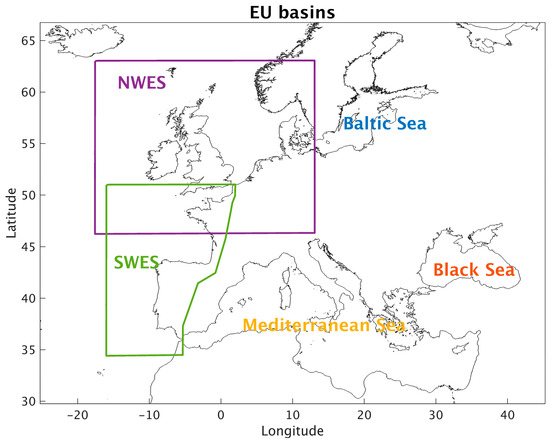
Accumulation of plastic litter in the marine environment is a pressing global concern. To study this issue, we use the Blue2 Modelling Framework (Blue2MF), an integrated modelling tool developed by the Joint Research Centre (JRC) of the European Commission. Our study uses the
[...] Read more.
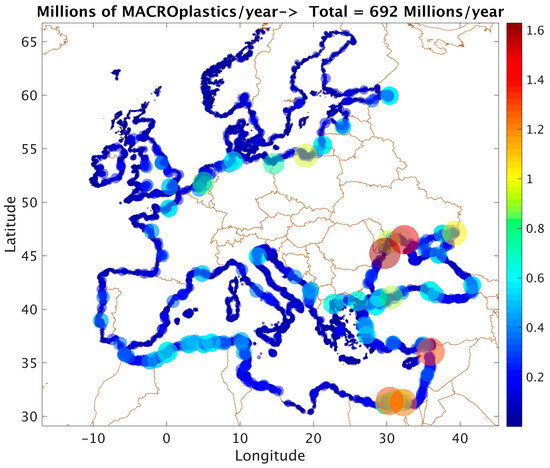
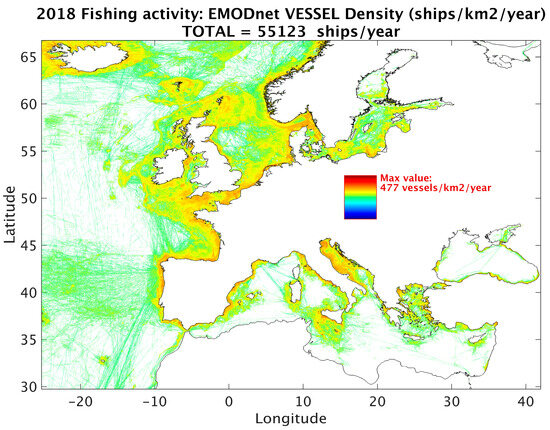
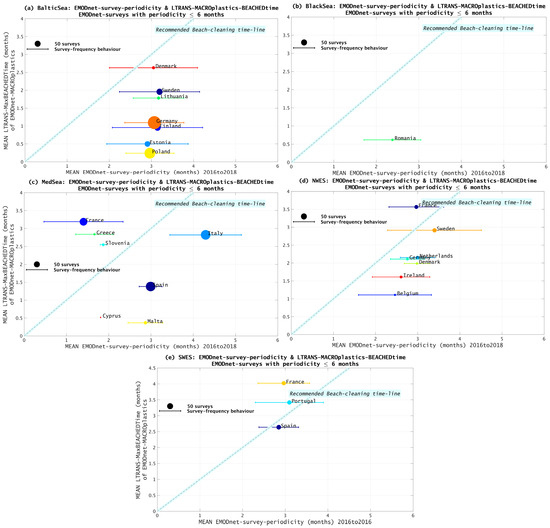
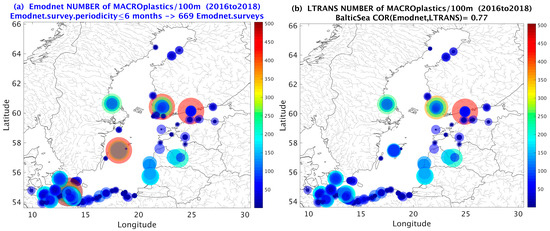
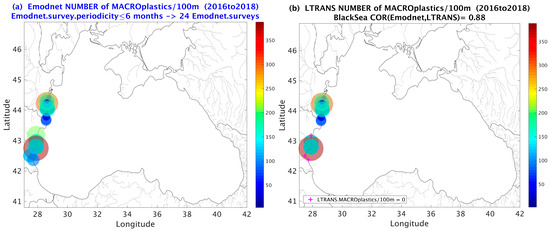
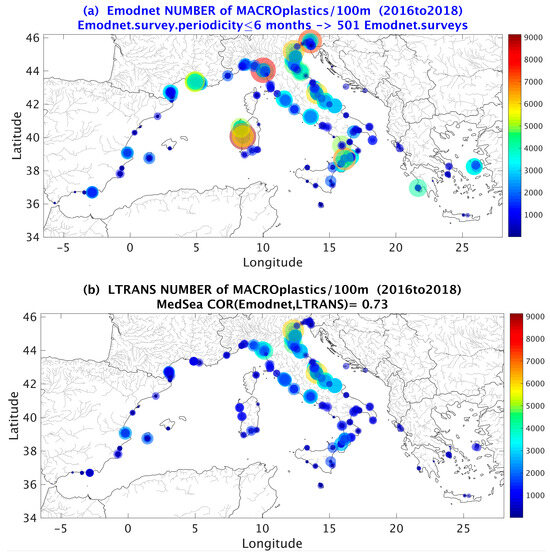
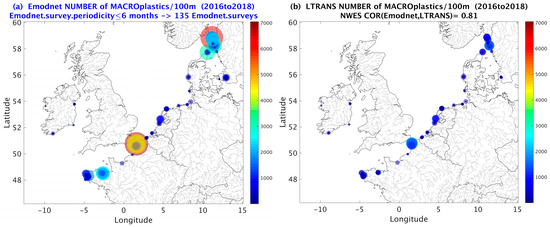
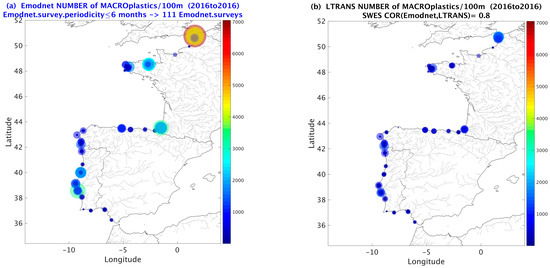
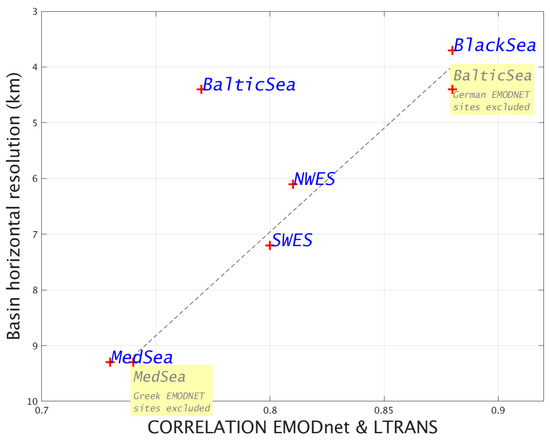
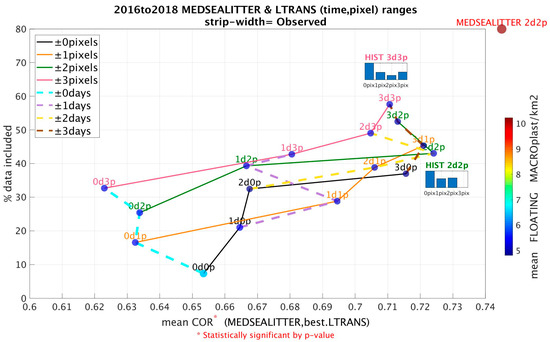
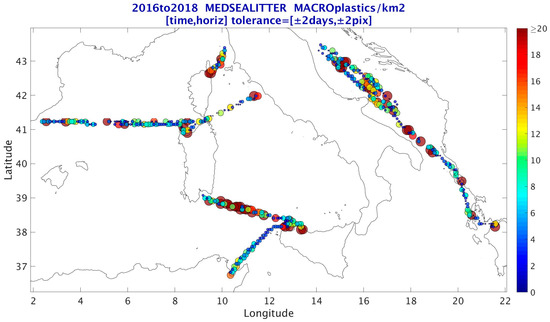
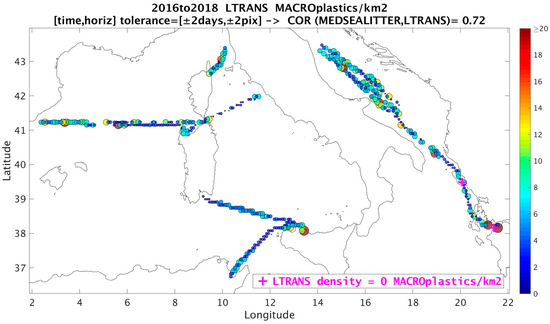
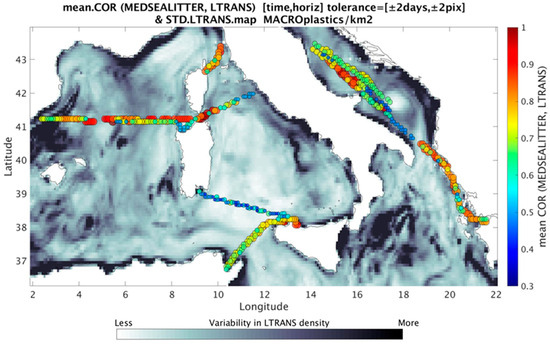
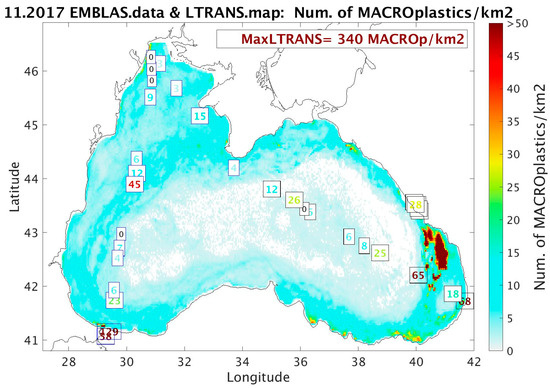
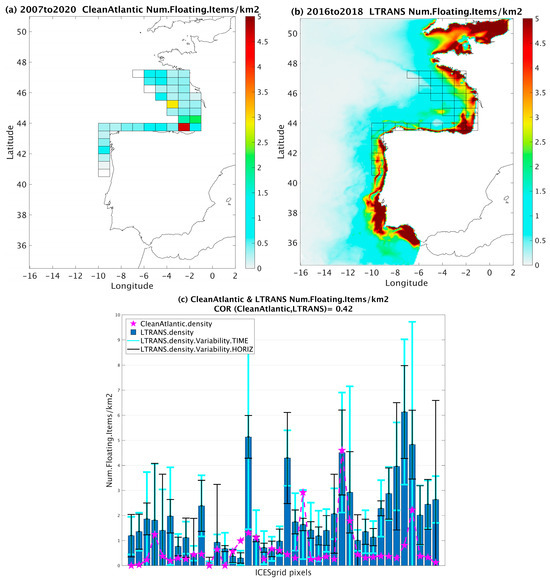
Accumulation of plastic litter in the marine environment is a pressing global concern. To study this issue, we use the Blue2 Modelling Framework (Blue2MF), an integrated modelling tool developed by the Joint Research Centre (JRC) of the European Commission. Our study uses the Lagrangian model LTRANS-Zlev (LTRANS) in the Blue2MF to simulate the trajectories, distribution, and accumulation of macroplastics in five European marine basins: the Baltic Sea, Black Sea, Mediterranean Sea, Atlantic Northwest European Shelf, and Atlantic Southwest European Shelf. By incorporating model-estimated macroplastic inputs from land and estimations of maritime (fishing) sources, we simulate distribution patterns of marine macroplastics between 2016 and 2018. Our study addresses the challenges involved in modelling the spatial distribution and abundances of macroplastics with the LTRANS model and the factors that may condition the estimation of the model accuracy when model results are compared/validated with marine litter observations available. We compare our model results with available observations, achieving a good agreement between predicted and observed macroplastic distributions and abundances and estimating the model accuracy for both beached and floating macroplastics. Our study provides a basis for future forecast runs to evaluate the impact of policy/management options on marine macroplastic pollution in European Seas.
Full article

Figure 1
Open AccessArticle
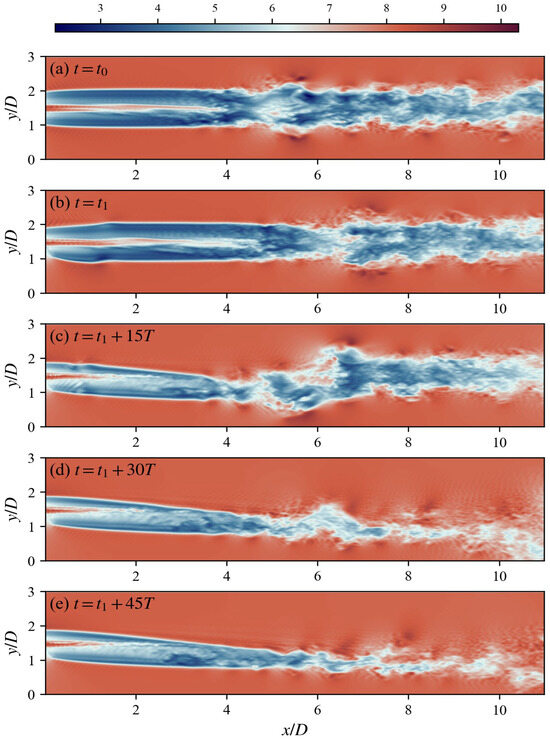
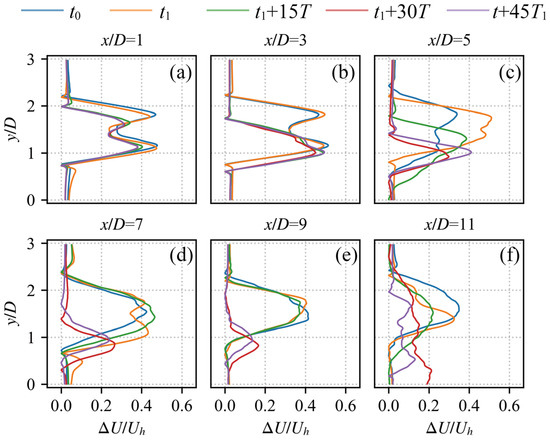
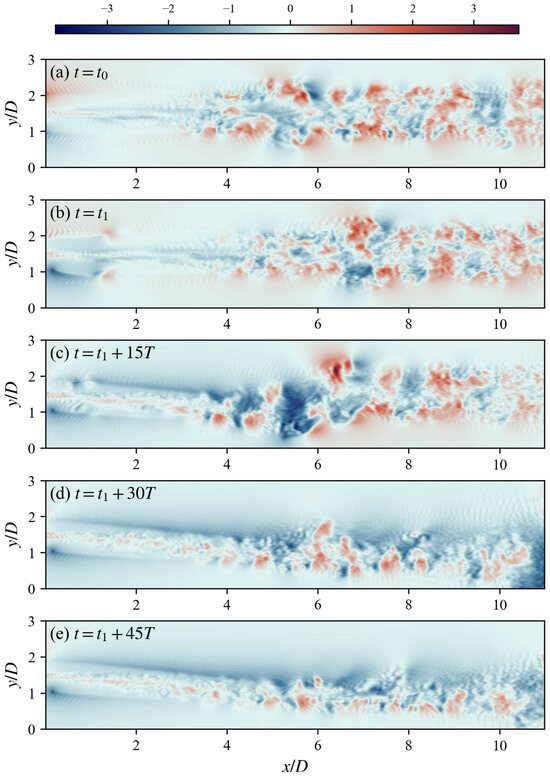
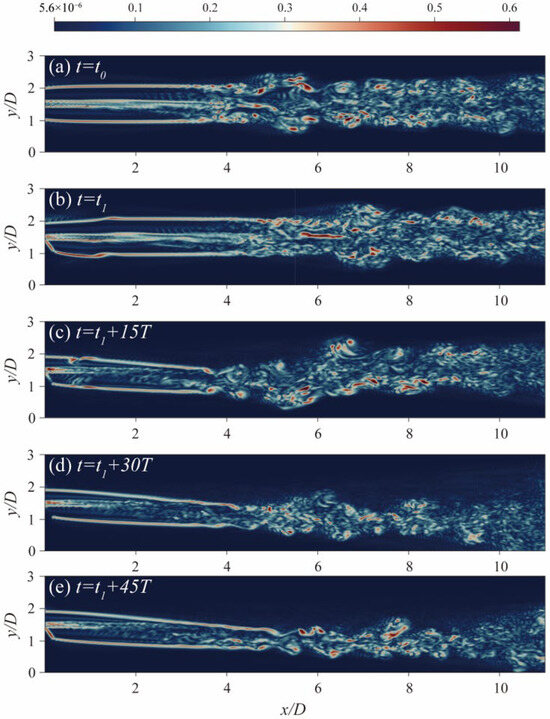
Research on Wake Characteristics of Dynamic Yawing Offshore Wind Turbine by Proper Orthogonal Decomposition
by
Oussama Sabbar, Bowen Zhang, Jie Ge and Longyan Wang
Oceans 2026, 7(2), 25; https://doi.org/10.3390/oceans7020025 - 9 Mar 2026
Abstract
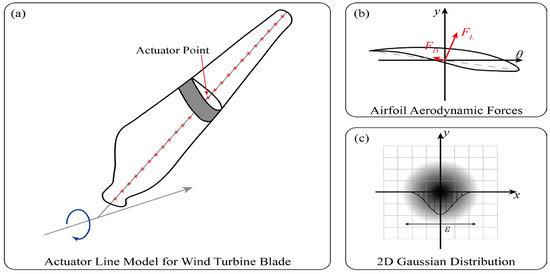
The wake that forms behind a yawing wind turbine is a complex flow region that can affect the performance of downstream turbines in offshore wind farms. It contains various flow features, including velocity deficit, shear layers, and vortex structures, which evolve in both
[...] Read more.
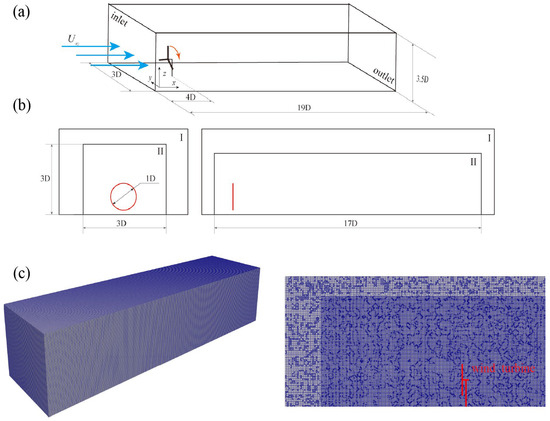
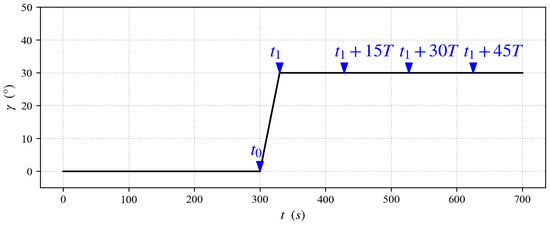
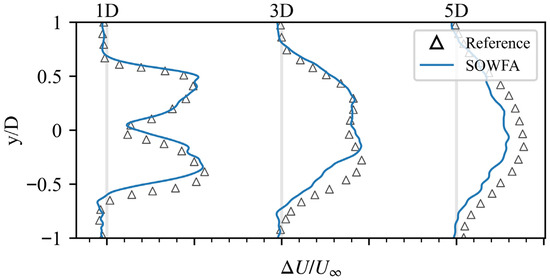
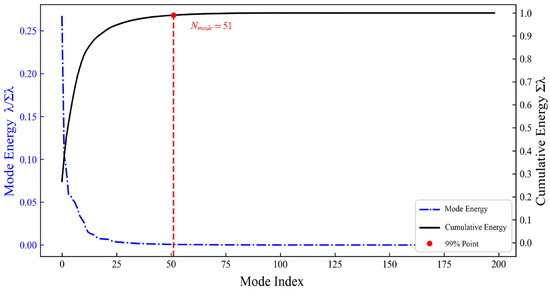
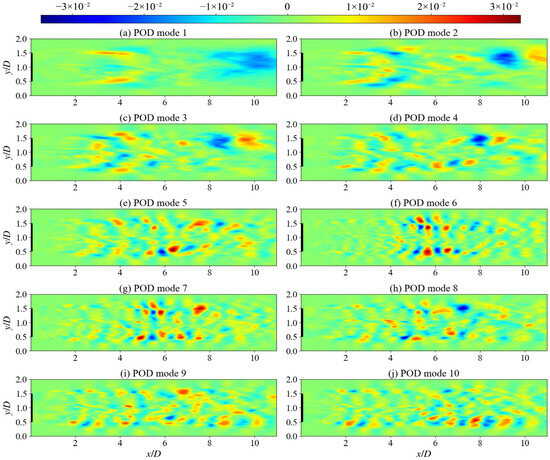
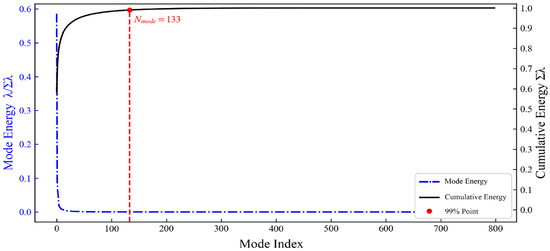
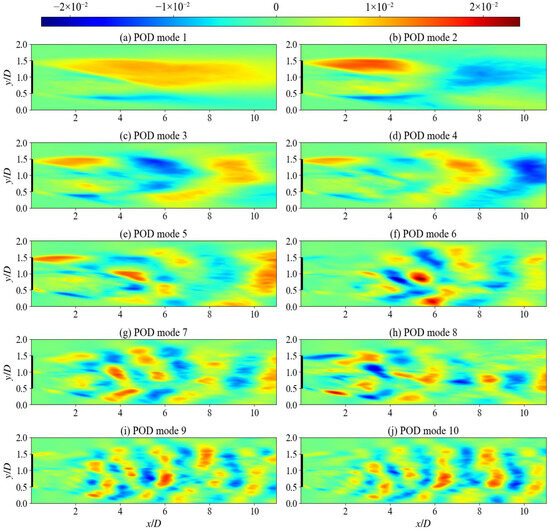
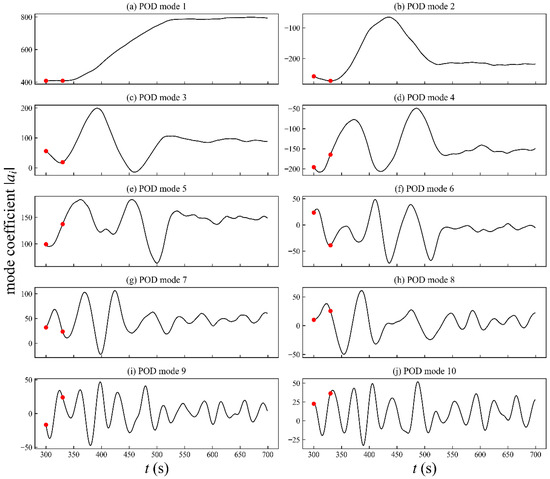
The wake that forms behind a yawing wind turbine is a complex flow region that can affect the performance of downstream turbines in offshore wind farms. It contains various flow features, including velocity deficit, shear layers, and vortex structures, which evolve in both time and space. Understanding this behavior is important for the design and operation of large-scale offshore wind farms. In this work, large-eddy simulations combined with proper orthogonal decomposition are used to study the wake development behind the National Renewable Energy Laboratory five-megawatt offshore wind turbine under both aligned and yawed inflow conditions. The results indicate that yawing the rotor leads to a lateral shift in the wake and increased asymmetry, with a stronger shear layer forming on one side. This asymmetry promotes enhanced mixing between the wake and the surrounding flow, contributing to a faster downstream recovery of the velocity field. The proper orthogonal decomposition analysis shows that the most energetic modes are associated with large-scale wake deflection and meandering, while higher-order modes correspond to smaller and less stable flow structures within the shear layer. The temporal evolution of these modes illustrates how the wake responds to the yaw maneuver and gradually reaches a new quasi-steady state. Overall, the study provides insight into the influence of yaw on wind turbine wake dynamics and demonstrates the applicability of combining large-eddy simulation with proper orthogonal decomposition for wake analysis in offshore wind farm studies.
Full article
(This article belongs to the Special Issue Offshore Renewable Energy and Related Environmental Science)
►▼
Show Figures

Figure 1
Open AccessArticle
Long-Term Trend and Influencing Factors of Diurnal Sea Surface Temperature in the South China Sea
by
Xiang Li, Jiaqi Luo, Yunfei Zhang, Zhen Shi and Jian Wang
Oceans 2026, 7(2), 24; https://doi.org/10.3390/oceans7020024 - 5 Mar 2026
Abstract
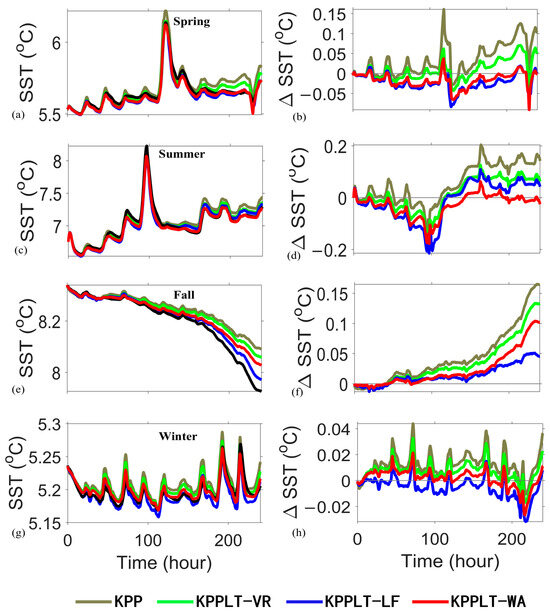
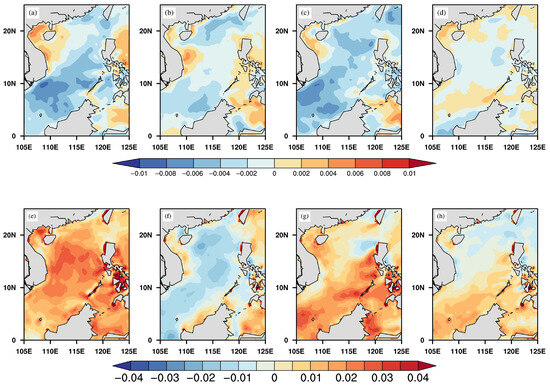
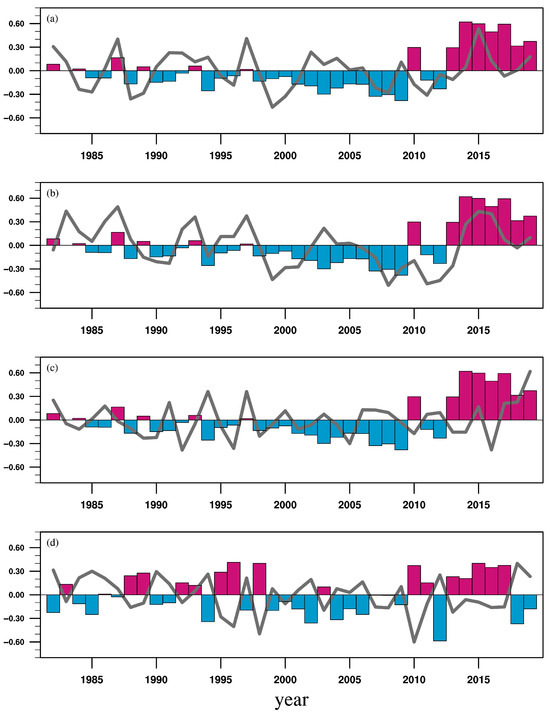
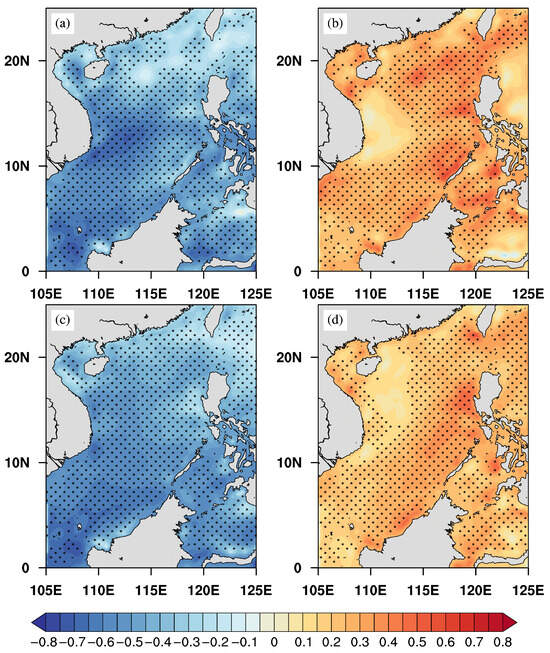
The characteristics and causes of the long-term trends of diurnal variation of sea surface temperature (DSST) in the South China Sea (SCS) are investigated in this study based on the global hourly sea surface temperature data generated by the mixed layer model (MLSST)
[...] Read more.
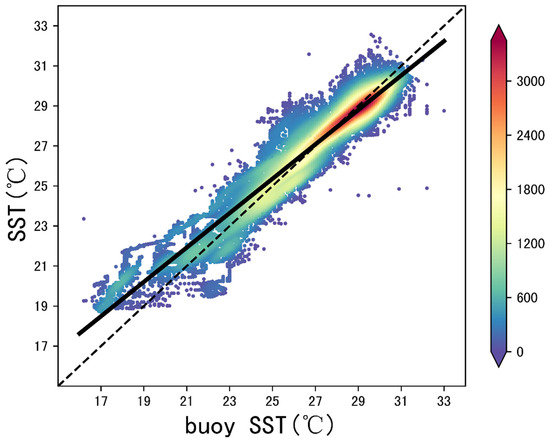
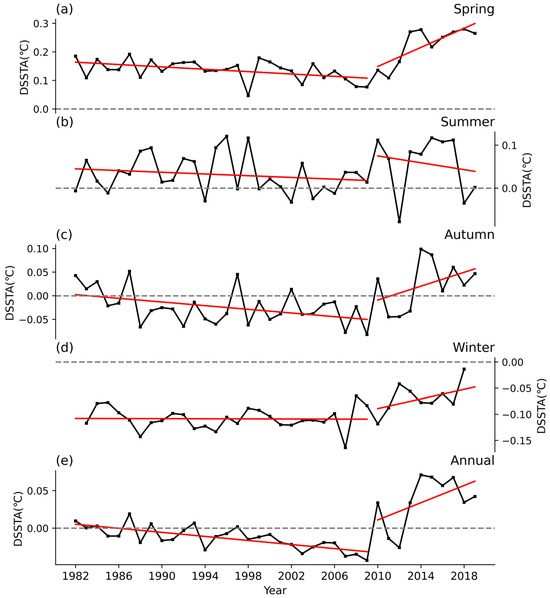
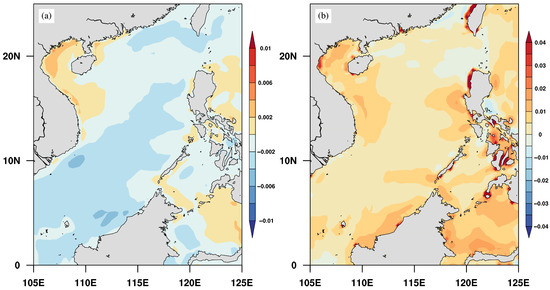
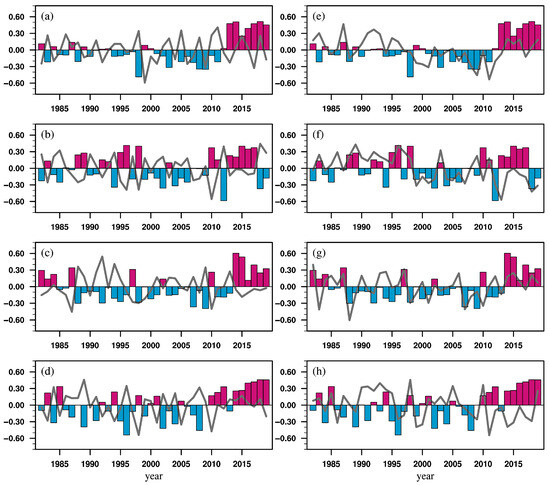
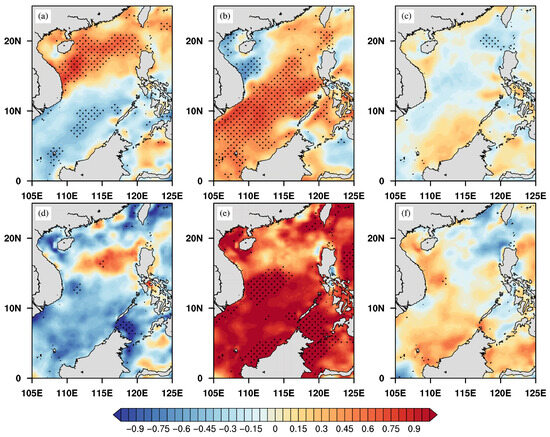
The characteristics and causes of the long-term trends of diurnal variation of sea surface temperature (DSST) in the South China Sea (SCS) are investigated in this study based on the global hourly sea surface temperature data generated by the mixed layer model (MLSST) from the National Marine Environmental Forecasting Center (NMEFC) of China. Validation of the MLSST dataset demonstrates excellent agreement with in-situ buoy observations in the SCS with a correlation coefficient of 0.951, confirming its reliability in the SCS. Based on this dataset, the long-term trend of DSST in the SCS exhibits significant seasonal variations with the strongest magnitude in spring and the weakest in winter. Specifically, a significant decreasing trend of −0.0014 °C yr−1 during 1982–2009 transitioned to a pronounced increasing trend of 0.0057 °C yr−1 from 2010–2019. Both climatic factors and local atmospheric variables jointly modulate the DSST in the SCS. On the long-term timescale, the Pacific Decadal Oscillation (PDO) served as the dominant factor driving DSST changes in most areas of the SCS. After 2010, the PDO shifted to a persistent positive phase, providing a crucial climatic background for the basin-wide DSST increase. While the El Niño–Southern Oscillation (ENSO) showed enhanced correlation with DSST post-2010, the Indian Ocean Dipole (IOD) had negligible influence overall. In addition, the SCS summer monsoon played an important regulatory role in shaping the long-term trend of summer DSST by altering air–sea heat exchange processes. Among local atmospheric variables, sea surface wind speed was significantly negatively correlated with DSST, and net heat flux was significantly positively correlated with DSST, with their effects showing regional differentiation. The regulatory role of wind speed dominated in the western SCS, whereas the net heat flux exerted a more prominent impact in parts of the eastern SCS. This work clarifies the spatiotemporal patterns and multi-driver framework governing DSST variability in the SCS, providing a basis for understanding regional ocean–atmosphere interactions.
Full article
(This article belongs to the Special Issue Recent Progress in Ocean Fronts)
►▼
Show Figures

Figure 1
Highly Accessed Articles
Latest Books
E-Mail Alert
News
Topics
Topic in
Dietetics, Foods, Marine Drugs, Nutrients, Oceans, Phycology
Microalgae-Based Foods and Ingredients: Innovative Processing, Sensory Quality, and Functional Applications
Topic Editors: Haohao Wu, Xiaojin Song, Han Sun, Adewale Olusegun Obadina, Wenhui GuDeadline: 12 March 2027
Topic in
Applied Sciences, JMSE, Oceans, Water
Coastal Engineering: Past, Present and Future
Topic Editors: M. Dolores Esteban, José-Santos López-Gutiérrez, Vicente Negro, Maria Graça NevesDeadline: 30 April 2027
Topic in
Toxins, Water, JMSE, Oceans, Hydrobiology, Environments
Recent Advances in Harmful Algal Blooms in Freshwater and Marine Systems
Topic Editors: Patricio A. Díaz, Gonzalo ÁlvarezDeadline: 31 July 2027
Topic in
Sustainability, Water, JMSE, Oceans, Diversity, Environments
Conservation and Management of Marine Ecosystems: 2nd Edition
Topic Editors: Monia Renzi, Cristiana Guerranti, Manuela PiccardoDeadline: 20 September 2027
Conferences
Special Issues
Special Issue in
Oceans
Ocean Observing Systems: Latest Developments and Challenges
Guest Editors: A. Miguel P. Santos, Hassan MoustahfidDeadline: 31 July 2026
Special Issue in
Oceans
Oceans in a Changing Climate
Guest Editors: Mariana Bernardino, Diogo MendesDeadline: 25 August 2026
Special Issue in
Oceans
Artificial Intelligence in Fisheries Management and Monitoring
Guest Editors: Jian Zhao, Sachinandan DuttaDeadline: 30 August 2026
Special Issue in
Oceans
Offshore Renewable Energy and Related Environmental Science
Guest Editors: Yordan Garbatov, Emre Uzunoglu, Elif OguzDeadline: 1 September 2026