



-
Coronary CT Angiography for PCI Planning and Guidance: A Comprehensive Narrative Review -
Academic Point-of-Care Manufacturing in Oral and Maxillofacial Surgery: A Retrospective Review at Gregorio Marañón University Hospital -
B-Onic Platform for Point-of-Care 3D Printing in Oral and Maxillofacial Surgery: Clinical Implementation and Surgical Impact -
Nutritional Status in Obesity: A Comprehensive Narrative Review of Dysbiosis, Micronutrient Deficiencies and the Effects of Probiotics/Synbiotics -
Intralesional Platelet-Rich Plasma for Treating Chronic Peyronie’s Disease: A Single-Center Retrospective Cohort Study
Journal Description
Medicina
Medicina
is an international, peer-reviewed, open access journal covering all problems related to medicine, published monthly online. It is the official journal of the Lithuanian University of Health Sciences (LUHS). The Lithuanian Medical Association (LMA), Vilnius University, Rīga Stradiņš University, University of Latvia, and University of Tartu are affiliated with Medicina, serving as their official journal. Members of these organizations receive discounts on the article processing charges.
- Open Access— free for readers, with article processing charges (APC) paid by authors or their institutions.
- High Visibility: indexed within Scopus, SCIE (Web of Science), PubMed, MEDLINE, PMC, and other databases.
- Journal Rank: JCR - Q1 (Medicine, General and Internal) / CiteScore - Q1 (General Medicine)
- Rapid Publication: manuscripts are peer-reviewed and a first decision is provided to authors approximately 17.5 days after submission; acceptance to publication is undertaken in 2.6 days (median values for papers published in this journal in the second half of 2025).
- Recognition of Reviewers: reviewers who provide timely, thorough peer-review reports receive vouchers entitling them to a discount on the APC of their next publication in any MDPI journal, in appreciation of the work done.
Impact Factor:
2.4 (2024);
5-Year Impact Factor:
2.8 (2024)
Latest Articles
Hydrotherapy in the Rehabilitation of Functional Performance and Gait in Knee Osteoarthritis: A Systematic Review of Randomized Controlled Trials
Medicina 2026, 62(5), 994; https://doi.org/10.3390/medicina62050994 (registering DOI) - 19 May 2026
Abstract
Background and objectives: Knee osteoarthritis (KOA) is a degenerative joint disease that affects quality of life through pain, impaired functional performance, and altered gait patterns. Hydrotherapy is a well-tolerated form of physical rehabilitation, especially suitable for patients with severe pain, as water’s
[...] Read more.
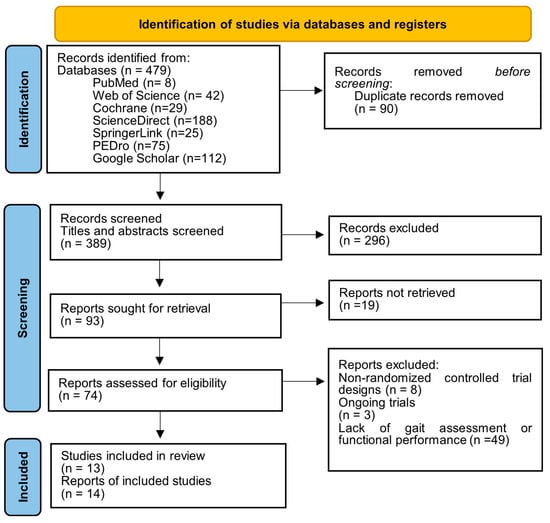
Background and objectives: Knee osteoarthritis (KOA) is a degenerative joint disease that affects quality of life through pain, impaired functional performance, and altered gait patterns. Hydrotherapy is a well-tolerated form of physical rehabilitation, especially suitable for patients with severe pain, as water’s properties support movement while reducing joint load. Its effects have been widely studied, primarily focusing on patient-reported outcomes, with limited synthesis of functional performance and gait-related outcomes. Materials and methods: A systematic search was conducted in PubMed, Web of Science, Cochrane, PEDro, SpringerLink, ScienceDirect, and Google Scholar, following the Preferred Reporting Items for Systematic Reviews and Meta-Analyses (PRISMA) guidelines. The search strategy included a combination of Medical Subject Headings (MeSH) terms and keywords. For example, the PubMed search strategy was as follows: (“knee osteoarthritis” OR “knee OA”) AND (“hydrotherapy” OR “aquatic therapy” OR “water-based exercise”) AND (“gait” OR “walking” OR “functional performance”). Randomized controlled trials (RCTs) from the last 10 years involving patients with KOA undergoing aquatic therapy were included. Primary outcomes included functional performance assessed by measures such as the 6 min walking test (6MWT), the Timed Up and Go (TUG) test, the five sit-to-stand (5 STS) and stair climb (SC) tests, and by using gait-related parameters (e.g., speed, cadence, and step length) assessed clinically or using technology. Patient-reported outcomes, including the Visual Analog Scale (VAS), Western Ontario and McMaster University’s Osteoarthritis Index (WOMAC), and Knee Injury and Osteoarthritis Outcome Score (KOOS), were analyzed as a secondary objective. Results: A total of 479 studies were identified, of which 13 met the eligibility criteria. The results revealed improvements in functional performance, with increases in 6MWT in five studies, the TUG test in four trials, and better performance in the 5-STS and SC tests in five studies. Benefits in gait parameters were noted in four studies. Additionally, one of the articles reported improvements in static and dynamic balance, another showed enhanced proprioception, and a third described more efficient muscle activation during gait following hydrotherapy. Consistent benefits in pain reduction, joint stiffness, and activities of daily living, as reflected by VAS, WOMAC, and KOOS, were also noted immediately and maintained at follow-up. The variability in outcome measures and intervention characteristics limited the possibility of data integration and the calculation of effect sizes. Conclusions: Hydrotherapy as a rehabilitation intervention may be associated with improvements in functional capacity, mobility, and self-reported physical ability in patients with KOA, with some evidence supporting a beneficial effect on gait; however, the certainty of evidence remains low to moderate due to heterogeneity among studies and limited sample sizes. These findings should be interpreted in light of the methodological limitations identified across the included trials.
Full article
(This article belongs to the Section Orthopedics)
Open AccessArticle
Uncoupling Erythropoiesis from Cardiorenal Effects: SGLT2 Inhibition in Non-Diabetic Heart Failure
by
Dan Claudiu Măgureanu, Ioana Corina Bocsan, Raluca Maria Pop, Maria Adriana Neag, Angela Cozma and Anca Dana Buzoianu
Medicina 2026, 62(5), 993; https://doi.org/10.3390/medicina62050993 (registering DOI) - 19 May 2026
Abstract
Background and Objectives: SGLT2 inhibitors increase hemoglobin and hematocrit in multiple clinical settings, an effect increasingly attributed to stimulation of erythropoiesis rather than hemoconcentration. However, most mechanistic evidence derives from diabetic populations, leaving uncertainty as to whether this response depends on diabetes-related metabolic
[...] Read more.
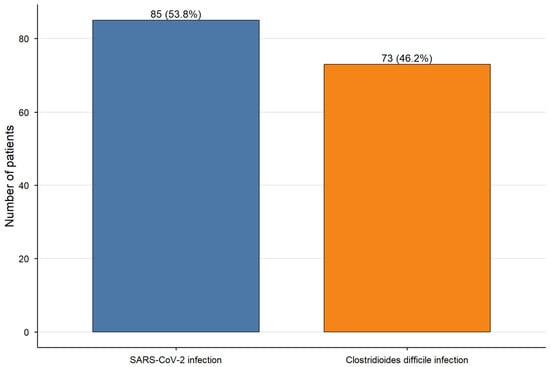
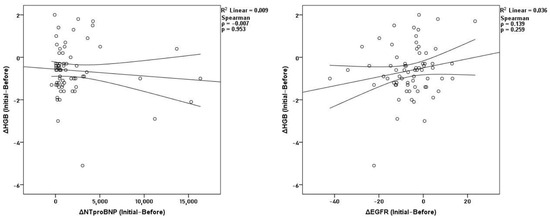
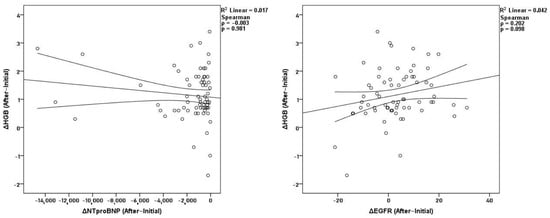
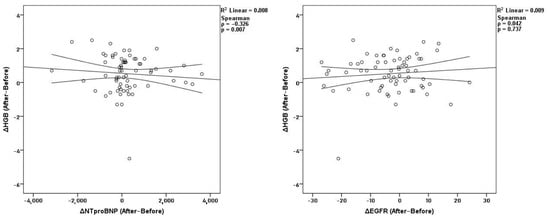
Background and Objectives: SGLT2 inhibitors increase hemoglobin and hematocrit in multiple clinical settings, an effect increasingly attributed to stimulation of erythropoiesis rather than hemoconcentration. However, most mechanistic evidence derives from diabetic populations, leaving uncertainty as to whether this response depends on diabetes-related metabolic changes. To evaluate whether dapagliflozin stimulates erythropoiesis in non-diabetic patients with heart failure and to determine whether hematologic changes correlate with renal, cardiac, inflammatory, hepatic, or iron-related parameters. Materials and Methods: In this retrospective observational study, each of 68 non-diabetic heart failure patients served as their own control. Hematologic, renal, cardiac, inflammatory, hepatic, and iron parameters were assessed at three time points: one year prior to dapagliflozin initiation, at baseline, and one year after initiation of therapy. Changes were analyzed using paired tests and correlation analyses. Results: Hemoglobin, hematocrit, and red blood cell count were significantly lower at the baseline compared with values recorded one year before dapagliflozin initiation and increased significantly during the year following treatment (all p < 0.001), while mean corpuscular indices remained stable. Serum iron decreased before treatment and increased significantly after dapagliflozin initiation (p < 0.05 vs. baseline); however, changes in serum iron did not correlate significantly with changes in hemoglobin after treatment. Inflammatory markers showed a modest reduction in C-reactive protein after treatment, while composite inflammatory indices remained largely stable. Liver enzymes showed no significant longitudinal changes. Correlation analyses demonstrated no association between changes in hemoglobin and changes in eGFR (ρ = 0.202, p = 0.098) or NT-proBNP (ρ = −0.003, p = 0.981) after treatment. Hematologic variables remained strongly intercorrelated, whereas cross-system correlations were minimal, indicating that erythropoietic stimulation occurred largely independently of renal or cardiac functional trajectories. Conclusions: Dapagliflozin robustly stimulates erythropoiesis in non-diabetic patients with heart failure, independent of improvements in kidney or cardiac function. Although serum iron levels improved after treatment, the absence of a direct correlation with hemoglobin suggests that iron mobilization may act as a permissive rather than a primary driver of erythropoietic response. These findings support the concept that erythropoiesis represents a diabetes-independent pharmacologic action of SGLT2 inhibitors and may involve renal, hepatic, inflammatory, and iron-regulatory pathways beyond those described in diabetic physiology. Dedicated mechanistic studies in non-diabetic populations are warranted.
Full article
(This article belongs to the Special Issue Cardiovascular Disease: From Clinical Diagnosis to Management and Treatment)
►▼
Show Figures

Figure 1

Open AccessArticle
Prognostic Value of the Prognostic Nutritional Index in Patients with Locally Advanced Bladder Cancer Receiving Perioperative Chemotherapy: A Multicenter Real-World Study
by
Anıl Karakayalı, Mustafa Seyyar, Pervin Can Şancı, Elif Şahin, Berkan Karabuğa, Öztürk Ateş, Burcu Bacak, Meltem Baykara, Görkem Turhan, Hikmet Akar, Ferhat Ekinci, Melek Karakurt Eryılmaz, Berkay Yeşilyurt, Sinem Akbaş, Ali Kalem, Mesut Yılmaz, Ece Demirdelen, Semra Taş, Oğuzhan Yıldız, Özgür Tanrıverdi, Nadiye Sever, Devrim Çabuk, Umut Kefeli and Kazım Uygunadd
Show full author list
remove
Hide full author list
Medicina 2026, 62(5), 992; https://doi.org/10.3390/medicina62050992 (registering DOI) - 19 May 2026
Abstract
Background and Objectives: Neoadjuvant chemotherapy (NAC) followed by radical cystectomy is the standard of care for eligible patients with locally advanced bladder cancer (LABC). However, adjuvant chemotherapy (AC) remains widely used in real-world practice. Host-related inflammatory and nutritional biomarkers may also influence
[...] Read more.
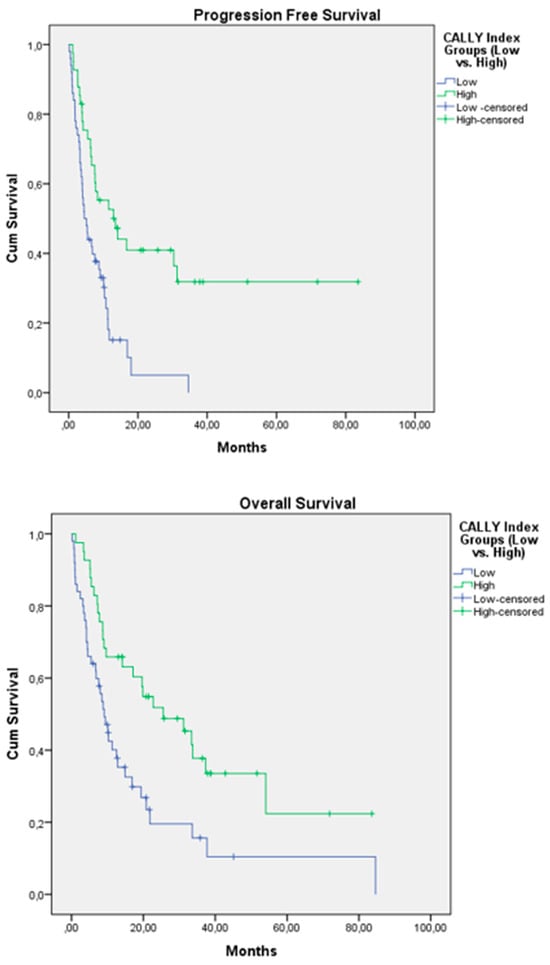
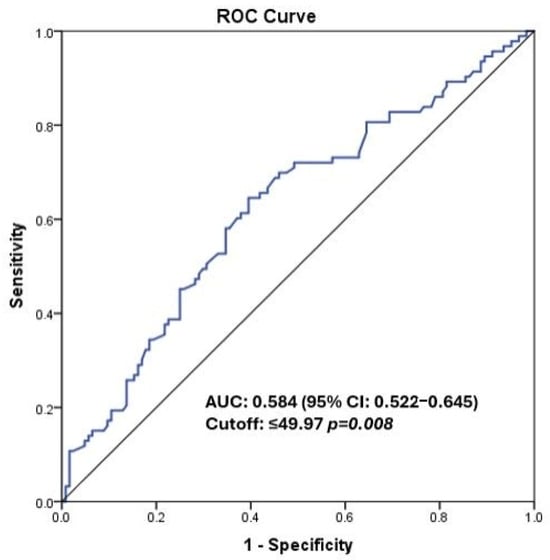
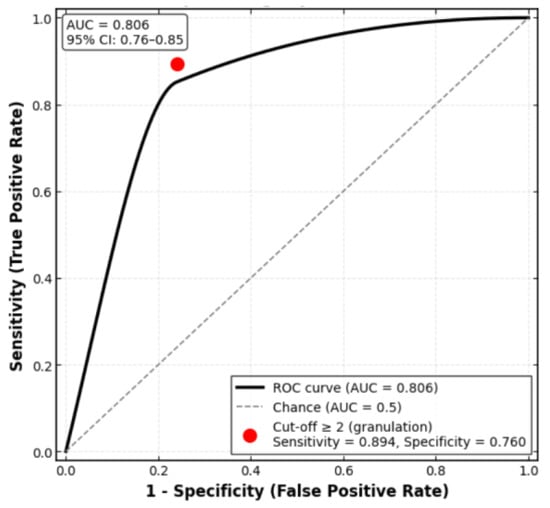
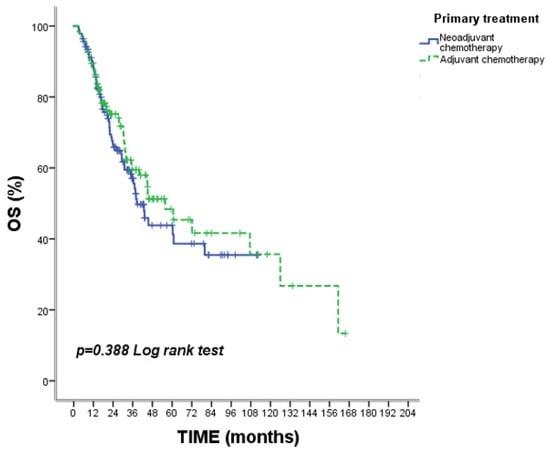
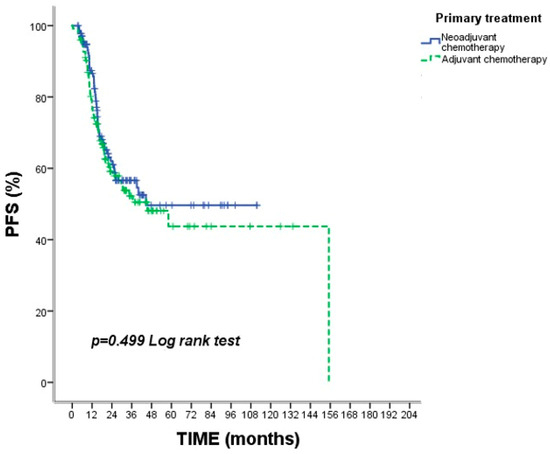
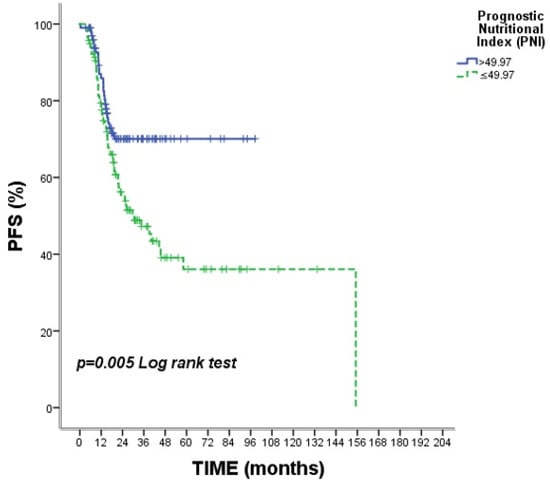
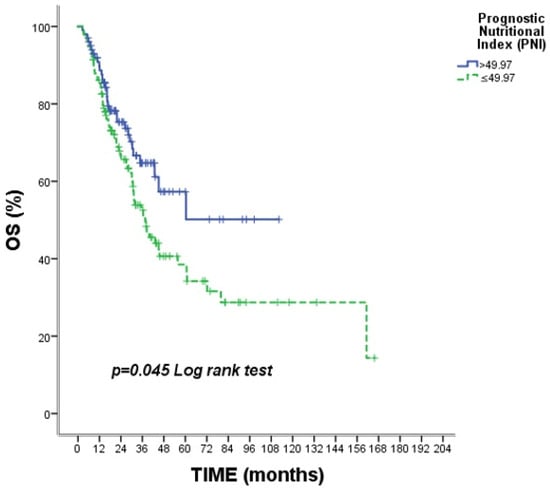
Background and Objectives: Neoadjuvant chemotherapy (NAC) followed by radical cystectomy is the standard of care for eligible patients with locally advanced bladder cancer (LABC). However, adjuvant chemotherapy (AC) remains widely used in real-world practice. Host-related inflammatory and nutritional biomarkers may also influence survival outcomes. This study aimed to compare survival outcomes between NAC and AC and to identify independent prognostic factors for overall survival (OS) and progression-free survival (PFS), with particular emphasis on the Prognostic Nutritional Index (PNI). Methods: This multicenter retrospective study included 262 patients with locally advanced bladder cancer. The median age was 66 years, and 84% of patients were male. Patients were treated with neoadjuvant chemotherapy followed by radical cystectomy or adjuvant chemotherapy after surgery between August 2021 and March 2025. The Prognostic Nutritional Index (PNI) was calculated using pretreatment laboratory values. ROC analysis was used to determine the optimal PNI cut-off for predicting mortality, and the derived threshold (49.97) was applied for stratification in all survival analyses. Survival outcomes were evaluated using the Kaplan–Meier method and compared using the log-rank test. Multivariate Cox proportional hazards regression was used to identify independent prognostic factors. Results: Among 262 patients, 138 (52.7%) received NAC, and 124 (47.3%) received AC. Median follow-up was 33.6 months (95% CI: 29.4–37.8). No statistically significant differences in OS (p = 0.388) or PFS (p = 0.499) were observed between treatment groups. In univariate analyses, nodal stage, pathological complete response (pCR), and PNI were significantly associated with both OS and PFS. In multivariate analysis, low PNI (≤49.97) remained an independent predictor of mortality (HR 1.78, 95% CI 1.04–3.38; p = 0.044), while N3 nodal stage independently predicted disease progression (HR 5.92, 95% CI 1.06–32.84; p = 0.042). Conclusions: In this multicenter real-world cohort, nodal stage and systemic inflammatory-nutritional status were key determinants of prognosis in patients with locally advanced bladder cancer receiving perioperative chemotherapy. PNI emerged as an independent predictor of overall survival, suggesting that host-related biomarkers may improve prognostic stratification beyond traditional clinicopathological factors.
Full article
(This article belongs to the Special Issue Updates on Genitourinary Cancers)
►▼
Show Figures

Figure 1
Open AccessReview
Evidence-Based Strategies for the Prevention of Cardiac Implantable Electronic Device Infections: An Up-to-Date Narrative Review
by
Mantė Agnė Rimkienė, Diana Sudavičienė, Gediminas Račkauskas, Paulius Jurkuvėnas, Veronika Gorevska, Julius Stukas and Germanas Marinskis
Medicina 2026, 62(5), 991; https://doi.org/10.3390/medicina62050991 (registering DOI) - 19 May 2026
Abstract
Background and Objectives: Cardiac implantable electronic device (CIED) infections remain among the most serious complications of pacemaker, implantable cardioverter-defibrillator, and cardiac resynchronization therapy procedures. They are associated with substantial morbidity, mortality, prolonged hospitalization, system extraction, long-term antimicrobial therapy, and increased healthcare costs.
[...] Read more.
Background and Objectives: Cardiac implantable electronic device (CIED) infections remain among the most serious complications of pacemaker, implantable cardioverter-defibrillator, and cardiac resynchronization therapy procedures. They are associated with substantial morbidity, mortality, prolonged hospitalization, system extraction, long-term antimicrobial therapy, and increased healthcare costs. As most infections arise from perioperative contamination or procedure-related complications, prevention has become a major priority in contemporary electrophysiology practice. This review aimed to summarize current evidence on the prevention of CIED infections, with particular emphasis on modifiable risk factors and perioperative preventive measures. Materials and Methods: A focused narrative review was undertaken using targeted searches of PubMed/MEDLINE and Scopus, supplemented by major international guideline and consensus documents, with priority given to contemporary guidelines, randomised trials, meta-analyses, and major observational studies relevant to CIED infection prevention. Results: Prevention of CIED infection requires a structured, multifactorial approach spanning the entire procedural pathway. Key preventive strategies include careful reassessment of device indication, individualized device selection, correction of modifiable risk factors, postponement of elective implantation in the presence of active infection, appropriate perioperative antibiotic prophylaxis, and optimized management of anticoagulant and antiplatelet therapy to minimize pocket hematoma. Additional relevant measures include meticulous skin antisepsis, limitation of temporary invasive devices and unnecessary hardware, appropriate venous access selection, careful generator pocket creation and wound closure, and avoidance of early reintervention whenever feasible. Antibacterial envelopes may reduce major CIED infections in selected high-risk patients, whereas routine escalation of preventive measures without proven benefit is not supported. Conclusions: CIED infection prevention is inherently multifactorial and depends on the consistent application of evidence-based measures before, during, and after device implantation. Rigorous control of modifiable risk factors, prevention of pocket hematoma, appropriate antimicrobial prophylaxis, and meticulous procedural technique remain the cornerstones of effective infection prevention in patients undergoing CIED procedures.
Full article
(This article belongs to the Section Cardiology)
Open AccessArticle
Association of Relative Pericoronary Adipose Tissue Attenuation with Coronary Artery Calcification Severity
by
Kincső-Zsófia Lőrincz, Raluca Monica Pop, Răzvan-Andrei Licu, Claudia-Raluca Mariean, Andrei Manea, Beáta-Ágota Baróti, Andra-Maria Licu, Fathima Sajeetha Suaibu, Zsuzsánna Pap and Marian Pop
Medicina 2026, 62(5), 990; https://doi.org/10.3390/medicina62050990 (registering DOI) - 19 May 2026
Abstract
Background and Objectives: Pericoronary adipose tissue (PCAT) attenuation measured on coronary CT angiography is a promising imaging biomarker of coronary inflammation; however, absolute values may be influenced by technical and inter-individual variability, and a standardized methodology for measurement has not been established.
[...] Read more.
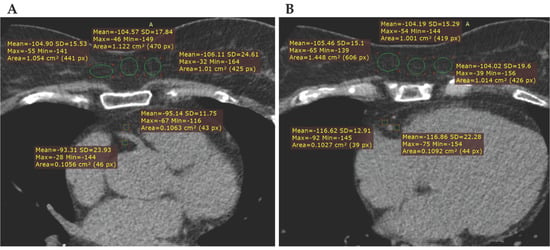
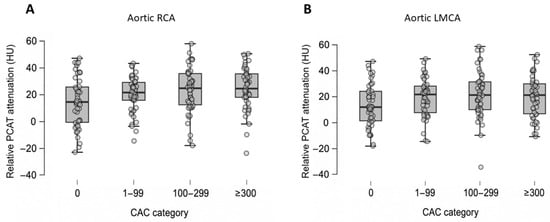
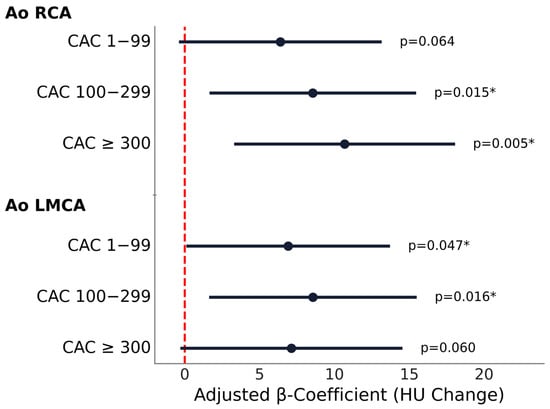
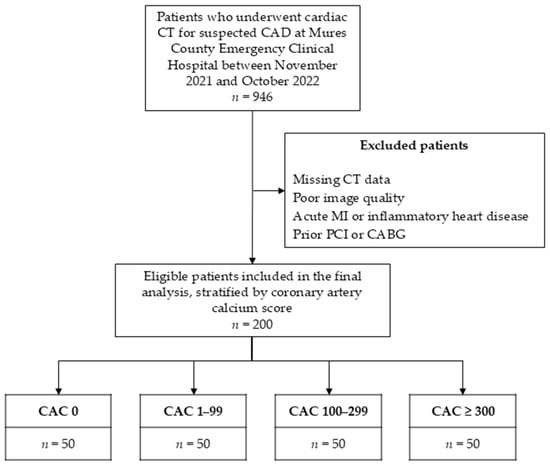
Background and Objectives: Pericoronary adipose tissue (PCAT) attenuation measured on coronary CT angiography is a promising imaging biomarker of coronary inflammation; however, absolute values may be influenced by technical and inter-individual variability, and a standardized methodology for measurement has not been established. Our study aimed to evaluate the association between PCAT attenuation and CAC burden while comparing absolute attenuation values with normalized values to minimize these sources of variability. Materials and Methods: Two hundred patients undergoing cardiac CT were included and stratified into four CAC categories (0, 1–99, 100–299, ≥300). PCAT attenuation was measured at multiple locations on two main levels: aortic root level and four-chamber view level. Relative PCAT attenuation was calculated by subtracting subcutaneous fat attenuation from raw PCAT values. Group comparisons were performed using ANOVA or Kruskal–Wallis tests, and multivariable linear regression models were adjusted for age, sex, and body mass index. Results: In univariate analysis, relative PCAT attenuation differed significantly across CAC categories at the aortic-level right coronary artery (RCA) site (p = 0.007). In multivariable analysis, higher CAC categories were associated with increased relative PCAT attenuation at the aortic RCA (β = 8.56, p = 0.015 for CAC 100–299; β = 10.68, p = 0.005 for CAC ≥300), while associations at the left main coronary artery (LMCA) showed significance in low and moderate CAC categories (β = 6.91, p = 0.047 for CAC 1–99 and β = 8.57, p = 0.016 for CAC 100–299). No significant associations were observed between CAC and raw PCAT attenuation at the aortic level, while isolated and inconsistent findings were observed in other territories. Conclusions: Relative PCAT attenuation is independently associated with CAC severity and normalized values may reduce technical and biological variability, potentially enhancing the sensitivity and robustness of this CT-based biomarker.
Full article
(This article belongs to the Special Issue Clinical Diagnosis and Management of Cardiovascular Disease)
►▼
Show Figures

Figure 1

Open AccessArticle
Whole-Spine MRI Reveals High Prevalence of Multifocal Spondylodiscitis and Identifies a High-Risk Subgroup: A Retrospective Cohort Study of 274 Patients
by
Steffen Heinrich Schulz, Franz-Joseph Dally, Johannes Vogel, Peter Fennema, Moritz Kolster and Frederic Bludau
Medicina 2026, 62(5), 989; https://doi.org/10.3390/medicina62050989 (registering DOI) - 19 May 2026
Abstract
Background and Objectives: Spondylodiscitis is a severe spinal infection associated with substantial mortality. Standard diagnostic imaging is often limited to the symptomatic spinal segment, which may fail to detect infection foci in other spinal regions. The prevalence and prognostic significance of multifocal
[...] Read more.
Background and Objectives: Spondylodiscitis is a severe spinal infection associated with substantial mortality. Standard diagnostic imaging is often limited to the symptomatic spinal segment, which may fail to detect infection foci in other spinal regions. The prevalence and prognostic significance of multifocal spondylodiscitis remain insufficiently characterized. Materials and Methods: A retrospective single-center cohort study was conducted at the University Medical Center Mannheim, Germany. All patients with a first diagnosis of imaging-confirmed infectious spondylodiscitis treated between 2008 and 2017 were included (n = 274). Disease distribution was classified as monosegmental, multisegmental unifocal, or multifocal. The study evaluated the detection rate of multifocal disease stratified by imaging modality (whole-spine MRI vs. segmental MRI) and assessed in-hospital mortality according to disease distribution, comorbidity burden, and pathogen type. Results: Among the 139 patients who underwent whole-spine MRI, multifocal spondylodiscitis was identified in 25 (18.0%) compared with 2 out of 116 patients (1.7%) who received segmental MRI. Overall in-hospital mortality was 16.9% (46/272). Mortality was substantially higher in patients with multifocal disease (40.0%) than in those with monosegmental (13.7%) or multisegmental unifocal involvement (15.6%, p = 0.002). Increasing comorbidity burden (7.5% with no comorbidities to 27.1% with three or more; p = 0.008) and Staphylococcus aureus infection (26.2% vs. 11.0%; p = 0.010) were also significantly associated with mortality. Conclusions: Multifocal spondylodiscitis was more frequently detected with whole-spine MRI and was associated with substantially increased in-hospital mortality. These findings support consideration of a low threshold for whole-spine MRI in the primary diagnostic workup of suspected spondylodiscitis. Further prospective studies are required to confirm these findings.
Full article
(This article belongs to the Special Issue New Frontiers in Spine Surgery and Spine Disorders)
►▼
Show Figures

Figure 1

Open AccessArticle
Association of Cancer Stage and Comorbidity Burden with 12-Month Clinically Significant Cognitive Decline After Gynecologic Cancer Surgery: A Competing-Risk Retrospective Cohort Study
by
Jaehak Jung, Byoungryun Kim, Taewan Won, Gyumin Choi, Kyongseo Kim and Cheol Lee
Medicina 2026, 62(5), 988; https://doi.org/10.3390/medicina62050988 (registering DOI) - 19 May 2026
Abstract
Background and Objectives: We aimed to determine whether gynecologic cancer–related factors are associated with postoperative clinically significant cognitive decline (CCD) after accounting for age and comorbidity using competing-risk models. Materials and Methods: We performed a retrospective cohort study of adult women undergoing index
[...] Read more.
Background and Objectives: We aimed to determine whether gynecologic cancer–related factors are associated with postoperative clinically significant cognitive decline (CCD) after accounting for age and comorbidity using competing-risk models. Materials and Methods: We performed a retrospective cohort study of adult women undergoing index surgery for gynecologic cancer at a tertiary university hospital. CCD was defined as new clinician-documented cognitive impairment, neurology/psychiatry consultation, or initiation of cognition-targeted pharmacotherapy ≥30 days postoperatively. Competing events were all-cause death and major neurologic events/hospice. We fit Fine–Gray subdistribution hazard models adjusted for age, Charlson Comorbidity Index (CCI), cancer stage, and treatment intensity, and evaluated a prespecified age × stage interaction. Results: Among 1023 eligible patients (mean age 62.4 ± 11.8 years; 41.3% International Federation of Gynecology and Obstetrics [FIGO] stage III–IV; median CCI 3 [IQR 2–5]), CCD occurred in 98 (9.6%). The 12-month cumulative incidence of CCD was 11.2% accounting for competing risks. Advanced stage was independently associated with higher CCD risk (sHR 1.85, 95% CI 1.27–2.69; p = 0.001). A significant age × stage interaction was observed (p < 0.001), with the strongest association in patients ≥70 years (sHR 2.48, 95% CI 1.61–3.81). Perioperative factors associated with CCD included open surgery (sHR 1.54) and postoperative delirium (sHR 2.76); these findings should be interpreted as associative signals rather than validated causal treatment targets. A stratified blinded chart review of 160 patients (80 flagged-positive and 80 unflagged controls) supported the CCD definition (PPV 88.8%; sensitivity 72.1%; specificity 94.3%; NPV 91.5%). Visit-frequency adjustment confirmed robustness (advanced stage sHR 1.78; p = 0.003). Conclusions: Gynecologic cancer–related factors, particularly advanced stage, are independently associated with CCD after accounting for competing risks, and high-risk phenotypes (age ≥70, FIGO III–IV) may benefit from perioperative pathways integrating cognitive screening, delirium prevention, and neurocognitive follow-up.
Full article
(This article belongs to the Section Intensive Care/ Anesthesiology)
►▼
Show Figures

Figure 1

Open AccessArticle
Does the Duration of FLOT Infusion Change the Outcome of Perioperative Treatment for Gastric Cancer? Comparing 24- and 48-h Infusions
by
Hacer Demir, Canan Yıldız, Yusuf İlhan, Murat Araz, Ali Fuat Gürbüz, Semiha Urvay, Muslih Urun, Berrak Mermit Ercek, Onur Yazdan Balçık, Beyza Ünlü, Sena Ece Davarcı, Ramazan Cosar, Meltem Baykara and Ismail Beypinar
Medicina 2026, 62(5), 987; https://doi.org/10.3390/medicina62050987 (registering DOI) - 19 May 2026
Abstract
Background and Objectives: FLOT is a highly effective first-line treatment for metastatic gastric cancer and offers a favorable safety profile. Clinical studies investigating the FLOT regimen have reported varying outcomes depending on the infusion duration and have highlighted possible differences in complication rates
[...] Read more.
Background and Objectives: FLOT is a highly effective first-line treatment for metastatic gastric cancer and offers a favorable safety profile. Clinical studies investigating the FLOT regimen have reported varying outcomes depending on the infusion duration and have highlighted possible differences in complication rates and the efficacy of neoadjuvant therapy. The choice between 24 h or 48 h infusion durations for fluorouracil can be influenced by several factors, such as the patient’s overall health status, their tolerance to treatment, and the specific treatment protocol determined by the medical team. In this study, we aimed to evaluate the effects of different infusion durations (24 and 48 h) on clinical response, toxicity, and survival in patients with gastric and gastroesophageal junction (GEJ) adenocarcinoma. Materials and Methods: This retrospective multicenter study included 113 patients with gastric or gastroesophageal junction adenocarcinoma who received neoadjuvant FLOT chemotherapy (24 h infusion: n = 28; 48 h infusion: n = 85). Propensity score matching (PSM) was performed to balance baseline characteristics, yielding a matched cohort of 90 patients. The primary endpoints were the pathologic complete response (pCR) and toxicity. Secondary endpoints included disease-free survival (DFS) and overall survival (OS). Results: Significant baseline imbalances existed (cT stage p < 0.001). After PSM, the balance improved (cT stage p = 0.009). In the matched cohort, pCR 11.1% (24 h) vs. 12.1% (48 h), p > 0.99. The median DFS was 27.4 mo (24 h) vs. NR (48 h), p = 0.847. The median OS was 32.8 mo in both, p = 0.797. Multivariate analysis (baseline variables) indicates that infusion duration is not prognostic (DFS HR = 0.77, p = 0.453; OS HR = 0.72, p = 0.328). Power was ~10% for a 1% pCR difference. Conclusions: The 24 h infusion protocol was associated with similar outcomes to the 48 h protocol after PSM adjustment. However, residual confounding persists (cT stage p = 0.009 despite PSM), and the combination of this study’s retrospective design and severe underpowering (~10%) precludes definitive conclusions. As a result, the findings are hypothesis-generating.
Full article
(This article belongs to the Special Issue Prophylaxis, Diagnosis, and Treatment Strategies of Gastric Cancer)
►▼
Show Figures

Figure 1
Open AccessReview
Metabolic Dysfunction-Associated Steatotic Liver Disease and Incretin Receptor Agonists: A Metabolic Approach to Halting Liver Disease Progression
by
Ludovico Abenavoli, Anna Giulia Loricchio, Ivo Lopez, Domenico Morano, Abdulrahman Ismaiel, Dan Lucian Dumitrascu and Francesco Luzza
Medicina 2026, 62(5), 986; https://doi.org/10.3390/medicina62050986 (registering DOI) - 18 May 2026
Abstract
Metabolic dysfunction-associated steatotic liver disease (MASLD) is strongly associated with metabolic abnormalities, shares pathophysiological pathways with metabolic syndrome, and has become a leading cause of chronic liver disease in industrialized nations. In the absence of approved pharmacological treatments and due to its high
[...] Read more.
Metabolic dysfunction-associated steatotic liver disease (MASLD) is strongly associated with metabolic abnormalities, shares pathophysiological pathways with metabolic syndrome, and has become a leading cause of chronic liver disease in industrialized nations. In the absence of approved pharmacological treatments and due to its high risk of progression to advanced fibrosis, MASLD represents a significant clinical challenge. Incretin-based therapies, originally developed for the treatment of type 2 diabetes mellitus and obesity, have recently gained attention as promising therapeutic strategies in hepatology. Among them, GLP-1 receptor agonists have shown efficacy in reducing hepatic steatosis, inflammation, and fibrosis-related biomarkers, primarily through weight loss and enhanced insulin sensitivity. Dual agonists targeting both GLP-1 and GIP receptors, such as tirzepatide, have demonstrated superior outcomes in improving hepatic and metabolic parameters. Emerging agents like cotadutide (a GLP-1/glucagon receptor agonist) and retatrutide (a GLP-1/GIP/glucagon triagonist) represent a novel therapeutic frontier, with early clinical data indicating potent hepatoprotective effects and favorable metabolic remodeling. This narrative review examines the hepatoprotective potential of incretin-based therapies, highlighting how targeted intervention on the underlying metabolic dysfunction may lead to significant improvements in MASLD. These therapies may also exert beneficial effects on fibrosis progression; however, the currently available evidence remains limited.
Full article
(This article belongs to the Special Issue Advances in GLP-1 Agonists and Liver Disease)
►▼
Show Figures

Figure 1

Open AccessArticle
Dietary Approaches to Stop Hypertension (DASH) Diet, Incident Heart Failure and Its Associated Risk Factors in Australian Women
by
Lee Patricia Liao, Simone Marschner, Gary C. H. Gan, Liza Thomas, Allison Hodge, Haeri Min, Luigi Fontana, Sarah Zaman and Anushriya Pant
Medicina 2026, 62(5), 985; https://doi.org/10.3390/medicina62050985 (registering DOI) - 18 May 2026
Abstract
Background and Objectives: There is limited evidence supporting the incorporation of dietary patterns into heart failure (HF) management. The Dietary Approaches to Stop Hypertension (DASH) diet is linked to cardiovascular disease prevention, but evidence correlating DASH adherence to HF risk is sparse. This
[...] Read more.
Background and Objectives: There is limited evidence supporting the incorporation of dietary patterns into heart failure (HF) management. The Dietary Approaches to Stop Hypertension (DASH) diet is linked to cardiovascular disease prevention, but evidence correlating DASH adherence to HF risk is sparse. This study is the first prospective investigation into the relationship between the DASH diet, incident HF and its associated risk factors—hypertension and diabetes mellitus (DM)—in Australian women. Materials and Methods: Survey data (2001–2022) from the Australian Longitudinal Study on Women’s Health (ALSWH) was analysed, where DASH diet scores were calculated from food frequency questionnaire (FFQ) responses and categorised into quintiles. Multivariable logistic regression was used to estimate odds ratios (ORs) and 95% confidence intervals (CIs) for the association between DASH adherence and incident HF. Cox proportional hazards models were used to calculate hazard ratios (HRs) and 95% CIs for secondary endpoints, hypertension and DM, and dietary exposure was modelled as a time-varying covariate. Results: 10 594 women (mean age 52.5 ± 1.45 years) participated and, at 21-year follow-up, there were 136 (1.3%) cases of HF, 2182 (20.6%) and 994 (5.7%) cases of hypertension and DM, respectively. After adjustment for covariates (including age and socioeconomic factors), no association was found between the highest DASH quintile and incident HF [OR 0.73, 95% CI: 0.37–1.43; p = 0.20]. However, adjusted HRs for hypertension and DM—0.73 (95% CI: 0.63–0.84; p < 0.001) and 0.65 (95% CI: 0.53–0.81; p < 0.001), respectively—indicated significant associations. Conclusions: In Australian women, DASH diet adherence was associated with a significantly lower risk of hypertension and DM, both of which are HF risk factors. The finding of no direct statistically significant association between the DASH diet and incident HF might reflect the small incidence of HF in our cohort.
Full article
(This article belongs to the Special Issue New Insights into Heart Failure: 2nd Edition)
►▼
Show Figures

Figure 1
Open AccessArticle
First-Line Treatment After Perioperative FLOT in Recurrent Gastric and Gastroesophageal Junction Cancer: A Turkish Oncology Group (TOG) Multicenter Real-World Analysis
by
Mustafa Seyyar, Pervin Can Şancı, Abdullah Sakin, Ayberk Bayramgil, Özgecan Dülgar Kaya, Erdem Sünger, Özgür Açıkgöz, Teyfik Demir, Recep Türkel, Bahiddin Yılmaz, Faruk Recep Özalp, Hüseyin Salih Semiz, Gül Sema Yıldıran, Musa Barış Aykan, Görkem Turhan, Atila Yıldırım, Serkan Menekşe, Engin Kut, Mehmet Çakmak, Efnan Algın, Elif Şahin, Anıl Karakayalı, Aysel Oğuz, Mehmet Artaç, Mehmet Cihan İçli, Burak Paçacı, Murat Sarı, Teoman Şakalar, Murad Guliyev, Nebi Serkan Demirci, Eyyüp Çavdar, Ömer Faruk Elçiçek, Ali İnal, Hatice Bölek, Pınar Kubilay Tolunay, Ali Kalem, Melike Yazıcı, Ayşegül Merç Çetinkaya, Sinem Akbaş, Sedat Biter, Sait Kitaplı, Merve Kuday Özkan, Lamia Şeker Can, Nargiz Majidova, Hacı Arak, Hasan Çağrı Yıldırım, Devrim Çabuk, Kazım Uygun, Sema Sezgin Göksu, Özgür Tanrıverdi, Fatih Selçukbiricik, Mehmet Uzun, İlker Nihat Ökten, Burak Mete, Tolga Köşeci, Ahmet Bilici, Tülay Kuş, Ömer Dizdar, Şuayib Yalçın and Umut Kefeliadd
Show full author list
remove
Hide full author list
Medicina 2026, 62(5), 984; https://doi.org/10.3390/medicina62050984 (registering DOI) - 18 May 2026
Abstract
Background and Objectives: Perioperative fluorouracil, leucovorin, oxaliplatin, and docetaxel (FLOT) is the standard of care for resectable gastric and gastroesophageal junction adenocarcinoma; however, up to 50% of patients develop metastatic recurrence. These patients have prior exposure to platinum and taxane agents, and
[...] Read more.
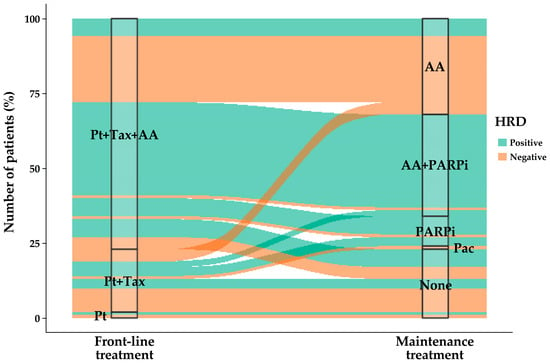
Background and Objectives: Perioperative fluorouracil, leucovorin, oxaliplatin, and docetaxel (FLOT) is the standard of care for resectable gastric and gastroesophageal junction adenocarcinoma; however, up to 50% of patients develop metastatic recurrence. These patients have prior exposure to platinum and taxane agents, and optimal first-line treatment in the metastatic setting remains undefined. This study aimed to characterize real-world treatment patterns and outcomes in patients progressing after perioperative FLOT, focusing on relapse timing and HER2 status. Materials and Methods: This retrospective, multicenter cohort study included 296 patients from 31 centers across Türkiye, stratified into early relapse (≤6 months, n = 114) and late relapse (>6 months, n = 182) groups. Survival analyses were performed using the Kaplan-Meier method and Cox proportional hazards regression. Primary endpoints were progression-free survival (PFS) and overall survival (OS). Results: Median PFS and OS for the entire cohort were 6 and 9 months, respectively. Early relapsers had significantly shorter median PFS (4 vs. 6 months, p = 0.029) and OS (8 vs. 12 months, p = 0.047); however, early relapse timing did not retain independent prognostic significance on multivariable analysis. No significant difference in PFS or OS was observed between cytotoxic chemotherapy regimens in either relapse group. HER2 positivity was the only independent predictor of improved PFS on multivariable Cox analysis (HR 0.48, 95% CI 0.29–0.81; p = 0.006). In the late relapse group, trastuzumab-based chemotherapy achieved a median PFS of 14 months and OS of 18 months, significantly superior to all cytotoxic regimens (PFS p = 0.007; OS p = 0.029). Conclusions: In patients progressing after perioperative FLOT, cytotoxic chemotherapy regimen selection did not demonstrate a statistically significant survival difference in this retrospective cohort, regardless of relapse timing. HER2 positivity is the dominant predictive biomarker, and trastuzumab-based therapy suggests a potential survival benefit that warrants prospective validation. Comprehensive biomarker profiling at metastatic diagnosis and prospective trials designed for this post-FLOT population are needed to establish evidence-based treatment standards.
Full article
(This article belongs to the Section Oncology)
►▼
Show Figures

Figure 1

Open AccessArticle
Subcortical Bone Cysts at the Medial Meniscus Posterior Root Are Associated with Longer Symptom Duration but Not with Healing Status or Meniscal Extrusion After Root Repair
by
Young-Mo Kim, Yong-Bum Joo and Young-Cheol Park
Medicina 2026, 62(5), 983; https://doi.org/10.3390/medicina62050983 (registering DOI) - 18 May 2026
Abstract
Background and Objectives: Subcortical bone cysts at the tibial attachment of the medial meniscus posterior root (MMPR) may reflect chronic degenerative changes; however, their clinical significance in medial meniscus posterior root tear (MMPRT) remains unclear. This study assessed whether bone cysts are
[...] Read more.
Background and Objectives: Subcortical bone cysts at the tibial attachment of the medial meniscus posterior root (MMPR) may reflect chronic degenerative changes; however, their clinical significance in medial meniscus posterior root tear (MMPRT) remains unclear. This study assessed whether bone cysts are associated with symptom duration and whether their presence influences healing status or medial meniscus extrusion (MME) after transtibial pullout repair (TPR). Materials and Methods: Seventy-four consecutive patients who underwent arthroscopic TPR for MMPRT between January 2022 and December 2024 were retrospectively reviewed. After applying exclusion criteria, 50 patients were included and divided into cyst-positive (n = 20) and cyst-negative (n = 30) groups based on preoperative MRI findings. Clinical outcomes, MME, and second-look arthroscopic healing status at 6 months postoperatively were compared between groups. Multivariable linear regression analysis was performed to identify independent predictors of postoperative MME. Results: The cyst-positive group had significantly longer symptom duration than the cyst-negative group (13.8 ± 3.0 vs. 8.8 ± 2.8 weeks, p < 0.001) and demonstrated higher grades of MMPR degeneration (p < 0.05). Complete healing was observed in 60.0% of patients in each group, and no failed healing cases were noted. Postoperative MME at 6 months was comparable between groups (3.8 ± 0.8 vs. 3.8 ± 1.0 mm). Multivariable regression analysis identified baseline MME as the strongest independent predictor of postoperative MME (β = 0.67, p < 0.001), whereas bone cyst presence was not independently associated with postoperative extrusion. Conclusions: Subcortical bone cysts at the MMPR attachment are associated with longer symptom duration and more advanced root degeneration. However, their presence was not significantly associated with healing status or postoperative MME after MMPRT repair. These findings suggest that bone cyst formation may be associated with chronic degenerative changes at the root attachment, but should not discourage surgeons from performing root repair.
Full article
(This article belongs to the Special Issue Advances in Knee Surgery: From Diagnosis to Recovery)
►▼
Show Figures

Figure 1

Open AccessArticle
Evaluation of Pancreatic Lesions: Comparative Analysis of Endoscopic Ultrasonography, Computed Tomography, and Magnetic Resonance Imaging
by
Seher Hekimsoy, Aliye Soylu, Mehmet Bayram, Hafize Uzun and Omur Tabak
Medicina 2026, 62(5), 982; https://doi.org/10.3390/medicina62050982 (registering DOI) - 17 May 2026
Abstract
Background and Objectives: This study aimed to evaluate the diagnostic performance of endoscopic ultrasound (EUS) in comparison with computed tomography (CT) and magnetic resonance imaging (MRI) in the characterization of pancreatic lesions, and to assess the concordance of imaging findings with histopathological outcomes.
[...] Read more.
Background and Objectives: This study aimed to evaluate the diagnostic performance of endoscopic ultrasound (EUS) in comparison with computed tomography (CT) and magnetic resonance imaging (MRI) in the characterization of pancreatic lesions, and to assess the concordance of imaging findings with histopathological outcomes. Materials and Methods: A total of 76 patients who underwent EUS for pancreatic lesions between April 2021 and April 2022 were retrospectively analyzed. EUS findings were compared with CT and/or MRI in terms of lesion size, localization, and morphological characteristics. Histopathological results and laboratory parameters, including serum amylase, lipase, carcinoembryonic antigen (CEA), and carbohydrate antigen 19-9 (CA 19-9), were evaluated. Diagnostic performance metrics, including sensitivity, specificity, and accuracy, were calculated. Results: The study included 76 patients (55.3% male; mean age 59.93 ± 14.03 years). EUS demonstrated superior detection of lesions smaller than 2 cm (42.1% vs. 35.5%; p < 0.01) and a higher ability to identify solid components (17.1% vs. 9.7%; p < 0.01) compared to cross-sectional imaging. While overall sensitivity for malignancy was comparable between modalities, EUS showed higher specificity (58.33%) and diagnostic accuracy (55.26%). Pancreatic duct dilation, solid lesion morphology, larger lesion size, and elevated CA 19-9 levels were significantly associated with malignant pathology (p < 0.05). A descriptive agreement analysis revealed moderate concordance between EUS and radiological imaging in lesion size classification and morphological characterization. Conclusions: EUS demonstrates superior performance in detecting small pancreatic lesions and identifying solid components associated with malignancy. Although its sensitivity is comparable to CT and MRI, its higher specificity and diagnostic accuracy support its important role in lesion characterization. However, EUS should be considered complementary to cross-sectional imaging within a multimodal diagnostic approach. Integration of imaging findings with biochemical markers may further enhance diagnostic accuracy and clinical decision-making. Larger prospective studies with standardized protocols are warranted to validate these findings.
Full article
(This article belongs to the Section Gastroenterology & Hepatology)
►▼
Show Figures

Graphical abstract
Open AccessArticle
Prognostic Factors and Recurrence in Papillary Thyroid Microcarcinoma
by
Aydan Farzaliyeva, Feride Pınar Altay, Ozlem Turhan Iyidir and Neslihan Bascil Tutuncu
Medicina 2026, 62(5), 981; https://doi.org/10.3390/medicina62050981 (registering DOI) - 17 May 2026
Abstract
Background and Objectives: Papillary thyroid microcarcinoma (PTMC) is generally indolent; however, a subset exhibits aggressive features, reflecting biological heterogeneity. In the era of treatment de-escalation and active surveillance, accurate risk stratification is essential. We aimed to evaluate recurrence, identify factors associated with
[...] Read more.
Background and Objectives: Papillary thyroid microcarcinoma (PTMC) is generally indolent; however, a subset exhibits aggressive features, reflecting biological heterogeneity. In the era of treatment de-escalation and active surveillance, accurate risk stratification is essential. We aimed to evaluate recurrence, identify factors associated with recurrence, determine predictors of lymph node metastasis (LNM) at diagnosis, and assess management strategies at our center. Materials and Methods: This retrospective study included 302 patients with PTMC. Associations between clinicopathological variables and outcomes were evaluated using chi-square test, Spearman correlation, and univariate and multivariate logistic regression analyses. Results: The cohort included 240 females (79.5%) and 62 males (20.5%), with a median age of 47 years. Total thyroidectomy was performed in 97.7%, and radioactive iodine (RAI) in 64.2%. LNM was identified in 26 patients (8.6%). Recurrence occurred in 4 patients (1.3%), and 98.0% were alive at last follow-up. Recurrence was associated with LNM at diagnosis, higher ATA risk categories, and positive surgical margins (p < 0.005). Younger age, larger tumor size, and vascular invasion independently predicted LNM (all p < 0.05), while autoimmune thyroiditis was associated with a reduced risk (p = 0.020). Conclusions: PTMC demonstrates clinically relevant heterogeneity, particularly in patients with LNM. However, given the limited number of recurrence events, recurrence-related findings should be interpreted cautiously and considered exploratory. These findings support risk-adapted management and careful patient selection in the era of treatment de-escalation.
Full article
(This article belongs to the Section Endocrinology)
►▼
Show Figures

Graphical abstract
Open AccessArticle
Combined Exposure to Ragweed and House Dust Mite Exacerbates Airway Epithelial Barrier Dysfunction: A Multimodal Approach
by
Elena-Larisa Zimbru, Răzvan-Ionuț Zimbru, Manuela Grijincu, Florina-Maria Bojin, Maria-Roxana Buzan, Sorin Dan Chiriac, Gabriela Tănasie, Laura Haidar, Crenguta Livia Calma and Carmen Panaitescu
Medicina 2026, 62(5), 980; https://doi.org/10.3390/medicina62050980 (registering DOI) - 17 May 2026
Abstract
Background and Objectives: Dysfunction of the airway epithelial barrier is increasingly recognized as an early pathogenic mechanism in allergic respiratory diseases. Although individual aeroallergens such as ragweed (RW) pollen and house dust mite (HDM) are known to impair epithelial integrity, the effects of
[...] Read more.
Background and Objectives: Dysfunction of the airway epithelial barrier is increasingly recognized as an early pathogenic mechanism in allergic respiratory diseases. Although individual aeroallergens such as ragweed (RW) pollen and house dust mite (HDM) are known to impair epithelial integrity, the effects of combined exposure, more reflective of real-world conditions, remain insufficiently characterized. This study aimed to evaluate the impact of single versus combined allergen exposure on airway epithelial barrier function using a multimodal experimental approach. Materials and Methods: Differentiated normal human bronchial epithelial (NHBE) cells were exposed to RW (100 µg/mL), HDM (100 µg/mL), or a combined extract (RW + HDM; total 100 µg/mL). Barrier function under air–liquid interface conditions was assessed by transepithelial electrical resistance (TEER), while real-time cellular responses were evaluated using xCELLigence impedance monitoring. Structural alterations were examined by occludin-based immunofluorescence imaging, and transcriptional changes associated with epithelial stress and inflammation were analyzed by RT-qPCR. Results: Allergen exposure induced time- and concentration-dependent impairment of epithelial barrier function. Combined exposure resulted in the most pronounced and sustained reduction in TEER and impedance measurements. These functional changes were accompanied by disruption of tight junction organization and coordinated transcriptional modulation of genes involved in inflammatory and stress responses. Conclusions: Combined exposure to RW and HDM extracts induced more severe and persistent epithelial barrier dysfunction than individual allergens. These findings support the role of the airway epithelium as a central regulator of allergic airway disease and highlight barrier disruption as an early pathogenic event. The multimodal framework applied in this study provides an integrated platform for investigating epithelial responses to complex environmental exposures.
Full article
(This article belongs to the Special Issue Updates on Allergies and Immunodeficiencies)
►▼
Show Figures

Figure 1
Open AccessArticle
The Role of Cardiovascular Risk Prediction Model Selection in Primary Prevention: An Observational Study of Statin Eligibility Agreement Across Nine Scores in a Lithuanian Primary-Prevention Cohort
by
Petras Navickas, Sigita Glaveckaitė, Laura Lukavičiūtė-Navickienė, Agnė Šatrauskienė, Arvydas Baranauskas, Egidija Rinkūnienė, Emilija Meškėnė, Vaida Šileikienė, Edita Lycholip and Aleksandras Laucevičius
Medicina 2026, 62(5), 979; https://doi.org/10.3390/medicina62050979 (registering DOI) - 17 May 2026
Abstract
Background and Objectives: Cardiovascular risk prediction models (RPMs) are widely used to guide statin initiation in primary prevention, yet the extent to which different models produce concordant treatment decisions in the same population remains insufficiently characterized. We compared statin eligibility across nine
[...] Read more.
Background and Objectives: Cardiovascular risk prediction models (RPMs) are widely used to guide statin initiation in primary prevention, yet the extent to which different models produce concordant treatment decisions in the same population remains insufficiently characterized. We compared statin eligibility across nine commonly used RPMs: SCORE2, PREVENT, PCE, ASSIGN, FRS-hCHD, AusCVDRisk, MESA, QRISK3, and RRS. Materials and Methods: We performed a cross-sectional analysis of 11,174 adults aged 40–65 years with metabolic syndrome enrolled in the Lithuanian High Cardiovascular Risk primary prevention program (LitHiR) and evaluated them at a single tertiary center during 2006–2023. Statin eligibility was determined for each RPM using guideline-mapped treatment thresholds. Pairwise agreement was assessed using Cohen’s κ, Gwet’s AC1, Positive and Negative Percent Agreement (PPA/NPA), the Jaccard index, and McNemar testing. Analyses were repeated by sex. Consensus eligibility was defined as treatment recommended by at least k of nine models. Results: Eligibility varied more than twenty-fold, from 67.39% (7530/11,174) with SCORE2 to 3.03% (339/11,174) with AusCVDRisk; intermediate estimates included PREVENT at 44.83%, QRISK3 at 39.00%, and PCE at 37.97%. Overall pairwise agreement was modest: κ ranged from 0.03 (SCORE2 vs. AusCVDRisk) to 0.67 (QRISK3 vs. ASSIGN), with a median κ of 0.38 (IQR: 0.19–0.51). Median AC1 was 0.58 (IQR 0.37–0.68). Agreement was stronger for non-eligibility than for eligibility (median NPA: 0.82 vs. median PPA: 0.53). Consensus eligibility declined from 73.5% at k = 1 to 45.1% at k = 3, 30.0% at k = 5, and 1.87% at k = 9, with the greatest sex divergence at intermediate stringency. Conclusions: In this real-world cohort with elevated cardiometabolic risk, statin eligibility was highly dependent on RPM choice and showed only modest inter-model concordance. Increasing consensus stringency rapidly reduced eligibility, indicating that RPM selection and embedded thresholds substantially influence statin treatment decisions in primary prevention.
Full article
(This article belongs to the Special Issue The Challenges and Prospects in Clinical Cardiology and Angiology: 2nd Edition)
►▼
Show Figures

Figure 1
Open AccessArticle
Lumbar and Thoracolumbar Curves Are Associated with Coronal Lower Limb Malalignment in Adolescent Idiopathic Scoliosis
by
Ahmet Serhat Aydin, Emre Kocazeybek, Ahmet Mücteba Yildirim, Onur Kutlu, Serkan Bayram and Turgut Akgul
Medicina 2026, 62(5), 978; https://doi.org/10.3390/medicina62050978 (registering DOI) - 17 May 2026
Abstract
Background and Objectives: Adolescent idiopathic scoliosis (AIS) may influence pelvic orientation and lower-limb alignment; however, data on coronal lower-limb alignment after completion of spinal treatment remain limited. This study aimed to evaluate lower-limb radiographic alignment in AIS patients after spinal treatment and
[...] Read more.
Background and Objectives: Adolescent idiopathic scoliosis (AIS) may influence pelvic orientation and lower-limb alignment; however, data on coronal lower-limb alignment after completion of spinal treatment remain limited. This study aimed to evaluate lower-limb radiographic alignment in AIS patients after spinal treatment and to determine whether these parameters differ according to main curve location. Materials and Methods: In this retrospective study, 70 AIS patients treated surgically (n = 52) or with brace therapy (n = 18) between 2010 and 2020 were analyzed. Patients were grouped according to main curve location as thoracic (n = 28), lumbar (n = 21), or thoracolumbar (n = 21). Pre-treatment standing full-spine radiographs were used to assess Cobb angle, coronal balance, and pelvic coronal obliquity angle (PCOA). After completion of spinal treatment, full-length weight-bearing lower-limb radiographs were evaluated for femoral and tibial lengths, mechanical axis deviation (MAD), femoral neck–shaft angle (NSA), anatomical lateral distal femoral angle (aLDFA), and mechanical lateral distal femoral angle (mLDFA). Additional treatment-stratified, treatment-adjusted, and threshold-based analyses were performed. Results: PCOA, coronal balance, bilateral MAD, right aLDFA, and right mLDFA differed significantly among the three curve-location groups. The lumbar group demonstrated more negative MAD values than the thoracic group, indicating a tendency toward valgus alignment (right MAD: −5.88 ± 8.8 mm vs. 3.65 ± 7.9 mm, p = 0.004; left MAD: −3.5 ± 7.5 mm vs. 3.75 ± 7.0 mm, p = 0.005). After adjustment for treatment modality, age, and main Cobb angle, curve location remained significantly associated with right MAD, left MAD, right aLDFA, and right mLDFA. However, the proportion of patients with clinically relevant malalignment, defined as MAD exceeding ±10 mm in at least one limb, did not differ significantly among the groups. Conclusions: AIS patients show subtle but measurable differences in coronal lower-limb alignment after completion of spinal treatment. Lumbar and thoracolumbar curves are associated with greater pelvic obliquity and a tendency toward more valgus mechanical-axis alignment, whereas limb lengths and NSA remain comparable among curve-location groups. These findings appear to represent mainly radiographic or biomechanical variations rather than overt clinically relevant deformity in most patients.
Full article
(This article belongs to the Special Issue Clinical Research in Orthopaedics and Trauma Surgery)
►▼
Show Figures

Figure 1
Open AccessSystematic Review
Radiation Exposure in Minimally Invasive Cervical Spine Surgery: A Systematic Review
by
Dong Hun Kim, Jung-Woo Hur and Jae Taek Hong
Medicina 2026, 62(5), 977; https://doi.org/10.3390/medicina62050977 (registering DOI) - 17 May 2026
Abstract
Background and Objectives: Minimally invasive cervical spine surgery (MIS-CSS) relies heavily on intraoperative fluoroscopic imaging, raising concerns about radiation exposure to patients and surgical staff. Unlike lumbar MIS, cervical-specific radiation exposure has not been systematically reviewed, despite distinct anatomical considerations, including proximity
[...] Read more.
Background and Objectives: Minimally invasive cervical spine surgery (MIS-CSS) relies heavily on intraoperative fluoroscopic imaging, raising concerns about radiation exposure to patients and surgical staff. Unlike lumbar MIS, cervical-specific radiation exposure has not been systematically reviewed, despite distinct anatomical considerations, including proximity to the thyroid gland and lens of the eye. This review aims to quantify intraoperative radiation exposure during MIS cervical spine procedures and evaluate available dose-reduction strategies. Materials and Methods: A systematic literature search was conducted across PubMed/MEDLINE, Scopus, and Google Scholar in April 2026 following PRISMA 2020 guidelines. Studies reporting original quantitative radiation data during minimally invasive cervical spine procedures in adult patients (≥10 patients) were included. Quality was assessed using the MINORS tool and the JBI checklist. Results: Seven studies encompassing 380 patients were included. Procedures comprised ACDF (four studies), minimally invasive posterior cervical laminoforaminotomy (two studies), and CT-navigated cervical instrumentation (one study). Patient effective doses during ACDF ranged from 0.015 to 1.3 mSv, with thyroid doses of 0.194–0.290 mGy. Standalone ACDF reduced patient dose by 36–58% compared to plated ACDF (p < 0.001). Navigation-assisted posterior cervical foraminotomy achieved a median fluoroscopy time of 10 s with negligible staff exposure. Surgeon per-procedure exposure during cervical discectomy (chest 0.122 µSv, lens 3.1 µSv, hands 7.1 µSv) was approximately half that of lumbar discectomy. Conclusions: Radiation doses during individual MIS cervical procedures appear to be within occupational safety limits, though the current evidence is insufficient to establish definitive dose thresholds. Standalone implant designs and intraoperative navigation represent effective, complementary dose-reduction strategies. Standardized prospective research is needed to establish cervical-specific radiation safety benchmarks.
Full article
(This article belongs to the Special Issue Advances in Minimally Invasive Spine Surgery: Technology Innovations and Complications Management)
►▼
Show Figures

Figure 1
Open AccessArticle
Needle Trajectory Influences Foraminal Contrast Distribution and Pain Reduction Following Paramedian Cervical Interlaminar Epidural Steroid Injection: A Retrospective Study
by
Seounghun Lee, Jiho Park, Juyeon Kim and Yeojung Kim
Medicina 2026, 62(5), 976; https://doi.org/10.3390/medicina62050976 (registering DOI) - 17 May 2026
Abstract
Background and Objectives: Paramedian cervical interlaminar epidural steroid injection (CESI) is commonly used for cervical radicular pain and is considered safer than the transforaminal approach. However, its clinical effectiveness may be influenced by contrast distribution patterns, although these may not fully reflect
[...] Read more.
Background and Objectives: Paramedian cervical interlaminar epidural steroid injection (CESI) is commonly used for cervical radicular pain and is considered safer than the transforaminal approach. However, its clinical effectiveness may be influenced by contrast distribution patterns, although these may not fully reflect actual drug delivery. This study aimed to evaluate the association between needle trajectory, foraminal or periradicular contrast distribution patterns, and short-term pain reduction following paramedian cervical interlaminar CESI. Materials and Methods: This single-center retrospective study included 109 patients who underwent paramedian cervical interlaminar CESI. Needle trajectory was classified as inward or outward. Contrast distribution was graded based on anteroposterior (AP) spread patterns. Pain intensity was assessed using a numeric rating scale (NRS) at baseline and 2 weeks after the procedure. Group comparisons were performed using Welch’s t-test and chi-square or Fisher’s exact test, as appropriate. Effect sizes were calculated using Cohen’s d and η2. Multivariable linear regression analysis was performed adjusting for age, sex, baseline NRS, and target level. Results: The outward trajectory group demonstrated a significantly higher proportion of Grade 2 contrast spread compared to the inward group (69.8% vs. 8.9%, p < 0.001). Higher AP contrast spread grades were associated with greater pain reduction (β = 0.83, 95% CI: 0.44–1.22, p < 0.001; η2 = 0.14). In addition, patients in the outward trajectory group showed greater NRS reduction than those in the inward group (2.96 vs. 1.71, mean difference: 1.25, 95% CI: 0.74–1.76, p < 0.001; Cohen’s d = 0.96). In multivariable analysis, needle trajectory remained significantly associated with pain reduction, whereas AP contrast spread grade was not independently associated. Conclusions: Needle trajectory was associated with contrast distribution patterns and short-term pain reduction following paramedian cervical interlaminar CESI. An outward-directed trajectory was associated with greater foraminal or periradicular contrast spread and greater pain reduction. These findings suggest that needle trajectory may represent a clinically relevant procedural factor influencing clinical outcomes.
Full article
(This article belongs to the Special Issue Precision and Regenerative Interventional Pain Medicine: Imaging-Guided, Neuromodulatory and Minimally Invasive Advances)
►▼
Show Figures

Figure 1
Open AccessReview
5 Alpha Reductase Inhibitors (5ARIs) Monotherapy and Combinations: Current Role in Benign Prostatic Hyperplasia (BPH) Management
by
Christos Roidos, Petros Sountoulides, Konstantinos Papathanasiou, Asterios Symeonidis and Ioannis Mykoniatis
Medicina 2026, 62(5), 975; https://doi.org/10.3390/medicina62050975 (registering DOI) - 17 May 2026
Abstract
Background and Objectives: Benign prostatic hyperplasia (BPH) is a progressive, androgen-dependent condition driven by dihydrotestosterone (DHT). 5α-reductase inhibitors (5-ARIs), including finasteride and dutasteride, target this pathway and provide disease-modifying effects. Materials and Methods: This narrative review summarizes evidence from randomized trials,
[...] Read more.
Background and Objectives: Benign prostatic hyperplasia (BPH) is a progressive, androgen-dependent condition driven by dihydrotestosterone (DHT). 5α-reductase inhibitors (5-ARIs), including finasteride and dutasteride, target this pathway and provide disease-modifying effects. Materials and Methods: This narrative review summarizes evidence from randomized trials, meta-analyses, and observational studies evaluating the efficacy, timing, and safety of 5-ARIs in the management of LUTS due to BPH. Results: 5-ARI therapy reduces prostate volume by 18–28% and serum PSA by approximately 50% within 6–12 months. Landmark trials (MTOPS, CombAT) demonstrate significant reductions in acute urinary retention (AUR) and BPH-related surgery (>50% RR reduction). Combination therapy with α-blockers provides superior symptom control and greater prevention of clinical progression, particularly in men with prostate volume ≥ 30–40 mL or PSA ≥ 1.5 ng/mL. Early initiation of combination therapy improves long-term outcomes, while α-blocker withdrawal may be feasible in selected patients. Adverse events are mainly sexual, with emerging data suggesting a possible association with depression. Conclusions: 5-ARIs are central to BPH management, offering sustained clinical benefits and prevention of progression. Optimal outcomes depend on appropriate patient selection, early treatment in high-risk individuals, and individualized long-term strategies.
Full article
(This article belongs to the Special Issue Recent Advances in Lower Urinary Tract Symptoms and Benign Prostatic Hyperplasia)
Journal Menu
► ▼ Journal Menu-
- Medicina Home
- Aims & Scope
- Editorial Board
- Reviewer Board
- Topical Advisory Panel
- Instructions for Authors
- Special Issues
- Topics
- Sections & Collections
- Article Processing Charge
- Indexing & Archiving
- Editor’s Choice Articles
- Most Cited & Viewed
- Journal Statistics
- Journal History
- Journal Awards
- Society Collaborations
- Conferences
- Editorial Office
Journal Browser
► ▼ Journal BrowserHighly Accessed Articles
Latest Books
E-Mail Alert
News
Topics
Topic in
Applied Sciences, Dentistry Journal, JCM, Materials, Medicina
Advances in Dental Materials
Topic Editors: Vincenzo D'Antò, Daniele Botticelli, Piero Antonio ZeccaDeadline: 31 May 2026
Topic in
Biomedicines, IJMS, JCM, Medicina, Neurology International
Advances in Exercise-Induced Neurogenesis, Neuronal and Functional Adaptations in Neurorehabilitation
Topic Editors: Carlos Bernal-Utrera, Cleofas Rodriguez-Blanco, Maria Livia Carrascal MorenoDeadline: 29 June 2026
Topic in
IJERPH, Medicina, Hospitals, Healthcare, Safety, Geriatrics
The Imperative of Patient Safety and Safety Culture in Contemporary Healthcare
Topic Editors: Hana Brborović, Ognjen Brborovic, Reinhard StrametzDeadline: 8 July 2026
Topic in
Dentistry Journal, IJMS, JCM, Medicina, Applied Sciences
Oral Health Management and Disease Treatment
Topic Editors: Christos Rahiotis, Felice Lorusso, Sergio Rexhep TariDeadline: 31 July 2026
Conferences
Special Issues
Special Issue in
Medicina
Advances in Diagnosis, Treatment, and Prognosis in Glomerular Diseases
Guest Editors: Dimitrios I. Petras, Aglaia ChalkiaDeadline: 20 May 2026
Special Issue in
Medicina
Chronic Rhinosinusitis with Nasal Polyps: Latest Trends in Diagnosis and Treatment
Guest Editors: Bruno Galletti, Cosimo GallettiDeadline: 20 May 2026
Special Issue in
Medicina
New Insights into Neurodevelopmental Biology and Disorders
Guest Editor: Rekha JagadapillaiDeadline: 20 May 2026
Special Issue in
Medicina
Intracranial Aneurysms, Subarachnoid Hemorrhage and Delayed Cerebral Ischemia
Guest Editors: Leszek Michał Sagan, Tomasz KlepinowskiDeadline: 20 May 2026
Topical Collections
Topical Collection in
Medicina
Interdisciplinary Medicine – The Key For Personalized Medicine
Collection Editor: Camelia Diaconu
Topical Collection in
Medicina
Pain, Bleeding, Trauma and Infections: The 4 Horsemen of the Apocalypse for the Emergency Medicine
Collection Editor: Marcello Candelli
Topical Collection in
Medicina
Frontiers in Breast Cancer Diagnosis and Treatment
Collection Editors: Jimmy T. Efird, Tithi Biswas
Topical Collection in
Medicina
Advances in Cornea, Cataract, and Refractive Surgery
Collection Editor: Ivo Guber